River Falls Post Acute

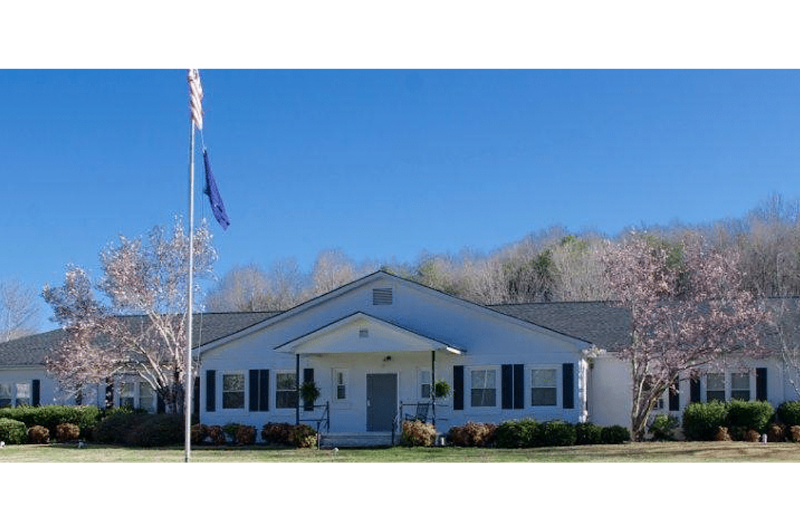
2906 Greer Hwy, Marietta, SC 29661 (864) 836-6381
For profit - Limited Liability company 44 Beds PACS GROUP Data: November 2025
Trust Grade
38/100
#172 of 186 in SC
Last Inspection: March 2025

Within standard 12-15 month inspection cycle. Federal law requires annual inspections.

Overview

River Falls Post Acute has received a Trust Grade of F, indicating significant concerns and overall poor quality of care. Ranking #172 out of 186 nursing homes in South Carolina places it in the bottom half of facilities, and #18 out of 19 in Greenville County suggests that only one local option is better. The facility is worsening, with the number of reported issues increasing from 1 in 2023 to 8 in 2025. Staffing is a notable weakness, with a poor rating of 1 out of 5 stars and a high turnover rate of 58%, significantly above the state average. Specific incidents include a resident suffering a fracture due to improper transfer by staff and failure to maintain a safe and clean environment, indicating potential risks to residents' well-being. Overall, while there are some average quality measures, the troubling trends and specific deficiencies are concerning for families considering this facility for their loved ones.
Trust Score
F
38/100
In South Carolina
#172/186
Bottom 8%
Safety Record
Moderate
Needs review
Inspections
Getting Worse
1 → 8 violations
Staff Stability
⚠ Watch
58% turnover. Above average. Higher turnover means staff may not know residents' routines.
Penalties
○ Average
$8,824 in fines. Higher than 65% of South Carolina facilities. Some compliance issues.
Skilled Nurses
⚠ Watch
Each resident gets only 20 minutes of Registered Nurse (RN) attention daily — below average for South Carolina. Fewer RN minutes means fewer trained eyes watching for problems.
Violations
○ Average
10 deficiencies on record. Average for a facility this size. Mostly minor or procedural issues.
★☆☆☆☆
1.0
Overall Rating
★☆☆☆☆
1.0
Staff Levels
★★★☆☆
3.0
Care Quality
★★☆☆☆
2.0
Inspection Score
Stable
2023: 1 issues
2025: 8 issues

The Good

  • Full Sprinkler Coverage · Fire safety systems throughout facility
  • No fines on record

Facility shows strength in fire safety.

The Bad

1-Star Overall Rating

Below South Carolina average (2.8)

Significant quality concerns identified by CMS

Staff Turnover: 58%

12pts above South Carolina avg (46%)

Frequent staff changes - ask about care continuity

Federal Fines: $8,824

Below median ($33,413)

Minor penalties assessed

Chain: PACS GROUP

Part of a multi-facility chain

Ask about local staffing decisions and management

Staff turnover is elevated (58%)

10 points above South Carolina average of 48%

The Ugly 10 deficiencies on record

1 actual harm
Mar 2025 7 deficiencies
CONCERN (D)

Potential for Harm - no one hurt, but risky conditions existed

Resident Rights (Tag F0550)

Could have caused harm · This affected 1 resident

Based on observation, interviews, and facility policy review, the facility failed to treat one (1) resident with respect and dignity related to colostomy care for one of two sampled residents, Residen...

Read full inspector narrative →
Based on observation, interviews, and facility policy review, the facility failed to treat one (1) resident with respect and dignity related to colostomy care for one of two sampled residents, Resident (R)11. Findings include: Review of the Resident's [NAME] of Rights displayed in the Administrative Hall revealed, As a resident of this facility, YOU or your legal guardian has the right to . Be treated with respect and dignity. Review of R11's Face Sheet revealed an admission date of 07/09/24, with diagnoses including but not limited to: Schizophrenia, chronic kidney disease, colostomy, and homicidal/suicidal ideations. Review of R11's Brief Interview for Mental Status (BIMS) dated 12/18/24, revealed R11 scored 13 out of 15, which indicated R11's cognition was intact. Review of R11's Physician Orders, revealed the following orders dated 07/10/24, Change colostomy bag Q [every] shift and PRN [as needed] and Empty colostomy bag Q [every] shift and PRN [as needed]. Review of R11's Care Plan Report, revealed the focus area, Ostomy - Bowel: Resident has a colostomy and is at risk for complications related to concerns with self-image, odor control, skin integrity. The interventions and tasks included the following, Encourage the resident to express feelings/concerns. Keep ostomy site covered. Keep pouch emptied routinely. Maintain privacy while providing care. Observe for signs and symptoms of complications related to colostomy and notify physician of abnormal findings. During an observation of R11, on 03/03/25 at 10:40 AM, revealed the resident sitting in the hallway between Halls one (1) and two (2). R11's colostomy bag was exposed and hanging from the right anterior area. The colostomy bag was half full and contained fecal matter. During an interview on 03/03/25 at 10:45 AM, R11 stated he did not like his colostomy bag, but he had to wear it at all times. R11 stated he had no choice but to wear it like that because he had no privacy bag to cover it and it was never covered. During an interview on 03/04/25 at 9:50 AM, R5 complained of R11 wheeling around the facility all day with his colostomy bag uncovered. R5 stated it was gross to look at the colostomy bag, especially when he/she was in the dining area looking at the food where people were eating, and food was being served. R5 also stated that he/she did not understand why staff did not place a cover over the colostomy bag to prevent residents from looking at it and losing their appetites. During an interview, on 03/05/25 at 11:21 AM, the Assistant Director of Nursing (ADON)2 stated he/she did not know the colostomy bag needed to be covered and now the expectations were for the Social Worker (SW) to have a nice conversation with him/her to have it covered.
CONCERN (D)

Potential for Harm - no one hurt, but risky conditions existed

Comprehensive Care Plan (Tag F0656)

Could have caused harm · This affected 1 resident

**NOTE- TERMS IN BRACKETS HAVE BEEN EDITED TO PROTECT CONFIDENTIALITY** Based on record review, interview, and facility policy review, the facility failed to develop a Comprehensive Care Plan addressi...

Read full inspector narrative →
**NOTE- TERMS IN BRACKETS HAVE BEEN EDITED TO PROTECT CONFIDENTIALITY** Based on record review, interview, and facility policy review, the facility failed to develop a Comprehensive Care Plan addressing the use of an antipsychotic medication for 1 of 5 residents reviewed for unnecessary medications, Resident (R)32. Findings include: Review of the facility's undated policy titled Care Plans, Comprehensive Person-Centered, documented, Policy Statement: A comprehensive person-centered care plan that includes measurable objectives and timetables to meet the resident's physical, psychosocial and functional needs is developed and implements for each resident. Policy Interpretation and Implementation: . 7. The comprehensive, person-centered care plan: a. Includes measurable objectives and timeframes; b. describes services that are to be furnished to attain or maintain the resident's highest practicable physical, mental, and psychosocial well-being . Review of R32's Electronic Medication Record (EMR) revealed s/he was admitted to the facility on [DATE], with diagnosis including but not limited to, unspecified Dementia. Review of R32's admission Minimum Data Set (MDS) with an Assessment Reference Date (ARD) of 01/13/25, revealed a Brief Interview for Mental Status (BIMS) score of 3 out of 15, indicating R32 had severe cognitive impairment. Further review of the MDS revealed R32 was assessed as requiring moderate to maximal assistance from staff with performing many activities of daily living, such as dressing, bathing, personal hygiene, and toilet use. Review of R32's Order Summary Report for March 2025, found the following Physician Orders: Quetiapine Fumarate (an atypical antipsychotic) oral tablet 50 milligrams (mg) - Give one tablet by mouth one time a day for Dementia with Behaviors (ordered on 01/07/25); and Quetiapine Fumarate oral tablet 50 mg - Give two (2) tablets by mouth at bedtime for Dementia (ordered on 01/07/25). The risks and benefits for the use of this atypical antipsychotic medication were reviewed with R32's responsible party on 01/07/25, and the responsible party gave consent for its use. Review of R32's Progress Notes found an Encounter Note dated 02/21/25, which documented the following, Date of Service: 02/21/2025 Visit Type: Psychiatry Evaluation H&P [History and Physical] . History Of Present Illness: . [R32] is currently at River Falls Post Acute for STR [short-term rehabilitation] after recent hospitalization for not able to care [her/himself]. Per provider records patient has a noted psychiatric diagnosis of dementia. 2/21/25 Patient seen today for initial psychiatric evaluation. Upon assessment patient is resting in bed with [her/his] head covered up. After review of hospital notes patient has had multiple falls at home and [her/his spouse] appears no longer to be able to take [her/him]. Per staff patient stays in [her/his] bed the majority of the time with [her/his] head covered up however at times the patient becomes combative and as needed in the hospital records was very agitated during [her/his] hospital stay. I asked the patient multiple times to uncover [her/his] head speak with me and [she/he] refused to do so. [S/He] did not speak during the assessment [s/he] grunted when I asked [her/him] to uncover [her/his] head so we could talk but never actually spokeduring the assessment. Patient continues to benefit withiout adverse effect(s) identified from current psychotropic medication regimen. Continue medication(s) as prescribed, the patient is stable at curent dose and/or needs more time to see benefiticial effects. Dose reduction attempted and/or reduction at this time will risk decompensation of patient. Monitor for changes in mood or behaviors. [sic] Review of R32's Care Plan Report, which was last reviewed on 02/18/25, found no mention of the use of an antipsychotic medication or the need for staff to monitor for adverse side effects associated with the use of an antipsychotic. During an interview on 03/05/25 at 2:20 PM, the Regional Director of Clinical Services (RDCS)3 confirmed his/her expectation was that if a resident were to receive an antipsychotic medication, this should be addressed in the resident's Care Plan.
CONCERN (D)

Potential for Harm - no one hurt, but risky conditions existed

Medical Records (Tag F0842)

Could have caused harm · This affected 1 resident

**NOTE- TERMS IN BRACKETS HAVE BEEN EDITED TO PROTECT CONFIDENTIALITY** Based on record review, interview, and facility policy review, the facility failed to ensure resident records were accurately do...

Read full inspector narrative →
**NOTE- TERMS IN BRACKETS HAVE BEEN EDITED TO PROTECT CONFIDENTIALITY** Based on record review, interview, and facility policy review, the facility failed to ensure resident records were accurately documented and complete, for 2 of 19 residents whose medical records were reviewed, Resident (R)17 and R148. Findings include: Review of the undated facility policy titled Policy on Accuracy of Medical Records documented, Purpose: To ensure that all medical records maintained by River Falls Post Acute are accurate, complete, legible, and timely to support high-quality resident care, legal compliance, and effective communication among healthcare providers. A medical records [sic] accuracy policy for long term care should prioritize detailed, timely, and objective documentation of all patient health information. Scope: This policy applies to all staff, including but not limited to nurses, physicians, therapists, certified nursing assistants (CNAs), and administrative personnel, who document or access resident medical records within the skilled nursing facility. Policy Statement: . All entries in medical records must reflect the true and current condition, care, and treatment of residents. Procedures: 1. Documentation Standards - All entries in medical records must be factual, precise, and based on direct observation, assessment, or resident-reported information. Review of R17's electronic medical record (EMR) found s/he was admitted to the facility on [DATE], with diagnoses including but not limited to: encounter for other orthopedic aftercare, which was secondary to multiple fractures sustained during a motor vehicle accident. Review of R17's admission Minimum Data Set (MDS) with an Assessment Reference Date (ARD) of [DATE], revealed a Brief Interview for Mental Status (BIMS) score of 13 out of 15, which indicated intact cognition. S/he was also assessed as being dependent or requiring maximal assistance from staff with performing many activities of daily living, such as dressing, bathing, personal hygiene, and toilet use. Review of R17's Order Summary for [DATE] found that cardiopulmonary resuscitation (CPR) was to be performed on the resident in the event of cardiac arrest; this order was dated [DATE]. Further review of the resident's EMR, found an Encounter Note, dated [DATE], which documented the following: Date of Service: [DATE] Visit Type: Follow Up . Code Status: Do Not Attempt Resuscitation (DNR/no CPR). This note was electronically signed by Physician Assistant (PA)6. During an interview on [DATE] at 10:20 AM, the Regional Director of Clinical Services (RDCS)3 confirmed that the resident's Code Status per the [DATE] Order Summary was to perform CPR, and the Encounter Note dated [DATE] documented the resident's Code Status as DNR/No CPR. RDCS3 searched through a binder of documentation maintained by the Director of Nursing (DON) and found documentation where the resident had signed a form titled Resident / Family Consent For Cardiopulmonary Resuscitation on [DATE], and that Attending Physician (AP)9 wrote in his/her own handwriting an order for Full Code on [DATE]. Review of an Encounter Note in the resident's EMR, dated [DATE], found the following: Date of Service: [DATE] Visit Type: MD admission H&P . Code Status: Discussed Advanced Care Plan with Patient . Patient wishes to be a: DNR . This document was electronically signed by AP9 at 11:03 AM on [DATE]. At 11:22 AM on [DATE], the following addendum was added to the Encounter Note by AP9: Addendum Details: Patient has signed resuscitation orders on 12/19 desired a full code. [sic] Review of additional Encounter Notes recorded between [DATE] through [DATE] by the resident's AP9, Alternate Physician #10, and PA6, found 11 entries documenting the resident's Code Status as either DNR or No Not Attempt Resuscitate (DNR/no CPR). During a followup interview on [DATE] at 10:25 AM, RDCS3 confirmed that R17's Code Status was incorrectly stated in multiple Encounter Notes. RDCS3 also confirmed that nursing staff would consult the resident's Physician Orders and not the Encounter Notes when determining whether to perform CPR on a given resident. Review of R148's EMR found s/he was recently admitted to the facility on [DATE], with diagnoses including but not limited to: Methicillin Resistant Staphylococcus Aureus Infection (Site Unspecified), Cellulitis of Unspecified Part of Limb, and Local Infection of the Skin and Subcutaneous Tissue (Unspecified). Review of R148's admission MDS with an ARD of [DATE], revealed a BIMS score of 15 out of 15, which indicated intact cognition. This MDS was still In Progress, and multiple sections of the MDS were not yet completed at the time of the survey. A review of evaluations completed upon the resident's admission to the facility found a Skin & Wound Evaluation V7.0, with an effective date of [DATE] at 6:23 PM. This evaluation documented the presence of a Pressure Injury described as Stage 3: Full-thickness skin loss that was present on admission. The wound measurements were noted as 2.1 centimeters (cm) x 1.0 cm with no depth. The wound bed was described as filled with 100% granulation tissue. However, the location of this wound was not recorded anywhere on the evaluation. The above Skin & Wound Evaluation was shown to Licensed Practical Nurse (LPN)4 at 9:57 AM on [DATE], at which time LPN4 confirmed the location of the wound was not recorded anywhere on the evaluation. During an interview on [DATE] at 2:30 PM, RDCS3 confirmed that it was his/her expectation that each resident's medical record should be accurate and complete, including accurately documenting a resident's Code Status and documenting the location of a resident's pressure injury.
CONCERN (D)

Potential for Harm - no one hurt, but risky conditions existed

Deficiency F0924 (Tag F0924)

Could have caused harm · This affected 1 resident

**NOTE- TERMS IN BRACKETS HAVE BEEN EDITED TO PROTECT CONFIDENTIALITY** Based on observation and interview, the facility failed to maintain firmly secured handrails on each side of the corridors for r...

Read full inspector narrative →
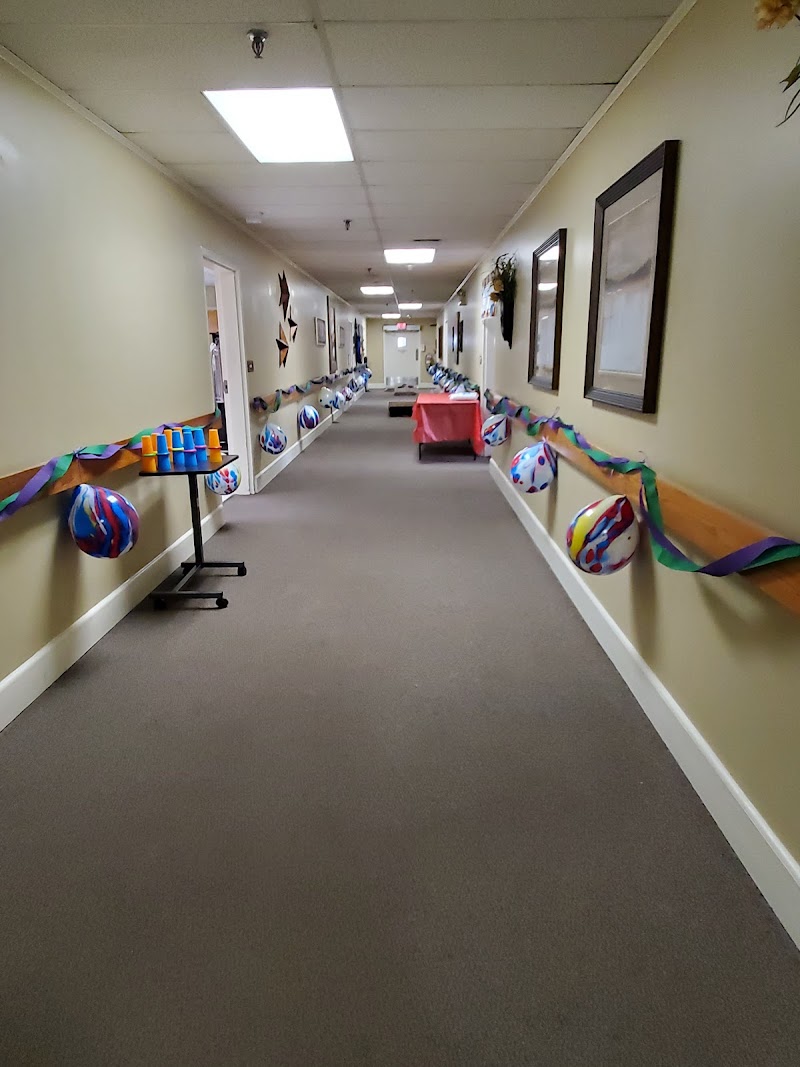
**NOTE- TERMS IN BRACKETS HAVE BEEN EDITED TO PROTECT CONFIDENTIALITY** Based on observation and interview, the facility failed to maintain firmly secured handrails on each side of the corridors for resident use. Two sections of handrails were missing from two of four corridors in the resident areas, with holes in the wall and/or wooden attachment sites protruding from the walls where the handrails had been. Findings include: Observations of the facility were made in the company of Licensed Practical Nurse (LPN)4 beginning at 8:08 AM on 03/05/25, with the following findings noted: At 8:08 AM - Observation of the wall between the Linen Room and the Employee Breakroom (across the hall from room [ROOM NUMBER] and room [ROOM NUMBER]), found a 3-foot section of wall where handrailing was missing. At one end of the 3-foot section was a 4-inch x 4-inch piece of wood protruding from the wall; at the other end was a 4-inch x 4-inch square of wall painted blue with a 1-inch-wide hole in the center. This 4 x 4-inch area was painted a different color from the rest of the wall and gave the appearance that another 4 x 4-inch piece of wood was missing. LPN4 verified that a section of handrail was missing from this location. At 8:15 AM - Observation of the wall between a Resident Restroom and room [ROOM NUMBER], found a 16-inch section of wall where handrail was missing. At one end of the 16-inch section was a 4-inch x 4-inch piece of wood protruding from the wall; at the other end was a 4-inch x 4-inch square of wall painted maroon with a large irregular hole in the center. This 4 x 4-inch area was painted a different color from the rest of the wall and gave the appearance that another 4 x 4-inch piece of wood was missing. LPN4 verified that a section of handrail was missing from this location. During an interview with the Administrator and the Regional Director of Clinical Services (RDCS)3, at approximately 9:30 AM on 03/05/25, the surveyor requested a copy of the facility's policy on Physical Environment. As of the time of the exit conference, at approximately 4:00 PM on 03/05/25, no such policy was provided.
CONCERN (E)

Potential for Harm - no one hurt, but risky conditions existed

Safe Environment (Tag F0584)

Could have caused harm · This affected multiple residents

**NOTE- TERMS IN BRACKETS HAVE BEEN EDITED TO PROTECT CONFIDENTIALITY** Based on observation, interview, and record review, the facility failed to provide housekeeping and maintenance services to main...

Read full inspector narrative →
**NOTE- TERMS IN BRACKETS HAVE BEEN EDITED TO PROTECT CONFIDENTIALITY** Based on observation, interview, and record review, the facility failed to provide housekeeping and maintenance services to maintain a safe, clean, comfortable and home-like environment for residents. Specifically, (1) Resident rooms on 100 Hall were found with damaged furniture, floors, walls, and/or trim affecting Resident (R)17, R29, R1, R28, R32, R36, R144, and R148; (2) Two restrooms and a shower room, which were available for use by residents on 100 Hall, was not maintained in good repair and/or in a sanitary manner; (3) The door and pathway to the outdoor designated smoking area were not maintained in a safe, clean, and homelike manner; the door and pathway were routinely used by five residents who smoked (R31, R5, R29, R11, and R23); and (4) Not maintaining vinyl composite tile flooring, wooden handrails, wooden corridor doors, and wood baseboards and trim, found in various locations throughout the facility, in good repair and in a manner that would allow these features to be effectively cleaned and/or sanitized. Findings include: During a tour of the 100 Hall on 03/05/25 at 8:08 AM, conducted in the company of Licensed Practical Nurse (LPN)4. The following observation were made and verified by LPN4 at the time of discovery: 8:11 AM - The floor under the steam table, located in the common area shared by the Nurses' Station and the Small Dining Room, had a section of vinyl composite tile flooring, measuring 15-feet x 3-feet. The edges of the 1-foot square tiles in this section were unsealed and popped up at the corners, making the flooring unable to be effectively cleaned or sanitized. 8:13 AM - The walls and wood trim around the doors and baseboards in the vending machine cubbyhole were damaged. 8:15 AM - A restroom located next to room [ROOM NUMBER], which was identified by LPN4 as being frequently used by residents on 100 Hall, was unclean and in disrepair. The vinyl composite floor tiles in this bathroom were cracked in multiple places, discolored, and appeared to be unclean, especially along the edges of the wall, in front of and around the toilet, and under the sink. There was wall marring along the wall to the left of the toilet below the wall - mounted safety bar, both at a level above the vinyl cove base and halfway up the wall between the top of the cove base and the safety bar. The vinyl cove base itself was unclean, and there was a gap between two adjacent lengths of the cove base. Also at 8:15 AM - The vinyl composite floor tiles in the room occupied by R17 had damage that was visible from the corridor; the damage was in the shape of linear grove the length of approximately 5-feet, and in placed, the groove extended through the tile exposing the underlayment. During an observation and interview on 03/05/25 at 8:20 AM, in the presence of LPN4, R17 stated s/he was aware of the groove in flooring, as it was directly next to her/his bed. S/he reported that, sometimes, the wheels on her/his overbed table got stuck in the big cracks in the tile when s/he moved it. S/he also reported the footboard on her/his bed was broken. R17 demonstrated this by pushing against the footboard with her/his feet and stating the footboard wiggled like a wiggle-worm. S/he stated the footboard had been broken since s/he came to this room. During this interview, an observation found the privacy curtain at the foot of R17's bed to be damaged. While R17's roommate was out of the room, R17 permitted an observation of the physical environment on both sides of the room. Both residents' beds were pushed up against the walls on opposite ends of the room. An examination of the roommate's side of the room found wall marring consistent with scraping of the wall by the upper half rail on the roommate's bed. Further observation found additional wall marring, damage (including deep scratches revealing raw wood) to the wooden window frame, and a baseboard heater across the length of the wall under the window that was damaged and not clean. The rounded corner of the roommate's bedside stand was also damaged, exposing unsealed particle board along the corner and edges of the top of the stand where the veneer had been chipped away. Review of R17's admission Minimum Data Set (MDS) with an Assessment Reference Date (ARD) of 12/23/24, revealed s/he was admitted on [DATE]. Further review of the MDS revealed a Brief Interview for Mental Status (BIMS) score of 13 out of 15, indicating R17 was cognitively intact. 8:28 AM - R36's room was found to have wall marring along the side of her/his bed consistent with scraping of the wall by the upper half rail of R36's bed. At the head of R36's bed were three wires protruding from a length of metal conduit that ran vertically near the window frame; the ends of the wires were capped with twist-on wire caps. Directly below the end of the metal conduit was a metal backplate with sharp edges. Damaged vinyl composite tiles were noted on the floor. Wall marring was found at the head of the bed and along the side of the roommate's bed, and the wooden frame around the window was also marred. 8:30 AM - Next to R36's room was a door labeled with a sign that announced: Resident's Bathroom Only - No visitors please. On the wall beside this door was a sign indicating the bathroom was accessible to wheelchairs. When opened, the bathroom was found to be unclean and in disrepair. A section of vinyl composite floor tile located immediately inside the doorway to this room, measuring approximately 16-inches by 3-inches, was missing. There was also a gap between the vinyl plank flooring in the corridor to the vinyl composite tile squares inside the bathroom where there was no transitional threshold. The bathroom had a lavatory just inside to the right of the entrance, as well as at least two toilet stalls. Stored inside this bathroom was a 3-bag hamper on wheels made of polyvinyl chloride (PVC) piping. There was a large area of dried brownish colored liquid on the floor between the hamper and the shower stalls. Examination of the sink and the toilet stalls found the walls, floors, and vinyl cove base to be unclean and in disrepair. Upon exiting this bathroom at 8:33 AM on 03/05/25, R36 was observed to enter it and close the door behind her/him. 8:35 AM - The Shower Room, across the hall from room [ROOM NUMBER] and room [ROOM NUMBER], found multiple spots of dark brown material on the floor of the shower stall under and around the shower chair. This material was examined by LPN4, who identified it as feces. The floor of the shower was dry, and there was no evidence that the shower stall had been recently used. The floor tile under the sink cabinet was not sealed and unclean. The vinyl cove base between the sink cabinet and the door frame was pulled away from the wall. 8:51 AM - R29's room had damage to the floor tiles as well as a drawer missing from one of the two wardrobes. R29's wardrobe was noted to be missing a drawer when observed earlier in the week on 03/03/25. When interviewed at 10:35 AM on 03/03/25, in the presence of LPN5, R29 stated the drawer had been missing the entire time s/he had been at the facility. R29 reported s/he was admitted to this facility about two years ago. Review of R29's MDS with an ARD of 02/04/25, revealed s/he was admitted on [DATE]. The resident scored 14 out of 15 on the BIMS, which indicated intact cognition. Additional observations found wall marring and/or damaged floor tiles visible in rooms occupied by R1, R28, R32, R144, and R148. Multiple corridor doors were found with damage through the veneer. Multiple sections of wooden handrails that lacked any coating to seal the exposed raw wood; the unsealed exposed wood presented a surface that was porous and could not be effectively cleaned or sanitized. 8:57 AM - The panic bar on the door leading to the outside designated resident smoking area was missing an end cap; the uncapped end of the panic bar was exposed to residents when the door was open. A broken windowpane in the door was repaired with cardboard and black duct tape. Multiple squares of vinyl composite floor tile in front of the door and in the same general vicinity were broken. The pathway to the outside smoking area was cluttered with various items, including but not limited to: a housekeeping cart, three shopping carts, an empty cardboard box stacked on top of a bedside commode, multiple bedside commodes and/or three in one (3-in-1) commode chairs, a mop bucket, milk crates, reclining cardiac chairs, PVC pipe shower chairs, wheelchairs, and a trapeze bar with stand. On 03/05/25 at approximately 3:15 PM, LPN4 provided a copy of Work Order #7125, which was created on 10/11/24 at 9:02 AM, it documented, window in breezeway door broken need to cover and order new. 8:59 AM - An observation was made of three windows that opened onto the area leading to the designated resident smoking area. LPN4 identified these windows as belonging to room [ROOM NUMBER], room [ROOM NUMBER], and room [ROOM NUMBER]. All three windows housed air conditioning (A/C) units. The gaps between the A/C unit and the window frame in each window were filled with various porous materials that were non-resistant to inclement weather and/or pests, including loose insulation and cardboard. The cardboard used to fill a gap between the A/C unit and the window frame for room [ROOM NUMBER] was noted to be wet. The above findings were shared with the Administrator and Regional Director of Clinical Services (RDCS)3 at approximately 9:30 AM on 03/05/25, at which time the surveyor requested a copy of the facility's policy on Physical Environment. As of the time of the exit conference at approximately 4:00 PM on 03/05/25, no policy was provided.
CONCERN (E)

Potential for Harm - no one hurt, but risky conditions existed

Accident Prevention (Tag F0689)

Could have caused harm · This affected multiple residents

Based on observation, interview, and facility policy review, the facility failed to ensure smoking materials were properly disposed of in the designated resident smoking area. The facility also failed...

Read full inspector narrative →
Based on observation, interview, and facility policy review, the facility failed to ensure smoking materials were properly disposed of in the designated resident smoking area. The facility also failed to maintain good condition of the fire blanket mounted in the smoking area used by 5 of 5 residents who smoke, Resident (R)5, R11, R23, R29, and R31. Findings include: Review of the facility's policy titled Smoking Policy - Residents, revised on August 2022, documented, Policy Statement: This facility shall establish and maintain safe resident smoking practices. Policy Interpretation and Implementation: . 2. Smoking is only permitted in designated resident smoking areas, which are located outside of the building. 4. Ashtrays are emptied only into designated receptacles. 10. Any resident who are [sic] able to smoke will do so under direct supervision of a staff member, family member, visitor or volunteer worker at all times while smoking. During an observation on 03/05/25 at 8:57 AM, of the designated outdoor resident smoking area and in the company of Licensed Practical Nurse (LPN)4, revealed the designated smoking area was comprised of a table and several outdoor metal benches on a concrete pad, next to a small cinderblock building. Also, on the concrete pad was a large red metal Justrite Oily Waste Can, with a foot pedal and a self-closing device. Mounted on the exterior wall of the cinderblock building was a grey metal box labeled Fire Blanket, a fire extinguisher, and a black metal box labeled Smoker's Apron. On the table was an ashtray. During an observation on 03/05/25 at 9:02 AM, revealed the ashtray located on the table was found to be completely full with about two dozen cigarette butts. The contents of the ashtray had not been emptied into the receptacle. An examination of the Fire Blanket box found the lower half of the box brown with rust; the bottom of the box was badly rusted with metal flaking away from the bottom edge. Upon opening the box, the middle of the fire blanket stored inside the box was found to be damp. The bottom edge of the fire blanket was saturated and covered with mold. The above observations were verified by LPN4 at the time of discovery. A subsequent review of the posted smoking schedule revealed the first smoking time for the residents was not until 11:00 AM, and the last smoking time of the day was at 9:00 PM. The ashtray full of cigarette butts was made almost two hours before the first resident smoking time was due to occur on 03/05/25.
CONCERN (E)

Potential for Harm - no one hurt, but risky conditions existed

Deficiency F0761 (Tag F0761)

Could have caused harm · This affected multiple residents

**NOTE- TERMS IN BRACKETS HAVE BEEN EDITED TO PROTECT CONFIDENTIALITY** Based on observation, interview, and facility policy review, the facility failed to ensure drugs were properly labeled and store...

Read full inspector narrative →
**NOTE- TERMS IN BRACKETS HAVE BEEN EDITED TO PROTECT CONFIDENTIALITY** Based on observation, interview, and facility policy review, the facility failed to ensure drugs were properly labeled and stored in locked compartments and under proper temperature controls, as evidenced by: (1) not monitoring medication refrigerator temperatures twice daily when storing vaccines; (2) storing an unidentifiable clear liquid into a syringe in the medication refrigerator, recapping the needle, and storing it in the medication refrigerator; (3) failure to date multi-dose vials of Tuberculin Purified Protein Derivative (PPD) after opening and accessing them; and (4) not securing a medicated cream prescribed for Resident (R)23, which was left unattended in an unlocked shower room. These practices had the potential to affect more than an isolated number of residents with a facility census of 41. Findings include: Review of the undated facility policy titled Medication Labeling and Storage, documented, Policy Statement: The facility stores all medications and biologicals in locked compartments under proper temperature, humidity, and light controls. Only authorized personnel have access to keys. Policy Interpretation and Implementation: Medication Storage: . 4. Compartments (including, but not limited to, drawers, cabinets, rooms, refrigerators, carts, and boxes) containing medications and biologicals are locked when not in use, and trays or carts used to transport such items are not left unattended if open or otherwise potentially available to others. 5. Medications are stored in an orderly manner in cabinets, drawers, carts, or automatic dispensing systems. Each resident's medications are assigned to an individual cubicle, drawer, or other holding area to prevent the possibility of mixing medications of several residents. Medication Labeling: 1. Labeling of medications and biologicals dispensed by the pharmacy is consistent with applicable federal and state requirements and currently accepted pharmaceutical practices. 5. Multi-dose vials that have been opened or access (e.g., needle puncture) are dated and discarded within 28 days unless the manufacturer specifies a shorter or longer date for the open vial. 11. Medications may not be transferred between containers. During an observation on 03/05/25 at 7:54 AM, of the medication refrigerator, located in the medication room, in the company of Licensed Practical Nurse (LPN)4, revealed on the outside of the refrigerator's door was a form titled, Refrigerator & Freezer Temperature Log and dated March (with no year). Review of the temperature log found the following instruction: Record the Time, Temperatures & Initials two times (2) each business day, upon arrival (morning) and when closing the office at the end of the day (evening). Twice daily refrigerator and freezer temperatures were recorded at 8:00 AM and 7:00 PM on the first (1st) and second (2nd) day of March, and temperatures were recorded for 8:00 AM on the third (3rd) day of March. There were no temperatures recorded after 8:00AM on the third day of the month. This was verified at the time of the observation by LPN4. During an interview on 03/05/25 at 7:54 AM, LPN4 confirmed that vaccines were being stored in this refrigerator and that the facility's policy required twice daily temperature monitoring. During an observation on 03/05/25 at 7:55 AM, revealed the refrigerator was opened, and its drawer was removed for examination. A loose red-capped syringe (not in a package) was found sticking cap-end up in the back of the drawer. Observation of the syringe found it contained a clear liquid, and the syringe was not labeled. During an interview on 03/05/25 at 7:55 AM, LPN4 confirmed the syringe contained an unidentified liquid and was not labeled. LPN4 was not certain of the syringe's contents but stated, I would assume it is a drawn-up PPD. LPN4 discarded the syringe in a sharps container. Further observation of the drawer revealed two multidose vials of Tubersol ® Tuberculin PPD with safety caps removed and evidence that the vials had been accessed by needles. Neither of these bottles nor their original packaging had been dated to indicate when the vials had first been opened. Review of the Manufacturer's Instructions on the Tubersol ® Tuberculin PPD vials stated, Discard opened product after 30 days. The drawer also contained 27 prefilled single-dose syringes of 2024-2025 Influenza Vaccine Flublok ®, which required the twice daily temperature monitoring. LPN4 confirmed these findings. During an observation on 03/05/25 at 8:39 AM, of the shower room, located between rooms [ROOM NUMBERS], while accompanied by LPN4, revealed the shower room was unoccupied at the time of the observation. On the edge of the sink was a box containing a tube of Betamethasone Dipropionate 0.05% cream (used to help relieve discomfort caused by certain skin condition) with a prescription label for R23. During an interview on 03/05/25 at 8:45 AM, LPN4 confirmed the medicated cream should not have been left unsecured in the shower room, and s/he removed it.
Jan 2025 1 deficiency 1 Harm
SERIOUS (G) 📢 Someone Reported This

A family member, employee, or ombudsman was alarmed enough to file a formal complaint

Actual Harm - a resident was hurt due to facility failures

Accident Prevention (Tag F0689)

A resident was harmed · This affected 1 resident

**NOTE- TERMS IN BRACKETS HAVE BEEN EDITED TO PROTECT CONFIDENTIALITY** Based on review of facility policy, record review, observations, and interviews, the facility failed to ensure that Resident (R)...

Read full inspector narrative →
**NOTE- TERMS IN BRACKETS HAVE BEEN EDITED TO PROTECT CONFIDENTIALITY** Based on review of facility policy, record review, observations, and interviews, the facility failed to ensure that Resident (R)1 was free from accidents, for 1 of 1 residents reviewed for accidents. Specifically, R1 suffered a fracture due to improper transfer by Certified Nursing Assistant (CNA)1. Findings include: Review of the facility policy titled, Care Plans, Comprehensive Person-Centered, with a last revision date of March 2022, documented, The comprehensive, person-centered care plan: a. includes measurable objectives and timeframes; b. describes the services that are to be furnished to attain or maintain the resident's highest practicable physical, mental, and psychosocial well-being, including: . (3) which professional services are responsible for each element of care; c. includes the resident's stated goals upon admission and desired outcomes; d. builds on the resident's strengths; and e. reflects currently recognized standards of practice for problem areas and conditions. Review of a facility document titled, Patient Care Transfer Techniques: Ensuring Safe and Effective Transfers, which was undated, revealed: Patient Assessment: Prior to a transfer, it is important to assess the patients physical condition, mobility level, weight bearing status, and any specific considerations or precautions. Review of R1's Face Sheet revealed R1 was admitted to the facility with diagnoses including but not limited to: spinal stenosis, lack of coordination, muscle weakness, difficulty walking, and osteoarthritis. Review of R1's Minimum Data Set with an Assessment Reference Date (ARD) of 09/17/24, revealed, Chair/bed-to-chair transfer: The ability to transfer to and from a bed to a chair (or wheelchair). The MDS indicated that R1 was, Dependent - Helper does ALL the effort. Resident does none of the effort to complete the activity. Or, the assistance of 2 or more helpers is required for the resident to complete the activity. Review of R1's Care Plan revealed, I have limited physical mobility r/t Cerebral Palsy, spinal stenosis AEB Fatigue, Impaired balance, fluctuation in ADL's, easily agitated during care, left upper extremity and left lower extremities. Further review of the Care plan revealed interventions which directed staff to, TRANSFER: I Require a mechanical sling lift with 2 staff to assist with transfers. Review of the facility 5-Day reportable dated, 09/24/24 revealed the following: Date and time of incident 9/20/24. Type of incident: Bone or joint fracture. Details: CNA was transferring resident from Broda chair to the bed: When his left leg got caught between the Broda chair and bed frame. Summary of incident: Resident Closed fracture of proximal end of left tibia occurred when his left leg accidentally got caught between the broda chair and the bed frame. Intervention to prevent future incident/injury: Education of all CNA ' s for appropriate transfers, reviewing [NAME], transfer audit of all care plans with transfer process. All CNA's will have competency on proper use of mechanical lifts. Care plan reviewed and revised to indicate resident requires sling lift with 2 staff to assist with transfers. Review of R1's Emergency Department Provider Note dated 09/20/24, revealed an xray result, which documented, Closed Fracture of Proximal End of left tibia, unspecified fracture morphology. During an interview on 01/02/25 at 3:00 PM, R1 revealed he remembers being helped by one lady, from the chair to his bed. R1 stated he felt like his leg hit the bed frame when he was being transferred causing the injury. During an interview on 01/02/25 at 3:12 PM, Certified Nursing Assistant (CNA)1 revealed that R1 was being transferred from the broda chair to the bed. During the transfer the resident hit his leg against the rail and CNA1 heard a pop. CNA1 stated R1 was laid in bed and the nurse was called. CNA1 stated that at the time prior to transfer, she did not have access to the system and could not access the patient's Care Plan due to issues with her access. CNA1 further stated multiple attempts have been made to the staff responsible for Electronic Health Records (EHR) access, with no success. CNA1 revealed that she typically works in the rehab unit and that this was her first time caring for R1. CNA1 concluded she thought the resident was a one person transfer based on what everyone else did. CNA1 stated she did not realize that the resident was a two person transfer, with a hoyer lift until after incident occurred. During an interview on 01/02/25 at 6:30 PM, the Director of Nursing revealed when it comes to transfers her expectations is to follow Care Plans. Care plans are accessed in PCC (Point Click Care - computer software program for Electronic Health Records) under the Care Plan tab. The DON states her expectation is for staff to follow the Care Plan and staff are not allowed to deviate from the plan. The DON further states that the CNA did not follow the facility policy and did not meet the facilities expectations when it comes to safe transfer of residents and following care plans. The DON concluded that if R1 was transferred using the mechanical lift the injury may have been avoided.
Jul 2023 1 deficiency
CONCERN (D) 📢 Someone Reported This

A family member, employee, or ombudsman was alarmed enough to file a formal complaint

Potential for Harm - no one hurt, but risky conditions existed

Deficiency F0554 (Tag F0554)

Could have caused harm · This affected 1 resident

**NOTE- TERMS IN BRACKETS HAVE BEEN EDITED TO PROTECT CONFIDENTIALITY** Based on interview, record review, and facility document review, the facility failed to ensure that one (Resident(R) 137) of one...

Read full inspector narrative →
**NOTE- TERMS IN BRACKETS HAVE BEEN EDITED TO PROTECT CONFIDENTIALITY** Based on interview, record review, and facility document review, the facility failed to ensure that one (Resident(R) 137) of one residents reviewed for medication errors, was assessed for self-administration of medications. Nursing staff left medication with R137, who was not assessed to self-administer them. Findings include: Review of the facility's policy titled Self-Administration of Medications dated 02/2021, revealed Residents have the right to self-administer medications if the interdisciplinary team has determined that it is clinically appropriate and safe for the resident to do so .As part of the evaluation comprehensive assessment, the interdisciplinary team (IDT) assesses each resident's cognitive and physical abilities to determine whether self-administering medications is safe and clinically appropriate for the resident. Review of R137's undated admission Record located in the electronic medical record (EMR) under the Profile tab, indicated the resident was admitted to the facility on [DATE], with diagnoses including cognitive communication deficit, major depressive disorder, and spinal stenosis of the lumbar region. Review of R137's five-day entry Minimum Data Set (MDS), with an Assessment Reference Date (ARD) of 06/23/23, located in the EMR under the MDS tab, revealed the resident had moderate cognitive impairment, based on a Brief Interview for Mental Status (BIMS) score of 10 out of 15. The resident required limited assistance of one person for bed mobility and extensive assistance of one person for personal hygiene. Due to admitting diagnoses, an attempt to transfer, locomotion on unit, dressing, and toilet use, were not assessed during the look back period. Review of R137's entire EMR revealed no evidence that the IDT had assessed the resident to determine if it was safe for the resident to self-administer medications. Review of R137's Care Plan dated 06/19/23, located in the EMR under the Care Plan tab, revealed the resident had not been care planned for self-administration of medications. Review of R137's Physician Orders for the month of June 2023, located in the EMR under the Orders tab, indicated R137's orders included acetaminophen 325 milligram (mg), give two tablets every six hours as needed for mild pain or fever greater than or equal to 100.4 The resident also had an order for Carvediol 6.25 mg, one table two times daily. The resident did not have an order for Benadryl. Further review of the physician orders revealed R137 did not have an order for self-administration of medications. Review of R137's Nurse's Note dated 06/30/23, located in the EMR under the Progress Notes tab, revealed that a nurse left medication with R137, although the resident was not assessed as safe for self-administration. Per this note, I [nurse] included prn [as needed] acetaminophen with the night meds because resident complaint [sic] of pain in legs around knees. however [sic], resident did not take because resident waited for daughter to come before taking. resident [sic] only took the carvediol[sic] [treats the blood pressure]. I had conversation with resident's daughter later in night concerning resident's medication. She brought the acetaminophens back to show me, along with a benadryl [an antihistamine] which she said that she found in the resident's bed. resident [sic] does not have an order for this medication. During an interview conducted with the Director of Nursing (DON) on 07/04/23 at 12:45PM, the DON stated Licensed Practical Nurse (LPN) 3 notified her immediately after the incident. The family was already at the bedside when the event happened, and the Medical Director was made aware of the incident and ordered the facility to monitor the resident. A urinalysis was also ordered to rule out any other medications in the resident's system and was negative. A Facility Reportable Incident (FRI) was submitted to the State Survey Agency (SSA) on 06/30/23, and an investigation was initiated by the Director of Clinical Services (DCS). Per the DON, the nurse was suspended until the investigation was completed. During the interview, the DON confirmed that R137 had not been assessed to self-administer medication and the resident was not cognitively intact enough to be able to do so. During a telephone interview with LPN3 on 07/04/23 at 1:10 PM, LPN3 stated that while giving R137 her nighttime medications, he took the medication cup with two Tylenol and carvedilol into room and handed it to the resident then walked out of the room. When questioned if he had witnessed the resident take the medication, LPN3 stated No, I did not, LPN3 stated he did not know why he left the medication with the resident, but I know I should have stayed. LPN3 stated, The daughter came out carrying the medication cup and told me that she had told her mother not to take medications until she got there. The daughter asked me what medications were in the medication cup. I saw the two Tylenol and a Benadryl capsule. LPN3 stated he had not administered Benadryl, explaining, No, she doesn't have an order for Benadryl, I don't know where that came from. An interview with the DCS on 07/05/23 at 4:19 PM, revealed that the facility had not determined where the Benadryl (that was found in the resident's bed) came from. The DCS confirmed that R137 did not have orders for Benadryl, adding that there was only one resident who currently had as needed orders for Benadryl, and that resident was on a different medication cart. When questioned concerning the process for resident's self-administration of medications, the DCS replied residents are assessed on admission and periodically to evaluate if they are cognitively intact enough to self-administer medications. The DCS confirmed R137 was not assessed for self-administration of medications, and the medication should not have been left with the resident.
Jul 2021 1 deficiency
CONCERN (D)

Potential for Harm - no one hurt, but risky conditions existed

Pressure Ulcer Prevention (Tag F0686)

Could have caused harm · This affected 1 resident

**NOTE- TERMS IN BRACKETS HAVE BEEN EDITED TO PROTECT CONFIDENTIALITY** Based on observation, interview, and record review the facility failed to ensure that one of two sampled residents with pressure...

Read full inspector narrative →
**NOTE- TERMS IN BRACKETS HAVE BEEN EDITED TO PROTECT CONFIDENTIALITY** Based on observation, interview, and record review the facility failed to ensure that one of two sampled residents with pressure ulcers, Resident #10 received necessary treatment and services, consistent with professional standards of practice, to promote healing, prevent infection and prevent new ulcers from developing. The findings include: Observation of Licensed Practical Nurse (LPN) #4 on [DATE] at 1:53 p.m. during preparation for Resident #10's pressure ulcer dressing change revealed the nurse dropped the scissors onto the floor of the Nurse's station when gathering the supplies for the procedure. LPN #4 picked the scissors up from the floor and used them to cut a 4x4 gauze sponge which s/he opened while at the wound cart in the hallway near the Nurse's station. LPN #4 carried the dressing change supplies to Resident #10's room and placed them directly onto the resident's bed without a barrier. LPN #4 then proceeded with the pressure ulcer care [DATE] at 2:00 p.m. Observed Resident #10's right great toe pressure ulcer when assessed by the Medical Director on [DATE] at 3:15 p.m. The Physician stated that the ulcer was an improved Stage three (3) ulcer. The Physician stated that the facility did not downstage pressure ulcers and that if the wound was staged at a three (3) then even if it improved it would be a three (3). Observed Resident #10's pressure ulcer re-dressed by LPN #3 with good technique. Review of the facility policy/procedure for Non-sterile Dressing Change dated [DATE] indicated in the Overview that the purpose of this procedure was to provide guidelines for non-sterile dressing changes to protect wounds from injury and to prevent the introduction of bacteria. The procedure indicated the step-by-step process for dressing changes that included the placement of equipment on the bedside stand or over bed table. Arrange the supplies so that they can easily be reached. If using scissors, clean with bleach wipe prior to procedure. Review of the Progress Notes by the Medical Director dated [DATE] revealed that Resident #10's pressure ulcer would be considered unavoidable due to her malnutrition, generalized immobility and generalized vasculopathy. All efforts have been in place to prove this wound and avoid new or worsening wounds. Review of the admission Record for Resident #10 revealed initial admission into the facility on [DATE] and readmission into the facility on [DATE]. The resident's diagnoses included: Seizures, History of infectious and parasitic diseases, Protein-calorie malnutrition, Stage two (2) pressure ulcer of sacral region, Alzheimer's Disease, Hemiplegia, Contracture of left and right wrists, Chronic pain, Major depressive disorder . Review of the annual Minimum Data Set (MDS) for Resident #10 dated [DATE] revealed readmission into the facility [DATE] from an acute hospital. The staff assessed Resident #10's cognitive ability as severely impaired. Resident #10 exhibited no behaviors. The resident was totally dependent on one staff member for bed mobility, dressing, eating, toilet use, personal hygiene, and bathing. Resident #10 had impaired range of motion of both upper and lower extremities. The resident was always incontinent of urine and bowel. Staff assessment of Resident #10's pain indicated that s/he made non-verbal sounds and had facial expressions which indicated pain on one (1) to two (2) days of the lookback period. Resident #10 had no falls. The resident was 63 inches tall and weighed 89 pounds. Resident #10 was at risk for pressure ulcers but had no pressure ulcers. Resident #10 received no special treatments. Review of the Care Area Assessment Summary for Resident #10 revealed care plan decisions for delirium, cognitive loss/dementia, visual function, communication, urinary incontinence, psychosocial well-being, mood state, activities, falls, nutritional status, pressure ulcer, psychotropic drug use and pain. Review of the quarterly MDS for Resident #10 revealed reentry into the facility on [DATE] from another nursing home or swing bed. Staff assessment of the resident's cognitive skills indicated s/he was severely cognitively impaired. The resident had no behaviors. Resident #10 was totally dependent on two (2) staff for bed mobility, transfers, and toilet use. The resident was totally dependent on one (1) staff for locomotion on and off the unit, dressing, eating, personal hygiene and bathing. The resident had impaired range of motion of both upper and lower extremities. Resident #10 was always incontinent of urine and bowel. Staff assessed the resident with indicator of pain which included non-verbal sounds and facial expressions on one (1) to two (2) days of the lookback period. Resident #10 was 60 inches tall and weighed 92 pounds. No weight loss. Resident #10 had one Stage four (4) pressure ulcer. Resident #10 received five (5) days of passive range of motion. The Resident was examined by the Physician or Nurse Practitioner #2 times over the 14-day period and the resident's orders were changed twice in the 14 days. Review of the Care Plan for Resident #10 revealed plans that included: -Activities of daily living (ADL) self-care performance deficit including oral hygiene related to impaired mobility and weakness diagnoses of Alzheimer's Disease and Cerebrovascular Accident (CVA). Initiated [DATE] and revised on [DATE]. Goals included: -will have needs met on daily basis through the next review date. -Will be appropriately dressed in assistance by the next review date. Interventions: - Required assist of one (1) to two (2) staff for dressing. -Quarter side rails two (2) for position and to define parameters of bed. -Required assist of one (1) to two (2) staff for bathing and showers as needed. -Required assist of one (1) staff for meals. -Required assist of one (1) to two (2) staff for personal hygiene and oral care. -Require using Lift with two (2) staff assistance for transfers. Has Impaired functional mobility related to limited range of motion upper and lower extremities some days it is better than others at times tenses up her muscles. Initiated [DATE] and revised on [DATE]. Goals included: -will remain free of complications related to immobility, including contractures, thrombus formation, skin-breakdown, fall related injury through the next review date. Initiated [DATE], Revised on [DATE] and target date [DATE]. -will have no decease in ROM through next review date. Initiated [DATE] target date [DATE]. Interventions included: -May be out of bed up in Geri Chair for positioning and mobility as tolerated. Initiated [DATE] -Restorative program for ROM to bilateral hands as tolerated 15 minutes per day, five (5) days a week. [DATE] revised on [DATE]. -Observe/document/report as needed any signs/symptoms of immobility: contractures forming or worsening, thrombus formation, skin breakdown, fall related injury. Initiated [DATE] and revised [DATE]. Potential for skin breakdown related to fragile skin, incontinent, impaired mobility, impaired circulation, impaired range of motion, diagnoses of Alzheimer's, CVA, history of multiple pressure areas as well as recurrent pressure areas, dry scaly skin initiated [DATE] and revised on [DATE]. Goals: Will have no further skin issues through the next review date. Initiated [DATE] revised on [DATE] target date [DATE] -Will have a decrease in skin tears through the next review date. Initiated [DATE]. Target date [DATE]. -Will have no further pressure ulcer through next review date. Initiated [DATE]. Revised [DATE]. Target date [DATE]. Interventions: [DATE]- Lotion skin all over her body daily during care as tolerated due to dry scaly skin. Revised on [DATE]. -[DATE] Place house shoes or socks on before transferring her with mechanical lift. Revision [DATE]. -[DATE] Heel protectors as ordered. Revised [DATE] -Administer treatments as ordered and observe for effectiveness. Initiated [DATE] and revised [DATE]. -Apply Prevalon boots to bilateral heels as tolerated initiated [DATE] -Float heels as tolerated. [DATE]. -Need a moisturized applied as needed to skin. Do not massage over bony prominences and use mild cleansers for peri-care/washing. [DATE] and revised on [DATE]. -Required air mattress to bed. Check for position and placement as ordered. [DATE] revised [DATE]. - Required skin inspection during peri care. Observe or redness, open areas, scratches, cuts, bruises, and report changes to the Nurse. Initiated [DATE] and revised on [DATE]. -Medications as ordered. -Monitor skin integrity to bilateral hands. Apply kerlix gauze to bilateral hands as ordered. Initiated [DATE] and revised [DATE] - Notify Family, Medical Doctor, and Registered Dietitian as needed. [DATE]. -Obtain and observe lab/diagnostic work if ordered. Report results to MD and follow up as indicated. [DATE] revised on [DATE]. -Podiatrist may treat as indicated. [DATE] -Supplements as ordered. [DATE]. Revised [DATE]. -Treatments as ordered. [DATE] and revision [DATE]. Alteration in skin integrity related to pressure area right great toe dated [DATE] revised on [DATE]. Goal: -Will have minimal risk of infection of pressure ulcer during 90-day review period. Initiated [DATE], revised [DATE]. Target date [DATE]. -Will exhibit healing of pressure ulcers through the next 90 days. Initiated [DATE], revised [DATE]. Target date [DATE]. Interventions: -Air mattress as ordered -Apply Prevalon Boots to bilateral heels as tolerated -Licensed nurse weekly skin check -Observe for numbness, pain, pallor, decreased or absent pulses, changes in color/temperature in extremity or edema, report all changes to the MD/ ARNP -Provide with a podiatrist consult as needed -Provide with a wound care consult with physician as needed -Provide medications as ordered -Render treatment as ordered. Monitor response to treatment. If poor response or condition worsens, notify MD/ARNP -Supplements as ordered. Review of the Braden Scale for Predicting Pressure Sore Risk version 3 dated [DATE] revealed Resident #10 had a score of 10 which indicated high risk for pressure ulcer development. Review of the Braden Scale for Predicting Pressure Sore Risk version 3 dated [DATE] revealed a score of nine (9) which indicated the resident had a very high risk for the development of pressure sores. Review of the Braden Scale for Predicting Pressure Sore Risk version 3 for Resident #10 revealed a score of 12 which indicated high risk for development of pressure ulcers. Review of the Weekly Wound Information Sheet for Resident #10 effective [DATE] revealed the location of the wound was the right foot first metatarsal phalangeal joint (right first toe). The wound was facility acquired. Stage two (2) pressure ulcer. 1.5 centimeters by 1.0 centimeters by 0.1 cm with no drainage. The Medical Doctor (MD) was notified on [DATE]. The Responsible party was notified on [DATE]. Review of the Weekly wound Information Sheet dated [DATE] revealed the pressure ulcer on Resident #10's right great toe was a Stage three (3) ulcer that measured 0.3 cm by 0.2 cm by 0.1 cm. Review of the Progress of the wound indicated the area to the right first toe at joint was slightly open without exudate. Review of the VOHRA Wound Physician's Wound Evaluation Management Summary dated [DATE] revealed the chief complaint of wound on her right first toe. At the request of the referring provider a thorough wound care assessment and evaluation was performed today. Resident has a Stage three (3) pressure wound of the right first (1st) toe for at least seven (7) days duration. Wound size 0.3 by 0.2 by 0.1 cm. Review of the Weekly Wound Log dated [DATE] through [DATE] indicated that Resident #10's right great toe pressure ulcer was a Stage four (4) ulcer that measured 0.5 cm by 1.4 cm by 0.2 cm. Interview with LPN #4 on [DATE] at 2:42 p.m. in the Nurse's station revealed that s/he didn't realize that s/he picked the scissors up from the floor and used them to cut the gauze. The nurse stated that s/he was nervous. When questioned about his/her failure to use a barrier under the dressing change supplies LPN#4 stated that s/he knew that there was supposed to be a barrier, that was why s/he put a 4x4 gauze under the resident's foot. Interview with the Administrator on [DATE] at 9:00 a.m. in the Conference Room revealed that LPN#4 was a new nurse and was nervous during the care provided to Resident #10. The facility had created a Quality Assurance Performance Improvement (QAPI)/ Action Plan to address the use of improper technique for pressure ulcer care.
Understanding Severity Codes (click to expand)
Life-Threatening (Immediate Jeopardy)
J - Isolated K - Pattern L - Widespread
Actual Harm
G - Isolated H - Pattern I - Widespread
Potential for Harm
D - Isolated E - Pattern F - Widespread
No Harm (Minor)
A - Isolated B - Pattern C - Widespread

Questions to Ask on Your Visit

  • "Why is there high staff turnover? How do you retain staff?"
  • "Can I speak with families of current residents?"
  • "What's your RN coverage like on weekends and overnight?"

Our Honest Assessment

Strengths
  • • Licensed and certified facility. Meets minimum state requirements.
Concerns
  • • 10 deficiencies on record, including 1 serious (caused harm) violation. Ask about corrective actions taken.
  • • Grade F (38/100). Below average facility with significant concerns.
  • • 58% turnover. Above average. Higher turnover means staff may not know residents' routines.
Bottom line: Trust Score of 38/100 indicates significant concerns. Thoroughly evaluate alternatives.

About This Facility

What is River Falls Post Acute's CMS Rating?

CMS assigns River Falls Post Acute an overall rating of 1 out of 5 stars, which is considered much below average nationally. Within South Carolina, this rating places the facility higher than 0% of the state's 100 nursing homes. A rating at this level reflects concerns identified through health inspections, staffing assessments, or quality measures that families should carefully consider.

How is River Falls Post Acute Staffed?

CMS rates River Falls Post Acute's staffing level at 1 out of 5 stars, which is much below average compared to other nursing homes. Staff turnover is 58%, which is 12 percentage points above the South Carolina average of 46%. High turnover can affect care consistency as new staff learn residents' individual needs.

What Have Inspectors Found at River Falls Post Acute?

State health inspectors documented 10 deficiencies at River Falls Post Acute during 2021 to 2025. These included: 1 that caused actual resident harm and 9 with potential for harm. Deficiencies causing actual harm indicate documented cases where residents experienced negative health consequences.

Who Owns and Operates River Falls Post Acute?

River Falls Post Acute is owned by a for-profit company. For-profit facilities operate as businesses with obligations to shareholders or private owners. The facility is operated by PACS GROUP, a chain that manages multiple nursing homes. With 44 certified beds and approximately 40 residents (about 91% occupancy), it is a smaller facility located in Marietta, South Carolina.

How Does River Falls Post Acute Compare to Other South Carolina Nursing Homes?

Compared to the 100 nursing homes in South Carolina, River Falls Post Acute's overall rating (1 stars) is below the state average of 2.8, staff turnover (58%) is significantly higher than the state average of 46%, and health inspection rating (2 stars) is below the national benchmark.

What Should Families Ask When Visiting River Falls Post Acute?

Based on this facility's data, families visiting should ask: "How do you ensure continuity of care given staff turnover, and what is your staff retention strategy?" "Can you walk me through typical staffing levels on day, evening, and night shifts?" "Can I visit during a mealtime to observe dining assistance and food quality?" "How do you handle medical emergencies, and what is your hospital transfer rate?" These questions are particularly relevant given the facility's high staff turnover rate and the below-average staffing rating.

Is River Falls Post Acute Safe?

Based on CMS inspection data, River Falls Post Acute has a clean safety record: no substantiated abuse findings (meaning no confirmed cases of resident harm), no Immediate Jeopardy citations (the most serious violation level indicating risk of serious injury or death), and is not on the Special Focus Facility watch list (a federal program monitoring the lowest-performing 1% of nursing homes). The facility has a 1-star overall rating and ranks #100 of 100 nursing homes in South Carolina. While no facility is perfect, families should still ask about staff-to-resident ratios and recent inspection results during their visit.

Do Nurses at River Falls Post Acute Stick Around?

Staff turnover at River Falls Post Acute is high. At 58%, the facility is 12 percentage points above the South Carolina average of 46%. High turnover means new staff may not know residents' individual needs, medications, or preferences. It can also be disorienting for residents, especially those with dementia who rely on familiar faces. Families should ask: What is causing the turnover? What retention programs are in place? How do you ensure care continuity during staff transitions?

Was River Falls Post Acute Ever Fined?

River Falls Post Acute has been fined $8,824 across 1 penalty action. This is below the South Carolina average of $33,167. While any fine indicates a compliance issue, fines under $50,000 are relatively common and typically reflect isolated problems that were subsequently corrected. Families should ask what specific issues led to these fines and confirm they've been resolved.

Is River Falls Post Acute on Any Federal Watch List?

River Falls Post Acute is not on any federal watch list. The most significant is the Special Focus Facility (SFF) program, which identifies the bottom 1% of nursing homes nationally based on persistent, serious quality problems. Not being on this list means the facility has avoided the pattern of deficiencies that triggers enhanced federal oversight. This is a positive indicator, though families should still review the facility's inspection history directly.