Sandpiper Post Acute
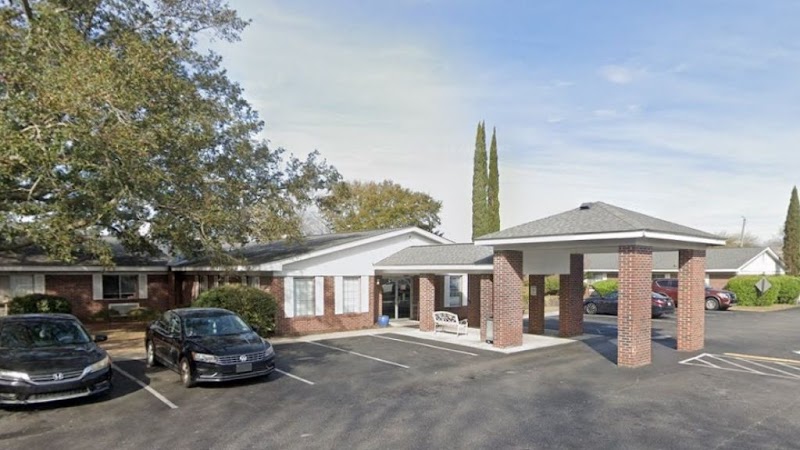
1049 Anna Knapp Boulevard, Mount Pleasant, SC 29464 (843) 881-3210
For profit - Limited Liability company 176 Beds PACS GROUP Data: November 2025 4 Immediate Jeopardy citations
Trust Grade
0/100
#176 of 186 in SC
Last Inspection: April 2025

Within standard 12-15 month inspection cycle. Federal law requires annual inspections.

Overview

Sandpiper Post Acute has received a Trust Grade of F, indicating significant concerns about the facility's overall quality of care. With a state rank of #176 out of 186, they are in the bottom half of nursing homes in South Carolina, and #11 out of 11 in Charleston County, meaning there are no better local options available. The facility is trending worse, with issues increasing from 15 in 2024 to 17 in 2025. Staffing is only rated at 2 out of 5 stars, and while turnover is at 53%, which is average, the overall staffing situation is concerning. They have incurred $84,691 in fines, which is higher than 85% of facilities in the state, suggesting ongoing compliance issues. Furthermore, the nursing home has critical deficiencies, including failures to properly supervise residents who smoke, which created immediate safety risks. Additionally, they did not adequately assess or educate a resident regarding the use of bedrails, raising concerns about potential serious harm. While the facility has some average RN coverage, these serious issues indicate a significant need for improvement.
Trust Score
F
0/100
In South Carolina
#176/186
Bottom 6%
Safety Record
High Risk
Review needed
Inspections
Getting Worse
15 → 17 violations
Staff Stability
⚠ Watch
53% turnover. Above average. Higher turnover means staff may not know residents' routines.
Penalties
✓ Good
$84,691 in fines. Lower than most South Carolina facilities. Relatively clean record.
Skilled Nurses
⚠ Watch
Each resident gets only 25 minutes of Registered Nurse (RN) attention daily — below average for South Carolina. Fewer RN minutes means fewer trained eyes watching for problems.
Violations
⚠ Watch
47 deficiencies on record. Higher than average. Multiple issues found across inspections.
★☆☆☆☆
1.0
Overall Rating
★★☆☆☆
2.0
Staff Levels
☆☆☆☆☆
0.0
Care Quality
★☆☆☆☆
1.0
Inspection Score
Stable
2024: 15 issues
2025: 17 issues

The Good

  • Full Sprinkler Coverage · Fire safety systems throughout facility
  • No fines on record

Facility shows strength in fire safety.

The Bad

1-Star Overall Rating

Below South Carolina average (2.8)

Significant quality concerns identified by CMS

Staff Turnover: 53%

Near South Carolina avg (46%)

Higher turnover may affect care consistency

Federal Fines: $84,691

Well above median ($33,413)

Moderate penalties - review what triggered them

Chain: PACS GROUP

Part of a multi-facility chain

Ask about local staffing decisions and management

The Ugly 47 deficiencies on record

4 life-threatening
Apr 2025 16 deficiencies
CONCERN (D)

Potential for Harm - no one hurt, but risky conditions existed

Deficiency F0637 (Tag F0637)

Could have caused harm · This affected 1 resident

**NOTE- TERMS IN BRACKETS HAVE BEEN EDITED TO PROTECT CONFIDENTIALITY** Based on interview, record review, and review of the Resident Assessment Instrument (RAI) manual, the facility failed to ensure ...

Read full inspector narrative →
**NOTE- TERMS IN BRACKETS HAVE BEEN EDITED TO PROTECT CONFIDENTIALITY** Based on interview, record review, and review of the Resident Assessment Instrument (RAI) manual, the facility failed to ensure a significant change Minimum Data Set (MDS) was completed for one resident (Resident (R)87) of two sampled residents reviewed for hospice in a total sample of 34. The facility failed to complete the significant change assessment when R87 revoked hospice services due to an improvement in his condition. This failure placed residents at risk of unmet care needs and a diminished quality of life. Findings included. Review of the RAI manual version 3.0 dated October 2024, page 2-25 revealed, .An SCSA [significant change in status assessment] is required to be performed when a resident is receiving hospice services and then decides to discontinue those services (known as revoking of hospice care). The ARD [assessment reference date] must be within 14 days from one of the following: 1) the effective date of the hospice election revocation (which can be the same or later than the date of the hospice election revocation statement, but not earlier than); 2) the expiration date of the certification of terminal illness; or 3) the date of the physician's or medical director's order stating the resident is no longer terminally ill . Review of the admission Record located in the Profile tab of the electronic medical record (EMR) revealed R87 was readmitted to the facility on [DATE] with a diagnosis of anoxic brain damage (lack of oxygen to the brain). Review of the Order Summary located in the Orders tab of the EMR revealed, Admit to [hospice name withheld] dated 11/26/24. Review of the significant change MDS located in the MDS tab of the EMR with and ARD of 12/05/24 revealed R87 had a Brief Interview of Mental Status (BIMS) score of six out of 15 which indicated R87 was severely impaired in cognition and was receiving hospice care. Review of the quarterly MDS located in the MDS tab of the EMR with an ARD of 03/02/25 revealed, R87 had a BIMS score of nine out of 15 which indicated R87 was moderately impaired in cognition and was receiving hospice services. Review of the provider visit note dated 03/27/25 in the EMR under the Progress Notes tab revealed that R87 revoked hospice services due to Being stable and gaining weight. During an interview on 04/08/25 at 10:46 AM, R87 was asked if he was still on hospice services. R87 stated, No, I quit hospice. They told me I had six months left to live but that has been over a year ago and I am still here. During an interview on 04/10/25 at 10:57 AM, the MDS Director (MDSD) was asked when had R87 had revoked hospice services. The MDSD stated, He went off hospice on 02/19/25. The MDSD was asked why a quarterly assessment was completed instead of a significant change assessment. The MDSD stated, I was not aware that a significant change assessment needed to occur when a resident goes off hospice. During an interview on 04/08/25 at 4:06 PM, the Director of Nursing (DON) stated, R87 came off hospice care on 02/29/25. The DON confirmed that a significant change assessment had not been completed.
CONCERN (D)

Potential for Harm - no one hurt, but risky conditions existed

Assessment Accuracy (Tag F0641)

Could have caused harm · This affected 1 resident

**NOTE- TERMS IN BRACKETS HAVE BEEN EDITED TO PROTECT CONFIDENTIALITY** Based on interview, record review, and review of the Resident Assessment Instrument (RAI) manual, the facility failed to ensure ...

Read full inspector narrative →
**NOTE- TERMS IN BRACKETS HAVE BEEN EDITED TO PROTECT CONFIDENTIALITY** Based on interview, record review, and review of the Resident Assessment Instrument (RAI) manual, the facility failed to ensure the Minimum Data Set (MDS) was coded accurately for two (Residents (R)87 and R135) in a total sample of 34. The facility failed to accurately code a significant change assessment for prognosis of terminal illness for R87 and for mental status for R135. These failures placed the residents at risk of unmet care needs and a diminished quality of life. Findings included. Review of the October 2024 RAI manual, page 1-5 revealed, .An accurate assessment requires collecting information from multiple sources, some of which are mandated by regulations .It is important to note here that information obtained should cover the same observation period as specified by the MDS items on the assessment, and should be validated for accuracy (what the resident's actual status was during the observation period) by the IDT (interdisciplinary team) completing the assessment . Review of the October 2024 RAI Manual, page C-1, revealed: Cognitive Patterns.Steps for Assessment, 1. Interact with the resident using their preferred language . Be sure they can hear you and/or have access to their preferred method for communication. If the resident needs or requires an interpreter, complete the interview with an interpreter. If the resident appears unable to communicate, offer alternatives such as writing, pointing, sign language, or cue cards. 2. Determine if the resident is rarely/never understood verbally, in writing, or using another method . 1. Review of R87'sadmission Record located in the Profile tab of the electronic medical record (EMR) revealed R87 was readmitted to the facility on [DATE] with a diagnosis of anoxic brain injury and blood clots to both upper extremities. Review of the Order Summary located in the Orders tab of the EMR revealed, Admit to [hospice name ] dated 11/26/24. Review of R87's significant change MDS located in the MDS tab of the EMR with an ARD of 12/05/24 revealed, R87 had a Brief Interview of Mental Status (BIMS) score of six out of 15 which indicated R87 was severely impaired in cognition, was not coded for prognosis of six months or less but was on hospice care. Review of the Certification of Terminal Illness (CTI) located in the Documents tab of the EMR revealed, R87 had a terminal diagnosis of six months or less which was signed by the physician. The CTI was dated 11/26/24 to 02/19/25. During an interview on 04/10/25 at 10:57 AM, the MDS Director (MDSD) was asked why the prognosis of six months or less was not coded but hospice care was coded. The MDSC stated, I did not see the hospice documentation because it was not uploaded to the computer until 12/31/24. The MDSD further stated she was not aware that to be on hospice care required a terminal diagnosis of six months or less. 2. Review of R135's admission Record from the EMR Profile tab showed a facility admission date of 10/04/23 with medical diagnoses of senile degeneration of the brain, cognitive communication deficit, and history of cerebral infarction. Review of R135's annual MDS in the EMR MDS tab with an ARD of 10/04/24 showed a BIMS score of 12 out 15, indicative of moderate cognitive impairment. Review of R135's quarterly MDS with an ARD of 01/02/25 was coded as Rarely or Never Understood. Section C200 to C400 was not scored and Section C500 BIMS summary score was not completed. Section C600, should the staff assessment for mental status be conducted, it was not scored for either No (resident was able to complete interview) or Yes (resident was unable to complete interview). Review of R135's MDS with an ARD of 04/01/25 showed a BIMS score of 13 out of a possible 15, indicative of being cognitively intact. During an interview on 04/10/25 at 11:40 AM, the MDS Director (MDSD) reviewed R135's assessments and stated, I don't know what happened. That one [01/02/25] was a mistake; he is with it. When asked if R135 was cognitively intact in January, the MDSD responded Yes. When queried if the facility had an MDS accuracy policy, the MDSD stated, No, we use the RAI [Resident Assessment Instrument] manual. I didn't verify the MDS information. I just sent it out.
CONCERN (D)

Potential for Harm - no one hurt, but risky conditions existed

Deficiency F0655 (Tag F0655)

Could have caused harm · This affected 1 resident

Based on observation, interview, record review, and policy review, the facility failed to ensure a baseline care plan was accurate and complete within 48 hours of admission to the facility for one of ...

Read full inspector narrative →
Based on observation, interview, record review, and policy review, the facility failed to ensure a baseline care plan was accurate and complete within 48 hours of admission to the facility for one of nine residents (Resident (R)412) reviewed for care plans in the sample of 34 residents. The deficient practice had the potential for the lack of care planning for the specific needs of the residents. Findings include: Review of the facility's policy titled Care Plans-Baseline revised 12/22 revealed, A baseline plan of care should be developed for each resident within forty-eight (48) hours of admission. The baseline care plan should include instructions needed to provide effective, person-centered care of the resident . Review of R412's admission Record located in the EMR under the Profile tab, revealed an admission date of 03/26/25 with a readmission date of 04/08/25 with medical diagnosis that included end stage renal disease (ESRD) Observations on 04/08/25 at 5:30 PM revealed R412 had a gastrostomy tube (G-tube) inserted in the abdomen, a central venous catheter (CVC) inserted in the right chest wall, and a continuous positive airway pressure (CPAP) machine located on the nightstand near the resident bed. Review of R412's Care Plan under the Care Plan tab in the EMR documented a care plan focus for dialysis with interventions for peritoneal dialysis with an initiation date of 03/26/25 and lacked care plan for a G-tube and for CPAP. During an interview on 04/09/25 at 1:36 PM, Licensed Practical Nurse (LPN)3 reviewed the EMR and confirmed the care plan indicated the wrong type of dialysis. R412 was receiving hemodialysis not peritoneal dialysis since R412 had CVC for dialysis treatment. LPN3 verified R412 had a G-tube and CPAP and there was no care plan. During an interview on 04/10/25 at 7:59 AM, Infection Preventionist/Unit Manager (IP) confirmed R412 had been wearing the CPAP machine at 5:50 AM that day. During an interview on 04/10/25 at 11:13 AM, Director of Nursing (DON) and IP verified the care plan did not reflect R412's care needs. The DON confirmed the dialysis focus was incorrect, there was no care plan for the G-tube or CPAP and should be.
CONCERN (D)

Potential for Harm - no one hurt, but risky conditions existed

Comprehensive Care Plan (Tag F0656)

Could have caused harm · This affected 1 resident

Based on observation, record review, interviews, and facility policy review, the facility failed to implement a person-centered comprehensive plan of care with measurable goals for one of 34 sampled r...

Read full inspector narrative →
Based on observation, record review, interviews, and facility policy review, the facility failed to implement a person-centered comprehensive plan of care with measurable goals for one of 34 sampled residents (R) 16) reviewed for care plans. The failure to implement the care plan intervention for pressure ulcers of a cushion to the resident's wheelchair placed the resident at risk of an ongoing decline in healing of the pressure ulcers. Findings include: Review of the facility's policy titled, Care Plans, Comprehensive Person-Centered dated March 2022 indicated, .A comprehensive, person-centered care plan should include measurable objectives and timetables to meet the resident's physical, psychosocial and functional needs . The care plan interventions should be derived from information obtained from the resident and his/her family/responsible party, with possible discretionary modifications resulting from the comprehensive assessment .The comprehensive, person-centered care plan should: Describe the services that are to be furnished in an attempt to assist the resident attain or maintain that level of physical, mental, and psychosocial wellbeing that the resident desires or that is possible. Review of R16's annual Minimum Data Set (MDS) with an Assessment Reference Date (ARD) date of 03/20/25 located in the MDS tab of the Electronic Medical Record (EMR) revealed an admission date of 08/02/17, a Brief Interview for Mental Status (BIMS) score of twelve out of 15, indicating he had moderate cognitive impairment. R16 was admitted with diagnoses including multiple sclerosis and muscle weakness. R16 was documented to require partial/moderate assistance for sitting to lying and was dependent for sit to stand and chair/bed-to-chair transfer. R16 was documented to have a stage three pressure ulcer. Review of R16's EMR titled physician Orders located under the Orders tab dated 01/09/23 indicated the resident was ordered a DEVICE: ROHO cushion to wheelchair (per wound specialist). Review of R16's EMR titled Care Plan located under the Care Plan tab initiated 08/04/17 revealed, the resident was at risk for skin impairment and/or breakdown .had a history of an open area to left toes and a wound to right/left buttock. Interventions included having a ROHO cushion on his wheelchair. During an interview on 04/08/25 at 10:20 AM, R16 stated that his current wheelchair was being replaced because the back support was not functioning properly anymore. His wheelchair was placed directly next to the resident bed. There was no cushion observed in the resident's wheelchair as care planned. During an interview and observation on 04/08/25 at 12:45 PM, R16 was observed seated in his new wheelchair. He stated he liked to be out of bed as much as possible, and stated the wheelchair could be more comfortable since he did have a wound on his bottom. He confirmed he did not have a cushion underneath him. None was visible. During an interview and observation on 04/09/25 at 2:20 PM, R16 was noted in his wheelchair without a cushion. He stated he did not have a cushion in his wheelchair. During a concurrent interview on 04/09/25 at 2:30 PM, Licensed Practical Nurses (LPN)8 and LPN11 stated that R16 had a pressure ulcer on the sacrum. LPN8 stated that R16 would benefit from a wheelchair cushion since he liked to get out of bed. LPN8 reviewed the EMR and stated that it appeared an order had been placed into the chart, but it was not on the Medication Administration Record or Treatment Administration Record. During an interview and observation on 04/09/25 at 2:30 PM, Licensed Practical Nurse/Unit Manager (LPN)15 stated that R16 had a sacral wound. Upon observation of R16, LPN15 confirmed R16 was not using a cushion in his wheelchair. During an interview on 04/10/25 at 4:57 PM, the Director of Nursing stated that she expected the nursing staff to follow the resident's care plan and physician orders for the ROHO cushion for R16's wheelchair.
CONCERN (D)

Potential for Harm - no one hurt, but risky conditions existed

Deficiency F0657 (Tag F0657)

Could have caused harm · This affected 1 resident

**NOTE- TERMS IN BRACKETS HAVE BEEN EDITED TO PROTECT CONFIDENTIALITY** Based on observations, interview, and record review, the facility failed to ensure the Comprehensive Care Plan was revised/updat...

Read full inspector narrative →
**NOTE- TERMS IN BRACKETS HAVE BEEN EDITED TO PROTECT CONFIDENTIALITY** Based on observations, interview, and record review, the facility failed to ensure the Comprehensive Care Plan was revised/updated for one resident (Resident (R)87) in a total sample of 34 care plans reviewed. Specifically, the facility failed to update the care plan when R87 revoked hospice services, had the gastrostomy tube (G-tube-a tube placed into the abdomen for medications and nourishment) removed and had the enhanced barrier precautions (EBP) removed. This failure placed the resident at risk of unmet care needs and a diminished quality of life. Findings included. Review of the admission Record located in the Profile tab of the electronic medical record (EMR) revealed R87 was readmitted to the facility on [DATE] with a diagnosis of anoxic brain injury (lack of oxygen to the brain). Review of the quarterly Minimum Data Set (MDS) located in the MDS tab of the EMR with an Assessment Reference Date (ARD) of 03/02/25 revealed a Brief Interview of Mental Status (BIMS) score of nine out of 15 which indicated R87 was moderately impaired in cognition, was independent with eating, required partial assistance with toileting, bed mobility and transfers, had weight gain, no tube feedings, and was receiving hospice services. Review of the End-of-Life Care Plan dated 11/25/24 revealed, Resident requires comfort care and is at risk for rapid decline in ADL [activities of daily living] function, sudden onset or worsening skin integrity, weight loss, nausea/vomiting, pain, abnormal breathing, impaired psychosocial well-being related to terminal illness. Interventions included, Coordinate residents' needs with hospice staff, hospice service as ordered and notify hospice of change of condition. During an interview on 04/08/25 at 10:46 AM, R87 was alert, able to communicate and make his needs known. R87 was asked if he was currently in hospice. R87 stated, No, I quit hospice as they told me I had six months to live and that has been over a year ago, and I am still here. During an interview on 04/08/25 at 4:06 PM, the Director of Nursing (DON) confirmed R87 revoked hospice services 02/19/25. The DON confirmed that the Care Plan was not updated/revised when he went off hospice. Review of the Aspiration/Choking/Swallowing Care Plan dated 11/25/24 revealed, Resident is at risk for aspiration, choking, or difficulty swallowing related to chewing problems, coughing or choking during meals or when swallowing medications, Dysphagia [difficulty swallowing], G-tube, Gastroesophageal reflux disease (GERD), history of aspiration pneumonia, holding food in mouth/cheeks or residual food in mouth after meals, loss of liquids/solid from mouth while eating or drinking, swallowing problems .continue enteral feedings (nourishment via G-tube) for nutritional needs, allowed pleasure foods per hospice. Review of a discontinued/completed Order Summary located in the Orders tab of the EMR revealed, .PEG [percutaneous endoscopic gastrostomy] tube to remain out. Give all medications orally . dated 12/28/24. During an observation on 04/08/25 at 12:38 PM, R87 was observed at the dining table during the noon meal, feeding himself a regular meal and no swallowing issues were observed. Review of the Enhanced Barrier Precautions Care Plan dated 11/24/24 located in the Care Plan tab of the EMR revealed, .Resident requires enhanced barrier precautions during high-contact resident care activities due to the presence of .feeding tube . During an interview on 04/10/25 at 11:01 AM, the MDS Director (MDSD) reviewed R87's current care plan and stated, When R87 came off hospice, the care plan should have been revised as he no longer has the feeding tube and does not need EBP.
CONCERN (D)

Potential for Harm - no one hurt, but risky conditions existed

Deficiency F0692 (Tag F0692)

Could have caused harm · This affected 1 resident

Based on observation, interview, record review, and policy review, the facility failed to investigate the possible underlying issue for significant weight loss and assessed the resident before the use...

Read full inspector narrative →
Based on observation, interview, record review, and policy review, the facility failed to investigate the possible underlying issue for significant weight loss and assessed the resident before the use of a psychotropic drug for weight loss for one (Resident (R)51) of 10 sampled residents reviewed for nutritional status. This had the potential to cause further weight loss. Findings include: Review of the facility's policy titled, Weight Assessment and intervention revised 03/22 revealed, Weight Assessment .3. Any weight change of 5% or more since the last weight assessment is retaken the next day for confirmation. a. If the weight is verified, nursing will immediately notify the dietitian in writing.Evaluation, 1. Undesirable weight change is evaluated by the treatment team whether or not the criteria for significant weight change has been met. 2. The physician and the multidisciplinary team identify conditions and medications that may be causing anorexia, weight loss or increasing the risk of weight loss. Review of the facility's policy titled, Nutritional Assessment revised 10/17 revealed, 2. As part of the comprehensive assessment, the nutritional assessment will be a systematic, multidisciplinary process that includes gathering and interpreting data and using that data to help define meaningful interventions for the resident at risk for or with impaired nutrition. Review of R51's annual Minimum Data Set (MDS) with an Assessment Reference Date (ARD) date of 03/01/25 located in the MDS tab of the Electronic Medical Record (EMR) revealed an admission date of 11/03/21, a Brief Interview for Mental Status (BIMS) score of five out of 15, indicating he was severely cognitively impaired, weight at 195 pounds, no weight loss, and had diagnosis of non-Alzheimer's dementia, schizophrenia, and hemiplegia and hemiparesis following cerebral infarction affecting left non-dominant side. Review of R51's 50% or less meal consumption and/or refusal: (Alternate meal/nourishments) located in the EMR under the Task tab revealed no nutritional supplement for 03/09/25 to 04/08/25. Review of R51's orders located in the EMR under the Order tab revealed the April 2025 Medication Administration Record (MAR)/Treatment Administration Record (TAR) and physician orders revealed no nutritional supplementation. Review of R51's progress notes dated 03/10/25 to 04/02/25 in the EMR under the Progress Note tab revealed no nutritional supplementation. Review of R51's orders located in the EMR under the Order tab revealed NAS [No Added Salt] diet, Mechanical Soft Chopped texture, Thin Liquids consistency dated 06/17/24 and Mirtazapine Oral Tablet 7.5 MG [milligram] (Mirtazapine) Give 7.5 tablet by mouth one time a day for appetite, dated 03/31/25. Review of R51's care plan revised 01/11/24 located in the EMR under the Care Plan tab revealed, Resident is at risk for malnutrition r/t [related to] h/o [history of] significant changes, therapeutic diet, dysphagia, dementia, Dx [diagnosis] Subdural hemorrhage, CVA [cerebral vascular accident] late effects, HTN [hypertension], HLD [hyperlipidemia], Mild cognitive deficit, ETOH [alcohol] abuse, Peptic ulcer disease (PUD), Hepatitis C, constipation, diuretic therapy, malnutrition risk. Interventions included, Provide and serve supplements as ordered .RD [Registered Dietician] to evaluate and make diet and nutrition-related recommendations PRN [as needed]. Review of R51's Nutritional Risk Review dated 06/03/24, located in the EMR under the Evaluation tab revealed Order for 1:1 feeding assistance started 5/31. He has dysphagia and is receiving mech [mechanically] altered diet. Pureed diet started 5/28/24 per hospital recommendations. Receives meds [medications] crushed per 5/30 nursing note. Review of R51's Nutritional Risk Review dated 03/20/25 located in the EMR under the Evaluation tab revealed, Has dysphagia and is receiving mech altered diet. Noted to need assistance with meals.Flagged for significant weight loss of -10% x30 days. Question accuracy of 3/10 weight. Other weights have been stable. Review of R51's weight history located in the EMR under the Weight/Vitals tab revealed a 17.8-pound (8%) weight loss in three months: On 01/03/25 at 198.0 pounds (Lbs.) via wheelchair On 02/04/25 at 195.2 Lbs. via [name of mechanical lift] On 03/10/25 at 175.6 Lbs. via wheelchair On 04/02/25 at 178.0 Lbs. via [name of mechanical lift] On 04/10/25 at 180.2 Lbs. On 04/09/25 at 8:24 AM, R51 was asleep in bed with his breakfast tray on an overbed table. R51's breakfast tray included a carton of milk, an English muffin, grits, egg omelet, chopped sausage, juice, and coffee. Zero percent of the food was consumed. On 04/09/25 at 8:30 AM, Certified Nurse Aide (CNA)4 was in R51's room standing at his bedside spoon feeding R51. On 04/09/25 at 8:33 AM, CNA4 was observed bringing R51's breakfast tray out of the room and onto the cart. CNA4 was asked about R51's meal consumption. CNA4 stated R51 ate 50% and then uncovered the plate to reveal 50% of the meal consumed. On 04/09/25 at 1:21 PM, CNA6 brought R51's lunch tray into his room and CNA spoon fed R51 in bed while standing at his bedside. R51 was served ground country fried steak, peas, mashed potatoes, baked apples, and milk. R51 ate 50% of the food and only bits of the ground country fried steak. During an interview on 04/09/25 at 5:02 PM, the RD was asked about R51's significant weight loss and his weights not taken consistently as sometimes a mechanical lift was used and other times a wheelchair. The RD stated she had asked nursing about the weights when she started working at the facility in late December 2024 and education was started for weigh consistency. The RD was asked if reweights should be completed if weights varied from the previous weight. The RD stated she asks nursing to do them. The RD stated R51 was someone she would have wanted reweighed and to conduct a deeper investigation as to why he is losing weight. The RD was asked about the Mirtazapine and if R51 was receiving supplements. The RD stated she had not yet recommended a supplement as she will consider a supplement after R51 was reweighed and investigate if it may be beneficial. The RD stated she also wanted to observe R51 while eating a meal. During an interview on 04/10/25 at 2:52 PM, the Nurse Practitioner (NP) was asked if she was aware of R51's recent significant weigh loss. NP stated she was aware R51 was steadily losing weight. NP was asked why R51 was losing weight. NP stated R51 was small, and then reviewed EMR quoting a weight from 2021. NP stated she put R51 on Mirtazapine as a response to R51's weight loss. NP had no further comment. During a follow up interview on 04/10/25 at 3:04 PM, the RD stated R51 was reweighed at 180.2 Lbs. on 04/10/25 and confirmed the reweight should have been sooner. The RD was asked why the NP used pharmacological intervention first. The RD stated she didn't know as she wasn't contacted. The RD confirmed nonpharmacological interventions (NPI) such as nutritional interventions should be attempted first before considering pharmacological interventions. During an interview on 04/10/25 at 5:00 PM, the Director of Nursing (DON) was asked if she was aware of R51's weight loss. The DON stated, don't know off the top of my head. The DON stated they didn't have a process to identify weight loss or at risk for weight loss but one was being developed. The DON was asked if she was aware R51's 2024 hospital discharge instructions recommended R51 have a pureed diet but R51 was on a mechanical soft diet. The DON stated, No. The DON was asked about the kitchen not having menu extensions for therapeutic diets. The DON stated she had heard something about that. The DON stated her expectation would be for staff to promptly inform her of weight loss and staff to follow their policy for reweighing a resident when the weight differed from the previous weight. The DON stated she was aware that weights should be taken consistently. During a follow up interview on 04/10/25 at 6:30 PM, the DON was asked why R51 was prescribed Mirtazapine first and not NPI as well as conducting an evaluation before using a psychotropic medication. The DON reviewed the EMR, and confirmed no evaluation was found. The DON stated she could not say why.
CONCERN (D)

Potential for Harm - no one hurt, but risky conditions existed

Deficiency F0698 (Tag F0698)

Could have caused harm · This affected 1 resident

Based on observation, interview, resident record, and facility policy, the facility failed to ensure residents receiving dialysis treatments, staff were using Enhanced Barrier Protection (EBP) when pr...

Read full inspector narrative →
Based on observation, interview, resident record, and facility policy, the facility failed to ensure residents receiving dialysis treatments, staff were using Enhanced Barrier Protection (EBP) when providing direct resident care for two of three residents (Resident (R) 113 and R412) reviewed for dialysis care. The facility failed to ensure physician orders were in place for dialysis treatment and accurate interventions were documented in the care plan. The deficient practice has the potential for the residents to not receive dialysis care in the facility. Findings included: Review of the facility's policy titled End-Stage Renal Disease, Care of a Resident dated 09/19 revealed, Residents with end-stage renal disease (ESRD) will be cared for according to currently recognized standards of care. Staff caring for residents with ESRD, including residents receiving dialysis care outside the facility, shall be trained in the care and special needs of these residents. Education and training of staff includes, specifically: the care of grafts and fistulas. The resident's comprehensive care plan will reflect the resident's needs related to ESRD/dialysis care. Review of the facility's policy titled Enhanced Barrier Precautions revised 03/24, revealed EBPs are (when contact precautions do not otherwise apply) for residents with wounds and/or indwelling medical devices regardless of MDRO colonization. Signs are posted in the door or wall outside the resident room indicating the type of precautions and PPE required. 1. Review of R113's admission Record located in the EMR under the Profile tab revealed an admission date of 6/29/22 with medical diagnosis that included chronic kidney disease, stage three. Observation on 04/08/25 at 1:30 PM, R113 was in bed and pointed to his right chest when questioned about where the dialysis clinic accessed for dialysis. No signs on the door or near the resident room indicating the need for EBP. During an observation on 4/10/25 at 9:33 AM, Licensed Practical Nurse (LPN)13 confirmed the central venous catheter (CVC) catheter was located on the right chest wall by moving the resident's clothing to reveal the dressing. LPN13 was not wearing gloves at the time of the observation of the dressing. During an interview on 04/10/25 at 9:50 AM, LPN1/Unit Manager confirmed 113 should be on EBP and was not. 2. Review of R412's admission Record located in the EMR under the Profile tab revealed an admission date of 03/26/25 with a readmission date of 04/08/25 with medical diagnosis that included end stage renal disease (ESRD) Review of R412's physician orders in the EMR under the Orders tab lacked documentation for an order for dialysis to include place and days for dialysis treatment. Review of R412's physician orders under the Orders tab in the EMR documented an order dated 03/26/25 for Gentamicin Sulfate external ointment 0.1 percent (%). Apply to peritoneal dialysis (PD) catheter topically every evening shift. Use gauze to apply Q tip sized amount. Review of R412's EMR MAR for March 2025 documented the gentamicin applied to PD catheter on five evening shifts and the MAR for April 2025 documented the gentamicin applied to PD catheter on nine evening shifts Review of R412's care plan under the Care Plan tab in the EMR dated 03/26/25, revealed, Resident requires peritoneal dialysis . and is at risk for bleeding at the access site, deficient/excess fluid volume, hypertension, occlusion, and shortness of breath. Interventions included monitor peritoneal access site [every] shift for redness, swelling, discharge, odor of pain. The care plan lacked focus and interventions for hemodialysis. During an interview on 04/08/25 at 2:00 PM, R412's family member (FM)1 explained that the resident went out for dialysis treatment because the PD catheter had been removed from the abdomen during the hospitalization prior to being admitted to the facility. Observation on 04/08/25 at 5:06 PM, Certified Nursing Assistant (CNA)1 came into R412's room for brief change. CNA1 applied gloves and did not apply any other personal protective equipment (PPE) prior to changing the brief. During an interview on 04/09/25 at 1:40 PM, Licensed Practical Nurse (LPN)3 verified the order for gentamicin for R412 and confirmed the PD catheter had been removed. LPN3 verified the site was healed and no longer needed the order for gentamicin to be applied. LPN3 verbalized documentation of the application of gentamicin being applied was not correct documentation. LPN3 confirmed R412 needed to be on EBP. During an interview on 04/10/25 at 11:00 AM, the Director of Nursing (DON) and the Infection Preventionist/Unit Manager (IP) both confirmed R113 had a CVC inserted in the right chest wall for dialysis access. Residents with CVC do not have a bruit or thrill present to be monitored. Monitoring needed was for dressing to be dry and clear, catheter secure. Documentation for presence of bruit and thrill for R113 was inaccurate, false documentation since with a CVC catheter the resident does not have a thrill or bruit. The DON and IP confirmed R412 did not have a peritoneal dialysis catheter and the order to apply gentamicin to the PD site on the abdomen was incorrect. Both confirmed the documentation about application of gentamicin to the PD catheter was inaccurate documentation. The DON and IP confirmed residents for dialysis were to be on EBP wearing gown and gloves during direct resident contact and residents requiring dialysis treatment required a physician's order.
CONCERN (D)

Potential for Harm - no one hurt, but risky conditions existed

Deficiency F0757 (Tag F0757)

Could have caused harm · This affected 1 resident

**NOTE- TERMS IN BRACKETS HAVE BEEN EDITED TO PROTECT CONFIDENTIALITY** Based on interviews, record reviews, and policy review, the facility failed to ensure that one out of five residents (Resident (...

Read full inspector narrative →
**NOTE- TERMS IN BRACKETS HAVE BEEN EDITED TO PROTECT CONFIDENTIALITY** Based on interviews, record reviews, and policy review, the facility failed to ensure that one out of five residents (Resident (R) 145) out of a total sample of 33 residents reviewed for unnecessary medication use. Specifically, the facility failed to follow adequate monitoring of blood pressure parameters before the unnecessary administration of blood pressure medications, according to physician orders. This failure had the potential to increase the risk for serious adverse effects. Findings include: Review of the facility's policy titled, Administering Medications dated April 2019 indicated, Medications are administered in a safe and timely manner, and as prescribed .Medications are administered in accordance with prescriber orders, including any time frame.1. Review of R145's admission Record found in the Profile tab of the electronic medical record (EMR) revealed she was admitted to the facility on [DATE] with diagnoses of atrial fibrillation, localized hypertensive chronic kidney disease, and edema. Review of R145's quarterly Minimum Data Set (MDS) assessment located in the MDS tab in the EMR with an Assessment Reference Date (ARD) of 03/14/25 revealed a Brief Interview for Mental Status (BIMS) score of five out of 15 which indicated severe cognitive impairment. R145 received a diuretic. Review of R145's Care Plan in the EMR under the Care Plan tab initiated 12/14/24, revealed R145 was at risk for complications related to a diagnosis of congestive heart failure as manifested by confusion, elevated blood pressure, and localized edema. Interventions included to administer medications as ordered. Record review revealed a cardiology appointment dated 02/20/25 that stated R145 was mild-moderately volume overloaded during exam and that the facility should complete vital signs daily. Review of R145's EMR under the Orders tab revealed an order, dated 12/16/24, for Vital Signs Q shift [every shift] while skilled every shift. This order was discontinued 03/01/25. Review of R145's February 2025 Medication Administration Record (MAR) in the EMR revealed resident received Amlodipine Besylate Oral Tablet 10 milligrams (mg). Give one tablet by mouth one time a day for hypertension at 9:00 AM. Hold if systolic blood pressure (SBP) less than 100. The medication was documented as administered, but SBP was not documented each day prior to administration. Record review of R145's March 2025 MAR in the EMR revealed resident received Amlodipine Besylate oral tablet 10 mg one tablet daily. The medication was documented as administered, but SBP was not documented each day prior to administration. Record review of R145's April 2025 MAR in the EMR revealed resident received Amlodipine Besylate oral tablet 10 mg one tablet daily. The medication was documented as administered, but SBP was documented only on 04/09/25, as of 04/09/25. Record review of R145's February 2025 MAR in the EMR revealed resident received Furosemide oral tablet 40 mg. Give one tablet by mouth one time a day for congestive heart failure at 9:00 AM. Hold if SBP (systolic blood pressure) less than 100. The medication was documented as administered, but SBP was not documented each day prior to administration. Record review of R145's March 2025 MAR in the EMR revealed resident received Furosemide oral tablet 40 mg one tablet daily. The medication was documented as administered, but SBP was not documented each day prior to administration. Record review of R145's April 2025 MAR in the EMR revealed resident received Furosemide oral tablet 40 mg one tablet daily. The medication was documented as administered, but SBP was documented only on 04/09/25. Record review of R145's February 2025 MAR in the EMR revealed resident received Losartan Potassium oral tablet daily. The medication was documented as administered, but SBP was not documented each day prior to administration. Record review of R145's March 2025 MAR in the EMR revealed resident received Losartan Potassium oral tablet daily. The medication was documented as administered, but SBP was not documented each day prior to administration. Record review of R145's April 2025 MAR in the EMR, revealed resident received Losartan Potassium oral tablet daily. The medication was documented as administered, but SBP was documented only on 04/09/25. Record review of R145's February 2025 MAR in the EMR, revealed resident received Carvedilol oral tablet 3.125 mg. Give one tablet by mouth two times a day for congestive heart failure at 9:00 AM and 8:00 PM. Hold for SBP less than 100 or heart rate less than 50. The medication was documented as administered, but SBP nor heart rate was not documented each day prior to administration. Record review of R145's March 2025 MAR in the EMR, revealed resident received Carvedilol oral tablet 3.125 mg. Give one tablet by mouth two times a day. The medication was documented as administered, but SBP nor heart rate was not documented each day prior to administration. Record review of R145's April 2025 MAR in the EMR, revealed resident received Carvedilol oral tablet 3.125 mg. Give one tablet by mouth two times a day. The medication was documented as administered, but the SBP and heart rate was documented only on 04/09/25. Record review of R145's February, March, April 2025 Blood Pressure Summary revealed the resident received blood pressure monitoring on infrequent days and infrequent times, not documented in collaboration with the administration of the identified medications that required parameter monitoring, nor noted in the MARs. During an interview on 04/10/25 at 12:04 PM, Registered Nurse (RN)4 stated that she completed vitals prior to the administration of medications. She stated that for R145 if the resident's systolic (blood pressure) was below 100 or his pulse was low, she would hold his blood pressure medications. RN4 said that if a resident's vitals were below parameters, you would hold the medication and would document that in the EMR and would be required to document in the progress note. During an interview on 04/10/25 at 3:35 PM, Licensed Practical Nurse/Unit Manager (LPN) 15 stated that when a resident was on skilled care, they would have their vitals done daily. She confirmed that they might not all be documented in the EMR. LPN15 said that if a resident had parameters for some medications, she would expect to see those vitals taken, and if they were outside the correct levels, the medication should not be given. She confirmed there should be a progress note, as well. Upon review of R145's MAR she confirmed that R145 had not had all vitals taken prior to the administration of medications that required parameter monitoring. During an interview on 04/10/25 at 4:58 PM, the Director of Nursing (DON) stated that she was not sure why the physician order to discontinue vitals was discontinued on 03/01/25 for R145. She stated she would expect to see medication orders followed to ensure medications were given according to the parameters. Upon review of R145'sMARshe confirmed the resident did not have regular vital checks prior to the administration of these medications. She stated she would expect the parameters to be followed.
CONCERN (D)

Potential for Harm - no one hurt, but risky conditions existed

Unnecessary Medications (Tag F0759)

Could have caused harm · This affected 1 resident

Based on observations, interviews, record review, and review of facility policy, the facility failed to maintain a medication error rate of less than 5% when two oral medications were not administered...

Read full inspector narrative →
Based on observations, interviews, record review, and review of facility policy, the facility failed to maintain a medication error rate of less than 5% when two oral medications were not administered according to the physician's order for two (Residents (R)20 and R80) of seven residents observed during medication pass. This consisted of two medications errors in 30 opportunities for a 6.67% error rate. Findings included. Review of the facility's policy titled, Administering Oral Medications dated 2001 revealed, .Medications are administered in accordance with prescriber orders, including any required time frame .The individual administering the medication checks the label THREE (3) times to verify the right resident, right medication, right dosage, right time and right method (route) before giving the medication . 1. During a medication pass observation on 04/10/25 at 8:39 AM. Licensed Practical Nurse (LPN) 8removed a multivitamin (MVI) with iron tablet from a bottle in the top drawer of the medication and placed the medication into the medication cup. In addition, there was one Ferrous Sulfate (Iron replacement medication) 325milligram (mg) tablet which had been placed into the medication cup earlier. Review of the April Medication Administration Record (MAR) located in the Orders tab of the electronic medical record (EMR) revealed, Multi-Vitamin/Minerals. Give one tablet by mouth one time a day for dietary supplement. Start Date 07/28/23. Review of the April MAR located in the Orders tab of EMR revealed, Ferrous Sulfate 325mg. Give one tablet by mouth one time a day related to IRON DEFICIENCY. Start Date, 03/13/19. During an interview on 04/10/25 at 8:40 AM, LPN 8 was asked if the physician had been notified that R20 was receiving both an iron replacement and a MVI with iron. LPN 8 stated, This was the bottle on the medication cart. LPN 8 acknowledged that R20 may have been given too much iron. 2. During a medication pass observation on 04/10/25 at 8:54 AM, LPN 1 removed a Vitamin D 10 mcg [micrograms] (400 IU-International Units) one tablet and placed it into the medication cup with R80's other morning medications and then administered them to R80. Review of the MAR located in the Orders tab of the EMR revealed, Vitamin D 100 mcg (4000 IU). Give one tablet by mouth one time a day for supplement. Dated 06/05/24. During an interview on 04/10/24 at 10:15 AM, LPN 1 was asked why the 10 mcg Vitamin D was administered instead of the 100 mcg Vitamin D. LPN1 looked through the top drawer of the medication cart and could not find a bottle of Vitamin D 100 mcgs. LPN 1 then went to the medication room and found a bottle of D3 (Vitamin D) which was labeled 50 mcg (2000 IU) and stated, I should have given two of these to equal the 100 mcg (4000 IU) per the physician order. During an interview on 04/10/25 at 1:15 PM, the Director of Nursing (DON) was told about the 6.67% medication error rate and the two medication errors in 30 opportunities. The DON acknowledged that these were medication errors.
CONCERN (D)

Potential for Harm - no one hurt, but risky conditions existed

Deficiency F0761 (Tag F0761)

Could have caused harm · This affected 1 resident

Based on interviews, document review, and review of the facility policy, the facility failed to ensure narcotic counts were initialed by the on-coming nurse (7:00AM to 7:00PM) and the off-going nurse ...

Read full inspector narrative →
Based on interviews, document review, and review of the facility policy, the facility failed to ensure narcotic counts were initialed by the on-coming nurse (7:00AM to 7:00PM) and the off-going nurse (7:00PM to 7:00AM) at the change of shift to ensure the narcotic count was accurate for eight of eight medications carts reviewed. This failure had the potential for drug diversion. Findings included. Review of the facility's policy titled, Controlled Substances dated 2001 revealed, .Nursing staff count controlled medication inventory at the end of each shift, using these records to reconcile the inventory count .The nurse coming on duty and nurse going off duty make the count together and document and report any discrepancies to the director of nursing services . 1. Review of the medication cart identified as 100 hall-cart 1 on 04/09/25 at 9:23 AM with Licensed Practical Nurse (LPN) 4 revealed on 04/07/25 the on-coming and off-going nurse did not identify how many narcotic cards were in the narcotic box at the end of the shift. In addition, on 04/08/25 the off-going nurse did not initial that the narcotic count was correct or document how many narcotic cards were in the narcotic drawer at the end of the shift, as required on their narcotic sheet, as required on the narcotic sheet. 2. Review of the medication cart identified as 100 hall-cart 2 on 04/09/25 at 9:36 AM with LPN 6 revealed on 04/05/25 and 04/06/25 the off-going nurse did not initial the narcotic was correct. On 04/07/25 the on-coming nurse did not document how many narcotic cards were in the narcotic box and on 04/09/25 the on-coming nurse did not initial that the narcotic count had occurred or how many narcotic cards were in the narcotic box, as required on the narcotic sheet. 3. Review of the medication cart identified as 200 hall-cart 1 on 04/09/25 at 9:42 AM with LPN 11 revealed on 04/02/25 there were no initials that the on-coming nurse had counted the narcotics with the off-going nurse, as required. 4. Review of the medication cart identified as 200 hall-cart 2 on 04/09/25 at 9:46 AM with LPN 8 revealed on 04/03/25 there were no initials that the on-coming nurse or the off-coming nurse had counted the narcotics, as required. 5. Review of the medication cart identified as 300 hall-cart 1 on 04/09/25 at 9:50 AM with LPN 12 revealed no documentation to show the on-coming nurse had initialed that there was a narcotic count was done with the off-going nurse. During an interview on 04/09/25 at 9:52 AM, LPN12 stated, That was a mistake as I don't usually work this shift. LPN 12 further stated, I did not realize I had done this. 6. Review of the medication cart identified as 300 hall-cart 2 on 04/09/25 at 10:44 AM with Registered Nurse (RN) 1 revealed on 04/04/25 the number of narcotic cards in the narcotic drawer was not documented for the start of the shift and at the end of the shift. In addition, on 04/07/25 the off-going nurse did not initial the narcotic count as being correct. 7. Review of the medication cart identified as 400 hall-cart 1 on 04/09/25 at 10:56 with LPN 3 revealed, there was no documentation at the end of shift to show how many narcotic cards were in the narcotic drawer. On 04/02/25 the end of shift documentation did not show the number of narcotic cards that were in drawer, despite having documentation to show three cards were removed during the shift. On 04/03/25 there were no initials to indicate the start of the shift, and the end of shift narcotic count was performed. 8. Review of the medication cart identified as 400 hall-cart 2 on 04/09/25 at 11:09 AM with LPN 3 revealed on 04/01/25, 04/02/25, 04/04/25, 04/05/25, 04/07/25 and 04/08/25 the end of shift nurse did not document the number of narcotic cards that were in the drawer, per the narcotic sheet. In addition, the on-coming nurse on 04/09/25 did not initial that the narcotic count was performed. Interview on 04/09/25 at 11:10:00 AM, when LPN3 was asked why she did not document that a narcotic count was performed, she did not answer. During an interview on 04/09/25 at 11:24 AM, the Director of Nursing (DON) was shown the blanks in documentation. The DON confirmed that the narcotic sheets contained blanks and stated, The staff are to count the meds and in addition, to document their initials at the start of the shift and at the end of the shift.
CONCERN (D)

Potential for Harm - no one hurt, but risky conditions existed

Medical Records (Tag F0842)

Could have caused harm · This affected 1 resident

Based on observation, interview, resident record, and facility policy, the facility failed to ensure residents receiving dialysis treatments had accurate documentation of care provided for the dialysi...

Read full inspector narrative →
Based on observation, interview, resident record, and facility policy, the facility failed to ensure residents receiving dialysis treatments had accurate documentation of care provided for the dialysis site for two of three residents (Resident (R) 113 and R412) reviewed for dialysis care. The deficient practice has the potential for the residents to not receive dialysis care in the facility. Findings include: 1. Review of R113's admission Record located in the EMR under the Profile tab revealed an admission date of 6/29/22 with medical diagnosis that included chronic kidney disease, stage three. Review of R113's physician orders under the Orders tab in the EMR documented an order dated 03/26/25 indicating, Resident has arteriovenous (AV) fistula (shunt) located on [right]chest wall. Monitor for presence of bruit (auscultation) and thrill (palpation of vibration) [every] shift. Notify MD [Medical Doctor] if unable to auscultate of palpate. Monitor [each] shift for bleeding. Drainage, excessive warmth, pain, redness, numbness in fingers, tenderness, or swelling. Check circulation [each] shift by palpating distal pulses, observing capillary refill, assessing numbness, tingling, altered sensation, coldness, and pallor. Notify MD of abnormal findings, every shift document if bruit is present (+) absent (-) also document if thrill is present or absent. Review of R113's EMR Medication Administration Record (MAR) for March 2025 documented the presence on bruit and thrill on four shifts and the MAR for April documented the presence on bruit and thrill 17 shifts. During an interview on 04/10/25 at 6:20 PM, Registered Nurse (RN) 3 confirmed R113 had a central venous catheter (CVC) located on the right chest wall and secured with a dressing. RN3's practice was to check for redness, drainage, and intact dressing. There was no bruit or thrill to check for and when documenting there was no other place to document the condition of the CVC dressing. RN3 did confer with RN1 about the documentation confusion and did not inquire with the unit manager about the confusion in the documentation and decided to document what was available on the MAR even if it was not what was being done. During an interview on 04/10/25 at 6:40 PM, RN1 acknowledged knowing the difference between a CVC and arteriovenous (AV) fistula for dialysis access. RN1 confirmed R113 had a CVC for dialysis access. RN1 confirmed documenting presence of thrill and bruit for R113 and aware that assessment was not accurate. RN1 spoke to RN3 about the inaccurate documentation in the MAR and chose to mark in the MAR even though the assessment was for dressing being intact and dry. During an interview on 04/10/25 at 9:50 AM, LPN1/Unit Manager confirmed there was no AV fistula for documentation of thrill and bruit. 2. Review of R412's admission Record located in the EMR under the Profile tab revealed an admission date of 03/26/25 with a readmission date of 04/08/25 with medical diagnosis that included end stage renal disease (ESRD) Review of R412's physician orders under the Orders tab in the EMR documented an order dated 03/26/25 for Gentamicin Sulfate external ointment 0.1 percent (%). Apply to peritoneal dialysis (PD) catheter topically every evening shift. Use gauze to apply Q tip sized amount. Review of R412's EMRMAR for March 2025 documented the gentamicin applied to PD catheter on five evening shifts and the MAR for April 2025 documented the gentamicin applied to PD catheter on nine evening shifts During an interview on 04/08/25 at 2:00 PM, R412's family member (FM)1 explained that the resident went out for dialysis treatment because the PD catheter had been removed from the abdomen during the hospitalization prior to being admitted to the facility. During an interview on 04/09/25 at 1:40 PM, Licensed Practical Nurse (LPN)3 verified the order for gentamicin for R412 and confirmed the PD catheter had been removed. LPN3 verified the site was healed and no longer needed the order for gentamicin to be applied. LPN3 verbalized documentation of the application of gentamicin being applied was not correct documentation. During an interview on 04/10/25 at 11:00 AM, the Director of Nursing (DON) and the Infection Preventionist/Unit Manager (IP) both confirmed R113 had a CVC inserted in the right chest wall for dialysis access. Residents with CVC do not have a bruit or thrill present to be monitored. Monitoring needed was for dressing to be dry and clear, catheter secure. Documentation for presence of bruit and thrill for R113 was inaccurate, false documentation since with a CVC catheter the resident does not have a thrill or bruit. The DON and IP confirmed R412 did not have a peritoneal dialysis catheter and the order to apply gentamicin to the PD site on the abdomen was incorrect. Both confirmed the documentation about application of gentamicin to the PD catheter was inaccurate documentation.
CONCERN (E)

Potential for Harm - no one hurt, but risky conditions existed

Safe Environment (Tag F0584)

Could have caused harm · This affected multiple residents

Based on observation, staff interview, and facility document review, the facility failed to maintain a safe and homelike environment, including but not limited to ensuring maintenance services were co...

Read full inspector narrative →
Based on observation, staff interview, and facility document review, the facility failed to maintain a safe and homelike environment, including but not limited to ensuring maintenance services were conducted as necessary to maintain a sanitary, orderly, and comfortable interior. Specifically, the bedroom walls were gauged and scraped and the bathroom door had scuff marks and was unable to open fully. This deficient practice affected eight resident (R)76, R141, R147, R17, R82, R35, R145 and R96) in the census of 151. The facility failed to provide a homelike environment and easy access in and out of resident rooms and bathrooms. Findings include: The undated Common Area Checklist revealed, General and Common Area items to review daily. These items include monitoring doors, walls, trims, baseboards, and flooring. During an observation on 04/08/25 at 10:00 AM, R76's room revealed extensive and deep wall scrapings along the side of the resident bed. During an observation on 04/08/25 at 10:08 AM, the bathroom door for R82 and R35's room could not open more than approximately half-way before being jammed along the floor, leaving large scuff marks on the resident room floor. During an observation on 04/08/25 at 11:53 AM, R141's room revealed extensive and deep wall scrapings along the side of the resident's bed. During an observation on 04/08/25 at 12:40 PM, R147's room revealed extensive and deep wall scrapings across the majority of the resident's wall. During an observation on 04/08/25 at 1:30 PM, the front door to R145 and R96's room could not open more than approximately half-way before being jammed along the floor, leaving large scuff marks on the resident room floor. During an observation on 04/09/25 at 8:45 AM, R17's room revealed extensive and deep wall scrapings across the resident room walls. Interview during a facility tour on 04/10/25 from 5:12 PM through 5:35 PM, the Maintenance Director (MD) stated he used an electronic system to complete work orders. He stated that if the nurses and certified nurse aides (CNA) found a concern, the nurses had access to this system. During the facility tour the MD confirmed that the doors had shifted and some had become damaged, and that they needed replaced or repaired. He confirmed the room walls needed repaired and painted. He stated that he had a checklist that he used each day to ensure facility building needs were met.
CONCERN (E)

Potential for Harm - no one hurt, but risky conditions existed

Menu Adequacy (Tag F0803)

Could have caused harm · This affected multiple residents

Based on observation, interview, record review, document review and policy review, the facility failed to have menu spreadsheets and/or follow menu spreadsheets for portion sizes for three (Resident (...

Read full inspector narrative →
Based on observation, interview, record review, document review and policy review, the facility failed to have menu spreadsheets and/or follow menu spreadsheets for portion sizes for three (Resident (R)51, R61 and R92) of three residents reviewed for menus and therapeutic diets for 81 residents reviewed for menus. This deficient practice could cause residents to choke on food and/or lose weight. Findings include: Review of the facility's policy titled Menus dated 2001 revealed, 1. Menus meet the nutritional needs of residents in accordance with the recommended dietary allowances of the Food and Nutrition Board (National Research Council and National Academy of Sciences). 2. Menus for regular and therapeutic diets are written at least two (2) weeks in advance and are dated and posted in the kitchen at least one (1) week in advance. Review of the facility's diet roster dated 04/10/25 located in the EMR under the Report tab revealed 37 residents were prescribed a mechanical soft diet, 14 residents were prescribed a pureed diet, 42 residents were prescribed a CCHO [carbohydrate-controlled] diet, and eight were prescribed a renal diet. Review of the facility's spreadsheets for the 2024 Menus for the week of 04/07/25 through 04/13/25 revealed diets were planned for regular, pureed, mechanical soft ground, CCD and Renal. Review of the facility's Week 4 general menu dated 04/06/25 through 04/12/25 provided by the facility did not match the 2024 Menu spreadsheets and did not include therapeutic diets or portion sizes. 1. Observation of the tray line on 04/08/25 at 4:43 PM, the Kitchen Manager (KM) pointed to the Week 4 general menu posted in the kitchen that included Asian Stir Fry (chicken), egg roll, rice, mixed vegetables, and a cookie. Dietary Aide (DA) plated the pureed chicken, pureed baked beans, pureed green beans, regular textured green beans, regular textured mixed vegetables, ground chicken, and chopped chicken using a blue long handled serving utensil. During an interview on 04/09/25 at 4:27 PM, the KM confirmed the blue long handle serving spoon was two ounces and there was no menu spreadsheets for the Asian Stir Fry meal on 04/08/25 at supper. The KM then reviewed another similar menu spreadsheets and stated four ounces should have been served for the above menu items. 2. Review of R61's significant change Minimum Data Set (MDS,) with an Assessment Reference Date (ARD) date of 02/25/25 located in the MDS tab of the Electronic Medical Record (EMR) revealed an admission date of 04/13/23, a Brief Interview for Mental Status (BIMS) of 00, indicating he was cognitively impaired, received a mechanically altered diet and therapeutic diet, and had diagnosis of dysphagia following cerebral infarction, hemiplegia or hemiparesis, and chronic kidney disease. Review of R61's diet order dated 10/22/24 located in the EMR under the Order tab revealed Liberal Renal, Large Portions diet, Pureed texture, Thin Liquids consistency. On 04/09/25 at 8:27 AM, R61 was served his breakfast tray that included a large portion of pureed eggs, pureed hot cereal, and pureed sausage. Review of the general breakfast menu used for 04/09/25 revealed Baked Cheesy Omelet, English muffin, strawberry yogurt, bacon or sausage, and cold cereal. The breakfast menu did not include a menu for a pureed textured diet or a renal diet. On 04/09/25 at 1:32 PM, R61 was served his lunch tray. Certified Nurse Aide (CNA)3 confirmed the meal included a large portion of pureed meat, apple sauce, tea, peas, and mashed potatoes. Review of the general lunch menu used by dietary for the 04/09/25 lunch meal revealed country fried steak, mashed potatoes, peas, Hamburger steak renal, noodles , warm apples. The lunch menu did not include a menu for a pureed textured diet. 3. Review of R51's annual MDS with an ARD date of 03/01/25 located in the MDS tab of the EMR revealed an admission date of 11/03/21, a BIMS score of five out of 15 which indicated R51 was cognitively impaired, received a mechanically altered diet and therapeutic diet, and had diagnosis of non-Alzheimer's dementia, and hemiplegia and hemiparesis following cerebral infarction affecting left non-dominant side. Review of R51's diet order dated 06/17/24 located in the EMR under the Order tab revealed, NAS [No Added Salt] diet, Mechanical Soft Chopped texture, Thin Liquids consistency. On 04/09/25 at 1:21 PM, R51 was served his lunch tray that included ground country fried steak, peas, mashed potatoes, baked apples, and milk. Review of the general lunch menu used for 04/09/25 revealed, country fried steak, mashed potatoes, peas, and warm apples. The lunch menu did not include a menu for a mechanically altered texture diet. 4. Review of R92's annual MDS with an ARD date of 02/10/25 located in the MDS tab of the EMR revealed an admission date of 02/15/24, a BIMS score of 15 out of 15, indicating he was cognitively intact, received a therapeutic diet, and had diagnosis of obesity due to excess calories. Review of R92's diet order, dated 12/19/24 located in the EMR under the Order tab revealed, CCHO, NAS diet, Regular texture, On 04/09/25 at 1:00 PM, R92 was served his lunch tray that included a country fried steak, mashed potatoes, a roll, peas, a beverage, and no dessert. Review of the general lunch menu used for 04/09/25 revealed, country fried steak, mashed potatoes, peas, and warm apples. The lunch menu did not include a menu for a CCHO diet. During an interview on 04/08/25 at 6:30 PM, the Registered Dietitian (RD) was asked why the Week 4 general menus for 4/7/25-4/13/25 didn't match the 2024 menu spreadsheets for 04/08/25-4/13/25. The RD stated the facility was changing over to new menus and they are still discussing if they should develop their own or use another company. The RD stated the spreadsheets for the 04/06-12/25 menus were still being developed and the general menus have been in use for about one month. The RD stated that for lunch and dinner on 04/08/25, she approved a substitution. The RD provided the substitution list for lunch on 04/08/25 which reflected a lunch entrée, BBQ chicken was substituted for turkey and dinner on 04/08/25 fried sweet and sour chicken was substituted for deli sandwiches. The RD was asked about the substitution for the side dishes these two meals and RD confirmed the list didn't include side dishes. During an interview on 04/09/25 at 4:27 PM, the RD and KM were asked if the spreadsheets haven't been developed for the diets how does dietary know what portions to serve. The RD stated it's based on the old menu portions, and they are mixed and matched with recipes. The KM was asked how dietary knew what foods to puree as not all foods puree and did the pureed diets get bread today at breakfast, 04/09/25. The KM stated, No, not sure. The KM checked and confirmed an English muffin should have been provided. The KM was asked if there are no spreadsheets to follow for 04/09/25 lunch, what foods should be served for the therapeutic diets such as mechanical soft, renal or CCHO for R51, R61, and R92. The KM stated they were using old menus as a reference. During a follow-up interview on 04/10/25 at 8:07 AM, the KM was asked for the lunch menus used for the country fried steak, on 04/09/25 which wasn't included in the previous set of spreadsheets provided. The KM stated he didn't have a menu to follow for country fried steak menu, but the RD approved it but didn't include the side dishes. The KM stated he used the Salisbury steak menu as a reference. When the Salisbury steak menu was reviewed, the menu included corn, green beans, dinner roll, and a chocolate brownie. The KM went on to say the breakfast menu always stayed the same for the most part. The KM reviewed an old breakfast pureed menu spreadsheet and confirmed a bread item should be provided but hadn't been. The KM stated he doesn't have spreadsheets for staff to follow for portion sizes, just does a pre meal set-up, telling his staff what serving size utensils to use. The KM stated he was currently working on new menus.
CONCERN (E)

Potential for Harm - no one hurt, but risky conditions existed

Infection Control (Tag F0880)

Could have caused harm · This affected multiple residents

Based on observation, interview, record review, and facility policy review the facility failed to follow the facility's policy and ensure signage for Enhanced Barrier Protection (EBP) was posted for r...

Read full inspector narrative →
Based on observation, interview, record review, and facility policy review the facility failed to follow the facility's policy and ensure signage for Enhanced Barrier Protection (EBP) was posted for residents who had a urinary catheter, gastrostomy tube (G-tube), dialysis, and/or open wounds for 13 of 34 residents (Resident (R) R113, R412, R16, R151, R126, R88, R119, R75, R38. R10, R22, R114, and R101) reviewed for EBP. As a result of this deficient practice the staff had the potential to spread infections from one resident to another. Findings include: Review of the facility's policy titled Enhanced Barrier Precautions, revised 03/24, revealed EBP's are (when contact precautions do not otherwise apply) for residents with wounds and/or indwelling medical devices regardless of MDRO colonization. EBPs employ targeted gown and glove use in addition to standard precautions during high contact resident care activities when contact precautions do not otherwise apply. a. Gloves and gown are applied prior to performing the high contact resident care activity (as opposed to before entering the room). b. Personal protective equipment (PPE) is charged before caring for another resident. c. Face protection may be used if there was also a risk of splash or spray. Signs are posted in the door or wall outside the resident room indicating the type of precautions and PPE required. 1. Review of R113's admission Record located in the EMR under the Profile tab revealed an admission date of 6/29/22 with medical diagnosis that included chronic kidney disease, stage three. Review of R113's physician's orders in the EMR under the Orders tab confirmed an order for dialysis three times a week. Observation on 04/08/25 at 1:30 PM, the door for R113 lacked a sign for EBP indicating the personal protective equipment (PPE) to be applied for direct resident care. During an observation on 4/10/25 at 9:33 AM, Licensed Practical Nurse (LPN)13 confirmed the central venous catheter (CVC) catheter was located on the right chest wall by moving the resident's clothing to reveal the dressing. LPN13 was not wearing gloves at the time of the observation of the dressing. 2. Review of R412's admission Record located in the EMR under the Profile tab revealed an admission date of 03/26/25 with a readmission date of 04/08/25 with medical diagnosis that included end stage renal disease (ESRD). Observation on 04/08/25 at 10:30 AM, the door lacked a sign for EBP indicating the PPE to be applied for direct resident care. Observation on 04/08/25 at 5:06 PM, Certified Nursing Assistant (CNA)1 came into the room for R412 for brief change, applied gloves, and did not apply any other personal protective equipment (PPE) prior to changing the brief. 3. Review of R16's admission Record located in the EMR under the Profile tab revealed an admission date of 10/29/23 with a readmission date of 07/05/24 with medical diagnosis that included neuromuscular disfunction of the bladder. Review of R16'sphysician's orders revealed an order for a suprapubic urinary catheter. During a tour of 200 hallway on 04/10/25 at 7:50 AM, R16's room lacked a sign for EBP indicating the PPE to be worn when providing direct resident care. 4. Review of R151's admission Record located in the EMR under the Profile tab revealed an admission date of 01/15/25 with medical diagnosis that included gastroesophageal reflux disease. Review of R115'sphysician's order revealed an order for G-tube. Tour of the 100 hallway on 04/10/25 at 7:34 AM, R151's room lacked a sign for EBP indicating PPE to be worn when providing direct resident care. 5. Review of R126's admission Record located in the EMR under the Profile tab, revealed an admission date of 03/29/23 with medical diagnosis that included a pressure ulcer stage three. Review of R126'sphysician's orders revealed orders for wound care on right above knee amputation (AKA) wound and an order dated 03/16/25 for EBP for high contact resident care activities secondary to wound (care) every shift. Tour of the 400 hallway on 04/10/25 at 7:40 AM, R126's room lacked a sign for EBP indicating PPE to be worn when providing direct resident care. 6. Review of R88's admission Record located in the EMR under the Profile tab revealed an admission date of 11/04/20 with a readmission date of 02/27/25 with medical diagnosis that included ESRD. Review of R88's physician's orders revealed orders for dialysis three times a week and EBP every shift. Tour of the 300 hallway on 04/10/25 at 7:30 AM, R151's room lacked a sign for EBP indicating PPE to be worn when providing direct resident care. 7. Review of R119's admission Record located in the EMR under the Profile tab revealed an admission date of 06/14/23 with a readmission date of 03/15/24 with medical diagnosis that included neuromuscular dysfunction of the bladder. Review of R119's physician's orders revealed an order for suprapubic catheter and EBP for high contact resident care activities secondary to wound (care)and urinary catheter every shift. Tour of the 400 hallway on 04/10/25 at 7:40 AM, R119's room lacked a sign for EBP indicating PPE to be worn when providing direct resident care. 8. Review of R 75's admission Record located in the EMR under the Profile tab revealed an admission date of 02/21/20 with a readmission date of 05/16/24 with medical diagnosis that included obstructive and reflux uropathy. Review of R75'sphysician's orders revealed an order for a indwelling urinary catheter and for EBP for high contact resident care activities secondary to urinary catheter every shift. Tour of the 300 hallway on 04/10/25 at 7:30 AM, R75's room lacked a sign for EBP indicating PPE to be worn when providing direct resident care. 9. Review of R38's admission Record located in the EMR under the Profile tab revealed an admission date of 11/06/20 with medical diagnosis that included dysphasia. Review of R38'sphysician's orders revealed orders for enteral feedings through a G-tube. Tour of the 400 hallway on 04/10/25 at 7:40 AM, R38's room lacked a sign for EBP indicating PPE to be worn when providing direct resident care. 10. Review of R10's admission Record located in the EMR under the Profile tab revealed an admission date of 07/11/24 with a readmission date of 02/20/25 with medical diagnosis that included ESRD. Review of R110'sphysician's orders for dialysis three days a week and an order dated 03/19/25 for EBP related to dialysis. Tour of the 400 hallway on 04/10/25 at 7:40 AM, R10's room lacked a sign for EBP indicating PPE to be worn when providing direct resident care. 11. Review of R22's admission Record located in the EMR under the Profile tab revealed an admission date of 03/21/25 with medical diagnoses that included benign prostatic hyperplasia and indwelling catheter complications. Review of R22'sphysician's orders revealed orders for a urinary catheter. Tour of the 100 hallway on 04/10/25 at 7:45 AM, R22's room lacked a sign for EBP indicating PPE to be worn when providing direct resident care. 12. Review of R114's admission Record located in the EMR under the Profile tab revealed an admission date of 01/03/25 with medical diagnosis that included dementia. Review of R114's physician's orders revealed orders for wound care on both heels. Tour of the 300 hallway on 04/10/25 at 7:30 AM, R114's room lacked a sign for EBP indicating PPE to be worn when providing direct resident care. 13. Review of R101's admission Record located in the EMR under the Profile tab revealed an admission date of 10/19/21 with medical diagnosis that included neuromuscular dysfunction of the bladder. Review of R101'sphysician's orders revealed orders for a suprapubic catheter and EBP for high contact resident care activities secondary to suprapubic catheter care every shift. Tour of the 200 hallway on 04/10/25 at 7:50 AM, R101's room lacked a sign for EBP indicating PPE to be worn when providing direct resident care. During an interview on 04/10/25 at 11:00 AM, the Director of Nursing (DON) and the Infection Preventionist/Unit Manager (IP) both confirmed residents for dialysis, with wound care, with urinary catheters and with G-tubes were to be on EBP indicating staff were to be wearing gown and gloves during direct resident contact.
CONCERN (E)

Potential for Harm - no one hurt, but risky conditions existed

Deficiency F0883 (Tag F0883)

Could have caused harm · This affected multiple residents

**NOTE- TERMS IN BRACKETS HAVE BEEN EDITED TO PROTECT CONFIDENTIALITY** Based on interview, record review, review of the Centers for Disease Control and Prevention (CDC) recommendation pneumococcal va...

Read full inspector narrative →
**NOTE- TERMS IN BRACKETS HAVE BEEN EDITED TO PROTECT CONFIDENTIALITY** Based on interview, record review, review of the Centers for Disease Control and Prevention (CDC) recommendation pneumococcal vaccination for all adults 65 years or older, and facility policy review, the facility failed to offer pneumovax recommended updates for five of five residents (Residents (R)49, R39, R86, R53, and R83) reviewed for pneumonia vaccinations out of a total sample of 34 residents, the opportunity for the resident to be vaccinated in accordance with nationally recognized standards. This practice had the potential to increase the risk for these residents to contract pneumonia. Findings include: Review of the facility's policy titled Pneumococcal Vaccine dated 10/19 indicated, All residents will be offered pneumococcal vaccines to aid in preventing pneumonia/pneumococcal infections. Administration of the pneumococcal vaccines or revaccinations will be made in accordance with current CDC recommendations at the time of the vaccination. Review of CDC recommendation pneumococcal vaccination for all adults 65 years or older revealed: Not previously received a dose of PCV13, PCV15, or PCV20 or whose previous vaccination history is unknown: l dose PCV15 or 1 dose PCV20. If PCVl5 is used, this should be followed by a dose of PPSV23 given at least 1-year after the PCV15 dose. Review of R49's admission Record located in the electronic medical record (EMR) under the Profile tab revealed an admission date of 02/11/20. The resident was over the age of 65 at the time of admission. Review of R49's Immun tab for immunizations located in the EMR indicated the resident received Pneumococcal polysaccharide vaccine (PPSV23) on 04/11/22. The facility failed to offer one dose of Pneumococcal 15-valent Conjugate Vaccine (PCV15) or one dose of Prevnar 20 (PCV20) or PCV21 at least one year after last dose of PPSV23. Review of R39's admission Record EMR under the Profile tab revealed an admission date of 05/10/23. The resident was over the age of 65 at the time of admission. Review of R39's Immun tab for immunizations located in the EMR indicated the resident received PPSV23 on 11/08/19. The facility failed to offer one dose PCV15 or one dose of PCV20 or PCV21 at least one year after last dose of PPSV23. Review of R86's admission Record EMR under the Profile tab, revealed an admission date of 05/10/23. The resident was over the age of 65 at the time of admission. Review of R86's Immun tab for immunizations located in the EMR indicated the resident received PVC13 on 10/29/15. The facility failed to offer one dose of PCV20 or PCV21 at least one year after the last dose of PCV13. Review of R53's admission Record EMR under the Profile tab, revealed an admission date of 04/05/17 and readmitted on [DATE]. The resident was over the age of 65 at the time of admission. Review of R53's Immun tab for immunizations located in the EMR indicated the resident received PVC13 on 01/30/18. The facility failed to offer one dose of PCV20 or PCV21 at least one year after the last dose of PCV13. Review of R83's admission Record EMR under the Profile tab, revealed an admission date of 03/22/22. The resident was over the age of 65 at the time of admission. Review of R83's Immun tab for immunizations located in the EMR indicated the resident refused pneumovax vaccinations in the past. The facility failed to offer one dose of PCV15, PCV20, or PCV21. During an interview on 04/09/25 at 4:14 PM, the Regional Director of Clinical Services (RDCS) explained the facility did not follow up on the pneumovax and it was the expectation if the pneumovax update was to be given, the provider would order it. During an interview on 04/10/25 at 4:50PM, the Infection Preventionist (IP) verbalized that the facility did not follow up with the residents about the pneumovax update. During the admission process the residents would be asked if they wanted an updated pneumovax and confirmed the admission person would not know if it was recommended by CDC or not.
MINOR (C)

Minor Issue - procedural, no safety impact

Deficiency F0577 (Tag F0577)

Minor procedural issue · This affected most or all residents

Based on interview and record review, the facility failed to ensure the previous three years of surveys, complaint investigations and any plans of corrections were made readily accessible to residents...

Read full inspector narrative →
Based on interview and record review, the facility failed to ensure the previous three years of surveys, complaint investigations and any plans of corrections were made readily accessible to residents, families, or visitors. This failure placed all the residents, families, and visitors at risk of not being provided with information on the facility's quality of care. Findings included: During a tour of the facility on 04/08/25 at 4:29 PM, the survey book, which was located on the wall at the entrance to the activity room, revealed no previous surveys, certifications, complaint investigations and any plans of correction between 2022 and present. Review of the Casper [an acronym for Certification and Survey Provider Enhanced Reporting] report revealed the following surveys and complaint investigations occurred at the facility since 2022: May 2023 a federal survey with citations and the plan of correction; 08/27/24 complaint investigation which was substantiated and the plan of correction; 10/09/24 complaint investigation which was unsubstantiated; 11/21/24 complaint investigation which was substantiated and the plan of correction; 01/28/25 complaint investigation which was substantiated and the plan of correction; and an 04/18/24 federal survey with citations and the plan of correction. During an interview on 04/08/25 at 4:38 PM, the Administrator and Director of Nursing (DON), who reviewed the survey book, confirmed that it had not been updated with the required information for the past three years.
Jan 2025 1 deficiency
CONCERN (D) 📢 Someone Reported This

A family member, employee, or ombudsman was alarmed enough to file a formal complaint

Potential for Harm - no one hurt, but risky conditions existed

Deficiency F0583 (Tag F0583)

Could have caused harm · This affected 1 resident

Based on review of facility policy, observation, and interview, the facility failed to protect residents private health information, for 3 of 8 residents. Specifically, a nurse did not secure the comp...

Read full inspector narrative →
Based on review of facility policy, observation, and interview, the facility failed to protect residents private health information, for 3 of 8 residents. Specifically, a nurse did not secure the computer screen while administering medications. Findings include: Review of the facility's undated policy titled Protected Health Information (PHI), Uses and Disclosures of documented, The facility will make reasonable efforts to limit the use or disclosure of PHI to only the minimum necessary use to accomplish the intended purpose of the use, disclosure or request. During an observation on 01/28/25 at 5:16 PM, revealed a nurse's medication cart was left unattended, while the nurse was administering medications. Further observation revealed, the Electronic Medication Administration Record (EMAR) was still open on the computer screen, revealing multiple residents listed on the screen. During an interview on 01/28/25 at 5:18 PM, Licensed Practical Nurse (LPN)1 stated, You are interviewing me about my screen being open. I was gone for three minutes. I went to give morphine to a resident. The policy is to lock your screen when you step away from it. I know better, I do. It is not my first rodeo, I just had too many things to do at once. During an interview on 01/28/25 at 7:48 PM, the Director of Nursing (DON) revealed her expectation is that all staff protect patient information. The DON stated they (nurses) have two options; they could either close the laptop or press the privacy HIPPA button to hide the screen. We often remind them to do better, it is a habit they have to change within themselves.
Apr 2024 12 deficiencies 1 IJ
CRITICAL (J)

Immediate Jeopardy (IJ) - the most serious Medicare violation

Accident Prevention (Tag F0689)

Someone could have died · This affected 1 resident

**NOTE- TERMS IN BRACKETS HAVE BEEN EDITED TO PROTECT CONFIDENTIALITY** Based on observation, interview, record review, and review of facility policy, the facility failed to assess, supervise, and pro...

Read full inspector narrative →
**NOTE- TERMS IN BRACKETS HAVE BEEN EDITED TO PROTECT CONFIDENTIALITY** Based on observation, interview, record review, and review of facility policy, the facility failed to assess, supervise, and provide proper safety protocols for residents that smoke, for 2 of 6 residents (Resident (R)123 and R101) reviewed for accidents/hazards. On 04/16/24 at 5:17 PM, the Administrator was notified that the failure to conduct smoking assessments, ensure residents were adequately supervised during smoking, ensuring safety protocols, and providing a safe environment for residents that smoke constituted Immediate Jeopardy (IJ) at F689. On 04/16/24 at 5:17 PM, the survey team provided the Administrator with a copy of the Center of Medicare and Medicaid (CMS) IJ Template and informed the facility IJ existed as of 04/10/24 at 4:33 PM. The IJ was related to 42 CFR 483.25 - Quality of Care. On 04/17/24 the facility provided an acceptable IJ Removal Plan. On 04/18/24 at 8:40 AM the survey team, validated the facility's corrective actions and removed the IJ as of 04/16/24. The facility remained out of compliance at F689 at a lower scope and severity of D. An extended survey was conducted in conjunction with the Recertification Survey for non-compliance at F689, constituting substandard quality of care. Findings include: Review of the facility policy titled Smoking Policy - Residents last revised on 10/31/23 revealed, This facility has established and maintain safe resident smoking practices. Prior to, and upon admission, residents are informed of the facility smoking policy, including designated smoking areas, and the extent to which the facility can accommodate their smoking or non-smoking preferences. Smoking is only permitted in designated resident smoking areas, which are located outside of the building. Smoking is not allowed in the facility under any circumstances. Metal containers with self-closing devices are available in smoking areas. Resident smoking status is evaluated upon admission. If a smoker the evaluation includes current level of tobacco consumption; method of tobacco consumption; desire to quit smoking; ability to smoke safely with or without supervision. A resident's ability to smoke safely is re-evaluated quarterly, upon a significant change (physical or cognitive) and as determined by the staff. Residents who have independent smoking privileges are permitted to keep cigarettes/smoking items in their possession. Only disposable safety lighters are permitted and all other forms of lighters including matches are prohibited. Residents are not permitted to give smoking items to other residents. Residents without independent smoking privileges may not have or keep any smoking items, including cigarettes, tobacco, etc. except under direct supervision. Staff members and volunteers are not permitted to purchase and/or provide any smoking items for residents. Review of R123's Face Sheet revealed R123 was admitted to the facility on [DATE], with diagnoses including but not limited to: nicotine dependence cigarettes uncomplicated, generalized anxiety disorder, alcohol dependence with alcohol induced mood disorder, and cognitive communication deficit. Review of R123's Quarterly Minimum Data Set (MDS) with an Assessment Reference Date of 01/10/24, revealed R132 had a Brief Interview of Mental Status (BIMS) score of 13 out of 15 which indicates R123 is cognitively intact. Review of the Release of Responsibility for Leave of Absence for R123 revealed R123 signed himself out of the facility to smoke on 02/28/24 at 10:22 PM and signed himself back into the facility on [DATE] at 10:35 PM. Review of the Release of Responsibility for Leave of Absence for R123 revealed R123 signed himself out of the facility to smoke on 04/16/24 at 9:55 there was no documentation of AM or PM and no sign in time when the resident returned back inside the facility. Review of R123's admission Smoking Observation assessment dated [DATE], revealed R123 is a smoker or user of tobacco. R123 smokes 1 - 2 times a day and smokes whenever he wants and can light his own cigarette safely. Review of R123's Electronic Medical Record (EMR) revealed no documentation that R123 was assessed for smoking prior to the assessment dated [DATE]. Review of R123's Care Plan last revised for Smoking on 01/05/24 revealed that R123 is a current/former smoker. Interventions include assessing the ability to smoke safely; explaining the risks and consequences of smoking; explaining smoking policy and times to resident and family; respect the resident's wishes about smoking within the facility guidelines. Review of the facility's History of Smoking list did not indicate R123 as a smoker at the facility. Review of an email correspondance titled Smoking Policy and Education Implementation at Sandpiper Post Acute dated 04/10/24 revealed communication between the facility and corporate regarding smoking. The email revealed, We are finally at the point where we feel we could offer supervised smoking times at Sandpiper . Could you and [Regional Consultant] take a look at the revised Policy specific to Sandpiper and our Protocols/Reminders that we created to assist with this transition? As an FYI, [name] ordered the smoking aprons today, next is lock box order with at least 2 keys. During an observation on 04/16/24 at 9:51 AM, R123 was smoking alone, unsupervised while sitting at a picnic table beneath an oak tree to left of entrance to facility parking lot. There were 4 cars parked in parking lot, blocking view to the resident. When approached, R123 put out the cigarette. During an observation and interview on 04/16/24 at 10:00 AM, R123 was in a shaded area near the facilities parking lot. R123 revealed that he signs himself out of the facility to smoke alone. R123 stated he gets the cigarettes and lighter from another resident that is his friend at the facility but refused to disclose the resident specifically. R123 further stated at times his family comes in and brings him cigarettes as well. R123 concluded that he has had 3 strokes over the past few years but enjoys coming outside to smoke. I have to take my time to get through the leaves to make sure I don't fall but I haven't any falls while coming outside. During an interview on 04/16/24 at 10:07 AM, Licensed Practical Nurse (LPN)2 and LPN4 revealed that the policy for the facility is that residents are not allowed to keep cigarettes or lighters in their personal possession. Residents must inform the nursing staff that they would like to smoke and nursing staff will provide residents with smoking materials and ensure that residents are signed out of the facility, cigarettes and lighters are kept in the medication cart with the nurses. During an interview on 04/16/24 at 10:13 AM, LPN5 revealed they were unaware that R123 was a smoker and were unsure of where he received his smoking materials. LPN5 stated they were also unsure of the facilities policies related to residents smoking because she does not have residents that smoke, but is aware of a resident on the C-Wing of the facility that smokes independently and will smoke with other residents at times. LPN5 concluded that some residents smoke outside under the tree but others smoke in the courtyard area of the facility. Review of R101's Face Sheet revealed R101 was admitted to the facility on [DATE], with diagnoses including but not limited to: difficulty in walking, cognitive communication deficit, dysphagia, and psychoactive substance dependence. Review of R101's Quarterly MDS with an ARD of 03/22/24, revealed R101 had a BIMS score of 15 out of 15 which indicates R101 is cognitively intact. Review of R101's Smoking Observation/assessment dated [DATE], revealed R101 is a smoker or user of tobacco products. R101 smokes 2 - 5 times a day in the afternoons, can light his own cigarette and needs a smoking apron for adaptive equipment while smoking. R101 has the potential for injury related to smoking. Review of R101's Care Plan last revised for Smoking on 02/24/24 revealed R101 is a smoker, and the Interdisciplinary team (IDT) has determined that the resident can smoke outside independently. Interventions include explain the risks and consequences of smoking; resident had been educated that this is a nonsmoking facility and staff will continue to educate the resident on the hazards associated with smoking; resident will sign self out prior to going outside the facility to smoke. During an interview on 04/16/24 at 11:07 AM, R101 revealed that he is a smoker and at times provides other residents at the facility with cigarettes but refused to identify any specific residents. R101 stated that he keeps his cigarettes and lighter in his room and showed the area where he hides his cigarettes. During an observation on 04/16/24 at 1:43 PM, of the area that residents smoke at, which is approximately 248 feet from the facility, revealed no ash trays. There were numerous cigarettes on the ground around the picnic bench. During an observation on 04/16/24 at 1:50 PM, the facility's courtyard area revealed no commercial ash trays. During an interview on 04/16/24 at 3:11 PM, the Director of Nursing (DON), Regional Nurse, and Administrator revealed that the facility is currently a non-smoking facility but are in the process of transitioning to being a smoking facility. We started emailing on 04/10/24 to look at polices from other sister facilities that currently allow smoking to address how to notify residents and families. Currently the facility requires residents that smoke to sign out of the facility at the front desk because it is a non-smoking facility, we are not currently supervising residents when they sign out to smoke. Smoking aprons arrived today at the facility for the residents smoking. On 04/17/24 the facility provided an acceptable IJ Removal Plan, which included: -Education provided to all residents known to smoke or have a history of smoking on 04/16/24. Process for keeping cigarettes at reception desk not keeping them on their person reviewed as well as process to sign out with receptionist prior to going out to smoking are and that staff would accompany them and supervise. -Smoking evaluations will be completed 04/16/24 for all residents known by staff who currently smoke or have a history of smoking. Previous smoking evaluations were noted to be conflicting related to safety status while smoking. -100% audit on residents known to smoke or have a history of smoking complete to ensure care plans accurately reflect current smoking evaluation. -Education sent to all staff via COVR message on 04/16/24 to ensure understanding of procedure for residents who smoke and that they must sign out at a reception and a staff member will accompany them out to smoking are. -Education provided to all Resident Representatives via message on 04/16/24 to ensure understanding of procedure for residents that a staff member will accompany them out to the smoking area. ADHOC QA Meeting Held on 4-16-2024: -Root cause of issue: Residents are signing out and go outside to smoke. Facility has identified a concern with smoking however the smoking program has not yet been implemented. Facility will ensure safety until smoking program implemented. -Education to resident who have a history of smoking on 4-16-24 to ensure that all are understanding the process for smoking: go to receptionist and sign yourself out and get your smoking items if you have them and you will be accompanied out to smoking area by a staff member to ensure your safety. -Education provided to all staff to ensure understanding of process above and that staff member must accompany resident to smoking area and sit with them and ensure they are safe. A smoking apron will be taken out with them. -Any resident noted smoking any concern of safety related to holding cigarettes, dropping them etc. will be reported to Administrator and Director of Nursing (DON) immediately and smoking evaluation will be completed to ensure current status is correct. -Education/notification will be sent to all RR's on 04/16/24 via COVR message to inform of above process and that smoking will be supervised until smoking program is implemented. -All smoking materials have been gathered by Admin Staff on 4-16-24 and are located at the reception desk in a locked box to be given to resident at the time they sign out and returned to lock box upon reentry of facility. Ongoing Monitoring: Administrator along with RDCS and DON will provide oversight daily to ensure that all residents who smoke are adhering to process and are always accompanied by staff at all times when outside smoking. This will continue until the smoking program is implemented. All newly admitted residents and newly hired staff will be educated to this process to ensure compliance. Monitoring of the smoking program and implementation of new program will be ongoing and taken to Quality Assurance (QA) for evaluation of need to continue the monitoring. Monitoring will be weekly for four weeks then monthly three months then random thereafter. Review of monitoring will be discussed in QA and need for further monitoring evaluated. The above components have been implemented as of 4-16-24 by 7pm.
CONCERN (D) 📢 Someone Reported This

A family member, employee, or ombudsman was alarmed enough to file a formal complaint

Potential for Harm - no one hurt, but risky conditions existed

Resident Rights (Tag F0550)

Could have caused harm · This affected 1 resident

**NOTE- TERMS IN BRACKETS HAVE BEEN EDITED TO PROTECT CONFIDENTIALITY** Based on observation, interview, and review of facility policy, the facility failed to provide dignity to Resident (R)129 prior ...

Read full inspector narrative →
**NOTE- TERMS IN BRACKETS HAVE BEEN EDITED TO PROTECT CONFIDENTIALITY** Based on observation, interview, and review of facility policy, the facility failed to provide dignity to Resident (R)129 prior to entering her room, for 1 of 2 residents reviewed for dignity. Findings include: Review of the facility policy titled Dignity last revised on 02/29/21, revealed, Each resident shall be cared for in a manner that promotes and enhances his or her sense of well-being, level of satisfaction with life, and feelings of self-worth, and self-esteem. Residents' private space and property shall be respected at all times . staff will knock and request permission before entering residents' rooms. Review of R129's Face Sheet revealed R129 was admitted to the facility on [DATE], with the diagnoses including but not limited to: congestive heart failure, major depressive disorder, restless leg syndrome, and osteoarthritis. Review of R129's Quarterly Minimum Data Set (MDS) with an Assessment Reference Date (ARD) of 01/28/24, revealed R129 had a Brief Interview for Mental Status (BIMS) score of 15 out of 15 which indicates that R129 is cognitively intact. During an observation on 04/15/24 at 9:30 AM, revealed Maintenance Staff and Licensed Practical Nurse (LPN)4 entering R129's room without knocking During an observation and interview on 04/17/24 at 9:10 AM, revealed Certified Nursing Assistant (CNA)9 entering R129's room without knocking. CNA9 stated that he should have knocked on the resident's door prior to entering the resident's room. During an interview on 04/18/24 at an unspecified time, the Director of Nursing (DON) revealed that staff are expected to knock prior to entering resident rooms.
CONCERN (D) 📢 Someone Reported This

A family member, employee, or ombudsman was alarmed enough to file a formal complaint

Potential for Harm - no one hurt, but risky conditions existed

Notification of Changes (Tag F0580)

Could have caused harm · This affected 1 resident

**NOTE- TERMS IN BRACKETS HAVE BEEN EDITED TO PROTECT CONFIDENTIALITY** Based on record review, interview, and review of facility policy, the facility failed to notify Resident (R)273's representative...

Read full inspector narrative →
**NOTE- TERMS IN BRACKETS HAVE BEEN EDITED TO PROTECT CONFIDENTIALITY** Based on record review, interview, and review of facility policy, the facility failed to notify Resident (R)273's representative of a room change for 1 of 1 resident reviewed. Findings include: Review of the facility policy titled Room Change/Room Assignment revised on May 2017 stated, Documentation of a room change is documented in the facility record. Notice of a room change will include why the change is being made . all parties involved in the change/assignment and their representatives will be given notice of such change . Review of the facility policy titled Change in the Residents Condition or Status revised on February 2021 stated, A nurse will notify the residents representative when there is a need to change the residents room assignment. Review of R273's Face Sheet revealed R273 was admitted to the facility on [DATE] with diagnoses including but not limited to: fracture of right lower leg, left rib fracture, vertebral fracture, cognitive communication deficit, and alcohol abuse. Review of R273's South Carolina Healthcare Power of Attorney (POA), dated and signed 02/02/24, revealed R273 had a responsible party. During an interview on 04/15/24 at 11:59 AM, R273's Responsible Party (RP) stated, My Uncle had to be placed in another room. I wasn't notified of that. There was a leak in the ceiling and then the ceiling caved in. During an interview on 04/16/24 at 9:15 AM, the Social Services Director (SSD) stated, Typically if they are there own RP, we inform the resident and inform the POA as well. We do a room change evaluation and a note. I typically will do a follow up note too. The SSD further stated, We will still notify RP if there is a safety concern in the room that is posing a risk to residents. The SSD reviewed R273's medical record and confirmed there were not any notes regarding why the room change occurred or that there was a room change. The SSD concluded, We typically address and discuss any room changes and things that happen. During an interview on 04/16/24 at 9:23 AM, the Short Term Social Services stated, I wasn't aware of a room change because the ceiling caved in. I don't remember the room change. If a nurse or someone would have notified me I would have documented it and notified the Responsible Party. I would also write a note in the medical record of the room change.
CONCERN (D) 📢 Someone Reported This

A family member, employee, or ombudsman was alarmed enough to file a formal complaint

Potential for Harm - no one hurt, but risky conditions existed

Free from Abuse/Neglect (Tag F0600)

Could have caused harm · This affected 1 resident

**NOTE- TERMS IN BRACKETS HAVE BEEN EDITED TO PROTECT CONFIDENTIALITY** Based on interview, record review, and review of facility policy, the facility failed to prevent a resident-to-resident altercat...

Read full inspector narrative →
**NOTE- TERMS IN BRACKETS HAVE BEEN EDITED TO PROTECT CONFIDENTIALITY** Based on interview, record review, and review of facility policy, the facility failed to prevent a resident-to-resident altercation. Furthermore, the facility neglected to provide care for R58 for 3 of 5 residents reviewed for abuse/neglect. Findings include: Review of the facility policy titled Abuse and Neglect last revised on 03/31/28, revealed abuse is defined as the willful infliction of injury, unreasonable confinement, intimidation, or punishment with resulting physical harm, pain, or mental anguish. The nurse will assess the individual and document findings. Assessment data will include injury assessment; pain assessment; current behaviors; patient's age and sex; all current medications; all active diagnoses; and behavior over last 24 hours. The physician and staff will help identify risk factors within the facility, for example, significant numbers of residents with unmanaged problematic behaviors. Review of R160's Face Sheet revealed R160 was admitted to the facility on [DATE], with diagnoses including but not limited to: schizophreniform disorder, insomnia due to mental disorder, and delirium due to known physiological disorder. Review of R160's admission Minimum Data Set (MDS) with an Assessment Reference Date (ARD) of 01/21/24, revealed R160 had a Brief Interview of Mental Status (BIMS) score of 8 out of 15 which indicates R160 has moderate cognitive impairment. Further review of the MDS revealed R160 rejected care 1 - 3 days during the assessment period; wandering occurred daily and places the resident at risk for significant danger/wandering significantly intrudes on others. Review of R160's Care Plan revised on 01/17/24, revealed, [R160] is noted with episodes of non-compliance; refusal of care, resident noted refusing Activity of Daily Living (ADL) care per nursing documentation. Interventions include: identify underlying causes; determine resident's experience and preference to eliminate/mitigate trigger to the extent possible; encourage active participation in care. Review of R160's Nurses Note dated 03/31/24, revealed, [R160] and roommate [R117] were arguing over the remote control, I intervened but are not happy. [R160] asked how to get out this place (facility) and I told her she was unable to leave because the doors stay locked at night. Convinced [R160] to lay down for a while and she went to sleep. Review of R160's Nurses Note dated 04/03/24, revealed, [R160] very aggressive with roommate [R117] pushing her out of the room to the hallway. [R117] sat down on the floor and curled up because she feared [R160]. [R160] then pushed the door shut and put a chair in front of the door to prevent anyone from entering the room. We took [R117] to the day room to calm her down and then went to go speak to [R160] and explain that she can't do that, and they stated, I want her [R117] out of here! Several attempts were made and with medication I was able to calm [R160] down, an hour later [R117] returned to her bed. [R160] got up 2 hours later in a better mood. Review of R160's Nurses Note dated 04/03/24, revealed, [R160] transferred to Emergency Department due to change in condition and increase in psychosis. [R160] has schizophreniform disorder with a history of psychosis and delusions. Resident transferred with Emergency Medical Staff (EMS) for evaluation and treatment. Review of R117's Face Sheet revealed R117 was admitted to the facility on [DATE], with diagnoses including but not limited to: generalized osteoarthritis, pain, insomnia, and mixed incontinence. Review of R117's Quarterly MDS with an ARD of 01/18/24 revealed R117 had a BIMS score of 11 out of 15 which indicates that R117 had moderate cognitive impairment. Further review of the MDS revealed R117 had no behaviors during the assessment period. Review of R117's Care Plan last revised on 01/30/24 revealed, R117 is at risk for decreased psycho-social well-being and adjustment issues, emotional distress and ineffective coping skills, poor impulse control, adverse effects on function/mental/social/ or spiritual well-being related to feeling down, depressed, or hopeless. Interventions include will increase participation in activities of daily living and choices about daily care and routines; activities staff to visit and evaluate as needed; encourage family and friends to visit; assess clinical issues that may be causing or contributing to the mood pattern. Review of R117's EMR revealed that R117 did not receive any assessments after the resident-to-resident altercation as required by facility policy. Review of a Nurses Note in R117's Electronic Medical Record (EMR) dated 04/03/24, revealed, Resident was very upset with roommate. The roommate pushed her into the hallway and blocked the door so [R117] could not enter the room. Staff removed [R117] to the day room due to her fearing her roommate [R160]. After an hour the resident [R117] was able to return to the room due the [R160] sleeping in bed. During an interview on 04/17/24 at 3:20 PM, Unit Manager (UM)1 revealed that they were not working on the day of the resident-to-resident altercation but was in contact with the Psychiatric Hospital that R160 was discharged to after the incident, because they did not have one of her psych medications. UM1 described R160's behavior as up and down due to her schizophrenia and at times would be hard to redirect. During an interview on 04/17/24 at 3:15 PM, R117 revealed they had an altercation with R160 a while back. R117 stated the problem had been ongoing with R160 for some time. R160 had attitude changes very often, some days R160 would be ok, other days R160 would flip like a light switch and appear to be two different people. R117 stated they did not believe R160 would do it (be mean) on purpose. R117 further stated they never felt unsafe around R160 just uncomfortable because R160 would go through their things/take their stuff. R117 stated on the day of the incident R160 was in one their moods and R117 was attempting to remove themselves when R160 pushed R117 to the ground. During the interview R117's Resident Representative (RR) was in the room visiting with the resident and stated that she was unaware of the full details of this incident, the facility did notify them that an altercation occurred but did not know the full extent until today during this conversation. RR was upset after finding out the details of this incident. During an interview on 04/17/24 at 3:29 PM, Licensed Practical Nurse (LPN)13 revealed that they were the assigned nurse working on the night of the resident-to-resident altercation. LPN13 stated I witnessed [R160] throw [R117] out of their room, [R160] then barricaded the room with trashcans, a bed, a lot of other room items and herself behind the door and locked the bathroom door so no one could enter from the connecting room's bathroom. It took all of my strength to be able to get inside the room but I eventually was able to with the help of the Certified Nursing Assistants, that were working that night. We were eventually able to get the resident to calm down and take some medications. [R117] was scared to go back into the room even hours after [R160] calmed down, I offered [R117] a different room, but she wanted to stay near the nursing staff. I am not sure why the facility allowed them to continue to be roommates because they were constantly arguing about various things. Originally, [R160] was in the room next door with a hospice resident and because of that resident's decline they did not have any issues but when they moved [R160] with [R117] that's when her behaviors increased because both of those residents are vocal and able to communicate very well at times, and would argue. Review of R58's Face Sheet revealed R58 was admitted to the facility on [DATE], with diagnoses including but limited to: quadriplegia, muscle weakness, retention of urine, irritable bowel syndrome without diarrhea, and major depressive disorder recurrent. Review of R58's Annual MDS with an ARD of 04/02/24, revealed R58 had a BIMS score of 15 out of 15, which indicates R58 is cognitively intact. Further review of the MDS revealed R58 has impairment on both sides with her upper and lower body, and is dependent on staff for all Activities of Daily Living (ADL)s. Review of R58's Bowel Continence Documentation dated 04/11/24, revealed no documentation that this task was completed. Review of R58's Bladder Continence dated 04/11/24, revealed no documentation that this task was completed. Review of R58's Turn and Reposition dated 04/11/24, revealed no documentation that this task was completed. Review of R58's Eating dated 04/11/24 revealed no documentation that this task was completed for the entire day/no meals served on that date. Review of R58's Care Plan revealed, [R58] decides her level of activity involvement she still requires assistance with set up of materials and usage related to physical limitations. [R58] requires assistance with all ADLs related to inability to perform ADL self-care due to quadriplegia, stroke, impaired mobility, contracture of bilateral wrists/hands. [R58] is totally depend on 1 - 2 staff to provide bath/shower. Extensive assistance with feeding due to contracted hands. Review of the Facility's Grievance Logs for the past 6 months, revealed no grievance documented related to R58's concerns. Review of the staffing assignment sheet dated 04/11/24 revealed that CNA8 was assigned to R58. An attempted phone interview with CNA8 on 04/17/24 at 5:03 PM was unsuccessful, a voicemail was left with callback information. During an interview on 04/14/24 at 1:21 PM, R58 revealed that she recently filed a grievance with the facility because staff were disrespectful towards her on 04/11/24 and did not provide her care until the evening. R58 went into detail about having to sit in her urine and feces all day due to staff neglect. R58 stated that she did not eat until dinner and that was the first time that day that anyone had come into her room to take care of her. R58 further stated that she spoke with the Administrator about treatment/care on that date (04/11/24). During a follow up interview on 04/17/24 at 11:39 AM, R58 confirmed that she filed a grievance with the facility and that she witnessed staff write it for her because she is unable to write due to being quadriplegic. R58 stated that she spoke with staff about this incident on 04/12/24 the following day after the alleged neglect. During an interview on 04/17/24 at 11:50 AM, the Director of Clinical Services revealed that the Administration is aware of allegations of neglect and had spoken to the resident related to her care on 04/11/24. They further stated that Certified Nursing Assistant (CNA)8 is an agency staff and is no longer allowed to return to the facility due to not performing their appropriate job duties for R58 on 04/11/24. They finally stated that they reported this incident to the state agency on 04/27/24 (6 days after the alleged neglect). During a phone interview with CNA3 on 04/17/24 at 12:17 PM, revealed that they have been working at the facility for 2 years and is very familiar with R58 and stated that they worked at the facility on 04/11/24 but was not the assigned CNA for R58. They are unsure if R58 was assisted with breakfast or lunch but saw Licensed Practical Nurse (LPN)5 feed R58 dinner that night and all of R58 ADLs were completed for the day. CNA3 further stated that they are unsure if LPN5 documented in the Electronic Medical Record (EMR) that her tasks were completed. During an interview on 04/17/24 at 1:00 PM, LPN5 revealed that they fed R58 on 04/11/24 and provided her with ADL care that evening. LPN5 refused to state whether any care had been provided to R58 prior to them assisting. LPN5 further stated that she could not recall if she had documented in the EMR that she fed and assisted R58 with ADL that evening. During an interview on 04/17/24, the Administrator and Nurse Consultant (NC)1, revealed that a grievance was not officially filed for this resident and the facility did not report the potential neglect allegation to the state agency. The Administrator stated that when he spoke to the resident on 04/12/24 after the incident the resident did not mention any neglect allegation and that she only mentioned that she was upset because CNA3 stated that her back was hurting and the resident felt like she was being disrespectful because she felt the CNA insinuating she didn't want to assist her due to her weight because the resident is sensitive about her weight. The Administrator further stated that he did not feel like this was a grievance because the resident was just upset about the CNA insinuating that she was overweight but was not aware that the resident had care concerns. If the resident had mentioned anything related to care, then I would have filed a grievance, but she didn't. It is the policy for the facility to file grievances when the resident has concerns.
CONCERN (D) 📢 Someone Reported This

A family member, employee, or ombudsman was alarmed enough to file a formal complaint

Potential for Harm - no one hurt, but risky conditions existed

Report Alleged Abuse (Tag F0609)

Could have caused harm · This affected 1 resident

**NOTE- TERMS IN BRACKETS HAVE BEEN EDITED TO PROTECT CONFIDENTIALITY** Based on interview, record review, and review of facility policy the facility failed to report a resident-to-resident altercatio...

Read full inspector narrative →
**NOTE- TERMS IN BRACKETS HAVE BEEN EDITED TO PROTECT CONFIDENTIALITY** Based on interview, record review, and review of facility policy the facility failed to report a resident-to-resident altercation and an allegation of neglect to the state agency in a timely manner as required by federal regulation, for 3 of 5 residents reviewed for abuse/neglect. Findings include: Review of the facility policy titled Abuse and Neglect last revised on 03/31/28, revealed, All reports of resident abuse, neglect, exploitation, misappropriation of resident property, mistreatment and/or injuries of unknown source shall be promptly reported to local, state, and federal agencies and thoroughly investigated by facility management. Findings of abuse investigations will also be reported. All aged violations of involving abuse, neglect, exploitation, or mistreatment including injuries of an unknown source and misappropriation of property will be reported to the facility Administrator, or his/her designee, to the following persons or agencies: the state licensing/certification agency responsible for surveying licensing the facility; the local/state Ombudsman; the Resident Representative (RR) of record; law enforcement officials; the resident's Attending Physician; and the facility Medical Director. All alleged violations of abuse, neglect, exploitation, or mistreatment (including injuries of unknown source and misappropriation of resident property) will be reported immediately, but no later than 2 hours if the alleged violation involves abuse or has resulted in serious bodily injury; or 24 hours if the alleged violation does not involve abuse and has not resulted in serious bodily injury. Review of R160's Face Sheet revealed R160 was admitted to the facility on [DATE], with diagnoses including but not limited to: schizophreniform disorder, insomnia due to mental disorder, delirium due to known physiological disorder. Review of R117's Face Sheet revealed R117 was admitted to the facility on [DATE], with diagnoses including but not limited to: generalized osteoarthritis, pain, insomnia, and mixed incontinence. Review of R160's Nurses Note dated 04/03/24 revealed, [R160] very aggressive with roommate [R117] pushing her out of the room to the hallway. [R117] sat down on the floor and curled up because she feared [R160]. [R160] then pushed the door shut and put a chair in front of the door to prevent anyone from entering the room. We took [R117] to the day room to calm her down and then went to go speak to [R160] and explain that she can't do that, and they stated, I want her [R117] out of here! Several attempts were made and with medication I was able to calm [R160] down, an hour later [R117] returned to her bed. [R160] got up 2 hours later in a better mood. During an interview on 04/17/24 at 5:42 PM, the Administrator and Nuse Consultant (NC)1 revealed the facility did not report this resident-to-resident altercation because they were unaware it was a physical altercation and believed that it was just verbal. Review of R58's Face Sheet revealed R58 was admitted to the facility on [DATE], with diagnoses including but limited to: quadriplegia, muscle weakness, retention of urine, irritable bowel syndrome without diarrhea, and major depressive disorder recurrent. During an interview on 04/14/24 at 1:21 PM, R58 revealed that she recently filed a grievance with the facility because staff were disrespectful towards her on 04/11/24 and did not provide her care until the evening. R58 went into detail about having to sit in her urine and feces all day due to staff neglect. R58 stated that she did not eat until dinner and that was the first time that day that anyone had come into her room to take care of her and that she spoke with the Administrator about treatment/care on that date (04/11/24). During an interview on 04/17/24 at 11:50 AM, the Director of Clinical Services revealed that the Administration is aware of allegations of neglect and had spoken to the resident related to her care on 04/11/24. During an interview on 04/17/24 at an unspecified time, the Administrator and NC1 revealed that a grievance was not officially filed for this resident and the facility did not report the potential neglect allegation to the state agency.
CONCERN (D) 📢 Someone Reported This

A family member, employee, or ombudsman was alarmed enough to file a formal complaint

Potential for Harm - no one hurt, but risky conditions existed

ADL Care (Tag F0677)

Could have caused harm · This affected 1 resident

**NOTE- TERMS IN BRACKETS HAVE BEEN EDITED TO PROTECT CONFIDENTIALITY** Based on observation, interview, and review of facility policy, the facility failed to provide Resident (R)60 with Activities of...

Read full inspector narrative →
**NOTE- TERMS IN BRACKETS HAVE BEEN EDITED TO PROTECT CONFIDENTIALITY** Based on observation, interview, and review of facility policy, the facility failed to provide Resident (R)60 with Activities of Daily Living (ADL) care, for 1 of 4 residents reviewed for ADLs. Finding include: Review of the facility policy titled ADLs, Supporting last revised on 03/31/18 revealed, Residents will be provided with care, treatment, and services as appropriate to maintain or improve their ability to carry out ADLs. Appropriate care and services will be provided for residents who are unable to carry out ADLs independently, with the consent of the resident and in accordance with the plan of care, including appropriate support and assistance with: hygiene (bathing, dressing, grooming, and oral care). Review of R60's Face Sheet revealed R60 was admitted to the facility on [DATE] with diagnoses including but not limited to: chronic obstructive pulmonary disease, congestive heart failure, major depressive disorder, muscle weakness, rheumatoid, dementia with behaviors, anxiety disorder due to known physiological condition, and chronic pain. Review R60's Quarterly Minimum Data Set (MDS) with an Assessment Reference Date (ARD) of 02/15/24 revealed that R60 had a Brief Interview of Mental Status (BIMS) score of 10 out of 15 which indicated R60 had moderate cognitive impairment. Further review of the Quarterly MDS revealed R60 is dependent on staff for all ADLs. During an observation on 04/14/24 at 11:38 AM, R60 was laying in bed, wearing a nightgown, R60's hair was disheveled and she was in need of facial and oral care. During an observation on 04/15/24 at 8:37 AM, R60 was laying in bed, eating breakfast. R60 was observed with the same disheveled hair from the previous day and the same nightgown. R60 was also still in need of facial and oral care. During an observation on 04/17/24 at 1:30 PM, R60 was wearing the same nightgown and her hair was still disheveled. R60 was still in need of facial and oral care. During an observation on 04/18/24 at 11:00 AM, R60's hair was still disheveled and she was still in need of facial and oral care. During an interview on 04/18/24 at 11:28 AM, Certified Nursing Assistant (CNA)7 revealed that she was the assigned CNA to R60 for the day and admitted not assisting the resident with her ADLs yet for the day. During an interview on 04/18/24, the Director of Nursing revealed that staff are expected to provide basic grooming to residents daily.
CONCERN (D)

Potential for Harm - no one hurt, but risky conditions existed

Incontinence Care (Tag F0690)

Could have caused harm · This affected 1 resident

Based on observation, record review, interviews, and review of the facility's policy, the facility failed to properly position the catheter bag for Residents (R)163, for 1 of 2 residents reviewed. Fi...

Read full inspector narrative →
Based on observation, record review, interviews, and review of the facility's policy, the facility failed to properly position the catheter bag for Residents (R)163, for 1 of 2 residents reviewed. Findings include: Review of the facility policy titled Catheter Care, Urinary revised on August 2022, revealed, Purpose: The purpose of this procedure is to prevent urinary catheter-associated complication, including urinary tract infections. Infection control: 2. Be sure the catheter tubing and drainage bag are kept off the floor. Review of R163's admission Record revealed the facility admitted the resident on 04/11/24 with diagnoses including but not limited to: retention of urine, presence of urogenital implants, and edema. Review of the Order Summary Report' for the month of April 2024, revealed an order, dated 04/01/24, for foley catheter: 16 french 10 cc bulb, and change as needed. Review of R163's Care plan revised on 04/01/24, revealed the resident was at risk for complication with urinary system related to indwelling catheter. Interventions initiated on 03/30/24 revealed to provide catheter care and empty catheter every shift and as needed. Use catheter anchor to secure catheter. Notify Nurse of foul-smelling urine, blood, or discharge. Keep catheter anchored for security and to prevent trauma. Review R163's admission Minimum Data Set (MDS) with an Assessment Reference Date (ARD) of 04/04/24, revealed R163 had a Brief Interview of Mental (BIMS) score of 15 out of 15 indicating R163 was cognitively intact. Further review of the MDS revealed R163 had an indwelling catheter. During an observation on 04/14/24 at 12:05 PM, R163's catheter bag was observed lying on the floor under the bed. During an interview on 04/14/24 at 12:31 PM, Registered Nurse (RN) stated the positioning of catheter bag requires a privacy bag, we do not put it on the floor, and it should be anchored properly. The RN further stated that catheter bags are checked when you start your shift, or the CNAs informs us if there are issues. During an interview on 04/16/24 at 9:06 AM, Licensed Practical Nurse (LPN)1 states that it's an infection control issue with it being on floor. During an interview on 04/16/24 at approximately 10:15 AM, the Infection Control Preventionist (ICP) revealed that she expects folly bags to be attached to the bed or chair (wheelchair or Geri chair) and unkinked and not on the floor. The ICP states that everyone is responsible for making sure bags are in the proper position. During an interview on 04/18/24 at 9:01 AM, the Interim Director of Nursing (IDON) stated that catheter bags should be below the bladder but not on floor, the lines should never be kinked, they should have safety lock, and keep privacy covers on them. I have seen some on floor and I provide education done and addressed it when I see it. During an interview on 04/18/24 at 9:24 AM, the Administrator revealed that his expectation for catheter bags is that the bag to be off the floor, but some resident move it themselves. The Administrator explains that for these residents we educate residents on infection control issues and encourage them and move the catheter off floor.
CONCERN (D) 📢 Someone Reported This

A family member, employee, or ombudsman was alarmed enough to file a formal complaint

Potential for Harm - no one hurt, but risky conditions existed

Deficiency F0697 (Tag F0697)

Could have caused harm · This affected 1 resident

**NOTE- TERMS IN BRACKETS HAVE BEEN EDITED TO PROTECT CONFIDENTIALITY** Based on observation, interview, record review, and review of facility policy, the facility failed to assess and provide pain me...

Read full inspector narrative →
**NOTE- TERMS IN BRACKETS HAVE BEEN EDITED TO PROTECT CONFIDENTIALITY** Based on observation, interview, record review, and review of facility policy, the facility failed to assess and provide pain medication as prescribed to Resident (R)60 in a timely manner, for 1 of 5 residents reviewed for pain. Findings include: Review of the facility policy titled Pain- Clinical Protocol last revised on 10/31/22 revealed, The Physician and staff will identify individuals who have pain or who are at risk for having pain. The nursing staff will assess each individual for pain upon admission to the facility, at the quarterly review, whenever there is a significant change in condition, and when there is onset of new pain or worsening of existing pain. Staff will provide elements of a comforting environment and appropriate physical and complementary interventions; for example local heat or ice, repositioning, massage, and the opportunity to talk about chronic pain. Review of R60's Face Sheet revealed R60 was admitted to the facility on [DATE], with diagnoses including but not limited to: chronic obstructive pulmonary disease, congestive heart failure, major depressive disorder, muscle weakness, rheumatoid, dementia with behaviors, anxiety disorder due to known physiological condition, and chronic pain. Review of R60's Quarterly Minimum Data Set (MDS) with an Assessment Reference Date (ARD) of 02/15/24, revealed R60 had a Brief Interview of Mental Status (BIMS) score of 10 out of 15 which indicated R60 had moderate cognitive impairment. Further review of the MDS revealed R60 receives a scheduled pain medication and has frequent pain that affects her sleep occasionally. Review of R60's Physician Orders for April 2024 revealed the following medications: Naproxen Oral Tablet 250 MG - give 500 MG mouth every 12 hours as needed for back pain, Acetaminophen Tablet 325 MG - give 650 MG by mouth four times a day for mild pain (1-3) do not exceed four grams in 24 hours, and Pregabalin Oral Capsule 25 MG - give 25 MG by mouth three times a day. Review of R60's Care Plan last revised on 10/18/23, revealed, [R60] has pain and indicator for pain and risk for complications/constipation related to fusion of cervical spine, rheumatoid arthritis. Interventions include: notify the Nurse/Physician as needed of complaint of no bowel movements (BM); abdominal pain/distension, increased and/or difficulty passing flatulence; signs or symptoms such as facial grimacing, crying, moaning, guarding body parts, resistance of care. Encourage diversional activities; turn/reposition for comfort frequently as needed with signs of pain. During an interview on 04/14/24 at 11:05 AM, Licensed Practical Nurse (LPN)2 revealed, [R60] takes Tramadol and Ibuprofen and has PRN (as needed) Naproxen for pain, the resident is constantly in pain which is why she receives Tylenol as a scheduled medication. The resident is able to verbalize when she is pain and staff are to assess residents for pain observing facial grimacing or asking residents that are cognitive what their pain scale is. During an observation and interview with R60 and Registered Nurse (RN)9, revealed RN9 entered the room at 04/14/24 at 11:40 AM, and R60 stated she was in pain. RN9 stated that she was not the resident's nurse but would tell them that she was in pain. Later RN5 entered the room on 04/14/24 at 11:45 AM, and stated that she would pull the residents pain pill and exited room. RN5 did not assess the resident's pain scale during this interaction and the resident did not receive medication until 04/14/24 at 12:40 PM. During observation R60 was crying and grimacing due to pain. During an interview on 04/18/24 at an unspecified time, the Administrator and Director of Nursing (DON) revealed that nursing staff are required to asses a resident for pain and are to provide pain medication to residents in a timely manner.
CONCERN (D) 📢 Someone Reported This

A family member, employee, or ombudsman was alarmed enough to file a formal complaint

Potential for Harm - no one hurt, but risky conditions existed

Menu Adequacy (Tag F0803)

Could have caused harm · This affected 1 resident

**NOTE- TERMS IN BRACKETS HAVE BEEN EDITED TO PROTECT CONFIDENTIALITY** Based on interview and record review, the facility failed to provide Resident (R)3 with a dinner meal tray for 1 of 8 residents ...

Read full inspector narrative →
**NOTE- TERMS IN BRACKETS HAVE BEEN EDITED TO PROTECT CONFIDENTIALITY** Based on interview and record review, the facility failed to provide Resident (R)3 with a dinner meal tray for 1 of 8 residents reviewed for food. Findings include: Review of R3's Face Sheet revealed R3 was admitted to the facility on [DATE] with diagnoses including but not limited to: absence of kidney, muscle weakness, epilepsy, and end stage renal disease. Review of R3's Significant Change Minimum Data Set (MDS) with an Assessment Reference Date (ARD) of 01/22/24 revealed R3 had a Brief Interview of Mental Status (BIMS) score of 15 out of 15 which indicates that she is cognitively intact. Review of R3's Physician Orders for April 2024 revealed the following order, Regular, Large Portion diet, Regular texture, thin liquids consistency. During an interview on 04/16/24 at 8:40 AM, R3 revealed they did not receive their dinner tray on 04/15/24, when they returned back to the hospital. R3 stated that she got back from the hospital around 4:30 PM or 5:00 PM and does not understand why staff did not bring her a tray because she was back before dinner. R3 concluded that staff brought her 2 sandwiches but that was not enough to fill her for the night because she didn't eat before she left the hospital. During an interview on 04/16/24 at 9:34 AM, the Registered Dietitian (RD) revealed that lunch tickets for dining staff are printed at 3:00 PM each day. If a resident returns or is admitted to the facility after meal tickets have been printed, then nursing staff are responsible for informing the kitchen that a resident needs a meal tray. the RD further stated that it is their expectation that all residents receive 3 meals a day within appropriate time periods, and it is unacceptable for a resident not to be served a meal if they request. During an interview on 04/18/24 at 10:01 AM, the Dietary Manger revealed that they were made aware that the resident did not receive her dinner tray after returning to the facility from the hospital. They agreed that it is unacceptable for a resident to miss a meal and stated that nursing staff are responsible for ensuring that all resident receive meals, meal tickets are printed by 4:00 PM and that is how the dietary staff prepare for the tray line. Any residents that are readmitted to the facility after that time it is up to nursing staff to notify the kitchen that a resident needs a tray.
CONCERN (F) 📢 Someone Reported This

A family member, employee, or ombudsman was alarmed enough to file a formal complaint

Potential for Harm - no one hurt, but risky conditions existed

Deficiency F0730 (Tag F0730)

Could have caused harm · This affected most or all residents

Based on record reviews and interviews, the facility failed to ensure 3 of 3 certified nursing assistants (CNA)s received annual performance reviews. Findings include: On 04/18/24 at approximately 8:1...

Read full inspector narrative →
Based on record reviews and interviews, the facility failed to ensure 3 of 3 certified nursing assistants (CNA)s received annual performance reviews. Findings include: On 04/18/24 at approximately 8:10 AM, the Regional Director revealed the facility does not have a policy specific to performance reviews for CNAs. Review of 3 CNA personnel files revealed, CNA5, CNA6, and CNA7's annual performance reviews were not completed by the facility in the past year. During an interview on 04/15/24 at 1:40 PM, the Regional Director of Clinical Services revealed that CNAs do not receive performance reviews. Instead, they are given a 2% raise if they have not received any disciplinary actions over the year. During an interview on 04/17/24 at 1:23 PM, the Administrator revealed performance reviews will be done annually moving forward. CNA performance levels will be evaluated once they reach their yearly marks, and Human Resources (HR) will notify them when year marks are approaching.
CONCERN (F) 📢 Someone Reported This

A family member, employee, or ombudsman was alarmed enough to file a formal complaint

Potential for Harm - no one hurt, but risky conditions existed

Deficiency F0761 (Tag F0761)

Could have caused harm · This affected most or all residents

**NOTE- TERMS IN BRACKETS HAVE BEEN EDITED TO PROTECT CONFIDENTIALITY** Based on observation, record review, interview, manufacturer labeling and review of facility policy, the facility failed to ensu...

Read full inspector narrative →
**NOTE- TERMS IN BRACKETS HAVE BEEN EDITED TO PROTECT CONFIDENTIALITY** Based on observation, record review, interview, manufacturer labeling and review of facility policy, the facility failed to ensure that medications were properly stored in 5 of 8 medication carts, 4 of 4 treatment carts and 2 of 4 medication rooms. Findings include: Review of the facility policy titled Storage of Medications revised on [DATE] states: Drugs and biologicals used in the facility are stored in locked compartments . The nursing staff is responsible for maintaining medication storage and preparation areas in a clean, safe, and sanitary manner. Discontinued, outdated or deteriorated drugs or biologicals are returned to the dispensing pharmacy or destroyed. Unlocked medication carts are not left unattended. Review of the facility policy titled Security of Medication Cart revised on [DATE] states: The cart must be locked before the nurse enters the resident's room. Medication carts must be securely locked at all times when out of nurses' view. When the medication cart is not being used, it must be locked and parked at the nurses' station or inside the medication room. On [DATE] at approximately 10:15 AM, inspection of the 400 Hall Treatment Cart revealed: -two opened and in use tubes of TheraHoney Gel 1.5 oz. (ounce) Sterile Wound Dressing, labeled by the manufacturer Sterile in unopened, undamaged package Single Use Only. -two opened and in use Med Honey Gel 1.5 oz. labeled by manufacturer Tube sterility guaranteed in opened, undamaged package. -one Hydrogen Peroxide Topical Solution, USP (United States Pharmacopoeia) 32 oz. by Swan expired 6/2022. -one PVP (povidone iodine) Ready Scrub 7.5% (percent) Solution 4 oz. expired 7/2023. -one Multidex tube by DeRoyal 25 Gm (Gram) expired 7/2023. -one Sterile 0.9% Normal Saline, USP 100 ml (milliliter) opened and approximately half full labeled by Medline Do Not Reuse. On [DATE] at approximately 10:21 AM these findings were confirmed by RN (Registered Nurse) # 8 and on [DATE] at approximately 10:26 AM these findings were also confirmed by RN # 1 who stated she thought the night nurse was supposed to check the cart. On [DATE] at approximately 10:35 AM, inspection of the 400 Hall Medication Cart 2 revealed: -one opened, undated in use Fluticasone Propionate and Salmeterol Inhalation Powder, USP 100 mcg. (microgram)/50 mcg. labeled by the manufacturer Discard one month after opening foil packet . On [DATE] at approximately 10:39 AM, this finding was confirmed by Registered Nurse (RN)8. On [DATE] at approximately 10:45 AM, inspection of the 300 Hall Treatment Cart revealed: -one opened container of Sterile Water, USP 110 ml by Medline labeled Contents sterile unless container is opened . located in an unlocked storage container on the left side of the treatment cart. On [DATE] at approximately 10:48 AM, this finding was confirmed by RN2. On [DATE] at approximately 2:56 PM, inspection of the 100 Hall Medication Room revealed: -one unopened bottle of Magnesium Citrate, USP 10 oz. by GoodSense with manufacturer expiration date [DATE] and labeled by facility 11/24 on the bottle cap. -one unopened bottle of Ibuprofen 200 mg by Geri Care expired 10/23. -Eighteen packets of ProSource No Carb (carbohydrate) 15 Gm of protein 60 cal (calories) expired [DATE]. On [DATE] at approximately 3:16 PM, these findings were confirmed by Licensed Practical Nurse (LPN)3. On [DATE] at approximately 3:28 PM, inspection of the 100 Hall Medication Cart #1 revealed: -one unopened vial of Lantus 100 U (units)/ml by Sanofi dispensed [DATE] and labeled by manufacturer Refrigerate 2 degrees C (Centigrade) to 8 degrees C (36 degrees F (Fahrenheit) to 46 degrees F) until first used. -one bottle of Iron Supplement Liquid (ferrous sulfate) 220 mg/5 ml 16 oz. by GeriCare with brown sticky substance on bottom of storage drawer and in multiple places on the sides and bottom of the bottle. -two packets of ProSource No Carb 15 Gm of protein 60 cal (calories) expired [DATE]. -one opened and in-use vial of Lantus 100 U/ml by Sanofi, not dated when opened and stored with eye drops, not with other insulins and labeled Store in-use (opened) vials at room temperature . for up to 28 days. -Eight Timolol Maleate Ophthalmic Solution, USP 0.5 % 0.1 ml labeled by Amring pharmaceuticals Store vials in pouch Use within 1 month after the foil package has been opened. -Four Budesonide Inhalation Suspension 0.5 mg/2 ml single dose vial undated, labeled by Cipla Once the foil envelope is opened, use the ampule within 2 weeks. stored outside foil envelope and labeled Store unopened ampules in foil envelope place upright in the carton. On [DATE] at approximately 3:41 PM, this finding were confirmed by LPN3. On [DATE] at approximately 3:46 PM, inspection of the 100 Hall Treatment Cart revealed: -one unopened tube of Triple Antibiotic Ointment 1 oz. by [NAME] expired 11/23. -one Cicloprox 1 % Shampoo 120 ml, dispensed [DATE] expired 2/24. -one opened and uncapped Hydrocortisone Valerate Cream, USP by LUPIN expired 2/23. On [DATE] at approximately 3:54 PM, these findings were confirmed by LPN2. On [DATE] at approximately 8:42 AM, inspection of the Hall 200 Treatment Cart was found unlocked, unmanned and inspection revealed: -one opened tube of Mometasone Furoate 45 Gm expired 6/23. -one tube Nystatin-Triamcinolone Acetonide Cream 2 oz. expired 12/23. -one bottle Betamethasone Dipropionate cream 0.05 % expired 4/23. -one jar Triamcinolone Acetonide 0.1 % 454 Gm expired 5/23. -one tube Triamcinolone cream 2 oz. expired 5/23. -one package MediHoney Hydrogel expired 2/24. -one bottle Hydrogen Peroxide 16 oz. expired 3/23. -one tube Hemorrhoidal Ointment 57 Gm expired 1/24. On [DATE] at approximately 8:42 AM, the unlocked and unmanned treatment cart was confirmed by LPN7. On [DATE] at approximately 8:55 AM, the unlocked treatment cart and expired medication findings were confirmed by the Regional Nurse Consultant. On [DATE] at approximately 1:35 PM, inspection of the Hall 200 Medication Room revealed: -Thirteen Banatrol Plus 0.38 oz. by Medtrition expired [DATE]. -Seventeen Beneprotein 0.25 oz. by Nestle expired [DATE]. On [DATE] at approximately 2:41 PM, LPN8 confirmed these products as expired. On [DATE] at approximately 2:46 PM, inspection of the Hall 200 Medication Cart 1 revealed: -one opened Lantus Solostar 100 U/ml with no expiration date or date of opening and and labeled Store in-use (opened) vials .at room temperature . for up to 28 days. -one opened Novolog N Flexpen 100 U/ml with no expiration date or date of opening and labeled expiration date In-use (opened) .28 days. On [DATE] at approximately 2:23 PM, these findings were confirmed by LPN8 who stated these items were in use. On [DATE] at approximately 2:49 PM, inspection of the Hall 200 Medication Cart 2 revealed: -one Bisacodyl 5 mg bottle of 100 by GeriCare expired 2/24. On [DATE] at approximately 2:55 PM, these findings were confirmed by LPN9. On [DATE] at approximately 3:34 PM, inspection of the Hall 300 Medication Cart 2 revealed: -one in use Fluticasone Propionate/Salmeterol Diskus 500 mcg/50 mcg dated as opened [DATE] with manufacturer labeling on the box stating good for one month after opening. On [DATE] at approximately 3:35 PM, this finding was confirmed by LPN10.
CONCERN (F) 📢 Someone Reported This

A family member, employee, or ombudsman was alarmed enough to file a formal complaint

Potential for Harm - no one hurt, but risky conditions existed

Food Safety (Tag F0812)

Could have caused harm · This affected most or all residents

Based on observation, interview, and review of facility policy, the facility failed to ensure that kitchen staff wore beard/hair restraints while cooking, preparing, or assembling food. Furthermore, t...

Read full inspector narrative →
Based on observation, interview, and review of facility policy, the facility failed to ensure that kitchen staff wore beard/hair restraints while cooking, preparing, or assembling food. Furthermore, the facility failed to to properly store, label/date and discard expired foods for 1 of 1 kitchen. Findings include: Review of the facility policy titled, Food Preparation and Service revised on 11/2022, revealed, Policy Statement: Food and nutrition services employees, distribute and serve food in a manner that complies with safe food handling practices. Food and nutrition services staff wear hair restraints (hair net, beard restraint, etc.) so that hair does not contact food. Review of the facility policy titled, Staff Attire revised on 10/2023, revealed, Policy Statement: All employees wear approved attire for the performance of their duties. All staff members will have their hair off the shoulders, confined in a hair net or cap, and facial hair properly restrained. Review of the facility policy titled, Food Storage: Cold Foods revised on 04/2018, revealed, Policy Statement: All Time/Temperature Control for Safety (TCS) foods, frozen and refrigerated, will be appropriately stored in accordance with guidelines of the FDA Food Code. All foods will be stored wrapped or in covered containers, labeled and dated, and arranged in a manner to prevent cross contamination. During an observation on 04/14/24 at 8:40 AM, male kitchen staff not wearing a beard guard. During an observation 04/14/24 at 10:48 AM, male kitchen staff wearing hair nets, but were not wearing beard guards. During an interview on 04/14/24 at 10:50 AM, the [NAME] stated the male kitchen aide and the other cook were not wearing beard guards because the facility was out of them and just did not think about a hair net. During an observation on 04/15/24 at 12:02 PM, cook not wearing a beard guard. During an interview on 04/16/24 at 9:42 AM, the Dietary Manger stated, all male kitchen staff are required to have and wear facial covers (beard guard, masks, hairnets) while in the kitchen/handling any food. During an observation on 04/15/24 at 3:23 PM, a review of A wing's dietary pantry revealed an opened container of Chinese food not labeled or dated. During an observation on 04/15/24 at 3:31 PM, a review of B wing's dietary pantry revealed 1 (one) package of opened bologna dated 1/12/24, 1 package of opened cheese slices dated 01/12/24, 1 opened package of freezer burned hot dogs dated 01/29/24. The refrigerator was dirty and sticky from spilled juice and food. During an observation on 04/15/24 at 3:37 PM, a review of C wing's dietary pantry revealed 1 (one) cup of opened, freezer burned chocolate ice cream.
Jan 2024 3 deficiencies 2 IJ
CRITICAL (J) 📢 Someone Reported This

A family member, employee, or ombudsman was alarmed enough to file a formal complaint

Immediate Jeopardy (IJ) - the most serious Medicare violation

Comprehensive Care Plan (Tag F0656)

Someone could have died · This affected 1 resident

**NOTE- TERMS IN BRACKETS HAVE BEEN EDITED TO PROTECT CONFIDENTIALITY** Based on review of the facility policy, interviews and record review, the facility failed to develop a comprehensive person-cent...

Read full inspector narrative →
**NOTE- TERMS IN BRACKETS HAVE BEEN EDITED TO PROTECT CONFIDENTIALITY** Based on review of the facility policy, interviews and record review, the facility failed to develop a comprehensive person-centered care plan related to Resident (R)1's usage of bedrails. On [DATE] at 3:25 PM, the State Agency (SA) determined that the facility's non-compliance with one or more federal health, safety, and/or quality regulations has caused or was likely to cause serious injury, serious harm, serious impairment, or death. On [DATE] at 3:25 PM, the survey team provided the Administrator with a copy of the CMS Immediate Jeopardy (IJ) Template and informed the facility IJ existed as of [DATE]. The IJ was related to 42 CFR 483.21 - Comprehensive Resident Centered Care Plan. On [DATE] at 6:32 PM, the facility provided an acceptable IJ Removal Plan. On [DATE] at 7:00 PM, the survey team validated the facility's corrective actions and removed the IJ. The facility remained out of compliance at F656 at a lower scope and severity of D. Findings include: Review of the facility's policy titled, Care Plans, Comprehensive Person-Centered, with a revision date of [DATE] revealed a comprehensive, person-centered care plan should include measurable objectives and timetables to meet the resident's physical, psychosocial and functional needs. The comprehensive, person-centered care plan should: a. Include measurable objectives and time frames; b. Describe the services that are to be furnished in an attempt to assist the resident attain or maintain that level of physical, mental, and psychosocial well-being that the resident desires or that is possible, including services that would otherwise be provided for the above, but are not provided due to the resident exercising his or her rights . Review of R1's Face Sheet revealed R1 was admitted to the facility on [DATE] with diagnoses including but not limited to: major depressive disorder, dysphagia, and muscle weakness. Review of R1's Minimum Data Set (MDS) with an Assessment Reference Date (ARD) of [DATE] indicated R1 had a Brief Interview of Mental Status score of 00, indicating R1 could not complete the assessment. Review of R1's Care Plan revealed a comprehensive care plan developed for other areas of care for R1. Further review of R1's Care Plan revealed there was no development of a care plan related to R1's usage of bedrails. During an interview on [DATE] at 12:40 PM, Registered Nurse (RN)1 was asked if there was a care plan for R1's usage of bedrails and she replied, No. She stated R1's bed rail usage was due to his frequent falls. Additional review of R1's comprehensive care plan provided by RN1 revealed a care plan related to falls. However, the listed interventions did not include the use of bedrails or the risk of entrapment. During an interview on [DATE] at 12:55 PM, the Director of Nursing (DON) stated there was no care plan completed for bed rails for R1. During a telephone interview with a representative from the [NAME] County Coroner's Office on [DATE] at 1:14 PM, she confirmed preliminary findings of R1's death indicated R1 had signs of something with pressure being placed on his neck, indicating asphyxiation. On [DATE] at 6:32 PM the facility presented a removal plan which included: Summary of Incident: R1 is an [AGE] year male admitted to the facility on [DATE] for hospice/palliative care r/t thoracic aortic aneurysm and pararenal abdominal aortic aneurysm, hypertensive heart disease, atherosclerosis of coronary artery bypass grafts, muscle weakness, cognitive communication deficit, long term use of anticoagulants, paroxysmal atrial fibrillation, GERD, obstructive sleep apnea, major depressive disorder and cardiomegaly. He was under the care of MUSC Hospice r/t the two AAA. He had hospital stay in [DATE] with back pain and noted AAAs were significantly larger since diagnosis in 2020. Per Hospital notes and discharge summary- Rupture at anytime would be life ending. Family and resident wishes to not have any type of invasive procedure. He was aware of significant risk for rupture and decided to go under hospice/palliative care. Per MD should his AAA bleed or rupture he would have significant mortality rate. R1 admitted to Sandpiper Post Acute following the hospital stay on [DATE] under MUSC Hospice. He tested positive for COVID on [DATE]. He was in bed on [DATE] and per his usual per staff he liked to lay on his side over near edge of bed near the grab bar. At approximately 515 am he was noted by CNA near the edge of the bed and was turned and repositioned back to his back and repositioned to the center of the bed. The nurse entered the room at 630 am and he was noted lying on his side and upper body lying between the grab bar and lower body was off of the bed on the floor. He has no vital signs. Bed was in the lowest position almost to the floor. Nurse went out and got help from another nurse and CNA who entered the room and moved him from the position he was in from between the grab bar and mattress and was placed on the floor. Nurse states she was trying to move him herself and had a hard time with the position he was in getting him down to the floor. He was confirmed to be without vital signs by RN. Nurse states he has some redness noted to his head and neck area where he was lying but no apparent signs of any struggle or discoloration. He was placed back into the bed and Hospice was notified of his death. Timeline of Events: [DATE]- admitted to Sandpiper Post Acute for LTC under Hospice r/t dx of two AAA with significant risk for rupture [DATE]- Tested positive for COVID and place on droplet precautions [DATE] 5:15 AM- CNA provided care and turned and repositioned resident from lying on his side at edge of bed to his back in the center of the bed. [DATE] 6:30 AM- Nurse enters room to administer his medication and he is noted lying on his side at the edge of the bed. His upper body was noted between the grab bar and the mattress and his lower body/legs were noted on the floor. Bed was in low position. He appeared to have no vital signs. Fingers and hands were bluish in color. She yelled and got another nurse and CNA in the room and the other nurse then started to remove him from the bed and stated that he was difficult to move by herself and he was stuck the way he was lying. She states she was pulling to try and free him from the position in which he was lying but when asked about some details she stated it all happened fast and really couldn't remember all exact details just that she had a difficult time moving him and getting him to the floor. She moved him to the floor and at this time an RN came into room as well and she confirmed no vital signs. Both nurses say he had redness to his head and neck from trying to get him moved to the floor, but no discoloration or signs of any struggle noted. [DATE] 6:40 AM (approximately)- Call placed to MUSC Hospice to inform of death. [DATE] 9:00 AM- The Hospice nurse from MUSC Hospice was at facility. He notified family of resident death. At 0945, he informed ADON that MUSC would come to pick up the body which had been donated to science. [DATE] 10:07 AM- Call received from MUSC and info requested regarding resident. They declined to accept his body into the program r/t his COVID diagnosis. [DATE] 10:15 AM- MUSC Hospice was informed that he was declined to be accepted into the science program and he stated he would notify the family and get funeral home information and notify the funeral home. [DATE] 10:30 AM- ADON was informed that Simplicity Low Country would be coming to get his body. [DATE] 1:50 PM- Call received from Simplicity Low Country and stated that Hospice had not notified them to get the body, but they had just heard from his wife. Stated they would be there soon. [DATE] 4 PM- Simplicity called facility again and stated they were having issues getting a driver to come. Stated someone should arrive around 5:30 PM. [DATE] 6:10 PM- Simplicity arrived to pick up body. [DATE] 6:20 PM- Simplicity left facility with body. Immediate Action Taken: -Statements were written by nurses and CNAs present on [DATE]. RDCS called and was informed resident expired and that he was lying between the grab bar and mattress. -On [DATE] based on review of statements, interviews were conducted by RDCS' and Administrator with nurses and CNA and asked to demonstrate position in which he was noted at time of death. -All siderails/grab bars were removed from beds in facility on [DATE] and confirmed as removed by Administrator. -Education was initiated with all staff on [DATE] by ADON, DON, and designees regarding use of alternatives to siderails and or grab bars, completion of evaluation of siderails and consent and order required prior to use of any as well as care plan to indicate use and need. Education for all staff to never put siderails up without confirming they have order and all documentation needed. -Education also provided that if a resident has a siderail and is noted to by lying close to the edge of bed or that rail to immediately notify the nurse. -Education was provided to MDS team by RDCS on [DATE] to ensure the care plans are up to date and current and reflect the current status of the resident. -ADHOC QA Meeting held on [DATE] at 2 PM with Administrator, DON, ADON, and Medical Director as well as other members of the QA committee to discuss situation and f/u measures conducted. Actions Taken as a Result of ADHOC QA Meeting: -Audit of all care plans for 100% of residents completed on [DATE] to ensure all care plans are reviewed and revised to be accurate regarding use of siderails/grab bars. -Audits will be conducted of all care plans weekly by MDS team to ensure all care plans are accurate and up to date. Audits will be weekly x4 then monthly x2 then random thereafter. Findings of audits will be reported to QA committee to determine need for continued monitoring. -Education regarding development and implementation will be provided to MDS with any change in MDS positions and as needed with concerns based on audits. -Education provided to MDS by RDCS to ensure care plans are accurate and updated as needed to reflect the current status of the resident. Allegation of Compliance - [DATE]

CRITICAL (J) 📢 Someone Reported This

A family member, employee, or ombudsman was alarmed enough to file a formal complaint

Immediate Jeopardy (IJ) - the most serious Medicare violation

Deficiency F0700 (Tag F0700)

Someone could have died · This affected 1 resident

**NOTE- TERMS IN BRACKETS HAVE BEEN EDITED TO PROTECT CONFIDENTIALITY** Based on review of facility policy, interviews and record review, the facility failed to ensure Resident (R)1 was properly asses...

Read full inspector narrative →
**NOTE- TERMS IN BRACKETS HAVE BEEN EDITED TO PROTECT CONFIDENTIALITY** Based on review of facility policy, interviews and record review, the facility failed to ensure Resident (R)1 was properly assessed for the usage of bedrails to prevent entrapment, educated on the risks and benefits of bed rails with R1 and/or his Resident Representative, and to ensure consents were in place prior to the use of bedrails. On [DATE] at 3:23 PM, the State Agency (SA) determined that the facility's non-compliance with one or more federal health, safety, and/or quality regulations has caused or was likely to cause serious injury, serious harm, serious impairment, or death. On [DATE] at 3:27 PM, the survey team provided the Administrator with a copy of the CMS Immediate Jeopardy (IJ) Template and informed the facility IJ existed as of [DATE]. The IJ was related to 42 CFR 483.25: Quality of Care. On [DATE] at 6:38 PM, the facility provided an acceptable IJ Removal Plan. On [DATE] at 7:00 PM, the survey team validated the facility's corrective actions and removed the IJ. The facility remained out of compliance at F700 at a lower scope and severity of D. An extended survey was conducted in conjunction with the Complaint Survey for non-compliance at F700, constituting substandard quality of care. Findings include: Review of the facility's policy titled, Bed Safety and Bed Rails with a revision date of [DATE], revealed Bedrails are properly installed and used according to the manufacturer's instructions, specifications and other pertinent safety guidance to ensure proper fit . The facility's education and training activities will include instruction about risk factors for resident injury due to beds, and strategies for reducing risk factors for injury, including entrapment. The policy also states under Use of Bed Rails, Section 3: The use of bed rails or side rails (including temporarily raising the side rails for episodic use during care) is prohibited unless the criteria for use of bed rails have been met, including attempts to use alternatives, interdisciplinary evaluation, resident assessment, and informed consent. Section 4: Prior to the installation or use of a side or bed rail, alternatives to the use of side or bed rails are attempted. Alternatives may include a. roll guards, b. foam bumpers, c. lowering the bed; and/or d., use of concave mattresses to reduce rolling off the bed. Section 8: Before using bed rails for any reason, the staff shall inform the resident or representative about the benefits and potential hazards associated with bed rails and obtain informed consent. The following information will be included in the consent: a. The assessed medical needs that will be addressed with the use of bed rails; b. The resident's risks from the use of bed rails and how these will be mitigated; c. The alternatives that were attempted but failed to meet the resident's needs; and d. The alternatives that were considered but not attempted and the reasons. Review of R1's Face Sheet revealed R1 was admitted to the facility on [DATE] with diagnoses including but not limited to: major depressive disorder, dysphagia, and muscle weakness. Review of R1's Minimum Data Set (MDS) with an Assessment Reference Date (ARD) of [DATE] indicated R1 had a Brief Interview of Mental Status score of 00, indicating R1 could not complete the assessment. Review of R1's medical record revealed no Physician order, consents, or assessments for the usage of siderails. During an interview on [DATE] at 12:40 PM, Registered Nurse (RN)1 was asked if there were any Physician orders, consents or assessments for R1's usage of bedrails and she replied, No. During an interview on [DATE] at 12:55 PM, the Director of Nursing (DON) stated there were no Physician orders, consents for the use of side rails or side rail assessments completed for R1. During a telephone interview with a representative from the [NAME] County Coroner's Office on [DATE] at 1:14 PM, she confirmed preliminary findings of R1's death indicated R1 had signs of something with pressure being placed on his neck, indicating asphyxiation. During a telephone interview on [DATE] at 1:45 PM, Licensed Practical Nurse (LPN)1 stated, I arrived to work around 6:20 AM, the night nurse was still passing medications, so I sat at the nurses' station with 2 other staff members. At that time, another nurse came and asked if they could look at something with her. LPN1 further stated, the staff then proceeded to R1's room to find him (R1) with his body partially off the floor and his head entrapped between the mattress and the siderail. LPN1 stated she then went to maneuver R1's head from the siderail so that he could be assessed because she was unsure if he was breathing or not. LPN1 then instructed the other staff to go and get RN1 for assistance. LPN1 confirmed there should have been consents, a physician order and monitoring for the use of siderails for R1. Review of the facility's preliminary investigation indicated three handwritten witness statements were obtained: Witness Statement #1, written by Certified Nursing Assistant (CNA)1 and dated [DATE] indicated, At around 0630 I was called by the nurse and R1 was found with his head stuck between the bars. Witness Statement #2, written by CNA2 and dated [DATE] indicated, At approximately 5:15 am I went into rm. 120 to perform patient care. Resident was in bed. I moved patient to middle of bed and exited room. Witness Statement #3, written by LPN1 and dated [DATE] revealed, At about 6:30 AM, I was called in to room [ROOM NUMBER] by night nurse. Resident observed with his head stuck in the side rail. Night nurse and I called ADON to unit. Multiple attempts were made to contact CNA1 and CNA2 for an interview, but were unsuccessful. During a telephone interview with R1's spouse on [DATE] at 3:01 PM, she stated the Coroner arrived at her home and notified her of R1's death, stating it was death by asphyxiation due to R1's head being in the bedrail. R1's spouse confirmed the bedrails were present on the bed at the time of his admission on [DATE] and that she had not signed consents for the usage or been explained the risks and benefits for the use of the siderails. She stated R1 had bedrails on both sides of his bed. During an interview on [DATE] at 5:15 PM, the Administrator stated that neither maintenance nor nursing had been monitoring for the use of bedrails in the facility. On [DATE] at 6:38 PM, the facility presented a removal plan which included: Summary of Incident: R1 is an [AGE] year male admitted to the facility on [DATE] for hospice/palliative care r/t thoracic aortic aneurysm and pararenal abdominal aortic aneurysm, hypertensive heart disease, atherosclerosis of coronary artery bypass grafts, muscle weakness, cognitive communication deficit, long term use of anticoagulants, paroxysmal atrial fibrillation, GERD, obstructive sleep apnea, major depressive disorder and cardiomegaly. He was under the care of MUSC Hospice r/t the two AAA. He had hospital stay in [DATE] with back pain and noted AAAs were significantly larger since diagnosis in 2020. Per Hospital notes and discharge summary- Rupture at anytime would be life ending. Family and resident wishes to not have any type of invasive procedure. He was aware of significant risk for rupture and decided to go under hospice/palliative care. Per MD should his AAA bleed or rupture he would have significant mortality rate. R1 admitted to Sandpiper Post Acute following the hospital stay on [DATE] under MUSC Hospice. He tested positive for COVID on [DATE]. He was in bed on [DATE] and per his usual per staff he liked to lay on his side over near edge of bed near the grab bar. At approximately 515 am he was noted by CNA near the edge of the bed and was turned and repositioned back to his back and repositioned to the center of the bed. The nurse entered the room at 630 am and he was noted lying on his side and upper body lying between the grab bar and lower body was off of the bed on the floor. He has no vital signs. Bed was in the lowest position almost to the floor. Nurse went out and got help from another nurse and CNA who entered the room and moved him from the position he was in from between the grab bar and mattress and was placed on the floor. Nurse states she was trying to move him herself and had a hard time with the position he was in getting him down to the floor. He was confirmed to be without vital signs by RN. Nurse states he has some redness noted to his head and neck area where he was lying but no apparent signs of any struggle or discoloration. He was placed back into the bed and Hospice was notified of his death. Timeline of Events: [DATE]- admitted to Sandpiper Post Acute for LTC under Hospice r/t dx of two AAA with significant risk for rupture [DATE]- Tested positive for COVID and place on droplet precautions [DATE] 5:15 AM- CNA provided care and turned and repositioned resident from lying on his side at edge of bed to his back in the center of the bed. [DATE] 6:30 AM- Nurse enters room to administer his medication and he is noted lying on his side at the edge of the bed. His upper body was noted between the grab bar and the mattress and his lower body/legs were noted on the floor. Bed was in low position. He appeared to have no vital signs. Fingers and hands were bluish in color. She yelled and got another nurse and CNA in the room and the other nurse then started to remove him from the bed and stated that he was difficult to move by herself and he was stuck the way he was lying. She states she was pulling to try and free him from the position in which he was lying but when asked about some details she stated it all happened fast and really couldn't remember all exact details just that she had a difficult time moving him and getting him to the floor. She moved him to the floor and at this time an RN came into room as well and she confirmed no vital signs. Both nurses say he had redness to his head and neck from trying to get him moved to the floor, but no discoloration or signs of any struggle noted. [DATE] 6:40 AM (approximately)- Call placed to MUSC Hospice to inform of death. [DATE] 9:00 AM- The Hospice nurse from MUSC Hospice was at facility. He notified family of resident death. At 0945, he informed ADON that MUSC would come to pick up the body which had been donated to science. [DATE] 10:07 AM- Call received from MUSC and info requested regarding resident. They declined to accept his body into the program r/t his COVID diagnosis. [DATE] 10:15 AM- MUSC Hospice was informed that he was declined to be accepted into the science program and he stated he would notify the family and get funeral home information and notify the funeral home. [DATE] 10:30 AM- ADON was informed that Simplicity Low Country would be coming to get his body. [DATE] 1:50 PM- Call received from Simplicity Low Country and stated that Hospice had not notified them to get the body, but they had just heard from his wife. Stated they would be there soon. [DATE] 4 PM- Simplicity called facility again and stated they were having issues getting a driver to come. Stated someone should arrive around 5:30 PM. [DATE] 6:10 PM- Simplicity arrived to pick up body. [DATE] 6:20 PM- Simplicity left facility with body. Immediate Action Taken: -Statements were written by nurses and CNAs present on [DATE]. RDCS called and was informed resident expired and that he was lying between the grab bar and mattress. -On [DATE] based on review of statements, interviews were conducted by RDCS' and Administrator with nurses and CNA and asked to demonstrate position in which he was noted at time of death. -All siderails/grab bars were removed from beds in facility on [DATE] and confirmed as removed by Administrator. -Education was initiated with all staff on [DATE] by ADON, DON, and designees regarding use of alternatives to siderails and or grab bars, completion of evaluation of siderails and consent and order required prior to use of any as well as care plan to indicate use and need. Education for all staff to never put siderails up without confirming they have order and all documentation needed. -Education also provided that if a resident has a siderail and is noted to by lying close to the edge of bed or that rail to immediately notify the nurse. -Education was provided to MDS team by RDCS on [DATE] to ensure the care plans are up to date and current and reflect the current status of the resident. -ADHOC QA Meeting held on [DATE] at 2 PM with Administrator, DON, ADON, and Medical Director as well as other members of the QA committee to discuss situation and f/u measures conducted. Actions Taken as a Result of ADHOC QA Meeting: -All siderails/grab bars were removed from all beds by [DATE] in the facility pending investigation. -One alert and oriented resident in facility who continues to utilize a grab bar has been audited to ensure presence of evaluation, consent, order and care plan. -Moving forward the need for use of siderails/grab bars will be completed by IDT team to ensure that evaluations are complete and need is confirmed with therapy, consents obtained, orders written and care plan complete. -Education for all staff initiated on [DATE] for use of siderails and all documentation needed, alternatives to use instead of siderails or grab bars as well as notifying the nurse of anyone noted lying on edge of bed near a rail or grab bar and never putting siderails or grab bars up on a bed without first confirming with the nurse. Education will be provided to all staff prior to next shift worked if unable to reach on [DATE]. Allegation of Compliance- [DATE]
CONCERN (D) 📢 Someone Reported This

A family member, employee, or ombudsman was alarmed enough to file a formal complaint

Potential for Harm - no one hurt, but risky conditions existed

Report Alleged Abuse (Tag F0609)

Could have caused harm · This affected 1 resident

**NOTE- TERMS IN BRACKETS HAVE BEEN EDITED TO PROTECT CONFIDENTIALITY** Based on review of the facility policy, record review, and interviews, the facility failed to report an incident involving death...

Read full inspector narrative →
**NOTE- TERMS IN BRACKETS HAVE BEEN EDITED TO PROTECT CONFIDENTIALITY** Based on review of the facility policy, record review, and interviews, the facility failed to report an incident involving death to the State Agency (SA) within two (2) hours. Findings include: Review of the facility's policy titled, Abuse, Neglect, Exploitation or Misappropriation- Reporting and Investigating, with a revision date of [DATE] revealed Policy Statement: All reports of resident abuse (including injuries of unknown origin), neglect, exploitation, or theft/misappropriation of resident property are reported to local, state and federal agencies (as required by current regulations) and thoroughly investigated by facility management. Findings of all investigations are documented and reported. Section 3 indicates, Immediately is defined as: within two hours of an allegation involving abuse or result in serious bodily injury . The SA received a call on [DATE] at 3:47 PM from the [NAME] County Coroner's Office indicating they had received an anonymous tip that a resident had expired after being found caught in the bedrail. It was indicated the resident had actually expired on [DATE] after being found by staff with his head caught in the bedrail. Upon arrival to the facility on [DATE], the Administrator presented an investigative file with a facsimile report dated [DATE] at 2:47 PM which indicated the date and time the facility notified the SA. Review of the facility's investigation stated the incident occurred on [DATE] at 2:45 PM. However, review of Resident (R)1's medical record, confirmed the death occurred on [DATE] at approximately 6:30 AM. During an interview on [DATE] at 12:42 PM, Registered Nurse (RN)1 indicated she did not report the incident to the SA and was unsure who should've reported it. During an interview on [DATE] at 3:00 PM, the Administrator stated he did not report the incident to the SA.
Aug 2023 1 deficiency 1 IJ
CRITICAL (J) 📢 Someone Reported This

A family member, employee, or ombudsman was alarmed enough to file a formal complaint

Immediate Jeopardy (IJ) - the most serious Medicare violation

Accident Prevention (Tag F0689)

Someone could have died · This affected 1 resident

**NOTE- TERMS IN BRACKETS HAVE BEEN EDITED TO PROTECT CONFIDENTIALITY** Based on review of facility policy, record review and interviews the facility failed to ensure adequate supervision was provided...

Read full inspector narrative →
**NOTE- TERMS IN BRACKETS HAVE BEEN EDITED TO PROTECT CONFIDENTIALITY** Based on review of facility policy, record review and interviews the facility failed to ensure adequate supervision was provided to prevent accidents/hazards for 1 of 3 residents. Specifically, on 08/10/23, Resident (R)1 had a successful elopement from the facility. On 08/15/23 at 6:06 PM, the State Agency (SA) determined that the facility's non-compliance with one or more federal health, safety, and/or quality regulations has caused or was likely to cause serious injury, serious harm, serious impairment, or death. On 08/15/23 at 6:06 PM, the Administrator in Training (AIT) and the Regional Director of Clinical Services (RDCT) were notified that the failure to prevent a resident from successfully eloping the facility constituted Immediate Jeopardy (IJ) at F689, at Past Non-Compliance (PNC) On 08/15/23 at 6:06 PM the survey team provided the AIT and the RDCT with a copy of the CMS Immediate Jeopardy (IJ) Template and informed the facility IJ existed as of 08/10/23. On 08/16/23 at 12:47 PM, the facility presented an acceptable plan of removal of the IJ. The survey team validated that the IJ was removed on 08/11/23 following the facility's implementation of the plan of removal of the IJ. Due to the facility's due diligence of recognizing the non-compliance and implementing a removal plan on 08/11/23, prior to the start of the survey. The IJ is indicated at Past Non-Compliance (PNC). Findings include: Review of the facility policy titled Wandering and Elopements with a revised date of December 2019 documented, The facility will identify residents who are at risk of unsafe wandering and strive to prevent harm while maintaining the least restrive [sic] environment for residents. Review of the facility policy titled Elopements with a revised date of December 2007 documented, Staff shall investigate and report all cases of missing residents. Review of R1's Face Sheet located in the Electronic Medical Record (EMR) revealed, R1 was admitted to the facility on [DATE]. Further review of the Face Sheet revealed R1's diagnoses included but was not limited to: muscle wasting and atrophy, bilateral osteoarthritis of knee, Pick's disease, aphasia, cognitive communication deficit, anxiety disorder, COPD (chronic obstructive pulmonary disease) and alcohol dependency with alcohol induced dementia. Review of R1's admission Minimum Data Set (MDS) with an Assessment Reference Date (ARD) of 08/07/23 revealed a Brief Interview for Mental Status (BIMS) score of 2 out of 15 which indicates R1 has severe cognitive impairment. Review of R1's Wandering and Elopement Assessment with an evaluation date of 08/07/23, indicated R1 to be a low risk for wandering/elopement with no history of wandering. During an interview on 08/15/23 at approximately 10:35 AM, the RDCS and the AIT revealed on 08/10/23, R1 had tested positive for COVID and was upset with staff because he was asked to stay in his room related to this diagnosis. On 08/10/23 at approximately 8:25 PM, staff observed him standing in the doorway of his room. On 08/10/23 at approximately 10:15 PM the facility was contacted by R1's son-in-law stating that Emergency Medical Service (EMS) had notified him that R1 was found walking in a neighborhood. Then the [Local Police Department] notified the facility they had found R1 walking in a neighborhood near the facility and R1 had provided them with the name and telephone number for his son-in-law. The [Local Police Department] further informed the facility that EMS would be transporting R1 to the [local emergency room]. Finally, EMS notified the facility that they would be transporting R1 to the [local emergency room] for evaluation and that he did not appear to have any injuries. The AIT further stated, on 8/10/23 soon after arriving at the facility at approximately 10:45 PM, the AIT reviewed camera footage and observed R1 on camera exiting the facility through the front entrance which was not yet locked for the night. During review of the camera footage on 08/15/23 at approximately 2:15 PM, revealed R1 was wearing glasses, short knee length pants, a t-shirt, shoes and socks, and was carrying several pieces of clothing over his left arm. R1 exited the front door into the facility parking lot. Review of the local weather report, revealed the temperature outside was approximately 85 degrees Fahrenheit on 08/10/23. During the survey, multiple attempts were made to contact R1's Resident Representative (RR), Licensed Practical Nurse (LPN)1, Certified Nursing Assistant (CNA)1 with no success. The facility's Removal Plan included the following: This letter constitutes a removal plan by Sandpiper Post Acute that the Immediate Jeopardy identified by DHEC on August 15, 2023 for failure to protect Resident #1 from Freedom of Accidents and Hazards. The submission of this information does not constitute an admission on the part of the facility that the findings cited are accurate or that and scope and severity regarding the deficiencies cited are correctly applied. The facility considers any cited deficiency serious and will respond accordingly. The following information constitutes Sandpiper Post Acute - Removal Plan of Immediate Jeopardy. Summary of Incident: R1 is a [AGE] year male admitted to the facility on [DATE] for a respite stay. He is alert with BIMs of 2/15. His medical diagnosis include: muscle wasting and atrophy, Bilateral osteoarthritis of knee, Pick ' s disease, aphasia, cognitive communication deficit, anxiety disorder, COPD and alcohol dependence with alcohol induced dementia. R1 was evaluated on 8-7-23 and determined to be a low risk for wandering/elopement r/t no history of wandering. He tested positive for COVID on 8-10-23 and was upset with staff because he was asked to stay in his room r/t this diagnosis. Staff observed him standing in the doorway of his room at approx. 825pm on 8-10-23. At approximately 827pm resident was observed on camera to exit the facility through the front entrance which was not locked yet for the night. The facility was contacted by R1's son stating that the EMS had notified him that R1 was found walking in a close neighborhood. EMS then notified the facility immediately after as well informing facility that R1 had been located and that EMS was transporting him to [local hospital] for evaluation however he appeared to have no injuries. Operations Manager and ADON and DON were informed immediately and responded to the facility. Timeline of Events: · 8-7-23 Resident admitted to Sandpiper Post Acute for respite stay. · 8-7-23 Wander risk evaluation complete. Score of 2 for R1 and indicated low risk for wandering /elopement. · 8-10-23 R1 tested positive for COVID and verbalized frustration with staff when he was informed he would need to stay in his room. · 8-10-23 Staff report seeing R1 standing in doorway to his room at approximately 825pm. · At approximately 10:15 pm facility received a call from R1's son-in-law who stated that EMS (Emergency Medical Service) notified him that R1 was picked up walking in a neighborhood close to the facility and he had provided them with his phone number. · EMS notified the facility as well at approximately 10:15pm that they had found R1 walking in a neighborhood close to the facility and he had been able to provide his name and son-in-law ' s phone number. Stated EMS would be transporting him to [local hospital] for evaluation however he did not appear to have any injuries. · Nurse at facility notified ADON (Assistant Director of Nursing) at approximately 10:20pm and ADON notified AIT at approximately 10:25pm. DON and nursing administration team notified at 10:30pm. · AIT (Administrator in Training) and ADON arrived at facility at 10:45pm and immediately initiated a 100% (percent) audit of all residents complete by ADON to ensure all residents were present and accounted for. · 100% audit of all doors initiated immediately upon arrival to facility at 10:45pm by AIT to ensure that all doors were locked and secure. · Interviews were conducted with all staff on duty by ADON beginning at approx. 11:20pm to establish a timeline. Staff reported seeing him in his doorway just before 8:30pm · Camera footage was watched by AIT at approximately 12:30am upon completion of door audits and some interviews. R1 was seen on camera exiting the facility through the front entrance at approximately 8:27pm. The door was not yet locked for the night. · 8-11-23 @0525 R1 returned from the ER. No new orders noted. Wander evaluation complete and wander guard bracelet placed to his left ankle. Immediate Actions Taken: · Interviews conducted with his roommate as well as other residents on the unit with BIMs>8 by ADON and DON (Director of Nursing). Interviews initiated at approx. 12:30am, his roommate was unaware that he had left and stated that he knew nothing. · Education initiated with all staff on duty by ADON and DON after completion of resident interviews to ensure understanding of elopement and ensuring all residents are safe and accounted for as well as maintaining doors locked and secure. · ADHOC QA meeting held on 8-11-23 @10am with Admin, Operations Manager, AIT, DON and medical director as well as other members of QA (Quality Assurance) committee to discuss event and follow up measures conducted. Actions Taken as a Result of ADHOC (when necessary or needed) QA meeting: · Wander evaluations complete on 8-11-23 for all residents to ensure all are current and accurate for the risk of wandering /elopement by Nursing management team. · All residents identified at risk for wandering/elopement checked to ensure wander guard bracelets present on 8-11-23 by DON/ADON. · Elopement binder audited to ensure all residents identified at risk for wandering/elopement are in the binder on 8-11-23 by DON/ADON. · Education for all staff initiated on 8-11-23 for Elopement by DSD (Director Staff Development). · Education for all staff initiated on 8-11-23 for Abuse /neglect by DSD. · Education for all staff initiated on 8-11-23 for resident rights by DSD. · Education for all staff initiated on 8-11-23 for monitoring of residents and frequency of rounding by DSD. · Elopement drill conducted by AIT/DON on 8-11-23 and 8-14-23. · Door locking procedure was reviewed and changed on 8-11-23 at 10:15am to front door will be locked manually at 8pm (was previously 9pm) by Reception prior to leaving. Staff and receptionists were educated on door procedure. · Plan of care for R1 reviewed and revised by MDS (multiple data set) on 8-11-23. · Plan of care for all residents identified at risk reviewed and revised as needed by SS (Social Service) on 8-11-23. · Q 2hr checks will be complete by nursing staff to ensure all residents are present and accounted for beginning 8-11-23 through 8-17-23. · All exit doors in facility will be checked q 2 hours by Maintenance/nursing/designees to ensure all are secure and locked. Audits will begin 8-11-23 through 8-17-23. · R1 will be discharging per plan with his family on 8/17/23.
May 2023 14 deficiencies
CONCERN (D)

Potential for Harm - no one hurt, but risky conditions existed

Deficiency F0554 (Tag F0554)

Could have caused harm · This affected 1 resident

**NOTE- TERMS IN BRACKETS HAVE BEEN EDITED TO PROTECT CONFIDENTIALITY** Based on review of facility policy, observations, record review and staff interviews, the facility failed to ensure one Resident...

Read full inspector narrative →
**NOTE- TERMS IN BRACKETS HAVE BEEN EDITED TO PROTECT CONFIDENTIALITY** Based on review of facility policy, observations, record review and staff interviews, the facility failed to ensure one Resident (R)90 of a total of 36 residents reviewed in the sample was appropriately assessed for self-administration of medication. Specifically, R90 had a bottle of Tums Chewable Antacid Medication at his bedside and there was no assessment or care plan related to the resident's self-administration of this medication. In addition, R90 did not have a physician's order for the medication. Findings include: Review of the facility's policy titled Self-Administration of Medications dated 02/2021 read, in pertinent part, Residents have the right to self-administer medications if the inter-disciplinary team has determined that it is clinically appropriate and safe for the resident to do so; and As part of the evaluation comprehensive assessment, the inter-disciplinary team (IDT) assesses each resident's cognitive and physical abilities to determine whether self-administration of medication is clinically appropriate for the resident; and If it is deemed safe and appropriate for a resident to self-administer medications, this is documented in the medical record and the care plan. The decision that a resident can safely self-administer medications is re-assessed periodically based on changes in the resident's medical and/or decision-making status; and Self-administered medications are stored in a safe and secure place, which is not accessible by other residents. Review of R90's admission Record dated 05/19/23 and found in the Electronic Medical Record (EMR) under the Admissions tab, indicated the resident was admitted to the facility on [DATE] with diagnoses including but not limited to; type 2 diabetes and unspecified dementia with behavioral disturbance. Review of R90's quarterly Minimum Data Set (MDS) assessment, with an Assessment Reference Date (ARD) of 02/22/23 and found in the EMR under the MDS tab, indicated a Brief Interview for Mental Status (BIMS) score of 14 out of 15 indicating R90 is cognitively intact. Review of R90's Order Summary Report dated 05/19/23 and found in the EMR under the Orders tab, revealed no order for Tums nor did it indicate an order for the resident to self-administer his own medications. Review of R90's undated comprehensive Care Plan located in the EMR under the Care Plan tab, was reviewed, and nothing could be found to indicate the resident was self-administering medication or that unauthorized medications had been found at his bedside in the past. Review of R90's comprehensive clinical record revealed no documentation to show the resident had been assessed to ensure he was able to safely administer his own medication. Observation of R90 in his room laying in his bed on 05/17/23 at 8:08 AM, 12:15 PM, and 2:35 PM and on 05/18/23 at 8:18 AM revealed a bottle of Tums antacid on the resident's overbed table which was next to the resident's bed. During an interview with Licensed Practical Nurse (LPN)3 on 05/18/23 at 9:07 AM, revealed staff had explained to R90 multiple times in the past, that he was not allowed to keep medication at his bedside. LPN3 stated he ordered the medication on his own. LPN 3 further stated staff usually checked in on the resident to ensure he did not have medications at his bedside but stated she had not had time to check in on the resident that day or the day before. LPN 3 stated, He is not supposed to have them (medications at bedside). She confirmed there was no order for Tums antacid or for the resident to self-administer his medications in his record. LPN 3 confirmed the Tums was at R90's bedside with the surveyor and stated, I'll get it out of there right now. During an interview with the Director of Nursing (DON) on 05/18/23 at 11:02 AM, the DON revealed her expectation was that if someone was to have medication at the bedside, they should have an assessment for self-administration of that medication and should have orders and a care plan in place for self-administration of the medication. The DON additionally stated if the resident was known to have had incidents of unauthorized medication at the bedside in the past, a care plan should be in place for that, as well.
CONCERN (D)

Potential for Harm - no one hurt, but risky conditions existed

Deficiency F0582 (Tag F0582)

Could have caused harm · This affected 1 resident

**NOTE- TERMS IN BRACKETS HAVE BEEN EDITED TO PROTECT CONFIDENTIALITY** Based on record review and staff interview, the facility failed to ensure each Medicare resident whose Medicare therapy services...

Read full inspector narrative →
**NOTE- TERMS IN BRACKETS HAVE BEEN EDITED TO PROTECT CONFIDENTIALITY** Based on record review and staff interview, the facility failed to ensure each Medicare resident whose Medicare therapy services were terminated received a notice including the reason the services were ending or what the options were prior to the discontinuation of therapy services. This had the potential to affect 1 of 3 Residents (R58) who were reviewed for Skilled Nursing Facility (SNF) Beneficiary Protection Notification Review. Findings include: Review of R58's Face Sheet located in the electronic medical record (EMR) revealed R58 was admitted to the facility on [DATE] and was readmitted to the facility on [DATE]. R58 was receiving Medicare benefits and she was discontinued from skilled therapy services on 01/10/23. R58 had not exhausted her Medicare benefit days. However, the facility failed to notify her representative regarding the expiration of benefits prior to the expiration date. R58's benefits ended on 01/10/23 and her representative was notified on 01/13/23, three days later. Review of R58's progress notes located in R58's EMR under the Progress Notes tab revealed on 01/13/23 Social Services Note, Voicemail left for RP [Resident Representative] on this date in reference to NOMNC/ABN [Notice of Medical Non-Coverage/Advance Beneficiary Notice] as LCD [last day covered] is 01/10/23, converting to LTC [Long Term Care] payor on 01/11/23; LMSW [Licensed Master Social Worker] encouraged RP to return phone call should she have any questions/concerns. NOMNC/ABN uploaded to resident's electronic medical record (EMR) and original copies placed in NOMNC/ABN binder. During an interview on 05/18/23 at 12:56 PM with the Social Services Director (SSD) revealed, The resident representative was notified verbally over the phone on 01/13/23 and it was documented in the progress notes in the EMR. I don't know why it was late, I normally send them out two days in advance. During an interview on 05/18/23 at 5:00 PM with the Recruiter (REC) revealed, There is no policy and procedure regarding Beneficiary Notices.
CONCERN (D)

Potential for Harm - no one hurt, but risky conditions existed

Transfer Notice (Tag F0623)

Could have caused harm · This affected 1 resident

**NOTE- TERMS IN BRACKETS HAVE BEEN EDITED TO PROTECT CONFIDENTIALITY** Based on record review, interview, and facility policy review, the facility failed to ensure 3 of 4 Resident (R)5, 119, and 414,...

Read full inspector narrative →
**NOTE- TERMS IN BRACKETS HAVE BEEN EDITED TO PROTECT CONFIDENTIALITY** Based on record review, interview, and facility policy review, the facility failed to ensure 3 of 4 Resident (R)5, 119, and 414, reviewed for hospital transfers out of a total sample of 36 residents, contained documentation that the resident and/or the resident representative and ombudsman were provided a written notice of transfer when the residents were transferred to the hospital. Findings include: Review of the facility policy titled Transfer or Discharge, Emergency dated 08/2018 revealed, Policy: Emergency transfers or discharges may be necessary to protect the health and/or well-being of the resident(s) . Policy Interpretation and Implementation: . 4. Should it become necessary to make an emergency transfer or discharge to a hospital or other related institution, our facility will implement the following procedures .e. Notify the representative (sponsor) or other family member. Further review of the policy reveals the facility policy fails to address providing written notification to the resident, resident representative, or the Ombudsman. 1. Review of R5's undated admission Record located in the electronic medical record (EMR) under the Profile tab revealed R5 was admitted to the facility on [DATE] and readmitted to the facility on [DATE] with diagnoses which included but was not limited to; chronic obstructive pulmonary disease, type 2 DM [diabetes mellitus], acute respiratory failure with hypoxia, cognitive communication, unspecified dementia, anxiety, neuromuscular dysfunction of bladder, and spastic diplegic cerebral palsy. Review of R5's Progress Notes located under the Progress Notes tab, revealed a nurse's note dated 04/13/23 nurse was doing a morning med [medication] pass and was asked by CNA, [certified nursing assistant] to assess pt. (sic) [patient] pt was alert but was not responding to the nurse .nurse called NP [Nurse Practitioner] at 0830[8:30 AM] was given order to send pt. out. 911 was called. RP [resident representative] was called . Further review of the EMR Progress Notes revealed a nurse's note, dated 04/17/23, documented R5 was readmitted to the facility from the hospital. Further review of the record revealed no documentation that written notification containing information as to the reason for the hospital transfer was provided to the resident and/or the resident's representative or the Ombudsman. 2. Review of R119's undated admission Record, located in the EMR under the Profile tab revealed R119 was admitted to the facility on [DATE] with diagnoses which included but was not limited to; infection and inflammatory reaction due to cystostomy catheter, emphysema, methicillin staphylococcus aureus infection, neuromuscular dysfunction of bladder, anxiety, obstructive and reflux uropathy, pleural effusion, benign prostatic hyperplasia, heart failure, atrial fibrillation, cardiomyopathy, major depressive disorder, and hypertensive heart disease with heart failure. Review of R119's Progress Notes located under the Notes tab, revealed a nurse's note dated 04/10/23, resident presented with AMS [altered mental status]. resident lethargic and not his normal self. resident very hard to arouse resident warm to touch . NP [Nurse Practitioner] notified of the change of condition and came to see resident and assessed resident and agreed that the resident should be sent out and evaluated. Resident RP [resident representative] [name] (sister) notified of the resident changed of condition. Resident sent to [name of hospital] Hospital for evaluation and treated. Further review of the EMR Progress Notes revealed a nurse's note, dated 04/17/23, documented R119 was readmitted to the facility from the hospital. Further review of the record revealed no documentation that written notification containing information as to the reason for the hospital transfer was provided to the resident and/or the resident's representative or the Ombudsman. 3. Review of R414's undated admission Record, located in the EMR under the Profile tab revealed R414 was admitted to the facility on [DATE] with diagnoses which included but was not limited to; dysphagia, hemiplegia, and hemiparesis. Review of R414's Progress Notes located under the Notes tab revealed a provider's note dated 03/30/23, which revealed Resident is having labored and noisy breathing. Nurse assess the resident did vitals signs and has an abnormal O2 sat[uration](sic) of 87%. Nurse put Oxygen via nasal cannula 2 liters per minute and still the resident has a noisy breathing and labored breathing. Nurse notice also a blood in urine. NP (nurse practitioner) notified, and RP (resident representative) notified. Resident was transferred to VA Hospital for further treatment. Further review of the progress notes revealed that R414 was not readmitted to the facility. In an interview on 05/18/23 at 6:23 PM with the Recruiter (REC) revealed, the REC confirmed that when R414 was sent to the hospital there was no written notification given to either him, his representative, or the ombudsman regarding the reason for the transfer. the REC further confirmed, regarding R5 and R119, there is no record of written notification being given to the resident or the resident representative, only verbal notification was given. There was no notification given to the Ombudsman either.
CONCERN (D)

Potential for Harm - no one hurt, but risky conditions existed

PASARR Coordination (Tag F0644)

Could have caused harm · This affected 1 resident

**NOTE- TERMS IN BRACKETS HAVE BEEN EDITED TO PROTECT CONFIDENTIALITY** Based on review of facility policy, record review and staff interviews, the facility failed to ensure the accuracy of a Level 1 ...

Read full inspector narrative →
**NOTE- TERMS IN BRACKETS HAVE BEEN EDITED TO PROTECT CONFIDENTIALITY** Based on review of facility policy, record review and staff interviews, the facility failed to ensure the accuracy of a Level 1 PASARR (Pre-admission Screening and Resident Review) in order to potentially generate a Level 2 PASARR assessment for 1 Resident (R) R145, who had a diagnosis of major mental illness with significant behavioral disturbances, of four residents reviewed for PASSAR. There were 36 residents reviewed in the sample. The findings include: During an interview with the facility's Social Services Director (SSD) on 05/18/23 at 12:55 PM, she stated the facility did not have a specific policy for PASARR evaluations, but rather the facility relied upon the South Carolina Department of Health and Human Services (SCDHHS) for guidance related to PASARR. The SSD further stated, per the SCDHHS, a Level 1 screening was expected to be accurate and referral for a Level 2 PASARR was expected to be timely and based upon accurate information gathered within the Level 1 PASARR Screening. She indicated Level 1 PASSAR Screenings was to be updated with any changes in mental health status. Review of R145's admission Record dated 05/19/23, located in the Electronic Medical Record (EMR) under the Admissions Tab, indicated R145 was admitted to the facility on [DATE] with diagnoses including but not limited to; Schizophrenia, impulse disorder, anxiety, depression, insomnia, and history of manic episode. Review of R145's quarterly Minimum Data Set (MDS) assessment, with an Assessment Reference (ARD) Date of 05/02/23 located in the EMR under the MDS tab, indicated a Brief Interview for Mental Status (BIMS) score of 9 out of 15 indicating R145 was moderately cognitively impaired. Further review of the MDS indicated R145 exhibited physical, verbal, and other behavioral symptoms, including hitting, kicking, pushing, screaming and threatening others on one to three days during the assessment reference period. Review of R145's Order Summary Report, dated 05/19/23 located in the EMR under the Orders tab, indicated an order for multiple psychotropic medications, including Trazadone (an anti-depressant medication) 25 milligrams (MG) by mouth at bedtime for depression/insomnia, Depakote (a mood stabilizer) Delayed Release Sprinkles 125 MG by mouth with meals for mood stability related to anxiety, Ziprasidone (an anti-psychotic medication) 60 MG by mouth every day and evening shift for schizophrenia, and lorazepam gel (an anti-anxiety medication) 1 MG-ML (milligram per milliliter) apply 2 MG to inner wrist topically every 8 hours as needed for anxiety. Review of R145's Medication Administration Records (MAR) dated 01/24/23 through 05/19/23 located in the EMR under the Orders Tab, indicated R145 was receiving all of his psychotropic medications as ordered, and indicated the resident's, as needed Ativan, in addition to multiple one time doses of IM (Intramuscular) Haldol (an anti-psychotic medication) had been administered frequently related to the resident's behaviors throughout that period of time. Review of R145's comprehensive Care Plan, dated 01/25/23 located in the EMR under the Care Plan Tab, indicated decline in mood and psychosocial well-being related to diagnoses of schizophrenia, episodes of psychosis, manic episodes, impulsive disorder, restlessness, and agitation, as well as noted combative behaviors toward others, refusal of care, yelling out when needs not met immediately and the administration of multiple psychotropic medications. Review of R145's Behavior Progress Notes dated 01/24/23 through 05/19/23 indicated R145 was exhibiting frequent behaviors throughout that time period, including threatening staff and other residents, screaming at staff, having delusions he was a dog followed by barking at staff and his roommate, hitting, and kicking staff, and refusing medications and Activities of Daily Living (ADL) care. The progress notes revealed the resident was frequently given Ativan related to these behaviors as the behaviors were distressing to R145 as well as other residents and staff. Review of R145's PASARR-Level 1 Screen, dated 01/23/23 located in the EMR under the Miscellaneous Tab, indicated the resident's diagnosis of Schizophrenia. The screening form indicated the resident had not been exhibiting any behaviors related to his mental illness and he had not been hospitalized related to his mental illness within the past two years. The only psychotropic medication indicated on the form was Thorazine (an anti-psychotic medication). The Level 1 PASARR Screening indicated no further evaluation (Level 2 PASARR screening) recommended. There was nothing found in the resident's record to indicate any update or resubmission had been done related to the resident's Level 1 PASARR Screening since the resident's admission. During an observation of R145 on 05/17/23 at 9:15 AM revealed R145 was laying in his bed in his room. R145 was unable to hold a conversation and the resident began yelling at the surveyor to leave his room because he was going to be poisoned and killed. The surveyor was unable to visit and/or observe the resident during the remainder of the survey process related to his behavior. During an interview with the Social Services Director (SSD) on 05/18/23 at 12:55 PM she revealed she was responsible for the PASARR process in the facility. She indicated typically the Level 1 preadmission screenings were done by the hospital prior to a resident's admission to the facility, but the facility was responsible for reviewing the Level 1 PASARRs for accuracy after a resident was admitted . She indicated Level 1 PASARR review was needed to ensure a resident did not need a Level 2 PASARR assessment. The SSD stated, R145's Level 1 PASARR had been done by the hospital prior to his admission to the facility and confirmed no updates had been made to the document since the resident's admission to the facility. The SSD acknowledged R145's behaviors since admission along with the number of psychotropic medications he was on and also confirmed the resident's Level 1 PASARR was not accurate. The SSD stated she would reach out to the county department of mental health (DMH) to see if an updated Level 1 PASARR could be done. She stated, Some days (R145) is screaming and some days he is calm. At this point will resubmit a level 1 to see if he needs a level 2 PASSAR. During a follow-up interview with the SSD on 05/18/23 at 3:22 PM, the SSD was asked what indicators needed to be present to initiate a resident needed new Level 1 PASARR screening. The SSD stated indicators included things like suicidal ideation, hostile behavior, refusal of care, and adding or changing of a resident's psychotropic medication. The SSD further stated, I reviewed his (R145's) notes and I am definitely going to send DMH a request for a new updated Level 1 PASARR. He has tangential thinking. He has schizophrenia. Those would definitely be indicators and so I am going to send this in (request a new Level 1 PASARR).
CONCERN (D)

Potential for Harm - no one hurt, but risky conditions existed

Comprehensive Care Plan (Tag F0656)

Could have caused harm · This affected 1 resident

Based on interview, record review, and review of facility policy, the facility failed to develop a care plan with interventions for 1 Resident (R)160, with a diagnosis of post-traumatic stress disorde...

Read full inspector narrative →
Based on interview, record review, and review of facility policy, the facility failed to develop a care plan with interventions for 1 Resident (R)160, with a diagnosis of post-traumatic stress disorder (PTSD) from a sample of 36 residents. This has the potential for the staff to not provide appropriate and compassionate care specific to this resident's trauma needs. Findings include: Review of the facility's policy titled Trauma Informed Care dated March 2022 revealed, As part of the comprehensive assessment, identify history of trauma or interpersonal violence when possible. Identifying past trauma or adverse experiences may involve record review or the use of screening tools. Review of R160's undated Diagnoses sheet located in the electronic medical records (EMR) tab titled Medical Diagnosis revealed, the resident has a diagnosis that included PTSD. Review of R160's Onsite Behavioral Health Comprehensive Exam dated 5/12/23, located in the EMR, under the tab Practitioner Notes documented the resident was diagnosed with PTSD but has not exhibited any signs or symptoms of flashback nightmares, no hallucinations, or delusions. The resident has problems with insomnia for which, he is receiving melatonin; the resident states mood is good. Considered the resident stable and will continue to monitor. The staff is to notify the physician if the resident exhibits any PTSD symptoms. Review of R160's Care Plan dated 04/26/23 located in the EMR, under the tab titled Care Plans, did not reveal a care plan with interventions for the resident's diagnosis of PTSD. During an interview with R160 on 05/18/23 at 10:00 AM the resident stated he was in the Army for three years, over in Vietnam. Shortly after he was discharged from the service, he was diagnosed with PTSD. The resident stated his triggers include nightmares, flashbacks of the war, and insomnia. R160 also stated he has not had any flashback recently and his insomnia has gotten better. During an interview with the Licensed Practical Nurse (LPN)4 on 05/19/23 at 8:00 AM revealed, LPN4 was not aware the resident had a diagnosis of PTSD. LPN4 stated there should have been a care plan developed for the resident's PTSD. The staff should be aware of the resident's triggers so they can better care for him. LPN4 further stated the base line care plans are started by the floor nurse and revisions or updates are done by the unit manager. During an interview with the Director of Nursing (DON) on 05/19/23 at 10:45 AM revealed it was an expectation for R160 to have a care plan that addressed his diagnosis of PTSD and the triggers. The care plan should be developed and revised using the interdisciplinary team approach.
CONCERN (D)

Potential for Harm - no one hurt, but risky conditions existed

ADL Care (Tag F0677)

Could have caused harm · This affected 1 resident

Based on observations, interviews, record review and review of facility policy, the facility failed to provide oral and personal hygiene care for 2 Residents (R)83 and R159, that are dependent on staf...

Read full inspector narrative →
Based on observations, interviews, record review and review of facility policy, the facility failed to provide oral and personal hygiene care for 2 Residents (R)83 and R159, that are dependent on staff for all areas of care, from a sample of 36 residents. Specifically, R83 was identified as incontinent of bowel and bladder, and R159 was observed with dry and cracked lips. Finding include: Review of the facility policy titled Activities of Daily Living (ADLs) with a revision date of March 2018 documents, Residents who are unable to carry out activities of daily living independently will receive the services necessary to maintain good nutrition, grooming and personal and oral hygiene. 1. During an observation on 05/19/23 at 1:50 PM revealed, R83 receiving incontinent care from Licensed Practice Nurse (LPN)13. R83 was observed to have reddened areas to her sacrum and buttocks, bruising to the groin area (in the process of healing), and her labia area was reddened. The resident had been incontinent of her bowels. Review of R83's Diagnoses sheet located in the electronic medical record (EMR) under the tab titled Medical Diagnosis revealed diagnoses including but not limited to; left femur fracture, sepsis, urinary tract infection (UTI), dysphagia, chronic pain, and chronic pain. Review of R83's admission Minimum Data Set (MDS) with an Assessment Reference Date (ARD) of 02/28/23, located in the EMR, under the MDS tab revealed a Brief Interview for Mental Status (BIMS) score of 3 out of 15 indicating R83 had severely impaired cognition. Further review of the MDS revealed R83 was assessed to require extensive assistance with all of activities of daily living (ADLs) and is frequently incontinent of bladder and bowel. Review of R83's Care Plan with a revision date of 04/06/23, located in the EMR, under the tab titled Care Plans identified the resident required extensive assistance of one person for personal hygiene. Review of R83's undated ADL Personal Hygiene sheet located in the EMR, under the tab titled Tasks documented R83 has been receiving incontinent care once or twice a day for the past 30 days. Review of R83's emergency room (ER) Visit document, dated 05/12/23, located in the EMR tab titled Documents revealed the resident was sent to the ER for altered mental status. The resident's assessment revealed R83's perineal area has red skin breakdown related to moisture. The resident had white milky drainage from perineum. Vagina at six o'clock with reddened opened area with small amt of blood. This skin breakdown is consistent with moisture damage due to milky drainage along with UTI. During an interview on 05/18/23 at 3:40 PM with Certified Nursing Assistant (CNA)17 revealed, the R83 if frequently incontinent of bladder and bowel and he/she tries to check the resident every two to three hours for incontinence. During an interview with the Director of Nursing (DON) on 05/19/23 at 3:30 PM revealed, R83 had recurring UTIs. The DON stated the resident does not drink fluids as she should, and this could be a contributing factor to his/her UTIs. The DON reviewed the resident's ADLs sheet for the past 30 days and agreed it looked like the resident was not receiving incontinent care as she should. 2. During an observation on 05/17/23 at 12:34 PM, R159's lips were observed to be dry and peeling. During an observation on 05/18/23 at 9:43 AM, R159's lips were observed to be dry, cracked, and peeling, and the resident's tongue had a dry beefy appearance. The resident was repeatedly asking for water. There was signage over the resident's bed for him/her to receive oral care two to three times a day. During an observation on 05/18/23 at 12:37 PM, R159's lips were observed to be dry and peeling. Review of the R159's undated Diagnoses sheet, located in the EMR under the tab titled Medical Diagnoses identified the resident had the following diagnoses; cerebrovascular accident with dysphagia, hemiplegia, diabetes mellitus type I with ketoacidosis, and cognitive communication. Review of R159's admission MDS with an ARD of 04/16/23, located in the EMR under the MDS tab, revealed R159 had a BIMS score of 0 out of 15 indicating the resident was severely cognitively impaired. Further review of the MDS revealed R159 is dependent on staff for all areas of ADLs. Review of the R159's Care Plan with a revision date of 05/14/23, located in the EMR tab titled Care Plans revealed the resident requires extensive assistance from staff for personal hygiene and oral care. Review of the resident's ADL-personal hygiene sheet located in the EMR tab titled Tasks revealed the following, 04/28/23 to 05/17/23, R159 received oral hygiene one to two times day. There was no documentation of the resident receiving oral hygiene on the following days 04/29/23, 04/30/23, 05/01/23,05/04/23, 05/09/23, 05/11/23, and 05/15/23. During an interview on 05/18/23 at 12:45 PM with CNA17 revealed, CNA17 was assigned to providing morning care for R159. CNA17 stated oral hygiene had not been provided, and that he/she had not noticed the signage above the resident's bed for oral hygiene. During a concurrent observation and interview on 05/18/23 at 1:10 PM with the Unit Manager (UM) revealed the UM examined the R159's mouth and noted the dry, cracked, peeling lips. The UM noticed signed over the resident's bed to receive oral hygiene two to three times a day. The UM verified R159's lips were dry and crusty but felt the inside of his mouth was ok. She observed the signage at the head of bed (HOB) regarding mouth care and agreed the resident had not received the mouth care.
CONCERN (D) 📢 Someone Reported This

A family member, employee, or ombudsman was alarmed enough to file a formal complaint

Potential for Harm - no one hurt, but risky conditions existed

Quality of Care (Tag F0684)

Could have caused harm · This affected 1 resident

**NOTE- TERMS IN BRACKETS HAVE BEEN EDITED TO PROTECT CONFIDENTIALITY** Based on interviews and record review, the facility failed to ensure medication was available per order for one Resident (R)37 o...

Read full inspector narrative →
**NOTE- TERMS IN BRACKETS HAVE BEEN EDITED TO PROTECT CONFIDENTIALITY** Based on interviews and record review, the facility failed to ensure medication was available per order for one Resident (R)37 of 36 total residents reviewed in the sample. R37 returned from the hospital with orders for antibiotic medication related to his diagnosis of a urinary tract infection (UTI) and the medication was not available for administration for four days after the resident's return. The findings include: Review of R37's admission Record dated 05/19/23 located in the Electronic Medical Record (EMR) under the Admissions Tab, indicated R37 was admitted to the facility on [DATE] with diagnoses including but not limited to; multiple sclerosis (MS), disorder of the brain, and history of urinary tract infections (UTIs). Review of R37's quarterly Minimum Data Set (MDS) with an Assessment Reference Date (ARD) of 04/18/23 located in the EMR under the MDS tab, indicated a Brief Interview for Mental Status (BIMS) score of 14 out of 15 indicating R37 is cognitively intact. Review of R37's Order Summary Report dated 04/29/23 and again on 05/01/23, located in the EMR under the Orders tab, indicated orders for Bactrim DS (an antibiotic medication) one tablet 800-160 MG (milligrams) by mouth two times a day for UTI for two days (04/29/23 through 04/30 and again 05/01/23 through 05/02/23). Review of R37's Medication Administration Record (MAR) dated 04/28/23 through 05/05/23 and found in the EMR under the Orders Tab, indicated 9(see progress notes) for R37's scheduled Bactrim for the 9:00 PM dose on 04/29/30, and the 9:00 AM and 9:00 PM doses on 04/30/23. Review of R37's Progress Notes dated 04/28/23 at 2:45 AM and found in the EMR under the Notes Tab, read, in pertinent part, Resident arrived via ambulance, from (Hospital). Resident admitted for U.T.I. Review of R37's Progress Notes dated 04/28/23 at 8:18 PM and found in the EMR under the Notes Tab, read, in pertinent part, Admission/re-admission Summary Note: Patient returned to facility at about 10pm he was treated for UTI and retuned with orders for Bactrim DS 1tab x2 daily for 2days and Macrobid 100 mg 1 cap x2 daily for 2days. Review of R37's Progress Notes dated 04/30/23 at 4:07 AM and found in the EMR under the Notes Tab, read, in pertinent part, Medication for ABT (antibiotic) still not delivered from the pharmacy. Review of R37's Progress Notes dated 04/30/23 at 8:20 AM and found in the EMR under the Notes Tab, read, in pertinent part, Pharmacy called at this time due (to) non-refill of abt tx (antibiotic treatment). Pharmacy sheet stated (too) soon to refill. due to refill on 04-30-2023. 2 days of Bactrim DS needed. Pharmacy stated they would send it stat (immediately). Bactrim DS unable to pull from (electronic emergency medication) machine. Review of R37's Progress Notes dated 04/30/23 at 6:31 PM and found in the EMR under the Notes Tab, read, in pertinent part, Awaiting Bactrim DS from pharmacy. Due a noted sulfa allergy unable to pull from pyxis (electronic emergency medication dispenser). Review of R37's Progress Notes dated 05/01/23 at 2:44 AM and found in the EMR under the Notes Tab, read, in pertinent part, Bactrim DS still not in from pharmacy. Review of R37's Progress Notes dated 05/02/23 at 10:36 AM and found in the EMR under the Notes Tab, read, in pertinent part, This nurse talked to (the Nurse Practitioner) and he stated that it was ok for the resident to take the ordered Bactrim since he had taken it previous without issues even though the pharmacy had flagged it as a possible allergy so the pharmacy was called and they will send the medicine will be sent out this afternoon (sic). Review of R37's Progress Notes dated 05/02/23 at 3:30 PM and found in the EMR under the Notes Tab, read, in pertinent part, This nurse having been off for a few days came in today and found that this patient was back from the hospital and he had antibiotics ordered but they were not here and not given so I called the pharmacy and they stated that they would send them on the first run. called at 10:00 am. Meds arrived at 13:30[1:30PM] and were administered. During an interview with R37's Responsible Party (RP) on 05/17/23 at 9:40 AM, she indicated her concern and stated the resident had not been given several doses of his ordered antibiotics after his return from the hospital at the end of April of 2023. During an interview with the Director of Nursing (DON) on 05/19/23 at 8:44 AM, the DON stated she had reviewed R37's record and confirmed the resident did not receive his ordered antibiotic between 04/29/23 and 05/02/23. She stated the resident's Bactrim was not able to be pulled from the facility's electronic emergency medication storage related to an incorrectly documented allergy to the medication. She stated her expectation was the resident's primary physician should have been notified more timely of the facility's inability to access the resident's medication and the medication should be administered as ordered.
CONCERN (D)

Potential for Harm - no one hurt, but risky conditions existed

Accident Prevention (Tag F0689)

Could have caused harm · This affected 1 resident

**NOTE- TERMS IN BRACKETS HAVE BEEN EDITED TO PROTECT CONFIDENTIALITY** Based on review of facility policy, interviews and record review, the facility failed to ensure 1 of 1 Resident (R)12 reviewed f...

Read full inspector narrative →
**NOTE- TERMS IN BRACKETS HAVE BEEN EDITED TO PROTECT CONFIDENTIALITY** Based on review of facility policy, interviews and record review, the facility failed to ensure 1 of 1 Resident (R)12 reviewed for smoking was appropriately assessed for safe smoking. Specifically, R12 was not routinely assessed to ensure safe smoking practices or the need for assistance with smoking. Findings include: Review of the facility's undated policy titled Smoking Policy read, in pertinent part, This facility has established and maintains safe smoking practices; and Resident smoking status is evaluated upon admission. If a smoker, the evaluation includes a. current level of tobacco consumption b. Method of tobacco consumption (traditional cigarettes, electronic cigarettes; pipe; etc.) c. desire to quit smoking; and d. ability to smoke safely with or without supervision (per completed Safe Smoking Evaluation;) and A resident's ability to smoke safely is re-evaluated quarterly, upon significant change, (physical or cognitive) and as determined by the staff; and Any resident with smoking privileges requiring monitoring shall have the direct supervision of a staff member, family member, visitor or volunteer worker at all times while smoking. Review of R12's admission Record dated 05/19/23 located in the electronic medical record (EMR) under the Admissions Tab, indicated R12 was admitted to the facility on [DATE] with diagnoses including but not limited to, adult failure to thrive and nicotine dependence. Review of R12's quarterly Minimum Data Set (MDS) with an Assessment Reference Date (ARD) of 02/15/23, revealed a Brief Interview for Mental Status (BIMS) score of 10 out of 15 indicating R12 had moderately cognitive impairment. Review of R12's comprehensive Care Plan indicated no care plans related to smoking. A Care Plan was initiated on 05/17/23, during the survey, and found in the EMR under the Care Plan Tab. The care plan read, in pertinent part, Smoker. Resident is a cigarette smoker. Interventions included educate resident related to the risks of tobacco use and safety as indicated, follow smoking schedule per facility protocol. Supervision is required with staff/family outside of building on facility grounds and observe clothing and skin for signs of cigarette burns. Instruct resident on smoking risks and hazards. Review of R12's Nursing-Smoking Observation Assessment, dated 06/16/22 and found in the EMR under the Observations Tab Assessment, indicated the resident denied smoking. No further smoking assessments could be found in R12's record. Review of R12's Release of Responsibility for Leave of Absence Form, dated 05/01/22 through 05/19/23, indicated R12 signed out of the building once on 05/05/23, once on 05/09/23, twice on 05/12/23, once on 05/13/23, three times on 05/18/23, and once on 05/19/23. During an interview with R12 on 05/18/23 at 9:18 AM, R12 confirmed he was a frequent smoker and stated he was not allowed to smoke on facility property, so he left the building unescorted about three times per day. R12 indicated he had been smoking about three times per day for his entire stay at the facility. R12 stated up until the morning of this interview, he had been able to keep his own cigarettes and lighter on his person or in his room but stated the lighter had been taken from him by an unknown staff member that morning. He stated, They (staff) said I can't have it (his lighter) in here (the resident's room) with me anymore. I have had my lighter and my cigarettes until today. R12 stated he smoked outside on the sidewalk by the street near some bushes. The resident stated he didn't need anyone to escort him out to smoke because his sister told him if anyone messed with him first then he could retaliate. R12 was asked what he would do if he had an emergency while out smoking and he stated he did not know what he would do. The survey team was unable to observe R12 smoking during the survey due to the facility not having set smoking times delegated for smokers and instead allowed R12 to sign out of the building to leave the grounds to smoke at his leisure. During an interview with Licensed Practical Nurse (LPN) 3 on 05/18/23 at 9:26 AM, LPN3 stated she was unaware R12 was a smoker until earlier that week, and stated the resident should sign out when he left the building. LPN3 stated she had his lighter at the time of the interview as it had been confiscated earlier that day. LPN3 stated, When (R12) wants to go outside to smoke now we have to get a staff who smokes to go with him. During an interview with the Director of Nursing (DON) on 05/18/23 at 11:07 AM, the DON confirmed R12's lighter had been confiscated and put in the medication cart for safe keeping that day and stated her expectation was the resident was to be assessed for safe smoking at least quarterly, a care plan was expected to be in place related to the resident's smoking, and R12 was to be supervised by staff when he smoked.
CONCERN (D)

Potential for Harm - no one hurt, but risky conditions existed

Incontinence Care (Tag F0690)

Could have caused harm · This affected 1 resident

Based on review of the facility policy, observation, interview, and record review, the facility failed to provide proper positioning of 1 of 1 Resident (R)159's urinary drainage bag, from a sample of ...

Read full inspector narrative →
Based on review of the facility policy, observation, interview, and record review, the facility failed to provide proper positioning of 1 of 1 Resident (R)159's urinary drainage bag, from a sample of 36 residents. Specifically, R159's urinary drainage bag was observed laying flat on the floor. This has the potential for the resident to develop reoccurring urinary tract infection (UTI). Finding include: Review of the facility's policy titled, Suprapubic Catheter Care with a revision date of October 2010, revealed, General Guidelines include the following . The urinary drainage bag must be held or positioned lower than the bladder at all times to prevent the urine in the tubing and drainage bag from flowing back into the urinary bladder. During an observation on 05/17/23 at 9:01 AM revealed R159 lying in a low bed with the head of the bed (HOB) elevated 30 degrees. R159 had a catheter connected to a urinary drainage bag with a privacy covering. There was yellow urine with sediment in the tubing. The drainage bag was lying flat on the floor. During an observation on 05/18/23 at 9:43 AM revealed R159 lying in a low bed, no suprapubic drainage bag was visible on either side of the bed or at the foot of the bed. During an observation of 05/18/23 at 12:37 PM revealed R159 in low bed HOB elevated 45 degrees with tube feeding infusing. R159's urinary drainage bag with privacy covering lying flat on the floor. Review of R159's Diagnoses sheet with an unspecified date, located in the electronic medical records (EMR) under the tab Medical Diagnoses included but was not limited to; cerebrovascular accident (CVA) with dysphagia, hemiplegia, and neuromuscular dysfunction bladder. Review of R159's admission Minimum Data Set (MDS) with an Assessment Reference Date (ARD) of 04/16/23, located in the EMR under the MDS tab revealed R159's Brief Interview for Mental Status (BIMS) score of 0 out of 15 indicating the resident was severely cognitively impaired, and was assessed to have a suprapubic catheter. During an interview with Licensed Practical Nurse (LPN)4 on 05/18/23 at 12:59 PM revealed R159's suprapubic was not removed, however, she found the drainage bag in the bed with the resident. LPN 4 agreed that was improper placement of the drainage bag and could result in reoccurring UTIs. During an interview and observation with the Unit Manager (UM) on 05/18/23 at 1:10 PM, revealed R159's urinary drainage bag was improperly lying flat on the floor. The UM stated because the resident was in a low bed it was difficult to position the drainage bag properly so it would drain. The UM positioned the drainage bag at the foot of the resident's bed so that it would not touch the floor.
CONCERN (D)

Potential for Harm - no one hurt, but risky conditions existed

Unnecessary Medications (Tag F0759)

Could have caused harm · This affected 1 resident

Based on observations, record review, interviews, and facility policy review, the facility failed to ensure a medication error rate of less than five percent. During observation of medication pass, th...

Read full inspector narrative →
Based on observations, record review, interviews, and facility policy review, the facility failed to ensure a medication error rate of less than five percent. During observation of medication pass, there were seven errors observed out of 37 opportunities, resulting in an 18% error rate. This had the potential to place 1 Resident (R)81 at risk of not receiving the full benefit of their medication therapy. Findings include: Review of the facility policy titled, General Dose Preparation and Medication Administration revised on 01/01/22, read in pertinent part, 4.1 Facility staff should: 4.1.1 Verify each time a medication is administered that it is the correct medication, at the correct dose, at the correct route, at the correct rate, at the correct time, for the correct resident, as set forth in facility's medication administration schedule. Review of R81's Order Summary Report located in the Electronic Medical Record (EMR) under the Report tab, revealed Buspirone HCl Tablet 7.5 MG (milligrams), Give 1 tablet by mouth two times a day for Anxiety -Start Date- 11/23/22; Baclofen Tablet 10 MG Give 1 tablet by mouth three times a day for muscle spasms -Start Date- 11/18/2022; hydralazine HCl Tablet 50 MG, Give 1 tablet by mouth three times a day for Heart related to hypertensive chronic kidney disease - Start Date- 11/18/22; Venlafaxine HCl Tablet 100 MG Give 1 tablet by mouth in the morning for Anxiety - Start Date-11/24/22; Doxazosin Mesylate Tablet 4 MG Give 1 tablet by mouth one time a day for hypertension (high blood pressure) - Start Date- 01/21/23; Amlodipine Besylate Tablet 10 MG Give 1 tablet by mouth one time a day for heart related to hypertensive chronic kidney disease - Start Date- 11/19/22; Multivitamin Tablet (Multiple Vitamin) Give 1 tablet by mouth one time a day for supplement -Start Date- 11/19/2022. During an observation on 05/18/23 at 9:30 AM, Licensed Practical Nurse (LPN)2, prepared medications for R81. After LPN2 obtained all the medications needed for R81, she administered all R81's medications via peg tube. During an interview at 05/18/23 at 9:40 AM, LPN2 stated that she had always given R81's medication via peg tube. During an interview with the Director of Nursing (DON) on 05/18/23 at 11:45 AM, revealed the DON expected the nurses to give the correct route of medication as written on the order since the resident could take medication by mouth, and should have clarified or got a new order for any order that was confusing.
CONCERN (D)

Potential for Harm - no one hurt, but risky conditions existed

Infection Control (Tag F0880)

Could have caused harm · This affected 1 resident

Based on observations, interviews, record review and review of facility policy, the facility failed to adhere to guidance for 1 of 1 Resident (R)214) on Contact Isolation Precautions from a sample of ...

Read full inspector narrative →
Based on observations, interviews, record review and review of facility policy, the facility failed to adhere to guidance for 1 of 1 Resident (R)214) on Contact Isolation Precautions from a sample of 36 residents. This has the potential to spread this organism throughout the facility. Findings include: Review of the facility policy titled Isolation Categories of Transmission Based Precautions with revision date of November 2022 direct staff as follow: If possible, place the resident in a private room. Staff and visitors wear gloves when entering the room. While caring for a resident, staff will change gloves after having contact with infective material (for example, fecal material and wound drainage). Gloves are removed and hand hygiene performed before leaving the room. Staff avoid touching potentially contaminated environmental surfaces or items in the resident's room after gloves are removed. Staff and visitors wear a disposable gown upon entering the room and remove before leaving the room and avoid touching potentially contaminated surfaces with clothing after gown is removed. During an observation on 05/17/23 at 9:38 AM, Certified Nursing Assistant (CNA)18 was observed to enter R214's room without performing hand hygiene and without donning gloves or gown. CNA214 took the blood pressure monitoring device into the resident's room. There was a sign on the door identifying the resident's room as Contact Precautions. The sign gave directions that anyone entering the room must, Clean their hands before entering and leaving the resident's room. Staff must wear gloves and gowns before entering the room and discard the gloves and gowns before leaving the room. During an observation on 05/17/23 at 9:41 AM, CNA18 was observed exiting the resident's room to don (put on) gown and gloves, and reentered R214's room again. The CNA did not perform hand hygiene before donning the gown and gloves. A few minutes later the CNA removed the gown and gloves before exiting the room. CNA18 performed hand hygiene, and then proceeded to sanitize the blood monitoring machine with the germicidal cleaning agent. During an observation on 05/18/23 at 9:03 AM, CNA18 was observed entering R214's room in response to his call light. The CNA donned gown, gloves and shoe covering, and entered the resident's room without performing hand hygiene before donning gloves and gown. CNA18 entered the room and performed resident care. The CNA removed the gown and gloves in the resident's room and removed incontinent care items. Review of R214's Diagnosis Sheet located in the electronic medical record (EMR) tab titled Medical Diagnosis revealed the resident's diagnosis included but was not limited to; methicillin susceptible staphylococcus aureus (MSSA) infection. Review of R214's Physician's Orders for the month of May, located in the EMR tab titled Orders revealed the resident was on Contact Precautions related to methicillin-sensitive staphylococcus aureus infection (MSSA) diagnosis. During an interview on 05/18/23 at 9:30 AM with CNA18, CNA18 confirmed she entered R214's room yesterday, and forgot to don gloves and gown before entering room. And today the CNA admitted she did not perform hand hygiene before donning gloves and gown. And she planned to do hand hygiene once she discarded the dirty linen. During an interview with the Unit Manager (UM) on 05/18/23 at 1:30 PM revealed R214 was on contact isolation and staff going in this room should wear in addition to the face mask, gowns and gloves. Staff should also perform hand hygiene before entering the room and after leaving the room.
CONCERN (E)

Potential for Harm - no one hurt, but risky conditions existed

Deficiency F0576 (Tag F0576)

Could have caused harm · This affected multiple residents

Based on interviews, during the facility's resident council meeting, the facility failed to ensure that 9 Residents (R)8, R12, R41, R52, R65, R71, R117, R114, and R123 out of 163 residents received ma...

Read full inspector narrative →
Based on interviews, during the facility's resident council meeting, the facility failed to ensure that 9 Residents (R)8, R12, R41, R52, R65, R71, R117, R114, and R123 out of 163 residents received mail delivery on Saturdays. Findings include: During a resident council meeting on 05/18/23 at 11:00 AM with nine residents (R)8, R12, R41, R52, R65, R71, R117, R114, and R123 in attendance, revealed residents do not always receive mail on the weekends. The residents stated they did not receive mail this past Saturday (05/13/23). The residents further stated the activities staff were responsible for delivering the residents' mail. During an interview on 05/19/23 at 9:05 AM with the Activities Director (AD) revealed, the activities staff were responsible for delivering the residents' mail, however on the weekends, if the activities staff are not working then it is the responsibility of the front desk receptionist to deliver the mail. During an interview on 05/19/23 at 9:10 AM with Certified Nursing Assistant (CNA)16, who works as the front desk receptionist, revealed the weekend front desk receptionist was responsible for delivering the mail on the weekend. CNA16 stated there was mail in the office on Monday 05/15/23, and she assumed it was leftover mail from Saturday. CNA16 further stated there was no mechanism in place to ensure the delivery of mail on Saturday. During an interview on 05/19/23 at 3:00 PM with the Executive Director and the Administrator revealed it is an expectation for front desk receptionist on the weekends to deliver the residents' mail. The facility does not have a policy regarding mail delivery on the weekends.
CONCERN (F)

Potential for Harm - no one hurt, but risky conditions existed

Deficiency F0800 (Tag F0800)

Could have caused harm · This affected most or all residents

Based on observation, interview, and record review, the facility failed to follow preplanned menus and make food substitutions that were equal in nutritional value for 153 of 163 residents in the faci...

Read full inspector narrative →
Based on observation, interview, and record review, the facility failed to follow preplanned menus and make food substitutions that were equal in nutritional value for 153 of 163 residents in the facility. Findings include: Review of the Week 3 Spring Menu 2023 revealed, the menu included meat or entrée, a vegetable, carbohydrate, and dessert. The alternate menu revealed residents could receive peanut butter and jelly, egg salad, chicken salad, and pimento cheese. Residents may also request chicken noodle soup. During an observation in the kitchen, with the cook (C)10, the Dietary Manager (DM) and the Assistant Dietary Manager (ADM), on 05/18/23 from 12:15 PM through 1:03 PM revealed, lunch included spaghetti with meat sauce, steamed mixed vegetables, garlic bread and a brownie. The DM stated that residents who were allergic to tomatoes, would receive spaghetti with no meat or sauce, steamed vegetables, garlic bread and baked chicken. The DM further stated residents who required mechanical soft meals would receive ground beef and rice. The puree meal was pureed ground beef and pureed vegetables. The dessert was a brownie or fruit. During the observation, the garlic bread and steamed mixed vegetables ran out and residents received rolls or green peas. Review of the 05/18/23 lunch menu revealed lunch should have included baked pasta, tossed salad with dressing, garlic bread and a fruit cup. During an observation on 05/19/23 at 12:23 PM revealed, lunch included shrimp and grits, a roll and peach cobbler, but did not include a vegetable. The chopped menu was chopped shrimp or chopped meatballs and rice. The puree meal consisted of pureed meatballs, peas, and mashed potatoes. Review of the 05/19/23 lunch menu revealed lunch should have included fried fish, red rice, stewed tomatoes, cornbread, and lemon pie. During a resident council meeting on 05/18/23 at 11:00 AM, nine residents attended. Residents stated they were upset about the food. Residents also stated they would receive the menu of the food being served, but never received what was on the menu. Residents further stated they were concerned that other residents had items on their plates that were not provided to them, they did not know what they were getting for a meal until they received their trays. During an interview on 05/18/23 at 2:00 PM with the DM and the ADM, they stated they had been having problems getting the food they have ordered. They stated they had to substitute food items because it was not delivered. The DM and the ADM did not know how a resident was notified when a menu item was changed. During an interview with the Registered Dietician (RD) on 05/19/23 at 1:21 PM, the RD stated she did not create the menu or sign off on them and agreed residents who received shrimp, grits and the rolls did not constitute a well-balanced meal. The RD stated she did not know who created the menus. The RD further stated the DM monitored the meals to ensure adequate meals were going out, the RD only reviewed weights and diet changes. During an interview with DM and RD on 05/19/23 at 2:13 PM, the DM indicated it was difficult to receive the correct food so they could follow the menu. He agreed they needed a better system in place for substitutions on the menu, which would ensure residents were getting a well-balanced diet when substitutions were required. The RD and DM agreed the menus needed to be reviewed and appropriate substitutions needed to be provided.
CONCERN (F)

Potential for Harm - no one hurt, but risky conditions existed

Garbage Disposal (Tag F0814)

Could have caused harm · This affected most or all residents

Based on observation and interview, the facility failed to dispose of garbage and refuse properly in 2 of 2 dumpster. Findings include: During the kitchen tour on 05/17/23 at 6:59 AM with the Assistan...

Read full inspector narrative →
Based on observation and interview, the facility failed to dispose of garbage and refuse properly in 2 of 2 dumpster. Findings include: During the kitchen tour on 05/17/23 at 6:59 AM with the Assistant Dietary Manager (ADM), two dumpsters were observed in the back of the facility. There were no lids on the dumpsters and refuse was sticking out of the top of one dumpster. Further observation revealed, wood lying on the ground and carts that had dried paint on them. During an interview with the Maintenance Director (MD) on 05/18/23 at 10:57 AM, the MD stated there had been a lot of construction going on with the building, so that was why the wood, and paint and other items were by the trash dumpster. The MD stated he would call the company when the trash was getting full, and they would pick it up. He stated there was no scheduled pick up for trash, it would only occur when he contacted the trash company.
Understanding Severity Codes (click to expand)
Life-Threatening (Immediate Jeopardy)
J - Isolated K - Pattern L - Widespread
Actual Harm
G - Isolated H - Pattern I - Widespread
Potential for Harm
D - Isolated E - Pattern F - Widespread
No Harm (Minor)
A - Isolated B - Pattern C - Widespread

Questions to Ask on Your Visit

  • "What changes have you made since the serious inspection findings?"
  • "Can I speak with families of current residents?"
  • "What's your RN coverage like on weekends and overnight?"

Our Honest Assessment

Strengths
  • • Licensed and certified facility. Meets minimum state requirements.
Concerns
  • • Multiple safety concerns identified: 4 life-threatening violation(s), $84,691 in fines. Review inspection reports carefully.
  • • 47 deficiencies on record, including 4 critical (life-threatening) violations. These warrant careful review before choosing this facility.
  • • $84,691 in fines. Extremely high, among the most fined facilities in South Carolina. Major compliance failures.
  • • Grade F (0/100). Below average facility with significant concerns.
Bottom line: This facility has 4 Immediate Jeopardy findings. Serious concerns require careful evaluation.

About This Facility

What is Sandpiper Post Acute's CMS Rating?

CMS assigns Sandpiper Post Acute an overall rating of 1 out of 5 stars, which is considered much below average nationally. Within South Carolina, this rating places the facility higher than 0% of the state's 100 nursing homes. A rating at this level reflects concerns identified through health inspections, staffing assessments, or quality measures that families should carefully consider.

How is Sandpiper Post Acute Staffed?

CMS rates Sandpiper Post Acute's staffing level at 2 out of 5 stars, which is below average compared to other nursing homes. Staff turnover is 53%, compared to the South Carolina average of 46%.

What Have Inspectors Found at Sandpiper Post Acute?

State health inspectors documented 47 deficiencies at Sandpiper Post Acute during 2023 to 2025. These included: 4 Immediate Jeopardy (the most serious level, indicating potential for serious harm or death), 42 with potential for harm, and 1 minor or isolated issues. Immediate Jeopardy findings are rare and represent the most serious regulatory concerns. They require immediate corrective action.

Who Owns and Operates Sandpiper Post Acute?

Sandpiper Post Acute is owned by a for-profit company. For-profit facilities operate as businesses with obligations to shareholders or private owners. The facility is operated by PACS GROUP, a chain that manages multiple nursing homes. With 176 certified beds and approximately 150 residents (about 85% occupancy), it is a mid-sized facility located in Mount Pleasant, South Carolina.

How Does Sandpiper Post Acute Compare to Other South Carolina Nursing Homes?

Compared to the 100 nursing homes in South Carolina, Sandpiper Post Acute's overall rating (1 stars) is below the state average of 2.8, staff turnover (53%) is near the state average of 46%, and health inspection rating (1 stars) is much below the national benchmark.

What Should Families Ask When Visiting Sandpiper Post Acute?

Based on this facility's data, families visiting should ask: "What changes have been made since the serious inspection findings, and how are you preventing similar issues?" "Can you walk me through typical staffing levels on day, evening, and night shifts?" "Can I visit during a mealtime to observe dining assistance and food quality?" "How do you handle medical emergencies, and what is your hospital transfer rate?" These questions are particularly relevant given the facility's Immediate Jeopardy citations and the below-average staffing rating.

Is Sandpiper Post Acute Safe?

Based on CMS inspection data, Sandpiper Post Acute has documented safety concerns. Inspectors have issued 4 Immediate Jeopardy citations (the most serious violation level indicating risk of serious injury or death). The facility has a 1-star overall rating and ranks #100 of 100 nursing homes in South Carolina. Families considering this facility should ask detailed questions about what corrective actions have been taken since these incidents.

Do Nurses at Sandpiper Post Acute Stick Around?

Sandpiper Post Acute has a staff turnover rate of 53%, which is 7 percentage points above the South Carolina average of 46%. Moderate turnover is common in nursing homes, but families should still ask about staff tenure and how the facility maintains care continuity when employees leave.

Was Sandpiper Post Acute Ever Fined?

Sandpiper Post Acute has been fined $84,691 across 5 penalty actions. This is above the South Carolina average of $33,926. Fines in this range indicate compliance issues significant enough for CMS to impose meaningful financial consequences. Common causes include delayed correction of deficiencies, repeat violations, or care failures affecting resident safety. Families should ask facility leadership what changes have been made since these penalties.

Is Sandpiper Post Acute on Any Federal Watch List?

Sandpiper Post Acute is not on any federal watch list. The most significant is the Special Focus Facility (SFF) program, which identifies the bottom 1% of nursing homes nationally based on persistent, serious quality problems. Not being on this list means the facility has avoided the pattern of deficiencies that triggers enhanced federal oversight. This is a positive indicator, though families should still review the facility's inspection history directly.