MUSC Health Mullins Nursing Home
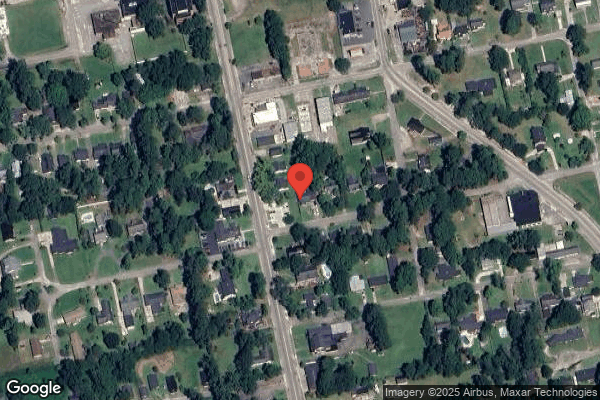
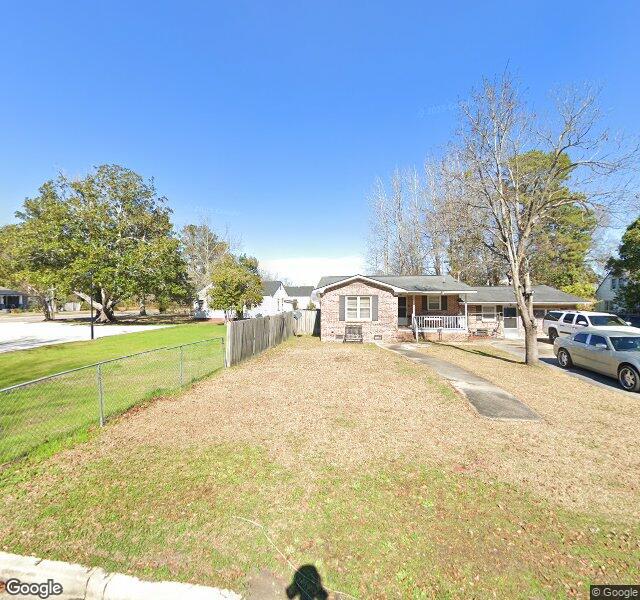
518 S Main Street, Mullins, SC 29574 (843) 464-8211
Government - State 92 Beds Independent Data: November 2025 4 Immediate Jeopardy citations
Trust Grade
18/100
#82 of 186 in SC
Last Inspection: May 2025

Inspected within the last 6 months. Data reflects current conditions.

Overview

MUSC Health Mullins Nursing Home has received a Trust Grade of F, indicating significant concerns about the facility's operations. They rank #82 out of 186 facilities in South Carolina, placing them in the top half, but their overall performance raises red flags. The facility is improving, with a decrease in issues from 6 in 2023 to 2 in 2025, which is a positive trend. Staffing is a good point, as they maintain a 26% turnover rate, significantly lower than the state average, and they have better RN coverage than 84% of other facilities, ensuring that critical health issues may be caught early. However, there have been serious incidents, such as failing to prevent the spread of COVID-19 among residents and allowing a resident to wander away from the facility unsupervised, which indicates potential neglect and safety risks. While there are strengths in staffing and some improvement over time, the facility's poor trust grade and critical findings should be carefully considered by families looking for care.

Trust Score
F
18/100
In South Carolina
#82/186
Top 44%
Safety Record
High Risk
Review needed
Inspections
Getting Better
6 → 2 violations
Staff Stability
✓ Good
26% annual turnover. Excellent stability, 22 points below South Carolina's 48% average. Staff who stay learn residents' needs.
Penalties
○ Average
$12,844 in fines. Higher than 67% of South Carolina facilities. Some compliance issues.
Skilled Nurses
○ Average
Each resident gets 41 minutes of Registered Nurse (RN) attention daily — about average for South Carolina. RNs are the most trained staff who monitor for health changes.
Violations
⚠ Watch
15 deficiencies on record. Higher than average. Multiple issues found across inspections.
★★★☆☆
3.0
Overall Rating
★★★☆☆
3.0
Staff Levels
★★★★★
5.0
Care Quality
★★☆☆☆
2.0
Inspection Score
Stable
2023: 6 issues
2025: 2 issues

The Good

  • 5-Star Quality Measures · Strong clinical quality outcomes
  • Low Staff Turnover (26%) · Staff stability means consistent care
  • Full Sprinkler Coverage · Fire safety systems throughout facility
  • No fines on record
  • Staff turnover is low (26%)

    22 points below South Carolina average of 48%

Facility shows strength in quality measures, staff retention, fire safety.

The Bad

3-Star Overall Rating

Near South Carolina average (2.8)

Meets federal standards, typical of most facilities

Federal Fines: $12,844

Below median ($33,413)

Minor penalties assessed

The Ugly 15 deficiencies on record

4 life-threatening
May 2025 2 deficiencies
CONCERN (D)

Potential for Harm - no one hurt, but risky conditions existed

Deficiency F0761 (Tag F0761)

Could have caused harm · This affected 1 resident

**NOTE- TERMS IN BRACKETS HAVE BEEN EDITED TO PROTECT CONFIDENTIALITY** Based on review of the facility policy, observation and interview, the facility failed to remove expired medications from 2 of 4...

Read full inspector narrative →
**NOTE- TERMS IN BRACKETS HAVE BEEN EDITED TO PROTECT CONFIDENTIALITY** Based on review of the facility policy, observation and interview, the facility failed to remove expired medications from 2 of 4 medication carts. Findings include: Review of the facility policy titled, Medication Storage with an origination date of 01/01/07, and an effective date of 06/11/24, documents, The facility shall store all drugs and biological's in a safe, secure, and orderly manner . Is to provide guidelines for the storage of medications in the Medications Rooms, the Medications/Treatment carts and in the approved stock areas . The facility shall not use discontinued, outdated, or deteriorated drugs or biological's. Such drugs shall be returned to the dispensing pharmacy or destroyed. During an observation on 05/16/25 at 10:31 AM, of the 2 [NAME] Hall Med Cart A, revealed the medication Aspirin 325 milligrams ([NAME] Aspirin) with Lot #134414, expired on 04/2025. During an observation on 05/16/25 at 10:40 AM, of the 2 [NAME] Hall Med Cart B, revealed the medication Aspirin 81 milligrams EC with Lot #RX2008442, expired on 05/13/2025. The expired medications were confirmed and removed from storage by Registered Nurse (RN)2.
CONCERN (F)

Potential for Harm - no one hurt, but risky conditions existed

Food Safety (Tag F0812)

Could have caused harm · This affected most or all residents

**NOTE- TERMS IN BRACKETS HAVE BEEN EDITED TO PROTECT CONFIDENTIALITY** Based on observation, interview, and review of facility policy, the facility failed to store food in the Walk-In Coolers, Freeze...

Read full inspector narrative →
**NOTE- TERMS IN BRACKETS HAVE BEEN EDITED TO PROTECT CONFIDENTIALITY** Based on observation, interview, and review of facility policy, the facility failed to store food in the Walk-In Coolers, Freezer, and Unit Refrigerators, in accordance with professional standards for food service safety out of 1 of 1 Kitchens observed and 2 of 3 Unit Refrigerators observed. Findings include: Review of facility policy titled Food and Supply Storage last revised on 01/25, revealed, All food, non-food items and supplies used in food preparation shall be stored in such a manner as to prevent contamination to maintain the safety and wholesomeness of food for human consumption. Procedures include cover, label, and dated unused portions and open packages. Use the Medvantage/Fresh date labeling system or completed all sections on a [NAME] orange label. Products are good through the close of business on the date noted on the label. Review of facility policy titled Cleaning of Food and Non-food Contact Surfaces last revised on 01/25, revealed, Non-food contact surfaces of equipment such as handles on reach-in unit, sides of sinks, gaskets on cooler and freezer doors, tracks of sliding doors on equipment Shall be cleaned as often as necessary to keep the equipment free of accumulation of dust, dirt, food particles, and other debris. It is not necessary to sanitize non-food contact surfaces; however in-use wiping clothes must be kept in sanitizing solution between the uses regardless of their intended use. During an initial tour of the Freezer in the Kitchen on 05/13/25 at 10:24 AM, revealed the following items opened and not dated: 1 package of hotdogs, 1 package of turkey bacon, 1 package of pork bacon, and 1 package of chicken nuggets. During an initial tour of the Walk-In Cooler in the Kitchen on 05/13/25 at 10:26 AM, revealed the following items opened and not dated: 1 container of mayo. During an observation of the 300 East Unit Refrigerator on 05/14/25 on 6:01 PM, revealed a sticky light-colored substance dried to the door shelf. During an observation of the 200 [NAME] Unit Refrigerator on 05/14/25 at 6:14 PM, revealed a sticky light-colored substance dried to the door shelf and a dark substance was dried in the crisper. During an observation with the Dietary Manager (DM) on 05/16/25 at 12:02 PM, the 200 [NAME] Unit Refrigerator, the DM observed the light-colored sticky substance in the door shelf. During an observation and interview with the DM on 05/16/25 at 12:07 PM, the 300 East Unit Refrigerator, the DM observed the sticky light-colored substance in the door shelf and the dark substance in the crisper. During an interview on 05/16/25 at approximately 12:15 PM, the DM stated that the refrigerators do not meet her expectations of cleanliness. Further interview with the DM revealed that items found in Freezer and Walk-In Coolers on 05/13/25 should have been labeled after opening.
Dec 2023 4 deficiencies
CONCERN (D) 📢 Someone Reported This

A family member, employee, or ombudsman was alarmed enough to file a formal complaint

Potential for Harm - no one hurt, but risky conditions existed

Incontinence Care (Tag F0690)

Could have caused harm · This affected 1 resident

Based on review of facility policy, observations and interviews, the facility failed to follow a procedure during Foley catheter care to prevent and/or decrease the likelihood of infection for Residen...

Read full inspector narrative →
Based on review of facility policy, observations and interviews, the facility failed to follow a procedure during Foley catheter care to prevent and/or decrease the likelihood of infection for Resident (R)64, for 1 of 1 residents reviewed for catheter care. Findings include: Review of the undated facility policy titled, Urinary Catheter Care states, It is the policy of this nursing center to deliver appropriate catheter care in the manner to prevent urinary tract infections and to restore as much normal bladder function as possible to those residents with indwelling catheters. Procedure: Wash and dry hand thoroughly. Provide privacy. Cover the Resident with a sheet, exposing only the perineal area. Put on clean gloves. With a non dominant hand separate the labia of the female resident. Maintain the position of the hand throughout the procedure. Access the urethral meatus. FOR THE FEMALE: Use a washcloth with warm water and soap to cleanse the labia. Use one area of the washcloth for each downward stroke. Next change the position of the washcloth and cleanse around the urethreal meatus. Do not allow the washcloth to drag on the resident's skin or bed linen. With a clean washcloth, rinse with warm water after using the above technique. Use a clean washcloth with warm water and soap to cleanse and rinse the catheter from insertion site to approximately four inches outward. Secure the catheter utilizing a leg band. Check drainage tubing and bag to ensure that the catheter is draining properly. Discard disposable items into designated containers. Remove gloves and discard into designated containers. Wash and dry hands thoroughly. Review of R64's Face Sheet revealed R64 was admitted to the facility, with diagnoses including but not limited to: recurrent urinary tract infection, use of a Foley catheter and long time use of antibiotics due to urinary tract infections. An observation of foley catheter care on 12/06/23 at 2:30 PM went as follows: Knocked on the resident's room door. R64 asked us in. Certified Nursing Assistant (CNA)1 explained the procedure to R64. CNA1 and CNA2 washed their hands and applied gloves. CNA2 positioned herself on the opposite side of the bed. Supplies were set up by CNA1, after covering the over bed table. CNA1 opened the wipes and the package of small white towelettes. CNA2 removed the covers and R64 complained of being cold so CNA1 folded the bed sheet and bed spread upward over R64's abdomen. CNA1 touched the bed linens, the catheter tubing and unfastened the resident's brief. CNA1 removed several wet wipes from the packaging and the dry towelettes. CNA1 did not remove her gloves and clean her hands prior to starting the catheter care. With the same gloved hands CNA1 grabbed the wet wipes and started cleaning down the right side of the groin. CNA2 noted that R64 had a bowel movement. CNA1 and CNA2 did not stop catheter care to address the bowel movement. CNA1 continued cleaning R64's right groin area pushing the wet wipe down into the soiled brief. CNA1 took another wipe and cleaned down the left side of the groin pushing the wipe down into the soiled brief each time. CNA1 did not separate the labia and cleanse around the urethral meatus but she did wipe over the outside of the perineal area with a wipe and placed it down into the soiled brief. CNA1 removed her gloves and washed her hands and applied clean gloves and using the dry towelettes wiped down the right side of the groin and then the left, then used a wet wipe to clean from the outside skin down the tubing. CNA1 told CNA2, when she aided in turning R64 over to clean the bowel movement, to wipe from front to back, and then instructed her to wash her hands. During an interview on 12/06/23 at 2:51 PM, CNA1 stated that she did not perform catheter care per the facility policy and she did not remove her gloves and wash her hands.
CONCERN (D) 📢 Someone Reported This

A family member, employee, or ombudsman was alarmed enough to file a formal complaint

Potential for Harm - no one hurt, but risky conditions existed

Tube Feeding (Tag F0693)

Could have caused harm · This affected 1 resident

**NOTE- TERMS IN BRACKETS HAVE BEEN EDITED TO PROTECT CONFIDENTIALITY** Based on review of facility policy, record reviews and interviews, the facility failed to follow a procedure to ensure gastric r...

Read full inspector narrative →
**NOTE- TERMS IN BRACKETS HAVE BEEN EDITED TO PROTECT CONFIDENTIALITY** Based on review of facility policy, record reviews and interviews, the facility failed to follow a procedure to ensure gastric residual did not exceed 100 milliliters for 1 of 1 residents reviewed for a peg tube with enteral feedings. Specifically, the gastric contents, when the residual was aspirated from the tubing, was 1000 milliliters (1 liter) for Resident (R)74. Findings include: Based on the undated facility policy titled Enteral Tube Medication Administration states, The facility policy assures the safe and effective administration of enteral formulas and medications via enteral tubes. Selection of enteral formulas, routes and methods of administration, and the decision to administer medications via enteral tubes are based on nursing assessment of the resident's condition, in consultation with the physician, dietician, and consultant pharmacist. Review of The [NAME] & [NAME] Nursing Manual dated 2023, states, Assess residual volume every 4 to 6 hours for continuous feeding and just before each intermittent feeding. Assess the patient for abdominal distention, nausea, and vomiting which can signal inadequate gastric emptying. Reinstill the aspirate if the amount is within prescribed parameters. Then flush the tube with 20 to 30 mls of water. Review of R74's Face Sheet revealed, the facility admitted R74 with diagnoses including, but not limited to: enteral feedings, hospice, excessive nausea and vomiting and pain. Review of R74's progress notes revealed the following: On 10/17/23 at 6:51 AM states, In bed alert and verbally responsive. Speaks in low tones. No c/o pain or discomfort voiced Jevity 1.5 @ 60 mls per hour with 40 mls water flushes via pump. Pump off at 7:00 AM. Tolerated well. No N/V noted. Able to assist with turns and repositioning while in bed. Wears brief. On 10/17/2023 at 4:39 PM states, RP notified via telephone of new orders to run continuous feedings with a break from 10:00 AM to 2:00 PM. No complaints of nausea or emesis noted per shift. 1L of gastric contents removed and discarded. On 10/17/23 10:00 PM states, Resting in bed with eyes closed at present easily aroused when name called. Alert and responsive. Skin warm to touch respirations even and non-labored no distress noted at present. Head of bed elevated, tube patent flush with resistance. 60 mls of residual removed from tube. No nausea or vomiting noted at present, tolerating water at present with out difficulty. On 10/18/23 at 8:20 PM states, Patient peg tube stopped flowing. Tried to unstop peg tube but with no luck, could not unstop the peg tube. Called the on call Nurse Practitioner and she wanted to send the resident to the emergency room (ER) to get the peg tube evaluated. Notified family member. Transferred patient to ER by stretcher. No documentation to ensure the feeding tube was aspirated and checked for residual on 10/17/23 from 6:51 AM until 4:39 PM, when R74 was noted to have residual of 1 liter of fluid in her abdomen. During an interview on 12/07/23 at 1:00 PM, the Director of Nursing (DON) stated she did not think there was 1000 ccs or 1 liter in the stomach of this resident. The DON stated that the family was giving her fluids to drink. The DON concluded that she would have to review the chart. During an interview on 12/07/23 at 5:08 PM, Licensed Practical Nurse (LPN)1, the nurse that aspirated the liter of fluid from the G-tube of R74, stated that since the resident was a hospice patient most of the medications had been discontinued. LPN1 went on to say that R74 had a G tube and a J tube and that was new to her, both at the same time. LPN1 stated that the resident's family would bring in soft drinks for the resident. LPN1 further stated everything was just sitting in her abdomen and not moving and LPN1 just happened to check it.
CONCERN (D) 📢 Someone Reported This

A family member, employee, or ombudsman was alarmed enough to file a formal complaint

Potential for Harm - no one hurt, but risky conditions existed

Infection Control (Tag F0880)

Could have caused harm · This affected 1 resident

Based on review of facility policy, observations and interviews, the facility failed to ensure proper hand hygiene was followed during Foley catheter care to prevent and/or decrease the likelihood of ...

Read full inspector narrative →
Based on review of facility policy, observations and interviews, the facility failed to ensure proper hand hygiene was followed during Foley catheter care to prevent and/or decrease the likelihood of infection for Resident (R)64, for 1 of 1 residents reviewed for catheter care. Findings include: Review of the undated facility policy titled Hand Hygiene states, The purpose is to decrease the risk of transmission of infection by appropriate hand hygiene. Proper hand hygiene is expected of all employees in utilizing the most important way of helping to prevent the transmission of infection. Guidelines: I. Hand hygiene is always indicated: D. Before and after contact with any source likely to be contaminated (equipment, devices in work area or resident's room). E. After contact with body substances or contact with a piece of equipment or device contaminated with body substances. F. Between tasks on same resident. (i.e. indwelling catheter care or mouth care, etc.) II. The wearing of gloves does not replace the need for practicing proper hand hygiene. Review of R64's Face Sheet revealed R64 was admitted to the facility, with diagnoses including but not limited to: recurrent urinary tract infection, use of a Foley catheter and long time use of antibiotics due to urinary tract infections. An observation of Foley catheter care on 12/06/23 at 2:30 PM went as follows: Knocked on the resident's room door. R64 asked us in. Certified Nursing Assistant (CNA)1 explained the procedure to R64. CNA1 and CNA2 washed their hands and applied gloves. CNA2 positioned herself on the opposite side of the bed. Supplies were set up by CNA1, after covering the over bed table. CNA1 opened the wipes and the package of small white towelettes. CNA2 removed the covers and R64 complained of being cold so CNA1 folded the bed sheet and bed spread upward over R64's abdomen. CNA1 touched the bed linens, the catheter tubing and unfastened the resident's brief. CNA1 removed several wet wipes from the packaging and the dry towelettes. CNA1 did not remove her gloves and clean her hands prior to starting the catheter care. With the same gloved hands CNA1 grabbed the wet wipes and started cleaning down the right side of the groin. CNA2 noted that R64 had a bowel movement. CNA1 and CNA2 did not stop catheter care to address the bowel movement. CNA1 continued cleaning R64's right groin area pushing the wet wipe down into the soiled brief. CNA1 took another wipe and cleaned down the left side of the groin pushing the wipe down into the soiled brief each time. CNA1 did not separate the labia and cleanse around the urethral meatus but she did wipe over the outside of the perineal area with a wipe and placed it down into the soiled brief. CNA1 removed her gloves and washed her hands and applied clean gloves and using the dry towelettes wiped down the right side of the groin and then the left, then used a wet wipe to clean from the outside skin down the tubing. CNA1 told CNA2, when she aided in turning R64 over to clean the bowel movement, to wipe from front to back, and then instructed her to wash her hands. During an interview on 12/06/23 at 2:51 PM, CNA1 confirmed that she had touched several unclean surfaces such as the catheter tubing, the bed linens and the resident's brief before starting catheter care. CNA1 stated that she did not perform catheter care per the facility policy and she did not remove her gloves and wash her hands.
CONCERN (F) 📢 Someone Reported This

A family member, employee, or ombudsman was alarmed enough to file a formal complaint

Potential for Harm - no one hurt, but risky conditions existed

Food Safety (Tag F0812)

Could have caused harm · This affected most or all residents

Based on review of facility policy, observations and interview, the facility failed to ensure proper labeling/dating and discarding of foods stored in 1 of 1 kitchen. Findings include: Review of facil...

Read full inspector narrative →
Based on review of facility policy, observations and interview, the facility failed to ensure proper labeling/dating and discarding of foods stored in 1 of 1 kitchen. Findings include: Review of facility policy titled Food and Supply Storage Procedures last revised 01/31/16 revealed, .all food, non-food items, and supplies used in food production shall be stored in such a manner as to prevent contamination to maintain the safety and wholesomeness of food for human consumption. Most products contain an expiration date, the words 'sell-by', 'best-buy', or 'use by', should precede the date. The 'sell-by', 'best-buy', or 'use-by' date is the last date that food can be consumed. Foods past the 'use-by', 'sell-by', or 'enjoy-by' date should be discarded. Cover, label, and date unused portions and open packages, use the orange label and complete all sections on the label. In frozen storage, procedures include food stored frozen should be kept no longer than three months for quality purposes; date and rotate items first in, first out, discard food past the use-by or expiration date. During an observation on 12/05/23 at 10:30 AM, with the Dietary Manager, revealed the following items not labeled/dated in the freezer: 1 open bag of frozen pancakes 1 open bag of frozen potato wedges 1 open bag of frozen chicken 2 open bags of frozen onion rings 1 open bag of chicken-fried steak Further observation of the freezer revealed the following items past the expiration date: 1 box of frozen cookie dough with an expiration date of 09/19/23 2 frozen trays of cornbread dated 11/26/23 3 frozen trays of turkey dated 11/26/23 During an interview on 12/04/23 at 10:40 AM, the Dietary Manager revealed the above items were out of compliance.
Jul 2023 2 deficiencies 2 IJ
CRITICAL (J) 📢 Someone Reported This

A family member, employee, or ombudsman was alarmed enough to file a formal complaint

Immediate Jeopardy (IJ) - the most serious Medicare violation

Free from Abuse/Neglect (Tag F0600)

Someone could have died · This affected 1 resident

**NOTE- TERMS IN BRACKETS HAVE BEEN EDITED TO PROTECT CONFIDENTIALITY** Based on record review, interviews, and review of facility policy, the facility failed to ensure Resident (R)1 was free from neg...

Read full inspector narrative →
**NOTE- TERMS IN BRACKETS HAVE BEEN EDITED TO PROTECT CONFIDENTIALITY** Based on record review, interviews, and review of facility policy, the facility failed to ensure Resident (R)1 was free from neglect related to elopement, for 1 of 3 residents reviewed. Specifically, R1 had a successful elopement from the facility on 07/12/23. On 7/12/23 at approximately 10:00 AM, R1 was found by Patient Dinning Associate (PDA)1 and Dietary Aid (DA)1 in the parking lot of the facility, which is close to a two-lane highway. Review of video surveillance dated 07/12/23 at 10:04 AM, revealed R1 was wearing a blue shirt, a hat, dark long pants, and dark colored shoes. Further review of video surveillance revealed R1 walking through the facility's first floor lobby heading toward the front door, alone. Video surveillance did not reveal R1 being accompanied by staff. Further investigation revealed R1 successfully eloped the facility and was found in the facility's parking lot. On 7/13/23 at 4:30 PM, an Immediate Jeopardy (IJ) Template was presented to the Administrator, notifying them that R1's successful elopement from the facility constituted IJ at F600 with an effective date of 07/12/23. On 7/14/23 at 10:42 AM, the facility provided an acceptable plan of removal of the IJ. The immediacy of the IJ was removed on 07/14/23. The IJ was lowered to a scope and severity of D (no actual harm with potential for more than minimal harm). The facility's failure constituted substandard quality of care at F600 and an extended survey was conducted on 07/14/23. Findings include: Review of the facility's policy titled Protecting of Residents: Reducing the Threat of Abuse & Neglect dated 01/16/23, documented, Procedure: PREVENTION It is the policy of this facility to prevent and prohibit all types of abuse, neglect, misappropriation of resident property, and exploitation. The facility must: . 2. Identify, correct and intervene in situations in which abuse, neglect, exploitation, and/or misappropriation of resident property is more likely to occur to include trained and qualified, registered, licensed, and certified staff on each shift in sufficient numbers to meet the needs of the residents, and assure that the staff assigned have knowledge of the individual residents' care needs and behavioral symptoms, if any. 3. Assure that residents are free from neglect by having the structures and processes to provide needed care and services to all residents . Review of the facility's policy titled Elopement Policy with an origination date of 05/26/23 documented, Elopement occurs when a resident leaves the premises or a safe area without authorization (i.e., an order for discharge or leave of absence) and/or any necessary supervision to do so. Review of R1's admission Information located in the Electronic Medical Record (EMR) revealed, R1 was admitted to the facility on [DATE] with diagnoses including but not limited to; peripheral vascular disease, type 2 diabetes mellitus with stage 3 chronic kidney disease, dementia, vascular dementia without behavior disturbance, and Alzheimer's disease. Further review of R1's admission Information revealed a Brief Interview for Mental Status (BIMS) dated 07/06/23 with a score of 4 out of 15, indicating R1 was not cognitively intact. Review of R1's Care plan dated 08/12/20 documented the following: Problem: Episodes of wandering into other resident's rooms. Boarding elevator unassisted. Goal: The resident will not leave facility unattended through the review date. Start Date: 10/31/22 Expected End: 10/12/23. This care plan listed the following interventions: Distract resident from wandering by offering pleasant diversion, structured activities, food, conversation, television, book. Identify pattern of wandering: Is wandering purposeful, aimless, or escapist? Is resident looking for something? Does it indicate the need for more exercise? Intervene as appropriate. Observe for orange bracelet to wrist every shift to identify elopement risk. Observe skin underneath orange indicator bracelet for signs and symptoms of skin breakdown. Further review of R1's Care Plan dated 08/07/20 documented the following: Problem: Potential for injury due to falls related to decreased mobility with physical weakness, episodes of wandering, Inconsistent use of walker. Goal: Resident will be free of injury due to falls through the review date Start: 08/07/20 Expected End: 10/12/23. This care plan listed the following interventions: Frequent clinical rounding. Frequent rounding to address needs. Redirect resident during episodes of attempting to leave unit . Review of R1's Progress note dated 07/12/23 at 10:13 AM, documented Down the hall administering medication when approached by staff member and notified that [R1] was outside of facility walking with walker. Upon getting outside to [R1] multiple staff members noted around [R1] with [R1] laying on the ground. Reported by staff that [R1] did not fall but laid down on the ground when approached by staff member thinking they were attacking him. [R1] assisted back to facility and body audit completed with no injuries apparent. Nurse practitioner in facility and made aware and accessed [R1] for injuries. Responsible party made aware of incident. Administrator and supervisors aware. Prior to [R1] getting out of the facility, [R1] noted by staff eating breakfast around 09:30 AM. [R1] ambulating in hallway at this time with multiple attempts made to get on elevator redirected per staff with little effect. Review of R1's Elopement assessment dated [DATE] documented. Resident is considered potential for elopement Yes resident has been noted to wander on unit frequently has been noted to be wander off of assigned unit to another. Elopement board placed throughout facility. During an interview on 07/12/23 at 9:15 AM the Administrator stated that R1 is alert but is not oriented. He has been a resident of the facility for several years and is in his 90s. The Administrator further stated, R1 resides on the third floor, he wanders, and is an elopement risk. R1 was able to get on the elevator and come down to the first floor. R1 was observed by staff on the left side of the entrance of the building in front of the parking lot at approximately 10:06 AM - 10:07 AM on 07/12/23. The Administrator continued, R1 did not, nor does he have the ability to sign himself out. R1 was last seen by staff on the unit between the hours of 9:30 AM and 09:57 AM. The Administrator concluded, Video surveillance shows [R1] leaving his unit at 10:03 AM - 10:04 AM and a staff of the facility saw him exit the facility at 10:03 AM and he was brought back into the facility. During an interview on 07/13/23 at 10:48 AM the Director of Nursing (DON) revealed, being in a 10:00 AM meeting on 07/12/23 when the Dietary Manager (DM) came into the meeting at 10:07 AM to inform them that we had a patient. The DON stated she, three other managers, and the Minimum Data Set (MDS) Coordinator went outside and observed R1 lying on the ground. The DON further stated, when dietary staff observed R1 leaving the facility, staff followed and asked him where he was going and he responded Home. Staff tried to escort R1 back and he said no and sat his self on the ground, then laid down on the ground. It was approximately 10:08 AM and nursing staff came out with a wheelchair and assisted R1 into the wheelchair, brought him back into the facility and conducted an assessment to make sure he was ok. During an interview on 07/13/23 at 11:34 AM the MDS Coordinator (MDSC) revealed, she was in the conference room for a meeting on 07/12/23 when the DM came in to inform staff that R1 was observed in the facility's parking lot. R1 was on the last row of cars on the far left and was approximately 20 - 25 feet away from a two-lane highway. The MDSC stated, when she arrived where R1 was, R1 had about 6 - 8 staff around him assisting him to a wheelchair and no injuries were noted. To her knowledge, this was the first time R1 left the facility. The MDSC concluded, R1 is confused at baseline. The temperature was warm, and he had on brown shoes, dark pants and a shirt. During an interview on 07/13/23 at 11:50 AM, the 3rd floor Registered Nurse Unit Supervisor (RNUS) revealed, being in a meeting on 07/12/23 when she got a call on the phone about R1 and dietary staff came in rooms to say R1 was in parking lot. R1 was observed to be 10 - 15 feet away from the stop sign in the parking lot at around 10:09 AM. R1 was wearing a jacket, dark pants, and brown slippers. The RNUS stated, R1 is a wander and staff must redirect to prevent him from trying to leave, to include calling wife to speak with her, and speaking with staff. [R1] had a wander guard when we were housed in the nursing home, but here, those devices are not in place. The RNUS was not sure if staff was with R1 when he exited the facility. RNUS concluded, R1 was assessed and seen by the Nurse Practitioner to ensure he did not have any injuries and his family was notified. R1's family is currently seeking placement in a lock down unit. During an interview on 07/13/23 at 11:59 AM, the DM revealed, dietary staff often sit out front and on 07/12/23 staff members PDA1 and the DA1 observed R1 walking from around the building out in the front parking area. He did not appear to be a visitor for the facility and looked like a resident of the facility. The DM stated, PDA1 called out to R1, Hey honey and R1 turned around. PDA1 went running after R1 and PDA1 gave him a hug and tried to convince R1 to return to the facility. R1 kept walking and said, my son is coming to pick me up. The DM further stated, the time of the incident was 10:00 AM and it was sunny and hot about 88 degrees Fahrenheit. R1 was wearing a hat, slippers, pants and a coat and stated, it was too hot to have all that on. R1 was observed in the parking lot just past the welcome sign and 10 - 20 feet from the sidewalk in front of a 2-lane highway. The DM concluded, [R1] was assessed by staff and taken back inside the facility. His family is looking for other placement like a VA [Veteran Affairs] facility since he was in the military and loves to talk about it. During an interview on 07/13/23 at 12:08 PM, the [NAME] revealed, sitting in the kitchen by the front window on 07/12/23 and DA1 told him, It looks like [R1] is walking in the parking lot. At this time around 10 - 15 staff members from the nursing home ran out with a wheelchair and put R1 in the wheelchair. The time was around 10:00 AM and it was sunny and hot. R1 was wearing a hat, slippers, pants and a coat. The [NAME] concluded, [R1] was past the welcome sign and was 10 - 20 feet away from the sidewalk by the 2-lane highway. During an interview on 07/13/23 at 1:34 PM, DA1 revealed, she was outside on a break with PDA1 when they saw R1 and he did not look like a visitor of the facility. DA1 stated, [R1] was at the front entrance, at the stop sign closest to the parking lot. I caught up to R1 and he grabbed me. I gave him a hug and he wanted to continue walking, so I started a conversation with him and he was talking about his son and wanting to go home and that was where he was heading. The DA1 further stated she called the main desk to alert staff that R1 was in the parking lot. [R1] almost lost his balance so he lowered himself to the ground and sat down. I told [PDA1] to go get staff and she did. [R1] was wearing a brown coat, a hat, pants, and house shoes and it was hot outside. During an interview on 07/13/23 at 1:53 PM, PDA1 revealed, sitting outside with DA1 for a 15-minute break when they saw R1 walking close to the 2-lane highway. R1 did not appear to be a visitor but looked more like a resident. PDA1 stated, I ran over to [R1] to keep him from leaving the facility but he kept saying he was going home. R1 was about 20 feet from the 2-lane road. PDA1 further stated, This was the first time she saw [R1] and did not know which way he exited the facility. It was hot outside and he was wearing a jacket, a hat, pants and bedroom slippers. [R1] appeared confused and just kept pointing to the road saying he wanted to go home. [R1] almost lost his balance, so he sat down on the ground and staff from the facility came to get him. The facility's Removal Plan dated 07/14/23 included the following: How corrective action will be accomplished for those residents found to have been affected by the deficient practice. The following actions were taken for MRN 005981284: Pain assessment Skin assessment CP updated RR and Provider notification Event captured in the event reporting system The following action were taken by the facility: Reportable to SC DHEC Notification to the [local] Ombudsman How the facility will identify other residents having the potential to be affected by the same deficient practice. Any resident that reports an allegation has the potential to be affected by the alleged deficient practice. All residents with a BIMS of 10 or higher will be interviewed by the Social Worker and/or licensed Nurse for any allegations of abuse/Neglect/Misappropriation. All resident comment concern cards for the past 90 days will be reviewed for any allegations of abuse/Neglect/Misappropriation. All residents with BIMS of 9 or less will have a skin assessment completed to identify any potential unreported abuse. Findings from the above will be reported to the appropriate state agencies and investigated appropriately per policy. All residents will be assessed for risk of elopement. For residents who trigger for at risk of elopement the following actions will be completed: A review of the resident's Care Plan to ensure interventions are appropriate. Notification to RR and provider as appropriate. Any opportunities identified during the review will be corrected immediately. What measure will be put in place or systematic changes made to ensure that the deficient practice will not reoccur? [NAME] Nursing Center leadership will collaborate with MUSC Health [NAME] Medical (MMC) Leadership to ensure education is disseminated throughout the departments of MMC by July 14, 2023. All care team members will be educated on Protection of Residents - Reducing the Threat of Abuse Policy by July 14, 2023. If unable to obtain education prior to this date, the staff will not be scheduled to work until education is completed. If any non-compliance is identified during the audits, re-education will be provided. All [NAME] Nursing Center team members will be educated on the facility's Elopement Policy by July 14, 2023. All [NAME] Nursing Care Center team members will be educated on the facility's Elopement Protocol by July 14, 2023. Staff who do not receive education on the Elopement Policy and Elopement Protocol will not be able to work until the education is completed. [NAME] Nursing Center leadership will collaborate with MUSC Health [NAME] Medical (MMC) Leadership to ensure education is disseminated throughout the departments of MMC by July 14, 2023. Elopement boards will be posted throughout the facility in areas to alert staff of residents who are at risk for elopement by July 13, 2023. These are not within the public's view. The facility will ensure the elopement board remains up to date as appropriate. If any non-compliance is identified during the audits, re-education will be provided. How the facility plans to monitor its performance to make sure that solutions are sustained. All resident grievances will be reviewed for allegation of abuse during daily Tier 2 Brief. The administrator will be responsible for ensuring appropriate reporting and investigation. All resident skin assessments will be conducted weekly and reviewed during daily clinical meeting for potential abuse. The Director of Nursing will be responsible for notifying the administrator and initiating the investigation. Signage will be posted by time clock identifying all abuse allegations are to be reported to the administrator and director of nursing immediately, with their contact number. It will also include a second person and their contact number to be notified, when administrator cannot be reached. The administrator will be responsible for ensuring timely reporting to state agencies, thorough investigations and maintaining an abuse reporting log. An audit will be conducted by a licensed nurse 5 times a week for 4 weeks and 3 times a week for four weeks to monitor for placement of orange wrist band for residents at risk for elopement. An audit will be conducted by a care team member 5 times a week for 4 weeks and 3 times a week for 4 weeks to ensure appropriate placement of the Elopement boards throughout the facility. The facility will conduct an elopement drill by August 1,2023 and as appropriate thereafter. Signage will be posted by time clock identifying all abuse allegations are to be reported to the administrator and director of nursing immediately, with their contact number. lt will also include a second person and their contact number to be notified, when administrator cannot be reached. The administrator will be responsible for ensuring timely reporting to state agencies, thorough investigations and maintaining an abuse reporting log. A summary of the results of the audit tools will be presented monthly during QAPI. QAPI committee members may make recommendations as appropriate for changes to managing this clinical system.
CRITICAL (J) 📢 Someone Reported This

A family member, employee, or ombudsman was alarmed enough to file a formal complaint

Immediate Jeopardy (IJ) - the most serious Medicare violation

Accident Prevention (Tag F0689)

Someone could have died · This affected 1 resident

**NOTE- TERMS IN BRACKETS HAVE BEEN EDITED TO PROTECT CONFIDENTIALITY** Based on record review, interviews, and review of facility policy, the facility failed to ensure adequate supervision was provid...

Read full inspector narrative →
**NOTE- TERMS IN BRACKETS HAVE BEEN EDITED TO PROTECT CONFIDENTIALITY** Based on record review, interviews, and review of facility policy, the facility failed to ensure adequate supervision was provided to Resident (R)1 related to elopement, for 1 of 3 residents reviewed. Specifically, R1 had a successful elopement from the facility on 07/12/23. On 7/12/23 at approximately 10:00 AM, R1 was found by Patient Dinning Associate (PDA)1 and Dietary Aid (DA)1 in the parking lot of the facility, which is close to a two-lane highway. Review of video surveillance dated 07/12/23 at 10:04 AM, revealed R1 was wearing a blue shirt, a hat, dark long pants, and dark colored shoes. Further review of video surveillance revealed R1 walking through the facility's first floor lobby heading toward the front door, alone. Video surveillance did not reveal R1 being accompanied by staff. Further investigation revealed R1 successfully eloped the facility and was found in the facility's parking lot. On 7/13/23 at 4:30 PM, an Immediate Jeopardy (IJ) Template was presented to the Administrator, notifying them that R1's successful elopement from the facility constituted IJ at F689 with an effective date of 07/12/23. On 7/14/23 at 10:42 AM, the facility provided an acceptable plan of removal of the IJ. The immediacy of the IJ was removed on 07/14/23. The IJ was lowered to a scope and severity of D (no actual harm with potential for more than minimal harm). The facility's failure constituted substandard quality of care at F689 and an extended survey was conducted on 07/14/23. Findings include: Review of the facility's policy titled Elopement Policy with an origination date of 05/26/23 documented, Elopement occurs when a resident leaves the premises or a safe area without authorization (i.e., an order for discharge or leave of absence) and/or any necessary supervision to do so. A resident who leaves a safe area may be at risk of (or has the potential to experience) heat or cold exposure, dehydration and/or other medical complications, drowning, or being struck by a motor vehicle . The facility must ensure that . The resident environment remains as free of accident hazards as possible; . Each resident receives adequate supervision . Review of R1's admission Information located in the Electronic Medical Record (EMR) revealed, R1 was admitted to the facility on [DATE] with diagnoses including but not limited to; peripheral vascular disease, type 2 diabetes mellitus with stage 3 chronic kidney disease, dementia, vascular dementia without behavior disturbance, and Alzheimer's disease. Further review of R1's admission Information revealed a Brief Interview for Mental Status (BIMS) dated 07/06/23 with a score of 4 out of 15, indicating R1 was not cognitively intact. Review of R1's Care plan dated 08/12/20 documented the following: Problem: Episodes of wandering into other resident's rooms. Boarding elevator unassisted. Goal: The resident will not leave facility unattended through the review date. Start Date: 10/31/22 Expected End: 10/12/23. This care plan listed the following interventions: Distract resident from wandering by offering pleasant diversion, structured activities, food, conversation, television, book. Identify pattern of wandering: Is wandering purposeful, aimless, or escapist? Is resident looking for something? Does it indicate the need for more exercise? Intervene as appropriate. Observe for orange bracelet to wrist every shift to identify elopement risk. Observe skin underneath orange indicator bracelet for signs and symptoms of skin breakdown. Further review of R1's Care Plan dated 08/07/20 documented the following: Problem: Potential for injury due to falls related to decreased mobility with physical weakness, episodes of wandering, Inconsistent use of walker. Goal: Resident will be free of injury due to falls through the review date Start: 08/07/20 Expected End: 10/12/23. This care plan listed the following interventions: Frequent clinical rounding. Frequent rounding to address needs. Redirect resident during episodes of attempting to leave unit . Review of R1's Progress note dated 07/12/23 at 10:13 AM, documented Down the hall administering medication when approached by staff member and notified that [R1] was outside of facility walking with walker. Upon getting outside to [R1] multiple staff members noted around [R1] with [R1] laying on the ground. Reported by staff that [R1] did not fall but laid down on the ground when approached by staff member thinking they were attacking him. [R1] assisted back to facility and body audit completed with no injuries apparent. Nurse practitioner in facility and made aware and accessed [R1] for injuries. Responsible party made aware of incident. Administrator and supervisors aware. Prior to [R1] getting out of the facility, [R1] noted by staff eating breakfast around 09:30 AM. [R1] ambulating in hallway at this time with multiple attempts made to get on elevator redirected per staff with little effect. Review of R1's Elopement assessment dated [DATE] documented. Resident is considered potential for elopement Yes resident has been noted to wander on unit frequently has been noted to be wander off of assigned unit to another. Elopement board placed throughout facility. During an interview on 07/12/23 at 9:15 AM the Administrator stated that R1 is alert but is not oriented. He has been a resident of the facility for several years and is in his 90s. The Administrator further stated, R1 resides on the third floor, he wanders, and is an elopement risk. R1 was able to get on the elevator and come down to the first floor. R1 was observed by staff on the left side of the entrance of the building in front of the parking lot at approximately 10:06 AM - 10:07 AM on 07/12/23. The Administrator continued, R1 did not, nor does he have the ability to sign himself out. R1 was last seen by staff on the unit between the hours of 9:30 AM and 09:57 AM. The Administrator concluded, Video surveillance shows [R1] leaving his unit at 10:03 AM - 10:04 AM and a staff of the facility saw him exit the facility at 10:03 AM and he was brought back into the facility. During an interview on 07/13/23 at 10:48 AM the Director of Nursing (DON) revealed, being in a 10:00 AM meeting on 07/12/23 when the Dietary Manager (DM) came into the meeting at 10:07 AM to inform them that we had a patient. The DON stated she, three other managers, and the Minimum Data Set (MDS) Coordinator went outside and observed R1 lying on the ground. The DON further stated, when dietary staff observed R1 leaving the facility, staff followed and asked him where he was going and he responded Home. Staff tried to escort R1 back and he said no and sat his self on the ground, then laid down on the ground. It was approximately 10:08 AM and nursing staff came out with a wheelchair and assisted R1 into the wheelchair, brought him back into the facility and conducted an assessment to make sure he was ok. During an interview on 07/13/23 at 11:34 AM the MDS Coordinator (MDSC) revealed, she was in the conference room for a meeting on 07/12/23 when the DM came in to inform staff that R1 was observed in the facility's parking lot. R1 was on the last row of cars on the far left and was approximately 20 - 25 feet away from a two-lane highway. The MDSC stated, when she arrived where R1 was, R1 had about 6 - 8 staff around him assisting him to a wheelchair and no injuries were noted. To her knowledge, this was the first time R1 left the facility. The MDSC concluded, R1 is confused at baseline. The temperature was warm, and he had on brown shoes, dark pants and a shirt. During an interview on 07/13/23 at 11:50 AM, the 3rd floor Registered Nurse Unit Supervisor (RNUS) revealed, being in a meeting on 07/12/23 when she got a call on the phone about R1 and dietary staff came in rooms to say R1 was in parking lot. R1 was observed to be 10 - 15 feet away from the stop sign in the parking lot at around 10:09 AM. R1 was wearing a jacket, dark pants, and brown slippers. The RNUS stated, R1 is a wander and staff must redirect to prevent him from trying to leave, to include calling wife to speak with her, and speaking with staff. [R1] had a wander guard when we were housed in the nursing home, but here, those devices are not in place. The RNUS was not sure if staff was with R1 when he exited the facility. RNUS concluded, R1 was assessed and seen by the Nurse Practitioner to ensure he did not have any injuries and his family was notified. R1's family is currently seeking placement in a lock down unit. During an interview on 07/13/23 at 11:59 AM, the DM revealed, dietary staff often sit out front and on 07/12/23 staff members PDA1 and the DA1 observed R1 walking from around the building out in the front parking area. He did not appear to be a visitor for the facility and looked like a resident of the facility. The DM stated, PDA1 called out to R1, Hey honey and R1 turned around. PDA1 went running after R1 and PDA1 gave him a hug and tried to convince R1 to return to the facility. R1 kept walking and said, my son is coming to pick me up. The DM further stated, the time of the incident was 10:00 AM and it was sunny and hot about 88 degrees Fahrenheit. R1 was wearing a hat, slippers, pants and a coat and stated, it was too hot to have all that on. R1 was observed in the parking lot just past the welcome sign and 10 - 20 feet from the sidewalk in front of a 2-lane highway. The DM concluded, [R1] was assessed by staff and taken back inside the facility. His family is looking for other placement like a VA [Veteran Affairs] facility since he was in the military and loves to talk about it. During an interview on 07/13/23 at 12:08 PM, the [NAME] revealed, sitting in the kitchen by the front window on 07/12/23 and DA1 told him, It looks like [R1] is walking in the parking lot. At this time around 10 - 15 staff members from the nursing home ran out with a wheelchair and put R1 in the wheelchair. The time was around 10:00 AM and it was sunny and hot. R1 was wearing a hat, slippers, pants and a coat. The [NAME] concluded, [R1] was past the welcome sign and was 10 - 20 feet away from the sidewalk by the 2-lane highway. During an interview on 07/13/23 at 1:34 PM, DA1 revealed, she was outside on a break with PDA1 when they saw R1 and he did not look like a visitor of the facility. DA1 stated, [R1] was at the front entrance, at the stop sign closest to the parking lot. I caught up to R1 and he grabbed me. I gave him a hug and he wanted to continue walking, so I started a conversation with him and he was talking about his son and wanting to go home and that was where he was heading. The DA1 further stated she called the main desk to alert staff that R1 was in the parking lot. [R1] almost lost his balance so he lowered himself to the ground and sat down. I told [PDA1] to go get staff and she did. [R1] was wearing a brown coat, a hat, pants, and house shoes and it was hot outside. During an interview on 07/13/23 at 1:53 PM, PDA1 revealed, sitting outside with DA1 for a 15-minute break when they saw R1 walking close to the 2-lane highway. R1 did not appear to be a visitor but looked more like a resident. PDA1 stated, I ran over to [R1] to keep him from leaving the facility but he kept saying he was going home. R1 was about 20 feet from the 2-lane road. PDA1 further stated, This was the first time she saw [R1] and did not know which way he exited the facility. It was hot outside and he was wearing a jacket, a hat, pants and bedroom slippers. [R1] appeared confused and just kept pointing to the road saying he wanted to go home. [R1] almost lost his balance, so he sat down on the ground and staff from the facility came to get him. The facility's Removal Plan dated 07/14/23 included the following: How corrective action will be accomplished for those residents found to have been affected by the deficient practice. RCA completed The following actions were taken for MRN 005981284: Pain assessment Skin assessment CP updated RR and Provider notification Event captured in the event reporting system The following actions were taken by the facility: Reportable to SC DHEC Notification to the Pee [NAME] Region Ombudsman How the facility will identify other residents having the potential to be affected by the same deficient practice. All residents will be assessed for risk of elopement. For residents who trigger for at risk of elopement the following actions will be completed: A review of the resident's Care Plan to ensure interventions are appropriate. Notification to RR and provider as appropriate. Any opportunities identified during the review will be corrected immediately. What measure will be put in place or systematic changes made to ensure that the deficient practice will not reoccur? All [NAME] Nursing Center team members will be educated on the facility's Elopement Policy by July 14, 2023. All [NAME] Nursing Care Center team members will be educated on the facility's Elopement Protocol by July 14, 2023. Staff who do not receive education on the Elopement Policy and Elopement Protocol will not be able to work until the education is completed. [NAME] Nursing Center leadership will collaborate with MUSC Health [NAME] Medical (MMC) Leadership to ensure education is disseminated throughout the departments of MMC by July 14, 2023. Elopement boards will be posted throughout the facility in areas to alert staff of residents who are at risk for elopement by July 13, 2023. These are not within the public's view. The facility will ensure the elopement board remains up to date as appropriate. If any non-compliance is identified during the audits, re-education will be provided. How the facility plans to monitor its performance to make sure that solutions are sustained. An audit will be conducted by a licensed nurse 5 times a week for 4 weeks and 3 times a week for four weeks to monitor for placement of orange wrist band for residents at risk for elopement. An audit will be conducted by a care team member 5 times a week for 4 weeks and 3 times a week for 4 weeks to ensure appropriate placement of the Elopement boards throughout the facility. The facility will conduct an elopement drill by August 1,2023 and as appropriate thereafter. A summary of the results of the audit tools will be presented monthly during QAPI. QAPI committee members may make recommendations as appropriate for changes to managing this clinical system. Signage will be posted by time clock identifying all abuse allegations are to be reported to the administrator and director of nursing immediately, with their contact number. It will also include a second person and their contact number to be notified, when administrator cannot be reached. The administrator will be responsible for ensuring timely reporting to state agencies, thorough investigations and maintaining an abuse reporting log.
Jan 2022 7 deficiencies 2 IJ (2 facility-wide)
CRITICAL (L)

Immediate Jeopardy (IJ) - the most serious Medicare violation

Infection Control (Tag F0880)

Someone could have died · This affected most or all residents

⚠️ Facility-wide issue

**NOTE- TERMS IN BRACKETS HAVE BEEN EDITED TO PROTECT CONFIDENTIALITY** Based on observations, interviews, and review of the facility policy, the facility failed to prevent the transmission of COVID-1...

Read full inspector narrative →
**NOTE- TERMS IN BRACKETS HAVE BEEN EDITED TO PROTECT CONFIDENTIALITY** Based on observations, interviews, and review of the facility policy, the facility failed to prevent the transmission of COVID-19 by not following guidelines recommended by the Centers for Disease Control (CDC) for 13 of 85 Residents (R)#59, R#26, R#16, R#28, R#30, R#57, R#75, R#62, R#47, R#79, R#74, R#36 and R#34. Additionally, the facility failed to ensure an unvaccinated resident was on isolation precautions, R#10, as recommended by the CDC. This failure had the potential to put all residents at risk for COVID-19. On 1/11/22 at 7:40 PM, the Administrator and Director of Nursing (DON) was notified of Immediate Jeopardy (IJ) at F880 related to the failure to establish and maintain an infection prevention and control program designed to provide a safe, sanitary and comfortable environment and to help prevent the development and transmission of communicable diseases and infections. The IJ was determined to first exist on 12/17/21, when a Certified Nursing Assistant (CNA) tested positive for COVID-19 and the facility did not complete outbreak testing for the entire facility staff and residents. The facility presented an acceptable removal plan for IJ at F880 on 01/13/22. The deficient practice remained at a lower scope and severity of an F, no actual harm with potential for more than minimal harm that is not IJ. The removal plan for F800 included: In response to the IJ survey citation for Tag F-880 in which the [NAME] Nursing Center failed to segregate COVID positive residents and follow quarantine guidelines as required to prevent the spread of COVID-19 infections, [NAME] Nursing Center agrees to complete the following corrective actions to ensure compliance with this standard. How will the corrective actions be accomplished for the identified individuals? Effect immediately, [NAME] Nursing Center will retest all residents and facility staff to establish their baseline COVID status. All residents that test positive will be moved to the Main Hospital Facility and placed on a unit dedicated to COVID nursing home patients, [NAME] Nursing Center staff will care for residents placed on this unit. Facility staff that test positive will be immediately removed from the work schedule and must follow the CDC guidelines Criteria for Return to Work for Healthcare Personnel with SARS-CoV2 Infections. Human Resources is notified of any staff member that tests positive for tracking purposes. All facility staff must be cleared by Employee Health and Infection Control prior to returning to work. The Nursing Home Administrator is responsible for the corrective actions outlines to be completed by January 13, 2022, and for ongoing monitoring to ensure compliance with this plan to prevent the spread of COVID-19 infection. How will other individuals with the potential to be infected or in similar situations be identified and protected? All staff will be screened each shift and each resident will be screened daily for signs and symptoms of COVID-19 infection with follow up testing as required by CDC and HHS recommendations if showing signs and symptoms of COVID infection. Any person entering the building will be screened for signs and symptoms of COVID-19 upon entry to the facility. Individuals with an elevated temperature or displaying signs and symptoms of a COVID infection will be denied entry into the facility. When a staff member or resident test positive, the Infection Control Nurse will perform contact tracing to identify which residents the infected staff member has cared for, which staff members have been in contact with the infected person, and visitors that have entered the resident's room. Visitors will be notified of the exposure and instructed to monitor for signs and symptoms of a COVID infection and seek testing as indicated. A dedicated nursing home COVID unit has been opened at the Main Hospital Facility to allow segregation of positive residents from non- infected residents. The Nursing Center will perform enhanced terminal cleaning of all resident rooms, clinical and non-clinical areas and non-public spaces. What systemic changes will ensure the deficient practice does not recur? If a staff member starts to display symptoms during their scheduled shift, they will be required to leave the unit immediately to have COVID testing performed and must follow CDC guidelines for returning to work. Human Resources is notified of all positive staff members for tracking purposes and monitors to ensure that these individuals are cleared by Employee Health before returning to work. Residents displaying signs and symptoms of a COVID-19 infection will be quarantined until confirmation testing is performed. If the resident tests positive, they will immediately be moved to the Main Hospital Facility and placed in the dedicated COVID nursing home unit. All staff and residents that test negative will be retested every 3 to 7 days until testing identifies no new cases of COVID-19 infections among staff or residents for a period of at least 14 days since the most recent positive result. Symptomatic staff that refuse testing will be prohibited from entering the building until return-to-work criteria is met. Asymptomatic facility staff that refuse testing will be restricted from the building until procedures outlined above for outbreak testing have been completed. Residents that refuse testing will be educated on the importance of COVID testing. Symptomatic residents that refuse testing will be placed on isolation with transmission-based precautions until criteria for discontinuing transmission-based precautions are met and the resident is cleared by the Infection Control Nurse. If an asymptomatic resident refuses testing, staff will increase monitoring to ensure the resident maintains appropriate distance from other residents, wears a face covering, and practices good hand hygiene. How will the facility monitor its corrective actions/performance? Infection Control, the Director of Nursing, and the Quality Nurse will round on the nursing units to ensure staff and residents are following transmission-based precautions, practicing good hand hygiene and utilizing appropriate PPE. The Administrator will coordinate with the Director of Nursing and the transfer call center to arrange transport of all COVID positive residents to the Main Hospital Facility delegated COVID unit. Human Resources will be notified of any staff member that tests positive, so that Employee Health can monitor and collaborate with the Infection Control Nurse and the Nursing Home Administrator to ensure care team members follow the CDC recommended guidelines for return to work. The Divisional Director of Infection Control will assume oversight for the infection control at the nursing center and will hold weekly touchpoint meetings with the Infection Control Nurse. Any issues with the segregation of the COVID positive residents from non-COVID residents will be addressed in real time by the Divisional Director of Infection Control and used as opportunities for re-education. The Infection Control Nurse will work with the Nursing Home Administrator, Director of Nursing, and Quality Nurse to develop an action plan for any identified issues with these standards. Positivity rates for residents and transfer status will be reported to the Infection Control Committee and Quality Council monthly and shared with facility leadership and the Board. When will corrective actions be accomplished? Retesting for COVID status was performed on January 12, 2022 with positive residents moved immediately to the Main Hospital Facility dedicated Nursing Home COVID unit. Staff testing and education will occur January 12-13, 2022. Staff members that are out due to infection or quarantine will be educated on the first day they return to work after being cleared by Employee Health. Findings include: Record review of the guidance from the CDC updated on 9/10/21 Interim Infection Prevention and Control Recommendations to Prevent SARS-COV-2 Spread in Nursing Homes revealed Residents should only be placed in a COVID 19 care unit if they have confirmed SARS-CoV-2 infection. Unvaccinated residents who have had close contact with someone with SARS-CoV-2 infection should be placed in quarantine for 14 days after their exposure, even if viral testing is negative. Anyone with even mild symptoms of COVID-19, regardless of vaccination status, should receive a viral test as soon as possible. Asymptomatic HCP with a higher-risk exposure and residents with close contact with someone with SARS-CoV-2 infection, regardless of vaccination status, should have a series of two viral tests for SARS-CoV-2 infection. In these situations, testing is recommended immediately (but not earlier than 2 days after the exposure) and, if negative, again 5-7 days after the exposure, all staff and residents should be tested, regardless of vaccination status, and all staff and residents that tested negative should be retested every 3 days to 7 days until testing identifies no new cases of COVID-19 infection among staff or residents for a period of at least 14 days since the most recent positive result. Record review of facility policy titled MUSC Health [NAME] Nursing Center Policy Manual COVID-19 Prevention and Response last revised 9/14/21 revealed This facility will respond upon suspicion of illness associated with COVID-19 in efforts to identify, treat, and prevent the spread of the virus. The Infection Preventionist will assess facility risk associated with COVID-19 through surveillance activities of emerging diseases in the community and illness present in the facility. Procedure when COVID-19 is suspected/ identified: determine location of COVID-19 care Unit. Place resident in a single person room with a private bathroom if possible with the door closed if possible. Dedicated medical equipment (preferably disposable, when possible) should be used for the provision of care. Clean and disinfect all other equipment used for care. Managing residents with close contact: unvaccinated residents shall be placed in quarantine for 14 days after their exposure. An observation and interview on 1/10/22 at 10:45 AM of the 300 unit revealed 1 resident, #R59, positive with COVID-19 and 4 positive residents on the 200 unit (R#26, R#16, R#28, and R#30). Residents on both units were observed sharing the same environment with other non-COVID-19 positive residents. Un-vaccinated residents were not in quarantine for potential exposure to R#10 on the 200 unit. Record review of the facility's COVID-19 testing log on 1/10/22 at 11:15 AM revealed R#59 tested positive for COVID-19 with symptoms of coughing on 1/4/22. R#26 tested positive for COVID-19 with symptoms of nasal congestion on 1/6/22. R#16 tested positive for COVID-19 on 1/9/22 with the symptom of a fever. R#28 tested positive for COVID-19 on 1/10/22 with symptoms of generalized pain and discomfort. R#30 tested positive for COVID-19 on 1/10/22 with symptoms of cough and fever. R#59 was admitted to the facility on [DATE] with diagnoses including, but not limited to, anxiety disorder, depression, and hypertension. The Minimum Data Set (MDS) dated [DATE] revealed R#59 has a Brief Interview for Mental Status (BIMS) score of 14 out of 15, which indicated R#59 is cognitively intact. R#26 was admitted to the facility on [DATE] with diagnoses including, but not limited to heart failure, hypertension, hyperlipidemia, and asthma. The MDS dated [DATE] revealed R#26 has a BIMS score of 14 out of 15, which indicated R#26 is cognitively intact. R#16 was admitted to the facility on [DATE] with diagnoses including, but not limited to anemia, hypertension, hyperlipidemia, dementia, anxiety, and manic depression. The MDS dated [DATE] revealed R#16 has a BIMS score of 6 out of 15, which indicated R#16 is not cognitively intact. R#28 was admitted to the facility on [DATE] with diagnoses including, but not limited to heart failure, hypertension, depression, and thyroid disorder. The MDS dated [DATE] revealed R#28 has a BIMS score of a 11 out of 15, which indicated they are cognitively intact. R#30 was admitted to the facility on [DATE] with diagnoses including, but not limited to Alzheimer's disease, manic depression, and schizophrenia. The MDS dated [DATE] revealed R#30 has a BIMS score of a 99, which indicated they are not cognitively intact. An interview with the Director of Nursing (DON) and the Administrator on 1/10/22 at 11:00 AM revealed R#57 tested positive for COVID-19 on 1/10/22 with symptoms of a sore throat. R#57 was admitted on [DATE] with diagnoses including, but not limited to hypertension, type 2 diabetes, hyperlipidemia, aphasia, seizure disorder, and depression. The MDS dated [DATE] revealed R#57 has a BIMS score of 15 out of 15, which indicated they are cognitively intact. An interview with the Infection Control Preventionist (ICP) on 1/10/22 at 3:31 PM revealed the facility was not outbreak testing all staff and all residents in the 3-7-day period since the first COVID positive case on 12/27/21. She stated the facility was using the guidance from the CDC dated September 10, 2021. Observation on 01/12/22 at 3:30 PM of the unvaccinated resident's room revealed the resident's room door was open and the resident, R#10, was sitting in the chair at the entrance of the room, watching tv. There was no PPE station on the outside of the room. R#10 was admitted to the facility on [DATE] with diagnoses including, but not limited to, heart failure, hypertension, end stage renal disease, and dementia. The MDS dated [DATE] revealed R#10 has a BIMS score of 99, indicating the BIMS assessment could not be completed. A record review on 1/12/22 at 3:50 PM of R#10's Immunizations revealed he refused the COVID-19 vaccine and was educated on the risks and benefits of the vaccine. A record review of the facility's COVID-19 testing log dated 12/17/21 revealed the facility went into COVID outbreak with the first positive staff case on 12/17/21, which was a Certified Nursing Assistant (CNA). The facility tested 65 staff members out of 111 staff members listed on the facility staff roster. All residents on the 3rd floor were tested, with all having documented negative results. There was no documentation that the residents on the 2nd floor had been tested. At that time, according to the CDC and Federal Regulations, the facility should have performed outbreak testing of all staff and all residents along with contact tracing to determine the source of origination. The facility failed to test all staff members and all residents, at that time, and on 12/27/21, 12/28/21, and 12/31/21, five more staff members tested positive, and all staff members and all residents were again not tested. Three of the employees who tested positive on 12/27/21, had not been tested on [DATE]. On 01/01/22 through 01/09/22, (11) additional staff members tested positive. An interview on 1/11/22 at 03:31 PM with the Administrator and Infection Control Preventionist (ICP) confirmed the facility did not complete outbreak testing for all residents and staff, as recommended by the CDC. An interview on 1/11/22 at 4:36 PM with the DHEC Registered Nurse and COVID-19 Investigator for the Pee [NAME] Region via telephone revealed that she could recall a conversation with the ICP related to the first resident positive case and advising the ICP to contact trace to see if the facility could determine the source of exposure and to leave the resident in a private room, in isolation. She stated she could not 100% recall if she advised the ICP to not test everyone at that time, or said not to test everyone in general, but confirmed she was familiar with the regulations for LTC testing. An interview with the Administrator, Chief Compliance Officer, and Infection Control Preventionist on 1/12/22 at 10:30 AM revealed the facility was still in the process of moving COVID-19 positive residents to the hospital for quarantine. The interview additionally revealed that R#75 tested positive on 1/11/22, after a complaint of not feeling well, which prompted a rapid test. R#62, R#47, R#79, R#74, R#36 and R#34 had also tested positive for COVID-19 and was tested through outbreak surveillance testing. R#75 was admitted to the facility on [DATE] with diagnoses including, but not limited to hypertension, end stage renal disease, hyperlipidemia, and anxiety disorder. The MDS dated [DATE] revealed R#75 has a BIMS score of 13 out of 15, which indicates they are cognitively intact. R#62 was admitted to the facility on [DATE] with diagnoses including, but not limited to cancer, hypertension, type 2 diabetes, and schizophrenia. The MDS dated [DATE] revealed R#62 has a BIMS score of 15 out of 15, which indicated they are cognitively intact. R#47 was admitted to the facility on [DATE] with diagnoses including, but not limited to coronary artery disease, heart failure, hypertension, type 2 diabetes, depression, and asthma. The MDS dated [DATE] revealed R#47 has a BIMS score of 10 out of 15, which indicated they are cognitively intact. R#79 was admitted to the facility on [DATE] with diagnoses including, but not limited to heart failure, coronary heart disease, hypertension, urinary tract infection, and dementia. The MDS dated [DATE] revealed R#79 has a BIMS score of 7 out of 15, which indicates they are not cognitively intact. R#36 was admitted to the facility on [DATE] with diagnoses including, but not limited to hypertension, type 2 diabetes, dementia, and depression. The MDS dated [DATE] revealed R#36 has a BIMS score of 15 out of 15, which indicates they are cognitively intact. R#34 was admitted to the facility on [DATE] with diagnoses including, but not limited to hyperlipidemia and anxiety disorder. The MDS dated on 11/10/21 revealed R#34 has a BIMS score of 15 out of 15, which indicates they are cognitively intact. An interview on 1/13/22 at 4:00 PM with the DON revealed that all residents that were COVID-19 positive (R#59, R#26, R#16, R#28, R#30, R#57, R#75, R#62, R#47, R#79, R#74, R#36 and R#34) were moved to the local hospital on a dedicated Nursing Home COVID-19 unit. A second telephone interview with DHEC Registered Nurse and COVID-19 Case Investigator on 1/13/22 at 5:00 PM revealed that the ICP has been in contact for guidance related to recent positive cases in the facility. The following quotation is from the DHEC representative related to the January 2022 outbreak and guidance they provided to the facility, January 10, 2022, week of: new outbreak with 4 new resident positives. Plan of Care (POC) performing outbreak testing per protocol, cohorting positives in same hall discussed. Facility in outbreak testing this week: 8 staff positives 1 resident positive: discussed leaving resident in her private room vs. moving to COVID hall. Resident remains in her room with dedicated staff. On 1/5/22, POC reports OUTBREAK EDUCATION FOR STAFF meeting. POC concerned about staffing shortages, will hire agency. At least once daily phone calls this week to answer questions about visitation, staff isolating and return to work. POC is following company policy with another update to be reported to me today, 1/6/22. Random observations on 1/10/22 - 1/14/22 revealed several facility staff wearing COVID-19 PPE, such as; face shields and gowns, outside of resident's rooms that are on droplet contact precautions throughout other areas of the facility. This was confirmed via interview with the DON throughout the week of the survey. A telephone interview with the Medical Director (MD) on 1/13/22 at 3:08 PM revealed that they were informed of when each resident tested positive and advised the facility to keep them under quarantine as much as possible but was not involved in anything other than that.
CRITICAL (L)

Immediate Jeopardy (IJ) - the most serious Medicare violation

Deficiency F0886 (Tag F0886)

Someone could have died · This affected most or all residents

⚠️ Facility-wide issue

**NOTE- TERMS IN BRACKETS HAVE BEEN EDITED TO PROTECT CONFIDENTIALITY** Based on interview, review of the facility policy, and review of COVID-19 documentation, the facility failed to test residents a...

Read full inspector narrative →
**NOTE- TERMS IN BRACKETS HAVE BEEN EDITED TO PROTECT CONFIDENTIALITY** Based on interview, review of the facility policy, and review of COVID-19 documentation, the facility failed to test residents and staff appropriately according to outbreak guidelines recommended by the Centers for Disease Control (CDC). This failure had the potential to negatively impact all staff and residents in the facility. On 1/11/22 at 7:40 PM, the Nursing Home Administrator (NHA) and the Director of Nursing (DON) were notified that the facility's failure to test all residents and staff consistently and failed to ensure COVID-19 positive residents has delegated staff to care for their needs and not the needs of COVID-19 positive residents and non-COVID-19 positive residents simultaneously.The IJ at F886 was determined to first exist on 12/17/21, the date where a Certified Nursing Assistant (C.N.A.) tested positive. The facility tested 65 staff out of 111 staff members listed on the facility staff roster. All Residents on the 3rd floor were tested - all were documented with negative results. There was no documentation indicating residents on the 2nd floor had been tested. This failure constituted an Immediate Jeopardy at scope and severity level of L. The facility presented an acceptable Allegation of Compliance (AOC) on 1/13/22 at 9:32 AM, indicating a plan was put into place to remove the immediacy. Staff interviews, record reviews, policy and procedure reviews and review of the training and education was completed during the survey to verify the immediate corrective actions taken by the facility. The IJ was removed on 1/13/22. The deficient practice remained at F886 at a lower scope of an F. Findings Include: Record review of the guidance from the CDC updated on 9/10/21 Interim Infection Prevention and Control Recommendations to Prevent SARS-COV-2 Spread in Nursing Homes revealed Because of the risk of unrecognized infection among residents, a single new case of SARS-CoV-2 infection in any health care personnel (HCP) or a nursing home-onset SARS-CoV2- infection in a resident should be evaluated as a potential outbreak. A facility-wide or group level (unit, floor, or other specific area(s) of the facility) approach should be considered if all potential contacts cannot be identified or managed with contact tracing fails to halt transmission. Record review of facility policy titled MUSC Health - Nursing Centers COVID-19 Outbreak Response revised on 9/14/21 revealed A single new case of COVID in any HCP or any nursing home -onset COVID-19 in a resident. Preform contact tracing if possible to identify any HCP who have had a higher-risk exposure or resident who may have had a close contact with the individual with COVID. All HCP who have had higher risk exposure and residents who have had close contact, regardless of vaccination status, should be tested immediately. If testing of close contacts reveals additional HCP or resident with COVID contact tracing should be continued to identify residents with close contact or HCP with higher risk exposures, a facility wide approach should be performed (perform testing on all residents and HCP regardless of vaccination status). A record review on 1/11/22 at 3:00 PM revealed the facility went into COVID-19 outbreak status with the first positive staff case on 12/17/21, a Certified Nursing Assistant. The facility tested 65 staff out of 111 staff members listed on the facility staff roster. All residents on the 3rd floor were tested, with documented negative results. There was no documentation that the residents on the 2nd floor had been tested. At that time, according to the CDC and Federal Regulation, the facility should have performed outbreak testing of all staff and all residents along with contact tracing to determine the source of origination. The facility failed to test all staff members and all residents at that time and on 12/27/21, 12/28/21, and 12/31/21, five additional staff members tested positive and all staff members and all residents were again, not tested. Three of the employees who tested positive on 12/27/21 had not been tested on [DATE]. Between the dates of 01/01/22 - 01/09/22, there were (11) additional staff members who tested positive. A record review of COVID-19 testing results revealed on the following dates these residents tested positive, 1/4/22-R59 1/6/22- R26 1/9/22-R16 1/10/22-R28, R30, and R57 1/11/22-R75 1/12/22-R62, R47, R79, R74, and R36. An interview on 1/11/22 at 3:31 PM with the Administrator and Infection Control Preventionist (ICP) revealed that the facility did not complete outbreak testing for all residents and staff as recommended by the CDC. A phone interview with DHEC Registered Nurse and COVID-19 Case Investigator for the Pee [NAME] Region on 1/13/22 revealed that the ICP has been in contact for guidance related to recent positive cases in the facility. The following quotation is from the DHEC representative related to the January 2022 outbreak and guidance they provided to the facility January 10, 2022, week of: new outbreak with 4 new resident positives. Plan of Care (POC) performing outbreak testing per protocol, cohorting positives in same hall discussed. Facility in outbreak testing this week: 8 staff positives 1 resident positive: discussed leaving resident in her private room vs. moving to COVID hall. Resident remains in her room with dedicated staff. On 1/5/22, POC reports OUTBREAK EDUCATION FOR STAFF meeting. POC concerned about staffing shortages, will hire agency. At least once daily phone calls this week to answer questions about visitation, staff isolating and return to work. POC is following company policy with another update to be reported to me today, 1/6/22. The Credible Allegation of Compliance included the following: In response to the IJ survey citation for Fag F886 in which the [NAME] Nursing Center failed to test residents and facility staff at the frequency required to prevent the spread of COVID-19 infections, [NAME] Nursing Center agrees to complete the following corrective actions to ensure compliance with this standard. How will the corrections be accomplished for the identified individuals? Effective immediately, [NAME] Nursing Center will retest all resident and facility staff to establish their baseline COVID status. The Infection Control Nurse and Nursing Home Administrator will monitor the CDC COVID tracker for positivity rates on a weekly basis and adjust testing frequency based on the CDC and HHS recommendations. Facility leaders and staff were educated by the Chief Quality Officer on January 12-13, 2022, regarding the importance of COVID testing and the frequency requirements for testing based on community positivity rates and when an outbreak occurs. The Nursing Home Administrator is responsible for ensuring the corrective actions outlined are completed by January 13, 2022 and for ongoing monitoring to ensure compliance with testing requirements. How will other individuals with the potential to be affected or in similar situations be identified and protected? All staff will be screened (each shift), each resident (daily), and any person entering the building will be screened for signs and symptoms of COVID-19. Moving forward, residents and facility staff will be tested based on community positivity rates or per HHS recommendations when an outbreak occurs. For outbreak testing , all staff and residents should be tested, regardless of vaccination status, and all staff and residents that are negative should be retested every 3 to 7 days until testing identifies no new cases of COVID-19 infections among staff or residents for a period of at least 14 days since the most recent positive result. Contact Tracing Process: For all residents and facility staff that test positive, the Infection Control Nurse monitors the following: -Staff members the positive staff member worked with -Residents the positive member cared for -Visitors who visited the positive resident Staff and residents that have been in contact with a person who tests positive will be tested for COVID-19. Visitors will be notified of the exposure and instructed to self-monitor and seek testing as needed for symptoms. What systematic changes will ensure the deficient practice does no recur? The Nursing Home Administrator and Infection Control Nurse will monitor [NAME] County's positivity rate weekly and adjust the frequency of testing as outlined below: -If the county positivity rate increases to a higher level of activity, testing of staff will begin at the frequency shown in the above criteria as soon as the criterion for the higher activity is met. -If the county positivity rate decreases to a lower level of activity, testing of staff will continue at the higher frequency level until the county positivity rate has remained at the lower activity level for a least two weeks before reducing the testing frequency. Symptomatic staff that refuse testing will be prohibited from entering the building until return to work criteria is met. If an outbreak occurs, facility staff that refuse testing will be restricted from the building until procedures outlined above for outbreak testing have been completed. Residents that refuse testing will be educated on the importance of COVID testing. Symptomatic residents that refuse testing will be placed on transmission-based precautions and transferred to the Main Hospital Facility dedicated COVID unit where hey will be cared for by the Nursing Home Staff. The patient will remain on isolation and transmission-based precautions until criteria for discontinuing transmission-based precautions are met and they are cleared by the Infection Control Nurse. If an outbreak occurs and an asymptomatic resident refuses testing, the resident will remain in isolation with increased monitoring for symptoms and to ensure they maintain appropriate distance from other residents, wear a mask to prevent potential transmission, and practice good hand hygiene.\ How will the facility monitor its corrective actions/performance? The Nursing Home Administrator in collaboration with the Director of Nursing and Quality Nurse will monitor testing of residents and facility staff to ensure that testing occurs at the appropriate times and is performed on residents and facility staff as outlined in the criteria above. Any issues with testing or the frequency of testing be addressed in real time by the Nursing Home Administrator and used as opportunities for re-education. The Infection Control Nurse will work with the Nursing Home Administrator, Director of Nursing, and Quality Nurse to develop an action plan for any identified issues with COVID testing. The Divisional Director of Infection Control will assume responsibility for infection control a the nursing center and will do weekly touchpoint meetings with the Infection Control Nurse to ensure compliance. Positivity rates and frequency of testing will be reported to the Infection Control Committee and Quality Council monthly and shared with facility leadership and the Board. When will the corrective actions be accomplished? Retesting for COVID status will occur on January 12, 2022 with positive residents moved immediately to the Main Hospital Facility dedicated Nursing Home COVID unit. Education to facility leadership and staff was provided by the Chief Quality Officer on January 12, 2022 with documentation of the training. Staff testing and educations will occur on January 12-23, 2022. Staff members that are out due to infection or quarantine will be educated on the first day they return to work after being cleared by Employee Health.
CONCERN (D)

Potential for Harm - no one hurt, but risky conditions existed

Deficiency F0645 (Tag F0645)

Could have caused harm · This affected 1 resident

**NOTE- TERMS IN BRACKETS HAVE BEEN EDITED TO PROTECT CONFIDENTIALITY** Based on interview and record review, the facility failed to ensure two out of two sampled residents (Residents (R) R16 and R66)...

Read full inspector narrative →
**NOTE- TERMS IN BRACKETS HAVE BEEN EDITED TO PROTECT CONFIDENTIALITY** Based on interview and record review, the facility failed to ensure two out of two sampled residents (Residents (R) R16 and R66) had a Level II Pre-admission Screening and Resident Review (PASARR) evaluation completed despite being diagnosed with a serious mental disorder (MD) and/or intellectual disability (ID). Specifically, R16 had a diagnosis of bipolar disorder and R66 had a diagnosis of schizophrenia disorder. This failure placed the residents at risk for unmet care needs and for not receiving appropriate mental health support/services and treatment/s needed. This deficient practice had the potential to affect all facility residents who were given or had been diagnosed with a MD or ID diagnosis. Findings Include: 1. Review of R66's Electronic Medical Record (EMR), Face Sheet stated, R66 was admitted on [DATE] with diagnoses including, but not limited to schizophrenia, atrial fibrillation, and diabetes. Review of R66's EMR and admission Minimum Data Set (MDS) (an assessment used to determine plan of care for a resident) with an Assessment Reference Date (ARD) of 07/05/21, revealed R66 had a Brief Interview for Mental Status (BIMS) assessment and scored a seven out of 15, which meant R66 was cognitively impaired with poor decision-making ability. It was documented R66 had symptoms of little interest or pleasure in doing things, trouble falling or staying asleep, or sleeping too much, feeling tired or having little energy, trouble concentrating on things, and moving or speaking so slowly that other people could have noticed or being so fidgety or restless that you have been moving around a lot more than usual. R66 was documented as having delusion (misconceptions or beliefs that are firmly held, contrary to reality). It was documented R66 received routine psychotropic medications for the schizophrenia diagnosis. R66's functional status was documented to need extensive to total dependence on staff assistance for activities of daily living (ADLs). Review of the R66's PASARR level 1 dated 05/28/21 provided by the Social Worker (SW), identified the resident as having schizophrenia under section .MI Screening . and stated, the recommendation was .No further evaluation recommended, but indicators present ., with the reason given in the comments being .Diagnosis of schizophrenia and well-managed on current medication regimen. No hospitalizations for mental illness reported in the last 2 years . In an interview with the SW on 0/12/22 at 02:40 PM, she stated when inquired about the lack of a PASSAR Level II, that the Level II was not necessary because R66's baseline was schizophrenia, and she was told that a change for a PASSAR II was not required unless there was a change in the diagnosis. 2. Review of R16's EMR Face Sheet stated, R16 was admitted on [DATE] with diagnoses of but not limited to cerebral Infarction, generalized anxiety, altered mental status, bipolar disorder, and dementia. A review of R16's annual MDS with an ARD of 08/11/21, specified a BIMS was completed with a score of six out of 15, which indicated R16 was cognitively impaired with poor decision-making ability. It was documented R16 had symptoms of feeling tired or having little energy. R16 exhibited no behaviors and required extensive assistance to total dependence of staff with activities of daily living (ADLs). A review of R16's quarterly MDS with an ARD of 11/3/21, specified a BIMS was completed with a score of five out of 15, which indicated R16 was cognitively impaired with poor decision-making ability. It was documented R16 did not exhibit mood symptoms. It was documented R16 had received routine psychotropic medication for the bipolar disorder diagnosis. R16 was assessed in to exhibit no behaviors and required extensive assistance to total dependence of staff with activities of daily living (ADLs). Review of R16's PASARR level 1 dated 12/12/17 provided by the SW, identified the resident as having ischemic CVA under section .All Diagnoses . There was no mention of R16's bipolar disorder diagnosis. Under section, .Recommendations of Reviewer ., the recommendation was, .No further evaluation recommended . In an interview with the SW on 0/12/22 at 02:40 PM, she stated when inquired about the lack of a PASSAR Level II, that the Level II was not required unless there was a change in the diagnosis.
CONCERN (D)

Potential for Harm - no one hurt, but risky conditions existed

Accident Prevention (Tag F0689)

Could have caused harm · This affected 1 resident

**NOTE- TERMS IN BRACKETS HAVE BEEN EDITED TO PROTECT CONFIDENTIALITY** Based on record review, staff interview, and facility policy review, the facility failed to maintain an effective Falls Manageme...

Read full inspector narrative →
**NOTE- TERMS IN BRACKETS HAVE BEEN EDITED TO PROTECT CONFIDENTIALITY** Based on record review, staff interview, and facility policy review, the facility failed to maintain an effective Falls Management program as evidenced by not investigating falls and/or conducting a thorough root cause analysis to identify potential environmental and safety hazards and resident-specific fall interventions to reduce and/or eliminate repeated falls for one sampled resident (Resident (R) R16), who had repeated unwitnessed falls that could have resulted in harm, injury, or death. Findings include: The facility failed to adhere to the guidelines and practices as described in the facility's Falls Management policy. The purpose of the policy was To provide guidelines for identification, investigation and documentation of resident fall and to implement intervention to promote safety. If a fall has occurred, the policy stated that a post fall evaluation would be completed to determine what may have caused the fall. Furthermore, the policy also stated that .additional interventions or revisions may be implemented after evaluation of the event in effort to prevent further occurrences. A review of R16's Face Sheet located in the Electronic Medical Record (EMR) indicated R16 was admitted to the facility on [DATE] with diagnoses including, but not limited to, cerebral infarction, generalized anxiety, altered mental Status, bipolar disorder, and dementia. A review of R16's annual Minimum Data Set (MDS) with an Assessment Reference Date (ARD) of 08/11/21, specified a Brief Interview for Mental Status (BIMS) (a test to determine resident cognition) was completed with a score of six out of 15, which indicated R16 was cognitively impaired, exhibited no behaviors and required extensive assistance to total dependence of staff with activities of daily living (ADLs). A review of R16's MDS with an ARD of 11/03/21, specified a BIMS was completed with a score of five out of 15, which indicated R16 was cognitively impaired, exhibited no behaviors, and required extensive assistance to total dependence of staff with activities of daily living (ADLs). A review of the facility's fall tracking log (untitled) dated from 01/01/21 to current revealed the facility recorded the following falls for R16: 1. On 06/05/21, R16 fell from chair with an outcome of the resident being educated and removal of the chair. 2. On 09/22/21, R16 fell from his wheelchair with an outcome of the resident being educated. 3. On 12/27/21, R16 fell out of bed with an outcome of the resident being educated. The resident also had falls on 01/31/21, 02/09/21, and 02/21/21 which were not indicated on the fall tracking log. The following required documentation according to the fall program procedure could not be provided by the Director of Nursing (DON) as requested on 01/13/22 at 12:09 PM regarding R16's falls: 1) ERS (a computer-generated report completed for each fall). 2) Post fall assessment/management forms for the 01/31/21 fall. 3) Certified Nursing Assistant (CNA) [NAME] cards for R16 related to functional status and fall alerts. 4) Physical Therapy (PT) screenings for all falls excluding the 06/05/21. A review of R16's ongoing and current Care Plan fall interventions, dated with a start date of 12/10/20, revealed R16 had a .potential for injury due to falls related to history of CVA with left sided weakness and unassisted transfer attempts . and was dated last reviewed on 09/15/20. On 01/13/22 at 12:56 PM, an interview was conducted with two Licensed Practical Nurses (LPN) (2 and 3) and a Certified Nursing Assistant (CNA)2. During the interview with CNA 2, she stated that she would initiate the code for falls (Code [NAME]) upon the entry into the resident's room who had fallen. The Code [NAME] is an All hands-on deck which meant every available staff person on the unit would enter the affected resident's room to assist. CNA 2 then stated that the fall incident and the updated interventions were reviewed during each shift change in the Safety Huddle staff meetings. During the interview with LPN 3, it was stated that the staff would assess the resident from a fall for injuries. If there were injuries present, the resident would be processed for further evaluation. The nurse would then question the resident to help determine how the resident fell. The nurse then would input the incident into the facility's computer system, then the staff would notify the physician, and update the care plan interventions to reflect the individual resident and an intervention for immediate use to prevent future falls. LPN 3 then provided an example of what the intervention of Increased rounding meant. LPN 3 stated, If a resident has increased rounding, which means all staff on the unit would periodically check/view the resident continually. We wouldn't document every time we looked in the resident's room. On 01/13/22 at 5:04 PM, in the Quality Assurance and Process Improvement (QAPI) interview with the Director of Nursing (DON), the DON stated that he was aware that the facility had issues regarding resident falls and the proper implementation of the facility's fall program. The DON then stated he would implement the usage of correct lifts for transfer of residents and increase surveillance to ensure quality care for the residents.
CONCERN (D)

Potential for Harm - no one hurt, but risky conditions existed

Medication Errors (Tag F0758)

Could have caused harm · This affected 1 resident

Based on record review, interviews, and review of the facility's policies and procedures, the facility failed to ensure Resident (R)11 was free from unnecessary psychotropic medications for 1 of 5 res...

Read full inspector narrative →
Based on record review, interviews, and review of the facility's policies and procedures, the facility failed to ensure Resident (R)11 was free from unnecessary psychotropic medications for 1 of 5 residents reviewed for Unnecessary Medications. The facility further failed to ensure proper medical rational, indication for use and monitoring, was documented in the medical record. Findings include: The facility admitted R11 with diagnoses including, but not limited to Dementia without behaviors, Depression, and Mood Disorders. Review on 1/13/22 at 12:49 PM of the manufacturer's guidelines for the use of the medication, Trazodone, is indicated for the treatment of major depressive disorder in adults. Trazodone is contraindicated for use in the elderly population. An initial dose of 150 mg/day in divided doses is suggested. The dosage should be initiated at a low dose and increased gradually noting the clinical response and any evidence of intolerance. R11 is receiving 100 milligrams of Trazodone 2 times daily. She is receiving Celexa for a diagnosis of Depression. Review on 1/13/22 at 12:50 PM of the medical record for R11 revealed diagnosis for the Trazodone of 100 milligrams 2 times daily for, yelling out. An interview on 1/13/22 at 12:30 PM with the Registered Nurse Unit Manager, provided behavior monitoring sheets, which indicated R11 occasionally yelled out. No other behaviors were documented on the Behavior Monitoring Sheets or in the medical record. A telephone interview with R11's attending physician and also the Medical Director, confirmed that he was caring for R11, who was residing in the facility. He stated he was not aware that he needed a diagnosis other than Mood Disorder. I informed him that Trazodone was contraindicated for the use in Long Term Care residents. He stated he would reduce the medication to a safe nighttime dose for sleep. Review on 1/13/22 at 2:00 PM of the documentation from the evaluating psychiatric physician revealed R11 was seen for a diagnosis of Episodes of yelling out, on 10/27/21. No medications were prescribed by the psychiatrist and R11 was discharged from their services on 11/29/21 due to Rapid Decline in Cognitive Impairment. Review on 1/13/22 at 3:00 PM of the facility policy titled, Antipsychotic Medication use, states, under the Purpose, To provide guidelines for assessment, implementation, and monitoring of antipsychotic medications when necessary to treat specific conditions for which they are indicated. Under Policy it states, It is the policy of this facility that Antipsychotic medication therapy shall be used only when necessary to treat a specific condition as ordered by the Physician. Number 7 states, Antipsychotic medications will not be used if the only symptoms are one or more of the following: a. Wandering b. Poor self-care c. Restlessness d. Impaired memory e. Mild anxiety f. Insomnia g. Unsociability h. Inattention or indifference to surroundings. i. Fidgeting j. Nervousness k. Uncooperativeness; or l. Verbal expression or behavior that are not due to conditions listed above under indications and do not represent a danger to the resident or others.
CONCERN (D)

Potential for Harm - no one hurt, but risky conditions existed

Deficiency F0760 (Tag F0760)

Could have caused harm · This affected 1 resident

Based on observation, interview and review of the manufacturer's recommendations for administration of an insulin kwik pen, the facility failed to ensure an insulin pen was administered correctly for ...

Read full inspector narrative →
Based on observation, interview and review of the manufacturer's recommendations for administration of an insulin kwik pen, the facility failed to ensure an insulin pen was administered correctly for Resident (R)51, during observation of administration of an insulin kwik pen during medication pass for 1 of 25 opportunities for error. Findings include: The facility admitted R51 with diagnoses including, but not limited to, Diabetes Mellitus Type II and Kidney Disease. An observation on 1/12/22 at 9:15 AM revealed Licensed Practical Nurse (LPN)1 administering 15 units of Basaglar Insulin for R51. The nurse prepped the area with an alcohol prep and then placed the needle in the subcutaneous tissue and pressed the button and as soon as the button was pressed, she removed the needle, not waiting the 5 seconds per the manufacturer's recommendations. An interview on 1/12/22 at 9:16 AM with LPN1 confirmed she did not wait the recommended 5 seconds before removing the needle, as per the manufacturer's recommendations. Review on 1/12/22 at 10:45 AM of the manufacturer's recommendations for a Basaglar Kwik Pen states under step #11 states: - Insert the needle into your skin. - Push the dose knob all the way in. - Continue to hold the dose knob in and slowly count to 5 before removing the needle. (5 Sec.)
CONCERN (D)

Potential for Harm - no one hurt, but risky conditions existed

Deficiency F0761 (Tag F0761)

Could have caused harm · This affected 1 resident

**NOTE- TERMS IN BRACKETS HAVE BEEN EDITED TO PROTECT CONFIDENTIALITY** Based on observation, interview and review of the facility policy titled, Discharge Medications: Controlled Medication Disposal,...

Read full inspector narrative →
**NOTE- TERMS IN BRACKETS HAVE BEEN EDITED TO PROTECT CONFIDENTIALITY** Based on observation, interview and review of the facility policy titled, Discharge Medications: Controlled Medication Disposal, the facility failed to ensure discontinued controlled medications were removed from storage with controlled drugs for resident use in 1 of 4 medication carts reviewed. Findings include: An observation on 1/12/22 at 3:20 PM of the 200 Hall North medication cart revealed the medication Tramadol HCL 50 milligams, 6 tablets, manufacturer [NAME], with RX #4246204 discontinued and stored in the medication cart with other controlled drugs for resident use. Also observed in the 200 Hall North medication care were Oxycodone-APAP 5-325 milligrams 20 tablets manufacturer J. Seulewski, RX#2069341 discontinued on 12/21/21 and still stored in the North 200 Hall medication cart with other controlled drugs for resident use. An interview on 1/12/22 at 3:21 PM with the Director of Nursing, the nurse passing medications on the 200 Hall North medication cart, confirmed the findings and stated, It takes 2 nurses to destroy the discontinued medications, and it has not been done as of yet. He went on to say that the medications are usually removed right away, and confirmed that the controlled medications were still stored in the medication cart. Review on 1/12/22 at 4:30 PM of the facility policy titled, Discharge Medications, Controlled Medication Disposal, Under storage of Medications, Policy, states, Medications and biological's are stored safely, securely, and properly, following manufacturer's recommendations or those of the supplier. The medication supply is accessible only to licensed nursing personnel, pharmacy personnel, or staff members lawfully authorized to administer medications. Under, Controlled Medication Disposal, it states, Medications included in the Drug Enforcement Administration (DEA) classification as controlled substances are subject to special handling, storage, disposal, and recordkeeping in the facility in accordance with federal and state laws and regulations. Under Procedures, A. states, The director of nursing and the consultant pharmacist are responsible for the facility's compliance with federal and state laws and regulations in the handling of controlled medications. Only authorized licensed nursing and pharmacy personnel have access to controlled medications. C. States, Schedule II-V medications remaining in the facility after a resident has been discharged or the order discontinued, are disposed of in the facility by the administrator, director of nursing, and consultant pharmacist.
Understanding Severity Codes (click to expand)
Life-Threatening (Immediate Jeopardy)
J - Isolated K - Pattern L - Widespread
Actual Harm
G - Isolated H - Pattern I - Widespread
Potential for Harm
D - Isolated E - Pattern F - Widespread
No Harm (Minor)
A - Isolated B - Pattern C - Widespread

Questions to Ask on Your Visit

  • "What changes have you made since the serious inspection findings?"
  • "Can I speak with families of current residents?"
  • "What's your RN coverage like on weekends and overnight?"

Our Honest Assessment

Strengths
  • • 26% annual turnover. Excellent stability, 22 points below South Carolina's 48% average. Staff who stay learn residents' needs.
Concerns
  • • Multiple safety concerns identified: 4 life-threatening violation(s). Review inspection reports carefully.
  • • 15 deficiencies on record, including 4 critical (life-threatening) violations. These warrant careful review before choosing this facility.
  • • $12,844 in fines. Above average for South Carolina. Some compliance problems on record.
  • • Grade F (18/100). Below average facility with significant concerns.
Bottom line: This facility has 4 Immediate Jeopardy findings. Serious concerns require careful evaluation.

About This Facility

What is Musc Health Mullins Nursing Home's CMS Rating?

CMS assigns MUSC Health Mullins Nursing Home an overall rating of 3 out of 5 stars, which is considered average nationally. Within South Carolina, this rating places the facility higher than 99% of the state's 100 nursing homes. This mid-range rating indicates the facility meets federal standards but may have areas for improvement.

How is Musc Health Mullins Nursing Home Staffed?

CMS rates MUSC Health Mullins Nursing Home's staffing level at 3 out of 5 stars, which is average compared to other nursing homes. Staff turnover is 26%, compared to the South Carolina average of 46%. This relatively stable workforce can support continuity of care.

What Have Inspectors Found at Musc Health Mullins Nursing Home?

State health inspectors documented 15 deficiencies at MUSC Health Mullins Nursing Home during 2022 to 2025. These included: 4 Immediate Jeopardy (the most serious level, indicating potential for serious harm or death) and 11 with potential for harm. Immediate Jeopardy findings are rare and represent the most serious regulatory concerns. They require immediate corrective action.

Who Owns and Operates Musc Health Mullins Nursing Home?

MUSC Health Mullins Nursing Home is owned by a government entity. Government-operated facilities are typically run by state, county, or municipal agencies. The facility operates independently rather than as part of a larger chain. With 92 certified beds and approximately 78 residents (about 85% occupancy), it is a smaller facility located in Mullins, South Carolina.

How Does Musc Health Mullins Nursing Home Compare to Other South Carolina Nursing Homes?

Compared to the 100 nursing homes in South Carolina, MUSC Health Mullins Nursing Home's overall rating (3 stars) is above the state average of 2.8, staff turnover (26%) is significantly lower than the state average of 46%, and health inspection rating (2 stars) is below the national benchmark.

What Should Families Ask When Visiting Musc Health Mullins Nursing Home?

Based on this facility's data, families visiting should ask: "What changes have been made since the serious inspection findings, and how are you preventing similar issues?" "Can I visit during a mealtime to observe dining assistance and food quality?" "How do you handle medical emergencies, and what is your hospital transfer rate?" "Can I speak with family members of current residents about their experience?" These questions are particularly relevant given the facility's Immediate Jeopardy citations.

Is Musc Health Mullins Nursing Home Safe?

Based on CMS inspection data, MUSC Health Mullins Nursing Home has documented safety concerns. Inspectors have issued 4 Immediate Jeopardy citations (the most serious violation level indicating risk of serious injury or death). The facility has a 3-star overall rating and ranks #1 of 100 nursing homes in South Carolina. Families considering this facility should ask detailed questions about what corrective actions have been taken since these incidents.

Do Nurses at Musc Health Mullins Nursing Home Stick Around?

Staff at MUSC Health Mullins Nursing Home tend to stick around. With a turnover rate of 26%, the facility is 20 percentage points below the South Carolina average of 46%. Low turnover is a positive sign. It means caregivers have time to learn each resident's needs, medications, and personal preferences. Consistent staff also notice subtle changes in a resident's condition more quickly.

Was Musc Health Mullins Nursing Home Ever Fined?

MUSC Health Mullins Nursing Home has been fined $12,844 across 1 penalty action. This is below the South Carolina average of $33,207. While any fine indicates a compliance issue, fines under $50,000 are relatively common and typically reflect isolated problems that were subsequently corrected. Families should ask what specific issues led to these fines and confirm they've been resolved.

Is Musc Health Mullins Nursing Home on Any Federal Watch List?

MUSC Health Mullins Nursing Home is not on any federal watch list. The most significant is the Special Focus Facility (SFF) program, which identifies the bottom 1% of nursing homes nationally based on persistent, serious quality problems. Not being on this list means the facility has avoided the pattern of deficiencies that triggers enhanced federal oversight. This is a positive indicator, though families should still review the facility's inspection history directly.