Life Care Center Of Charleston
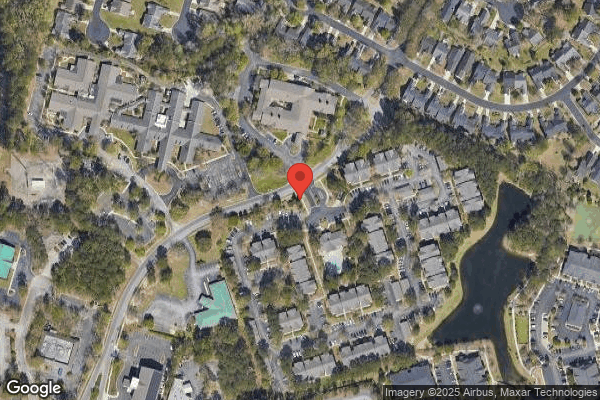
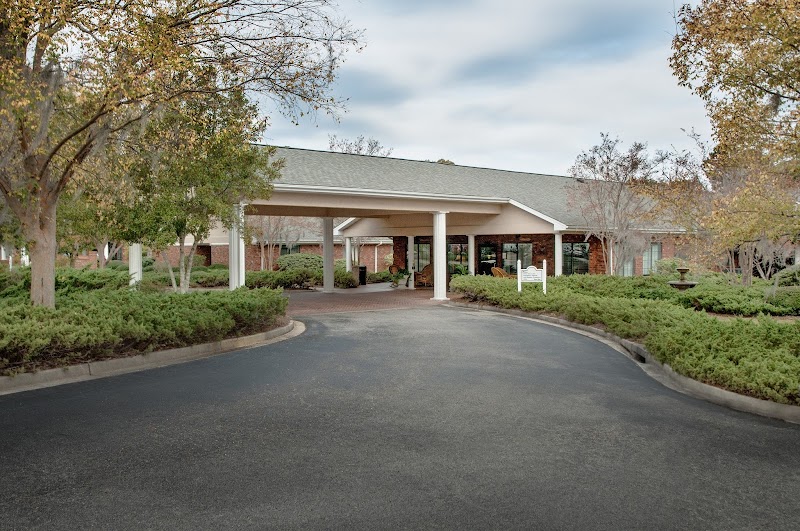
2600 Elms Plantation Blvd, N Charleston, SC 29406 (843) 764-3500
For profit - Corporation 148 Beds LIFE CARE CENTERS OF AMERICA Data: November 2025 2 Immediate Jeopardy citations
Trust Grade
34/100
#118 of 186 in SC
Last Inspection: December 2024

Within standard 12-15 month inspection cycle. Federal law requires annual inspections.

Overview

Life Care Center of Charleston has received a Trust Grade of F, indicating poor performance with significant concerns about care quality. It ranks #118 out of 186 facilities in South Carolina, placing it in the bottom half statewide, and #8 out of 11 in Charleston County, meaning there are only a few local options that perform better. Unfortunately, the facility is worsening, with the number of issues increasing from 3 in 2023 to 6 in 2024. While staffing is relatively stable with a turnover rate of 44%, which is slightly below the state average, the overall staffing rating is just 2 out of 5 stars. Additionally, there were critical incidents where residents were able to leave the facility unsupervised, leading to serious risks, including a resident fracturing their clavicle after falling in an unsecured area. Overall, while there are some positive aspects, such as average RN coverage and a strong rating in quality measures, the concerning deficiencies and critical incidents highlight significant areas for improvement.

Trust Score
F
34/100
In South Carolina
#118/186
Bottom 37%
Safety Record
High Risk
Review needed
Inspections
Getting Worse
3 → 6 violations
Staff Stability
○ Average
44% turnover. Near South Carolina's 48% average. Typical for the industry.
Penalties
○ Average
$24,247 in fines. Higher than 74% of South Carolina facilities. Some compliance issues.
Skilled Nurses
⚠ Watch
Each resident gets only 24 minutes of Registered Nurse (RN) attention daily — below average for South Carolina. Fewer RN minutes means fewer trained eyes watching for problems.
Violations
○ Average
9 deficiencies on record. Average for a facility this size. Mostly minor or procedural issues.
★★☆☆☆
2.0
Overall Rating
★★☆☆☆
2.0
Staff Levels
★★★★★
5.0
Care Quality
★☆☆☆☆
1.0
Inspection Score
Stable
2023: 3 issues
2024: 6 issues

The Good

  • 5-Star Quality Measures · Strong clinical quality outcomes
  • Full Sprinkler Coverage · Fire safety systems throughout facility
  • No fines on record
  • Staff turnover below average (44%)

    4 points below South Carolina average of 48%

Facility shows strength in quality measures, fire safety.

The Bad

2-Star Overall Rating

Below South Carolina average (2.8)

Below average - review inspection findings carefully

Staff Turnover: 44%

Near South Carolina avg (46%)

Typical for the industry

Federal Fines: $24,247

Below median ($33,413)

Minor penalties assessed

Chain: LIFE CARE CENTERS OF AMERICA

Part of a multi-facility chain

Ask about local staffing decisions and management

The Ugly 9 deficiencies on record

2 life-threatening
Dec 2024 6 deficiencies 1 IJ
CRITICAL (J)

Immediate Jeopardy (IJ) - the most serious Medicare violation

Accident Prevention (Tag F0689)

Someone could have died · This affected 1 resident

**NOTE- TERMS IN BRACKETS HAVE BEEN EDITED TO PROTECT CONFIDENTIALITY** Based on observations, record review, and interviews, the facility failed to provide proper supervision for Resident (R)97, resu...

Read full inspector narrative →
**NOTE- TERMS IN BRACKETS HAVE BEEN EDITED TO PROTECT CONFIDENTIALITY** Based on observations, record review, and interviews, the facility failed to provide proper supervision for Resident (R)97, resulting in R97 eloping from the facility. Specifically, a resident pulled a fire alarm, resulting in R97 evacuating the facility alone, without staff knowledge. This resulted in R97 falling, while in the facility's unsecured courtyard, and suffering a fractured clavical. On 12/19/24 at 12:45 PM, the survey team provided the Administrator with a copy of the CMS Immediate Jeopardy (IJ) Template and informed the facility IJ existed as of 10/05/24. The IJ was related to 42 CFR 483.25 - Quality of Care. On 12/19/24 at 5:00 PM, the facility provided an acceptable IJ Removal Plan. On 12/20/24, the survey team, validated the facility's corrective actions and removed the IJ, as of 12/20/24. The facility remained out of compliance at F689 at a lower scope and severity of D. An extended survey was conducted in conjunction with the Recertification Survey for non-compliance at F689, constituting substandard quality of care. Findings include: Review of the facility policy titled Fire Procedures reviewed on April 2024, documented, Departmental Fire Procedures III. If Alarm Sounds from Elsewhere in Building: -close all doors in area. -remain in your area and await further instructions. If not in area, report back. -If with residents, remain with them and provide reassurance. -Account for all residents and staff in your area and be prepared to report results to Control Station. Review of R97's Face Sheet revealed R97 was admitted to the facility on [DATE], with diagnoses including but not limited to: metabolic encephalopathy, vascular dementia, unspecified severity, with mood disturbance, type 2 diabetes mellitus, unsteadiness on feet, history of falling, cognitive communication deficit. Review of R97's Physician Progress Notes dated 10/07/24, documented, Follow-up: Fall . Family at beside reports they were called by the facility where she is currently getting rehab to report she had an unwitnessed fall and they think she might have hit her head so they were sending her to the ED for evaluation . Pt had fall with significant bruising with pooling to L clavicle/ shoulder area. abnormality noted at time of exam. Will order stat xray to r/o fx . 1. Fall - Per nursing staff, s/p fall on 10/5 now with c/o Left shoulder/clavicle pain. Will order Xray 2 views Left Clavicle and Left shoulder to r/o fx post fall. Review of R97's Incidents Follow-up and Recommendation Form with an incident date of 10/05/24, documented, Summary of Investigative Facts: Resident became anxious during fire alarm and went into courtyard (locked) and layed [sic] on ground. Recommendations/Actions Taken: Resident offered non skid socks - xray obtained 10/7/24. Review of R97's Un-witnessed Fall document dated 10/05/24, documented, During a fire alarm this nurse noticed the resident lying on the ground on her left side with a blanket under her head as a pillow. Resident was dressed in pants, shirt, had on a clean dry brief with no socks or shoes. Review of R97's Trident Health Patient Visit Information dated 10/07/24, revealed, You were seen today for: Fracture of left clavicle. Collarbone Fracture received 10/07/24. Review of Accuweather.com revealed that on 10/05/24, the high was 80 degrees Fahrenheit and the low was 74 degrees Fahrenheit. During an interview on 12/17/24 at 11:17 AM, R97's Husband stated that R97 fell and fractured her shoulder the second night she was here, when she made it outside after the fire alarm went off. During an interview on 12/18/24 at 2:55 PM, Licensed Practical Nurse (LPN)3 revealed that a resident on another hall pulled the fire alarm which caused all the doors to be opened and the Certified Nursing Assistant (CNA) left the unit to go assist manning the doors on the Dayspring unit. LPN3 stated they left the unit to go to Dayspring to reset the fire alarm and once they returned to the unit, they were notified that R97 was not in their bed. LPN3 further stated that R97 was the only resident that went out during the alarm and that R97 was found outside in the courtyard, right off the unit, lying on the ground with her blanket under their head and the resident stated that they were trying to get away from the fire. During an interview on 12/19/24 at 9:16 AM, CNA1 stated that a resident on the Dayspring Unit pulled the fire alarm, and they had to leave the Pebble Creek unit to help man the doors on Daysprings. CNA1 stated that after they did their rounds on Daysprings they went back to Pebble Creek and the nurse left the unit to go turn off the alarm. CNA1 stated that it was possibly about 5 minutes before the nurse found the resident outside in the courtyard. CNA1 further revealed that they did not complete a head count on the Pebble Creek unit during the fire alarm. During an observation and interview on 12/19/24 at 9:52 AM, the Maintenance Director (MD), revealed the path used by R97 to evacuate the facility. R97 exited the facility through a secured door on the Pebble Creek Unit. The MD stated, when the fire alarm is activated, the doors are no longer secured. The door leads to a gated courtyard. Further observation revealed, two gates located to the left and right of the courtyard. Both gates were not secured. The MD stated the gates are never secured. During an interview on 12/19/24 at 8:53 AM, the MD revealed there are fire alarm pull stations next to the exit doors. The resident room doors as well as the hallway doors are three-hour fire doors. There is an employee stationed on every door. There is enough staff to man each door even at night. The MD stated all staff report to the location of the fire. All staff are assigned a job at this point. No staff member is preassigned a particular door to be stationed at. The MD further stated no one is going to fuss at the staff if they choose to evacuate the hall. They may choose to take the residents behind the fire doors, or they may choose to evacuate the residents outside the facility. The MD further stated, the only incident that I am aware of in October occurred on October 12, 2024 at 9:30 AM, when a resident pulled the pull station outside of room [ROOM NUMBER]. There have been no other Incidences in October. The MD concluded, I was not informed that a resident was found outside during this incident on 10/05/24. On 12/19/24 at 5:00 PM, the facility provided an acceptable IJ Removal Plan, which included the following: 1. How correction action will be accomplished for those residents found to have been affected by the deficient practice. On 10/5/2024 resident MR#209959 exited the facility unsupervised sustaining a fracture. The resident ambulated with the Charge Nurse back inside the facility denying any pain. On 10/5/2024, the Charge Nurse completed a skin assessment with no injuries or bruising. On 10/5/2024, an Incident Report and notifications were made to the family and MD. On 10/5/2024, a Fall risk evaluation was completed and the patient identified as a risk with a score of 16. The Executive Director, Director of Nursing and Interdisciplinary Team completed a Root Cause Analysis (RCA) on 12/19/2024. 2. How the facility will identify other residents having the potential to be affected by the same deficient practice. On 10/5/2024, the Charge Nurses completed a head count for all patients inside the facility. All patients were accounted for. 3. What measure will be put into place or systemic changes made to ensure that the deficient practice will not recur? During the monthly PI committee meetings, the following will be reviewed: -The Executive Director and Maintenance Director will be responsible for ensuring compliance with supervision when drills/fire alarm sounds. -The Director of Nursing will be responsible for reviewing the Event Management System for trends and patterns. -The Staff Development Director will be responsible for reviewing the education completion of associations on: Departmental Fire Procedures policy, Incident and Reportable Event Management Policy, and Fall Management Policy. On 12/19/2024, the Regional Director of Clinical Services provided education to the Executive Director (ED) and the Director of Nursing (DON) on the following: Departmental Fire Procedures policy, Incident and Reportable Event Management Policy, and Fall Management Policy. The ED, DON, Assistant Director of Nursing (ADON), Staff Development Coordinator (SDC) and/or licensed nurse will provide education to all facility staff on the following: Departmental Fire Procedures policy, Incident and Reportable Event Management Policy, Fall Management Policy. Any associate who has not completed training by 12/19/2024 will not be allowed to provide direct resident care until training is completed. The Executive Director (ED), Director of Nursing (DON), Staff Development Coordinator (SDC), and/or licensed nurse will provide education to all new associates upon hire during orientation. Medical Director reviewed and agreed with this plan of removal on 12/19/2024. AD Hoc QAPI meeting was held 12/19/2024 regarding this plan of removal. 4. How the facility plans to monitor its performance to make sure that solutions are sustained. The ED and/or Maintenance Director will complete fire drills weekly x8 weeks. The DON will review Event Management System for trends and patterns daily x8 weeks. Associate Education will be continued until all associates have been educated on Departmental Fire Procedures policy, Incident and Reportable Event Management Policy, and Fall Management Policy. 5. Date when corrective action will be completed. 12/20/2024
CONCERN (D)

Potential for Harm - no one hurt, but risky conditions existed

Deficiency F0557 (Tag F0557)

Could have caused harm · This affected 1 resident

Based on the facility policy, observations, record reviews and interviews, the facility failed to maintain dignity for Resident (R)39 during the administration of an insulin injection for 1 of 3 resid...

Read full inspector narrative →
Based on the facility policy, observations, record reviews and interviews, the facility failed to maintain dignity for Resident (R)39 during the administration of an insulin injection for 1 of 3 residents observed receiving an insulin injection. Findings include: Review of the facility policy titled, Dignity, issued 05/06/2019 and reviewed 09/26/2024 states: Policy, Each resident has the right to be treated with dignity and respect. Interactions and activities with residents by staff, temporary agency staff, or volunteers must focus on maintaining and enhancing the resident's self esteem, self-worth, and incorporating the resident's goals, preferences, and choices. Staff must respect the resident's individuality as well as, honor and value their input. Respect and Dignity. The resident has a right to be treated with respect and dignity. The facility admitted R39 on 10/08/2024 with diagnoses including, but not limited to diabetes mellitus type 2 without complications, morbid obesity, and long term use of insulin. During an observation on 12/18/2024 at 08:00 AM of insulin administration for R39, Licensed Practical Nurse (LPN)1 assisted R39 onto the bed. R39 was wearing a dress, socks, and a brief. She kept asking for a blanket to cover herself with. The room door was open and her roommate was sitting at the doorway, facing the resident on the bed. LPN1 did not provide a blanket or privacy. LPN1 pulled up R39's dress, unfastened her brief, and injected the insulin into her abdomen. The nurse then refastened R39's brief, and pulled her dress down, still not providing a blanket for R39 or a top cover for R39. During an interview on 12/18/2024 at 08:07 AM with LPN1, she confirmed that she had not provided privacy and maintained dignity for R39 during the insulin injection.
CONCERN (E)

Potential for Harm - no one hurt, but risky conditions existed

Unnecessary Medications (Tag F0759)

Could have caused harm · This affected multiple residents

Based on the facility policy, observations and interviews, the facility failed to ensure a medication administration error rate of less than 5 percent to include 4 of out 26 opportunities for error. T...

Read full inspector narrative →
Based on the facility policy, observations and interviews, the facility failed to ensure a medication administration error rate of less than 5 percent to include 4 of out 26 opportunities for error. The facility additionally failed to ensure an ordered medication for Resident (R)39 was administered timely. The medication administration error rate is 15.38 percent. Findings include: Review of the facility policy titled, Insulin Pen Administration, revised 08/30/2023 and reviewed 09/17/2024, states: Policy: The facility will ensure residents with orders for insulin administration through the use of a pen delivery device is performed in accordance with current standards or practice with manufacturer's guidance. Procedure: 4. The insulin pen should be primed prior to each use (in accordance with manufacturer's guidelines) to prevent the collection of air in the insulin reservoir. a. General guidance for priming an insulin pen in the absence of manufacturer's guidance; i. Dial 2 units by turning the dose selector clockwise. ii. With the needle pointing up, push the plunger, and watch to see that at least one drop of insulin appears on the tip of the needle. If not, repeat the procedure until at least one drop appears. 6. To verify that all insulin is injected, keep the pen needle in the subcutaneous fat layer for 6 to 10 seconds after the injection with the thumb remaining on the push button plunger. An observation during med pass on 12/18/2024 at 08:20 AM for R39 revealed Licensed Practical Nurse (LPN)1 administering 10 units of Glargine Insulin without first priming the insulin pen. LPN1 also failed to administer Sertraline 100 milligrams (mg) at 9:00 AM medication by mouth. During an interview on 12/18/2024 at 08:30 AM, LPN1 confirmed that she did not prime the insulin pen and stated that she was not aware that she needed to prime the insulin pen. LPN1 also stated that the Sertraline 100 milligrams was not in the med cart with R39's other AM medications, so she would have to order the medication from the pharmacy. She stated that if she ordered the medication before 5:00 PM, the medication would be delivered from the pharmacy later today. Review of the Medication Administration Record (MAR) revealed, the Sertraline was not given for 12/18/2024 at 09:00 AM. During an interview on 12/19/2024 at 11:45 AM, the Director of Nursing (DON) confirmed that the ordered Sertraline 100 milligrams was in the facility pyxis and should have been given on 12/18/2024 and on time. An observation on 12/18/2024 at 09:25 AM of the administration of Glargine Insulin revealed LPN2 priming the pen holding it horizontal with the needle cap on the the pen. LPN2 then administered the ordered 23 units of insulin for R8. LPN2 confirmed that she had primed the insulin pen horizontally with the needle cap still on the pen. An observation on 12/19/2024 at revealed at 08:06 AM, LPN3 was preparing to give R1, Glargine Insulin via a flex pen. LPN3 held the pen horizontally and with the needle cap still applied attempted to prime the pen. LPN3 then proceeded to administer the insulin. LPN3 prepared the resident's site for the injection then stuck the needle in and pushed the plunger and immediately removed the needle. During an interview with LPN3, she confirmed that she had primed the pen horizontally with the cap on the pen and then after administering the insulin removed the needle quickly, and stated she should have held it in place for at least 10 seconds. She could not confirm that R1 had received the correct dose of insulin.
CONCERN (E)

Potential for Harm - no one hurt, but risky conditions existed

Deficiency F0760 (Tag F0760)

Could have caused harm · This affected multiple residents

Based on the facility policy, observations, and interviews, the facility failed to ensure the proper priming of insulin pens, and correct administration on insulin via an insulin pen, therefore could ...

Read full inspector narrative →
Based on the facility policy, observations, and interviews, the facility failed to ensure the proper priming of insulin pens, and correct administration on insulin via an insulin pen, therefore could not ensure 3 of 3 residents (R) received the correct dosage of insulin. Findings include: Review of the facility policy titled Insulin Pen Administration, revised 08/30/2023 and reviewed 09/17/2024, states: Policy: The facility will ensure residents with orders for insulin administration through the use of a pen delivery device is performed in accordance with current standards or practice with manufacturer's guidance. Procedure: 4. The insulin pen should be primed prior to each use (in accordance with manufacturer's guidelines) to prevent the collection of air in the insulin reservoir. a. General guidance for priming an insulin pen in the absence of manufacturer's guidance; i. Dial 2 units by turning the dose selector clockwise. ii. With the needle pointing up, push the plunger, and watch to see that at least one drop of insulin appears on the tip of the needle. If not, repeat the procedure until at least one drop appears. 6. To verify that all insulin is injected, keep the pen needle in the subcutaneous fat layer for 6 to 10 seconds after the injection with the thumb remaining on the push button plunger. An observation during med pass on 12/18/2024 at 08:20 AM for R39 revealed Licensed Practical Nurse (LPN)1 administering 10 units of Glargine Insulin without first priming the insulin pen. During an interview on 12/18/2024 at 08:30 AM, LPN1 confirmed that she did not prime the insulin pen and stated that she was not aware that she needed to prime the insulin pen. LPN1 could not confirm that R39 received the correct dosage of insulin. An observation on 12/18/2024 at 09:25 AM of the administration of Glargine Insulin revealed LPN2 priming the pen holding it horizontal with the needle cap on the the pen. LPN2 then administered the ordered 23 units of insulin for R8. During an interview, LPN2 confirmed that she had primed the insulin pen horizontally with the needle cap still on the pen and could not confirm that R8 received the correct dosage of insulin. An observation on 12/19/2024 at 08:06 AM revealed LPN3 preparing to give R1 Glargine Insulin via a flex pen. LPN3 held the pen horizontally and with the needle cap still applied and attempted to prime the pen. LPN3 then proceeded to administer the insulin after preparing the site for the injection LPN3 stuck the needle in and pushed the plunger and immediately removed the needle. During an interview with LPN3, she confirmed the observations and could not ensure that R1 had received the correct dosage of insulin.
CONCERN (F)

Potential for Harm - no one hurt, but risky conditions existed

Deficiency F0761 (Tag F0761)

Could have caused harm · This affected most or all residents

Based on the facility policy, observations and interviews, the facility failed to ensure expired, outdated or discontinued medications were removed and not stored with resident medications in use in 3...

Read full inspector narrative →
Based on the facility policy, observations and interviews, the facility failed to ensure expired, outdated or discontinued medications were removed and not stored with resident medications in use in 3 of 5 medication carts and 1 of 1 treatment carts. The facility additionally failed to ensure a medication cart was locked, and medications were not left on top of the med cart unattended on Morning Star Unit, medication cart #2. Findings include: Review of the facility policy titled, Drug Storage Guide, states under, Medication Cart Check, The MAR/EMR are covered when unattended. The medication care is locked when unattended. Expired controlled substances are not present. The drug storage guide did not include expired medications and biologicals, or medications unsecured and on the top of the med cart. The facility's drug storage guide did not mention the storing of discontinued medications in the medication cart. An observation on 12/17/2024 at 10:32 AM of the medication cart 2 on the Dayspring Unit revealed: Risperidone 1 milligam (mg), 20 tabs with Lot #8198-4007 were discontinued and stored on the medication cart. Acetaminophen 325 mg with Lot#J074J, Manufactured by Timely, 6 tablets were expired on 07/30/2024. The stored and expired medications were verified by Licensed Practical Nurse (LPN)1 and removed from storage. An observation on 12/19/2024 at 10:40 AM of the Meadow Ridge medication cart 2 revealed: Elder Tonic Lot# 20709 16 fluid ounces was expired on 07/2024. The expired medication was verified by LPN5 and removed from storage. An observation on 12/19/2024 at 10:50 AM of the Meadow Ridge treatment cart revealed: One tube, 20 ounces of Hemorrhoidal Ointment, manufactured by SunMark had expired on 11/20/2024. The expiration date was confirmed by LPN1 and the medication was removed from storage. An observation on 12/19/2024 at 11:10 AM of the Rosewood medication cart 1 revealed: Vitamin E 180 mgs with Lot #752W01 was expired on 11/2024. The expired medication was confirmed and removed from storage by Registered Nurse (RN)1. Oxycodone 5 mgs with Lot#18202A, 26 tablets were discontinued and stored on the medication cart. These stored narcotics were confirmed by RN1 and removed from storage on the medication cart. An observation on 12/19/2024 at 11:24 AM of the Morning Star Unit revealed a medication cart 2 in the hallway unlocked and unattended with a stack of a resident's medication blister packs, which contained pills lying on the top of the cart. The computer screen was open to a resident's private information. The nurse was in a resident's room, doors down from the cart. During an interview on 12/19/2024 at 11:26 AM, LPN6 confirmed the findings and stated that she had just walked away from the cart leaving the cart unlocked, medications on top and the computer screen open to a resident's private information.
CONCERN (F)

Potential for Harm - no one hurt, but risky conditions existed

Food Safety (Tag F0812)

Could have caused harm · This affected most or all residents

**NOTE- TERMS IN BRACKETS HAVE BEEN EDITED TO PROTECT CONFIDENTIALITY** Findings include: Review of the facility's policy Hand Hygiene, revised 06/13/2023 showed Procedure: 2. Associates perform ha...

Read full inspector narrative →
**NOTE- TERMS IN BRACKETS HAVE BEEN EDITED TO PROTECT CONFIDENTIALITY** Findings include: Review of the facility's policy Hand Hygiene, revised 06/13/2023 showed Procedure: 2. Associates perform hand hygiene (even if gloves are used) in the following situations. a. Before and after contact with a resident; c. After contact with objects and surfaces in the resident's environment; During a dining observation on the Pebble Creek unit on 12/17/24 at 12:09 PM, Licensed Practical Nurse (LPN)7 came from behind the desk and pulled a tray from the food cart without performing proper hand hygiene. LPN7 placed the tray on top of the food cart. While speaking with a resident representative, LPN7 touched her face, the hand rail, and her hair before removing the tray from the top of the food cart and putting the tray back inside the cart. During further observation on 12/17/24 at 12:12 PM, LPN3 was observed pulling the food cart down hall to room [ROOM NUMBER] while touching her hair. She then opened the food cart and pulled another tray from the cart and took the tray to a resident room and placed the tray on the resident's overbed table, all without using proper hand hygiene before or after entering room [ROOM NUMBER]. She then came back out and pulled the cart to room [ROOM NUMBER]. LPN7 continued to pull trays from the food cart and enter and exit rooms 50 at 12:14 PM, then room [ROOM NUMBER], then room [ROOM NUMBER] at 12:15 PM and room [ROOM NUMBER], setting up resident trays without performing proper hand hygiene. During an interview on 12/17/24 at 12:18 PM with LPN7 revealed that while serving dining trays she should wash hands before serving residents and not touch the resident's food. LPN7 further revealed that she should sanitize her hands between serving each resident. During an interview on 12/19/24 at 3:05 PM with the Infection Preventionist (IP), LPN3 revealed that the facility has a policy regarding hand hygiene and training is done annually at the skills fair. LPN3 explains that performance improvement -hand hygiene has been part of facility in-services are done as well. Hand hygiene is done annually and as part of our performance improvements. CNA hand hygiene when passing trays are as follows: wash hands before taking tray off cart, sanitizing between patients CNA should sanitize before she gets each tray out and between each resident. Based on observation, staff interviews, and a review of facility dietary policies, the facility failed to ensure proper sanitization of kitchen equipment, failed to discard expired foods past use by date in 1 of 1 main cooler, and failed to label and date open items in 1 of 1 freezer. These deficiencies could potentially affect 119 residents who reside in the facility and who consume food from the kitchen. Additionally, the facility failed to ensure Certified Nursing Assistants (CNA) properly sanitized their hands during meal service. The findings include: A review of facility policy titled Use by Date Guide states:Life Care may require s shorter time frame on a food item to reduce the number of items under refrigeration. For Example, the food code indicates that leftovers may be kept up to 7 days, however, Life Care guidelines are for 3 days (72 hours). A review of facility policy titled Food Safety with a revision date of 05/1/2024 states: Page 5, Leftovers are dated properly and discarded after 74 hours unless otherwise indicated. A review of the facility policy titled Cleaning Schedule with a revision date of 04/30/2024 states: The Director of Food and Nutrition Services develops a cleaning schedule to include all equipment and areas to be cleaned. Designated Cleaning tasks are assigned to each position. The Director of Food and Nutrition Services monitors the cleaning schedule to ensure the tasks are completed timely and appropriate. Initial walk-through of the facility kitchen on 12/17/2024 at 10:45 AM alongside the Dietary Manager (DM) confirmed the findings below: Cooler: Two (2), 4-inch-deep stainless steel quarter pans, 1 containing Puree eggs with no preparation date, handwritten use by date 12/12/2024. The second pan contained Puree bread with no preparation date, a handwritten use by date of 12/11/2024. Freezer: Two (2) 18x24 pans of frozen dough, 95 frozen rolls, not in original packaging, with no open date, or use-by date. An observation of the facility's industrial stove revealed a heavy accumulation of old food/grease debris was observed on the side and backsplash of the stove. There was an accumulation of grime observed around the knobs and along the front side of the stove. An observation of a full-height 2-door heated hotbox being opened by the Dietary [NAME] revealed dry yellow and brown grease drippings on both interior doors. There was also an accumulation of liquid stains and build-up surrounding the knobs on the tray line. The deep fryer's side panel had a heavy accumulation of old grease mixed with crumbs observed on the side and backsplash of the stove. 7 out of 14 fans, located in the kitchen ceiling had dust buildup surrounding it. A follow up walk-through of the facility kitchen on 12/18/2024 at 11:33 AM and 12/19/2024 at 12:50 PM revealed the equipment was in the same condition. An interview with the Dietary Manager (DM) on 12/17/2024 at 11:04 AM stated Her expectation is for all staff to look at the items in coolers and ensure all items that are expired or close to expiration are thrown out. DM stated Her expectation is for all staff who are responsible for dating leftovers to accurately fill out the stickers. DM states it is everybody's responsibility to look. DM states main cooking methods are deep fryers, stoves, and ovens. Cleanings are daily, after each meal. She states deep cleans are done weekly, which includes breaking down equipment. DM states she utilizes a cleaning sheet that breaks down by item, who is to clean it, and the staff member is to initial when done. DM states she goes behind every staff member to ensure cleanliness. DM confirmed the findings and stated the floor tech is responsible for wiping ceiling fans down once a month. DM also stated she can't remember the last time he cleaned the ceiling fans. DM stated she was unable to provide documentation related to cleaning logs. An interview with the Director of Nursing (DON) on 12/19/2024 at 1:00 PM revealed she expects to have no expired food in the kitchen and for dietary staff to be deep cleaning and wiping down kitchen equipment. DON stated The kitchen staff should be auditing that stuff like we have to do medicines. The Registered Dietician completes mock surveys, so it's surprising to me.
Sept 2023 1 deficiency 1 IJ
CRITICAL (J) 📢 Someone Reported This

A family member, employee, or ombudsman was alarmed enough to file a formal complaint

Immediate Jeopardy (IJ) - the most serious Medicare violation

Accident Prevention (Tag F0689)

Someone could have died · This affected 1 resident

**NOTE- TERMS IN BRACKETS HAVE BEEN EDITED TO PROTECT CONFIDENTIALITY** Based on review of facility policy, record review and interviews, the facility failed to prevent accidents/hazards for 1 of 3 Re...

Read full inspector narrative →
**NOTE- TERMS IN BRACKETS HAVE BEEN EDITED TO PROTECT CONFIDENTIALITY** Based on review of facility policy, record review and interviews, the facility failed to prevent accidents/hazards for 1 of 3 Residents (R)1 reviewed. Specifically, on 8/30/23, R1 had a successful elopement from the facility. R1 was placed at an increased risk of serious harm with the potential of being struck by a vehicle and/or suffering a heat related illness. On 08/31/23 at 3:35 PM the State Agency (SA) determined that the facility's non-compliance with one or more federal health, safety, and/or quality regulations has caused or was likely to cause serious injury, serious harm, serious impairment, or death. On 08/31/23 at 3:35 PM, the Administrator was notified that the failure to protect Resident (R)1 from having a successful elopement from the facility constituted Immediate Jeopardy (IJ) at F689. On 08/31/23 at 3:35 PM, the survey team provided the Administrator with a copy of the CMS Immediate Jeopardy (IJ) Template and informed the facility IJ existed as of 08/30/23. The IJ was related to 42 CFR 483.25 Quality of Care. On 09/01/23 at 11:23 AM, the facility provided an acceptable IJ Removal Plan. On 09/01/23 at 11:23 AM, the facility provided an acceptable IJ Removal Plan. On 09/01/23, the survey team, validated the facility's corrective actions and determined the facility made good faith attempts at correcting the non-compliance before the start of the survey. The IJ is considered at Past Non-Compliance as of 08/31/23. The survey team concluded all corrective actions were put into place prior to their arrival onsite. An extended survey was conducted in conjunction with the Complaint Survey for non-compliance at F689, constituting substandard quality of care. Findings include: Review of the facility policy titled Unsafe Wandering and Elopement Prevention with a reviewed date of 09/29/22 revealed, The facility will ensure that residents are assessed to determine risk for elopement in accordance with current standards and implement interventions as appropriate to mitigate the risks identified. Definitions. Elopement- this occurs when a resident leaves the premises or a safe area without authorization (i.e., and order for discharge or leave of absence) and/or any necessary supervision to do so. A resident who leaves a safe area may be at risk of (or has the potential too experience) heart or cold exposure, dehydration and/or other medical complications, drowning, or being struck by a motor vehicle. Unsafe wandering - It can be associated with an increased risk for falls and injuries. Wandering may become unsafe when a resident becomes overly tired or enters and area that is physically hazardous or that contains potential safety hazards (e.g., chemicals, tools, and equipment, etc.) entering into another resident's room may led to an altercation or contact with hazardous items. Wandering if random or repetitive locomotion. This movement may be goal-directed (e.g., the person appears to be searching for something such as an exit0or [sic] may be non-goal-directed or aimless. Review of the facility policy titled Missing Residents/Actual Elopement Event with a revised date of 04/05/23 revealed, It is the responsibility of all associates to report any resident who is suspected of being missing to the nurse manager immediately. Review of R1's Face Sheet revealed R1 was admitted to the facility on [DATE] with diagnoses including but not limited to dementia, coronary artery disease, cardiovascular accident/transient ischemic attack, hypertension, diabetes mellitus and hyperlipidemia. Review of R1's Minimum Data Set (MDS) with an Assessment Reference Date (ARD) of 08/09/23 revealed R1 had a Brief Interview of Mental Status (BIMS) score of 5 out of 15, which indicated R1 has severe cognitive impairment. Review of R1's Elopement assessment dated [DATE] and 06/23/23, revealed R1 was not at risk for wandering and elopement. Review of a facility statement dated 08/30/23 revealed, Registered Nurse (RN)1 stated R1 had been out of her room in the day room at 11:30 PM and came to the nursing desk at 12:15 AM because of nausea. R1 sat at the nursing station with another resident for approximately 30-45 minutes and around 1:30 AM I pushed her back to her room. R1 came out of room again at approximately 2:30 AM, back to the day room and I pushed her back to her room. RN1 stated she last saw R1 around 4:30 AM in dayroom. RN1 further stated while doing my final rounds and checking blood sugars she went into R1's room and she was not in her room or bathroom. RN1 rechecked the day room and went through all rooms and bathrooms on Morning Star and Day Spring units and still could not find R1. All other units came to assist with the search. RN1 concluded she went outside the perimeter of the facility and noticed R1 was in the parking lot and returned R1 to the unit. A body assessment was conducted with no injuries. Review of a facility statement dated 08/30/23, revealed Certified Nursing Assistant (CNA)1 stated R1 was in tv room around 2:00 AM and went to nursing station. I went on break at 2:30 AM and nurse had pushed her back to her room. The resident self-propelled herself back to day room around 4:30 AM, nurse was looking for resident and unable to locate on Morning Star or Dayspring. R1 was found sitting in parking lot at around 5:00 AM and returned to facility. Review of a facility statement dated 08/30/23, revealed CNA2 stated I saw [R1] last at 2:40 AM at nursing station before I started doing rounds. [R1] had been alternating between watching TV in day room and the nursing station since 12:30 am. During an interview on 08/31/23 at 10:30 AM, the Administrator stated R1 was a resident on the Morning Star unit and was last seen at approximately 4:30 AM in the Morning Star Day Room across from the nursing station. R1 was found in the parking lot near the main entrance in her wheelchair at approximately 4:50 AM and had been outside approximately 20 minutes. The Administrator further stated R1 passed through the main hallway into the Lobby and exited through the front door which will open when pushed because it is an egress door. It was a warm night and it was not raining. During an interview on 08/31/23 at 11:12 AM, the Director of Nursing (DON) stated R1 had been on the dementia unit and had been transferred to the Morning Star unit several months ago because the other residents on the dementia unit were bothering her. The DON further stated R1 was last assessed for elopement risk on 06/23/23 and found not to be at risk for elopement. During a follow up interview on 08/31/23 at 11:33 AM, the Administrator stated there is no video footage since the system does not work. The Administrator further stated R1 had recently been started on Trulicity once a week and staff and her daughter had noticed some changes in her behavior and nausea. During an interview on 08/31/23 at 2:52 PM, the Maintenance Director (MD) stated the front entrance door through which R1 eloped does not presently signal elsewhere in the facility when it is opened. On 08/31/23, attempts were made to contact the Resident Representative, Licensed Practical Nurse (LPN)1, Certified Nursing Assistant (CNA)1 and CNA2 with no success. The facility's Removal Plan for included the following: Life Care Center of [NAME] takes quality assurance and quality control very seriously. It is extremely important that we provide a safe, clean environment for our residents, family members, staff, and the community we serve. On August 30, 2023, Life Care Center of [NAME] notified DHEC of an event pertaining to the elopement of resident # I (MR#206990). Immediate risk mitigation started with a Root Cause Analysis (RCA) which was completed the same day, August 30, 2023. l. On 8/30/23, resident# l (MR #206990) was assisted back into the facility by a licensed nurse. A skin assessment, pain assessment, and an elopement risk assessment were completed by a licensed nurse and no injuries were noted. Resident was placed on l: l supervision by a licensed nurse. A licensed nurse completed an event management report. A licensed nurse notified the physician, responsible party, Director of Nursing and Executive Director. A licensed nurse reviewed and updated resident #1 'scare plan and [NAME]. Resident was placed on the secure unit and assessed by the attending physician. New medication orders were received. 2. On 8/30/23, The Executive Director reported the incident to the Medical Director, SC DHEC, and the Tri-County Regional Ombudsman. 3. On 8/30/23, a licensed nurse completed head count of all residents and all residents were in facility. A licensed nurse completed elopement risk assessments for all residents and updated all care plans and [NAME]'s for residents identified at risk for elopement. A licensed nurse updated At Risk for Elopement notebooks. The At Risk for Elopement notebooks were placed at the nurse's stations and the reception desk. The Director of Nursing also placed signage for awareness of exit seeking residents at nurses' stations and reception desk. 4. On 8/30/23, the Interdisciplinary team completed a Root Cause Analysis (RCA) on the elopement to re-evaluate the systemic approached to resident elopement. 5. On 8/30/23, the Maintenance Director ensured the front door was secured/locked and will remain secured unless receptionist or staff is present. 6. On 8/30/23 , the Director of Nursing (DON), Assistant Director of Nursing (ADON), Director of Rehab (DOR) and/or Infection Preventionist (IP) nurse-initiated education to all associates on: · Abuse Policies · Unsafe Wandering and Elopement Prevention · Missing Residents/Actual Elopement Event · Resident Assessment Instrument and Care Plan Any Associate that did not complete training on 8/30/23, will receive training before working their next shift. 7. On 8/30/23, the Maintenance Director conducted an elopement drill and provided educational overview for the participants. The Maintenance Director will conduct Elopement Drills monthly for three months. Results will be presented by the Director of Maintenance to the monthly QAPI committee. Then resume to quarterly schedule. 8. A licensed nurse will review elopement risk assessment (UDA's) to ensure residents at risk for elopement are appropriately care planned and a picture is placed in elopement notebooks. This will be completed 5 times/week for 4 weeks, 3 times /week for 4 weeks and 1 time/week for 4 weeks. Results will be presented by the DON to the monthly QAPI (Quality Assurance and Performance Improvement) committee for 3 months. QAPI committee members may make recommendations as appropriate for changes to managing this clinical system. All corrective actions were completed on 8/30/23. The facility alleges compliance on 8/31/23 as a past noncompliance immediate jeopardy. Timeline of events: 01/27 /22 Resident #206990 (R1) admitted to facility on the rehab unit. Her admitting diagnoses include: Metabolic Encephalopathy, CVA with left-sided hemiparesis/hemiplegia, and DM 03/04/22 Resident (R1) became long term care and moved to secured unit. 04/07/22 Family concerned of resident's (R1) decline being on the secured unit. She was then moved to Morning Star, a unit that is not secured. Elopement assessments indicated she was not an elopement risk. Resident thrived on Morning Star, moving freely around the unit, to the dayroom, to the dining room, etc. Never any issues. 08/15/23 New order for Trulicity to be administered every Tuesday. 08/30/23 Third dose of Trulicity administered at approx. 1600. 08/29/23 2300 Shift began. CNA 1 reports resident in her bed. 2300 Nurse (LPN 1) states resident sitting in dayroom. 08/30/23 0015 Nurse (Licensed Practical Nurse 1)states resident propelled herself to the nurse's station and c/o nausea, suspected cause was the Trulicity injection. She sat at the nurse's station for a period of time (unsure how long). 0030 CNA (Certified Nursing Assistant) 1 saw resident transfer herself out of bed. She then alternated between sitting in the dayroom/watching tv/propelling back and forth to her room. 0200 CNA 2 saw resident between nurse's station and dayroom. 0230 CNA 2 states she saw resident rolling herself into dayroom. Nurse (LPN 1) pushed resident back to her room. 0240 CNA 1 states resident noticed at the nurse's station when she was about to begin her last round of the shift. 0430 Nurse (LPN 1) making rounds and checking blood sugars. Noticed resident wasn't in her room . (Resident is a diabetic and needed blood sugar checked.) CNA 2 believes she saw resident propel herself to the dayroom at approximately this time. 0430 Search for resident began on Morning Star and Dayspring (these two units are near one another) 0500 Resident (R1) found sitting in w/c in parking lot. Registered Nurse (LPN 1) asked resident what she was doing and she stated she was looking for her medicine. Registered nurse (LPN 1) immediately returned resident to her unit. Body audit, pain assessment and incident report completed. Facility provider/ED (Executive Director)/DON/ADON (Assisteant Director of Nursing) notified. 0800 ED completed Reportable 0900 Facility provider assessed resident as soon as she arrived to facility. Provider states in her note resident has no recollection of the incident earlier in the morning. Vital signs within normal limits at time of evaluation. Resident (R1) states to provider that she feel nauseous. Provider suspects the Trulicity is causing this and order is discontinued. 0900 ED spoke with resident's RP (Resident Representative) and it was agreed resident should be on secured unit for her safety. Move not made immediately because waiting on other resident to discharge. 1300 Resident (R1) moved to room on secured unit. 08/31/23 Facility provider ordered CBC (complete blood count), CMP (comprehensive metabolic panel), U/A (urinalysis) C&S (culture and sensitivity) r/t (related to) resident with increased confusion.
May 2023 2 deficiencies
CONCERN (D)

Potential for Harm - no one hurt, but risky conditions existed

Report Alleged Abuse (Tag F0609)

Could have caused harm · This affected 1 resident

Based on record review, document review, facility policy review, and interviews, the facility failed to timely report an allegation of abuse for 1 (Resident (R)217) of 1 resident reviewed for abuse. ...

Read full inspector narrative →
Based on record review, document review, facility policy review, and interviews, the facility failed to timely report an allegation of abuse for 1 (Resident (R)217) of 1 resident reviewed for abuse. Findings include: Review of the policy, Abuse-Reporting and Response - Suspicion of a Crime, dated 10/04/2022, indicated, Policy - The facility will ensure reporting reasonable suspicion of crimes against a resident or individual receiving care from the facility within prescribed timeframes to the appropriate entities, consistent with Section 1150B of the Elder Justice Act. The policy specified, Each covered individual shall repot immediately, but not later than 2 hours after forming the suspicion, if the events that cause the suspicion result in serious bodily injury, or not later than 24 hours if the events that cause the suspicion do not result in serious bodily injury. A review of R217's admission Record revealed the facility admitted the resident on 04/26/23 with diagnoses to include fracture of the upper and lower end of the left fibula, displaced comminuted fracture of the shaft of the right tibia, fractures of the lower end of the left radius, fractures of the lower end of the right radius, type III traumatic spondylolisthesis of the second cervical vertebra, displaced fracture of the seventh cervical vertebra, and multiple fractures of the ribs, bilaterally. Review of the admission Minimum Data Set with an Assessment Reference Date of 04/28/23, revealed R217 had a Brief Interview for Mental Status (BIMS) score of 11, which indicated the resident had moderate cognitive impairment. During an interview on 05/08/23 at 10:21 AM, the family member of R217 stated the nurse who had taken care of the resident on 05/05/23 at night refused to crush the resident's medication, and the certified nursing assistant (CNA) picked up the resident's leg to reposition it and dropped the resident's leg on the bed. The family member stated they wanted to talk with the Executive Director (ED). On 05/08/23 at 10:43 AM, R217's family member shared with the ED, in the presence of the surveyor, that on the night of 05/05/23, the nurse refused to crush R217's medication and the CNA, the same night, picked up the resident's leg and dropped it. During a telephone interview on 05/08/23 at 3:50 PM, Licensed Practical Nurse (LPN)10 stated R217 did mention to her about the medications and their leg incident to her on Saturday 05/06/23. LPN10 stated she wrote a statement, left it for management, and informed the manager on duty, the Activities Director (AD). Review of the MOD [Manager on Duty] Report for 05/06/23, revealed R217 verbalized a concern that the night nurse refused to crush their medication, and the night CNA lifted their broken leg and dropped it to the bed. During an interview on 05/08/23 at 4:01 PM, the ED stated the facility had not done a two-hour report because in conversation with staff, the facility did not see any intent to harm the resident. During an interview with the AD on 05/09/23 at 7:45 AM, she stated she was the manager on duty on 05/06/23. She had talked to the nurse on day shift and the nurse stated something happened the night of 05/05/23 with R217, and the resident wanted to talk to the manager on duty about the concern. The AD then stated R217 informed her that the night nurse refused to crush their medication, and the CNA picked up their leg and dropped it on the bed. The AD stated she telephoned the Director of Nursing (DON) and the ED because what had happened was not okay. In an interview on 05/09/23 at 2:18 PM, the ED stated she only heard that a resident reported they did not receive their medication as they wanted it. During an interview with the DON on 05/09/23 at 3:10 PM, she stated the AD had called her on Saturday, 05/06/23 and said there was a concern about a resident's medication not being crushed. She stated she did not remember hearing about the resident's leg being dropped. Per the DON, she told the AD to notify the ED and the matter would be addressed when she and the ED returned to work on Monday, 05/08/23. In a follow-up interview with the ED on 05/10/23 at 11:50 AM, she stated the allegation should have been reported within two hours of when the allegation was told to her. A review of the Initial 2/24-Hour Report, dated 05/08/23, indicated on 05/05/23 during the 11:00 PM - 7:00 AM shift, R217 reported LPN11 refused to crush their medications per the resident's request and CNA8 dropped the resident's leg during care and caused the resident pain. Per the report, staff involved were immediately suspended, witness statements were obtained, and the police were notified. The report further indicated the state agency was notified of the allegation of physical and mental abuse on 05/08/23 at 5:13 PM, greater than two hours after the facility became aware of the allegation.
CONCERN (E)

Potential for Harm - no one hurt, but risky conditions existed

Food Safety (Tag F0812)

Could have caused harm · This affected multiple residents

**NOTE- TERMS IN BRACKETS HAVE BEEN EDITED TO PROTECT CONFIDENTIALITY** Based on observations, interviews, and facility policy review, the facility failed to ensure that food was protected from contam...

Read full inspector narrative →
**NOTE- TERMS IN BRACKETS HAVE BEEN EDITED TO PROTECT CONFIDENTIALITY** Based on observations, interviews, and facility policy review, the facility failed to ensure that food was protected from contamination during delivery to resident rooms. Specifically, the facility failed to ensure that food was covered during delivery to 1 (Morning Star Unit) of 3 nursing units. This deficient practice has the potential to affect 31 residents who occasionally or regularly ate in their rooms on the Morning Star Unit. Findings include: A review of the facility policy, Resident Dining Services, revised 04/26/2023, revealed, When meals are assembled in the kitchen and then delivered to residents' rooms or dining areas to be distributed, covering foods is appropriate, either individually or in a mobile food cart. The policy further indicated, Flatware will be wrapped, and food, desserts, salads, and beverages will be covered before transported throughout the facility. Observation of the lunch meal service on 05/08/2023 at 1:02 PM, revealed the covered meal tray delivery cart parked near the Morning Star Unit nursing station. Certified Nursing Assistant (CNA)1 removed a resident's meal tray from the covered cart and delivered the meal tray with the uncovered cornbread muffin past seven resident rooms to room [ROOM NUMBER], which was approximately 80 feet from the covered meal tray delivery cart. Observation on 05/08/2023 at 1:05 PM, revealed an uneaten resident meal tray sat on top of the nursing station, with the uncovered cornbread muffin. At 1:13 PM, a CNA returned a dirty meal tray and placed it on the nursing station, approximately two feet away from the uneaten meal tray. The CNA then took another resident meal tray down the hall and left the uneaten meal tray at the nursing station. At 1:14 PM, CNA4 took the uneaten meal tray from the nursing station and delivered it past seven resident rooms to room [ROOM NUMBER], which was approximately 80 feet from the nursing station. Observation of the lunch meal service on 05/09/2023 at 12:38 PM, revealed the covered meal tray delivery cart parked at the Morning Star Unit nursing station. At 12:39 PM, Licensed Practical Nurse (LPN)7 removed Resident (R)21's meal tray from the covered cart. The cheesecake dessert was uncovered on the tray. LPN7 set the tray on the nursing station and went to get ice and beverages for the tray. At 12:41 PM, LPN7 took the tray past four resident rooms, the shower room, and the physical therapy gym to R21's room, which was approximately 90 feet from the nursing station. Observations on 05/09/2023 at 12:42 PM revealed CNA5 removed a resident's meal tray from the covered cart and walked down the hall with the uncovered dessert. CNA5 delivered the tray past seven resident rooms to room [ROOM NUMBER], which was approximately 80 feet from the nursing station. In an interview on 05/09/2023 at 12:44 PM, CNA5 stated that the covered meal tray cart kept the food warm and protected the food from germs. CNA5 stated when a meal tray was removed from the covered cart and walked down the hall with items uncovered the food was exposed to germs. CNA5 stated the staff were supposed to roll the covered cart down the hall to the resident rooms. In an interview on 05/09/2023 at 12:52 PM, CNA4 stated the purpose of the covered meal tray delivery cart was to keep the food warm and protected from germs. CNA4 stated if staff took the food out uncovered, the food would get cold and be exposed to germs. CNA4 stated the staff were supposed to roll the cart down the hallway to each resident room as the staff delivered the residents' meal trays. In an interview on 05/09/2023 at 12:55 PM, CNA6 stated that if something was uncovered on the tray, the staff should cover it before the food item was removed from the cart. In an interview on 05/09/2023 at 2:42 PM, LPN7 stated she had noticed the dessert was uncovered when she delivered the tray to R21 after she was already down the hall with the tray. LPN7 stated the food should be covered so that it was kept warm and protected it from germs. In an interview on 05/09/2023 at 2:47 PM, the Certified Dietary Manager (CDM) stated the staff should take the cart down the hall to the individual residents' rooms, and not leave the cart parked at the nursing station. In an interview on 05/09/2023 at 2:58 PM, the Registered Dietitian (RD) stated he sometimes observed the meal delivery process. The RD stated he expected carts to be taken down the hall to each room and the meal tray to be taken directly from the cart into the resident room. The RD stated staff should not leave the cart at the nursing station and carry uncovered food down the hall. In an interview on 05/09/2023 at 3:09 PM, the Executive Director (ED) stated she expected staff to follow proper infection control protocol when food was delivered to resident rooms. The ED stated the facility was going to start ensuring all items on the meal tray was individually covered. Per the ED, the staff would be in-serviced to take the meal tray delivery cart down the hall to the resident room before the meal tray was removed from the cart. In an interview on 05/09/2023 at 3:27 PM, the Director of Nursing stated she expected the food to be covered when it was delivered to the resident's room.
Understanding Severity Codes (click to expand)
Life-Threatening (Immediate Jeopardy)
J - Isolated K - Pattern L - Widespread
Actual Harm
G - Isolated H - Pattern I - Widespread
Potential for Harm
D - Isolated E - Pattern F - Widespread
No Harm (Minor)
A - Isolated B - Pattern C - Widespread

Questions to Ask on Your Visit

  • "What changes have you made since the serious inspection findings?"
  • "Can I speak with families of current residents?"
  • "What's your RN coverage like on weekends and overnight?"

Our Honest Assessment

Strengths
  • • 44% turnover. Below South Carolina's 48% average. Good staff retention means consistent care.
Concerns
  • • Multiple safety concerns identified: 2 life-threatening violation(s). Review inspection reports carefully.
  • • 9 deficiencies on record, including 2 critical (life-threatening) violations. These warrant careful review before choosing this facility.
  • • $24,247 in fines. Higher than 94% of South Carolina facilities, suggesting repeated compliance issues.
  • • Grade F (34/100). Below average facility with significant concerns.
Bottom line: Trust Score of 34/100 indicates significant concerns. Thoroughly evaluate alternatives.

About This Facility

What is Life Care Center Of Charleston's CMS Rating?

CMS assigns Life Care Center Of Charleston an overall rating of 2 out of 5 stars, which is considered below average nationally. Within South Carolina, this rating places the facility higher than 0% of the state's 100 nursing homes. A rating at this level reflects concerns identified through health inspections, staffing assessments, or quality measures that families should carefully consider.
How is Life Care Center Of Charleston Staffed?
CMS rates Life Care Center Of Charleston's staffing level at 2 out of 5 stars, which is below average compared to other nursing homes. Staff turnover is 44%, compared to the South Carolina average of 46%. This relatively stable workforce can support continuity of care. RN turnover specifically is 55%, which is notably high. RNs provide skilled clinical oversight, so turnover in this role can affect medical care quality.

What Have Inspectors Found at Life Care Center Of Charleston?

State health inspectors documented 9 deficiencies at Life Care Center Of Charleston during 2023 to 2024. These included: 2 Immediate Jeopardy (the most serious level, indicating potential for serious harm or death) and 7 with potential for harm. Immediate Jeopardy findings are rare and represent the most serious regulatory concerns. They require immediate corrective action.
Who Owns and Operates Life Care Center Of Charleston?

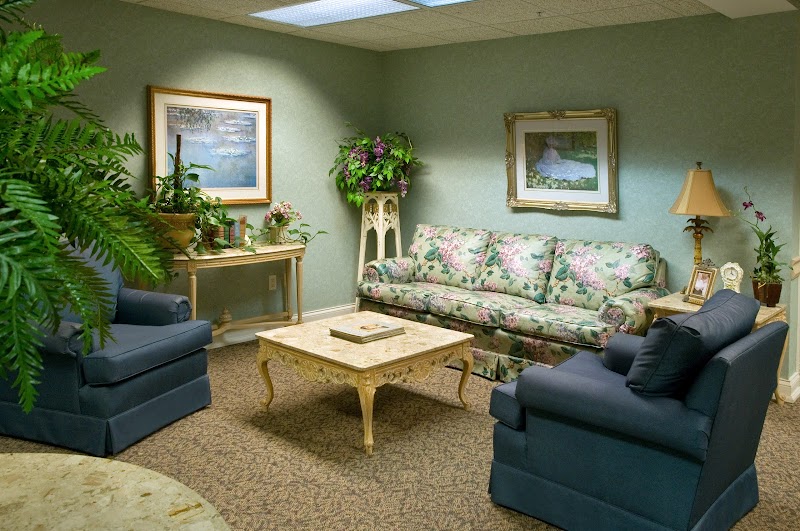
Life Care Center Of Charleston is owned by a for-profit company. For-profit facilities operate as businesses with obligations to shareholders or private owners. The facility is operated by LIFE CARE CENTERS OF AMERICA, a chain that manages multiple nursing homes. With 148 certified beds and approximately 112 residents (about 76% occupancy), it is a mid-sized facility located in N Charleston, South Carolina.

How Does Life Care Center Of Charleston Compare to Other South Carolina Nursing Homes?

Compared to the 100 nursing homes in South Carolina, Life Care Center Of Charleston's overall rating (2 stars) is below the state average of 2.8, staff turnover (44%) is near the state average of 46%, and health inspection rating (1 stars) is much below the national benchmark.

What Should Families Ask When Visiting Life Care Center Of Charleston?

Based on this facility's data, families visiting should ask: "What changes have been made since the serious inspection findings, and how are you preventing similar issues?" "Can you walk me through typical staffing levels on day, evening, and night shifts?" "Can I visit during a mealtime to observe dining assistance and food quality?" "How do you handle medical emergencies, and what is your hospital transfer rate?" These questions are particularly relevant given the facility's Immediate Jeopardy citations and the below-average staffing rating.

Is Life Care Center Of Charleston Safe?

Based on CMS inspection data, Life Care Center Of Charleston has documented safety concerns. Inspectors have issued 2 Immediate Jeopardy citations (the most serious violation level indicating risk of serious injury or death). The facility has a 2-star overall rating and ranks #100 of 100 nursing homes in South Carolina. Families considering this facility should ask detailed questions about what corrective actions have been taken since these incidents.

Do Nurses at Life Care Center Of Charleston Stick Around?

Life Care Center Of Charleston has a staff turnover rate of 44%, which is about average for South Carolina nursing homes (state average: 46%). Moderate turnover is common in nursing homes, but families should still ask about staff tenure and how the facility maintains care continuity when employees leave.

Was Life Care Center Of Charleston Ever Fined?

Life Care Center Of Charleston has been fined $24,247 across 2 penalty actions. This is below the South Carolina average of $33,321. While any fine indicates a compliance issue, fines under $50,000 are relatively common and typically reflect isolated problems that were subsequently corrected. Families should ask what specific issues led to these fines and confirm they've been resolved.

Is Life Care Center Of Charleston on Any Federal Watch List?

Life Care Center Of Charleston is not on any federal watch list. The most significant is the Special Focus Facility (SFF) program, which identifies the bottom 1% of nursing homes nationally based on persistent, serious quality problems. Not being on this list means the facility has avoided the pattern of deficiencies that triggers enhanced federal oversight. This is a positive indicator, though families should still review the facility's inspection history directly.