PruittHealth- Orangeburg
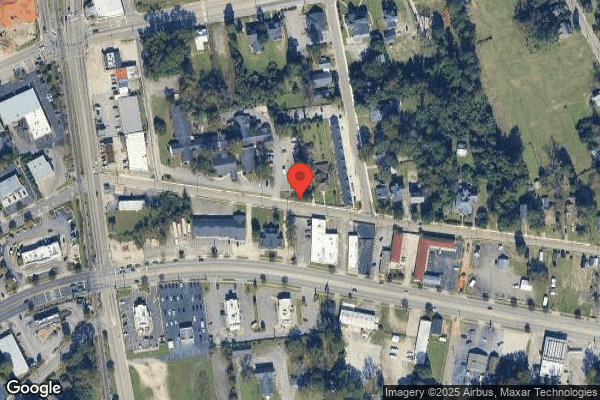

755 Whitman Street SE, Orangeburg, SC 29115 (803) 534-7036
For profit - Corporation 88 Beds PRUITTHEALTH Data: November 2025
Trust Grade
58/100
#95 of 186 in SC
Last Inspection: May 2025

Inspected within the last 6 months. Data reflects current conditions.

Overview

PruittHealth-Orangeburg has received a Trust Grade of C, indicating that it is average compared to other nursing homes. It ranks #95 out of 186 facilities in South Carolina, placing it in the bottom half, but is the second-best option among four in Orangeburg County. The facility shows an improving trend, with issues decreasing from seven in 2023 to two in 2025. Staffing is a weakness, with a below-average rating of 2 out of 5 stars and a 43% turnover rate, which is slightly better than the state average. However, the nursing home has faced some concerns, such as serving food at improper temperatures and failing to maintain food safety practices, including not labeling and discarding expired items. While there are some strengths, including average RN coverage, families should weigh these issues when considering this facility for their loved ones.

Trust Score
C
58/100
In South Carolina
#95/186
Bottom 49%
Safety Record
Low Risk
No red flags
Inspections
Getting Better
7 → 2 violations
Staff Stability
○ Average
43% turnover. Near South Carolina's 48% average. Typical for the industry.
Penalties
✓ Good
$3,728 in fines. Lower than most South Carolina facilities. Relatively clean record.
Skilled Nurses
○ Average
Each resident gets 30 minutes of Registered Nurse (RN) attention daily — about average for South Carolina. RNs are the most trained staff who monitor for health changes.
Violations
⚠ Watch
22 deficiencies on record. Higher than average. Multiple issues found across inspections.
★★★☆☆
3.0
Overall Rating
★★☆☆☆
2.0
Staff Levels
★★☆☆☆
2.0
Care Quality
★★★☆☆
3.0
Inspection Score
Stable
2023: 7 issues
2025: 2 issues

The Good

  • Full Sprinkler Coverage · Fire safety systems throughout facility
  • No fines on record
  • Staff turnover below average (43%)

    5 points below South Carolina average of 48%

Facility shows strength in fire safety.

The Bad

3-Star Overall Rating

Near South Carolina average (2.8)

Meets federal standards, typical of most facilities

Staff Turnover: 43%

Near South Carolina avg (46%)

Typical for the industry

Federal Fines: $3,728

Below median ($33,413)

Minor penalties assessed

Chain: PRUITTHEALTH

Part of a multi-facility chain

Ask about local staffing decisions and management

The Ugly 22 deficiencies on record

May 2025 2 deficiencies
CONCERN (D)

Potential for Harm - no one hurt, but risky conditions existed

MDS Data Transmission (Tag F0640)

Could have caused harm · This affected 1 resident

**NOTE- TERMS IN BRACKETS HAVE BEEN EDITED TO PROTECT CONFIDENTIALITY** Based on record review and interview, the facility failed to ensure that a discharge Minimum Data Set (MDS) assessment was compl...

Read full inspector narrative →
**NOTE- TERMS IN BRACKETS HAVE BEEN EDITED TO PROTECT CONFIDENTIALITY** Based on record review and interview, the facility failed to ensure that a discharge Minimum Data Set (MDS) assessment was completed timely for one of 26 sample residents (Resident (R) 37) reviewed for MDS assessments. The failure to submit the discharge MDS did not allow for the closure of the residents' MDS cycle. Findings include: Review of R37's admission Record located in the Profile tab of the electronic medical record (EMR) revealed admission to the facility on [DATE]. Further review revealed R37 was discharged to the hospital on [DATE]. Review of R37's quarterly MDS under the MDS tab of the EMR with an Assessment Reference Date (ARD) of 03/05/25 revealed a Brief Interview for Mental Status (BIMS) assessment could not be completed. Further review revealed there was no discharge MDS assessment completed for R37. During an interview on 05/08/25 at 12:48 PM, the MDS Coordinator stated she reviewed the daily census activity report for any discharges, and they were discussed in morning meeting. She said the discharge assessment was simply missed. She said she did not complete the discharge MDS, but she should have. During an interview on 05/08/25 at 3:24 PM, the Director of Nursing (DON) stated she expected the necessary MDS assessment to have been completed.
CONCERN (D)

Potential for Harm - no one hurt, but risky conditions existed

Deficiency F0700 (Tag F0700)

Could have caused harm · This affected 1 resident

**NOTE- TERMS IN BRACKETS HAVE BEEN EDITED TO PROTECT CONFIDENTIALITY** Based on observation, record review, interview, and facility policy review, the facility failed to ensure residents received alt...

Read full inspector narrative →
**NOTE- TERMS IN BRACKETS HAVE BEEN EDITED TO PROTECT CONFIDENTIALITY** Based on observation, record review, interview, and facility policy review, the facility failed to ensure residents received alternative measures prior to the installation of side rails, and assessments were completed for the risk of entrapment for one of two residents (Resident (R) 235) reviewed for side rails of 26 sample residents. The lack of alternate side rail measures and proper assessment/consent could lead to potential restraint or side rail entrapment. Findings include: Review of the facility's policy titled, Bed Rails, revised 08/08/24, revealed that when it has been determined by the admitting nurse and/or interdisciplinary team (IDT) that bed rails are medically necessary for a patient's care (or are requested by a patient or the patient's representative), the following procedures should be followed prior to their use. The nursing and maintenance staff should regularly inspect the mattress and bed rails for areas of possible entrapment. Review of R235's undated Face Sheet located under the Profile tab of the electronic medical record (EMR) revealed the resident was admitted on [DATE]. Diagnoses included unsteadiness on feet, lack of coordination, and muscle weakness. Review of R235's Care Plan, initiated 05/06/24, located under the Care Plan tab of the EMR, revealed resident was at risk for Falls and intervention in place was 1/4 side rails for enabling increased movement. Review of R235's Order Summary Report located under the Orders tab of the EMR, revealed an order, dated 04/16/25, for ¼ side rails for turning and repositioning. Review of R235's EMR revealed no documented evidence of any alternative measures prior to installation, and no documented evidence of assessing risk for entrapment. During an interview on 05/08/25 at 9:17 AM, Licensed Practical Nurse (LPN)1 stated all residents had a bedrail observation form completed on admission. She stated 99% of the time, residents got bedrails. She stated staff did not explore alternatives prior to using bedrails because residents got them the day they were admitted . She stated she had never been aware of alternatives being explored prior to bedrail use. During an interview on 05/08/25 at 12:58 PM, the Maintenance Director (MD) stated he completed a monthly audit of bedrails. He stated he checked the functionality of them to ensure they stayed up and locked, ensured the mattress was the correct size, and that the call light worked. He stated he did a visual assessment to ensure it did not appear to have a gap greater than two inches, but he did not assess the risk for entrapment. He stated he did not have a device to check for the risk for entrapment. During an interview on 05/08/25 at 3:24 PM, the Director of Nursing (DON) stated she expected staff to complete bedrail assessments. She stated that alternatives were explored on a patient-by-patient basis, and it would depend on them. She stated she was unaware that any alternatives had to be explored for any residents prior to bedrail use and that staff should assess and monitor that risk of entrapment.
Dec 2023 7 deficiencies
CONCERN (D)

Potential for Harm - no one hurt, but risky conditions existed

Deficiency F0558 (Tag F0558)

Could have caused harm · This affected 1 resident

Based on observations, interviews, record review, and review of facility policy, the facility failed to ensure reasonable accommodations were provided to meet the needs and functional ability for 1 of...

Read full inspector narrative →
Based on observations, interviews, record review, and review of facility policy, the facility failed to ensure reasonable accommodations were provided to meet the needs and functional ability for 1 of 1 residents reviewed for accommodations of needs. Specifically, Resident (R)73's call light was observed out of reach and not accessible if the resident needed assistance. Findings include: A review of the facility's undated policy titled, Procedure Call Light, revealed, Ensure that all residents (even those who are confused) have access to the call signal at all times and know how to use it. A review of R73's Face Sheet revealed the facility admitted R73 on 09/05/23 with diagnoses including but not limited to: dysphagia following cerebral infarction, dysphagia, oropharyngeal phase, cerebral infarction, hemiplegia and hemiparesis following cerebral infarction affecting left non-dominant side. Review of R73's quarterly Minimum Data Set (MDS) with an Assessment Reference Date (ARD) of 12/05/23 revealed R73 had a Brief Interview for Mental Status (BIMS) score of 12 out of 15, which indicated that the resident had moderate cognitive impairment. Further review of the MDS revealed R73 required substantial to maximal assistance with eating and was dependent on staff for toileting, hygiene and showers. Review of R73's Care Plan with a revised date of 12/07/23, revealed R73 required extensive to total assistance with activities of daily living (ADL's) due to left hemiparesis related to (r/t) cerebral vascular accident (CVA). Interventions included, to keep call light within reach at all times when in room. During an observation on 12/10/23 at 12:11 PM, R73 was in bed. R73's call light was on the floor, approximately three feet from the resident. During an observation on 12/11/23 at 9:33 AM, R73 was in bed and the call light was on the floor, approximately three feet from the resident. During an interview on 12/11/23 at 9:36 AM, Licensed Practical Nurse (LPN)5 revealed that it was the responsibility of all staff members to ensure that the call light was within the resident's reach. LPN5 acknowledged the call light was not within R73's reach. LPN5 concluded that it was everyone's responsibility to monitor the placement of residents' call lights. During an interview on 12/13/23 at 9:51 AM, Certified Nursing Assistant (CNA)6 revealed, the call light should be in the resident's reach. CNA6 stated she was not aware how often the call light placement should be checked. CNA6 further stated she only checked R73's call light placement in the morning and after lunch because R73 went to activities. During an interview on 12/13/23 at 10:06 AM, the Director of Nursing (DON) revealed the call light should always be functioning and within the reach of the resident. All staff members were responsible for ensuring the residents' call light was within their reach. Call light placement should be checked on all residents every hour.
CONCERN (D)

Potential for Harm - no one hurt, but risky conditions existed

ADL Care (Tag F0677)

Could have caused harm · This affected 1 resident

**NOTE- TERMS IN BRACKETS HAVE BEEN EDITED TO PROTECT CONFIDENTIALITY** Based on observations, interviews, record review, and review of facility policy, the facility failed to provide services to Resi...

Read full inspector narrative →
**NOTE- TERMS IN BRACKETS HAVE BEEN EDITED TO PROTECT CONFIDENTIALITY** Based on observations, interviews, record review, and review of facility policy, the facility failed to provide services to Resident (R)14, who was unable to carry out activities of daily living (ADL), necessary to maintain good grooming and personal hygiene for 1 of 3 residents reviewed for ADL care. Findings include: Review of R14's Face Sheet revealed R14 was admitted to the facility on [DATE] with diagnoses including but not limited to: dysarthria following cerebral infarction, cognitive communication deficit, cerebral infarction, and hemiplegia and hemiparesis following unspecified cerebrovascular disease affecting right dominant side. Review of R14's Minimum Data Set (MDS) with an Assessment Reference Date (ARD) of 11/14/23, revealed R14 had a Brief Interview for Mental Status (BIMS) score of 0 out of 15, which indicated R14 had severe cognitive impairment. Further review of the MDS revealed R14 was dependent on staff for personal hygiene, showering, and toileting. Review of R14's Care Plan with a revised date of 12/02/12 revealed, R14 required staff to anticipate and provide all ADL's. Interventions included to provide daily grooming, oral hair and skin care, nail care/shampoo as needed, and anticipate all ADL needs. During an observation on 12/10/23 at 11:58 AM, R14 was lying in bed with white facial hair on the chin and cheeks approximately a quarter of an inch long. During an observation on 12/11/23 at 9:30 AM, R14 was lying in bed with white facial hair on chin and cheeks approximately a quarter of an inch long. During an observation on 12/12/23 at 9:12 AM, R14 was lying in bed with white facial hair on chin and cheeks approximately a quarter of an inch long. During an interview on 12/12/23 at 9:18 AM, Certified Nursing Assistant (CNA)1, revealed that she assisted with providing care to R14. CNA1 stated that grooming was a part of personal care and should be done daily. During an interview on 12/12/23 at 9:58 AM, CNA6 revealed that residents are to receive personal hygiene and grooming daily. CNA6 stated that R14 was not shaved yesterday because, I did not get around to getting it done. During an interview on 12/12/23 at 12:30 PM, the Director of Nursing (DON) stated that personal hygiene and grooming should be performed daily and as needed. The DON further stated, any nursing staff could shave a resident when needed and it is expected that a dependent resident to be provided grooming and personal hygiene daily. During an interview on 12/12/2023 at 2:41 PM, CNA3 revealed that personal hygiene consists of changing, bathing, grooming, and shaving and was completed as needed. CNA6 stated that hair on R14's face was not noticed when care was provided to the resident on 12/10/23.
CONCERN (D)

Potential for Harm - no one hurt, but risky conditions existed

Deficiency F0688 (Tag F0688)

Could have caused harm · This affected 1 resident

**NOTE- TERMS IN BRACKETS HAVE BEEN EDITED TO PROTECT CONFIDENTIALITY** Based on observations, interviews, record review, and review of facility policy, the facility failed to provide Resident (R)14 w...

Read full inspector narrative →
**NOTE- TERMS IN BRACKETS HAVE BEEN EDITED TO PROTECT CONFIDENTIALITY** Based on observations, interviews, record review, and review of facility policy, the facility failed to provide Resident (R)14 with treatment to prevent further decrease in range of motion (ROM) for 1 of 1 residents reviewed for range of motion. Findings include: Review of facility policy titled, Restorative Nursing Program revised on 11/04/21 revealed, It is the policy of this healthcare center to provide restorative nursing which actively focuses on achieving and maintain optimal physical, mental, and psychological functioning and wellbeing of the patient/resident. Restorative nursing program is under the supervision of a Registered Nurse (RN) or a Licensed Practical Nurse (LPN) and restorative nursing services are provided by Restorative Nursing Assistant (RNAs), Certified Nursing Assistants (CNAs), and other qualified staff. 2. Determine appropriate restorative services based on the screening. Documentation. 1. Restorative nursing care will be documented in the Electronic Health Record (EHR) or paper form. Review of R14's Face Sheet revealed R14 was admitted to the facility on [DATE] with a diagnoses including but not limited to: dysarthria following cerebral infarction, cognitive communication deficit, cerebral infarction, hemiplegia and hemiparesis following unspecified cerebrovascular disease affecting right dominant side, contracture, left shoulder, contracture, left wrist, contracture left hand, and contracture, left elbow. Review of R14's Physician Orders revealed, Resident required carrot to left hand daily, 7 days per week, and may remove during activities of daily living (ADLs). Review of R14's quarterly Minimum Data Set (MDS) with an Assessment Reference Date (ARD) of 11/14/23, revealed R14 had a Brief Interview for Mental Status (BIMS) score of 0 out of 15, which indicated the resident had severe cognitive impairment. Further review of the MDS revealed R14 was dependent for personal hygiene, showering, and toileting. R14 had functional limitation in range of motion on both sides to the upper and lower extremity. Review of R14's Care Plan dated 12/02/23 revealed, [R14] required carrot to Left hand daily 7 days per week. Interventions included to, don carrot to Left hand daily and may remove during morning ADLs. Patient to use carrot as can tolerate. Review of 14's Point of Care Restorative Nursing Category Report (MDS 3.0) dated 11/12/23 - 12/12/23 revealed, no splint or brace assistance on 11/06/23, 11/08/23, 11/11/23, 11/12/23, 11/13/23, 11/18/23, 11/19/23, 11/2323, 11/24/23, 11/25/23, 11/26/23, 12/01/23, 12/02/23, 12/03/23, 12/06/23, 12/09/23, and 12/10/23. Further review of the report revealed, R14 only received 5 hours of splint or brace assistance on 11/07/23, 11/09/23, 11/10/23, 11/14/23, 11/15/23, 11/16/23, 11/17/23, 11/20/23, 11/21/23, 11/22/23, 11/27/23, 11/28/23, 11/29/23, 11/30/23, 12/04/23, 12/05/23, 12/07/23, 12/08/23, and 12/11/23. During an observation on 12/10/23 at 12:01 PM, R14 was lying in bed with no assistive device on left hand contracture. During an observation on 12/11/23 at 9:30 AM R14 was lying in bed with no assistive device on left hand contracture. During an observation on 12/12/23 9:13 AM R14 was lying in bed with no assistive device on left hand contracture. During an interview on 12/12/23 at 9:34 AM, Restorative Certified Nursing Assistant (RCNA)4 revealed RCNA4 applied the carrot to R14's hand for 5 hours per day. RCNA4 stated she puts the carrot in R14's hand around 10:00 AM and takes it off around 4:00 PM every weekday. RCNA4 further stated R14 did not refuse care and on the weekends the carrot was washed. RCNA4 stated the weekend CNAs should place a washcloth in the resident's hand. RCNA4 applied R14's carrot on 12/11/23 at 10:30 AM until 4:00 PM. RCNA4 concluded that Licensed Practical Nurse (LPN)7 provided instruction on how long the device was left in place. During an interview on 12/12/23 at 9:51 AM, the Director of Rehab revealed that the therapy recommendation was for R14 to wear the carrot 8 hours per day. The CNAs and the nurses can both put the device in the resident's hand. During an interview on 12/12/23 at 9:58 AM, CNA5 revealed that the restorative CNA or the restorative nurse applied the carrot to R14's hand. CNA5 stated that on 12/11/23, the carrot was applied to R14's hand at 11:00 AM. CNA5 stated she is unsure if the restorative CNA took the carrot out of R14 hand. CNA5 did not know how long the resident was required to wear the carrot each day. During an interview on 12/12/23 at 10:18 AM, RCNA4 revealed the majority of the residents wore their splints for 5 hours per day and thought that it was the same order for the R14. RCNA4 stated that the facility trained staff to look at care plans and orders for application of the splint. RCNA4 stated R14's medical record was not read properly and the expectation is for R14 to receive devices to prevent further reduction in range of motion as the physician ordered. During an interview on 12/12/23 at 2:41 PM, CNA3 revealed, they were not familiar with R14's restorative orders. CNA3 stated she was not sure who was responsible for the application and removal of the restorative device. During an an interview on 12/12/23 at 3:10 PM, Licensed Practical Nurse (LPN)7 revealed that RCNA4 was responsible for restorative nursing during the week. LPN7 stated that CNAs and nursing staff were responsible any other time. LPN7 stated that RCNA4 put the carrot in R14's hand upon arrival to work and took it off before the end of shift. LPN7 further stated R14's carrot is in place about 4-6 hours per day. LPN7 confirmed that R14's order was for 7 days a week and may be removed with ADL care only. LPN7 further stated that she was just recently put in the position about 2 weeks ago and only looked at the documentation sporadically and that RCNA4 is periodically pulled to the floor as a CNA. LPN7 expected residents to receive assistive devices per physician order to prevent further decline in ROM. During an interview on 12/12/23 at 3:31 PM, the Director of Nursing (DON) revealed that R14's physician order for the assistive device was for it to be applied 7 days per week/24 hours a day. The DON stated that the nursing staff was responsible for monitoring the device placement. The DON further stated that LPN7 monitored the application and documentation of restorative care. The DON continued that RCNA4 completed the restorative care during the week, and the nurses were responsible for applying assistive devices on the weekend. The DON stated that RCNA4 was under the impression that the assistive device was only to be placed for a few hours a day. The DON indicated she did not review restorative documentation, but indicated after looking at R14 restorative documentation, the resident did not receive the service as ordered. The DON concluded the expectation was that R14 receive range of motion services per physician order to prevent further decline.
CONCERN (D)

Potential for Harm - no one hurt, but risky conditions existed

Incontinence Care (Tag F0690)

Could have caused harm · This affected 1 resident

Based on review of facility policy, observations, and interviews, the facility failed to follow a procedure during Foley catheter care to decrease the likelihood of infection for Resident (R)70, for 1...

Read full inspector narrative →
Based on review of facility policy, observations, and interviews, the facility failed to follow a procedure during Foley catheter care to decrease the likelihood of infection for Resident (R)70, for 1 of 1 residents observed for Foley catheter care. Findings include: Review of the facility policy titled Procedure: Catheter Care states, Procedure: 3. Explain procedure to resident. 4. Perform hand hygiene according to facility policy/protocol. 5. [NAME] personal protective equipment as appropriate for procedure. 6. Explain reason for the procedure to the resident. Female Resident. 1. Wet washcloth and sparingly apply soap or perineal cleanser. 2. Separate inner labia with nondominant hand. Wash down the center, wiping downward from front to back and stopping at the base of the labia. Continue washing, wiping from front to back, alternating from side to side and moving outward to the thighs. Turn the washcloth or use a new washcloth for each area. 3. Rinse and dry the urethral and perineal area, working in the same direction until entire area is clean, soap free, and dry. 4. Hold catheter tubing to one side and support against leg to avoid traction or unnecessary movement of the catheter while washing perineum. Keep drainage bag below level of bladder. 5. When washing, rinsing, and drying the urethral area: a. Gently wash, rinse and dry around the juncture of the catheter and meatus. b. Wash the catheter from the meatus down the tube about 3 inches. 11. Position the bed linen and the resident. 12. Perform hand hygiene according to facility policy/protocol. 13. Document procedure per facility policy/protocol. 14. Take appropriate actions for abnormal findings or observations. Review of R70's Face Sheet revealed the facility admitted R70 with diagnoses including, but not limited to: urinary retention with an indwelling Foley Catheter and muscle spasms. During an observation and interview of Foley catheter care on 12/12/23 at 10:40 AM, revealed the following: Certified Nursing Assistant (CNA)1 knocked on R70's door, and the resident asked us in. CNA1 explained the procedure to the resident and this surveyor asked permission to observe. R70 stated that it would be ok. CNA1 provided privacy and both CNAs washed their hands and both applied gloves. CNA1 opened wipes, and lowered the head of the bed. CNA2 removed the bed covers and pulled up R70's gown. Both CNAs unfastened the resident's brief, R70 had a bowel movement, so the brief was pushed down toward the bed between the resident's leg. The CNAs did not stop catheter care and clean the resident. CNA2 lifted the left leg of R70 and moved it over to the left side of the bed and the right leg followed. CNA1 took a wipe and wiped down the left side of the groin area. Then CNA1 took another wipe in hand and cleaned the catheter tubing from the outer skin down the tubing. CNA1 then removed her gloves, washed her hands, applied gloves and wiped down the right groin area with a wipe. CNA1 then cleaned down the tubing again, removed her gloves and washed her hands. Then CNA1 stated they were going to clean the resident due to the bowel movement, and then stated before she would do that she would remove her gloves and wash her hands. CNA1 stated she was finished with catheter care. So this surveyor thanked R70 and CNA 1 was retrieving a clean brief from the resident's closet. Then CNA 1 and CNA 2 proceeded to change R70's soiled brief. CNA 1 had not cleaned the insertion site of the Foley catheter. During an interview on 12/12/2023 at 11:00 AM with CNA 1, I informed CNA1 my observation of catheter care and she stated that she cleaned the catheter insertion site after I left R70's room and both CNAs cleaned up R70.
CONCERN (E)

Potential for Harm - no one hurt, but risky conditions existed

Deficiency F0761 (Tag F0761)

Could have caused harm · This affected multiple residents

Based on review of facility policy, observations and interviews, the facility failed to ensure expired medications, and insulin pens were labeled and stored according to manufacturers recommendations ...

Read full inspector narrative →
Based on review of facility policy, observations and interviews, the facility failed to ensure expired medications, and insulin pens were labeled and stored according to manufacturers recommendations in 2 of 4 medication carts and 1 of 2 treatment carts. Findings include: Review of the undated facility policy titled, Medication Storage in the Healthcare Centers states, Policy Statement: Medications and biological's are stored safely, securely, and properly following manufacturer's recommendations or those of the supplier. 3. Nurses are required to check all medications for deterioration and expiration before administration. Nurses are also required to inspect medications storage facilities, including medication carts, routinely. 11. Multi-dose containers, injectable's, ophthalmic and optic preparations and inhalers are to be dated when opened. 12. Outdated, contaminated, or deteriorated medications and those in containers that are cracked, soiled, or without secure closures are immediately removed from stock, disposed of according to procedures for medication destruction, and reordered from the pharmacy, if a current order exists. During an observation on 12/10/23 at 11:20 AM of the URS Medication Cart revealed: Atropine 1% eye drops, Lot #AP230414, RX #632971 was opened on 10/27/23 and expired on 11/25/23. Levemir Flex Pen, Lot #NZF7NOL, in use with no open date and an expiration date of 11/27/23. Levemir Flex Pen, Lot #NP5H734, in use with no open date and no expiration date. Insulin Aspartane Flex Pen, Lot #HZF7K85, in use with no open date and no expiration date. Novolog Flex Pen, Lot #HZF7V86, in use, with an open date of 11/08/23 and no expiration date. During an observation on 12/10/23 at 11:50 AM of the URS Middle Medication Cart revealed: One bottle of Even Care Blood Glucose Test Strips, Lot #16823033009, Expiration date 12/14/24. There was no open date and no expiration date. Levemir Flex Pen, Lot #NP54707 in use with no open date and no expiration date. During an interview on 12/10/23 at 12:24 PM, Licensed Practical Nurse (LPN)1 confirmed the eye drops, Insulin pens and Blood Glucose Strips did not have an opened date and an expiration date. LPN1 removed the items from the medication carts. During an observation on 12/12/23 at 9:40 AM of the URS Treatment Cart revealed: One bottle of Sterile Saline 100 milliliters (mls) (3.4 ounces) with approximately 30 mls left in the opened bottle, Manufactured by Medline with Lot #22114283, stored on the treatment cart with other medications in use, and no longer sterile. One bottle of Iodoform Packing Strips, Manufactured by Sterite Curad with Lot #02270, sterile and opened and partially used, and placed back on the treatment cart and no longer sterile. Registered Nurse (RN)1 confirmed and removed the items from the treatment cart.
CONCERN (F)

Potential for Harm - no one hurt, but risky conditions existed

Deficiency F0804 (Tag F0804)

Could have caused harm · This affected most or all residents

Based on observations and interviews, the facility failed to serve food at the appropriate/preferred temperature in 1 of 1 main kitchen. Findings include: The facility did not provide a policy on pro...

Read full inspector narrative →
Based on observations and interviews, the facility failed to serve food at the appropriate/preferred temperature in 1 of 1 main kitchen. Findings include: The facility did not provide a policy on proper cooking, reheating temperatures, or proper holding temperatures. During an observation on 12/11/23 at 11:24 PM, of [NAME] 2 taking food temperatures on the steam table revealed the following: Onion rings - 140 degrees Fahrenheit (F) Fish fillets- 130 degrees F Steamed Cabbage- 110 degrees F Purred Cabbage-150 degrees F Purred fish- 130 degrees F During an interview on 12/11/23 at 11:30 AM, [NAME] 2 stated she only went by what the thermometer told her and the thermometers do not work properly. During an interview on 12/13/23 at 9:03 AM, the Dietary Manager (DM) stated the cooks know the proper food temperature ranges, but there were no proper temperature postings in the kitchen. The DM furthered stated that about two or three months ago thermometers were purchased and replaced.
CONCERN (F)

Potential for Harm - no one hurt, but risky conditions existed

Food Safety (Tag F0812)

Could have caused harm · This affected most or all residents

Based on observations, interviews, and facility policy review, the facility failed to label and date foods, discard expired foods and failed to maintain a clean ice machine, in 1 of 1 main kitchen. Fi...

Read full inspector narrative →
Based on observations, interviews, and facility policy review, the facility failed to label and date foods, discard expired foods and failed to maintain a clean ice machine, in 1 of 1 main kitchen. Findings include: Review of the facility policy titled Food Ordering, Receiving and Storage revised 06/14/16 revealed, Policy Statement: It is the policy of PruittHealth that food will be routinely ordered and received from approved corporate vendors who obtain food from regulated and reputable sources to ensure food safety. The corporate office maintains a list of approved vendors. Storage and Rotation Guidelines: Date all items with delivery date. Review of the facility policy titled Ice Machines (Handling/Scoops) revised 04/11/16 Policy Statement: It is the policy of PruittHealth to maintain safe and sanitary conditions when serving ice to prevent cross contamination and the spread of bacteria. Procedure: it is the responsibility of the dietary partners to clean and sanitize the ice machine designated for dietary purposes at least monthly using the following process: Turn ice machine off. Completely empty ice bin. Clean inside of ice machine removing all build-up/debris. Sanitize entire ice machine with an approved sanitizing solution per manufacturer's recommendations. During the initial tour of the kitchen on 12/10/23 at 11:02 AM, revealed the following: cheese in refrigerator with no label or date, coleslaw expired on 12/05/23, ice machine dirty with pink and brown watery substance around the rim and the underside, jar of grape jelly opened with no open date/label, jar of red substance not dated/labeled. During an interview on 12/12/23 at 9:02 AM, the Dietary Manager (DM) stated, when the food truck comes in, they label the food with the date they received it. The DM further stated anytime a food item is opened, pulled for use, or thawed, it is supposed to be labeled with the date and time. The DM stated when food was leftover and will be used again, it should be labeled with what the item is, the date, the time, and use by date. The DM concluded maintenance/servicing of the ice machine was done monthly by maintenance personnel and that last cleaned on 11/21/2023.
Oct 2021 13 deficiencies
CONCERN (D)

Potential for Harm - no one hurt, but risky conditions existed

Resident Rights (Tag F0550)

Could have caused harm · This affected 1 resident

Findings: The facility admitted R18 on 02/18/2021 with diagnoses including, but not limited to, acute kidney failure, anorexia, depression, muscle weakness, pneumonia, dysphagia and aphasia, type 2 d...

Read full inspector narrative →
Findings: The facility admitted R18 on 02/18/2021 with diagnoses including, but not limited to, acute kidney failure, anorexia, depression, muscle weakness, pneumonia, dysphagia and aphasia, type 2 diabetes, dementia, severe protein-calorie malnutrition, and pulmonary embolism. During a meal observation on 10/20/21 at 1:05 PM, R18 approached a surveyor and said she wants to go to the bathroom. The surveyor passed the information on to a group of three CNAs that were close by. The CNAs kept talking among themselves and ignored the R18 request. At 1:08 PM, R18 repeated her request to go to the bathroom. CNA5 was asked if R18 has been taken to the bathroom and added she keep on saying she wants to go to the bathroom, perhaps she needs to be changed. CNA5 said in a loud voice in the hall, She is also incontinent then said to the resident (First name of the resident), go to your room. CNA4 started pushing R18 to her room and the other two, CNA 3 and CNA5 followed her. The three CNAs stayed in R18's room for a brief moment with the door closed. The CNAs came out of the room. CNA4 proceeded to start passing meals. CNA3 went into a residents's room without knocking or addressing the resident appropriately. Once inside the room s/he said, What's up, big head? CNA5 went into a resident's room without knocking, greeting, or asking for permission to come in or greeting the resident. She went into the room and put the meal tray on the bedside table and left the room. During an interview with CNA3, CNA4 and CNA5 on 10/20/2021 at approximately 1:20 PM, they confirmed the findings. Based on observations, interviews and review of the facility's policy titled, Resident's [NAME] of Rights, the facility failed to ensure staff knocked on resident room doors and waited for permission to enter during the lunch and dinner meal service in rooms 36 through 54 and on the middle hall and the rehab hall for 2 of 2 meal services observed. The facility further failed to ensure the privacy, respect, and dignity of Resident (R)18 as evidenced by staff addressing his/her incontinence in the presence of other residents for 1 of 5 residents reviewed for unnecessary medications. The findings included: An observation on 10/17/2021 at approximately 6:23 PM of the meal service in rooms 36 through 54 revealed staff were entering resident rooms with meal trays, without knocking on the doors and waiting for permission to enter. Staff was observed yelling, knock, knock, and then entered the rooms. An additional observation on 10/20/2021 at approximately 12:45 PM revealed meal trays were being delivered to residents on the middle hall and the rehab hall. Staff were entering rooms without first knocking and waiting for permission to enter. An interview on 10/20/2021 at approximately 1:00 PM with Certified Nursing Assistant (CNA)1 and CNA2 verified that they were entering resident rooms with meal trays and not first knocking on the doors and waiting for permission to enter. Review on 10/20/2021 at approximately 1:30 PM of the facility's policy, Resident's [NAME] of Rights, states under, Personal Treatment,A resident of this facility, has the right to be treated with respect and dignity.
CONCERN (D)

Potential for Harm - no one hurt, but risky conditions existed

Safe Environment (Tag F0584)

Could have caused harm · This affected 1 resident

Based on observations, interviews and review of the facility guidance titled, Regulate Temperature in Nursing Homes, the facility failed to ensure the temperature in the resident room and hallways was...

Read full inspector narrative →
Based on observations, interviews and review of the facility guidance titled, Regulate Temperature in Nursing Homes, the facility failed to ensure the temperature in the resident room and hallways was maintained at 71 degrees Fahrenheit and not less on 3 of 3 units. The findings included: An observation on 10/18/2021 at approximately 9:30 AM of the thermostat reading on the unit including the middle hall and the rehab unit revealed the thermostat was set on 70 degrees Fahrenheit and the temperature was maintained at 70 degrees. Residents were observed on the unit, in sweaters, jackets and hoodies with the hood utilized. Residents were also asking for additional blankets. An additional observation on 10/20/2021 at approximately 10:05 AM revealed the thermostat set on 68 degrees and the temperature was maintained at 68 degrees Fahrenheit, residents were still dressed in sweaters, jackets, and hoodies. An interview on 10/20/2021 at approximately 10:50 AM with the maintenance directors, confirmed the findings and then stated, the staff will lower the temperatures at night. I have a difficult time keeping the temperature over 68 or 70 degrees because the staff keep turning the temperature down when they get hot. The thermostats do not have have the locked covers to prevent anyone from changing the temperature. Review on 10/20/21 at approximately 1:40 PM of a facility form titled, Regulate Temperature in Nursing Homes, states, all nursing homes maintain a temperature of not less than 71 degrees Fahrenheit .
CONCERN (D)

Potential for Harm - no one hurt, but risky conditions existed

Transfer Notice (Tag F0623)

Could have caused harm · This affected 1 resident

**NOTE- TERMS IN BRACKETS HAVE BEEN EDITED TO PROTECT CONFIDENTIALITY** Based on record review and interviews, the facility failed to notify the Ombudsman when one (1) of one (1) resident discharged t...

Read full inspector narrative →
**NOTE- TERMS IN BRACKETS HAVE BEEN EDITED TO PROTECT CONFIDENTIALITY** Based on record review and interviews, the facility failed to notify the Ombudsman when one (1) of one (1) resident discharged to the hospital. (Resident #36) Findings include: Interview with the Assistant Director of Nursing (ADON) on 10/20/21 at 01:29 PM revealed the Business Office provided the Bed Hold Policy when the residents were transferred to the hospital. S/he stated, We don't contact the Ombudsman until the end of the month. There is a list that is sent to the Ombudsman every month of the ones who were discharged from the facility. The Business Office Manager can get you a copy of the list. The only ones who are notified when the resident is discharged is the Administrator, the DON, and ADON. Interview with the Business Office Manager on 10/20/21 at approximately 1:45 PM revealed there was a Bed Hold form that nursing sent with the resident when the resident was transferred to the hospital on [DATE], but there was no documentation to show when the Ombudsman was notified. Review of Resident #36's clinical record revealed an admission date of 10/25/19 and the diagnoses included: Pressure ulcer of left upper back, stage 4, Pressure ulcer of left hip, stage 4, Pressure ulcer of sacral region, stage 4, Pressure ulcer of left heel, stage 3, Pressure ulcer of other site, unstageable. Review of Resident #36's Quarterly Minimum Data Set (MDS) assessment dated [DATE], revealed the resident had a Brief Interview for Mental Status (BIMS) Score of 07 out of 15, indicating intact severely impaired cognition. Review of the clinical record revealed Resident #36 was transferred to the hospital on [DATE] and returned on 08/23/21. Resident returned to the facility from hospital. No acute distress noted. Treatment nurse performed body audit. Medications reviewed and verified. Physician notified of resident's return. Further review of the clinical record revealed the facility provided the resident and/or family a copy of the Bed Hold Policy on 08/18/21. Further review of the clinical record lacked documentation the facility provided the Ombudsman notification of the resident's discharge to the hospital. The facility failed to provide a policy indicating notice to a representative of the Office of the State Long-Term Care Ombudsman.
CONCERN (D)

Potential for Harm - no one hurt, but risky conditions existed

Deficiency F0637 (Tag F0637)

Could have caused harm · This affected 1 resident

**NOTE- TERMS IN BRACKETS HAVE BEEN EDITED TO PROTECT CONFIDENTIALITY** Based on observations, records review, and interviews, the facility failed to determine and complete a significant change in fun...

Read full inspector narrative →
**NOTE- TERMS IN BRACKETS HAVE BEEN EDITED TO PROTECT CONFIDENTIALITY** Based on observations, records review, and interviews, the facility failed to determine and complete a significant change in functional status assessment for Resident (R) 41. R41 had a significant decline in activities of daily living (ADLs). Findings: The facility admitted R41 on 1/01/2019 with diagnoses including, but not limited to, acute respiratory disease, chronic pulmonary disease, bipolar disorder and dementia, neuromuscular dysfunction of the bladder, cognitive-communication deficit, and constipation. During an observation on 10/17/2021 at 5:07 PM, R41 was noted to be lying in his/her bed. S/he appeared disheveled, with their face, clothing, and fingernails uncleaned. There was a strong, offensive odor in the room. There were no sheets on the bed and clothes and food on the floor, including his/her closet floor. Observation revealed feces on and around the toilet and the toilet seat was cracked. There was a large brown/golden stain on the wall behind the handwashing sink and the entire floor of the room felt sticky. On 10/18/2021 at 1:45 PM, R41 was observed to be in his/her wheelchair at the nurse's station. S/he was dressed in an old, long sleeve collared shirt and ripped pajama bottoms with part of his/her upper thigh exposed. The Minimum Data Set (MDS) assessments reviewed on 10/19/2021 at 2:15 PM revealed the following: Annual MDS dated [DATE] revealed R41 with a Brief Interview of Mental Status (BIMS) score of 5 (impaired cognitive status). ADLs were coded as bed mobility, dressing, personal hygiene, and toilet use;R41 needs supervision. For ADLs including transfer, eating, and bathing; R41 is independent. Quarterly MDS dated [DATE] revealed a BIMS score of 7, indicating impaired cognitive status. ADLs were coded as bed mobility, transfer, eating, and personal hygiene;R41 needs supervision. For ADLs including dressing and toilet use; R41 needs extensive assistance. For bathing, R41 needs physical assistance. R41 went from independent with transfers, eating, and bathing to needs supervision and from supervision with dressing and toilet use to needs extensive assistance. R41 was observed eating lunch in his/her room, unsupervised, throughout the dates of October 18-20, 2021. At each time, food was observed on the floor. R41's care plan indicated that s/he requires supervision to limited assistance with ADLs. It also noted that R41 is highly involved with all adls and is self-motivated. In an interview with the MDS Coordinator on 10/20/21 at 10:40 AM, s/he expressed the computer system did not alert him/her of resident's significant change, therefore it was not completed.
CONCERN (D)

Potential for Harm - no one hurt, but risky conditions existed

Deficiency F0676 (Tag F0676)

Could have caused harm · This affected 1 resident

Based on observations records review and interview the facility failed to provide the necessary care and services to ensure that R4 maintained activity of daily living (ADLs) abilities or received app...

Read full inspector narrative →
Based on observations records review and interview the facility failed to provide the necessary care and services to ensure that R4 maintained activity of daily living (ADLs) abilities or received appropriate assistance with activities of daily living when needed for one of one sampled resident reviewed for ADLs. Findings: The facility admitted R41 on 1/01/2019 with diagnoses including, but not limited to, acute respiratory disease, chronic pulmonary disease, bipolar disorder and dementia, neuromuscular dysfunction of the bladder, cognitive-communication deficit, and constipation. During an observation on 10/17/2021 at 5:07 PM, R41 was noted to be lying in his/her bed. S/he appeared disheveled, with their face, clothing, and fingernails uncleaned. There was a strong, offensive odor in the room. There were no sheets on the bed and clothes and food on the floor, including his/her closet floor. Observation revealed feces on and around the toilet and the toilet seat was cracked. There was a large brown/golden stain on the wall behind the handwashing sink and the entire floor of the room felt sticky. On 10/18/2021 at 1:45 PM, R41 was observed to be in his/her wheelchair at the nurse's station. S/he was dressed in an old, long sleeve collared shirt and ripped pajama bottoms with part of his/her upper thigh exposed. R41 was observed eating lunch in his/her room, unsupervised, throughout the dates of October 18-20, 2021. At each time, food was observed on the floor. R41's care plan indicated that s/he requires supervision to limited assistance with ADLs. It also noted that R41 is highly involved with all adls and is self-motivated. In a re-visit to R41's room with the Maintenance Manager on 10/20/21 at approximately 3:00 PM, s/he verified the above findings. In addition, the Maintenance Manager confirmed there was dried-up food debris on the closet floor.
CONCERN (D)

Potential for Harm - no one hurt, but risky conditions existed

Deficiency F0692 (Tag F0692)

Could have caused harm · This affected 1 resident

Based on record reviews, interviews, and review of the facility policy titled, Weight Monitoring, the facility failed to provide interventions for Resident (R) 44 to promote weight maintenance or to d...

Read full inspector narrative →
Based on record reviews, interviews, and review of the facility policy titled, Weight Monitoring, the facility failed to provide interventions for Resident (R) 44 to promote weight maintenance or to decrease weight loss for 1 of 4 residents reviewed for Nutrition. The findings included: The facility admitted R44 with diagnoses including, but not limited to, Anxiety Disorder, Muscle weakness, Bipolar Disorder and Hyperlipidemia. Review on 10/20/21 at approximately 3:29 PM of the medical record for R44 revealed the following weights: 7/1/2021 200.4 lbs. 7/20/21 196.6 lbs. 8/10/21 181.0 lbs. 9/9/21 180.4 lbs. 10/8/21 175.1 lbs. These weights reflected a 25 pound weight loss in 3 months. Further review on 10/20/21 at approximately 3:40 PM of the medical record for R44 revealed the following Dietary notes from the Registered Dietician: 8/17/2021 at 10:32 PM Weight review: CBW 181 pounds on 8/10/21 and 196.6 pounds on 7/20/21. Resident is followed for behaviors. Will recommend supplementation due to weight loss and ask the interdisciplinary team to follow with weekly weights also at this review. No weekly weights could be found in the medical record for Resident #44 to ensure the weights were being monitored. An additional dietary noted from the Registered Dietician: 10/15/21 at 4:04 PM Weight review: CBW is 175 pounds, a slight decrease this month, significant decrease x 180 days or less. Will recommend to increase the Standard 2.0 to three times daily at this time. The Standard 2.0 was discontinued on the Medication Administration Record on 10/15/21 but was not restarted to ensure Resident #44 was receiving Standard 2.0 three times daily to provide weight maintenance and to ensure no further weight loss. In an interview on 10/21/21 at approximately 9:00 AM with the Certified Dietary Manager (CDM) concerning the weekly weights, the CDM stated that s/he had identified the weight loss on 9/2/21, after the resident had lost 20 pounds and stated that s/he had wanted to start R44 on Magic Cup but s/he is not allowed to make recommendations for weight loss. During an interview on 10/21/2021 at approximately 9:23 AM with the Registered Dietician, s/he stated s/he was not concerned about the weight loss due to the fact that R44 had behaviors. S/he stated the Standard 2.0 three times a day would give the resident 540 calories. The Dietician is not concerned that the facility does not do weekly weights when a significant weight loss is identified. S/he then rewrote the order for the Standard 2.0 to be given three times a day, since it was not increased to three times daily previously. Review on 10/21/2021 at approximately 10:00 AM of the facility's policy titled, Weight Management Program, revealed the Procedure,Patients/residents will be placed on a Weight Monitoring Program, unless the weight loss is anticipated and/or planned. Patients/residents will be placed on a weight monitoring program and will be weighed weekly. Under Weight Frequency: number 6 states, Re-weighs must be obtained on all weights (daily, weekly, or monthly) that shows a weight loss/gain of three pounds or more for weekly weights and 5 pounds or more for monthly weights. Reweighs must be obtained and documented within 24 hours of prior weight, Under Weight Team, number 3 states, The Weight Team Responsibilities include evaluating weights for significant changes; recommending appropriate interventions, reviewing patient/resident meal, supplement, and snack intakes; revision interventions; if necessary.
CONCERN (D)

Potential for Harm - no one hurt, but risky conditions existed

Unnecessary Medications (Tag F0759)

Could have caused harm · This affected 1 resident

Based on observations, interview, and review of the facility policy titled, Medication Administration: General Guidelines, the facility failed to ensure a medication administration error rate of less ...

Read full inspector narrative →
Based on observations, interview, and review of the facility policy titled, Medication Administration: General Guidelines, the facility failed to ensure a medication administration error rate of less than 5 percent during 2 out of 26 opportunities for error observed during medication administration. The findings included: An observation on 10/19/21 at approximately 8:31 AM during medication administration, Resident (R) 56 received Oxybutynin Extended Release 10 milligrams by mouth. The Licensed Practical Nurse (LPN) administering the medications for R56 crushed the medications and stated the resident could not swallow the medications whole. R56 also received Ranolazine 500 milligrams, 1 tablet by mouth daily and LPN1 also crushed this medication. During medication reconciliation on 10/19/21 at approximately 10:00 AM, the medications, Oxybutynin Extended Release and the Ranolazine were marked as,DO NOT CRUSH. During an interview on 10/19/21 at approximately 2:00 PM with LPN 1, s/he confirmed the Oxybutynin Extended Release tablet and Ranolazine should not have been crushed. Review on 10/19/21 at approximately 3:00 PM of the facility policy titled, Medications Administration: General Guidelines, states under Policy Statement: Medications are administered as prescribed, in accordance with good nursing principles and practices and only by persons legally authorized to do so. Personnel authorized to administer medications do so only after they have familiarized themselves with the medication. Number 22 states, Long-acting or enteric coated dosage forms should generally not be crushed and require a physician's specific order to do so. The physician must record in the medical record that the benefit of crushing the dosage form outweighs the potential risk.
CONCERN (D)

Potential for Harm - no one hurt, but risky conditions existed

Deficiency F0760 (Tag F0760)

Could have caused harm · This affected 1 resident

Based on observation, interview and review of the Medication Administration Record for Resident (R)56, the facility failed to ensure a medication dosage and form was correct as ordered by the physicia...

Read full inspector narrative →
Based on observation, interview and review of the Medication Administration Record for Resident (R)56, the facility failed to ensure a medication dosage and form was correct as ordered by the physician during med pass for 1 of 28 opportunities observed during medication administation. The findings included: An observation on 10/19/21 at approximately 8:31 AM during medication administration revealed R56 receiving Oxybutynin Extended Release 10 milligrams by mouth, crushed, along with his/her other AM medications. During reconciliation on 10/19/21 at approximately 10:30 AM revealed R56 had a physician's order for Oxybutynin 5 milligrams by mouth daily. R56 had received Oxybutynin Extended Release 10 milligrams instead of the ordered Oxybutynin 5 milligrams. During an interview on 10/19/21 at approximately 3:00 PM with Licensed Practical Nurse (LPN)1 confirmed that R56 had received the incorrect medication and the incorrect dosage. Review on 10/19/21 at approximately 3:00 PM of the facility policy titled, Medications Administration: General Guidelines, states under Policy Statement: Medications are administered as prescribed, in accordance with good nursing principles and practices and only by persons legally authorized to do so. Personnel authorized to administer medications do so only after they have familiarized themselves with the medication.
CONCERN (D)

Potential for Harm - no one hurt, but risky conditions existed

Deficiency F0919 (Tag F0919)

Could have caused harm · This affected 1 resident

Based on observations and interviews, the facility failed to maintain and ensure the call light system was properly working for one of 19 rooms reviewed for functioning call lights. Findings: The fa...

Read full inspector narrative →
Based on observations and interviews, the facility failed to maintain and ensure the call light system was properly working for one of 19 rooms reviewed for functioning call lights. Findings: The facility admitted R43 on 12/21/20 with diagnoses including, but not limited to, orthopedic aftercare following surgical amputation, muscle weakness, acquired absence of right leg, and legal blindness. On 10/17/2021 at 5:10 PM, during an interview, R43 stated that his/her call light was not working. R43 pressed the call light button and the surveyor confirmed that his/her call light was not working. When asked if s/he have told anyone, R43 answered, they know. Additional observations revealed R43's call light was not working in the following days, October 17-21, 2021. On 10/21/2021 at approximately 10:38 AM, an observation to R43's room with the Maintenance Manager confirmed that R43's call light was not working.
CONCERN (D)

Potential for Harm - no one hurt, but risky conditions existed

Safe Environment (Tag F0921)

Could have caused harm · This affected 1 resident

Based on observations and interviews, the facility failed to provide a functional, sanitary, and comfortable living environment for three of nineteen sample residents reviewed for the environment. Fin...

Read full inspector narrative →
Based on observations and interviews, the facility failed to provide a functional, sanitary, and comfortable living environment for three of nineteen sample residents reviewed for the environment. Findings: Observation on 10/17/2021 during 4:20 PM to 5:10 PM revealed the following: Resident (R)43's call light was not working. R18's dresser was missing three drawer knobs. R41's room revealed an offensive odor and there were no sheets on the bed. There were clothes and food particles on the floor. Observation revealed feces on and around the toilet and a cracked toilet seat. There was a large brown/golden stain on the wall, behind the handwashing sink, and the floor was sticky. In an interview with the Maintenance Manager, on 10/21/2021 at approximately 10:38 AM, s/he confirmed the above findings.
CONCERN (E)

Potential for Harm - no one hurt, but risky conditions existed

Deficiency F0727 (Tag F0727)

Could have caused harm · This affected multiple residents

Amended 1/10/2022 Based on interviews and review of the daily postings for staffing, the facility failed to ensure a Registered Nurse was in the facility for 8 consecutive hours daily for multiple day...

Read full inspector narrative →
Amended 1/10/2022 Based on interviews and review of the daily postings for staffing, the facility failed to ensure a Registered Nurse was in the facility for 8 consecutive hours daily for multiple days from 9/17/2021 through 10/17/2021. The facility further failed to ensure the Director of Nursing did not serve as the charge nurse for 1 of 5 days of the survey. The facility had a census of 68 residents. The findings included: An observation on 10/17/2021 at approximately 3:00 PM revealed the Director of Nursing serving as the charge nurse in the facility with a census of 68 residents. No other Registered Nurses were working in the facility on this date. Further review of the staffing posted for licensed and non licensed nursing staff from 9/17/2021 through 10/20/2021 revealed no documentation on the postings to ensure any Registered Nurses were in the facility serving as the charge nurse on the following days: No Registered Nurse on the daily posting of staff worked for 10/17/21, 10/10/21, 10/9/21, 10/8/21, 10/6/21, 10/4/21, 10/3/21, 10/2/21, 9/30/21, 9/29/21, 9/27/21, 9/26/21, 9/25/21, 9/23/21, 9/22/21, 9/21/21, 9/19/21. An interview on 10/17/2021 at approximately 4:00 PM with the Director of Nursing confirmed that s/he was the Supervisor because no other Registered Nurse have reported to work. An interview on 10/18/2021 at approximately 9:30 AM with the Administrator confirmed the findings.
CONCERN (E)

Potential for Harm - no one hurt, but risky conditions existed

Infection Control (Tag F0880)

Could have caused harm · This affected multiple residents

Based on observations, interviews, and the review of the facility's policy titled Infection Prevention and Control Policies and Procedures, the facility failed to ensure employees, vendors, and contra...

Read full inspector narrative →
Based on observations, interviews, and the review of the facility's policy titled Infection Prevention and Control Policies and Procedures, the facility failed to ensure employees, vendors, and contractors were COVID-19 screened before entering the facility. The facility also failed to ensure staff practiced proper hand-washing prior to meal administration, for 2 of 2 meals observed. Findings Include: A review of the facility's s policy titled, Infection Prevention and Control Policies and Procedures under Procedure says the following: The facility will complete a Prevent COVID-19 Screening Checklist and/or COVID-19 Prevent Worksheet prior to entering facility, which includes vaccination history for employees, contracted staff, and consultant only. The facility will follow the screening process for signs and symptoms of COVID-19 and will restrict entry if concerns are identified. On 10/17/21 at 3:00 PM, COVID-19 screening, hand sanitizer, and available face masks were observed at the front entrance of the facility. At approximately 3:15 PM on 10/17/21, an observation revealed two transport services staff members entering the building, with a stretcher, without being screened for COVID-19. At approximately 4:20 PM on 10/17/21, transport services staff entered into the building without being screened for COVID-19. At 5:05 PM on 10/17/21, an observation revealed two nursing staff entering in through a side door of the nurses' station on Unit 1 and the door at the back of the hall in Unit 1 was propped open with a white towel. The Charge Nurse removed the towel allowing the door to close after confirming it was propped open. At approximately 6:00 PM on 10/17/21, three visitors came into the building through the side door of the nurses' station on Unit 1. The Charge Nurse, asked the visitors to go outside and re-enter the facility through the main entrance. On 10/20/21 at approximately 12:40 PM, a visitor came in the front door of the facility and walked straight down the hall to Resident #58's room without being screened for COVID-19. In an interview with the Infection Control Coordinator on 10/20/21 at 2:45 PM, s/he stated that all persons, including employees, contractors, and vendors, entering the facility must be COVID-19 screened at the front entrance of the facility. The findings included: An observation on 10/17/21 at approximately 6:23 PM of the meal service in rooms 36 through 54 revealed staff entering resident rooms, touching the over the bed table, touching the bed remote and then setting up the meal trays for residents without cleaning their hands before setting up the meal trays. An additional observation on 10/20/21 at approximately 12:45 PM meal trays were being delivered to resident on the middle hall and the rehab hall. Staff were entering rooms and touching the residents, the over the bed table, the bed covers and then not cleaning their hands before setting up the meal trays. An interview on 10/20/21 at approximately 1:00 PM with Certified Nursing Assistants #1 and #2 verified that they were entering resident rooms with meal trays and touching objects in the room and not cleaning their hands before setting up the meal trays. Review on 10/20/21 at approximately 1:30 PM of the facility's policy, Hand Washing, states under Policy Statement, Cleaning your hands reduces the spread of germs and decreases the spread of infections. Under, When to Perform Hand Hygiene, Before and after any direct patient skin contact, after any contact with objects/medical equipment on the vicinity of the patient.
CONCERN (F)

Potential for Harm - no one hurt, but risky conditions existed

Food Safety (Tag F0812)

Could have caused harm · This affected most or all residents

**NOTE- TERMS IN BRACKETS HAVE BEEN EDITED TO PROTECT CONFIDENTIALITY** Based on observation, interview and review of the facility policy, the facility failed to ensure expired food items were removed...

Read full inspector narrative →
**NOTE- TERMS IN BRACKETS HAVE BEEN EDITED TO PROTECT CONFIDENTIALITY** Based on observation, interview and review of the facility policy, the facility failed to ensure expired food items were removed from the walk-in refrigerator and dented cans were removed from the dry storage for 1 of 1 main kitchen. The findings included: On 10/17/2021 at 03:32 PM, a brief initial tour of the kitchen with the second shift Head Cook, observation of the kitchen walk-in refrigerator revealed two (2) [NAME] Sweet Hawaiian Rolls with an out of date 10/08/2021 and two (2) [NAME] Honey Wheat Bread with an out of date 10/14/2021. Observation of dry storage room revealed two (2) canned goods, 6lb 10oz Gehls Mild Cheddar Cheese sauce, which have been compromised or punctured. The 2nd shift Head [NAME] stated he/she would move the cans to the dented cans area. During an interview with the second shift Head [NAME] on 10/17/21, the head cook was asked what is the process for identifying and removing expiring food products and dented cans? The head cook stated, A staff member from the second shift usually checks for expired, out-of-date foods, and dented cans. I don't know how they missed these. We get a truck every Tuesday and we go through the bread and all the cans to make sure they don't have any dents or punctures. I guess he overlooked them. During an interview with the Certified Dietary Manager on 10/18/21, the CDM inquired about the findings of the inspection. The surveyor informed the CDM that during the walkthrough tour on 10/17/21, there were four (4) packs of bread in the walk-in refrigerator that were out-of-date and two (2) dented cans in the dry storage room. Review of the facility policy titled Food Ordering, Receiving, and Storage, stated 3. Prepared food and/or beverage items will be discarded according to the USDA Quick Reference Shelf-Life List. 9. Dented cans should be kept in a separate designated area, with a dented can sign, and away from regular stock. Vendor should be informed of damages upon delivery and should issue a credit according to their policy.
Understanding Severity Codes (click to expand)
Life-Threatening (Immediate Jeopardy)
J - Isolated K - Pattern L - Widespread
Actual Harm
G - Isolated H - Pattern I - Widespread
Potential for Harm
D - Isolated E - Pattern F - Widespread
No Harm (Minor)
A - Isolated B - Pattern C - Widespread

Questions to Ask on Your Visit

  • "Can I speak with families of current residents?"
  • "What's your RN coverage like on weekends and overnight?"

Our Honest Assessment

Strengths
  • • No major safety red flags. No abuse findings, life-threatening violations, or SFF status.
  • • $3,728 in fines. Lower than most South Carolina facilities. Relatively clean record.
  • • 43% turnover. Below South Carolina's 48% average. Good staff retention means consistent care.
Concerns
  • • 22 deficiencies on record. Higher than average. Multiple issues found across inspections.
  • • Grade C (58/100). Below average facility with significant concerns.
Bottom line: Mixed indicators with Trust Score of 58/100. Visit in person and ask pointed questions.

About This Facility

What is Pruitthealth- Orangeburg's CMS Rating?

CMS assigns PruittHealth- Orangeburg an overall rating of 3 out of 5 stars, which is considered average nationally. Within South Carolina, this rating places the facility higher than 99% of the state's 100 nursing homes. This mid-range rating indicates the facility meets federal standards but may have areas for improvement.

How is Pruitthealth- Orangeburg Staffed?

CMS rates PruittHealth- Orangeburg's staffing level at 2 out of 5 stars, which is below average compared to other nursing homes. Staff turnover is 43%, compared to the South Carolina average of 46%. This relatively stable workforce can support continuity of care.

What Have Inspectors Found at Pruitthealth- Orangeburg?

State health inspectors documented 22 deficiencies at PruittHealth- Orangeburg during 2021 to 2025. These included: 22 with potential for harm.

Who Owns and Operates Pruitthealth- Orangeburg?

PruittHealth- Orangeburg is owned by a for-profit company. For-profit facilities operate as businesses with obligations to shareholders or private owners. The facility is operated by PRUITTHEALTH, a chain that manages multiple nursing homes. With 88 certified beds and approximately 81 residents (about 92% occupancy), it is a smaller facility located in Orangeburg, South Carolina.

How Does Pruitthealth- Orangeburg Compare to Other South Carolina Nursing Homes?

Compared to the 100 nursing homes in South Carolina, PruittHealth- Orangeburg's overall rating (3 stars) is above the state average of 2.8, staff turnover (43%) is near the state average of 46%, and health inspection rating (3 stars) is at the national benchmark.

What Should Families Ask When Visiting Pruitthealth- Orangeburg?

Based on this facility's data, families visiting should ask: "Can you walk me through typical staffing levels on day, evening, and night shifts?" "Can I visit during a mealtime to observe dining assistance and food quality?" "How do you handle medical emergencies, and what is your hospital transfer rate?" "Can I speak with family members of current residents about their experience?" These questions are particularly relevant given the below-average staffing rating.

Is Pruitthealth- Orangeburg Safe?

Based on CMS inspection data, PruittHealth- Orangeburg has a clean safety record: no substantiated abuse findings (meaning no confirmed cases of resident harm), no Immediate Jeopardy citations (the most serious violation level indicating risk of serious injury or death), and is not on the Special Focus Facility watch list (a federal program monitoring the lowest-performing 1% of nursing homes). The facility has a 3-star overall rating and ranks #1 of 100 nursing homes in South Carolina. While no facility is perfect, families should still ask about staff-to-resident ratios and recent inspection results during their visit.

Do Nurses at Pruitthealth- Orangeburg Stick Around?

PruittHealth- Orangeburg has a staff turnover rate of 43%, which is about average for South Carolina nursing homes (state average: 46%). Moderate turnover is common in nursing homes, but families should still ask about staff tenure and how the facility maintains care continuity when employees leave.

Was Pruitthealth- Orangeburg Ever Fined?

PruittHealth- Orangeburg has been fined $3,728 across 1 penalty action. This is below the South Carolina average of $33,116. While any fine indicates a compliance issue, fines under $50,000 are relatively common and typically reflect isolated problems that were subsequently corrected. Families should ask what specific issues led to these fines and confirm they've been resolved.

Is Pruitthealth- Orangeburg on Any Federal Watch List?

PruittHealth- Orangeburg is not on any federal watch list. The most significant is the Special Focus Facility (SFF) program, which identifies the bottom 1% of nursing homes nationally based on persistent, serious quality problems. Not being on this list means the facility has avoided the pattern of deficiencies that triggers enhanced federal oversight. This is a positive indicator, though families should still review the facility's inspection history directly.