
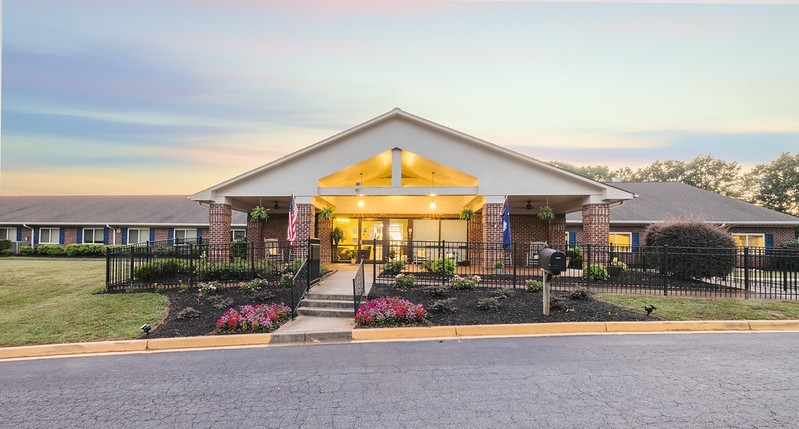

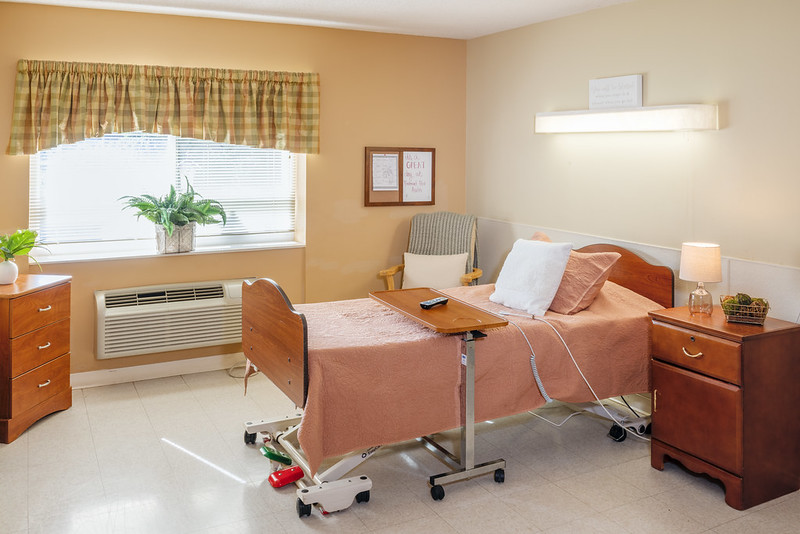

Piedmont Post-Acute

109 Bentz Road, Piedmont, SC 29673 (864) 845-5177
For profit - Limited Liability company 88 Beds PACS GROUP Data: November 2025
Trust Grade
38/100
#130 of 186 in SC
Last Inspection: April 2025

Within standard 12-15 month inspection cycle. Federal law requires annual inspections.

Overview

Piedmont Post-Acute has received a Trust Grade of F, indicating significant concerns about the facility's care and operations. With a state rank of #130 out of 186, they fall in the bottom half of nursing homes in South Carolina, and they are #15 out of 19 in Greenville County, meaning there are better local options available. Although the facility is trending toward improvement, having reduced serious issues from 12 in 2024 to 5 in 2025, there are still notable weaknesses, including high staff turnover at 60%, which is above the state average. Staffing is a concern here, with only 2 out of 5 stars, and RN coverage is less than 75% of other facilities, which could impact resident care. Specific incidents include a serious case where a resident was injured during a transfer that required inadequate staff assistance, and another where pain management documentation was not properly maintained for a resident on narcotics, raising concerns about medication safety.

Trust Score
F
38/100
In South Carolina
#130/186
Bottom 31%
Safety Record
Moderate
Needs review
Inspections
Getting Better
12 → 5 violations
Staff Stability
⚠ Watch
60% turnover. Above average. Higher turnover means staff may not know residents' routines.
Penalties
○ Average
$8,018 in fines. Higher than 68% of South Carolina facilities. Some compliance issues.
Skilled Nurses
⚠ Watch
Each resident gets only 24 minutes of Registered Nurse (RN) attention daily — below average for South Carolina. Fewer RN minutes means fewer trained eyes watching for problems.
Violations
⚠ Watch
18 deficiencies on record. Higher than average. Multiple issues found across inspections.
★★☆☆☆
2.0
Overall Rating
★★☆☆☆
2.0
Staff Levels
★★★★☆
4.0
Care Quality
★★☆☆☆
2.0
Inspection Score
Stable
2024: 12 issues
2025: 5 issues

The Good

  • 4-Star Quality Measures · Strong clinical quality outcomes
  • Full Sprinkler Coverage · Fire safety systems throughout facility
  • No fines on record

Facility shows strength in quality measures, fire safety.

The Bad

2-Star Overall Rating

Below South Carolina average (2.8)

Below average - review inspection findings carefully

Staff Turnover: 60%

14pts above South Carolina avg (46%)

Frequent staff changes - ask about care continuity

Federal Fines: $8,018

Below median ($33,413)

Minor penalties assessed

Chain: PACS GROUP

Part of a multi-facility chain

Ask about local staffing decisions and management

Staff turnover is elevated (60%)

12 points above South Carolina average of 48%

The Ugly 18 deficiencies on record

2 actual harm
Apr 2025 5 deficiencies
CONCERN (D)

Potential for Harm - no one hurt, but risky conditions existed

Respiratory Care (Tag F0695)

Could have caused harm · This affected 1 resident

**NOTE- TERMS IN BRACKETS HAVE BEEN EDITED TO PROTECT CONFIDENTIALITY** Based on review of the facility policy, observations, interviews and record review, the facility failed to ensure oxygen was adm...

Read full inspector narrative →
**NOTE- TERMS IN BRACKETS HAVE BEEN EDITED TO PROTECT CONFIDENTIALITY** Based on review of the facility policy, observations, interviews and record review, the facility failed to ensure oxygen was administered per physician orders for three of three residents reviewed for respiratory care (Resident (R)13, R24 and R76) out of 23 sampled residents. This failure placed the residents at risk for unmet respiratory needs and at risk for respiratory complications. Findings include: Review of the facility's undated policy titled, Oxygen Administration, revealed .Steps in the Procedure .5. Adjust the oxygen delivery device so that it is comfortable for the resident and the proper flow of oxygen is being administered . 1.Review of R13's admission Record revealed R13 was admitted to the facility on [DATE] with diagnoses that included chronic respiratory failure with hypoxia. Review of R13's Orders revealed O2 [oxygen] @ [at] 2liters via NC [nasal cannula] every shift . dated for 02/07/25. Review of R13's Care Plan revealed a focus initiated on 02/19/25 of End of Life: Resident requires Hospice care and is at risk for rapid decline in .abnormal breathing. The care plan interventions included .Oxygen as ordered . Continued review revealed a focus revised on 02/25/25 of Oxygen: Resident requires the use of oxygen. The resident had a goal initiated on 02/19/25 of Will be maintained at their respiratory baseline with a patent airway and unlabored/respiration. During an observation on 04/07/25 at 2:46 PM, R13 was lying in bed, and oxygen was being administered via nasal cannula at 3.5 liters per minute (lpm). During an observation on 04/08/25 at 12:58 PM, R13 was in the small dining room in a Broda chair being assisted with his lunch meal by staff. R13 was being administered oxygen via nasal cannula at a rate of 3.5 lpm. During an observation and interview on 04/08/25 at 1:00 PM, Licensed Practical Nurse (LPN) 1 observed R13's oxygen concentrator and stated the flow rate was set at 3.5 lpm. When asked what the physician ordered flow rate was, LPN1 reviewed the resident's Electronic Medical Record (EMR) and stated it was ordered at 2 lpm. LPN1 stated the flow rate should be checked by the nurse at least one time per shift. LPN1 also stated she had not checked the flow rate yet. During an interview on 04/09/25 at 2:47 PM, the Director of Nursing (DON) stated it was her expectation R13's oxygen flow rate would have been set per the physician's order to ensure the resident's respiratory concern was appropriately managed. During an interview on 04/09/25 at 2:50 PM, the Administrator stated it was his expectation R13's oxygen would have been administered at the physician ordered flow rate. 2.Review of R76's admission Record revealed R76 was admitted to the facility on [DATE] with diagnoses that included but are not limited to: of chronic diastolic (congestive) heart failure and pulmonary hypertension. Review of R76's Orders dated 10/16/24 revealed, oxygen at 2 lpm. via nasal cannula to maintain oxygen saturation at or above 90[percent]%. During an observation on 04/07/25 at 11:07 AM, R76's oxygen was set to 3 lpm. During an observation on 04/08/25 at 3:38 PM, R76's oxygen was set to 3 lpm. During observation and interview on 04/08/25 at 4:30 PM, LPN2 confirmed R76's oxygen was set at 3 lpm and said it should be set at 2 lpm. 3.Review of R24's admission Record revealed R24 was admitted to the facility on [DATE] with diagnoses including, but not limited to; chronic systolic (congestive) heart failure, chronic kidney disease and type 2 diabetes with diabetic polyneuropathy. Review of R24's Orders dated 03/25/25 revealed, oxygen at 2 lpm to maintain oxygen saturation at or above 90%. During observation on 04/07/25 at 10:50 AM, R24's oxygen was set at 1.5 lpm. During observation on 04/08/25 at 3:39 PM, R24's oxygen was set at 1.5 lpm. During observation and interview on 04/08/25 at 4:40 PM, LPN2 confirmed R24's oxygen was set at 1.5 lpm and said it should be set at 2 lpm. 2.Review of R76's admission Record revealed R76 was admitted to the facility on [DATE] with diagnoses of chronic diastolic (congestive) heart failure, pulmonary hypertension, bipolar disorder. Review of R76's Order Summary revealed an Order dated for 10/16/24 for oxygen at 2 lpm. via nasal cannula to maintain oxygen saturation at or above 90%. During an observation on 04/07/25 at 11:07 AM, R76's oxygen setting was set to 3 lpm. During an observation on 04/08/25 at 3:38 PM, R76's oxygen setting was set to 3 lpm. During an observation on 04/08/25 at 4:30 PM with LPN2 confirmed R76's oxygen was set at 3 lpm and said it should be set at 2 lpm. 3.Review of R24's admission Record revealed R24 was admitted to the facility on [DATE] with diagnoses of chronic systolic (congestive) heart failure, chronic kidney disease, type 2 diabetes with diabetic polyneuropathy. Review of R24's Orders dated 03/25/25revealed an order for oxygen at 2 lpm to maintain oxygen saturation at or above 90%. During an observation on 04/07/25 at 10:50 AM, R24's oxygen was set at 1.5 lpm. During an observation on 04/08/25 at 3:39 PM, R24's oxygen was set at 1.5 lpm. During an observation on 04/08/25 at 4:40 PM with LPN2 confirmed R24's oxygen was set at 1.5 lpm and said it should be set at 2 lpm.
CONCERN (D)

Potential for Harm - no one hurt, but risky conditions existed

Deficiency F0699 (Tag F0699)

Could have caused harm · This affected 1 resident

**NOTE- TERMS IN BRACKETS HAVE BEEN EDITED TO PROTECT CONFIDENTIALITY** Based on review of the facility's policy, record review, and interviews, the facility failed to ensure residents with Post Traum...

Read full inspector narrative →
**NOTE- TERMS IN BRACKETS HAVE BEEN EDITED TO PROTECT CONFIDENTIALITY** Based on review of the facility's policy, record review, and interviews, the facility failed to ensure residents with Post Traumatic Stress Disorder (PTSD) received trauma informed care which included identifying triggers of their trauma experiences for one of three sampled residents (Resident (R) 78) reviewed for mood/behavior out of 23 sampled residents. This failure placed the resident at an increased risk of re-traumatization. Findings include: Review of the facility's undated policy titled, Trauma Informed Care and Culturally Competent Care revealed, Purpose: To guide staff in providing care that is culturally competent and trauma-informed in accordance with professional standards of practice. To address the needs of the trauma survivors by minimizing triggers and/or re-traumatization .Definitions .Trigger' is a psychological stimulus that prompts recall of a previous traumatic event, even if the stimulus itself is not traumatic or frightening .General Guidelines .4. Triggers are highly individualized. Some common triggers may include: .b. exposure to loud noises, or bright/flashing lights; c. certain sights, such as objects; and/or d. sounds, smells, and physical touch .Resident Care Planning. 1. Develop individualized care plans that address past trauma in collaboration with the resident and family, as appropriate. 2. Identify and decrease exposure to triggers that may re-traumatize the resident . Review of R78's admission Record revealed R78 was initially admitted to the facility on [DATE] and readmitted on [DATE] with diagnoses which included PTSD. Review of R78's Medicare Part A 5-day Minimum Data Set (MDS) with an Assessment Reference Date (ARD) of 03/31/25 revealed R78 had a Brief Interview for Mental Status (BIMS) score of 13 out of 15 which indicated the resident was cognitively intact. The MDS revealed PTSD as an active diagnosis. Review of R78's Care Plan revealed .Focus-Mood (Resident Mood Interview): At risk for decreased psychosocial well-being and adjustment issues, emotional distress and ineffective coping skills, poor impulse control, adverse effects on function, mental, physical, social, or spiritual wellbeing related to anxiety, PTSD, depression .Goal. Will minimize the risk for mood and behavioral disturbance . R78's Care Plan did not include any of the resident's PTSD triggers or how to intervene when the resident is triggered. During an interview on 04/07/25 at 3:18 PM, R78 stated he had recently experienced some flash backs and night terrors triggered by his PTSD. The resident stated most recently torrential rain triggered a flashback from the Vietnam war. During an interview on 04/08/25 at 1:15 PM, when asked about R78's diagnosis of PTSD and if the facility had identified his PTSD triggers, the Social Services Director (SSD) stated, the resident told her heavy rains triggered his PTSD. When asked if the resident had a trauma informed care plan incorporated in his comprehensive care plan which identified triggers and interventions, the SSD stated the resident's triggers had not been identified. The SSD stated this was her responsibility and she failed to ensure the care plan included the resident's triggers. During an interview on 04/08/25 at 1:27 PM, the Nurse Practitioner (NP) stated she was a board certified Gerontology NP and her scope of practice included treating psychiatric conditions. The NP stated it was her expectation the facility would have identified R78's PTSD triggers and that the triggers would have been included in his care plan. The NP also stated identifying the resident's PTSD triggers helps the nursing staff to know how to treat and respond to his triggers including nonpharmacological and pharmacological interventions. The NP stated this would help ensure the resident was receiving trauma informed care. During an interview on 04/09/25 at 10:14 AM, R78 stated some of his other PTSD triggers included flashing lights in the sky such as lightening with no sound, loud and undescriptive noises. The resident stated no one from the facility had asked him about his triggers. During an interview on 04/09/25 at 1:59 PM, Certified Nurse Aide (CNA) 2 stated she did not know any of R78's PTSD triggers. During an interview on 04/09/25 at 2:01 PM, when asked what R78's PTSD triggers were, Licensed Practical Nurse (LPN) 1 stated she did not know. The LPN stated if it was not listed on the resident's care plan, then she would not know if he had any triggers. During an interview on 04/09/25 at 2:47 PM, the Director of Nursing (DON) stated it was her expectation that R78's PTSD triggers would have been identified to ensure the facility's staff could assist him better when needed. During an interview on 04/09/25 at 2:50 PM, the Administrator stated it was his expectation any resident with a diagnosis of PTSD would have been asked about their triggers to be able to care for the resident in those times of need.
CONCERN (D)

Potential for Harm - no one hurt, but risky conditions existed

Deficiency F0806 (Tag F0806)

Could have caused harm · This affected 1 resident

**NOTE- TERMS IN BRACKETS HAVE BEEN EDITED TO PROTECT CONFIDENTIALITY** Based on review of the facility policy, observation, interview and record review, the facility failed to ensure alternatives of ...

Read full inspector narrative →
**NOTE- TERMS IN BRACKETS HAVE BEEN EDITED TO PROTECT CONFIDENTIALITY** Based on review of the facility policy, observation, interview and record review, the facility failed to ensure alternatives of similar nutritive values were offered when foods were refused and failed to ensure staff obtained preferences for three (Residents (R) 8, 145and R77) reviewed out of a sample size of 23 residents. This placed these residents at risk for weight loss. Findings include: Review of the facility's undated policy titled, Resident Food Preferences, revealed Individual food preferences will be assessed upon admission and communicated to the interdisciplinary team .1. Upon the resident's admission (or within twenty-four (24) hours after his/her admission) the dietitian or nursing staff will identify a resident's food preference .3. Dietary staff will document the resident's food and eating preferences in the meal ticketing system . 1. Review of R8's admission Record revealed the resident was admitted to the facility on [DATE]. Review of the R8's quarterly Minimum Data Set (MDS) with an Assessment Reference Date (ARD) of 02/26/25, indicated the resident could feed himself, had lost weight, and was on therapeutic diet. Review of R8's tray card identified R8 was to be served large portions of protein foods. Review of R8's Treatment Administration Record (TAR) revealed R8 was given a supplement one time a day at 10:00 AM in the morning. During the observation of meal service on 04/08/25 (between 11:50 AM and 12:20 PM) R8's plate was prepared and placed on the tray for service. When the plate was prepared a single scoop of each of the foods, pork roast, green beans, and mashed potatoes were placed on the plate. During an observation on 04/08/25 at 12:30 PM, R8 was observed in his room with the tray on the overbed table. The resident did not eat or consume any of the meat that was served. During an interview on 04/08/25 at 1:30 PM, Certified Nursing Assistant (CNA) 5 was interviewed about R8's meal. CNA5 confirmed R8 did not eat any of the pork roast served, and said he received a regular portion of the meat. CNA5 than commented that R8 did not like pork roast or meatballs when served, and really liked chocolate flavored Mighty Shakes, however, R8's tray card did not identify any preferences. 2. During an observation and interview with the Dietary Manager (DM) on 04/08/25 between 11:50 AM and 12:30 PM,Cook (C) 1, was observed plating foods residents. It was noted that Dietary Aide (DA)1 would verbally tell C1, what type of diet was needed for each tray ticket placed on each cart. During the observation it was noted residents who expressed a dislike for green beans were served two scoops of potatoes and no other vegetables. The DM confirmed there was no substitute for the green beans and two scoops of potatoes were given. Review of R145's admission Record revealed R145 was admitted to the facility on [DATE]. Review of R145's quarterly MDS with an ARD date of 12/18/24 revealed a Brief Interview for Mental Status (BIMS) score of 15 out of 15 indicating the resident was cognitively intact. During an interview on 04/08/25 at 12:30 PM, R145 stated he did not like the green beans, and the only food item left on the plate was two scoops of mashed potatoes with gravy on them. Review of the Winter's always offer Menu provided by the facility included a variety of sandwiches, fries, vegetable of the day and three different kinds of soup. Review of the week at a glance menu, included items identified on the preplanned menu (i.e., roast pork, mashed potatoes, green beans, and fruit.) With a notation below the daily menu was a statement alternate menus available on request, but did not include any other information. 3. Review of R77's admission Record revealed the resident was admitted to the facility on [DATE]. Review of R77's admission MDS with an ARD date of 01/15/25 revealed R77 had a BIMS core of 15 out of 15 which indicated the resident was cognitively intact. Review of R77's Dietary Interview/Pre-Screen V3.0, dated 01/09/25 revealed Section I Interview. A. Spoke with? [selected] 1. Resident. B. Appetite [selected] 1. Good . Section II Beverage Preferences, Section III Snacks [preferences], and Section IV Food Likes/ Dislikes were not completed. During an observation and interview on 04/08/25 at 8:35 AM, R77 was finishing eating her breakfast meal in her room. The resident had scrambled eggs and grits left on her plate. R77 stated she did not like grits nor the facility's liquid eggs. When asked was the facility aware of her food preferences, the resident stated she was asked about her likes and dislikes when she first arrived at the facility, but she still gets the food she does not like. Review of R77's meal ticket, provided by the resident revealed the meal ticket reflected the day of the week of Tuesday, [04/08/25] and noted Apple or Cranberry Juice, Milk, and Coffee. There were no other likes or dislikes identified on the meal ticket. During an observation and interview on 04/08/25 at 1:15 PM, R77's lunch meal included green beans. R77 stated she told the dietary department when she was asked about her likes and dislikes that she did not like green beans. During an interview on 04/08/25 at 2:19 PM, The RD stated the resident's likes and dislikes, including preferences should have been reflected on the resident's meal ticket. During an interview on 04/08/25 at 2:32 PM, the DM tated the facility was having trouble with the Electronic Medical Record (EMR) pulling preferences entered from the Nutritional Management system over, so meal tickets reflect the likes and dislikes on the meal tickets. The DM verified the resident's breakfast tray on 04/08/25 contained eggs, grits, and orange juice. The DM stated she was not aware the resident did not like grits or eggs and these needed to be reflected on the meal ticket. The DM also stated the reason R77 received orange juice was because the facility was out of cranberry and apple juice. The DM further verified the resident's lunch meal would have included green beans as part of her meal. During an interview on 04/09/25 at 2:47 PM, the Director of Nursing (DON) stated it was her expectation that the dietary department would have ensured R77's likes, dislikes, and preferences be reflected on the resident's meal ticket.
CONCERN (F)

Potential for Harm - no one hurt, but risky conditions existed

Menu Adequacy (Tag F0803)

Could have caused harm · This affected most or all residents

**NOTE- TERMS IN BRACKETS HAVE BEEN EDITED TO PROTECT CONFIDENTIALITY** Based on observation, interview and record review, the facility failed to ensure: 1.Correct serving sized utensils were used to ...

Read full inspector narrative →
**NOTE- TERMS IN BRACKETS HAVE BEEN EDITED TO PROTECT CONFIDENTIALITY** Based on observation, interview and record review, the facility failed to ensure: 1.Correct serving sized utensils were used to ensure portion sizes at meals, which had the potential for all residents who received food from the kitchen to have unmet food intakes and potentially to have weight loss. 2. Resident (R)65 received the appropriate texture food (pureed) for dysphagia which had the potential for the resident to choke. Findings include: During an observation on 04/08/25 between 11:50 AM and 12:30 PM, of the meal service, [NAME] (C) 1 was observed plating food to be served to residents. The preplanned menu identified the meal included sliced pork roast, mashed potatoes, and green beans. C1 was observed using the same size scoops for the mashed potatoes, the green beans, and altered textured foods that had been prepared as well. The regular diets were served one slice of pork roast. During an interview on 04/08/25 at 11:55 AM, the Dietary Manager (DM) was asked for the menu spread sheets and or menu extension (a commonly used tool to identify which foods each diet should receive and intended portion serving sizes for the preplanned menu). The DM said to get the information she would have to download 85 pages of information, and said the portion guidelines were on the week at a glance menu. During an interview on 04/08/25, at 12:30 PM, C1 said the regular portions received one slice of meat, and verified all the scoops and ladles used to serve the meal held three ounces of food. When asked about written guidelines for portion serving guidelines were located, she stated she did not know. During an interview on 04/08/25 at 12:45 PM, the DM verified the scoop and ladles used to serve the meal all held a three-ounce portions. However, the portion serving guidelines for the preplanned menu were not available in the kitchen, and were not provided by the DM. During an interview on 04/08/25 at 1:20 PM, the Registered Dietitian (RD) said that standardized menus usually included a four oz portions of potatoes (or starch) and vegetables, and a three or four oz portion of the protein. When asked if she could locate the portion sizes that were intended, including the calorie and nutrient analysis, she stated she would locate it and provide a copy. Review of the nutrient analysis provide by the RD revealed a four oz portion of potatoes and vegetables were planned, however during observation a three oz scoop was used to plate the two items. 2.Review of R65's admission Record revealed the resident was admitted to the facility on [DATE] witha diagnosis that included dysphagia (a swallowing impairment). Review of R65's Physician Orders included an order for a pureed diet with large portions and thin liquids, and identified a diagnosis of dysphagia. During an observation on 04/08/25 at 12:45 PM, a taste test of the pureed foods revealed the pureed vegetables and meat were a lumpy texture and was not smooth. When placed on a plate the green beans had small bits of the pods and beans were visible. The pureed meat had chunks in the mixture that required chewing. During an interview on 04/08/25 at 1:20 PM, the Registered Dietitian (RD) observed the pureed foods served to residents and she confirmed the food prepared had bits of chopped beans, strings of fiber, and that the meat had bits of meat chunks which were not the right consistency. Review of the facility provided International Dysphagia Diet Standardization Initiative (IDDSI), dated July 2019, revealed the texture should be smooth with no lumps.
CONCERN (F)

Potential for Harm - no one hurt, but risky conditions existed

Food Safety (Tag F0812)

Could have caused harm · This affected most or all residents

Based on observation and interview, the facility failed to ensure food was prepared in a sanitary manner, failed to ensure foods were dated and failed to ensure the equipment storage area was maintain...

Read full inspector narrative →
Based on observation and interview, the facility failed to ensure food was prepared in a sanitary manner, failed to ensure foods were dated and failed to ensure the equipment storage area was maintained in a sanitary condition. This had the potential to affect 81 of 82 residents who consumed food from the kitchen. Findings include: 1.During the initial tour completed on 04/07/25 between 9:20 AM and 9:50 AM with the Dietary Manager (DM) the following observations were noted: Diet Aide (DA) 1, was working in the dish room assisting with washing and stacking dishes. DA1 had a beard and a ponytail, neither were covered with a hair restraint. During an interview on 04/07/25 at 9:25 AM, DA1 confirmed he should be wearing hair restraints. 2.During an observation with the DM on 04/07/25 at 9:30 AM, a box of Mighty Shakes was found on a shelf in the walk-in refrigerator, the box was dated 03/11/25. The DM said the Might Shakes are delivered to the facility frozen, and are thawed in the refrigerator and then had a shelf life of 21 days after removing them from the freezer. When asked what date the supplements were placed in the refrigerator, the DM checked the exterior of the box and was not able to locate any other date. The DM was unable to determine how long the supplements had been in the refrigerator and removed the box, stating they would have to be discarded. Review of the product information for the Might Shakes provided by the DM revealed the manufacturer recommendations were that Might Shakes could be held and served for 14 days after thawing. 3. During an observation with the DM revealed a slicer was observed on a cart in the food preparation area with a cover on it. When asked when it was last used, the DM said about three weeks ago. After removing the cover, food matter had accumulated at the base of the blade guard which appeared to be shreds of meat mixed in with other crumbs. The DM stated the equipment should be cleaned after each use. A can opener, mounted on the countertop in the food preparation area, was observed with food matter adhered to the blade and base. Two plastic bins containing partially used food packages were observed on a cart in the food preparation area, each had a lid that sealed. The lids were soiled with powder-like substance and each of them had visible crumbs and food particulate accumulated inside of both bins. A plastic drawer holder was observed under a food preparation counter. The contents of the drawers were visible, which were utensils. Visible food crumbs and particulate matter were scattered inside the drawers.
Dec 2024 1 deficiency 1 Harm
SERIOUS (G) 📢 Someone Reported This

A family member, employee, or ombudsman was alarmed enough to file a formal complaint

Actual Harm - a resident was hurt due to facility failures

Accident Prevention (Tag F0689)

A resident was harmed · This affected 1 resident

Based on interview, record review, and facility document and policy review, the facility failed to ensure two staff members assisted with a mechanical lift transfer for 1 Resident (R)1 of 4 residents ...

Read full inspector narrative →
Based on interview, record review, and facility document and policy review, the facility failed to ensure two staff members assisted with a mechanical lift transfer for 1 Resident (R)1 of 4 residents reviewed for mechanical lift transfers. The failure resulted in R1 sustaining a laceration to the top right side of their head, which required three staples to repair. Findings included: A facility policy titled, Lifting Machine, Using a Mechanical, revised 07/2017, revealed, 1. At least two (2) nursing assistants are needed to safely move a resident with a mechanical lift. 2. Mechanical lifts may be used for tasks that require: a. Lifting a resident from the floor; b. Transferring a resident from bed to chair; c. Lateral transfers; d. Lifting limbs; e. Toileting or bathing; or f. Repositioning. 3. Types of lifts that may be available in the facility are: a. Floor based full body sling lifts; b. Overhead full body sling lifts; and c. Sit-to-stand lifts. 4. Lift design and operation vary across manufactures. Staff must be trained and demonstrate competency using the specific machines or devices utilized in the facility. The policy revealed, 18. Once the resident's weight is released, stop the lowering and ensure that the sling bar does not hit the resident. An admission Record revealed the facility admitted R1 on 04/07/2016. According to the admission Record, the resident had a medical history that included diagnoses of dementia, anxiety disorder, bipolar disorder, schizophrenia, morbid obesity, muscle weakness, and abnormalities of gait and mobility. A quarterly Minimum Data Set (MDS), with an Assessment Reference Date (ARD) of 07/02/2024, revealed R1 had a Brief Interview for Mental Status (BIMS) score of 15, which indicated the resident had intact cognition. The MDS indicated that the resident was dependent on staff for chair-to-bed transfers. R1's care plan included a focus area initiated on 04/07/2016 that indicated the resident required assistance with activities of daily living (ADLs) and mobility. Interventions directed staff to use a mechanical lift with two staff members (revised 12/29/2023). A Five-Day Follow-Up Report, dated 09/12/2024, revealed that, on 09/07/2024 at 7:40 AM, R1 was transferred by staff from bed to a wheelchair via mechanical lift. The report revealed the resident was transferred to the wheelchair without difficulty. Per the report, upon unclipping the sling from the mechanical lift, the metal arm (sling bar) on the lift swung and made contact with the top of the resident's head. The report revealed the resident had a 3 centimeters (cm) long laceration to the top right side of their head. The report revealed the resident was sent to the emergency department for treatment and returned with three staples to repair the laceration. The report revealed R1's representative and physician were notified. R1's Progress Notes, dated 09/07/2024 at 8:40 AM, revealed R1 had an open head injury related to making contact with a mechanical lift. The notes revealed the provider was notified, and orders were received to send the resident to the emergency room. The notes revealed emergency medical services transported the resident to the hospital. R1's ED [Emergency Department] Provider Notes, dated 09/07/2024, revealed that the resident had a 3 cm right-sided scalp laceration. The hospital After Visit Summary, dated 09/07/2024, revealed the resident received staples to close the laceration. During an interview on 12/13/2024 at 4:05 PM, Certified Nursing Assistant (CNA)1 stated that she worked at the facility through a staffing agency. She stated that, on 09/07/2024, she started her rounds at 4:00 AM, and a nurse told her to not get R1 up because they were a fall risk and to get them up last, noting that she was unaware of the nurse's name. She stated that she finished her charting around 7:20 AM. CNA1 stated she was running behind and that her shift was supposed to end at 7:00 AM, but she still had to get R1 up for the day. She stated she went into the resident's room and did not see a sling for the mechanical lift, and the nurse stated that she would get her one. CNA1 stated that she got the resident dressed, and the nurse left a sling outside the door. She stated that the nurse did not come in and ask if she needed help, noting she just left the sling outside the door. She stated that the nurse that left the sling outside the door worked with her on the night shift, and by the time she was ready to transfer the resident, the night shift staff had left for the day. She stated that she grabbed the mechanical lift next to the resident's room. She stated that she, while working alone, transferred the resident to a wheelchair with the mechanical lift. CNA1 stated the resident was seated in the wheelchair when she removed the hooks from the sling, and the arm of the lift (sling bar) swung and hit the resident in the head. She stated the resident was bleeding, and she ran out of the room to get help. She stated there was a CNA that asked if she needed help, but she told that CNA she needed a nurse, noting that she was unaware of the CNA's name. She stated that a nurse came and provided aid to the resident, noting that she was unaware of the nurse's name. CNA1 stated the day shift staff had started their shift and were there before she transferred the resident. She stated she knew she needed two staff members to operate the mechanical lift when transferring a resident, but she did not ask the day shift staff for help. She stated she had not worked at the facility since the incident on 09/07/2024. CNA1 stated that after the incident the staffing agency provided her with training on the proper use of the mechanical lift and having two staff members present when operating the lift for resident transfers. During an interview on 12/13/2024 at 4:54 PM, Licensed Practical Nurse (LPN)2 stated that, On 09/07/2024, he worked the day shift and had just finished receiving report from the night shift nurse when a night shift CNA came and got him, stating that the mechanical lift had hit R1 in the head, and they were bleeding, noting that he was unaware of the night shift CNA's name. He stated that he could not remember all the details of the care that he provided to the resident, but noted he remembered putting something on the resident's head to control the bleeding and then notifying his supervisor. He stated he was unaware that the CNA was in the room with the resident, transferring the resident alone with a mechanical lift. He stated that the CNA never asked for his help with the transfer. LPN2 stated that the night shift nurse did not inform him during report that the CNA was still getting the resident up and that she was still there during the day shift. He stated that two staff members must be present when operating a lift for resident transfers. During an interview on 12/14/2024 at 10:41 AM, CNA3 stated that, on 09/07/2024, she worked the day shift, and at the beginning of her shift she was at the nurses' station when a night shift CNA came out of R1's room, noting that she was unaware of the night shift CNAs name. She stated that she asked the CNA if she needed help, and the CNA told her that she did not need her help but needed a nurse. CNA3 stated that she got the nurse, and they went to the resident's room. She stated that was when she found out that the CNA had transferred the resident alone with the mechanical lift, and the arm of the lift (sling bar) had swung and hit the resident on the head. CNA3 stated that the resident was bleeding and had to be sent to the hospital. She stated that she did not know that the night shift CNA was still working during the day shift and was in the room with the resident, transferring the resident alone. CNA3 stated she never saw the CNA get the mechanical lift and thought the CNA had left for the day. She stated that the CNA never asked for help. She stated two staff members were required to use the mechanical lift to transfer a resident. She stated that she would have helped the CNA if she had asked for help. During an interview on 12/14/2024 at 10:25 AM, the Director of Nursing (DON) stated that after she and the Administrator completed an investigation into the incident that occurred on 09/07/2024 where R1 was transferred with a mechanical lift and was injured, it was determined that CNA1 transferred the resident alone. The DON stated that no other staff members were in the room with CNA1 during the transfer. She stated that when the sling to the mechanical lift was removed from the hook, since no other staff member was holding the arm (sling bar), the arm swung and hit R1 on the head. She stated that the resident had a laceration to the top of their head. She stated two staff members were required to operate the mechanical lift when transferring a resident. The DON stated it was important to have two staff members present when operating the mechanical lift to ensure the resident was safe. She stated that if two staff members had been present during the transfer, one staff member could have held the arm to the lift so that it did not move, and it might not have hit R1 in the head. She stated that she could not say for sure that the arm of the lift would not have hit the resident, but she did not think it would have with two staff members present. The DON stated that the facility was not short-staffed the day of the incident, and the day shift staff were available to assist CNA1 if she had asked for help. She stated that R1 was sent to the hospital and received three staples to repair the laceration to the top of their head. The DON stated she expected two staff members to be present when using the mechanical lift to transfer a resident. During an interview on 12/14/2024 at 11:36 AM, the Administrator stated that after he completed an investigation, he determined that CNA1 transferred R1 with a mechanical lift without another staff member assisting, which was against facility policy. He stated he expected at least two staff members to be present when operating the mechanical lift to transfer a resident.
Mar 2024 11 deficiencies 1 Harm
SERIOUS (G)

Actual Harm - a resident was hurt due to facility failures

Deficiency F0697 (Tag F0697)

A resident was harmed · This affected 1 resident

**NOTE- TERMS IN BRACKETS HAVE BEEN EDITED TO PROTECT CONFIDENTIALITY** Based on review of the facility policy, record review, observations, and interviews, the facility failed to document and record ...

Read full inspector narrative →
**NOTE- TERMS IN BRACKETS HAVE BEEN EDITED TO PROTECT CONFIDENTIALITY** Based on review of the facility policy, record review, observations, and interviews, the facility failed to document and record pain management on the Medication Administration Record (MAR), for the administration of narcotic medications for 1 Resident (R)5, of 1 resident reviewed for medication administration. Findings include: Review of the facility policy titled, Administering Medication, revised April 2019, revealed Policy Statement, Medications are administered in a safe and timely manner, and as prescribed. The individual administrating the medication initials the resident ' s medication administration record (MAR) on the appropriate line after giving each medication and before administering the next ones. As required or indicated for medication, the individual administering the medication records in the resident ' s medical record: the date and time the medication was administered; the dosage; the route of administration; any complaints or symptoms for which the drug was administered; any results achieved and when those results were observed; and the signature and title of the person administering the drug. Review of R5's Face Sheet indicated R5 was admitted to the facility on [DATE] with diagnoses including but not limited to; Alzheimer's, dementia, anxiety, and psychotic disturbance. Review of R5's Annual Minimum Data Set (MDS) with an Assessment Reference Date (ARD) revealed R5 has a Brief Interview of Mental Status (BIMS) score of 3, indicating she is cognitively impaired. Further review of the MDS indicated R5 was totally dependent on staff for all activities of daily living (ADL)s. Review of R5's Care Plan dated 04/05/22 and revised on 04/26/22 revealed, Resident is at risk for pain related to decreased mobility, incontinence, Alzheimer's, hospice service. R5's goals were: To be kept comfortable through end-of-life care. Interventions included attempting alternative methods for pain relief, Give as needed (PRN) pain medication as ordered for complaints or symptoms of pain, Give routine pain medication per order and monitor for break-through pain, If pain intervention is completed, follow-up with patient in 30min to 1 hour to ensure effectiveness, Notify MD of pain that is not able to be relieved with current interventions, Observe for adverse effects from opioid medication such as nausea, constipation, dizziness, inability to urinate, confusion, slowed breathing, and use 1-10 pain scale or face scale to assess level of pain Review of R5's Physician Orders revealed an order for Tylenol Tablet 325 MG (milligrams) (Acetaminophen), give 2 tablet by mouth every 6 hours as needed for pain and Morphine Sulfate (Concentrate) Solution 20 MG/ML (milliliters), give 0.5 ml sublingually every 1 hours as needed for pain/Shortness of Breath. The order additionally states, Document which nonpharmacologic pain management interventions were tried: A) Adjust Temp, B) Offer Snack, C) Adjust Bed Linen, D)Adjust Lighting, E) Reposition. Review of R5's MAR revealed no documentation of R5's pain medications being administered. Observation on 02/27/24 at 11:57 AM revealed R5 lying im bed alert, but moaning. R5 was heart uttering and moaning, with her face grimacing in pain. An attempt was made to interview R5 with no success. Observation on 02/28/24 at 9:15 AM, revealed R5 moaning with facial grimaces. R5 was uttering the words, hurt and pain. An additional observation on 02/28/24 at 1:22 PM revealed R5 again uttering the words, hurt and pain. During an interview on 02/28/24 at 1:40 PM with Registered Nurse (RN)1 revealed, R5 gets pain medication every hour as needed, per the Physician's order.: She stated, R5 usually cries out for pain medication more in the evenings. When she receives her pain meds, it is documented on the narcotic control medication utilization record. RN1 confirmed staff did not document medication administration on the MAR for R5. During an interview on 02/28/24 at 1:53 PM, the Director of Nursing (DON) stated, All nursing staff were educated and trained to sign off on the MAR when medications were given. She stated, The narcotic control sheet is for counts only. Staff were educated and trained that the narcotic control sheet was not part of the resident's permanent chart/record and should not be used as documentation that a medication was administered. The DON further stated, There is no way for the medication to be monitored for its effectiveness if it was not documented on the MAR.
CONCERN (D)

Potential for Harm - no one hurt, but risky conditions existed

Transfer Notice (Tag F0623)

Could have caused harm · This affected 1 resident

Based on record review and interviews, the facility failed to ensure that the Ombudsman was notified of a hospitalization for Resident (R)83 in a timely manner for 1 of 5 residents reviewed for hospit...

Read full inspector narrative →
Based on record review and interviews, the facility failed to ensure that the Ombudsman was notified of a hospitalization for Resident (R)83 in a timely manner for 1 of 5 residents reviewed for hospitalizations. Findings include: The facility admitted R83 with diagnoses including but not limited to, left femur fracture and alzheimer's. Review of Nurses' notes on 02/28/24 revealed documentation that stated, 11/14/2023 at 7:54 AM Residents roommate stated that the resident fell and hit her head trying to get to the bathroom. The roommate yelled out for staff. When this nurse got into the room and observed the resident she was noted to have an open area to her left eyebrow. This nurse applied a pressure dressing to the area and called Third Eye. Spoke with MD, ordered to send resident to the ER for evaluation, RP notified and resident was sent to hospital. There was no evidence in the record that the Ombudsman was notified of the transfer. Further review of the Nurses' notes revealed a note dated, 11/14/23 - resident arrived via stretcher, accompanied by two EMT personnel. She is alert and keeps removing bandaid to laceration. Has two sutures to laceration in left eyebrow. Vitals are stable and within normal limits (WNL). She is in bed resting comfortably, nursing will continue to monitor. During an interview on 02/28/24 at 2:55 PM, the Social Worker (SW) stated that Medical Records handles the bedhold policy and contacting the Ombudsman. During an interview on 02/28/24 at 2:56 PM, Medical Records stated I guess I don't have one for her after not being able to locate the documentation for the bedhold in the binder and in the medical record. She reported that the Assistant Director of Nursing (ADON) notifies the Ombudsman. During an interview on 02/28/24 at 3:00 PM, the ADON and DON both reported that Medical Records was to notify the Ombudsman. During an interview on 02/28/24 at 3:30 PM, the DON brought the bed hold policy for R83 to the surveyor. The DON stated, Medical Records is fairly new to her role and was not told she needed to notify the Ombudsman when she transferred into her current position. Medical Records was working on notifying the Ombudsman for all Bed Holds from January 2023 - January 2024. The February list will be sent on Friday, March 1. During an interview on 02/28/24 at 3:47 PM, the DON reported that there is no documentation that the Ombudsman was notified, but will start tracking when notification is sent to family representatives and to the Ombudsman.
CONCERN (D)

Potential for Harm - no one hurt, but risky conditions existed

Comprehensive Care Plan (Tag F0656)

Could have caused harm · This affected 1 resident

Based on review of the facility policy titled, Accommodation of Needs, and Activities of Daily Living (ADLs), Supporting, observations, record reviews and interviews, the facility failed to implement ...

Read full inspector narrative →
Based on review of the facility policy titled, Accommodation of Needs, and Activities of Daily Living (ADLs), Supporting, observations, record reviews and interviews, the facility failed to implement the comprehensive plan of care for Resident (R)24, related to activities of daily living. Specifically, R24 was observed with heavy beard growth on his face and to the base of his neck for 1 of 3 residents reviewed for Activities of Daily Living, related to grooming. Findings include: Review of the facility policy titled, Accommodation of Needs, revised March 2021, states in the policy statement,Our facility's environment and staff behaviors are directed toward assisting the resident in maintaining and/or achieving safe independent functioning, dignity and well being. In order to accommodate individual needs and preferences, staff attitudes and behaviors are directed towards assisting the residents in maintaining, independence, dignity and well-being to the extent possible and in accordance with the residents' wishes. Review of the facility policy titled, Activities of Daily Living (ADLs), Supporting, states under the policy statement, Resident's who are unable to carry out activities of daily living independently will receive the services necessary to maintain good nutrition, grooming and personal and oral hygiene. The facility admitted R24 with diagnoses including, but not limited to, hemiplegia and hemiparesis, tissue damage to left heel and pressure ulcer of right heel and is receiving hospice care and services. During an observation on 02/27/2024 at 11:45 AM, R24 was noted lying in bed, and feet against the foot board of the bed. He was observed with a heavy growth of a beard to his face and down his neck to his collar area. During an interview on 02/27/2024 at 11:46 AM with R24, this surveyor asked if he was comfortable with the beard growing down his neck, and he replied, no, that he would like to be shaven. R24 then stated that the staff do not even ask him if he would like to be shaven. During an observation on 02/28/2024 at 09:26 AM, R24 still had the heavy growth of facial hair down to the base of his neck. An observation on 02/29/2024 at 10:15 AM of R24, revealed, he still had not been shaven. Review on 02/29/2024 at 11:32 AM of the comprehensive plan of care revealed as a focus area: Resident has an Activities of Daily Living (ADLs) self care performance deficit related to pneumonia. The interventions include: Bathing/ showering, assistance of 1. Dressing, assistance of 1. Personal hygiene, assistance of 1. Review on 02/29/2024 at 12:28 PM of the facility documentation on bathing R24, it is documented that he had a bed bath daily, no showers. There is no documentation to ensure he had been shaven during the bathing process. During an interview on 02/20/2024 at 12:35 PM with the Director of Nursing, she stated that R24 would be shaven after lunch. The DON did not offer any comment as to why R24 had not been shaven.
CONCERN (D)

Potential for Harm - no one hurt, but risky conditions existed

ADL Care (Tag F0677)

Could have caused harm · This affected 1 resident

Based on review of the facility policy titled, Accommodation of Needs, and Activities of Daily Living (ADLs), Supporting, observations, record reviews and interviews, the facility failed to ensure R24...

Read full inspector narrative →
Based on review of the facility policy titled, Accommodation of Needs, and Activities of Daily Living (ADLs), Supporting, observations, record reviews and interviews, the facility failed to ensure R24 received the care and services during ADL care related to shaving. Specifically, R24 was observed with heavy beard growth on his face and to the base of his neck for 1 of 3 residents reviewed for Activities of Daily Living related to grooming. Findings include: Review of the facility policy titled, Accommodation of Needs, revised March 2021, states in the policy statement,Our facility's environment and staff behaviors are directed toward assisting the resident in maintaining and/or achieving safe independent functioning, dignity and well being. In order to accommodate individual needs and preferences, staff attitudes and behaviors are directed towards assisting the residents in maintaining, independence, dignity and well-being to the extent possible and in accordance with the residents' wishes. Review of the facility policy titled, Activities of Daily Living (ADLs), Supporting, states under the policy statement, Resident's who are unable to carry out activities of daily living independently will receive the services necessary to maintain good nutrition, grooming and personal and oral hygiene. The facility admitted R24 with diagnoses including, but not limited to, hemiplegia and hemiparesis, tissue damage to left heel and pressure ulcer of right heel and is receiving hospice care and services. During an observation on 02/27/2024 at 11:45 AM, R24 was noted lying in bed, and feet against the foot board of the bed, he was observed with a heavy growth of a beard to his face and down his neck to his collar area. During an interview on 02/27/2024 at 11:46 AM with R24, this surveyor asked if he was comfortable with the beard growing down his neck, and he replied, no, that he would like to be shaven. R24 then stated that the staff do not even ask him if he would like to be shaven. During an observation on 02/28/2024 at 09:26 AM R24 still had the heavy growth of facial hair down to the base of his neck. An observation on 02/29/2024 at 10:15 AM of R24, revealed, he still had not been shaven. Review on 02/29/2024 at 12:28 PM of the facility documentation on bathing R24, it is documented that he had a bed bath daily, no showers. There is no documentation to ensure he had been shaven during the bathing process. During an interview on 02/20/2024 at 12:35 PM with the Director of Nursing, she stated that R24 would be shaven after lunch. The DON did not offer any comment as to why R24 had not been shaven.
CONCERN (D)

Potential for Harm - no one hurt, but risky conditions existed

Deficiency F0679 (Tag F0679)

Could have caused harm · This affected 1 resident

**NOTE- TERMS IN BRACKETS HAVE BEEN EDITED TO PROTECT CONFIDENTIALITY** Based on review of facility policy, record review, observation, and interview, the facility failed to provide 1 of 1 resident,(R...

Read full inspector narrative →
**NOTE- TERMS IN BRACKETS HAVE BEEN EDITED TO PROTECT CONFIDENTIALITY** Based on review of facility policy, record review, observation, and interview, the facility failed to provide 1 of 1 resident,(R)68, resident centered activities based on resident's preferences, interests, and choice. Findings include: Review of the facility policy titled, Activity Programs, with revised date of August 2006, states 1. Our activity programs are designed to encourage maximum individual participation and are geared to the individual resident's needs. 2. Activities are scheduled seven days a week and residents are given an opportunity to contribute to the planning, preparation, conducting, cleanup, and critique of the programs. 7. Individualized and group activities are provided that: Reflect the schedules, choices, and rights of the residents; are offered at hours convenient to the residents, including evenings, holidays and weekends; reflect the cultural and religious interests, hobbies, life experiences, and personal preferences of the residents. Review of R68's face sheet revealed he was admitted to the facility on [DATE], with diagnoses including, but not limited to dementia without behavioral disturbances, mood and anxiety disorder, and dysphasia following cerebral infarction. Review of R68 Activity Assessment effective date 07/14/23 revealed, preferences on admission included, but are not limited to: Somewhat important to have books, newspapers, and magazines to read, somewhat important to listen to music you like, somewhat important to keep up with the news, somewhat important to do things with groups of people, somewhat important do your favorite activities, somewhat important to go outside to get fresh air when the weather is good. The primary respondent noted was R68. Other interests listed on activity assessment: cards, games, basketball on television, music, reading, outdoors, watching television/movies and keeping up with the news. Location of activity preferences: Activity room, infacility anywhere, and/or outdoors at facility. Review of R68's care plan 07/14/23 revealed, has a need for activities that are consistent with abilities and interest. Enjoyable, meaningful activities to the resident include, but are not limited to sports on tv, music, reading, social conversations. Resident diagnosis include dementia, anxiety disorder, mood affective disorder, and severe protein calorie malnutrition. The goal for this Care Plan indicated, Will participate in activities of choice throughout the week. Interventions/tasks encourage family to visit, encourage socialization, encourage to attend activities of interest, and included but not limited to providing resident's areas of interest; cards/games, basketball on television, music, reading, outdoors, television/movies, social conversations, and keeping up with the news. Review of R68's Activity Log for December 2023 Activity Log reveals that R68 did not participate in group activities. R68 did participate in seven one-to-one visits for the month of December. Review of the January 2024 Activity Log indicates that R68 did not participate in group activities, but did participate in five, one-to-one visits. Review of the February 24 Activity Log revealed that R68, participated in two group activities of hydration and 1 one-to-one visit for the month of February. Review of R68's Activity Log revealed a legend for coding which stated, Activity log legend reveals 99 - as resident not available, 98 - resident refused, and 97 - not applicable. The Activity Log revealed the following codes: February 2024 was coded 99 for 17 days for group activities. January 24 was coded 99 for 21 days for group activities and for December 23 was coded 99 for 16 days for group activities. Review of R68's Quarterly Minimum Data Set (MDS) with an Assessment Reference Date (ARD) of 1/17/24 revealed a Brief Interview of Mental Status (BIMS) score of 8 out of 15, indicating mild cognitive impairment. Additional review of the MDS revealed no issues documented with behavior or rejection of care. During an observation on 02/27/24 at 11:34 AM, R68 was lying in bed, the television and radio were off. R68 was laying on his side staring at the curtain. During an interview on 02/27/24 at 11:34 AM, R68 stated he did not know what the paper on the wall meant. R68 stated he watches tv occasionally and he is not asked about attending activities and he wants to attend activities today. R68 reports that he is not offered activities. During an observation and interview on 02/28/24 at 12:58 PM, R68 was in bed lying on left side. R68 stated, No one from the facility has asked him if he wanted to participate in any activity today. During an observation on 02/29/24 at 1:10 PM, R68 was lying in bed without any activities. During an interview on 02/29/24 at 8:49 AM, the Activity Assistant (AA) revealed that activity walks around a couple of times every day and specifically designates three days a week to speak with R68. R68 likes to talk about history, cars and sometimes watch the news. She stated that activity visits R68 three times a week after lunch and stay in the room for 30 - 45mins. The activity is written on a census sheet then transcribed to the activity documentation on the computer. We just noticed yesterday that if we input a comment in the system, it is putting a code 97 or 99 in with the activity code. The AA states, the Activity Director and the AA are responsible for inputting the group and one-to-one activity. The AA reports that she is aware of R68's care plan and activity preferences and acknowledges that R68 at times feel ill and reports that she makes it a point to see the resident. During an interview on 02/29/24 at 10:48 AM, the Administrator stated they run three group activities every day and as needed to adjust to the personal needs of residents. Activity is provided for residents daily and activity staff is to visit to the patient's room daily. They are to ask if they want to attend group or a one-to-one, we provide alternatives. The Administrator states that he is aware of R68 preferences and states that his expectation is that activity staff is offering R68 options daily to attend group activity or a one-to-one activity. The Administrator reports having two and a half activity staff for this facility. He reports having one Activity Director, one Activity Assistant, and the old Activity Director that has stepped down but assisting with activity. The Administrator admits to being told of an issue with documentation of activity codes and reports that he has been following up concerns with coding since 02/28/24.
CONCERN (D)

Potential for Harm - no one hurt, but risky conditions existed

Respiratory Care (Tag F0695)

Could have caused harm · This affected 1 resident

**NOTE- TERMS IN BRACKETS HAVE BEEN EDITED TO PROTECT CONFIDENTIALITY** Findings include: Review of the facility's policy titled, Continuous Positive Airway Pressure (CPAP)/Bilevel positive airway pr...

Read full inspector narrative →
**NOTE- TERMS IN BRACKETS HAVE BEEN EDITED TO PROTECT CONFIDENTIALITY** Findings include: Review of the facility's policy titled, Continuous Positive Airway Pressure (CPAP)/Bilevel positive airway pressure (BiPAP) Support dated 03/15 revealed, Purpose: 1. To provide the spontaneously breathing resident with continuous positive airway pressure with or without supplemental oxygen. 2. To improve arterial oxygenation (PaO2) in residents with respiratory insufficiency obstructive sleep apnea, or restrictive/obstructive lung disease. 3. To promote resident comfort and safety. General Guidelines: 4. CPAP may be appropriate for improving arterial oxygenation in residents with respiratory insufficiency, obstructive sleep apnea, or restrictive/obstructive lung disease. Equipment and Supplies: 1. NO SMOKING sign for the resident's room. General Guidelines for Cleaning: 4. Machine cleaning: Wipe machine with warm, soapy water and rinse at least once a week and as needed. 6. Filter cleaning; a. Rinse washable filter under running water once a week to remove dust and debris. Relace this filter at least once a year. b. Replace disposable filters monthly 7. Masks, nasal pillows and tubing: Clean daily by placing in warm, soapy water and soaking/agitating for five minutes. Mild dish detergent is recommended. Rinse with warm water and allow it to air dry between uses. Documentation Document the following in the resident's medical record: 1. General assessment (including vital signs, oxygen saturation, respiratory, circulatory and gastrointestinal status) prior to procedure. 5. How the resident tolerated the procedure; and 6. Oxygen saturation during therapy. Review of the facility's policy titled, Administering Medications through a Small Volume (Handheld) Nebulizer dated 10/10 revealed, Purpose-The purpose of this procedure is to safely and aseptically administer aerosolized particles of medication into the resident's airway. Equipment and Supplies: 4. Nebulizer kit, including nebulizer, medication cup, T-piece, mouthpiece (or facemask), and tubing; and 5. Pressurized gas source (e.g., compressor). Steps in the Procedure: 6. Obtain baseline pulse, respiratory rate and lung sounds. 18. Approximately five minutes after treatment begins (or sooner if clinical judgment indicates) obtain the resident's pulse. 24. When treatment is complete, turn off nebulizer and disconnect T-piece, mouthpiece and medication cup. 26. Obtain post-treatment pulse, respiratory rate and lung sounds. 27. Rinse and disinfect the nebulizer equipment according to facility protocol, or: a. Wash pieces with warm, soapy water; b. Rinse with hot water; c. Place all pieces in a bowl and cover with isopropyl (rubbing) alcohol. Soak for Five minutes; d. Rinse all pieces with sterile water (NOT tap, bottled, or distilled); and e. Allow to air dry on a paper towel. 29. When equipment is completely dry, store in a plastic bag with the resident's name and the date on it. 30. change equipment and tubing every seven days, or according to facility protocol. 31. Disinfect outside of the compressor between residents, according to manufacturer's instructions. Documentation The following information should be recorded in the resident's medical record. 2. The date, time and length of treatment (treatment administration record). 5. Pulse, respiratory rate and lung sounds before and after the treatment. 6. Pulse during treatment. 8. the resident's tolerance of the treatment. Review of R39's Face Sheet revealed R39 was admitted to the facility on [DATE] with diagnoses including but not limited to; asthma, chronic obstructive pulmonary disease, and obstructive sleep apnea. Review of R39's Quarterly MDS with an Assessment Reference Date (ARD) date of 12/26/2023 revealed a BIMS score of 15 out of 15, indicating R39 has was cognitively intact. Review of R39's Care Plan with a start date of 06/21/23 documented, Problem-Respiratory/Oxygen Use, Resident is at risk for respiratory complications related to asthma, COPD, sleep apnea Date Initiated: 06/27/2023. Goal- Resident will be compliant with respiratory treatment through next review. Further review of the Care Plan revealed the following Interventions- CPAP as ordered, Encourage deep breathing and other breathing exercises as indicated, Labs and chest x-rays per order, Lung sounds and vital signs as indicated, Medications per order, Monitor/document/report to MD PRN any s/sx of respiratory infection: Fever, Chills, increase in sputum (document the amount, color and consistency), chest pain, increased difficulty breathing (Dyspnea), increased coughing and wheezing and Observe/ Document/Report symptoms of respiratory distress such as tachypnea, abnormal lung sounds, anxiety, difficulty breathing. Review of R39's Physician Order with a start date of 10/31/23 documented, Albuterol Sulfate Inhalation Nebulization Solution (2.5 MG/3ML) 0.083% (Albuterol Sulfate) 1 applicator inhale orally via nebulizer every 4 hours as needed for Wheezing/SOB . C-PAP settings Pressure: 8-10 cmH2O EPR: 2 Starting Ramp pressure: cm H20 Ramp time: min off at bedtime for C-PAP settings Per ST. [NAME] sleep study. During an observation of R39's room on 02/27/24 at 12:02 PM, the nebulizer device was observed on the bedside table with the mouthpiece dated as 02/26/24. The mouthpiece was observed in the top drawer, uncovered. The CPAP device was observed on the bedside table with the mask, undated and uncovered, hanging from the side rail. Observation revealed there was not a No Smoking sign for the resident's room at or near the doorway. During an observation of R39's room on 02/28/24 at 8:53 AM, the nebulizer mouthpiece was observed in the top drawer of the bedside stand, uncovered. The CPAP device was observed on the bedside table with mask undated and uncovered, hanging from the side rail. There was not a No Smoking sign for the resident's room at or near the doorway. During an observation of R39's room on 02/29/24 at 11:45 AM, the nebulizer mouthpiece was observed in the top drawer of the bedside stand in a plastic bag. The CPAP device was observed on the bedside table with mask undated and uncovered hanging from the side rail. There was not a No Smoking sign for the resident's room at or near the doorway. During an interview on 02/29/24 at 3:11 PM, Registered Nurse (RN)2 stated that nebulizer masks should be stored on top of the machine or in the top drawer.She stated that she did not think there was a special bag to store it in between use. RN2 reported that the tubing and masks for nebulizer devices are changed on nightshift on either Saturday or Sunday. Surveyor requested that RN2 locate R39's orders to check and when checked by RN2, it was reported that she could not find an order for changing the nebulizer tubing and mask weekly. She also did not see an order for care and storage of the CPAP mask after each use or for care and storage of the nebulizer mouthpiece. During an interview on 02/29/24 at 3:34 PM, the DON reported that her expectation for the use of nebulizers to administer medication includes cleaning and storing equipment after use in a Ziploc bag. When reviewing the Medication Administration Record (MAR) for weekly nebulizer mask changes, it revealed no order for nurses to document the task. When reviewing the MAR for cleaning/storing the CPAP mask, it revealed no order. The DON confirmed that the expectation was for the nurses to be signing off on the MAR/TAR for these tasks. Based on facility policy review, record review and observations, the facility failed to administer oxygen therapy within professional standards related to the storage of respiratory equipment when not in use for 2 (Resident (R)15 and R39) of 3 residents reviewed for respiratory care. Findings include: Review of the facility policy titled, Oxygen Administration, revised October 2010, revealed Purpose Statement: The purpose of this procedure is to provide guidelines for safe oxygen administration. Check the tubing connected to the oxygen cylinder to assure it is free of kinks. Securely anchor the tubing so that it does not rub or irritate the resident's nose, behind the resident's ears, etc. Discard used supplies into designated containers. Review of R15's Face Sheet indicated the facility admitted the resident on 08/13/2023, with diagnoses including, but not limited to; chronic combined systolic (congestive) heart failure chronic obstructive pulmonary disease, major depressive disorder, post-traumatic stress disorder, chronic, and cognitive communication deficit. Review of R15's Annual Minimum Data Set (MDS) dated [DATE] revealed, R15 had a Brief Interview for Mental Status (BIMS) score of 10, which indicated the resident was moderately impaired. R15 is coded for oxygen therapy. Review of R15's care plan revealed, resident is at risk for respiratory complications related to Chronic Obstructive Pulmonary Disease (COPD), Congestive Heart Failure (CHF), acute respiratory failure. Date Initiated: 01/25/2023 Revision on: 09/02/2023. R15's goal was to not have any acute exacerbation of respiratory disease through next review Date Initiated: 01/25/2023 Revision on: 02/06/2024 Target Date: 02/13/2024. Interventions included Elevating head of bed to tolerance to decrease difficulty breathing Date Initiated: 01/25/2023. Encourage deep breathing and other breathing exercises as indicated Date Initiated: 01/25/2023 Incentive spirometer as indicated Date Initiated: 11/14/2023 Labs and chest x-rays per order. Date Initiated: 01/25/2023 Lung sounds and vital signs as indicated Date Initiated: 01/25/2023 Medications per order Date Initiated: 01/25/2023. Monitor/document/report to Medical Doctor (MD) as needed (PRN) any signs and symptoms (s/sx) of respiratory infection: Fever, Chills, increase in sputum (document the amount, color, and consistency), chest pain, increased difficulty breathing (Dyspnea), increased coughing and wheezing. Date Initiated: 01/25/2023 Observe/ Document/Report symptoms of respiratory distress such as tachypnea, abnormal lung sounds, anxiety, difficulty breathing. Date Initiated: 01/25/2023 oxygen as ordered Date Initiated: 08/13/2023 Takes rest periods as needed to decrease shortness of air with activity. Date Initiated: 01/25/2023. Review of R15's Physician's Orders revealed, O2- 2 liters nasal canula at bedtime. On 02/29/2024 at 11:50 AM, R15 observed in bed alert with the bed in the lowest position. R15's oxygen cannula was observed wrapped around the bed rails and lying on the floor, oxygen concentrator was not in use. On 02/29/2024 at 1:27 PM, observation revealed R15's nasal cannula was wrapped around the oxygen concentrator, concentrator not in use. On 02/29/2024 at 1:30 PM, during an interview, Licensed Practical Nurse (LPN)1 stated, Nasal cannula tubing is replaced on second shift, every Sunday. R15 has orders for oxygen therapy at night and if their O2 saturation drops below 90 % or resident feels as if they needed it. Staff usually does not store R15's oxygen cannula in a bag or out of resident's reach because the resident wanted it close by. R15 would get anxious if cannula was not in reach often winding it around the bed rail. On 02/29/2024 at 3:20 PM, the Director of Nursing (DON) stated, Nasal cannulas are replaced every Sunday evening. During the week, tubing should be stored in a Ziploc bag for reuse by the resident. On 02/29/2024 at 4:23 PM, the Director of Nursing (DON) stated the facility is a smoke free facility and the residents do not have flammable items/belongings in their rooms, therefore staff was not required to place oxygen in use signs on the doors of residents on oxygen therapy or while oxygen was in use.
CONCERN (D)

Potential for Harm - no one hurt, but risky conditions existed

Unnecessary Medications (Tag F0759)

Could have caused harm · This affected 1 resident

Based on the facility policy titled, Adverse Consequences and Medication Errors, and Insulin Pen Administration Steps, observations and interviews, the facility failed to ensure a medication administr...

Read full inspector narrative →
Based on the facility policy titled, Adverse Consequences and Medication Errors, and Insulin Pen Administration Steps, observations and interviews, the facility failed to ensure a medication administration error rate less than 5 percent. Specifically, the medication Questran for Resident (R)1 was ordered to be mixed in 8 ounces of liquid and it was mixed in 4 ounces of liquid and administered. The medication, Potassium Extended Release for R6, was crushed and administered with other crushed medications for R6. The Insulin, Novolog, Flex Pen for R1 was not primed correctly, nor was it administered correctly for R1. The medication error rate was 12 percent for 3 out of 25 opportunities for error. Findings include: Review of the facility policy titled, Adverse Consequences and Medication Errors, states under,Medication Errors, 1. A medication error, is defined as the preparation or administration of drugs or biological which is not in accordance with physician's orders, manufacturer specifications, or accepted professional standards and principles of the professional(s) providing services. Review of the, Insulin Pen Administration Steps, Competency Evaluation Worksheet, revealed: 5. Pull the pen cap straight off. Do not remove the pen label. Wipe the rubber seal with an alcohol swab. 7. Select a new needle. Pull off the paper tab from the outer needle shield. Push the capped needle straight onto the pen and twist the needle on until tight. 8. Priming your pen. Prime before each injection. Priming your pen means removing the air from the needle and cartridge that may collect during normal use and ensures that the pen is working correctly. If you do not prime before each injection your may get too much or too little insulin. 9. To prime the pen, turn the dose knob to select 2 units. Hold the pen with the needle pointing up. Tap the cartridge holder gently to collect air bubbles at the top. 10. Continue holding the pen with the needle pointing up. Push the dose knob until it stops, and 0 is seen in the dose window. You should see insulin at the tip of the needle. If you do not see insulin, repeat priming steps, no more than 4 times. If you still do not see insulin, change the needle and repeat priming steps. 11. Turn the dose knob to select the number of units you need to inject. The dose indicator should line up with your dose. 12. Choose your injection site. Rotate sites. 13. Insert the needle into skin. Push the dose knob all the way in. Continue to hold the dose knob in and count to 10 before removing the needle. During medication administration on 02/28/2024 at 08:55 AM for R1 went as follows: Registered Nurse (RN)3 mixed Questran 1 package into 4 ounces of cranberry juice and administered the medication. Review of the physician's order stated to administer Questran in 8 ounces of liquid. During an interview on 02/28/2024 at 09:00 AM, RN3 confirmed that she had only mixed the medication in 4 ounces instead of the ordered 8 ounces of liquid. During medication administration on 02/28/2024 at 09:27 AM for R6 went as follows: RN1 crushed the medication, Potassium Extended Release 10 milli-equivelants and placed it with other crushed medications and administered it in applesauce. During an interview on 02/28/2024 at 09:30 AM, RN1 confirmed that she had crushed the extended release medication. During medication administration on 02/29/2024 at 12:10 PM for R1 went as follows: RN3 administered Novolog 6 units via a flex pen for a blood sugar of 275. RN3 did not apply the needle to the pen and dialed up 2 units and pushed the dose knob holding the pen horizontal. RN3 then applied the needle and went into R1's room and wiped the skin and then placed the needle onto the resident's skin and push the dose knob and immediately removed the needle. RN3 confirmed the insulin administration as noted above.
CONCERN (D)

Potential for Harm - no one hurt, but risky conditions existed

Deficiency F0760 (Tag F0760)

Could have caused harm · This affected 1 resident

Based on the facility policy titled, Adverse Consequences and Medication Errors, and Insulin Pen Administration Steps, observations and interviews, the facility failed to ensure Resident (R)1 and R6 w...

Read full inspector narrative →
Based on the facility policy titled, Adverse Consequences and Medication Errors, and Insulin Pen Administration Steps, observations and interviews, the facility failed to ensure Resident (R)1 and R6 were free from significant medication errors. Specifically, the medication Questran for R1 was ordered to be mixed in 8 ounces of liquid and it was mixed in 4 ounces of liquid and administered. The medication, Potassium Extended Release for R6, was crushed and administered with other crushed medications for R6. The Insulin, Novolog, Flex Pen for R1 was not primed correctly, nor was it administered correctly for R1 for 2 of 2 residents reviewed receiving medications with significant medication errors. Findings include: Review of the facility policy titled, Adverse Consequences and Medication Errors, states under,Medication Errors, 1. A medication error, is defined as the preparation or administration of drugs or biological which is not in accordance with physician's orders, manufacturer specifications, or accepted professional standards and principles of the professional(s) providing services. Review of the, Insulin Pen Administration Steps, Competency Evaluation Worksheet, revealed: 5. Pull the pen cap straight off. Do not remove the pen label. Wipe the rubber seal with an alcohol swab. 7. Select a new needle. Pull off the paper tab from the outer needle shield. Push the capped needle straight onto the pen and twist the needle on until tight. 8. Priming your pen. Prime before each injection. Priming your pen means removing the air from the needle and cartridge that may collect during normal use and ensures that the pen is working correctly. If you do not prime before each injection your may get too much or too little insulin. 9. To prime the pen, turn the dose knob to select 2 units. Hold the pen with the needle pointing up. Tap the cartridge holder gently to collect air bubbles at the top. 10. Continue holding the pen with the needle pointing up. Push the dose knob until it stops, and 0 is seen in the dose window. You should see insulin at the tip of the needle. If you do not see insulin, repeat priming steps, no more than 4 times. If you still do not see insulin, change the needle and repeat priming steps. 11. Turn the dose knob to select the number of units you need to inject. The dose indicator should line up with your dose. 12. Choose your injection site. Rotate sites. 13. Insert the needle into skin. Push the dose knob all the way in. Continue to hold the dose knob in and count to 10 before removing the needle. During medication administration on 02/28/2024 at 08:55 AM for R1 went as follows: Registered Nurse (RN)3 mixed Questran 1 package into 4 ounces of cranberry juice and administered the medication. Review of the physician's order stated to administer Questran in 8 ounces of liquid. During an interview on 02/28/2024 at 09:00 AM, RN3 confirmed that she had only mixed the medication in 4 ounces instead of the ordered 8 ounces of liquid. During medication administration on 02/28/2024 at 09:27 AM for R6 went as follows: RN1 crushed the medication Potassium Extended Release 10 milli-equivelants and placed it with other crushed medications and administered it in applesauce. During an interview on 02/28/2024 at 09:30 AM, RN1 confirmed that she had crushed the extended release medication. During medication administration on 02/29/2024 at 12:10 PM for R1 went as follows: RN3 administered Novolog 6 units via a flex pen for a blood sugar of 275. RN3 did not apply the needle to the pen and dialed up 2 units and pushed the dose knob holding the pen horizontal. RN3 then applied the needle and went into R1's room and wiped the skin and then place the needle onto the resident's skin and push the dose knob and immediately removed the needle. During an interview on 02/29/2024 at 12:15 PM, RN3 confirmed the insulin administration as noted above.
CONCERN (D)

Potential for Harm - no one hurt, but risky conditions existed

Deficiency F0761 (Tag F0761)

Could have caused harm · This affected 1 resident

**NOTE- TERMS IN BRACKETS HAVE BEEN EDITED TO PROTECT CONFIDENTIALITY** Based on the facility policy titled,Storage of Medications, observations and interviews, the facility failed to ensure medicatio...

Read full inspector narrative →
**NOTE- TERMS IN BRACKETS HAVE BEEN EDITED TO PROTECT CONFIDENTIALITY** Based on the facility policy titled,Storage of Medications, observations and interviews, the facility failed to ensure medications and biologicals that were expired were removed from storage and not stored on 1 of 1 treatment carts and 2 of 2 medication carts. Findings include: Review of the facility policy titled, Storage of Medications, states, The facility stores all drugs and biological's in a safe, secure, and orderly manner. 2. Drugs and biological's are stored in the packaging, containers or other dispensing systems in which they are received. 4. Drug containers that have missing, incomplete, improper, or incorrect labels are returned to the pharmacy for proper labeling before storing. Discontinued, outdated, or deteriorated drugs or biological's are returned to the dispensing pharmacy or destroyed 5. Hazardous drugs are clearly marked and stored separately from other medications. An observation on [DATE] at 08:55 AM, during medication administration, revealed Registered Nurse (RN)3 removing a Fentanyl 25 microgram patch from Resident (R)1, and then placed it in a medication cup and stored it on the medication cart with other medications in use for residents and proceeded to administer other medications to residents. RN3 confirmed on [DATE] at 9:03 AM that she had placed the used Fentanyl patch in a medication cup and placed it in a drawer on the medication cart. An observation on [DATE] at 03:30 PM of the [NAME] Hall treatment cart revealed: Two bottles of Aspercream Lidocaine Max Strength pain relief cream, manufactured by Chattem with Lot #0079356.01 one bottle expired on 11/2023 and one on 12/2023. One bottle of Clobetasol Propionate Shampoo, manufactured by TARO 0.055 with Lot #A053444 - Expired 12/2023. One Tube of Ketoconazole Cream 2 %, manufactured by TARO, 60 grams with Lot #AB98215 expired on 09/2023. One can of Ketoconazole Foam 2%, manufactured by [NAME] with Lot #136744 expired on 10/2021. The above medications were confirmed by Licensed Practical Nurse (LPN)1 on [DATE] at 3:33 PM. An observation on [DATE] at 03:48 PM of the [NAME] Back Hall medication cart revealed: One Lantus Flex Pen with Lot #3F9285A expired [DATE]. The open date not readable and no expiration date. One Repatha Autoinjector with Lot #1165266 expires [DATE] was marked as, To be refrigerated until opened for use. One Lispro Pen with Lot #D627056C expires [DATE] opened and in use with an opened date of [DATE] and no expiration date. One Lispro Flex Pen with Lot #D627056C with an expiration date of [DATE], but no opened date. During an interview on [DATE] at 04:18 PM, LPN1 confirmed the above findings. An observation of the Palmetto Back medication cart on [DATE] at 09:23 AM revealed: One bottle of Magic Mouth Wash, manufactured by Pharm [NAME] with Lot #1949775 was expired on [DATE]. The expired medication was confirmed at this time by LPN2.
CONCERN (D)

Potential for Harm - no one hurt, but risky conditions existed

Medical Records (Tag F0842)

Could have caused harm · This affected 1 resident

**NOTE- TERMS IN BRACKETS HAVE BEEN EDITED TO PROTECT CONFIDENTIALITY** Based on review of the facility policy, record review, observations, and interviews, the facility failed to accurately document ...

Read full inspector narrative →
**NOTE- TERMS IN BRACKETS HAVE BEEN EDITED TO PROTECT CONFIDENTIALITY** Based on review of the facility policy, record review, observations, and interviews, the facility failed to accurately document and record on the Medication Administration Record (MAR), the administration of narcotic medications for 1 Resident (R)5, of 1 resident reviewed for medication administration. Findings include: Review of the facility policy titled, Administering Medication, revised April 2019, revealed Policy Statement, Medications are administered in a safe and timely manner, and as prescribed. The individual administrating the medication initials the resident ' s medication administration record (MAR) on the appropriate line after giving each medication and before administering the next ones. As required or indicated for medication, the individual administering the medication records in the resident ' s medical record: the date and time the medication was administered; the dosage; the route of administration; any complaints or symptoms for which the drug was administered; any results achieved and when those results were observed; and the signature and title of the person administering the drug. Review of R5's Face Sheet indicated R5 was admitted to the facility on [DATE] with diagnoses including but not limited to; Alzheimer's, dementia, anxiety, and psychotic disturbance. Review of R5's Annual Minimum Data Set (MDS) with an Assessment Reference Date (ARD) revealed R5 has a Brief Interview of Mental Status (BIMS) score of 3, indicating she is cognitively impaired. Further review of the MDS indicated R5 was totally dependent on staff for all activities of daily living (ADL)s. Review of R5's Care Plan dated 04/05/22 and revised on 04/26/22 revealed, Resident is at risk for pain related to decreased mobility, incontinence, Alzheimer's, hospice service. R5's goals were: To be kept comfortable through end-of-life care. Interventions included attempting alternative methods for pain relief, Give as needed (PRN) pain medication as ordered for complaints or symptoms of pain, Give routine pain medication per order and monitor for break-through pain, If pain intervention is completed, follow-up with patient in 30min to 1 hour to ensure effectiveness, Notify MD of pain that is not able to be relieved with current interventions, Observe for adverse effects from opioid medication such as nausea, constipation, dizziness, inability to urinate, confusion, slowed breathing, and use 1-10 pain scale or face scale to assess level of pain Review of R5's Physician Orders revealed an order for Tylenol Tablet 325 MG (milligrams) (Acetaminophen), give 2 tablet by mouth every 6 hours as needed for pain and Morphine Sulfate (Concentrate) Solution 20 MG/ML (milliliters), give 0.5 ml sublingually every 1 hours as needed for pain/Shortness of Breath. The order additionally states, *Document which nonpharmacologic pain management interventions were tried: A) Adjust Temp, B) Offer Snack, C) Adjust Bed Linen, D)Adjust Lighting, E) Reposition. Observation on 02/27/24 at 11:57 AM revealed R5 lying in bed alert, but moaning. R5 was heart uttering and moaning, with her face grimacing in pain. An attempt was made to interview R5 with no success. Observation on 02/28/24 at 9:15 AM, revealed R5 moaning with facial grimaces. R5 was uttering the words, hurt and pain. An additional observation on 02/28/24 at 1:22 PM revealed R5 again uttering the words, hurt and pain. During an interview on 02/28/24 at 1:40 PM with Registered Nurse (RN)1 revealed, R5 gets pain medication every hour as needed, per the Physician's order.: She stated, R5 usually cries out for pain medication more in the evenings. When she receives her pain meds, it is documented on the narcotic control medication utilization record. RN1 confirmed staff did not document medication administration on the MAR for R5. During an interview on 02/28/24 at 1:53 PM, the Director of Nursing (DON) stated, All nursing staff were educated and trained to sign off on the MAR when medications were given. She stated, The narcotic control sheet is for counts only. Staff were educated and trained that the narcotic control sheet was not part of the resident's permanent chart/record and should not be used as documentation that a medication was administered. The DON further stated, There is no way for the medication to be monitored for its effectiveness if it was not documented on the MAR.
CONCERN (D)

Potential for Harm - no one hurt, but risky conditions existed

Infection Control (Tag F0880)

Could have caused harm · This affected 1 resident

Based on observation, interview and review of facility policy, the facility failed to properly sanitize, store and handle laundry. This failure has the potential to decrease the likelihood of preventi...

Read full inspector narrative →
Based on observation, interview and review of facility policy, the facility failed to properly sanitize, store and handle laundry. This failure has the potential to decrease the likelihood of preventing the development and transmission of communicable disease and infections within the facility. Additionally, the facility failed to ensure proper hand hygiene was demonstated during handling of medications during medication administration. Findings include: Review of facility's policy entitled, Laundry and Bedding, Soiled dated Revised September 2022 indicated, Handling 1. (a) Contaminated laundry is bagged or contained at the point of collection (i.e. location where it was used). 1.(b) Leak-resistant containers or bags are used for linens or textiles contaminated with blood or body substances. Transport 2.) There are no additional requirements (e.g. double bagging or categorizing as biohazard ) for transporting linen from rooms where transmission-based precautions are in effect. Review of Ecolab invoices and visits dated 02/23/22 for liquid laundry built detergent and liquid laundry chlorine bleach dated 05/13/21. Ecolab invoices dated 1/8/24 for materials provided. No PPM is listed for review of machines for operating quality. No invoices received documenting washing machines were checked or regulated. During an observation on 02/27/24 at approximately 10:30 AM, signage on front door of facility revealed COVID precautions in place, due to positive COVID residents in the facility. During an observation of laundry on 02/28/24 at 1:44 PM, the laundry worker exited the clean side of laundry area without protective garments and went on the dirty side of laundry to dress up. Then, she came out on the clean side with gloves, protective clothing, and goggles. She took the dirty uncovered bin from outside the laundry room into the dirty side of laundry area. She sorted the clothing items from the linens. All items in the bin were visible and tied in clear plastic bags. She sorted the linens from the clothing. She placed linens in a large trash bin with a top. She sorted clothes in an uncovered yellow bin. She transported the dirty clothing in a yellow bin to the washer, placed items in the wash, closed the door, took the cart and placed it in the dirty laundry area. Then she began to disrobe her protective garment, gloves, goggles and wash her hands. During an interview on 02/28/24 at 1:46 PM, the Director of Housekeeping stated dirty linens and clothes are brought to the laundry area by Certified Nursing Assistants (CNAs) in a plastic bag and placed in the dirty clothes bin located on the outside of the laundry room. She stated COVID-19 residents, laundry with bodily fluids/feces and blood contaminated laundry are washed together; only the linen is separated. She stated laundry is not placed in any biodegradable bags, just regular plastic bags. She stated the chemicals in the machine do the cleaning and sanitizing of these items. She stated Eco-lab comes and checks machines and provides them with the solutions such as Oxivir Fire 16 concentrate. She stated lint trays are checked and cleaned after each use and was informed she no longer needed a lint log. She stated she was informed all she needed a sign posted for lint to be cleaned daily. During an interview on 02/28/24 at 3:03 PM, Administrator stated his expectations when dealing with laundry and COVID-19 residents is laundry should be washed separately. Review of the facility policy titled, Handwashing/Hand Hygiene, states, This facility considers hand hygiene the primary means to prevent the spread of healthcare-associated infections. The Administrative Practices to Promote Hand Hygiene, states: 1. All personnel are trained and regularly in-serviced on the importance of hand hygiene in preventing the transmission of healthcare-associated infections. 2. All personnel are expected to adhere to hand hygiene policies and practices to help prevent the spread of infections to other personnel, residents, and visitors. Indication for Hand Hygiene. 1. Hand hygiene is indicated: a. immediately before touching a resident, b. before performing an septic task (for example, placing an indwelling device or handling an invasive medical device); c. after contact with blood, body fluids, or contaminated surfaces; d. after touching a resident; e. after touching a resident's environment; f. before moving from work on a soiled body site to a clean body site on the same resident; and g. immediately after glove removal. An observation on 02/28/2024 at 08:55 AM revealed Registered Nurse (RN)3 picking up a dropped, opened pill from the floor using her bare hands. She placed the pill in the sharps box on the medication cart and then proceeded to open a straw for a resident and placed it in a cup of water to drink during med pass. RN3 did not wash or sanitize her hands after picking up the loose pill from the floor. On 02/28/2024 at 9:10 AM, RN3 confirmed that she had picked the medication up from the floor with her bare hands and did not wash her hands before continuing with medication administration and opening a straw and placing it in a cup of water for a resident to drink with medications.
Nov 2022 1 deficiency
CONCERN (D) 📢 Someone Reported This

A family member, employee, or ombudsman was alarmed enough to file a formal complaint

Potential for Harm - no one hurt, but risky conditions existed

Deficiency F0760 (Tag F0760)

Could have caused harm · This affected 1 resident

Based on review of the facility policy titled, Pharmacy Services Overview, record review, and interview, the facility failed to ensure the medication, Cyanocobalamin Injection, was administered for 1 ...

Read full inspector narrative →
Based on review of the facility policy titled, Pharmacy Services Overview, record review, and interview, the facility failed to ensure the medication, Cyanocobalamin Injection, was administered for 1 of 1 Resident (R)1, reviewed for medication administration. Findings include: Review of the facility policy titled, Pharmacy Services Overview, states under Policy, The facility shall accurately and safely provide or obtain pharmaceutical services, including the provision of routine and emergency medications and biological's, and the services of a licensed consultant pharmacist. The interpretation and implementation of the policy, 3. Pharmacy services are available to residents 24 hours a day, seven days a week. 4. Residents have sufficient supply of their prescribed medications and receive medications (routine, emergency or as needed) in a timely manner. 5. Nursing staff communicate prescribed orders to the pharmacy and are responsible for contacting the pharmacy if a resident ' s medication is not available for administration. The facility admitted R1 with diagnoses including, but not limited to: Dementia, Hypertension, Vitamin D Deficiency, Hyperlipidemia, Diabetes Mellitus, Protein-Calorie Malnutrition, and Failure to Thrive. Review of the facility's PACS-Medication Administration Record dated 8/1/22-8/31/22 for R1 revealed that on 8/18/22, R1 missed his Cyanocobalamin Solution 1000 MCG/ML(microgram/milliliter) Injection. Per orders, R1 is to receive 1 ML intramuscularly one time a day every 14 day(s) for deficiency. An interview with the Assistant Director of Nursing (ADON) on 11/03/22 at 10:45 AM confirmed the medication was not administered. She stated she believed it was due to the medication not being ordered from pharmacy services. The ADON stated that staff is aware to call pharmacy services when a medication needs to be ordered.
Understanding Severity Codes (click to expand)
Life-Threatening (Immediate Jeopardy)
J - Isolated K - Pattern L - Widespread
Actual Harm
G - Isolated H - Pattern I - Widespread
Potential for Harm
D - Isolated E - Pattern F - Widespread
No Harm (Minor)
A - Isolated B - Pattern C - Widespread

Questions to Ask on Your Visit

  • "Why is there high staff turnover? How do you retain staff?"
  • "Can I speak with families of current residents?"
  • "What's your RN coverage like on weekends and overnight?"

Our Honest Assessment

Strengths
  • • Licensed and certified facility. Meets minimum state requirements.
Concerns
  • • 18 deficiencies on record, including 2 serious (caused harm) violations. Ask about corrective actions taken.
  • • Grade F (38/100). Below average facility with significant concerns.
  • • 60% turnover. Above average. Higher turnover means staff may not know residents' routines.
Bottom line: Trust Score of 38/100 indicates significant concerns. Thoroughly evaluate alternatives.

About This Facility

What is Piedmont Post-Acute's CMS Rating?

CMS assigns Piedmont Post-Acute an overall rating of 2 out of 5 stars, which is considered below average nationally. Within South Carolina, this rating places the facility higher than 0% of the state's 100 nursing homes. A rating at this level reflects concerns identified through health inspections, staffing assessments, or quality measures that families should carefully consider.

How is Piedmont Post-Acute Staffed?

CMS rates Piedmont Post-Acute's staffing level at 2 out of 5 stars, which is below average compared to other nursing homes. Staff turnover is 60%, which is 14 percentage points above the South Carolina average of 46%. High turnover can affect care consistency as new staff learn residents' individual needs.

What Have Inspectors Found at Piedmont Post-Acute?

State health inspectors documented 18 deficiencies at Piedmont Post-Acute during 2022 to 2025. These included: 2 that caused actual resident harm and 16 with potential for harm. Deficiencies causing actual harm indicate documented cases where residents experienced negative health consequences.

Who Owns and Operates Piedmont Post-Acute?

Piedmont Post-Acute is owned by a for-profit company. For-profit facilities operate as businesses with obligations to shareholders or private owners. The facility is operated by PACS GROUP, a chain that manages multiple nursing homes. With 88 certified beds and approximately 82 residents (about 93% occupancy), it is a smaller facility located in Piedmont, South Carolina.

How Does Piedmont Post-Acute Compare to Other South Carolina Nursing Homes?

Compared to the 100 nursing homes in South Carolina, Piedmont Post-Acute's overall rating (2 stars) is below the state average of 2.8, staff turnover (60%) is significantly higher than the state average of 46%, and health inspection rating (2 stars) is below the national benchmark.

What Should Families Ask When Visiting Piedmont Post-Acute?

Based on this facility's data, families visiting should ask: "How do you ensure continuity of care given staff turnover, and what is your staff retention strategy?" "Can you walk me through typical staffing levels on day, evening, and night shifts?" "Can I visit during a mealtime to observe dining assistance and food quality?" "How do you handle medical emergencies, and what is your hospital transfer rate?" These questions are particularly relevant given the facility's high staff turnover rate and the below-average staffing rating.

Is Piedmont Post-Acute Safe?

Based on CMS inspection data, Piedmont Post-Acute has a clean safety record: no substantiated abuse findings (meaning no confirmed cases of resident harm), no Immediate Jeopardy citations (the most serious violation level indicating risk of serious injury or death), and is not on the Special Focus Facility watch list (a federal program monitoring the lowest-performing 1% of nursing homes). The facility has a 2-star overall rating and ranks #100 of 100 nursing homes in South Carolina. While no facility is perfect, families should still ask about staff-to-resident ratios and recent inspection results during their visit.

Do Nurses at Piedmont Post-Acute Stick Around?

Staff turnover at Piedmont Post-Acute is high. At 60%, the facility is 14 percentage points above the South Carolina average of 46%. High turnover means new staff may not know residents' individual needs, medications, or preferences. It can also be disorienting for residents, especially those with dementia who rely on familiar faces. Families should ask: What is causing the turnover? What retention programs are in place? How do you ensure care continuity during staff transitions?

Was Piedmont Post-Acute Ever Fined?

Piedmont Post-Acute has been fined $8,018 across 1 penalty action. This is below the South Carolina average of $33,159. While any fine indicates a compliance issue, fines under $50,000 are relatively common and typically reflect isolated problems that were subsequently corrected. Families should ask what specific issues led to these fines and confirm they've been resolved.

Is Piedmont Post-Acute on Any Federal Watch List?

Piedmont Post-Acute is not on any federal watch list. The most significant is the Special Focus Facility (SFF) program, which identifies the bottom 1% of nursing homes nationally based on persistent, serious quality problems. Not being on this list means the facility has avoided the pattern of deficiencies that triggers enhanced federal oversight. This is a positive indicator, though families should still review the facility's inspection history directly.