Calhoun Convalescent Center
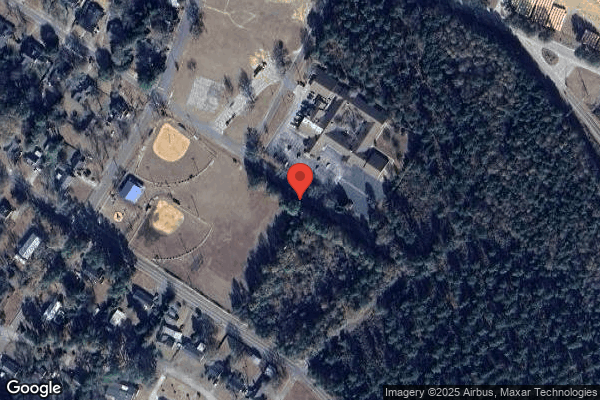
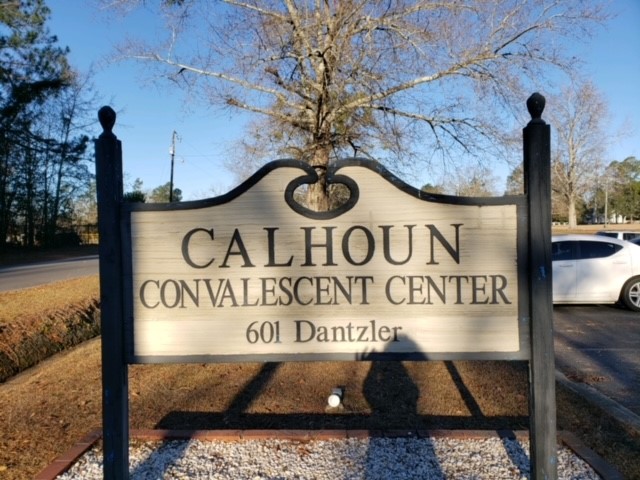
601 Dantzler Street, Saint Matthews, SC 29135 (803) 655-7101
For profit - Corporation 120 Beds FUNDAMENTAL HEALTHCARE Data: November 2025 9 Immediate Jeopardy citations
Trust Grade
0/100
#145 of 186 in SC
Last Inspection: March 2025

Within standard 12-15 month inspection cycle. Federal law requires annual inspections.

Overview

Calhoun Convalescent Center has received an F trust grade, indicating significant concerns about the quality of care provided. Ranked #145 out of 186 nursing homes in South Carolina, they fall in the bottom half of facilities in the state, and they are the only option available in Calhoun County. Unfortunately, the situation is worsening, with the number of reported issues increasing from 2 in 2024 to 6 in 2025. Staffing is a major concern, with a low rating of 1 out of 5 stars and a high turnover rate of 66%, significantly above the state average. The facility has also incurred fines totaling $154,761, which is higher than 98% of other nursing homes in South Carolina, suggesting ongoing compliance problems. While there is average RN coverage, recent inspector findings raised serious alarms, including a failure to sanitize blood glucose glucometers properly, inadequate supervision that allowed a resident to leave the facility, and a failure to protect a resident from sexual abuse. These incidents suggest that while some staffing may be present, substantial issues with safety and quality of care require careful consideration for families researching this facility.

Trust Score
F
0/100
In South Carolina
#145/186
Bottom 23%
Safety Record
High Risk
Review needed
Inspections
Getting Worse
2 → 6 violations
Staff Stability
⚠ Watch
66% turnover. Above average. Higher turnover means staff may not know residents' routines.
Penalties
○ Average
$154,761 in fines. Higher than 51% of South Carolina facilities. Some compliance issues.
Skilled Nurses
⚠ Watch
Each resident gets only 23 minutes of Registered Nurse (RN) attention daily — below average for South Carolina. Fewer RN minutes means fewer trained eyes watching for problems.
Violations
⚠ Watch
29 deficiencies on record. Higher than average. Multiple issues found across inspections.
★☆☆☆☆
1.0
Overall Rating
★☆☆☆☆
1.0
Staff Levels
★★☆☆☆
2.0
Care Quality
★☆☆☆☆
1.0
Inspection Score
Stable
2024: 2 issues
2025: 6 issues

The Good

  • Full Sprinkler Coverage · Fire safety systems throughout facility
  • No fines on record

Facility shows strength in fire safety.

The Bad

1-Star Overall Rating

Below South Carolina average (2.8)

Significant quality concerns identified by CMS

Staff Turnover: 66%

19pts above South Carolina avg (46%)

Frequent staff changes - ask about care continuity

Federal Fines: $154,761

Well above median ($33,413)

Significant penalties indicating serious issues

Chain: FUNDAMENTAL HEALTHCARE

Part of a multi-facility chain

Ask about local staffing decisions and management

Staff turnover is elevated (66%)

18 points above South Carolina average of 48%

The Ugly 29 deficiencies on record

9 life-threatening
Mar 2025 6 deficiencies 1 IJ
CRITICAL (J)

Immediate Jeopardy (IJ) - the most serious Medicare violation

Infection Control (Tag F0880)

Someone could have died · This affected 1 resident

**NOTE- TERMS IN BRACKETS HAVE BEEN EDITED TO PROTECT CONFIDENTIALITY** Based on observation, interview, and record review the facility failed to follow manufacturer's guidelines to ensure that blood ...

Read full inspector narrative →
**NOTE- TERMS IN BRACKETS HAVE BEEN EDITED TO PROTECT CONFIDENTIALITY** Based on observation, interview, and record review the facility failed to follow manufacturer's guidelines to ensure that blood glucose glucometers were sanitized/cleaned properly. On 03/25/25 at 12:10 PM, the State Agency (SA) determined that the facility's non-compliance with one or more federal health, safety, and/or quality regulations has caused or was likely to cause serious injury, serious harm, serious impairment, or death. On 03/25/25 at 12:15 PM, the Administrator was notified that the facility's failure to have systems in place to monitor for blood glucose glucometers constituted Immediate Jeopardy (IJ) at F880. On 03/26/25 at 3:00 PM, the facility provided an acceptable IJ Removal Plan. On 03/26/25 at 4:10 PM, the survey team validated the facility's corrective actions and removed the IJ. The facility remained out of compliance at F880 at a lower scope and severity of D. Findings include: Record review of facility policy titled Staff Education/Orientation Policies and Procedures Blood Glucose Monitoring last revised 01/12/24 revealed reference facility specific Blood Glucose Monitoring Device manufacturer's recommendations. Clean Glucometers utilizing two-step process with an approved Environmental Protective Agency (EPA) disinfectant wipe which is labeled effective against Tuberculosis (TB), or Hepatitis B Virus (HBV), Hepatitis C (HCV), or Human Immunodeficiency Virus (HIV) to remove any visible contaminants, soil, or other debris. Use a second EPA disinfectant wipe to disinfect the device surfaces, ensuring adequate contact time. Record review of facility policy Infection Prevention and Control Policies and Procedures Transmission Based/Standard Precautions, and Enhanced Barrier Precautions (EBP), last revised 05/15/23 revealed EBP will be implemented for all residents with the following: infection or colonization with a Multidrug-resistant Organisms (MDRO) when contact precautions due not otherwise apply; wounds and/or indwelling medical devices (central lines, urinary catheter, feeding tube, tracheostomy/ventilator) regardless of MDRO colonization status. Record review of the Manufacturer's recommendation for the Evencare G2 Meter revealed Cleaning and disinfecting the meter is very important in the prevention of infectious disease. The following products are validated for disinfecting the EVENCARE G2 Meter ., .Medline Micro-Kill Bleach Germicidal Bleach Wipes. During a medication administration observation on 03/24/2025 at 5:20 PM with Registered Nurse (RN)1. She stated each resident has an individual glucometer. She pulled R86's pouch from the medication cart. The glucometer was not located in the pouch. She checked some of the other pouches and said R168's glucometer was not in his pouch either. She then looked in the drawers of the medication cart and found a glucometer and said this was R86's blood sugar check machine (finger stick blood sugar). She found an Even Care G2 glucometer. It did not have R86's name on it. RN1 said she checked her blood sugar this am. It was 153 at lunch. She wiped the machine with an alcohol prep pad and entered R86's room to perform the blood sugar checks check. She then returned to the medication cart afterward. She cleaned the glucometer with an alcohol prep pad. She returned the pouch back into the medication cart. Observation on 3/24/25 at 5:50 PM, Licensed Practical Nurse (LPN) 1 was observed placing an Evencare G2 glucometer into a pouch. LPN1 stated she had just finished checking a resident's blood sugar and had cleaned it with an alcohol wipe since all residents have their own glucometer. During an interview on 3/24/25 at 5:54 PM, LPN2 described how she cleans the Evencare G2 glucometers stating that she uses MicroKill Bleach Wipes even though each resident has their own glucometer. On 03/24/2025 at 5:55 PM RN1 opened the medication cart. She opened each pouch and pulled the machine from the pouch to verify who had a glucometer. R168 and R67 did not have a glucometer in their pouches. When asked if she performed a blood sugar check on either of these residents, she stated, I had to do a blood sugar checks check earlier on R168, around noon. I used R86's blood sugar checks machine for him. I always clean with an alcohol pad, with each person. His blood sugar was 279. Record review of R86's Face Sheet revealed she was admitted to the facility on [DATE] with diagnoses including but not limited to type 2 diabetes mellitus, binge eating disorder, and morbid obesity. Record review of R86's quarterly Minimum Data set (MDS) with an Assessment Reference Date (ARD) of 02/19/25 revealed a Brief Interview Mental Status (BIMS) score of 15, of 15, indicating she was cognitively intact. Record review of R168's Face Sheet revealed he was admitted on [DATE] with diagnoses including but not limited to: orthopedic aftercare following surgical amputation. Record review of R168's MDS admission MDS with an ARD date of 03/18/25 revealed a BIMS score of 15, of 15, indicating he was cognitively intact. Record review of R168's MAR dated 03/24/25 at 12:30 PM indicated that a blood sugar check was performed, with a result of 279 mg/dL. Record review of R67's Face Sheet revealed R67 was admitted to the facility on [DATE] with the diagnoses including but not limited to: type 2 diabetes mellitus with hyperglycemia, hypertension, pain, and schizophrenia. Record review of R67's quarterly MDS with an ARD of 03/14/25 revealed a BIMS score of 12 of 15 which indicates he is moderately impaired. Record review of R67's Medication Administration Record (MAR) dated 03/24/25 at 12:00 PM, indicated that a blood sugar check was performed, with a result of 106 mg/dL. During an interview 03/25/25 at 08:23 AM, the Director of Nursing (DON) said, for glucometer cleaning, wash hands, don gloves. Inspect the glucometer to see it is visibly soiled, wipe with an alcohol pad, then use Environment Protection Agency (EPA) approved germicidal wipes, wash hands, don gloves, place barrier down and place glucometer on it, wet it down, with blue top for 3 minutes. Each patient has their own glucometers, we have extras in the supply room. If they don't have one, we have replacements. She said it is not ok for a nurse to use another resident's glucometer; each resident has their own. In the room, they should transport the glucometer in a cup and or place a barrier down at bedside. Each resident has their own clear pouch. The Unit Manager audits the carts every Monday, making sure each resident has their own glucometer. I made sure we had at least 5 extras in the supply room. During an interview on 03/25/25 at 10:48 AM RN2 stated, R188 has a wound vac and is not on EBP. During an interview on 03/25/25 at 11:05 AM, LPN4 stated R86 should be on EBP and should have an order for it. She also confirmed R168 should have EBP signage on his door and an order for it as well. The facility's removal plan dated 03/26/25 noted the following: Residents who require blood glucose moitoring will be assessed for signs and symptoms of infection by the licensed nurses on 02/25/2025. R#188 without negative effects. Resident #168 had EBP implemented on 03/25/2025. EPA disinfectant wipes were placed in medication carts that store glucometers. An audit of glucometers was completed by the DON/Designees on 03/25/2025 to validate each resident that requiring blood glucose monitoring has a glucometer available. A review of current in house residents will be completed by the DON/Designee on 03/25/2025 to identify residents who require EBP which include; Resident with an infection or colonization with a multi-drug resistant organism not on transmission based precautions. Resident with wounds, including pressure, diabetic foot, unhealed surgical and venous wounds. Residents with an indwelling medical device such as a central line, urinary catheter, feeding tube, tracheostomy, and peripherally inserted central catheters. Residents identified as meeting the criteria for EBP will have a signage placed at the door, provider notified and order written, responsible party notified and care plan updated on 03/25/2025. Licensed nurses will be reeducated with competency validation by the DON on 03/25/2025 on blood glucose monitoring including; Validating the residents assigned glucometer is used. Location and availability of additional glucometers. Using a barrier to place the glucometer on if needed in residents room. Using a 2 step process with an approved EPA disinfectant wipe to remove any visible contaminants, soil or other debris and using a second EPA disinfectant wipe to disinfect the device surfaces, ensuring adequate contact time. Validating EPA disinfectant is available on their medication cart at the beginning of their shift. Licensed nurses will be reeducated by the DON on 03/25/2025 on EBP including criteria that required EBP: Resident with an infection or colonization with a multi-drug resistant organism not on transmission based precautions. Resident with wounds, including pressure, diabetic foot, unhealed surgical and venous wounds. Residents with an indwelling medical device such as a central line, urinary catheter, feeding tube, tracheostomy, and peripherally inserted central catheters. Any licensed nurse not receiving this reeducation validation by 03/25/2025 will receive prior to their next scheduled shift. This will be presented in new hire orientation and in Agency orientation. The DON will randomly observe 2 licensed nurses for 5 days performing blood glucose monitoring to validate proper procedure including infection control technique and correct glucometer is being utilized. The DON/Designee will validate each morning for 5 days EPA disinfectant wipes and available on each med cart that stores glucometers. The DON/Designee will review the facility activity report and 24-hour report in the clinical morning meeting Monday-Friday to identify any resident who require EBP and validate orders are written, provider and responsible party are notified, signage on residents door, PPE is available and care plan updated. On 03/26/2025 at 4:00 PM the removal plan was accepted.
CONCERN (D)

Potential for Harm - no one hurt, but risky conditions existed

Safe Environment (Tag F0584)

Could have caused harm · This affected 1 resident

**NOTE- TERMS IN BRACKETS HAVE BEEN EDITED TO PROTECT CONFIDENTIALITY** Based on review of the facility policy, observation, record review and interviews, the facility failed to ensure a room was clea...

Read full inspector narrative →
**NOTE- TERMS IN BRACKETS HAVE BEEN EDITED TO PROTECT CONFIDENTIALITY** Based on review of the facility policy, observation, record review and interviews, the facility failed to ensure a room was clean and sanitary for 1 of 1 Residents (R) 80 reviewed for environment. Findings include: Review of the facility policy titled Patient/Resident Room Cleaning/Bathroom Cleaning dated 03/06, revealed, This routine procedure will clean and disinfect patient/resident rooms and bathrooms thereby providing a clean, safe decontaminated environment for our patients/residents. Expected results, patient/resident rooms and bathrooms that are clean, sanitary odor free and safe. Record review of R80's facesheet revealed R80 was admitted to the facility on [DATE] with diagnosis that include but are not limited to: vascular dementia with anxiety, diabetes mellitus, hypertension and benign prostatic hyperplasia. Record review of R80's annual Minimum Data Set (MDS) with an Assessment Reference Date (ARD) of 01/11/25 revealed a Brief Interview of Mental Status (BIMS) of 00, indicating he was non interviewable. Record review of R80's care plan revealed he has behavioral symptoms of rejection of care, defecating in the room, placing feces in his clothes and placing clothes into the drawers, smearing feces on the wall. Record review of R80's psychiatry note dated 01/06/25 documented staff have difficulty getting him to shower. Staff denied physical or verbal aggression. Observation on 03/23/25 at 11:55 AM, revealed a very offensive odor on the unit hall where R80's resides. Upon entering R80's room, observation revealed debris all over the room, along the base board and a strong foul odor. Deep yellow stains were noted on the floor that appear wet and some dry. There was wet toilet tissue throughout the room on the right side of the bed with feces. A yellow wet sign was observed by the door in the hallway. Observation of R80's room on 03/23/24 at 12:30 PM, revealed, plastic food containers. The room had a very strong offensive odor. Urine all over the right side of the room and up in the corners as well. R80 was observed with gray jogging pants, not pulled up all the way, with holes and one shoe on his left foot. Wet toilet tissue with feces was noted to the right side of the head of the bed. There was debris all along the walls of the room. There was smeared feces on the walls in 2 areas. Gnats were observed flying near his bed and near where the feces were on the floor. The odor permeated out into and down the hallway. Observation of R80's room on 03/23/24 at 2:00 PM, R80 is noted sitting on his bed with a soiled sheet on his bed with yellow stains. No change noted from previous observation at 12:30 PM. Interview on 03/23/25 at 2:12 PM, Housekeeper (HK)1 stated, this room is not acceptable. I wouldn't have my family in a room like this. It's terrible. HK1 confirmed the feces and urine throughout the room on the floors. HK1 observed the walls and base boards with debris and said this could not be from 1 day. HK1 said he will clean it. Interview on 03/23/24 at 2:14 PM, the Director of Housekeeping (DOH), said R80 did this on another hall in another private room. The tiles need to be replaced. He cannot have a roommate because he also had another room with a roommate and this was the problem. She confirmed R80 urinates in the trash and has bowel movements on the floor. He's been this way since he came in. She confirmed the room was very offensive with terrible odor and gnats throughout. She also confirmed he cannot have regular meal trays in his room, he uses disposables. Interview on 03/23/25 at 2:14 PM, Certified Nursing Assistant (CNA)1 confirmed R80 was her resident and said she'd been in the room. She said she did not walk over to where the feces and urine were all over the right side of the room. She confirmed he always get disposable trays because he will not return the regular dishes and silverware. She said he will try to hit you if you try to help him with getting cleaned up. She confirmed his room had a terrible odor and the odor could be smelled from down the hall. Interview on 03/24/25 at 10:30 AM the DOH stated, we will do a deep clean of everything in E-2 [R80's room] since he is in the hospital. Interview on 03/25/25 at 10:07 AM, the Administrator stated, housekeeping should go in, wipe down bedside drawers and table, and we have a deep cleaning schedule. We try to hit all the rooms in that quarter. She tries to get 8-10 rooms some weeks. They sweep, mop, empty the trash, sweep/mop in the bathrooms. R80 goes through these cycles, where he is fixated that someone is going to pick him up to take him home. He will not let anyone near him. He will barricade himself in his room. They ask every day if they can clean his room, give him a shower, dress him. Residents have a right to refuse services. He won't let us clean, defecate and urinate on the floor. When he is escalated, they will serve him his meals in Styrofoam disposable. He is very territorial. He needs a Dementia Unit. We send email referrals out to try to find placement for him. He urinates in the fan. He won't use the bathroom when he's in that cycle. She agreed the room still needed to be cleaned every day.
CONCERN (D)

Potential for Harm - no one hurt, but risky conditions existed

Free from Abuse/Neglect (Tag F0600)

Could have caused harm · This affected 1 resident

**NOTE- TERMS IN BRACKETS HAVE BEEN EDITED TO PROTECT CONFIDENTIALITY** Based on review of the facility policy, record review, observation and interviews, the facility failed to ensure residents right...

Read full inspector narrative →
**NOTE- TERMS IN BRACKETS HAVE BEEN EDITED TO PROTECT CONFIDENTIALITY** Based on review of the facility policy, record review, observation and interviews, the facility failed to ensure residents right to be free from neglect by failing to provide Resident (R)107 Activities of Daily Living (ADL) care in a timely manner. 1 of 3 reviewed for abuse/neglect. Findings include: Review of the facility policy titled Leadership Policies and Procedures: Abuse, Neglect, Exploitation, Mistreatment last revised 10/23/19 revealed, The facility's leadership prohibits neglect, mental, physical and/or verbal abuse, use of a physical and/or chemical restraint not required to treat a medical condition, involuntary seclusion, corporal punishment, and misappropriation of a patient/resident's property and/or funds and ensures that alleged violations involving abuse, neglect, exploitation, or mistreatment, including injuries of unknown source and misappropriation of resident property, and are reported immediately. Neglect is the failure of the facility, its employees or services providers to provide goods and services to a resident that are necessary to avoid physical harm, pain, mental anguish, or emotional distress. Adequate supervision of staff is maintained in order to identify and prevent inappropriate behaviors such as ignoring the patient/resident's needs requests etc. Record review of R107's Face Sheet revealed was admitted to the facility on [DATE] with the diagnosis including but not limited to: sepsis, pressure ulcer of sacral region stage 4, muscle weakness, and unsteadiness on feet. Record review of R107's admission Minimum Data Set (MDS) with an Assessment Reference Date (ARD) of 01/10/25 revealed that R107 has a Brief Interview of Mental Status (BIMS) score of 14 out of 15 which indicates that he is cognitively intact. Further review of the admission MDS revealed that R107 is dependent on staff for toileting hygiene, requires substantial/maximal assistance with showers/bathing and upper and lower body dressing. Record review of R107 Care Plan last revised 01/13/25 revealed, R107 requires up to max/dependent assist with most ADLs at this time with interventions that included mechanical lift with two person staff assistance. Further review revealed, R107 experiences bladder incontinence related to right sided hemiplegia, post status stroke, decreased mobility, need for assistance. Interventions include report signs of Urinary Tract Infection (UTI), keep call light in reach, provide assistance for toileting, provide incontinence care after each incontinent episode. An observation and interview on 03/24/25 at 12:47 PM with R107 and his Resident Representative (RR) revealed, R107 in bedtime wear and eating his lunch meal. R107 and their RR stated the resident often has to wait until the afternoon before someone assists them with getting dressed due to short staffing. During an interview on 03/24/25 at 3:42 PM R107 revealed, staff often comes into his room and turns off his call light without providing assistance. R107 continued to state that at times he has waited thirty minutes to an hour for help at times because staff ignore his call light or don't provide him care when he first calls for assistance. An observation and interview on 03/25/25 at 7:40 AM with R107 revealed him in bed and in need of ADL care. R107 stated I am wet and I waiting for someone to change me, I have been waiting for about 20 - 30 minutes, a staff member came into the room earlier and said that they would help me or get someone to help me and turned my call light off without helping me. An observation and interview on 03/25/25 at 7:45 AM revealed Certified Nursing Assistant (CNA)5 entering R107's room turning off the resident's call light and exiting shortly after without providing R107 assistance. CNA5 stated they were not assigned to the resident and was going to find the resident's CNA. An observation on 03/25/25 at 7:55 AM revealed Licensed Practical Nurse (LPN)1 along with CNA4 explaining to CNA5 that they should not turn off the resident's call light without providing assistance. During the observation that staff were having there were no observations of staff attempting to determine which resident needed care. A follow up observation and interview on 03/25/25 at 8:15 AM with R107 revealed that two staff members had refused him care. R017 put his call light back on at this time and CNA4 entered the resident's room. R107 became frustrated with CNA4 and began yelling that's what the last lady said, and I still haven't been changed. CNA4 explained to R107 that they would be right back to provide him ADL care and turned off the resident's call light. An observation on 03/25/25 at 8:17 AM CNA4 entered back into R107's room and provided him with ADL care, CNA4 exited the room on 03/25/25 at 8:22 AM. A follow up interview on 03/25/25 at approximately 8:30 AM revealed that the resident's assigned CNA did not show up to work or called out. LPN1 further stated that all staff are responsible for responding to resident's call lights or requests. An third observation on 03/25/25 at 12:00 PM revealed R107 in bed in nighttime wear, R107 stated, after they provided him ADL care earlier (8:22 AM), no one had come back to get him dressed in appropriate wear for the day. Resident continued to state that he turned on his call light but was ignored by staff. Record review of R107 Point of Care History ADLs How did the resident maintain personal hygiene? section revealed the following documentation: -03/23/25 at 1:49 AM - activity did not occur -03/24/25 at 1:58 AM and 10:38 PM - total dependence -03/25/25 at 10:24 PM - total dependence -03/26/25 at 1:18 AM, 2:55 PM total dependence on 03/26/25 at 7:56 PM -extensive assistance Record review of R107 Point of Care History ADLs Staff support provided for personal hygiene? section revealed the following documentation: -03/23/25 - no documentation charted for this date -03/24/25 at 1:58 AM and 10:30 PM - one-person physical assist -03/25/25 at 10:24 PM - one-person physical assist -03/26/25 at 1:18 AM, 2:55 PM, and 7:56 PM - one-person physical assist Record review of R107's Point of Care History ADLs Type of Bath? section revealed the following documentation: -03/23/25 - no documentation charted for this date -03/24/25 - no documentation charted for this date -03/25/25 - no documentation charted for this date -03/26/25 at 2:55 PM -partial bed bath Record review of R107 Point of Care History ADLs What is the resident's level of bladder function? section revealed the following documentation: -03/23/25 at 1:51 AM - incontinent -03/24/25 at 1:52 AM and 10:30 PM - incontinent -03/25/25 at 10:25 PM -incontinent -03/26/25 at 1:18 AM, 2:55 PM - incontinent; at 7:57 PM - continent Record review of R107 Point of Care History ADLs What is the resident's level of control with bowel function? revealed the following documentation: -03/23/25 at 1:51 AM - incontinent -03/24/25 at 1:52 AM and 10:30 PM - incontinent -03/25/25 10:25 PM - incontinent -03/26/25 at 1:18 AM, 2:55 PM, and 7:57 PM - incontinent An interview on 03/25/25 at 1:25 PM with the Administrator and Director of Nursing (DON) revealed, their expectation is that when a staff member see's a resident call light is on is to answer the call light and complete the resident's request prior to turning off the call light. The Administrator further stated that if the staff member that first see the resident call light is not able to answer the resident's request (CNA answer's call light but the resident requested medication) then the call light should remain on until the appropriate staff person can assist the resident. An interview on 03/26/25 at 2:16 PM with LPN5 revealed, they were informed of the situation that occurred on 03/25/25 with R107. LPN5 further revealed that staff ignoring the resident's request to be provided with ADL care in a timely manner is considered neglect. LPN5 finally stated, CNA4 was the resident's assigned CNA for 03/25/25 and is now placed on the Do Not Return list for the facility.
CONCERN (D)

Potential for Harm - no one hurt, but risky conditions existed

Deficiency F0657 (Tag F0657)

Could have caused harm · This affected 1 resident

**NOTE- TERMS IN BRACKETS HAVE BEEN EDITED TO PROTECT CONFIDENTIALITY** Based on review of the facility policy, record review, observation and interview, the facility failed to revise/implement Care P...

Read full inspector narrative →
**NOTE- TERMS IN BRACKETS HAVE BEEN EDITED TO PROTECT CONFIDENTIALITY** Based on review of the facility policy, record review, observation and interview, the facility failed to revise/implement Care Plan interventions for Resident (R)41 to reflect his need for assistance with dining/feeding after an injury to the residents' dominant hand for 1 of 3 residents reviewed for nutritional care plans. Findings include: Review of facility policy titled Social Services Policies and Procedures Person-Centered Care Plan last revised 06/09/23 revealed, The resident has the right to be informed of and participate in the development of a baseline and or comprehensive care plan for each patient/resident. Care plans include baseline care plan developed and initiated within 48 hours of admission; comprehensive care plan developed after completion of the discipline-specific assessment and within (1) week after completion of the Minimum Data Set (MDS); will be reviewed and updated as needs are identified and after each MDS assessment (excluding discharge). The person-centered care plan is interdisciplinary and created to guide facility staff in providing the treatment, care, and services necessary for the patient/resident to obtain and maintain the highest physical, mental, and psychosocial well-being possible. The plan is also used to promote patient/resident and family involvement in planning care. Record review of R41's Face Sheet revealed he was admitted to the facility on [DATE] with the diagnosis including but not limited to nontraumatic ischemic infarction of muscle left hand, legal blindness, end stage renal disease, and mild cognitive impairment of uncertain or unknown etiology. Record review of R41's Annual MDS with and an Assessment Reference Date (ARD) of 02/16/25 revealed that R41 has a Brief Interview of Mental Status (BIMS) score of 15 out of 15 which indicates that he is cognitively intact. Further review of the Annual MDS revealed that during this period R41 required set up or clean up assistance with meals. Record review of a Nurses Note dated 01/03/25 at 9:26 AM revealed Noted swelling to left and band-aid on left middle finger. R107 states had a hangnail that he bit off, and it's been hurting ever since. Band-aid removed, noted swelling to left middle finger, nailbed pale bluish white with small amount of dried blood present. Complaints of discomfort while making a fist, Medical Director present and check R41 hand, new order received for Bactrim two times a day after meals for seven days. Resident Representative contacted and informed of findings and new order, voice understanding. Record review of a Nurses Note dated 01/06/25 at 6:26 AM revealed Unit manager noted resident in continuous pain despite pain medication, antibiotics, and application of topical antibiotic ointment. Called Nurse Practitioner and notified him of warmth, swelling, tender to touch of left upper digits. Per patient he would like to be sent out, per provider, sent patient to emergency department for further evaluation and treatment. Record review of a Nurses Note dated 01/10/25 at 6:21 AM revealed Resident returned to facility via stretcher transport from local hospital transferred to his wheelchair per request. Alert and responds appropriately, continue to have swelling to left hand. Left middle finger dark with pale, bluish nailbed, complaints of tenderness to finger. Lateral distal aspect of middle finger slightly red with small blister noted, requests dinner at this time. Record review of R41's Care Plan with a last Care Plan Conference date of 02/25/25 revealed no Care Plan interventions related to the resident's injured hand or his need for assistance with meals. An observation and interview on 03/23/25 at 10:53 AM with R41 revealed him in his room sitting in his wheelchair with gauze and medical tape on the resident's left hand, index finger and middle finger. R41's right hand was noted with long and dirty fingernails. R41 revealed he injured his hand by biting off a hangnail, but it later got infected. R41 further stated that he is legally blind, and his left hand is his dominant hand and that he has had a difficult time feeding himself since he injured his hand. R41 finally stated that some days staff assist him with meals, but it is not consistent so most days he has to feed himself. An observation and interview on 03/24/25 at 6:28 PM revealed the Administrator setting up and providing a clothing protector to R41 for his dinner meal. Licensed Practical Nurse (LPN)5 then assisted the resident with his dinner meal. LPN5 stated, residents who need assistance with meals have a red napkin for staff to identify those specific residents. R41 did not have red napkin on his tray. An observation and interview on 03/25/25 at 7:35 AM revealed R41 eating his breakfast meal without staff assistance. During observation resident had a difficult time determining how much grits and eggs were on his tray. Grits were observed on the side of the resident's face and on his clothing protector and his tray. R41 stated that he asked staff for assistance, but staff became argumentative with him and told him that he could feed himself. An observation and interview on 03/25/25 at 7:37 AM with Certified Nursing Assistant (CNA)4 and LPN1 revealed them at the nursing station and having a personal conversation. During interview with CNA4 and LPN1 both stated that the R41 could feed himself. CNA4 stated they were not the resident's assigned CNA for the day but volunteered to assist the resident. Further interview with LPN1 revealed that the resident can feed himself but does require staff assistance. LPN1 finally stated that R41 does not have care plan interventions related to his hand injury or assistance with meals due to his injury. An observation on 03/26/25 at 9:04 AM revealed R41 feeding himself his breakfast meal tray with difficulty. An interview on 03/26/25 at 12:47 PM with the Dietary Manager (DM) and Registered Dietitian (RD) revealed R41 should be assisted with meals. Therapy attempted to work with the resident after R41 injured his hand but was unsuccessful. Further interview revealed R41's care plan had not been revised to reflect a change of condition with the resident's ability to feed himself. An interview on 03/26/25 at 1:05 PM with the Director of Rehabilitation (DOR) revealed R41 received Occupational Therapy (OT) shortly after he injured his dominant hand. During OT there were attempts to have the resident use his right hand for meals, but it was unsuccessful. The DOR finally stated that the resident does require assistance with meals and was unable to locate care plan interventions related to this change of condition. An interview on 03/26/25 at 4:01 PM with the Director of Nursing (DON) revealed they would have expected the resident's care plan to have been revised to reflect his change of condition.
CONCERN (D)

Potential for Harm - no one hurt, but risky conditions existed

Deficiency F0760 (Tag F0760)

Could have caused harm · This affected 1 resident

**NOTE- TERMS IN BRACKETS HAVE BEEN EDITED TO PROTECT CONFIDENTIALITY** Based on observations, record reviews and interviews the facility failed to ensure that a medication was administered according ...

Read full inspector narrative →
**NOTE- TERMS IN BRACKETS HAVE BEEN EDITED TO PROTECT CONFIDENTIALITY** Based on observations, record reviews and interviews the facility failed to ensure that a medication was administered according to physician orders for 1 of 2 residents reviewed for tube feeding. Resident (R) 85 was admitted to the facility on [DATE] with diagnoses including, but not limited to severe intellectual disabilities, gastrostomy, schizophrenia and anxiety, The facility policy on Physician Orders, revised May 5, 2023, states The qualified nurse will obtain and transcribe orders according to Facility Practice Guidelines, .PRN (as needed) medications: Transcribe or electronically enter all PRN Medication/Treatment Orders to properly identified area of MAR (medication administration record). Findings: On 3/24/25 at approximately 3:30 PM, a review of R 85's medical record revealed the following, dated 3/21/25, in the progress notes Res (resident) could be heard yelling out/screaming in the hallway and at the nursing station several times thus far in shift. Several interventions attempted; None effective. Res calms down when nurse consoles at bedside but soon as this nurse walks out room patient behaviors starts back. Res tells his roommate to shut up even though roommate doesn't say anything. Denies any pain or discomfort. NP 1 (Nurse Practitioner) Aware via telephone; Verbal order given for Benadryl 50 mg (milligram) by peg (percutaneous endoscopic gastrostomy tube) every 8 hours prn for 14 days. Med (medication) administered via peg without difficulty flowing. Will re-assess behavior LPN (Licensed Practical Nurse) 3 On 3/24/25 at approximately 4:19 PM, R 85 was yelling and the DON (Director of Nursing) stated that had R 85 had an order for Benadryl 50 mg for agitation. On 3/24/25 at approximately 5:28 PM, during an interview RN (Registered Nurse) 1 confirmed that R 85 had been yelling, that she had tried to calm him down but had administered no medications for yelling. After reviewing the progress notes, RN 1 confirmed that on 3/21/25 Benadryl 50 mg PRN x 14 days by way of peg tube, a verbal physicians order, taken by LPN 3 did not appear in the EMR (electronic medical record) MAR and that none had been administered. On 3/24/25 at approximately 5:07 PM, during an interview the DON confirmed her previous statement that there had been a verbal order on 3/21/25 for Benadryl 50 mg PRN. She reviewed the EMR physician orders and MAR and stated that the order had not been entered or administered, then called NP 1 on 03/24/25 at approximately 5:09 PM. NP 1 confirmed over the telephone that she had ordered Benadryl 50 mg PRN x 14 days on 3/21/25 and still wanted the order to be in place. The DON stated this physicians order should have been entered as a medication order in the EMR and administered as prescribed.
CONCERN (E)

Potential for Harm - no one hurt, but risky conditions existed

Deficiency F0761 (Tag F0761)

Could have caused harm · This affected multiple residents

**NOTE- TERMS IN BRACKETS HAVE BEEN EDITED TO PROTECT CONFIDENTIALITY** Based on review of the facility policy, observations and interviews, the facility failed to ensure medications and biological we...

Read full inspector narrative →
**NOTE- TERMS IN BRACKETS HAVE BEEN EDITED TO PROTECT CONFIDENTIALITY** Based on review of the facility policy, observations and interviews, the facility failed to ensure medications and biological were not expired for 2 of 2 units reviewed. Findings include: Review of the facility policy titled Medication Storage last revised [DATE] revealed, Policy: Medications and biologicals are stored safely, securely and properly following manufacturers recommendations or those of the supplier. Once any medication or biological package is opened, the facility should follow manufacturers guidelines with respect to expiration date of opened medications. An observation and interview on [DATE] at 9:25 AM of the medication room East Wing with Licensed Practical Nurse (LPN) 4 revealed the following: One unopened bottle of Pink Bismuth Regular Strength 8 fluid ounces with an expiration date of 12/24, one Laboratory Vacutainer blue top with an expiration date of [DATE], two insulin Novolog pens with an expiration date of [DATE] and Lot number MZF3X25 and two boxes of Blood Culture Collection Kits with an expiration date of [DATE] all confirmed by LPN 4. An observation on [DATE] at 9:40 AM in the Central Supply Room, revealed the following: One box of 12 Tegaderm Dressings with an expiration date of [DATE] lot number (#) 33C893, confirmed by LPN 5 as expired. During an interview on [DATE] at 9:43 AM, the Central Supply personnel stated, There should not be any expired items in here, I should be checking them, and I try to but don't have the time. An observation and interview on [DATE] at 9:45 AM of the North Unit Treatment Cart revealed, one unopened Blood Culture Kit with an expiration date of [DATE], LPN 5 confirmed it was expired and said she was going to throw it away. During an interview on [DATE] at 10:52 AM, the Director of Nursing (DON) stated, Insulin pens are stored in the fridge until open. The wound supplies should be current, not expired. There should not be expired meds in the med room or med room refrigerator.
Jun 2024 1 deficiency 1 IJ
CRITICAL (J) 📢 Someone Reported This

A family member, employee, or ombudsman was alarmed enough to file a formal complaint

Immediate Jeopardy (IJ) - the most serious Medicare violation

Accident Prevention (Tag F0689)

Someone could have died · This affected 1 resident

**NOTE- TERMS IN BRACKETS HAVE BEEN EDITED TO PROTECT CONFIDENTIALITY** Based on interviews, record review, and review of facility policy, the facility failed to provide appropriate supervision to pre...

Read full inspector narrative →
**NOTE- TERMS IN BRACKETS HAVE BEEN EDITED TO PROTECT CONFIDENTIALITY** Based on interviews, record review, and review of facility policy, the facility failed to provide appropriate supervision to prevent Resident (R)1's elopement from the facility. On 06/14/24 at 1:28 PM, the Administrator was notified that the failure to properly supervise a resident, resulting in a successful elopement from the facility, constituted Immediate Jeopardy (IJ) at F689. On 06/14/24 at 1:28 PM, the survey team provided the Administrator with a copy of the CMS Immediate Jeopardy (IJ) Template and informed the facility IJ existed as of 06/11/24. The IJ was related to 42 CFR 483.25 - Quality of Care. On 06/14/24 at approximately 2:18 PM, the facility provided an acceptable IJ Removal Plan. The survey team validated the facility's corrective actions and determined the facility put forth good faith attempts to address the non-compliance. The survey team considers the IJ at Past Non-Compliance as of 06/12/24. An extended survey was conducted in conjunction with the Complaint Survey for non-compliance at F689, constituting substandard quality of care. Findings include: Review of the facility's policy titled Elopement last revised 11/01/17, stated, To safely and timely redirect patients/residents to a safe environment. Review of R1's Face Sheet revealed R1 was admitted to the facility on [DATE], with diagnoses including but not limited to: vascular dementia, abnormalities of gait and mobility, lack of coordination, difficulty in walking, unsteadiness on feet, reduced mobility, altered mental status, fall from bed, neurocognitive disorder with Lewy bodies, and depression. Review of R1's Quarterly Minimum Data Set (MDS) with an Assessment Reference Date of 05/08/24, revealed R1 had a Brief Interview for Mental Status (BIMS) score of 1 out of 15, indicating R1 was severely cognitively impaired. Further review of the MDS revealed that wandering behaviors occurred 1 to 3 days. Review of R1's Elopement Risk Tool dated 05/02/24, revealed R1 is not alert and oriented. R1 is confused and does not have safe decision-making capabilities. R1 has a history of wandering and has previously attempted to leave the health care center. Further review revealed, R1 has diagnoses that requires supervision. Review of R1's Physician Orders dated 08/01/23, revealed the following order, Wander guard to right ankle; check placement and function Q shift. Review of R1's Progress Note dated 06/11/24 at 7:21 PM, revealed, At 6:30 resident attempt to go out of building doors was opened, but I the nurse and staff re-direct her back into the building. Review of R1's Progress Note dated 06/11/24 at 9:32 PM revealed, At 7.18pm this nurse was in the med room. when i got out of the med room I saw other nurses running towards the back door. This nurse left the stuff she was carrying in the cart and rushed to where the other nurses where running to. Upon going out, this nurse saw that it was her resident who was on the ground. Assessment done on resident she reported she hit her head . During an interview on 06/14/24 at 11:59 AM, Licensed Practical Nurse (LPN)1 stated that on the night of 06/11/24 at approximately 7:15 PM, the door alarm/wander guard system alarm went off, LPN1 then went to check the panel to see which door it was, it was 2B, LPN1 then went down the hall, however it was the wrong hall. LPN1 then went down E hall and out the door and found R1 lying on the ground in the parking lot next to a light pole. LPN1 states that R1 reported to her that she fell and hit her head. 911 was then called for R1. During an interview on 06/14/24 at 12:09 PM, R1 stated that she wanted to go to the white house across the street, so just got up and walked out the door. R1 further stated that she fell in the parking lot on a curb and hit her head and was sent to the emergency room. During an interview on 06/14/24 at 12:45 PM, LPN2 stated that R1 was wearing a white top, pink pants and non-slip socks, when she was found in the parking lot. According to the Weather Channel, on 06/11/24, the high was 89 degrees Fahrenheit with a low of 63 degrees Fahrenheit. On 06/14/24 at approximately 2:18 PM, the facility provided a removal plan, which included the following: Resident R1 had fall, possibly hitting head. Sent to ED for evaluation as precaution. Elopement risk evaluation repeated. Resident had Wandergard in place and properly functioning at time of incident. MD/RP notified. Administrator and CSD notified of incident. Residents at risk of elopement have the potential to be affected. Elopement risk evaluations done in the past 90 days on current residents in facility reviewed by nursing managers for accuracy. Residents identified at risk will be reviewed for appropriate interventions. All doors check for auditory alarm; found to be in working order. Educate facility staff the expectation that if a door is noticed to be alarming, immediately report to door to verify no resident has eloped then do a facility wide head count of residents. If door is found to be malfunctioning, administrator to be notified immediately and an employee posted at the door until otherwise indicated and redirected by a member of management. Licensed nurses will be re-educated on the elopement risk assessment process/accuracy and putting interventions in place based on the risks identified. Staff will be reeducated on appropriate response to alarms. This re-education will be initiated on 06/11/2024 and completed by 06/12/2024. Any member of target audience not receiving this by this date will receive prior to next scheduled shift. New admissions will be reviewed in morning meeting daily Monday thru Friday as part of the clinical morning meeting process. Elopement risks assessments will be reviewed for accuracy and interventions validated if indicated. Quarterly assessments will be reviewed as part of the MDS/Care planning process. The Director of Nursing or designee will randomly audit a minimum of 5 elopement assessments weekly for 4 weeks then monthly for 2 additional months to validate accuracy. The maintenance director will inspect facility doors 3 times weekly for 4 weeks then weekly for 2 additional months. The Administrator or designee will make rounds weekly for 4 weeks then monthly for 2 additional months to validate that doors are functioning properly. The maintenance director or designee will activate a door alarm once a month on each shift to validate appropriate response for 3 months or until compliance. Ad hoc QAPI held on 06/12/2024. Medical Director was notified of the incident and plan for improvement on 06/12/2024. This process will be reviewed in QAPI for a minimum of 3 months.
Feb 2024 1 deficiency
CONCERN (D) 📢 Someone Reported This

A family member, employee, or ombudsman was alarmed enough to file a formal complaint

Potential for Harm - no one hurt, but risky conditions existed

Incontinence Care (Tag F0690)

Could have caused harm · This affected 1 resident

**NOTE- TERMS IN BRACKETS HAVE BEEN EDITED TO PROTECT CONFIDENTIALITY** Based on review of the facility policy titled, Catheter- Urinary Catheter, Cleaning and Maintenance, observations, and interview...

Read full inspector narrative →
**NOTE- TERMS IN BRACKETS HAVE BEEN EDITED TO PROTECT CONFIDENTIALITY** Based on review of the facility policy titled, Catheter- Urinary Catheter, Cleaning and Maintenance, observations, and interviews, the facility failed to follow a procedure during catheter care for Resident (R)1 to prevent the likelihood of infection for 1 of 1 residents observed for Foley catheter care. Findings include: Review of the facility policy titled, Catheter- Urinary Catheter, Cleaning and Maintenance last revised May 2023 states under Catheter care: Gather and prepare the necessary equipment and supplies, perform hand hygiene, confirm the patient's identity using at least two patient identifiers, provide privacy, raise the patient's bed to waist level before performing patient care, perform hand hygiene, put on gloves and other personal protective equipment, as needed, to comply with standard precautions, provide routine hygiene for meatal care. Further review stated, Keep the catheter and drainage tubing free from kinks and avoid dependent loops to allow the free flow of urine. R1 was admitted to the facility on [DATE] with diagnoses including, but not limited to cystitis with hematuria, sepsis, urinary tract infection, diffuse traumatic brain injury and a need for assistance with personal care. Observation on 02/22/24 at 10:35 AM of catheter care for R1 went as follows: Certified Nursing Assistant (CNA)1 along with CNA2, explained the procedure and provided privacy. CNA1 proceeded to wash her hands and donned (put on) gloves. She then touched the over-bed table to move it closer to the bed, touched the curtain to pull it open and then close, then set up the supplies on the over-bed table, which consisted of wipes that she had placed on the over-bed table. CNA1 then took the bed control in hand and raised the bed. She then removed the bed cover and pulled R1's gown up, folding it above her waist. She then unfastened her brief. Observation revealed CNA1 did not remove her gloves, cleanse her hands or apply clean gloves, prior to taking a wipe in hand and wiping down the left- side of R1's groin. She then discarded the wipe and wiped down the right side of the groin area, and then wiped down the tubing, fastened the brief, pulled the gown down, and lowered the bed. She then removed her gloves and washed her hands. During an interview on 02/22/24 at 10:41 AM with CNA1 and CNA2, CNA2 confirmed the observation. CNA1 then stated that she typically provided catheter care for R1 daily and as needed when working and that the CNAs are responsible for catheter care, but Nurses provide the care as well. CNA1 acknowledged that R1 did not have a securement device in place and did not place one during the observation nor did she adjust R1's foley to unkink the line. During an interview on 02/22/24 at 11:05 AM with the Director of Nursing (DON), the DON stated that it is her expectations that the CNAs follow policy when providing catheter care and that it should be daily and as needed.
Sept 2023 3 deficiencies 2 IJ
CRITICAL (J) 📢 Someone Reported This

A family member, employee, or ombudsman was alarmed enough to file a formal complaint

Immediate Jeopardy (IJ) - the most serious Medicare violation

Free from Abuse/Neglect (Tag F0600)

Someone could have died · This affected 1 resident

**NOTE- TERMS IN BRACKETS HAVE BEEN EDITED TO PROTECT CONFIDENTIALITY** Based on a review of the facility policy, record reviews, and interviews, the facility failed to protect 1 of 1 residents from s...

Read full inspector narrative →
**NOTE- TERMS IN BRACKETS HAVE BEEN EDITED TO PROTECT CONFIDENTIALITY** Based on a review of the facility policy, record reviews, and interviews, the facility failed to protect 1 of 1 residents from sexual abuse. Resident (R)1 inappropriately touched R2 on 08/28/2023 at approximately 5:20 p.m. This was observed by staff members. On 09/01/2023 at 05:30 pm, the State Agency (SA) determined that the facility's non-compliance with one or more federal health, safety, and/or quality regulations has caused or was likely to cause serious injury, serious harm, serious impairment, or death. On 09/01/2023 at 05:30 pm, the survey team presented the Administrator with the Immediate Jeopardy (IJ) template, notifying her that the failure to protect R2 from sexual abuse by R1 constituted IJ at F600 with the start date of 08/28/2023. The facility presented an acceptable removal plan for F600 on 09/01/2023 via email. The SA returned to the facility on [DATE] to verify the removal of the IJ. Following a review of the facility's implementation plan, along with a review of audits, education, and interviews, the IJ was verified as removed as of 09/01/2023 and the facility remained out of compliance at a scope and severity level at D. An extended survey was conducted in conjunction with the complaint survey constituting substandard quality of care. Findings include: A review of the facility policy titled Abuse, Neglect, Exploitation, or Mistreatment revised 10/01/2020, states Sexual abuse is non-consensual sexual contact of any type with a resident. C- Rape, Molestation, or other inappropriate sexual behavior against a resident such as Sexual harassment, Sexual assault, Sexual Coercion, or Inappropriate sexual behaviors displayed by and/or toward incapable resident. R1 was admitted to the facility on [DATE] with diagnoses including, but not limited to, vascular dementia with other behavioral disturbances and cognitive communication deficit. R1 scored a Brief Interview of Mental Status (BIMS) of 07 out of 15, indicating severe cognitive impairment, as of 07/26/2023 on quarterly Minimum Data Set (MDS). Review of R1's Physician orders revealed R1 had an order for 1:1 supervision with a start date of 07/13/2023. A policy was requested for 1:1 supervision, however, the facility Administrator stated there was no policy related to 1:1 supervision. R1 had been care-planned since 07/31/2023 for Unwanted touching of female and entering other resident's rooms without permission. Interventions included redirection, visits with psychiatric services, and Gradual Dose Reduction (GDR) attempts. R2 was admitted to the facility on [DATE] with diagnoses including, but not limited to, cognitive communication deficit and major depressive disorder. R2 scored a BIMS of 11 out of 15 indicating she was moderately, cognitively impaired as of 08/02/2023 on a quarterly MDS. An interview with the Facility Administrator and DON (Director of Nursing) on 09/01/2023 at 12:40 PM revealed that they were informed by the agency nurse who worked the floor that she had witnessed R1 in R2's room with his hand on her breast, outside of clothing, while R2 was resting, and was not aroused. There was no evidence of the resident making inappropriate comments. The DON stated that R1 did not attempt to remove any of her clothing and that R1 has a history of using physical touch to communicate. The DON stated that two (2) staff members were suspended for failure to provide R1 with 1:1 supervision. The scheduler pulled the 2nd shift sitter to work a group setting because R1 was going to have a decrease on 1:1 due to behaviors improving. The 7-3 sitter clocked out early due to her relief showing up. The DON also stated that a review of the Resident's Psych notes confirms that the resident is being seen for impulse control. The DON also stated that clarification of staff interviews related to inappropriate touching reveals resident will use terms such as dear, baby, honey when addressing staff and places his hand on the female hip and/or lower back. The DON stated that R1 has a tendency to become irate and agitated when questioned because he believes that his behaviors are appropriate, and gestures are his normal way of communicating. The DON stated that psych services continue to reinforce accountability and work on impulsive behaviors. The DON stated that R2, who was the victim has a BIMS of 9 and was startled upon the male resident being in the room. R2 was easily calmed down by staff when staff saw and immediately removed R1 from the room. DON stated that Social Services Director did refer R2 to psych services due to initial trauma from waking up and being startled. DON stated that R1 was discharged home the next day, 08/29/2023 into the custody of his brother and R2 remains at baseline and followed by psych services as a preventative measure. In an interview with R2 on 09/01/2023 at 1:55 PM she revealed, I was sleeping, and he was kissing me in my mouth, he touched me (pointing at both breasts), I woke up scared and said, You got to go, and he did not leave. R2 stated that two staff members saw R1 and pulled R1 out of the room and started checking me. R2 stated that she fears for her life, she can't sleep, and every time she closes her eyes, she sees him. R2 stated that staff comes in to visit and try to cheer her up, however, she just wants to go home. The Social Services Director was unavailable for interview. A phone interview with Licensed Practical Nurse (LPN)1 on 09/01/2023 at 02:38 PM revealed that R1 was on 1:1 supervision when the incident occurred. LPN1 stated that she was walking with R1 at the nurse's station and turned around to talk to another staff member for less than 30 seconds and when she (LPN1) turned around to check on R1, he was gone. LPN1 stated that she started searching for him due to wandering behaviors and she (LPN1) located R1 in R2's room in his wheelchair, on the right side of R2's bed, with his hand on R2's right breast, over her clothing. LPN1 stated that R2 stated Get off of me, and immediately removed R1 from the room and notified another nurse to report it to the DON. The facility's removal plan included: Staff and resident interviews did not reveal any other concerns, completed on 08/28/2023. Re-Education on Abuse, Neglect, and Misappropriation and Abuse policy to staff. This re-education will be completed by 09/01/2023. Any staff member not receiving this education by this date will receive it prior to the next scheduled shift. DON or Social Services will review the resident's reported inappropriate behaviors in the clinical morning meeting Monday-Friday to validate that safety interventions are appropriate and in place to maintain a safe environment. The administrator will review monitored information and the clinical morning meeting agenda with identified changes of condition/signs and symptoms of trauma, including grief weekly for 4 weeks then monthly for two months. Ad-hoc QAPI held on 08/29/2023. The Medical Director was notified of the incident and plan for improvement on 08/29/2023 (via phone call). The results of the monitoring will be presented to the Quality Assurance Performance Improvement Committee for review and recommendations for a period of 3 months. Concerns identified will be addressed at the time of discovery.
CRITICAL (J) 📢 Someone Reported This

A family member, employee, or ombudsman was alarmed enough to file a formal complaint

Immediate Jeopardy (IJ) - the most serious Medicare violation

Deficiency F0624 (Tag F0624)

Someone could have died · This affected 1 resident

**NOTE- TERMS IN BRACKETS HAVE BEEN EDITED TO PROTECT CONFIDENTIALITY** Based on interviews, record review, and review of facility policy, the facility failed to provide and document sufficient prepar...

Read full inspector narrative →
**NOTE- TERMS IN BRACKETS HAVE BEEN EDITED TO PROTECT CONFIDENTIALITY** Based on interviews, record review, and review of facility policy, the facility failed to provide and document sufficient preparation and orientation to a resident to ensure safe and orderly discharge from the facility for 1 of 1 residents reviewed for discharge. Specifically, Resident (R)1, nor his representative was adequately prepared or informed of R1's discharge from the facility. On 09/01/23 at 5:30 PM, the State Agency (SA) determined that the facility's non-compliance with one or more federal health, safety, and/or quality regulations has caused or was likely to cause serious injury, serious harm, serious impairment, or death. On 09/01/23 at 5:30 PM, the survey team presented the Administrator with the Immediate Jeopardy (IJ) template, notifying her that the failure to ensure a proper and safe discharge for R1 constituted IJ at F624 with a start date of 08/29/23. The facility presented an acceptable removal plan for F624 on 09/01/23 via email. The survey team returned to the facility on [DATE] to verify the removal of the IJ. Following a review of the facility's implementation plan, along with a review of audits, education, and interviews, the IJ was verified as removed as of 09/01/23 and the facility remained out of compliance at a lower scope and severity level of D. Finding Include: Review of the facility policy titled Discharge Notification, with a complete revision date of 10/01/20, documented, All patients/residents will be discharged /transferred from the Facility by order of his/her attending physician, in a safe, secure and correct manner. Review of R1's Face Sheet revealed R1 was admitted to the facility on [DATE] with diagnoses including, but not limited to, vascular dementia with other behavioral disturbances, morbid obesity, diabetes mellitus, and cognitive communication deficit. Review of R1's Physician Orders revealed R1 received, Levemir FlexTouch U-100 Insulin (insulin determir u-100) 100 unit/mL (3 m/L) insulin pen twice a day 45 units, subcutaneous, twice a day, Depokote (divalproex) 250 mg tablet, delayed release (DR/EC), Enema (sodium phosphates) 19-7 gram/118 mL enema once a day - PRN (as needed), 19-7 gram/118ml, rectal, once a day - PRN, may have enema if no bowel movement x7 days, and nitroglycerin 0.4 mg tablet, sublingual, 1 tablet, sublingual, every shift - PRN, place 1 tablet under the tongue every 5 minutes as needed for chest pain. Review of R1's quarterly Minimum Data Set (MDS) with an Assessment Reference Date (ARD) of 07/26/23 revealed R1's Brief Interview of Mental Status (BIMS) score of 7 out of 15, indicating R1 was severely cognitively impaired. Review of R1's functional status revealed R1 required limited assistance with one person physical assist with Activities of Daily Living (ADL). Further review of the MDS revealed R1 utilizes an indwelling catheter and is occasionally incontinent of bowel. Documented under Medications revealed R1 received insulin injections during the last 7 days. The MDS also indicated that R1 has no guardian or legally authorized representative. Review of R1's discharge MDS with an ARD of 08/29/23 revealed R1 was discharged on 08/29/23 and indicated the type of discharge was Planned. The MDS indicated R1 was discharged to the community. Further review of the MDS revealed R1 required physical help in part of bathing activity. R1 was not rated for urinary continence due to R1 having a catheter, urinary ostomy, or no urine output. The MDS documented that R1 was occasionally incontinent of bowel. Review of R1's Care Plan dated problem start date 07/31/23, revealed the following, [R1] has not had a fall but he is at risk due to psychoactive medication use and unsteadiness in transitions. He has dx [diagnosis] of dementia. ADL/Dental/Vision; [R1] has teeth with some in poor appearance. He has not c/o [complaints of] mouth or teeth pain. He has impaired hearing and vision. [R1] scored 7 on his BIMS, has impaired cognitive skills with impaired memory recall and he requires supervision. He has unclear speech but is able to make concrete requests and he responds adequately to simple direct communication and he has dx of Dementia AND bilateral conductive hearing loss. [R1] is at risk for infection r/t [related to] use of foley catheter. He has dx of urinary retention/obstructive uropathy. [R1] is at risk for medication side effects r/t psychotropic drug use. he has dx of dementia and depression. [R1] has potential for fluctuating of blood pressure, headaches, lightheadedness/dizziness r/t dx of hypertension/hypotention. Review of R1's Social Service Review dated 07/27/23 revealed R1 has severe impairment with behaviors of wandering and removing catheter from privacy bag. The Social Service Review also indicated under Discharge Planning, Remain in facility. Review of R1's Discharge summary dated [DATE] revealed R1 is Discharge per facility. He is being discharged per facility order due to behavioral issues, he is to be picked up by his son today. The Discharge Summary further documented, Follow up with PCP in 30 day. and Needs to follow up with urology regarding long term foley catheter or alternatives for treatment of urinary retention. Review of R1's Progress Note dated 08/29/23 at 11:21 AM documented, Resident discharged and left facility via transport to brothers house. Transport driver called and notified facility that resident was dropped off at brothers home. In an interview on 09/01/23 at 12:11 PM, R1's representative (RR1) revealed the facility called him the day of and stated that the resident went into another resident's room and touched her inappropriately. RR1 stated that the resident likes to talk with his hands. The facility told him They needed to pick the resident up right now or they are kicking him out. RR1 stated he couldn't pick him up, which he was not in agreement with because the resident was supposed to stay long-term. RR1 stated, The only thing the facility was concerned about was where to send him because they were kicking him out. RR1 further stated that he is active in his brother's care and participated in his care plan meeting and a discharge was not discussed. An attempted interview with the Social Services Director was unsuccessful. An attempted interview with R1's Physician was unsuccessful. In a follow up interview on 09/01/23 at 4:08 PM, RR1 stated, That night they called me and told me I needed to come get him right now. I told them I have no means to take care of him or pick him up. They said they could put him in an Uber the next day. I called them back the next morning and they said they sent him about 15 mins ago. He arrived in a transport van, he had a Walmart bag full of medicine. He can't take his own medication. They (the facility) didn't provide me with any education or anything. He arrived in a broken wheelchair, and I called 911 to pick him up. Because I couldn't take care of him. He is currently in room L502 at the local hospital. I had a couple phone meetings with the facility about updates, we never discussed any discharge plans for him. They literally kicked him out and I didn't know he left until I called and they said he was 15 minutes out. In an interview on 09/01/23 at 5:00 PM, R1's Nurse Practitioner (NP) stated, I was told by the facility that they were getting him out of the facility. I was told that he was going home with his son. I was not informed that the resident was not able to be cared for upon discharge. This is the first time I have dealt with a situation like this. Normally people are set up with home health and physical therapy and have a plan for discharge. I was not aware of the full situation, I was told that they were going home and it was a quick discharge given the situation. I was under the impression that family was going to be caring for him. On 09/01/23 the facility provided a removal plan which included the following: Notification to resident responsible party on 08/28/2023 RP agreed to accept custody of resident and requested facility arrange transportation. Primary Care Physician notified of event on 08/28/2023 and order received to discharge resident to RP brothers care On 8/28/23 via phone with RP DON offered to set up home health care and RP declined, stated he would use family PCP. Transportation arranged on 8/29/23 [R1] discharged on 08-29-2023 to care of POA with additional catheter kit, medications, personal belongs. Social services attempted to set up additional home health services with RP on 8/31/23 via phone, no answer- message left. Residents who have been discharged in past 48 hours have been reviewed to validate safe, orderly transfer/discharge. 1 resident identified and has transferred back to facility no concerns. Re-education facility staff responsible for discharge planning (Administrator, Social Services, DON, Therapy Director, Medical Supply) will be completed by 9/1/23. Any staff member not receiving this education by this date will receive prior to next scheduled shift. DON, Social Services and Administrator will review anticipated discharges in morning meeting Monday-Friday times 3 months to identify preparation for safe, orderly transfer/discharge. The Administrator will review monitored information with identified changes of for 4 weeks then monthly for 2 months. Ad-hoc QAPI held on 09/01/23. Medical Director was notified of the incident and plan for improvement on 9/1/23 (via phone call). Results of the monitoring will be presented to the Quality Assurance Performance Improvement committee for review and recommendations for a period of 3 months. Concerns identified will be addressed at time of discovery.
CONCERN (D) 📢 Someone Reported This

A family member, employee, or ombudsman was alarmed enough to file a formal complaint

Potential for Harm - no one hurt, but risky conditions existed

Notification of Changes (Tag F0580)

Could have caused harm · This affected 1 resident

**NOTE- TERMS IN BRACKETS HAVE BEEN EDITED TO PROTECT CONFIDENTIALITY** Based on interview, record review, and review of facility policy, the facility failed to notify Resident (R)5's Resident Represe...

Read full inspector narrative →
**NOTE- TERMS IN BRACKETS HAVE BEEN EDITED TO PROTECT CONFIDENTIALITY** Based on interview, record review, and review of facility policy, the facility failed to notify Resident (R)5's Resident Representative of a hospitalization in a timely manner as required by federal regulation, for 1 of 2 residents reviewed for transfer/discharge. Findings include: Review of the facility policy titled Discharge Notification last revised 10/01/20 revealed, In compliance with federal and state regulation, all facility- initiated transfers and discharge require proper notification to the patient/resident and, if known, a family member or legal representative. Review of R5's Face Sheet revealed R5 was admitted to the facility on [DATE] with the diagnoses including but not limited to osteoarthritis, dysphagia, insomnia, muscle weakness, type 2 diabetes, and hypertension. Review of R5's quarterly Minimum Data Set (MDS) with an Assessment Reference Date (ARD) of 08/17/23 revealed R5 had a Brief Interview of Mental Status (BIMS) score of 15 out of 15 which indicates R5 was cognitively intact. In a phone interview on 09/01/23 at 3:51 PM, R5's Resident Representative (RR) revealed, The resident was sent to the hospital by the facility on 08/25/23 but they were not informed until 08/27/23 by hospital staff. The resident was transferred to the local hospital then transferred again to another hospital about 2 hours away and is still there. The RR further stated that they do not have voicemail set up on their phone but called the facility back without a response. Review of R5's Bed-Hold for temporary leave dated 08/28/23 revealed, Notice provided to R5's RR on 08/28/23 on behalf of R5, currently residing in the facility. Bed-Hold days remaining (10) as of 08/25/23. Review of R5's Nurses Note dated 08/25/23 at 10:13 AM revealed, walked into the patient room and noticed patient right side of face swollen, red, and warm to touch, alerted Medical Director (MD). MD gave verbal orders to send the patient to the Emergency Department. RR was called and could not leave a message, will try RR again to follow up. An attempted phone interview with Social Services on 09/01/23 at 4:01 PM was unsuccessful, a voicemail was left with contact information. In an interview with the Director of Nursing (DON) on 09/01/23 at 4:39 PM, revealed nursing staff or the Social Services Director are required to inform resident representatives that residents have been transferred to the hospital. Staff are required to make two attempts on the phone and should be sent the bed-hold within 24 hours on business days.
Aug 2023 8 deficiencies
CONCERN (D)

Potential for Harm - no one hurt, but risky conditions existed

Deficiency F0557 (Tag F0557)

Could have caused harm · This affected 1 resident

**NOTE- TERMS IN BRACKETS HAVE BEEN EDITED TO PROTECT CONFIDENTIALITY** Based on observations, interviews, record review, and facility policy review, the facility failed to ensure a privacy bag was pr...

Read full inspector narrative →
**NOTE- TERMS IN BRACKETS HAVE BEEN EDITED TO PROTECT CONFIDENTIALITY** Based on observations, interviews, record review, and facility policy review, the facility failed to ensure a privacy bag was provided to Resident (R)354's catheter bag for 1 of 1 resident reviewed. Findings Include: Review of the facility's policy titled, Patient/Resident Rights, with a complete revision date of 10/01/20, revealed, The Facility employs measures to ensure patient and resident personal dignity, well-being, and self-determination are maintained and will educate patients and residents regarding their rights and responsibilities . The Facility treats each resident with respect and dignity . The facility provides care for each resident in a manner that promotes, maintains, or enhances quality of life, recognizing each resident's individuality. Review of R354's Face Sheet revealed R354 was admitted to the facility on [DATE] with diagnoses including but not limited to, diffuse traumatic brain injury, acute respiratory failure, tracheostomy and gastrostomy status, and need for assistance with personal care. Review of R354's admission Minimum Data Set (MDS) with an Assessment Reference Date (ARD) of 08/10/23 revealed a Brief Interview for Mental Status (BIMS) should not be conducted as the resident is rarely/never understood. Review of R354's physician's order dated 08/10/23 indicated an Indwelling foley catheter 16fr, continuous and a privacy bag in place, every shift. Review of R354's progress note dated 08/04/23 at 6:39 PM revealed, foley in place #16 french below bladder with yellow cloudy urine. Review of R354's progress note dated 08/08/23 at 2:49 PM revealed, resident has a foley catheter place that is draining blood, tinged, orange color urine. During an observation of R354 on 08/10/23 at 1:43 PM, revealed the resident lying in bed in her room with the door open to visual inspection from the hall, privacy curtain not drawn, and catheter bag hung on the door side of her bed. There was no privacy bag covering the catheter bag. During an observation of R354 on 08/11/23 at 8:47 AM, revealed the resident lying in bed in her room with the door open to visual inspection from the hall, there was no privacy bag covering the catheter bag. During an interview on 08/11/23 at 10:44 AM, the Director of Nursing (DON) revealed that privacy bags are put in place when the resident is in the hallways, but when the resident is in their room, that is optional, the choice is up to the resident or resident representative. Nursing asks residents or representatives if they want a privacy bag, but it is not documented/care planned anywhere in their medical records. The DON stated she was aware that the representative was questioning the contents of R354's catheter bag and the physician and I addressed her about that on yesterday. The DON includes that being able to view the contents from the hall would be a dignity issue and it would be addressed.
CONCERN (D)

Potential for Harm - no one hurt, but risky conditions existed

Deficiency F0658 (Tag F0658)

Could have caused harm · This affected 1 resident

**NOTE- TERMS IN BRACKETS HAVE BEEN EDITED TO PROTECT CONFIDENTIALITY** 2. Review of R94's undated Face Sheet, located in R94's EMR under the Face Sheet tab, revealed R94 was admitted to the facility ...

Read full inspector narrative →
**NOTE- TERMS IN BRACKETS HAVE BEEN EDITED TO PROTECT CONFIDENTIALITY** 2. Review of R94's undated Face Sheet, located in R94's EMR under the Face Sheet tab, revealed R94 was admitted to the facility on [DATE] with diagnosis including but not limited to, insomnia. Review of R94's admission MDS with an ARD of 06/16/23 revealed a Brief Interview for Mental Status (BIMS) score of 15 out of 15 indicating R94 was cognitively intact. Review of R94's Physician Orders revealed an order with a start date of 07/17/23 for, Unisome (doxylamine) dosylamine succinate OTC 25MG amt 0.5 tab oral at bedtime. Review of R94's EMAR for the following dates 07/21/23 thru 8/10/23, revealed the physician order for Unisome (doxylamine) dosylamine succinate OTC 25MG amt 0.5 tab oral at bedtime was not administered. Review of R94's Physician Progress Note dated 07/28/23 revealed, patient states chronic, has been ongoing prior to hospitalization. PT states has tried melatonin in past but did not keep pt asleep. PT states full dose of unisom improved sleep but cause vivid dreams. will order 1/2 tab (12.5mg) for trial and will assess reason pt has not received. Review of R94's Physician Progress Note dated 07/31/23 revealed, pt states chronic, has been ongoing prior to hospitalization PT states has tried melatonin in past but did not keep pt asleep Pt states full does of unisom improved sleep but cause vivid dreams, will order 1/2 tab (12.5mg) for trial and will assess reason pt has not received-checking with facility regarding obtaining OTC med to provide for pt. During the Resident Council Meeting on 08/09/23 at 1:30 PM, R94 stated that she had not received her Unisome medication in weeks. R94 further stated she asked the nurse and the Nurse Practitioner (NP) about her medication, but she still has not received her medication. During an interview with on 8/10/23 at 11:13 AM, the NP revealed that she has listed on the progress notes that R94 has not received her medication, and was checking into this, because medication was prescribed in July 2023. During an interview on 08/10/23 at 4:25 PM, the DON revealed she was not aware the resident did not have her medication, but was informed on today. The DON stated that the pharmacy has not sent it and she has spoke with the NP to change the medication. The DON concluded the normal process to receive medication from the pharmacy is one to two days. Based on interviews, record reviews, and review of facility policy, the facility failed to ensure the administration of medication for 2 of 25 residents reviewed for medication administration. Specifically, Resident (R)46 and R94 did not receive their medication as ordered by the physician. Findings Include: Review of the facility's policy titled Medication Management program, dated 05/05/23, revealed The facility will ensure the schedules for administrating medications : 1) maximize the effectiveness of the medications .Authorized staff must understand: effectiveness for achieving the therapeutic goal .The authorized staff member administers medications according to accepted standards of practice and incompliance with regulatory requirements .If a medication is unavailable, contact the pharmacy and document accordingly. Notify the physician for possible alternatives in e-kits at time of discovery. 1. Review of R46's undated Face Sheet, located in R46's electronic medical record (EMR) under the Face Sheet tab, indicated R46 was admitted to the facility on [DATE], with a readmission on [DATE], and diagnoses including but not limited to, end stage renal disease, hypertension, and atrial fibrillation. Review of R46's Medication Administration Record (EMAR), for 07/12/23 through 08/11/23, located in R46's EMR under the EMAR tab, revealed an order, dated 09/24/21, for Lido-Prilo [NAME] Pack (lidocaine-prilocaine) kit, with instructions to apply small amount to access site (R) right, upper arm one hour prior to dialysis. Further review of the EMAR of the lidocaine revealed the medication was not applied on 07/31/23, 08/02/23, and 08/09/23, due to unavailability of medication. During an interview with R46 on 08/08/23 at 4:04 PM, R46 stated she had not received her lidocaine medication to her dialysis site for two weeks. R46 added she had spoken with the nurses, and they were waiting for the pharmacy to refill the lidocaine. During an interview with Licensed Practical Nurse (LPN)7 on 08/11/23 at 12:00 PM, LPN7 stated she had documented incorrectly that she had administered the lidocaine to R46 on 08/07/23 and 08/11/23. The medication was not available. During an interview on 08/11/23 at 12:29 PM the Director of Nursing (DON) and the Corporate Clinical Coordinator (CSS), both stated the expectation was for the nurse to contact the pharmacy, if medication was not available, and to contact the physician for alternative medications. Additionally, they would have expected nurses to use critical thinking during the medication pass.
CONCERN (D)

Potential for Harm - no one hurt, but risky conditions existed

ADL Care (Tag F0677)

Could have caused harm · This affected 1 resident

**NOTE- TERMS IN BRACKETS HAVE BEEN EDITED TO PROTECT CONFIDENTIALITY** Based on observations, interviews, record review, and facility policy review, the facility failed to provide 2 of 2 residents wi...

Read full inspector narrative →
**NOTE- TERMS IN BRACKETS HAVE BEEN EDITED TO PROTECT CONFIDENTIALITY** Based on observations, interviews, record review, and facility policy review, the facility failed to provide 2 of 2 residents with Activities of Daily Living (ADL) care. Specifically, Resident (R)16 and R354 did not receive routine bathing, incontinent care, and linen changes. Resulting in the potential for skin irritation, infection, and complications with pressure ulcers. Findings Include: Review of the facility policy titled, Activities of Daily Living, Optimal Function, with a complete revision date of May 5, 2023, documented, The facility provides care and services to ensure that a resident's abilities in activities of daily living do not diminish unless circumstances of the individual's clinical condition demonstrate that such diminution was unavoidable. The facility provides necessary care to all residents that are unable to carry out activities of daily living on their own to ensure they maintain proper nutrition, grooming, and hygiene. Procedures: 1. Facility staff recognize and assess an inability to perform ADL's, or a risk for decline in any ability to perform ADL's by reviewing the most current comprehensive or most recent quarterly assessment. 1. Review of R354's face sheet revealed she was admitted to the facility on [DATE] with diagnoses including but not limited to, diffuse traumatic brain injury, acute respiratory Failure, tracheostomy and gastrostomy status, and need for assistance with personal care. Review of R354's admission Minimum Data Set (MDS) with an Assessment Reference Date (ARD) of 08/10/23 revealed a Brief Interview for Mental Status (BIMS) should not be conducted as the resident is rarely/never understood. Review of R354's Shower Schedule indicates that R354 should be showered on Monday, Wednesdays, and Fridays during the hours of 7AM-3PM. During an observation on 08/08/23 at approximately 1:30 PM, revealed a black stain in the shape of a circle on R354's linen. During an observation on 08/10/23 at 1:43 PM, revealed the same black stained circle on her linen which was observed on 08/08/23. During an observation on 08/11/23 at 8:47 AM, revealed the same black stained circle on R354's linen which was observed the previous two times. During an interview on 08/11/23 at 10:44 AM, the Director of Nursing (DON) revealed Linens are changed on shower days and anytime they are soiled. If the resident refused, they are offered a bed bath, then they change the linen, some residents don't want to roll because it's painful. Third shift is really good about changing linen so they can start the day off with clean linens. There has only been a sheet shortage twice since she's been there. We'll find out why they didn't change her linen. 2. Review of R16's face sheet revealed she was admitted to the facility on [DATE] with diagnoses including but not limited to, chronic obstructive pulmonary disease, pain, muscle weakness, abnormal weight loss, cognitive communication deficit, chronic osteomyelitis, right femur flexion deformity, retention of urine, type 2 diabetes mellitus, vascular dementia with behavioral disturbance, anxiety disorder, sepsis, chronic kidney disease, and dysphagia. Review of R16's Annual MDS with an ARD of 07/06/23 revealed a BIMS was not able to be conducted as the resident has severely impaired daily decision making. R16's functional status revealed she is totally dependent with bed mobility, personal hygiene, toilet use, and bathing as she has an impairment on both sides of her upper and lower extremities. The MDS further revealed R16 is always incontinent of bowel and bladder. Review of R16's Care Plan revealed R16 is incontinent with bowel and bladder with the potential of further skin breakdown r/t [related to] incontinence and impaired bed mobility. An approach of incontinent checks every 1-2 hours and PRN (as needed) was established on 08/05/20. Review of R16's Care Plan revealed R16 requires assistance with ADL's r/t dx [diagnosis] of dementia, muscle weakness, pain, age-related physical debility, right knee contracture. An approach of incontinent checks every two hours, staff to assist with bathing, pressure ulcer risk assessment done quarterly, and weekly body audit established on 08/05/20. Review of R16's Progress Note dated 06/14/23 at 2:49 PM, revealed an IDT [interdisciplinary team] meeting to discuss resident pain control. Resident requested PRN pain control 3/7 days last week. New order to reposition resident as tolerated to help with off-loading pressure. Review of R16's Progress Note dated 06/28/23 at 2:39 PM, revealed that the resident had Bactrim ds ordered 06/17-06/24 r/t R hip wound infection. Lab work confirmed presence of staph aureus. No adverse reactions noted. Review of R16's Progress Note dated 08/02/23 at 1:32 PM, revealed wound care completed today with wound care NP [Nurse Practitioner]. Right hip does have purulent drainage, cleansed with dakins, applied silver alginate and dry dressing. Review of R16's Progress Note dated 08/08/23 at 12:50 PM, revealed wound care completed today on hip and foot, noted small amount of drainage to hip and foot. Cleansed and dressed as ordered. Review of R16's Shower Schedule indicates that R16 should be showered on Tuesdays, Thursdays, and Saturdays during the hours of 7AM-3PM. Review of the Point of Care (POC) history for the last 30 days from 07/10/23 - 08/10/23, revealed R16 was totally dependent for moving in the bed and was assisted only one time per day for 12 days, two times a day for 11 days, and two days of the month there was no documentation of R16 being assisted with repositioning/mobility in bed. Review of the POC history for the last 30 days from 07/10/23 - 08/10/23, revealed R16 was total dependent for toilet use and was assisted only one time per day for 13 days, two times a day for nine days and three days of the month there was no documentation for R16 being assisted with toileting. Review of the POC history for the last 30 days from 07/10/23- 08/10/23, revealed R16 was only assisted with complete or partial bed baths. During an observation and interview on 08/10/23 at 10:42 AM, R16's floor under bed revealed a dark spot that was confirmed by housekeeping was a urine stain. The linen was removed from R16's bed, revealing the mattress which had an indented, stained area of approximately two feet long and eighteen inches wide, was directly over the stain on the floor. The mattress cover was opened by the Maintenance Director (MD), and he stated that the cover was deteriorating. The Housekeeping manager also confirmed that urine had seeped through the mattress and was on the rails of the bed as well as the floor. During an interview on 08/10/23 at 9:34 AM, R16's Resident Representative (RP) stated she was very concerned about the care that her loved one was receiving. She further stated that they make several complaints, the staff is always new, and no one ever knows anything. R16 is not changed frequently, and her room and mattress always has a strong urine scent. They have requested the mattress to be changed numerous times. She also states that she visits at least every two weeks, and they always have to find someone to come and provide care because she is always in the bed, without being bathed or groomed for the day. During an interview on 08/10/23 at 10:42 AM, the MD revealed that the mattress is deteriorating. The MD unzipped the mattress cover and the insides of the mattress contents were stained and disintegrating. There was a permanent stain in one area of the mattress. The MD informed us that they were replacing the mattress and housekeeping was going to deep clean the room. During an interview on 08/11/23 at 10:44 AM, the Director of Nursing (DON) revealed the resident should be repositioned every couple of hours, usually if she hollers, she needs something. They have implemented an air loss mattress, repositioning, minimal positioning as sometimes it is painful for her to be in other positions, as well as trying all non pharmalogical approaches. The DON stated that the mattress is indicative of a soiled mattress for a heavy wetter. She also confirms that if the mattress was soaked that would cause the floor stain, but she doesn't have an answer as to how that would have gotten overlooked. The DON futher stated that she would propose that the resident be checked more often, try to have the same staff each day because they know their residents inside and out. If they are a heavy wetter, it is not documented in the chart but it would be care planned, but it is discussed in twenty four hour care plan each night, then the nurse provides the information to the staff so they will know to check that resident more frequently. The DON later confirms that R16 is not care planned for being a heavy wetter because she is not a heavy wetter and they are currently following the South Carolina board of nursing standards. During an interview on 08/11/23 at 11:56 AM, Certified Nursing Assistant (CNA)3 revealed that R16 is a heavy wetter, and she drinks a lot of fluids. CNA3 states R16's daughter informed them to put a pad down on the bed, so the urine won't roll over on the floor. CNA3 knows to check R16 more frequently, every 45min to an hour, just because she provides care for this resident regularly. During an interview on 08/11/23 at 12:42 AM, the Housekeeping Manager revealed that they deep clean rooms once every month, but they don't change out the mattress. If the resident is out of the bed, they will lift the mattress up and clean the frame of the bed. The Housekeeping Manager stated she typically sees urine staining around trashcans but that looks more so of a liquid diarrhea stain. She also states that they were able to get down to fifteen percent of the stain removed from the floor by stripping and waxing it, but in order to remove the stain from the floor 100 percent, maintenance will have to replace the tile.
CONCERN (D)

Potential for Harm - no one hurt, but risky conditions existed

Respiratory Care (Tag F0695)

Could have caused harm · This affected 1 resident

**NOTE- TERMS IN BRACKETS HAVE BEEN EDITED TO PROTECT CONFIDENTIALITY** Based on review of facility policy, observations, interviews, and record review, the facility failed to properly label and date ...

Read full inspector narrative →
**NOTE- TERMS IN BRACKETS HAVE BEEN EDITED TO PROTECT CONFIDENTIALITY** Based on review of facility policy, observations, interviews, and record review, the facility failed to properly label and date the oxygen tubing for 1 of 2 residents reviewed for respiratory care, Resident (R)49. Findings include: Review of the facility's policy titled, Oxygen Therapy General Policy dated (complete manual revision) 04/01/22 revealed, (15) Label tubing and humidifier with date, time, and RC practitioner initials. Review of R49's Face Sheet revealed R49 was admitted to the facility on [DATE] with diagnoses including but not limited to; pneumonia, chronic obstructive pulmonary disease, and chronic respiratory failure with hypoxia. Review of R49's Quarterly Minimum Data Set (MDS) with an Assessment Reference Date (ARD) date of 05/30/2023 revealed a Brief Interview for Mental Status (BIMS) score of 8 out of 15, indicating R49 has severe cognitive impairment. Review of R49's Care Plan with a start date of 02/28/23 documented, potential for dyspnea, wheezing, shortness of breath and impaired gas exchange from COPD/HX of chronic respiratory failure with Hypoxia. Further review of the Care Plan revealed the following approach, 02 as ordered, clean 02 filters. Change Humidifier and Tubing as ordered. Review of R49's Physician Order with a start date of 02/22/22 documented, 02 at 2 liters per minute via nasal cannula and Change O2 tubing/nasal cannula/mask/humidification system weekly. During an observation of R49's room on 08/08/23 at 12:11 PM, revealed no label or date on the oxygen tubing, oxygen tank was dirty, with a dried dark substance. During an observation of R49's room on 08/09/23 at 12:00 PM, revealed there was still no label or date on oxygen tubing, oxygen tank was still dirty and covered with the dried dark substance. Further observation revealed R49's nasal cannula was not properly in place in R49's nostrils. During an interview and observation on 08/09/23 at 12:03 PM, the Director of Nursing (DON) revealed R49 just tested positive for COVID. The DON entered R49's room and checked her tubing and acknowledged that it was not labeled or dated. The DON stated the tubing should be changed every Sunday. The DON concluded if the tubing is not labeled it is replaced.
CONCERN (D)

Potential for Harm - no one hurt, but risky conditions existed

Infection Control (Tag F0880)

Could have caused harm · This affected 1 resident

**NOTE- TERMS IN BRACKETS HAVE BEEN EDITED TO PROTECT CONFIDENTIALITY** Based on review of facility policy, observations, and interviews, the facility failed to follow a procedure during wound care fo...

Read full inspector narrative →
**NOTE- TERMS IN BRACKETS HAVE BEEN EDITED TO PROTECT CONFIDENTIALITY** Based on review of facility policy, observations, and interviews, the facility failed to follow a procedure during wound care for Resident (R)28 to promote healing and to prevent or decrease the likelihood of infection for 1 of 5 residents reviewed with pressure ulcers. Findings include: Review of the facility policy titled, Performing A Dressing Change, with a revised date of 06/01/15, under Procedures states: 1. DON gloves 2. Remove old dressing (if present). (Change gloves) 3. Cleanse the wound of drainage, debris or dressing/filler residue. (Change gloves) 4. Assess the wound (measuring done here). (Change gloves) 6. Apply a cover dressing - date and initial cover dressing, place time reference on it. (remove gloves, discard waste). Review of R28's Face Sheet revealed R28 was admitted to the facility on [DATE] with diagnoses including but not limited to, metabolic encephalopathy and vascular dementia. Review of R28's Care Plan dated 07/10/23, revealed a care plan for a pressure ulcer infection on R28's left foot. Review of R28's Physician Order dated 07/14/23, revealed an open ended physician order to Cleanse medial foot next to great toe with WC (wound cleanser), pat, dry, apply Betadine moist gauze then cover with dry dressing. Strict offloading in boot. Change dressing Q (every) day or PRN (as needed) with soilage. During an observation on 08/09/23 at approximately 1:50 PM of wound care, Licensed Practical Nurse (LPN)2 washed her hands, used hand sanitizer, donned gloves and removed a spray bottle of Skintegrity Wound Cleanser, a gauze roll, tape, Betadine Solution and foldable gauze from the Treatment Cart. LPN2 placed foldable gauze in a clear plastic cup and saturated the gauze with Betadine Solution. LPN2 knocked on the door, entered the room of R28 and proceeded to used her gloved hands to raise the bed with the electric controller, pulled the covers off the resident's left leg and foot while reassuring R28. LPN2 removed the tape and gauze from the previous treatment, cleansed the wound on the left foot with Skintegrity Wound Cleanser using clean gauze, setting the just removed and used gauze aside. LPN2 then applied Betadine soaked gauze to the wound, wrapped the wound with the rolled gauze, removed scissors from the right pocket of her uniform and used the scissors to cut the tape and placed atop the fresh gauze. LPN2 then replaced scissors to the right pocket of her uniform and removed a Sharpie and used it to write the date and time on the tape, then placed the Sharpie to the right pocket of her uniform. LPN2 then covered R28, lowered the bed and removed the old dressing and supplies from the room. LPN2 placed the Skintegrity, Betadine and tape back in the treatment cart, then removed and discarded the same gloves which had been donned at 1:50 PM. During an interview on 08/09/23 at 2:05 PM, LPN2 acknowledged that she had never changed her gloves, washed her hands or used hand sanitizer at any point while providing wound care to R28.
CONCERN (E)

Potential for Harm - no one hurt, but risky conditions existed

Pharmacy Services (Tag F0755)

Could have caused harm · This affected multiple residents

**NOTE- TERMS IN BRACKETS HAVE BEEN EDITED TO PROTECT CONFIDENTIALITY** Based on the facility policy, observations, and interviews, the facility failed to ensure that a Schedule III controlled substan...

Read full inspector narrative →
**NOTE- TERMS IN BRACKETS HAVE BEEN EDITED TO PROTECT CONFIDENTIALITY** Based on the facility policy, observations, and interviews, the facility failed to ensure that a Schedule III controlled substance was double locked and a lock box for controlled substances in the refrigerator was secured inside the refrigerator for 1 of 2 medication rooms. (Refer to F761) Findings include: Review of the facility policy titled, General Guidelines for Storage of Medication and Biologicals, with a revised date of [DATE] under Procedures state, 9. All Scheduled medications and other drugs subject to abuse are stored in a separate, permanently affixed area and are under double lock. 12. Outdated, contaminated or deteriorated medications and those in containers cracked, soiled, or without secure closures are immediately removed from stock, disposed of according to procedures for medication destruction and reordered from the Pharmacy, if replacements are needed. 14. Facility should ensure that medications and biologicals for expired and/or discharged residents are stored separately, away from use, until destroyed or returned to the provider. During an observation on [DATE] at approximately 12:42 PM, of the Medication Room for Halls D, E, and F, revealed one opened bottle of dronabinol (Marinol) 2.5 mg (milligram) capsules, a Schedule III controlled substance was located inside an unlocked refrigerator with no lock on the refrigerator door and a controlled substance box, with a lock, was not attached to the inside of unlocked refrigerator. During an interview on [DATE] at approximately 12:58, Licensed Practical Nurse (LPN)5 stated that the bottle of dronabinol 2.5 mg should be locked inside the controlled substance box inside the refrigerator. LPN5 unlocked the narcotic box, found it empty and tried unsuccessfully to fit the bottle of dronabinol 2.5 mg inside the narcotic box, as the lid would not close. LPN5 verified that the controlled substance box was not permanently attached to the inside of the refrigerator.
CONCERN (F)

Potential for Harm - no one hurt, but risky conditions existed

Deficiency F0761 (Tag F0761)

Could have caused harm · This affected most or all residents

Based on review of facility policy, observations, record reviews, interviews, and manufacturer labeling/package inserts, the facility failed to ensure that expired medications were removed from active...

Read full inspector narrative →
Based on review of facility policy, observations, record reviews, interviews, and manufacturer labeling/package inserts, the facility failed to ensure that expired medications were removed from active storage, that opened and in-use medications were properly dated, that unattended medication carts were locked, that unsecured and unattended medications were not left atop medication cart and that sterile/single-use products were removed from active storage in 6 of 6 medication carts. (Refer to F755) Findings include: Review of the facility policy titled, General Guidelines for Storage of Medication and Biologicals, with a revised date of 04/01/22, under Procedures state, 2. The medication and biological supply is only accessible to licensed nursing personnel, pharmacy personnel or authorized staff members. 6. Once any medication or biological package is opened, the facility should follow: manufacturer/supplier guidelines with respect to expiration dates of opened medications. 7. Once any multi-dose packaged medication or biological is opened, nursing will mark multi-dose products (e.g. inhalers, insulin ophthalmics, otics and the like) with the date opened and follow manufacturer/supplier guidelines with respect to expirations dates. 12. Outdated, contaminated or deteriorated medications and those in containers cracked, soiled, or without secure closures are immediately removed from stock, disposed of according to procedures for medication destruction and reordered from the Pharmacy, if replacements are needed. 13. Medication storage areas are kept clean, secure, well lit, and free of clutter. 14. Facility should ensure that medications and biologicals for expired and/or discharged residents are stored separately, away from use, until destroyed or returned to the provider. During an observation on 08/08/23 at approximately 11:03 AM, of the front medication cart for Hall A, B, and C, revealed one opened and undated container of Spiriva Respimat 2.5 mcg (microgram)/inhalation. The inhaler had been labeled by the Boehringer Ingelheim (manufacturer) Discard 3 months after insertion into inhaler. During an interview on 08/08/23 at approximately 11:15 AM, Licensed Practical Nurse (LPN)1 verified that the inhaler was in-use and had not been dated. During an observation on 08/08/23 at approximately 11:18 AM, of an unlocked and unattended Treatment Cart on F Hall, revealed the following: visitors and wandering residents passing by the Treatment Cart, one opened container of Curad 6 x 36 (inch) labeled Sterile until opened, one opened container of Maxiorb II wound dressing 1 x 12 by Medline labeled Sterile Single Use, one bottle of Povidone Iodine Solution with an expiration date of 6/23. During an interview on 08/08/23 at approximately 11:21 AM, LPN2 verified that these products were in-use and/or expired and not properly stored. During an observation on 08/08/23 at approximately 11:24 AM the medication cart parked outside Room F-9 was found to be unattended for approximately eight minutes, with residents and visitors passing by, the computer screen was open showing resident information, and the following medications sitting atop the cart; Levetiracetam solution 100 mg/ml (milliliter), Cetirizine HCl USP (United States Pharmacopoeia) 10 mg, and ClearLax PEG (polyethylene glycol) 3350. During an interview on 08/08/23 at approximately 11:32 AM, LPN3 confirmed these findings and stated yeah, uh-huh that's my cart. During an observation on 08/08/23 at approximately 11:38 AM, of the back medication cart for Hall A, B, and C, revealed one opened and undated Levemir Flexpen labeled expires 42 days after opening. During an interview on 08/08/23 at approximately 11:44 AM, LPN4 confirmed that the Levemir was in-use and had not been dated when opened. During an observation on 08/08/23 at approximately 12:42 PM, of the D,E, and F Hall medication room refrigerator revealed an IV (intravenous) Daptomycin 250 mg/100 ml NS (Normal Saline) with a use by date of 07/18/23. During an interview on 08/08/23 at approximately 12:58 PM, LPN 5 verified the Daptomycin as being out of date and stated the resident had been discharged . During an observation on 08/08/23 at approximately 3:45 PM, of the front medication cart for Hall D,E, and F revealed a sticky substance and medication bottles in the bottom drawer, one Lispro Flexpen opened and in-use but not dated (illegible), two Lantus Flexpen opened an in-use but not dated, one Lispro open and in-use but not dated, two Humalog Mix 75/25 Flexpens for with one open and in-use but not dated (illegible) and labeled discard after 10 days, and the second open and in-use but not dated. During an interview on 08/08/23 at approximately 3:52 PM, LPN3 verified these findings. During an observation on 08/08/23 at approximately 4:09 PM, of the back medication cart for Hall D, E, and F revealed one Novolog Flexpen open and in-use but not dated, one Novolog Flexpen open and in-use but labeled with two different open dates of 07/03 and 07/28, one Humalog Kwikpen open and in-use dated 07/03/23, Symbicort 160/4.5 mcg Inhaler open and dated 04/19/23, in-use and labeled expires 3 months after removing from foil pack. During an interview on 08/08/23 at approximately 4:22 PM, LPN3 confirmed these findings During an observation on 08/09/23 at approximately 1:30 PM a Treatment Cart was found unlocked and unattended outside Room B-4, with wandering residents passing by. During an interview on 08/09/23 at approximately 1:42 PM, LPN5 confirmed this finding.
CONCERN (F)

Potential for Harm - no one hurt, but risky conditions existed

Food Safety (Tag F0812)

Could have caused harm · This affected most or all residents

Based on observations, interviews, and review of the facility policy, the facility failed to ensure foods that are stored in the walk-in refrigerator and freezer, dry storage, emergency storage and re...

Read full inspector narrative →
Based on observations, interviews, and review of the facility policy, the facility failed to ensure foods that are stored in the walk-in refrigerator and freezer, dry storage, emergency storage and resident dietary rooms were properly labeled and discarded by the manufacturer's expiration date. Findings Include: Review of the facility policy titled, Food Safety in Receiving and Storage, with a complete revision date of 06/20/23, revealed, Food will be received and stored by methods to minimize contamination and bacterial growth. Receiving Guidelines: 5. Inspect food when it is delivered to the facility and prior to storage for signs of contamination. Food packages shall be in good condition to protect the integrity of the contents to that the food is not exposed to adulteration or potential contaminants. A. Cans with badly swollen sides or ends, flawed seals or seams, rust, dents, or leaks. 6. Check expiration dates and use-by dates to assure the dates are within acceptable parameters. 7 Dented cans are stored in a designated location (labeled dented cans) until they can be returned to the vendor. 9. When adding newly delivered food into current inventory, use the FIFO (First In, First Out) method so old stock is rotated to the front and utilized first. General Food Storage Guidelines: 3. Place food that is repackaged in a leak-proof, non-absorbent, sanitary container with a tight-fitting lid. Label both the container and its lid with the common name of the contents, the date it was transferred to the new container, and the discard date. During an observation on 08/08/23 at 10:55 AM, of the walk-in refrigerator revealed: Large square white bucket of approximately 18-20 boiled eggs in a water substance- not labeled/dated, Ziploc bag of parmesan cheese with an expiration date date of 02/19/23, Six pieces of cooked bacon wrapped in aluminum foil-not labeled/dated, Large bag of shredded lettuce - not labeled/dated, Small bag of shredded carrots- not labeled/dated, One block of yellow cheese - not labeled/dated. During an observation on 08/08/23 at approximately 11:05 AM, of the walk-in freezer revealed: Open Bag of Frozen cookies with an expiration date of 12/20/22, Open half bag of green peas - not labeled/dated, Open half bag of dinner rolls - not labeled/dated, Open box of Cobbler Crust dough sheet - not labeled/dated, Open half bag of tator tots - not labeled/dated, Open half bag of chicken tenders - not labeled/dated, Three sausage patties exposed in box not covered, labeled/dated, Open bag of Lion Center pork chop - not labeled/dated, During an observation on 08/08/23 at approximately 11:15 AM, of the Emergency Food storage revealed: Two 12 can boxes of green bean puree, 15oz cans- Dated 08/28/19 and 04/24/19 Two 12 can boxes of carrot and pea puree 15oz cans- dated 03/06/19 Two 12 can boxes of seasoned green bean puree- dated 03/06/19 One 12 can box of sweet corn puree- dated 03/18/20 Two 12 can boxes of beef puree- dated 02/20/19 Five 49oz cans of pulled chicken- dated 03/18/20 Six 68oz cans of fruit blend- dated 03/18/20 All items were confirmed and removed by the Assistant Dietary Manager. During an observation on 08/08/23 at 1:49 PM, of the East Hall dietary room, revealed a Glucerna 33.8 fl oz bottle with an expiration date of 07/01/23. During an interview on 08/08/23 at 1:50 PM, Licensed Practical Nurse (LPN)8 confirmed this finding and removed the expired item. During an interview on 08/08/23 at 12:20 PM, the Certified Dietary Manager (CDM) revealed that food is rotated daily, and we use a first in, first out method. Staff is expected to check and make sure foods are not expired and they are properly labeled. Labeling training is provided once a year and when staff is first hired. The Administrator does a sanitation inspection weekly and I pop in once a week to look for food that maybe expired. The CDM stated the issue of not labeling properly needs to be corrected immediately, if items are not able to be identified when they came in or when they were opened, we then throw them out and educate the staff. Every six months we do a deep cleaning. During an interview on 08/09/23 at 12:12 PM, with the Assistant Dietary Manager (ADM) revealed that she does the cleaning schedule, and everyone is assigned a cleaning task every week. The cooks are responsible for the machines that they work with, such as the grill, fryer, or steam table and the aides have the tea urns, coffee machines, and trash cans. They all tackle the walls, sweeping, mopping. She completes a walk through every morning which consists of rotating stock and replacing items the day before they receive a delivery. The ADM states everything should be labeled when something is taken out of the box, anything that is opened, and all cooked foods should be labeled with a three-day life span. She explains labeling should include a use by date and should be done in rotation. Everyone is responsible for labeling and if that practice is not followed, kitchen management follows up with in-services for labeling and rotation. It is a daily process, for everyone, and it is a daily responsibility of hers, when she is not covering a shift. During an interview on 08/09/23 at 1:45 PM, a Dietary Aide revealed that anything that is opened must be labeled or dated, anything cold goes in the walk-in refrigerator, and hot items have to stay at certain temperatures. The Dietary Aide explains that expired foods need to be thrown away, and checked every week, the kitchen staff is required to check the date on the label and the date that is written on all items. She also includes that she is assigned to all areas of the kitchen. During an interview on 08/09/23 at 2:46 PM, the Administrator revealed that she completes weekly kitchen and sanitation reports on Wednesdays, which includes checking for cleanliness, dating/labeling, the temperature of cooler/freezer, sinks water, and making sure items are wrapped appropriately. If she is not here to do it, then the dietary manager completes it. The Administrator states that she is aware of the outdated items in the emergency storage but did not want to discard them because they are unable to find/order canned puree items from their current vendor, but they have now been tossed. She stated that those items did not have expiration dates, the surveyor asked how do you know when to discard the items, the Administrator responded, I'm not going to argue with you. She continued that she does not check every area on the check list from her weekly inspection, it is only spot checks during her weekly report. The Administrator states that her expectations are for all items to be labeled and expired foods to be discarded on the dates provided.
May 2023 4 deficiencies 2 IJ
CRITICAL (J) 📢 Someone Reported This

A family member, employee, or ombudsman was alarmed enough to file a formal complaint

Immediate Jeopardy (IJ) - the most serious Medicare violation

Free from Abuse/Neglect (Tag F0600)

Someone could have died · This affected 1 resident

**NOTE- TERMS IN BRACKETS HAVE BEEN EDITED TO PROTECT CONFIDENTIALITY** Based on observations, record review, interviews, and the review of the facility's policy titled Abuse, Neglect, Exploitation an...

Read full inspector narrative →
**NOTE- TERMS IN BRACKETS HAVE BEEN EDITED TO PROTECT CONFIDENTIALITY** Based on observations, record review, interviews, and the review of the facility's policy titled Abuse, Neglect, Exploitation and Mistreatment, the facility failed to prevent a successful elopement for 1 of 3 residents reviewed for Neglect. Resident (R)1 had a successful elopement from the facility on 05/09/23 at an unspecified time and was without supervision for an extended period of time. R1 was found by the police at the baseball field, across the street from the facility on 05/09/23 around 08:50 PM and at 9:00 PM Licensed Practical Nurse (LPN)2 went to the baseball field and returned R1 back to the facility. On 5/16/23 at approximately 10:00 AM, the State Agency (SA) determined that the facility's non-compliance with one or more federal health, safety, and/or quality regulations has caused or was likely to cause serious injury, serious harm, serious impairment, or death. On 5/16/23 at 10:50 AM, the Administrator was notified that the allegation of elopement for R1 constituted Immediate Jeopardy (IJ) at F600 and the IJ template was presented. On 5/16/23 at 3:31 PM, the facility provided an acceptable plan of removal for the IJ. The IJ was lowered to a scope and severity of D for no actual harm with potential for more than minimal harm, that is not immediate jeopardy. An extended survey was conducted on 5/16/23 due to the failure constituting substandard quality of care. The facility's implemented removal plan included required facility wide training, along with in-services to be conducted, beginning 5/16/23 related to elopement/neglect. Findings include: Review of the facility's policy Abuse, Neglect,, Exploitation, or Mistreatment, with a revision date of 11/1/17 revealed The facility's leadership prohibits neglect, mental, physical and/or verbal abuse, use of a physical and/or chemical restraint not required to treat a medical condition, involuntary seclusion, corporal punishment and misappropriation of a patient's/resident's property and/or funds and ensures that alleged violations involving abuse, neglect, exploitation or mistreatment, including injuries of unknown source and misappropriation of resident property, and are reported immediately. R1 was admitted to the facility on [DATE] from an acute care hospital. Review of R1's Quarterly Minimum Data Set (MDS) assessment with an Assessment Reference Date (ARD) of 04/13/23 revealed a Brief Interview for Mental Status (BIMS) score of 15 out of 15, indicating he is cognitively intact. R1 has diagnoses including but not limited to; age-related physical debility, acquired absence of left leg, and muscle weakness. R1 requires assistance with activities of daily living (ADL)s. Review of R1's care plan revealed no evidence related to R1's ability to sign himself out of the facility, unsupervised. Review of R1's Physician Orders did not indicate an order allowing R1 to sign himself out. An observation of R1 on 5/15/23 at 06:42 PM revealed R1 was appropriately dressed without odors noted. Review of R1's elopement assessment dated [DATE] revealed R1 was not at risk for elopement/wandering at this time. There was no other elopement assessment made available at the time of the survey. During an interview on 5/15/23 at 6:15 PM, LPN1 reported that R1 did not elope from the facility. She stated he is alert and oriented and is capable of signing himself in and out of the facility. On this day, he signed himself out and went to the ball game. LPN1 reported that R1 is not an elopement risk. During an interview on 5/15/23 at 6:42 PM, R1 revealed he left the facility and failed to sign himself out when he left. He stated he wanted to watch the baseball game and the police was called and this was the first time something like this has occurred. R1 reported he was fussed at by staff for not signing himself out to attend the ball game. During an interview on 5/15/23 at 6:50 PM, the Administrator stated that R1 did not elope from the facility. She stated, R1 signed himself out of the facility and has a BIMS of 13 or 15. She reported that she received a phone call from the on-call nurse reporting that R1 was across the street at the ball game and saw a former nurse of the facility, who called the police and R1 did not understand why this occurred since he had previously watched the games. During an interview on 5/15/23 at 8:43 PM, LPN2 reported to be R1's nurse on the night of the elopement and she was not aware that R1 was not in the facility. She reported passing medications on D hall and was going to pass some of the meds on C hall, as she and another nurse split that hall and she reported hearing staff say R1 was at the baseball game on 5/9/23. She reported working the 7:00 PM -7:00 AM shift and learned at 8:50 PM that R1 was not in the facility and walked over to the ball game get him at 9:00 PM. She reported she pushed him back in his wheelchair. During an interview on 5/16/23 at 09:45 AM the DON reported R1 had 2 elopement assessments in the system. The DON reported getting a call at 9:30 PM on 5/9/23 from the Administrator informing her that a resident had left the facility. She was unsure at this time what resident had left the facility. The DON reported she called the facility and asked who was out of the building and a nurse reported that R1 was not in facility and had signed himself out and at this time this was all over Facebook. The DON stated, The receptionist at the front desk put the code in to allow R1 to leave and this would have occurred before 8:00 PM. The DON reported that when residents leave the facility, they ring the doorbell to come back into the facility. The DON said the facility interprets R1's leaving the facility as a leave of absences and not an elopement. During an interview on 5/16/23 at 11:15 AM, the Receptionist revealed that R1 went to the front door and told her he had signed himself out of the facility at the nurse' station. The Receptionist could not confirm the time R1 left and estimated it to be between 6:00 and 6:30 PM on 5/9/23. The Receptionist was asked what time R1 returned to the facility, and she reported prior to her leaving for the day, which is between 8:00 PM and 8:05 PM. The Receptionist confirmed she does not verify with the nurses' station if a resident signs out, she takes their word. She also confirmed she did not notify anyone of R1 being out of the building. Review of the Leave of Absence (LOA) sign in/out log revealed a signature, however, it indicated a time of 8:02, with no indication of AM/PM. The Receptionist confirmed R1 was supposed to be back in the facility prior to her leaving, so she was unsure how he got back out of the facility. During an interview on 5/16/23 at 1:06 PM, the Social Worker (SW) reported being advised about R1 leaving the facility on 5/10/23 when she reported to work. She said R1 went to a baseball game. She said I do not get any information about him signing himself out, just that he was found at the baseball field and no time given. The SW reported not being aware of R1 going to the games. The facility's removal plan included: 1. R1 has a BIMS level 15 reviewed on 05/09/23 and was reviewed by Nurse Practitioner on 05/16/23, no concerns with LOA privileges. 2. Review of Sign in/Sign out LOA log revealed R1 signed out 8:02 on 05/09/23. 3. Facility staff completed an audit of all the remaining residents. All residents were accounted for on 05/09/23. 4. Phone interview completed with evening receptionist. Statement obtained. Resident did not elope independently, signed LOA. Receptionist allowed him to leave. 5. Exit doors locked and secure. Audit revealed exits secure, environment safe. 6. Residents at risk for elopement accounted for with wanderguard in place. 7. R1 re-educated on LOA process, verbalized understanding. 8. Staff re-educated on LOA process with focus on checking sign in/out binder to validate in house census. 9. Re-education on F600/F689. Staff not present will received prior to next scheduled shift after 05/16/23. -Residents at risk for elopement have the potential to be affected. Residents at risk for elopement accounted for with wanderguard in place. -Capable residents with a BIMS of 15 or higher with privileges will be re-educated on LOA process. -The DON will randomly interview a minimum of 2 staff and 2 capable residents weekly times 4 weeks then monthly for 2 additional months to validate understanding and compliance with LOA sign in/out process. -The Maintenance Director will inspect facility doors 3 times weekly for 4 weeks then weekly for 2 additional months. -The Administrator will make rounds weekly for 4 weeks then monthly for 2 additional months with Maintenance Director to validate that doors are functioning properly. -Adhoc QAPI held on 05/16/23. This process will be reviewed in QAPI for a minimum of 3 months.
CRITICAL (J) 📢 Someone Reported This

A family member, employee, or ombudsman was alarmed enough to file a formal complaint

Immediate Jeopardy (IJ) - the most serious Medicare violation

Accident Prevention (Tag F0689)

Someone could have died · This affected 1 resident

**NOTE- TERMS IN BRACKETS HAVE BEEN EDITED TO PROTECT CONFIDENTIALITY** Based on observations, record review, interviews, and the review of the facility's policy, the facility failed to provide adequa...

Read full inspector narrative →
**NOTE- TERMS IN BRACKETS HAVE BEEN EDITED TO PROTECT CONFIDENTIALITY** Based on observations, record review, interviews, and the review of the facility's policy, the facility failed to provide adequate supervision to prevent a successful elopement for 1 of 3 residents reviewed for accidents. Resident (R)1 had a successful elopement from the facility on 05/09/23 at an unspecified time and was without supervision for an extended period of time. R1 was found by the police at the baseball field, across the street from the facility on 05/09/23 around 08:50 PM and at 9:00 PM Licensed Practical Nurse (LPN)2 went to the baseball field and returned R1 back to the facility. On 5/16/23 at approximately 10:00 AM, the State Agency (SA) determined that the facility's non-compliance with one or more federal health, safety, and/or quality regulations has caused or was likely to cause serious injury, serious harm, serious impairment, or death. On 5/16/23 at 10:50 AM, the Administrator was notified that the allegation of elopement for R1 constituted Immediate Jeopardy (IJ) at F689 and the IJ template was presented. On 5/16/23 at 3:31 PM, the facility provided an acceptable plan of removal for the IJ. The IJ was lowered to a scope and severity of D for no actual harm with potential for more than minimal harm, that is not immediate jeopardy. An extended survey was conducted on 5/16/23 due to the failure constituting substandard quality of care. Findings include: Review of the facility's policy titled, Leadership Policies and Procedure subject Elopement, last revised November 1, 2017, revealed, To safely and timely redirect patients/residents to a safe enviroment. R1 was admitted to the facility on [DATE] from an acute care hospital. Review of R1's Quarterly Minimum Data Set (MDS) assessment with an Assessment Reference Date (ARD) of 04/13/23 revealed a Brief Interview for Mental Status (BIMS) score of 15 out of 15, indicating he is cognitively intact. R1 has diagnoses including but not limited to; age-related physical debility, acquired absence of left leg, and muscle weakness. R1 requires assistance with activities of daily living (ADL)s. Review of R1's care plan revealed no evidence related to R1's ability to sign himself out of the facility, unsupervised. Review of R1's Physician Orders did not indicate an order allowing R1 to sign himself out. An observation of R1 on 5/15/23 at 06:42 PM revealed R1 was appropriately dressed without odors noted. During an interview on 5/15/23 at 6:15 PM, LPN1 reported that R1 did not elope from the facility. She stated he is alert and oriented and is capable of signing himself in and out of the facility. On this day, he signed himself out and went to the ball game. LPN1 reported that R1 is not an elopement risk. During an interview on 5/15/23 at 6:42 PM, R1 revealed he left the facility and failed to sign himself out when he left. He stated he wanted to watch the baseball game and the police was called and this was the first time something like this has occurred. R1 reported he was fussed at by staff for not signing himself out to attend the ball game. During an interview on 5/15/23 at 6:50 PM, the Administrator stated that R1 did not elope from the facility. She stated, R1 signed himself out of the facility and has a BIMS of 13 or 15. She reported that she received a phone call from the on-call nurse reporting that R1 was across the street at the ball game and saw a former nurse of the facility, who called the police and R1 did not understand why this occurred since he had previously watched the games. During an interview on 5/15/23 at 8:43 PM, LPN2 reported to be R1's nurse on the night of the elopement and she was not aware that R1 was not in the facility. She reported passing medications on D hall and was going to pass some of the meds on C hall, as she and another nurse split that hall and she reported hearing staff say R1 was at the baseball game on 5/9/23. She reported working the 7:00 PM -7:00 AM shift and learned at 8:50 PM that R1 was not in the facility and walked over to the ball game get him at 9:00 PM. She reported she pushed him back in his wheelchair. During an interview on 5/16/23 at 09:45 AM the DON reported R1 had 2 elopement assessments in the system. The DON reported getting a call at 9:30 PM on 5/9/23 from the Administrator informing her that a resident had left the facility. She was unsure at this time what resident had left the facility. The DON reported she called the facility and asked who was out of the building and a nurse reported that R1 was not in facility and had signed himself out and at this time this was all over Facebook. The DON stated, The receptionist at the front desk put the code in to allow R1 to leave and this would have occurred before 8:00 PM. The DON reported that when residents leave the facility, they ring the doorbell to come back into the facility. The DON said the facility interprets R1's leaving the facility as a leave of absences and not an elopement. During an interview on 5/16/23 at 11:15 AM, the Receptionist revealed that R1 went to the front door and told her he had signed himself out of the facility at the nurse' station. The Receptionist could not confirm the time R1 left and estimated it to be between 6:00 and 6:30 PM on 5/9/23. The Receptionist was asked what time R1 returned to the facility, and she reported prior to her leaving for the day, which is between 8:00 PM and 8:05 PM. The Receptionist confirmed she does not verify with the nurses' station if a resident signs out, she takes their word. She also confirmed she did not notify anyone of R1 being out of the building. Review of the Leave of Absence (LOA) sign in/out log revealed a signature, however, it indicated a time of 8:02, with no indication of AM/PM. The Receptionist confirmed R1 was supposed to be back in the facility prior to her leaving, so she was unsure how he got back out of the facility. During an interview on 5/16/23 at 1:06 PM, the Social Worker (SW) reported being advised about R1 leaving the facility on 5/10/23 when she reported to work. She said R1 went to a baseball game. She said I do not get any information about him signing himself out, just that he was found at the baseball field and no time given. The SW reported not being aware of R1 going to the games. The facility's removal plan included: 1. R1 has a BIMS level 15 reviewed on 05/09/23 and was reviewed by Nurse Practitioner on 05/16/23, no concerns with LOA privileges. 2. Review of Sign in/Sign out LOA log revealed R1 signed out 8:02 on 05/09/23. 3. Facility staff completed an audit of all the remaining residents. All residents were accounted for on 05/09/23. 4. Phone interview completed with evening receptionist. Statement obtained. Resident did not elope independently, signed LOA. Receptionist allowed him to leave. 5. Exit doors locked and secure. Audit revealed exits secure, environment safe. 6. Residents at risk for elopement accounted for with wanderguard in place. 7. R1 re-educated on LOA process, verbalized understanding. 8. Staff re-educated on LOA process with focus on checking sign in/out binder to validate in house census. 9. Re-education on F600/F689. Staff not present will received prior to next scheduled shift after 05/16/23. -Residents at risk for elopement have the potential to be affected. Residents at risk for elopement accounted for with wanderguard in place. -Capable residents with a BIMS of 15 or higher with privileges will be re-educated on LOA process. -The DON will randomly interview a minimum of 2 staff and 2 capable residents weekly times 4 weeks then monthly for 2 additional months to validate understanding and compliance with LOA sign in/out process. -The Maintenance Director will inspect facility doors 3 times weekly for 4 weeks then weekly for 2 additional months. -The Administrator will make rounds weekly for 4 weeks then monthly for 2 additional months with Maintenance Director to validate that doors are functioning properly. -Adhoc QAPI held on 05/16/23. This process will be reviewed in QAPI for a minimum of 3 months.
CONCERN (D) 📢 Someone Reported This

A family member, employee, or ombudsman was alarmed enough to file a formal complaint

Potential for Harm - no one hurt, but risky conditions existed

Report Alleged Abuse (Tag F0609)

Could have caused harm · This affected 1 resident

**NOTE- TERMS IN BRACKETS HAVE BEEN EDITED TO PROTECT CONFIDENTIALITY** Based on review of the facility policy, record reviews, and interviews, the facility failed to notify the Department of an elope...

Read full inspector narrative →
**NOTE- TERMS IN BRACKETS HAVE BEEN EDITED TO PROTECT CONFIDENTIALITY** Based on review of the facility policy, record reviews, and interviews, the facility failed to notify the Department of an elopement. On 05/09/23 at an unidentified time, Resident (R)1 was found to not be in the facility. R1 was located across the street from the facility at the ball field. Findings include: Review of the facility's policy Abuse, Neglect,, Exploitation, or Mistreatment, with a revision date of 11/1/17 revealed The facility shall report immediately, but no later than 2 hours after the allegation is made, if the events that cause the allegation involved abuse or results in serious bodily injury, or not later than 24 hours if the events that cause the allegation due to not result in serious bodily injury to the administrator of the facility and to other officials (including to the State Survey Agency and adult protection services where state law provides for jurisdiction in long-term care facilities) in accordance with State law through established procedures. R1 was admitted to the facility on [DATE] from an acute care hospital. Review of R1's Quarterly Minimum Data Set (MDS) assessment with an Assessment Reference Date (ARD) of 04/13/23 revealed a Brief Interview for Mental Status (BIMS) score of 15 out of 15, indicating he is cognitively intact. R1 has diagnoses including but not limited to; age-related physical debility, acquired absence of left leg, and muscle weakness. R1 requires assistance with activities of daily living (ADL)s. Review of R1's care plan revealed no evidence related to R1's ability to sign himself out of the facility, unsupervised. Review of R1's Physician Orders did not indicate an order allowing R1 to sign himself out. During an interview on 5/15/23 at 6:42 PM, R1 revealed he left the facility and failed to sign himself out when he left. He stated he wanted to watch the baseball game and the police was called and this was the first time something like this has occurred. R1 reported he was fussed at by staff for not signing himself out to attend the ball game. During an interview on 5/15/23 at 6:50 PM, the Administrator stated that R1 did not elope from the facility. She stated, R1 signed himself out of the facility and has a BIMS of 13 or 15. She reported that she received a phone call from the on-call nurse reporting that R1 was across the street at the ball game and saw a former nurse of the facility, who called the police and R1 did not understand why this occurred since he had previously watched the games. The Administrator confirmed this was not reported due to her feeling it was not an elopement.
MINOR (C) 📢 Someone Reported This

A family member, employee, or ombudsman was alarmed enough to file a formal complaint

Minor Issue - procedural, no safety impact

Deficiency F0730 (Tag F0730)

Minor procedural issue · This affected most or all residents

Based on interviews, documentation review, and review of the facility policy, the facility failed to ensure sufficient and competent nursing staffing. For 35 Certified Nursing Assistants (CNA)s annual...

Read full inspector narrative →
Based on interviews, documentation review, and review of the facility policy, the facility failed to ensure sufficient and competent nursing staffing. For 35 Certified Nursing Assistants (CNA)s annual training reviewed, 7 did not have a minimum of 12 hours of annual training. The facility failed to provide nurse aide in-services, to include at least 12 hours annual training for CNAs #1-7. Findings include: Review of the facility's policy titled: In-Service Training and Education HR Policy 7.2, last revised 1/2007, revealed Employees will receive necessary training to perform job responsibilities. Training and education will be provided to meet the entity's procedures and will comply with any applicable licensing or accrediting body regulation or state and federal mandates. Review of the facility's expectations revealed, In addition to the in-service required for all employees, departments develop and provide periodic in-services to meet the specific education and training needs of their employees and requirements of licensing and regulatory agencies or state and federal laws. Review of the provided in-service training hours provided by the Director of Nursing (DON) revealed the following: CNA1 with a hire date of 11/06/18 obtained 7.5 hours of annual training. CNA2 with a hire date of 12/09/20 obtained 6.75 hours of annual training. CNA3 with a hire date of 07/30/19 obtained 10.25 hours of annual training. CNA4 with a hire date of 04/26/06 obtained 10.25 hours of annual training. CNA5 with a hire date of 11/11/21 obtained 11.50 hours of annual training. CNA6 with a hire date of 03/24/20 obtained 10.25 hours of annual training. CNA7 with a hire date of 05/22/18 obtained 1.75 hours of annual training. During an interview on 5/16/23 at 3:45 PM the Administrator revealed she was not aware the 7 CNAs in question did not have the minimum 12 hours of training.
Apr 2023 2 deficiencies 2 IJ
CRITICAL (J) 📢 Someone Reported This

A family member, employee, or ombudsman was alarmed enough to file a formal complaint

Immediate Jeopardy (IJ) - the most serious Medicare violation

Free from Abuse/Neglect (Tag F0600)

Someone could have died · This affected 1 resident

**NOTE- TERMS IN BRACKETS HAVE BEEN EDITED TO PROTECT CONFIDENTIALITY** Based on review of the facility's policy titled, Abuse, Neglect and Exploitation, record review, and interviews, the facility fa...

Read full inspector narrative →
**NOTE- TERMS IN BRACKETS HAVE BEEN EDITED TO PROTECT CONFIDENTIALITY** Based on review of the facility's policy titled, Abuse, Neglect and Exploitation, record review, and interviews, the facility failed to ensure Resident (R)1 was free from neglect related to elopement. R1 had a successful elopement from the facility on 04/07/23 at 7:15 AM. On 04/07/23 at 7:15 AM R1 was found by Certified Nursing Assistant (CNA)1, walking on a local street, near a local BBQ restaurant and Hardees. R1 was found approximately 0.7 miles from the facility, which was a 7 minute brisk walk according to Apple Maps. R1 was observed wearing a white t-shirt, pajama bottoms, and construction like boots. R1 was not wearing a jacket or hat. The temperature outside on 04/07/23 at 6:53 AM was 66 degrees Fahrenheit and a 3 mile per hour wind speed. CNA1 stated, It was chilly that morning and I had a coat on when I was on the way to work that morning. On 04/10/23 at 4:23 PM, an Immediate Jeopardy (IJ) template was presented to the Administrator and Director of Nursing (DON), notifying them that an IJ existed at F600 with an effective date of 04/07/23. On 04/11/23 at 4:00 PM , the facility presented an acceptable IJ Removal Plan. The immediacy of the IJ was removed on 04/11/23. The IJ was lowered to a scope and severity of D (no actual harm with potential for more than minimal harm). The facility's failure constituted substandard quality of care at F600 and an extended survey was conducted on 04/11/23. Findings include: Review of the undated facility policy titled Abuse, Neglect, Exploitation, or Mistreatment revealed The facilities leadership prohibits neglect, mental, physical, and/or verbal abuse, use of a physical and/or chemical restraint not required to treat a medical condition, involuntary seclusion, corporal punishment, and misappropriation of a patient's/resident's property and/or funds ensure and all alleged violations involving abuse, neglect, exploitation or mistreatment, including injuries of unknown source and misappropriation of resident property are reported immediately. R1 was admitted to the facility on [DATE] with the diagnosis including but not limited to; type 2 diabetes, acute osteomyelitis (right ankle and foot), anxiety disorder, dementia with behavioral disturbances, and chronic kidney disease. According to the Significant Change Minimum Data Set (MDS) with an Assessment Reference Date (ARD) of 01/23/23, R1 has a Brief Interview for Mental Status (BIMS) score of 3 out of 15 which indicates R1 has severe cognitive impairment. Review of R1's Care Plan dated 01/24/23 revealed, history of wandering through out the facility. Resident is a risk for elopement; entering into others private space; increased fall risk; rejection of care; and moving furniture in the hallway related to diagnosis of dementia and stroke. Review of R1's Progress Note dated 04/07/23 at 7:45 AM revealed, resident sitting on bed in his room, resident alert and confused. No acute distress noted, resident does not recall leaving the facility nor returning with staff member. When asked where his electronic monitoring system was at, resident lifted his right leg and said 'I don't know'. Electronic monitoring system already replaced on left ankle. Review of R1's Progress Note dated 04/07/23 at 5:45 PM revealed This writer was receiving report from oncoming nurse when C.N.A. brought resident to desk and stated he was off premises, and she brought the resident back to the facility. Resident has asked staff in the past to remove the electronic monitoring device from ankle and has history of exit seeking. This writer assessed resident and he was not in any distress, no visible signs of injury but the electronic monitoring device was not in place. This writer replaced the electronic monitoring system to left ankle and order was updated in electronic medical record. Resident stated 'I was going to work', this writer made sure his Resident Representative was aware of the elopement and Nurse Practitioner. An interview on 04/10/23 at 11:07 AM with the Director of Nursing (DON) revealed, the resident was found by CNA1 on 04/07/23 around 7:15 AM, away from the premises of the facility. CNA1 was on the way to work and recognized the resident and brought him back to the facility. R1 was accounted for at approximately 7:00 AM by Licensed Practical Nurse (LPN)2 and other staff. LPN2 and the Wound Nurse assessed the resident, and he had no signs of distress or injury. R1 had an electronic monitoring system due to his high risk of elopement however, during the time of elopement the device was not on the resident. R1 must have taken it off but unsure of when or how long it's been off. An interview on 04/10/23 at 11:18 AM with the Wound Nurse/ Licensed Practical Nurse (LPN)1 revealed, they received a call on the way to work that R1 had eloped from the facility. When they arrived to work the resident was back at the facility in his room agitated and looking for his work boots (believing that he had to go to work). They were able to redirect the resident and did a body audit, the resident had no injuries and showed no sign of distress. LPN1 stated, I work with the resident several times a week (Monday - Thursday) because he has a surgical wound on his right great toe, I think I saw his electronic monitoring system on his left leg on Monday and Tuesday, but I can't remember if I saw it during the later days of the week. An interview on 04/10/23 at 11:32 AM with CNA1 revealed, CNA1 observed R1 attempting go across a very busy street in town. R1 had recognized CNA1 and was willing to return to the facility with CNA1. R1 has issues with his feet and has difficulty walking, R1 walks slow but can ambulate without assistance. A phone Interview on 04/10/23 at 1:05 PM with LPN2 revealed, I was receiving a report from another (LPN3) when CNA1 had come into work with R1 and said that she found him close to Hardees and brought him back to the facility. The LPN that was giving me the report about the night before (LPN3) was unaware that R1 was outside and not at the facility. I assessed R1 and noticed that he no longer had an electronic monitoring system on. I put it on him in December of 2022. I put another electronic monitoring system on the resident and did a body audit and the resident had no signs of injury or distress. I spoke with the resident's niece and made her aware of the situation. A phone interview with R1's Resident Representative (RR) on 04/10/23 at 2:02 PM revealed, LPN2 had notified them that the resident had eloped from the facility on 04/07/23 around 11:00 AM. Staff told her that a CNA had saw the resident walking nearby on a side street and brought him back to the facility. The LPN explained to her that R1 was able to exit the building because it was in the middle of a shift change with night shift and day shift leaving the facility. R1 must have walked out of the front door because at that time the front door is unlocked for staff and visitors. The LPN also explained that R1 was supposed to have on an electronic monitoring system but must have taken it off. R1's RR stated, I've been at the facility and have noticed R1 wearing an electronic monitoring system but can't remember if I saw it during my last visit about a month ago, but I also wasn't looking of it specifically. I have seen him have one in previous visits. A phone interview on 04/10/23 at an unspecified time, with CNA2 revealed, CNA2 worked the night into the day shift of 04/7/23. R1 was one of my residents and when the other CNA and I were completing our last set of rounds around 4:30 or 4:45 AM that morning, R1 was in his bed. R1's room is located on the C unit and we started our rounds on that side of the building with his room first and finished on the A unit. It is possible that he was able to leave while we were rounding on other residents because I think the front doors unlock at 5:30 AM. I never heard an alarm go off that night so he must have not had on his electronic monitoring system. I got a call when I was off and already left the facility that R1 was found walking down a side-street near the facility. Multiple attempts were made to contact LPN 3 on 04/10/23 and 04/11/23 with no success. The facility's removal plan for F600 included the following: 1. R1 has a Brief Interview of Mental Status (BIMS) score of 3 and was assessed upon arrival at the facility with no injuries noted. A complete body audit was done by the Wound Care Nurse and R1 with no abnormalities noted. 2. Facility staff completed an audit of all the remaining residents; all residents were accounted for. 3. Maintenance checked all exit doors to ensure they were secure. The windows in residents' rooms were checked to ensure that they would not open fully. Nurses performed checks on all residents with an electronic monitoring device to ensure proper functioning. 4. Residents at risk for elopement had an elopement evaluation repeated, clinical manager evaluated all residents for elopement risk. 5. R1's electronic monitoring device had been removed, the new device was placed, and the order was updated to reflect the new placement of the device. 6. Staff re-educated on monitoring the electronic monitoring device for R #1 and all residents who are at elopement risk. 7. The Medical Director (MD) and Resident Representative were notified of R #1 elopement and the ongoing need for an electronic monitoring device. 8. R1 was evaluated, no emotional distress was noted. 9. R1 Care Plan was reviewed for accuracy and updated as appropriate. 10. Elopement risk evaluations done in the past 60 days on current residents in the facility were reviewed by nursing managers for accuracy. Residents identified as at risk will be reviewed for appropriate interventions. 11. New admissions will be reviewed in the morning meeting daily Monday - Friday as part of the clinical morning meeting process. Elopement risk assessments will be reviewed for accuracy and interventions validated if indicated. Quarterly assessments will be reviewed as part of the Minimum Data Set/ Care planning process. 12. The DON will randomly audit a minimum of 5 elopement assessments weekly for 4 weeks then monthly for 2 additional months to validate accuracy. 13. The Maintenance Director will inspect facility doors 3 times weekly for 4 weeks then weekly for 2 additional months. 14. The Administrator will make rounds weekly for 4 weeks then monthly for 2 additional months with the Maintenance Director to validate that doors are functioning properly.
CRITICAL (J) 📢 Someone Reported This

A family member, employee, or ombudsman was alarmed enough to file a formal complaint

Immediate Jeopardy (IJ) - the most serious Medicare violation

Accident Prevention (Tag F0689)

Someone could have died · This affected 1 resident

**NOTE- TERMS IN BRACKETS HAVE BEEN EDITED TO PROTECT CONFIDENTIALITY** Based on review of the facility policy, record review, and interviews, the facility failed to ensure adequate supervision was pr...

Read full inspector narrative →
**NOTE- TERMS IN BRACKETS HAVE BEEN EDITED TO PROTECT CONFIDENTIALITY** Based on review of the facility policy, record review, and interviews, the facility failed to ensure adequate supervision was provided to prevent accidents/hazards for 1 of 3 Residents (R)1, reviewed. On 04/07/23, R1 had a successful elopement from the facility. On 04/07/23 at 7:15 AM R1 was found by Certified Nursing Assistant (CNA)1, walking on a local street, near a local BBQ restaurant and Hardees. R1 was found approximately 0.7 miles from the facility, which was a 7 minute brisk walk according to Apple Maps. R1 was observed wearing a white t-shirt, pajama bottoms, and construction like boots. R1 was not wearing a jacket or hat. The temperature outside on 04/07/23 at 6:53 AM was 66 degrees Fahrenheit and a 3 mile per hour wind speed. CNA1 stated, It was chilly that morning and I had a coat on when I was on the way to work that morning. On 04/10/23 at 4:23 PM, an Immediate Jeopardy (IJ) template was presented to the Administrator and Director of Nursing (DON), notifying them that an IJ existed at F689 with an effective date of 04/07/23. On 04/11/23 at 4:00 PM , the facility presented an acceptable IJ Removal Plan. The immediacy of the IJ was removed on 04/11/23. The IJ was lowered to a scope and severity of D (no actual harm with potential for more than minimal harm). The facility's failure constituted substandard quality of care at F689 and an extended survey was conducted on 04/11/23. Findings include: Record review of facility policy titled Leadership Policies and Procedures: Elopement last revised 11/01/17 revealed, To safely and timely redirect patients/residents to a safe environment. A prompt investigation and search will be conducted if a patient/resident is considered missing. The facility will determine a signal code 'Code White' to designate a missing patient/resident. R1 was admitted to the facility on [DATE] with the diagnosis including but not limited to; type 2 diabetes, acute osteomyelitis (right ankle and foot), anxiety disorder, dementia with behavioral disturbances, and chronic kidney disease. According to the Significant Change Minimum Data Set (MDS) with an Assessment Reference Date (ARD) of 01/23/23, R1 has a Brief Interview for Mental Status (BIMS) score of 3 out of 15 which indicates R1 has severe cognitive impairment. Review of R1's Care Plan dated 01/24/23 revealed, history of wandering through out the facility. Resident is a risk for elopement; entering into others private space; increased fall risk; rejection of care; and moving furniture in the hallway related to diagnosis of dementia and stroke. Review of R1's Progress Note dated 04/07/23 at 7:45 AM revealed, resident sitting on bed in his room, resident alert and confused. No acute distress noted, resident does not recall leaving the facility nor returning with staff member. When asked where his electronic monitoring system was at, resident lifted his right leg and said 'I don't know'. Electronic monitoring system already replaced on left ankle. Review of R1's Progress Note dated 04/07/23 at 5:45 PM revealed This writer was receiving report from oncoming nurse when C.N.A. brought resident to desk and stated he was off premises, and she brought the resident back to the facility. Resident has asked staff in the past to remove the electronic monitoring device from ankle and has history of exit seeking. This writer assessed resident and he was not in any distress, no visible signs of injury but the electronic monitoring device was not in place. This writer replaced the electronic monitoring system to left ankle and order was updated in electronic medical record. Resident stated 'I was going to work', this writer made sure his Resident Representative was aware of the elopement and Nurse Practitioner. An interview on 04/10/23 at 11:07 AM with the Director of Nursing (DON) revealed, the resident was found by CNA1 on 04/07/23 around 7:15 AM, away from the premises of the facility. CNA1 was on the way to work and recognized the resident and brought him back to the facility. R1 was accounted for at approximately 7:00 AM by Licensed Practical Nurse (LPN)2 and other staff. LPN2 and the Wound Nurse assessed the resident, and he had no signs of distress or injury. R1 had an electronic monitoring system due to his high risk of elopement however, during the time of elopement the device was not on the resident. R1 must have taken it off but unsure of when or how long it's been off. An interview on 04/10/23 at 11:18 AM with the Wound Nurse/ Licensed Practical Nurse (LPN)1 revealed, they received a call on the way to work that R1 had eloped from the facility. When they arrived to work the resident was back at the facility in his room agitated and looking for his work boots (believing that he had to go to work). They were able to redirect the resident and did a body audit, the resident had no injuries and showed no sign of distress. LPN1 stated, I work with the resident several times a week (Monday - Thursday) because he has a surgical wound on his right great toe, I think I saw his electronic monitoring system on his left leg on Monday and Tuesday, but I can't remember if I saw it during the later days of the week. An interview on 04/10/23 at 11:32 AM with CNA1 revealed, CNA1 observed R1 attempting go across a very busy street in town. R1 had recognized CNA1 and was willing to return to the facility with CNA1. R1 has issues with his feet and has difficulty walking, R1 walks slow but can ambulate without assistance. A phone Interview on 04/10/23 at 1:05 PM with LPN2 revealed, I was receiving a report from another (LPN3) when CNA1 had come into work with R1 and said that she found him close to Hardees and brought him back to the facility. The LPN that was giving me the report about the night before (LPN3) was unaware that R1 was outside and not at the facility. I assessed R1 and noticed that he no longer had an electronic monitoring system on. I put it on him in December of 2022. I put another electronic monitoring system on the resident and did a body audit and the resident had no signs of injury or distress. I spoke with the resident's niece and made her aware of the situation. A phone interview with R1's Resident Representative (RR) on 04/10/23 at 2:02 PM revealed, LPN2 had notified them that the resident had eloped from the facility on 04/07/23 around 11:00 AM. Staff told her that a CNA had saw the resident walking nearby on a side street and brought him back to the facility. The LPN explained to her that R1 was able to exit the building because it was in the middle of a shift change with night shift and day shift leaving the facility. R1 must have walked out of the front door because at that time the front door is unlocked for staff and visitors. The LPN also explained that R1 was supposed to have on an electronic monitoring system but must have taken it off. R1's RR stated, I've been at the facility and have noticed R1 wearing an electronic monitoring system but can't remember if I saw it during my last visit about a month ago, but I also wasn't looking of it specifically. I have seen him have one in previous visits. A phone interview on 04/10/23 at an unspecified time, with CNA2 revealed, CNA2 worked the night into the day shift of 04/7/23. R1 was one of my residents and when the other CNA and I were completing our last set of rounds around 4:30 or 4:45 AM that morning, R1 was in his bed. R1's room is located on the C unit and we started our rounds on that side of the building with his room first and finished on the A unit. It is possible that he was able to leave while we were rounding on other residents because I think the front doors unlock at 5:30 AM. I never heard an alarm go off that night so he must have not had on his electronic monitoring system. I got a call when I was off and already left the facility that R1 was found walking down a side-street near the facility. Multiple attempts were made to contact LPN 3 on 04/10/23 and 04/11/23 with no success. The facility's removal plan for F689 included the following: 1. R1 has a Brief Interview of Mental Status (BIMS) score of 3 and was assessed upon arrival at the facility with no injuries noted. A complete body audit was done by the Wound Care Nurse and R1 with no abnormalities noted. 2. Facility staff completed an audit of all the remaining residents; all residents were accounted for. 3. Maintenance checked all exit doors to ensure they were secure. The windows in residents' rooms were checked to ensure that they would not open fully. Nurses performed checks on all residents with an electronic monitoring device to ensure proper functioning. 4. Residents at risk for elopement had an elopement evaluation repeated, clinical manager evaluated all residents for elopement risk. 5. R1's electronic monitoring device had been removed, the new device was placed, and the order was updated to reflect the new placement of the device. 6. Staff re-educated on monitoring the electronic monitoring device for R #1 and all residents who are at elopement risk. 7. The Medical Director (MD) and Resident Representative were notified of R #1 elopement and the ongoing need for an electronic monitoring device. 8. R1 was evaluated, no emotional distress was noted. 9. R1's Care Plan was reviewed for accuracy and updated as appropriate. 10. Elopement risk evaluations done in the past 60 days on current residents in the facility were reviewed by nursing managers for accuracy. Residents identified as at risk will be reviewed for appropriate interventions. 11. New admissions will be reviewed in the morning meeting daily Monday - Friday as part of the clinical morning meeting process. Elopement risk assessments will be reviewed for accuracy and interventions validated if indicated. Quarterly assessments will be reviewed as part of the Minimum Data Set/ Care planning process. 12. The DON will randomly audit a minimum of 5 elopement assessments weekly for 4 weeks then monthly for 2 additional months to validate accuracy. 13. The Maintenance Director will inspect facility doors 3 times weekly for 4 weeks then weekly for 2 additional months. 14. The Administrator will make rounds weekly for 4 weeks then monthly for 2 additional months with the Maintenance Director to validate that doors are functioning properly.
Feb 2023 1 deficiency 1 IJ
CRITICAL (J) 📢 Someone Reported This

A family member, employee, or ombudsman was alarmed enough to file a formal complaint

Immediate Jeopardy (IJ) - the most serious Medicare violation

Free from Abuse/Neglect (Tag F0600)

Someone could have died · This affected 1 resident

Based on observations, record review, interviews, and review of the facility's policy titled, Abuse, Neglect, Exploitation and Mistreatment, the facility failed to protect 1 Resident (R) of 3 resident...

Read full inspector narrative →
Based on observations, record review, interviews, and review of the facility's policy titled, Abuse, Neglect, Exploitation and Mistreatment, the facility failed to protect 1 Resident (R) of 3 residents reviewed for sexual abuse. R2 was observed sitting next to R1 with his hands on R1's breast. On 2/22/23 at approximately 4:02 PM, the State Agency (SA) determined that the facility's non-compliance with one or more federal health, safety, and/or quality regulations has caused or was likely to cause serious injury, serious harm, serious impairment, or death. On 2/22/23 at 4:15 PM, the Administrator and the Director of Nursing (DON) were notified that the allegation of sexual abuse for R1 by R2 constituted Immediate Jeopardy (IJ) at F600. The facility presented an acceptable plan of removal of the IJ on 2/22/23 at 6:20 PM. The survey team validated that the IJ was removed on 2/22/23 at 6:20 PM following the facility's implementation of the plan of removal of the immediate jeopardy. An extended survey was conducted on 2/22/23 due to the failure constituting substandard quality of care. Findings include: Review of the facility's policy titled, Abuse, Neglect, Exploitation, or Mistreatment, last revised 11/1/17, revealed: Sexual abuse is non-consensual sexual contact of any type with a resident. Review of the electronic medical record (EMR) revealed R1 has diagnoses including but not limited to; cardiovascular disease, hypertension, type 2 diabetes, hyperlipidemia, chronic kidney disease and muscle weakness. Review of R1's Minimum Data Set (MDS) with an unspecified date revealed a Brief Interview for Mental Status (BIMS) score of 99, indicating R1 is not cognitively intact. Review of R1's care plan revealed R1 had an incident with another resident with inappropriate sexual behavior. Listed goals were for staff to provide emotional support to minimize mood, behavior, or ADL (activities of daily living) care. Approaches were to ensure R1 has no contact with male residents, observe for signs and symptoms of decline in mood, behavior or ADLs, observe for changes in sleep patterns, mood, affect, eating or vital signs and provide 1:1 interaction PRN (as needed). Staff will utilize non-pharmacological interventions i.e., redirect, offer comfort and reassurance to R1. Review of R1's progress notes revealed a note timed and dated 2/19/23 at 5:59 PM, which read, At 3:20 pm staff stated they saw R1 being touched inappropriately. Body assessment done by Nurse. Nothing observed. Administrator and DON and Unit Manager aware. Responsible party is aware and in route to facility. Dr. is aware and no new orders. R2 was admitted to the facility with diagnoses including but not limited to; end stage renal disease, muscle weakness, type 2 diabetes, vascular dementia with behavioral disturbance, age-related nuclear cataract, right eye, and hypotension. Review of R2's care plan revealed a problem: Resident allegedly had an incident of inappropriate sexual behavior. The listed goal is R2 will not touch any resident inappropriately and will be monitored by staff thru next review date. Listed approaches were R2 will have 1:1 staff member, continue Psychotherapist services with Life Source Behavioral Health, encourage and praise appropriate behavior and acceptable comments and will have no contact with R1. Additional approaches are to observe for episodes of inappropriate behavior and redirect, provide for safety of resident involved and other female residents at facility and seek alternative placement for R2. Review of R2's MDS with an unspecified date revealed a BIMS score of 15, indicating R2 is cognitively intact. Review of R2's Progress Notes revealed a note dated 02/20/2023 03:32 AM, which read, R2 returned to CCC via ambulance x2 attendants. R2 is A&Ox4 and able to make needs known. R2 has been moved from D-8-2 to A-8-1. Since R2 returned to the facility, he has been disturbing other residents, yelling out in the hallways, and demanding for his needs to be met. I've explained to R2 that this move is temporary till the morning. R2 insists he goes back to his room d/t his dialysis in the morning. R2 is on a 1:1 supervision. R2 returned with no new orders at this time, VS WNL. Will continue current plan of care. On 02/22/23 at 11:42 AM, during an interview with the Administrator, she reported the facility has conducted an in-service about abuse to the nurses and others and the incident was reported to the state and the facility is currently working on completing the investigation. She reported, A staff member, identified as Certified Nursing Assistant (CNA)1 went to staff at 3:20 PM and advised she saw R1 and R2 sitting next to each other in the day room with R2's hands on R1's breast. The Administrator stated review of the incident revealed R1 with a BIMS of 99 and R2 with a BIMS of 15, whom have been separated and R1 remains in her room on the East wing and R2 was moved to the North wing. MD and family were notified of the incident and R2 was placed on 1:1 observation until he was sent to the ER and will remain on 1:1 until he leaves the facility. The Administrator also revealed, According to R2, the incident was consensual and R1 placed R2's hand on her breast. R1 can understand some English and is able to communicate in broken English. R1 does not recall the incident. The facility has had two (2) interpreters in on yesterday (2/21/23) and another one this morning (2/22/23) and R1 is responding no to all questions regarding being hurt and reported nothing happened and reported she feels safe in the facility. During an interview on 2/22/23 at 12:08 PM, CNA1 reported she was walking down the hall just past the day room and observed R1 and R2 sitting next to each other. R2 was sitting very close to R1. CNA1 stated she then asked him why he was bothering R2 and at this time, CNA1 observed R2 remove his hands from inside her (R1)'s blouse and said, I am not doing anything. R1 had tears in her eyes. R2 was sitting on R1's right side and R1 was sitting in her Geri chair with a blouse with no bra on. R1 was immediately taken to her room. R1 was saying Man, Man, and she held her shirt up and stroked her breast. She looked like she was about to cry. CNA1 stated she reported the incident to the Nurse. R2 was placed on 1:1 and currently remains on 1:1. During an interview on 2/22/23 at 12:20 PM, R1 reported she did not want R2 to touch her. She reported this was the first time he touched her, and it is ok to be his friend, but not to touch her. During an interview on 2/22/23 at 12:52 PM with R1's son, he revealed, I got a call from the facility on Sunday 2/19/23, about my mother being touched. R1's son stated, I know my mother did not consent, she has Dementia and the entire time I was talking with her about the other resident touching her, she kept on asking me to go to the temple to ask for forgiveness for her. R1's son reported staff was trying to get her calm and it was hard. After speaking with facility staff on yesterday, I am a bit better, but I feel this whole thing could have been handled better. I wanted management here to tell me what occurred in person, not over the phone. After a meeting with the Social Worker (SW) and the current DON, I feel better, and the SW is keeping me updated daily with calls on how mom is doing. I would prefer if R2 was no longer here, but I know this takes time and with him being on 1:1 observation, I can handle this. During an interview on 2/22/23 at 1:29 PM, the SW revealed she was not present during the incident but was informed that R1 and R2 were in the day room and staff saw R2's hands on R1's breast. Per her knowledge, these two residents are not friends and are not involved in an ongoing relationship. The SW stated, R2 is currently on 1:1 observation and waiting on placement to another facility. During an interview on 2/22/23 at 1:41 PM, R2 reported that he attended dialysis today. R2 stated this was not the first time R1 had put his hands on her breast as she always does this, and this has been going on for weeks. R2 reported he told R1 to stop and R1 told him, This is my body, I can do what I want. R2 was asked if he had his hands inside R1's blouse and he responded, I have cataracts, I cannot see, so I do not know. R2 stated he is in an ongoing relationship with R1. During an interview on 2/22/23 at 2:55 PM, Registered Nurse (RN)1 revealed CNA1 alerted her to the situation, and she took steps to prevent R2 to getting near R1. R1 was wearing a v neck shirt and R2 had his hands inside R1's shirt. R1 looked distraught and she called the Administrator to report the incident. The residents were immediately separated and R1 looked very upset and had tears in her eyes. RN1 reported this was the first occurrence for something like this for R1 and R2 and R2 had been placed on 1 to 1 observation. During an interview on 2/22/23 at 3:22 PM, the Unit Manager revealed, R2 was sent out and was not sure of the time the incident took place, as she was not here. However, she was present when R2 returned to the facility at 1:15 AM, Monday morning. He was placed on 1:1 observation. R1 did not have any visits from R2 and to her knowledge, R2 did not have his hands on R1 in the past and R1 would not have given R2 consent to touch her. Implementation of the removal plan for F600 includes required facility wide re-education on Abuse, facility to review residents that trigger on behavioral monitoring forms, review 1:1 documentation for change in behavior for alleged perpetrator, transfer to alternative care setting as available for alleged perpetrator, and ongoing psyc consults for residents.
Jan 2023 2 deficiencies
CONCERN (D) 📢 Someone Reported This

A family member, employee, or ombudsman was alarmed enough to file a formal complaint

Potential for Harm - no one hurt, but risky conditions existed

Free from Abuse/Neglect (Tag F0600)

Could have caused harm · This affected 1 resident

**NOTE- TERMS IN BRACKETS HAVE BEEN EDITED TO PROTECT CONFIDENTIALITY** Based on record reviews and interviews, while investigating Facility Report Incident #SC00053237, the facility was found to have...

Read full inspector narrative →
**NOTE- TERMS IN BRACKETS HAVE BEEN EDITED TO PROTECT CONFIDENTIALITY** Based on record reviews and interviews, while investigating Facility Report Incident #SC00053237, the facility was found to have allowed Resident (R)1 with a BIMS (Brief Interview for Mental Status) score of 3 (0 to 7 = severe cognitive impact) and deemed incapable of making informed decisions, to leave the facility on a Leave of Absence (LOA) without permission from the Responsible Party (RP) or resident's physician for 1 of 4 residents investigated for misappropriation of property. Findings include: Review of the facility's policy titled, Day Outings/Therapeutic Leaves of Absence - Without Physician Orders revised 8/17/2020 showed if the resident wishes to leave the facility for a day outing or a LOA with family or friends OR the patients' resident legal representative informs the Facility that he/she plans to take the resident in a day outing or LOA and the resident's physician has not approved the outing/LOA the Facility staff member will immediately attempt to schedule a care conference with the patient's/resident's physician, the Director of Nursing, Administrator, and Social Services Director. R1 was admitted to the facility on [DATE] with diagnoses including, but not limited to vascular dementia, subdural hemorrhage, psychotic disturbance, mood disturbance and anxiety. On 1/9/23 at approximately 2:20 PM review of the facility investigation revealed,On 10/27/22, Licensed Practical Nurse (LPN)1 was interviewed by the facility regarding the LOA for R1 and stated the visitor wanted R1 to get some fresh air, that she did not check the BIMS score or the face sheet before signing the LOA form. LPN1 stated that the visitor has visited R1 before and the visitor stated they wanted to get some fresh air and did not say anything about going to the bank. Review of the medical record revealed on 10/3/22, two physicians certified that R1 is unable to provide consent regarding healthcare decisions due to dementia and cannot make informed decisions. Further review of the medical record revealed that on 10/27/22, LPN1 completed the facility's Release of Responsibility for Leave of Absence at 12:35 PM, allowing Visitor to sign R1 out of the facility and then sign him back in at 1:50 PM. On 1/9/23 at approximately 4:49 PM during an interview, LPN1 verified her statement and stated she had no training on how to find a BIMS score and did not check the medical record before signing the Release of Responsibility for Leave of Absence form and allowing R1 to leave with the Visitor. LPN1 stated she gave the LOA form to the Interim Director of Nursing, who no longer works at the facility. On 1/10/23 at approximately 11:09 AM, the Social Services Director confirmed that the correct procedure had not been followed by the facility when the Visitor came to take R1 out of the facility. She stated the medical record should have been checked and the RP should have been informed and allowed to give or deny permission to take R1. She also stated that when the RP was informed that she was very upset because she knew the Visitor and would not have allowed it to occur. On 1/10/23 at approximately 11:19 AM during a telephone interview, the RP of R1 stated that she had not been contacted about a leave of absence with the Visitor and that she had just, as of yesterday, gotten financial POA and had not yet been able to determine whether money had been removed from R1's account. She stated that she had worked with police to have a restraining order placed against the Visitor.
CONCERN (E) 📢 Someone Reported This

A family member, employee, or ombudsman was alarmed enough to file a formal complaint

Potential for Harm - no one hurt, but risky conditions existed

Deficiency F0760 (Tag F0760)

Could have caused harm · This affected multiple residents

**NOTE- TERMS IN BRACKETS HAVE BEEN EDITED TO PROTECT CONFIDENTIALITY** Based on record reviews, interviews, and facility policy, the facility failed to ensure 2 of 2 Residents (R) were free from pote...

Read full inspector narrative →
**NOTE- TERMS IN BRACKETS HAVE BEEN EDITED TO PROTECT CONFIDENTIALITY** Based on record reviews, interviews, and facility policy, the facility failed to ensure 2 of 2 Residents (R) were free from potential significant medication errors. R2 and R3's Medication Administration Records (MAR)s revealed late administration of multiple medications, charted as received late, for prescribed medications during the month of December 2022. Findings Include: Review of the facility's policy with last email revision of 07/13/2021 entitled, Medication Management Program, states, The Facility implements a Medication Management program to meet the pharmaceutical needs of patients and residents, according to established standards of practice and regulatory requirements. Preparing for the Medication Pass 4. Authorized staff must understand: D. The 8 Rights for administering medication: 4) The Right Time 6) The right Charting; 7. Medications are administered no more than one (1) hour before to one (1) hour after the designated medication pass time. Administering the Medication Pass 3. The authorized licensed or certified/permitted medication aide or by state regulatory guidelines staff member follows the MAR prepared for the patient/resident by identifying the: D. The Right Time, F. The Right Charting. 12. Immediately after administering the medication to the resident, the authorized staff or licensed nurse will return to the medication cart and document medication administration with initials on the MAR. If a medication is not administered, the authorized staff or licensed nurse must explain why it was not given. Review of the facility's policy with complete revision 07/01/2016 CMS FR: 10/1/2017 entitled, Documentation- Licensed Nursing, states, Documentation pertaining to the patient/resident will be recorded in accordance with regulatory requirements. 4. Medication and Treatments- If scheduled medication is withheld or not given as ordered, the nurse documents this and lists the reason for the patient/resident not receiving the medication. The attending physician or physician extender must be notified. Route of administration must be charted. Review of the facility's policy with complete revision 07/01/2016 entitled, Documentation: Correcting of Charting Errors, states, All mistaken entries will be corrected in a standardized manner. Corrections can be made electronically or manually. Corrections and/or late entries should be made immediately and only when: Important information must be added after completion of the original note; Original notes were not written; or, something was misstated in the original entry. Procedures 2. When a late entry is needed: Add entry on first available line; Clearly label it as a late entry; Begin with recording the current date and time then clearly identify the date and time when the entry should have been done within the body of the late entry. Review of [NAME] Convalescent Center Medication Administration Record for accuracy of medication administration dated 12/01/2022 - 12/31/2022 for R2 revealed medication errors for prescribed medication administered beyond the scheduled time ranges with the following medication error rates: Lorazepam prescribed for 1mg; 2 times a daily (9am/9pm) for Epilepsy was administered beyond the scheduled time range, 45% for the month of December 2022. Pantoprazole prescribed 40mg; 1 time daily (9am) for Gastro-esophageal reflux was administered beyond the scheduled time range, 80% for the month of December 2022. Quetiapine prescribed for 25mgs; 1 time daily (9am) for Schizophrenia was administered beyond the scheduled time range, 45% for the month of December 2022. Citalopram prescribed for 20mgs; 1 time daily (9am) for Depression was administered beyond the scheduled time range, 32% for the month of December 2022. Keppra prescribed for 500mgs; 2 times daily (9am/9pm) for Epilepsy was administered beyond the scheduled time range, 41% for the month of December 2022. Carafate prescribed for 100mgs; 4 times daily (9am/1pm/5pm/9pm) for Gastro-esophageal reflux was administered beyond the scheduled time range, 96% for the month of December 2022. Aspirin prescribed for 81mg; 1 time daily (9am) as an Anticoagulant was administered beyond the scheduled time range, 96% for the month of December 2022. An interview with R2 on 1/10/23 revealed R2 was not interviewable after multiple attempts. Review of the medical record revealed no documented negative effect to the medications received late. Record review of [NAME] Convalescent Center Medication Administration Record for accuracy of medication administration date 12/01/2022 through 12/31/2022 for R3, revealed medication errors for prescribed medication administered beyond the scheduled time ranges and without proper documentation to include when the medication was administered yield the following medication error rates: Colace prescribed for 100 mg capsule, twice a day (10am/10pm) for constipation was administered beyond the scheduled time range, 96% for the month of December 2022. Eliquis prescribed for 2.5 mg tablet, twice a day (10am/10pm) for peripheral vascular disease was administered beyond the scheduled time range, 112% for the month of December 2022. Finasteride prescribed for 5mg tablet, once a day (10am) for benign prostatic hyperplasia was administered beyond the scheduled time range, 67% for the month of December 2022. Montelukast prescribed for 10mg tablet, once an evening (8pm) for chronic obstructive pulmonary disease was administered beyond the scheduled time range, 77% for the month of December 2022. Tab-A-Vite prescribed for 400mcg tablet, once a day (10am) for anemia was administered beyond the scheduled time range, 77% for the month of December 2022. Metoprolol succinate prescribed for 25mg tablet, once a day (10am) for hypertension was administered beyond the scheduled time range, 70% for the month of December 2022. Bumetanide prescribed for 2mg tablet, once a day (3pm) for edema was administered beyond the scheduled time range, 25% for the month of December 2022. Cetirizine prescribed for 10mg tablet, once a day (10am) for seasonal allergies was administered beyond the scheduled time range, 74% for the month of December 2022. Tamsulosin prescribed for 0.4mg tablet, once an evening (8pm) for benign prostatic hyperplasia was administered beyond the scheduled time range, 80% for the month of December 2022. Amiodarone prescribed for 200mg tablet, twice a day (10am/10pm) for paroxysmal atrial fibrillation was administered beyond the scheduled time range, 109% for the month of December 2022. Acetylcysteine solution prescribed for 200mg/ml, four times a day (10am/2pm/6pm/10pm) for chronic obstructive pulmonary disease was administered beyond the scheduled time range, 70% for the month of December 2022. Spironolactone prescribed for 50 mg tablet, once a day (10am) for chronic heart failure was administered beyond the scheduled time range, 67% for the month of December 2022. During an interview with R3 on 1/10/23 at 10:45 AM, it was revealed that he does refuse his medications at times, but sometimes the staff does not even attempt to give him the medications. An interview with the Directors of Nursing (DON)2 and DON3 at approximately 11:46 AM on 1/10/23 revealed review of R2 and R3 MARs with data entered for Late Administration: Charted Late. DON2 revealed they attend an interdisciplinary team meeting every day to discuss the resident's care plans and any new or existing information that may need to be discussed. DON2 and DON3 reviewed the MAR and acknowledged that agency policy states administration of medication for one hour before and one hour after scheduled prescribed time should be adhered to. DON3 stated her expectations are for staff to administer medications according to policy. When asked the risks of not taking medication as scheduled, they stated it depends on the resident's overall condition. However, it is the expectations for staff to administer as scheduled, and if not, then facility will notify physician, provide training and disciplinary action if necessary.
Oct 2021 1 deficiency
CONCERN (D)

Potential for Harm - no one hurt, but risky conditions existed

Deficiency F0761 (Tag F0761)

Could have caused harm · This affected 1 resident

Based on review of facility policy, observations, and interviews, the facility failed to date insulins and liquid medications when opened and moved to the medication cart for use on two (2) of four (4...

Read full inspector narrative →
Based on review of facility policy, observations, and interviews, the facility failed to date insulins and liquid medications when opened and moved to the medication cart for use on two (2) of four (4) medication carts. Findings include: Review of the facility's policy titled, Administering Medications dated 11/01/17, revealed the following: Item #7. Once any multi-dose packaged medication or biological is opened, nursing will mark multi-dose products (e.g., inhalers, insulin, ophthalmic, optics and the like) with the date opened and discard and replace after 28 days (or sooner if required by the manufacturer i.e., Mix Insulins). Review of the facility's policy titled, Medication Administration dated 6/21/17, revealed the following: Item #6. Follow the manufacturer's instruction for storage and expiration. Ensure that the opened date is documented on the vial or pen. Review of the manufacturer's instruction for storage and expiration for Levemir single patient use of FlexTouch pen revealed that the FlexTouch pen when opened and in use at room temperature will expire in 42 days. Observation of the medication cart on D-wing on 9-28-21 at 9:30 a.m. with Licensed Practical Nurse (LPN) #1 revealed Levemir FlexTouch pen for Resident #55, not dated when removed from the refrigerator and placed on the medication cart. LPN #1 confirmed this Levemir was not dated. Observation of the medication cart on C-wing on 9-28-21 at 9:40 a.m. with LPN #2 revealed Levemir FlexTouch pen for Resident #68, not dated when removed from the refrigerator and placed on the medication cart. LPN #2 confirmed this Levemir was not dated. Interview on 9/30/21 at 10:00 a.m. with the Director of Nursing (DON), s/he stated that these insulins should have the date on them when placed on the medication cart for use. S/he stated it is the responsibility of the nurse that takes the insulin from the refrigerator to immediately date the insulin when they place it on the medication cart. Interview on 10/01/21 at 10:10 a.m. with the facility's pharmacist confirmed these insulin injection FlexTouch pens containing prefilled insulin, are to be dated immediately when removed from the refrigerator and placed on the medication cart. Once placed on the medication cart, they have an expiration after 42 days.
Understanding Severity Codes (click to expand)
Life-Threatening (Immediate Jeopardy)
J - Isolated K - Pattern L - Widespread
Actual Harm
G - Isolated H - Pattern I - Widespread
Potential for Harm
D - Isolated E - Pattern F - Widespread
No Harm (Minor)
A - Isolated B - Pattern C - Widespread

Questions to Ask on Your Visit

  • "What changes have you made since the serious inspection findings?"
  • "Why is there high staff turnover? How do you retain staff?"
  • "Can I speak with families of current residents?"
  • "What's your RN coverage like on weekends and overnight?"

Our Honest Assessment

Strengths
  • • Licensed and certified facility. Meets minimum state requirements.
Concerns
  • • Multiple safety concerns identified: 9 life-threatening violation(s), Special Focus Facility, $154,761 in fines. Review inspection reports carefully.
  • • 29 deficiencies on record, including 9 critical (life-threatening) violations. These warrant careful review before choosing this facility.
  • • $154,761 in fines. Extremely high, among the most fined facilities in South Carolina. Major compliance failures.
  • • Grade F (0/100). Below average facility with significant concerns.
Bottom line: This facility is on CMS's Special Focus list for poor performance. Consider alternatives strongly.

About This Facility

What is Calhoun Convalescent Center's CMS Rating?

CMS assigns Calhoun Convalescent Center an overall rating of 1 out of 5 stars, which is considered much below average nationally. Within South Carolina, this rating places the facility higher than 0% of the state's 100 nursing homes. A rating at this level reflects concerns identified through health inspections, staffing assessments, or quality measures that families should carefully consider.

How is Calhoun Convalescent Center Staffed?

CMS rates Calhoun Convalescent Center's staffing level at 1 out of 5 stars, which is much below average compared to other nursing homes. Staff turnover is 66%, which is 19 percentage points above the South Carolina average of 46%. High turnover can affect care consistency as new staff learn residents' individual needs. RN turnover specifically is 79%, which is notably high. RNs provide skilled clinical oversight, so turnover in this role can affect medical care quality.

What Have Inspectors Found at Calhoun Convalescent Center?

State health inspectors documented 29 deficiencies at Calhoun Convalescent Center during 2021 to 2025. These included: 9 Immediate Jeopardy (the most serious level, indicating potential for serious harm or death), 19 with potential for harm, and 1 minor or isolated issues. Immediate Jeopardy findings are rare and represent the most serious regulatory concerns. They require immediate corrective action.

Who Owns and Operates Calhoun Convalescent Center?

Calhoun Convalescent Center is owned by a for-profit company. For-profit facilities operate as businesses with obligations to shareholders or private owners. The facility is operated by FUNDAMENTAL HEALTHCARE, a chain that manages multiple nursing homes. With 120 certified beds and approximately 110 residents (about 92% occupancy), it is a mid-sized facility located in Saint Matthews, South Carolina.

How Does Calhoun Convalescent Center Compare to Other South Carolina Nursing Homes?

Compared to the 100 nursing homes in South Carolina, Calhoun Convalescent Center's overall rating (1 stars) is below the state average of 2.8, staff turnover (66%) is significantly higher than the state average of 46%, and health inspection rating (1 stars) is much below the national benchmark.

What Should Families Ask When Visiting Calhoun Convalescent Center?

Based on this facility's data, families visiting should ask: "What changes have been made since the serious inspection findings, and how are you preventing similar issues?" "How do you ensure continuity of care given staff turnover, and what is your staff retention strategy?" "Can you walk me through typical staffing levels on day, evening, and night shifts?" "Can I visit during a mealtime to observe dining assistance and food quality?" These questions are particularly relevant given the facility's Immediate Jeopardy citations, the facility's high staff turnover rate, and the below-average staffing rating.

Is Calhoun Convalescent Center Safe?

Based on CMS inspection data, Calhoun Convalescent Center has documented safety concerns. Inspectors have issued 9 Immediate Jeopardy citations (the most serious violation level indicating risk of serious injury or death). The facility is currently on the Special Focus Facility watch list (a federal program monitoring the lowest-performing 1% of nursing homes nationwide). The facility has a 1-star overall rating and ranks #100 of 100 nursing homes in South Carolina. Families considering this facility should ask detailed questions about what corrective actions have been taken since these incidents.

Do Nurses at Calhoun Convalescent Center Stick Around?

Staff turnover at Calhoun Convalescent Center is high. At 66%, the facility is 19 percentage points above the South Carolina average of 46%. Registered Nurse turnover is particularly concerning at 79%. RNs handle complex medical decisions and coordinate care — frequent RN changes can directly impact care quality. High turnover means new staff may not know residents' individual needs, medications, or preferences. It can also be disorienting for residents, especially those with dementia who rely on familiar faces. Families should ask: What is causing the turnover? What retention programs are in place? How do you ensure care continuity during staff transitions?

Was Calhoun Convalescent Center Ever Fined?

Calhoun Convalescent Center has been fined $154,761 across 5 penalty actions. This is 4.5x the South Carolina average of $34,626. Fines at this level are uncommon and typically indicate a pattern of serious deficiencies, repeated violations, or failure to correct problems promptly. CMS reserves penalties of this magnitude for facilities that pose significant, documented risk to resident health or safety. Families should request specific documentation of what issues led to these fines and what systemic changes have been implemented.

Is Calhoun Convalescent Center on Any Federal Watch List?

Calhoun Convalescent Center is currently an SFF Candidate, meaning CMS has identified it as potentially qualifying for the Special Focus Facility watch list. SFF Candidates have a history of serious deficiencies but haven't yet reached the threshold for full SFF designation. The facility is being monitored more closely — if problems continue, it may be added to the official watch list. Families should ask what the facility is doing to address the issues that led to this status.