Lake Moultrie Nursing Home
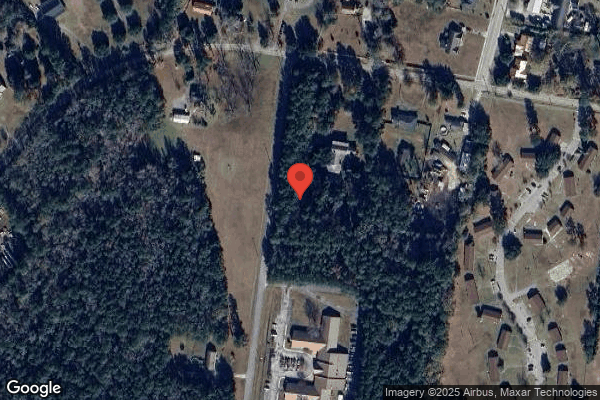

1038 McGill Lane, Saint Stephen, SC 29479 (843) 567-2307
Government - Hospital district 88 Beds Independent Data: November 2025 1 Immediate Jeopardy citation
Trust Grade
46/100
#116 of 186 in SC
Last Inspection: January 2025

Within standard 12-15 month inspection cycle. Federal law requires annual inspections.

Overview

Lake Moultrie Nursing Home has a Trust Grade of D, indicating below-average performance with some concerns about care quality. It ranks #116 out of 186 facilities in South Carolina, placing it in the bottom half, but is #2 out of 4 in Berkeley County, meaning it has only one local competitor that is better. The facility is making improvements, as it reduced its issues from 5 in 2023 to 3 in 2025. Staffing is a strength here, with a rating of 4 out of 5 stars and a turnover rate of 25%, significantly lower than the state average, showing that staff tend to stay and develop relationships with residents. However, the nursing home has faced $19,097 in fines, which is concerning and suggests recurring compliance problems. On the downside, there have been serious incidents, including a failure to update a resident's code status, which could have put them at risk during a medical emergency. Additionally, a resident with cognitive impairment sustained a hip fracture due to inadequate fall prevention measures. These issues highlight the need for improvement in care practices despite some strengths in staffing.

Trust Score
D
46/100
In South Carolina
#116/186
Bottom 38%
Safety Record
High Risk
Review needed
Inspections
Getting Better
5 → 3 violations
Staff Stability
✓ Good
25% annual turnover. Excellent stability, 23 points below South Carolina's 48% average. Staff who stay learn residents' needs.
Penalties
⚠ Watch
$19,097 in fines. Higher than 76% of South Carolina facilities, suggesting repeated compliance issues.
Skilled Nurses
○ Average
Each resident gets 36 minutes of Registered Nurse (RN) attention daily — about average for South Carolina. RNs are the most trained staff who monitor for health changes.
Violations
○ Average
10 deficiencies on record. Average for a facility this size. Mostly minor or procedural issues.
★★☆☆☆
2.0
Overall Rating
★★★★☆
4.0
Staff Levels
★★★☆☆
3.0
Care Quality
★★☆☆☆
2.0
Inspection Score
Stable
2023: 5 issues
2025: 3 issues

The Good

  • 4-Star Staffing Rating · Above-average nurse staffing levels
  • Low Staff Turnover (25%) · Staff stability means consistent care
  • Full Sprinkler Coverage · Fire safety systems throughout facility
  • No fines on record
  • Staff turnover is low (25%)

    23 points below South Carolina average of 48%

Facility shows strength in staffing levels, staff retention, fire safety.

The Bad

2-Star Overall Rating

Below South Carolina average (2.8)

Below average - review inspection findings carefully

Federal Fines: $19,097

Below median ($33,413)

Minor penalties assessed

The Ugly 10 deficiencies on record

1 life-threatening 1 actual harm
Jan 2025 3 deficiencies 1 IJ
CRITICAL (J)

Immediate Jeopardy (IJ) - the most serious Medicare violation

Deficiency F0578 (Tag F0578)

Someone could have died · This affected 1 resident

**NOTE- TERMS IN BRACKETS HAVE BEEN EDITED TO PROTECT CONFIDENTIALITY** Based on interview, record review, and facility policy review, the facility failed to ensure physician orders matched the reside...

Read full inspector narrative →
**NOTE- TERMS IN BRACKETS HAVE BEEN EDITED TO PROTECT CONFIDENTIALITY** Based on interview, record review, and facility policy review, the facility failed to ensure physician orders matched the resident's documented end of life wishes for one of 20 residents (Resident (R) 71) reviewed for code status out of a total sample of 20. Specifically, R71's representative chose for R71 to have a Do Not Resuscitate (no cardiopulmonary resuscitation (CPR) in case of a medical emergency) status. Five days later, R71 chose to have full code status (perform CPR in case of a medical emergency); however, the physician's orders were not updated to reflect the resident's choice. This placed R71 at risk of not receiving CPR in the event of a medical emergency and placed the resident at risk for serious harm, up to and including death. An Immediate Jeopardy was identified on [DATE] at F578 at a Scope and Severity of (S/S) of J was determined to exist on [DATE] when R71 changed his code status to Full Code and the facility did not update physician orders from DNR to Full Code. The Administrator was notified of the Immediate Jeopardy on [DATE] at 3:43 PM. The facility provided an acceptable plan of removal on [DATE] at 9:57 AM. The removal plan included completing chart audits on every resident and comparing advanced directives to physician orders for accuracy, scanning all advanced directives into the electronic medical record, and educating all licensed nurses on the facility's policy and procedure for initiating code status orders, the appropriate forms to be used, and the location of the code status for each resident in the EMR. The survey team validated the implementation of the removal plan on [DATE] at 3:20 PM, and the S/S was lowered to D, isolated with the potential for more than minimal harm. Findings Include: Review of the facility's policy titled, Advanced Directives, revised [DATE], revealed, . information about whether or not the resident has executed an Advanced Directive shall be displayed prominently in the medical record . Prior to or upon admission of a resident, the Social Services Director or designee will inquire of the resident, his/her family members and/or his or her legal representative, about the existence of any written advance directives . Changes or revocations of a directive must be submitted in writing to the Administrator. The Administrator may require new documents if changes are extensive. The Care Plan Team will be informed of such changes and/or revocations so that appropriate changes can be made in the resident assessment (MDS) and care plan . The Director of Nursing Services or designee will notify the Attending Physician of advance directives so that appropriate orders can be documented in the resident's medical record and plan of care . The plan of care of each resident will be consistent with his or her documented treatment preferences and/or advance directive . The Interdisciplinary Team will review annually with the resident his or her advance directives to ensure that such directives are still the wishes of the resident. 1. Review of R71's admission Record, located under the Profile tab of the electronic medical record (EMR), revealed R71 was admitted to the facility on [DATE]. Review of R71's Advanced Directives tab of his hard chart revealed a South Carolina Emergency Medical Services form, dated [DATE] and signed by the resident's representative and physician, which indicated no resuscitative efforts including artificial stimulation of the cardiopulmonary system by electrical, mechanical, or manual means be made in the event of cardiopulmonary arrest. Review of R71's Misc (miscellaneous) tab of the EMR revealed a Resuscitation Directive, dated [DATE], that indicated R71 requested all possible measures taken to revive me. It was recorded that the form was uploaded to the EMR on [DATE]. Review of R71's Order Recap Report, located in the Orders tab of the EMR, revealed a physician's orders, dated [DATE] to [DATE] and [DATE] to [DATE] for R71 to have a code status of DNR [Do Not Resuscitate]. On [DATE], an order was entered for R71 to have a Full Code status. Further review of the EMR revealed no signed request indicating if R71 wanted to have CPR performed or if R71 wanted DNR status until an interview with the SSD on [DATE]. Review of the Care Plan located under the Care Plan tab of the EMR revealed R71 had a focus area Do not do CPR [DNR] created on [DATE] and revised on [DATE] to Do CPR. Review of R71's quarterly Minimum Data Set (MDS), with an Assessment Reference Date (ARD) of [DATE] and located in the MDS tab of the EMR, revealed R71 scored 13 out of 15 on the Brief Interview for Mental Status (BIMS), which indicated R71 was cognitively intact. During an interview on [DATE] at 10:00 AM, Registered Nurse (RN) 1 was asked what she would do if a resident was found without a pulse or respirations. She stated she would check the EMR for the resident's code status. In addition, RN1 stated the facility was in the process of scanning the signed code status request forms into the EMR under Misc. RN1 was asked what she would do if the scanned form and the orders did not match. She stated, If they don't match, well that wouldn't be good. I would try to find the initial signed order. RN1 verified the advanced directives tab of the hard chart contained only a DNR code status request for R71, dated [DATE] and that Full Code orders were in the EMR. During an interview on [DATE] at 10:10 AM, the Assistant Director of Nursing (ADON) reported the Social Services Director (SSD) had residents/responsible parties sign a form revealing their wishes regarding code status. The ADON stated the DNR form was signed by two doctors and then given to the nurse to put orders into the EMR. She stated a different form was used for Full Code, with those orders also put into the EMR after a doctor signed. The ADON stated the signed requests were in the process of all being scanned into the EMR as the facility worked on going paperless. She stated that currently, the hard chart contained the forms. The ADON stated staff were to go to the EMR profile where the orders showed up revealing code status. The ADON stated the request and the orders should match. During an interview on [DATE] at 10:13 AM, the SSD reported she discussed code status wishes with the resident or family (if the resident was unable to make the decision) on admission and with any changes. The SSD stated she discovered on [DATE] that R71 had two signed requests, one for DNR dated [DATE] and one for Full Code dated [DATE]. The SSD stated the Full Code request that was signed by the resident and physician was in the business office file and not in the hard chart. The SSD stated she took the Full Code form to the nurse on [DATE] so that she could change the DNR orders to Full Code. The SSD stated she left the Full Code form with the nurse and kept a copy. The SSD provided the copy and scanned it into the Misc tab. The SSD stated R71 chose a full code status five days after admission to the facility when he was feeling better. The SSD stated the form should have been in his hard chart and provided to the nurse so orders could have been put in the EMR. During an interview on [DATE] at 10:26 AM, R71 commented, If you can save a life, why not try? He stated, If I'm good, they can help me [perform CPR]. During an interview on [DATE] at 10:32 AM, the SSD was asked when she had last verified R71's code status wishes with him. She stated it was when he signed the Full Code request in August. When asked if code status was discussed any other time, such as at care conferences, the SSD stated the residents were asked if they wanted any changes in their code status during care conferences. During an interview on [DATE] at 10:36 AM, the Administrator stated she expected the orders in the EMR to match the residents' wishes. During an interview on [DATE] at 11:07 AM, the Director of Nursing (DON) stated the SSD met with the resident or family member to determine code status. She stated once the form was signed, the SSD gave it to the nurse to ensure the order went into the EMR, and then the ward secretary was given the form to scan into the Misc tab of the EMR. The DON stated that not all code status requests were in the EMR since the facility was in the process of scanning the forms. The DON stated the current form was expected to be in the hard chart, if not scanned in, with orders in the EMR matching. She stated if the orders conflicted with the code status request form, staff were to check with the doctor. The DON stated she understood this could take time the facility did not have if a resident coded. Review of the facility's Removal Plan included the following: 1. Identification of Residents Affected or Likely to be Affected: Resident 71 had the potential for an adverse event relating to his advance directive which did not match physicians' orders. The facility took the following actions to address the citation and prevent any other resident from having the potential to not have the correct code status. (Completion Date: [DATE]) -The Facility Medical Director was notified of the incident. -The DON or designee completed a chart audit on every audit on every resident and compared the advance directives to the physician order for accuracy. No other inaccuracies were noted. The Social Worker, Director of Nursing (DON), and ADON went through each medical record separately. They compared the order to the advanced directive and reviewed the care plan to reflect the current code status. The ward secretary and Social Service director scanned the advanced directives into the EMR. -Resident R71 was interviewed by the social worker on [DATE] to confirm the residents' wishes or his code status. The resident has a BIM score of 13 and competent to make his own decision. The resident confirned that he wished to have all possible measures taken to revive him. The residents' advance directive reflected his decision to be a Full Code. An order was obtained on [DATE] by LPN for residents to be full codee. The care plan was updated [DATE]. 2. Actions to Prevent Occurrent/Recurrence: The facility took the following actions to prevent a potential adverse event from occurring. (Completion Date: [DATE]) -The DON or designee educated all licensed nurses on duty in the facility [DATE] on facility's policy and procedure for initiating code status orders, the appropriate forms to be used for a full code or DNR, and location of the code status for each resident in the EMR. The Administrator educated the social worker on the Advanced Directive policy and procedure. Licensed nurses will not be permitted to work a shift until education is completed on resident's code status. Nurses on leave will receive education prior to their next scheduled shift. -Code status will be reviewed during quarterly and annual care plan meetings to address residents' current preference of code status. -A Quality Assurance Performance Improvement (QAPI) Performance Improvement Project (PIP) was implemented. DON to monitor code status compliance by interviewing licensed nurses about facility Advance Directive policy and procedure, as well as requesting return demonstration of Advance Directive process. Compliance checks will be conducted 2 times weekly for three months. Findings will be reported at a weekly ADHOC QAPI weekly x4 weeks then monthly QAPI Committee meeting to ensure that compliance is met. -DON or designee will audit new admission to compare the residents' advanced directives to the physician orders for accuracy. This audit will continue daily for three months and will be reviewed by the Administrator in the morning meeting x5 days Monday-Friday and the weekend RN Supervisor will review new admission on Saturday and Sunday. Facility asserts Likelihood for Serious Harm No Longer Exists: [DATE]
CONCERN (D)

Potential for Harm - no one hurt, but risky conditions existed

Report Alleged Abuse (Tag F0609)

Could have caused harm · This affected 1 resident

**NOTE- TERMS IN BRACKETS HAVE BEEN EDITED TO PROTECT CONFIDENTIALITY** Based on record review, interviews, and facility policy review, the facility failed to ensure bruising to the chest was reported...

Read full inspector narrative →
**NOTE- TERMS IN BRACKETS HAVE BEEN EDITED TO PROTECT CONFIDENTIALITY** Based on record review, interviews, and facility policy review, the facility failed to ensure bruising to the chest was reported for one of one resident (Resident (R) 33) reviewed for injuries of unknown origin out of a total sample of 20. Specifically, staff failed to accurately report a bruise on R33's chest upon initial discovery as well as failed to accurately report the circumstances surrounding an event with R33 and Family Member (FM)2. This deficient practice had the potential to affect other residents at the facility that may have had unidentified pain, an injury of unknown origin, unwitnessed fall, or allegations of abuse. Findings include: Review of the facility's policy titled, Abuse: Reporting Abuse to Facility Management, revised December 2013, indicated, 1. Our facility does not condone resident abuse by anyone, including staff members, physicians, consultants, volunteers, staff of other agencies serving the resident, family members, legal guardians, sponsors, other residents, friends, or other individuals . G. Injury of unknown source is defined as an injury that meets both of the following conditions: 1. The source of the injury was not observed by any person or the source of the injury could not be explained by the resident. 2. The injury is suspicious because of . location of the injury . Review of R33's Profile tab of the electronic medical record (EMR) revealed the resident was admitted to the facility on [DATE] with a diagnosis of dementia. Review of R33's admission Minimum Date Set (MDS), under the MDS tab of the EMR and with an assessment reference date (ARD) of 11/04/24, revealed the resident had a Brief Interview for Mental Status (BIMS) score of 00 out of 15, which indicated severe cognitive impairment. The resident was coded as having hallucinations, displayed physical behavioral symptoms directed towards others (e.g., hitting, kicking, pushing, scratching, grabbing, abusing others sexually), and rejected evaluation or care. The resident was coded as needing partial to moderate assistance with eating and was dependent with all other Activities of Daily Living. Review of R33's Progress Notes, under the Progress Notes tab of the EMR, dated 01/08/25 at 1:39 PM, and written by Licensed Practical Nurse (LPN) 3, indicated, . Resident in the day room with FM2] 2 at her side assisting with feeding her lunch. Writer noted resident held [FM2] arms and [FM2] grabbing on to residents' arms saying, 'Give that to me you fool.' With the writer noting increased physical aggression from [FM2] and increased agitation noted from resident. Writer observed [FM2] push his fist into resident upper middle left chest wall where current bruising on the chest wall was noted yesterday. Resident stated, 'I'm scared.' This writer stepped in to finish the feeding. [FM2] was very angry with the situation - resident holding food in her hand which was [FM2]'s concern. Writer reported to [LPN2] and DON [Director of Nursing], for further F/U [follow up] . Review of R33's entire clinical record revealed no documentation related to the origin of the bruise to R33's chest or any investigation into the cause of the bruise. LPN3 was not available for interview at time of survey. During a telephone interview on 01/21/25 at 3:15 PM, LPN2 stated, I was not there the day of the incident so I did not see it. I was told by [LPN3] that [FM2] was at the table with [R33] feeding her lunch. [R33] became aggressive and started swatting at him. [FM2] grabbed her hand and [R33]'s hand was flopping back and forth trying to protect herself. I was not told about [FM2] was striking her chest. I have never seen [FM2] be abusive to her. LPN2 stated she was not aware of the bruise on R33's chest as documented in the progress note. During an interview on 01/20/25 at 2:55 PM, the Administrator stated she was not aware of FM2 striking or pushing R33's chest. During a follow up interview on 01/20/25 at 3:44 PM, the Administrator stated, The only thing I know was [DON] said [FM2] would try to feed [R33] and [FM2] gets frustrated when she does not eat. When [FM2] sometimes voices his concerns about [R33] not eating, we explain interventions in place. He gets confused himself. The Administrator added that if she was told FM2 had struck R33 in the chest, she would investigate who saw it, review the progress note, and if she felt like he was being abusive, she would do a reportable. The Administrator stated, No staff has told me he has been abusive. The Administrator was informed of the note in the progress note. The Administrator reconfirmed she was not aware of the incident; therefore, she did not report it. During an interview on 01/20/25 at 2:57 PM, the DON revealed LPN3 came to her and stated FM2 was shaking at R33 trying to get her to eat. The DON stated LPN3 never reported FM2 touched R33. The DON stated they told FM2 if he got agitated while feeding her to stop and we would finish feeding her. The DON stated no other instances had been reported between FM2 and R33. The DON stated she did not review the progress notes; therefore, she was not aware of the bruise on R33's chest. During an interview on 01/20/25 at 3:16 PM, Certified Nursing Assistant (CNA)2 stated, On the day of the incident, [FM2] was like trying to feed her [R33] but she did not want to be fed. I saw [FM2] get agitated, so I went to get the nurses' attention but they saw it as well, so they were going to address the matter. I do not remember witting a statement about it. CNA2 stated she did not provide care for R33.
CONCERN (D)

Potential for Harm - no one hurt, but risky conditions existed

Respiratory Care (Tag F0695)

Could have caused harm · This affected 1 resident

**NOTE- TERMS IN BRACKETS HAVE BEEN EDITED TO PROTECT CONFIDENTIALITY** Based on observation, interview, record review, and policy review, the facility failed to administer oxygen at the physician pre...

Read full inspector narrative →
**NOTE- TERMS IN BRACKETS HAVE BEEN EDITED TO PROTECT CONFIDENTIALITY** Based on observation, interview, record review, and policy review, the facility failed to administer oxygen at the physician prescribed rate for one of three residents (Resident (R)9) reviewed for oxygen out of a total sample of 20. This had the potential to cause the resident respiratory distress. Findings include: Review of the facility's Oxygen Administration policy, dated 2020, revealed, . Oxygen is administered under orders of a physician except in the case of an emergency . Review of R9's Admitting Record, located in the Profile tab of the electronic medical record, (EMR), revealed the resident was admitted to the facility on [DATE] with diagnoses that included end stage renal disease, diabetes, and anxiety. Review of R9's significant change Minimum Data Set (MDS), with an Assessment Reference Date (ARD) of 11/25/24 and located under the MDS tab of the EMR, revealed R9 scored 12 out of 15 on her Brief Interview for Mental Status (BIMS), which indicated she had moderate cognitive impairment. It was recorded R9 used continuous oxygen therapy. Review of R9's Care Plan, dated 12/04/24 and located in the Care Plan tab of the EMR, revealed a focus, . The resident has oxygen therapy r/t [related to] shortness of breath. Interventions included,. Oxygen at 2 L [liters] per minute via nasal cannula to maintain O2 [oxygen] saturation above 92% and for shortness of breath . Review of R9's January 2025 Medication Administration Record (MAR), located in Orders tab of the EMR, revealed an order dated 12/04/24 for oxygen at two liters/minute via nasal cannula to maintain oxygen saturation above 92% and for shortness of breath. Nursing signed the order off on the MAR each twelve-hour shift and noted R9's oxygen saturation levels, which were all greater than 92%. During a concurrent observation and interview on 01/20/25 at 10:22 AM, R9 was observed lying in bed with oxygen flowing via a nasal cannula from a concentrator set at 3.5 liters per minute (LPM). R9 stated she had used supplemental oxygen for about two months but could not recall why it was used or the setting. During an observation on 01/21/25 at 11:25 AM, R9's oxygen concentrator was again set at 3.5 LPM as she sat in her wheelchair during an activity in a common area, utilizing oxygen from the concentrator. During a concurrent observation and interview on 01/21/25 at 12:45 PM, Registered Nurse (RN) 2 verified R9's oxygen concentrator was set at 3.5 LPM as R9 sat in her room in her wheelchair. RN2 verified the orders in the EMR and stated the oxygen orders were for 2 LPM. RN2 went to R9's room to adjust the concentrator to the ordered oxygen setting. During an interview on 01/21/25 at 1:36 PM, the Director of Nursing (DON) stated she expected that oxygen would be delivered at the rate ordered by the physician. She stated oxygen should not be turned up without a physician's order.
Apr 2023 5 deficiencies 1 Harm
SERIOUS (G)

Actual Harm - a resident was hurt due to facility failures

Accident Prevention (Tag F0689)

A resident was harmed · This affected 1 resident

**NOTE- TERMS IN BRACKETS HAVE BEEN EDITED TO PROTECT CONFIDENTIALITY** Based on record review, interview, facility document review, and facility policy review, the facility failed to consistently for...

Read full inspector narrative →
**NOTE- TERMS IN BRACKETS HAVE BEEN EDITED TO PROTECT CONFIDENTIALITY** Based on record review, interview, facility document review, and facility policy review, the facility failed to consistently formulate and/or implement appropriate fall interventions for 1 (Resident #31) of 3 residents sampled for falls. Specifically, the facility repeatedly provided Resident #31, a resident with severe cognitive impairment, instructions to request assistance in response to multiple falls. In addition, the facility failed to consistently provide a sitter as directed in Resident #31's care plan due to lack of staff availability. This failure resulted in Resident #31 sustaining a right hip fracture on 01/26/2023. Findings included: A review of a facility policy titled, Falls and Fall Risk, Managing, last revised March 2018, revealed, Based on previous evaluations and current data, staff will identify interventions related to the resident's specific risks and causes to try to prevent the resident from falling and to try and minimize complications from falling. A review of Resident #31's Facesheet revealed Resident #31 was admitted to the with diagnoses including dementia, senile degeneration of the brain, cerebral infarction, unspecified injury of the head, and essential hypertension. A review of Resident #31's comprehensive care plans revealed a care plan addressing Falls, dated 03/08/2021. This care plan indicated Resident #31 was at risk for falls related to cognitive deficits, impaired mobility, lack of safety awareness, incontinence, and dependence on staff for all activities of daily living (ADLs). This care plan indicated Resident #31 had a history of self-transferring from the bed to the wheelchair and the commode without calling for assistance or supervision. A review of Resident #31's quarterly Minimum Data Set (MDS), dated [DATE], revealed the resident had a Brief Interview for Mental Status (BIMS) score of 6, which indicated severe cognitive impairment. According to the MDS, Resident #31 required limited assistance (staff provide guided maneuvering of limbs or other non-weight-bearing assistance) of one person for transfers and toileting and was independent with locomotion, both on and off their unit. The MDS also indicated the resident was occasionally incontinent of urine and always continent of bowel. A review of a Resident Incident Report prepared by Registered Nurse (RN) #9 and dated 12/04/2022 with a timestamp of 7:51 PM, revealed Resident #31 sustained a fall. According to the report, the resident was exiting the bathroom and fell to the floor as witnessed by a certified nursing assistant (CNA) who was in the room feeding Resident #31's roommate. Immediate actions taken consisted of safety and education provided to the resident. A review of Resident #31's Falls care plan revealed an entry after the fall, dated 12/04/2022. The entry reflected that a fall with no injury occurred, with an intervention added that directed staff to ensure the resident wore proper footwear. A review of a Resident Incident Report, prepared by Licensed Practical Nurse (LPN) #7 and dated 12/05/2022, revealed Resident #31 fell again. According to the report, the resident was found on the floor in their bathroom doorway, sustained an abrasion to the left scapula area, and complained of pain all over. Immediate action taken consisted of educating the resident to ask for assistance with transfers. A review of Resident #31's Falls care plan revealed an entry after the fall, dated 12/05/2022. The entry reflected that a fall with injury occurred, which resulted in Resident #31 being sent to the emergency room (ER) for evaluation. According to the care plan, Resident #31 was diagnosed with a nasal fracture. An intervention was added to Resident #31's care plan on 12/05/2022 directing staff to evaluate the resident's blood pressure. On 12/06/2022, the facility initiated another care plan addressing falls related to Resident #31's poor safety awareness. The care plan indicated Resident #31 continuously got up without assistance and sustained a fall on 12/05/2022. According to the care plan, the ER report indicated the fall resulted in a minimally displaced right nasal bone fracture and a nondisplaced left nasal bone fracture. This care plan included interventions, dated 12/06/2022, directing staff to provide a sitter at the bedside, when available, and a referral to physical therapy for evaluation. A review of a PT [physical therapy] Evaluation & Plan of Care, dated 12/06/2022, revealed Resident #31 was educated regarding the need to always have assistance when standing up, but refused physical therapy services. A review of a Resident Incident Report, prepared by LPN #6 and dated 12/31/2022 with a timestamp of 1:31 PM, revealed Resident #31 was found on the floor near their bathroom with no apparent injuries. Per the report, an immediate action taken consisted of assessing the resident for injuries. A review of a Daily Sitter Schedule, dated 12/31/2022, revealed Resident #31 had no designated sitter assigned to their care at the time of the 12/31/2022 fall. The Daily Sitter Schedule included the following note to staff: If you are a CNA sitting and the floor is short, you are expected to take the floor. You are also responsible for all care and charting for the resident you are sitting with. A review of Resident #31's Falls care plan revealed an entry after the fall, dated 12/31/2022. The entry reflected that a fall with no injury occurred and indicated Resident #31 was referred to therapy for an evaluation of ambulation and unsteady gait. A review of a Resident Incident Report, prepared by LPN #7 and dated 01/13/2023 with a timestamp of 9:35 AM, revealed Resident #31 was found on the floor of their bathroom. Per the report, the resident was transferring from the toilet without assistance. The incident report indicated Resident #31 had their shoes on the wrong feet. Immediate actions taken consisted of providing education to Resident #31 regarding placing shoes on the correct feet and to call for assistance before transferring. A review of a Daily Sitter Schedule, dated 01/13/2023, revealed Resident #31 did not have a designated sitter assigned to their care at the time of the 01/13/2023 fall. A review of Resident #31's Falls care plan revealed an entry after the fall, dated 01/13/2023. The entry reflected a fall with a head injury occurred and indicated a bowel regimen was implemented on 01/13/2023. A review of a Resident Incident Report, prepared by LPN #7 and dated 01/26/2023 and timestamped 10:10 AM, revealed Resident #31 was holding onto the bed rail while facing the bed and stepped back to sit in their roommate's chair and fell. After the fall, Resident #31 complained of right hip/leg pain and their right foot was turned outward. New orders were obtained to send Resident #31 to the hospital. A review of a Daily Sitter Schedule, dated 01/26/2023, revealed Resident #31 had no designated sitter assigned to their care at the time of the 01/26/2023 fall. The schedule listed Nursing as Resident #31's sitter name, instead of a designated staff member. A review of Resident #31's Falls care plan revealed an entry after the fall, dated 01/26/2023. The entry reflected a fall with right hip fracture occurred and directed staff to provide a sitter for the resident to assist with all transfers. On 04/05/2023 at 2:59 PM, the Director of Nursing (DON) confirmed Resident #31 had no sitter assigned to their care on 01/26/2023. A review of Resident #31's hospital Discharge Summary, dated 01/31/2023, revealed the resident sustained a fall at the facility and subsequently complained of right leg pain. Resident #31's discharge diagnoses included a closed right hip fracture. A review of a Resident Incident Report, prepared by LPN #6 and dated 02/26/2023 with a timestamp of 12:28 PM, revealed Resident #31 sustained a fall. Per the report, staff observed the resident lying on their back on the floor. The incident report indicated Resident #31 was trying to transfer to another resident's bed. A review of a Daily Sitter Schedule, dated 02/26/2022, revealed CNA #10 was the designated sitter for both Resident #31 and their roommate at the time the 02/26/2023 fall occurred. A review of Resident #31's care plan addressing poor safety awareness and falls, dated 12/06/2022, revealed an entry dated 02/26/2023 that reflected a fall with injury occurred, with an intervention dated 02/26/2023, denoting fall with injury- sitter at bedside. A review of a Resident Incident Report, prepared by LPN #7 and dated 03/28/2023 with a timestamp of 4:55 PM, revealed Resident #31 was found sitting on the floor beside their bed with their wheelchair behind them. The incident report indicated Resident #31 was transferring from the chair without assistance. A review of a Daily Sitter Schedule, dated 03/28/2023, revealed Sitter #11 was the designated sitter for both Resident #31 and their roommate at the time the fall occurred. A review of Resident #31's Falls care plan revealed an entry that reflected a fall with no injury occurred and an intervention for sitter at bedside as indicated, dated 03/28/2023. On 04/05/2022 at 12:22 PM, LPN #6, the nurse who completed the incident reports after Resident #31's 12/31/2022 and 02/26/2023 falls, was interviewed. LPN #6 said after a resident experienced a fall, the nurse was expected to review the resident's care plan, along with any prior falls, to identify causal factors and new interventions. LPN #6 stated that all falls were also reviewed during morning meetings. LPN #6 stated Resident #31 had no short-term memory retention. She stated staff could ask the resident a question and the resident would not remember what was asked a minute later. LPN #6 stated she was unsure what fall interventions were currently in place for Resident #31, but noted she knew the resident had a sitter. LPN #6 noted she was unsure on what date sitter services were initiated but stated it had been in place for a while. LPN #6 stated she could not recall any specific details about Resident #31's falls. On 04/05/2023 at 1:03 PM, LPN #7, the nurse who completed the incident reports after Resident #31's 12/05/2022, 01/13/2023, 01/26/2023, and 03/28/2023 falls, was interviewed. LPN #7 said after a resident had a fall, the nurse was responsible for completing the incident reports and implementing immediate interventions, noting further interventions would then be discussed in morning meetings. LPN #7 stated she did not remember any specific details about Resident #31's falls on 12/05/2022, 01/13/2023, 01/26/2023 or 03/28/2023. She noted she was unable to remember if she put any immediate interventions in place after the falls, but stated there should have been a new intervention identified after each fall. LPN #7 acknowledged that providing education or reminding Resident #31 would not have been an effective intervention to keep the resident safe and prevent additional falls because Resident #31 had no short-term memory retention. LPN #7 also stated Resident #31 had a sitter, but she was not sure what the expectations for the sitters were, such as whether they should always remain with the resident or if someone else should take over supervision of the resident when the sitter went on break. During an interview with CNA #8 on 04/05/2023 at 4:51 PM, CNA #8 said Resident #31 had a sitter, but there was not a sitter assigned to the resident during every shift on every day. CNA #8 expressed uncertainty regarding why the resident had a sitter sometimes and not others. CNA #8 said Resident #31 was unable to retain any new information and could become combative and resist care at times. On 04/06/2023 at 5:17 AM, RN #9, the nurse who completed the incident report after Resident #31's fall on 12/04/2023, was interviewed via telephone. RN #9 stated after a resident had a fall, staff tried to determine what caused the fall and tried to identify appropriate interventions to prevent additional falls. RN #9 stated Resident #31 seemed very alert but could not retain information. RN #9 also stated that when staff tried to redirect Resident #31, the resident became combative and resisted care. RN #9 stated that staff constantly educated and encouraged Resident #31 to ask for assistance but agreed that educating Resident #31 to call for assistance was not an appropriate or reliable way to reduce the potential for additional falls. RN #9 stated sitters had been the most effective intervention for Resident #31. However, RN #9 said Resident #31 only had a sitter sometimes. RN #9 lacked knowledge regarding why Resident #31 had a sitter on an intermittent basis, noting the Administrator and DON made the sitter schedule. During an interview on 04/06/2023 at 8:15 AM, CNA #10 explained she was a CNA and was also assigned as a resident sitter on some shifts. CNA #10 stated that when she was assigned to provide sitting services for Resident #31, she was also assigned to the resident's roommate. CNA #10 stated when she was assigned as a sitter, she was responsible for charting resident activities, such as meals, voiding, bed mobility, and how the resident moved throughout the facility. CNA #10 stated that, before she could take a break, she let another CNA know to replace her. CNA #10 did not know how long Resident #31 had had a sitter in place. She explained that although Resident #31 had a sitter at times, the sitter could not provide one-on-one supervision because the sitter was also responsible for watching the roommate. CNA #10 stated she was assigned to watch Resident #31 and their roommate on 02/26/2023 when Resident #31 had a fall. She stated she was sitting at a dining room table with the roommate and Resident #31, who was in their wheelchair, mobilized down a hall into another resident's room. CNA #10 stated she yelled for other staff, but Resident #31 had already fallen in the room while trying to get into another resident's bed. During an interview on 04/06/2023 at 8:52 AM, Sitter #11 said when she was assigned to provide sitting services for Resident #31, she was also assigned to provide sitting services for the roommate. Sitter #11 said if one of the residents wanted to leave the room, she would notify other staff so a staff member could remain with both residents. Sitter #11 stated when Resident #31 fell on [DATE], she was in the dayroom with Resident #31's roommate, and Resident #31 was in their wheelchair mobilizing up and down the hallway. Sitter #11 said somehow Resident #31 slipped past her and went back to their room. Sitter #11 stated she did not know how Resident #31 got by her and said she wished that another staff member would have alerted her, but no one did. Sitter #11 said it was difficult to watch both residents at the same time, because Resident #31 was highly mobile, though the roommate was not. Sitter #11 said that one person could not supervise both residents and ensure the safety of both. Sitter #11 indicated she decided on her own to ask another staff to come in with the roommate if Resident #31 left the room to allow her to follow Resident #31. However, Sitter #11 said there had never been a directive that Resident #31 required one-on-one supervision. During an interview on 04/06/2023 at 9:18 AM, CNA #12 said she had started providing sitting services for Resident #31 sometime in March of 2023. She indicated when she provided sitting services for Resident #31, she also provided sitting services for their roommate. CNA #12 said the only thing she could do when Resident #31 left her sight was to go to the nurses' station to notify the nurse. During an interview on 04/06/2023 at 9:56 AM, the MDS Coordinator reviewed Resident #31's Falls care plan and stated a sitter was put into place around 12/06/2022. The MDS Coordinator was unsure when the sitter services specifically started and said Resident #31 had a sitter sometimes and other times did not. The MDS Coordinator stated that staff were always around Resident #31 and provided supervision when there was not an assigned sitter. However, she was unable to explain why a sitter was not provided every day if Resident #31 required a sitter for safety. The MDS Coordinator reviewed Resident #31's care plans related to safety and falls and agreed many of the interventions listed on the care plan were not effective or appropriate interventions, noting that any interventions that were identified should have been followed through on. During an interview on 04/06/2023 at 11:23 AM, the DON stated she tried to identify which residents needed a sitter daily but said sitter assignments were also based on staff availability. The DON confirmed Resident #31 was not assigned a sitter on 01/26/2023 when the resident fell and sustained a hip fracture and stated that it was due to staff/sitter availability. The DON stated Resident #31 had poor memory due to cognitive deficits, but that staff still tried to educate the resident. However, the DON acknowledged Resident #31 would know something one minute but would be unable to remember it the next minute. She agreed that educating or reminding Resident #31 was not appropriate and that staff should have identified additional interventions. The DON also stated there had been discussion of Resident #31 requiring one-on-one supervision but said the facility did not have the staff to accommodate that. During an interview on 04/06/2023 at 12:25 PM, the Administrator stated that when residents fell, the falls were discussed during morning meetings, and staff would try to determine what new interventions were appropriate. She said staff should be identifying other interventions aside from just educating Resident #31. The Administrator also stated the sitter was not an effective intervention since the facility did not have the staff to consistently provide Resident #31 a sitter every day.
CONCERN (D)

Potential for Harm - no one hurt, but risky conditions existed

Safe Environment (Tag F0584)

Could have caused harm · This affected 1 resident

**NOTE- TERMS IN BRACKETS HAVE BEEN EDITED TO PROTECT CONFIDENTIALITY** Based on observations, interviews, and facility policy review,the facility failed to ensure a wheelchair cushion was not torn, w...

Read full inspector narrative →
**NOTE- TERMS IN BRACKETS HAVE BEEN EDITED TO PROTECT CONFIDENTIALITY** Based on observations, interviews, and facility policy review,the facility failed to ensure a wheelchair cushion was not torn, with exposed foam, for 1 (Resident #63) of 3 residents reviewed for environmental concerns. Findings include: A review of the facility's undated policy titled, Equipment-General Use for All Residents, revealed, Wheelchairs, walkers, crutches, canes, etc., are maintained by our facility for the general use of all residents. A review of Resident #63's significant change in status Minimum Data Set (MDS), dated [DATE], revealed Resident #63 had a Brief Interview for Mental Status (BIMS) score of 4, indicating the resident had severe cognitive impairment. The MDS also indicated Resident #63 utilized a wheelchair. A review of Resident #63's comprehensive care plans revealed a care plan, dated 02/09/2022, that addressed the resident's activities of daily living (ADLs). This care plan directed staff to ensure Resident #63 was in their wheelchair when out of bed. On 04/03/2023 at 12:39 PM, Resident #63 was observed sitting in a wheelchair. The wheelchair cushion had open areas on the left side, exposing yellow foam. On 04/05/2023 at 10:15 AM, Resident #63 was sitting in a wheelchair. The wheelchair cushion had open areas on the left side, exposing yellow foam. A review of the housekeeping cleaning schedules for March 2023 revealed wheelchairs on the hall where Resident #63 resided were to be cleaned on 03/01/2023, 03/07/2023, 03/14/2023, 03/21/2023, and 03/28/2023. A review of the housekeeping cleaning schedules for April 2023 revealed wheelchairs on the hall where Resident #63 resided were to be cleaned on 04/04/2023. During an interview on 04/06/2023 at 7:37 AM, Certified Nurse Aide (CNA)1 stated if resident equipment needed repair, she would notify the maintenance department. CNA1 was not aware that Resident #63's wheelchair cushion had open areas on the left side. During an interview on 04/06/2023 at 8:37 AM, Unit Manager #2 stated wheelchair cushions were on a cleaning schedule, and indicated housekeeping staff took care of that. Unit Manager #2 said all facility staff were responsible for ensuring wheelchair cushions were in good, working condition, and said if a wheelchair cushion was found to be in ill repair, therapy would be notified to provide a new cushion. Unit Manager #2 was not aware Resident #63's wheelchair cushion had open areas on the left side, exposing yellow foam. After observing Resident #63's wheelchair cushion, Unit Manager #2 acknowledged the cushion was not in good working condition. During an interview on 04/06/2023 at 8:46 AM, the Housekeeping Supervisor stated housekeeping and maintenance staff took wheelchair cushions outside and disinfected them by spraying with cleaner and letting them air dry. She also stated that, at least once a month, each wheelchair cushion was cleaned, and if a wheelchair cushion was ripped or torn, it needed to be replaced and could not be cleaned. If a wheelchair cushion was found torn or not in good working condition, she would notify nursing staff. The Housekeeping Supervisor was not aware Resident #63's wheelchair cushion was torn. During an interview on 04/06/2023 at 8:52 AM, the Director of Maintenance stated maintenance staff inspected wheelchair cushions for any cracks, then wiped them down, dried them off, and brought them back inside. He was not aware Resident #63's wheelchair cushion was torn, with exposed foam. The Director of Maintenance said if he found a cushion that was not in good working condition, he would let therapy know, so they could order a new cushion or replace it with one they had on hand. During an interview on 04/06/2023 at 9:15 AM, Certified Occupational Therapy Assistant #3 stated therapy had wheelchair cushions available. She was not aware of any concerns with Resident #63's wheelchair cushion. During an interview on 04/06/2023 at 10:24 AM, Housekeeper #4 stated he took wheelchairs and wheelchair cushions outside to spray them down. He checked the wheelchairs and wheelchair cushions to ensure they were in good repair. He stated he was not aware Resident #63's wheelchair cushion was torn or in ill repair. When asked how often he cleaned and inspected wheelchairs and wheelchair cushions, he stated he primarily cleaned the floors. He stated if he found a wheelchair cushion in ill repair, he would get another cushion out of the supply room. During an interview on 04/06/2023 at 10:31 AM, Housekeeper #5 stated to clean wheelchairs, he took the wheelchairs outside, dusted them off, and scraped off hard foods. He said he also used a cleaner and sprayed them down, waited the specified kill time, then rinsed and wiped the wheelchairs off. He stated he inspected the cushions, removed the covers, and sent them for washing if needed. He said if he found a cushion in ill repair, he would go to maintenance first and notify the Director of Nursing. Housekeeper #5 stated he inspected each resident's wheelchair cushion daily. He stated he was not aware Resident #63's wheelchair cushion was torn because he was not at work the day before. During an interview on 04/06/2023 at 10:44 AM, the Director of Nursing stated her expectations for inspecting and cleaning wheelchair cushions were that housekeeping had a cleaning schedule and the CNAs should look at them when they got residents up. If a wheelchair cushion was found to be in ill repair, they should let nursing know, so they could ask therapy staff to get a new cushion. During an interview on 04/06/2023 at 11:12 AM, the Administrator stated her expectation for staff inspecting wheelchair cushions was that CNAs should be looking at them every day when getting the residents up. The Administrator said work order sheets could be filled out and provided to the maintenance department. The Administrator said the maintenance department could replace the cushion with one that was available, or if needed, therapy could order a replacement.
CONCERN (D)

Potential for Harm - no one hurt, but risky conditions existed

PASARR Coordination (Tag F0644)

Could have caused harm · This affected 1 resident

**NOTE- TERMS IN BRACKETS HAVE BEEN EDITED TO PROTECT CONFIDENTIALITY** Based on record review and interviews, the facility failed to ensure a new Preadmission Screening and Resident Review (PASARR) w...

Read full inspector narrative →
**NOTE- TERMS IN BRACKETS HAVE BEEN EDITED TO PROTECT CONFIDENTIALITY** Based on record review and interviews, the facility failed to ensure a new Preadmission Screening and Resident Review (PASARR) was completed after identifying new mental illness diagnoses for 1 (Resident #15) of 3 residents reviewed for PASARR requirements. Findings included: A review of the facility's policy titled admission Criteria, revised December 2016, revealed, Nursing and medical needs of individuals with mental disorders or intellectual disabilities will be determined by coordination with the Medicaid Pre-admission Screening and Resident Review program (PASARR) to the extent practicable. A review of a Facesheet revealed Resident #15 was admitted to the facility on [DATE] with diagnoses including bipolar disorder. A review of Resident #15's Physician Orders revealed orders, dated 06/08/2021, for the following psychotropic medications: Zyprexa (antipsychotic) and Seroquel (antipsychotic). A review of Resident #15's PASARR -Level I Screening Form, dated 06/08/2021, revealed the resident's diagnosis of bipolar disorder was not listed on the screening form as one of Resident #15's mental illness diagnoses. Further review revealed the screening form also did not reflect Resident #15's prescribed psychotropic medications. A review of Resident #15's Diagnosis/History report revealed new mental illness diagnoses of unspecified psychosis and generalized anxiety disorder, both with an onset date of 01/25/2023. Further review of Resident #15's medical record, revealed there was no updated PASARR Level I screening form completed after the addition of the mental illness diagnoses on 01/25/2023. During an interview on 04/05/2023 at 11:35 AM, the Social Services Director (SSD) stated the PASARR Level I screening form was completed by the hospital or another facility prior to admission. The SSD stated she was aware that another Level I screening could be completed at a later time, if indicated. The SSD thought the Director of Nursing (DON) would let her know if there was a new diagnosis added but said she had never completed a new Level I screening form for a resident after their admission. The SSD confirmed she did not complete another PASARR Level I screening on 01/25/2023 after Resident #15 had two additional mental illness diagnoses added, but acknowledged she should have. During an interview on 04/06/2023 at 11:14 AM, the DON stated she expected staff to monitor and complete another PASARR Level I screening form after a new mental illness diagnosis was identified. During an interview on 04/06/2023 at 12:20 PM, the Administrator stated she was aware residents required a new PASARR Level I screening form after a new mental illness diagnosis.
CONCERN (D)

Potential for Harm - no one hurt, but risky conditions existed

Deficiency F0645 (Tag F0645)

Could have caused harm · This affected 1 resident

**NOTE- TERMS IN BRACKETS HAVE BEEN EDITED TO PROTECT CONFIDENTIALITY** Based on record review and interviews, the facility failed to ensure a Preadmission Screening and Resident Review (PASARR) was a...

Read full inspector narrative →
**NOTE- TERMS IN BRACKETS HAVE BEEN EDITED TO PROTECT CONFIDENTIALITY** Based on record review and interviews, the facility failed to ensure a Preadmission Screening and Resident Review (PASARR) was accurately completed prior to admission for 1 (Resident #15) of 3 residents reviewed for PASARR requirements. Findings included: A review of the facility's policy titled admission Criteria, revised December 2016, revealed, Nursing and medical needs of individuals with mental disorders or intellectual disabilities will be determined by coordination with the Medicaid Pre-admission Screening and Resident Review program (PASARR) to the extent practicable. A review of a Facesheet revealed Resident #15 was admitted to the facility on [DATE] with diagnoses including bipolar disorder. A review of Resident #15's Physician Orders revealed orders, dated 06/08/2021, for the following psychotropic medications: Zyprexa (antipsychotic) and Seroquel (antipsychotic). A review of Resident #15's PASARR -Level I Screening Form, dated 06/08/2021, revealed the resident's diagnosis of bipolar disorder was not listed on the screening form as one of Resident #15's mental illness diagnoses. Further review revealed the screening form also did not reflect Resident #15's prescribed psychotropic medications. A review of Resident #15's five-day Minimum Data Set (MDS), dated [DATE], revealed the resident had an active diagnosis of bipolar disorder. During an interview on 04/05/2023 at 11:35 AM, the Social Services Director (SSD) said for every new admission a Level I PASARR screening, along with the Level II PASARR determination, was completed prior to admission to the facility. She also stated she was aware that it was the facility's responsibility to ensure the accuracy of the PASARR Level I screening. The SSD said she had not completed Resident #15's PASARR Level I Screening Form on 06/08/2021, but she agreed the screening form was not accurate, as it did not reflect the resident's condition at the time of admission. The SSD further acknowledged the screening form did not reflect Resident #15's bipolar diagnosis or the two psychotropic medications the resident was prescribed at the time the Level I screening was completed. During an interview on 04/06/2023 at 11:14 AM, the Director of Nursing (DON) stated the facility was supposed to have a PASARR Level I screening form for each resident. The DON stated she would expect her staff to ensure the PASARR Level I screening form was completed accurately, even if an outside agency completed the Level I screening prior to admission to the facility. During an interview on 04/06/2023 at 12:20 PM, the Administrator said she was aware each resident had to have a PASARR Level I screening form. She also stated she expected the Level I screening form to be completed accurately and to reflect the resident's condition at the time the form was completed.
CONCERN (D)

Potential for Harm - no one hurt, but risky conditions existed

Pressure Ulcer Prevention (Tag F0686)

Could have caused harm · This affected 1 resident

**NOTE- TERMS IN BRACKETS HAVE BEEN EDITED TO PROTECT CONFIDENTIALITY** Based on observation, record review, interviews, and facility policy review, the facility failed to ensure the necessary treatme...

Read full inspector narrative →
**NOTE- TERMS IN BRACKETS HAVE BEEN EDITED TO PROTECT CONFIDENTIALITY** Based on observation, record review, interviews, and facility policy review, the facility failed to ensure the necessary treatment and services were provided to promote wound healing and reduce the risk of wound infection for 2 (Resident #46 and Resident #52) of 2 residents reviewed for pressure ulcers. Findings included: Review of the facility's undated policy titled, Clean Dressing Change, specified, It is the policy of this facility to provide wound care in a manner to decrease potential for infection and/or cross-contamination. Physician's orders will specify type of dressing and frequency of changes. The policy specified, Cleanse the wound as ordered, taking care to not contaminate other skin surfaces or other surfaces of the wound (i.e. [that is] clean outward from the center of the wound). Pat dry with gauze. 1. Review of a Facesheet indicated the facility admitted Resident #46 with diagnoses that included diabetes mellitus, methicillin resistant staphylococcus aureus infection of unspecified site, adult failure to thrive, sepsis, urinary tract infection, COVID-19, mild protein-calorie malnutrition, and encounter for palliative care. The significant change Minimum Data Set (MDS), dated [DATE], revealed Resident #46 had a Brief Interview for Mental Status (BIMS) score of 12, which indicated the resident had moderate cognitive impairment. The resident was at risk for the development of pressure ulcers and had no unhealed pressure ulcers. Review of Resident #46's Care Plan(s), dated 03/26/2023, revealed the resident had a stage two pressure ulcer to their sacrum. An intervention instructed staff to perform wound care as ordered. Review of Resident #46's April 2023 Physician Orders revealed an order to cleanse the resident's wound with normal saline or wound cleanser, apply a wound gel with antibacterial and anti-inflammatory properties to the wound bed, and cover the resident's wound with a bordered gauze every day. On 04/04/2023 at 3:23 PM, the Wound Nurse (WN) provided wound care for Resident #46. The WN performed hand hygiene with hand sanitizer and placed an absorbent pad on an overbed table to create a clean field. The WN placed gauze moistened with normal saline, wound gel with antibacterial and anti-inflammatory properties, a tongue depressor, and a bordered gauze dressing on the clean field. The WN washed her hands and put on clean gloves. She removed the dressing from Resident #46's sacral wound and discarded it. The WN removed her gloves, washed her hands, and put on clean gloves. She placed the wound gel on a new bordered gauze dressing and placed the dressing over the resident's sacral wound. The WN did not clean Resident #46's wound before she placed the clean dressing. During an interview, immediately after the wound care, the WN stated she knew she was supposed to clean the resident's wound before applying a clean dressing but forgot to do so. She indicated the dressing change was an uncomplicated process. During an interview on 04/06/2023 at 9:44 AM, the Director of Nursing (DON) stated she expected staff to review the physician's orders and follow the orders for wound cleaning. During an interview on 04/06/2023 at 10:58 AM, the Administrator stated when staff performed wound care, they should follow the physician orders. 2. Review of a Facesheet revealed the facility admitted Resident #52 with diagnoses that included diabetes mellitus and a stage three pressure ulcer of the sacral region. The quarterly Minimum Data Set (MDS), dated [DATE], revealed Resident #52 had severe cognitive impairment, per a Staff Assessment of Mental Status. The resident was at risk for the development of pressure ulcers, had one stage three pressure ulcer, and received pressure ulcer treatment. Review of the Care Plan(s), updated 03/25/2023, revealed Resident #52 had a stage three pressure ulcer on the sacral area. Interventions instructed nursing staff to perform wound care as ordered, to apply metronidazole (antibiotic) 500 milligrams (mg) to the wound bed daily, and to apply sodium hypochlorite 0.50% (antiseptic) solution to the wound daily. Review of Resident #52's April 2023 Physician Orders revealed orders, dated 03/25/2023, to crush one 500 mg metronidazole tablet daily and apply to the bed of the resident's coccyx wound and to apply sodium hypochlorite 0.50% solution to the resident's coccyx wound every day as directed. On 04/04/2023 at 2:32 PM, Resident #52's dressing change was observed. The Wound Nurse (WN) performed hand hygiene with an alcohol-based hand sanitizer and applied a disposable gown. The WN placed a plastic cup on top of the treatment cart, opened a sterile package of gauze, removed the gauze with her bare fingers, and placed it into the plastic cup. She poured sodium hypochlorite 0.50% solution on top of the gauze roll in the plastic cup. The WN gathered the plastic cup containing a roll of gauze dampened with sodium hypochlorite 0.50% solution, a plastic cup with a yellow foil package that contained a metronidazole 500 mg tablet, additional gauze packages, and paper tape and entered the resident room. The WN washed her hands with soap and water, dried her hands, applied gloves, obtained a disposable pad from the night stand, and spread out the disposable pad onto the overbed table to create a clean field. The WN placed the wound treatment supplies on the disposable pad-covered overbed table. She opened the gauze packages, wiped a pair of scissors with wipes, and removed her gloves. The WN washed her hands with soap and water, dried her hands, and applied a clean pair of gloves. She removed the outer dressing and packed gauze from Resident #52's sacral/coccyx wound and removed her gloves. The WN washed her hands with soap and water, dried her hands, and applied clean gloves. She poured a bottle of normal saline into a plastic cup with squares of gauze, cleaned the resident's wound using one piece of gauze for each of three cleansing strokes and discarded each contaminated gauze after use. The WN removed her gloves. The WN washed her hands with soap and water, dried her hands, and applied clean gloves. She picked up the yellow foil package of metronidazole and crushed it between her fingers. The WN opened the foil package and sprinkled the crushed powder onto the roll of gauze previously dampened with sodium hypochlorite 0.50% solution, unrolled the gauze, and packed the dampened gauze into Resident #52's wound. The WN covered the resident's gauze-packed wound with an adhesive gauze dressing and applied a piece of timed and dated tape to the dressing. During an interview on 04/04/2023 at 2:37 PM, the WN indicated that in preparation for Resident #52's wound dressing change, the sterile gauze should not have been touched prior to putting it into the plastic cup to prevent the gauze from becoming cross-contaminated. During an interview on 04/04/2023 at 3:30 PM, the WN confirmed she crushed the metronidazole 500 mg tablet, sprinkled it onto the dampened gauze roll, and packed the gauze into Resident #52's wound during the dressing change. During an interview on 04/06/2023 at 9:46 AM, the Director of Nursing (DON) indicated it was her expectation that during dressing changes nurses followed the physician's order as written and did not touch dressing supplies with their bare hands. During an interview on 04/06/2023 at10:58 AM, the Administrator indicated she expected staff who provided wound care to follow doctor's orders for wound treatments and to clean the wound as ordered.
Sept 2021 2 deficiencies
CONCERN (E)

Potential for Harm - no one hurt, but risky conditions existed

Infection Control (Tag F0880)

Could have caused harm · This affected multiple residents

Based on meal observations, interviews, and facility policy review, the facility failed to ensure that staff washed their hands and/or used hand sanitizer between residents to prevent cross contaminat...

Read full inspector narrative →
Based on meal observations, interviews, and facility policy review, the facility failed to ensure that staff washed their hands and/or used hand sanitizer between residents to prevent cross contamination. This affected a total of seven (7) residents (Residents #12, #16, #21, #32, #34, #58 and #65) and one (1) of two (2) wings (south wing). The total sample size was 38. Findings include: Review of facility policy titled Handwashing/Hand Hygiene with revised date August 2019 revealed to use an alcohol-based hand rub containing at least 62% alcohol; or alternatively, soap (antimicrobial or non-antimicrobial) and water before and after assisting a resident with meals. During lunch observation on the South Wing on 9/14/21 between 12:30 p.m. and 1:15 p.m. revealed the following concerns: 1.) At 12:40 p.m., Licensed Practical Nurse (LPN) #1 was observed assisting Resident #34 with set up of his/her tray in the day area. During this set up, LPN #1, was observed placing a clothing protector on the Resident, taking plate and glasses off Resident #34's tray, then moved on to assist with the Resident's on the hall, without washing his/her hands. 2.) At 12:43 p.m., LPN #1 was observed pushing the plastic tray cart from the day area to the beginning of the 100 Hall on the long hall side. LPN #1 then was observed to remove a plastic clothing protector from the cardboard box on top of the cart and gather Resident #58's tray from inside the cart. At 12:44 p.m., LPN #1 was then seen entering Resident #58's bedroom, placing the tray down on the overbed table, adjusting the overbed table, and then placing a clothing protector on Resident #58. LPN #1 then adjusted Resident #58's bed, and blanket. During further observation, LPN #1 was observed cutting up Resident #58's food and guiding Resident #58's right hand to his/her mouth. LPN #1 did all of this without washing his/her hands prior to entering Resident #58's room and/or after exiting Resident #58's room. 3.) At 12:47 p.m., LPN #1 was observed to gather another clothing protector from cardboard box on top of the dining cart, and then gathered Resident #16's lunch tray from inside the cart. LPN #1 then opened Resident #16's bedroom door, walked into room, turned around and walked back out with tray in hand. LPN #1 then placed Resident #16's lunch tray back inside the tray cart. LPN #1 then threw away the plastic clothing protector and sanitized hands from hand sanitizer on the wall in the hallway. 4.) At 12:50 p.m., LPN #1 was observed in the day area, walking behind Resident #32 at the back table, and observed moving Resident #32's silver tumbler closer to him/her on his/her left side. Then at 12:51 p.m., LPN #1 was observed sitting down at the end of the table, speaking to Resident #34, without washing his/her hands. 5.) At 12:53 p.m., LPN #1 was observed getting up from the end of the table, walking over to Resident #65, talking with Resident #65, touching Resident #65's top of his/her nose, and adjusting Resident #65's clothing protector. LPN #1, during this observation was observed touching the back of Resident #65's Geri-chair. Then LPN #1 went back to the table with Resident #34 and sat down without washing his/her hands. 6.) At 12:56 p.m., LPN #1 was observed getting up from the table, walked over to Resident #65, and touched Resident #65's left hand to assist Resident #65 with his/her food. LPN #1 then went back and sat down at table without washing his/her hands. 7.) At 1:05 p.m., LPN #1 was observed getting up from the table, walked over to the nursing station obtained a straw, which s/he brought back to Resident #34. LPN #1 was observed taking the paper off the straw and placing the straw in Resident #34's drink while touching the sides of the straw. LPN #1 then sat back down at the table with Resident #34, and started again talking with Resident #34, without washing his/her hands. During this lunch observation, there was four (4) hand sanitizers in the hallway on the short hall and four (4) hand sanitizers on the long hall, totaling eight (8). Also, during this observation there was a bottle of hand sanitizer on top of the tray cart. During second lunch observation on the South Wing on 9/15/21 between 12:52 p.m. and 1:25 p.m. revealed the following concerns: 1.) At 12:54 p.m., LPN #2 was observed going into Resident #12's bedroom with his/her lunch tray. LPN #2 placed the lunch tray down on Resident #12's overbed table, which LPN #2 then adjusted, and placed a plastic clothing protector onto Resident #12. During further observation, LPN #2 took lunch plate along with drinks off Resident #12's lunch tray and cut up Resident's food. LPN #2 left the room without washing and/or sanitizing his/her hands, walking down the hallway towards the lobby area. At 12:58 p.m., LPN #2 returned to Resident #12's room with a glass of milk. LPN #2 gave Resident #12 a glass of milk, and exited room while sanitizing hands prior to leaving room. However, LPN #2 was not observed sanitizing his/her hands prior to entering Resident #12's bedroom and/or exiting room before going for the glass of milk. 2.) At 12:56 p.m., LPN #1 entered Resident #21's room with lunch tray, placing tray onto overbed table, while adjusting the table, and placing plastic clothing protector on Resident #21. LPN #1 removed plate and drinks off tray, placing them on the overbed table, and assisted Resident #21 in cutting up his/her food. Then, LPN #1 walked out of Resident #21's room without washing and/or sanitizing his/her hands and went down the hallway toward day area. During this lunch observation, there was four (4) hand sanitizers in the hallway on the short hall and four (4) hand sanitizers on the long hall, totaling eight (8). Also, during this observation there was a bottle of hand sanitizer on top of the tray cart. Interview with LPN #2 on 9/16/21 at 12:10 p.m., revealed that while passing trays to residents, staff are expected to wash and/or sanitize their hands prior to going into the room and prior to exiting the room. Continued interview revealed that staff are expected to sanitize hands between residents. Interview with the Director of Nursing (DON) on 9/16/21 at 12:25 p.m., revealed that his/her expectations would be for staff to wash and/or sanitize their hands between residents. Review of the Teachable Moment Form dated 9/15/21 revealed that LPN #1 was re-educated on hand hygiene and infection control during mealtimes. However, no evidence of education provided to LPN #2. Review of LPN #1's Course Status Report for 2021 revealed that LPN #1 completed hand hygiene on 5/24/21 and infection prevention and control for all staff on 5/24/21. Review of LPN #2's Course Status Report for 2021 revealed that LPN #2 completed hand hygiene on 8/12/21and infection prevention and control for all staff on 8/12/21. Review of the In-service Training: Handwashing dated 7/18/21 and 8/19/21 revealed that LPN #2 attended this in-service. However, no evidence of an agenda for this in-service. Review of the In-service Training: Handwashing dated 8/29/21 and 9/13/21 revealed that LPN #1 attended this in-service. However, no evidence of an agenda for this in-service.
CONCERN (F)

Potential for Harm - no one hurt, but risky conditions existed

Food Safety (Tag F0812)

Could have caused harm · This affected most or all residents

Based on observations, interviews, and policy review, the facility failed to ensure to label opened items in the walk-in freezer; failed to discard food in the walk-in refrigerator by the use by date;...

Read full inspector narrative →
Based on observations, interviews, and policy review, the facility failed to ensure to label opened items in the walk-in freezer; failed to discard food in the walk-in refrigerator by the use by date; failed to ensure damaged items in the walk-in refrigerator were discarded; and failed to ensure that a hands-free trashcan was available for staff to prevent possible cross contamination. This deficient practice had the potential to effect 66 of the 68 residents receiving an oral diet. Findings include: Review of the facility policy titled Food Receiving and Storage, revised 11/2017, revealed foods shall be received and stored in a manner that complies with safe food handling procedures; 2. When food is delivered to the facility it will be inspected for safe transport and quality before being accepted.; 8. All foods stored in the refrigerator or freezer will be covered, labeled and dated (use by date).; and 14E. Other open containers must be dated and sealed or covered during storage. During initial kitchen tour observation on 9/14/21 between 10:00 a.m.-10:30 a.m. revealed the following concerns: 1.) In the walk-in refrigerator, there was three (3) five (5) pound containers of chicken salad with use by date of 9/6/21. 2.) In the walk-in refrigerator, there was a five (5) pound container of tuna salad, which was opened on 8/26/21. However, no evidence of a use by date. 3.) In the walk-in refrigerator, there was an opened five (5) pound container of coleslaw with an expired date of 9/4/21. 4.) In the walk-in refrigerator, there was a gallon of coleslaw that was opened and dated 7/30/21; however, no evidence of a use by date. 5.) In the walk-in refrigerator, there was a box which inside had two (2) five-pound containers of coleslaw. Continued observation revealed that the coleslaws had spilled out into the box, from there lids being damaged, exposing the coleslaw. 6.) In the walk-in freezer, there was a plastic bin that contained multiple food storage bags of meat that was not labeled and/or dated. During interview with the Dietary Manager (DM) on 9/14/21 at 10:00 a.m., s/he revealed that the items in the walk-in refrigerator should have been discarded by the use by date. Continued interview revealed that the items in the walk-in freezer should have been properly labeled. Also, s/he stated that the damaged items in the walk-in refrigerator should have been properly discarded. During an observation on 9/16/21 at 12:20 p.m., after kitchen staff washed their hands at the handwashing sink, three (3) dietary staff were observed to go across the kitchen to dispose of their paper towels in a trashcan that had the lid partially opened. There was no evidence of a hands-free trash can anywhere in the kitchen. During an interview with the DM on 9/16/21 at 12:20 p.m. the DM revealed that s/he need to get one in reference to a hands-free trashcan for the handwashing sink. During interview with Dietary Aide (DA) #1 on 9/16/21 at 2:29 p.m., s/he revealed it is necessary to lift the lid from the trash can at the kitchen's handwashing sink to throw away used paper towel. Further interview with DA #2 and DA #3 on 9/16/21 at 2:43 p.m. confirmed the observation of them walking across the kitchen to dispose of their paper towel due to the lack of a hand-free trashcan at the handwashing sink.
Understanding Severity Codes (click to expand)
Life-Threatening (Immediate Jeopardy)
J - Isolated K - Pattern L - Widespread
Actual Harm
G - Isolated H - Pattern I - Widespread
Potential for Harm
D - Isolated E - Pattern F - Widespread
No Harm (Minor)
A - Isolated B - Pattern C - Widespread

Questions to Ask on Your Visit

  • "What changes have you made since the serious inspection findings?"
  • "Can I speak with families of current residents?"
  • "What's your RN coverage like on weekends and overnight?"

Our Honest Assessment

Strengths
  • • 25% annual turnover. Excellent stability, 23 points below South Carolina's 48% average. Staff who stay learn residents' needs.
Concerns
  • • Multiple safety concerns identified: 1 life-threatening violation(s), 1 harm violation(s). Review inspection reports carefully.
  • • 10 deficiencies on record, including 1 critical (life-threatening) violation. These warrant careful review before choosing this facility.
  • • $19,097 in fines. Above average for South Carolina. Some compliance problems on record.
  • • Grade D (46/100). Below average facility with significant concerns.
Bottom line: Trust Score of 46/100 indicates significant concerns. Thoroughly evaluate alternatives.

About This Facility

What is Lake Moultrie Nursing Home's CMS Rating?

CMS assigns Lake Moultrie Nursing Home an overall rating of 2 out of 5 stars, which is considered below average nationally. Within South Carolina, this rating places the facility higher than 0% of the state's 100 nursing homes. A rating at this level reflects concerns identified through health inspections, staffing assessments, or quality measures that families should carefully consider.

How is Lake Moultrie Nursing Home Staffed?

CMS rates Lake Moultrie Nursing Home's staffing level at 4 out of 5 stars, which is above average compared to other nursing homes. Staff turnover is 25%, compared to the South Carolina average of 46%. This relatively stable workforce can support continuity of care.

What Have Inspectors Found at Lake Moultrie Nursing Home?

State health inspectors documented 10 deficiencies at Lake Moultrie Nursing Home during 2021 to 2025. These included: 1 Immediate Jeopardy (the most serious level, indicating potential for serious harm or death), 1 that caused actual resident harm, and 8 with potential for harm. Immediate Jeopardy findings are rare and represent the most serious regulatory concerns. They require immediate corrective action.

Who Owns and Operates Lake Moultrie Nursing Home?

Lake Moultrie Nursing Home is owned by a government entity. Government-operated facilities are typically run by state, county, or municipal agencies. The facility operates independently rather than as part of a larger chain. With 88 certified beds and approximately 80 residents (about 91% occupancy), it is a smaller facility located in Saint Stephen, South Carolina.

How Does Lake Moultrie Nursing Home Compare to Other South Carolina Nursing Homes?

Compared to the 100 nursing homes in South Carolina, Lake Moultrie Nursing Home's overall rating (2 stars) is below the state average of 2.8, staff turnover (25%) is significantly lower than the state average of 46%, and health inspection rating (2 stars) is below the national benchmark.

What Should Families Ask When Visiting Lake Moultrie Nursing Home?

Based on this facility's data, families visiting should ask: "What changes have been made since the serious inspection findings, and how are you preventing similar issues?" "Can I visit during a mealtime to observe dining assistance and food quality?" "How do you handle medical emergencies, and what is your hospital transfer rate?" "Can I speak with family members of current residents about their experience?" These questions are particularly relevant given the facility's Immediate Jeopardy citations.

Is Lake Moultrie Nursing Home Safe?

Based on CMS inspection data, Lake Moultrie Nursing Home has documented safety concerns. Inspectors have issued 1 Immediate Jeopardy citation (the most serious violation level indicating risk of serious injury or death). The facility has a 2-star overall rating and ranks #100 of 100 nursing homes in South Carolina. Families considering this facility should ask detailed questions about what corrective actions have been taken since these incidents.

Do Nurses at Lake Moultrie Nursing Home Stick Around?

Staff at Lake Moultrie Nursing Home tend to stick around. With a turnover rate of 25%, the facility is 21 percentage points below the South Carolina average of 46%. Low turnover is a positive sign. It means caregivers have time to learn each resident's needs, medications, and personal preferences. Consistent staff also notice subtle changes in a resident's condition more quickly. Registered Nurse turnover is also low at 18%, meaning experienced RNs are available to handle complex medical needs.

Was Lake Moultrie Nursing Home Ever Fined?

Lake Moultrie Nursing Home has been fined $19,097 across 2 penalty actions. This is below the South Carolina average of $33,270. While any fine indicates a compliance issue, fines under $50,000 are relatively common and typically reflect isolated problems that were subsequently corrected. Families should ask what specific issues led to these fines and confirm they've been resolved.

Is Lake Moultrie Nursing Home on Any Federal Watch List?

Lake Moultrie Nursing Home is not on any federal watch list. The most significant is the Special Focus Facility (SFF) program, which identifies the bottom 1% of nursing homes nationally based on persistent, serious quality problems. Not being on this list means the facility has avoided the pattern of deficiencies that triggers enhanced federal oversight. This is a positive indicator, though families should still review the facility's inspection history directly.