Saluda Nursing Center
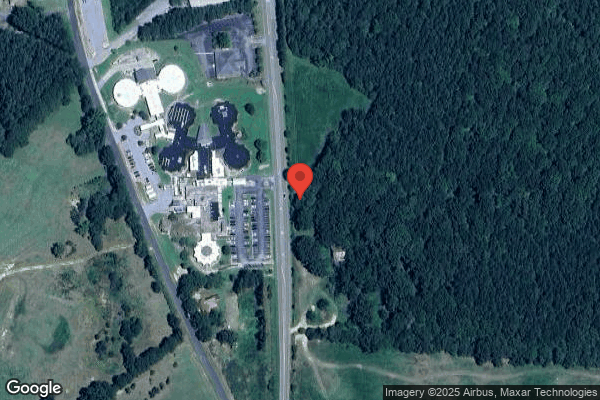

581 Newberry Highway, Saluda, SC 29138 (864) 445-2146
Government - County 176 Beds Independent Data: November 2025 4 Immediate Jeopardy citations
Trust Grade
2/100
#175 of 186 in SC
Last Inspection: April 2025

Within standard 12-15 month inspection cycle. Federal law requires annual inspections.

Overview

Saluda Nursing Center has received a Trust Grade of F, indicating poor performance and significant concerns about care quality. With a state rank of #175 out of 186, this facility is in the bottom half of nursing homes in South Carolina, and locally, it is the only option in Saluda County. Unfortunately, the center is trending worse, with incidents of care issues increasing from 2 in 2024 to 4 in 2025. Staffing is a relative strength, rated at 4 out of 5 stars, with a low turnover rate of 19%, which is well below the state average. However, the facility has $27,049 in fines, which raises concerns about compliance, and critical incidents include failing to properly document a resident's Do Not Resuscitate status and not initiating CPR for an unresponsive resident, both of which pose serious risks to resident safety.
Trust Score
F
2/100
In South Carolina
#175/186
Bottom 6%
Safety Record
High Risk
Review needed
Inspections
Getting Worse
2 → 4 violations
Staff Stability
✓ Good
19% annual turnover. Excellent stability, 29 points below South Carolina's 48% average. Staff who stay learn residents' needs.
Penalties
✓ Good
$27,049 in fines. Lower than most South Carolina facilities. Relatively clean record.
Skilled Nurses
○ Average
Each resident gets 40 minutes of Registered Nurse (RN) attention daily — about average for South Carolina. RNs are the most trained staff who monitor for health changes.
Violations
⚠ Watch
12 deficiencies on record. Higher than average. Multiple issues found across inspections.
★☆☆☆☆
1.0
Overall Rating
★★★★☆
4.0
Staff Levels
★★★☆☆
3.0
Care Quality
★☆☆☆☆
1.0
Inspection Score
Stable
2024: 2 issues
2025: 4 issues

The Good

  • 4-Star Staffing Rating · Above-average nurse staffing levels
  • Low Staff Turnover (19%) · Staff stability means consistent care
  • Full Sprinkler Coverage · Fire safety systems throughout facility
  • No fines on record
  • Staff turnover is low (19%)

    29 points below South Carolina average of 48%

Facility shows strength in staffing levels, staff retention, fire safety.

The Bad

1-Star Overall Rating

Below South Carolina average (2.8)

Significant quality concerns identified by CMS

Federal Fines: $27,049

Below median ($33,413)

Moderate penalties - review what triggered them

The Ugly 12 deficiencies on record

4 life-threatening
Apr 2025 4 deficiencies 2 IJ
CRITICAL (J)

Immediate Jeopardy (IJ) - the most serious Medicare violation

Deficiency F0578 (Tag F0578)

Someone could have died · This affected 1 resident

**NOTE- TERMS IN BRACKETS HAVE BEEN EDITED TO PROTECT CONFIDENTIALITY** Based on record review, interview, and policy review, the facility failed to ensure that code status was reflected accurately in...

Read full inspector narrative →
**NOTE- TERMS IN BRACKETS HAVE BEEN EDITED TO PROTECT CONFIDENTIALITY** Based on record review, interview, and policy review, the facility failed to ensure that code status was reflected accurately in the medical record for one of 11 residents (Resident (R) 360) reviewed for advanced directives of 36 sample residents. R360 requested to be a Do Not Resuscitate (DNR) but was listed as a Full code in the electronic medical records and hard chart. The facility's Administrator was informed on 04/16/25 at 3:20 PM that Immediate Jeopardy existed related to the failure to ensure that one of 11 residents identified as requesting to be a DNR, was documented as DNR. The facility provided an Immediate Jeopardy Removal Plan that was accepted on 04/17/25 at 4:14 PM. The survey team validated implementation of the removal plan through interviews, and review of training records. Immediate Jeopardy was verified as removed on 04/17/25 at 5:21 PM, with a compliance date of 04/16/25. After the removal of the Immediate Jeopardy, the deficiency remained at a D scope and severity for isolated potential for more than minimal harm. Findings include: Review of the facility's policy titled, Do Not Resuscitate Order, dated 2001, revealed our facility will not use cardiopulmonary resuscitation and related emergency measures to maintain life functions on a resident when there was a Do Not Resuscitate Order in effect. Review of R360's Face Sheet located in resident's electronic medical record (EMR) under the Profile tab revealed the resident was admitted to the facility on [DATE] and was listed as Full code. Review of R360's quarterly Minimum Data Set (MDS) with an Assessment Reference Date (ARD) of 04/11/25 and located in the resident's EMR under the MDS tab revealed a Brief Interview for Mental Status (BIMS) score of 14 out of 15, which indicated the resident was cognitively intact. Review of R360's Physician Orders, dated 04/03/25 and located in the resident's EMR under the Orders tab, revealed Full code for code status. Review of the hard chart located at the Wise unit wing nurses station revealed Full code for R360. During an interview on 04/15/25 at 1:31 PM, R360 along with Family Member (FM) 1 were in his room talking. R360 was observed sitting in his wheelchair in front of the TV and FM1 was sitting next to him. R360 and FM1 stated he was a DNR and that all the paperwork had already been provided to the facility during the admission process. Review of R360's Nursing Progress Note, located under the Notes tab of the EMR written by Registered Nurse (RN) 5, dated 04/04/25 at 7:02 PM, revealed [AGE] year admitted to [room number] from Hospital. He is alert and oriented x 3 but [Name] reported sundowners at night. He was able to answer questions appropriately. Takes meds whole and on a regular diet. No known medication or food allergies but dislikes sweet potatoes. He was dependent on turning and repositioning. He was ambulatory at home but has been unable to walk since fall. Prior to hospital stay he lived alone. Transfers with full body lift bed to wheelchair. Feeds himself. He wishes to be a DNR. Review of the Emergency Medical Services Do Not Resuscitate (DNR) order notice to emergency medical services (EMS) personnel signed and dated 04/04/25 and located in the hard chart, revealed R360 requested no resuscitative efforts including artificial stimulation in the event of cardiopulmonary arrest. Review of the Do Not Resuscitate Request/Order, signed and dated 04/04/25 by R360 and located in the hard chart, revealed it witnessed by RN5 and Unit Manager (UM) 2 and signed by physician. Review of Code Status Nursing report, located at each nursing station and provided by the facility, dated 04/15/25 at 4:11 PM, revealed R360 code status was DNR. During an interview on 04/16/25 at 12:10 PM, UM2 stated they had the signed DNR on 04/04/25 but she was the one responsible for converting the code status in the electronic chart and hard chart after the DNR was signed by the physician. She said she simply overlooked R360's signed DNR and did not update the chart to reflect DNR until last night. She said it was lying in a stack of papers on her desk. During an interview on 04/17/25 at 2:14 PM, the Director of Nursing (DON) stated she expected all residents to have the correct code status listed in their chart and in their EMR. The facility's removal plan included: Residents Who Could be Involved or Affected: All residents had the potential to be affected by this non-compliance; however, this was an isolated event related to R360 and no other residents were affected by this non-compliance. Removal Plan Actions Taken: 1. On 4/16/2025 after review of R360's medical record, the non-compliance mentioned was already corrected. The order for Do Not Resuscitate was already initiated and active on R360's list of active physician orders. 2. To prevent future non-compliance, the following steps have been implemented: a. Upon admission or at any time, if a resident or a resident's representative sign Do Not Resuscitate documents, the resident's practitioner will be notified by the witnessing nurse on the same day. b. When the practitioner signs the Do Not Resuscitate documents, the signed documents will be hand delivered to the nurse on duty. c. The nurse receiving the Do Not Resuscitate documents that have been signed by the resident or resident's representative and the practitioner will update the resident's code status order by entering the new Do Not Resuscitate order into the resident's medical record on that date. 3. On 4/16/2025, an immediate audit was completed on 100% of all current resident charts by nursing supervisors for accuracy of code status orders and corresponding documentation. This audit was completed by 9:00pm on 4/16/2025 and all charts were in compliance. 4. Ongoing audits will be performed by nursing supervisors monthly for compliance and presented to the QA committee for the next six months (May, June, July, August, September, October). 5. This action plan will be monitored as mentioned above and outliers will be addressed on an individual basis should they occur. Allegation of Compliance Date; April 16, 2025 Staff Education Plan: 1. On 4/16/2025 at 4:45pm, nursing supervisors were educated via face-to-face communication by the Director of Nursing on the process of auditing all residents' code status orders and ensuring proper corresponding documentation in the medical record as determined by the residents' wishes. 2. By 11:59 pm on 4/16/2025, 100% of nurses employed by the facility were re-educated on the facility policy for advance directives. Nurses who were present at the facility on this date were educated via face-to-face communication by nursing supervisors and administrative personnel. Nurses not present at the facility on this date were educated via telephone by nursing supervisors and administrative personnel. 3. By 11:59 pm on 4/16/2025, 100% of nurses were re-educated on the importance of complete and thorough documentation of resident wishes to include any conversation of advance directives. Nurses who were present at the facility on this date were educated via face-to-face communication by nursing supervisors and administrative personnel. Nurses not present at the facility on this date were educated via telephone by nursing supervisors and administrative personnel.
CRITICAL (J)

Immediate Jeopardy (IJ) - the most serious Medicare violation

Deficiency F0678 (Tag F0678)

Someone could have died · This affected 1 resident

**NOTE- TERMS IN BRACKETS HAVE BEEN EDITED TO PROTECT CONFIDENTIALITY** Based on record review, interview, and policy review, the facility failed to ensure that cardiopulmonary resuscitation (CPR) was...

Read full inspector narrative →
**NOTE- TERMS IN BRACKETS HAVE BEEN EDITED TO PROTECT CONFIDENTIALITY** Based on record review, interview, and policy review, the facility failed to ensure that cardiopulmonary resuscitation (CPR) was initiated after one of 11 residents (Resident (R) 361) was found unresponsive on [DATE]. The facility's Administrator, Director of Nursing (DON), and the Assistant Director of Nursing (ADON) were informed on [DATE] at 6:18 PM that Immediate Jeopardy (IJ) existed related to the failure to ensure that one of 11 residents received CPR as required. The facility provided an IJ Removal Plan that was accepted on [DATE] at 4:37 PM. The survey team validated implementation of the removal plan through interviews, and review of training records. IJ was verfied as removed on [DATE] at 5:21 PM, with a compliance date of [DATE]. After the removal of the IJ, the deficiency remained at a D scope and severity for isolated potential for more than minimal harm. Findings include: Review of the facility's policy titled, Emergency Procedure-Cardiopulmonary Resuscitation, revised [DATE], revealed if an individual was found unresponsive and not breathing normally, a licensed staff member who was certified in CPR/BLS [Basic Life Support] shall initiate CPR unless there was a known DNR [Do not Resuscitate] order or there are obvious signs of irreversible death (rigor mortis). Review of R361's Face Sheet located in resident's closed record file, dated [DATE], revealed advanced directive full code. Review of R361's annual Minimum Data Set (MDS) with an Assessment Reference Date (ARD) of [DATE] and located in the resident's electronic medical record (EMR) under the MDS tab, revealed a Brief Interview for Mental Status (BIMS) score of nine out of 15, which indicated the resident had moderate cognitive impairment. Review of R361's Physician Orders, dated [DATE] and located in the resident's EMR under the Orders tab, revealed Full code for code status. Review of the closed hard chart revealed an insert that read Full Code for R361. Review of R361 Progress Note located under the Notes tab of the EMR and dated [DATE] at 2:24 PM by Social Worker (SW) 2, revealed She was a full code. Review of R361 Daily Nursing Assessment, dated [DATE] at 2:45 AM written by Licensed Practical Nurse (LPN) 7, revealed resting in bed, eyes closed, respirations easy and unlabored with oxygen via nasal cannula maintaining oxygen saturations within normal limits. Increased confusion will continue to monitor. Review of R361 Death Assessment, located under the Assessments tab of the EMR, dated [DATE] at 6:00 AM written by LPN7, revealed time of death on [DATE] at 5:05 AM. Registered Nurse (RN) 6 assessed for death and MD [Medical Doctor]/NP [Nurse Practitioner] was notified at 5:10 AM. Further review revealed there was no documentation for an assessment of R361 when she was found unresponsive. The start and stop time for CPR was blank. Review of Progress Notes located under the Notes tab of the EMR, dated [DATE], revealed no documentation about when or what time R361 was found or an assessment of the condition of R361's body at the time she was found. There was no documentation that 911 was called or if CPR was initiated and/or stopped. Review of Progress Notes located under the Notes tab of the EMR on [DATE] by SW2, revealed Resident passed away unexpectedly on 7-27-2024 around 5:10 a.m. She was [AGE] years old. Resident had a dx [diagnosis] of Chronic Systolic Congestive Heart Failure. Resident financial POA [Power of Attorney] and Healthcare POA were notified of resident passing by nurse. NP/MD was also notified of resident passing. Resident body was released to [Name] Funeral Home. During an interview on [DATE] at 8:47 AM, LPN7 stated he went into R361's room to pass medications and had a cup of water. He said she would normally be asleep past that time but was easily aroused. He stated she did not respond so he touched her on the shoulder and observed there was no rise and fall in her chest. He said he called for help but was unable to remember who and started CPR. He said another nurse assisted him with CPR but he nor any other staff called 911. He stated it was the facility's protocol to call 911 when a resident coded but he could not remember why they did not, but he should have. He said while they were doing CPR, they realized R361 had already been deceased for a while and the other nurse called the NP who told them to stop. He said he did CPR for a good 10-15 minutes. He stated he did not know why there was no documentation about the resident and her condition when she was found that morning. During an interview on [DATE] at 10:22 AM, RN6 stated when a resident was found unresponsive staff should call for help, call 911, and initiate CPR. She said 911 was right below them and could get there quickly. She said on [DATE], LPN6 came to the other side of the unit to tell her that R361 was unresponsive so she went down to R361's room to access R361 who was cold to the touch and her limbs appeared blue. She stated she never observed LPN7 doing CPR and she never assisted LPN7 with CPR. She stated she went down to call the NP who told them they could stop doing CPR. She stated she could not say with any certainty that CPR was ever initiated. She stated she never asked him if he had started CPR. She stated she was unsure why there was no documentation for the assessment of R361 but there should have been. During an interview on [DATE] at 11:09 AM, NP stated she never assessed the resident herself but based on the nurse's assessment the resident was cold, and her limbs were blue. She stated she instructed them to stop CPR. During an interview on [DATE] at 5:04 PM, the DON stated to her knowledge staff did not initiate CPR at any time that night and that they had an order not to start CPR and she told them to document that. The DON stated the LPN should have yelled for someone to call 911 and to get a RN and he should have gotten the crash cart and started CPR until he was instructed to stop. The facility's removal plan included: Residents Who Could be Involved or Affected: All residents had the potential to be affected by this non-compliance; however, this was an isolated event related to R361 and no other residents were affected by this non-compliance. Removal Plan Actions Taken: 1. On [DATE] after review of the event of non-compliance related to R361, there was no specific corrective action that could take place related to the nature of the event (resident was expired); however, future corrective actions are outlined below. 2. To prevent future non-compliance, the following steps have been implemented: a. Nursing staff education completed by 11:59 pm on [DATE] for 100% of nurses employed by the facility to include how to determine a resident's current code status and the process for initiating CPR for residents will a full code status b. Nursing staff education completed by 11:59 pm on [DATE] for 100% of nurses employed by the facility on the understanding of the importance of immediate initiation of CPR when applicable 3. Ongoing audits will be performed by nursing supervisors monthly for adequate nursing documentation and presented to the QA committee for the next six months (May, June, July, August, September, October). A total often residents' charts will be randomly selected for this audit. 4. This action plan will be monitored as mentioned above and outliers will be addressed on an individual basis should they occur. Date Actions Taken: [DATE] Staff Education Plan: 1. By 11:59pm on [DATE], 100% of nurses employed by the facility were re-educated on the importance of complete and thorough documentation. Nurses who were present at the facility on this date were educated via face-to-face communication by nursing supervisors and administrative personnel. Nurses not present at the facility on this date were educated via telephone by nursing supervisors and administrative personnel. 2. By 11:59pm on [DATE], 100% of nurses employed by the facility were re-educated on the policy and procedures for Cardiopulmonary Resuscitation. Nurses who were present at the facility on this date were educated via face-to-face communication by nursing supervisors and administrative personnel. Nurses not present at the facility on this date were educated via telephone by nursing supervisors and administrative personnel.
CONCERN (D)

Potential for Harm - no one hurt, but risky conditions existed

Deficiency F0558 (Tag F0558)

Could have caused harm · This affected 1 resident

**NOTE- TERMS IN BRACKETS HAVE BEEN EDITED TO PROTECT CONFIDENTIALITY** Based on record review, interviews, and facility policy review, the facility failed to provide a shower bed to accommodate activ...

Read full inspector narrative →
**NOTE- TERMS IN BRACKETS HAVE BEEN EDITED TO PROTECT CONFIDENTIALITY** Based on record review, interviews, and facility policy review, the facility failed to provide a shower bed to accommodate activities of daily living (ADL) showers three times a week for one of two residents (Resident (R) 116) reviewed for accommodation of needs of 36 sample residents. This failure had the potential to affect R116's quality of life. Findings include: Review of the facility's policy titled, Activities of Daily Living (ADL), Supporting, revised March 2018, revealed .Appropriate care and services will be provided for residents who are unable to carry out ADLs independently, with the consent of the resident and in accordance with the plan of care, including appropriate support and assistance with: a. Hygiene (bathing, dressing, grooming, and oral care) . Review of the Face Sheet located in the electronic medical record (EMR) under the Profile tab revealed R116 was admitted to the facility on [DATE] with a diagnosis of Parkinson's disease without dyskinesia. Review of the Height, dated 12/18/24 and located in the EMR Vitals tab, revealed R116 was 73.0 (6 feet one inch) Inches standing. Review of the Clinical Orders, dated 12/24/24 and located in the EMR under the Orders tab, revealed .Showers every evening shift every Monday, Wednesday, Friday . Review of the quarterly Minimum Data Set (MDS) with an Assessment Reference Date (ARD) of 03/24/25 revealed R116 had a Brief Interview for Mental Status (BIMS) score of 15 out of 15 which indicated R116 was cognitively intact. Further review revealed R116 was dependent on staff for assistance with showers. Review of the Care Plan, dated 03/24/25 and located in the EMR under the Care Plan Detail tab, revealed R116 .The resident has an ADL self-care performance deficit r/t [related to] Decreased mobility, and [sic] Impaired balance . with interventions to assist with bathing. Review of the Treatment Administration Records (TARs) dated January 2025, February 2025, March 2025, and April 2025 and located in the Orders tab of the EMR, revealed R116 was documented as receiving showers by staff. Review of the Point of Care Response History (POC) look back 30 days located in the EMR POC tab, revealed showers were marked as Not Applicable from 03/19/25 to 04/16/25. Review of the Weights, dated 04/16/25 and located in the EMR Vitals tab, revealed R116 was 290.8 Lbs. [pounds]. During an interview on 04/15/25 at 1:18 PM, R116 stated the facility did not have a shower bed to accommodate his size. R116 stated, Doesn't mind the bed bath, but it would be nice to have a shower once in a while. Further interview revealed R116 talked to the Unit Manager, and she told R116 they were trying to get something worked out. R116 revealed it had been a month or two since he had not had a shower and that it was not possible to get into the whirlpool because of issues with standing. During an interview on 04/16/25 at 3:30 PM, Certified Nursing Assistant (CNA)3 stated R116 was receiving bed baths but was not getting showers. CNA3 stated the shower bed creaked when trying to turn him. CNA3 stated they had limitations with him because of his size. CNA3 stated he was taking up the whole shower bed. CNA3 stated they had a bariatric shower bed, but it was too small. CNA3 stated it had been two months since R116 was given a shower. During an interview on 04/16/25 at 3:51 PM, CNA4 stated R116 was getting bed baths instead of showers due to his weight. During an interview on 04/16/25 at 4:00 PM, CNA6 stated we have a bariatric bed, and it is not a good fit for him. He could not turn in the bed, he holds on to the handicap bar and he turns on the other side and he does not have a handicap bar, just the shower bed bar, the bed can roll over with [R116]. [R116] had been getting bed baths for two months and the family is aware. We have a shower chair, but it is not wide enough. During an interview on 04/16/25 at 4:11 PM, CNA7 stated [R116] gets a bed bath. The bariatric bed is hard for him to maneuver in and for the CNAs to maneuver. He is used to getting showers weekly. He is a two to one person assist with bed baths. The Unit Manager said she was going to work on it, and I have not heard anything else about it. I'm sure he was upset about going from showers three days a week to just bed baths. During an interview on 04/17/25 at 10:47 AM, the Unit Manager (UM)3 stated we were putting him on the trolley bed for showers. There was tilt when [R116] was placed on trolley. We put the showers on hold. [R116] just started to learn a different method to transfer. There is a therapy consult to guide us for showers. [R116] had been without showers for four weeks and had been getting bed baths. A consultation was placed yesterday for therapy for safe transfer. UM3 was aware of the situation prior to therapy consultation. The Unit Manager stated, We definitely want to accommodate him. During an interview on 04/17/25 at 04:09 PM, the Director of Nursing (DON) stated, the expectation is that if it is appropriate and the resident wants a shower, they are to be put on the shower schedule to accommodate their needs.
CONCERN (D)

Potential for Harm - no one hurt, but risky conditions existed

Deficiency F0583 (Tag F0583)

Could have caused harm · This affected 1 resident

Based on observations, interviews, and facility policy review, the facility failed to ensure medical records containing personal health information (PHI) were not accessible for one of one resident (R...

Read full inspector narrative →
Based on observations, interviews, and facility policy review, the facility failed to ensure medical records containing personal health information (PHI) were not accessible for one of one resident (Resident (R) 132) of 36 sample residents. This failure had the potential to allow inappropriate access to residents' records. Findings include: Review of the facility's policy titled, Electronic Medical Records, dated 2001, revealed the facility will make reasonable efforts to limit the use or disclosure of protected health information to only the minimum necessary to accomplish the intended purpose of the use or disclosure. During an observation on 04/15/25 at 11:34 AM, the wise unit revealed one of the medication carts was in front of the nurse's station. The cart was locked but the computer screen was left unlocked and visible revealing medical information for R132. There were unidentified residents who walked by the cart. During an observation and interview on 04/15/25 at 11:35 AM, Registered Nurse (RN) 5 was observed sitting at the nurse's station before getting up and walking around to the med cart. RN5 said she did not realize she left the computer screen unlocked with resident medical information visible. She stated she knew she was supposed to lock the screen before walking away from the nurse's cart. During an interview on 04/17/25 at 2:14 PM the Director of Nursing (DON) said nursing staff were supposed to lock their computer screens when they walked away and to ensure they did not allow resident medical information to be accessed.
May 2024 2 deficiencies
CONCERN (D)

Potential for Harm - no one hurt, but risky conditions existed

Deficiency F0553 (Tag F0553)

Could have caused harm · This affected 1 resident

**NOTE- TERMS IN BRACKETS HAVE BEEN EDITED TO PROTECT CONFIDENTIALITY** Based on interview, record review, and facility policy review, the facility failed to ensure residents' right to participate in ...

Read full inspector narrative →
**NOTE- TERMS IN BRACKETS HAVE BEEN EDITED TO PROTECT CONFIDENTIALITY** Based on interview, record review, and facility policy review, the facility failed to ensure residents' right to participate in the care planning process was honored for one of one residents reviewed for care plans out of 32 sampled residents (Resident (R) 48). This failure placed the resident at risk for the care plan not being a person-centered care plan. Findings include: Review of the facility's policy titled Resident Participation - Assessment/Care Plans, dated 12/2016, revealed The resident and his or her legal representative are encouraged to attend and participate in the resident's assessment and in the development of the resident's person-centered care plan.The Resident/Family Services Director or designee is responsible for notifying the resident/representative and for maintaining records of such notices. Notices include: a. The date, time, and location of the conference; b. The name of each person contacted and the date he or she was contacted; c. The method of contact (e.g., mail, telephone, email, etc.); d. Input from the resident or representative if they are not able to attend; e. Refusal of participation, if applicable; and f. The date and signature of the individual making the contact. Review of R48's undated admission Record, located under the Profile tab of the electronic medical record (EMR), revealed R48 was admitted to the facility on [DATE] with diagnoses that included hemiplegia with hemiparesis following a cerebral infarction affecting the right dominant side. Review of R48's annual Minimum Data Set (MDS), with an Assessment Reference Date (ARD) of 03/22/24 and located under the MDS tab of the EMR, revealed R48 scored 14 out of 15 on the Brief Interview for Mental Status (BIMS), which indicated R48 was cognitively intact. During an interview on 05/13/24 at 11:09 AM, R48 stated that he chose to stay in bed in his room and not leave his room. R48 said he only had use of his left arm and that he had to ask to have the television turned on to a station he liked due to cataracts and not being able to see very much. During the interview about his care, R48 stated, they don't invite me to care conference anymore like they used to, I'd like to be there. During an interview on 05/14/24 at 9:05 AM, R48 stated, I want to be invited to my care conference like I used to be, they would come in my room to have the meeting. During an interview on 05/15/24 at 9:59 AM, R48 stated, It's been a while since the last Team Conference (care conference) in my room, more than three or four months, I would like them to come in again. Review of R48's Team Conference, forms, located in the paper chart revealed interdisciplinary team conferences on 05/10/23, no documented evidence that R48 or a representative were invited or attended the care conference. The form documented, nurse spoke with resident who offered no concerns. Review of the Social Service Progress Notes, located in the EMR under the Clinical tab revealed Team Conferences were held: On 03/29/24, there was no documented evidence that R48 was invited or attended the care conference. On 01/02/24, there was no evidence that R48 was invited or attended the care conference. On 10/31/23, there was no evidence that R48 attended the care conference. On 07/25/23, there was no evidence that R48 was invited or attended the care conference. During an interview on 05/15/24 at 10:53 AM, the Social Service Director/Admissions (SSD/AD) stated, The Director of Nursing (DON) runs the team conferences and the resident's Social Worker would be the one who invited the resident. During an interview on 05/15/24 at 12:02 PM, R48's Social Worker (SW) stated, Sometimes he wants to go and other times not, it varies day to day. If it's not in my notes, I must not have documented if he participated or not. Sometimes the nurse will just have a conversation with him in his room. During an interview on 05/15/24 at 2:48 PM, the Director of Nursing (DON) stated, The resident has changed so much, he won't come out of his room, I didn't know he wanted to come.
CONCERN (F)

Potential for Harm - no one hurt, but risky conditions existed

Food Safety (Tag F0812)

Could have caused harm · This affected most or all residents

Based on observation, interview, and facility policy review, the facility failed to ensure food stored in the kitchen was covered and/or dated, free of scoops, and did not have expired manufacturer's ...

Read full inspector narrative →
Based on observation, interview, and facility policy review, the facility failed to ensure food stored in the kitchen was covered and/or dated, free of scoops, and did not have expired manufacturer's use by dates. This had the potential to affect 140 of 141 residents who consumed food prepared in the facility's kitchen. Findings include: Review of the facility's policy titled, Food Storage, dated 2020, indicated, Guideline: Food shall be stored on shelves in a clean, dry area free from contaminants. Food shall be stored at appropriate temperatures and using appropriate methods to ensure the highest level of food safety. Procedure: 1. General storage guidelines to be followed: a. All food items will be labeled. The label must include the name of the food and the date by which it should be sold, consumed, or discarded . 2. Refrigerated storage guidelines to be followed . Wrap food properly. Never leave any food item uncovered and not labeled. Observation on 05/13/24 from 7:35 AM to 8:03 AM of the initial kitchen inspection revealed the following: a. In a kitchen dry storage area a large plastic container which contained fish mix and a large plastic container which contained sugar were stored opened to air with their tops not completely closed. Additionally, a scoop was observed stored inside the container of sugar. During an interview on 05/13/24 at 7:40 AM, the Dietary Manager (DM) confirmed the containers of fish mix and sugar were stored opened and a scoop was stored inside the container of sugar. The DM stated the containers of fish mix and sugar should be completely closed by staff when stored and the scoop should not have been stored in the container of sugar. b. Observation of bread products stored on bread racks in the kitchen revealed a package of sliced bread with an expired manufacturer's use by date of 04/24/24, six undated packages of thawed hamburger buns, one undated package of thawed hot dog buns, and 15 undated loaves of thawed sliced sour dough bread. During an interview on 05/13/24 at 7:45 AM, the DM confirmed the package of sliced bread which had an expired use by date of 04/24/24 and the undated bread products stored on the kitchen's bread racks. The DM stated staff were expected to discard any bread product that had an expired use by date and to date bread products when they were removed from the freezer to thaw. c. Observation of food stored in a kitchen reach in refrigerator revealed a package of sliced ham and a package of sliced turkey that were undated and stored opened to air. During an interview on 05/13/24 at 7:50 AM, the DM confirmed the packages of sliced ham and sliced turkey stored in the reach in refrigerator were not covered and were not dated. The DM stated staff were expected to date and cover food items prior to storing them for future use.
May 2023 2 deficiencies 2 IJ
CRITICAL (J) 📢 Someone Reported This

A family member, employee, or ombudsman was alarmed enough to file a formal complaint

Immediate Jeopardy (IJ) - the most serious Medicare violation

Free from Abuse/Neglect (Tag F0600)

Someone could have died · This affected 1 resident

**NOTE- TERMS IN BRACKETS HAVE BEEN EDITED TO PROTECT CONFIDENTIALITY** Based on record review and interviews, the facility failed to prevent neglect to Resident (R)8, who was diagnosed with Vascular ...

Read full inspector narrative →
**NOTE- TERMS IN BRACKETS HAVE BEEN EDITED TO PROTECT CONFIDENTIALITY** Based on record review and interviews, the facility failed to prevent neglect to Resident (R)8, who was diagnosed with Vascular Dementia and history of wandering. Specifically, on 05/16/23 at 6:34 PM, R8 successfully eloped from the facility. R8 eloped through the front sliding doors of the facility by following closely behind an unidentified individual. R8 was observed by two other cognitively intact residents (R10 and R11) wandering outside of the building and going towards a local doctors office. R10 notified nursing staff that R8 was outside wandering without supervision and was brought back to the facility by staff. On 5/30/23 at 1:45 PM the Administrator and the Director of Nursing (DON) were notified that R8's successful elopement from the facility constituted Immediate Jeopardy (IJ) at F600. An IJ template was provided to the Administrator and DON notifying them that IJ existed at F600 with an effective date of 5/16/23. The IJ was related to 42 CFR 483.12 - Freedom from Abuse, Neglect, and Exploitation. On 5/30/23 at 5:53 PM, the facility provided an acceptable IJ Removal Plan. The facility indicated they identified their own deficient practice and implemented a plan prior to the start of the survey. The survey team validated the removal plan and was able to confirm the facility put forth good faith attempts and implemented a plan to remove the immediacy of the IJ, effective 5/17/23. Onsite validation was completed on 05/30/23 through record review, staff interviews, and observations of the wander guard alarm system. Staff were interviewed to validate the in-service was completed on the wander guard alarm process and elopement drills. A review was completed of the wander guard audits, and IDT risk meeting minutes. Review of the elopement drills and the door alarm audits were completed with no issues noted. The facility's corrective action plan was validated to be completed as of 05/17/23. Therefore, the IJ at F600 is at Past-noncompliance. An extended survey was conducted in conjunction with the Complaint Survey for non-compliance at F600, constituting substandard quality of care. Finding include: Review of the facility policy titled Abuse and Neglect revealed Neglect: the failure of the facility, its employees or service providers to provide goods and services to a resident that are necessary to avoid physical harm, pain, mental anguish, or emotional distress. The facility management and staff will institute measures to address the needs of residents/patients and minimize the possibility of abuse and neglect. Review of R8's undated Face Sheet revealed R8 was admitted to the facility on [DATE] with the diagnosis including but not limited to; vascular dementia without behaviors, hypertension, type 2 diabetes, and dysphasia. Review of R8's Quarterly Minimum Data Set (MDS) with an Assessment Reference Date (ARD) of 05/10/22 revealed R8 had a Brief Interview of Mental Status (BIMS) score of 99 which indicates R8 was not cognitively intact. Further review of the MDS indicated that R8 had wandering behaviors frequently during the assessment period. Review of R8's Care Plan last revised on 05/19/23 revealed, R8 is an elopement risk related to dementia, wandering through units, exits seeking behaviors, disorganized thinking, ambulatory status, and has a wander score of 15 out of 15. Interventions include: alert other units that resident may wander to another unit and try redirect resident; monitor placement of secure anklet closely; complete behavior assessment every shift; 15 minutes checks. Review of a Nurses Note dated 05/16/23 revealed at 6:25 PM, Registered Nurse (RN)1 brought R8 to the nurses desk. Per RN1 she was alerted by residents that R8 was outside walking near the patio and heading towards the local Dr. Office next to the facility unsupervised. I assessed R8 and her skin was dry and intact, mental status was at her baseline, and she showed no sign of distress. I checked R8's electronic monitoring device and it was in place and working properly on the door of R8 unit and front entrance door. I spoke with the Director of Nursing (DON) and notified appropriate individuals. During an interview on 05/30/23 at 9:45 AM with the Administrator and Director of Nursing revealed, the resident was observed by two other residents walking outside in the grass area around 6:34 PM right after dinner. The Administrator and DON reported that it was a busy week at the facility for Nursing Home week and the staff was constantly in and out of the building for activities. The front door at the facility has an automatic sliding door with an electronic monitoring system code for residents that wear electronic monitoring systems however, if the sliding door is not fully closed a resident with an electronic monitoring system is still able to exit the facility because the door will not fully close. R8 was observed on video footage following behind an unknown individual closely and was able to elope successfully from the facility. RN1 was alerted by other cognitive residents that R8 was outside of the building unsupervised. RN1 brought the resident back to the facility and completed a body audit and appropriate parties were notified related to the elopement. During an interview on 05/30/23 at 10:55 AM with R10 revealed, I'm not sure what day it was but I was sitting outside at the patio area near my room when I saw [R8] walking by the patio area without staff and heading towards the doctor's office next door. I recognized [R8] was a resident at the facility and went back inside and got [RN1]. [RN1] went running down the hill and brought [R8] back inside, it took about 5 minutes for [RN1] to bring [R8] back to the facility, but I'm not sure how long she was outside before I saw her and told staff. During an interview on 05/30/23 at 11:15 AM with the Maintenance Director (MD) revealed, the sliding doors in the front lobby has a keypad with a code and will alarm when someone with an electronic monitoring system device gets too close to the door however, if the door is open and someone with an electronic monitoring system device is following too closely behind someone else the door will not close and a resident is able to get outside the facility. I was not working on the night of the incident but when I arrived to work the next morning I checked all the doors including the front lobby door, R8 was able to elope from, and found that it was in working order. During an observation and interview with RN1 and DON on 05/30/23 at 11:24 AM revealed, R8 had walked .10 of a mile (the distance from the front lobby door to the doctor's office) on 5/16/23. RN1 stated that she was alerted by two cognitive residents that were sitting outside near a patio on their unit when they observed R8 walking outside unsupervised. RN1 stated, When I caught up to R8 she was pulling on the door of the doctor's office, I was able to re-direct her and bring her back to the facility and completed a body audit and found no signs of harm/distress. I notified the appropriate individuals related to the elopement. During an interview on 05/30/23 at 12:35 PM with R11 revealed, the weather on that day (5/16/23) was very nice and she and another resident were sitting out on the patio near their room and saw R8 walking through the grass and heading to the building next door. R10 went inside and told RN1. RN1 went running down the hill after R8 and brought her back to the facility. Review of the video surveillance from the 05/16/23 elopement revealed, at 6:33 PM R8 followed behind an unknown individual through the sliding doors at the front entrance of the facility. At 6:35 PM R10 and R11 were observed notifying facility staff that R8 was outside without supervision. At 6:40 PM R8 was observed walking back inside with RN1. Implementation of the removal plan at F600 included the following: Wandering and elopement training with all staff started on 5/17/23. R8 was on 30-minute location check per physician order prior to this elopement, after she exited the building, she was placed on 15-minute location checks per physician order. R8 had an electronic monitoring device on prior to exiting the building. The electronic monitoring system was checked for proper functioning after she was redirected into the facility, the electronic monitoring system alarmed at the doorways. R8 enjoys putting together puzzles, staff set up puzzles for resident for an activity. Resident also enjoys toting her 2 baby dolls around the facility. Abuse training is done with staff at least yearly. An audit will be completed monthly for six months to assess wandering resident risk score to ensure all high risk for eloping have been assessed for the need of an electronic monitoring system. Monthly audit will be completed on allegations of abuse, and this will be reported to the Quality Assurance (QA) committee. Random door audits will be completed at least monthly for six months to monitor for compliance for employees to look behind every time. This audit will be present to the QA committee.
CRITICAL (J) 📢 Someone Reported This

A family member, employee, or ombudsman was alarmed enough to file a formal complaint

Immediate Jeopardy (IJ) - the most serious Medicare violation

Accident Prevention (Tag F0689)

Someone could have died · This affected 1 resident

**NOTE- TERMS IN BRACKETS HAVE BEEN EDITED TO PROTECT CONFIDENTIALITY** Based on record review, interviews, and video surveillance, the facility failed to ensure proper supervision of Resident (R)8, w...

Read full inspector narrative →
**NOTE- TERMS IN BRACKETS HAVE BEEN EDITED TO PROTECT CONFIDENTIALITY** Based on record review, interviews, and video surveillance, the facility failed to ensure proper supervision of Resident (R)8, who was diagnosed with Vascular Dementia and history of wandering. Specifically, on 5/16/23 at 6:34 PM R8 successfully eloped from the facility. R8 was observed by two other cognitively intact residents (R10 and R11) wandering outside of the building and going towards a local doctor's office. R10 notified nursing staff that R8 was outside wandering without supervision and was brought back to the facility by staff. On 5/30/23 at 1:45 PM the Administrator and the Director of Nursing (DON) were notified that R8's successful elopement from the facility constituted Immediate Jeopardy (IJ) at F689. An IJ template was provided to the Administrator and DON notifying them that IJ existed at F689 with an effective date of 5/16/23. The IJ was related to 42 CFR 483.25 - Quality of Care. On 5/30/23 at 5:53 PM, the facility provided an acceptable IJ Removal Plan. The facility indicated they identified their own deficient practice and implemented a plan prior to the start of the survey. The survey team validated the removal plan and was able to confirm the facility put forth good faith attempts and implemented a plan to remove the immediacy of the IJ, effective 5/17/23. Onsite validation was completed on 05/30/23 through record review, staff interviews, and observations of the wander guard alarm system. Staff were interviewed to validate the in-service was completed on the wander guard alarm process and elopement drills. A review was completed of the wander guard audits, and IDT risk meeting minutes. Review of the elopement drills and the door alarm audits were completed with no issues noted. The facility's corrective action plan was validated to be completed as of 05/17/23.Therefore, the IJ at F689 is at Past-noncompliance. An extended survey was conducted in conjunction with the Complaint Survey for non-compliance at F689, constituting substandard quality of care. Findings include: Review of facility's undated policy titled Wandering and Elopements revealed, The facility will identify residents who are at risk of wandering, unsafe wandering, and elopement. The facility will strive to prevent harm while maintaining the least restrictive environment for our residents. Elopement risk reduction interventions include frequent monitoring of resident's whereabout to assure he or she remains in the facility for example: 15- or 30-minute location checks; functional door alarm system with checks weekly by maintenance staff; staff training on orientation and at least annually on wandering residents/risk of elopement with prevention interventions; signage at all doors for staff and visitors to ensure that the door locks when they exit the door and look to make sure a resident has not followed them out of facility. Review of R8's undated Face Sheet revealed R8 was admitted to the facility on [DATE] with the diagnosis including but not limited to; vascular dementia without behaviors, hypertension, type 2 diabetes, and dysphasia. Review of R8's Quarterly Minimum Data Set (MDS) with an Assessment Reference Date (ARD) of 05/10/22 revealed R8 had a Brief Interview of Mental Status (BIMS) score of 99 which indicates R8 was not cognitively intact. Further review of the MDS indicated that R8 had wandering behaviors frequently during the assessment period. Review of R8's Care Plan last revised on 05/19/23 revealed, R8 is an elopement risk related to dementia, wandering through units, exits seeking behaviors, disorganized thinking, ambulatory status, and has a wander score of 15 out of 15. Interventions include: alert other units that resident may wander to another unit and try redirect resident; monitor placement of secure anklet closely; complete behavior assessment every shift; 15 minutes checks. Review of a Nurses Note dated 05/16/23 revealed at 6:25 PM, Registered Nurse (RN)1 brought R8 to the nurses desk. Per RN1 she was alerted by residents that R8 was outside walking near the patio and heading towards the local Dr. Office next to the facility unsupervised. I assessed R8 and her skin was dry and intact, mental status was at her baseline, and she showed no sign of distress. I checked R8's electronic monitoring device and it was in place and working properly on the door of R8 unit and front entrance door. I spoke with the Director of Nursing (DON) and notified appropriate individuals. During an interview on 05/30/23 at 9:45 AM with the Administrator and Director of Nursing revealed, the resident was observed by two other residents walking outside in the grass area around 6:34 PM right after dinner. The Administrator and DON reported that it was a busy week at the facility for Nursing Home week and the staff was constantly in and out of the building for activities. The front door at the facility has an automatic sliding door with an electronic monitoring system code for residents that wear electronic monitoring systems however, if the sliding door is not fully closed a resident with an electronic monitoring system is still able to exit the facility because the door will not fully close. R8 was observed on video footage following behind an unknown individual closely and was able to elope successfully from the facility. RN1 was alerted by other cognitive residents that R8 was outside of the building unsupervised. RN1 brought the resident back to the facility and completed a body audit and appropriate parties were notified related to the elopement. During an interview on 05/30/23 at 10:55 AM with R10 revealed, I'm not sure what day it was but I was sitting outside at the patio area near my room when I saw [R8] walking by the patio area without staff and heading towards the doctor's office next door. I recognized [R8] was a resident at the facility and went back inside and got [RN1]. [RN1] went running down the hill and brought [R8] back inside, it took about 5 minutes for [RN1] to bring [R8] back to the facility, but I'm not sure how long she was outside before I saw her and told staff. During an interview on 05/30/23 at 11:15 AM with the Maintenance Director (MD) revealed, the sliding doors in the front lobby has a keypad with a code and will alarm when someone with an electronic monitoring system device gets too close to the door however, if the door is open and someone with an electronic monitoring system device is following too closely behind someone else the door will not close and a resident is able to get outside the facility. I was not working on the night of the incident but when I arrived to work the next morning I checked all the doors including the front lobby door, R8 was able to elope from, and found that it was in working order. During an observation and interview with RN1 and DON on 05/30/23 at 11:24 AM revealed, R8 had walked .10 of a mile (the distance from the front lobby door to the doctor's office) on 5/16/23. RN1 stated that she was alerted by two cognitive residents that were sitting outside near a patio on their unit when they observed R8 walking outside unsupervised. RN1 stated, When I caught up to R8 she was pulling on the door of the doctor's office, I was able to re-direct her and bring her back to the facility and completed a body audit and found no signs of harm/distress. I notified the appropriate individuals related to the elopement. During an interview on 05/30/23 at 12:35 PM with R11 revealed, the weather on that day (5/16/23) was very nice and she and another resident were sitting out on the patio near their room and saw R8 walking through the grass and heading to the building next door. R10 went inside and told RN1. RN1 went running down the hill after R8 and brought her back to the facility. Review of the video surveillance from the 05/16/23 elopement revealed, at 6:33 PM R8 followed behind an unknown individual through the sliding doors at the front entrance of the facility. At 6:35 PM R10 and R11 were observed notifying facility staff that R8 was outside without supervision. At 6:40 PM R8 was observed walking back inside with RN1. Implementation of the removal plan for F689 included the following: Signage placed on all exit doors for staff and visitors to ensure that doors close behind them and that a resident has not followed them out of the door. A fluorescent rope was purchased to place across the lobby foyer when staff is not present in the lobby or reception desk. Quality Assurance Performance Improvement (QAPI) audits will be completed for six months and reported to the Quality Assurance (QA) committee. Audits will include observations of staff and visitors leaving the facility to ensure they check door and for residents who wander. Photos of high-risk wandering residents are placed at all nursing stations to alert staff of wandering residents. Door checks will be completed weekly by maintenance staff, this will be audited monthly and is reported to the QA committee. The facility has been approved for flashing lights to be placed on road in front of the facility to slow traffic while passing through area. Training with staff was started on 05/17/23 on wandering and elopement procedures and importance of checking behind every time staff leave the facility to ensure that doors lock, and residents do not follow them out of the facility.
Jul 2022 4 deficiencies
CONCERN (D)

Potential for Harm - no one hurt, but risky conditions existed

Report Alleged Abuse (Tag F0609)

Could have caused harm · This affected 1 resident

**NOTE- TERMS IN BRACKETS HAVE BEEN EDITED TO PROTECT CONFIDENTIALITY** Based on review of the facility policy, resident interviews, staff interviews and record review, the facility failed to report a...

Read full inspector narrative →
**NOTE- TERMS IN BRACKETS HAVE BEEN EDITED TO PROTECT CONFIDENTIALITY** Based on review of the facility policy, resident interviews, staff interviews and record review, the facility failed to report an allegation of verbal abuse by 1 of 3 residents Resident (R)33 reviewed for abuse to the State Survey Agency. This failure created the potential for further abuse by the alleged perpetrator. Findings include: Review of the facility's July 2017 Abuse Investigation and Reporting policy revealed, All reports of resident abuse, neglect, exploitation, misappropriation of resident property, mistreatment and/or injuries of unknown source (abuse) shall be promptly reported to local, state and federal agencies (as defined by current regulations) and thoroughly investigated by facility management. All alleged violations involving abuse, neglect, exploitation, or mistreatment, including injuries of an unknown source and misappropriation of property will be reported by the facility Administrator, or his/her designee. to the following persons or agencies: a. The State licensing/certification agency responsible for surveying/licensing the facility; b. The local/State Ombudsman; c. The Resident's Representative (Sponsor) of Record; d. Adult Protective Services (where state law provides jurisdiction in long-term care); e. Law enforcement officials: f. The resident's Attending Physician; and g. The facility Medical Director. An alleged violation of abuse, neglect, exploitation, or mistreatment (including injuries of unknown source and misappropriation of resident property) will be reported immediately, but not later than: a. Two (2) hours if the alleged violation involves abuse OR has resulted in serious bodily injury; or b. Twenty-four (24) hours if the alleged violation does not involve abuse AND has not resulted in serious bodily injury. The Administrator, or his/her designee, will provide the appropriate agencies or individuals listed above with a written report of the findings of the investigation within five (5) working days of the occurrence of the incident. Review of the Profile tab of the electronic medical record (EMR) revealed R33 was admitted to the facility on [DATE] with a diagnosis of Parkinson's disease and psychotic disorder. Review of R33's quarterly Minimum Data Set (MDS) assessment, located in the EMR in the MDS tab, with an assessment reference date (ARD) of 05/13/22 revealed a Brief Interview for Mental Status (BIMS) score of 12, indicating moderate cognitive impairment. The resident exhibited signs of depression such as feeling down, feeling tired or sleeping too much, feeling bad about herself, and trouble concentrating. Review of R33's Care Plan dated 06/24/22, located in the Care Plan tab of the EMR, revealed, The resident has a potential for behavior: The resident has potential to be physically aggressive (hitting/kicking) r/t [related to] dementia, mood disorder, Psychotic disorder, delusional disorder, Parkinson's, depression, insomnia, [and] psychotropic med[ication] use. The approaches included: Administer medications as ordered. Monitor/document for side effects and effectiveness . Assess and anticipate resident's needs: food, thirst. toileting needs, comfort level, body positioning, pain etc. Behavior Management: When the resident becomes agitated: intervene before agitation escalates; guide away from source of distress; engage calmly in conversation; if response is aggressive, staff to walk calmly away, and approach later . Complete Behavior Assessment every shift . [and] explain tasks to resident prior to implementing. In an interview with R33 on 07/19/22 at 1:09 PM, the resident stated she had not been abused in the facility. Review of a 06/21/22 Health Status Note, found in the Progress Notes tab of R33's EMR, revealed, When therapist entered room for therapy, resident stated she had been abused by staff. Told RN [Registered Nurse] she had been verbally abused but unable/unwilling to say account for what was said. Told nurse this had happened all day. (Nurse worked 7a-7p resident only awoke long enough to take meds [and] sips of liquids.) Had slept through AM care performed by CNA [certified nursing assistant]. On 07/20/22 at 11:27 AM, the Unit Manager (UM) provided an undated typed statement on blank white paper, written by the UM, documented, 6/21/22 Nurse stated that resident told the therapist she had been verbally abused by staff today. She was not able/willing to provide any details about the alleged abuse. Resident slept most of the day today and was only awake for short periods like to take meds and eat. She even slept through her bath this morning. She has a diagnosis of Parkinson's and has a long history of delusions and hallucinations. There was no evidence to substantiate the abuse. In an interview on 07/20/22 at 11:27 AM, the UM stated R33 had a history of making false accusations and she just slept all day on 06/21/22, so there was no reason to believe that she had been abused. The UM stated R33 even slept through her morning care, since she was recently readmitted from the hospital and was not feeling herself at the time. The UM added R33 also likely had a urinary tract infection which could cause delusions. The UM stated she did not feel the allegation should be reported to the State Survey Agency because it was a credible allegation. On 07/21/22 at 9:00 AM, the Director of Nursing (DON) stated R33's allegation on 06/21/22 was automatically considered unfounded because of all the circumstances, starting with R33's diagnosis of UTI, the fact she slept all day per the staff, and had a history of reporting false accusations. The DON stated there was no evidence of any abuse. The DON stated this allegation was not reported to the State Survey Agency because they would report only those allegations of abuse where abuse was actually suspected, and R33's allegation was not considered credible in this case. The DON stated she was cautious about reporting abuse allegations because, in the past, they had reported a witnessed incident of staff to resident abuse and received a citation due to the abuse actually occurring. On 07/21/22 at 11:25 AM, RN1 stated she recalled some of the details of R33's allegation on 06/21/22, but not all. RN1 stated a therapist, she did not recall who, reported to her that R33 said she had been verbally abused by staff. RN1 stated she reported the allegation to the UM. In an interview on 07/21/22 at 11:55 AM, the Administrator stated she was unaware of the resident's allegation, as it was investigated by nursing staff and not reported to her. The Administrator stated she did not feel the allegation was considered credible, so it did not need to be reported to the State Survey Agency. The Administrator stated her understanding was that only allegations of abuse where abuse was actually suspected to have occurred were to be reported and investigated. The Administrator stated the allegation was not reported as it was not considered a credible allegation.
CONCERN (D)

Potential for Harm - no one hurt, but risky conditions existed

Investigate Abuse (Tag F0610)

Could have caused harm · This affected 1 resident

**NOTE- TERMS IN BRACKETS HAVE BEEN EDITED TO PROTECT CONFIDENTIALITY** Based on policy review, resident interview, staff interviews and record review, the facility failed to thoroughly investigate an...

Read full inspector narrative →
**NOTE- TERMS IN BRACKETS HAVE BEEN EDITED TO PROTECT CONFIDENTIALITY** Based on policy review, resident interview, staff interviews and record review, the facility failed to thoroughly investigate an allegation of verbal abuse by 1 of 3 residents, Resident (R) 33 reviewed for abuse. This failure created the potential for further abuse by the alleged perpetrator. Findings include: Review of the facility's July 2017 Abuse Investigation and Reporting policy revealed, All reports of resident abuse, neglect, exploitation, misappropriation of resident property, mistreatment and/or injuries of unknown source (abuse) shall be promptly reported to local, state and federal agencies (as defined by current regulations) and thoroughly investigated by facility management. The individual conducting the investigation will, as a minimum: a. Review the completed documentation forms; b. Review the resident's medical record to determine events leading up to the incident; c. Interview the person(s) reporting the incident; d. Interview any witnesses to the incident; e. Interview the resident (as medically appropriate); f. Interview the resident's Attending Physician as needed to determine the resident's current level of cognitive function and medical condition; g. Interview staff members (on all shifts) who have had contact with the resident during the period of the alleged incident; h. Interview the resident's roommate, family members, and visitors; i. Interview other residents to whom the accused employee provides care or services; j. Review all events leading up to the alleged incident; [and] k. Obtain statements from staff members as indicated. The investigator will consult daily with the Administrator concerning the progress/findings of the investigation. Upon conclusion of the investigation, the investigator will record the results of the investigation on approved documentation forms and provide the completed documentation to the Administrator. Review of the Profile tab of the electronic medical record (EMR) revealed R33 was admitted to the facility on [DATE] with a diagnosis of Parkinson's disease and psychotic disorder. Review of R33's quarterly Minimum Data Set (MDS) assessment, located in the EMR in the MDS tab, with an assessment reference date (ARD) of 05/13/22 revealed a Brief Interview for Mental Status (BIMS) score of 12, indicating moderate cognitive impairment. The resident exhibited signs of depression such as feeling down, feeling tired or sleeping too much, feeling bad about herself, and trouble concentrating. Review of R33's Care Plan dated 06/24/22, located in the Care Plan tab of the EMR, revealed, The resident has a potential for behavior: The resident has potential to be physically aggressive (hitting/kicking) r/t [related to] dementia, mood disorder, Psychotic disorder, delusional disorder, Parkinson's, depression, insomnia, [and] psychotropic med[ication] use. The approaches included: Administer medications as ordered. Monitor/document for side effects and effectiveness . Assess and anticipate resident's needs: food, thirst. toileting needs, comfort level, body positioning, pain etc. Behavior Management: When the resident becomes agitated: intervene before agitation escalates; guide away from source of distress; engage calmly in conversation; if response is aggressive, staff to walk calmly away, and approach later . Complete Behavior Assessment every shift . [and] explain tasks to resident prior to implementing. R33's care plan did not include a history of false allegations. In an interview with R33 on 07/19/22 at 1:09 PM, the resident stated she had not been abused in the facility. Review of a 06/21/22 Health Status Note, found in the Progress Notes tab of the EMR, revealed, When therapist entered room for therapy, resident stated she had been abused by staff. Told RN [Registered Nurse] she had been verbally abused but unable/unwilling to say account for what was said. Told nurse this had happened all day. (Nurse worked 7a-7p resident only awoke long enough to take meds [and] sips of liquids.) Had slept through AM care performed by CNA [certified nursing assistant]. On 07/20/22 at approximately 10:00 AM, an investigation into the above allegation of verbal abuse was requested. On 07/20/22 at 11:27 AM, the Unit Manager (UM) provided an undated typed statement on blank white paper, written by the UM, documented, 6/21/22 Nurse stated that resident told the therapist she had been verbally abused by staff today. She was not able/willing to provide any details about the alleged abuse. Resident slept most of the day today and was only awake for short periods like to take meds and eat. She even slept through her bath this morning. She has a diagnosis of Parkinson's and has a long history of delusions and hallucinations. There was no evidence to substantiate the abuse. In an interview on 07/20/22 at 11:27 AM, the UM stated R33 had a history of making false accusations and she just slept all day on 06/21/22, so there was no reason to believe that she had been abused. The UM stated R33 even slept through her morning care, since she was recently readmitted from the hospital and was not feeling herself at the time. The UM added R33 also likely had a urinary tract infection which could cause delusions. The UM stated she had conducted interviews with the three CNAs on duty that day to investigate the allegation, and she had attempted to interview the resident who did not respond. On 07/20/22 01:02 PM, the UM stated she had not interviewed the therapist, whom R33 reported the allegation to, and she was unsure which therapist it was. The UM also stated no additional resident interviews were completed as part of the investigation, stating, we did not go that far because she slept all day, and we already knew she probably had a UTI. She has a history of making accusations when she has a UTI. The UM provided three statements from the CNAs that were undated and written on blank white paper: Review of a statement written by RN1 revealed, On 6-21-22, I was the assigned nurse for resident in [room number]. I observed resident sleeping all shift. She awoke long enough to take crushed meds in applesauce with a few sips of liquids then immediately went back to sleep. CNA also reported she had slept during AM care [and] would not awaken for meals. I never saw or heard anything indicating abuse throughout my shift. Review of a written statement by CNA3 revealed, On 6/21/22 I, [CNA3], did not hear or see any type of abuse or neglect. [R33] was asleep every time I went by her room. Review of a written statement by CNA2 revealed, To whom [it] may concern I [CNA2] had [R33]. I tried feed her breakfast [but] couldn't get her awake. I let the nurse [RN1] no [sic] she even tried [to] wake her up and couldn't. [R33] said leave her alone she slept all day. Review of a written statement by CNA1 revealed, On 6/21/22 I worked and did not see or hear any kind of abuse on [R33] in [room number]; she was asleep all day. In an interview on 07/20/22 at 1:17 PM, the Occupational Therapist (OT) stated she was not working with R33 but would stop in her room to check on her or chat with her. The OT stated, She may have made a comment to me about being abused but stated she did not really remember. The OT stated she passed on what R33 said to [RN1]. The OT stated, I never saw anything or had any indication from the CNAs that something was wrong. On 07/21/22 at 9:00 AM, the Director of Nursing (DON) stated R33 had made similar allegations of verbal abuse back in 2020 and these allegations had been reported and thoroughly investigated but were not substantiated. The DON stated the resident's allegation on 06/21/22 was automatically considered unfounded because of all the circumstances, starting with R33's diagnosis of UTI, the fact she slept all day per the staff, and had a history of reporting false accusations. The DON stated there was no evidence of any abuse. The DON stated this allegation would have been unsubstantiated had the investigation been completed, as the resident could not have been abused because she was sleeping all day. The DON stated she would report/investigate only those allegations of abuse where abuse was actually suspected, and R33's allegation was not considered credible in this case. On 07/21/22 at 11:25 AM, RN1 stated she recalled some of the details of R33's allegation on 06/21/22, but not all. RN1 stated a therapist, she did not recall who, reported to her that R33 said she had been verbally abused by staff. RN1 recalled she told the therapist R33 had been asleep all day and only woke her for medications. Also, R33's CNA reported she was sleeping during morning care, so she [RN1] was keeping an eye on her. RN1 stated, I don't see where she had been verbally abused because she hadn't been awake long enough. RN1 added the resident had frequent delusions and has made false accusations in the past. RN1 stated she attempted to interview R33, but the resident did not say anything during the interview. RN1 stated she used her nursing judgement since R33 had been asleep all day and she didn't see where she could have been abused. RN1 stated she reported the allegation to the UM. In an interview on 07/21/22 at 11:55 AM, the Administrator stated she was unaware of the resident's allegation, as it was investigated by nursing staff and not reported to her. The Administrator stated she did not feel the allegation was considered credible, so the nursing staff had taken the appropriate action. The Administrator stated her understanding was that only allegations of abuse where abuse was actually suspected were to be reported and investigated. The Administrator stated the allegation was not investigated further as it was not considered a credible allegation.
CONCERN (D)

Potential for Harm - no one hurt, but risky conditions existed

Deficiency F0637 (Tag F0637)

Could have caused harm · This affected 1 resident

**NOTE- TERMS IN BRACKETS HAVE BEEN EDITED TO PROTECT CONFIDENTIALITY** Based on review of the Centers for Medicare and Medicaid Services (CMS) RAI Version 3.0 Manual, observation, interview, and reco...

Read full inspector narrative →
**NOTE- TERMS IN BRACKETS HAVE BEEN EDITED TO PROTECT CONFIDENTIALITY** Based on review of the Centers for Medicare and Medicaid Services (CMS) RAI Version 3.0 Manual, observation, interview, and record review, the facility failed to complete a Significant Change of Condition (SCOC) Minimum Data Set (MDS) assessment for 1 of thirty-one sampled residents Resident (R) 148, creating the potential that her care plan would not be revised to meet her needs. Findings include: Review of the Centers for Medicare and Medicaid Services (CMS) RAI Version 3.0 Manual, revised October 2019, revealed, If a significant change in status is identified in the process of completing any OBRA assessment except admission and SCSAs [significant change in status assessments], code and complete the assessment as a comprehensive SCSA instead . Decline in two or more of the following . Any decline in an ADL physical functioning area (at least 1) where a resident is newly coded as Extensive assistance, Total dependence, or Activity did not occur since last assessment . Resident's incontinence pattern changes . Emergence of a new pressure ulcer at Stage 2 or higher . Review of R148's Census tab in her electronic medical record (EMR) revealed she was admitted to the facility on [DATE], discharged to the hospital on [DATE], and readmitted to the facility on [DATE]. Review of R148's quarterly MDS assessment with an Assessment Reference Date (ARD) of 04/14/22 revealed R148 required limited assistance from one staff member for locomotion on the unit, limited assistance with eating, was occasionally incontinent of bladder, and had no pressure ulcers. Review of R148's annual MDS assessment with an ARD of 07/06/22 revealed she required extensive assistance from one staff person for locomotion on the unit and eating, was frequently incontinent of bladder, and had an unhealed stage 2 pressure ulcer. An interview with the MDS Coordinator (MDSC) on 07/21/22 at 11:21 AM revealed that the 07/06/22 MDS assessment should have been coded as a SCOC assessment rather than an Annual assessment, because the resident had declined in two of her Activities of Daily Living (ADLs), was more incontinent of bladder, and had developed a pressure ulcer. The MDSC stated that the facility did not have a policy on completing MDS assessments, but used the Resident Assessment Instrument (RAI) manual.
CONCERN (D)

Potential for Harm - no one hurt, but risky conditions existed

MDS Data Transmission (Tag F0640)

Could have caused harm · This affected 1 resident

Based on review of the CMS RAI Version 3.0 Manual, interview and record review, the facility failed to transmit Minimum Data Set (MDS) assessments per the required timeframes, for 1 of thirty-one resi...

Read full inspector narrative →
Based on review of the CMS RAI Version 3.0 Manual, interview and record review, the facility failed to transmit Minimum Data Set (MDS) assessments per the required timeframes, for 1 of thirty-one residents, Resident (R) 252. Findings include: Review of the CMS RAI Version 3.0 Manual, revised October 2019, revealed MDS assessments are required to be transmitted to CMS within 14 days of the ARD. Review of the MDS screen of R252's electronic medical record (EMR) revealed MDS assessments were completed, but not transmitted, for a quarterly MDS with an Assessment Reference Date (ARD) of 11/18/20; a quarterly MDS with an ARD of 02/09/21; a quarterly MDS with an ARD of 05/03/21; an annual MDS with an ARD of 07/20/21; and a Death in Facility MDS with an ARD of 08/12/21. An interview with the Director of Nursing (DON) on 07/21/22 at 1:26 PM revealed that she had received notifications from the Centers for Medicare and Medicaid (CMS) for years that R252's MDS Assessments had not been transmitted, and the facility tried to transmit them with each notification but for some reason the assessments were not accepted. The DON stated that the facility had not reached out to CMS to resolve the issue as she felt it was something wrong with the facility's computer system.
Understanding Severity Codes (click to expand)
Life-Threatening (Immediate Jeopardy)
J - Isolated K - Pattern L - Widespread
Actual Harm
G - Isolated H - Pattern I - Widespread
Potential for Harm
D - Isolated E - Pattern F - Widespread
No Harm (Minor)
A - Isolated B - Pattern C - Widespread

Questions to Ask on Your Visit

  • "What changes have you made since the serious inspection findings?"
  • "Can I speak with families of current residents?"
  • "What's your RN coverage like on weekends and overnight?"

Our Honest Assessment

Strengths
  • • 19% annual turnover. Excellent stability, 29 points below South Carolina's 48% average. Staff who stay learn residents' needs.
Concerns
  • • Multiple safety concerns identified: 4 life-threatening violation(s), $27,049 in fines. Review inspection reports carefully.
  • • 12 deficiencies on record, including 4 critical (life-threatening) violations. These warrant careful review before choosing this facility.
  • • $27,049 in fines. Higher than 94% of South Carolina facilities, suggesting repeated compliance issues.
  • • Grade F (2/100). Below average facility with significant concerns.
Bottom line: This facility has 4 Immediate Jeopardy findings. Serious concerns require careful evaluation.

About This Facility

What is Saluda Nursing Center's CMS Rating?

CMS assigns Saluda Nursing Center an overall rating of 1 out of 5 stars, which is considered much below average nationally. Within South Carolina, this rating places the facility higher than 0% of the state's 100 nursing homes. A rating at this level reflects concerns identified through health inspections, staffing assessments, or quality measures that families should carefully consider.
How is Saluda Nursing Center Staffed?
CMS rates Saluda Nursing Center's staffing level at 4 out of 5 stars, which is above average compared to other nursing homes. Staff turnover is 19%, compared to the South Carolina average of 46%. This relatively stable workforce can support continuity of care.

What Have Inspectors Found at Saluda Nursing Center?

State health inspectors documented 12 deficiencies at Saluda Nursing Center during 2022 to 2025. These included: 4 Immediate Jeopardy (the most serious level, indicating potential for serious harm or death) and 8 with potential for harm. Immediate Jeopardy findings are rare and represent the most serious regulatory concerns. They require immediate corrective action.

Who Owns and Operates Saluda Nursing Center?

Saluda Nursing Center is owned by a government entity. Government-operated facilities are typically run by state, county, or municipal agencies. The facility operates independently rather than as part of a larger chain. With 176 certified beds and approximately 157 residents (about 89% occupancy), it is a mid-sized facility located in Saluda, South Carolina.

How Does Saluda Nursing Center Compare to Other South Carolina Nursing Homes?

Compared to the 100 nursing homes in South Carolina, Saluda Nursing Center's overall rating (1 stars) is below the state average of 2.8, staff turnover (19%) is significantly lower than the state average of 46%, and health inspection rating (1 stars) is much below the national benchmark.

What Should Families Ask When Visiting Saluda Nursing Center?

Based on this facility's data, families visiting should ask: "What changes have been made since the serious inspection findings, and how are you preventing similar issues?" "Can I visit during a mealtime to observe dining assistance and food quality?" "How do you handle medical emergencies, and what is your hospital transfer rate?" "Can I speak with family members of current residents about their experience?" These questions are particularly relevant given the facility's Immediate Jeopardy citations.

Is Saluda Nursing Center Safe?

Based on CMS inspection data, Saluda Nursing Center has documented safety concerns. Inspectors have issued 4 Immediate Jeopardy citations (the most serious violation level indicating risk of serious injury or death). The facility has a 1-star overall rating and ranks #100 of 100 nursing homes in South Carolina. Families considering this facility should ask detailed questions about what corrective actions have been taken since these incidents.

Do Nurses at Saluda Nursing Center Stick Around?

Staff at Saluda Nursing Center tend to stick around. With a turnover rate of 19%, the facility is 27 percentage points below the South Carolina average of 46%. Low turnover is a positive sign. It means caregivers have time to learn each resident's needs, medications, and personal preferences. Consistent staff also notice subtle changes in a resident's condition more quickly. Registered Nurse turnover is also low at 17%, meaning experienced RNs are available to handle complex medical needs.

Was Saluda Nursing Center Ever Fined?

Saluda Nursing Center has been fined $27,049 across 4 penalty actions. This is below the South Carolina average of $33,349. While any fine indicates a compliance issue, fines under $50,000 are relatively common and typically reflect isolated problems that were subsequently corrected. Families should ask what specific issues led to these fines and confirm they've been resolved.

Is Saluda Nursing Center on Any Federal Watch List?

Saluda Nursing Center is not on any federal watch list. The most significant is the Special Focus Facility (SFF) program, which identifies the bottom 1% of nursing homes nationally based on persistent, serious quality problems. Not being on this list means the facility has avoided the pattern of deficiencies that triggers enhanced federal oversight. This is a positive indicator, though families should still review the facility's inspection history directly.