Seneca Health & Rehabilitation Center
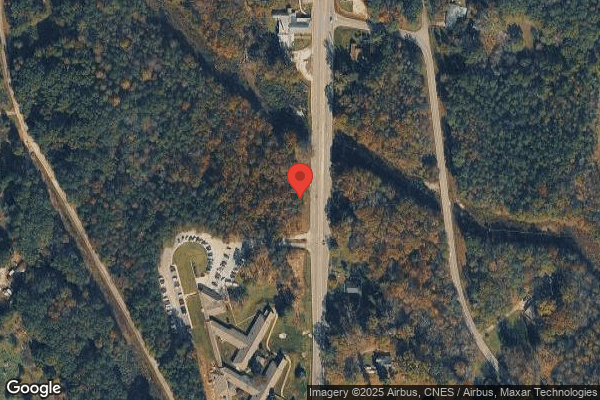

140 Tokeena RD, Seneca, SC 29678 (864) 882-1642
For profit - Limited Liability company 132 Beds Independent Data: November 2025
Trust Grade
33/100
#178 of 186 in SC
Last Inspection: February 2025

Within standard 12-15 month inspection cycle. Federal law requires annual inspections.

Overview

Seneca Health & Rehabilitation Center has a Trust Grade of F, indicating significant concerns and a poor reputation. It ranks #178 out of 186 facilities in South Carolina, placing it in the bottom half of all nursing homes in the state, and #2 out of 2 in Oconee County, meaning there is only one facility that is performing better locally. The facility is worsening, with the number of reported issues increasing from 1 in 2024 to 9 in 2025. Staffing is rated at 2 out of 5 stars, which is below average, with a turnover of 50%, similar to the state average, suggesting a lack of staff stability. Additionally, there have been serious issues, including failing to create care plans for residents experiencing significant weight loss and not following dietary recommendations, which raises concerns about the quality of care provided.
Trust Score
F
33/100
In South Carolina
#178/186
Bottom 5%
Safety Record
Moderate
Needs review
Inspections
Getting Worse
1 → 9 violations
Staff Stability
⚠ Watch
50% turnover. Above average. Higher turnover means staff may not know residents' routines.
Penalties
✓ Good
$4,893 in fines. Lower than most South Carolina facilities. Relatively clean record.
Skilled Nurses
⚠ Watch
Each resident gets only 25 minutes of Registered Nurse (RN) attention daily — below average for South Carolina. Fewer RN minutes means fewer trained eyes watching for problems.
Violations
⚠ Watch
18 deficiencies on record. Higher than average. Multiple issues found across inspections.
★☆☆☆☆
1.0
Overall Rating
★★☆☆☆
2.0
Staff Levels
★☆☆☆☆
1.0
Care Quality
★★☆☆☆
2.0
Inspection Score
Stable
2024: 1 issues
2025: 9 issues

The Good

  • Full Sprinkler Coverage · Fire safety systems throughout facility
  • No fines on record

Facility shows strength in fire safety.

The Bad

1-Star Overall Rating

Below South Carolina average (2.8)

Significant quality concerns identified by CMS

Staff Turnover: 50%

Near South Carolina avg (46%)

Higher turnover may affect care consistency

Federal Fines: $4,893

Below median ($33,413)

Minor penalties assessed

The Ugly 18 deficiencies on record

2 actual harm
Feb 2025 9 deficiencies
CONCERN (D)

Potential for Harm - no one hurt, but risky conditions existed

Transfer Notice (Tag F0623)

Could have caused harm · This affected 1 resident

**NOTE- TERMS IN BRACKETS HAVE BEEN EDITED TO PROTECT CONFIDENTIALITY** Based on record review, interview, and facility policy review, the facility failed to notify the resident and the resident's res...

Read full inspector narrative →
**NOTE- TERMS IN BRACKETS HAVE BEEN EDITED TO PROTECT CONFIDENTIALITY** Based on record review, interview, and facility policy review, the facility failed to notify the resident and the resident's responsible party of a transfer or discharge in writing for one of one resident (Resident (R) 64) reviewed for hospitalization. This created potential for the resident or their representative to have incomplete information and misunderstand the reason and process for transfer or discharge and the discharge appeal process. Findings include: Review of the facility's policy titled, Transfer and Discharge (including AMA [against medical advice]) dated 2025 revealed, Policy: It is the policy of this facility to permit each resident to remain in the facility, and not transfer or discharge the resident from the facility, except in limited circumstances. This policy applies to all residents regardless of their payment source. Policy Explanation and Compliance Guidelines: .2. Once admitted the resident has the right to remain at the facility unless their transfer or discharge meets one of the following specified exemptions: a. The transfer or discharge is necessary for the resident's welfare and the resident's needs cannot be met in the facility . 3. The facility's transfer/discharge notice will be provided to the resident and resident's representative in a language and manner in which they can understand. The notice will include all of the following at the time it is provided: a. The specific reason and basis for transfer or discharge. b. The effective date of transfer or discharge. c. The specific location (such as the name of the new provider or description and/or address if the location is a residence) to which the resident is to be transferred or discharged . d. An explanation of the right to appeal the transfer or discharge to the State. e. The name, address (mailing and email) and telephone number of the State entity which receives such appeal hearing requests .10. Emergency Transfers to Acute Care: e. Provide orientation for transfer or discharge to minimize anxiety and to ensure safe and orderly transfer or discharge, in a form and manner that the resident can understand. Further review of the policy revealed that it failed to address providing written information to the resident and/or the resident representative regarding the need for transferring the resident. Review of R64's undated admission Record located in the electronic medical record (EMR) under the Profile tab, revealed R64 was admitted to the facility on [DATE]. Review of the EMR Progress Notes located under the Progress Notes tab, revealed a progress note, dated 11/01/24, . [R64] reports having pain all over, staff reports that she has some nausea and vomiting . [R64] states that she has a history of IBS (irritable bowel syndrome) and is used to having nausea vomiting diarrhea frequently as well as abdominal pain frequently . will send to ED [emergency department] for further eval and treatment as indicated. Further review of the record revealed no documentation that written notification containing information as to the reason for the hospital transfer was provided to the resident and the resident's representative. During an interview on 02/12/25 at 12:00 PM, the Director of Nursing (DON) stated, we only notify the family verbally when residents are sent out of the facility, we don't give them anything in writing.
CONCERN (D)

Potential for Harm - no one hurt, but risky conditions existed

Deficiency F0625 (Tag F0625)

Could have caused harm · This affected 1 resident

**NOTE- TERMS IN BRACKETS HAVE BEEN EDITED TO PROTECT CONFIDENTIALITY** Based on record review, interview, and facility policy review, the facility failed to ensure one of one resident (Resident (R) 6...

Read full inspector narrative →
**NOTE- TERMS IN BRACKETS HAVE BEEN EDITED TO PROTECT CONFIDENTIALITY** Based on record review, interview, and facility policy review, the facility failed to ensure one of one resident (Resident (R) 64) reviewed for hospital transfers was given a written copy of a bed hold notice prior to or within 24-hours of emergency transfer to the hospital. This failure created the potential for residents or resident representative not to have the information needed to safeguard their return to the facility. Findings include: Review of the facility's policy titled, Bed Hold Notice Upon Transfer, dated 03/11/24, revealed Policy: At the time of transfer for hospitalization or therapeutic leave, the facility will provide to the resident and/or the resident representative written notice which specifies the duration of the bed-hold policy and addresses information explaining the return of the resident to the next available bed. Policy Explanation and Compliance Guidelines: Bed Hold Notice Upon Transfer: 1. Before a resident is transferred to the hospital or goes on therapeutic leave, the facility will provide to the resident and/or the resident representative written information that specifies: a. The duration of the state bed-hold policy, if any, during which the resident is permitted to return and resume residence in the nursing facility. b. The reserve bed payment policy in the state plan policy, if any. c. The facility policies regarding bed-hold periods to include allowing a resident to return to the next available bed. d. Conditions upon which the resident would return to the facility. The resident requires the services which the facility provides; The resident is eligible for Medicare skilled nursing facility services or Medicaid nursing facility services. 2. In the event of an emergency transfer of a resident, the facility will provide within 1 (sic) (one) business day written notice of the facility's bed-hold policies, as stipulated in the State's plan .5. The facility will keep a signed and dated copy of the bed-hold notice information given to the resident and/or resident representative in the resident's file. Review of R64's undated admission Record located in the electronic medical record (EMR) under the Profile tab, revealed R64 was admitted to the facility on [DATE]. Review of the EMR Progress Notes located under the Progress Notes tab, revealed a progress note, dated 11/01/24, . [R64] reports having pain all over, staff reports that she has some nausea and vomiting . [R64] states that she has a history of IBS (irritable bowel syndrome) and is used to having nausea vomiting diarrhea frequently as well as abdominal pain frequently . will send to ED [emergency department] for further eval and treatment as indicated. Further review of the resident EMR failed to reveal documentation of the resident or resident's representative was given written notice that specified the duration of the facility's bed hold policy. During an interview on 02/12/25 at 12:50 PM, the Director of Nursing (DON) stated, we do not have any documentation indicating that we gave the resident or resident representative written notice of transfer or of our bed hold notice.
CONCERN (D)

Potential for Harm - no one hurt, but risky conditions existed

Respiratory Care (Tag F0695)

Could have caused harm · This affected 1 resident

**NOTE- TERMS IN BRACKETS HAVE BEEN EDITED TO PROTECT CONFIDENTIALITY** Based on observation, interview, record review, and facility policy review, the facility failed to ensure that the oxygen tubing...

Read full inspector narrative →
**NOTE- TERMS IN BRACKETS HAVE BEEN EDITED TO PROTECT CONFIDENTIALITY** Based on observation, interview, record review, and facility policy review, the facility failed to ensure that the oxygen tubing was changed and dated, and that the oxygen concentrator was cleaned for three residents (Resident (R) 27, R89, and R64) out of 27 sampled residents. This failure had the potential to impact the residents' treatment and interventions. Findings include: Review of the facility's undated policy titled Oxygen Administration revealed, Oxygen is administered to residents who need it, consistent with professional standards of practice, the comprehensive person-centered care plans, and the resident's goals and preferences . Change oxygen tubing and mask/canula weekly and as needed if it becomes soiled or contaminated. Review of the facility's undated policy titled Oxygen Concentrator revealed, The purpose of this policy is to establish responsibilities for the care and use of oxygen concentrators .Change oxygen tubing and mask/canula weekly and as needed if it becomes soiled or contaminated .The main body cabinet should be dusted when needed and can be wiped clean with a damp cloth and mild household cleaner if necessary. 1. Review of the Face Sheet located in the Profile tab of the electronic medical record (EMR) revealed R27 was admitted to the facility on [DATE] with diagnosis of acute respiratory failure. Review of R27's quarterly Minimum Data Set (MDS) with an Assessment Reference Date (ARD) of 11/14/24, located in the EMR under the MDS tab, revealed a Brief Interview for Mental Status (BIMS) score of 15 out of 15, which indicated the resident was cognitively intact. Observation on 02/11/25 at 9:29 AM, R27 was lying in bed with oxygen via nasal canula (NC). The oxygen tubing was not dated. The concentrator had dust covering it and dried debris on it. The filter on the concentrator was covered in white dust. During a concurrent observation and interview on 02/13/25 at 9:53 AM, the Director of Nursing (DON) confirmed R27's filter and concentrator was dusty. 2. Review of R89's undated Face Sheet, located in R89's EMR under the Profile tab revealed R89 was admitted to the facility on [DATE] and was re-admitted on [DATE] with diagnosis which included chronic diastolic (congestive) heart failure. Review of R89's Physician Order, dated 11/04/24, located in the resident's EMR under the Orders tab revealed oxygen at 3 lpm [liters per minute] via NC every shift to maintain O2 (oxygen) saturation of 90%. Observation on 02/11/24 at 11:31 AM revealed R83's concentrator to have a dirty air intake filter and undated tubing. During a concurrent observation and interview on 02/13/25 at 9:46 AM, the DON confirmed R89's oxygen tubing had dried food on it and was undated. The DON also confirmed the filter and concentrator was dusty. 3. Review of R64's undated admission Record located in the EMR under the Profile tab, revealed R64 was admitted to the facility on [DATE] with diagnoses which included pneumonia, and heart disease. Review of R64's Physician Order, dated 11/18/24, located in the resident's EMR under the Orders tab revealed, oxygen at 2 lpm via NC continuous every shift. Check and clean concentrator filter every month and PRN [as needed] every night shift starting on the last day of the month every month. Review of R64's admission MDS with an ARD of 11/24/24 and located in the resident's EMR under the MDS tab with a BIMS score of 13 out of 15 which indicated R64 was cognitively intact. The MDS documented R64 was receiving oxygen therapy. Observation on 02/12/25 at 12:15 PM, revealed R64's oxygen concentrator was located next to her bed had a dirty air intake filter and the tubing was undated. During a concurrent observation and interview on 02/13/25 at 9:43 AM, the DON confirmed R64's filter and concentrator was dusty, and the oxygen tubing was undated. Interview on 02/13/25 at 9:55 AM, the DON stated that the night nurse on Sundays was responsible for the changing and dating of the tubing and cleaning the concentrator.
CONCERN (D)

Potential for Harm - no one hurt, but risky conditions existed

Deficiency F0806 (Tag F0806)

Could have caused harm · This affected 1 resident

**NOTE- TERMS IN BRACKETS HAVE BEEN EDITED TO PROTECT CONFIDENTIALITY** Based on observation, interview and record review, the facility failed to ensure that residents who refused the meals served wer...

Read full inspector narrative →
**NOTE- TERMS IN BRACKETS HAVE BEEN EDITED TO PROTECT CONFIDENTIALITY** Based on observation, interview and record review, the facility failed to ensure that residents who refused the meals served were offered an alternate meal for two residents (Resident (R)26 and R21) of 27 sampled residents. Failure to ensure the two residents were offered an alternate meal placed them at risk for weight loss. Findings include: 1. Review of R26's admission Record located in the electronic medical record (EMR) under the Profile tab, revealed R26 was admitted to the facility on [DATE] with diagnoses of diabetes, heart failure and hypertension. Review of R26's quarterly Minimum Data Set (MDS) located under the MDS tab in the electronic medical record (EMR) with an Assessment Reference Date (ARD) of 12/03/24, showed a Brief Interview for Mental Status (BIMS) score of 15 out of 15 which indicated R26 was cognitively intact. During an interview on 02/11/25 at 10:56 AM, R26 stated that the facility did not honor her preferences and that she could not ask for an alternate meal. On 02/12/15 at 1:30 PM, R26 was observed in bed with her meal tray on the overbed table. When asked about the meal served, R26 stated, I don't want to eat that and explained she did eat a bowl of tomato soup that was on the tray. Although the tray card stated she should be served a ham and cheese sandwich, no sandwich arrived on the tray. When asked if she was aware that an alternative to the meal could be requested, R26 stated she did not know that an alternate was available. 2. Review of R21's admission Record located in the electronic medical record (EMR) under the Profile tab revealed R21 was admitted to the facility on [DATE]. Review of the R21's significant change MDS with an ARD of 12/19/24 located under the MDS tab of the EMR indicated a BIMS score of 15 out of 15 indicating R27 was cognitively intact. During an observation of meal service on 02/11/25 at 12:35 PM, Certified Nursing Assistant (CNA)2 served R21's his meal tray in his room and immediately brought the tray back out of the room. During an interview on 02/11/25 at 12:40 PM, CNA2 stated R21 did not like what was on the lunch tray and refused it. CNA2 was asked if an alternative meal was offered, and she stated that she did not offer an alternative meal and that the kitchen refuses to bring an alternate meal after trays are served. During an interview on 02/11/25 at 12:45 PM, Licensed Practical Nurse (LPN)1 stated, If the kitchen doesn't know in advance, they don't provide an alternate meal. Residents have to come ask what is being served at mealtime or come and see the menu posted on the wall. During an interview on 02/11/25 at 1:45 PM, the Director of Nursing (DON) stated, residents are always provided with an alternate meal if they request it and that sandwiches are also available on each unit.
CONCERN (F)

Potential for Harm - no one hurt, but risky conditions existed

Menu Adequacy (Tag F0803)

Could have caused harm · This affected most or all residents

Based on observation, interview, and document review, the facility failed to ensure the preplanned menus were followed. The facility's failure to follow the menus altered the nutritional content of th...

Read full inspector narrative →
Based on observation, interview, and document review, the facility failed to ensure the preplanned menus were followed. The facility's failure to follow the menus altered the nutritional content of the meals, reduced the calories and increased the risk of weight loss for all residents receiving meals prepared by the dietary department. Findings include: On 02/11/25 between 8:05 AM and 8:35 AM, Cook1 was observed portioning hot cereal into a bowl using a three ounce scoop. Review of the menu extension (a document that identifies the intended menu items for each diet) indicated the portion serving size for the regular diet was to be a six-ounce portion of hot cereal. On 02/12/25, between 11:50 AM and 1:20 PM, Cook2 used a three-ounce scoop to serve the creamed corn served. However, review of the preplanned menu indicated a four-ounce portion of the scalloped corn should be served. In addition, the steam table contained two pans of mashed potatoes, plates prepared for residents included either rice or mashed potatoes, with the beef tips and a dish of creamed corn. Cook2 was asked who received mashed potatoes. She indicated the mechanical soft diets and puree diets were served mashed potatoes. Cook2 used a three ounce ladle to serve the creamed corn. However, the menu indicated a four ounce portion was to be served. Review of the menu extension (which identified what foods would be served to what diets) showed mechanical soft diets and puree should have been served rice which had been altered to meet the requirements of the diet. In addition, the residents were served creamed corn and the menu identified scalloped corn would be served. Dietary Director (DD)1 verified that scalloped corn was the dish identified on the menu. DD1 then provided the recipe, which included cornbread mix, sour cream, cheese, and whole sweet corn, and stated the recipe was not prepared. Cook2 stated that the altered texture diets could not be served the item, and they used cream corn. . On 02/13/25 at 8:00 AM, Cook2 was observed serving hot cereal using a three ounce size scoop. When asked what portion size was to be served to regular diets, Cook2 stated it was a three-ounce portion. However, the menu for regular diet indicated the portion of cereal was six ounces. On 2/13/25 at 9:45 AM, during a meeting with DD1, DD2, and the Administrator when asked why the mashed potatoes instead of rice was served to residents who were on an altered texture diets, she stated she did not know. DD1 stated, The menu was not followed for portion serving sizes, for the altered texture diets, and the omission of the scalloped corn showed the preplanned menus were not followed.
CONCERN (F)

Potential for Harm - no one hurt, but risky conditions existed

Food Safety (Tag F0812)

Could have caused harm · This affected most or all residents

Based on observation, interview and record review the facility failed to ensure that foods were stored, prepared, and distributed under sanitary conditions. Specifically, meat was observed thawing in ...

Read full inspector narrative →
Based on observation, interview and record review the facility failed to ensure that foods were stored, prepared, and distributed under sanitary conditions. Specifically, meat was observed thawing in a pan with another meat; two can opener blades were sticky to the touch and not cleaned and free of food debris when not in use; the outside of the reach-in refrigerator, the two food processors, the warmer and the steamer had dried food debris on the outside of the equipment, boxes of health shakes were thawing in the refrigeration without documentation as to when the thawing process began; two of three sanitizer buckets did not have sufficient sanitizer solution; and the cook served scrambled eggs that had not been reheated to the appropriate temperature before serving on a resident's tray. This failure could result in a risk to all residents who received food from dietary to experience a food borne illness. Findings include: Review of the facility's policy titled, Hazard Analysis Critical Control Points (HACCP) indicated foods needed to be reheated to 165 degrees Fahrenheit (F), could be held for service at a temperature of at least 145 F. On 02/11/25, between 8:05 and 8:30 AM, the following observations of the kitchen were noted. Observation of the walk-in refrigerator revealed ground beef and pork cubes thawing on sheet pans with blood pooled in the pan. One of the pans had a cooked ham stored on it with the raw meat, which can contaminate the cooked ham with beef drippings. Two can openers attached to the countertops revealed the blades of both can openers had black, sticky food matter adhered to the blades. Two commercial food processors had dried food splashes on the base, and or buttons used to operate the device. In the reach in refrigerator were undated box of health shakes, which are delivered frozen and can be served according to the manufacturers recommendations for 14 days after thawing. The box was undated when placed in the refrigerator to thaw, leaving staff without a way to track the 14 day use or discard date. The refrigerator unit had spills and splash on the doors, inside and the handles to open it were sticky. On 02/11/25 at 8:28 AM, the Dietary Director (DD)1 stated that the health shakes were undated as to when the thawing process began. The DD1 stated that staff were trained to date the box when removed from the freezer to track the 14-day expiration date. When DD1 was asked about the meat storage pans observed in the walk-in refrigerator, the DD1 stated the meat was not stored properly. On 02/12/25 at 9:20 AM, during follow-up observations, the food processors and reach in refrigerator were observed in the same condition. The warmer located near the stream table was soiled inside and out, the door handle had food matter on the handle. On 02/12/25 at 9:45 AM, Dietary Aide (DA) was asked how often the sanitizer was refreshed. DA stated the buckets were prepared in the morning and changed before lunch. DD1 then corrected the DA and explained they needed to be changed more often depending on use and suggested every 2 hours. The DD1 obtained test strips to check the strength of the sanitizing solution (an ammonia based chemical). Two of the three buckets containing the sanitizer were no longer the right strength to sanitize surfaces if used. The buckets were dispersed throughout the kitchen preparation areas, one was located in the dish room. On 02/12/25 between 11:54 AM and 1:30 PM during observation of the noon meal service, the top shelf of the warmer had a sheet pan with bowls with soup and/or other items prepared to meet the residents' requests. At 12:03 PM, after temperatures for the hot foods on tray line were checked and recorded, [NAME] 2 began plating foods to be served to residents. At 12:25 PM, Cook2 opened the warming oven, obtained a bowl that held scrambled eggs, and set it on a tray to be served to a resident. Cook2 verified the temperature of the scrambled eggs to be 119 degrees F. When asked what temperature the eggs should be, Cook2 responded 135 degrees F. DD1 overheard the response and corrected Cook2 and stated if reheating a food item, it needed to reach 165 degrees F. The bowl was taken to the microwave, and the scrambled eggs were reheated. After testing the temperature, the eggs were now 170 degrees F. After asking about the other items in bowls being held in the warmer, DD1 asked a staff member to reheat the items to ensure they reach an appropriate temperature.
CONCERN (F)

Potential for Harm - no one hurt, but risky conditions existed

Infection Control (Tag F0880)

Could have caused harm · This affected most or all residents

**NOTE- TERMS IN BRACKETS HAVE BEEN EDITED TO PROTECT CONFIDENTIALITY** Based on observation, interview, review of facility policy, and review of Centers for Disease Control (CDC) guidance, the facili...

Read full inspector narrative →
**NOTE- TERMS IN BRACKETS HAVE BEEN EDITED TO PROTECT CONFIDENTIALITY** Based on observation, interview, review of facility policy, and review of Centers for Disease Control (CDC) guidance, the facility failed to establish and maintain an infection prevention and control program (IPCP) for recording incidents of infections identified under the facility's IPCP, surveillance, tracking and trending, and the corrective actions taken by the facility. This deficient practice has the potential to affect all residents in the facility. In addition, the facility staff failed to perform hand hygiene prior to and after removing gloves or touching a contaminated item and prior to touching a resident (R)35). Findings include: Review of a document titled, Centers for Disease Control (CDC) . National Healthcare Safety Network (NHSN) . Long Term Care Facility Component Tracking Infections in Long-Term Care Facilities ., dated 01/20, indicated, . Surveillance is defined as the ongoing systematic collection, analysis, interpretation, and dissemination of data. A facility infection prevention and control (IPC) program should use surveillance to identify infections and monitor performance of practices to reduce infection risks among residents, staff, and visitors. Information collected during surveillance activities can be used to develop and track prevention priorities for the facility. When conducting surveillance, facilities should use clearly defined surveillance definitions that are collected in a consistent way. This method ensures accurate and comparable data regardless of who is performing surveillance . Review of the undated facility policy titled, Infection Prevention and Control Program, indicated, This facility has established and maintains an infection prevention and control program designed to provide a safe, sanitary, and comfortable environment and to help prevent the development and transmission of communicable diseases and infections as per accepted national standards and guidelines .A system of surveillance is utilized for prevention, identifying, reporting, investigating, and controlling infections and communicable diseases for all residents, staff, volunteers, visitors, and other individuals providing services under a contractual arrangement based upon a facility assessment and accepted national standards .The Infection Preventionist (IP) serves as the leader in surveillance activities, maintains documentation of incidents, findings, and any corrective actions made by the facility and reports surveillance findings to the facility's Quality Assessment and Assurance Committee. During an interview on 02/13/25 at 12:32 PM, the Director of Nursing (DON), who was also the Infection Preventionist (IP) stated, I enter data after I learn in morning meeting that a resident was started on an antibiotic and a urinalysis with culture was ordered. McGeer's Criteria is not used by nursing when they call the physician. When the culture comes back, I refer to the criteria and enter the information into the infection control book. If it does not meet criteria, I will occasionally talk to the physician about Antibiotic Stewardship, but I have no documentation of these conversations. I have no documentation of data collections for each type of infections; trending of infections over months; based on the data, inservices that were provided to the nursing staff to attempt to decrease infections or documentation that this information was shared during the Quality Assurance and Performance Improvement (QAPI) meeting. I never ask the Hospice nurses about why a Hospice resident was started on an antibiotic with no urinalysis or culture. Tracking and Trending is in my head. I do not have graphs or a map to show infections. When asked if facility's physicians or nurse practitioners order antibiotics without a urinalysis or culture, the DON stated, Yes they do. Interview with the Nurse Practitioner (NP) on 02/13/25 at 2:34 PM, the NP stated, The DON has talked to me about antibiotic stewardship, but I am going to do what is best for my resident especially if they are high risk. 2. The facility failed to monitor, evaluate antibiotic use, and track measures of antibiotic usage. (Refer to F881). 3. Observation on 02/11/25 at 10:36AM, Certified Nurse Aide (CNA)1, placed a cup with a lid and straw, on the handrail outside the room, which dropped to the floor. After picking up the cup and placing it back on the handrail, CNA1 entered R35's room and adjusted R35's nasal canula, without completing hand hygiene or applying gloves. CNA1 exited the room without completing hand hygiene. Interview on 02/11/25 at 12:46 PM, CNA1 acknowledged that she should have done hand hygiene and donned gloves prior to assisting R35's nasal canula. Observation on 02/12/25 at 10:33 AM, in the 200 hall, Housekeeper (HK)1 was observed to exit a resident's room wearing gloves. HK1 then pushed the cleaning cart to another resident's room. The HK1 donned clean gloves. When asked if she was trained to complete hand hygiene after removing the soiled gloves, HK1 said she did not recall. Observation on 02/12/25 at 11:24 AM, HK2 exited room [ROOM NUMBER] wearing gloves, the cleaning cart was to R75's room and HK2 began cleaning activities. Interview on 02/12/25 at 11:35 AM, HK2 acknowledged that she should have removed the gloves after exiting the room, performed hand hygiene before entering another resident's room and donning clean gloves. Interview on 02/12/25 at 10:37 AM, Registered Nurse (RN)1 stated that staff should complete hand hygiene after discarding soiled gloves and before donning clean gloves.
CONCERN (F)

Potential for Harm - no one hurt, but risky conditions existed

Antibiotic Stewardship (Tag F0881)

Could have caused harm · This affected most or all residents

**NOTE- TERMS IN BRACKETS HAVE BEEN EDITED TO PROTECT CONFIDENTIALITY** Based on interview, record review, Center for Disease Control (CDC) guidance and policy review, the facility failed to monitor, ...

Read full inspector narrative →
**NOTE- TERMS IN BRACKETS HAVE BEEN EDITED TO PROTECT CONFIDENTIALITY** Based on interview, record review, Center for Disease Control (CDC) guidance and policy review, the facility failed to monitor, evaluate antibiotic use, and track measures of antibiotic usage for three of five residents (Resident (R) 26, R29, and R5) reviewed for antibiotic usage out of 27 sample residents. In addition, the Antibiotic Stewardship Program lacked documentation of the tracking or trending of antibiotic usage or where infections occurred in the facility. This failure had the potential to affect all residents in the facility safety related to antibiotic usage. Findings include: Review of an undated, untitled CDC document located at http://uprevent.[NAME].com/2855wp/wp-content/uploads/2018/01/nh-hac_mcgreercriteriarevcomp_2012-1.pdf; revealed, The Core Elements of Antibiotic Stewardship for Nursing Homes indicated .Improving the use of antibiotics in healthcare to protect patients and reduce the threat of antibiotic resistance is a national priority .Antibiotic stewardship refers to a set of commitments and actions designed to 'optimize the treatment of infections while reducing the adverse events associated with antibiotic use' .CDC also recommends that all nursing homes take steps to improve antibiotic prescribing practices and reduce inappropriate use .Nursing homes monitor both antibiotic use practices and outcomes related to antibiotics in order to guide practice changes and track the impact of new interventions. Data on adherence to antibiotic prescribing policies and antibiotic use are shared with clinicians and nurses to maintain awareness about the progress being made in antibiotic stewardship. Clinician response to antibiotic use feedback (e.g., acceptance) may help determine whether feedback is effective in changing prescribing behaviors. Below are examples of antibiotic use and outcome measures .Process measures: Tracking how and why antibiotics are prescribed .Antibiotic use measures .Tracking how often and how many antibiotics are prescribed .Antibiotic outcome measures .Tracking the adverse outcomes . Review of an undated facility's policy titled, Antibiotic Stewardship Program revealed, .Infection Preventionist utilizes expertise and data to inform strategies to improve antibiotic use to include tracking of antibiotic starts, monitoring adherence to evidence-based published criteria during the evaluation and management of treated infections, and reviewing antibiotic resistance patterns in the facility to understand which infections are caused by resistant organisms .Nursing staff shall assess residents who are suspected to have an infection and notify the physician; laboratory testing shall be in accordance with current standards of practice; the facility uses the McGeer criteria to define infections .Monitor response to antibiotics, and laboratory results when available, to determine if the antibiotic is still indicated or adjustments should be made; antibiotic orders obtained upon admission, whether new admission or readmission, to the facility shall be reviewed for appropriateness; antibiotic orders obtained from consulting, specialty, or emergency providers shall be reviewed for appropriateness; random audits of antibiotic prescriptions shall be performed to verify completeness and appropriateness (process measure); antibiotics shall be measured by (monthly prevalence, antibiotic starts, and/or antibiotic days of therapy); .Documentation related to the program is maintained by the Infection Preventionist, including, but not limited to: Action plans and/or work plans associated with the program; Assessment forms; Antibiotic use protocols/algorithms; Data collection forms for antibiotic use, process, and outcome measures; .Records related to education of physicians, staff, residents, and families . 1. Review of R5's admission Record located under the Profile tab of the electronic medical record (EMR) revealed R5 was admitted to the facility on [DATE] diagnoses that included diabetes, epilepsy, and schizoaffective disorder. Review of R5's Progress Notes located under the Progress Notes tab of the EMR, revealed on 02/10/25 the Hospice nurse requested a straight catheter urinalysis with culture and sensitivity (UA C&S) for confusion. On 02/10/25, Bactrim DS (antibiotic medication) was started for suspected bacterial infection with increased confusion. On 02/11/25, U/A C&S was obtained via in/out catheter. 2. Review of R29's admission Record located under the Profile tab of the EMR revealed R5 was admitted to the facility on [DATE] diagnoses that included Lupus, diabetes, neuromuscular dysfunction of bladder, suprapubic catheter, and colostomy. Review of R29's Progress Notes located under the Progress Notes tab of the EMR, revealed on 11/20/24, Nitrofurantoin Macrocrystal (antibiotic medication)100 milligram (MG) was ordered for Urinary Tract Infection (UTI) prevention by Hospice. On 12/04/24, R29's U/A C&S was obtained, which was approximately 14 days after the start of the antibiotic on the resident. 3. Review of R26's admission Record located under the Profile tab of the EMR revealed R5 was admitted to the facility on 01/14917 diagnoses that included infection due to internal orthopedic prosthetic devices, acute respiratory failure, diabetes, dementia, and neuropathic bladder. Review of R26's Progress Notes located under the Progress Notes tab of the EMR, revealed on 06/17/24 a C&S was ordered due to a culture not completed on prior specimen. On 07/09/24, a U/A C&S was ordered for urinary burning. On 08/04/24, a U/A C&S was ordered for freezing all over. The Nurse Practitioner (NP) started Azithromycin for five days on 08/04/24. On 09/02/24, U/A C&S was ordered and on 09/05/24, R26 had ESBL plus UC (Urinary tract infection caused by extended-spectrum beta-lactamase producing bacteria. ESBL producing bacteria are resistant to many common antibiotics, making infections difficult to treat.) During an interview on 02/13/25 at 12:32 PM with the Director of Nursing (DON), who is also the Infection Preventionist (IP) stated, I do not question why antibiotics are used for Hospice residents. I do not look to see if McGeer's Criteria was met or not. I found out about orders for antibiotics in the morning meetings when the U/A C&S results have been processed. I will then review the chart and see if criteria has been met. When asked if practitioners start antibiotics on residents before the laboratory results are received, the IP stated Yes they do. I will discuss this with them, but I have no documentation to back that up. R5 who is on Hospice started on an antibiotic and then the U/A was completed a couple of days later. I do not argue my point of not meeting criteria to practitioners. I track and trend in my head. I do not have anything on paper to show where infections are located throughout the facility or education of practitioners regarding antibiotic usage. Interview on 02/13/25 at 2:34 PM, the Nurse Practitioner (NP) stated, I order antibiotics for residents before a U/A C&S if they are high risk. I do not want a resident to be septic (a life-threatening condition that occurs when the body's immune system mounts an overwhelming response to an infection.) The NP stated that the IP has talked about meeting McGeer's criteria, but I know my residents.
CONCERN (F)

Potential for Harm - no one hurt, but risky conditions existed

Deficiency F0882 (Tag F0882)

Could have caused harm · This affected most or all residents

Based on interview, document review and policy review, the facility failed to ensure the Infection Preventionist (IP), had sufficient time to assess, develop, implement, monitor, and manage the facili...

Read full inspector narrative →
Based on interview, document review and policy review, the facility failed to ensure the Infection Preventionist (IP), had sufficient time to assess, develop, implement, monitor, and manage the facility's Infection Prevention and Control Program (IPCP). The failure placed all residents in the facility at risk. Findings include: Review of the facility's job description titled, Infection Preventionist, undated, revealed,. The infection preventionist is responsible for developing and implementing an ongoing infection prevention and control program to prevent, recognize, and control the onset and spread of infections in order to provide a safe, sanitary, and comfortable environment .Establishes facility-wide systems for the prevention, identification, reporting, investigation, and control of infections and communicable diseases of residents, staff, and visitors .Develops and implements written policies and procedures in accordance with current standards of practice and recognized guidelines for infection prevention and control; Oversees the facilities antibiotic stewardship program; Oversees resident care activities that increase risk of infection (i.e., use and care of urinary catheters, wound care, incontinence care, skin care, point-of-care blood testing, and medication injections; Leads the facility's Infection and Prevention Control Committee. Develops action plans to address opportunities for improvement; Participates on the facility's QAA Committee; .Provides education related to infection prevention and control principles, policies and procedures to staff, residents, and families; .Maintains documentation of infection prevention and control program activities. Review of the undated facility policy titled, Infection Prevention and Control Program, indicated, This facility has established and maintains an infection prevention and control program designed to provide a safe, sanitary, and comfortable environment and to help prevent the development and transmission of communicable diseases and infections as per accepted national standards and guidelines .A system of surveillance is utilized for prevention, identifying, reporting, investigating, and controlling infections and communicable diseases for all residents, staff, volunteers, visitors, and other individuals providing services under a contractual arrangement based upon a facility assessment and accepted national standards .The Infection Preventionist (IP) serves as the leader in surveillance activities, maintains documentation of incidents, findings, and any corrective actions made by the facility and reports surveillance findings to the facility's Quality Assessment and Assurance Committee. During the Entrance Conference Meeting on 02/11/25 at 8:23 AM, the Administrator and Director of Nursing (DON) stated, I am the facility's IP. We just hired a new IP, and she is in the process of finishing her IP certification. Review of the Infection Preventionist Infection Control Book revealed that for 2023, 2024, and January and February 2025, the DON had completed all of the documentation. (refer to F881 regarding the facility's failure to establish and maintain an infection prevention and control program (IPCP) for recording incidents of infections identified under the facility's IPCP, surveillance, tracking and trending, and the corrective actions taken by the facility.) Review of the Facility assessment dated 5/2024 revealed that the facility will have one IP, and the hours were not listed for that position. Interview on 02/13/25 at 12:32 PM, the Administrator stated, We have hired IPs, and they did not work out. The DON has the proper credentials and fills the gap until someone is hired.
Mar 2024 1 deficiency
CONCERN (D) 📢 Someone Reported This

A family member, employee, or ombudsman was alarmed enough to file a formal complaint

Potential for Harm - no one hurt, but risky conditions existed

Free from Abuse/Neglect (Tag F0600)

Could have caused harm · This affected 1 resident

**NOTE- TERMS IN BRACKETS HAVE BEEN EDITED TO PROTECT CONFIDENTIALITY** Based on review of facility policy, interviews, observation, and record review, the facility failed to prevent verbal abuse of R...

Read full inspector narrative →
**NOTE- TERMS IN BRACKETS HAVE BEEN EDITED TO PROTECT CONFIDENTIALITY** Based on review of facility policy, interviews, observation, and record review, the facility failed to prevent verbal abuse of Resident (R)6 by Certified Nursing Assistant (CNA)1. Findings include: Review of the undated facility policy titled Abuse, Neglect, and Exploitation states, It is the policy of this facility to provide protections for the health, welfare, and rights of each resident by developing and implementing written policies and procedures that prohibit and prevent abuse, neglect, exploitation, and misappropriation of resident property. Abuse means the willful infliction of injury, unreasonable confinement, intimidation, or punishment with resulting harm, pain, or mental anguish, which can include staff to resident abuse and certain resident to resident altercations. Abuse also includes the deprivation by an individual, including a caretaker, of goods or services that are necessary to attain or maintain physical, mental, and psychosocial well-being. Instances of abuse of all residents, irrespective of any mental or physical condition, cause physical harm, pain, or mental anguish. It includes verbal abuse, sexual abuse, physical abuse, and mental abuse including abuse facilitated or enabled through the use of technology. Review of R6's Face Sheet revealed R6 was admitted to the facility on [DATE] with diagnoses including but not limited to: dementia without behavioral disturbance, hypothyroidism, anxiety disorder, major depressive disorder, and cognitive impairment. Review of R6's unspecified Minimum Data Set (MDS) with an Assessment Reference Date (ARD) of 02/08/24, revealed a Brief Interview of Mental Status (BIMS) score of 15 out of 15, indicating R6 was cognitively intact. Review of CNA1's Employee Counseling Form dated 11/13/23, revealed, Description of incident: Resident reported that you have a bad attitude, and you yell at her. This same resident also reported that when you enter her room that you tell her not to start with you. Suspension until outcome of investigation. Review of CNA1's Employee Counseling Form dated 11/15/23 revealed, Description of Incident: Investigation into allegation of abuse /neglect substantiated. Corrective Action Plan and Consequences: Termination for abuse/neglect. Review of CNA1's Employee Termination Form revealed, Hire date: 04/01/23, Termination date: 11/15/23. The form was dated 11/15/23. During an interview on 03/26/24 at approximately 9:59 AM, R6 revealed, Third shift is not a good shift, they do not want to do any work. R6 further stated, [CNA1] fussed at me all the time, she was rough with me. She did not have a very good personality, some people are not cut out for this type of work. She would yell at me. Now that she's gone things are better. During an interview on 03/26/24 at approximately 12:06 PM, R6 further revealed CNA1 was talking ugly to his roommate who is deaf and blind. R6 stated CNA1 was talking very hateful and mean to her roommate. During an interview on 03/26/24 at approximately 12:06 PM, R2 revealed CNA1 was speaking ugly to her roommate (R6). R2 stated CNA1 was talking hatefully to her roommate but was not mean to her. R2 revealed CNA1 was not the nicest person in the world, but she did not pay her any attention. During an interview on 03/26/24 at approximately 12:16 PM, CNA2 stated R6 reported to her that CNA1 was rude and always touching her things. CNA2 stated she heard CNA1 being rude and disrespectful to the resident. CNA2 further stated she could always tell when CNA1 was working because she was loud and could hear her before she saw her. During an interview on 03/26/24 at approximately 12:30 PM, Licensed Practical Nurse (LPN)1 revealed CNA3 called her telling her about CNA1's behavior. LPN1 stated CNA1 is no longer employed due to the multiple complaints of disrespect to residents. During an interview on 03/26/24 at approximately 1:08 PM, CNA1 revealed, [R6] is rude and hard to take care of, she leaves her TV volume up loud and other residents complain. CNA1 revealed she no longer works at the facility. She was suspended and 2 days later she was fired. CNA1 revealed she did not yell at a resident, but the facility reported she was yelling at resident. During an interview on 03/26/24 at approximately 12:40 PM, the Director of Nursing (DON) revealed CNA1 was the type of person who tried to convince everyone she was always right. The DON stated she heard CNA1 was also being ugly to staff, and always had staff complaints about CNA1. The DON further stated she never saw CNA1 being ugly to residents and CNA1 had good patient care. DON revealed CNA (1) was disgruntled when she was terminated. During an interview on 03/26/24 at approximately 1:51 PM, the Administrator revealed per policy, anytime there is a reportable, DHEC is contacted, interventions are put in place, statements taken of those individuals who are involved depending on the situation; anybody other than the resident, we get them off property immediately pending investigation.
Jun 2023 5 deficiencies
CONCERN (D)

Potential for Harm - no one hurt, but risky conditions existed

Resident Rights (Tag F0550)

Could have caused harm · This affected 1 resident

**NOTE- TERMS IN BRACKETS HAVE BEEN EDITED TO PROTECT CONFIDENTIALITY** Based on record review, observation, policy review, and interview, the facility failed to provide care and services in a manner ...

Read full inspector narrative →
**NOTE- TERMS IN BRACKETS HAVE BEEN EDITED TO PROTECT CONFIDENTIALITY** Based on record review, observation, policy review, and interview, the facility failed to provide care and services in a manner that maintained and promoted dignity for one Resident(R)70 of a sampled of 45 residents reviewed for resident rights. Specifically, the staff failed to ensure R70's privacy curtain was pulled, while she was partially clothed, exposing her to other residents, visitors, and staff. This failure placed residents at risk for diminished self-worth, self-esteem, and feelings of embarrassment. Findings include: Review of the facility's policy titled Resident Rights dated February 2023 documented The Resident has the right to a dignified existence .and to be treated with respect and dignity . Review of R70's admission Record located in the Electronic Medical Record (EMR) under the Profile tab documented R70 was admitted to the facility on [DATE], and her diagnoses included history of a stroke, anxiety disorder, and vascular dementia. Review of the quarterly Minimum Data Set (MDS) assessment with an Assessment Reference Date (ARD) of 06/01/23 located in the EMR under the MDS tab revealed R70 had a Brief Interview of Mental Status (BIMS) of 2 out of a score of 15, indicating severe cognitive impairment and was dependent on two staff for transfer activities, dressing, and personal care. During an observation on 06/07/23 at 10:56 AM , the Surveyor knocked on R70's door, a staff member stated a resident was receiving personal care, and the Surveyor announced herself and entered the room. The curtain to R70 and her roommate's bed were not pulled. The Roommate was sitting in her wheelchair at the end of her bed facing R70. R70 was sitting in her wheelchair with clothing on the top of her body and the lower half of her body was exposed without a blanket, clothing, or brief. Certified Nursing Assistant (CNA)6 and CNA7 were in the room with R70. During an interview on 06/07/23 at 11:00 AM, CNA7 stated they [CNA6 and CNA7] were going to provide R70 with a shower and had transferred her to the wheelchair. CNA7 said R70's brief had come off her during the transfer. CNA7 said they did not pull the curtain around R70 or keep her covered with a blanket or clothing to maintain her dignity. CNA7 verified that R70's roommate was able to see R70 with nothing on the lower half of her body. During an interview on 06/08/23 at 1:26 PM, Licensed Practical Nurse (LPN)3 said the staff were to ensure a resident's privacy with clothing/blanket and pull the privacy curtains whenever transferring a resident to a chair or providing personal care to ensure a resident's privacy and dignity. During an interview on 06/08/23 at 4:05 PM, the Director of Nursing (DON) said when staff were assisting residents, they were to ensure a resident's body parts were not exposed to others and privacy curtains were to be pulled to ensure a rt's dignity.
CONCERN (D)

Potential for Harm - no one hurt, but risky conditions existed

ADL Care (Tag F0677)

Could have caused harm · This affected 1 resident

**NOTE- TERMS IN BRACKETS HAVE BEEN EDITED TO PROTECT CONFIDENTIALITY** Based on observations, interview, record review, and policy review, the facility failed to ensure residents who were dependent o...

Read full inspector narrative →
**NOTE- TERMS IN BRACKETS HAVE BEEN EDITED TO PROTECT CONFIDENTIALITY** Based on observations, interview, record review, and policy review, the facility failed to ensure residents who were dependent on staff for Activities of Daily Living (ADL) received services for one Resident(R)3 of 2 sampled residents for shaving. This failure placed residents at risk for diminished self-worth, self-esteem, and/or feelings of embarrassment. Findings include: Review of the facility's policy titled Grooming a Resident's Facial Hair dated 2022 documented, it is the practice of this facility to assist residents with grooming facial hair to help maintain proper hygiene as per current standards of practice. Review of R3's admission Record located in the Electronic Medical Record (EMR) under the Profile tab documented R3 was admitted to the facility on [DATE] and his diagnoses included obsessive compulsive disorder and mild intellectual disabilities. Review of the Care Plan located in the EMR under the Care Plan tab related to R3's activity of daily living (ADL)/mobility self-care performance deficit related to seizure disorder, limited mobility, and muscle weakness dated 03/21/21, documented: resident requires extensive assist of one staff for personal hygiene, as necessary. The quarterly Minimum Data Set (MDS) assessment located in the EMR under the MDS tab with an Assessment Reference Date (ARD) of 03/28/23 documented R3 had a Brief Interview of Mental Status (BIMS) with a score of 12 of 15, indicating moderate cognitive impairment and required extensive assistance of one person for personal care. Observations conducted on 06/07/23 at 10:02 AM and 5:17 PM, on 06/08/23 at 10:35 AM and 12:13 PM, revealed R3 had a moderate black beard growth on his face/chin. During an interview on 06/07/23 at 10:02 AM, R3 stated he likes to be shaved by the staff. During an interview on 06/08/23 at 2:13 PM, R3 stated he still needed a shave, and the staff had not shaved him. During an interview on 06/08/23 at 2:14 PM, Certified Nursing Assistant (CNA)2 said R3 had a beard growth, needed to be shaved, and was always compliant with shaving. CNA2 asked R3 if he wanted to be shaved and he replied, yes. She told him she would notify his CNA, and if not available, she would assist him with shaving. During an interview on 06/08/23 at 2:16 PM, CNA1 came into R3's room. She said she was an Agency CNA and had not worked on R3's unit prior to this day. CNA1 said she did not shave R3 or ask him if he had wanted to be shaved during the day. CNA1 verified R3 needed a shave and proceeded to shave him. During an interview on 06/09/23 at 1:25 PM, Licensed Practical Nurse (LPN)4 said on 06/08/23, she verified R3 had beard growth and needed to be shaved. LPN4 stated shaving a resident was part of their personal care.
CONCERN (D)

Potential for Harm - no one hurt, but risky conditions existed

Respiratory Care (Tag F0695)

Could have caused harm · This affected 1 resident

**NOTE- TERMS IN BRACKETS HAVE BEEN EDITED TO PROTECT CONFIDENTIALITY** Based on record review, observation, interview, and policy review, the facility failed to provide respiratory care in accordance...

Read full inspector narrative →
**NOTE- TERMS IN BRACKETS HAVE BEEN EDITED TO PROTECT CONFIDENTIALITY** Based on record review, observation, interview, and policy review, the facility failed to provide respiratory care in accordance with professional standards for two Resident (R)24 and R57) of two sampled residents. Specifically, the facility failed to ensure, 1. R24 received continuous oxygen as ordered by the physician, and 2. R57's oxygen tubing was stored in a bag when not in use. This failure had the potential for residents to develop respiratory issues, infections, or other medical issues. Findings include: Review of the facility's policy titled Oxygen Administration dated 2023, revealed Staff shall perform hand hygiene and don gloves when administering oxygen or when in contact with oxygen equipment. Other infection control measures include Change oxygen tubing and mask/cannula weekly and as needed if it becomes soiled or contaminated. 1. Review of R24's undated admission Record located under the Profile tab in the Electronic Medical Record (EMR), documented R24 was admitted to the facility on [DATE] with diagnosis including chronic obstructive pulmonary disease (COPD), severe intellectual disabilities, and a history of acute respiratory failure with hypoxia. Review of R24's Physician Orders located under the Orders tab in the EMR dated 02/24/23, revealed continuous oxygen at two liters per minute (LPM) via nasal canula. Review of the Care Plan located under the Care Plan tab in the EMR dated 03/21/23, documented R24 was at risk for altered respiratory status/difficulty breathing related to shortness of breath, respiratory failure, pneumonia, and COPD, and interventions included oxygen settings as ordered. Review of the quarterly Minimum Data Set (MDS) assessment located under the MDS tab in the EMR with an Assessment Reference Date (ARD) of 05/17/23 documented R24 had severe cognitive impairment and received oxygen. During an observation on 06/07/23 at 12:28 PM, R24 was sitting in a wheelchair outside of his room with an oxygen tank attached to the back of his wheelchair. R24 was not receiving oxygen. An additional observation at 5:00 PM revealed R24 was not receiving oxygen. During an additional observation made on 06/08/23 at 10:35 AM and 2:33 PM, R24 was observed not receiving oxygen. A review of R24's Medication Administration Records (MARs) and Treatment Administration Records (TARs) for February 2023 till 06/08/23, revealed there was no documentation of R24 receiving continuous or as needed (PRN) oxygen and there was no documentation of an oxygen order in the MAR or TAR. During an interview on 06/08/23 at 2:37 PM, Licensed Practical Nurse (LPN)4 stated when R24 was admitted to the facility, he was on continuous oxygen and a nurse told her the oxygen was changed to as needed (PRN) when he was transferred to her unit. LPN4 was not able to verify with the Surveyor a PRN oxygen order for R24, and said the current order was for continuous oxygen at 2 LPM. During an interview on 06/08/23 at 2:30 PM, LPN3 said she was not aware R24 had an order for continuous oxygen and R24 had not receive any oxygen since his transfer to this unit. LPN3 verified that R24 had an order for continuous oxygen at 2 LPM. During an interview on 06/09/23 at 9:52 AM, the Minimum Data Set (MDS) Coordinator said the 02/18/23 MDS assessment listed R24 as using oxygen based on a daily skilled note dated 02/28/23 that revealed R24 used oxygen. She said although the 05/17/23 quarterly MDS assessment documented that R24 used oxygen, she could not locate any information in the clinical record that indicated R24 used oxygen at that time. During an interview on 06/08/23 at 1:10 PM, the Director of Nursing (DON) said she was not aware R24 had an order for continuous oxygen, which he was not receiving. She stated the nurses were to follow the physician's orders or discuss the discontinuation of the order if the resident no longer required the service. The DON said the 02/24/23 continuous oxygen order was not posted by the nurse and therefore, was not listed in the MAR. 2. Review of R57's admission Record, located in the EMR on the Profile tab, revealed R57 was initially admitted to the facility on [DATE], with diagnoses including chronic obstructive pulmonary disease, acute/chronic respiratory failure with hypoxia, and pulmonary hypertension. Review of R57's Physician's Orders, located in the EMR under the Orders tab, dated June 2023, included change oxygen tubing when visibly soiled, oxygen at 3L/min via nasal canula continuous. Review of R57's Care Plan, dated 11/23/22, located in the EMR under the Care Plan tab, included at risk for altered respiratory status/difficulty breathing r/t [related to] COPD (chronic obstructive pulmonary disease, interstitial pulmonary disease, acute and chronic respiratory failure, pulmonary HTN (hypertension), OSA (obstructive sleep apnea), at risk for decreased lung function secondary to weakness and debility. impaired breathing mechanics. Observation on 06/07/23 at 5:02 PM of R57's oxygen nasal cannula was observed located on wheelchair not labeled, bagged, or dated. Observation on 06/08/23 at 1:28 PM of R57's oxygen nasal cannula was observed on wheelchair not labeled, bagged, or dated. Observation/Interview on 06/08/23 at 1:37 PM with Certified Nursing Assistant (CNA 3) stated the tubing on the wheelchair was not to be stored the way it was observed. She stated the tubing is to be stored safely and placed away. She stated the resident is supposed to be transferred and the oxygen concentrator is to be turned off and tubing stored in a safe place. Observation/Interview on 06/08/23 at 2:22 PM with Director of Nursing (DON) confirmed R57's oxygen nasal canula was not to be stored on the back of the wheelchair unbagged.
CONCERN (D)

Potential for Harm - no one hurt, but risky conditions existed

Deficiency F0697 (Tag F0697)

Could have caused harm · This affected 1 resident

**NOTE- TERMS IN BRACKETS HAVE BEEN EDITED TO PROTECT CONFIDENTIALITY** Based on record review, interviews, and policy review, the facility failed to ensure professional standards of practice were mai...

Read full inspector narrative →
**NOTE- TERMS IN BRACKETS HAVE BEEN EDITED TO PROTECT CONFIDENTIALITY** Based on record review, interviews, and policy review, the facility failed to ensure professional standards of practice were maintained for one (Resident (R)38) reviewed for pain management. R38 had physician orders for two different narcotic pain medications to be used for moderate pain as needed (prn), being administered for both mild/moderate pain due to unspecified instructions and parameters addressing at what level of pain to administer each narcotic. Additionally, R38 had orders to administer acetaminophen prn for temperature only. There were no parameters indicating at what temperature to administer the acetaminophen, furthermore R38 was being administered acetaminophen for pain without an order. This failure placed residents at risk for adverse side effects and/or a medical decline. Findings include: A review of an article titled WHO [World Health Organization Analgesic Ladder dated 04/23/23, from the National Library of Medicine revealed the WHO Pain Treatment 3-Step Ladder .indicated, First Step - Mild pain: non-opioid analgesics such as nonsteroidal anti-inflammatory drugs (NSAIDs) or acetaminophen with or without adjuvants. Second Step - Moderate pain: weak opioids (hydrocodone, codeine, tramadol) with or without non-opioid analgesics and with or without adjuvants. Third Step - Severe and persistent pain: potent opioids (morphine, methadone, fentanyl, oxycodone, buprenorphine, tapentadol, hydromorphone, oxymorphone) with or without non-opioid analgesics, and with or without adjuvants. Review of the policy titled Pain Management dated 2022 documented The facility must ensure that pain management is provided to residents who require such services, consistent with professional standards of practice . Review of R38's undated admission Record located in the Electronic Medical Record (EMR) under the Profile tab, documented R38 was admitted to the facility on [DATE] and had diagnoses that included right leg above knee amputation, and fibromyalgia. Review of the Care Plan located in the EMR under the Care Plan tab dated 01/14/23, related to R38's potential for pain related to fibromyalgia, lack of mobility and above the right knee leg amputation included: give analgesics as ordered by the physician, observe and document for side effects and effectiveness, and observe/record pain severity (0-10), zero no pain, one to three mild pain, four to six moderate pain, and seven to ten severe pain. Review of the quarterly Minimum Data Set (MDS) assessment with an Assessment Reference Date (ARD) of 03/14/23, located in the EMR under the MDS tab, revealed R38 had Brief Interview of Mental Status (BIMS) score of 15 indicating R38 is cognitively intact, frequent pain rated at the time of the assessment at a seven out 10 on a pain scale of zero to ten, 0 being no pain and seven being moderate pain, and received scheduled and as needed (prn) pain medication. Review of the Physician Orders located in the EMR under the Orders tab revealed the following: 1/18/23: Morphine Sulfate (morphine) 15 milligrams (mg) one tablet by mouth every 12 hours as needed (prn) for moderate pain. 1/18/23: Hydrocodone-acetaminophen 10-325 mg, one tablet by mouth every four hours prn for moderate pain. 02/01/23: Observe pain every shift. If pain is present, complete pain flow sheet and treat trying non-pharmacological interventions prior to medicating if appropriate. 03/27/23 Acetaminophen (APAP) 500 mg po prn every six hours for temperature. Review of the May 2023 Medication Administration Record (MAR) located in the EMR under the Orders tab revealed the following: Morphine 15 mg po given on 05/29/23 for a pain level of nine, and on 05/08/23, 05/10/23, 05/18/23, 05/24/23, and 05/28/23 for a pain level of eight. Morphine 15 mg given on 05/17/23 for a pain level of seven, and on 05/19/23 for a pain level of six. Morphine 15mg given on 05/12/23 for a pain level of four. Hydrocodone-acetaminophen 10-325 mg, one tablet given 16 times during the month of May for moderate pain, 11 times for mild pain, and one time for no pain rating documented. Acetaminophen 500 mg given once for a pain level of four. Review of the MAR dated 06/01/23 to 06/08/23, located in the EMR under the Orders tab revealed the following: Morphine 15 mg was given three times in June 2023 for pain levels ranging from seven to eight, and one time no pain level was documented. Hydrocodone-acetaminophen 10-325 mg was given six times for pain levels between four and eight, two times for pain levels of two, and one dose was given with no pain level documented. On 06/02/23 at 9:15 PM, R38 received morphine 15 mg for a pain level of seven and at 10:55 PM received acetaminophen 500 mg for a pain level of seven. On 06/05/23 at 10:19 PM, R38 received morphine 15 mg for a pain level of seven and at 11:19 PM received acetaminophen 500 mg for a pain level of four. Review of the Consultant Pharmacy Tracking Report provided by the Director of Nurses (DON) on 06/09/23 did not reveal any discussion of R38's morphine, hydrocodone-acetaminophen, and acetaminophen physician orders. During an interview on 06/08/23 at 1:49 PM, Licensed Practical Nurse (LPN) 4 said R38 was alert and oriented and requested pain medication when needed. LPN4 said R38 received hydrocodone-acetaminophen prior to her admission to the facility related to her history of fibromyalgia, arthritis, and generalized pain and has received morphine since her leg amputation this year. LPN4 said she would give R38 hydrocodone-acetaminophen for moderate pain and morphine for a pain level greater than six. LPN4 stated she usually gave R38 hydrocodone-acetaminophen in the evening with effect, and she had not needed morphine on her shift in a while. LPN4 said she was not aware the hydrocodone-acetaminophen and morphine were both ordered for moderate pain and the acetaminophen was only ordered for temperature. LPN4 verified the acetaminophen order did not indicate at what temperature the acetaminophen was to be given. During an interview on 06/09/23 at 10:50 AM, the Director of Nursing (DON) verified there was no discussion of R38's morphine, hydrocodone-acetaminophen, and acetaminophen by the Pharmacist in the Consultant Pharmacist Tracking Report. She stated the staff were to use the least potent pain medication for milder pain when indicated and give a stronger pain medication for moderate and severe pain. The DON said the physician was to give parameters for pain medication, using the pain scale or mild, moderate, severe pain. The DON confirmed R38's morphine and hydrocodone-acetaminophen pain medications were both ordered for moderate pain and needed clarification from the physician to prevent potential side effects. The DON said usually acetaminophen was ordered for an elevated temperature and/or pain. She verified that R38's acetaminophen was only ordered for a temperature and did not specify at what temperature the medication was to be given, which was not the facility standard of practice. The DON said the nurses were to assess a resident's pain and give pain medication accordingly. The DON said R38's MAR revealed a few times, the nurse did not document the resident's pain rating, prior to pain administration per the facility policy, gave narcotic pain medication for mild pain without a physician's order, did not obtain a physician's order for the resident's mild pain, and gave acetaminophen for pain without a physician's order. During an interview on 06/09/23 at 11:31 AM, the Medical Director, who was also R38's physician, stated R38 was alert and oriented and used hydrocodone-acetaminophen for many years prior to her admission to the facility. He stated R38 was aware of her medications and did not like changes and wanted to receive the medications she requested. He stated he ordered the morphine after R38's leg amputation and was not aware R38's morphine and hydrocodone-acetaminophen were both ordered for moderate pain. The physician said no one from the facility called him to clarify the order. The Physician said hydrocodone-acetaminophen was to be used for moderate pain and the morphine for severe pain. The Physician said he usually ordered acetaminophen for mild pain and in error did not include the temperature for the acetaminophen to be given.
CONCERN (D)

Potential for Harm - no one hurt, but risky conditions existed

Deficiency F0806 (Tag F0806)

Could have caused harm · This affected 1 resident

**NOTE- TERMS IN BRACKETS HAVE BEEN EDITED TO PROTECT CONFIDENTIALITY** Based on observations, resident interviews, record review and facility policy review the facility failed to follow the prescribe...

Read full inspector narrative →
**NOTE- TERMS IN BRACKETS HAVE BEEN EDITED TO PROTECT CONFIDENTIALITY** Based on observations, resident interviews, record review and facility policy review the facility failed to follow the prescribed diet and honor food preferences for two (Residents (R)26 and R44) of two residents sampled for food preferences. Specifically, (R)26 requested an alternate meal, and was not served it. (R)44 was not aware of alternate meal options. Findings include: Review of the facility's policy titled Food Preferences dated 2020, revealed Dining Services Department will gather information upon admission to the facility regarding resident food preferences. Following admission to the community the Dining Services Manager, Registered Dietitian or other designee will interview the resident to determine foods preferred and inform resident about meal services and the community .In circumstances where choices are available daily at mealtime, resident preference data may be abbreviated and kept for circumstances when a resident is unavailable or not able to select at mealtime. 1. Review of R26's Face Sheet, found in the electronic medical record (EMR) under the admission Record tab, revealed R26 was admitted to the facility on [DATE] with the following diagnoses: multiple sclerosis, anemia, hypocalcemia, and vitamin D deficiency. Review of the R26's annual Minimum Data Set [MDS] with an Assessment Reference Date (ARD) of 03/09/23, located in the EMR under the MDS tab, revealed R26 had a Brief Interview for Mental Status [BIMS] score of 13 out of 15 which indicated the resident was cognitively intact. Her preferences for customary routines revealed that it was very important for the resident to have snacks available between meals. Review of R26's Physician Orders dated 08/09/22, located in the EMR under the Physician Orders tab revealed that the resident was on a Regular diet, Regular texture, Regular consistency, Add soup, yogurt, pudding to meal trays. Review of R26's Nutrition Care Plan, dated 03/29/23, located in the EMR under the Care Plan tab, indicated R26 has nutritional problem; fluctuating PO [oral] intakes and weights r/t [related to] diet restrictions and diuretic use. Interventions included: Add soup, yogurt, pudding to meals trays and determine individual likes and dislikes. On 06/07/23 at 1:42 PM, R26 received a tray that contained the main entree ravioli, and their tray ticket offered an alternate meal Pot Roast. The resident was observed to ask the staff to provide this alternative meal for her. The staff returned to tell her [after calling the kitchen] that they did not have time to make the pot roast, and she received a meal of baked chicken instead. The resident stated that she was not a complainer but she was not satisfied that she could not receive the pot roast. She stated that they shouldn't put it on the tray ticket as an alternate if they aren't going to have it available. On 06/08/23 at 9:38 AM, R26 stated that she only got a sausage and grits for breakfast, she did not receive eggs or bread. She said that the cook did come and ask if she'd like ham for lunch or an alternate. On 06/08/23 at 1:24 PM, R26 was observed with a ground ham meal though her tray ticket said regular. She appeared aggravated that her meal was mechanically altered and showed the staff and this writer. When asked if they were getting her another meal, she [the resident] left the unit and said she was bringing it to them [the kitchen] herself. At 1:41 PM the resident was seen having received four pieces of ham steak, and double green beans after going to the kitchen and complaining. On 06/09/23 at 1:55PM, R26 was observed in her room eating a bag of chips. R26 stated that she still did not receive her lunch tray, and neither did her roommate, R68. As of 2:08 PM the residents had still not received their lunch trays, this writer alerted the staff at the nursing station, and they began to check the meal truck on the opposite side of the unit. The staff was unable to locate the resident's meal trays, and went to kitchen to get the resident's another tray. 2. Review of R44's Face Sheet, located in the EMR under the admission Record tab, revealed R26 was admitted to the facility on [DATE] with the following diagnoses: Chronic Systolic Heart Failure, Type II Diabetes, Chronic Kidney Disease and Anemia. Review of the admission MDS with an ARD of 03/24/23, located in the EMR under the MDS tab, revealed R44 had a BIMS score of 14 out of 15, which indicated the resident was cognitively intact. Her preferences for customary routines revealed that it was very important for the resident to have snacks available between meals. Review of R44's Physician Orders located in the EMR under the Physician Orders tab revealed that the resident was on a Regular diet, Regular texture, Regular consistency 03/17/23. Review of R44's Nutrition Care Plan, review start date 03/24/23, target review date 06/18/23 and located in the EMR under the Care Plan tab, indicated R44 is at risk for potential nutritional problem r/t BMI, Interventions included: Determine individual likes and dislikes and RD to evaluate and make diet change recommendations PRN. Review of R44's Progress Notes, since admission and located in the EMR under the Progress Notes tab revealed an initial nutrition note dated 04/01/23 Tolerating a regular diet, regular texture, thin liquids consistency. Intake is good;51-75% at most meals. There was no documentation of resident food preferences obtained, mention of the resident missing teeth or requiring an alternate texture for some foods or mention that the resident was on three types of insulin and may have required additional snacks between meals. On 06/07/23 at 3:48 PM, R44 revealed that she would like larger portions, also she stated that she did not like using the Styrofoam box as it hurt her arm a bit. She stated that she had not spoken to a dietitian regarding food preferences since she had been there. On 06/08/23 at 1:27 PM, R44 was observed with a lunch meal that consisted of sweet potato, ham, a slice bread, and green beans. The tray ticket indicated: dinner roll. The resident stated that she had no teeth and couldn't eat the ham. R44 was observed spitting out pieces of ham as she was eating it on account of it being too chewy. On 06/09/23 at 1:55 PM, R44 was observed with a full lunch tray untouched except for the cake. R44's tray contained battered fish, potatoes, coleslaw, an empty cake cup, and her drink. She stated that she only likes fried fish, and this fish was not fried. This writer asked if she was offered a substitute or an alternate as there was also hamburger on the menu as an alternate. The resident showed her tray ticket and the substitute on her tray ticket said Ravioli. Resident stated she did not know there was an alternate food item that she liked that was available. During an interview with the Administrator on 06/09/23 at 9:06 AM, the Administrator was questioned as to what the facility was doing about the current situation related to ensuring trays are delivered timely, and residents' preferences are being met. The Administrator replied currently the corporate Clinical Dietary Manager (CDM) was filling in until the new Registered Dietician (RD). The trays arrive at the units around 6:45 AM, shift change is at 7:00 AM, currently all the certified nurse aides (CNAs) are running out to deliver trays. The tray times are going to change to make more sense. The Dietary Manager (DM) has been sick, and the corporate CDM has been here. They also told them [the residents] during an activity meeting that there would be some changes going on with the kitchen [not during resident council though] and they agreed to all that. We are going to have to go over and talk to them again about their food preferences, it is on their meal tickets. All the dietary staff are new except for one cook, and he came from the previous company. He was being trained on the new system. During the tray line temperature observation on 06/09/23 at 11:41 AM the [NAME] revealed that regarding menu alternates, there is a special request sheet that is located on the unit. The residents must fill out the sheet and return it to the kitchen by 10:00 AM for lunch and by 3:00 PM for the dinner meal. He stated that they always make extra of the alternate meal if the resident does not manage to preorder it. During an interview on 06/09/23 at 1:52 PM with Licensed Practical Nurse (LPN)6 she stated that they do have forms on the unit if the resident wants to order an alternate, she stated that about four residents use the forms on a regular basis. The forms must be delivered to the dietary department by the CNAs by 10:00 AM for lunch and 3:00 PM for dinner to ensure that they receive the alternate.
Oct 2021 3 deficiencies 2 Harm
SERIOUS (G)

Actual Harm - a resident was hurt due to facility failures

Comprehensive Care Plan (Tag F0656)

A resident was harmed · This affected 1 resident

**NOTE- TERMS IN BRACKETS HAVE BEEN EDITED TO PROTECT CONFIDENTIALITY** Based on observation, record review, and interviews, the facility failed to develop a comprehensive care plan for the presence o...

Read full inspector narrative →
**NOTE- TERMS IN BRACKETS HAVE BEEN EDITED TO PROTECT CONFIDENTIALITY** Based on observation, record review, and interviews, the facility failed to develop a comprehensive care plan for the presence of weight loss for two (2) of four (4) residents reviewed for weight loss (Resident #23 and Resident #8). 1. Resident #23 had a significant weight loss from 7/12/21 to 10/29/21 of 29.22 percent and the facility did not develop a comprehensive care plan. 2. Resident #8 had a 12.12 percent weight loss from 6/10/21 to 10/27/21 and the facility did not develop a comprehensive care plan. Findings include 1. Review of Resident #23's clinical record revealed an admission date of 5/10/21. The diagnoses included: Chronic Obstructive Pulmonary Disease, Dementia, and Major Depressive Disorder. Review of Resident #23's admission Minimum Data Set (MDS) dated [DATE] revealed a Brief Interview for Mental Status (BIMS) score of nine (9) with a score of eight to twelve (8-12) indicating moderately impaired cognition. The resident required supervision of one (1) person with eating, was 72 inches tall and weighed 222 pounds. Resident #23 received a mechanically altered diet and had no natural teeth. Review of the Care Plan dated 5/21/21 and revised on 8/27/21 revealed: For activities of daily living, Resident #23 required extensive assistance of one (1) staff to eat meals and snacks every shift as necessary, as requested, as accepted. At risk for potential nutritional problem revealed: administer medications as ordered; determine individual likes and dislikes; Interdisciplinary team referral as needed; meal assistance as needed; observe/document/report as needed any signs/symptoms of dysphagia, pocketing, choking, coughing, drooling, holding food in mouth, several attempts at swallowing, refusing to eat, and appears concerned during meals; observe/record/report to physician as needed any signs/symptoms of malnutrition; obtain and observe lab/diagnostic work as ordered; provide and serve diet as ordered; and weights as ordered. Review of the Weight List revealed: 7/12/21 - 219 pounds 7/14/21 - 215 pounds 8/5/21 - 215 pounds 8/10/21 - 212 pounds 9/27/21 - 157.3 pounds 9/28/21 - 165.5 pounds 10/8/21 - 161 pounds 10/29/21 - 155 pounds Consisting of 64 pounds or 29.22 percent weight loss in three (3) months. Review of Resident #23's Physician Orders revealed an order for a regular diet, puree texture and nectar thick consistency with the start date of 6/2/21. Review of the 9/29/21 at 3:31 p.m. Registered Dietitian's (RD) Nutrition Note revealed the resident weighed 165.5 pounds and was down 25 percent since previous month's weight. The RD recommended Mighty Shakes every day for 30 days and weekly weights for four (4) weeks. Review of the clinical record on 10/27/21 lacked evidence the staff initiated the Mighty Shakes or the weekly weights. Observation on 10/27/21 at 12:52 p.m. revealed Resident #23 sat in bed with his/her lunch tray in front of him/her. The meal consisted of pureed pork loin, pureed broccoli, pureed potatoes, pureed dinner roll and nectar thick tea. Review of the diet card at that time revealed the resident should have received vanilla pudding. Observation on 10/27/21 at 1:02 p.m. the Registered Nurse/Unit Manager (RN/UM) #1 entered the room, woke up Resident #23 and asked him/her if they were done eating. The Resident yelled out two (2) times no and the UM left the room. Observation on 10/27/21 at 1:14 p.m. a Resident Care Specialist (RCA) entered Resident #23's room and removed the lunch tray. The RCA did not encourage or provide assistance for the resident to eat. The Resident ate 50 percent of the lunch meal. Interview with the Resident Care Management Director (RCMD) on 10/28/21 at 5:25 p.m. revealed the Care Plans were basically completed by whoever did that part of the MDS. Concerns/problems that occur between the quarterly/annual MDS would be completed by the department that the changes came under. The MDS staff would probably be responsible for making sure the revisions/additions were completed. The RCMD stated typically nursing tracked the weight loss and would refer the resident to the RD. The RD would make the recommendations and nursing would write the orders. The MDS staff try to update the Care Plans when reviewing the physician orders. The RCMD confirmed Resident #23's care plan revised on 8/27/21 did not indicate the resident had significant change in weight. 2. Review of Resident #8's clinical record revealed an admission date of 4/24/2020. The diagnoses included: Cerebral Infarction; Aphasia; Anxiety Disorder; and Dementia. Review of Resident #8's Annual Minimum Data Set (MDS) dated [DATE] revealed the resident had a Brief Interview for Mental Status (BIMS) score of zero (0) indicating severe cognitive impairment. The resident required extensive assistance of one (1) staff for eating, and was 60 inches tall, weighed 147 pounds and had no or unknown weight loss. Resident #8 received a mechanically altered and therapeutic diet. The MDS documented the resident did not have swallowing or dental problems. Review of the Care Plan for Activities of Daily Living (ADL) documented Resident #8 required extensive assist of one (1) staff to eat meals/snacks with the start date of 9/16/2020. Review of the Care Plan for Nutritional Problem or Potential Nutritional Problem revised on 5/6/21 listed the interventions: administer medications/supplements as ordered; determine individual likes and dislikes; obtain weights per provider's orders/facility protocol and report variances to the provider; provide supplements as ordered; provide and serve diet as ordered; and RD to evaluate and make diet change recommendations as needed. Review of the Weight List revealed: 6/10/21 - 146 pounds 7/12/21 - 146 pounds 7/14/21 - 143 pounds 8/5/21 - 143 pounds 8/10/21 - 147 pounds 9/27/21 - 133.7 pounds 9/28/21 - 126.8 pounds 10/8/21 - 129 pounds 10/27/21 - 128.3 pounds Consisting of a 17.7 pound or 12.12 percent weight loss in four (4) months. Review of Resident #8's Physician Orders revealed the resident received a Therapeutic Lifestyle Change (used to treat high cholesterol) puree texture, nectar consistency diet with the start date of 5/6/21. Review of the RD Nutrition Note dated 9/29/21 at 3:40 p.m. revealed Resident #8's weight was down 13.6 percent since last month's weight on 8/10/21. The RD recommended weekly weights times four (4) weeks. Review of the RD Nutrition Note dated 10/26/21 at 12:59 p.m. revealed, Resident #8's weight was down 11.6 percent in 90 days. Recommend weekly weights (times four (4)) weeks again, previous recommendation not entered. Review of the clinical record lacked evidence the staff followed the recommendation for the weekly weights. Observation of Resident #8 on 10/27/21 at 12:49 p.m. revealed the resident sat in a geriatric chair across from the nurses' station. Further observation revealed staff served the resident his/her meal of pureed pork loin, pureed broccoli, pureed brown potatoes, pureed dinner roll, nectar thickened sweet tea with lemon and sherbet. Further observation from 12:49 to 1:08 p.m. revealed staff fed Resident #8, 100 percent of the meal except for approximately five (5) percent of the pureed meat. Interview with the Resident Care Management Director (RCMD) on 10/28/21 at 5:25 p.m. revealed the care plans were basically completed by who did that part of the MDS. Concerns/problems that occur between the quarterly/annual MDS would be completed by the department that the changes came under. The MDS staff would probably be responsible for making sure the revisions/additions were completed. The RCMD stated typically nursing tracked the weight loss and would refer the resident to the RD. The RD would make the recommendations and nursing would write the orders. The MDS staff try to update the care plans when reviewing the physician orders.
SERIOUS (G)

Actual Harm - a resident was hurt due to facility failures

Deficiency F0692 (Tag F0692)

A resident was harmed · This affected 1 resident

**NOTE- TERMS IN BRACKETS HAVE BEEN EDITED TO PROTECT CONFIDENTIALITY** Based on observation, record review, interviews and review of the facility policy, the facility failed to provide timely interve...

Read full inspector narrative →
**NOTE- TERMS IN BRACKETS HAVE BEEN EDITED TO PROTECT CONFIDENTIALITY** Based on observation, record review, interviews and review of the facility policy, the facility failed to provide timely interventions for the presence of weight loss for two (2) of four (4) residents reviewed for weight loss. (Resident #23 and Resident #8) 1. Resident #23 had a significant weight loss from 7/12/21 to 10/29/21 of 29.22 percent or 64 pounds and the facility did not follow the Registered Dietitian's (RD's) recommendations to prevent weight loss. 2. Resident #8 had a 12.12 percent of 17.7 pound weight loss from 6/10/21 to 10/27/21 and the facility did not follow the RD's recommendations to prevent weight loss. Findings include Review of the policy titled; Weight Management dated 7/2017 revealed, the resident's nutritional status will be monitored on a regular basis to aid in the maintenance of acceptable parameters, such as body weight and protein levels, unless the resident's clinical condition demonstrates that this is not possible. Accurate weights are obtained by having staff follow a consistent approach to weighing and by using an appropriately serviced and functioning scale. Residents are offered a therapeutic diet when there is a nutritional concern and when the health care provider orders a therapeutic diet. 1. Review of Resident #23's clinical record revealed an admission date of 5/10/21. The diagnoses included: Chronic Obstructive Pulmonary Disease, Dementia, and Major Depressive Disorder. Review of Resident #23's admission Minimum Data Set (MDS) dated [DATE] revealed a Brief Interview for Mental Status (BIMS) score of nine (9) with a score of eight to twelve (8-12) indicating moderately impaired cognition. The MDS revealed the resident did not display any behaviors. The Resident required extensive assistance of two (2) staff with bed mobility, transfers, and dressing and required extensive assistance of one (1) person with toilet use and personal hygiene. The Resident required supervision of one (1) person with eating. The Resident was 72 inches tall and weighed 222 pounds. Resident #23 received a mechanically altered diet and had no natural teeth. Review of Resident #23's Care Area Assessment (CAA) for nutrition dated 5/19/21 revealed the CAA triggered due to basal metabolic index (BMI) and the Resident received a mechanical altered diet. Review of the CAA for Activities of Daily Living (ADLs) dated 5/20/21, revealed Resident #23 was alert with confusion. The Resident was able to voice his/her basic needs and was able to be understood and understand others. The Resident was edentulous and required extensive assistance with ADLs. The Resident was living in an assisted living facility prior to admission to the hospital after a fall. Review of the Care Plan dated 5/21/21 and revised on 8/27/21 revealed: For ADLs documented Resident #23 required extensive assistance of one (1) staff to eat meals and snacks every shift as necessary, as requested, as accepted. For at risk for potential nutritional problem revealed: administer medications as ordered; determine individual likes and dislikes; Interdisciplinary team referral as needed; meal assistance as needed; observe/document/report as needed any signs/symptoms of dysphagia, pocketing, choking, coughing, drooling, holding food in mouth, several attempts at swallowing, refusing to eat, and appears concerned during meals; observe/record/report to physician as needed any signs/symptoms of malnutrition; obtain and observe lab/diagnostic work as ordered; provide and serve diet as ordered; and weights as ordered. Review of the Weight List revealed: 7/12/21 - 219 pounds 7/14/21 - 215 pounds 8/5/21 - 215 pounds 8/10/21 - 212 pounds 9/27/21 - 157.3 pounds 9/28/21 - 165.5 pounds 10/8/21 - 161 pounds 10/29/21 - 155 pounds Consisting of 64 pounds or 29.22 percent weight loss in three (3) months. Review of Resident #23's Physician Orders revealed an order for a regular diet, puree texture and nectar thick consistency for liquids with the start date of 6/2/21. Review of the RD Nutrition Note dated 5/19/21 at 11:15 a.m. revealed Resident #23 was a new admit to the facility. The Resident's BMI was 30.1 and s/he received a regular dysphagia advanced texture diet. The Resident's intake averaged zero (0) to 100 percent per nursing documentation. The Resident received Lexapro (antidepressant) which may affect his/her appetite. The RD documented there were no labs to review and would monitor and follow-up as needed. Review of the next RD Nutrition Note dated 8/17/21 at 11:25 a.m. revealed the Resident received a regular dysphagia pureed textured diet with nectar thick liquids. The Resident required some supervision with meals and his/her intake varied between 25 to 100 percent at most meals. There were not recent labs to review. The RD documented the resident weighed 212 pounds and no recommendations made. Review of the RD's Nutrition Note dated 9/8/21 at 11:47 a.m. revealed the Resident had a pressure area to the sacrum. The RD recommended adding a multivitamin with minerals and vitamin C supplement every day. Review of the 9/29/21 at 3:31 p.m. RD's Nutrition Note revealed the resident weighed 165.5 pounds and was down 25 percent since previous month's weight. The RD recommended Mighty Shakes every day for 30 days and weekly weights for four (4) weeks. Review of the Medical Nutritional Therapy Recommendations: dated 9/29/21 revealed the RD recommended for Resident #23 to received Mighty Shakes every day for 30 days and obtain weekly weights for four (4) weeks. Review of the clinical record on 10/27/21 lacked evidence the staff initiated the Mighty Shakes or the weekly weights. Review of 8/1/21 to 10/27/21 Meal Documentation revealed Resident #23 ate between zero (0) to 100 percent of his/her meals. Review of the clinical record lacked evidence the facility provided interventions as ordered for the presence of weight loss and for the prevention of further weight loss. Observation on 10/27/21 at 12:52 p.m. revealed Resident #23 sat in bed with his/her lunch tray in front of him/her. The meal consisted of pureed pork loin, pureed broccoli, pureed potatoes, pureed dinner roll and nectar thick tea. Review of the diet card at that time revealed the resident should received vanilla pudding but was not provided on the meal tray. Observation on 10/27/21 at 1:02 p.m. the Registered Nurse/Unit Manager (RN/UM) #1 entered the room, woke up Resident #23 and asked him/her if they were done eating. The resident yelled out two (2) times no and the UM left the room. Observation on 10/27/21 at 1:14 p.m. a Resident Care Specialist (RCA) entered Resident #23's room and removed the lunch tray. The RCA did not encourage or provide assistance for the resident to eat. The Resident ate 50 percent of the lunch meal. Interview with RN/UM #1 on 10/28/21 at 9:56 a.m. revealed the RD would give his/her recommendations to the DON and the DON would follow-up on the recommendations or give them to the UM to follow-up on. RN/UM #1 also stated the facility had weekly Risk Meetings where they discussed residents with weight loss. The Risk Meetings consisted of the UMs, DON, Social Services (SS), and therapy staff. When asked about interventions in place to address Resident #23's weight loss, the RN/UM #1 stated the resident received a supplement. Interview with the Certified Dietary Manager (CDM) on 10/28/21 at 12:00 p.m. revealed Resident #23 received Mighty Shakes that the kitchen provided at meals and the RCAs documented how much the Resident consumed. Further review of the Meal Documentation lacked documentation the resident received the Mighty Shakes or any supplements. Interview with the DON on 10/28/21 at 12:46 p.m. revealed s/he did not receive the recommendations for Resident #23 for the weekly weights and Mighty Shakes. The DON further stated the RD saw the residents on Wednesdays and then s/he received four (4) copies of the recommendations. The DON gave a copy to each of the three (3) UMs and s/he kept the fourth copy. The DON stated s/he would try to follow through with the recommendations unless it was for a medication and then s/he would have the UM contact the physician or nurse practitioner for an order. Interview with the RD on 10/28/21 at 3:26 p.m. revealed s/he came to the facility every Wednesday. The RD stated s/he checked the weights to see who had a decline and then that resident would be seen. The RD stated s/he gave a copy of his/her recommendations to each UM, if they had a resident with a recommendation on the form, the CDM, DON, and Administrator. The RD confirmed Resident #23 did not receive the Mighty Shakes nor was started on weekly weights as s/he had recommended on 9/29/21. The RD stated s/he should have follow-up on the recommendations to make sure they were initiated. Further interview with the RN/UM #1 on 10/28/21 at 3:58 p.m. regarding an Alert Note dated 9/27/21 at 8:49 a.m. which documented, ate 50 percent or less for two (2) or more meals in the day. Resident offered meal alternatives upon low intake meals. The RN/UM #1 stated that note spoke to the day before, that Resident #23 ate 50 percent or less for two (2) meals in the day. The staff would then offer the Resident an alternative food. When asked if the Resident did not eat his/her meals the day before, why would you wait and give the resident an alternative the next day. The RN/UM #1 stated that is what they told (him/her) to do. Interview with Nurse Aide (NA) #1 on 10/28/21 at 4:03 p.m. revealed Resident #23 would not allow you to feed him/her. NA #1 stated the Resident received a pureed diet and sometimes s/he received a nutrition shake but not all the time. S/he further stated the nutrition shake was documented as part of the meal intake and not separately. Further interview with the DON on 10/28/21 at 5:06 p.m. revealed the RD recommendations for Resident #23 were sent in an e-mail and s/he did not receive the e-mail. The DON further stated if the resident did not eat 50 percent of the meal, then staff should provide an alternative at that time. 2. Review of Resident #8's clinical record revealed an admission date of 4/24/2020. The diagnoses included: Cerebral Infarction; Aphasia; Anxiety Disorder; and Dementia. Review of Resident #8's Annual Minimum Data Set (MDS) dated [DATE] revealed the Resident had a Brief Interview for Mental Status (BIMS) score of zero (0) indicating severe cognitive impairment and the resident did not display any behaviors. The Resident required extensive assistance of two (2) staff for bed mobility and transfers and required extensive assistance of one (1) staff for locomotion, dressing, eating, and personal hygiene. The MDS documented the Resident was 60 inches tall, weighed 147 pounds and had no or unknown weight loss. Resident #8 received a mechanically altered and therapeutic diet. The MDS documented the Resident did not have swallowing or dental problems. Review of the Care Plan for Activities of Daily Living documented Resident #8 required extensive assist of one (1) staff to eat meals/snacks with the start date of 9/16/2020. Review of the Care Plan for Nutritional Problem or Potential Nutritional Problem revised on 5/6/21 listed the interventions: administer medications/supplements as ordered; determine individual likes and dislikes; obtain weights per provider's orders/facility protocol and report variances to the provider; provide supplements as ordered; provide and serve diet as ordered; and Registered Dietitian (RD) to evaluate and make diet change recommendations as needed. Review of the Weight List revealed: 6/10/21 - 146 pounds 7/12/21 - 146 pounds 7/14/21 - 143 pounds 8/5/21 - 143 pounds 8/10/21 - 147 pounds 9/27/21 - 133.7 pounds 9/28/21 - 126.8 pounds 10/8/21 - 129 pounds 10/27/21 - 128.3 pounds Consisting of a 17.7 pound or 12.12 percent weight loss in four (4) months. Review of R#8's Physician Orders revealed the resident received a Therapeutic Lifestyle Change (used to treat high cholesterol) puree texture, nectar consistency liquid diet with the start date of 5/6/21. Review of the RD Nutrition Note dated 4/28/21 at 10:41 a.m. revealed the RD completed the annual assessment. Resident #8's weight trends were stable. The Resident's intakes averaged mostly between 50 to 100 percent per nursing documentation. No new recommendations were made. Review of the RD Nutrition Note dated 7/26/21 at 1:43 p.m. revealed the RD completed the quarterly assessment. The RD documented Resident #8 was totally dependent with most meals consuming 25 to 100 percent. The RD made no recommendations. Review of the RD Nutrition Note dated 9/29/21 at 3:40 p.m. revealed Resident #8's weight was down 13.6 percent since last month's weight on 8/10/21. The RD recommended weekly weights times four (4) weeks. Review of the RD Nutrition Note dated 10/26/21 at 12:59 p.m. revealed, Resident #8's weight was down 11.6 percent in 90 days. Recommend weekly weights (times four (4)) weeks again, previous recommendation not entered. Review of the Medical Nutritional Therapy Recommendations form dated 9/29/21, revealed the RD recommendation for Resident #8 was weekly weights times four (4) weeks. Review of the clinical record lacked evidence the staff followed the recommendation for the weekly weights. Review of the Meal Intake Documentation from 8/1/21 to 10/27/21 revealed Resident #8 ate between 26 percent to 100 percent. Review of the clinical record lacked evidence the facility provided interventions for the presence of weight loss and for the prevention of further weight loss. Observation of Resident #8 on 10/27/21 at 12:49 p.m. revealed the Resident sat in a geriatric chair across from the nurses' station. Further observation revealed staff served the Resident his/her meal of pureed pork loin, pureed broccoli, pureed brown potatoes, pureed dinner roll, nectar thickened sweet tea with lemon and sherbet. Further observation from 12:49 to 1:08 p.m. revealed staff fed Resident #8, 100 percent of the meal except for approximately five (5) percent of the pureed meat. Interview with Registered Nurse/Unit Manager (RN/UM) #1 on 10/28/21 at 9:56 a.m. revealed the RD gave his/her recommendations to the Director of Nursing (DON) and either he/she will follow-up on the recommendations or give them to the UM to follow-up on. RN/UM #1 also stated the facility had weekly Risk Meetings where they discussed Residents with weight loss. The Risk Meetings consisted of the UMs, DON, Social Services (SS), and therapy staff. The RN/UM #1 stated the facility documented the Risk Meeting discussions in the progress notes. When asked about interventions in place to address the weight loss the RN/UM #1 stated the resident received a supplement. Interview with the DON on 10/28/21 at 12:46 p.m. revealed he/she did not receive the recommendations for the weekly weights. The DON further stated the RD saw the residents on Wednesdays and then he/she received four (4) copies of the recommendations. The DON gave a copy to each of the three (3) UMs, and s/he kept the fourth copy. The DON stated s/he would try to follow through with the recommendation unless it was for a medication and then s/he would have the UM contact the physician or nurse practitioner for an order. Interview with the RD on 10/28/21 at 3:26 p.m. revealed s/he came to the facility every Wednesday. The RD stated s/he checked the weights to see who had a decline and then that resident would be seen. The RD stated s/he gave a copy of his/her recommendations to each UM, if they had a resident with a recommendation on the form, the CDM, DON, and Administrator. The RD confirmed Resident #8 was not started on weekly weights as s/he had recommended, and the Resident did not receive a supplement. Interview with Nurse Aide (NA) #1 on 10/28/21 at 4:03 p.m. revealed Resident #8 ate everything when s/he fed him/her. NA #1 stated Resident #8 was not a morning person but ate well at the other meals. Further interview with the DON on 10/28/21 at 5:06 p.m. revealed the RD's recommendation for Resident #8 were sent in an e-mail and s/he did not receive the e-mail. The DON further stated if the resident did not eat 50 percent then an alternative should be provided at that time.
CONCERN (D)

Potential for Harm - no one hurt, but risky conditions existed

Unnecessary Medications (Tag F0759)

Could have caused harm · This affected 1 resident

Based on observation, record review, interviews, and review of the facility policy, the facility failed to provide medications in an accurate manner. Resident #32 received two (2) inhalers and the sta...

Read full inspector narrative →
Based on observation, record review, interviews, and review of the facility policy, the facility failed to provide medications in an accurate manner. Resident #32 received two (2) inhalers and the staff failed to wait between administering the inhalers. Resident #43 received a steroid eye drop and failed to hold the inner canthus after the administration of the eye drops. Thirty-two (32) medications were observed with three (3) errors noted for a 9.38 percent error rate. Findings include: Observation during medication administration for Resident #43, on 10/27/21 at 8:38 AM revealed Licensed Practical Nurse (LPN) #1 administered Brimonidine (used to treat glaucoma), one (1) drop into the right eye. Further observation revealed LPN #1 did not hold the inner canthus or instruct Resident #43 to close their eye after the administration of the eye medications. Observation during Resident #32's medication administration on 10/27/21 at 8:52 AM revealed LPN #1 handed the resident a Symbicort inhaler and then the resident administered one (1) puff, then handed the inhaler back to LPN #1. LPN #1 then immediately gave the resident the Combivent inhaler, and the resident immediately administered one (1) puff of the Combivent and then gave the inhaler back to LPN #1. Interview with LPN #1 on 10/27/21 at approximately 8:55 AM revealed the staff should wait a couple of minutes between the two (2) inhalers, but confirmed s/he did not. Interview with LPN #2 on 10/28/21 at 9:42 AM revealed the staff did not need to hold the inner canthus of the eye after administering the Brimonidine. Interview with the Director of Nursing (DON) on 10/28/21 at 12:46 PM revealed s/he thought the staff should wait five (5) minutes between administering the different inhalers, but s/he would need to refer to the policy to be sure. The DON stated s/he was not aware of the need to hold the inner canthus or have the resident hold their eyes shut after the administration of the Brimonidine eye drops. Review of the policy titled; Eye Administration dated 5/21/21 documented: After instilling the eyedrops, instruct the resident to close the eyes gently without squeezing the lids shut. If necessary, press your thumb or a gauze pad gently on the inner canthus for two (2) to three (3) minutes while the resident closes the eye to prevent systemic absorption of medication. Review of the policy titled; Metered-dose inhaler use dated 2/19/21 referred to 39 different references. Review of the references revealed staff should wait two (2) to five (5) minutes between different inhalers.
Understanding Severity Codes (click to expand)
Life-Threatening (Immediate Jeopardy)
J - Isolated K - Pattern L - Widespread
Actual Harm
G - Isolated H - Pattern I - Widespread
Potential for Harm
D - Isolated E - Pattern F - Widespread
No Harm (Minor)
A - Isolated B - Pattern C - Widespread

Questions to Ask on Your Visit

  • "Can I speak with families of current residents?"
  • "What's your RN coverage like on weekends and overnight?"

Our Honest Assessment

Strengths
  • • $4,893 in fines. Lower than most South Carolina facilities. Relatively clean record.
Concerns
  • • 18 deficiencies on record, including 2 serious (caused harm) violations. Ask about corrective actions taken.
  • • Grade F (33/100). Below average facility with significant concerns.
Bottom line: Trust Score of 33/100 indicates significant concerns. Thoroughly evaluate alternatives.

About This Facility

What is Seneca Health & Rehabilitation Center's CMS Rating?

CMS assigns Seneca Health & Rehabilitation Center an overall rating of 1 out of 5 stars, which is considered much below average nationally. Within South Carolina, this rating places the facility higher than 0% of the state's 100 nursing homes. A rating at this level reflects concerns identified through health inspections, staffing assessments, or quality measures that families should carefully consider.
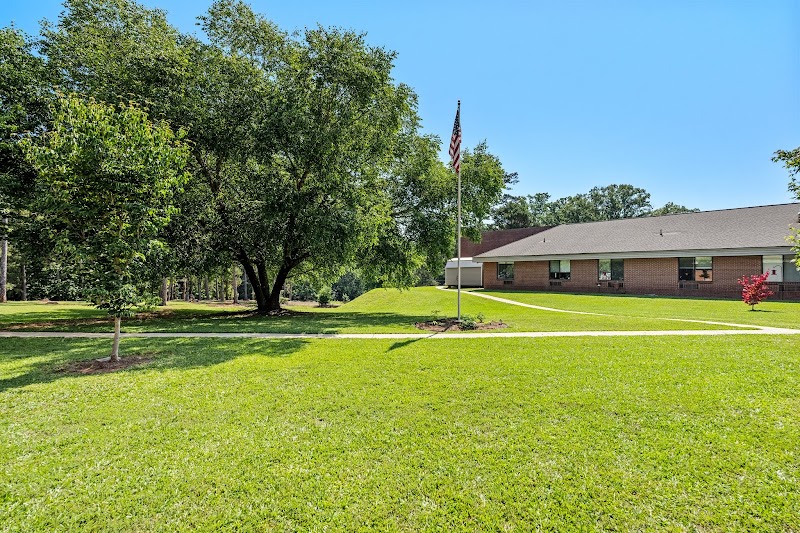
How is Seneca Health & Rehabilitation Center Staffed?

CMS rates Seneca Health & Rehabilitation Center's staffing level at 2 out of 5 stars, which is below average compared to other nursing homes. Staff turnover is 50%, compared to the South Carolina average of 46%.

What Have Inspectors Found at Seneca Health & Rehabilitation Center?

State health inspectors documented 18 deficiencies at Seneca Health & Rehabilitation Center during 2021 to 2025. These included: 2 that caused actual resident harm and 16 with potential for harm. Deficiencies causing actual harm indicate documented cases where residents experienced negative health consequences.

Who Owns and Operates Seneca Health & Rehabilitation Center?

Seneca Health & Rehabilitation Center is owned by a for-profit company. For-profit facilities operate as businesses with obligations to shareholders or private owners. The facility operates independently rather than as part of a larger chain. With 132 certified beds and approximately 113 residents (about 86% occupancy), it is a mid-sized facility located in Seneca, South Carolina.

How Does Seneca Health & Rehabilitation Center Compare to Other South Carolina Nursing Homes?

Compared to the 100 nursing homes in South Carolina, Seneca Health & Rehabilitation Center's overall rating (1 stars) is below the state average of 2.8, staff turnover (50%) is near the state average of 46%, and health inspection rating (2 stars) is below the national benchmark.

What Should Families Ask When Visiting Seneca Health & Rehabilitation Center?

Based on this facility's data, families visiting should ask: "Can you walk me through typical staffing levels on day, evening, and night shifts?" "Can I visit during a mealtime to observe dining assistance and food quality?" "How do you handle medical emergencies, and what is your hospital transfer rate?" "Can I speak with family members of current residents about their experience?" These questions are particularly relevant given the below-average staffing rating.

Is Seneca Health & Rehabilitation Center Safe?

Based on CMS inspection data, Seneca Health & Rehabilitation Center has a clean safety record: no substantiated abuse findings (meaning no confirmed cases of resident harm), no Immediate Jeopardy citations (the most serious violation level indicating risk of serious injury or death), and is not on the Special Focus Facility watch list (a federal program monitoring the lowest-performing 1% of nursing homes). The facility has a 1-star overall rating and ranks #100 of 100 nursing homes in South Carolina. While no facility is perfect, families should still ask about staff-to-resident ratios and recent inspection results during their visit.

Do Nurses at Seneca Health & Rehabilitation Center Stick Around?

Seneca Health & Rehabilitation Center has a staff turnover rate of 50%, which is about average for South Carolina nursing homes (state average: 46%). Moderate turnover is common in nursing homes, but families should still ask about staff tenure and how the facility maintains care continuity when employees leave.

Was Seneca Health & Rehabilitation Center Ever Fined?

Seneca Health & Rehabilitation Center has been fined $4,893 across 2 penalty actions. This is below the South Carolina average of $33,128. While any fine indicates a compliance issue, fines under $50,000 are relatively common and typically reflect isolated problems that were subsequently corrected. Families should ask what specific issues led to these fines and confirm they've been resolved.

Is Seneca Health & Rehabilitation Center on Any Federal Watch List?

Seneca Health & Rehabilitation Center is not on any federal watch list. The most significant is the Special Focus Facility (SFF) program, which identifies the bottom 1% of nursing homes nationally based on persistent, serious quality problems. Not being on this list means the facility has avoided the pattern of deficiencies that triggers enhanced federal oversight. This is a positive indicator, though families should still review the facility's inspection history directly.