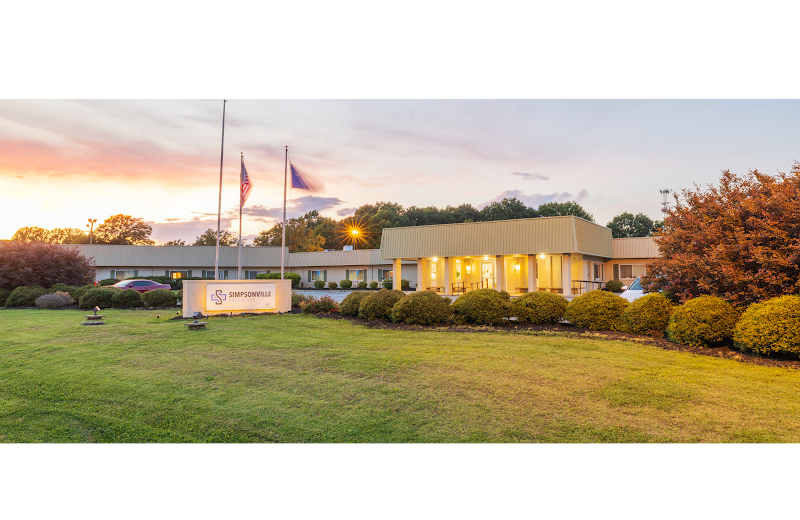
Simpsonville Post Acute
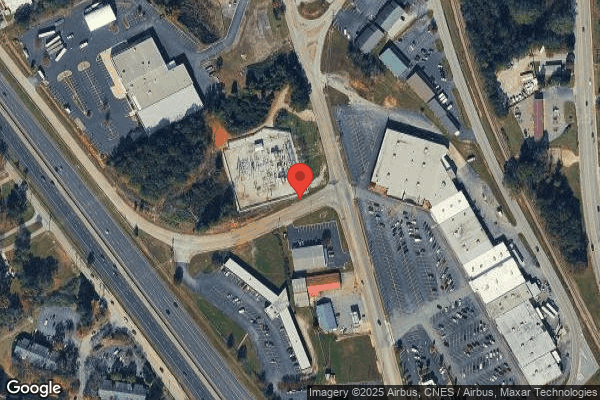
807 South Eas Main Street, Simpsonville, SC 29681 (864) 963-6069
For profit - Limited Liability company 132 Beds PACS GROUP Data: November 2025
Trust Grade
33/100
#136 of 186 in SC
Last Inspection: August 2024

Within standard 12-15 month inspection cycle. Federal law requires annual inspections.

Overview

Simpsonville Post Acute has a Trust Grade of F, which indicates significant concerns and poor overall performance. It ranks #136 out of 186 nursing homes in South Carolina, placing it in the bottom half of facilities in the state, and #16 out of 19 in Greenville County, meaning only a few local options are worse. The facility's trend is stable, with the number of reported issues remaining consistent over the past two years. Staffing is a weakness with a rating of 1 out of 5 stars and a turnover rate of 55%, which is higher than the state average, suggesting a lack of continuity in care. Additionally, the facility has faced serious incidents, including a resident sustaining a fractured femur due to improper lifting techniques and another resident suffering a hip fracture after being pushed during a resident-to-resident altercation, highlighting significant safety concerns.
Trust Score
F
33/100
In South Carolina
#136/186
Bottom 27%
Safety Record
Moderate
Needs review
Inspections
Holding Steady
2 → 2 violations
Staff Stability
⚠ Watch
55% turnover. Above average. Higher turnover means staff may not know residents' routines.
Penalties
✓ Good
$9,710 in fines. Lower than most South Carolina facilities. Relatively clean record.
Skilled Nurses
⚠ Watch
Each resident gets only 24 minutes of Registered Nurse (RN) attention daily — below average for South Carolina. Fewer RN minutes means fewer trained eyes watching for problems.
Violations
⚠ Watch
25 deficiencies on record. Higher than average. Multiple issues found across inspections.
★★☆☆☆
2.0
Overall Rating
★☆☆☆☆
1.0
Staff Levels
★★★★☆
4.0
Care Quality
★★★☆☆
3.0
Inspection Score
Stable
2024: 2 issues
2025: 2 issues

The Good

  • 4-Star Quality Measures · Strong clinical quality outcomes
  • Full Sprinkler Coverage · Fire safety systems throughout facility
  • No fines on record

Facility shows strength in quality measures, fire safety.

The Bad

2-Star Overall Rating

Below South Carolina average (2.8)

Below average - review inspection findings carefully

Staff Turnover: 55%

Near South Carolina avg (46%)

Frequent staff changes - ask about care continuity

Federal Fines: $9,710

Below median ($33,413)

Minor penalties assessed

Chain: PACS GROUP

Part of a multi-facility chain

Ask about local staffing decisions and management

Staff turnover is elevated (55%)

7 points above South Carolina average of 48%

The Ugly 25 deficiencies on record

2 actual harm
Jan 2025 2 deficiencies 1 Harm
SERIOUS (G) 📢 Someone Reported This

A family member, employee, or ombudsman was alarmed enough to file a formal complaint

Actual Harm - a resident was hurt due to facility failures

Accident Prevention (Tag F0689)

A resident was harmed · This affected 1 resident

Based on interview, record review, document review, and facility policy review, the facility failed to ensure a certified nursing assistant (CNA) transferred a resident according to the resident's car...

Read full inspector narrative →
Based on interview, record review, document review, and facility policy review, the facility failed to ensure a certified nursing assistant (CNA) transferred a resident according to the resident's care plan for 1 (R2) of 4 sampled residents reviewed for accidents. Certified Nursing Assistant (CNA)1 used a sit to stand lift with one person instead of a mechanical sling lift with two people as specified by the resident's care plan. The failure resulted in R2 sustaining a fractured femur. Findings included: A facility policy titled, Lifting Machine, Using a Mechanical, revised 07/2017, indicated, Purpose The purpose of this procedure is to establish the general principles of safe lifting using a mechanical lifting device. It is not a substitute for manufacturer's training or instructions. General Guidelines 1. A least two (2) nursing assistants are needed to safely move a resident with a mechanical lift. A facility policy titled, Safe Lifting and Movement of Residents, revised 07/2017, indicated, Policy Statement In order to protect the safety and well-being of staff and residents, and to promote quality care, this facility uses appropriate techniques and devices to lift and move residents. The policy specified, 3. Nursing staff, in conjunction with the rehabilitation staff, shall assess individual residents' needs for transfer assistance on an ongoing basis. Staff will document resident transferring and lifting needs in the care plan. An admission Record revealed the facility admitted R2 on 10/17/2022. According to the admission Record, the resident had a medical history that included diagnoses of late onset Alzheimer's disease, anxiety disorder, unspecified dementia with other behavioral disturbance, unspecified psychosis, and vitamin D deficiency. A significant change in status Minimum Data Set (MDS), with an Assessment Reference Date (ARD) of 09/25/2024, revealed R2 had a Brief Interview for Mental Status (BIMS) score of 0, which indicated the resident had severe cognitive impairment. The MDS indicated the resident was dependent on staff for chair/bed-to-chair transfers. R2's Care Plan, included a focus area initiated 10/25/2022, that indicated the resident required assistance with activities of daily living related to limited range of motion and weakness. Interventions directed staff to utilize a Mechanical/Hoyer lift with the assistance of two people to transfer the resident (initiated 08/12/2024). R2's Nurse's Note, documented by Registered Nurse (RN)2 and dated 11/18/2024 at 5:00 PM, indicated R2 was observed grimacing during patient care, swelling was noted to the resident's left femur, and an order was received to complete an x-ray. A Visit Note Report, dated 11/18/2024, revealed RN2 notified hospice that R2 complained of pain in their left leg. Per the Visit Note Report, there had been no reported falls, but the resident's leg was swollen, and RN2 thought the resident's leg might be dislocated. Per the Visit Note Report, RN6 visited the facility on 11/18/2024 at 8:47 PM and noted the resident's left ankle was turned out. The Visit Note Report indicated, the resident had pain and swelling in their left lower hip area, with pain seemingly present only when their leg was moved, and RN6 applied a soft splint. R2's Order Summary Report, contained an order dated 11/19/2024, for an x-ray of the resident's left knee and hip. The Radiology Results Report, dated 11/19/2024 at 9:20 AM, revealed R2 had an acute appearing femoral fracture. Contained within the facility's investigation was CNA1's Witness Statement, dated 11/18/2024, which indicated CNA1 acknowledged she alone transferred R2 to the bed by using a stand up lift. The Five-Day Follow-Up Report, dated 11/22/2024, revealed R2 had a fracture of the mid femoral shaft with malalignment. Per the Five-Day Follow-Up Report, a CNA transferred the resident to the bed by usage of a stand-up lift. The Five-Day Follow-Up Report, while the CNA had been trained on resident transfers, the CNA did not transfer the resident per the resident's plan of care and the CNA's employment with the facility was terminated. The Post Falls Assessment and Root Cause Investigative Report, dated 11/20/2024, revealed R2 was improperly transferred with a mechanical lift and the assistance of one staff. An Employee Counseling Form, signed by CNA1 and dated 11/28/2024, revealed the nature of the infraction was the CNA transferred a resident without assistance. Per the Employee Counseling Form, CNA1 was terminated. During an interview on 01/02/2025 at 1:31 PM, RN2 stated she was in the room with another resident on 11/18/2024 and was called to come and check R2. RN2 stated she noticed something was wrong with the resident's leg and asked the resident what happened. RN2 stated the resident said they did not know, and it was not like that earlier that morning. RN2 stated the resident required a sling type mechanical lift and she was not present with the resident to know how the resident was transferred. RN2 stated there had not been any issues with transfers prior to the incident because everyone knew with a mechanical lift, there always needed to be two people for assistance. During an interview on 01/02/2025 at 1:22 PM, CNA3 stated she was working on the day of the incident, but she did not recall anything unusual. CNA3 stated R2 had not had any falls or anything of which she was aware. CNA3 stated for residents that required a mechanical lift for transfers, there should always be two people. During an interview on 01/02/2025 at 1:43 PM, CNA #4 stated she did restorative, trained the CNAs on the mechanical lift, and instructed them to make sure they always had two people with them, especially for safety reasons. During an interview on 01/02/2025 at 3:50 PM, the Administrator stated he contacted the Director of Nursing (DON), and she stated CNA1 did not give a reason for why she did not have two people present for the transfer of R2. During a follow-up interview on 01/02/2025 at 5:04 PM, the Administrator stated he expected residents to be transferred per their care plan, with the correct number of staff for assistance. On 01/02/2025 at 12:42 PM and 1:54 PM and 01/03/2025 at 8:35 AM, a telephone interview was attempted with CNA1. There was no answer and each time a voicemail message was left, and no return telephone call was received. CN
CONCERN (D) 📢 Someone Reported This

A family member, employee, or ombudsman was alarmed enough to file a formal complaint

Potential for Harm - no one hurt, but risky conditions existed

QAPI Program (Tag F0867)

Could have caused harm · This affected 1 resident

Based on interview, record review, document review, and facility policy review, the facility failed to implement their Quality Assurance and Performance Improvement (QAPI) plan following an incident o...

Read full inspector narrative →
Based on interview, record review, document review, and facility policy review, the facility failed to implement their Quality Assurance and Performance Improvement (QAPI) plan following an incident of an improper transfer for 1 (Resident (R)2) of 4 sampled residents reviewed for accidents. Findings included: A facility policy titled, Quality Assurance and Performance Improvement (QAPI) Program-Analysis and Action, revised 03/2020, specified, Quality deficiencies that are identified through feedback and data and will undergo appropriate corrective action. Corrective actions are monitored against established goals and benchmarks by the QAPI committee. An admission Record revealed the facility admitted R2 on 10/17/2022. According to the admission Record, the resident had a medical history that included diagnoses of late onset Alzheimer's disease, anxiety disorder, unspecified dementia with other behavioral disturbance, unspecified psychosis, and vitamin D deficiency. A significant change in status Minimum Data Set (MDS), with an Assessment Reference Date (ARD) of 09/25/2024, revealed Resident #2 had a Brief Interview for Mental Status (BIMS) score of 0, which indicated the resident had severe cognitive impairment. The MDS indicated the resident was dependent on staff for chair/bed-to-chair transfers. R2's Care Plan, included a focus area initiated 10/25/2022, that indicated the resident required assistance with activities of daily living related to limited range of motion and weakness. Interventions directed staff to utilize a Mechanical/Hoyer lift with the assistance of two people to transfer the resident (initiated 08/12/2024). Contained within the facility's investigation was Certified Nursing Assistant (CNA)1's Witness Statement, dated 11/18/2024, which indicated CNA1 acknowledged she alone transferred R2 to the bed by using a stand up lift. R2's Order Summary Report, contained an order dated 11/19/2024, for an x-ray of the resident's left knee and hip. The Radiology Results Report, dated 11/19/2024 at 9:20 AM, revealed Resident #2 had an acute appearing femoral fracture. The Five-Day Follow-Up Report, dated 11/22/2024, revealed R2 had a fracture of the mid femoral shaft with malalignment. Per the Five-Day Follow-Up Report, a CNA transferred the resident to the bed by usage of a stand-up lift. The Five-Day Follow-Up Report, while the CNA had been trained on resident transfers, the CNA did not transfer the resident per the resident's plan of care and the CNA's employment with the facility was terminated. The Post Falls Assessment and Root Cause Investigative Report, dated 11/20/2024, revealed R2 was improperly transferred with a mechanical lift and the assistance of one staff. The Quality Assurance Committee Meeting Agenda and Guide, dated 12/19/2024, indicated R2's injury was reviewed, and an action plan was implemented. The QAPI/Action Plan, dated 11/18/2024, revealed the issue was an inappropriate transfer. The action plan revealed an audit would be initiated by the Director of Nursing/nurse management weekly for four weeks and monthly for two months to ensure transfer methods were accurate and reflected on a resident's care plan and information guide used by CNA staff. During an interview on 01/03/2025 at 3:19 PM, the Administrator stated the facility had not yet started the audits for the QAPI plan related to the inappropriate transfer. The Administrator stated the QAPI team met on 12/19/2024 and the week of 12/23/2024, he was off work and the DON was off the week of 12/30/2024. The Administrator stated the audits would start the week of 01/06/2025, when the DON returned. During an interview on 01/03/2025 at 5:07 PM, the Administrator stated he expected when something was presented to QAPI, the facility would make a plan and follow through with the implementation of it.
Aug 2024 2 deficiencies
CONCERN (D)

Potential for Harm - no one hurt, but risky conditions existed

Resident Rights (Tag F0550)

Could have caused harm · This affected 1 resident

**NOTE- TERMS IN BRACKETS HAVE BEEN EDITED TO PROTECT CONFIDENTIALITY** Based on observation, interview, and facility policy, the facility failed to provide dignity to Resident (R)68 by failing to kno...

Read full inspector narrative →
**NOTE- TERMS IN BRACKETS HAVE BEEN EDITED TO PROTECT CONFIDENTIALITY** Based on observation, interview, and facility policy, the facility failed to provide dignity to Resident (R)68 by failing to knock prior to entering the resident's room. The facility further failed to provide dignity to R68 with his urinal,1 of 5 residents reviewed for dignity. Findings include: Record review of facility policy titled Dignity last revised 02/28/21, revealed Each resident shall be cared for in a manner that promotes and enhances his or her sense of well-being, level of satisfaction with life, and feelings of self-worth and self-esteem. Policy interpretation and implementation include residents are treated with dignity and respect at all times; when assisting with care, residents are supported in exercising their rights for example residents are provided with a dignified dining experience. Staff are expected to knock and request permission before entering resident's rooms. Demeaning practices and standards of care that compromise dignity are prohibited. Staff are expected to promote dignity and assist residents by promptly responding to resident's request for toileting assistance. R68 was admitted to the facility on [DATE] with the diagnosis including but not limited to type 2 diabetes, hypertension, and acquired absence of left and right legs above knee. Review of the Quarterly Minimum Data Set (MDS) dated [DATE], revealed R68 has a Brief Interview of Mental Status (BIMS) score of 15 out of 15, which indicates that he is cognitively intact. Further review of the Quarterly MDS revealed that R68 is dependent on staff for toileting hygiene and personal hygiene. An observation and interview on 08/26/24 at 9:06 AM with R68 revealed the resident in bed and he had just finished breakfast. Further observation revealed a urinal lying on it's side, almost full with urine. R68 stated that staff had just left out of the room to take up the his plate/utensils, but did not offer to empty his urinal. R68 further stated that staff do not offer to provide him assistance with Activities of Daily (ADL) care, unless he asks. An observation on 08/26/24 at 9:14 AM with R68 revealed that he pressed his call light for assistance for staff to empty his urinal. An observation on 08/26/24 at 9:14 AM revealed Certified Nursing Assistant (CNA)1 entered the room without knocking or permission to enter the room, to empty R68 urinal. An observation on 08/26/24 at 9:15 AM revealed CNA1 exiting R68's room and entered another resident room across the hall without knocking or waiting for permission to enter the room. An interview on 08/26/24 at 9:18 AM with CNA1 revealed that they did not knock on R68 and door because it was open then CNA1 stated staff are expected to knock prior to entering rooms regardless of the door was open. CNA1 further admitted that she did not knock on the door across the hallway as well. CNA1 finally stated that she is assigned to R68 for the day, but was not the staff member who picked up his breakfast tray and was unsure of who that staff member was. An interview on 08/28/24 at 5:30 PM with the Director of Nursing (DON) revealed that staff are expected to knock and wait for permission prior to entering residents rooms and that staff are expected to offer resident's assistance with their urinals when they observe that they need to be emptied. Record review of R68 Care Plan last revised 08/26/24 revealed I am at risk for chronic Urinary Tract Infection (UTI). Prefers urinal on bedside table at all times, I will not have a UTI through next review. Interventions include: administer medications and treatments as ordered, observe and document responses; encourage fluid intake; I will need post incontinent care every two hours and as needed; monitor and obtain labs as ordered and as needed; notify the Medical Director/ Nurse Practitioner as needed; monitor for signs and symptoms of UTI.
CONCERN (D)

Potential for Harm - no one hurt, but risky conditions existed

Deficiency F0561 (Tag F0561)

Could have caused harm · This affected 1 resident

**NOTE- TERMS IN BRACKETS HAVE BEEN EDITED TO PROTECT CONFIDENTIALITY** Based on observation, interview, and facility policy the facility failed to ensure that Resident (R)102 had the right to exercis...

Read full inspector narrative →
**NOTE- TERMS IN BRACKETS HAVE BEEN EDITED TO PROTECT CONFIDENTIALITY** Based on observation, interview, and facility policy the facility failed to ensure that Resident (R)102 had the right to exercise automy/self-determination related to her preferred sleeping schedule. 1 of 1 reviewed for self-determination. Findings include: Record review of facility policy titled Resident Self-Determination and Participation last revised 08/31/22 revealed Our facility respects and promotes the right of each resident to exercise his or her autonomy regarding what the resident considers to be important facets of his or her life. Policy interpretation and implementation include each resident is allowed to choose activities, and schedule health care and healthcare providers that are consistent with his or her interests, values, assessments, and plans of care, including: daily routine, such as sleeping and waking, eating, exercise and bathing schedules. In order to facilitate resident choice, the administration and staff: inform the residents and family members of the resident's right to self-determination and participate in preferred activities. R102 was admitted to the facility on [DATE] with the diagnosis including but not limited to dementia with severe agitation, hypertension, major depressive disorder, and psychotic disorder with hallucinations due to a known physiological condition. According to the Quarterly Minimum Data Set (MDS) dated [DATE] revealed R102 has a Brief Interview of Mental Status (BIMS) score of 3 out of 15, which indicates she is not cognitively intact. An observation on 08/27/24 at 8:30 AM revealed a Certified Nursing Assistant (CNA) attempting to wake R102 and encouraging her to eat her breakfast. A phone interview on 08/28/24 at 1:56 PM with R102 Resident Representative (RR) revealed that the resident often sundown's and does not go to bed at times until after midnight. During the interview the RR had concerns with the facility not allowing to the resident self-determination due to them attempting to provide ADL care to R102 at 6:30 AM this morning (08/28/24). RR further stated that at times the resident does not want to be awaken before 9:00 AM and has had this pattern prior to admission to the facility. An interview on 08/28/24 at 2:18 PM with CNA2 revealed that the resident was very agitated this morning and refused to get up, when the resident is agitated CNA2 stated that she leaves the resident alone and gives her time to calm down and notifies the nurse of the behavior so they can chart it in the Electronic Medical Record (EMR). CNA2 stated that she attempted to provide the resident ADL care around 9:00 AM this morning and resident began to curse at her. CNA2 finally stated that R102 has never hit them when she gets agitated, she curses at staff and will ball up her fists but has not witnessed R102 be physically aggressive with staff. A phone interview on 08/28/24 at 3:37 PM with the Psychiatric Nurse Practitioner (NP) revealed that they were informed by a 3rd shift CNA that the resident was attempting to fight staff this morning during their last round when the attempted to provide Activities of Daily Living (ADL) care for R102. A phone interview on 08/28/24 at 5:05 PM with CNA3 (3rd shift CNA) revealed that the resident at times can be combative but has never physically hit them or any other staff that they are aware of. Interview with CNA3 further revealed that staff assist resident to bed around 8:00 PM - 9:00 PM and at times resident will get back up and will become verbally aggressive with staff if they attempt to redirect. CNA3 further stated that they were R102 assigned CNA for last night/this morning (08/28/24) when they attempted to get the resident up for the day around 6:30 AM the resident refused to be provided ADL care and became verbally aggressive with him and the nursing staff. An interview with the Director of Nursing (DON) on 08/28/24 at 5:36 PM revealed that residents have a right to self-determination and refusal of treatment and services. Record review of R102 Care Plan last revised 11/20/23 revealed Refusal of Care - Resident refuses care and services within their rights as manifested by non-compliance/refusal of nursing care, has episodes of removing brief. Interventions include: behavioral and psychological services as indicated; determine resident's experiences and preferences to eliminate/mitigate triggers to the extent possible; encourage active participation in care; reapproach when refusing care to the extent possible.
Jun 2023 2 deficiencies
CONCERN (D) 📢 Someone Reported This

A family member, employee, or ombudsman was alarmed enough to file a formal complaint

Potential for Harm - no one hurt, but risky conditions existed

Abuse Prevention Policies (Tag F0607)

Could have caused harm · This affected 1 resident

**NOTE- TERMS IN BRACKETS HAVE BEEN EDITED TO PROTECT CONFIDENTIALITY** Based on review of the facility policy, interviews and record review, the facility failed to implement its abuse policies with r...

Read full inspector narrative →
**NOTE- TERMS IN BRACKETS HAVE BEEN EDITED TO PROTECT CONFIDENTIALITY** Based on review of the facility policy, interviews and record review, the facility failed to implement its abuse policies with regards to an allegation of verbal abuse involving 2 of 3 residents sampled. On 05/21/2023 Resident (R)2 verbally abused R3. The facility did not follow its set policies with regards to reporting or investigating alleged abuse allegations. Findings include: Review of facility policy titled Resident-to-Resident Altercations, revised on December 2016 revealed that, in the event two residents are involved in an altercation, staff will - among other measures - identify what happened, including what might have led to aggressive conduct on the part of one or more individuals; notify each resident's representative and the Attending Physician; consult with the Attending Physician to identify treatable conditions; make any necessary changes in the care plan approaches to any or all involved individuals; document in the resident's clinical record all interventions and their effectiveness; consult psychiatric services for assistance in assessing the resident, complete a Report of Incident / Accident form and document the incident, findings, and corrective measures taken in the resident's medical / clinical record; and report incidents, findings, and corrective measures to appropriate agencies as outlined in our facility's abuse reporting policy. Review of facility policy titled Abuse and Neglect - Clinical Protocol, revised on March 2018 revealed that the staff, with the physician's input as needed, will investigate alleged abuse to clarify what happened and identify possible causes. The physician will provide adequate documentation regarding negative outcomes that have resulted form a resident's underlying medical illnesses or conditions, despite appropriate care. Furthermore, the staff and physician will monitor individuals who have been allegedly abused to address any issues regarding their medical conditions, mood, and function. Review of facility policy titled Abuse, Neglect, Exploitation and Misappropriation Prevention Program, revised on April 2021 revealed prevention program consists of a facility-wide commitment and resource allocation to support following objectives: protect residents from abuse, neglect, exploitation, or misappropriation of property; develop and implement policies and protocols to prevent and identify abuse or mistreatment of residents, neglect of residents, and / or theft, exploitation, or misappropriation of resident property; establish and maintain a culture of compassion and caring for all residents and particularly those with behavioral, cognitive, or emotional problems; identify and investigate all possible incidents of abuse, neglect, mistreatment, or misappropriation of resident property; investigate and report any allegations within timeframes required by federal requirements; involve the resident council in monitoring and evaluating the facility's abuse prevention program. Review of facility policy titled Abuse, Neglect, Exploitation or Misappropriation - Reporting and Investigating, revised on April 2021 revealed that if resident abuse, neglect, exploitation, misappropriation of property or injury of unknown source is suspected, the suspicion must be reported immediately to the administrator. The administrator or the individual making the allegation reports to the following agencies: state licensing / certification agency, local / state ombudsman, resident's representative, adult protective services, law enforcement officials, the resident's attending physician, and the facility medical director. Immediately, is defined as within two hours of an allegation involving abuse. All allegations are thoroughly investigated, and the administrator initiates investigations. The individual conducting the investigation at a minimum: reviews documentation and evidence; reviews the resident's medical record to determine the resident's physical and cognitive status at the time of the incident and the time since the incident; observes the alleged victim, including his or her interactions with staff and other residents; interviews the person(s) reporting the incident; interviews any witnesses to the incident; interviews the resident or the resident's representative; interviews the resident's attending physician as needed to determine the resident's condition; interviews staff members who have had contact with the resident during the period of the alleged incident; interviews the resident's roommate, family members, and visitors; interviews other residents to whom the accused employee provides care or services; reviews all events leading up to the alleged incident; and documents the investigation completely and thoroughly. R2 was admitted to the facility on [DATE] with diagnoses including, but not limited to, memory deficit following cerebral infarction, dementia, major depressive disorder, and behavioral disorders. The resident scored a Brief Interview for Mental Status (BIMS) of 0 out of 15 on his admission Minimum Data Set with an Assessment Reference Date (ARD) of 05/24/2023, indicating the resident could not complete the interview. R3 was admitted to the facility on [DATE] with diagnoses including, but not limited to, hemiplegia and hemiparesis affecting the right dominant side, aphasia following brain infarction, epilepsy, major depressive disorder, and generalized anxiety disorder. The resident scored a BIMS of 02 out of 15 on his admission MDS with an ARD 5/23/2023, indicating severe cognitive impairment. Review of a 05/21/2023 behavior note written by Licensed Practical Nurse (LPN)1 at approximately 11 PM revealed that R2 was heard yelling racial slurs at his roommate. The facility contacted the Director of Nursing (DON) for a room change approval. The resident did state that it was good he was moving for his roommate's sake. Review of R3's Care Plan revealed the abuse incident was not addressed, nor were any interventions added to protect the resident from, or mitigate, psychosocial harm related to the verbal abuse allegation. Interview with the DON on 06/20/2023 at approximately 12:20 PM revealed that R2 directed racial slurs at R3, his previous roommate. The facility did not consider the incident abuse because R3 did not appear offended. When asked how a reasonable person might react to being called a racial slur in their own home, she was unable to answer. Interview with the Administrator on 06/20/2023 at approximately 12:32 PM revealed he was not notified of the abuse incident except in passing as to why the residents were moved. He confirmed the incident was not viewed as abuse. Interview with the Director of Social Services on 06/20/2023 at approximately 12:40 PM revealed that she was not aware of the verbal abuse incident between R2 and R3 prior to the date of the survey. As such, she had not followed up with either resident regarding the incident. When asked to define verbal abuse, she answered it could include derogatory remarks, name calling, and inappropriate remarks - among others. Interview with LPN1 on 06/20/2023 at 1 PM confirmed she authored the 05/21/2023 note regarding the abuse incident between R2 and R3. She did not directly witness the incident, however, and could not name the CNA who reported it to her. She did contact the DON at the time of the incident for permission to move the roommates to separate rooms. She did not follow it up as a verbal abuse incident. Interview with CNA1 on 06/20/2023 at 2 PM revealed she could not recall the specifics of the abuse incident between R2 and R3. She heard the residents yelling but did not hear what they said. The nurse moved the residents after the incident. Review of Nurse Practitioner's progress note for R3 with Date of Service (DOS) of 05/22/2023 revealed there was no mention of the abuse incident on 05/21/2023. Interview with the Nurse Practitioner on 06/20/2023 at approximately 2:20 PM revealed she met with R3 following the abuse incident on 05/22/2023. However, the visit was related to his admission, and she was unaware of the verbal abuse incident the resident was involved in the day prior. As she was not aware, she did not make a note of it in the progress note. Had she been notified of the incident, she would have made a note of it in the note and gone over the resident's psychosocial health with regards to the verbal abuse incident. Interview with CNA2 on 06/20/2023 at approximately 2:30 PM and again at 3 PM revealed the two residents (R2 and R3) were going back and forth arguing with each other. Though she could not remember what was specifically said, she characterized both of their language as verbally abusive.
CONCERN (D) 📢 Someone Reported This

A family member, employee, or ombudsman was alarmed enough to file a formal complaint

Potential for Harm - no one hurt, but risky conditions existed

Report Alleged Abuse (Tag F0609)

Could have caused harm · This affected 1 resident

**NOTE- TERMS IN BRACKETS HAVE BEEN EDITED TO PROTECT CONFIDENTIALITY** Based on review of the facility policy, interviews and record review, the facility failed to report an allegation of verbal abus...

Read full inspector narrative →
**NOTE- TERMS IN BRACKETS HAVE BEEN EDITED TO PROTECT CONFIDENTIALITY** Based on review of the facility policy, interviews and record review, the facility failed to report an allegation of verbal abuse involving 2 of 3 residents sampled. On 05/21/2023 Resident (R)2 verbally abused R3, using a racial slur. The facility did not report the incident to the appropriate state agencies. The findings include: Review of facility policy titled Abuse, Neglect, Exploitation or Misappropriation - Reporting and Investigating, revised on April 2021 revealed that if resident abuse, neglect, exploitation, misappropriation of property or injury of unknown source is suspected, the suspicion must be reported immediately to the administrator. The administrator or the individual making the allegation reports to the following agencies: state licensing / certification agency, local / state ombudsman, resident's representative, adult protective services, law enforcement officials, the resident's attending physician, and the facility medical director. Immediately, is defined as within two hours of an allegation involving abuse. R2 was admitted to the facility on [DATE] with diagnoses including, but not limited to, memory deficit following cerebral infarction, dementia, major depressive disorder, and behavioral disorders. The resident scored a Brief Interview for Mental Status (BIMS) of 00/15 on his admission Minimum Data Set with Assessment Reference Date (ARD) of 05/24/2023, indicating the resident could not complete the interview. R3 was admitted to the facility on [DATE] with diagnoses including, but not limited to, hemiplegia and hemiparesis affecting the right dominant side, aphasia following brain infarction, epilepsy, major depressive disorder, and generalized anxiety disorder. The resident scored a BIMS of 02/15 on his admission MDS with ARD 5/23/2023, indicating severe cognitive impairment. Review of a 05/21/2023 behavior note written by Licensed Practical Nurse (LPN)1 at approximately 11 PM revealed that R2 was heard yelling racial slurs at his roommate. The facility contacted the Director of Nursing (DON) for a room change approval. Interview with the DON on 06/20/2023 at approximately 12:20 PM revealed that R2 directed racial slurs at R3, his previous roommate. The facility did not consider the incident abuse because R3 did not appear offended. As such, the abuse was not reported to DHEC, the South Carolina State Agency. Interview with the Administrator on 06/20/2023 at approximately 12:32 PM confirmed the incident was not viewed as abuse or reported to DHEC as a potential abuse incident. Interview with LPN1 on 06/20/2023 at 1 PM confirmed she authored the 05/21/2023 note regarding the abuse incident between R2 and R3. She did not directly witness the incident, however, and could not name the CNA who reported it to her. She did contact the DON at the time of the incident for permission to move the roommates to separate rooms. Interview with CNA1 on 06/20/2023 at 2 PM revealed she could not recall the specifics of the abuse incident between R2 and R3. She heard the residents yelling but did not hear what they said. The nurse moved the residents after the incident. Interview with CNA2 on 06/20/2023 at approximately 2:30 PM and again at 3 PM revealed the two residents (R2 and R3) were going back and forth arguing with each other. Though she could not remember what was specifically said, she characterized both of their language as verbally abusive.
Sept 2022 3 deficiencies 1 Harm
SERIOUS (G)

Actual Harm - a resident was hurt due to facility failures

Free from Abuse/Neglect (Tag F0600)

A resident was harmed · This affected 1 resident

**NOTE- TERMS IN BRACKETS HAVE BEEN EDITED TO PROTECT CONFIDENTIALITY** Based on record review, facility policy review, and staff interviews, the facility failed to ensure 2 out of 2 residents (Reside...

Read full inspector narrative →
**NOTE- TERMS IN BRACKETS HAVE BEEN EDITED TO PROTECT CONFIDENTIALITY** Based on record review, facility policy review, and staff interviews, the facility failed to ensure 2 out of 2 residents (Residents (R) 36 and R86) reviewed for resident-to-resident abuse out of a total sample of 30 residents were free from abuse. R37 was the aggressor in two resident-to-resident altercations, one which resulted in harm when R86 sustained a hip fracture from a fall after being pushed. Findings include: Review of the facility policy titled Abuse, Neglect, Exploitation and Misappropriation Prevention Program, revised April 2021, showed: Policy Statement Residents have the right to be free from abuse . This includes but is not limited to freedom from corporal punishment, involuntary seclusion, verbal, mental, sexual or physical abuse . Policy Interpretation and Implementation The resident abuse, neglect and exploitation prevention program consists of a facility-wide commitment and resource allocation to support the following objectives: Protect residents from abuse, neglect, exploitation or misappropriation of property by anyone including, but not necessarily limited to: a. facility staff; b. other residents;. Review of R37's admission Record from the electronic medical record (EMR) Profile tab showed a facility admission date of 05/26/22 with medical diagnoses that included depression, dementia with behavioral disturbance, lack of coordination, cognitive communication deficit, mood (affective) disorder, and insomnia. Review of R37's admission Minimum Data Set (MDS) with an assessment reference date (ARD) of 06/01/22 revealed R37 had a Brief Interview for Mental Status (BIMS) score of 06 out of 15, indicative of severe cognitive impairment. Review of a Behavior Care Plan, dated 08/24/22 and located in the Care Plan tab of the EMR showed documentation that R37, has risk for combative or aggressive behaviors. history and or potential to demonstrate verbally abusive behavior towards others. Review of R86's admission Record from the EMR Profile tab showed a facility admission date of 05/27/22, a readmission date of 08/22/22, with medical diagnoses that included senile degeneration of the brain, late onset Alzheimer's disease, dementia without behavioral disturbance, delusional disorders, and adult failure to thrive. Review of R86's admission MDS with an ARD of 07/12/22 revealed R86 had a BIMS score of 00 out of 15, indicative of severe cognitive impairment. The MDS revealed R86 was assessed by staff as needing only supervision when ambulating and steady at all times when walking. Review of R37's Progress Notes EMR tab showed: 8/23/2022 20:34 [8:34 PM] Behavior Note Note Text: Resident highly agitated stating 'Get out of her house.' Entered another residents [sic] room and attempted to physically strike him with closed fist. This nurse was able to redirect hands and resident angrily exited room on own stating this was her house. Resident currently requiring 1:1 [one on one] care for other resident safety. 8/23/2022 21:28 [9:28 PM] Alert Note Note Text: On call, [Nurse Practitioner], notified of patients behavioral issues. On call ordered 2.5mg [milligrams] IM [intramuscular] Haldol x1 [one time]. UA [urinary analysis] C&S [culture and sensitivity]. Will continue to observe. 8/23/2022 21:47 [9:47 PM] Behavior Note Note Text: NP on call contacted about resident's agitated behavior. N/O [new order] received. Attempt to contact family resulted in busy signal will cont [continue] to attempt contact. Then an SBAR (Situation, Background, Assessment, Recommendation) on 08/23/22 at 10:15 PM that stated: .Resident has had increased behavior (wandering and argumentative speech with staff) in past 24 hours. This shift resident swearing at staff and other residents. Placed hands on another resident and pushed her causing a fall. Then attempted to enter other residents' rooms, when staff attempted to redirect resident became belligerent yelling loudly and cursing but exited room. 1:1 required this shift for other residents' safety. Primary Care Provider Feedback: Primary Care Provider responded with the following feedback: A. Recommendations: Haldol 2.5mg IM x 1 dose now. Attempt to obtain UA C&S prior to injection. If unable to obtain or resident resistant obtain on 8/24. If resident is asleep do not wake to obtain. Review of R86's EMR Progress notes tab showed: 08/23/2022 20:17 [8:17 PM] Alert Note Note Text: Pt [patient] was approached by agitated resident. Agitated resident placed hands angrily on patients [sic] chest and pushed causing her to fall on left side. Patient and agitated resident separated. Staff assisted pt X2 [two staff] from floor to chair. Patient placed at nurses station for safety and observation. Pt was visibly upset, crying and grimacing. Pt vital signs . No visible skin discoloration or alternation [sic] noted at this time. Pt complains of pain in left leg. Pt unable to specify where pain is located. Pt refusing to weight bear and favoring left side. Pt grimacing and visibly upset with tears streaming down face when staff attempted a two person assist stand from chair. Pt given Tylenol PRN [as needed], standing order. DON [Director of Nursing] notified. Family Notified. Hospice Notified. Hospice physician en route to further evaluate pt for adverse reaction to fall. Will continue to observe. 08/23/2022 21:37 [9:37 PM] Alert Note Note Text: Hospice [name] arrived to evaluate patient following incident. Hospice suggests patient be sent to ED [emergency department] for further evaluation. Family notified of condition. EMS [emergency medical services] called for transer [sic]. Will continue to monitor. 08/24/22 02:06 [2:06 AM] Alert Note Note Text: Patient returned to facility via EMS at 0205 [2:05 AM]. Patient has a fractured trochanter, non-operable. Pt nonweight [sic] bearing. DON notified. Will continue to observe. A voicemail message was left for Registered Nurse (RN) 62 regarding the incident notes for R37 on 09/09/22 at 4:03 PM. No return call received. During an interview on 09/09/22 at 8:15 PM with the Administrator and Operations Manager (OM), neither was in the facility at the time of the incident but they were notified by staff. The two agreed there were no signs prior to the day of the incident that R37 would become physical with another resident. Both residents were independently ambulatory at the time of the incident and there had been no incidents with R37 and R86 prior to the event and no other incidents with R37 other than the one involving R38. The Administrator stated, We changed [R37's] room and ordered a psychiatric evaluation, which, unfortunately, did not occur prior to the incident with [R38]. Staff have been educated to keep [R37] away from other residents. The Administrator expressed an expectation that she absolutely positively prefers to never have resident to resident altercations. A voice mail message was left for RN6 on 09/09/22 at 8:37 PM and returned on 09/10/22 at 6:04 PM. RN6 stated she was working the night of the incident and R37 gave no indication that she would have an altercation with another resident. RN6 stated the two residents (R37 and R86) were just passing in the hall and she pushed her. RN6 examined R86 after the fall and noted pain; she contacted hospice and R86 was sent to the emergency room. R86 returned later that night with a trochanter fracture and was not a candidate for surgery so she is now non-weightbearing and in bed. 2. Review of the admission Record located in the Profile tab of the EMR revealed R38 was admitted to the facility on [DATE] with diagnoses that included depression. Review of the quarterly MDS assessment with and ARD of 06/04/22 revealed a BIMS score of seven out of 10 which indicated R38 was impaired in cognition for daily decision-making and had no behaviors. R38 was not interviewable. Review of the investigation provided by the facility for an incident on 08/28/22 at 8:49 PM, revealed, .Staff member reported that resident, [R37], was with resident, [R38] in the doorway of their [room]. [R38] stated that resident, [R37] wanted to close the door to the room and R38 wanted the door left open [R37] then hit R38 in the face. Staff separated residents. Resident, [R38] was assessed for injury with a scratch to the bridge of her nose and a scratch to left eyelid. During an interview on 09/09/22 at 8:15 PM with the Administrator and OM, they confirmed that R37 had not been involved in any other incidents since the incident with R38. The Administrator stated, We changed [R37's] room and ordered a psychiatric evaluation, which, unfortunately, did not occur prior to the incident with [R38]. Staff have been educated to keep [R37] away from other residents. In a follow up interview on 09/09/22 at 9:00 PM, the OM confirmed R37's behavior health evaluation occurred on 08/30/22.
CONCERN (D)

Potential for Harm - no one hurt, but risky conditions existed

Deficiency F0578 (Tag F0578)

Could have caused harm · This affected 1 resident

**NOTE- TERMS IN BRACKETS HAVE BEEN EDITED TO PROTECT CONFIDENTIALITY** Based on interview, record review, and review of facility policy, the facility failed to ensure that the code status (to resusci...

Read full inspector narrative →
**NOTE- TERMS IN BRACKETS HAVE BEEN EDITED TO PROTECT CONFIDENTIALITY** Based on interview, record review, and review of facility policy, the facility failed to ensure that the code status (to resuscitate or not) for 1 of 32 residents (Resident (R) 222) reviewed in the initial pool survey process was accurately documented in all areas of the medical record to ensure the resident's code status was honored. This failure had the potential to negatively affect the dignity, designated wishes, and physical status of the resident in case of cardiac or respiratory arrest. Findings include: Review of the facility policy titled Advanced Directives, revised [DATE], showed: Policy Interpretation and Implementation 1. Upon admission, the resident will be provided with written information concerning the right to refuse or accept medical or surgical treatment and to formulate an advance directive if he or she chooses to do so. 15. In accordance with current OBRA definitions and guidelines governing advance directives, our facility has defined advanced directives as preferences regarding treatment options and include, but are not limited to:. e. Do Not Resuscitate - indicates that, in case of respiratory or cardiac failure, the resident, legal guardian, health care proxy, or representative (sponsor) has directed that no cardiopulmonary resuscitation (CPR) or other life-sustaining treatments or methods are to be used. Review of R222's admission Record on [DATE] at 9:01 AM, from the electronic medical record (EMR) Profile tab, showed an admission date of [DATE] with medical diagnoses that included acute respiratory failure with hypoxia, malignant neoplasm of the lung, secondary malignant neoplasm of the brain, emphysema, schizophrenia, encephalopathy, blood chemistry abnormalities, and palliative care encounter. Under the heading of Advance Directive, the admission Record showed R222 as CPR [cardiopulmonary resuscitation]. Review of the heading on R222's EMR showed him to be a full code, indicating CPR would be performed. Review of the Documents did not show any signed paperwork regarding resuscitation code status. Review of R222's hard (paper) chart showed a red piece of paper at the front of the chart that stated DNR [do not resuscitate] Notify the physician of lack of vital signs; obtain order for time of death per state regulation. Behind the Advance Directives tab in the hard chart was a physician's certification that R222 was capable of making healthcare decisions and a Resident/Family Consent for Cardiopulmonary Resuscitation that showed an X by the choice I understand that cardiopulmonary resuscitation is an extraordinary measure and SHOULD NOT be done on [blank line with R222's name handwritten in]. This form was signed by R222 on [DATE]. On [DATE] at 9:00 AM, the Social Worker (SW) provided R222's chart showing the DNR information and was not sure where the disconnect was. After reviewing the EMR showing full code and the hard chart showing DNR, the SW asked if she could get back to you when asked if she was confirming there was a difference. At 9:07 AM, the SW confirmed the EMR had shown CPR, but there is no discrepancy now, and the hard chart was DNR status. During an interview on [DATE] at 7:15 PM, the Administrator stated, The procedure would be to talk to the resident and/or family during admissions and if there is no code status, the resident would be a full code until the physician could determine the capacity of the resident to make health care decisions, then would discuss the code status with family or the resident at which time the physician would fill out the code status and the EMR would be updated. The Administrator expressed an expectation that the chart and the EMR would match for a resident's code status.
CONCERN (E)

Potential for Harm - no one hurt, but risky conditions existed

Deficiency F0805 (Tag F0805)

Could have caused harm · This affected multiple residents

Based on review of facility policy, menu review, observations and interviews, the facility failed to ensure that food was prepared in a form to meet individual needs for 7 of 116 current facility resi...

Read full inspector narrative →
Based on review of facility policy, menu review, observations and interviews, the facility failed to ensure that food was prepared in a form to meet individual needs for 7 of 116 current facility residents (Resident (R) 35, R10, R223, R85, R88, R224, R225). Multiple residents stated they had difficulty consuming food served as substitutions to the menu. The deficient practice has the potential to create a choking risk and result in decreased resident intake. Findings include: Review of the facility's undated policy titled, Therapeutic Diets, indicated All residents have a diet order, including regular, therapeutic, and texture modification, that is prescribed by the attending physician, physician extender, or credentialed practitioner in accordance with applicable regulatory guidelines. 'Therapeutic diet' is defined as a diet ordered by a physician, or delegated registered or licensed dietitian, as part of the treatment for a disease-e or clinical condition. The purpose of a therapeutic diet is to eliminate or decrease specific nutrients in the diet (e.g. sodium), or to increase specific nutrients in the diet (e.g. potassium), or to provide food that a resident is able to eat (e.g. mechanically altered diet). 'Mechanically altered diet' means one in which the texture of the diet is altered. When the texture is modified, the type of texture must be specific and part of the physicians' or delegated registered or licensed dietitian's order. The Week-At-A-Glance menu provided by the facility revealed the following planned lunches: For 09/07/22, BBQ Pork Loin, Black-Eyed Peas, Seasoned Okra, Cornbread, Mandarin Oranges, Tea of Choice, or Salisbury Steak, Herbed Rice, Braised Cabbage. For 09/08/22, Chicken Soft Taco with Flour Tortilla, Cilantro Rice, Mexican Corn, Deluxe Fruit Salad, and Tea of Choice; or Citrus Fish, Oven Roasted Potatoes, Capri Vegetable Blend and Dinner Roll/Bread. During an observation of the main kitchen on 09/07/22 at 9:30 AM, the Dietary Manager (DM) and the Kitchen Manager (KM) stated foods were ordered on Thursdays for lunch through Tuesday and on Mondays for Tuesday's dinner through Friday's lunch. The KM said it had been hard to get some products in, so substitutions were made. The KM stated, when substitutions were made the Registered Dietitian (RD) signed off on the substitutions. The KM indicated they did not have the black-eyed peas and okra for today's lunch so corn on the cob would be substituted. The following observations were made on 09/07/22 during lunch service from 11:55 AM - 12:50 PM on the 100 hall. At 11:55 AM, lunch trays were brought to the floor and the certified nurse aides (CNAs) passed out trays to the residents. At 11:56 AM, R88 was trying to cut the corn off the cob. R88 said it would be better if she had some teeth to eat the corn with. R88's meal ticket on the tray indicated, Please enjoy the substitution of Corn on the Cob in place of Okra if appropriate. At 11:59 AM, R35 was observed sitting on her bed trying to eat her lunch. R35 was observed trying to eat the corn on the cob and her dentures fell out. R35 stated, I was trying to eat my corn and my teeth fell out, and pointed to her dentures. R35's meal ticket on the tray indicated, Please enjoy the substitution of Corn on the Cob in place of Okra if appropriate. At 12:07 PM, R85, referring to the corn on the cob stated she did not like it and she could not eat it. R85's meal ticket on her tray indicated an advanced dysphagia texture, chopped okra, and Please enjoy the substitution of Corn on the Cob in place of Okra if appropriate. At 12:48 PM, R10 stated she was concerned about the corn on the cob on her plate, because she had no teeth and was not able to eat the corn. R10's meal ticket on the tray indicated, Please enjoy the substitution of Corn on the Cob in place of Okra if appropriate. During an observation of lunch service on 09/08/22 at 12:10 PM, R223, when asked if lunch was good, stated she could not eat lettuce or the tortilla because she had no teeth, so she only had a bite or two. R223's meal ticket on her tray indicated an advanced dysphagia diet texture, no lettuce, and Please enjoy the substitution of Nachos in place of Flour Tortilla's if appropriate. R223 asked the surveyor to ask the kitchen for some mashed potatoes or applesauce, so she had something to eat. The DM was informed and replied that tortillas were on a soft diet, but he would take care of the lettuce issue. During dining observations on 09/08/22 at 12:30 pm, R224 stated the food was good, but having to take time to eat the chips, it was difficult. R225 stated he did not have any teeth to eat the chip and lettuce so he ate what he could. R224's and R225's meal tickets on the trays indicated, Please enjoy the substitution of Nachos in place of Flour Tortillas if appropriate. During an observation on 09/08/22 at 12:42 PM, R10 had only completed about 15% of her lunch. She stated she could not chew the nacho chips, or the lettuce because she had no teeth. R10's meal ticket on the tray indicated, Please enjoy the substitution of Nachos in place of Flour Tortilla's if appropriate. During an interview on 09/08/22 at 2:47 PM, the DM and KM revealed they were trying to please everyone with the meals and the corn on the cob was one of the ways. The staff stated they were unaware residents found corn on the cob difficult to consume. They stated the food supply company had been out of stock on certain foods. The DM and KM stated they did not get much feedback directly from the residents. The information they used to determine if resident's were eating came from what staff charted in the computer. According to the DM, he stated his documentation for Resident 10, revealed she ate 75-100% of her meal. During an interview on 09/09/22 at 11:38 AM, the District Manager for the food service stated the facility used a four-week menus cycle. The District Manager stated when residents' dislikes were entered in the computer system, the system would automatically remove unliked items from the menu and that was what was followed for the residents. The District Manager stated menus were posted in the hallway with changes three days prior to service. The District Manager indicated he understood what the concerns are about the corn on the cob, the tortilla chips, and soft taco for the residents observed with difficulties eating. The District Manager stated it would be good to set up with the Speech Therapist and get a better understanding of resident and eating pattern. During an interview on 09/09/22 at 4:33 PM, the Registered Dietitian (RD), indicated when residents admitted to the facility the speech therapist evaluated them and it's up to them the down grade from regular, to soft mechanical, etc . The RD stated for the future this information would need to put on the resident dislike list, to avoid difficult foods. The RD stated from her knowledge there had not been an issue with these residents before. The RD felt residents could still eat the items in question because their gums are hard. The RD stated evaluations were done upon admission, annually, sufficient change, wounds and if staff see needs to be addressed.
May 2021 16 deficiencies
CONCERN (D)

Potential for Harm - no one hurt, but risky conditions existed

Resident Rights (Tag F0550)

Could have caused harm · This affected 1 resident

**NOTE- TERMS IN BRACKETS HAVE BEEN EDITED TO PROTECT CONFIDENTIALITY** Based on interviews, observations, and record reviewa, the facility failed to protect the dignity of 2 of 4 residents reviewed f...

Read full inspector narrative →
**NOTE- TERMS IN BRACKETS HAVE BEEN EDITED TO PROTECT CONFIDENTIALITY** Based on interviews, observations, and record reviewa, the facility failed to protect the dignity of 2 of 4 residents reviewed for dignity. Residents #35 and #97 were observed without privacy covers on their catheter bags, exposing their voided urine to those not responsible for their care to include other residents and visitors. The findings included: Resident #35 was admitted to the facility on [DATE] with diagnoses including but not limited to cauda equine syndrome and neuromuscular dysfunction of the bladder. Observation of Resident #35 on 5/23/21 at approximately 11:27 AM revealed the privacy cover for the resident's catheter bag was not securely fastened, exposing the urine in the catheter bag. Observation of Resident #35 on 5/23/21 at approximately 1:22 PM revealed the privacy cover for the resident's catheter bag was not securely fastened, exposing the urine in the catheter bag. Observation and interview with Licensed Practical Nurse (LPN) #1 on 5/23/21 at approximately 1:45 PM confirmed the privacy cover was not securely fastened to the catheter bag, exposing the urine. The LPN adjusted the privacy cover. Observation and interview with LPN #2 on 5/24/21 at approximately 3:55 PM revealed the privacy cover was not securely fastened to the catheter bag, exposing the urine. The LPN called for a Certified Nursing Assistant (CNA) to adjust the privacy cover. Resident #97 was admitted to the facility with diagnoses including, but not limited to metabolic encephalopathy, retention of urine related to bladder neck obstruction, and type 2 diabetes mellitus. Observation of Resident #97 on 5/23/21 at approximately 12:41 PM revealed the catheter bag had no privacy cover. From the doorway, the catheter bag and urine were clearly visible. Observation of Resident #97 on 5/23/21 at approximately 2:40 PM revealed the catheter bag had no privacy cover. From the doorway, the catheter bag - now emptied -- was clearly visible. Observation of Resident #97 on 5/23/21 at approximately 3:14 PM revealed the catheter bag had no privacy cover. From the doorway, the catheter bag and urine were clearly visible. Review of the facility's policy titled Resident Rights on 5/25/21 at approximately 2:28 PM revealed that residents are to be treated with consideration, respect, and in full recognition of [their] dignity and individuality, including privacy in treatment and in care for [their] personal needs.
CONCERN (D)

Potential for Harm - no one hurt, but risky conditions existed

Deficiency F0563 (Tag F0563)

Could have caused harm · This affected 1 resident

**NOTE- TERMS IN BRACKETS HAVE BEEN EDITED TO PROTECT CONFIDENTIALITY** Based on observation, interview, and review of facility policy titled Coronavirus (COVID- 19) Precaution Plan the facility faile...

Read full inspector narrative →
**NOTE- TERMS IN BRACKETS HAVE BEEN EDITED TO PROTECT CONFIDENTIALITY** Based on observation, interview, and review of facility policy titled Coronavirus (COVID- 19) Precaution Plan the facility failed to allow visitation at the facility. Resident #113 was admitted to the facility on [DATE] with the diagnosis including but not limited to Rhabdomyolysis, Type 2 Diabetes, Local Infection of the skin and subcutaneous tissue, Body Mass Index 45.0 - 49.9 Adult, Morbid Obesity due to Excess Calories, Atherosclerosis of Native Arteries of Extremities, Plantar Fascial Fibrillation, Hypertrophic Cardiomyopathy, Traumatic Ischemia of Muscle, Repeated Falls, and Essential Primary Hypertension. An observation on 5/23/2021 at approximately 11:00 AM revealed that a Resident Representative (RP) was denied access to visit Resident #113. Resident Representative stated that they were unaware of the visiting hours for the facility. Staff explained to the Resident Representative that visiting hours are 12 PM - 4 PM on Sundays and information was available online on the facility website and postings are on the front door and at each Nurses Station in the facility. An interview with Resident #113 on 05/24/21 at 03:45 PM revealed that the facility would not allow their resident representative to enter the facility due to visitation hours. Resident #113 stated that they felt like this was a limitation and against their rights as a resident. An interview with the Administrator and Director of Nursing (D.O.N.) on 5/25/2021 at 10:26 AM revealed that Visitation Hours are Monday - Friday 9 AM - 5 PM, Saturday ' s 11 AM - PM, and Sunday ' s 12 PM - 4:30 PM so that staff would have an appropriate amount of time to clean in between visitations and for social distancing precautions. The Administrator further revealed that residents can review visitation hours online (on the facility website), visiting the Nurses Station on each unit, and a channel on their television 's that is in every resident 's room that has facility information and updates. A review of the facility rules for visitation on 5/23/2021 at approximately 3:00 PM revealed that Each visit is 15 minutes long and must be scheduled. Review of facility policy on 5/24/2021 at approximately 12:00 PM policy titled Coronavirus (COVID- 19) Precaution Plan revealed that Visitors who come to see vaccinated patients can come/go as they please during center's visiting hours. There are no set timeframes or time limits for the visit. Visitors must wear a face mask, be able to pass the screen, and sign the waiver to enter.
CONCERN (D)

Potential for Harm - no one hurt, but risky conditions existed

Deficiency F0578 (Tag F0578)

Could have caused harm · This affected 1 resident

**NOTE- TERMS IN BRACKETS HAVE BEEN EDITED TO PROTECT CONFIDENTIALITY** Based on interview and record review, the facility failed to give 1 of 32 residents the opportunity to formulate their advance d...

Read full inspector narrative →
**NOTE- TERMS IN BRACKETS HAVE BEEN EDITED TO PROTECT CONFIDENTIALITY** Based on interview and record review, the facility failed to give 1 of 32 residents the opportunity to formulate their advance directive. Resident #11 was ruled incapable of making their own decisions by only one physician. There was no second physician assessment of the resident's decision-making capacity. The findings included: Resident #11 was admitted on [DATE] with diagnoses including, but not limited to, vascular dementia, aphasia, anxiety disorder, and major depressive disorder. Review of Resident #11's chart on 5/24/21 at approximately 9:25 AM revealed the resident had been made Do Not Resuscitate (DNR) by their representative, yet there was only one physician signature in the resident's inability to consent form. Interviews with Discharge Planner, Medical Record Supervisor, Licensed Practicing Nurse #1, and the Director of Nursing on 5/24/21 at approximately 9:35 AM confirmed there was no second physician signature on the resident's inability to consent form. Staff confirmed that, although the resident was not properly assessed for decision-making capacity by two physicians, the resident had not been part of the advance directive process.
CONCERN (D)

Potential for Harm - no one hurt, but risky conditions existed

Deficiency F0583 (Tag F0583)

Could have caused harm · This affected 1 resident

Based on observation, interviews, and review of facility policy, the facility failed to provide personal privacy during medical treatment and personal care for Residents #212 and #58, 1 of 1 residents...

Read full inspector narrative →
Based on observation, interviews, and review of facility policy, the facility failed to provide personal privacy during medical treatment and personal care for Residents #212 and #58, 1 of 1 residents reviewed for Insulin administration, and 1 of 1 observed receiving personal care. Resident # 212 was not provided privacy while receiving an insulin injection in the abdomen. Resident #58's uncovered body was observed from the hallway. The findings included: The facility admitted Resident #212 with diagnoses including, but not limited to, Diabetes. Resident #212 was observed receiving an Insulin injection from Licensed Practical Nurse (LPN) #3 on 5/25/21 at 11:31 AM. LPN #3 knocked and entered the resident's room and explained the the procedure to the resident. LPN #3 did not close the resident's door to the hallway or pull the privacy curtain to provide full visual privacy. LPN #3 lifted the resident's shirt, exposed the abdomen and cleansed an area with an alcohol swab. LPN #3 then injected insulin into the resident's abdomen. During an interview with LPN #3, on 5/25/21 at 11:38 AM, LPN #3 confirmed s/he did not provide the resident with privacy during the injection. LPN #3 stated s/he would normally close the door or pull the curtain when giving an injection. Review of the facility's General Dose Preparation and Medication Administration Policy revealed Observe each resident's privacy and rights in accordance with applicable law (e.g., knocking before entering the room, pulling privacy curtains .). The facility admitted Resident #58 on 8/21/09 with diagnoses that included Aphasia, Dementia Without Behavioral Disturbances, Bipolar Disorder and Psychosis. A random observation on 5/23/21 at approximately 10:59 AM revealed Certified Nursing Aide (CNA) #1 providing personal care to Resident #58. The door was opened when the surveyor knocked for permission to enter. When the surveyor heard permission to enter, Resident #58 was in the room in bed with the privacy curtains open, and the resident's body exposed. The surveyor exited the room and then CNA#1 closed the door. An interview on 5/23/21 at approximately 11:11 AM with Certified Nursing Aide (CNA) #1 confirmed the observation. CNA #1 then pointed to a resident in the hallway and stated he/she was the one who opened the door and he/she did not have time to close it again. The CNA was not wearing a name tag during the interview. The CNA further stated that the door should have been closed as well as the privacy curtains.
CONCERN (D)

Potential for Harm - no one hurt, but risky conditions existed

Deficiency F0637 (Tag F0637)

Could have caused harm · This affected 1 resident

**NOTE- TERMS IN BRACKETS HAVE BEEN EDITED TO PROTECT CONFIDENTIALITY** Based on record review and staff interview, the facility failed to ensure that a resident who experienced a significant change i...

Read full inspector narrative →
**NOTE- TERMS IN BRACKETS HAVE BEEN EDITED TO PROTECT CONFIDENTIALITY** Based on record review and staff interview, the facility failed to ensure that a resident who experienced a significant change in functional status was comprehensively assessed for one of one sampled resident reviewed for the activity of daily leaving (ADL). Resident #77 had a significant decline in one or more areas of activity of daily leaving (ADL). Findings include: The facility admitted Resident # 77 on 3/28/2019 with diagnoses including, but not limited to, volvulus, gastroesophageal reflux disease (GERD), benign prostatic hyperplasia without lower urinary tract symptoms, acquired of absence of other specified parts of the digestive tract, and colostomy status. A review of Resident #77's quarterly minimum data set (MDS) assessment dated [DATE] and reviewed on 5/24/21 at 2:35 PM indicated [s/he] was able to perform personal hygiene, bathing, dressing, and toilet use with only supervision. Review of following quarterly MDS assessment dated [DATE] revealed that Resident #77's functional status changed from supervision to extensive assistance in personal hygiene, bathing, dressing, and toilet use. In an interview with the MDS Coordinator #1 [s/he] confirmed that the facility failed to conduct the required 14 days a significant change assessment for Resident #77.
CONCERN (D)

Potential for Harm - no one hurt, but risky conditions existed

Comprehensive Care Plan (Tag F0656)

Could have caused harm · This affected 1 resident

Based on observations, record review and interview, the facility failed to develop a comprehensive care plan for Resident #55 with a wander guard device attached to the resident's body. Resident #55 w...

Read full inspector narrative →
Based on observations, record review and interview, the facility failed to develop a comprehensive care plan for Resident #55 with a wander guard device attached to the resident's body. Resident #55 was observed with a wander guard placed on the right ankle with no care plan developed for use of device. 1 of 2 residents reviewed for elopement. The findings included: The facility admitted Resident #55 on 12/20/19 with diagnoses that included Dementia Without Behaviors, Glaucoma and Anxiety Disorder. Resident #55 was observed 5/23/21 throughout the day with a wander guard applied to right ankle. A review of the medical record on 5/23/21 at approximately 3:12 PM revealed the resident was not care planned for the wander guard device placed on his/her right ankle. An interview on 5/24/21 at approximately 1:44 PM with the Director of Nursing (DON) revealed the resident was not care planned for the wander guard device use until 5/23/21. The DON further stated Resident #55 had the wander guard applied on April 7th.
CONCERN (D)

Potential for Harm - no one hurt, but risky conditions existed

Deficiency F0657 (Tag F0657)

Could have caused harm · This affected 1 resident

Based on record review and interview the facility failed to ensure that a resident's comprehensive care plan related to nutrition was reviewed and revised in accordance with requirements, and to refle...

Read full inspector narrative →
Based on record review and interview the facility failed to ensure that a resident's comprehensive care plan related to nutrition was reviewed and revised in accordance with requirements, and to reflect a change in nutritional intake route. Resident #43's Peg-tube was discontinued/removed 1/12/21 and [his/her] most current nutrition care plan revision was dated 3/17/20. Findings: The facility admitted Resident #43 on 2/21/20 with diagnoses including, but not limited to, malignant neoplasms of mouth, pneumonia, atherosclerotic heart disease, benign prostatic hyperplasia with lower urinary tract, and dysphagia. Care plan review on 5/25/21 at approximately 11:59 AM stated that Resident #43 requires assistance with nutrition via peg tube. In an interview with Speech Therapist (ST) on 5/25/21 at 11:38 AM [s/he] stated that Resident #43's diet was upgraded to puree and thin liquids for breakfast, lunch and dinner. S/he also stated that the peg-tube was discontinued and removed on 1/12/21. In an interview with Licensed Practical Nurse (LPN) #6 on 5/25/21 at approximately 12:07 PM [s/he] stated that Resident #43's peg-tube was removed on 1/12/21, and the peg-tube site healed/closed. In an interview with the Registered Dietitian (RD) on 5/25/21 at approximately 2:25 PM [s/he] stated that [s/he] does not participate in the resident's care plan meeting or revise resident's care plan. In an interview, Care Plan/Minimum Data Set Assessment Coordinator's #1 and #2 stated, they do not revise/update resident's care plan, each discipline does its own. They confirmed that Resident #43's nutrition care plan has not been revised/updated since 3/2020. In an interview with the Certified Dietary Manager (CDM) on 5/25/21 at approximately 02:53 PM [s/he] stated that [s/he] and the Registered Dietitian (RD) participate in residents' care plan revision. S/he was going to check for the revised Resident #43's care plan. The CDM was unable to provide revised/updated care plan.
CONCERN (D)

Potential for Harm - no one hurt, but risky conditions existed

Accident Prevention (Tag F0689)

Could have caused harm · This affected 1 resident

Based on observations, record review, and interviews, the facility failed to ensure an assistive device applied to a resident had a physician's order for its use; a resident's room was free from hazar...

Read full inspector narrative →
Based on observations, record review, and interviews, the facility failed to ensure an assistive device applied to a resident had a physician's order for its use; a resident's room was free from hazards for 1 of 2 sampled residents reviewed for elopement, and 1 of 1 of call lights observed in disrepair. Resident #55 had a wander guard applied to right ankle without a physician's order for its use. Resident #79 was observed with a splintered call light cord wrapped around bedside rail in reach of resident. The findings included: The facility admitted Resident #55 on 12/20/19 with diagnoses that included Dementia Without Behaviors, Glaucoma and Anxiety Disorder. A random observation on 5/23/21 at approximately 1 PM revealed Resident #55 in room with wander guard attached to right ankle. An interview on 5/23/21 at approximately 2:29 PM with Registered Nurse (RN) #1 and Licensed Practical Nurse (LPN) #4 confirmed Resident #55 had a wander guard to right ankle. LPN #4 further stated a physician order was needed for a wander guard device. A review of the medical record on 5/23/21 at approximately 3:12 PM revealed there was no physician's order for Resident #55's wander guard. There was no documentation to indicate when the wander guard was applied. An observation and interview on 5/23/21 at approximately 3:26 PM with LPN #5 confirmed Resident #55 had wanderguard attached to right ankle. An interview on 5/23/21 at approximately 4 PM with RN #1 revealed the facility required a physician's order be written when applying a wander guard to residents. RN #1 further stated he/she was still looking for the physician's order for Resident #55 wander guard use. An interview on 5/24/21 at approximately 1:18 PM with RN #1 revealed the facility did obtain a physician's order for Resident #55 wander guard use. A copy of the physician order and assessment was requested. An interview on 5/24/21 at approximately 1:44 PM with the Director of Nursing (DON) revealed there was no physician's order for the resident's wander guard until 5/23/21 and no wander guard assessment was done until 5/23/21. The facility admitted Resident #79 on 4/02/19 with diagnoses that included Dementia Without Behavioral Disturbances, Glaucoma and Seizures. A random observation on 5/23/21 at approximately 2:06 PM revealed that Resident #79's call light cord was observed wrapped around the bedside rail in reach of resident. The call light outer cord was observed with multiple splintered areas with color corded electrical wirings showing. At approximately 2:08 PM an observation and interview with Licensed Practical Nurse #1 confirmed the findings. LPN #1 further stated he/she will inform the maintenance staff so that the call light cord could be replaced. An interview on 5/25/21 at approximately 11 AM with the Maintenance Assistant revealed the outer casing around the resident's call light cord was observed splintered The Maintenance Assistant further stated the damage to the call light cord could have happened when the bed was moved by staff. The Maintenance Assistant stated staff should have notified maintenance immediately when multiple splits are noted as identified in Resident #79's call light.
CONCERN (D)

Potential for Harm - no one hurt, but risky conditions existed

Respiratory Care (Tag F0695)

Could have caused harm · This affected 1 resident

Based on observations, interview, record review and review of the facility's Respiratory Equipment policy, the facility failed to ensure that a resident who received oxygen by use of concentrator had ...

Read full inspector narrative →
Based on observations, interview, record review and review of the facility's Respiratory Equipment policy, the facility failed to ensure that a resident who received oxygen by use of concentrator had the oxygen filter cleaned, water in oxygen concentrator bottle, and dated the oxygen tubes as required for 1 of 5 sampled residents observed on oxygen. Resident #105 was observed with heavy gray matter in both oxygen filters, oxygen bottle was empty and no date on oxygen tube. The finding included: The facility admitted Resident #105 on 4/23/20 with diagnoses that included Chronic Obstruction Pulmonary Disease (COPD), Chronic Respiratory Failure and Congestive Heart Failure (CHF). A random observation on 5/23/21 at approximately 11:44 AM revealed Resident #105 in room on bed using his/her oxygen concentrator. The oxygen concentrator was observed with two (2) oxygen filters with a heavy dried gray matter. The oxygen bottle was empty and there was no date on the oxygen tubing. An observation and interview on 5/23/21 at approximately 1:39 PM with Licensed Practical Nurse (LPN) #1 confirmed the observation and stated he/she will take care of it. An interview on 5/23/21 at approximately 1:42 PM with LPN #3 revealed he/she replaced the oxygen bottle but did not put a date on the oxygen tubing. LPN #3 further stated he/she replaced the oxygen bottle when resident told him/her the surveyor had been asking questions. A review of Resident #105's monthly Cumulative Physician's Order for May 2021 revealed an active physician's order dated 6/23/20 revealed Change nebulizer tubing/mask weekly. every night shift every Wed (Wednesday). A physician's order dated 4/23/20 revealed Change oxygen tubing every night shift every Wed, A physician's order dated 4/23/20 revealed Clean oxygen filter on concentrator with soap and water pat dry and replace every night shift. A review of the facility's Respiratory Equipment policy under oxygen procedures #2. Use sterile distilled water for humidification, if indicated. #3 [NAME] bottle with date and initials upon opening. #4. Change prefilled humidifier when water level becomes low. #5. Change oxygen cannula and tubing every 7 days and date. #7. Wash filters from oxygen concentrators regularly.
CONCERN (D)

Potential for Harm - no one hurt, but risky conditions existed

Deficiency F0698 (Tag F0698)

Could have caused harm · This affected 1 resident

Based on record review, including the dialysis services agreement, and staff interview the facility failed to assess, and monitor the resident's condition before and after dialysis treatments for 1 of...

Read full inspector narrative →
Based on record review, including the dialysis services agreement, and staff interview the facility failed to assess, and monitor the resident's condition before and after dialysis treatments for 1 of 1 sampled resident reviewed for dialysis services. The findings include: The facility admitted Resident #103 on 10/17/2020 with diagnoses including, but not limited to, end stage renal disease (ESRD), spondylosis, seizures, transient cerebral ischemic attack, and dementia. Physician's orders reviewed on 5/24/21 at approximately 3:48 PM indicated that Resident #103 receives dialysis three times a week: Mondays, Wednesdays and Fridays, at a dialysis center. A review of the dialysis communication record, for April and May, on 5/25/21 at approximately 8:39 AM revealed no record of assessment and/or monitoring of the resident's condition before and after dialysis for the following dates: 4/2/21, 4/5/21, 4/9/21, 4/14/21, 4/16/21, 4/19/21, 4/26/21, 4/28/21, 4/30/21, 5/3/21, 5/5/21, 5/7/21, 5/10/21, 5/17/21, 5/19/21, 5/21/21, and 5/24/21. An interview with the Assistant Director of Nursing (ADON) on 5/25/21 at approximately 8:53 AM, the dialysis communication record and missing data was reviewed and discussed with {him/her]. S/he confirmed the findings and stated that [s/he] was going to look for it. At 3:20 PM the Director of Nursing (DON) communicated to the surveyor that the dialysis communication missing data could not be found. Review of the dialysis services agreement on 5/25/21 at approximately 3:30 PM states under section 1.3. Documentation. Provider shall document all dialysis services, related services (as defined below) and all other r information that should be documented in accordance with standard clinic documentation practice. At a minimum such documentation must include lab values, vital signs, medications administered or changed, the reason any medication or other services was not provide in accordance with the physician's orders or the resident's plan of care and any changes in the resident's medical status. Provider shall make available to facility copies of all such document at the times the resident is transported from the clinic back to facility. Under section 3.3. Resident clinical records. Facility will maintain individual resident clinical records in accordance with state and federal law.
CONCERN (D)

Potential for Harm - no one hurt, but risky conditions existed

Medical Records (Tag F0842)

Could have caused harm · This affected 1 resident

Based on observation, interviews and record review, the facility failed to ensure that a resident's medical record was accurately documented for wander guard use for 1 of 2 sampled residents reviewed ...

Read full inspector narrative →
Based on observation, interviews and record review, the facility failed to ensure that a resident's medical record was accurately documented for wander guard use for 1 of 2 sampled residents reviewed for elopement. Resident #55 had no documentation in the medical record of when and why a wander guard was applied to his/her person. The findings included: The facility admitted Resident #55 on 12/20/19 with diagnoses that included Dementia Without Behaviors, Glaucoma and Anxiety Disorder. A random observation on 5/23/21 at approximately 1 PM revealed resident in room with wander guard attached to right ankle. An interview on 5/23/21 at approximately 2:29 PM with Registered Nurse (RN) #1 and Licensed Practical Nurse (LPN) #4 confirmed Resident #55 had a wander guard to right ankle. A review of progress notes from 2/01/21 to present on 5/23/21 at approximately 3:12 PM revealed there was no physician's order for Resident #55's wander guard. There was no documentation to indicate how long the wander guard had been applied to the resident or what occurred to have the wander guard applied to the resident. There was no documentation of the resident attempting the exit the facility. There was no documentation of when the wander guard was applied.
CONCERN (D)

Potential for Harm - no one hurt, but risky conditions existed

Deficiency F0883 (Tag F0883)

Could have caused harm · This affected 1 resident

**NOTE- TERMS IN BRACKETS HAVE BEEN EDITED TO PROTECT CONFIDENTIALITY** Based on interview and record review, the facility failed to screen 2 of 5 residents for pneumococcal immunizations. Resident #4...

Read full inspector narrative →
**NOTE- TERMS IN BRACKETS HAVE BEEN EDITED TO PROTECT CONFIDENTIALITY** Based on interview and record review, the facility failed to screen 2 of 5 residents for pneumococcal immunizations. Resident #44 had no historical pneumococcal immunization, Resident #10 had a documented historical pneumococcal vaccination, with no clarification as to whether they received the pneumococcal conjugate vaccine (PCV-13) or pneumococcal polysaccharide vaccine (PPSV-23). As such, the facility was unable to determine whether another pneumococcal vaccination was medically indicated for that resident. The findings included: Review of resident immunizations on 5/25/21 at approximately 11:24 AM revealed the following: 1. Resident #44 - admitted on [DATE] - had no documentation for pneumococcal immunizations, yet the pneumococcal polysaccharide vaccine was medically indicated. 2. Resident #10 -- admitted on [DATE] - received a 'historical pneumovax dose 1.' There was no documentation as to which pneumococcal vaccine they had received, or when they had received them. As such, there was no way to ascertain if the PPSV-23 was medically indicated. Review of the Pneumonia Vaccine for Residents policy on 5/25/21 at approximately 12:23 PM revealed the following: 1. The facility, prior to or upon admission, will assess residents for eligibility to receive the pneumococcal vaccine and - when indicated - offer vaccination. 2. The facility's assessment for a resident's pneumococcal vaccination status will be conducted within 5 working days of the resident's admission, if not conducted prior to admission. 3. Residents will be offered the PPSV-23 if never received prior. Interview with the Director of Nursing (DON) on 5/25/21 at approximately 1:55 PM revealed the following: Resident #44 had no documentation regarding whether the pneumococcal vaccine had been offered. The facility started the process of offering them the PPSV-23; andResident #10 had no documentation regarding which pneumococcal vaccine had been offered. The facility started the process of offering them the PPSV-23.
CONCERN (E)

Potential for Harm - no one hurt, but risky conditions existed

Infection Control (Tag F0880)

Could have caused harm · This affected multiple residents

**NOTE- TERMS IN BRACKETS HAVE BEEN EDITED TO PROTECT CONFIDENTIALITY** Based on observation, interview and review of facility policy, the facility failed to store bedpans and urinals in a sanitary ma...

Read full inspector narrative →
**NOTE- TERMS IN BRACKETS HAVE BEEN EDITED TO PROTECT CONFIDENTIALITY** Based on observation, interview and review of facility policy, the facility failed to store bedpans and urinals in a sanitary manner in 1 of 7 shared bathrooms observed. In addition, staff failed to perform hand hygiene after administering medications to Resident #212, 1 of 1 residents observed for Insulin administration. The findings included: The facility admitted Resident #212 with diagnoses including, but not limited to, Diabetes. Resident #212 was observed receiving an Insulin injection from Licensed Practical Nurse (LPN) #3 on 5/25/21 at approximately 11:31 AM. LPN #3 donned clean gloves, lifted the resident's shirt, exposed the abdomen and cleansed an area with an alcohol swab. LPN #3 then injected insulin into the resident's abdomen. LPN #3 then removed her/his gloves, left the room and returned to the medication cart. LPN #3 did not perform hand hygiene after removing the gloves or before returning to the medication cart. LPN #3 opened the cart and began to put supplies back into the cart. During an interview with LPN #3, on 5/25/21 at 11:38 AM, LPN #3 was asked at what point s/he performs hand hygiene after administering insulin to residents. LPN #3 continued to touch the medication cart and stated hand hygiene would be done after s/he finished storing the supplies. LPN #3 was asked what the facility policy was for hand hygiene after insulin administration. LPN #3 stated s/he would have to look it up. Review of the facility's Hand Hygiene policy revealed Employees must perform appropriate handwashing procedures after the following conditions: After handling items potentially contaminated with blood, body fluids, excretions, or secretions and After removing gloves . A random observation on 5/23/21 at approximately 11:51 AM revealed multiple bed pans/pans in an adjoining bathroom for resident rooms [ROOM NUMBERS]. There were 4 gray pans, 2 bed pans and a urinal in the bathroom. The bed pans were stacked on top of each other on a shelf above the commode. There was a urinal hanging from support rails bathroom. The pans were noted loosely in the shared bathroom. Two of the bed pans did not have a name on it. An interview on 5/23/21 at approximately 1:39 PM with Licensed Practical Nurse (LPD) #1 who confirmed the observations. A copy of the facility's infection control process related to bed pan storage was requested. An interview on 5/25/21 at approximately 3:08 PM with Facility Administrator, Facility Consultant and Director of Nursing (DON) revealed the facility does not have a policy on how bed pans should be stored but indicated an in-service was provided on 4/21/21. The DON stated the bed pans should be in individual plastic bags for infection control maintenance.
CONCERN (F)

Potential for Harm - no one hurt, but risky conditions existed

Deficiency F0570 (Tag F0570)

Could have caused harm · This affected most or all residents

Based on record review and interview, the facility failed to ensure that a surety bond provided adequate coverage for the residents' personal funds account. The facility's surety bond was less than th...

Read full inspector narrative →
Based on record review and interview, the facility failed to ensure that a surety bond provided adequate coverage for the residents' personal funds account. The facility's surety bond was less than the amount in the residents' funds account for 75 of 75 residents as documented on the trial balance sheet provided by the facility. The findings included: A review of the residents' personal funds account on 5/25/21 at approximately 1:56 PM revealed the total amount of residents funds to be $157,764.46 on a trial balance sheet provided by the facility. The facility's surety bond coverage was noted to be in the amount of $62,000 which was less than the money in the residents' personal funds account. An interview on 5/25/21 at approximately 2 PM with the Business Office Manager confirmed the findings. When asked if the facility had contacted their corporate office related to the facility's funds being more than the facility's surety bond? The Business Office Manager stated the corporate office was aware and further stated that residents' had a year to spend down the funds in the their account.
CONCERN (F)

Potential for Harm - no one hurt, but risky conditions existed

Deficiency F0572 (Tag F0572)

Could have caused harm · This affected most or all residents

Based on observation, interview, and review of facility policy titled Coronavirus (COVID- 19) Precaution Plan the facility failed to provide visitation information that was accessible to all residents...

Read full inspector narrative →
Based on observation, interview, and review of facility policy titled Coronavirus (COVID- 19) Precaution Plan the facility failed to provide visitation information that was accessible to all residents and resident representatives. An observation on 5/23/2021 at approximately 11:00 AM revealed that a Resident Representative was denied access to visit Resident #113. Resident Representative stated that they were unaware of the visiting hours for the facility. Staff explained to the Resident Representative that visiting hours are 12 PM - 4 PM on Sunday's and information was available online on the facility website and postings are on the front door and at each Nurses Station in the facility. An interview with the Administrator and Director of Nursing (D.O.N.) on 5/25/2021 at 10:26 AM revealed that Visitation Hours are Monday - Friday 9 AM - 5 PM, Saturday 11 AM - 3 PM, and Sunday 12 PM - 4:30 PM so that staff would have an appropriate amount of time to clean in between visitations and for social distancing precautions. The Administrator further revealed that residents can review visitation hours online (on the facility website), visiting the Nurses Station on each unit, and a channel on their television's that is in every resident's room that has facility information and updates. The D.O.N. revealed that the facility did not notify residents or resident representatives in writing or by phone information about visitation hours. On 5/24/2021 at approximately 12:00 PM, a review of the facility policy titled Coronavirus (COVID- 19) Precaution Plan revealed that The facility will communicate facility-specific visitation guidelines with resident family and keep them informed of changes to the visitation policy.
CONCERN (F)

Potential for Harm - no one hurt, but risky conditions existed

Food Safety (Tag F0812)

Could have caused harm · This affected most or all residents

**NOTE- TERMS IN BRACKETS HAVE BEEN EDITED TO PROTECT CONFIDENTIALITY** Based on observation and interview, the facility failed to ensure that the dietary staff wore appropriate hair restraints, maint...

Read full inspector narrative →
**NOTE- TERMS IN BRACKETS HAVE BEEN EDITED TO PROTECT CONFIDENTIALITY** Based on observation and interview, the facility failed to ensure that the dietary staff wore appropriate hair restraints, maintained the kitchen and its equipment in good repair, and adequately clean. In addition, the facility failed to ensure all food items were properly labeled and dated, expired foods were removed from use, and dishware was dried and stored according to standard practice for 1 of 1 kitchen observed. The findings include: On 5/23/21 at approximately 10:49 AM, the cook was observed in the kitchen without a hair net. The ice-machine door was hard to open. It made a loud sound when opened and had a pink build-up inside of the door. A reach-in cooler contained a plate of salad without label or date, 8 brown plastic cups containing cooked food inside was without a label or date, a [NAME] steel container with approximately 6 fried kitchen patties dated 5/18, and 3 other foods without the label or the date on them. A Jar of mustard with an expiration date of 1/7/21. The flour and sugar bins had no label or dates and appeared dusty. The kitchen floor felt sticky during the walkthrough. There was trash under the dishwasher floor and the edges and corners of the floor had brown buildup. There was trash in the walk-in cooler and freezer. Boxes in the freezer were stacked up to the ceiling. The kitchen's overall appearance was poor (it appeared greasy and not clean). On 5/24/21 at approximately 8:09 AM, the kitchen supervisor did not have a cover or hair net. S/he had a cap that was not covering [his/her] entire head. The top part of the ice machine on the east wing was unscrewed and loosed. On a third visit to the kitchen on 5/26/21 at approximately 08:29 AM, 10 wet nesting pans storage in the clean area were noticed. The findings were discussed and confirmed by the Certified Dietary Manager (CDM), kitchen supervisor, and the cook.
Understanding Severity Codes (click to expand)
Life-Threatening (Immediate Jeopardy)
J - Isolated K - Pattern L - Widespread
Actual Harm
G - Isolated H - Pattern I - Widespread
Potential for Harm
D - Isolated E - Pattern F - Widespread
No Harm (Minor)
A - Isolated B - Pattern C - Widespread

Questions to Ask on Your Visit

  • "Why is there high staff turnover? How do you retain staff?"
  • "Can I speak with families of current residents?"
  • "What's your RN coverage like on weekends and overnight?"

Our Honest Assessment

Strengths
  • • Licensed and certified facility. Meets minimum state requirements.
Concerns
  • • 25 deficiencies on record, including 2 serious (caused harm) violations. Ask about corrective actions taken.
  • • Grade F (33/100). Below average facility with significant concerns.
  • • 55% turnover. Above average. Higher turnover means staff may not know residents' routines.
Bottom line: Trust Score of 33/100 indicates significant concerns. Thoroughly evaluate alternatives.

About This Facility

What is Simpsonville Post Acute's CMS Rating?

CMS assigns Simpsonville Post Acute an overall rating of 2 out of 5 stars, which is considered below average nationally. Within South Carolina, this rating places the facility higher than 0% of the state's 100 nursing homes. A rating at this level reflects concerns identified through health inspections, staffing assessments, or quality measures that families should carefully consider.
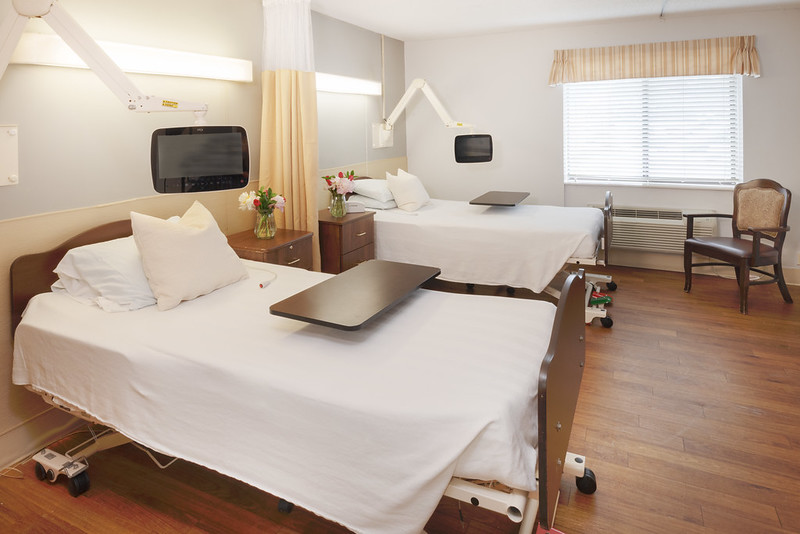
How is Simpsonville Post Acute Staffed?
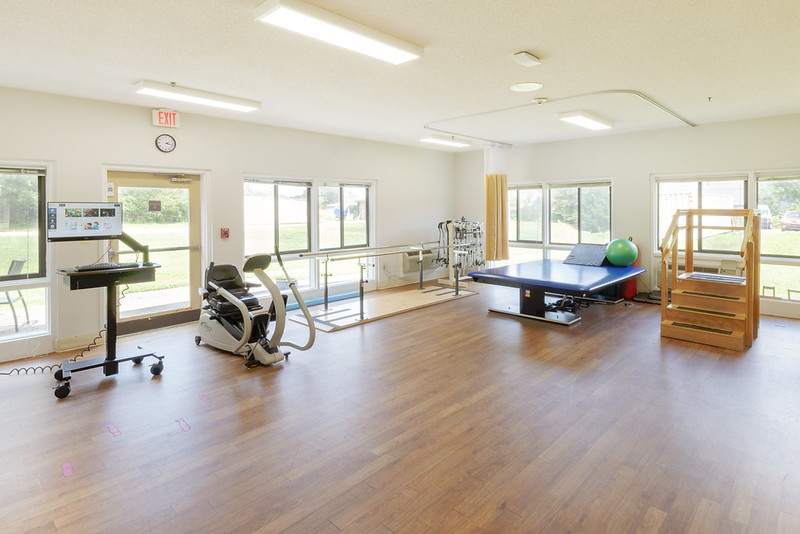
CMS rates Simpsonville Post Acute's staffing level at 1 out of 5 stars, which is much below average compared to other nursing homes. Staff turnover is 55%, which is 9 percentage points above the South Carolina average of 46%. High turnover can affect care consistency as new staff learn residents' individual needs.

What Have Inspectors Found at Simpsonville Post Acute?

State health inspectors documented 25 deficiencies at Simpsonville Post Acute during 2021 to 2025. These included: 2 that caused actual resident harm and 23 with potential for harm. Deficiencies causing actual harm indicate documented cases where residents experienced negative health consequences.

Who Owns and Operates Simpsonville Post Acute?

Simpsonville Post Acute is owned by a for-profit company. For-profit facilities operate as businesses with obligations to shareholders or private owners. The facility is operated by PACS GROUP, a chain that manages multiple nursing homes. With 132 certified beds and approximately 121 residents (about 92% occupancy), it is a mid-sized facility located in Simpsonville, South Carolina.

How Does Simpsonville Post Acute Compare to Other South Carolina Nursing Homes?

Compared to the 100 nursing homes in South Carolina, Simpsonville Post Acute's overall rating (2 stars) is below the state average of 2.8, staff turnover (55%) is near the state average of 46%, and health inspection rating (3 stars) is at the national benchmark.

What Should Families Ask When Visiting Simpsonville Post Acute?

Based on this facility's data, families visiting should ask: "How do you ensure continuity of care given staff turnover, and what is your staff retention strategy?" "Can you walk me through typical staffing levels on day, evening, and night shifts?" "Can I visit during a mealtime to observe dining assistance and food quality?" "How do you handle medical emergencies, and what is your hospital transfer rate?" These questions are particularly relevant given the facility's high staff turnover rate and the below-average staffing rating.

Is Simpsonville Post Acute Safe?

Based on CMS inspection data, Simpsonville Post Acute has a clean safety record: no substantiated abuse findings (meaning no confirmed cases of resident harm), no Immediate Jeopardy citations (the most serious violation level indicating risk of serious injury or death), and is not on the Special Focus Facility watch list (a federal program monitoring the lowest-performing 1% of nursing homes). The facility has a 2-star overall rating and ranks #100 of 100 nursing homes in South Carolina. While no facility is perfect, families should still ask about staff-to-resident ratios and recent inspection results during their visit.

Do Nurses at Simpsonville Post Acute Stick Around?

Staff turnover at Simpsonville Post Acute is high. At 55%, the facility is 9 percentage points above the South Carolina average of 46%. High turnover means new staff may not know residents' individual needs, medications, or preferences. It can also be disorienting for residents, especially those with dementia who rely on familiar faces. Families should ask: What is causing the turnover? What retention programs are in place? How do you ensure care continuity during staff transitions?

Was Simpsonville Post Acute Ever Fined?

Simpsonville Post Acute has been fined $9,710 across 1 penalty action. This is below the South Carolina average of $33,176. While any fine indicates a compliance issue, fines under $50,000 are relatively common and typically reflect isolated problems that were subsequently corrected. Families should ask what specific issues led to these fines and confirm they've been resolved.

Is Simpsonville Post Acute on Any Federal Watch List?

Simpsonville Post Acute is not on any federal watch list. The most significant is the Special Focus Facility (SFF) program, which identifies the bottom 1% of nursing homes nationally based on persistent, serious quality problems. Not being on this list means the facility has avoided the pattern of deficiencies that triggers enhanced federal oversight. This is a positive indicator, though families should still review the facility's inspection history directly.