PruittHealth - Pickens
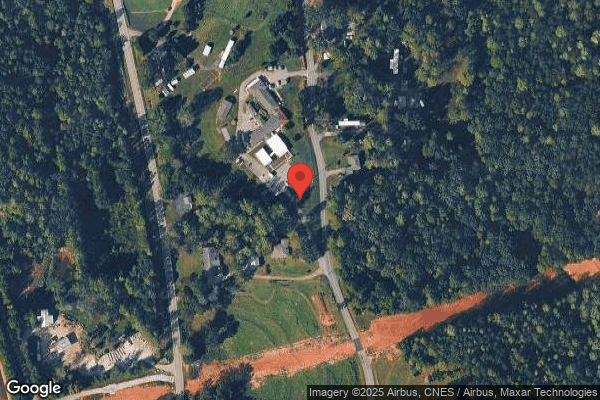

163 Love & Care Road, SIX Mile, SC 29682 (864) 868-2307
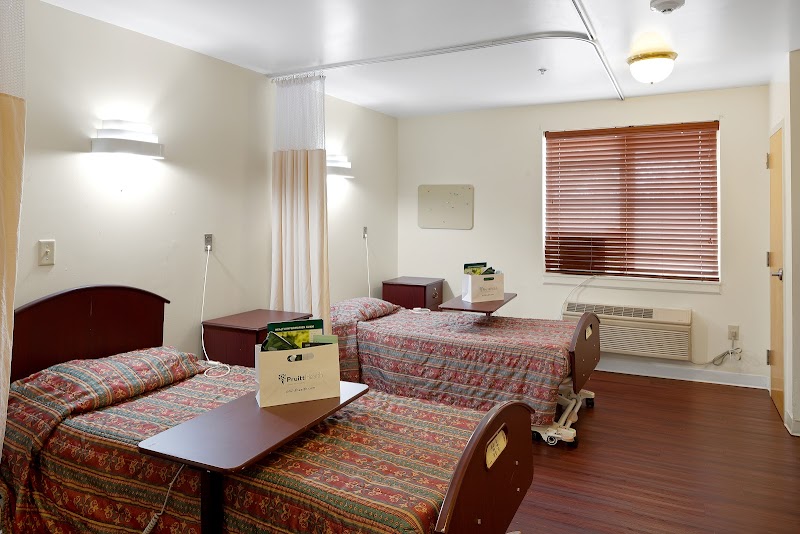
For profit - Corporation 44 Beds PRUITTHEALTH Data: November 2025
Trust Grade
58/100
#92 of 186 in SC
Last Inspection: November 2024

Within standard 12-15 month inspection cycle. Federal law requires annual inspections.

Overview

PruittHealth - Pickens has a Trust Grade of C, indicating that it is average compared to other facilities. It ranks #92 out of 186 in South Carolina, placing it in the top half, and #3 out of 5 in Pickens County, meaning only two local options are better. The facility is improving, with issues dropping from four in 2024 to two in 2025, although it still has room for growth. Staffing is a relative strength, with a 3/5 star rating and good RN coverage, as it has more RN coverage than 95% of South Carolina facilities. However, there have been concerning incidents, including inadequate food labeling that could lead to contamination, poor sanitation in food preparation areas, and insufficient kitchen staff leading to delayed meal service for residents. Overall, while there are strengths in staffing and a positive trend, the facility must address food safety and service issues.
Trust Score
C
58/100
In South Carolina
#92/186
Top 49%
Safety Record
Low Risk
No red flags
Inspections
Getting Better
4 → 2 violations
Staff Stability
⚠ Watch
46% turnover. Above average. Higher turnover means staff may not know residents' routines.
Penalties
○ Average
$6,570 in fines. Higher than 64% of South Carolina facilities. Some compliance issues.
Skilled Nurses
✓ Good
Each resident gets 47 minutes of Registered Nurse (RN) attention daily — more than average for South Carolina. RNs are trained to catch health problems early.
Violations
⚠ Watch
21 deficiencies on record. Higher than average. Multiple issues found across inspections.
★★★☆☆
3.0
Overall Rating
★★★☆☆
3.0
Staff Levels
★★★★★
5.0
Care Quality
★★☆☆☆
2.0
Inspection Score
Stable
2024: 4 issues
2025: 2 issues

The Good

  • 5-Star Quality Measures · Strong clinical quality outcomes
  • Full Sprinkler Coverage · Fire safety systems throughout facility
  • No fines on record

Facility shows strength in quality measures, fire safety.

The Bad

3-Star Overall Rating

Near South Carolina average (2.8)

Meets federal standards, typical of most facilities

Staff Turnover: 46%

Near South Carolina avg (46%)

Higher turnover may affect care consistency

Federal Fines: $6,570

Below median ($33,413)

Minor penalties assessed

Chain: PRUITTHEALTH

Part of a multi-facility chain

Ask about local staffing decisions and management

The Ugly 21 deficiencies on record

Aug 2025 1 deficiency
CONCERN (D) 📢 Someone Reported This

A family member, employee, or ombudsman was alarmed enough to file a formal complaint

Potential for Harm - no one hurt, but risky conditions existed

Notification of Changes (Tag F0580)

Could have caused harm · This affected 1 resident

**NOTE- TERMS IN BRACKETS HAVE BEEN EDITED TO PROTECT CONFIDENTIALITY** Based on review of facility policy, record review, and interviews. The facility failed to inform Resident (R) 1's family member ...

Read full inspector narrative →
**NOTE- TERMS IN BRACKETS HAVE BEEN EDITED TO PROTECT CONFIDENTIALITY** Based on review of facility policy, record review, and interviews. The facility failed to inform Resident (R) 1's family member of R1's involvement in a resident-to-resident altercation for 1of 3 Residents reviewed for abuse.Review of facility policy titled, Abuse Prevention & Reporting, with a last revision date of 06/20/25 revealed the following: The assisted living center will not tolerate abuse, neglect or exploitation of its residents by anyone. Such incidents will be reported to all appropriate authorities, agencies, and registries and a written copy as such reports maintained in a central file and resident file.Review of R1's Face Sheet revealed R1 was admitted to the facility on [DATE] with diagnoses including but not limited to: Alzheimer's, vascular dementia and dysphagia. Review of R1's quarterly Minimum Data Set (MDS) with an Assessment Reference Date (ARD) of 02/19/25 revealed a Brief Interview of Mental Status of 99 indicating R1 was unable to complete the interview. Review of a Facility Initial Report dated 02/16/25 revealed a resident-to-resident altercation where R1 was pushed by R2 in the back because R1 was attempting to get into the food cart. No injuries noted.Review of R1's progress notes from 02/01/25 and 03/31/25 revealed no progress note indicating that the resident was involved in a resident-to-resident altercation. Subsequent review of the progress note also revealed that there was no documentation that the Resident Representative (RP) was notified of the incident in question.Review R1's Electronic Health Record revealed there was no Situation, Background, Assessment, Recommendation (SBAR) documentation in the resident's chart. Further review revealed no documentation that the facility notified R1's RP of the incident that occurred between R1 and R2.During a telephone Interview on 08/25/25 at 12:20PM, R1's RP stated he was not aware of any incident involving R2 allegedly pushing R1. He further reported that neither he nor his wife were notified of the incident in question.During an observation on 08/25/25 at 12:22PM, R1's RP requested to speak with Case Manager (CM1) to verify the legitimacy of the state agency's investigation. RP1 stated that neither he nor his wife had been contacted regarding the allegation that R2 pushed R1 in the back. CM1 apologized and acknowledged she was unaware that the RP had not been informed of this incident.During an interview on 08/25/25 at 1:25 PM, Licensed Practical Nurse (LPN)1 revealed she was unable to locate any documentation indicating R1's RP was notified of the incident involving R1's altercation with another resident. LPN1 acknowledged that in the medical field, if something is not charted, then the action has not been completed. LPN1 further stated that the staff member caring for R1 at the time of the incident should have notified the RP and documented the notification in R1's electronic health record.During an interview on 08/25/25 at 4:05PM the Director of Nursing (DON) and Administrator (LNHA) revealed that if there if staff witness a Resident to Resident interaction, it is their immediate expectation to first sperate the residents and to assess them for injuries. Once the residents are safe and assessed for injuries it is their expectation to notify the Provider, Administrator, DON, and the resident family member. During the incident in question, they were not aware that the RP was not notified of the incident in question. The nurse who was caring for the resident during the incident in question should have notified the RP and documented that the RP was notified. The nurse did not follow proper facility protocol.
Jan 2025 1 deficiency
CONCERN (D) 📢 Someone Reported This

A family member, employee, or ombudsman was alarmed enough to file a formal complaint

Potential for Harm - no one hurt, but risky conditions existed

Quality of Care (Tag F0684)

Could have caused harm · This affected 1 resident

**NOTE- TERMS IN BRACKETS HAVE BEEN EDITED TO PROTECT CONFIDENTIALITY** Based on observations, interviews, record review, and facility policy review, the facility failed to provide Resident (R)3 with ...

Read full inspector narrative →
**NOTE- TERMS IN BRACKETS HAVE BEEN EDITED TO PROTECT CONFIDENTIALITY** Based on observations, interviews, record review, and facility policy review, the facility failed to provide Resident (R)3 with treatment and care according to professional standards of practice, regarding resident transfers for 1 of 3 resident reviewed. Findings included: Review of the facility's procedure titled Two-Person Side-by-Side Transfer with a copyright date of 2019 revealed: Supplies: transfer belt needed. 2. Verify orders . 14. Both nursing assistants should place the hand closest to the resident under the forearm and grasp the resident gently above the wrist. Hold the resident's hand in the other hand with palms facing up . 23. Document procedure per facility policy/protocol . 24. Take appropriate actions for abnormal findings or observations. Review of R3's Face Sheet revealed R3 was admitted to facility on 08/13/19, with diagnoses including but not limited to: unspecified fracture of upper end of left humerus, subsequent encounter for fracture with routine healing, Dementia in other diseases classified elsewhere with agitation, contracture of left and right shoulder, and contracture, unspecified hip. Review of R3's Minimum Data Set (MDS) with an Assessment Reference Date (ARD) of 12/27/24 revealed the resident had a Brief Interview for Mental Status (BIMS) score of 99, which indicated incomplete. Further review of the MDS revealed R3 was coded as dependent (helper does all of the effort. Resident does none of the effort to complete the activity. Or, the assistance of 2 or more helpers is required for the resident to complete the activity) for Tub/shower transfer. Review of R3's Care Plan with a start date of 09/11/24 documented, [R3] is at risk for Falls related to (r/t) diagnosis of dementia with confusion, BIMS score of 99, non-ambulatory. Further review of the Care Plan revealed the following approach, Resident will not experience a fall r/t injury requiring hospitalization times 3 months. Review of R3's Physician Orders dated 11/13/24, revealed, X-ray results received, showed left humerus acute comminuted head and neck fracture, Nurse Practitioner, and Department of Human Services (DHS) aware. Order received to send to Emergency Department (ED). During an interview on 01/16/2025 at 2:26 PM, Registered Nurse (RN)1 stated, The Certified Nursing Assistant (CNA) reported she had trouble transferring her into the bed. She did not tell me she almost fell on the floor or nothing like that. The Director of Nursing (DON) called me the next day when I was home to ask questions about the incident. The roommate told the nurses and Emergency Medical Services (EMS) that CNA3 dropped the resident. During an interview on 01/16/25 at 2:37 PM, Licensed Practical Nurse (LPN)1 stated, I was here the next day after the incident. [R3's] roommate stated, You know they dropped her. R3 was being transferred from the shower and the CNA dropped her. I notified the DON. We did an x-ray here and I received orders to send her out. The hospital stated, Why did you send her in? This type of fracture is treated with using a sling. LPN1 stated, [R3's] behaviors or appetite didn't change, but her interventions have changed. The first couple of days she was grimacing. Tylenol has been very effective on her pain. During an interview on 01/16/25 at 3:01, LPN2 stated, I came in that night the CNA was doing her rounds. The CNA stated [R3] had a bruise. I told her after I finished counting, I would come in to assess, but she said it was not a normal bruise. When I assessed [R3's] left arm it looked swollen and bruised. [R3] doesn't communicate. I touched her left arm, and she would cry out. I texted the Nurse Practitioner (NP) and Medical Doctor to report. They told me to send her out. Then, I reported it to the DON. She doesn't walk or get out of the bed so I was unsure how she got could be injured. I was off a couple of days after that. We didn't know she was out of the bed that day. If it is anything I need to let the CNAs know we do a huddle and use the white board to communicate. During an interview on 01/16/25 at 3:07 PM, CNA2 stated, I didn't know it occurred. The day the incident happened [CNA3] asked me to help her. I initially helped on the first transfer to get into the shower. CNA3 used the shower table. [R3] is a 2-man transfer. I am usually on C hall, so I returned to my unit. I assumed she got someone else to help her transfer her back to bed. That night everything was normal. I didn't do any other turns with [CNA3]. After going home, [RN1] called us for information of who we helped that night. [RN1] informed me that one of the night shift CNAs noticed the bruising on [R3's] arm. [CNA3] got sick giving care. She sat out in the parking lot for a while and eventually she went home. CNA3 looked fine with the first transfer. During an interview on 01/16/25 at 3:21 PM, CNA3 stated, I just gave her a shower and attempted to get her back in bed. I called for help, and no one came. I pulled her by her arm and assisted her to the floor. I told [RN1] about it. She now denies I told her anything. The DON started an investigation. She took the nurses word over mine and I got fired. [R3] is a 2-person assist getting back in the bed. Changing her brief and clothes is 1 man assist. That order was verbally told to me. During an interview on 01/16/25 at 3:34 PM, R3's roommate stated, CNA3 was trying to get her back in bed. Then R3 fell. CNA3 looked at me with an awful look. Like, oh no you can't help me. CNA3 got her back in bed by herself. She stood her up and laid her back in the bed. R3 went to the hospital two days after she fell. She fractured her arm. I heard someone say it. When she returned, she didn't act like she fell or nothing. [R3] don't talk. She will holla out, but she doesn't carry on a conversation with you. During an interview on 01/16/25 at 3:40 PM, the DON stated, The nurse called me to let me know the resident had discoloration of her arm. We worked on filling out an incident report, made the Medical Director aware. The Medical Director gave the order to get the X-ray. One of the CNAs stated she was showering her and did not report it when it happened. The CNA couldn't give me a reason why she didn't report it. She did state she didn't think it was no injury. I told her she must report incidences whether it was an injury or not. Especially when someone falls. She fell that day, and the nurse notice she had the bruising and swelling. The staff assessed it on the next shift. The staff should let the other staff know when they need help. They usually work together well. The nurses will also help when they need help. CNA3 was not here for the whole shift. She left early after the incident. She was sick. We do not have an order for 1 or 2 man assist. We discuss that in our meetings and the nurses discuss it in their bundles. We do have a doctor's order for Hoyer lift, but not necessary for ADLs. During an interview on 01/16/25 at 4:00 PM, the Administrator stated, I am not aware of this incident. My first day at PH [NAME] was on November 14, 2024.
Nov 2024 4 deficiencies
CONCERN (D)

Potential for Harm - no one hurt, but risky conditions existed

PASARR Coordination (Tag F0644)

Could have caused harm · This affected 1 resident

**NOTE- TERMS IN BRACKETS HAVE BEEN EDITED TO PROTECT CONFIDENTIALITY** Based on record review and interviews, the facility failed to coordinate a Preadmission Screening and Resident Review (PASARR) L...

Read full inspector narrative →
**NOTE- TERMS IN BRACKETS HAVE BEEN EDITED TO PROTECT CONFIDENTIALITY** Based on record review and interviews, the facility failed to coordinate a Preadmission Screening and Resident Review (PASARR) Level II for Resident (R)21, after a change in diagnoses, for 1 of 2 residents reviewed for PASARR. Findings include: On 11/05/24 at 4:42 PM, a request for a facility policy referencing the PASARR was made. Per the Administrator, they did not have a policy that addressed PASARRs. Review of R21's Face Sheet revealed R21 was admitted to the facility on [DATE], with diagnoses including but not limited to: Bipolar affective disorder and obsessive compulsive disorder. Further review of R21's Face Sheet revealed R21 was diagnosed with Schizophrenia on 06/11/20. Review of R21's LifeSource Psychiatry follow up note dated 09/25/24, documented, Associating/modifying factors include chronic medical diagnoses, impaired mobility and living in a SNF [Skilled Nursing Facility]. The psychiatric nurse practitioner noted resident with worsening behaviors of hollowing out/ increase anxiety. A new order to increase Zyprexa to 5 mg twice a day from 2.5 mg twice a day. Review of R21's Level 1 PASARR dated 03/27/17, documented, No further evaluation recommended. Review of R21's Electronic Medical Record (EMR) did not reveal a PASARR Level II, for the change in behavior and new diagnosis of Schizophrenia on 06/10/24. During an interview on 11/03/24 at 3:02 PM, the Minimum Data Set (MDS) Registered Nurse (RN) revealed that there was no PASARR Level II for this resident. During an interview on 11/05/24 at approximately 12:10 PM, the Director of Nursing (DON) revealed that the facility has been without a Social Worker for about three months. The Social Worker usually handles updating and obtaining the PASARR for the residents. The DON stated that she has been handling the PASARRs in the interim. During an interview on 11/05/24 at 4:42 PM, the Interim Administrator revealed that there was no PASARR policy. The Administrator stated, We follow the regulation. I have identified that we have a problem with PASARRs.
CONCERN (D)

Potential for Harm - no one hurt, but risky conditions existed

Pressure Ulcer Prevention (Tag F0686)

Could have caused harm · This affected 1 resident

**NOTE- TERMS IN BRACKETS HAVE BEEN EDITED TO PROTECT CONFIDENTIALITY** Based on Wound Journal Ostomy and Continence Nursing (WJOCN), record review, observation and interview, the facility failed to f...

Read full inspector narrative →
**NOTE- TERMS IN BRACKETS HAVE BEEN EDITED TO PROTECT CONFIDENTIALITY** Based on Wound Journal Ostomy and Continence Nursing (WJOCN), record review, observation and interview, the facility failed to follow infection control standards and clean technique, by placing soiled dressing on a clean field, during a wound observation of Resident (R)22, for 1 of 1 resident observed for pressure ulcers. Findings include: Review of the WJOCN of Clean technique dated March/April 2012, documented, Clean means free of dirt, marks, or stains. 3 Clean technique involves strategies used in patient care to reduce the overall number of microorganisms or to prevent or reduce the risk of transmission of microorganisms from one person to another or from one place to another. Clean technique involves meticulous handwashing, maintaining a clean environment by preparing a clean field, using clean gloves ., and preventing direct contamination of materials and supplies. No sterile to sterile rules apply. This technique may also be referred to as non-sterile. Clean technique is considered most appropriate for long-term care . for patients who are not at high risk for infection; and for patients receiving routine dressings for chronic wounds such as venous ulcers, or wounds healing by secondary intention with granulation tissue. Review of R22's Facesheet revealed R22 was admitted to the facility on [DATE], with diagnoses including chronic obstructive pulmonary disease, catheter for neurogenic bladder (urinary bladder problem) and congestive heart failure. Review of R22's unspecified Minimum Data Set (MDS) with an Assessment Reference Date (ARD) of 08/11/24, revealed R22 had a Brief Interview for Mental Status (BIMS) score of 13 of 15, indicating R22 was cognitivly intact. During an observation of R22's dressing change on 11/04/24 at 9:59 AM, revealed, R22 consented to the observation. Registered Nurse (RN)1 sanitized his hands, donned (put on) a gown, then gloves. RN1 prepared a barrier on the treatment cart, opened the normal saline and sprayed it into the gauze. RN1 then took a cover dressing and dated it. RN1 gathered the supplies with barrier and entered R22's room using the same gloves he prepped outside of her room and placed the items on the overbed table. RN1 explained the procedure to R22. RN1 then used the same gloves to turn R22 in bed. RN1 removed the old dressing dated 11/01/24, and placed the soiled dressing on the clean prepared field. RN1 removed his gloves and sanitized his hands. RN1 cleaned the wound, placed the soiled gauze on the same clean prep field with the soiled dressing. Using the same same gloves, RN1 applied the predated dry gauze dressing. During an interview on 10/04/24 at 10:10 AM, the RN1 stated, I didn't want to walk away from her and the trash can was by the door, so I placed it on the clean prep field. During an interview on 11/05/24 at 11:08 AM, the Director of Nurses (DON) stated, When wearing gloves, to do a treatment care, wash hands, apply gloves. They need a trash can near by. Set up all equipment. Remove old dressing, place in trash, remove gloves, wash or sanitize, don [put on] a new pair of gloves and apply clean wound, apply a new dressing. It is not acceptable to place a soiled dressing on the clean field. The soiled dressing should be disposed of in the trash.
CONCERN (D) 📢 Someone Reported This

A family member, employee, or ombudsman was alarmed enough to file a formal complaint

Potential for Harm - no one hurt, but risky conditions existed

Deficiency F0697 (Tag F0697)

Could have caused harm · This affected 1 resident

**NOTE- TERMS IN BRACKETS HAVE BEEN EDITED TO PROTECT CONFIDENTIALITY** Based on facility policy, observation, interview and record review, the facility failed to ensure Resident (R)17 was free from p...

Read full inspector narrative →
**NOTE- TERMS IN BRACKETS HAVE BEEN EDITED TO PROTECT CONFIDENTIALITY** Based on facility policy, observation, interview and record review, the facility failed to ensure Resident (R)17 was free from pain for 1 of 3 residents reviewed for pain. Findings include: Review of the facility policy titled Pain Assessment Forms with a revised date of 10/06/15 revealed, The nurse will assess the residents pain at regular intervals, initially the intervals will be will be hourly with the interval increasing as the residents pain is controlled. Review of R17's Face Sheet revealed R17 was admitted to the facility on [DATE], with diagnoses including but not limited to: vascular dementia, moderate, with mood disturbance, paroxysmal atrial fibrillation, pain in left hip and non-displaced fracture inferior pubic ramus. Review of R17's Quarterly Minimum Data Set (MDS) with an Assessment Reference Date (ARD) of 09/18/24, revealed R17 had a Brief Interview for Mental Status (BIMS) score of 2 out of 15, indicating R17 had severe cognitive impairment. Review of R17's Situation Background Assessment Recommendation (SBAR) dated 08/22/24, documented, Fall, witnessed. Limping favoring the left leg. X-ray left hip negative, left hip again on 08/27, on 8/26/24 swelling left ankle, x-ray done, negative. Review of R17's Progress Notes dated 08/22/24 at 6:23 PM, documented, Resident left ankle swollen and starting to discolor. Has mobility with mild tenderness. Left leg elevated in bed and attempting to ice as tolerated. Review of R17's Progress Note dated 08/23/24, at 5:41 AM, documented, Was anxious and aggressive at start of shift, yelling out with repetitive questions and statements, cnas in to provide incontinent care and resident grimaces when repositioning, stating she didn't know why she's sore . left foot remains swollen but does not keep elevated. Review of R17's Progress Note dated 08/26/24 at 6:09 PM, documented, Resident had x-ray left ankle because there was swelling and tenderness. Study is negative for fracture. Review of R17's Progress Note dated 08/27/24 at 5:59 PM, documented, Resident intermittently crying because she says her hip hurts. Medical Doctor (MD) contacted and he ordered a 2nd left hip x-ray. If negative he is considering a CT scan of the affected area. Mobile images on scene for the x-ray. Review of R17's Progress Note dated 08/27/24 at 11:21 PM, documented, Results of xray received and sent to MD. No new orders at this time , xray results Stable mild degenerative change of the left hip without acute osseous abnormality of the left hip nor pelvis. Resident is resting quietly at this time was tearful earlier during incontinent cares and repositioning. Review of R17's Progress Note dated 08/28/24 at 3:03 PM, documented, Resident very weepy on this shift. Resident very agitated. Cries out with pain whenever she is touched on any part of her body. Review of R17's Progress Note dated 08/29/24 at 4:00 AM, documented, Complained of some pain in inner thigh earlier this shift. Review of R17's Progress Note dated 08/29/24 at 2:04 PM, documented, New order received for CT of leg status post previous falls with ongoing complaint of pain. Review of R17's Progress Note dated 08/29/24 at 2:49 PM, documented, Something has to be wrong with her hip even though the x-rays have been negative because she's still saying she's in pain. Review of R17's CT Scan dated 08/29/24, documented, non displaced fracture of the left inferior pubic rami [pelvis fracture]. Review of R17's Progress Note dated 08/31/24 at 5:34 AM, documented, less signs/symptoms discomfort than previous nights but does still grimace and c/o pain during adls. Review of R17's Progress Note dated 09/04/24 at 3:48 AM, documented, She continues to complain of her left hip/leg hurting from previous fall. Her right knee also has some swelling and tenderness noted. Review of R17's Progress Note dated 09/05/24 at 11:05 AM, documented, Resident was reviewed in interdisciplinary meeting related to recent falls . Ortho appointment scheduled, 09/9/2024, to assess her recent left pubic ramus fracture that was noted on CT scan, 08/29/2024, from her fall on 08/22/2024. MD ordered several x-ray views previous to CT scan r/t resident voicing pain that each came back negative. She has been unable to bear weight or stand since her fall but is able to sit on the side of bed. Review of R17's Medication Administration Record (MAR) dated August 2024, indicated R17 had an order for Tylenol 325 milligrams (mg) 2 tablets orally every 6 hours as needed for pain or fever. The MAR recorded three days where R17 was administered Tylenol, twice on 08/25/24, twice on 08/28/24, and twice on 08/29/24. Review of R17's MAR and Progress Notes dated August 2024, revealed the dates R17 complained of pain were; 08/22/24, 08/23/24, 08/25/24, 08/27/24, 08/28/24, 08/29/24 and 08/31/24. R17's MAR indicated R17 received pain medication on three of the seven days she was experiencing pain, on 08/25/24, 08/28/24 and 08/29/24. R17 did not receive pain medication on 08/22/24, 08/23/24 and 08/27/24. During an interview on 11/05/24 at 10:18 AM, the Director of Nurses (DON) stated, [R17] fractured her pelvis, but it wasn't recognized at first because the x-rays were negative, but she was still having pain. The pain was recognized but not followed through. She should have been offered pain meds. The nurses should be giving Tylenol, and if it doesn't help, call the MD, to give her something stronger. During an interview on 11/05/24 at 1:59 PM, Registered Nurse (RN)1 stated, I think 08/22/2024 was the one when [R17] actually fell and fractured her pelvis. She had an x-ray that day. She would make comments of, ouch, or I hurt. I likely noted she was in pain. I called the doctor and let him know she was having pain and he ordered another x-ray. He confirmed he wrote the note on 08/27/2024. I did not give her Tylenol. I should have given her Tylenol, if she had a PRN [as needed] order for it. During an interview on 11/05/24 at 3:20 PM, Licensed Practical Nurse (LPN)1 stated, I think [R17] was having pain. I asked her about pain, she would not always say the right thing due to her dementia. She had Tylenol ordered at different times. I'm not sure why I didn't give [R17] pain medicine on those days.
CONCERN (F)

Potential for Harm - no one hurt, but risky conditions existed

Food Safety (Tag F0812)

Could have caused harm · This affected most or all residents

Based on observation, interview, and review of facility policy, the facility failed to ensure food was properly labeled and sealed to prevent contamination and the potential for development of foodbor...

Read full inspector narrative →
Based on observation, interview, and review of facility policy, the facility failed to ensure food was properly labeled and sealed to prevent contamination and the potential for development of foodborne illness. This deficient practice had the potential to affect 27 out of 27 residents who receive meals prepared in and served from the facility's kitchen. Findings include: Review of the undated facility policy titled Storage Guidelines Quick Reference documented, All foods must be dated with a received date and once it is opened, an opened date. For items prepared in the kitchen, label item with a use by date. Freezer storage shelf life for meats, 3 months. Review of the facility policy dated 08/12/24, titled, Patients/Residents Personal Food documented, Nursing and housekeeping partners will be responsible for the disposal of outdated food maintained in the . nursing units nourishments refrigerator/freezers will have thermometers and temperatures must be recorded daily on the Food Refrigerator Freezer temp log. During the initial kitchen observation on 11/03/24 AM at 10:10 AM, the refrigerator revealed the following: -Sweet tea with a preparation date of 10/30/24 -An undated and unlabeled cake in a small bowl with lid. -Cheese slices in a zip lock bag dated 10/30/24 with a use by date of 10/31/24. -An open container of vegetable base dated 08/06/24, no use by dated. The freezer revealed the following: -Tilapia, chicken, and 2 packs of pork chops all in a plastic bag, not original container, not dated and not labeled. -A bag of pepperonis with an open date 07/05, no use by date. The outdoor walk in refrigerator revealed the following: -A bag of cooked noodles dated 10/28 with a use by date of 10/31. The outdoor freezer revealed the following: -A large box of sliced carrots that was in an open plastic bag, not sealed and not labeled or dated. The Cook/Dietary Aid 1 removed the box to look for a date. She confirmed there was no date of when the carrots were opened. During an interview on 11/03/24 at 10:28 AM, the Cook/Dietary Aid 1 stated, All open food items should be dated with an open dated, all packages open need to be sealed, and labeled with a used by date. The items that are expired should have been discarded. During an interview on 11/05/24 at 12:07 PM, the Assistant Dietary Manager (ADM) stated, I order all the food and supplies through Sysco. I do a walk through of what we need. I check the dates when I go through the food supply. Last Tuesday or Wednesday was when I completed it last. If its expired, I just throw it away. During an observation on 11/05/24 at 1:45 PM, the resident refrigerator located in the employee breakroom labeled resident fridge, revealed the following: -3 Vitamin D milk cartons, with an expiration date of 11/03/24. -4 2% Reduced fat milk cartons, with an expiration date of 11/03/24. -Chobani Greek Yogurt with a use by date of 10/23/24. -Nutrition Shakes Plus, Chocolate with an expiration date of 10/08/24. During an interview on 11/05/24 at 2:10 PM, the Interim Administrator stated, There should not be expired items in the residents refrigerator.
Jun 2023 1 deficiency
CONCERN (E) 📢 Someone Reported This

A family member, employee, or ombudsman was alarmed enough to file a formal complaint

Potential for Harm - no one hurt, but risky conditions existed

Quality of Care (Tag F0684)

Could have caused harm · This affected multiple residents

**NOTE- TERMS IN BRACKETS HAVE BEEN EDITED TO PROTECT CONFIDENTIALITY** Based on review of the facility's policy titled, Medication Administration, record reviews, and interviews, the facility failed ...

Read full inspector narrative →
**NOTE- TERMS IN BRACKETS HAVE BEEN EDITED TO PROTECT CONFIDENTIALITY** Based on review of the facility's policy titled, Medication Administration, record reviews, and interviews, the facility failed to monitor blood glucose levels as ordered by the Physician for residents diagnosed with Type 1 and Type 2 Diabetes Mellitus for 6 of 6 residents reviewed. Resident (R)1, R2, R3, R4, R5 and R6 did not have blood glucose monitored on 6/15/23 as documented on their Medication Administration Record (MAR). Findings include: A review of the facility's policy titled, Medication Administration, with a revision date of 10/27/2020, revealed, It is the policy of PruittHealth that the procedures outlined in this policy must be followed to aid oxidation and utilization of blood sugar by the tissues and to control the blood sugar levels in resident/patients with diabetes mellitus through correct administration of insulin. Procedure; If blood glucose testing is ordered, perform hand hygiene, put on gloves and conduct blood glucose testing according to professional standards. A review of the facility's face sheet revealed R1 was admitted to the facility on [DATE] with the diagnoses of but not limited to: Type 2 Diabetes Mellitus. A review of the Minimum Data Set (MDS) with an Assessment Reference Date (ARD) of 3/1/23 revealed a Brief Interview of Mental Status (BIMS) score of 15, indicated R1 is cognitively intact. R1 Physicians' order dated 2/7/23 revealed an order: Novolog Flex Pen U-100 Insulin- Sliding scales. If Blood Sugar is less than 60, call physician. If Blood Sugar is 151 to 200, give 2 units. If Blood Sugar is 201 to 250, give 4 units. If Blood Sugar is 251 to 300, give 6 units. If Blood Sugar is 301 to 350 give 8 units If Blood Sugar is 351 to 400 give 10 units If Blood Sugar is greater than 400 give 0 If Blood Sugar is greater than 400 call physicians. Subcutaneous. Before meals and at Bedtime 6:30 AM, 11:30 AM 4:30 PM and 9:00 AM A Review of R1's MAR revealed LPN3 documented completion of Blood sugar check on 6/15/23 at 5:23 AM. Blood Sugar was 117- 0 units of insulin given. A review of the facility's face sheet revealed R2 was admitted to facility on 09/09/2015 with the diagnosis of but not limited to Diabetes mellitus. Type 2 Diabetes Mellitus. A review of the MDS with an ARD of 6/6/23 revealed a BIMS score of 04, indicating cognitive impairment. R2 Physicians orders: Monitor Blood Glucose level every morning at 6:30 AM If less than 60 give a snack. Monitor responses every 15-30 minutes X2 (twice). If still less than 60, give Glucagon 1 mg IM and monitor response every 15-30 minutes. If still unresponsive, call physician for additional orders. If greater than 350, call physician for orders once daily; 6:30 AM. A Review of R2's MAR revealed that LPN3 documented a Blood sugar was 165 mg/dl. Time documented 5:23 AM. A review of the facility's face sheet revealed that R3 was admitted to facility on 10/28/22 with the diagnosis of but not limited to: Type 1 Diabetes mellitus. A review of the MDS with an ARD of 4/6/23 revealed a BIMS score of 14, indicating R3 was cognitively intact. R3 physician orders dated 10/28/23: Novolog Flex Pen U-100 Insulin- Sliding scales. If Blood Sugar is less than 60, call physician. If Blood Sugar is 151 to 200, give 2 units. If Blood Sugar is 201 to 250, give 4 units. If Blood Sugar is 251 to 300, give 6 units. If Blood Sugar is 301 to 350 give 8 units If Blood Sugar is 351 to 400 give 10 units If Blood Sugar is greater than 400 give 0 If Blood Sugar is greater than 400 call physicians. Subcutaneous. Before meals and at Bedtime 6:30 AM, 11:30 AM 4:30 PM and 9:00 AM A review of R3's MAR revealed that LPN3 completed a Blood sugar check on 6/15/23 at 5:32 AM. R3 Blood Sugars were 154, - 2 units of insulin given. A review of the facility's face sheet revealed that R4 was admitted to facility on 3/7/22 with the diagnosis of but not limited to: Type 2 Diabetes Mellitus. A review of the MDS with an ARD of 1/26/23 revealed a BIMS score of 15, indicating R4 was cognitively intact. R4 physicians' orders dated 4/3/22: Novolog Flex Pen U-100 Insulin- Sliding scales. If Blood Sugar is less than 60, call physician. If Blood Sugar is 151 to 200, give 2 units. If Blood Sugar is 201 to 250, give 4 units. If Blood Sugar is 251 to 300, give 6 units. If Blood Sugar is 301 to 350 give 8 units If Blood Sugar is 351 to 400 give 10 units If Blood Sugar is greater than 400 give 0 If Blood Sugar is greater than 400 call physicians. Subcutaneous. Before meals and at Bedtime 6:30 AM, 11:30 AM 4:30 PM and 9:00 AM A review of R4's MAR revealed that LPN3 completed a Blood sugar check on 6/15/23 at 5:21 AM. The blood glucose level was 156, - 2 units of insulin given in left arm. A review of the facility's face sheet revealed that R5 was admitted to facility on 10/25/19 with the diagnosis of but not limited to: Type 2 Diabetes Mellitus. A review of the Minimum Data Set (MDS) with an ARD of 4/5/23 revealed a BIMS score of 4, indicating cognitive impairment. R5 physicians' orders dated 4/3/22: Novolog Flex Pen U-100 Insulin- Sliding scales. If Blood Sugar is less than 60, call physician. If Blood Sugar is 151 to 200, give 2 units. If Blood Sugar is 201 to 250, give 4 units. If Blood Sugar is 251 to 300, give 6 units. If Blood Sugar is 301 to 350 give 8 units If Blood Sugar is 351 to 400 give 10 units If Blood Sugar is greater than 400 give 0 If Blood Sugar is greater than 400 call physicians. Subcutaneous. Before meals and at Bedtime 6:30 AM, 11:30 AM 4:30 PM and 9:00 AM A review of R5's MAR revealed that LPN3 completed a Blood sugar check on 6/15/23 at 5:22 AM. The blood glucose reading was 132, - 0 units of insulin given. A review of the facility's face sheet revealed that R6 was admitted to facility on 6/12/23 with the diagnosis of but not limited to: Type 2 Diabetes Mellitus. A review of the MDS with an ARD of 6/14/23 revealed a BIMS score of 15, indicating R6 was cognitively intact. R5 Physicians order dated 6/13/23: Novolog Flex Pen U-100 Insulin- Sliding scale. If Blood Sugar is less than 60, call physician. If Blood Sugar is 151 to 200, give 2 units. If Blood Sugar is 201 to 250, give 4 units. If Blood Sugar is 251 to 300, give 6 units. If Blood Sugar is 301 to 350 give 8 units If Blood Sugar is 351 to 400 give 10 units If Blood Sugar is greater than 400 give 0 If Blood Sugar is greater than 400 call physicians. Subcutaneous. Before meals and at Bedtime 6:30 AM, 11:30 AM 4:30 PM and 9:00 PM A review of R6's Continuity of Care Documentation (CCD) reveals that LPN3 completed Blood sugar check on 6/15/23 at 5:19 AM. The Blood Sugar level was 146. On 6/19/23, time unspecified; an interview with the Director of Nursing (DON) revealed that she was notified on 6/15/23 by LPN2 that LPN3 did not administer any blood glucose checks on residents that were ordered to have their blood sugars checked on her hall on 6/15/23. LPN2 stated that LPN3 was sitting at the nurses' station all night watching movies on her tablet. The DON stated that she checked the glucose machines and the history readings indicated that blood glucose was not checked on 6/15/23. Also, observation revealed that the last blood glucose checks were done on 6/14/23. The DON stated that blood glucose checks were ordered on these residents to determine blood sugars levels to indicate how much, if any insulin to be given at that time. LPN3 was suspended at this time pending investigation. The DON stated that LPN3 texted her and stated that there was no need to investigate the allegations because she quit. A review of video surveillance on 6/19/23 at 2:25 PM revealed at 4:27 AM, LPN3 got up with LPN2 at 4:59 AM and sat down at the nursing station. LPN3 was sitting at the nursing station watching a movie on a tablet and sat until 5:48 AM. LPN3 and LPN2 exited the building, for a break and both returned in the building at approximately 5:58 AM. At 6:01 AM, LPN3 walked A/B hall and returned to the desk at 6:03 AM. At 6:46 AM, LPN3 got up from nurses' station and turned on the lights and returned to the desk. The video did not reveal LPN3 doing blood glucose checks. On 6/19/23 at 12:14 PM, an interview with LPN2 revealed she worked with LPN3 on 6/15/23 and she noticed when she was taking Blood sugars on her hall, A/B, LPN3 never got up to do her Blood sugar checks on Hall C. LPN2 stated that she does her Blood sugar checks between 5:30 AM-6:30 AM and it usually takes about an hour to complete the task. She stated LPN3 never left her nurses station to do blood sugar checks. LPN2 stated that she reported the incident to the DON. Several attempts were made on 6/19/23 via telephone to contact LPN3 with no success.
Sept 2022 8 deficiencies
CONCERN (D)

Potential for Harm - no one hurt, but risky conditions existed

Comprehensive Care Plan (Tag F0656)

Could have caused harm · This affected 1 resident

Based on observations, interviews, record reviews and review of the facility policy, the facility failed to develop an individualized and comprehensive care plan for two (2) of 14 residents (R) sample...

Read full inspector narrative →
Based on observations, interviews, record reviews and review of the facility policy, the facility failed to develop an individualized and comprehensive care plan for two (2) of 14 residents (R) sampled (R2 and R21). Findings include: Review of the facility policy titled, Care Plans dated 7/21/21, documented the Comprehensive Care Plan would described the following: the services to be furnished to attain or maintain the resident's highest practicable physical, mental, and psychosocial well-being. 1. Review of R2's clinical record revealed an admission date of 12/17/21 and the diagnoses included: Spastic Quadriplegic Cerebral Palsy, Stage 3 Pressure Ulcer, History of Urinary Tract Infections (UTIs), Urinary Calculus, Chronic Obstructive Pyelonephritis, and Hydronephrosis with Renal and Ureteral Calculous Obstruction. Review of R2's Quarterly Minimum Data Set (MDS) Assessment with an Assessment Reference Date (ARD) of 6/10/22 revealed R2 had a catheter. Review of R2's Care Plan dated 7/29/22 revealed there was not a Care Plan for the catheter usage. Review of R2's Physician's Orders listed the orders: catheter care every shift; 18 French (FR) 10 cubic centimeter (cc) bulb catheter; change foley catheter with 18 FR and 10 cc bulb monthly on the ninth; and change catheter as need for leakage, dislodgement, and obstruction. Observation of R2 on 9/27/22 at 12:37 PM revealed the catheter bag, in a dignity bag, attached to the side of the bed. Interview with Registered Nurse/Case Mix Director (RN/CMD) on 9/29/22 at 12:30 PM revealed she was responsible for the completion of the Care Plans. RN/CMD stated the facility had not developed a Care Plan for R2's catheter care and treatment. 2. Review of R21's clinical record revealed an admission date of 9/4/21 and the diagnoses included: Down Syndrome, Neuromuscular Dysfunction of the Bladder, History of Urinary Tract Infections (UTIs) and Presence of a Suprapubic Catheter. Review of R21's Care Plan dated 8/10/22 for suprapubic catheter included the intervention for a suprapubic catheter sized 24 French (FR) with 30 cubic centimeter (cc) bulb. Review of R21's Physician Orders revealed an order for a suprapubic catheter, 16 FR with a 10 cc bulb. Observation with Licensed Practical Nurse (LPN)1 on 9/29/22 at 4:15 PM revealed R21's catheter was an 18 FR with a 10 cc bulb, not the 16 FR 10 cc bulb that was Physician ordered.
CONCERN (D)

Potential for Harm - no one hurt, but risky conditions existed

Deficiency F0676 (Tag F0676)

Could have caused harm · This affected 1 resident

Based on observation, interviews, and record review, the facility failed to provide services to increase the mobility status of one (1) of one (1) resident sampled for activities of daily living (ADL)...

Read full inspector narrative →
Based on observation, interviews, and record review, the facility failed to provide services to increase the mobility status of one (1) of one (1) resident sampled for activities of daily living (ADL) (Resident (R)95). Findings include: Review of R95's clinical record revealed an admission date of 9/12/22 and the diagnoses included: Cognitive Communication Deficit, Muscle Weakness, Lack of Coordination and Anxiety Disorder. Review of R95's admission Minimum Data Set (MDS) Assessment with an Assessment Reference Date (ARD) of 9/14/22 revealed R95 had short and long-term memory difficulties and modified impaired decision-making skills. The MDS documented the resident only ambulated one (1) of two (2) times with one (1) person assistance and the activity of locomotion did not occur. The resident was not steady on their feet and only able to stabilize with staff assistance with moving from a seated to standing position, walking, turning around, moving on and off the toilet and surface-to surface transfers. The resident had no decrease in range of motion and utilized a wheelchair. The MDS documented the resident received Occupational Therapy (OT) one (1) time for 38 minutes and did not receive Physical Therapy (PT) or restorative services. Review of R95's Care Plan dated 9/13/22 documented the resident had impaired physical mobility/deconditioning related to recent hospitalization with the interventions to encourage participation in therapy, monitor resident and resident's progress and response to therapy, provide assistive devices as needed and keep within reach. In an interview with R95 on 9/27/22 at 3:27 PM, the resident stated he/she wanted therapy to help him/her walk. In an interview with R95 on 9/28/22 at 12:40 PM, the resident stated they wanted help so they could get back to walking and go home. Review of the Social Service (SS) Progress Note dated 9/12/22 at 6:15 PM revealed the resident was able to voice his/her needs. The resident voiced the desire to go home when finished with his/her rehab. SS explained to the resident that he/she needed to participate in therapy and be able to care for him/herself before he/she could go home. The resident voiced understanding. Review of R95's Occupational Therapy (OT) order dated 9/13/22 revealed, OT to be provided five (5) times a week for four (4) weeks for medical condition and treatment diagnoses. Review of the Nurse's Note dated 9/21/22 at 6:41 PM revealed the resident was very distraught over {his/her} therapy service ending after 9/23/22. Review of the Physician's orders revealed R95's OT was discontinued on 9/27/22. Review of undated and unsigned information provided by the facility revealed R95 was not yet receiving restorative services due to awaiting approval from {insurance company}. Part B services have been applied for and facility is waiting to hear from them. Observation on 9/28/22 at 9:01 AM revealed R95 asked to get up from the bed. Licensed Practical Nurse (LPN)1 placed the walker in front of him/her and instructed the resident how to get out of bed using the walker. The resident transferred him/herself into the wheelchair. LPN1 did not assist the resident with ambulation. In an interview with Therapy Outcome Coordinator/Certified Occupational Therapy Assistant (TOC/COTA) on 9/29/22 at 11:10 AM, they revealed R95 was on Medicare Part A and insurance, but they denied paying for therapy. The facility had applied for Medicare Part B and were waiting for his/her referral. The TOC/COTA stated R95 would benefit from therapy at the facility as he/she was wanting to go home. The TOC/COTA stated the nursing staff were instructed how to transfer the resident with the use of a walker. TOC/COTA stated the facility used to have restorative staff but now the Certified Nursing Assistants (CNAs) were responsible for completing the restorative services. In an interview with the Director of Health Services (DHS) on 9/30/22 at 11:10 AM, he/she stated R95 was not getting restorative because the facility was waiting on Medicare Part B approval. The DHS confirmed R95 was wanting therapy because his/her goal was to get stronger and go home.
CONCERN (D)

Potential for Harm - no one hurt, but risky conditions existed

Quality of Care (Tag F0684)

Could have caused harm · This affected 1 resident

**NOTE- TERMS IN BRACKETS HAVE BEEN EDITED TO PROTECT CONFIDENTIALITY** Based on observation, interview, and record review, the facility failed to assess and provide timely interventions for the prese...

Read full inspector narrative →
**NOTE- TERMS IN BRACKETS HAVE BEEN EDITED TO PROTECT CONFIDENTIALITY** Based on observation, interview, and record review, the facility failed to assess and provide timely interventions for the presence of dry crusted matter on the scalp and face of one (1) of 14 residents sampled (Resident (R)95). Findings include: Review of R95's clinical record revealed an admission date of 9/12/22 and the diagnoses included: Cognitive Communication Deficit, Cellulitis of Gastric Tube and Anxiety Disorder. Review of R95's admission Minimum Data Set (MDS) assessment dated [DATE] revealed R95 had short and long-term memory difficulties, had modified impaired decision-making skills and no skin breakdown. Review of R95's Care Plan dated 9/13/22 listed the intervention for a Body Audit weekly. Review of R95's admission assessment dated [DATE] at 4:35 PM revealed the resident had extremely dry skin but did not document the dry crusted matter on the scalp and upper sides of his/her face. Review of R95's Weekly Body Audit dated 9/24/22 at 10:40 PM lacked any documentation regarding the resident's skin. Review of R95's clinical record lacked any other Body Audits. Review of R95's Physician's Orders revealed an order dated 9/27/22 for Selsum Blue Shampoo. The orders included to wash the resident's hair with medicated shampoo twice a week during showers. Review of R95's Medication Administration Record for 9/2022 revealed the order was completed one (1) time on 9/27/22. Observation of R95 on 9/27/22 at 3:24 PM and 9/28/22 at 8:47 AM revealed dry thick crusted matter on the resident's head and upper sides of his/her face. During an interview with R95 on 9/28/22 at 12:40 PM, the resident stated he/she was embarrassed by the stuff on his/her scalp. In an interview with the Registered Nurse/Case Mix Director (RN/CMD) on 9/29/22 at 2:00 PM, he/she stated when R95 came in he/she was not talking, so the resident did not share that he/she was embarrassed about the crusted matter on his/her scalp and sides of face. The RN/CMD stated R95 later told the Weekend Supervisor that he/she was embarrassed about the crusted matter and the Weekend Supervisor wrote an order for the Selsun Blue (on 9/27/22, 15 days after admission). The facility did not assess in a timely manner nor provide timely interventions for R95's thick crusted matter on his/her head and sides of the face.
CONCERN (D)

Potential for Harm - no one hurt, but risky conditions existed

Incontinence Care (Tag F0690)

Could have caused harm · This affected 1 resident

**NOTE- TERMS IN BRACKETS HAVE BEEN EDITED TO PROTECT CONFIDENTIALITY** Based on record review, resident, and staff interviews, the facility failed to ensure that a resident who is continent of bladde...

Read full inspector narrative →
**NOTE- TERMS IN BRACKETS HAVE BEEN EDITED TO PROTECT CONFIDENTIALITY** Based on record review, resident, and staff interviews, the facility failed to ensure that a resident who is continent of bladder and bowel receives the necessary services and assistance to maintain continence for one (1) of one (1) resident reviewed (Resident (R43) for continence, and one (1) of two (2) residents reviewed (Resident (R21) for catheter care services out of twenty-four (24) sample residents. Specifically, the facility failed to ensure: -A physician order for a urinary analysis was completed, and a urology consultation appointment was ordered for R43; and, -Appropriate catheter care was provided for R21. Findings include: 1. Facility Policy on Diagnostic and Laboratory Services: Procedures for Processing, last reviewed 10/24/18, was provided on 9/30/22. It stated in pertinent part: Each healthcare center will maintain a system for processing, monitoring and reporting patient/resident diagnostic and laboratory test results. Upon receipt of a new provider radiology or other diagnostic order, the licensed nurse will do the following: transcribe the order on a telephone order form and place in the patient/resident's clinical record; fill out a requisition form (if required by the contracted provider); call service provider to order/schedule diagnostic test and record claim number in the medical record; and, note the patient/resident radiology or other diagnostic orders on the 24 hour nursing report. The licensed nurse is responsible for communicating patient/resident diagnostic results to the provider upon receipt. If a non-routine or Stat laboratory specimen is unable to be obtained per provider's order, the licensed nurse will notify the provider at that time. R43, admitted [DATE], was last admitted [DATE]. Record review revealed diagnoses including: Parkinson's, neurocognitive disorder with Lewy bodies, convulsions, muscle weakness, hypertension, diabetes, dysthymic disorder, and dorsalgia. Review of the 8/26/22 Quarterly Minimum Data Set (MDS) Assessment revealed the resident had a brief interview for mental status (BIMS) score of 14 out of 15 indicating no cognitive impairment. There was no short- or long-term memory impairment. The resident was assessed as requiring supervision with setup for toileting. The resident was assessed as always continent of bowel and bladder. A 7/14/21 Care Plan, in pertinent part, revealed the resident may be limited to her ADL (activities of daily living) care related to diagnoses of Parkinson's Disease, CVA (cerebrovascular accident) history, chronic pain syndrome, osteoarthritis, and decreased vision. Interventions included observe resident for signs and symptoms of urinary tract infection (UTI) such as lower abdominal pain, burning after urination, and urinary frequency, and to report to the resident's nurse. R43 was interviewed on 9/27/22 at 3:03 PM. The resident stated that they had a problem down there with incontinence, which was a newer problem. R43 said they were tired of wearing disposable briefs, just in case. The resident said that the physician had indicated there was a procedure that they were looking into that might help, but they were not able to identify what that procedure was specifically. They said that during the last care conference it was still being figured out, but they had not heard anything new. R43 wanted to see what was being done to possibly fix the problem and help better maintain their normal bladder continence. The resident stated that they remember getting blood work done but did not recall giving a urine sample. Record review for 8/5/22 documented a progress note that indicated the Nurse Practitioner (NP) had been to the facility to see R43 who was not feeling well. New orders were identified for a complete blood count (CBC), basic metabolic panel (BMP), urinalysis (UA) with Culture and Sensitivity for urinary frequency and generalized weakness. The progress note stated that the resident was in agreement with obtaining the labs. Record review revealed a NP visit on 8/12/22 to follow-up the concerns of fatigue, somnolence, urinary frequency, and to review lab results. The note stated that the lab results were available for review, and stable. The urinalysis was still pending. The note documented that the resident was feeling better, and symptoms had resolved. Record review revealed a NP visit on 9/9/22 due to resident concern with urinary frequency. The resident had stated that symptoms were more consistent with stress/urge incontinence or overactive bladder. R43 had stated that they would urinate on themselves without their knowledge or when sneezing or coughing. There was no noted pain, fever, or chills. The labs the NP reviewed did not indicate the urinalysis had been completed. The NP documented that the condition was possible overactive bladder and would prescribe Oxybutynin 5mg twice a day. Also, it was documented that a urinalysis with culture and sensitivity for possible infection although symptoms ongoing for several months so unlikely. The NP said they would follow-up on the next visit. There was no indication the 8/5/22 order for the urinalysis with culture and sensitivity had been found or reviewed. Record review indicated a NP visit on 9/16/22 for R43 for follow-up on urinary frequency. The documentation indicated that the resident had been started on Oxybutynin for symptoms, but the resident had indicated no difference in symptoms with medication. The NP noted that the urinary frequency and incontinence were ongoing. The NP documented that they would discontinue this medication and would refer R43 to urology for ongoing symptoms per patient request, to see what their other options were. There was no indication the 8/5/22 order for the urinalysis with culture and sensitivity had been found or reviewed. Record review for 9/8/22 documented a progress note that indicated that the resident was tearful and complained that they needed to urinate a lot. When R #43 was asked if they had a burning sensation, the resident did not know. Record review for the last care conference on 9/12/22 did not reveal any follow-up conversation related to the August progress notes and laboratory orders. Record review for R43 revealed laboratory results for the CBC and the BMP had been reported and submitted to the NP. There was no documentation in the resident's record for the completion of, or the results of, the 8/5/22 urinalysis with culture and sensitivity, or any new orders to replace it. Record review revealed no urology consultation appointment for R43. Registered Nurse Weekend Supervisor (RN)1 was interviewed on 9/30/22 at 11:00 AM. The RN stated that the Medical Records Director (MRD) would make appointments for residents that needed to be seen by a physician. RN1 said that if a resident needed to see a doctor, they would make a copy of the physician request, and make a copy for the Director of Health Services (DHS). The DHS would let the MRD know to make the appointment, but they also would give the MRD a copy of the consultation request, too. The doctor would also write the laboratory orders, and the nurse would put this into the resident's medication administration record. The nurse would then print out a copy of the order sheet, and it would go into the lab folder. The order gets logged. The lab then comes out to the facility on a schedule. The phlebotomist would then grab the lab folder, look at the new orders, and then complete the request with the resident. RN1 said the lab results were faxed back to the facility, but the nurses could also review and check the lab information on the website. RN1 stated that they had seen that R43 was going to have a urology visit but did not know when. Reviewing the resident's record, RN1 said that they did not see a physician order for the urology consult for R43 in their chart. They stated that there was also an appointment book that would tell the facility staff who was going out of the facility. The RN did not see the resident's appointment in the book either. They said that R43 was still continent but did wear disposable briefs because of some urinary accidents. The RN reviewed the laboratory website to see if the urinalysis with culture and sensitivity had posted or faxed results. No urinalysis results were found either in the resident record or on the laboratory website. The Director of Health Services (DHS) was interviewed on 9/30/22 at 11:20 AM. They were not aware that R43 was supposed to have a urology appointment, or that lab results for the 8/5/22 urinalysis with culture and sensitivity had not been located or completed. Medical Records Director (MRD) was interviewed on 9/30/22 at 11:30 AM. They said that a request for a urology consultation for R43 had not come up yet, but that they were working now to get the resident an appointment established. DHS stated on 9/30/22 at 11:32 AM, that the MRD was currently working to make sure a urology appointment was made now for R43. RN1 was interviewed on 9/30/22 at 11:43 AM. They stated that they called the laboratory for information, and was told that the blood samples were received, that they had seen the order for the urinalysis with culture and sensitivity but they did not know what happened with the urine sample or if it had been completed. Surveyor: [NAME], [NAME] 2. Review of R21's clinical record revealed an admission date of 9/4/21 and the diagnoses included: Downs Syndrome, Neuromuscular Dysfunction of the Bladder, History of Urinary Tract Infections (UTIs) and Presence of a Suprapubic Catheter. Review of R21's Significant Change MDS assessment dated [DATE] revealed the resident had short and long-term memory difficulties, moderately impaired decision makings skills, required extensive assistance of one (1) person with toileting and had the presence of a catheter. Review of R21's Care Plan dated 8/10/22 for suprapubic catheter included the interventions: change suprapubic catheter monthly on the fourth; clean suprapubic catheter site with ½ strength peroxide (use normal saline or sterile water) daily and cover with split gauze; suprapubic urinary catheter size of 24 French (FR) with 30 cubic centimeter (cc) bulb; keep catheter tubing free of kinks; keep drainage bag below level of bladder; prevent tension on urinary catheter; and provide catheter care per policy. Review of R21's Physician Orders revealed an order for a suprapubic catheter, 16 FR with a 10cc bulb; change suprapubic catheter monthly on the first; clean suprapubic catheter site with ½ strength peroxide (use normal saline or sterile water) daily and cover with split gauze; and monitor output every shift. Review of R21's laboratory results revealed the resident had a history of UTIs with the last one (1) diagnosed on [DATE]. Observation of R21 on 9/28/22 at 2:40 PM while Licensed Practical Nurse (LPN)1 and Certified Nursing Assistant (CNA)1 provided suprapubic catheter care and wound care revealed the split dressing over the suprapubic catheter was dated 9/26/22. Interview with LPN1 on 9/28/22 at 2:40 PM confirmed the dressing was dated 9/26/22 and catheter care and dressing change should be completed every day. Further observation at 9/28/22 at 2:40 PM with LPN1 and CNA1 revealed LPN1 donned gloves without sanitizing his/her hands and used a 4 by 4 gauze and sterile water to cleanse around the catheter and catheter tubing without changing the position of the 4 by 4 gauze. LPN1 applied the split drain dressing and dated the dressing. LPN1 then completed pressure ulcer dressing changes and then, without changing gloves, went to the resident's dresser and removed an incontinence brief and wipes. CNA1 provided incontinence care between the buttocks removing feces with each wipe. LPN1 with the same gloves lifted the trash can so CNA1 could throw away the wipes with feces present and then placed a new incontinence brief under the resident, touching the side that would be in contact with the resident's skin. CNA1, without changing gloves, used one (1) wipe to clean each side of the groin and under the penis without changing position of the wipe. LPN1 then cleansed the penis multiple times without changing the position of the wipe. CNA #1, with the same gloves on, removed the left heel boot and held the resident's leg up while LPN1 provided pressure ulcer treatment; replaced the left heel boot; removed the right heel boot; held the resident's leg up during the skin check; replaced the heel boot all without changing gloves after providing fecal incontinence care. Observation of the size of the suprapubic catheter with LPN1 on 9/29/22 at 4:15 PM revealed an 18 FR with a 10cc bulb, not the 16 FR with a 10cc bulb that was Physician ordered. In an interview with LPN1 on 9/29/22 at 10:31 AM, he/she stated R21's suprapubic catheter should be a 16 FR and staff should use saline water to clean the suprapubic catheter (not the Physician ordered ½ strength peroxide). The LPN also stated staff should sanitize their hands after each procedure and change the position of the wipe with each swipe when providing incontinence care. In an interview with the Director of Health Services (DHS) on 9/29/22 at 12:05 PM, he/she stated hand washing and changing gloves should be completed before and after providing incontinence care. In an interview with the Registered Nurse/Clinical Competency Coordinator (RN/CCC) on 9/30/22 at 9:30 AM, he/she stated they had worked at the facility since 1/2022 and would probably be the person to observe staff providing care for appropriateness but had not started that process yet.
CONCERN (D)

Potential for Harm - no one hurt, but risky conditions existed

Respiratory Care (Tag F0695)

Could have caused harm · This affected 1 resident

Based on observations, interviews, and record review, the facility failed to label the oxygen tubing for one (1) of two (2) residents reviewed for respiratory care (Resident (R)10). Findings include: ...

Read full inspector narrative →
Based on observations, interviews, and record review, the facility failed to label the oxygen tubing for one (1) of two (2) residents reviewed for respiratory care (Resident (R)10). Findings include: Review of R10's clinical record revealed the admission date of 6/26/20 and the diagnoses included: Chronic Obstructive Pulmonary Disease (COPD), Chronic Respirator Failure with Hypoxia, Congestive Heart Failure (CHF) and Bipolar Disease. Review of R10's Quarterly Minimum Data Set (MDS) Assessment with an Assessment Reference Date (ARD) of 9/8/22 documented the resident had a Brief Interview for Mental Status (BIMS) score of 14 indicating intact cognition. The MDS identified the resident had shortness of breath with exertion and inaccurately coded the resident did not receive oxygen. Review of R10's Physician Orders included: 1/27/21 - change respiratory circuit/supplies weekly on Sunday nights; 1/27/21 - oxygen at two (2) liters per minute via nasal cannula continuously; 5/10/21 - check oxygen saturation every shift and as needed, two (2) times a day. Review of R10's Care Plan dated 8/22/22 for oxygen use included the interventions: change oxygen tubing/masks weekly and as needed; clean oxygen concentrator filters at night and as needed; replace concentrator filters weekly and as needed; oxygen as ordered; and oxygen saturations as ordered. Review of R10's 8/2022 Medication Administration Record (MAR) revealed staff did not document they assessed the oxygen saturation 14 out of 62 opportunities. Review of R10's 9/1/22 to 9/27/22 MAR revealed staff did not document they assessed the oxygen saturation 10 out of 54 times. Observation on 9/27/22 at 11:47 AM revealed R10 lying in bed with oxygen at two (2) liters via nasal cannula. Further observation revealed the oxygen tubing had no label to indicate when the tubing was changed. Observation on 9/28/22 at 8:43 AM and 12:50 PM revealed the staff had not place any label on the oxygen tube to indicate when the oxygen tubing when it was changed. Observation on 9/29/22 at 10:24 AM revealed staff had not labelled R10's oxygen tubing when it was changed. In an interview with Licensed Practical Nurse (LPN)1 on 9/29/22 at 10:31 AM, he/she stated staff should change the oxygen tubing on Sunday nights and staff should label the tubing with the date it was changed. In an interview with the Director of Health Services (DHS) on 9/29/22 at 12:05 PM, he/she stated the respiratory tubing was changed every Sunday night and staff should label the tubing with the date they changed it.
CONCERN (D)

Potential for Harm - no one hurt, but risky conditions existed

Deficiency F0698 (Tag F0698)

Could have caused harm · This affected 1 resident

**NOTE- TERMS IN BRACKETS HAVE BEEN EDITED TO PROTECT CONFIDENTIALITY** Based on observation, interviews, and record review the facility failed to maintain consistent communication with the dialysis f...

Read full inspector narrative →
**NOTE- TERMS IN BRACKETS HAVE BEEN EDITED TO PROTECT CONFIDENTIALITY** Based on observation, interviews, and record review the facility failed to maintain consistent communication with the dialysis facility and failed to follow physician's orders for monitoring of one (1) of one (1) resident reviewed for dialysis (Resident (R)95). Findings include: Review of the policy titled, Dialysis Care Pre and Post Dialysis, dated 8/22/22 documented: Procedure: I. Pre-Dialysis: 1. Verify Physician Orders. 2. Take and record resident blood pressure and pulse and observe shunt access prior to resident transport to dialysis. II. Post Dialysis: 1. Verify Physician Orders. 2. Upon return from dialysis, take and record resident blood pressure, pulse, and observations of the dressing at the access site. 6. Monitor vascular integrity distal to the shunt sites. Check temperature of extremity involved - color and capillary refill. Review of R95's clinical record revealed an admission date of 9/12/22 and the diagnoses included: Diabetes, Chronic Kidney Disease, Congestive Heart Failure, Hypertension, Acute Kidney Failure with Tubular Necrosis, Anxiety Disorder, Gastrostomy Status, Atrial Fibrillation, Encephalopathy, Acute Respiratory Failure with Hypoxia, Thrombocytopenia, Anemia, Disorders of Plasma-Protein Metabolism, and Cerebral Infarction. Review of R95's admission Minimum Data Set (MDS) assessment dated [DATE] revealed the resident had short-term memory loss and modified impaired decision-making capabilities. The resident required extensive assistance of two (2) people with transfers, ambulated only one (1) or two (2) times during the seven (7) day observation period and required extensive assistance of one (1) person with dressing, personal hygiene, and bathing. The MDS documented the resident received dialysis. Review of R95's Care Plan for Dialysis dated 9/13/22 included the interventions: daily weights; dialysis three (3) times per week on Tuesday, Thursday, and Saturday; monitor and record blood pressure and pulse before and after dialysis; and provide lunch prior to dialysis. Review of R95's Physician Orders revealed: 9/19/22 - Assess dialysis access site ______________(location) for signs/symptoms of bleeding/infection. Notify MD for any abnormal findings every shift. 9/12/22 - Dialysis 3 times per week at ___________ on Tuesday, Thursday and Saturday 9/12/22 - Dialysis Access Type:______________ Location:_______________ 9/12/22 - Monitor and record blood pressure and pulse before and after dialysis. 9/12/22 - No Blood Pressure or Venipuncture to _________________. 9/16/22 - Daily Weight. 9/19/22 - Snack sent with resident to dialysis. Once A Day on Tue, Thu, Sat [Saturday] Review of the clinical record revealed R95 went to dialysis eight (8) times since admission to the facility. The facility only provided four (4) Dialysis Center Communication Forms. Review of the four (4) Dialysis Center Communication Forms provided, 9/2022 Medication Administration Record (MAR), Progress Notes and the Vital Sign Form in the computer revealed: the daily weights were not completed for four (4) of the 13 days; pre and/or post dialysis weights were not completed for three (3) out of the eight (8) days of dialysis; vital signs were not completed pre and/or post dialysis six (6) out of the eight (8) days of dialysis and the shunt site was not assessed for seven (7) of the eight (8) days of dialysis. Observation of R95 on 9/28/22 at 8:47 AM revealed the resident lying in bed on his/her left side. The dialysis port was noted on the upper right chest area. In an interview with Licensed Practical Nurse (LPN)1 on 9/29/22 at 10:31 AM, he/she stated when R95 went to dialysis the facility sent the Dialysis Communication Sheet, MAR and a snack. The dialysis facility returned the Communication Sheet with any vital signs, recommendations and what was done during dialysis. The night shift completed the pre-weight, and the dialysis staff should do the post weight and document it on the communication sheet.
CONCERN (D)

Potential for Harm - no one hurt, but risky conditions existed

Unnecessary Medications (Tag F0759)

Could have caused harm · This affected 1 resident

Based on observation, interviews, and record review, the facility failed to administer medications without errors for two (2) of four (4) residents observed (Resident (R)94 and R95). There were 29 med...

Read full inspector narrative →
Based on observation, interviews, and record review, the facility failed to administer medications without errors for two (2) of four (4) residents observed (Resident (R)94 and R95). There were 29 medications administered with two (2) errors, equaling a 6.9 percent error rate. Findings included: Review of the policy titled, Medication Administration: General Guidelines dated 5/20/22 documented: Procedure: 2. Medications are administered in accordance with written orders of the attending physician. 10. Medications are administered within 60 minutes before or after scheduled time, except for medications ordered to be taken with food and before or after meals, which are administered precisely as ordered. Observation on 9/27/22 at 3:47 PM revealed Licensed Practical Nurse (LPN)2 administered Carafate to R94. Observation revealed R94 had Jevity infusing via the gastrostomy tube (g-tube) at 50 cubic centimeter (cc) per hour. LPN2 stopped the g-tube feeding and administered 30 cc of water through the g-tube, administered 10 cc of Carafate (100 milligrams (mg) per 1cc), flushed the tubing with 30 cc of water and restarted the tube feeding. Review of R94's Physician Orders revealed an order for Carafate one (1) gram before meals and at bedtime with the hours noted as 6:30 AM, 11:30 AM, 4:30 PM and 9:00 PM. Review of R95's Physician's Orders revealed an order for Novolog 8 units subcutaneously (subq) before breakfast timed for 7:00 AM. Observation on 9/28/22 at 8:41 AM revealed LPN1 administered eight (8) units of Novolog insulin to R95. Further observation revealed the resident had already eaten breakfast. In an interview with Director of Health Services (DHS) on 9/29/22 at 12:05 PM, he/she stated staff should stop the g-tube for 30 minutes prior to and after administering the Carafate. Staff should follow the physician's orders such as administering the insulin prior to breakfast as ordered and not after breakfast.
CONCERN (F)

Potential for Harm - no one hurt, but risky conditions existed

Food Safety (Tag F0812)

Could have caused harm · This affected most or all residents

Based on facility observations and staff interviews, the facility failed to ensure the kitchen sanitation was maintained in food preparation areas. Findings include: Facility Policy on Pot/Pan Washing...

Read full inspector narrative →
Based on facility observations and staff interviews, the facility failed to ensure the kitchen sanitation was maintained in food preparation areas. Findings include: Facility Policy on Pot/Pan Washing and Sanitation, last reviewed 11/16/20, was provided on 9/30/22. It stated in pertinent part: It is the policy of (facility company) that equipment and utensils are cleaned and sanitized appropriately after use to maintain a clean and sanitary environment for food preparation. Inspect for cleanliness and store pots and pans inverted in a clean, dry, protected area. Keep pots and pans area clean and free of clutter. Facility Policy on Dishroom Sanitation, last reviewed 8/3/17, was provided on 9/30/22. It stated in pertinent part: Keep floor mats in place during dishwashing. Doors to the dish room should remain closed during dishwashing operations. Keep dishwashing area separate from prep area. Kitchen Observations: On 9/29/22 from 12:00 p.m. - 1:00 p.m.: -The magnetic knife holder was observed with 10 cutting knives attached. The blades faced upwards, uncovered. The knives were near the meal service area, near a dirty outlet, and opened boxed gloves. -A double door was observed near the meal service area with a sign posting Please keep door closed at all times on it. The door was observed swinging open, allowing direct access to the outside during meal service. A fly was observed over the meal service area during the lunch service. -The facility dishwasher was noted to be across from the larger food preparation area. Broken tiles were observed on the floor below the dishwasher, being consistently stepped on by the dietary staff. -A large storage drying rack was observed at the end of the dishwasher with meal trays, cooking sheets, and plastic bins stored on them. The two (2) air vents directly behind the rack were observed covered in darkened debris. -A small metal food preparation table was observed below two (2) dirty windows and a window air conditioning unit. The air conditioning unit had broken vents, which were covered in dirt and debris. The insulation and drywall around the unit had large sections broken out, with direct visual access to the outside. These observations were again noted in place on 9/30/22. Environmental Services (ES) was interviewed on 9/30/22 at 1:20 p.m. He said that the housekeeping staff cleaned the filters from the air vents but did not clean the walls or exposed vents within the kitchen. He stated that was being done by the dietary department. Dietary Manager (DM) was interviewed on 9/30/22 at 1:30 p.m. She confirmed that the kitchen was small, and more difficult to maintain due to its age.
Jun 2021 6 deficiencies
CONCERN (D)

Potential for Harm - no one hurt, but risky conditions existed

Deficiency F0561 (Tag F0561)

Could have caused harm · This affected 1 resident

**NOTE- TERMS IN BRACKETS HAVE BEEN EDITED TO PROTECT CONFIDENTIALITY** Based on interview and observation, the facility failed to honor resident choices for 1 of 1 residents reviewed for choices. Res...

Read full inspector narrative →
**NOTE- TERMS IN BRACKETS HAVE BEEN EDITED TO PROTECT CONFIDENTIALITY** Based on interview and observation, the facility failed to honor resident choices for 1 of 1 residents reviewed for choices. Resident #8 was observed missing activities that fit their preference according to the resident and their family. Resident #8 was admitted to the facility on [DATE] with diagnoses including, but not limited to, dementia, schizophrenia, muscle weakness, and adjustment disorder with depressed mood. Interview with family of Resident #8 on 6/28/21 at approximately 10:04 AM revealed the resident enjoys getting out of bed to go to activities or to go outdoors. Observation of activities on 6/28/21 at approximately 2:12 PM - 3:20 PM revealed a preacher was invited to offer a sermon to the residents. At no time during the preacher's stay was Resident #8 seen in the activity. Interview with Resident #8 on 6/28/21 at approximately 2:12 PM revealed the resident was not invited to the sermon and would have liked to attend. Review of care plan for Resident #8 on 6/28/21 at approximately 2:13 PM revealed the resident was care planned to attend activities that matched interests. Observation of activities on 6/30/21 at approximately 10:26 AM revealed an ongoing outdoor activity. Resident #8 was not seen in attendance. Interview with Certified Nursing Aide (CNA) #4 revealed they did not invite Resident #8 or know if they were invited. Interview with CNA #6 on 6/30/21 at approximately 10:30 AM revealed Resident #8 was seldom in activities. The resident had not been invited to the outdoor activity. The CNA was unaware of family preferences regarding activity participation. Interview with the Activities Director on 6/30/21 at approximately 10:39 AM revealed the following: 1. CNAs know the activities, both from the calendar and from the Activities Director. 2. The Activities Director can't get residents out of bed, but if Resident #8 is out of bed, they'll be taken to an activity. 3. Resident #8 is most often taken to activities on days when family visits, since those are the days the resident is out of bed. 4. Resident #8 does enjoy outdoor time, and family visits often occur outside. Interview with CNA #6 on 6/30/21 at approximately 10:48 AM revealed the CNA should have offered to get Resident #8 out of bed to attend the activity. The CNA was unaware of resident and family preferences for spending time outdoors.
CONCERN (D)

Potential for Harm - no one hurt, but risky conditions existed

Notification of Changes (Tag F0580)

Could have caused harm · This affected 1 resident

Based on record review, interview and review of facility policy, the facility failed to immediately notify the resident representative (RR) of a significant change in condition for Resident #17, 1 of ...

Read full inspector narrative →
Based on record review, interview and review of facility policy, the facility failed to immediately notify the resident representative (RR) of a significant change in condition for Resident #17, 1 of 1 sampled residents reviewed for Hospitalizations. The RR was not notified timely of the resident's transfer to the hospital due to a significant change in condition. The findings included: The facility admitted Resident #17 with diagnoses including, but not limited to, Anoxic Brain Damage, Schizophrenia, Dementia, Anxiety and Paraplegia. Record review of nurse's, on 6/28/21 at 1:40 PM, revealed Resident #17 had a decline in respiratory status and difficulty breathing on 6/23/21 at 8:15 PM. The provider was contacted and a decision was made to send the resident to the emergency room. In addition, a nurse's note from 6/24/21 at 4:03 AM revealed the resident had been admitted to the hospital with a diagnosis of Aspiration Pneumonia. The nurse's notes did not indicate the RR had been notified of the change in condition and transfer to the hospital. Record review of the INTERACT SBAR note, on 6/28/21 at 2:33 PM, revealed the physician was notified of the change in condition and transfer on 6/23/21 at 8:30 PM. The SBAR note also revealed the RR was not notified of the change in condition and transfer until 6/24/21 at 7:07 AM. During an interview with the Director of Nursing (DON), on 6/28/21 at 3:47 PM, the DON confirmed the RR was not notified in a timely manner. The DON stated the RR can be difficult to get in contact with and the nurse may have attempted to contact the RR earlier. The DON stated there was no other documentation to indicate the nurse had attempted to contact the RR earlier than 6/24/21 at 7:07 AM. Review of the facility's Changes in a Resident's Condition policy revealed: In case of an accident or sudden adverse change in a resident's condition, a center will immediately take actions appropriate to the specific circumstances to meet the resident's needs, including notification of the resident's authorized representative or legal surrogate and the resident's physician.
CONCERN (D)

Potential for Harm - no one hurt, but risky conditions existed

Comprehensive Care Plan (Tag F0656)

Could have caused harm · This affected 1 resident

**NOTE- TERMS IN BRACKETS HAVE BEEN EDITED TO PROTECT CONFIDENTIALITY** Based on observations, record reviews, and interviews, it was determined the facility failed to ensure a person-centered care pl...

Read full inspector narrative →
**NOTE- TERMS IN BRACKETS HAVE BEEN EDITED TO PROTECT CONFIDENTIALITY** Based on observations, record reviews, and interviews, it was determined the facility failed to ensure a person-centered care plan was implemented for one resident (R1) out of a sample of 12. The facility developed care plan interventions to address R1's loss of hearing but failed to ensure the interventions were consistently implemented. This failure had the potential to negatively affect the resident's ability to communicate. Findings include: Based on review of R1's Cognition Care Plan , revised 10/02/20, the resident was admitted on [DATE] with diagnoses including but not limited to: vascular dementia, Alzheimer's disease, impacted cerumen, and major depressive disorder. During an interview, 06/27/21 at 12:47 PM, R1 was not able to answer questions due to extreme hearing loss. In a conversation with Licensed Practical Nurse (LPN) 1, it was confirmed R1 was very hard of hearing. LPN 1 then went into R1's room and attempted to speak with the resident. LPN 1 was observed speaking to R1 in a very loud manner, directly in front of R1's face. R1's Communication Care Plan, dated 03/11/20, revealed interventions to address the resident's impaired communication due to decreased hearing of bilateral ears. The approach, dated 07/31/20, was to utilize an amplifier. (Note: An amplifier is a device using headphones and a microphone to communicate.) R1's Annual Minimum Data Set Assessment (MDS), with an Assessment Reference Date (ARD) of 09/23/20, noted in the cognition section, R1's hearing was highly impaired. During an observation on 06/27/21 at 1:52 PM, LPN 1 went into R1's room and attempted to speak to the resident. LPN 1 spoke in a loud tone and was approximately six inches from R1's face. The resident could not understand what the nurse was saying. LPN 1 did not use the resident's amplifier. An amplifier was not seen in the room. During an observation on 06/29/21, Certified Nurse Aide 2 (CNA) approached R1 in resident's room. After attempting to communicate with the resident, CNA 2 retrieved the amplifier from the top drawer of the resident's dresser and attempted to use it. She struggled to get it to work properly. On 06/29/21 at 1:04 PM, R1 was seen in the dining room attending an activity. S/he had the amplifier with him/her. It was not being used. The headphones were not on his/her ears. In an interview with CNA 3, on 06/29/21 at 9:23 AM, the aide stated to communicate with R1, s/he would get really close to the resident's face and yell. CNA 3 did not know about the resident's amplifier. In an interview on 06/29/21 at 9:25 AM, CNA 5 confirmed R1 did have an amplifier, adding .all staff knows about it. CNA 5 said s/he would look at the Care Plans for R1 or talk to the nurse on the unit to know the care residents required.
CONCERN (D)

Potential for Harm - no one hurt, but risky conditions existed

Drug Regimen Review (Tag F0756)

Could have caused harm · This affected 1 resident

**NOTE- TERMS IN BRACKETS HAVE BEEN EDITED TO PROTECT CONFIDENTIALITY** Based on interview and record review, the facility failed to address pharmacy recommendations for 1 of 5 residents reviewed for ...

Read full inspector narrative →
**NOTE- TERMS IN BRACKETS HAVE BEEN EDITED TO PROTECT CONFIDENTIALITY** Based on interview and record review, the facility failed to address pharmacy recommendations for 1 of 5 residents reviewed for unnecessary medications. Pharmacy recommended a gradual dose reduction (GDR) attempt for Resident #13 in April of 2021, but the physician did not address the recommendation until June of 2021 after DHEC brought it to the facility's attention. The findings included: Resident #13 was admitted to the facility on [DATE] with diagnoses including but not limited to hydrocephalus, unspecified convulsions, post-traumatic stress disorder, major depressive disorder, and adjustment disorder. Review of a 4/5/21 pharmacy note for resident #13 on 6/28/21 at approximately 1 PM revealed a recommendation to evaluate psychiatric medications for GDR related to unwitnessed falls on 2/22/21 and 3/17/21. Review of 4/5/21 Physician Recommendation From Pharmacist for Resident #13 on 6/29/21 at approximately 10:31 AM revealed pharmacy recommended GDR consideration based on CMS regulations for the following psychoactive drugs. 1. Lorazepam 0.5 mg twice daily 2. Olanzapine 2.5 mg twice daily 3. Melatonin 3 mg nightly 4. Duloxetine 20 mg daily 5. Trazodone 100 mg nightly 6. Lamotrigine 50 mg nightly The physician declined the GDR citing brain injury with behavioral disturbances. The response, however, was not dated. Interview with the Director of Nursing on 6/29/21 at approximately 10:31 AM revealed the pharmacy recommendation was not signed until the day prior, after DHEC had requested to see the recommendation. Interview with Pharmacist on 6/29/21 at approximately 3:16 PM revealed the physician did not respond to the GDR recommendation from 4/5/21. Review of facility Drug Regimen Review policy on 6/30/21 at approximately 3:25 PM revealed the physician is to respond to the pharmacy report in writing or by verbal order documented in the medical record within 30 days.
CONCERN (F)

Potential for Harm - no one hurt, but risky conditions existed

Deficiency F0802 (Tag F0802)

Could have caused harm · This affected most or all residents

Based on record review, interviews, and observations the facility failed to ensure sufficient staff was available in the kitchen to provide timely service of meals for all residents who received meals...

Read full inspector narrative →
Based on record review, interviews, and observations the facility failed to ensure sufficient staff was available in the kitchen to provide timely service of meals for all residents who received meals from the kitchen. There was only one staff person in the kitchen to prepare and serve a noon meal, causing the meal to be over one hour past the scheduled time. This failure potentially affected all of the facility's 36 residents. Findings include: An observation on 06/27/21, at approximately 11:00 AM, the Dietary Manager (DM) was in the kitchen alone making lunch. At this time, the DM confirmed there were no other staff members helping. S/he stated they had resigned the day before. The DM said s/he called other dietary staff to come in and work, but no one answered their phones. A review of the Meal Schedule , received by the DM, revealed lunch was scheduled for 12:00 PM, in the dining room, 12:07 PM on A and B Hall, and 12:15 PM on C Hall. During an interview on 06/27/21 at 1:50 PM, the DM acknowledged lunch was served about an hour late. The DM added that the Activities Director came into the kitchen to help after the first services for lunch was completed, after the Administrator became aware that the kitchen was not adequately staffed. The DM confirmed s/he did not tell the Administrator when the problems arose earlier in the day. An untitled document with the kitchen staff schedule for April, May, and June 2021 was received from the DM. The schedule revealed a total of three staff members who were scheduled to work. On 06/27/21 at 2:01 PM, the Administrator confirmed s/he was not aware of the kitchen staffing issue until s/he was questioned by surveyor. The Administrator revealed s/he expected the DM to notify her/him of the staffing shortage.
CONCERN (F)

Potential for Harm - no one hurt, but risky conditions existed

Food Safety (Tag F0812)

Could have caused harm · This affected most or all residents

Based on observations, interviews, and record review, the facility failed to conduct kitchen operations in a safe and sanitary affecting all residents who receive food from the facility kitchen. This ...

Read full inspector narrative →
Based on observations, interviews, and record review, the facility failed to conduct kitchen operations in a safe and sanitary affecting all residents who receive food from the facility kitchen. This failure placed all residents at risk for potential food-borne illnesses. The facility census was 36 residents. Findings include: During the initial kitchen tour on 06/27/21 at 11:00 AM the following observations were made: The handwashing sink, for Kitchen Staff, did not have hot water. Inside one of the refrigerators, there was a dried pool of an unknown liquid on the refrigerator floor. The outside of the refrigerator, the upright freezer, the closed tray carts, and the steam table had dried spills of unknown substances on the front of the doors. The Dietary Manager (DM) stated there were cleaning tasks that were required to be done every shift. According to the cleaning schedule provided by the DM the cabinet faces were to be cleaned on Wednesdays and push carts and walls are to be cleaned on Fridays. The wall by the steam table had a white substance stuck on it. Attached to the wall, directly in front of the soiled area was a rack containing clean spatulas and scoops. A clean spatula was placed on the rack by Kitchen Staff 1. The spatula swung back and forth the hitting the dirty area of the wall. In a separate room, apart from the kitchen, which had a door that opened to the facility parking lot, contained additional dry good storage, as well as refrigerator and freezers. A reddish/brown substance was observed on the front of the upright freezer door. On 06/28/21 at 12:44 PM upon entering the kitchen, the DM was observed using the handwashing sink. The water ran for approximately one minute. When the DM was asked about the hot water in the sink, s/he stated .you have to let it run for a few minutes. However, the DM proceeded to turn the water off without letting it warm up. A check of the water, directly after the DM finished washing his/her hands, revealed when the water from the left knob was turned on for approximately three minutes, the water continued to be cold to the touch. This process was repeated with right side knob, obtaining the same results. During the entirety of the visit, the DM was observed using this sink to wash his/her hands. During the above observation of the kitchen, a wet kitchen towel was observed resting on the counter in the food prep area. There was no sanitization bucket, for wet cloths, observed in the kitchen. Reference Note: 2017 Federal Drug Administration (FDA) Food Code recommendations indicate in 3-304.14 (B) Cloths in-use for wiping counters and other EQUIPMENT surfaces shall be: (1) Held between uses in a chemical sanitizer solution at a concentration specified under § 4-501.114. During an interview with the Administrator, on 6/28/2021 at approximately 11:00 AM, it was confirmed the water at the handwashing sink was not hot. When asked to check the temperature, the Administrator obtained a metal stem thermometer from a kitchen rack and took the temperature of the water from the left and right side of the sink. S/He stated .let's just say it is 78 degrees. The Administrator said there was a broken water heater but did not know it affected the kitchen. S/He said s/he expected to be told about this issue. In a discussion with the DM and the Administrator, a food prep sink was designated as the handwashing sink, until the hot water could be restored. During observations on 06/29/2021 at 11:30 AM it was determined the water in the designated handwashing sink was cold to touch as well. Review of the facility's policy titled,Handwashing: Dietary Services, with a review date of 01/08/21, it was revealed Procedure 1 .turn on water to desired warm water temperature, a minimum of 100 degrees Fahrenheit. During an observation of lunch preparation on 06/29/21 at 11:30 AM to 12:15 PM, the following was observed: Kitchen Staff 1 was observed with his/her face mask under his/her chin the entire time. While preparing the lunch, Kitchen Staff 1 rubbed his/her nose with the palm of his/her hand at least two times and coughed into the palm of his/her hand. Kitchen Staff 1 did not wash his/her hands after either incident. S/he donned gloves the last ten minutes of the observation. While preparing the pureed food, Kitchen Staff 1 was observed leaning his/her armpits over an open pot of gravy. Kitchen Staff 1 was observed storing three green wet mugs and a wet bowl on a shelf. In between each pureed food item, Kitchen Staff 1 washed the bowl and attachments of the food processor in the dishwasher. However, s/he did not allow the bowl or attachments to dry. This was repeated four times. While spraying the items, in order to prep them for the dishwasher, water sprayed in the direction of the gravy pot, which was resting uncovered on the nearby stove. The dishwashing prep area and the stove were approximately 24 inches apart. During observations of the kitchen during 06/29/21 at 11:30 AM, on the wire rack, used for dry storage, there was an open personal cup, with no lid. Kitchen Staff 1 was observed drinking from the cup and replacing it on the dry storage rack. A partially used, 7-up Zero two liter bottle was resting on the floor near the exit door to the outdoors and the wire rack. In an interview with DM on 6/29/2021 at 3:11 PM, s/he stated the expectations are for the staff to have their mask up and over their nose the entire time. If they do touch something other than the food they are currently working with they are expected to wash their hands with hot water and soap. S/he further stated staff is not to touch their face at all while prepping or cooking food. S/he also indicated that all dishware is to be completely dry before they are used or put away. On 6/29/21 at approximately 3:30 PM, the Administrator stated s/he expected all staff are to wear their mask the entire time they are working. An observation on 06/30/21 at 8:55 AM Kitchen Staff 1 was observed again cooking with his/her mask under the chin. During the same observation, Kitchen Staff 2 was noted without a face mask, as s/he utilized the three-stall washing sink. On 6/30/21 at 11:18 AM, Kitchen Staff 2, while prepping tray line drinks, was observed knocking over a personal cup containing ice and a brown liquid on to the metal prep table behind the stove. Kitchen Staff 2 proceeded to scoop the ice and liquid into the trash can by dragging it to the edge of the table. Kitchen Staff 2 proceeded to wipe off the table with a dry, un-sanitized washcloth. On the same day, at approximately 11:22 AM, Kitchen Staff 2 acknowledged the mask was not always worn while in the kitchen. S/he stated it was because s/he had issues breathing. Directly after the above interview, Kitchen Staff 1, when asked about his/her mask, stated s/he had a massive heart attack and could not breathe. Kitchen Staff 1 revealed /she knew the mask should be on his/her face. Training documentation related to sanitary kitchen practices was requested from the DM. However, only blank forms titled Orientation Checklist Form- Dietary Partner, revised 06/14/16 was provided. Areas on the form to evaluate the kitchen staff: .follows sanitation and safety polices and .competent to operate and clean cooking equipment is required. No Proof of this training was provided . A review of the facility's policy titled, Handwashing: Dietary Services, reviewed 01/08/21, revealed: .Procedure:1. Turn on water to desired warm water temperature, a minimum of 100 Fahrenheit . A review of the facility's policy titled, Dietary Partner Hygiene and Dress Code, reviewed 11/10/20, revealed .Hygiene: .5. Eating or drinking is not permitted in the kitchen .7. Handwashing must take place prior to start of each shift, during the shift, upon returning to the kitchen area, after using the rest room, and returning from breaks .
Understanding Severity Codes (click to expand)
Life-Threatening (Immediate Jeopardy)
J - Isolated K - Pattern L - Widespread
Actual Harm
G - Isolated H - Pattern I - Widespread
Potential for Harm
D - Isolated E - Pattern F - Widespread
No Harm (Minor)
A - Isolated B - Pattern C - Widespread

Questions to Ask on Your Visit

  • "Can I speak with families of current residents?"
  • "What's your RN coverage like on weekends and overnight?"

Our Honest Assessment

Strengths
  • • No major safety red flags. No abuse findings, life-threatening violations, or SFF status.
Concerns
  • • 21 deficiencies on record. Higher than average. Multiple issues found across inspections.
  • • Grade C (58/100). Below average facility with significant concerns.
Bottom line: Mixed indicators with Trust Score of 58/100. Visit in person and ask pointed questions.

About This Facility

What is Pruitthealth - Pickens's CMS Rating?

CMS assigns PruittHealth - Pickens an overall rating of 3 out of 5 stars, which is considered average nationally. Within South Carolina, this rating places the facility higher than 99% of the state's 100 nursing homes. This mid-range rating indicates the facility meets federal standards but may have areas for improvement.
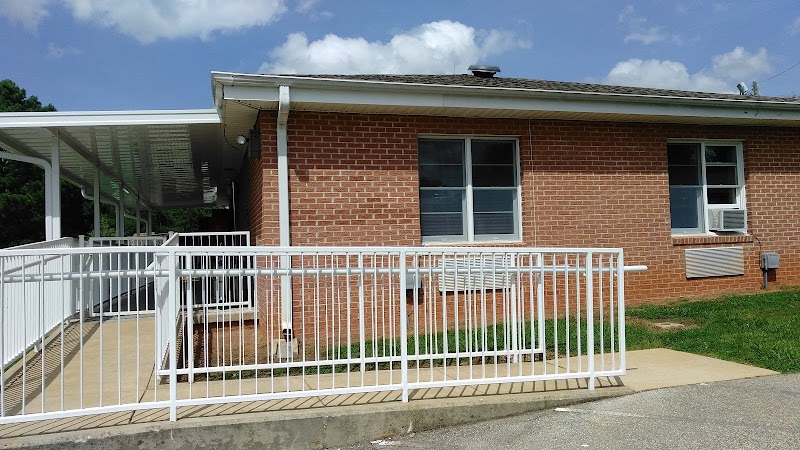
How is Pruitthealth - Pickens Staffed?

CMS rates PruittHealth - Pickens's staffing level at 3 out of 5 stars, which is average compared to other nursing homes. Staff turnover is 46%, compared to the South Carolina average of 46%. This relatively stable workforce can support continuity of care.

What Have Inspectors Found at Pruitthealth - Pickens?

State health inspectors documented 21 deficiencies at PruittHealth - Pickens during 2021 to 2025. These included: 21 with potential for harm.
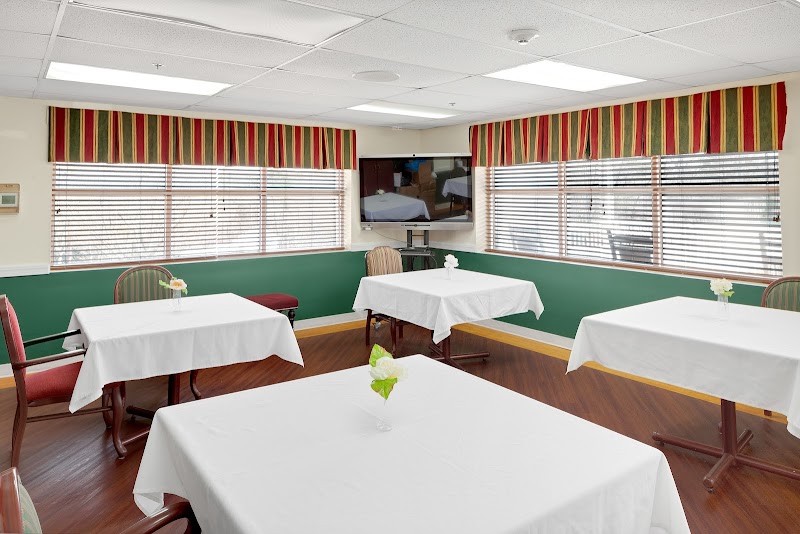
Who Owns and Operates Pruitthealth - Pickens?

PruittHealth - Pickens is owned by a for-profit company. For-profit facilities operate as businesses with obligations to shareholders or private owners. The facility is operated by PRUITTHEALTH, a chain that manages multiple nursing homes. With 44 certified beds and approximately 40 residents (about 91% occupancy), it is a smaller facility located in SIX Mile, South Carolina.

How Does Pruitthealth - Pickens Compare to Other South Carolina Nursing Homes?

Compared to the 100 nursing homes in South Carolina, PruittHealth - Pickens's overall rating (3 stars) is above the state average of 2.8, staff turnover (46%) is near the state average of 46%, and health inspection rating (2 stars) is below the national benchmark.

What Should Families Ask When Visiting Pruitthealth - Pickens?

Based on this facility's data, families visiting should ask: "Can I visit during a mealtime to observe dining assistance and food quality?" "How do you handle medical emergencies, and what is your hospital transfer rate?" "Can I speak with family members of current residents about their experience?"

Is Pruitthealth - Pickens Safe?

Based on CMS inspection data, PruittHealth - Pickens has a clean safety record: no substantiated abuse findings (meaning no confirmed cases of resident harm), no Immediate Jeopardy citations (the most serious violation level indicating risk of serious injury or death), and is not on the Special Focus Facility watch list (a federal program monitoring the lowest-performing 1% of nursing homes). The facility has a 3-star overall rating and ranks #1 of 100 nursing homes in South Carolina. While no facility is perfect, families should still ask about staff-to-resident ratios and recent inspection results during their visit.

Do Nurses at Pruitthealth - Pickens Stick Around?

PruittHealth - Pickens has a staff turnover rate of 46%, which is about average for South Carolina nursing homes (state average: 46%). Moderate turnover is common in nursing homes, but families should still ask about staff tenure and how the facility maintains care continuity when employees leave.

Was Pruitthealth - Pickens Ever Fined?

PruittHealth - Pickens has been fined $6,570 across 1 penalty action. This is below the South Carolina average of $33,145. While any fine indicates a compliance issue, fines under $50,000 are relatively common and typically reflect isolated problems that were subsequently corrected. Families should ask what specific issues led to these fines and confirm they've been resolved.

Is Pruitthealth - Pickens on Any Federal Watch List?

PruittHealth - Pickens is not on any federal watch list. The most significant is the Special Focus Facility (SFF) program, which identifies the bottom 1% of nursing homes nationally based on persistent, serious quality problems. Not being on this list means the facility has avoided the pattern of deficiencies that triggers enhanced federal oversight. This is a positive indicator, though families should still review the facility's inspection history directly.