Opus Post Acute Rehabilitation
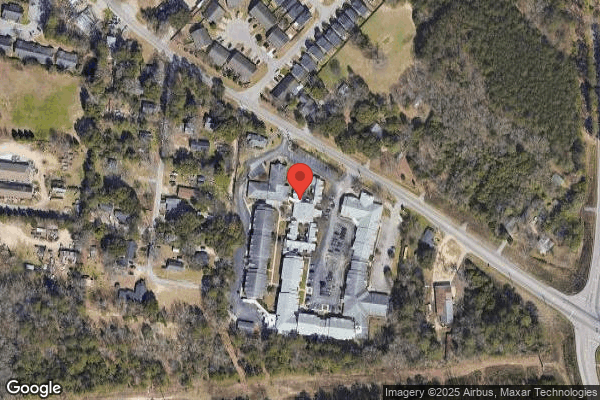
300 Agape Drive, West Columbia, SC 29169 (803) 739-5282
For profit - Limited Liability company 98 Beds THE ENSIGN GROUP Data: November 2025 1 Immediate Jeopardy citation
Trust Grade
31/100
#163 of 186 in SC
Last Inspection: December 2024

Within standard 12-15 month inspection cycle. Federal law requires annual inspections.

Overview

Opus Post Acute Rehabilitation has received a Trust Grade of F, indicating significant concerns about the care provided. It ranks #163 out of 186 nursing homes in South Carolina, placing it in the bottom half of facilities statewide, and #7 out of 7 in Lexington County, meaning there are no better local options. While the facility's trend is improving, with issues decreasing from 7 in 2024 to 4 in 2025, there are still serious deficiencies, including a failure to properly clean medical equipment, which poses an infection risk, and concerns about food safety that could lead to foodborne illnesses. Staffing is average with a 3/5 rating, but the turnover rate of 50% is on par with the state average. Additionally, the facility has $12,043 in fines, which is concerning, and there is less RN coverage than 83% of South Carolina facilities, suggesting potential gaps in nursing oversight.

Trust Score
F
31/100
In South Carolina
#163/186
Bottom 13%
Safety Record
High Risk
Review needed
Inspections
Getting Better
7 → 4 violations
Staff Stability
⚠ Watch
50% turnover. Above average. Higher turnover means staff may not know residents' routines.
Penalties
⚠ Watch
$12,043 in fines. Higher than 84% of South Carolina facilities, suggesting repeated compliance issues.
Skilled Nurses
⚠ Watch
Each resident gets only 24 minutes of Registered Nurse (RN) attention daily — below average for South Carolina. Fewer RN minutes means fewer trained eyes watching for problems.
Violations
⚠ Watch
15 deficiencies on record. Higher than average. Multiple issues found across inspections.
★☆☆☆☆
1.0
Overall Rating
★★★☆☆
3.0
Staff Levels
★★★☆☆
3.0
Care Quality
★☆☆☆☆
1.0
Inspection Score
Stable
2024: 7 issues
2025: 4 issues

The Good

  • Full Sprinkler Coverage · Fire safety systems throughout facility
  • No fines on record

Facility shows strength in fire safety.

The Bad

1-Star Overall Rating

Below South Carolina average (2.8)

Significant quality concerns identified by CMS

Staff Turnover: 50%

Near South Carolina avg (46%)

Higher turnover may affect care consistency

Federal Fines: $12,043

Below median ($33,413)

Minor penalties assessed

Chain: THE ENSIGN GROUP

Part of a multi-facility chain

Ask about local staffing decisions and management

The Ugly 15 deficiencies on record

1 life-threatening
Apr 2025 4 deficiencies
CONCERN (E) 📢 Someone Reported This

A family member, employee, or ombudsman was alarmed enough to file a formal complaint

Potential for Harm - no one hurt, but risky conditions existed

Resident Rights (Tag F0550)

Could have caused harm · This affected multiple residents

**NOTE- TERMS IN BRACKETS HAVE BEEN EDITED TO PROTECT CONFIDENTIALITY** Based on observation, interview, and review of facility policy, the facility failed to promote a homelike dining experience. Spe...

Read full inspector narrative →
**NOTE- TERMS IN BRACKETS HAVE BEEN EDITED TO PROTECT CONFIDENTIALITY** Based on observation, interview, and review of facility policy, the facility failed to promote a homelike dining experience. Specifically, the facility failed to ensure staff did not stand to assist residents with the meals for one (1) of one (1) dependent resident (Resident (R)8). Additionally, the facility failed to remove the plated food, eating utensils, and drinks from the serving tray onto the table for three (3) of three (3) residents that dined communally (R1, R2, and R9). Findings include: Review of the facility's policy titled, Resident Rights revised on 10/2015 revealed, . It is the policy of this facility that all residents be treated with kindness, dignity and respect. During a dining observation and interview on 04/15/25 at 12:20 PM, R1, R2, and R9 dined communally in the main dining room, where they all ate directly from the tray the meals were served on. R9 stated, They don't move the tray. During an interview on 04/16/25 at 3:17 PM, the Director of Nursing (DON) confirmed the staff did not remove the serving trays or place the resident's plated meal, eating utensils, or drinks on the table to encourage a homelike experience. The DON stated, It is the expectation that staff should always remove the food from the serving trays, when serving meals to residents. During an observation on 04/15/25 at 1:15 PM, R8 was in bed, with the head of bed elevated approximately 35 degrees, and both of R8's hands drawn to the chest. The Certified Nursing Assistant (CNA)3 stood at the bedside and assisted the resident with the meal, during the 5-minute observation. Review of R8's Face Sheet revealed R8 was admitted to the facility on [DATE], with diagnoses including but not limited to: spinal stenosis, and fusion of spine with quadriplegic (paralyzed from the neck down). Review of R8's Minimum Data Set (MDS) with an Assessment Reference Date (ARD) of 01/02/25, revealed R8's Brief Interview for Mental Status (BIMS) score was 13 out of 15, indicating R8's cognition was intact, further review of the MDS revealed R8 was dependent on staff for assistance with meals and activities of daily living (ADL). During an interview on 04/15/25 at 1:20 PM, CNA3 confirmed she stood to assist the resident with the meal. CNA3 stated, He's a feeder. I know I should sit to feed residents, but I stand with him because it is easier for him.
CONCERN (E) 📢 Someone Reported This

A family member, employee, or ombudsman was alarmed enough to file a formal complaint

Potential for Harm - no one hurt, but risky conditions existed

Deficiency F0558 (Tag F0558)

Could have caused harm · This affected multiple residents

Based on review of facility policy, observation, record review and interview, the facility failed to ensure call lights were within reach for 6 of 13 residents reviewed. Additionally, the facility fai...

Read full inspector narrative →
Based on review of facility policy, observation, record review and interview, the facility failed to ensure call lights were within reach for 6 of 13 residents reviewed. Additionally, the facility failed to ensure that a resident wheelchair arms were not in need of repair, for 1 of 1 resident. Findings include: Review of the facility's Call Light/Bell policy, revised on 05/2007, revealed, . It is the policy of this facility to provide the resident a means of communication with nursing staff . Place the call device within resident's reach before leaving room. Review of R1's Electronic Medical Record (EMR) revealed R1 had an admission date of 08/29/24, with diagnoses including but not limited to: unspecified dementia, unspecified severity, with agitation, repeated fall, other sequelae of cerebral infraction, muscle weakness, restlessness and agitation. Review of R1's Minimum Data Set (MDS) with an Assessment Reference Date (ARD) of 12/02/24, revealed R1 had a Brief Interview for Mental Status (BIMS) score of 5 out of 15, which indicates R1 suffered from severe cognitive impairment. Review of R3's EMR revealed R3 had an admission date of 06/15/23, with diagnoses including but not limited to: unspecified dementia, unspecified severity, without behavioral disturbance, psychotic disturbance, mood disturbance and anxiety, type 2 diabetes mellitus with unspecified complications, major depressive disorder, recurrent, mild, and muscle weakness. Review of R3's MDS with ARD of 12/18/24, revealed R3 had a BIMS score of 14 out of 15, which indicates R3 was cognitively intact. Review of R4's EMR revealed R4 had an admission date of 12/12/22, with diagnoses including but not limited to: history of falling, muscle weakness, and need for assistance with personal care. Review of R4's MDS with an ARD of 12/13/24, revealed R4 had a BIMS score of 10 out of 15, which indicates R4 suffered from moderate cognitive impairment. Review of R5's EMR revealed R5 had an admission date of 12/12/22, with diagnoses including but not limited to: hemiplegia and hemiparesis following cerebral infarction and diffuse traumatic brain injury. Review of R5's MDS with an ARD of 03/11/25, revealed R5 had a BIMS that was not completed. Review of R6's EMR revealed R6 had an admission date of 12/11/23, with diagnoses including but not limited to: muscle wasting and atrophy, and muscle weakness. Review of R6's MDS with an ARD of 07/23/24, revealed R6 had a BIMS score of 8 out of 15, which indicates R6 suffered from moderate cognitive impairment. Review of R9's EMR revealed R9 had an admission date of 01/04/20, with diagnoses including but not limited to: limited sequelae of cerebral infarction. Review of R9's MDS with an ARD of 01/29/25, revealed R9 did not complete a BIMS. Review of R12's EMR revealed R12 had an admission date of 08/16/21, with diagnoses including but not limited to: unsteadiness on feet, difficulty in walking, and muscle weakness. Review of R12's MDS with an ARD of 01/29/25, revealed R12 had a BIMS score of 13 out of 15, indicating R12 had intact cognition. During an observation on 04/15/25 at 12:29 PM, R3's call bell was hanging on the wall and not in reach. During an observation on 04/15/25 at 12:34 PM, R6's call bell was hanging on the wall, and not in reach. During an observation on 04/15/25 at 12:44 PM, R4's call bell was on the floor, and not in reach. During an observation on 04/15/25 at 12:56 PM, R1's call bell was hanging on the wall, and not in reach. During an observation on 04/15/25 at 1:01 PM, R12's call bell was on the floor, and not in reach. During an observation on 04/16/25 at 9:37 AM, R5's call bell was hanging off the bed, and not within reach. During an observation on 04/15/25 at 12:20 PM, R9's wheelchair arms were observed tattled, peeling and worn. During an interview on 04/16/25 at approximately 2:44 PM, the Director of Nursing (DON) and Administrator revealed that call bells' should always be within reach of residents.
CONCERN (E) 📢 Someone Reported This

A family member, employee, or ombudsman was alarmed enough to file a formal complaint

Potential for Harm - no one hurt, but risky conditions existed

Accident Prevention (Tag F0689)

Could have caused harm · This affected multiple residents

Based on observation, record review and interviews the facility failed to ensure (1) the fall mat was in a position to prevent an accident for 1 of 5 residents reviewed, Resident (R)2. The facility al...

Read full inspector narrative →
Based on observation, record review and interviews the facility failed to ensure (1) the fall mat was in a position to prevent an accident for 1 of 5 residents reviewed, Resident (R)2. The facility also failed to ensure resident bathroom/shower room floors were not excessively slippery, for 4 of 5 residents reviewed, R3, R7, R10, R11. Additionally, (2) the facility failed to provide appropriate supervision for R1, resulting in R1 falling and suffering injuries, for 1 of 5 residents reviewed. Findings include: Review of the facility's Environment Conditions/Environmental Rounds, policy revised on 11/2019, revealed, . it is the policy of this facility that the facility must provide a safe, functional, sanitary, and comfortable environment for residents, staff and the public though monthly environmental rounds. (1) Review of R1's Electronic Medical Record (EMR) revealed R1 had an admission date of 08/29/24, with diagnoses including but not limited to: unspecified dementia, unspecified severity, with agitation, repeated fall, other sequelae of cerebral infraction, muscle weakness, restlessness and agitation. Review of R1's Minimum Data Set (MDS) with an Assessment Reference Date (ARD) of 12/02/24, revealed R1 had a Brief Interview for Mental Status (BIMS) score of 5 out of 15, which indicates R1 suffered from severe cognitive impairment. Review of R2's EMR revealed R2 had an admission date of 10/28/24, with diagnoses including but not limited to: unspecified sequelae of cerebral infarction, spinal stenosis, cervical region, and major depressive disorder, single episode. Review of R2's MDS with an ARD of 11/03/24, revealed R2 had a BIMS score of 8 out of 15, which indicates moderate cognitive impairment. Review of R3's EMR revealed R3 had an admission date of 06/15/23, with diagnoses including but not limited to: unspecified dementia, unspecified severity, without behavioral disturbance, psychotic disturbance, mood disturbance, and anxiety, type 2 diabetes mellitus with unspecified complications, major depressive disorder, recurrent, mild, and muscle weakness. Review of R3's MDS with an ARD of 12/18/24, revealed R3 had a BIMS score of 14 out of 15, which indicates R3 was cognitively intact. Review of R7's EMR revealed R7 had an admission date of 02/05/24, with diagnoses including but not limited to: idiopathic progressive, arthritis, and cerebrovascular. Review of R7's MDS with an ARD of 07/23/24, had a BIMS score of 15 out of 15, which indicates R7 was cognitively intact. Review of R10's EMR revealed R10 had an admission date of 10/01/24, with diagnoses including but not limited to: muscle wasting and atrophy. Review of R10's MDS with an ARD of 01/07/25, revealed R10 had a BIMS score of 4 out of 15, which indicates R10 suffered from severe cognitive impairment. Review of R11's EMR revealed R11 had an admission date of 12/22/17, with diagnoses including but not limited to: muscle weakness and sarcopenia. Review of R11's MDS with an ARD of 01/28/25, revealed R11 had a BIMS score of 11 out of 15, which indicates R11 had moderate cognitive impairment. During an observation on 04/15/25 at 12:15 PM, R2's fall mat was stuck under the wheel of the resident's bed and protruding from under the bed, creating an accident hazard for the resident. During multiple observation on 04/15/25 at approximately 12:30 PM, revealed a bathroom containing a shower in the rooms of R3, R7, R10, and R11. Further observation revealed a buildup of a grey substance on the floors and the floors appeared to be greasy. This surveyor attempted to walk on the floors and the floors were excessively slippery, like walking on oil. During an interview on 04/15/25 at 12:29 PM, R3 stated he has fallen in the bathroom shower, when the floor is wet it's very slippery like oil. R3 further stated that he does not want to take showers anymore. During an interview on 04/15/25 at approximately 12:42 PM, R7 revealed the bathroom floor is always slippery when it is wet, he has had a fall due to it. During an interview on 04/16/25 at 10:39 AM, Licensed Practical Nurse (LPN) stated the bed should not be on top of the fall mats, as it does present an accident hazard for the resident. During an interview on 04/16/25 at 3:17 PM, the Administrator and Director of Nursing (DON) stated that they were not aware of the residents' bathroom floor being slippery. During an interview on 04/16/25 at 5:18 PM, the Maintenance Director (MD) revealed that rooms are checked for cleanliness twice a week. Work order system is utilized to inform housekeeping staff of conditions of each resident rooms. The MD stated he was not aware of the slippery floors. The MD concluded that could be due to either not mopping/rinsing as directed and/or adding to much cleaning solution while mopping. (2) Review of R1's EMR revealed R1 had an admission date of 08/29/24, with diagnoses including but not limited to: unspecified dementia, unspecified severity, with agitation, repeated fall, other sequelae of cerebral infraction, muscle weakness, restlessness and agitation. Review of R1's MDS with an ARD of 12/02/24, revealed R1 had a BIMS score of 5 out of 15, which indicates severe cognitive impairment. Attempted interviews with R1, were unsuccessful. During an interview on 04/16/25 at approximately 10:52 AM, Registered Nurse (RN) revealed R1 was a two person assist. The RN confirmed that R1 was a fall risk and had multi-falls, due to this, staff are aware and should always keep eyes on R1. During an interview on 04/16/25 at 1:40 PM, Certified Nursing Assistant (CNA)2 revealed he was assigned to R1 and had just brought him back from the dining room back into the resident's room. CNA2 stated R1 was in the geri-chair and CNA2 had locked the wheels on the chair and went to get clothing and an adult diaper so that he could get the resident ready from bed. CNA2 stated he heard R1 fall to the floor, R1 fell off the side of the chair. CNA2 further stated the resident had shown signs of anxiety on the day of the incident and he was shocked to see R1 on the floor. CNA2 continued that he saw blood coming from the resident's head. CNA2 stated he immediately ran to get the nurse, and she came to the room, assessed the resident, applied pressure to his head as she observed a laceration. R1 was sent out to the hospital for further evaluation. CNA2 concluded to prevent the fall, he should have gotten all supplies out of the closet and not turn his back on the resident, he needed to keep eyes on the resident. During an interview on 04/16/25 at 2:48 PM, the DON revealed R1 was care planned for falls. R1 appeared to be comfortable in the geri-chair until the day of the incident. The DON stated to prevent the resident's fall, staff should have made sure that he had all the supplies that was needed for the resident with him, and he should not have turned his back on the resident.
CONCERN (E) 📢 Someone Reported This

A family member, employee, or ombudsman was alarmed enough to file a formal complaint

Potential for Harm - no one hurt, but risky conditions existed

Infection Control (Tag F0880)

Could have caused harm · This affected multiple residents

Based on observation, record review and interview, the facility failed to assist or offer residents hand hygiene before and/or after meals for 4 of 4 residents. Additionally, the facility failed to en...

Read full inspector narrative →
Based on observation, record review and interview, the facility failed to assist or offer residents hand hygiene before and/or after meals for 4 of 4 residents. Additionally, the facility failed to ensure bath basins were labeled and cover for 3 of 4 residents. Findings include: Review of R2's Electronic Medical Record (EMR) revealed R2 had an admission date of 10/28/24, with diagnoses including but not limited to: unspecified sequelae of cerebral infarction, spinal stenosis, cervical region, and major depressive disorder, single episode. Review of R2's Minimum Data Set (MDS) with an Assessment Reference Date (ARD) of 11/03/24, revealed R2 had a Brief Interview for Mental Status (BIMS) score of 8 out of 15, which indicates R2 was moderately cognitively impaired. Review of R3's EMR revealed R3 had an admission date of 06/15/23, with diagnoses including but not limited to: unspecified dementia, unspecified severity, without behavioral disturbance, psychotic disturbance, mood disturbance, and anxiety, type 2 diabetes mellitus with unspecified complications, major depressive disorder, recurrent, mild, and muscle weakness. Review of R3's MDS with an ARD of 12/18/24, revealed R3 had a BIMS score of 14 out of 15, which indicates R3 was cognitively intact. Review of R5's EMR revealed R5 had an admission date of 12/12/22, with diagnoses including but not limited to: hemiplegia and hemiparesis following cerebral infarction and diffuse traumatic brain injury. Review of R5's MDS with an ARD of 03/11/25, revealed R5 was not able to complete the BIMS. Review of R6's EMR revealed R6 had an admission date of 12/11/23, with diagnoses including but not limited to: muscle wasting and atrophy and muscle weakness. Review of R6's MDS with an ARD of 07/23/24, revealed R6 had a BIMS score of 8 out of 15, which indicates moderate cognitive impairment. During an observation on 04/15/25 at 12:15 PM, revealed staff did not offer to assist R2 with hand hygiene before and/or after meals. During an observation on 04/15/25 at 12:28 PM, revealed uncovered/unlabeled bath basins under the vanity sink of R3, which was shared by two residents. Further observation revealed staff did not offer to assist R3 with hand hygiene before and/or after meals. During an observation on 04/15/25 at 12:34 PM, revealed uncovered/unlabeled bath basins under the vanity sink of R6, which was shared by two residents. Further observation revealed staff did not offer to assist R6 with hand hygiene before and/or after meals. During an observation on 04/16/25 at 9:37 AM, revealed uncovered/unlabeled bath basins under the vanity sink of R5, which was shared by two residents. Further observation revealed staff did not offer to assist R5 with hand hygiene before and/or after meals. During an interview on 04/16/25 at 3:19 PM, the Director of Nursing (DON) stated it is the procedure that basins should be labeled and covered with plastic. The thermometer should be labeled. The DON further stated in regards to residents hand hygiene before and after meals, residents should be assisted with cleaning their hands before and after meals.
Dec 2024 7 deficiencies 1 IJ
CRITICAL (J)

Immediate Jeopardy (IJ) - the most serious Medicare violation

Infection Control (Tag F0880)

Someone could have died · This affected 1 resident

**NOTE- TERMS IN BRACKETS HAVE BEEN EDITED TO PROTECT CONFIDENTIALITY** (2) Review of the facility's policy titled, Glucometer, Cleaning and Decontamination of revised on 12/2009, revealed, It is the ...

Read full inspector narrative →
**NOTE- TERMS IN BRACKETS HAVE BEEN EDITED TO PROTECT CONFIDENTIALITY** (2) Review of the facility's policy titled, Glucometer, Cleaning and Decontamination of revised on 12/2009, revealed, It is the policy of this facility to follow recommendation from the CDC. The CDC states that HBV can survive for at least one week in dried blood on environmental surfaces or on contaminated instruments. The following recommendations provide guidance for cleaning and decontamination of glucometers that may be contaminated with blood and body fluids. Procedures: 1. Clean after each use. 2. Disinfect after each use the exterior surfaces following the manufacturer's directions using a cloth/wipe with either an EPA-registered detergent/germicide with a tuberculocidal or HBV/HIV label claim, or a dilute bleach solution of 1:10 (one part bleach to 9 Parts water) to 1:100 concentration. Review of the True Metrix Pro Manufacture recommendation revealed, We recommend using only one meter per patient. Cleaning removes blood and soil from the meter. Disinfecting removes most, but not all possible infectious agents (bacteria or virus) from the meter, including blood-borne pathogens. Clean and disinfect immediately after getting any blood on the meter or if the meter is dirty. Meter should be cleaned and disinfected between patients. Clean and disinfect the meter before allowing anyone else to handle it. Review of R45's Face Sheet revealed (R)45 was admitted to the facility on [DATE], with diagnoses including but not limited to: Parkinsonism, Unspecified, Type 2 Diabetes Mellitus with Diabetic Polyneuropathy, Chronic Systolic (Congestive) Heart Failure. Review of R45's admission Minimum Data Set (MDS) with an Assessment Reference Date (ARD) of 09/03/24, revealed R45 had a Brief Interview for Mental Status (BIMS) score of 12 out of 15, indicating R45 had moderate cognitive impairment. Review of R45's Care Plan with a start date of 06/28/21 documented, Has Type 2 Diabetes Mellitus. Further review of the Care Plan revealed the following approach, Diabetes medication as ordered by doctor. Monitor/document for side effects and effectiveness. Review of R45's Physician Orders dated 06/24/24, revealed the following order, Finger Stick Blood Sugar (FSBS) two times a day. Review of R45's Progress Note dated 11/08/24 at 11:43 AM, revealed, Blood Glucose is being Monitored BS 127.0 - 11/18/2023 08:25 blood glucose level at baseline, well controlled Teachings/Education was not provided regarding Blood Glucose levels. Vital Signs do not show any fluctuations from baseline that require intervention(s). Other observations and interventions include FSBS, and insulin administration as ordered. Resident has a medical dx of TYPE 2 DIABETES MELLITUS WITH DIABETIC POLYNEUROPATHY. Resident displays no s/s of hypo/hyperglycemia. Review of R340's Face Sheet revealed (R) 340 was admitted on [DATE], with a diagnosis including but not limited to: Acute Respiratory Failure with Hypoxia, Type 2 Diabetes Mellitus with Other Diabetic Kidney Complication, Chronic Kidney Disease, Stage 3B. Review of R340's admission MDS with an ARD of 11/20/24, revealed R340 had a BIMS score of 15 out of 15, indicating no cognitive impairment. Review of R340's Care Plan with a start date of 11/20/24 documented, Has Diabetes Mellitus. Further review of the Care Plan revealed the following approach, Fasting Serum Blood Sugar as ordered by doctor. Review of R340's Physician Orders dated 12/11/24, revealed the following order Check FSBS BID two times a day. Review of R388's Face Sheet revealed R388 was admitted to the facility on [DATE], with diagnoses including but not limited to: Chronic Obstructive Pulmonary Disease, Unspecified, End Stage Renal Disease, Dependence on Renal Dialysis. Review of R388's admission MDS with an ARD of 11/20/24, revealed R388 had a BIMS score of 15 out of 15, indicating no cognitive impairment. Review of R388's Care Plan with a start date of 11/20/24, documented, [resident] has type 2 diabetes with moderate nonproliferative diabetic retinopathy of both eyes/double vision and long-term use of insulin. Further review of the Care Plan revealed the following approach, Fasting Serum Blood Sugar as ordered by doctor. Review of R388's Physician Orders dated 11/18/24 revealed the following order, Check FSBS BID two times a day. Review of R388's Physician Orders dated 11/19/24 revealed the following order, ENHANCED BARRIER PRECAUTIONS: PPE required for high resident contact care activities. Indication: wounds, indwelling medical device. every shift. Review of R388's Progress Note dated 11/19/24 revealed, Diagnosis or Condition(s) being monitored: Chronic Obstructive Pulmonary Disease, Unspecified, Acquired Absence of Left Leg Above the knee, Chronic Respiratory, Failure with Hypoxia, Heart Failure, unspecified, End stage renal Disease, Type 2 Diabetes Mellitus with moderate Non-proliferative Diabetic Retinopathy without Macular Edema, Bilateral, Essential (PRIMARY) Hypertension, Morbid (SEVERE) Obesity Due To Excess Calories Vital Signs: BP 126/58 - 11/19/2024 20:03 Position: T 97.4 - 11/19/2024 20:03 Route: Temporal Artery P 67 -11/19/2024 20:03 Pulse Type: Regular R 18.0 - 11/19/2024 20:03O2 95.0 % - 11/19/2024 20:03 Method: Room Air Pain: No Pnl 0 - 11/19/2024 21:55 Pain scale: Numerical Blood Glucose is being Monitored BS 112.0 - 11/19/2024 16:53 blood glucose level at baseline, well controlled Teachings/Education was not provided regarding Blood Glucose levels. Vital Signs do not show any fluctuations from baseline that require intervention(s) Other observations and interventions include Fasting blood glucose checks and insulin as ordered. No signs or symptoms of hypo/hyperglycemia. During an observation on 11/25/24 at 8:21 AM, Licensed Practical Nurse (LPN)1 did not place a barrier on the mayo stand prior to placing the glucometer down. LPN1 did not sanitize hands after obtaining glucometer levels prior to touching the medication cart. During an interview on 11/25/24 at 8:28 AM, LPN1 stated, I don't know what the policy says. During an observation on 11/25/24 at 3:04 PM, LPN4 wiped off a glucometer machine with an alcohol wipe and then inserted a glucometer strip. During an interview on 11/25/24 at 3:06 PM, LPN4 stated, I am unsure I will go ask someone about the policy. During an interview on 11/25/24 at 3:08 PM, LPN4 stated, We clean glucometers with MicroWipes, let sit 3 min, use barrier, afterwards clean with barrier and let sit for 3 min. LPN4 stated, she spoke with LPN1. During an observation on 11/25/24 at 3:30 PM, RN2 removed the glucometer machine from inside of the medication cart and placed it on top of the medication cart. During an interview on 11/25/24 at 3:30 PM, RN2 stated, This glucometer machine was cleaned already. After cleaning the glucometer machine, RN2 placed the glucometer on top of the medication cart again. RN2 did not sit the glucometer in microwipe for 3 minutes. During an interview on 11/25/24 at 3:41 PM, the DON stated, They clean in between each resident using the proper solution and clean workstation and use a barrier to prevent spills if necessary. During an interview on 12/16/24 at 5:10 PM, the DON stated, The glucose meter must be cleaned in between, before and after resident use. During an interview on 12/16/24 at 5:12 PM, the Administrator stated, We continue to do in-services as needed. Clean in between residents before and after the procedures with the proper sanitary materials. On 12/16/24 the facility provided an acceptable IJ Removal Plan, which included the following: 1. Corrective Action accomplished for those residents found to be affected by the alleged deficient practice. *Resident sample numbers #388, #45, #340 the licensed nurses on staff at that time on 11/22/24 were immediately in-serviced once notified by surveyor to prevent future occurrences, glocometer cleaned and disinfected, notifications of incident made to Medical Director and Nurse Practitioner with no new orders. 2. Identify other residents who have the potential to be affected by the same deficient practice. A. All residents that require glucose monitoring by glucometer have the potential to be affected. 3. Measures/Systemic changes put in place to ensure the deficient practice does not reoccur. A. Inservice initiated with all licensed nurses beginning on 11/25/24 and completed prior to the nurses next scheduled shift by the Director of Nursing and/or clinical supervisors, staff were educated on equipment cleaning of the glucometer devices to include cleaning and disinfecting before and after each resident's use. Staff educated to clean with an EPA disinfectant for the wet time that is indicated by manufacturer guidelines that is effective against blood borne pathogens that meet OSHA's standards. Licensed nurses educated on utilizing a barrier between the glucometer device and in contact with surface areas to prevent cross contamination and the prevention of the spread of blood borne pathogens. B. Staff education reinforced on 12/12/24 at the Annual Skills Fair. C. All licensed nurses will be educated on the glucometer policy upon hire and during new hire orientation. 4. Monitoring of corrective action to ensure the deficient practice will not reoccur. A. The clinical nursing supervisors will complete audits 5 times a week x 1 week, 3 times a week x 2 weeks, and 2 times a week x 1 week and weekly thereafter x 2 months to ensure that all staff remain in compliance with infection control procedure for glucometer cleaning and disinfecting of blood glucose devices. B. ADHOC QAPI meeting held on 11/29/2024 to discuss alleged deficiencies and implementation of POC. C. Findings of the audit will be reported to the Administrator and Director of Nursing for compliance review. D. Failure to adhere to facility policy will be considered a violation. Violations will result in disciplinary action in accordance with the facility progressive disciplinary policy. E. A report of findings and subsequent disciplinary action, if applicable, will be reported to the facility Quality Assurance Committee consisting of Director of Nursing, Medical Director, Administrator, Pharmacy Consultant x 3 months to review the need for continued intervention or amendment of and disposed of in accordance with the facility policies and procedures. Date of Compliance 11/29/2024 Based on observations, interviews, record review and review of facility policy, (1) the facility failed to ensure that proper infection control measures were taken regarding aerosol drainage bags for Resident (R)62 and R68, for 2 of 5 residents reviewed. Furthermore, (2) the facility failed to properly clean and disinfect blood glucose metered device, that was shared with multiple residents, R388, R45, and R340, for 3 of 5 residents revealed. On 11/25/24 at 8:19 AM, the State Agency (SA) determined that the facility's non-compliance with one or more federal health, safety, and/or quality regulations has caused or was likely to cause serious injury, serious harm, serious impairment, or death. On 12/16/24, the facility was notified that the failure to properly clean and disinfect a multi-use glucometer, between residents constituted Immediate Jeopardy (IJ) at F880. On 12/16/24 at 5:48 PM, the survey team provided the Director of Nursing (DON) with a copy of the CMS IJ Template, informing the facility IJ existed as of 11/25/24. The IJ was related to §483.80 Infection Control. On 12/16/24 the facility provided an acceptable IJ Removal Plan. On 12/16/24 the survey team validated the facility's corrective actions and removed the IJ. The facility remained out of compliance at F880 at a lower scope and severity of D. Findings include: (1) Review of the facility's policy titled Infection Control Prevention and Control Program dated September 2021, indicated, The goal of the Infection Control Program are to: a. decrease the risk of infection to residents and personnel, b. recognize infection control practices while providing care, c. identify and correct problems relating to infection control practices . Review of R62's Face Sheet revealed R62 was admitted to the facility with diagnoses including but not limited to, chronic respiratory failure. Review of R62's Physician Order revealed, Change aerosol components every Friday day shift and PRN (Corrugated tubing/Drain Bag/Trach Mask), and Continuous cool mist aerosol therapy via trach collar for humidity. Review of R62's Care Plan revealed, Tracheostomy r/t respiratory failure and secretions r/t ICH. Review of R68's Face Sheet revealed R68 was admitted to the facility with diagnoses including but not limited to: acute respiratory failure with hypoxia, acute respiratory failure with hypercapnia, centrilobular emphysema, and tracheostomy status. Review of R68's Physician Orders revealed, Change aerosol components every Friday day shift and PRN (Corrugated tubing/Drain Bag/Trach Mask) and Continuous cool mist aerosol therapy via trach collar for humidity. Review of R68's Care Plan revealed, acute respiratory failure and tracheostomy with secretions and suctioning - has history of malignant neoplasm of larynx with acquired absence of larynx - oropharyngeal cancer. During multiple observations on 11/24/24 at 10:50 AM, 11/25/24 at 8:30 AM, and 11/26/24 at 8:42 AM, revealed R68's aerosol drainage bag on the bedroom floor. During multiple observations on 11/24/24 at 8:48 AM and 11/25/24 at 8:44 AM, revealed R62's aerosol drainage bag present on the bedroom floor. During an interview on 11/26/24 at approximately 11:38 AM, the Director of Nursing (DON) stated that the drainage bags shouldn't have been on the floor due to infection control.
CONCERN (D)

Potential for Harm - no one hurt, but risky conditions existed

Safe Environment (Tag F0584)

Could have caused harm · This affected 1 resident

Based on observation, interviews, record review and facility policy review, the facility failed to ensure a comfortable and homelike environment was provided for 2 residents, (Resident (R)56, R12), of...

Read full inspector narrative →
Based on observation, interviews, record review and facility policy review, the facility failed to ensure a comfortable and homelike environment was provided for 2 residents, (Resident (R)56, R12), of 10 sampled residents whose rooms were reviewed. Finding include: Review of a facility policy titled, Environmental Conditions/Environmental Rounds with a revised dated of 11/19, revealed, It is the policy of this facility that the facility must provide a safe, functional, sanitary and comfortable environment for residents, staff and the public . residents rooms must be designed and equipped for adequate nursing care, comfort and privacy of residents. Review of R56's, Face Sheet revealed R56 was admitted to the facility with diagnoses including but not limited to: presence of chronic diastolic congestive heart failure, alcohol abuse, generalized anxiety disorder, major depressive disorder, hypertension, unspecified psychosis, chronic kidney disease stage 3A, unsteadiness on feet, weakness and need for assistance with personal care. During an observation and interview on 11/27/24 at 11:41 PM, revealed R56's breakfast tray was still on her table. R56 stated, I'm not treated like I need assistance. I am very independent, but they don't help me, I have to change my own trash and we are heading into lunch and my breakfast tray is still in here at 11:45 AM. During an observation on 11/25/24 at 9:33 AM, revealed a large, covered trash can in the middle of R56's shower. During an interview on 11/25/24 at 9:33 AM, R56 revealed she takes her own showers and must move the trashcan out of the shower herself. During an observation on 11/25/24 at 4:35 PM, revealed the trashcan was still in R56's shower. Certified Nursing Assistant (CNA)1 lifted the lid of the trashcan and revealed the trashcan had trash in it. During an interview on 11/25/24 at 4:35 PM, CNA1 revealed they do not usually keep trashcans in the shower, but the large trash cans are used for PPE and are usually kept in the room. CNA1 stated the trash can should not be in the shower. Review of R12's Face Sheet revealed R12 was admitted to the facility with diagnoses including but not limited to: peripheral vascular disease, lymphocytic leukemia, and chronic kidney disease. During observations on 11/24/24 at 8:42 AM, 11/25/24 at 8:45 AM, and 11/26/24 at 10:15 AM, revealed chips scattered across the left side of the bedroom floor of R12's room. During an interview on 11/26/24 at approximately 10:50 AM, the Environmental Services Director revealed that R12's bedroom should have been swept and mopped daily. During an interview on 11/25/24 at 4:47 PM, the Director of Nursing (DON) revealed it is expected that there should not be a trashcan in a residents shower at all.
CONCERN (D)

Potential for Harm - no one hurt, but risky conditions existed

Deficiency F0658 (Tag F0658)

Could have caused harm · This affected 1 resident

**NOTE- TERMS IN BRACKETS HAVE BEEN EDITED TO PROTECT CONFIDENTIALITY** Based on interviews, record review, and review of facility policy, the facility failed to provide services or care that are acce...

Read full inspector narrative →
**NOTE- TERMS IN BRACKETS HAVE BEEN EDITED TO PROTECT CONFIDENTIALITY** Based on interviews, record review, and review of facility policy, the facility failed to provide services or care that are acceptable standards of practice. Specifically, the facility failed to obtain lab orders for a redraw, after an anticoagulant (Coumadin) adjustment for 1 (Resident (R)388's) of 1 resident reviewed for unnecessary medications. Findings include: Review of the facility policy titled Anticoagulation -Clinical Protocol last revised in November 2018, revealed, The physician will prescribe anticoagulation therapy (for example, low molecular weight heparin, warfarin, or other oral anticoagulant) appropriately, consistent with the recognized guidelines . The physician should adjust the anticoagulant dose or stop, taper, or change medications that interact with the anticoagulant, and/or monitor the PT/INR very closely while the individual is receiving warfarin, to ensure that the PT/INR [A prothrombin time (PT or PT/INR) test measures how quickly your blood clots.] stabilizes within a therapeutic range. Review of R388's Face Sheet revealed R388 was admitted to the facility on [DATE], with diagnoses including but not limited to: proximal atrial fibrillation, Type 2 Diabetes, history of deep vein thrombosis, and hypertension. Review of R388's admission Minimum Data Set (MDS) with an Assessment Reference Date (ARD) of 11/24/24, revealed R388 had a Brief Interview for Mental Status (BIMS) score of 15 out of 15 which indicates that she is cognitively intact. Review of R388's Physician Progress Notes dated 11/23/24, documented, was initially noted to have supratherapeutic INR and therefore warfarin was held. She then became subtherapeutic and warfarin was resumed with heparin bridge. Patient's INR improved to 3.3 on day of discharge. Her Coumadin dose was decreased to 5 mg daily. Patient will require INR checks at rehabilitation facility with adjustment in warfarin dosing. Review of R388's Physician Notes dated 11/24/24, revealed R388 coumadin-monitor with PT/INR, INR on Friday was 1.8 - change dosing to 7.5mg on Fridays and 5 mg all other days. Review of R388's Care Plan last reviewed/revised on 11/18/24, revealed, Anticoagulant therapy r/t: prevention of blood clots/ recurrent DVTs. Resident receives medication with a Black box warning: see MD order. [R388] will be free from discomfort or adverse reactions related to anticoagulant use through the review date. Antidote is Vitamin K. Have on hand for emergencies. Labs as ordered. Report abnormal lab results to the MD. Monitor and report s&sx of thromboembolism: acute onset of shortness of breath, pleuritic chest pain, cough, coughing up blood, syncope and anxiety. Monitor/document/report to MD PRN s/sx of anticoagulant complications: blood tinged or frank blood in urine, black tarry stools, dark or bright red blood in stools, sudden severe headaches, nausea, vomiting, diarrhea, muscle joint pain, lethargy, bruising , bleeding, blurred vision, SOB, Loss of appetite, sudden changes in mental status, significant or sudden changes in v/s. During an interview on 11/26/24 at 11:00 AM, the Director of Nursing (DON) was unable to locate an order for a repeat INR after the 11/22/24 medication adjustment for Warfarin. The DON placed a call to the Nurse Practitioner and an Order was given to repeat PT/INR on 11/28/24. During a follow up interview on 11/26/24 at 12:23 PM, the DON stated that the nurses should follow the provider's order related to PT/INR orders for residents. If the provider does not write orders regarding follow up PT/INR labs, the nurse should call the doctor or Nurse Practitioner and get orders for follow up labs. During a phone interview on 11/26/24, at 12:37 PM, the Nurse Practitioner (NP) stated that she usually writes orders for PT/INR a day or two after admission. The NP further stated, I expect the nurses to make sure that the residents get the medication. When the nurses receive the PT/INR results, they should call me with the results so I can make adjustments. After an adjustment, I repeat the PT/INR in 2 days to make sure the medication level has increased. If I forget to order a repeat PT/ INR, the nurses know me well enough that they should call me and ask me about it. During an interview on 11/26/24 at 1:04 PM, Registered Nurse (RN)1 stated, If there are no PT/INR orders I would hold the Coumadin until I have gotten in touch with the practitioner for new PT/INR orders.
CONCERN (D)

Potential for Harm - no one hurt, but risky conditions existed

Deficiency F0692 (Tag F0692)

Could have caused harm · This affected 1 resident

**NOTE- TERMS IN BRACKETS HAVE BEEN EDITED TO PROTECT CONFIDENTIALITY** Based on observation, interview, record review, and review of facility policy, the facility failed to ensure 1 (Resident (R)78) ...

Read full inspector narrative →
**NOTE- TERMS IN BRACKETS HAVE BEEN EDITED TO PROTECT CONFIDENTIALITY** Based on observation, interview, record review, and review of facility policy, the facility failed to ensure 1 (Resident (R)78) of 1 resident reviewed for nutrition was provided nutritional supplements per physician orders to prevent potential nutritional problems or further weight loss. Findings include: Review of a facility policy titled Diet Orders states, Diet orders prescribed by the physician will be provided by the Food and Nutrition Services department. Nursing will send a Diet order Communication slip to the Food and Nutrition Services department. The FNS Director or [NAME] in charge will make or adjust the diet profile and tray card as prescribed. The diet count is also to be adjusted as needed. The diet profile and tray card will be removed upon discharge or transfer. Any discrepancy in the diet order slip will be clarified by the FNS Director or [NAME] in charge with nursing. Review of R78's Face Sheet revealed R78 was admitted to the facility on [DATE], with diagnoses including but not limited to: cerebral infarction due to unspecified occlusion or stenosis of an unspecified cerebral artery, Type 2 Diabetes Mellitus, dependence on renal dialysis, muscle weakness, heart failure, and weakness. During an observation and interview on 11/24/24 at 12:44 PM, revealed R78 in her room, sitting in her non-motorized wheelchair in a locked position, with the over bed table in front of her at the appropriate level, a lunch tray set up in front of her with approximately 50 percent food remaining. R78 appeared weak and malnourished. The meal ticket was located on R78's tray and the lunch ticket stated regular diet 11/24/24, with no special instructions. R78 stated she was admitted in August 2024, following multiple hospital stays. R78 stated she also attends dialysis 3 times a week. R78 stated she is on fluid restriction, and she is getting weighed weekly at the facility and had ongoing weight loss since admission. R78 further stated the facility is doing nothing about the weight loss. R78 stated, Look at me, I'm skin and bones, pretty soon I'll deteriorate. R78 stated that she has not received any supplements since admission, just a meal tray and one drink due to fluid restrictions. R78 stated she will ask for snacks at night which will consist of a peanut butter and jelly sandwich or some chips. Review of R78's Electronic Health Record (EHR) revealed a Physician Order for, fortified pudding with lunch and dinner due to risk for malnutrition, no directions specified for order with an active date of 08/25/24. Further review of the Physician Order revealed an order for, renal diet, regular texture, thin liquids consistency with an active start date of 09/30/24. Review of R78's Weight Summary, revealed the following weights: 11/26/2024 - 113.4 Lbs. (pounds) 11/19/2024 - 114.8 Lbs. 11/11/2024 - 114.5 Lbs. 11/04/2024 - 113.0 Lbs. 10/03/2024 - 126.9 Lbs. 09/17/2024 - 124.5 Lbs. 09/09/2024 - 123.6 Lbs. 09/02/2024 - 121.6 Lbs. 08/29/2024 - 119.8 Lbs. 08/23/2024 - 120.9 Lbs. Review of R78's Quarterly Minimum Data Set (MDS) with an Assessment Reference Date (ARD) of 11/10/24, revealed R78 had a Brief Interview for Mental Status (BIMS) score of 15 out of 15, which indicates that she is cognitively intact. Furthermore, under Section K- Swallowing/Nutritional status revealed R78's Weight (in pounds) - 114, indicating R78 had weight loss and was not on prescribed weight loss regimen. Review of R78's Care Plan last reviewed/revised on 11/24/24, revealed, Has risk for malnutrition r/t GERD, Vitamin D Deficiency, dysphagia, Constipation, Pain. Goal - Will maintain adequate nutritional status as evidenced by maintaining weight with no s/sx of malnutrition through the review date. Interventions directed staff to: Administer medications as ordered. Monitor/Document for side effects and effectiveness. Diet as ordered by the physician. Fortified pudding with lunch and dinner due to risk for malnutrition. Give supplements - Prostat & Boost - as ordered. Honor resident rights to make personal dietary choices and provide dietary education as needed. Observe/record/report to MD/NP PRN s/sx of malnutrition: Emaciation (Cachexia), muscle wasting, significant weight loss. Therapy evaluation and treatment per physician orders. Weights as ordered. Review of R78's Nutrition - admission Evaluation dated 08/29/24, revealed diet order is renal, texture is ground and mechanical soft, Fluid consistency is thin, Supplement ordered- yes- fortified pudding bid, Food likes- see tray card, Food dislikes- see tray card. Under physical information, most recent weight was 119.8 lbs, and dining ability was - tray set up. Additional intervention by a Registered Dietician states, Recommendation: need fluid restriction with labs, will see if fortified pudding with Ca and P Ph content is appropriate. Nepro may be a better choice. Review of R78's admission Nutritional assessment dated [DATE], revealed R78 scored a 4 per scale indicating she was malnourished. Review of R78's Nutrition - Quarterly Evaluation dated 11/19/24, revealed diet order is renal, texture- regular, fluid consistency- thin, portion size- regular, most recent weight 114.5 lbs via Hoyer scale. Weigh history states, 1 week ago 113, 1 month ago 126.9, admit 8/23 128.9 sig loss. New request - NO. Registered Dietician states, Monthly nutrition labs from dialysis, fortified pudding bid protein supplement 30 ML/d, Ca was low labs on 10/29. During an interview with the Dietary Aide/Cook alongside the Registered Dietician (RD) on 11/26/24 at 10:39 AM, confirmed he had just received the printed meal tickets for lunch trays. The Dietary Aide/Cook found R78's lunch meal ticket and stated R78 meal ticket did not reflect fortified puddings and does not recall giving it to the resident. The Dietary Aide/cook stated if it was not addressed on her meal ticket, it would not get put on her tray. The Dietary Aide/Cook stated the Dietary Manager would be responsible for updating and printing the meal ticket. The Dietary Aide/Cook stated the tickets get printed daily. During a follow-up interview with the Registered Dietician (RD) on 11/26/24 at 10:50 AM, revealed typically once a resident is admitted , follow-up on previous diets and diet assessment would be done. The RD stated if a resident requires nutritional supplements, RD's or MDs (Medical Doctors) can put in the order. Once the order is put in, the dietary department is responsible for making sure the supplements are addressed on the resident's meal ticket. The RD confirmed she saw the resident had an order in [DATE] to start fortified pudding for lunch and dinner trays. The RD also confirmed the resident's meal tickets do not reflect fortified puddings. The RD stated if the resident's meal ticket did not address the fortified puddings, that means she has not been receiving it since the order was placed. The RD stated, after reviewing R78's chart, she does not see the resident refusing and advised to speak with the Dietary Manager. During an interview with the Dietary Manager (DM) on 11/26/24 at 11:18 AM, revealed that once a resident receives a new dietary order for supplements or shakes that are an active order, then a diet communication form is to be filled out by nursing staff. The DM stated once received, dietary staff is to make two copies, one is for dietary aides to use for plating, and the other copy is to be placed in her office to update the meal ticket using an online system called Dining RD. Then it has to get manually put in under the notes section so it can reflect on the meal ticket once printed. The DM confirmed receiving R78's diet communication form, however does not remember when she received it. The DM states meal tickets get printed daily, and somehow she forgot to manually modify R78's meal ticket to reflect the fortified puddings. The DM also confirmed that as a result, R78 never received her supplement per physician orders. During an interview with the Director of Nursing (DON) on 11/26/24 at 11:50 AM, revealed that she had been in her position for approximately 2 weeks, before her role she was the MDS Nurse. The DON stated her expectation is for all pertinent staff to follow Physician and dietary orders and for the residents to receive exactly what they are ordered to have to prevent further decline in residents. Furthermore, the DON stated it is not professional standards of practice. During an interview with the Administrator on 11/26/24 at 4:41 PM, revealed he has an open-door policy for residents, staff, and family to voice their concerns. The Administrator revealed he had not been aware of R78's weight loss and staff not executing physician orders. The Administrator stated he will discuss this matter in the next QAPI meeting scheduled at the end of the week, 11/29/2024, with all department heads. The Administrator stated his expectation is for staff to simply follow physician orders.
CONCERN (D)

Potential for Harm - no one hurt, but risky conditions existed

Respiratory Care (Tag F0695)

Could have caused harm · This affected 1 resident

**NOTE- TERMS IN BRACKETS HAVE BEEN EDITED TO PROTECT CONFIDENTIALITY** Based on observations, interviews, and record reviews, the facility failed to provide respiratory care in accordance with profes...

Read full inspector narrative →
**NOTE- TERMS IN BRACKETS HAVE BEEN EDITED TO PROTECT CONFIDENTIALITY** Based on observations, interviews, and record reviews, the facility failed to provide respiratory care in accordance with professional standards. The facility failed to ensure 1 (Resident (R)140) of 5 residents reviewed for respiratory care, received the correct oxygen flow rate per the physician order. Findings include: Review of a facility policy titled, Oxygen Administration with a revision date of 05/2007, revealed that it is the policy of this facility that oxygen therapy is administered, as ordered by the physician, or as an emergency measure until the order can be obtained. Purpose: The purpose of oxygen therapy is to provide sufficient oxygen to the bloodstream and tissues. Review of R140's Face Sheet revealed that R140 was admitted to the facility on [DATE], with diagnoses including but not limited to: paroxysmal atrial fibrillation, chronic obstructive pulmonary disease, chronic respiratory failure with hypoxia, chronic systolic (congestive) heart failure, and nonrheumatic mitral (valve) insufficiency. Review of R140's Physician Order revealed, Oxygen on at 2 LPM (Liters per Minute) via nasal cannula, mask, non-breather continuous, every shift with an active date of 11/22/24. Review of R140's Baseline Care Plan dated 11/24/24, revealed, Has COPD (Chronic Obstructive Pulmonary Disease) The resident has respiratory failure diagnosis with chronic SOB [shortness of breath]. The goal documented, Will be free of s/sx of respiratory infections through the review date. Interventions directed staff to, Give oxygen therapy as ordered by the physician. During observations conducted on 11/24/24 at 12:01 PM and 11/25/24 at 9:12 AM, revealed R140 was lying in bed with the head of bed elevated approximately 45 degrees. R140 was receiving oxygen via nasal cannula at 2.5 LPM, with tubing dated 11/22/24. During an observation on 11/25/24 at 2:40 PM, R140 was receiving oxygen at 1.5 LPM. During an interview with R140 on 11/24/24 at 12:01 PM, revealed she had been admitted to the facility less than a week ago following a hospital stay. R140 states once staff came to talk to her and got her settled in, they hooked her up to the oxygen machine, and that's the last she saw them check the machine. R140 stated she does not know how to maneuver the machine or the settings. During an interview with Registered Nurse (RN)1 on 11/25/24 at 2:44 PM, confirmed to be R140's nurse. RN1 states nurses and respiratory therapists are who check the residents who receive oxygen therapy. RN1 states if a resident requires oxygen, there's an order, located in the resident's EHR. Nurses are to check resident's oxygen machines and tanks, specifically checking to ensure proper rate every shift in the resident order. RN1 confirmed R140 is on oxygen at 2 LPM, via nasal cannula continuously, at all times. When R140 is out of bed, she is to use an oxygen tank, R140 has not been out of bed since admitted . RN1 confirmed the resident's oxygen tank was reading 1.5 LPM. RN1 asked R140 if she touched her oxygen tank and R140 replied no, she didn't know how. During an interview with the Director of Nursing (DON) on 11/26/24 at 11:37 AM, revealed that it is not acceptable for residents not to receive the correct flow rate, especially when a resident is dependent on oxygen continuously. The DON revealed that she had been in her position for approximately 2 weeks, before her role she was the MDS Nurse. The DON stated her expectation is for all pertinent staff to follow Physician orders and for the residents to receive exactly what they are ordered, to have to prevent further decline in residents.
CONCERN (D)

Potential for Harm - no one hurt, but risky conditions existed

Deficiency F0761 (Tag F0761)

Could have caused harm · This affected 1 resident

**NOTE- TERMS IN BRACKETS HAVE BEEN EDITED TO PROTECT CONFIDENTIALITY** Based on the facility policy, observations and interviews, the facility failed to ensure that drugs and biologicals were properl...

Read full inspector narrative →
**NOTE- TERMS IN BRACKETS HAVE BEEN EDITED TO PROTECT CONFIDENTIALITY** Based on the facility policy, observations and interviews, the facility failed to ensure that drugs and biologicals were properly stored in 2 of 5 treatment/medication carts. Findings include: Review of the facility policy, copyright 2014, titled, Medication Storage in the Healthcare Centers documents, Medications and biological are stored safely, securely, and properly following manufacturer's recommendation or those of the supplier. The medication supply is accessible to licensed nursing personnel and pharmacy personnel. Respiratory Therapist may access medications used in the provision of respiratory services . 3. Nurses are required to check all medications for deterioration and expiration before administration. Nurses are also required to inspect medication storage facilities, including medication carts, routinely. Medication storage areas are to be kept clean, well-lit and free of clutter. Nursing staff who administer medications are responsible for the cleaning and organization of medication carts and storage. During an observation on [DATE] at 11:24 AM, of the Transitional Care Unit (TCU) Treatment Cart revealed the following: Border gauze labeled 9/16 [NAME] D3, opened and no longer sterile. Maxorb II Alginate wound Dressing 1x 12 rope 1x 12 in (2.5 x 30cm) Ref # MSC7312EP Lot (10) 83624057788 manufacturer Medline exp 2027 05 01, opened and no longer sterile. Swabcap Lot 5855906 Expired 2024 02 01. Maxorb II AG Alginate wound dressing w/ antibacterial silver 4x5 rectangle 4x5 in 910 x 12.5 cm) ref# MSC9945EP manufacturer Medline Expires 2027 05 01 LOT (10) 83624057803, opened and no longer sterile. During an interview on [DATE] at 11:30 AM, Registered Nurse (RN)1, for TCU & Continuing Care Unit (CCU), stated, Once a sterile item is open, we throw it away. During an observation on [DATE] at 11:31 AM, RN1 discarded open and expired items in trash on the medication cart. During an observation on [DATE] at 11:34 AM, of the Continuing Care Unit (CCU) Treatment Cart revealed the following: Curad plain packaging Strip sterile 1/2 in x 5 yd (1.27 cm x 4. 57m) Ref Non255125, Not labeled, seal broken and not dated. Maxorb II AG Alginate wound dressing w/ antibacterial silver 8 x 12 rectangle 8 x12 (20 x 30cm ) 1 sterile wound dressing Ref MSC 99812EP, opened and no longer sterile. Mesalt 5 x 5 cm/2 x 2 in Sterile manufacturer Molnlycke Lot 23048410, Expires 2025 12 28 Ref 285580, opened and no longer sterile. Maxorb II Alginate wound Dressing 1x 12 rope 1x 12 in (2.5 x 30cm) Ref # MSC7312EP manufacturer Medline Expires 2027 05 01 Lot (10) 83624057788, opened and no longer sterile. Medline Versatel One silicone wound contact layer Ref MSC184SEP , opened and no longer sterile. Hydrofera Blue Classic Antibacterial Foam Dressing Ref HB4414, open and no longer sterile, no label or date. During an interview on [DATE] at 11:51 AM, RN1 stated, each nurse is educated and responsible for their own dressing changes. During an observation on [DATE] at 11:51 AM, RN1 discarded open items in trash on the CCU treatment cart.
CONCERN (F)

Potential for Harm - no one hurt, but risky conditions existed

Food Safety (Tag F0812)

Could have caused harm · This affected most or all residents

**NOTE- TERMS IN BRACKETS HAVE BEEN EDITED TO PROTECT CONFIDENTIALITY** Based on observation, interviews and review of the facility policy, the facility failed to ensure foods was labeled, stored, and...

Read full inspector narrative →
**NOTE- TERMS IN BRACKETS HAVE BEEN EDITED TO PROTECT CONFIDENTIALITY** Based on observation, interviews and review of the facility policy, the facility failed to ensure foods was labeled, stored, and discarded according to the expiration date, in 1 of 1 main kitchen. This failure had the potential to cause foodborne illnesses. Findings include: Review of the facility policy titled, Labeling and Dating of Foods dated 2020, documented All food items in the storeroom, refrigerator, and freezer need to be labeled and dated. Newly opened food items will need to be closed and labeled with an open date and used by the date that follows guidelines . (EXCEPTION: Milk is to be used by its stamped expiration date.) During an initial tour of the kitchen on 11/24/24 at 10:10 AM, the dry storage revealed the following: - 25 lb bag of brown rice with no open date and no label. - 40 oz bag of Seasoned Homestyle Croutons with no open date and no label. - 10 oz bag of Puff Marshmallow opened with no label. - 5 lb bag of Spaghetti noodles opened with no expiration. - ¼ bag of Macaroni Noodles with no expiration. - Pioneer Country Cream Gravy with no expiration. - Instant Vanilla Pudding Pie with no expiration. The walk-in refrigerator revealed the following: - Square yellow cheese, approximately 15 slices opened with no expiration. - [NAME] mozzarella cheese, approximately 15 slices opened with no label. - Feathered Shredded Mild Cheese not labeled with no expiration. - 5 lb bag Roseli Grated Parmesan Cheese expired on 09/12/24. The deep freezer revealed the following: - 30 lb box of [NAME] seasoned crisp delivery cut crinkle cut wedge potatoes expired on 08/12/24. - Sausage link package opened with no label. - Spinach bag opened with no label. Shelf items revealed the following: - Wheat bread dinner rolls expired on 08/26/24. - 10 loaves of bread expired on 09/05/24. - 1 loaf white bread expired on 07/04/24. - 1 - 16 pack hot dog buns expired on 09/09/24. All items were removed and discarded on 11/24/24, by the Lead Cook. During an interview on 11/26/24 at 5:00 PM, the Lead [NAME] revealed her role in storing and labeling, is to date everything properly, label items, and discard them. The Lead [NAME] states there is no possible way to determine when an item was opened. The Lead [NAME] further stated she looks daily through storage items to ensure they are labeled and dated. Her expectations of others as well as herself are to check items daily. During an interview on 11/26/24 at 5:01 PM, the Regional Dietician (RD) revealed when deliveries are received the date of delivery is labeled on each item and stored properly. Monthly walkthroughs are conducted to ensure food items are labeled and dated. Staff reports to Kitchen Manager (KM) for a summary of improperly labeled items. The RD's expectation is to monitor food storage areas closely. The facility typically does not maintain a high volume of food so it's unusual that they have expired foods. During an interview on 11/26/24 at 5:19 PM, the KM revealed she usually knows the expiration dates of the food items. She states that food items are dated per the delivery date and Dry Goods Storage Guidelines. Items that are already prepared have 48 - 72 hours to be used. The KM's expectation is to ensure everything is dated, they use First In, First Out method.
Feb 2023 3 deficiencies
CONCERN (D)

Potential for Harm - no one hurt, but risky conditions existed

Deficiency F0638 (Tag F0638)

Could have caused harm · This affected 1 resident

Based on facility policy review, document review, and interviews, the facility failed to complete resident assessments (Minimum Data Set (MDS)) quarterly (every 3 months) for one (Resident (R) 66) of ...

Read full inspector narrative →
Based on facility policy review, document review, and interviews, the facility failed to complete resident assessments (Minimum Data Set (MDS)) quarterly (every 3 months) for one (Resident (R) 66) of the 28 residents reviewed for Resident Assessment. Findings include: Review of the facility policy ''Resident Assessment,'' Revised in March of 2022, revealed PPS Assessments .1. The resident assessment coordination is responsible for the ensuring that the interdisciplinary team conducts timely and appropriate resident assessments and reviews according to the following requirement: .(2) Quarterly Assessments. Review of R66's electronic medical record (EMR) Census tab revealed an admission date of 03/16/22. Review of the EMR MDS tab revealed R66's last assessment was a comprehensive MDS assessment completed 09/15/22. The facility failed to perform the next quarterly assessment. During an interview with the Director of Nursing, DON, on 02/08/23 at 3:15 PM she stated, I am unsure why that assessment was missed, I will look into that. During an interview with the MDS Coordinators, (MDSC 1 and MDSC 2) on 02/08/23 at 3:30 PM it was confirmed they missed one of R66's Quarterly Assessments and did not know they missed it.
CONCERN (E)

Potential for Harm - no one hurt, but risky conditions existed

Respiratory Care (Tag F0695)

Could have caused harm · This affected multiple residents

**NOTE- TERMS IN BRACKETS HAVE BEEN EDITED TO PROTECT CONFIDENTIALITY** Based on facility policy review, record review, observations, and interviews, the facility failed to ensure respiratory equipmen...

Read full inspector narrative →
**NOTE- TERMS IN BRACKETS HAVE BEEN EDITED TO PROTECT CONFIDENTIALITY** Based on facility policy review, record review, observations, and interviews, the facility failed to ensure respiratory equipment was maintained and stored appropriately for three of three residents (Resident (R) 245, R71, and R48) reviewed for respiratory care out of a total sample of 28 residents. The facility's deficient practice increased the resident's risk of respiratory complications. Findings include: Review of the facility's Oxygen Concentrator - Policy and Procedure, dated 04/2022, revealed It is the policy of this facility to provide oxygen in a safe and therapeutic manner using the oxygen concentrator equipment. 1. Review of R245's undated admission Record, located in the resident's electronic medical record (EMR) under the Profile tab, revealed R245 was admitted to the facility on [DATE] with diagnoses which included acute respiratory failure with hypoxia (low oxygen levels) and dependence on supplemental oxygen. Review of R245's admission Minimum Data Set (MDS) with an Assessment Reference Date (ARD) of 02/03/23 and located in her EMR under the MDS tab, revealed a Brief Interview for Mental Status (BIMS) score of 15 out of 15 indicating R245 was cognitively intact. Review of R245's Physician's Orders, located in the resident's EMR under the Orders tab, revealed Change O2 [oxygen] tubing, H2O [water] bottle and filter every day shift every Thursday. Review of R245's comprehensive Care Plan, under Care Plan tab located in her EMR, revealed no intervention to maintain R245's oxygen filters or external cleaning. During an observation and interview on 02/06/23 at 3:25 PM, R245 confirmed she was administered oxygen therapy. R245's oxygen concentrator filter on the back was unclean and covered with dust (color was gray). R245 had oxygen administered via nasal cannula. The tubes were not dated to identify the last date they were changed. During an interview on 02/08/23 at 8:03 AM with the Respiratory Therapist (RT) revealed she and the maintenance department oversee maintaining the oxygen machines. RT stated she is responsible for the tubing, filters, and concentrators. Upon observation of R245's oxygen machine, RT stated it is her expectation for the filter to be completely clean. RT stated she cleans the filters once a month so it must have gotten that dirty since the last time I cleaned it. RT also stated regarding the undated tubing Honestly, I have not been putting those [the dates] on there. I don't know where I would put it because the tape doesn't stick very well. I guess I could tag it. 2. Review of R71's undated admission Record, located in the resident's EMR under the Profile tab, revealed R71 was admitted to the facility on [DATE] with diagnoses which included chronic diastolic (congestive) heart failure, atrial fibrillation (irregular heartbeat), and acute and chronic respiratory failure with hypoxia. Review of R71's admission MDS with an ARD of 01/11/23 and located in her EMR under the MDS tab, revealed a BIMS score of 15 out of 15, indicating R71 was cognitively intact. Review of R71's Physician's Orders, located in the resident's EMR under the Orders tab, revealed Change O2 tubing, H2O bottle every day shift every Thursday. There were no orders regarding maintaining R71's oxygen filter. Review of R71's comprehensive Care Plan, under Care Plan tab located in her EMR, revealed no intervention to maintain R71's oxygen filters or external cleaning. During an interview on 02/08/23 at 8:20 AM with the RT, she confirmed that R71 also did not have tubing that was dated and initialed to confirm the last time the tubing was changed. RT stated, I guess I'll start tagging it. RT unscrewed R71's oxygen filter cover to reveal a filter that was dirty and covered with gray dust. RT stated Oh, it's [the filter] way bad. She proceeded to wash the filter in the sink and replaced it in R71's oxygen machine. 3. Review of R48's undated admission Record, located in the resident's EMR under the Profile tab, revealed R48 was admitted to the facility on [DATE] with diagnoses which included chronic obstructive pulmonary disease and chronic respiratory failure with hypoxia. Review of R48's admission MDS with an ARD of 01/27/23 and located in his EMR under the MDS tab, revealed a BIMS score of 07 out of 15, indicating R48 was cognitively impaired. Review of R48's Physician's Orders, located in the resident's EMR under the Orders tab, revealed Clean O2 concentrator and filter weekly and PRN [as needed] one time a day every Wednesday. Review of R48's comprehensive Care Plan, under Care Plan tab located in his EMR, revealed no intervention to maintain R48's oxygen filters or external cleaning. During an interview on 02/08/23 at 8:30 AM with the RT, she confirmed there were no dates or initials on R48's oxygen tubing to indicate when they had last been changed. RT removed R48's oxygen filter. It was dirty and covered in gray dust. RT stated [the filter is] dirty. The RT proceeded to wash the filter in R48's sink and replaced it.
CONCERN (E)

Potential for Harm - no one hurt, but risky conditions existed

Food Safety (Tag F0812)

Could have caused harm · This affected multiple residents

Based on review of the facility's policy, observation, and interviews, the facility failed to store ice cream in a kitchen freezer at zero degrees Fahrenheit (F) or lower. This had the potential to af...

Read full inspector narrative →
Based on review of the facility's policy, observation, and interviews, the facility failed to store ice cream in a kitchen freezer at zero degrees Fahrenheit (F) or lower. This had the potential to affect residents who consumed ice cream from the kitchen. Findings include: Review of the facility's policy, dated 2018 and titled, Procedure for Freezer Storage, specified, Frozen foods should be immediately stored in the freezer upon delivery. The freezer should be maintained at a temperature of 0 [degrees] F [Fahrenheit] or lower. Review of the monthly December 2022 and January 2023 temperature logs for the kitchen's chest freezer revealed daily temperatures that ranged from nine degrees F. to 12 degrees F. Further review of these temperature logs revealed the freezer temperature never measured at zero or below. Observations on 02/06/23 at 8:35 AM revealed the interior temperature of the kitchen's chest freezer was measured at ten degrees F. Ice cream was the only food observed stored inside this freezer. Review of the monthly February 2023 temperature log for this freezer revealed from 02/01/23 to 02/06/23 staff documented this freezer's temperature as 12 degrees F. Observations on 02/07/23 at 3:55 PM revealed the interior temperature of the kitchen's chest freezer was measured at 10 degrees F. Ice cream was the only food observed store inside this freezer. Review of the freezer's monthly February temperature log revealed on 02/07/23 staff documented this freezer was operating at nine degrees F, all other temperatures were documented at 12 degrees F. Observations on 02/08/23 at 8:45 AM, revealed the kitchen's chest freezer interior temperature was measured at 10 degrees Fahrenheit. Ice cream was the only food observed stored inside this freezer. Observations of ice cream stored inside this freezer revealed they were not completely frozen. Temperature monitoring of one of the single serve ice creams revealed it measured at a temperature of 21 degrees F. During an interview on 02/08/23 at 8:45 AM, the Dietary Manager (DM) stated the dietary staff had not reported to the maintenance department about this freezer operating at temperatures above zero degrees F., during the past two months. The DM stated the maintenance department should have been notified the chest freezer was operating at temperatures above zero degrees F. During an interview on 02/08/23 at 9:39 AM, the Administrator verified that the ice cream freezer was documented above zero degrees for the months of December 2022, January 2023, and February 1 through 7, 2023.
Jun 2021 1 deficiency
CONCERN (E)

Potential for Harm - no one hurt, but risky conditions existed

Deficiency F0925 (Tag F0925)

Could have caused harm · This affected multiple residents

Based on observation, record review and staff interview, the facility failed to maintain an effective pest control program, evidenced by observations and consistent discovery of live pests inside the ...

Read full inspector narrative →
Based on observation, record review and staff interview, the facility failed to maintain an effective pest control program, evidenced by observations and consistent discovery of live pests inside the kitchen and dining room during the three-day survey. This failure has the potential to affect multiple residents. Findings include: A tour of the facility's kitchen, dishwasher area, dry storage area, and outside dumpster area was conducted on 6/27/21 at 12:43 p.m. with the Certified Dietary Manager (CDM). An observation of the main kitchen and preparation area revealed flying insects buzzing around the preparation area containing the tray line. A wall mounted glue board light fly trap was observed on the wall near the door leading directly outside. An observation of the refuse dumpster located in a gated enclosure outside of the kitchen revealed that the lids were closed, and the unit was underneath a pine tree. An observation of the ground area around the base of the dumpster revealed several items of trash on the ground. Items included: empty food containers, gloves, and other unidentified trash items. Flying insects were observed in the immediate vicinity. An interview was conducted with the CDM on 6/27/21 at 12:50 p.m. during the tour. The CDM stated that the facility was in the process of getting a second light fly trap for the area near the exit of the kitchen. Observations of the dining room located next to the kitchen, on 6/27/21 through 6/30/21 revealed that the dining room contained several flying insects. The dining room contained an emergency exit door that led directly outside and contained gaps large enough to allow pest access. Flying insects were observed by members of the survey team entering the room through the gaps in the door. A second dumpster located on the other side of the facility was observed with an open lid on 6/27/21 from 10:00 a.m. until 3:30 p.m. Staff were observed disposing of bagged trash periodically throughout the day in the second dumpster. An interview with the Administrator was conducted on 6/29/21 at 9:10 a.m. The Administrator provided invoices for the services rendered by the pest control agency dated from January 2021 to present. The Administrator also provided copies of maintenance service requests dated from January 2021 to present. An inquiry was made regarding any documented recommendations for preventative measures made by the pest control agent to assist with pest prevention. The Administrator stated that the agent made verbal recommendations but would check with the maintenance director regarding any documented recommendations to help with pest prevention. Review of the pest control invoices from January 2021 - June 2021 revealed that the invoices did not contain any information regarding recommendations for prevention of pests. The invoices only noted the dates of services and chemicals used. No pest control policy was provided by the facility. An observation of the facility's kitchen, dishwasher area, and outside area was conducted on 6/29/21 at 11:36 a.m. with the Certified Dietary Manager (CDM). An observation of the main kitchen and preparation area revealed flying insects buzzing around the area. Several flying insects were observed buzzing around the dishwashing area. A fly was observed on the outside of the wall mounted glue board light fly trap. An observation of the refuse dumpster located in the gated enclosure outside of the kitchen revealed that the lids were closed but the ground area around the base of the dumpster still contained several items of trash on the ground. Items included: empty food containers, gloves and other unidentified items. Flying insects were observed in the immediate vicinity. An interview was conducted with the CDM on 6/29/21 at 11:47 a.m. The CDM stated that the she had asked maintenance to pick up the trash and would request it to be done again. The CDM confirmed that existence of the flying insects and observed the insects in the kitchen and agreed that an air curtain or similar device would be helpful in keeping insects out of the kitchen and building. An interview with Administrator was conducted on 6/29/21 at 12:33 p.m. The Administrator brought in an invoice for a recently ordered air curtain device. Review of the invoice confirmed that the delivery date would approximately be between July 7-12, 2021. The Administrator confirmed that there were no documented recommendations for prevention. The Administrator stated that the only recommendation from the pest control agent was to continue receiving pest control applications. The Administrator confirmed that existence of the insects and confirmed that entry points in the door leading directly outside. The Administrator expressed an understanding that the effectiveness of the pest control program included a prevention component.
Understanding Severity Codes (click to expand)
Life-Threatening (Immediate Jeopardy)
J - Isolated K - Pattern L - Widespread
Actual Harm
G - Isolated H - Pattern I - Widespread
Potential for Harm
D - Isolated E - Pattern F - Widespread
No Harm (Minor)
A - Isolated B - Pattern C - Widespread

Questions to Ask on Your Visit

  • "What changes have you made since the serious inspection findings?"
  • "Can I speak with families of current residents?"
  • "What's your RN coverage like on weekends and overnight?"

Our Honest Assessment

Strengths
  • • Licensed and certified facility. Meets minimum state requirements.
Concerns
  • • Multiple safety concerns identified: 1 life-threatening violation(s). Review inspection reports carefully.
  • • 15 deficiencies on record, including 1 critical (life-threatening) violation. These warrant careful review before choosing this facility.
  • • $12,043 in fines. Above average for South Carolina. Some compliance problems on record.
  • • Grade F (31/100). Below average facility with significant concerns.
Bottom line: Trust Score of 31/100 indicates significant concerns. Thoroughly evaluate alternatives.

About This Facility

What is Opus Post Acute Rehabilitation's CMS Rating?

CMS assigns Opus Post Acute Rehabilitation an overall rating of 1 out of 5 stars, which is considered much below average nationally. Within South Carolina, this rating places the facility higher than 0% of the state's 100 nursing homes. A rating at this level reflects concerns identified through health inspections, staffing assessments, or quality measures that families should carefully consider.
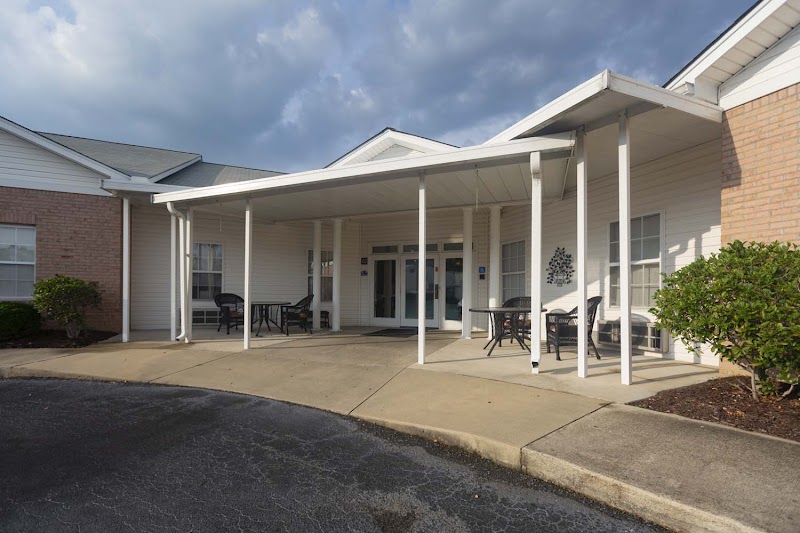
How is Opus Post Acute Rehabilitation Staffed?
CMS rates Opus Post Acute Rehabilitation's staffing level at 3 out of 5 stars, which is average compared to other nursing homes. Staff turnover is 50%, compared to the South Carolina average of 46%.

What Have Inspectors Found at Opus Post Acute Rehabilitation?

State health inspectors documented 15 deficiencies at Opus Post Acute Rehabilitation during 2021 to 2025. These included: 1 Immediate Jeopardy (the most serious level, indicating potential for serious harm or death) and 14 with potential for harm. Immediate Jeopardy findings are rare and represent the most serious regulatory concerns. They require immediate corrective action.

Who Owns and Operates Opus Post Acute Rehabilitation?

Opus Post Acute Rehabilitation is owned by a for-profit company. For-profit facilities operate as businesses with obligations to shareholders or private owners. The facility is operated by THE ENSIGN GROUP, a chain that manages multiple nursing homes. With 98 certified beds and approximately 86 residents (about 88% occupancy), it is a smaller facility located in West Columbia, South Carolina.

How Does Opus Post Acute Rehabilitation Compare to Other South Carolina Nursing Homes?

Compared to the 100 nursing homes in South Carolina, Opus Post Acute Rehabilitation's overall rating (1 stars) is below the state average of 2.8, staff turnover (50%) is near the state average of 46%, and health inspection rating (1 stars) is much below the national benchmark.

What Should Families Ask When Visiting Opus Post Acute Rehabilitation?

Based on this facility's data, families visiting should ask: "What changes have been made since the serious inspection findings, and how are you preventing similar issues?" "Can I visit during a mealtime to observe dining assistance and food quality?" "How do you handle medical emergencies, and what is your hospital transfer rate?" "Can I speak with family members of current residents about their experience?" These questions are particularly relevant given the facility's Immediate Jeopardy citations.

Is Opus Post Acute Rehabilitation Safe?

Based on CMS inspection data, Opus Post Acute Rehabilitation has documented safety concerns. Inspectors have issued 1 Immediate Jeopardy citation (the most serious violation level indicating risk of serious injury or death). The facility has a 1-star overall rating and ranks #100 of 100 nursing homes in South Carolina. Families considering this facility should ask detailed questions about what corrective actions have been taken since these incidents.

Do Nurses at Opus Post Acute Rehabilitation Stick Around?

Opus Post Acute Rehabilitation has a staff turnover rate of 50%, which is about average for South Carolina nursing homes (state average: 46%). Moderate turnover is common in nursing homes, but families should still ask about staff tenure and how the facility maintains care continuity when employees leave.

Was Opus Post Acute Rehabilitation Ever Fined?

Opus Post Acute Rehabilitation has been fined $12,043 across 2 penalty actions. This is below the South Carolina average of $33,199. While any fine indicates a compliance issue, fines under $50,000 are relatively common and typically reflect isolated problems that were subsequently corrected. Families should ask what specific issues led to these fines and confirm they've been resolved.

Is Opus Post Acute Rehabilitation on Any Federal Watch List?

Opus Post Acute Rehabilitation is not on any federal watch list. The most significant is the Special Focus Facility (SFF) program, which identifies the bottom 1% of nursing homes nationally based on persistent, serious quality problems. Not being on this list means the facility has avoided the pattern of deficiencies that triggers enhanced federal oversight. This is a positive indicator, though families should still review the facility's inspection history directly.