Still Hopes Episcopal Retirement Community
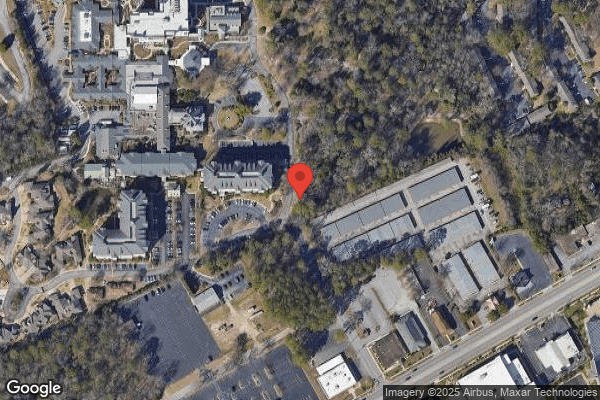

1 Still Hopes Drive, West Columbia, SC 29169 (803) 796-6490
Non profit - Corporation 22 Beds Independent Data: November 2025 1 Immediate Jeopardy citation
Trust Grade
66/100
#60 of 186 in SC
Last Inspection: June 2025

Inspected within the last 6 months. Data reflects current conditions.

Overview

Still Hopes Episcopal Retirement Community has a Trust Grade of C+, indicating it is decent and slightly above average compared to other nursing homes. It ranks #60 out of 186 facilities in South Carolina, placing it in the top half, and #3 out of 7 in Lexington County, meaning only two local options are better. The facility's trend is stable, with one issue reported in both 2024 and 2025, though it has concerning fines of $12,649, which are higher than 86% of South Carolina facilities. Staffing is a significant weakness, rated 1 out of 5 stars with a high turnover of 0%, meaning staff may not be familiar with the residents. However, there are serious concerns regarding care quality, including a critical incident where a resident received the wrong medication, which posed a risk of serious harm. Other findings showed that expired medications were not properly disposed of and that the facility did not consistently follow safe food handling practices. While the facility has strengths, such as a good overall rating of 4 out of 5 stars for quality measures, families should weigh these issues seriously when considering care for their loved ones.

Trust Score
C+
66/100
In South Carolina
#60/186
Top 32%
Safety Record
High Risk
Review needed
Inspections
Holding Steady
1 → 1 violations
Staff Stability
○ Average
Turnover data not reported for this facility.
Penalties
⚠ Watch
$12,649 in fines. Higher than 94% of South Carolina facilities. Major compliance failures.
Skilled Nurses
○ Average
RN staffing data not reported for this facility.
Violations
✓ Good
Only 5 deficiencies on record. Cleaner than most facilities. Minor issues only.
★★★★☆
4.0
Overall Rating
★☆☆☆☆
1.0
Staff Levels
★★★★★
5.0
Care Quality
★★★★☆
4.0
Inspection Score
Stable
2024: 1 issues
2025: 1 issues

The Good

  • 5-Star Quality Measures · Strong clinical quality outcomes
  • Full Sprinkler Coverage · Fire safety systems throughout facility
  • No fines on record

Facility shows strength in quality measures, fire safety.

The Bad

Federal Fines: $12,649

Below median ($33,413)

Minor penalties assessed

The Ugly 5 deficiencies on record

1 life-threatening
Jun 2025 1 deficiency
CONCERN (D)

Potential for Harm - no one hurt, but risky conditions existed

Deficiency F0761 (Tag F0761)

Could have caused harm · This affected 1 resident

Based on review of the facility policy, observation and interview, the facility failed to ensure expired medications were removed and not stored with other medications in use for residents, in 1 of 2 ...

Read full inspector narrative →
Based on review of the facility policy, observation and interview, the facility failed to ensure expired medications were removed and not stored with other medications in use for residents, in 1 of 2 medication carts. Furthermore, the facility failed to ensure medications were safely stored. Specifically, medications were left prepoured and unlabeled in the top drawer of the medication cart for 1 of 2 medication carts reviewed for medication storage. Findings include: Review of the facility policy titled Administering Medications with a revision date of April 2019, revealed, Policy Statement Medications are administered in a safe and timely manner, and as prescribed. Policy Interpretation and Implementation . 12. The expiration/beyond use date on the medication label is checked prior to administering. When opening a multi-dose container, the date opened is recorded on the container. Review of the undated facility policy titled Storage of Medications revealed, Policy Statement The facility stores all drugs and biologicals in a safe, secure, and orderly manner. Policy Interpretation and Implementation . 2. Drugs and biologicals are stored in the packaging, containers or other dispensing systems in which they are received. Only the issuing pharmacy is authorized to transfer medications between containers. During an observation on 06/11/25 at 1:39 PM, of Cart B noted a creamy, thick, white substance in a medication cup in the top drawer of the cart, as well as an opaque creamy substance in a medication cup on the top of Cart B. During an interview with Registered Nurse (RN)1 on 06/11/25 at approximately 3:55 PM revealed these are only topical creams not tablets, they should not matter. I was going to give the medications and one resident was in the bathroom and the other resident was in therapy, so I just stuck them in the cart for later. RN1 stated one is Voltaren cream and one is Vaseline for a dressing change. During an observation of Cart A on 06/11/25 at approximately 3:30 PM, revealed a bottle of Tramadol in the narcotic drawer which expired on 5/2024. During an interview with Licensed Practical Nurse (LPN)1 on 06/11/25 at approximately 3:30 PM, revealed that should not be in the cart. LPN1 stated that should have been given back to resident's spouse. During an interview on 06/11/25 at 4:43 PM, the Assistant Director of Nursing (ADON) stated expired meds should be removed from the medication cart and disposed of, medications should not be poured and left in the med cart.
Apr 2024 1 deficiency
CONCERN (D)

Potential for Harm - no one hurt, but risky conditions existed

Infection Control (Tag F0880)

Could have caused harm · This affected 1 resident

**NOTE- TERMS IN BRACKETS HAVE BEEN EDITED TO PROTECT CONFIDENTIALITY** Based on interview, observations, and record review, the facility failed to ensure infection control procedures were followed fo...

Read full inspector narrative →
**NOTE- TERMS IN BRACKETS HAVE BEEN EDITED TO PROTECT CONFIDENTIALITY** Based on interview, observations, and record review, the facility failed to ensure infection control procedures were followed for one Resident (R) R13 of six residents reviewed during medication administration. The nurse failed to ensure the blood glucometer used to obtain the resident's glucose level was properly sanitized prior to use and failed to ensure the glucometer was placed on a clean barrier in the resident's room during use. A total of 8 residents were reviewed in the sample. Findings include: The facility's undated Obtaining a Fingerstick Glucose Level Policy read, in pertinent part, Steps in the Procedure; and 3. Always ensure that blood glucose meters intended for reuse are cleaned and disinfected between resident uses. The (Assure Platinum) Glucometer's undated Instructions for Use read, in pertinent part, The disinfecting procedure is needed to prevent transmission of bloodborne pathogens. Disinfectants recommended for use with the Assure Platinum Glucometer included Super Sani-Cloth Germicidal Disposable Wipes (the disinfectant available in the facility's medication carts for use when sanitizing glucometers and other multi-use equipment). Alcohol prep pads were not indicated as an appropriate product for the disinfection of the Assure Platinum Glucometer. R13's admission Record, dated 04/17/24 and found in the electronic medical record (EMR) under the Profile tab, indicated the resident was admitted to the facility on [DATE] with diagnoses including type 2 diabetes. R13's admission Minimum Data Set (MDS) assessment, with an assessment reference date (ARD) of 03/06/24 and found in the EMR under the MDS tab, indicated the resident was moderately cognitively impaired, with a Brief Interview for Mental Status (BIMS) score of nine out of 15. R13's Order Summary Report, dated 04/17/24 and found in the EMR under the Orders tab, indicated orders for the resident's blood sugar to be obtained twice daily. R13's Medication Administration Record (MAR), dated 04/01/24 through 04/17/24 and found in the EMR under the Orders tab, indicated the blood sugar testing was being administered routinely per physician's orders. Registered Nurse (RN1) was observed administering R13's's medication on 04/17/24 at 8:13 AM. RN1 obtained the blood glucometer, used for all residents receiving blood sugar checks, from the medication cart and proceeded to the resident's room to administer his medication and obtain his blood sugar. RN1 placed the glucometer on the resident's overbed table, without a clean barrier between the glucometer and the un-sanitized surface of the overbed table, while administering the resident's oral medication. RN1 then used the glucometer to obtain the resident's blood glucose level prior to returning to the medication cart. RN1 wiped the glucometer for approximately three seconds with an alcohol prep pad prior to placing the glucometer back into the medication cart. A facility approved sanitizer was not observed to be used to properly sanitize the glucometer prior to or after use for R13. During an interview with RN1 on 04/17/24 at 8:38 AM, RN1 stated she always used an alcohol prep pad to sanitize the blood glucometer before and after use and was not aware she was to use a clean barrier when placing the glucometer on an un-sanitized surface in a resident's room. RN1 showed the surveyor a container of Sani-Wipe disinfectant wipes she obtained from the bottom drawer of the medication cart and stated, We can use this (to sanitize the glucometer) or we can use an alcohol pad. I use the alcohol pad. During an interview with the Assistant Director of Nursing (ADON) on 04/17/24 at 09:51 AM, the ADON confirmed R13 was the only resident receiving blood glucose monitoring via the glucometer on the medication cart at the time of the survey and stated her expectation was facility glucometers were to be sanitized with the facility's approved sanitizing solution (Sani-Wipe) and then was expected to be allowed to dry for the two minutes indicated on the product instructions for use prior to and after each resident's blood glucose was obtained to ensure all pathogens on the surface of the machine were eliminated. She stated her expectation was a clean barrier was always to be used when placing a glucometer down on any un-sanitized surface.
Feb 2023 1 deficiency 1 IJ
CRITICAL (J) 📢 Someone Reported This

A family member, employee, or ombudsman was alarmed enough to file a formal complaint

Immediate Jeopardy (IJ) - the most serious Medicare violation

Deficiency F0760 (Tag F0760)

Someone could have died · This affected 1 resident

**NOTE- TERMS IN BRACKETS HAVE BEEN EDITED TO PROTECT CONFIDENTIALITY** Based on review of the facility policy, record review, and interviews, the facility failed to ensure 1 of 3 Residents (R)1 was f...

Read full inspector narrative →
**NOTE- TERMS IN BRACKETS HAVE BEEN EDITED TO PROTECT CONFIDENTIALITY** Based on review of the facility policy, record review, and interviews, the facility failed to ensure 1 of 3 Residents (R)1 was free from a significant medication error. On 2/17/23 at approximately 11:25 AM, the State Agency (SA) determined that the facility's non-compliance with one or more federal health, safety, and/or quality regulations has caused or was likely to cause serious injury, serious harm, serious impairment, or death. On 2/17/23 at 1:22 PM the Administrator and the Director of Nursing were notified that the allegation of administration of the wrong medication to Resident (R)1 by staff member, Registered Nurse (RN)1 constituted Immediate Jeopardy (IJ) at F760, with an effective date of 2/2/23. The facility presented an acceptable plan of removal for the IJ on 2/17/23 at 3:55 PM. The survey team validated that the immediate jeopardy was removed on 2/17/23 at 3:55 PM following the facility's implementation of the plan of removal of the immediate jeopardy. An extended survey was conducted in conjunction with the Complaint Survey for non-compliance at F760, constituting substandard quality of care. Findings include: Review of the facility's policy titled,Insulin Administration, last revised September 2014, revealed, To provide guidelines for the safe administration of insulin to residents with diabetes. 3. The type of insulin, dosage requirements, strength, and method of administration must be verified before administration, to assure that it corresponds with the order on the medication sheet and the physician's order. Review of the Electronic Medical Record (EMR) revealed R1 was admitted to the facility on [DATE]. R1 was admitted with diagnoses including, but not limited to; type 2 diabetes mellitus with hyperglycemia, chronic kidney disease state and long term use of insulin. Review of R1's admission Minimum Data Set (MDS) with an Assessment Reference Date (ARD) of 1/18/23 revealed he had a Brief Interview of Mental Status (BIMS) score of 11 out of 15, indicating he was cognitively intact. Review of R1's Physician's order revealed an order which states, Insulin Glargine Subcutaneous Solution Pen-Injector 100 UNIT/ML (Insulin Glargin Inject 25 units subcutaneous in the evening related to Type 2 diabetes and NovoLOG Solution 100 UNIT/ML (Insulin Aspart) Inject as per sliding scale: If 0- 77 = CALL MD, 71-149 = 0, 150 - 199 = 2 units, 200- 249 = 4 units, 250- 299 = 6 units, 300 - 349 = 8 units, 350- 399 = 10 units, 400+ CALL MD. Review of R1's Care Plan revealed a risk of complications such as hyperglycemia and hypoglycemia, skin breakdown and imbalance nutrition due to medical DX of Diabetes Mellitus. R1 is on long term insulin. R1's goal is to be free from an s/sx (signs or symptoms) of hyperglycemia and hypoglycemia through the review date and he will not have any complications related to diabetes though the review date . The listed interventions includes R1 will get medications as ordered by doctor. Monitor/document for side effects and effectiveness. Dietary consult for nutritional regimen and ongoing monitoring. Fasting Blood Sugars as ordered by doctor. Monitor/document/report PRN [as needed] any s/sx of hyperglycemia: increased thirst and appetite, frequent urination, weight loss, fatigue, dry skin, poor wound healing, muscle cramps, abd pain, Kussmaul breathing, acetone breath (smells fruity) stupor, coma. Monitor/document/report PRN any s/sx of hypoglycemia: Sweating, Tremor, Increased heart rate (Tachycardia), Pallor, Nervousness, Confusion, slurred speech, lack of coordination, Staggering gait. Offer substitutes for food not eaten. Review of R1's Medication Administration record (MAR) revealed on 2/2/23 at 2100 [9 PM], Registered Nurse (RN)1 administered 25 units of Insulin Glargine. Review of R1's progress notes revealed a note which read, 2/3/23 0115 Notified R1 is unable to respond verbally to staff, observed to be laying in bed flailing his arms and not able to verbally respond to staff, FSBS 43. An additional noted dated 2/3/23 at 0115 revealed R1 was observed to be irritable, sweating, and not able to respond verbally. Vitals taken: BP 145/66, O2 88% on RA, RR 23, and temp 98.7. Oxygen administered via nasal canula at 2L. O2 sat up to 93%. Blood sugar checked and read 43. Glucagon 1mg injection administered to [NAME]. Blood sugar recheck read 52, Glucagan 1 mg administered again in LLQ and recheck read 67. R1 was able to respond verbally and reported he felt better. Additional notes in R1's EMR read, 2/3/23 0541- R1's FSBS 383. Notified MD and orders not to give insulin at this time and re-check at normal time before breakfast. 2/3/23 0730 MD notified that R1's BS 435. VO [verbal order] given via phone to administer 3 units of Novolog since R1 recently had a drop to a BS of 43. 0845 Another called given to MD. R1 has since vomited x1. Vital Signs stable, BS 319 since insulin administration, R1 request to go to hospital since he does not feel well and doesn't know why he feel this way. During an interview on 02/17/23 at 09:24 AM, the Director of Nursing (DON), Assistant DON and Administrator were all present. The DON reported on 2/2/23 a nurse who works the 7:00PM-11:00 PM shift PRN, (RN1) pulled the wrong insulin, and R1 had a hypoglycemia episode around 1:00 AM. During R1's stay with the facility, he had not previously experienced a hypoglycemia event and that is how they were able to figure out he had been administered the wrong insulin. RN1 was not aware she had administered the wrong insulin until the incident was investigated. R1, his spouse and MD were advised of the event. RN1 was given verbal education following the incident, training was scheduled, and the facility's Pharmacist has been asked to come and conduct training on Insulin administration. During an interview with Human Resources (HR) on 2/17/23 at 12:59 PM HR reported, all staff have received annual training and on 1/2023 to include medications/insulin. RN1 was provided additional training related to insulin, which was completed on 2/16/23. During an interview with the Medical Director on 2/17/23 at 1:09 PM, he reported receiving a call in the middle of the night about R1 having a hypoglycemic event. It was reported that R1 was shaky and he had a low blood sugar. He was given crackers and administered Glucagon x 2 and had another episode of hypoglycemia and he was sent to the ER. The MD stated the nurse reported later in the evening about an insulin error, which is currently being investigated. MD stated, R1 had never had a problem with low blood sugars, only high blood sugars, so this was very unusual for him to have a hypoglycemic event. During an interview with RN1 on 2/17/23 at 1:51 PM, she reported, I thought I had given the Glargine insulin but instead I administered regular insulin Aspart. RN1 reported I checked the insulin Aspart three times, but I had a distraction with another medication and was confident the insulin was correct. I thought I used the five rights of medication administration. RN1 reported the regular insulin Aspart was R1's sliding scale insulin and the 2 insulins are stored in 2 different bags. The insulin pens are in one bag on the top of the cart and the bottle of insulin is in another. RN1 stated, I did not realize I had given the wrong insulin and had a medication error until I was called by the facility reporting R1 had a hypoglycemia event at around 1-2:00 AM. She reported completing her med pass at 10:00 PM and her shift was over at 11:00 PM. When R1 had the hypoglycemic episode, she was not in facility. RN1 reported she was provided with reeducation, and this was her first medication error for R1 and herself.
Feb 2022 2 deficiencies
CONCERN (D)

Potential for Harm - no one hurt, but risky conditions existed

Infection Control (Tag F0880)

Could have caused harm · This affected 1 resident

Based on observation, interview, and review of facility policy and procedure the facility failed to ensure 1 of 1 staff Licensed Practical Nurse (LPN)2 performed proper hand hygiene for 2 of 2 Residen...

Read full inspector narrative →
Based on observation, interview, and review of facility policy and procedure the facility failed to ensure 1 of 1 staff Licensed Practical Nurse (LPN)2 performed proper hand hygiene for 2 of 2 Residents (R)7 and 14) during medication administration. Specifically, the failure to perform hand hygiene has the potential to cause infections within the residents during medication administration. Findings include: Review of undated facility policy titled Instillation of Eye Drops revealed, Steps in the procedure .2. Wash and dry your hands thoroughly. 3. Put on gloves .13. Remove gloves and discard into designated container. Wash and dry your hands thoroughly . During an observation of eye drop medication administration of R7 on 02/23/22 at 8:38 AM revealed LPN2 donned a pair of clean gloves post administration of by mouth pills (PO) without sanitizing her hands for administration of the eye drops. During an observation of intravenous medication administration of R14 on 02/23/22 at 9:47 AM LPN 2 performed hand hygiene and donned clean gloves. The intravenous (IV) bag of medication was hung on the IV pole, the tubing line was primed (medication flowed through the line), and gloves removed post priming the IV tubing with no hand hygiene performed and clean gloves donned. During an interview on 02/23/22 at 09:50 AM with LPN2 stated, Yes I didn't perform hand hygiene when I should have.
CONCERN (F)

Potential for Harm - no one hurt, but risky conditions existed

Food Safety (Tag F0812)

Could have caused harm · This affected most or all residents

Based on observations, interviews, and the review of facility policies, the facility failed to ensure dishware was properly dried prior to stacking and the ice-scoop, properly stored. The facility als...

Read full inspector narrative →
Based on observations, interviews, and the review of facility policies, the facility failed to ensure dishware was properly dried prior to stacking and the ice-scoop, properly stored. The facility also failed to ensure proper maintenance of the ice machine, ice-cream covers, and floors. In addition, the facility failed to practice the safe handling of food during the measuring of food temperatures. Findings include: A brief review of the facility's policy dated 3/21/2017 and titled Food Storage revealed Sufficient storage facilities will be provided to keep foods safe, wholesome, and appetizing. A brief review of the facility's policy dated 5/22/2017 and titled Cleaning Instructions: Ice Machine and Equipment revealed Store ice scoop beside or on the machine in a clean non-porous container that allows the water to drain off and not pool around the scoop. A brief review of the facility's policy dated 6/10/2017 and titled Floor Safety revealed 1. Floor will be kept clean and dry A brief review of the facility's policy dated 3/21/2017 and titled Cleaning Dishes/Dish Machine revealed 9. Dishes should be air-dried on the racks. Do not dry with towels. 10. Inspect for cleanliness and dryness, and put dishes away if clean (be sure clean hands or gloves are used) 11. Dishes should not be nested unless they are completely dry. During the initial tour of the main kitchen on 02/22/22 at 10:45 AM, accompanied by the Certified Dietary Manager (CDM), an observation of the dishware area revealed sixteen-six inch deep stainless steel pans stacked, wet (wet nesting). In addition, a cardboard box with a large number of onions, among them were three partially spoiled ones. An observation of the satellite kitchen on 02/22/22 at 11:05 AM, on the rehab unit, revealed the ice-cream covers were soiled and sticky. The floor was also sticky to the point the surveyor's shoes came off while walking on it. The ice machine of this kitchen has dark, black buildup inside the door and the ice scoop was not in an appropriate draining container. During a follow-up visit on 02/23/22 at 11:35 AM, an observation of the lunch meal temperatures revealed the Dietary Aide, after touching several surfaces with her gloved hands, grabbed a piece of cook meatloaf with the same gloved hand and took its temperature and proceeded with her work until she was stopped by the surveyor. The CDM was also present at this time. An interview with the CDM on 02/23/22 at 11:40 AM confirmed the above findings.
Understanding Severity Codes (click to expand)
Life-Threatening (Immediate Jeopardy)
J - Isolated K - Pattern L - Widespread
Actual Harm
G - Isolated H - Pattern I - Widespread
Potential for Harm
D - Isolated E - Pattern F - Widespread
No Harm (Minor)
A - Isolated B - Pattern C - Widespread

Questions to Ask on Your Visit

  • "What changes have you made since the serious inspection findings?"
  • "Can I speak with families of current residents?"
  • "What's your RN coverage like on weekends and overnight?"

Our Honest Assessment

Strengths
  • • Licensed and certified facility. Meets minimum state requirements.
Concerns
  • • Multiple safety concerns identified: 1 life-threatening violation(s). Review inspection reports carefully.
  • • 5 deficiencies on record, including 1 critical (life-threatening) violation. These warrant careful review before choosing this facility.
  • • $12,649 in fines. Above average for South Carolina. Some compliance problems on record.
Bottom line: Mixed indicators with Trust Score of 66/100. Visit in person and ask pointed questions.

About This Facility

What is Still Hopes Episcopal Retirement Community's CMS Rating?

CMS assigns Still Hopes Episcopal Retirement Community an overall rating of 4 out of 5 stars, which is considered above average nationally. Within South Carolina, this rating places the facility higher than 99% of the state's 100 nursing homes. This rating reflects solid performance across the metrics CMS uses to evaluate nursing home quality.

How is Still Hopes Episcopal Retirement Community Staffed?

CMS rates Still Hopes Episcopal Retirement Community's staffing level at 1 out of 5 stars, which is much below average compared to other nursing homes.

What Have Inspectors Found at Still Hopes Episcopal Retirement Community?

State health inspectors documented 5 deficiencies at Still Hopes Episcopal Retirement Community during 2022 to 2025. These included: 1 Immediate Jeopardy (the most serious level, indicating potential for serious harm or death) and 4 with potential for harm. Immediate Jeopardy findings are rare and represent the most serious regulatory concerns. They require immediate corrective action.

Who Owns and Operates Still Hopes Episcopal Retirement Community?

Still Hopes Episcopal Retirement Community is owned by a non-profit organization. Non-profit facilities reinvest revenue into operations rather than distributing to shareholders. The facility operates independently rather than as part of a larger chain. With 22 certified beds and approximately 21 residents (about 95% occupancy), it is a smaller facility located in West Columbia, South Carolina.

How Does Still Hopes Episcopal Retirement Community Compare to Other South Carolina Nursing Homes?

Compared to the 100 nursing homes in South Carolina, Still Hopes Episcopal Retirement Community's overall rating (4 stars) is above the state average of 2.9 and health inspection rating (4 stars) is above the national benchmark.

What Should Families Ask When Visiting Still Hopes Episcopal Retirement Community?

Based on this facility's data, families visiting should ask: "What changes have been made since the serious inspection findings, and how are you preventing similar issues?" "Can you walk me through typical staffing levels on day, evening, and night shifts?" "Can I visit during a mealtime to observe dining assistance and food quality?" "How do you handle medical emergencies, and what is your hospital transfer rate?" These questions are particularly relevant given the facility's Immediate Jeopardy citations and the below-average staffing rating.

Is Still Hopes Episcopal Retirement Community Safe?

Based on CMS inspection data, Still Hopes Episcopal Retirement Community has documented safety concerns. Inspectors have issued 1 Immediate Jeopardy citation (the most serious violation level indicating risk of serious injury or death). The facility has a 4-star overall rating and ranks #1 of 100 nursing homes in South Carolina. Families considering this facility should ask detailed questions about what corrective actions have been taken since these incidents.

Do Nurses at Still Hopes Episcopal Retirement Community Stick Around?

Still Hopes Episcopal Retirement Community has not reported staff turnover data to CMS. Staff turnover matters because consistent caregivers learn residents' individual needs, medications, and preferences. When staff frequently change, this institutional knowledge is lost. Families should ask the facility directly about their staff retention rates and average employee tenure.

Was Still Hopes Episcopal Retirement Community Ever Fined?

Still Hopes Episcopal Retirement Community has been fined $12,649 across 1 penalty action. This is below the South Carolina average of $33,205. While any fine indicates a compliance issue, fines under $50,000 are relatively common and typically reflect isolated problems that were subsequently corrected. Families should ask what specific issues led to these fines and confirm they've been resolved.

Is Still Hopes Episcopal Retirement Community on Any Federal Watch List?

Still Hopes Episcopal Retirement Community is not on any federal watch list. The most significant is the Special Focus Facility (SFF) program, which identifies the bottom 1% of nursing homes nationally based on persistent, serious quality problems. Not being on this list means the facility has avoided the pattern of deficiencies that triggers enhanced federal oversight. This is a positive indicator, though families should still review the facility's inspection history directly.