ROLLING HILLS HEALTHCARE
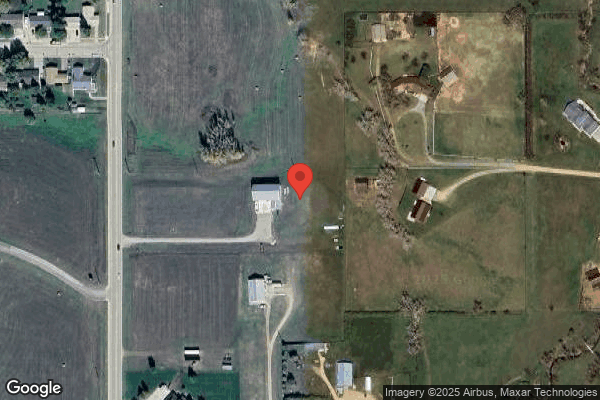
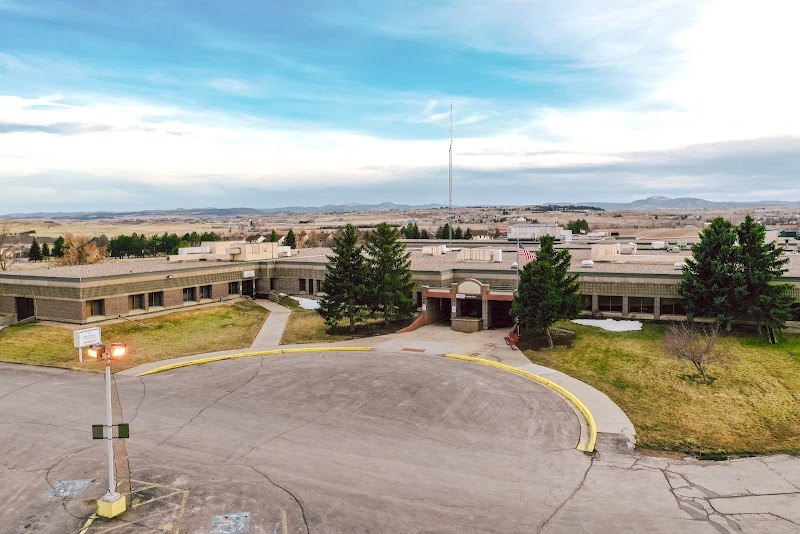
2200 13TH AVE, BELLE FOURCHE, SD 57717 (605) 892-3331
For profit - Limited Liability company 83 Beds EDURO HEALTHCARE Data: November 2025 1 Immediate Jeopardy citation
Trust Grade
0/100
#90 of 95 in SD
Last Inspection: October 2024

Within standard 12-15 month inspection cycle. Federal law requires annual inspections.

Overview

Rolling Hills Healthcare in Belle Fourche, South Dakota has received a Trust Grade of F, indicating significant concerns about the facility's quality of care. With a state ranking of #90 out of 95, they are in the bottom half of nursing homes in South Dakota, while being the only option in Butte County. Although the facility is showing improvement in its trend, decreasing from 13 issues in 2024 to 2 in 2025, it still has a concerning staffing rating of 1 out of 5 stars and a high turnover rate of 66%, which is significantly above the state average. The facility has accumulated $71,120 in fines, which is higher than 82% of other South Dakota facilities, and has less RN coverage than 86% of state facilities, raising concerns about adequate nursing oversight. Specific incidents raising red flags include a registered nurse slapping a resident during care, and failures to maintain safe water temperatures in the kitchen that could lead to foodborne illnesses. Overall, while there are some improvements noted, the high turnover and serious incidents underscore the need for families to carefully consider this facility.

Trust Score
F
0/100
In South Dakota
#90/95
Bottom 6%
Safety Record
High Risk
Review needed
Inspections
Getting Better
13 → 2 violations
Staff Stability
⚠ Watch
66% turnover. Above average. Higher turnover means staff may not know residents' routines.
Penalties
✓ Good
$71,120 in fines. Lower than most South Dakota facilities. Relatively clean record.
Skilled Nurses
⚠ Watch
Each resident gets only 22 minutes of Registered Nurse (RN) attention daily — below average for South Dakota. Fewer RN minutes means fewer trained eyes watching for problems.
Violations
⚠ Watch
24 deficiencies on record. Higher than average. Multiple issues found across inspections.
★☆☆☆☆
1.0
Overall Rating
★☆☆☆☆
1.0
Staff Levels
★★★☆☆
3.0
Care Quality
★☆☆☆☆
1.0
Inspection Score
Stable
2024: 13 issues
2025: 2 issues

The Good

  • Full Sprinkler Coverage · Fire safety systems throughout facility
  • No fines on record

Facility shows strength in fire safety.

The Bad

1-Star Overall Rating

Below South Dakota average (2.7)

Significant quality concerns identified by CMS

Staff Turnover: 66%

20pts above South Dakota avg (46%)

Frequent staff changes - ask about care continuity

Federal Fines: $71,120

Well above median ($33,413)

Moderate penalties - review what triggered them

Chain: EDURO HEALTHCARE

Part of a multi-facility chain

Ask about local staffing decisions and management

Staff turnover is elevated (66%)

18 points above South Dakota average of 48%

The Ugly 24 deficiencies on record

1 life-threatening 2 actual harm
Jun 2025 1 deficiency
CONCERN (E) 📢 Someone Reported This

A family member, employee, or ombudsman was alarmed enough to file a formal complaint

Potential for Harm - no one hurt, but risky conditions existed

Resident Rights (Tag F0550)

Could have caused harm · This affected multiple residents

**NOTE- TERMS IN BRACKETS HAVE BEEN EDITED TO PROTECT CONFIDENTIALITY** Based on record review, interview, observation, job description review, and policy review, the provider failed to promote the re...

Read full inspector narrative →
**NOTE- TERMS IN BRACKETS HAVE BEEN EDITED TO PROTECT CONFIDENTIALITY** Based on record review, interview, observation, job description review, and policy review, the provider failed to promote the resident's right to quality of life to ensure:*Seven of eighteen sampled residents (1, 2, 3, 4, 5, 6, and 7) received staff assistance to have been bathed no less than weekly and per their individual preference. *There was an accurate and consistent process for documenting resident baths in each resident's electronic medical record (EMR). Findings include: 1. Review of resident 2's electronic medical record (EMR) revealed:*She was admitted to the facility on [DATE]. * Her 5/13/25 Brief Interview for Mental Status (BIMS) assessment score was 11, which indicated she had a moderate cognitive impairment. *Her 5/10/25 care plan focus area and intervention for dressing/grooming/bathing indicated she required extensive assistance from one staff person with her bath. Review of resident 2's 5/5/25 through 6/3/25 bath book documentation and her EMR bathing documentation revealed:*Her baths were scheduled every Monday and Thursday on thelong-term care bath schedule a.m. lists. *There was no documentation that she had bathed from 5/12/25 through 5/22/25.*Scheduled baths that were not provided had not been rescheduled. *Resident 2 had not refused baths during that time.2. Review of resident 3's EMR revealed:*She was admitted to the facility on [DATE]. *Her 4/15/25 BIMS assessment score was 14, which indicated she was cognitively intact. *Her 5/26/25 care plan focus area and intervention for dressing/grooming/bathing indicated she required extensive assistance from one staff person with her bath. Review of resident 3's 5/5/25 through 6/3/25 bath book documentation and her EMR bathing documentation revealed:*The resident had been scheduled for one bath and was bathed on 5/14/25 during that period.*No other baths were scheduled or recorded in the EMR or on the bath sheets during that period. *Scheduled baths that were not provided had not been rescheduled. *Resident 3 had not refused baths during that time.Interview on 6/3/25 at 2:52 p.m. with resident 3 in her room revealed:*She stated she received one bath each week on Tuesdays. *She indicated she did not receive her scheduled Tuesday morning bath on 6/3/25.*Staff did not provide her with an explanation or reschedule the bath. *She expressed she preferred two baths a week and that she did not receive her baths consistently.3. Review of resident 4's EMR revealed: *She was admitted to the facility on [DATE]. *Her 4/15/25 BIMS assessment score was 9, which indicated she had a moderate cognitive impairment. *Her 4/25/25 care plan focus area and intervention for dressing/grooming/bathing indicated she required extensive assistance with her shower once a week. *She occasionally refused her showers. Review of resident 4's 5/5/25 through 6/3/25 bath book documentation and her EMR bathing documentation revealed:*Her shower was scheduled on the Saturday/Sunday long-term care bath schedule a.m. lists. *It was documented in her EMR and on the bath sheet that she refused her shower on 5/10/25.*There was no documentation that she had bathed after her refusal on 5/10/25 during that period. *Scheduled showers that were not provided had not been rescheduled. Interview on 6/3/25 at 3:05 p.m. with resident 4 in her room revealed:*She preferred a shower once a week during the daytime.*She was unable to recall if she received her shower from staff on a consistent basis.4. Review of resident 5's EMR revealed:*She was admitted to the facility on [DATE]. *Her 3/18/25 BIMS assessment score was 1, which indicated she had a severe cognitive impairment. *Her 3/15/25 are plan focus area and intervention for dressing/grooming/bathing indicated she required extensive assistance from one staff person with her bath. Review of resident 5's 5/5/25 through 6/3/25 bath book documentation and her EMR bathing documentation revealed:*Her bath was scheduled every Thursday on the long-term care bath schedule a.m. list. *She exhibited behaviors and refused bathing and other care occasionally. *There was no documentation that she had bathed from 5/8/25 through 5/22/25.*Scheduled baths that were not provided had not been rescheduled. 5. Review of resident 6's EMR revealed:*She was admitted to the facility on [DATE]. *Her 5/6/25 BIMS assessment score was 6, which indicated she had a severe cognitive impairment. *Her 5/6/25 care plan focus area and intervention for dressing/grooming/bathing indicated she required extensive assistance from one staff person with her bath. Review of resident 6's 5/5/25 through 6/3/25 bath book documentation and her EMR bathing documentation revealed:*Her bath was scheduled every Thursday and Sunday on the long-term care bath schedule p.m. list. *There was no documentation that she had bathed after 5/1/25.*Scheduled baths that were not provided had not been rescheduled. *Resident 6 had not refused baths during that time.6. Review of resident 7's EMR revealed: *She was admitted to the facility on [DATE]. *Her 6/3/25 BIMS assessment score was 8, which indicated she had moderate cognitive impairment. *Her 5/26/25 care plan focus area and intervention for dressing/grooming/bathing indicated she required extensive assistance from one staff person with bathing. Review of resident 7's 5/5/25 through 6/3/25 bath book documentation and her EMR bathing documentation revealed:*Her bath was scheduled every Wednesday and Sunday on the long-term care bath schedule p.m. list. *There was no documentation that she had bathed after 5/21/25.*Bathing information was not recorded in the EMR or on the bath sheets. *Scheduled baths that were not provided had not been rescheduled. *Resident 7 had not refused baths during that time.7. Interview on 6/3/25 at 10:40 a.m. with certified nursing assistant (CNA)/bath aide E revealed:*Each hall (200, 300, and 400) were staffed with one CNA and one bath aide during the day shift. *The day shift bathing tasks for residents in Hall 200 were shared between the scheduled bath aide and the CNA. *The bath aide was responsible for ensuring all baths for residents who resided in the 300 and 400 halls were completed. *The CNA assigned in the 200 hall was responsible for ensuring baths for those residents were completed. *The evening shift was staffed with three CNAs who shared the responsibility for completing the scheduled evening baths. *Resident bathing started at 6:00 a.m. and stopped at approximately 7:15 a.m. for staff to assist residents with getting to breakfast.*Resident bathing would then resume between 8:30 a.m. and 9:00 a.m. 8. Review of resident 1's EMR revealed:*He was admitted to the facility on [DATE].*His diagnoses included a traumatic brain injury, seizure disorder, and left side paralysis.*His 5/13/25 BIMS assessment score was six, which indicated he had severe cognitive impairment. *His 8/30/24 updated bathing/dressing/grooming care plan interventions indicated he required total assistance from one staff person with his bathing. Review of resident 1's 5/5/25 through 6/3/25 bath book documentation and EMR bathing documentation revealed:*He had been bathed one time, on 5/23/25 during that period.*Scheduled baths that were not provided had not been rescheduled. *Resident 1 had refused no baths during that time.9. Interview on 6/3/25 at 2:30 p.m. with ADON C regarding resident bathing documentation revealed:*Bathing documentation was written on bath forms that were kept in a bath binder. It was the responsibility of the designated bath aide to have completed those forms each day. -Resident names on the daily bath forms changed each day based on individual resident's scheduled bath days.*Daily bath form documentation from the bath binder was transferred to each applicable resident's EMR by the designated bath aide. Continued interview at 3:00 p.m. with ADON C and DON B regarding the resident bathing process revealed: *They expected all residents to have received the necessary assistance from the staff to have been bathed no less than once weekly.*One of two designated daytime bath aides was scheduled weekdays from 6:00 a.m. until 2:30 p.m. to complete resident baths. Those two bath aides had been in their positions for a consistent amount of time.-At times, the daytime bath aide was expected to fill a scheduled CNA work shift if a scheduled CNA could not work that day. Baths may not have been provided on those days.*ADON C was reviewing the daily bath book documentation to identify residents who had missed their scheduled baths. She had flagged those resident names in the bath book for the bath aide to have known their baths needed to be made up the following day. -There was no consistent process to ensure those missed baths that were flagged had been made up by the bath aide the following day.*DON B and ADON C thought the bathing documentation failed to account for bathing refusals and data entry mistakes that may have occurred when the bath book documentation was transferred to a resident's EMR. *Resident 1 was scheduled for evening baths to help him sleep and because his demeanor was better in the evening.-DON B stated evening and weekend baths were provided to accommodate resident preferences and support the completion of missed bathing opportunities. It was a newer process and she felt the staff who had assisted those residents with their baths were not as familiar with bath aide expectations like the daytime bath aides were. *DON B and ADON C confirmed resident 1's bathing documentation failed to support he had been bathed more than one time during the above 30 day period reviewed. That had not met their minimum expectation for him to have been bathed at least weekly.10. Interviews on 6/3/25 at 3:32 p.m. with ADON C and at 3:50 p.m. with DON B regarding residents 2, 3, 4, 5, 6, and 7's bathing documentation revealed they confirmed the bathing documentation failed to support those residents had been bathed more than one time weekly during the period reviewed or were offered bathing after refusing a bath during the period reviewed. That had not met their minimum expectation for resident bathing to have occurred.A Bath Aide job description was requested on 6/3/25 at 4:50 p.m. from administrator A. At 5:05 p.m. DON B stated the bath aide job description and the certified nurse aide job description were the same. Review of the provider's May 2019 revised Certified Nursing Assistant job description revealed: Summary: The primary purpose of the position is to ensure the highest quality of resident care available .Review of the provider's March 2018 revised Activities of Daily Living policy revealed:*2. Appropriate care and services will be provided for residents who are unable to carry out ADLs independently, with the consent of the resident and in accordance with the plan of care, including appropriate support and assistance with:a. Hygiene (bathing, dressing, grooming, and oral care);
Jan 2025 1 deficiency 1 Harm
SERIOUS (G) 📢 Someone Reported This

A family member, employee, or ombudsman was alarmed enough to file a formal complaint

Actual Harm - a resident was hurt due to facility failures

Free from Abuse/Neglect (Tag F0600)

A resident was harmed · This affected 1 resident

**NOTE- TERMS IN BRACKETS HAVE BEEN EDITED TO PROTECT CONFIDENTIALITY** Based on South Dakota Department of Health (SD DOH) facility-reported incident (FRI), observation, record review, interview, and...

Read full inspector narrative →
**NOTE- TERMS IN BRACKETS HAVE BEEN EDITED TO PROTECT CONFIDENTIALITY** Based on South Dakota Department of Health (SD DOH) facility-reported incident (FRI), observation, record review, interview, and personnel file review, the provider failed to protect the resident's right to be free from physical abuse by one of one registered nurse (RN) (B) while providing evening cares for one of one sampled resident (1). This citation is considered past non-compliance based on a review of the corrective actions the provider implemented immediately following the incident. Findings include: 1. Review of the provider's 1/15/25 SD DOH FRI revealed the provider had determined physical abuse had occurred when RN B slapped resident 1 while providing evening cares on 1/14/25. Observation on 1/28/25 at 10:00 a.m. in resident 1's room revealed: *She was sleeping in her recliner with a blanket over her lap. *A gray call light was on the bedside table to her right. *She had a fall mat on the floor next to her bed. Review of resident 1's electronic medical record (EMR) revealed: *She was admitted on [DATE] and her diagnoses included hemiplegia and hemiparesis (partial paralysis) following nontraumatic subarachnoid hemorrhage (bleeding between the brain and tissue covering the brain) affecting left non-dominate side, dementia, restlessness, agitation, anxiety, and dysphasia (condition that affects understanding and speech). *Her Brief Interview for Mental Status (BIMS) assessment score was an 8 which indicated she had moderate cognitive impairment. *Two skin assessments were completed as follows: -On 1/15/25 at 12:04 a.m. Bruising to R [right] side of forehead from previous fall, R [right] side of face and cheek-redness, R [right] skin tear has reopened-are cleansed and redressed -On 1/15/25 at 3:30 a.m. one red scratch mark-unopen, cleanse left open to air, three scratch marks that are re, superficial unopen, cleansed and left open to air, bruising to R [right] side of forehead from prior fall, skin tear to R [right] forearm-dressed *The resident's care plan was updated on 1/15/25 to reflect staff were to: -Monitor for increase/changes in mental anguish, fear, intimidation, and address accordingly. Changes in skin or pain. Notify POA [Power of Attorney], MD [Medical Director], LNHA [Licensed Nursing Home Administrator]. -Encourage to participate in activities outside of room, including meals and other social activities. -1:1 (one-to-one) validation of feelings and concerns, as needed. *The provider had multiple progress notes entered that showed her behavior was pleasant toward staff, they had not noticed any new behaviors since that incident had occurred *On 1/22/25 the facility entered and IDT (interdisciplinary team) note as follows: -*[Resident 1] has not displayed fear, intimidation, changes in mood, changes in daily routine, activities, meals, or interactions with staff and residents. [Resident 1] has been her normal self, and had not mentioned the incident. -*[Resident 1] has no changes with activities, she enjoyed pet visit per normal, joined art projects observations and people watching, enjoyed seeing the projects other residents completed, socializing with residents during other activities, no fear or intimidation, participating per her normal activity. -*Social Services has visited with [Resident 1] on numerous days since incident. [Resident 1] has no changes in mood, has not recalled the incident. She has had no changes in daily routine, does not show fear or intimidation. Has been enjoying increased visits. Interview on 1/28/25 at 1:06 p.m. with certified nursing assistant (CNA) C regarding the incident involving resident 1 and RN B revealed: *She stated resident 1 did not want to go to bed, and RN B had been forcing her. -CNA C stated RN B told her a skin assessment needed to be completed. *She felt uncomfortable with what RN B was doing and tried to leave, but RN B told her she had to stay. *RN B had been forceful with her handling of the resident, the resident hit her and RN B then slapped resident 1's face. *After RN B slapped resident 1, CNA C and CNA D told RN B she needed to leave and that they would finish getting resident 1 ready for bed. *CNA C stated RN B pulled her aside later and told her what happened had been her fault, CNA C should not snitch on her and RN B would call the administrator. *CNA C had worked with resident 1 since the incident and resident 1 had not shown any new behaviors or fear when she had assisted resident 1 for bedtime. Interview on 1/28/25 at 1:31 p.m. with CNA D regarding the incident involving resident 1 and RN B revealed: *She came in at 9:00 p.m. for her shift to relieve CNA C, and she could tell RN B was agitated when she arrived. *She stated RN B told both the CNA that resident 1 wanted to lie down, but CNA D stated that resident 1 did not want to lie down. *When resident 1 refused to lie down, RN B seemed upset and pushed her backward in her wheelchair, transferred her onto her bed, and started taking resident 1's clothes off of her. *She confirmed CNA C tried to leave but RN B would not let her. *Resident 1 was getting upset and was hitting and slapping RN B. *After RN B slapped resident 1 she said CNA C and herself told RN B to leave and they would get resident 1 ready for bed. *She stated RN B pulled her aside and told her not to snitch on her and that she would tell the administrator. *CNA D had worked with resident 1 since the incident and resident 1 had not shown any new behaviors or fear when she assisted resident 1 for bedtime. Review of RN B's personnel files revealed: *Her professional certification or licenses were current, and her pre-employment background checks identified no areas of concern. *Her mandatory resident rights and abuse/neglect training's were current. *She was terminated on 1/15/25. Interview on 1/28/25 at 2:00 p.m. with LNHA A revealed: *The incident was reported to the South Dakota Board of Nursing. *The incident was reported to the local law enforcement. *All residents were interviewed and the residents that were not able to be interviewed, had orders in their charts to monitor for psychological changes, signs and symptoms of mental anguish, fear, intimidation, behavioral changes, oral intake, withdrawal, isolation, sleep changes/nightmares, or depression. The provider's implemented systemic actions to ensure the deficient practice does not reoccur was confirmed on 1/28/25 after: *Education was provided to staff on abuse and neglect and how to deal with difficult residents. -Interviews with the two CNAs revealed they understand that education regarding those topics. *Handouts to all staff members regarding burnout including: -Reason for burnout. -What is burnout? -Preventing burnout. -Stages of burnout. -Symptoms of burnout. *Resident 1's care plan was revised to reflect any behavioral changes, and the interventions put into place for staff to notify the nurse. *Monthly nurse meetings included the topics of abuse and neglect. *All staff were interviewed and understood the education provided regarding expectations of abuse prevention including reporting, any observations of staff verbally, physically, or mentally abusing a resident. Based on the above information, non-compliance at F600 was determined on 1/14/25, and based on the provider's implemented corrective actions for the deficient practice confirmed on 1/28/25, the non-compliance is considered past non-compliance.
Oct 2024 8 deficiencies 1 Harm
SERIOUS (G)

Actual Harm - a resident was hurt due to facility failures

Pressure Ulcer Prevention (Tag F0686)

A resident was harmed · This affected 1 resident

Based on interview, observation, record review, and policy review, revealed the provider failed to ensure one of one sampled resident's (3) pressure injuries had been identified, assessed, documented,...

Read full inspector narrative →
Based on interview, observation, record review, and policy review, revealed the provider failed to ensure one of one sampled resident's (3) pressure injuries had been identified, assessed, documented, and her physician was notified. Findings include: 1. Interview on 10/16/24 at 8:05 a.m. with director of nursing (DON) B regarding resident 3's Stage III pressure ulcer that was listed on the facility provided Matrix revealed that pressure ulcer was healed at the beginning of September 2024. Interview on 10/17/24 at 10:09 a.m. with certified nursing assistant (CNA) N regarding resident 3's skin concern revealed: *She had sores on her buttock and on her inner thigh, one [is the] size of [a] quarter [the] other's [the] size of [a] dime. -She had sores on her heels in the past, but currently did not. *She had notified licensed practical nurse (LPN) M of the sores. Interview on 10/17/24 11:05 AM with CNA I regarding resident 3's skin revealed: *She had a little tiny one [sore] in between her thighs. -She thought a nurse was aware. Interview on 10/17/24 at 11:29 a.m. with DON B regarding resident 3's skin condition revealed: *She did not currently have any pressure injuries. -She had pressure injuries on both of her heels in the recent past that had healed. Review of resident 3's electronic medical record (EMR) revealed: *Nurse's progress notes that indicated: -On 9/6/24 area of breakdown to the back of Achilles heel. --The areas are not open and the L [left] heel at 1.5 cm [centimeters] long is worse that the R [right] at 1.0 cm long. Both measuring approximately 0.6 cm wide. Origin unknown. -On 9/11/24 Resident has two pressure areas to bilateral heels. R heel measurement (cm): 0.3 x 0.3 L heel measurement (cm) 0.4 x 1.4. Right heel is a small fully ruptured blister thathas [that has] a small open area where all fluid has drained out and epithelial tissue remains intact otherwise. -On 9/18/24 Resident had been on weekly wound rounds for a small blister to each heal [heel] and both are now healed. Observation and Interview on 10/17/24 at 3:00 p.m. with assistant director of nursing (ADON) C regarding resident 5's skin concern revealed: *Left proximal posterior upper leg with an open area that was an approximate size of 0.4 cm by 0.4 cm open area with 2 cm by 6 cm of raised nonblanchable skin surrounding the open area. *Left proximal posterior heel at approximately 0.2 cm x 0.5 cm that she identified as a suspected deep tissue pressure injury. *ADON C confirmed that she was not previously aware of resident 3's current skin issues, she wishes someone would have told me about it. Interview on 10/17/24 at 3:15 p.m. with registered nurse (RN) T regarding resident 3's skin condition revealed: *Her thighs were excoriated (skin was wearing off). *No staff member had asked for a silicone patch to be placed on her skin to assist in the prevention of a pressure injury. -She was not aware of resident 3 having pressure injury. Interview on 10/17/24 at 3:19 p.m. with RN J regarding resident 3's skin condition revealed: *She completed a skin assessment on 10/16/24. -She had looked at [her] bottom and looked at [her] heel she had not seen anything unusual. -After discussion of resident 3's pressure ulcer's on her posterior upper leg and posterior heel she stated, Those don't happen overnight. Interview on 10/17/24 at 3:30 p.m. with CNA N regarding resident 3's skin condition revealed: *She had notified nurse licensed practical nurse M a week previous that her bottom was open at that time and it wasn't big but open, right where [her] leg and butt cheek connect. *She stated she thought other nurses had been aware of the skin concern. Interview on 10/17/24 at 3:35 p.m. with DON B regarding resident 3's current pressure injuries revealed: *She confirmed the pressure injuries had not been assessed, documented, and her physician notified. *Her expectation for pressure injuries was that: -A professional nurse was to complete a full head-to-toe skin assessment. -The resident's physician was to be contacted with any concerns. -A risk management report was to be completed. Review of the provider's April 2018 Pressure Ulcers/Skin Breakdown-Clinical Protocol policy revealed: *The nursing staff and practitioner will assess and document an individual's significant risk factors for developing pressure ulcers; for example, immobility, recent weight loss, and a history of pressure ulcer(s). *In addition, the nurse shall describe and document/report the following: -a. Full assessment of pressure sore including location, stage, length, width, and depth, presence of exudates or necrotic tissue; Review of the provider's March 2020 Pressure Injuries Overview policy revealed: *Staging (National Pressure Injury Advisory Panel Classification System) *Deep Tissue Pressure Injury (DTPI): Persistent non-blanchable deep red, maroon or purple discoloration -Intact or non-intact skin with localized area of persistent non-blanchable deep red, maroon, purple discoloration or epidermal separation reveals a dark wound bed or blood-filled blister. -This injury results from intense and/or prolonged pressure and shear forces at the bone-muscle interface. *The wound mat [may] evolve rapidly to reveal the actual extent of tissue injury, or many [may] resolve without tissue loss.
CONCERN (D)

Potential for Harm - no one hurt, but risky conditions existed

Safe Environment (Tag F0584)

Could have caused harm · This affected 1 resident

**NOTE- TERMS IN BRACKETS HAVE BEEN EDITED TO PROTECT CONFIDENTIALITY** 6. Interview on 10/17/24 at 2:35 p.m. with housekeeper U revealed: *She cleaned the hallway floors, both dining rooms and the re...

Read full inspector narrative →
**NOTE- TERMS IN BRACKETS HAVE BEEN EDITED TO PROTECT CONFIDENTIALITY** 6. Interview on 10/17/24 at 2:35 p.m. with housekeeper U revealed: *She cleaned the hallway floors, both dining rooms and the residents' rooms daily. *Cleaning of the residents' rooms included she: -Removed trash bags from the trash cans and placed a clean trash bag in the trash can. -Swept the floors with a dry mop. -Cleaned the bathroom mirrors, cleaned the sink, cleaned and flushed the toilet. -Wiped the bedside tables and around the television stands. -Wiped all the handles in the residents' room. *She stated she would only dust if the residents were not in the room. *She stated she would get notified to clean up spills that happened during the day. Based on observation, interview, and policy review the provider failed to ensure: *One of three public areas (300 wing) was free of urine odor, a chair did not have a urine odor, and carpet stains. *Two of three sampled residents rooms (12 and 18 ) were kept in a clean and homelike manner. *Two of three sampled residents rooms (6 and 18) were free of urine odor. 1. Observation on 10/15/24 from 9:30 a.m. through 9:45 a.m. of the public area located in the 300 wing revealed: *Lounge chairs in the common area that were made of cloth fabric. -A burgundy lounge chair smelled of urine. *A strong odor of urine was present throughout the area. *Brown stains were on the carpet in multiple locations. 2. Random observations on 10/15/24 from 12:45 a.m. through 4:34 p.m. of resident 18's room revealed: *There was a strong odor of urine in resident's 18's room. *A med cup with a dark yellow substance and an empty water glass was on the over-the-bed table. *Multiple creams, mouth swabs, and care items were on the top of the bedside table. *A pile of blankets and clothing was on the recliner. *An open closet door with resident belongings on the floor of the closet. *A gait belt was lying on the bare mattress of the bed. *A television (TV) table with two paper towels covering the TV table. -There was a butter knife and a soiled plastic cup cover on those paper towels. *Present on the floor were: -Black socks in front of the recliner. -A soiled clothing protector on the floor beside the bed. -An open package of incontinent briefs in the hallway just inside the door to the room, visible to anyone walking by. -Multiple wadded up tissues near the bed. -Dirt, dust, and food particles under the bed. Observation on 10/16/24 at 4:14 p.m. and on 10/17/24 at 9:30 a.m. of resident 18's room revealed: *The same observed items as 10/15/24. *Additional items that were observed included: *Present on the floor were: -A open, used, Betadine swab beside the head of the bed. -The wrapper for 4 x 4 gauze drain sponge on the floor in front of the bedside table. *Sit to stand sling was lying on the bare mattress of the bed. Interview on 10/16/24 at 4:44 p.m. with unlicensed medication aide/certified nurse aide (UMA/CNA) V regarding resident 18's room revealed: * When asked about the condition of the room he picked up some of the objects that were on the TV table and over the bed table. *Another CNA entered the room and made the bed. Interview on 10/17/24 at 4:32 p.m. with administrator A regarding resident 18's room revealed she stated, I'll have to check on it. Record review on 10/17/24 at 11:30 related to resident 18 revealed: *Her diagnoses included multiple communicable diseases that included hepatitis C and multi-drug resistant organisms. *She had a stroke affecting her dominant right side. -Her right hand was contracted. *She had an impaired immune system related to her chronic diseases. *Her care plan included she was at a high risk for infection. -She was on contact and enhanced barrier precautions (use of personal protective equipment such as gloves, gown, and/or eyewear). *She had a suprapubic catheter (tube surgically placed to drain urine) and required assistance from a staff member for suprapubic catheter care. 3. Interview on 10/15/24 at 11:37 a.m. with resident 12's daughter revealed: *She felt that the building and grounds were not cared for. *She stated that the facility smelled of urine and was dreary. *She stated that this was the fourth room that her mother had been in, since her admission on [DATE], and this room was cleaner than the previous rooms. *She reported that prior to the family having purchased sheets for her mother's bed, the bottom sheets often had holes in them and there was no top sheet on the bed. *She had witnessed that often the residents' beds were not made. *She stated that she had filed a grievance previously, but she did not feel that a change was made. 4. Observation on 10/17/24 at 11:45 a.m. of resident 6's room revealed a distinct odor of urine. 5. Interview on 10/17/24 at 2:45 p.m. with director of nursing B and administrator A revealed: *Each resident had a staff member advocate that reviewed: -That resident's appearance. -Cleanliness of their room and any non-cleanable surfaces. *Visited with the resident at least one time each week and asked them if they had any concerns. -When a resident had a concern, their advocate would assist them in filling out a grievance form.
CONCERN (D)

Potential for Harm - no one hurt, but risky conditions existed

Investigate Abuse (Tag F0610)

Could have caused harm · This affected 1 resident

Based on interview, record review and policy review the provider failed to investigate one of one injury of unknown origin for one of one sampled resident (12) findings include: 1. Interview with resi...

Read full inspector narrative →
Based on interview, record review and policy review the provider failed to investigate one of one injury of unknown origin for one of one sampled resident (12) findings include: 1. Interview with resident 12's daughter on 10/15/24 at 11:37 a.m. revealed: *Resident 12 was sent to the emergency department on 9/24/24 due to an unresponsive episode. *Upon return to the facility, staff transferred resident 12 with a sit-to-stand lift. - One of resident 12's daughters noted her left leg was unstable and informed the staff member that was performing the transfer. *On 9/26/24 family of resident 12 demanded X-ray of resident 12's left leg. Review of resident 12's electronic medical record (EMR) revealed: *A 9/25/24 nurses note documented: c/o [complaints of] pain when moving the leg out or when the area above the knee is touched. No edema and no known injury. *On 9/26/24 she was seen by a Certified Nurse Practitioner. - On 9/26/24 an X-ray was ordered and an acute, displaced oblique fracture through the distal femoral diaphysis was diagnosed. Interview with director of nursing (DON) B on 10/16/24 at 3:45 p.m. regarding resident 12's fracture revealed: *On 9/25/24 she was notified of resident 12's left leg pain early in the a.m. * On 9/25/24 at 8:52 a.m. she notified the primary care provider of resident 12's left leg pain and her family was aware. -She received an order for an X-ray. -Family was present and aware of the X-ray order. *She stated that there was no known cause of resident 12's fracture and she had a history of pathological fractures. *She confirmed that she had not reached out to the emergency department to inquire about resident 12's pain or injury during her 9/24/24 visit. *She confirmed that she had not reported resident 12's fracture to any outside agency such as the South Dakota Department of Health (SD DOH). *She confirmed there was no documentation to support an investigation was completed. Review of the provider's September 2022 Abuse, Neglect, Exploitation or Misappropriation- Reporting and Investigating policy revealed All reports of resident abuse (including injuries of unknown origin), neglect, exploitation or theft/misappropriation of resident property are reported to local, state and federal agencies (as required by current regulation) and thoroughly investigated by facility management. Findings of all investigations are documented and reported.
CONCERN (D)

Potential for Harm - no one hurt, but risky conditions existed

Deficiency F0657 (Tag F0657)

Could have caused harm · This affected 1 resident

Based on observation, interview, record review, and policy review, the provider failed to ensure 5 of 8 sampled residents (6, 18, 26, 29, and 46) had their care plans followed, updated, and revised pr...

Read full inspector narrative →
Based on observation, interview, record review, and policy review, the provider failed to ensure 5 of 8 sampled residents (6, 18, 26, 29, and 46) had their care plans followed, updated, and revised promptly to reflect their current status and care needs. Findings include: 1. Observation on 10/15/24 at 3:25 p.m., during the initial tour, of an unknown certified nursing assistant (CNA) revealed: *That CNA responded to resident 18's call light and asked resident 18 if she needed to put a gown on. -Resident 18 nodded no and the CNA exited the room. Observation on 10/15/24 at 4:10 p.m. of the same CNA above revealed she put a gown and gloves on prior to entering Resident 18's room. Review of resident 18's 10/16/24 care plan revealed: *A focus area indicated she had a compromised immune system. -An intervention for this focus area directed: Staff will follow contact precautions with providing cares to resident per M.D. orders. *A focus area that indicated she had an autoimmune disease and the potential for complications. -An intervention for this focus area directed: Enhanced Barrier Precautions (EBP) for high contact care activities PMH [past medical history] of ESBL [a bacterial infection resistant to some antibiotics] in urine. Interview on 10/17/24 at 9:55 a.m. with CNA I regarding precautions for resident 18 revealed she did not know the name of the precautions but stated she wore a gown when she provided direct care for resident 18. Interview on 10/17/24 at 10:04 a.m. with registered nurse (RN) J regarding resident 18 was on revealed she stated that resident 18 was on contact precautions. Interview on 10/17/24 at 10:13 with director of nursing (DON) B regarding the type of precautions that resident 18 was on revealed: *She confirmed that resident 18 was on EBP. *She confirmed that resident 18 had previously been on Contact Precautions. -The contact precautions were recently lifted due to resident 18's CD4 count [test that measures the number of white blood cells in the blood] being within normal limits. 2. Observation on 10/17/24 at 9:30 a.m. revealed resident 18's AFO (brace that stabilizes and controls the range of motion of the foot and ankle) revealed: *Brace was lying on the floor of her closet. Review of resident 18's 10/16/24 care plan revealed a focus area that indicated I [resident 18] have a right lower extremity AFO that I am to wear for all ADL [activities of daily living] transfers and ambulation as tolerated. Review of resident 18's 8/27/24 Physical Therapy PT Evaluation & Plan of Treatment revealed: *She was dependent on staff assistance with all transfers. *Ambulation was marked as Not applicable. Interview on 10/17/24 at 9:55 a.m. with CNA I regarding the use of the AFO for transfers and ambulation revealed: *She had not used the AFO on resident 18 Since I started working here. -CNA clarified that she had been employed there for greater than one year. *Resident 18 transfered solely with a sit-to-stand lift (mechanical lift used to transfer from a seated position to standing). *Resident 18 does not ambulate. Interview on 10/17/24 at 10:04 a.m. with RN J regarding the use of resident 18's AFO for transfers and ambulation revealed: *She confirmed that the AFO was discontinued by the physician orders. *She confirmed that resident 18 was transfered solely with the use of a sit-to-stand lift. *She confirmed that resident 18 did not ambulate. Interview on 10/17/24 at 10:30 a.m. with DON B regarding the use of the AFO for transfers and ambulation revealed she did not believe the AFO was still in use for resident 18. 3. Observation and interview on 10/15/24 at 11:23 a.m. with resident 29 revealed: *He was seated in a wheelchair. -His left foot was strapped to the wheelchair pedal with a Velcro strap. -His left arm was strapped to an arm support on the wheelchair with a Velcro strap. *He stated he was paralyzed on the left side and the Velcro strap on his left foot was to keep it from sliding off the wheelchair pedal. *He stated he was unable to remove either Velcro straps. Review of resident 29's care plan revealed: *He used a left arm tray on his wheelchair that had a Velcro strap to hold his hand in place on it. *The use of the left foot Velcro strap was not reflected in his care plan. Interview on 10/17/24 at 10:09 a.m. with CNA N regarding resident 29 revealed a staff member assisted resident 29 with the placement of the Velcro straps to his left foot and left hand. Interview on 10/17/24 at 11:12 a.m. with CNA I regarding resident 29's use of Velcro straps revealed: *He used them to stabilize his hand and foot. *He asked staff to attach the Velcro straps to his hand and foot each day. 4. Observation on 10/15/24 at 3:43 p.m. of resident 46 being transferred from his wheelchair to his bed by CNA O and an unknown CNA revealed: *A full-body mechanical lift (a device with a sling used for transfers) was used. *Resident 46 did not talk or respond to the CNAs. Review of resident 46's medical record revealed: *His 7/17/24 Brief Interview for Mental Status (BIMS) score was a 1, which indicated he had severe cognitive impairment. *His diagnoses included: Alzheimer's disease and dementia with psychotic disturbance and agitation. *His 10/16/24 care plan included: -He used a wheelchair and the assistance of one staff for locomotion. -He required the use of a full-body mechanical lift for transfers. -A 7/17/24 focus area indicated he was at risk for falls and injuries related to his cognitive impairment. --The interventions for this focus area included: encourage use of adaptive equipment, if necessary; encourage to request assistance whenever needed; and Instruct client to wear well-fitting slippers/shoes with nonslip soles and low heels when ambulating. -A 7/17/24 focus area indicated his diet was EASY TO CHEW. --An intervention for this focus area included Educate patient on nutrient restriction and on risks of not following diet restrictions. 5. Observation on 10/15/24 at 3:23 p.m. of resident 26 revealed: *He was in the lobby area watching television. *He was seated in a wheelchair with an unlatched seat belt attached to it. Review of resident 26's medical record revealed: *His BIMS assessment was not able to be completed. -A staff assessment of his cognition on 8/13/24 indicated his cognition was moderately impaired. *His diagnoses included: dependence on wheelchair, convulsions, epilepsy, and hemiplegia (paralysis) affecting his left side. *A 10/10/22 physician order for Wheelchair Seatbelt: Release for 20 mins [minutes] every 2 hours while seatbelt is in use. *His 10/16/24 care plan did not include any information regarding the use of a seat belt on his wheelchair. Interview on 10/16/24 at 6:35 p.m. with CNA S regarding resident 26's use of a seat belt revealed: *He used a seat belt when seated in his wheelchair. -He would often remove it himself. -A staff member would reattach it around his waist when he removed it. Interview on 10/17/24 at 7:59 a.m. with administrator A regarding resident 26's seat belt use revealed: *His wheelchair was custom fit to his needs. -There was a non-removable seatbelt attached to his wheelchair. -He was able to unlatch the seat belt from around himself. -He had stopped using the seat belt when in his wheelchair. -Some staff members had still placed and latched it around him. Interview on 10/17/24 at 11:04 a.m. with CNA I regarding resident 26's use of a seat belt when seated in his wheelchair revealed he only wore the seat belt when going for a bus ride. Interview on 10/17/24 at 11:42 a.m. with DON B regarding resident 26's seatbelt use revealed: *He removed the seat belt as soon as it was placed around him. -She was not aware if he used it when on a bus ride. 6. Observation on 10/17/24 at 10:27 a.m. of resident 6 in her room revealed a strip of blue tape, approximately 2 inches by 4 inches across the top inside edge of her headboard. Review of resident 6's 10/16/24 care plan revealed: *There was a focus area that she was at risk for falls. -The intervention for this focus area included BED HEIGHT: When in Standard position [the bed was] to be 35.5 inches per Blue Tape visual marking on wall. Interview on 10/17/24 at 11:15 a.m. with CNA I regarding the height a resident's bed should be revealed: -When there was a blue strip of tape on the wall, that is where a resident's bed height should be. -She confirmed resident 6's bed should have a strip of blue tape on the wall and the headboard. --There was no blue tape on the wall. -She would just eyeball it to ensure it was at the right height. Interview on 10/17/24 at 11:22 a.m. with DON B regarding the height of residents' beds revealed: *There was a piece of blue tape on the wall and on the head of the bed that were to match up to ensure the proper height of the bed for that resident. *Everyone was responsible for ensuring the tape was in place. -No one was assigned to complete a routine check of tape to ensure it was in place. -Her expectation was for the tape to be replaced when it was missing. 7. Interview on 10/17/24 at 11:32 a.m. with DON B regarding residents care plans revealed: *The interdisciplinary team (IDT), including the dietary manager, Minimum Data Set (MDS) nurse, social service staff member, director of nursing, and the administrator would meet to discuss any changes to the care a resident may require. *The MDS Nurse would update the care plan or assign another IDT member to update it. *Individual resident care plans were to be updated as needed, including resolving issues in the care plan when needed. 8. Review of the provider's March 2022 Care Plans, Comprehensive Person-Centered policy revealed: *A comprehensive, person-centered care plan that includes measurable objectives and timetables to meet the resident's physical, psychosocial and functional needs is developed and implemented for each resident. *The interdisciplinary team (IDT), in conjunction with the resident and his/her family or legal representative, develops and implements a comprehensive, person-centered care plan for each resident. *The care plan interventions are derived from a thorough analysis of the information gathered as part of the comprehensive assessment. *Each resident's comprehensive person-centered care plan is consistent with the resident's rights to participate in the development and implementation of his or her plan of care, including the right to: -receive the services and/or items included in the plan of care; *The comprehensive, person-centered care plan: -Includes measurable objectives and timeframes; -Describes the services that are to be furnished to attain or maintain the resident's highest practicable physical, mental, and psychosocial well-being . *Care plan interventions are chosen only after data gathering, proper sequencing of events, careful consideration of the relationship between the resident's problem areas and their causes, and relevant clinical decision making. *When possible, interventions address the underlying source(s) of the problem area(s), not just symptoms or triggers. *Assessments of residents are ongoing and care plans are revised as information about the residents and the residents' conditions change. *The interdisciplinary team reviews and updates the care plan: -a. when there has been a significant change in the resident's condition; -b. when the desired outcome is not met; -c. when the resident has been readmitted to the facility from a hospital stay; and -d. at least quarterly, in conjunction with the required quarterly MDS assessment.
CONCERN (D)

Potential for Harm - no one hurt, but risky conditions existed

Deficiency F0658 (Tag F0658)

Could have caused harm · This affected 1 resident

Based on observation, interview, record review, and policy review the provider failed to ensure: *Two of two residents (12 and 35) who had an oxygen concentrator in their room and did not have a physi...

Read full inspector narrative →
Based on observation, interview, record review, and policy review the provider failed to ensure: *Two of two residents (12 and 35) who had an oxygen concentrator in their room and did not have a physicians order for oxygen administration. *One of one sampled resident (18) used a physician's ordered therapeutic boots. *One of one sampled resident (6) meal documentation was accurate for one of one meal by one of one certified nursing assistant (CNA) (I). *One of one sampled resident (29) had been assessed for restraint use of Velcro straps holding his foot and arm in a secure position. *One of one sampled resident (25) who self-administered medication had his self-administration assessment completed accurately. 1. Observation on 10/15/24 at 11:24 a.m. of resident 12's room revealed: *An oxygen concentrator was at her bedside. *Oxygen tubing was attached to the concentrator and was draped over the top of it. Interview on 10/15/24 at 11:37 a.m. with resident 12's daughter regarding oxygen use revealed: *The oxygen concentrator had been used as needed by resident 12 since she returned from the emergency department on 9/24/24. -Resident 12 had required oxygen most often in the morning after sleeping. Review of Resident 12's electronic medical record (EMR) oxygen use revealed: *There was no physician order for the administration of oxygen. *The care plan did not include her use of oxygen. Interview on 10/17/24 at 10:13 a.m. with director of nursing (DON) B regarding resident 12's use of oxygen revealed she: *Confirmed there was no order for oxygen for resident 12. *Was not aware of resident 12's oxygen use. -Stated that the oxygen concentrator in that room was for resident 35. Review of resident 35's EMR use of oxygen revealed no order for oxygen for resident 35. 2. Observation on 10/17/24 at 09:30 a.m. of resident 18's room revealed: *An AFO (brace that stabilizes and controls the range of motion of the foot and ankle) was lying on the floor in the resident's closet. *There were no other braces or boots visualized in the room. Interview on 10/17/24 at 9:55 a.m. with CNA I regarding resident 18's use of brace/boots for her legs at night revealed she: *Had been employed there for greater than one year. *She had not removed braces from resident 18, in the morning, in the time she had worked there. Interview on 10/17/24 at 10:04 a.m. with registered nurse (RN) J regarding the use of braces or boots at night for resident 18 revealed she: *Did not think resident 18 wore braces or boots at night. *Was only able to locate the AFO in resident 18's room. Interview on 10/17/24 at 10:13 a.m. with DON B regarding resident 18's use of braces or boots at night revealed: *There were two physician orders for therapeutic boots to be worn at night. *She stated that the AFO in resident 18's closet is the same as a Multipodus boot (a device worn on the calf and foot that suspends the heel and holds the ankle at a 90-degree position to remove pressure from the back of the heel and counteract muscle tightness). Interview on 10/17/24 at 10:30 a.m. with Director of Rehab (DOR) L regarding resident 18's use of braces or boots at night revealed: *She confirmed that a Multipodus boot and an AFO brace are not the same. *She confirmed there were two orders in resident 18's physician orders for boots to be worn at night. - A Multipodus boot was ordered for the right foot. - A Thera-boot (leg compression boots to improve circulation) order did not specify a side. *She confirmed with physical therapist K that there was not a Thera-boot or a Multipodus boot in resident 18's room. Review of resident 18's electronic (EMR) use of therapeutic boots at night revealed: *There were two physician orders for therapeutic boots to be worn at night. - An order on 7/23/21 instructed to Ensure wearing thera-boot at night. --It was scheduled on the treatment administration record (TAR) for every evening shift. --There was no designation if it was to be worn on the right, left, or both feet. -An order on 7/23/21 for Multipodus boot on Right foot at bedtime. --It was scheduled on the TAR for every night at bedtime. *Her 10/17/24 care plan did not include the Multipodus boot or the Thera-boot. 3. Observation and interview on 10/15/24 at 4:39 p.m. of CNA O and resident 6 revealed: *Resident 6 was lying in her bed, awake. *There was a bedside table next to the bed. -On this table was a meal tray and a plate of food from lunch that was untouched. *Resident 6 stated she had a significant weight loss a while ago. *CNA O asked resident 6 if she had eaten. -Resident 6 responded she had forgotten that her lunch tray was there. Review of resident 6's EMR revealed: *Her diagnoses included: anorexia, depression, moderate protein-calorie malnutrition, diabetes, acute kidney failure, macular degeneration, dizziness, muscle weakness, cognitive communication deficit, and need for assistance with personal care. *Her weight record indicated she weighed 125.5 pounds (lbs.) on 4/2/24 and 106 lbs. on 10/1/24. *Her care plan included: -She was at nutritional risk due to her diagnoses. -She preferred to dine in her room. -A staff member was to tell her where her food items were on the plate using the clock method. --She was able to eat independently after a staff member set up her meal. -Staff members were to document the percentage of her meal intake on a tracking form. *Review of resident 6's meal intake tracking form revealed that on 9/15/24 CNA I documented she had eaten 26 to 50 percent (%). Interview on 10/17/24 at 11:05 a.m. with CNA I regarding resident meal intake documentation revealed: *Documentation of meals was completed by whomever picked up the meal tray from a resident's room. *She confirmed that on 10/15/24 she documented that resident 6 had eaten her lunch at 26 to 50% as that is what she normally eats. -She confirmed she had not observed or picked up resident 6's lunch tray on 10/15/24. Interview on 10/17/24 at 11:25 a.m. with DON B regarding the documentation of resident meal intake revealed: *The person responsible for documenting what a resident had eaten was the person who removed the tray from the resident's room after the meal. -That person was usually a CNA. *She stated, Everyone has issues with documentation and she would have expected documentation to be accurate. 4. Observation and interview on 10/15/24 at 11:23 a.m. with resident 29 revealed: *He was seated in a wheelchair. -His left foot was strapped to the wheelchair pedal with a Velcro strap. -His left arm was strapped to an arm support on the wheelchair with a Velcro strap. *He stated he was unable to remove either Velcro straps on his own. Review of resident 29's EMR revealed there was no assessment completed to determine if the Velcro straps on his left foot and arm were restraints. Interview on 10/17/24 at 10:09 a.m. with CNA N regarding resident 29 revealed a staff member assisted resident 29 with placement of the Velcro straps to his left foot and left hand. Interview on 10/17/24 at 11:12 a.m. with CNA I regarding resident 29's use of Velcro straps revealed: *He used them to stabilize his hand and foot. *He asked staff to attach the Velcro straps to his hand and foot each day. Interview on 10/17/24 at 11:34 a.m. with director of nursing B regarding assessing resident 29's Velcro straps as a possible restraint revealed: *The straps had not been assessed as a restraint as he had requested the use of them. Review of the provider's April 2017 Use of Restraints policy revealed: *Policy interpretation and Implementation -1. Physical Restraints are defined as any manual method or physical or mechanical device, material or equipment attached or adjacent to the resident's body that the individual cannot remove easily, which restricts freedom of movement or restricts normal access to one's body. -6. Prior to placing a resident in restraints, there shall be a pre-restraining assessment and review to determine the need for restraints. 5. Observation on 10/15/24 at 11:34 a.m. of resident 25 revealed: *He was seated in a recliner in his room. *He was holding a nebulizer mask up to his face. Review of resident 25's medical record revealed: *His diagnoses included chronic obstructive pulmonary disease (COPD), Bronchiectasis (a chronic lung disease that causes the airways of the lungs to widen and become permanently damaged), cognitive communication deficit, and acute respiratory failure with hypoxia. *His 8/2/24 BIMS assessment score was 14, which indicated his cognition was intact. *There was a 3/14/24 physician order for Albuterol Sulfate Nebulization Solution. *An 8/1/24 self-administration of medication evaluation did not include the medications he was able to self-administer. Interview on 10/17/24 at 11:20 a.m. with DON B regarding self-administration of medication evaluations revealed: *Self-administration of medication evaluations were to be completed for residents who wanted to self-administer medications. -This evaluation was completed by a nursing staff member on a quarterly basis. *She confirmed that the 8/1/24 self-administration of medication evaluation for resident 25 did not include what medications he was able to self-administer. -Her expectation was for the medications to be listed on the evaluation. 6. Review of the provider's October 2023 Resident Assessments policy revealed: *The resident assessment coordinator is responsible for ensuring that the interdisciplinary team conducts timely and appropriate resident assessments. *All members of the care team, including licensed and unlicensed staff members, are asked to participate in the resident assessment process. 7. Review of the provider's undated Conformity with Laws and Professional Standards policy revealed: *Our facility operates and provides services in compliance with current federal, state, and local laws, regulations, codes and professional standards of practice that apply to our facility and types of services provided. *Our facility's policies, procedures, and operational practices are developed and maintained in accordance with current accepted professional standards and principles as well as current commonly accept health standards established by national organizations, board and councils. *Our facility has developed written policies and procedures that govern day-to-day operation and such policies and procedures are reviewed at least annually.
CONCERN (E)

Potential for Harm - no one hurt, but risky conditions existed

Resident Rights (Tag F0550)

Could have caused harm · This affected multiple residents

2. Observation on 10/15/24 at 3:25 p.m. during initial tour of resident 18 in her room revealed: *She was lying in her bed with the head of the bed elevated. *A clothing protector was soiled and lying...

Read full inspector narrative →
2. Observation on 10/15/24 at 3:25 p.m. during initial tour of resident 18 in her room revealed: *She was lying in her bed with the head of the bed elevated. *A clothing protector was soiled and lying on the floor. *There was no food present at her bedside. *Her shirt was stained and soiled with food. *Her lips had dried food on them. *Her teeth had a layer of food residue on them. *Unknown CNA entered her room in response to her call light and did not address her appearance or clothing protector on the floor. Observation on 10/15/24 at 4:10 p.m. of resident 18 in her room revealed: *Unknown CNAs gowned and entered her room. -She changed her clothing. -She washed her face. -She cleaned her mouth. 4. Observation on 10/16/24 at 8:30 a.m. in the Bistro dining room revealed: *Resident 26 was sitting in a wheelchair at a bedside table with a bowl with eggs, a plate with toast, and cups of liquids with straws in them, were placed in front of him. -Unlicensed medication aide/certified nurse aide (MA/CNA) H assisted the resident with eating his eggs while standing rather than sitting down next to the resident. -MA/CNA H walked away while resident 26 started eating his toast independently. -Resident 26 attempted to take a drink from a straw. MA/CNA H returned and stood in front of resident 26 and moved the straw to the resident's mouth. She then moved to his left and continued to stand while assisting him with his meal rather than sitting down next to the resident. -MA/CNA H walked away to talk to another staff member and assisted another resident out of the dining room. *CNA G stood up from assisting a different resident and walked over to an unidentified resident, stood to his left, and assisted him with his oatmeal rather than sitting down next to the resident. Interview on 10/16/24 at 8:47 a.m. with MA/CNA H regarding the above observation revealed: *She stated she had to stand rather than sit next to resident 26 because a chair and the bedside table were not at an equal height. *If she had sat, she was at fist level if he had swung at her. Interview on 10/16/24 at 9:00 a.m. with CNA G regarding the above observation of an unidentified resident revealed she: *Stated, We do what we can. *Stated sometimes he was able to. On the days he cannot feed himself they would have assisted him and that would have included them standing rather than sitting down next to him. Interview on 10/17/24 at 4:26 p.m. with administrator A regarding the above observations revealed: *She had been monitoring the staff for standing during mealtimes rather than sitting down next to the residents. *Staff had received disciplinary action for standing during mealtimes rather than sitting down next to the residents. *Agreed there had been a concern with staff standing during mealtimes rather than sitting down next to the residents. Review of the provider's 2019 The Dining Experience Policy revealed: *Policy: The dining experience will be person-centered with the purpose of enhancing each individual's quality of life and being supportive of each individual's needs during dining. Individuals will be provided with nourishing, palatable, attractive meals that meet daily nutritional, and/or special dietary needs and food preferences and are served at a safe and appetizing temperature. Individuals will be provided restorative dining services as needed to maintain or improve eating skills. -11. Staff will sit next to a person when assisting them with eating (rather than standing over them). Based on interview, observation, record review, and policy review, the provider failed to ensure: *Residents maintained a sense of dignity by providing assistance to bathe once per week for 3 of 6 sampled residents (3, 6, and 26). *One of one sampled resident (18) had received staff assistance to change her clothes following one of two observed meal services in the Bistro dining room. *Staff had not stood over 2 of 2 observed residents (26 and 32) to assist them during 2 of 2 observed meal services in the Bistro and main dining rooms. *Two of two observed residents (5 and 29) were dressed in a dignified manner during one of one observed meal service in the main dining room. Findings include: 1. Interview and observation on 10/15/24 at 4:39 p.m. of resident 6 with certified nursing assistant (CNA) O in her room revealed: *She was lying in her bed, awake. -Her hair was shoulder-length and appeared to be greasy. *She stated she would like to receive one bath per week but did not always receive one. Review of resident 6's medical record revealed: *Her care plan indicated she preferred one bath per week and needed extensive assistance of one staff member to complete the bath. *Her bathing record indicated the following: -In August 2024 she received a bath on the 2nd, 16th, and 23rd. --In August 2024 she refused a bath on the 9th and 27th. -In September 2024 she received a bath on the 27th. -In October 2024 she received a bath on the 16th. Review of resident 3's medical record revealed: *Her care plan indicated she was to receive a bath once per week and she required the total assistance of a staff member to complete the bath. *Her bathing record indicated the following: -In August 2024 she received a bath on the 26th and the 28th. -In September 2024 she received a bath on the 4th, 13th, and 18th. -In October 2024 she received a bath on the 2nd and the 16th. Review of resident 26's medical record revealed: *His care plan indicated he required the total assistance of one staff member to complete a bath. *His bathing record indicated: -In August 2024 he received a bath on the 9th, 16th, and 19th. -In September 2024 he received a bath on the 16th, and 23rd. -In October 2024 he received a bath on the 4th. Interview on 10/17/24 at 10:09 a.m. with CNA N regarding resident bathing revealed: *She assisted residents with their bathing. *There was a bath schedule that listed when a resident was to receive a bath. -Most residents took a bath once a week. *Residents' bathing documentation was completed in their electronic medical record (EMR). -She confirmed no documentation of bathing was completed on paper. *When a resident refused a bath, she would notify a nurse. Interview on 10/17/24 at 11:05 a.m. with CNA I regarding resident's bathing revealed: *Residents received one or two baths per week. *When a resident refused a bath, she would notify a nurse and ask the resident later if they wanted to take a bath. *Residents' bathing documentation was completed in their EMR. Review of residents' bathing documentation and interview on 10/17/24 at 2:45 p.m. with director of nursing (DON) B and administrator A revealed: *Administrator A reviewed residents 3, 6, and 26 bathing documentation and confirmed the baths listed above for each resident was what had been recorded in their EMR. *The resident bath schedule was determined by their preferences identified during their admission process. -Those preferences can change weekly. *Each resident had a staff member advocate that reviewed: -That resident's appearance. -Their bathing documentation. *Visited with the resident at least one time each week and asked them if they had any concerns. -When a resident had a concern, their advocate would assist them in filling out a grievance form. *Documentation of a resident's bath was to be completed in their EMR. -They previously documented residents' baths on a paper form, this process was no longer be used. Review of the provider's February 2018 Bath, Shower/Tub policy revealed: * The purposes of this procedure are to promote cleanliness, provide comfort to the resident and to observe the condition of the resident's skin. *Documentation -1. The date and time the shower/tub bath was performed. -2. The name and title of the individual(s) who assisted the resident with the shower/tub bath. -5. If the resident refused the shower/tub bath, the reason(s) why and the intervention taken. -6. The signature and title of the person recording the data. *Reporting -1. Notify the supervisor if the resident refuses the shower/tub bath. -The policy did not indicate how often a resident would receive a bath or shower. 3. Observation on 10/15/24 at 12:10 p.m. during the noon meal service in the main dining room revealed: *Resident 32 was sitting in a wheelchair at a table and was not attempting to eat her meal independently. *She was being assisted with her meal by dietary aide (DA) Q. -DA Q stood next to the resident and spooned a pudding-like dessert into the resident's mouth. -She had not sat down next to the resident when she provided that assistance. -She left the dining room shortly following that observation. 5. Observation on 10/16/24 at 5:30 p.m. during the evening meal service in the main dining room revealed: *Resident 29 entered the dining room and then positioned himself in his wheelchair at an angle along the side of the dining table. *He wore a flannel shirt over the top of his t-shirt. -The center button of the flannel shirt was buttoned. *His bare stomach was exposed beneath the bottom edge of those shirts. Continued observation revealed: *Resident 5 entered the dining room and positioned himself in front of a dining table. *His bare stomach was exposed beneath the bottom edge of his green t-shirt. -He was unable to pull his shirt over his stomach to cover it because it appeared too small. Interview on 10/17/24 at 4:50 p.m. with administrator A regarding the above main dining room observations revealed residents 5 and 29 should have been verbally and or physically assisted with their clothing by staff to ensure their dignity had not been compromised. Review of the provider's February 2021 revised Dignity policy revealed: Each resident shall be cared for in a manner that promotes and enhances his or her sense of well-being, level of satisfaction with life, and feelings of self-worth and self-esteem.
CONCERN (E)

Potential for Harm - no one hurt, but risky conditions existed

Food Safety (Tag F0812)

Could have caused harm · This affected multiple residents

Based on observation, interview, and policy review, the provider failed to ensure food items in one of one Bistro refrigerator/freezer and one of one walk-in refrigerator in the kitchen were properly ...

Read full inspector narrative →
Based on observation, interview, and policy review, the provider failed to ensure food items in one of one Bistro refrigerator/freezer and one of one walk-in refrigerator in the kitchen were properly labeled, dated, and/or covered. Findings include: 1. Observation on 10/15/24 at 4:50 p.m. in the Bistro kitchenette revealed: *A sign on the refrigerator: This fridge is for resident use only. Anything placed in this fridge for residents needs to be labeled with room number and the date it is placed. Anything in this fridge without a date or label will be thrown out. *Inside of the refrigerator were the following observed food items: -Two pieces of pizza in an undated and unlabeled plastic bag. -One unopened container of Yoplait peach yogurt marked with a resident room number and dated 8/9. The best by date on that container was 9/15/24. -Multiple pieces of sliced pepperoni in an undated and unlabeled plastic bag. -Half of a covered chocolate cream pie that was undated and unlabeled. -One unopened container of cottage cheese marked with a best by date of 10/7/24. -One piece of covered cherry pie in an undated and unlabeled plastic dish. -Two ham sandwiches in an undated and unlabeled plastic container. *In the freezer the following food items were observed: -A Lean Cuisine chicken parmesan dinner with a best by date of March 2024. -One carton of vanilla ice cream with a best by date of 9/7/24. -An uncovered chocolate Dairy Queen Blizzard cup with a spoon frozen inside of it. Observation on 10/16/24 at 4:45 p.m. of the walk-in refrigerator in the kitchen revealed: *Three undated cellophane-wrapped meat and cheese sandwiches. *One stainless steel container covered with torn aluminum foil labeled Beef for sandwich 10/14. Telephone interview on 10/17/24 at 2:00 p.m. with dietary manager E revealed: *The task of removing outdated food items was just added to kitchen staffs' weekly cleaning checklist. *No food items were to have been placed in any refrigerator or freezer without first properly covering, dating, and labeling that food item. Review of the provider's 2019 Food and Nutrition Services in Healthcare Policy and Procedure Manual revealed: *Food Production and Food Safety: -4.d. Leftovers must be dated, labeled, covered, cooled and stored in a refrigerator.
CONCERN (F) 📢 Someone Reported This

A family member, employee, or ombudsman was alarmed enough to file a formal complaint

Potential for Harm - no one hurt, but risky conditions existed

Deficiency F0804 (Tag F0804)

Could have caused harm · This affected most or all residents

**NOTE- TERMS IN BRACKETS HAVE BEEN EDITED TO PROTECT CONFIDENTIALITY** 3. Observation and interview on 10/15/24 at 12:47 p.m. with resident 43 while in his room located in the 200-hallway revealed: ...

Read full inspector narrative →
**NOTE- TERMS IN BRACKETS HAVE BEEN EDITED TO PROTECT CONFIDENTIALITY** 3. Observation and interview on 10/15/24 at 12:47 p.m. with resident 43 while in his room located in the 200-hallway revealed: *He was fully reclined in his recliner chair with oxygen being delivered by nasal cannula. *He stated he attended renal dialysis on Mondays, Wednesdays, and Fridays. *He had requested the noon meal to be delivered to his room. *He stated: -He hoped his food would arrive soon because he was hungry. -I never know when I will get it [this meal tray]. -It was his preference to eat his meals in his room so he could avoid sitting on a sore that was on his tailbone. -The hot food was always cold by the time the meal trays arrived. -He did not like most of the foods that were served to him. -He had quit filling out the meal preference sheets because he never received what he had ordered. -He sent his meal trays back to the kitchen in the past, but no alternatives were offered, and his food was never heated up and returned, so he had quit asking. Interview on 10/15/24 at 12:55 p.m. with dietary aide Q regarding meal tray service to the resident rooms revealed: *The noon meal service started at noon. *She stated the late room trays were normally delivered at 12:40 p.m. following the dining room meal service, but she was running a little bit late. -There were early meal trays that were delivered before the dining room service for those who always stayed in their rooms, and late meal trays were delivered following the dining room service for those residents who occasionally requested a tray for their room. Further interview on 10/15/24 at 1:04 p.m. with resident 43 in his room revealed he had not received his noon meal tray and he stated he was becoming angry because he was very hungry. Observation on 10/15/24 from 1:09 p.m. through 1:27 p.m. of the nurse's station adjacent to the 200-hallway revealed: *At 1:09 p.m. the plated and covered meal trays were delivered on a cart to the nurse's station, and staff were notified by walkie-talkie that the trays were ready to be delivered. *At 1:12 p.m. the tray cart remained sitting by the nurse's station while four unidentified staff members visited behind the nurse's desk. *At 1:19 p.m. an unidentified resident walked up to the covered meal tray cart and lifted the lid off a tray to view the food, removed a lid off a drink, took a sip, and then replaced those lids. -That tray was immediately removed from the cart by a staff member and taken back to the kitchen. -That meal cart was then taken down each hallway for delivery of the late room trays. -An unidentified aide walked the meal cart past resident 43's room twice without delivering any food to him nor explaining to the resident why his tray was late. Resident 43 continued to wait for his lunch meal. *At 1:27 p.m. resident 43 was delivered a noon meal tray to his room. -That was eighteen minutes after the meal cart had been delivered to the nurse's station and over forty-five minutes past the normal late tray delivery time. Observation and interview on 10/15/24 at 1:27 p.m. and at 3:47 p.m. with resident 43 following delivery of his noon meal tray revealed: *He stated his pulled-meat barbeque sandwich and his potato wedges were cold. -He had requested hot water and a green tea bag and was served a cup of slightly warm coffee along with a sealed green tea bag. He had no hot water for the tea bag. *He stated, I'll eat the coleslaw only. It's [the food] crap. It's always cold. *At 3:47 p.m., observation of resident 43's room revealed his noon meal tray remained sitting on his table next to his recliner with the uneaten barbeque sandwich and potato wedges. 4. Observation, interview, and food temperature monitoring on 10/16/24 from 5:28 p.m. through 6:25 p.m. with resident 43 and his former wife while he awaited a meal tray to be delivered to his room revealed: *His meal tray arrived at 5:29 p.m. and contained baked fish with an internal temperature of 100.4 degrees, mashed potatoes at 103.7 degrees, and asparagus at 90 degrees. -The resident stated he hated fish and that he would only eat the asparagus. -His ice cream cup dessert had melted and was mostly liquified. -He admitted he had not filled out a meal preference ticket for that meal and stated, It's a waste of time because they won't give me what I want. *At 5:30 p.m., he asked his former wife to order him some chicken noodle soup. She went to the adjacent nurse's station and placed a request for the soup. *At 6:25 p.m. he had not received his requested soup and no staff had come into his room to check on his meal or to remove his meal tray. Interview on 10/16/24 at 6:26 p.m. with assistant director of nursing (ADON) C who was at the adjacent nurse's station regarding the soup request for resident 43 revealed: *None of the four staff members who were at the nurse's station had been there when the resident's former wife requested the soup at 5:30 p.m. *ADON C stated, Whoever was at the desk should have called the kitchen on the phone. Interview on 10/16/24 at 6:27 p.m. with dietary aide (DA) R in front of the adjacent nurse's station while he was pushing the meal cart with used meal trays to the kitchen revealed: *He confirmed he had heard about resident 43's request for soup. -He stated, I think we forgot. I'm sorry. *He confirmed having to wait nearly an hour for an alternative meal of soup was unacceptable. -He stated he was not in charge of alternative meals and the person who oversaw fullfilling alternative meal requests was cook F. Interview on 10/16/24 at 6:29 p.m. with cook F regarding resident 43's soup request revealed: *She stated: -We didn't get it written down and it went out of our brains. -I can get it right away if the aides would come and wait for it. -We could use another person as we only have three people to serve two dining rooms. *She confirmed it was not acceptable to forget an alternative meal request made by a resident. Interview on 10/16/24 at 6:35 p.m. with resident 43 while in his room revealed he stated he was tired from attending dialysis that day and wanted to lay down in his bed. His soup was delivered at that time, and he stated it was not hot enough for his liking but he would eat it anyway. Record review of resident 43's electronic medical record (EMR) revealed: *He was admitted on [DATE] following a hospitalization. *He had a Brief Interview of Mental Status (BIMS) score of 15, indicating he was cognitively intact and could make his own decisions. *His relevant diagnoses included end-stage renal disease, dependence on renal dialysis, reduced mobility, weakness, renovascular hypertension, limitation of activities due to disability, atherosclerotic heart disease, hypertensive heart disease, pleural effusion, hypocalcemia, hyperlipidemia, hypomagnesemia, hyperuricemia, non-ST elevation myocardial infarction (NSTEMI), secondary hyperparathyroidism of renal origin, chronic pain, and a stage 4 pressure ulcer of the sacral region. *He was receiving comfort care services (a type of medical treatment that focuses on improving a patient's quality of life and comfort, rather than extending their life, and is often used for patients who are near the end of life). *He was admitted with a renal diet order, but the dietary order was changed to a regular diet on 7/24/24 because he was refusing most of his meals on the renal diet. *He had orders for an Ensure supplement drink once a day, along with Nepro and Prostat supplement drinks which he was refusing. He stated, They taste awful. *He was on a two gram low sodium diet and a 1,200 ml (milliliter) fluid restriction which was being monitored and documented every shift. *His weight would fluctuate daily depending on dialysis but he had remained stable, within five pounds, since his admission. Interview on 10/17/24 at 4:26 p.m. with administrator A regarding resident 43's meal service and food temperatures revealed: *She confirmed the holding temperatures of the foods could have been higher to maintain a more palatable temperature. *She was aware of what had occurred regarding his meal tray deliveries and his request for soup. She stated there needed to be a better way to deliver the meal trays to resident's rooms in a timelier manner. Review of the provider's 2019 Food Temperatures policy revealed: *1. All hot food items must be cooked to appropriate internal temperatures, held and served at a temperature of at least 135 degrees F (fahrenheit). *3. Temperatures should be taken periodically to assure hot foods stay above 135 degrees F . Review of the provider's 2019 In-Room Dining (Room Service) policy revealed: *Procedure: -1. d. Insulated plate covers, coffee pots, mugs and bowls will help maintain food temperatures during delivery. All foods should be covered and delivered as soon as possible after plating to maintain food quality and temperature. -3. h. Hot food must be hot and cold food must be cold (as acceptable to the individual being served). Review of the provider's 2019 Early and Late Meals policy revealed: *Procedure: -3. Upon arrival on the nursing unit, it is the responsibility of the nursing staff to see that the meals are passed and individuals receive assistance as quickly as possible. *Late Trays: -2. After the meal is served, the cook/chef will reserve enough food for the meals that will be served later. Food should be held safely at the proper temperatures. -3.The nursing staff on the unit will prompt [promptly] serve the meal to assure proper food temperatures. Based on observation, interview, record review, and policy review, the provider failed to ensure: *Food plated for residents who received late, in-room mealtrays during one of one observed meal service were served at an appetizing temperature. *One of one resident's (43) room trays were delivered in a timely manner to ensure food temperatures were appetizing during two of two observed meal services. Findings include: 1. Observation on 10/16/24 from 5:05 p.m. through 6:10 p.m. of the evening meal service and interviews with cook F during that same time revealed: *Food for the evening meal was temped in the kitchen before placing it on the steam table in the main dining room (MDR) prior to serving. -Hot foods were all at an acceptable serving temperature. *Cook F plated the evening meals for residents in the following order: -Regular room trays (room trays for residents who regularly ate their meals in their rooms), the Bistro dining room, the MDR, and late trays (residents who usually ate in the Bistro or the MDR but had chosen to eat in their rooms for that meal). *At 5:05 p.m. cook F began plating the regular room trays using plates removed from a dual plate warmer. -Plates inside the two cylinders of the warmer rose six to eight inches above the lip of each cylindher cylinder opening that prevented those plates from being warmed. *A red light on the right side warmer was lit which indicated the warming cylinder was on but the light on the left side warmer was unlit. -Cook F thought the left side warmer may not have been working properly. *Instructions on top of the warmer read: Adjust thermometer inside tube. -Cook F had not known at what temperature the thermometer inside each tube was set at *Maintenance director D was responsible for making temperature adjustments to the warmer. -She had not discussed her concerns regarding the left side warmer with him. *Regular room trays and the portable steam table used to serve meals in the Bistro left the MDR for resident distribution at 5:15 p.m. *Residents sitting in the hall outside of the MDR were allowed into the MDR at 5:15 p.m. -MDR residents were scheduled to receive their meals at 5:30 p.m. *Between 5:15 p.m. and 5:30 p.m. cook F and dietary aide R had taken drink orders from the residents in the MDR and assisted them to complete their menus for the following days meals. -During that same time, the food containers on the steam table had been left uncovered. *Cook F stated the only food-related complaint she had heard from residents was lately their food had been cold. *At 5:40 p.m. plating and serving of the evening meal for residents in the MDR began. *At 6:00 p.m. the following temperatures were taken from the uncovered food containers on the steam table immediately before the late resident room trays were plated: -Mashed potatoes/122 degrees Fahrenheit (F), asparagus/102 degrees F, gravy/78 degrees F, and fish/80 degrees F. *Cook F indicated she had lowered the temperature on the steam table so the gravy would not burn. -That had likely affected the temperatures of all the other food held on that steam table. -The length of time it had taken to serve all the residents, the uncovered containers on the steam table, and the possibility the plate warmer may not have been functioning properly and may also have contributed to the low food temperatures. *Frozen ice cream cups were the dessert for that same evening meal. -A box of 48 stacked ice cream cups sat directly on top of a Blue Ice re-usable freezer pack in the MDR food serving station area. *Cook F confirmed the ice cream cups were soft and runny by the time they were served to residents who received late trays. 2. Observation and interview on 10/17/24 at 9:15 a.m. with maintenance director D of the dual plate warmer revealed: *The temperature gauge inside of both warmers was set between 1 and 2. -The plate warmer guide inside of the warmers regarding plate warmer temperatures indicated the following: Warm=1 and 5=Hot. Interview on 10/17/24 at 4:30 p.m. with administrator A regarding food holding temperatures revealed: *Hot food temperatures were not held and served at an expected temperature of at least 135 degrees F. *Frozen food was not kept at a temperature to prevent thawing from occurring. *There were opportunities to improve the food service delivery process to ensure food temperatures for all meal services were kept at an appetizing temperature.
Sept 2024 3 deficiencies 1 IJ (1 facility-wide)
CRITICAL (L) 📢 Someone Reported This

A family member, employee, or ombudsman was alarmed enough to file a formal complaint

Immediate Jeopardy (IJ) - the most serious Medicare violation

Food Safety (Tag F0812)

Someone could have died · This affected most or all residents

⚠️ Facility-wide issue

Based on observation, interview, record review, job description review, and policy review, the provider failed to: *Maintain the temperature of the water in the three-compartment wash sink in the kitc...

Read full inspector narrative →
Based on observation, interview, record review, job description review, and policy review, the provider failed to: *Maintain the temperature of the water in the three-compartment wash sink in the kitchen at a minimum of 110 degrees Fahrenheit (F). *Maintain the temperature of the water in the three-compartment sanitizer sink in the kitchen at a minimum of 75 degrees F. Those failures increased the potential risk of foodborne illnesses for the entire resident population who received meals that were prepared in the kitchen. Findings include: 1. Observation on 9/3/24 at 12:15 p.m. in the kitchen near the three-compartment sink revealed: *On the wall above the sink posted signage read: Dishwashing By Hand: The Basics. -Wash: 110 degrees F with detergent. -Sanitize: 75 degrees F with sanitizer. *A September 2024 Three-Compartment Sink Log that kitchen staff documented the temperature of the wash water used in the wash sink. -Wash Temp [temperature]: 110 degrees F was type-written at the bottom left corner of the log. -Five of five documented wash water temperatures were 90 degrees F or lower. Interview on 9/3/24 at 12:20 p.m. with cook C at the three-compartment sink revealed she: *Was hand washing cookware she used to prepare the noon meal. *Thought the water temperature in the wash sink should have been 104 degrees F and the water temperature in the sanitizer sink should have been 70 degrees F. *Documented the wash water temperatures for the morning meal services on 9/1/24, 9/2/24, and 9/3/24 as 90 degrees F or less. -Agreed based on the signage by the three-compartment sink, the wash water temperature should have been 110 degrees F and the sink sanitizer water temperature should have been 75 degrees F. Interview on 9/3/24 at 1:05 p.m. with dietary supervisor B revealed she: *Had not known the expectation for the wash water temperature in the three-compartment sink. -Stated it should be warmer than 90 degrees F. *Reviewed the Three-Compartment Sink Logs monthly only to ensure documentation was completed and not to ensure data was within the expected parameters. Continued interview with dietary supervisor B and cook C and review of the August 2024 Three-Compartment Sink Log revealed: *Under the wash temperature column, the wash water temperatures were either exceedingly high (up to 210 degrees F) or exceedingly low (70 degrees F). *Dietary supervisor B and cook C concluded: -Either the sanitizer water temperature or the PPM (parts per million-a measurement of the concentration of sanitizer) number was documented in the wash water temperature column for the entire month. --No wash water temperatures were documented in August 2024. *Under the PPM column of the log, 23 of 77 recorded PPMs were less than the expected 150-200 PPM range. *Dietary supervisor B and [NAME] C concluded: -The sanitizer water temperature was documented in the PPM column for most of the month. *53 of 77 recorded sanitizer water temperatures documented in the PPM column were not maintained at a temperature of 75 degrees F per the FDA's recommendation and the provider's policy. Notice: On 9/3/24 at 3:45 p.m., notice of immediate jeopardy (IJ) was given verbally and in writing to administrator A related to the provider's failure to ensure: *The wash water temperature in the three-compartment sink in the kitchen was maintained a temperature of 110 degrees Fahrenheit (F) per the Food and Drug Administration's (FDA) recommendation and the provider's policy. *The sanitizer temperature in the three-compartment sink in the kitchen was maintained at a temperature of 75 degrees F per the FDA's recommendation and the provider's policy. She was asked at that time for an IJ removal plan for the F812 deficient practice. On 9/4/24: *At 12:50 p.m. an IJ removal plan was received from administrator A. *At 1:12 p.m. the IJ removal plan was accepted. *At 1:30 p.m. while on-site the survey team verified the immediacy was removed. After the removal of the immediate jeopardy, the scope and severity of the citation level was F Plan: 1. DM [dietary supervisor] educated all dietary staff on the 3 sink [three-compartment sink] method, 3 compartment sink order, 3 compartment sink steps, water temperature in a 3 compartment sink, sanitizer temp [temperature], and when it is essential to clean and sanitize a utensil, sanitizer per manufacturer recommendations that include submerging for at least 1 minute. 2. Education to dietary staff on compartment sink log requirements of testing temps and sanitizer ppm, including action required if temps are not within the requirements. Education completed on 9/3/24. Those not educated on 9/3/24 will be educated prior to working next shift. 3. DM, primary dayshift cook, primary evening cook, are enrolled in ServSafe Certification to be completed on 9/3/24 by evening cook, 9/4/24 prior to working shift for dayshift cook, by end of day 9/4/24 for DM. 4. All new dietary staff will receive ServSafe certification and complete by 9/30/24. 5. A new log was created by DM to record wash, rinse, sanitizer water temperatures, and sanitizer ppm with each use, including what to do if temps or ppm are outside of parameters. 6. LNHA [administrator] provided education to DM on 9/3/24 on the policy and procedure manual, including 3 compartment sink method regulations, job description of the dietary manager including adherence to policies and ensure that sanitary regulations are followed by the entire department. 7. Education provided on supervisory roles including ensuring the department adheres to State and Federal regulations, and assuming the authority, responsibility and accountability to carry out the duties of the dietary department, monitor use of equipment and chemicals, and ensuring required documentation is competed and appropriate per regulations. 8. Education included reporting to LNHA any areas of concern within the dietary department, equipment, and chemicals. 9. Dietary manager will complete ServSafe certification by end of day 9/4/24. Review of the provider's undated Dietary Supervisor job description revealed the essential duties and responsibilities of the position included: Must ensure that safety precautions, sanitary regulations, infection control and universal precautions are followed by the entire department during daily work assignments. Review of the provider's 2019 Cleaning Dishes-Manual Dishwashing policy revealed: *Sink 1: Wash -3. Water should be at 110 degrees F. *Sink 3: Sanitize -1. Water should be 75 to 100 degrees F.
CONCERN (D) 📢 Someone Reported This

A family member, employee, or ombudsman was alarmed enough to file a formal complaint

Potential for Harm - no one hurt, but risky conditions existed

Deficiency F0801 (Tag F0801)

Could have caused harm · This affected 1 resident

Based on interview and job description review, the provider failed to ensure the dietary supervisor had completed the necessary requirements to manage their food and nutrition services. Findings inclu...

Read full inspector narrative →
Based on interview and job description review, the provider failed to ensure the dietary supervisor had completed the necessary requirements to manage their food and nutrition services. Findings include: 1. Interview on 9/4/24 at 1:05 p.m. with dietary supervisor B revealed she: *Assumed the dietary supervisor position on a part-time basis in February 2024. -Also worked part-time at the facility as the human resources director. *Was enrolled in but had not yet completed the required dietary manager training program. -Stated a registered dietician consulted at the facility but not on a full-time basis. *Had not completed the required ServSafe training program. *Was not aware of the state and federal regulations related to her dietary supervisor position. Review of the provider's undated Dietary Supervisor job description revealed: *Certificates, licenses, and registrations: -Must be a certified dietary manager or willing to become certified within four months of employment. -Must maintain current ServSafe certification.
CONCERN (D) 📢 Someone Reported This

A family member, employee, or ombudsman was alarmed enough to file a formal complaint

Potential for Harm - no one hurt, but risky conditions existed

Infection Control (Tag F0880)

Could have caused harm · This affected 1 resident

Based on observation, interview, record review, and policy review, the provider failed to ensure infection control and prevention practices were maintained by one of one cook (C) during one of one obs...

Read full inspector narrative →
Based on observation, interview, record review, and policy review, the provider failed to ensure infection control and prevention practices were maintained by one of one cook (C) during one of one observed meal service. Findings include: 1. Observations on 9/4/24 between 11:25 a.m. and 12:25 p.m. of cook C while preparing the noon meal service revealed: *With gloved hands she: -Covered the full metal containers to be placed on the steam table with aluminum foil then reached inside of her pocket and removed a permanent marker. -Used the marker to write diet texture information on top of the foil then returned the marker to her pocket. *With those same gloved hands she: -Inserted them inside a pair of brown-stained oven mitts and removed food from the heated food holding device. -After removing her hands from the oven mitts she continued touching pans, cabinet doors, drawer handles, meal service eating utensils and cups. *She removed those gloves and commented, My hands are getting sweaty then performed hand hygiene before applying a clean pair of gloves. 2. Observation of cook C while she prepared to puree the pasta for the meal service revealed cook C: *Placed the food bowl containing pasta on the base of the food processor. *Attached the clear plastic bowl cover on top of the food bowl. -The top of the cover was cracked in the middle from side to side and there was also a small, square-shaped piece of plastic missing. *After use, cook C hand washed the damaged cover in the three-compartment sink and left it on the drying rack. 3. Observation of cook C while she prepared then plated the noon meal food items at the steam table in the main dining room revealed: *With gloved hands cook C: -Touched and moved the handle of the food service cart to place resident room trays on it. -Reached into a plastic tub and retrieved clean cups. -Opened and closed the microwave door and heated individual soup cups. -Filled then rolled a flour tortilla, all with those same gloved hands. *No glove changes were made between the transition from touching unclean surfaces to clean surfaces and foods prepared for resident consumption. Interview on 9/4/24 at 1:05 p.m. with dietary supervisor B regarding the above observations of cook C revealed: *Gloves were not used properly and glove changes were not made as expected between transitions in food preparation and food serving tasks. -Improper glove use increased the risk of cross-contamination occurring. Review of the provider's 2019 Bare Hand Contact with Food and Use of Plastic Gloves policy revealed: *3. Gloved hands are considered a food contact surface that can get contaminated or soiled. If used, single use gloves shall be used for one task (such as working with ready-to-eat food or raw animal food), used for no other purpose, and discarded when damaged or soiled, or when interruptions occur in the operation. *6. Gloves are just like hands. They get soiled. Anytime a contaminated surface is touched, the gloves must be changed, and hands must be washed: -g. During food preparation, as often as necessary to remove soil and contamination and to prevent cross contamination when changing tasks.
Jun 2024 2 deficiencies
CONCERN (D) 📢 Someone Reported This

A family member, employee, or ombudsman was alarmed enough to file a formal complaint

Potential for Harm - no one hurt, but risky conditions existed

Free from Abuse/Neglect (Tag F0600)

Could have caused harm · This affected 1 resident

Based on South Dakota Department of Health (SD DOH) facility-reported incident (FRI), record review, interview, observation, and policy review, the provider failed to ensure the safety of one of one s...

Read full inspector narrative →
Based on South Dakota Department of Health (SD DOH) facility-reported incident (FRI), record review, interview, observation, and policy review, the provider failed to ensure the safety of one of one sampled resident (2) who had fallen from a tub chair when the lap belt (a belt to secure the resident into the chair) was not appropriately placed. This citation is considered past non-compliance based on review of the corrective actions the provider implemented immediately following the incident. Findings include: 1. Review of the provider's 5/15/24 SD DOH FRI revealed: *On 5/15/24 at 5:30 a.m. resident 2 fell out of the tub chair. -The lap belt that was to be used to secure a resident into the tub chair had not been placed around resident 2. -The resident was assessed at the facility and found to have no apparent injuries. -The facility received physician orders to transfer her to the emergency room (ER) for X-rays. -The X-ray results were negative for bone fractures. -ER evaluation identified she had low blood pressure. The provider implemented systemic changes to ensure the deficient practice does not recur was confirmed after: record review revealed the facility had followed its quality assurance process, education was provided and competencies were provided to all staff who provided bathing assistance to residents, a secondary belt, for the chest area, was purchased and put into place on the tub chair, audits were being completed that verified the safe use of the tub chair and the securing of lap and chest belts. Based on the above information, non-compliance at F600 occurred on 5/15/24 and based on the provider's implemented corrective actions for the deficient practice confirmed on 6/27/24, the non-compliance is considered past non-compliance.
CONCERN (D) 📢 Someone Reported This

A family member, employee, or ombudsman was alarmed enough to file a formal complaint

Potential for Harm - no one hurt, but risky conditions existed

Deficiency F0658 (Tag F0658)

Could have caused harm · This affected 1 resident

Based on South Dakota Department of Health (SD DOH) facility-reported incident (FRI), record review, interview, observation, and policy review, the provider failed to ensure accurate assessment for th...

Read full inspector narrative →
Based on South Dakota Department of Health (SD DOH) facility-reported incident (FRI), record review, interview, observation, and policy review, the provider failed to ensure accurate assessment for the elopement risk for one of one sampled resident (1) who eloped (left the facility without staff knowledge) when he entered the code to turn off the alarms on the door to the enclosed patio and courtyard, exited that enclosed courtyard, and walked approximately two blocks from the facility before he was found. Findings include: 1. Review of the provider's 6/24/24 (DATE) SD DOH FRI revealed: *On 6/24/24 at 5:05 a.m. resident 1's walker was found by the courtyard door. -At 5:27 a.m. resident 1 was found in walking in a field. -He was returned to the facility, assessed, and was found with no injuries. Review of resident 1's medical record revealed: *His 5/28/24 SLUMS (a brief screening test for detecting mild cognitive impairment and dementia) score was a 14 out of 30, which indicated he may have dementia. *His 3/20/24 Brief Interview of Mental Status score was a 15, which indicated his cognition was intact. *His 6/14/24 Elopement Risk Assessment revealed he had no wandering behaviors and was at low risk for elopement. Review of resident 1's 6/27/24 care plan indicated: *A 6/12/24 focus area that included: -He had a diagnosis of dementia with agitation and anxiety. -He wandered outside, into other resident's rooms, hallways, and urinated outside. *Interventions for that focus area included staff were: -To educate him when his behavior included going in and out of other resident rooms, was exit seeking and setting off alarms. -To provide a 1:1 (one to one) visits when he is displaying depressive moods or feeling down, when highly agitated, exit seeking, angry or aggressive. -To escort him outside, provide constant encouragement, and redirection. *A 6/24/24 focus area that indicated he was an elopement risk due to a successful elopement. -He had made statements of wanting to leave, intending to leave, and he had sufficient mobility to exit unescorted. -Staff were to notify his physician of any elopements and to follow the provider's elopement policy. *Additional individualized interventions included staff were to: --Observe him for his knowledge of alarm codes and notify administrator [ADM] A if resident knows codes. Provide constant supervision with 1:1 supervision when he is stated he planned to leave facility. -Offer him to take walks through the courtyard with staff throughout the day. Review of resident 1's progress notes revealed: *On 5/11/24 a nurse's note that included: -On 5/10/24 at 19:15 (7:15 p.m.) an unidentified certified nurse aide (CNA) had seen resident 1 walking along the street -At that time she [CNA] was sitting with the wife, who was in their vehicle. Resident had at some point gotten out of the vehicle and refused to get back in because he refused to come back to the facility. -At 19:45 (7:45 p.m.) the cop showed up at the facility with resident. -Resident (1) agreed to come into facility, but stated that he intended to leave as soon as staff turned their back. -Frequent checks have been made on resident. *A 6/5/24 certified nurse practitioner note (CNP) that indicated: He had intermittent periods of confusion. -Has had some desire to exit building, enjoys spending time in the sun. Elopement in past. *A 6/8/2024 nurse's behavior note that noted, Resident will not remain in the facility and he has now been going outside to urinate. Resident will not listen to staff redirection. Resident refuses any and all behavior interventions suggested by staff. Cont. [continue] to attempt and monitor. -A follow-up note to that behavior note that indicated Staff have tried: distraction, redirection, wii [Wii] games, 1:1, encouraging resident to relax in recliner with feet up, reading a book, conversing with staff, family phone calls. Resident will not accept any interventions and is noncompliant with education given regarding peeing outside and or wandering. *A 6/9/24 note to redirect him from doors, and to walk with him when he is wandering. -He was not easily redirected. -He did allow staff to escort him outside to the patio. -He was worked up and anxious, he has been wandering all shift. Interview on 6/27/24 at 2:34 p.m. with CNA E regarding resident 1 revealed: *Resident 1 often went outside to the courtyard and staff would assist him back in. -There were two doors he would go out, one by the dining room and the other at the end of the hall where he resided. Interview on 6/27/24 at 2:44 p.m. with licensed practical nurse C regarding resident 1 revealed: *She thought he was at risk for elopement. -Staff were monitoring him as he often went towards the courtyard doors. *Elopement assessments were completed by a nurse when a resident was admitted for care. -She thought other assessments were done on a quarterly basis. Interview on 6/27/24 at 2:55 p.m. with CNA G regarding resident 1 revealed: *On 6/24/24 at 5:00 she arrived at work. -She heard a code pink announcement, which meant a resident was missing. -The code was to search for resident 1. *Resident 1 often wandered, and had a history, prior to 6/24/24, of going outside and not telling anyone. *Resident 1 wore a call light pendant, and staff were to make sure he had it on. -The call light pendant had been found in his trash can several times. Interview on 6/27/24 at 3:09 p.m. with director of rehabilitation/speech therapist F regarding resident 1 revealed: *Resident 1 had an elopement on 6/24/24. *He had slipped through the courtyard and crossed the field. *He was exit seeking prior to that incident and he was normally easy to re-orientate. *She stated, The fact that he was previously exit seeking and at home with [the] same behavior I believe is relevant to this specific investigation. Interview on 6/27/24 at 3:30 p.m. with ADM A and director of nursing (DON) B regarding resident 1 revealed: *ADM A said on 5/11/24 resident 1 had gone on an outing with his wife. -He had walked away from her, knowing that she would follow him. -She thought his wife had eyes on him at all times, therefore they had not considered it an elopement. -He had told ADM A I just wanted to walk. *DON B thought the 6/5/24 CNP statement documented in resident 1's medical record was a misstatement. -They had stated that he had not eloped from the facility prior to 6/24/24 and was not at risk for elopement then. *ADM A stated they had determined the root cause for his elopement was that he was angry at his wife for dropping him off [at the facility]. Interview on 6/27/24 at 3:54 p.m. with resident 1's spouse revealed: *About a month ago he had walked away from her at the store. -He walked several blocks. -The police had to come pick him up and return him to the provider's facility. *This was the first time that had happened. Continued interview on 6/27/24 at 4:02 p.m. with ADM A and DON B regarding the accuracy of resident 1's assessments revealed: *DON B indicated when a resident is admitted they have a safety care plan developed. -They had been monitoring resident 1 for safety since his admission. *ADM A stated he had made it outdoors to the courtyard by himself just the last few weeks. -He liked to walk through the courtyard. *They both stated they thought his 6/14/24 Elopement Risk Assessment had been coded correctly. Review of the provider's 3/2019 Wandering and Elopements policy revealed, The facility will identify residents who are at risk for unsafe wandering and strive to prevent harm while maintaining the least restrictive environment for residents. Review of the provider's 3/2022 Resident Assessments policy revealed, All members of the care team, including licensed and unlicensed staff members, are asked to participate in the resident assessment process.
Sept 2023 7 deficiencies
CONCERN (D)

Potential for Harm - no one hurt, but risky conditions existed

Deficiency F0558 (Tag F0558)

Could have caused harm · This affected 1 resident

**NOTE- TERMS IN BRACKETS HAVE BEEN EDITED TO PROTECT CONFIDENTIALITY** Based on observation, interview, record review, and policy review, the provider failed to ensure: *One of twenty-four sampled re...

Read full inspector narrative →
**NOTE- TERMS IN BRACKETS HAVE BEEN EDITED TO PROTECT CONFIDENTIALITY** Based on observation, interview, record review, and policy review, the provider failed to ensure: *One of twenty-four sampled residents (30) had their wheelchair maintained in a safe condition and had a call call light placed within their reach and their functional ability. *One of twenty-four sampled residents (27) had clothing that was accessible and visible to allow for independent choices with dressing. Findings include: 1. Observation and interview on 9/25/23 at 11:23 a.m. with resident 30 while he was sitting in the 300-wing resident's common area revealed: *He was sitting in a specialized wheelchair in the middle of the large commons area facing a television. *He was alert and communicated appropriately to questions by saying yes and no, moving his head in a similar manner, and by using facial expressions and hand gestures. *He had spastic but purposeful gross motor movement of his upper and lower limbs. *He had been wearing shorts and had three horizontal lines of thin, scabbed, skin abrasions that were located on the middle lateral side of his left calf. -He indicated he was not aware of how he had received those scratches. *His wheelchair had: -Unpadded round metal armrest poles that extended about four inches beyond the front of each padded armrest. -Multiple small cracks were located in the vinyl fabric that had covered each armrest padding. -Exposed screw heads around an adjuster ring on each leg of the wheelchair that were used to adjust the wheelchair's foot pedal length. --Those screws had a rough surface that corresponded to the same height as the resident's abrasions on his left calf. -One large, exposed metal screw was screwed through the back surface of each foot pedal that extended upwards about three inches. --Those screws would have prevented his feet from sliding off the backside of each foot pedal. Review of resident 30's medical record revealed: *He had been admitted from his family home approximately eight months ago. *Approximately ten years ago he had sustained a traumatic brain injury. *His June 2023 Minimum Data Set (MDS) reflected: -He had a BIMS (Brief Interview of Mental Status) score of six, indicating he had severe cognitive impairment. -He required extensive assistance from two persons in all areas of his daily living and functional status. *His diagnoses included: -Fracture of vault of the skull. -Other signs and symptoms involving cognitive functions and awareness. -Lack of coordination. -Cramp and spasm. -Contracture of muscle, unspecified site. -Limitation of activities due to disability. -Unspecified convulsions. -Other seizures. -Neurogenic bowel. -Neuromuscular dysfunction of the bladder. Interview on 9/27/23 at 11:00 a.m. with occupational therapist (OT) O regarding resident 30's wheelchair revealed: *She had not been his primary therapist but knew the resident and his condition well. *OT P was his therapist. *If there was any wheelchair issues identified, they have a separate company [name] would come to evaluate the wheelchair. *The resident was admitted from home with his current wheelchair. *She stated, Depending on payment sources, it could be a lengthy time and paperwork process to obtain a new wheelchair. Observation and interview on 9/27/23 at 11:10 a.m. with OT P with resident 30 while he sat in his wheelchair revealed: *She had been his OT for approximately three months. *He was seen for OT three times a week. -They worked on his motor movement and strengthening. *She had not been aware of the wheelchair issues that were identified above. *The resident had been sitting with his right foot crossed over onto his left thigh and his right thigh resting on the right exposed metal armrest pole. -When requested, he uncrossed his leg, and two visible indentations were left on his right thigh from the metal armrest pole. -She observed the indentations on his skin and stated, That's not good. *She agreed the scratches on his left calf were at the same height as the screws on the foot pedal adjustment ring. *She agreed the metal screws on the foot pedals could have potentially injured his heels if he had not been wearing shoes. *She had padding she could have temporarily used to cover those areas of concern. *She had not contacted [name of company] to evaluate his wheelchair. -She agreed the wheelchair's armrests, leg extenders, and foot pedals needed evaluation for safety. Further observation and interview on 9/27/23 at 10:00 a.m. with resident 30 while sitting in his room revealed: *He was sitting in his specialized wheelchair in the middle of his room facing his television. *On the opposite wall behind him, there was a push button call light with the push button activator attached to the cord hanging from the wall. -He had been unable to reach the call light, and verified by shaking his head No that he was able to grasp the cord and push the button if he could reach it. -He had raised his arms and his eyebrows in an 'I do not know' gesture when asked how he had been able to ring for assistance. *Stated No when asked if he had ever been able to ring for assistance and stated Yes when asked if he would have liked to have had that ability. Interview on 9/27/23 at 10:10 a.m. with administrator A and director of nursing (DON) B, and with resident 30 in his room, regarding his call light preferences revealed: *He had been asked and given permission for the surveyor to review his preferences, and speak on his behalf, with the administrative staff while he was present. *Administrator A and DON B confirmed his call light had not been within his reach. *Administrator A stated, He is usually out in the main area watching television. *They had not responded when posed with the question of how he would have been able to make his needs known, given his physical limitations, when he was in his room. *Administrator A stated the resident would need an evaluation by therapy about training on the use of a pressure pad type of call light adaptation. -The resident then demonstrated, by hitting his chest with the palm of his hand, the ability to activate a pressure pad call light if it were attached to his chest. Review of resident 30's 9/27/23 revised care plan revealed: *The care plan was revised on the date of the surveyor's request for a copy of the care plan. *Focus. Self care deficit r/t (related to) cognitive impairment, impaired mobility and transfer ability. -Goal. Resident will participate as able in ADL's (activities of daily living) and have all basic self care needs met at all times through next 90 day review. -Interventions: Assess need for adaptive equipment and provide PRN [as needed]. --Keep needed objects within easy reach allow adequate time for accomplishment of self-care activities perform actions to increase physical mobility. *Focus. Risk for Impaired Communication r/t unclear speech, sometimes understood. -Goal: Resident will demonstrate understanding of communication by feedback daily through next 90 day review. -Check for feedback to assure comprehension. -Use short simple words and sentences. Interview on 9/27/23 at 5:00 p.m. with administrator A, DON B, and corporate registered nurse (RN) K regarding resident 30's call light availability revealed: *Administrator A stated: -In my opinion, he does not understand how to use it [call light] as he has been ringing it continually [since a pressure pad call light was provided today]. -We anticipate his needs. -He is checked on every two hours when he is in his room. -I do not feel he should have an available call light as he doesn't know how to use it and cannot verbalize. A wheelchair maintenance policy had been requested on 9/26/23. Administrator A stated wheelchair maintenance was addressed on the work order maintenance policy. Review of the undated work order maintenance policy revealed there was no mentioned of any repair or maintenance of the resident's wheelchairs. Review of the provider's 2018 'ADLs, Supporting' policy revealed: *2. Appropriate care and services will be provided for residents who are unable to carry out ADLs independently, with the consent of the resident and in accordance with the plan of care, including appropriate support and assistance with: -e. Communication (speech, language, and any functional communication systems). *6. Interventions to improve or minimize a resident's functional abilities will be in accordance with the resident's assessed needs, preferences, stated goals and recognized standards of practice. *7. The resident's response to interventions will be monitored, evaluated and revised as appropriate. 2. Observation and interview on 9/25/23 at 4:32 p.m. with resident 27 while in her room revealed: *She had been a resident there for over three years. *She stated she had macular degeneration and had difficulty with her vision, especially in dark environments. *She stated she could rise to stand from her wheelchair, but felt unsteady on her feet. -She had been unable to walk by herself and had fallen in the past. *She liked to pick out her clothing and dress herself as much as possible, and staff had been encouraging her to dress herself. *She had difficulty opening her closet door, as it had needed repair, and only opened if she pulled the door out from the bottom before it would slide open. *She had been unable to see her clothing as her closet was dark. *Her clothing had been hanging on a clothing rod with a height of about six feet. -She stated the only way she could reach her clothing was to stand up from her wheelchair and reach up above her head to grasp the bottom of the hangers. -She had broken many plastic hangers trying to get her clothing unhooked from the rod. *She had asked staff many times and maintenance several weeks ago to install a light and to lower the clothes rod so she could reach her clothes. -She was unable to recall the names of the staff she had asked. -But nothing has changed. Review of resident 27's record revealed she had a BIMS score of fourteen, indicating she was cognitively intact. Interview on 9/27/23 at 2:59 p.m. with maintenance director L regarding resident 27's closet revealed: *He was not aware: -The closet door needed to be pulled out before it would slide. -Because of her diminished vision, the closet was too dark for her to see the contents. -The height of the clothing rod was placed too high for her to retrieve her clothing independently and safely. *He stated, Staff should have been filling out work orders about this. -He stated, Sometimes we get work orders. -He was sure administrator A covered completion of work orders during the annual staff training. *He tried to complete a yearly facility walk-through of all the rooms, to inspect for maintenance needs, as a part of pre-survey preparedness. -His last walk-through was completed prior to the last survey conducted in September of 2022. *Agreed a more frequent walk-through would have helped identify any resident room maintenance issues. Interview on 9/27/23 at 5:00 p.m. with administrator A, DON B, and corporate RN K regarding resident 27's closet revealed: *They were not aware: -The closet door needed to be pulled out before it would slide. -Because of her diminished vision, the closet was too dark for her to see the contents. -The height of the clothing rod was placed too high for her to retrieve her clothing independently and safely. *Administrator A stated work order requests were a part of staff orientation and all staff knew where the maintenance requests were located. -New staff could have gone to the shift assigned 'mentor (Staff member with facility experience)' and ask where the maintenance requests were located. Review of the providers undated 'Work Orders, Maintenance' policy revealed: *Maintenance work orders shall be completed in order to establish a priority of maintenance service. -1. In order to establish a priority of maintenance service, work orders must be filled out and forwarded to the Maintenance Director. -2. It shall be the responsibility of the department directors to fill out and forward such work orders to the Maintenance Director. -3. A supply of work orders is maintained at each nurses' station. -4. Work order requests should be placed in the appropriate file basket at the nurses' station. Work orders are picked up daily. -5. Emergency requests will be given priority in making necessary repairs.
CONCERN (D)

Potential for Harm - no one hurt, but risky conditions existed

Deficiency F0561 (Tag F0561)

Could have caused harm · This affected 1 resident

3. Observation and interview on 9/25/23 at 3:29 p.m. with resident 22 revealed he: *Was sitting in his wheelchair wearing a shirt and shorts. *Had slightly greasy hair. *Stated he had been getting bat...

Read full inspector narrative →
3. Observation and interview on 9/25/23 at 3:29 p.m. with resident 22 revealed he: *Was sitting in his wheelchair wearing a shirt and shorts. *Had slightly greasy hair. *Stated he had been getting baths two times a week when he first had come to the facility in 2017. -Over the last year he had been getting only one bath a week. -Would have preferred a bath two times a week. Record Review on 9/25/23 at 3:50 p.m. of resident 22 revealed he: *Had a Brief Interview for Mental Status (BIMS) of 15 indicating he was cognitively intact. *Had been at the facility since 2017. *Diagnosis includes: cerebral infarction, morbid (severe) obesity, essential (primary) hypertension, and hemiplegia. *Had received only three baths in the last 30 days, 9/5/23, 9/20/23 and 9/27/23 -Indicating he had gone 15 days without receiving a bath. Interview on 9/27/23 at 7:59 a.m. with qualified activities director D revealed she: *Had been employed at the facility for 33 years. -Had been the activities director since prior to COVID pandemic. *Had been giving baths one to two times a week. -Stated she had been helping as a bath aide as they do not have a full-time bath aide available. -Stated there was an open full-time bath aide position. *Stated every resident was scheduled for a bath one time a week. *Knew resident 22 would have preferred a bath two times a week. -Stated they used to give baths two times a week but not sure why they do not provide that anymore. Interview on 9/27/23 at 3:45 p.m. with staff scheduler E revealed she: *Had been asking residents on admission their frequency preference for bathing. -Stated the residents were asked at care conferences about their frequency preference for bathing. *Stated staffing is the issue for meeting a resident's preference. *Stated a full-time bath aide would allow the residents to have their bathing preferences met. -Stated, Facility is trying to hire a full-time bath aide, but nobody wants to work. Interview on 9/27/23 at 5:23 p.m. with administrator A revealed she: *Stated she had called other facilities and one time a week for a resident bath was normal. *Stated they were trying to accommodate the residents bathing frequency preference. *Stated with one staff member filling the position of a full-time bath aide they would not be meeting the preferred frequency preference of the residents. -Stated they were trying to get enough staff hired to have been able to have a full-time bath aide. Requested a bathing policy on 9/26/23 and was referred to their Activities of Daily Living (ADLs) policy. There was no mention of a bathing preference in the ADLs policy. Refer to F684 findings 1 and 2. Based on observation, interview, record review, and policy review, the provider failed to ensure three of twenty-four sampled residents (6, 22, and 30) had received a bath or shower according to their desired frequency preferences. Findings include: 1. Observation and interview on 9/27/23 at 8:30 a.m. with resident 6 revealed he: *He had greasy, uncombed hair and a body odor of urine. *Stated, I am supposed to get a shower once a week. Sometimes it is only once every two weeks. *Had never refused a shower and would have been happy if he could have received at least one shower a week. -Thought the reason that had not happened was because there was not a full-time bath person employed by the facility. Review of resident 6's record revealed he: *Had a Brief Interview for Mental Status (BIMS) score of 15, indicating he was cognitively intact. *Had been a resident since 2014. 2. Observation and interview on 9/25/23 at 11:19 a.m. with resident 30 revealed he: *Was sitting in a specialized wheelchair in the middle of the large commons area facing a television. *Was alert and communicated appropriately to questions by saying yes and no, moving his head in a similar manner, and by using facial expressions and hand gestures. *Had spastic but purposeful gross motor movement of his upper and lower limbs. *Had greasy hair with a mild body odor of sweat and urine. *Said no when asked if he was getting enough showers. -When asked how often he would like a shower, he said no to one time a week, no to twice a week, and yes to three times a week. Review of resident 30's record revealed he: *Had a BIMS score of 6, indicating severe cognitive impairment. *Had a severe traumatic brain injury approximately ten years ago. *Had been a resident since 2022.
CONCERN (D)

Potential for Harm - no one hurt, but risky conditions existed

Deficiency F0761 (Tag F0761)

Could have caused harm · This affected 1 resident

Based on observation, interview, record review, and policy review, the provider failed to ensure four of eight sampled residents (7, 23, 39, and 42) had prescription medications that were accurately l...

Read full inspector narrative →
Based on observation, interview, record review, and policy review, the provider failed to ensure four of eight sampled residents (7, 23, 39, and 42) had prescription medications that were accurately labeled. Findings include: 1. Observation on 9/26/23 at 7:19 a.m. of licensed practical nurse (LPN) M revealed: *She had prepared and administered eight units of Novolog insulin for resident 42. *The prescription label on the insulin pen had instructed seven units of that insulin was to have been administered with her meals. Review of resident 42's September 2023 Medication Administration Record (MAR) revealed: *It had indicated the start date of that physician-ordered (PO) insulin was 3/27/23. *Eight units of Novolog were to have been administered with her meals. 2. Continued medication administration observation at 7:24 a.m. of LPN M revealed: *She had prepared and administered 30 units of Levemir insulin for resident 39. *The prescription label on the insulin pen had read 45 units of insulin were to have been administered in the morning. Review of resident 39's September 2023 MAR revealed: *It had indicated the start date of that PO was 9/22/23. *Thirty units of Levemir were to have been injected in the morning. 3. Continued medication administration observation at 7:33 a.m. of LPN M revealed: *She had prepared and administered three units of Novolog for resident 7. -The prescription label on that insulin pen referred only to the use of that insulin in conjunction with a sliding scale (a physician-ordered scale that varies the dose of insulin based on a person's blood sugar reading). Review of resident 7's September 2023 MAR revealed: -It had indicated the start date of that PO was 10/9/22. -Three units of Novolog were to have been injected before meals with additional units to have been given at that same time according to the sliding scale. Interview on 9/26/23 between 7:19 a.m. and 7:33 a.m. with LPN M regarding her observed medication administrations referred to above revealed she had: *Not compared the prescription label information against the MAR instructions for that same medication prior to medication administration. *Thought the physician's orders for the medications referred to above must have changed therefore there had been a discrepancy between the label instructions and the MAR. *She was expected to have placed a change order sticker on prescription labels when the label and the MAR order had not matched. -That alerted other licensed nurses that a change in that medication had occurred. 4. Observation on 9/26/23 at 7:45 a.m. with certified medication aide (CMA) N revealed: *She had prepared and administered two-250 mg (milligram) roflumilast tablets for resident 23. -The prescription label on that medication had read one-250 mg (milligram) tablet was to have been taken daily. *She had prepared and administered one-0.4 mg capsule of tamsulosin to that same resident -The prescription label on that medication had read it was to have been taken at dinner. Review of resident 23's September 2023 MAR revealed: -It indicated the start date of that PO for roflumilast was 5/2/23. -Two-250 mg tablets were to have been given daily. -It indicated the start date of that PO for tamsulosin was 5/1/23. -That medication had been scheduled to have been given at 8:00 a.m. Interview on 9/26/23 at 7:45 a.m. with CMA N regarding the observed medication administrations referred to above revealed she: *Had recognized the discrepancy between the prescription label and the MAR for resident 23's roflumilast after it had been pointed out to her. -Believed the MAR order superseded the prescription label instructions. *Was unsure if there was a medical reason for his tamsulosin to have been given in the morning versus another time of the day. Interview on 9/26/23 at 1:40 p.m. with director of nursing B regarding the above medication administrations and the correct labeling revealed she: *Expected medication prescription labels had been checked against the PO on the MAR for any discrepancies prior to administration of the medication. *If there was a discrepancy: -CMAs were responsible for reporting that to a licensed nurse. -The nurse was responsible for comparing the original PO for that medication against the order that had been entered on the MAR to verify the MAR accuracy. -A change order sticker was applied to the prescription medication container and the pharmacy was notified so a new container with the accurate labeling was provided. Review of the Quarter 3, 2022 Administering Medications policy revealed: 7. The individual administering the medication must check the label carefully to verify the right resident, right medication, right dosage, right time and right method (route) of administration before giving the medication. Review of the 5/10/22 Medication Ordering and Receiving From Pharmacy policy revealed: G. 1. If the physician's directions for use change or the label is inaccurate, the nurse may place a 'change of order-check chart' label on the container indicating there is a change in directions for use, taking care not to cover important label information. 2. When such a label appears on the container, the medication nurse checks the resident's medication administration record (MAR) or the physician's order for current information. 3. The dispensing pharmacy is informed prior to the next refill of the prescription so the new container will contain an accurate label and quantity.
CONCERN (D)

Potential for Harm - no one hurt, but risky conditions existed

Food Safety (Tag F0812)

Could have caused harm · This affected 1 resident

Based on observation, interview, job description review, and policy review, the provider failed to maintain two of two kitchens and food serving areas (main dining room and the Bistro) in a clean and ...

Read full inspector narrative →
Based on observation, interview, job description review, and policy review, the provider failed to maintain two of two kitchens and food serving areas (main dining room and the Bistro) in a clean and sanitary manner. Findings include: 1. Observation on 9/25/23 at 10:15 a.m. of the main dining room revealed: *The baseboard along the side of the counter where the beverage dispensers were located (nearest to the serving area) was missing. *The length of the baseboard along the wall between that same counter that extended towards the serving area was colored with brown and white build-up of unknown origin. *The inside of the microwave in the serving area had: -Brown build-up of unknown origin inside the seams of the back corners, along the length of the back seam and upwards towards the top of the inside of that unit. -Dark brown stains on the turntable. -Brown smatterings on the interior top surface of that microwave. *In the food serving area of the main dining room: -A white plastic tub beneath the microwave was half-full of plastic coffee cups and bowls. --Cook Q exited the kitchen and emptied additional cups and bowls into that same container. --Light brown and other colored flecks of unknown origin were seen in the unobstructed areas at the bottom and around the perimeter of that tub. -A gray plastic tub sat next to the steam table that contained metal plate guards. --Guards from that tub were used by cook R during the meal service. -- Light-brown and other colored flecks of unknown origin were seen in the unobstructed areas at the bottom and around the perimeter of that tub. 2. Observation on 9/25/23 at 11:20 a.m. and again at 12:20 p.m. in the Bistro kitchen revealed: *The countertop between the juice dispenser and water machine was stained with a light red-color. -There were two separate brown sticky areas including one rectangle-shaped area approximately twelve inches by four inches in size. *Beneath the juice dispenser: -The rim of the inside frame of the drawer and the bottom of that drawer was spotted with brown-colored sticky areas. -The cabinet beneath that same drawer was also spotted with brown-colored sticky areas. *The stainless-steel kitchen sink was water and coffee-stained and had areas along the sides of it that had dried white flakes adhered to it. *The counter in front of the serving window had no less than six areas of what appeared to have been coffee stains. *A green plastic container on the serving counter had contained napkin-rolled silverware. -Laid on top of that silverware had been paper menus completed for the meal service. -Brown-stained spots and loose light-colored flakes of unknown origin were seen in the unobstructed areas at the bottom and around the perimeter of that container. Interview on 9/26/23 at 8:30 a.m. with cook R revealed kitchen, dining, and serving area cleaning responsibilities and schedules had been posted in the main kitchen area. Review of the cleaning schedules referred to above revealed: *Separate schedules hung on the wall for fourteen different kitchen, dining, and serving area cleaning tasks. -The frequency of those tasks occurred either weekly, bi-weekly, or monthly. *There were specific tasks for cleaning the Bistro drawers and cabinets and cleaning of the dining room walls should have occurred every two weeks. *There were no tasks related to the cleaning of the counters, microwaves, or the sinks. Interview on 9/26/23 at 4:30 p.m. with administrator A and director of nursing B revealed they had expected: *Countertops, sinks, serving areas, and kitchen equipment to have been cleaned and disinfected between each meal service. *Cabinet drawers and surfaces should have been cleaned and disinfected as needed and according to the schedule referred to above. *A work order had been submitted for the missing baseboard in the main dining room. *Dietary supervisor H had periodically audited the dining rooms, kitchens, and serving areas to ensure the cleaning had occurred. -She was not been available on 9/26/23 to have participated in the interview. Review of the undated Dietary Supervisor job description revealed: *Food Preparation, Delivery and Cleaning Responsibilities: -Take out trash; sweep and mop floors in main dining room, kitchen, and pantry; wipe pantry shelves; scrub baseboards and walls as needed; clean appliances, equipment, freezers, etc; always leave kitchen clean and orderly. Review of the revised October 2008 Sanitization policy revealed: 2. All utensils, counters, shelves and equipment shall be kept clean, maintained in good repair and shall be free from breaks, corrosions, open seams, cracks and chipped areas that may affect their use of proper cleaning. *17. The Food Services Manager will be responsible for scheduling staff for regular cleaning of kitchen and dining areas. Food service staff will be trained to maintain cleanliness throughout their work areas during all tasks, and to clean after each task before proceeding to the next assignments.
CONCERN (D)

Potential for Harm - no one hurt, but risky conditions existed

Infection Control (Tag F0880)

Could have caused harm · This affected 1 resident

Based on observation, interview, record review, and policy review, the provider failed to ensure infection prevention and control practices were implemented for the following: *Proper use of hand sani...

Read full inspector narrative →
Based on observation, interview, record review, and policy review, the provider failed to ensure infection prevention and control practices were implemented for the following: *Proper use of hand sanitizer gel in three of three resident dining areas. *Proper use of sanitizing clothes in one of one resident dining area. *Appropriate hand hygiene by one of one dietary aide (J) and one of one speech therapist (ST) (S) during one of one observed meal service. Findings include: 1. Observation on 9/25/23 between 10:15 a.m. and 10:30 a.m. and again between 12:00 p.m. and 12:20 p.m. of the dining rooms and food serving areas revealed: *In the assisted dining room adjacent to the main dining room: -A partially-full 64-ounce (oz) container of Purell hand sanitizer with an expiration date of July 2023 sat near one of the dining tables. --Do Not Throw Away had been handwritten on that dispenser. --The pump on that dispenser had light-brown stains of unknown origin on it. *In the main dining room: -A partially-full 64 oz container of Purell hand sanitizer with an expiration date of May 2023 sat on one of the dining tables. --Do Not Throw Away had been handwritten on that dispenser. -A bleach wipe dispenser had an expiration date of November 2022 and sat on a counter. 2. Observation on 9/25/23 between 12:00 p.m. and 12:15 p.m. in the main dining room revealed: *Speech therapist (ST) S served residents their meals and assisted them with meal-related needs. *Performed handwashing between each resident. -After rinsing off her cleaned hands with water she used her wet hands to turn the blade handles of the faucet off before drying her hands with a paper towel. Interview on that same date and time with ST S revealed she was not aware she should not have touched the blade handles with her wet hands to lessen the chance of cross-contamination. 3. Continued observation 9/25/23 between 12:20 p.m. and 12:30 p.m. in the Bistro food service area revealed: *Dietary aide J served residents their meals and assisted them with meal-related needs. *Performed handwashing between each resident. -After rinsing off her cleaned hands she used those wet hands to turn the blade handles of the faucet off before drying her hands with a paper towel. Interview on that same date and time with dietary aide J revealed she was not aware she should not have touched the blade handles with her wet hands to lessen the chance of cross-contamination. Interview on 9/26/23 at 4:30 p.m. with administrator A, director of nursing B and infection control nurse/staff scheduler E regarding the observations referred to above revealed: *The 64 oz hand sanitizer dispensers should have been removed and no longer used. -Other alcohol-based hand sanitizer options should have been used. *Housekeeping staff were responsible for ensuring disinfectant wipes had not expired. *ST S and dietary aide J had not followed the expected procedure for proper hand washing. Review of the revised October 2018 Infection Control policy revealed: 2. The objectives of our infection control policies and practices are to: -b. Maintain a safe, sanitary, and comfortable environment for personnel, residents, visitors, and the general public; Review of the revised August 2019 Handwashing/Hand Hygiene policy revealed: *7. Use an alcohol-based hand rub containing at least 62% alcohol; or, alternatively, soap and water for the following situations: -p. Before and after assisting a resident with meals; *Hand Washing Procedure: -3. Rinse hands with water and dry thoroughly with a disposable towel. -4. Use towel to turn off the faucet.
CONCERN (E)

Potential for Harm - no one hurt, but risky conditions existed

Safe Environment (Tag F0584)

Could have caused harm · This affected multiple residents

**NOTE- TERMS IN BRACKETS HAVE BEEN EDITED TO PROTECT CONFIDENTIALITY** 7. Observation on 9/25/23 at 11:52 a.m. of the resident's Day Room revealed: *There were two unidentified residents sitting at a...

Read full inspector narrative →
**NOTE- TERMS IN BRACKETS HAVE BEEN EDITED TO PROTECT CONFIDENTIALITY** 7. Observation on 9/25/23 at 11:52 a.m. of the resident's Day Room revealed: *There were two unidentified residents sitting at a large round wooden table, and three recliners arranged throughout the room for residents to sit in. *One of the three recliners had multiple unidentified dark brown and gray spots on the head rest, the armrest and the leg rest of the chair. *One of the three recliners had a worn-down discolored spot on the head rest. 8. Observation on 9/27/23 at 2:12 p.m. of room [ROOM NUMBER] revealed: *The bottom right-sided windowsill was bending in an upside U shape which revealed two nails sticking out of the bottom of the windowsill. *The left-sided window had a 3-inch hole with a crack that extended the entire width and most of the length of the window. Interview on 9/27/23 at 2:59 p.m. with maintenance director L revealed he: *Had been having his staff paint the resident's doorways every six months. -Stated it had been six months since the last time the resident's doorways were painted and it was time to re-paint them. *Had not been aware of the cracked window or the windowsill in room [ROOM NUMBER]. -Stated that the staff were to fill out work orders on issues like those mentioned above. -Stated he had been doing a thorough walk through once a year. -Stated it had been a year since his last thorough walk through. *Stated more walk through's during the year would help find issues like the ones that were mentioned above. Interview on 9/27/23 at 4:20 p.m. with administrator A revealed she: *Stated staff were trained at orientation on how to fill out the work orders. -Stated the company had been using a mentor program on each shift for the staff to go to with any questions or concerns. *Stated she had seen the maintenance director L do touch-ups on the resident's doorways. *Thought the cracked window had happened from the recent hailstorm. Based on observation, interview, record review, and policy review, the facility failed to ensure: *Two of twenty-four sampled resident's (23 and 30) rooms had been maintained in a homelike environment. *One of one carpeted resident daytime use area (300 wing) had carpet that was free from stains and odors. *Four of twenty-four facility recliners located throughout two of two resident daytime use areas (300 wing and the Day room) had been free from stains or odors. *Three of three resident wing hallways (200, 300, and 400) had resident room doorways that were free from missing paint. *Two of two residents (30 and 46) specialized wheelchairs were kept in a well maintained condition. *One of one resident rooms (213) had a window free from broken glass and a warped windowsill with exposed nails. Findings include: 1. Observation and interview on 9/25/23 at 11:19 a.m. with resident 30 regarding his room revealed: *He was sitting in a specialized wheelchair in the middle of his room facing a television. *He was alert and communicated appropriately to questions by saying yes and no, moving his head in a similar manner, and by using facial expressions and hand gestures. *He had spastic but purposeful gross motor movement of his upper and lower limbs. *His walls were bare except for: -A 4 x 6 picture of a popular musician thumb-tacked on the wall next to his wall-mounted television. -A corkboard that contained a reminder to ring for assistance. -A small wall clock hanging next to his closet that was not within his view from the bed. -There was no calendar located in his room. *He indicated by nodding his head and saying yes that he would have liked something to look at on his walls. Review of resident 30's record revealed he: *Had a BIMS score of 6, indicating severe cognitive impairment. *Had a severe traumatic brain injury approximately ten years ago. *Had been a resident since 2022. 2. Observation and interview on 9/26/23 at 9:26 a.m. with resident 23 while in his room revealed: *He stated, I have lived here for 100 days, and I still don't have my belongings from [name of prior assisted living facility]. -I asked here, and they told me they can't help me. *His walls were bare except for a calendar and care reminder messages. *He stated, I'm an orphan here, all I want is just a place. I'm not happy here. Review of resident 23's record revealed he: *Had a BIMS score of 12, indicating mild cognitive impairment. *Had diagnoses of depression and dementia. *Had been a resident since May 2023. Interview on 9/27/23 at 10:45 a.m. with social services director C and at 12:30 p.m. with social service assistant (SSA) U regarding resident 23 and 30's lack of room decorations revealed: *Activities ask the residents their room decoration preferences. *They expected the resident or family members to decorate the resident's room. *Resident 30's father had stated he would decorate the room, but that had not been done. *Resident 23's family had not provided any decorative items. -They were unsure if there had been any of his remaining personal items left at the assisted living facility he had previously resided. -They had discussed with resident 23 his miscellaneous concerns on a weekly basis. -He was having difficulty adjusting to the facility. *SSA U stated, More could have done for both residents, prior to now, to accommodate their [room decoration] needs. Interview on 9/27/23 at 4:55 p.m. with administrator A, director of nursing (DON) B, and corporate registered nurse K, regarding resident room decorations revealed: *Administrator A stated: -Families are encouraged to bring in personal items. -Not really anything we have to decorate [with] other than craft items. -Unless a resident complains, we don't just put stuff on the walls for them. -Resident [name] 30's father says he is bringing it [decorations] in but has not. -It is not something we ask [family's] as part of our quarterly process. Review of the provider's 2006 Activities policy had no mention regarding residents room preferences or decorations. 3. Observation on 9/25/23 at 11:15 a.m. of the 300-wing daytime use area revealed: *A large, carpeted, resident multi-use room that held multiple recliners in a semi-circle around a large television, a piano, several independent sitting areas, and another sitting area near a large bowed window. *The multi-colored carpet had scattered brown ring-type stains throughout the semi-circle sitting area. *The entire sitting area had a strong odor of urine. *One recliner chair in that sitting area had a blue waterproof pad under the chair that had brown stains on it. -The carpet in front of the pad had dark brown stains. Observation on 9/25/23 at 11:10 a.m. of the 300 wing day-time use area revealed: *There was a strong odor of urine throughout the area. *There were twenty-one recliners located in a semi-circle facing a television and a piano. -All the recliners, except for two, had breathable, absorbent, fabric upholstery. -They were available for any resident or visitors to sit on. *One white upholstered recliner located next to the piano had a visible gray outline of a person's body. *One light green recliner's seat cushion had a dried circle outline that had a strong odor of urine. Interview on 9/27/23 at 8:15 a.m. with housekeeping staff T revealed: *She had been employed as a housekeeper for about 7 months. *Housekeeping was responsible for keeping the carpets and recliners clean. -The carpet was shampooed about once a month. -The recliners were only cleaned as needed. *She was unsure if there was a carpet or recliner cleaning log. *She agreed the carpet appeared stained in multiple areas. *She stated the waterproof pad under the recliner mentioned above had been laundered once a week. -There was a resident who liked to dump out his coffee on the carpet in front of the recliner. *She had not deep cleaned the carpet or the recliners. -Housekeeping director F had performed those tasks. Interview on 9/27/23 at 2:50 p.m. with housekeeping director F regarding the carpet and recliner cleaning revealed: *He had been employed for over four years. *He had received complaints from visitors about the condition of the carpet. *He stated, The carpet is my biggest enemy, it was installed in 2000. I have shampooed it three times since mid-March and it will look good for a day or two and then the stains return. Corporate is aware of the issue. *He stated the recliners had been shampooed as needed when they had become stained. -He had deep-cleaned the white recliner many times and had been unable to remove the stains. -He inspected the recliners every morning when he vacuumed the carpet. *He stated there had been an attachment on the carpet shampooer that could also shampoo the recliners. *He had not kept a log of when the carpets were shampooed or when the recliners were deep cleaned. *Administrator A arrived at the interview and stated she had ordered waterproof recliner covers but they had not arrived yet. -Upon the surveyor request, she provided copies of screenshots from her cell phone showing [name of shipping company] orders that had been requested after the current survey had started. -She had not supplied an actual invoice and none of the screenshot pictures had indicated any covers had been shipped. Review of the provider's undated 'Cleaning/Repairing Carpeting and Cloth Furnishings' policy stated: *All carpeting and cloth furnishings shall be cleaned regularly and repaired promptly. *Carpeting and upholstered furniture was expected to have been kept in good repair and deep cleaned as needed or when visibly soiled. *There was no mention of a deep-cleaning schedule or log for housekeeping staff to follow. 4. Observation on 9/25/23 at 11:00 a.m. during initial facility tour revealed: *Wings 200, 300, and 400, resident room doorways had paint chips missing on the lower portions of the doorways. -Nearly every doorway was affected. -room [ROOM NUMBER]'s interior bathroom doorway had paint missing from two feet above the floor extending upwards for about twelve inches. 5. Observation on 9/25/23 at 11:23 a.m. of resident 30's specialized wheelchair revealed: *Dried food particles had been encrusted into the sides and bottom of his chair. -There were whole pieces of dried food laying on the flat-based bottom of his chair. 6. Observation on 9/26/23 at 4:22 p.m. of resident 46's specialized wheelchair revealed the armrests, sides, and padded seat of her chair had dried encrusted food particles. A policy on wheelchair cleaning was requested from administrator A on 9/26/23 at 9:00 a.m., she indicated it was in the 'Cleaning and Disinfection of Resident-Care Items and Equipment' policy. Review of the provider's 2014 'Cleaning and Disinfection of Resident-Care Items and Equipment' policy revealed: *Resident-care equipment, including reusable items and durable medical equipment will be cleaned and disinfected according to current CDC [Center for Disease Control] recommendations for disinfection and the OSHA [Occupational Safety and Health Administration] Bloodborne Pathogens Standard. *There was no mention in the provider's policy on wheelchair cleaning.
CONCERN (E)

Potential for Harm - no one hurt, but risky conditions existed

Quality of Care (Tag F0684)

Could have caused harm · This affected multiple residents

Based on observation, interview, record review, and policy review, the provider failed to ensure: *Six of twenty-four sampled residents (8, 22, 23, 24, 27, and 31) had their call lights answered in a ...

Read full inspector narrative →
Based on observation, interview, record review, and policy review, the provider failed to ensure: *Six of twenty-four sampled residents (8, 22, 23, 24, 27, and 31) had their call lights answered in a timely manner. *Three of twenty-four sampled residents (6, 29, and 30) had received baths as they preferred or on at least a weekly basis. *Three of twenty-four sampled residents (20, 33, and 202) had received nail care to maintain nail hygiene. Findings include: 1. Observation and interview on 9/25/23 at 10:03 a.m. with resident 31 revealed she: *Was sitting in her recliner with a blanket over her her legs. *Stated she did not sleep the previous night due to pain in her foot. .*Stated she had been having to wait close to an hour for staff to answer her call light. -Stated those times had been happening between mealtimes and at night. Record review of resident 31 revealed she: *Had a Brief Interview for Mental Status (BIMS) of 15 indicating cogitative intact. *Had been at the facility since 8/20/23 *Diagnosis includes: acute and chronic respiratory failure with hypoxia, chronic pulmonary edema, pulmonary fibrosis, and pneumonia. 2. Observation and interview on 9/25/23 at 3:29 p.m. with resident 22 revealed he: *Was sitting in his wheelchair wearing a shirt and shorts. *Stated he needs assistance from the certified nursing assistants to use the bathroom. *Had been having to wait close to one and a half hours for his call light to have been answered by staff. -Stated those times had been happening mid-morning. Record review of resident 22 revealed he: *Had a BIMS of 15 indicating cogitative intact. *Had been a resident since 2017. *Diagnosis includes: cerebral infarction, morbid (severe) obesity, essential (primary) hypertension, and hemiplegia. *Had received only three baths in the last 30 days, 9/5/23, 9/20/23 and 9/27/23 -Indicating he had gone 15 days without receiving a bath. 3. Observation and interview on 9/25/23 at 4:36 p.m. with resident 8 revealed she: *Was sitting in her wheelchair looking at her phone. *Has two prosthetic legs. *Has a commode next to the bed for her to use at night. *Had been having to wait close to an hour for her call light to have been answered by staff. -Stated those times had been happening more at night and during the weekends. -Stated she had been calling the nurse's station when it was close to an hour wait. *Stated the staff told her that her call light system was broke and had given her a new call light system last week. Record review of resident 8 revealed she: *Had a BIMS of 15 indicating he is cogitatively intact. *Had been a resident since 6/13/23. *Diagnosis includes: orthopedic aftercare following surgical amputation, absence of right and left legs below the knee. Interview on 9/27/23 at 4:47 p.m. with administration A and director of nursing (DON) B revealed they: *Stated there was no way for them to run an audit of the residents call light wait times. *Had been having the residents fill out a grievance form for long call light wait times. -Discussed the call light waits time at the resident council last month. *Stated they would have completed an internal audit if residents were complaining of long call light wait times. -Had been looking into the complaints of long call light wait times over the past month. -Reviewed the time of day that the complaints and then had been educating the staff. 4. Random observations on 9/25/23 from 8:30 a.m. through 11:23 a.m. revealed: *Resident 202 fingernails had unidentified dark spots under her fingernails with light tan and brown color around her fingernails. *Resident 33 fingernails had unidentified dark spots under her fingernails and with brown color around her fingernails and a foul-smelling left hand with an odor of feces. 5. Observation on 9/26/23 at 10:02 a.m. of resident 20 revealed her fingernails had unidentified dark spots under her fingernails and light tan and brown color around her fingernails. Interview on 9/27/23 at 4:53 p.m. with administrator A and DON B revealed they: *Stated the certified nursing assistants (CNAs) use a washcloth to wash the residents' hands when they were soiled. -Stated the CNAs would have assisted the residents clean their hands after toileting and before all meals. -Stated the CNAs would have gotten the resident into the tub to clean their hands and fingernails if they could not get them clean with a washcloth. *Stated the CNAs have been trained in nail care. -Stated nail care was part of the Activities of Daily Living (ADLs) that the CNAs provide. 6. Observation and interview on 9/25/23 at 3:30 p.m. with resident 24 revealed she: *Was sitting in her wheelchair in her room with an anxious look on her face. *Stated she had desperately needed to use the restroom. *Her call light was on and had been ringing since 3:08 p.m. according to the monitor located outside of her room. -She had been waiting for twenty-two minutes. *Stated her usual call light wait time was over half-an-hour and she had been frequently incontinent while waiting for assistance. Review of resident 24's record revealed she: *Had a Brief Interview of Mental Status (BIMS) score of 12, indicating she was moderately cognitively impaired. *Had a 9/21/23 Minimum Data Set (MDS) indicating she required maximal staff assistance with toileting and was frequently incontinent. *Had been a resident since April 2017. 7. Observation and interview on 9/25/23 at 4:32 p.m. with resident 27 revealed she: *Was sitting in her wheelchair in a nicely decorated room. *Was pleasant, nicely dressed, and appeared to be well maintained. *Stated she suffered from urinary urgency, was frequently incontinent, and often had to wait over fifteen minutes for her call light to get answered by staff so she could be assisted to the restroom. -Felt she would have had less incontinence if her call light was answered promptly. Review of resident 27's record revealed she: *Had a BIMS score of 14, indicating she was cognitively intact. *Had a 7/20/23 MDS indicating she required extensive assistance from staff with toileting and was frequently incontinent. *Had a diagnosis of overactive bladder. *Had been a resident since February 2020. 8. Observation and interview on 9/26/23 at 9:26 a.m. with resident 23 revealed he: *Had an untidy appearance with a body odor of urine. *Stated, I don't have much luck ringing for help, it is not unusual that they don't come to help me. Review of resident 23's record revealed he: *Had a BIMS score of 12, indicating he was moderately cognitively impaired. *Had diagnoses of depression, dementia, mild cognitive impairment, and an enlarged prostate gland. *Had been a resident since May 2023. 9. Observation and interview on 9/25/23 at 11:23 a.m. with resident 30 revealed he: *Was only able to communicate by saying yes or no and by facial gestures and head nods. -Had been able to answer simple yes and no questions appropriately. *Had greasy hair, and an odor of sweat and urine to his body. *He stated yes to question of having had one bath a week and no to question if that had been enough. -Stated no to question of wanting a twice a week bathing and yes to question of wanting three times a week bathing. Review of resident 30's record revealed he: *Had a BIMS score of 6, indicating he had severe cognitive impairment. -Had an upcoming psychiatric evaluation to determine his cognitive abilities. *Had sustained a traumatic brain injury when he was a teenager. *Had a 9/23/23 MDS indicating he needed extensive assistance from staff with bathing. *Had been a resident since October 2022. *Review of his last thirty days of bathing documentation revealed he had received a bath on 9/5/23 and on again 9/20/23. -That was a fifteen-day time interval in between his baths. 10. Observation and interview on 9/26/23 at 8:53 a.m. with resident 29 revealed he: *Was well dressed, clean shaven, and spoke in a quiet voice. *Stated he would have liked to have received a shower on Wednesdays, but had sometimes received them on a Thursday. -I never know when I will get a shower. Review of resident 29's record revealed he: *Had a BIMS score of 12, indicating he was moderately cognitively impaired. *Had diagnoses of an enlarged prostate gland, chronic kidney disease, a cognitive communication deficit, an abnormal gait, and a need for assistance with personal care. *Had been a resident since April 2023. *Review of his last thirty days of bathing documentation revealed he had received a bath on 9/6/23, 9/13/23, and on Thursday 9/21/23. 11. Observation and interview on 9/27/23 at 8:30 a.m. with resident 6 revealed he: *Had greasy hair and food stains on his clothing. *Stated, I'm supposed to get a shower once a week. Sometimes it is only once every two weeks. Review of resident 6's record revealed he: *Had a BIMS score of 15, indicating he was cognitively intact. *Had been a resident since October 2014. *Had diagnoses of schizophrenia, anxiety, muscle weakness, basal cell carcinoma, and an enlarged prostate gland. *Review of his last thirty days of bathing documentation revealed: -Had not received a bath on 8/31/23 or on 9/21/23. -Had received a bath on 9/7/23, 9/14/23, and on 9/25/23. Interview on 9/27/23 at 8:15 a.m. with activities director D while she was working in the role of the bath aide revealed: *She had been employed for thirty-three years. *Her main job role was the activities director. *She had been frequently pulled out of doing activities to give resident's baths. -That occurred one to two days every week. -I just jump in and help as we are trying to get away from temporary agency staffing. *There was no scheduled full-time bath aide. -Sometimes the nurse aides would give baths in the morning and work the floor in the afternoons. *If she had been unable to give all the day's scheduled baths, she would try to make sure it had been offered the following day. *Every resident had been scheduled to receive one bath a week. -We used to offer more, not sure why that changed. *She had been aware there were some residents who would have preferred more frequent baths during the week. Review of the provider's 2018 ADLs (Activities of Daily Living) policy revealed: *Residents who are unable to carry out activities of daily living independently will receive the services necessary to maintain good nutrition, grooming and personal and oral hygiene. -2. Appropriate care and services will be provided for residents who are unable to carry out ADLs independently, with the consent of the resident and in accordance with the plan of care, including appropriate support and assistance with: --a. Hygiene (bathing, dressing, grooming, and oral care)
Sept 2022 2 deficiencies
CONCERN (D)

Potential for Harm - no one hurt, but risky conditions existed

Deficiency F0658 (Tag F0658)

Could have caused harm · This affected 1 resident

Based on observation, interview, record review, and policy review, the provider failed to ensure one of one unlicensed assistive personnel (UAP)(C) had followed the provider's policies when administer...

Read full inspector narrative →
Based on observation, interview, record review, and policy review, the provider failed to ensure one of one unlicensed assistive personnel (UAP)(C) had followed the provider's policies when administering medication to six of six (8, 15, 17, 19, 26, and 44) residents. Findings include: 1. Observations on 9/7/22 between 1:30 p.m. and 1:52 p.m. of UAP C revealed he: *Administered eye drops individually to residents 15, 19, and 26. *Verbally prompted them to tilt their heads back slightly before instilling their eye drops in the innermost corners of their eyes. Interview on 9/7/22 at 4:10 p.m. with UAP C regarding the above observations revealed that was his usual practice for eye drop administration. Review of the provider's Quarter 3, 2018 Instillation of Eye Drops policy revealed: *Steps in the Procedure: -7. Gently pull the lower eyelid down. Instruct the resident to look up. -8. Drop the medication into the mid lower eyelid (fornix). 2. Observation and interview on 9/7/22 at 1:47 p.m. with UAP C in resident 8's room revealed he: *Entered the room with a medication cup containing Maalox and was instructed by that resident to leave the cup on her bedside stand. *Left that room without ensuring she had taken that medication. *Stated she had a history of refusing her medications as well as hoarding them in her room. Review of resident 8's care record revealed she had been assessed and was able to self-administer only her nebulizer treatment. Review of resident 8's September 2022 Medication Administration Record (MAR) revealed: *UAP C had documented the Maalox had been administered by him at 1348 (1:48 p.m.) on 9/7/22. *There was an order: Witness medication administration every shift (morning, afternoon, and evening shifts). The start date was 10/28/21. -That was checked off as completed by UAP C for medications he administered on the 9/7/22 afternoon shift. Interview on 9/8/22 at 2:15 p.m. with UAP C regarding the observation above revealed he: *Documented on resident 8's MAR that she had taken her Maalox, but had not witnessed her consume it. -Should not have documented he administered the Maalox. Review of the provider's Quarter 3, 2018 Administering Medications policy revealed: *19. The individual administering the medication must initial the resident's MAR on the appropriate line after giving each medication and before administering the next ones. *20. As required or indicated for a medication, the individual administering the medication will record in the resident's medical record: a. The date and time the medication was administered; *24. Residents may self-administer their own medications only if the Attending Physician, in conjunction with the Interdisciplinary Care Planning Team, has determined that they have the decision-making capacity to do so safely. 3. Observation on 9/7/22 at 2:20 p.m. of UAP C administering resident 44's Symbicort inhaler revealed he had shaken the inhaler, administered the ordered number of puffs to the resident, and left his room. Review of resident 44's September 2022 MAR revealed instructions for administering the Symbicort inhaler included providing the resident water to rinse his mouth after inhaler use before spitting that water out. Interview on 9/8/22 at 2:15 p.m. with UAP C regarding the observation above revealed he: *Was unaware of the administration instructions referred to above for resident 44's inhaler. *Was aware of another resident who specifically requested to swish and spit after she had received her inhaler. Review of the provider's Quarter 3, 2018 Administering Medications policy revealed 3. Medications must be administered in accordance with the orders, including any required time frame. 4. Observation and interview on 9/7/22 at 4:10 p.m. with UAP C performing a blood glucose check for resident 17 revealed he: *Cleaned her left index finger with an alcohol pad, allowed it to briefly air dry, and inserted the lancet into the center of the pad of that finger. *Immediately took a blood glucose reading from the first blood that emerged from that finger. *Had always done it this way. *Had not known that first blood was expected to be wiped from the finger and the blood glucose reading taken from the subsequent blood that emerged. Review of the provider's Quarter 3, 2018 Obtaining a Fingerstick Glucose Level policy revealed: *Steps in the Procedure -8. Obtain a blood sample by using a sterile lancet (a spring-loaded lancet or manual lancet). Discard the first drop of blood if alcohol is used to clean the fingertips because alcohol may alter the results. Interview on 9/8/22 at 3:40 p.m. with administrator A and director of nursing B regarding the observations above revealed: *Eye drops were expected to be administered into the center of a resident's lowered bottom eyelid. *Resident 8's Maalox should not have been documented as administered by UAP C if he had not witnessed her take that medication. *Nursing staff were expected to review any instructions associated with a medication prior to administering that medication. *First blood was expected to be wiped from a resident's finger prior to taking a blood glucose reading. *Informal medication administration audits were completed to spot check medication administration practices and provide real time feedback as needed. *UAP medication administration competencies had not been consistently done due to the pandemic, but that needed to resume as soon as possible.
CONCERN (D)

Potential for Harm - no one hurt, but risky conditions existed

Infection Control (Tag F0880)

Could have caused harm · This affected 1 resident

Based on observation, interview, review of employee training records, job description review, and policy review, the provider failed to ensure infection prevention and control practices had been maint...

Read full inspector narrative →
Based on observation, interview, review of employee training records, job description review, and policy review, the provider failed to ensure infection prevention and control practices had been maintained for: A. Proper glove use by one of one unlicensed assistive personnel (UAP) (C) prior to eye drop administration for three of three observed residents (15, 19, and 26). B. Use of a blood pressure wrist cuff with an uncleanable surface by one of one UAP (C) between two of two observed residents (4 and 43). C. Cleaning of shared vital signs equipment (thermometer, pulse oximeter, blood pressure cuff) by one of one UAP (C) between five of five observed residents (4, 5, 6, 43, and 50). Findings include: A. Observation on 9/7/22 between 1:30 p.m. and 1:52 p.m. of UAP C revealed: *He administered eye drops to three residents (15, 19, and 26). *Without performing hand hygiene, he put on gloves after entering each resident's room then administered their eye drops. B. Observation on 9/7/22 between 2:40 p.m. and 2:45 p.m. of UAP C revealed he: *Took resident 43's blood pressure with a blood pressure cuff that fit on her wrist. -Used a Clorox wipe to clean that cuff after leaving her room. *The two halves of the unit affixed to the top of that cuff where the blood pressure reading showed were held together by a medical grade paper tape that was uncleanable. -The normally white paper tape was gray from repeated touching and handling. C. Continued observation on 9/7/22 between 2:45 p.m. and 2:55 p.m. of UAP C revealed: *1. After leaving resident 43's room and using the same uncleanable blood pressure cuff he: -Entered resident 4's room, took her blood pressure, wiped the blood pressure cuff with a Clorox wipe after using it, and placed it in his unclean smock pocket with his medication cart keys. *2. He immediately walked into resident 50's room and: -Removed a pulse oximeter from the same unclean smock pocket that held the blood pressure cuff and medication cart keys. -After taking resident 50's pulse oximetry reading, wiped the oximeter with a Clorox wipe and returned it to his unclean smock pocket with the blood pressure cuff and medication cart keys. *3. Proceeded to the outside of resident 6's room and: -With his bare hands, pulled the back of the resident's pants up to reposition him in his wheelchair. -Removed a thermometer from his unclean smock pocket that held the blood pressure cuff, pulse oximeter, and medication cart keys. -Without cleaning the thermometer, he held it against the resident's forehead to take his temperature. *4. Walked down the hallway, laid the pulse oximeter and thermometer on top of his uncleaned medication cart. *5. Proceeded across the hall from his medication cart, removed the blood pressure cuff from his unclean smock pocket and took resident 5's blood pressure in that hallway. Interview on 9/8/22 at 2:18 p.m. with UAP C regarding the observations above revealed he: *Was aware hand hygiene was expected prior to glove use and had not done that. *Agreed the taped blood pressure cuff was uncleanable and a cleanable blood pressure cuff should have been used. *Understood the risk for contamination of shared resident vitals equipment by keeping them in an unclean smock pocket especially if they had not been cleaned between resident use. Interview on 9/8/22 at 3:50 p.m. with administrator A and director of nursing/infection control nurse B regarding the observations above revealed: *Infection prevention and control education and audits were ongoing. *Hand hygiene and glove use was recently re-reviewed with all staff. -That education included the expectation that hand hygiene was performed prior to glove use. *They knew the condition of the blood pressure cuff referred to above, but had not removed it so it was no longer used. *Reusable resident equipment was expected to be cleaned between resident use and smock pockets were not a clean storage space for shared vital signs equipment. Review of UAP C's annual training record revealed in December 2021 he had received infection prevention and control training. Review of the revised May 2019 Certified Medication Aide job description revealed nursing duties included use of infection control/prevention techniques in the rendering of care. Review of the provider's Quarter 3, 2018 Handwashing/Hand Hygiene policy revealed use of an alcohol-based hand rub or soap and water was expected before donning sterile gloves;. Review of the provider's Quarter 3, 2018 Cleaning and Disinfection of Resident-Care Items and Equipment revealed reusable resident care equipment will be decontaminated and/or sterilized between residents according to manufacturers' instructions.
Understanding Severity Codes (click to expand)
Life-Threatening (Immediate Jeopardy)
J - Isolated K - Pattern L - Widespread
Actual Harm
G - Isolated H - Pattern I - Widespread
Potential for Harm
D - Isolated E - Pattern F - Widespread
No Harm (Minor)
A - Isolated B - Pattern C - Widespread

Questions to Ask on Your Visit

  • "What changes have you made since the serious inspection findings?"
  • "What safeguards are in place to prevent abuse and neglect?"
  • "Why is there high staff turnover? How do you retain staff?"
  • "Can I speak with families of current residents?"
  • "What's your RN coverage like on weekends and overnight?"

Our Honest Assessment

Strengths
  • • Licensed and certified facility. Meets minimum state requirements.
Concerns
  • • Multiple safety concerns identified: Federal abuse finding, 1 life-threatening violation(s), 2 harm violation(s), $71,120 in fines. Review inspection reports carefully.
  • • 24 deficiencies on record, including 1 critical (life-threatening) violation. These warrant careful review before choosing this facility.
  • • $71,120 in fines. Extremely high, among the most fined facilities in South Dakota. Major compliance failures.
  • • Grade F (0/100). Below average facility with significant concerns.
Bottom line: This facility has a substantiated abuse finding. Extreme caution advised. Explore alternatives.

About This Facility

What is Rolling Hills Healthcare's CMS Rating?

CMS assigns ROLLING HILLS HEALTHCARE an overall rating of 1 out of 5 stars, which is considered much below average nationally. Within South Dakota, this rating places the facility higher than 0% of the state's 100 nursing homes. A rating at this level reflects concerns identified through health inspections, staffing assessments, or quality measures that families should carefully consider.
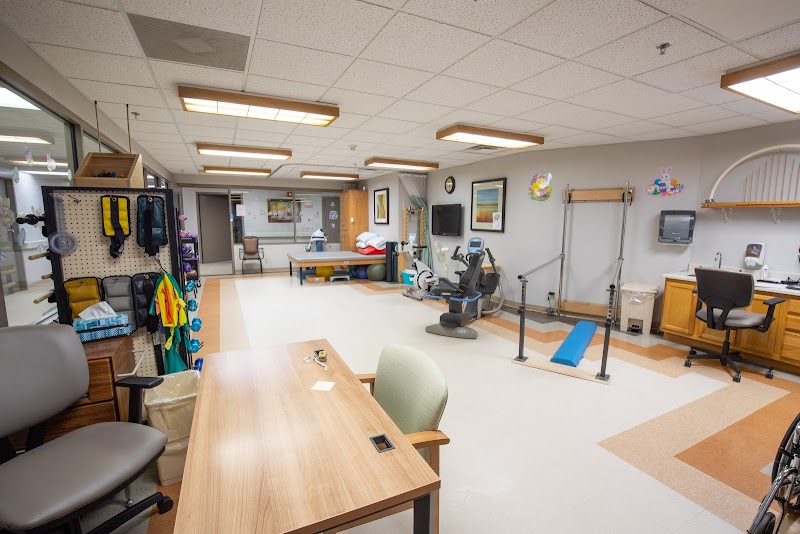
How is Rolling Hills Healthcare Staffed?

CMS rates ROLLING HILLS HEALTHCARE's staffing level at 1 out of 5 stars, which is much below average compared to other nursing homes. Staff turnover is 66%, which is 20 percentage points above the South Dakota average of 46%. High turnover can affect care consistency as new staff learn residents' individual needs. RN turnover specifically is 60%, which is notably high. RNs provide skilled clinical oversight, so turnover in this role can affect medical care quality.

What Have Inspectors Found at Rolling Hills Healthcare?

State health inspectors documented 24 deficiencies at ROLLING HILLS HEALTHCARE during 2022 to 2025. These included: 1 Immediate Jeopardy (the most serious level, indicating potential for serious harm or death), 2 that caused actual resident harm, and 21 with potential for harm. Immediate Jeopardy findings are rare and represent the most serious regulatory concerns. They require immediate corrective action.
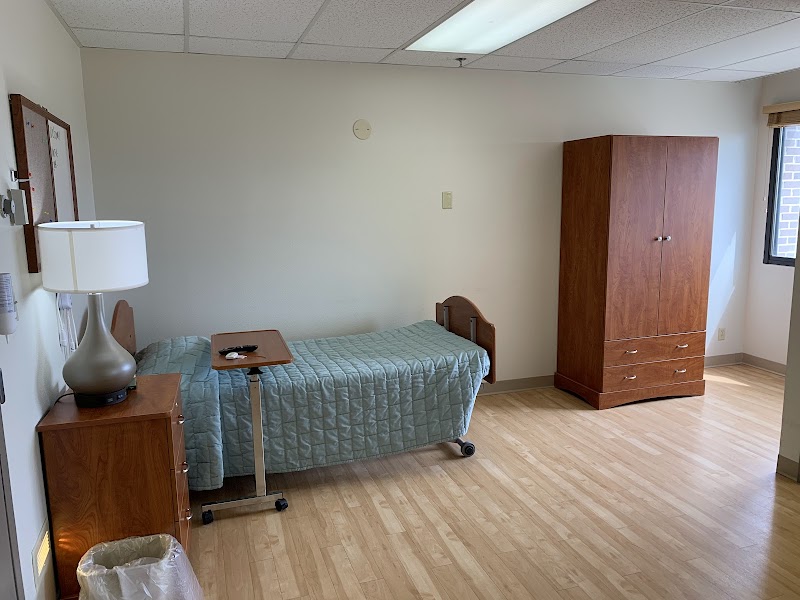
Who Owns and Operates Rolling Hills Healthcare?

ROLLING HILLS HEALTHCARE is owned by a for-profit company. For-profit facilities operate as businesses with obligations to shareholders or private owners. The facility is operated by EDURO HEALTHCARE, a chain that manages multiple nursing homes. With 83 certified beds and approximately 47 residents (about 57% occupancy), it is a smaller facility located in BELLE FOURCHE, South Dakota.
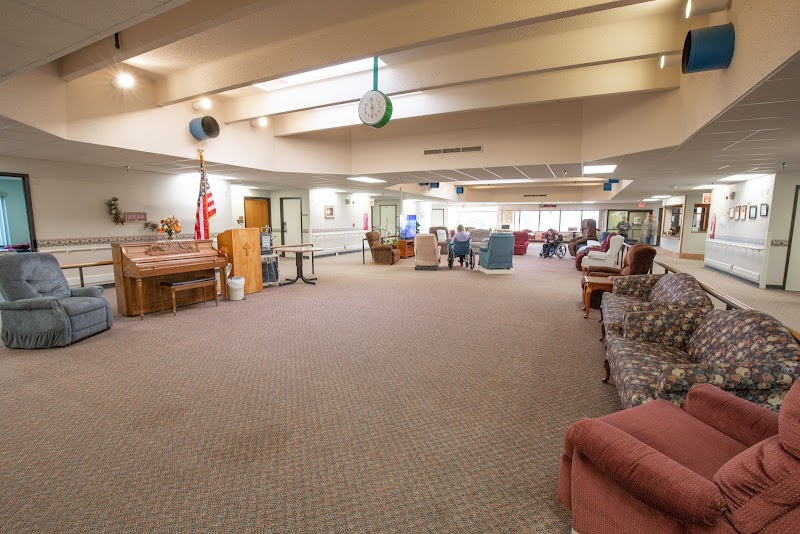
How Does Rolling Hills Healthcare Compare to Other South Dakota Nursing Homes?

Compared to the 100 nursing homes in South Dakota, ROLLING HILLS HEALTHCARE's overall rating (1 stars) is below the state average of 2.7, staff turnover (66%) is significantly higher than the state average of 46%, and health inspection rating (1 stars) is much below the national benchmark.

What Should Families Ask When Visiting Rolling Hills Healthcare?

Based on this facility's data, families visiting should ask: "What changes have been made since the serious inspection findings, and how are you preventing similar issues?" "What safeguards and monitoring systems are in place to protect residents from abuse or neglect?" "How do you ensure continuity of care given staff turnover, and what is your staff retention strategy?" "Can you walk me through typical staffing levels on day, evening, and night shifts?" These questions are particularly relevant given the facility's Immediate Jeopardy citations, the substantiated abuse finding on record, the facility's high staff turnover rate, and the below-average staffing rating.

Is Rolling Hills Healthcare Safe?

Based on CMS inspection data, ROLLING HILLS HEALTHCARE has documented safety concerns. The facility has 1 substantiated abuse finding (meaning confirmed case of resident harm by staff or other residents). Inspectors have issued 1 Immediate Jeopardy citation (the most serious violation level indicating risk of serious injury or death). The facility has a 1-star overall rating and ranks #100 of 100 nursing homes in South Dakota. Families considering this facility should ask detailed questions about what corrective actions have been taken since these incidents.

Do Nurses at Rolling Hills Healthcare Stick Around?

Staff turnover at ROLLING HILLS HEALTHCARE is high. At 66%, the facility is 20 percentage points above the South Dakota average of 46%. Registered Nurse turnover is particularly concerning at 60%. RNs handle complex medical decisions and coordinate care — frequent RN changes can directly impact care quality. High turnover means new staff may not know residents' individual needs, medications, or preferences. It can also be disorienting for residents, especially those with dementia who rely on familiar faces. Families should ask: What is causing the turnover? What retention programs are in place? How do you ensure care continuity during staff transitions?

Was Rolling Hills Healthcare Ever Fined?

ROLLING HILLS HEALTHCARE has been fined $71,120 across 3 penalty actions. This is above the South Dakota average of $33,790. Fines in this range indicate compliance issues significant enough for CMS to impose meaningful financial consequences. Common causes include delayed correction of deficiencies, repeat violations, or care failures affecting resident safety. Families should ask facility leadership what changes have been made since these penalties.

Is Rolling Hills Healthcare on Any Federal Watch List?

ROLLING HILLS HEALTHCARE is not on any federal watch list. The most significant is the Special Focus Facility (SFF) program, which identifies the bottom 1% of nursing homes nationally based on persistent, serious quality problems. Not being on this list means the facility has avoided the pattern of deficiencies that triggers enhanced federal oversight. This is a positive indicator, though families should still review the facility's inspection history directly.