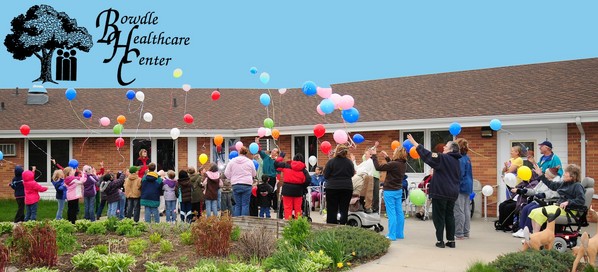
BOWDLE NURSING HOME

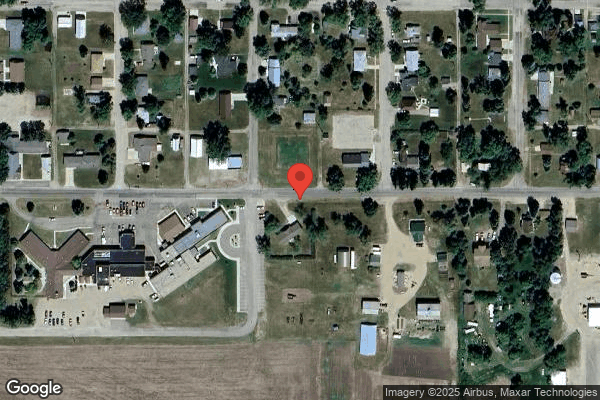
8001 W 5TH STREET, BOWDLE, SD 57428 (605) 285-6146
Government - City 32 Beds Independent Data: November 2025
Trust Grade
70/100
#39 of 95 in SD
Last Inspection: July 2025

Inspected within the last 6 months. Data reflects current conditions.

Overview

Bowdle Nursing Home in South Dakota has a Trust Grade of B, which indicates it is a solid choice and generally good quality. It ranks #39 out of 95 facilities in the state, placing it in the top half, and it is the only option in Edmunds County. The facility is improving, with the number of reported issues decreasing from three in 2024 to two in 2025. Staffing is a mixed bag; while turnover is relatively low at 35%, the facility has less RN coverage than 97% of state facilities, which raises concerns about oversight. Notably, there have been incidents of insufficient RN coverage for several days, and issues with cleaning protocols for a whirlpool tub and food storage practices, suggesting some areas need attention.

Trust Score
B
70/100
In South Dakota
#39/95
Top 41%
Safety Record
Low Risk
No red flags
Inspections
Getting Better
3 → 2 violations
Staff Stability
○ Average
35% turnover. Near South Dakota's 48% average. Typical for the industry.
Penalties
✓ Good
No fines on record. Clean compliance history, better than most South Dakota facilities.
Skilled Nurses
⚠ Watch
Each resident gets only 24 minutes of Registered Nurse (RN) attention daily — below average for South Dakota. Fewer RN minutes means fewer trained eyes watching for problems.
Violations
✓ Good
Only 5 deficiencies on record. Cleaner than most facilities. Minor issues only.
★★★☆☆
3.0
Overall Rating
★☆☆☆☆
1.0
Staff Levels
★★★☆☆
3.0
Care Quality
★★★★☆
4.0
Inspection Score
Stable
2024: 3 issues
2025: 2 issues

The Good

  • Full Sprinkler Coverage · Fire safety systems throughout facility
  • No fines on record
  • Staff turnover below average (35%)

    13 points below South Dakota average of 48%

Facility shows strength in fire safety.

The Bad

3-Star Overall Rating

Near South Dakota average (2.7)

Meets federal standards, typical of most facilities

Staff Turnover: 35%

11pts below South Dakota avg (46%)

Typical for the industry

The Ugly 5 deficiencies on record

Jul 2025 2 deficiencies
CONCERN (E)

Potential for Harm - no one hurt, but risky conditions existed

Infection Control (Tag F0880)

Could have caused harm · This affected multiple residents

**NOTE- TERMS IN BRACKETS HAVE BEEN EDITED TO PROTECT CONFIDENTIALITY** Based on observation, interview, and policy reviews the provider failed to ensure:*One of one whirlpool tub had been disinfected...

Read full inspector narrative →
**NOTE- TERMS IN BRACKETS HAVE BEEN EDITED TO PROTECT CONFIDENTIALITY** Based on observation, interview, and policy reviews the provider failed to ensure:*One of one whirlpool tub had been disinfected according to the manufactures recommendations by one of one observed certified nursing assistant (CNA) (G).*Fifteen of fifteen observed air conditioning units located in residents' (1, 3, 4, 5, 6, 7, 8, 10, 12, 15, 16, 17, 18, and 20) rooms had been maintained and cleaned routinely to prevent the accumulation of dust and residue.Findings include: 1. Observation and interview on 7/24/25 at 8:03 a.m. of CNA G regarding the cleaning and disinfecting the whirlpool tub revealed: *She had started to fill the whirlpool tub with water and then added ten capfuls of disinfectant to it. *Then she ran the jets for 15 minutes and wiped down all the inside surfaces of the tub and the whirlpool chair. *She indicated she would let the tub get filled with water so the soap would hang on the sides of the tub to help disinfect it. *After the 15 minutes she had shut the jets off and scrubbed the sides of the tub and the tub chair with a scrub brush. *She drained the water from the tub and sprayed clean water on the inside of the tub and whirlpool chair to rinse the disinfectant for those surfaces. *She indicated clean water would have been run through the jets in morning before they used the tub. *She used a towel to dry the inside of the tub and chair surfaces. *She indicated that this had been her usually practice for disinfecting the whirlpool tub. *She stated the instructions for cleaning the whirlpool tub that had been posted in the whirlpool room were the old instructions. *She was not sure of how long they had been doing the current disinfectant process for the whirlpool tub. Review of the provider's current posted Bath Cleaning Procedure revealed: *1. Close and lock Door. *2. Rinse any tissue, residue, or fluids from tub with hand held shower sprayer and let drain. *3. Place the plug in the drain. *4. Press and hold the disinfectant button on left side of tub. *5. Thoroughly scrub inside of the tub with solution. *6. Remove plug from drain. *7. Rinse the inside areas of the the tub with shower sprayer. *8. Press and hold the rinse button on the left hand side of the tub to rinse the air jet system. *9. Leave tub door open at end. *10. Wipe out rubber seal on door. 2. Interview on 7/25/25 at 11:45 a.m. with CNA H regarding cleaning the whirlpool tub revealed: *He verbalized the same process cleaning and disinfecting the whirlpool tub as CNA G performed in the above observation. *He stated the sanitizer button on the whirlpool tub had been broken since before he started working there on 5/19/25. 3. Interview on 7/25/25 at 11:59 a.m. with maintenance staff C regarding notification of broken resident care equipment revealed: *Staff would have either texted him or wrote down the broken equipment in the maintenance binder for him to follow up on. *He had not known there a sanitizer function on the whirlpool tub or that it was broken and not working correctly. 4. Interview on 7/25/25 at 12:15 p.m. with director of nursing A regarding the cleaning and disinfectant of the whirlpool tub revealed: *She had measured the exact amount of disinfectant cleaner ten capfuls would have been to show the amount used by CNA G. -Ten capfuls measured a little over two ounces. *She agreed the amount of disinfectant CNA G used was not the correct concentration for the amount of water that had been filled in the whirlpool tub. *She agreed the posted whirlpool cleaning instructions had not been correct and did not reflect the manufacturers recommendations for disinfection of the whirlpool tub. Review of the provider's [NAME] Bathing Spas Disinfection Quick Guide revealed: *Step 1 Close and lock spa door. Install drain plug in drain. *Step 2 Push and hold disinfect jets button. *Step 3 Fill spa floor with disinfectant solution until a depth of 1/4 of solution is achieved. *Step 4 Using spa brush, dip brush into solution, and scrub entire spa interior along with top and underside of mobile transfer. Allow disinfectant to remain on contact for 10 minutes. *Step 5 Remove drain plug. Press and hold rinse jet button. Clean water will flush the remaining disinfectant from the jets. *Step 6 Press and release Aqua-Aire button allowing warm air to push any remaining water from the lines. *Step 7 Press and release hand spray button to activate shower sprayer. Starting at the top rim of spa, rinse any remaining disinfectant solution off spa walls and down spa drain. Rinse mobile transfer. *Step 8 Press and release Aqua-Aire button to turn off warm air. Replace shower sprayer to holder. Spa disinfection is now complete. 5. Observation on 7/23/25 at 9:40 a.m. of resident 6's room revealed: *An air conditioning (AC) unit was installed on the outside wall, with the following indicator lights on: -A green Cool light and the AC unit was set at 61° Fahrenheit (F). -A red Check Filter light, which indicated the unit needed servicing. *The intake vents on the AC unit were covered with fuzzy debris on all vents. 6. Observation on 7/23/25 at 9:49 a.m. of resident 18's room revealed: *The AC unit was installed on the outside wall, which was set at 70°F with the following indicator lights on: -A green Cool light and the AC unit was set on Low. -A yellow Check Filter indicator light was on which indicated the filter needed to be serviced. *The outflow vents, which directed the flow of air, had dust on the vents that came off with a finger swipe. 7. Observation on 7/23/25 at 10:05 a.m. of resident 25's room revealed: *The AC unit was installed on the outside wall. *The AC unit was not operating but had the red Check Filter light on. 8. Observation on 7/23/25 at 10:07 a.m. of resident 9's room revealed: *The AC unit was installed on the outside wall, which was set at 60°F with the red Check Filter indicator light on. *The AC unit had dust on the outflow vents that came off with a finger swipe. 9. Observation on 7/23/25 at 10:10 a.m. of resident 17's room revealed: *The AC unit was installed on the outside wall, and was operating on Cool set to 72° F. *The red Check Filter indicator light was on. *The vents on AC unit were dust covered with fuzzy debris on all vents. *The outflow vents had dust on the vents that came off with a finger swipe. 10. Observation on 7/23/25 at 10:13 a.m. of resident 5's room revealed: *The AC unit was installed on the outside wall and was operating on Coolest setting and on Low Cool. *There was dust on the outflow vents that came off with a finger swipe. 11. Observation on 7/23/2025 at 10:16 a.m. of resident 3 in her room with AC unit off revealed: *The vents on AC unit had been dust covered fuzzy debris on all vents. *There was dust on the outflow vents that came off with finger swipe. 12. Observation on 7/23/25 at 10:21 a.m. of resident 12's room revealed: *The AC unit was set on Cool at 64 degrees F. *The intake vents on the AC unit were dust covered with fuzzy debris on all the vents. *The outflow vents had dust on the vents that came off with a finger swipe. 13. Observation on 7/23/25 from 2:30 p.m. to 2:45 p.m. of residents within room AC units revealed: *Resident 8's air conditioner had been on with dust on the screen and a black substance on the exit air flow vents. *Resident 10's air conditioner had not been on, but it had dust on the screen and a black substance on the exit air flow vents. *Resident 7's air conditioner had been on with dust on the screen and a black substance on the exit air flow vents. *Resident 4's air conditioner had not been on, but it had dust on the screen and a black substance on the exit air flow vents. *Resident 15's air conditioner had not been on, but it had dust on the screen and a black substance on the exit air flow vents. *Resident 16's air conditioner had been on with dust on the screen and a black substance on the exit air flow vents. *Resident 20's air conditioner had been on with dust on the screen and a black substance on the exit air flow vents. *Resident 1's air conditioner had not been on, but it had dust on the screen and a black substance on the exit air flow vents. Interview on 7/23/25 at 11:28 a.m. with maintenance staff C regarding the residents' AC units revealed: *He maintained the AC units and serviced them as needed. *He stated housekeeping, nursing, or maintenance staff provided the routine cleaning of the AC units. *He agreed the air conditioner units had not been cleaned regularly and were not clean. Interview on 7/24/25 at 9:00 a.m. with housekeeper M regarding the cleaning of residents' AC units revealed: *He would have dusted the outside of the air conditioner every day that he had worked. *He agreed there was still dust on the outside of the AC unit after he had cleaned it. *He did not work on 7/23/25. *He used a green microfiber duster and dusted the outside of the unit but did not clean between the vents. Interview on 7/24/25 at 11:11 a.m. with assistant supervisor of housekeeping/laundry I regarding the cleaning of residents in room AC units revealed: *She had not been informed that housekeeping staff was required to clean the AC units. *Staff would have dusted the outside of the unit, and not have deep cleaned it. Request for a policy on cleaning residents in room AC units had been made on 7/24/25 at 9:00 a.m. from director of nursing A, but a policy had not been provided upon exit of the survey.
CONCERN (F)

Potential for Harm - no one hurt, but risky conditions existed

Deficiency F0727 (Tag F0727)

Could have caused harm · This affected most or all residents

Based on payroll-based journal (PBJ) day review and interview, the provider failed to ensure eight hours of registered nurse (RN) coverage seven days per week for two consecutive quarters during July,...

Read full inspector narrative →
Based on payroll-based journal (PBJ) day review and interview, the provider failed to ensure eight hours of registered nurse (RN) coverage seven days per week for two consecutive quarters during July, August, and September 2024 and October, November, and December 2025. This citation is considered past non-compliance based on review of the corrective action the provider implemented following the inability to ensure eight hour of RN coverage seven days per week.Findings include: 1. Review of the PBJ data for quarter July, August, and September 2024 revealed: *There was no eight-hour coverage documented for five days (4, 7, 13, 20, 21) in July. *There was no eight-hour coverage documented for two days (20 and 25) in August. *There was no eight-hour coverage documented for six days (7, 14, 15, 21, 22, and 29) in September. 2. Review of PBJ data for quarter October, and November 2024 revealed: *There was no eight-hour coverage documented for two days (2 and 3) in October 2024. *There was no eight-hour coverage documented for one day (14) in November 2024. *There was no eight-hour coverage documented for seven days (22, 23, 24, 25, 26, 27, and 28) in December 2024. 3. Interview on 7/25/25 at 2:00 p.m. with director of nursing A and chief executive officer J regarding the requested documentation for RN coverage for the above listed days revealed: *They confirmed they did not have eight hours of RN coverage on the above listed days. *They had applied for and received a RN waiver for the eight hours per day of RN coverage that was approved on 3/7/25 and was good through 3/6/26. Review of the provider's facility assessment regarding RN coverage revealed it had not indicated the amount of RN hours that would have been provided. The provider implemented systemic changes to ensure 40 hours of RN coverage was provided to adhere to the granted waiver provided on 3/7/25. Based on the above information, non-compliance at F727 occurred on 7/4/25 and went through 12/28/24 for a total of 23 days with no RN coverage for eight-hour per day; and based on the provider's implemented corrective actions for the deficient practice on 3/7/25, the con-compliance is considered past non-compliance.
Feb 2024 3 deficiencies
CONCERN (D)

Potential for Harm - no one hurt, but risky conditions existed

Pharmacy Services (Tag F0755)

Could have caused harm · This affected 1 resident

Based on observation, interview, and policy review the provider failed to ensure they had followed their policy for counting controlled medications in one of one medication storage room waiting for de...

Read full inspector narrative →
Based on observation, interview, and policy review the provider failed to ensure they had followed their policy for counting controlled medications in one of one medication storage room waiting for destruction. Findings include: 1. Initial observation on 2/7/24 at 8:56 a.m. of the medication storage room with registered nurse (RN) H revealed: *The controlled medications that were to have been destroyed were kept in a double-locked cabinet. *Medication sheets with the amount of the medication to have been destroyed were kept with the medication until the destruction. *The list of controlled-medications that were due to have been destroyed included the following: -Lorazepam 15 milliliters (mls). -Morphine 14.5 mls. -Clonazepam 0.5 milligram (mg) 27 tablets. -Clonazepam 0.5 mg 7 tablets. -Tramadol 50 mg 13 tablets. Interview with RN H regarding the accountability of the above medications revealed: *Once a controlled medication was discontinued and needed to have been destroyed the process included: -The medication would have been removed from the medication cart and the amount recorded on a form that was kept with the medication. -The medication was then double-locked in the medication storage room for destruction. -The verification of the count of those medications that were scheduled for destruction were not verified with each nursing shift change. *Nurses had access to the keys to the narcotic cabinet in the medication storage room. Interview with RN H regarding the above observation revealed: *No specific nursing shift was responsible for checking the medication cart for outdated medications. *Nurses were responsible for checking for outdated medication that they were administering. Interview on 2/8/24 at 7:58 a.m. with director of nursing (DON) B regarding the accountability of controlled medications that were scheduled to have been destroyed revealed: *She agreed that the controlled medication had not been counted with each nursing shift change and had not followed their policy. *She had spoken to the pharmacist and discussed the urgency of destroying controlled medications as soon as possible. Review of the provider's June 2002 Controlled Drug policy revealed: *Narcotics are counted at the change of each shift by the off going and the on-coming nurse and both sign the change of shift count record. -When controlled keys change hands during a shift, controlled drugs are recounted and both nurses sign the count record. *The nurse has two keys: one key for controlled drugs and one for the medication drawers. These two keys must be kept on separate holders.
CONCERN (D)

Potential for Harm - no one hurt, but risky conditions existed

Infection Control (Tag F0880)

Could have caused harm · This affected 1 resident

2. Review of the provider's Cleaning of Oxygen Equipment Policy #2021-04 effective 4/2001 revealed: *D. Oxygen cannula, mask and tubing 1. Change oxygen cannula and mask once a week. Discard the dirty...

Read full inspector narrative →
2. Review of the provider's Cleaning of Oxygen Equipment Policy #2021-04 effective 4/2001 revealed: *D. Oxygen cannula, mask and tubing 1. Change oxygen cannula and mask once a week. Discard the dirty cannula and mask into the garbage. 3. If humidifier bottle is used, change the oxygen tubing once a week. Discard the dirty tubing into the garbage. E. Humidifier bottle 1. The use of humidifier bottles with oxygen is not recommended as they significantly increase the risk of bacterial contamination of the oxygen equipment. However, if humidifier bottles are used, i.e. for the treatment of nasal dryness: i. Use only sterile distilled water to fill the humidifier bottle. ii. Completely empty the sterile distilled water out of the humidifier once a day, clean with soap and water, rinse well, allow to air dry and then refill the bottle. iii. If the humidifier bottle is disposable, change the bottle once a week. Discard the dirty humidifier bottle. 3. Observation on 2/5/24 at 5:09 p.m. of an oxygen concentrator located in dining room near the entrance door revealed: *The nasal cannula had been dated 1/22 on the green end nearest humidifier bottle. *The plastic zip bag the oxygen tubing and nasal cannula had been dated 1/24. *The clear plastic tube from concentrator to humidifier was labelled DO NOT REMOVE. *The single use oxygen humidifier bottle had been dated 1/3/24. *The oxygen concentrator and tubing had not been labeled with the resident name. Observation on 2/5/24 at 5:31 p.m. of the same oxygen concentrator in dining room revealed: *Resident 21 was seated at dining room table wearing oxygen connected to the oxygen concentrator. Observation on 2/7/24 at 11:00 a.m. of resident 21's oxygen concentrator in the dining room revealed: *The nasal cannula had been dated 2/5 on the green end nearest the humidifier bottle. *The plastic zip bag containing the oxygen tube and nasal cannula had been dated 2/5. *The clear plastic tube from concentrator to humidifier had been labelled DO NOT REMOVE. *The single use oxygen humidifier bottle had been dated 1/3/24. *The oxygen concentrator and tubing had not been labeled with resident name. Review of resident 21's electronic medical record (EMR) revealed: *He had a physician's order dated 1/29/23 for oxygen (O2) in order to keep O2 level above 90% -- usually 2-4 liters per nasal cannula. *The care plan and doctor order stated oxygen tube change ordered weekly. -The oxygen humidifier change frequency order stated .Protocol. *The oxygen humidifier change order had been created 8/16/23 and had been placed on hold 1/8/24 and resumed 1/12/24. *The oxygen humidifier changes had been documented as completed 8/30/23, 9/24/23, 10/17/23, 1/19/24, and 2/5/24, 4. Observation on 2/7/24 at 11:05 a.m. of an oxygen concentrator in dining room located near the food service line revealed: *The nasal cannula had been dated 2/5 on the green end nearest the humidifier bottle. *The plastic zip bag containing the oxygen tube and nasal cannula had been dated 2/5. *The clear plastic tube from concentrator to humidifier had been labelled DO NOT REMOVE. *The single use oxygen humidifier bottle had been dated 1/5/24. *The oxygen concentrator and tubing had not been labeled with resident name. Observation and interview on 2/7/24 at 11:13 a.m. with restorative aide G in the dining room revealed: *She had assisted resident 7 to put on the nasal cannula connected to oxygen concentrator. *She had known who the oxygen tubing belonged to, because she sits there all of the time. Observation on 2/7/24 at 2:03 p.m. in resident 7's room revealed: *The resident was in bed and was wearing oxygen. *The nasal cannula had been dated 2/5 on the green end nearest the humidifier bottle. *The single use oxygen humidifier bottle had not been dated. 5. Observation on 2/7/24 at 1:29 p.m. of the oxygen concentrator located in resident 6's room revealed: *The resident was in bed and was wearing oxygen. *The nasal cannula had been dated 2/5 on the green end nearest the humidifier bottle. *The clear plastic tube from the concentrator to the humidifier bottle had been labelled DO NOT REMOVE. *The single use oxygen humidifier bottle had been dated 1/3/24. Review of resident 6's electronic medical record revealed: *Resident 6 had been hospitalized with Covid-19, Sepsis, Respiratory distress, and severe acute respiratory distress on 1/12/23 and returned 1/16/23. *The care plan and doctor order stated oxygen tube change ordered weekly. -The oxygen humidifier change frequency order stated .Protocol. *The oxygen humidifier change order had been created 7/23/23 and had been placed on hold 7/28/23 and resumed 7/31/23. *The oxygen humidifier changes had been documented as completed 8/31/23, 9/24/23, 10/12/23, 1/1/24 and 2/5/24. 6. Interview on 2/7/24 at 12:31 p.m. with director of nursing (DON) B regarding her expectations on how staff were to have identified to whom the oxygen concentrators and tubing belonged to revealed: *The regular staff all know whose concentrators are in the dining room because there are just two *Oxygen use would have been care planned and communicated by herself to staff. *She stated their policy prohibited the labeling of oxygen concentrators Interview on 2/8/24 at 10:08 a.m. with DON B and phone interview with infection preventionist (IP) C revealed: *There had not been a policy for labeling the concentrator or oxygen tube with the resident information. *They planned to initiate labeling of oxygen tube with resident initials for improved identification. *They were not aware that their policy had stated humidifier bottles were to be changed weekly. 7. Review of seating diagram posted in dining room at the front of meal service tray line revealed: *It had been dated 11/30/23. *It indicated that resident 3 was to have been seated at the table nearest the food service line. *It indicated that resident 21 was to have been seated at the table nearest the door. Based on observation, interview, and policy review the provider failed to ensure the following: *Appropriate hand hygiene with glove use for one of one certified nursing assistant (CNA) I with one of one sampled (8) resident while providing personal care. *Changing the oxygen concentrator humidifier bottles for three of three (6, 7, and 21) sampled residents. Findings include: 1. Observation on 2/5/24 at 3:57 p.m. of CNA I while transferring resident 8 with the stand aid mechanical lift from her wheelchair to the bathroom revealed: *Resident 8 was raised to a standing position with the stand aid mechanical lift and transferred to the bathroom. *CNA I applied a pair of gloves without performing hand hygiene and removed the resident's brief. *Removed her gloves and without performing hand hygiene lowered the resident to the toilet. *She then retrieved a clean brief from the resident's closet. *Applied a new pair of gloves without performing hand hygiene and assisted the resident to a raised position and provided personal care. *Removed her gloves and applied a new pair of gloves without performing hand hygiene and secured a clean brief. *Removed her gloves without performing hand hygiene and assisted the resident to her wheelchair. Interview with CNA I following the above observation regarding glove use and hand hygiene revealed: *She did not have any hand sanitizer in her pockets, but she would use the hand sanitizer on the wall outside of the resident's room. *Hand hygiene training was offered online and hand washing competency was completed in front of a nurse. *She had received her hand hygiene training with her CNA training, but she could not remember any training regarding hand hygiene and glove use. Interview on 2/8/24 at 10:40 a.m. with infection preventionist C and director of nursing (DON) B regarding the above observation revealed: *They both agreed that they do frequent hand hygiene audits. *DON B agreed that CNA I had an opportunity to perform hand hygiene while assisting the resident. Review of the provider's Handwashing/Hand Hygiene policy revealed: *Perform hand hygiene before applying non-sterile gloves. *After gloves had been removed perform hand hygiene.
CONCERN (E)

Potential for Harm - no one hurt, but risky conditions existed

Food Safety (Tag F0812)

Could have caused harm · This affected multiple residents

Based on observation, interview, and policy review provider failed to ensure their food storage policy had been maintained by dating open food packages in one of one kitchens. Findings include: 1. Ini...

Read full inspector narrative →
Based on observation, interview, and policy review provider failed to ensure their food storage policy had been maintained by dating open food packages in one of one kitchens. Findings include: 1. Initial observation on 2/5/24 at 3:50 p.m. of the kitchen storage room revealed: *Two bags of opened graham cracker crumbs bags that were opened not dated. *One bag of taco seasoning mix that was opened and not dated. *Cocoa powder package that was opened and not dated. *Orange gelatin mix package that was opened and not dated. *Vanilla instant pie filling package was opened and not dated. *Cheddar cheese powder sauce mix package was opened and not dated. 2. Observation on 2/5/24 at 4:15 p.m. of the main dining room food storage cupboards revealed: *Cheese puffcorn package that was opened and not dated. -Best use by date on the cheese puffcorn was 9/11/23. *Original puffcorn that was opened and not dated. -Best use by date on the original puffcorn was 10/3/23 *Plain potato chips opened and not dated. - Best used date was 4/2/23 *Rice Crispies cereal opened dated 9/14/23, and another bag of rice crispies that the date was rubbed off. -Rice Crispies, Cheerios, and flake cereal was in plastic containers, these containers were not dated when cereal had been poured into the container. Observation and interview on 2/6/24 at 11:36 a.m. of dietary staff E revealed: *Dietary staff E had removed items from a cupboard in the dining room while serving the resident's lunch. *When a package was opened it should have been dated by the person who opened it. Interview on 2/8/24 8:16 a.m. with dietary staff F revealed: *It is policy to date packages and containers once they are opened. Interview on 2/8/24 at 8:25 a.m. with dietary manager D revealed: *Dietary staff who opened packages were to have dated the packages, and the nursing home staff was to date when they opened packages in the dining room. *Cereals and other items in the left cupboard in the dining room was dietary's responsibility to manage, twice a week. *Activities personnel overseen the cupboard where chips, puffcorn and other snack items were stored. Review of the providers February 2023 food storage policy revealed: *Dry Goods Storage areas will be neat, arranged for easy identification, and date marked as appropriate. *Cold Food Storage policy states all food will be stored wrapped or in covered containers, labeled, and dated, and arranged in a manner to prevent cross contamination.
Understanding Severity Codes (click to expand)
Life-Threatening (Immediate Jeopardy)
J - Isolated K - Pattern L - Widespread
Actual Harm
G - Isolated H - Pattern I - Widespread
Potential for Harm
D - Isolated E - Pattern F - Widespread
No Harm (Minor)
A - Isolated B - Pattern C - Widespread

Questions to Ask on Your Visit

  • "Can I speak with families of current residents?"
  • "What's your RN coverage like on weekends and overnight?"

Our Honest Assessment

Strengths
  • • No major safety red flags. No abuse findings, life-threatening violations, or SFF status.
  • • No fines on record. Clean compliance history, better than most South Dakota facilities.
  • • Only 5 deficiencies on record. Cleaner than most facilities. Minor issues only.
  • • 35% turnover. Below South Dakota's 48% average. Good staff retention means consistent care.
Concerns
  • • No major red flags. Standard due diligence and a personal visit recommended.
Bottom line: Mixed indicators with Trust Score of 70/100. Visit in person and ask pointed questions.

About This Facility

What is Bowdle's CMS Rating?

CMS assigns BOWDLE NURSING HOME an overall rating of 3 out of 5 stars, which is considered average nationally. Within South Dakota, this rating places the facility higher than 99% of the state's 100 nursing homes. This mid-range rating indicates the facility meets federal standards but may have areas for improvement.

How is Bowdle Staffed?

CMS rates BOWDLE NURSING HOME's staffing level at 1 out of 5 stars, which is much below average compared to other nursing homes. Staff turnover is 35%, compared to the South Dakota average of 46%. This relatively stable workforce can support continuity of care.

What Have Inspectors Found at Bowdle?

State health inspectors documented 5 deficiencies at BOWDLE NURSING HOME during 2024 to 2025. These included: 5 with potential for harm.

Who Owns and Operates Bowdle?

BOWDLE NURSING HOME is owned by a government entity. Government-operated facilities are typically run by state, county, or municipal agencies. The facility operates independently rather than as part of a larger chain. With 32 certified beds and approximately 20 residents (about 62% occupancy), it is a smaller facility located in BOWDLE, South Dakota.

How Does Bowdle Compare to Other South Dakota Nursing Homes?

Compared to the 100 nursing homes in South Dakota, BOWDLE NURSING HOME's overall rating (3 stars) is above the state average of 2.7, staff turnover (35%) is significantly lower than the state average of 46%, and health inspection rating (4 stars) is above the national benchmark.

What Should Families Ask When Visiting Bowdle?

Based on this facility's data, families visiting should ask: "Can you walk me through typical staffing levels on day, evening, and night shifts?" "Can I visit during a mealtime to observe dining assistance and food quality?" "How do you handle medical emergencies, and what is your hospital transfer rate?" "Can I speak with family members of current residents about their experience?" These questions are particularly relevant given the below-average staffing rating.

Is Bowdle Safe?

Based on CMS inspection data, BOWDLE NURSING HOME has a clean safety record: no substantiated abuse findings (meaning no confirmed cases of resident harm), no Immediate Jeopardy citations (the most serious violation level indicating risk of serious injury or death), and is not on the Special Focus Facility watch list (a federal program monitoring the lowest-performing 1% of nursing homes). The facility has a 3-star overall rating and ranks #1 of 100 nursing homes in South Dakota. While no facility is perfect, families should still ask about staff-to-resident ratios and recent inspection results during their visit.

Do Nurses at Bowdle Stick Around?

BOWDLE NURSING HOME has a staff turnover rate of 35%, which is about average for South Dakota nursing homes (state average: 46%). Moderate turnover is common in nursing homes, but families should still ask about staff tenure and how the facility maintains care continuity when employees leave.

Was Bowdle Ever Fined?

BOWDLE NURSING HOME has no federal fines on record. CMS issues fines when nursing homes fail to meet care standards or don't correct problems found during inspections. The absence of fines suggests the facility has either maintained compliance or corrected any issues before penalties were assessed. This is a positive indicator, though families should still review recent inspection reports for the full picture.

Is Bowdle on Any Federal Watch List?

BOWDLE NURSING HOME is not on any federal watch list. The most significant is the Special Focus Facility (SFF) program, which identifies the bottom 1% of nursing homes nationally based on persistent, serious quality problems. Not being on this list means the facility has avoided the pattern of deficiencies that triggers enhanced federal oversight. This is a positive indicator, though families should still review the facility's inspection history directly.