WHEATCREST HILLS HEALTHCARE CENTER
1311 VANDER HORCK ST, BRITTON, SD 57430 (605) 448-2251
For profit - Corporation 60 Beds EMPRES OPERATED BY EVERGREEN Data: November 2025
Trust Grade
55/100
#47 of 95 in SD
Last Inspection: July 2024

Within standard 12-15 month inspection cycle. Federal law requires annual inspections.

Overview

Wheatcrest Hills Healthcare Center has a Trust Grade of C, indicating that it is average and in the middle of the pack among nursing homes. It ranks #47 out of 95 facilities in South Dakota, which means it is in the top half, and it is the only option in Marshall County. The facility shows an improving trend, with issues decreasing from 7 in 2024 to just 1 in 2025. Staffing is adequate with a 3/5 star rating and a turnover rate of 43%, which is below the state average of 49%, suggesting some staff consistency. However, the facility has incurred $40,349 in fines, which is average but still raises concerns about compliance issues. Specific incidents include a resident who was injured during a transfer due to improper use of a mechanical lift and another resident who suffered burns from a nebulizer due to failure to follow instructions. Additionally, there were shortcomings in the restorative nursing program, as many residents did not receive the needed care according to their plans. Overall, Wheatcrest Hills has strengths in staffing stability and an improving trend, but there are significant weaknesses in safety practices and adherence to care protocols.

Trust Score
C
55/100
In South Dakota
#47/95
Top 49%
Safety Record
Moderate
Needs review
Inspections
Getting Better
7 → 1 violations
Staff Stability
○ Average
43% turnover. Near South Dakota's 48% average. Typical for the industry.
Penalties
○ Average
$40,349 in fines. Higher than 65% of South Dakota facilities. Some compliance issues.
Skilled Nurses
○ Average
Each resident gets 38 minutes of Registered Nurse (RN) attention daily — about average for South Dakota. RNs are the most trained staff who monitor for health changes.
Violations
⚠ Watch
11 deficiencies on record. Higher than average. Multiple issues found across inspections.
★★★☆☆
3.0
Overall Rating
★★★☆☆
3.0
Staff Levels
★★★☆☆
3.0
Care Quality
★★★☆☆
3.0
Inspection Score
Stable
2024: 7 issues
2025: 1 issues

The Good

  • Full Sprinkler Coverage · Fire safety systems throughout facility
  • No fines on record
  • Staff turnover below average (43%)

    5 points below South Dakota average of 48%

Facility shows strength in fire safety.

The Bad

3-Star Overall Rating

Near South Dakota average (2.7)

Meets federal standards, typical of most facilities

Staff Turnover: 43%

Near South Dakota avg (46%)

Typical for the industry

Federal Fines: $40,349

Above median ($33,413)

Moderate penalties - review what triggered them

Chain: EMPRES OPERATED BY EVERGREEN

Part of a multi-facility chain

Ask about local staffing decisions and management

The Ugly 11 deficiencies on record

2 actual harm
Jun 2025 1 deficiency
CONCERN (E) 📢 Someone Reported This

A family member, employee, or ombudsman was alarmed enough to file a formal complaint

Potential for Harm - no one hurt, but risky conditions existed

Deficiency F0688 (Tag F0688)

Could have caused harm · This affected multiple residents

**NOTE- TERMS IN BRACKETS HAVE BEEN EDITED TO PROTECT CONFIDENTIALITY** Based on observation, interview, record review, and policy review, the provider failed to ensure an ongoing restorative nursing ...

Read full inspector narrative →
**NOTE- TERMS IN BRACKETS HAVE BEEN EDITED TO PROTECT CONFIDENTIALITY** Based on observation, interview, record review, and policy review, the provider failed to ensure an ongoing restorative nursing program was completed according to residents' care planned needs for twelve of twelve sampled residents (1, 2, 3, 4, 5, 6, 7, 8, 9, 10, 11, 12) at risk for a decline in range of motion (ROM). Findings include: 1. Observation and interview on 6/17/25 at 10:41 a.m. with resident 1 and his wife revealed: *He had lived at the facility since January 2025. *He had received therapy services when he admitted , but his therapy program had ended. *His physician and therapist had mentioned to him that he would never walk again. *His restorative program was completed once a week and varied on which day of the week it occurred. *He expressed his desire to return home and that he would like his restorative program to be daily. *He had recently had a care conference on 6/11/25 during which he asked staff about adding more leg exercises to his restorative program. *Resident 1's wife stated she could not see how his discharge home would be possible. Interview on 6/17/25 at 1:04 p.m. with restorative aide (RA) E regarding resident 1's restorative program revealed: *She stated that the therapy department had set up resident 1's restorative program to be completed on Tuesdays and Thursdays. *His ROM exercises included the use of TheraBands for his upper ROM, squeeze balls, and kicking exercises. -TheraBands are elastic bands used for strength training and stretching various muscle groups to increase flexibility and ROM. -Squeeze balls are small flexible balls used to exercise the muscles of the hands, fingers, and wrists, that can improve hand and wrist health and ROM. *She stated resident 1 would often get upset when he observed her working as a CNA on the floor, as that meant she would not be able to complete the restorative programs that day. Review of resident 1's electronic medical record (EMR) revealed: *He was admitted on [DATE]. *His diagnoses included traumatic subdural hemorrhage with loss of consciousness (a serious head injury where bleeding occurs between the brain and its outer covering due to trauma, causing temporary or prolonged unconsciousness), localization-related symptomatic epilepsy and epileptic syndromes with complex partial seizures (a type of epilepsy where seizures originate from a specific area of the brain and involve a loss or alteration of awareness), other fracture of right lower leg, subsequent encounter for closed fracture with routine healing, Parkinsonism (a general term for a group of neurological disorders that share similar movement symptoms like tremors, slow movement, and stiffness), and transient cerebral ischemic attack (often called a mini-stroke, a temporary disruption of blood flow to the brain, causing stroke-like symptoms that resolve within minutes to hours, but typically within 24 hours). *His most recent significant change in status Minimum Data Set (MDS) assessment with an assessment reference date of 3/3/25 indicated: -Functional Limitation in Range of Motion: Lower extremity (hip, knee, ankle, foot). -Impairment on both sides. *A Restorative Program Referral Form signed by staff development registered nurse (RN) C on 4/17/25 indicated that an exercise group program was recommended for him five times per week. *His 5/28/25 Brief Interview for Mental Status (BIMS) assessment score was 15 which indicated he was cognitively intact. *His 6/18/25 care plan indicated: -A problem area of Impaired mobility R/T [related to]: decreased ROM. decreased bed mobility.[, and] decreased transfer skills. -A goal of, I would like to maintain my current level of functioning. -An intervention of, NURSING REHAB/RESTORATIVE: ACTIVE ROM Program: Exercise group for 15 min.[minutes] Tue-Thurs [Tuesday, Thursday for] Flexibility. Mon-Wed-Fri [Monday, Wednesday, Friday for] Strengthening 3 times per week[.] --Job positions responsible for that included certified nursing assistant (CNA) and restorative nursing assistant (RNA). *His 6/18/25 point of care (POC) response history for the past 30 days for the above nursing restorative program indicated there were 21 days from 5/20/25 through 6/17/25 that had responses recorded for the question Amount of minutes spent providing Range of Motion [ROM] (active) that indicated: -On 5/22/25 at 10:28 a.m. the Resident [was] Not Available[.] -On 6/3/25 and 6/9/25, both at 1:59 p.m., resident 1 had completed five minutes of active ROM on each of those two days. -The other 18 days were Not Applicable[.] 2. Interview on 6/17/25 at 2:09 p.m. with resident 2 and 3 in their room revealed: *They both participated in the restorative programs. *Their restorative programs were to be held every day, Monday through Friday. *They both stated they had no concerns regarding the restorative programs offered. Interview on 6/17/25 at 1:04 p.m. with RA E regarding resident 2 and 3's restorative program revealed they both participated in the restorative program every day that it was scheduled. Review of resident 2's EMR revealed: *He was admitted on [DATE]. *His most recent quarterly MDS assessment with an assessment reference date of 5/7/25 indicated: -Functional Limitation in Range of Motion: Upper extremity (shoulder, elbow, wrist, hand). -Impairment on one side. *A Restorative Program Referral Form signed by staff development RN C on 6/13/25 indicated an exercise group program and NuStep program was recommended for resident 2. -A NuStep is a bike-like therapy machine that combines upper and lower body movement while in a seated position. -No frequency was indicated. *His 5/7/25 BIMS assessment score was 11 which indicated he was cognitively moderately impaired. *His 6/18/25 care plan indicated: -A problem area of Impaired mobility R/T [related to]: decreased ROM, [and] decreased ambulation skills. -A goal of, I would like to maintain my current level of functioning. -An intervention of, NURSING REHAB/RESTORATIVE: ACTIVE ROM Program: Exercise group for 15 min. Tue-Thurs [Tuesday, Thursday for] Flexability [flexibility]. Mon-Wed-Fri [Monday, Wednesday, Friday for] Strengthening. -An intervention of, NURSING REHAB/RESTORATIVE: ACTIVE ROM Program: NuStep level 5 for 15 min 5 times per week. --Job positions responsible included CNA and RNA. *His 6/18/25 POC (point of care) response history for the past 30 days for the above restorative programs: -Indicated there were four days from 5/20/25 through 6/17/25 that had responses recorded for the question Amount of minutes spent providing Range of Motion [ROM] (active) that indicated: -On 6/17/25 at 1:59 p.m., fifteen minutes of active ROM had been completed for that day for both of his restorative programs noted above. -The other three days were Not Applicable[.] Review of resident 3's EMR revealed: *He was admitted on [DATE]. *His most recent quarterly MDS assessment with an assessment reference date of 3/19/25 indicated: -No impairment in Functional Limitation in Range of Motion for both Upper extremity (shoulder, elbow, wrist, hand) and Lower extremity (hip, knee, ankle, foot). *A Restorative Program Referral Form signed by staff development RN C on 1/8/25 indicated a group exercise group program and NuStep program was recommended for the resident five times a week to maintain current level of functioning. *His 6/17/25 BIMS assessment score was 15 which indicated he was cognitively intact. *His 6/18/25 care plan indicated: -A problem area of Impaired mobility R/T [related to]: decreased ROM. -A goal of, I would like to maintain my current ROM and level of functioning . -An intervention of, NURSING REHAB/RESTORATIVE: ACTIVE ROM Program: Exercise group for 15 min. Tue-Thurs [Tuesday, Thursday for] Flexibility. Mon-Wed-Fri [Monday, Wednesday, Friday for] Strengthening. -An intervention of, NURSING REHAB/RESTORATIVE: ACTIVE ROM Program: NuStep to all extremities for 15 minutes 5 times a week . --Job positions responsible for that included CNA and RNA. *His 6/18/25 POC (point of care) response history for the past 30 days for the above restorative programs: -Indicated there were twenty-four days from 5/20/25 through 6/17/25 that had responses recorded for the question Amount of minutes spent providing Range of Motion [ROM] (active). -Those responses indicated active ROM was completed: --On 5/22/25 at 1:35 p.m. for 15 minutes for the NuStep restorative program. --On 5/22/25 at 1:36 p.m. for 15 minutes for the exercise group restorative program. --On 5/30/25 at 1:52 p.m. for 15 minutes for the NuStep and 10 minutes for the exercise group. --On 6/3/25, 6/9/25, and 6/17/25, all at 1:59 p.m., for 15 minutes for both restorative programs. -On 5/23/25 at 12:39 p.m., the Resident Refused the exercise group. -On 5/23/25 at 1:59 p.m., the Resident Refused the NuStep. -The other eighteen days had responses of Not Applicable[.] 3. Observation on 6/17/25 at 2:14 p.m. of resident 4 in her room revealed she was in her recliner with her eyes closed and had not responded to the knock on her door or the verbal greeting. Review of resident 4's EMR revealed: *She was admitted on [DATE]. *Her diagnoses included dementia, weakness, and primary generalized osteoarthritis (the most common type of osteoarthritis, characterized by joint pain, stiffness, and limited range of motion in multiple joints, often affecting hands, spine, knees, and hips). *Her most recent quarterly MDS assessment with an assessment reference date of 5/13/25 indicated: -Functional Limitation in Range of Motion: Lower extremity (hip, knee, ankle, foot). -Impairment on both sides. *A Restorative Program Referral Form signed on 4/24/24 indicated that individual exercises were recommended five times a week for the resident. *Her 5/13/25 BIMS assessment score was five which indicated she was severely cognitively impaired. *Her 6/18/25 care plan indicated: -A problem area of Impaired mobility R/T [related to]: decreased ROM[,] decreased bed mobility[, and] decreased transfer skills. -A goal of, The resident will maintain current level of function . -Interventions of, NURSING REHAB/RESTORATIVE: --ACTIVE ROM Program: Individual exercises for 15 minutes on Tuesday and Thursday for flexibility and on Monday, Wednesday, and Friday for strengthening. --ACTIVE ROM Program: In-room exercises to all extremities for 15 minutes five times a week. --Transfer Program: Sit-to-Stand training with no frequency indicated. --Job positions responsible for that included CNA and RNA. *Her 6/18/25 POC (point of care) response history for the past 30 days for the above restorative programs: -Indicated there were twenty-five days from 5/20/25 through 6/17/25 that had responses recorded for the question Amount of minutes spent providing Range of Motion [ROM] (active). -On 5/23/25 at 10:50 a.m., resident 4 had completed fifteen minutes of active ROM. -On 5/30/25 at 1:52 p.m., resident 4 had completed five minutes of active ROM. -On 6/17/25 at 1:59 p.m., resident 4 had completed ten minutes of active ROM. -The other 22 days had responses of Not Applicable[.] 4. Review of resident 5's EMR revealed: *He was admitted on [DATE]. *His diagnoses included anoxic brain damage (occurred when the brain was deprived of oxygen, leading to cell death and severe disability), repeated falls, and Parkinson's disease (a progressive neurodegenerative disorder that primarily affects movement). *His most recent annual MDS assessment with an assessment reference date of 3/20/25 indicated Functional Limitation in Range of Motion to both the upper extremities and lower extremities with impairment to both sides. *A Restorative Program Referral Form signed by staff development RN C on 3/6/25 indicated that individual exercises were recommended five times a week to maintain his current level of functioning with sit-to-stand training added. *His 3/20/25 BIMS assessment score was fifteen which indicated he was cognitively intact. *His 6/18/25 care plan indicated: -A problem area of Impaired mobility R/T [related to]: decreased ROM[,] decreased transfer skills [, and] decreased ambulation skills. -A goal of, I would like to maintain my current level of functioning. -Interventions of, NURSING REHAB/RESTORATIVE: --ACTIVE ROM Program: In room exercises to all his extremities for 15 minutes 5 times a week. --Transfer Program: Sit-to-Stand training with no frequency indicated. --Job positions responsible for that included CNA and RNA. *His 6/18/25 POC (point of care) response history for the past 30 days for the above restorative programs indicated there were twenty-six days from 5/20/25 through 6/17/25 that had recorded responses that indicated: -Responses for the question Amount of minutes spent training and skill practice in transfer indicated that was completed: --On 5/22/25 at 1:35 p.m. for five minutes. --On 5/23/25 at 1:59 p.m. for 20 minutes. --The other 24 days had responses of Not Applicable[.] -For the question Amount of minutes spent providing Range of Motion [ROM] (active). --On 5/30/25 at 1:51 p.m. for ten minutes. --On 6/3/25 at 1:59 p.m. for five minutes. --On 6/9/25 at 1:59 p.m. for ten minutes. -The other 23 days had responses of Not Applicable[.] 5. Interview on 6/17/25 at 1:04 p.m. with RA E regarding resident 6's restorative program revealed that he needed encouragement to participate in his restorative exercises and frequently refused to participate. Interview on 6/17/25 at 2:24 p.m. with resident 6 in his room regarding his restorative program revealed he felt his restorative program was going well, and he had no concerns. Review of resident 6's EMR revealed: *He was admitted on [DATE]. *His diagnoses included hemiplegia (severe weakness on one side of the body) and hemiparesis (weakness on one side of the body) following cerebral infarction (a condition where a part of the brain is damaged due to a lack of blood supply) affecting right dominant side, vascular dementia, and primary generalized osteoarthritis (the most common type of osteoarthritis, characterized by joint pain, stiffness, and limited range of motion in multiple joints, often affecting hands, spine, knees, and hips). *His most recent quarterly MDS assessment with an assessment reference date of 6/3/25 indicated: -Functional Limitation in Range of Motion for both upper and lower extremities with impairment on one side. *A Restorative Program Referral Form signed by staff development RN C on 2/5/25 indicated in-room upper body exercises and sit-to-stand training programs were recommended five times a week for the resident. *His 6/3/25 BIMS assessment score was nine, which indicated he was cognitively moderately impaired. *His 6/18/25 care plan indicated: -A problem area of Impaired mobility R/T [related to]: decreased ambulation skills. -A goal of, I would like to maintain my current level of functioning. -Interventions of NURSING REHAB/RESTORATIVE: --ACTIVE ROM Program- In room exercises to upper extremities for 15 minutes 5 times a week. --Transfer Program In room Sit-to-Stand training. --Job positions responsible for that included CNA and RNA. *His 6/18/25 POC (point of care) response history for the past 30 days for the above restorative programs indicated there were eleven days from 5/20/25 through 6/17/25 that had the following responses recorded: -For the question Amount of minutes spent training and skill practice in transfer. --On 6/17/25 at 1:59 p.m., resident 6 had completed two minutes. --The other ten days had responses of Not Applicable[.] --No responses had indicated the resident had refused. -For the question Amount of minutes spent providing Range of Motion [ROM] (active) all eleven responses were Not Applicable[.] --No responses had indicated the resident had refused. 6. Interview on 6/17/25 at 2:31 p.m. with resident 7 in her room revealed she: *Had lived at the facility for the past year and a half. *Participated in the restorative program on Monday, Wednesday, and Fridays. *Stated the staff did a good job with the restorative exercises and had no concerns. Review of resident 7's EMR revealed: *She was admitted on [DATE]. *Her diagnoses included spinal stenosis (a condition where the spaces within your spine narrow, putting pressure on the spinal cord and nerves, which causes pain, numbness, and weakness in the neck, back, arms, or legs), age-related osteoporosis (a bone disease that weakens bones, making them more susceptible to fractures), and primary osteoarthritis. *Her most recent quarterly MDS assessment with an assessment reference date of 6/10/25 indicated: -Functional Limitation in Range of Motion for both upper and lower extremities with impairment on one side. *A Restorative Program Referral Form signed by staff development RN C on 6/13/25 indicated group exercises, NuStep, and Walk-to-Dine training programs were recommended five times a week for the resident. *Her 6/10/25 BIMS assessment score was ten, which indicated she was cognitively moderately impaired. *Her 6/18/25 care plan indicated: -A problem area of Impaired mobility R/T [related to]: decreased ROM[,] decreased transfer skills[, and] decreased ambulation skills. -A goal of, I want to maintain my current level of functioning. -Interventions of NURSING REHAB/RESTORATIVE: --ACTIVE ROM Program Exercise group for 15 min. Tue-Thurs [for] Flexibility [and] [NAME]-Wed-Fri [for] Strengthening. --ACTIVE ROM Program: NuStep at level 5 for 15 minutes up to 5x a week. --Walking Program: Walk with walker and one assist to meals and PRN [as needed]. --Job positions responsible for that included CNA and RNA. *Her 6/18/25 POC (point of care) response history for the past 30 days for the above restorative programs indicated: -For the Exercise group Amount of minutes spent providing Range of Motion (active), there were three responses: --On 6/13/25 and 6/14/25 the responses were Not Applicable. --On 6/17/25 at 1:59 p.m., the response of ten minutes. -For the NuStep Amount of minutes spent providing Range of Motion (active), there were three responses; --On 6/13/25 and 6/14/25 the responses were Not Applicable. --On 6/17/25 at 1:59 p.m., the response of nine minutes. -For the Walking Program Amount of minutes spent training and skill practice in walking, there were eight responses of Not Applicable. --There were no indications that the walking program had occurred in the past 30 days. 7. Interview on 6/17/25 at 1:04 p.m. with RA E regarding resident 8's restorative program revealed that she participated in her restorative program every day it was offered with upper extremity exercises. Interview on 6/17/25 at 2:38 p.m. with resident 8 in her room revealed she: *Had lived at the facility for the past year. *Participated in the restorative program on Monday, Wednesday, and Fridays. *Stated the staff did a good job with the restorative exercises and had no concerns. Review of resident 8's EMR revealed: *She was admitted on [DATE]. *Her diagnoses included mild cognitive impairment (a stage of cognitive decline that is more pronounced than normal aging, but not as severe as dementia), repeated falls, and other fatigue. *Her most recent annual comprehensive MDS assessment with an assessment reference date of 6/4/25 indicated: -Functional Limitation in Range of Motion for lower extremities with impairment on both sides. *A Restorative Program Referral Form signed by staff development RN C on 1/29/25 indicated upper body exercises were recommended five times a week for the resident. *Her 6/4/25 BIMS assessment score was eleven, which indicated she was cognitively moderately impaired. *Her 6/18/25 care plan indicated: -A problem area of Impaired mobility R/T [related to]: decreased ROM[, and] decreased bed mobility. -A goal of, I would like to maintain my current level of functioning . -Interventions of a NURSING REHAB/RESTORATIVE: ACTIVE ROM Program to upper body extremities Tue-Thurs [for] Flexibility [and] Mon-Wed-Fri [for] Strengthening 5 times per week. -Job positions responsible for that included CNA and RNA. *Her 6/18/25 POC (point of care) response history for the past 30 days for the above restorative program indicated there were twenty-three days from 5/20/25 through 6/17/25 that had recorded responses for the question Amount of minutes spent providing Range of Motion (active) that included: -On 5/22/25 at 1:36 p.m., the response of five minutes. -On 5/30/25 at 10:49 a.m., the response of Resident Not Available. -On 6/3/25 at 1:59 p.m., the response of Resident Refused. -On 6/9/25 at 1:59 p.m., the response of fifteen minutes. -The other nineteen days' responses were Not Applicable[.] 8. Interview on 6/17/25 at 1:04 p.m. with RA E regarding resident 9's restorative program revealed that she participated in her individualized restorative program with upper and lower extremity exercises, but was known to refuse to participate. Interview on 6/17/25 at 2:46 p.m. with resident 9 in her room revealed she: *Had lived at the facility for the past year and a half. *Participated in the restorative program every other day. *Stated she enjoyed her restorative program and working with RA E on her exercises. Review of resident 9's EMR revealed: *She was admitted on [DATE]. *Her diagnoses included Alzheimer's disease with late onset (a progressive neurodegenerative disorder that gradually impairs memory, thinking, and reasoning skills) and cerebrovascular disease (a group of conditions that affect the blood vessels in the brain, disrupting blood flow and potentially leading to brain damage). *Her most recent quarterly MDS assessment with an assessment reference date of 3/25/25 indicated: -Functional Limitation in Range of Motion for lower extremity with impairment on one side. *A Restorative Program Referral Form signed by staff development RN C on 4/17/25 indicated group exercises were recommended five times a week for the resident. -A 5/16/25 note indicated Restorative CNA also does 1:1 [one-to-one] exercises. *Her 4/15/25 BIMS assessment score was four which indicated she was severely cognitively impaired. *Her 6/18/25 care plan indicated: -A problem area of Impaired mobility R/T [related to]: decreased ROM[,] decreased bed mobility[,] decreased transfer skills[, and] decreased ADLS [activities of daily living] ability. -A goal of Resident will maintain current level of function . -Interventions of a NURSING REHAB/RESTORATIVE: ACTIVE ROM Program Exercise group for 15 min. Tue-Thurs [for] Flexibility [and] Mon-Wed-Fri [for] Strengthening. --Job positions responsible for that included CNA and RNA. *Her 6/18/25 POC (point of care) response history for the past 30 days for the above restorative program indicated there were twenty-three days from 5/20/25 through 6/17/25 that had recorded responses for the question Amount of minutes spent providing Range of Motion (active) that included: --On 5/22/25 at 1:36 p.m., 5/30/25 at 1:53 p.m., 6/3/25 at 1:59 p.m., and 6/9/25 at 1:59 p.m. the responses of five minutes for each date and time. --The other nineteen days had responses of Not Applicable[.] --No responses had indicated the resident had refused. 9. Interview on 6/17/25 at 1:04 p.m. with RA E regarding resident 10's restorative program revealed that she participated in her individual restorative program, which included exercises and sit-to-stand training, although she was known to refuse participation. Interview on 6/17/25 at 2:52 p.m. with resident 10 in her room revealed she: *Had lived at the facility for the past several years. *Participated in the restorative program's group exercise at nine o'clock in the morning. *Stated she worked with RA E on her exercises. Review of resident 10's EMR revealed: *She was admitted on [DATE]. *Her diagnoses included mild cognitive impairment and primary generalized osteoarthritis. *Her most recent quarterly MDS assessment with an assessment reference date of 5/8/25 indicated: -No impairment in Functional Limitation in Range of Motion for both upper and lower extremities. *A Restorative Program Referral Form signed by staff development RN C on 10/10/24 indicated sit-to-stand training was recommended three times a week for the resident. *Her 5/8/25 BIMS assessment score was fifteen, which indicated she was cognitively intact. *Her 6/18/25 care plan indicated: -A problem area of Impaired mobility R/T [related to]: decreased ROM. -A goal of I would like to maintain my current level of functioning. -Interventions of a NURSING REHAB/RESTORATIVE: Transfer Program Sit-to-Stand training. --Job positions responsible for that included CNA and RNA. *Her 6/18/25 POC (point of care) response history for the above restorative program for the past 30 days indicated there were twenty-four days from 5/20/25 through 6/18/25 that had recorded responses for the question Amount of minutes spent training and skill practice in transfer that included: --On 5/22/25 at 1:35 p.m., 5/30/25 at 1:51 p.m., 6/3/25 at 1:59 p.m., and 6/9/25 at 1:58 p.m. the responses of ten minutes for each date and time. --The other twenty days were responses of Not Applicable[.] --No responses had indicated the resident had refused. 10. Interview on 6/17/25 at 3:07 p.m. with resident 11 in his room revealed he: *Had lived at the facility for the past several years. *Participated in the restorative program. Review of resident 11's EMR revealed: *He was admitted on [DATE]. *His diagnoses included dementia and primary generalized osteoarthritis. *His most recent quarterly MDS assessment with an assessment reference date of 3/24/25 indicated: -Functional Limitation in Range of Motion for lower extremities with impairment on both sides. *A Restorative Program Referral Form signed on 12/6/23 indicated upper extremity exercises were recommended three times a week for the resident. *His 3/24/25 BIMS assessment score was thirteen, which indicated he was cognitively intact. *His 6/18/25 care plan indicated: -A problem area of Impaired mobility R/T [related to]: decreased ROM[,] decreased bed mobility[, and] decreased transfer skills. -A goal of I would like to maintain my current level of functioning. -Interventions of a NURSING REHAB/RESTORATIVE: ACTIVE ROM Program: Exercise group for 15 min. Tue-Thurs [for] Flexability [flexibility] [and] Mon-Wed-Fri [for] Strengthening. 3 times per week. --Job positions responsible for that included CNA and RNA. *His 6/18/25 POC (point of care) response history for the past 30 days for the above restorative program indicated there were fourteen days from 5/20/25 through 6/17/25 that had recorded responses for the question Amount of minutes spent providing Range of Motion (active) that included: --On 5/22/25 at 1:38 p.m. the response of five minutes. --On 5/30/25 at 1:53 p.m. the response of ten minutes. --On 6/3/25, 6/9/25, and 6/17/25 the responses of Resident Refused. --The other nine days had responses of Not Applicable[.] 11. Interview on 6/17/25 at 1:04 p.m. with RA E regarding resident 12's restorative program revealed that she participated in the group exercise restorative program, which included the use of TheraBands and upper and lower extremity exercises. Review of resident 12's EMR revealed: *She was admitted on [DATE]. *Her diagnoses included dementia, weakness, and history of falling. *Her most recent admission comprehensive MDS assessment with an assessment reference date of 4/6/25 indicated: -No impairment in Functional Limitation in Range of Motion for both upper and lower extremities. *A Restorative Program Referral Form signed on 4/17/25 indicated group exercises were recommended five times a week for the resident. *Her 4/4/25 BIMS assessment score was seven, which indicated she was severely cognitively impaired. *Her 6/18/25 care plan indicated: -A problem area of Impaired mobility R/T [related to]: decreased ROM[,] decreased bed mobility[,] decreased transfer skills[, and] decreased ambulation skills. -A goal of The resident will maintain current level of functioning . -Interventions of a NURSING REHAB/RESTORATIVE: ACTIVE ROM Program Exercise group for 15 min. Tue-Thurs [for] Flexibility [and] Mon-Wed-Fri [for] Strengthening. --Job positions responsible for that included CNA and RNA. *Her 6/18/25 POC (point of care) response history for the past 30 days for the above restorative programs indicated there were twenty-five days from 5/20/25 through 6/17/25 that had recorded responses for the question Amount of minutes spent providing Range of Motion (active) that included: --On 5/22/25 at 1:36 p.m., 6/3/25 at 1:59 p.m., and 6/9/25 at 1:59 p.m. the responses of fifteen minutes. --On 5/30/25 at 1:52 p.m. the response of ten minutes. --The other twenty-one days had responses of Not Applicable[.] 12. Interview on 6/17/25 with RA E revealed: *At 11:53 a.m. she stated she: -Had worked at the facility for about four years. -Worked every other weekend on the floor as a CNA. -Worked four days a week Monday through Friday as the restorative aide. -Was frequently reassigned from her restorative role duties to work as a CNA when needed. --That had occurred yesterday, 6/16/25. --She expressed frustration with getting moved from restorative to a floor CNA as that meant the residents would not get their restorative programs completed that day. *At 1:04 p.m. regarding the restorative program: -Residents that worked with the therapy department were transitioned to a restorative program when their therapy ended. -Currently twelve residents were on a restorative program. -She conducted resident group and individual restorative programs. -Staff development RN C set up and discussed the restorative programs with her. --RA E reviewed the Restorative Program binder that included the Restorative Program Referral Forms for each of the twelve residents. Interview on 6/17/25 at 1:57 p.m. with director of rehabilitation D revealed that residents on therapy would transition to a restorative program when their therapy ended. Interview on 6/17/25 at 4:00 p.m. with administrator A regarding the Restorative Program policy and the Restorative Flowsheets revealed those flowsheets were electronic and in the EMR for each resident. Interview on 6/17/25 at 4:13
Oct 2024 1 deficiency 1 Harm
SERIOUS (G) 📢 Someone Reported This

A family member, employee, or ombudsman was alarmed enough to file a formal complaint

Actual Harm - a resident was hurt due to facility failures

Accident Prevention (Tag F0689)

A resident was harmed · This affected 1 resident

**NOTE- TERMS IN BRACKETS HAVE BEEN EDITED TO PROTECT CONFIDENTIALITY** Based on South Dakota Department of Health (SD DOH) facility-reported incident (FRI), record review, observation, interview, pol...

Read full inspector narrative →
**NOTE- TERMS IN BRACKETS HAVE BEEN EDITED TO PROTECT CONFIDENTIALITY** Based on South Dakota Department of Health (SD DOH) facility-reported incident (FRI), record review, observation, interview, policy review, and manufacturer's instructions review, the provider failed to ensure the safety of one of one sampled resident (1) who sustained an injury when staff did not use the full-body mechanical lift (a mechanical device and sling used to lift a person's body) as directed in the manufacturer's instructions, facility policy, and the resident's care plan. Failure to use the mechanical lift as instructed contributed to the resident 1's injury. This citation is considered past non-compliance based on review of the corrective actions the provider implemented immediately following the incident. Findings include: 1. Review of provider's 10/22/24 SD DOH FRI revealed: *On 10/20/24 at 5:41 p.m. resident 1 was being transferred into her wheelchair by certified nursing assistant (CNA) G who used the full-body mechanical lift on her own. *When unhooking the sling from the lift's sling hangers the metal sling hanger bar swung back and hit resident 1, causing a laceration to her forehead. *The on-call physician's assistant was called and orders were received to send resident 1 to the emergency department for evaluation. *Resident 1 was sent by ambulance to the nearby hospital's emergency department. *Resident 1 returned to the facility that evening with surgical staples to her forehead and physician orders to: -Keep [the wound] clean and dry. -Wash gently with soap and water BID [twice a day]. -Apply an antibiotic cream. -The [surgical] staples can come out in 5-7 days. *CNA G stated she was aware she should have had another staff person assist with the full-body mechanical lift transfer. *CNA G was suspended until the incident's investigation was completed. 2. Review of resident 1's electronic medical record (EMR) revealed: *She was admitted to the facility on [DATE] *She had diagnoses that included diabetes mellitus, type 2; acute kidney failure; non-pressure chronic ulcer of right heel and midfoot with unspecified severity; polyneuropathy (nerve damage that causes pain); and depression. *She had a recent Brief Interview for Mental Status score of 12 which indicated she was moderately cognitively impaired. *A 9/4/24 device evaluation identified she used a full-body mechanical lift with a large sling for her transfers. *Licensed practical nurse (LPN) H had completed a nursing progress note on 10/20/24 at 6:03 p.m. which stated Nurse [LPN H] called to resident's room. CNA was transferring resident into W/C [wheelchair] with the hoyer [a full-body mechanical lift brand name] lift. Resident was already in W/C and CNA was unhooking the lift sheet [sling] from the hoyer bar when the bar came back and hit resident in the forehead. Assessed forehead area, bleeding. Cleansed area and measures 4.5 cm [centimeters] x 0.5 cm with 0.6 cm depth. Applied normal saline to 4x4 gauze and wrapped head. Notified on-call provider, DON [director of nursing], and ED [executive director]. RCVD [received] orders to send to ER [emergency room] for further eval via ambulance. Notified husband of transfer. *Her current care plan that was printed on 10/30/24 indicated: -She required the use of the total [full-body mechanical] lift with [a] large sling and [the assistance of] 2 staff [members] for transfers which had been initiated on 7/12/24. -A problem area was added to her care plan on 10/21/24 that indicated I have a laceration on my forehead with staples. --The goal for that problem area indicated I would like my skin to heal appropriately. --Interventions for that problem area included Nurse to provide wound cares as ordered and Nursing to monitor healing process. --The problem area was revised on 10/29/24 with staples removed 10/24/24. 3. Interview on 10/30/24 at 8:53 a.m. with executive director (ED) A and director of nursing (DON) B revealed: *ED A had worked at the facility for 28 years and had been the DON, but had accepted the ED position recently. *DON B had worked at the facility for 13 years and had accepted the DON position at the beginning of October 2024. *ED A stated the provider did not have a policy for the mechanical lifts but used the lift manufacturer's instructions as their policy. *ED A stated that nursing staff sign a lift agreement upon hire. 4. Review of Total (Hoyer) Lift acknowledgment and interview with ED A on 10/30/24 at 9:00 a.m. revealed: *The Total (Hoyer) Lift acknowledgment was the lift agreement staff signed upon hire. *The acknowledgment stated It is best practice to have 2 staff present when using the Total (Hoyer) lift. [Provider's name] will enforce this. We understand that at times there may be an emergency when this is not possible. *The form included: -Three corrective actions that would be taken for violations of the acknowledgment. -Signature lines for: --The employee. --The DON. --The ED. -A line for the date the acknowledgment was signed. *When asked about the statement We understand that at times there may be an emergency when this is not possible. ED A clarified the 'emergency' as a facility fire stating When you do what you need to do to get residents out of harm's way. *She provided and confirmed the [Brand Name] Smart Lift with 500, 600, & 1,000 lb. [pound] Capacities Operator's Instructions was their policy. 5. Observation and interview on 10/30/24 at 11:23 a.m. with CNA C, CNA/certified medication aide (CMA) D and CNA/CMA E while they assisted resident 1 to transfer from her bed to her wheelchair revealed: *CNA C hooked the large sling's four hook straps to the full-body mechanical lift's metal sling hanger. *CNA/CMA E held the resident's two wound vacuums, one wound vacuum to each of her lower legs, that were placed during her 10/21/24 skin graft surgery. *CNA/CMA D operated the lift and lifted resident 1 from her bed. *CNA C held the resident's legs during the transfer and stated [Resident's first name] watch your head while maneuvering the resident over her wheelchair. *CNA/CMA D operated the lift to lower the resident into her wheelchair. *After the resident was seated in her wheelchair, CNA/CMA E placed the wound vacuums to hang, one wound vacuum from each of the handles of the wheelchair. *CNA C unhooked the four hook straps from the lift's metal sling hanger bar and tucked the straps into the wheelchair, underneath resident 1. *No concerns were noted during this transfer. *CNA C had worked at the facility for one year and stated: -Two staff are required when using the total (full-body mechanical) lift. -For me, I use three staff for [resident 1's first name] transfers due to her wound vacuums. 6. Observation and interview on 10/30/24 at 11:34 a.m. with resident 1 in her room after she had been transferred to her wheelchair revealed she: *Had sustained an injury to the top right of her head, within her hairline. *Recalled being injured during a transfer recently, but could not remember when or the staff member's name that caused her injury. *Stated she felt safe with her transfers. *Stated she recently had surgery to clear up the sores on her legs. *Stated the staff responded promptly to her call light and she felt there was enough staff on duty to take care of her needs. 7. Interview on 10/30/24 at 1:17 p.m. with CNA F revealed: *He had worked at the facility for four years. *He was working at the facility on Sunday, 10/20/24, when resident 1's incident above occurred. -There were two CNAs on duty when that the incident occurred. -He was working on the east hallway and was informed about the incident by LPN H that evening. -He thought CNA G was sent home around 5:45 p.m. that evening. -Another staff member was called to come in that evening to assist with the residents' care needs. *He had attended a staff meeting last week during which education was provided on the use of mechanical lifts. -Two staff were required when using the full-body mechanical lifts. -He had signed a form regarding the full-body mechanical lifts. *He had never transferred a resident with a full-body mechanical lift alone. *He stated CNA G had returned to work at the facility. 8. Interview on 10/30/24 at 4:17 p.m. with ED A revealed: *She had called the facility on 10/20/24 after LPN H had notified her of resident 1's incident with injury and had placed CNA G on leave pending investigation. *She had completed the incident's investigation on Monday, 10/21/24. *CNA G returned to the facility on Tuesday, 10/22/24 at 1:00 p.m., to complete education regarding the need to have two staff assist with a full-body mechanical lift. *CNA G returned to work on 10/22/24 after completing that education and signing the Total (Hoyer) Lift acknowledgment form. 9. Interview on 10/30/24 at 4:39 p.m. with CNA G revealed she worked: *At the facility for 17 years as a CNA. *The evening shift from 2:00 p.m. to 10:00 p.m. and was a full-time employee. *The evening shift on 10/20/24 as she was scheduled for that shift. -She stated there were three CNAs scheduled for that shift, but one of the CNAs scheduled had called off, leaving two CNAs, her and CNA F on duty as the CNAs working that shift. -She had assisted resident 1 transferring from her bed to her wheelchair before supper that evening. -She had looked for CNA F to assist her with the full-body mechanical lift as she knew two staff were needed. -When she could not find CNA F, she decided to transfer resident 1 by herself using the full-body mechanical lift. -After she transferred resident 1 to her wheelchair, she was unhooking the sling from the full-body mechanical lift's metal sling hanger and the free end of the hanger swung around and hit resident 1 in the face. -After the incident, she went and got LPN H as resident 1's face was bleeding and she took care of the wound. -She left around 5:30 p.m. that evening as she was dismissed after a phone call from ED A confirming she should not have completed resident 1's transfer by herself and she was being placed on leave until the investigation of the incident was completed. -ED A called her on Monday and told her to return to the facility on Tuesday, 10/22/24 at 1:00 p.m. for training and work at 2:00 p.m. -On 10/22/24 at 1:00 p.m. she met with ED A in the ED's office to review the requirement for two staff to be involved in full-body mechanical lift transfers and that the second person could be another CNA, CMA, or the nurse-on-duty. ED A had her sign an Education/Coaching Documentation form that stated: --The Employee has been educated or coached on the following topics: You are to use 2 [staff members] assist for the total body lift at all times No exceptions. You can ask the nurse or med aide to assist you if it is a weekend. --Describe the action plan for improvement: Will use 2 [staff members] assist for the total body lift immediately. -She then met with DON B in the DON's office to review the requirements for full-body mechanical lift transfers, complete the CNA Competency form for Mechanical lift transfer, and the Total (Hoyer) Lift acknowledgment. -CNA G confirmed that she should not have completed a full-body mechanical lift by herself but should have had another staff person's assistance. 10. Interview on 10/30/24 at 5:00 p.m. with DON B regarding resident 1's 10/20/24 incident revealed: *LPN H had called her that evening and informed her that resident 1 had to have stitches as she was hit with the mechanical lift's sling hanger bar. *LPN H told her that the incident gets worse as CNA G was doing resident 1's full-body mechanical lift transfer alone. *DON B had responded by stating CNA G would need to be placed on suspension and sent home. *DON B stated she then called ED A and discussed how to proceed. *DON B stated after that phone call, ED A called CNA G and placed her on leave pending investigation. *DON B stated this was CNA G's first violation of the Total (Hoyer) Lift acknowledgment which resulted in CNA G completing an education form. *The next day, 10/21/24, the provider held an all-staff meeting at 2:00 p.m. during which they discussed the requirement of two staff involved with residents using the full-body mechanical lift for transfers. -ED A led the all-staff meeting. -The steps for completing a mechanical lift transfer were discussed using the CNA Competency Mechanical lift transfer form. -Staff signed the Total (Hoyer) Lift acknowledgment form. -The all-staff meeting lasted for 45 minutes. 11. Interview on 10/30/24 at 5:25 p.m. with ED A revealed: *On Monday, 10/21/24, at 2:00 p.m. she held an all-staff meeting. *During the 45-minute meeting, she talked through the full-body mechanical lift process and procedure using the CNA Competency Mechanical lift transfer form. *She reviewed with staff members the Total (Hoyer) Lift acknowledgment form and had staff members sign the form. *On Tuesday, 10/22/24, she met with CNA G at 1:00 p.m. and completed the Education/Coaching Documentation Form with her and had her sign the form. *DON B then met with CNA G and provided her the education presented at the all-staff meeting including the full-body mechanical lift process and procedure and the Total (Hoyer) Lift acknowledgment form. *DON B had CNA G sign the Total (Hoyer) Lift acknowledgment form. 12. Review of the provider's documentation after resident 1's full-body mechanical lift incident with a head wound performed by only one staff person revealed the actions the provider took included: *The DNS or designee will re-train all nurses and nurse aides on the use of the [Brand name] hoyer (total) Lift. -DON B was responsible for providing that training. -The completion date was 10/21/24 to 10/22/24 or before next working shift. -The provider's education sign-in form revealed 36 staff members' signatures. ED A stated on 10/30/24 at 2:30 p.m. that five staff members who worked occasionally as needed had yet to complete the education and would not be able to work until they had completed the education. *The ED or designee reviewed the care plan for every resident who requires the use of a mechanical lift to ensure resident-specific interventions were present. Lift sling size identified and listed. -ED A was responsible and completed this review on 10/21/24. *Mechanical lift training will continue to be completed by DON or designee during orientation for new nurses and nurse aides. *Mechanical lift training will continue to be included in yearly competencies . completed by DON or designee. -Review of completed CNA Competency Mechanical lift transfer forms revealed 36 staff members had completed this form between 10/21/24 and 10/28/24. *All Nursing staff will sign agreement [Total (Hoyer) Lift acknowledgment] that they are aware of the use of two staff with a total [full-body] mechanical lift. -Review of signed Total (Hoyer) Lift acknowledgments revealed 36 staff members had signed individual acknowledgments between 10/20/24 to 10/28/24. *DON or designee will audit 3 total lift residents weekly for 4 weeks and monthly for two months for utilization of two staff with total lift transfers. The DON or designee will bring the results of the audits to the monthly QAPI [Quality Assurance Performance Improvement] committee for review and recommendations to continue or discontinue the audits. *DON or designee will audit walkie talkies to make sure CNAs have them on their person weekly for 4 weeks and monthly for two months. The DON or designee will bring the results of the audits to the monthly QAPI committee for review and recommendations to continue or discontinue the audits. 13. Review of CNA G's personnel file revealed she: *Was hired on 6/13/07. *Had signed a Total (Hoyer) Lift acknowledgment one year prior to the 10/20/24 incident on 10/18/23. *Worked 10/20/24 from 1:55 p.m. to 5:47 p.m. *Did not work 10/21/24. *Worked 10/22/24 from 12:58 p.m. to 10:05 p.m. *Received education and coaching on 10/22/24 and signed an Education/Coaching Documentation Form regarding the use of two staff members for the total (full-body mechanical) lift at all times. *Had completed a CNA Competency Mechanical lift transfer form with ED A on 10/22/24. *Signed a Total (Hoyer) Lift acknowledgment on 10/22/24. That was also signed by DON B and ED A. 14. Review of the provider's 6/14/23 (Brand name) Smart Lift with 500, 600, & 1,000 lb. (pound)Capacities Operator's Instructions revealed: *A Safety Note that stated The [brand name] Smart Lift TM [Trade Mark] was designed to be operated safely by one caregiver. However, depending on the situation, facility policy, and the patient's condition, two caregivers may be necessary. *ED A and DON B had signed the back page of the operator's instructions on 10/21/24. The provider implemented action on 10/21/24 to ensure the deficient practice does not recur and was confirmed on 10/30/24 after record review revealed the facility had followed their quality assurance process, education was provided to all direct care staff regarding mechanical lift safety and following residents' care plans, observations and interviews revealed staff understood how to correctly operate mechanical lifts according to each resident's individualized care plan, review of the appropriate sling sizes for each resident's mechanical lift needs, care plans were reviewed to ensure the resident's correct sling size, and verification of certified nurse aide (CNA) competencies and audits were being performed. Based on the above information, non-compliance at F689 occurred on 10/20/24, and based on the provider's implemented corrective actions completed on 10/22/24 for the deficient practice confirmed on 10/30/24, the non-compliance is considered past non-compliance.
Jul 2024 5 deficiencies 1 Harm
SERIOUS (G) 📢 Someone Reported This

A family member, employee, or ombudsman was alarmed enough to file a formal complaint

Actual Harm - a resident was hurt due to facility failures

Quality of Care (Tag F0684)

A resident was harmed · This affected 1 resident

Based on South Dakota Department of Health (SD DOH) facility-reported incident (FRI), observation, interview, record review, and policy review, the provider: *Failed to follow the nebulizer (neb) mac...

Read full inspector narrative →
Based on South Dakota Department of Health (SD DOH) facility-reported incident (FRI), observation, interview, record review, and policy review, the provider: *Failed to follow the nebulizer (neb) machine manufacturer's instructions which resulted in resident (12) receiving a burn. *Failed to follow the physician's order to discontinue the resident's (12) self-administration of his neb (breathing) treatments after he had received a burn. Findings include: 1. Review of the provider's SD DOH FRI submitted on 6/12/24 at 2:24 p.m. revealed: *Resident 12 was found to have a Reddened area and 2 fluid filled blisters noted to resident's right outer thigh. *When resident takes his 2000 [8:00 p.m.] neb [breathing treatment] he requests that the machine be placed on his bed. *It is reasonable to conclude that the resident moved his nebulizer next to his skin causing the burn. * .Self administration of nebulizer discontinued. 2. Observation and interview on 7/09/24 at 11:09 a.m. with resident 12 revealed: *A nebulizer machine on the nightstand to the left of his recliner. *He stated: - They come in and turn it [the nebulizer machine] on and put the mask on me. -She doesn't usually stay but sometimes she does. They are usually in a hurry. -Sometimes they come back and sometimes I take it [the nebulizer mask] off myself but the machine keeps running. If they leave it close enough I can shut it off. It's heavy and hard to handle. It works best if they leave it where I can reach it. *He recalled that he had burns on his right leg as he touched the area between his knee and hip. -He stated, It hurt real bad, but it's getting better. -They put it [the nebulizer machine] on my bed and I fell asleep. He could not recall who had placed it on his bed. -I didn't feel it [the nebulizer machine] getting hot. Observation and interview on 7/09/24 at 11:18 a.m. with registered nurse (RN) P revealed she: *Entered resident 12's room while the surveyor was conducting an interview. *Explained each step as she completed them. *Put liquid medication into the nebulizer's mask reservoir. *Placed the nebulizer mask on resident 12. *Turned on the nebulizer machine that was located on the nightstand. *Handed resident 12 his call light and exited the room. Observation on 7/09/24 at 11:23 a.m. with RN P revealed she returned to resident 12's room, turned off the nebulizer machine, cleaned the mask, washed her hands, and left the room. Interview on 7/10/24 at 7:39 a.m. with director of nursing (DON) B revealed: *Education had been provided on 6/12/24 to all licensed staff not to place nebulizer machines on resident's beds. *She clarified that a nebulizer and an inhaler were different medication types, and each required a separate self-administration order. *Resident 12's nebulizer self-administration order had been discontinued by the physician on 6/12/24. *She completed the Self Administration of Medication Evaluation Review on 7/9/24. *She expected that staff would have remained in the room with resident 12 while he completed his nebulizer treatment. *She was aware that RN P had left resident 12's room while he had completed his nebulizer treatment on 7/9/24 because she already told me. Observation and interview on 7/10/24 at 7:44 a.m. with certified nursing assistant (CNA) J and resident 12 revealed: *CNA J washed her hands and put on a gown and gloves before completing resident 12's care. *CNA J uncovered resident 12's right thigh. -There were four small red areas on the resident's thigh, one contained a scab. *The resident stated, They are healing up, and denied any pain. Interview on 7/10/24 at 9:04 a.m. via phone with RN F revealed: *On 6/7/24 she had been informed by a CNA that there was a reddened area on resident 12's thigh. -She had discovered a large red area and four to five small blisters had started to develop. --The resident had complained of pain in that area. -He had not been sure what had caused the pain. *She had provided his nebulizer treatments on the night shift. -The resident had taken his nebulizer treatment in bed that night. --The nebulizer had been placed on the bed so that it could reach because the tube isn't long enough and then he could shut it off when he was done. *She had laid the nebulizer next to the reddened area and assumed that was what caused the burn because it lined up. *She had not been aware of the manufacturer's recommendation not to place the nebulizer machine on a soft surface, such as a bed. *She had last provided his nebulizer treatment on 7/7/24 she stated she had: -Placed the mask on him. -Turned the machine on. -Left the room to pass medications down the hall. -Returned after 10-15 minutes to take his mask off and turn off the machine. 3. Review of resident 12's electronic medical record (EMR) revealed: *He had a Brief Interview for Mental Status (BIMS) score of nine which indicated his cognition was moderately impaired. *On 6/7/24 a progress note indicated Was called to this Residents room by the CNA [certified nursing assistant] to look at an area on the residents right outer thigh that hadn't been noted before now. It was a large, reddened area that measured 11[centimeters]cm x 6.5cm with 2 fluid filled blister areas that measured 2.5x.5cm and 2.5x1.0cm. *On 6/12/24 a physician's order discontinued the May self-administer nebulizer treatments after LN [licensed nurse] sets up. Every shift. *His 6/27/24 Self Administration of Medication Evaluation Review indicated .He is also able to self-administer his nebulizer treatment after staff sets it up. *His 7/9/24 Self Administration of Medication Evaluation Review indicated Resident is able to administer his inhaler after nurse sets it up but he is unable to self-administer his nebulizer. 4. Review of the Aeromist Colors Nebulizer Compressor Kit Instruction Manual revealed: *Warning: To reduce the risk of burns, electrocution, fire or injury NEVER block the air openings of the product or place it on a soft surface, such as a bed or couch, where the air openings may be blocked. *Operation Instructions . Place the compressor on a stable, sturdy and flat surface such that the unit can be easily reached when you are seated. 5. Review of the provider's December 2017 Guidelines for Administration of Aerosolized Care (Nebulizers and Inhalers) Policy revealed: *Aerosolized care will be provided in accordance with standards of practice and physicians orders. Review of the provider's Self-Administration of Medication policy revealed: *If it is determined the resident may self-administer medications, the nurse: Obtains a physician order for the specific medication(s).
CONCERN (D)

Potential for Harm - no one hurt, but risky conditions existed

Food Safety (Tag F0812)

Could have caused harm · This affected 1 resident

Based on observation, interview, and policy review the provider failed to ensure: *Proper glove use and hand hygiene were performed during two meal services by two of two dietary staff (dietary cook I...

Read full inspector narrative →
Based on observation, interview, and policy review the provider failed to ensure: *Proper glove use and hand hygiene were performed during two meal services by two of two dietary staff (dietary cook I and certified food manager D). *The food thermometer was sanitized appropriately during two meal services by three of four dietary staff (dietary cook I, certified food manager D, and dietary cook O). Findings include: 1.Observation and interview on 7/8/24 from 5:07 p.m. through 5:40 p.m. with dietary cook I and certified food manager (CFM) D revealed: *Dietary cook I: -Picked up a thermometer and took the temperature of a pot of white rice. -Set the thermometer on a cleaning rag. -Put on a pair of gloves without washing his hands. -Opened a drawer and took out a spoon and stirred a pot of beef tips. -Took that same thermometer from the rag and put it in the beef tips. -Wiped the thermometer off with that same rag. -Put that same thermometer in a pan of beets. -Wiped that thermometer off with that same rag and set it on the counter. -Took off his gloves and put on another pair of gloves without washing his hands. -Picked up that same rag and scrubbed a spot on the range. -Opened the cupboard and retrieved a measuring cup. -Added ground meat to the measuring cup. -Used the blender to grind the meat. -Took off his gloves and washed his hands. -Picked up that same thermometer and took the temperature of the rice and beef tips again. -Used that same rag again to wipe off the thermometer. -Took a hamburger out of the oven. -Picked up that same food thermometer from the counter. -Inserted it into the hamburger to get the temperature. -Used that same rag to wipe off the thermometer. *Interview with dietary cook I at that time confirmed: -He had used the cleaning rag to wipe off the thermometer. *The cleaning rag was in the bucket that had a sink and surface cleaner in it. -He agreed he should have used the alcohol pads to sanitize the thermometer between food items. -He should have washed before he put gloves on and when he changed them. *CFM D: -Put on a pair of gloves without washing her hands. -Opened a drawer to get a strainer. -Opened a refrigerator and took out a head of lettuce. -Pulled off a leaf of lettuce with those same gloved hands and put it on a plate. -Retrieved a jar of pickles from the refrigerator. -Used tongs to get out two pickle slices and put them on the lettuce. -With those same gloved hands she picked up the lettuce and pickles and put them in a bowl. -Removed her gloves and did not wash her hands. -Put on a new pair of gloves and moved the meal trays to the serving window. -Placed fruit cups onto the trays with those same gloved hands. 2. Observation and interview on 7/9/24 from 7:52 a.m. through 8:15 a.m. with CFM D and dietary cook O revealed: *CFM D: -Took her gloves off and got a yogurt out of the refrigerator. -Set the yogurt on a plate and threw her gloves away. -Without washing her hands, she put on a new pair of gloves. -Went to the stove and cracked four eggs onto the stove top. -Picked up the food thermometer and checked the temperature of one of the fried eggs. -Set the food thermometer back on the counter without sanitizing it. -Went to the toaster and grabbed two pieces of toast with those same gloved hands. -Handed the toast to cook O who put them on a plate. -Used a spatula to pick up all four eggs. -Held the eggs on the spatula with those same gloved hands. -Placed the eggs in a warming tray. -Removed her gloves and went to the dining room to help deliver trays to residents. -Did not wash her hands. *Dietary cook O: -Was wearing gloves. -Poured water and a packet of oatmeal into a bowl. -Placed the bowl in the microwave. -Used the food thermometer CFM D had used to temp the fried eggs to check the temperature of the oatmeal. -Used a sanitizer wipe to clean the thermometer. -Placed two fried eggs on one of the pieces of toast. -Used her gloved hand to place the other piece of toast on the eggs. -Picked up a knife and held the egg sandwich down with her gloved hand to cut it into two pieces. -Placed the egg sandwich on a plate. -Never did change her gloves. *Interview with CFM D revealed: -They should have washed their hands when changing their gloves. -She would have expected staff to use the alcohol wipes when cleaning the food thermometer. Interview on 7/9/24 at 4:07 p.m. with regional dietitian E regarding proper glove use and food thermometer sanitizing revealed: *Dietary staff had completed an in-service for hand washing on 4/29/24. *She expected dietary staff to follow the policy for proper glove use and food thermometer sanitizing. *She agreed these observations had the potential to affect all the residents. Review of the provider's updated December 2021 glove use policy revealed: *Gloves are worn to maintain safe and sanitary food preparation and service. 1. Proper utensils are used for food handling. 2. Bare hand food contact is prohibited. 3 Proper use of gloves: a. Wash hands thoroughly before and after wearing or changing gloves. Review of the provider's July 2009 cleaning and sanitizing a thermometer policy revealed: *1. Dietary staff use alcohol swabs to sanitize thermometers. *2. Open the alcohol swab packet with clean hands and wipe down the sides of the thermometer. *3. When taking the temperature during meal service, if food debris is still on the thermometer, dietary staff uses a clean paper towel to wipe off excess debris. *4. When taking the temperature during meal service, the thermometer is re-sanitized before taking the next temperature. *5. To prevent cross contaminating, clean and sanitize the thermometer and its case before replacing the thermometer back into the case.
CONCERN (E)

Potential for Harm - no one hurt, but risky conditions existed

Resident Rights (Tag F0550)

Could have caused harm · This affected multiple residents

Based on record review, interview, observation, review of the facility reported incident (FRI) submitted to the South Dakota Department of Health (SD DOH), the provider failed to ensure four of four s...

Read full inspector narrative →
Based on record review, interview, observation, review of the facility reported incident (FRI) submitted to the South Dakota Department of Health (SD DOH), the provider failed to ensure four of four sampled residents (2, 26,32 and 34) had not been verbally berated or denied food by one of one certified food manager (CFM) D. Findings include: 1. Review of a grievance submitted on 2/22/24 revealed: *Resident 34 had asked the kitchen staff for a snack. *Dietary had informed her they would have snack in the afternoon and did not give her anything. Review of CFM D's response to the grievance revealed: *Around 11:00 a.m. resident 34 asked for the snack basket so she could look through it for munchies. *CFM D explained to her that the basket was filled and put out at 7:00 p.m. for the residents that got hungry between the hours of 7:00 p.m. and 6:00 a.m. *CFM D also explained that the nurse's station there should be some sandwiches if she was hungry. *Update with the resolution by CFM D revealed she: -Went to talk with resident 34 about snacks. -Explained that if she was wanting something to eat, that she just needed to let her know. -Also explained to her what her requirements were as far as the snacks, we are requested to have snacks for them between supper and breakfast. *Had stated that if resident 34 would have needed anything in the meantime, the nurse's station should have had sandwiches if they were hungry. Review of a grievance submitted on 6/27/24 revealed: *CNA (certified nursing assistant) took meal tray to resident at 12:15 p.m. Resident requested a sandwich. -CNA voiced this to the kitchen staff CFM D right away. *The sandwich was not made by kitchen staff. *Nurse was notified at 1:30 p.m. that the resident was not made her requested sandwich. *Nurse got juice and a sandwich as soon as possible. *Resident has diabetic reactions and is critical that the resident has appropriate meals and correct times. Review of CFM D's response to the above grievance revealed: *We were serving the meal for the day and the CNA took the resident's meal at 12:15 p.m. we start serving at 12:00 p.m. *We had breaded chicken fried steak, mashed garlic cauliflower, stewed tomatoes and fruit crisp. *The CNA came back and requested a ham sandwich. *I explained we were out of ham and the ham that we still have was still frozen, however I would make her a peanut butter and jelly sandwich. *If the resident is diabetic and blood sugars were low, we could send a glass of orange juice with the CNA. *I was unaware of the sugars if that was the case. Review of the SD DOH FRI submitted on 7/9/24 at 1:11p.m. revealed: *The reporter had informed the social service director that CFM D had yelled at resident 2 on 7/8/24 for the second time that he was aware of. *The reporter communicated he had let the first witnessed encounter go and he felt that could have been considered a form of elder abuse. Interview on 7/8/24 at 3:22 p.m. with resident 26 revealed: *Concerns about food had been brought to the resident council. *She stated The food is terrible. There have been a lot of problems. -Nothing happens, everyone is afraid to say anything to [CFM D]. --The other day I didn't like the dinner. I don't eat fish, so I asked for a grilled cheese, and it was burned. I refused it and it was sent back to me like that, and I had to eat it or be hungry. I ate half. It was awful. Interview on 7/8/24 at 4:11 p.m. with resident 2 revealed: *She recently had a choking episode and there were certain foods she could not eat. -Her son had to bring her food from home. --She had been unable to get a ham or turkey sandwich because they said they forgot to order it. ---The staff in the kitchen yelled at me for asking what Teriyaki beef was. I didn't think I could eat it. ----I am afraid to ask for food that's not on the menu because I get yelled at. It shouldn't be that way. Observation and interview on 7/8/24 at 5:43 p.m. with resident 32 and CNA Q in the main dining room revealed: *Resident 32 stated, I thought we were getting chips with our dinner. *CNA Q stated, I will ask for chips. *Resident 32 stated, Only if you want to get bitched out. *CNA Q replied It's ok. I'll ask anyway. *Resident 32 stated, The state is here so she will give them to you. -Resident 32 clarified that she was CFM D Interview on 7/10/24 at 2:15 p.m. with registered nurse (RN) G and anonymous M regarding if sandwiches had been available at the nurse's station for residents revealed: *They had both agreed that they would have to go to the kitchen and ask for a sandwich to be made. *Sandwiches were not routinely stocked in the nurse's station resident refrigerator. Interview on 7/10/24 at 2:36 p.m. with anonymous N regarding resident's rights revealed: *If residents did not want the meal that had been prepared CFM D would have berated them as to why they weren't eating the meal. *There used to be a group of men that would sit after supper and drink coffee and eat ice cream. *CFM D told those residents that they wanted the ice cream they did not need the ice cream and instructed her staff to stop giving the ice cream to those residents. *Anonymous N would have reported any incidents to the charge nurse on duty. Interview on 7/10/24 at 3:00 p.m. with RN G regarding staff reporting verbally abusive behavior toward residents revealed: *She has had staff tell her what they had witnessed. *She would have visited with the residents to see if they were ok and report it to the other nurses. *She had written up CFM D for not following instructions and nothing was ever done to correct her behavior. Interview on 7/10/24 4:03 p.m. with executive director (ED) A, director of nursing (DON) B, and divisional director of clinical operations (DDCO) C regarding dietary grievances and follow-up with CFM D's responses revealed: *ED A had believed that staff were eating the snacks out of the snack basket and that was taken away. *DON B indicated there are some rice crispy treats in the med room. *Nurses had the code to the kitchen to obtain food when needed. *If sandwiches were said to have been available then they should be available, and dietary should have made sure there were sandwiches available. *DON B stated nursing should speak up when they see something is missing, and that was her expectation. *A CNA could have requested snacks. *DON B stated residents should not have waited an hour and a half (1/2) for a sandwich. *Education had been provided to dietary staff within the last year that if a nurse or the DON B went to them with a need they need to address it right away. *They had not been aware of any issues with CFM D until the reportable incident they had received on 7/9/24. *Staff should have reported if they were aware CFM D was berating a resident. *They had not been aware that staff had been fearful of retaliation by CFM D if they would have to reported anything.
CONCERN (E)

Potential for Harm - no one hurt, but risky conditions existed

Deficiency F0725 (Tag F0725)

Could have caused harm · This affected multiple residents

Observation and interview on 7/8/24 at 4:36 p.m. with resident 7 in his room regarding call light wait time revealed: *He was seated in his recliner. *His call light cord was on the arm of his recline...

Read full inspector narrative →
Observation and interview on 7/8/24 at 4:36 p.m. with resident 7 in his room regarding call light wait time revealed: *He was seated in his recliner. *His call light cord was on the arm of his recliner. *He stated sometimes he had to wait a while for staff to answer his call light. *He turned his call light on at 7:00 a.m. this morning. *He needed help getting dressed and to use the bathroom. *Staff did not come in to answer the call light until after 7:30 a.m. Observation and interview on 7/9/24 at 10:54 a.m. with resident 43 in her room regarding call light wait times revealed: *She was seated in her recliner. *Her call light cord was on the nightstand next to her recliner. *She stated she had waited up to 25 minutes for someone to answer her call light when she was in the bathroom. *On 7/8/24 in the evening she had turned her call light on to request a Tylenol for pain. *A staff member answered her call light and said she would be back with the Tylenol. *The staff member never did bring the Tylenol to her that evening. *She finally got her Tylenol at 6:30 the next morning. Resident council meeting minutes review and interview on 7/9/24 at 2:00 p.m. with residents 2, 3, 7, 16, 19, 20, 22, and 32 regarding call light wait times revealed: *They all agreed they had to wait for someone to answer their call light. *It was not uncommon to wait more than 20 minutes to have someone respond to the call light. *Staff would be at the nurse's station while call lights were going off and would not answer the call lights promptly. *Call light issues had been discussed at the resident council meetings and were to be addressed by DON B. *Resident 32 stated they bring it up at the resident council meetings and it will get addressed, and would be better for a while, but now it was an issue again. *Review of the 5/21/24 resident council meeting minutes revealed residents said there were a lot of CNAs at the nurse's station visiting when lights were on during the 2:00 p.m. to 10:00 p.m. shift. *Review of the 6/18/24 resident council meeting minutes revealed: -Residents expressed concerns about staff sitting at the nurse's station visiting and not answering call lights on the 2:00 p.m. to 10:00p.m. shift. -The director of nursing educated CNAs and nurses that no one should be sitting at the desk when the call lights are on. -Residents agreed call lights had gotten better and felt it was resolved. Based on observation and interview the provider failed to ensure that four of four sampled residents (3, 7, 32, and 43) had their call lights answered in a timely manner. Findings include: Observation and interview on 7/8/24 at 3:23 p.m. with resident 3 while she was seated in her wheelchair regarding call light wait time revealed: *She had been left on a commode for almost an hour. *That happened during the day shift. -That same thing happened again a few days later. Observation and interview on 7/8/24 at 3:48 p.m. with resident 32 while she was seated in her recliner regarding call light wait time revealed: *She had sat on the toilet for 45 minutes and waited to get help when she had pulled her call light. *Staff do not round on her at night. Interview on 7/9/24 at 2:21 p.m. with the director of nursing (DON) B regarding the call light system revealed: *If a resident were to pull down on the call light cord once it would sound once out at the nurse's station. *If a resident were to keep the cord pulled down it would make a constant buzzing sound at the nurse's station. *If a resident was in the bathroom and pulled the call light cord, it would make an intermittent buzzing sound at the nurse's station. Request for a call light policy had been made prior to exit. The provider did not have a call light policy.
CONCERN (E)

Potential for Harm - no one hurt, but risky conditions existed

Deficiency F0806 (Tag F0806)

Could have caused harm · This affected multiple residents

Based on observation, interview, resident council meeting, and policy review the provider failed to offer nine of twelve sampled residents (2, 3, 7, 16, 19, 20, 22, 26 and 32) meal alternatives. Findi...

Read full inspector narrative →
Based on observation, interview, resident council meeting, and policy review the provider failed to offer nine of twelve sampled residents (2, 3, 7, 16, 19, 20, 22, 26 and 32) meal alternatives. Findings include: 1. Interview on 07/08/24 at 3:22 p.m. with resident 26 revealed: *Concerns about food had been brought to the resident council. *She stated The food is terrible. There have been a lot of problems. -Nothing happens, everyone is afraid to say anything to certified food manager [CFM D]. --The other day I didn't like the dinner. I don't eat fish, so I asked for a grilled cheese, and it was burned. I refused it and it was sent back to me like that, and I had to eat it or be hungry. I ate half. It was awful. 2. Interview on 07/08/24 at 4:11 p.m. with resident 2 revealed: *She recently had a choking episode and there were certain foods she could not eat. -Her son had to bring her food from home. --She had been unable to get a ham or turkey sandwich because they said they forgot to order it. ---The staff in the kitchen yelled at me for asking what Teriyaki beef was. I didn't think I could eat it. ----I am afraid to ask for food that's not on the menu because I get yelled at. It shouldn't be that way. 3. Observation and interview on 7/08/24 at 5:43 p.m. with resident 32 and CNA Q in the main dining room revealed: *Resident 32 stated, I thought we were getting chips with our dinner. *CNA Q stated, I will ask for chips. *Resident 32 stated, Only if you want to get bitched out. *CNA Q replied It's ok. I'll ask anyway. *Resident 32 stated, The state is here so she will give them to you. -Resident 32 clarified that she was CFM D. 4. Resident council meeting minutes review and interview on 7/9/24 at 2:00 p.m. with residents 2,3,7,16,19,20,22, and 32 regarding food alternatives revealed: *Menus were available for residents to choose different options for lunch until about three weeks ago. *The menus were handed out a day in advance. *If they did not want the first option there were alternatives to pick from. *They did not think the alternatives were available once the menus stopped. *They were not informed at the resident council meetings of the decision to stop using the menus. 5. Interview on 7/9/24 at 4:07 p.m. with dietitian E regarding the menus and alternatives revealed: *Residents were given a menu card where they could select a meal for the next day. *Alternative options were available for residents to choose from. *She was not aware that process had stopped approximately three weeks ago. *The alternatives were still available for residents. 6. Interview on 7/10/24 at 10:36 a.m. occupational therapy assistant (OTA K) revealed: *Residents complained to her about the food. *They reported that they did not get snacks *When they had asked for something that was not on the menu they had been told no. *I hear it all the time that they can't get something they want. *A resident had told her when she could not chew the meat she had not been able to get soup when she asked for it. *She had discussed her concerns with Administrator A. -There has been poor follow through. 7. Telephone interview on7/10/24 at 2:51 p.m. via telephone with speech/language pathologist (SLP L) revealed she: *Provided extensive education to dietary staff regarding diet textures, the need for modified diets, and appropriate substitutions when residents did not like the main meal. *There was no follow-through. *Stated CFM D kept doing what she wanted. *Stated she was frustrated and had gone to Administrator A and RD E with her concerns about the food. 8. Interview on 7/10/24 at 7:31 AM with director of nursing (DON) B regarding the resident menus revealed: *The dietary manager had stopped using them about three weeks ago. *The dietitian was not aware they had stopped that process. *The dietitian was reimplementing the menu choices for the residents to make their selections by the end of the day for the next day's meal. 9. Observation and interview on 7/10/24 at 1:19 p.m. with activity director R regarding the menu cards revealed: *She knew the residents were no longer getting menu cards with alternative choices. *Resident council minutes did not reflect the resident were notifide of the menu card changes. *She confirmed the menu card changes were not brought up at resident council. *She thought CFM D had mentioned it to some of the residents during meals. 10. Interview on 7/10/24 at 3:42 p.m. with registered nurse G regarding the menu cards revealed: *The menu cards were kept at the nurse's station in a green folder. *She had made copies of the menu cards for staff to distribute to residents. *The residents would make their meal choices and the staff would return them to the kitchen. *She confirmed the green folder was no longer at the nurse's station. 11. Phone interview on 7/10/24 at 3:23 p.m. with CFM D regarding food choices revealed: *They still had the choices on the menu that were provided to residents. *Residents were given a menu with the next day's meal on it. *If a ticket did not get back to the kitchen, the resident would be served off the alternative menu. *They stopped that process about two weeks ago when she and DON B decided to. *They were getting more substitution requests than what they had prepared. *It was difficult to plan meals. *She stated that the new process was explained to the residents. *It was not brought up at a resident council meeting. 12. Interview on 7/10/24 at 3:50 p.m. with administrator A, DON B, and divisional director of clinical operations (DDCO) C regarding meal preferences and substitutions revealed: *They had a performance improvement plan (PIP) on food *Every resident had received a copy of the substitution menu. *Administrator A stated they had been trying to find a way to make it work, but it was always changing. *He agreed that it may have gotten missed with bringing up the changes at resident council meetings. 13. Review of the provider's updated October 2017 Meal Replacement and Menu Item Substitution policy revealed: *Appealing food options of similar nutritive value are offered to residents consuming 50% or less of meals, residents requesting alternative food items at meals, and for residents disliking items on the menu. *1. Menu alternates are posted or presented in a manner, so they are known to residents, families, and staff. *Residents may request the alternate or always available food items at meals.
Mar 2024 1 deficiency
CONCERN (E) 📢 Someone Reported This

A family member, employee, or ombudsman was alarmed enough to file a formal complaint

Potential for Harm - no one hurt, but risky conditions existed

Comprehensive Care Plan (Tag F0656)

Could have caused harm · This affected multiple residents

**NOTE- TERMS IN BRACKETS HAVE BEEN EDITED TO PROTECT CONFIDENTIALITY** A. Based on South Dakota Department of Health (SD DOH) facility reported incident (FRI), record review, and interview the provid...

Read full inspector narrative →
**NOTE- TERMS IN BRACKETS HAVE BEEN EDITED TO PROTECT CONFIDENTIALITY** A. Based on South Dakota Department of Health (SD DOH) facility reported incident (FRI), record review, and interview the provider failed to follow the individualized care plan that reflected the removal of dentures for one of one sampled resident (1), who required evaluation and treatment at the emergency department. provide care as directed in the care plans for the following: Findings include: 1. Review of the 3/2/24 SD DOH FRI involving resident 1 revealed: *He was observed making a whistling noise. *A small portion of his lower partial denture was visible in his mouth, and then was not visible. *The on-call provider was notified and orders were obtained to transfer him to the emergency department (ED) for evaluation. *The denture was removed in the ED and he returned to the facility. 2. Further review of the provider's FRI investigation and interview with certified nursing assistant (CNA) A revealed: *She had not removed resident 1's dentures that evening. *She stated she was aware his dentures should have been removed, but she had forgotten to remove them. 3. Review of resident 1's medical record revealed: *Was admitted on [DATE]. *Had a diagnosis of Alzheimer's disease. *His care plan had been updated to include: -On 10/23/2023 the intervention the resident requires substantial assist by one staff with oral hygiene. Resident has dentures, staff to use denture adhesive provided by family to put dentures in for meals and take dentures out after meals. had been added to his care plan. -On 3/2/2024 the intervention Sign in room reminding staff to take dentures out after meals had been added to his care plan. 4. Interview on 3/28/24 at 9:09 a.m. with the director of nursing (DON) B revealed she : *Expected all staff to follow each resident's individual care plan. *Confirmed the intervention to remove resident 1's dentures after meals was on his care plan prior to the incident on 3/2/2024. *Agreed CNA A had not followed resident 1's care plan. B. Based on interview, record review, and job description review revealed the provider failed to follow the individualized care plan for bathing for five of sixteen sampled residents (4, 5, 6, 7, and 8). Findings include: 1. Interview on 3/27/24 at 4:20 p.m. with resident 4 revealed she: *Was scheduled to receive a bath weekly. *Stated she did not receive her bath one week, until two or three days later. 2. Review of resident 4's bathing documentation revealed she was bathed on: *1/4/24 and did not get bathed again until 1/12/24, that was 8 days later. *2/16/24 and did not get bathed again until 2/27/24, that was 11 days later. *3/7/24 and did not get bathed again until 3/15/24, that was 8 days later. *There was no documentation of a sponge bath found. 3. Review of resident 5's bathing documentation revealed: *She was bathed on 2/8/24 and did get bathed again until 2/16/24, that was 8 days later. *There was no documentation of a sponge bath found. 4. Review of resident 6's bathing documentation revealed: *He was bathed on 2/12/24 and did not get bathed again until 2/28/24, that was 16 days later. *There was no documentation of a sponge bath found. 5. Review of resident 7's bathing documentation revealed: *She was bathed on 2/12/14 and did not get bathed again until 2/28/24, that was 16 days later. *There was no documentation of a sponge bath found. 6. Review of resident 8's bathing documentation revealed: *She was bathed on 2/12/24 and did not get bathed again until 2/29/24, that was 17 days later. *There was no documentation of a sponge bath found. 7. Review of the care plans for residents 4, 5, 6, 7, and 8 revealed staff were to Provide sponge bath when a full bath or shower cannot be tolerated. 8. Interview on 3/28/24 at 12:12 p.m. with DON B regarding bathing revealed she: *Stated there was no bathing policy. *Expected each resident to receive a weekly bath. *Stated staff were to try again or offer a sponge bath when a resident refused bathing. *Stated bathing was not monitored to ensure all residents received a weekly bath or a sponge bath. *Was not aware that some residents had gone more than seven days between bathing. *Stated residents who did not receive a scheduled bath should have been given a sponge bath. *Stated there was no documentation if sponge baths were given. 9. Review of the provider's March 2012 CNA job description revealed a CNA: *Under general supervision performs a combination of following duties in caring for residents in the Center, consistent with the plan of care. *Provides assistance with bathing, dressing, toileting, and oral hygiene activities of daily living (ADLs). 10. Review of the provider's January 2019 Baseline Plan of Care policy revealed it includes information regarding care and services sufficient to promote safe delivery of care. A comprehensive care plan policy was requested from the DON multiple times throughout the survey, but was not provided by the end of the survey.
Oct 2023 1 deficiency
CONCERN (D) 📢 Someone Reported This

A family member, employee, or ombudsman was alarmed enough to file a formal complaint

Potential for Harm - no one hurt, but risky conditions existed

Accident Prevention (Tag F0689)

Could have caused harm · This affected 1 resident

**NOTE- TERMS IN BRACKETS HAVE BEEN EDITED TO PROTECT CONFIDENTIALITY** Based on record review, interview, observation, personnel file review, in-service and audit review, manufacturer's review, polic...

Read full inspector narrative →
**NOTE- TERMS IN BRACKETS HAVE BEEN EDITED TO PROTECT CONFIDENTIALITY** Based on record review, interview, observation, personnel file review, in-service and audit review, manufacturer's review, policy review, and job description review, the provider failed to ensure: *One of five sampled residents (6) was safely transferred according to manufacturer's instructions using a full-body mechanical lift by one of one certified nursing assistant (CNA) (D) that resulted in a bruise to the resident's right upper arm. *A device assessment for the proper mechanical lift to be used and documentation of the proper sling size were completed for one of five sampled residents (6) prior to the use of a full-body mechanical lift. Findings include: 1. Review of the 10/9/23 Facility Self-Reporting Form submitted to the South Dakota Department of Health (SD DOH) regarding resident 6 revealed: *The incident occurred on 10/9/23 at 6:00 a.m. and the final report included: -Resident 6 had osteoarthritis with chronic pain and was on comfort care related to a decline in her condition. --She had indicated the injury was to her bad arm, her right arm. -CNA D had reported resident 6 was weak so she needed to use the Hoyer. [provider uses term Hoyer or hoyer when referencing their full-body mechanical lift that is an EZ Way Smart Lift, in future reference throughout the citation, Hoyer is the EZ Way Smart Lift]. While she was transferring resident 6, she had grabbed the top of the lift and had accidently bumped her upper right arm when placing her in bed. -CNA D had transferred resident 6 by herself and had been re-educated on being careful and being aware of where the resident extremities are when transferring. -All staff as well as CNA D had been re-educated about using two people when using the Hoyer lift. -Audits for compliance to ensure two staff are present when using the Hoyer had been initiated after the education. Interview on 10/17/23 at 1:30 p.m. with director of nursing (DNS) B revealed: *Resident 6 had passed away on 10/13/23. *She reported the incident in question had occurred on 10/8/23 at approximately 11:00 a.m., and she was notified on 10/9/23 at 6:00 a.m. *They currently had four residents (1, 2, 3, and 4) that used the full-body mechanical lift. Interview on 10/17/23 at 2:00 p.m. with director of rehabilitation (DOR) C revealed she: *Was a licensed occupational therapy assistant. *Was involved in assessing residents upon admission regarding their transfer ability and possible need for a mechanical lift. *Reassessed residents every three months and as needed regarding their transfer ability. *Stated she had not assessed resident 6 for a mechanical lift as she never used a mechanical lift and was not informed of the resident's need for a mechanical lift. *Stated that the nursing department completed the training for the mechanical lifts. Interview on 10/17/23 at 2:15 p.m. with CNA D regarding the incident on 10/8/23 revealed: *She agreed the incident occurred late morning. *Resident 6 had never used any kind of mechanical lift prior to the incident. *She had let the nurse know she was going to use the full-body mechanical lift that day with resident 6 because the resident was very weak. *Resident 6 bumped her right upper arm with the brace of the full-body mechanical lift during the transfer. *She stated We're supposed to have two [staff members] when using the Hoyer [full-body] lift, but stated the reason she had used it independently was that we were short-staffed. *She explained that short-staffed meant that two CNAs were working the day shift covering the three hallways, caring for 40 residents, and on those days when transferring residents with the full-body mechanical lifts we weren't using two because we were short-staffed. *She stated when three CNAs worked the day shift, one for each hall, she felt she was able to ask one of the other CNAs for assistance when transferring residents that required a full-body mechanical lift. Interview on 10/17/23 at 5:05 p.m. with DNS B revealed: *Regarding the provider's mechanical lifts: -The need for a mechanical lift in a resident's care was a cooperative effort between the therapy department and nursing department which had involved DNS B, DOR C, and minimum data set (MDS) Coordinator J. -The Device Evaluation -V4 was the assessment used for mechanical lifts. -The provider had no policy or procedure for the mechanical lifts. -She stated the manufacturer's Operator's Instructions was their policy. -She stated their unwritten policy was to have two staff members involved with the resident transfers utilizing the full-body mechanical lift. *Regarding staffing: -The nursing department was adequately staffed. -When only two CNAs were scheduled she had informed nursing staff that the second person required for the full-body mechanical lift was not limited to only the other CNA scheduled, but other staff members that were CNA certified or licensed nurses could assist with the transfers. --The nurse and the medication aide were available to assist as needed. --That included the social services director, housekeeping supervisor, receptionist, and activity director who were all CNA certified. --She stated there were three CNAs working when the incident occurred on 10/8/23. *Regarding resident 6: -No mechanical lift had been used prior to the incident on 10/8/23. -No Device Evaluation identifying the need for a mechanical lift had been completed. -She stated CNA D had checked with the nurse and the nurse had given consent for the use of the full-body mechanical lift. MDS coordinator J was unavailable for interview during the survey. Review of resident 6's closed electronic medical record revealed: *She was admitted on [DATE]. *Her diagnosis was chronic kidney disease. *The 9/28/23 significant change in status Minimum Data Set (MDS) assessment revealed she: -Scored fourteen on the Brief Interview for Mental Status (BIMS) examination indicating she was cognitively intact. -Required extensive assistance of two staff for transfers, bed mobility, and toilet use. -Was unsteady moving from a seated position to a standing position, moving on and off the toilet, and transferring between the bed and the chair or wheelchair. -Had a limited range of motion for both upper (shoulder, elbow, wrist, hand) and lower extremities (hip, knee, ankle, foot) on both her right and left side. -Was medically complex. -Was on a scheduled pain medication regimen. -Experienced pain frequently. *The 9/28/23 Device Evaluation -V4 revealed: -Identified need for electric recliner. -Mechanical Lift was answered No. -Signed by MDS coordinator J. *Progress notes revealed: -On 10/9/23 at 7:49 a.m. Nurse [RN] observed bruising to upper inside of right arm. CNA [CNA D's initials] stated she used the Hoyer [full-body] lift to transfer resident to bed as she was to weak to stand, and the resident put her arm up to grab the top of lift and rubbed inner right arm against the sling. Then when CNA [D] placed her in bed the hoyer [Hoyer] bumped into resident's right upper arm. Resident voices her arm is sore but states it is her 'bad arm' that she has arthritic flare ups at times is WNL [Within Normal Limits] for her. Denies any staff wrong doing and denies need for hospital visit/eval [evaluation]. Receives scheduled pain medication. Currently on comfort cares per declined condition. Resident stable at this time, able to voice needs/complaints, resident denies any at this time. Nurse to CNA teaching, to monitor extremity placement with transfers. Nursing to monitor healing progress. Left message for family and MD [Medical Doctor] regarding incident. -On 10/9/23 at 12:41 p.m. RN Reassessed resident at this time, states she is doing okay, denies any increased pain, states her normal aching is tolerable at this time. Resident is able to lift right arm up, voices she thinks it is better now. Denies need for morphine solution at this time. Resident asked if CNA [CNA D's initials] could come sit with her because she doesn't want to be alone, notified resident that [CNA D's initials] will be in tomorrow, voices understanding . *There was no assessment completed prior to the 10/8/23 incident or after the incident regarding: -If a mechanical lift was to have been used. -The type of mechanical lift that was to have been used. -The appropriate size sling that was to have been used. *Review of progress notes after the 10/8/23 incident through 10/13/23 revealed there was no documentation related to use of a mechanical lift. *Review of resident 6's 10/16/23 closed care plan revealed: -Problem: The resident has an ADL [Activities of Daily Living] self-care performance deficit r/t [related to] osteoporosis compression fractures which was initiated on 7/9/20. -Interventions included: --LOCOMOTION: assist x1 with w/c [wheelchair] locomotion. --AMBULATION: I have been using my wheelchair more. --TRANSFER: I need assist x1 for all transfers. -Problem: I have had a decline in condition initiated on 10/5/23. -Interventions included: --Adjust provision of ADLS to compensate for resident's changing activities. --Encourage participation to the extent the resident wishes to participate. --Work with nursing staff to provide maximum comfort for the resident. Review of resident 6's 10/9/23 Event Investigation Final Summary form revealed: *She was currently on comfort cares . *She had increased weakness. -Staff needing to use hoyer [Hoyer] [full-body] lift for transfers. *A change was needed on her care plan. -Watch placement of arms when transferring resident. *Both DNS B and Administrator A signed the form on 10/9/23. *A report was made to the SD DOH on 10/9/23 at 9:51 a.m. 2. Observation on 10/17/23 at 2:50 p.m. of CNA/Certified Medication Aide (CMA) E and CNA F transferring resident 2 in her room with a full-body mechanical lift from the bed to her wheelchair revealed: *CNA/CMA E and CNA F were on opposite sides of the bed and assisted resident 2 in rolling side to side to place a medium sized sling underneath her. *CNA/CMA E brought the full-body mechanical lift to the bedside with the arm of the lift over the resident. *Both staff members hooked the loops of the sling to the hangar assembly. -Green loops were used to support the resident's back in a sitting position. -Black loops were used to support the resident's legs lower than her shoulders. *CNA/CMA E stepped away from the resident to stand behind the lift, operated the mechanical lift, and raised the resident from her bed with the loops taunt. *CNA F remained with resident 2 and crossed the resident's arms in front of her and placed her hands on her lap during the transfer. *CNA/CMA E and CNA F worked together to move the resident from over the bed to over her wheelchair and lowered her to sit in the wheelchair. *Once resident 2 was seated and the loops were relaxed, both staff then unhooked the loops from the hangar assembly and tucked the loops under the sling, which remained under the resident in the wheelchair. Review of resident 2's electronic medical record revealed: *She was admitted on [DATE]. *Her diagnoses included Alzheimer's Disease and Dementia. *The 7/24/23 quarterly review Minimum Data Set (MDS) assessment revealed she: -Scored two on the BIMS examination indicating she had severe cognitive impairment. -Required extensive assistance of two staff for transfers, bed mobility, dressing, and toilet use. -Was not steady when transferred between the bed and the chair or wheelchair. -Was medically complex. *The 10/17/23 Device Evaluation -V4 [Version 4] revealed: -The need for a mechanical lift: --Due to the resident's need for dependent transfer. --Type of lift device was a full-body mechanical lift. --Sling size was medium. -The IDT [Inter Disciplinary Team] Summary Plan stated Uses Hoyer [full-body] lift for transfers as unable to stand. -Signed by DNS B. Interview on 10/17/23 at 3:02 p.m. with CNA/CMA E following the full-body mechanical lift transfer with resident 2 revealed she: *Had been trained to use the provider's mechanical lifts. *Always had used the full-body mechanical lift with another staff member. *Would have never used the full-body mechanical lift to transfer a resident by herself. *Stated if another CNA was not available I'll grab the nurse. Interview on 10/17/23 at 3:04 p.m. with CNA F following the full-body mechanical lift transfer with resident 2 revealed she: *Always used the full-body mechanical lift with another staff member. *Stated if she couldn't find another CNA, I get the nurse or the med aide. *Stated I don't know of other staff using the Hoyer [full-body] lift with just one person. *Had been trained by DNS B to use the provider's mechanical lifts. *Stated she participated in the annual competency training on the mechanical lifts. 3. Interview on 10/17/23 at 3:15 p.m. with resident 1 in her room revealed she: *Had been admitted four months ago. *Planned to stay long-term. *Used the full-body mechanical lift with staff assistance for her transfers. *Stated that two staff members assisted with her transfers using the lift. *Could not recall ever being transferred with just one staff member using the lift. *Had not experienced any accidents with the lift and had no concerns. Review of resident 1's electronic medical record revealed: *She was admitted on [DATE]. *Her diagnosis was arthritis. *The 9/27/23 quarterly review MDS assessment revealed she: -Scored fifteen on the BIMS examination indicating she was cognitively intact. -Required extensive assistance of two staff for transfers, bed mobility, locomotion, and toilet use. -Was not steady when transferred between the bed and the chair or wheelchair. -Had a limited range of motion on one side for both her upper (shoulder, elbow, wrist, hand) and lower extremities (hip, knee, ankle, foot). -Was medically complex. *The 9/27/23 Device Evaluation -V4 revealed: -The need for a mechanical lift: --Due to the resident's need for dependent transfer. --Type of lift device was a full-body mechanical lift. --Sling size was bariatric. -Signed by MDS coordinator J. 4. Interview on 10/17/23 at 3:23 p.m. with resident 3 in his room revealed he: *Could not remember how long he had been living at the facility. *Used the full-body mechanical lift with staff assistance for his transfers. *Stated two and sometimes three staff members assisted with his transfers using the lift. *Could not recall ever being transferred with just one staff member when using the lift. Interview on 10/17/23 at 3:30 p.m. with CNA/CMA H revealed she: *Had been trained on using the mechanical lifts. *Stated for the full-body lifts we always have two staff members involved in the lift. *Stated We'd get written up if a resident was transferred with a full-body mechanical lift with only one staff person. Interview on 10/17/23 at 3:45 p.m. with CNA I revealed she: *Had started her employment in June 2023. *Was trained on how to use the mechanical lifts during her orientation. *Stated her training included always using two staff members with the full-body mechanical lift. *Stated if she ever transferred a resident by herself using a full-body mechanical lift I'd probably get in trouble from my DNS. Observation on 10/17/23 at 3:55 p.m. of CNA G and CNA F transferring resident 3 in his room from his recliner to his bed revealed: *The sling for the full-body mechanical lift was underneath the resident who sat in his recliner. *CNA G brought the full-body mechanical lift to the recliner with the arm of the lift over the resident. *Both staff members hooked the loops of the sling to the hangar assembly. -Green loops were used to support the resident's back in a sitting position. -Black loops were used to support the resident's legs lower than his shoulders. *CNA G stepped away from the resident to stand behind the lift, operated the mechanical lift, and raised the resident from his recliner with the loops taunt. *CNA F remained with resident 3 as he crossed his arms and placed his hands on his lap during the transfer. *CNA G and CNA F worked together to move the resident from his recliner to over his bed and lowered him to lay down on his bed. *Once resident 3 was lying and the loops were relaxed, both staff then unhooked the loops from the hangar assembly and laid the loops on the bed with the sling remaining under the resident lying on his bed. Review of resident 3's electronic medical record revealed: *He was admitted on [DATE]. *His diagnosis was Arthritis. *The 8/23/23 quarterly review MDS assessment revealed he: -Scored ten on the BIMS examination indicating he had moderately impaired cognition. -Required extensive assistance of two staff for transfers, bed mobility, dressing, and toilet use. -Was not steady when transferred between the bed and the chair or wheelchair. -Had a limited range of motion for his lower extremities (hip, knee, ankle, foot) on both his right and left side. -Was medically complex. *The 8/23/23 Device Evaluation -V4 revealed: -The need for a mechanical lift: --Due to the resident's need for dependent transfer. --Type of lift device was a full-body mechanical lift. --Sling size was medium. -Signed by MDS coordinator J. 5. Review of resident 4's electronic medical record revealed: *He was admitted on [DATE]. *His diagnosis was Parkinson's Disease. *The 8/1/23 significant change in status MDS assessment revealed he: -Scored twelve on the BIMS examination indicating he had moderately impaired cognition. -Required extensive assistance of two staff for transfers, bed mobility, and dressing. -Was not steady when transferred between the bed and the chair or wheelchair. -Had a limited range of motion for his upper extremities (shoulder, elbow, wrist, hand) and lower extremities (hip, knee, ankle, foot) on both his right and left side. -Had a progressive neurological condition. *The 8/1/23 Device Evaluation -V4 revealed: -The need for a mechanical lift: --Due to the resident's need for dependent transfer. --Type of lift device was a full-body mechanical lift. --Sling size was medium. -Signed by MDS coordinator J. 6. Review of the October 2023 CNA schedule revealed on 10/8/23 there were three CNAs that had worked the day shift during which time the incident had occurred. Review of CNA D's personnel file revealed: *She was hired on 9/1/96. *She had completed the CNA Competency for Mechanical Lift form which was signed on 3/16/23 by an RN Validator. Review of the provider's 10/9/23 all staff education sign-in revealed: *When using the hoyer [Hoyer] [full-body] lift you are to have 2 staff members present at all times. It is unacceptable to use the hoyer [Hoyer] [full-body lift] with 1 staff. It doesn't have to be another CNA. You can ask other staff members that are CNA certified: [first names of social service director, housekeeping supervisor, receptionist, and activity director] or any of the office and floor nurses/med aides. -CNA D, CNA/CMA E, CNA F, CNA G, CNA/CMA H, and CNA I had signed the education form. Following the education DNS B initiated twice weekly for six weeks auditing for staff having two staff present when the full-body mechanical lift is utilized. Review of the 6/14/23 EZ Way Smart Lift Operator's Instructions revealed: *The EZ Way Smart Lift was designed to be operated safely by one person. However, with some patients it is best to use two people. *Safety Notes: -The EZ Way Smart Lift was designed to be operated safely by one caregiver. However, depending on the situation, facility policy, and the patient's condition, two caregivers may be necessary. Review of the provider's September 2017 Devices policy revealed: *In the event a resident's medical condition or symptom(s) warrants the use of a physical device, the least restrictive device is used after a comprehensive evaluation is completed. *Procedure: The Device Evaluation is: -Completed at admission prior to implementation by a licensed nurse (LN) for device required for use by the resident. A Device Evaluation is completed for each individual device. -The Device Evaluation Review is completed quarterly or upon change in condition . for each resident using a device. Review of the provider's November 2019 Executive Director's job description revealed: *Manages delivery of the highest level of health services and quality of care that is responsive to customers' needs. *Responsible to maintain a safe, healthy, clean, and well-organized building that reflects a high standard of care and service. *Empower staff so that each recognizes their role in achieving and maintaining quality of care and service to the resident. Review of the provider's March 2012 Director of Nursing Services job description revealed: *Essential Functions: -Develops and maintains a nursing service philosophy, objectives, standards of practice, policy and process manuals. -Responsible for recruiting, interviewing, hiring, disciplining, coaching, and conducting performance appraisals on assigned units . Review of the provider's March 2012 CNA job description revealed: *Under general supervision performs a combination of following duties in caring for residents in the Center, consistent with the plan of care and established long-term care standards and Center policies and processes. *Reports to the Licensed Nurse directing and overseeing resident care on assigned unit.
Jul 2023 1 deficiency
CONCERN (E)

Potential for Harm - no one hurt, but risky conditions existed

Deficiency F0761 (Tag F0761)

Could have caused harm · This affected multiple residents

**NOTE- TERMS IN BRACKETS HAVE BEEN EDITED TO PROTECT CONFIDENTIALITY** Based on observation, interview, record review, and policy review, the provider failed to ensure a system was implemented for tr...

Read full inspector narrative →
**NOTE- TERMS IN BRACKETS HAVE BEEN EDITED TO PROTECT CONFIDENTIALITY** Based on observation, interview, record review, and policy review, the provider failed to ensure a system was implemented for tracking and securing three government-controlled medications awaiting destruction that were expired or had been discontinued in one of one medication room. Findings include: Observation and interview on [DATE] at 9:10 a.m. of the medication room with registered nurse (RN) C revealed a medication storage machine. RN C stated: *The RX NOW machine was an automated emergency medication system. *Nurses used their fingerprints to obtain access to the RX NOW when they needed to remove emergency medications from it. *The RX NOW automatically documented who had accessed the system, when medications were removed, and what type of medication had been removed. Beside the RX NOW was a small opened plastic container. The lid could swing down to cover the contents in the box and had two holes that could have been used to place a zip tie to seal the lid. *Inside the open box were two small, sealed plastic containers. -The lids of the containers were clear but had been covered with large signs to indicate what medications were in the containers. -The signs made it difficult to see how many tablets of medication had been in the container. *One medication container indicated it held six tablets of Klonopin (a Schedule 4 controlled substance) used for anxiety and seizures. -This controlled medication had a potential for misuse and diversion. *Another medication container indicated it held six tablets of Dilaudid (a Schedule 2 controlled medication). -That controlled medication was a highly potent opioid narcotic analgesic, used for intense pain. -Schedule 2 medications had a high potential for diversion. *RN C stated: -The provider had numbered zip-ties available to secure the emergency medication awaiting destruction. -She placed two numbered tags on the box holding the above medication. -She had not documented the numbers on those the zip ties to a medication form to show when the medications had been removed from the emergency box, who removed them, or how many tablets were present when the zip-ties were placed. -There was no documentation on those medication forms to track the above medications. Observation and interview with RN C at the above time of a locked cupboard in the same medication room revealed one medication punch card of 30 tablets of zolpidem tartrate (a Schedule 4 controlled medication) a hypnotic for resident 32. There was no information attached to the medication card to indicate why the medication had been placed in the locked cupboard, or who had moved the medication to the cupboard. RN C confirmed the unsecured emergency Schedule 2 and 4 medications, and as-needed Schedule 4 controlled hypnotic medication awaiting destruction: *The Dilaudid and the Klonopin medications: -Had been removed from the RX NOW because they were expired. -The provider's out-of-town pharmacy made deliveries and had not delivered frequently because of the distance. -New replacements for the expired medication had occurred within the last week. -The provider would have to wait for the pharmacist to return and send them back to the pharmacy. *The zolpidem tartrate had expired, and the punch card had been removed from the medication cart and placed in the cupboard until the card could have been sent back to the pharmacy. *RN C confirmed none of the above medications had documentation attached to the medication packages to indicate the following: -The emergency medications that had been removed from the RX NOW had been checked for the amount left in the unsecured emergency medication containers. -Who had access to the unsecured emergency medication on the counter. -There was no information attached to the medication card of zolpidem tartrate to indicate the reason the medication had been placed in the cupboard, who had placed it in the cupboard, or if anyone had been monitoring those medications. *RN C stated: -All nurses and unlicensed assistive personnel who worked in the building had access to the medication room, using a push-button door lock. -Only the director of nursing (DON) and charge nurse had access to the locked medication cupboard in the medication room. -There was no set schedule for when the medication awaiting destruction was to have been destroyed. -Medications awaiting destruction were not accompanied by documentation to indicate how much of the medication had been present when it was placed in the cupboard. Interview on [DATE] at 10:25 a.m. with DON B regarding the above medications and the security of controlled medications revealed: *The zolpidem tartrate should have remained in the double locked area of the medication cart until it was destroyed. *The expired emergency medication (Klonopin and Dilaudid) should have been counted, locked away and documented when they were removed from the RX NOW and returned to the pharmacy. Interview on [DATE] at 1:45 p.m. with RN consultant D and DON C regarding returning controlled medication to the pharmacy when they were expired. *RN consultant D stated expired controlled medication could not be returned to the pharmacy. -Expired or discontinued controlled medications were to have remained in the building and should have been disposed of by the nurses as soon as possible. *DON C stated the RX NOW emergency box was new to the building and she was not aware the emergency medication was to have been destroyed in the building. Review of the provider's revised undated Controlled Medication Storage policy revealed: *Medications included in the DEA classification as controlled substances were subject to special handling, storage, disposal, and record keeping. *Only authorized licensed nurses and pharmacy personnel were to have had access to controlled medications. *The access system (key or security codes) used to lock controlled medications subject to abuse could not be the same access system used to obtain the non-scheduled medications. *A controlled medication accountability record was to have been prepared when receiving the inventory of a Schedule 2 medication. *Accountability record necessity for Schedule III, IV, or V medications will depend on state regulations or a decision of the nursing care center. *At each shift change a physical inventory of all Schedule 2 was to have been conducted by two licensed nurses and documented on the controlled substances accountability record. The nursing staff may have elected to count all controlled medications at the shift change. *Current controlled medication accountability records were to have been kept in the medication administration record or narcotic book. *Controlled medications were not to have been surrendered to anyone, including the resident's prescriber. *Controlled medications remaining in the nursing care center after the order had been discontinued were to have been retained in the nursing care center in a securely double-locked area with restricted access until they were destroyed. *Non-controlled medications that have been identified by the nursing care center as having the potential for abuse may have been stored with controlled substances. *The nursing care center may store some controlled medications in an emergency medications supply in accordance with state requirements.
Apr 2022 1 deficiency
CONCERN (D)

Potential for Harm - no one hurt, but risky conditions existed

Deficiency F0658 (Tag F0658)

Could have caused harm · This affected 1 resident

Based on interview and record review, the provider failed to ensure one of one sampled resident (20) had received a thorough assessment that included application of oxygen, blood sugar check, and a de...

Read full inspector narrative →
Based on interview and record review, the provider failed to ensure one of one sampled resident (20) had received a thorough assessment that included application of oxygen, blood sugar check, and a determination by the physician how to transport prior to transfer to the emergency department. Findings include: 1. Review of resident 20's electronic medical record revealed licensed practical nurse (LPN) E documented on 10/12/21 at: *6:00 p.m.: -The resident had been complaining of chest pain, but no shortness of breath. -The vitals measurements of temperature: 98.7, pulse: 94, respiratory rate: 20. blood pressure (BP): 164/85, oxygen (O2) saturation 98% on room air (RA). *6:20 p.m.: -He had been complaining of shortness of breath, feeling dizzy and weak, and still complaining of chest pain. -The vitals measurements of B/P 181/97, pulse 122, respiratory rate 22, O2 saturation 86% on RA. *6:55 p.m.: -The resident was transported to the emergency department via facility van and two staff members. -There was no indication the physician had been consulted prior to transporting. Interview on 4/13/22 at 9:15 a.m. with director of nursing A regarding the above documentation revealed she: *Would had expected staff to apply oxygen since oxygen levels were below 90%. *Would had expected staff to have checked a blood sugar since the resident was diabetic. *Was unable to provide an order for transfer. *Stated that it was staff discretion if a resident was sent by ambulance or by facility van. Phone interview on 4/13/22 at 10:35 a.m. with medical director (MD) D regarding treatment revealed he would expect staff to: *Apply oxygen with saturations less than 90%. *Check a blood sugar if a resident was diabetic. *Transfer a resident to emergency department as quickly as possible. MD D would not comment if the resident was stable or unstable at the time of transfer. A copy for provider's vital sign policy had been requested. The provider reported they did not have a vital sign policy.
Understanding Severity Codes (click to expand)
Life-Threatening (Immediate Jeopardy)
J - Isolated K - Pattern L - Widespread
Actual Harm
G - Isolated H - Pattern I - Widespread
Potential for Harm
D - Isolated E - Pattern F - Widespread
No Harm (Minor)
A - Isolated B - Pattern C - Widespread

Questions to Ask on Your Visit

  • "Can I speak with families of current residents?"
  • "What's your RN coverage like on weekends and overnight?"

Our Honest Assessment

Strengths
  • • 43% turnover. Below South Dakota's 48% average. Good staff retention means consistent care.
Concerns
  • • 11 deficiencies on record, including 2 serious (caused harm) violations. Ask about corrective actions taken.
  • • $40,349 in fines. Higher than 94% of South Dakota facilities, suggesting repeated compliance issues.
  • • Grade C (55/100). Below average facility with significant concerns.
Bottom line: Mixed indicators with Trust Score of 55/100. Visit in person and ask pointed questions.

About This Facility

What is Wheatcrest Hills Healthcare Center's CMS Rating?

CMS assigns WHEATCREST HILLS HEALTHCARE CENTER an overall rating of 3 out of 5 stars, which is considered average nationally. Within South Dakota, this rating places the facility higher than 99% of the state's 100 nursing homes. This mid-range rating indicates the facility meets federal standards but may have areas for improvement.
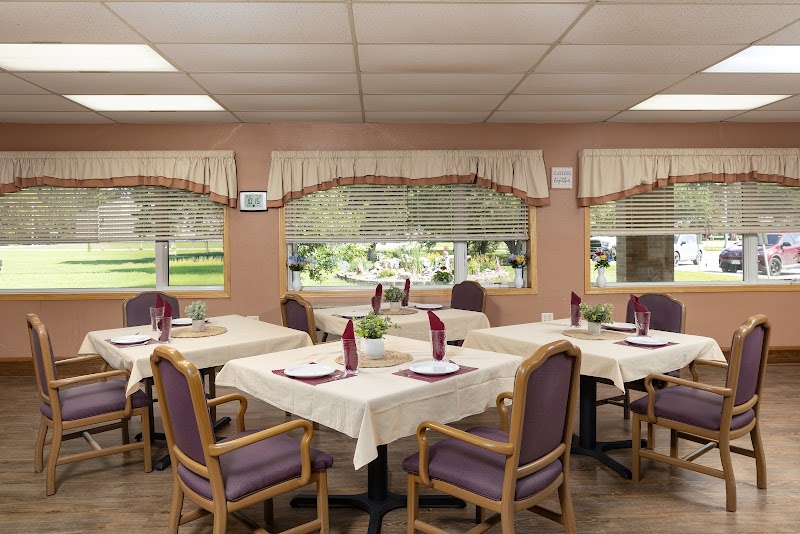
How is Wheatcrest Hills Healthcare Center Staffed?

CMS rates WHEATCREST HILLS HEALTHCARE CENTER's staffing level at 3 out of 5 stars, which is average compared to other nursing homes. Staff turnover is 43%, compared to the South Dakota average of 46%. This relatively stable workforce can support continuity of care.

What Have Inspectors Found at Wheatcrest Hills Healthcare Center?

State health inspectors documented 11 deficiencies at WHEATCREST HILLS HEALTHCARE CENTER during 2022 to 2025. These included: 2 that caused actual resident harm and 9 with potential for harm. Deficiencies causing actual harm indicate documented cases where residents experienced negative health consequences.
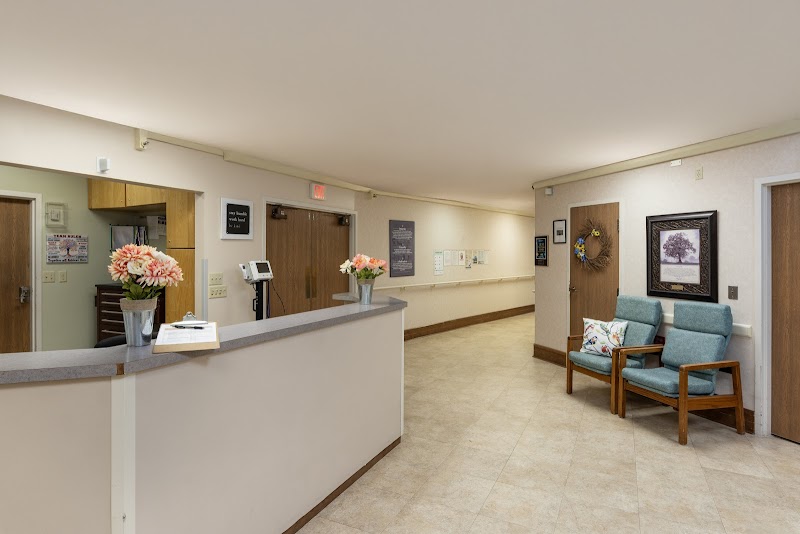
Who Owns and Operates Wheatcrest Hills Healthcare Center?

WHEATCREST HILLS HEALTHCARE CENTER is owned by a for-profit company. For-profit facilities operate as businesses with obligations to shareholders or private owners. The facility is operated by EMPRES OPERATED BY EVERGREEN, a chain that manages multiple nursing homes. With 60 certified beds and approximately 40 residents (about 67% occupancy), it is a smaller facility located in BRITTON, South Dakota.
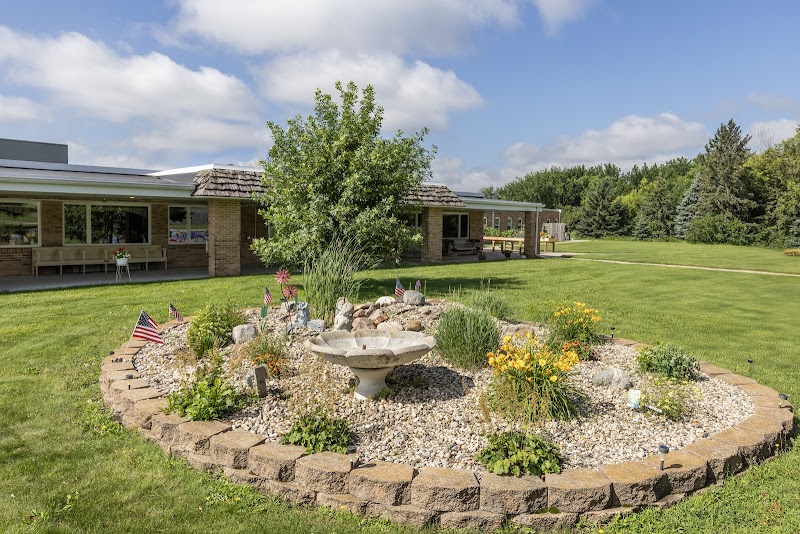
How Does Wheatcrest Hills Healthcare Center Compare to Other South Dakota Nursing Homes?

Compared to the 100 nursing homes in South Dakota, WHEATCREST HILLS HEALTHCARE CENTER's overall rating (3 stars) is above the state average of 2.7, staff turnover (43%) is near the state average of 46%, and health inspection rating (3 stars) is at the national benchmark.

What Should Families Ask When Visiting Wheatcrest Hills Healthcare Center?

Based on this facility's data, families visiting should ask: "Can I visit during a mealtime to observe dining assistance and food quality?" "How do you handle medical emergencies, and what is your hospital transfer rate?" "Can I speak with family members of current residents about their experience?"

Is Wheatcrest Hills Healthcare Center Safe?

Based on CMS inspection data, WHEATCREST HILLS HEALTHCARE CENTER has a clean safety record: no substantiated abuse findings (meaning no confirmed cases of resident harm), no Immediate Jeopardy citations (the most serious violation level indicating risk of serious injury or death), and is not on the Special Focus Facility watch list (a federal program monitoring the lowest-performing 1% of nursing homes). The facility has a 3-star overall rating and ranks #1 of 100 nursing homes in South Dakota. While no facility is perfect, families should still ask about staff-to-resident ratios and recent inspection results during their visit.

Do Nurses at Wheatcrest Hills Healthcare Center Stick Around?

WHEATCREST HILLS HEALTHCARE CENTER has a staff turnover rate of 43%, which is about average for South Dakota nursing homes (state average: 46%). Moderate turnover is common in nursing homes, but families should still ask about staff tenure and how the facility maintains care continuity when employees leave.

Was Wheatcrest Hills Healthcare Center Ever Fined?

WHEATCREST HILLS HEALTHCARE CENTER has been fined $40,349 across 3 penalty actions. The South Dakota average is $33,482. While any fine indicates a compliance issue, fines under $50,000 are relatively common and typically reflect isolated problems that were subsequently corrected. Families should ask what specific issues led to these fines and confirm they've been resolved.

Is Wheatcrest Hills Healthcare Center on Any Federal Watch List?

WHEATCREST HILLS HEALTHCARE CENTER is not on any federal watch list. The most significant is the Special Focus Facility (SFF) program, which identifies the bottom 1% of nursing homes nationally based on persistent, serious quality problems. Not being on this list means the facility has avoided the pattern of deficiencies that triggers enhanced federal oversight. This is a positive indicator, though families should still review the facility's inspection history directly.