GOOD SAMARITAN SOCIETY CANISTOTA
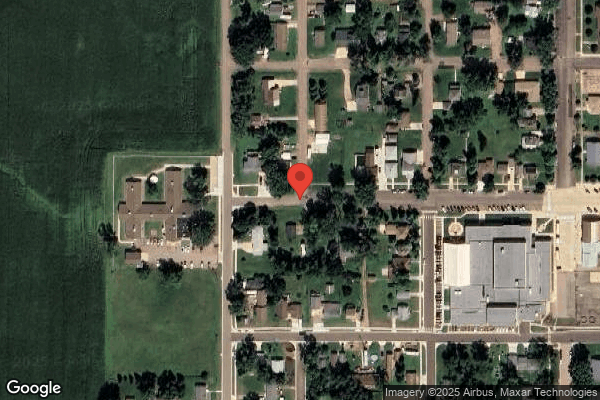
700 WEST MAIN ST, CANISTOTA, SD 57012 (605) 296-3442
Non profit - Corporation 55 Beds GOOD SAMARITAN SOCIETY Data: November 2025
Trust Grade
68/100
#21 of 95 in SD
Last Inspection: December 2024

Within standard 12-15 month inspection cycle. Federal law requires annual inspections.

Overview

Good Samaritan Society Canistota has a Trust Grade of C+, indicating that it is slightly above average but not exceptional. It ranks #21 out of 95 facilities in South Dakota, placing it in the top half, and is the best option out of two in Mc Cook County. However, the facility's performance is worsening, with issues increasing from four in 2023 to six in 2024. Staffing is a concern, with a 3-star rating and a turnover rate of 66%, which is higher than the state average of 49%, but the nursing coverage is average. The facility has incurred $9,009 in fines, which is typical, but there are significant issues to address. For example, a resident was upset after being denied a second serving of ice cream despite no dietary restrictions, and there were failures to provide proper notifications about hospital transfers and to maintain food safety standards, such as the improper storage and cleaning of kitchen items. Despite these weaknesses, the facility has good overall and health inspection ratings of 4 out of 5 stars.

Trust Score
C+
68/100
In South Dakota
#21/95
Top 22%
Safety Record
Moderate
Needs review
Inspections
Getting Worse
4 → 6 violations
Staff Stability
⚠ Watch
66% turnover. Above average. Higher turnover means staff may not know residents' routines.
Penalties
✓ Good
$9,009 in fines. Lower than most South Dakota facilities. Relatively clean record.
Skilled Nurses
○ Average
Each resident gets 33 minutes of Registered Nurse (RN) attention daily — about average for South Dakota. RNs are the most trained staff who monitor for health changes.
Violations
⚠ Watch
12 deficiencies on record. Higher than average. Multiple issues found across inspections.
★★★★☆
4.0
Overall Rating
★★★☆☆
3.0
Staff Levels
★★☆☆☆
2.0
Care Quality
★★★★☆
4.0
Inspection Score
Stable
2023: 4 issues
2024: 6 issues

The Good

  • Full Sprinkler Coverage · Fire safety systems throughout facility
  • No fines on record

Facility shows strength in fire safety.

The Bad

Staff Turnover: 66%

20pts above South Dakota avg (46%)

Frequent staff changes - ask about care continuity

Federal Fines: $9,009

Below median ($33,413)

Minor penalties assessed

Chain: GOOD SAMARITAN SOCIETY

Part of a multi-facility chain

Ask about local staffing decisions and management

Staff turnover is elevated (66%)

18 points above South Dakota average of 48%

The Ugly 12 deficiencies on record

1 actual harm
Dec 2024 3 deficiencies
CONCERN (D)

Potential for Harm - no one hurt, but risky conditions existed

Deficiency F0655 (Tag F0655)

Could have caused harm · This affected 1 resident

**NOTE- TERMS IN BRACKETS HAVE BEEN EDITED TO PROTECT CONFIDENTIALITY** Based on record review, interview, and policy review the provider failed to ensure one of one sampled resident (42) had reviewed...

Read full inspector narrative →
**NOTE- TERMS IN BRACKETS HAVE BEEN EDITED TO PROTECT CONFIDENTIALITY** Based on record review, interview, and policy review the provider failed to ensure one of one sampled resident (42) had reviewed and was provided a summary of her baseline care plan within forty eight hours of admission. Findings include: 1. Review of resident 42's electronic medical record (EMR) revealed: *She had been admitted on [DATE]. *She was admitted from an inpatient psychiatric facility. *She was diagnosed with unspecified mood [affective] disorder, mild neurocognitive disorder due to known physiological condition with behavioral disturbance, liver cell carcinoma, and long term use of anticoagulants. *Her Brief Interview for Mental Status (BIMS) assessment score was 12 which indicated moderate cognitive impairment. *There was no documentation of a power of attorney (POA) until 9/18/24. *Her baseline care plan was not signed as completed until 11/4/24. *There was no documentation in her EMR that a baseline care plan summary had been reviewed with the resident. 2. Interview on 12/4/24 at 2:25 p.m. with director of nursing (DON) B regarding residents' baseline care plans revealed: *The Minimum Data Set (MDS) nurse F completed the baseline care plans. *She guessed resident 42's baseline care plan had been signed as completed on 11/4/24 at her care conference. 3. Interview on 12/4/24 at 3:11 p.m. with resident 42 about her baseline care plan revealed: *She did not remember reviewing her baseline care plan when she was admitted to the facility. *She did not remember signing a baseline care plan when she was admitted to the facility. 4. Interview on 12/4/24 at 3:46 p.m. with MDS nurse F revealed: *She completed the nursing portion of the baseline care plans. *She did not have any documentation if they had reviewed or given a summary of resident 42's baseline care plan with her at the time of her admission. 5. Review of the provider's revised December 2, 2024 Care Plan policy revealed: *A baseline care plan includes instructions needed to provide effective and person-centered care of the resident that meet professional standards of quality care. *A baseline care plan will be developed upon admission according to federal and state regulations. The location must provide the resident and resident representative with a written summary of the baseline care plan. Use the PN-Care Conference Note/or Matrix equivalent to document that the meeting occurred with the resident and representative and any significant discussion that occurred.
CONCERN (E)

Potential for Harm - no one hurt, but risky conditions existed

Deficiency F0625 (Tag F0625)

Could have caused harm · This affected multiple residents

Based on interview, record review, and policy review the provider failed to provide bed-hod notices to residents and/or their representatives regarding transfers to the hospital on two of three occasi...

Read full inspector narrative →
Based on interview, record review, and policy review the provider failed to provide bed-hod notices to residents and/or their representatives regarding transfers to the hospital on two of three occasions for two of two sampled residents (9 and 46). Findings include: 1. Interview on 12/3/24 at 8:59 a.m. with resident 9 revealed she: *Had gone to the hospital. *Was there for a long time. *Could not remember why she was in the hospital. Review of resident 9's electronic medical record (EMR) revealed: *She was transported to the emergency department (ED) on 7/23/24 and was admitted to the hospital. *Her power of attorney (POA) was notified by phone of her transfer. *She returned to the facility from the hospital on 7/29/24 with diagnoses of urinary tract infection (UTI) and pneumonia. *Resident 9's POA called the provider on 7/31/24 to inform them he was notified resident 9 was being taken to the ED for an evaluation, but he was not notified she had been admitted . *There was no documentation in her EMR that indicated bed-hold information was given to her or her POA. 2. Interview on 12/3/24 at 9:25 a.m. with resident 46 revealed she did not think she had gone to the hospital recently. Review of resident 46's EMR revealed: *She was transferred to the hospital on 4/21/24. -Her POA was notified by phone of her transfer. -There was no documentation in her EMR that indicated the bed-hold information was given to her or her POA. *She was transferred to the hospital on 6/7/24. -Her POA was notified by phone of her transfer. -A bed-hold was signed by resident 46's POA on 6/10/24. 3. Interview on 12/4/24 at 3:22 p.m. with social worker C regarding the bed-hold notifications revealed: *She was responsible for issuing the bed-hold notifications. *The hospitalization for resident 46 happened on a Sunday and it did not get communicated to her. *She thought it was the nurse's responsibility to issue a bed-hold notification if it was at night or on a weekend. *She would have issued a bed-hold notice on Monday morning. *She agreed the bed-hold notifications were not given to the above residents or their POA. 4. Interview with administrator A at 4:02 p.m. regarding bed-hold notifications revealed: *She knew a resident/responsible party must be notified of the bed-hold when residents transferred to the hospital. *They had a checklist that staff were to follow for transfers. *Her expectation was the social worker would issue the bed-hold notifications during normal business hours and the charge nurse would issue it during nights and weekends. *She agreed bed-hold notifications were not being issued appropriately. 5. Review of the provider's 12/7/23 Bed-Hold policy revealed: *Purpose: To ensure that the resident/resident representative is made aware of the facility's bed hold and reserve bed payment policy before and upon transfer to a hospital or when taking a therapeutic leave of absence from the facility. *Policy: At the time of admission, transfer or therapeutic leave, the location will provide written information to the resident or resident representative that specifies: -1. The duration of the state bed-hold policy, if any, during which a resident is permitted to return and resume residence. -2. The reserve bed payment policy in the state plan. -3. The location's policy regarding bed-hold periods permitting a resident to return. *In Case of Emergency Transfer. -1. b. The charge nurse is responsible for completion of notification procedures if the transfer occurs at a time the social worker is not at the location. -2. The social worker or designated individual will contact the resident/resident representative to inquire regarding their decision for holding a bed. -3. In cases where the facility was unable to notify the resident representative, the social worker or designated individual will document multiple attempts to reach the resident's representative.
CONCERN (E)

Potential for Harm - no one hurt, but risky conditions existed

Food Safety (Tag F0812)

Could have caused harm · This affected multiple residents

Based on observation, interview, record review, and policy review the provider failed to ensure: *Necessary food safety guidelines were followed for appropriate storage of resident food items. *Proper...

Read full inspector narrative →
Based on observation, interview, record review, and policy review the provider failed to ensure: *Necessary food safety guidelines were followed for appropriate storage of resident food items. *Proper cleaning procedures were followed for dishes used to store, prepare, and serve residents' food in one of one main kitchen. Findings include: 1. Observation on 12/2/24 at 3:06 p.m. during the initial tour of the main kitchen revealed: *Three uncovered bowls of breakfast cereal stacked on top of each other inside the cupboard above the steam table. *Three soup bowls and three soup cups inside another cupboard with food residue on them. Interview on 12/2/24 at 3:25 p.m. with cook E regarding the items in the above cupboards revealed: *The bowls of breakfast cereal had been put in the cupboard after breakfast. *The booster heater had gone out of the commercial dishwasher and had not been working for two weeks. *The staff were washing the dishes by hand. *The staff were checking water temperatures and sanitizer levels while doing dishes by hand. *The new booster heater was scheduled to be delivered on 12/3/24. Interview and record review on 12/2/24 at 5:03 p.m. with nutrition and food services supervisor D regarding the items in the cupboard and the commercial dishwasher revealed: *She did not know why the bowls of cereal were in the cupboard. *Her expectation was no food items would be stacked on top of each other or uncovered. *She confirmed the booster heater for the commercial dishwasher had gone out two weeks ago. *The soup bowls and cups observed above had been rewashed to ensure they were clean before being used. *The staff were monitoring water temperatures and sanitizer levels while washing dishes by hand. *Review of the documented water temperatures and sanitizer level logs confirmed the levels were in compliance. Observation on 12/4//24 at 3:45 p.m. of the commercial dishwasher in the main kitchen revealed the booster heater was being replaced by a service technician. Review of the provider's 5/7/24 Food-Supply Storage-Food and Nutrition Services policy revealed: *7. Foods that have been opened or prepared are placed in an enclosed container, dated, labeled and stored properly. *8. Items being prepared for the next meal do not have to be dated and labeled but must be covered. Once meal service is over, cover, date and label trays of individually-portioned items such as desserts, salads, glasses of juice, milk and supplements. Review of the provider's 3/25/24 Warewashing-Mechanical and Manual-Food and Nutrition policy revealed: *Food and nutrition employees ensure that food preparation equipment, dishes and utensils are effectively cleaned, sanitized to destroy potential disease carrying organisms and stored in a protective manner. *Manual Ware Washing. Pots, pans and any other utensils or wares will be scraped, washed, rinsed and sanitized.
Aug 2024 3 deficiencies 1 Harm
SERIOUS (G) 📢 Someone Reported This

A family member, employee, or ombudsman was alarmed enough to file a formal complaint

Actual Harm - a resident was hurt due to facility failures

Deficiency F0561 (Tag F0561)

A resident was harmed · This affected 1 resident

Based on review of the South Dakota Department of Health (SD DOH) facility reported incident (FRI), record review, observation, interview, and policy review, the provider failed to accommodate one of ...

Read full inspector narrative →
Based on review of the South Dakota Department of Health (SD DOH) facility reported incident (FRI), record review, observation, interview, and policy review, the provider failed to accommodate one of one sampled resident's (2) snack time preferences. Findings include: 1. Review of the provider's 6/24/2024 (SD DOH) (FRI) regarding resident 2 revealed: *On 5/22/24 an incident occurred when resident 2 was offered ice cream. She had stated she wanted ice cream, was told she had already had ice cream and was not allowed more. -Resident 2 became upset and was taken to her room to calm down. *It was later discovered that resident 2 had a right eye that was swollen as well as a bump/bruise from her lateral aspect [tail] of the right eyebrow. *The care plan was updated . *Staff was educated to continue giving ice cream to the resident even if she did already have her normal amounts for the day. *Staff was educated on resident rights and choices. *Resident does not have any weight issues or diabetic concerns to support limiting ice cream at this time. 2. Review of resident 2's electronic medical record (EMR) revealed: *An admission date of 8/13/21. *Diagnoses that included: Huntington's Disease, Major Depressive Disorder, anxiety, and a history of other mental and behavioral disorders. *A Brief Interview for Mental Status (BIMS) score of 15 which indicated she was cognitively intact. *A 5/21/24 nutritional status progress note (PN) indicated Wt [weight] down significantly since was 191 on 12/1 [12/1/23] . Recommend: 1. Provide diet as ordered assisting with all intake. Provide smaller portions per Res [resident] request. 2. General snacks/hydration per diet order to be offered b/t [between] meals. 3. Monitor intake/wt [weight]. *A 5/22/24 nurse PN indicated: Reported to this nurse, that after [the] resident had her HS [evening] snack, she asked staff for ice cream, which was given to her. Activities staff then asked her later if she wanted ice cream and she stated yes, but was informed that she already had ice cream. Resident began yelling and swearing at staff as well as kicking staff. At this time, resident in room screaming, as she wants ice cream. Informed resident that she already had her ice cream. Resident yelling and stating, oh what ever, and pack my shit I'm leaving. *A 6/8/24 nurse PN indicated: Reported to this nurse, that resident in living room screaming as she requested candy, but had just finished with HS [evening] snack and also ice cream. Stated she would need to wait, and began screaming. *A 6/15/24 nurse PN indicated: This morning at ~ [approximately] 0600 [6:00 a.m.] resident in [her] room screaming because she wanted candy and ice cream. CNA [certified nursing assistant] had informed [the] resident that it was almost breakfast. Resident then yelling oh, whatever. Get the hell out of here. *A 7/1/24 nurse PN indicated: Reported to this nurse, that this past evening, resident requesting ice cream for the second time, plus an HS snack and staff told her she would have to wait, as other residents wanted and needed snacks as well. Resident then began screaming and leaning forward in her broda chair [a specialized wheelchair], then throwing herself back into [the] chair. 3.Observation on 8/19/24 at 2:59 p.m. with resident 2 in the main dining room revealed: *She had involuntary movements that included movements of her head, and upper body and she kicked her leg out in front of her repeatedly. *She reached for and drank juice from a cup with two handles. *A staff member assisted her with eating the cake with a fork. *She wiped her own face with her clothing protector. Interview on 8/19/24 at 3:40 p.m. with resident 2 and her male friend revealed: *Her friend brought ice cream to the facility regularly. -It was stored in the shared resident freezer. *She stated she wanted ice cream for a snack but could not get the ice cream when she wanted it. *She stated, I don't have any independence. *She preferred ice cream because it was easy to swallow. *This was a long-standing preference as her friend had provided ice cream for her in her previous living environment. Interview on 8/20/24 at 8:50 a.m. with certified nurse aide (CNA) E regarding resident 2 revealed: *Resident 2 required assistance with eating meals and snacks. -She was able to drink from a 2-handle cup or eat a peanut butter cup if it was opened for her and the paper was removed. -She required assistance with using utensils. *Resident 2 was able to make her needs known. *Resident 2 had behaviors that included cussing at staff, hitting, and kicking. *If resident 2 asked for ice cream at 6:00 a.m. she would be reminded that breakfast was served at 8:30 a.m. and encouraged to wait til breakfast. Interview on 8/20/24 at 9:01 a.m. with registered nurse (RN) F regarding resident 2 revealed: *Resident 2 had a history of getting very angry and required time to calm down in those circumstances for her safety and the safety of the staff. *RN F expected that when resident 2 requested ice cream it would be provided to her. -She stated, I would not want to start the day on the wrong foot. *She was not aware if resident 2 had a recent weight loss. Interview on 8/20/24 at 9:06 a.m. with director of nursing (DON) B regarding resident 2 revealed she: *Started in her role as DON on 6/24/24, after the incident on 5/22/24 occurred. *Expected that if a resident requested a candy or ice cream at midnight or 6:00 a.m., they would be allowed it or an alternative. *Stated, This is their home. *She was not aware that resident 2 had not received snacks when she requested them. Interview on 8/20/24 at 11:13 a.m. with supervisor, nutrition and food service D revealed: *A snack was served daily at 3:00 p.m. in the dining room which included ice cream once a week. *Snacks were kept in the nurse station for residents. *The nurses were able to access the main kitchen and resident refrigerators at all times. *Personal food items brought from outside the facility were stored in the resident unit refrigerator. Observation on 8/20/24 at 12:51 p.m. of the day room freezer revealed four containers of ice cream and 17 peanut butter cups. Interview on 8/20/24 at 12:52 p.m. with certified nurse aide (CNA) E revealed: *The peanut butter cups and at least two of the containers of ice cream belonged to resident 2. -Resident 2's friend brought her snacks and did not always label the items he placed into the freezer. Interview on 8/20/24 at 9:14 a.m. and again at 2:07 p.m. with administrator A revealed: *She expected that if a resident requested ice cream that ice cream or an alternative would have been provided. *The incident on 5/22/24 occurred during the hiring transition of the administrator and director of nursing. *She had contacted the previous interim DON regarding the incident and confirmed that the investigation and education provided were done verbally. -There was no documentation of the investigation or education provided. *She confirmed that the care plan had not been updated to reflect the resident's preferences. 4. Review of the provider's January 2022 Resident's Rights for Skilled Nursing Facilities policy revealed: *The resident has a right to and the facility must promote and facilitate self-determination through support of resident choice. *The resident has a right to make choices about aspects of his or her life in the facility that are significant to the resident.
CONCERN (D) 📢 Someone Reported This

A family member, employee, or ombudsman was alarmed enough to file a formal complaint

Potential for Harm - no one hurt, but risky conditions existed

Deficiency F0657 (Tag F0657)

Could have caused harm · This affected 1 resident

Based on review of the South Dakota Department of Health (SD DOH) facility reported incident (FRI), record review, interview, and policy review, the provider failed to ensure the care plan was revised...

Read full inspector narrative →
Based on review of the South Dakota Department of Health (SD DOH) facility reported incident (FRI), record review, interview, and policy review, the provider failed to ensure the care plan was revised to reflect the current snack preferences for one of one sampled resident (2). Findings include: 1. Review of the provider's 6/24/2024 (SD DOH) (FRI) regarding resident 2 revealed: *On 5/22/24 an incident occurred when resident 2 was offered ice cream. She had stated she wanted ice cream, was told she had already had ice cream and was not allowed more. -Resident 2 became upset and was taken to her room to calm down. *It was later discovered that resident 2 had a right eye that was swollen as well as a bump/bruise from her lateral aspect [tail] of the right eyebrow. *The care plan was updated . *Staff was educated to continue giving ice cream to the resident even if she did already have her normal amounts for the day. *Staff was educated on resident rights and choices. *Resident does not have any weight issues or diabetic concerns to support limiting ice cream at this time. 2. Review of resident 2's electronic medical record (EMR) revealed: *An admission date of 8/13/21. *Diagnoses that included: Huntington's Disease, Major Depressive Disorder, anxiety, and a history of other mental and behavioral disorders. *A Brief Interview for Mental Status (BIMS) score of 15 which indicated she was cognitively intact. *A 5/21/24 nutritional status progress note (PN) indicated Wt [weight] down significantly since was 191 on 12/1 [12/1/23] . Recommend: 1. Provide diet as ordered assisting with all intake. Provide smaller portions per Res [resident] request. 2. General snacks/hydration per diet order to be offered b/t [between] meals. 3. Monitor intake/wt [weight]. *A 5/22/24 nurse PN indicated: Reported to this nurse, that after [the] resident had her HS [evening] snack, she asked staff for ice cream, which was given to her. Activities staff then asked her later if she wanted ice cream and she stated yes, but was informed that she already had ice cream. Resident began yelling and swearing at staff as well as kicking staff. At this time, resident in room screaming, as she wants ice cream. Informed resident that she already had her ice cream. Resident yelling and stating, oh what ever, and pack my shit I'm leaving. *A 6/8/24 nurse PN indicated: Reported to this nurse, that resident in living room screaming as she requested candy, but had just finished with HS [evening] snack and also ice cream. Stated she would need to wait, and began screaming. *A 6/15/24 nurse PN indicated: This morning at ~ [approximately] 0600 [6:00 a.m.] resident in [her] room screaming because she wanted candy and ice cream. CNA [certified nursing assistant] had informed [the] resident that it was almost breakfast. Resident then yelling oh, whatever. Get the hell out of here. *A 7/1/24 nurse PN indicated: Reported to this nurse, that this past evening, resident requesting ice cream for the second time, plus an HS snack and staff told her she would have to wait, as other residents wanted and needed snacks as well. Resident then began screaming and leaning forward in her broda chair [a specialized wheelchair], then throwing herself back into [the] chair. *The care plan had not been updated to reflect the resident's preference for ice cream, or candy. *The care plan did not indicate that Staff was educated to continue giving ice cream to the resident even if she did already have her normal amounts for the day. 3. Interview on 8/19/24 at 3:40 p.m. with resident 2 and her male friend revealed: *Her friend brought ice cream to the facility regularly. -It was stored in the shared resident freezer. *She stated she wanted ice cream for a snack but could not get the ice cream when she wanted it. *She stated, I don't have any independence. *She preferred ice cream because it was easy to swallow. *This was a long-standing preference as her friend had provided ice cream for her in her previous living environment. Interview on 8/20/24 at 9:14 a.m. and again at 2:07 p.m. with administrator A revealed: *She expected that if a resident requested ice cream that ice cream or an alternative would have been provided. *The incident on 5/22/24 occurred during the hiring transition of the administrator and director of nursing. *She confirmed that the care plan had not been updated to reflect the resident's preferences. 4. Review of the provider's November 1, 2023, Care Plan policy revealed: *Each resident will have an individualized, person-centered, comprehensive plan of care . *Person-centered care- A focus on the resident as the locus of control and supporting the resident in making his or her own choices and having control over their daily life.
CONCERN (D) 📢 Someone Reported This

A family member, employee, or ombudsman was alarmed enough to file a formal complaint

Potential for Harm - no one hurt, but risky conditions existed

Accident Prevention (Tag F0689)

Could have caused harm · This affected 1 resident

Based on South Dakota Department of Health (SD DOH) facility-reported incident (FRI), record review, interview, Roam Alert (door alarm) log review, and video review, the provider failed to ensure the ...

Read full inspector narrative →
Based on South Dakota Department of Health (SD DOH) facility-reported incident (FRI), record review, interview, Roam Alert (door alarm) log review, and video review, the provider failed to ensure the safety of one of one sampled resident (1) identified at risk for elopement, who had eloped (left the facility without staff knowledge) after staff turned a door alarm off. Failure of staff to ensure the door alarm was rearmed resulted in the resident's elopement and put him at risk for physical injury or serious harm. This citation is considered past non-compliance based on review of the corrective actions the provider implemented immediately following the incident. Findings include: 1. Review of provider's 7/28/24 SD DOH FRI revealed: *On 7/28/24 resident 1 had wandered throughout the building that night. *Staff had redirected him away from the doors throughout the night. *At 5:00 a.m. staff noticed he was not in his room and initiated a search inside and outside of the building. *The sheriff was notified of the missing resident at 6:20 a.m. *Administrator A and director of nursing (DON) B were notified at 5:40 a.m. *An unidentified staff member found resident 1 wandering at 6:30 a.m. on a nearby road and accompanied resident 1 back to the facility at 6:40 a.m. *The nurse notified emergency medical services who assessed resident 1 at 7:15 a.m. at the facility, found no injuries, and recommended to increase his hydration for the day. -His wander guard (door alarm bracelet) was found to be in working order. *His daughter was notified of the incident. *DON B reviewed the camera footage and discovered resident 1 exited the 100 hallway door at 4:41 a.m. *Approximately one minute before that, certified nursing assistant (CNA) C had responded to resident 1's attempt to exit that door. CNA C entered the bypass door alarm PIN code, which turned the alarm off, redirected resident 1, and then responded to another resident's call light. *Door alarm audits were conducted every Wednesday. *Staff audited door alarms for the rest of day 7/28/24. *DON B revised the provider's Alarms-Bed, Chair and Door Policy on 7/28/24 to include: -If resident is exit seeking, staff will redirect away from door. -Staff will reset alarm. -Stay with the exit door until lock is reset and alert lights are red. -Resident is to be assisted to a common area a good distance away from the exit. -Resetting the alarms needs to be done by using the codes on keypads first, and then using badge to reset if keypad does not reset. -Staff will then start a head count and have eyes on all residents. Once all are accounted for radio an all clear, everyone is here message. -Alarm activated and no resident is in sight. One staff member will check to see which door it is and radio staff to check that door. *Education of the policy and process revision was provided to the staff by DON B. Review of resident 1 electronic medical record (EMR) revealed: *His Brief Interview for Mental Status (BIMS) score was three which indicated he had severe cognitive impairment. *He had diagnoses of: -Dementia with behavioral disturbances. -Anxiety disorder due to psychological condition -Major depressive disorder, recurrent. *His elopement risk assessments dated 10/11/23, 1/12/24, 4/12/24,7/20/24 and 7/28/24 all identified him at risk for elopement. *On 4/13/21 a care plan focus area identified his elopement risk. -An intervention for: Wander guard used to alert staff to resident movements was initiated on 4/13/21. -On 7/28/24 he eloped. -On 7/28/24 an intervention to ensure exit door alarms are in working order was added to his care plan. Review of the provider's Roam Alert (wander guard) log and video camera footage of the incident revealed: *Resident 1 at 4:40 a.m. caused alarm to sound at 100 hallway door. *At 4:41 a.m. CNA C entered a door alarm bypass PIN code. -Resident 1 was redirected by CNA C back up the hallway in a direction away from the door. *At 4:41 a.m. a call light was activated in another resident's room. CNA C walked past resident 1 in the hallway and responded to another resident's call light. *Resident 1 turned around and exited the door at the end of the hallway at 4:41 a.m., unseen by staff. *The Roam alert log indicated Bypass On was detected in the 100 hallway at 4:41 a.m. and Bypass off was detected at 4:42 a.m. Interview on 8/20/24 at 3:00 p.m. with DON B revealed: *15-minute visual checks were started on 7/28/24 upon resident 1's return to the building until 8/1/24 and were then changed to one-hour checks for 24 hours. *His behavior charting was completed every shift. *His behaviors improved after the addition of scheduled Tylenol and Tramadol medications for pain. *An elopement drill was conducted with staff on 7/28/24. *After the door alarm bypass PIN code was entered, it would not alarm and would reactivate after 90 seconds. *Alarms policy was updated and revised on 7/28/24. *Staff education was provided regarding alarm policy changes starting 7/28/24 and was completed 7/30/24 for all staff. The provider's implemented actions to ensure the deficient practice does not reoccur was confirmed on 8/20/24 after: record review revealed the facility had followed their quality assurance process, education was provided to all nursing care staff regarding door alarms, response and their alarm deactivation and re-activation process, policy update, and observation and staff interviews revealed the staff understood the education provided and the revised process. Based on the above information, non-compliance at F689 occurred on 7/28/24, and based on the provider's implemented corrective action for the deficient practice confirmed on 8/20/24, the non-compliance is considered past non-compliance.
Aug 2023 4 deficiencies
CONCERN (D)

Potential for Harm - no one hurt, but risky conditions existed

PASARR Coordination (Tag F0644)

Could have caused harm · This affected 1 resident

Based on interview, record review, and policy review the provider failed to ensure one of one resident (23) who had a mental illness had a Preadmission Screening and Resident Review (PASARR) Level II ...

Read full inspector narrative →
Based on interview, record review, and policy review the provider failed to ensure one of one resident (23) who had a mental illness had a Preadmission Screening and Resident Review (PASARR) Level II completed timely. Review of resident 23's medical record revealed her: *admission date was 9/15/20. *Diagnosis included bipolar and an 8/25/21 schizoaffective disorder. *7/25/23 Brief Interview of Mental Status was a 15, that score meant she was cognitively intact. *Her care plan included: -She preferred to remain in her room. -She had disruptive behaviors including screaming and cursing at other people. -She had a private room due to the above. -Mental health services were provided to her by a behavioral health agency. Review of resident 23's admission PASARR revealed it: *Was completed on 8/24/20. *Had not included a diagnosis of schizoaffective disorder or any other mental illness diagnosis. Interview on 8/10/23 at 9:42 a.m. with social services G regarding resident PASARRs revealed she: *Had worked in long-term care as a social worker for over 16 years at various facilities. -Was hired by the provider January, 2022 *Was well versed in PASARR requirements. *Would have notified the state PASARR nurse consultant for the following: -When a resident had a new diagnosis of mental illness. -When a resident had a medication change that included an antipsychotic or anti-depressant medication. *Was not aware that resident 23 had a new diagnosis of schizoaffective disorder or who had given the resident that diagnosis. -She did not know who had given resident 23 that diagnosis. *Confirmed a new PASARR should have been completed for resident 23 when she received a new diagnosis of schizoaffective disorder on 8/25/21. Interview on 8/10/23 at 9:48 a.m. with administrator A regarding resident PASARR's revealed: *Social services G was responsible for completion of resident PASARR's. *Administrator A had not had training regarding completion of resident PASARR's. *She was not aware a new PASARR should have been completed for resident 23. Review of provider's Pre-admission Screening and Resident Review (PASARR)-Rehab/Skilled revealed: *Purpose -*To ensure that individuals with retardation, serious mental disorder or intellectual disability receive the care and services they need in the most appropriate setting. -Serious Mental Illness - An individual is considered to have a serious mental disorder if the individual meets the following requirements on diagnosis, level of impairment and duration of illness: --1. Diagnosis: the individual has a major mental disorder diagnosable under the Diagnostic and Statistical Manual of Mental Disorders, 3rd edition, revised 1987. Mental disorders include: ---a. A schizophrenic, mood, paranoid, panic or other severe anxiety disorder; somatoform disorder; personality disorder; or another mental disorder that may lead to a chronic disability . --During the Stay ---1. If the resident is diagnosed with a mental disorder while in the location, the social worker will contact the designated state agency for a Level II screening.
CONCERN (D)

Potential for Harm - no one hurt, but risky conditions existed

Deficiency F0658 (Tag F0658)

Could have caused harm · This affected 1 resident

Based on observation, interview, record review, and policy review, the provider failed to ensure: *Treatment and documentation had been completed for one of one sampled resident (37) according to the ...

Read full inspector narrative →
Based on observation, interview, record review, and policy review, the provider failed to ensure: *Treatment and documentation had been completed for one of one sampled resident (37) according to the provider's polcy who had skin tears. *Two scheduled nebulized medications ordered by the physician for one of one sampled resident (37) were not obtained from the pharmacy according to the provider's policy. Findings include: 1. Observation and interview on 8/8/23 at 4:08 p.m. with resident 37 revealed: *He was seated in his wheelchair in his room. *Had an approximate three-inch skin tear to his right forearm. *Had a small pencil eraser size open area above his right elbow. *Both areas had a small amount of blood present. *The skin tear on his right forearm had skin rolled back to the edges of the wound. *Resident 37 was unable to explain when or how he had received the skin tear. Interview and observation on 8/8/23 at 4:30 p.m. and again at 5:00 p.m. with registered nurse (RN) C revealed she: *Was not aware of resident 37's skin tear or when he had acquired the skin tear. *Cleansed the areas and applied a non-stick dressing over the skin tear and wrapped Kerlix around his arm. Review of resident 37's medical record by RN C indicated the skin tear had occurred a few days ago when he was repositioned in bed. Observations of resident 37 on 8/9/23 at 8:00 a.m., 10:30 a.m., 2:00 p.m., and 3:30 p.m. revealed he had a non stick dressing applied to his right forearm with tape. *The tape was not completely attached to his skin at multiple points on the dressing. *The dressing appeared to be soiled with the resident's own body fluids. Observation of resident 37 on 8/10/23 at 9:00 a.m. revealed there was no dressing on his right forearm skin tear. The area had a dried blood scab that had sealed it. Review of resident 37's interdisciplinary progress notes revealed on: *7/14/23 at 11:58 a.m. Resident noted to have redness to groin/peri area, skin tear to left arm distal to deltoid, skin tear to left forearm. admitted with both wounds covered with protective dressing from the hospital. *7/18/23 at 5:03 p.m. Mepilex dressings came off to left elbow and left upper arm with bath. Dried skin tear to left upper arm. Skin tear above left elbow open and unable to approximate edges. 4 X 4 to wound and wrapped with Kerlix. *8/1/23 at 5:40 p.m. Family also had questions about skin tear on resident's arm and Charge Nurse stated that resident had rubbed it on the bed linens, causing friction and tearing the skin, when staff were changing and turning him earlier this morning. Family did inform writer that resident does not like his arms wrapped or does not like to have band aids on. Informed them that this was on for his protection and to make sure skin tear stays clean. Review of resident 37's medical record revealed: *His 7/14/23 Nursing Admit Data Collection assessment revealed there was no documentation regarding his skin tears to his left forearm and elbow. *There was no further interdisciplinary progress notes in regards to the skin tears to his left forearm and left elbow after 7/18/23. *There was no documentation on resident 37's July 2023 Medication/Treatment Administration Record (MAR/TAR) regarding the left forearm and elbow skin tears. *There was no documentation that resident 37's physician had been notified or that a treatment had been requested for the left forearm and elbow skin tears. *The skin tear noted on 8/1/23 had not indicated where it was located. *Resident 37's family had not been notified when the skin tear occurred. *The 8/1/23 interdisciplinary progress note was the only documentation in regards to more skin tears. *There was no documentation on resident 37's August MAR/TAR record for the skin tears identified on 8/1/23. *A skin observation assessment had been completed on 8/6/23 and a right elbow and right forearm skin tear was documented as covered with a dressing that was clean, dry, and intact. *There was no documentation in the interdisciplinary notes by RN C after she had observed and placed a dressing on resident 37's right forearm skin tear on 8/8/23. Interview on 8/10/23 at 10:04 a.m. with RN D and RN E revealed: *When a resident was admitted with any type of wound it should have been measured with a description of the wound documented in the medical record, and a physician's order for treatment should have been obtained. *The wound should have been assessed daily or weekly depending on the wound type until it was healed. *They agreed resident 37 should have had weekly skin observations completed and documented. *They were not aware of his left of right forearm skin tears. Review of the provider's Skin Assessment Pressure Ulcer Prevention and Documentation Requirements - Rehab/Skilled revised on 4/26/23 revealed: *All residents will have a comprehensive skin inspection done by the licensed nurse on admission/readmission to identify any skin issues present including, but not limited to, pressure ulcers, and the results will be documented in the legal medical record. *Assessment and Documentation of Bruises/Contusions/Skin Tears/Abrasions included: -If a bruise, contusion, abrasion or skin tear is observed on a resident this should be reported to the nurse immediately. -The bruise/contusion/ abrasion/skin tear should be monitored weekly and any changes and/or progress toward healing should be documented on the Skin Observation user defined assessment and on the resident's care plan. *Other documentation that should have been completed included: -A progress note for communication with the resident and or family/resident representative. -A facsimile to the physician for wound care treatment. 2. Review of resident 37's August 2023 MAR revealed: *He was to have received budesonide inhalation suspension 0.5 milligram (mg) per 2 milliliters (ml) two times a day for chronic obstructive pulmonary disease (COPD). *Ipratropium-albuterol inhalation solution 0.5-2.5 3 mg per 3 ml four times a daily for COPD. *Documentation for those medications: -On 8/8/23 revealed a 4 (indicating the drug was not available) had been documented for both doses of the budesonide and the bedtime dose of the Ipratropium-albuterol. -On 8/9/23 revealed an 8 (indicating to see the nurse's notes) had been documented for the morning dose of the budesonide and the 8:00 a.m., 12:00 noon, and 6:00 p.m. doses of the Ipratropium-albuterol. Review of an 8/8/23 5:20 p.m. interdisciplinary note communication with the pharmacy documented by RN C revealed: Resident noted to be out of Duonebs [ipratropium-albuterol] Budesonide Medications were ordered from [drug store] but did not receive them on delivery this evening. Writer called [drug store] at this time. [Pharmacist] from [drug store] states they are waiting for refill scripts from [physician]. Interview on 8/10/23 at 10:04 a.m. with RN D and RN E revealed: *The director of nursing services (DNS) B provided an education sheet for when medications were not available. All of the nurses were to review it and sign it. *They stated it included information to notify the resident's physician and check the emergency drug kit (E-Kit) to see if the medication would be available. Interview on 8/10/23 at 2:30 p.m. with administrator A and DNS B regarding the documentation of resident 37's skin tears and his missed doses of Ipratropium-albuterol and budesonide nebulizer medications revealed: *They confirmed the documentation of his skin tears, including the assessments, physician notification, and treatments provided had been missed. *Their expectation would have been to follow the skin policy. *The pharmacy had been notified on 8/7/23 of the need to refill the ipratropium-albuterol and budesonide nebulizer medications. *It was not delivered the evening of 8/8/23. That was due to needing his physician to provide a new prescription for those medications. *They confirmed the nurse should have checked to see if the E-Kit had those medications until the pharmacy could deliver them. His physician should have been notified of the missed nebulizer medications in case a substitute could have been used. Review of the provider's revised 8/24/22 Local Pharmacy Medication Ordering - Rehab/Skilled policy revealed: *The policy was specific to new medication orders. *If the medication has not arrived in time for the medication pass, used emergency/contingency kit. *If the medication is not available in the emergency/contingency kit and the pharmacy has not delivered the drug by the scheduled med (medication) pass time, call the pharmacy, and speak to pharmacist to determine why the medication was not delivered. Document details in PCC [Point Click Care-electronic health record]. *If the medication is not available, notify the ordering physician immediately to determine whether the order should be changed or starting the medication can wait until the medication is available from the pharmacy. Document in the PN [progress notes] - Communicate with Pharmacy or PN - Communication/Visit with Physician as appropriate. *Note: Remember, if you wait to re-order a medication until you are out, you need to communicate to the pharmacy you are out of the medication.
CONCERN (D)

Potential for Harm - no one hurt, but risky conditions existed

Deficiency F0761 (Tag F0761)

Could have caused harm · This affected 1 resident

Based on observation, interview and policy review the provider failed to: *Ensure resident medications were secured for one of two medication carts four out of five times during the observed medicatio...

Read full inspector narrative →
Based on observation, interview and policy review the provider failed to: *Ensure resident medications were secured for one of two medication carts four out of five times during the observed medication pass in the dining room. *Ensure expired influenza vaccines in one of one medication refridgerator were removed and disposed of and and were not available for resident use. 1. Observation and interview on 8/9/23 8:25 a.m. of registered nurse (RN) D during the medication pass in the resident dining room revealed: *Her medication cart was located in the doorway into the dining room. *She had walked away from the medication cart and into the dining room to give medications to three residents without locking the medication cart. *There were residents and staff walking past the medication cart that was unlocked while the RN was away from the medication cart. *The unlocked medication cart contained multiple resident medications *RN D agreed that she should have locked the medication cart when she walked away to administer medications to those residents. *She prepared a fourth resident's medications at the medication cart and then walked into the medication room to grab a snack for that resident. -The unlocked medication cart was not in view by the nurse. -There were residents and staff walking past the unlocked medication cart. 2. Observation on 8/9/23 at 8:30 a.m. of the medication room refridgerator revealed there were three boxes in the vaccination fridge containing a total of fifteen influenza vaccines that had expired on 6/30/2023. Interview on 8/10/23 at 1:40 p.m with RN D regarding the expired influenza vaccines revealed: *Pharmacy was to have checked the refridgerator containing those vaccines every month. *She was not aware that those vaccines were expired. Interview on 8/10/23 1:45 p.m. with Director of Nursing Services (DNS) B and staff development coordinator RN F revealed: *The expectation when walking away from a medication cart would have been that the nurse or medication aide would lock the medication cart. *DNS B was not aware if the policy indicated that the pharmacy was to have checked the refridgerator in the medication room for expired vaccines. *RN D stated the expectation would have been that the nursing staff would have checked the expiration date of the vaccine before administration. Review of the provider's March 2023 Medications: Acquisition Receiving Dispensing and Storage policy revealed: *POLICY/PROCEDURE *5. Medications will be stored in a locked medication cart, drawer or cupboard. Only the person passing medications and the director of nursing services and/or designee will be permitted to have access to the keys to the medication storage areas. *6. The location will routinely check for expired medications and necessary disposal will be done in accordance with state/pharmacy regulations.
CONCERN (D)

Potential for Harm - no one hurt, but risky conditions existed

Dental Services (Tag F0791)

Could have caused harm · This affected 1 resident

**NOTE- TERMS IN BRACKETS HAVE BEEN EDITED TO PROTECT CONFIDENTIALITY** Based on interview, observation, and record review the provider failed to ensure one of one sampled resident (11) received recom...

Read full inspector narrative →
**NOTE- TERMS IN BRACKETS HAVE BEEN EDITED TO PROTECT CONFIDENTIALITY** Based on interview, observation, and record review the provider failed to ensure one of one sampled resident (11) received recommended routine dental services to prevent tooth extractions. Interview on 8/7/23 at 5:10 p.m. with resident 11 revealed she: *Was missing a few teeth and her teeth were discolored. *Stated that her tooth hurt and she had an appointment to have it pulled. *Had received Tylenol for the pain. Interview on 8/10/23 at 8:28 a.m. with resident 11 regarding her dental issues revealed she: *Had cream of wheat for breakfast. *Had difficulty chewing solid foods. *Had an upcoming dental appointment to have two teeth pulled on the left side. *Had no help from staff in brushing her teeth and felt she needed more assistance. *Needed to brush her teeth daily. *Had numerous toothbrushes that were kept in her bathroom cupboard, in a yellow plastic basin. Observation on 8/10/23 8:30 a.m. of resident 11's bathroom revealed: *The cupboard contained a yellow plastic basin that had one toothbrush, in the original unopened packaging, that was dated 7/1/23 and in an enclosed toothbrush holder. *On the sink was a battery-operated toothbrush that was dry. *She had no toothpaste. Review of resident 11's medical record revealed: *She was admitted on [DATE]. *Her 7/24/23 Brief Interview of Mental Status score was a 12, meaning her cognition was moderately impaired. *Her diagnoses included intellectual disabilities, Alzheimer's disease, paranoid schizophrenia, psychotic disturbance, mood disturbance, and anxiety. *Her care plan included: -On 9/9/14 she required supervision and cueing with mouth care and brushing her teeth. -On 7/30/20 she was to have assistance with set up to brush her teeth and was able to rinse and spit, -On 7/24/23 she had her own teeth. *Her progress notes included: -On 8/4/2022 her teeth were fine, her last dental appointment was on 7/21/22. --The dentist recommended she have her teeth cleaned at the office every three months. ---She preferred every six months. ----There was no documentation to support she had been to the dentist every six months since 7/21/22. -On 06/14/2023 she had a yearly dental appointment scheduled for 7/18/23. -On 7/6/2023: --She had a toothache on the left side of her mouth. --Was missing most of the teeth on the left side and had a very decayed tooth in the front. --A dentist appointment had been made for 7/7/23. -On 8/7/23 she had an appointment at an oral surgery clinic. --She had returned to the facility with an order to take antibiotics for ten days. --She would have dental surgery after she had received medical clearance from her physician. *There was no documented oral care for the last 30 days in her medical record. Interview on 8/10/23 9:22 a.m. with certified nursing assistant (CNA) J revealed: *Her employment started on March 15, 2023. *She was familiar with resident 11's care needs. -Her dental care was provided PRN (as needed). Interview on 8/10/23 at 9:33 a.m. CNA I revealed: *Her employment started in January, 2023. *She was familiar with resident 11's care needs. -The resident occasionally needed assistance in the bathroom and putting on her undergarments. -The resident was independent in providing her own oral care and would ask staff when she needed toothpaste. Interview on 8/10/23 at 9:40 a.m. social services G regarding dental appointments revealed: *She had been employed with the provider for about two years. *The activity director (AD) H scheduled dental appointments for the residents. -The appointments were yearly and if the resident had complained of dental pain. -Each residents dental information was discussed at each care conference. *AD H would have made six-month appointments if needed. *She had no knowledge of six-month appointment for resident 11. AD H was not available for an interview. Interview on 8/10/23 at 10:01 a.m. and at 11:24 a.m. with administrator A regarding dental appointments revealed: *Dental appointments were made by AD H. *If a resident refused to go to a dental appointment their process would have been the following: -Document in the resident's electronic medical record under the progress notes the reason the resident had refused the dental appointment. -Discussion would have been held regarding the resident's dental status at the next scheduled care conference. -Rescheduling the appointment if the resident would have wanted another appointment. *Resident 11 should have had a dental appointment in January, 2023. *There was no documentation to support resident 11 had refused a six-month appointment. -Her care conferences had not included follow-up to a six-month appointment. *The provider had no dental policy.
Mar 2022 2 deficiencies
CONCERN (D)

Potential for Harm - no one hurt, but risky conditions existed

Deficiency F0685 (Tag F0685)

Could have caused harm · This affected 1 resident

Based on observation, interview, record review, admission packet review, and policy review, the provider failed to ensure one of one sampled resident (36) with a visual impairment had received service...

Read full inspector narrative →
Based on observation, interview, record review, admission packet review, and policy review, the provider failed to ensure one of one sampled resident (36) with a visual impairment had received services to ensure he had eye glasses in good repair to maintain his vision. Findings include: 1. Observation and interview on 3/22/22 at 3:27 p.m. with resident 36 revealed he: *Had been a resident at the facility since November 2020. *Squinted during the conversation with this surveyor who was seated approximately three feet from him. *Was able to see me but said my image was very fuzzy. *Had glasses when he was admitted to the facility but had not had them for a long time. *Was unsure of what had happened to his glasses but thought they were lost or stolen. *Wanted to see an eye doctor so he could get a new pair of glasses. *Had not seen an eye doctor since he had come to the nursing home. *Wanted improved vision. Interview on 3/23/22 at 9:09 a.m. with Minimum Data Set (MDS) coordinator D revealed she was familiar with resident 36 and: *Had completed the MDS assessments for him since his admission. *Had thought his vision was good without glasses. *Had him read from a newspaper when she completed the MDS assessments; he did so without difficulty. -Had not thought to have him wear glasses when she assessed him even though he had glasses when admitted to the facility. *She had not considered his vision could have been poor from a distance or that her assessment of his vision may not have been accurate. *Had no knowledge of what happened to his glasses. Interview on 3/23/22 at 10:08 a.m. with licensed social worker (LSW) E revealed she: *Had worked for the provider for a couple of months. *Was unaware that resident 36 had glasses when he was admitted to the facility. *Thought his vision was fairly good as he was able to make eye contact with her when she met with him. *Had not thought to ask about his vision. *Agreed that this should have been caught during his care conferences when all areas of his care are reviewed and with the MDS assessment. Interview on 3/23/22 at 1:42 p.m. with administrator A revealed: *She was unaware of what had happened to resident 36's glasses or location. *An appointment had been made for the resident to see an eye doctor and he had refused to go. *No supporting documentation had been provided to support that an appointment had been made, the resident had refused to attend the appointment, or that a new appointment had been attempted. *She agreed there should have been follow-up to ensure the resident had the best possible vision. Review of the provider's admission packet Resident's Rights for Skilled Nursing Facilities document revealed: The resident has a right to a dignified existence, self-determination and communication with and access to persons and services inside and outside of the facility. A facility must protect and promote the rights of each resident, including each of the following rights: *A facility must treat each resident with respect and dignity and care for each resident in a manner and in an environment that promotes maintenance or enhancement of his or her quality of life, recognizing each resident's individuality. The facility must protect and promote the rights of the resident. *The facility must provide equal access to quality care regardless of diagnosis, severity of condition or payment source. A facility must establish and maintain identical policies and practices regarding transfer, discharge and the provision of services under the State plan for all residents regardless of payment source. Review of the provider's 4/6/21 Eye care- Culture, Eyeglasses, Prosthesis, Services- Rehab/Skilled, Therapy and Rehab policy revealed: *Procedure for eyeglass care: .8. Report to charge nurse any problems with glasses such as broken or missing lens. 9. Encourage resident to wear glasses whenever necessary.
CONCERN (E)

Potential for Harm - no one hurt, but risky conditions existed

Food Safety (Tag F0812)

Could have caused harm · This affected multiple residents

Based on observation, interview, job description, and policy review, the provider failed to ensure kitchen floors and storeroom floors were maintained in a sanitary condition for one of one kitchen. F...

Read full inspector narrative →
Based on observation, interview, job description, and policy review, the provider failed to ensure kitchen floors and storeroom floors were maintained in a sanitary condition for one of one kitchen. Findings include: 1. Observation and interview on 3/21/22 at 4:00 p.m. with certified dietary manager (CDM) B during the initial kitchen tour revealed: *She had worked for the facility for three years and served in her current position for a year. *All floors under and behind equipment, shelving, and service tables had an accumulation of dust balls and food debris. *The floors under the stove, food preparation (prep) table, and the steam table had what appeared to have been an accumulation of dust, grease, and food crumbs. *There was dirt built-up along the edges of the walls and in the corners wherever those areas were exposed and could be seen. *The area under the pipes of the two-compartment sink had particles of food and paper scraps that had collected underneath. *They had normally had a service company come in and power wash the floors, but that had not happened due to the pandemic. *The dietary staff had cleaning checklists that they were to complete, and she reviewed those forms. *There had been daily cleaning checklists for the following dietary staff to complete: -Cooks. -Early assistant (6:00 a.m. to 2:30 p.m.). -Day assistant (7:30 a.m. to 4:00 p.m.). -Evening assistant (after 4:00 p.m.). *Kitchen cleanliness was something that they had been working on. *The p.m. dietary staff were responsible to ensure the floor is scrubbed and cleaned each night. *The checklist had been marked off and initialed as completed for that task. *She agreed that the condition of the floor was not up to standards. Observation on 3/22/22 at 8:00 a.m. of the kitchen and storage areas revealed the floors appeared to remain in the same condition with food and dirt particles as the above observation. Observation and interview on 3/22/22 at 10:50 a.m. with cook C. *The floors appeared to not have been swept and were in a similar state as the above 3/21/22 observation. *The storage rooms appeared to have been unswept, with food and dirt particles throughout the areas. *There were pieces of aluminum foil, individual packets of pepper, scraps of cardboard, and *She stated this had been the usual condition of the floors. *The dietary staff spot cleaned between the breakfast and lunch meals. *She was unsure who was assigned to the task for the day but thought someone had already done this. Observation on 3/22/22 at 11:43 a.m. of the kitchen and storage room floors revealed floors in a similar condition as the above observations. Observation and interview on 3/23/22 at 12:45 p.m. with CDM B revealed: *Her agreement that the floors had not appeared to be clean and should have been. *Review of that days checklist revealed the floor had been cleaned. *Although the checklists had been initialed as completed, the condition of the floor had not been acceptable. Interview on 3/23/22 at 1:40 p.m. with administrator A revealed: *She had been aware of issues with cleanliness in the kitchen. *They had been working on this as a performance improvement plan for several months. *They had revised the kitchen cleaning checklists to improve kitchen cleanliness. *She would expect the storeroom floors and kitchen floors to remain clean. *She agreed CDM B was responsible to ensure the kitchen is maintained in a sanitary condition and had not done so. Review of the provider's Food and Nutrition Supervisor job description responsibilities revealed: This position will be held accountable for complying with all related laws, regulations, company policies and procedures pertaining to his or her position and for fulfilling his or her obligations under the [provider name]'s Corporate Compliance Program. Review of the provider's 3/7/22 Person in charge- Food and Nutrition Services policy revealed: The director of food and nutrition services (DFN) or senior living dining director is the person in charge while on duty and is certified as a food protection manager by ServSafe or equivalent. The DFN is responsible for all aspects of the food and nutrition department including but not limited to daily operations, food safety, food production, sanitation and infection control, personnel training and quality assurance. The DFN will ensure that federal, state, and local guidelines and regulatory requirements are being followed.
Understanding Severity Codes (click to expand)
Life-Threatening (Immediate Jeopardy)
J - Isolated K - Pattern L - Widespread
Actual Harm
G - Isolated H - Pattern I - Widespread
Potential for Harm
D - Isolated E - Pattern F - Widespread
No Harm (Minor)
A - Isolated B - Pattern C - Widespread

Questions to Ask on Your Visit

  • "Why is there high staff turnover? How do you retain staff?"
  • "Can I speak with families of current residents?"
  • "What's your RN coverage like on weekends and overnight?"

Our Honest Assessment

Strengths
  • • Licensed and certified facility. Meets minimum state requirements.
Concerns
  • • 12 deficiencies on record, including 1 serious (caused harm) violation. Ask about corrective actions taken.
  • • 66% turnover. Above average. Higher turnover means staff may not know residents' routines.
Bottom line: Mixed indicators with Trust Score of 68/100. Visit in person and ask pointed questions.

About This Facility

What is Good Samaritan Society Canistota's CMS Rating?

CMS assigns GOOD SAMARITAN SOCIETY CANISTOTA an overall rating of 4 out of 5 stars, which is considered above average nationally. Within South Dakota, this rating places the facility higher than 99% of the state's 100 nursing homes. This rating reflects solid performance across the metrics CMS uses to evaluate nursing home quality.

How is Good Samaritan Society Canistota Staffed?

CMS rates GOOD SAMARITAN SOCIETY CANISTOTA's staffing level at 3 out of 5 stars, which is average compared to other nursing homes. Staff turnover is 66%, which is 20 percentage points above the South Dakota average of 46%. High turnover can affect care consistency as new staff learn residents' individual needs.

What Have Inspectors Found at Good Samaritan Society Canistota?

State health inspectors documented 12 deficiencies at GOOD SAMARITAN SOCIETY CANISTOTA during 2022 to 2024. These included: 1 that caused actual resident harm and 11 with potential for harm. Deficiencies causing actual harm indicate documented cases where residents experienced negative health consequences.

Who Owns and Operates Good Samaritan Society Canistota?

GOOD SAMARITAN SOCIETY CANISTOTA is owned by a non-profit organization. Non-profit facilities reinvest revenue into operations rather than distributing to shareholders. The facility is operated by GOOD SAMARITAN SOCIETY, a chain that manages multiple nursing homes. With 55 certified beds and approximately 51 residents (about 93% occupancy), it is a smaller facility located in CANISTOTA, South Dakota.

How Does Good Samaritan Society Canistota Compare to Other South Dakota Nursing Homes?

Compared to the 100 nursing homes in South Dakota, GOOD SAMARITAN SOCIETY CANISTOTA's overall rating (4 stars) is above the state average of 2.7, staff turnover (66%) is significantly higher than the state average of 46%, and health inspection rating (4 stars) is above the national benchmark.

What Should Families Ask When Visiting Good Samaritan Society Canistota?

Based on this facility's data, families visiting should ask: "How do you ensure continuity of care given staff turnover, and what is your staff retention strategy?" "Can I visit during a mealtime to observe dining assistance and food quality?" "How do you handle medical emergencies, and what is your hospital transfer rate?" "Can I speak with family members of current residents about their experience?" These questions are particularly relevant given the facility's high staff turnover rate.

Is Good Samaritan Society Canistota Safe?

Based on CMS inspection data, GOOD SAMARITAN SOCIETY CANISTOTA has a clean safety record: no substantiated abuse findings (meaning no confirmed cases of resident harm), no Immediate Jeopardy citations (the most serious violation level indicating risk of serious injury or death), and is not on the Special Focus Facility watch list (a federal program monitoring the lowest-performing 1% of nursing homes). The facility has a 4-star overall rating and ranks #1 of 100 nursing homes in South Dakota. While no facility is perfect, families should still ask about staff-to-resident ratios and recent inspection results during their visit.

Do Nurses at Good Samaritan Society Canistota Stick Around?

Staff turnover at GOOD SAMARITAN SOCIETY CANISTOTA is high. At 66%, the facility is 20 percentage points above the South Dakota average of 46%. High turnover means new staff may not know residents' individual needs, medications, or preferences. It can also be disorienting for residents, especially those with dementia who rely on familiar faces. Families should ask: What is causing the turnover? What retention programs are in place? How do you ensure care continuity during staff transitions?

Was Good Samaritan Society Canistota Ever Fined?

GOOD SAMARITAN SOCIETY CANISTOTA has been fined $9,009 across 1 penalty action. This is below the South Dakota average of $33,169. While any fine indicates a compliance issue, fines under $50,000 are relatively common and typically reflect isolated problems that were subsequently corrected. Families should ask what specific issues led to these fines and confirm they've been resolved.

Is Good Samaritan Society Canistota on Any Federal Watch List?

GOOD SAMARITAN SOCIETY CANISTOTA is not on any federal watch list. The most significant is the Special Focus Facility (SFF) program, which identifies the bottom 1% of nursing homes nationally based on persistent, serious quality problems. Not being on this list means the facility has avoided the pattern of deficiencies that triggers enhanced federal oversight. This is a positive indicator, though families should still review the facility's inspection history directly.