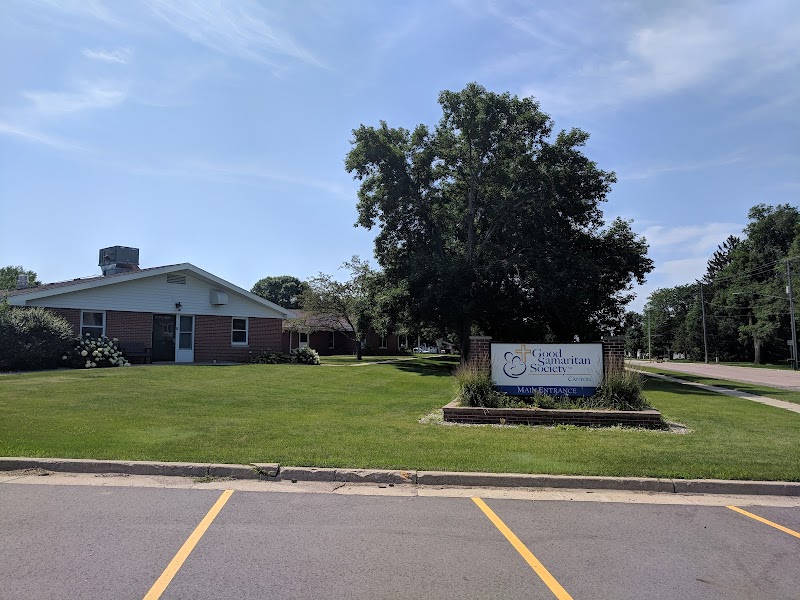
GOOD SAMARITAN SOCIETY CANTON
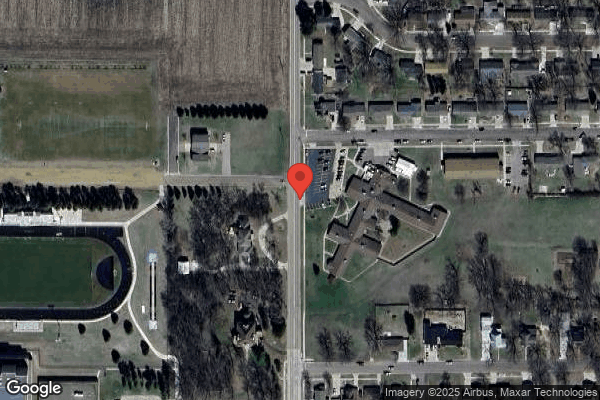
1022 NORTH DAKOTA AVENUE, CANTON, SD 57013 (605) 987-2696
Non profit - Corporation 56 Beds GOOD SAMARITAN SOCIETY Data: November 2025 1 Immediate Jeopardy citation
Trust Grade
31/100
#82 of 95 in SD
Last Inspection: May 2025

Inspected within the last 6 months. Data reflects current conditions.

Overview

Good Samaritan Society Canton has received a Trust Grade of F, indicating significant concerns about the facility's overall quality and care. It ranks #82 out of 95 nursing homes in South Dakota, placing it in the bottom half of facilities in the state, but it is the only option available in Lincoln County. The facility's performance appears stable, with the same number of issues reported in both 2023 and 2025. Staffing is a relative strength, with a turnover rate of 38%, which is better than the state average, though the overall staffing rating is average. However, the facility has been fined $22,357, which is concerning and suggests ongoing compliance issues. Specific incidents raise red flags, such as a critical finding where staff failed to properly clean a shared blood glucose meter used by multiple residents, increasing the risk of infections. Additionally, there was a serious incident involving a resident who was injured during a transfer that did not follow safety protocols. There are also concerns about the kitchen’s cleanliness, including peeling paint and equipment in disrepair. While Good Samaritan Society Canton has some positive aspects, such as a lower staff turnover, the concerning findings and overall low ratings suggest families should carefully consider their options.

Trust Score
F
31/100
In South Dakota
#82/95
Bottom 14%
Safety Record
High Risk
Review needed
Inspections
Holding Steady
3 → 3 violations
Staff Stability
○ Average
38% turnover. Near South Dakota's 48% average. Typical for the industry.
Penalties
○ Average
$22,357 in fines. Higher than 61% of South Dakota facilities. Some compliance issues.
Skilled Nurses
○ Average
Each resident gets 39 minutes of Registered Nurse (RN) attention daily — about average for South Dakota. RNs are the most trained staff who monitor for health changes.
Violations
○ Average
8 deficiencies on record. Average for a facility this size. Mostly minor or procedural issues.
★☆☆☆☆
1.0
Overall Rating
★★★☆☆
3.0
Staff Levels
★☆☆☆☆
1.0
Care Quality
★★☆☆☆
2.0
Inspection Score
Stable
2023: 3 issues
2025: 3 issues

The Good

  • Full Sprinkler Coverage · Fire safety systems throughout facility
  • No fines on record
  • Staff turnover below average (38%)

    10 points below South Dakota average of 48%

Facility shows strength in fire safety.

The Bad

1-Star Overall Rating

Below South Dakota average (2.7)

Significant quality concerns identified by CMS

Staff Turnover: 38%

Near South Dakota avg (46%)

Typical for the industry

Federal Fines: $22,357

Below median ($33,413)

Minor penalties assessed

Chain: GOOD SAMARITAN SOCIETY

Part of a multi-facility chain

Ask about local staffing decisions and management

The Ugly 8 deficiencies on record

1 life-threatening 1 actual harm
May 2025 2 deficiencies
CONCERN (D)

Potential for Harm - no one hurt, but risky conditions existed

Deficiency F0742 (Tag F0742)

Could have caused harm · This affected 1 resident

**NOTE- TERMS IN BRACKETS HAVE BEEN EDITED TO PROTECT CONFIDENTIALITY** 3. Continued interview on [DATE] at 2:25 p.m. with SSD C regarding resident 36 revealed: *She confirmed he had a diagnosis of ma...

Read full inspector narrative →
**NOTE- TERMS IN BRACKETS HAVE BEEN EDITED TO PROTECT CONFIDENTIALITY** 3. Continued interview on [DATE] at 2:25 p.m. with SSD C regarding resident 36 revealed: *She confirmed he had a diagnosis of major depression and that his spouse had passed away on [DATE]. *She stated: -He had always refused to take anything [medication] for his depression. -He did have weepy episodes after his wife passed away and I believe we asked him and his family about an anti-depressant [medication] at that time. -He had refused and medication and so did his family. -His daughter said he had always been sensitive with mental issues and that behavior was not abnormal for him. -I'm pretty sure we've offered him counseling services too and that was declined also. *She had no documentation to support those conversations with the resident or his family had occurred. *She stated: We talk about these things all the time and it's discussed in our care conference meetings. *She agreed that if those conversations were not documented, there was no evidence to support that they had occurred. *She was not a licensed social worker (LSW) and required oversight by one. *The LSW worked in another sister facility, and she had traveled to meet with the LSW every three months. Those meetings were confirmed as having been scheduled on her Outlook calendar. *She had no documentation to support: -What was reviewed and discussed at those meetings with the LSW. -What guidance and education the LSW had provided for her during those meetings. -If resident charts had been reviewed to ensure appropriate processes had been followed to support their emotional well-being. 4. Review of resident 36's electronic medical record (EMR) revealed: *He had a diagnosis of recurrent major depressive disorder. *His [DATE] Brief Interview for Mental Status (BIMS) assessment score was 8, which indicated he had moderate cognitive impairment. *He had been on an anti-depressant in the past, but it was discontinued on [DATE] by the medical director based on a gradual dose reduction (GDR) recommendation by the pharmacist and was never resumed. *There were no orders that indicated he took any medications to help with his depression. *From [DATE] through [DATE] there was no documentation that indicated the interdisciplinary team had discussions with both the resident and his family regarding his depression and the capability for counseling or oral medication to assist him with his weepy episodes and the loss of his spouse. *The IDT had scheduled care conferences every three months from [DATE] through [DATE]. -He had declined to attend those meetings. -On [DATE] the IDT documented, Res [resident] wife passed this quarter and has had some tearful days. Resident has been opting to eat meals in his room more often but does still eat some meals in the dining room. -On [DATE] the IDT documented, Res does get tearful after outings when visiting his wife but doesn't last for long periods. -There was no documentation that indicated the resident had been offered counseling services or follow-up with the physician to evaluate and possibly resume his anti-depressant medication for his continued weepy and tearful episodes. 5. Review of resident 36's physician progress notes from [DATE] through [DATE] revealed: *On [DATE] the physician had documented, Nurses notes in PCC [point click care] reports resident was weepy (his spouse passed away 1 week ago). He reports [he is] tired, but feeling pretty good. *On [DATE] the physician had documented, Nursing staff notes that he has good and bad days. *There was no documentation that indicated the physician had visited with the resident about possibly resuming his anti-depressant medication or offering to order him counseling services to assist him with his depression and grieving process regarding the recent passing of his spouse. 6. Review of resident 36's [DATE] revised comprehensive care plan revealed: *A focus area initiated on [DATE] and revised on [DATE] indicated the resident had a potential for psychosocial well-being deficit related to recent confusion, change in his functional ability, and the loss of his wife on [DATE]. *A goal that the resident would have no indications of psychosocial well-being deficit by/through the next review date. -The interventions had not been updated since [DATE] to support how the provider would have helped him to achieve that goal. *There was no documentation that indicated he had been offered and refused assistance with his depression and weepy episodes through counseling, medication, or methods of supportive interventions. 7. Interview on [DATE] at 2:30 p.m. with registered nurse (RN)/Minimum Data Set (MDS) coordinator D regarding resident 36 revealed: *She was not able to locate any further documentation in the resident's chart to support: -The IDT or the nursing staff had visited with his family, the practitioner, or him about the possibility of resuming his anti-depressant medication to help with his weepy and tearful episodes. -Counseling services had been offered to the resident to help him with the grieving process from the recent loss of his spouse. *She stated they had talked to him and his family about his offered counseling and possible resumption of his depression medication, but they had refused. *She agreed that was an important piece of his care that was not documented but should have been. 8. Interview on [DATE] at 3:00 p.m. with director of nursing B regarding resident 36 revealed: *She was aware that resident 36 had recently lost his spouse, but was unaware about his diagnosis of major depression. *Most of her information that she received on the residents came from the 24 hour notes. -The leadership team reviewed those notes during morning huddle meetings. -She could not recall if they had discussed a concern with his mood and behaviors. *Most of the nursing documentation on a resident's mood and behavior was directed from [SSD name] and those assessments that she had done. *She would have expected whoever discussed these things with him or his family to have documented on it. *She agreed that if those conversations had not been documented there was no evidence to support that it occurred. 9. Interview on [DATE] at 3:15 p.m. with administrator A revealed: *He would have expected documentation of any conversation that occurred between resident 36 or his family regarding his mood and increase in his weepiness and the refusal of counseling or the potential use of an antidepressant medication. *He confirmed: -The SSD had oversight from an LSW from a sister facility. *He had no documentation of what the SSD and LSW had reviewed, what educational support was provided, or any guidance that SSD needed related to those meetings. 10. Review of the provider's revised [DATE] Documentation, Social Services - Rehab/Skilled policy revealed: *The purpose was to systematically and continuously collect information about the psychosocial status of the resident and to furnish documentary evidence of the care and services provided during a resident's stay. *Frequency of documentation will be determined depending on the condition and the plan of care of the resident. *When social work personnel provide intervention, evidence of the intervention will be documented. The provider was unable to find a mood/behavior or psychosocial policy by the survey exit date of [DATE]. Based on observation, interview, record review, and policy review, the provider failed to ensure there was documentation to support interventions had been implemented or offered to treat clinical signs of depression for one of one sampled resident (36) who had a diagnosis of major depression and recently lost a loved one. Findings include: 1. Observation and interview on [DATE] at 1:43 p.m. with resident 36 revealed: *He was in his room, sitting in his recliner, and his head facing down towards his chest. *His affect (observable expression of emotion) was expressionless, and his tone of voice was unanimated when responding to questions. *He answered questions but did not initiate any further conversation from them. *When conversing with him he: -Stated; No, I am not depressed. -Started to cry and stated, My wife died a few years ago. -Stated, I take some meds [medication] for depression but feel like I should feel better. *He did not confirm if he had received or been offered any counseling services to help with his depression and grief regarding the loss of his spouse. 2. Interview on [DATE] at 2:00 p.m. with social services designee (SSD) C regarding resident 36 revealed: *His wife's death had been unexpected, and he was not able to attend the funeral service in person. *She had sat with him during his wife's telephone bedside service that was provided. *She had not offered or implemented any other interventions to assist the resident with his grief and the loss of his wife. *She: -Was not sure, but thought he had taken an anti-depressant medication. -Stated, Oh, does he? when the surveyor commented on how sad the resident had appeared. -Thought they had offered counseling services to him or his family but they had declined. -Was not able to locate any documentation to support they had offered to assist him with counseling services or initiated interventions to further support his grief process from the loss of his spouse.
CONCERN (D)

Potential for Harm - no one hurt, but risky conditions existed

Infection Control (Tag F0880)

Could have caused harm · This affected 1 resident

Based on observation, interview, document review, and policy review, the provider failed to ensure appropriate infection control practices were followed by one of one observed housekeeper/laundry aide...

Read full inspector narrative →
Based on observation, interview, document review, and policy review, the provider failed to ensure appropriate infection control practices were followed by one of one observed housekeeper/laundry aide (E) when cleaning one of one sampled resident's (37) room who was on contact precautions for a highly infectious disease that had the potential to spread to others. Findings include: 1. Observation on 5/6/25 at 11:05 a.m. with housekeeper/laundry aide E revealed: *She had prepared to clean resident 37's room. *There was a sign on the resident's door that indicated she was on contact precautions and everyone must wear gloves and a gown when entering her room. Staff were to wash their hands with soap and water after assisting the resident. *The resident had been isolated to room for a diagnosis of Clostridium Difficile (C-DIFF) (a highly infectious disease that can easily spread to others). *Housekeeper/laundry aide E: -Sanitized her hands, put on gloves and a gown, and then entered the resident's room. -Took a spray bottle of toilet bowl cleaner and a container of bleach sanitary wipes into the resident's room and placed them onto the resident's dresser. *After housekeeper/laundry aide E finished cleaning the resident's room she: -Removed her gloves and gown, and placed the toilet bowl cleaner and the container of bleach wipes on top of an opened box of clean gloves. The box of clean gloves was on top of the housekeeper's cleaning cart that was located outside of the resident's room. *Housekeeper/laundry aide E: -Had not cleaned the toilet bowl spray bottle or container of bleach prior to taking it out of the resident's room and placing it on the opened box of clean gloves. -Left the resident's room without washing or sanitizing her hands. -Went to the soiled utility room that was approximately 25 feet from the resident's rooms, touched the door handle to open the door, and washed her hands. Interview on 5/6/25 with housekeeper/laundry aide E right after the observations above revealed: *She was not sure if supplies could have been brought out of the resident's room who was on contact precautions for an infectious disease. *She stated, I probably should have cleaned them with bleach wipes before I did that. *She had not realized that placing the supplies on top of the open box of clean gloves had contaminated them. *She stated: -Well, I can't wash my hands in the resident's room because we have to wear gloves and a gown in there. She's on contact precautions. -I guess I could sanitize my hands before I leave the room, but we were told to wash our hands. -I'm not sure what her actual diagnosis is, all I know is that she is on contact precautions, I have to use bleach, and she is last for cleaning [her room] on my list of rooms. *The housekeeping director had reviewed the process for cleaning resident 37's room which had included washing their hands with soap and water. -She was unsure, but thought they were supposed to leave the resident's room to wash their hands. *No one had watched them clean resident 37's room to ensure the correct processes were followed. *During the interview an unidentified staff person was observed going into the soiled utility room. *She stated, Well, I suppose I better go clean that door handle now. Interview on 5/7/25 at 10:00 a.m. with housekeeper/laundry aide F regarding the cleaning process of rooms for residents contact precautions revealed: *She would have put on a pair of gloves and gown prior to entering the resident's room. *The cleaning of that room would have been last to do on her list. *She would have taken the spray bottle of toilet bowl cleaner into the resident's room, it could not be left in the room, and she needed it to use in other residents' rooms. *She would have sanitized the spray bottle with a bleach wipe before taking it out of the room. *She would have left the room to wash my hands. *She stated: -Actually, I'm not sure how else I would do that. -I'm pretty sure that is what we were told to do. Interview on 5/7/25 at 10:20 a.m. with environmental services supervisor G regarding the above observation and interviews revealed: *She could not recall the last time that she had completed audits on the housekeeping staff while cleaning a room for a resident with an infectious disease. *She would have reviewed the process with the staff prior to them cleaning those rooms. *The housekeepers take the toilet bowl cleaner out of the residents' rooms because they could not leave chemicals in them. *She stated: -They should sanitize it [the cleaner] with a bleach wipe before bringing it out and they shouldn't be setting it down in the room. -This is why I have them park the carts right in front of the entrance, that way they are not leaving the rooms. -They are to wash their hands before leaving the [resident] rooms, not go down the hall to do it. *She could not recall the last time competencies had been completed on the housekeepers related to IC. *She stated, I think it was during COVID. That was the last time I did any competency checks. *She agreed the above processes were infection control concerns and had the potential to spread an infectious disease to others. Interview on 5/7/25 at 12:40 p.m. with director of nursing B regarding the above observation and interviews revealed: *She had been the previous infection control (IC) nurse and was still assisting the current IC nurse with some IC things. *She could not recall the last competencies that had been completed on all the staff related to IC. *She stated: -I believe it was with COVID. -I didn't do competencies on the housekeeping staff. I've always left that up to the director [housekeeping]. -But, yes, as the IC nurse, we probably should be involved with other departments to make sure they are following the correct processes. *The staff should not have taken anything into the resident's room that could not have been left in there. *Chemicals were not to be stored in resident rooms for safety purposes. *Any item that was brought out of a room where the resident had C-DIFF or an infectious disease, it should have been sanitized with bleach wipes. *Her expectations had been for the staff to wash their hands prior to leaving a resident's room where a resident was isolated with an infectious disease such as C-DIFF. -C-DIFF required hand washing versus sanitizing to kill the bacteria and stop the infectious disease from spreading to others. *She agreed the housekeeper's process observed above had created the potential for the infectious disease to spread to other residents. 2. Review of the provider's undated Housekeeping Resource packet revealed: *Role and Responsibilities of Environmental Cleaning in the Infection Control Program: -Environmental cleaning plays an important role in an infection control program.the spread of infections from contaminated surfaces is significant and supports the need for good procedures and practices related to cleaning and disinfecting of surfaces. -All staff members play a role and should be aware of the general principles of environmental cleaning and safety. *Procedure: If working in a resident room with a recent known infectious disease or if cleaning supplies or equipment have been used to clean blood or body fluids, the .cleaning equipment should be properly cleaned before storing. Review of the provider's October 2017 Clostridium Difficile (C-DIFF) policy revealed: *The staff should perform hand hygiene after removing gloves. Alcohol does not kill Clostridium difficile spores; therefore, the use of soap and water is more effective than alcohol-based hand rubs. *Refer to Environmental Services policies and procedures on the Web Portal regarding cleaning processes.
Jan 2025 1 deficiency 1 Harm
SERIOUS (G) 📢 Someone Reported This

A family member, employee, or ombudsman was alarmed enough to file a formal complaint

Actual Harm - a resident was hurt due to facility failures

Accident Prevention (Tag F0689)

A resident was harmed · This affected 1 resident

Based on South Dakota Department of Health (SD DOH) facility-reported incident (FRI), record review, observation, interview, and policy review the provider failed to ensure the safety of one of one sa...

Read full inspector narrative →
Based on South Dakota Department of Health (SD DOH) facility-reported incident (FRI), record review, observation, interview, and policy review the provider failed to ensure the safety of one of one sampled resident (1) who was injured while being transferred by staff by staff with the use of a lift. This citation is considered past non-compliance based on a review of the provider's corrective actions immediately following the incident. Findings include: 1. Review of the provider's 1/9/25 SD DOH FRI for resident 1 revealed: *On 1/8/25 at 3:15 p.m. staff were transferring him with the use of a sit-to-stand lift (a mechanical lift used to assist from a seated to a standing position). *He complained of left shoulder pain and let go of the lift's handles. *His arms went above his head, and he slid below the sling. *Staff lowered him to the ground. *His vitals and range of motion were assessed and were within his normal limits. *He had a history of shoulder pain and did not report increased shoulder pain at that time. *He did not report increased shoulder pain on subsequent staff rounds on 1/8/25. *A fall intervention was initiated for him to be transfer with the use of a total lift (a mechanical lift and sling used to lift a person's full body) and the assistance of two staff due to his inability to safely use the sit-to-stand lift. *His physician performed a follow up visit on 1/9/25 and the resident had expressed increased shoulder pain. *The physician ordered x-rays for his left arm and shoulder. *The x-ray indicated he had an acute impacted traumatic fracture of the humeral head and neck. *His family was notified of the x-ray findings. *Director of nursing (DON) B interviewed the staff involved regarding the incident. -The sling used was the proper size. -A time out (paused to ensure all straps and belts were secure) was completed prior to mobilizing the lift. -The chest safety strap was not secured per protocol. *Education was initiated for all staff regarding the safe resident handling policy and hands-on competencies related to the lifts. *Audits regarding lift use were initiated and were to continue for four weeks, then monthly for six months to ensure continued compliance and staff competency of lift use and safe resident handling. 2. Observation and interview on 1/22/25 at 10:50 a.m. with resident 1 regarding 1/8/25 the incident with the sit-to-stand lift revealed: *He was sitting in his wheelchair in his room. *His left arm was in a sling. *He confirmed that he had a history of left shoulder pain. *He did not think he was injured that day when he was lowered to the floor. *His arm started hurting more the day after the incident. *His physician was making rounds that day and asked him how he was doing. *He mentioned that his left shoulder hurt more than usual. *His arm and shoulder were x-rayed and that was when he found out there was a fracture. *He stated that he still felt safe and that he was taken care of by the staff. 3. Observation and interview on 1/22/25 at 12:15 p.m. with certified nursing assistant (CNA) C and resident 2 while in her room regarding proper lift use and education revealed: *Resident 2 was being transferred from her wheelchair to a commode. *CNA C attached the sling to the sit-to-stand lift and used the appropriate loops. *She fastened the safety belt around resident 2's chest. *Once resident 2 was lifted off her wheelchair CNA C took a timeout (paused and ensured all straps and belts were secure). *Resident 2 was transferred to the commode. *CNA C stated lift safety was a current focus and staff had been retrained on lift use the week of 1/13/25. 4. Interview on 1/22/25 at 2:15 p.m. with director of nursing (DON) B regarding the incident with resident 1 and lift training revealed: *All residents received a transfer/lift assessment upon admission and quarterly. *The transfer/lift assessment was part of their safe resident handling program to ensure resident safety. *Direct care staff received training upon hire and annually for safe resident handling. *She completed the investigation for the incident when resident 1 was lowered to the floor. *The staff involved did not follow facility protocol by not ensuring the strap around his chest was secured. *She immediately re-educated the staff involved. *She implemented re-education for all direct care staff on safe resident handling and transfer audits were to be completed. *Resident 1's care plan was updated to reflect that staff were to use a total lift for his transfers. 5. Review of the provider's revised 12/23/24 Safe Resident Handling Program (SRHP) regarding resident transfers revealed: *Completes the GSS #670- Safe Resident Handling Equipment Competency Validation Checklist. *Performs a TIME OUT every time the appropriate mobility devices are used. *Reports to licensed nurse identified unsafe transfer process such as skin shearing, arm/shoulder injuries (chicken wing appearance), inconsistent weight bearing (rolling ankles, knee injury). The provider implemented actions to ensure the deficient practice does not reoccur was confirmed on 1/22/25 after record review revealed: *The provider followed the SRHP ensuring education and training was provided to all direct care staff. *The resident's care plan was updated to reflect his current transfer assistance needs. *Audits on safe resident handling and lifts had been completed on 1/10/25 and 1/16/25. *The audits were planned to be reviewed and discussed at the next quality assurance meeting. *Observations and staff interviews revealed the staff understood the education provided and the safe resident handling process. Based on the above information, non-compliance at F689 occurred on 1/8/25, and based on the provider's implemented corrective action for the deficient practice confirmed on 1/22/25, the non-compliance is considered past non-compliance.
Dec 2023 3 deficiencies 1 IJ (1 affecting multiple)
CRITICAL (K)

Immediate Jeopardy (IJ) - the most serious Medicare violation

Infection Control (Tag F0880)

Someone could have died · This affected multiple residents

**NOTE- TERMS IN BRACKETS HAVE BEEN EDITED TO PROTECT CONFIDENTIALITY** Based on observation, interview, record review, policy review, and manufacturer's guideline review, the provider failed to clean...

Read full inspector narrative →
**NOTE- TERMS IN BRACKETS HAVE BEEN EDITED TO PROTECT CONFIDENTIALITY** Based on observation, interview, record review, policy review, and manufacturer's guideline review, the provider failed to clean and disinfect one of one community shared blood glucose meter for four of four sampled residents (15, 31, 45, 46) resulting in a potential increased risk for bloodborne pathogen infections. Findings include: 1. Observation on 12/19/23 at 3:45 p.m. revealed: *Registered nurse (RN) E completed a blood glucose check for resident 46. *When RN E was asked what she used to clean and disinfect her blood glucose meter, she stated, I should have them with me, but I use the alcohol wipes. *After RN E performed a blood glucose test on resident 46 she cleaned the blood glucose meter with a 70% isopropyl alcohol wipe and placed the blood glucose meter back on the medication cart. Interview on 12/19/23 at 3:50 p.m. with RN E revealed: *She stated that eight residents share the blood glucose meter that she used for resident 46. *There was a blood glucose meter for every wing in the facility. *RN E was able to provide the manufacturer's cleaning instructions which stated the following: -The blood glucose meter was to have been cleaned with a lint-free cloth dampened with soapy water or isopropyl alcohol (70-80%). -The blood glucose meter was to have been disinfected with an EPA-registered disinfectant detergent, germicide wipe, or 1:(to)10 dilution of household bleach solution or 1:10 commercial bleach wipe. 2. Interview on 12/19/23 at 4:00 p.m. with director of nursing (DON) B regarding the blood glucose meter cleaning and disinfecting procedure revealed: * When questioned regarding the above observation and interview with RN E not disinfecting the blood glucose meter, DON B stated, Yes she does, I just watched her do it. *DON B returned to ask RN E how she cleaned and disinfected the blood glucose meters between residents and RN E stated that she cleaned the meter with the alcohol swab. *When asked when she used the disinfecting wipe, she said I do that at the end of the shift. *DON B then corrected RN E and stated No, you do it between every resident. *RN E stated, I didn't know, sorry, when educated by DON B about using a disinfectant wipe on the blood glucose meter after each resident's use. 3. Observation and interview on 12/19/23 at 4:15 p.m. with medication aide (MA) L revealed that she explained and demonstrated the correct process to clean and disinfect the blood glucose meter after each resident's use. 4. Record review on 12/20/23 of resident 31's electronic medical record revealed that he was admitted on [DATE] with a diagnosis of chronic viral hepatitis C. 5. Review of the provider's 9/22/23 Blood Glucose Monitoring Disinfecting and Cleaning-R/S [Rehabilitation/Skilled Care], LTC [Long-term Care] policy revealed: *The policy referred to CMS requirements and best practices, that blood glucose meters should have been cleaned and disinfected after each resident use whether the meter was assigned to a resident or was shared among residents. *The policy referred to the user manual for specific instructions for each meter. 6. Review of the provider's blood glucose meter User Instruction Manual revealed: *There were two options for cleaning and disinfecting the blood glucose meter. -Option 1 stated that cleaning and disinfection could have been completed using a commercially available EPA-registered disinfectant or germicide wipe. Two wipes should have been used; one to clean and the second to disinfect. -Option 2 stated to clean the outside of the meter with a lint-free cloth dampened with soapy water or isopropyl alcohol (70-80%) and to disinfect the meter by diluting 1 milliliter (mL) of household bleach in 9 mL of water to achieve a 1:10 dilution. Commercially available 1:10 bleach wipes were also acceptable for disinfection. 7. IMMEDIATE JEOPARDY The potential for blood-borne pathogen infections was increased due to RN E not following the provider's policy or the manufacturer's guidelines regarding the process of disinfecting the blood glucose meter after each resident's use. The blood glucose meter was shared between four residents on the 200-wing including resident 31 who had a diagnosis of chronic viral hepatitis C. IMMEDIATE JEOPARDY NOTICE Notice of immediate jeopardy was given verbally and in writing on 12/19/2023 at 5:39 p.m. to administrator A. An immediate removal plan was requested. IMMEDIATE JEOPARDY REMOVAL PLAN On 12/20/23 at 9:28 a.m., administrator A provided the survey team with a final written immediate jeopardy removal plan. The removal plan was approved by the survey team on 12/20/2023 at 9:41 a.m. with guidance from the long-term care advisor for the South Dakota Department of Health. The provider gave the following acceptable immediate jeopardy removal plan on 12/20/2023 at 5:39 a.m.: At 6:11pm on 12/19/23. DNS sent messages to all nurses and medication aides that competency on glucometer cleaning must be completed before next shift. Training to be completed by DNS or designee[.] - review of glucometer cleaning procedure - education of risk of BBP exposure if not cleaned properly. - nurse to complete demonstration of cleaning showing wiping all surface of meter. - verbalize dwell time IP or designee will audit 3 nurses daily x 2 to ensure compliance. Then weekly x4. Result to QA committee to determine ongoing monitoring and interventions. IP Nurse educated all nursing staff (nurses and medication aides) on the floor at 6:00 pm. A dedicated Glucose Monitor machine has been issued to resident (31) that has an infectious disease and labeled with resident name and is not to leave resident room. Care plan has been updated. All residents that utilize the glucometer were reviewed by DNS and IP Nurse on 12/19/23, and no other residents were found to be at known risk with diagnosis of Viral Hepatitis C. The medical director, [name of medical director], was notified of the incident on 12/19/23 at 8:26 p.m. Medical director was conferred with on review of case at 9:15 am on 12/20/23 and his recommendation is to not conduct lab test on residents. The immediate jeopardy was removed on 12/20/2023 at 12:57 p.m. after verification that the provider had implemented the removal plan. After the removal of the immediate jeopardy, the scope and severity of the citation level was H.
CONCERN (D)

Potential for Harm - no one hurt, but risky conditions existed

Deficiency F0806 (Tag F0806)

Could have caused harm · This affected 1 resident

Based on observation, interview, and record review, the provider failed to offer one of one sampled resident (45) a meal alternative when the resident expressed that she did not like what had been ser...

Read full inspector narrative →
Based on observation, interview, and record review, the provider failed to offer one of one sampled resident (45) a meal alternative when the resident expressed that she did not like what had been served. Findings include: 1. Observation on 12/19/23 at 11:10 a.m. in the dining room revealed the menu for lunch was cheesy tuna casserole, cucumber salad, bread, and apple crisp. Observation on 12/19/23 at 11:44 a.m. in the dining room revealed that a staff member was wheeling a cart of room trays out of the dining room. 2. Observation and interview on 12/19/23 from about 2:15 p.m. to 3:15 p.m. with resident 45 in her room revealed: *She was on airborne precautions due to her diagnosis of COVID-19 and was isolated in her room. *There was a Styrofoam plate on her overbed table. There was tuna casserole and green beans on her plate. She had not touched those food items. *She was disgusted by the meal because she didn't care for the casserole and the green beans were cold by the time her tray was delivered. *She indicated the cooked vegetables were usually cold by the time it was served. *No one ever gives me an option. You just get served whatever's on the board. *Since she was in isolation due to her diagnosis, she was not able to go to the menu board posted outside of the dining room to check on the menu. *She indicated the staff usually would deliver The Daily Chronicle that had the menu printed on it, but she had not received one for that day. *At around 2:30 p.m., certified nurse aide (CNA) F entered the resident's room and gave her a fresh cup of ice water. *Resident 45 informed CNA F that she did not care for the casserole or the beans. -CNA F did not ask the resident if she wanted anything else to eat. CNA F did not offer any alternative meal options. -CNA F said that they would pick up her lunch meal tray when supper was delivered. She left the plate of food sitting on the resident's overbed table. Interview on 12/19/23 at 4:06 p.m. with CNA F about the above observation revealed: *If a resident was not eating their meal, the nurse should have been notified. *She confirmed she had not yet notified a nurse about resident 45 not eating lunch. *She indicated she should have asked [the resident] if she wanted something else [to eat]. *She could not explain why she left the plate of food in the resident's room. *At times, she would have also spoken to her coworkers in the dietary department to see if there were any food preferences for that resident. *She confirmed she had spoken with a dietary employee to inform them that resident 45 had not eaten her lunch, that she was not happy with the menu option, and that she had not received The Daily Chronicle for 12/19/23. *She explained that there was no set alternative meal menu. If a resident did not like what was served on the main menu, staff were to ask the resident what else they wanted. -Usually, the alternatives were an egg salad sandwich, a bowl of soup, cold cereal, toast, or whatever the resident requested. 3. Interview on 12/20/23 at 3:47 p.m. with social services coordinator J and activities director K about menu alternatives revealed: *There usually was a second option for the vegetable. *If a resident did not like the main entrée, they had the option to choose a sandwich, soup, or cold cereal. *The dietary staff were pretty accommodating and tried to make a food item that a resident would ask for, within reason. *If it's feasible, the kitchen will make whatever they [the residents] want. 4. Review of resident 45's meal intake records for 12/19/23 revealed that CNA I had charted that the resident ate 75 - 100% of her lunch. Interview on 12/21/23 at 12:58 p.m. with dietary supervisor D about the meal intake records revealed: *If the resident ate their meal in the dining room, the dietary staff were responsible for recording the resident's meal intake. *Nursing staff were responsible for recording the resident's meal intake if the resident ate their meal in their room. *She expected the nursing staff to check on the residents during and after their meals if they ate in their room. Interview on 12/21/23 at 1:22 p.m. with CNA I regarding resident meal intake records revealed: *The CNAs were responsible for recording the percentage of the meal intake if the resident ate their meal in their room. *When asked about how she would chart the percent meal intake for a resident who only ate the dessert and the bread but did not touch the main entrée or the vegetable, she indicated she would have charted that as 0 - 25%. *She was not sure why she charted resident 45's meal intake for lunch on 12/19/23 as 75 - 100%. *She said at times, if she was on the computer charting, she would ask another CNA what the resident's meal intake was for a certain meal and would rely on their answer. -She indicated she should not have done that, and she should have charted the meal intake based on her observation. Interview on 12/21/23 at 1:57 p.m. with director of nursing services B about the above observations revealed: *If a resident was not eating their meal, it was her expectation that staff should have asked that resident if they would have liked something else to eat. *She also expected the staff to inform the nurse if a resident was not eating so the nurse could assess the resident to figure out why they were not eating. *She stated that CNA F should have offered a meal alternative or a snack to resident 45 and that the CNA should have taken the plate of food away rather than leave it in the resident's room. *It was her expectation for staff to chart meal intake based on what they saw rather than relying on another staff member's account. 5. A request was made on 12/21/23 at noon for the alternative menu policy, the menu for the food that was always available, the policy for documenting resident meal intake, and any policy or procedure for what the staff were expected to have done when they noticed a resident was not eating some or all of their meal. The requested items were not provided by the end of the survey on 12/21/23 at 4:00 p.m.
CONCERN (F)

Potential for Harm - no one hurt, but risky conditions existed

Food Safety (Tag F0812)

Could have caused harm · This affected most or all residents

Based on observation, interview, record review, and policy review, the provider failed to ensure the kitchen ceiling was free from peeling paint and the following kitchen equipment was free from fraye...

Read full inspector narrative →
Based on observation, interview, record review, and policy review, the provider failed to ensure the kitchen ceiling was free from peeling paint and the following kitchen equipment was free from frayed and broken parts, rust, dust buildup, particleboard breakdown, grime, and food particle buildup: *One of two convection ovens. *One of one dishwasher. *One of one door leading to the dishwasher room. *One of two particleboard cupboards in the dishwasher room. *All the handles on the cupboards in the dishwasher room. *All the table legs in the kitchen. *The lower shelving on one of three steel tables. *All the doors to the wooden cabinets. *The shelving inside the wooden cabinets. Findings include: 1. Observation on 12/19/23 from 8:35 a.m. to 9:00 a.m. during the initial kitchen walkthrough revealed: *The inner door seal on the top convection oven was frayed and there was exposed metal mesh. *There was a buildup of dust on the ceiling vest above the wooden cabinet. A nickel-sized clump of dust was observed falling off the vent. *That wooden cabinet was stained with what appeared to have been much oil from repeated hands touching the wood. *The shelves inside the wooden cabinet were stained with dried liquid and there were food crumbs. The cabinet contained pitchers, cloths, and other assortments of dishes. *All the steel legs on the tables, the three-compartment sink, and in the dishwasher room were rusted. *The lower shelving on the steel table across from the three-compartment sink was also rusted. There were mixing bowls and sheet pans stored upside down directly on the rusty shelf. *The ceiling paint in the dishwasher room and the food preparation area was peeling in several spots. *The handles on the particleboard cupboards in the dishwasher room were rusted. *The cupboard above the dirty dish area had particleboard exposed. There appeared to have been a buildup of moisture. Bits of wood fell off the cabinet when it was touched. *There was extensive rust on the cupboard hinges, the walls, and the door in the dishwasher room. *There was a thick buildup of grime and bits of food on the inside portion of the dishwasher doors. *There were two fans mounted to the walls in the dishwasher room. Both fan grates were rusty and had a buildup of dust. 2. Observation and interview on 12/21/23 at 11:23 a.m. with food service workers (FSW) G and H in the kitchen revealed: *The above equipment was in the same state. *To clean the dishwasher, FSW G stated she drained the dishwasher, removed the catch basket, sprayed that out, and sprayed out the inside of the dishwasher with plain water at the end of each shift. *FSW H stated he de-limed the dishwasher every month. *They both stated that they never scrubbed the inside or outside of the dishwasher. *There were several plastic scrub brushes located in the tall particleboard cabinet in the dishwasher room. They indicated they used those brushes to clean the sinks only. *They were not aware of the buildup of grime on the inside of the dishwasher. 3. Interview on 12/21/23 at 12:58 p.m. with dietary supervisor D about the above observations revealed *She confirmed neither she nor the other dietary staff scrubbed the inside or outside of the dishwasher. *The dishwasher company's technician visited monthly to inspect the dishwasher. *She confirmed that the dishwasher was de-limed monthly. *She was not aware of the buildup of grime and food particles in the dishwasher. *She was aware of the frayed parts on the convection oven, the stained cabinet doors, all the rust, the peeling paint, and the particleboard cabinets falling apart. *She stated she had been working at the facility for 17 years and it had always been like that. *An oven repair technician had previously visited the facility to fix the oven. She said that he was not able to fix the oven because it was too old. *She had requested new equipment over the past several years, and over the past several administrators, but it always gets pushed to the side. 4. Interview on 12/21/23 with administrator A about the above observations revealed: *He was aware of the state of the kitchen equipment. *They had repainted the ceiling several times before, but the paint continues to peel away due to the moisture and humidity coming from the dishwasher room. *He planned to compile a list of items in the kitchen that needed to be replaced or fixed so he could fit that into the budget. 5. Review of the past six months of kitchen cleaning checklists revealed that the dishwasher had been de-limed all the months except for November 2023. A request was made on 12/21/23 at noon for the dishwasher cleaning and maintenance policy and the kitchen cleanliness policy. Dietary supervisor D indicated there were no policies that she could locate.
Dec 2022 2 deficiencies
CONCERN (D)

Potential for Harm - no one hurt, but risky conditions existed

Deficiency F0692 (Tag F0692)

Could have caused harm · This affected 1 resident

Based on observation, interview, record review, and policy review, the provider failed to ensure the nutritional status was monitored for one of one sampled resident (19) who had a significant weight ...

Read full inspector narrative →
Based on observation, interview, record review, and policy review, the provider failed to ensure the nutritional status was monitored for one of one sampled resident (19) who had a significant weight loss. Findings include: 1. Observation on 11/29/22 at 11:20 a.m. of resident 19 sitting in a wheelchair at a table in the dining room revealed he: *Appeared thin. *Was eating a nutritional supplement. Review of resident 19's medical record revealed: *An admission date on 5/6/22. *His diagnoses included: chronic obstructive pulmonary disease, depression, hypertension, chronic heart failure, dementia, and muscle weakness. *His Abilify (medication used to treat depression) had been tapered starting 9/9/22 and discontinued at the beginning of October 2022. *On 09/15/2022, he weighed 130 pounds (lbs). *On 10/17/2022, he weighed 118.5 lbs. -An 8.85 percent weight loss. *On 10/31/22, he weighed 117.5 lbs. *A Mini-Nutritional Assessment (used to identify geriatric patients who are malnourished or at risk of malnutrition) had been completed on: -8/9/22, his score was 11 out of 14 indicating he was at risk of malnutrition. -11/11/22, his score was 8 indicating he was at risk of malnutrition. --The question for weight loss in the last 3 months was answered incorrectly. --If answered correctly his score would have been 6 indicating he was malnourished. *His 10/25/22 physician progress note stated: Appetite is fair and weight is stable. *No documentation his physician had been notified of weight loss until 11/3/22. *On 11/3/22 when the facility had notified the physician of the weight loss and his refusal to get up out of bed, he wrote new orders to restart the Abilify and increased his house nutritional supplement from two ounces to four ounces four times a day. *On 11/20/22 his physician saw him and wrote new order to increase the house nutritional supplement to six ounces four times a day for weight loss. *No documentation the dietician had been notified of his weight loss prior to the survey date. *No documentation of family notification until his care conference on 11/17/22. Review of resident 19's care plan revealed: *He had a nutritional problem related to his diagnosis and evidenced by his variable intakes and weight loss. *His goals had not been updated since is admission and included: -Resident will try to maintain weight without triggering a 5% weight loss/gain through the review date. - Resident will consume an average greater than 50% of meals through the review date. *His interventions had not been updated since the weight loss occurred. Interview on 11/30/22 at 4:12 p.m. with dietary manager (DM) C regarding resident 19's weight loss revealed: *She sent the doctor a fax to notify him of resident's weight loss on 11/4/22. *She reviewed weights on residents who are due for a minimum data set (MDS) assessment. *Tried to look at all resident's weights weekly. *The registered dietitian (RD)came monthly and sees the residents who are due for a MDS assessment, recently returned from a hospital stay, had wounds, on dialysis, had weight loss, or any other dietary concerns. *She made the list of resident's that needed seen by the RD each month. *Did not have resident 19 on that list for October. *The provider did not have a meeting to review residents who were at nutritional risk. Continued interview on 12/1/22 at 8:57 a.m. with DM C regarding resident 19 revealed: *He was receiving a magic cup (nutritional supplement) at dinner and supper and Breeze (nutritional supplement) at all three meals. *She stated the additional supplements were started in October 2022 but did not have documentation to show the addition of the supplements. *The consumption of these supplements was not documented. *There was no documentation that anything was done for his weight loss until November 2022. *She agreed her Mini-Nutritional Assessment completed on 11/11/22 was not answered correctly. -She should have answered Weight loss greater than 3 kg (6.6 pounds. Interview on 12/1/22 at 11:09 a.m. MDS coordinator D regarding resident 19 revealed: *DM C was to monitor residents' weights and let nursing know when a resident was loosing weight. *She noticed resident 19's weight loss when completing his quarterly MDS assessment in November 2022. *She notified DM C and faxed a note his physician. *Resident 19 should have been monitored more closely after his Abilify was stopped. *Provider does have morning meetings to discuss concerns but weights are not part of that meeting. Interview on 12/1/22 at 11:57 a.m. and at 1:28 p.m. with director of nursing B regarding resident 19 revealed: *She had done doctor rounds on 11/20/22 and had requested his house nutritional supplement be increased. *There had been no documentation the physician had been notified of the weight loss until 11/3/22. *There had been no documentation the RD had been notified of the weight loss prior to 11/30/22. *DM C monitored weights and let her know if a resident had weight loss. Review of the provider's 5/31/22 Identifying Resident With Impaired Nutritional Status and Nutritional Risk policy revealed: *The DM was to review resident weights monthly. *Residents with newly identified impaired nutritional status or nutritional risk are added to the Nutrition Risk List . and discussed at the next nutrition risk committee meeting.
CONCERN (D)

Potential for Harm - no one hurt, but risky conditions existed

Infection Control (Tag F0880)

Could have caused harm · This affected 1 resident

**NOTE- TERMS IN BRACKETS HAVE BEEN EDITED TO PROTECT CONFIDENTIALITY** Based on observation, interview, and policy review, the provider failed to ensure: *A vital signs machine had been disinfected ...

Read full inspector narrative →
**NOTE- TERMS IN BRACKETS HAVE BEEN EDITED TO PROTECT CONFIDENTIALITY** Based on observation, interview, and policy review, the provider failed to ensure: *A vital signs machine had been disinfected between use by one of one observed certified nursing assistant (CNA) F for four of four randomly observed residents. *Appropriate glove use by one of one registered nurse (RN) E while administering intravenous (IV) antibiotics to one of one sampled resident (35) receiving IV medication. Findings include: 1. Observation on 11/29/22 at 9:47 a.m. of CNA F using a vital signs machine revealed she had: *Obtained vital signs on four randomly observed residents in rooms [ROOM NUMBER]. *Not disinfected the vital signs machine between use on those four residents. Interview on 11/30/22 at 1:25 p.m. unlicensed assistive personnel G revealed the vital signs machine was to be disinfected between use with the wipes kept in the basket on the machine. Interview on 12/1/22 at 7:58 a.m. with CNA F regarding the vital signs machine revealed she should have disinfected the machine between uses and had not. Interview on 12/1/22 at 11:51 a.m. with director of nursing B revealed the vital signs machine was to be disinfected between uses. 2. Observation on 12/1/22 at 12:25 p.m. of RN E administering IV medication to resident 35 revealed she had worn gloves she had stored in her shirt pocket. Interview with RN E after the above observation revealed: *Her pockets were probably not clean because that is where she kept her pens. *The gloves she had in her pockets were not clean. Interview on 12/1/22 at 1:31 p.m. with director of nursing B revealed staff should not store gloves in their pockets. 3. A policy for cleaning of re-usable medical equipment and glove use policy was requested on 12/1/22 at 12:40 p.m. the policies provided had not addressed: *When or how to clean the vital signs machine. *How gloves were to be stored.
Understanding Severity Codes (click to expand)
Life-Threatening (Immediate Jeopardy)
J - Isolated K - Pattern L - Widespread
Actual Harm
G - Isolated H - Pattern I - Widespread
Potential for Harm
D - Isolated E - Pattern F - Widespread
No Harm (Minor)
A - Isolated B - Pattern C - Widespread

Questions to Ask on Your Visit

  • "What changes have you made since the serious inspection findings?"
  • "Can I speak with families of current residents?"
  • "What's your RN coverage like on weekends and overnight?"

Our Honest Assessment

Strengths
  • • 38% turnover. Below South Dakota's 48% average. Good staff retention means consistent care.
Concerns
  • • Multiple safety concerns identified: 1 life-threatening violation(s), 1 harm violation(s). Review inspection reports carefully.
  • • 8 deficiencies on record, including 1 critical (life-threatening) violation. These warrant careful review before choosing this facility.
  • • $22,357 in fines. Higher than 94% of South Dakota facilities, suggesting repeated compliance issues.
  • • Grade F (31/100). Below average facility with significant concerns.
Bottom line: Trust Score of 31/100 indicates significant concerns. Thoroughly evaluate alternatives.

About This Facility

What is Good Samaritan Society Canton's CMS Rating?

CMS assigns GOOD SAMARITAN SOCIETY CANTON an overall rating of 1 out of 5 stars, which is considered much below average nationally. Within South Dakota, this rating places the facility higher than 0% of the state's 100 nursing homes. A rating at this level reflects concerns identified through health inspections, staffing assessments, or quality measures that families should carefully consider.
How is Good Samaritan Society Canton Staffed?

CMS rates GOOD SAMARITAN SOCIETY CANTON's staffing level at 3 out of 5 stars, which is average compared to other nursing homes. Staff turnover is 38%, compared to the South Dakota average of 46%. This relatively stable workforce can support continuity of care.

What Have Inspectors Found at Good Samaritan Society Canton?

State health inspectors documented 8 deficiencies at GOOD SAMARITAN SOCIETY CANTON during 2022 to 2025. These included: 1 Immediate Jeopardy (the most serious level, indicating potential for serious harm or death), 1 that caused actual resident harm, and 6 with potential for harm. Immediate Jeopardy findings are rare and represent the most serious regulatory concerns. They require immediate corrective action.
Who Owns and Operates Good Samaritan Society Canton?

GOOD SAMARITAN SOCIETY CANTON is owned by a non-profit organization. Non-profit facilities reinvest revenue into operations rather than distributing to shareholders. The facility is operated by GOOD SAMARITAN SOCIETY, a chain that manages multiple nursing homes. With 56 certified beds and approximately 52 residents (about 93% occupancy), it is a smaller facility located in CANTON, South Dakota.
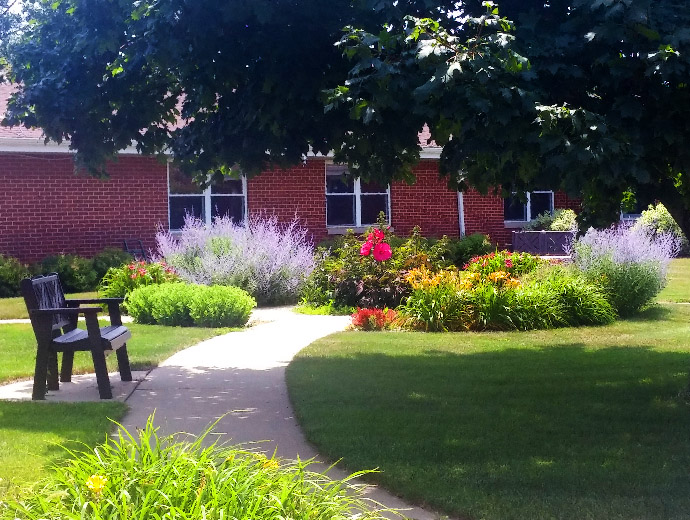
How Does Good Samaritan Society Canton Compare to Other South Dakota Nursing Homes?

Compared to the 100 nursing homes in South Dakota, GOOD SAMARITAN SOCIETY CANTON's overall rating (1 stars) is below the state average of 2.7, staff turnover (38%) is near the state average of 46%, and health inspection rating (2 stars) is below the national benchmark.

What Should Families Ask When Visiting Good Samaritan Society Canton?

Based on this facility's data, families visiting should ask: "What changes have been made since the serious inspection findings, and how are you preventing similar issues?" "Can I visit during a mealtime to observe dining assistance and food quality?" "How do you handle medical emergencies, and what is your hospital transfer rate?" "Can I speak with family members of current residents about their experience?" These questions are particularly relevant given the facility's Immediate Jeopardy citations.

Is Good Samaritan Society Canton Safe?

Based on CMS inspection data, GOOD SAMARITAN SOCIETY CANTON has documented safety concerns. Inspectors have issued 1 Immediate Jeopardy citation (the most serious violation level indicating risk of serious injury or death). The facility has a 1-star overall rating and ranks #100 of 100 nursing homes in South Dakota. Families considering this facility should ask detailed questions about what corrective actions have been taken since these incidents.

Do Nurses at Good Samaritan Society Canton Stick Around?

GOOD SAMARITAN SOCIETY CANTON has a staff turnover rate of 38%, which is about average for South Dakota nursing homes (state average: 46%). Moderate turnover is common in nursing homes, but families should still ask about staff tenure and how the facility maintains care continuity when employees leave.

Was Good Samaritan Society Canton Ever Fined?

GOOD SAMARITAN SOCIETY CANTON has been fined $22,357 across 2 penalty actions. This is below the South Dakota average of $33,302. While any fine indicates a compliance issue, fines under $50,000 are relatively common and typically reflect isolated problems that were subsequently corrected. Families should ask what specific issues led to these fines and confirm they've been resolved.

Is Good Samaritan Society Canton on Any Federal Watch List?

GOOD SAMARITAN SOCIETY CANTON is not on any federal watch list. The most significant is the Special Focus Facility (SFF) program, which identifies the bottom 1% of nursing homes nationally based on persistent, serious quality problems. Not being on this list means the facility has avoided the pattern of deficiencies that triggers enhanced federal oversight. This is a positive indicator, though families should still review the facility's inspection history directly.