Centerville Care and Rehab Center Inc
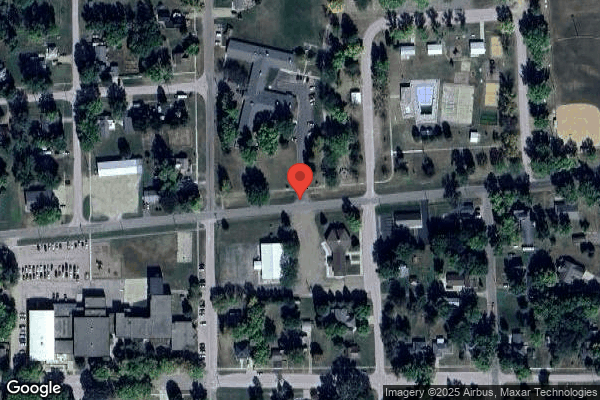
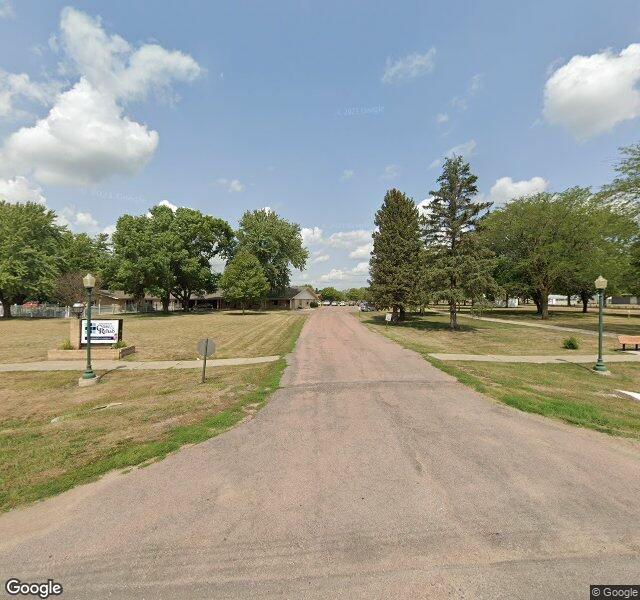
500 VERMILLION ST, CENTERVILLE, SD 57014 (605) 563-2251
For profit - Corporation 45 Beds Independent Data: November 2025 1 Immediate Jeopardy citation
Trust Grade
33/100
#57 of 95 in SD
Last Inspection: May 2025

Inspected within the last 6 months. Data reflects current conditions.

Overview

Centerville Care and Rehab Center Inc has received a Trust Grade of F, indicating significant concerns about the facility's quality and care. Ranking #57 out of 95 in South Dakota places it in the bottom half of all nursing homes, while being the least favorable option in Turner County (#3 of 3). The facility is worsening, with issues increasing from 3 to 9 in the past year, raising red flags for potential residents and their families. Although the staffing turnover is impressively low at 0%, the overall staffing rating is concerning at 2 out of 5 stars, with less RN coverage than 75% of South Dakota facilities, which can compromise care. Notably, the facility has faced $64,809 in fines, which is higher than 92% of its peers, suggesting ongoing compliance problems; recent inspector findings included serious incidents like failing to update care plans after a resident was fondled by another resident, and poor food safety practices in the kitchen. Overall, while there are strengths in staff retention, the numerous concerns about safety and care quality warrant careful consideration.

Trust Score
F
33/100
In South Dakota
#57/95
Bottom 40%
Safety Record
High Risk
Review needed
Inspections
Getting Worse
3 → 9 violations
Staff Stability
○ Average
Turnover data not reported for this facility.
Penalties
✓ Good
$64,809 in fines. Lower than most South Dakota facilities. Relatively clean record.
Skilled Nurses
○ Average
Each resident gets 36 minutes of Registered Nurse (RN) attention daily — about average for South Dakota. RNs are the most trained staff who monitor for health changes.
Violations
⚠ Watch
19 deficiencies on record. Higher than average. Multiple issues found across inspections.
★★☆☆☆
2.0
Overall Rating
★★☆☆☆
2.0
Staff Levels
★★☆☆☆
2.0
Care Quality
★★☆☆☆
2.0
Inspection Score
Stable
2024: 3 issues
2025: 9 issues

The Good

  • Full Sprinkler Coverage · Fire safety systems throughout facility
  • No fines on record

Facility shows strength in fire safety.

The Bad

2-Star Overall Rating

Below South Dakota average (2.7)

Below average - review inspection findings carefully

Federal Fines: $64,809

Above median ($33,413)

Moderate penalties - review what triggered them

The Ugly 19 deficiencies on record

1 life-threatening
May 2025 9 deficiencies
CONCERN (D) 📢 Someone Reported This

A family member, employee, or ombudsman was alarmed enough to file a formal complaint

Potential for Harm - no one hurt, but risky conditions existed

Report Alleged Abuse (Tag F0609)

Could have caused harm · This affected 1 resident

Based on South Dakota Department of Health (SD DOH) complaint intake review, interview, and policy review, the provider failed to report an allegation of suspected abuse for one of one sampled residen...

Read full inspector narrative →
Based on South Dakota Department of Health (SD DOH) complaint intake review, interview, and policy review, the provider failed to report an allegation of suspected abuse for one of one sampled resident (27). Findings include: 1. Review of a 12/31/24 SD DOH anonymous complaint intake report revealed: *On 12/19/24 the anonymous writer was told by certified nursing assistant (CNA) F that resident 27 was inappropriately touched on the breast by certified medication aide (CMA)/CNA G. *CMA/CNA G tried holding resident 27's hands behind her back. *CNA F had reported the allegations, but thought nothing had been done. 2. Review of resident 27's electronic medical record revealed: *She had a diagnosis of Alzheimer's disease. *Her Brief Interview for Mental Status assessment score was 03 indicating severe cognitive impairment. 3. Interview on 5/19/25 at 9:59 a.m. with resident 27's family member revealed: *She had been told of the allegations of suspected abuse. *She did not believe the accusations. *She felt the provider was transparent about their investigation of the allegation. *She thought CMA/CNA G was wonderful, and she was upset he no longer worked at the facility. Interview on 5/19/25 at 1:17 p.m. with CNA F revealed: *ON the morning of 12/19/24, she was assisting resident 27 in getting up and ready for the day. *Resident 27 was lying across the bed with her legs hanging over the side of the bed and her walker in front of her. *Resident 27's brief was not pulled up and her pajama top was off. *CMA/CNA G came into the room to assist with resident 27. -He jumped on the bed. -His leg was across resident 27's body. -He placed his hand on her inner left thigh. -He rubbed her left shoulder area. -He said resident 27 was his girlfriend. -He said, Let's get you dressed. -CMA/CNA G's hand rubbed along the left side of the resident's breast. *CNA F told CMA/CNA G she would finish with assisting resident 27. *CMA/CNA G then left the room. *CNA F reported the allegation of suspected abuse to registered nurse (RN) H that day. *She reported the allegation to former administrator O on 12/20/24. Interview on 5/19/25 at 3:38 p.m. with RN H revealed: *CNA F had reported the above allegation of suspected abuse for resident 27 to her on 12/19/24. *She told her to report it to former administrator O as she was in the facility on 12/19/24 per provider's policy. *She had received education regarding abuse and neglect in the summer of 2024. Interview on 5/21/25 at 8:34 a.m. with social services designee (SSD) P revealed: *She or former administrator O complete the state reporting documents for the provider for any concerns with potential abuse or neglect. *She would report any abuse allegations within 24 hours to SD DOH, law enforcement and ombudsman. *If immediate jeopardy she would report within two hours to the state. *She assumed former administrator O had completed the initial report to the state as she was who investigated the allegation regarding resident 27 in December 2024. *SSD P stated she was not involved in the investigation for the above allegation regarding resident 27. Interview on 5/21/25 at 8:45 a.m. with director of nursing (DON) B revealed: *She was notified of the above allegation regarding resident 27 on 12/23/24 by former administrator O. *She became involved in the allegation investigation by conducting interviews with CNA F and CMA/CNA G on 12/23/24. *CMA/CNA G was suspended during investigation. *She assumed the state report had been completed on 12/20/24 when CNA F reported it to former administrator O. *Investigation was inconclusive in findings of allegation of abuse. Interview on 5/21/25 at 9:21 a.m. with emergency permit holder (EPH) administrator A revealed: *She was hired on 1/20/25. *She expected allegations of abuse to be reported to SD DOH within 24 hours, and if there were immediate concerns to the resident those should have been reported within two hours. *She confirmed allegation should have been reported. *She and SSD P complete the state reporting for the provider. 4. Review of the provider's revised 5/20/24 Abuse and Neglect Policy and Procedure revealed: *b. Notify the designated agencies in accordance with state law, including the state survey and certification agency. You may need to notify more than one agency in order to fulfill federal and state regulations. If the agencies require an online report to be submitted contact Social Services Designee, DON, or the Administrator. *8. The social worker will report the results of all investigation to the state agency and other officials within five (5) working days of the incident, unless otherwise specified by state law, whichever is stricter.
CONCERN (D)

Potential for Harm - no one hurt, but risky conditions existed

Assessment Accuracy (Tag F0641)

Could have caused harm · This affected 1 resident

**NOTE- TERMS IN BRACKETS HAVE BEEN EDITED TO PROTECT CONFIDENTIALITY** Based on record review, interview and Centers for Medicare and Medicaid Services (CMS) Long-Term Care Facility Resident Assessme...

Read full inspector narrative →
**NOTE- TERMS IN BRACKETS HAVE BEEN EDITED TO PROTECT CONFIDENTIALITY** Based on record review, interview and Centers for Medicare and Medicaid Services (CMS) Long-Term Care Facility Resident Assessment Instrument (RAI) 3.0 User's Manual review, the provider failed to ensure the Minimum Data Set (MDS) assessments were completed accurately for one of one sampled resident (29) who was not taking a diuretic medication. Findings include: 1. Review of resident 29's electronic medical record (EMR) revealed: *She was admitted on [DATE]. *There were no current or past medication physician's orders that indicated she received a diuretic (medication to reduce excess body fluid) medication. *Her 6/13/24 Quarterly MDS assessment, section N (medications) indicated the resident was taking a diuretic medication. *Her 9/6/24 Annual MDS assessment, section N (medications) indicated the resident was taking a diuretic medication. *Her 11/30/24 Quarterly MDS assessment, section N (medications) indicated the resident was taking a diuretic medication. *Her 2/23/25 Quarterly MDS assessment, section (medications) indicated the resident was taking a diuretic medication. 2. Interview on 5/20/25 at 1:05 p.m. with MDS Coordinator C revealed: *Resident 29 was prescribed and received Enalapril Maleate (medication to treat high blood pressure). *She reviewed the RAI 3.0 manual and identified Enalapril Hydrochlorothiazide (a combination medication for high blood pressure and a thiazide diuretic) was on the list of diuretics to code in the MDS assessment if received by a resident. *She thought those two medications were the same. *She agreed that resident 29 was not currently receiving a diuretic medication as she received Enalapril Maleate, not Enalapril Hydrochlorothiazide. *She agreed upon further review of discontinued and completed medications orders that resident 29 had not received a diuretic for the last year and MDS assessments were not completed accurately. Interview on 5/20/25 at 3:02 p.m. with director of nursing (DON) B revealed: *She reviewed resident 29's medication list for the last year and confirmed that there was no physician ordered diuretic medication. *After review of resident 29's MDS assessments completed in the last year, she agreed that the resident's diuretic use had been checked in the MDS assessments in error. 3. Review of the CMS Long-Term Facility RAI 3.0 User's Manual Version 1.19.1 October 2024, section N, Page N7 and N8 revealed: *Steps for Assessment: -1. Review the resident's medical record for documentation that any of these medications were received by the resident and for the indication of their use during the 7-day look-back period (or since admission/entry or reentry if less than 7 days). -2. Review documentation from other health care settings where the resident may have received any of these medications while a resident of the nursing home (e.g., valium given in the emergency room).
CONCERN (D)

Potential for Harm - no one hurt, but risky conditions existed

Deficiency F0657 (Tag F0657)

Could have caused harm · This affected 1 resident

**NOTE- TERMS IN BRACKETS HAVE BEEN EDITED TO PROTECT CONFIDENTIALITY** Based on observation, interview, record review and policy review the provider failed to ensure resident care plans had been revi...

Read full inspector narrative →
**NOTE- TERMS IN BRACKETS HAVE BEEN EDITED TO PROTECT CONFIDENTIALITY** Based on observation, interview, record review and policy review the provider failed to ensure resident care plans had been revised to reflect their current needs for three of three sampled residents (1, 5 and 25) that required the use of Enhanced Barrier Precautions (EBP) for catheter care and/or wound care. Findings include: 1. Observation and interview on 5/19/25 at 1:09 p.m. with resident 1 in his room revealed: *He had a suprapubic catheter (a tube surgically placed in the bladder through the abdomen to drain urine). *He had wounds to his coccyx (tailbone) and buttock. *There was no personal protective equipment (PPE) such as gowns, available for use in his room. *He stated staff wore gloves, but no gowns when they emptied his catheter and when completed his wound care. *There was no signage in his room for EBP. 2. Review of resident 1's electronic medical record (EMR) revealed: *He was admitted on [DATE]. *His Brief Interview for Mental Status (BIMS) assessment score was 15 which indicated he was cognitively intact. *He had acquired a wound on 3/3/25 to his right inner gluteus (buttock) fold. *He had acquired a wound on 3/3/25 to his coccyx (tailbone). *He had a suprapubic catheter that was to be changed every two weeks. *His current care plan had a focus area of: I have a Suprapubic Catheter created on 10/3/2013 with several interventions. *His care plan had a focus area of: I have pressure ulcers r/t Immobility with new diagnosis of Chronic Multifocal Osteomyelitis (bone infection) Unspecified Femur initiated on 5/9/25 with several interventions. -He had a wound that was positive for Methicillin-resistant Staphylococcus aureus (a type of staph bacteria that's resistant to many antibiotics) on 1/31. *He was treated with an antibiotic and universal precautions (standard infection control practices that treat all human blood and certain body fluids) were to be used by staff when they were working with his wound area. -Addressed his catheter and wound care needs, but it did not include EBP was required when staff provided his catheter and wound care. 3. Interview on 5/20/25 at 4:04 p.m. with licensed practical nurse (LPN) D revealed: *She received education on using EBP for resident's 1 and 5. *Staff knew which residents required the need to wear gowns for cares such as, catheter, and wound care. *Changes in residents' care needs are passed along during change of shift report. Interview on 5/20/25 at 4:07 p.m. with Minimum Data Set (MDS) Coordinator C revealed: *Resident 1 had Osteomyelitis, and she did some research which stated resident 1 did not need to be on EBP. *She updated the care plans for all residents. *EBP should be included in the care plan for residents with wound care and catheter care needs. Interview on 5/21/25 at 9:00 a.m. with director of nursing (DON) B revealed that MDS Coordinator C was responsible for updating the residents' care plans regarding care provided by the nursing staff. 4. Observation and interview on 5/19/25 at 12:48 a.m. with resident 5 in his room revealed: *He had a suprapubic catheter (a tube inserted in the bladder to drain urine). *Staff wear gloves when emptying his catheter bag and providing his personal cares and sometimes wear gowns but not always. Review of resident 5's EMR revealed: *He admitted on [DATE]. *His BIMS score was 14 which indicated he was cognitively intact. *He had a suprapubic catheter. Review of resident 5's care plan revealed: *There was a focus area of I have Suprapubic Catheter: Neurogenic bladder. Skin breakdown that was initiated on 2/23/21 and revised on 3/3/21. *The interventions included My SP catheter requires little care. *There was no documentation in the care plan for the use of EBP while providing catheter bag emptying or catheter cares. 5. Observation and interview on 5/18/25 at 11:00 a.m. with resident 25 in his room revealed: *He had an indwelling catheter (a tube inserted in the bladder to drain urine.) *Staff used gloves when emptying his catheter bag and providing his catheter care. *He did not think staff had worn gowns when completing these tasks. Review of resident 25's EMR revealed: *He was admitted on [DATE]. *His BIMS assessment score was 15, which indicated that he was cognitively intact. *He had an indwelling catheter. *He had a diagnosis on admission of a urinary tract infection, acute. Review of resident 25's care plan revealed: *A focus area of I have a Indwelling Catheter r/t surgery of the foreskin r/t (Balanitis [an inflammation of the glans penis]) initiated on 3/21/25. *Interventions included catheter care every shift per facility protocol. *There was no documentation in the care plan for use of EBP while providing catheter bag emptying or catheter cares. 6. Interview on 5/20/25 at 9:19 a.m. with CNA R revealed: *She provided care for residents 5 and 25. *She described the process for donning EBP when emptying the catheter urine bag or providing cares. *She usually just uses gloves. *She doesn't use PPE when helping resident to transfer with the lift. Interview on 5/21/25 at 3:14 p.m. with MDS Coordinator C revealed: *She did not include use the need for EBP on residents' care plans. *She did not know she should have included it on their care plans. *Staff would know to use it because they had a meeting when the new EBP standards were implemented, and they cover it at their mandatory annual training. *New staff would know because they work with one of the registered nurses (RNs) for several shifts and the RN would tell them. *She is not aware of any signage available or the need to post it. Review of the provider's comprehensive care plan and care conferences policy updated 2/4/25 revealed: *A comprehensive Care Plan will be developed for each resident that includes measurable objectives and timetables to meet a resident's medical, nursing, mental, and psychosocial problems, needs, and/or strengths that are identified in the Comprehensive Assessment. The Comprehensive Care Plan must deal with the relationship of items or services ordered to be provided for (or withheld) to the facility's responsibility for fulfilling other requirements. Review of the provider's catheter care, leg bag/catheter bag cleaning and storage policy revised on April 2025 revealed: *Procedural steps were included. *It did not address the use of EBP.
CONCERN (D) 📢 Someone Reported This

A family member, employee, or ombudsman was alarmed enough to file a formal complaint

Potential for Harm - no one hurt, but risky conditions existed

Accident Prevention (Tag F0689)

Could have caused harm · This affected 1 resident

**NOTE- TERMS IN BRACKETS HAVE BEEN EDITED TO PROTECT CONFIDENTIALITY** Based on South Dakota Department of Health (SD DOH) facility reported incident (FRI), observation, interview, record review, and...

Read full inspector narrative →
**NOTE- TERMS IN BRACKETS HAVE BEEN EDITED TO PROTECT CONFIDENTIALITY** Based on South Dakota Department of Health (SD DOH) facility reported incident (FRI), observation, interview, record review, and policy review, the provider failed to ensure adequate supervision for one of one sampled resident (18) identified at risk for wandering to prevent him from leaving the building without staff knowledge or supervision. Failure to provide supervision while the resident was outside of the building put the resident at risk for potential accident and/or injury. This citation is considered past non-compliance based on the provider's corrective actions implemented following the incident. Findings include: 1. A review of the 5/15/25 SD DOH FRI regarding resident 18 revealed: *He had eloped (left the building without staff knowledge) from the facility without staff knowledge or supervision on 5/14/25 at approximately 6:15 p.m. *He had a Brief Interview for Mental Status (BIMS) assessment score of 4, which indicated he had severe cognitive impairment. *He had a history of exit-seeking but had not exited previously without staff supervision. *He frequently believed the building across the road was his hotel or apartment. *Staff believed he was outside for three to four minutes prior to them responding to the door alarm and locating him in front of the building. *He returned to the building with the assistance of staff and their assessment found no harm or injury. 2. Observation and interview on 5/18/25 at 4:45 p.m. with resident 18 in his room revealed: *He was able to answer basic questions but displayed confusion with his responses. *He stated he did not need to call staff for assistance, but he could go to the door and call out for them. *He was unaware that he had a call light to use to call the staff for assistance. *When it was pointed out to him, he was unclear what it was or why to use it. *He was independent in moving around the facility with his walker with a shuffling gait (a walking pattern characterized by dragging the feet instead of lifting them, often with short, quick steps). *He spent most of each day in the dining room near the activities area. *He had no recollection of leaving the building on 5/14/25. Interview on 5/20/25 at 1:27 p.m. with resident 18's spouse revealed: *She spent Tuesday afternoons with him playing bingo at the facility. *His cognition had continued to decline to the point that she wondered if he had been reading the materials he had with him or was just making the motions. *He often did not interact with her when she was there with him but he would actively participate in an activity. *She felt the facility had enough staff to take care of him. *She was not concerned with the staff's ability to keep him safe after his elopement the week prior. Interview on 5/20/25 with registered nurse (RN) W revealed: *She worked the night shift on 5/14/25 when resident eloped from the facility. *She was in a resident's room when she heard the door alarm sounding. *When it continued to sound, she left the resident's room, checked the alarm panel and proceeded to the front door. *She observed resident 18 walking away on the sidewalk that ran against the front of the building. He was approximately 35 feet from the front door. *She called for staff assistance and with certified nursing assistant (CNA) U, was able to assist resident in returning to the building. *He was assessed and had no injury or indictors of harm from leaving the building unattended. *She estimated he was outside, unsupervised, for three to four minutes. *He had no further exit-seeking behaviors that evening. *She educated the staff working that shift to closely supervise him and to respond to the door alarm immediately if it sounded. *She stated he often looked out the doors but did not exit the building unattended. *Resident 18 often would get increasingly confused in late afternoon and evening, thinking he needed to get to his apartment. *She felt they had enough staff and interventions in place needed to keep the residents safe. Interview with Director of Nursing (DON) B revealed: *She was notified by RN W of resident 18's elopement on 5/14/25. *She educated RN W on their elopement policy at that time. *Resident 18 was placed on one-hour safety checks after his elopement on 5/14/25. *She spoke with staff throughout the building over the next several days about interventions they could use when resident 18 was confused about needing to leave the building. *She expected all staff to respond to the door alarm if it sounded. *Facility doors were alarmed, but they were not able to add a wander guard system due to the type of wiring at the facility. *A tab alarm (motion alerting device) was not an intervention option for resident 18 due to his mobility and sensitivity to alarms. *Loud noises such as the fire alarm upset him and caused him increased confusion. *She felt that they had interventions and adequate staff to keep residents safe. Interview and record review on 5/21/25 at 10:17 a.m. with emergency permit holder (EPH) administrator A revealed: *Resident 18 had been placed on hourly safety checks following his elopement. *A notice had been posted for staff on 5/18/25 that resident 18 was at risk for elopement. *Door alarm audits for response to alarms were initiated on 5/16/25 and would continue for three months for timely response to door alarms. *Review of door alarm audits completed from 5/16/25 to 5/21/25 confirmed appropriate staff response with all response times of 62 seconds or less. *Resident 18's care plan had been updated on 5/19/25 to include the hourly safety checks and interventions for exit-seeking behavior. *A staff in-service was held on 5/20/25, where reeducation was provided on caring for residents with unique needs and exit-seeking, along with the elopement and door alarm policies. *Documentation of staff attendance and education materials confirmed that the training has occurred. Review of resident 18's electronic medical record (EMR) revealed: *He was admitted on [DATE]. *His diagnoses included: -Parkinson's Disease. -Depression. -Unspecified Dementia. *He had a BIMS assessment score of 4. *A wandering risks scale completed on 3/21/25 had a score of 11, which indicated that he was at high risk to wander. *He was placed on one-hour safety checks as an intervention after his 5/14/25 elopement. Review of resident 18's care plan revealed: *A focus area initiated on 5/19/25 I am a elopement risk/wanderer r/t (related to) history of attempts to leave facility unattended. *The goal initiated that date was my safety will be maintained through the review date. *Interventions included: -Anticipate my needs for going outside. -If I try to go outside unsupervised, please walk with me until I am ready to return to the facility. -Answer door alarms promptly. -Hourly checks. -Offer diversions, structured activity, food, conversation. Review of the provider's 2/24/24 door alarm policy revealed: *All exit door alarms are to remain on at all times. *It is the responsibility of all staff to answer any sounding alarm and check outside of the door of where the alarm sounded. Review of the provider's elopement policy updated May 2025 revealed: *A definition of elopement as when a resident who requires supervision leaves the premises or a safe area without authorization and/or any necessary supervision to do so. *The provider will be responsible for completing an elopement risk assessment to know who is at risk. *Provide appropriate interventions once a residents identified as being at risk for elopement. *Door alarms will be answered promptly. *Staff will investigate why the door is alarming. Based on the above information, non-compliance at F689 occurred on 5/14/25, and based on the provider's implemented corrective action for the deficient practice confirmed on 5/21/25, the non-compliance is considered past non-compliance.
CONCERN (F)

Potential for Harm - no one hurt, but risky conditions existed

Deficiency F0725 (Tag F0725)

Could have caused harm · This affected most or all residents

Based on interview and Certification and Survey Provider Enhanced Reports (CASPER) reporting data review, the provider failed to ensure their Payroll Based Journal (PBJ) (information of the provider's...

Read full inspector narrative →
Based on interview and Certification and Survey Provider Enhanced Reports (CASPER) reporting data review, the provider failed to ensure their Payroll Based Journal (PBJ) (information of the provider's daily staffing hours for the appropriate care of the residents) had been completed and submitted to the Center for Medicare and Medicaid Services (CMS) for the months of May and June in Quarter 3 of fiscal year (FY) 2024 to support licensed nurse coverage 24 hours a day had occurred. Findings include: 1. Review of the provider's CASPER reporting data revealed that the PBJ data submitted for Quarter 3 of 2024 indicated the provider failed to ensure licensed nursing coverage 24 hours a day from: *May 1 through May 31, for a total of 22 days. *June 1 through June 30, for a total of 21 days. Interview on 5/21/25 at 11:00 a.m. with emergency permit holder (EPH) administrator A revealed: *She was hired at the facility on 1/20/25. *She stated the previous administrator whose employment at the facility ended at the end of December 2024 either had not submitted the PBJ data or had submitted it incorrectly for Quarter 3 of 2024. *She confirmed the submitted Quarter 3 data did not support licensed nurse coverage had occurred 24 hours a day as indicated in the above CASPER reports. *She was not able to document through the payroll data system that the facility had 24 hours of licensed nursing coverage on the above dates as director of nursing (DON) B was responsible for covering any shifts to ensure the requirement was met. *DON B was a salaried employee and had not been required to keep any record of her hours worked. Interview on 5/21/25 at 11:15 a.m. with DON B revealed: *She was responsible for covering any shifts to ensure the 24 hour licensed nursing coverage in the facility. *She did not keep any record of days and hours she had worked, and she was not required to punch in or out using the facility's timeclock. Review of the payroll data and staff work schedules provided by the facility on 5/19/25 revealed: *Schedules for May and June 2024 showed DON B was scheduled to work one nursing shift on the floor per week. *Payroll data confirmed 24 hours of nursing coverage had occurred on 5/9/24, 5/10/24, 5/17/24, and 5/18/24. *Employee schedules are not acceptable documentation to verify the presence of required staff. Refer to F851.
CONCERN (F)

Potential for Harm - no one hurt, but risky conditions existed

Food Safety (Tag F0812)

Could have caused harm · This affected most or all residents

Based on observation, interview, and policy review, the provider failed to follow standard food safety practices to ensure one of one kitchen had been cleaned to maintain a sanitary environment to sto...

Read full inspector narrative →
Based on observation, interview, and policy review, the provider failed to follow standard food safety practices to ensure one of one kitchen had been cleaned to maintain a sanitary environment to store, prepare, and serve food to residents. Multiple areas within the kitchen appeared unclean. Findings include: 1. Observation on 5/18/25 at 11:30 a.m. of the kitchen revealed: *The plate storage cabinet had dust on top of the cabinet where the plate covers were stored. *The shelves where the dishes had been stored had food debris and stains on the shelves. *The beverage serving cart with prepared residents' beverages on it had food debris and food stains on the shelves. *The kitchen floor, under the stove, and storage racks were soiled with food debris and dirt. *Drawers containing clean utensils had food stains and food debris in them. *The recessed cabinet and drawer handles were soiled with food debris. *The refrigerator door was soiled food debris. 2. Interview on 5/18/25 at 11:50 a.m. with dietary aide M regarding the cleaning of the beverage storage cart revealed the cart should have been cleaned after every use. 3. Interview on 5/18/25 at 1:00 p.m. with cook L regarding the cleaning of the plate storage cabinet revealed: *The cooks had specific cleaning scheduled tasks for kitchen equipment and the dietary aides had specific cleaning scheduled tasks for the kitchen. *She agreed the plate storage cabinet was not clean, and she was unsure of the last time it had been cleaned. 4. Interview on 5/20/25 at 9:15 a.m. with cook N regarding the kitchen cleaning tasks schedule revealed: *There was a task to clean the inside and outside of the cabinet doors by the cooks. *She tried to keep up with the cleaning of the inside of utensil storage drawers. *Everyone should have cleaned the drawers if they had noticed they were dirty. *She had agreed that placing clean utensils in a dirty drawer would not be sanitary. 5. Interview on 5/21/25 at 1:30 p.m. with dietary manager (DM) K regarding the cleaning of the kitchen revealed: *All staff who worked in the kitchen were responsible for cleaning the kitchen if they had noticed something was unclean. *She agreed there was no scheduled kitchen cleaning task for the inside of drawers and cabinets. *She agreed the cabinet, drawer, and refrigerator handles were unclean. *DM K agreed that if the floors had been observed as dirty, then the cleaning had not been completed. Review of the provider's May 2022 Sanitation and Cleaning schedules revealed: *It will be the responsibility of the dietary manager (DM) to provide daily, weekly, monthly, and as necessary cleaning schedules in the dietary areas. *Each dietary staff person will be responsible for knowing his or her assigned duty and carrying it our during the designated work schedule. *The DM is responsible for monitoring staff to ensure that cleaning duties are completed satisfactorily and within proper time frames.
CONCERN (F)

Potential for Harm - no one hurt, but risky conditions existed

Staffing Data (Tag F0851)

Could have caused harm · This affected most or all residents

Based on interview and review of Certification and Survey Provider Enhanced Reports (CASPER) reporting data, the provider failed to ensure their Payroll Based Journal (PBJ) (information of the provide...

Read full inspector narrative →
Based on interview and review of Certification and Survey Provider Enhanced Reports (CASPER) reporting data, the provider failed to ensure their Payroll Based Journal (PBJ) (information of the providers daily staffing hours for the appropriate care of the resident)s had been complete and the data had been submitted to the Center for Medicare and Medicaid Services (CMS) for the months of May and June in Quarter 3 of FY 2024. 1. Review of the provider's CASPER reporting data revealed that PBJ data submitted for the following dates in Quarter 3 2024 demonstrated the provider failed to ensure Licensed Nursing Coverage 24 hours per day: -May 1 through 31 for a total of 22 days. -June 1 through 30 for a total of 21 days. Interview on 5/21/25 at 11:00 a.m. with emergency permit holder administrator A (EPH administrator A) revealed: *She was hired at the facility on 1/20/25. *She was aware that the previous administrator who left at the end of December 2024 had not submitted PBJ data or had submitted it incorrectly. *She was not able to document through payroll data that they facility had 24 hours of licensed nursing coverage on the above dates as DON B was responsible for covering any shifts to ensure they met this requirement. *DON B was a salaried employee and had not been required to keep any record of hours worked. Interview on 5/21/25 at 11:15 a.m. with DON B revealed: *She was aware that the provider had previously failed to submit PBJ data. *She was responsible for covering any shifts to provide 24 hours of licensed nursing coverage. *She did not keep any record of days and hours worked and was not required to punch the timeclock. Review of the payroll data and work schedules provided by the facility on 5/19/25 revealed: *Schedules for May and June 2024 showed DON B was scheduled for one floor shift per week. *Payroll data confirmed 24 hours of nursing coverage on 5/9/24, 5/10/24, 5/17/24, 5/18/24. *Employee schedules were not auditable (not able to be verified). Review of provider's April 2023 payroll based journal submission procedure policy revised in May 2024 revealed: *Mandatory submission of staffing information based on payroll data in a uniform format. *The procedure steps were: -Direct care staffing and census will be collected quarterly and is required to be timely and accurate. Staffing data includes the number of hours paid to work by each staff member each with day within the quarter. -Fiscal quarters were Q1: October 1-December 31, Q2: January 1-March 31, Q3: April 1-June 30, Q4: July 1-September 30. -Ensure all data is accurate and timely, submit electronically to CMS each quarter. -Run validation report to ensure the upload was accepted. -Run 1705D Staffing Data Report to confirm no triggers and all staffing requirements are met.
CONCERN (F)

Potential for Harm - no one hurt, but risky conditions existed

Infection Control (Tag F0880)

Could have caused harm · This affected most or all residents

**NOTE- TERMS IN BRACKETS HAVE BEEN EDITED TO PROTECT CONFIDENTIALITY** 8. Observation and interview on 5/19/25 at 1:09 p.m. with resident 1 in his room revealed: *He had a suprapubic catheter (a tube...

Read full inspector narrative →
**NOTE- TERMS IN BRACKETS HAVE BEEN EDITED TO PROTECT CONFIDENTIALITY** 8. Observation and interview on 5/19/25 at 1:09 p.m. with resident 1 in his room revealed: *He had a suprapubic catheter (a tube surgically placed in the bladder through the abdomen to drain urine). *He had wounds to his coccyx (tailbone) and buttock. *There was no personal protective equipment (PPE) such as gowns, available for use in his room. *He stated staff wore gloves, but no gowns when they emptied his catheter and when completing his wound care. *There was no signage in his room for enhanced barrier precautions (EBP). 9. Review of resident 1's electronic medical record (EMR) revealed: *He was admitted on [DATE]. *His Brief Interview for Mental Status (BIMS) assessment score was 15 which indicated he was cognitively intact. *He had acquired a wound on 3/3/25 to his right inner gluteus (buttock) fold. *He had acquired a wound on 3/3/25 to his coccyx (tailbone). *He had a suprapubic catheter that was to be changed every two weeks. 10. Interview on 5/20/25 at 4:04 p.m. with licensed practical nurse (LPN) D revealed: *She received education on using EBP for resident's 1 and 5. *Staff knew which residents required the need to wear gowns for cares such as, catheter, and wound care. *Changes in residents' care needs are passed along during change of shift report. Interview on 5/20/25 at 4:07 p.m. with Minimum Data Set (MDS) Coordinator C revealed: *Resident 1 had Osteomyelitis, and she did some research which stated resident 1 did not need to be on EBP. *EBP should be included in the care plan for residents with wound care and catheter care needs. Interview on 5/21/25 at 7:24 a.m. with emergency permit holder (EMP) administrator A revealed the provider does not have a EBP policy. Based on observation, interview, and policy review, the provider failed to ensure staff followed proper infection control practices regarding: *The cleaning of shared resident equipment by two of two observed certified nursing assistants (CNA) (R and T). *Hand hygiene between assisting residents during an observed meal service of one of one CNA (R). *Protecting clean linens from potential contamination during transport by one of one observed CNA (U). *Hand hygiene while changing water mugs for residents by one of one observed dietary aide (Q). *Cleaning and sanitizing the whirlpool tub and chair by two of two CNA's (S and T). *Followed enhanced barrier precautions (EBP) (requires use of gown and gloves with contact care for three of three identified residents (1, 5, and 25). Findings include: 1. Observation on 5/18/25 at 10:19 a.m. revealed: *Certified nursing assistant (CNA) T pushed a stand aid from an unidentified resident's room on the 300 hall. *An unidentified CNA then took that stand aid to another resident's room on the 300 hall. No cleaning of the equipment occurred. Observation and interview on 5/20/25 at 9:36 a.m. of CNA R returning a mechanical lift (lift and sling used to lift a person's full body) from a resident's room on the 300 hall revealed: *She had not cleaned the lift after using it in a resident's room. *They were supposed to clean the shared equipment, such as lifts, between each resident use, but that only occurred with the equipment was visibly dirty or they had time to clean it. *When asked about the cleaning process, she pointed to sanitizing wipes located at the nurses' station and stated after cleaning the equipment of any visible dirt, they are to re-wipe the equipment with a clean sanitizing wipe. Interview on 5/20/25 at 10:25 a.m. with CNA T regarding the cleaning of shared resident equipment revealed staff were to clean the equipment when they were visibly dirty with the sani-wipes located at the nurse's station. Observation of the Super Sani-cloth sanitizing wipes label instructions revealed to keep the surface wet for the entire two minutes to allow the active ingredients enough time to interact with and kill microorganisms. Interview on 5/20/25 at 3:14 p.m. with Minimum Data Set (MDS) Coordinator C revealed: *Staff were trained at orientation and annually to clean the lift equipment between each resident use with a sani-wipe. 2. Observation on 5/18/25 at 12:24 p.m. of CNA R in the dining room as she was seated at a table between two residents that needed full assistance with eating revealed: *She got up from the table and used her hands and arms to assist another staff member lift a resident in their wheelchair. *She returned to the table and continued to assist the two residents with eating without washing or sanitizing her hands. Interview on 5/20/25 at 9:36 a.m. with CNA R revealed: *She was trained on assisting residents with eating during her orientation. *She confirmed she had not completed hand hygiene after having close contact with another resident before she assisted other residents with eating as observed above. *She should have had hand sanitizer at the table and used it between assisting the residents. Interview on 5/20/25 at 3:14 p.m. with MDS Coordinator C revealed: *Staff were trained on proper hand hygiene during their orientation and annually. *Hand hygiene should have been completed between tasks and resident contact. 3. Observation and interview on 5/20/21 at 2:51 p.m. with CNA U in the 100 hall and 200 hall revealed: *She had been restocking towels in resident rooms from a portable linen cart. *She was moving the cart through the hall and day room space without the cover in place. *She stated she was supposed to keep the cover over the linens. *She stated she would close the cover of the cart when she stocked linens in the room of a particular resident who had a communicable disease. Interview on 5/20/25 at 3:14 p.m. with MDS Coordinator C revealed she expected the linen carts to be covered at all times, including when transporting between rooms and through a common area of the facility to protect the linens from potential contamination. Review of the provider's 2/28/24 document titled policies and procedures for laundry revealed the transportation of linen and laundry shall be completed with the clean linen storage containers and racks and covered at all times. 4. Observation and interview on 5/20/25 at 9:34 a.m. with dietary aide Q revealed: *She was delivering fresh water mugs to resident rooms on the 300 hallway. *She had a cart with the clean water mugs and a separate cart where she placed the dirty mugs as she removed them from the resident's rooms. *She took a clean mug into the resident's room and returned with the dirty mug. *She did not complete any hand hygiene between handling the clean mugs and the dirty mugs or between resident rooms. *She reported she had received infection control and hand washing education at their staff meetings. *Her education for passing residents' water mugs was to use separate carts, one for clean mugs and one for dirty mugs. *She was not aware that she should have washed her hands between handling the clean and the dirty mugs. Interview on 5/20/25 at 3:00 p.m. with dietary manager K revealed: *She had recently completed the ServSafe for Food Managers training. *She had not made any changes to the staff's water mug pass process for residents since she started on 9/12/24. *She did not provide any regular training for dietary staff. *Her orientation process for new staff was to work with them for a few days. *She agreed that the current water mug pass process was not sanitary. Review of the provider's 5/2/24 water pass policy revealed: *The purpose was to provide guidelines for staff and volunteers to ensure contamination does not happen when passing fresh water. *The procedure steps included: -Take gray (dirty) cart around to collect all dirty mugs from resident rooms and bring to dishwashing room. -Wash hands using hand hygiene procedure. -Take water pass cart around to resident rooms. 5. Observation and interview on 5/20/25 at 10:28 a.m. with CNA T in the shower room revealed: *She worked as the bath aide approximately one day per week. *She cleaned the whirlpool tub and chair by: -Moving the chair into the whirlpool tub. -Filling the tub with water. -Measuring about a half cup of sanitizing disinfectant in a disposable cup and adding it to the water. -Turning on the whirlpool jets and letting them run for about five minutes. -Draining the tub and rinsing it with the spray wand. *She stated she followed that process when she had completed all of the baths for the day. *In between baths, she would spray the tub and chair with Clorox disinfecting spray, rinse, and dry the chair with a towel. *She did not recall who had trained her on those cleaning techniques. Observation and interview on 5/21/25 at 8:55 a.m. with CNA S revealed: *She cleaned the whirlpool tub and chair by spraying them with the Clorox disinfecting spray, scrubbing them with a towel, let them sit for a few minutes, then sprayed them off with water. *She would wipe the chair seat dry with a towel. *She cleaned the chair legs after all baths had been completed. *She preferred the bleach product above and did not use the sanitizing disinfectant chemical provided by the facility. *She had learned to clean the whirlpool tub and chair from other CNAs. Observation of the tub chair revealed: *The paint on the chair legs was completely chipped away at each end of the legs. *The exposed metal surface was rusted and was an uncleanable. Interview on 5/20/25 at 3:14 p.m. with (MDS)Coordinator C revealed: *She was responsible for ensuring the whirlpool tub cleaning process was followed by staff. *She was not aware there was a Clorox disinfecting spray in the tub room. *The policy directed staff to use the provided sanitizing disinfectant after every resident bath for proper cleaning and disinfection of the tub. Review of the provider's 2/28/25 policy and procedures for cleaning of the whirlpool tub and shower chair revealed the cleaning procedure steps were: - Place chair in the tub, close and lock the tub door. -Press the tub fill button and turn the temperature control knob all the way to the left to its warmest level to heat the disinfectant solution and maximize its effectiveness. -Remove residue by rinsing the inside tub surfaces with water using the sprayer. -Press the fill button again to turn off the water. -Using premixed Classic whirlpool disinfectant and cleaner in a spray bottle, thoroughly spray the interior of tub and chair. -Use the button on the side of the tub to run disinfectant through the outlets. -Use the long-handled brush to scrub all interior surfaces of the tub and chair. -Let the disinfectant stay visibly wet on the surfaces for 10 minutes. -Remove the plug from the drain. -Spray water from the shower sprayer into both outlets until clear water appears from the inlet. -Visibly check that the tub and chair were effectively cleaned during the disinfecting process. If not, repeat procedure. -At the end of the day, use a towel to wipe off all excess water in tub and chair. *The whirlpool tub and shower chair were to be disinfected with the above procedure after each resident use. 6. Observation and interview on 5/19/25 at 12:48 a.m. with resident 5 in his room revealed: *He had a suprapubic catheter (tube surgically placed in the bladder through the abdomen to drain urine) and a colostomy. *There was a rack on the inside of the partially opened bathroom door containing personal protective equipment (PPE). *He stated that staff used the gloves when they emptied his catheter and changed his colostomy bag. *Staff wore gowns sometimes when emptying the catheter bag and providing his personal cares, but not always. *There was a sign inside the bathroom door that EBP (requires use of gown and gloves with contact care) was required. Review of resident 5's care plan revealed: *A focus area of I have Suprapubic Catheter: Neurogenic bladder. Skin breakdown that was initiated on 2/23/21 and revised on 3/3/21. *The interventions included My SP [suprapubic] catheter requires little care. *There was no documentation for the use of EBP while providing his catheter bag emptying or his catheter cares. Review of resident 5's Electronic Medical Record (EMR) revealed: 7. Observation and interview on 5/18/25 at 11:00 a.m. with resident 25 in his room revealed: *He had an indwelling catheter (a tube placed in the bladder to drain urine). *Staff used gloves when emptying the catheter bag and providing his catheter care. *He did not think staff had worn gowns when completing those tasks. *There was no signage in his room that indicted he was on EBP. Review of resident 25's care plan revealed: *A focus area of I have an Indwelling Catheter r/t surgery of the foreskin r/t [related to] (Balanitis) initiated on 3/21/25. *Interventions included catheter care every shift per facility protocol. *There was no documentation in his care plan for the use of EBP while providing his catheter bag emptying or his catheter cares. *There was no signage in his room indicating that EBP should be used when providing catheter cares. Interview on 5/20/25 at 9:19 a.m. with CNA R revealed: *She provided care for residents 5 and 25. *She described the correct process for putting on PPE when emptying the catheter urine bag or providing cares. *She wore gloves but did not always use PPE when emptying or providing cares. *She would not use PPE when helping resident to transfer with the lift. Interview on 5/21/25 at 3:14 p.m. with MDS Coordinator C revealed: *She had not included the use of EBP on residents' care plans. *She did not know she should have included it on residents' care plans. *She thought staff would know to use EBP for some residents because they had a meeting when the new EBP standards were implemented, and they covered it at their mandatory annual staff training. *She felt new staff would know how to use EBP because they work with one of the registered nurses (RNs) for several shifts and the RNs would educate them. *She was not aware of any signage available to post to inform staff or visitors of the need for use of EBP. *They did not have an infection control policy but she had a binder of information she had printed that she had found online. Review of the provider's 4/2025 revised catheter care, leg bag/catheter bag cleaning and storage policy revised revealed: *Procedural steps that included: -Assemble equipment. -Wash hands. -Five steps for disconnecting, using alcohol swabs, cleaning bag, draining, drying, and storage. -Wash hands. *Key Points listed were: -to prevent cross-contamination -to maintain Drainage system -observations of urine -to remove excess urine and minimize bacterial growth, contamination. Do not allow tip of bag to come in contact with any surface. *It did not address the use of EBP. Review of the provider's untitled policy and procedure revised 12/5/24 regarding maintaining a closed system on all indwelling urinary drainage systems as much as possible and decrease the possibility of catheter associated urinary tract infections revealed: *The listed purpose was Maintaining a closed system on all indwelling urinary drainage systems as much as possible and decrease the possibility of catheter associated urinary tract infections. *The procedure steps included Correct hand hygiene and Standard Precautions (or appropriate isolation) to be utilized by all trained staff handling and maintaining catheters.
CONCERN (F)

Potential for Harm - no one hurt, but risky conditions existed

Deficiency F0882 (Tag F0882)

Could have caused harm · This affected most or all residents

Based on interview and record review, the provider failed to ensure that one of one designated infection preventionist Minimum Data Set (MDS) coordinator C had completed specialized training in infect...

Read full inspector narrative →
Based on interview and record review, the provider failed to ensure that one of one designated infection preventionist Minimum Data Set (MDS) coordinator C had completed specialized training in infection prevention and control as required by the Centers for Medicare and Medicaid Services (CMS). Findings include: 1. Interview on 5/18/25 at 3:14 p.m. with MDS coordinator C regarding the infection prevention and control program (IPCP) revealed: *She was a licensed practical nurse (LPN) and the designated infection preventionist (IP). *She had been hired by the facility on 11/30/2019. *She was a full-time employee and was responsible for MDS coordination, resident care plan development, restorative therapy, and the IPCP. *She worked two scheduled nursing shifts on the floor per week along with the above duties. *She had not completed the course test required to obtain the IP certification. *She had expressed to the previous administrator that she felt she had too many work responsibilities and was unable to complete the test. *She believed the leadership team was going to get someone else to be the designated infection preventionist in her place. Interview on 5/20/25 at 10:30 a.m. with director of nursing (DON) B revealed: *MDS coordinator C had completed all of the training modules to required to take the certification test. *MDS coordinator C had not completed her infection preventionist certification test. *She believed that MDS coordinator C had exceeded the time requirement to take the certification test and she would not be able to take the test without completing the training course again. *She was hoping that a recently hired LPN would consider taking over the IP duties for the facility. Interview on 5/21/25 at 11:00 a.m. with emergency permit holder (EPH) administrator A revealed: *She was hired as an EPH administrator on 1/20/25. *She was aware that MDS coordinator C had not completed her IP certification. *EPH administrator A stated she was responsible for ensuring the training requirement was met. Review of the training module certificates for MDS coordinator C revealed there was no certificate that indicated she had completed the required training.
May 2024 1 deficiency 1 IJ
CRITICAL (J) 📢 Someone Reported This

A family member, employee, or ombudsman was alarmed enough to file a formal complaint

Immediate Jeopardy (IJ) - the most serious Medicare violation

Free from Abuse/Neglect (Tag F0600)

Someone could have died · This affected 1 resident

Based on interview, record review, policy review, and South Dakota Department of Health (SD DOH) facility reported incident (FRI) the provider failed to ensure two of two sampled residents (1 and 2) h...

Read full inspector narrative →
Based on interview, record review, policy review, and South Dakota Department of Health (SD DOH) facility reported incident (FRI) the provider failed to ensure two of two sampled residents (1 and 2) had been assessed, care plans were updated, and education was provided to staff regarding having been fondled by a co-located resident (4). Findings include: Notice: Notice of immediate jeopardy was given verbally and in writing on 5/8/24 at 9:10 a.m. to administrator A and regional administrator D of the immediate jeopardy related to resident abuse by a colocated resident at F600 when the provider failed to ensure the following: *A resident assessment, care plan updating, and staff education regarding the fondling of vulnerable residents by a co-located resident. On 5/8/24 at 9:10 a.m. administrator A, regional administrator D, and director of nursing (DON) B were asked for an immediate removal plan. Plan: 1.Centerville Care and Rehab Center understands the severity of this incident and have taken the following actions to provide education to staff and to ensure the safety of our residents. May 6, 2024, 30-minute checks on resident 4 initiated to ensure the safety of all residents. Medical director I discontinued the use of Sildenafil, and will monitor the use of other medications that could lead to sexual temptations. Resident 4 was scheduled to be evaluated by (psychiatry provider) to rule out dementia or other medical conditions that could cause the more frequent sexual behaviors. Resident 4 was seen by (psychiatry provider) 5/7/24. Care plans have been updated. Education was provided to all staff. Managers will provide the education to staff that were not in the building and staff will be required to receive the education before they start their next shift. All staff will continue to monitor behaviors and safety for all residents. Interventions in place will be assessed and will be modified if needed to make sure the issue is being resolved appropriately. On 5/8/24 at 11:53 a.m. the removal plan was received. On 5/8/24 at 12:20 p.m. the provider's immediate jeopardy removal plan was accepted. On 5/8/24 at 1:20 p.m. while on-site the immediacy was removed. Once the immediacy was removed the scope and severity was changed to a G. Review of SD DOH FRI revealed: *On 5/1/24 at 9:00 a.m. resident 4 was inappropriately touching resident 1 between her legs and she is unable to give consent. *On 5/5/24 at 6:00 p.m. resident 4 had taken resident 2's hand and placed it on his groin. Resident 4 moved resident 2's hand in up and down and rubbing motions. Resident 2 does not talk and cannot defend herself. Interview on 5/6/24 at 9:50 a.m. with registered nurse (RN) E regarding resident 1 being fondled by resident 4 revealed: *She had observed resident 1 sleeping in a recliner near the front entrance. Resident 4 had his hands on her groin area and was rubbing it. He was moving his tongue back and forth in his mouth while he was rubbing resident 1. *She had observed resident 4 rubbing on other residents' thighs on other occasions. *RN E notified administrator A, DON B, and social services designee C of the witnessed event. Interview on 5/6/24 at 10:10 a.m. with certified nursing assistant (CNA) F regarding resident 4 touching female residents revealed: *She had observed resident 4 touching other residents and reported the incidents to the charge nurse. *She had observed resident 4 touching resident 3's breast and reported the incident to the charge nurse. Interview on 5/6/24 at 10:40 a.m. with CNA G regarding resident 4 touching female residents revealed: *She had observed resident 2 walking past resident 4 in his wheelchair, he then touched her on her buttock. *CNA G reported the incident to the charge nurse. *She had been informed by other staff members resident 4 would touch other residents inappropriately. Interview on 5/6/24 at 11:00 a.m. with RN E regarding CNA's reporting of having been inappropriately touched by resident 4 revealed: *She had received reports by CNAs and informed administrator A, DON B, and social services C of the incidents. Interview on 5/6/24 at 11:10 a.m. with administrator A, DON B, and social services C regarding the incidents with residents 1, 2, 3 and 4 revealed: *Administrator A had spoken with resident 4 and had contacted the ombudsman. *DON B stated resident 4's son had spoken with him regarding his behavior. *Administrator A had been aware that resident 4 was targeting non-consenting residents. *Resident 2's son had been notified of the incident with his mother. Administrator A stated her son was very concerned of his mother's safety. *They had not been aware that resident 3 was touched by resident 4. Review of resident 1's electronic medical record (EMR) revealed: *She had a diagnosis of dementia and psychosis. *On 3/27/24 her brief interview for mental status (BIMS) was 2, indicating severe cognitive impairment. *Resident 1's care plan had not been updated to indicate she had been a victim of inappropriate touching. Review of resident 2's EMR revealed: *She had a diagnosis of dementia, amnesia, and trans ischemic attack (TIA). *On 3/11/24 her BIMS score was 99, indicating the interview assessment is not successful. *Resident 2's care plan had not been updated to indicate she had been a victim of inappropriate touching. Review of resident 3's EMR revealed: *She had a diagnosis of Alzheimer's disease and dementia. *On 3/11/24 her BIMS score was 99, indicating the interview assessment is not successful. *Resident 3's care plan had not been updated indicate she had been a victim of inappropriate touching. Review of the provider's June 2021 Abuse and Neglect Policy and Procedure revealed: *To ensure that the center has in place and effective system that regardless of the source prevents mistreatment, neglect and abuse of residents of misappropriation of their property. *To ensure that resident are not subject to abuse by anyone, including, not limited to facility staff, other residents, consultants or volunteers, staff of other agencies serving the individual, family members or legal guardians, friends or other individuals. *To ensure that all identified incidents of alleged or suspected abuse/neglect are promptly investigated and reported. *All staff are responsible for reporting any situation that is considered abuse, neglect, or injury of unknown origin, misappropriation of resident property or involuntary seclusion. *The charge nurse will be notified immediately, assess the situation to determine if any emergency treatment or action is required, and complete an initial investigation. If this is an injury of unknown origin, the charge nurse will also attempt to determine the cause of the injury. The charge nurse will also ensure that any potential for further abuse is eliminated by taking on of the following actions: -If it is resident to resident abuse, the abused resident will be removed to a safe environment. *Notification Procedure: -Notify the center administrator immediately of any incident of resident abuse. -Notify the designated agencies in accordance with state law, including the state survey and certification agency. -If the agencies require an online report to be submitted contact the Social Services Designee, DON, and Administrator. -Notify the physician and family regarding the facts of the situation. If there is alleged or suspected abuse/neglect or an injury of unknown origin, inform them that an investigation is in process.
Apr 2024 2 deficiencies
CONCERN (E)

Potential for Harm - no one hurt, but risky conditions existed

Deficiency F0761 (Tag F0761)

Could have caused harm · This affected multiple residents

A. Based on observation, interview, and policy review, the provider failed to ensure as needed (PRN) medications stored in blister pack cards with pharmacist determined expiration dates had been monit...

Read full inspector narrative →
A. Based on observation, interview, and policy review, the provider failed to ensure as needed (PRN) medications stored in blister pack cards with pharmacist determined expiration dates had been monitored for expiration and removed for destruction for four of four sampled residents (7, 10, 17, and 22) in two of two medication carts (100/200 and 300/400). Findings include: 1. Observation and interview on 4/30/24 at 9:30 a.m. with registered nurse (RN) F of the medication carts revealed the 100/200 medication cart had PRN blister-pack cards (med card) with expired medications for three residents (10, 17, and 22): *Resident 10's meclizine was dispensed from the pharmacy on 1/27/22 and expired on 1/27/23. *Resident 17 had three expired medications: -Fludrocortisone was dispensed from the pharmacy on 5/25/22. --The front of the med card had an expiration date of 5/25/23. --The back of the med card had a handwritten expiration date of 9/2022. --When RN F was asked why there were two expiration dates she stated she did not know. -Quetiapine fumarate had been dispensed on 5/25/22 and expired on 5/25/23. -Butalb-acetamin-caff had been dispensed on 5/25/2022. --The expiration date on the front of the card had been crossed off. --The back of the med card had a handwritten expiration date of 12/2022. *Resident 22 had three expired medications: -Senna-Plus was dispensed on 11/9/2022 and expired on 11/8/2023. -Acetaminophen was dispensed on 12/4/2022 and expired on 11/26/23. -Melatonin was dispensed on 11/9/22 and expired 10/31/2023. 2. Observation of the 300/400 medication cart revealed: *Resident 7's ibuprofen was dispensed on 3/20/2023. -The back of the med card had a handwritten expiration date of 12/23. 3. Continued interview on 4/30/24 at 9:45 a.m. with RN F regarding the expired medications revealed: *She was aware the medications in the med cards expired within one year after they were placed in the med card or earlier if the pharmacist determined it was required. *She did not know who was responsible for monitoring and removing outdated medications in the med cards. 4. Interview on 4/30/24 at 12:45 p.m. with director of nursing (DON) B regarding the expired medications in the above blister packs revealed: *She believed the PRN med cards were monitored and expired medications were disposed of by the pharmacist each time the medication changeover was done. *She contacted the pharmacist and he informed her the consultant pharmacists could check for expiring medications if the provider had requested it, but the pharmacist had not been checking for outdated medication. 5. Review of the undated Medication Storage in The Facility policy regarding outdated medications revealed: *Outdated medications were to have been immediately removed from the inventory and disposed of according to the procedures for medication disposal. *Drugs re-packed [such as the med cards] by the pharmacy staff would carry an expiration date. The pharmacist determined the exact date based on a number of factors as well as applicable laws or regulations. *The nurse was to check the expiration date of each medication before administering it. *Medication storage conditions were to have been monitored on a [monthly] basis by [the consultant pharmacist or pharmacy designee] and corrective actions were to have been taken if problems were identified. B. Based on observation, interview, and policy review, the provider failed to ensure medications were stored separately by route of administration (how they enter the body) to minimize contamination for seven of seven sampled residents (2, 20, 27, 30, 35, 37, and 38) in one of one treatment cart. Findings include: 1. Observation and interview on 4/30/24 at 10:50 a.m. with RN F of the treatment cart revealed: *The drawers in the treatment cart had plastic dividers approximately ten inches square. *The dividers: - Were marked with the residents' names. -Had not been further divided to separate the orally administered medication from the externally used medication and treatments. *Resident 2's divider contained antifungal topical cream, diclofenac 1% topical gel, and artificial tears eye drops. *Resident 20's divider contained hemorrhoid ointment, albuterol sulfate inhalation solution used in nebulizer treatments, and Ventolin HFA inhaler. *Resident 27's divider contained artificial tears eye drops, Rhopressa mesylate eye drops for glaucoma, silver sulfadiazine topical cream, and a bottle of oral nitroglycerin tablets. *Resident 30's divider contained diclofenac 1% topical gel, triamcinolone acetonide nasal spray, and albuterol sulfate HFA inhaler. *Resident 35's divider contained ketotifen 0.025% eye drops, Benadryl topical cream, dipropionate 1% topical cream, and Clotrimazole-betamethasone topical cream. *Resident 37's divider contained brimonidine eye drops for glaucoma, dorzolamide HCL/ Timolol eye drops, and hydrocortisone topical cream. *Resident 38's divider contained Calmoseptine topical cream and an albuterol sulfate HFA inhaler. *RN F stated she did not know that the orally administered medications and eye drops were to be stored separately from externally used medications and treatments. 2. Interview on 4/30/24 at 12:45 p.m. with DON B regarding the separation of the external medications from oral and eye medications confirmed they had not been stored separately but they should have been. 3. Review of the undated Medication Storage in The Facility Policy regarding maintaining a separation between specific medications revealed orally administered medications were to have been kept separate from externally used medications and treatments such as suppositories, ointments, creams, vaginal products, etc. Eye medications were to have been stored separately according to the facility policy.
CONCERN (F)

Potential for Harm - no one hurt, but risky conditions existed

Staffing Data (Tag F0851)

Could have caused harm · This affected most or all residents

Based on Certification and Survey Provider Enhanced Reports (CASPER) data review, staff schedule and timecard review, and interview, the provider failed to ensure Payroll Based Journal (PBJ) (informat...

Read full inspector narrative →
Based on Certification and Survey Provider Enhanced Reports (CASPER) data review, staff schedule and timecard review, and interview, the provider failed to ensure Payroll Based Journal (PBJ) (information of the provider's daily staffing hours for the appropriate care of the residents) data was accurately completed prior to submission to the Center for Medicare and Medicaid Services (CMS) for three of four federal fiscal quarters (2, 3, and 4) of 2023. Findings include: 1. Review of the provider's PBJ data submitted to CMS for federal fiscal quarters 2, 3, and 4 of 2023 revealed the data triggered for days of no registered nurse (RN) hours and days without licensed nursing coverage for 24 hours per day: *From January 1, 2023 through September 30, 2023 there were no RN hours reported for: -Four days in January. -Eight days in February. -Eight days in March. -Five days in April. -Ten days in May. -Seven days in June. -Seven days in July. -Five days in August. -Five days in September. *From January 1, 2023 through September 2023, there were no licensed nursing coverage for 24 hours per day reported for: -31 days in January. -28 days in February. -31 days in March. -30 days in April. -31 days in May. -30 days in June. -31 days in July. -31 days in August. -30 days in September. 2. Review of the provider's 2023 employee staffing schedules and timecards revealed they had RN coverage and licensed nursing coverage 24 hours per day on the dates listed above. 3. Interview on 4/30/24 at 4:42 p.m. with administrator A regarding the PBJ staffing data revealed she: *Stated she was responsible for gathering and submitting the data. *Confirmed the staffing schedules were correct and they had met the requirements to have daily RN coverage and licensed nursing coverage for 24 hours per day. *Was not aware that the staffing data had been inaccurately submitted to CMS. *Believed she had not added two salaried RNs to the staffing report. *Stated the reports were accepted and she did not see any triggers for low coverage.
Mar 2023 7 deficiencies
CONCERN (D)

Potential for Harm - no one hurt, but risky conditions existed

Assessment Accuracy (Tag F0641)

Could have caused harm · This affected 1 resident

**NOTE- TERMS IN BRACKETS HAVE BEEN EDITED TO PROTECT CONFIDENTIALITY** Based on record review, interview, and policy review, the provider failed to ensure the accuracy of current diagnoses and reside...

Read full inspector narrative →
**NOTE- TERMS IN BRACKETS HAVE BEEN EDITED TO PROTECT CONFIDENTIALITY** Based on record review, interview, and policy review, the provider failed to ensure the accuracy of current diagnoses and resident events had been captured on the Minimum Data Set (MDS) assessment for two of two sampled residents (7 and 28). Findings include: 1. Review of resident 28's medical record revealed she had been admitted on [DATE] and on 1/6/23, suffered a hip fracture requiring hospitalization after a fall. Review of resident 28's medical record revealed she: *Was admitted on [DATE]. *Had multiple falls at home prior her to admission to the facility. *Had a fall with a hip fracture on 1/6/23 resulting in hospitalization. 2. Review of resident 7's 1/20/23, quarterly MDS assessment revealed diagnoses of sepsis and pneumonia that had been from his 11/29/21, admission and were no longer current. Review of resident 7's medical record revealed he: *Was admitted on [DATE] with diagnoses of sepsis and pneumonia. *He did not have sepsis or pneumonia at the time of the 1/20/23 completion of the quarterly MDS assessment. 3. Interview on 3/14/23 at 12:43 p.m. with MDS coordinator D regarding MDS assessments revealed: *Resident 28's 1/17/23 admission MDS assessment had not been completed accurately to reflect her history of falls or her fractured hip. *Resident 7 had not had sepsis or pneumonia since admission and should not have been included in the 1/20/23 Quarterly MDS assessment.
CONCERN (D)

Potential for Harm - no one hurt, but risky conditions existed

Deficiency F0657 (Tag F0657)

Could have caused harm · This affected 1 resident

**NOTE- TERMS IN BRACKETS HAVE BEEN EDITED TO PROTECT CONFIDENTIALITY** Based on observation, interview, record review, and policy review the provider failed to ensure care plans were reviewed and rev...

Read full inspector narrative →
**NOTE- TERMS IN BRACKETS HAVE BEEN EDITED TO PROTECT CONFIDENTIALITY** Based on observation, interview, record review, and policy review the provider failed to ensure care plans were reviewed and revised to ensure care needs were accurately reflected for one of one sampled resident 35. Findings include: 1. Observation and interview on 3/12/23 at 5:32 p.m. with resident 35 revealed: *She enjoyed living at the facility. *She was treated for cancer on her head on two separate occasions. -She pointed to an area on her forehead and her nose. --Her nose was very small and off to one side of her face. *She had two small children at home. *Her plan was to return home to care for her children. Review of resident 35's medical record revealed: *She was admitted on [DATE] and her diagnoses included malnutrition, anxiety, depression, psychosis, and cancer of her nasal cavity. *Her progress notes included a 1/24/23 care team note that included she wanted to return to her home if she was able. *Her physician orders included a 2/15/23 order to discontinue her feeding tube and start her on a regular diet. *Her 3/12/23 care plan included the following: -Her discharge goal was to remain at the facility long-term. -There was no discharge plan for returning to her home. -She had difficulty eating solid food. -She had a potential for fluid deficit related to poor oral intake. -She used a feeding tube for most of her daily nutrition. Interview on 3/14/23 at 8:29 a.m. with social service director (SSD) L regarding resident 35 revealed: *Resident 35 was thriving and was planning on going home. -She had children at home whom she wanted to care for. -She had been working with therapy to walk and become independent in the bathroom before she went home. *SSD L had confirmed she had not updated the discharge care plan for resident 35 to include the above information. *The provider's care plan process was that each member of the interdisciplinary team (IDT) would have updated their specific area of the care plan, IDT met on a quarterly basis and with a significant change in the residents condition. Interview on 3/14/23 at 4:26 p.m. with administrator A regarding care plans revealed: *Care plans had been an issue since the previous recertification survey. *She thought the residents care plans were updated regularly. *Resident 35 had stopped receiving nutrition through her feeding tube on 2/14/23 and the feeding tube was removed on 3/6/23. *She stated she thought the residents care plans had been updated routinely. *Care plans should have been updated a care conference was held. Review of the provider's June 14, 2019 Comprehensive Care Plan and Care Conferences policy revealed: *A comprehensive Care Plan will be developed for each resident that includes measurable objectives and timetables to meet a resident's medical, nursing, mental, and psychosocial problems, needs and/or strength that are identified in the Comprehensive Assessment. *Each Resident's care plan will be updated if a goal has been met or if a new focus arises.
CONCERN (D)

Potential for Harm - no one hurt, but risky conditions existed

Deficiency F0658 (Tag F0658)

Could have caused harm · This affected 1 resident

**NOTE- TERMS IN BRACKETS HAVE BEEN EDITED TO PROTECT CONFIDENTIALITY** Based on observation, interview, record review, and policy review, the provider failed to: *Assess and complete documentation fo...

Read full inspector narrative →
**NOTE- TERMS IN BRACKETS HAVE BEEN EDITED TO PROTECT CONFIDENTIALITY** Based on observation, interview, record review, and policy review, the provider failed to: *Assess and complete documentation for one of one sampled resident (4) who had her Foley catheter removed. *Assess and provide interventions for one of one resident (28) who was constipated. *Assess two of two sampled residents (7 and 26) to ensure they had been safe to self-administer medications after set-up by nursing staff. Findings include: 1. Observation on 3/12/23 at 3:04 p.m. and on 3/13/23 at 10:13 a.m. of resident 4 revealed she did not have a Foley catheter. Interview on 3/13/23 at 10:23 a.m. with director of nursing (DON) B regarding resident 4 revealed: *The tubing from the Foley catheter had caused a sore on her leg. *The Foley catheter had fallen out a couple of times. *The Foley catheter was removed. Review of resident 4's nurse's notes revealed: *She had been seen by a physician's assistant on 3/2/23 with an order for trial without the Foley catheter and if there was no voiding of urine for eight hours to re-insert the Foley catheter. *On 3/2/23 at 8:57 p.m. a nurse had re-inserted the Foley catheter. *There had been no other nurses notes regarding the Foley catheter that had been removed or any monitoring of resident 4 to ensure she was having adequate urine output. Interview on 3/15/23 at 8:14 a.m. with DON B regarding resident 4 revealed: *On 3/2/23 the nurse who was working was not aware her Foley catheter had been discontinued. -She had re-inserted the Foley catheter without reviewing resident 4's physician's orders. *She was not aware when the catheter had been removed. *The nurses should have communicated the new physician's orders at shift change. *The nurses should have documented when the Foley catheter was removed. *The nurses should have documented weather or not resident was having urine output after the Foley catheter was removed. Review of the provider's 9/25/18 Documentation policy revealed: *To ensure that there is an accurate record of the services provided, client response and ongoing need for care. *1. All skilled services provided by Nursing, or Social Services will be documented in the clinical record. 2. Review of resident 28's medical record revealed: *On 2/8/23 a nursing progress note was written indicating she has having hard bowel movement when toileted. *There was no follow-up documentation of any interventions that had been initiated regarding her hard bowel movement. Review of resident 28's Bowel and Bladder Elimination record from 2/13/23 through 3/13/23 revealed there was no documentation of a bowel movement for three to five days: *From 2/13/23 through 2/17/23. *From 2/19/23 through 2/21/23. *From 2/25/23 through 2/27/23. *From 3/5/23 through 3/7/23. *From 3/9/23 through 3/13/23. Continued review of resident 28's medical records revealed: *She had physician's orders for two different laxatives to have been administered as needed. *She had not received either laxatives in February or March 2023. *There had been no documentation of bowel assessments. Interview on 3/14/23 at 10:54 a.m. with registered nurse (RN) E regarding resident 28 revealed: *The night nurse was to review residents who had not had a bowel movement for three days and pass those names onto the day nurse. *The day nurse would then give the resident prune juice and if that had not worked then a laxative would have been administered. *She was not aware resident 28 had not had a regular bowel movement for the last 30 days. *The night nurse had not informed her in the nursing report that any resident had gone three days without a bowel movement. Interview on 3/14/23 at 4:14 p.m. with director of nursing (DON) B regarding resident 28 revealed: *The night nurse was supposed to print the bowel report out of the electronic medical record system. *The day nurse was to administer a medication such as a laxative for the residents who were on that bowel report. *Resident 28 had not had a bowel movement for 5 days and the night nurse who had working on 3/13/23 had not communicated that to the DON who had worked the 3/13/23 day shift. Review of the provider's 10/1/21 Bowel Program policy revealed: *The night nurse is responsible for printing the bowel report by 0600 [6:00 a.m.]. *The protocol is as follows: -Day 3 with no bowel movement - give milk of magnesia -Day 4 with no bowel movement - give suppository. *The night nurse is responsible for giving suppositories. *The day nurse/day med [medication] aide can give milk of magnesia in the morning. 3. Observation on 3/14/23 from 7:28 a.m. through 7:34 a.m. of unlicensed assistive personnel UAP M passing medications in the dining room revealed he had: *Prepared medications for resident 7, put them in a plastic medication cup, labeled the cup with resident's first name, and had set the cup down on the table in front of the resident without observing the resident take the medications. *Prepared medications for resident 26, put them in a plastic medication cup, labeled the cup with resident's first name, and had set the cup down on the table in front of the resident without observing the resident take the medications. Interview on 3/14/23 at 7:59 a.m. with UAP M regarding residents 7 and 26 revealed: *He had been instructed those residents had not needed supervision to self-administer medications because they were not confused. *He had a piece of paper in the top drawer of the medication cart with handwritten resident names whom he did not have to watch take medications. Review of resident 7's medical record revealed: *He was admitted on [DATE]. *His 1/20/23 quarterly Minimum Data (MDS) assessment showed he had a Brief Interview for Mental Status (BIMS) score of 10, indicating his cognition was moderately impaired. *There had not been an assessment to ensure he was safe to self-administer medications after the medications had been set up by nursing staff. *His initiated 12/27/21 care plan had not addressed self-administration of medications. Review of resident 26's medical record revealed: *He was admitted on [DATE]. *His 2/23/23 quarterly MDS assessment showed he had a BIMS score of 13, indicating he was cognitively intact. *There had not been an assessment to ensure he was safe to self-administer medications after the medications had been set up by nursing staff. *His initiated 12/6/22 care plan had not addressed self-administration of medications. Interview on 3/14/23 at 8:53 a.m. with DON B regarding resident's 7 and 26 self-administering medications after set-up by the nursing staff revealed: *Both residents were cognitively intact and could self-administer medications after set-up by nursing staff. *She was unsure if either resident had been assessed for safety when self-administering medications. Interview on 3/15/23 at 7:51 a.m. with administrator A revealed the provider did not have a policy on resident self-administration of medications.
CONCERN (D)

Potential for Harm - no one hurt, but risky conditions existed

Staffing Data (Tag F0851)

Could have caused harm · This affected 1 resident

Based on interview and Certification and Survey Provider Enhanced Reports (CASPER) reporting data review, the provider failed to ensure their Payroll Based Journal (PBJ), (information of the provider'...

Read full inspector narrative →
Based on interview and Certification and Survey Provider Enhanced Reports (CASPER) reporting data review, the provider failed to ensure their Payroll Based Journal (PBJ), (information of the provider's daily staffing hours for the appropriate care of the residents) had been complete and the data had been submitted to the Center for Medicare and Medicaid Services (CMS) for three of three quarters in 2022. Findings include: 1. Review of the provider's CASPER reporting data revealed no PBJ data had been submitted for the time period of: *April 1, 2022 through June 30, 2022. *July 1, 2022 through September 30, 2022. *October 1, 2022 through December 31, 2022. Interview on 3/14/23 at 4:26 p.m. with administrator A regarding submission of PBJ data to CMS revealed she was: *Aware the data had to have been submitted. *Not aware of the importance until recently. *Not sure how to submit the data.
CONCERN (D)

Potential for Harm - no one hurt, but risky conditions existed

Infection Control (Tag F0880)

Could have caused harm · This affected 1 resident

**NOTE- TERMS IN BRACKETS HAVE BEEN EDITED TO PROTECT CONFIDENTIALITY** Based on observation, interview, record review, and policy review, the provider failed to ensure infection prevention and contro...

Read full inspector narrative →
**NOTE- TERMS IN BRACKETS HAVE BEEN EDITED TO PROTECT CONFIDENTIALITY** Based on observation, interview, record review, and policy review, the provider failed to ensure infection prevention and control practices had been maintained for the following: *Hand hygiene during one of one observed dressing change by one of one director of nursing B. *Handling and cleaning of a glucometer by one of one registered nurse (E) during use for one of one observed resident (16). Findings include: 1. Observation on 3/13/23 at 1:52 p.m. of DON B performing a dressing change for resident 8 revealed: *She had gathered dressing supplies, performed hand hygiene, and put on a pair of clean gloves while she was at the nurses station. *She walked down the hall into resident 8's room. *She held the dressing supplies in her left hand while she picked up and moved the fall mat that had been on the floor next to the resident's bed and moved the bed away from the wall. *Without performing hand hygiene or changing her gloves she: -Pulled back the resident's bedding to expose her right lower leg, put down a clean a clean disposable pad on the bed, and set her dressing supplies on top of it. -Removed residents protective boot and sock from her right foot. -Started to removed the resident's dressing from her right heel. -Walked across the room to get a bottle of wound cleansing spray to put on the dressing to help loosen the dressing from the wound. -Removed the dressing with those same gloved hands. *Went into the resident's bathroom, removed her gloves, and without performing hand hygiene placed a new pair of gloves on her hands. *Returned to the bedside, cleansed the wound, applied Betadine, and covered it with a gel padded sock. Interview on 3/14/23 at 4:30 p.m. with DON B regarding resident 8's dressing change revealed she: *Had been the charge nurse on 3/13/23. *Had not thought removing the dressing with her gloves would have put the resident at risk for infection because it was a dirty dressing. *Had not washed or sanitized her hands between glove use because it was too hard to put new gloves on when her hands were damp. Review of the provider's 10/9/17 Hand Hygiene and Handwashing policy revealed hand hygiene should [NAME] been performed after removing gloves. Review of the provider's February 2021 Wound Care policy revealed: *To perform hand hygiene before positioning the resident. *After removing the old dressing remove the gloves and perform hand hygiene. 2. Observation on 3/14/23 at 10:54 a.m. with RN E performing a blood glucose check for resident 16 revealed: *The facility had two glucometers that had been shared between the residents. *She had not used a barrier under the glucometer on top of the medication cart or in resident 16's room on the bedside table. *She only disinfected the front surface of the glucometer and not the entire surface of the glucometer. Interview on 3/14/23 with RN E directly after the above observation revealed she: *Was not aware she should have used a barrier under the glucometer while performing resident blood sugar checks. *Agreed the top of the medication cart and resident 16's bedside table had not been cleaned and could have been contaminated. *Agreed she had only wiped the front surface of the glucometer with the disinfecting wipe. Interview on 3/14/23 at 4:30 p.m. with DON B regarding the observation of RN E performing a blood glucose check for resident 16 revealed: *The use of a barrier under the glucometer when performing resident blood sugar checks was not in the facility's policy. *The entire surface of the glucometer should have been cleaned with the disinfecting wipe. Interview on 3/15/23 at 11:24 a.m. with MDS coordinator D revealed: *She was also the infection control nurse. *Expected all staff to perform hand hygiene prior to removing a dressing and when changing gloves. *She had completed a training on the use of glucometers in September 2023. *Nurses had been educated to use a barrier under the machine and to disinfect the entire surface of the machine after each resident use. Review of the provider's February 2021 Blood Sugar Monitoring policy revealed: *Do not set the glucometer down anywhere with out a barrier (towel, paper towel). *Disinfect monitor after each use using Sani-Cloth.
CONCERN (D)

Potential for Harm - no one hurt, but risky conditions existed

Deficiency F0883 (Tag F0883)

Could have caused harm · This affected 1 resident

**NOTE- TERMS IN BRACKETS HAVE BEEN EDITED TO PROTECT CONFIDENTIALITY** Based on record review, interview, and policy review, and Centers for Disease Control and Prevention (CDC) recommendations, the ...

Read full inspector narrative →
**NOTE- TERMS IN BRACKETS HAVE BEEN EDITED TO PROTECT CONFIDENTIALITY** Based on record review, interview, and policy review, and Centers for Disease Control and Prevention (CDC) recommendations, the provider failed to ensure three of five randomly sampled residents (19, 21 and 28) had documented pneumonia vaccination administration or the refusal of the vaccine in their medical records. Findings include: 1. Review of resident 19's medical record revealed: *He had been admitted on [DATE]. *He was [AGE] years old. *He had a pneumococcal polysaccharide vaccine on 3/10/17. *There was no documentation of the administration or the refusal of a pneumococcal conjugate vaccine. Review of resident 21's medical record revealed: *She had been admitted on [DATE]. *She was [AGE] years old. *She had a pneumococcal polysaccharide vaccine on 10/22/15 and on 11/11/21. *There was no documentation of the administration or the refusal of a pneumococcal conjugate vaccine. Review of resident 28's medical record revealed: *She had been admitted on [DATE]. *She was [AGE] years old. *She had pneumococcal polysaccharide vaccine on 10/7/14. *There was no documentation of the administration or the refusal of a pneumococcal conjugate vaccine. 2. Interview and review on 3/15/23 at 11:08 a.m. of the CDC's recommendation for pneumococcal vaccine timing for adults with Minimum Data Set (MDS) assessment coordinator D revealed she: *Was the infection control nurse. *Reviewed resident vaccinations at the time of admission and was responsible to ensure all residents were up to date. *Had not known more than one pneumonia vaccine was recommended by the CDC. *Had a copy of the CDC's 2/8/23 Pneumococcal Vaccine Timing for Adults diagram. 3. Review of the provider's February 2021 Pneumococcal Vaccine policy revealed: 1. Current and newly admitted residents will be assessed for eligibility to receive the vaccines, when indicated they will be offered the pneumococcal vaccinations within 30 days of their admission (as of 1/20/20).
CONCERN (E)

Potential for Harm - no one hurt, but risky conditions existed

Deficiency F0700 (Tag F0700)

Could have caused harm · This affected multiple residents

Based on observation, interview, record review, and policy review, the provider failed to ensure six of six sampled residents (8, 9, 28, 32, 35, and 141) had: *Received the risks versus the benefits e...

Read full inspector narrative →
Based on observation, interview, record review, and policy review, the provider failed to ensure six of six sampled residents (8, 9, 28, 32, 35, and 141) had: *Received the risks versus the benefits education for side rail use. *Obtained a signed informed consent forms for side rail use. *Quarterly assistive safety device assessments completed for side rail use. *Alternatives to side rails were attempted prior to the installation of side rails on the residents beds. Findings include: 1. Observations on 3/12/23 between 3:06 p.m. and 5:30 p.m. and again on 3/13/23 between 8:00 a.m. and 11:00 a.m. of the above sampled resident rooms revealed all those residents had quarter-length side rails on one or both sides of their beds. Review of the medical records for the residents identified above revealed the following: *No risks versus benefits education for side rail use had been documented prior to side rail installation *No informed consent for side rail use had been documented prior to side rail installation. *No side rail safety assessments had been completed. *There were no documented alternatives to side rail use prior to the installation of side rails. Interview on 3/13/23 at 5:22 p.m. with Minimum Data Set (MDS) assessment coordinator D regarding side rails revealed: *The side rails were assist devices and were not considered side rails. *All beds have side rails on them. *She had not assessed any of the residents for safety with side rail use, offer alternatives to the use of the side rails, provided education to the residents or their family or representative on the risks verses benefits of the side rails, and had not obtained an informed consent. *She would not have added them to the resident care plans. Interview on 3/14/23 at 4:24 p.m. with director of nursing (DON) B regarding the residents use of side rails revealed the following: *Beds were new since the last survey on 10/20/21. *She had considered the side rails as an assist device. *All of the beds had side rails on them. Interview on 3/15/23 at 1:01 p.m. with administrator A revealed the following: *She was not aware of the what the requirements were prior to installing the side rails on the resident's beds. *Since the side rails held the bed controls, there were no other options but to put the rails on the beds. *She agreed the bed controls would have worked without the side rail and they could find another way to have kept the bed control in reach for those residents who had not required a bed rail. Review of the 7/14/21 revised Bed/Side Rails policy and procedure revealed: *Action Steps included: -Residents were to have been assessed for the appropriateness of the side rails including the consideration of alternatives. -Side rails usage would have been minimal, occurring only when there was a medical necessity that was documented. *Residents who had not needed side rails, would have had the rails removed from the bed.
Understanding Severity Codes (click to expand)
Life-Threatening (Immediate Jeopardy)
J - Isolated K - Pattern L - Widespread
Actual Harm
G - Isolated H - Pattern I - Widespread
Potential for Harm
D - Isolated E - Pattern F - Widespread
No Harm (Minor)
A - Isolated B - Pattern C - Widespread

Questions to Ask on Your Visit

  • "What changes have you made since the serious inspection findings?"
  • "Can I speak with families of current residents?"
  • "What's your RN coverage like on weekends and overnight?"

Our Honest Assessment

Strengths
  • • Licensed and certified facility. Meets minimum state requirements.
Concerns
  • • Multiple safety concerns identified: 1 life-threatening violation(s), $64,809 in fines. Review inspection reports carefully.
  • • 19 deficiencies on record, including 1 critical (life-threatening) violation. These warrant careful review before choosing this facility.
  • • $64,809 in fines. Extremely high, among the most fined facilities in South Dakota. Major compliance failures.
  • • Grade F (33/100). Below average facility with significant concerns.
Bottom line: Trust Score of 33/100 indicates significant concerns. Thoroughly evaluate alternatives.

About This Facility

What is Centerville Care And Rehab Center Inc's CMS Rating?

CMS assigns Centerville Care and Rehab Center Inc an overall rating of 2 out of 5 stars, which is considered below average nationally. Within South Dakota, this rating places the facility higher than 0% of the state's 100 nursing homes. A rating at this level reflects concerns identified through health inspections, staffing assessments, or quality measures that families should carefully consider.

How is Centerville Care And Rehab Center Inc Staffed?

CMS rates Centerville Care and Rehab Center Inc's staffing level at 2 out of 5 stars, which is below average compared to other nursing homes.

What Have Inspectors Found at Centerville Care And Rehab Center Inc?

State health inspectors documented 19 deficiencies at Centerville Care and Rehab Center Inc during 2023 to 2025. These included: 1 Immediate Jeopardy (the most serious level, indicating potential for serious harm or death) and 18 with potential for harm. Immediate Jeopardy findings are rare and represent the most serious regulatory concerns. They require immediate corrective action.

Who Owns and Operates Centerville Care And Rehab Center Inc?

Centerville Care and Rehab Center Inc is owned by a for-profit company. For-profit facilities operate as businesses with obligations to shareholders or private owners. The facility operates independently rather than as part of a larger chain. With 45 certified beds and approximately 38 residents (about 84% occupancy), it is a smaller facility located in CENTERVILLE, South Dakota.

How Does Centerville Care And Rehab Center Inc Compare to Other South Dakota Nursing Homes?

Compared to the 100 nursing homes in South Dakota, Centerville Care and Rehab Center Inc's overall rating (2 stars) is below the state average of 2.7 and health inspection rating (2 stars) is below the national benchmark.

What Should Families Ask When Visiting Centerville Care And Rehab Center Inc?

Based on this facility's data, families visiting should ask: "What changes have been made since the serious inspection findings, and how are you preventing similar issues?" "Can you walk me through typical staffing levels on day, evening, and night shifts?" "Can I visit during a mealtime to observe dining assistance and food quality?" "How do you handle medical emergencies, and what is your hospital transfer rate?" These questions are particularly relevant given the facility's Immediate Jeopardy citations and the below-average staffing rating.

Is Centerville Care And Rehab Center Inc Safe?

Based on CMS inspection data, Centerville Care and Rehab Center Inc has documented safety concerns. Inspectors have issued 1 Immediate Jeopardy citation (the most serious violation level indicating risk of serious injury or death). The facility has a 2-star overall rating and ranks #100 of 100 nursing homes in South Dakota. Families considering this facility should ask detailed questions about what corrective actions have been taken since these incidents.

Do Nurses at Centerville Care And Rehab Center Inc Stick Around?

Centerville Care and Rehab Center Inc has not reported staff turnover data to CMS. Staff turnover matters because consistent caregivers learn residents' individual needs, medications, and preferences. When staff frequently change, this institutional knowledge is lost. Families should ask the facility directly about their staff retention rates and average employee tenure.

Was Centerville Care And Rehab Center Inc Ever Fined?

Centerville Care and Rehab Center Inc has been fined $64,809 across 2 penalty actions. This is above the South Dakota average of $33,727. Fines in this range indicate compliance issues significant enough for CMS to impose meaningful financial consequences. Common causes include delayed correction of deficiencies, repeat violations, or care failures affecting resident safety. Families should ask facility leadership what changes have been made since these penalties.

Is Centerville Care And Rehab Center Inc on Any Federal Watch List?

Centerville Care and Rehab Center Inc is not on any federal watch list. The most significant is the Special Focus Facility (SFF) program, which identifies the bottom 1% of nursing homes nationally based on persistent, serious quality problems. Not being on this list means the facility has avoided the pattern of deficiencies that triggers enhanced federal oversight. This is a positive indicator, though families should still review the facility's inspection history directly.