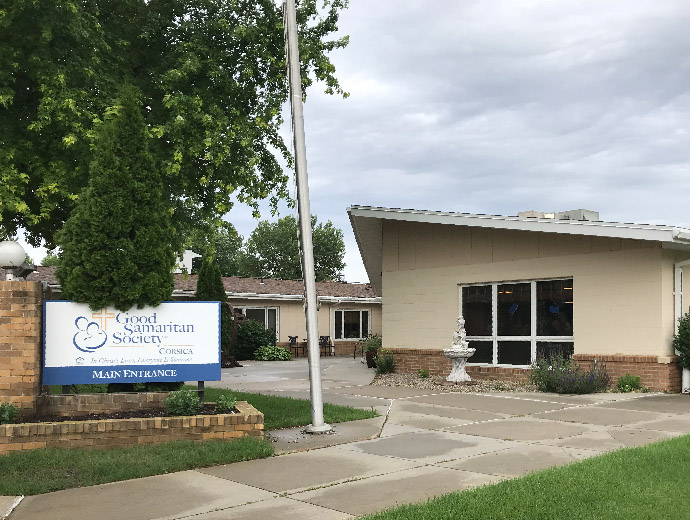
Good Samaritan Society Corsica
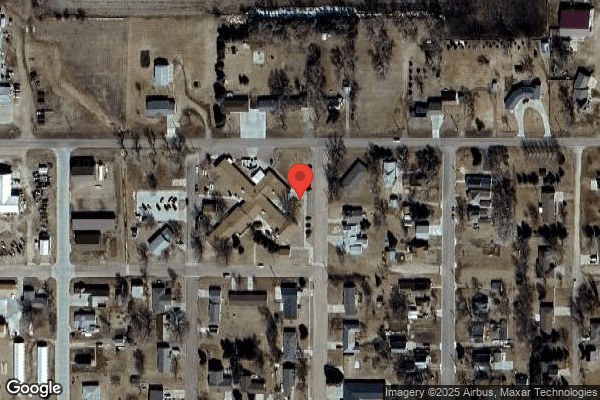

455 NORTH DAKOTA, CORSICA, SD 57328 (605) 946-5467
Non profit - Corporation 50 Beds GOOD SAMARITAN SOCIETY Data: November 2025
Trust Grade
78/100
#9 of 95 in SD
Last Inspection: August 2024

Within standard 12-15 month inspection cycle. Federal law requires annual inspections.

Overview

Good Samaritan Society Corsica has a Trust Grade of B, indicating it is a good choice for families, sitting solidly in the middle range of nursing homes. It ranks #9 out of 95 facilities in South Dakota, placing it in the top half for quality, and is the only option in Douglas County. The facility shows an improving trend, with issues decreasing from four in 2023 to two in 2024. Staffing is also a strong point, with a 4 out of 5 star rating, a turnover rate of 43% that is below the state average, and more RN coverage than 87% of facilities, which helps ensure better care. However, there have been serious incidents, such as a resident who was injured by a broken heat register and another resident who did not receive proper care due to staff not following non-weightbearing orders, indicating areas that need attention. Additionally, the facility has incurred $8,190 in fines, which is average compared to others in the state.
Trust Score
B
78/100
In South Dakota
#9/95
Top 9%
Safety Record
Moderate
Needs review
Inspections
Getting Better
4 → 2 violations
Staff Stability
○ Average
43% turnover. Near South Dakota's 48% average. Typical for the industry.
Penalties
○ Average
$8,190 in fines. Higher than 50% of South Dakota facilities. Some compliance issues.
Skilled Nurses
✓ Good
Each resident gets 51 minutes of Registered Nurse (RN) attention daily — more than average for South Dakota. RNs are trained to catch health problems early.
Violations
⚠ Watch
12 deficiencies on record. Higher than average. Multiple issues found across inspections.
★★★★★
5.0
Overall Rating
★★★★☆
4.0
Staff Levels
★★★☆☆
3.0
Care Quality
★★★★★
5.0
Inspection Score
Stable
2023: 4 issues
2024: 2 issues

The Good

  • 4-Star Staffing Rating · Above-average nurse staffing levels
  • Full Sprinkler Coverage · Fire safety systems throughout facility
  • No fines on record
  • Staff turnover below average (43%)

    5 points below South Dakota average of 48%

Facility shows strength in staffing levels, fire safety.

The Bad

Staff Turnover: 43%

Near South Dakota avg (46%)

Typical for the industry

Federal Fines: $8,190

Below median ($33,413)

Minor penalties assessed

Chain: GOOD SAMARITAN SOCIETY

Part of a multi-facility chain

Ask about local staffing decisions and management

The Ugly 12 deficiencies on record

2 actual harm
Aug 2024 2 deficiencies
CONCERN (D)

Potential for Harm - no one hurt, but risky conditions existed

Comprehensive Care Plan (Tag F0656)

Could have caused harm · This affected 1 resident

Based on observation, interview, record review, and policy review, the provide failed to ensure one of one sampled resident (7) had a care plan that indicated the use of a Thera bath paraffin wax mach...

Read full inspector narrative →
Based on observation, interview, record review, and policy review, the provide failed to ensure one of one sampled resident (7) had a care plan that indicated the use of a Thera bath paraffin wax machine that could be used independently. Findings include: 1. Observation and interview with resident 7 while in his room revealed: *He had been admitted from another facility on 12/1/22. *He had a Thera bath paraffin wax machine in his room. *He had used it for the arthritis in his hands. *Maintained the machine on his own. Review of resident 7's current care plan on 8/20/24 had not indicated the use of a paraffin wax treatment. Interview on 8/22/24 at 10:45 with director of nursing B regarding resident 7's care plan revealed she had updated resident 7's care plan on 8/21/23 to include the use of his paraffin wax machine. Review of the provider's November 2023 Care Plan policy revealed: *A focus on the resident as the focus of control and supporting the resident in making his or he own choices and having control over their daily life. *The plan of care will be modified to reflect the care currently required/provided for the resident.
CONCERN (D)

Potential for Harm - no one hurt, but risky conditions existed

Accident Prevention (Tag F0689)

Could have caused harm · This affected 1 resident

**NOTE- TERMS IN BRACKETS HAVE BEEN EDITED TO PROTECT CONFIDENTIALITY** Based on observation, interview, record review, and policy review, the provider failed to ensure one of one sampled resident (7)...

Read full inspector narrative →
**NOTE- TERMS IN BRACKETS HAVE BEEN EDITED TO PROTECT CONFIDENTIALITY** Based on observation, interview, record review, and policy review, the provider failed to ensure one of one sampled resident (7) had been assessed for the safe self-administration use of his paraffin bath machine. Findings include: 1. Interview on 8/20/24 at 8:53 a.m. with resident 7 in his room revealed: *He was admitted on [DATE] from another facility. *He had a paraffin wax machine in his room. *He took care the machine himself. Review of resident 7's electronic medical record (EMR) revealed: *He had an order on 11/10/15 for Thera wax treatment to bilateral hands as directed by physical therapy and occupational therapy. *He had a self-administration assessment completed on 8/1/22 at the last facility he had lived in for the use of the Thera bath. *No self-assessment assessment had been completed since his admission to this facility regarding his use of the Thera bath. *An assessment had been completed on 3/5/24 and 5/27/24 to self-administer his nebulizer treatments after they were set up. Review of resident 7's current care plan on 8/20/24 had not indicated the use of a Therabath paraffin wax treatment. Review of resident 7's therapy progress notes revealed there were no progress notes related to his paraffin wax self use. Interview on 8/22/24 at 10:45 a.m. with director of nursing B regarding the resident's paraffin wax machine revealed: *She agreed that he had not had an assessment since he was admitted there. *She had updated his care plan on 8/21/24 to include his paraffin wax machine. *She agreed that therapy had not evaluated him since his admission for the use of his paraffin wax. Interview on 8/22/24 at 11:00 a.m. with administrator A regarding resident 7's order revealed: *She agreed that they needed an updated and more specific order for the use of his paraffin wax. *She also agreed that the assessment should have been done more frequently. Review of the provider's October 2023 Resident Self-Administration of Medication policy revealed: *To determine if the resident can safely self-administer medications. *To identify which medication may be safely self-administered. *To assist the resident who is self-administering medication to manage his or her prescribed medication in a safe manner. *To provide residents who can do so safely with the opportunity to self-administer medications. *Complete the Resident Self-Administeration of Medications UDS to determine if the resident can safely administer medications and to create a plan to assist the resident to be successful in this process. *A physician's order must be specific to the medication being self-administered (e.g., Bengay ointment tid (three times per day) prn (as needed) for leg discomfort. May be kept at the bedside for self-administration or, May have all oral medications at bedside for self-administration). *The care plan must indicate which medications the resident is self-administering, where they are kept, who will document the medication and he location of administration, if applicable. Document quarterly on PN-Care Plan Review.
May 2023 4 deficiencies 1 Harm
SERIOUS (G)

Actual Harm - a resident was hurt due to facility failures

Accident Prevention (Tag F0689)

A resident was harmed · This affected 1 resident

**NOTE- TERMS IN BRACKETS HAVE BEEN EDITED TO PROTECT CONFIDENTIALITY** Based on observation, interview, closed record review, and policy review, the provider failed to ensure environmental precaution...

Read full inspector narrative →
**NOTE- TERMS IN BRACKETS HAVE BEEN EDITED TO PROTECT CONFIDENTIALITY** Based on observation, interview, closed record review, and policy review, the provider failed to ensure environmental precautions were in place to prevent harm to one of one sampled resident (147) who received an injury to her right foot from a heat register on the wall in her room where her bed was located. 1. Observation and interview on [DATE] at 10:12 a.m. with associate maintenance mechanic F in the room where resident 147 resided while she was in the facility revealed: *The room was currently not occupied by any residents. *The room measured 15'6 by 12'4 and had been built to accomodate two residents. *Opposite the door entering the room was a large window with a heat register under the windowsill. *The heat register was cool to touch. *One of the heat registers metal vents was broken and had a jagged edge. *There was one bed in the room, and it was pushed up against the wall with the heat register next to it. *Associate maintenance mechanic F stated the heat register was a working register and was the main heat source for the room. *There had been a different bed in the room when resident 147 was in the room and her bed was moved 3 to 4 inches away from the wall/heat register after staff had found her second right toe/foot injury. *There had been two residents residing in that room until approximately 2 to 3 weeks ago and he was unsure of how the beds were positioned. *He was unaware of the broken jagged edge on the heat register and was sure it had not been that way when resident 147 had resided in that room. *He was not sure why that room was the only room in the facility without a wooden cover built over the heat register and stated the wooden covers over the heat registers in all the other rooms in the facility were there before he started working at the facility approximately 10 to 12 years ago. Review of resident 147's medical record revealed: *She was [AGE] years old and was admitted to the facility on [DATE] from another nursing home. *Her [DATE] admission Minimum Data Set (MDS) assessment revealed she was rarely or never understood and had short-term and long-term memory problems. *Diagnoses included dementia, osteoarthritis, history of falls, insomnia, pain/discomfort, and a traumatic wound/skin tear on the right toe/foot. *She was admitted to hospice care on [DATE]. *She died at the facility on [DATE]. *[DATE] nursing progress note documented Note Text: Res [resident] has been getting her legs off of the bed during the night and at times while she rests in the afternoon. Nurse requested an order for a repositioning pillow to lay alongside res while in bed to help keep feet and legs in bed. PCP [primary care provider] has agreed with this and sent order. *[DATE] nursing progress note documented Note Text: Resident was found sitting beside bed, R [right] lateral side of leg were red from sitting on it. Looks like res [resident] slid out from her bed. No injuries noted. Vitals taken. Resident was noted to be restless and/or anxious on day of incident. Body pillow added for re--positional device, as resident has been hanging her leg off side of bed. No suspicion of abuse/neglect suspected. *[DATE] nursing progress note documented Note Text: Heard res [resident]screamed help RN went and res [resident] stated my toes are killing me upon assessment noticed that res [residen] epidermis fell off unsure how she obtained a skin tear while laying in bed. Flaps unable to approximate. Send fax to provider to ask for treatment. For now, area is cleansed and Mepilex applied. Tried to give Tylenol to res [resident] however spitted medication out *[DATE] nursing progress note documented Note Text: At approximately 0500 CNA [certified nursing assistant] reports dressing is missing from resident's right lateral toe. Upon observation, noted that the resident now has a wound that is approximately 7cm [centimeter] x 3cm [centimeter] in size. This is larger than the previous measurement on 1-29-23 of 3cmx3cm. The wound bed is very red in color with some darker areas noted, the foot was resting on heater vent beside her, also has an intact blister to the fourth right toe. Covered blister in betadine, hydrogel applied and wrapped in gauze wrap, informed Dr. [residents physician name] of the condition of the foot. *On [DATE] the wound RN (registered nurse) assessment and wound data collection documented a 3 centimeters (cm) length by 3 cm width skin tear wound with full thickness tissue loss and a red wound bed at the 5th toe and surrounding area of the right foot. The physician and family were notified, and wound care orders were obtained. The wound was cleansed with normal saline, a hydrogel dressing was placed over the wound and wrapped to secure in place with a bandage roll. Acetaminophen and morphine sulfate was to have been administered as needed with dressing changes. *On [DATE] the wound RN assessment and wound data collection documented a new full thickness traumatic wound to the right lateral foot stating that it had increased in size, with increased redness and swelling and there was a blister to the right fourth toe measuring 2 cm length by 1.5 cm width. The physician and family were notified of the new wound and the new treatment orders were obtained for Betadine to the area twice daily. Review of resident 147's comprehensive care plan initiated on [DATE] and revised through [DATE] revealed: *Impairment to skin Integrity R/T [related to] dementia, osteoarthritis, and now has a traumatic wound/skin tear on the right toe/foot. *Pain/discomfort R/T osteoarthritis and traumatic wound right toe/foot. Review of the provider incident report dated [DATE] revealed: *Resident's injury was due to her right foot resting on the heat register in her room. *Her room had been arranged with the bed along the wall with the heat register next to the bed. *Once the injury was identified and addressed by staff her bed had been moved away from the heat register on the wall. *The physician and family were notified of the incident. *Staff were educated at stand-up meetings during shift changes. Interview on [DATE] at 5:08 p.m. with director of nursing (DON) B revealed: *She stated resident 147's feet were always moving back and forth, she had foot and heel protector booties, but they had not stayed in place with her feet moving all the time. *She stated room [ROOM NUMBER] had been the hospice room with only one bed in it until residents were moved to the facility from another nursing home in the area due to a fire. *At that time, they had to have two residents in room [ROOM NUMBER], and she had thought that was why the bed was positioned against the wall with the heat register. *She was unsure why room [ROOM NUMBER] was the only resident room in the facility that had no wooden cover built over the heat register. *Her expectation would have been that the bed should have been moved away from the heat register on the wall when resident 147 was identified as kicking her feet off the bed between the bed and wall with the heat register in addition to the implementation of the body pillow. *She would have expected the bed to have been moved away from the heat register when the resident obtained the skin tear on her toe before the wound from laying her foot on the heat register occurred. *There had been two residents residing in room [ROOM NUMBER] until recently and the resident that had been in the bed by the wall with the heat register was cognitive. *The two nurses that had worked the morning of [DATE] were not currently working at the facility. One nurse had resigned and the other was a contract travel nurse. Interview on [DATE] at 10:48 a.m. with administrator A regarding resident 147 revealed: *The resident's bed was moved away from the wall with the heat register after she had obtained the right toe/foot injury. *Her expectation was that beds were not to have been positioned against a wall with a heat register. *After the incident they completed staff education regarding safety, and positioning of resident beds away from heat registers. *During her investigation she had completed audits that revealed room [ROOM NUMBER] was the only resident room in the facility without a wooden cover built over the heat register. *She was unsure why room [ROOM NUMBER] had not had a wood cover built over the heat register but stated they were working with a contractor in town to complete that. *Prior to residents moving to the facility from another nursing home after the fire it had not been an issue as that had been the hospice room that had only one resident and bed in it. *Her audits included checking the heat register in room [ROOM NUMBER] at different times of day for several days and revealed that the heat register alternated between cool and warm to the touch but was never hot enough that it would have caused a burn. *She was sure the broken vent with the jagged edge had not been there when resident 147's injury occurred. She had checked the register several times daily for several days and ran her hand along the register. She would have noticed it. She attributed the broken vent to when staff moved the head of the bed against the heat register. Interview on [DATE] at 11:05 a.m. with CNA I regarding resident 147 revealed: *She had worked with resident 147 the morning of [DATE] after the injury had been discovered. *She had not seen the injury on the right toe and foot as it was covered with a dressing when she arrived but had been told it was a burn from her foot laying on the heat register. *Resident 147's bed was positioned against the wall with the heat register until it had been moved that morning, staff found a burn on her right toe and foot. *Staff were educated at a meeting regarding repositioning residents and safe bed placement after the incident with resident 147. *Resident 147 was very stiff, not very mobile, and had a body pillow to assist with positioning. *The other three CNAs working on [DATE] were no longer working for the provider. Interview on [DATE] at 11:20 a.m. with registered nurse (RN) G regarding resident 147 revealed: *She was not working the day the residents' injury happened. *She had never seen the wound as dressing changes were completed by the treatment nurse. *She knew the wound was from trauma, but it was never clear as to whether it was a burn or from her foot rubbing against the heat register after her foot had fallen off the side of the bed between the bed and wall with the heat register. *The resident's bed was positioned against the wall with the heat register. *Her bed had been moved away from the wall with the heat register after the injury was discovered. Interview on [DATE] at 11:35 a.m. with licensed practical nurse (LPN) H regarding resident 147 revealed: *The resident's bed was positioned against the wall with the heat register until her injury and then the bed had been moved. *The resident was very stiff, moved her feet, and had a body pillow to assist with positioning. *She worked as the treatment nurse and completed dressing changes for resident 147's right toe and foot wound along with the hospice nurse. *The wound was called a burn and it appeared as a burn. The redness went away but then the area turned black. *She was told the burn occurred after the resident's right foot had laid against the heat register. *The wound treatments were painful for the resident. The resident had been given morphine that had helped with the pain. They applied betadine to the wound and then wrapped it with a dressing. *She could not remember any meetings regarding the incident, safety, or bed placement. *There had been residents in that room since but the bed was not placed up against the heat register. Review of the providers [DATE] Resident Environment policy revealed: *Purpose -To ensure an appropriate resident environment *Policy -The center will provide a safe, clean, comfortable and homelike environment -Resident rooms will be designed and equipped for adequate nursing care, safety and comfort
CONCERN (D)

Potential for Harm - no one hurt, but risky conditions existed

Resident Rights (Tag F0550)

Could have caused harm · This affected 1 resident

Based on observation, interview, and record review, the provider failed to ensure four of four staff members (licensed practical nurse N, and three unidentified staff members) addressed one of one sam...

Read full inspector narrative →
Based on observation, interview, and record review, the provider failed to ensure four of four staff members (licensed practical nurse N, and three unidentified staff members) addressed one of one sampled resident's (31) request for assistance with toileting. Finding include: 1. Observation on 5/3/23 at 9:46 a.m. and interview on 5/3/23 at 9:50 a.m. with resident 31 revealed she: *Was leaving the dining area and requested help going to the restroom. *Was told by an unidentified staff member to go the her room, turn on her call light, and wait for someone to come and help her. *Stopped at the nurses' station and asked another unidentifeied staff member to help her go to the restroom. *Was told by that unidentified staff member through the sliding glass opening to go to her room and wait for someone to come and help her. *Stopped a third unidentified staff member and asked for help and was again told to go to her room, turn her call light on and wait for someone. *Had reached the closed door of her room. *Attempted to enter her room and was told she could not enter while her roommate was being taken care of. *Attempted to reenter her room and had the door shut in front of her. *Yelled, What are you supposed to do piss your pants. *Said this happens all the time *Was told by licensed practical nurse (LPN) N who exited her room fifteen minutes after resident 31 initally requested assistance to go inside, turn her call light on and wait for a CNA (certified nursing assistant) to help her. Interview on 5/3/23 at 9:52 a.m. with LPN N about resident 31 needing help to go to the restroom revealed: *Resident 31's normal routine after breakfast was to go to the bathroom. *That she knew how to request help once she got to her room. *She said, that's just [resident 31]. *She said resident 31's roommate was not clothed and staff did not want to open the door until her roommate was dressed. Interview on 5/3/23 at 10:08 a.m. with director of nursing (DON) B in reference to LPN N's response to resident 31's request for help revealed she: *Was unsure as to why resident 31 was treated the way she was. *Expected that any resident that asked for assistance would have been helped no matter how many times the resident had made the same request. Interview on 5/3/23 at 4:20 p.m. with administrator A about resident 31's request for help going to the restroom after breakfast revealed she did not know why resident 31 was not immediately helped, but her expectation would have been that all residents are helped immediately no matter the issue. Record review of resident 31's 3/10/23 care plan revealed Encourage/remind resident to ask for help as needed and to avoid self transfers.
CONCERN (D)

Potential for Harm - no one hurt, but risky conditions existed

Deficiency F0697 (Tag F0697)

Could have caused harm · This affected 1 resident

**NOTE- TERMS IN BRACKETS HAVE BEEN EDITED TO PROTECT CONFIDENTIALITY** Based on observation, interview, record review, and policy review, the provider failed to adequately manage pain for one of one ...

Read full inspector narrative →
**NOTE- TERMS IN BRACKETS HAVE BEEN EDITED TO PROTECT CONFIDENTIALITY** Based on observation, interview, record review, and policy review, the provider failed to adequately manage pain for one of one sampled resident (15) who had pain. Findings include: 1. Observation and interview on 5/2/23 at 10:53 a.m. with resident 15 revealed he: *Was exiting the bathroom after he had shaved with an electric razor. *Had been grimacing while walking in his room. *Had moved to the facility from another nursing home when that facility had closed. *Has had frequent pain and he felt that it had not improved. *Felt that the staff had not wanted to increase his pain medications. *Had been getting Extra Strength Tylenol in the evenings and it doesn't cut it. *Has had pain in his rectum from his colon cancer and pain in his shoulders and legs. *Had used ice and heat packs on his painful joints provided by the staff. *Had no family. *Had a doctor appointment scheduled for that day with his surgeon regarding his rectal pain. *Stated that his doctors had informed him after his ileostomy (a surgical procedure to create an opening through the abdomen into the ileum portion of a person's intestines for the purpose of waste elimination due to colon or rectal dyfunction) was placed that he was not healthy enough to have any more surgeries. Review of resident 15's medical record revealed: *He had been admitted on [DATE] *His Brief Interview for Mental Status assessment score was 13 indicating that his cognition was intact. *His diagnoses included: -Malignant neoplasm of ascending colon. -Gastrostomy status. -Ileostomy status. -Other intervertebral disc degeneration, thoracolumbar region. -Bilateral primary osteoarthritis of the knee. -Other chronic pain. -Gout, unspecified. -Fecal impaction. -Alcohol dependence, in remission Review of resident 15's April 2023 and May 2023 medication administration record (MAR) revealed physician's orders for: *Gabapentin oral capsule 300 milligrams (mg) via G-Tube four times a day for pain at 4 a.m., 12 p.m., 5 p.m. and 10 p.m. *Hydrocodone-acetaminophen 5-325 mg 1 tablet by mouth three times a day for pain at 4 a.m., 10 a.m. and 10 p.m. *Menthol-methyl salicylate (Liniments) 10-15% (percent) analgesic external cream topically to the anal area two times a day for pain. *4% Lidocaine external patch applied to the coccyx topically in the evening and removed in the morning. *Acetaminophen extra strength tablet 1000 mg by mouth every 6 hours as needed for pain. *Voltaren (Diclofenac Sodium (Topical)) Gel 1 % two times a day as needed for pain in the shoulders and knees. Review of resident 15's 4/6/23 care conference revealed: Does complain of tail bone/bottom pain and cannot find relief. Says it is tolerable but it just doesn't go away. Review of resident 15's care plan initiated 9/21/22 and revised through 4/5/23 revealed: *The resident chronic pain R/T malignant neoplasm of colon, osteoarthritis, intervertebral disc degeneration E/B chronic back/rectum pain *Resident will verbalize adequate relief of pain or ability to cope with incompletely relieved pain *Meds as ordered, offer prn (as needed) meds. *Notify health care provider if interventions are unsuccessful or if current complaint is a significant change from residents past experience of pain. *Evaluate the effectiveness of pain interventions about an hour after prn med given. *The resident has a mood problem R/T Anxiety, failing health status/chronic pain, Hx of alcohol abuse E/B becomes anxious at times -Allow him time to verbalize his feelings. Assist resident in developing/Provide resident with a program of activities that is meaningful and of interest. Review of Communication/Visit with Physician notes regarding resident 15 revealed: *On 11/29/22, the resident had been seen by his physician. -The physician had written an order for the resident's hydrocodone/acetaminophen to have been decreased from four times a day to two times a day. *On 12/29/22, the facility staff faxed communication to resident's physician: -Res [Resident] is not having good pain control; using Norco (hydrocodone-acetaminophen) 5-325mg at 0400 and 2100 scheduled. Tylenol 1000 mg prn q 6 hours. Res is requesting daytime pain medication. *On 12/29/22, the resident's physician faxed communication to facility staff: -See on Tues [Tuesday] to discuss this. Will need to know where pain is & how he rates it *On 1/4/23, the resident had been seen by his physician. -His pain had been discussed. -He had requested his hydrocodone to have been given more often. *On 1/7/23, the resident had been seen by his physician. -His pain had been discussed. -He had been having increased pain so he was started on Meloxicam (a medication for pain) daily and then was to have been rechecked in two weeks. *On 1/31/23, resident had been seen by his physician. -His pain had been discussed. -Meloxicam had been discontinued as he stated his pain control had not improved. -Gabapentin had been increased to 100 mg TID (three times a day) for three days and then 300 mg TID. *On 2/28/23, resident had been seen by his physician. -His pain had been discussed. -His orders had not been revised. *On 3/14/23, resident had been seen by his physician. -His pain had been discussed. -Orders had been given to use the Recticare cream (a cream applied on the skin of the rectal area to relieve symptoms of pain, itching, burning, swelling, or irritation) four times a day and the Voltaren gel 1% to the shoulders and knees twice daily. *On 3/21/23, the resident had visited with his physician. -His pain had been discussed. -The physician had asked the resident if he would have liked to have seen a surgeon to evaluate the cause of his rectal pain. -He stated he would have liked to have done that. -He stated that his shoulder and knee hurt when he used them, that the pain had gone away, and the pain was tolerable. Review of the Pain Level Summary from 4/3/23 through 5/3/23 revealed: *Out of the one hundred and twenty-four opportunities when resident 15 was asked to rate his pain (1 being the least amount of pain and ten being the worst pain possible) , resident rated the pain at: -10 (worst possible) 30 times. -7-9 (very severe pain) 43 times. -4-6 (Moderate to severe pain) 33 times. -1-3 (mild to moderate pain) 8 times. -0 (no pain) 10 times. Of the 124 opportunities when resident 15 was asked to rate his pain, PRN Tylenol was given 11 times. *Of those 11 prn Tylenol extra strength administrations, 4 of those administrations were deemed ineffective by the resident. -No other interventions were documented by the nurse at those times. Interview on 5/3/23 at 2:24 p.m. with resident 15 revealed: *His pain had not been tolerable, but he felt the nursing staff were doing everything they could when he said he had pain. *The rectal pain had not been tolerable. -He was not able to lie on his right side because of his ileostomy or on his left because of his feeding tube (a tube surgically placed into the digestive system to deliver liquid nutrition) so he had to lay on his back when he was not up walking. *He was not able to recall having been asked about his pain tolerance level. Interview on 5/3/23 at 2:39 p.m. with licensed practical nurse (LPN) H regarding resident 15 revealed she: *Knew the resident's pain had been an ongoing issue. *Was aware that his doctor had not wantd to increase his dose of hydrocodone/acetaminophen so the resident could have that medication every 6 hours. *Had educated the resident on repositioning to relieve pain. *Had been working the night shift and regularly saw no physical signs of pain when she had talked to the resident. Interview on 5/3/23 at 3:07 p.m. with the director of nursing (DON) B regarding resident 15's pain revealed: *If a resident had been having pain, the staff would have given physician ordered prn pain medication, reevaluate if the medication had been effective and if it had not been effective, the nursing staff would have given a different medication, if available, or called the doctor to increase the pain medication. -The nursing staff would have called the emergency room for a new pain medication order if the doctor was not available. *She had assumed the reason the physician had not increased the resident's pain medication from 3 times a day to 4 times a day had something to do with his history of addiction. *She agreed that they should have advocated harder for resident 15 regarding his pain. *She agreed that an interdisciplinary team should have been involved with resident 15's pain management care. Interview on 5/4/23 at 11:16 a.m. with resident 15 regarding his pain and the increase of his gabapentin revealed he: -Believed it was working. -Felt that only getting Tylenol and gabapentin at 4 in the afternoon was not helping his pain since that was when he had experienced the most pain. Review of the providers December 2022 Pain Management policy revealed: *POLICY: -All residents will receive interdisciplinary consultations on assistance in managing pain. -Individualized approaches will be developed to address the resident's pain management needs in a holistic manner. -The licensed nurse will assess current pain levels and develop with the physician and interdisciplinary team interventions that may be non-pharmacological, as well as pharmacological. -The licensed nurse will review response to medication intervention and work closely with the physician to assist in the individualized pain management plan. -The nurses working directly with residents must continually monitor and observe the resident for success of the pain management plan and report to the nurse manager and prescriber as necessary to keep the resident comfortable.
CONCERN (D)

Potential for Harm - no one hurt, but risky conditions existed

Infection Control (Tag F0880)

Could have caused harm · This affected 1 resident

1. Observation and interview on 5/2/23 at 5:10 p.m. with LPN H while performing a blood glucose check for resident 23 revealed: *Without removing her soided gloves, she picked up the supplies she had...

Read full inspector narrative →
1. Observation and interview on 5/2/23 at 5:10 p.m. with LPN H while performing a blood glucose check for resident 23 revealed: *Without removing her soided gloves, she picked up the supplies she had brought into the resident's room and brought them out to the the treatment cart. -She disposed of the soiled lancet and other disposables in the correct receptacles. -Then placed the container of test trips into a container on the cart along side alcohol swabs and cotton balls used for other residents' blood glucose testing needs. *She agreed: -She should not have picked up the container of unused test strips with a soiled glove. -She should have removed her soiled gloves, performed hand hygiene, and then picked up the container of unused test strips. 2. Observation 5/3/23 at 10:00 a.m. of LPN H while performing an enteral bolus tube feeding and medication administration for resident 15 revealed she: *Performed hand hygiene before preparing resident's medications in the medication room. *Knocked one container of IsoSource onto the floor, picked it up off the floor and placed it back on the barrier without wiping it off. *Put on a pair of gloves without performing hand hygiene. *Went into the resident's bathroom to fill up cups with water for flushing the feeding tube in between each medication that would have been administered. *Removed the tube feeding supplies (syringe, beaker, and towel) from drawer in resident's room with those same gloved hands. *Used a syringe to check residual in the resident's stomach with those same gloved hands. *Then administered the resident's medications in tube. *Placed the used containers into the trash, removed her gloves, performed hand hygiene, and then exited the resident's room. Interview on 5/3/23 at 5:36 p.m. with LPN H revealed she: *Agreed that she should have washed the IsoSource container before placing it on the barrier. *Agreed that she should have washed her hands before donning gloves and after removing those gloves. Interview on 5/4/23 at 11:06 a.m. with infection control nurse D revealed she: *Stated that the staff had the initial infection control training when they started employment and then annually. *Had stand ups (short staff meetings) every afternoon and morning to reinforce infection control practices. *Performed a minimum of twenty hand hygiene audits monthly for all staff. *Would have expected the nurse to have removed her soiled gloves after performing blood sugar check. *Would have expected that hand hygiene would have been performed before and after donning gloves. Interview on 5/4/23 at 10:05 a.m. with director of nursing (DON) B regarding the above tube feeding observations with LPN H revealed she: *Would have expected that after the IsoSource fell on the floor, it would have been cleaned, hand hygiene would have been done, and a new barrier would have been placed if the contaminated IsoSource was placed on the original barrier. *Would have expected the nurse to have performed hand hygiene before and after glove use. Review of the provider's March 2022 Hand Hygiene policy revealed: *POLICY: -All employees in patient care areas (unless otherwise noted in their policy) will adhere to the 4 Moments of Hand Hygiene and 2 Zones of Hand Hygiene. 1. Entering Room 2. Before Clean Task 3. After Bodily Fluid/Glove Removal 4. Exiting Room 5. Zones: Patient zone and Health-care zone -Gloves are a protective barrier for the HCW according to standard precautions. 1. Gloves are never to be reused or sanitized. 2. Hand hygiene should be performed after glove removal. -Compliance with hand hygiene is routinely monitored in all patient care areas by hand hygiene observers who have gone through training. *PROCEDURE: -HCW [Health Care Worker] will use waterless alcohol-based hand sanitizer or soap and water to clean their hands: --When entering patient room --Before preparing or administering medications --Before donning sterile gloves --If gloves are used to perform a clean/aseptic procedure, hand hygiene must be completed before donning gloves. --After removing gloves regardless of task completed --After contact with a patient's [resident's] non-intact skin, wound dressing, secretions, excretions, mucous membranes, as long as hands are not visibly soiled --When entering healthcare zone (supply drawers, linen drawers or cupboards) --When exiting patient [resident] room Based on observation, interview, record review, and policy review, the provider failed to ensure: *One of one licensed practical nurse (LPN) H performed appropriate hand hygiene, glove use, and procedural technique for: -One of one sampled resident (23) during a blood glucose check. -One of one sampled resident (15) during the administration of medication and enteral formula through a gastrostomy tube (G-tube is a tube inserted into the abdomen to deliver nutritional supplement or medications into the body).
Jan 2022 6 deficiencies 1 Harm
SERIOUS (G)

Actual Harm - a resident was hurt due to facility failures

Quality of Care (Tag F0684)

A resident was harmed · This affected 1 resident

**NOTE- TERMS IN BRACKETS HAVE BEEN EDITED TO PROTECT CONFIDENTIALITY** Based on observation, interview, and record review, the provider failed to ensure one of fourteen sampled residents (186) receiv...

Read full inspector narrative →
**NOTE- TERMS IN BRACKETS HAVE BEEN EDITED TO PROTECT CONFIDENTIALITY** Based on observation, interview, and record review, the provider failed to ensure one of fourteen sampled residents (186) received the necessary care and services to: *Ensure staff had been aware of non-weightbearing orders for a newly admitted resident 186. *Ensure resident 186 had not experienced pain related to transfers and cares. *Ensure staff had implemented an appropriate pain rating scale for resident 186. *Ensure resident 186's care plan had been updated to inform staff how to care for her needs. Findings include: 1. Review of resident 186's medical record revealed: *She had been admitted from the hospital on 1/17/22. *Her diagnoses included displaced bimalleolar fracture of the left leg, with a subsequent encounter for a closed fracture with routine healing, Alzheimer's disease with late onset, Dementia without behavioral disturbances, other specified disorders of bone density and structure, bilateral primary osteoarthritis of the knee. *The care plan initiated at that time did not include a plan for non-weight bearing status or effective pain management. *Physician orders for Tylenol 325 milligram (mg) two tablets by mouth scheduled four times daily and non-weightbearing. Medical predictability is to begin intense therapies on or around 1/24/22 to rehab bimalleolar fracture. Physical therapy and occupational therapy to evaluate and treat. 2. Observation and interview on 1/18/22 at 5:56 p.m. of resident 186 in the facility dining room revealed she: *Was sitting in a wheelchair at a dining table alone facing a wall and crying. *Stated she was unable to walk and had not wanted to eat because her leg hurt. *Requested to go back to her room and wanted to call her son. *Ate none of her meal and drank a small amount of her coffee. -A facility staff member was obtained by this surveyor and asked to assist her. -The staff member spoke to her briefly and then pushed her out of the dining room in her wheelchair. Observation on 1/18/22 at 6:18 p.m. of resident 186 revealed: *She was sitting in a recliner in her room with both of her legs elevated, no longer crying, and watching TV. *There was a chair side table with a water mug and straw. *A call light was clipped to the arm of the recliner. *She had a pink cast to her lower left leg. 3. Observation and interview on 1/19/22 at 9:36 a.m. of resident 186 revealed she: *Was dressed, her hair combed and was sitting in a recliner in her room with both of her legs elevated watching TV. *Continued with complaints of left leg pain and rated her pain as miserable. *Reported she had fallen at home; her family took her to the hospital and a cast was put on her leg. *Did not know about her pain management plan and stated I don't know, I get very few pain pills. I can't even lift my leg up and, I don't know if I will be doing therapy. *Was hungry and I don't know if I went to breakfast or they brought it to me. 4. Observation and interview on 1/20/22 at 11:24 a.m. with registered nurse (RN) M, certified nursing assistant (CNA) P, and resident 186 revealed: *RN M asked resident 186 how she transfers. -Resident 186 shrugged her shoulders to indicated she had not known. *RN M asked CNA P, who stated pivoting with one assist. *RN M transferred resident 186 to her wheelchair: -He stood in front of her, stood her up from her recliner, and pivoted her into her wheelchair. -She was observed having weight on both legs. -He had not used a walker, gait belt or any other kind of assistive device. *Resident 186 was crying out in pain during the transfer and afterwards. *Surveyor asked if RN M could look in her electronic medical record (EMR) to see how she was supposed to transfer. *While looking in her EMR he: -Was unable to identify her needs based on her care plan. -Looked under orders and noted that she had an order for non-weight bearing status. *Surveyor asked how they usually transfer residents who are of non weight bearing status and he stated: -With a lift. -CNA P told me she was a stand pivot transfer. 5. Phone interview on 1/20/22 at 2:07 p.m. with orthopedics surgery (RN) N regarding resident 186 and her weight bearing status revealed: *Resident was seen by orthopedic provider on 1/12/22. *The surgeon was performing surgery and unavailable for interview. *A short leg cast was placed on the residents left lower leg. *Non weight bearing of the left leg was ordered by the physician. *No pain medications had been prescribed by the orthopedic surgeon. -A two week follow up appointment was scheduled for 1/24/22 at 11:00 a.m. *RN N verified that resident 186 should not be placing any weight on her left leg nor doing any pivot transfers. 6. Interview on 1/20/22 at 2:26 p.m. with RN O, a nurse from the hospital resident 186 was discharged from revealed: *On 1/7/22 after a fall, resident 186 had been brought from her assisted living facility to the emergency room. *She was transferred to hospital acute status for pain management on 1/10/22. -Hydrocodone/Acetaminophen one to two tablets every six hours as needed for pain was prescribed. *She was discharged from the hospital acute status on 1/12/22 for an outside appointment and transported to the Orthopedic provider by family. -She returned to the hospital following her orthopedic clinic appointment on 1/12/22 and was again, admitted as custodial care (care and services to assist her with her activities of daily living). -An order for transfer with walker and assist of two to wheelchair with pivot and front wheeled walker to maintain non-weight bearing to left extremity was placed. -The Hydrocodone/Acetaminophen 5/325 mg medication order was decreased to one tablet every four hours as needed for pain on 1/13/22, with the last dose received on 1/17/22 at 8:30 a.m. *She was discharged from the hospital and admitted to the long-term care facility on 1/17/22. -The hospital discharge orders did not include pain medication. Interview on 1/20/22 at 2:55 p.m. with administrator A and RN M regarding resident 186 revealed: *RN M agreed: -The resident did not understand how to rate her pain using the number pain scale and the staff should have used the faces pain scale. -The ratings of a two on her pain scale were likely inaccurate. -The pivot transfers had been causing her pain. -The physician order for non-weight bearing was not included in her care plan. -To notify the physician for new pain medication orders. -The orthopedic physician should be notified that she had been transferred with pivoting and weight bearing of the left lower extremity. *The administrator was not aware she was being pivot transferred with weight-bearing of the left extremity and agreed that would be contributing to her pain. Interview on 1/20/22 at 3:50 p.m. with minimum data set coordinator (MDS) G regarding resident 186 revealed: *The administrator and director of nursing had completed a screening process prior to accepting new facility admissions. *The social worker had been responsible to obtain new admission orders. -The administrator fulfilled the social worker role until a new social worker was hired and trained. *The daytime charge nurse reviewed and entered new resident admission orders on the day of admission. -The new resident admission orders were left on the nurse station computer keyboard for the night charge nurse to review. *A request for Ibuprofen or Tylenol was faxed to the hospital discharging physician assistant and received back with a signed order for Tylenol 650 mg scheduled four times daily. *The charge nurse was responsible to monitor for the effectiveness of pain medication and follow up with the provider for any needed adjustments. Observation and interview on 1/20/22 at 4:12 p.m. with resident 186 revealed she: *Was sitting in a recliner in her room with both legs elevated. -The call light clipped to the arm of the recliner. *Stated It hurts a lot, I can't walk on it. Continued review of resident 186's pain ratings on her medication administration record revealed: *While surveyor had observed her on 1/18/21 at 5:56 p.m. in the dining room crying with pain, her documented pain rating was a 2. Review of the [NAME] admission documentation policy reviewed/revised on 1/18/21 revealed: * Purpose -To obtain appropriate initial information regarding the resident and family. -To provide the initial documentation needed on admission. * Procedure - 13. The care plan is initiated through triggered UDAs as the Nursing Admit/Readmit Data Collection is completed. ADL and dietary information must be completed within the first 24 hours. Review of the provider's december 2021 Pain Managemen policy revealed: * Purpose -To provide residents assistance in pain management. -To promote well-being by ensuring that residents are as comfortable as possible. -To consistently collect data related to pain, -To determine what pain relief interventions specific to the resident can be used to aid in maintaining a comfortable level of function and quality of life. -To use non-pharmacological interventions for pain relief before starting any new medication. -To use non-pharmacological interventions as identified by the resident to promote comfort. *Responsible Staff -RNs -LPNs *Policy -All residents will receive interdisciplinary consultations on assistance in managing pain. Individualized approaches will be developed to address the resident ' s pain management needs in a holistic manner. -The registered nurse will assess current pain levels and develop with the physician and interdisciplinary team interventions that may be non-pharmacological, as well as pharmacological. The registered nurse will review response to medication intervention and work closely with the physician to assist in the individualized pain management plan. -The nurses working directly with residents must continually monitor and observe the resident for success of the pain management plan and report to the nurse manager and prescriber as necessary to keep the resident comfortable. *Procedure - 2. Develop care plan including pain focus, goal, and interventions, including non-pharmacological interventions that allow documentation. Once these interventions are care planned, a pain management plan should be person centered and can include, but not be limited to, a medication regimen. The plan should help determine what other methods or alternatives to pain control/relief may be implemented prior to contacting a physician. The interdisciplinary team and nurses must have ongoing communication with the resident and monitor and evaluate the pain management plan, Include the resident ' s goal for control of his or her pain. Update care plan as needed to reflect current effective interventions. - 6. Pain documentation by the CNA is ideally entered using the interventions from the care plan. This is the most efficient and resident-specific way to allow documentation of pain and response to interventions. If a pain plan is not yet care planned, employees can use the Pain task (Numeric or PAINAD) and/or Vital Signs tasks in PCC[point click car]-POC[point of care]. Any time a resident is in pain, the nursing assistant should make the resident as comfortable as possible and verbally communicate with the nurse on duty, as well as send a New Alert from PCC-POC using the eINTERACT Stop and Watch Alert for pain.
CONCERN (D)

Potential for Harm - no one hurt, but risky conditions existed

Pharmacy Services (Tag F0755)

Could have caused harm · This affected 1 resident

**NOTE- TERMS IN BRACKETS HAVE BEEN EDITED TO PROTECT CONFIDENTIALITY** Based on observation, interview, record review, and policy review, the provider failed to ensure accountability for controlled m...

Read full inspector narrative →
**NOTE- TERMS IN BRACKETS HAVE BEEN EDITED TO PROTECT CONFIDENTIALITY** Based on observation, interview, record review, and policy review, the provider failed to ensure accountability for controlled medications by ensuring emergency kits (e-kits) had been monitored and tracked for one of one facility e-kits. Findings include: 1. Observation and interview on [DATE] at 8:54 a.m. with licensed practical nurse (LPN) H in the facility's medication room revealed: *They had an e-kit that contained the following medications: -Lorazepam. -Morphine. -Tramadol. -Hydrocodone. *The form from the pharmacy stated there should have been 12 doses of Lorazepam, all with an expiration date of 6/2022. -There were only seven Lorazepam doses in the e-kit. *LPN H was not sure where the missing five Lorazepam doses could have been. *They had not been writing down the e-kit tag numbers or documenting when they needed to access the medications inside of the e-kit. *LPN H was going to call consultant pharmacist F regarding the missing Lorazepam doses. Further interview on [DATE] at 9:40 a.m. with LPN H revealed she: *Found five doses of Lorazepam in the secured box waiting to go back to pharmacy. *Those doses were in the box because they were expired. *Those five Lorazepam had a date of 7/2021. *Agreed the pharmacy slip stated all 12 doses should have had an expiration date of 6/2022. Phone interview on [DATE] at 11:54 a.m. with consultant pharmacist F revealed: *He was the consultant pharmacist for the facility. *LPN H had contacted him regarding the missing Lorazepam doses. *He believed the missing five doses of Lorazepam had been in the secured box waiting for pharmacy return. *Surveyor asked about the expiration date discrepancy regarding the date on pharmacy form and the date that was actual on the medications. -He was unsure why the dates had not matched. *He stated nurses are supposed to be filling out the form when they remove an e-kit tag and document which tag was removed and which tag was placed to secure the e-kit. *He had not been aware that the nursing staff had not been following the process and completing the pharmacy form. Review of the provider's [DATE] Emergency Drug Boxes policy revealed: *The emergency drug boxes were an extension of the providing pharmacist's store. They would be kept in the locked medication room, accessible only to licensed nurses and medication aides. *If a drug was used from the box, the pharmacist or the pharmacist's agent will be notified according to the state's specific regulation. *A list of emergency medications including the amounts, dosages/strengths will be posted on the outside of the box. *The pharmacist would be responsible for monitoring the expiration dates. *Record keeping would be completed in accordance with the state pharmacy system.
CONCERN (D)

Potential for Harm - no one hurt, but risky conditions existed

Deficiency F0849 (Tag F0849)

Could have caused harm · This affected 1 resident

**NOTE- TERMS IN BRACKETS HAVE BEEN EDITED TO PROTECT CONFIDENTIALITY** Based on interview, record review, and policy review, the provider failed to ensure integrated plans of care had been developed ...

Read full inspector narrative →
**NOTE- TERMS IN BRACKETS HAVE BEEN EDITED TO PROTECT CONFIDENTIALITY** Based on interview, record review, and policy review, the provider failed to ensure integrated plans of care had been developed for one of two residents (3) receiving hospice services. Findings include: 1. Review of resident 3's medical record and care plan revealed: *She had been admitted on [DATE]. *Her diagnoses included: -Anticoagulant therapy. -Tube feeding. -Tardive dyskinesia. -Schizophrenia. -Depression. *She had been receiving hospice services since 1/29/20. *The only statement about hopsice in the comprehensive care plan was: -Family's wishes are for resident to remain in this facility under Hospice Care with [hospice provider's name]. She is on [Hospice provider's name] Receives AIDE, Social services, nursing, spiritual services from [hospice provider's name]. 2. Interview on 1/20/22 at 1:00 p.m.with hospice registered nurse (RN) R regarding resident 3's hospice care plan revealed: *She believed the hospice care plan was kept at the nurse's station in a binder. *The hospice care plan should have been integrated into the facility care plan. Review of resident 3's 1/16/22 revised care and 12/9/21 hospice care plan revealed the following goals had not been integrated into her facility care plan: -She will report that her pain is at a minimal/comfortable level for her. -We want her to be as comfortable as possible. -She/staff will understand the specified care and services required to meet her end of life needs. -She/family/[provider name] will express faith and feelings within context of their faith traditions. -Her goal is to be able to enjoy nursing home activities and do her puzzles in her room. -Provide her/brother/[provider name] education about hospice services and external resources to assist with her life closure desires. -She/brother/[provider name] will have necessary information support, and direction and counsel to make her end of life decisions. Interview on 1/20/22 at 1:55 p.m. with certified nursing assistant (CNA) Q regarding resident 3's hospice care plan revealed she thought it would be the same as her facility care plan. Interview on 1/20/22 at 2:00 p.m. with RN M regarding resident 3's hospice care plan revealed he believed it was same as her facility care plan. Interview 1/20/22 2:01 p.m. with administrator A regarding resident 3's hospice care plan revealed: *It was her understanding the hospice care plan was integrated with the facility care plan. *She was not aware staff had not known how to access the hospice care plan. *The hospice staff had a seperate binder for their care plans. *It was updated by the hospice staff and then faxed to the facility. *It was at the nurse's station. 3. Review of the provider's May 2021 Hospice-Provider Services in Skilled Nursing Facility(SNF), Assisted Living(AL), Therapy; Define Responsibility of Location/Hopsice Employee Rehab/Skilled policy revealed: * A coordinated comprehensive plan of care shall be jointly developed by Long Term Care location and hospice. *The hospice information/documentation should be integrated into the electronic medical record.
CONCERN (D)

Potential for Harm - no one hurt, but risky conditions existed

Antibiotic Stewardship (Tag F0881)

Could have caused harm · This affected 1 resident

Based on interview, policy review, and record review, the provider failed to implement an effective antibiotic stewardship program. Findings include: 1. Interview on 1/20/21 at 3:52 p.m. with infectio...

Read full inspector narrative →
Based on interview, policy review, and record review, the provider failed to implement an effective antibiotic stewardship program. Findings include: 1. Interview on 1/20/21 at 3:52 p.m. with infection preventionist E and administrator A regarding the antibiotic stewardship program revealed they: *The pharmacy consultant was not involved in their antibiotic stewardship program. *Agreed he could provide expertise into antibiotic usage. *Revealed they did not have criteria to look closely at residents who were having repeated urinary tract infections in a certain period of time and the antibiotics that they were on. Review of the provider's December 2019 Infection Prevention and Control Program policy revealed: *The system of identifying, reporting, investigating, and controlling infections and communicable disease for all residents will be tracked where possible on the Infection and Antimicrobal Tracking Tool and reviewed by the QAPI [quality assurance process improvement] committee who will keep a record of any corrective action taken.
CONCERN (F)

Potential for Harm - no one hurt, but risky conditions existed

Infection Control (Tag F0880)

Could have caused harm · This affected most or all residents

4. Observation and interview on 1/20/22 at 11:41 a.m. with environmental services technician J revealed she: *Was cleaning resident 22's room, who was positive for CRE. -There was a sign adjacent to ...

Read full inspector narrative →
4. Observation and interview on 1/20/22 at 11:41 a.m. with environmental services technician J revealed she: *Was cleaning resident 22's room, who was positive for CRE. -There was a sign adjacent to her door that stated Contact Precautions. *Cleaned room with bottle of pink spray, the same spray she used in every room. *Was unable to state what was in the pink bottle. *Cleaned the toilet and with the same soiled gloves opened the paper towel dispenser to check the remaining quantity. *Had not known if there was any special precautions she needed to take while in resident 22's room. *Had been unaware if there were any different cleaning steps she needed to preform for the room. *Stated she cleaned all the rooms the same. 5. Interview on 1/20/22 at 3:07 p.m. with food, nutrition, and housekeeping manager C revealed: The pink bottle contained Disinfecting 73 Acid Bathroom Cleaner, used in every bathroom. *No special cleaning instructions for resident room with CRE Interview on 1/20/22 at 3:15 p.m. with administrator A revealed: Disinfecting 73 Acid bathroom cleaner is not effective against CRE. *Internet search of CRE revealed bleach is effective against CRE *Administrator was unable to find policy for room cleaning with CRE. Interview on 1/20/22 at 3:52 p.m. with infection preventionist E and administrator A revealed they: *Agreed resident's doors should have remained closed. *Had not thought about implementing clear plastic dividers for residents with safety concerns. *Agreed soiled gloves should be removed prior to exiting a COVID-19 positive resident's room. 6. Review of the providers December 2019 Infection Prevention and Control policy revealed: *Each society location will maintain an infection prevention and control program to provide a safe, sanitary and comfortable environment for residents, patients, children, families, visitors and employees to help prevent the development and transmission of communicable diseases and infections. *The infection prevention an control progame will attempt to meet federal and state regulations for infection control . Review of centers for disease control and prevention (CDC) September 2021 guidance. <cdc.gov/coronavirus/2019-ncov/long-term-care.html> revealed: *Place a patient with suspected or confirmed SARS-CoV-2 [COVID-19] infection in a single-person room. The door should be kept closed . *Regularly review CDC's Interim Infection Control Recommendations for Healthcare Personnel During the COVID-19 Pandemic for current information and ensure staff and residents are updated when this guidance changes. *In general, it is recommended that the door to the room remain closed to reduce transmission of SARS-CoV-2. This is especially important for residents with suspected or confirmed SARS-CoV-2 infection being cared for outside of the COVID-19 care unit. However, in some circumstances (e.g., memory care unites), keeping the door closed may pose resident safety risks and the door might need to remain open. If doors must remain open, work with facility engineers to implement strategies to minimize are flow into the hallway. Based on observation, interview, policy review, and national guidelines review, the provider failed to ensure: *Seven of sixteen residents (3, 9, 11, 12, 16, 27, and 34) who had been on quarantine due to exposure to COVID-19 had a barrier in place or kept their doors closed. *One of one observed certified nursing assistants (CNA) (L) had followed appropriate infection control guidelines when exiting a two of two COVID-19 positive resident's (35 and 187) shared room. *One of one observed environmental services technician (J) had been aware of the appropriate precautions and measures to take with a resident on contact precautions for carbapenem-resistant Enterobacteriaceae (CRE). Findings include: 1. Observation on 1/18/22 at 4:45 p.m. of the facility's 100-wing revealed: *There were 18 residents on the 100-wing. -Two of those 18 residents (35 and 187) were positive for COVID-19, and were in a shared room. -The remaining 16 residents (3, 6, 8, 9, 10, 11, 12, 15, 16, 18, 23, 24, 27, 29, 31 and 34) were on quarantine precautions due to exposure to COVID-19. -Seven of the 16 residents (3, 9, 11, 12, 16, 27, 34) were in four rooms and their doors were open. --Those rooms had signs adjacent to their door that stated their doors must remain closed. 2. Observation on 1/18/22 at 5:14 p.m. CNA L on the 100-wing hallway revealed: *She had been in resident 35 and 187's shared room. *When she exited the room and with the same soiled gloves she: -Reached into the clean supply drawer to grabbed wipes. Further observation on 1/18/22 at 5:38 p.m. of CNA L revealed she: *Was exiting resident 35 and 187's room. *Had not removed her soiled gloves prior to exiting the room. *Preformed the following while still wearing her soiled gloves: -Disinfected her faceshield and hung it on the clean hook to dry. -Removed her N95 mask. *Heard something from inside of resident 35 and 187's door, she: -Opened the COVID-19 barrier and stated Hold on [resident 35's name]. -Was only wearing a surgical mask when she peaked the residents' room. *Wearing the same surgical mask, she walked down the hallway, past the double doors to grab a gown. Interview on 1/19/22 at 9:00 a.m. with administrator A regarding quarantined resident's opened doors and CNA L infection control observations revealed: *Any resident who is on quarantine should have their door closed. *Some residents have their doors opened for safety reasons and that will be located on their care plans to do so. Review of selected resident's 3, 9, 12, 16, and 27 January 2022 care plans revealed there had not been any mention of having their doors remain open for safety reasons. 3. Observations made on the following dates and times revealed the quarantine room doors had been opened: *On 1/18/22 from 4:45 p.m. through 6:14 p.m. *On 1/19/22 at 9:15 a.m and 12:17 p.m. *On 1/20/22 at 8:44 a.m. and 11:45 a.m.
CONCERN (F)

Potential for Harm - no one hurt, but risky conditions existed

Deficiency F0886 (Tag F0886)

Could have caused harm · This affected most or all residents

Based on interview, record review, and policy review the provider failed to ensure all of their unvaccinated staff had been routinely tested per current recommendations and guidance for COVID-19, duri...

Read full inspector narrative →
Based on interview, record review, and policy review the provider failed to ensure all of their unvaccinated staff had been routinely tested per current recommendations and guidance for COVID-19, during an outbreak. Findings include: 1. Review of the provider's current employee COVID-19 testing documentation revealed: *The information was disorganized and difficult to determine when staff had been tested. *Review of 15 unvaccinated staff members testing records determined: -There was missing documentation that showed some staff had not been tested every three to seven days while in outbreak. Interview on 1/20/22 at 3:52 p.m. with infection preventionist E and administrator A revealed: *The facility had been in outbreak since 12/27/21. *They agreed the system they had in place was disorganized and difficult to track who had been tested and when. *They stated the four department heads were in charge of ensuring their staff had been tested. *There was no one ensuring the department heads had the testing completed. Review of the provider's August 2021 COVID Testing Employee policy revealed: *[Provider name] recognizes the importance of preventing the transmission of COVID-19, a serious and, in some cases, deadly illness. Robust COVID-19 testing can protect vulnerable patient and resident populations, clients, employees, licensed independent medical practitioners (MDs [medical doctors], DOs [doctor of osteopathic medicine] and advanced practice providers, contingent workers, students, volunteers, and visitors from exposure to COVID-19 . *All [provider name] employees, providers, contigent workers, student and volunteers are required to submit to COVID-19 testing were job-related and consistent with business necessity, as well as consistent with applicable federal, state, or municipal order or department of health guidance .
Understanding Severity Codes (click to expand)
Life-Threatening (Immediate Jeopardy)
J - Isolated K - Pattern L - Widespread
Actual Harm
G - Isolated H - Pattern I - Widespread
Potential for Harm
D - Isolated E - Pattern F - Widespread
No Harm (Minor)
A - Isolated B - Pattern C - Widespread

Questions to Ask on Your Visit

  • "Can I speak with families of current residents?"
  • "What's your RN coverage like on weekends and overnight?"

Our Honest Assessment

Strengths
  • • 43% turnover. Below South Dakota's 48% average. Good staff retention means consistent care.
Concerns
  • • 12 deficiencies on record, including 2 serious (caused harm) violations. Ask about corrective actions taken.
Bottom line: Generally positive indicators. Standard due diligence and a personal visit recommended.

About This Facility

What is Good Samaritan Society Corsica's CMS Rating?

CMS assigns Good Samaritan Society Corsica an overall rating of 5 out of 5 stars, which is considered much above average nationally. Within South Dakota, this rating places the facility higher than 99% of the state's 100 nursing homes. This rating reflects solid performance across the metrics CMS uses to evaluate nursing home quality.
How is Good Samaritan Society Corsica Staffed?
CMS rates Good Samaritan Society Corsica's staffing level at 4 out of 5 stars, which is above average compared to other nursing homes. Staff turnover is 43%, compared to the South Dakota average of 46%. This relatively stable workforce can support continuity of care.

What Have Inspectors Found at Good Samaritan Society Corsica?

State health inspectors documented 12 deficiencies at Good Samaritan Society Corsica during 2022 to 2024. These included: 2 that caused actual resident harm and 10 with potential for harm. Deficiencies causing actual harm indicate documented cases where residents experienced negative health consequences.

Who Owns and Operates Good Samaritan Society Corsica?

Good Samaritan Society Corsica is owned by a non-profit organization. Non-profit facilities reinvest revenue into operations rather than distributing to shareholders. The facility is operated by GOOD SAMARITAN SOCIETY, a chain that manages multiple nursing homes. With 50 certified beds and approximately 41 residents (about 82% occupancy), it is a smaller facility located in CORSICA, South Dakota.

How Does Good Samaritan Society Corsica Compare to Other South Dakota Nursing Homes?

Compared to the 100 nursing homes in South Dakota, Good Samaritan Society Corsica's overall rating (5 stars) is above the state average of 2.7, staff turnover (43%) is near the state average of 46%, and health inspection rating (5 stars) is much above the national benchmark.

What Should Families Ask When Visiting Good Samaritan Society Corsica?

Based on this facility's data, families visiting should ask: "Can I visit during a mealtime to observe dining assistance and food quality?" "How do you handle medical emergencies, and what is your hospital transfer rate?" "Can I speak with family members of current residents about their experience?"

Is Good Samaritan Society Corsica Safe?

Based on CMS inspection data, Good Samaritan Society Corsica has a clean safety record: no substantiated abuse findings (meaning no confirmed cases of resident harm), no Immediate Jeopardy citations (the most serious violation level indicating risk of serious injury or death), and is not on the Special Focus Facility watch list (a federal program monitoring the lowest-performing 1% of nursing homes). The facility has a 5-star overall rating and ranks #1 of 100 nursing homes in South Dakota. While no facility is perfect, families should still ask about staff-to-resident ratios and recent inspection results during their visit.

Do Nurses at Good Samaritan Society Corsica Stick Around?

Good Samaritan Society Corsica has a staff turnover rate of 43%, which is about average for South Dakota nursing homes (state average: 46%). Moderate turnover is common in nursing homes, but families should still ask about staff tenure and how the facility maintains care continuity when employees leave.

Was Good Samaritan Society Corsica Ever Fined?

Good Samaritan Society Corsica has been fined $8,190 across 1 penalty action. This is below the South Dakota average of $33,161. While any fine indicates a compliance issue, fines under $50,000 are relatively common and typically reflect isolated problems that were subsequently corrected. Families should ask what specific issues led to these fines and confirm they've been resolved.

Is Good Samaritan Society Corsica on Any Federal Watch List?

Good Samaritan Society Corsica is not on any federal watch list. The most significant is the Special Focus Facility (SFF) program, which identifies the bottom 1% of nursing homes nationally based on persistent, serious quality problems. Not being on this list means the facility has avoided the pattern of deficiencies that triggers enhanced federal oversight. This is a positive indicator, though families should still review the facility's inspection history directly.