RIVERVIEW HEALTHCARE CENTER
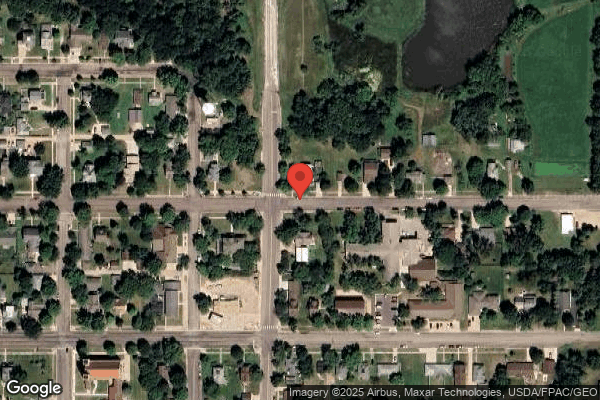
611 EAST 2ND AVE, FLANDREAU, SD 57028 (605) 997-2481
For profit - Limited Liability company 63 Beds EMPRES OPERATED BY EVERGREEN Data: November 2025 3 Immediate Jeopardy citations
Trust Grade
0/100
#89 of 95 in SD
Last Inspection: February 2025

Within standard 12-15 month inspection cycle. Federal law requires annual inspections.

Overview

Riverview Healthcare Center in Flandreau, South Dakota, has received a Trust Grade of F, indicating significant concerns and a poor overall standing. Ranked #89 out of 95 facilities in the state, they fall in the bottom half, and they are the second option in Moody County, with only one local facility rated higher. The facility's situation is worsening, with reported issues increasing from 3 in 2024 to 18 in 2025. Staffing is rated average at 3 out of 5 stars, but the turnover rate of 67% is concerning, significantly higher than the state average. Additionally, the facility has accumulated $132,087 in fines, which is higher than 97% of South Dakota facilities, pointing to ongoing compliance problems. There are serious issues reported, including allegations of physical, mental, and verbal abuse by staff members that were not properly addressed, creating a risk for residents. Families should weigh these significant weaknesses against the average staffing rating and consider the troubling trend in care quality before making a decision.

Trust Score
F
0/100
In South Dakota
#89/95
Bottom 7%
Safety Record
High Risk
Review needed
Inspections
Getting Worse
3 → 18 violations
Staff Stability
⚠ Watch
67% turnover. Above average. Higher turnover means staff may not know residents' routines.
Penalties
✓ Good
$132,087 in fines. Lower than most South Dakota facilities. Relatively clean record.
Skilled Nurses
✓ Good
Each resident gets 48 minutes of Registered Nurse (RN) attention daily — more than average for South Dakota. RNs are trained to catch health problems early.
Violations
⚠ Watch
28 deficiencies on record. Higher than average. Multiple issues found across inspections.
★☆☆☆☆
1.0
Overall Rating
★★★☆☆
3.0
Staff Levels
★★☆☆☆
2.0
Care Quality
★☆☆☆☆
1.0
Inspection Score
Stable
2024: 3 issues
2025: 18 issues

The Good

  • Full Sprinkler Coverage · Fire safety systems throughout facility
  • No fines on record

Facility shows strength in fire safety.

The Bad

1-Star Overall Rating

Below South Dakota average (2.7)

Significant quality concerns identified by CMS

Staff Turnover: 67%

21pts above South Dakota avg (46%)

Frequent staff changes - ask about care continuity

Federal Fines: $132,087

Well above median ($33,413)

Significant penalties indicating serious issues

Chain: EMPRES OPERATED BY EVERGREEN

Part of a multi-facility chain

Ask about local staffing decisions and management

Staff turnover is elevated (67%)

19 points above South Dakota average of 48%

The Ugly 28 deficiencies on record

3 life-threatening 8 actual harm
Sept 2025 4 deficiencies 3 Harm
SERIOUS (G) 📢 Someone Reported This

A family member, employee, or ombudsman was alarmed enough to file a formal complaint

Actual Harm - a resident was hurt due to facility failures

Free from Abuse/Neglect (Tag F0600)

A resident was harmed · This affected 1 resident

Based on review of South Dakota Department of Health Facility Reported Incident (SD DOH FRI), interview, record review, and policy review, the provider failed to protect the resident's right to be fre...

Read full inspector narrative →
Based on review of South Dakota Department of Health Facility Reported Incident (SD DOH FRI), interview, record review, and policy review, the provider failed to protect the resident's right to be free of abuse by:*One of one certified nursing assistant (CNA) T who slapped a resident's door and told that resident that she would get her pain medication when her name came up on the nurse's list, when one of one resident (7) requested pain medication. The resident reported that interaction caused her increased anxiety.*One of one certified medication aide (CMA) U who refused refused to assist a resident with taking medication for one of one sampled resident (6) who cried and expressed feelings of emotional distress.*One of one CNA V who told a resident he would fight him, grabbed the resident's arm, and took a breakfast bar from one of one sampled resident (5) with diet restrictions who took a breakfast bar from a snack cart.Findings include: 1. Review of the provider's 8/19/25 SD DOH FRI revealed: *On 9/19/25, resident 7 reported to social services designee (SSD) E that she used her call light to request pain medication, Certified Nursing Assistant (CNA) T answered the call light and told resident 7 “You will get your pain medication when your name comes up on the list.”, then left the resident's room. -Resident 7 put on her call light again, CNA T responded to her call light “in an unpleasant tone and manner.” and said to resident 7, “I told you you will get your medicine when the medication nurse gets to you, and slammed her fist on the door.” *Resident 7 told SSD E that the interaction with CNA T that day “made her feel distressed.” *Resident 7 told SSD E that if she were to see CNA T again, “it would cause her a great deal of anxiety.” *CNA T was suspended pending further investigation by the provider. Interview on 9/24/25 at 8:50 a.m. with resident 7 regarding the 8/19/25 incident revealed: *She recalled she had increased pain that day and put her call light on to ask for pain medication. *She did not recall receiving care from CNA T before that day. *She stated that the first time she put on the call light, CNA T was rude and said “You will get your pain medication when your name comes up on the list.” *She reported putting on her call light again a few minutes later, CNA T answered the call light again, and said “I told you, you will get your medications when the nurse gets to you, and then slapped the door with her hand.” -Since then, she did not want to put on her call light and she felt increased anxiety when she would see CNA T walking by her room. Interview on 9/24/24 at 10:40 a.m. with CNA AA revealed: he worked with CNA T on the day of the above incident and did not witness that incident or CNA T exhibiting negative interactions with residents that day. Interview on 9/25/25 at 9:52 a.m. with RN G revealed resident 7 often rated her pain at a six (on a zero to ten pain scale) and stated resident 7 was very anxious. Interview on 9/25/25 at 11:13 a.m. with director of nursing (DON) B revealed: *When CNA T was interviewed about the incident by DON B, Her manner was very rude. Her language was not professional. *The DON reported that CNA T referred to the resident 7 as the lady with all of the tubes. CNA T did not deny her actions or apologize for them during the interview. *DON B reported that CNA T would no longer be employed due to her treatment of resident 7. 2. Review of the provider's 4/29/25 submitted SD DOH FRI regarding resident 6 revealed: *Resident 6's Brief Interview for Mental Status (BIMS) assessment score was 15, which indicated her cognition was intact. *On 4/27/25 at 8:00 a.m.an argument had occurred between resident 6 and CNA/CMA U when the resident was administered her medications. -Resident 6 had asked for CNA/CMA U to assist her with her cup of water when taking her medications. *Medication pills and water were found lying on the floor of resident 6's room after CNA/CMA U had left the room. *Resident 6 indicated CNA/CMA U was rude and did not want to help her with small things. *The incident was reported by CNA H on 4/28/25 to the former director of nursing (CC). *The resident's emergency contact, primary care provider, and local law enforcement were notified of the incident. *The provider reviewed resident 6's care plan which showed: -Schizoaffective disorder (a mental health condition that combines symptoms of schizophrenia and a mood disorder, such as depression or bipolar), trauma, bipolar, and acute and chronic anxiety. -Nutritional assistance needed by one staff if hands are not working properly. *Her care plan did not include that she self-administered of any medications. *Interventions included: -Offer reassurance and support as needed. -Provide safe and welcoming environment interactions. -One staff member for assistance with nutritional needs. -Interviews with 3 random residents were conducted to ensure the residents were receiving appropriate care. *Based on the provider's investigation, findings the provider verified the incident due to resident 6's statement. Interview on 9/23/25 at 12:40 p.m. with registered nurse (RN) G revealed she: *Heard something had happened between resident 6 and CNA/CMA U but was not aware of what happened. *Indicated that resident 6 did not mention to her that an incident had occurred between her and CNA/CMA U. *Did not feel resident 6 exhibited behaviors that indicated she was upset after the incident had occurred. *Thought CNA/CMA U presented as a “hot head” and did not always get along with other staff members. Interview on 9/23/25 at 12:49 p.m. with resident 6 revealed she: *Did not recall an incident where she had been upset with staff member CNA/CMA U. *Denied knowing CNA/CMA U or if she had worked at the facility. *Had received appropriate care at the facility and stated, “staff are doing the best that they can do.” *During the investigation, resident 6 stated to former DON CC “She made me feel like a dummy and that I didn't know anything about my medications” Interview on 9/23/25 at 2:40 p.m. with CNA H revealed: *On 4/27/25 she had heard a confrontational argument between resident 6 and CNA/CMA U in the resident's room. *When she entered the resident's room, the resident had been crying and stated, “I don't want her in here” and pointed at CNA/CMA U. *Resident 6 indicated to CNA H, she had asked for CNA/CMA U to remain by her side when she took her medications and CNA/CMA U refused to assist the resident with her cup of water or to remain by her side when she took her medications. Interview and record review on 9/23/25 at 4:05 p.m. with RN I revealed: *There was no active order on resident 6's medication administration record (MAR) that indicated staff were to remain with the resident when administering medications. *Resident 6's care plan did not include staff were to remain with the resident when medications were administered or to assist her with her cup of water. *She indicated resident 6 requested staff to remain with her and assist her when taking her medications. Record review of resident 6's electronic medical record (EMR) revealed: *Care plan, MAR, TAR (treatment assessment record), and active and discontinued physician orders did not reveal that staff must remain with the resident when her medications were administered. *Resident 6 ‘s self-administration of medication evaluation had been completed on 4/24/25 and indicated the resident was unable to self-administer medications. On 9/24/25 at 1:05 p.m. the provider provided documentation that revealed: *CNA/CMA U had received education on abuse, reporting, and neglect of residents. -Unable to interview former administrator BB and former DON CC that were employed at the facility, at the time the incident had occurred on 4/27/25, as they no longer are employed at the facility. 3. Review of the provider's 8/28/25 submitted SD DOH FRI regarding resident 5 revealed: *His Brief Interview for Mental Status (BIMS) assessment score was 00, which indicated his cognition was severely impaired. *On 8/28/25 at 9:35 p.m. resident 5 was observed taking a breakfast bar from the snack cart. *The resident's diet was regular with pureed food and thickened liquids. *He was educated on his diet restrictions by licensed practical nurse (LPN) O, but the breakfast bar was not taken away from the resident. *LPN O witnessed CNA V approach the resident and in a joking manner, and indicated he would fight the resident for the breakfast bar. *Actions by CNA V escalated and became aggressive towards the resident. *He had approached the resident in a boxing-type movement (closed fists in the air) and circulated his body around resident 5, who was seated in a wheelchair. *CNA V grabbed the resident's arm and took the bar from the resident's hand. *The resident and CNA V were separated by LPN O and CNA J. *The resident was assessed by LPN O and no injuries were found at that time. *CNA V had no further contact with the residents after the incident. His shift ended that day at 10:30 p.m. *The resident's emergency contact and primary care provider were notified. *Review of the resident's care plan showed: -He had a diagnosis of bipolar (manic depression), behavior syndromes associated with physiological disturbances and physical factors, intellectual disabilities, adjustment disorder with depressed mood, and cerebral palsy (CP) (a disorder that affects a person's ability to move, maintain balance, and control posture caused by abnormal brain development most often occurring before birth). -He had a communication problem related to a hearing deficit, neurological symptoms, and weak or absent voice due to CP. -The resident shook his head back and forth to indicate “No” and shrugged his shoulders to indicate “Yes.” *Interventions included: -When communicating with the resident, allow adequate time to respond, repeat as necessary, do not rush, request clarification to ensure he understands and face him when speaking. -Ensure and provide safe environment. *Based on the provider's investigation, the provider verified the incident. -CNA V had violated policy and his employment at the facility was terminated on 9/5/25. Resident 5 was not interviewed because the resident was nonverbal. Interview on 9/24/25 at 9:55 a.m. with LPN O revealed she confirmed the incident as described in the facility reported incident (FRI): *Had witnessed resident 5 take a breakfast bar from the snack cart on 8/28/25 at 9:35 p.m. -Did not take the breakfast bar from the resident but provided education on his special diet. *Witnessed CNA V when he had approached the resident, in what she believed was in a joking manner. *Indicated CNA V had told the resident; he would fight him for the breakfast bar and his actions became aggressive and escalated towards resident. *Indicated CNA V had approached the resident in a boxing type movement (closed fists in the air) and had circulated his body around the resident who was seated in the wheelchair. -Witnessed CNA V grab the resident's arm and retrieved the bar from the resident's hand. *Separated CNA V and the resident with assistance from CNA J. *Assessed the resident and no injuries were found at that time. On 9/24/25 at 1:05 p.m. documentation was provided and revealed: *CNA V had received education on abuse, reporting, and neglect of residents. Interview on 9/25/25 at 8:36 a.m. with CNA J revealed: *She indicated on 8/28/25 at 9:35 p.m. resident 5 was having an “off night” and was being confrontational. *CNA V was passing out bedtime snacks to the residents. *Resident 5 took a breakfast bar from the snack cart. *CNA V grabbed the resident's arm and took the bar from the resident's hand. *She confirmed she and LPN O separated CNA V and the resident. Interview on 9/25/25 at 1:28 p.m. with CNA H revealed she: *Referred to the resident's Kardex (quick reference medical record system) and the resident information on the assignment sheets to know how to care for residents. *Indicated resident 5 had exhibited aggressive behaviors in the past. *Would accommodate resident 5 such as when he wants to get out of bed, to alleviate any negative behaviors. Interview on 9/24/25 at 3:05 p.m. with administrator A revealed: *She expected that staff would report to the director of nursing DON or herself, any resident abuse or neglect concerns. *A staff member reported in a suspected abuse incident would be suspended until the investigation was completed. *No documentation was provided that indicated all staff members had received abuse and neglect training after the 8/28/25 incident. *Former assistant director of nursing (ADON) DD and the former DON CC were notified of the incident directly after it had occurred. -They were not interviewed as they no longer work at the facility. Review of the provider's 3/2025 CNA job description revealed: *”Reporting Relationships, 1. Reports to the Licensed Nurse directing and overseeing resident care on assigned unit.” Review of the provider's 10/2022 Abuse Reporting and Response policy revealed: *“Policy Statement: The center immediately reports all suspected and or allegations of abuse, neglect, and exploitation of residents, misappropriation of resident property, mistreatment, and injuries of unknown source in accordance with state and feral law.” -“Staff immediately reports all alleged or suspected violations to the supervisor and Executive Director.” -“Reports of alleged violations by others such as staff, residents, visitors, other health care providers, or others do not need to be explicitly characterized as “abuse”, “neglect”, “mistreatment”, or “exploitation” to require reporting, investigation, and further necessary steps.” *”The Executive Director or designee reports alleged violations to the state survey agency and other officials in accordance with state law (such as Adult Protective Services and local law enforcement) as follows:” *”c. Serious bodily injury means an injury involves extreme physical pain; involving substantial risk of death; involving protracted loss or impairment of the function of a bodily member, organ, or mental faculty; requiring medical intervention such as surgery, hospitalization, or physical rehabilitation.” Review of the provider's 10/2022 Abuse Investigation policy revealed: *”Policy Statement: The center conducts a thorough investigation of potential, suspected and or allegations of abuse, neglect, and exploitation of residents, misappropriation of resident property, mistreatment, and injuries of unknown origin, in accordance with state and federal regulations.” -“The center identifies and interviews, involved person, including the alleged victim, alleged perpetrator, witnesses, and others who might have knowledge of the allegations.” -“ The center protects the alleged victim during and after the course of the investigation.”
SERIOUS (G) 📢 Someone Reported This

A family member, employee, or ombudsman was alarmed enough to file a formal complaint

Actual Harm - a resident was hurt due to facility failures

Deficiency F0697 (Tag F0697)

A resident was harmed · This affected 1 resident

**NOTE- TERMS IN BRACKETS HAVE BEEN EDITED TO PROTECT CONFIDENTIALITY** Based on observation, interview, record review, and policy review, the provider failed to provide effective pain management to o...

Read full inspector narrative →
**NOTE- TERMS IN BRACKETS HAVE BEEN EDITED TO PROTECT CONFIDENTIALITY** Based on observation, interview, record review, and policy review, the provider failed to provide effective pain management to one of one resident (7) who transferred to the emergency department with complaints of increased pain.Findings include: 1. Observation and interview on 9/24/25 at 8:50 a.m. with resident 7 revealed:* She had resided at the facility for about a month.*She had increased pain over the past several days.*She reported that her pain was not being adequately controlled and was getting worse.*Her left lower abdomen was visibly swollen.*She reported she was not able to turn to her side anymore due to the discomfort.*She stated, the nurses have looked at it, but she did not feel anything was being done.*She stated, I'd like to see my specialist. 2. Review of resident 7's electronic medical record (EMR) revealed:*She had medical diagnoses that included secondary malignant neoplasm (cancer) of other digestive organs, acute kidney failure (kidney's inability to filter blood properly), and anxiety disorder (a disorder characterized by feelings of worry, anxiety, or fear that are strong enough to interfere with one's daily activities).*She was sent to the emergency department to be evaluated for increased abdominal pain on 9/14/25.-While in the emergency department, she received Fentanyl a controlled (medications at risk for abuse and addiction) pain medication, and Lorazepam, a controlled medication for anxiety.*She was discharged from the emergency department and returned to the facility on 9/14/25 with orders to have a follow-up appointment with her primary care physician in two to four days.*No documentation indicated a follow-up appointment with her primary care provider was made. No follow-up care from the emergency department visit was obtained.*On 9/15/25 and 9/16/25, she received three doses of PRN oxycodone 2.5 mg.*A progress note entered on 9/16/25 at 11:12 p.m. by licensed practical nurse (LPN) Y stated, Resident [resident 7] c/o [complains of] her abdomen getting bigger with fluid. LLQ [left lower quadrant of her abdomen] does appear bigger than [the] right and [resident 7] stated she is having more pain and pressure.*On 9/17/25, 9/18/25, and 9/19/25, she received two doses of PRN oxycodone 2.5 mg.*A progress note entered on 9/18/25 at 3:58 p.m. by RN G stated, PRN [as needed] lorazepam was administered twice today for c/o anxiety. Resident [resident 7] noted to be restless at times. She was reminded to write down when she takes medication as she is forgetful and overfocuses on PRN acetaminophen [Tylenol] and lorazepam. PRN acetaminophen [was] administered today x2 [twice] for c/o of abdominal pain of 6/10 [six on a zero-to-ten scale]. She states the abdominal pain is the same pain she had when she was hospitalized .*A progress note entered on 9/19/25 at 3:16 p.m. by RN G stated, PRN oxycodone administered today x2 for c/o abdominal pain 6/10. She [resident 7] states the abdominal pain is the same pain she had when hospitalized .*A progress note entered on 9/20/25 at 3:59 p.m. by LPN O stated, Resident [resident 7] does verbalize pain and discomfort frequently and asks for prn pain medication.*On 9/20/25, she received two doses of PRN oxycodone 5 mg.*On 9/21/25, she received two doses of PRN oxycodone 2.5 mg.*On 9/22/25, she received three doses of her PRN oxycodone 2.5 mg and one dose of 5 mg oxycodone.*A progress note entered on 9/23/25 at 11:22 p.m. by RN Q stated, Resident [resident 7} concerned stated her lower abdomen is getting bigger. Stated she wants to be seen by [a] specialist.*On 9/23/25, she received three doses of her PRN oxycodone 2.5 mg and one dose of 5 mg oxycodone.*A progress note entered on 9/24/25 at 10:52 a.m. by LPN O stated, Resident [resident 7] utilizes prn oxycodone and prn acetaminophen for c/o pain; reminded [her] to reposition as she lays in bed most of the day. Resident satisfied with pain regime.*On 9/24/25, she received three doses of PRN oxycodone 5 mg.-At 3:30 a.m., LPN Z administered one of those 9/24/25 doses and documented resident 7's pain rating was 0/10.*A progress note entered on 9/24/25 at 3:33 p.m. by RN Q stated, Check resident [resident 7] for eve [evening] incoming nurse. She is sleeping but easily awaken. Asked her about her chronic lower abd [abdominal] pain stated she wants more pain med [medication]. Pain rated 10/10. Administer 5 mg [milligrams] oxycodone per tubing. Asked resident if she wants to be seen @ [at] clinic now since rounds visit today was cancelled. Stated she will wait until [NAME]. [tomorrow] a.m [morning]. if [a] Physician will be here.*A progress note entered on 9/24/25 at 5:43 p.m. by RN Q stated, [Resident 7's] Daughter is here. Spoke to her, resident concern. Lower abdomen is getting bigger having a lot of pain rated 10/10. Administer PRN oxycodone 5 mg. Offered resident to go to ER [emergency room] to be seen there. Agreed. Refuses to go with ambulance. Her daughter transported her to the [[NAME] Flandreau Hospital] hosp. [hospital] ER.*A progress note entered on 9/24/25 at 11:50 p.m. by RN Q stated, Resident was sent to SF [another town] per [[NAME] Flandreau Hospital] ER (emergency room).*A progress note entered on 9/25/25 at 8:18 a.m. by director of nursing (DON) B stated, Spoke with RN on Oncology unit, stated that resident [resident 7] has been admitted [to the facility]. 3. Interview and record review on 9/24/25 at 4:30 p.m with social services designee E revealed:*A progress note dated 9/23/25 at 11:22 p.m. had no writing in it.*Social service designee E reported that she had not finished the note, but it was because resident 7 had notified her of increased pain. 4. Interview on 9/24/25 at 4:35 p.m. with registered nurse (RN) Q regarding resident 7's pain revealed:*She was concerned about resident 7's pain because the resident frequently reported a pain level of six on a zero-to-ten scale and rated her pain that day at ten.*She stated Today is the first day she [resident 7] has been like this. 5. Interview on 7/25/25 at 9:52 a.m. with RN G regarding resident 7's pain revealed:*She felt resident 7 was tough to read, was anxious and always rated her pain at six on a zero-to-ten scale.*After resident 7 got Tylenol (medication for mild pain) or Oxycodone (a prescription for moderate to severe pain), she would say that her pain was better. 6. Review of the provider's 6/2025 pain management policy revealed:*Policy Statement: It is the policy of this center that resident's receive care to attain and maintain the highest quality of care and life.*4) An appropriate pain scale is selected for use based upon resident ability and needs. Examples may include but are not limited to: Numeric 1-10, Verbal Descriptor Scale, Wong-Baker Faces, and PAINAD (Pain Assessment in Advanced Dementia).*6) If it is determined that pain is not controlled to the resident satisfaction, the medical provider is consulted, and the resident remains on alert charting.
SERIOUS (G) 📢 Someone Reported This

A family member, employee, or ombudsman was alarmed enough to file a formal complaint

Actual Harm - a resident was hurt due to facility failures

Deficiency F0760 (Tag F0760)

A resident was harmed · This affected 1 resident

Based on South Dakota Department of Health (SD DOH) facility reported incidents (FRIs), interview, record review, and policy review, the provider failed to ensure medications were available and admini...

Read full inspector narrative →
Based on South Dakota Department of Health (SD DOH) facility reported incidents (FRIs), interview, record review, and policy review, the provider failed to ensure medications were available and administered to:*One of one sampled resident (2) who did not receive physician-ordered anti-seizure medication for five doses and who had increased seizure episodes that resulted in the resident's transfer to the emergency department.*One of one sampled resident (4) who did not receive his physician-ordered blood clot preventing medication for 7 daysFindings include: 1. Review of the provider's SD DOH FRI received on 9/3/25 revealed:*Resident 2 did not receive five doses of his physician-ordered scheduled anti-seizure medication.*On 9/2/25, resident 2 had seizures that lasted longer than five minutes.*He was sent to the emergency department (ED) for evaluation due to his increased seizure activity. 2. Review of resident 2's electronic medical record (EMR) revealed.*He had orders to receive Zonisamide (a medication to treat seizures) 100 milligrams (mg)/5 milliliters (ml) scheduled twice daily at 8:00 a.m. and 8 p.m.*On 8/30/35 at 8:00 p.m., RN I administered resident 2's Zonisamide.*On 8/31/25 at 8:00 a.m., CMA P documented resident 2's Zonisamide was not administered and it was On Order From Pharmacy.*Resident 2's subsequent four scheduled doses of Zonisamide were documented as not administered and it was On Order From Pharmacy. 3. Interview on 9/23/25 at 4:20 p.m. with registered nurse (RN) G revealed:*Residents' medications were to be ordered when the supply of a medication was depleted.*She reported that if medications did not arrive on time, there were medications available in an emergency kit. 4. Interview on 9/24/25 at 10:45 with certified medication aide (CMA) R revealed:*She was working her first week as a CMA.*She was trained to re-order residents' medications after she administered the last dose of medication.*She demonstrated how to re-order medications in the facility's electronic documentation system, Point Click Care (PCC). 5. Interview on 9/24/25 at 11:00 a.m. with licensed practical nurse (LPN) X revealed:*She had worked at the facility for approximately three weeks and was trained to re-order a resident's medication when there were eight pills left.-She explained that the last column on a medication card was highlighted in blue to remind staff to re-order the medication.*She demonstrated how to re-order medications in PCC. 6. Interview on 9/24/25 at 2:32 p.m. with LPN O revealed:*She would re-order medications when a resident's supply of medication had three days of doses left.*She did not feel it was appropriate to wait until the last dose had been administered to re-order a resident's medications. 7. Interview on 9/25/25 at 9:35 a.m. with RN N revealed:*She was a contracted travel nurse who worked at the facility for approximately a month, but had worked at the facility previously.*She ordered the medication when she removed the last dose for administration from a resident's medication supply.*She did not recall any problems with pharmacy not delivering medications timely. 8. Follow-up interview on 9/25/25 at 9:52 a.m. with RN G revealed:*She re-ordered medications when there were eight doses left.*For a liquid medication not marked with a reminder to re-order, she stated I use my better judgement. I don't wait until the last dose.*She felt that resident 2's medication should have been re-ordered before it was depleted. 9. Interview on 9/25/25 with director of nursing (DON) B revealed se expected staff would re-order residents' medications before they were depleted to ensure doses were not missed. 10. Interview on 9/25/25 at 1:25 p.m. with pharmacy director S revealed:*The pharmacy recommended that medications be re-ordered when there was a three-day supply of the medication remaining.*She recalled that resident 2's medication was requested to be filled by fax on Sunday 8/31/25.-The pharmacy's fax machine was not checked on Sundays.*She explained that Monday 9/1/25 was a holiday and the pharmacy's fax machine would not have been checked that day.-There was a phone number for staff to call to re-order medications.*It was her opinion that resident 2 missing five doses of his anti-seizure medication was a significant medication error due to the type of medication and the outcome of resident 2's seizure episodes, followed by the resident's transfer to the ED. 11. Review of the facility's medication re-order sheet from 8/31/25 revealed:*A request for a refill of resident 2's Zonisamide.-with comments that included Total Quantity Remaining-0, Unable to give this morning. Next [dose] due [on] 8/31/25 [at] 2000 [8 p.m.].*The bottom of the medication reorder sheet included instructions to, *Please reorder medication in advance (3 day minimum) of need to assure an adequate supply is on hand.* 12. Review of the provider's SD DOH FRI received on 8/13/25 revealed:*Resident 4 did not receive his coumadin, a blood thinning medication used to prevent blood clots from 8/7/25 through 8/12/25.*The provider reported that the resident's coumadin medication was unavailable due to an updated lab schedule. 13. Review of resident 4's EMR revealed:*Resident 4 was to receive Coumadin every day to prevent blood clots.*There was no administration of Coumadin from 8/7/25 through 8/12/25. 13. Interview on 9/23/25 at 4:20 p.m. with registered RN G regarding resident 4's missed doses of coumadin revealed:*She reported that resident 4 had recently had a change in his lab schedule to determine is dose of Coumadin.-The order was changed from every week to every two weeks and pharmacy must not have been notified.-The pharmacy would adjust resident 4's Coumadin dose each week based on his lab values.-Because there were no new lab values, pharmacy did not re-order the resident's Coumadin.*She stated Something definitely should have been done. -She did not say exactly what should have been done. 14. Review of the provider's January 2022 medication ordering and receiving from pharmacy provider policy revealed:*Procedure, Section 1. C, All medications shall be reordered in advance by writing the medication and prescription number, or applying the peel-off bar coded label from the prescription label on the reorder sheet and faxing or otherwise transmitting the order to [the] pharmacy.
CONCERN (E) 📢 Someone Reported This

A family member, employee, or ombudsman was alarmed enough to file a formal complaint

Potential for Harm - no one hurt, but risky conditions existed

Accident Prevention (Tag F0689)

Could have caused harm · This affected multiple residents

**NOTE- TERMS IN BRACKETS HAVE BEEN EDITED TO PROTECT CONFIDENTIALITY** Based on South Dakota Department of Health (SD DOH) facility reported incident (FRI) review, observation, interview, record revi...

Read full inspector narrative →
**NOTE- TERMS IN BRACKETS HAVE BEEN EDITED TO PROTECT CONFIDENTIALITY** Based on South Dakota Department of Health (SD DOH) facility reported incident (FRI) review, observation, interview, record review, and policy review, the provider failed to implement interventions to ensure the safety of two of two sampled residents (1 and 2) who eloped (left the facility without staff knowledge). Failure of the staff to ensure adequate supervision and interventions put those residents at risk for physical injury or serious harm.Findings include:1. Review of the provider's 7/3/25 SD DOH FRI revealed:*On 7/3/25, registered nurse (RN) Q noticed resident 1 was missing at 8:15 p.m., and instructed facility staff members to search all rooms and the perimeter of the facility.*The sheriff was notified, and the search was extended into the community.*Resident 1 exited the doors leading to the patio area. The door is not alarmed but is wanderguard [WanderGuard door alarming system] protected.*Resident 1 had not signed out at the nurses' station or let staff know he was leaving.*Resident 1 stated he wanted a pack of cigarettes and decided to walk uptown to get a pack.*Staff members [maintenance worker L and support services M] located the resident, at Bar X.*The resident was back in the facility at approximately 9:00 p.m., and was assessed for injury.*Resident 1 was educated that he is to sign out and sign back in at the nurses station each time he leaves the facility, and to let nursing staff know when he is going outside and when he returns.*Exit leading to patio had a new lock with a keypad installed on 07/07/25. Review of resident 1's electronic medical record (EMR) revealed:*He was admitted to the facility on [DATE].*His diagnoses included a fracture of the left femur (upper leg bone), alcohol abuse, and tobacco use.*His 6/3/25 Brief Interview for Mental Status (BIMS) assessment score was 12, which indicated his cognition was moderately impaired.*His 6/1/25 Elopement Risk Evaluation indicated:-The question The resident is comatose, dependent on ADL and cannot move without assistance, and or stuporous? Was answered Yes.-He was not an elopement risk because he Requires assistance from staff for mobility.*His 5/30/25 care plan (personalized plan that addresses a resident's care needs, goals, and interventions) functional abilities focus area indicated that he:-Required Partial/Moderate assist of one [staff member] in [his] wheelchair in [the] facility.- Does not ambulate independently in [the] facility; only with therapy at this time.-Used a wheelchair and a walker.-Transferred with Partial/moderates [moderate] assist [with a] gait belt[a waist strap gripped as support for safe mobility and transfers] and one staff [member].-Was Alert and oriented to time, place and situation. Observation and interview on 9/23/25 at 2:38 p.m. with resident 1 revealed:*He recalled that over a month ago when he was sitting outside on the patio, he decided to go get a pack of cigarettes.*He had been sitting on the patio in his wheelchair with another resident. There was no staff on the patio with them. He left his wheelchair and walked, without a walker, up the hill and then downtown to a small bar. He did not tell anyone that he was leaving.*He thought he had been gone from the facility for a little over an hour.*A staff member from the facility came to the bar and gave him a ride back to the facility that evening.*An alarm was placed on the patio door, and staff had to enter a code on the door alarm keypad and sign him out in a book to allow him to go outside to sit on the patio.-That alarm was not on the patio door when he had left the faciity on 7/3/25, and he was able to go out on the patio whenever he wanted, because the door was not locked, alarmed, or monitored by staff at that time.*He did not wear a WanderGuard device on his person or have one on his wheelchair. He could not recall if he had one since being admitted to the facility, but knew that his roommate wore one, because it set off the door alarm when he got too close. Interview and review of the resident sign-out book on 9/23/25 at 3:37 p.m. with RN Q revealed:*RN Q worked on 7/3/25 when resident 1 left the facility without notifying the staff.*RNQ found his wheelchair on the patio, realized that he was missing, and had staff members begin looking for him.*Support services (SS) M called the facility, and maintenance director (MD) F brought resident 1 back to the facility.*RN Q did not recall what time those above actions had occurred on 7/3/25.*There was a sign-out book at the nurses' station where residents had to be signed out by a staff member to sit on the patio.*Resident 1 had not signed out in that book on 7/3/25.*Resident 1 was last documented as signed out by certified nursing assistant (CNA) W on 9/8/25 and had not been signed back in. Interview on 9/23/25 at 4:04 p.m. with SS M regarding the events of 7/3/25 revealed:*On 7/3/25, she saw resident 1 enter the bar looking for cigarettes.*She called and notified the facility where resident 1 was, and MD F went to the bar and gave resident 1 a ride back to the facility.*SS M thought that the bar was located at least a half-mile from the facility. Observation and interview on 9/24/25 at 9:06 a.m. about the second-floor patio exit doors with MD F revealed:*He confirmed that he gave resident 1 a ride back to the facility on 7/3/25 when he had left the facility without staff knowledge.*A new door alarm was installed on that second-floor patio door on 7/7/25.*Before 7/7/25, that door had not been alarmed or monitored by a staff member, and residents were allowed to go out on the patio if they let a staff member know.*The second-floor patio doors had a system that would alarm if a resident who wore a WanderGuard device tried to exit those doors.*Resident 1 did not wear a WanderGuard device, so those patio doors would not alarm when resident 1 exited through those doors. 2. Review of the provider's 9/2/25 SD DOH FRI revealed:*It was reported on 9/2/25 that resident [resident 2] was sitting outside [the] facility.*The report indicated that the Time of the Event was 10:30 a.m. and that resident 2 had a WanderGuard in place that did not activate.*Resident 2 stated, he wanted to go outside and talk to a guy. It was reported that he [resident 2] was talking to another male resident who goes outside.*[A] New wander guard [was] placed on [the] resident.*Maintenance staff assessed the door and alarm system, and the door alarm company was to come out to the facility on 9/4/25.*The WanderGuard representative stated that the wanderguard bracelet needs to be placed on the [resident's] left ankle in order to alarm when he [resident 2] is going through the first-floor door.*It was noted that resident 2's WanderGuard was on his right ankle. The WanderGuard was then placed on resident 2's left ankle. Review of resident 2's electronic medical record (EMR) revealed:*He was admitted to the facility on [DATE].*His diagnoses included Epilepsy (a chronic neurological condition characterized by seizures), mild cognitive impairment, and Alpers Disease (a rare progressive neurodegenerative disorder).*His 1/14/25 BIMS assessment score was 12, which indicated his cognition was moderately impaired.*Elopement assessments were completed on 3/26/25, 5/6/25, and 9/3/25.*His 5/6/25 Elopement Risk Evaluation indicated:-The question The resident is comatose, dependent on ADL and cannot move without assistance, and or stuporous? Was answered Yes.-He was not an elopement risk because he Requires assistance from staff for mobility.*A 6/8/25 physician's order indicated wander guard check every shift.*A 6/8/25 progress note indicated, Resident getting stronger. He wanders. E-care notified with [an] order for [a] wander guard [WanderGuard].-There was no documentation that an elopement risk assessment had been completed since 5/6/25.*His 8/26/25 BIMS assessment score was 15, which indicated he was cognitively intact. Review of resident 2's care plan revealed:*A WanderGuard had been in place from 11/29/24 through 3/26/25.-Documentation of his elopement risk was marked RESOLVED on 3/26/25.*His updated 8/5/25 care plan's interventions indicated:- Please remind me to call for assistance when I need to stand, transfer, or complete tasks that involve balance requirements.*A 9/9/25 intervention Wanderguard to be placed on left leg only.*A 9/12/25 behaviors focus area included Exit seeking/elopement. Observation and interview on 9/23/25 at 2:50 p.m. with resident 2 revealed:*He moved about the facility independently in his wheelchair.*He stated that on 9/2/25, he had pushed on the front door, and it opened, so he went outside.*He had wanted to go to McDonald's, but was talking to another resident when the staff brought him back inside.*He wore a WanderGuard device on his left ankle and knew that would make the door alarm go off.-He was unsure if the door alarm had gone off that day.*He stated he needed permission to go outside, but did not tell anyone that he was going outside. Observation and interview on 9/24/25 at 11:02 a.m. with resident 3 regarding the process to exit the facility and sit outside revealed:*Resident 3 had a power wheelchair and was allowed to leave the facility after signing out. A staff member had to enter a code at the main door and let him out through the front entrance doors.*He recalled that a couple of months ago, a new door alarm had been added to the patio door, and staff had to sign him out and enter a code before he was allowed to go on the patio. Before that, he could go out on the patio whenever he wanted.*He was outside in front of the facility, a couple of weeks ago, when resident 2 had exited the facility through the front door without a staff member's assistance.*Resident 3 was not sure how resident 2 had opened the door, or if someone had let him out. Resident 3 knew that resident 2 had a WanderGuard, but stated that the WanderGuard door alarm had not sounded that day (9/2/25). Observation and interview on 9/24/25 at 1:10 p.m. with MD F of the first-floor main entrance doors revealed:*On 9/2/25, MD F had seen resident 2 sitting outside the main entrance doors from the second-floor window and knew he should not be out front without a staff member.*MD F alerted certified nursing assistant (CNA) H, who assisted resident 2 back inside the facility.-MD F did not know how long resident 2 had been outside without the staff's knowledge.*The WanderGuard door alarm had not sounded. He was unsure if the main door alarm had sounded and had been turned off.*He thought that resident 2 had followed resident 3 out the main entrance doors after staff had entered the code and the electric door openers had been pressed, allowing resident 3 to exit, because resident 2 was able to move in his wheelchair pretty quickly.-MD F turned off the electric door openers so that staff now have to hold the door open when a resident is allowed to go outside from the main entrance doors.*MD F had tested resident 2's WanderGuard on 9/2/25 after resident 2 was found outside and stated that the WanderGuard appeared to be working; however, it was replaced that day (9/2/25).*The door alarm vendor came to the facility on 9/4/25 and tested the door and WanderGuard alarm systems, and they were in working order.*MD F said the door alarm vendor concluded that the reason the door alarm had not activated on 9/2/25 was because the resident's WanderGuard bracket was placed too low and too far to the right of the door for the alarm to be activated. The vendor recommended that resident 2 wear the WanderGuard bracelet on his left ankle. Interview on 9/24/25 at 1:28 p.m. with CNA H revealed:*On 9/2/25, after breakfast, she had been alerted to resident 2 sitting outside the main door and had seen him from the upstairs window about 10 to 15 feet from the main door as she went down the steps to get him.*The door alarms were not sounding at that time, and resident 2's WanderGuard did not activate the alarms when she brought him back inside the facility that day.*There was a wheelchair transportation van located outside the front door, and she thought that resident 2 might have accidentally been let outside by the van driver. 3. Interview on 9/24/25 at 1:55 p.m. with administrator A and director of nursing (DON) B revealed:*Neither administrator A nor DON B had been working for the facility when resident 1 had left the faciity on 7/3/25.-The administrator, DON, and assistant DON who had worked at the facility on 7/3/25 were not available for interview.*The patio doors were alarmed now; however, neither of them knew the status of the alarm system on the patio doors on 7/3/25, nor did they have any additional knowledge of the events that occurred when resident 2 was found downtown after leaving the facility without staff knowledge.*Administrator A had not been working for the facility when resident 2 was found outside in front of the building without staff knowledge on 9/2/25.*DON B stated that resident 2 had been found outside in front of the building; she was unsure how he had gotten there. DON B explained that it had been determined that resident 2's WanderGuard needed to be on his left ankle when worn on his lower legs to activate the alarm.*They expected that the staff members would have signed residents out in the binder at the nurses' station and entered the door code to allow residents to access the patio, and that residents would be signed back in, in that same binder, to track who was out on the patio.-Most residents did not require a staff member to remain on the patio with them unless it had been determined that they were unsafe to be on the patio unsupervised, and they had a WanderGuard. A staff member would supervise a resident with a WanderGuard when they were out on the patio.*They expected that residents assessed to be safe to leave the facility independently would sign out in the sign-out book and be allowed to exit the facility through the main entrance doors. All other residents would be signed out and then supervised by a family member or staff member when leaving the facility through the main entrance doors. Review of the provider's updated February 2025 Elopement/Wandering policy revealed:*Elopement: The resident/patient exits the Center without staff knowledge OR the resident/patient enters an unsafe area without staff knowledge or presence.*A resident exits the front door without staff knowledge or presence. This is elopement.*A resident with substance use disorder, leaves the premises without signing out or doesn't let staff know they are leaving. This is an SUD [substance use disorder] elopement.*Based on the result of the Elopement/Exit seeking Evaluation, care plan interventions to manage wandering and/or exit seeking behaviors are initiated/implemented.
Feb 2025 9 deficiencies 3 Harm
SERIOUS (G)

Actual Harm - a resident was hurt due to facility failures

Quality of Care (Tag F0684)

A resident was harmed · This affected 1 resident

Based on observation, interview, record review, and policy review, the provider failed to ensure quality of care was provided related to one of one sampled resident's (20) wound care improperly delega...

Read full inspector narrative →
Based on observation, interview, record review, and policy review, the provider failed to ensure quality of care was provided related to one of one sampled resident's (20) wound care improperly delegated by registered nurse (RN) R to certified nurse assistant (CNA) J, hospice coordination of care for two of two sampled residents (12 and 49), and pain management for one of one sampled resident (49). Findings include: 1. Interview on 2/25/25 at 10:11 a.m. with resident 20 and his wife in their room revealed: *He had a sore on his bottom. *He was supposed to have his wound dressing changed every other day in the evenings. *Both resident 20 and his wife indicated that CNA J had performed the wound dressing change that previous evening. *They indicated that RN R was supposed to have completed the wound dressing change, not CNA J. *They described a specific type of ointment that was placed on the wound. They mentioned the word collagen. Review of resident 20's electronic medical record (EMR) revealed: *His 1/7/25 annual Minimum Data Set assessment indicated a Brief Interview for Mental Status assessment score of 14, which indicated he was cognitively intact. *A 12/18/24 physician's order for Posterior L &R [left and right] Thighs &L buttock Abrasions: Cleanse with wound cleanser, pat dry, apply Moistened Collagen [wound healing product] to wound beds, cover with Optifoam [wound dressing]. As needed for when falls off/after bath. -The treatment administration record (TAR) indicated that order had been last completed on 2/20/25 by RN E. *A 12/18/24 physician's order for Posterior L &R Thighs &L buttock Abrasions: Cleanse with wound cleanser, pat dry, apply Moistened Collagen to wound beds, cover with Optifoam. Every day shift every 2 day(s) for Abrasions until healed. -The TAR indicated that order had last been completed on 2/23/25 by RN B. Interview on 2/26/25 at 4:08 p.m. with RN R revealed: *Wound treatments were usually completed during the day shift. *Resident 20 sometimes requested a new Optifoam dressing after he used the bathroom. -If he requested a new dressing at night when she was very busy, she would ask the CNA to apply the Optifoam dressing. *The only treatment that she had completed for resident 20 on the evening shift was applying an ointment on his left hip for pain. Interview on 2/26/25 at 4:26 p.m. and 4:35 p.m. with CNA J revealed: *She confirmed that she had applied resident 20's ointment and dressing bandage when the nurse was busy. *She could not remember what type of ointment she applied for resident 20, but she said it was yellow. -She thought the yellow ointment might have been a barrier cream, but she was not sure. -The nurse would give her the ointment in a medicine cup. *She said that resident 20 had a bath the other day, and the nurse asked her to apply the yellow ointment and the bandage on his bottom. Interview on 2/27/25 at 7:47 a.m. with DON A revealed: *Resident 20 had Optifoam dressings on the back of his thighs directly underneath his buttocks, and on his coccyx region. *The wounds on the back of his thighs were from an abrasion due to his briefs. He would slide back and forth in his recliner, which she thought caused friction abrasions. *He was independent with ambulation and toileting. *She confirmed it was not normal practice for a licensed nurse to delegate a treatment of applying a resident's ointment and dressing to a CNA. Review of the provider's March 2012 CNA job description revealed: *Job Summary: Under general supervision performs a combination of following duties in caring for residents in the Center, consistent with the plan of care and established long-term care standards and Center policies and processes. The CNA is expected to perform duties in compliance with state and federal regulations. *Reporting Relationships: 1. Reports to the Licensed Nurse directing and overseeing resident care on assigned unit. Review of the Administrative Rules of South Dakota (ARSD), Chapter 20:48:04.01 for Delegation of Nursing Tasks revealed: *20:48:04.01:01. General criteria for delegation. A licensed registered nurse is responsible for the nature and quality of nursing care that a client receives under the nurse's direction. A licensed nurse may delegate selected nursing tasks to a nursing assistant. A nursing assistant may not substitute for the licensed nurse in the performance of nursing functions. A nursing assistant may not redelegate a delegated task. *A licensed nurse shall assess a situation and determine whether delegating nursing tasks to a nursing assistant is appropriate. The delegation of nursing tasks to a nursing assistant must comply with the following criteria: -(1) The nursing task is one that a reasonable and prudent licensed nurse would find within the scope of sound nursing judgment to delegate; -(2) The nursing task is one that, in the opinion of the delegating nurse, can be properly and safely performed by a nursing assistant without jeopardizing the client's welfare; -(3) The nursing task does not require a nursing assistant to exercise nursing judgment; -(4) The licensed nurse evaluates the client's nursing care needs before delegating the nursing task; -(5) The licensed nurse verifies that the nursing assistant is competent to perform the nursing task; and -(6) The licensed nurse supervises the performance of the delegated nursing task in accordance with the requirements of ARSD Chapter 20:48:04.01:02. *20:48:04.01:02. Supervision. The licensed nurse shall supervise all nursing tasks delegated to a nursing assistant in accordance with the following conditions: -(1) The licensed nurse determines the degree of supervision required after considering: --(a) The stability of the client's condition; --(b) The competency of the nursing assistant to whom the nursing task is delegated; --(c) The nature of the nursing task being delegated; and --(d) The proximity and availability of the licensed nurse to the nursing assistant when the nursing task is performed; -(2) The delegating nurse or another licensed nurse is readily available either in person or by electronic communication .2. Observations and interviews made throughout the survey revealed residents 12 and 49 had not been repositioned or transferred on a routine basis, which potentially contributed to the development of pressure ulcers on resident 12's coccyx first noted on 2/23/25, and on resident 49's coccyx first noted on 2/27/25. Interviews with RN E and RN R indicated they had not assessed resident 12's wound and had not obtained orders from a physician for treatment. Interviews with RN E and RN R indicated resident 12's hospice service was managing the wound, so they did not assess or treat the wound. Interviews with DON A throughout the survey revealed that she was not aware of resident 12's pressure ulcer, and she expected staff to conduct their own assessments and obtain treatment orders whether a resident was on hospice or not. Refer to F686, findings 14 through 27 regarding resident 12. 3. Observations and interviews throughout the survey revealed that resident 49 was experiencing consistent pain with repositioning. There were several instances where he was heard moaning and shouting out in pain. He was seen grimacing in pain. Record review revealed that he had orders for as needed pain management, but that had not been administered due to pain assessment documentation showing as a 0 out of 10 on three separate occasions on 2/25/25. Interviews with hospice staff revealed that they had concerns about previous residents and their pain, which was to be managed by the provider. By not recognizing that the resident was experiencing increased pain and not administering the prescribed pain medication, resident 49 experienced pain with personal cares and repositioning. Refer to F697.
SERIOUS (G)

Actual Harm - a resident was hurt due to facility failures

Pressure Ulcer Prevention (Tag F0686)

A resident was harmed · This affected 1 resident

**NOTE- TERMS IN BRACKETS HAVE BEEN EDITED TO PROTECT CONFIDENTIALITY** 14. Random observations on 2/25/25 from 9:45 a.m. through 2:20 p.m. of resident 12 revealed: *She had been in her room sitting i...

Read full inspector narrative →
**NOTE- TERMS IN BRACKETS HAVE BEEN EDITED TO PROTECT CONFIDENTIALITY** 14. Random observations on 2/25/25 from 9:45 a.m. through 2:20 p.m. of resident 12 revealed: *She had been in her room sitting in a recliner. *Her feet were elevated by the footrest, and she appeared to have been sleeping. *Staff were not observed assisting her to offload or reposition/transfer to another location such as her bed. 15. Observation on 2/25/25 at 3:18 p.m. of resident 12 in her room revealed: *She had been moved to her wheelchair. *She was sitting on an inflatable cushion. 16. Random observations on 2/26/25 from 7:45 a.m. through 11:20 a.m. of resident 12 revealed: *There was a heel lift device (a device that helped decrease the pressure from the mattress on a person's heels) that was not in use. It was sitting on the other bed in her room. *She had been lying in her bed sleeping. *She had an air mattress overlay on her bed to help with relieving pressure to any areas that would have been at risk for skin breakdown. *She had been laying on her back, both of her heels were positioned directly on the air mattress, and the bottoms of her feet were positioned against the footboard of the bed. *She remained in that position for over three hours. *At 8:00 a.m. the surveyor asked CNA D to observe them assisting the resident. He stated that he would come and get that surveyor when that happened. 17. Review of resident 12's EMR revealed: *A nursing progress note from 2/23/25 at 11:30 a.m. that read, Called [hospice provider] to update on Res [resident] refusing pain medication and new skin issues. Hospice nurse will come to assess resident today. *A scanned Coordination Notes Report hospice note that was signed as noted by DON A on 2/25/25. -It included six pages of notes and assessment details. DON A signed the first page. -On 2/23/25, RN E called the hospice triage phone number to discuss concerns with resident 12 refusing pills and [RN E] states that she believes [resident 12] may be developing a Kennedy ulcer [an ulcer that can develop rapidly as a person is in the dying process] on her coccyx, as she has discoloration that is purple in color and described as a stage 1. -[Resident 12] also has an injury to the back of her left thigh caused by catheter tubing pressing against her skin. -No current wound care orders for either area are present at [the] facility at this time. -[RN E] does not think skin issues have been assessed by hospice yet. -Later in the day on 2/23/25, a hospice RN was present at the facility and noted that RN E was present to assist with assessments. -Wound measures 2.5cm [centimeters] [by] 7.5cm dark purple area with a 1.5cm [by] 1.5cm open area in the center. Wound picture taken and care plan updated. Orders placed along with calendar updated. *A weekly skin audit had been completed on 2/20/25 after her bath with no new skin impairment identified. *There were no physician's orders or wound assessments found regarding the skin impairments on her coccyx and thigh. 18. On 2/26/25, a list of all residents with current skin and wound concerns was requested and interview on 2/26/25 at 8:27 a.m. with DON A regarding that list revealed: *Resident 12 was not on that list. *She was not aware that resident 12 had any skin issues relating to her coccyx or thigh. *She was aware that the hospice provider wanted to look at her skin, but she was not aware of any current skin issues. *Additional documentation relating to wound assessments and treatment orders was requested relating to resident 12's wounds. Continued interview on 2/26/25 at 8:35 a.m. and 9:27 a.m. with DON A revealed: *She could not find any orders from hospice regarding wound care. -She had to call the hospice provider to obtain their wound assessments and treatment orders. *She did not know if resident 12's primary care physician was notified of the wounds. *She confirmed she missed the wound assessment note from hospice on 2/23/25. *She confirmed she had signed her initials on that hospice note on 2/25/25. *They had recently changed their process on how they were to complete residents' weekly skin assessments. -Previously, the nurse would complete a weekly skin audit evaluation on each resident. -Now, they have a yes or no question that was triggered weekly. The nurse would check yes if there was a skin issue and that would trigger a full skin assessment. If no was checked, that meant no new skin impairments. *They implemented the following measures to prevent pressure ulcers for resident 12: -An air mattress. -The cushion for her wheelchair. -Calmo brand skin barrier cream. 19. Observation and interview on 2/26/25 at 10:20 a.m. with RN X regarding resident 12 revealed: *She was massaging resident 12's hands and washing her face. *She was the hospice care case manager and had come in that day to see the resident. *She was not there to complete personal care for the resident but to offer comfort and support in other measures. *She would have expected the residents on hospice care to have been repositioned at a minimum of every two hours. *The resident had recently acquired a Kennedy ulcer to her coccyx area. -That ulcer had the potential to worsen when proper repositioning had not occurred. *They would have completed a wound assessment for their own purposes and records. -That skin assessment would not have been provided for the facility's records. -The facility was responsible for completing their own skin assessments. -The residents were still the primary responsibility of the facility. -She explained that hospice services were an additional support for the resident. 20. On 2/26/25 at 11:20 a.m., CNA U came and got the surveyor to observe them assisting the resident. That had been the first time in the morning that the staff had assisted her with repositioning and personal care. 21. Interview on 2/26/25 at 12:58 p.m. with RN E about resident 12's wound revealed: *She noticed the bruise on resident 12's coccyx on Sunday 2/23/25. The area was purple. *She did not assess it at that time because I didn't want to be pressing on it. I didn't know if it was a deep tissue injury. *She called the hospice provider because Hospice takes care of the wound care orders and the assessments. -The hospice provider indicated that they would send someone that day to assess the wound. *She did not notify the resident's primary care physician, saying, I didn't even think to do that. -She also did not notify the DON because she did not want to disturb her on a Sunday. *She passed the information along to RN R who was the oncoming nurse for the next shift. *For pressure ulcer preventative measures, she expected staff to reposition resident 12 on a regular basis, such as moving from the bed to a chair, shifting to different positions in the chair, and moving her to the wheelchair. *Resident 12 had an air mattress on her bed and a cushion in her chair for pressure redistribution. 22. Observation on 2/26/25 at 1:08 p.m. of resident 12 revealed that she was dressed for the day and had been moved to her recliner. 23. Observation on 2/26/25 at 4:07 p.m. of resident 12 revealed that she was still sitting in her recliner. The recliner was in a slight reclined position. 24. Interview on 2/26/25 at 4:53 p.m. with RN R revealed: *She confirmed she was present at the facility on 2/23/25 when the hospice nurse came to assess resident 12's wounds. *She did not perform a wound assessment because hospice did the assessment. -The hospice nurse measured the wound. -She asked me to apply Optifoam and that's it. -At the time of the assessment, resident 12's coccyx was red and there was a little bit of scraping and bleeding. *She did not notify the resident's primary care physician because they have their own hospice physician and hospice staff notify the physician. *She did not notify the DON. *She indicated that if the hospice nurse had a new order, she would have entered it into the EMR system, and the DON would have been notified that way. -There were no new orders that she entered from hospice regarding that wound. *Wound treatments were usually completed during the day shift. 25. Interview on 2/27/25 at 8:05 a.m. with DON A revealed: *She expected staff to complete assessments on wounds when they were noticed right away, complete the skin evaluation, and notify the family and physician. *They used telehealth services to obtain treatment orders. *That process should not change due to a resident receiving hospice services. *She explained that hospice was an additional service, and staff should not be passing along the responsibility of caring or a resident onto the hospice service. 26. Review of resident 12's current care plan revealed: *She was completely dependent on staff and required substantial to maximum assistance for ambulation, transferring, and repositioning. *One intervention read, Skin at risk: Barrier cream, Lotion to dry skin, Pressure reducing mattress, Specialty mattress: Air Mattress, Turn/reposition routinely, Wheelchair cushion. Initiated on 10/4/23. Revised on 1/31/24. *There were several interventions that mentioned she experienced frequent loose stools and was incontinent of her bowels. Her care plan indicated for Staff to cleanse and keep skin dry. Apply barrier cream BID [twice per day] and with each incontinent episode. *She preferred to lay on her back and would only reposition to her side for short periods of time. *Pressure-reducing measures included the specialty air mattress and a pressure reducing cushion in her wheelchair. *She had a history of a venous ulcer to the bottom of her right foot. *Another intervention that read, Utilize pillows/foam wedges for placement between bony prominences. Initiated on 3/16/25. Revised on 2/13/24. 27. Review of resident 12's EMR revealed: *Her diagnoses included endometrial cancer, multiple sclerosis, type 2 diabetes, peripheral vascular disease, and congestive heart failure, among others. *A significant change Minimum Data Set assessment was completed on 1/6/25 that included: -Her BIMS assessment score was 10, which indicated she was moderately cognitively impaired. -She was dependent on staff to transfer from surface to surface. -She required substantial to maximum assistance for repositioning. -She had a catheter due to a neurogenic bladder, and she was always incontinent of bowel. -She was at risk for developing pressure ulcers. -She did not have any pressure ulcers at the time of the assessment.28. Observations on 2/25/25 from 9:45 a.m. through 3:00 p.m. of resident 49 revealed: *At 9:45 a.m., the resident was laying on his back with a pillow under his back on the right side, but mostly flat. *At 1:10 p.m., the resident was laying in the same position, mostly flat, with a pillow under his back on his left side. *At 2:15 p.m., the hospice nurse was at his bedside, the pillow was moved to right side, and the resident laying mostly flat. *At 3:00 p.m., his position was unchanged. 29. Interview on 2/26/25 at 7:50 a.m. with RN E revealed resident 49 was to be repositioned every two hours to help prevent pressure ulcers. 30. Observation and interview on 2/26/25 at 8:10 a.m. with certified medication aide (CMA) D revealed: *He was repositioning resident 49 every two hours. *He reported the resident's condition had significantly declined over the past few days. *During observation of repositioning, resident 49 was unable to follow commands and moaned in pain when moved. 31. Observations on 2/26/25 of resident 49 revealed: *At 9:00 a.m. he had been in bed and was laying on his back. -The extra pillow had been placed above his head. -Both of his feet and heels had been laying directly on the mattress with no pressure relieving device in place. -He had been positioned down low on the mattress to where his feet rested directly up against the footboard. 32. Interview on 2/26/25 at 12:30 p.m. with CNA U revealed: *Residents should have been repositioned every two hours. *He agreed: -Residents 12 and 49 were dependent upon the staff to reposition them. -Those residents were vulnerable and were at risk for skin breakdown and should have been repositioned every two hours. *His partner had left early that day, and he was left by himself to reposition them. -He confirmed those residents had gone longer than two hours without being repositioned. *He agreed: -Repositioning residents with their feet directly against the footboard created the potential for skin breakdown to have occurred. -The residents' heels should not have been left directly on the mattress. A heal lift should have been used to relieve the pressure. 33. Observation on 2/26/25 at 4:30 p.m. of CNA K revealed: *She was changing resident 49's brief because he had been incontinent. *There was a bandage on resident's buttock. *CNA was not sure what the bandage was covering but would let the charge nurse know it was starting to peel away from his skin. 34. Interview on 2/26/25 at 5:20 p.m. with hospice nurse RN G revealed: *She reported doing resident 49's skin assessments. *She reported there was some redness to the resident's coccyx, but did not believe there were any pressure ulcers. 35. Observation and interview on 2/27/25 at 10:47 a.m. with RN B revealed: *She was performing skin cares on resident 49's coccyx and buttocks. *After removing cream from resident's coccyx, two open area were revealed, each measuring approximately one centimeter (cm) around. *She reported these to be stage two pressure ulcers. *She reported this was the first time she had seen these ulcers. *She reported when performing resident cares on 2/24/25, the ulcers were not present. *She did not feel the ulcers could have been prevented because resident was repositioned appropriately. 36. Interview on 2/27/25 at 12:33 p.m. with DON A revealed: *She found out about resident 49's pressure ulcers earlier in the morning. *Regarding resident 49's pressure ulcers, she felt they were absolutely preventable. *Regarding facility acquired pressure ulcers, she felt they are all preventable. *She did not think CNAs received appropriate training. *She felt sometimes staff did not listen to her guidance in regard to the education she provided them. *She wanted to implement POC [point of care] documenting. (The care is documented at the time it occurs, not when it is scheduled). This would increase accountability of completing resident tasks. *It was her expectation for staff to follow her instructions. *She planned to implement a competencies program with a skills checklist. -She was hopeful with the hiring of a new assistant DON education of staff and competencies could soon become a priority. 37. Review of resident 49's EMR revealed: *He was admitted to hospice care on 2/18/25. *His BIMS assessment score was three, which indicated he was severely cognitively impaired. *He had medical diagnoses including Alzheimer's/dementia with behaviors, fall with major injury, right humerus fracture, congestive heart failure, and depression. *He was dependent upon the staff to: -Assist him with all of his mobility needs (repositioning in bed) and ADL. -Implement any preventative interventions to ensure skin breakdown would not have occurred. -Anticipate his needs as he was unable to make them known. *His Braden Scale score on 2/20/25 was sixteen. -That score had indicated he was at mild risk for skin breakdown. *On 2/27/25 his Braden Scale score was reassessed and was an eight. -Within seven days his skin breakdown risk had increased to a very high risk. *The first documentation of his pressure ulcers was in nursing progress note on 2/26/25 at 11:59 p.m. by RN R, after his skin bandage was witnessed earlier in the day. -Resident in bed PM cares. Reposition to sides. No intake. Took his comfort meds. Hospice nurse here after supper. Both writer & hospice nurse [name], we did measure open sores. Coccyx one cm [centimeter] x 3/4 cm. Right cheek [buttock] 1 cm x 3/4 cm. 38. Review of resident 49's care plan revealed: *A focus of I have the potential for impairment to skin integrity r/t [related to] edema, fragile skin. *Goals of The resident will maintain or develop clean and intact skin by the review date. The resident will be free from injury through the review date. *Interventions/tasks of Avoid scratching and keep hands, and body parts from excessive moisture. Follow facility protocols for treatment of injury. Keep skin clean and dry. Use lotion on dry skin. The resident needs pressure reducing cushion to protect the skin while up in chair. The resident needs pressure reducing mattress to protect the skin while IN BED. Use draw sheet or lifting device to move resident. 39. Review of the provider's January 2025 Skin Integrity policy revealed: *In the event that a resident is admitted with or develops a skin ulcer/pressure ulcer/wound, care is provided to treat, heal, and prevent, if possible, further development of skin ulcers/pressure ulcers/wounds. *1. The nurse completes the Braden Scale/Skin Integrity Evaluation at admission, weekly for three weeks, and then annually. The Braden Scale is s guide to determine risk stratification for skin impairment. -a. Residents are at a level of risk per the Braden scale and the completion merely guides the practitioner to determine if future intervention is required. -2. The nurse establishes a plan of care based on risk factors in an effort to limit their potential effects. -3. The resident's skin is inspected daily with completion of ADL's [activities of daily living] (unless resident is independent in ADL completion). Changes in the resident's skin are reported to the Licensed Nurse (LN). -Ongoing evaluation continues weekly with the LN completing a full body skin audit. Completion of the skin audit is documented on the Treatment Administration Record (TAR) with their initials, and either a 'No' or 'Yes.' *If skin impairment is noted after admission, the LN: -a. Initiates alert charting. -b. Completes (and documents) notifications to the physician and Resident or Resident Representative. -c. Implements new interventions as needed. Documents on the resident's care plan and ISP. -d. Notifies Food and Nutrition Services Manager (FANS) and/or Registered Dietician of new pressure injury or worsening wound condition for nutritional needs evaluation. -e. Notifies Director of Nursing Services (DNS) of skin Impairments that indicate a potential significant change in condition (State II or greater Pressure Ulcer, surgical wound dehiscence, hematoma, or bruise on an area of the body not usually vulnerable to trauma (e.g. head, breasts, inner thighs, groin). -f. The DNS and/or designee complete a comprehensive review of the resident's medical record to evaluate if the pressure injury was avoidable or unavoidable. This evaluation is documented in the Nurse's Notes. *If a wound condition fails to improve after 2 weeks of treatment or the condition of the wound deteriorates, the Physician and Resident's Representative are notified. 40. Review of the provider's March 2012 CNA job description revealed: *Essential Functions: .5. Turns and repositions bedfast residents, alone or with assistance, and utilizing proper body mechanics, to prevent pressure ulcers. Based on observation, interview, record review, policy review, and job description review, the provider failed to develop and implement pressure relieving measures to ensure facility acquired pressure ulcers had not developed for three of five sampled residents (10, 12, and 49) who were identified at high risk for skin breakdown and dependent upon the staff assistance with their activities of daily living (ADL). Findings include: 1. Observation on 2/25/25 at 10:08 a.m. of resident 10 revealed: *He was in his room and lying on the bed with a nursing home gown on. *He was laying mostly on his back with a pillow placed underneath of his right arm. -His body was positioned and was facing towards the wall with the upper portion of his body towards the left of the bed. -From his waist down his body was laying on the right side of the bed. -His buttocks and thighs laid directly on the mattress. *There was a heel lift device underneath the lower part of his legs to help decrease pressure from the mattress on his heels. -He had been positioned low in the bed and his left foot was flat up against the footboard. *His left ankle was laying directly on the edge of the mattress and his right heel was laying directly on the mattress. -There was no pressure relief for his left ankle from the edge of the mattress or his foot from the footboard. *He had been awake and watching television. 2. Random observations on 2/25/25 from 11:10 a.m. through 2:20 p.m. and interview with resident 10 revealed: *He had been lying in the same position as observed above. *He was either sleeping or watching television during those observations. *He had a towel placed underneath his chin that had a brown stain on it from some type of liquid. *He was not observed getting out of bed for breakfast or lunch. *When asked if he was getting out of bed today, he asked what day it was and then stated, Yes. 3. Interview on 2/26/25 at 7:27 a.m. with registered nurse (RN) B revealed: *Resident 10 had a stage two pressure ulcer (wound with partial thickness skin tissue loss from prolonged pressure) on each heel. *She had already completed his pressure ulcer wound care that day. 4. Observation on 2/26/25 at 8:00 a.m. of resident 10 revealed: *He had been lying in bed with his body propped onto his left side by a pillow. *His feet, ankles, and heels were in the same position as observed the day before (2/25/25). 5. Interview on 2/26/25 at 8:05 a.m. with certified nursing assistants (CNAs) V and W regarding resident 10 revealed: *He did not like to get out of bed and often refused. *He could reposition himself but they would have to verbally cue him to turn over. *The surveyor had requested to watch them provide personal cares for him. *CNA V stated: Not sure when today but will at some point. 6. Random observations on 2/26/25 from 8:45 a.m. through 12:10 p.m. of resident 10 revealed he had been in the same position as observed above for the entire morning. At 12:10 p.m. CNA W came and got the surveyor to observe them providing his personal care. 7. Observation on 2/26/25 at 2:49 p.m. of resident 10 revealed he was in his wheelchair at bingo. 8. Observation and interview on 2/27/25 at 7:18 a.m. with RN B while she provided wound care treatment to resident 10 revealed: *He had given the surveyor permission to observe his wound care. *He had a stage two pressure ulcer on his right and left heels. *He had an abrasion on his coccyx (tail bone). *RN B stated the wounds were facility acquired. *Staff were to complete wound assessments once a week. *Skin assessments were to be completed weekly on the residents' bath days, and they label a yes or no if there was a new skin condition or not. *If there was a new skin condition, then staff would complete a weekly skin evaluation form. 9. Interview on 2/27/25 at 12:27 p.m. with director of nursing (DON) A revealed: *She thought all facility acquired pressure ulcers were preventable including resident 10's. *She did not think the staff were providing the residents' pressure ulcer prevention measures or completing skin assessments on residents who had risks of acquiring pressure ulcers. *She wanted to start plan of care (POC) charting task that would include including repositioning residents every two hours and toileting. *She planned to start staff competencies including what to look for during skin assessments and how to document them. 10. Review of resident 10's electronic medical record (EMR) revealed: *An admission date of 4/5/24. *He had a Brief Interview for Mental Status (BIMS) assessment score of 15 which indicated he was cognitively intact. *His diagnoses included venous insufficiency, hypertension, chronic kidney disease, and diabetes. *He was dependent on staff for bathing, bed mobility of moving right and left, transferring out of bed, toileting, and implementing any preventative interventions to ensure skin breakdown would not have occurred. *A stage two pressure ulcer was acquired on his right heel on 8/26/2024. *A stage two pressure ulcer was acquired on his left heel on 1/3/2025. *A superficial abrasion to his coccyx was acquired on 2/25/25. 11. Review of resident 10's care plan last updated on 5/30/2024 related to his skin integrity included: *Focus: I have the potential for pressure ulcer development r/t [related to] Hx [history] of ulcers, immobility. *Goal: I will have intact skin, free of redness, blisters or discoloration by/through review date. *Interventions: -Elevate/float heels when in bed to offload pressure as I allow. -Follow facility policies/protocols for the prevention/treatment of skin breakdown. -Frequent repositioning while resting. -Inspect skin while providing cares, notify nurse of any new skin conditions. -Instruct/assist/encourage me to shift weight in W/C [wheelchair] routinely. -Pressure reducing air mattress to bed. -Pressure reducing cushion to wheelchair. *There was no indication on his care plan that he had any pressure ulcers or abrasions on his skin. 12. Review of resident 10's Braden Scale for Predicting Pressure Sore Risk assessments revealed: *On 2/23/24 and 5/17/24 his score was a fourteen which indicated he had moderate risk for the development of a pressure ulcer. *On 8/13/24 and 9/16/24 his score was a fifteen which indicated he had mild risk for the development of a pressure ulcer. *On 12/13/24 his score was a sixteen which indicated he had a mild risk for the development of a pressure ulcer. 13. Review of a 2/24/25 weekly skin evaluation for resident 10 signed by RN B revealed: *The left heel had a stage two pressure ulcer acquired on 1/3/25. It: -Had minimal drainage and measured 1 centimeter (cm) in length, 1 cm in width, and 0 cm in depth. -Required pressure-reducing interventions including a mattress and boots. -Had a dressing order to cleanse, pat dry, apply silicone cream, cover with Optifoam (a type of wound dressing), and change daily. *The right heel had a stage two pressure ulcer acquired on 8/26/24. It: -Had no drainage and measured 1 cm in length, 2 cm in width, and 0 cm in depth. -Worsened from a stage one on 2/17/25 to a stage two on 2/24/25. -Had the same dressing order as the left heel.
SERIOUS (G)

Actual Harm - a resident was hurt due to facility failures

Deficiency F0697 (Tag F0697)

A resident was harmed · This affected 1 resident

Based on observation, interview record review and policy review provider failed to recognize and adequately manage pain for one of two hospice sampled resident (49). Findings include: 1. Observation o...

Read full inspector narrative →
Based on observation, interview record review and policy review provider failed to recognize and adequately manage pain for one of two hospice sampled resident (49). Findings include: 1. Observation on 2/25/25 at 2:11 p.m. revealed: *Resident 49 was being repositioned by certified nursing assistant (CNA) F and hospice registered nurse (RN) G. *Resident 49 could be heard in the hall moaning. *Resident grimaced and moaned in pain with any repositioning. 2. Observation and interview on 2/26/25 at 8:31 a.m. with CNA D revealed: *CNA was repositioning and checking resident 49 for incontinence every two hours. *Resident 49 grimaced and moaned in pain with even small movement. *Resident 49 would shout help, help with repositioning. *CNA made effort to be very gentle with the resident, but the resident was still in pain. *He reported resident 49 has had increased pain with repositioning for the past several days. *CNA reported his increased pain to RN E. 3. Interview on 2/26/25 at 8:40 a.m. with RN E revealed: *She tried to assess resident 49's pain as often as possible. *She also relied on the CNAs to let her know if he was having increased pain. *She was aware he was having increased pain with repositioning. *She did not feel his pain was adequately controlled with pills; she would prefer liquid morphine for pain control for a hospice resident. 4. Interview on 2/26/25 at 1:30 p.m. with director of nursing (DON) A and RN C revealed: *It was DON A's expectation resident 49 would be repositioned every two hours. *RNC C stated pain should be assessed every shift. *There were changes to resident 49's medication that day and DON A would like to see if the new medication was effective in relieving the resident's pain. 5. Phone interview on 2/26/25 at 2:15 p.m. with hospice RN G revealed: *She had no concerns with the quality of care resident 49 was receiving from the provider's staff. *She recognized the resident's increased pain during her previous visit and requested a change of pain medication to scheduled morphine. *She reported observing past hospice residents not having their pain controlled. She reported she thought resident pain was perceived as behavior issues. 6. Observation and interview on 2/26/25 at 4:30 p.m. with CNA K revealed: *CNA K was repositioning and checking the resident's brief for incontinence. *She reported the resident appeared to be more comfortable than usual. *She reported the resident seemed to have a lot of pain with movement and repositioning. 7. Review of resident 49's electronic medical record (EMR) revealed: *He was admitted to hospice care on 2/18/25. *His brief interview for mental status (BIMS) score was was 3, which indicated he was severely cognitively impaired. *He had medical diagnoses including right humerus fracture, congestive heart failure, and depression. *Nursing progress note on 2/25/25 at 1:11 a.m. documented by licensed practical nurse (LPN) S noted Repositioned q [every] 2 hrs [hours]. He is lethargic, but yells every time he is touched. Refuses to eat, drink, and take medication. 8. Review of resident 49's 12/30/24 care plan revealed: -A Focus of I am on pain medication therapy r/t [related to] injury to R [right] Humerus fx [fracture]. -Goals of The resident will be free of any discomfort or adverse side effects from pain medication through the review date. -Interventions/tasks of Administer ANALGESIC medications as ordered by physician. Monitor/document side effects and effectiveness Q-SHIFT [every shift]. -A Focus of I have an alteration in musculoskeletal status r/t fracture of the R Humerus. -Goals of The resident will remain free from pain or at a level of discomfort acceptable to the resident through the review date. -Interventions/tasks of Anticipate and meet needs. Be sure call light is within reach and respond promptly to all requests for assistance. Give analgesics as ordered by the physician. Monitor and document for side effects and effectiveness. -A Focus of I have identified PAIN that interferes with sleep, rehabilitation activities, day to day activities Depression, Fracture of R Humerus. -Goals of The resident will not have an interruption in normal day to day activities due to pain through the review date. The resident will verbalize adequate relief of pain or ability to cope with incompletely relieved pain through the review date. The resident will display a decrease in behaviors of inadequate pain control such as irritability, agitation, restlessness, grimacing, perspiring, hyperventilation, groaning, crying through the review date. -Interventions/tasks of Administer analgesia as per orders. Give ½ hour before treatments or care. Anticipate the resident's need for pain relief and respond immediately to any complaint of pain. 9. Review of resident 49's treatment administration record (TAR) revealed: *His pain was to be monitored each shift, at 7:00 a.m, 3:00 p.m., and 11:00 p.m. *On 2/25/25 at 7 a.m., RN CC documented the resident's pain was 0 out of 10 during repositioning, indicating the resident had no pain. *On 2/25/25 at 3 p.m., RN R documented resident's pain 0 out of 10. *On 2/25/25 at 11 p.m., LPN DD documented resident's pain 0 out 10 *Resident 49 had a physician's order to receive 2.5 milligrams (mg) of Oxycodone (narcotic pain medication) every hour as needed for pain. *On 2/25/25, resident 49 did not receive Oxycodone for pain. 10. Review of the provider's 1/2025 pain management policy revealed: *Policy Statement: It is the policy of the center that residents receive care to attain and maintain the highest quality of care and life. *Residents are evaluated for pain upon admission, routinely, and prn [as needed] with the RAI [resident assessment instrument] process. *Procedure: 2. The resident is evaluated every shift for signs and symptoms of pain, receiving pain management according to the Preliminary Plan of Care and/or physician order. This data is collected on the medication administration record (MAR), in the interdisciplinary progress notes and through the Daily Clinical meeting process. *An appropriate pain scale is selected for use based upon resident ability and needs. Examples may include but are not limited to: Numeric 1-10, Verbal Descriptor Scale, Wong-Baker Faces, and the Pain AD (Pain Assessment in Advanced Dementia). *11. If the resident is a hospice client or receiving palliative/comfort care the nurse and the hospice manager collaborate to develop and evaluate the pain management plan of care.
CONCERN (D)

Potential for Harm - no one hurt, but risky conditions existed

Deficiency F0657 (Tag F0657)

Could have caused harm · This affected 1 resident

Based on observation, interview, record review, and policy review, the provider failed to revise and update a care plan to reflect the current needs for one of one (10) sampled resident with pressure ...

Read full inspector narrative →
Based on observation, interview, record review, and policy review, the provider failed to revise and update a care plan to reflect the current needs for one of one (10) sampled resident with pressure ulcers to his heels and an abrasion to his coccyx. Findings include: 1. Observation and interview on 2/25/25 at 10:50 a.m. with resident 10 in his room revealed: *He was lying in bed and had a breakfast tray on his side table. *He stated he had wanted to stay in bed for breakfast. *He had a catheter and a feet elevation cushion (to keep heels off the bed) which was not positioned correctly, and his heels were touching the bed. Interview on 2/26/25 at 7:27 a.m. with registered nurse (RN) B revealed: *Resident 10 had a stage II pressure ulcer (wound with partial thickness skin tissue loss from prolonged pressure) on each heel. *She had already done the pressure ulcer wound care. Review of resident 10's electronic medical record (EMR) revealed he had: *A stage II pressure ulcer was found on his right heel on 8/26/2024. *A stage II pressure ulcer was found on his left heel on 1/3/2025. *A superficial abrasion to the coccyx (tail bone) was found on 2/25/25. Review of his last updated care plan on 5/30/2024 related to his skin impairment included: *Focus: I have the potential for pressure ulcer development r/t [related to] Hx [history] of ulcers, immobility. *Goal: I will have intact skin, free of redness, blisters or discoloration by/through review date. *Interventions: -Elevate/float heels when in bed to offload pressure as I allow. -Follow facility policies/protocols for the prevention/treatment of skin breakdown. -Frequent repositioning while resting. -Inspect skin while providing cares, notify nurse of any new skin conditions. -Instruct/assist/encourage me to shift weight in W/C [wheelchair] routinely. -Pressure reducing air mattress to bed. -Pressure reducing cushion to wheelchair. *There was no indication in his care plan that he had any pressure ulcers or abrasions on his skin. Interview on 2/27/25 at 12:27 p.m. with director of nursing (DON) A regarding resident 10's care plan revealed: *She was responsible for creating and updating resident care plans. *She agreed resident 10's care plan was not updated to reflect his individualized skin integrity needs and did not include he had pressure ulcers. Review of the provider's January 2025 Skin Integrity policy revealed: *In the event that a resident is admitted with or develops a skin ulcer/pressure ulcer/wound, care is provided to treat, heal, and prevent, if possible, further development of skin ulcers/pressure ulcers/wounds. *1. The nurse completes the Braden Scale/Skin Integrity Evaluation at admission, weekly for three weeks, and then annually. The Braden Scale is a guide to determine risk stratification for skin impairment. -2. The nurse establishes a plan of care based on risk factors in an effort to limit their potential effects. -3. The resident's skin is inspected daily with completion of ADL's [activities of daily living] (unless resident is independent in ADL completion). Changes in the resident's skin are reported to the Licensed Nurse (LN). *If skin impairment is noted after admission, the LN: -c. Implements new interventions as needed. Documents on the resident's care plan and ISP. -e. Notifies Director of Nursing Services (DNS) of skin Impairments that indicate a potential significant change in condition (State II or greater Pressure Ulcer, surgical wound dehiscence, hematoma, or bruise on an area of the body not usually vulnerable to trauma (e.g. head, breasts, inner thighs, groin). The provider did not have a care plan policy.
CONCERN (D)

Potential for Harm - no one hurt, but risky conditions existed

Deficiency F0865 (Tag F0865)

Could have caused harm · This affected 1 resident

Based on interviews, and quality assurance and performance improvement (QAPI) plan policy review, the provider failed to ensure they identified and corrected quality deficiencies when they occurred th...

Read full inspector narrative →
Based on interviews, and quality assurance and performance improvement (QAPI) plan policy review, the provider failed to ensure they identified and corrected quality deficiencies when they occurred throughout the facility and that performance improvement projects (PIP) had been thoroughly identified, implemented, monitored, and regarding pressure ulcer prevention and treatment, infection control including enhanced barrier precautions, and pain management. Findings include: 1. Review of the provider's current QAPI PIPs included: -Maintenance projects. -Dietary cleaning, labeling, and dating. -QAPI. 2. Interview on 2/27/25 at 12:58 p.m. with medical director (MD) H revealed: *He was aware some residents had pressure ulcers. *He completed rounds once a month. -He was updated on pressure ulcers during rounds. *His Nurse practitioner would complete rounds opposite of his rounds schedule. -She received information via fax regarding resident skin issues. *He did not know all the details about the facility and their processes. *He attended the facility's QAPI meetings. -He did not create a QAPI plans. -He provided his insight to the facility QAPI team. *He felt the facility's QAPI had improved within the last month and that it was not a priority before. *He observed wounds when he saw the residents. *He was not aware the facility did not have a repositioning policy. *He wanted the residents to have high-quality care. 3. Interview on 2/27/25 at 1:43 p.m. with the director of nursing (DON) A revealed: *She was the QAPI advisor. *Areas considered for quality improvement opportunities per the QAPI plan included: -Areas needing systemic changes. -Cross-departmental issues. -Evidence-based practices. -Issues that require environmental changes. -Issues affecting staff satisfaction and safety. *Adverse events were monitored by the QAPI team having identified patterns regarding falls and staff who had worked when those events occurred. -They had started a PIP and completed audits to monitor those events. *QAPI was updated in January 2025. *QAPI training had been assigned to staff. -QAPI training was completed by 56 out of 59 of those staff who were assigned that training. *Regarding so few staff attending Interdisciplinary team (IDT) meetings for resident care updates: *Departments should attend to give input into resident care improvement these include: -Nursing department. -Activities department. -Social service department. -Dietary department. -Therapy department. -MDS Coordinator. *IDT meetings were scheduled by social service, quarterly, annually and with significant change in resident condition. -Invites were sent to all department heads. -Things would come up and they would not attend. -There had been discussion about more people needing to be in attendance. *She was aware infection control, wound care, and enhanced barrier precautions (EBP) all needed improvement. *Feeding assistance was discussed with her, and she agreed improvement was needed. *Building Environment regarding maintenance PIP still needs much improvement: -Missing ceiling tiles in resident bathroom. -Uncleanable surfaces on shower chairs. -Missing flooring in the therapy rooms. -Equipment in therapy being dirty and unclean. Review of the provider's March 2024 QAPI plan policy revealed: *QAPI is a dynamic process used to facilitate identification of areas for improvement and to drive quality of care and services. The Quality Assurance (QAA) Committee oversees the Center QAPI program. They are tasked with identifying areas requiring performance improvement, collecting data, developing and implementing corrective action, and creating monitors to determine and validate changes are effective and sustained. *QAA Committee is responsible for collecting and reviewing data from various sources. These include but are not limited to; the Center Assessment, data derived from Center quality management program (Abaqis) activities, input and suggestions from staff, residents and other internal and external stakeholders. When performance indicators deviate from expected or benchmarked performance the QAA Committee will prioritize opportunities for improvement and determine the appropriate response including specialized workgroups. *Workgroups are initiated to focus on high-risk, high-volume, or problem-prone areas. Consideration is given to the incidence, prevalence, and the severity of the problem; affect to health outcomes, resident safety, resident autonomy, resident choice, and quality of care. Workgroups address process improvement through corrective action plans and Plan, Do, Study, Act (PDSA) rapid improvement cycle model. *The QAA committee may determine that some concerns are limited in scope and may be effectively corrected through simple process adjustments. These are quick fix items that do not warrant Workgroup or subcommittee development. *The QAPI Plan and revisions are communicated to the governing body, staff, residents and family members with appropriate communication tools. Examples may include a designated QAPI bulletin board for staff, residents and family members, discussion of QAPI activities during all staff meetings and the provision of routine reports to our governing body. *QAA Committee identifies opportunities for improvement: -QAA Committee evaluates ongoing effectiveness of Performance Improvement Plan (PIP). -QAA Committee sets timetable for follow-up review, if necessary. -QAA Committee determines duration of continued monitoring for sustained improvement. -QAA repeats/returns to PDSA if sustained improvement is not achieved.
CONCERN (D)

Potential for Harm - no one hurt, but risky conditions existed

Room Equipment (Tag F0908)

Could have caused harm · This affected 1 resident

Based on observation and interview, the provider failed to maintain the walk-in cooler and freezer in a functioning manner that met industry standards. Findings include: 1. Observation and interview o...

Read full inspector narrative →
Based on observation and interview, the provider failed to maintain the walk-in cooler and freezer in a functioning manner that met industry standards. Findings include: 1. Observation and interview on 2/25/25 from 8:28 a.m. to 9:09 a.m. in the kitchen with dietary manager L revealed: *Upon walking into the walk-in cooler and shutting the door, the light from the hallway was clearly visible above the top of the door, indicating the door did not seal properly. -The gap was large enough to poke several fingers through. -There was an abundance of an unidentified black and white fuzzy growth on the walls, door frame, floor, and shelving units that appeared to have been mold. Mold growth in a walk-in cooler could potentially be due to improper temperature control. *There was ice buildup on the ceiling and floor of the walk-in freezer, which indicated improper temperature control. -At the time of the observation, a side panel of the condenser was hanging and not secured to the condenser unit. The condenser was blowing hot air, which was melting the ice buildup on the ceiling and floor. *Interview at that time with dietary manager L revealed that he was aware of the issues in the walk-in cooler and freezer. 2. Follow-up interviews with dietary manager L were attempted on 2/27/25, but he was not available.
CONCERN (E)

Potential for Harm - no one hurt, but risky conditions existed

Safe Environment (Tag F0584)

Could have caused harm · This affected multiple residents

Based on observation, interview, and policy review, the provider failed to maintain a homelike environment that was free from major damages to the walls, floors, ceilings, and door frames. Findings in...

Read full inspector narrative →
Based on observation, interview, and policy review, the provider failed to maintain a homelike environment that was free from major damages to the walls, floors, ceilings, and door frames. Findings include: 1. Observation on 2/25/25 at 9:48 a.m. of the bathroom shared by residents 6, 9, and 34 revealed: *The ceiling consisted of bare chicken-wire-type metal sheeting. *There was plaster stuck to parts of the chicken wire. *A portion of the chicken wire had been partially cut out from the rest. It was hanging down and was attached by five pieces of wire twisted around it. The pieces of wire looked like bread bag twist ties. *The piece of chicken wire that was hanging down was directly above the toilet. -If a person were sitting on the toilet and the piece of chicken wire fell, it would have landed on top of that person. *Interview at that time with resident 9 revealed that ceiling had been like that for quite some time, but she could not remember exactly how long. 2. Observations throughout the building on 2/26/25 from 9:04 a.m. to 9:25 a.m. revealed: *The door frame of an emergency exit door was rusted and corroded away at the bottom. -Expanding foam insulation had been sprayed into that corroded area. -Rusty, jagged edges were exposed. *There was no baseboard around the perimeter of a storage room/toilet room on the second floor. What appeared to be particle board or corkboard was exposed. *There were several large paint chunks missing from the walls in the hallway on the second floor. *In the whirlpool tub room on the first floor: -The wallpaper was peeling in several spots. -The caulking around the toilet was stained and had turned brown and black in some areas. -The baseboard heating elements were exposed, potentially causing a hazardous environment. -The floor in the shower had stained to a reddish orange, potentially from rust. *In the therapy gym: -There were several chunks of flooring missing in the main walkway. There was black tape over some of the missing tile pieces. -The rubber mat under one piece of exercise equipment had a large tear, potentially causing a tripping hazard. -There was no light cover over one of the fluorescent light fixtures. It was unknown if those light bulbs were shatter-proof or not. -Interview with physical therapist assistant (PTA) Y at the time of the observation revealed the damage in the floor started over a year ago when the light fixture cover fell from the ceiling and hit the floor. -She indicated the maintenance department was aware of the flooring and light fixture issue. 3. Interview on 2/27/25 at 2:03 p.m. with maintenance director Z revealed: *He was aware of the bathroom ceiling. -There was a leak in the ceiling pipes, and he had to remove the plaster and cut a hole in the chicken wire. -He indicated that a contractor was supposed to have been fixing the ceiling the week of the survey or the next, but they rescheduled due to the survey. *He was aware of the damaged door frame. -He put spray foam in the damaged parts to temporarily minimize the draft that was blowing through. -He had contacted several contractors to fix the door frame but was having difficulties with the various contractors' schedules. -He started contacting contractors to fix the door frame in July 2024. *He was aware of the lack of a baseboard in the toilet/storage room. -Again, he stated that he was waiting on the contractor to schedule and address the issue. *He was not aware of the peeling and torn wallpaper in the whirlpool tub room. 4. Interview on 2/27/25 at 2:36 p.m. with interim administrator AA revealed: *She was assisting with administrator duties as the new administrator had only been at that facility for about a week. *She was aware of the flooring issues in the therapy room. *A local flooring company recently provided a quote to fix the flooring in several areas of the building, including the therapy room, and she was waiting on the availability of funds for that project. *She was not aware of the issue with the deteriorating door frame but indicated that she knew a contractor that would be able to perform that task. 5. A Homelike Environment policy was requested on 2/27/25. The provider gave their July 2008 Preventative Maintenance policy. Review of that policy revealed: *Policy Statement: .The intent of this program is to establish a building where the environment is safe and comfortable, essential utilities are delivered without interruption and mechanical systems and equipment operate safely, accurately, and reliably. *Procedure: - .2. All areas of the Center and equipment therein, are inspected and maintained in accordance with the scheduled maintenance system (SMS). The Maintenance Department is responsible for the condition and function of the Center's physical plant, including utilities, grounds, and equipment. Each Center customizes the SMS to meet the specific needs of their building. Administrative authorized external service organization may be utilized as part of the SMS for complex systems or to meet code requirements in specific regions or locals.
CONCERN (E)

Potential for Harm - no one hurt, but risky conditions existed

Infection Control (Tag F0880)

Could have caused harm · This affected multiple residents

12. Interview on 2/27/25 at 1:55 p.m. with district housekeeping manager BB revealed that the housekeeping staff were responsible for sweeping and mopping the therapy room daily, but the housekeeping ...

Read full inspector narrative →
12. Interview on 2/27/25 at 1:55 p.m. with district housekeeping manager BB revealed that the housekeeping staff were responsible for sweeping and mopping the therapy room daily, but the housekeeping staff did not deep clean the therapy gym equipment. 13. Review of the provider's revised 4/26/24 Enhanced Barrier Precautions policy revealed: *1) Enhanced Barrier Precautions (EBP) are used in conjunction with standard precautions and expand the use of PPE to donning of gown and gloves during high contact resident care activities that provide opportunities for transfer of MDROs to staff hands and clothing. *2) EBP are indicated for residents with any of the following: -b) Wounds and/or indwelling medical devices even if the resident is not known to be infected or colonized with a MDRO. -d) Chronic wounds include, but are not limited to, pressure ulcers, diabetic foot ulcers, unhealed surgical wounds, and venous stasis ulcers. -e) Indwelling medical device examples include central lines, urinary catheters, feeding tubes, and tracheostomies. *6) Enhanced Barrier Precautions requires use of gown and gloves during high contact resident care activities that have been demonstrated to result in transfer of MDROs to hand and clothing of healthcare personnel. *7) Enhanced Barrier Precautions is primarily intended to apply to care that occurs within a resident's room where high-contact resident care activities, including transfers, are bundled together with other high contact activity, such as part of morning or evening care. *12) for residents for whom EBP are indicated, EMP is employed when performing the following high-contact resident care activities: -a) Dressing -b) Bathing/showering -c) Transferring -d) Providing hygiene -e) Changing linens -f) Changing briefs or assisting with toileting -g) Device care or use: central line, urinary catheter, feeding tube, tracheostomy/ventilator -h) Wound care: any skin opening requiring a dressing -i) Therapy activities *14) When Enhanced Barrier Precautions are implemented, the Infection Preventionist or designee: -a) Validates protective equipment (i.e., gloves, gowns, masks, etc.) is maintained near the resident's room so that everyone entering the room can access what they need. -b) Posts the appropriate notice on the room entrance door and in the front of the residents' chart so that all personnel will be aware of precautions or be aware that they must first see a nurse to obtain additional information about the situation before entering the room. 14. Review of the provider's updated 4/2018 Handwashing/Hand Hygiene policy revealed: *7. Use an alcohol-based hand rub containing at least 62% alcohol, or, alternatively, soap (antimicrobial or non-antimicrobial) and water for the following situations: -b. Before and after direct contact with residents; -c. Before preparing or handling medications; -d. Before performing any non-surgical invasive procedures; -e. Before and after handling an invasive device (e.g. urinary catheters, IV access sites); -g. Before handling clean or soiled dressings, gauze pads, etc.; -h. Before moving from a contaminated body site to a clean body site during resident care/ -i. After contact with a resident's intact skin; -k. After handling used dressings, contaminated equipment, etc.; -l. After contact with objects (e.g. medical equipment) in the immediate vicinity of the resident; -m. After removing gloves; -n. Before and after entering isolation precaution settings; *8. Hand hygiene is the final step after removing and disposing of personal protective equipment. *9. The use of gloves does not replace hand washing/hand hygiene. Integration of glove use along with routine hand hygiene is recognized as the best practice for preventing healthcare-associated infections. 15. Review of the provider's updated 4/2012 Charge Nurse Job Description revealed: *h. Assesses and reports changes in resident's condition, including development of pressure ulcers, to physician, the DNS and responsible party, and takes recommendations for nursing action to be implemented. *4. Assesses on a weekly basis via resident rounds the condition of existing pressure ulcer by stage, size (measurements), sites depth, color, drainage, and odor. Reports problems to the DNS; takes necessary follow up action. *9. Observes infection control procedures performed by staff to validate compliance. 16. Review of the provider's updated 4/2012 Director of Nursing Services Job Description revealed: *3. Establishes systems for care planning, including assessments, plan of treatment, objectives and goals, evaluations, and discharge planning. Maintains accurate and timely documentation reflecting same. Coordinates care needs with other departments. *5. Responsible for recruiting, interviewing, hiring, disciplining, coaching, and conducting performance appraisals on assigned units, or delegating to the appropriate individuals. Confers with ED prior to termination of subordinate staff. Based on observation, interview, and policy review, the provider failed to ensure infection control and prevention practices were followed relating to: *One of one registered nurse (RN) (B) who provided wound care treatments for five of seven sampled residents (109, 42, 28, 24, and 10) with ordered wound care treatments. *Two of three certified nursing assistants (CNA) (T, U, and V) who provided direct patient care and catheter care for two of two sampled residents (12 and 109). *Resident care equipment cleanliness in the therapy gym and the whirlpool tub located on the first floor. Findings include: 1. Observation and interview on 2/26/25 at 7:39 a.m. with RN B during resident 109's wound care treatment revealed: *There was no sign that indicated staff needed to use enhanced barrier precautions (EBP) or personal protective equipment (PPE) while providing his care posted outside or inside his room. *She had two adhesive dressings and a hydrocolloid patch (wound healing product) with the date labeled on them laying on a treatment cart. *She performed hand hygiene (HH) with hand sanitizer, applied gloves, picked up the dressings and entered the resident's room. *Resident 109 gave his permission to be observed. *Resident 109 was completely uncovered sitting on a bath chair while CNA T attached a full body mechanical lift (a mechanical lift and sling used to lift a person's full body) and transferred him to the bed. *CNA T was wearing gloves and no other PPE. *While resident 109 was lying in bed, RN B: -Removed the soiled dressing from resident 109's right ankle and discarded it in the garbage can. -Removed her gloves, discarded them into the garbage can, and applied new gloves without performing HH. -Without cleaning the wound, she applied a new adhesive dressing to his right ankle wound. -Removed her gloves, discarded them into the garbage can, and applied new gloves without performing HH. -Removed the soiled hydrocolloid patch from his second toe on his right foot. -Without cleaning the wound, she applied a new hydrocolloid patch to his stage two pressure ulcer (wound with partial thickness skin tissue loss from prolonged pressure). -Removed her gloves, discarded them into the garbage can, and applied new gloves without performing HH. -Assisted CNA T in rolling resident onto his side, removed the soiled adhesive dressing from his upper middle back, and without cleaning the wound applied a new adhesive dressing to the abrasion. -Discarded the soiled dressing in the garbage can, removed and discarded her gloves, and performed hand hygiene. *She stated the hydrocolloid patch was a big patch that she had cut into tiny pieces to fit onto his toe. She kept the unused patch pieces in the opened patch package in the treatment cart. 2. Observation and interview on 2/26/25 at 7:55 a.m. with RN B while providing resident 42's wound care treatment revealed: *She performed HH, retrieved her wound care and suprapubic catheter (a flexible tubing surgically placed through the abdomen to drain urine from the bladder) care supplies (dressings) from the treatment cart, entered the resident's room, and placed the dressing packages on the bed sheet without a barrier under them next to the resident. *Resident 42 gave his permission to be observed. *RN B put on a gown, mask, and gloves. *She wet a washcloth in the bathroom and placed it on the bed sheet next to the resident along with wet wipes and a skin barrier cream. *After she removed the resident's undergarments, she: -Removed the suprapubic catheter dressing and wiped around the tubing with a wet washcloth. -Removed and discarded her gloves into a garbage can and put on new gloves without performing HH. -Opened the suprapubic catheter dressing, set it on the bed sheet, applied the barrier cream on the resident's skin, and applied the dressing. -Removed and discarded her gloves into garbage can and put on new gloves without performing HH. -Opened the adhesive dressing (to be placed on resident's coccyx (tailbone)), pulled it out of the package and set it on the bed sheet. -Labeled the adhesive dressing and put on new gloves without performing HH. -Helped roll the resident onto his side. -Removed the soiled dressing from the resident's coccyx. -Wiped the area with the wet wipes lying on the bed. -Removed and discarded her gloves into the garbage can and put on new gloves without performing HH. -Applied the barrier cream and new patch to his coccyx. *RN B was not aware of the areas underneath his scrotum (skin pouch under the penis) had opened and stated they had been putting a barrier cream on it. *RN B then applied a barrier cream to those open areas. *While performing wound care for his colostomy bag she: -Laid paper towels down onto the resident's lap and placed a black plastic bag on top of them. -Set scissors, wet wipes, a colostomy bag, skin paste, powder, and colostomy adhesive wafer onto the bed sheet without having placed a barrier under those supplies. -Removed the used colostomy bag and cleaned the opening with wet wipes. -Removed and discarded her gloves into the garbage can and put on new gloves without performing HH. -Opened a skin prep wipe and wiped the skin around the colostomy opening. -Applied the powder to the skin, set the powder in the black plastic bag. Resident 42 asked her if it was empty, to which she said, No and removed it from the bag and set it back on the bed sheet. -Measured the colostomy opening, cut the new colostomy adhesive wafer, set it back on the bed, applied the skin paste, applied the wafer to the skin, and attached the new colostomy bag to the wafer. -Discarded the used supplies, set the powder and skin paste on the resident's tray table, removed her PPE, grabbed the powder and skin paste, and exited the room without performing HH. 3. Observation on 2/26/25 at 8:30 a.m. of RN B during resident 28's wound care treatment revealed: *There was signage on his door that he was on EBP and the staff should have worn gloves, gown, and a mask. *She had a medication cup containing a small amount of white cream and a pair of gloves that had been lying on the treatment cart. *She took those supplies to resident 28's room. *The resident was on EBP, and that required her to put on PPE prior to entering his room. *She placed the medication cup and gloves on the siderail located outside of the resident's room while she put on the PPE. *She put on those gloves and was not observed to have sanitized her hands before she put them on. *With those gloved hands she: -Opened the resident's door and placed the medication cup on the resident's bedside dresser without a barrier under the medication cup. *She had forgotten to put on a mask and had to leave the room to get one. *Without removing her gloves, she opened the door, got a mask, and put it on her face. *She entered the resident's room, and with those same gloved hands she: -Grabbed a package of wet wipes from the resident's roommate's bedside table. -Removed the bed covers off the resident and assisted him with rolling over to his right side. -Exposed and cleansed his bottom area with a wet wipe. -Removed the cream from the medication cup and applied to his bottom and coccyx area. *She removed her gloves and then washed her hands. 4. Observation on 2/26/25 at 11:30 a.m. of RN B during resident 24's wound care treatment revealed: *She removed several supplies from the treatment cart and placed them on top of the treatment cart without a barrier under them including: -Several gauze dressings she had been taken out of a bulk package. -A bottle of wound cleanser and several gloves. -A pair of scissors and a protective dressing. *She gathered those supplies. took them to the resident's room, and laid them on his bed covers without a barrier under them. *The resident was seated in his wheelchair. *She placed a disposable pad underneath his right foot. *On his door he had signage that he was on EBP and required the staff to use PPE when caring for him. *She sanitized her hands prior to putting on gloves, gown, and a mask. -She put on a pair of gloves that had been lying on resident 24's bedcovers. *She: -Removed his sock and ace bandage from his right foot/leg. -Removed a protective dressing from his right ankle. The dressing had a moderate amount of serous sanguineous drainage on it. *The resident had an open wound and a scabbed wound in that area. *She: -Removed her gloves, sanitized her hands, and put on another pair of gloves that had been lying on the resident's bedcovers. -Took the bottle of wound cleanser and moistened the opened gauze that had been lying on top of a dressing package. -Cleansed his wounds with that same gauze. -Took off the gloves and without sanitizing her hands, put on another pair of gloves that had been laying on his bedcovers. -Opened a package that contained a medicated dressing, cut it with the scissors laying on the resident's bedcovers, moistened it with a syringe of saline that was lying on the resident's bedcovers. -Placed that dressing on a foam bordered dressing, and applied it to the wounds on the his ankle. -Removed her gloves, washed her hands, removed her gown and mask, gathered up the rest of the supplies, and placed them on the treatment cart. -Opened the cart and placed the unused pieces of gauze back into the bulk package that contained clean gauze. 5. Interview on 2/26/25 at 11:25 a.m. with RN B regarding the observations above revealed: *There was no designated wound care nurse. *Whomever was assigned on the schedule for that day was responsible for providing the resident's wound care. *She had not had any training on wound care and could not recall having wound care competencies completed. *She: -Confirmed the steps observed above was her usual process for completing the resident's sound care. -Had not considered that process to be wrong or that it could have created the potential for the residents to acquire an infection. *She then agreed her wound care process did not follow appropriate infection control practices and could have created the potential for infection and may have interfered with the wound's healing process. 6. Observation on 2/27/25 at 7:18 a.m. with RN B during resident 10's wound care treatment revealed: *She applied a gown, mask, and gloves. *There was a barrier placed on the resident's tray table with a bottle of hand sanitizer, two unpacked and dated adhesive dressings, a bottle of skin cleanser, Vaseline in a plastic cup, and unpacked gauze. *She removed a box of gloves from the wall organizer and placed it onto the barrier with the wound care supplies. *Resident 10 gave his permission to be observed. *After performing HH she: -Applied gloves, placed a barrier under both of his feet, removed the resident's left sock and soiled dressing. -Discarded her gloves in the garbage can, performed HH, and put on new gloves. -Sprayed the skin cleanser on a piece of gauze, lifted the resident's left heel, dabbed it with the gauze, and set the left heel on his other foot. -Discarded her gloves in the garbage can, performed HH, and put on new gloves. -Lifted the resident's left heel, applied Vaseline, a new dressing, and placed his sock back on. -Discarded her gloves in the garbage can, performed HH, and put on new gloves. -Removed the resident's right sock and soiled dressing. -Discarded her gloves in the garbage can, performed HH, and put on new gloves. -Sprayed the skin cleanser on a piece of gauze, lifted the resident's right heel, dabbed it with the gauze, and set the right heel down on the barrier. -Discarded her gloves in the garbage can, performed HH, and put on new gloves. -Lifted the right heel, applied the Vaseline and a new dressing, and his sock. She then removed the barrier from under the resident's feet. -Discarded the extra gauze, removed her PPE, performed HH, gathered the hand sanitizer, wound cleanser, and box of gloves off of the barrier they were on and set them on the treatment cart. *RN B stated she forgot about his abrasion on his coccyx so she would treat that next. *She set a barrier on the tray table, then set the skin cleanser, bottle of hand sanitizer, gauze, and a folded-up barrier on the barrier. *She removed a barrier cream from the treatment cart and placed some of it into a plastic cup, set it on the barrier. *She removed an unopened adhesive dressing from the treatment cart and set it on the barrier. *She removed the adhesive dressing from the package and labeled it with a marker. *After she performed HH, she: -Applied a gown, mask, and gloves, and set the box of gloves from the treatment cart on the barrier. -Lowered the head of the resident's bed, assisted him to roll onto his side, discarded her gloves into the garbage can, performed HH, and put on new gloves. -Removed the resident's incontinence brief and soiled bandage. -Discarded her gloves into the garbage can, set the barrier on the bed and the bottle of skin cleanser and gauze on top of it. -Performed HH and put on new gloves. -Sprayed the skin cleanser on a piece of gauze, dabbed the resident's wound, then removed and discarded her gloves. -Grabbed the new adhesive dressing and barrier cream and set them on the barrier on the bed. -Performed HH and put on new gloves. -Applied the barrier cream, wiped off excess cream from her gloved hands onto the resident's incontinence brief and applied the new dressing to his coccyx. -With those same gloves, she grabbed the skin cleanser bottle, set it on the barrier on the tray table, re-applied the resident's incontinence brief, and assisted the resident onto his back. -Discarded her gloves in the garbage, performed HH, and put on new gloves, helped the resident reposition and lifted the head of the bed back up. -Removed her PPE, performed HH, grabbed the skin cleanser and box of gloves and set them on the treatment cart. 7. Interview on 2/27/25 immediately following that wound care treatment with RN B revealed: *She would use EBP with residents who had wounds and catheters. *She agreed she should have been using EBP with resident 109 during his wound care treatment. *She agreed she did not perform appropriate HH or infection control practices during her wound care treatments that she provided to residents 109, 42, and 10. 8. Observation on 2/26/25 at 11:20 a.m. with CNAs U and V with resident 12 revealed: *They had prepared to assist resident 12 with her personal cares and to transfer her out of bed. *On her door there had been signage that she was on EBP and the staff had been required to wear gloves, gown, and a mask when assisting her with personal care. *Without sanitizing his hands, CNA U opened the cover of the linen cart and took out several towels. -He placed those clean towels on the handrail outside of the resident's room. *Without sanitizing their hands, they put on gloves, gown, and a mask and entered resident 12's room. *Resident 12 had been awake and lying on her bed. *CNA U placed the towels inside of the resident's sink, turned the water faucet on to moisten the towels and applied cleansing body soap on them. *With those same gloved hands CNA U: -Opened the resident's clothes closet, took out two hanging clothes items, and showed them to the resident for approval. *They had moved the resident's bed, her bedside table, and the mechanical lift. *With those same gloved hands CNA U: -Turned off the water faucet and took the wet towels out of the sink. -Placed them on the bedside table and assisted CNA V with removing the resident's incontinent brief and repositioning her. -Took the towels from the bedside table and washed underneath of the resident's abdominal folds. -Used those same towels to cleanse her perineal area and catheter tubing. -He assisted CNA V in moving the resident to her left side and used those same towels to cleanse her bottom. He then cleaned the catheter tubing again with those same towels. -Assisted CNA V with putting on a clean incontinent brief on resident 12 and rolling her to her back. *The Hoyer (mechanical lift and sling used to move a person's full body) lift. sling was too small and he stated he had to leave the room to get a different one. *He then removed the PPE and left the room without sanitizing his hands. 9. Interview on 2/26/25 at 12:30 p.m. with CNA U regarding the observation above with resident 12 revealed: *That had been his usual process for gathering supplies, putting on PPE, and assisting her with her personal hygiene and catheter care. *He then agreed those practices created the potential for the resident to acquire a urinary tract infection. *He could not recall having had any education or competencies completed for performing appropriate residents' personal hygiene needs. 10. Observations throughout the building on 2/26/25 from 9:04 a.m. to 9:25 a.m. revealed: *In the whirlpool tub room on the first floor: -The rubber bumpers on the whirlpool tub chair were corroded and crumbling apart. It was not a cleanable surface. -There was a buildup of an unidentified brown and yellow substance in the whirlpool tub where the door sealed with the tub. -In one of the drawers in the tub room, there was a scattered variety of soiled hair picks, a gait belt, nail clippers, and fingernail brushes. *In the therapy gym: -There was a buildup of dust, dirt, and unidentified white flakes in the footwells of the NuStep exercise machine. -Resistance bands were tied to the foot pedals on the NuStep exercise machine. -Interview at that time with physical therapist assistant (PTA) Y revealed the physical therapist would sometimes use the resistance bands to strap the resident's feet in place on the NuStep exercise machine. She was unsure how often the resistance bands were cleaned. -Some of the dumbbells were rusted, which were uncleanable surfaces. -PTA Y indicated that they clean the therapy equipment in between each resident use with sanitizing wipes, and the housekeeping staff were responsible for deep cleaning the therapy equipment daily. 11. Interview on 2/27/25 at 9:25 a.m. and 12:27 p.m. with director of nursing (DON) A revealed: *She confirmed she was the infection preventionist. *She had not completed competencies on wound care, perineal care, and catheter care. -That had been one of her future goals. *She would have expected: -The staff to sanitize with each glove change and between tasks. -A barrier to have been used underneath all wound supplies taken into the residents' rooms. -Staff to wear PPE during all direct care activities with residents who were on EBP which included bathing, using mechanical body lifts, and wound care. *She confirmed objects such as handrails, bedcovers, the inside of sinks, bedside tables and dressers were all unclean surfaces. *She was not aware the staff had been placing unused gauze from dressing changes back in the bulk package with clean ones. -The expectation was that they were to have been thrown away. *She had last provided staff education on EBP on 9/25/24. *She confirmed resident 109 had not been on EBP, but he should have been. *She felt all staff could use more education on infection prevention. *She has not observed her nurses performing wound care to view their wound care processes and infection control practices.
CONCERN (F)

Potential for Harm - no one hurt, but risky conditions existed

Food Safety (Tag F0812)

Could have caused harm · This affected most or all residents

**NOTE- TERMS IN BRACKETS HAVE BEEN EDITED TO PROTECT CONFIDENTIALITY** Based on observation, interview, record review, and policy review, the provider failed to maintain standard food safety practice...

Read full inspector narrative →
**NOTE- TERMS IN BRACKETS HAVE BEEN EDITED TO PROTECT CONFIDENTIALITY** Based on observation, interview, record review, and policy review, the provider failed to maintain standard food safety practices including: *Unsanitary kitchen equipment and food storage and preparation areas including the dishwasher, the stovetop range, the convection oven, the walk-in cooler and freezer, the emergency food supply area, and the kitchenettes. *Improper food storage throughout the facility including storing foods past its quality date, storing foods that were visibly rotting, unsealed foods open to air in the cooler, storing raw meats above milk cartons, storing foods on the floor in the cooler, storing measuring scoops inside food thickener, and not labeling or dating bulk food ingredient items. *Improper hand hygiene and glove use during one of one meal service observations by two of two staff members (dietary manager L and an unidentified staff person). *Incomplete temperature monitoring for two of at least three communal resident food and beverage refrigerators. Findings include: 1. Observation during the initial kitchen tour on 2/25/25 from 8:28 a.m. through 9:09 a.m. of the dish room revealed: *There was a fan blowing into the dish room. The back of the fan was covered with a thick layer of dust. *A large section of the tile flooring, about three feet by nine feet, was missing, and the subfloor beneath it was exposed. *There was a large puddle of water under the dishwasher. *The metal paneling under the dishwasher was coming loose from the floor. Water splashed out from underneath the metal paneling when it was stepped on. *There was a limescale buildup throughout the dishwasher: -On both the top and bottom wash arms. -On top of the dishwasher. -Along the edges of the dishwasher doors. *There was a thick layer of food scum buildup along the top inside edge of the dishwasher. *The ventilation hood above the dishwasher had a buildup of rust and wet dust, suggesting poor ventilation from that hood. *The paint on the ceiling was peeling off. *Interview at that time with dietary manager L revealed: -One of the cooks was responsible for deliming the dishwasher every Wednesday. There was no documentation to show when that was last completed. -He was aware that the ventilation hood might not have been functioning properly. 2. Observation during the initial kitchen tour on 2/25/25 from 8:28 a.m. through 9:09 a.m. of the main kitchen area revealed: *The drip tray under the stovetop range was filled with food crumbs, burnt-on stains, and burned rotini noodles. *The backsplash of the stovetop range and flattop grill was stained black with burnt-on grease stains. *The tunnel that went from the flattop grill to the grease trap drawer was caked with black grease. *The trash can to the left of the stovetop was uncovered. There was a cover available and hanging off the trash can. *There were two ovens stacked on top of each other. The inside of the bottom oven was covered in burnt-on food and grease. *There were three bins of bulk food ingredients. One bin contained rice, another bin contained what looked like sugar, and the third bin contained what looked like flour. None of the bins were labeled or dated when they had been filled. *There was another uncovered trash can to the left of those bulk food ingredient bins. The cover was lying on the floor under the trash can. *There were several large containers of dried spices. Some of the containers had been there for several years, including a bottle of dried oregano with a delivery date of 9/4/18. 3. Observation during the initial kitchen tour on 2/25/25 from 8:28 a.m. through 9:09 a.m. in the walk-in cooler and freezer revealed: *There was an abundance of an unidentified black and white fuzzy growth on the walls, door frame, floor, and shelving units that appeared to have been mold. *The floor in the cooler was vinyl flooring that was damaged and curling up. *There was a buildup of dirt, food scraps, and packaging on the floor. *There was a crate of four gallons of milk sitting directly on the floor. *A box of raw bacon was stored directly above several gallons of chocolate milk. *Several food items were past the manufacturer's best by date: -Three jars of Grey Poupon mustard, one opened, with the best by date of 1/12/25. -One case of at least 10 jars of parmesan cheese with a best if used by date of 12/20/24. That case was delivered on 6/10/24. *Several food items had started to rot: -Two bags of celery were visibly turning brown and mushy. -One bag of lettuce was starting to [NAME] and turn brown. There was brown liquid in the bag. *The wooden floor inside of the freezer had turned black. There was an abundance of dirt, food, dust, and food wrappers. *Refer to F908, finding 1, for details on how the cooler and freezer were malfunctioning. 4. Observation during the initial kitchen tour on 2/25/25 from 8:28 a.m. through 9:09 a.m. revealed in the storage room where the emergency food supply was stored: *There was a layer of dust, dirt, and cobwebs on the emergency food supply. *Most of the food in the emergency supply was delivered on 11/15/22 and was past the manufacturer's best by date. 5. Observation on 2/25/25 from 12:54 p.m. to 1:38 p.m. during the lunchtime meal service revealed: *An unidentified staff person wore the same pair of gloves throughout the meal service and did not wash his hands. With those gloved hands he: -Pushed a cart of drinks and served them to residents. -Pushed a resident in their wheelchair to her designated table. -Grabbed coffee mugs and plastic cups, poured drinks into them, and served them to residents. -Grabbed a tray of drinks from the fridge. -Grabbed a stack of plastic cups and poured multiple juices and set them on the tray of drinks. -Put the tray of drinks back in the fridge and covered them with another tray. -Grabbed dessert cups by the rim and scooped a blueberry dessert into them. -Grabbed an individual butter condiment from a container full of butter condiments and placed it on a plate of mashed potatoes and roast beef and served that plated food to a resident. -Grabbed a package of crackers from a container full of packaged crackers and placed it on a plate along with a soup spoon he retrieved from a container of soup spoons and served those items to a resident. -Opened a cupboard in the kitchenette and pulled out a cup and lid. -Opened a single-serve ice cream for a resident. -Placed plastic wrap on top of juices and desserts for resident room meal trays. *Dietary manager L prepared a resident's plate while wearing gloves, removed the gloves, and served the plate of food to the resident without washing his hands. *Dietary manager L put on one glove, served a plate of food to a resident, removed the glove and did not wash his hands. 6. Observation on 2/25/25 at 12:57 p.m. of the refrigerator labeled Drink Fridge in the main dining room revealed: *The temperature monitoring sheet had several slots with no temperatures recorded. *Those unrecorded temperatures included the AM and PM slot on 2/21/25 and the PM slot from 2/22/25 through 2/24/25. 7. Observation on 2/26/25 at 1:25 p.m. in the activity room kitchenette revealed: *The temperature monitoring sheet on the refrigerator labeled Snack Fridge had several unrecorded temperatures including: -The PM slot from 2/4/25 through 2/25/25. -The AM slot on 2/6/25, 2/7/25, 2/13/25, 2/14/25, 2/20/25, and 2/21/25. *In the snack fridge, there were several containers of what looked like chocolate pudding that had been scooped into individual plastic serving cups. -There was no label that identified what it was. -There was no date that indicated when it was dished. *In the closet, there were at least three cases of sugar-free chocolate and vanilla pudding with a best if used by date of 1/13/25. *The hot-holding steam table a buildup of rust, food crumbs, and dead flies in the basins. It was not used during the survey. *There was a damp rag balled up in the sink that had a foul odor coming from it. There were no detergent or sanitizer buckets to store the rag in. 8. Interview on 2/27/25 at 9:23 a.m. with FANS cook Q revealed: *There were cleaning checklists designated for each position and shift. -She indicated that the checklists were not used that often. -She did not know where the completed checklists were supposed to have been turned in. *She thought that one of the other cooks delimed the dishwasher every Saturday. *The person who put the groceries away was supposed to go through the cooler and freezer and discard the old and expired foods. 9. Continued observations on 2/27/25 at 9:38 a.m. in the walk-in cooler revealed: *A box of ground beef and a crate of four gallons of milk sitting directly on the floor. *A sheet pan of breadsticks that were not covered, labeled, or dated. 10. Interview on 2/27/25 at 9:56 a.m. with executive director I revealed: *He was new to his position as of the previous week. *He was not aware of the above observed dietary department concerns. *He agreed that the issues needed to be addressed. 11. Observation on 2/27/25 at 1:51 in the main dining room kitchenette revealed: *The missing temperatures from the drink fridge temperature monitoring sheet were now all filled out. *A jar of peanut butter on the shelves above the steam table had a manufacturer's best by date of 12/28/24. *An unnamed refrigerator contained the following expired foods: -Eight chocolate pudding cups with best by dates of 1/13/25. -Two cartons of decaffeinated coffee concentrate for the coffee dispenser with a manufacturer's code of Consume Before [DATE]. *There were two bottles of unopened mustard in the cupboards with a best by date of 5/24/24. *There was a small fan in the cupboard above the serving line that was covered in dust. *There was a container of Prairie Farms Sour Cream on the counter that had Thickener 2-28 written on it. -There was white powder on the inside which appeared to be powdered food thickener. -The scoop was sitting in the thickener. -There were no directions included with the packaging of how to use the food thickener, or how many scoops were required for the different thickness levels. *There was another clear plastic container that was labeled 9-29 Thickener. -The scoop was sitting in the thickener. -There were no directions on that container. *The space beneath the steam table was very rusty and had food crumbs and scrambled eggs scattered throughout. An electric flattop griddle and a perforated steam pan were stored in that space. *The particle board under the sink had completely disintegrated, leaving behind a mound of black, damp, musty-smelling powdered wood and exposed sub-floor. 12. Follow-up interviews with dietary manager L were attempted on 2/27/25, but he was not available. 13. Review of the provider's October 2017 Food Storage policy revealed: *Policy Statement: Food storage areas are maintained in a clean, safe, and sanitary environment. *Procedure: -1. Food storage areas are kept clean at all times. -2.Packaged food, canned foods, or food items stored are kept clean and dry. -3. Dry, bulk foods, (flour, sugar, dry beans, food thickener, spices, etc.) are stored in seamless metal or plastic containers with tight fitting covers or in bins that are easily sanitized. It is recommended that foods in bins (e.g. flour or sugar) be removed from original packaging. Scoops are not stored in direct contact with food. Do not add more product to a bin container until it is empty and sanitized. -4.Empty food cans are not reused. -5. Foods are dated with month and year of delivery to the Center . -6. Food products are used within one year unless the manufacturer's expiration date is different. - .9. Foods stored in walk-in refrigerators and freezers are stored above the floor on shelves, racks, dollies, or other surfaces to facilitate thorough cleaning . -10. Opened items have 'use by' dates indicated on them. This 'use by' date may be circled to differentiate it from date received or date opened. May indicate date opened or date prepared if required by your survey agency. -11. The manufacturer's expiration date, when available, is the use by date for unopened items. -12.thawing meats are stored in the refrigerator, preferably on the bottom shelf. Do not store them over ready to eat foods. 14. Review of the provider's December 2021 Glove Use policy revealed: *Policy Statement: Gloves are worn to maintain safe and sanitary food preparation and service. *Procedure: -1. Proper utensils are used for food handling. -2. Bare hand food contact is prohibited. -3. Proper use of gloves: --a. Wash hands thoroughly before and after wearing or changing gloves. Bacteria build up under gloves and are washed away after wearing gloves. --b. Use gloves that fit properly and that are designed for the task being performed. --c. Change gloves periodically to minimize the buildup of perspiration and bacteria. --d. Gloves are single use and thrown away after each task. Change gloves whenever leaving the workstation or changing the type of food being prepared. --e. Change gloves and wash hands after sneezing, coughing, or touching your hair or face with gloved hands. --f. Avoid wearing gloves whenever their use presents a potential safety hazard (near hot equipment where melting may occur, etc.). --g. All foods on tray line are served out with utensils, no bare hand contact. 15. Review of the provider's July 2008 Refrigerator and Freezer Temperatures policy revealed: *Procedure: - .2. Refrigerator/Freezer temperatures are recorded twice a day, once in the morning and once in the evening.
Jan 2025 5 deficiencies 3 IJ
CRITICAL (J) 📢 Someone Reported This

A family member, employee, or ombudsman was alarmed enough to file a formal complaint

Immediate Jeopardy (IJ) - the most serious Medicare violation

Free from Abuse/Neglect (Tag F0600)

Someone could have died · This affected 1 resident

**NOTE- TERMS IN BRACKETS HAVE BEEN EDITED TO PROTECT CONFIDENTIALITY** Based on South Dakota Department of Health (SD DOH) complaint intake review, interview, document review, and policy review, the ...

Read full inspector narrative →
**NOTE- TERMS IN BRACKETS HAVE BEEN EDITED TO PROTECT CONFIDENTIALITY** Based on South Dakota Department of Health (SD DOH) complaint intake review, interview, document review, and policy review, the provider failed to protect two of seven sampled residents' (7 and 9) right to be free from physical, mental, and verbal abuse by certified nursing assistant (CNA) J. Findings include: 1. IMMEDIATE JEOPARDY NOTICE Notice of immediate jeopardy was given verbally and in writing via email on 1/6/25 at 8:32 p.m. to executive director (ED) A, director of nursing (DON) B, and over the phone to division director of clinical operations (DDCO) C for F600 related to allegations of physical, mental, and verbal abuse that several staff had reported with no actions taken to protect the residents from further potential abuse. A plan for removal of the immediacy was requested. On 1/7/25 at 10:20 a.m., DDCO C provided a written plan for removal of the immediate jeopardy via email. The removal plan, after agreed-upon revisions, with guidance from the long-term care advisor for the SD DOH, was approved on 1/7/25 at 12:56 p.m.: F600. The provider learned about concerns regarding the care and services a CNA was providing to residents on 1/1/25 at around 1:30 p.m. The provider failed to protect the residents from potential further abuse during the investigation by allowing the CNA to keep working an overnight shift from 10:30 p.m. on 1/1/25 to around 7:30 a.m. on 1/2/25. The provider failed to get more information from the reporting party to understand the extent of the situation. The provider failed to report the incidents to the necessary entities. The provider conducted an investigation into the allegations including assessing the residents involved for injuries but nothing was documented. The CNA has been suspended as of 1/6/2025 pending investigation. The initial report to DOH was submitted on 1/6/2025. All residents had a skin assessment completed and any residents with a BIMS [Brief Interview for Mental Status] above an eight have been interviewed regarding any potential for abuse by 11 am. A total of 49 residents were interviewed with no concerns, 1 resident with a concern that was reported to DOH this morning, residents with a BIMS below eight, the responsible party was contacted, seven with no concerns and five were left a voicemail. The reporting party has had a thorough investigation/interview with re-enactment completed by 10 am on 1/7/2025 by [ED A]. Abuse education provided by [DDCO C] to [ED A and DON B] as well as validating documentation in place to monitor skin or affected body parts for injury. Several staff from nursing, day shift 4, evening shift 2, night shift 1; dietary, one from days and one from evening; maintenance, activities, therapy and HR across all shifts have been interviewed regarding if they have ever seen another staff member abuse or neglect a resident in any way on 1/7/2025, no concerns noted. Primary witness statements from other CNAs who witnessed the alleged perpetrator kick a resident in the shin twice, and a separate incident with a different resident where the alleged perpetrator put a washcloth over a resident's mouth to quiet the resident. Both those residents have dementia. Statements from staff indicate that this has been an ongoing issue and the alleged perpetrator improves their actions for a short while after being talked to by administration, but then slips back into their old ways. There is serious concern that the alleged perpetrator will potentially re-offend. The CNA's making the allegation have been interviewed and a re-enactment of events has been conducted by [ED A]. The perpetrator was suspended 1/6/2025 pending investigation. The two residents in [question] were assessed for physical harm, unable to assess for psychosocial harm due to cognition status. Both were placed on alert charting for 72 hours. The [perpetrator] had a background check completed on 10/11/2023 with negative results for abuse. The provider needs to take immediate action to prevent further potential abuse from occurring. The provider failed to report the incidents to the required entities, allowed the alleged perpetrator to work a shift following the report of alleged abuse, failed to conduct a thorough investigation, and failed to follow their abuse/neglect policy. The event was reported 1/6/2025. [DDCO C], educated [ED A and DON B] on abuse policy, abuse reporting, suspension pending investigation and investigation by 1/6/2025 via phone. All staff were re-educated on the facility abuse policy on 1/7/2025 and prior next working shift. Grievances for [the last] 30 days were reviewed for possible abuse allegations on 1/7/2025. [Nurse's] notes for residents were reviewed for the last 30 days for possible abuse allegations on 1/7/2025. An Ad hoc [meaning when necessary or needed] QAPI [quality assurance and performance improvement] is being completed 1/07/25 and the Medical Director was informed of the alleged deficient practice and current plan. Called at 10 AM by [DON B]. On 1/7/25 at 4:30 p.m., the survey team determined the immediacy was removed. After removal of the immediacy, the severity and scope was a level G. The census was 62. 2. Review of the SD DOH complaint intake form dated 12/31/24 revealed: *The SD DOH received an email on 12/27/24 detailing allegations of abuse by CNA J. They wanted to remain anonymous. *The complainant claimed to have reported CNA J to management previously. - .she [CNA J] got talked to and [had her work] hours cut, after getting talked to before, she would be good only for a week if that before she continued her verbal and physical abuse. *The complainant described a witnessed incident involving resident 7 and CNA J. The complainant did not mention a date. -Resident 7 was non-verbal. -The complainant and CNA J were transferring resident 7 using a full-body mechanical lift. -CNA J slammed a cloth over [resident 7's] mouth and held it there with her fingertips. -The complainant felt as if CNA J did that as a means to quiet the resident. *The complainant described another witnessed incident involving resident 9 and CNA J. The complainant did not mention a date. -Resident 9 had dementia and tended to reach out to people walking by to hold their hand. -Resident 9 was sitting in her wheelchair in the hallway next to anonymous staff member N. -Resident 9 reached out towards CNA J as she was walking past and said, Hey come here quick. -CNA J was witnessed to have kicked resident 9 twice in the shin. 3. Review of an additional SD DOH complaint intake form dated 1/6/25 revealed: *The SD DOH received an email on 1/3/25 from a different anonymous complainant. *There is a CNA that works here named [CNA J] and she is abusing residents. *I have witnessed her kicking, yelling and calling [them] names, which is mental abuse. *I have reported this to the administration to no avail. *The complainant did not include any dates. They wished to remain anonymous. 4. The survey team entered the facility on 1/6/25 at 4:15 p.m. and requested several items, including staff schedules. Review of the staff schedules revealed that CNA J was scheduled to work an overnight shift that night. 5. Interview on 1/6/25 at 5:28 p.m. with DON B revealed: *She denied that any staff had reported allegations of abuse or neglect against any other staff. *When questioned specifically about any knowledge of incidents involving a staff member kicking residents or holding a cloth over a resident's mouth, she denied any knowledge of such incidents. *Refer to F600 findings 8 and 9 where DON B confirmed she was aware of the incidents. 6. Confidential interview on 1/6/25 with anonymous staff member M revealed: *They were initially afraid to come forward with the allegations against CNA J, due to CNA J's retaliatory nature. *During one incident, anonymous staff member M was assisting CNA J with transferring resident 7 using the full body mechanical lift. -[CNA J] put a cloth over [resident 7's] mouth. -She held the cloth over the resident's mouth for about a minute. -Anonymous staff member M perceived it to be forceful, as a way to quiet resident 7. *During another incident, anonymous staff member M and another staff member witnessed CNA J kick resident 9 in the shin. -I brought [resident 9] into the hallway . [Resident 9] reached her hand out to [CNA J] and [CNA J] kicked [resident 9] twice in the shin. -They confirmed they witnessed this incident happen. -Anonymous staff member M could not recall when the kicking incident occurred, but guessed it was within the last three to four weeks. *They explained the reason why they did not report those incidents immediately was because previously when incidents were reported, CNA J's actions would improve for a short while, but then would return to the abusive behaviors. *Anonymous staff member M confirmed that they and another staff member reported the above incidents to ED A. -Anonymous staff member M could not remember when they reported those incidents to ED A. 7. Interview on 1/6/25 at 6:30 p.m. with ED A revealed: *He denied that any staff had reported allegations of abuse or neglect against any other staff. *However, when asked specific questions about CNA J allegedly having kicked a resident and having held a cloth over another resident's mouth, he confirmed he had been aware of those allegations. -He explained that the staff member who brought forward those allegations was nondescript and could not describe specifically what CNA J had done. *He explained that DON B would have completed an investigation regarding the alleged abuse, including performing resident assessments and educating staff. 8. Continued interview on 1/6/25 at 6:35 p.m. with ED A and DON B about the above incidents revealed: *On 1/2/25, DON B had given CNA J a written warning like your actions and how you hold yourself can be perceived different [differently] by others. -CNA J had denied harming any residents. *DON B indicated she interviewed other residents (residents 2, 8, and 10) to see if they had any concerns regarding abuse or neglect. None of the residents she talked to expressed concerns. -She did not document any of those interviews as part of the investigation. *They confirmed there had been no other documented disciplinary actions against CNA J during her employment with the provider. 9. Interview on 1/6/25 at 7:04 p.m. with DON B revealed: *She conducted a visual inspection of residents 7 and 9 on 1/2/25 prior to speaking with CNA J about the allegations. *Resident 9 was not able to verbalize if she remembered the incident or not. *Resident 9 was still in her nightgown, so DON B looked at her legs and did not see any bruising. -The resident did not act any differently. *DON B confirmed she did not follow-up with resident 7 as much. -I laid eyes on her. [Resident 7] does not like to be talked to. I did not engage with [resident 7]. I did an up-close assessment and checked on her. -She confirmed the assessment of resident 7 was face-to-face. Resident 7 was under her bed covers, but the room light was on, so she was able to visualize resident 7's mouth and nose area. -She did not notice any redness or other signs of trauma around the resident's mouth and nose. *DON B confirmed she did not document those visual inspections. -She was confused about what should have gone into a resident's medical chart versus something more private like risk management (the provider's system of electronically tracking incidents). *She confirmed she learned about the allegations on 1/1/25 around 1:30 p.m. when registered nurse (RN) F contacted her about the allegations. -RN F told her that staff had come forward with concerns. -RN F did not provide any details about the concerns, and DON B did not ask further questions about the concerns. *She did not contact ED A about the allegations until the morning of 1/2/25. *DON B confirmed that CNA J worked from 10:30 p.m. on 1/1/25 to 7:30 a.m. on 1/2/25 after she learned of the allegations against the CNA. -CNA J clocked back in at 12:08 p.m. on 1/3/25 and worked until around 2:00 p.m. *DON B had never suspended any staff pending an investigation before. -I knew that I had to have a conversation with her [CNA J] and I felt that was the steps I needed to take. -She had not considered suspending CNA J pending the investigation. *DON B explained that she had been the DON since July 2024. She was the Minimum Data Set (MDS) Assessment coordinator prior to that. -She indicated she had not received a lot of training when she took over the DON position. -She was not aware that the above allegations required reporting. *She was not aware of the Administrative Rules of South Dakota detailing what type of incidents were required to have been reported. *She was not aware of the provider's abuse and neglect prohibition policy when it came to reporting and investigating allegations of abuse and neglect. *She again confirmed the following: -CNA J was not suspended pending investigation and was allowed to work an overnight shift prior to the investigation. -The allegations of abuse were not reported to the required entities. -The investigation was not documented. 10. Interview on 1/7/25 at 2:21 p.m. with DDCO C revealed: *ED A was placed on suspension related to his failure to follow the provider's policy regarding abuse and neglect prevention and prohibition. -He was supposed to have been acting as the abuse/neglect coordinator. 11. Interview on 1/8/25 at 9:53 a.m. with DON B and DDCO C revealed: *At the time RN F called her on 1/1/25, DON B did not know the extent of the details of the alleged abuse, like the allegations that CNA J held a washcloth onto resident 7's mouth and kicked resident 9 in the shin. -She was aware, however, of the allegations of CNA J having been potentially rough when providing care to residents. *DDCO C explained that, to her understanding, the above incidents happened several weeks ago, and the witnesses came to ED A recently to report the incidents. -It was her expectation that staff should have immediately reported the abuse. -It was her expectation that all allegations should have been taken seriously, and the allegations should have been investigated thoroughly. -She explained the investigation should have consisted of a root-cause analysis, the 5 Why's should have been explored, and a scene reenactment should have been completed. 12. Confidential interview on 1/8/25 with anonymous staff member N revealed: *The incident involving CNA J and resident 9 happened two to three weeks ago, but they could not remember exactly when that occurred. *Resident 9 was sitting in her wheelchair in the hallway outside her room. *Resident 9 tended to reach her hand out to people to grab them. *Anonymous staff member N observed resident 9 reaching towards CNA J. -CNA J kicked resident 9 twice on the right shin hard enough that [resident 9] made a face about it .but not hard enough to leave a bruise. *Resident 9 looked sad and shocked. She was not very verbal, so resident 9 did not say anything about that incident. *Anonymous staff member N also overheard CNA J say to resident 9, You're an ugly gremlin. I can tell you've had a hard life. I can tell you probably smoked all your life. *Anonymous staff member N wheeled resident 9 away from the situation afterward to see if she was okay. *That event potentially happened at the beginning of December 2024, but anonymous staff member N was not sure. *Anonymous staff member N did not report that incident to the nurse or to management at that time. -Anonymous staff member N was aware they were required to report incidents like abuse immediately. -Anonymous staff member N feared retaliation from CNA J. *Anonymous staff members M and N finally reported their concerns to ED A on 12/30/24 around lunchtime. -Both anonymous staff members M and N were specific when detailing the alleged abuse to ED A and provided the specific incidents. *On 1/1/25, they again reported the alleged abuse to RN F after no improvements were observed in CNA J's behavior towards residents. -Anonymous staff member N confirmed they were very specific with details of the alleged abuse when reporting their concerns to RN F. 13. Interview on 1/8/25 at 12:09 p.m. with RN F revealed: *She confirmed that two staff members reported CNA J's alleged abuse on 1/1/25. *She denied that they were specific about the abuse allegations. -They did not specify exactly what happened that was rough. *She confirmed that she called DON B immediately to report the concerns. 14. Review of resident 7's electronic medical record (EMR) revealed: *She was admitted on [DATE]. *She had diagnoses including senile degeneration of brain, unspecified dementia, age-related cognitive decline, adult failure to thrive, anxiety disorder, and other recurrent depressive disorders. *There was nothing in her EMR that indicated she had been assessed after the alleged abuse was reported. *Her Brief Interview for Mental Status (BIMS) assessment score was 2 on the 12/11/24 quarterly MDS assessment, which indicated she was severely cognitively impaired. *Her care plan indicated she was dependent on staff for ambulation, bathing, dressing, bed mobility, and eating. -She required the use of a stand-lift for transfers. 15. Review of resident 9's EMR revealed: *She was admitted on [DATE]. *Her diagnoses included repeated falls, unspecified muscular degeneration, unspecified depression, dementia in other diseases classified elsewhere, and senile degeneration of brain. *Her care plan indicated she used a wheelchair for locomotion, required maximal/substantial assistance with bathing, dressing, bed mobility, and grooming. *There was nothing in her EMR that indicated she had been assessed after the alleged abuse was reported. *Her BIMS assessment score was 3 on the 10/16/24 significant change MDS assessment, which indicated she was severely cognitively impaired. 16. Review of CNA J's employee file revealed: *Her hire date was 10/1/23. *She was trained on all the required training topics on 10/2/23, including resident rights and abuse prohibition. *The background check completed on 10/11/23 did not reveal any criminal charges of abuse of another individual. *A Disciplinary Action Form completed by DON B on 1/2/25 included the following: -[DON B] had conversation with [CNA J] about complaints of aggressive cares [and] comments with residents. [DON B] explained that even though we have bad days, we need to keep [redacted] that attitude at home [and] not to project on others. [DON B] explained to [CNA J] that she needs to be thoughtful on how others perceive her actions [and] words. If behavior doesn't improve, written warning, probation, suspension procedure will be followed. 17. Review of the provider's March 2012 CNA job description revealed the CNA is expected to perform duties in compliance with state and federal regulations. 18. Review of the provider's March 2012 Director of Nursing Services (DNS) job description revealed: *Job summary: Is directly accountable to the Executive Director (ED) for the day-to-day operations, activities, and success of the resident care staff, as governed by the Center policies, and state and federal regulations. Validates that the nursing department continues to develop and maintain high standards of excellence by being knowledgeable of industry changes and trends, and by implementing up-to-date nursing practices. *Essential Functions -1. Develops and maintains a nursing service philosophy, objectives, standards of practice, policy and process manuals. -2. Manages, supervises, and develops plans of action for assigned units, providing consistent monitoring and follow-through. -3. Establishes systems for care planning, including assessments, plan of treatment, objectives and goals, evaluations, and discharge planning period maintains accurate and timely documentation reflecting same. - .6. Demonstrates an understanding and knowledge of certification laws and requirements, survey requirements, and Medicare program. - .8. Validates that reporting departments consistently meet state and federal requirements for long-term care facilities for licensure. - .10. Maintains open communication with ED regarding resident care activities, personnel or staffing problems, and other related topics. - .13. Understands the relationships with state and federal regulatory agencies, and works to maintain positive relationships. 19. Review of the provider's November 2019 Executive Director job description revealed: *Job summary: The Executive Director (ED) is directly accountable .to provide strong overall leadership and management of a long-term care center. Manages delivery of the highest level of health services and quality of care that is responsive to customers' needs. *Essential Functions - .2. Quality Management --a. Lead the process to develop and implement programs to maintain quality of care to meet established goals. --b. Responsible to maintain a safe, healthy, clean, and well-organized building that reflects a high standard of care and service. -- .d. Verify the Center meets state and federal requirements for long-term care Centers for licensure. -3. Human Resource Management -- .e. Ultimately accountable for the adequate staffing of the Center. --f. Hire and manage within Federal and State laws, and Center policies and processes. --g. Facilitate communications from administrative level to staff and vice versa to promote optimum performance and understanding of goals. -- .j. Implement a management style that embodies the company's core mission, values, and culture, and holds department managers to the same standards. -4. Compliance Management -- .b. Grievance Official: Responsible for overseeing the grievance process. Responsibilities include: receiving and tracking grievances through to their conclusion, leading any necessary investigations, and complying with federal and state regulations and company policies as they apply to the grievance process. -c. Abuse Coordinator: Oversee the implementation of policies and procedures necessary to prohibit and prevent abuse and neglect, including but not limited to: screening, training, prevention, identification, protection, and reporting/response. Coordinate abuse and neglect investigations. --d. Compliance Liaison: Oversee the facility Compliance and Ethics Program. Coordinate employee, contractor, and volunteer compliance training to include the Code of Conduct, HIPAA [Health Insurance Portability and Accountability Act] policy, and other mandatory compliance policies. *Knowledge, Skills, and Abilities -1. Familiarity with State Nursing Center rules and regulations, and applicable Federal and State laws. 20. Review of the provider's November 2019 Abuse, Neglect, or Exploitation policy revealed: *1. Complaints of abuse, neglect, or exploitation are viewed as very serious and are reported to your Regional [NAME] President and/or Regional Nurse Consultant immediately. *2.Abuse may be defined as an act by an individual which injures, exploits, or jeopardizes an individual's health, welfare, or safety, including, but not limited to: -Physically damaging or potentially damaging non-accidental acts (e.g. staff striking a resident). -Emotionally damaging verbal behavior and harassment. *3. Abuse, neglect, or exploitation can involve: .One or more resident(s) and staff. *4. If abuse, neglect, or exploitation of a resident is suspected, act immediately to protect the resident from additional harm. *5. Act quickly to gather pertinent information. If an employee is suspected of the abuse, the employee is suspended pending the outcome of an investigation, for the employee's protection as well as the protection of the resident. -A staff person suspected or accused of abuse, neglect, or exploitation does not have access to any resident until the Community investigates and takes action to assure resident safety. *6. Complete an Incident Report and make appropriate documentation in the resident's Service Notes. *7. Initiate an investigation. Staff on duty at the time the alleged abuse occurred are interviewed prior to leaving their respective shift. This applies to staff as well as other residents in the area. *8.contact the appropriate State agency as soon as possible during the required reporting timeframe. *9. Notify the resident's family/significant other(s) of the suspected or alleged abuse. *10. Depending on the type of incident, it may also be appropriate to call the Long-Term Care Ombudsman, Adult Protective Services Offices, and/or the local police. * .13. A staff member may notify the appropriate state agency of suspected/alleged abuse, neglect, or exploitation without fear of retribution. It is the responsibility of each employee to assure compliance with state abuse or suspected abuse reporting regulations. *14. If a staff member reports a suspected or alleged case of abuse, he/she is not retaliated against for making a good faith report. However, protection from retaliation does not prevent the Community from taking appropriate personnel action related to false reporting, policy violations, or performance deficiencies. 21. Review of the provider's October 2022 Freedom from Abuse, Neglect, Corporal Punishment, Involuntary Seclusion, Mistreatment, Misappropriation of Resident Property, and Exploitation policy revealed: *Policy Statement: each resident has the right to be free from abuse, including verbal, mental, .or physical abuse . -The Center implements policies and processes so that residents are not subjected to abuse by staff . *Definitions: -Abuse: The willful infliction of injury .with resulting physical harm, pain, or mental anguish. 'Willful,' as used in this definition of abuse, means the individual acted deliberately, not that the individual must have intended to inflict injury or harm. -Mental Abuse: The use of verbal or nonverbal conduct which causes or has the potential to cause the resident to experience humiliation, intimidation, fear, shame, agitation, or degradation. It includes but is not limited to .harassment, .and verbal assault that includes ridiculing, yelling, or swearing. -Verbal Abuse: May be considered to be a type of mental abuse. Verbal abuse includes the use of oral, written, or gestured communication, or sounds, to residents within hearing distance, regardless of age, ability to comprehend or disability. --Examples of mental and verbal abuse include, but are not limited to: Harassing a resident; mocking, insulting, ridiculing . -Physical Abuse: Includes, but is not limited to, hitting, slapping, punching, choking, pinching, biting, kicking throwing objects, grabbing, and shoving. Physical abuse also includes controlling or correcting behavior through corporal punishment. -Corporal Punishment: Inflicting physical pain or injury upon a resident. Physical punishment that is used as a means to correct or control behavior. Includes but is not limited to, pinching, spanking, slapping of hands, flicking, or hitting with an object. -Mistreatment: Inappropriate treatment or exploitation of a resident. -Mandatory Reporter: Anyone who is an employee, manager, agent, operator, owner, or contractor of a Medicare or Medicaid certified nursing facility . -Staff: Staff includes employees, medical director, consultants, contractors and volunteers. Staff also includes caregivers who provide care and services on behalf of the Center . -Immediately: Means as soon as possible, in the absence of a shorter State time frame requirement, but not later than 2 hours after the allegations is made, if the events that cause the allegation involve abuse or result in serious bodily injury or not later than 24 hours if the events that cause the allegation do not involve abuse and do not result in serious bodily injury. (Based on real clock time) -Serious Bodily Injury: Means an injury involving extreme physical pain . -Staff to Resident Abuse: Any form of abuse directed by staff to a resident. *Procedure: - .3. Prevention: The Center implements written policies and procedures to prevent and prohibit all types of abuse, neglect, misappropriation of resident property, and exploitation. -4. Identification: The Center implements written procedures to assist staff in identifying abuse, neglect, and exploitation of residents . -5. Investigation: The Center conducts a thorough investigation of potential, suspected and/or allegations of abuse, neglect, and exploitation of residents, misappropriation of resident property, mistreatment, and injuries of unknown source, in accordance with state and federal regulations. -6. Protection: The Center protects residents from physical and psychosocial harm during and after an investigation. -7. Reporting and Response: The Center immediately reports all suspected and/or allegations of abuse, neglect, and exploitation of residents, .mistreatment, and injuries of unknown source in accordance with state and federal law. 22. Review of the provider's November 2016 Abuse Prohibition Notification policy revealed: *Policy Statement: The Center complies with Federal and State requirements to screen, train, prevent, identify, investigate, protect, and report abuse, neglect, mistreatment, exploitation, and misappropriation of resident property. * .4. Alleged violations involving mistreatment, neglect, or abuse, including injuries of unknown source, exploitation, and misappropriation of resident property, are reported immediately to the Executive Director (ED) and to other officials in accordance with Federal and State law. -At the time of an alleged violation, an investigation is initiated. -The alleged victim is protected to prevent harm during the investigation. -The results of investigations are reported to the ED or his/her designated representative and to other officials in accordance with Federal and State law, not to exceed five working days of the incident. *5. Instances of disregard for the Center's policies and processes is cause for corrective action up to and including suspension, termination, and reporting to licensing agencies. 23. Review of the provider's October 2022 Abuse Investigation policy revealed: *Policy Statement: The Center conducts a thorough investigation of potential, suspected and/or allegations of abuse, neglect, and exploitation of residents, misappropriation of resident property, mistreatment, and injuries of unknown origin, in accordance with state and federal regulations. *1. The Executive Director is the designated abuse coordinator and is responsible for assigning and overseeing staff that are to assist with investigations. *2. The Center identifies and interviews involved persons, including the alleged victim, alleged perpetrator, witnesses, and others who might have knowledge of the allegations. *3. The Center protects the alleged victim during and after the course of the investigation. *4. Through investigation, the Center works to determine if the abuse, neglect, exploitation, misappropriation of property, an
CRITICAL (J) 📢 Someone Reported This

A family member, employee, or ombudsman was alarmed enough to file a formal complaint

Immediate Jeopardy (IJ) - the most serious Medicare violation

Report Alleged Abuse (Tag F0609)

Someone could have died · This affected 1 resident

Based on South Dakota Department of Health (SD DOH) complaint intake review, interview, document review, and policy review, the provider failed to notify the required entities of allegations of physic...

Read full inspector narrative →
Based on South Dakota Department of Health (SD DOH) complaint intake review, interview, document review, and policy review, the provider failed to notify the required entities of allegations of physical, mental, and verbal abuse by certified nursing assistant (CNA) J towards two of seven sampled residents (7 and 9). Findings include: 1. IMMEDIATE JEOPARDY NOTICE Notice of immediate jeopardy at F609 was given verbally and in writing via email on 1/8/25 at 3:57 p.m. to director of nursing (DON) B and division director of clinical operations (DDCO) C relating to failure to report allegations of abuse. A plan for removal of the immediacy was requested. On 1/8/25 at 4:30 p.m., DDCO C emailed a written plan for the removal of the immediate jeopardy. The removal plan was approved soon after 4:30 p.m. on 1/8/25. It was determined that the removal plan for F600 sent on 1/7/25 at 12:56 p.m. included action items to report the allegations of abuse to the required entities. F609. The provider learned about concerns regarding the care and services a CNA was providing to residents on 1/1/25 at around 1:30 p.m. The provider failed to protect the residents from potential further abuse during the investigation by allowing the CNA to keep working an overnight shift from 10:30 p.m. on 1/1/25 to around 7:30 a.m. on 1/2/25. The provider failed to get more information from the reporting party to understand the extent of the situation. The provider failed to report the incidents to the necessary entities. The provider conducted an investigation into the allegations including assessing the residents involved for injuries but nothing was documented. The CNA has been suspended as of 1/6/2025 pending investigation. The initial report to DOH was submitted on 1/6/2025. All residents had a skin assessment completed and any residents with a BIMS [Brief Interview for Mental Status] above an eight have been interviewed regarding any potential for abuse by 11 am. A total of 49 residents were interviewed with no concerns, 1 resident with a concern that was reported to DOH this morning, residents with a BIMS below eight, the responsible party was contacted, seven with no concerns and five were left a voicemail. The reporting party has had a thorough investigation/interview with re-enactment completed by 10 am on 1/7/2025 by [ED A]. Abuse education provided by [DDCO C] to [ED A and DON B] as well as validating documentation in place to monitor skin or affected body parts for injury. Several staff from nursing, day shift 4, evening shift 2, night shift 1; dietary, one from days and one from evening; maintenance, activities, therapy and HR across all shifts have been interviewed regarding if they have ever seen another staff member abuse or neglect a resident in any way on 1/7/2025, no concerns noted. Primary witness statements from other CNAs who witnessed the alleged perpetrator kick a resident in the shin twice, and a separate incident with a different resident where the alleged perpetrator put a washcloth over a resident's mouth to quiet the resident. Both those residents have dementia. Statements from staff indicate that this has been an ongoing issue and the alleged perpetrator improves their actions for a short while after being talked to by administration, but then slips back into their old ways. There is serious concern that the alleged perpetrator will potentially re-offend. The CNA's making the allegation have been interviewed and a re-enactment of events has been conducted by [ED A]. The perpetrator was suspended 1/6/2025 pending investigation. The two residents in [question] were assessed for physical harm, unable to assess for psychosocial harm due to cognition status. Both were placed on alert charting for 72 hours. The [perpetrator] had a background check completed on 10/11/2023 with negative results for abuse. The provider needs to take immediate action to prevent further potential abuse from occurring. The provider failed to report the incidents to the required entities, allowed the alleged perpetrator to work a shift following the report of alleged abuse, failed to conduct a thorough investigation, and failed to follow their abuse/neglect policy. The event was reported 1/6/2025. [DDCO C], educated [ED A and DON B] on abuse policy, abuse reporting, suspension pending investigation and investigation by 1/6/2025 via phone. All staff were re-educated on the facility abuse policy on 1/7/2025 and prior next working shift. Grievances for [the last] 30 days were reviewed for possible abuse allegations on 1/7/2025. [Nurse's] notes for residents were reviewed for the last 30 days for possible abuse allegations on 1/7/2025. An Ad hoc [meaning when necessary or needed] QAPI [quality assurance and performance improvement] is being completed 1/07/25 and the Medical Director was informed of the alleged deficient practice and current plan. Called at 10 AM by [DON B]. The immediacy at F609 was determined to have been removed on 1/7/25 at 4:30 p.m. after onsite review. After removal of the immediacy, the severity and scope was a level G. The census was 62. 2. Review of the SD DOH complaint intake form dated 12/31/24 revealed: *The SD DOH received an email on 12/27/24 detailing allegations of abuse by CNA J. They wanted to remain anonymous. *The complainant claimed to have reported their concerns to management previously. They did not include any dates about when the concerns were reported. -I reported [CNA J's] rudeness and 'roughness' prior, she would get talked [to] and [had her work] hours cut but within a week [she's] back to being rude and rough with the residents. *See F600 finding 2 for details pertaining to the alleged abuse. 3. Review of an additional SD DOH complaint intake form dated 1/6/25 revealed: *The SD DOH received an email on 1/3/25 from a different anonymous complainant. *The complainant claimed to have reported their concerns to management previously. They did not include any dates about when the concerns were reported. -I have reported this to the administration to no avail. *See F600 finding 3 for details pertaining to the alleged abuse. 4. Interview on 1/6/25 at 5:28 p.m. with DON B revealed: *She denied that any staff had reported allegations of abuse or neglect against any other staff. *When questioned specifically about any knowledge of incidents involving a staff member kicking residents or holding a cloth over a resident's mouth, she denied any knowledge of such incidents. 5. Confidential interview on 1/6/25 with anonymous staff member M revealed: *Anonymous staff member M was initially afraid to come forward with the allegations against CNA J, due to CNA J's retaliatory nature. *Anonymous staff member M was aware incidents of abuse were required to be reported immediately. *Anonymous staff member M explained the reason why they did not report those incidents immediately was because previously when incidents were reported, CNA J's actions would improve for a short while, but then would return to the abusive behaviors. *Anonymous staff member M confirmed that they and another staff member reported the above incidents to executive director (ED) A. -Anonymous staff member M could not remember when they reported those incidents to ED A. 6. Interview on 1/6/25 at 6:30 p.m. with ED A revealed: *He denied that any staff had reported allegations of abuse or neglect against any other staff. *However, when asked specific questions about CNA J allegedly having kicked a resident and having held a cloth over another resident's mouth, he confirmed he had been aware of those allegations. -He explained that the staff member who brought forward those allegations was nondescript and could not describe specifically what CNA J had done. *He confirmed the allegations were not reported to the required entities. 7. Continued interview on 1/6/25 at 6:35 p.m. with ED A and DON B about the allegations revealed: *They confirmed they did not report those allegations to the required entities. *They confirmed they were aware that allegations of abuse should have been reported to the SD DOH, law enforcement, and the Department of Human Services. 8. Interview on 1/6/25 at 7:04 p.m. with DON B revealed: *She confirmed she learned about the allegations on 1/1/25 around 1:30 p.m. when registered nurse (RN) F contacted her. -RN F told her that staff had come forward with concerns. -RN F did not provide any details about the concerns, and DON B did not ask further questions about the concerns. *She did not contact ED A about the allegations until the morning of 1/2/25. *DON B confirmed that CNA J worked from 10:30 p.m. on 1/1/25 to 7:30 a.m. on 1/2/25 after she learned of the allegations against the CNA. -CNA J did not clock back in until 12:08 p.m. on 1/3/25 and worked until around 2:00 p.m. *DON B explained that she had been the DON since July 2024. She was the Minimum Data Set (MDS) Assessment coordinator prior. -She was not aware that the above allegations were the type that required reporting. *She was not aware of the Administrative Rules of South Dakota detailing what type of incidents were required to have been reported. *She was not aware of the provider's abuse and neglect prohibition policy on reporting and investigating allegations of abuse and neglect. *She again confirmed the allegations of abuse were not reported to the required entities when they should have been. 9. Interview on 1/7/25 at 2:21 p.m. with DDCO C revealed: *ED A was placed on suspension related to his failure to follow the provider's policy regarding abuse and neglect prevention and prohibition. -He was supposed to have been acting as the abuse/neglect coordinator. *She expected all allegations of abuse to have been taken seriously and reported to the required entities within the required timeframe. 10. Interview on 1/8/25 at 9:53 a.m. with DON B and DDCO C revealed: *DDCO C explained that, to her understanding, the above incidents happened several weeks ago, and the witnesses came to ED A recently to report the incidents. -It was her expectation that staff should have immediately reported the abuse. -It was her expectation that all allegations should have been taken seriously, and the allegations should have been investigated thoroughly. 11. Refer to F600 finding 12 for additional details regarding when the anonymous staff members brought their concerns to ED A. It was confirmed that ED A learned about the allegations of abuse on 12/30/24 and had not reported or investigated the incidents. 12. Review of six employee training records, including CNA J, revealed each employee had received initial and/or annual training on the topics of abuse and neglect, resident rights, and mandatory reporting. 13. Review of the provider's March 2012 Director of Nursing Services (DNS) job description revealed: *Essential Functions - .6. Demonstrates an understanding and knowledge of certification laws and requirements, survey requirements, and Medicare program. - .8. Validates that reporting departments consistently meet state and federal requirements for long-term care facilities for licensure. - .10. Maintains open communication with ED regarding resident care activities, personnel or staffing problems, and other related topics. - .13. Understands the relationships with state and federal regulatory agencies, and works to maintain positive relationships. 14. Review of the provider's November 2019 Executive Director job description revealed: *Essential Functions - .4. Compliance Management -- .b. Grievance Official: Responsible for overseeing the grievance process. Responsibilities include: receiving and tracking grievances through to their conclusion, leading any necessary investigations, and complying with federal and state regulations and company policies as they apply to the grievance process. -c. Abuse Coordinator: Oversee the implementation of policies and procedures necessary to prohibit and prevent abuse and neglect, including but not limited to: screening, training, prevention, identification, protection, and reporting/response. Coordinate abuse and neglect investigations. --d. Compliance Liaison: Oversee the facility Compliance and Ethics Program. Coordinate employee, contractor, and volunteer compliance training to include the Code of Conduct, HIPAA [Health Insurance Portability and Accountability Act] policy, and other mandatory compliance policies. *Knowledge, Skills, and Abilities -1. Familiarity with State Nursing Center rules and regulations, and applicable Federal and State laws. 15. Review of the provider's November 2019 Abuse, Neglect, or Exploitation policy revealed: *1. Complaints of abuse, neglect, or exploitation are viewed as very serious and are reported to your Regional [NAME] President and/or Regional Nurse Consultant immediately. * .4. If abuse, neglect, or exploitation of a resident is suspected, act immediately to protect the resident from additional harm. * .8.contact the appropriate State agency as soon as possible during the required reporting timeframe. *9. Notify the resident's family/significant other(s) of the suspected or alleged abuse. *10. Depending on the type of incident, it may also be appropriate to call the Long-Term Care Ombudsman, Adult Protective Services Offices, and/or the local police. * .13. A staff member may notify the appropriate state agency of suspected/alleged abuse, neglect, or exploitation without fear of retribution. It is the responsibility of each employee to assure compliance with state abuse or suspected abuse reporting regulations. 16. Review of the provider's October 2022 Freedom from Abuse, Neglect, Corporal Punishment, Involuntary Seclusion, Mistreatment, Misappropriation of Resident Property, and Exploitation policy revealed: *Definitions: -Mandatory Reporter: Anyone who is an employee, manager, agent, operator, owner, or contractor of a Medicare or Medicaid certified nursing facility . -Immediately: Means as soon as possible, in the absence of a shorter State time frame requirement, but not later than 2 hours after the allegations is made, if the events that cause the allegation involve abuse or result in serious bodily injury or not later than 24 hours if the events that cause the allegation do not involve abuse and do not result in serious bodily injury. (Based on real clock time) *Procedure: - .7. Reporting and Response: The Center immediately reports all suspected and/or allegations of abuse, neglect, and exploitation of residents, .mistreatment, and injuries of unknown source in accordance with state and federal law. 17. Review of the provider's November 2016 Abuse Prohibition Notification policy revealed: *Policy Statement: The Center complies with Federal and State requirements to screen, train, prevent, identify, investigate, protect, and report abuse, neglect, mistreatment, exploitation, and misappropriation of resident property. * .4. Alleged violations involving mistreatment, neglect, or abuse, including injuries of unknown source, exploitation, and misappropriation of resident property, are reported immediately to the Executive Director (ED) and to other officials in accordance with Federal and State law. - .The results of investigations are reported to the ED or his/her designated representative and to other officials in accordance with Federal and State law, not to exceed five working days of the incident.
CRITICAL (J) 📢 Someone Reported This

A family member, employee, or ombudsman was alarmed enough to file a formal complaint

Immediate Jeopardy (IJ) - the most serious Medicare violation

Investigate Abuse (Tag F0610)

Someone could have died · This affected 1 resident

Based on South Dakota Department of Health (SD DOH) complaint intake review, interview, document review, and policy review, the provider failed to thoroughly investigate allegations of physical, menta...

Read full inspector narrative →
Based on South Dakota Department of Health (SD DOH) complaint intake review, interview, document review, and policy review, the provider failed to thoroughly investigate allegations of physical, mental, and verbal abuse by certified nursing assistant (CNA) J towards two of seven sampled residents (7 and 9). Findings include: 1. IMMEDIATE JEOPARDY NOTICE Notice of immediate jeopardy at F610 was given verbally and in writing via email on 1/8/25 at 3:57 p.m. to director of nursing (DON) B and division director of clinical operations (DDCO) C relating to failure to report allegations of abuse. A plan for removal of the immediacy was requested. On 1/8/25 at 4:30 p.m., DDCO C emailed a written plan for the removal of the immediate jeopardy. The removal plan was approved soon after 4:30 p.m. on 1/8/25. It was determined that the removal plan for F600 sent on 1/7/25 at 12:56 p.m. included action items to report the allegations of abuse to the required entities. F610. The provider learned about concerns regarding the care and services a CNA was providing to residents on 1/1/25 at around 1:30 p.m. The provider failed to protect the residents from potential further abuse during the investigation by allowing the CNA to keep working an overnight shift from 10:30 p.m. on 1/1/25 to around 7:30 a.m. on 1/2/25. The provider failed to get more information from the reporting party to understand the extent of the situation. The provider failed to report the incidents to the necessary entities. The provider conducted an investigation into the allegations including assessing the residents involved for injuries but nothing was documented. The CNA has been suspended as of 1/6/2025 pending investigation. The initial report to DOH was submitted on 1/6/2025. All residents had a skin assessment completed and any residents with a BIMS [Brief Interview for Mental Status] above an eight have been interviewed regarding any potential for abuse by 11 am. A total of 49 residents were interviewed with no concerns, 1 resident with a concern that was reported to DOH this morning, residents with a BIMS below eight, the responsible party was contacted, seven with no concerns and five were left a voicemail. The reporting party has had a thorough investigation/interview with re-enactment completed by 10 am on 1/7/2025 by [ED A]. Abuse education provided by [DDCO C] to [ED A and DON B] as well as validating documentation in place to monitor skin or affected body parts for injury. Several staff from nursing, day shift 4, evening shift 2, night shift 1; dietary, one from days and one from evening; maintenance, activities, therapy and HR across all shifts have been interviewed regarding if they have ever seen another staff member abuse or neglect a resident in any way on 1/7/2025, no concerns noted. Primary witness statements from other CNAs who witnessed the alleged perpetrator kick a resident in the shin twice, and a separate incident with a different resident where the alleged perpetrator put a washcloth over a resident's mouth to quiet the resident. Both those residents have dementia. Statements from staff indicate that this has been an ongoing issue and the alleged perpetrator improves their actions for a short while after being talked to by administration, but then slips back into their old ways. There is serious concern that the alleged perpetrator will potentially re-offend. The CNA's making the allegation have been interviewed and a re-enactment of events has been conducted by [ED A]. The perpetrator was suspended 1/6/2025 pending investigation. The two residents in [question] were assessed for physical harm, unable to assess for psychosocial harm due to cognition status. Both were placed on alert charting for 72 hours. The [perpetrator] had a background check completed on 10/11/2023 with negative results for abuse. The provider needs to take immediate action to prevent further potential abuse from occurring. The provider failed to report the incidents to the required entities, allowed the alleged perpetrator to work a shift following the report of alleged abuse, failed to conduct a thorough investigation, and failed to follow their abuse/neglect policy. The event was reported 1/6/2025. [DDCO C], educated [ED A and DON B] on abuse policy, abuse reporting, suspension pending investigation and investigation by 1/6/2025 via phone. All staff were re-educated on the facility abuse policy on 1/7/2025 and prior next working shift. Grievances for [the last] 30 days were reviewed for possible abuse allegations on 1/7/2025. [Nurse's] notes for residents were reviewed for the last 30 days for possible abuse allegations on 1/7/2025. An Ad hoc [meaning when necessary or needed] QAPI [quality assurance and performance improvement] is being completed 1/07/25 and the Medical Director was informed of the alleged deficient practice and current plan. Called at 10 AM by [DON B]. The immediacy at F610 was determined to have been removed on 1/7/25 at 4:30 p.m. after onsite review. After removal of the immediacy, the severity and scope was a level G. The census was 62. 2. Refer to F600 findings 2 and 3 for information about the SD DOH complaint intake forms. 3. Interview on 1/6/25 at 6:30 p.m. with executive director (ED) A revealed: *He denied that any staff had reported allegations of abuse or neglect against any other staff. *However, when asked specific questions about CNA J allegedly having kicked a resident and having held a cloth over another resident's mouth, he confirmed he had been aware of those allegations. -He explained that the staff member who brought forward those allegations was nondescript and could not describe specifically was CNA J had done. *The allegations were not investigated further. 4. Interview on 1/6/25 at 6:35 p.m. with DON B and ED A about their investigation process revealed: *They both confirmed they were aware of the allegations detailed in F600 findings 2, 3, 6, and 12. *As part of the investigation, DON B interviewed residents on different hallways to gauge if they had any concerns with the care they were receiving. -She talked to three residents (2, 8, and 10). Those residents had lived at the facility for a long time and are not afraid to speak their minds. -They felt that 3 of 62 residents was an accurate sample. -She did not document any of her interviews. *She interviewed CNA J about the allegations. CNA J denied each allegation. *Both DON B and ED A felt their investigation into the allegations was satisfactory. 5. Interview on 1/6/25 at 7:04 p.m. with DON B revealed: *She confirmed she learned about the allegations on 1/1/25 around 1:30 p.m. when registered nurse (RN) F contacted her. *She had not launched an investigation into the allegations until the next day and allowed CNA J to work an overnight shift. *She was not aware of the provider's policy on investigating allegations of abuse. 6. Interview on 1/7/25 at 2:21 p.m. with divisional DDCO C revealed she expected all allegations of abuse to have been taken seriously and reported and investigated within the required timeframe. 7. Interview on 1/8/25 at 9:53 a.m. with DON B and DDCO C revealed: *DDCO C explained that, to her understanding, the incidents between CNA J and residents 7 and 9 happened several weeks ago, and the witnesses came to ED A recently to report the incidents. -It was her expectation that all allegations should have been taken seriously, and the allegations should have been investigated thoroughly. 8. Refer to F600 finding 12 for additional details regarding when the anonymous staff members brought their concerns to ED A. It was confirmed that ED A learned about the allegations of abuse on 12/30/24 and had not reported or investigated the incidents. 9. Review of the provider's March 2012 Director of Nursing Services (DNS) job description revealed: *Job summary: Is directly accountable to the Executive Director (ED) for the day-to-day operations, activities, and success of the resident care staff, as governed by the Center policies, and state and federal regulations . *Essential Functions - .2. Manages, supervises, and develops plans of action for assigned units, providing consistent monitoring and follow-through. - .6. Demonstrates an understanding and knowledge of certification laws and requirements, survey requirements, and Medicare program. - .8. Validates that reporting departments consistently meet state and federal requirements for long-term care facilities for licensure. - .10. Maintains open communication with ED regarding resident care activities, personnel or staffing problems, and other related topics. 10. Review of the provider's November 2019 Executive Director job description revealed: *Essential Functions - .2. Quality Management -- .d. Verify the Center meets state and federal requirements for long-term care Centers for licensure. -3. Human Resource Management -- .e. Ultimately accountable for the adequate staffing of the Center. --f. Hire and manage within Federal and State laws, and Center policies and processes. -- .j. Implement a management style that embodies the company's core mission, values, and culture, and holds department managers to the same standards. -4. Compliance Management -- .b. Grievance Official: Responsible for overseeing the grievance process. Responsibilities include: receiving and tracking grievances through to their conclusion, leading any necessary investigations, and complying with federal and state regulations and company policies as they apply to the grievance process. -c. Abuse Coordinator: Oversee the implementation of policies and procedures necessary to prohibit and prevent abuse and neglect, including but not limited to: screening, training, prevention, identification, protection, and reporting/response. Coordinate abuse and neglect investigations. --d. Compliance Liaison: Oversee the facility Compliance and Ethics Program. Coordinate employee, contractor, and volunteer compliance training to include the Code of Conduct, HIPAA [Health Insurance Portability and Accountability Act] policy, and other mandatory compliance policies. *Knowledge, Skills, and Abilities -1. Familiarity with State Nursing Center rules and regulations, and applicable Federal and State laws. 11. See F600 finding 20, 21, 22, and 23 for the provider's policies on Abuse prohibition and investigation.
CONCERN (D) 📢 Someone Reported This

A family member, employee, or ombudsman was alarmed enough to file a formal complaint

Potential for Harm - no one hurt, but risky conditions existed

Deficiency F0583 (Tag F0583)

Could have caused harm · This affected 1 resident

Based on South Dakota Department of Health (SD DOH) complaint intake review, interview, document review, and policy review, the provider failed to uphold a resident's right to personal privacy for at ...

Read full inspector narrative →
Based on South Dakota Department of Health (SD DOH) complaint intake review, interview, document review, and policy review, the provider failed to uphold a resident's right to personal privacy for at least 3 of 62 residents (1, 3, and 6) due to anonymous staff member M using their cellphone to secretly record private resident conversations. Findings include: 1. Review of the SD DOH complaint intake form dated 12/31/24 revealed: *The SD DOH received an email on 12/27/24 detailing allegations of abuse by certified nursing assistant (CNA) J. *The sender explained that there were several audio recordings of private resident conversations detailing the abuse. -The report specifically mentioned audio recordings of residents 1 and 6. 2. Interview on 1/6/25 at 5:28 p.m. with director of nursing (DON) B about the allegations revealed that she denied any recent allegations of abuse or neglect by staff. 3. Interview on 1/6/25 with anonymous staff member M revealed: *Anonymous staff member M was concerned with the care that CNA J was providing. *While anonymous staff member M was talking to residents about the abuse they were allegedly experiencing, they used their cellphone to secretly record what the residents were saying. *Anonymous staff member M decided to record the conversations for my own self to gather evidence to present to administration. *Anonymous staff member M had two or three recordings of residents 1, 3, and 6. *Anonymous staff member M allegedly showed one of the recordings to executive director (ED) A, but they could not remember when. 4. Interview on 1/6/25 at 6:30 p.m. with ED A about the above allegations revealed: *He initially denied that any staff members came to him recently with allegations of abuse against other staff. *When asked more pointed questions about specific incidents, he confirmed a staff member had come in and said, 'Well I think you should talk to her [CNA J], she is being rough.' *He explained that the staff member was giving nondescript things and could not describe exactly what CNA J was doing. *ED A did not mention anything about the audio recordings. 5. Interview on 1/7/25 at 2:21 p.m. with divisional director of clinical operations (DDCO) C about the above information revealed: *She expected all reports of suspected abuse to be taken seriously and handled immediately, including reporting to the required entities and launching a thorough investigation according to the abuse and neglect policy. *Anonymous staff member M was placed on suspension pending investigation related to secretly recording resident conversations. *Recording resident conversations was against the Federal Health Insurance Portability and Accountability Act (HIPAA), the company's code of conduct, and the employee handbook. *They required anonymous staff member M to determine who they sent the recordings to, delete the recordings from their phone, delete the recordings from the deleted folder, and delete the recordings from all other devices. 6. Interview on 1/8/25 with anonymous staff member N revealed: *Anonymous staff member N was with anonymous staff member M when they went to ED A about the allegations of abuse. *Anonymous staff member N was aware of the voice recordings that anonymous staff member M had made. *Anonymous staff member N said, [Anonymous staff member M] wasn't recording the conversations out of malice, [they were] doing it to try to get proof because [they don't] believe that [ED A] would believe [it]. -Anonymous staff member N confirmed that the recordings were shared with ED A. *Anonymous staff members M and N went to ED A with their concerns on 12/30/24 around lunchtime. 7. Review of the provider's March 2012 CNA Job Description revealed: *Job Summary: .The CNA is expected to perform duties in compliance with state and federal regulations. 8. Review of the provider's September 2023 Employee Handbook revealed: *Page 7: Guided by Ethics. Ethical integrity is the foundation of our actions, guiding us to make responsible, transparent, and morally sound decisions for the benefit of our patients, staff, and communities. *Page 9, under the Resident Rights section: Residents have the following rights under Federal law: -Rights Related to Privacy and Resident Records --1. To general privacy, including privacy in your personal care, medical treatments, telephone use, visits, letters, and meetings of family and resident groups. *Starting on page 57, under the Standards of Conduct section: To meet resident's needs promptly and efficiently, our mission is to establish and maintain the highest standards of excellence in healthcare. To protect .its residents .the following standards have been established . -1. Employees are expected to comply with the [company's] Code of Conduct. - .10. Employees will immediately report to the Executive Director any of the following: resident abuse or neglect . dishonesty . Confidentiality shall be protected whenever possible. -11. Employees will adhere to positive ethical standards of the highest level in communication and behavior. *Starting on page 58: The following list .sets forth examples of conduct that will result in disciplinary action, including possible termination of employment: - .12. Resident abuse or neglect or misappropriation of resident property. - .22. Violation of health or safety rules applying to both residents and employees. - .24. Conduct of an abusive or harassing nature whether verbal, mental or physical. - .29. Immoral, inappropriate, or indecent conduct . *Starting on page 75, under the Cell Phones, Smart Phones, Tablets, & Other Handheld Devices section: -Employees are .prohibited from using handheld devices for personal purposes during working hours except in an emergency. -Employees are not allowed to use personal handheld devices in resident care areas and direct care staff is prohibited from having their personal cell phones on while providing resident care. -Employees may not use a handheld device in a manner that violates .any other Company policy. -Recording Devices: To maintain the security of our premises and systems, and the privacy of our employees and residents, the Company prohibits unauthorized photography and audio or video recording of its employees, confidential documents, or residents. --This prohibition includes the use of handheld devices equipped with cameras and audio and video recording capabilities. 9. Review of the provider's 2023 Code of Conduct revealed: *Page 2, Guided by Ethics. Ethical integrity is the foundation of our actions, guiding us to make responsible, transparent, and morally sound decisions for the benefit of our patients, staff, and communities. *Page 6, All Covered Persons and Covered Contractors must report suspected violations following the Reporting Process as well as comply with any federal, state and local reporting obligations, and [company's] policies. 10. Review of anonymous staff member M's personnel file revealed: *They signed an Acknowledgement and Agreement form on 8/3/24 indicating they acknowledged the receipt of a copy of the Employee Handbook, as well as their understanding and acceptance of the contents within. *They signed the Code of Conduct Acknowledgement on 8/3/24, certifying that they received the Code of Conduct document and agreeing to abide by the policies and principles. *On 8/3/24, they were oriented and trained on all the required training topics, including resident rights, HIPAA, and abuse prohibition. 11. Review of CNA J's personnel file revealed: *Her hire date was 10/1/23. *She was trained on all the required training topics on 10/2/23, including resident rights and abuse prohibition. 12. Review of anonymous staff member N's employee file revealed they were trained on all the required training topics on 12/6/23, including resident rights and abuse prohibition. 13. Review of the provider's November 2019 Executive Director job description revealed: *Essential Functions -4. Compliance Management -- .d. Compliance Liaison: Oversee the facility Compliance and Ethics Program. Coordinate employee, contractor, and volunteer compliance training to include the Code of Conduct, HIPAA [Health Insurance Portability and Accountability Act] policy, and other mandatory compliance policies. --e. Privacy Officer: Oversee the implementation, maintenance of, and adherence to privacy policies and procedures regarding the safe use and handling of protected health information (PHI) in compliance with federal and state HIPAA regulation.
CONCERN (E) 📢 Someone Reported This

A family member, employee, or ombudsman was alarmed enough to file a formal complaint

Potential for Harm - no one hurt, but risky conditions existed

Administration (Tag F0835)

Could have caused harm · This affected multiple residents

Based on South Dakota Department of Health (SD DOH) complaint intake review, interview, document review, and policy review, the provider failed to ensure the facility was operated and administered by ...

Read full inspector narrative →
Based on South Dakota Department of Health (SD DOH) complaint intake review, interview, document review, and policy review, the provider failed to ensure the facility was operated and administered by executive director (ED) A and director of nursing (DON) B in a manner that ensured the safety and overall well-being of all 62 residents in the facility. Those areas included: *Maintaining an effective abuse and neglect prohibition program that included following policies and procedures related to mandatory reporting and investigations of all allegations of abuse, relating to allegations of physical, verbal, and mental abuse by certified nursing assistant (CNA) J toward 2 of 7 sampled residents (7 and 9). *Maintaining 3 of 62 residents' (1, 3, and 6) right to personal privacy due to anonymous staff member M using their cellphone to secretly record private resident conversations. Findings include: 1. Record reviews, interviews, and policy reviews throughout the course of the survey, conducted from 1/6/25 through 1/8/25, revealed that ED A and DON B had not ensured the safe management and overall well-being of residents who lived in the facility. This was evidenced by a system breakdown to ensure they had implemented: *An effective abuse prohibition program that included monitoring, reporting, investigating, and preventing alleged staff-to-resident abuse. *An effective system to uphold resident rights, including the right to privacy. Interview on 1/6/25 at 5:28 p.m. with DON B revealed that she initially denied any knowledge of recent allegations of staff-to-resident abuse. Interview on 1/6/25 with anonymous staff member M revealed that they had secretly recorded resident conversations to have proof and show management that the residents had concerns regarding their care. Anonymous staff member M confirmed that they shared a recording with ED A. Interview on 1/6/25 at 6:30 p.m. with ED A revealed that he initially denied any knowledge of recent allegations of staff-to-resident abuse. Continued interview on 1/6/25 at 6:35 p.m. with ED A and DON B revealed they confirmed they had been aware of the allegations of staff-to-resident abuse by CNA J towards residents 7 and 9. Neither ED A nor DON B reported the allegations of abuse to the required entities. Their investigation was not thorough in that other staff were not initially interviewed to understand the whole story, the residents affected were allegedly assessed for physical injury but there was no documentation to support this, and 3 of 62 total residents were interviewed about any concerns for abuse. Nothing about the investigation was documented. Interview on 1/6/25 at 7:04 p.m. with DON B revealed that registered nurse (RN) F reported concerns about CNA J being rough with residents on 1/1/25 at around 1:30 p.m. DON B did not investigate the allegations further until the next day, and allowed CNA J to work an overnight shift from 1/1/25 to the morning of 1/2/25, which potentially put all residents at risk for further abuse by CNA J. She was not aware of the provider's abuse and neglect policy on suspending staff pending investigation. Interview on 1/7/25 at 2:21 p.m. with divisional director of clinical operations (DDCO) C revealed that ED A was placed on suspension related to his failure to follow the provider's policy regarding abuse and neglect prevention, prohibition, reporting, and investigating. She confirmed that ED A was supposed to have been acting as the abuse coordinator. She confirmed that all allegations of abuse should have been taken seriously, reported to the required entities within the required timeframe, and investigated thoroughly. It was also discovered that ED A was aware of the secret recordings referenced above, as anonymous staff member M had emailed one of the recordings to ED A. Interview on 1/8/25 with anonymous staff member N revealed that they reported their concerns for CNA J's abusive behaviors toward residents 7 and 9 to ED A on 12/30/24. ED A did not report or investigate those allegations. Review of the provider's March 2012 Director of Nursing Services (DNS) job description revealed: *Job summary: Is directly accountable to the Executive Director (ED) for the day-to-day operations, activities, and success of the resident care staff, as governed by the Center policies, and state and federal regulations. Validates that the nursing department continues to develop and maintain high standards of excellence by being knowledgeable of industry changes and trends, and by implementing up-to-date nursing practices. *Essential Functions -1. Develops and maintains a nursing service philosophy, objectives, standards of practice, policy and process manuals. - .6. Demonstrates an understanding and knowledge of certification laws and requirements, survey requirements, and Medicare program. - .8. Validates that reporting departments consistently meet state and federal requirements for long-term care facilities for licensure. - .10. Maintains open communication with ED regarding resident care activities, personnel or staffing problems, and other related topics. Review of the provider's November 2019 Executive Director job description revealed: *Job summary: The Executive Director (ED) is directly accountable .to provide strong overall leadership and management of a long-term care center. Manages delivery of the highest level of health services and quality of care that is responsive to customers' needs. *Essential Functions - .2. Quality Management --a. Lead the process to develop and implement programs to maintain quality of care to meet established goals. --b. Responsible to maintain a safe, healthy, clean, and well-organized building that reflects a high standard of care and service. -- .d. Verify the Center meets state and federal requirements for long-term care Centers for licensure. -3. Human Resource Management -- .e. Ultimately accountable for the adequate staffing of the Center. --f. Hire and manage within Federal and State laws, and Center policies and processes. --g. Facilitate communications from administrative level to staff and vice versa to promote optimum performance and understanding of goals. -- .j. Implement a management style that embodies the company's core mission, values, and culture, and holds department managers to the same standards. -4. Compliance Management -- .b. Grievance Official: Responsible for overseeing the grievance process. Responsibilities include: receiving and tracking grievances through to their conclusion, leading any necessary investigations, and complying with federal and state regulations and company policies as they apply to the grievance process. -c. Abuse Coordinator: Oversee the implementation of policies and procedures necessary to prohibit and prevent abuse and neglect, including but not limited to: screening, training, prevention, identification, protection, and reporting/response. Coordinate abuse and neglect investigations. --d. Compliance Liaison: Oversee the facility Compliance and Ethics Program. Coordinate employee, contractor, and volunteer compliance training to include the Code of Conduct, HIPAA [Health Insurance Portability and Accountability Act] policy, and other mandatory compliance policies. *Knowledge, Skills, and Abilities -1. Familiarity with State Nursing Center rules and regulations, and applicable Federal and State laws. Refer to F583, F600, F609, and F610.
Oct 2024 1 deficiency 1 Harm
SERIOUS (G) 📢 Someone Reported This

A family member, employee, or ombudsman was alarmed enough to file a formal complaint

Actual Harm - a resident was hurt due to facility failures

Investigate Abuse (Tag F0610)

A resident was harmed · This affected 1 resident

Based on South Dakota Department of Health (SD DOH) complaint intake report, SD DOH facility reported incident (FRI) report, record review, interview, job description and policy review, the provider f...

Read full inspector narrative →
Based on South Dakota Department of Health (SD DOH) complaint intake report, SD DOH facility reported incident (FRI) report, record review, interview, job description and policy review, the provider failed to ensure a thorough investigation was completed for one of one sampled resident (1) identified at risk for elopement who eloped (left the facility without staff knowledge), was found and returned to the facility by staff. Findings include: 1. Review of the 10/11/24 SD DOH complaint intake report revealed: *Resident 1 had eloped. Staff found him approximately a half mile away and returned him to the facility. *Resident 1 has since moved to another facility. *The provider had completed a SD DOH FRI report. 2. Review of the provider's 7/17/24 SD DOH FRI report revealed: *Resident 1 was found in a wheelchair by staff at 12:10 p.m. on 7/17/24 on sidewalk outside facility. *Charge nurse was notified of elopement. *His vital signs were taken and were within normal limits. *Resident 1 stated he wanted to go home. *His Brief Interview for Mental Status (BIMS)assessment score was 10, which indicated he had moderate cognitive impairment. *Resident 1 had a Wanderguard [wearable door alarming device] that was functioning and in place. -His wanderguard monitoring was completed every shift. *When the alarm sounded staff investigated and found a wheelchair transit driver returning another resident from an appointment. -The driver stated, someone left. -Staff assumed that meant wheelchair transit was taking a resident to an appointment. -The alarm was turned off. -Another staff member found resident 1 on a sidewalk while he was returning from his break. -Resident 1 was last seen at 11:45 a.m. -Resident 1 was returned at 12:10 p.m. to the facility by staff. *Therapy staff were educated to return resident 1 to the second floor after his therapy sessions. *The director of nursing (DON) would be completing a performance improvement project (PIP) regarding elopement drills. *Ecare (electronic physician notification) was notified of elopement. *Family was notified of elopement. 3. Review of resident 1's electronic medical record revealed: *He had diagnoses of: -Dementia with behavioral disturbances. -Delusional disorders. -Altered Mental status. -Anxiety Disorder. -History of falling. -Weakness. *He had a BIMS score of 8 on 8/26/24 which indicated he had moderate cognitive impairment. *He was assessed on 3/21/24 and 6/20/24 and was identified as at risk for elopement. *Care Conference note dated 4/10/24 noted frequent attempts to elope. *Alert charting dated 7/9/24 noted active exit seeking behavior. *Orders administration note on 7/10/24, Resident attempted to open doors on the south hallway. *On 7/13/24 orders administration note, Resident on first floor this am, trying to get out the doors, was easily redirected. *He was an active exit seeker. *On 1/11/24 order for Wanderguard on wheelchair, monitor placement and functionality q shift. *His family was looking for a secured memory unit to transfer him to. *He was discharged on 8/27/24 to a memory care assisted living facility. 4. Interview on 10/30/24 at 9:24 a.m. with physical therapy assistant F revealed: *It was reported the following morning at a staff round-up meeting that resident 1 had eloped. *It was reported he was on the other side of the block on the back side of the campus. *She was told to return resident 1 to the second floor after his therapy sessions. 5. Interview on 10/30/24 at 10:15 a.m. with certified nursing assistant (CNA) D revealed: *He observed resident 1 walking behind pushing his wheelchair down the street about 3-4 blocks from the building. *He assisted resident 1 into his vehicle and returned him to the facility. *He notified DON B, registered nurse (RN) C and CNA E of the elopement, where he found resident 1 and that he drove him back to the facility. 6. Interview on 10/30/24 at 10:40 a.m. with RN C revealed: *She heard the exit alarm sound. *Resident 1 got out of the building and was walking up up the road pushing his wheelchair. *CNA D brought resident 1 back to the facility in his vehicle. *RN C completed the skin assessment on resident 1. *She notified resident 1's family and Ecare of his elopement. *Resident 1 would exit seek often. 7. Interview on 10/30/24 at 11:19 a.m. with CNA E revealed: *Resident 1 was found by CNA D by the apartments a couple of blocks from the facility. *CNA D put him in his vehicle and drove him and his wheelchair back to the facility. *There had been no other elopements since July (2024). 8. Interview on 10/30/24 at 3:20 p.m. with DON B revealed: *The elopement of resident 1 was reported by CNA D who returned him to the building. *She had become DON on July 1, 2024. *This was the first elopement that occurred since she become the DON. *CNA D stated he observed resident 1 pushing his wheelchair on the sidewalk after his break. *A wheelchair transit driver had returned another resident from an appointment. -The driver had put the code in the door to return the resident and that is how resident 1 got out of the building. *She was unaware that there was no sidewalk outside the front of the building. *She had completed the FRI report and submitted it. *She stated I guess I need to do a more thorough job of investigating. *She had heard two different reports from CNA's about the elopement. *Resident 1's family had been trying to find memory care placement for resident 1 since he was admitted . *He had been evaluated by psych and had medication adjustments numerous times. *He exits sought frequently. *He had a Wanderguard band on. *He was identified as an elopement risk. 9. Review of providers October 2009 Director of Nursing Services job description revealed: *Demonstrates an understanding and knowledge of certification laws and requirements, survey requirements and Medicare programs. *Understands the relationships with state and federal regulatory agencies, and works to maintain positive relationships. *Participates with Center ED and other departments directors in development and maintenance of practices and processes that promote infection control, fire safety and hazard reduction. *Other duties as assigned appropriate to the position. 10. Review of provider's Elopement/Wandering Policy dated May 2024 revealed: *Elopement: The resident/patient exits the Center without staff knowledge or the resident/patient enters an unsafe area without staff knowledge or presence.
Feb 2024 2 deficiencies
CONCERN (E)

Potential for Harm - no one hurt, but risky conditions existed

Infection Control (Tag F0880)

Could have caused harm · This affected multiple residents

Based on observation, interview, employee competency review, and policy review, the provider failed to ensure appropriate infection control practices were followed during two of three observed wound d...

Read full inspector narrative →
Based on observation, interview, employee competency review, and policy review, the provider failed to ensure appropriate infection control practices were followed during two of three observed wound dressing changes. Findings include: 1. Observation on 2/13/24 at 9:04 a.m. with registered nurse (RN) C during a wound dressing change for resident 5 revealed she had: *Placed a barrier on the resident's bed. *Performed hand hygiene and put on a pair of gloves. *Removed the resident's shoe and sock and noted there was not a dressing on the wound. *With those same gloves, she: -Cleansed the wound with gauze and the wound cleanser. -Discarded the soiled gauze. -Placed calcium alginate [wound dressing] on the wound. -Covered the wound with Optifoam [adhesive bordered wound dressing]. -Put the sock and shoe back on the resident's foot and then discarded the used supplies. *Then removed those gloves and cleansed her hands with hand gel. 2. Observation on 2/13/24 at 12:34 p.m. of RN C while preparing for a wound dressing change revealed she had: *Removed a previously opened package of calcium alginate from a cart drawer. *Removed a pair of scissors from the treatment cart and without sanitizing the scissors, used those scissors to cut a piece from the calcium alginate dressing. *Then placed the scissors back in the treatment cart without sanitizing them. 3. Observation on 2/13/24 at 12:45 p.m. of RN C during a wound dressing change for resident 26 revealed she had: *Performed hand hygiene and put on a pair of gloves. *Removed the residents shoe, sock and a soiled band aid. *Discarded the soiled band aid. *With those same gloves, she: -Cleansed the wound with gauze and the wound cleanser. -Discarded the soiled gauze. -Placed calcium alginate on the wound. -Covered the wound with a band-aid. -Put the sock and shoe back on the resident's foot and discarded the used supplies. *Then removed those gloves and cleansed her hands with soap and water. 4. Interview on 2/13/24 at 12:57 p.m. with RN C regarding the above dressing change observations revealed: *She was aware she had not performed the appropriate hand hygiene and glove use for both of the observed dressing changes. *She should have removed the gloves and performed hand hygiene after taking off shoes and after touching the soiled items. 5. Interview on 2/14/24 at 3:08 p.m. with director of nursing B regarding the above dressing change observations revealed she: *Would have expected the nurse to have completed hand hygiene between the clean and dirty steps and before and after the application of gloves. *Stated they reviewed the steps of the dressing change process and completed competencies annually with all of the nurses. 6. Review of the provider's LN [licensed nurse] Competency Dressing Change for RN C dated 9/7/23 revealed: *All steps had a mark in the Met' column. *The comment section had Remember to change gloves between dirty & clean written in it. *It was signed as completed by RN J. 7. Interviews on 2/14/24 at 9:30 a.m. and again at 4:37 p.m. with the divisional director of clinical operations I regarding the dressing change policy, procedures and education revealed she: *Stated the following: -There was not a dressing change policy. -She would use Lippincott's workbook as a professional standard reference, but there was not one on site. -Used the LN Competency for dressing changes for staff education. *Provided a copy of a competency titled Licensed Nurse Competency Dressing Technique, Aseptic. 8. Review of the provider's Licensed Nurse Competency Dressing Technique, Aseptic revealed the following steps: *Verify order and gather needed supplies. *Provide privacy (closes doors, windows, curtain, etc [etcetera]). *Provide a clean surface, such as paper towel, to place treatment supplies in room and a plastic bag for disposal. Dressing supplies must be in sterile packages. Ointments and gels must be in original containers if they are to be placed in the open wounds. *Explain the procedure to be performed and provide a private environment. *Wash hands and apply gloves. *Remove soiled dressings and dispose in plastic bag with gloves. *Wash hands if visibly soiled or use gel hand sanitizer if not. *Open dressing supplies, leave in sterile packages, and place on aseptic field. *Apply new gloves. *Perform treatment as ordered. *Date and initial dressing according to Center procedure. *Remove gloves and wash hands if visibly soiled or use gel hand sanitizer. *Return supplies to proper area, sign TAR, document on skin grid if appropriate. 9. Review of the provider's updated March 2018 Handwashing/Hand Hygiene policy revealed staff were to: *Follow the handwashing/hand hygiene procedures to help prevent the spread of infections to other personnel, residents, and visitors. *Hand washing with alcohol based hand rub (ABHR) is preferential to soap and water in most clinical situations. *Use an alcohol-based hand rub or soap and water to clean their hands: -Before and after direct contact with residents. -Before performing any non-surgical invasive procedures. -Before putting on sterile gloves. -Before handling clean or soiled dressings, gauze pads, etc. -Before moving from a contaminated body site to a clean body site during resident care. -After contact with a resident's intact skin. -After contact with blood or bodily fluids. -After handling used dressings, contaminated equipment, etc. -After removing gloves. *Hand hygiene is the final step after removing and disposing of personal protective equipment. *The use of gloves does not replace hand washing/hand hygiene.
CONCERN (F) 📢 Someone Reported This

A family member, employee, or ombudsman was alarmed enough to file a formal complaint

Potential for Harm - no one hurt, but risky conditions existed

Food Safety (Tag F0812)

Could have caused harm · This affected most or all residents

Based on observation, interview, record review, and policy review, the provider failed to ensure food safety guidelines were followed by properly storing and labeling food items, not allowing a dog in...

Read full inspector narrative →
Based on observation, interview, record review, and policy review, the provider failed to ensure food safety guidelines were followed by properly storing and labeling food items, not allowing a dog into the food production area, and maintenance of the following equipment in a clean and sanitary manner: *One of three kitchen windows. *One of one food mixer. *Two of two sets of stainless-steel shelves in front of the stove and oven. *One of one ventilation hood. *One of one refrigerator door. *Mop boards throughout the kitchen. *The back of the convection oven, the stove and oven, and the warming oven. *The interior of one of one microwave oven. *The floor of the walk-in freezer. Findings include: 1. Observation on 2/12/24 at 2:00 p.m. during the initial kitchen tour revealed: *A dog bed, food, and water bowls in the kitchen office. The office door opened directly into the food production area of the kitchen. *Approximately twenty-four frosted cupcakes sitting uncovered on the counter. *The window was open and the screen was taped to the frame. There was a layer of dust and dirt on the screen. *A large mixer was on the counter in the corner of the kitchen. It was uncovered and the splashguard had a large amount of dried food particles. *The stainless-steel shelves in front of the stove and oven had a thick layer of food crumbs and a buildup of unidentified grime. *The outside and inside of the ventilation hood directly above the stove had a thick layer of dust and grease build-up. *The refrigerator door edge had a build-up of an unidentified black grime that could be scraped off with a fingernail. The latch to open the refrigerator had a large build-up of black grime *The mop boards throughout the kitchen were covered with a layer of dirt and food particles. *The inside of the microwave had a moderate amount of dried food particles. *The wall behind and the backs of the convection oven, stove and oven, and the warming oven had a thick layer of dust. *The floor of the walk-in freezer had food packaging debris and food particles present. *The walk-in refrigerator revealed the following food items were opened without a date: -A opened squeeze bottle of BBQ sauce . -A open bag of mozzarella cheese. -A bag of shredded carrots. -A bag of parmesan cheese. -A sliced red onion in a container. -Cheese slices in a container, not dated. -Tomatoes slices in a container. -Lettuce in a container. -Sliced beef, watery in an open package. -Cherry cobbler dessert covered with plastic wrap, unlabeled. -One of two containersof sour cream open, expiration date 3/2024. *Meat thawing in a pan on the bottom shelf next to a box of oranges and a box of cantaloupes. *Bacon sitting on the shelf with containers of fruit. *Two gallons of chocolate milk in a milk crate sitting on the floor in the refrigerator. *Lunch meat next to buns on the top shelf. *Two packages of sliced turkey sitting in box on the top shelf. *Cherry cobbler dessert covered with plastic wrap, unlabeled and not dated. *One of two containers of sour cream open and not dated, expiration dates 3/24. *A coffee can of old grease sitting on the floor inside of the freezer. *The dry storage room revealed: -An opened bag of crispy rice cereal not dated. -Opened bags of macaroni, not dated. -An open bag of Tostitos chips, not dated. 2. Observation and Interview with cook G on 2/12/24 at 2:25 p.m. revealed: *Cook G used a measuring cup stored from the dirty stainless-steel shelf to measure water for food he was preparing. *Cook G stated the dog was a puppy and had been staying in the kitchen office when DM F was working. A baby gate was used to keep the puppy inside the office. 3. Observation on 2/14/24 at 9:16 a.m. revealed DM F was serving breakfast and his beard was not covered. 4. Observation on 2/14/24 at 11:34 a.m. DM F placed chicken patties with his bare hands in the blender, his beard was not covered. 5. Interview on 2/14/24 at 11:38 a.m. with DM F regarding the kitchen cleaning schedules revealed: *There were many new kitchen staff that were being trained on proper procedures. *Food should have been labeled and dated when placed in the refrigerator or the freezer. *Open packages in the storeroom should have been dated after opening. *Weekly cleaning schedules had been not signed off as completed. *He acknowledged he had a puppy that he and his girlfriend had kept in the office. He stated it was only about 4 days as they had only gotten the puppy on 2/5/24. *He had started as the DM in December 2023. He was aware of the cleaning needs of the kitchen. *He had been working on education with the new staff on dating the food items when opened. *Agreed the food in the walk-in cooler was not stored correctly, regarding the meat and fruit placed on the same shelf. *There had been no DM in the building for over a year before he started his employment. Between himself, administrator A, and division director of clinical operations (DDCO) I had been making up a plan for cleaning and maintaining the kitchen in a sanitary manner. *He acknowledged he should wear a beard covering. 6. Interview on 2/14/24 at 2:23 p.m. with an employee who requested to remain anonymous revealed: *Administrator A had been aware of the puppy in the kitchen and ignored the issue. *Administrator A had played with the dog in his office. 7. Interview on 2/14/24 at 4:04 p.m. with administrator A revealed: *He agreed the kitchen needed a thorough cleaning. *Refrigerated items should have been dated, and placed properly shelves for food safety. Review of the provider's October 2017 Food Storage policy revealed: *Foods stored in walk-in refrigerators and freezers are stored above the floor on shelves, racks, dollies, or other surfaces to facilitate thorough cleaning. Do not line shelving with foil or paper as this prevents airflow. *Opened items have use by dates indicated on them. This use by date may be circled to differentiate it from date received or date opened. May indicate date opened or date prepared if required by the survey agency. *Raw eggs and thawing meats are stored in the refrigerator, preferably on the bottom shelf. Do not store them over ready to eat foods. Review of the provider's September 2019 Sanitation policy revealed: *The Food and Nutrition Services(FANS) Manager maintains completed cleaning schedules for a minimum of 60 days. *Utensils, counters, shelves, and equipment are kept clean, maintained in good repair, and free from breaks, corrosions, open seams, cracks, and chipped areas. *Kitchen wastes that are not disposed of by mechanical means are kept in clean, leak proof, nonabsorbent, tightly closed containers and are disposed of daily. *Cleaning schedules are developed by the FANS manager or Person in Charge. *The FANS manager or Person in Charge monitors compliance to the cleaning schedule.
Sept 2023 3 deficiencies
CONCERN (D) 📢 Someone Reported This

A family member, employee, or ombudsman was alarmed enough to file a formal complaint

Potential for Harm - no one hurt, but risky conditions existed

Report Alleged Abuse (Tag F0609)

Could have caused harm · This affected 1 resident

Based on record review, interview, and policy review, the provider failed to report an incident for one of one sampled resident (1) who had a fall with a head injury according to South Dakota Departme...

Read full inspector narrative →
Based on record review, interview, and policy review, the provider failed to report an incident for one of one sampled resident (1) who had a fall with a head injury according to South Dakota Department of Health (SD DOH) guidelines. Findings include: 1. Review of resident 1's medical record, incident report, and investigations from a witnessed fall on 7/9/23 revealed: *She had been on hospice care since 6/27/23. *She had a witnessed fall with head injury on 7/9/23. *A call had been placed by the nursing staff to notify the director of nursing (DON), hospice staff, and the resident's daughter of the fall. *The daughter was informed by the hospice nurse that because the resident was on hospice services treatment costs reimbursement would have been limited. *The hospital emergency department (ED) was called and rather than send her to the ED, the emergency room physican's assistant came to the nursing home and assessed resident 1. *The ED physician's assistant assessed resident 1 and determined she would not require further treatment for the head injury. *The daughter insisted that her mother be sent to the emergency room for evaluation. *An ambulance was then called and transported the resident from the nursing home to the hospital's ED. *Evaluation of the resident had been completed at the ED with the diagnosis of traumatic hematoma of the forehead. *The resident's fall had not been reported to the SD DOH. *The resident passed away on 7/11/23. Interview on 9/6/23 at 2:00 p.m. with DON A and nurse consultant B regarding not reporting the above incident revealed: *DON A: - Had not thought resident 1's fall had been an incident that should have been reported to the SD DOH [resident with injury that requires transfer for additional care]. -Would not consider a hematoma to have been a serious injury. *Resident 1 had been evaluated by an emergency room physican's assistant who had determined there was no need for further treatment. *Nurse consultant B reported she had not been notified by the staff when the incident ocurred. -If she been contacted she would have advised the staff to report the incident. Review of the provider's revised December 2016 resident fall response policy revealed: *4. a. If the resident is suspected to have struck their head or the resident was witnessed striking head (regardless if injuries are noted), it is recommended that staff arrange for the resident to be seen by a physician, either in the emergency room or physician's office. *The Community Director consults with the Regional [NAME] President, Regional Nurse Consultant, and Corporate Compliance to determine further notification needed for: c. Licensing Agency.
CONCERN (D) 📢 Someone Reported This

A family member, employee, or ombudsman was alarmed enough to file a formal complaint

Potential for Harm - no one hurt, but risky conditions existed

Deficiency F0657 (Tag F0657)

Could have caused harm · This affected 1 resident

**NOTE- TERMS IN BRACKETS HAVE BEEN EDITED TO PROTECT CONFIDENTIALITY** Based on record review, interview, and policy review, the provider failed to ensure one of one sampled resident (1) had the care...

Read full inspector narrative →
**NOTE- TERMS IN BRACKETS HAVE BEEN EDITED TO PROTECT CONFIDENTIALITY** Based on record review, interview, and policy review, the provider failed to ensure one of one sampled resident (1) had the care plan revised and updated to reflect the following: *Her [DATE] witnessed fall. *How to care for her broken left arm which required the use of a sling for immobilization. *Her daughter's request to have been contacted regarding her mother whenever there had been any change in her condition or care. Findings include: 1. Review of resident 1's electronic medical record (EMR) revealed she: *Fell on [DATE] which resulted in two fractures in her left arm. *Entered hospice care services on [DATE]. *Had another witnessed fall on [DATE]. *Expired on [DATE]. Review of resident 1's [DATE] care plan revealed: *No mention of her [DATE] fall. *There had been a focus area that stated she had a left arm fracture initiated on [DATE] that was not revised to the current status of the resident. -There was an intervention in place to support injured area with pillow and immobilize part as appropriate initiated on [DATE] and was not revised to reflect the current needs of the resident. with no further instructions or explanation. *There had been no identified problem, goal, or intervention regarding the use of a sling for her fractured left arm. *There was no documentation of instructions on how often the sling was to have been worn or how to use the sling properly. *The care plan had not identified the daughter's preference to have been contacted when there was any change in her condition or care. Interview on [DATE] at 10:00 a.m. with certified nursing assistant (CNA) C regarding residents with immobilization devices revealed: *If a resident had a brace or sling it would have been included in the resident's care plan. *Resident tasks to have been completed would have been included on the care plan. Interview on [DATE] with medication aide/CNA F regarding resident care plans revealed: *They knew how to care for residents by checking the care plans. *They were notified of resident changes during the change of shift report along with checking the communication logbook. *Resident tasks to have been completed would have been found in the computer [NAME] system. *If a change had been made to the care plan, she thought it would then flow over to the [NAME] system. *She was unaware who was responsible to have made changes to the resident care plans. *If the resident had a brace or sling, it would have been listed on the care plan. Interview on [DATE] at 1:30 p.m. with CNAs G and H regarding resident care plans revealed: *They both were traveling CNAs. *When they first started employment at the facility they had trained with another CNA for the entire shift. *If they moved to any new or unfamiliar area, they were paired with a CNA for the entire shift. *When asked how they knew how to care for the residents they stated they would look at the computer [NAME]. *They thought the resident's care plan would have been reflected in the computer [NAME] and if changes were made it would then have been sent to the computer [NAME] tasks. *Resident changes would have been reported in a communication book or at the change of shift report. Interview on [DATE] at 3:15 p.m. with director of nursing A regarding resident care plans revealed: *The care plans should include current information regarding the resident care. *Tasks to have been completed by the nursing staff would have been driven by the care plan. *Nursing staff had not made any changes to the care plans because she had not wanted any residents tasks to have been missed. *Updates to the resident care plans should have been made when a resident had changes in care. *Care plans had been revised by herself and the Minimum Data Set (MDS) staff. *She confirmed resident 1's care plan had not included the following: -The fall on [DATE]. -Information about her use of a sling. -The resident's daughter's close involvement in her care and her preference to have been notified of any changes. *She agreed that it would have been a good idea to include all of the above information. Request was made for the provider's care plan policy but there was no policy.
CONCERN (D) 📢 Someone Reported This

A family member, employee, or ombudsman was alarmed enough to file a formal complaint

Potential for Harm - no one hurt, but risky conditions existed

Deficiency F0658 (Tag F0658)

Could have caused harm · This affected 1 resident

**NOTE- TERMS IN BRACKETS HAVE BEEN EDITED TO PROTECT CONFIDENTIALITY** Based on record review, interview, and policy review, the provider failed to ensure professional standards of practice were foll...

Read full inspector narrative →
**NOTE- TERMS IN BRACKETS HAVE BEEN EDITED TO PROTECT CONFIDENTIALITY** Based on record review, interview, and policy review, the provider failed to ensure professional standards of practice were followed for one of one sampled resident (1) for failure to: *Provide staff supervision of one of one sampled resident (1) by two of two registered nurses (RN) (E and K) to have prevented her fall on [DATE]. *Notify her physician and family member of the change in condition on [DATE] and obtain new physician orders for continuation of care. *Document the absence of vital signs for her death record. Findings include: 1. Review of resident 1's electronic medical record (EMR) revealed: *On [DATE] she was placed on hospice care due to declining health. *She had an unwitnessed fall on [DATE]. *The resident had been taken by ambulance to the hospital emergency room for evaluation. *Tests conducted revealed she had fractured her left arm in two places. *She had not been a candidate for surgery due to her poor health status. *She stayed in the hospital overnight for observation and returned to the nursing home the next day with a sling on her arm. *A report was completed and sent to the South Dakota Department of Health (SD DOH) for that fall. *The resident had another fall on [DATE]. Review of resident 1's [DATE] fall event investigation report revealed: *RN K had been alerted to the resident's room because she had been calling for help. *When he walked into her room, resident 1 was seated in her recliner and had removed her clothing and the sling from her left arm. *RN K called for assistance from RN E who entered the room and stayed with the resident while he went to get some pain medication for her. *After RN K administered the pain medication to the resident he noticed she had a soiled brief. *While he walked to the restroom for supplies, he asked RN E to stay next to the resident. *RN E was asked to stay next to the resident by RN K but had left the resident's side and gone to the bathroom to get gloves. *While they were both in the bathroom, they saw the resident fall forward out of the recliner onto her face on the floor. *She was bleeding from the left side of her forehead from a laceration. *RN E and RN K called for help and three CNAs arrived to assist while they assessed the resident and took vital signs. *The DON, hospice staff, and the resident's daughter were notified of the resident's fall. *The resident was then moved into her bed by RN E, RN K, and the CNAs with a mechanical lift. *All staff that had been involved in the incident had been interviewed as a part of the fall investigation. *That fall had not been reported to the SD DOH. Review of resident 1's [DATE] event investigation final summary revealed: *External or environmental risk factors that could have contributed to the event (i.e. side rails, mobility equipment, flooring, lighting, bathroom accommodation, restraints, etc.): Describe. (If yes, did this contribute or cause the event?): -Staff left resident to gather supplies, 1 staff member should have stayed with resident. *Does the resident take any medication which could have potentially caused or contributed to the event? (Antidepressants, cardiovascular, diuretics, steroids, antianxiety, antipsychotic, hypnotic, anticoagulants, etc.): -Morphine, lorazepam per hospice orders. *Any recent medication changes made? Describe changes: (If yes, did this contribute to or cause the event?) -Started on morphine and lorazepam d/t [due to] increased anxiety, behaviors and pain. *Was the resident experiencing any unstable medical, mood, or behavioral conditions at time of event? (i.e. pain, infection, recent surgery, fracture, elevated bleeding time, URI [upper respiratory infection], LRI [lower respiratory infection], UTI [urinary tract infection], etc.): If yes, describe if this contributed or caused the event: -Increased anxiety and behaviors. Hospice stated she had terminal restlessness. *Analysis of information, data collection, interviews, reviews of clinical record, etc. -Resident self-transferring when staff had left to gather supplies when resident fell to floor. *What is the plan to prevent reoccurrence? -Utilize lorazepam and morphine to assist with anxiety and behaviors. Ensure proper positioning prior to leaving residents side, do not leave alone upright in chair. 2. Review of resident 1's EMR revealed: *On [DATE], the emergency room physician's assistant (PA) wrote an order for the resident to remain sitting/sleeping in her chair. Do not place in bed. Keep sling on at all times. May remove for cares, but then needs to be placed back on the patient immediately to [sic] after cares to prevent worsening of swelling in her left arm/hands. *A [DATE] nursing note stated: Resident has increased confusion, asks staff to sleep with her and to kiss her, resident is weak, staff did not attempt to stand resident due to her weakness, resident was incontinent of urine, staff unable to change her as resident cannot stand due to weakness, unable to reposition her to her Lt. [left] due to pain in her Lt. arm, unable to roll her onto her Rt. [right] side. *Resident 1 had been assisted into her bed by staff who used a mechanical lift. *The night staff had failed to complete the following: -Follow the [DATE] physician's order for the resident to remain in her recliner. -Notify the resident's physician, the resident's family, or the hospice staff of her change in condition. -Consult with her physician prior to moving the resident. 3. Continued review of resident 1's EMR revealed: *She had been in hospice services since [DATE]. *Had a witnessed fall on [DATE] which resulted in a traumatic hematoma of her forehead. *She had expired on [DATE]. *Progress note documented by licensed practical nurse (LPN) I revealed: -Resident passed away at approximately 3:10 a.m. on [DATE] with her daughter at the bedside. -Hospice, hospital, and funeral home were notified. -Resident's postmortem care was performed by a certified nursing assistant (CNA). -Director of nursing (DON) A and administrator J had been notified of the resident's death. Interview on [DATE] at 2:00 p.m. with DON A regarding pronouncing the death of a resident revealed: *Licensed nurses would have documented the absence of respirations and apical heartbeat. *Documentation of the name of the physician notified when all vital signs ceased. *She agreed that the above documentation had not provided any vital signs or the name of the physician contacted. Review of the provider's undated procedure for death of a resident revealed when all vital signs ceased, chart which doctor was notified. Further interview on [DATE] at 2:00 p.m. with DON A regarding resident 1's [DATE] fall and transferring from her recliner to the bed revealed: *Both RN E and RN K thought the [DATE] fall could have been avoided. *She would have expected one of the staff to stay next to the resident to ensure her safety. *She agreed the fall could have been prevented. *On [DATE] the nurse on duty made the decision that the resident would have been more comfortable in her bed and could have been cared for with less pain if she was in her bed. *It had been in the middle of the night when the resident was moved to her bed. *The nursing staff would not usually call in the middle of the night for notifications to family or the physician for a resident's change of condition. *She confirmed there had been no documentation to show the physician had been called regarding her change in condition. *The daughter of resident 1 had come the next morning and was upset that she had not been notified that her mother had been moved to her bed. *She agreed that it would have been good to call the resident's daughter when the resident had been moved to her bed because there had been a history of the daughter being closely involved with her mother's care. *She confirmed the daughter had been upset on another occasion when she had been notified her mother's sling was removed by the night shift staff between the evening of [DATE] and the morning of [DATE] and put into her bed rather than remain in her recliner. -The nursing staff that had taken her sling off and put her into bed had worked only one time a month. -That had been the only other time the resident had been put into her bed instead of being left in her recliner. *She would have expected the nursing staff to follow physician's orders. *Agreed there had been no documentation a new order had been obtained later from the physician for her continued care. Request was made for the provider's notification policy for change of condition but one had not been provided prior to exit.
Feb 2023 4 deficiencies 1 Harm
SERIOUS (G)

Actual Harm - a resident was hurt due to facility failures

Pressure Ulcer Prevention (Tag F0686)

A resident was harmed · This affected 1 resident

**NOTE- TERMS IN BRACKETS HAVE BEEN EDITED TO PROTECT CONFIDENTIALITY** Based on observation, interview, record review, and policy review, the provider failed to ensure two of four sampled residents (...

Read full inspector narrative →
**NOTE- TERMS IN BRACKETS HAVE BEEN EDITED TO PROTECT CONFIDENTIALITY** Based on observation, interview, record review, and policy review, the provider failed to ensure two of four sampled residents (12 and 30) who were at risk of skin breakdown had: *Preventative measures implemented to prevent pressure ulcers from developing. *Care plans updated to reflect the current interventions to prevent skin breakdown. Findings include: 1. Observation on 2/14/23 at 10:58 a.m. of resident 30 revealed he: *Was sleeping in a recliner in his room with his feet elevated. *Had a Prevalon boot (cushioned boot that floats the heel to reduce pressure) under his left ankle propping his heel off the footrest of the chair. Review of resident 30's medical record revealed: *He had been admitted on [DATE]. *His 12/20/22 Brief Interview for Mental Status (BIMS) score was 15, indicating his cognition was intact. *His diagnosis included: Hemiplegia and hemiparesis following cerebral infarction affecting left non-dominant side, heart failure, atrial fibrillation, chronic pain syndrome, type II diabetes, and disorder of the skin and subcutaneous tissue. *His 12/20/22 Braden Scale for predicting pressure ulcer risk score showed he was at moderate risk. *He had an unstageable pressure ulcer to his left heel from 3/9/22 through 3/30/22. -No other interventions had been documented after the pressure ulcer had developed. *On 12/17/23 he was found to have re-developed the unstageable pressure ulcer to his left heel. -No other interventions had been documented after the pressure ulcer had re-developed. -The pressure ulcer was healed on 1/9/23. *He had an order for an ankle-foot orthosis (AFO) brace to his left foot as needed. *The Prevalon boot was not documented in the resident's medical record. Review of resident 30's 11/10/22 care plan revealed: *He was at risk for skin breakdown. *He had a pressure ulcer on his left heel from 3/9/22 through 3/30/22. *The goal was I want my skin to remain intact through the review date. *Interventions included: -Assess/record/monitor wound healing - Measure length, width and depth where possible. Assess and document status of wound perimeter, wound bed and healing progress. Report improvements and declines to the MD [medical doctor]. -Encourage/assist me to apply lotion to dry skin. -Follow facility policies/protocols for the prevention/treatment of skin breakdown. -I use a pressure relieving mattress on my bed, and pressure reducing cushion in my wheelchair. -Use bilateral assist bars with encouragement to assist with turning/repositioning in bed. Please cue me to use. *No new interventions had been implemented since 6/17/22. *The Prevalon boot was not included in the interventions. Interview on 2/16/23 at 4:30 p.m. with director of nursing (DON) B regarding resident 30 revealed: *He had COVID-19 in early December 2022 and his health had declined. *He had been hospitalized and returned to the facility on [DATE]. *He had not worn the AFO since he returned from the hospital because he was not walking. *She did not know when the Prevalon boot was implemented, but had stated it was not until after he returned from the hospital. *The skin assessment was completed on 12/15/22 when he returned from the hospital and there was not documentation that indicated a pressure ulcer to his left heel. *The care plan should have included the Prevalon boot. *His medical record should have reflected the interventions put into place after he had developed the pressure ulcer. 2. Observation on 2/14/23 at 2:45 p.m. of resident 12's room revealed he had a heel lift pillow (used to relieve pressure on heels) on the foot of his bed. Observation on 2/16/23 at 8:30 a.m. of resident 12 revealed he was laying in his bed asleep with his lower legs rested on the heel lift pillow. Review of resident 12's medical record revealed: *He had been admitted on [DATE]. *His 12/19/22 BIMS score was 6 indicating his cognition was severely impaired. *He had been admitted to hospice care on 2/1/23. *He was found to have a blister on his right heel on 1/24/23. *A physician's order had been received on 1/24/23 for dressings to the right heel and to use an egg crate boot to the right foot. *The certified nurse practitioner's note from 1/24/23 revealed he had a blister to the back of his right heel and she had questioned if it was caused from friction. *On 2/14/23 he was found to have two open areas on his right buttocks. *On 2/15/23 he was found to have a stage II pressure ulcer to his buttock. -The 2/15/23 nurses note did not specify where it was located on his bottom. -A new wheelchair cushion was implemented and an air mattress was requested from hospice. Review of resident 12's weekly skin evaluations from 1/30/23 through 2/13/23 revealed: *He had a blister on his right heel. *Did not indicate if the blister to his right heel was a pressure ulcer or caused from friction. Interview on 2/16/23 at 8:59 a.m. with registered nurse L revealed: *He had a pressure ulcer on his right heel and the dressing change had been completed. *He had a wound on his bottom she needed to assess and treat. *She stated she would have a surveyor look at the wound when she was ready to complete the treatment. *She had not let the survey team know when she had done the treatment. Review of resident 12's care plan revealed: *He was at risk for skin breakdown. *He had a wound on his right heel and open area on his buttock. *The goal was I want to be free of skin injuries through the review date. *The interventions included: -Avoid scratching and keep hands and body parts from excessive moisture. Keep fingernails short. -Educate resident/family/caregivers of causative factors and measures to prevent skin injury. -Follow facility protocols for treatment of injury. -Identify/document potential causative factors and eliminate/resolve where possible. -Keep skin clean and dry. Use lotion on dry skin. -The resident needs pressure reducing mattress on bed to protect the skin while IN BED. -Weekly treatment documentation to include measurement of each area of skin breakdown's width, length, depth, type of tissue and exudate and any other notable changes or observations. -Pressure reducing cushion in wheelchair. *No new intervention had been implemented since 11/21/22. *The egg crate boot had not been included in the care plan. *The heel lift pillow was not included in the care plan. 3. Review of the provider's October 2022 Skin Integrity policy revealed: *The nurse establishes a Plan of Care (POC) based on risk factors in an effort to limit their potential effects. *When a resident developed a skin impairment, interventions should have been implemented and documented on the care plan.
CONCERN (D)

Potential for Harm - no one hurt, but risky conditions existed

Investigate Abuse (Tag F0610)

Could have caused harm · This affected 1 resident

**NOTE- TERMS IN BRACKETS HAVE BEEN EDITED TO PROTECT CONFIDENTIALITY** Based on observation, interview, record review, and policy review, the provider failed to ensure a thorough and accurately docum...

Read full inspector narrative →
**NOTE- TERMS IN BRACKETS HAVE BEEN EDITED TO PROTECT CONFIDENTIALITY** Based on observation, interview, record review, and policy review, the provider failed to ensure a thorough and accurately documented investigation had been conducted for one of one sampled resident (16) after a fall from her wheelchair and sustained a right femur fracture. Findings include: 1. Observation and interview on 2/15/23 at 1:45 p.m. with resident 16 revealed she had: *Slipped out of her wheelchair onto the floor. -Two staff used the full body mechanical lift to transfer her into the wheelchair before supper. -She was not positioned correctly in the wheelchair by those staff members. -Thought that the incident had occurred on 2/1/23. *She was taken taken to the emergency department (ED), evaluated, and it was determined she had broken her right knee cap *A full leg brace was placed on her right leg. Review of resident 16's medical record revealed: *She had been admitted on [DATE]. *Her Brief Interview for Mental Status was 15 which indicated intact cognitive status. *A 2/1/23 at 6:55 p.m. interdisciplinary (IDT) nursing progress note revealed: -Resident fell down on the floor @ [at] 17:00 [5:00 p.m.]. Stated she [is] in pain right leg/hip. Difficult to assess resident is uncooperative, given hydrocodone PRN [as needed]. Notify E-care [emergency] with order to send to ER (emergency room] for X-ray for further eval. [evaluation]. *A 2/1/23 at 11:29 p.m. IDT nursing progress note revealed: -Late entry: CNA [certified nursing assistant] reported resident on the floor. She is on the floor sitting position legs extended front of her w/c [wheelchair]. *A 2/1/23 at 10:31 p.m. IDT nursing progress note revealed: -Resident returned coming from ER per ambulance @ 21:30 [9:30 p.m.]. With specific instructions. Pt. [patient/resident] placed in knee immobilizer. *A 2/2/23 at 9:04 a.m. IDT fall review late entry included information on the date, time, and location of the fall. The root cause investigation of the fall revealed: -Amount of assistance an effect contributing factor of fall. -Environmental factors/items out of reach contributing factor of fall. -The following initial interventions have been put in place to prevent future falls. Staff to ensure proper positioning in wheel chair and recliner. Review of resident 16's 2/1/23 ED discharge plan revealed: *She had a fracture to her right femur. *Documentation by the ED provider included: -Sounds as if staff at the nursing home trying to get her in the wheelchair slipped and then fell. -X-rays taken of the hip and knee of that right lower extremity were taken. The right hip shows arthritic findings but no acute fracture. There does appear to be an abnormality associated with the right knee on the distal femur suggesting a supracondylar (above the knee) fracture which was reviewed by radiology as well. Interview on 2/16/23 at 1:02 p.m. with CNA/certified medication assistant (CMA) O regarding resident 16's fall revealed: *Resident 16 was usually assisted into her wheelchair before supper. *She would frequently refuse to get into her wheelchair or recliner during the day. *Her transfer status was to use a full body lift and assistance of two staff. *She had just been assisted into her wheelchair. *She entered the room just as CNAs N and P had finished with the transfer with resident 16 and were leaving the room. *She had not noticed if she was positioned correctly in the wheelchair. *She had not been interviewed regarding the incident by administrator A or director of nursing (DON) B. Interview on 2/16/23 at 1:07 p.m. with CNA N regarding resident 16's fall revealed: *He had assisted resident 16 into her wheelchair with the full body lift with the assistance of CNA P. *He was sure that resident 16 had been positioned correctly in her wheelchair. *A few minutes after the staff had left her room he heard her yell help. *When he went back into her room and she was sitting on the floor in front of her wheelchair. *The resident stated she had slipped out of her wheelchair. *He had not been interviewed regarding the incident by administrator A or DON B. Interview on 2/16/23 at 1:23 p.m. with occupational therapist Q regarding resident 16's fall revealed: *A request had been sent from nursing to assess resident 16's wheelchair and recliner seating. *Physical therapist (PT) R had completed that assessment. *She had not been interviewed regarding the incident by administrator A or DON B. Interview on 2/16/23 at 2:37 p.m. with CNA P regarding resident 16's fall revealed: *She assisted resident 16 out of bed into her wheelchair with the full body lift. *CNA N also assisted with the transfer. *Resident 16 had not complained during the transfer. *She and CNA N were the only staff in the room during the transfer of resident 16. *She had not been interviewed regarding the incident by administrator A or DON B. Interview on 2/16/23 at 3:04 p.m. with PT R revealed: *She had assessed resident 16's wheelchair seating earlier in the day and found the size of the wheelchair was appropriate for her. *She had not observed her in that wheelchair. *She had not been interviewed regarding the incident by administrator A or DON B. Interview on 2/16/23 at 4:30 p.m. with administrator A confirmed the incident on 2/1/23 of resident 16 falling out of her wheelchair. He reviewed the incident report and agreed a complete investigation had not been completed per the provider's policy. He would have expected interviews of all staff involved. Review of the South Dakota Department of Health 2/1/23 reportable incident report submitted by the provider revealed: *Resident 16 was not interviewed regarding the incident. *None of staff involved had been interviewed regarding the incident. *No neglect or abuse had been substantiated by the provider. *The conclusionary summary was the IDT nursing progress notes: -Writer was notified at 1730 [5:30 p.m.] that resident slid out of her wheel chair and was found on the floor. She was in new pain in her R [right] extremity. She was assisted back into bed with Hoyer lift. Avel ecare was notified and updated and they stated that if [resident] wanted to go to ER to be evaluated that would be okay. Daughter was notified and agreed with the plan of sending to ER if [resident] wanted to go. [Resident] wanted to go to ER for evaluation and was transferred to the ER via ambulance at 1630 [4:30 p.m.]. [Resident] was evaluated in the ER and x-ray were taken of her R [right] hip and knee. X-ray of the hip showed arthritic findings but no acute fracture. The R [right] knee did show an abnormality of the R [right] knee on the distal femur suggesting a supracondylar fracture. [Resident] was placed in an immobilizer of the R [right] leg and sent back to facility with orders to keep knee immobilizer in place at all times unless during cares. Due to [resident] morbid obesity and non-weight bearing status prior to injury she was not a surgical candidate. -Fall intervention: Staff to ensure proper positioning in wheel chair and recliner when out of bed.' Review of the provider's updated October 2023 Abuse Investigation policy revealed: *The executive director is the designated abuse coordinator and is responsible for assigning and overseeing staff that are to assist with investigations. *The provider would have identified and interviewed involved persons. *With a through investigation, the provider would have worked to determine if abuse, neglect, exploitation, and/or mistreatment had occurred and would have determined the extent and cause. *The provider would have maintained a complete and thorough record of documentation of the investigation.
CONCERN (D)

Potential for Harm - no one hurt, but risky conditions existed

Deficiency F0657 (Tag F0657)

Could have caused harm · This affected 1 resident

**NOTE- TERMS IN BRACKETS HAVE BEEN EDITED TO PROTECT CONFIDENTIALITY** 3. Observation and interview on 2/14/23 at 4:30 p.m. with resident 30 revealed he: *Was sitting in a recliner in his room with ...

Read full inspector narrative →
**NOTE- TERMS IN BRACKETS HAVE BEEN EDITED TO PROTECT CONFIDENTIALITY** 3. Observation and interview on 2/14/23 at 4:30 p.m. with resident 30 revealed he: *Was sitting in a recliner in his room with his feet elevated. *Had a Prevalon boot placed on his left foot. Review of resident 30's medical record revealed: *He had been admitted on [DATE]. *His 12/20/22 brief interview for mental status (BIMS) score was 15, indicating his cognition was intact. *His diagnosis included: Hemiplegia and hemiparesis following cerebral infarction affecting left non-dominant side, heart failure, atrial fibrillation, chronic pain syndrome, type II diabetes, and disorder of the skin and subcutaneous tissue. *He had an unstageable pressure ulcer to his left heel from 3/9/22 through 3/30/22. *On 12/17/23 he was found to have developed an unstageable pressure ulcer to his left heel again. -The pressure ulcer was healed on 1/9/23. Review of resident 30's 11/10/22 care plan revealed the Prevalon boot was not included as an intervention in his care plan. Refer to F686, finding 1. 4. Review of resident 12's medical record revealed: *He had been admitted on [DATE]. *His 12/19/22 BIMS score was 6, indicating his cognition was severely impaired. *He had been admitted to hospice care on 2/1/23. *He was found to have a blister on his right heel on 1/24/23. *A physician's order had been received on 1/24/23 for dressings to the right heel and to use an egg crate boot to the right foot. *On 2/14/23 he was found to have two open areas on his right buttocks. *On 2/15/23 he was found to have a stage II pressure ulcer to his buttocks. -The nurses note did not specify where it was on his buttocks. -A new wheelchair cushion was implemented and an air mattress was requested from hospice. Review of resident 12's 2/14/23 care plan revealed: *No new intervention had been implemented for skin issues since 11/21/22. *The egg crate boot and heel lift pillow were not included in his care plan. Refer to F686, finding 2. Review of the provider's October 2022 Skin Integrity policy revealed when a resident developed a skin impairment interventions should have been implemented and documented on the care plan. On 2/16/23 at 3:10 p.m. a care plan policy had been requested from regional nurse consultant M and she had indicated the provider did not have a policy. Based on observation, interview, record review, and Minimum Data Set (MDS) contractor agreement, the provider failed to ensure care plans had been reviewed and revised to ensure they accurately reflected the residents care needs for 4 of 13 sampled residents (12, 16, 29, and 30.) Findings include: 1. Observation and interview on 2/15/23 at 1:45 p.m. with resident 16 revealed she had: *A compression stocking on her left leg. *A full leg brace on her right leg. *Slipped out of her wheelchair and fractured her right knee cap. *Pain when she was repositioned from side to side in her bed. *After she fell and fractured her right knee cap she stayed in her bed at all times. *A urinary catheter. *Open areas to her skin on her bottom. Review of resident 16's medical record revealed: *She had been admitted on [DATE] from the hospital. *Her diagnoses included: pressure ulcers to her left hip, right hip, and sacrum (area above the sitting bone [coccyx]). edema, congestive heart failure, obesity, and cellulitis to right and left lower legs. *She had a fall out of her wheelchair on 2/1/23 and sustained a fracture to her right leg. Review of resident 16's 1/3/23 care plan revealed: *There was no focus, goal, or interventions related to her fall from her wheelchair with injury on 2/1/23. *There was a focus area that she was at low risk for falls. *There was no focus, goal, or interventions for dietary interventions related to her impaired skin integrity. *The focus, goal, and interventions for her impaired skin integrity did not include all areas involved and interventions currently in place. 2. Observation and interview on 2/14/23 at 4:45 p.m. with resident 29 revealed: *He was seated in a recliner in his room. -Stated he slept in his recliner. -There was no bed on his side of the room. *The recliner had no pressure relieving or reducing cushion. *His feet were not elevated at that time. *He stated he had a sore on his bottom and a bad infection on his leg. *His right lower leg revealed his skin was very dark and red. There were no open areas and no drainage was noted. There were no dressings on his leg. Review of resident 29's 1/16/23 care plan revealed: *There was a focus area related to his skin break down with interventions that had included: -Having a pressure reducing cushion when he was up in his chair. -Having a pressure reducing mattress on his bed. Interview on 2/16/23 at 3:30 p.m. with director of nursing (DON) B and regional nurse consultant M regarding the reviews and the updating of resident care plans as needs and care changed revealed: *They agreed resident care plans were not updated in a timely manner. *The provider contracted with a company who does the MDS and the assistant director of nursing completed the care plan. *Agreed they do not have an actual process to ensure resident care plans reflected the residents current care needs.
CONCERN (F)

Potential for Harm - no one hurt, but risky conditions existed

Food Safety (Tag F0812)

Could have caused harm · This affected most or all residents

Based on observation, and interview, the provider failed to ensure a clean and sanitary environment had been maintained for one of one main kitchen and two of two kitchenettes that provided food servi...

Read full inspector narrative →
Based on observation, and interview, the provider failed to ensure a clean and sanitary environment had been maintained for one of one main kitchen and two of two kitchenettes that provided food service to all 49 residents in the facility. Findings include: 1. Observation and interview on 2/14/23 at 2:38 p.m. with dietary manager C during the kitchen tour revealed: *A room next to the main kitchen area contained an uncovered large standing mixer. *The dietary staff called it the baking room because baked goods had been mixed and prepared there. *There had been a small prepping counter area and cupboards used for storage of baking supplies. *The ceiling above the room had significant water damage. -The paint was cracked, peeling and flaking off of the ceiling surface. -There was a round hole about 6 inches in circumference where the dry wall was exposed and had fallen out. *An ice machine had been located above the baking room on the second floor and had leaked which caused the water damage. *The water damage had happened prior her start date. *An electrical box next to the elevator with the bottom third of the box rusted and an uncleanable surface. Observation on 2/14/23 at 2:45 p.m. of the dishroom area revealed: *Paint cracked, flaked, and peeling off of the ceiling above the dishwasher, and dish work area. *The designated clean area was within a few feet of the damaged ceiling. -There were clean, uncovered glasses in the dish racks stacked and stored there. Observation on 2/14/23 at 3:11 p.m. of the main kitchen revealed: *A screened-in window had been opened by dietary staff due to the heat in that area. -The opened window's screen had fuzz, dust, and dark particles stuck to the surface. *A long table was located near the windows where food was prepared. *Two window air conditioner (AC) units had been placed with a wooden surround above the window area. -The AC units were not well sealed from the outdoor elements. -The vents to both of the AC units were covered with a dark and fuzzy debris. -Cobwebs with dark debris surrounded both AC units. *The ceiling above the food preparation area had cracked, flaked, and peeling paint. *There were exposed electrical wires that were located next to the window frame. Observation on 2/13/23 at 3:18 p.m. of the two kitchenette on second floor revealed: *The cupboard areas under both kitchenette sinks had wooden particle board that was water damaged, unsealed, and crumbling. *Those surfaces were not cleanable surfaces. Interview on 2/16/23 at 10:31 a.m. with dietary manager C revealed: *Confirmation that the above observations were accurate. *She agreed: -Ceiling areas that are peeling, cracked and flaking off should have been repaired and repainted. -The standing mixer should have been moved to another area for food preparation and covered when not in use. -The rusted electrical box should have been stripped and repainted. -The dishroom should not have been used to store clean dishes in its current condition. -Staff had regularly opened the kitchen windows to keep the area cool. -Window screens should have been clean if opened to cool the kitchen. -The cobwebs around the AC units had been overlooked and should have been removed. -Any areas with bad paint should have been repaired and repainted. -All of the areas would have been concern for possible contamination of foods being prepared for the residents. -She had just started making a new cleaning and maintenance schedule/checklist for the dietary staff to follow. Interview on 2/16/23 at 3:45 p.m. with administrator A revealed: *He was in agreement there was repair work that needed to have been completed regarding the above observations. *The water damage to the kitchen areas and dishroom from the ice machine had happened four or five or weeks ago. *He agreed those areas should been fixed as soon as possible. *The AC units should have been sealed and free from dirt, cobwebs, and debris. *The water damaged cupboards below the kitchenette sinks should have been repaired. *He would expect the dietary staff to keep the kitchen environment clean and sanitary to prevent any infection control safety concerns for the residents.
Understanding Severity Codes (click to expand)
Life-Threatening (Immediate Jeopardy)
J - Isolated K - Pattern L - Widespread
Actual Harm
G - Isolated H - Pattern I - Widespread
Potential for Harm
D - Isolated E - Pattern F - Widespread
No Harm (Minor)
A - Isolated B - Pattern C - Widespread

Questions to Ask on Your Visit

  • "What changes have you made since the serious inspection findings?"
  • "What safeguards are in place to prevent abuse and neglect?"
  • "Why is there high staff turnover? How do you retain staff?"
  • "Can I speak with families of current residents?"
  • "What's your RN coverage like on weekends and overnight?"

Our Honest Assessment

Strengths
  • • Licensed and certified facility. Meets minimum state requirements.
Concerns
  • • Multiple safety concerns identified: Federal abuse finding, 3 life-threatening violation(s), Special Focus Facility, 8 harm violation(s), $132,087 in fines. Review inspection reports carefully.
  • • 28 deficiencies on record, including 3 critical (life-threatening) violations. These warrant careful review before choosing this facility.
  • • $132,087 in fines. Extremely high, among the most fined facilities in South Dakota. Major compliance failures.
  • • Grade F (0/100). Below average facility with significant concerns.
Bottom line: This facility has a substantiated abuse finding. Extreme caution advised. Explore alternatives.

About This Facility

What is Riverview Healthcare Center's CMS Rating?

CMS assigns RIVERVIEW HEALTHCARE CENTER an overall rating of 1 out of 5 stars, which is considered much below average nationally. Within South Dakota, this rating places the facility higher than 0% of the state's 100 nursing homes. A rating at this level reflects concerns identified through health inspections, staffing assessments, or quality measures that families should carefully consider.
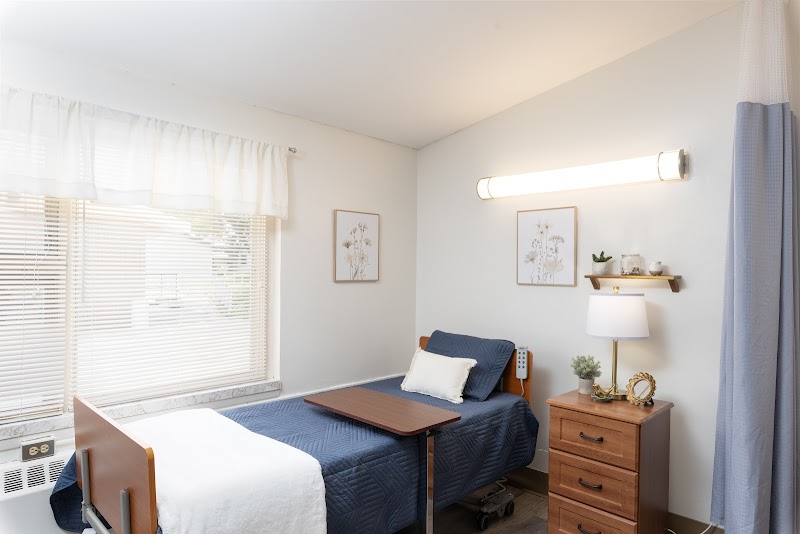
How is Riverview Healthcare Center Staffed?

CMS rates RIVERVIEW HEALTHCARE CENTER's staffing level at 3 out of 5 stars, which is average compared to other nursing homes. Staff turnover is 67%, which is 21 percentage points above the South Dakota average of 46%. High turnover can affect care consistency as new staff learn residents' individual needs.

What Have Inspectors Found at Riverview Healthcare Center?

State health inspectors documented 28 deficiencies at RIVERVIEW HEALTHCARE CENTER during 2023 to 2025. These included: 3 Immediate Jeopardy (the most serious level, indicating potential for serious harm or death), 8 that caused actual resident harm, and 17 with potential for harm. Immediate Jeopardy findings are rare and represent the most serious regulatory concerns. They require immediate corrective action.
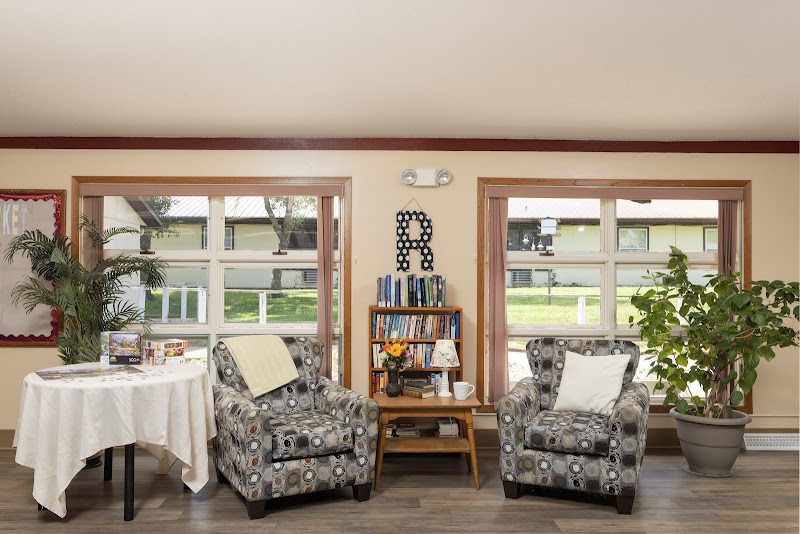
Who Owns and Operates Riverview Healthcare Center?

RIVERVIEW HEALTHCARE CENTER is owned by a for-profit company. For-profit facilities operate as businesses with obligations to shareholders or private owners. The facility is operated by EMPRES OPERATED BY EVERGREEN, a chain that manages multiple nursing homes. With 63 certified beds and approximately 55 residents (about 87% occupancy), it is a smaller facility located in FLANDREAU, South Dakota.
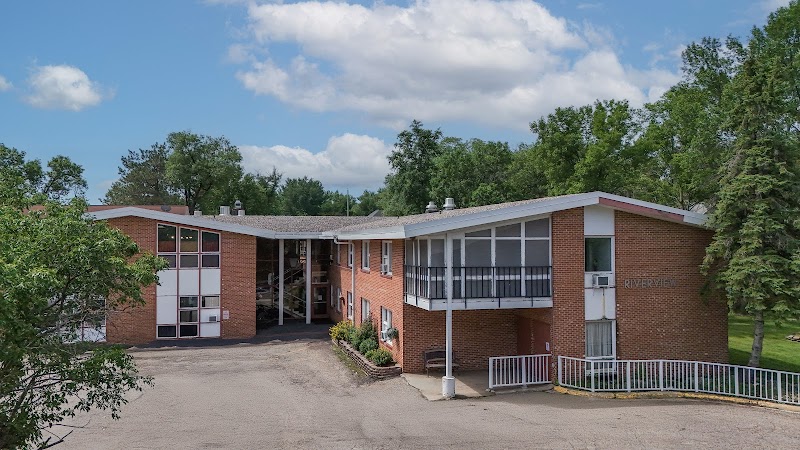
How Does Riverview Healthcare Center Compare to Other South Dakota Nursing Homes?

Compared to the 100 nursing homes in South Dakota, RIVERVIEW HEALTHCARE CENTER's overall rating (1 stars) is below the state average of 2.7, staff turnover (67%) is significantly higher than the state average of 46%, and health inspection rating (1 stars) is much below the national benchmark.

What Should Families Ask When Visiting Riverview Healthcare Center?

Based on this facility's data, families visiting should ask: "What changes have been made since the serious inspection findings, and how are you preventing similar issues?" "What safeguards and monitoring systems are in place to protect residents from abuse or neglect?" "How do you ensure continuity of care given staff turnover, and what is your staff retention strategy?" "Can I visit during a mealtime to observe dining assistance and food quality?" These questions are particularly relevant given the facility's Immediate Jeopardy citations, the substantiated abuse finding on record, and the facility's high staff turnover rate.

Is Riverview Healthcare Center Safe?

Based on CMS inspection data, RIVERVIEW HEALTHCARE CENTER has documented safety concerns. The facility has 1 substantiated abuse finding (meaning confirmed case of resident harm by staff or other residents). Inspectors have issued 3 Immediate Jeopardy citations (the most serious violation level indicating risk of serious injury or death). The facility is currently on the Special Focus Facility watch list (a federal program monitoring the lowest-performing 1% of nursing homes nationwide). The facility has a 1-star overall rating and ranks #100 of 100 nursing homes in South Dakota. Families considering this facility should ask detailed questions about what corrective actions have been taken since these incidents.

Do Nurses at Riverview Healthcare Center Stick Around?

Staff turnover at RIVERVIEW HEALTHCARE CENTER is high. At 67%, the facility is 21 percentage points above the South Dakota average of 46%. High turnover means new staff may not know residents' individual needs, medications, or preferences. It can also be disorienting for residents, especially those with dementia who rely on familiar faces. Families should ask: What is causing the turnover? What retention programs are in place? How do you ensure care continuity during staff transitions?

Was Riverview Healthcare Center Ever Fined?

RIVERVIEW HEALTHCARE CENTER has been fined $132,087 across 4 penalty actions. This is 3.8x the South Dakota average of $34,400. Fines at this level are uncommon and typically indicate a pattern of serious deficiencies, repeated violations, or failure to correct problems promptly. CMS reserves penalties of this magnitude for facilities that pose significant, documented risk to resident health or safety. Families should request specific documentation of what issues led to these fines and what systemic changes have been implemented.

Is Riverview Healthcare Center on Any Federal Watch List?

RIVERVIEW HEALTHCARE CENTER is currently an SFF Candidate, meaning CMS has identified it as potentially qualifying for the Special Focus Facility watch list. SFF Candidates have a history of serious deficiencies but haven't yet reached the threshold for full SFF designation. The facility is being monitored more closely — if problems continue, it may be added to the official watch list. Families should ask what the facility is doing to address the issues that led to this status.