Avera Rosebud Country Care Center
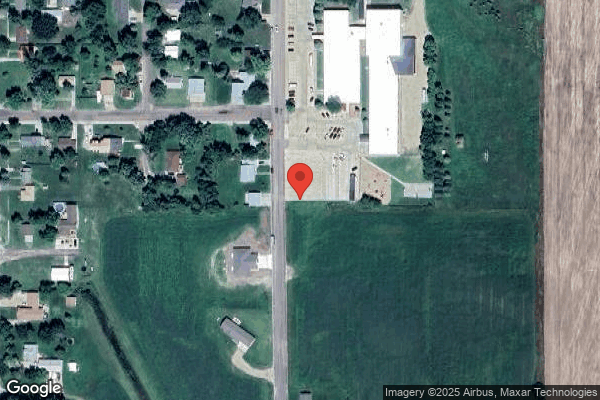
126 S LOGAN AVE, GREGORY, SD 57533 (605) 835-8296
Non profit - Corporation 30 Beds AVERA HEALTH Data: November 2025
Trust Grade
75/100
#17 of 95 in SD
Last Inspection: February 2025

Within standard 12-15 month inspection cycle. Federal law requires annual inspections.

Overview

Avera Rosebud Country Care Center has received a Trust Grade of B, indicating it is a good choice for families seeking care, placing it in the upper tier of nursing homes. It ranks #17 out of 95 facilities in South Dakota, which means it is in the top half statewide, and is the only option in Gregory County. However, the facility's trend is worsening, with the number of issues increasing from 2 in 2024 to 5 in 2025. Staffing is a strength, with a turnover rate of 0%, significantly lower than the state average, and RN coverage is average. While the facility has not incurred any fines, residents have faced some serious and concerning deficiencies; for example, there was a failure to properly document a care plan for a resident with cognitive impairment and a lack of labeling for prepared medications, which could lead to potential medication errors. Overall, while there are strengths in staffing and no fines, families should be aware of the recent increase in issues.

Trust Score
B
75/100
In South Dakota
#17/95
Top 17%
Safety Record
Moderate
Needs review
Inspections
Getting Worse
2 → 5 violations
Staff Stability
○ Average
Turnover data not reported for this facility.
Penalties
✓ Good
No fines on record. Clean compliance history, better than most South Dakota facilities.
Skilled Nurses
✓ Good
Each resident gets 65 minutes of Registered Nurse (RN) attention daily — more than 97% of South Dakota nursing homes. RNs are the most trained staff who catch health problems before they become serious.
Violations
○ Average
9 deficiencies on record. Average for a facility this size. Mostly minor or procedural issues.
★★★★☆
4.0
Overall Rating
★★★★☆
4.0
Staff Levels
★★☆☆☆
2.0
Care Quality
★★★★☆
4.0
Inspection Score
Stable
2024: 2 issues
2025: 5 issues

The Good

  • 4-Star Staffing Rating · Above-average nurse staffing levels
  • Full Sprinkler Coverage · Fire safety systems throughout facility
  • No fines on record

Facility shows strength in staffing levels, fire safety.

The Bad

Chain: AVERA HEALTH

Part of a multi-facility chain

Ask about local staffing decisions and management

The Ugly 9 deficiencies on record

1 actual harm
Feb 2025 5 deficiencies
CONCERN (D)

Potential for Harm - no one hurt, but risky conditions existed

Deficiency F0582 (Tag F0582)

Could have caused harm · This affected 1 resident

Based on record review and interview the provider failed to ensure appropriate and timely Medicare notices had been provided for one of two sampled resident (20) who was discharged from skilled servic...

Read full inspector narrative →
Based on record review and interview the provider failed to ensure appropriate and timely Medicare notices had been provided for one of two sampled resident (20) who was discharged from skilled services. Findings include: 1. Review of resident 20's Centers for Medicare and Medicaid Services (CMS) Skilled Nursing Facility (SNF) Beneficiary Notification Review form provided by social services designee D revealed: *His Medicare Part A Skilled Services Episode start date was 9/2/24. *His last covered day of Part A Service was 11/13/24. *He had not been given a SNF Advance Beneficiary Notice of Non-coverage (ABN) form and had remained in the facility. 2. Interview on 2/12/25 at 4:40 a.m. with social services designee D regarding Medicare non-coverage notices revealed: *He had been hired on 9/11/23. *He was not aware resident 20 should have been provided a SNF ABN form. *He believed he had completed the Notice of Medicare Non-coverage form for resident 20. 3. Interview on 2/13/25 at 9:13 a.m. with licensed social service consultant L revealed: *She met with social services designee D once a quarter to review items. *Her focus is on discharge planning when residents leave the facility. *She agreed the SNF ABN form was not provided to resident 20 and it should have been.
CONCERN (E)

Potential for Harm - no one hurt, but risky conditions existed

Deficiency F0655 (Tag F0655)

Could have caused harm · This affected multiple residents

**NOTE- TERMS IN BRACKETS HAVE BEEN EDITED TO PROTECT CONFIDENTIALITY** 5. Record review of resident 23's PMR revealed: *She had been admitted on [DATE]. *She had a BIMS assessment score of 7 which in...

Read full inspector narrative →
**NOTE- TERMS IN BRACKETS HAVE BEEN EDITED TO PROTECT CONFIDENTIALITY** 5. Record review of resident 23's PMR revealed: *She had been admitted on [DATE]. *She had a BIMS assessment score of 7 which indicated severe cognitive impairment. *Her representative was her daughter. *A partially completed five-page baseline care plan form indicated: -Her admission date was 7/10/24. -Her current medication list had been provided to her daughter on 7/10/24. -Page five, which included a signature area for the team members who contributed to the baseline care plan was blank. -Page six, which included areas to document the baseline completion date, the date is was reviewed with the resident/representative, and the resident/representative signatures, was missing. -No documentation that indicated the baseline care plan summary had been provided to the resident or her daughter. *A Care Plan Signature Page indicated her daughter had signed and received resident 23's comprehensive care plan on the following dates: -On 7/23/24. -On 9/10/24. -On 12/10/24. 6. Interview on 2/11/25 at 9:43 a.m. with resident 80 revealed he could not recall his care plan having been discussed with him the first or second day when he was admitted to the facility about a week ago. Record review of resident 80's PMR revealed: *He had been admitted on [DATE]. *He had a BIMS assessment score of 13 which indicated he was cognitively intact. *A partially completed five-page baseline care plan form indicated: -His admission date was 2/3/25. -His current medication list had been provided to the resident on 2/3/25. --Page five, which included a signature area for the team members who contributed to the baseline care plan was blank. -Page six, which included areas to document the baseline completion date, the date is was reviewed with the resident/representative, and the resident/representative signatures, was missing. -No documentation that indicated the baseline care plan summary had been provided to the resident or his representative. 7. Record review of resident 81's PMR revealed: *She had been admitted on [DATE]. *She had a BIMS assessment score of 6 which indicated she had severe cognitive impairment. *A partially completed five-page baseline care plan form indicated: -Her admission date was 2/3/25. -Her current medication list had been provided to her spouse, resident 80, with no date indicated. -Page five, which included a signature area for the team members who contributed to the baseline care plan had an illegible signature. -Page six, which included areas to document the baseline completion date, the date is was reviewed with the resident/representative, and the resident/representative signatures, was missing. -No documentation that indicated the baseline care plan summary had been provided to the resident or her representative. 8. Review of the 2017 American Association of Nurse Assessment Coordination (AANAC)/American Association of Directors of Nursing Services (AADNS) baseline care plan form and interview on 2/12/25 at 10:55 a.m. with Minimum Data Set (MDS) Coordinator C revealed: *She had started working at the facility on 4/28/24. *She had not had much training regarding the baseline care plan and stated I'm self-taught. *On the first day of a resident's admission, the admitting nurse would take the five-page AANAC/AADNS Baseline Care Plan form into the new resident's room and interview the resident and family to answer questions and fill out the form. -The completed form was to be kept in a Short Term Care Plan binder which were kept at each nurses station. *She stated they had not been providing a copy of the baseline care plan to the resident and/or the resident's family. *She was not aware of the form's sixth page which had sections to document completion dates and signatures. *She agreed the resident and representative, if applicable, were not receiving a written summary or a copy of the baseline care plan within 48 hours of a resident's admission. *She stated she was not aware of the requirements that the baseline care plan needed to be: -Developed within 48 hours of a resident's admission. -Provided to the resident and their representative that included: --The initial goals of the resident. --A summary of the resident's medications and dietary instructions. --Services and treatments to be provided by the facility. *She stated a copy of the comprehensive care plan was provided to the resident and family after the MDS assessment was completed at the resident's care plan conference which was from 14 to 21 days following the admission date. *She confirmed a copy of the baseline care plan was not provided to the resident and/or family prior to receiving that comprehensive care plan. Interview on 2/12/25 at 12:02 p.m. with director of nursing (DON) B revealed: *The admitting nurse would use the five-page AANAC/AADNS Baseline Care Plan form to interview the resident and family. *She confirmed a copy of the baseline care plan was not provided to the resident and/or family. *She agreed they were not meeting the requirement to provide a written summary of the resident's baseline care plan to the resident and/or the resident's representative, if applicable. 9. Review of the provider's June 2023 LTC Baseline/Comprehensive Care Plans policy revealed: *Policy: The interdisciplinary team will develop a baseline and comprehensive care plan for each resident . *Procedure: -1. A baseline care plan will be developed within 48 hours of a resident's admission to promote continuity of care and communication amount nursing home staff, increase resident safety and safeguard against adverse events that are most likely to occur right after admission; and to ensure the resident and representative, if applicable are informed of the initial plan for delivery of care and services by receiving a written summary of the baseline care plan. -2. Information for the baseline care plan will be based upon admission orders, information from the transferring provider and discussion with the resident and resident representative if applicable and the resident so chooses. -3. The baseline care plan will include the minimum health care information necessary to properly care for a resident including, but not limited to: a. Initial goals based on admission orders, b. physician orders, c. dietary orders, d. therapy services, e. Social services, f. PASRR [Pre-admission Screening and Resident Review] recommendations, if applicable, g. instructions needed to provide effective person-centered care that meets professional standards of quality of care, h. address resident and safety concerns to prevent decline or injury, i. identify needs for supervision, behavioral interventions and assistance with ADL's [Activities of Daily Living] as necessary. -4. There will be documentation in the clinical record that the baseline care plan was given to the resident and/or representative . 10. Review of the provider's September 2011 job description for MDS Specialist revealed: *Essential functions included: -Completes initial admission care plan on each resident. *Responsibilities, expectations, and standards included Comply with safety principles, laws, regulations and standards associated with, but not limited to CMS [Centers for Medicare and Medicaid Services], . Based on record review, interview, policy review, the provider failed to ensure seven of twelve sampled residents (1, 22, 23, 26, 80, 81, and 130) or their representatives had received a summary of their baseline care plan within 48 hours. Findings include: 1. Record review of resident 22's paper medical record (PMR) revealed: *She had been admitted on [DATE]. *She had a Brief Interview for Mental Status (BIMS) assessment score of 12 which indicated moderate cognitive impairment. *There was no documentation in her PMR that indicated a baseline care plan summary had been provided to the resident or the resident's representative. -Her current medication list was provided to her on 10/29/24. *Her representative was her son. 2. Record review of resident 130's PMR revealed: *She had been admitted on [DATE]. *She had a BIMS score of 10 which indicated moderate cognitive impairment. *There was no documentation in her PMR that indicated a baseline care plan summary had been provided to the resident or the resident's representative. -Her current medication list was provided to her on 2/7/25. *Her interdisciplinary team members (IDT) did not sign her baseline care plan. 3. Review of resident 1's PMR revealed: *She had been admitted on [DATE]. *She had a BIMS assessment score of 6 which indicated she had significant cognitive impairment. *She had a designated durable power of attorney (POA). *There was no indication resident 1 or her POA had been provided the summary of the baseline care plan. 4. Review of resident 26's PMR revealed: *She had been admitted on [DATE]. *She had a BIMS assessment score of 10 which indicated she had moderate cognitive impairment. *Her representative/person to contact was her granddaughter. *There was no indication resident 26 or her representative had been provided the summary of the baseline care plan.
CONCERN (E)

Potential for Harm - no one hurt, but risky conditions existed

Deficiency F0658 (Tag F0658)

Could have caused harm · This affected multiple residents

Based on observation, interview, and policy review, the provider failed to ensure proper medication preparation for three of three residents (13, 19, and 21) by one of one licensed practical nurse (LP...

Read full inspector narrative →
Based on observation, interview, and policy review, the provider failed to ensure proper medication preparation for three of three residents (13, 19, and 21) by one of one licensed practical nurse (LPN) (I) who prepared their medications and stored them to administer to the residents later. Findings include: 1. Observation and interview on 2/12/25 at 11:27 a.m. with LPN I at a medication (med) cart revealed: *He had dispensed resident 13, 19, and 21's medications into white paper medication cups and did not label them to identify which resident's meds were in each cup. *He left resident 13's medications on top of the med cart and then placed resident 19 and 21's medications in the top drawer of the cart and shut the drawer. *He confirmed he did not dispense and prepare residents' medications individually. *He stated he had a system and that's the way I do it. *He stated he did not get confused when he administered residents' medications that he placed in unlabeled cups to be given later. 2. Interview on 2/12/25 at 3:26 p.m. with LPN I about the provider's medication policy revealed: *He knew it mentioned the five rights of medication administration. *He could not clarify any other information in the policy. 3. Interview on 2/13/25 at 8:31 a.m. with director of nursing (DON) B revealed: *She had previously spoken to LPN I about setting up (placing meds in cups to be given later) resident medications and he knew he was not supposed to do that. *She was not aware that he did not label the paper medication cups to identify which resident's meds were in the cups. *She agreed setting up and storing meds to administer to residents later was not an acceptable practice for medication administration. *She had provided education regarding correct medication administration processes in the past. 4. Review of the provider's revised 10/2023 Medication Policy revealed: *Once the resident is identified, the medication needs to be delivered to the resident. Once the medication is administered, the nurse will document as appropriate in the Mar. *All medications will be given according to the 5 rights: right medication, right resident, right time, right dose/amount, and right route. *Medications are not allowed to be routinely set up in cups and stored to give later. If a resident wants their medications later than when prepared, the med cup must be dated and timed with the resident's name on the med cup, another med cup placed on top to prevent contamination and stored in the med cart.
CONCERN (E)

Potential for Harm - no one hurt, but risky conditions existed

Food Safety (Tag F0812)

Could have caused harm · This affected multiple residents

**NOTE- TERMS IN BRACKETS HAVE BEEN EDITED TO PROTECT CONFIDENTIALITY** Based on observation, record review, interview, and policy review, the provider failed to ensure one of two mechanical dishwashe...

Read full inspector narrative →
**NOTE- TERMS IN BRACKETS HAVE BEEN EDITED TO PROTECT CONFIDENTIALITY** Based on observation, record review, interview, and policy review, the provider failed to ensure one of two mechanical dishwashers that used high temperature sanitizing met the required minimum wash and rinse temperatures. Findings include: 1. Observation on 2/11/25 at 8:36 a.m. of the long-term care (LTC) kitchenette revealed: *The mechanical dishwashing machine had a label that revealed HOT WATER SANITIZING: -WASH TEMPERATURE 150° [degrees] F [Fahrenheit] MIN [minimum]. -RINSE TEMPERATURE 180° F MIN. *Posted on the door of the reach-in refrigerator was the February 2025 Dishmachine Temperature Record that included: -Columns to record the Start Wash/rinse and Finish Wash/rinse for each of the three mealtimes Breakfast, Lunch, and Supper. -Each column had two recorded temperatures. The wash temperature was separated by a dash from the rinse temperature. -The wash temperatures recorded ranged from 142 to 160 degrees F. --Twelve of those recorded wash temperatures were not at the minimum wash temperature of 150 degrees F. -The rinse temperatures recorded ranged from 172 to 184 degrees F. --Twenty-eight of those recorded rinse temperatures were not at the minimum rinse temperature of 180 degrees F. 2. Interview on 2/11/25 at 8:56 a.m. with food service manager (FSM) F in the main kitchen revealed: *She had worked at the facility for 12 years. *The LTC kitchenette's mechanical dishwasher was used to clean and sanitize the dishes used to serve meals to the residents of the nursing home. *The LTC kitchenette's mechanical dishwasher was a high temperature dishwasher that used heat for sanitization. 3. Observation and interview on 2/11/25 at 1:50 p.m. in the LTC kitchenette with food service worker (FSW) J and FSW K revealed: *FSW J rinsed dishes under hot running water and placed those dishes in a rack which she then pushed into the mechanical dishwasher to be cleaned and sanitized. *FSW K removed the rack from the dishwasher and placed the clean dishes on the shelves in the kitchenette. *FSW K stated she had let the dishwasher run three or four cycles before she documented the wash and the rinse cycle temperatures before she sent the loads of dishes through the dishwasher. *The 2/11/25 dinner start wash/rinse temperatures on the Dishmachine Temperature Record posted on the door of the reach-in refrigerator were documented as: -A wash cycle temperature of 154 degrees F. -A rinse cycle temperature of 180 degrees F. *FSW K stated the wash cycle temperature should have been at the minimum 160 degrees F or above and the rinse cycle temperature was at the minimum 180 degrees F. *FSW K stated if the dishwasher readings were not reaching the minimum temperatures she would notify FSM F or maintenance. *The following random observations on 2/11/25 were made of the above mechanical high temperature dishwasher: -At 1:52 p.m. the wash cycle reached 149 degrees F and the rinse cycle reached 178 degrees F. -At 1:54 p.m. the wash cycle reached 145 degrees F and the rinse cycle reached 178 degrees F. -At 2:00 p.m. the wash cycle reached 144 degrees F and the rinse cycle reached 178 degrees F. -At 2:02 p.m. the wash cycle reached 145 degrees F and the rinse cycle reached 178 degrees F. -At 2:11 p.m. the wash cycle reached 145 degrees F and the rinse cycle reached 176 degrees F. -At 2:14 p.m. the wash cycle reached 147 degrees F and the rinse cycle reached 178 degrees F. -During those observations: --FSW J had the hot water running and was rinsing dishes under that hot running water. --The wash cycle ran between 30 to 33 seconds. --The rinse cycle ran for approximately 10 seconds. *On 2/11/25 at 2:16 p.m. FSW K recorded the dinner finish wash/rinse temperatures on the Dishmachine Temperature Record as: -A wash cycle temperature of 147 degrees F. -A rinse cycle temperature of 178 degrees F. -FSW K agreed those temperatures did not meet the minimum temperatures for hot water sanitizing. -FSW K reported to FSM F on 2/11/24 that the LTC kitchenette's mechanical dishwasher had not reached the minimum temperatures required. Interview on 2/11/25 at 2:24 p.m. with FSM F regarding the observations above of the LTC kitchenette's high temperature mechanical dishwasher's temperatures revealed: *She stated Why hasn't anyone said anything. *The following were requested: -The Dishwasher Temperature Records for November 2024, December 2024, and January 2025. -The LTC kitchenette's mechanical dishwasher's manufacturer's manual. 4. Observation and interview on 2/12/25 at 9:35 a.m. in the LTC kitchenette revealed: *The Supper Start Wash/rinse temperatures for 2/11/25 were documented as: --A wash cycle temperature of 151 degrees F. --A rinse cycle temperature of 178 degrees F. --The rinse cycle temperature did not meet the minimum temperature of 180 degrees F required for hot water sanitizing. -The Supper Finish Wash/rinse temperatures for 2/11/25 were documented as: --A wash cycle temperature of 147 degrees F. --The wash cycle temperature did not meet the minimum temperature of 150 degrees F required for hot water sanitizing. --A rinse cycle temperature of 178 degrees F. --The rinse cycle temperature did not meet the minimum temperature of 180 degrees F required for hot water sanitizing. -The documented 2/12/25 breakfast start wash/rinse temperatures met the required temperatures for sanitizing. *On 2/12/25 at 9:35 a.m. FSW J and FSW K were in LTC kitchenette area and preparing to wash and sanitize the breakfast dishes through the mechanical dishwasher. *FSW K stated maintenance tech E had been in and out of the LTC kitchenette working on the mechanical dishwasher that morning, 2/12/25. *The following random observations on 2/12/25 were made of the mechanical high temperature dishwasher: -At 9:37 a.m. the wash cycle reached 158 degrees F and the rinse cycle reached 176 degrees F. -At 9:40 a.m. the wash cycle reached 144 degrees F and the rinse cycle reached 176 degrees F. -At 9:43 a.m. the wash cycle reached 144 degrees F and the rinse cycle reached 180 degrees F. -At 9:50 a.m. the wash cycle reached 144 degrees F and the rinse cycle reached 176 degrees F. *At 9:50 a.m. FSW J stated she thought that running the hot water to rinse the dishes prior to placing them in the dishwasher may have affected the hot water temperature. 5. Observation on 2/12/25 at 10:05 a.m. of the main kitchen revealed: *The mechanical dishwashing machine had a label that revealed HOT WATER SANITIZING: -WASH TEMPERATURE 160° F MIN. -RINSE TEMPERATURE 180° F MIN. *At 10:13 a.m. the mechanical dishwasher reached: -A wash cycle temperature of 167 degrees F. -A rinse cycle temperature of 195 degrees F. -Those temperatures were above the minimum temperatures required for hot water sanitizing. 6. Interview on 2/12/25 at 10:20 a.m. with FSM F regarding the observations made above of the LTC kitchenette mechanical dishwasher's temperatures revealed she stated they could transport, wash, and sanitize the nursing home dishes in the main kitchen's mechanical dishwasher. 7. Interview on 2/12/25 at 1:44 p.m. with FSW K revealed she and FSW J had brought the dishes used to serve the dinner meal in the nursing home to the main kitchen to be washed in that mechanical dishwasher. 8. Interview and observation on 2/12/25 at 2:09 p.m. in the LTC kitchenette with maintenance tech E revealed: *He thought the incoming water temperature for the mechanical dishwasher should be between 55 and 60 degrees F. *He turned on the water faucet, placed a digital thermometer in the running water coming out of the faucet and noted the temperature of the incoming water was at 47 degrees F. -He stated that was ten degrees colder than what it should be. *He had called the mechanical dishwasher's servicing dealer and had discussed what needed to be done to ensure the mechanical dishwasher met the minimum temperatures required for hot water sanitizing. -He stated the dishwasher had been set at Cycle 1 which was a one-minute cycle. *At 2:12 p.m. he changed the dishwasher to Cycle 4 and stated that was a four-minute cycle: -The wash cycle then reached 156 degrees F which was above the required minimum temperature of 150 degrees F. -The rinse cycle then reached 180 degrees F which was the minimum temperature required. *At 2:18 p.m. he changed the dishwasher to Cycle 2 and stated that was a two-minute cycle: -The wash cycle then reached 156 degrees F. -The rinse cycle then reached 181 degrees F. -Both of these temperatures were above the minimum temperatures required for hot water sanitizing. -Maintenance tech E confirmed the mechanical dishwasher used hot water sanitization. 9. Interview on 2/12/25 at 2:49 p.m. with FSM F regarding the requested policy on the mechanical dishwasher revealed she: *Provided a February 2025 Dishwasher Temperature policy. *Had revised the policy that day, 2/12/25. *Stated the previous policy was very vague and did not contain the mechanical dishwasher's minimum temperatures. -She had not kept a copy of that previous policy. 10. Observation and interview on 2/13/25 at 8:44 a.m. with FSW K in the LTC Kitchenette revealed: *The current Dishmachine Temperature Record had recorded: -The 2/12/25 Dinner Start Wash/rinse area had noted dishes at Hosp [hospital main kitchen]. -The 2/12/25 Dinner Finish Wash/rinse area had noted done dishes @ [at] H [hospital main kitchen]. *The documented 2/12/25 supper start and finish wash/rinse temperatures met the required temperatures for sanitizing. -No wash or rinse cycle temperatures for 2/13/25 had been recorded. *At 8:50 a.m. FSW K stated: -The mechanical dishwasher temperatures for the 2/13/25 breakfast start were: --The wash cycle had reached 153 degrees F. --The rinse cycle had reached 180 degrees F. -She confirmed both of those temperatures met the minimum temperatures required for hot water sanitizing and recorded those temperatures. 11. Interview on 2/13/25 at 9:04 a.m. with FSM F revealed FSW K had reported to her on 2/11/24 and 2/12/24 that the LTC kitchenette's mechanical dishwasher had not reached the minimum temperatures required. 12. Observation on 2/13/25 at 9:33 a.m. in the LTC Kitchenette with FSW J and FSW K while operating the mechanical dishwasher revealed: *The mechanical dishwasher was set at Cycle 2. *At 9:34 a.m. the wash cycle reached 151 degrees F which was above the required minimum temperature of 150 degrees F. -The rinse cycle reached 180 degrees F which was the minimum temperature required. *At 9:37 a.m. FSW J turned on the hot water to rinse the dishes: -The wash cycle reached 149 degrees F. -The rinse cycle reached 180 degrees F. -The wash cycle temperature did not meet the minimum temperature of 150 degrees F required for hot water sanitizing. *At 9:40 a.m. FSW J shut off the hot water she had been running to rinse dishes. *At 9:44 a.m. the wash cycle reached 151 degrees F and the rinse cycle reached 180 degrees F. *At 9:47 a.m. FSW J turned on the hot water to rinse the dishes: -The wash cycle reached 149 degrees F. -The rinse cycle reached 180 degrees F. -The wash cycle temperature did not meet the minimum temperature of 150 degrees F required for hot water sanitizing. 13. Interview on 2/13/25 at 9:55 a.m. with FSM F regarding the above observations and the mechanical dishwasher's temperatures revealed she: *Confirmed some of the dishwasher temperatures were under the minimum temperature required. -Stated she would discuss with maintenance tech E what needed to be done to raise the hot water temperature. 14. Review of the provider's November 2024 Dishmachine Temperature Record for the LTC kitchenette's mechanical dishwasher revealed: *There were 31 out of 180 recorded wash temperatures that did not meet the minimum required wash temperature of 150 degrees F which was 18 percent of the recorded temperatures. *There were 36 out of 180 recorded rinse temperatures that did not meet the minimum required rinse temperature of 180 degrees F which was 20 percent of the recorded temperatures. 15. The provider's December 2024 Dishmachine Temperature Record for the LTC kitchenette's mechanical dishwasher was requested on 2/11/25 at 2:24 p.m. from FSM F but was not received by the end of the survey. 16. Review of the provider's January 2025 Dishmachine Temperature Record for the LTC kitchenette's mechanical dishwasher revealed: *There were 40 out of 180 recorded wash temperatures that did not meet the minimum required wash temperature of 150 degrees F which was 23 percent of the recorded temperatures. -Six wash temperatures were not recorded on the form. *There were 69 out of 180 recorded rinse temperatures that did not meet the minimum required rinse temperature of 180 degrees F which was 39 percent of the recorded temperatures. -Six rinse temperatures were not recorded on the form. Review of the provider's February 2025 Dishwasher Temperature Policy revealed: *Purpose: To assure that temperatures in the dishwasher remains at the proper temperatures to clean and sanitize the dishes. *The Information and Procedure section included; -1.NURSING HOME wash temperatures should remain at a MINIMUM of 150 degrees and rinse temperatures at a MINIMUM of 180 degrees. --The policy did not indicate if the minimum temperature readings were Fahrenheit (F) or Celsius (C). -2. After turning on dishwasher and filling, it should be run through three cycles to assure [sic] that the water reaches the highest possible temperature before inserting dirty dishes. -3. At the time that the dishes are washing, the temperature should be recorded. -4. At the final rinse the temperature should also be recorded. -5. This should be done with BREAKFAST, LUNCH AND DINNER dishes each day. -6. If a temperature does not reach the designated numbers, the problem should be reported to the supervisor or the maintenance person so it can be monitored/addressed and adjusted. -7. If maintenance is unable to fix immediately, the dishwasher company will be called to repair, and dishes transported to alternative kitchen to be washed or disposable [dishes] will be utilized. *The policy did not indicate it had been approved. Review of the provider's June 2021 AM16 Dishwasher's instructions manual revealed: *The model AM16VL-[NAME] was circled indicating that was the model number of the LTC kitchenette's mechanical dishwasher. *The Water Supply Requirements for Model AM16VL-[NAME] Hot Water Sanitizing indicated: -The recommended cold water temperature was 65 degrees F. -The minimum cold water temperature was 55 degrees F. *Operating temperatures for all models are as follows: -Sanitizing Mode: Hot Water. --Wash Temperature Minimum Wash indicated 150° F (66° C [Celsius]). --Rinse Temperature Minimum Rinse indicated 180° F (82° C). Review of the provider's 12/31/24 job description for a Food Service Worker revealed the essential job functions included: *Cleans and sanitizes equipment, utensils, dishes, pot/pans, floor mats, floors, and work areas following proper procedure. *Operates dish machine and kitchen equipment safely and efficiently. Review of the provider's 11/22/24 job description for a Food Service Manager revealed: *The Job Summary included Ensures that all standards and regulations concerning dietary services are met and maintained. *The Essential Job Functions included: -Ensures that all standards of cleanliness and quality are maintained in the dietary department. -Directs activities and collects data to demonstrate a safe and sanitary food service operation to meet state health department, and federal regulations.
CONCERN (E)

Potential for Harm - no one hurt, but risky conditions existed

Deficiency F0909 (Tag F0909)

Could have caused harm · This affected multiple residents

**NOTE- TERMS IN BRACKETS HAVE BEEN EDITED TO PROTECT CONFIDENTIALITY** Based on observation, interview, record review, and policy review, the provider failed to assess grab bars for safety for four o...

Read full inspector narrative →
**NOTE- TERMS IN BRACKETS HAVE BEEN EDITED TO PROTECT CONFIDENTIALITY** Based on observation, interview, record review, and policy review, the provider failed to assess grab bars for safety for four of four sampled residents (8, 26, 1, and 15) who had grab bars on their beds. Findings include: 1. Observation on 2/11/25 at 8:53 a.m. of resident 8's room revealed grab bars were on both sides of the bed. Review of resident 8's electronic medical record (EMR) revealed: *She had a Brief Interview for Mental Status (BIMS) assessment score of 5 which indicated she had severe cognitive impairment. *A device evaluation for her use of grab bars was last completed on 8/1/2024. -She utilized the right and left grab bars for turning and repositioning while in bed. *There was no documentation that an assessment on the grab bars had been completed to determine safe use or measurment of the grab bars. 2. Observation and interview on 2/11/25 at 10:04 a.m. of resident 26 in her room revealed: *She used a walker for ambulation. *Grab bars were on both sides of her bed. *She stated the grab bars had been there since she arrived at the facility. *She used the grab bars to get up and out of bed. Review of resident 26's EMR revealed: *She was admitted on [DATE]. *She had a BIMS assessment score of 10 which indicated she had moderate cognitive impairment. *A device evaluation for her use of grab bars was last completed on 12/8/24 which indicated she was safe to use them. *There was no documentation that an assessment on the grab bars had been completed to determine safe use or measurement of the grab bars. 3. Observation and interview on 2/11/25 at 1:31 p.m. with resident 1 in her room revealed: *She had grab bars on both sides of her bed. *She stated she used them to help her reposition. Review of resident 1's EMR revealed: *She had a BIMS assessment score of 6 which indicated she had severe cognitive impairment. *A device evaluation for her use of grab bars was last completed on 1/17/25. -She utilized the grab bars to assist her in sitting up, sitting down, rolling side to side, and repositioning in bed. *There was no documentation that an assessment on the grab bars had been completed to determine safe use or measurement of the grab bars. 4. Observation and interview on 2/11/25 at 1:49 p.m. with resident 15 in her room revealed: *Grab bars were on both sides of her bed. *She stated she did not turn in bed due to her right arm immobility, but she would grab one of them to hold onto occasionally. Review of resident 15's EMR revealed: *She had a BIMS assessment score of 12 which indicated she had moderate cognitive impairment. *A device evaluation for her use of grab bars was completed on 2/11/25. -She utilized the right and left grab bar for bed mobility and positioning. *There was no documentation that an assessment on the grab bars had been completed to determine safe use or measurement of the grab bars. 5. Interview on 2/12/25 at 1:52 p.m. with director of nursing (DON) B and registered nurse (RN) G revealed: *They were to complete the device evaluation for the residents' safe use of grab bars every 90 days. *They had not completed measuring assessments to ensure safety requirements for the use of the grab bars had been met. 6. Interview on 2/13/25 at 9:21 a.m. with administrator A revealed maintenance had not completed measurement assessments for the safe use of the grab bars for any resident. 7. Observation on 2/13/25 at 10 a.m. revealed 27 out of 30 observed resident beds had grab bars in the up position on their beds. 8. Review of the provider's revised 7/2015 Restraints and Entrapment policy revealed: *The term entrapment describes an event in which a resident is caught, trapped, or entangled in the open space of side rails, grab bars, or in gaps around mattresses. 9. Review of the provider's revised 6/2016 Preventative Maintenance policy revealed: *All equipment and building service is to be in satisfactory working condition for the safety and wellbeing of patients, residents, visitors, employees, and volunteers.
Jan 2024 2 deficiencies
CONCERN (D) 📢 Someone Reported This

A family member, employee, or ombudsman was alarmed enough to file a formal complaint

Potential for Harm - no one hurt, but risky conditions existed

Report Alleged Abuse (Tag F0609)

Could have caused harm · This affected 1 resident

Based on review of the South Dakota Department of Health (SD DOH) online report, interview, and policy review, the provider failed to ensure an allegation of sexual abuse made by one of one sampled re...

Read full inspector narrative →
Based on review of the South Dakota Department of Health (SD DOH) online report, interview, and policy review, the provider failed to ensure an allegation of sexual abuse made by one of one sampled resident (20), was reported within the required time frame of two hours from the time that the provider was made aware of the allegation. Findings include: 1. Review of SD DOH online report revealed the following: *On 1/11/24 at 7:52 p.m. resident 20 reported an allegation to certified nursing assistant (CNA) E that CNA D had sexually abused her. -CNA E reported the allegation to registered nurse (RN) F. *On 1/12/24 at 2:15 p.m. RN B submitted the allegation to the SD DOH online reporting system. Interview on 1/23/24 at 1:38 p.m. with administrator A regarding the above allegation revealed the following, he: *First became aware of the above-referenced allegation on 1/12/24 at approximately 1:00 p.m. *He was not aware that an allegation that would have been considered a serious bodily injury was to have been reported to the SD DOH within two hours after becoming aware of the allegation. Interview on 1/23/24 at 2:55 p.m. with RN F via telephone conference revealed the following: *On 1/11/24 CNA E had reported to her that resident 20 had made the allegation referenced above. *She had reported that allegation by facsimile and telephone conference to director of nursing (DON) G on the evening of 1/11/24, she could not recall the time of the notification. -DON G had stated to her there was nothing to corroborate that the incident had happened, and that she would follow up the next day. DON G was not available for an interview during the survey period. Review of the provider's April 2016 Abuse Prohibition Policy and Procedure revealed: *Reporting suspected abuse and neglect -All staff is expected to report suspected abuse, neglect, exploitation, misappropriation of property immediately upon forming a suspicion; failure to report will result in corrective action in addition to notification to Board of Nursing of negligence if nursing staff had knowledge but did not report concern. -Mandatory reportable (as outlined in state regulation) need to be reported to the Dept. [Department] of Health within 24 hours of forming suspicions of abuse or neglect and must include follow up investigation and report within 5 days; if the suspected abuse or neglect resulted in serious bodily in jury the report will be made within two hours of forming suspicion of abuse or neglect.
CONCERN (D) 📢 Someone Reported This

A family member, employee, or ombudsman was alarmed enough to file a formal complaint

Potential for Harm - no one hurt, but risky conditions existed

Investigate Abuse (Tag F0610)

Could have caused harm · This affected 1 resident

Based on review of the South Dakota Department of Health (SD DOH) online report, interview, and policy review, the provider failed to ensure an allegation of sexual abuse made by one of one sampled re...

Read full inspector narrative →
Based on review of the South Dakota Department of Health (SD DOH) online report, interview, and policy review, the provider failed to ensure an allegation of sexual abuse made by one of one sampled resident (20) against a certified nursing assistant (CNA) (D) was thoroughly investigated. Findings include: 1. Review of the SD DOH online report revealed the following: *On 1/11/24 at approximately 7:45 p.m. resident 20 reported an allegation to certified nursing assistant (CNA) E that CNA D had sexually abused her. -CNA E had reported the allegation to registered nurse (RN) F. *The provider submitted that allegation to the SD DOH online reporting system on 1/12/24 at 2:15 p.m. Interview on 1/23/24 at 1:27 p.m. with RN B regarding the above revealed she: *Had thought the sheriff's office was completing the investigation. *Was not sure if anyone had interviewed CNA D. *Confirmed the provider had not completed a thorough investigation. Interview on 1/23/24 at 1:38 p.m. with administrator A regarding the SD DOH online report revealed he: *Had first become aware of the above-referenced allegation on 1/12/24 at approximately 1:00 p.m. by RN B. *Suspended CNA D at around 2:30 on the 12th [1/12/24]. *Had notified the local sheriff's office to complete an investigation on 1/12/24. -Stated he thought that the sheriff's investigation would have been sufficient. -The sheriff's office had requested the Department of Criminal Investigations (DCI) complete an interview with CNA D. --As of 1/23/24, the DCI had not interviewed CNA D. *Stated he had interviewed CNA D regarding the alleged sexual abuse, with one question being asked, Did you, do it? -The employee response has been No, I did not. *Allowed CNA D to return to work on 1/17/24, in the facility, without completing a thorough investigation. *Confirmed other staff or residents that might have had relevant information were not interviewed. *Confirmed the allegation had not been thoroughly investigated. Interview on 1/23/24 at 2:55 p.m. with RN F via telephone conference revealed the following: *On 1/11/24 CNA E reported to her that resident 20 had made the allegation referenced above. *She had reported the allegation by facsimile and telephone conference to director of nursing (DON) G on the evening of 1/11/24, she could not recall the time of the notification. -DON G stated to RN F there was nothing to corroborate that the incident had happened, and that she would take care of it tomorrow. --DON G was not in the facility the evening of 1/11/24. *RN F allowed CNA D to continue working his shift that evening. -She did not initiate an investigation regarding the alleged sexual abuse. -She had 5not notified CNA D of the allegation against him. DON G was not available for an interview during the survey period. Review of the provider's April 2016 Abuse Prohibition Policy and Procedure revealed: *Reporting suspected abuse and neglect -All staff is expected to report suspected abuse, neglect, exploitation, misappropriation of property immediately upon forming a suspicion; failure to report will result in corrective action in addition to notification to Board of Nursing of negligence if nursing staff had knowledge but did not report concern. -Mandatory reportable (as outlined in state regulation) need to be reported to the Dept. [Department] of Health within 24 hours of forming suspicions of abuse or neglect and must include follow up investigation and report within 5 days; if the suspected abuse or neglect resulted in serious bodily injury the report will be made within two hours of forming suspicion of abuse or neglect.
Oct 2023 1 deficiency
CONCERN (E)

Potential for Harm - no one hurt, but risky conditions existed

Deficiency F0657 (Tag F0657)

Could have caused harm · This affected multiple residents

**NOTE- TERMS IN BRACKETS HAVE BEEN EDITED TO PROTECT CONFIDENTIALITY** 2. Observation and interview on 10/24/23 at 3:03 p.m. with resident 15 in her room revealed: *She was seated in her wheelchair. ...

Read full inspector narrative →
**NOTE- TERMS IN BRACKETS HAVE BEEN EDITED TO PROTECT CONFIDENTIALITY** 2. Observation and interview on 10/24/23 at 3:03 p.m. with resident 15 in her room revealed: *She was seated in her wheelchair. *She enjoyed living at the facility. *She was not sure how long she had lived there. *Her family came to visit when they could. *She had a Pull-Tab alarm attached to the back of her wheelchair and one placed on her bed. *Her plan was to return home. Review of resident 15's medical record revealed: *She was admitted on [DATE] and her diagnoses included the following: -Vascular dementia with behavioral disturbance. -Paranoid type delusional disorder. -Major neurocognitive disorder. *Her BIMS score was 4 which indicated severe cognitive impairment. *She had a history of falls. *Her care plan goal was to have no injuries from falls. *Her discharge goal was to remain at the facility long-term. *The care plan documented Tab alarm to bed and wheelchair. *No documentation was found regarding family or family representative notification that those alarms were implemented. 3. Observation and interview on 10/25/23 at 9:43 a.m. with resident 20 in her room revealed she: *Was seated in her wheelchair. *Really enjoyed living here. *Thought she had lived there for a few months. *Had a Pull-Tab alarm attached to the back of her wheelchair. *Was not sure what the alarm was used for. Review of resident 20's medical record revealed: *She was admitted on [DATE] and her diagnoses included: -Alzheimer's. -Dementia without behaviors. -Anemia. -Depression. *Her BIMS score was 3 which indicated severe cognitive impairment. *She had fallen on 8/22/23 and again on 9/17/23. *She had a Fall Risk Assessment completed on 8/16/23 with a score of 4 indicating she was a high fall risk. *Her care plan goal was to have no injuries from falls. *No documentation was found regarding family or family representative notification that the bed/chair Pull-Tab alarm had been implemented. Review of the [Name of the provider] 3/2022 Patient Restraints policy revealed: * B. Alternatives to Restraints: Alternatives to restraints should be considered before restraint application. Some examples are: Frequent verbal instruction, bed alarm implementation, frequent observation, diversional activity, call light use re-explained, patient moved closer to the nurse's station, family at bedside, patient placed on fall risk precautions, sitter, reality orientation, mobility monitor implementation, one to one staffing, and rooms with video monitoring. Based on observation, interview, record review, and policy review, the provider failed to implement Pull-Tab alarm assessments, reassessments of those alarm devices, update resident care plans to reflect the current use of those alarms, and notify the resident's family when the Pull-Tab Alarms were implemented for three of three sampled residents (10, 15, and 20). Findings include: 1. Observation and interview on 10/24/23 at 10:41 a.m. with resident 10 revealed: *He was lying in bed watching television. *A Pull-Tab alarm was attached to the bed and a garment clip was attached to his shirt. *He had a wheelchair and a walker in the corner of his room. *His feet were elevated, and he had heel protectors on both feet. *He stated that he had gone to the hospital after a fall for a broken hip, he had done some therapy afterwards and he had sores on his heels that were healing. Observation on 10/24/23 at 11:46 a.m. of resident 10 in the dining room during the lunch meal revealed: *The resident was sitting in a wheelchair at the dining room table eating lunch. *A Pull-Tab alarm was attached to the back of his wheelchair with a garment clip attached to the back of his shirt. Observation on 10/26/23 at 12:51 p.m. of resident 10 propelling his wheelchair back to his room from the dining room revealed: *He had a Pull-Tab alarm attached to the back of his wheelchair with a garment clip attached to the back of his shirt. Review of resident 10's medical record revealed: *He was admitted on [DATE]. *Diagnoses included dementia and physical deconditioning. *He had a Brief Interview for Mental Status (BIMS) score of seven indicating severe impaired cognition. *He had a history of falls. *He had a fall with an injury on November 2022 that was listed on the provider's Matrix. *A 10/21/22 02:25 a.m. nurse note stated: Resident continues to be weak and unsteady with treatment for hyponatremia, has had a recent fall, resident found transferring and ambulating independently but due to unsteady gait, tab alarm has been placed for resident safety as he is not using call light for assist. *A 4/14/23 physician signed and dated facsimile (fax) requesting an order for a Pull-Tab alarm. *A 9/15/23 fall risk assessment revealed he was at high risk for falls and listed a Pull-Tab alarm as a fall prevention intervention. *No documentation was found regarding family or the resident's representative had been notified that the Pull-Tab alarm had been implemented. *A review of the care plan revealed there was no documentation of the Pull-Tab alarm documented on the care plan. Interview on 10/26/23 at 10:37 a.m. with the Minimum Data Set (MDS) Coordinator C regarding Pull-Tab alarms revealed: *The process to initiate a Pull-Tab alarm would have been completed due to falls and the fall risk assessment. *Pull-Tab alarms were often implemented by the nurses and at night. *The family member or representative had to have been notified when those Pull-Tab alarms were placed on the residents. *She was unable to locate any documentation in the resident's medical record that his family was notified about the placement of a Pull-Tab alarm. *She was unable to confirm that she had added the Pull-Tab alarm to the resident care plan. *The fall risk assessment dated [DATE], had the Pull-Tab alarm listed as an intervention but they had no Pull-Tab alarm-specific assessments that were completed. *There was no process to reassess the effectiveness of Pull-Tab alarms once they were implemented, they had no process in place to reassess if the Pull-Tab alarm was effective or ineffective for the resident. Interview on 10/26/23 at 11:57 a.m. with registered nurse (RN) D regarding Pull-Tab alarms revealed: *The nurse placed Pull-Tab alarms on residents when the nurse felt the resident was at high risk for falls and was unsafe. *She was unsure if a physician's order for the Pull-Tab alarms were needed but the physician was usually notified by a fax to let them know about the Pull-Tab alarms. *Generally, the family was notified by a phone call to let them know a Pull-Tab alarm was placed, which should have been documented in the residents medical record. *There was a section in the medical record to document when the family member or their representatives were notified, and documentation of those phone calls were probably missed. *Maybe it was not the policy to call, but she would have called them, so they were aware. *They would let the MDS nurse know in the report and may have written it in the care plan books when a Pull-Tab alarm was placed on a resident. *She was not sure if a re-evaluation was needed or if it had been completed to continue the use of a Pull-Tab alarm. *Once the Pull-Tab alarm was placed, they stayed. *She had not been in a situation when once the Pull-Tab alarm was placed it had ever been removed. *She believed that the Pull-Tab alarms resulted in fewer falls for residents. *She stated when she heard a Pull-Tab alarm go off, she was up and on the move. Interview on 10/26/23 at 1:02 p.m. certified nursing assistant (CNA) F regarding Pull-Tab alarms revealed: *CNAs notified the nurses if they felt a resident needed a Pull-Tab alarm, if they were at risk of falling, or if there was a safety concern. *The nurse might explain to the CNA to place the alarm, but the alarm would not have been placed unless the nurse directed it to have been placed. *Most of the residents that had Pull-Tab alarms would not have been able to have been asked for their permission as they were confused. *The nurse called the family to let them know the Pull-Tab alarm had been put on. *They were told at the stand-up meetings when a new Pull-Tab alarm was placed for a resident. *She was not aware when a Pull-Tab alarm had been re-evaluated, once a resident had a Pull-Tab alarm, they continued with it. Interview on 10/26/23 at 1:21 p.m. with director of patient care B regarding Pull-Tab alarms revealed: *There was no resident or resident representative signature for the informed consent with the placement of Pull-Tab alarms for residents. *She knew the Pull-Tab alarms could have been a mental restraint, but the policy was old-school thinking and had not addressed those Pull-Tab alarms as a resident restraint. *Pull-Tab alarms were placed mostly at night because residents were restless, had dementia, and had gotten their days and nights mixed up, or because residents had a lot of falls, despite providing other interventions such as distractions, having residents in a common area, and activities. *They had no Pull-Tab alarm policy, but the [NAME] Hospital had one she would get for the surveyor's request for a Pull-Tab alarm policy. *They had no Pull-Tab alarm assessments, and had not performed any formal assessments for those alarms. *Her expectation was the use of an alternate method should have been attempted and documented prior to the placement of a Pull-Tab alarm. *She expected family and physicians to have been notified when a Pull-Tab alarm was placed, and that should have been documented in the resident's medical record. *She expected that Pull-Tab alarms would have been reassessed for continued use with the completion of the MDS, documented on the care plan, and reviewed with the family at the care plan meetings.
Aug 2022 1 deficiency 1 Harm
SERIOUS (G)

Actual Harm - a resident was hurt due to facility failures

Quality of Care (Tag F0684)

A resident was harmed · This affected 1 resident

Based on observation, interview, record review, and policy review, the provider failed to: *Provide timely notification to one of one sampled resident's (8) primary care provider as the initial burn i...

Read full inspector narrative →
Based on observation, interview, record review, and policy review, the provider failed to: *Provide timely notification to one of one sampled resident's (8) primary care provider as the initial burn injury evolved. *Follow their policies and procedures regarding wound assessments. *Provide timely investigation of and notification of resident injury to South Dakota Department of Health. Findings include: 1. Observation and interview on 8/24/22 at 11:20 a.m. with registered nurses (RN) G and H during a wound dressing change for resident 8 revealed: *She had a burn wound on the outside of her left mid-thigh. *The burn wound edges were raised and white in color, with depression noted in the middle of the burn wound. The surrounding burn wound area was splotched red. *RNs G and H explained: -Resident 8 had spilled hot chocolate on herself on 8/2/22, which resulted in the burn wound. -When the accident occurred, the burn wound area was not open nor blistered. -Silvadene cream had been applied twice a day with dressing changes. Interview on 8/24/22 at 5:17 p.m. with director of nursing (DON) B and RN/minimum data set (MDS) coordinator C regarding the burn wound incident revealed: *Resident 8 was not able to feed herself and required extensive assistance of one staff with meals. *On 8/2/22 at 5:10 p.m. resident 8 had been served hot chocolate. -Certified nursing assistant (CNA) I had been present at the dining table with resident 8. -Resident 8 had grabbed the mug of hot chocolate and CNA I attempted to take the drink away from her which resulted in the hot chocolate spilling on resident 8's left hand and left thigh. *On 8/2/22 at 5:40 p.m. the on-call provider had been notified. -The on-call provider did not visually assess the burn wound. -Telephone orders from the on-call provider were received to start Silvadene cream [twice per day] for a week or until healed to affected burn area. *The wound care team had not been following resident 8's burn wound because the wound care team only followed pressure ulcers. A follow-up interview on 8/24/22 at 6:06 p.m. with administrator A and DON B regarding resident 8's burn wound revealed: *The wound care team followed pressure ulcers and the wound care team had not been following resident 8's burn wound. *Resident 8's primary care provider (PCP) had not assessed the burn wound until 8/16/22 which was two weeks after the burn wound occurred, and the on-call provider had given provisional orders. *When asked why a medical provider had not been involved sooner when the electronic medical chart documentation showed the burn wound worsening, DON B did not have an answer. *Administrator A agreed the wound care team should have been following the burn wound, and the burn wound should have been assessed by her PCP sooner than 8/16/22. An attempt was made on 8/25/22 to call CNA I who had been with resident 8 at the time of the incident. A voicemail was left, and she had not called back prior to the survey exit. Interview on 8/25/22 at 2:50 p.m. with RN/minimum data set (MDS) coordinator C regarding wound care team assessments revealed there was no documentation of any wound care team assessment in resident 8's paper chart or electronic medical record. Review of resident 8's paper chart and electronic medical record revealed: *She sustained the burn wound on 8/2/22. *The on-call provider had ordered for Silvadene cream to be applied twice per day on 8/2/22. *The burn wound had started to blister on 8/3/22. *The blisters on the burn wound had opened on 8/9/22. *Her PCP visually assessed the burn wound on 8/16/22 during his routine rounding. *The South Dakota Department of Health had not been notified of the incident until 8/17/22 at 11:54 a.m. *There was no documented assessment by the wound care team of the burn wound injury to determine if the wound team should follow the concern through the healing process. *There was no documentation by nursing service of notification to primary care or on-call provider as the burn wound evolved. Review of provider's February 2020 Wound Assessment policy revealed: *Wound refers to all open areas, ulcers, lacerations, skin tears, or other skin issue. *The wound care team was to assess wounds weekly. *The MDS coordinator was responsible for documentation of the wound care team assessment in the [electronic medical record] for each wound on a weekly basis. *In the Procedure section of the policy, procedure number two stated, A wound referral does not mean the wound team will follow every skin issue thru the healing process. Wound Team will make the determination to follow skin concerns thru the healing process based on their assessment.
Understanding Severity Codes (click to expand)
Life-Threatening (Immediate Jeopardy)
J - Isolated K - Pattern L - Widespread
Actual Harm
G - Isolated H - Pattern I - Widespread
Potential for Harm
D - Isolated E - Pattern F - Widespread
No Harm (Minor)
A - Isolated B - Pattern C - Widespread

Questions to Ask on Your Visit

  • "Can I speak with families of current residents?"
  • "What's your RN coverage like on weekends and overnight?"

Our Honest Assessment

Strengths
  • • No fines on record. Clean compliance history, better than most South Dakota facilities.
Concerns
  • • 9 deficiencies on record, including 1 serious (caused harm) violation. Ask about corrective actions taken.
Bottom line: Generally positive indicators. Standard due diligence and a personal visit recommended.

About This Facility

What is Avera Rosebud Country Care Center's CMS Rating?

CMS assigns Avera Rosebud Country Care Center an overall rating of 4 out of 5 stars, which is considered above average nationally. Within South Dakota, this rating places the facility higher than 99% of the state's 100 nursing homes. This rating reflects solid performance across the metrics CMS uses to evaluate nursing home quality.

How is Avera Rosebud Country Care Center Staffed?

CMS rates Avera Rosebud Country Care Center's staffing level at 4 out of 5 stars, which is above average compared to other nursing homes.

What Have Inspectors Found at Avera Rosebud Country Care Center?

State health inspectors documented 9 deficiencies at Avera Rosebud Country Care Center during 2022 to 2025. These included: 1 that caused actual resident harm and 8 with potential for harm. Deficiencies causing actual harm indicate documented cases where residents experienced negative health consequences.

Who Owns and Operates Avera Rosebud Country Care Center?

Avera Rosebud Country Care Center is owned by a non-profit organization. Non-profit facilities reinvest revenue into operations rather than distributing to shareholders. The facility is operated by AVERA HEALTH, a chain that manages multiple nursing homes. With 30 certified beds and approximately 29 residents (about 97% occupancy), it is a smaller facility located in GREGORY, South Dakota.

How Does Avera Rosebud Country Care Center Compare to Other South Dakota Nursing Homes?

Compared to the 100 nursing homes in South Dakota, Avera Rosebud Country Care Center's overall rating (4 stars) is above the state average of 2.7 and health inspection rating (4 stars) is above the national benchmark.

What Should Families Ask When Visiting Avera Rosebud Country Care Center?

Based on this facility's data, families visiting should ask: "Can I visit during a mealtime to observe dining assistance and food quality?" "How do you handle medical emergencies, and what is your hospital transfer rate?" "Can I speak with family members of current residents about their experience?"

Is Avera Rosebud Country Care Center Safe?

Based on CMS inspection data, Avera Rosebud Country Care Center has a clean safety record: no substantiated abuse findings (meaning no confirmed cases of resident harm), no Immediate Jeopardy citations (the most serious violation level indicating risk of serious injury or death), and is not on the Special Focus Facility watch list (a federal program monitoring the lowest-performing 1% of nursing homes). The facility has a 4-star overall rating and ranks #1 of 100 nursing homes in South Dakota. While no facility is perfect, families should still ask about staff-to-resident ratios and recent inspection results during their visit.

Do Nurses at Avera Rosebud Country Care Center Stick Around?

Avera Rosebud Country Care Center has not reported staff turnover data to CMS. Staff turnover matters because consistent caregivers learn residents' individual needs, medications, and preferences. When staff frequently change, this institutional knowledge is lost. Families should ask the facility directly about their staff retention rates and average employee tenure.

Was Avera Rosebud Country Care Center Ever Fined?

Avera Rosebud Country Care Center has no federal fines on record. CMS issues fines when nursing homes fail to meet care standards or don't correct problems found during inspections. The absence of fines suggests the facility has either maintained compliance or corrected any issues before penalties were assessed. This is a positive indicator, though families should still review recent inspection reports for the full picture.

Is Avera Rosebud Country Care Center on Any Federal Watch List?

Avera Rosebud Country Care Center is not on any federal watch list. The most significant is the Special Focus Facility (SFF) program, which identifies the bottom 1% of nursing homes nationally based on persistent, serious quality problems. Not being on this list means the facility has avoided the pattern of deficiencies that triggers enhanced federal oversight. This is a positive indicator, though families should still review the facility's inspection history directly.