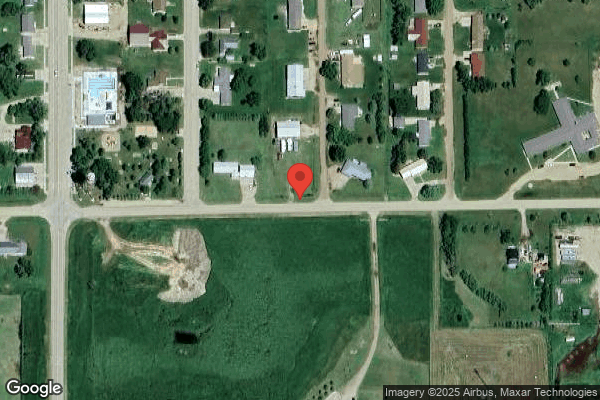
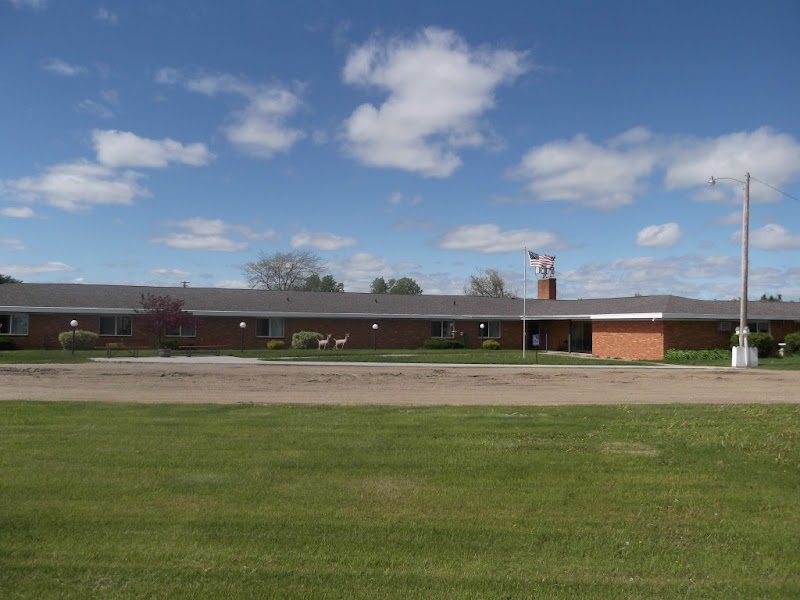
HIGHMORE HEALTH

410 8TH STREET SE, HIGHMORE, SD 57345 (605) 852-2255
Non profit - Corporation 41 Beds Independent Data: November 2025 1 Immediate Jeopardy citation
Trust Grade
31/100
#43 of 95 in SD
Last Inspection: May 2025

Inspected within the last 6 months. Data reflects current conditions.

Overview

Highmore Health has received a Trust Grade of F, indicating significant concerns about its operations and care. It ranks #1 of 1 in Hyde County, meaning it is the only option available locally, but it sits at #43 out of 95 facilities in South Dakota, placing it in the top half of the state. The facility is currently improving, having reduced its number of issues from 11 in 2024 to 4 in 2025, but it still faces serious challenges, including one critical and three serious incidents related to resident safety and abuse that were not properly investigated. Staffing is average with a 52% turnover rate, and while RN coverage is good, exceeding what 80% of state facilities provide, the facility's $13,136 in fines is concerning as it reflects compliance issues that may not have fully resolved. Families should weigh these strengths and weaknesses carefully when considering Highmore Health for their loved ones.

Trust Score
F
31/100
In South Dakota
#43/95
Top 45%
Safety Record
High Risk
Review needed
Inspections
Getting Better
11 → 4 violations
Staff Stability
⚠ Watch
52% turnover. Above average. Higher turnover means staff may not know residents' routines.
Penalties
○ Average
$13,136 in fines. Higher than 52% of South Dakota facilities. Some compliance issues.
Skilled Nurses
✓ Good
Each resident gets 47 minutes of Registered Nurse (RN) attention daily — more than average for South Dakota. RNs are trained to catch health problems early.
Violations
⚠ Watch
23 deficiencies on record. Higher than average. Multiple issues found across inspections.
★★★☆☆
3.0
Overall Rating
★★★☆☆
3.0
Staff Levels
★★☆☆☆
2.0
Care Quality
★★★☆☆
3.0
Inspection Score
Stable
2024: 11 issues
2025: 4 issues

The Good

  • Full Sprinkler Coverage · Fire safety systems throughout facility
  • No fines on record

Facility shows strength in fire safety.

The Bad

3-Star Overall Rating

Near South Dakota average (2.7)

Meets federal standards, typical of most facilities

Staff Turnover: 52%

Near South Dakota avg (46%)

Higher turnover may affect care consistency

Federal Fines: $13,136

Below median ($33,413)

Minor penalties assessed

The Ugly 23 deficiencies on record

1 life-threatening 3 actual harm
May 2025 4 deficiencies
CONCERN (D)

Potential for Harm - no one hurt, but risky conditions existed

Deficiency F0583 (Tag F0583)

Could have caused harm · This affected 1 resident

Based on interview, observation, and grievance review, the provider failed to ensure a private area was available for residents and families to meet. This concern was identified by four residents (6, ...

Read full inspector narrative →
Based on interview, observation, and grievance review, the provider failed to ensure a private area was available for residents and families to meet. This concern was identified by four residents (6, 13, 17, and 22). Findings include: 1. Interview on 5/5/25 at 4:06 p.m. with resident 6 in his room revealed: *He resided in a shared room with another resident. *He had concerns about not having privacy when visitors were there. *He did not like his room full of visitors who visited his roommate. *He stated he had expressed his concerns about privacy to social services director (SSD) C and administrator A. *He stated, I guess I just have to live with it. 2. Interview on 5/5/25 at 4:19 p.m. with resident 22 and her family in her room revealed: *Resident 22 stated there was no private space for a family to meet in the facility. *Her family stated they would like to have a space where the family could gather when they visited the resident that was private. 3. Interview on 5/5/25 at 4:25 p.m. with resident 17 in her room revealed she wished there was a space in the facility where residents and visitors could meet privately. 4. Interview on 5/7/25 at 12:34 p.m. with SSD C revealed: *There were a couple of residents' families that had complained to her about the lack of a private space to meet with residents in the facility. *The previous owner had decided to turn the Family Room into a resident room for financial reasons. *There had been a 4/28/25 grievance filed by a family member about that issue. 5. Interview on 5/7/25 at 12:42 p.m. with director of nursing (DON) B revealed: *They used to have a Family Room that residents and their visitors could use. *It was the previous owner's decision to turn it into a resident room. *They tried to make accommodations for families to meet with residents in the dining room when meals were not being served and activities were not scheduled. *One resident had complained to her about the lack of a private space. *They were planning to eventually get the Family Room back so that residents and their families could have a private space to meet. *She confirmed that there was currently no space available for residents to meet with visitors privately if they shared a room with another resident. 6. Interview on 5/7/25 at 12:49 p.m. with administrator A revealed: *One resident's family member had complained about the lack of a private space for residents and their visitors to meet in the facility. *She had received the go-ahead from current ownership to return that room to the Family Room. *They had not made that change. *She confirmed that there currently was no available space for residents and their visitors to meet privately. 7. Review of the 4/28/25 grievance filed by the family member of resident 13 revealed: *He was very frustrated by having no private space for families to gather. *He offered to go to the board to explain why they needed the space. *Administrator A had written on the bottom of the grievance form, I am going to bring it to the nursing home board at the next meeting on 5/20/25. 8. Review of the provider's undated Resident's Rights in a Nursing Home revealed that residents have a right to have proper privacy, property, and living arrangements.
CONCERN (D)

Potential for Harm - no one hurt, but risky conditions existed

Investigate Abuse (Tag F0610)

Could have caused harm · This affected 1 resident

Based on observation, record review, interview, and policy review, the provider failed to ensure an investigation had been conducted and documented to rule out abuse and neglect for one of one sampled...

Read full inspector narrative →
Based on observation, record review, interview, and policy review, the provider failed to ensure an investigation had been conducted and documented to rule out abuse and neglect for one of one sampled resident (26) who had sustained a skin laceration while being transferred to the bath chair by staff with the use of a total mechanical lift. Findings include: 1. Observation and interview on 5/6/25 at 8:53 a.m. of resident 26 in his room while he was seated in his Geri-chair (a high-backed padded wheelchair with reclining capabilities) revealed: *He had been reclined back in his Geri-chair. *He was non-verbal during the interview. *A total mechanical lift (lift and sling used to lift a person's full body) had been in his room. 2. Record review of resident 26's electronic medical record (EMR) revealed: *He had a diagnosis of Alzheimer's disease and dementia and had been receiving hospice services. *His 3/4/25 Brief Interview for Mental Status (BIMS) assessment score was 99 (which indicated the interview was not completed successfully). *On 3/8/25 at 3:58 p.m. a progress note entered by licensed practical nurse (LPN) J revealed: -Resident has approximately a 2.5-inch laceration on the tip of his penis from the bath sling. -Area was cleaned due to the location it's very difficult to apply a bandage. -Skin protectant applied to the area; MD notified as well as POA. -There we no additional notes to determine how the injury was caused specifically due to the transfer or the bath sling, which staff were involved, or if the transfer was done safely. *On 3/10/25, 3/11/25, and 3/13/25 the laceration had been assessed for healing. *Resident 26 was dependent on staff for mobility and required assistance for: -Transferring with the use of two staff and the total mechanical lift. -Toileting due to him being incontinent of bowel and bladder. -He was not able to communicate his needs consistently. 3. Interview on 5/7/25 at 2:00 p.m. with director of nursing (DON) B regarding resident 26's 3/8/25 injury investigation revealed: *She did not think that she had needed to investigate the acquired injury. *She agreed that an investigation of the incident could have ruled out resident abuse or neglect. *She had not interviewed the staff involved in the incident because she did not think it was a potential abuse or neglect. *An incident report and investigation had not been completed by the nurse who had assessed resident 26's laceration at the time of the event. 4. Interview on 5/7/25 at 3:10 p.m. with DON B regarding her 5/7/25 investigation of resident 26's incident from 3/8/25 revealed: *She had been able to interview the certified nursing assistants (CNAs) who had been involved with the 3/8/25 incident that caused resident 26 skin laceration. *DON B had interviewed licensed practical nurse (LPN) J that had assessed resident 26's skin laceration. *LPN J informed her that the injured area was more of an abrasion than a laceration. *DON B had thought that the words abrasion and laceration were interchangeable. *She had stated that both CNAs involved had been competent to use the full body lift. -No documentation of competencies of the CNA's lift use had been provided. 5. Interview on 5/7/25 at 3:30 p.m. with CNA H who had witnessed the incident on 3/8/25 involving resident 26 revealed: *She was behind the bath chair to assist in guiding him onto the bath chair using the total lift. *She helped to assist him to the back of the chair while he was lowered down by the total mechanical lift by another CNA. *While he was lowered onto the bath chair he said ouch, and they had stopped and noticed he was bleeding from his penis. *They notified the nurse immediately. 7. Review of the provider's November 2018 Abuse and Neglect Policy revealed: *What injuries to report: Injuries investigated and not witnessed. For example, bruises or abrasions, skin tears or lacerations. 8. Review of the provider's November 2018 Abuse, Neglect, and Misappropriation of Property Prevention Policy: *Abuse: Physical harm, bodily injury, or attempt to cause harm or injury, or the infliction or fear of imminent physical harm or bodily injury on an elder of disabled person. 9. Review of the provider's undated Resident Accident Prevention Policy and Procedures revealed: *In the event an accident does occur, the appropriate incident report is completed, depending on the accident. *All reports are reviewed by Administration and Director of Nursing.
CONCERN (E)

Potential for Harm - no one hurt, but risky conditions existed

Food Safety (Tag F0812)

Could have caused harm · This affected multiple residents

Based on observation, interview, and policy review the provider failed to follow standard food safety practices for: *One of one cook (G) who had not changed her gloves or washed her hands while servi...

Read full inspector narrative →
Based on observation, interview, and policy review the provider failed to follow standard food safety practices for: *One of one cook (G) who had not changed her gloves or washed her hands while serving resident food items to prevent potential contamination. *Kitchen equipment that had not been cleaned to maintain a sanitary environment. Findings include: 1. Observation on 5/5/25 at 5:28 p.m. of cook G during a meal service revealed with her gloved hands she: *Removed the lids from the covered food items on the steam table. *Touched a ladle and then grabbed the handle of a cart. *Organized resident meal cards and opened the microwave door to heat up the pureed food. *Used a sanitizer wipe to clean the serving ledge of the steam table. *Used a thermometer to check the temperature of the sloppy joe meat. *Opened a drawer and retrieved a spoon to stir the microwaved pureed food. *Opened the microwave door and placed a bowl of potato soup in it. *Retrieved the bowl of potato soup from the microwave. *Retrieved a roast beef and cheese sandwich from a Ziplock bag and potato chips from a bag and placed them on a serving plate. *Checked the temperature of the potato soup and placed the bowl of soup on a tray to be served to residents. *Retrieved hamburger buns from a package sliced the buns into pieces and then put sloppy joe meat on the buns. *Tore up another bun, placed meat on it, and sent it to be served to residents. *Used those same gloves throughout the observed meal service. 2. Interview on 5/6/25 with cook G immediately after the above observation revealed: *She stated it was her normal practice to not change her gloves during food service. *She agreed she should have used tongs to retrieve the buns and the sandwiches from the packages. 3. Observation on 5/6/25 at 11:25 a.m. of the prep table in the kitchen across from the stove revealed: *A 9 by 13 (9x13) inch pan had food spatter and debris on the inside of the pan. *Lids for pans had food spatter and debris on them. *The lower shelf of the prep table had food spatter and debris on it. 4. Observation on 5/6/25 at 11:35 a.m. of the steam table revealed: *The wooden surface had bare wood exposed, making it an uncleanable surface. *The front of the steam table had food spatter and stains on it. *The storage shelf had food stains and debris on it. 5. Interview on 5/6/25 at 11:42 a.m. with dietary manager (DM) F regarding the cleaning of the shelves and the steam table revealed: *The prep table shelf had not been cleaned in a while. *She had a weekly and monthly cleaning schedule posted for staff to follow. *She agreed that those cleaning schedules had not been followed. *She thought that cook D had cleaned the steam table two weeks ago, but food would get spilled on it, and the staff sometimes would not clean the spilled food off the steam table. 6. Interview on 5/6/25 at 11:50 a.m. with cook I regarding the cleaning of the steam table revealed: *He had cleaned the steam table about two weeks ago. *He agreed the steam table needed to be cleaned again. 7. Interview on 5/8/25 at 10:35 a.m. with DM F regarding the observation with cook C revealed: *She had agreed that cook C should have changed her gloves after touching multiple surfaces. *She agreed [NAME] c should not have worn the same pair of gloves when she touched multiple surfaces and then continued to plate and serve food. *Staff should have only worn gloves when preparing ready to eat food items. *DM B agreed that wearing gloves and touching multiple surfaces and then handling ready to eat food items with those same gloves would have been an infection control concern that created the potential for cross-contamination. Review of the provider's cleaning schedule revealed: *The steam table had been signed-off as having been cleaned on 2/11/25, 2/25/25, and 3/4/25. *There was no area to sign-off the completion of cleaning the prep table shelves. Review of the provider's October 2014 Dietary Department Infection Control Policies and Procedures revealed: *Clean and sanitize work surfaces, utensils, and equipment after each use. Review of the provider's undated Use of Gloves and Washing Hands policy revealed: *Only single-use gloves will be used. *Hands must be washed before putting on gloves and when changing to a new pair. *Food handlers will change gloves when: -Gloves become soiled or torn. -Before beginning a different task. -At least every four hours during continual use, and more often as necessary. -After handling raw meat, seafood, or poultry and before handling ready-to-eat foods.
CONCERN (F)

Potential for Harm - no one hurt, but risky conditions existed

Infection Control (Tag F0880)

Could have caused harm · This affected most or all residents

**NOTE- TERMS IN BRACKETS HAVE BEEN EDITED TO PROTECT CONFIDENTIALITY** Based on observation, interview, record review, and policy review, the provider failed to ensure proper infection control practi...

Read full inspector narrative →
**NOTE- TERMS IN BRACKETS HAVE BEEN EDITED TO PROTECT CONFIDENTIALITY** Based on observation, interview, record review, and policy review, the provider failed to ensure proper infection control practices were followed regarding: *The cleaning and storage of nebulizer machines and equipment (a device that converts liquid medication into an inhalable mist) for three of three sampled residents (6, 10, 18) who used a nebulizer machine. *The cleaning and storage of a BiPAP machine (device that pushes pressurized air into your lungs) and equipment for one of one sampled resident (10) who used a BiPAP machine. *The maintenance of one of one whirlpool bath chairs in a safe and cleanable condition. *The cleaning, storage, and use of shared personal care items found in one of one whirlpool room. *The storage of items in two of two designated clean linen closets. *The assessment for the risk of Legionella, the implementation of measures to prevent the growth of Legionella, and the establishment of testing protocols for Legionella. Findings include: 1. Observation on 5/5/25 at 3:41 p.m. in resident 6's room revealed there was an oxygen concentrator in his room with a nasal canula (flexible tubing that delivers oxygen through the nose) attached. The nasal canula was draped over the concentrator and was not covered. There was a nebulizer machine on a table. The tubing and the mask were attached to it, and the medication chamber was wet. The mask was sitting on the table, uncovered. Observation and interview on 5/6/25 at 9:19 a.m. with resident 6 in his room revealed that his nebulizer was in the same condition as observed on 5/5/25. The resident stated he used the nebulizer three times per day. He also stated that the staff changed the tubing every week. Observation and interview on 5/7/25 at 9:16 a.m. with resident 6 in his room revealed the nebulizer was in the same condition as observed on the previous two days. He stated that the staff does not disconnect the medication chamber from the nebulizer, rinse it out, and let it dry between treatments. The nasal cannula remained draped over the oxygen concentrator as observed on 5/5/25. Observation on 5/7/25 at 4:12 p.m. and 5/8/25 at 8:32 a.m. of resident 6's room revealed the nebulizer remained in the same condition as previously observed. Review of resident 6's electronic medical record (EMR) revealed: *He had a diagnosis of chronic obstructive pulmonary disease (COPD) (lung disease that makes breathing difficult). *He received nebulizer medication treatments three times a day. *His breathing was to be assessed by a nurse after each nebulizer treatment was completed. *There was an order to change the nebulizer mask and tubing once per week. *There was no documentation or anything in his care plan that addressed the cleaning and storage of his respiratory devices. 2. Observation and interview on 5/6/25 at 10:16 a.m. with resident 10 in his room revealed he had a nebulizer machine on his bedside table, with the tubing and mask attached. The mask was on the table, uncovered, and the medication chamber was wet. Resident 10 stated he used the nebulizer daily. Observation on 5/7/25 at 9:16 a.m. in resident 10's room revealed the nebulizer was in the same condition as observed on 5/6/25. There was a BiPAP machine with the tubing and mask connected to it. The mask was resting in a pink basin on the floor next to the bed, uncovered. There was also a towel and a plastic grocery bag in the basin. Observation on 5/8/25 at 8:33 a.m. revealed the BiPAP and neb machines were in the same condition as observed on 5/7/25. Review of resident 10's EMR revealed: *He had a diagnosis of COPD and emphysema (a lung condition that causes shortness of breath). *He received nebulizer (neb) treatments twice a day. *His breathing was to be assessed by a nurse after each nebulizer treatment was completed. *There was a physician's order to clean the BiPAP daily with soap and water. *There was a 1/20/25 care plan intervention to Administer nebulizer treatments as ordered. Clean and replace equipment and supplies per protocol/as ordered. *There were 12/27/24 care plan interventions to Change BiPAP and oxygen tubing and supplies as ordered and Clean BiPAP and equipment as ordered. *There was no order or anything written in his care plan that addressed the storage of his respiratory devices. 3. Observation on 5/7/25 at 4:12 p.m. of resident 18's in his room revealed: *A neb machine was on resident 18's bedside table with the mask, reservoir cup, and tubing unassembled lying on a dry washcloth. -The washcloth was folded in half and draped over the neb mask and reservoir cup. *Resident 18 could not verify if he had washed the neb mask, reservoir cup, and neb tubing. Observation on 5/8/25 at 9:15 a.m. of resident 18's room revealed: *The neb machine remained on resident 18's bedside table with the mask, reservoir cup, and tubing all assembled. -There was a small amount of clear liquid that remained in the reservoir cup. Interview on 5/8/25 at 9:21 a.m. with registered nurse (RN) D regarding resident 18's nebulizer equipment revealed: *She stated she does not wash out the neb mask, reservoir cup, or tubing. *She indicated that the resident washes out neb mask, reservoir cup and tubing himself after the treatment. Review of resident 18's electronic medical record (EMR) revealed: *He was admitted on [DATE]. *He had a Brief Interview for Mental Status (BIMS) assessment score of 10, which indicated he was moderately cognitively impaired. *He had a diagnosis of chronic obstructive pulmonary disease (COPD). *A physician's order on 10/29/24 for ipratropium and albuterol (med to relax muscles in the airways and increase air flow to the lungs) inhalation suspension to be given four times a day by neb for COPD. *A physician's order on 10/29/24 for albuterol (med to reduce inflammation) inhalation suspension 0.083% to be given four times a day by neb for shortness of breath (SOB). *His care plan did not include that he washes the neb mask, reservoir cup, and tubing himself. Interview on 5/8/25 at 10:41 a.m. with director of nursing (DON) B revealed: *Nurses were responsible for cleaning the nebulizers and storing them appropriately as part of the post-treatment assessment, and it was her expectation that they were doing that. *It was her expectation that the BiPAP was being cleaned daily, stored, and the daily cleaning of the BiPAP was documented on the MAR. Interview on 5/8/25 at 11:13 a.m. with registered nurse (RN)/infection control preventionist E revealed: *It would be a concern if nebulizer tubing and BiPAP machines were not being cleaned and stored to dry. *She stated they were supposed to be cleaned, left to dry, and stored after each use. 4. Observation and interview on 5/8/25 at 9:34 a.m. with certified nursing assistant (CNA) K in the shower/tub room revealed: *Several containers of partially used and unlabeled soap, shampoo, and lotion next to the whirlpool tub. -She stated those items were shared and used for residents who did not have their own caddy of personal hygiene items available in the shower/tub room. -She agreed that each resident should have had their own personal hygiene products to limit the potential for cross-contamination. *The arm of the bath chair had several areas of rust and areas that were cracked and bubbled. -She agreed that those were not cleanable surfaces. Observation and interview on 5/8/25 at 12:04 p.m. in the shower/tub room with RN/infection control preventionist E revealed: *They had experienced similar issues in the past with the bath chair and had repaired it. -She stated it was not a cleanable surface in that condition and was a risk for possible infection control concerns. Interview on 5/8/25 at 1:10 p.m. with DON B and RN/infection control preventionist E revealed: *They did not have a policy on shared use of personal hygiene products. *It was their expectation that personal hygiene products were not shared between residents to limit the potential for cross-contamination and infection control concerns. *They expected staff to bring each resident's own caddy of personal hygiene products from the resident's room to the shower/tub room and to only use those products for each resident. 5. Observation and interview on 5/7/25 that began at 3:04 p.m. with laundry assistant L of the clean linen closets revealed: *There were two clean linen storage closets with a coded keypads on the doors. *Items other than clean linens were stored in the first closet, including the following unclean items: -A rolling rack that held packages of disposable bathing cloths, a stack of individual disposable briefs, and towels. -A resident's walker with a quilted basket on it that contained a gait belt. -A pair of shoes. -A single shoe. -An open package of heel protectors. -A wheelchair foot pedal. -Opened packages of disposable briefs. -Various cushions, pillows, and wheelchair cushions. *The second clean linen closet had unclean items stored, including: -Opened packages of briefs. -A gait belt. -A blue plastic basket that contained a resident's open and labeled personal care items, including deodorant, lotion, denture care tablets, and lotion. -Packages of disposable bathing cloths. -Christmas decorations. -Wheelchair cushions. *She stated that because linen was not covered in the closet, only clean linen should have been stored there to prevent potential contamination of the linen. Interview on 5/8/25 at 10:41 a.m. with DON B revealed: *It was her expectation that only clean linen be stored in linen closets. *She expected unclean items like wheelchair foot pedals and personal care items to be stored in the storage room. Interview on 5/8/25 at 11:13 a.m. with RN/infection control preventionist E revealed: *She expected linen closets to contain only clean linen. *Unclean items stored with clean linens could result in contamination of clean linens. 6. Interview on 5/8/25 at 12:15 p.m. with administrator A about their water management plan to prevent waterborne pathogens revealed: *They had not assessed their water systems to determine where Legionella (a bacteria that can grow in water and cause serious illness) or other opportunistic pathogens could grow. *They had not implemented any measures to prevent the growth of Legionella in their facility. *They had not established any testing protocols to monitor for the presence of Legionella in their water system. *She stated they did not have a policy related to Legionella. 7. Review of the provider's 12/24 Respiratory Equipment Cleaning Instructions revealed: *Purpose: -To provide proper cleaning of respiratory equipment to maintain proper working order of equipment and to ensure proper infection control methods are adhered to. *Hand Held and Mask Nebulizers: -Clean after each treatment. --Disassemble nebulizer pieces. --Rinse thoroughly with distilled water. --Allow to dry on a clean paper towel or cloth. *CPAP or BiPAP Machine/Equipment: -Daily: --Remove headgear and any other pieces that will detach from the mask. --Remove tubing from any connectors, the humidifier or machine. --Fill a small sink, tub, or basin with warm water. Add a small amount of gentle dish soap. --Submerge the mask, headgear, tubing and connectors in the warm soapy water. Allow to soak for a short period of time (about 20-30 minutes). Rinse. --Allow everything to air dry on a towel. Review of the provider's 1/10 Handling Clean Linen Policy and Procedure revealed: *Purpose: -To prevent contamination of clean linen. *Procedure -Linen must remain covered at all times until it is placed in the resident's room. -This reduces the potential for mishandling linen causing cross-contamination.
Feb 2024 11 deficiencies
CONCERN (D)

Potential for Harm - no one hurt, but risky conditions existed

Safe Environment (Tag F0584)

Could have caused harm · This affected 1 resident

Based on observation, interview, and record review, the provider failed to ensure a safe environment, free from potential accident hazards for all residents who may be at risk for falls or other injur...

Read full inspector narrative →
Based on observation, interview, and record review, the provider failed to ensure a safe environment, free from potential accident hazards for all residents who may be at risk for falls or other injury. Findings include: 1. Observation on 2/27/24 at 9:47 a.m. in the dining room revealed: *The laminate flooring in the doorway in the area that transitioned from the front room to the back room had a patch of torn flooring. -That area was approximately three inches by fifteen inches long. -The edges were rough and raised and the underflooring was exposed. 2. Observation on 2/27/24 at 11:31 a.m. in the dining room revealed: *An unidentified dining room staff member had been pushing a metal cart towards the kitchen. *The cart had been unable to avoid the torn flooring and the wheel caught on the upward peeling edges. 3. Observation on 2/28/24 at 1:45 p.m. in the lobby revealed: *The carpeted flooring had a tear that extended from the front of the nurses' station into the 100 hallway over six feet long and approximately two to three inches wide. *Residents had to move through that area to access the dining room and the front door. 4. Interview on 2/28/24 at 1:37 p.m. with administrator (ADM) A regarding the flooring in the dining room and the lobby revealed: *She was aware of issues with flooring. *The facility was going through a sale and being bought by the city. *It was her expectation that the flooring was to have been repaired at that time. *She stated that the new company will put in new flooring once the sale is complete. *She moved resident 32's recliner and exposed additional areas of torn flooring. *After she observed resident 32's floor she stated, I guess it's getting really bad. *She proceeded to peel back sections of the flooring with her foot. Refer to F689
CONCERN (D)

Potential for Harm - no one hurt, but risky conditions existed

Deficiency F0655 (Tag F0655)

Could have caused harm · This affected 1 resident

**NOTE- TERMS IN BRACKETS HAVE BEEN EDITED TO PROTECT CONFIDENTIALITY** Based on observation, interview, record review, and policy review, the provider failed to ensure a baseline care plan accurately...

Read full inspector narrative →
**NOTE- TERMS IN BRACKETS HAVE BEEN EDITED TO PROTECT CONFIDENTIALITY** Based on observation, interview, record review, and policy review, the provider failed to ensure a baseline care plan accurately reflected the resident's care needs for one of one sampled newly admitted resident (90). Findings include: 1. Observation and interview on 2/26/24 at 3:07 p.m. with resident 90 and his spouse revealed he had: *Recently been admitted following a hospital stay. *Was sitting in a wheelchair *Had a urinary catheter in place. *Had an open area to his heel and to his coccyx (tailbone) area. 2. Review of resident 90's medical record revealed: *He was admitted on [DATE]. *At the time of his admission, he had the following: -A blister on his heel and an open wound to his coccyx area. -A catheter was in place. -He used a wheelchair for mobility. 3. Review of resident 90's baseline care plan revealed it indicated: *He did not: -Have a catheter. -Use a wheelchair. -Have any current skin issues. *The Signatures of Staff Completing Baseline Care Plan area indicated it had been completed by registered nurse(RN)/Minimum Data Set coordinator (MDS) G and the RN/social services designee (SSD) H. 4. Interview on 2/28/24 at 8:59 a.m. with director of nursing (DON) B regarding resident 90's baseline care plan revealed she: *Agreed he had a blister on his heel, an open wound to his coccyx, a catheter, and he used a wheelchair at the time of his admission. *Confirmed those areas were not indicated on his baseline care plan. *Would have expected those areas to be addressed on his baseline care plan. 5. Review of the provider's 3/23 Care Plan Policy and Procedure revealed: *It was the responsibility of the MDS coordinator or designee. *Care plans include active and historical diagnoses, goals and/or expected outcomes, specific nursing interventions so that any nursing staff member is able to quickly identify a resident's individual needs and to decrease the risk of incomplete, incorrect, or inaccurate care, and to enhance continuity of nursing care. *Upon admission, resident will be assessed by the MDS Coordinator or designee and a baseline care plan will be developed with information gathered from the resident and resident's family within 48 hours.
CONCERN (D)

Potential for Harm - no one hurt, but risky conditions existed

Deficiency F0661 (Tag F0661)

Could have caused harm · This affected 1 resident

**NOTE- TERMS IN BRACKETS HAVE BEEN EDITED TO PROTECT CONFIDENTIALITY** Based on closed medical record review and interview the provider failed to ensure one of one sampled resident's (37) closed reco...

Read full inspector narrative →
**NOTE- TERMS IN BRACKETS HAVE BEEN EDITED TO PROTECT CONFIDENTIALITY** Based on closed medical record review and interview the provider failed to ensure one of one sampled resident's (37) closed record included a recapitulation (a summary of the resident's nursing home stay). Findings include: 1. Review of resident 37's closed medical record revealed: *She was admitted on [DATE]. *She was discharged to her home on [DATE]. *A discharge summary was completed. *There was no documented recapitulation of her stay. Interview on 2/28/24 at 5:31 p.m. with director of nursing B revealed: *Registered nurse/Minimum Data Set G was responsible for completing a discharge summary to include the recapitulation of a resident's stay when they discharged . *Her expectation was for the discharge summary to also include the recapitulation. *She confirmed there was no recapitulation of resident 37's stay in the facility. *There was no policy for a discharge summary or recapitulation of a resident's stay upon their discharge from the facility.
CONCERN (D)

Potential for Harm - no one hurt, but risky conditions existed

Deficiency F0700 (Tag F0700)

Could have caused harm · This affected 1 resident

Based on observation, interview, medical record review, and policy review, the provider failed to ensure one of five sampled residents (11) received benefits of use versus the risks of use for bilater...

Read full inspector narrative →
Based on observation, interview, medical record review, and policy review, the provider failed to ensure one of five sampled residents (11) received benefits of use versus the risks of use for bilateral bed assist bars on his bed, had an informed consent signed, and had alternatives attempted before installation and use of those bilateral bed assist bars on his bed. Findings include: 1. Observation on 2/25/24 at 4:49 p.m. of resident 11's room revealed his bed had bilateral bed assist bars attached to the bed in the upright position. Observation and interview on 2/26/24 at 11:07 a.m. with resident 11 revealed: *He was admitted to the facility from a hospital two or three weeks ago. -He had broken a bone close to his tailbone from a fall at home. *The bilateral assist bars on his bed were in the up position. -He did not remember: --Receiving education on benefits of use versus the risk of use for those assist bars. --Signing an informed consent. Review of resident 11's medical record regarding the bilateral assist bars revealed: *There was no documented education for benefits of use versus the risks of use of those assist bars. *There was no signed informed consent. *There was no safety assessment completed for use of those assist bars. *His care plan had not included the use of those assist bars. Interview on 2/27/24 at 2:12 p.m. with certified nursing assistant (CNA) E regarding resident 11's use of the bilateral assist bars revealed that he used those assist bars on the right side of the bed to turn when staff members provided care to him, but he did not use the assist bar on the left side of the bed. Continued interview on 2/28/24 at 9:52 a.m. with CNA E revealed she clarified resident 11 used both assist bars during the night when staff members assisted with his care. Interview on 2/28/24 at 2:03 p.m. with director of nursing B regarding the use of the bilateral assist bars used by resident 11 revealed: *She thought he used the assist bars to get in and out of bed, due to his shoulder pain. *Registered nurse (RN)/Minimum Data Set (MDS) G was responsible for completing the assist bars education, obtaining the informed consent, and completing the assessments. Interview on 2/28/24 at 2:37 p.m. with RN/MDS G regarding the bilateral assist bars used by resident 11 revealed: *She was responsible for assessing residents for safe use of the assist bars. *She was not aware that resident 11 had used bilateral assist bars on his bed. *The process for determining the use of assist bars was for: -The interdisciplinary team to discuss the resident's need for the use of the assist bars. --She was part of the interdisciplinary team. --There was no discussion by the team regarding resident 11's use of those assist bars on his bed. Review of the provider's revised March 2023 Bed Assist Bar Policy and Procedure revealed: *Policy: -Use bed assist bars to enhance resident mobility and independence. -Make resident and/or representative aware of risks of bed assist bars. -Ensure ongoing assessment and maintenance of resident bed assist bar use. *Procedure: -1. Prior to installation of bed assist bar: --a. Alternative must be attempted (i.e. adjusting bed height, raising head of bed, trapeze, concave mattress, bed wedges/bumpers) and reason alternative did not work. --b. MDS Coordinator or designee must complete Bed Assist Bar User Defined Assessment (UDA) in .[electronic medical record program] to determine appropriateness of using it. -2. Decision to install bed assist bar should be made based on the following information assessed in the Bed Assist Bar UDA: --a. Determine the reason for the bed assist bar and if it is likely to the resident meet his or her needs. --b. Evaluation of any bed assist bar alternatives attempted that failed to meet the resident's needs prior to use and installation and alternatives considered but not attempted because they were considered inappropriate. --c. Assess the resident for safety with use of bed assist bar including cognition, mobility, communication, etc. --d. Risk for resident to suffer from entrapment and how the risks will be mitigated. -3. Obtain informed consent of the safety risks after reviewing those potential risks with resident and/or resident representative.
CONCERN (E)

Potential for Harm - no one hurt, but risky conditions existed

Deficiency F0565 (Tag F0565)

Could have caused harm · This affected multiple residents

Based on interview, resident council meeting minutes review, and policy review, the provider failed to ensure: *Resident council meetings were conducted on a monthly basis. *Residents were notified of...

Read full inspector narrative →
Based on interview, resident council meeting minutes review, and policy review, the provider failed to ensure: *Resident council meetings were conducted on a monthly basis. *Residents were notified of the time and place of the resident council meetings. *There was an investigation, follow-up, and documented responses to resident council grievances brought forward by an undisclosed number of residents identified in three of five monthly meeting minutes sampled (September 2023, December 2023, and January 2024). Findings include: 1. Resident council interview on 2/27/24 at 10:30 a.m. revealed: *There were twelve residents in attendance. *Three anonymous residents stated that grievances were not followed up by staff and communicated with the residents. *Two anonymous residents stated they did not know how to file a grievance. *One anonymous resident stated they were not aware that there was a resident council and that the council met monthly. Review of resident council minutes from September 2023 through January 2024 revealed: *In September 2023 an undisclosed number of residents met with activity director L individually: -An undisclosed number of residents requested an activity called Balloon Act more often. --The response documented in the September 2023 minutes included, Planning on putting it into the calendars more but that doing this my [may] lessen other things or move them around a bit. -There was no resolution that concern. *The 10/16/23 meeting minutes included a meeting that was held with 17 residents in attendance. -Activity director L included, I am going to be moving these meetings to a Tuesday morning at the beginning of each month at 10:30 a.m. This will start in December . *The 12/12/23 the meeting minutes included a meeting that was held with four residents in attendance. -One resident stated she does not like it when a certain resident was allowed to sit beside her because that resident touched things that she should not. --The minutes included, I told her I would talk to the nurse to relay to the CNA's, and I would talk to the Activity staff. -One resident stated that the stop sign in place at her door does not stop a resident from wandering into her room and that resident breaks things in her room. --The minutes included, I told her I would put on [maintenance director D's] clipboard to maybe lower the Velcro [for the stop sign placement] to se if that may help with that resident going under it. -One resident stated that sometimes there was water on her bathroom floor that she had to wipe up before she could use it safely. She thought that was from staff members not wringing out the mop head and other times it was from the toilet leaking. --The minutes included, I let her know I would also put this on his clipboard [maintenance director D] and talk to him about it. She explained that she has talked to him personally about it before and he is aware. -An undisclosed number of residents stated that they get a lot of fruit and is always has a lot of syrup in it. --The minutes included, I let them all know there are state guidelines that we have to follow but I would talk to .[the dietary manager M] about the syrup. -Two residents expressed concerns that their bathroom garbage was not removed as often as it should have been and it was getting too full. --The minutes included, I let them know I will talk to .[maintenance director D] about this and see if he can talk to his staff. -One resident stated she needed extra help in the morning and to be woken up. --The minutes included, I will talk to the DON [director of nursing B] and charge Nurse to talk with CNAs about her needing more help. ---There was no resolutions to the above resident concerns. *On 1/9/24 the meeting minutes included a meeting was held with seven residents in attendance. -An undisclosed number of residents expressed a concern as to why are we short of help around here lately? --The minutes included, I let them know that sense [census] is down and that we must cut some hours. That is why they do not see as many staff on the floor. ---There was no resolution to the concern. Interview on 2/28/24 at 3:00 p.m. with activity director L regarding resident council grievances revealed: *Resident council meetings should have been held on a monthly basis. -Some months she visited residents individually for their input rather than have a meeting. *When a grievance was received during a meeting she: -Would speak to the department head that the grievance pertained to. -For the maintenance department she would write it on his clipboard and maybe speak to him. --He would write his initial next to the grievance on the clipboard when he resolved the concern. -For the social service department, she would fill out a form, talk to registered nurse (RN)/social service designee (SSD) H. *Asked the residents in the next resident council meeting if they wanted to revisit their concern or if it was resolved. -She thought she documented that in the minutes. *She would fill out a formal grievance form, but there hasn't been anything lately that I felt I needed to fill out right away for them. *She had received a grievance from a resident a while ago regarding a nursing concern, she was not certain of how long ago. -For that grievance, she had talked to a certified nursing assistant and a charge nurse. --She had not followed up with the resident to ensure the grievance was resolved. Interview on 2/28/24 at 3:17 p.m. with director of nursing B regarding resident council grievances revealed: *She has never received a grievance from the resident council. *The process for resident council grievances was for a concern specific to a department to be given to that department head to resolve. Interview on 2/28/24 at 3:34 p.m. with administrator A regarding resident council grievances revealed: *Activity director L has never filled out a grievance form from a grievance expressed during a resident council meeting. -Activity director L would speak to administrator A if there was a concern and she would then go talk to the resident to, determine what was going on. --Administrator A would try to resolve the issue, but would not write up a grievance. *Administrator A confirmed a grievance form should have been completed, investigated, and a resolution reviewed with the residents. Review of the provider's undated Grievance Policy revealed: *Policy: -It is the policy of .[provider] to have accessible, responsive grievance procedure which protects residents and their families' ability to report any grievances with this facility. Complaints will be addressed promptly and fairly. *Procedure: -1. Residents and their families have the following rights: --a. To voice concerns and complaints, either orally or in writing, relating to the treatment or care we provide or the behavior of other residents. --b. To receive a timely response by us in which we agree to consider the issue or issues you raise and to act upon them. --c. To be free from any pressure intended to discourage you from voicing your concerns and complaints. -2. Any grievance of a resident or someone acting on behalf of a resident should be directed to our Administrator, the Director of Nursing, or appropriate department head. Details concerning time, place[,] nature of occurrence or condition, persons involved, and other pertinent facts should be included in order to facilitate the investigation and follow-up action. -3. When we receive a grievance, we will: --a. Promptly investigate. --b. Correct any condition found to be inconsistent with our policies and procedures and the rights and responsibilities of our residents.
CONCERN (E)

Potential for Harm - no one hurt, but risky conditions existed

Deficiency F0657 (Tag F0657)

Could have caused harm · This affected multiple residents

**NOTE- TERMS IN BRACKETS HAVE BEEN EDITED TO PROTECT CONFIDENTIALITY** Based on observation, interview, record review, and policy review, the provider failed to ensure resident care plans were update...

Read full inspector narrative →
**NOTE- TERMS IN BRACKETS HAVE BEEN EDITED TO PROTECT CONFIDENTIALITY** Based on observation, interview, record review, and policy review, the provider failed to ensure resident care plans were updated to accurately reflect the current care needs of four of five sampled residents (2, 11, 31, and 189) including fall interventions, code status, and assist bars. Findings include: 1. Observation on [DATE] at 10:01 a.m. of resident 189's room revealed there were two fall mats on the floor and a twin-sized bed mattress up against a wall. Observation of resident 189 on the following dates and times revealed: *On [DATE] at 10:58 a.m. he had been standing with the right side of his body leaned up against the doorframe. *On [DATE] at 2:10 p.m. and again at 3:10 p.m. he was asleep in his bed that was in a low position with another bed mattress on the floor next to his bed. *On [DATE] at 11:20 a.m. he had been sitting on his bed with his back against the wall and his feet were rested on the fall mat that was on the floor next to his bed. *On [DATE] at 1:58 p.m. he had been resting in his bed on his back and there was a fall mat on the floor next to his bed. Review of resident 189's electronic medical record revealed he was: *admitted on [DATE]. *Diagnoses included Wernicke's encephalopathy (a brain disorder affecting memory), mild cognitive impairment, and repeated falls. *A fall risk assessment was completed on [DATE] that indicated he was at a high risk for falling. *A care plan area goal that he Will not sustain serious injury through the review date. *Care plan interventions included: -A wheelchair is his primary mode of transportation. -Be sure call light is within reach and encourage to use it for assistance as needed. -Coordinate with appropriate staff to ensure a safe environment with: Floors even and free from spills or clutter, Adequate, glare-free light, Call light, Bed in low position at night, Handrails on walls, Personal items within reach. Interview on [DATE] at 2:03 p.m. with director of nursing (DON) B regarding the use of fall mats, the bed mattress on the floor, fall risks, and the care plan for resident 189 revealed: *She confirmed resident 189 had fallen multiple times since his admission. *She was aware a fall mat had been used as an intervention and had thought it was on his care plan. *She then reviewed his care plan and agreed it: -Had an intervention to ensure a safe environment with: Floors even and free from spills or clutter. -Did not include the use of a fall mat or the bed mattress. *She stated the use of a bed mattress on the floor was not a typical intervention, but she felt it was acceptable for staff to use a mattress if they were not able to find a fall mat. *She would have expected the use of the fall mats to have been included in resident 189's care plan. 2. Review of resident 2's medical record revealed: *Her [DATE] signed CPR (Cardiopulmonary resuscitation) Statement of Decision (code status) form indicated she did not wish CPR to be performed. *Her [DATE] care plan indicated she wanted CPR to be performed in the event of a cardiac event. 3. Review of resident 31's medical record revealed: *Her [DATE] signed CPR Statement of Decision indicated she wanted to have CPR initiated in the event of cardiac arrest. *Her [DATE] care plan indicated she did not want CPR performed. Interview on [DATE] at 12:56 p.m. with registered nurse/social service designee (RN/SSD) H regarding code status care planning revealed: *She obtained a resident's preference of code status when they were admitted . *She would add the code status to the care plan at that time. *The interdisciplinary team would review the code status with the resident or their representative at each care conference. *Resident 2's care plan was not updated when her code status changed from CPR to do not resuscitate (DNR) on [DATE]. -She was not certain why the care plan had not been updated to reflect the DNR code status on [DATE]. *She confirmed the care plan should have been updated when the resident's code status changed. Review of the provider's undated Health Advance Directive Policy and Procedure revealed the following: *Objective of Advance Directive Policy and Procedure -E. Resident wishes will be communicated to the staff via the care plan and (identify facility protocol for communication of advance directives either in written or oral format) and to the resident physician. -G. During the quarterly RAI (Resident Assessment Instrument) process and with any significant changes of condition, facility staff will: --v. Changes to the resident choices for advance directives will be documented, included in the resident plan of care, State specific documents will be updated as necessary, physician orders will be obtained to reflect new choices as applicable and all items will be communicated to staff providing resident care. 4. Observation on [DATE] at 4:49 p.m. of resident 11's room revealed bilateral assist bars attached to the bed and they were in the upright position. Observation and interview on [DATE] at 11:07 a.m. with resident 11 revealed: *He was admitted from a hospital two or three weeks ago. -He had broken a bone close to his tailbone. *The bilateral assist bars on his bed were in the upright position. -He used those bars to assist him in getting in and out of bed. Review of resident 11's [DATE] care plan revealed the use of the bilateral assist bars were not included in his care plan. Interview on [DATE] at 2:37 p.m. with RN/Minimum Data Set G regarding resident care plans revealed she was not aware that resident 11 used bed assist bars so she had not added that to his care plan. Review of the provider's updated [DATE] Care Plan policy and procedure revealed: *Basic Responsibility: -MDS Coordinator or designee -Purpose: --Care plans will be developed by an interdisciplinary team with participation of the resident, family, and/or representative (when available). Care plans include active and historical diagnoses, goals and/or expected outcomes, specific nursing interventions so that any nursing staff member is able to quickly identify a resident's individual needs and to decrease the risk of incomplete, incorrect, or inaccurate care, and to enhance continuity of nursing care. *General instructions: -5. Care Plans will be reviewed quarterly, annually and with any significant change in resident condition. Changes that may involve updating the care plan will be discussed and implemented during daily IDT meetings. -6. Care Conferences are offered/scheduled on admission, quarterly, with significant change, and at the request of residents, families, or staff.
CONCERN (E)

Potential for Harm - no one hurt, but risky conditions existed

Accident Prevention (Tag F0689)

Could have caused harm · This affected multiple residents

Based on observation, record review, and interview, the provider failed to ensure a safe environment, free from potential accident hazards in the room of one of one sampled resident (32) with a histor...

Read full inspector narrative →
Based on observation, record review, and interview, the provider failed to ensure a safe environment, free from potential accident hazards in the room of one of one sampled resident (32) with a history of multiple falls. Findings Include: 1. Observation on 2/26/24 at 11:22 a.m. of resident 32 while in his room revealed: *He had been asleep, seated in his wheelchair, with his feet on the floor, next to his bed, facing his recliner. *There were four areas of flooring around and his recliner that had peeled up and had visible underflooring. -Those areas ranged in size from approximately three inches by four inches to approximately five inches by six inches. *He moved his feet and revealed another area of exposed underflooring and flooring with peeled edges. *He then moved his wheelchair back and the wheel caught on one of the exposed edges. 2. Observation on 2/27/24 at 11:19 a.m. of resident 32's room revealed additional areas of peeled flooring and exposed underflooring beside his bed, in front of his recliner. 3. Review of resident 32's electronic medical record revealed: *He had impaired mobility and cognition. *A wheelchair was his primary mode of transportation. *He had fallen on 08/21/23, 10/29/23, 11/19/23, 11/26/23, 12/8/2023, 12/25/23 and 12/29/23. *He was assessed and found to be at a high risk for falls. *His care plan indicated staff were to coordinate with appropriate staff to ensure a safe environment, that included even floors. 4. Interview on 2/28/24 at 1:37 p.m. with administrator (ADM) A regarding the flooring in resident 32's room revealed: *She was aware of issues with flooring. *The facility was going through a sale and being bought by the city. *It was her expectation that the flooring was to have been repaired at that time. *She stated that the new company will put in new flooring once the sale is complete. *She moved resident 32's recliner and exposed additional areas of torn flooring. *After she observed resident 32's floor she stated, I guess it's getting really bad. *She proceeded to peel back sections of the flooring with her foot.
CONCERN (E)

Potential for Harm - no one hurt, but risky conditions existed

Deficiency F0761 (Tag F0761)

Could have caused harm · This affected multiple residents

Based on observation, interview, record review, and policy review, the provider failed to ensure controlled medications (drugs easily diverted by staff) were securely stored for one of one observed me...

Read full inspector narrative →
Based on observation, interview, record review, and policy review, the provider failed to ensure controlled medications (drugs easily diverted by staff) were securely stored for one of one observed medication rooms. Findings include: 1. Observation and interview on 2/27/24 at 2:40 p.m. of the medication room with registered nurse (RN) K revealed: *The cupboard used to store controlled medications that were to have been destroyed was not locked and had several medications placed inside of it. *She stated the director of nursing (DON) B was the only one who had a key for that cupboard. *She immediately requested the DON B to the medication room. 2. Observation and interview on 2/27/24 at 2:44 p.m. with the DON B regarding the controlled medication cupboard revealed she: *Confirmed the cupboard was unlocked and had several controlled medications inside it. *Stated the last time she had accessed that cupboard was to put resident 195's bottle of morphine in it because it did not fit in the slot in the cupboard door. *A count of the medications inside that cupboard and it contained the following controlled medications: -One bottle of liquid morphine sulfate containing one milliliter (ml). -One bottle of liquid morphine sulfate containing 15 mls. -193 tablets of 50 milligrams (mg) of tramadol. -68 doses of 0.5 mg of lorazepam. -43 half-tablets of 5 mg of oxycodone. -56 tablets of 5 mg of hydrocodone and 325 mg of acetaminophen. -86 capsules of 75 mg of pregabalin. -45 tablets of 200 mg of Modafinil. -31 tablets of 2.5 mg of Lomotil. *The count was correct. 3. Observation and interview on 2/27/24 at 2:54 p.m. and again at 3:22 p.m. with the DON B revealed: *Controlled medications would routinely be destroyed about once a month by herself and another RN. *She kept the originals count sheets (controlled drug receipt/record/disposition forms) in her office and would place a copy of the count sheets with the controlled medications and place them in the locked cupboard in the medication room. *She then completed a comparison of those count sheets and the controlled medications amounts on hand, with no missing medications found. *She stated resident 195 had passed away on 2/17/23. His two bottles of morphine sulfate had been kept in the locked box in the locked medication cart and counted by two nurses at each shift change until she was able to place them in the controlled medications cupboard on 2/19/24. *She stated she must not have locked that cupboard door and that it had remained unlocked until it was discovered on 2/27/24, that was 9 days. 4. Interview on 2/27/23 at 3:24 p.m. with RN K revealed she confirmed the controlled medication counting process at each shift change as stated by DON B. 5. Review of the February 2024 narcotic count signature sheet (shift change count sheet) and interview with the DON B on 2/27/24 at 3:33 p.m. and again at 3:54 p.m. revealed: *One missing nurse signature on that narcotic count sheet as follows: -2/6/24 at 7:00 p.m. -2/16/24 at 7:00 p.m. -2/18/24 at 7:00 a.m. and 7:00 p.m. *She identified the two nurses that were on duty during those times as and provided them re-educated them on the controlled medications counting process on 2/27/24. 6. Review of the provider's 2006 Medication Storage In The Facility Controlled Substance Storage policy revealed: *Medications included in the Drug Enforcement Administration (DEA) classification as controlled substances re subject to special handling, storage, disposal and recordkeeping in the facility in accordance with federal, state and other applicable laws and regulations. *The director of nursing, in collaboration with the consultant pharmacist, maintains the facility's compliance with federal and state laws and regulations in the handling of controlled substances. Only authorized licensed nursing and pharmacy personnel have access to controlled substances. *At each shift change, or when keys are transferred, a physical inventory of all controlled substances, including refrigerated items is conducted by two licensed nurses and is documented. *Controlled substances remaining in the facility after the order has been discontinued or the resident has been discharged are retained in the facility in a securely locked area with restricted access until destroyed. Accountability records for discontinued controlled substances are maintained with the unused supply until it is destroyed or disposed of.
CONCERN (E)

Potential for Harm - no one hurt, but risky conditions existed

Food Safety (Tag F0812)

Could have caused harm · This affected multiple residents

Based on observation, interview, and policy review, the provider failed to ensure food items were appropriately stored in a safe and sanitary manner in one of one observed kitchen for the following: ...

Read full inspector narrative →
Based on observation, interview, and policy review, the provider failed to ensure food items were appropriately stored in a safe and sanitary manner in one of one observed kitchen for the following: *One of one commercial refrigerator that contained food items that were not labeled, dated, or discarded by the use by date, and staff items were stored where resident food items were stored. *One of one upright freezer contained food items that were not labeled or dated. *One of two small chest freezers that did not have a functioning thermometer to ensure foods were stored at a safe temperature. *One of one commercial freezer contained food items that were not stored, labeled or dated. *Two of two containers of a food thickening product had scoops stored in them. *One of one container of powdered milk had a scoop stored in it. *Staff food items were being stored where resident food items were blended. Findings include: 1. Observation of the kitchen on 2/25/24 at 3:20 p.m. revealed: *A commercial refrigerator contained: -One opened container of half and half that had a use by date of 2/4/24. -One lidded cup of red liquid that was not labeled or dated. -One covered cup of white liquid that was not labeled or dated. -One Ziploc bag of shredded cheese was not labeled or dated. -One Ziploc bag of diced ham was not labeled or dated. -One plastic grocery bag containing a burrito and a snack-sized package of cheese that belonged to a staff member. *An upright freezer contained two covered cups that were not labeled or dated. *An opened container of powdered milk that had a scoop stored inside of it. *Two opened containers of a food-thickening product that had scoops stored inside of them. *A small chest freezer had a thermometer inside of it that had frozen and was not functioning. *A commercial freezer had a plastic bin that contained two pancakes that were not packaged or labeled. *An opened can of Red Bull that belonged to a staff member placed on the windowsill above the area where residents' food was blended. 2. Observation on 2/25/24 at 5:37 p.m. of the kitchen revealed two outdoor jackets were on the counter where staff would blend residents' food. 3. Observation and interview on 2/26/24 at 5:14 p.m. with dietary manager (DM) M in the kitchen revealed: *Two uncovered slices of pumpkin pie and one and one-half doughnuts placed on Styrofoam plates on counter where resident food items were being blended. *DM M stated they were from lunch for staff and then covered them. 4. Interview and observation on 2/28/24 at 9:49 a.m. with DM M in the kitchen regarding the above observations revealed: *The commercial freezer contained the same unpackaged, unlabeled items as observed on 2/25/24. *She was not aware of the undated, unlabeled, stored food items, or that the freezer thermometer had not been functional. *She felt that staff items could be stored in the kitchen if they were not in direct contact with food items. *She would have expected the following: -All food items should been stored in containers, labeled and dated. -Staff food items should have been stored separately from the resident food items. -She should have been notified by staff of any non-functioning thermometers for replacement. 5. Review of the provider's undated (food) storage policy and procedures revealed: *All perishable foods are refrigerated at the appropriate temperature and in an orderly and sanitary manner. Thermometers are provided in all refrigerators and freezers. Refrigerators are kept at temperatures of 35-45 degrees F and freezers are kept at 0 degrees or less. *All refrigerated left over food is labeled and dated and discarded if not used in 72 hours.
CONCERN (E)

Potential for Harm - no one hurt, but risky conditions existed

Infection Control (Tag F0880)

Could have caused harm · This affected multiple residents

Based on observation, interview, and policy review, the provider failed to ensure one of one whirlpool (WP) tub was cared for in a manner that maintained the quality of the WP tub's interior surface. ...

Read full inspector narrative →
Based on observation, interview, and policy review, the provider failed to ensure one of one whirlpool (WP) tub was cared for in a manner that maintained the quality of the WP tub's interior surface. Findings include: Observation on 2/27/24 at 1:50 p.m. of the shower room on the 100-hallway revealed: *The WP tub had: -Rust-colored areas on the interior bottom of the WP tub around the power jets. -Lime build-up and what appeared to have been grime covering the bottom one-fourth of the interior walls and extending from the waterspout to the drain. -Several areas of paint, on the edge of the WP tub, that were missing exposing the underlying material, the largest area measuring approximately two inches by one inch. *There was a scrub brush for cleaning the WP tub that had bristles that appeared frayed from over-use. Interview on 2/27/24 at 3:43 p.m. with registered nurse/infection control preventionist C regarding the WP tub revealed she: *Agreed the WP tub had lime build-up and what appeared to be grime on the interior walls. -She used her fingernail to scrape off an area of the grime. *Stated the WP tub was disinfected after each resident use but needed a thorough cleaning. -Maybe it is just time for a new one. *Agreed the scrub brush was frayed. *Confirmed the chipped areas on the WP tub made it a non-cleanable surface Observation and interview on 2/28/24 at 8:18 a.m. with certified nursing assistant F regarding the WP tub cleaning and disinfecting revealed: *She disinfected the WP tub according to the instructions that she was provided. -She stated the WP tub was disinfected after each resident use. -The WP tub appeared to be in the same condition as detailed above, after the disinfecting process. *Maintenance director D descaled the WP tub once a month. -She was not sure when that was last done. Interview and review of the maintenance monthly log 2/28/24 at 8:32 a.m. with maintenance director D and director of nursing B regarding cleanliness of the WP tub revealed: *The monthly log included a one-page checklist by month of various items, including Whirlpool Tub. *The month of January 2024 had a check mark by each of the items that were listed. *Maintenance Director D stated he cleaned the WP tub once a month. -He was not sure which day in the month of January 2024 he had cleaned the tub. -He had not cleaned the WP tub in the month of February 2024. -He stated he used LSR (Lime Scale Remover, a potent acid-based compound that dissolved stains and deposits). -He sprayed the LSR on the interior of the WP tub, left the LSR on for ten minutes, then used a power scrub brush to clean it. *DON B stated, It could be better (referring to the cleanliness of the WP tub). *Maintenance director D indicated he might try to clean it more often. Interview on 2/28/24 at 3:35 p.m. with administrator A regarding the WP tub revealed she confirmed the interior surface of the tub was deteriorated, possibly from too strong of a cleaning chemical, and that made it an un-cleanable surface. Review of the provider's updated 11/16/21 Whirlpool Cleaning policy and procedure revealed it did not reference using LSR as a cleaning product.
CONCERN (F)

Potential for Harm - no one hurt, but risky conditions existed

Staffing Data (Tag F0851)

Could have caused harm · This affected most or all residents

Based on the Payroll Based Journal (PBJ) record review and interview, the provider failed to submit PBJ data accurately for three of four federal fiscal quarters (Quarter 1, 2023; Quarter 3, 2023; and...

Read full inspector narrative →
Based on the Payroll Based Journal (PBJ) record review and interview, the provider failed to submit PBJ data accurately for three of four federal fiscal quarters (Quarter 1, 2023; Quarter 3, 2023; and Quarter 4, 2023). Findings include: 1. Review of PBJ records submitted to the Center for Medicaid and Medicare (CMS) services revealed the PBJ report for the provider for the three quarters listed above included: *The following items were triggered: -Failure to submit data for the quarter. -One-star staffing rating. *The following metrics were suppressed for invalid data: -Excessively low weekend staffing. -No registered nurse hours worked. -Failure to have licensed nursing coverage 24 hours per day. Interview on 2/25/24 at 3:45 p.m. with administrator A regarding the PBJ reporting information revealed: *She was aware there were issues with the correct reporting of staff member's hours worked. -She thought that was related to incomplete reporting of agency nursing staff member's hours worked. --Each agency staff member had their own number and would clock in and out using the electronic time clock system. *Business office manager (BOM) N was responsible for the coding of all staff hours for the PBJ report. -BOM N would monitor the hours worked on a regular basis and adjust them as needed, rather than waiting until the end of the calendar quarter to fix any identified issues. *Administrator A thought they had resolved issues related to inaccurate PBJ reporting. BOM N was not available for an interview during the survey period.
Mar 2023 8 deficiencies 1 IJ
CRITICAL (J)

Immediate Jeopardy (IJ) - the most serious Medicare violation

Investigate Abuse (Tag F0610)

Someone could have died · This affected 1 resident

**NOTE- TERMS IN BRACKETS HAVE BEEN EDITED TO PROTECT CONFIDENTIALITY** Based on observation, interview, record review, and policy review, the provider failed to investigate two incidents of resident-...

Read full inspector narrative →
**NOTE- TERMS IN BRACKETS HAVE BEEN EDITED TO PROTECT CONFIDENTIALITY** Based on observation, interview, record review, and policy review, the provider failed to investigate two incidents of resident-to-resident altercation involving two of two sampled residents (89 and 90). Findings include: 1. Observation and interview on 2/27/23 at 3:54 p.m. with resident 89 in his room revealed he: *Was sitting in his recliner. *Had been admitted earlier in the month because he had fallen at home and fractured his pelvis. *Had communicated during the interview that his roommate (resident 90) was in the room touching his belongings. He had asked him to stop and the roommate had continued to touched his personal items. *Then pushed the roommate. *Was able to slide up to the front of the recliner seat and displayed how he pushed his roommate back behind the privacy curtain by using a motion with his arm. *Stated the roommate had stumbled back, had fallen, and staff came into the room and picked him up off the floor. *Stated that if his roommate touched his belongings again he would 'lay him out'. *Then expressed he understood resident 90 was not well and had not always understood what was going on. Review of resident 89's medical record revealed: *He was admitted on [DATE]. *His 2/15/23 Brief Interview for Mental Status (BIMS) score was 15, indicating his cognition was intact. *His diagnoses included: fracture of superior rim of right pubis, contusion right shoulder, fracture of unspecified parts of lumbosacral spine and pelvis, chronic kidney disease, pain, repeat falls, pressure-induced deep tissue damage of left heel, and obesity. Observation on 2/27/23 at 3:54 p.m. of resident 90 revealed: *He was confused wandering in the hallway outside of his room. *His speech was garbled. *He could not answer questions when asked. *He did not appear to have any injuries or bruising. Review of resident 90's medical record revealed: *He was admitted on [DATE]. *He was unable to complete the BIMS. *His 2/16/23 Medical Data Set assessment indicated he had short and long-term memory problems. *His diagnoses included: Alzheimer's disease, cellulitis of left upper limb, heart failure, anxiety disorder, and amnesia. Review of resident 89's 2/22/23 nursing progress note revealed: *Resident became angry at roommate and started shouting at him. *nurse intervened just as this resident was about to kick and hit his roommate. *Resident was talking to his son on the phone during this time. *Nurse immediately removed roommate from the situation. *It appeared roommate was previously just standing in the room. *[Resident 89's] son called nurse and spoke to nurse expressing concern for the situation and worried that his dad has a temper. *DON [director of nursing] notified of situation. Interview on 2/28/23 at 3:15 p.m. with DON B and social services designee (SSD) G regarding the situation between residents 89 and 90 revealed: *They both were unaware that resident 89 had pushed resident 90. *DON B was aware of the incident that occurred between the residents on 2/22/23. *DON B had not really identified that the incident on 2/22/23 was resident-to-resident abuse. *The nurse involved in the incident had educated resident 89 that it was not appropriate to yell or threaten his roommate. *There was no documentation of resident 89's education by the nurse. *Since there had been no other incidents since 2/22/23 the residents had not been moved or separated. *Residents were not monitored twenty-four hours a day. *Staff may not have been aware of another incident had occurred between the residents because the residents had not been monitored twenty-four hours a day. *They had not completed an investigation of the incident that occurred on 2/22/23 between the residents. Interview on 2/28/23 at 4:29 p.m. with occupational therapist (OT) L regarding resident 89 revealed he: *Was admitted and receiving OT services. *Had not informed her he had pushed or hit his roommate. *Had not spoken to her about expressing verbal or physical behaviors towards his roommate or other residents. Interview on 3/1/23 at 8:18 a.m. with DON B regarding the situation between residents 89 and 90 revealed: *They had planned on moving resident 90 into another room but had been waiting on a family consent to move another resident first. *No other resident safety interventions had been put into place to protect resident 90 until the room move was completed. *No investigation for the resident-to-resident incidents been started. Interview on 3/1/23 at 8:58 a.m. with administrator A and DON B regarding the situation between residents 89 and 90 revealed: *SSD G had spoken with resident 90 yesterday about his behaviors. *Had been waiting for resident 22's family to call and consent to a room change so the residents could be moved away from each other. *Staff had been observing the residents when they were awake but not when they were asleep. *Agreed either resident could have awoken and staff would not have known if they were up and moving. *They did not have one-to-one staff monitoring in place for resident 89 or 90 to ensure their safety. *Agreed they had not investigated the verbal abuse that had occurred on 2/22/23. IMMEDIATE JEOPARDY HARM Interview with resident 89 revealed he had pushed resident 90 resulting in resident 90 falling. Resident 89 indicated if resident 90 had touched his belongings again he would lay him out. There had been documentation in resident 89's medical record showing staff had been aware of his verbal and physical aggression towards resident 90. IMMEDIATE JEOPARDY NOTICE On 3/1/23 at 8:58 a.m. an immediate jeopardy had been determined when the provider failed to ensure resident 90 had been safe from abuse by his roommate. Administrator A and DON B were asked for an immediate removal plan. IMMEDIATE JEOPARDY REMOVAL PLAN: On 3/1/23 at 12:08 p.m. administrator A provided the survey team with a final written approval plan. The approval plan had been approved by the long-term care advisor for the department of health on 3/1/23 at 12:22 p.m. The facility provided the following acceptable removal plan on 3/1/23 at 12:08 p.m.: Corrective Action: 1. Resident 90 was moved to 111-2. Care plan updated to reflect monitoring of resident to detour from wandering unwanted into other resident rooms. A Velcro stop sign has been placed on resident 89's door. Reviewed and revised resident 89's care plan to reflect the Velcro STOP sign on door as deterrent for entry of wandering or unwanted resident entry. Reviewed and revised as needed resident incident policy. Identification of Others: 2. All other residents will be reviewed by the interdisciplinary team today regarding aggression toward residents who wander in their room. All staff will be educated on resident Incidents immediately on 3/1/2023. System Changes: 3. Any resident that is identified as having aggression toward residents who wander will have a Velcro stop sign placed in their doorway. Monitoring: 4. Director of Nursing or designee will do audits every 15 minutes for 24 hours then hourly audits for the next 24 hours If there are no further issues then the audits will be 3 times a shift for 3 days to ensure stop signs are preventing wandering resident from entering resident 89's room and getting into his belongings. 5. Anticipated completion date: 3/1/2023 The immediate jeopardy had been removed on 3/1/23 at 12:45 p.m. after verification that the provider had implemented their removal plan. After removal of the Immediate Jeopardy, the scope/severity of the citation level is G. Review of resident 89's 2/24/23 care plan revealed his mood and behavior had not been addressed so there had been no goals or interventions in place. Review of resident 90's 3/1/23 care plan revealed: *He had behaviors related to dementia and being in a new environment. *His behaviors were wandering, exit-seeking, and going through others belongings. *The interventions included the following: -Anticipate and meet needs of resident including toileting on a schedule every 2 hours at the least. -Attempt non-pharmacological interventions such as giving resident a magazine, the tinkering box with locks and latches, a snack. -Ensure that hallways are free from spills, clutter and other hazards. -Redirect resident to a new activity if he is wandering into other's rooms or getting into other's stuff. Review of the provider's September 2012 Long Term Care Facilities Resident's [NAME] of Rights booklet provided in the resident's admission packet revealed: *A facility must provide care and an environment that contributes to your quality of life including: -1. A safe, clean, comfortable and home-like environment. -4. Freedom from theft of personal property; verbal, sexual, physical or mental abuse; and involuntary seclusion, neglect or exploitation imposed by anyone. Review of the provider's November 2018 Abuse, Neglect, and Misappropriation of Property Prevention Policy revealed: *Employees will identify, intervene, and correct situations in which abuse, neglect and/or misappropriation of patient/resident's property may occur. This includes assessment of the patient's/resident's environments, adequate staffing to meet patient needs, and supervision of staff to identify inappropriate behaviors. *Patients/residents will be continually assess, care planned, and monitored in order to identify needs and behaviors which might lead to conflict or neglect. *When an incident occurred, a report would be completed and followed up on by the administrator or DON. *All incidents will be investigated thoroughly by administration. Any complaints will be reported within 24 hours to the South Dakota Department of Health, [NAME], SD, followed by a written report within 5 working days. Review of the provider's November 2022 Resident Incident Policy and Procedure revealed: *A resident incident report/unusual occurrence report will be completed following any unusual occurrence involving a resident including but not limited to: falls, abuse, neglect, resident-to-resident altercations, injury of unknown source, elopement, and medications errors. *2) Resident-to-Resident Altercations: -a) Take immediate and necessary actions to intervene while providing appropriate supervision and monitory to protect the resident and other resident(s). -b) Determine if the altercation was willful. Willful means the individual intended the action itself that he/she knew or should have known could cause physical harm, pain, or mental anguish. Even though a resident may have cognitive impairment, he/she could still commit a willful act. -ii) If the act was willful and resulted in the infliction of injury, unreasonable confinement, intimidation or punishment with resulting physical harm, pain, or mental anguish, then do an investigation and report to DOH [Department of Health] per the appropriate timeline. *Document occurrence, effect, and resolution in notes.
SERIOUS (G)

Actual Harm - a resident was hurt due to facility failures

Free from Abuse/Neglect (Tag F0600)

A resident was harmed · This affected 1 resident

**NOTE- TERMS IN BRACKETS HAVE BEEN EDITED TO PROTECT CONFIDENTIALITY** Based on observation, interview, record review and policy review, the provider failed to ensure one of one sampled resident (90)...

Read full inspector narrative →
**NOTE- TERMS IN BRACKETS HAVE BEEN EDITED TO PROTECT CONFIDENTIALITY** Based on observation, interview, record review and policy review, the provider failed to ensure one of one sampled resident (90) was protected from verbal and physical abuse by his roommate (resident 89). Findings include: 1. Observation and interview on 2/27/23 at 3:54 p.m. with resident 89 in his room revealed he: *Was sitting in his recliner. *Had been admitted earlier in the month because he had fallen at home and fractured his pelvis. *Had communicated during the interview that his roommate (resident 90) was in the room touching his belongings. He had asked him to stop and the roommate had continued to touched his personal items. *Then pushed the roommate. *Was able to slide up to the front of the recliner seat and displayed how he pushed his rommate back behind the privacy curtain by using a motion with his arm. *Stated the roommate had stumbled back, had fallen, and staff came into the room and picked him up off the floor. *Stated that if his roommate touched his belongings again he would 'lay him out'. *Then expressed he understood resident 90 was not well and had not always understood what was going on. Review of resident 89's medical record revealed: *He was admitted on [DATE]. *His 2/15/23 Brief Interview for Mental Status (BIMS) score was 15, indicating his cognition was intact. *His diagnoses included: fracture of superior rim of right pubis, contusion right shoulder, fracture of unspecified parts of the lumbosacral spine and pelvis, chronic kidney disease, pain, repeat falls, pressure-induced deep tissue damage of the left heel, and obesity. Review of resident 89's 2/24/23 care plan revealed his mood and behavior had not been addressed so there had been no goals or interventions put in place. 2. Observation on 2/27/23 at 3:54 p.m. of resident 90 revealed: *He was confused wandering in the hallway outside of his room. *His speech was garbled. *He could not answer questions when asked. *He had not appeared to have any injuries or bruising. Review of resident 90's medical record revealed: *He was admitted on [DATE]. *He was unable to complete the BIMS due to his cognition. *His 2/16/23 Medical Data Set assessment indicated he had short and long-term memory problems. *His diagnoses included: Alzheimer's disease, cellulitis of left upper limb, heart failure, anxiety disorder, and amnesia. *He had fallen on 2/11/23, 2/19/23, and 2/20/23. Review of resident 90's interdisciplinary progress notes from 2/11/23 through 3/1/23 revealed he was having multiple behaviors that included: -Wandering throughout the facility and into other resident's rooms. -Looking through other residents' belongings. -Exit seeking. -Becoming verbally and physically abusive with staff. -Removing his clothing in public areas. Review of resident 90's Fall Reports revealed on: *2/11/23: -He had an unwitnessed fall in the dining room. -No investigation had been completed. -No interventions had been put into place to prevent another fall. *2/19/23: -He had been found lying on the floor in his room. -No investigation had been completed. -No interventions had been put into place to prevent another fall. *2/20/23: -He had been found on the floor in his room and had been incontinent of bowel. -No investigation had been completed. -No interventions had been put into place to prevent another fall. Review of resident 90's 3/1/23 care plan revealed: *He had a Potential for falls r/t [related to] impaired cognition. *Interventions were: *Appropriate non-slip footwear. *Be sure call light is within reach and encourage to use it for assistance as needed. *Coordinate with appropriate staff to ensure a safe environment with: Floors even and free from spills or clutter, Adequate, glare-free light, Call light, Personal items within reach. *PT evaluate and treat as ordered or PRN [as needed]. *No new fall interventions had been added to the care plan since 2/13/22. *He had behaviors related to dementia and from being in a new environment. *His behaviors were wandering, exit-seeking, and going through other's personal belongings. *The interventions included the following: -Anticipate and meet needs of resident including toileting on a schedule every 2 hours at the least. -Attempt non-pharmacological interventions such as giving resident a magazine, the tinkering box with locks and latches, a snack. -Ensure that hallways are free from spills, clutter and other hazards. -Redirect resident to a new activity if he is wandering into other's rooms or getting into other's stuff. 3. Review of resident 89's 2/22/23 nursing progress note revealed: *Resident became angry at roommate and started shouting at him. *The nurse intervened just as the resident was about to kick and hit his roommate [resident 90]. *The resident was talking to his son on the phone during that time. *The nurse immediately removed the roommate from the situation. *It appeared the roommate [resident 90] was previously just standing in the room. *[Resident 89's] son called nurse and spoke to nurse expressing concern for the situation and worried that his dad has a temper. *DON [director of nursing] notified of situation. 4. Interview on 2/28/23 at 3:15 p.m. with DON B and social services designee (SSD) G regarding the situation between residents 89 and 90 revealed: *They both were unaware that resident 89 had pushed resident 90. *DON B was aware of the incident that occurred between the residents on 2/22/23. *DON B had not really identified that the incident on 2/22/23 was resident-to-resident abuse. *The nurse involved in the incident had educated resident 89 that it was not appropriate to yell or threaten his roommate. *There was no documentation of resident 89's education by the nurse. *Since there had been no other incidents since 2/22/23 the residents had not been moved or separated. *Residents were not monitored twenty-four hours a day. *Staff may not have been aware of another incident that had occurred between the residents because the residents had not been monitored twenty-four hours a day. *They had not completed an investigation of the incident that occurred on 2/22/23 between the residents. Interview on 3/1/23 at 8:18 a.m. with DON B regarding the situation between residents 89 and 90 revealed: *They had planned on moving resident 90 into another room but had been waiting on a family consent to move another resident first. *No other resident safety interventions had been put into place to protect resident 90 until the room move was completed. *No investigation for the resident-to-resident incidents had been started. Interview on 3/1/23 at 8:58 a.m. with administrator A and DON B regarding the situation between residents 89 and 90 revealed: *SSD G had spoken with resident 90 yesterday about his behaviors. *Had been waiting for resident 22's family to call and consent to a room change so the residents could be moved away from each other. *Staff had been observing the residents when they were awake but not when they were asleep. *Agreed either resident could have awoken and staff would not have known if they were up and moving. *They did not have one-to-one staff monitoring in place for resident 89 or 90 to ensure their safety. *Agreed they had not investigated the verbal abuse that had occurred on 2/22/23. 5. Interview on 3/2/23 at 10:52 a.m. with DON B regarding falls revealed: *Nurses did not document interventions put into place after a resident had fallen. *Falls had only been reviewed by the interdisciplinary team (IDT) on Monday mornings. *The IDT did not complete an investigation or implement new interventions when a resident had a fall. Refer to F610 finding 1 for policies.
SERIOUS (G)

Actual Harm - a resident was hurt due to facility failures

Report Alleged Abuse (Tag F0609)

A resident was harmed · This affected 1 resident

Based on interview, record review, and policy review, the provider failed to investigate and report alleged abuse to the South Dakota Department of Health (SD DOH) for two of two sampled residents (89...

Read full inspector narrative →
Based on interview, record review, and policy review, the provider failed to investigate and report alleged abuse to the South Dakota Department of Health (SD DOH) for two of two sampled residents (89 and 90) who had inappropriate verbal and physical behavior between each other and one of the residents (90) was cognitively impaired. Findings include: 1. Observation and interview on 2/27/23 at 3:54 p.m. with resident 89 in his room revealed he had pushed his roommate (resident 90) causing his roommate to fall. Refer to F600 finding 1 and F610 finding 1. Review of resident 89's 2/22/23 nursing progress note revealed: *Resident 89 had been found to be shouting at resident 90 and threatening to hit and kick him when a nurse intervened. *There was no investigation related to that incident. -This incident had not been reported to the South Dakota Department of Health (SD DOH). Refer to F610 finding 1. Interview on 2/28/23 at 3:15 p.m. with director of nursing (DON) B and social services designee (SSD) G revealed: *They were not aware resident 89 had pushed resident 90 causing him to fall. *DON B was aware of the incident that had occurred between residents 89 and 90 on 2/22/23 but there had been no investigation completed. *Neither incident had been reported to the SD DOH. Refer to F610 finding 1.
SERIOUS (G)

Actual Harm - a resident was hurt due to facility failures

Pressure Ulcer Prevention (Tag F0686)

A resident was harmed · This affected 1 resident

**NOTE- TERMS IN BRACKETS HAVE BEEN EDITED TO PROTECT CONFIDENTIALITY** 3. Observation on 2/27/23 at 12:22 p.m. of resident 21's room revealed: *She was not in her room. *A sign attached to the wall a...

Read full inspector narrative →
**NOTE- TERMS IN BRACKETS HAVE BEEN EDITED TO PROTECT CONFIDENTIALITY** 3. Observation on 2/27/23 at 12:22 p.m. of resident 21's room revealed: *She was not in her room. *A sign attached to the wall above her bed that read, Blue heel protectors to be worn in bed. Observation on 2/28/23 at 2:23 p.m. and at 3:01 p.m. of resident 21 in her room revealed: *She was in her bed with her eyes closed. *She did not have on blue protector boots. *There were blue protector boots on floor at the end of her bed. Observation on 3/02/23 at 7:50 a.m. of resident 21 revealed: *She was in her bed with her eyes closed. *Her legs were covered with a blanket. *There was one blue protector boot on the floor next to the bed. Interview on 3/1/23 at 1:58 p.m. with CNA J regarding resident 21 revealed: *She was to wear the blue protector boots when in bed and up in her chair. *Sometimes she would kick off her blue protector boots. Review of resident 21's medical record revealed: *She was admitted on [DATE] and her diagnoses included: a 1/24/23 diagnosis of pressure-induced deep tissue damage of her left and right heels, pain, dementia, mood disturbance, and anxiety. *Her 1/25/23 BIMS score was a 3, meaning she had severe cognitive impairment. *Review of her hospital notes from 1/18/23 to 1/24/23 revealed she had bilateral heel pain during her hospital stay. *Her 1/30/23 Braden scale score was 18, meaning she was at low risk for development of pressure ulcers. Review of resident 21's 1/25/23 nursing admission assessment revealed: *She had no open areas, ulcers, or other skin issues identified. *Both of her heels were boggy, reddened, but blanchable and she had reported pain to both heels. Review of resident 21's physician orders revealed: *On 1/24/23 to complete skin assessments weekly. *On 2/2/23 to treat her left heel SDTI per AMT guidelines. *On 2/8/23 to have pressure Injury treatment/prevention on each shift two times a day related to pressure-induced deep tissue damage of her right and left heels. --To check that air mattress was on the bed and operating correctly. --To ensure bilateral heel protectors were worn at all times except during transfers. --To ensure dressings were in place as ordered. --To have a pressure redistribution cushion in her wheelchair. --Reposition her every two to three hours. Review of resident 21's 2/8/23 care plan included: *She required extensive assist of two staff members for care including repositioning in bed. *A 1/25/23 focus of a potential for pressure ulcer related to her impaired mobility and incontinence. -Her goal for the focus was to have intact skin, free of redness, blisters, or discoloration. -Interventions on 1/25/23 for the focus and goal included weekly skin inspections by licensed staff and daily skin inspections with care, turn and reposition every two to three hours and as needed (prn), and to float heels. --Interventions added on 2/8/23 included heel protectors in bed and shoes for transfers only. -Her care plan had not included that she had SDTI of her left and right heels or that she kicked off her heel protectors at times. Review of resident 21's progress notes revealed: *On 2/4/23 her heels were slightly reddened, and she was wearing blue protector boots when in bed for her boggy/painful heels. -Staff floated her heels using pillows under her legs. -She had a pressure redistribution mattress on her bed and a pressure redistribution cushion in her wheelchair. -She was repositioned every two to three hours and prn. *On 2/8/23, Brought to nurse's attention this morning that resident's heels have dark spots. Nurse assessed and sees dark purple/maroon area of discolored in tact [intact] skin to bilat [bilateral] heels. Upon admission, resident had reddened, boggy heels. Area is oval in shape. Peri-wound is slightly reddened and boggy. Resident does c/o pain to heels. Does wear heel protectors/booties at all times except for transfers. Air mattress to be placed on bed. Review of resident 21's weekly wound documentation assessments revealed: *They had been completed on 2/8/23, 2/16/23, and 2/23/23 and included: -Wound onset date of 2/8/23 with the wounds being classified as SDTI. --Measurements of her left heel included: ---On 2/8/23 2.7 cm (centimeters) x 1.7 cm. ---On 2/16/23 2.7 cm x 1.7 cm. ---On 2/23/23 2.5 cm x 2 cm. --Measurements of her right heel included: ---On 2/8/23 2 cm x 1.5 cm. ---On 2/16/23 2 cm x 1.5 cm. ---On 2/23/23 1.9 cm x 2.5 cm. Observation and interview on 3/2/23 at 10:31 a.m. of resident 21 with physical therapist (PT) H in the therapy room revealed: *She had dark brown areas to bilateral heels. -The left was about the size of a nickel. -The right was about the size of a dime. *Resident stated she had pain to those areas on her heels. *PT H stated they had tried not having any heel protectors on when resident 21 was first admitted but she was digging her heels into her footrest, so the heel protectors were put on her feet. *PT H confirmed that resident 21 often rubbed her heels on the bed. Interview, record review, and AMT guidelines review on 3/2/23 at 11:07 a.m. with registered nurse D revealed: *Resident 21's wound assessments were completed weekly by a nurse unless the CNA's notified the nurse of a skin concern. -She confirmed they had not been following the 2/2/23 physician's order or AMT guidelines for SDTI. --She stated the AMT guidelines indicated to assess the wounds daily. --There was no designated wound care nurse on staff, the charge nurse for the day would have been responsible for assessing the wounds. Interview, record review and AMT guidelines review on 3/2/23 at 11:39 a.m. with DON B regarding resident 21's SDTI revealed: *The charge nurses completed weekly wound assessments on all wounds. *CNAs would observe the wounds daily when providing routine personal care. -There was no documentation to reflect daily CNA observing and reporting wound observation to the nurse(s). *She confirmed they had not been following the 2/2/23 physician's order or AMT guidelines for the SDTI for resident 21's bilateral heels. 4. Review of 2013 AMT guidelines for SDTI revealed: *Avoid topical agents until wound had fully evolved; eschar is present and begins to separate; and/or drainage is present with the exception of moisture barrier products for incontinence prone areas. *Eliminate pressure as much as possible. *Off-load heels. *Monitor diligently and document tissue characteristics daily, as DIT [deep tissue injury] can change rapidly. 2. Observation and interview on 2/27/28 at 11:25 a.m. with resident 28 revealed: *She had been here a couple of months. *There were bilateral assist bars on her bed, an air mattress on her bed, and a cushion in her chair. *She was able to easily engage in conversation. Review of resident 28's medical record revealed: *She had been admitted on [DATE]. *Her 1/12/23 brief interview for mental status (BIMS) score was a 15, meaning she was cognitively intact. *Her diagnoses included multiple medical conditions and a Stage II pressure ulcer of the sacral region. *She had required staff support to ensure all her needs had been met. -Stage II pressure ulcer identified as oval-shaped and present on her coccyx. --1.5 centimeters (cm) x 0.6 cm. --No drainage was noted. --Had 100% granulation. --The pressure ulcer caused the resident pain. -Treatment and interventions for pressure ulcer included cleanse with normal saline (NS), apply hydrogel gauze cut to fit, and cover with foam dressing. --Reposition approximately Q [every] 2-3 hours. --Pressure relieving mattress and pressure reducing cushion in chair. --Air mattress to bed. *Family or resident notified of wound and educated on 01/06/2023. Review of resident 28's care plan revealed: *The plan was initiated on 1/6/23, with a focus area pressure ulcer related to diagnoses of severe malnutrition and impaired mobility. *Goal to have pressure ulcer show signs of healing and remain free from infection through review date of 1/24/23. *Identified interventions included the treatment interventions as well as assist rails to aid in turn and repositioning. *Weekly skin inspections by licensed staff with daily skin inspections with cares. Review of resident 28's Weekly Wound Documentation revealed: *From admission on [DATE] through 1/13/23, the pressure ulcer had increased and worsened in size from an oval-shaped 1.5 centimeters (cm) by 0.6 cm Stage II pressure ulcer on her coccyx with no drainage and 100% granulation (an indicator of healing) to 2.0 cm by 1.5 cm with serous drainage (thin, watery fluid), and deteriorated to 75% granulation and 25% slough (dead tissue). *On 1/23/23, ten days later, the wound assessment identified two separate pressure ulcers. -The first identified on admission 1/6/23, remained the same as noted on 1/13/23. -The new, facility-acquired circular shaped pressure ulcer was on her right buttock and measured 0.3 cm by 0.3 cm with serous drainage, 75% granulation and 25% slough. On 1/31/23, the wound assessment identified the first pressure ulcer and noted an increase in size to 2.5 cm by 1.5 cm, serous drainage and 100% granulation. -The facility-acquired pressure ulcer was not addressed. On 2/7/23, the wound assessment addressed both pressure injuries. -The first pressure ulcer remained the same as noted on 1/31/23. -The facility-acquired pressure ulcered was indicated as an onset of 2/7/23 and was noted as 0.2 cm by 0.2 cm with serosanguineous (thin, watery pink tinged fluid) drainage with 90% granulation and 10% slough. --Same treatment for coccyx wound and right middle buttock wound. *From 2/8/23 through 2/21/23, there were no documented wound assessments. *On 2/22/23, the wound assessment addressed both pressure ulcers. -The first pressure ulcer on her coccyx measured 1.5 cm by 0.5 cm with serous drainage and 100% granulation. -The facility-acquired pressure ulcer on her right buttock had increased in size to 0.6 cm by 0.4 cm by 0.1 cm and had serosanguineous drainage with 90% granulation and 10% slough. Review of resident 28's treatment administration record (TAR) revealed: *Her January 2023 TAR included the treatment plan for the pressure ulcer to her coccyx. -It did not reflect any plan for care for the facility-acquired right buttock pressure ulcer identified on 1/23/23. *Her February 2023 TAR reflected change on 2/7/23, to include care for both coccyx and buttock pressure ulcer. Interview and review about resident 28's wound assessment, wound care, and documentation on 3/2/23 at 1:11 p.m. with DON B revealed and confirmed: *Resident 28 had been admitted on [DATE], with the pressure ulcer to her coccyx. *The pressure injury was deteriorating on 1/13/23. *On 1/23/23, a facility-acquired pressure injury was identified by registered nurse D. -She had not documented notification of family or physician. -No new treatment plan had been initiated from 1/23/23 through 2/6/23. -There was no assessment of the new pressure ulcer on 1/31/23 -On 2/7/23, the physician was notified of the facility-acquired pressure ulcer with treatment orders. - --Family was not notified. *No wound assessments of either pressure ulcer were conducted from 2/8/23 through 2/21/23. *The only intervention change reflected the initiation of wound care for the right buttock pressure ulcer on 2/7/23. Based on observation, interview, record review, and policy review, the provider failed to assess and document timely, implement, monitor, and review and update care for three of four sampled residents (21, 28, and 89) who had multiple medical conditions and were at risk for pressure ulcer development. Findings include: 1. Review of resident 89's medical record revealed: *He was admitted on [DATE]. *His 2/15/23 Brief Interview for Mental Status (BIMS) score was 15, indicating his cognition was intact. *His diagnoses included the following: fracture of superior rim of right pubis, contusion right shoulder, fracture of unspecified parts of lumbosacral spine and pelvis, chronic kidney disease, pain, repeat falls, pressure-induced deep tissue damage of left heel, and obesity. *His Braden Scale score (used to predict risk of developing a pressure ulcer) on 2/15/23 was 20, indicating he was not at risk. Review of resident 89's nursing progress notes from 2/14/23 through 2/28/23 revealed: *On 2/14/23 he had a discoloration to his left heel measuring 0.5 centimeters (cm) x 0.9 cm. -He was places on a list for physician to see him on 2/16/22. *On 2/16/23 he was seen by a physician. The nurses note addressed a sore behind his ear and a corn on his left lateral foot, but had not addressed the area to his heel. *On 2/23/23 Brought to nurse's attention that resident continues with left heel discoloration. Upon assessment, wound is oblong in shape, 1.2 cm x 1 cm, black/blue in color. Resident states area is very tender, but when he is walking on it the pain goes away. It was brought to [physician's name] attention on 2/16/23 with no new orders. Resident does off load pressure on boney surfaces himself. He does reposition himself. Is mobile with assist of one r/t [related to] safety. Wears shoes while walking. Pressure relieved mattress and cushion to chair. *On 2/24/23 the dietary manager was informed of the suspected deep tissue injury to his right heel and consulted with a registered dietician (RD) to increase his protein intake. Review of resident 89's 2/16/23 physician's long-term care progress note revealed there was no documentation about the suspected deep tissue injury to his left heel. Review of resident 89's 2/24/23 weekly wound documentation revealed: *The wound to his left heel was a suspected deep tissue injury (SDTI) and measured 1.2 cm x 1 cm. *Date of onset was 2/14/23. *The wound was not open or draining. *AMT (American Medical Technologies) guidelines would have been followed for treatment of the wound, and no treatment was required at the time of the nurse's assessment. Continued review of resident 89's medical record revealed: * On 2/24/23 the nurse faxed the physician a copy of the 2/24/23 weekly wound documentation. *On 2/24/23 the physician returned a fax back to the facility that read Noted, deep tissue injury precautions noted for left heel area. Monitor closely. Review of resident 89's February 2023 medication and treatment administration records revealed: *A physician order for a skin assessment to have been completed weekly on Tuesdays and as needed. *A physician order with a start date of 2/24/23 for the following: -Pressure Injury Treatment/Prevention on each shift two times a day. --1. Check that air mattress is on bed and operating correctly. --2. Float heels when in bed. --3. Pressure redistribution cushion in w/c [wheelchair]. --4. Reposition q2-3h [every two to three hours]. --5. Pericare as indicated. --6. Heel protectors while in bed. *They had not addressed the resident had a SDTI or where it was located. *There had been no treatment or daily monitoring orders of the SDTI to his left heel. Review of resident 89's 2/23/23 care plan revealed it had been updated on 2/23/23 to include: *The SDTI to his left heel. *1. Float heels while in bed *2. Wear heel protectors as tolerate while in bed *3. Weekly wound assessments *4. Encourage resident to keep shoes off except while transferring. Interview on 3/1/23 at 2:31 p.m. with registered nurse (RN) D regarding resident 89 revealed: *She had found the spot on his heel on 2/14/23. -She did not put any interventions in place at that time. -She added him to the list to have been seen by his physician on 2/16/23. *His physician had seen him on 2/16/23 and all he seen was a corn on his foot so nothing further was ordered for SDTI to his left heel. *When she observed it again during his next skin assessment on 2/24/23 it was larger. *The area would only have been assessed weekly during his skin assessment. *There were no treatments ordered because the wound was not open. Interview and observation on 3/02/23 at 10:20 a.m. with RN D of resident 89's SDTI to his left heel revealed: *He had a discolored brownish area to his left heel about the size of a quarter. *He denied pain to the area. *There was no dressing on the area of his left heel and it was left open to air. Interview on 3/2/23 at 10:52 a.m. with director of nursing (DON) B regarding pressure ulcers revealed: *The week after the physician had assessed at the wound on resident 89's left heel it had worsened. *After the area had worsened then it was decided it was a SDTI. *Staff was encouraging resident 89 to take his shoes off when not up walking and to elevate his heels off the mattress when he was in bed. *Nurses only assessed SDTI's to heels weekly when scheduled skin assessments were completed. *Certified nursing assistants (CNAs) looked at residents skin during personal care and would let the nurse know if there had been a change. *It was not in the CNA's scope of practice to assess resident wounds. *AMT guidelines were used when deciding on a treatment for wounds. *Having the nurse assess SDTIs weekly had not followed the AMT guidelines.
CONCERN (D)

Potential for Harm - no one hurt, but risky conditions existed

Deficiency F0655 (Tag F0655)

Could have caused harm · This affected 1 resident

**NOTE- TERMS IN BRACKETS HAVE BEEN EDITED TO PROTECT CONFIDENTIALITY** Based on interview, record review, and policy review, the provider failed to ensure five of five newly admitted residents (9, 28...

Read full inspector narrative →
**NOTE- TERMS IN BRACKETS HAVE BEEN EDITED TO PROTECT CONFIDENTIALITY** Based on interview, record review, and policy review, the provider failed to ensure five of five newly admitted residents (9, 28, 32, 89, and 90) had a baseline care plan established and reviewed with the resident, their representative, or their responsible family member. Findings include: 1. Interview on 2/27/23 at 11:25 a.m. with resident 28 regarding her admission and baseline care plan revealed she had been here a couple of months, but she did not recall staff discussing with her the initial plan of care and services or receiving a summary of her baseline care plan. Review of resident 28's medical record revealed: *She had been admitted on [DATE]. *Her 1/12/23 brief interview for mental status (BIMS) score was a 15, meaning she was cognitively intact. *She required staff support to ensure all her care needs had been met. -Those care needs included transfers, dressing/undressing, personal hygiene, walking/moving, toileting, and repositioning in her bed. *Her baseline care plan had been started on 1/6/23. -That care plan had been developed by registered nurse (RN) D and MDS assessment coordinator I. *There were four focus areas on the resident's baseline care plan addressing her: -Pressure ulcer. -ADLs. -Potential for falls. -Discharge plan. *There was no focus area documentation to support the following: -Her dietary needs. -Her therapy service needs. -Her social service needs. *There was no documentation to support she or her representative had received a summary of her baseline care plan. 2. Review of resident 32's medical record revealed: *She had been admitted on [DATE]. *Her admission assessment indicated she was alert, oriented, and able to communicate effectively. *She required staff support to ensure all her care needs had been met. -Those care needs included transfers, dressing/undressing, personal hygiene, mobility, toileting, and repositioning in her bed. *Her baseline care plan had been started on 11/4/22. -That care plan had been developed by the Minimum Data Set (MDS) coordinator I. *There were two focus areas on the baseline care plan addressing her: -Activities of daily living (ADLs). -Potential for pressure ulcer development. *There was no focus area documentation to support: -Her dietary needs. -Her therapy service needs. -Her social service needs. *There was no documentation to support she or her representative had received a summary of her baseline care plan. 3. Review of resident 9's medical record revealed: *She had been admitted on [DATE]. *There was no documentation to support a baseline care plan had been established and reviewed with the resident or her representative. 4. Review of resident 89's medical record revealed: *He had been admitted on [DATE]. *There was no documentation to support a baseline care plan had been established and reviewed with the resident or his representative. 5. Review of resident 90's medical record revealed: *He had been admitted on [DATE]. *There was no documentation to support a baseline care plan had been established and reviewed with his representative. 6. Interview on 2/28/23 at 9:16 a.m. with MDS coordinator I revealed: *She used the resident's electronic health record to initiate the baseline care plan, typically on the day following the resident's admission. *She did not print or save the initial baseline care plan in the resident's medical record. *She had not met with the resident and/or representative to review and provide a summary of the baseline care plan. *The baseline care plan was further revised for the resident's implemented comprehensive care plan. *She confirmed the above residents and their representatives had not received a summary of their baseline care plans within the required time frame. Interview on 2/28/23 at 3:37 p.m. with administrator A revealed her expectation would have been for the baseline care plan's to have been completed within 48 hours and provided to the resident and their representative. 7. Review of the provider's 11/8/18 Care Plan Policy and Procedure revealed: *Basic Responsibility: MDS Coordinator or designee. *General Instructions: -Upon admission, resident will be assessed by the MDS Coordinator and a baseline care plan will be developed with information gathered from the resident and resident's family within 48 hours. Review of the provider's MDS Coordinator Job Description revealed: *Job Summary: - .Assist with the development, implementation, and evaluation of the care plans for each resident in accordance with other health care providers and physicians. *Essential Functions and Responsibilities: -Complete health assessments on all residents at time of admission to establish baseline and initial care plan . -Meet all submission timelines of reports/records/documentation as required by state and federal rules, regulations, and laws for healthcare facilities.
CONCERN (D)

Potential for Harm - no one hurt, but risky conditions existed

Deficiency F0657 (Tag F0657)

Could have caused harm · This affected 1 resident

**NOTE- TERMS IN BRACKETS HAVE BEEN EDITED TO PROTECT CONFIDENTIALITY** Based on observation, interview, record review, and policy review the provider failed to ensure: *One of one sampled resident (2...

Read full inspector narrative →
**NOTE- TERMS IN BRACKETS HAVE BEEN EDITED TO PROTECT CONFIDENTIALITY** Based on observation, interview, record review, and policy review the provider failed to ensure: *One of one sampled resident (28) and her family had the opportunity to participate in the plan of care process. *Care plans were reviewed and revised to ensure care needs were accurately reflected for 4 of 14 sampled residents (18, 21, 89, and 90). Findings include: 1. Interview on 2/27/23 at 11:25 a.m. with resident 28 revealed she could not remember attending a care conference to discuss her plan of care. Review of resident 28's medical record revealed: *She had been admitted on [DATE]. *She had good memory recall and could make her needs known. *There was no documentation that the resident or her representative had attended a care planning meeting since her admission to the facility. *There was no documentation that the resident or her representative had been invited or had refused to attend a care planning meeting since her admission to the facility. *Her paper chart had no care plan signature form indicating who had been present at the care planning meeting. Interview on 2/28/23 at 2:01 p.m. with social service designee G regarding resident 28's care conference meeting revealed: *She could not recall a care conference meeting for the resident. *She stated the resident's care conference was not listed on the January 2023 schedule. *She clarified care conferences for new admissions might have been scheduled after the month's calendar had been developed and distributed to the care plan interdisciplinary team. Interview on 2/28/23 at 2:15 p.m. with MDS Coordinator I regarding resident 28's care conference meeting revealed she: *Stated, To be honest, I don't know if we've done one. *Then confirmed, I know we didn't have a care conference for her. We had to reschedule due to the weather. I missed that one. Interview on 3/2/23 at 12:22 p.m. with MDS Coordinator I revealed her practice was to schedule resident care conferences the week after the resident's MDS is completed. 2. Observation on 2/27/23 at 12:22 p.m. of resident 21's room revealed: *She was not in her room. *A sign attached to the wall above the side of her bed that read, Blue heel protectors to be worn in bed. *The bed had bilateral side rails in the up position. Observation on 2/28/23 at 2:23 p.m. and at 3:01 p.m. of resident 21 in her room revealed: *She was lying in her bed with her eyes closed. -She was not wearing the blue heel protector boots. *The blue heel protector boots were on floor at the end of her bed. *The bilateral side rails on her bed were in the up position. Observation on 3/2/23 at 7:50 a.m. of resident 21 revealed: *She was lying in her bed with her eyes closed. *The blue heel protector boots were on the floor next to the bed. *The bilateral side rails on her bed were in the up position. Interview on 3/1/23 at 1:58 p.m. with certified nursing assistant (CNA) J regarding resident 21 revealed: *She was to wear the blue protector boots when in bed and when she was up in her chair. -Sometimes she would kick off those blue heel protector boots. *She used the side rail for repositioning when in her bed. Interview on 3/02/23 at 9:58 a.m. with CNA K regarding resident 21 revealed the resident would sometimes kick off her blue heel protector boots. Review of resident 21's medical record revealed: *She was admitted on [DATE] and her diagnoses included pressure-induced deep tissue damage to both of her heels, pain, dementia, mood disturbance, and anxiety. *Her 1/25/23 Brief Interview for Mental Status score was a 3, meaning she had severe cognitive impairment. *Her Care plan included that she: -Wore heel protectors when in bed. --There was no documentation that she would kick them off at times. -Required extensive assistance of two staff members for bed mobility. --There was no documentation that she used side rails to reposition herself. -Had the potential for pressure ulcers related to her impaired mobility. --There was no documentation that she had pressure-induced deep tissue damage to both of her heels. Interview on 3/2/23 at 10:13 a.m. with MDS coordinator I regarding resident 21's care plan revealed: *The care plan should include the current care that the resident was receiving. *When a resident had an actual pressure ulcer it should have stated that on the resident's care plan. -She thought she had updated the care plan to reflect her pressure ulcers. Interview 3/2/23 at 11:39 a.m. with DON B regarding resident 21's care plan revealed her expectation was for resident's current care needs to have been addressed on their individualized care plan, including the residents pressure ulcers. 3. Review of resident 18's medical record revealed she: *Had been receiving hospice services. *Was taking an antipsychotic medication [a medication used to treat psychotic disorders] for her behaviors. *Had behaviors that included the following: -Looking for her children. -Using a trash bin for a toilet. -Rummaging through items on the nurse's station or medication carts. -Wandering through out the facility. Review of resident 18's 2/22/23 care plan revealed it had not been updated to include: *She was receiving hospice services and what type of care was included in the hospice service. *She was taking an antipsychotic and what side effects she could have had from taking that medication. *Her current behaviors or any interventions to assist staff in managing her behaviors. 4. Observation and interview on 2/27/23 at 3:54 p.m. with resident 89 revealed: *He had bilateral side rails on his bed. *The side rails had been on the bed when he was admitted to the facility. *He had used the side rails to position himself in the bed and to transfer in and out of the bed. Review of resident 89's 2/22/23 nursing progress note revealed he had been observed yelling at his roommate and threatening to hit and kick him. Review of resident 89's initiated 2/13/22 care plan revealed the side rails and his verbal and physical behaviors were not addressed in his care plan. 5. Observation on 2/27/23 at 3:54 p.m. of resident 90's bed revealed bilateral side rails in the up position. Review of resident 90's medical record revealed: *He was admitted on [DATE]. *He had 3 falls in less than a month since his admission. *He was taking antianxiety and antipsychotic medications. Review of resident 90's initiated 2/13/22 care plan revealed: *The side rails had not been included in his care plan. *There had been no new interventions implemented for his falls since 2/13/23. *There was no documentation for his antianxiety or antipsychotic medication use or what side effects he could have from taking those medications. 6. Interview on 2/28/23 at 2:43 p.m. with social service designee G regarding resident care plans revealed she: *Had updated resident 18's care plan the week prior. *Was responsible for updating the resident care plans when there was a change in behaviors, mood, or psychotropic medications. Interview on 3/1/23 at 2:44 p.m. with Minimum Data Set (MDS) coordinator I revealed when a resident was receiving hospice services that should have been added to the residents care plan. Interview on 3/2/23 at 12:01 p.m. with administrator A revealed: *She was not aware resident care plans were not being updated to reflect the currents needs of the residents. *It was the entire interdisciplinary team's responsibility to update resident care plans. 7. Review of the provider's 11/8/18 Care Plan Policy and Procedure revealed: *Purpose: Care plans will be developed by an interdisciplinary team with participation of the resident, family, and/or representative (when available). Care plans include active and historical diagnoses, goals and/or expected outcomes, specific nursing interventions so that any nursing staff member is able to quickly identify a resident's individual needs and to decrease the risk of incomplete, incorrect, or inaccurate care, and to enhance continuity of care. -General Instructions: --4. MDS Coordinator or designee will be in charge of notifying the following departments for completion of the care plan by day 14 of admission. Each discipline will update the care plan as changes occur between assessments and scheduled care conferences. ---Social Services ---Dietary ---MDS Coordinator ---Activities --5. Care Plans will be reviewed quarterly, annually, and with any significant change, and at the request of residents, families, or staff. --7. Care plans are written by exception . They include measurable outcomes and identify interventions that are specific to the individual resident with defined time frames and parameters.
CONCERN (D)

Potential for Harm - no one hurt, but risky conditions existed

Accident Prevention (Tag F0689)

Could have caused harm · This affected 1 resident

**NOTE- TERMS IN BRACKETS HAVE BEEN EDITED TO PROTECT CONFIDENTIALITY** Based on observation, interview, record review, and policy review, the provider failed to ensure interventions were in place and...

Read full inspector narrative →
**NOTE- TERMS IN BRACKETS HAVE BEEN EDITED TO PROTECT CONFIDENTIALITY** Based on observation, interview, record review, and policy review, the provider failed to ensure interventions were in place and updated for one of one sampled resident (90) who had multiple falls from 2/11/23 through 2/20/23. Findings include: 1. Observation on 2/27/23 at 3:54 p.m. of resident 90 revealed: *He was confused and wandering in the hallway outside of his room. *His speech was garbled. *He could not answer questions when asked. *He did not appear to have any injuries or bruising. Review of resident 90's medical record revealed: *He was admitted on [DATE]. *He was unable to complete the BIMS due to his cognition. *His 2/16/23 Minimum Data Set assessment indicated he had short and long-term memory problems. *His diagnoses included: Alzheimer's disease, cellulitis of left upper limb, heart failure, anxiety disorder, and amnesia. *His 2/16/23 Fall Risk Assessment revealed he had a score of 14, indicating he was at high risk for falls. *He had a fall without injury on 2/11/23, 2/19/23, and 2/20/23. Review of resident 90's Fall Incident Reports revealed on: *2/11/23: -He had an unwitnessed fall in the dining room. -No investigation had been completed. -No interventions had been put into place to prevent another fall. *2/19/23: -He had been found lying on the floor in his room. -No investigation had been completed. -No interventions had been put into place to prevent another fall. *2/20/23: -He had been found on the floor in his room and had been incontinent of bowel. -No investigation had been completed. -No interventions had been put into place to prevent another fall. Review of resident 90's 3/1/23 care plan revealed: *He had a Potential for falls r/t [related to] impaired cognition. *Interventions were: *Appropriate non-slip footwear. *Be sure call light is within reach and encourage to use it for assistance as needed. *Coordinate with appropriate staff to ensure a safe environment with: Floors even and free from spills or clutter, Adequate, glare-free light, Call light, Personal items within reach. *PT evaluate and treat as ordered or PRN [as needed]. *No new fall interventions had been added to his care plan since 2/13/22. Interview on 3/2/23 at 10:52 a.m. with DON B regarding falls revealed: *Nurses did not document interventions put into place after a resident had fallen. *Falls had only been reviewed by the interdisciplinary team (IDT) weekly on Monday mornings. *The IDT did not complete an investigation or implement new interventions when a resident had a fall. Review of the provider's November 2022 Resident Incident Policy and Procedure revealed: *A resident incident report/unusual occurrence report will be completed following any unusual occurrence involving a resident including but not limited to: falls, abuse, neglect, resident-to-resident altercations, injury of unknown source, elopement, and medications errors. *5) Incident report completed in Risk Management section in PointClickCare [electronic health record keeping system]. *7) Document occurrence, effect, and resolution in notes. *8) Care Plan is revised and updated if necessary. *10) All incident reports are reviewed by DON or designee. *11) Make any internal changes needed to minimize reoccurrence.
CONCERN (D)

Potential for Harm - no one hurt, but risky conditions existed

Deficiency F0700 (Tag F0700)

Could have caused harm · This affected 1 resident

**NOTE- TERMS IN BRACKETS HAVE BEEN EDITED TO PROTECT CONFIDENTIALITY** Based on observation, interview, record review, and policy review the provider failed to follow their policy for completing and ...

Read full inspector narrative →
**NOTE- TERMS IN BRACKETS HAVE BEEN EDITED TO PROTECT CONFIDENTIALITY** Based on observation, interview, record review, and policy review the provider failed to follow their policy for completing and accurately documenting assessment for need that included informed consent for four of five sampled residents (21, 28, 89, and 90) prior to implementation or installation of side rails and bed assist bars. Findings include: 1. Review of resident 21's medical record revealed: *She was admitted on [DATE] and her diagnoses included dementia, psychotic disturbance, mood disturbance, anxiety, pain, osteoporosis, deep tissue damage of right and left heels, and incontinence. *Her 1/25/23 Brief Interview of Mental Status (BIMS) score was a 3, meaning she had severe cognition impairment. *Her 1/24/23 bed assist bar assessment revealed there was no documentation that alternatives to side rails had been attempted prior to installation and use of side rails. *Interview on 3/1/23 at 1:58 p.m. with certified nursing assistant (CNA) J revealed resident 21 used the side rails for repositioning when in bed. 2. Observation and interview on 2/28/23 at 9:31 a.m. with resident 89 revealed: *There were bilateral side rails attached to his bed. *They had been there when he was admitted . *He did not remember signing a consent form. Review of resident 89's medical record revealed: *He had been admitted on [DATE] and his diagnoses included multiple medical conditions and fractures. *His BIMS score was a 15 meaning he was cognitively intact. *His 2/9/23 bed assist bar assessment revealed there was no documentation that alternatives to side rails had been attempted prior to installation and use of side rails. 3. Observation on 2/28/23 at 9:56 a.m. of resident 90's room revealed there were bilateral side rails attached to his bed. Review of resident 90's medical record revealed: *He was admitted on [DATE], with multiple medical conditions that included Alzheimer's disease. *His 2/10/23 BIMS score was a 0 meaning he had severe cognitive impairment. *Review of his 3/1/23 bed assist bar assessment revealed there was no documentation that alternatives to side rails had been attempted prior to installation and use of side rails. 4. Interview on 3/2/23 at 11:15 a.m. with registered nurse D regarding side rail use for residents 21, 89, and 90 revealed she could not not remember if they had tried alternatives before the installation of side rails on their beds. Interview on 3/2/23 at 11:35 a.m. with director of nursing B regarding side rail use revealed: *There had not been any other interventions attempted prior to the installation of side rails on those resident's beds. *She was not aware of what other interventions should have been tried. 5. Observation and interview on 2/27/23 at 11:38 a.m. with resident 28 revealed: *Assist bars on both sides of her bed and she used them to turn and reposition herself. *Resident 28 stated she did not recall having a discussion regarding the assist bars including the risks and benefits of having the assist bars on her bed. Review of resident 28's medical record revealed: *She had been admitted on [DATE]. *She had good memory recall and could make her needs known. *She had required one staff person's support to ensure all her needs had been met. -Those needs had included transfers, dressing/undressing, personal hygiene, walking/moving, toileting, and repositioning in her bed. *A 1/6/23 Bed Assist Bar Assessment paper form completed by social service designee (SSD) G containing the resident's son/power of attorney (POA) signature. *Her care plan included an intervention for Assist rails to aid in turning and repositioning. initiated on 1/8/23. *A 1/23/23 Bed Assist Bar Assessment computerized form completed by MDS coordinator I. Interview on 3/2/23 at 8:55 a.m. with DON B revealed she had asked SSD G to complete the bed assist bar assessment on resident 28's day of admission. Interview on 3/2/23 at 8:57 a.m. with SSD G further clarified she was a registered nurse and had completed the bed assist bar assessment for resident 28 on her day of admission as MDS Coordinator I was gone that day and DON B had asked SSD G to complete it. Interview on 3/2/23 at 12:32 p.m. with MDS Coordinator I, reviewing the Bed Assist Bar Assessment revealed: *She was the staff person who completed this assessment for residents. *When asked about the form's first section on Screening & General Information which assessed alternatives with directions to List any bed assist bar alternatives attempted that failed to meet the resident's needs prior to use and installation and alternatives considered but not attempted because they were considered to be inappropriate. -MDS Coordinator I stated she usually listed no alternatives as she felt the bed assist rails were the most appropriate. -She further stated that the little bar on their bed was completely beneficial and gave the resident something solid to hang on to. *When asked about the form's section on Resident Considerations with directions to identify: -Medical diagnoses that may affect bed assist bar use. --MDS Coordinator I stated I do look at the resident's diagnoses, but do not list them on the form. -Number of medications that may affect safe bed assist bar use (i.e. diuretics, laxatives, anxiolytics or other meds that may be sedating or affect cognition) with an area to individually list Medications that may affect safe bed assist bar use: --MDS Coordinator I stated she was not able to list a resident's diagnoses or medications on the computerized form. I tried, but it's grayed out and won't let me. *When asked about the form's section on Entrapment Risk Assessment with directions to assess risks for entrapment. -MDS Coordinator I stated, you'd have to be a contortionist to get their hand or arm stuck in that little bar on their bed. -MDS Coordinator added that severely impaired residents don't have the assist bars on their bed. *When asked about the form's section on Informed Consent with directions If resident and/or representative are available, please print assessment and have them sign below. -MDS Coordinator I stated most of these consents were handled over the phone and I don't usually print and have them sign. Interview on 3/2/23 at 12:48 p.m. with administrator A regarding the assist bars on the resident beds revealed she: *Was surprised to hear the bed assist bars were on some of the resident beds prior to admission. *Would expect alternatives to be tried before implementing the bed assist bars for residents. Interview on 3/2/23 at 1:03 p.m. with DON B regarding the bed assist bars revealed: *MDS Coordinator I did not know how to properly use the computerized form by using the computer mouse to click on the magnifying glass within the assessment to auto-populate resident diagnoses, medications, etc. on the form. *She would expect alternatives to be attempted prior to implementing the bed assist bars. Interview on 3/2/23 at 12:44 p.m. with administrator A revealed she was unsure if other alternatives to side rails were tried prior to implementing side rails on the resident's beds.
Understanding Severity Codes (click to expand)
Life-Threatening (Immediate Jeopardy)
J - Isolated K - Pattern L - Widespread
Actual Harm
G - Isolated H - Pattern I - Widespread
Potential for Harm
D - Isolated E - Pattern F - Widespread
No Harm (Minor)
A - Isolated B - Pattern C - Widespread

Questions to Ask on Your Visit

  • "What changes have you made since the serious inspection findings?"
  • "Can I speak with families of current residents?"
  • "What's your RN coverage like on weekends and overnight?"

Our Honest Assessment

Strengths
  • • Licensed and certified facility. Meets minimum state requirements.
Concerns
  • • Multiple safety concerns identified: 1 life-threatening violation(s), 3 harm violation(s). Review inspection reports carefully.
  • • 23 deficiencies on record, including 1 critical (life-threatening) violation. These warrant careful review before choosing this facility.
  • • $13,136 in fines. Above average for South Dakota. Some compliance problems on record.
  • • Grade F (31/100). Below average facility with significant concerns.
Bottom line: Trust Score of 31/100 indicates significant concerns. Thoroughly evaluate alternatives.

About This Facility

What is Highmore Health's CMS Rating?

CMS assigns HIGHMORE HEALTH an overall rating of 3 out of 5 stars, which is considered average nationally. Within South Dakota, this rating places the facility higher than 99% of the state's 100 nursing homes. This mid-range rating indicates the facility meets federal standards but may have areas for improvement.

How is Highmore Health Staffed?

CMS rates HIGHMORE HEALTH's staffing level at 3 out of 5 stars, which is average compared to other nursing homes. Staff turnover is 52%, compared to the South Dakota average of 46%. RN turnover specifically is 57%, which is notably high. RNs provide skilled clinical oversight, so turnover in this role can affect medical care quality.

What Have Inspectors Found at Highmore Health?

State health inspectors documented 23 deficiencies at HIGHMORE HEALTH during 2023 to 2025. These included: 1 Immediate Jeopardy (the most serious level, indicating potential for serious harm or death), 3 that caused actual resident harm, and 19 with potential for harm. Immediate Jeopardy findings are rare and represent the most serious regulatory concerns. They require immediate corrective action.

Who Owns and Operates Highmore Health?

HIGHMORE HEALTH is owned by a non-profit organization. Non-profit facilities reinvest revenue into operations rather than distributing to shareholders. The facility operates independently rather than as part of a larger chain. With 41 certified beds and approximately 33 residents (about 80% occupancy), it is a smaller facility located in HIGHMORE, South Dakota.

How Does Highmore Health Compare to Other South Dakota Nursing Homes?

Compared to the 100 nursing homes in South Dakota, HIGHMORE HEALTH's overall rating (3 stars) is above the state average of 2.7, staff turnover (52%) is near the state average of 46%, and health inspection rating (3 stars) is at the national benchmark.

What Should Families Ask When Visiting Highmore Health?

Based on this facility's data, families visiting should ask: "What changes have been made since the serious inspection findings, and how are you preventing similar issues?" "Can I visit during a mealtime to observe dining assistance and food quality?" "How do you handle medical emergencies, and what is your hospital transfer rate?" "Can I speak with family members of current residents about their experience?" These questions are particularly relevant given the facility's Immediate Jeopardy citations.

Is Highmore Health Safe?

Based on CMS inspection data, HIGHMORE HEALTH has documented safety concerns. Inspectors have issued 1 Immediate Jeopardy citation (the most serious violation level indicating risk of serious injury or death). The facility has a 3-star overall rating and ranks #1 of 100 nursing homes in South Dakota. Families considering this facility should ask detailed questions about what corrective actions have been taken since these incidents.

Do Nurses at Highmore Health Stick Around?

HIGHMORE HEALTH has a staff turnover rate of 52%, which is 6 percentage points above the South Dakota average of 46%. Moderate turnover is common in nursing homes, but families should still ask about staff tenure and how the facility maintains care continuity when employees leave.

Was Highmore Health Ever Fined?

HIGHMORE HEALTH has been fined $13,136 across 1 penalty action. This is below the South Dakota average of $33,210. While any fine indicates a compliance issue, fines under $50,000 are relatively common and typically reflect isolated problems that were subsequently corrected. Families should ask what specific issues led to these fines and confirm they've been resolved.

Is Highmore Health on Any Federal Watch List?

HIGHMORE HEALTH is not on any federal watch list. The most significant is the Special Focus Facility (SFF) program, which identifies the bottom 1% of nursing homes nationally based on persistent, serious quality problems. Not being on this list means the facility has avoided the pattern of deficiencies that triggers enhanced federal oversight. This is a positive indicator, though families should still review the facility's inspection history directly.