AVANTARA LAKE NORDEN
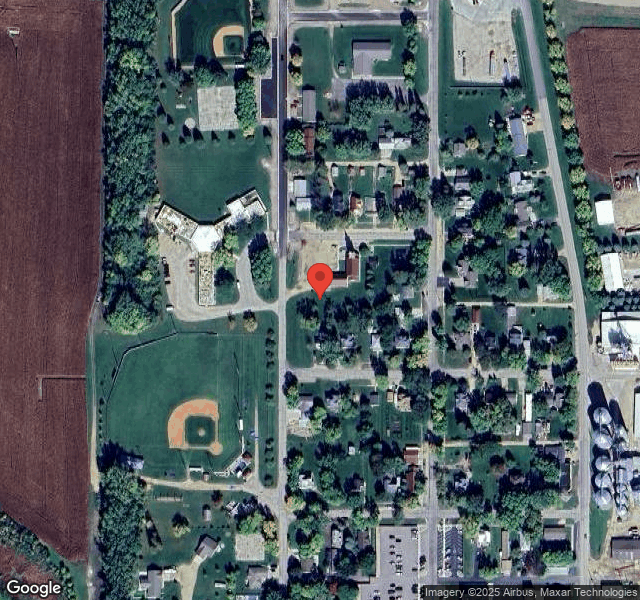
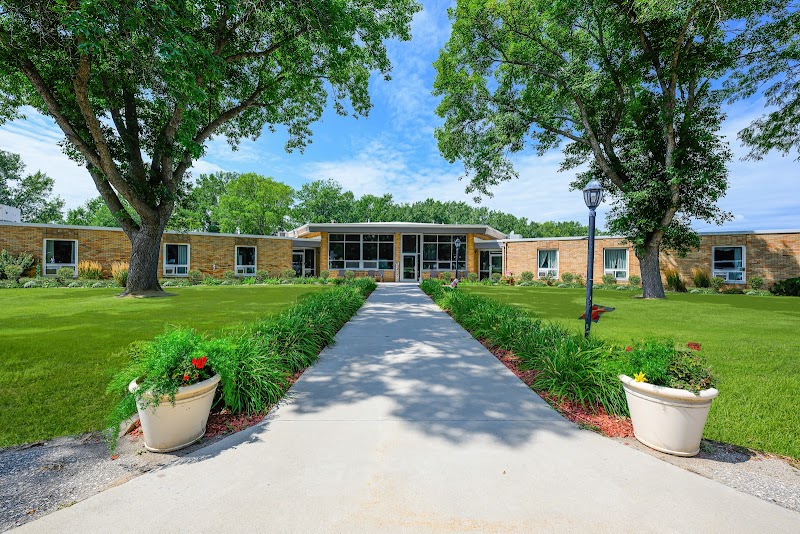
803 PARK STREET, LAKE NORDEN, SD 57248 (605) 785-3654
For profit - Limited Liability company 48 Beds LEGACY HEALTHCARE Data: November 2025
Trust Grade
83/100
#1 of 95 in SD
Last Inspection: March 2025

Within standard 12-15 month inspection cycle. Federal law requires annual inspections.

Overview

Avantara Lake Norden has a Trust Grade of B+, which means it's recommended and above average in quality. It ranks #1 out of 95 nursing homes in South Dakota, indicating it is among the best options in the state, and #1 out of 2 in Hamlin County, meaning there is only one other local facility. The facility is improving, having reduced issues from 3 in 2023 to 1 in 2025. Staffing is rated average at 3 out of 5 stars, with a turnover rate of 52%, which is on par with the state average. However, the facility has incurred $10,647 in fines, which is typical compared to other facilities. They also have average RN coverage, which is concerning as RNs play a crucial role in patient care. Specific incidents noted include a failure to implement proper care to prevent a resident's pressure ulcer and inadequate infection control practices in shower rooms, which could lead to safety issues. Overall, while there are some strengths, families should be aware of these weaknesses as they consider this nursing home for their loved ones.

Trust Score
B+
83/100
In South Dakota
#1/95
Top 1%
Safety Record
Moderate
Needs review
Inspections
Getting Better
3 → 1 violations
Staff Stability
⚠ Watch
52% turnover. Above average. Higher turnover means staff may not know residents' routines.
Penalties
✓ Good
$10,647 in fines. Lower than most South Dakota facilities. Relatively clean record.
Skilled Nurses
✓ Good
Each resident gets 42 minutes of Registered Nurse (RN) attention daily — more than average for South Dakota. RNs are trained to catch health problems early.
Violations
✓ Good
Only 4 deficiencies on record. Cleaner than most facilities. Minor issues only.
★★★★★
5.0
Overall Rating
★★★☆☆
3.0
Staff Levels
★★★★☆
4.0
Care Quality
★★★★★
5.0
Inspection Score
Stable
2023: 3 issues
2025: 1 issues

The Good

  • 4-Star Quality Measures · Strong clinical quality outcomes
  • Full Sprinkler Coverage · Fire safety systems throughout facility
  • No fines on record

Facility shows strength in quality measures, fire safety.

The Bad

Staff Turnover: 52%

Near South Dakota avg (46%)

Higher turnover may affect care consistency

Federal Fines: $10,647

Below median ($33,413)

Minor penalties assessed

Chain: LEGACY HEALTHCARE

Part of a multi-facility chain

Ask about local staffing decisions and management

The Ugly 4 deficiencies on record

1 actual harm
Mar 2025 1 deficiency
MINOR (B)

Minor Issue - procedural, no safety impact

Deficiency F0657 (Tag F0657)

Minor procedural issue · This affected multiple residents

Based on observation, interview, record review, and policy review, the provider failed to ensure resident care plans were updated to accurately reflect the residents' abilities to use call lights effe...

Read full inspector narrative →
Based on observation, interview, record review, and policy review, the provider failed to ensure resident care plans were updated to accurately reflect the residents' abilities to use call lights effectively for five of five observed sampled residents (5, 18, 20, 21, and 23) with impaired cognition who resided in the memory care unit (MCU). Findings include: 1. Observation and interview on 3/18/25 at 9:35 a.m. and again on 3/19/25 at 1:38 p.m. with resident 5 revealed: *Resident 5 sat on the edge of her bed and her call light was attached to the curtain in the center of the room between the two beds on the opposite side of the room from her bed on her roommate's side of the room on both days. -Both call lights were on the same side of the room away from resident 5. -She was unsure if there was a call light. She looked around and stated, It wouldn't do me any good if I can't get to it. -She said she would go to the dining room when she needed something. Review of resident 5's electronic medical record (EMR) revealed: *Her Brief Interview for Mental Status (BIMS) assessment score was 4, which indicated she was severely cognitively impaired. *Her diagnosis included dementia (a decline in memory, thinking, and reasoning abilities that significantly impacts daily life) and amnesia (a loss of memory, either temporary or permanent, that can involve forgetting past events, personal information, or the inability to form new memories) *Her care plan included interventions that were initiated: -On 8/2/24 to Keep call light within reach when in bedroom or bathroom. -On 8/15/24 to [Keep] Call light within reach and provide reminders to use call light to ask for assistance. 2. Observation on 3/18/25 at 8:51 a.m. and again on 3/19/25 at 1:32 p.m. revealed resident 18's call light was clipped on the curtain in the center of the room approximately five feet from the floor inaccessible to the resident from the bed or chair on both days. Review of resident 18's EMR revealed: *Her BIMS score was 4, which indicated she was severely cognitively impaired. *She had a diagnosis of dementia. *Her care plan included interventions that were initiated: -On 5/15/24 to Keep call light within reach. -On 9/3/24 to Keep call light and personal items available and in reach. 3. Observation and interview on 3/18/25 at 8:53 a.m. with resident 20 revealed: *Resident 20 was lying in bed and his call light was clipped to the top left corner of his mattress near his head. -He was unsure how to get a nurse to come to his room. -When asked, he did not know where the call light was located. Review of resident 20's EMR revealed: *His BIMS score was 9, which indicated he was moderately cognitively impaired. *His diagnoses included dementia and seizures. *His care plan interventions included, Keep call light within reach, initiated on 9/30/24. *A 2/22/25 progress note, indicated Resident found by CNA [certified nursing assistant] after she heard something. He was sitting on [his] buttocks on [the] floor. Stated he was reaching for water .Call light clipped to wall .Did not ring for assistance. *A physician's order May have silent alarm to alert staff without alarming him, was dated 2/24/25 and discontinued on 3/18/25. 4. Observation on 3/18/25 at 8:47 a.m. and again on 3/19/25 at 1:30 p.m. with resident 21 revealed: *Resident 21's call light was clipped to the curtain in the center of the room between the two beds, which was inaccessible to the resident from his bed on both days. Review of resident 21's EMR revealed: *His BIMS score was 3, which indicated he was severely cognitively impaired. *He had a diagnosis of dementia. *His care plan interventions included, Keep call lights within reach when in bedroom or bathroom, initiated on 4/26/21. 5. Observation and interview on 3/18/25 at 8:57 a.m. and again on 3/19/25 at 1:33 p.m. with resident 23 revealed: *Resident 23's call lights were clipped to themselves on the wall in the center of the room on both days and were inaccessible to the resident. -She stated she did not know if there was a button to push if she needed help and she would just go out in the hallway and call for help. Review of resident 23's EMR revealed: *Her BIMS score was 4, which indicated she was severely cognitively impaired. *She had a diagnosis of dementia. *Her care plan interventions included, Keep call light within reach when in room or bathroom, encourage to use and to wait for assistance. Doesn't always understand/remember to use. Keep call lights within reach when in bedroom or bathroom initiated on 9/3/21. 6. Interview on 3/19/25 at 10:50 a.m. CNA F revealed: *Some residents in the MCU knew how to use their call lights but many did not. *One resident had a silent alarm that alerted staff when she got out of bed. *Resident 20's silent alarm was discontinued yesterday (3/18/25). 7. Interview on 3/19/25 at 2:51 p.m. with Alzheimer's care director D regarding resident call lights on the memory care unit revealed: *Residents in the MCU never used their call lights. *They tried to keep the call lights close by in case the staff needed to use them. -Staff also used radios to call for help when needed. *She declined to look at the call lights in specific resident rooms and stated, I know where they are. -She stated some call lights were clipped on the curtain and others were clipped to themselves at the wall. *Some call lights were intentionally left out of reach of the residents for safety reasons. *She was not responsible for the care plan areas that had indicated to leave resident call lights within reach of the residents. -She indicated the Minimum Data Set (MDS) coordinator would have completed that specific part of the residents' care plans. *She expected the care plan would indicate that the call lights were within reach for staff. *She expected the care plans to represent the residents' abilities. *Resident 5 might have moved the call light herself when she made her bed. *Resident 18 was unable to use a call light to request assistance. Staff were to anticipate her needs. *She was unsure if resident 20 knew what the call light was. *Resident 23 may have clipped her call light to the wall because she removed pictures from the walls and moved items around in her room. 8. Interview on 3/19/25 at 3:17 p.m. with MDS coordinator E revealed: *She completed the resident care plan areas related to activities of daily living, mobility, and toileting. *Information was updated in the resident's care plan with every assessment. *She made sure to add that call lights were within reach in the bathroom or within their room to every care plan. -She had been told it needed to be on every care plan regardless of the resident's ability. *She felt the residents' care plans should be a reflection of the resident's needs and be person-centered. *She had not worked in a facility with a memory care unit before working at this facility. *She was unaware that the call lights in the memory care unit would sometimes be intentionally placed out of reach of the resident for safety reasons. *If call lights were determined to be a safety risk to the resident that should have been indicated on the care plan. 9. Interview on 3/19/25 at 3:40 p.m. with administrator A, director of nursing B, and regional nurse consultant G revealed: *They expected the care plans would accurately reflect the residents' individualized needs. *Some residents in the MCU might not be able to use their call lights. *It was possible that the call light could present a safety hazard to a resident in the memory care unit. Review of the provider's revised 9/30/24 Care Plans policy revealed: *Individual, resident-centered care planning will be initiated upon admission and maintained by the interdisciplinary team throughout the resident's stay to promote optimal quality of life while in residence. In doing so the following considerations are made: Each resident is an individual . *Care Plans should be updated between care conferences to reflect the current care needs of the individual resident as changes occur.
Nov 2023 2 deficiencies
CONCERN (D)

Potential for Harm - no one hurt, but risky conditions existed

Deficiency F0658 (Tag F0658)

Could have caused harm · This affected 1 resident

**NOTE- TERMS IN BRACKETS HAVE BEEN EDITED TO PROTECT CONFIDENTIALITY** Based on observation, interview, and record review the provider failed to ensure a Foley catheter change was completed per a phy...

Read full inspector narrative →
**NOTE- TERMS IN BRACKETS HAVE BEEN EDITED TO PROTECT CONFIDENTIALITY** Based on observation, interview, and record review the provider failed to ensure a Foley catheter change was completed per a physician's order for one of one sampled resident (93). Findings included: 1. Observation and interview on 11/14/23 at 9:05 a.m. with resident 93 revealed: *He was in his room sitting in a recliner watching television. *There was a catheter drainage bag hanging below his waist attached to the recliner and covered with a blue bag. *The urine in the catheter bag was concentrated and dark yellow. *There was sediment in the urine and the catheter tubing. *He stated he was seen by a urologist. *The staff were good about emptying the urine from the drainage bag and completed catheter care every morning and evening. *He could not recall if the nursing staff had changed his Foley catheter since he arrived at the facility a couple of months ago. Review of resident 93's electronic medical record (EMR) revealed: *He was admitted on [DATE]. *He had a Brief Interview for Mental Status (BIMS) score of 14 indicating he was cognitively intact. *His diagnoses included urine retention. *Physician orders included the following: -Change catheter monthly and PRN [as needed] every night shift starting on the 1st and ending on the 1st of every month. initiated on 10/5/23 to start on 11/1/23. -Foley catheter 16 French with 10 cc balloon. change if becomes dysfunctional or if sterility is compromised. Initiated on 9/9/23. -Change Foley catheter per facility protocol or MD order Initiated on 09/09/2023. -Monitor urine/catheter output every shift Initiated on 09/09/2023. -Follows urology, [name of urologist], change catheter monthly Initiated on 09/21/2023. *A review of his care plan revealed: -He had an alteration in bladder functioning related to urinary retention with a Foley catheter. -On 9/29/23 they attempted to discontinue the catheter, but he was unable to void (urinate), and the catheter was reinserted. *A review of his November 2023 treatment record revealed: -Change catheter monthly and PRN every night shift starting on the 1st and ending on the 1st of every month with a start date of 11/1/2023 had been listed to have been completed on 11/1/23 but it was not initialed or documented that it had or had not been completed. Interview on 11/16/23 at 10:53 a.m. with the director of nursing (DON) B regarding a missed Foley catheter change for resident 93 revealed: *They had removed his Foley catheter on 9/29/23 per the physician's order and had to replace it because he could not void. *Urology ordered catheter changes monthly for resident 93 on 10/5/23. *His Foley catheter change was scheduled on the 1st of November, and had not been documented as completed. *She was not sure why his Foley catheter change was not completed on the 1st of November as scheduled or within 48 hours after, she had been gone. *Perhaps he refused as they were in a COVID outbreak at that time. *Her day nurse from November 1st reported she had not changed the catheter, and the night nurse was home sleeping and could not be reached. *She had the day nurse change his Foley catheter on 11/16/23 and sent an order/notification to urology that it had been changed late. *Nurses were alerted to tasks due through the dashboard in the PointClickCare EMR system. *If the treatment was not completed it continued to show up for 48 hours as not done until the task was completed and then would fall off the dashboard alerts. *If the treatment was not done within 48 hours, they fell off the dashboard alerts. *She or the assistant director of nursing (ADON) checked missed tasks daily. *She expected that if a treatment was due and it was not completed when scheduled it would have been documented as to the reason why it was not completed, the physician was notified with new orders, and for the scheduled task to have been completed at another time. Interview on 11/16/23 at 11:25 a.m. with registered nurse (RN) D regarding the missed Foley catheter change for resident 93 revealed: *Treatments or tasks scheduled during shifts were located on the resident's treatment administration record and were highlighted on the dashboard in the EMR. *If the scheduled treatment or task was not signed off, it did not go away and hung out on the dashboard in the EMR. *If a nurse had not completed a scheduled treatment, it would have been documented as to why in the EMR, they would have notified the physician by a facsimile (fax), notified the DON or ADON, rescheduled or had the ADON reschedule the treatment in the EMR and reported it to the next shift. *If the above process was not completed then it would have stayed on the treatment record until it was completed. *There was a way to set up treatment orders in the system to have the system continue to notify on the dashboard until the treatment was signed off. *Typically, urology ordered Foley catheter changes every 30 days. Interview on 11/16/23 at 12:40 p.m. with the assistant director of nursing (ADON) C regarding a missed Foley catheter change revealed: *Foley Catheters scheduled to be changed were all set up on the resident's treatment administration record in the EMR per the physician's order. *Most physician's ordered routine Foley catheter changes and the urologists wanted the Foley catheters changed monthly. *Foley catheters scheduled to have been changed alerted the nurses by popping up on the treatment record dashboard in the EMR. *If the Foley catheter change was not completed for some reason on the scheduled date the nurses should have passed it on through the shift change report with the next shift. *She would have expected the missed Foley catheter change to have been reported to the physician and rescheduled in the treatment administration record. *They typically had not had any issues with missed treatments. *His Foley catheter change was missed due to the COVID outbreak all the staff were busy. *She had planned to look at the system and find a way for treatments to not fall off the EMR dashboard alert until completed.
CONCERN (E)

Potential for Harm - no one hurt, but risky conditions existed

Infection Control (Tag F0880)

Could have caused harm · This affected multiple residents

Based on observation, interview, and policy review the provider failed to ensure necessary infection control practices in one of two shower rooms that included: *Maintenance of a plastic three drawer ...

Read full inspector narrative →
Based on observation, interview, and policy review the provider failed to ensure necessary infection control practices in one of two shower rooms that included: *Maintenance of a plastic three drawer towel and washcloth storage bin. *An appropriate and sanitary process for the removal of and transport of bowel movement(s) occurring during showering. *Appropriate care and maintenance of a multi-resident use foot soak basin. *Appropriately individualized resident identified personal hygiene products. Findings include: 1. Observation and interview on 11/15/23 at 2:35 p.m. with certified nursing assistant (CNA) E regarding cleaning the shower room revealed: *The shower room was in the south hallway and was used by all residents except for those residents who resided in the memory care unit. *The shower room was a 6 x 6 feet room with no toilet, sink, or hand sanitizer dispenser. *From the doorway at the back right wall was a shower head, with a commode-style shower chair and a floor drain under it. *Approximately 1.5 feet to the left of the shower chair was a three-drawer plastic storage bin with towels and washcloths stored in it. -The storage bin was observed as black at one time but now was covered in a white hard water build-up from the shower water. -The storage bin had approximately one-fourth to one-half inch of white hard water build-up inside the handles and along the left bottom edge from the shower water. *On the floor in front of the storage bin was an empty white ice cream bucket. *On the left wall above the storage bin was a wood cabinet and when opened it contained a box of gloves and more than a dozen assorted bottles and tubes of personal hygiene products consisting of baby powders, barrier cream, lotions, body washes, deodorants, shampoos, and conditioners. -None of the above containers were labeled with the resident's names. *Stored on top of the wood cabinet approximately one-half inch below the ceiling was a pink plastic basin and sitting inside of that basin was a gray bucket. *Hanging off the top edge of the cabinet were three disinfectant spray bottles. *On the wall between the shower and the plastic storage bin was a laminated instruction sheet for cleaning the shower that included a three-minute disinfectant contact time. -The instruction sheet had no instructions for cleaning the storage bin, pink basin or buckets. *She was able to refer to the shower cleaning instructions on the wall and demonstrate appropriate shower cleaning. *When asked about cleaning the storage bin next to the shower she reported she had not cleaned it when she cleaned the shower and confirmed the shower cleaning instructions on the wall did not include cleaning it. *She stated the ice cream bucket on the floor was used by CNAs to put under the commode chair if a resident had a bowel movement during their shower and she used it to put her wet washcloths in to take to the soiled laundry. *She stated the bucket used for residents having a bowel movement during their showers was taken to either the bathroom outside the shower room or the soiled utility room around the corner and down the hall to discard the feces. *When asked how the bucket was transported, she denied having bags or a lid for the bucket. *She stated she cleaned the bucket with the same disinfectant spray they used for the shower. *She denied receiving any training on how to remove the feces in the bucket from the shower room or how to clean that bucket. *When asked about the pink basin on top of the cabinet she stated they used it to soak residents' feet before trimming their toenails. *She reported that the pink basin was cleaned with the same spray bottle of disinfectant used to clean the shower and denied receiving any training on how the basin was to have been cleaned between each resident. *When asked about the personal hygiene products inside the cabinet she reported they belonged to multiple residents and were used during their showers and despite that there was no resident's names on those products she stated she sort of knew what belonged to the residents. Observation and interview on 11/15/23 at 3:00 p.m. with the director of nursing (DON) B in the shower room revealed: *All CNAs were responsible for giving their assigned residents showers during their scheduled shifts. *The instructions for shower cleaning were on the wall and they were to also clean the outside of the storage bin when they cleaned the shower between residents. *The white build-up on the storage bin was from the hard water and they replaced the storage bin several times. -She agreed the build-up in the drawer handles was a concern for the shower water leaking into the drawers and contaminating the clean towels and wash clothes. *She stated the plastic bin on top of the cabinet was for soaking resident's feet before clipping their toenails and the gray bucket sitting inside of it was to have been placed under the commode chair if a resident was having a bowel movement while taking a shower so the feces would not go down the water drain and clog it. *She stated the pink basin was cleaned with the same disinfectant spray they used to clean the shower and denied that there were instructions posted in the room or a policy instructing on how to clean the basin used for multiple residents. *She stated a biohazard bag could have been placed in the gray bucket before a resident had a bowel movement and then tied to transport it to the soiled utility room for disposal. *She agreed there were no biohazard bags or lids for the bucket stored in the shower room. *She agreed hand hygiene would have been difficult to maintain in the shower room as there was no handwashing sink and no hand sanitizer in that room. *She agreed the personal products located in the cabinet should have residents' names on them and posed a concern for cross-contamination. *She was not aware of how staff were using the white ice cream bucket located on the floor next to the storage bin with clean towels and washcloths. Interview on 11/16/23 at 12:40 p.m. with assistant director of nursing (ADON) C regarding infection control and the shower room revealed: *She was the infection preventionist. *She had a Centers for Disease Control (CDC) infection preventionist training certificate with a completion date of 1/31/2022. *CNAs received training on showering residents during their CNA course. *She had not trained or monitored staff for infection prevention in the shower room. *She had not made rounds or performed any spot checks in the shower room. *Housekeepers have a routine cleaning schedule for deep cleaning, and it included the shower room. *If the housekeepers had seen something that was not cleaned in the shower room, they would have let the appropriate person know. *The storage bin next to the shower was to have been cleaned when the shower was cleaned. *She agreed the shower cleaning instructions posted in the shower did not include spraying disinfectant and wiping down the storage bin. *She agreed the drawers of the storage bin were not leakproof and agreed that shower water leaking into the drawers and onto the clean towels and washcloths was an infection control concern. *She stated the buckets in the shower room were used if residents had a bowel movement while they were in the shower. *There was no process in place for transporting that bucket from the shower room to the utility room. *She stated staff could use a bag and then take it to the soiled utility room down the hall with the hopper and throw the bag away. *She had not placed bags in the shower room or developed a process for staff to follow. *She agreed leaving the shower room with a bucket of feces that was not covered with a bag or lid did not follow the infection control process. *The pink basin on top of the cupboard was for soaking residents' feet before clipping toenails. *Basins could be a one-time use or could have been used for more than one resident if the staff would disinfect it with the same spray, they used to clean the shower. *She does not train staff on cleaning basins after use or between multiple residents use. *She expected that the dozen or more personal hygiene products stored in the cabinet were to have been labeled with the resident's name. *She agreed that since they were not labeled, there was the potential that the personal hygiene products had been used on multiple residents and that was an infection control concern. A review of the provider's 1/24/23 Infection Prevention Program policy revealed: *The goals of the infection prevention and control program are to: -A. Decrease the risk of infection to residents and personnel. -B. Prevent, to the extent possible, the onset and spread of infection. -C. Monitor for occurrence of infection and control outbreaks and cross-contamination. -D. Monitor for the occurrence of infection and implement appropriate control measures. -E. Identify and correct problems related to infection prevention practices. -F. Maintain compliance with state and federal regulations and standards of practice relating to infection prevention and control. *The facility-wide comprehensive infection prevention and control program addresses detection, prevention, and control of infections among residents and personnel. It is designed to provide a safe, sanitary, and comfortable environment and to help prevent the development and transmission of communicable diseases for all.
Jan 2023 1 deficiency 1 Harm
SERIOUS (G)

Actual Harm - a resident was hurt due to facility failures

Pressure Ulcer Prevention (Tag F0686)

A resident was harmed · This affected 1 resident

Based on observation, interview, record review, and policy review, the provider failed to put appropriate interventions in place for one of two sampled resident (289) to prevent a pressure ulcer from ...

Read full inspector narrative →
Based on observation, interview, record review, and policy review, the provider failed to put appropriate interventions in place for one of two sampled resident (289) to prevent a pressure ulcer from developing. Findings include: 1. Observation and interview on 1/18/23 at 11:49 a.m. revealed resident 289: *Was sitting in a recliner in his room with his legs elevated and a heel boot on his left foot. *Stated he had a wound on his heel. *Reported displeasure that it had developed since he moved into the nursing home. 2. Observation on 1/18/23 at 3:49 p.m. of registered nurse (RN) F changing the dressing on resident 289's heel revealed: *She described it to the resident as a nickel size compared to a quarter and then stated to this surveyor that it could not be staged (rated based on how deep the wound was) because of the eschar (dead tissue covering the wound). Review of the nursing admission documentation on 11/16/22 in the electronic medical record (EMR) for resident 289 revealed: *A nursing-admission/readmission UDA (user defined assessment) at 11:44 a.m. by RN E noted a skin alteration to his left trochanter (hip) and a score of six (meaning high risk) on the Braden Scale [a standardized tool to assess pressure ulcer risk] based in part on: -No sensory impairment that would limit his ability to feel or voice pain or discomfort. -Spends majority of each shift in bed or chair. -Requires minimum assistance to move causing a potential problem with friction to the skin when repositioning in bed or in the chair. *An admission summary progress note (PN) at 6:46 p.m. by RN E noted he was admitted after a recent fall with a left hip fracture that required surgical repair. *A late entry PN at 8:58 p.m. by director of nursing (DON) B reported an admission bed bath was completed. There was no notation regarding skin condition in that note. Further review of the EMR revealed: *A skin alteration evaluation on 11/18/22 at 8:10 p.m. by RN F noted resident 289's left heel had redness. No measurements of the redness were noted on that evaluation. *A change of condition PN on 11/21/22 at 11:56 a.m. by DON B reported: -A certified nursing assistant (CNA) informed her that resident 289's left heel was breaking down. -DON B observed resident 289 sitting in his recliner, with both legs elevated. Heels do not touch recliner. -Resident 289 reported he had pin point [sic] pain to his feet all the time. -The heel had intact skin with a localized area of persistent non blanch able [sic] deep red area measuring 10cm (centimeters) x (by) 5cm with increased warmth surrounding a maroon/purple centered wound bed and area of fluid filled blister that is clear that measures 8.1cm x 3.6cm. Will suspend heel with off loading [sic] boot. *A skin evaluation on 11/21/22 at 1:53 p.m. by licensed practical nurse (LPN) D noted: -The Braden Scale score was 17, which was still considered high risk. -Resident has alteration in skin integrity. -The pressure ulcer section was blank. -The Additional Skin/Treatment Note stated, See skin alteration evaluation assessment. No other skin conditions noted at this time. *An admission summary PN on 11/21/22 at 6:14 p.m. by DON B noted resident 289 resists all movement made to left leg. Although he refused to allow off loading [sic] heel boots before due to discomfort, he states he will give it another try. *A skin alteration evaluation on 11/22/22 at 8:10 p.m. by RN F noted the left heel pressure ulcer with an onset date of 11/21/22 using the same description as noted in the 11/21/22 PN by DON B. Review of resident 289's care plan revealed: *A focus for fluctuating blood sugars with increased risk for skin breakdown was initiated on 11/19/22 but there were no interventions to address the left heel redness discovered on 11/18/22. *A focus for the left heel pressure ulcer was initiated on 11/28/22 with interventions initiated on: -11/28/22 to alert nurse of skin breakdown or potential for skin breakdown noted while completing ADL's (activities of daily living) -12/14/22 for heel boots as he will allow, encourage not to wear left shoe. Interview on 1/19/23 at 12:51 p.m. with Resident Assessment Instrument/Minimum Data Set (RAI/MDS) assessment coordinator C to clarify the timing of the skin evaluation and skin alteration evaluation related to resident 289's pressure ulcer revealed she would attempt to provide a timeline of the development of it and documented interventions to prevent it. Follow-up interview on 1/19/23 at 3:52 p.m. with RAI/MDS coordinator C revealed we cannot find any documented interventions between the skin alteration evaluations on 11/18/22 noting the left heel redness and on 11/22/22 noting the unstageable left heel pressure ulcer. Review of the Skin Program policy with a revision date of April 2021 revealed: *A baseline assessment of the resident's skin status would have been completed upon admission by completing the Nursing admission assessment, which includes a physical exam of the resident's skin. *Nursing personnel will utilize the results of the physical exam and the Pressure Injury Assessment tools to determine an individualized pressure injury prevention program for each at-risk resident. *A comprehensive wound assessment will be completed when a pressure injury is identified. *When a pressure injury is identified, a Skin Evaluation UDA should be completed. *Following identification of a skin issue, the Skin Alteration Evaluation UDA will be completed weekly until resolved. *Nursing personnel will develop a plan of care with interventions consistent with resident and family preferences, goals and abilities, to create an environment to the resident adherence to the pressure injury prevention/treatment plan. Routine skin checks will be completed weekly and recorded on the Skin Evaluation UDA. Nursing personnel who will be providing care for the resident will receive pressure injury training, to include checking potential pressure areas and recognize pressure injuries in 'at-risk' residents, (skin-reddening that does not disappear after pressure removed) and instructed to notify the nurse when this is observed.
Understanding Severity Codes (click to expand)
Life-Threatening (Immediate Jeopardy)
J - Isolated K - Pattern L - Widespread
Actual Harm
G - Isolated H - Pattern I - Widespread
Potential for Harm
D - Isolated E - Pattern F - Widespread
No Harm (Minor)
A - Isolated B - Pattern C - Widespread

Questions to Ask on Your Visit

  • "Can I speak with families of current residents?"
  • "What's your RN coverage like on weekends and overnight?"

Our Honest Assessment

Strengths
  • • Grade B+ (83/100). Above average facility, better than most options in South Dakota.
Concerns
  • • 4 deficiencies on record, including 1 serious (caused harm) violation. Ask about corrective actions taken.
  • • $10,647 in fines. Above average for South Dakota. Some compliance problems on record.
Bottom line: Generally positive indicators. Standard due diligence and a personal visit recommended.

About This Facility

What is Avantara Lake Norden's CMS Rating?

CMS assigns AVANTARA LAKE NORDEN an overall rating of 5 out of 5 stars, which is considered much above average nationally. Within South Dakota, this rating places the facility higher than 99% of the state's 100 nursing homes. This rating reflects solid performance across the metrics CMS uses to evaluate nursing home quality.
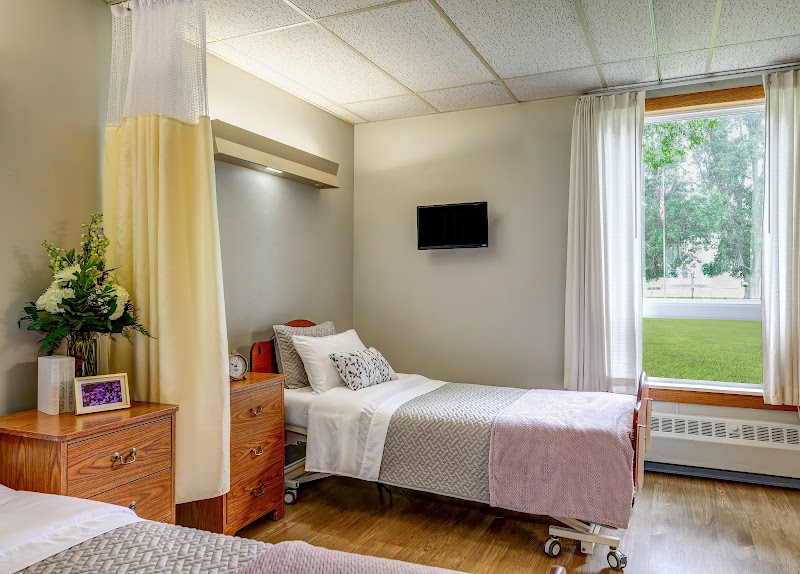
How is Avantara Lake Norden Staffed?

CMS rates AVANTARA LAKE NORDEN's staffing level at 3 out of 5 stars, which is average compared to other nursing homes. Staff turnover is 52%, compared to the South Dakota average of 46%.

What Have Inspectors Found at Avantara Lake Norden?

State health inspectors documented 4 deficiencies at AVANTARA LAKE NORDEN during 2023 to 2025. These included: 1 that caused actual resident harm, 2 with potential for harm, and 1 minor or isolated issues. Deficiencies causing actual harm indicate documented cases where residents experienced negative health consequences.
Who Owns and Operates Avantara Lake Norden?

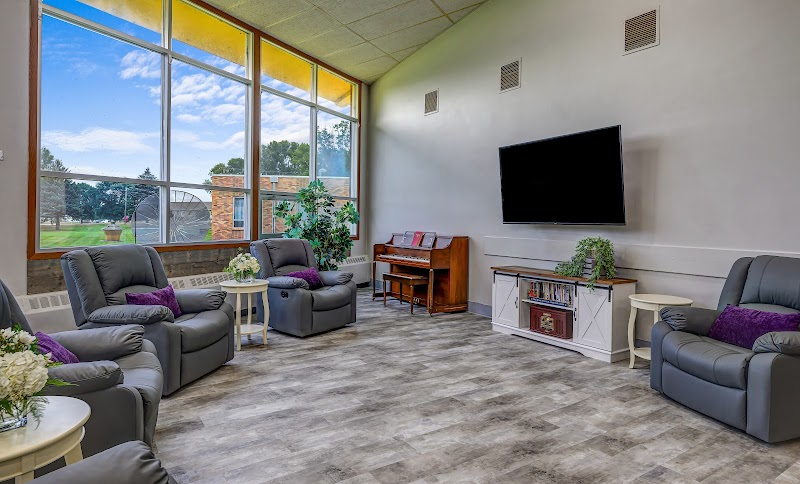
AVANTARA LAKE NORDEN is owned by a for-profit company. For-profit facilities operate as businesses with obligations to shareholders or private owners. The facility is operated by LEGACY HEALTHCARE, a chain that manages multiple nursing homes. With 48 certified beds and approximately 46 residents (about 96% occupancy), it is a smaller facility located in LAKE NORDEN, South Dakota.
How Does Avantara Lake Norden Compare to Other South Dakota Nursing Homes?

Compared to the 100 nursing homes in South Dakota, AVANTARA LAKE NORDEN's overall rating (5 stars) is above the state average of 2.7, staff turnover (52%) is near the state average of 46%, and health inspection rating (5 stars) is much above the national benchmark.

What Should Families Ask When Visiting Avantara Lake Norden?

Based on this facility's data, families visiting should ask: "Can I visit during a mealtime to observe dining assistance and food quality?" "How do you handle medical emergencies, and what is your hospital transfer rate?" "Can I speak with family members of current residents about their experience?"

Is Avantara Lake Norden Safe?

Based on CMS inspection data, AVANTARA LAKE NORDEN has a clean safety record: no substantiated abuse findings (meaning no confirmed cases of resident harm), no Immediate Jeopardy citations (the most serious violation level indicating risk of serious injury or death), and is not on the Special Focus Facility watch list (a federal program monitoring the lowest-performing 1% of nursing homes). The facility has a 5-star overall rating and ranks #1 of 100 nursing homes in South Dakota. While no facility is perfect, families should still ask about staff-to-resident ratios and recent inspection results during their visit.

Do Nurses at Avantara Lake Norden Stick Around?

AVANTARA LAKE NORDEN has a staff turnover rate of 52%, which is 6 percentage points above the South Dakota average of 46%. Moderate turnover is common in nursing homes, but families should still ask about staff tenure and how the facility maintains care continuity when employees leave.

Was Avantara Lake Norden Ever Fined?

AVANTARA LAKE NORDEN has been fined $10,647 across 1 penalty action. This is below the South Dakota average of $33,185. While any fine indicates a compliance issue, fines under $50,000 are relatively common and typically reflect isolated problems that were subsequently corrected. Families should ask what specific issues led to these fines and confirm they've been resolved.

Is Avantara Lake Norden on Any Federal Watch List?

AVANTARA LAKE NORDEN is not on any federal watch list. The most significant is the Special Focus Facility (SFF) program, which identifies the bottom 1% of nursing homes nationally based on persistent, serious quality problems. Not being on this list means the facility has avoided the pattern of deficiencies that triggers enhanced federal oversight. This is a positive indicator, though families should still review the facility's inspection history directly.