SCOTCHMAN LIVING CENTER
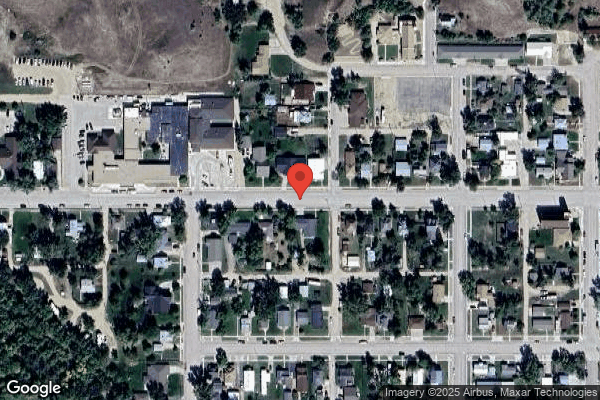
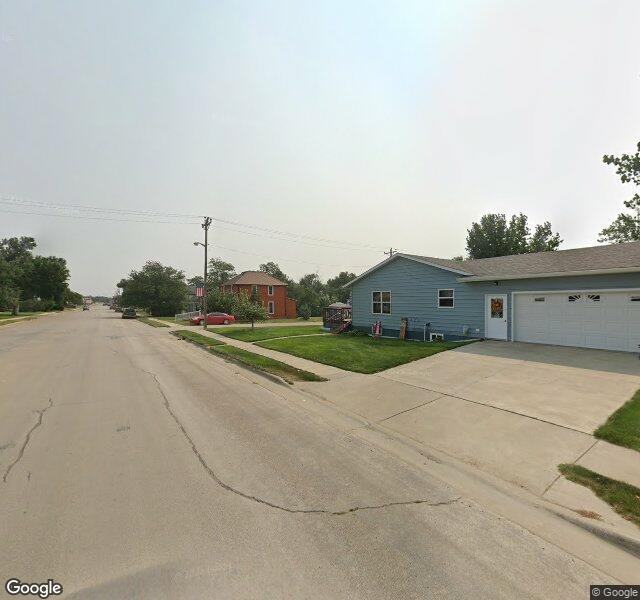
503 WEST PINE, PHILIP, SD 57567 (605) 859-2583
Non profit - Corporation 42 Beds Independent Data: November 2025
Trust Grade
0/100
#92 of 95 in SD
Last Inspection: December 2024

Within standard 12-15 month inspection cycle. Federal law requires annual inspections.

Overview

Scotchman Living Center in Philip, South Dakota has received a Trust Grade of F, indicating significant concerns about the facility's care quality. Ranking #92 out of 95 in the state places it in the bottom half of nursing homes, although it is the only option in Haakon County. While the facility is improving, with issues decreasing from 8 in 2024 to 1 in 2025, there are still serious concerns, including $77,730 in fines, which is higher than 94% of other South Dakota facilities. Staffing is a relative strength, with a 4/5 star rating and better RN coverage than 79% of state facilities, but the facility has faced serious incidents, such as a resident falling and sustaining head trauma due to improper assistance and another resident developing a wound from neglect during a transfer. Families should weigh these strengths against the significant issues reported when considering this nursing home for their loved ones.

Trust Score
F
0/100
In South Dakota
#92/95
Bottom 4%
Safety Record
High Risk
Review needed
Inspections
Getting Better
8 → 1 violations
Staff Stability
⚠ Watch
51% turnover. Above average. Higher turnover means staff may not know residents' routines.
Penalties
⚠ Watch
$77,730 in fines. Higher than 86% of South Dakota facilities, suggesting repeated compliance issues.
Skilled Nurses
✓ Good
Each resident gets 67 minutes of Registered Nurse (RN) attention daily — more than 97% of South Dakota nursing homes. RNs are the most trained staff who catch health problems before they become serious.
Violations
⚠ Watch
13 deficiencies on record. Higher than average. Multiple issues found across inspections.
★☆☆☆☆
1.0
Overall Rating
★★★★☆
4.0
Staff Levels
★☆☆☆☆
1.0
Care Quality
★★☆☆☆
2.0
Inspection Score
Stable
2024: 8 issues
2025: 1 issues

The Good

  • 4-Star Staffing Rating · Above-average nurse staffing levels
  • Full Sprinkler Coverage · Fire safety systems throughout facility
  • No fines on record

Facility shows strength in staffing levels, fire safety.

The Bad

1-Star Overall Rating

Below South Dakota average (2.7)

Significant quality concerns identified by CMS

Staff Turnover: 51%

Near South Dakota avg (46%)

Higher turnover may affect care consistency

Federal Fines: $77,730

Well above median ($33,413)

Moderate penalties - review what triggered them

The Ugly 13 deficiencies on record

4 actual harm
Jan 2025 1 deficiency 1 Harm
SERIOUS (G) 📢 Someone Reported This

A family member, employee, or ombudsman was alarmed enough to file a formal complaint

Actual Harm - a resident was hurt due to facility failures

Accident Prevention (Tag F0689)

A resident was harmed · This affected 1 resident

**NOTE- TERMS IN BRACKETS HAVE BEEN EDITED TO PROTECT CONFIDENTIALITY** Based on South Dakota Department of Health (SD DOH) facility reported incident (FRI), interview, record review, and policy revie...

Read full inspector narrative →
**NOTE- TERMS IN BRACKETS HAVE BEEN EDITED TO PROTECT CONFIDENTIALITY** Based on South Dakota Department of Health (SD DOH) facility reported incident (FRI), interview, record review, and policy review, the provider failed to ensure the safety of one of one sampled resident (1) who fell, suffered head trauma, and required emergency room (ER) treatment when one of one certified nursing assistant (CNA) (B) failed to use a gait belt as directed in the resident's care plan while assisting the resident to the bathroom. Failure to use the gait belt potentially contributed to resident 1's fall which resulted in an injury that required treatment at the ER. This citation is considered past non-compliance based on review of the corrective actions the provider implemented following the incident. Findings include: 1. Review of the provider's 1/10/25 SD DOH FRI regarding resident 1 revealed: *She was walking with her walker and certified nursing assistant (CNA) B to get dressed for the day. *She did not have a gait belt on. *She fell backward and hit her head on her end table, which caused a laceration to the back of her head. *She was transferred to the emergency room (ER) and her laceration was closed with eight staples. *On 1/10/25 following the above incident CNA B was provided immediate education regarding gait belt use. Resident 1 was out of the facility and not available for observation or interview at the time of the survey. Interview on 1/27/25 at 11:32 a.m. with director of nursing (DON) A revealed: *Resident 1 was impulsive and at times would not wait for CNAs to assist her before she started walking. *It was her expectation that staff were to use a gait belt when ambulating resident 1. *Education on gait belt use had been provided to all staff after the 1/10/25 incident. Interview on 1/27/25 at 12:15 p.m. with registered nurse (RN) C revealed: *Staff had been provided education on gait belt use that included: -When to use a gait belt. -When to put on and take off a gait belt. -The use of gait belts to transfer residents that had fallen. Review of resident 1's electronic medical record (EMR) revealed: *She was admitted on [DATE]. *Her diagnoses included: dementia, Parkinson's disease with dyskinesia (involuntary muscle movements) with fluctuations, and abnormalities of gait and mobility. *On her 10/21/24 Fall Risk Evaluation she had a fall risk score of 17, which indicated she had a high risk for falls. *Review of resident 1's 1/27/25 care plan revealed: *She was identified to have a high risk for falls and had fallen multiple times. *She was able to ambulate with the use of a two-wheeled walker, gait belt, and stand-by staff assistance. *She required staff supervision for walking all distances while using her walker. Review of resident 1's ER notes revealed: *She was seen on 1/10/25 at 9:00 a.m. related to her fall. -She had a laceration to the right back side of her head. -She did not have a loss of consciousness. *She was discharged back to the facility on 1/10/25 at 9:45 a.m. with the following orders: -Staples to be removed in 7 days. -For the next 48 hours perform neuro check every 4 hours x4 [4 times] then every 8 hours along with monitoring vitals-if any changes in pupils, speech, vomiting, etc patient needs to be re-evaluated. Review of CNA B's employment and training records revealed: *She was hired on 7/21/21. *On 1/20/25 she had attended the provider's Team Meeting. Review of the provider's 1/20/25 Team Meeting information revealed: *A portion of that meeting addressed gait belt usage. *It indicated Always use a gait belt with resident transfers and ambulation. Do not take shortcuts! Review of the provider's 9/16/23 Fall and Fall Prevention policy revealed: *Residents who are High Risk [for falls] should utilize a gait belt with transfers and ambulation. -Apply gait belt securely around resident's waist. -One hand should be secured on gait belt with ambulation. The provider's implemented actions to ensure the deficient practice does not reoccur was confirmed on 1/27/25 after record review revealed: *DON A provided immediate education on 1/10/25 to CNA B after the fall regarding resident 1's need for a gait belt with transfers and ambulation. *Education was provided to all nursing care staff on 1/20/25 regarding gait belt use with transfers and ambulation as well as the need to follow residents' individualized care plans. *Staff interviews on 1/27/25 revealed the staff understood the education that had been provided. *Observations on 1/27/25 revealed staff were using gait belts with resident transfers and ambulation. *DON A audited to ensure staff were using gait belts with residents when walking them. *Resident falls and reportable incidents were reviewed through their Quality Assurance program. Based on the above information, non-compliance at F689 occurred on 1/10/25, and based on the provider's implemented corrective actions on 1/20/25 for the deficient practice confirmed on 1/27/25 the non-compliance is considered past non-compliance.
Dec 2024 7 deficiencies 2 Harm
SERIOUS (G)

Actual Harm - a resident was hurt due to facility failures

Free from Abuse/Neglect (Tag F0600)

A resident was harmed · This affected 1 resident

Based on interview, observation, and document review, the provider failed to protect one of one sampled resident's (4) right to be free from neglect by one of one certified nursing assistant (CNA) N w...

Read full inspector narrative →
Based on interview, observation, and document review, the provider failed to protect one of one sampled resident's (4) right to be free from neglect by one of one certified nursing assistant (CNA) N who had not followed the resident's care plan related to transferring (moving from one place to another) which resulted in an open wound on her leg. This citation is considered past non-compliance based on review of the corrective actions the provider implemented immediately following the incident. Findings include: 1. Interview on 12/17/24 at 3:42 p.m. with resident 4 revealed: *She was talking about her recent dermatology appointment. *When asked if she had any sores or wounds, she pulled up her left pant leg. *She said she got that wound on her leg over a year ago. *She explained that CNA N helped her into bed and her left leg got caught on something. -She got a skin tear from that accident. -CNA N transferred her using the pivot technique rather than with the full-body mechanical lift. -She said that [CNA N] was in a hurry. *She did not blame the CNA for the accident and was very complimentary of the care he provided. 2. Review of resident 4's electronic medical record revealed: *Her care plan included a total of seven interventions that mentioned the use of a Hoyer lift (a band of full-body mechanical lift) and/or a total lift. -Staff are to use [Hoyer] lift with all transfers. Initiated on 12/17/21. Revised on 6/12/23. -DRESSING: .Resident needs assist with staff member and Hoyer lift for dressing abilities. Initiated on 10/23/17. Revised on 4/1/23. -TRANSFER: The resident is fully dependent on staff with [Hoyer] lift for all transfers with two staff at all times. Initiated on 10/23/17. Revised on 11/6/22. -TOILET USE: The resident utilizes a total lift with 2 staff for toileting needs. Initiated on 10/23/17. Revised on 11/6/22. -Resident utilizes Tena products [a brand of incontinence products] to promote ability to toilet with Hoyer lift. Initiated on 6/12/18. Revised on 11/6/22. -Resident uses [Hoyer] lift for transfers, however at times she refuses due to the amount of time it takes to hook up resident and transfer. Initiated on 6/26/19. Revised on 2/27/24. -Tena product utilized for [incontinence] and availability to change product while utilizing a [Hoyer] lift. Initiated on 10/23/17. Revised on 11/6/22. *Her 9/19/24 quarterly Minimum Data Set assessment indicated she had a Brief Interview for Mental Status score of 15, indicating she was cognitively intact. *There was a physician's order that read, Wound care to LEFT lower leg: clean w/ wound cleanser. Apply Bacitracin ointment [an antibiotic ointment]. Cover with collagen pad. Secure with bordered gauze. Change QOD [every other day]. [One] time a day on even days change after showering. *Progress note from 2/23/24 at 7:57 a.m. -Staff was transferring resident from her bed into her wheelchair using a pivot transfer, while transferring resident's left leg was cut open. A [four to five-inch] laceration noted to left lower extremity, gauze and paper tape applied to control bleeding. Assessed by wound care nurse, steri strips and mepilex applied. *She had a diagnosis of bullous pemphigoid, an autoimmune skin condition causing large, fluid-filled blisters. *At the time of the survey, the wound was still healing due to blisters forming in the wound area and continually opening per RN skin assessments. 3. Interview on 12/18/24 at 2:33 p.m. with registered nurse (RN) F about resident 4's skin revealed: *She remembered the accident where resident 4's skin on her left leg was torn due to an inappropriate transfer by a CNA. It happened on 2/23/24. *The resident's skin was very fragile due to a rare skin condition. -Her skin was a constant cycle of open and closed. -Resident 4 also had a habit of picking at her skin. *She confirmed that resident 4 was supposed to have been transferred using the full-body mechanical lift rather than with a pivot transfer according to her care plan. 4. Interview on 12/18/24 at 2:59 p.m. with CNA N about the accident with resident 4 revealed: *At the time of the accident, resident 4 was not able to use the toilet in her room. *He was planning on taking resident 4 to the shower room to use the toilet. *He cut corners and transferred her using the pivot technique. -He later admitted the transfer technique he used was not the pivot technique as resident 4 was not able to put her feet on the ground. -Instead, he explained that he assisted her to the edge of her bed, he wrapped his arms around her, lifted her up and transferred her to the wheelchair. *Resident 4's left lower leg got caught on either the bedframe or her wheelchair and caused a skin tear. *There was significant bleeding when that occurred. *Staff brought the resident to the neighboring clinic for treatment of the skin tear. *A large investigation was conducted after the accident. *He received verbal and written reprimands and education about following residents' care plans and how to properly transfer residents. *He knew what he did was wrong and that he should have transferred her according to her care plan. *All staff were reeducated on the importance of following residents' care plans at the February 2024 all-staff meeting. 5. Interview on 12/18/24 at 4:50 p.m. with director of nursing (DON) B revealed: *She confirmed that CNA N had not transferred resident 4 using the full-body mechanical lift on 2/23/24 which resulted in the skin tear to her left lower leg. *The wound was still healing. *Her skin condition made it hard for wounds to heal. *The investigation process included interviewing resident 4 and CNA N to get the whole story related to the accident. *They also interviewed other staff and residents to determine if anyone had concerns with the care that CNA N was providing. *CNA N was reeducated on safe resident transferring and the importance of communicating with coworkers and following residents' care plans. *DON B reeducated all staff at the monthly staff meeting in February 2024. -Those staff who were not in attendance were reeducated prior to their next working shift on accident hazards and following residents' care plans. 6. Random interviews with residents during the survey on 12/17/24, 12/18/24, and 12/19/24 revealed no other residents voiced concerns regarding potential neglect. 7. Observations and interviews during the survey on 12/17/24, 12/18/24, and 12/19/24 with nursing staff throughout the survey revealed appropriate resident transfers according to residents' care plans. 8. Review of staff training records revealed staff were educated about the above resident's accident and re-educated about following residents' care plans on 2/26/24 and 2/28/24. 9. The provider's implemented systemic actions to ensure the deficient practice does not reoccur was confirmed on 12/19/24 after record review revealed the facility had followed their quality assurance process, education was provided to all staff about accident prevention and following resident care plans, and observations and interviews revealed staff understood the education provided regarding those topics. Based on the above information, non-compliance at F600 occurred on 2/23/24, and based on the provider's implemented corrective actions for the deficient practice confirmed on 12/19/24, the non-compliance is considered past non-compliance.
SERIOUS (G)

Actual Harm - a resident was hurt due to facility failures

Pressure Ulcer Prevention (Tag F0686)

A resident was harmed · This affected 1 resident

**NOTE- TERMS IN BRACKETS HAVE BEEN EDITED TO PROTECT CONFIDENTIALITY** Based on record review, observation, interview, and policy review, the provider failed to adequately treat pressure injuries for...

Read full inspector narrative →
**NOTE- TERMS IN BRACKETS HAVE BEEN EDITED TO PROTECT CONFIDENTIALITY** Based on record review, observation, interview, and policy review, the provider failed to adequately treat pressure injuries for one of one sampled resident (11) by not following wound care nurse recommendations, and not notifying the resident's physician, resulting in a non-healing pressure injury. Findings include: 1. Review of resident 11's electronic medical record (EMR) revealed: *He had decreased feeling in his lower legs due to paraplegia (the inability to voluntarily move the lower extremities) from a previous spinal cord injury. *He also had diagnoses of congestive heart failure and dementia. *He had a pressure related injury to his left lateral ankle diagnosed on [DATE]. *His wound care was being managed by wound care registered nurse (RN) G. *RN G assessed his wound once weekly and placed orders for how to care for the pressure injury. 2. Review of resident 11's care plan revealed: *The resident has an ADL [activities of daily living] self-care performance deficit r/t [related to] paraplegia. *BATHING/SHOWERING: The resident requires extensive assist with 1 to 2 staff with bed bath 2x [two times] weekly and as necessary. *BED MOBILITY: The resident is able to assist with turning in bed with use of grab bars. Staff assist of 1-2 needed for position changes. *Resident transferred with staff assist of 2 and hoyer lift [mechanical lift that uses a sling] when getting out of bed or obtaining weights. *The resident has potential for pressure ulcers r/t immobility and paraplegia. -Assess/record/monitor wound healing q [every] Week. Measure length, width, depth where possible. Assess and document status of wound perimeter, wound bed and healing progress. Report improvements and declines to the MD [physician]. Revision on: 12/31/2020. -Follow facility policies/protocols for the prevention/treatment of skin breakdown. Date Initiated: 12/28/2020. -Wash feet daily with warm soap and water, pat dry. Apply silicone cream. Ensure heels and LEFT lateral ankle is floated at all times. Date Initiated: 04/05/2021. Revision on 03/02/2023. -Wound care nurse to assess on Wednesdays. Date Initiated: 07/13/2023. -Heel protectors on while in bed and in wheelchair. Nurse to check skin and placement every shift. Date Initiated: 10/23/2023. -Ensure LEFT lateral ankle is floated [elevated to avoid pressure] with pillow support whenever in bed. Date Initiated: 12/17/2024. 3. Observation on 12/17/24 at 3:16 p.m. of resident 11 revealed the resident laying in his bed with his left ankle not floated, laying directly on a pillow without support under his calf. 4. Observation on 12/18/24 at 2:15 p.m. RN G performing a dressing change on resident 11's left ankle pressure injury revealed: *The dressing was removed, there was a small amount of blood-tinged drainage to the dressing. *A small circular wound to his left outer ankle. *RN G measured the wound, measurements were 0.8 cm (centimeters) x (by) 0.5 cm. *The wound was cleansed with wound cleaner. *New dressing was applied. *Resident 11 did not have complaints of pain. 5. Observation on 12/18/24 at 2:45 p.m. revealed a sign on resident 11's closet door that read, Float Left Outer Ankle. Remove heel protector and use it and a pillow under the calf area. This should float the heel as well, preventing pressure injury to it. Thank you! [RN G]. 6. Observations on 12/18/24 at 5:00 p.m. and 6:23 p.m. revealed the resident laying in his bed with his left ankle not floated, laying directly on a pillow without support under his calf. 7. Observation and interview on 12/19/24 at 11:43 a.m. with RN F of resident 11 in his room revealed: *RN F reported that the wound care RN would see the resident weekly on Wednesdays. -She reported that care instructions would frequently change after the wound care nurse visit, and those instructions usually were not verbalized to nursing staff, but were updated in the resident's care plan. *The resident was sitting up in his wheelchair. *His left ankle was resting on a pillow with no pillow support under his calf to float it. *RN F's definition of floating the resident's ankle would be by placing main support under the resident's calf to avoid pressure on the resident's ankle. -When the surveyor asked if the resident's ankle was floated, RN F replied No. -She agreed that a lack of circulation to the resident's wound could delay wound healing. 8. Interview on 12/19/24 at 11:55 a.m. with resident 11 revealed: *He was unsure of how long he had resided at the facility. *He reported he received good care from the staff. *He was unsure of how long he had the pressure injury to his left ankle. *He had some sensation in his lower extremities, but the pressure injury did not hurt. 9. Interview on 12/19/24 at 10:15 a.m. with director of nursing (DON) B and clinical care coordinator (CCC) C revealed: *Resident 11 could be difficult to provide care for due to his decreased sensation in his lower extremities and his inability to convey his feeling of discomfort to staff. *DON B followed the wound care of resident 11. *DON B expected her staff to follow the orders of the wound care nurse. *DON B reported that it was her impression that resident 11 should only have had his left heel floated when he was in bed. *DON B did not always agree with the care recommendations of the wound care nurse. *When asked if there had been any attempt to consult a physician when the DON was not in agreement with the wound care nurse, she responded that it was difficult to step on toes. 10. Review of resident 11's progress notes documented by wound care RN G related to the left ankle pressure injury revealed: *10/23/24 Skin/Wound note, Outcome: Not progressing-LEFT lateral not floated upon arrival 10/23. *11/20/24 Skin/Wound note, Resident resting in bed upon arrival. Agrees to wound assessment and cares. Ankle not floated upon arrival. Staff education needed. Float instructions hanging above bed., Wound Healing % -166.67. *11/27/24 Skin/Wound note, Wound Healing % 0. *12/4/24 Skin/Wound note, Wound Healing % 0. *12/11/24 Skin/Wound note, Wound is stagnant with little to no progress., Wound Healing % 0. *12/18/24 Skin/Wound note, Wound Healing % -33.33. *There was no documentation that the resident's physician was notified of the lack of healing for the left ankle pressure injury. 11. Review of the providers 12/2019 Pressure Ulcers policy revealed: *10. Pressure ulcers will be treated as ordered by the physician and/or wound care RN and documented in the medical record. *11. No change or deterioration in a pressure ulcer over a 2-4 week period of time will warrant physician notification for evaluation of the current treatment plan.
CONCERN (D)

Potential for Harm - no one hurt, but risky conditions existed

Deficiency F0657 (Tag F0657)

Could have caused harm · This affected 1 resident

Based on observation, record review, interview, and policy review, the provider failed to ensure four of sixteen sampled residents (4, 8, 21, and 22) had their care plans updated, and revised promptly...

Read full inspector narrative →
Based on observation, record review, interview, and policy review, the provider failed to ensure four of sixteen sampled residents (4, 8, 21, and 22) had their care plans updated, and revised promptly to reflect their current status and care needs. Findings include: 1. Observation on 12/17/24 at 3:42 p.m. in resident 4's room revealed: *There was an oxygen concentrator machine next to her sink. *She was using the portable oxygen machine at the time. -The flow rate was set at 2L/min (liters per minute) via nasal cannula. Review of resident 4's electronic medical record revealed: *There were two physician's orders related to her supplemental oxygen: -Oxygen 1-10 liters to be applied PRN [as needed] via NC [nasal cannula] or high flow NC to maintain SPO2 [oxygen saturation] above 90% as needed for hypoxia. Ordered on 6/30/23. -Oxygen 1-10 liters to be applied PRN via NC or high flow NC to maintain SPO2 above 90% three times a day. Ordered on 6/30/23. *Her care plan included the following intervention: -Apply oxygen PRN 1-5L NC to maintain oxygen level above 90%. Date initiated 2/17/20. Revised on 7/12/23. 2. Interview on 12/17/24 at 1:06 p.m. during entrance conference with administrator A, director of nursing (DON) B, and clinical care coordinator/social service director (CCC/SSD) C revealed the facility was a non-smoking facility and there were no residents who smoked. Review of resident 8's medical record revealed: *Her admission date was 11/1/23. *Her diagnosis included: dementia, depression, psychotic disturbance, mood disturbance, anxiety, history of urinary tract infections, history of pulmonary embolism, hearing loss, osterarthritis, wedge compression fracture of first lumbar vertebra, chronic obstructive pulmonary disease and chronic bronchitis. Review of resident 8's care plan revealed: *Monitor location every 2 hours and PRN. Document wandering behavior and attempted diversional interventions in behavior note. -There were no specific diversional interventions listed. *Provide resident with preferred food sources to encourage consumption. -There were no specific preferred foods listed. *An 11/14/23 intervention of Educate the resident/family/caregiver about: ., the adverse effects of tobacco and alcohol, . -The resident 8 did not use tobacco. 3. Review of resident 21's medical record revealed: *He had a diagnosis of dementia. *His Brief Interview of Mental Status score was 4, which indicated he had severe cognitive impairment. *He resided in the memory care unit. *His care plan included he was ambulatory and had a history of wandering. -Interventions for his wandering included: -Distract resident from wandering by offering pleasant diversions, structured activities, food, conversation, television, and books. --There were no specifically identified pleasant diversions, structured activities, food, conversation, television, books. 4. Observation on 12/17/24 at 4:01 p.m. of resident 22 in her room revealed: *She was awake and lying in bed. *There was an oxygen concentrator in the room that was providing her oxygen through a nasal cannula. Review of resident 22's care plan revealed: *There was a revised 8/14/23 intervention that included Encourage resident to avoid alcohol, smoking, *There was a revised 8/7/23 intervention that included Encourage resident to . stop smoking, . -Resident 22 did not smoke. 5. Interview on 12/18/24 at 5:11 p.m. with Minimum Data Set nurse D, CCC/SSD C, and DON B, regarding the provider's care plan process revealed: *Care plans were reviewed each quarter and with a significant change of condition or status by the interdisciplinary team. -Resident care changes could happen daily. -The interdisciplinary team included the resident, their family or representative, CCC/SSD, DON, dietary manager, activity director, a nurse, therapy staff, a CNA and the resident's medical provider. *Any staff member with appropriate access to the resident's medical record was able to change the resident's care plan. *The facility was a non-tobacco and smoke free facility. *CCC/SSD C confirmed that several areas of resident's care plans were general and were the same care plan interventions for multiple residents that were not person-centered care for each resident. -She confirmed the resident's care plans were not updated or revised in those areas. 6. Review of the provider's 6/2022 Comprehensive Care Plan policy revealed: *The Interdisciplinary Team in conjunction with the resident and his/her family/representative develops and implements a comprehensive, person-centered care plan for each resident. *The care plan interventions are derived from a thorough analysis of the information gathered as part of the comprehensive assessment. *Care plan interventions are chosen only after careful data gathering, proper sequencing of events, and careful consideration of the relationship between the resident's problem areas and their causes, and relevant clinical decision making. *The Interdisciplinary Team must review and update the care plan: -a. When there has been a significant change in the resident's condition -b. When the desired outcome is not met -c. When the resident has been readmitted to the facility from a hospital stay -d. At least quarterly, in conjunction with the required quarterly MDS assessment.
CONCERN (D) 📢 Someone Reported This

A family member, employee, or ombudsman was alarmed enough to file a formal complaint

Potential for Harm - no one hurt, but risky conditions existed

Accident Prevention (Tag F0689)

Could have caused harm · This affected 1 resident

Based on South Dakota Department of Health (SD DOH) facility-reported incident (FRI) review, observation, interview, record review, and policy review, the provider failed to ensure the safety of one o...

Read full inspector narrative →
Based on South Dakota Department of Health (SD DOH) facility-reported incident (FRI) review, observation, interview, record review, and policy review, the provider failed to ensure the safety of one of one sampled resident (21) who eloped (left the facility without staff knowledge) when a visitor exited the building. This citation is considered past-noncompliance based on review of the corrective actions the provider implemented following the incident. Findings include: 1. Review of the provider's submitted SD DOH FRI regarding resident 21 revealed: *On 10/29/24 at 2:10 p.m., resident 21 followed an unidentified visitor out the front door of the facility. *The visitor had used a key fob to unlock the door and once in the parking lot the visitor realized resident 21 was a resident. *The visitor assisted the resident back into the lobby of the facility where staff were present. -Upon his return, the resident was assessed with no injuries and was dressed appropriately for the weather that day. -At the time of the elopement, resident 21 was in the main lobby of the facility attending a birthday party. *The facility was considered a locked unit, all exterior doors of the building were locked, and the front door had a delay of ten seconds before closure after it was opened. Review of resident 21's medical record revealed: *He had a diagnosis of dementia *His Brief Interview of Mental Status score was 4, which indicated he had severe cognitive impairment. *He resided in the memory care unit. *His care plan included he was ambulatory and had a history of wandering. -Interventions for his wandering included: -Distract resident from wandering by offering pleasant diversions, structured activities, food, conversation, television, book. -Monitor the resident's location every fifteen minutes. -Offer diversion activities when resident begins talking about leaving facility. -Provide structured activities: toileting, walking inside and outside, reorientation strategies including signs, pictures, and memory boxes. The provider implemented systemic actions to ensure the deficient practice does not reoccur by having: *Notified families in the monthly newsletter and posted signage at the facility's exits that there are residents who wander and not to let residents out of the facility without staff knowledge. *Provided education to staff members regarding the elopement policy. *A practice elopement drill was conducted. *Ensured their FRI's were presented at the next Quality Assurance meeting. *An exit door in the memory care unit had been frosted, which maintains the natural light but obscures the view of the exit. *There have been no other elopements. *Visitors have been monitored to ensure they are following instructions and ensuring residents do not follow them out. The provider's implemented systemic actions to ensure the deficient practice does not reoccur was confirmed on 12/19/24 after record review revealed the facility had followed their quality assurance process, education was provided to all staff about the resident's elopement, and observations and interviews revealed staff understood the education provided regarding those topics. Based on the above information, non-compliance at F689 occurred on 10/29/24, and based on the provider's implemented corrective actions for the deficient practice confirmed on 12/19/24, the non-compliance is considered past-noncompliance.
CONCERN (D)

Potential for Harm - no one hurt, but risky conditions existed

Deficiency F0692 (Tag F0692)

Could have caused harm · This affected 1 resident

**NOTE- TERMS IN BRACKETS HAVE BEEN EDITED TO PROTECT CONFIDENTIALITY** Based on observation, record review, interview, and policy review, the provider failed to follow their Resident Weight policy an...

Read full inspector narrative →
**NOTE- TERMS IN BRACKETS HAVE BEEN EDITED TO PROTECT CONFIDENTIALITY** Based on observation, record review, interview, and policy review, the provider failed to follow their Resident Weight policy and notify the registered dietitian (RD) and begin follow-up for one of one sampled resident (34) who experienced a significant weight loss. Findings include: 1. Observation on 12/17/24 at 3:37 p.m. revealed resident 34: *Was asleep in a group/activity room recliner with a hat and glasses on. *His clothes were loose-fitting. 2. A review of resident 34's medical record revealed: *He was admitted on [DATE]. *His 10/18/24 Brief Interview of Mental Status (BIMS) assessment score was 99, indicating he had not participated or was unable to participate in the assessment. *His diagnoses included vascular dementia (a type of dementia caused by reduced blood flow to the brain) with anxiety, cerebral infarction (stroke), and depression. *Review of the resident's weight records revealed: -On 10/10/24, he weighed 186.4 pounds. -On 11/2/24, he weighed 185.4 pounds. On 11/9/24, he weighed 178.6 pounds. --A loss of 6.8 pounds in one week. -On 12/13/24, he weighed 170.6 pounds which was an 8.5% weight loss since his admission. *His care plan interventions for his weight included: -To Monitor/document/report PRN [as needed] any signs/symptoms of dysphagia [difficulty swallowing]: Pocketing [when someone holds food in their mouth rather than swallowing], Choking, Coughing, Drooling, Holding food in mouth, Several attempts at swallowing, Refusing to eat, Appears concerned during meals initiated on 10/24/24. -RD [registered dietician] to evaluate and make diet change recommendations PRN [as needed] initiated on 10/24/24. *On 11/15/2024, the resident had an outpatient dentist appointment to check his denture fit. -The dentist's progress note indicated: --He had not seen any sore spots. --The resident was not able to wear his dentures predictably due to dementia. --Please use soft foods- patient is not likely to keep dentures in. ---The progress note was acknowledged by a nurse in his chart, and the note was entered into his electronic medical record (EMR). *On 12/12/24, the registered dietician (RD) performed a significant weight change assessment on the resident and recommended continuing his current diet order and added a Magic Cup (a nutritional supplement) once a day. -She did not change the resident's regular diet to a soft diet. *His dietary orders included: -Regular diet, regular consistency, large portions at meals. These were ordered on 10/10/24 on admission. --The diet orders had not been changed related to the dentist's 11/15/24 diet recommendation. -Magic Cup one time a day at noon, ordered on 12/13/24. *On 12/18/24 at 2:10 p.m., a nurse's note indicated that he had refused to wear his dentures that morning. 3. Interview on 12/18/24 at 3:59 p.m. with RD (M) regarding resident 34 revealed: *She had reviewed the resident's weight last week while performing a significant weight loss assessment and started an intervention of adding a nutritional supplement. -She was unaware of the dentist's 11/15/24 recommendation for a soft diet until 12/18/24. Interview on 12/18/24 at 4:17 p.m. with dietary department manager J regarding resident 34 revealed: *He was not aware resident 34 was to have a soft diet until 12/18/24. *He stated the speech therapist emailed him on 12/18/24 of the diet change. -He was unable to find a soft diet order in the resident's current orders. 4. A review of the provider's 5/15/23 Resident Weight policy revealed: *Weight Assessment - 3. Any weight change of 5 lbs more or less since the last weight assessment is retaken the next day for confirmation. --a. If the weight is verified, nursing will immediately notify the dietician in writing. *Evaluation - 1. Undesirable weight change is evaluated by the treatment team whether or not the criteria for significant weight change has been met. The evaluation includes: --c. the relationship between current medical condition or clinical situation and recent fluctuations in weight - 2. The physician and the multidisciplinary team identify conditions and medications that may be causing anorexia, weight loss or increasing risk of weight loss.
CONCERN (D)

Potential for Harm - no one hurt, but risky conditions existed

Respiratory Care (Tag F0695)

Could have caused harm · This affected 1 resident

Based on observation, interview, record review, and policy review, the provider failed to follow their policy related to oxygen administration for two of five sampled residents (4 and 12) who received...

Read full inspector narrative →
Based on observation, interview, record review, and policy review, the provider failed to follow their policy related to oxygen administration for two of five sampled residents (4 and 12) who received oxygen therapy: *Resident 4's oxygen tubing was not dated. *Resident 12's oxygen tubing was not changed monthly per facility policy. *Resident 4's nasal cannula was observed on the floor during one of three observations. *Resident 4's foam filter on the back of the oxygen concentrator machine had a buildup of dust. Findings include: 1. Observation and interview on 12/17/24 at 3:42 p.m. with resident 4 in her room revealed: *She was wearing a nasal cannula and using a portable oxygen tank. That tubing was not dated. *There was an oxygen concentrator machine next to her sink. -The foam filter on the back of the machine had a buildup of dust and fuzz. -The nasal cannula for that machine was on the floor. 2. Observation on 12/18/24 at 9:39 a.m. in resident 12's room revealed: *There was a section of extension tubing from the oxygen concentrator machine to the water chamber with a handwritten date of 9/28 on it. *The water chamber had a handwritten date of 12/13/24 on it. 3. Interview on 12/18/24 at 2:28 p.m. with registered nurse (RN) F revealed: *They previously used plastic baggies to store the residents' oxygen tubing when not in use. Residents did not like these baggies and would throw them in the trash. *They now used hooks that were adhered to the side of the concentrator machines to wrap the oxygen tubing around when not in use to keep it off the floor. *She expected staff to replace a nasal cannula if it was found on the floor. *The reason why resident 12's oxygen extension tubing had not been replaced was due to supply issues. -They did not have that particular tubing in stock. -The employee in charge of ordering supplies went on medical leave for approximately two months, and the backup person was not aware of that specific type of extension tubing to ensure it was ordered and available. *She indicated that sometimes cleaning the filter each week does not get done like it should. 4. Observation on 12/18/24 at 2:50 p.m. in resident 4's room revealed: *The nasal cannula was stored wrapped up and tucked under the handle of the oxygen concentrator machine. The nasal cannula was not on the floor. *There was no indication to note if the nasal cannula had been replaced or not. *The foam filter was still dusty. 5. Interview on 12/18/24 at 2:59 p.m. with certified nurse assistant (CNA) N about oxygen tubing revealed: *The nurses changed the residents' oxygen tubing weekly. *If he found a nasal cannula on the floor, he would have wiped it off with an alcohol wipe, wrapped the tubing up, and tucked it under the handle of the oxygen concentrator machine. 6. Interview on 12/18/24 at 4:45 p.m. and again on 12/19/24 at 8:12 a.m. with director of nursing (DON) B revealed: *She expected the residents' oxygen tubing to be changed monthly. *The backup supply person may not have known about that style of extension tubing to be able to order it. *She expected the foam filters on the oxygen concentrators to be cleaned weekly. *RN F was usually responsible for ordering the oxygen tubing supplies for residents. -She indicated that RN F was probably waiting for [the employee in charge of ordering supplies] to get back to order that part. *She confirmed that oxygen extension tubing was about two months overdue for changing. 7. Review of resident 4's physician orders revealed: *Change O2 [oxygen] tubing on concentrator/tank Q month [every month]. -That order was scheduled one time a day every 14 day(s). *Clean O2 concentrator filter Q week [every week] one time a day every 7 day(s). *Those orders were placed on 6/6/23. 8. Review of resident 4's December Treatment Administration Record revealed that the filter was documented as having been cleaned on 12/5/24 and 12/12/24. 9. Review of the provider's 9/23 Oxygen Administration policy revealed: *Maintenance: -1. Oxygen tubing is to be changed monthly. -2. Concentrator filters are to be cleaned and checked monthly. -3. Humidifier containers are to be cleaned weekly with a 1:1 [1 to 1] vinegar/water solution or as per manufacturer recommendations. *Documentation: -1. After completing the oxygen set up or adjustment, the following information should be documented in PCC [PointClickCare]. --a. The date and time the oxygen was applied . *Reporting: - .2. Report other information in accordance with facility policy and professional standards of practice.
CONCERN (F)

Potential for Harm - no one hurt, but risky conditions existed

Food Safety (Tag F0812)

Could have caused harm · This affected most or all residents

**NOTE- TERMS IN BRACKETS HAVE BEEN EDITED TO PROTECT CONFIDENTIALITY** Based on observation, interview, and document review, the provider failed to properly label foods and discard foods on or before...

Read full inspector narrative →
**NOTE- TERMS IN BRACKETS HAVE BEEN EDITED TO PROTECT CONFIDENTIALITY** Based on observation, interview, and document review, the provider failed to properly label foods and discard foods on or before the manufacturer's best-by date, and failed to maintain the following kitchen items in a clean and sanitary manner: *In the kitchenette: -The flattop grill. -The grease trap drawer beneath the flattop grill. -The juice dispenser. -The overhead ventilation hood panels. *In the main kitchen: -The ceiling and ceiling vents throughout the kitchen. -The grease trap drawer beneath the flattop grill. -The deep fat fryer and the spaces in between the fryer and the adjacent equipment. Findings include: 1. Observation on 12/17/24 at 1:27 p.m. in the kitchenette revealed: *The flattop grill was stained with a burnt-on substance. *The grease trap drawer beneath the flattop grill contained a thick brown sludge of burnt food and grease. *There was a layer of dust buildup on the overhead ventilation hood panels. *There was an unidentified white growth inside the grape juice dispenser. 2. Continued observation on 12/17/24 at 1:41 p.m. in the main kitchen revealed: *There was a buildup of dust on the ceiling and ceiling vents throughout the kitchen, including above food preparation areas. *The grease trap drawer underneath the flattop grill was filled with a yellowish oily liquid. There were bits of what appeared to be eggs floating around in that liquid. *The sides of the deep fat fryer were covered in crumbs and grease. -The fryer was situated in between the gas stovetop and the ovens. -There was a buildup of grease and food crumbs on the paneling of the stovetop and the oven, which was a potential fire hazard as the gas stovetop used an open flame to operate. *In one of the reach-in coolers, there were two foods past the manufacturer's best by dates: -One opened jug of lime juice with BEST BEFORE 2024 [DATE]. -One opened container of pesto with BEST IF USED BY: 11.11.2024. *There was a container of orange powder with a handwritten label of Taco Seasoning 6.1.23 - 6.1.24. -A measuring scoop was stored inside that container. *There were two large containers of what appeared to have been sugar and flour. There was no label or date on them. 3. Interview on 12/18/24 at 3:28 p.m. with cook I revealed that the juice machine was supposed to have been taken apart and cleaned weekly. 4. Interview on 12/18/24 at 3:51 p.m. with certified dietary manager (CDM) J revealed: *The overhead ventilation hoods were cleaned professionally every six months. -The hood panels were cleaned as needed by himself or the dietary staff. -He estimated the hood panels in the kitchenette had not been cleaned in approximately a month and a half. -That task was not on the cleaning checklist. *The deep fat fryer was cleaned at least every two weeks, but sometimes more depending on the menu. *Staff were cleaning the fryer that day. *He recently put the protective guards up as another layer of protection between the fryer and the gas stovetop. 5. Interview on 12/18/24 at 4:20 p.m. with cook I revealed: *The grease trap drawers were supposed to have been cleaned daily. *She was not sure why there was so much liquid in the grease trap drawer in the main kitchen. *The flattop grill in the kitchenette was hardly ever used, and she was unsure about when the grill or the grease trap drawer were last cleaned. 6. Interview on 12/18/24 at 4:30 p.m. with dietary aide (DA) H in the kitchenette revealed: *The flattop grill in the kitchenette was not used often as it would take a long time to warm up and clean afterwards. -She did not know when it was last cleaned. *The juice machine was supposed to have been cleaned weekly. -She indicated the juice machine was not always cleaned weekly as it took a long time to drain it, put warm water through it, take it apart, bring it back to the kitchen, wash it, bring it back to the kitchenette area, and put it back together again. 7. Interview on 12/19/24 at 10:28 a.m. with CDM J revealed: *He expected staff to wipe down the ceilings and vents once per week. -He indicated the task on the checklist was to wipe the walls down, but he expected staff to wipe the ceilings as well. -He was aware that task does not always get done. *The grease trap drawer in the main kitchen fills up with liquid daily as they pour large volumes of water and lemon juice onto the grill to clean it. That liquid pours down the drain into the drawer. *He expected the drawers to have been cleaned daily. *He was not aware of the unidentified white growth or sediment in the grape juice dispenser. -He expected the juice dispenser to have been disassembled and cleaned weekly. -He explained that some staff may not take the machine all the way apart because they did not know how to take it apart or put it back together. --He confirmed there are directions to do so on the inside of the juice dispenser door. *He confirmed the food items that were past their best-by dates were thrown away. 8. Review of the provider's Daily [NAME] Cleaning List for the week of 12/8/24 through 12/14/24 revealed all items on the cook's list were initialed off as having been completed. 9. Review of the provider's Weekly Cleaning List from 11/17/24 through 12/14/24 revealed: *Cleaning the deep fat fryer was not included on the list. -Someone had written that the fryer was cleaned the week of 12/1/24 to 12/7/24. *Cleaning the overhead ventilation hood panels was not on the list. *Wiping the ceiling and ceiling vents was not on the list. *Cleaning the flattop grill and the grease trap drawer was not on the list. *Cleaning the juice machine was a weekly task on Fridays. That task was initialed as having been completed each week. 10. Review of the provider's 8/28/23 policy that did not have a title revealed: *POLICY STATEMENT -It is the policy of the Dietary Department that all perishable foods are refrigerated at the appropriate temperature and in an orderly and sanitary manner. *There were no guidelines describing expectations on labeling and storage of bulk items like sugar, flour, and taco seasoning. *There were no guidelines describing expectations on storage of foods past the manufacturer's best-by date.
Mar 2024 1 deficiency 1 Harm
SERIOUS (G) 📢 Someone Reported This

A family member, employee, or ombudsman was alarmed enough to file a formal complaint

Actual Harm - a resident was hurt due to facility failures

Free from Abuse/Neglect (Tag F0600)

A resident was harmed · This affected 1 resident

**NOTE- TERMS IN BRACKETS HAVE BEEN EDITED TO PROTECT CONFIDENTIALITY** Based on review of the South Dakota Department of Health (SD DOH) complaint online report, interview, and policy review, the pro...

Read full inspector narrative →
**NOTE- TERMS IN BRACKETS HAVE BEEN EDITED TO PROTECT CONFIDENTIALITY** Based on review of the South Dakota Department of Health (SD DOH) complaint online report, interview, and policy review, the provider failed to protect one of one sampled resident (20) from mistreatment while receiving care from staff. Findings include: 1. Review of the SD DOH complaint online report revealed the following: *On 2/8/24 at 12:30 p.m. certified nursing assistant (CNA) C reported to registered nurse (RN) B that while providing care in the morning for resident 20, resident 20 had grabbed the back of CNA D's arm and twisted it. -That caused three open abrasions and redness on CNA D's arm. -CNA D had put resident 20's hands between her legs and put her weight on top of resident 20. -Resident 20 began yelling, You're going to break my arm. -CNA D stated, You're going to get dressed, and you're not going to hit me anymore. -CNA C told CNA D to ease up [on resident 20], and called out for help from other staff members. -CNA E came into the room and saw that CNA D to be straddling on top of resident 20 with the resident's arms crossed and the resident yelling get off me, you're going to break my arms. -CNA E then had assisted in helping resident 20 stand up and walk to the dining room. -RN F came to the room as CNA E was walking the resident out of the room. Observation on 3/6/24 at 10:27 a.m. of resident 20 in her room revealed she was in her bed, laying on her left side, with her eyes closed. Observation on 3/6/24 at 11:30 a.m. of resident 20 in the dining room revealed: *Her noon meal was served on a red plate. -She had pushed that plate into the middle of the table. *When asked open-ended questions, she had shaken her head no to each one of those questions with no other response. Review of resident 20's medical record revealed: *She was admitted on [DATE]. *Her 12/7/23 Brief Interview of Mental Status score was a 99 indicating she was unable to be interviewed. *Her diagnoses included dementia with behavioral disturbances and visual loss. *Her 3/6/24 care plan included the following: -Allow sufficient time for dressing and undressing. -She requires substantial assistance by 1 [one] staff [member] to dress. -At times will refuse morning cares due to preference of sleeping in. -She was resistive to care. --Give clear explanation of care activities prior to an as they occur during each contact. --If resident resists with ADL's [activities of daily living], reassure resident, leave and return 5-10 minutes later and try again. --The resident is verbally aggressive with staff. --The resident has impaired visual function r/t visual loss. Confidential interview with an employee who wished to remain anonymous regarding the above incident revealed: *She heard a staff call for help from resident 20's room. *She went to resident 20's room, and heard yelling that was not unusual, knocked and entered the room. *She heard CNA D state, She is not going to [profanity] hit me again. *CNA C had looked at her and stated quietly to her, I don't know what to do. *Resident 20 was on the bed lying on her side. -CNA D was lying over the top of resident 20. -Resident 20's arms were crossed and underneath of her. -CNA D stated, You are not getting up, she isn't going to hit me again. -The anonymous employee, during the interview, that the tone of resident 20's voice stating, Don't hurt me made her ill. -CNA C and the anonymous employee intervened and assisted resident 20 to stand up. -CNA D left the room. -RN F came into the room, looked around, and then left the room. *As resident 20 walked down the hallway, she stated Where is the ghost? -The employee asked resident 20 who the ghost was and resident 20 responded, That is what I am going to call that mean lady, a ghost. *On 2/8/24 after the above incident there was an emergency staff meeting held for all staff regarding abuse and neglect, proper restraining of residents, and how to handle residents with behaviors. Confidential interview with a second employee who wished to remain anonymous regarding the above incident revealed the following: *She heard a call for assistance in resident 20's room. -When she went into the room, CNAs C and D were assisting resident 20 to stand up, and assisting her pulling up her pants. *Regarding CNA D the anonymous employee stated that CNA D had a short fuse. Interview on 3/6/24 at 11:54 with RN B regarding the above incident revealed: *The incident happened at around 10:00 a.m. while staff were assisting resident 20 in getting up for the day. *She was notified of the incident around noon time from CNA C. *She contacted director of nursing (DON) A, who was not in the facility at that time. *The investigation was started. -CNA D was suspended on 2/8/24 at 1:16 p.m. -The investigation was completed and was substantiated that abuse had occurred. -CNA D's employment was terminated on 2/14/24. *Education regarding abuse and neglect, retaliation, and dementia care was provided to every staff member after the incident on 2/8/24 and before their next working shift. -Additional education for those same topics was provided to all staff members on February 28, 2024. Interview on 3/6/24 at 12:06 p.m. with DON A regarding the above incident revealed: *She was notified on 2/8/24 of the above incident. -She came to the facility and started educating staff members on abuse and neglect. -Education was provided to staff members in their monthly meeting. *Events that were reportable to the SD DOH were included in the monthly Quality Assurance Process Improvement (QAPI) meeting for review. Review of the provider's revised February 2024 Abuse policy revealed: *Subject: Freedom from abuse, neglect and exploitation & [and] reporting *Purpose: To ensure the facility has followed all the required stops for recognizing and for appropriate reporting and follow up in cases of suspected resident/patient abuse. *Policy: Each resident/patient has the right to be free from abuse, neglect, misappropriation of resident/patient property .Residents/Patients must not be subjected to abuse by anyone, including, but not limited to, facility staff ,other residents/patients, consultants or volunteers, staff or other agencies serving the resident/patient, family members or legal guardians, friends, or other individuals. -C. To assist our facility's staff members in recognizing incidents of abuse, the following definitions are provided: -Physical Abuse includes but is not limited to hitting, pinching, slapping, punching, biting, and kicking. It also includes controlling behavior through corporal punishment. -Mistreatment means inappropriate treatment or exploitation of resident/patient -Person Centered Care is care that is individualized by being talored [tailored] to all relevant considerations for that individual, including physical, functional and psychosocial aspects. -Physical restraint as [is] any manual method, physical or mechanical device, equipment, or material that meets all of the following criteria: --is attached or adjacent to the resident's/patient's body --can not be removed easily by the resident/patient. --restricts the residents/patients freedom of movement or normal access to his/her body. *Subject: Prevention *Purpose: to prevent abuse by providing residents/patients, families, and staff information and education on how and to whom to report concerns, incidents and grievances without the fear of reprisal or retribution. The leadership will assess the needs of the residents/patients in the facility to be able to identify concerns in order to prevent potential abuse. *Subject: Abuse/Neglect Inservice Training *Purpose: To provide periodic inservice [in-service] training for employees/volunteers on resident/patient rights and our facility's abuse/neglect prevention program. *Procedure: -5. Dementia training is offered throughout the year via [computerized training system] and staff meeting education, which addresses behavioral issues and approaches. Substantial compliance was confirmed on 2/14/24, after: *Staff member interviews confirmed education regarding dementia, abuse and neglect had occurred. *Review of documented dementia, abuse and neglect education for all staff members. *Termination of CNA D's employment. *SD DOH reports were reviewed during the QAPI meetings.
Aug 2023 2 deficiencies
CONCERN (D)

Potential for Harm - no one hurt, but risky conditions existed

Report Alleged Abuse (Tag F0609)

Could have caused harm · This affected 1 resident

Based on observation, interview, record review, review of the 8/29/23 Required Healthcare Facility Event Reporting form, and policy review, the provider failed to investigate and report in a timely ma...

Read full inspector narrative →
Based on observation, interview, record review, review of the 8/29/23 Required Healthcare Facility Event Reporting form, and policy review, the provider failed to investigate and report in a timely manner an injury of unknown origin for one of one sampled resident (32). Findings include: 1. Observation and interview on 8/29/23 at 11:15 a.m. with certified nurse aide (CNA) E and CNA F and resident 32 in her room revealed: *The resident was lying in bed. -There were bilateral side rails on her bed, one fall mat on the floor next to one side of her bed, and a second fall mat on the floor at the foot of her bed. *A sign near the head of her bed indicated she was at risk for falls. *CNAs E and F transferred the resident with a mechanical lift from her bed to her wheelchair. -The staff stated the wheelchair was new to the resident. *The resident's left hand was wrapped with a gauze dressing. -A portion of the skin that was visible on her left thumb appeared black-colored and dry-looking. *CNA F confirmed the resident had injured her left hand a few weeks earlier but was not certain what happened to have caused that injury. *The resident stated she had been injured after falling out of an airplane. *Staff placed the resident's left arm in a sling after she was transferred to her wheelchair. -The resident had a stroke in the past and was unable to control the movement of that arm. Review of resident 32's medical record revealed the following nurse progress notes: *On 8/12/23 at 6:21 a.m.: Around 5:30 AM 8/12/23 resident rolled out of their bed. Resident was found laying on fall mat with pillow under head. Resident was assisted back into bed, injury assessment done, and vitals taken. No new injuries found. Fluid pockets found on left hand. *On 8/12/23 at noon: Resident's vital signs and LOC [level of consciousness] seem to be WNL [within normal limits] s/p [status post] fall earlier this morning. Large bruise found on L [left] elbow and resident does c/o [complain of] pain at this site. No other bruising or signs of injury on head or elsewhere noted. Of note, there are 3 large fluid pocket/blisters on L outer thumb as well as one small fluid blister on outer 5th digit. Review of the physician's 8/15/23 progress note regarding resident 32's left-hand skin injury revealed: *They [nursing home staff] are not sure how that happened [the hand injury] just on her left hand which is a side that is affected from her stroke. Not sure if she laid on the hand or got pinched in between something. *Multiple blisters [on the] left hand most likely secondary to some sort of friction injury on her affected stroke side . Observation and interview on 8/29/23 at 10:30 a.m. with registered nurse (RN) D in resident 32's room revealed: *There were multiple areas of impaired skin integrity that varied in size and shape that were observed after RN D removed the dressing from the resident's left hand. *The areas observed were: -On the top of the resident's hand near her knuckles and near where her hand and wrist met. -On either side of the base of the palm of her hand and on the center of her wrist just below the palm. -On her thumb, index and pinky fingers. *The areas were dark red or black colored, dry looking in appearance, and none of the areas were fluid-filled. *RN D confirmed those areas on the left hand had initially presented as two to three fluid-filled blisters when they were first observed after the resident's 8/12/23 fall. *She had not known the cause of those blisters but thought the resident had a reaction to something. Interview on 8/30/23 at 3:15 p.m. with director of nursing (DON) B regarding resident 32's post-fall injury referred to above revealed: *It was presumed the left-hand blisters referred to above had occurred as a result of the 8/12/23 fall. -That was when those blisters had first been noticed by the staff. *The development of blisters was not a common injury associated with falls. -Bruising and skin tears were more often seen with falls. *Resident 32's 8/12/23 injury of unknown origin should have been reported to the South Dakota Department of Health-Office of Licensure and Certification (SD DOH-OLC) within 24 hours of its occurrence. -That notification had not been made until 8/29/23. *It was DON B's responsibility to ensure that notification occurred in a timely manner. Review at that same time of the Required Healthcare Facility Event Reporting form submitted by the provider on 8/29/23 to the SD DOH-OLC regarding the injury of unknown origin referred to above revealed DON B agreed: *The information documented by the provider in the Explanation of Event section and the Conclusionary Summary Statement of the Facility Investigation section of that form were the same. -The Investigation section of that form had not included any information explaining possible causes for that hand injury or what interventions had been put in place to prevent a re-occurrence of that injury. *There was no documentation to support the following: -The resident's environment had been assessed after the fall for possible causes of that injury such as the side rails on her bed, her new wheelchair, the mechanical lift, or the arm sling she had worn. -Interviews with other staff members regarding what may have caused or contributed to those injuries. -Potential causes of the hand injury referred to in the physician's 8/15/23 progress note were not investigated. *DON B agreed it was her responsibility to ensure a thorough, documented investigation was completed following the unwitnessed fall that had resulted in resident 32's injuries of unknown origin. Review of the revised April 2023 Abuse policy revealed: *Injuries of unknown origin that had not resulted in serious bodily injury to a resident were expected to have been reported to the SD DOH-OLC no later than 24 hours following the event. *The completed investigation of that event was to have been submitted to the SD DOH-OLC within five working days. -The report was expected to have included pertinent information such as the steps the facility had taken to protect the resident and a description of preventative measures that had been implemented to try to prevent a recurrence of that event.
CONCERN (D)

Potential for Harm - no one hurt, but risky conditions existed

Deficiency F0658 (Tag F0658)

Could have caused harm · This affected 1 resident

Based on observation, interview, record review, and policy review, the provider failed to ensure the following: *Care-specific details regarding one of one sampled resident's (32) skin condition and s...

Read full inspector narrative →
Based on observation, interview, record review, and policy review, the provider failed to ensure the following: *Care-specific details regarding one of one sampled resident's (32) skin condition and skin treatment had been documented in that resident's medical record. *One of one registered nurse (RN) C had not implemented a discontinued physician-ordered skin treatment for one of one sampled resident (32). *One of one sampled resident's (32) physician had been notified of her worsening skin condition. Findings include: 1. Observation and interview on 8/29/23 at 10:30 a.m. with RN D in resident 32's room revealed: *There were multiple areas of impaired skin integrity that varied in size and shape that were observed after RN D removed the dressing on the resident's left hand. *The areas observed were: -On the top of the resident's hand near her knuckles and near where the top of her hand and wrist had met. -On either side of the base of the palm of her hand and at the center of her wrist just below the palm. -On her thumb, index and pinky fingers. *The individual areas varied in size and shape: -Round, slightly larger than the eraser at the end of a pencil to quarter size. -Approximately one-inch square. -Oval-shaped and about one and a half inches by a half-inch. *Each of those areas varied in color from dark red to black in color and were dry-looking. *RN D confirmed those areas referred to above on the resident's left hand had initially presented as two to three fluid-filled blisters when they were first observed after the resident's 8/12/23 fall. Review of resident 32's medical record documentation between 8/12/23 and 8/30/23 related to her left-hand skin condition referred to above included the following: *Three progress notes: -On 8/12/23 at 6:21 a.m. the resident had been found on the floor lying on a fall mat beside her bed. An injury assessment had been completed and fluid pockets found on [the] left hand. -On 8/12/23 at 12:00 noon there are 3 large pockets/blisters on L [left] outer thumb as well as one small fluid blister on [the] outer 5th digit [finger]. -On 8/14/23 at 4:03 p.m. the left hand dressing had been removed from the resident's hand and several fluid filled blisters had been observed. One to her pinky finger, one at the base of her thumb two to her inner hand. Not open at this time. *An 8/15/23 physician's progress note that indicated the resident had multiple fluid-filled blisters to her left hand. *Two weekly skin assessments: -On 8/16/23: Resident has scattered bruising throughout her entire body. Several large blister on her left hand/wrist that is wrapped in Kerlex. [Kerlix] -On 8/23/23: On the palm of the resident's left hand Two large sanguineous (clear fluid) filled blisters. Little finger with blister as well. Applied iodine and put dressing over hand to protect site. *One monthly resident summary: -Skin Summary documentation on 8/18/23: The resident's skin was normal and intact. Comments included blisters to left hand. *No additional documentation related to the status of resident 32's left hand had been documented since 8/23/23. 2. Review of resident 32's August 2023 Treatment Administration Record (TAR) revealed: -A physician's skin treatment order for Iodine to L hand blisters, then wrap with Kerlex [Kerlix] one time day. That order had been started on 8/15/23 and was discontinued on 8/16/23. -An updated physician's skin treatment order initiated on 8/16/23 to Monitor L hand blisters, then wrap with Kerlex [Kerlix] one time a day. *RN C signed the TAR on 8/23/23 indicating she had completed resident 32's physician-ordered skin treatment that day. -The resident's weekly skin assessment completed on that same date by RN C revealed she had applied iodine and put dressing over hand to protect site. -RN C had implemented a physician-ordered skin treatment for resident 32 that had been discontinued on 8/16/23. Observation of resident 32's unwrapped left hand and interview at that same time with director of nursing (DON) B on 8/30/23 at 3:30 p.m. revealed she: *Agreed the condition of the resident's hand was much worse since the last time she had observed it. *Between the time of the last documented left hand skin assessment on 8/23/23 and today's skin observation: -The number of affected areas on the resident's left hand had increased from three located on two parts of her hand to approximately ten separate areas affecting multiple fingers, the top and palm of her hand and the top and inside of her wrist. -The blisters had opened, the skin was dry-looking, and the black-colored areas might have been necrotic or dead skin. *DON B expected: -Resident 32's skin assessments should have been comprehensive and included wound characteristics such as: wound edges, undermining and/or tunneling, drainage type, drainage amount, drainage odor, signs and symptoms of infection, the skin surrounding the wound, edema, pulses, temperature, texture, turgor, and color. -The nursing staff used that assessment information to document in their progress notes the resident's skin condition and any changes observed following the resident's daily skin treatments. -RN C had not implemented the discontinued physician ordered skin care treatment for resident 32. -The nursing staff had notified the resident's physician of her worsened skin condition. Review of the 12/21/20 Charting and Documentation policy revealed: *Policy Statement: All services provided to the resident, progress toward the care plan goals, or any changes in the resident's medical, physical, functional or psychosocial condition, shall be documented in the resident's medical record. *Policy Interpretation and Implementation: -Information expected to have been documented in the resident's medical record included the following: treatments or services performed; changes in the resident's condition, and events; and incidents or accidents involving the resident. *7.c. Documentation of procedures and treatments will include care-specific details, including the assessment data and/or any unusual findings obtained during the procedure/treatment;
Oct 2022 2 deficiencies
CONCERN (D)

Potential for Harm - no one hurt, but risky conditions existed

Report Alleged Abuse (Tag F0609)

Could have caused harm · This affected 1 resident

Based on observation, interview, record review, and policy review, the provider failed to ensure one of one sampled resident (2) with a fall resulting in an injury had: *Completed a thorough investiga...

Read full inspector narrative →
Based on observation, interview, record review, and policy review, the provider failed to ensure one of one sampled resident (2) with a fall resulting in an injury had: *Completed a thorough investigation of the fall with injury. *Notified the South Dakota Department of Health (SD DOH) of a reportable incident. Findings included: 1. Observation and interview on 10/25/22 at 12:04 p.m. in resident 2's room revealed she: *Was sitting in her wheelchair leaning to the right side. *Had a soft wrist splint on her right wrist. *She had asked the certified nursing assistant (CNA) to put her earrings on. *She stated: -Her arthritis made it difficult for her to put her earrings in. -She had numerous falls. --One of the falls caused her to end up in the hospital with a broken hip. -She was unable to stand or walk because of her broken hip and right knee. --They were using a mechanical lift to transfer her. -She had fallen and broken her right wrist which was why she was wearing a wrist splint. Review of resident 2's medical record revealed: *An admission date of 10/10/17. *She had diagnoses of arthritis, back pain, degenerative joint disease, osteoarthritis, osteoporosis, and right knee pain. *She had falls documented on 4/4/22, 6/2/22, and on 6/24/22. -The 4/4/22 fall resulted in a hospitalization with a distal femur [thigh bone] fracture with a fracture extending to the previous knee replacement. *There were no further falls documented since 6/24/22. *There was a 10/20/22 physician's order for a right wrist brace for two weeks. Review of resident 2's 10/17/22 quarterly Minimum Data Set (MDS) assessment revealed: *A Brief Interview for Mental Status examination score of fifteen indicating she was cognitive. *She required extensive assistance of two staff for bed mobility, transfer, and toilet use. *She: -Used a wheelchair for locomotion. -Had fallen in the past month and the past two to six months. -Had a fracture in the past six months from a fall. -Was on a restorative nursing program. Review of resident 2's 8/10/22 care plan revealed: *She had a high risk for falls related to limited mobility and desire for independence. *The goal was to have no major injuries from falls. *Interventions included: -Call light within reach and encourage the resident to use it. -Fall risk evaluation completed upon admission and then quarterly or with any significant change in Status. -PT (physical therapy)/OT (occupational therapy) screen will be sent after any fall. --Staff to conduct hourly rounds monitoring the 4Ps-Pain-Potty-Position-Possessions. *There were no interventions on the care plan related to her right wrist splint. *Staff to use Hoyer lift with all transfers. If resident refuses, she may self-transfer with no staff assist. Review of resident 2's 10/19/22 Fall Risk Evaluation revealed she had not been coded as having any falls in the past 90 days. Interview on 10/26/22 at 2:20 p.m. with MDS nurse K regarding resident 2's falls and right wrist injury revealed: *They didn't know if or when resident 2 had fallen because she could not have gotten up by herself. *There was no documentation or staff reports she had fallen. *They were surprised she had a ligament tear on her right wrist. Interview on 10/27/22 at 2:00 p.m. with director of nursing B regarding resident 2's falls and right wrist injury revealed: *They were unaware of how the injury occurred to her right wrist. *There was no documentation of what had happened. *After she had read the physician's report, she was surprised about resident 2's right wrist injury. *She confirmed resident 2's right wrist injury: -Was an injury of unknown origin. -Had not been reported to the SD DOH. -Should have been reported to the SD DOH. Interview on 10/27/22 at 3:00 p.m. with physician L regarding resident 2's right wrist injury revealed due to her multiple falls and arthritis the right wrist injury had arthritis with progressive deformity with a tear. Review of the provider's July 2021 Accidents and Incidents Investigation and Reporting policy and procedure revealed: *Policy: -All accidents or incidents involving residents, employees, visitors, vendors, etc., occurring on our premises shall be investigated and reported to the Administrator. *Procedure: -1. The Nurse Supervisor/Charge Nurse and/or the department director or shift supervisor shall promptly initiate and document the investigation of accident. *It had not included the process on reporting to the SD DOH. Review of the provider's September 2019 Fall Prevention and Management policy revealed If resident has a significant injury notify the SD DOH.
CONCERN (D)

Potential for Harm - no one hurt, but risky conditions existed

Infection Control (Tag F0880)

Could have caused harm · This affected 1 resident

Based on observation, interview, and policy review the provider failed to ensure: *A protective barrier was placed under a wound prior to a dressing change for one of two sampled residents (15). *A c...

Read full inspector narrative →
Based on observation, interview, and policy review the provider failed to ensure: *A protective barrier was placed under a wound prior to a dressing change for one of two sampled residents (15). *A clean brief had been applied after dressing change for one of two sampled residents (12). 1. Observation and interview on 10/26/22 at 10:45 a.m. of resident 15's dressing change with registered nurse (RN) E revealed: *The resident laid on top of his bedspread. *Registered nurse E had not placed a barrier between the bedspread and his legs. *RN E confirmed after the dressing change she should have placed a barrier between resident 15's legs and the bedspread. 2. Observation and interview on 10/26/22 at noon of resident 12's dressing change with RN E revealed: *The resident was laying on her right side with a brief on. *RN E opened the left side of residents brief and lowered it below the coccyx area and folded the brief over onto itself and exposed an open wound with no dressing on it. -She applied a clean dressing to the wound, unfolded the brief and reapplied it. -She confirmed she should have changed resident 12's brief. Interview on 10/26/22 at 12:30 p.m. with RN E revealed she should have changed resident 12's brief. Interview on 10/27/22 at 10:30 a.m. with director of nursing B regarding the above dressing change she confirmed: *Resident 15 should have had a barrier placed between his legs and the bedspread. *Resident 12 should have had a clean brief placed on after the dressing change. Review of the revised December 2019 Wound Care Protocol revealed All wound care will be performed, at a minimum, using clean technique to prevent cross-contamination.
Understanding Severity Codes (click to expand)
Life-Threatening (Immediate Jeopardy)
J - Isolated K - Pattern L - Widespread
Actual Harm
G - Isolated H - Pattern I - Widespread
Potential for Harm
D - Isolated E - Pattern F - Widespread
No Harm (Minor)
A - Isolated B - Pattern C - Widespread

Questions to Ask on Your Visit

  • "What safeguards are in place to prevent abuse and neglect?"
  • "Can I speak with families of current residents?"
  • "What's your RN coverage like on weekends and overnight?"

Our Honest Assessment

Strengths
  • • Licensed and certified facility. Meets minimum state requirements.
Concerns
  • • Multiple safety concerns identified: Federal abuse finding, 4 harm violation(s), $77,730 in fines. Review inspection reports carefully.
  • • 13 deficiencies on record, including 4 serious (caused harm) violations. Ask about corrective actions taken.
  • • $77,730 in fines. Extremely high, among the most fined facilities in South Dakota. Major compliance failures.
  • • Grade F (0/100). Below average facility with significant concerns.
Bottom line: This facility has a substantiated abuse finding. Extreme caution advised. Explore alternatives.

About This Facility

What is Scotchman Living Center's CMS Rating?

CMS assigns SCOTCHMAN LIVING CENTER an overall rating of 1 out of 5 stars, which is considered much below average nationally. Within South Dakota, this rating places the facility higher than 0% of the state's 100 nursing homes. A rating at this level reflects concerns identified through health inspections, staffing assessments, or quality measures that families should carefully consider.

How is Scotchman Living Center Staffed?

CMS rates SCOTCHMAN LIVING CENTER's staffing level at 4 out of 5 stars, which is above average compared to other nursing homes. Staff turnover is 51%, compared to the South Dakota average of 46%. RN turnover specifically is 60%, which is notably high. RNs provide skilled clinical oversight, so turnover in this role can affect medical care quality.

What Have Inspectors Found at Scotchman Living Center?

State health inspectors documented 13 deficiencies at SCOTCHMAN LIVING CENTER during 2022 to 2025. These included: 4 that caused actual resident harm and 9 with potential for harm. Deficiencies causing actual harm indicate documented cases where residents experienced negative health consequences.

Who Owns and Operates Scotchman Living Center?

SCOTCHMAN LIVING CENTER is owned by a non-profit organization. Non-profit facilities reinvest revenue into operations rather than distributing to shareholders. The facility operates independently rather than as part of a larger chain. With 42 certified beds and approximately 30 residents (about 71% occupancy), it is a smaller facility located in PHILIP, South Dakota.

How Does Scotchman Living Center Compare to Other South Dakota Nursing Homes?

Compared to the 100 nursing homes in South Dakota, SCOTCHMAN LIVING CENTER's overall rating (1 stars) is below the state average of 2.7, staff turnover (51%) is near the state average of 46%, and health inspection rating (2 stars) is below the national benchmark.

What Should Families Ask When Visiting Scotchman Living Center?

Based on this facility's data, families visiting should ask: "What safeguards and monitoring systems are in place to protect residents from abuse or neglect?" "Can I visit during a mealtime to observe dining assistance and food quality?" "How do you handle medical emergencies, and what is your hospital transfer rate?" "Can I speak with family members of current residents about their experience?" These questions are particularly relevant given the substantiated abuse finding on record.

Is Scotchman Living Center Safe?

Based on CMS inspection data, SCOTCHMAN LIVING CENTER has documented safety concerns. The facility has 1 substantiated abuse finding (meaning confirmed case of resident harm by staff or other residents). The facility has a 1-star overall rating and ranks #100 of 100 nursing homes in South Dakota. Families considering this facility should ask detailed questions about what corrective actions have been taken since these incidents.

Do Nurses at Scotchman Living Center Stick Around?

SCOTCHMAN LIVING CENTER has a staff turnover rate of 51%, which is 5 percentage points above the South Dakota average of 46%. Moderate turnover is common in nursing homes, but families should still ask about staff tenure and how the facility maintains care continuity when employees leave.

Was Scotchman Living Center Ever Fined?

SCOTCHMAN LIVING CENTER has been fined $77,730 across 3 penalty actions. This is above the South Dakota average of $33,856. Fines in this range indicate compliance issues significant enough for CMS to impose meaningful financial consequences. Common causes include delayed correction of deficiencies, repeat violations, or care failures affecting resident safety. Families should ask facility leadership what changes have been made since these penalties.

Is Scotchman Living Center on Any Federal Watch List?

SCOTCHMAN LIVING CENTER is not on any federal watch list. The most significant is the Special Focus Facility (SFF) program, which identifies the bottom 1% of nursing homes nationally based on persistent, serious quality problems. Not being on this list means the facility has avoided the pattern of deficiencies that triggers enhanced federal oversight. This is a positive indicator, though families should still review the facility's inspection history directly.