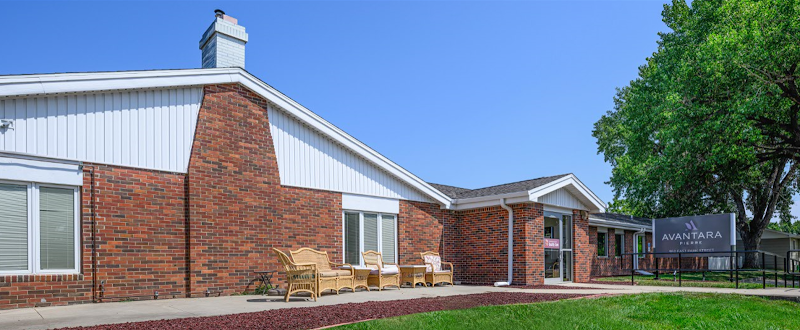

AVANTARA PIERRE

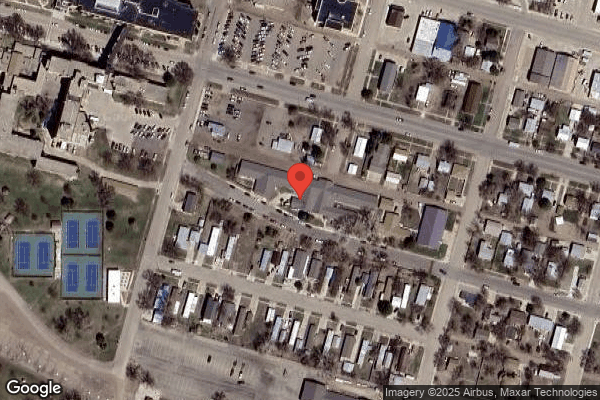
950 EAST PARK STREET, PIERRE, SD 57501 (605) 224-8628
For profit - Limited Liability company 65 Beds LEGACY HEALTHCARE Data: November 2025
Trust Grade
15/100
#51 of 95 in SD
Last Inspection: April 2025

Within standard 12-15 month inspection cycle. Federal law requires annual inspections.

Overview

Avantara Pierre in Pierre, South Dakota, has received a Trust Grade of F, indicating significant concerns and a poor quality of care. It ranks #51 out of 95 facilities in the state, placing it in the bottom half, and is the second option in Hughes County, with only one other facility available. While the facility is trending in a positive direction, reducing issues from 14 to 10 over the past year, it still faces serious challenges, including $48,688 in fines, which is concerning compared to many other facilities in the state. Staffing is somewhat of a strength, with a 35% turnover rate that is better than the state average, and they have good RN coverage, exceeding 75% of state facilities. However, specific incidents are troubling; for instance, a resident was sent to the emergency room without receiving necessary personal hygiene after an incident of incontinence, and another resident who was at high risk for pressure ulcers did not receive proper prevention measures, indicating potential neglect in care.

Trust Score
F
15/100
In South Dakota
#51/95
Bottom 47%
Safety Record
High Risk
Review needed
Inspections
Getting Better
14 → 10 violations
Staff Stability
○ Average
35% turnover. Near South Dakota's 48% average. Typical for the industry.
Penalties
✓ Good
$48,688 in fines. Lower than most South Dakota facilities. Relatively clean record.
Skilled Nurses
○ Average
Each resident gets 40 minutes of Registered Nurse (RN) attention daily — about average for South Dakota. RNs are the most trained staff who monitor for health changes.
Violations
⚠ Watch
35 deficiencies on record. Higher than average. Multiple issues found across inspections.
★★☆☆☆
2.0
Overall Rating
★★☆☆☆
2.0
Staff Levels
★★★☆☆
3.0
Care Quality
★★☆☆☆
2.0
Inspection Score
Stable
2024: 14 issues
2025: 10 issues

The Good

  • Full Sprinkler Coverage · Fire safety systems throughout facility
  • No fines on record
  • Staff turnover below average (35%)

    13 points below South Dakota average of 48%

Facility shows strength in fire safety.

The Bad

2-Star Overall Rating

Below South Dakota average (2.7)

Below average - review inspection findings carefully

Staff Turnover: 35%

11pts below South Dakota avg (46%)

Typical for the industry

Federal Fines: $48,688

Above median ($33,413)

Moderate penalties - review what triggered them

Chain: LEGACY HEALTHCARE

Part of a multi-facility chain

Ask about local staffing decisions and management

The Ugly 35 deficiencies on record

3 actual harm
May 2025 1 deficiency
CONCERN (D) 📢 Someone Reported This

A family member, employee, or ombudsman was alarmed enough to file a formal complaint

Potential for Harm - no one hurt, but risky conditions existed

Deficiency F0697 (Tag F0697)

Could have caused harm · This affected 1 resident

**NOTE- TERMS IN BRACKETS HAVE BEEN EDITED TO PROTECT CONFIDENTIALITY** Based on South Dakota Department of Health (SD DOH) facility reported incident (FRI), record review, interviews, and policy revi...

Read full inspector narrative →
**NOTE- TERMS IN BRACKETS HAVE BEEN EDITED TO PROTECT CONFIDENTIALITY** Based on South Dakota Department of Health (SD DOH) facility reported incident (FRI), record review, interviews, and policy review the provider failed to ensure the on-call physician was notified of complaints of acute pain by one of one sampled resident (1) for determination of treatment. This citation is considered past non-compliance based on review of the corrective actions the provider implemented immediately following the incident. Findings include: 1. Review of provider's 4/2/25 SD DOH FRI revealed: *Resident 1 was admitted on [DATE]. *On 4/2/25 resident 1 reported to senior regional nurse consultant (SRNC) A that he was having trouble with two-night nurses and he expressed: -They were mean to him. -They would not get him water. -They would not give him pain medication. *Resident 1's pertinent diagnoses are: -Cirrhosis of liver (liver damage and scaring). -Diabetes Mellitus type II. -Cardiomyopathy (a disease that makes it harder to pump blood through the heart) -Unspecified convulsions. -Difficulty with walking. -Glaucoma. *Resident 1 reported he was having stomach pain. *Resident 1 was on an ordered 1200 cc fluid restriction. -Resident 1 was given a cup of ice chips by registered nurse (RN) C after reviewing his recent labs values. *Resident 1 did not have orders for a pain medication. *Resident 1's Brief Interview for Mental Status (BIMS) assessment score was 15 which indicated he was cognitively intact. *Resident 1 was unable to name the staff, but was able to give descriptions to SRNC A. *Director of nursing (DON) B was able to identify RN C and certified nursing assistant (CNA) D as the staff members he was reporting based on his descriptions given. -They were immediately suspended on 4/2/25 pending further investigation by DON B. *A new order for Tylenol 500 mg every eight hours PRN was obtained on 4/2/25 for resident 1. *RN C was reinstated on 4/5/25 following education on resident rights regarding fluid restrictions and the abuse and neglect policy by DON B. *RN C was given a disciplinary write-up regarding allegations that were substantiated by the provider for pain management to ensure notification to the provider to obtain an order for pain medication if indicated. *RN C was educated on pain management policy on 4/14/25. *CNA D was reinstated on 4/4/25 after allegations were unsubstantiated by the provider through staff interviews and interview with resident 1. *Resident 1 was seen by a healthcare provider on 4/3/25 and his fluid restriction was discontinued after education and against medical advice of that healthcare provider. *Standing orders have been initiated for residents with the medical director's input. -Those included a PRN pain medication that would be available immediately for pain management needs of the residents. *Audits of all new admissions are to be completed weekly for two months to ensure a scheduled or PRN pain medication is available. *Licensed nurse education has been initiated on notifying the provider of resident pain complaints and the need for additional pain-relieving medication or evaluation. *Education on standing orders was to be completed with all nurses once approved by the medical director. *All care staff were to be educated on their responsibilities for pain management. 2. Review of resident 1's electronic medical record (EMR) revealed: *He had pain monitoring completed twice daily on his medication administration record (MAR) that started 3/13/25. *Pain assessment completed on 3/13/25 indicated he rarely had pain. *Pain assessment completed on 3/18/25 indicated he frequently had pain, and it affected his sleep and interfered with his day-to-day activities no pain level was given. *Pain assessment completed on 4/21/25 indicated he rarely had pain. *His care plan had a focus area of being at risk for pain related to impaired mobility and oral pain. -Interventions initiated on 3/25/25 included: --Ask for medication. --I would like to receive pain relief upon request. --My nurse to review my pain level every shift. --Report to nurse any complaints of pain or any requests for pain treatment. *Review of his every shift pain check documentation revealed: -On 3/26/25 he complained of pain, was evaluated in the local emergency room (ER) his X-rays were negative, he was given hydrocodone (a pain medication) and returned to the facility. -On 4/1/25 RN C documented a pain check was completed, and his pain level was 0 out of 10. -On 4/5/25 he rated his pain level at a 10 on a 0 to 10 pain scale, attributed to constipation. He was given milk of magnesium, and it resolved. *Standing orders, that included PRN Tylenol were signed on 4/18/25. *Risks vs Benefits for fluid restriction was signed on 4/24/25. *An order was received for palliative care dated 5/5/25. 3. Interview on 5/6/25 at 10:14 a.m. with resident 1 revealed: *When he was admitted he was asked about pain. *He was asked daily by the nurses if he was having pain. *He did not have any pain, if he did have pain he would have asked the staff for pain medication. *He felt the staff treat him good. He had no complaints and was happy with his care. Observation and interview on 5/7/25 at 8:36 a.m. with RN/minimum data set (MDS) E revealed: *The number for the hospital is listed on the phone list at the nurse's station. *They call that number to get the on-call physician. Interview on 5/6/25 at 5:44 p.m. with RN C revealed: *She works the night shift. *She does not admit new patients. *She had not had to implement new or admission interventions for residents. *She had worked for the facility for about three months. *She received one month of orientation with a nurse preceptor. *Her initial training consisted of online training and included pain management, resident rights, abuse, neglect, fall risk and fall prevention. *Resident 1 complained of pain on the night of 4/2/25. *He had labs completed on 3/31/25 which indicated he had elevated liver enzymes and low platelets, so she did not want to give him acetaminophen or ibuprofen. *He had no physician ordered pain medication at that time. *She did not call a provider for pain medication orders. -She now knows she can call the on-call physician for orders and has an e-kit (emergency kit) with medications for residents if needed. *She had offered non-pharmacological interventions such as repositioning, but resident 1 refused. -He then fell back to sleep and was observed snoring. *She reported that information to the oncoming nurse in the morning on 4/2/25 and to get orders for a pain medication that he would have been able to take with his abnormal labs. *Their was no documentation in resident 1 progress notes that he had complained of pain, any interventions that were offered by RN C, and no documentation of refusals by resident 1. Interview on 5/7/25 at 9:10 a.m. with DON B revealed: *New nurses are oriented with another nurse when they are hired for one to two weeks topics included were pain management, after-hours on-call physician notification. -She checks in with nurses during their orientation period to determine if more orientation time is needed and given, if applicable. *Nurses complete online training based on their nursing position. *If a new nurse had questions, they could ask the other nurse working. *She was always on-call and available as well if there were questions. *The contact phone numbers for the hospital, clinics, physicians and other providers were located at the nurse's station. *The on-call instructions were not posted at the nurse's station or included on the nurse's orientation checklist. *She expected that if a resident complained of pain during the night and did not have orders for a pain medication, the nurse would call the on-call physician. *During her investigation into the above incident RN C did not think she needed to make the physician aware of the situation. *She had offered the resident repositioning and ice and had notified the day nurse to call the physician to request pain medication orders. *She was in the process of adding contact information for on-call physicians and instructions by the phone list at the nurse's station. 4. Review of provider's revised 4/28/25 Pain Management policy revealed: *The purpose of this procedure is to help the staff identify pain in a resident, and to develop interventions that are consistent with the resident's goals and needs and that address the underlying causes of pain. Defining goals and appropriate interventions: 4.For those situations where the cause of the resident's pain has not been or cannot be determined, follow current standards of practice for managing pain to help determine appropriate options. Implementing pain management strategies: 4.The physician and staff will establish a treatment regimen based on consideration of the following: -The resident's medical condition. -Current medication regimen. -Nature, severity and cause of the pain. -Course of the illness. -Treatment goals. The provider's implemented actions to ensure the deficient practice does not reoccur was confirmed on 5/7/25 after record review revealed the facility had followed their quality assurance process, education was provided to all nursing care staff regarding pain management policy, and education regarding residents having complaints of pain and needing additional evaluation was provided to applicable staff. Standing pain management orders were developed with their medical director. Postings were at the nurses' station for notification and instructions for contacting the on-call physician. A whole house audit for pain medication orders was completed. Audits were being completed weekly. Observation and staff interviews revealed the staff understood the education provided and the revised process. Based on the above information, non-compliance at F697 occurred on 4/2/25, and based on the provider's implemented corrective actions for the deficient practice confirmed on 5/7/25, the non-compliance is considered past non-compliance.
Apr 2025 9 deficiencies 2 Harm
SERIOUS (G) 📢 Someone Reported This

A family member, employee, or ombudsman was alarmed enough to file a formal complaint

Actual Harm - a resident was hurt due to facility failures

Free from Abuse/Neglect (Tag F0600)

A resident was harmed · This affected 1 resident

**NOTE- TERMS IN BRACKETS HAVE BEEN EDITED TO PROTECT CONFIDENTIALITY** Based on South Dakota Department of Health (SD DOH) facility-reported incident (FRI) review, interview, and policy review, the p...

Read full inspector narrative →
**NOTE- TERMS IN BRACKETS HAVE BEEN EDITED TO PROTECT CONFIDENTIALITY** Based on South Dakota Department of Health (SD DOH) facility-reported incident (FRI) review, interview, and policy review, the provider failed to protect the resident's right to be free from neglect for one on one sampled resident (206) who expressed he felt bad that he had been sent to the emergency room (ER) by registered nurse (RN) (N) without being provided personal hygiene after he had been incontinent of loose stool. Findings include: 1. Review of the provider's 3/15/25 SD DOH FRI regarding resident 206 revealed: *He was admitted to facility on 3/13/25. *His Brief Interview for Mental Status (BIMS) assessment score was 15 which indicated he was cognitively intact. *On 3/14/25 he was transported to a local ER for evaluation by ambulance. -A paramedic observed he had loose stool leaking out of the side of his brief, and reported that to RN N. -RN N did not offer to clean or provide personal hygiene to the resident at the time of transport. *The paramedic reported that information to director of nursing (DON) B when he called her about the incident and added: -The ambulance team would transport the resident. -The hospital may not be happy about the condition of resident 206 upon arrival to the ER. *DON B gave immediate verbal education to RN N via phone on resident dignity and neglect. *RN N was suspended pending the provider's investigation of the incident. *Resident 206 returned to provider facility on 3/15/25. *A skin assessment was completed on 3/15/25 on resident 206, with no new skin concerns noted. *All staff education had been initiated on ensuring resident dignity was maintained, as well as abuse and neglect. *The resident's primary care provider (PCP) was notified of the incident. *The local police department was notified of the incident. 2. Interview on 4/2/25 at 9:00 a.m. with RN N revealed: *Resident 206 had been having loose stools on 3/14/25 in the evening and was not taking fluids. *He was on a strict fluid restriction. *His blood sugar was 126. *She had orders to give him insulin. *She had called the on-call provider, who gave an order to send the resident to the ER for evaluation of his loose stools and low fluid intake. *She had called the hospital and gave them a verbal report regarding the resident. *At 9:30 p.m. on 3/14/25 staff had completed a total bed change on the resident following an incontinent episode. *When the paramedic arrived at the facility, the resident had again been incontinent of loose stool. *She had asked the paramedic if he wanted the facility staff to clean up the resident. *The paramedic had said he did not care but the hospital staff would not like it. *They did not clean the resident up and the resident was transferred to the ER. *The resident returned to facility on 3/15/25. *She stated she did not want to make the paramedics wait that evening. *She said she felt terrible that resident 206 went to the ER in that condition and the hospital staff made him feel bad about it. *She agreed that situation could have been prevented by ensuring he was provided with personal hygiene and was clean before he was sent to the ER that evening. 3. Interview on 4/2/25 at 9:30 a.m. with resident 206 revealed: *He stated the hospital staff were upset that he was incontinent of bowel when he went to the ER on [DATE]. *He felt bad because the hospital staff was upset. *They cleaned him up. *His bowels had improved since then. *He felt staff had time to change him before he went to the hospital that evening. *He had heard the paramedic tell RN N he was incontinent of bowel. *He did not remember being updated on the facility's investigation of the incident. 4. Interview on 4/2/25 at 10:25 a.m. with administrator A revealed: *He and DON B completed the investigation regarding the above incident involving resident 206 on 3/14/25. *On 3/15/25 a skin assessment was completed on resident 206, with no new areas of concern. *They had interviewed other staff working that evening as part of their investigation. *They had notified the local police of incident with resident 206. *They had notified resident 206 PCP of the above incident. *RN N had received disciplinary action and was allowed to return to duty after completion of that. *Resident 206's care plan was updated with the following intervention: -He has frequent loose stools related to the use of lactulose for treatment of hepatic encephalopathy. He will require assistance with toileting and personal hygiene as needed initiated. on 3/19/25. *Education was provided to all staff regarding the provider's Abuse and Neglect Policy and the Dignity Policy. *No audits or monitoring related to the above incident had been completed following the incident or the completion of the investigation. Review of the provider's 2/20/24 revised Abuse and Neglect Policy revealed: *It is the policy of the facility to provide professional care and services in an environment that is free from any type of abuse, corporal punishment, misappropriation of property, exploitation, neglect or mistreatment. The facility follows the federal guidelines dedicated to prevention of abuse and timely and thorough investigations of allegations. These guidelines include compliance with the seven (&) federal components of prevention and investigations. -Mental abuse includes, but is not limited to humiliation, harassment, threat of bodily harm, punishment, isolation (involuntary, imposed seclusion) or deprivation to provoke fear of shame. -Neglect is the failure to provide necessary and adequate (medical, personal or psychological) care. Neglect is the failure to care for a person in a manner, which would avoid harm or pain, or the failure to react to a situation which may be harmful. Staff may be aware or should have been aware of the service the resident requires but fails to provide that service. Review of the provider's 11/19/24 revised Resident Dignity and Privacy Policy revealed: *It is the practice of this facility to protect and promote resident rights and treat each resident with respect and dignity, as well as , care for each resident in a manner and in an environment, that maintains resident privacy. -6. Groom and dress residents according to resident preference. Clothing should be changed when soiled. Document any resident refusals. -10. Each resident will be provided equal access to quality care regardless of diagnosis, severity of condition or payment source.
SERIOUS (G)

Actual Harm - a resident was hurt due to facility failures

Pressure Ulcer Prevention (Tag F0686)

A resident was harmed · This affected 1 resident

**NOTE- TERMS IN BRACKETS HAVE BEEN EDITED TO PROTECT CONFIDENTIALITY** Based on observation, interview, record review, and policy review, the provider failed to identify and implement pressure ulcer ...

Read full inspector narrative →
**NOTE- TERMS IN BRACKETS HAVE BEEN EDITED TO PROTECT CONFIDENTIALITY** Based on observation, interview, record review, and policy review, the provider failed to identify and implement pressure ulcer prevention interventions to ensure facility-acquired pressure ulcers had not developed for one of two sampled residents (205) identified at high risk for skin breakdown and dependent on the staff assistance with their activities of daily living (ADL). Findings include: 1. Observation and interview on 3/31/25 at 8:38 a.m. with resident 205 revealed: *He was seated in his wheelchair and wore blue padded pressure-reducing boots on both of his feet. *He said he had been at the facility for about two weeks and did not know why he needed to wear those boots. -He stated his feet did not hurt. 2. Observation and interview on 4/1/25 at 7:59 a.m. with resident 205 and certified nursing assistant (CNA) R in resident 205's room revealed: *CNA R stated that resident 205 had been at the facility for about two weeks. *Resident 205 wore a Tubi Grip (compression stocking) on his right leg and blue boots on both feet due to a pressure ulcer on his right heel. *Resident 205 stated that the ulcer on his right heel did not cause him any pain. 3. Observation on 4/2/25 at 7:43 a.m. with resident 205 revealed: *He was lying in bed on his back with blue boots on both feet. *His bed did not have an air mattress on it. 4. Review of resident 205's electronic medical record (EMR) revealed: *He had been admitted on [DATE] from another long-term care facility. *His Braden assessment score was 18 on 3/13/25 which indicated he was as risk for developing pressure ulcers. *His Braden assessment score was 6 on 3/17/25 which indicated he was at high risk for developing pressure ulcers. -That assessment indicated he did not have a history or an existing pressure ulcer at that time. *A 3/13/25 physician's order, Transfer to [provider] on current orders. Send current supply of meds [medications]. -Those orders indicated: --Skin prep to bilateral heels for skin protection one time daily. --Pressure Injury Treatment/Prevention on each shift two times a day. 1. Check that [the] air mattress is on [the] bed and operating correctly. 2. Float heels when in bed. 3. Ensure dressings are in place as ordered. 4. Pressure redistributing cushion in w/c [wheelchair]. 5. Reposition q2-3h [every two to three hours]. 6. Pericare as indicated, were noted as received 3/17/25. ---There was no documentation that indicated that those orders had been initiated upon resident 205's admission to the facility. *His diagnoses included hemiparesis (paralysis) following cerebral infarction (a stroke) affecting the left non-dominant side, Type 2 Diabetes Mellitus, major depressive disorder, pressure ulcer of the right heel, unstageable, and personal history of Staphylococcus Aureus [drug resistant organism] infection. *A 3/24/25 Skin Alteration Evaluation identified a new pressure injury to resident 205's right heel that measured 4.4 centimeters (cm) in length by 5.0 cm in width and was staged as a suspected deep tissue injury. *His care plan indicated: -I have an ADL Self Care Performance Deficit r/t [related to] impaired mobility. 2 [Two] staff and the hoyer lift [a full-body mechanical lift and sling used to move a person's full body] for all transfers, was initiated on 3/18/25. -I am dependent on staff with: roll left and right, chair/bed-to-chair transfers, toilet transfers, tub/shower transfers, toileting hygiene, shower/bathe self, upper/lower body dressing, putting on/taking off footwear, [and] personal hygiene, was initiated on 3/25/25. -Utilizes an [a] bariatric bed, was initiated on 3/18/25. -Ensure that I am wearing appropriate footwear when mobilizing in w/c [wheelchair], was initiated on 3/25/25. -I have an unstageable pressure ulcer to right lateral heel r/t AFO [ankle-foot orthosis] use. My pressure ulcer will show signs of healing and remain free from infection through the review date, was initiated on 3/25/25. *There was no documentation that indicated: -An air mattress had been utilized, trialed, or refused as ordered by the physician at the time of his admission. -The resident wore blue padded pressure-reducing boots. -That the above pressure injury treatment and prevention interventions ordered by the physician had been care planned or implemented upon admission. 5. Interview on 4/02/25 at 8:04 a.m. and again at 11:10 a.m. with assistant director of nursing (ADON) C regarding resident 205 revealed: *She was the wound care nurse. *She had been on vacation when resident 205 was admitted to the facility. *Resident 205 did not have any pressure ulcers when he was admitted to the facility on [DATE]. *Resident 205 had been assessed as high risk for developing pressure ulcers when he was admitted . *She stated all residents were provided with an air mattress when they were admitted and those mattresses were only removed at the resident's request. -Resident 205 did not have an air mattress on his bed. He had a mattress that would not have saved his heels from a pressure ulcer. -She had been told resident 205 refused the air mattress. *Resident 205 was identified as having a new pressure ulcer to his right heel on 3/24/25. *She felt that resident 205's right heel pressure ulcer had been caused by his AFO brace that his daughter had brought to the facility for him to wear. -That brace was sent home before she had returned to work, and she had not seen that brace. *She expected pressure relieving interventions including the use of an air mattress, pressure reducing boots in bed and while in the wheelchair, and every two-hour repositioning would have been implemented for any resident admitted and assessed as high risk for pressure injury. *She confirmed that there were no interventions, including the pressure-reducing boots, for pressure relief listed in resident 205's care plan before or after the identification of that pressure area. *She stated that those above interventions would not have prevented a pressure injury from his AFO. *Resident 205 had been provided with those pressure reducing boots when the pressure ulcer was identified. -She expected resident 205 to wear those pressure reducing boots when he was in bed and in his wheelchair. 6. Interview on 4/2/24 at 12:16 p.m. with DON B regarding resident 205 revealed: *She expected that all the physician transfer orders and interventions should have been implemented and followed when resident 205 had been admitted including the pressure ulcer prevention orders. -Those interventions for pressure ulcer prevention should have been included in resident 205's care plan before he developed a pressure ulcer and updated with additional interventions if needed after the pressure ulcer had been identified. *Resident 205 had been provided with the pressure reducing boots after the right heel pressure ulcer had been identified. *She confirmed the resident had developed the pressure ulcer after his admission to the facility. 7. Interview on 4/2/25 at 12:30 p.m. with registered nurse (RN) D regarding resident 205's admission orders revealed: *Resident 205 was transferred from another long-term care facility with orders from his physician. *She had reviewed those admitting orders and entered the medication orders and care plan interventions. *The treatment orders and interventions including the pressure ulcer treatment and prevention orders were to have been reviewed by ADON C before they were entered into the EMR. *When ADON C was unavailable to review those orders and interventions she expected DON B to review and enter them. Review of the provider's revised 9/11/24 Skin and Pressure Injury Prevention Program policy revealed: *To ensure a resident who enters the facility without pressure injuries does not develop pressure injuries unless the individual's clinical conditions demonstrates that they are unavoidable. *A plan of care (POC) will be put in place for residents that are identified with actual skin breakdown or at-risk for skin breakdown. *Nursing personnel will utilize the results of the physical exam and the Pressure Injury Assessment tools to determine an individualized pressure injury prevention program for each at-risk resident. This will include interventions to: a. Protect skin against the effects of pressure, friction and shear .d. Educate staff, residents and families, e. Train front-line caregivers, f. Immediate prevention plan instituted when potential areas are identified. *Pressure can come from splints, casts, bandages, and wrinkles in the bed linen.
CONCERN (D)

Potential for Harm - no one hurt, but risky conditions existed

Deficiency F0554 (Tag F0554)

Could have caused harm · This affected 1 resident

**NOTE- TERMS IN BRACKETS HAVE BEEN EDITED TO PROTECT CONFIDENTIALITY** Based on observation, interview, record review, and policy review, the provider failed to ensure one of one sampled resident (24...

Read full inspector narrative →
**NOTE- TERMS IN BRACKETS HAVE BEEN EDITED TO PROTECT CONFIDENTIALITY** Based on observation, interview, record review, and policy review, the provider failed to ensure one of one sampled resident (24) who self-administered medications was able to safely self-administer those medications and had a physician's order for self-administration of medications per the provider's policy. Findings include: 1. Observation and interview on 3/30/25 at 5:10 p.m. in resident 24's room revealed: *The resident was sitting in his recliner chair, administering a nebulizer (a liquid medication that turns into mist and is inhaled through a mask or mouthpiece via a small machine) treatment. *There was a medication cup that contained one medication tablet on the resident's bedside table. -The resident indicated the medication was Tums (an antacid medication). *A bottle of nasal spray (Fluticasone Propionate) was on the resident's bedside table. *He stated that he was able to administer medications and the nebulizer treatment independently in his room, just as he would at home. 2. Review of resident 24's electronic medical record (EMR) revealed: *He was admitted on [DATE]. *He had a Brief Interview for Mental Status (BIMS) assessment score of 15, which indicated he was cognitively intact. *A self-administration evaluation was completed on 1/27/25 and indicated he was not able to self-administer medications. *There was no physician order for him to self-administer his medications. 3. Interview on 4/1/25 at 1:57 p.m. with director of nursing (DON) B revealed: *She confirmed the 1/27/25 self-administration evaluation indicated that resident 24 was not able to self-administer his medications. *She confirmed there was no physician order for resident 24 to self-administer his medications. 4. Observation on 4/1/25 at 4:20 p.m. of resident 24 in his room revealed: *The resident was sitting in his chair while he administered a nebulizer treatment. *The bottle of Fluticasone Propionate nasal spray was on his bedside table. *No staff was observing the administration of the nebulizer treatment. 5. Interview on 4/2/25 at 10:30 a.m. with licensed practical nurse (LPN) Q revealed: *She would stand outside resident 24's room while he took the nebulizer treatment. *She could not confirm if resident 24 had an assessment to self-administer medications. *She would not leave medications in resident rooms. *She would verify that all the residents had taken their medications. 6. Interview on 4/2/25 at 1:07 p.m. with resident 24 revealed he stated: *The nurses left the above medications on his bedside table for him to take. *The nurses never stayed in the room during his nebulizer treatments. Review of the provider's 11/19/24 Self-Administration of Medications policy revealed: *Each resident has a right to self-administer medications should they desire, unless this practice is determined unsafe. *If the resident has expressed a desire to self-administer, the interdisciplinary team will complete an evaluation of the resident's cognitive, physical, and visual ability to carry out this responsibility. *The facility may require that drugs be administered by the nurse until the care planning team has the opportunity to obtain information necessary to make a determination on resident's ability to complete the task. *Nurse is to get an order from the clinician for self-administration of medications.
CONCERN (D)

Potential for Harm - no one hurt, but risky conditions existed

Deficiency F0625 (Tag F0625)

Could have caused harm · This affected 1 resident

**NOTE- TERMS IN BRACKETS HAVE BEEN EDITED TO PROTECT CONFIDENTIALITY** Based on record review, interview, and policy review, the provider failed to ensure one of five sampled residents (28) had recei...

Read full inspector narrative →
**NOTE- TERMS IN BRACKETS HAVE BEEN EDITED TO PROTECT CONFIDENTIALITY** Based on record review, interview, and policy review, the provider failed to ensure one of five sampled residents (28) had received a bed hold notice upon her transfer out of the facility to the emergency room (ER). Findings include: 1. Review of resident 28's electronic medical record (EMR) revealed: *She was transferred to the emergency room for evaluation on 11/18/24. *Her emergency contact had been notified 11/18/24 of the need for an emergency room evaluation. *No documentation indicated she had received the bed hold policy information. *She was readmitted on [DATE]. *A written notification of the bed hold was signed by the resident and her representative on 11/27/24. 2. Interview on 4/2/25 at 10:15 a.m. with administrator A regarding the bed hold for residents that required to be transferred to the ER or hospital revealed: *He confirmed resident 28 was transferred to the ER on [DATE]. *The social services director was to follow up with the resident or resident representative for the bed hold as needed. *It was his expectation residents who had been sent to the emergency room or required hospitalization should have received a bed hold notice before or at the time of the transfer. *He agreed there was no documentation regarding the bed hold notice for resident 28 until 11/27/24 which was five days after she had returned from her hospitalization. *The social services director was unavailable for interview during the survey. 3. Review of the provider's 2/10/24 revised Discharge and Transfer of Residents/Bed Hold Policy revealed: *To ensure a safe transition is planned for any resident with a discharge to another setting. To ensure adequate care is given to any resident with a change in condition. *The notice of Transfer/Discharge form and bed hold policy will be given to the resident or resident representative prior to the discharge or transfer.
CONCERN (D)

Potential for Harm - no one hurt, but risky conditions existed

Accident Prevention (Tag F0689)

Could have caused harm · This affected 1 resident

**NOTE- TERMS IN BRACKETS HAVE BEEN EDITED TO PROTECT CONFIDENTIALITY** Based on record review, interview, and policy review, the provider failed to ensure the implementation of their smoking policy f...

Read full inspector narrative →
**NOTE- TERMS IN BRACKETS HAVE BEEN EDITED TO PROTECT CONFIDENTIALITY** Based on record review, interview, and policy review, the provider failed to ensure the implementation of their smoking policy for one of one sampled resident (11) who smoked and was not assessed for smoking risks and safety. Findings include: 1. Review of resident 11's electronic medical record (EMR) revealed: *She was admitted on [DATE]. *She had a history of being burned while smoking, preferring to smoke down to the filter of the cigarette. *Her current care plan had a focus area that indicated she preferred to smoke and had the potential for injury. That focus area was initiated on 9/28/21 and revised on 5/10/22. *Interventions for the focus area included: -Ascertain her wishes about smoking and respect her decision. -Assess her ability to smoke independently/safely. Staff were to supervise her while she was smoking. -If the weather was below zero, she was not allowed to smoke. -She was to use a cigarette extender and a protective smoking apron to prevent her from further burns when she smoked. -She could smoke per facility's smoking schedule after meals in the courtyard. -Staff were to encourage her to put out her cigarette before it got to the filter. -Staff were to stay with resident 11 while she was smoking and remind her to not make any sudden turns when smoking. -Her smoking materials were to be stored in a locked area per facility policy. *She had the following smoking program evaluation assessments completed: -An as needed assessment on 11/23/23. -An annual assessment on 9/5/24. -A quarterly assessment on 12/30/24 and 3/31/25. -No quarterly smoking program evaluation assessments were completed for her between December 2023 and August 2024. *She was hospitalized on [DATE] and returned to the facility on [DATE]. -No smoking program evaluations assessment was completed upon her return to the facility on [DATE]. 2. Interview on 4/01/25 10:17 a.m. with certified nursing assistant (CNA) F revealed: *Resident 11 had needed to have staff present when she smoked. *There were no set smoking times. *Resident 11's cigarettes were locked up in a cabinet. *CNA's had access to that cabinet. 3. Interview on 4/01/25 at 10:53 a.m. with licensed practical nurse (LPN) E revealed: *Resident 11 had not been smoking for approximately the last three weeks. -She had paranoid schizophrenia and had stated that someone told her she should not be smoking. -Her smoking supplies were kept in a locked cupboard in the activities room. -She was to have staff stay with her while she smoked. *Assessments including the smoking program evaluation assessments, could be completed by floor nurses. *The assessments would automatically appear red in the EMR system when they were due, and that was how she would know she needed to complete an assessment. 4. Interview on 4/2/25 at 7:44 a.m. with registered nurse (RN) D revealed: *She or director of nursing (DON) B would complete the user-defined assessments (UDA's) for a resident's smoking risk. *She said the floor nurses had never completed the resident's smoking risk evaluations. *Those smoking assessments were required to be completed quarterly at the same time the resident's minimum data set (MDS) assessments was completed. *She had worked on 10/24/24 when resident 11 was hospitalized . *She had worked between December 2023 and August 2024. *She felt she could have missed resident 11's assessment's during those above dates. *She stated their EMR system did not automatically populate the resident's smoking program evaluation assessments for completion. 5. Interview on 4/2/25 at 8:15 a.m. with assistant director of nursing (ADON) C revealed: *She did not complete the residents' smoking program evaluation assessments and was unsure of how often they were to be completed. *She thought that DON B had completed those assessments before. 6. Interview on 4/2/25 at 10:20 a.m. with DON B revealed: *She or RN D would complete the residents' smoking program evaluation assessments. *Those assessments did not auto-populate in their EMR system for them to complete. *Floor nurses did not complete those assessments. *She stated she assumed resident 11's smoking risk assessments between December 2023 and August 2024 and upon her readmission after her hospitalization on 10/24/24 were missed. *She expected staff to follow their policy for when the smoking program evaluation assessments should be completed. Review of provider's 2/10/24 revised Smoking Policy revealed: *If the facility allows smoking, all residents who smoke will be assessed for their ability to safely smoke with or without assistance or supervision and such will be included on the [resident's] care plan. The Smoking Assessment will be completed at admission, readmission, quarterly, annually and with a change in condition.
CONCERN (E)

Potential for Harm - no one hurt, but risky conditions existed

Safe Environment (Tag F0584)

Could have caused harm · This affected multiple residents

**NOTE- TERMS IN BRACKETS HAVE BEEN EDITED TO PROTECT CONFIDENTIALITY** Based on observation, interview, record review, testing, and policy review, the provider failed to ensure adequate temperatures ...

Read full inspector narrative →
**NOTE- TERMS IN BRACKETS HAVE BEEN EDITED TO PROTECT CONFIDENTIALITY** Based on observation, interview, record review, testing, and policy review, the provider failed to ensure adequate temperatures for three of three sampled residents (24, 27, and 304) who expressed their rooms were cold and uncomfortable. Findings include: 1. Observation and interview on 3/30/25 at 4:40 p.m. in resident 27's room revealed: *The temperature of the room felt cold in comparison to other areas within the facility. *The resident was in bed and covered with blankets. *The window shade was down with a blanket along the bottom edge of the window. *The resident stated: -She would get into her bed under the blankets to stay warm. -The room was cold and she had no control over the temperature in her room. -The maintenance man would check the boiler when she reported her room was cold, but her room temperature would remain cold and uncomfortable for her. 2. Review of resident 27's electronic medical record (EMR) revealed: *She was admitted on [DATE]. *She had a Brief Interview for Mental Status (BIMS) assessment score of 14, which indicated she was cognitively intact. 3. Observation and interview on 3/30/25 at 5:10 p.m. in resident 24's room revealed: *The temperature of the room felt cold in comparison to other areas within the facility. *The resident was wearing a lined shirt/jacket and was sitting in his recliner chair. *The window shade was down and two pillows were along the bottom edge of the window. *The resident stated the room was cold, and he walked the hall multiple times daily to warm up. *The resident used extra blankets at night to stay warm. 4. Observation and interview on 3/31/25 at 4:00 p.m. with resident 24 in the west hallway revealed: *The resident was walking up and down the hall with his walker. *He stated he needed to be out of his room and moving to warm up because his room was cold, and he was freezing. 5. Review of resident 24's EMR revealed: *He was admitted on [DATE]. *He had a BIMS assessment score of 15, which indicated he was cognitively intact. 6. Observation and interview on 3/31/25 at 9:00 a.m. in resident 304's room revealed: *The temperature of the room felt cold in comparison to other areas within the facility. *The resident returned from therapy and entered her room and stated, The room is a bit chilly. *The window shade was up and a blanket was along the bottom edge of the window. *The resident stated the room would get cold if the door was shut. 7. Review of resident 304's EMR revealed: *She was admitted on [DATE]. *She had a BIMS assessment score of 12, which indicated she had moderate cognitive impairment. 8. Interview on 4/1/25 at 9:57 a.m. with maintenance director H revealed: *The resident room temperatures should range be between 70 and 80 degrees Fahrenheit (F). *The facility used boiler heat, which could only be adjusted for some areas of the building. -He stated it was difficult to maintain temperatures for residents who were hot or cold. *Resident room temperatures were checked and documented five times weekly. -He would check three to four temperatures in resident rooms and then document the average of those temperatures. *The boilers were checked when the resident room temperatures were out of range. *He stated the resident rooms' windows leaked allowing outside air into the room and the windows should be replaced. *Thermostats were located throughout the building and were locked so staff and resident could not adjust them. -No thermostats were located within the resident rooms. *Temperature settings were controlled by the maintenance department staff. -The thermostats were set between 70 and 72 degrees F. *He stated a local vendor would complete a check on the facility boilers as requested. 9. Temperature testing on 4/1/25 at 10:07 a.m. with maintenance director H in resident 24's room revealed: *The north wall temperature next to the resident's bed was 65.3 degrees F. *The west wall next to the resident's recliner chair was 68.4 degrees F. *The south wall next to his roommate's bed was 69.1 degrees F. 10. Interview on 4/1/25 at 1:33 p.m. with the assistant director of nursing (ADON) C revealed: *The maintenance director controlled and adjusted the buildings' thermostats for the temperatures of the rooms. *She did not think anyone else touched the thermostats or adjusted the temperatures. 11. Interview on 4/2/25 at 9:06 a.m. with activity aide O revealed: *She had never touched a thermostat at the facility to adjust a room temperature. *She was unsure if the residents' rooms had thermostats. 12. Interview on 4/2/25 at 9:09 a.m. with CNA P revealed: *She confirmed there were no thermostats in residents' rooms to control and maintain comfortable temperatures according to their preferences. *The maintenance director controlled and adjusted the thermostats for temperature control throughout the building. 13. Interview on 4/2/25 at 9:23 a.m. with administrator A revealed: *The facility areas and residents' room temperatures were monitored weekly and documented by the maintenance director. *A grievance was presented at the 2/18/25 resident council meeting regarding cold resident rooms. *There was a plan to replace the facility's windows. *The expectation was for residents' rooms to be at adequate temperature settings to maintain a comfortable level. *The residents' room temperature should be maintained between 71 and 81 degrees F. *He confirmed that residents' room temperatures below 70 degrees F was not within the required temperature range. Review of the resident council grievance form dated 2/18/25 revealed the residents had complained of being too cold and that the heat needed to be turned up. Review of the investigation and follow-up responses dated 2/19/25 on the above grievance form revealed: *Maintenance was educated on air temperature parameters and steps for notification if the air temperatures were out of range. *The required temperature range should be between 71 and 81 degrees F. *The thermostat was to be adjusted if the temperatures were out of range. *The corporate maintenance consultant and the administrator were to be notified if the appropriate temperatures were not reached. *If necessary, maintenance was to follow up with the vendor as soon as possible. Review of the providers 9/30/24 Homelike Environment policy revealed: *Residents are provided with a safe, clean, comfortable and homelike environment and encouraged to use their personal belongings to the extent possible. *Staff shall provide person-centered care that emphasizes the residents' comfort, independence and personal needs and preferences. *The facility staff and management shall maximize, to the extent possible, the characteristics of the facility that reflect a personalized, homelike setting. These characteristics include: -Comfortable temperatures.
CONCERN (E)

Potential for Harm - no one hurt, but risky conditions existed

Comprehensive Care Plan (Tag F0656)

Could have caused harm · This affected multiple residents

**NOTE- TERMS IN BRACKETS HAVE BEEN EDITED TO PROTECT CONFIDENTIALITY** 4. Observation and interview on 3/31/25 at 9:19 a.m. with resident 34 in her room revealed: *She was sitting in her wheelchair. ...

Read full inspector narrative →
**NOTE- TERMS IN BRACKETS HAVE BEEN EDITED TO PROTECT CONFIDENTIALITY** 4. Observation and interview on 3/31/25 at 9:19 a.m. with resident 34 in her room revealed: *She was sitting in her wheelchair. *Her legs were wrapped with Ace bandages. *She stated the physical therapist wraps her legs daily and it had helped reduce the swelling. Interview on 4/1/25 at 10:39 a.m. with physical therapist M revealed: *She wrapped resident 34's legs with Ace elastic bandages daily because it was a physician-ordered treatment for her lymphedema (fluid build-up that causes swelling). *She had worked with the Minimum Data Set (MDS) coordinator to get the physician's orders for resident 34's Ace wrap treatments. Review of resident 34's electronic medical record (EMR) revealed: *She had been admitted on [DATE]. *She had a brief interview for mental status (BIMS) score of 15 which indicated she was cognitively intact. *Her diagnoses included: -Lymphedema, not elsewhere classified. -Edema, unspecified. -Chronic venous hypertension (idiopathic) with ulcer and inflammation of left lower extremity. *Resident 34's current care plan did not include her use of the Ace wraps. -PT/OT/ST as ordered by MD. -Tx and medications as ordered by MD. Interview on 4/1/25 at 1:55 p.m. with assistant director of nursing (ADON) C regarding resident 34's lymphedema revealed: *She knew the physical therapist was providing the Ace wrapping treatment for resident 34's lymphedema. *She expected that treatment to be addressed in the resident's care plan. *Staff needed to be aware of the care being provided. Interview on 4/2/25 at 12:05 p.m. with RN/MDS coordinator D regarding resident 34's lymphedema revealed: *The nursing staff were not trained regarding the elastic bandage wraps resident 34 needed on her legs. *She had obtained orders from resident 34's physician for the wrap treatments that therapy provided. *She did not think resident 34's use of elastic wraps needed to be part of the resident's care plan because the treatments did not involve the nursing staff. Interview on 4/2/25 at 1:30 p.m. with DON B regarding resident 34's lymphedema revealed: *She knew about the treatments for resident 34's lymphedema. *She confirmed the information regarding the lymphedema treatments was not on her care plan. *It was her expectation that information would be a part of the resident's care plan. Review of the provider's revised 9/30/24 Care Plans policy revealed: *Individual, resident-centered care planning will be initiated upon admission and maintained by the interdisciplinary team throughout the resident's stay to promote optimal quality of life while in residence. *Interventions act as the means to meet the individual's needs. The recipe for care requires active problem solving and creative thinking to attain, and clearly delineates who, what, where, when, and how the individual resident goals are being addressed and met. *Care plans are accessible to all direct-care staff, including the resident's physician/provider. It is the responsibility of all direct care members to familiarize themselves with the care plan and review the routinely for changes. Based on observation, interview, record review, and policy review, the provider failed to ensure resident care plans reflected the residents' current needs and/or to provide interventions as directed on the care plans for four of twenty sampled residents (3, 34, 205, and 206) as follows: *Interventions were not provided as directed on the care plan for resident 3 who required a fall mat and a call light within her reach. *The care plan did not include interventions to prevent the development of a pressure ulcer for resident 205. *Interventions were not provided as directed on the care plan for resident 206 who required the use of a positioning alarm. *The care plan did not include interventions for lymphedema (condition causing swelling in the arms or legs) wraps for resident 34. Findings include: 1. Observations on 3/30/25 at 3:05 p.m., 4:44 p.m., 5:06 p.m. and 5:13 p.m. of resident 3 revealed: *She was in her bed which was in a low position and against the wall. *The privacy curtain was tucked between the bed and the wall near the foot of her bed. *A blue fall mat was folded in half and propped up against her bedside table. *The call light was on a bedside table behind the fall mat and not within her reach. Observation on 3/30/25 at 5:48 p.m. with resident 3 revealed: *She was in her bed which was in a low position and against the wall. *A blue fall mat was folded in half and on the floor near her bed in a position that appeared as if it had fallen over. *The call light was on the bedside table and not within her reach. Review of resident 3's electronic medical record (EMR) revealed: *She had been admitted on [DATE]. *Her Brief Interview for Mental Status (BIMS) assessment score was 5, which indicated she was severely cognitively impaired. *Her diagnoses included a fracture of the right femur (thigh bone) and dementia. *Her 3/26/25 Fall Risk Evaluation indicated she had a low risk for falling. *Her care plan indicated: -She was At risk for falls related to [the] history of falls, right hip fracture with no right hip joint, dementia, anemia and arthritis. -Please make sure that my call light is within my reach and encourage me to use it to call for assistance. -Bed to be in low position and floor mat is placed next to the bed. Interview and record review on 4/02/25 at 8:45 a.m. with director of nursing (DON) B regarding resident 3 revealed: *She confirmed resident 3's 3/26/25 Fall Risk Evaluation indicated Low Risk. *Resident 3 had fallen on 1/2/25 and was at risk for falls. She thought the fall mat intervention on her care plan was still needed and appropriate. *She expected that resident 3's care-planned interventions of the fall mat and ensuring resident 3's call light was within her reach would have been followed. 2. Observation and interview on 3/31/25 at 8:38 a.m. with resident 205 revealed: *He was seated in his wheelchair and wore padded pressure-reducing boots on both of his feet. *He said he had been at the facility for about two weeks and did not know why he needed to wear those boots. Observation and interview on 4/1/25 at 7:59 a.m. with resident 205 and certified nursing assistant (CNA) R in resident 205's room revealed: *CNA R stated that resident 205 had been at the facility for about two weeks. *Resident 205 wore a Tubi Grip (compression stocking) on his right leg and blue pressure-reducing boots on both feet due to a pressure ulcer on his right heel. *CNA R stated that information on how staff were to care for each resident was located in the residents' care plans in the EMR. Observation on 4/2/25 at 7:43 a.m. with resident 205 revealed: *He was lying in bed on his back with blue boots on both feet. *His bed did not have an air mattress on it. Review of resident 205's EMR revealed: *He had been admitted on [DATE] from another long-term care facility. *A 3/13/25 physician's order, Transfer to [provider] on current orders. Send current supply of meds [medications]. -Those orders indicated: --Skin prep to bilateral heels for skin protection one time daily. --Pressure Injury Treatment/Prevention on each shift two times a day. 1. Check that [the] air mattress is on [the] bed and operating correctly. 2. Float heels when in bed. 3. Ensure dressings are in place as ordered. 4. Pressure redistributing cushion in w/c [wheelchair]. 5. Reposition q2-3h [every two to three hours]. 6. Pericare as indicated, were noted as received 3/17/25. *His diagnoses included hemiparesis (paralysis) following cerebral infarction (a stroke) affecting the left non-dominant side, Type 2 Diabetes Mellitus, and an unstageable pressure ulcer of the right heel. *A 3/24/25 Skin Alteration Evaluation identified a new pressure injury to resident 205's right heel that measured 4.4 centimeters (cm) in length by 5.0 cm in width and was staged as a suspected deep tissue injury. *His care plan indicated: -I have an ADL [activities of daily living] Self Care Performance Deficit r/t [related to] impaired mobility. 2 [Two] staff and the hoyer lift [a full-body mechanical lift] for all transfers, was initiated on 3/18/25. -I am dependent on staff with: roll left and right, chair/bed-to-chair transfers, toilet transfers, tub/shower transfers, toileting hygiene, shower/bathe self, upper/lower body dressing, putting on/taking off footwear, [and] personal hygiene, was initiated on 3/25/25. -Utilizes an [a] bariatric bed, was initiated on 3/18/25. -Ensure that I am wearing appropriate footwear when mobilizing in w/c, was initiated on 3/25/25. -I have an unstageable pressure ulcer to right lateral heel r/t AFO [ankle-foot orthosis] use. My pressure ulcer will show signs of healing and remain free from infection through the review date, was Initiated on 3/25/25. *There was no documentation that indicated an air mattress had been utilized, trialed, or refused. *There was no documentation that indicated that resident 205 wore blue padded pressure-reducing boots. Interview on 4/2/25 at 8:04 a.m. and again at 11:10 a.m. with assistant director of nursing (ADON) C regarding resident 205 revealed: *She was the wound care nurse. *She had been on vacation when resident 205 was admitted to the facility. *Resident 205 did not have any pressure ulcers when he was admitted on [DATE]. *Resident 205 had been assessed as high risk for developing pressure areas when he was admitted . *She stated all residents were to be provided with an air mattress when they were admitted and those were only removed at the resident's request. -Resident 205 did not have an air mattress on his bed. He had a mattress that she felt would not have saved his heels from a pressure ulcer. -She had been told resident 205 refused the air mattress. *Resident 205 was identified as having a pressure ulcer on his right heel on 3/24/25. *She felt that resident 205's right heel pressure ulcer had been caused by his AFO brace (used to control ankle/foot position and movement) that his daughter had brought to the facility for him to wear. -That brace was sent home before she had returned to work, and she had not seen that brace. *She expected interventions including the use of an air mattress, pressure-reducing boots while in bed and while in the wheelchair, and every two-hour repositioning to have been implemented for any resident admitted and assessed as a high-risk for a pressure injury. *She confirmed that there were no interventions, including the pressure-reducing boots, listed in resident 205's care plan before or after the identification of that pressure ulcer. *She stated that those above interventions would not have prevented a pressure ulcer from his AFO. *Resident 205 had been provided with those pressure-reducing boots when the pressure area was identified. -She expected resident 205 to wear those pressure-reducing boots when he was in bed and in his wheelchair. Interview on 4/2/25 at 12:16 p.m. with DON B regarding resident 205 revealed: *She expected resident 205's physician's transfer orders for wound prevention should have been included in resident 205's care plan and implemented before he developed a pressure ulcer. *His care plan should have been updated with additional interventions if needed after his pressure ulcer had been identified. *Resident 205 had been provided with pressure-reducing boots after the right heel pressure ulcer had been identified. Interview on 4/2/25 at 12:30 p.m. with registered nurse (RN) D regarding resident 205's admission orders revealed: *Resident 205 was transferred from another long-term care facility with orders from his physician. *She had reviewed those admitting orders and entered the medication orders and care plan interventions. *The treatment orders and interventions including the pressure injury treatment and prevention orders were to have been reviewed by ADON C before they were entered into the resident's EMR. *When ADON C was unavailable to review those orders and interventions she expected DON B to review and enter them. 3. Observation and interview on 3/30/25 at 2:52 p.m. and again at 6:43 p.m. with resident 206 revealed: *He was lying in his bed. *A tabs alarm (a device that alerts staff with an audible sound when the resident changed position) was draped over the handle of his bedside table and hung down towards the floor. *He stated that he had fallen recently, was getting stronger, and wanted to return home. Observation on 3/30/25 at 6:52 p.m. with resident 206 in the dining room revealed he was seated in his wheelchair with no tabs alarm. Observation on 3/31/25 at 8:06 a.m. with resident 206 in the dining room revealed he was seated in his wheelchair eating breakfast and there was no tabs alarm on his wheelchair. Observation and interview on 4/1/25 at 7:30 a.m. with resident 206 revealed: *He was seated in a recliner chair outside the dining room with his wheelchair parked to the left of a recliner. *He stated that he had transferred himself to that recliner chair and was waiting to go to the dining room for breakfast. *There was no tabs alarm on his wheelchair or the recliner chair. Observation and interview on 4/2/25 at 8:39 a.m. with resident 206 revealed: *He was lying in his bed. *The tabs alarm was attached to the bedside table drawer. -He was not wearing the tabs alarm in bed. *He stated he did not know what the tabs alarm was used for and that he did not wear it while in bed or in his wheelchair. Review of resident 206's EMR revealed: *He was admitted on [DATE]. *His diagnoses included Type 2 Diabetes Mellitus, cirrhosis of the liver, convulsions, and difficulty in walking. *Physician orders on 3/13/25 included, Ensure tabs alarm is on at all times when in bed and his wheelchair, and Tabs alarm on in bed and to wheelchair to notify staff of position changes. *His care plan included: -I am at risk for falls related to history of hepatic encephalopathy, cardiomyopathy and glaucoma, was initiated on 3/25/25. -Tab alarm to alert staff with position changes, was initiated on 3/25/25. -I require substantial/max assist [assistance] by staff with: roll left and right, sit to lying, sit to stand, lying to sitting on [the] side of [the] bed, chair/bed-to-chair transfers, toilet transfers, tub/shower transfers. Interview on 4/1/25 at 9:29 a.m. with CNA K revealed: *CNA K worked at the facility for approximately three months. *CNA K had found resident 206 on the floor near his bed a few weeks ago. She could not recall the date that occurred. -Resident 206 had tried to transfer himself to his bed. *Resident 206 required the assistance of one staff person to transfer him from his bed or wheelchair. *Resident 206 did not wear a tabs alarm before or after that fall. *Resident 206 had a call light that he used to request staff assistance. *CNA K reviewed information on how to care for residents from the residents' paper charts and the EMR when she completed her charting. *CNA K carried an assignment sheet that provided her with information about the residents she cared for. -That sheet was also used to provide a report to the next shift's staff. --It did not indicate that resident 206 required a tabs alarm. Interview on 4/1/25 at 9:53 a.m. with CNA F regarding resident 206 revealed: *Resident 206 did not wear a tabs alarm. *CNA F stated he would ask the nurse or look in the residents' care plan for information on how to care for the residents. -He stated he reviewed those resident care plans every day. Interview on 4/1/25 at 10:03 a.m. with infection preventionist/licensed practical nurse (IP/LPN) G regarding resident 206 revealed: *She was the nurse who was working on the floor that day and was responsible for resident 206's care. *Resident 206 had a tabs monitor. -He would at times refuse to wear that tabs monitor. -IP/LPN G stated that she had ensured resident 206 was wearing that tabs alarm and he had allowed her to clip it to his shirt. *CNAs would find resident care information in the resident's care plan in the EMR. *She completed the CNA daily assignment sheets and would not have included that resident 206 wore a tabs monitor on that sheet. *IP/LPN G confirmed that resident 206's care plan included that he wore a tabs monitor. Interview on 4/1/25 at 10:34 a.m. with DON B revealed: *She expected the CNAs to look at the Kardex (a report of residents' care needs and interventions) or EMR care plans regularly for information on how to care for the residents. *She stated that a resident's need for a tabs alarm would be care planned. *She confirmed that resident 206's care plan indicated his need for a tabs alarm. *She stated a resident's use of a tabs alarm would not be on the CNA's assignment sheet.
CONCERN (E)

Potential for Harm - no one hurt, but risky conditions existed

Infection Control (Tag F0880)

Could have caused harm · This affected multiple residents

**NOTE- TERMS IN BRACKETS HAVE BEEN EDITED TO PROTECT CONFIDENTIALITY** Based on observation, interview, record review, and manufacturer's manual review, the provider failed to ensure appropriate infe...

Read full inspector narrative →
**NOTE- TERMS IN BRACKETS HAVE BEEN EDITED TO PROTECT CONFIDENTIALITY** Based on observation, interview, record review, and manufacturer's manual review, the provider failed to ensure appropriate infection control practices were followed for: *Enhanced barrier precautions (EBP) (gloves and gown use when providing direct contact care) by two of two certified nursing assistants (CNAs) ( J and S) for one of one sampled resident (205) with a catheter, multidrug-resistant organism (MDRO), and a pressure injury. *Appropriate whirlpool (WP) tub cleaning by two of two CNAs (F and I) in one of two WP tub rooms used for bathing residents. *Maintaining the cleanliness of the laundry room. Findings include: 1. Observation on 3/30/25 at 5:26 p.m. with resident 205 revealed: *There was a sign on his door that indicated Stop Enhanced Barrier Precautions Everyone must: Clean their hands, including before entering and leaving the room. Providers and staff must also: Wear gloves and a gown for the following high-contact resident care activities dressing bathing/showering, transferring, changing linen changing briefs, or assisting with toileting . *Resident 205 was in bed and had been rolled on his side facing the window. *CNA J and CNA S were providing resident 205 assistance with personal hygiene and changing his undergarments. *CNA J and CNA S had gloves on but did not have gowns on while they assisted resident 205. Interview on 3/30/25 at 5:37 p.m. with CNA S regarding the above observation revealed: *She stated that the EBP sign on resident 205's door meant that she needed to wear gloves and a gown when she emptied his catheter. *She confirmed that she and CNA J had been wearing gloves but no gowns when they changed resident 205's undergarments. *She did not think they needed to wear a gown when they provided the above care, because they did not empty his catheter. Review of resident 205's electronic medical record (EMR) revealed: *He had been admitted on [DATE]. *His diagnoses included, a pressure ulcer of the right heel, unstageable, and personal history of Staphylococcus Aureus (a bacterial) infection. *His care plan indicated: -I am on Enhanced Barrier Precaution r/t [related to] catheter and wound care. -Ensure that gown and gloves are used during high-contact resident care activities of catheter cares, draining of Foley catheter and wound care that provide opportunities for transfer of MDROs to staff hands and clothing. Interview on 4/1/25 at 10:08 a.m. with infection preventionist/licensed practical nurse (IP/LPN) G regarding EBP revealed she expected staff to wear both a gown and gloves while providing direct care, such as personal hygiene and changing undergarments to residents with catheters and wounds. 2. Observation and interview on 4/1/25 at 10:49 a.m. with CNA I and CNA F in the west WP tub room of the cleaning and sanitizing process of the resident WP tub revealed: *Both CNA I and CNA F used the WP to bathe residents that day. *CNA I took a spray bottle of Micro-Kill Q10 disinfectant cleaner from the cabinet and sprayed the surfaces of the WP tub. *CNA F indicated that the Micro-Kill Q10 was not the correct cleaner for the WP tub and took a spray bottle of BruTab 6S cleaner/disinfectant from that same cabinet. -That spray bottle of BruTab 6S was not dated, the bottle's label was worn, and there was no indication of the time the surface needed to remain wet with that product to achieve sanitization. *There were instructions for cleaning the WP tub posted and taped to the front of that cabinet. *CNA F sprayed the surfaces of the tub and tub seat with the BruTab 6S spray, stated he would wait 10 minutes, and then used the shower sprayer to rinse down the surfaces. *CNA F stated that was the process used to clean and sanitize the WP tub between each resident's bath. *CNA I and CNA F confirmed there was no brush used to clean the tub. Observation and interview on 4/1/25 at 2:08 p.m. with director of nursing DON B in the west WP tub room revealed: *She expected the CNAs to clean the WP tub with the BruTab 6S cleaner and that the surface needed to remain wet for 10 minutes. -That spray bottle's contents had been made with an effervescent tablet of that cleaner. -That was the last bottle of that cleaner. -Staff were to use that bottle until it was gone. -She confirmed that the spray bottle was not dated to indicate when it had been mixed with the tablet. --She confirmed that it did not indicate the time the surface needed to remain wet to achieve sanitization. *Staff could also have used the Micro-Kill Q10 cleaner to clean the whirlpool. -That bottle was refilled from a larger bottle of Micro-Kill Q10. -It was not dated when it had been filled. -She confirmed that it did not indicate the time the WP tub surface needed to remain wet to achieve sanitization. *She expected the staff to follow the posted manufacturer's guidelines when using and cleaning the whirlpool. -Those guidelines stated to .spray all surfaces of the tub with Dispatch Cleaner and Disinfectant. -She confirmed that the CNAs had not followed the manufacturer's guide for cleaning the WP tub. *They did not have the Dispatch Cleaner and Disinfectant listed in the WP tub's manufacturer's manual. Review of the BruTab 6S safety data sheet indicated it was: *Stable: 1 [One] week shelf life when diluted into a closed container. Review of the WP cleaning instruction sheet that was observed taped to the cabinet in the west WP tub revealed it was a copy of page 23 of the WP manufacturer's manual. Review of the provider's eSide Entry Whirlpool Tubs manufacturer's manual review revealed: *The tub MUST be cleaned and disinfected after each use. *Clean and disinfect the tub after EACH use to avoid resident infection and contamination of the tub. * Read and understand ALL information on disinfecting BEFORE use. ALWAYS wear rubber gloves, an apron and a face shield when using disinfectant. *Use of unapproved cleaners will dry out the rubber seals and gaskets and the tub will not function properly. *Page 23 of the manual indicated, Perform these procedures in the following order: 1. Use the drain plug to close the drain. 2. Remove and disassemble all jet assemblies. Lay all pieces in the bottom of the tub . 4. Clean the pieces and spray all surfaces of the tub with Dispatch Cleaner and Disinfectant. Take a long handled brush and thoroughly clean surfaces of the tub and the jet casings. 5. Allow the Dispatch Cleaner and Disinfectant to sit on the surfaces for one minute. 6. Rinse all surfaces and pieces in the footwell of the tub with water. 7. Use a clean towel to dry all tub surfaces . 3. Observation and interview on 4/2/25 at 9:18 a.m. with laundry aide L in the facility laundry room revealed: *Laundry aide L had worked at the facility for approximately 3 years. *She stated that the laundry staff were responsible for cleaning the laundry room. *There was an oscillating fan mounted to the wall adjacent to the entrance door. -That fan blew air from the side of the laundry room where the soiled linens were brought in and loaded into the washing machines towards the area where the laundry aide folded the clean linens. *There was an area under the wall-mounted chemical system approximately two feet by two feet where the paint was peeled and had exposed concrete. *The area of the floor near that chemical system had more than three areas two inches by five inches where the tiles were cracked or peeling and were uncleanable surfaces. *Laundry aide L stated those areas were from when the chemicals leaked. The leak had been fixed but the floor and wall had not been repaired. -She could not recall when that leak had occurred and stated it had been a while, and that maintenance was aware of those areas. *In the clean linen room there were hooks on the wall that held the mechanical lift slings. -More than six of those lift slings touched the floor and had thick gray dust on them. *The area below the slings had an area of approximately three inches by two feet of cracked or missing tiles and peeling paint on the wall. -Laundry aide L was not sure if maintenance was aware of those areas. Observation and interview on 4/2/25 at 9:41 a.m. with maintenance director H in the laundry room revealed he: *Was aware of the areas near the wall-mounted chemicals that needed repair. -Had not ordered tiles to replace the cracked ones. *Was not aware of the areas on the wall or the cracked flooring in the clean linen room. *Agreed that the missing tiles and the peeling paint made the floor and walls uncleanable surfaces. *Confirmed the wall-mounted fan was placed in a spot where it would blow air from the dirty side to the clean side of the laundry room and indicated he would move that fan. Observation and interview on 4/2/25 at 12:08 p.m. with IP/LPN G in the laundry room revealed: *She confirmed that the above areas were not cleanable surfaces. *She expected that the laundry room areas would have been maintained and cleaned regularly. *The fan had been removed from the wall. *The mechanical lift slings had been hung in a position where they no longer touched the floor. *Maintenance director H was responsible for the laundry department, and she had been unaware of the above-observed infection control concerns. *She confirmed that there had been no April cleaning log. Review of the provider's revised 6/21/24, Enhanced Barrier Precautions policy revealed: *Enhanced Barrier Precautions (EBP): refer to an infection control intervention designed to reduce transmission of multidrug-resistant organisms that employs targeted gown and glove use during high contact resident care activities. *Enhanced Barrier Precautions (EBP) should be used for all residents with wounds or indwelling devices. *Gowns and Gloves should be used during high contact resident care activities that provide opportunities for transfer of MDROs to staff hands and clothing .Dressing .Changing briefs or assisting with toileting . Review of the provider's Laundry Room Daily Sweep/Mop/Dust logs revealed: *There was no log for April 2025 *The March 2025 log indicated: -Sweeping and mopping had not been completed on 3/24/25, 3/25/25, 3/27/25, 3/28/25, 3/29/25 , or 3/30/25. -Dusting washers and dryer shelves had not been completed on 3/1/25, 3/2/25, 3/5/25, 3/8/25, 3/9/25, 3/12/25, 3/15/25, 3/16/25, 3/19/25, 3/23/25, 2/24/25, 3/25/35, 3/27/25, 3/28/25, 3/30/25 or 3/30/25. Review of the provider's revised 2/28/25 Infection Prevention Program Policy revealed: *The facility-wide comprehensive infection prevention and control program addresses detection, prevention, and control of infections among residents and personnel. It is designed to provide a safe, sanitary, and comfortable environment and to help prevent the development and transmission of communicable diseases and infections.
CONCERN (F)

Potential for Harm - no one hurt, but risky conditions existed

Deficiency F0847 (Tag F0847)

Could have caused harm · This affected most or all residents

**NOTE- TERMS IN BRACKETS HAVE BEEN EDITED TO PROTECT CONFIDENTIALITY** Based on observation, interview, record review, Voluntary Agreement for Arbitration review, and policy review, the provider fail...

Read full inspector narrative →
**NOTE- TERMS IN BRACKETS HAVE BEEN EDITED TO PROTECT CONFIDENTIALITY** Based on observation, interview, record review, Voluntary Agreement for Arbitration review, and policy review, the provider failed to ensure 50 of 55 residents (1, 2, 3, 4, 5, 7, 10, 12, 13, 15, 16, 19, 20, 21, 22, 24, 25, 26, 27, 28, 29, 30, 31, 33, 34, 35, 36, 37, 38, 39, 40, 41, 42, 43, 44, 46, 47, 48, 50, 104, 105, 106, 115, 154, 156, 204, 205, 206, 304, 305) who had entered into an Arbitration Agreement upon admission to the facility were explicitly granted the right to rescind the agreement within 30 calendar days of signing it. Findings include: 1. Observation and interview on 3/31/25 at 1:25 p.m. with resident 34 in her room regarding the Voluntary Agreement for Arbitration addendum she had signed upon admission revealed she: *Knew she signed several papers when she was admitted . *Was not sure what a Voluntary Agreement for Arbitration was for. *Did not recall signing a Voluntary Agreement for Arbitration specifically. Review of resident 34's electronic medical record (EMR) revealed: *She was admitted on [DATE]. *She had a Brief Interview for Mental Status (BIMS) score of 15 which meant she was cognitively intact. *Her 12/30/24 admission agreement was signed by resident 34. *The admission packet included information regarding arbitration. 2. Review of the provider's undated Voluntary Agreement for Arbitration agreement revealed: *The execution of this Arbitration Agreement is voluntary and is not a precondition to receiving medical treatment at or for admission to the Facility. *The Resident and/or Legal Representative understands that this Arbitration Agreement may be rescinded by giving written notice to the Facility within 10 days of its execution. If not rescinded within 10 days of its execution, this Arbitration Agreement shall remain in effect for all claims arising out of the Resident's stay at the Facility. 3. Interview on 4/2/25 10:19 a.m. with administrator A regarding the amount of time a resident had to rescind the arbitration agreement revealed: *All residents were offered arbitration upon admission. *The social services director went over the arbitration agreement during the admission process with the resident and/or their representative. *Arbitration was not a condition for admission to the facility. *No residents had used the arbitration process to settle a dispute. *He was not sure why the corporate agreement allowed 10 days for a resident/responsible party to rescind the agreement. *He agreed it should be 30 days in the arbitration agreement according to the requirements. *All residents would have signed the same agreement. *50 of the 55 current residents (1, 2, 3, 4, 5, 7, 10, 12, 13, 15, 16, 19, 20, 21, 22, 24, 25, 26, 27, 28, 29, 30, 31, 33, 34, 35, 36, 37, 38, 39, 40, 41, 42, 43, 44, 46, 47, 48, 50, 104, 105, 106, 115, 154, 156, 204, 205, 206, 304, 305) admitted after the 2019 arbitration agreement implementation and had signed arbitration agreements. *The five residents who did not have those signed agreements were admitted prior to the 2019 arbitration agreements being implemented. *The social services director was not available for an interview during the survey. 4. Review of the provider's undated Arbitration Agreement policy revealed: *It is the policy of Avantara [NAME] (Facility) to present the Arbitration Agreement to Resident/Resident's Legally Authorized Representative (Representative) after the admission paperwork is completed. *Not require any resident or his/her representative to sign an agreement for binding arbitration as a condition of admission to, or as a requirement to continue to receive care at a facility. *Provide the resident or his/her representative a 30-day rescission period.
Jan 2024 14 deficiencies
CONCERN (D)

Potential for Harm - no one hurt, but risky conditions existed

Deficiency F0561 (Tag F0561)

Could have caused harm · This affected 1 resident

Based on observation, interview, record review, and policy review, the provider failed to accommodate one of one sampled resident's (33) clothing, activity, and mealtime preferences. Findings include:...

Read full inspector narrative →
Based on observation, interview, record review, and policy review, the provider failed to accommodate one of one sampled resident's (33) clothing, activity, and mealtime preferences. Findings include: 1. Observation and interview on 1/7/24 at 6:05 p.m. with resident 33 in her room revealed she: *Was in bed dressed in a hospital gown. *Waited for staff to help feed her the evening meal. -There was no reason why she had eaten meals in her room and stated she would have liked to have been asked by staff to go out to the main dining room and eat her meal. *Liked to play bingo and got a nickel when she won. Interview on 1/7/24 at 6:15 p.m. with certified nurse aide (CNA) T in resident 33's room revealed: *She was not aware why the resident was not eating in the dining room and had not known the resident wanted to be asked where she preferred to eat her meals. -We'll have to start taking you to the dining room [for meals] but she had not offered to take the resident to the dining room that evening. Random observations and interviews on 1/8/24 from 9:13 a.m. through 2:40 p.m. with resident 33 in her room revealed she: *Was in her wheelchair dressed in a hospital gown at 9:13 a.m. -Received an upper body massage from an unidentified hospice staff. *Was fed her breakfast in bed by a staff member. *Preferred to dress in her own clothing. -Thought that staff might not have had time to assist her with dressing in her own personal clothes. *Remained in a hospital gown in bed at 12:25 p.m. and was fed her noon-time meal by a staff member. *Remained in a hospital gown in bed at 2:40 p.m. -Had not been asked to play bingo that afternoon but stated she would have liked to attend that activity. Interview on 1/8/24 at 3:00 p.m. with CNA U regarding resident 33 revealed: *The resident had her own personal clothes to choose from to wear. *She was not sure if the resident had asked to play bingo today but she knew that bingo was a favorite activity of the resident. Interview on 1/8/24 at 5:30 p.m. with activity aide V regarding resident 33 revealed she: *Knew the resident enjoyed playing bingo and sometimes her son accompanied her to that activity. -Thought the resident was asleep at the time she went room-to-room earlier that day to remind the residents about bingo. Observations and interview on 1/9/24 at 8:15 a.m. and again at 9:15 a.m. with resident 33 revealed: *At 8:15 a.m. she was asleep in bed with a hospital gown on -A covered breakfast tray was on a nearby over-the-bed table. *At 9:15 a.m. the resident was awake in bed drinking a beverage. -She wore a hospital gown and had not been asked if she wanted to be dressed in her own personal clothes. -She was not asked by any staff member about eating breakfast in the dining room. Interview on 1/9/24 at 9:20 a.m. with CNA W regarding resident 33 revealed she: *Had not offered to dress the resident in her own personal clothes that morning but agreed to ask the resident if she wanted her assistance to do so. -The resident was overheard stating Well I'd like to after CNA W offered to assist her get dressed in her clothing. Observation and interview on 1/9/24 at 9:40 a.m. with resident 33 revealed she: *Was dressed in a pink top but only had an incontinence brief with no clothes on her lower extremities. *Was not sure if staff had the time to get her up for the noon meal but she wanted to eat that meal in the dining room. Review of resident 33's electronic medical record (EMR) revealed: *Hospice interventions revised on 7/5/23: -[Resident 33] and family would like to have her up for one meal time each day. On Bingo days they would like her up for breakfast if she feels like she would like to eat with others M-W-F [Mondays, Wednesdays, Fridays]. And then up again in the afternoon for bingo. Interview on 1/9/24 at 2:30 p.m. with DON B regarding resident 33 revealed: *Staff were expected to consistently offer and assist the resident with dressing in her own personal clothing, eating her meals in the main dining room, and participating in bingo on the days it was offered. -Staff had not protected the resident's rights or promoted her personal preferences. Review of the September 2019 Resident Dignity and Privacy policy revealed: *2. The resident's former lifestyle and personal choices will be considered when providing care and services to meet the resident's needs and preferences. *6. Groom and dress residents according to resident preference. Interview on 1/9/24 at 10:30 a.m. with licensed practical nurse (LPN) E regarding resident 33 revealed: *She was gotten out of bed and taken to bingo when her son attended the activity with her. *LPN E stated the resident had no quality of life staying in her room and even though she was receiving hospice care still needs stimulation.
CONCERN (D)

Potential for Harm - no one hurt, but risky conditions existed

Deficiency F0625 (Tag F0625)

Could have caused harm · This affected 1 resident

Based on record review, interview, and policy review, the provider failed to ensure a Bed Hold Notice form was given to one of one sampled resident (38) prior to transfer to the hospital. Findings in...

Read full inspector narrative →
Based on record review, interview, and policy review, the provider failed to ensure a Bed Hold Notice form was given to one of one sampled resident (38) prior to transfer to the hospital. Findings include: 1. Review of resident 38's electronic medical record (EMR) revealed: *On 6/17/23, she was transferred to the hospital when she had multiple episodes of vomiting with pain in her right lower abdomen. The bed hold forms were requested from DON B on 1/9/24 at 9:00 a.m. for the above hospital transfer for resident 38 and the facility was not able to produce that documentation. Interview on 1/9/24 at 1:40 p.m. with licensed practical nurse (LPN) I revealed: *She usually worked the night shift. *If a resident was to have been transferred, they would have the resident sign a Bed Hold Notice form located at the nurse's station. *The form would then be placed at the nurse's station for the day shift to file in the resident's electronic medical record (EMR). *If the resident was not able to sign the form, the resident's name would have been written on the form and the day shift would take care of it. Interview on 1/9/24 at 1:49 p.m. with LPN E revealed: *She usually worked the day shift. *If a resident was transferred, she would notify the resident's representative of the transfer. *She would then write a note in the EMR that a verbal notice was given to the resident's representative of the Bed Hold Notice and whether they would like the resident's bed held until return to the facility. *When asked what was done to get a signature on the Bed Hold Notice, she was not sure of that process. Review of resident 38's EMR progress notes for the date of transfer to the hospital and the following days revealed there was no documentation of a verbal Bed Hold Notice. Interview on 1/9/24 at 2:15 p.m. with social services designee H revealed she was not responsible for the Bed Hold Notice; business office manager (BOM) O was. Attempted to interview BOM O after the above interview and she was not available and was out of the facility. Interview on 1/9/24 at 2:28 p.m. with administrator A revealed: *BOM O had run to the hospital to follow up with a resident that had been transferred there. *The nursing staff was responsible for obtaining the Bed Hold Notice forms for residents that were transferred before BOM O was hired. -BOM O had been hired on 9/19/23. *The floor nurse would have been responsible for getting the resident's or their representative's signature. *BOM O would have been responsible for getting the resident's signature or the resident representative's signature on those forms. *He would expect that if the floor nurse documented a verbal Bed Hold Notice that BOM O would follow up to get the form signed. Interview on 1/9/24 at 3:18 p.m. with DON B revealed: *She noticed that since BOM O had taken over the responsibility of the Bed Hold Notice that they had been getting consistently signed. *She explained that they had recently had a nursing staff meeting regarding the correct procedure for obtaining a Bed Hold Notice. *She would expect that if the nurse was to get a verbal Bed Hold Notice from a resident or the resident's representative, that the nurse would follow up with BOM O. Review of the provider's undated Bed Hold Policy-South Dakota revealed: *Per federal regulations, the facility is mandated to give you notice of transfer/discharge for facility-initiated transfers/discharges. *When a resident is temporarily absent, the facility will automatically hold the resident's bed according to the regulations of that resident's current method of payment.
CONCERN (D)

Potential for Harm - no one hurt, but risky conditions existed

Deficiency F0655 (Tag F0655)

Could have caused harm · This affected 1 resident

**NOTE- TERMS IN BRACKETS HAVE BEEN EDITED TO PROTECT CONFIDENTIALITY** Based on record review, interview, and policy review, the provider failed to ensure two of two recently admitted sampled residen...

Read full inspector narrative →
**NOTE- TERMS IN BRACKETS HAVE BEEN EDITED TO PROTECT CONFIDENTIALITY** Based on record review, interview, and policy review, the provider failed to ensure two of two recently admitted sampled residents (6 and 157) had a baseline care plan that was established within 48 hours of admission and reviewed with the resident, their representative, or their responsible family member. Findings include: 1. Review of resident 6's electronic medical record (EMR) revealed: *She was admitted on [DATE]. *There was a Nursing-Admission/Readmission assessment that was completed on 8/30/23. *Within the first 48 hours after she was admitted to the facility, the following was the only information included in her baseline care plan: -I am at risk for alteration in nutritional status related to: Dementia. Date Initiated: 8/30/23. --There were no goals or interventions associated with that focus area until 9/6/23. -The rest of her care plan was not developed until 9/6/23, a week after she was admitted . *There was no indication in her EMR that a baseline care plan was developed or shared with the resident, her representative, or her responsible family member. 2. Interview on 1/8/23 at 4:50 p.m. with Minimum Data Set (MDS) coordinator D about newly admitted resident's baseline care plans revealed: *The nurse performing the admission assessment was responsible for initiating the baseline care plan. *The last section of the Nursing-Admission/Readmission assessment was designated for selecting care areas to include in the care plan. *She was unsure why resident 6's care plan had not been initiated even though the care areas were selected on the admission assessment. *The social services designee was responsible for printing the baseline care plan to share with the resident, their representative, or their family member. Interview on 1/8/24 at 5:00 p.m. with social services designee (SSD) H and administrator A about baseline care plans revealed: *SSD H was new to her position since September 2023. *Administrator A explained that since SSD H was still in training, the responsibility to ensure baseline care plans were completed as the responsibility of the MDS coordinator. Continued interview on 1/9/24 at 11:04 a.m. with administrator A about resident's baseline care plans revealed: *He confirmed he could not find evidence that a baseline care plan was developed and shared with resident 6, her representative, or her family. *It was his expectation that baseline care plans should have been developed within the first 48 hours after a resident was admitted to ensure staff knew how to care for the resident. *He confirmed that resident 6's care plan was not developed until 9/6/23, which was a week after she was admitted . *He again confirmed the MDS nurse would have been the responsible party to ensure baseline care plans were developed and shared with the resident, their representative, or their families. 3. Review of resident 157's EMR revealed: *He was admitted on [DATE]. *Several focus areas on his care plan were non-specific, incomplete, or had not been edited to account for the resident's needs. Examples included: -(Interim) Resident is at risk for fluctuating blood sugars due to diabetes mellitus. There was no associated goal with that focus area. -(Interim) Resident has (Specify: potential for/an actual) impairment to skin integrity. -(Interim) Resident requires assistance with ADL's [activities of daily living] (bed mobility, transfers, dressing, walking, personal hygiene, eating and toileting). There were no associated interventions describing how the resident needed to be assisted with his ADLs. -(Interim) Resident is at risk for alteration of bowel and bladder functioning related to: [Specify: Dementia, Catheter use (Foley, Suprapubic, Intermittent), Colostomy/Ileostomy, Urostomy]. --The resident did not have any sort of catheter, nor did he have an ostomy. -(Interim) Resident is at risk for alteration in nutritional status related to: (Specify: Therapeutic diet, Tube feeding, NPO [nil per os, meaning nothing by mouth], Behavior problems, other: specify). There was no associated goal for that focus area. --The resident was not receiving tube feedings, he was not NPO. --The interventions were not specific about at his diet order was. *There was no indication in his EMR that his baseline care plan was discussed with or provided to the resident, his representative, or a family member. 4. Interview on 1/9/24 at 3:07 p.m. with MDS coordinator D about resident's baseline care plans revealed: *The baseline care plan should have included the resident's initial goals, such as physical or occupational therapy goals. *The nurses were responsible for updating the care plan with items such as how the resident transfers, their diet order, and their long-term goals. *When asked how resident 157 was supposed to transfer, she said, I don't know because it's supposed to be on the care plan. She confirmed that the information was not on his care plan. *She confirmed that it was her responsibility to ensure the baseline care plans were completed and shared with the resident, their representative, or their family member. 5. Review of the provider's September 2019 Care Planning policy revealed: *POLICY: Individual, resident-centered care planning will be initiated upon admission and maintained by the interdisciplinary team throughout the resident's stay to promote optimal quality of life while in residence. In doing so, the following considerations are made: -3. Care planning is constantly in process; it begins the moment the resident is admitted to the facility and doesn't end until discharge or death. -4. Each resident is included in the care planning process . -5. The DON [director of nursing] will be responsible for holding the team accountable to initiating and completing the admission care plan within 48 hours . *Under the Procedure section: -2. A Baseline Care plan is started by nursing staff on the first day of admission to provide guidance to direct care givers as soon as possible after admission and completed no later than 48 hours after admission. Nursing, Dietary, Therapeutic Recreation and Social Services staff complete formal assessments, interviews and observation and begin formulating the full care plan as soon after admission as possible. (These departments do have areas that need to be completed by the 48-hour deadline). -3. The areas that must be addressed in the base line care plan include: --a.) Initial goals based on admission orders. --b.) Services and Treatments being provided. --c.) Summary of Medications. --d.) Dietary Instructions. --e.) Ongoing update to the initial care plan. -4.Resident care conferences are held within the first 72 hours of admission . Resident/Resident Representative will be invited to the care conference. -4. [#4 is listed twice] During the care conference the care plan is reviewed with the resident and/or resident's representative. The resident and/or the resident's representative will be asked to sign the care plan signature page to indicate that they had reviewed the care plan.
CONCERN (D) 📢 Someone Reported This

A family member, employee, or ombudsman was alarmed enough to file a formal complaint

Potential for Harm - no one hurt, but risky conditions existed

Deficiency F0678 (Tag F0678)

Could have caused harm · This affected 1 resident

**NOTE- TERMS IN BRACKETS HAVE BEEN EDITED TO PROTECT CONFIDENTIALITY** Based on record review, interview, review of a facility-reported incident (FRI), and policy review, the provider failed to ensur...

Read full inspector narrative →
**NOTE- TERMS IN BRACKETS HAVE BEEN EDITED TO PROTECT CONFIDENTIALITY** Based on record review, interview, review of a facility-reported incident (FRI), and policy review, the provider failed to ensure one of one closed record sampled resident (258) with a do not resuscitate (DNR) code status who had no pulse or respirations when found by staff had not received cardiopulmonary resuscitation (CPR). Findings include: 1. Review of resident 258's closed electronic medical record (EMR) revealed his: *admission date was [DATE] and he was [AGE] years old. *Medical history included an acute bilateral subdural hematoma (bleeding on the brain). *Resuscitation Designation Order form signed on [DATE] by business office manager O, the resident's representative, and the resident's physician indicated his resuscitation code status was a DNR. Review of the FRI submitted by administrator A to the South Dakota Department of Health on [DATE] revealed: *On [DATE] at 12:25 a.m. certified nurse aide R (CNA) answered resident 258's call light and straightened his urinary catheter bag from under his leg. -He voiced no other concerns. *At 12:43 a.m. registered nurse (RN) M found the resident with no respirations and no palpable carotid pulse during her routine rounds. -She called for assistance from RN N at 12:44 a.m. *RN N and CNA S lowered the resident to the floor and RN N began CPR at 12:45 a.m. *Paramedics arrived at 12:48 a.m. and took over CPR. *RN M notified director of nursing (DON) B, the resident's physician, and the resident's power of attorney of his change in condition between 12:48 a.m. and 12:52 a.m. *At 1:00 a.m. RN M reviewed the resident's paper chart. -His Resuscitation Designation Order form indicated his resuscitation code status was a DNR. *CPR was stopped. Review of the [DATE] deceased Note without CPR policy revealed: 1. CPR will be conducted on a resident/patient that has a witnessed respiratory or cardiac arrest unless the resident has documented that CPR not be performed via a properly executed health care directive, DNR [do not resuscitate] statement. Interview on [DATE] at 6:15 p.m. with RN N regarding the FRI referred to above revealed she: *Confirmed the information referred to above from the [DATE] FRI report. *Knew to look behind the Resuscitation Tab in the resident's paper chart or refer to their EMR to obtain the resident's resuscitation code status. -Presumed RN M had verified resident 258's resuscitation code status before initiating CPR. Interview on [DATE] at 6:30 p.m. with DON B regarding the FRI referred to above revealed: *RN M failed to confirm resident 258's resuscitation code status in either his EMR or paper chart before instructing RN N to initiate CPR. *On [DATE] DON B reviewed the incident referred to above with the overnight staff and what should have been done. -She re-educated other caregivers in the days that followed the incident the expected process to follow if a resident is found without a pulse or respirations. Review of the provider's Teachable Moment (re-education documentation) Form associated with the FRI revealed: *Observation [Behavior to Change]: -CPR was initiated on a resident who had a DNR signed and uploaded into PCC [the name of the electronic documentation program for the EMR called Point, Click, Care]. Signed document was also on the hard chart [paper chart] at the nurses station. *Re-education included the following topics: -Resuscitation orders for new resident admissions. -How resuscitation code status information was obtained and entered into a resident's paper chart and EMR. -Steps to have taken upon identifying a resident without respirations and no pulse. -Review of the facility's Resuscitation policy. The survey team determined there was a deficient practice on [DATE] when RN M instructed RN N to initiate CPR for resident 258 without first having verified his resuscitation code status. The surveyor was able to verify the provider recognized the deficient practice, implemented corrective actions beginning on [DATE] and was monitoring to ensure no re-occurrence of the previous deficient practice occurred.
CONCERN (D)

Potential for Harm - no one hurt, but risky conditions existed

Quality of Care (Tag F0684)

Could have caused harm · This affected 1 resident

2. Observation on 1/7/24 at 3:00 p.m. and again at 4:20 p.m. of resident 8 revealed: *The door to her room was opened halfway. *Her room was dark with the window shades pulled with no light coming thr...

Read full inspector narrative →
2. Observation on 1/7/24 at 3:00 p.m. and again at 4:20 p.m. of resident 8 revealed: *The door to her room was opened halfway. *Her room was dark with the window shades pulled with no light coming through. *Her bed was pushed up against the wall and in a low position with a fall mat lying on the floor in front of the bed. *Her wheelchair (w/c) was placed in front of the closet door. *The walls were bare, with a bedside table at the end of her bed. *The resident was sleeping in her bed with the blankets pulled over her head. *The resident was the only one occupying the room. Observation on 1/8/24 at 10:00 a.m. of resident 8 revealed: *The door to her room was opened halfway. *Her lights were off but minimal light was coming through the window. *Her bed was pushed up against the wall and in a low position with a fall mat lying on the floor in front of the bed. *Her w/c was placed in the far corner of the room. *The resident was sleeping in her bed with the blankets pulled to her chin. Review of resident 8's electronic medical chart (EMR) revealed: *A Brief Interview for Mental Status (BIMS) of 5, indicating severe cognition impairment. *She had a diagnosis of major depressive disorder, dysphasia, hemiplegia, hemiparesis, alcohol dependence, nontraumatic intracerebral hemorrhage, unspecified psychosis, and history of transient ischemia attack (TIA). *Her psychotropic medications included: Risperdal 0.5 milligrams (mg) by mouth three times a day, and Sertraline HCI (hydrochloride) 200 mg at bedtime. Interview on 1/8/24 at 1:39 p.m. with a staff member who requested to remain anonymous regarding resident 8 revealed: *Resident 8 had been eating in the activities/dining room area by herself with very little to no staff assisting or sitting with her. *The staff had been told they were to have been directing resident 8 back down her hallway away from the other resident's hallway that she had gotten into the altercations with. *Resident 8 was usually in her room or the activities/dining room area. -Resident 8 had not participated in group activities. *At times would see resident 8 looking out the large window in the activities/dining room area. Interview on 1/8/24 at 2:53 p.m. with activities director G regarding resident 8 revealed she: *Had been the activities director for three years. *The activity aides spent 15 minutes three times a week with resident 8 in her room. -The resident enjoyed music, having her hair combed, having lotion put on her hands, any art or craftwork, or simply having a conversation. *Attempted to spend two days a week, 15 minutes each time with resident 8. -The resident had not spent a lot of time in bed, she was usually in the activities/dining room area looking out the large window. *When resident 8 attended a group activity, she would have a staff member sit with her. Interview on 1/9/24 at 10:39 a.m. with director of nursing B regarding resident 8 revealed she: *They encouraged staff to have one-to-one time with the resident. -Two years ago they hired a staff member to come and sit with the resident but her behavior worsened and she attempted to stab the staff member with a crayon. *The staff had attempted to place the resident in the bigger dining room at multiple tables but she would punch other residents. *Had staff complete the new hire and annual trainings that included residents with unique needs. -The Ombudsman presented a training to the staff on dementia. -Had the staff complete an online training on schizophrenia. *Had trained the staff on how to approach the resident. Interview on 1/9/24 at 11:23 a.m. with a staff member who requested to remain anonymous regarding resident 8 revealed: *Staff were instructed by administration to keep the resident down her hallway and not to let her pass the double doors. *The resident had not participated in any group activities. *It was the resident's choice to return to bed. -The resident had been sleeping more the past six months. *The resident used to be 1:1 but not anymore and she was not sure why. *The resident was eating in the activities/dining room area by herself and she was able to feed herself. Interview on 1/9/24 at 11:30 a.m. with a staff member who requested to remain anonymous regarding resident 8 revealed: *The resident could have gone to the main dining room more often but that the resident started throwing fits when she was in the main dining room. *Staff felt the resident knew what she was doing when she threw those fits. *She probably could have gone to more activities if they had more staff for the 1:1 support. *It was the resident choice to go back to bed after her meals. Review of resident 8's EMR revealed: *Her 1/5/24 care plan had no documentation of any activities listed for likes or dislikes. *Care conferences held on 7/10/23 and on 10/10/23 under recreation summary documentated concerns that the resident continued to be restricted to her room and ACU due to her physical aggression toward other residents. -Care conference on 10/10/23 documented that there was not enough activity staff to bring her to group activities as she required 1:1 supervision. *Activity evaluation's dated on 6/29/23, 10/31/23 and 11/3/23 under the assessment summary had mentioned resident 8 continues to be restricted to her room and ACU due to physical aggression toward other residents. She was able to come to group activities as long as she was accompanied by a staff member. -The activity evaluation's on 11/3/23 and on 10/31/23 under resident leisure functioning if other explain it documented that due to the aggressive behaviors the resident was not allowed to participate in activities unless she had 1:1 supervision. Based on observation, interview, record review, and policy review, the provider failed to: *Monitor and implement bowel management interventions for one of one sampled resident (50) who received hospice services. *Provide appropriate duration and meaningful activities to maintain the well-being for one of one sampled resident (8) with unique psychosocial needs. Findings include: 1. Random observations of resident 50 in her room throughout the survey revealed: *On 1/7/24 at 2:45 p.m. she was in bed with her eyes closed. *On 1/8/24 at 9:15 a.m. she was in bed with her eyes closed. -At 12:25 p.m. she fed her noon meal by staff in bed. -At 2:40 p.m. she was in bed with her eyes closed. *On 1/9/24 at 8:15 a.m. she was in bed with her eyes closed. *The resident was non-verbal during the above observations and displayed no indications that she was in pain. Review of resident 50's electronic medical record (EMR) revealed: *Her diagnoses included Alzheimer's disease, stroke, dysphagia, and severe protein-calorie malnutrition. *An 8/23/23 physician's order for admission to hospice services. *Her last documented bowel movement was on 12/31/23 and it was described as being small. *Her percentage of meals consumed between 12/31/23 and 1/8/24 revealed she had eaten: -0-25% of her documented meals 17% of the time. -26-50% of her documented meals 22% of the time. -51-75% of her documented meals 39% of the time. -76-100 % of her documented meals 22% of the time. *Nurse progress notes between 12/31/23 and 1/8/24 revealed no documentation the resident had not had a bowel movement during that time. *Documentation behind the Hospice tab in the resident's paper chart revealed only a Care Plan Summary dated 8/23/23 through11/20/23. Review of resident 50's November 2023 through 1/8/24 Medication Administration Records (MARs)revealed she: *Received scheduled acetaminophen for pain on a daily basis. *Had a physician order for PRN (as needed) suppository or PRN Senna (medications used to treat constipation) but those medications had not been administered since November 2023. Interview on 1/9/24 at 8:15 a.m. with licensed practical nurse (LPN) E regarding a resident bowel protocol revealed: *Certified nurse aides (CNA) were responsible for documenting residents' bowel movements in Point, Click, Care (PCC-the provider's computerized healthcare documentation system). -A visual alert appeared on the nurses' PCC dashboard when a resident was without a documented bowel movement for three days. *The nurse was then responsible for the following: -Assessing the resident's abdomen and listening for bowel sounds. -Administering a medication used to treat constipation and waiting for results achieved. -Initiating additional bowel interventions if there were no initial results after administering the constipation medication. -Contacting the resident's physician if needed. *There was no written facility or hospice bowel protocol. Continued interview with LPN E regarding resident 50's bowel status revealed: *We watch it pretty close. *She was not aware of the resident's last documented bowel movement that was on 12/31/23. -There was no alert on her PCC dashboard that indicated she was without a bowel movement for three days. Observation on 1/9/24 at 10:15 a.m. of LPN E's assessment of resident 50 revealed: *She heard active bowel sounds and the resident's abdomen was soft and not tender to touch. *Her follow-up plan was to discuss her findings with director of nursing (DON) B and administer a PRN medication for constipation. -The resident was unable to confirm she had regular bowel movements due to her impaired cognitive status. Interview on 1/9/24 at 9:36 a.m. with DON B regarding resident 50's bowel status revealed she: *Was not sure why LPN E's PCC dashboard had not alerted her that the resident had no documented bowel movement in over three days. -Can you give me a minute to look into it? Follow-up interview on 1/9/24 at 2:06 p.m. with DON B revealed: *Her PCC dashboard showed it had been over three days since resident 50 had a documented bowel movement but she was not sure why LPN E had not received that same alert. *I know she [resident 50] had to have gone [had a bowel movement]. If she hasn't had a BM [bowel movement] she won't eat. -She thought a CNA probably failed to document a bowel movement or hospice failed to report the resident having had a bowel movement. A Bowel Protocol policy was requested of DON B on 1/9/24 at 3:40 p.m. She indicated the facility had no Bowel Protocol policy. It was expected nursing staff administered medication for constipation per physician's order after three days if a resident had no BM.
CONCERN (D)

Potential for Harm - no one hurt, but risky conditions existed

Deficiency F0692 (Tag F0692)

Could have caused harm · This affected 1 resident

Based on record review, interview, and policy review, the provider failed to ensure the resident, their representative, physician, and a registered dietitian (RD) had been notified of a significant we...

Read full inspector narrative →
Based on record review, interview, and policy review, the provider failed to ensure the resident, their representative, physician, and a registered dietitian (RD) had been notified of a significant weight loss for one of one sampled resident (21). Findings include: 1. Review of resident 21's weight history revealed: *On 9/12/23, she weighed 316.6 pounds (lbs.). *On 10/9/23, she weighed 320.6 lbs. *There were no weights recorded in November 2023. *On 12/6/23, she weighed 321.4 lbs. *On 12/30/23, she weighed 321.3 lbs. *On 1/2/24, she weighed 301.8 lbs., which was a 19.5 lbs. and 6.32% (percent) weight loss in 3 days. *On 1/4/24, she weighed 301.7 lbs. Review of resident 21's electronic medical record revealed: *There was no indication that the resident, her representative, her primary care physician, or an RD was notified about the significant weight loss. 2. Interview on 1/9/24 at 9:10 a.m. with director of nursing (DON) B about resident 21's significant weight loss revealed: *When a resident's weight was entered into their electronic medical record, the program calculated the percent weight loss, and the nurse received a warning if there was a significant weight loss. *The first thing the nurse should have done was perform a reweigh on the resident if there was a significant weight loss to confirm the resident's current weight. *She confirmed that a staff member had performed a reweigh for resident 21 on 1/4/24. *She explained that resident 21 experienced fluid imbalance issues. -Resident 21 had a diagnosis of edema. -She was prescribed a diuretic. *She indicated that the diuretic would not necessarily cause that drastic of a weight loss in three days. Interview on 1/9/24 at 9:24 a.m. with licensed practical nurse (LPN) E about resident weight loss revealed: *The management team met each day at stand up, which included discussions of weight loss. *If she noticed a weight loss in a resident, she would have first obtained a reweigh to confirm the resident's current weight. *She would have informed the charge nurse about the significant weight loss. *The charge nurse was to inform the physician and the RD about the significant weight loss. *She confirmed that no one was notified about resident 21's significant weight loss. Interview on 1/9/24 at 9:26 a.m. with LPN F about resident 21's weight loss revealed: *She reweighed the resident that morning. The resident was at 306.8 lbs. *She confirmed that the resident's doctor had not been notified of the significant weight loss when he should have been notified. 3. Review of resident 21's care plan revealed: *There was a focus area that read, I am at potential nutritional risk [related to] receiving a therapeutic [consistent carbohydrate] diet [related to] [type 2 diabetes mellitus]. I am obese [as evidenced by] [body mass index] of [greater than] >45. Gradual therapeutic [weight] loss is encouraged and physician-prescribed [related to] diuretic use and reduced [calorie] diet in place. I have a [history] of significant [weight] fluctuations [related to] fluid shifts, edema, and [history] of cellulitis. -Date Initiated: 3/17/20. -Revision on: 6/5/22. *There was a related goal that read, Gradual [weight] loss of 0.5-2 [pounds per week]. -Date Initiated: 3/26/20. -Revision on: 12/19/23. -Target Date: 2/12/24. *Her care plan indicated she had diabetes mellitus. -There was an intervention that read, Observe for and report to my physician any signs/symptoms of hyperglycemia: .weight loss . -Date Initiated: 3/30/20. -Revision on: 8/24/22. *Her care plan indicated she was at risk for dehydration or potential fluid deficit. -There was an intervention that read, Observe for and report to my physician any [signs or symptoms] of dehydration: .recent/sudden weight loss . -Date Initiated: 6/5/22. -Revision on: 8/24/22. *Her care plan indicated she was on an antidepressant and an antipsychotic medication that had the potential to affect weight. -There was an intervention associated with the antidepressant that read, Observe me and report to my physician any ongoing [signs or symptoms] of depression unaltered by antidepressant meds: .changes in weight/appetite . -Date Initiated: 9/6/23. -Revision on: 9/6/23. -There was an intervention associated with the antipsychotic that read, Observe for and report to my physician any side effects and adverse reactions of psychoactive medications: .weight loss . -Date Initiated: 3/18/20. -Revision on: 8/24/22. Review of the resident's diagnoses list revealed the following relevant diagnoses: *EDEMA, UNSPECIFIED. *GENERALIZED EDEMA. *MORBID (SEVERE) OBESITY DUE TO EXCESS CALORIES. Review of the resident's physician's orders that potentially could have affected weight revealed: *Apply tenso shapes to bilateral lower legs on in the [morning] and remove at [bedtime]. -The order was scheduled for every day shift. -Ordered on 8/4/20, started on 8/5/20. *Apply tenso shapes to bilateral lower legs on in the [morning] and remove at [bedtime]. -The order was scheduled for every evening shift. -Ordered on 8/4/20, started on 8/5/20. *Furosemide Tablet 80 [milligrams] Give 80 mg by mouth two times a day for Edema related to ESSENTIAL (PRIMARY) HYPERTENSION (I10); GENERALIZED EDEMA (R60.1); CHRONIC SYSTOLIC (CONGESTIVE) HEART FAILURE (I50.22). -Ordered on 3/9/21, started on 3/10/21. 4. Review of the provider's 4/3/21 Weight Management Guidelines revealed: *Policy: .Residents with significant weight variance should be identified and appropriate intervention implemented. *Under the Procedure section: -2.Be sure to re-weigh when there is a weight variance of plus or minus 5 pounds.Where computerized weight variance programs are used the community should assign responsible parties to input the weights. -5. Suggested parameters for evaluating significance of unplanned and undesired weight loss/gain are: --Interval: 1 week. Significant Loss/Gain: 2 - 3 %. Severe Loss/Gain: Greater than 3%. -7. A 'Medical Nutrition Review' or other designated form should be completed within 72 hours of identification in the event of a significant loss in weight/gain in one month, three months, or six months. This should be .completed and assessed by the RD. In the Nutrition Risk Review process, identify why weight loss/gain occurred and intervene accordingly. -8. Nursing should notify the physician and family of significant or severe weight loss. -12. Insidious weight loss/gain can be a nutritional concern when unplanned. Be aware of this type of weight loss/gain and intervene even when the weight loss/gain is not significant.
CONCERN (D)

Potential for Harm - no one hurt, but risky conditions existed

Respiratory Care (Tag F0695)

Could have caused harm · This affected 1 resident

Based on observation, interview and policy review, the provider failed to clean one of one sampled resident's (210) nebulizer mask after providing and aerosol treatment. Findings include: 1. Observat...

Read full inspector narrative →
Based on observation, interview and policy review, the provider failed to clean one of one sampled resident's (210) nebulizer mask after providing and aerosol treatment. Findings include: 1. Observation on 1/8/24 at 10:50 a.m. of licensed practical nurse (LPN) E while performing resident 210's nebulizer treatment revealed she: *Removed the nebulizer mask from the resident's face after the treatment was completed. *Placed the mask on the resident's nebulizer machine. *Did not rinse and disinfect the mask after the treatment was completed. Interview on 1/9/24 at 11:36 a.m. with infection prevention/licensed practical nurse (LPN) F regarding the above observation revealed she would have expected that the staff would have rinsed the nebulizer mask after the treatment was completed. Interview on 1/9/24 at 3:18 with director of nursing (DON) B revealed: *She would have expected the staff to follow the nebulizer policy which includes rinsing and disinfecting the nebulizer mask after nebulizer treatments were completed. Review of the provider's undated ORAL INHALATION ADMINISTRATION policy revealed: *NEBULIZER *U. Rinse and disinfect the nebulizer equipment according to manufacturer's recommendations
CONCERN (D)

Potential for Harm - no one hurt, but risky conditions existed

Deficiency F0761 (Tag F0761)

Could have caused harm · This affected 1 resident

Based on observation, interview, and policy review, the provider failed to ensure: *Resident medications were secured in one of two medication (med) carts that was left unattended and unlocked by the ...

Read full inspector narrative →
Based on observation, interview, and policy review, the provider failed to ensure: *Resident medications were secured in one of two medication (med) carts that was left unattended and unlocked by the staff member administering meds. *Resident's personal information was secured on the computer that was sitting on the med cart. Findings include: 1. Observation and interview on 1/8/24 at 10:45 a.m. with licensed practical nurse (LPN) E revealed: *The med cart was located in the hallway outside of a resident's room. *The med cart computer screen was opened to a resident's electronic medical record (EMR). *She was administering a nebulizer treatment for two residents who were roommates in their room. *The med cart was unlocked. *The med cart contained meds for all the residents that resided in that hallway. *The director of nursing (DON) B observed the surveyor opening the drawers of the medication cart and requested that LPN E come out to the medication cart and speak with her. *LPN E agreed that she should have locked the med cart and the computer screen when she walked away to administer the nebulizer treatments. Interview on 1/9/24 at 3:18 p.m. with DON B revealed she agreed that the med cart should have been locked and the computer screen secured when LPN E walked away from the med cart. Review of the provider's undated MEDICATION STORAGE IN THE FACILITY policy revealed: *Procedures *B. *Medication rooms, carts and medication supplies are locked when not attended by persons with authorized access. Review of the provider's undated MEDICATION ADMINISTRATION-GENERAL GUIDELINES policy revealed: *Procedures *D. Documentation (including electronic) *7 . Electronic systems also describe procedures for secure access, maintaining privacy of resident information, and for and electronic signatures. Maintenance and support procedures for these systems are described in the system user manuals. Procedures will vary between the various electronic systems available.
CONCERN (D)

Potential for Harm - no one hurt, but risky conditions existed

Menu Adequacy (Tag F0803)

Could have caused harm · This affected 1 resident

Based on observation, interview, and menu review, the provider failed to follow the written menus for seven of seven sampled residents (5, 10, 13, 19, 25, 28, and 50) who received a pureed diet, and o...

Read full inspector narrative →
Based on observation, interview, and menu review, the provider failed to follow the written menus for seven of seven sampled residents (5, 10, 13, 19, 25, 28, and 50) who received a pureed diet, and one of one sampled resident (9) who received a mechanical soft diet with pureed meats. Findings include: 1. Observation and interview on 1/9/24 from 11:10 a.m. to 11:56 a.m. with cook J in the kitchen revealed: *He was placing pans of food into the steam table. *He placed a green-handled scoop into the pureed broccoli, a gray-handled scoop into the mashed potatoes, and a blue-handled scoop into the pureed pork chops. *He was not sure what the scoop sizes were because the scoop size number on the scoops had either worn away or was not visible, and there was no guide to associate the color of the scoop handle with the serving size of the scoop. *The resident tray tickets indicated their diet order and specified the food item serving sizes. -Those residents who received a pureed diet were to have been served 4 ounces (oz.) (equates to 1/2 cup) of pureed pork, 4 oz. of mashed potatoes, and 2.67 oz. (equates to 1/3 cup) of pureed broccoli. *Cook J used those same scoops throughout the meal service. Interview on 1/9/24 at 1:09 p.m. with dietary manager P about the above observation revealed: *She was unable to locate a color-coded chart for the scoops. *She confirmed that: -Cook J had used a blue scoop for the pureed pork. -The blue scoops were #8 scoops, which was 2 oz., or 1/4 cup. -Those who received a pureed diet were not served the full 4 oz. serving of the protein for their meal. They were shorted by 2 oz. of pork. -The correct size scoops were used for the pureed broccoli and mashed potatoes. *It was her expectation for staff to check the menu, diet spreadsheet, and resident tray tickets to determine the correct serving sizes. 2. Review of the provider's Daily Spreadsheet for lunch on 1/9/24 revealed the following menu and serving sizes: *Glazed Pork Loin. -Pureed diet was to receive a #8 scoop of pureed pork. *Baked Potato. -Pureed diet was to receive a #8 scoop of mashed potatoes. *Broccoli Almondine. -Pureed diet was to receive a #12 scoop of pureed broccoli without the almonds. *The dietitian had signed off on the menu on 11/3/23.
CONCERN (E)

Potential for Harm - no one hurt, but risky conditions existed

Staffing Information (Tag F0732)

Could have caused harm · This affected multiple residents

Based on observation, interview, and policy review, the provider failed to ensure daily staffing information was consistently posted. Findings include: 1. Observation on 1/7/24 revealed: *At 2:00 p.m....

Read full inspector narrative →
Based on observation, interview, and policy review, the provider failed to ensure daily staffing information was consistently posted. Findings include: 1. Observation on 1/7/24 revealed: *At 2:00 p.m. the staffing information that was posted was for 1/5/24. *At 5:30 p.m. the posted staffing information referred to above was replaced with updated staffing information for 1/7/24. Interview on 1/7/24 at 5:30 p.m. with Minimum Data Set (MDS) coordinator/registered nurse (RN) D regarding the posted staffing information referred to above revealed she: *Had removed the 1/5/24 posted nurse staffing information at about 2:30 p.m. and replaced it with nurse staffing information for 1/7/24. *Was responsible for posting daily staffing information. -Nursing staff were responsible for updating her posted staffing information each shift with any staffing changes such as a staff member calling out for their scheduled shift. Continued interview and review of the daily staffing information posted between 12/15/23 and 1/7/24 revealed: *No staffing information was posted from 12/29/23 through 12/31/23, or on 1/1/24, 1/2/24, and 1/6/24. -MDS coordinator/RN D had been on leave during that time and administrator A was responsible for posting the daily staffing information. Interview on 1/8/24 at 2:00 p.m. with licensed practical nurse E regarding the daily staffing information revealed she was not: *Involved in the completion or updating of the daily staffing information form. *Aware of who was responsible for completion of that form but thought it might have been the night nurse. Interview on 1/8/24 at 3:00 p.m. with administrator A revealed in the absence of MDS coordinator/RN D, the posting of staffing information was DON B's responsibility. Interview on 1/8/24 at 3:15 p.m. with DON B regarding the daily posting of staffing information revealed she: *Was responsible for having posted staffing information during MDS coordinator/RN D's absence referred to above. -Was not aware staffing information was not available for the dates referred to above. *Expected nursing staff to complete the daily staffing information for the dates referred to above when neither she nor the MDS coordinator/RN D were available. Review of the 6/1/23 Posting of Daily Staffing policy revealed: *2. The facility will post the nursing staffing total number prior to each shift. *4. After the start of each shift, actual hours will be updated if there are any changes to the schedule/number of staff/hours worked.
CONCERN (F)

Potential for Harm - no one hurt, but risky conditions existed

Food Safety (Tag F0812)

Could have caused harm · This affected most or all residents

Based on observation, interview, record review, and policy review, the provider failed to: *Maintain the dishwasher, scoop storage drawer, ceiling ventilation fans, ceiling pipes, and floor drains in ...

Read full inspector narrative →
Based on observation, interview, record review, and policy review, the provider failed to: *Maintain the dishwasher, scoop storage drawer, ceiling ventilation fans, ceiling pipes, and floor drains in a clean and sanitary manner to prevent the buildup of crumbs, rust, grime, limescale, and dust. *Ensure one of three reach-in refrigerators was maintained at a temperature below 41 degrees Fahrenheit to prevent the potential growth of foodborne illness-causing bacteria. *Ensure the high-temperature dishwasher reached a minimum temperature of 180 degrees Fahrenheit during the rinse cycle to adequately sanitize dishware. *Properly store two food items that had manufacturer's labels that read refrigerate after opening. Findings include: 1. Observation and interview on 1/7/24 from 2:11 p.m. through 2:38 p.m. in the kitchen revealed: *The reach-in refrigerator that was located to the left of the steam table had a Refrigerator Temperature Log taped to the door. There were nine recorded instances of temperatures above 41 degrees Fahrenheit for the month of January. *Interview with dietary manager (DM) P revealed she was aware the refrigerator had trouble maintaining its temperature. -After the previous recertification survey from 2023, they replaced the temperature gauge on that refrigerator. -They also placed at least three separate thermometers throughout that refrigerator to further monitor the temperatures. -She believed the temperature was difficult to maintain due to the constant use of that refrigerator, with staff opening the doors frequently. *There was a bottle of soy sauce sitting on a shelf at room temperature. -The manufacturer's label indicated refrigerate after opening. -The best by date was 11/8/23. -There was an open date of 9-7 written on the cap. *There was a clear plastic container of grape jelly sitting on the counter. The container felt room temperature when touched. -There was a can of unopened grape jelly in the storage room with the manufacturer's label indicating to refrigerate after opening. *There was evidence of rust, limescale, and grime buildup on the inside and outside of the dishwasher. There was extensive grime buildup on the pipes below and behind the dishwasher and on the wall behind the dishwasher. *Interview at that time with dietary aide (DA) L revealed that the dishwasher was delimed at least weekly. -She indicated that she cleaned the outside of the dishwasher after every meal by using the spray bottle of an unidentified liquid, and then the stainless-steel polish. *The dishwasher temperature log had nine instances where the recorded rinse cycle temperature was below the minimum temperature of 180 degrees Fahrenheit. *There was a thick layer of dust buildup along all the ceiling pipes throughout the kitchen. The pipes were above the food preparation areas. *There was more dust buildup on the ceiling vents above the dishwasher. One of the vents was directly above the clean dish area. *The floor drains for the three-compartment sink and the dishwasher had a thick buildup of black grime. *The scoop storage drawer was scattered with dried food crumbs. Several of the scoops were still wet from the dishwasher and had bits of wet food within the crevices. Observation and interview on 1/8/24 at 9:20 a.m. with DM P in the kitchen revealed: *All the above equipment was in the same condition as described. *The soy sauce and jelly remained sitting out at room temperature. *The refrigerator temperature was at 42 degrees Fahrenheit. *DM P again explained that the internal temperature of the refrigerator went up, especially during mealtimes, when staff were frequently opening the doors. -She said it took about an hour after mealtimes, when the doors remained closed, for the refrigerator to get back down to 41 degrees or below. *When asked about the cleaning process for the ceiling pipes, she indicated that they were dusted weekly. -She confirmed that the task was not on the cleaning checklists, rather she would assign it to a staff member as needed. -She said that the pipes may not have been cleaned last week. *When asked about the dishwasher rinse cycle temperatures, she said that sometimes they would have to run the dishwasher through a few cycles for the water to heat back up to the proper temperature. *It was discussed that the same concerns about the refrigerator, the soy sauce, and the jelly were observed on the previous year's recertification survey, and DM P confirmed those were recurring issues. Observation on 1/9/24 at 10:22 a.m. in the kitchen revealed: *The inside and outside of the dishwasher had been cleaned. However, a layer of limescale and food grime buildup was still present on the top inside edges of the dishwasher doors. *The wall behind the dishwasher had been cleaned. *The ceiling pipes had been cleaned. *The ceiling vents, floor drains, and scoop storage drawer remained in the same condition. *The soy sauce and the jelly remained sitting out at room temperature. Interview on 1/9/24 at 11:47 a.m. with DM P about the drawers, floor drains, soy sauce, and jelly revealed: *It was her expectation that staff cleaned the drawers twice per week. *She was not aware of the condition of the floor drains. *She confirmed the soy sauce and jelly should have been stored in the refrigerator rather than at room temperature. 2. Review of the provider's Dishmachine Temperature Log for January 2024 revealed: *On 1/1/24, the rinse temperature at breakfast was 170 degrees, and at lunch was 175 degrees. *On 1/2/24, the rinse temperature at breakfast was 176 degrees, and at lunch was 177 degrees. *On 1/3/24, the rinse temperature at breakfast was 177 degrees. *On 1/4/24, the rinse temperature at breakfast was 179 degrees. *On 1/5/24, the rinse temperature at breakfast was 176 degrees. *On 1/6/24, the rinse temperature at breakfast was 174 degrees. *On 1/7/24, the rinse temperature at breakfast was 176 degrees. *The bottom of the page indicated that the high-temperature machines needed to be at or above 180 degrees Fahrenheit. Review of the provider's undated Recording of Dishmachine Temperatures policy revealed: *1.Allow dishmachine to run 10 minutes in order to bring water temperature up to proper level by sending several empty racks through the machine. *3. Record temperatures every shift on 'Dishmachine Temperature Log.' General recommendations according to US Department of Health and Human Services: -High Temperature Dishmachines . Wash Temperature 150 degrees - 165 degrees Fahrenheit . Rinse temperature [greater than or equal to] 180 degrees Fahrenheit. *4. Any inaccurate temperatures must be brought to the attention of the Director of Food and Nutrition Services .immediately. *5. Periodically the Director of Food and Nutrition Services .should check the accuracy of the gauges by sending a thermometer or thermal strip through the dishmachine.Regular monitoring and maintenance is essential to maintain proper temperature. *8. Dishmachine Temperature Log: - .e. Report temperatures that are less than the required levels to the Director of Food and Nutrition Services .and immediately convert to paper service until the temperature is corrected. 3. Review of the provider's Refrigerator Temperature Log for January 2024 revealed: *On 1/2/24, the afternoon and evening temperatures were at 42 degrees. *On 1/3/24, the evening temperature was at 42 degrees. *On 1/4/24, the afternoon temperature was at 42 degrees, and the evening temperature was at 48 degrees. *On 1/5/24, the afternoon temperature was at 42 degrees, and the evening temperature was written as either 48 or 40 degrees. *On 1/6/24, the afternoon temperature was at 43 degrees. *On 1/7/24, the afternoon temperature was at 42 degrees. Review of the provider's 8/8/19 Record of Refrigeration Temperatures policy revealed: *2. Internal thermometers are to be in the warmest area of refrigerator or freezer. Record temperatures from the internal thermometers. *4. The refrigerator must be clean and temperatures must be 41 degrees Fahrenheit or less. Per the Food Code, a 1 [to] 2 degree variance is allowed for accuracy. Take internal temperature of some potentially hazardous foods stored in unit to determine if they are maintained at 41 degrees Fahrenheit. *5. Temperatures greater than these areas are to be reported to the Director of Food and Nutrition Services immediately. *6. Note on the temperature forms the plan of action taken when temperatures are not in acceptable range. 4. Review of the provider's cleaning checklists from October to December 2023 revealed: *There were no tasks to remind staff to clean the drawers, the ceiling pipes, the ceiling vents, or the floor drains. *All the tasks had been initialed. None of the tasks were missed. Review of the provider's undated Floors/Floor Mats/Baseboards procedure revealed: *18. Assure drains are scrubbed and free of debris. Review of the provider's undated Shelves and Other Surfaces procedure revealed: *3. Keep fans clean and free of dust particles. *4. Clean floor drains and keep free of debris. Review of the provider's undated Walls and Ceilings procedure revealed: *Sanitation: -1. Walls and ceilings must be free of chipped and/or peeling paint and there should be no holes in the walls or ceiling.Ceiling sprinklers must be free of dust and debris. -2. Walls and ceilings must be washed thoroughly at least twice a year. Heavily soiled surfaces must be cleaned more frequently and as required. It is important to repair peeling paint areas as soon as they appear. -5. Vents must be free of [chips] and/or peeling paint and they must be clean and free of debris.
CONCERN (F)

Potential for Harm - no one hurt, but risky conditions existed

Administration (Tag F0835)

Could have caused harm · This affected most or all residents

Based on observation, interview, record review, policy and procedure and job description the provider failed to ensure the facility was operated and administered by administrator A, in a manner that e...

Read full inspector narrative →
Based on observation, interview, record review, policy and procedure and job description the provider failed to ensure the facility was operated and administered by administrator A, in a manner that ensured the safety and overall well-being of all 52 residents in the facility. Findings include: 1. Refer to F812, finding 1 2. Observation on 1/7/24 at 1:52 p.m. revealed the posted nursing staffing information was not consistently posted. 3. Interview on 1/9/24 at 3:52 p.m. with administrator A revealed: *He stated if he knew Minimum Data Set (MDS) coordinator D was gone, he would have assigned another staff member to have completed the posted nurse's staffing information. *He had been attending quality assurance and performance improvement (QAPI) monthly. *When staff called in to say they could not work, the nurses attempted to find a replacement. If they had not been able to, then the nurse management worked the floor. *He was not aware the kitchen refrigerator temperature had been getting too high and the dishwasher temperature had not been getting high enough. -He stated he completed audits in the kitchen from January 2023 through September 2023 for cleanliness, hand hygiene, food storage and floors being swept, mopped and cleaned. -He stated he had done weekly walkthroughs in the kitchen and had looked at the refrigerators and dishwashers temperature check-off sheets, but had not noticed they were not at the correct temperatures. *He was aware dietary manager P was not ServSafe certified. -He knew the dietary department had only one cook that was Servsafe certified. -He agreed more dietary staff needed to be Servsafe certified. 4. Review of the 1/13/23 recertification survey revealed the following tags were recited on the current recertification survey: F692, F812, and F865. Review of 2023 Plan of Corrections of F692 revealed: *Any resident who triggered a significant weight loss were reviewed by registered dietician (RD) and director of nursing (DON), and all families and providers were notified of weight change and current interventions. *3. The DON or designee will evaluate weight loss weekly and report weight loss to families and providers. Review of 2023 Plan of Corrections of F812 revealed: *2. All residents at risk if food is not stored, prepared, or distributed with professional standards. All residents are at risk if foods handlers do not use proper hand hygiene prior to preparing food. *4. The administrator or designee will audit five meal services for observation of hand hygiene prior to serving weekly for three months. The administration or designee will audit cleanliness of kitchen, including floors, storage of food and equipment, and completion of cleaning checklist three times per week for three months. Results of the audits will be discussed at monthly resident council for the next three months by Administrator or designee and at the monthly QAPI meeting with IDT present for continuation/discontinuation/revision of audit based on audit findings. Review of 2023 Plan of Corrections of F865 revealed: *All residents are at risk. Audits will be performed to ascertain compliance with facility policies and regulations and will be discussed at monthly QAPI as needed. Review of updated 12/1/2019 Administrator job description revealed: *1. Develops and implements facility polices and procedures that comply with Federal, State and local regulations. *6. Participates in Federal, State and Local agency annual surveys. *7. Review with appropriate department heads any deficiencies noted by government agencies during inspections. *8. Develop and implement a plan of correction with the assistance of appropriate department head for any deficiency found by a government agency and forward the plan to appropriate governing board. *25. Establish overall QAPI objectives for the organization and assign responsibility for their fulfillment. *26. Accept responsibility and oversee development of QAPI plan, including policies for ensuring that QAPI activities are given high priority in the overall management of facility operations. *29. Ensure QAPI in the organization includes a mechanism for obtaining resident and family input to consider as potential areas for improvement. *30. Create and maintain a consistent process to stay informed of all QAPI efforts underway including their progress and achievements. Refer to F692, F732, F812, F865.
CONCERN (F)

Potential for Harm - no one hurt, but risky conditions existed

Deficiency F0849 (Tag F0849)

Could have caused harm · This affected most or all residents

Based on record review, interview, and review of the Hospice and Nursing Facility Services Agreement, the provider failed to ensure there was current collaborative communication documented and accessi...

Read full inspector narrative →
Based on record review, interview, and review of the Hospice and Nursing Facility Services Agreement, the provider failed to ensure there was current collaborative communication documented and accessible between the provider and hospice agency for three of three sampled residents (24, 33, and 50) receiving hospice services. Findings include: 1. Review of resident 24's electronic medical record (EMR) revealed: *Hospice services had been initiated on 11/14/23. *There was no Hospice tab or any hospice agency documentation found in the resident's paper chart. 2. Review of resident 33's EMR revealed: *Hospice services were initiated on 10/14/22. *Behind the Hospice tab in that resident's paper chart was the hospice agency's Hospice Plan of Care/Care Plan Summary dated 7/27/23 through 9/24/23. 3. Review of resident 50's EMR revealed: *Hospice services were initiated on 8/23/23. *Behind the Hospice tab in that resident's paper chart was the hospice agency's Care Plan Summary dated 8/23/23 through 11/23/23. Interview on 1/8/24 at 9:15 a.m. with an unidentified hospice agency masseuse regarding hospice collaboration revealed: *She documented her hospice visits with the hospice agency's computerized documentation program that was not accessible to the facility staff. -No documentation was completed in either the resident's EMR or paper chart by the hospice agency. *There was no hand-off communication process between the hospice agency and a designated nursing home staff person before or following her hospice visits at the nursing home. Interview on 1/8/24 at 2:42 p.m. with licensed practical nurse (LPN) E regarding hospice collaboration revealed: *The hospice nurse usually spoke with the hospice resident's floor nurse before and following a hospice visit to discuss any pertinent resident-related concerns. *If LPN E had been away from work for several days then returned she would have only known if there were hospice-related concerns if the previous days nursing staff had documented something in a nurse's progress note. *We don't know when they [hospice staff] plan to visit the [hospice] resident. -Staff, residents, and family had no schedule to refer to for planned hospice staff visits. Interview on 1/8/24 at 4:15 p.m. with Minimum Data Set (MDS) coordinator/registered nurse (RN) D regarding hospice collaboration: *The hospice agency completed their hospice documentation for residents in the facility that were on hospice using their own computer system which the facility had no access to. -MDS coordinator/RN D worked with the hospice agency to ensure resident hospice documentation was regularly sent to the facility. *Hospice-related documentation received from the hospice agency was reviewed by MDS coordinator/RN D for any pertinent findings. -She had November 2023 and December 2023 hospice agency documentation in a file on her desk that she had not yet reviewed. -After it was reviewed she forwarded it to central supply clerk X for scanning into the resident's EMR and filing in the resident's paper chart. Interview on 1/8/24 at 4:30 p.m. with central supply clerk X revealed: *She notified MDS coordinator/RN D about not having received current hospice documentation for residents 24, 33, and 55. -MDS coordinator/RN D was supposed to have followed-up with the hospice agency. Review of the Hospice and Nursing Facility Services Agreement revealed: *3.1.10 Communication: -(a) Hospice and Facility shall communicate with one another regularly and as needed for each particular Hospice Patient. After every communication between Hospice and Facility, each Party shall document the communication in its respective clinical records to ensure that the needs of Hospice Patients are met twenty four (24) hours per day.
CONCERN (F)

Potential for Harm - no one hurt, but risky conditions existed

Deficiency F0865 (Tag F0865)

Could have caused harm · This affected most or all residents

**NOTE- TERMS IN BRACKETS HAVE BEEN EDITED TO PROTECT CONFIDENTIALITY** Based on interview, policy review, and quality assurance and performance improvement (QAPI) plan, the provider failed to ensure ...

Read full inspector narrative →
**NOTE- TERMS IN BRACKETS HAVE BEEN EDITED TO PROTECT CONFIDENTIALITY** Based on interview, policy review, and quality assurance and performance improvement (QAPI) plan, the provider failed to ensure performance improvement projects (PIP) had been thoroughly implemented, monitored, and resolved with an effective QAPI process. Findings include: 1. Interview on 1/9/24 at 3:52 p.m. with administrator A revealed: *The provider held QAPI meetings monthly. *They used information from each department audits, grievances (from family or staff), and resident council minutes. *They ranked identified issues and then prioritized the issues from that listing. -They had falls and bathing for their PIPs. *When staff were calling in, the nurses would attempt to find a replacement. If they were not able to find a replacement, then the nurse management would work the floor. *He was unaware the kitchen refrigerator temperature had been getting too high and the dishwasher temperature had not been getting high enough. -He stated he completed audits in the kitchen from January 2023 through September 2023 for cleanliness, hand hygiene, food storage and floors being swept, mopped and cleaned. -He stated he had done weekly walkthroughs in the kitchen and looked at the refrigerators and dishwasher temperature check-off sheets, but he had not noticed they were not at the correct temperatures. *He was aware dietary manager P was not ServSafe certified. -He knew the dietary department had only one cook that was Servsafe certified. -He agreed more dietary staff needed to be Servsafe certified. *He stated if he knew Minimum Data Set (MDS) and registered nurse (RN) D had been gone, he would have assigned another staff member to complete the posted nurse's staffing information. 2. The QAPI committee members verbally listed by administrator A were: -The medical director. -Administrator A. -Director of nursing B. -Assistant director of nursing C. -Infection control nurse F. -Social service designee H. -Business office manager O. -Human resource director Q. -Dietary manager P. -MDS coordinator D . -Activities director G. -There were no direct care staff. 3. Review of the provider's revised 7/30/20 QAPI policy revealed: *1)This may include but is not limited to systems and reports demonstrating systematic identification, reporting, investigating, analysis, and prevention of adverse events; and documentation demonstrating the development, implementation, and evaluation of corrective actions or performance improvement activities. *2) The QAPI must address all systems of care and management practices and include clinical care, quality of life, and resident choice. It should utilize the best available evidence to define and measure indicators of quality and facility goals that reflect processes of care and facility operations that have been shown to be predictive of desired outcomes for residents. *3) The members of the QAPI committee must meet at least quarterly and as needed to coordinate and evaluate activities under the QAPI program, such as identifying issues with respect to which quality assessment and assurance activities, including performance improvement projects required under the QAPI program, are necessary. *They must also develop and implement appropriate plans of action to correct identified quality deficiencies. Review of the provider's 2021 Quality Assurance and Performance (QAPI) Plan revealed: *When the need is identified, we will implement corrective action plans or performance improvement projects to improve processes, systems, outcomes, and satisfaction. *The goal of this committee is to aim for the highest level of safety, excellence in clinical interventions, resident and family satisfaction and management practices. Our committee will prioritize topics for PIPs based upon current needs of the resident and our organization. This team will follow steps and processes that are needed to achieve quality improvement and respond in a timely manner to assure momentum is maintained. *Priority will be given to areas we define as high risk to residents and staff, high prevalence or high-volume areas, and areas that are problem prone. *The facility will keep staff updated on new QAPI initiative and PIPs that are being worked on and ask for staff involvement where appropriate to solicit ideas and feedback. *Avantara [NAME] will use data at every QAPI Committee to ensure performance measures are meeting QAPI goals. -That data was to come from: input from caregivers, residents, families, and others, adverse events, quality measures/performance indicators, Survey and Living Center Annual Performance Assessment (LCPA) findings, complaints, and consultant reports. Refer to F732 and F812
Jun 2023 2 deficiencies
CONCERN (D) 📢 Someone Reported This

A family member, employee, or ombudsman was alarmed enough to file a formal complaint

Potential for Harm - no one hurt, but risky conditions existed

Quality of Care (Tag F0684)

Could have caused harm · This affected 1 resident

**NOTE- TERMS IN BRACKETS HAVE BEEN EDITED TO PROTECT CONFIDENTIALITY** Based on observation, interview, record review, and policy review, the provider failed to ensure one of one sampled resident (1)...

Read full inspector narrative →
**NOTE- TERMS IN BRACKETS HAVE BEEN EDITED TO PROTECT CONFIDENTIALITY** Based on observation, interview, record review, and policy review, the provider failed to ensure one of one sampled resident (1) physician orders were followed for medical imaging and the physician's involvement with decision making regarding medical imaging. Findings include: 1. Observation and interview on 6/15/23 at 1:15 p.m. with resident 1 in her room revealed: *She was sitting up in her wheelchair with her cellular phone in her lap. *She had invited the surveyor in to the room to visit. *The cellular phone was on speaker phone and she had been talking with her boyfriend. *She had indicated her boyfriend could stay on the phone and listen during the interview. *She stated her neck was hurting today but she had just taken a pain medication. *She was unable to kick her feet out in front of her. *She had a difficult time moving the cellular phone from her lap to the bedside table next to her. *She had a problem with her neck and thought it was making her weak and unable to move. *She had required staff assistance with most of her activities of daily living. *She had seen a specialist in Sioux Falls about her neck pain a couple of months ago. -He had: --Told her she would possibly need surgery in the future. --Ordered some medical imaging to be completed. --Referred her to another physician in Minnesota. *She had some of the medical imaging done last week and had more coming up in the next couple of weeks. *Her boyfriend had expressed concerns the medical imaging had not been done sooner. *The appointment that had been scheduled with the physician in Minnesota had to be rescheduled because the medical imaging had not been done. Review of resident 1's medical record revealed: *She had been admitted on [DATE]. *Her diagnoses included: left humerus fracture, congestive heart failure, chronic kidney disease, chronic obstructive pulmonary disease, diabetes, chronic pain syndrome, repeated falls, lumbar rediculopathy (narrowing of the space where the nerve roots exit the spine), difficulty walking, and reduced mobility. *Her 6/12/23 brief interview for mental status score was 15, indicating her cognition was intact. *There had been no documentation in the medical record there had been orders written for medical imaging when she saw the orthopedic physician. Review of resident 1's interdisciplinary progress notes revealed: *She had seen an physician in Sioux Falls on 4/25/23. *Upon return from the appointment in Sioux Falls she did not have any paperwork with her from the appointment. *The night nurse documented the day nurse would be notified and would contact the physicians office in Sioux Falls for information from the appointment. *On 5/1/23 there was a note that had indicated resident had been scheduled to have: *Two Magnetic Resonance Imaging's (MRIs) completed on 5/24/23 at the local hospital. *A dual x-ray absorptiometry (DEXA) scan completed on 5/24/23 at the local clinic. *A MRI and a computerized tomography (CT) scan on 5/26/23. *On 5/31/23: -At 8:45 a.m. a certified nurse practitioner (CNP) had been contacted regarding resident change in ability to walk and use of extremities upper and lower had diminished in her ability and coordination. The CNP: --Reviewed the orders the orthopedic physician had made for the medical imaging. --Suggested the provider call the orthopedic physician in Sioux Falls, update him on resident's condition, and see if the medical imaging needed to be done sooner. -At 10:56 a.m. a message was left for the orthopedic physician in Sioux Falls regarding residents change in condition. The note also indicated the medical imaging was scheduled at the local hospital to be done post discharge from the facility on June 7th or 8th as an out patient. *On 6/1/23 at 5:00 p.m. a note indicated: -A CT scan was scheduled for 6/9/23. -MRIs were scheduled for 6/21/23 and 6/23/23. -A message had been left to schedule the DEXA scan. -The appointment with the spine specialist in Minnesota that had been scheduled for 6/5/23 would need to be rescheduled after all the medical imaging was completed. *On 6/2/23: The appointment with the spine specialist had been scheduled for 6/28/23. *There had been no documentation of why the medical imaging had not been done when scheduled in May 2023. *There had been no documentation the orthopedic physician had been consulted about waiting to complete the medical imaging until resident 1 was discharged . Interview on 6/15/23 at 4:46 p.m. with director of nursing (DON) B revealed: *She had been unaware of the orthopedic physician in Sioux Falls had ordered medical imaging until she had contacted the CNP on 5/31/23. *On 5/31/23 the CNP had faxed her the note from the specialist in Sioux Falls that had contained the orders for the medical imaging. *She then scheduled the medical imaging as it was ordered. Review of resident 1's 4/25/23 orthopedics visit note provided by DON B on 6/15/23 at 4:20 p.m. revealed: *She was being referred to Twin Cities Spine. *Orders for Dexa scan of hip, pelvis, spine, and MRIs of cervical spine, thoracic spine, and lumbar spine. Interview on 6/16/23 at 10:30 a.m. with admissions director D regarding resident 1's medical imaging appointments revealed: *She had been aware resident 1 had appointments scheduled in May 2023 for medical imaging that had been ordered from the orthopedic physician in Sioux Falls. *They had been discussed at a morning meeting between the staff about whether the medical imaging was necessary or if it could wait until resident 1 had been discharged . *It had been decided the medical imaging could wait and DON B had told a nurse to cancel resident 1's appointments. *She had not known if the physician was contacted regarding the medical imaging being canceled. Interview on 6/16/23 at 11:30 a.m. with physical therapist E regarding resident 1 revealed: *She had been aware the medical imaging appointments scheduled in May 2023 had been canceled and rescheduled for when resident should have been discharged . *When resident 1 showed a decline in physical condition the medical imaging had been rescheduled. *She was not aware if resident 1's physician had been involved in decision making regarding the medical imaging appointments being canceled in May 2023. Interview on 6/16/23 at 11:40 a.m. with interim administrator A, DON B, and regional nurse consultant C regarding resident 1 revealed: *DON B was aware resident 1 had medical imaging appointments scheduled in May 2023. *She had not instructed a nurse to cancel resident 1's appointments. *They had started an internal investigation to determine why resident 1's appointments were canceled. *They had interviewed the nurse who had canceled the medical imaging appointments and she indicated admissions director D had told her to cancel them. *Agreed the orthopedic physician should have been consulted about the timing of the medical imaging appointments. Interview on 6/16/23 at 12:21 p.m. with licensed practical nurse (LPN) F regarding following physician orders and how medical imaging appointments for residents were scheduled revealed: *If a resident returned from a medical appointment without the proper paperwork the nurse would contact the medical office and request the proper paperwork be faxed to the facility. *When new orders for medical imaging were received for a resident, the nurse would call and schedule those appointments for the resident. Interview on 6/16/23 at 12:49 p.m. with DON B regarding process for resident medical appointments revealed: *When a resident returned from a medical appointment without the proper paperwork, she expected the nurse to call the medical office and request the paperwork be faxed to the facility. *When a resident returned with new medical imaging orders from a medical appointment she expected the nurse to schedule appointments and follow through with those orders. *The provider did not have a policy regarding process for scheduling medical imaging. Review of the provider's May 2021 Following Physician Orders policy revealed: *It had not addressed following up if paperwork had not been received when a resident returned from a medical appointment without the proper paperwork. *It had not addressed medical imaging orders.
CONCERN (D) 📢 Someone Reported This

A family member, employee, or ombudsman was alarmed enough to file a formal complaint

Potential for Harm - no one hurt, but risky conditions existed

Deficiency F0776 (Tag F0776)

Could have caused harm · This affected 1 resident

Based on interview, record review, and policy review, the provider failed to ensure one of one sampled resident (1) had physician orders followed timely for medical imaging. Finding include: 1. Inter...

Read full inspector narrative →
Based on interview, record review, and policy review, the provider failed to ensure one of one sampled resident (1) had physician orders followed timely for medical imaging. Finding include: 1. Interview on 6/15/23 at 1:15 p.m. with resident 1 revealed: *She had seen an orthopedic physician in Sioux Falls a couple of months ago. *The orthopedic physician had orders some medical imaging tests to be completed. *She had a couple of the medical imaging tests done the prior week and had more coming up in the near future. *She did not know why it had taken so long to get the medical imaging done. Review of resident 1's medical record revealed: *She had seen an orthopedic physician in Sioux Falls on 4/25/23 with orders for medical imaging to be completed. *A nurses note indicated medical imaging appointments had been scheduled in May 2023. *No documention those medical imaging appointments had been canceled. *No documentation of consultation with the residents medical physician or the orthopedic physician regarding timing of the medical imaging appointments. Refer to F684. Review of resident 1's 4/25/23 orthopedics visit note provided by DON B on 6/15/23 at 4:20 p.m. revealed orders for medical imaging to be completed. Interview on 6/16/23 at 11:40 a.m. with interim administrator A, DON B, and regional nurse consultant C regarding resident 1 revealed: *DON B was aware resident 1 had medical imaging appointments scheduled in May 2023. *They had started an internal investigation to see why resident 1's appointments were canceled. *They had interviewed the nurse who had canceled the medical imaging appointments and she indicated admissions director D had told her to cancel them. *Agreed the orthopedic physician should have been consulted about the timing of the medical imaging appointments.
Jan 2023 9 deficiencies 1 Harm
SERIOUS (G)

Actual Harm - a resident was hurt due to facility failures

Deficiency F0675 (Tag F0675)

A resident was harmed · This affected 1 resident

Based on observation, interview, record review, and policy review, the provider failed to ensure one of one sampled resident (52) had been: *Provided with appropriate activities to meet his sensory ne...

Read full inspector narrative →
Based on observation, interview, record review, and policy review, the provider failed to ensure one of one sampled resident (52) had been: *Provided with appropriate activities to meet his sensory needs. *Free from isolation. *Cared for by staff that had been educated to meet his unique needs. Findings include: Resident 52 was admitted from a local group home on 8/18/22 and had multiple diagnoses that included Down syndrome, unspecified; autistic disorder; dysphagia, oral phase; and developmental disorder of scholastic skills, unspecified. Observation on 1/10/23 at 8:00 a.m. in the day room revealed: *There was a radio, two tables, two chairs, and some colorful fidget toys in the southeast corner of the room. *There were several recliners up against the west wall. *Resident 52, the only one in the room, was seated in his wheelchair in between two recliners. *He had two noticeable patches of hair that were shorter than the rest of the hair on his head. Observation on 1/10/23 at 11:23 a.m. in the day room revealed: *Resident 52 was sitting by himself near the radio, with the radio playing music. *With his body positioned facing the corner and his back to the room, he was moaning and grunting every few seconds, and using his balled-up fists to rub his head. Observation on 1/10/23 from 12:10 p.m. to 1:04 p.m. in the dining room revealed: *Resident 52 was sitting in his wheelchair just outside the dining room doors. *At least five staff members walked past him without acknowledging him. *Resident 52's vocalizations became louder and more frequent. *At 12:59 p.m., a staff member wheeled resident 52 into the dining room, parked him at the assisted dining table and fed him his lunch. Observation on 1/10/23 at 3:19 .m. of resident 52 in his room revealed: *His call light was blinking. *The door was halfway open, the lights were dim, and his roommate was not in the room. *He was seated cross-legged on his bed facing the window, with his back to the door. *He was rocking back and forth, moaning and grunting every few seconds, using his balled-up fists to rub his head. *There was a cushioned mat on the floor next to his bed. Continued observation at 3:24 p.m. revealed certified nurse aide (CNA) D knocked on the door and entered the room. *She greeted him and asked if he was doing alright. *Offering no response, he continued rocking back and forth. *She turned off the call light and left the room stating, He's a hard one because we can't tell what he needs. Observation on 1/11/23 at 9:57 a.m. in the hallway outside the dining room and near the day room revealed: *Resident 52 was sitting in his wheelchair in the middle of the hallway. *He was moaning and grunting every few seconds. *At times, he would ball up his fists and rub his head in the same two spots where his hair was shorter than the rest of the hair on his head. *At least two staff members walked past him without acknowledging him. Observation on 1/11/23 at 11:10 a.m. in the 200 hallway revealed: *Resident 52 was sitting in his wheelchair in the middle of the hallway. *He was sitting just outside the whirlpool room. -That section of hallway was particularly busy as it was near the nurse's station, the director of nursing office, and the business office. *Several staff members had walked past him without acknowledging him. *He continued to moan and grunt every few seconds. *He did not have any activities or items to occupy his time. Observation on 1/11/23 from 12:34 p.m. to 1:07 p.m. in the dining room revealed: *Residents had already been seated in the dining room. *Resident 52 was sitting in his wheelchair just outside the dining room doors. *No one assisted resident 52 to the dining room until administrator A wheeled him to his assigned spot at 12:54 p.m. *His meal was served at 1:07 p.m. and activity director Q assisted with feeding him. Observation on 1/11/23 at 3:39 p.m. in resident 52's room revealed: *The door was mostly shut. *The lights were dim. *He was alone in his room. *Christian music was playing on the television. *Resident 52 was sitting cross-legged on his bed. -He was rocking back and forth. -He was continually moaning and grunting every so often. *There was a stuffed teddy bear sitting on his bedside table, out of reach. Confidential interview on 1/11/23 at 3:50 p.m. with a staff person revealed: *Staff did not bring resident 52 to any group activities. *One-to-one interactions with the resident were limited due to tight staffing schedules. *The staff were instructed to have resident 52 wait outside the dining room instead of sitting in the dining room with the other residents due to his moaning and grunting. -They usually had him wait in the hallway until his tray was set up and there was a staff member ready to assist him with his meal. *They had a few sensory toys in the day room, but no one had made the effort to find out what type of sensory items he enjoyed. -He did not have the cognition or sight abilities to reach out and grab an item. *Staff had a difficult time communicating with him and knowing what his needs were, such as: -When he was hungry or thirsty. -If he needed to go to the bathroom. -If he was sad, upset, tired, happy, etc. *He was not on a check and change schedule for incontinence cares. *There was no education provided to them on how to: -Interact and communicate with resident 52. -Provide him with meaningful activities and enrichment. -Meet his social and mental wellbeing needs. Interview on 1/12/23 at 9:44 a.m. with certified nurse assistant (CNA) R about resident 52 and staff education related to the unique needs revealed: *He had been working at the facility for 24 years. *He usually did not work on the hallway that resident 52 lived on, but on occasion he would cover over there. *Since resident 52 was admitted in August 2022, there had been no education provided to staff on the unique needs the resident required. Observation on 1/12/23 at 2:51 p.m. of resident 52 in his room revealed: *He was sitting cross-legged on his bed. *Music was playing on the television. *He was alone. *He was moving his arms up and around his head, and at times would ball his fists up and rub his head. *He was moaning and grunting every so often. *The teddy bear was still sitting on his bedside table. *CNA D knocked on his door and entered. -She attempted to hand the teddy bear to him. -He was startled slightly at the introduction of the teddy bear as he shuddered suddenly and grunted. -He held the teddy bear for a few seconds, then threw it across the room. *The CNA picked up the teddy bear and placed it back on the bedside table. Interview on 1/12/23 at 2:58 p.m. with CNA S about resident 52 revealed: *She and her coworkers had a hard time figuring out what resident 52 needed. *They based his needs on how agitated he became. -Such as, if he was squirming around or vocalizing more, they tried to determine what he needed. *She would usually turn on the music for him. *His attention span was not that long. *There were fidget toys in the day room, but he did not reach out for them. -He could not see very well, because his vision was highly impaired. *They would try to hand him things, but he tended to throw it away. *She had not been educated on the unique needs the resident required. *They went over that he was a two assist for care, but no other specific education was provided. Interview on 1/12/23 at 4:09 p.m. with activity director Q about resident 52 revealed: *He needed more appropriate placement where his needs could have been better met. *She believed he required more one-on-one care, which they were unable to provide. *She was unable to spend as much time as she would have liked with him and the other residents due to staffing issues. -She was also covering shifts in housekeeping, laundry, and as a CNA working on the floor. *Resident 52 tended to do a self-soothing motion, that was why he rubbed his head often. *When she did get the chance, she would provide physical touch enrichment through rubbing his back, putting lotion on his hands and arms, and letting him feel different fabrics. *She could tell what kind of music he enjoyed because of his reactions. -He would become more agitated if he heard country music, but he seemed to enjoy classical and Christian music. *He did not like it when staff performed oral cares and would become increasingly agitated. -Oral cares included helping him brush his teeth, performing oral swabs, and helping him put lip balm on his dry/cracked lips. *She had previous education and experience on caring and interacting with people who had developmental disabilities. *The provider had not educated staff on resident 52's unique needs, such as how to communicate with him and how to provide meaningful activities that fulfilled his sensory needs. *She felt that some staff might have been timid of resident 52 because they were unsure how to interact with him. Interview on 1/12/23 at 5:13 p.m. with administrator A revealed: *Resident 52 deserved to be in a facility that had the capacity to meet his needs. *He was admitted from a group home in town for physical therapy rehabilitation in August 2022. *When he had completed rehab, the group home refused to readmit him. *They had a hard time trying to find placement for him due to requiring total assistance with care and activities of daily living. *Resident 52 was discharging to a different group home the following week. *Her staff did not have the background knowledge to care for a person with resident 52's diagnoses. -They should have provided an in-service to their staff about resident 52, how to communicate with him, how to care for him, and how to meet all his needs. Interview on 1/12/23 at 5:59 p.m. with director of nursing (DON) B about resident 52 revealed: *She confirmed resident 52 was discharging the following week to a group home that could better meet his needs. *Her staff did not have the background knowledge to meet all the needs of a person with resident 52's diagnoses. *She indicated it would have been a good idea to educate the staff about resident 52, how to communicate with him, how to care for him, and how to meet all his needs Review of resident 52's care plan revealed: *He was to receive one-on-one sessions at least five times per week. *On 8/30/22, an intervention was added under the nutrition portion of his care plan which read, Staff to not bring [resident 52] into the dining room until his food is at the table. *There was no information about: -Providing soothing touch enrichment. -The types of sensory items he had enjoyed. -The type of music he liked to listen to. -How staff could anticipate his needs. -That he disliked oral cares. -What staff should do if he refused care or became agitated. Review of resident 52's 11/16/22 quarterly Minimum Data Set assessment revealed: *His hearing was adequate. *He was rarely or never understood in terms of verbal and non-verbal communication. *He was rarely or never able to understand verbal communication. *His vision was highly impaired. *He required extensive assistance of two or more people for toilet use, transferring, and bed mobility. *He required extensive assistance of one person for locomotion on and off the unit, dressing, eating, bathing, and personal hygiene. *He was always incontinent of bladder, and frequently incontinent of bowel. Review of social services progress note from 10/18/22 revealed: [DON B] expressed to [registered nurse from resident 52's previous group home] that this is not the appropriate setting for resident as he would benefit from more of a small group environment that would be able to provide more 1:1 attention. Review of activity note from 11/16/22 at 10:26 a.m. by activity director Q revealed: *Activities such as movies, bingo, trivia, hangman have not been appropriate for him to participate due to him continually making loud noises. *[Resident 52] does some self-soothing activities, tapping his leg, rubbing his head etc . *I have encouraged staff to interact with [resident 52] as frequently as possible. These interactions are not necessarily being charted as I am not necessarily informed when they occur. Review of resident 52's one-to-one activity log for the past 30 days (from 1/11/23) revealed there were only 12 days out of the past 30 days when he received one-to-one activities. Review of resident 52's independent activity log for the past 30 days (from 1/11/23) revealed: *There was a total of 10 days charted. *7 of the 10 days was recorded as people/bird watching. *That activity would not be appropriate for resident 52 due to his highly impaired vision. Review of the provider's 10/12/22 Facility Assessment indicated they were able to admit residents with medical conditions such as Down syndrome, autism, and loss of vision. Review of the provider's September 2019 Resident Dignity and Privacy policy revealed: *Policy: -It is the practice of this facility to protect and promote resident rights and treat each resident with respect and dignity, as well as, care for each resident in a manner and in an environment that maintains resident privacy. -15. During meals, each table should be served at the same time. Review of the provider's resident rights packet revealed: *Residents have the right to be treated with respect. -You have the right to be treated with dignity and respect . *Residents have the right to participate in activities. -You have the right to participate in an activities program designed to meet your needs . *Residents have the right to be free from abuse and neglect. -You have the right to be free from verbal, sexual, physical, and mental abuse. Nursing homes can't keep you apart from everyone else against your will.
CONCERN (D)

Potential for Harm - no one hurt, but risky conditions existed

Pressure Ulcer Prevention (Tag F0686)

Could have caused harm · This affected 1 resident

**NOTE- TERMS IN BRACKETS HAVE BEEN EDITED TO PROTECT CONFIDENTIALITY** Based on observation, interview, record review, and policy review, the provider failed to ensure: *One of two sampled residents ...

Read full inspector narrative →
**NOTE- TERMS IN BRACKETS HAVE BEEN EDITED TO PROTECT CONFIDENTIALITY** Based on observation, interview, record review, and policy review, the provider failed to ensure: *One of two sampled residents (4) who was dependent upon staff to assist her with activities of daily living (ADL) had been repositioned and had her care plan updated with new interventions after she developed a facility acquired pressure ulcer. *One of three sampled residents (4) had correct documentation related to staging of a pressure ulcer according to professional standards. *One of three sampled residents (23) with a facility acquired pressure ulcer had interventions in place to prevent her pressure ulcer from developing and worsening. *The resident's responsible party and the physician had been notified in a timely manner of the development the pressure ulcer for one of three sampled residents (23). Findings include: 1. Random observations on 1/10/23 from 9:27 a.m. through 12:00 p.m. and from 2:20 p.m. through 5:00 p.m. of resident 4 revealed she had been in bed, on top of an air mattress, and on her back with the head of her bed elevated. Review of resident 4's 11/28/22 quarterly Minimum Data Set assessment (MDS) revealed: *Her Brief Interview for Mental Status score was 7, indicating her cognition was severely impaired. *She had not exhibited any behaviors or rejection of care, that was unchanged from the prior assessment. *She was at risk for developing pressure ulcers. *She had a pressure reducing device for her bed and her chair. Review of resident 4's medical record revealed: *She was admitted on [DATE]. *Her diagnoses included: chronic pain, chronic respiratory failure with hypoxia, vascular dementia, spondylosis of the lumbar region, and squamous cell carcinoma. *11/28/22 side rail assessment indicated she needed assistance to reposition or turn. *She had twenty-one Braden Scale assessment scores (used to determine the risk of developing a pressure ulcer) completed in 2022 and they all indicated she was at high risk for developing a pressure ulcer. *Wound documentation on: -12/6/22 she had a fluid filled blister to her left buttock, classified as a suspected deep tissue injury (SDTI). --A SDTI is a non-blanchable deep red, purple or maroon area of intact skin, non-intact skin or blood-filled blisters caused by damage to the underlying soft tissues of the skin. -12/20/22 the wound to her left buttock was now classified as a stage III pressure ulcer (full-thickness skin loss potentially extending into the subcutaneous tissue layer of the skin). --A new wound to her coccyx (bone at the base of the spinal column) classified as a stage II pressure ulcer (partial-thickness skin loss into but no deeper than the thick layer of tissue under the top layer of the skin). -12/27/22 the wound to her left buttock was now classified as a stage II pressure ulcer. --A new wound to her right buttock classified as a stage II pressure ulcer. --There was no documentation regarding the pressure ulcer to her coccyx. -1/3/23 the wound to her left buttock was now classified as a stage I pressure ulcer (skin appears reddened and does not lose color briefly when you press your finger on it and then remove your finger). --There was no documentation of the pressure ulcers to her coccyx or her right buttock. -1/10/23 Her left buttock was healed with scar tissue noted at the site. --There was no documentation of the pressure ulcers to her coccyx or her right buttock. Review of resident 4's turning and repositioning documentation from 11/13/22 through 1/12/23 revealed she was not turned and repositioned every two hours. Review of resident 4's last reviewed 1/3/23 Care Plan revealed: *She needed extensive assist of two staff members for bed mobility. *She was always incontinent of bladder. *She was at risk for skin breakdown related to immobility and incontinence. *Air mattress to bed to relieve pressure. *[Resident's name] is on a turn/reposition approximately every 2 hours, more often as needed or requested. *[Resident's name] utilizes an ROHO w/c [wheelchair] cushion. *[Resident's name] utilizes bilateral assist rails to assist with bed mobility. *Bilateral heel protectors on at all times. Staff to encourage me to wear them[.] I often refuse to wear them as they make me too hot. *It did not include any information on her refusal to let staff assist her with repositioning. *There had been no interventions added after she developed the pressure ulcer on her left buttock on 12/6/22. Interview on 1/10/23 at 2:35 p.m. with registered nurse (RN) K revealed all of resident 4's pressure ulcers were healed. Interview on 1/12/23 at 3:27 p.m. with director of nursing (DON) B regarding resident 4 revealed she: *Refused to get out of bed. *Did have an air mattress but refused to lay flat and often had the head of the bed up. -When the head of the bed was elevated it could cause a flat spot in the mattress and that could result in pressure to the resident's body. *Thought resident 4 could reposition herself and refused to let staff reposition her at times. Interview on 1/13/23 at 10:05 a.m. with certified nursing assistant (CNA) D regarding resident 4 revealed: *She could not reposition herself. *It took two staff to turn and reposition her. *Staff did not always turn her every two hours because they did not have time or they would forget to reposition the resident. *They did attempt to turn her every two hours. *She would at times refuse care but then would agree and let them turn and change her incontinent briefs. Interview 1/13/23 at 10:34 a.m. with licensed practical nurse (LPN) C regarding resident 4 revealed: *Resident 4 was supposed to have been turned and repositioned every two hours but that did not always get done. *She had never heard resident 4 refuse care. *Resident 4 was not able to reposition herself in the bed because she could not move herself from the waist down. Continued interview on 1/13/23 at 10:45 a.m. with DON B regarding resident 4 revealed: *If a SDTI opened up and a wound bed could be seen then it could have been changed to a stage IV pressure ulcer. *A pressure ulcer can never be downgraded, if it starts at a stage IV then it is always a stage IV until it heals. *The provider contracted with a wound care company to assist with wound care needs and training. *DON B and RN K had gone to a wound care training in July 2022. *11/28/22 all nurses attended an in-service provided by the contracted wound care company to learn about wound care. -It had included staging of pressure ulcers. *Resident 4 probably did not get turned and repositioned every two hours but the staff was trying. *She was not aware resident 4 was unable to reposition herself. *When she assisted resident 4, resident 4 was able to use the side rail to assist in turning herself. *There had not been any new interventions put into place after resident 4 had developed the pressure ulcer 12/6/22 to prevent her from developing any other pressure ulcers. 2. Review of resident 23's medical record revealed: *She was admitted on [DATE]. *Her diagnosis included: transient ischemic attack and cerebral infarctions and Alzheimer's disease. *On 7/15/21 her Braden Scale assessment score showed she was at high risk for developing a pressure ulcer. *On 12/15/21 her Braden Scale assessment score showed she was at high risk for developing a pressure ulcer. *Wound documentation revealed on: -7/22/21 she developed an unstageable pressure ulcer to her left heel. --Interventions put into place were heel protectors and to apply Skin-Prep (used as protection) to the area twice a day. --There was no documentation that her family or physician had been notified of the pressure ulcer. -8/9/21 the pressure ulcer to her left heel was healed. --There was no documentation that her family or physician had been notified the pressure ulcer was healed. -12/20/21 the unstageable pressure ulcer to her left heel had redeveloped. --There was no documentation that her family or physician had been notified of the pressure ulcer until 3/24/22. -The physician's treatment order for the pressure ulcer had been changed eight times from 12/20/21 through 9/20/22. -No new interventions had been added to the care plan until 3/22/22 when the heel protectors were discontinued and bilateral Podus boots had been added. *Lab testing had confirmed infection to the pressure ulcer on her left heel and she had been treated with two antibiotics starting 3/9/22. Interview on 1/11/23 at 2:24 p.m. with physical therapist L regarding resident 23 revealed: *She had developed the pressure ulcer from using her heel to propel herself in her wheel chair. *When the pressure ulcer was first found in December 2021 it was just a brown area and then it had opened up. *She had received therapy services to assist with wound healing. Interview and care plan review on 1/12/23 at 11:51 a.m. with director of nursing (DON) B regarding resident 23 revealed: *There was no notification of family or physician regarding the pressure ulcer on 7/22/21. *The internal investigation form indicated the family and the physician were notified of the pressure ulcer development on 12/20/21. -The internal investigation form was not part of the medical record. *Interventions in place upon admission included: -5/25/21 Nutrition and hydration to promote healthy skin. -6/9/21 Encourage her to elevate her feet to prevent edema. -6/1/21 Using bilateral Tensoshapes (provides compression and promotes improved blood flow) on lower legs for edema. -6/9/21: --To wear appropriate footwear when propelling herself or transferring. --Apply barrier cream every shift. Did not specify where to apply the cream. ---DON B stated the barrier cream was applied by staff to prevent breakdown from incontinence episodes. *Once a resident developed a pressure ulcer then a Braden Scale assessment would be completed weekly. *All mattresses in the facility were pressure relieving devices and all residents had pressure relieving cushions in their wheelchairs. *On 7/29/21 an air mattress was placed on her bed. *Heel protectors would not have relieved pressure to the heels, but the Podus boots put in place later did relieve pressure on the heels. *Podus boots started on or around 3/22/22 after recommendation from the therapy department, up until then she was wearing the heel protectors. *She was unsure why the Podus boots had not been started earlier as she stated they do relieve pressure to the heels. *After she redeveloped the pressure ulcer on 12/20/21 no other interventions were put into place to prevent further breakdown until March 2022 when the Podus boots where initiated. *She thought the pressure ulcer had developed from her rubbing her heels while propelling in the wheelchair. 3. Review of the documents provided from the 11/28/22 wound care in-service provided to all the nurses revealed: *What should always be included in a wound assessment. *To never backstage a pressure ulcer as it improved during the healing process. Review of the provider's April 2021 Skin Program policy revealed: *To ensure a resident who enters the facility without pressure injuries does not develop pressure injuries unless the individual's clinical condition demonstrates that they were unavoidable. *An immediate prevention plan should be implemented when a potential skin alteration is identified.
CONCERN (D)

Potential for Harm - no one hurt, but risky conditions existed

Deficiency F0692 (Tag F0692)

Could have caused harm · This affected 1 resident

**NOTE- TERMS IN BRACKETS HAVE BEEN EDITED TO PROTECT CONFIDENTIALITY** Based on observation, interview, record review, and policy review, the provider failed to ensure: *The nutritional status was mo...

Read full inspector narrative →
**NOTE- TERMS IN BRACKETS HAVE BEEN EDITED TO PROTECT CONFIDENTIALITY** Based on observation, interview, record review, and policy review, the provider failed to ensure: *The nutritional status was monitored for one of two sampled residents (23) who had a significant weight loss and was nutritionally at risk. *The family, physician, and a registered dietician (RD) had been notified of a significant weight loss for one of two sampled residents (23). Findings include: 1. Observation on 1/10/23 of resident 23 revealed at: *11:56 a.m. she was sitting at the dining room table waiting to be served lunch. -She appeared thin. *12:59 p.m. she was served her tray and was able to feed herself after set-up assistance and verbal cues from a staff person sitting across the table. Review of resident 23's medical record revealed: *She had been admitted on [DATE]. *Her diagnoses included: a history of transient ischemic attack and cerebral infarction, gastroesophageal reflux disease without esophagitis, Alzheimer's disease, unstageable pressure ulcer of left heel, and dysphasia. *Her weight on: -9/27/21 was 162 pounds. -2/16/22 was 152.8 pounds. -3/26/22 was 155 pounds. -4/1/22 was 136 pounds. --That was a 19 pound weight loss in six days. -5/9/22 was 134.3 pounds. *3/24/22 progress note written by director of nursing (DON) B indicated the resident's daughter-in-law wanted to be notified of any changes in resident or her care. *Progress note written by DON B on 4/25/22 addressed her pressure ulcers and nutritional supplements, but had not addressed her weight loss. *There was no documentation the family or the physician had been notified of the weight loss. Review of the progress notes written by a RD on: *3/30/22 revealed: -She was followed related to her pressure ulcers and weight loss. -Resident's weight appears to be rebounding back toward admission weight. -Favorable weight gain of 12.8 # [pound] (9%) x [times] 90 days. -She was receiving: fortified hot chocolate and super cereal at breakfast; fortified cookie and Reese's peanut butter cups at 3 pm [3:00 p.m.] snack; fortified milk, extra butter, high cal [calorie] juice [at] all meals; Juven 8 oz. [ounce] BID [twice a day], magic cup QDay [every day]. -No new recommendations were made. *5/31/2022 revealed: -Resident is followed at high risk r/t [related to] pressure ulcer and significant weight loss. -Weights: --5/9/22: 134.3# --4/1/22: 136# --2/16/22: 152.8# --11/1/21: 152# -Weight loss of 18.5# (12%) x 90 days. RD to add fortified pudding to lunch and supper menu. Unfortunately, continued weigh loss is expected as disease progresses. -Diet: Regular, mechanical soft, no coffee/tea, utilizes inner lip plate, Dycem, and Kennedy cups. -Intake: 50-100% of most meals. Inconsistent snack acceptance. -Supplement: Fortified hot cocoa and super cereal at breakfast; fortified milk, [e]xtra butter, high cal juice all meals; fortified cookie 3 pm snack. Review of a Long-Term Care progress note from a certified nurse practitioner on 4/26/22 regarding resident 23 revealed: *She continues to eat well and weight is maintained, nursing denies additional concerns today. *Weight recorded in the note was 136.2 pounds. Review of resident 23's last reviewed 10/26/22 care plan revealed: *[Resident's name] was at risk for alteration in nutritional status related to: an mechanical soft diet and Alzheimer's disease. *The goal revised on 5/31/22 stated: [Resident's name] will be free from signs and symptoms of dehydration or malnutrition through the review date. *An intervention for: -Referral to RD to observe for any dietary needs had been added on 3/14/22. -Supplements per RD recommendations had been added on 5/24/22. Interview on 1/11/23 at 3:37 p.m. with DON B regarding resident 23 revealed: *There was no documentation the resident's family or physician had been notified of her weight loss. *The extra fortified foods that were given per the RD recommendations are not documented separately so she was unable to determine if the resident was accepting the fortified foods regularly. Interview on 1/12/23 at 3:03 p.m. with DON B regarding resident 23 revealed: *A weight and wound meeting was held monthly with the interdisciplinary team, speech therapist, and RD. *During that meeting weights and wounds were reviewed. *A weight report for all residents was reviewed to monitor for changes. *After the first interview above she had reviewed resident 23's meal intake amounts prior to the weight loss on 4/1/22 and did not see a change. *She did not know what caused the weight loss. *Weights were monitored monthly. *All residents were weighed monthly unless ordered differently by a physician or nurse. *She had been treated for an infection in her left heel pressure ulcer with antibiotics for 10 days in March of 2022. -That could have caused her to lose her appetite. *The resident's weight loss had not been investigated. *The family, physician, and the RD had not been notified of the weight loss when it occurred. *It was her responsibility to notify the RD when a resident was noted to have weight loss. *She had not notified the RD about resident 23's weight loss. *The RD had not documented regarding the weight loss until 5/31/22. Interview on 1/13/23 at 8:44 a.m. with speech therapist E regarding resident 23 revealed: *She attended the monthly weight and wound meeting. *Resident 23 had been discussed at the 4/25/22 meeting for her pressure ulcer but not for her weight loss. *There was not a weight and wound meeting in May 2022 due to a COVID-19 outbreak. *Nursing or RD brought a weight report for all residents to see who has triggered for weight loss loss during the monthly weight and wound meeting. *She had resident 23 on case load from 2/22/22 through 4/19/22. *On 3/1/22 her diet was changed from a regular diet to regular diet mechanical soft texture with fortified hot cocoa and super cereal at breakfast. Reese's peanut butter cups for a 3:00 p.m. snack. Fortified milk at meals. Inner lip plate, Dycem, and Kennedy cups. *She was not aware resident had a weight loss. Review of the provider's December 2019 Notification of Change of Condition policy revealed: *The facility will provide care to residents and provide notification of resident change in status. *1. The facility must immediately inform the resident; consult with the resident's physician; and notify, consistent with his or her authority, the resident representative(s) when there is: -b. A significant change in the resident's physical, mental, or psychosocial status (i.e. [that is], a deterioration in health, mental, or psychosocial status in either life-threatening conditions or clinical complications; -c. A need to alter treatment significantly (i.e., a need to discontinue an existing form of treatment due to adverse consequences, or to commence a new form of treatment); Review of the provider's January 2021 Weighing the Resident policy revealed: *The purpose of this procedure is to determine the resident's weight and height, to provide a baseline and an ongoing record of the resident's body weight as an indicator of the nutritional status and medical condition of the resident, and to provide a baseline height in order to determine the ideal weight of the resident. *3. Weight is measured upon admission, weekly for four weeks, and then monthly (or per physician order) thereafter. *5. Report significant weight loss/weight gain to the nurse supervisor who will then report to the RD and physician.
CONCERN (D)

Potential for Harm - no one hurt, but risky conditions existed

Deficiency F0802 (Tag F0802)

Could have caused harm · This affected 1 resident

Based on observation, interview, and record review, the provider failed to ensure three of three interviewed dietary staff (certified nurse assistant/cook G, cook I, and dietary aide J) had appropriat...

Read full inspector narrative →
Based on observation, interview, and record review, the provider failed to ensure three of three interviewed dietary staff (certified nurse assistant/cook G, cook I, and dietary aide J) had appropriate training and knowledge about: *How to test sanitizer solution concentration. *How to de-lime the dishwasher. *What to do if a menu item needed to be substituted. Findings include: 1. Observation and interview on 1/11/23 at 10:13 a.m. with certified nurse assistant (CNA)/cook G in the kitchen revealed she: *Was washing dishes in the three-compartment sink. *Indicated she did not know how to test the concentration of the sanitizer solution in the three-compartment sink. *Did not know where the testing strips were stored. *Did not get really any training on anything on dietary department procedures when upper management asked her to cover cooking shifts in the kitchen. *Indicated there was no dietary manager. Observation and interview on 1/11/23 at 10:22 a.m. with dietary aide J regarding cleaning procedures in the kitchen revealed she: *Was washing dishes in the dish room at the time of the interview. *Had been working in the dietary department since September 2022. *Had not been trained on how to delime the dishwasher properly, and how to test the concentration of the sanitizer solution in the three-compartment sink. *Stated her training for the dietary department consisted of on-the-job training for about a week. Observation and interview on 1/11/22 at 12:50 p.m. with resident 111 in the dining room revealed: *The menu for lunch was roast beef, beef gravy, steamed broccoli florets, dinner roll, and applesauce spice cake. *Residents were served beef tips, mashed potatoes with beef gravy, steamed broccoli florets, and cake. -No dinner rolls were served, and an alternate was not provided. *Resident 111 voiced that he was upset he did not have the dinner roll, or even a piece of bread with his meal. Interview on 1/12/23 at 12:35 p.m. with CNA G regarding the previous day's lunch service revealed: *She was the main cook for lunch on 1/11/23. *The menu indicated residents should have received a dinner roll with their meal. -A dinner roll was not provided to any of the residents. -No substitute was provided either. *CNA G said she did not know how to bake the dinner rolls. *She was not aware that she needed to substitute a food item when they did not have what was on the menu. Interview on 1/12/23 at 4:39 p.m. with cook I about proper dishwashing procedures revealed he: *Indicated he did not know how to test the concentration of the sanitizer solution in the three-compartment sink. *Was unsure where the testing strips were stored. *Had not received training on how to properly set up the three-compartment sink. Review of dietary staff training records revealed: *CNA G, cook I, and dietary aide J had all received education on the following topics within the past 12 months: food safety, handwashing, food handling and preparation, foodborne illnesses, serving and distribution, handling leftovers, time and temperature controls, nutrition and hydration, and sanitation.
CONCERN (E)

Potential for Harm - no one hurt, but risky conditions existed

Deficiency F0657 (Tag F0657)

Could have caused harm · This affected multiple residents

**NOTE- TERMS IN BRACKETS HAVE BEEN EDITED TO PROTECT CONFIDENTIALITY** 2. Interview on 1/10/23 at 10:44 am with resident 37 regarding care conferences revealed: *He used to attend care conferences bu...

Read full inspector narrative →
**NOTE- TERMS IN BRACKETS HAVE BEEN EDITED TO PROTECT CONFIDENTIALITY** 2. Interview on 1/10/23 at 10:44 am with resident 37 regarding care conferences revealed: *He used to attend care conferences but had not been invited for a while. *His wife received a letter to attend but she did not drive. *The social worker would come to his room and talk to him after the meetings about therapy concerns or progress. Review of resident 37's medical record revealed: *He was admitted on [DATE] and had a BIMS score of 14 indicating his cognition was intact. *There was no documentation the resident or his wife had attended any care planning meeting. *There was no documentation the resident or his wife had refused to attend any care planning meeting. *His care plan included having family or close friend involved in care discussions. Phone interview on 1/12/23 at 9:42 am with resident 37's wife revealed she: *Wanted to be involved in the care conferences for her husband. *Had not been offered any alternatives to be able to attend care conferences. Interview on 1/13/23 at 10:44 a.m. with administrator A regarding care conferences revealed: *Members of IDT should attend, if not able to, they document their information in the electronic medical record (EMR) prior to the conference and it would be there to review during the conference. *Family and residents were invited by the social worker. *The social worker was to document in the residents EMR interdisciplinary (IDT) Progress Note if the resident refused to attend. *If family could not make it to the care plan meeting, the facility was supposed to call the family for a phone care conference. *After the care conference was held a note would have been entered into the resident's medical record to document the meeting. Review of the provider's September 2019 Care Planning policy revealed: *Individual, resident-centered care planning will be initiated upon admission and maintained by the interdisciplinary team throughout the resident's stay to promote optimal quality of life while in residence. -4. Each resident is included in the care planning process and encouraged to achieve or maintain their highest practicable physical and mental abilities through the nursing home stay. *Residents and their representatives were to be invited to care conferences within seventy-two hours of admission, after completion of the comprehensive care plan, and at least quarterly. *Care conferences were meant to be interactive and allow the resident and their representative participate in the plan of care. Based on interview, record review, and policy review, the provider failed to ensure two of two sampled residents (20 and 37) and their families had the opportunity to participate in the plan of care process. Findings include: 1. Interview on 1/10/23 at 11:40 a.m. with resident 20 revealed she did not know what a care conference was and had never been to a meeting that discussed her plan of care. Review of resident 20's medical record revealed: *She was admitted on [DATE] and had diagnoses that included: breast cancer, heart failure, osteomyelitis of the vertebra, anemia, type 2 diabetes, glaucoma, malnutrition, bipolar disorder, peripheral vascular disease, left leg below the knee amputation, right leg above the knee amputation, and chronic kidney disease. *A 11/18/22 Brief Interview for Mental Status (BIMS), which is a screen used to assist with identifying a resident's current cognition, had a score of 13 meaning she was cognitively intact. *There was no documentation that the resident or her husband had attended a care planning meeting in the last six months. *There was no documentation the resident or her husband had refused to attend a care planning meeting in the last six months. *Her care plan indicated that her significant other should have been involved in her care conferences. Interview on 1/13/23 at 9:05 a.m. with director of nursing (DON) B regarding resident care conferences revealed: *Care conference members included the interdisciplinary team (IDT) which was: -Therapist, dietary manager, nursing management, and social worker. -Occasionally a nurse who worked a charge position would attend. -There was no certified nursing assistant (CNA) involvement in the care conferences. -Families were to be invited by the social service director. -When residents and families were invited and declined to attend the care conference there should have been documentation in the residents medical record. -The care conference would be documented in an IDT progress note in the electronic medical record. *She thought they had been having care conferences unless they had a COVID-19 outbreak. -The last COVID-19 outbreak at the facility was in June or July 2022. -She confirmed that the last six months there were no concerns of a COVID-19 outbreak. *Minimum Data Set (MDS) coordinator/registered nurse (RN) N would have attended the care conference as the clinical nurse. --If the MDS coordinator/RN N was not available then she would attend the meeting. *There should have been documentation of those who attended the care conference meetings. Interview on 1/11/23 at 9:50 a.m. with MDS coordinator/RN N and admission coordinator P revealed: *MDS coordinator/RN N had been updating the care plans with each MDS assessment that had been completed. -She did not attend the care conference as part of the interdisciplinary team. *MDS coordinator/RN N stated, We just recently started doing care plan meetings again. -They had done two the week of 1/2/22 and one the week of 1/9/22. -RN N was not sure how long they had not been completing them, she thought at least 6 months. Interview on 1/13/23 at 9:19 a.m. with MDS coordinator/RN N revealed the social service director was responsible for notifying and inviting residents, their family and/or their representative when a care conference was scheduled.
CONCERN (E)

Potential for Harm - no one hurt, but risky conditions existed

Deficiency F0658 (Tag F0658)

Could have caused harm · This affected multiple residents

**NOTE- TERMS IN BRACKETS HAVE BEEN EDITED TO PROTECT CONFIDENTIALITY** 5. Observation and interview on 1/10/23 at 11:40 a.m. with resident 20 revealed: *Her eyeglasses were sitting crooked on her fac...

Read full inspector narrative →
**NOTE- TERMS IN BRACKETS HAVE BEEN EDITED TO PROTECT CONFIDENTIALITY** 5. Observation and interview on 1/10/23 at 11:40 a.m. with resident 20 revealed: *Her eyeglasses were sitting crooked on her face. -On the right side of her face the glasses were about one-half inch above her eyebrow. -On the left side of her face the glasses were about one-fourth inch below her eyebrow. -She was not able to adjust them to fit her face correctly. *She stated, I can't focus well due to the bifocals. *She had asked an unidentified staff member to help make an appointment to have them fitted to her face. -That staff member stated that perhaps her husband could help her with the appointment. *She was not able to make appointments for herself. *She stated, The glasses are relatively new, and had not been fitted prior to her husband bringing her the glasses. *She had not been to an eye appointment to have them adjusted. Review of resident 20's medical record revealed: *She was admitted on [DATE] and had multiple diagnoses that included breast cancer, heart failure, osteomyelitis of the vertebra, anemia, type 2 diabetes, glaucoma, malnutrition, bipolar disorder, peripheral vascular disease, left leg below the knee amputation, right leg above the knee amputation, and chronic kidney disease. *A 11/18/22 Brief Interview for Mental Status (BIMS), a screen used to assist with identifying a person's current cognition, the score was a 13 meaning she was cognitively intact. *Her progress notes included: -She had been to the optometrist on 5/21/22 for an appointment and ordered new glasses. --The next appointment was to be in six months. *Her care plan had a: -Focus of impaired vision due to Glaucoma. --Initiated intervention on 3/5/21 to arrange a consultation with her eye care practitioner as required. Interview on 1/11/23 at 1:56 p.m. with admissions director (AD) P regarding appointments revealed: *A nurse would schedule any appointment that was brought to their attention. *The social service designee, admissions coordinator, or business office manager would be able to assist with appointments. -There was no one staff member designated to ensure residents had scheduled appointments. *She was not aware of any issues with resident 20's glasses. *If glasses needed adjusting the social service director would coordinate and have been in charge of those appointments. Interview on 1/11/23 at 2:15 p.m. with AD P revealed she was unsure if resident 20 was able to attend her eye appointment scheduled in November 2022. Interview on 1/12/23 at 11:27 a.m. with AD P regarding eye appointments for resident 20 revealed an eye appointment on 11/21/22 had been missed and was not rescheduled until surveyor inquiry on 1/12/23. Interview on 1/13/23 at 8:58 a.m. with licensed practical nurse C regarding appointments made for residents revealed: *Nurses make the appointments and if they do not have the time someone from the business office would have assisted the resident in making those appointments. *She was not aware resident 20 had missed an eye appointment. Interview on 1/13/23 9:01 a.m. with director of nursing B regarding appointments revealed: *Nurses made the appointments. *When residents appointment was missed generally the nurse would do that [reschedule the appointment]. *She was not aware resident 20 had missed an eye appointment on 11/21/22. Review of the provider's March 2022 Hearing, Vision, Dental policy revealed: *The purpose of the policy was: -To ensure that residents receive proper treatment and assistive devices to maintain vision, dental and hearing abilities. -The intent is to ensure the resident gains access to vision, dental and hearing services. *The facility must, if necessary, assist the resident in making appointments and arranging the transportation to and from the office of a practitioner specializing in the treatment of vision, dental or hearing impairment or the office of a professional specializing in the provision of vision, dental or hearing assistive devices or provide services by these professionals in-house if able. 6. Observation and interview on 1/10/23 at 9:01 a.m. with resident 36 revealed: *He was laying on his bed with his feet crossed watching television. *He said he felt dizzy all the time. -He told everyone that he was dizzy. -The staff had told him to relax and had given him Tylenol. -He wanted to see his doctor about his dizziness. --He was not sure if anyone had notified his doctor about the dizziness. -He hoped to go home soon. Review of resident 36's medical record revealed: *He had been admitted on [DATE] and his diagnoses included: stroke that affected his right dominant side, congestive heart failure, hypertension, anemia, and major depressive disorder. *His current care plan included: -A focus of remaining free of signs and symptoms or complications related to anemia. --Interventions included observing and reporting to his physician any signs and symptoms of anemia including dizziness. -A focus regarding, he was taking anti-anxiety medications. --A goal that he would be free from discomfort or adverse reactions related to his antianxiety therapy. --Interventions included observing and documenting side effects, including dizziness. *His medications included a 12/8/22 physician order for buspirone HCl 5 milligram tablet [a medication used to treat anxiety] two times per day. -Side effects of the medication included dizziness. Interview on 1/11/23 at 2:26 p.m. with physical therapist (PT) L regarding resident 36's dizziness revealed: *He had complained of being dizzy all the time. *There had been interdisciplinary team meetings that included his concern of dizziness. Interview on 1/12/23 at 8:23 a.m. with director of nursing B regarding resident 36's dizziness revealed there was no documentation to support notification of the residents dizziness to the physician. Interview on 1/12/23 at 9:58 a.m. with physical therapist O regarding resident 36's dizziness revealed: *He reported more dizziness in the morning. *When therapy was completed in the morning he was more anxious and dizzier as compared to completing therapy after he had eaten and had taken his medications. *He had orthostatic hypotension (a form of low blood pressure that occurs when standing up from a sitting or lying position). *She had notified nursing and a blood pressure medication change was made. -That had not helped his dizziness. *His anxiety and dizziness had been a concern of his to be able to return home. Interview on 1/12/23 at 10:57 a.m. with director of nursing B regarding resident 36 revealed: *He had reported to the nurse last weekend that he had some dizziness episodes. -That information had been documented. *He had reported his dizziness to the therapists. *He had a history of hypertension. *He had high blood pressure concerns and on 12/28/22 had been sent to the emergency room. -The physician had changed his blood pressure medication. --That had lessened his dizziness for a while. *He was on an anti-anxiety medication called risperidone which was also an antipsychotic medication. *One of the side-effects of antianxiety medications was dizziness. -He had been monitored for dizziness. *She confirmed his dizziness might be attributed to his antianxiety medication. -She had not reviewed why he would be dizzy all the time. *His physician had not been notified of the residents continued dizziness. Interview on 1/12/23 at 11:44 a.m. with licensed practical nurse F regarding resident 36's dizziness revealed: *He was administered a medication called buspirone and that causes dizziness. *She had not called the physician about the dizziness as the dizziness had not appeared to get worse. *She thought the buspirone medication was causing his dizziness. *She tried to administer his medications after meals as she thought that helped some with his dizziness. Interview on 1/12/23 at 11:53 a.m. with certified nursing assistant R regarding resident 36 revealed: *He worked three twelve-hour days per week. -He took care of resident 36 on those three days each week. *Resident 36 reported he was dizzy all the time. -He had reported the residents dizziness to the nurses each day that he worked with him. --He was unsure what the nurses had done regarding the dizziness. Review of the provider's December 2019 Notification of Change of Condition policy revealed: *The facility will provide care to residents and provide notification of resident change in status. *1. The facility must immediately inform the resident; consult with the resident's physician; and notify, consistent with his or her authority, the resident representative(s) when there is: -b. A significant change in the resident's physical, mental, or psychosocial status (i.e. [that is], a deterioration in health, mental, or psychosocial status in either life-threatening conditions or clinical complications; -c. A need to alter treatment significantly (i.e., a need to discontinue an existing form of treatment due to adverse consequences, or to commence a new form of treatment); Based on observation, interview, record review, and policy review, the provider failed to: *Ensure two of two licensed practical nurses (LPN) (C and F) had followed professional standards of practice administering insulin for 3 of 4 (2, 9, and 20) residents. *Follow-up for one of one sampled resident (20) who needed her glasses adjusted and missed a scheduled comprehensive eye exam. *Notify the physician for one of one sampled resident (36) who had complaints of dizziness. Findings include: 1. Observation and interview on 1/12/23 at 7:56 a.m. of LPN F administering Novolog insulin to resident 20 revealed she had: *Administered the insulin into the residents abdomen using an insulin pen and then immediately removed the needle from her abdomen. *Not held the needle in place long enough to count to ten. *known she should have held the insulin pen in place for ten seconds after administering the dose of insulin to ensure the resident received the full dose. 2. Observation on 1/12/23 at 8:20 a.m. of LPN C administering Novolog 70/30 insulin to resident 2 revealed: *She had: -Attached a needle to the insulin pen without cleaning the rubber seal first. -Not primed the insulin pen prior to dialing the correct dose to be administered. -Not held the needle in place until the count of ten. *After removing the needle, a drop of clear liquid was seen running from the injection site on the residents abdomen. Observation on 1/12/23 at 8:40 a.m. of LPN C administering Levemir and Novolog insulins to resident 9 revealed she had: *Attached a needle to each insulin pen with out cleaning the rubber seals first. *Not primed each insulin pen prior to dialing them to the correct dose. Interview on 1/13/23 at 10:34 a.m. with LPN C regarding the above observations revealed she: *Should have used an alcohol swab to clean the rubber seal on the insulin pens prior to attaching the needle. *Was aware that the insulin pens were to be primed prior to setting the prescribed dose. *Was aware that she had not hold the needle in the site for a count of ten when administering resident 2's insulin. 3. Interview on 1/12/23 at 3:22 p.m. with director of nursing B regarding insulin administration revealed nurses should have: *Cleaned the rubber seal on the insulin pen prior to attaching the needle. *Primed the insulin pen with two units prior to setting the insulin dose. *Held the needle in place for 10 seconds after injecting the insulin dose. 4. Review of the provider's May 2016 Medication Administration Subcutaneous Insulin policy revealed: *The rubber seal should be cleaned with an antimicrobial agent. *A safety test should be performed prior to administering insulin by holding the insulin pen upward to ensure air bubbles rise and pressing the injection button to ensure insulin comes out of the needle. *To slowly count to 10 before you withdraw the needle from the skin.
CONCERN (F)

Potential for Harm - no one hurt, but risky conditions existed

Deficiency F0809 (Tag F0809)

Could have caused harm · This affected most or all residents

Based on observations, interviews, resident council minutes review, and policy review, the provider failed to serve six of six meals observed throughout the survey in a timely manner and per posted sc...

Read full inspector narrative →
Based on observations, interviews, resident council minutes review, and policy review, the provider failed to serve six of six meals observed throughout the survey in a timely manner and per posted scheduled mealtimes. Findings include: 1. Observation on 1/10/23 at 8:36 a.m. in the dining room revealed the posted mealtimes were 7:30 a.m. for breakfast, 11:30 a.m. for lunch, 5:30 p.m. for supper. Interview on 1/10/23 at 9:10 a.m. with resident 36 revealed that every meal is late. Interview on 1/10/23 at 12:00 p.m. with resident 111 about the timeliness of meals revealed: *The aides had started to gather residents in the dining room at around 11:10 a.m. *He said, I'm wondering if we're going to eat today because it's so late. *He mentioned that meals were late every day. Observation on 1/10/23 from 12:00 p.m. to 1:10 p.m. of the lunch meal service in the dining room revealed: *At 12:10 p.m., residents in the dining room had not been served yet. *At 12:23 p.m., dietary staff finished preparing room trays, and the room tray cart was wheeled out of the dining room. *At 12:24 p.m., the first resident in the dining room was served their meal. *By 1:04 p.m., all residents in the dining room had been served their meal. Interview on 1/10/23 at 3:13 p.m. with a member of the nursing staff who did not want to be identified revealed: *They did not administer resident's insulin until the meal was in front of the resident. *At times, they would have to wait up to two hours after the scheduled insulin administration time. Observation on 1/10/23 from 5:22 p.m. to 5:50 p.m. in the dining room revealed: *At 5:22 p.m., residents started to enter the dining room. *By 5:50 p.m., All residents who choose to eat in the dining room were seated, and the supper service had not started yet. Observation on 1/11/23 at 10:07 a.m. in the dining room revealed there were 12 residents still eating breakfast, and dietary staff were clearing tables. Observation on 1/11/23 from 12:32 p.m. to 1:13 p.m. of the lunch meal service in the dining room revealed: *At 12:32 p.m., residents who chose to eat in dining room were seated at their tables, and dietary staff were preparing room trays. *At 12:39 p.m., staff started to serve the residents in dining room. *At 12:43 p.m., staff delivered the room trays to the 200-hallway. *Interview during the dining observation at 12:50 p.m. with resident 111 revealed: -Nursing staff came to his room at 11:00 a.m. to let him know that lunch was going to start soon. -He arrived in the dining room at 11:10 a.m. -It was an everyday occurrence that residents would sit in the dining room for about an hour and a half waiting for the meal to start. -At 12:59 p.m., resident 111 was finally served his meal. *At 12:54 p.m., the final resident (52) was brought into the dining room. *By 1:05 p.m., all the residents in the dining room had been served their meal. Observation on 1/11/23 at 1:50 p.m. in the dining room revealed: *There were five residents still in the dining room with plates of food in front of them. -Three of the residents appeared to be sleeping with their heads tipped downward and their eyes closed. *Dietary staff were clearing tables and cleaning the dining room. Interviews on 1/12/23 from 10:00 a.m. to 11:06 a.m. during the resident council meeting revealed: *Residents in attendance included: 26, 27, 29, 34, 37, 40, 51, 54, 111, and 112. *Residents 29 and 34 voiced that their room trays were usually cold by the time it is delivered to them. *Residents 26, 27, 40, 51, 111, and 112 all ate in the dining room and voiced concerns that mealtimes were always late. -Mealtimes were usually about an hour or more late. -They were not usually offered any beverages or activities to keep them occupied while they waited. --They had requested to be served coffee while they waited for meals at the resident council meeting in November 2022. Observations and interviews on 1/12/23 from 12:15 p.m. to 12:35 p.m. of dietary staff in the kitchen revealed: *Assistant dietary manager H indicated she had the meal ready to go at 11:00 a.m. *She put the food items in the steam table at 11:15 a.m. *Both assistant dietary manager H and certified nurse assistant/cook G indicated their biggest obstacle with getting meals served on time was finding enough staff to deliver plates to the residents. -They radioed the nursing staff when they were ready to serve lunch, but the usual reply was, We're busy right now. *The dietary staff started to plate up the room trays at 12:22 p.m. *Assistant dietary manager H indicated she only worked two days a week to cook, clean the coolers of expired food, and submit the food order. Observation on 1/12/23 at 2:09 p.m. revealed that staff were still assisting residents with their lunch in the dining room. Interview on 1/12/23 at 5:05 p.m. with administrator A about the meal service times revealed: *She was aware that the meal service times were an issue. -Residents complained about the meal service times a couple of months ago in resident council. *She was planning on addressing the issue in the next quality improvement meeting. *Even though she had been aware of the meal service time issue for several months, they had not started a process yet to try to improve meal service timeliness. *She was going to coordinate meal service times with nursing to coincide with medication administration. *She needed to speak with resident council before changing mealtimes. Review of resident council minutes from 8/18/22 revealed: *In the New Business section: -Meals are being served late. Breakfast is being served as late as 9AM [9:00 a.m.] and [lunch] being served at noon. -This is generally due to CNAs not coming to help serve meals. -The kitchen staff may have the meal ready but when CNAs are walkied [radioed] to come help serve they respond that they are busy. -Six of six residents were documented as sharing the concern. *There was no evidence of follow-up documentation with the concerns identified in the resident council minutes binder. Review of resident council minutes from 11/18/22 revealed: *In the New Business section under letter B: -Residents would like coffee available while waiting for their meal. *In the attached Concern/Response Form, the concern about residents wanting coffee during meal wait times was referred to a cook, director of nursing B, and administrator A. *In the attached Teachable Moment Form, the education provided to staff indicated, We will place a small pot of coffee out and residents may be served coffee prior to meal if they request coffee .Dining room meals should be served promptly once the window is open staff need to be available after room trays go out. Review of the provider's July 2018 Meal Hours policy revealed: *Policy: -Three meals a day are offered at regularly scheduled hours. *Procedure: -2. The Director of Food and Nutrition Services or other clinically qualified nutrition professional is responsible for seeing that the established meal hour deadlines are met. Review of provider's 2018 Dining Room Service policy revealed: *Procedure: -4.Dining rooms should be served promptly.
CONCERN (F)

Potential for Harm - no one hurt, but risky conditions existed

Food Safety (Tag F0812)

Could have caused harm · This affected most or all residents

Based on observation, interview, record review, and policy review, the provider failed to ensure: *One of one kitchen was maintained to ensure a clean environment. *Four of four boxes of food and new ...

Read full inspector narrative →
Based on observation, interview, record review, and policy review, the provider failed to ensure: *One of one kitchen was maintained to ensure a clean environment. *Four of four boxes of food and new coffee mugs were not stored on the floor. *Two of three dietary staff (assistant dietary manager H and dietary aide J) had washed their hands prior to handling and serving food to the residents. Findings include: 1. Observation on 1/10/23 at 8:36 a.m. in the dish room revealed: *The outside surface of the dishwasher was contaminated with rust and limescale buildup. *There were unidentified crusty pieces sitting on top of the dishwasher. *The majority of the floor in the dish room was stained with an unidentified white and yellowish stains. -Most of the stain was concentrated under the dishwasher and close to the walls. Observation on 1/10/23 at 9:07 a.m. in the kitchen revealed: *The bottom shelf in the milk refrigerator had yellow-colored spilled milk residue. *The inside surfaces of both ovens were covered with splatters of burnt food. Interview on 1/11/23 at 10:22 a.m. with dietary aide J about cleaning duties revealed: *She had not been trained on how to clean and de-lime the dishwasher. *They had a cleaning checklist, but she did not know where to find it. Interview on 1/12/23 at 12:15 p.m. with assistant dietary manager H about cleaning duties revealed she: *Worked part-time twice a week. *Was not aware of the spilled milk residue in the refrigerator. *Was aware that the ovens were dirty. *Did not remember when the last time the oven was cleaned. *Said the oven was supposed to be cleaned about once a month. On 1/11/23, a copy of the provider's cleaning checklist was requested. *The most recent cleaning checklist that was provided was from September 2022. Review of the provider's 2018 Cleaning Schedules policy revealed: *Policy: -The Food and Nutrition Services staff shall maintain the sanitation of the Food and Nutrition Services Department through compliance with written, comprehensive cleaning schedules developed for the community by the Director of Food and Nutrition Services or other clinically qualified nutrition professional. *Procedure: -1. The Director of Food and Nutrition Services or other qualified nutrition professional shall record all cleaning and sanitation tasks for the Food and Nutrition Services Department. -2. A cleaning schedule shall be posted with tasks designated to specific positions in the department. 2. Observations on the following dates and times in the kitchen revealed: *On 1/10/23 at 8:36 a.m. and 9:28 a.m., there was one box of new coffee mugs sitting on the stained floor in the dishroom, and there were three boxes of food sitting on the floor in the dry storage room. *On 1/11/23 at 10:09 a.m., the boxes were still sitting on the floor. *On 1/12/23 at 11:56 a.m., the boxes of food had been put away, but the box of new coffee mugs were still sitting on the stained floor in the dish room. *On 1/13/22 at 10:40 a.m., the box of coffee mugs was still sitting on the floor. 3. Observation on 1/12/23 from 12:15 p.m. to 12:35 p.m. of lunch service in the kitchen revealed: *Assistant dietary manager H and dietary aide J were preparing to serve lunch. *Neither one had performed hand hygiene before starting to serve lunch. -Dietary aide J walked from the dish room, where she had been washing dirty dishes, over to the steam table to help assemble meal trays without performing hand hygiene. Interview on 1/11/23 at 5:16 p.m. with registered dietitian consultant (RD) M about the services she provided revealed she: *Came to the facility once per month. *Would conduct a meal service audit. *Provided on-the-spot education and monthly in-services for dietary staff. -She consistently had to reeducate staff on food safety, hand hygiene, and kitchen cleanliness. *Was aware there was no dietary manager. Interview on 1/12/23 at 4:39 p.m. with administrator A about the dietary department revealed she: *Was aware of the ongoing concerns within the dietary department. *Agreed the kitchen needed to be maintained in a more clean and sanitary manner. *Indicated that the facility's quality improvement program was set to address the issues in the dietary department, but they had not developed a plan for improvement yet.
CONCERN (F)

Potential for Harm - no one hurt, but risky conditions existed

Deficiency F0865 (Tag F0865)

Could have caused harm · This affected most or all residents

**NOTE- TERMS IN BRACKETS HAVE BEEN EDITED TO PROTECT CONFIDENTIALITY** Based on observation, interview, record review, policy review, and quality assurance and performance improvement (QAPI) plan, th...

Read full inspector narrative →
**NOTE- TERMS IN BRACKETS HAVE BEEN EDITED TO PROTECT CONFIDENTIALITY** Based on observation, interview, record review, policy review, and quality assurance and performance improvement (QAPI) plan, the provider failed to ensure performance improvement projects (PIP) had been thoroughly implemented, monitored, and resolved with an effective QAPI process. Findings include: 1. Interview on 1/13/23 at 10:44 a.m. with administrator A revealed: *The provider held QAPI meetings monthly. *Most often the CASPER (Certification and Survey Provider Enhanced Reporting system) report was used to identify care issues. *They used information from their electronic health record keeping system, grievances, and resident council minutes. *They would rank identified issues and then prioritized the issues from that listing. *They did not have any current PIPs in place. Review of the QAPI Member 2022 list provided by the administrator on 1/10/23 revealed: *The QAPI committee members were: -Administrator A. -Director of nursing B. -The assistant director of nursing. -The infection control nurse. -The social service director. -Activities director Q. -The human resource director. -The assistant dietary manager. -The business office manager. -The medical record/supply manager. -Minimum Data Set (MDS) coordinator/registered nurse (RN) N. -The maintenance director. -The housekeeping director. -The registered dietician. -The director of rehabilitation. -The medical director. Review of the provider's 7/30/20 QAPI policy revealed: *2) The QAPI must address all systems of care and management practices and include clinical care, quality of life, and resident choice. It should utilize the best available evidence to define and measure indicators of quality and facility goals that reflect processes of care and facility operations that have been shown to be predictive of desired outcomes for residents. *3) The members of the QAPI committee must meet at least quarterly and as needed to coordinate and evaluate activities under the QAPI program, such as identifying issues with respect to which quality assessment and assurance activities, including performance improvement projects required under the QAPI program, are necessary. *They must also develop and implement appropriate plans of action to correct identified quality deficiencies. Review of the provider's 2021 Quality Assurance and Performance (QAPI) Plan revealed: *When the need is identified, we will implement corrective action plans or performance improvement projects to improve processes, systems, outcomes, and satisfaction. *Our committee will prioritize topics for PIPs based upon current needs of the resident and our organization. *Avantara [NAME] will use data at every QAPI Committee to ensure performance measures are meeting QAPI goals. -That data was to come from: input from caregivers, residents, families, and others, adverse events, quality measures/performance indicators, Survey and Living Center Annual Performance Assessment (LCPA) findings, complaints, and consultant reports. Refer to F657, F802, F809, and F812.
Understanding Severity Codes (click to expand)
Life-Threatening (Immediate Jeopardy)
J - Isolated K - Pattern L - Widespread
Actual Harm
G - Isolated H - Pattern I - Widespread
Potential for Harm
D - Isolated E - Pattern F - Widespread
No Harm (Minor)
A - Isolated B - Pattern C - Widespread

Questions to Ask on Your Visit

  • "What safeguards are in place to prevent abuse and neglect?"
  • "Can I speak with families of current residents?"
  • "What's your RN coverage like on weekends and overnight?"

Our Honest Assessment

Strengths
  • • 35% turnover. Below South Dakota's 48% average. Good staff retention means consistent care.
Concerns
  • • Multiple safety concerns identified: Federal abuse finding, 3 harm violation(s), $48,688 in fines. Review inspection reports carefully.
  • • 35 deficiencies on record, including 3 serious (caused harm) violations. Ask about corrective actions taken.
  • • $48,688 in fines. Higher than 94% of South Dakota facilities, suggesting repeated compliance issues.
  • • Grade F (15/100). Below average facility with significant concerns.
Bottom line: This facility has a substantiated abuse finding. Extreme caution advised. Explore alternatives.

About This Facility

What is Avantara Pierre's CMS Rating?

CMS assigns AVANTARA PIERRE an overall rating of 2 out of 5 stars, which is considered below average nationally. Within South Dakota, this rating places the facility higher than 0% of the state's 100 nursing homes. A rating at this level reflects concerns identified through health inspections, staffing assessments, or quality measures that families should carefully consider.

How is Avantara Pierre Staffed?

CMS rates AVANTARA PIERRE's staffing level at 2 out of 5 stars, which is below average compared to other nursing homes. Staff turnover is 35%, compared to the South Dakota average of 46%. This relatively stable workforce can support continuity of care.

What Have Inspectors Found at Avantara Pierre?

State health inspectors documented 35 deficiencies at AVANTARA PIERRE during 2023 to 2025. These included: 3 that caused actual resident harm and 32 with potential for harm. Deficiencies causing actual harm indicate documented cases where residents experienced negative health consequences.

Who Owns and Operates Avantara Pierre?

AVANTARA PIERRE is owned by a for-profit company. For-profit facilities operate as businesses with obligations to shareholders or private owners. The facility is operated by LEGACY HEALTHCARE, a chain that manages multiple nursing homes. With 65 certified beds and approximately 54 residents (about 83% occupancy), it is a smaller facility located in PIERRE, South Dakota.

How Does Avantara Pierre Compare to Other South Dakota Nursing Homes?

Compared to the 100 nursing homes in South Dakota, AVANTARA PIERRE's overall rating (2 stars) is below the state average of 2.7, staff turnover (35%) is significantly lower than the state average of 46%, and health inspection rating (2 stars) is below the national benchmark.

What Should Families Ask When Visiting Avantara Pierre?

Based on this facility's data, families visiting should ask: "What safeguards and monitoring systems are in place to protect residents from abuse or neglect?" "Can you walk me through typical staffing levels on day, evening, and night shifts?" "Can I visit during a mealtime to observe dining assistance and food quality?" "How do you handle medical emergencies, and what is your hospital transfer rate?" These questions are particularly relevant given the substantiated abuse finding on record and the below-average staffing rating.

Is Avantara Pierre Safe?

Based on CMS inspection data, AVANTARA PIERRE has documented safety concerns. The facility has 1 substantiated abuse finding (meaning confirmed case of resident harm by staff or other residents). The facility has a 2-star overall rating and ranks #100 of 100 nursing homes in South Dakota. Families considering this facility should ask detailed questions about what corrective actions have been taken since these incidents.

Do Nurses at Avantara Pierre Stick Around?

AVANTARA PIERRE has a staff turnover rate of 35%, which is about average for South Dakota nursing homes (state average: 46%). Moderate turnover is common in nursing homes, but families should still ask about staff tenure and how the facility maintains care continuity when employees leave.

Was Avantara Pierre Ever Fined?

AVANTARA PIERRE has been fined $48,688 across 2 penalty actions. The South Dakota average is $33,566. While any fine indicates a compliance issue, fines under $50,000 are relatively common and typically reflect isolated problems that were subsequently corrected. Families should ask what specific issues led to these fines and confirm they've been resolved.

Is Avantara Pierre on Any Federal Watch List?

AVANTARA PIERRE is not on any federal watch list. The most significant is the Special Focus Facility (SFF) program, which identifies the bottom 1% of nursing homes nationally based on persistent, serious quality problems. Not being on this list means the facility has avoided the pattern of deficiencies that triggers enhanced federal oversight. This is a positive indicator, though families should still review the facility's inspection history directly.