Platte Care Center

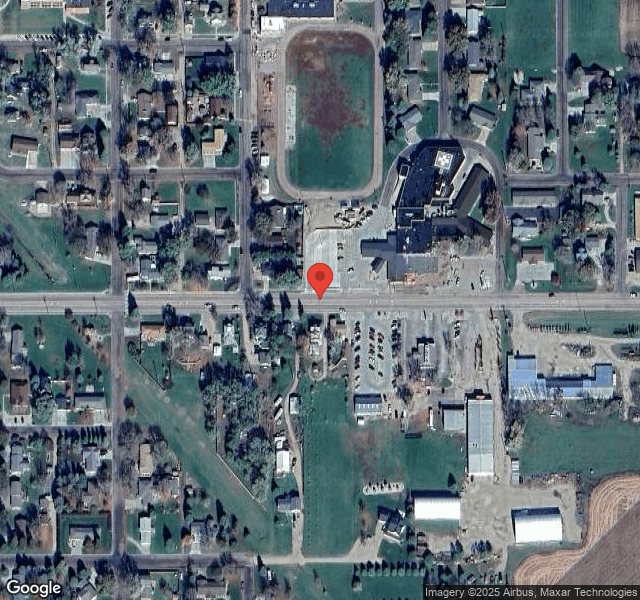
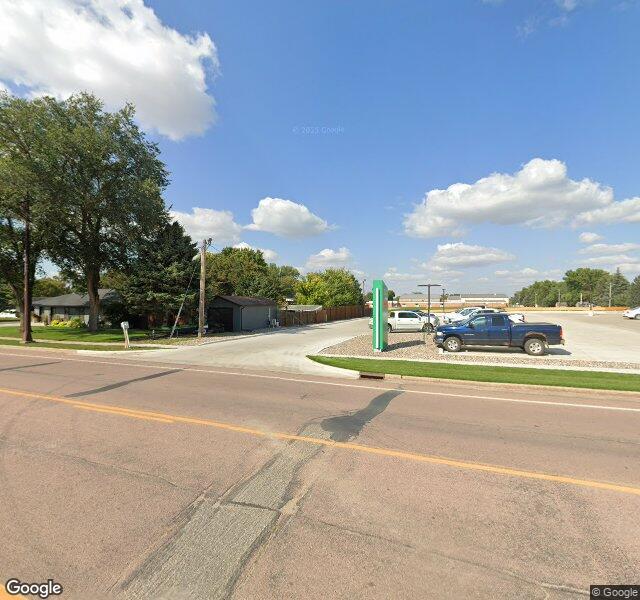
609 EAST 7TH, PLATTE, SD 57369 (605) 337-3131
Non profit - Corporation 48 Beds Independent Data: November 2025
Trust Grade
38/100
#65 of 95 in SD
Last Inspection: November 2024

Within standard 12-15 month inspection cycle. Federal law requires annual inspections.

Overview

Platte Care Center has received a Trust Grade of F, indicating significant concerns and a poor overall rating. Ranking #65 out of 95 nursing homes in South Dakota places it in the bottom half, although it is the top facility in Charles Mix County. The facility is currently improving, having reduced its issues from three in 2024 to two in 2025. Staffing is a relative strength, with a rating of 4 out of 5 stars and a turnover rate of 49%, which is on par with the state average. However, the center has faced serious issues, such as a CNA who misled a resident about recording her care and a failure to monitor dishwasher temperatures properly, raising concerns about sanitation. Overall, while there are some strengths in staffing, the facility's poor trust grade and specific incidents of neglect and abuse highlight significant weaknesses that families should consider.

Trust Score
F
38/100
In South Dakota
#65/95
Bottom 32%
Safety Record
High Risk
Review needed
Inspections
Getting Better
3 → 2 violations
Staff Stability
⚠ Watch
49% turnover. Above average. Higher turnover means staff may not know residents' routines.
Penalties
⚠ Watch
$12,335 in fines. Higher than 89% of South Dakota facilities, suggesting repeated compliance issues.
Skilled Nurses
✓ Good
Each resident gets 52 minutes of Registered Nurse (RN) attention daily — more than average for South Dakota. RNs are trained to catch health problems early.
Violations
✓ Good
Only 5 deficiencies on record. Cleaner than most facilities. Minor issues only.
★★☆☆☆
2.0
Overall Rating
★★★★☆
4.0
Staff Levels
★★★★☆
4.0
Care Quality
★★☆☆☆
2.0
Inspection Score
Stable
2024: 3 issues
2025: 2 issues

The Good

  • 4-Star Staffing Rating · Above-average nurse staffing levels
  • 4-Star Quality Measures · Strong clinical quality outcomes
  • Full Sprinkler Coverage · Fire safety systems throughout facility
  • No fines on record

Facility shows strength in staffing levels, quality measures, fire safety.

The Bad

2-Star Overall Rating

Below South Dakota average (2.7)

Below average - review inspection findings carefully

Staff Turnover: 49%

Near South Dakota avg (46%)

Higher turnover may affect care consistency

Federal Fines: $12,335

Below median ($33,413)

Minor penalties assessed

The Ugly 5 deficiencies on record

1 actual harm
Feb 2025 2 deficiencies
CONCERN (D) 📢 Someone Reported This

A family member, employee, or ombudsman was alarmed enough to file a formal complaint

Potential for Harm - no one hurt, but risky conditions existed

Report Alleged Abuse (Tag F0609)

Could have caused harm · This affected 1 resident

**NOTE- TERMS IN BRACKETS HAVE BEEN EDITED TO PROTECT CONFIDENTIALITY** Based on review of South Dakota Department of Health (SD DOH) complaint, interview, record review, and policy review, the provid...

Read full inspector narrative →
**NOTE- TERMS IN BRACKETS HAVE BEEN EDITED TO PROTECT CONFIDENTIALITY** Based on review of South Dakota Department of Health (SD DOH) complaint, interview, record review, and policy review, the provider failed to report suspected neglect for one of one (1) sampled residents. Findings include: 1. Review of the SD DOH complaint filed anonymously on 12/31/2025 revealed: *On 12/28/24, the anonymous writer observed resident 1 in a soiled (incontinent) brief after CNA D had documented changing resident 1's brief at 4:00 a.m. *The anonymous writer reported at 4:00 a.m., the brief was dated 0000 (indicating it was changed at 12:00 a.m.), concluding the brief could not have been changed at 2:00 a.m. by CNA D. *The anonymous writer reported that night shift staff had written multiple reports of CNA D's neglectful behavior, but the reports had not led to any change in CNA D's behaviors. 2. Review of the provider's [NAME] Care Center [NAME] Health Corrective Action Plan form submitted by LPN C revealed: *A CNA brought it to LPN C's attention that CNA D had not been completing required checks on residents but was falsely documenting she was. *LPN C verified one of the residents was incontinent of urine. *When LPN C confronted CNA D, CNA D told me [LPN C] I was in for a world of shit if reported. *CNA A felt she was being targeted by LPN C. *LPN C told CNA D she had been getting complaints from other CNAs alleging CNA D was not performing her job duties. *LPN C wanted to take a picture of a resident's incontinent brief, but CNA D would not allow this and made a scene. *LPN C then sent the DON a message to call and discuss the incident. 3. Phone interview on 2/5/25 at 10:42 a.m. with a staff member who requested to remain anonymous revealed: *Some of the CNAs would lie about having completed their work duties. *CNA D had made verbal threats before to a night shift nurse. *The anonymous interviewee was aware of at least three staff members that had reported CNA D neglecting her duties to director of nursing (DON) B and administrator A. *The anonymous interviewee reported that staff are fearful of retaliation from management. 4. Interview on 2/5/25 at 12:07 p.m. with administrator A revealed: *He considered cares not getting done was neglect. *It was his expectation that if two staff did not get along or accused each other of abuse/neglect, the floor nurse was to investigate the allegations and report the investigation findings to DON B. *He reported education had been provided on how to file a report with the SD DOH to the nursing staff on 8/26/24 and to CNAs on 8/27/24 at staff meetings. *There were step-by-step instructions on how to file a report with the SD DOH in the medication room tip sheets binder. *It was his expectation that these allegations should have been reported to the SD DOH. 5. Interview on 2/5/25 at 2:31 p.m. with RN F regarding SD DOH online reporting revealed: *She was aware of the online reporting site. *She had used it to report fall incidents. *She had not used it to report allegations of neglect, she would report allegations of neglect directly to DON B for investigation. 6. Review of the provider's 1/2025 Abuse Prohibition Policy & Reporting of Crimes (in Long Term Care, Hospital, & Home Settings) policy revealed: *Neglect Neglect is the failure of the facility, its employees or service provider to provide goods and services to a resident that are necessary to avoid physical harm, pain, mental anguish, or emotional distress. *The facility will thoroughly investigate all alleged violations and will prevent further potential abuse while the investigation is in progress. *Policy: [NAME] Health Center [NAME] has established a zero tolerance policy for any form of abuse or neglect toward any resident/patient.
CONCERN (D) 📢 Someone Reported This

A family member, employee, or ombudsman was alarmed enough to file a formal complaint

Potential for Harm - no one hurt, but risky conditions existed

Investigate Abuse (Tag F0610)

Could have caused harm · This affected 1 resident

**NOTE- TERMS IN BRACKETS HAVE BEEN EDITED TO PROTECT CONFIDENTIALITY** Based on South Dakota Department of Health (SD DOH) complaint review, interview, record review, and policy review, the provider ...

Read full inspector narrative →
**NOTE- TERMS IN BRACKETS HAVE BEEN EDITED TO PROTECT CONFIDENTIALITY** Based on South Dakota Department of Health (SD DOH) complaint review, interview, record review, and policy review, the provider failed to thoroughly investigate allegations of neglect of one of one sampled resident (1) by certified nursing aide (CNA) D and failed to adequately document the process for reporting neglect. Findings include: 1. Review of the SD DOH complaint was anonymously on 12/31/2025 revealed: *On 12/28/24, the anonymous writer observed resident 1 in a soiled (incontinent) brief after CNA D had documented having changed resident 1's brief at 4:00 a.m. *The anonymous writer reported at 4:00 a.m., the resident's incontinence brief was dated 0000 (indicating it was changed at 12:00 a.m.), and concluded the brief could not have been changed at 2:00 a.m. by CNA D. *The anonymous writer reported that the night shift staff had written multiple reports of CNA D's neglectful behavior, but the reports had not led to any change in CNA D's behaviors. 2. Interview on 2/5/25 at 12:07 p.m. with administrator A revealed: *Reports of abuse or neglect were to be reported to the SD DOH by director of nursing (DON) B during daytime hours and by the night shift nurse during nighttime hours. *Instructions for reporting to the SD DOH could be found in the medication room in the tip sheet binder. *He described neglect to surveyors as cares not done. *It was his expectation that neglect allegations would be reported. *When asked if there had been any recent allegations of neglect, he replied There have been rumors. *When asked how he would have expected rumors of neglect to be handled, he explained he expected staff to report the allegations to the nurse. -The nurse was to then investigate the allegations. -He thought the last rumors of neglect had occurred about two or three months ago. *He was not aware of any written reports of neglect allegations. 3. Follow-up interview on 2/5/25 at 1:30 p.m. with administrator A revealed: *On 12/26/24, a [NAME] Care Center [NAME] Health Corrective Action Plan form had been submitted to DON B by licensed practical nurse (LPN) C regarding suspected neglect by CNA D. *He had just received that form from DON B. *He was not aware that form had been received by DON B. *His statement regarding that form and the incident information included on it was It should have been reported. 4. Review of the provider's [NAME] Care Center [NAME] Health Corrective Action Plan form submitted by LPN C revealed: *A CNA had reported to LPN C's that CNA D had not been completing the required checks on residents and was falsely documenting that she had. *LPN C verified one of the residents had been incontinent of urine. *When LPN C confronted CNA D, CNA D replied CNA D told me [LPN C] I was in for a world of shit if reported to management for not performing her required duties. *CNA D felt she was being targeted by LPN C. *LPN C told CNA D she had been getting complaints from other CNAs alleging CNA D was not performing her job duties. *LPN C wanted to take a picture of a resident's incontinent brief, but CNA D would not allow that and made a scene. *LPN C then sent DON B a message to call and discuss the incident. 5. Interview on 2/5/25 at 2:10 p.m. with CNA E revealed: *If she witnessed abuse or neglect, she would first remove the resident from the immediate threat. *She would then report the abuse or neglect to the charge nurse. *It was her expectation that suspicion of abuse or neglect would be reported. 6. Interview on 2/5/25 at 2:47 p.m. with DON B revealed: *On the night of the above incident (12/26/26), she had missed a phone call from both LPN C and CNA D. *She later got a call from LPN F letting her know the [NAME] Care Center [NAME] Health Corrective Action Plan form had been placed on her desk. *The [NAME] Care Center [NAME] Health Corrective Action Plan form was placed on DON B's desk on 12/26/24 while DON B was on vacation. *Upon her return from vacation, she interviewed CNA D about the accusation of not completing cares by LPN C. -CNA D was adamant her duties had been performed. *A follow-up communication with LPN C with the use of Volt (a messaging application on cell phone used by the facility for staff to communicate with each other) revealed CNA D had apologized to LPN C for yelling and refusing to talk to LPN C. *At this point, it was the DON's opinion the argument had been settled. 7. Review of the provider's 1/2025 Abuse Prohibition Policy & Reporting of Crimes (in Long Term Care, Hospital, & Home Settings) policy revealed: *Neglect Neglect is the failure of the facility, its employees or service provider to provide goods and services to a resident that are necessary to avoid physical harm, pain, mental anguish, or emotional distress. *The facility will thoroughly investigate all alleged violations and will prevent further potential abuse while the investigation is in progress. *Policy: [NAME] Health Center [NAME] has established a zero tolerance policy for any form of abuse or neglect toward any resident/patient.
Nov 2024 3 deficiencies 1 Harm
SERIOUS (G) 📢 Someone Reported This

A family member, employee, or ombudsman was alarmed enough to file a formal complaint

Actual Harm - a resident was hurt due to facility failures

Free from Abuse/Neglect (Tag F0600)

A resident was harmed · This affected 1 resident

Based on South Dakota Department of Health (SD DOH) facility-reported incidents (FRI), interview, record review, and policy review, the provider failed to protect one of one sampled resident (11) from...

Read full inspector narrative →
Based on South Dakota Department of Health (SD DOH) facility-reported incidents (FRI), interview, record review, and policy review, the provider failed to protect one of one sampled resident (11) from abuse by one of one agency certified nursing assistant (CNA) (F) who insinuated she was videoing the resident when providing her care. This citation is considered past non-compliance based on review of the corrective actions the provider implemented following the incident. Findings include: 1. Review of the provider's submitted SD DOH FRI regarding resident 11's incident revealed: *Her Brief Interview for Mental Status (BIMS) assessment score was 15 which indicated her cognition was intact. *On 7/9/24 at 9:00 p.m. she reported to licensed practical nurse (LPN) K that CNA F had been recording her while helping her with her bathroom care needs. *LPN K questioned CNA F who told her that she was not actually recording, but she had wanted resident 11 to believe she was. *LPN K reported the incident to administrator A. *CNA F was assigned to a different hallway for the rest of the night and monitored. *Interventions following their investigation of this incident included: -CNA F was terminated. -All residents received education regarding how to report abuse allegations. -Residents with a BIMS score of 8-15 were interviewed for signs or suspicions of abuse by staff. -Resident 11 was offered mental health services. -All staff were to receive education regarding abuse and how to report it. 2. Interview on 11/20/24 at 11:10 a.m. with CNA D revealed: *They had received education on abuse in their huddles and online. *She knew how to report abuse to the designated people which included administrator A and director of nursing (DON) B. *She knew how to identify signs and symptoms of resident abuse. 3. Interview on 11/20/24 at 11:14 a.m. with resident 11 in her room revealed: *She had issues with CNA F prior to the video recording incident, but she never reported anything. *She had been offered mental health services, but she declined because she didn't think it was necessary. 4. Interview on 11/20/24 at 2:28 p.m. with administrator A revealed: *CNA F had a background check that indicated no prior abuse allegations when hired. *CNA F had completed education on abuse prior to being hired and completed the facility's education on abuse during her orientation. *He had contacted her agency and reported the incident. *Law enforcement had been notified of the incident. The provider's implemented actions to ensure the deficient practice does not reoccur was confirmed on 11/20/24 after record and policy review revealed the facility had followed their quality assurance process, education was provided to all nursing care staff regarding abuse and how to report it, resident education and interviews had been completed, and interviews revealed staff understood the education provided regarding those topics. Based on the above information, non-compliance at F600 occurred on 7/9/24, and based on the provider's 7/12/24 implemented corrective action for the deficient practice confirmed on 11/20/24, the non-compliance is considered past non-compliance.
CONCERN (D)

Potential for Harm - no one hurt, but risky conditions existed

Staffing Information (Tag F0732)

Could have caused harm · This affected 1 resident

Based on observation and interview the provider failed to ensure the posted daily staff data reflected the actual hours worked by certified nursing assistants (CNAs). Findings include: 1. Observation ...

Read full inspector narrative →
Based on observation and interview the provider failed to ensure the posted daily staff data reflected the actual hours worked by certified nursing assistants (CNAs). Findings include: 1. Observation on 11/20/24 at 1:13 p.m. revealed: *The facility's staff hours posting form was located in the front entrance hallway on a bulletin board. -The form included the facility name, date, resident census, and hours scheduled for licensed nurses and certified nurse aides. --The hours scheduled were pre-printed on a computerized form. Interview on 11/20/24 at 1:15 p.m. with CNA E, director of nursing B, and administrator A, regarding the posting of staff hours revealed: *CNA E and another staff person were responsible for posting the staff hours. *The CNA area of the form used to post staffing hours did not include actual hours worked. *The form that was posted included only hours scheduled and was not updated to include any changes in CNA hours worked. *They stated the scheduled licensed nurse hours were always accurate to actual hours worked. *They confirmed they were not aware the staff hours posted should be actual hours worked.
CONCERN (F)

Potential for Harm - no one hurt, but risky conditions existed

Food Safety (Tag F0812)

Could have caused harm · This affected most or all residents

Based on observation, record review, interview, and policy review, the provider failed to ensure the dishwasher temperatures were monitored, recorded, and interventions were documented for temperature...

Read full inspector narrative →
Based on observation, record review, interview, and policy review, the provider failed to ensure the dishwasher temperatures were monitored, recorded, and interventions were documented for temperatures out of range for one of one dishwasher used for the cleaning and sanitization of dishes and items used to prepare and serve residents' food. Findings include: 1. Observation on 11/19/24 at 11:30 a.m. of cook H revealed: *She removed the plates from the serving stack and placed them in the dishwasher. *After the dishwashing cycle was completed, she returned the plates to the serving stack. *She then served the lunch meal on the plates that she had washed. 2. Review of the provider's Dishwasher Temperature Record revealed: *The dishwasher was a high-temperature dishwasher. *The Dishwasher Temperature Record had areas for documentation of the Wash Cycle Temp and the Rinse Cycle temperatures. *There were areas for documentation labeled B [breakfast], L [lunch], and D [dinner] for each date. *There were grayed-out areas on the temperature log that coincided with the bottom of the form indicated that the temperatures were in degrees Fahrenheit (F) and that the Wash Temps needed to be [between] 150-165 [degrees F] and Final Rinse Temps need to be 180 [degrees F] or> [greater]. *There was an area on the form that indicated, If not in appropriate range, put date here and what was done to fix the issue:. *There were multiple areas on the form where there were no documented temperatures. *There was documentation of the Wash Cycle Temp being out of range. -On 11/3 the dinner temperature was documented as 148 degrees F. -On 11/10 the lunch temperature was documented as 149 degrees F. -On 11/13 the dinner temperature was documented as 149 degrees F. *There was no documentation in the interventions temperatures that were out of range. 3. Record review on 11/20/24 of the provider's 2024 September, October, and November dishwasher temperature logs revealed: *The September log indicated there were: -Eighteen missed opportunities for temperature documentation. -Three days that had no temperature documentation for all three mealtimes (9/11, 9/12, 9/22). -Five times when the wash cycle temperature was documented as having been out of range. -Thirteen times when the rinse cycle temperature was documented as having been out of range. -No documented interventions for when those temperatures were out of range. *The October log indicated there were: -Thirty-four missed opportunities for temperature documentation. -Two days had no temperature documentation for all three mealtimes (10/30 and 10/31). -One time when the wash cycle temperature was documented out of range. -Seven times when the rinse cycle temperature was documented out of range. -No documented interventions for when those temperatures were out of range. *November's log indicated there were: -Eighteen missed opportunities for temperature documentation. -Two days had no temperature documentation for all three mealtimes (11/1 and 11/2). -Three times when the wash cycle temperature was documented out of range. -No documented interventions for when those temperatures were out of range. 4. Interview on 11/20/24 at 10:03 a.m. with dishwasher I regarding the dishwasher temperatures indicated: *Temperatures were to be recorded after every meal. *The temperatures were read from a digital display that indicated if it was a wash or rinse cycle and the temperature. *She recorded the temperatures from the last wash cycle of each meal service on the Dishwasher Temperature Form. *She identified the gray areas on the form indicated the acceptable range for the wash and rinse temperatures. *She stated if the temperatures were out of range, she would notify her supervisor. 5. Interview on 11/20/24 at 11:10 a.m. with dietary manager G regarding the high-temperature dishwasher revealed: *She had been in her position for one month. *She would expect the dishwasher temperature to be read and documented by staff twice daily. *She had not reviewed the dishwasher policy or the dishwasher temperature documentation. *If the dishwasher temperature was out of range, she would expect staff to notify maintenance and she would notify administrator A. *She stated that she would expect that staff would not continue to wash dishes if the dishwasher temperature was not in the appropriate range. 6. Interview on 11/20/24 at 11:52 a.m. with administrator A regarding the high-temperature dishwasher revealed: *He expected the temperatures would be checked by staff three times daily with meals. *He agreed the temperatures were not being taken as often as he expected and there was no documentation of interventions for the out-of-range temperatures. *He indicated the temperatures in the kitchen were being followed in QAPI (quality assurance and performance improvement) and there was a PIP (performance improvement plan) that had been developed but had not been implemented. *He expected staff to notify maintenance if the temperatures were out of range. *Maintenance verified the accuracy of the gauges on the high-temperature dishwasher monthly. 7. Review of the provider's 10/2024 Sanitation, Safety, Equipment---Machine Dishwashing policy revealed that Temperature/appropriate sanitation levels are checked & recorded daily.
Understanding Severity Codes (click to expand)
Life-Threatening (Immediate Jeopardy)
J - Isolated K - Pattern L - Widespread
Actual Harm
G - Isolated H - Pattern I - Widespread
Potential for Harm
D - Isolated E - Pattern F - Widespread
No Harm (Minor)
A - Isolated B - Pattern C - Widespread

Questions to Ask on Your Visit

  • "What safeguards are in place to prevent abuse and neglect?"
  • "Can I speak with families of current residents?"
  • "What's your RN coverage like on weekends and overnight?"

Our Honest Assessment

Strengths
  • • Licensed and certified facility. Meets minimum state requirements.
Concerns
  • • Multiple safety concerns identified: Federal abuse finding, 1 harm violation(s). Review inspection reports carefully.
  • • 5 deficiencies on record, including 1 serious (caused harm) violation. Ask about corrective actions taken.
  • • $12,335 in fines. Above average for South Dakota. Some compliance problems on record.
  • • Grade F (38/100). Below average facility with significant concerns.
Bottom line: This facility has a substantiated abuse finding. Extreme caution advised. Explore alternatives.

About This Facility

What is Platte Care Center's CMS Rating?

CMS assigns Platte Care Center an overall rating of 2 out of 5 stars, which is considered below average nationally. Within South Dakota, this rating places the facility higher than 0% of the state's 100 nursing homes. A rating at this level reflects concerns identified through health inspections, staffing assessments, or quality measures that families should carefully consider.

How is Platte Care Center Staffed?

CMS rates Platte Care Center's staffing level at 4 out of 5 stars, which is above average compared to other nursing homes. Staff turnover is 49%, compared to the South Dakota average of 46%.

What Have Inspectors Found at Platte Care Center?

State health inspectors documented 5 deficiencies at Platte Care Center during 2024 to 2025. These included: 1 that caused actual resident harm and 4 with potential for harm. Deficiencies causing actual harm indicate documented cases where residents experienced negative health consequences.

Who Owns and Operates Platte Care Center?

Platte Care Center is owned by a non-profit organization. Non-profit facilities reinvest revenue into operations rather than distributing to shareholders. The facility operates independently rather than as part of a larger chain. With 48 certified beds and approximately 36 residents (about 75% occupancy), it is a smaller facility located in PLATTE, South Dakota.

How Does Platte Care Center Compare to Other South Dakota Nursing Homes?

Compared to the 100 nursing homes in South Dakota, Platte Care Center's overall rating (2 stars) is below the state average of 2.7, staff turnover (49%) is near the state average of 46%, and health inspection rating (2 stars) is below the national benchmark.

What Should Families Ask When Visiting Platte Care Center?

Based on this facility's data, families visiting should ask: "What safeguards and monitoring systems are in place to protect residents from abuse or neglect?" "Can I visit during a mealtime to observe dining assistance and food quality?" "How do you handle medical emergencies, and what is your hospital transfer rate?" "Can I speak with family members of current residents about their experience?" These questions are particularly relevant given the substantiated abuse finding on record.

Is Platte Care Center Safe?

Based on CMS inspection data, Platte Care Center has documented safety concerns. The facility has 1 substantiated abuse finding (meaning confirmed case of resident harm by staff or other residents). The facility has a 2-star overall rating and ranks #100 of 100 nursing homes in South Dakota. Families considering this facility should ask detailed questions about what corrective actions have been taken since these incidents.

Do Nurses at Platte Care Center Stick Around?

Platte Care Center has a staff turnover rate of 49%, which is about average for South Dakota nursing homes (state average: 46%). Moderate turnover is common in nursing homes, but families should still ask about staff tenure and how the facility maintains care continuity when employees leave.

Was Platte Care Center Ever Fined?

Platte Care Center has been fined $12,335 across 1 penalty action. This is below the South Dakota average of $33,202. While any fine indicates a compliance issue, fines under $50,000 are relatively common and typically reflect isolated problems that were subsequently corrected. Families should ask what specific issues led to these fines and confirm they've been resolved.

Is Platte Care Center on Any Federal Watch List?

Platte Care Center is not on any federal watch list. The most significant is the Special Focus Facility (SFF) program, which identifies the bottom 1% of nursing homes nationally based on persistent, serious quality problems. Not being on this list means the facility has avoided the pattern of deficiencies that triggers enhanced federal oversight. This is a positive indicator, though families should still review the facility's inspection history directly.