Westhills Village Health Care Facility
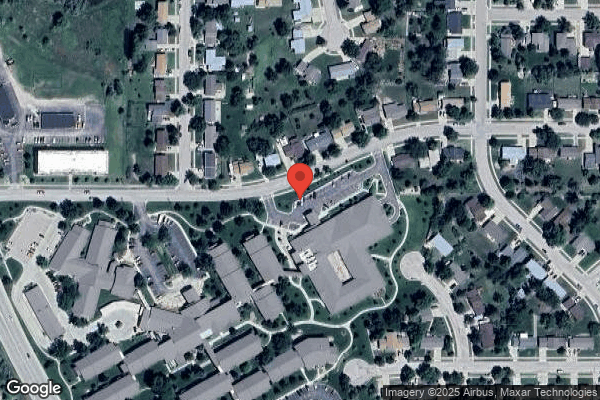

255 TEXAS ST, RAPID CITY, SD 57701 (605) 342-0255
Non profit - Other 44 Beds Independent Data: November 2025
Trust Grade
75/100
#30 of 95 in SD
Last Inspection: November 2024

Within standard 12-15 month inspection cycle. Federal law requires annual inspections.

Overview

Westhills Village Health Care Facility has a Trust Grade of B, indicating it is a good choice for families seeking care, though not the very best. It ranks #30 out of 95 in South Dakota, placing it in the top half of facilities in the state, and #3 out of 9 in Pennington County, meaning only two local options are better. The facility is improving, having reduced its issues from six in 2024 to two in 2025. Staffing is rated 4 out of 5, which is a strength, with a turnover rate of 50%, comparable to the state average. There have been no fines, which is a positive sign, and the facility has better RN coverage than 88% of other facilities in South Dakota. However, there are some notable weaknesses. A serious incident involved a medication error where a resident was given the wrong type of insulin, leading to a hospitalization. Additionally, there were concerns regarding food service practices, including improper glove usage by staff and a lack of dignity in communication with residents. While there are strengths in staffing and RN coverage, families should weigh these incidents when considering this facility for their loved ones.

Trust Score
B
75/100
In South Dakota
#30/95
Top 31%
Safety Record
Moderate
Needs review
Inspections
Getting Better
6 → 2 violations
Staff Stability
⚠ Watch
50% turnover. Above average. Higher turnover means staff may not know residents' routines.
Penalties
✓ Good
No fines on record. Clean compliance history, better than most South Dakota facilities.
Skilled Nurses
✓ Good
Each resident gets 63 minutes of Registered Nurse (RN) attention daily — more than 97% of South Dakota nursing homes. RNs are the most trained staff who catch health problems before they become serious.
Violations
○ Average
9 deficiencies on record. Average for a facility this size. Mostly minor or procedural issues.
★★★★☆
4.0
Overall Rating
★★★★☆
4.0
Staff Levels
★★★★★
5.0
Care Quality
★★★☆☆
3.0
Inspection Score
Stable
2024: 6 issues
2025: 2 issues

The Good

  • 4-Star Staffing Rating · Above-average nurse staffing levels
  • 5-Star Quality Measures · Strong clinical quality outcomes
  • Full Sprinkler Coverage · Fire safety systems throughout facility
  • No fines on record

Facility shows strength in staffing levels, quality measures, fire safety.

The Bad

Staff Turnover: 50%

Near South Dakota avg (46%)

Higher turnover may affect care consistency

The Ugly 9 deficiencies on record

1 actual harm
Jul 2025 2 deficiencies 1 Harm
SERIOUS (G) 📢 Someone Reported This

A family member, employee, or ombudsman was alarmed enough to file a formal complaint

Actual Harm - a resident was hurt due to facility failures

Deficiency F0760 (Tag F0760)

A resident was harmed · This affected 1 resident

**NOTE- TERMS IN BRACKETS HAVE BEEN EDITED TO PROTECT CONFIDENTIALITY** Based on South Dakota Department of Health (SD DOH) facility reported incident (FRI) review, record review, observation, intervi...

Read full inspector narrative →
**NOTE- TERMS IN BRACKETS HAVE BEEN EDITED TO PROTECT CONFIDENTIALITY** Based on South Dakota Department of Health (SD DOH) facility reported incident (FRI) review, record review, observation, interview, and policy review the provider failed to ensure one of one sampled resident (1) was free from a significant medication error when administered the wrong insulin by licensed practical nurse (LPN) D that resulted in the resident's transfer to the emergency room (ER) evaluation and treatment of low blood sugar levels, and a subsequent overnight hospitalization for observation.Findings include: 1. Review of the provider's 5/4/25 SD DOH FRI regarding resident 1 revealed:*On 5/4/25 at 7:00 a.m. resident 1 was administered by injection 40 units of lispro (a fast-acting insulin) instead of the physician's ordered 40 units of glargine (a long-acting insulin) by LPN D.*At 7:04 a.m. physician G was notified of the medication error.-Resident 1 to receive an injection of glucagon (a medication used to increase the blood sugar in the body).-To continue encouraging resident 1 to eat and drink carbohydrates in an attempt to prevent resident 1's blood sugar from becoming too low.-To call the ambulance to have resident 1 transferred to the emergency department for further evaluation and treatment.*Resident 1 was admitted to the hospital overnight for observation of his blood sugars.*On 5/5/25 at 2:50 p.m. administrator A submitted the initial SD DOH FRI to report the medication error, which resulted in the resident's hospitalization for observation. 2. Review of resident 1's electronic medical record (EMR) revealed he:*Was admitted on [DATE].*Had a diagnosis of diabetes (a group of diseases that effect how the body uses sugar in the blood).*Had a 3/6/25 physician's order for Insulin glargine {U-100} 100 units/ml [units per milliliter] (3 ML) subcutaneous [under the skin] pen [generic] - 40 units Subcutaneous Every Day that was scheduled to be administered at 8:00 a.m.*Had previously been receiving lispro insulin, but that order was discontinued on 3/27/25 by physician G.*In April 2025 resident 1's blood sugars were measured four times daily.-The range of resident 1's blood sugars were 79-257.*Was transferred to the emergency room, after the medication error, on 5/4/25 at 7:27 a.m. and returned to the facility the morning of 5/5/25.*Was discharged from the facility on 6/17/25. 3. Review of resident 1's physician's progress notes from the resident's hospital stay above revealed:*He was evaluated in the emergency department after being administered 40 units of short-acting insulin instead of his prescribed 40 units of long-acting insulin.*Initially his blood sugars were maintained within a normal range by him eating but then dropped to 51 (a diabetic adult's blood sugar should be between 80-130) at around noon on 5/4/25.*An intravenous infusion of dextrose (sugar administered through the vein) was initiated when resident 1's blood sugar decreased to 51 and the intravenous dextrose infusion was maintained for a few hours to increase resident 1's blood sugar to a safe range.*He was admitted to the hospital for observation of his blood sugars and administration of the intravenous dextrose infusion.*Resident 1 was discharged in the morning on 5/5/25 with no changes in his medication orders. 4. Observation and Interview on 7/8/25 at 12:05 p.m. with LPN F at the medication cart revealed:*The residents' insulins were stored in the top drawer of the medication cart once they were removed from the refrigerator for use.*LPN F was working on 5/4/25 at the time resident 1 received the wrong type of insulin.*She stated LPN D had administered 40 units of lispro insulin to resident 1 instead of his physician ordered 40 units of glargine insulin.*LPN F stated that resident 1 had physician ordered lispro insulin but that had been discontinued weeks prior.*The lispro insulin was not removed from the medication cart when it was discontinued but it should have been.*LPN D immediately recognized she had administered resident 1 the wrong insulin and reported the medication error to the on-call physician.*Resident 1's family and physician G were notified of the medication administration error, and resident 1 was transferred to the ER as ordered by physician G. 5. Interview on 7/8/25 at 1:45 p.m. with registered nurse (RN) E revealed: *All residents who had a physician's order for insulin were to have scheduled audits of the insulin on the resident's MAR.*The audits were to be completed and documented weekly by the nursing staff after they had checked all of the insulins in the medication carts. 6. Interview on 7/8/25 at 2:08 p.m. with physician G revealed:*He was the facility's medical director and resident 1's primary physician.*He had been the on-call physician on 5/4/25 and received the phone call from the provider informing him of the medication error.*Due to resident 1 having received 40 units of lispro insulin instead of his prescribed 40 units of glargine insulin, physician G ordered resident 1 to be transferred to the ER by ambulance for evaluation and treatment because he felt resident 1's condition was going to get worse before he returned to his baseline.*While in the emergency department resident 1's blood sugar decreased to 51 and required an intravenous infusion of dextrose to maintain his blood sugar in a safe range.*He stated, if the nurse had not reported her medication error immediately, the result of that medication error could have been critical.*He verified the administration of 40 units of lispro insulin instead of 40 units of glargine insulin was a significant medication error. 7. Interview on 7/8/25 at 2:20 p.m. with LPN D revealed:*She was the nurse who mistakenly administered 40 units of lispro insulin to resident 1 instead of the physician prescribed 40 units of glargine insulin.*There was an insulin pen for both the lispro and glargine insulins in the medication cart at the time of the medication error.*After she made the medication error, she reviewed resident 1's MAR and identified there was no active physician's order for lispro insulin in May 2025.*She knew resident 1 had previously had a physician's order for the lispro insulin, but she was not sure when the order had been discontinued.*She thought the medication error could have been avoided if the lispro insulin had been removed from the cart and destroyed, and she would have completed the rights of medication administration prior to the administration of the insulin.*After the medication error she removed the lispro insulin from the medication cart and destroyed it. 8. Review of the July 2023 manufacturer's instructions for lispro insulin pens revealed:* In-use Pen-Store the Pen you are currently using at room temperature [up to 86 degrees F [Fahrenheit] (30 degrees C [Celsius]). Keep away from heat and light.-Throw away the Insulin Lispro Pen you are using after 28 days, even if it still has insulin left in it. 9. Interview on 7/8/25 at 3:20 p.m. with administrator A and director of nursing (DON) B revealed:*The facility did not have medication that were identified as high-risk medications.*DON B stated she called the facilities pharmacy, and they indicated all medications are high-risk medications.*Administrator A and DON B stated the administration of 40 units of lispro insulin without a physician's order could have resulted in serious adverse effects, including death.*DON B verified resident 1's physician's order for lispro insulin had been discontinued on 3/27/25.*She expected that the nurse who received the order to discontinue the lispro insulin to have removed it from the medication cart and destroyed it at that time.*DON B and administrator A verified the insulin having remained in the medication cart after it was discontinued did not follow the provider's Medication Disposition policy.*DON B and administrator A agreed that a discontinued insulin would be an insulin that should have been identified, removed, and destroyed during the weekly insulin audits according to, Discard any products that are outdated or otherwise not indicated for use.*DON B also verified the lispro insulin would have been taken out of the refrigerator at the latest date of 3/27/25, when the physician's order was received for discontinuation, and in accordance with the manufacturer's instructions it should have been destroyed 28 days after it had been opened, which meant the lispro insulin pen should have been destroyed no later than 4/24/25.*DON B verified there was documentation in resident 1's MAR on 4/28/25 that the insulin audit was completed. That was four days after the lispro insulin should have been removed from the medication cart and destroyed 28 days after it had been opened, per the manufacturer's instructions.DON B and administrator A agreed the administration of 40 units of lispro insulin instead of the physician's ordered 40 units of glargine insulin was a significant medication error. Review of the provider's 11/11/15 Medication Passing Procedure revealed:* Each individual medication must be checked with [the] MAR for:-a. Right Resident name-b. Right medicationc. Right dose-d. Right time-e. Right route-f. Right effect-g. Right form-h. Right documentation. Review of the provider's 3/6/19 Medication Insulin policy revealed Insulin pens and vials will be dated when opened and discarded per the pharmacy guidelines. Review of the provider's December 2018 Medication Disposition policy revealed:* Medications that will not be administered to the resident to whom they were dispensed, such as those that are discontinued, outdated, or are declined by the resident, will be disposed of properly. Medications will not be ‘held for disposal' but will be dispositioned at the time that they were taken out of service pending availability of appropriate staff.* Review for appropriate indication to destroy medications, such as discontinuation of the medication order, etc.
CONCERN (D) 📢 Someone Reported This

A family member, employee, or ombudsman was alarmed enough to file a formal complaint

Potential for Harm - no one hurt, but risky conditions existed

Report Alleged Abuse (Tag F0609)

Could have caused harm · This affected 1 resident

**NOTE- TERMS IN BRACKETS HAVE BEEN EDITED TO PROTECT CONFIDENTIALITY** Based on South Dakota Department of Health (SD DOH) facility reported incident (FRI) review, record review, interview, and polic...

Read full inspector narrative →
**NOTE- TERMS IN BRACKETS HAVE BEEN EDITED TO PROTECT CONFIDENTIALITY** Based on South Dakota Department of Health (SD DOH) facility reported incident (FRI) review, record review, interview, and policy review the provider failed to report to the SD DOH within the required time frame, for one of one sampled resident (1) who was sent to the emergency department, and hospitalized for observation and treatment after being administered the incorrect insulin by licensed practical nurse (LPN) D.Findings include: 1. Review of the provider's 5/4/25 SD DOH FRI regarding resident 1 revealed:*On 5/4/25 at 7:00 a.m. resident 1 was administered by injection 40 units of lispro (a fast-acting insulin) instead of the physician's ordered 40 units of glargine (a long-acting insulin) by LPN D.*At 7:04 a.m. physician G was notified of the medication error.-Resident 1 to receive an injection of glucagon (a medication used to increase the blood sugar in the body).-To continue encouraging resident 1 to eat and drink carbohydrates in an attempt to prevent resident 1's blood sugar from becoming too low.-To call the ambulance to have resident 1 transferred to the emergency department for further evaluation and treatment.*Resident 1 was admitted to the hospital overnight for observation of his blood sugars.*On 5/5/25 at 2:50 p.m. administrator A submitted the initial SD DOH FRI to report the medication error, which resulted in the resident's hospitalization for observation. 2. Review of resident 1's electronic medical record (EMR) revealed he:*Was admitted on [DATE].*Had a diagnosis of diabetes (a group of diseases that effect how the body uses sugar in the blood).*Had a 3/6/25 physician's order for Insulin glargine {U-100} 100 units/ml [units per milliliter] (3 ML) subcutaneous [under the skin] pen [generic] - 40 units Subcutaneous Every Day that was scheduled to be administered at 8:00 a.m.*Had previously been receiving lispro insulin, but that order was discontinued on 3/27/25 by physician G.*In April 2025 resident 1's blood sugars were measured four times daily.-The range of resident 1's blood sugars were 79-257.*Was transferred to the emergency room, after the medication error, on 5/4/25 at 7:27 a.m. and returned to the facility the morning of 5/5/25.*Was discharged from the facility on 6/17/25. 3. Review of resident 1's physician's progress notes from the resident's hospital stay above revealed:*He was evaluated in the emergency department after being administered 40 units of short-acting insulin instead of his prescribed 40 units of long-acting insulin.*Initially his blood sugars were maintained within a normal range by him eating but then dropped to 51 (a diabetic adult's blood sugar should be between 80-130) at around noon on 5/4/25.*An intravenous infusion of dextrose (sugar administered through the vein) was initiated when resident 1's blood sugar decreased to 51 and the intravenous dextrose infusion was maintained for a few hours to increase resident 1's blood sugar to a safe range.*He was admitted to the hospital for observation of his blood sugars and administration of the intravenous dextrose infusion.*Resident 1 was discharged in the morning on 5/5/25 with no changes in his medication orders. 4. Interview on 7/8/25 at 2:08 p.m. with physician G revealed:*He was the facility's medical director and resident 1's primary physician.*He was the on-call physician on 5/4/25 and received the phone call from the provider informing him of the medication error.*He stated, if the nurse had not reported her medication error immediately, the result of that medication error could have been critical.*He verified the administration of 40 units of lispro insulin instead of 40 units of glargine insulin was a significant medication error. 5. Interview on 7/8/25 at 3:20 p.m. with administrator A and director of nursing (DON) B revealed:*It was the provider's process that only the DON or administrator was able to submit a SD DOH FRI.*The administrator submitted the SD DOH FRI on 5/5/24 at 2:50 p.m., after she was notified of the medication error that resulted in resident 1's hospitalization.*The on-call nurse was notified of the incident shortly after the medication error had happened and assisted the staff with the processes of notifications to the physician and family, as well as resident 1's transfer to the emergency department.*Administrator A nor DON B expected the on-call nurse to have notified one of them of resident 1's medication error or his transfer to the emergency department.*They agreed that the transfer to the hospital needed to be reported to the SD DOH and administrator A stated she submitted the report as soon as she was made aware of the incident.*She verified she had not submitted the report to the SD DOH within 24 hours after the medication error, which resulted in resident 1 being transferred to the emergency department and admitted to the hospital. Review of the provider's 6/9/22 Abuse policy revealed:* Reporting / Response-Definitions:--Immediate: Means as soon as possible, the absence of a shorter State time frame requirement, but no later than 2 hours after the allegation is made, if the events that cause the allegation involve abuse or serious bodily injury, or no later than 24 hours if the events that cause allegation do not involve abuse and do not result in serious bodily injury.* All alleged violations-Immediately but no later than-1) 2 hours- if the alleged violation involves abuse or results in serious bodily injury.* Serious bodily injury: Injury involving extreme physical pain; involving substantial risk of death; involving protracted loss or impairment of the function of a bodily member, organ, or mental faculty; requiring medical intervention such as surgery, hospitalization, or physical rehabilitation; or an injury resulting from criminal sexual abuse.
Nov 2024 6 deficiencies
CONCERN (D)

Potential for Harm - no one hurt, but risky conditions existed

Deficiency F0558 (Tag F0558)

Could have caused harm · This affected 1 resident

**NOTE- TERMS IN BRACKETS HAVE BEEN EDITED TO PROTECT CONFIDENTIALITY** Based on observation, interview, and policy review, the provider failed to ensure in-room call lights were accessible for two of...

Read full inspector narrative →
**NOTE- TERMS IN BRACKETS HAVE BEEN EDITED TO PROTECT CONFIDENTIALITY** Based on observation, interview, and policy review, the provider failed to ensure in-room call lights were accessible for two of two sampled residents (12 and 33). Findings include: 1. Observation and interview on 11/19/24 at 9:30 a.m. in resident 33's room revealed: *She sat in her chair with a bedside table beside her. *There was a gray push call light placed on that bedside table that was to her right side. *She stated around three months ago she did not have her call light when she woke up in the morning, she had to holler to get the attention of a certified nursing assistant (CNA), the CNA came in and told her she had to stop hollering, she was upsetting the other residents. *On the morning of 11/19/24 she did not have her call light and she had to holler to get the attention of the morning CNA. *She stated at times the CNAs put the call light on her left side. -She had a stroke that affected her left side, and she could not use her left hand to push the button on the call light. *The call light that she used was a gray push call light that the CNAs clipped to her shirt or the bed. *She did not have a pendant call light that would have gone around her neck. Review of resident 33's electronic medical record (EMR) revealed her 9/7/24 Brief Interview for Mental Status (BIMS) score was 15 indicated she was cognitively intact. 2. Observation on 11/19/24 at 10:01 a.m. revealed: *During an interview with resident 12's roomate, resident 12 was in her chair in her room. *Resident 12 called out for help. *She said she needed to go to the bathroom but did not have a call light. Her call light was on the floor and out of her reach. *The call light was given to resident 12 and she was able to use it to call for help. 3. Interview on 11/21/24 at 9:45 a.m. with CNA K revealed: *She would have used the gray push call light and clipped it to the residents' shirt or laid it on the residents' tray beside all the residents. *The CNAs also use the gray push call light at night and lay it next to the all the residents in bed. *If the resdients' call lights device had fallen, she would have noticed as she checks on the residents often. 4. Interview on 11/21/24 at 10:27 a.m. with CNA L revealed: *She would have made sure the gray push call lights were within arm's reach of the residents or made sure they were on the residents' bedside table prior to leaving the room. *She [NAME] sure each resident had two call light options. *The gray push call lights had clips that the CNAs could have clipped to the resident to prevent the call lights from falling. *At night the CNAs would have used the gray push call light and placed them next to the resident or under the sheet and when the resident tried to transfer out of bed it would have alerted the staff. *Depending on the resident, she would have placed the call light on the strongest side of the resident. 5. Interview on 11/21/24 at 11:00 a.m. with CNA M revealed: *She used the gray push-call light when the resident was in bed. -She would have placed the gray push call light under the sheet or clipped it to the bed. -The gray push call light was rubber and gripped to the sheet to keep it from falling. *If the resident was in their chair, the gray push call light was placed on the bedside table next to them. *If the call lights had fallen or were not in the resident's reach she would have noticed as she checked on the residents often. 6. Interview on 11/21/24 at 12:33 p.m. with director of nursing (DON)/infection control (IC) nurse B revealed: *Her expectation of staff was to place the call lights within reach for the residents and to make sure the residents knew how to use the call lights. *High fall-risk residents used the gray push call light and staff placed it alongside them. The facility had that identified in each of those residents' care plans. 7. The provider's Call Light policy was requested on 11/21/24 at 10:45 a.m. DON/IC nurse C stated there was no policy that addressed call light accessibility.
CONCERN (D)

Potential for Harm - no one hurt, but risky conditions existed

Quality of Care (Tag F0684)

Could have caused harm · This affected 1 resident

2. Observation on 11/19/24 at 10:40 a.m. of licensed practical nurse (LPN) F performing dressing changes on resident 22 revealed: *She had placed dressing supplies on the resident's bedside table with...

Read full inspector narrative →
2. Observation on 11/19/24 at 10:40 a.m. of licensed practical nurse (LPN) F performing dressing changes on resident 22 revealed: *She had placed dressing supplies on the resident's bedside table without cleaning the surface or providing a clean barrier. *She washed her hands and put on a pair of gloves and with those gloved hands she: -Removed the resident's blankets and rolled her over to her left side. -Soaked a 4 x 4 gauze pad with normal saline and cleaned the wounds to the resident's right leg. -Used a scissors to cut tape and applied a new gauze dressing to the resident's right leg. -Assisted the resident to roll over more onto her left side. -Used the same normal saline soaked gauze that had been on the resident's bed to clean the left leg wound. -Cut a piece of Hydrafera Blue foam to apply to the resident's left leg wound. -Opened the Kerlix gauze package and cut a piece of the Kerlix gauze. -Applied the Hydrafera Blue foam to the resident's left leg wound. -Wrapped the Kerlix gauze to resident's left leg and cut a piece of tape to apply onto the Kerlix dressing. *Removed her gloves and performed hand hygiene. *Applied a liquid bandage to the resident's left heel. *Washed her hands and put on a pair of gloves. *Applied gentamycin ointment to her gloved finger and applied that ointment to the resident's left great toe. *Removed her gloves, did not perform hygiene, and put on a new pair of gloves. *Applied a piece of Kerlix to the resident's toe and applied a piece of tape to secure the Kerlix. 3. Review of the treatment orders for resident 22 revealed: *On 11/13/24 an order had been placed for wound care to resident's left great toe to include: -Cleanse wound with normal saline, paint with betadine, cover with Hydrafera Blue, cover with 2 x2 and secure with tape. *On 11/13/24 an order had been placed for wound care to resident's right lower extremity to include: -Cleanse with normal saline, apply Santyl (nickel thick), cover with Hydrefera Blue, cover with 4 x 4, wrap with cast padding, secure with stockinette. *On 11/13/24 an order had been placed for wound care to resident's left lower extremity to include: -Cleanse with normal saline, apply Santyl (nickel thick), cover with Hydrefera Blue, cover with 4 x4, wrap with cast padding, secure with stockinette. *There had not been an order for gentamycin ointment to have been used during the dressing changes. 4. Interview on 11/19/24 11:50 a.m. with LPN F regarding the above dressing change revealed: *She had not applied the Santyl cream to the resident's leg wounds, but she did have an order for the gentamycin cream. 5. Interview on 11/20/24 at 3:15 p.m. with director of nursing B and registered nurse (RN)/infection control G regarding the above observed dressing change revealed: *DON B agreed that LPN F had room for improvement. *DON B agreed that the order had not been followed for the dressing changes for resident 22. Based on observation, interview, record review, and policy review, the provider failed to ensure physician's orders were followed for: *Weight-bearing restrictions for one of one sampled resident (40). *A dressing change for one of one sampled resident (22). Findings include: 1. Observation and interview on 11/19/24 at 9:15 a.m. with certified nurse aide (CNA) M in resident 40's bathroom revealed: *The resident entered the bathroom in her wheelchair wearing a left leg immobilizer. *She twisted her upper extremity to the left and used both of her hands to reach towards the wall-mounted grab bar. She pulled herself up to stand holding those grab bars. -She then pivoted her body holding onto the grab bar and sat down on the toilet seat. *After using the toilet she used the same transferring method to return to her wheelchair. *The resident was pushed out of the bathroom in her wheelchair and positioned in front of her recliner. -She bent forward out of the wheelchair seat to grab the armrest of the recliner, pulled her body towards the chair, pivoted, then sat down in the recliner. *CNA M had not secured a gait belt around the resident's waist prior to either transfer to physically assist her and she had not provided the resident with any verbal cues or instruction during the transfers. -She was unsure if resident 40 had any weight-bearing restrictions. Review of resident 40's electronic medical record (EMR) revealed: *Her admission date was 10/30/24 and her admission diagnoses included a left total knee (TKA) arthroplasty explantation (surgical procedure of removing a previously implanted TKA implant), atrial fibrillation, cellulitis and abcess of the left leg, acute respiratory failure with hypoxia, interstitial lung disease, and weakness. *Her 10/30/24 physician discharge orders included the following weight bearing restriction: left lower extremity (LLE) toe touch weight bearing (TTWB). Interview on 11/19/24 at 4:00 p.m. with registered nurse H regarding resident 40 revealed: *The resident's weight-bearing status was TTWB with contact guard assistance (CGA) from staff whenever she was up. *A type-written Report Sheet dated 11/19/24 was inside of a clear plastic stand at the nurses' station desk. -That sheet was updated daily and identified pertinent resident-specific information for caregivers to refer to such as a resident's transfer status. -On that sheet beneath the Transfer Status column for resident 40: CGA X1 [caregiver] TTWB with hinge brace LLE. On 11/19/24 at 4:10 p.m. director of nursing (DON)/infection control (IC) nurse B was notified of the observation referred to above and CNA M's failure to follow resident 40's physician-ordered weight-bearing restriction. Interview on 11/20/24 at 10:15 a.m. with physical therapist (PT) O regarding resident 40 revealed: *She was the primary PT treating resident 40. *Caregivers had been educated by therapy and nursing staff regarding resident 40's mobility and weight bearing restrictions. *Regarding the observation referred to above, PT O stated: -A gait belt was expected to have been placed around the resident's waist prior to the initiation of any transfer. The caregiver should have had their hand on the gait belt to provide the physical support needed to help the resident maintain TTWB status. -Verbal cues and instruction should have been provided by the caregiver throughout the transfer to help the resident maintain TTWB status. -Failure to follow these recommendations placed the resident at increased risk of re-injuring her left knee. A Quality of Care policy was requested on 11/20/24 at 5:00 p.m. DON/IC nurse C stated the provider had no policy for that. A Physician's Order policy was provided but only addressed the manner in which physician's orders were obtained and not the expectation of staff to have followed physician's orders.
CONCERN (D)

Potential for Harm - no one hurt, but risky conditions existed

Deficiency F0699 (Tag F0699)

Could have caused harm · This affected 1 resident

2. Observation and interview with resident 34 while he had been seated in his wheelchair revealed he had been tearful and had a lot of grief and loss in his life. Record review of resident 34's 10/9/2...

Read full inspector narrative →
2. Observation and interview with resident 34 while he had been seated in his wheelchair revealed he had been tearful and had a lot of grief and loss in his life. Record review of resident 34's 10/9/24 social services note revealed: *On 10/9/24 a Brief Interview for Mental Status (BIMS) he had scored 5 which indicated he had severe cognitive impairment. *He had received a score of 6 on a PHQ-2 (assessment for depression) which indicated he was mildly depressed. -He had refused counseling services at that time. *There had not been any documentation if the resident had been asked about any traumatic events. Interview on 11/20/24 at 10:50 a.m. with director of nursing/infection control nurse C and administrator A regarding trauma assessments for residents revealed social services would have asked the resident if they had experienced trauma and would have documented the response in the social services note. Interview on 11/20/24 at 2:36 p.m. with social services coordinator I and social services consultant J regarding trauma assessment for residents revealed: *They used the PHQ-2 and the BIMS evaluations of scores to assess for trauma. *Social services consultant J would have asked specifically about trauma and then that usually would start a conversation. *Both agreed that there had not been any documentation in the admission assessment that had indicated if trauma had been screened for resident 34. *Social services consultant J would have expected residents to have been screened upon admission and then quarterly for trauma. A Trauma Assessment policy was requested on 11/20/24 at 10:50 a.m. from administrator A. Administrator A and DON/IC nurse C confirmed there was no Trauma Assessment policy and no expectation or process for screening residents for trauma or cultural preferences. Based on observation, interview, and record review, the provider failed to ensure two of two sampled residents (15 and 34) were screened for a history of trauma upon their admission to the facility. Findings include: 1. Observation and interview with resident 15 on 11/19/24 at 2:30 p.m. revealed: *She was in her recliner with her feet elevated. *When asked how she was doing she replied, How do you think I'm doing? -She indicated her right arm and shoulder, and her left leg weren't working. She had arthritis and used either a walker or a wheelchair for mobility. *She was living with her family before she came to the facility. She expected to remain there for long-term care. *She became teary-eyed talking about a flood in 1972 that damaged the family-owned business. In the 2000's, her home was destroyed by a wild fire. One of her sons was developmentally disabled. She voiced regret about having not been more active in things like the PTA (Parent-Teacher Association) when her children were school-aged. Review of resident 15's electronic medical record (EMR) revealed: *Her admission date was 10/17/24 and her diagnoses included rheumatoid arthritis, hypokalemia, obesity, obstructive sleep apnea, and atrial fibrillation. She had a history of surgery to her upper right arm bone that had not properly healed. *Social services designee (SSD) I's progress notes since 10/17/24 included the following: -On 10/18/24 she had completed admission paperwork with resident 15. Resident lives with her daughter and her husband in a private home and goal is to return there. -On 10/30/24 a 5-day assessment note indicated: --A short stay rehabilitation stay was planned for the resident. --The resident's Brief Interview for Mental Status (BIMS) score was a 7 indicating she had severe cognitive impairment. --Her PHQ-2 (a two-question screening tool used to identify depression) score was 0 indicating her mood was not depressed and she never felt lonely or isolated. -On 11/13/24 SSD I met with resident 15's daughter regarding the resident's Medicare-covered services. *Interdisciplinary progress notes between 10/17/24 and 11/20/24 included the following entries: -On 11/15/24 the resident refused her morning care stating she had not wanted to be bothered. -On 11/18/24 an unidentified certified nurse aide (CNA) reported the resident was rude to him and refused care. She called him derogatory names. The CNA stated similar behaviors had been occurring for the past week. An unidentified nurse had spoken with the resident following the incident. The resident acknowledged her behavior but was unapologetic for it. She preferred female staff to care for her and requested not to be disturbed during the night. -On 11/20/24 the resident refused morning cares. *There was no assessment in resident 15's EMR that screened for any historical trauma she may have had. Interviews on 11/20/24 at 10:04 a.m. with administrator A and social services designee (SSD) I and again on 11/21/24 at 10:00 a.m. with SSD I revealed: *SSD I relied on information shared during admission and initial assessment interviews with resident 15 to have known if she had experienced any historical trauma. -There was no assessment tool available to have formally screened for trauma. *She was not aware of resident 15's life events shared during the 11/19/24 interview referred to above. *SSD I had some knowledge of the resident's mood and behavior changes since 11/15/24. *Resident 15's daughter had visited nearly every day but SSD I had not ever discussed with her any past trauma resident 15 may have experienced.
CONCERN (E) 📢 Someone Reported This

A family member, employee, or ombudsman was alarmed enough to file a formal complaint

Potential for Harm - no one hurt, but risky conditions existed

Free from Abuse/Neglect (Tag F0600)

Could have caused harm · This affected multiple residents

Based on observation, interview, and record review, the provider failed to ensure communication and resident care were provided in a dignified manner for five of five sampled residents (19, 24, 31, 33...

Read full inspector narrative →
Based on observation, interview, and record review, the provider failed to ensure communication and resident care were provided in a dignified manner for five of five sampled residents (19, 24, 31, 33, and 35) by one of one certified nursing assistant (CNA) N. Findings included: 1. Observation and interview on 11/19/24 at 9:30 a.m. in resident 33's room revealed: *She sat in her chair with a bedside table beside her. *She had a wheelchair and a hemi-walker (specialty walker to aid soneone with limitation on one side of their body) in her room. *She said an assistant told her she had not been walking enough. -She had a stroke that affected her left side and walked with a hemi-walker. *In the mornings when she would wake up, she would be unsteady and would not be ready to walk right away but CNA N would make her walk to the bathroom and the resident feared falling due to weakness on the left side of her body. *Resident 33 stated CNA N's tone had not been caring towards her. Review of resident 33's electronic medical record (EMR) revealed her 9/7/24 Brief Interview for Mental Status (BIMS) score was 15 indicated she was cognitively intact. 2. Observation and interview on 11/19/24 at 1:43 p.m. in resident 35's room revealed: *She just finished with restorative therapy and was sitting in her wheelchair. *She stated CNA N had embarrassed her around four months ago when the facility had taken the residents to a local outing. -CNA N had encouraged resident 35 to go to the outing and when it was time to go CNA N loudly and in front of the other residents, had told resident 35 she could not go as she had not signed up. *Resident 35 stated since that time CNA N seemed obsessed with her and has been in her room, The resident had asked CNA N to come into her room anymore unless she had a reason to. -Two weeks ago, CNA N answered resident 35's call light and assisted her to the bathroom, then when resident 35 came out of the bathroom CNA N was sitting in a chair and was asking resident 35 why she did not like her. Resident 35 explained the embarrassment of the outing. Review of resident 35's EMR revealed her 11/1/24 BIMS score of 15 indicated she was cognitively intact. 3. Interview on 11/20/24 at 1:25 with resident 31's spouse revealed: *She stated she was at the facility 85% of the time visiting her husband. *At first, she thought CNA N was doing a good job then two months ago her attitude towards her husband had changed. *She stated CNA N was not professional with her husband, she was harsh with the way she had talked to him. *She stated CNA N's attitude towards her husband was not caring when she took care of him. 4. Interview on 11/19/24 at 10:14 a.m. with resident 19 regarding how staff cared for her revealed: *CNA N was rude to her, and had told her, I don't like your tone, *CNA N in the past had refused to take her to the bathroom and said, You just went 20 minutes ago. *She overheard CNA N tell a new CNA in training, [resident 19's name] doesn't need to go to the bathroom. That's why they have Depends on. Review of resident 19's electronic medical record (EMR) revealed her 8/12/24 BIMS score was 14 which indicated she was cognitively intact. 5. Interview on 11/20/24 at 3:04 p.m. with resident 24 and his spouse revealed: *There is one CNA I'm sure you've already heard about, [CNA N]. She is a problem. She's very aggressive. *CNA N was not very professional and had sat on the counter at the nurse's station and ate food. *The resident had dreaded seeing CNA N assigned to his care because CNA N was aggressive and not very patient when providing care. Review of resident 24's EMR revealed his 10/24/24 BIMS score was 11 which indicated he had moderate cognitive impairment. 6. Interview on 11/22/24 at 8:22 a.m. with administrator A regarding the above findings revealed: *She was not aware of any of these issues. *She did not want any resident to feel scared to ask for help. *Her expectation was that staff provide great care to residents and treat them with respect. *A request to interview administrator A with CNA N was declined by administrator A pending discussion with chief executive officer (CEO) P and director of nursing/infection control nurse B. Interview with CEO P and administrator A on 11/22/24 at 8:36 a.m. and again at 8:47 a.m. revealed: *The incident regarding the outing in resident 35's interview was confirmed. *Professionalism and eating at the nurse's station had been addressed in CNA N's prior performance review. *CNA N was removed from the 11/22/24 schedule pending an internal investigation into the above mentioned allegations. Review of the provider's 11/2008 Resident [NAME] of Rights revealed: *Quality of Life -Our facility must provide care and an environment that contributes to the resident's quality of life including: --Maintenance or enhancement of the resident's ability to preserve individuality, exercise self-determination and control everyday physical needs. --Freedom from verbal, sexual, physical and mental abuse and from involuntary seclusion, neglect or exploitation imposed by anyone and theft of personal property.
CONCERN (E)

Potential for Harm - no one hurt, but risky conditions existed

Infection Control (Tag F0880)

Could have caused harm · This affected multiple residents

4. Observation on 11/21/24 at 9:40 a.m. with CNA K assisting resident 12 in her bathroom revealed: *CNA K assisted the resident onto the toilet and removed and discarded resident 12's wet brief with h...

Read full inspector narrative →
4. Observation on 11/21/24 at 9:40 a.m. with CNA K assisting resident 12 in her bathroom revealed: *CNA K assisted the resident onto the toilet and removed and discarded resident 12's wet brief with her bare hands. *CNA K performed hand hygiene, applied gloves, and wiped bowel movement off the resident's buttocks. *CNA K used those same soiled gloves and applied barrier cream to the resident's buttocks area. *After applying the cream, the CNA removed those gloves and did not perform hand hygiene before assisting the resident with pulling up her clean brief and pants, and transferring to her wheelchair. *CNA K did not perform hand hygiene before assisting the resident with her oral cares, or before assisting the resident with transferring from her wheelchair to her recliner. *CNA K did not perform hand hygiene after exiting the resident's room. *CNA K had infection control concerns during the resident's personal care when she failed to: -Use gloves when handling a urine-soaked brief -Perform hand hygiene after handling the soiled brief and before handling a clean brief -Remove gloves, perform hand hygiene, and re-glove after wiping bowel movement off of resident and before applying barrier cream. -Perform hand hygiene after barrier cream application and before assisting with oral cares. -Perform hand hygiene after assisting with oral cares. -Perform hand hygiene after exiting the resident's room. Interview on 11/21/24 at 12:09 with RN G and the IC Nurse regarding the above observations revealed: *She would have expected staff to use standard precautions (the basic level of infection control practices that should always be used when providing patient care) when assisting residents with toileting, personal care, and providing oral care. *She agreed that CNA K did not follow infection control and hand hygiene policies. A review of the provider's 4/13/20 Hand Hygiene policy revealed: *Indications -Hand hygiene should be done by staff: --Before and after physical contact with a Resident, whether or not gloves are worn, and between different site/care activities on the same Resident. --After contact with a Resident or Resident's body fluids, including specimen collection. --After contact with soiled linens, dressings, or equipment. A review of the provider's 04/2024 Infection Control Precautions policy revealed: *Types of Precautions -Standard Precautions are for all residents all the time. They are the basic level of infection control precautions. Standard precautions include: --Hand hygiene --Personal protective equipment (gowns, gloves and eye protection, as appropriate) Based on observation, interview, record review, and policy review, the provider failed to ensure infection control and prevention practices were maintained: -During wound care performed by one of one licensed practical nurse (F) for one of one sampled resident (22). -For nasal cannula care for two of two sampled residents (15 and 40). -For hand hygiene and glove use during one of one sampled resident's (12) personal care by certified nurse aide (CNA) (K). Findings include: 1.Observation on 11/19/24 at 10:40 a.m. of licensed practical nurse (LPN) F performing dressing changes on resident 22 revealed: *She had placed dressing supplies on the resident's bedside table without cleaning the surface or providing a clean barrier. *She washed her hands and put on a pair of gloves and with those gloved hands she: -Removed the resident's blankets and rolled her over to her left side. -Soaked a 4 x 4 gauze pad with normal saline and cleaned the wounds to the resident's right leg. -Used a scissors to cut tape and applied a new gauze dressing to the resident's right leg. -Assisted the resident to roll over more onto her left side. -Used the same normal saline soaked gauze that had been on the resident's bed to clean the left leg wound. -Cut a piece of Hydrafera Blue foam to apply to the resident's left leg wound. -Opened the Kerlix gauze package and cut a piece of the Kerlix gauze. -Applied the Hydrafera Blue foam to the resident's left leg wound. -Wrapped the Kerlix gauze to resident's left leg and cut a piece of tape to apply onto the Kerlix dressing. *Removed her gloves and performed hand hygiene. *Applied a liquid bandage to the resident's left heel. *Washed her hands and put on a pair of gloves. *Applied gentamycin ointment to her gloved finger and applied that ointment to the resident's left great toe. *Removed her gloves, did not perform hygiene, and put on a new pair of gloves. *Applied a piece of Kerlix to the resident's toe and applied a piece of tape to secure the Kerlix. Observation of 11/19/24 at 10:55 a.m. of LPN F revealed the scissor she had used resident 22's dressing changes had not been cleaned or disinfected prior to returning it to the treatment cart. Interview on 11/19/24 11:50 a.m. with LPN F regarding the above dressing changes revealed she: *Had not realized she had used the same pair of gloves during the entire dressing change. *Had not thought to have used a clean cotton tipped applicator to apply the ointment to resident's wound versus her gloves. *Had not cleaned or disinfected the scissor she had used during the dressing change prior to placing it in the treatment cart. *Agreed that she had not cleaned the surface or applied a barrier for the dressing supplies. Interview on 11/20/24 at 3:15 p.m. with director of nursing B and registered nurse (RN)/infection control G regarding the above observed dressing change revealed: *DON B agreed that LPN F had not followed their dressing change policy. Review of the provider's April 2018 Dressing Change (Clean) Guidelines revealed: *Place items on clean field. Arrange items on field in order of use. *Position resident. *Remove gloves, wash hands (or use alcohol based hand rub) and scissors. *Don gloves, removed soiled dressings, note any important clinical characteristics of the soiled dressing and discard appropriately. *Remove gloves, discard appropriately. *Wash hands or use alcohol based hand rub. *Don gloves and utilizing aseptic (clean) technique, moisten gauze pad with wound cleanser or normal saline, if applicable. Clean wound using a circular motion starting from the center towards the outside. *Remove gloves, discard appropriately. *Wash hands or use alcohol based hand rub. *Swab scissors with alcohol wipe if used and wash hands or use alcohol based hand rub. *Don gloves for topical/dressing application utilizing aseptic technique. -If topical is used, apply with clean cotton applicator. *If more than one wound is being treated, gloves should be removed, hands washed and fresh gloves applied for each wound. -Follow same procedure for each wound site. 2. Observation on 11/19/24 at 9:34 a.m. revealed resident 15's nasal cannula was lying on the floor in her room. Observation on 11/19/24 at 4:23 a.m. revealed resident 40's nasal cannula lying on the floor in her room and the portable oxygen nasal cannula wrapped around the oxygen tank on her wheelchair. Interview on 11/19/24 5:14 p.m. with registered (RN) H regarding the storage of resident's nasal cannulas revealed the floor was not a clean area for nasal cannulas to be stored. *Wrapping oxygen tubing around a portable oxygen tank on resident's wheelchair would not be a clean area to store the tubing. Interview on 11/20/24 at 3:40 p.m. with RN/Infection Control G regarding resident's nasal cannulas lying on the floor or wrapped around a portable oxygen tank when not in use revealed that would be an infection control concern. 3. Observation on 11/19/24 at 9:15 a.m. of certified nurse aide (CNA) M assisting resident 40 in her bathroom revealed: *The resident's nasal cannula was pulled out of her nose then dropped to the floor in front of the toilet when she transferred from her wheelchair onto the toilet seat. *After wiping the resident's peri-area with her gloved hands CNA M, without removing her unclean gloves, picked up the nasal cannula from off the floor and handed it to the resident to put back inside her nose. Continued observation and interview with CNA M after resident 40 exited her bathroom revealed: *The resident transferred from her wheelchair to a recliner in her room. She removed the nasal cannula connected to her portable oxygen and hung it over the back of her wheelchair. *CNA M retrieved a second nasal cannula and attached it to the resident's oxygen concentrator. -That cannula was laying underneath a reacher (adaptive grabbing device) and around a wheelchair footrest on the seat of a chair. *Without first cleaning that cannula CNA M handed it to the resident who placed it inside of her nose. *CNA M confirmed she should have cleaned both cannulas with an alcohol pad before she handed them to the resident to place inside of her nose. Review of the provider's 5/29/07 Oxygen Concentrators policy revealed: *Maintenance: -Cannulas will be changed twice per month or more often if necessary for infection control. *There was no instruction regarding how a nasal cannula was expected to have been stored to mitigate the risk for contamination.
CONCERN (F)

Potential for Harm - no one hurt, but risky conditions existed

Food Safety (Tag F0812)

Could have caused harm · This affected most or all residents

**NOTE- TERMS IN BRACKETS HAVE BEEN EDITED TO PROTECT CONFIDENTIALITY** Based on observation, interview, and policy review, the provider failed to ensure: *Proper glove use by one of one cook (Q) duri...

Read full inspector narrative →
**NOTE- TERMS IN BRACKETS HAVE BEEN EDITED TO PROTECT CONFIDENTIALITY** Based on observation, interview, and policy review, the provider failed to ensure: *Proper glove use by one of one cook (Q) during two of two observed meal services. *Proper temperature probe cleaning by one of one cook (Q) during one of one observed meal service. Findings include: 1. Observation on 11/19/24 at 11:06 a.m. of cook Q preparing for the noon-time meal service revealed: *He put on clean gloves, removed waffles from a plastic bag then placed them in a toaster. *Wearing the same gloves he: -Organized serving plates, paper products, and utensils for the meal. -Retrieved hot dog buns and hot dogs from two separate plastic bags. -Began cutting one of the hot dogs then turned his attention to the waffles that had popped up from inside of the toaster. --Touched the waffles then lowered them back inside of the toaster for additional toasting time. -Resumed cutting the hot dog. 2. Observation on 11/19/24 at 4:15 p.m. of cook Q temping food for the evening meal service and interview with food services manager (FSM) D at that same time revealed: *In between temping the ground beef, mashed potatoes, gravy, and carrots, cook Q had wiped the temperature probe using a rag from a red bucket that contained a mixture of water and sanitizer. -FSM D stated the use of individual alcohol pads was the preferred method of cleaning the temperature probe in between temping each food item. Continued observation at 4:50 p.m. of cook Q plating the evening meal service and interview with FSM D at that same time revealed: *Cook Q used his gloved hands to handle the completed paper menus and individual resident tray cards. He placed both the menus and cards on top of the steam table to refer to as he plated that resident's evening meal. -Wearing the same gloves he grasped a cabinet handle to retrieve individual bags of chips. *He used those now unclean gloves to open up the plastic bag with hamburger buns, remove buns from the bag, and lay them on top of an electric griddle. He handled individually sliced pieces of cheese with the gloves and placed them on top of hamburger patties on the griddle. He removed hamburger patties from the griddle, placed them inside of the warmed buns, then moved them to a cutting board. He used the same gloves to hold the hamburger in place while cutting it in half. *He returned to the steam table to continue plating meals without removing his unclean gloves, performing hand hygiene, and putting on clean gloves. *FSM D stated the failure to remove unclean gloves, perform hand hygiene, and apply clean gloves when handling ready to eat foods increased the risk for cross-contamination. A Dietary Hand Hygiene and Glove Use policy was requested on 11/20/24 at 8:30 a.m. Director of Nursing/Infection Control Nurse C stated the kitchen staff followed the 4/13/20 Hand Hygiene policy which revealed: *Proper hand hygiene will be used within the facility to help reduce the possibility of the spread of infection. -There was no mention of expectations for glove use. A Food Temping policy was also requested on 11/20/24 at 8:30 a.m. A copy of Chapter 3: Food Production and Food Safety (2021 [NAME]) was provided and indicated thermometers used to temp food were expected to be cleaned with an individual alcohol pad, discarded, and a new pad used in between each food that was temped.
Mar 2022 1 deficiency
CONCERN (D)

Potential for Harm - no one hurt, but risky conditions existed

Deficiency F0658 (Tag F0658)

Could have caused harm · This affected 1 resident

**NOTE- TERMS IN BRACKETS HAVE BEEN EDITED TO PROTECT CONFIDENTIALITY** Based on observation, interview, record review, and policy review, the provider failed to ensure a physician order for oxygen (O...

Read full inspector narrative →
**NOTE- TERMS IN BRACKETS HAVE BEEN EDITED TO PROTECT CONFIDENTIALITY** Based on observation, interview, record review, and policy review, the provider failed to ensure a physician order for oxygen (O2) administration had been: *Obtained for one of one sampled resident (22). *Followed for one of one sampled resident (134). Findings include: 1. Observation and interview on 3/29/22 at 9:21 a.m. with resident 22 revealed: *He came to the facility for physical therapy following a hospitalization for a cyst to the back of his left leg. *There was an O2 concentrator near his recliner. *He was wearing O2 with a nasal cannula (NC). *A physical therapist was in his room setting up his portable O2 tank to the back of his wheelchair preparing for his therapy session. Further interview on 3/30/22 at 1:36 p.m. with resident 22 revealed: *He had started on O2 in the hospital and was transferred to the provider with O2. *On 3/9/22 his daytime O2 had been discontinued. -He had been on continuous O2 at night. *The last three to four days he started back on 1 ½ to 2 liters of continuous O2 because of his low O2 level. *The nurse was supposed to check his O2 levels and adjust his O2. Record review of resident 22's electronic medical record revealed: *He was admitted on [DATE]. *His diagnoses included chronic obstructive pulmonary disease (COPD), cellulitis of left lower limb, and lymphedema. *A 2/24/22 Brief Interview for Mental Status (BIMS) the score was 14 indicating he was cognitively intact. *His 2/18/22 care plan stated interventions for O2 related to COPD. -Please administer O2 at the flow rate prescribed by my MD [medical doctor]. -I am hoping to titrate my O2. *His physician orders included: -A 2/18/22 order for a transfer to the facility from the hospital which included O2 3 liters by nasal cannula to maintain SpO2 [oxygen saturation] of 90 - 94% (percent). -On 3/9/22 nursing faxed his physician requesting to discontinue O2 therapy because the resident does not use his O2. --The physician had approved the request and returned the fax to the facility. -On 3/16/22 nursing had faxed his physician a request for PRN [as needed] O2 to keep SAT's [saturation] above 90%? --The physician replied, Furosemide 40 mg BID [twice daily] and BMP [basic metabolic panel] - 1 week. --No O2 order had been received. -On 3/18/22 nursing faxed a request to the physician with a request for O2. --The physician replied Need Evaluation UC [urgent care] or ED [emergency department] on the request. ---On the same above fax, registered nurse (RN) F noted: resident refused. There was no indication the physician was notified. -On 3/30/22 a physician telephone order for Titrate O2 via NC to keep SAT's > [greater than] 90%. *Interdisciplinary notes dated 3/18/22, 3/19/22, 3/22/22, 3/26/22, and 3/29/22 had documentation he was on 2 liters O2 and remained above 90% SpO2. *On 3/20/22 interdisciplinary notes stated: -He was not using O2. -His family had provided him with a pulse oximeter to monitor his O2 saturation. *On 3/19/22 and 3/22/22 staff had documented his O2 level. -There had been no documentation of supplemental O2 being used. Interview on 3/30/22 at 3:55 p.m. with RN F regarding resident 22 revealed: *She was aware resident 22 had a diagnosis of COPD. *On 3/9/22 the residents' O2 was discontinued by his physician with no order to continue nighttime O2. *When O2 is discontinued, the staff was to remove equipment from the room, sanitize it, and put it in storage. *Requests for O2 had been faxed to his physician on 3/16/22 and 3/18/22 and no order for O2 had been received. *There was no documentation of when his O2 was restarted after 3/9/22. *The flow rate on his O2 after 3/9/22 had not been documented. Interview on 3/31/22 at 11:14 a.m. with administrator A and director of nursing (DON) B regarding resident 22 revealed: *A physician's order is required to administer O2. *The facility nurses were responsible for obtaining O2 orders and placing the order in the medical administration record. *The facility nurses were responsible for documenting O2 saturation, O2 flow rates, and adjusting O2 flow levels. *When O2 is discontinued, it was expected the equipment to be taken out of the room, sanitized, and placed in storage. *Agreed resident 22 had been using O2 without an order. *They knew resident 22 had his own pulse oximeter in his room and was self-monitoring his ownO2 saturations. -Monitoring his O2 saturation was a rehab goal. 2. Observation and interview on 3/29/22 at 1:07 p.m. with resident 134 revealed: *She was seated in a recliner in her room. *There had been an O2 concentrator in her room set at two liters per minute and a nasal cannula extending from the concentrator was in place in her nostrils. *She thought she had been admitted a couple weeks ago. *She stated she had difficulty breathing. Interview and observation on 3/30/22 at 9:54 a.m. with licensed practical nurse (LPN) D regarding resident 134 revealed: *She had a O2 concentrator in her room. *She was receiving O2 at 2 liters continuously via nasal cannula. -The O2 concentrator was set on 2 liters. *O2 saturation checks had been ordered and were documented in the electronic medication administration record (EMAR) for every shift. -She stated the nurses checked her O2 saturation more frequently, every one to two hours. Review of resident 134's medical record revealed: *She had been admitted on [DATE]. *Her diagnosis included: congestive heart failure, obstructive sleep apnea, and Parkinson's disease, *There had been 3/9/22 hospital discharge information that included: -A history of asthma, shortness of breath, supplemental O2 dependent, diastolic congestive heart failure, and obstructive sleep apnea. -Her O2 was to be at 2 liters per minute via nasal cannula. -Asthma exacerbation moderate persistent. -Increasing O2 requirement. Review of resident 134's physician orders revealed on: *3/10/22 an order for: -Titrate O2 at 2 liters per minute via nasal cannula. -To call physician if oximetry is less than 90% on 3 liters when fully awake. *3/11/22 documented verbal order at 3:30 p.m. that included: -Call physician on call if patient oximetry is below on 3 liters per minute. -An increasing O2 requirement for 3 liters per minute. *3/11/22 order at 9:00 p.m. for 3 liters of O2 via nasal cannula and to call physician if O2 sats fall below 90% when on 3 liters of O2. *There was not a current physician order for O2 to be at 2 liters per minute on 3/11/22. *3/11/22 telephone consult with the hospital on call geriatric program that included: -O2 titration had been increased to 4 liters the evening of 3/20/22. --This had then been reduced to 3 liters per minute because her O2 saturations were at 94% while on the 3 liters. *3/12/22 signed physician order to call the physician if her oximetry was below 90% on 3 liters of O2. Review of resident 134's care plan did not include any specific information about O2. Review of resident 134's nurses progress notes revealed: *3/9/22 Resident did have some SOB [shortness of breath] noted and is currently on 3LO2 [3 liters of O2 via nasal cannula and O2 sats staying above 90%. *3/12/22 at 8:27 a.m. her O2 saturations fluctuated between 75% and 85% while on 3 liters of O2 via nasal cannula. -A nebulizer treatment was given, bringing O2 saturations to above 90%. -Her physician was notified, and he said to continue to monitor her and call with worsening conditions. --There had been no documentation of worsening conditions in these notes. *Her O2 had been administered at 2 liters on the following dates: -3/13/22. -3/15/22. -3/17/22. -3/22/22. *There was not an order for O2 to be at 2 liters during this time. Review of resident 134's EMAR revealed: *A 3/11/22 order for O2 that included: -3 liters of O2 via nasal cannula, and then 2 liters of O2. -To call the physician if the O2 saturation were below 90% on 3 liters. -There had been no end date for this order. *From 3/12/22 through 3/21/22 the O2 had been administered at: -2 liters on 9 occasions. -4 liters on 2 occasions. -During 3/12/22 through 3/21/22 the EMAR showed the O2 saturations had not fallen below 90%. *There was not a physician order for O2 to be at 2 liters or 4 liters during this time. *There was not a physician order for O2 to be at 4 liters after 3/11/22. Interview on 3/30/22 with certified nursing assistant (CNA) E regarding O2 administration revealed: *CNA's were not allowed to adjust O2 settings on concentrators. *They would tell a nurse if the concentrator had been set at the wrong amount of O2. *A nurse tells the CNA's what the liters are to be set at for each resident. *The CNA's received this information from the nurse when the resident is first admitted or during shift reports if there were changes. *She was not sure what resident 134's O2 was to be set at but thought it was 2.5 liters. Interview and record review on 3/30/22 at 9:36 a.m. with registered nurse (RN) C regarding resident 134's O2 usage revealed: *Resident 134 generally used 3 liters and if her O2 saturations were less than 90% the nurse would notify the physician. *There was an Info order on the EMAR that RN C stated was for ease of finding O2 liter requirements easily. *Agreed the physician order said 3 liters of O2 to keep saturations above 90%. *Agreed the transcribed order in the EMAR also showed a column that included 2 liters and that this should have been 3 liters. *The nurse is responsible to change the O2-concentrator dial to the ordered liters and would assess the resident if it needed to be increased. *A CNA would be able to change the dial but would have to be directed by the nurse to do so. *She stated she was not certain how the 2 liters had been missed as it should have been 3 liters. Interview and record review on 3/30/22 at 9:41 a.m. with administrator A regarding resident 134's O2 use revealed: *She was familiar with resident 134's care. *She would have to check the EMAR to know what the number of liters the O2 should be on. -She reviewed the EMAR and found the O2 had been changed to 3 liters and she was not sure why the 2 liters was still showing. -She determined a nurse filled out an unnecessary section when entering the order in the EMAR and had put 2 liters in this section. --She stated the actual orders were for 3 liters and the 2 liters should not have been included in this current order. *She believed that the O2 liters resident 134 had documented in her EMAR, by the nurses, was accurate. Review of the facility's 10/8/12 Oxygen Standing Protocol revealed: *If a Resident's oxygen saturation is not at 90% concentration, oxygen will be started, and the Resident's physician contacted for orders. -There was no further instruction provided in this policy.
Understanding Severity Codes (click to expand)
Life-Threatening (Immediate Jeopardy)
J - Isolated K - Pattern L - Widespread
Actual Harm
G - Isolated H - Pattern I - Widespread
Potential for Harm
D - Isolated E - Pattern F - Widespread
No Harm (Minor)
A - Isolated B - Pattern C - Widespread

Questions to Ask on Your Visit

  • "Can I speak with families of current residents?"
  • "What's your RN coverage like on weekends and overnight?"

Our Honest Assessment

Strengths
  • • No fines on record. Clean compliance history, better than most South Dakota facilities.
Concerns
  • • 9 deficiencies on record, including 1 serious (caused harm) violation. Ask about corrective actions taken.
Bottom line: Generally positive indicators. Standard due diligence and a personal visit recommended.

About This Facility

What is Westhills Village Health Care Facility's CMS Rating?

CMS assigns Westhills Village Health Care Facility an overall rating of 4 out of 5 stars, which is considered above average nationally. Within South Dakota, this rating places the facility higher than 99% of the state's 100 nursing homes. This rating reflects solid performance across the metrics CMS uses to evaluate nursing home quality.

How is Westhills Village Health Care Facility Staffed?

CMS rates Westhills Village Health Care Facility's staffing level at 4 out of 5 stars, which is above average compared to other nursing homes. Staff turnover is 50%, compared to the South Dakota average of 46%. RN turnover specifically is 57%, which is notably high. RNs provide skilled clinical oversight, so turnover in this role can affect medical care quality.

What Have Inspectors Found at Westhills Village Health Care Facility?

State health inspectors documented 9 deficiencies at Westhills Village Health Care Facility during 2022 to 2025. These included: 1 that caused actual resident harm and 8 with potential for harm. Deficiencies causing actual harm indicate documented cases where residents experienced negative health consequences.

Who Owns and Operates Westhills Village Health Care Facility?

Westhills Village Health Care Facility is owned by a non-profit organization. Non-profit facilities reinvest revenue into operations rather than distributing to shareholders. The facility operates independently rather than as part of a larger chain. With 44 certified beds and approximately 38 residents (about 86% occupancy), it is a smaller facility located in RAPID CITY, South Dakota.

How Does Westhills Village Health Care Facility Compare to Other South Dakota Nursing Homes?

Compared to the 100 nursing homes in South Dakota, Westhills Village Health Care Facility's overall rating (4 stars) is above the state average of 2.7, staff turnover (50%) is near the state average of 46%, and health inspection rating (3 stars) is at the national benchmark.

What Should Families Ask When Visiting Westhills Village Health Care Facility?

Based on this facility's data, families visiting should ask: "Can I visit during a mealtime to observe dining assistance and food quality?" "How do you handle medical emergencies, and what is your hospital transfer rate?" "Can I speak with family members of current residents about their experience?"

Is Westhills Village Health Care Facility Safe?

Based on CMS inspection data, Westhills Village Health Care Facility has a clean safety record: no substantiated abuse findings (meaning no confirmed cases of resident harm), no Immediate Jeopardy citations (the most serious violation level indicating risk of serious injury or death), and is not on the Special Focus Facility watch list (a federal program monitoring the lowest-performing 1% of nursing homes). The facility has a 4-star overall rating and ranks #1 of 100 nursing homes in South Dakota. While no facility is perfect, families should still ask about staff-to-resident ratios and recent inspection results during their visit.

Do Nurses at Westhills Village Health Care Facility Stick Around?

Westhills Village Health Care Facility has a staff turnover rate of 50%, which is about average for South Dakota nursing homes (state average: 46%). Moderate turnover is common in nursing homes, but families should still ask about staff tenure and how the facility maintains care continuity when employees leave.

Was Westhills Village Health Care Facility Ever Fined?

Westhills Village Health Care Facility has no federal fines on record. CMS issues fines when nursing homes fail to meet care standards or don't correct problems found during inspections. The absence of fines suggests the facility has either maintained compliance or corrected any issues before penalties were assessed. This is a positive indicator, though families should still review recent inspection reports for the full picture.

Is Westhills Village Health Care Facility on Any Federal Watch List?

Westhills Village Health Care Facility is not on any federal watch list. The most significant is the Special Focus Facility (SFF) program, which identifies the bottom 1% of nursing homes nationally based on persistent, serious quality problems. Not being on this list means the facility has avoided the pattern of deficiencies that triggers enhanced federal oversight. This is a positive indicator, though families should still review the facility's inspection history directly.