EASTERN STAR HOME OF SOUTH DAKOTA, INC
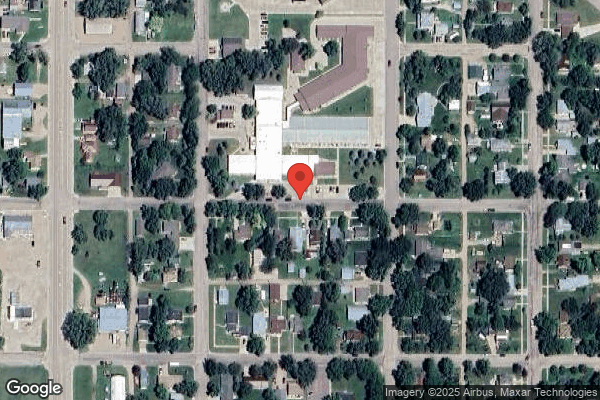
126 W 12TH AVENUE, REDFIELD, SD 57469 (605) 472-0658
Non profit - Corporation 30 Beds Independent Data: November 2025 1 Immediate Jeopardy citation
Trust Grade
56/100
#40 of 95 in SD
Last Inspection: August 2025

Inspected within the last 6 months. Data reflects current conditions.

Overview

Eastern Star Home of South Dakota has a Trust Grade of C, which means it is average and sits in the middle of the pack compared to other facilities. It ranks #40 out of 95 nursing homes in South Dakota, placing it in the top half, and #1 out of 2 in Spink County, indicating that it is the best option in the local area. The facility is improving, having reduced its issues from three in 2024 to one in 2025. Staffing is a strength, with a 4/5 star rating and a turnover rate of 40%, which is better than the state average of 49%. However, there is concerning RN coverage, as it has less RN support than 88% of South Dakota facilities, which is critical for catching potential health issues. There were some specific incidents noted during inspections. One critical issue involved the dishwasher not maintaining the required wash cycle temperature, which could lead to foodborne illnesses for residents. Additionally, care plans for several residents were not updated to reflect necessary precautions for their conditions, and there was a lack of signage indicating these precautions at their doors. While the facility has strengths in staffing and is on an upward trend, the highlighted concerns about food safety and care plan management warrant careful consideration.

Trust Score
C
56/100
In South Dakota
#40/95
Top 42%
Safety Record
High Risk
Review needed
Inspections
Getting Better
3 → 1 violations
Staff Stability
○ Average
40% turnover. Near South Dakota's 48% average. Typical for the industry.
Penalties
⚠ Watch
$17,096 in fines. Higher than 95% of South Dakota facilities. Major compliance failures.
Skilled Nurses
○ Average
Each resident gets 40 minutes of Registered Nurse (RN) attention daily — about average for South Dakota. RNs are the most trained staff who monitor for health changes.
Violations
✓ Good
Only 5 deficiencies on record. Cleaner than most facilities. Minor issues only.
★★★☆☆
3.0
Overall Rating
★★★★☆
4.0
Staff Levels
★☆☆☆☆
1.0
Care Quality
★★★★☆
4.0
Inspection Score
Stable
2024: 3 issues
2025: 1 issues

The Good

  • 4-Star Staffing Rating · Above-average nurse staffing levels
  • Full Sprinkler Coverage · Fire safety systems throughout facility
  • No fines on record
  • Staff turnover below average (40%)

    8 points below South Dakota average of 48%

Facility shows strength in staffing levels, fire safety.

The Bad

3-Star Overall Rating

Near South Dakota average (2.7)

Meets federal standards, typical of most facilities

Staff Turnover: 40%

Near South Dakota avg (46%)

Typical for the industry

Federal Fines: $17,096

Below median ($33,413)

Minor penalties assessed

The Ugly 5 deficiencies on record

1 life-threatening
Aug 2025 1 deficiency
CONCERN (D)

Potential for Harm - no one hurt, but risky conditions existed

Deficiency F0605 (Tag F0605)

Could have caused harm · This affected 1 resident

**NOTE- TERMS IN BRACKETS HAVE BEEN EDITED TO PROTECT CONFIDENTIALITY** Based on observation, record review, interview, and policy review, the provider failed to ensure two of five sampled residents (...

Read full inspector narrative →
**NOTE- TERMS IN BRACKETS HAVE BEEN EDITED TO PROTECT CONFIDENTIALITY** Based on observation, record review, interview, and policy review, the provider failed to ensure two of five sampled residents (25 and 28) who received psychotropic medications (any drug that affects brain activities associated with mental processes and behavior) had an attempted gradual dose reduction (systemic dose reduction over time to determine if the condition could be managed with a lower dose or discontinuation of the medication) (GDR) or documented rationale to support that a GDR was clinically contraindicated (not appropriate based on the resident's condition, potential risks, or adverse effects) for those medications. Findings include: 1. Observation and interview with resident 28 on 8/5/25 at 4:30 p.m. revealed she: *Was in the common area of the facility, seated in a wheelchair with a blanket over her lap. *Was very hard of hearing, but answered simple questions and indicated:-The staff were good to her. -The food was good.-She had no concerns. Review of resident 28's 7/14/25 annual Minimum Data Set (a tool used to evaluate a resident's health status and to develop an individualized care plan to manage the resident's care needs) (MDS) assessment revealed she: *Had been admitted to the facility on [DATE]. *Had diagnoses of dementia (a group of symptoms affecting memory, thinking, and social abilities), depression, and traumatic brain dysfunction (a disruption in the normal function of the brain caused by an injury that affects how the brain works). *Had moderately impaired cognition, was rarely/never understood, and was unable to complete a cognitive screening. *Exhibited the following mood indicators: little interest in doing things, appearing down or depressed, having little energy, and a poor appetite. *Exhibited the following behaviors: wandering and rejection of care. *Was prescribed psychotropic medications that included an: -Antidepressant medication.-Antipsychotic medication. --The antipsychotic medication had not had a gradual dose reduction (GDR) attempted in the past year. --There was no documentation by the physician to support why a GDR was clinically contraindicated. Minimum Data Set (MDS) coordinator C had signed the assessment as completed on 7/20/25. Review of resident 28's care plan, dated 5/27/25, revealed:*The resident was taking psychotropic medications (antidepressant and antipsychotic) for her depression. -Her care plan goal was to take the lowest therapeutic dose of medication daily.-Her approaches included:--Education was provided to the family and the resident on the risks and benefits of those medications. --Staff were to observe the resident for side effects and report unusual findings to the nurse. --A GDR review was to be completed every six months. Review of resident 28's Pharmacy Recommendation form dated 7/17/25 revealed:*Director of nursing (DON) B had initiated the form and indicated that the resident was currently taking: -The antidepressant medication Sertraline 150 milligrams (mg) daily since 4/15/25 when the dosage had been increased. -The antipsychotic medication Olanzapine 5 mg daily, which had been started in February 2025, and included a request to- - Please advise. *The pharmacy recommendation was to Continue the same dose and was signed 7/22/25 by the provider's consultant pharmacist. *The resident's primary physician had signed the form on 8/5/25 and noted that she agreed with the consultant pharmacist's above plan. *The form had not included a description of the clinical contraindications to completing a GDR for those medications. Interview on 8/6/25 at 6:27 p.m. with administrator A, DON B, and MDS coordinator C regarding resident 28's psychotropic medications revealed:*DON B agreed she had asked regarding the psychotropic medications on the Pharmacy Recommendation form and: -The provider's consultant pharmacist's recommendation indicated no change and not to proceed with a GDR. -The resident's physician had signed the form.*They agreed the physician had not provided a written indication why a GDR would be clinically contraindicated. *Administrator A and DON B agreed that:-The physician should have documented on the form the rationale for the decision to maintain the current medications' dosage and not attempt a GDR. -The consultant pharmacist should have requested the physician to review the resident's psychotropic medications for possible GDRs. Interview on 8/7/25 at 11:47 a.m. with MDS Coordinator C regarding resident 28's psychotropic medications revealed she agreed that: *Resident 28's medical record had no documentation regarding the clinical contraindications of completing a GDR for her psychotropic medications. *Resident 28's physician should have documented the rationale for the decision to maintain the current medications' dosage and not attempt a GDR. *She expected that psychotropic medications were reviewed for possible GDRs every six months. 2. Review of resident 25's 5/26/25 annual MDS assessment revealed she: *Had been admitted to the facility on [DATE]. *Had diagnoses of dementia and anxiety disorder. *Had moderately impaired cognition, was rarely/never understood, and was unable to complete a cognitive screening. *Exhibited the mood indicator of having a poor appetite. *Had not exhibited any behaviors. *Was prescribed psychotropic medications that included an: -Antianxiety medication. -Antipsychotic medication. --The antipsychotic medication had not had a GDR attempted in the past year. --There was no documentation by the physician to support why a GDR was clinically contraindicated. Minimum Data Set (MDS) coordinator C had signed the assessment as completed on 6/1/25. Review of resident 25's care plan, dated 5/27/25, revealed:*The resident was taking psychotropic medications (antianxiety and antipsychotic) for aggression, hallucinations (to see, hear, smell, taste or touch something that is not there), and delusional thinking (false beliefs and distorted views of reality). -Her care plan goal was to take the lowest dose of medication daily.-Her approaches included:--Education was provided to the resident's family and the resident on the risks and benefits of those medications. --Staff were to observe the resident for side effects and report unusual findings to the nurse. --A GDR review was to be completed every six months. Review of resident 25's Pharmacy Recommendation form dated 9/12/24 revealed:*DON B had initiated the form and indicated the resident was currently taking the antianxiety medication Ativan 0.25 mg three times daily since 6/27/23, and included a request to- - Please advise. *The pharmacy recommendation was to Continue the same [dose] and was signed 9/30/24 by the provider's consultant pharmacist. *The resident's primary physician had signed the form on 10/2/24. *The form had not included a description of the clinical contraindications to completing a GDR for that medication. Review of resident 25's Pharmacy Recommendation form dated 1/17/25 revealed:*DON B had initiated the form and indicated the resident was currently taking the antipsychotic medication Risperidone 0.25 mg daily since 3/22/23, and included a request to- - Please advise. *The pharmacy recommendation was No change, continue the same dose and was signed on 1/28/25 by the provider's consultant pharmacist. *The resident's primary physician had signed the form on 1/29/25. *The form had not included a description of the clinical contraindications to completing a GDR for that medication. Review of resident 25's Pharmacy Recommendation form dated 3/20/25 revealed:*DON B had initiated the form and indicated the resident was currently taking the antianxiety medication Ativan 0.25 mg twice daily since 4/18/23, and included a request to- - Please advise. *The pharmacy recommendation was to Continue the same dose and was signed 3/25/25 by the provider's consultant pharmacist. *The resident's primary physician had signed the form but had not indicated the date she had signed it. *The form had not included a description of the clinical contraindications to completing a GDR for that medication. Review of resident 25's Pharmacy Recommendation form dated 6/18/25 revealed:*DON B had initiated the form and indicated the resident was currently taking the antipsychotic medication Risperidone 0.25 mg daily since 3/22/23, and included a request to- - Please advise. *The pharmacy recommendation was to Continue the same dose and was signed 6/23/25 by the provider's consultant pharmacist. *The resident's primary physician had signed the form but had not indicated the date she had signed it. *The form had not included a description of the clinical contraindications to completing a GDR for that medication. Review of the provider's 3/6/19 Gradual Dose Reduction of Psychotropic Drugs policy revealed: *Purpose: Residents who use psychotropic drugs receive gradual dose reductions and behavioral interventions, unless clinically contraindicated, in an effort to discontinue these drugs.*Performed By: Nurses and Pharmacist. *For any individual who is receiving a psychotropic medication to treat expressions or indications of distress related to dementia, the GDR may be considered clinically contraindicated for reasons that include, but that are not limited to:- The resident's target symptoms returned or worsened after the most recent attempt at a GDR within the facility.- The physician has documented the clinical rationale for why any additional attempted dose reduction at that time would be likely to impair the resident's function or increase distressed behavior.
Jul 2024 3 deficiencies 1 IJ
CRITICAL (J)

Immediate Jeopardy (IJ) - the most serious Medicare violation

Food Safety (Tag F0812)

Someone could have died · This affected 1 resident

**NOTE- TERMS IN BRACKETS HAVE BEEN EDITED TO PROTECT CONFIDENTIALITY** Based on observation, interview, record review, and policy review, the provider failed to maintain the dishwasher wash cycle tem...

Read full inspector narrative →
**NOTE- TERMS IN BRACKETS HAVE BEEN EDITED TO PROTECT CONFIDENTIALITY** Based on observation, interview, record review, and policy review, the provider failed to maintain the dishwasher wash cycle temperature at a minimum of 120 degrees Fahrenheit per the manufacturer's manual for one of one dishwasher. Failure to ensure that increased the potential risk of foodborne illnesses for the entire resident population who received meals prepared in the kitchen. Findings include: 1. Observation and interview on 7/17/24 at 10:58 a.m. with cook G in the kitchen revealed: *The wash cycle temperatures on The Dishwashing Machine Temperature log was recorded as follows: -7/13/24 Breakfast 100 degrees Fahrenheit, dinner 112 degrees Fahrenheit, supper 108 degrees Fahrenheit. -7/14/24 Breakfast was left blank, dinner 106 degrees Fahrenheit, supper was left blank. -7/15/24 Breakfast was left blank, and dinner 115 degrees Fahrenheit, supper was left blank. -7/16/24 Breakfast was 108 degrees Fahrenheit, dinner was left blank, and supper was left blank. -7/17/24 Breakfast 105 degrees Fahrenheit. *There were 19 wash, rinse, and chemical sanitation level checks missing out of 49 opportunities. *There had been only 2 wash cycle temperatures recorded at 120 degrees Fahrenheit or higher for July. -One on 7/6/24 for 120 degrees Fahrenheit at dinner and a second on 7/8/24 for 120 degrees Fahrenheit at dinner. *Dishwasher temperatures are completed after each meal. *After the fifth wash cycle the dishwasher wash temperature reached 115 degrees Fahrenheit on the machine's external thermometer. Observation and interview on 7/17/24 at 3:34 p.m. with cook D and dietary aide F in the kitchen revealed: *A dishwasher-safe thermometer runs through the dishwasher multiple times recorded temperatures between 100 and 105 degrees Fahrenheit. *Cook D confirmed that the dishwasher machine's external thermometer read the same temperature as the thermometer that had been sent through the dishwasher with each cycle. *Dietary Aide F stated The wash temperature should be 120 degrees Fahrenheit. *The dishwasher machine had been serviced monthly by the vendor. Interview on 7/17/24 at 3:49 p.m. with administrator A revealed. *There had been no gastrointestinal illness in the past three months. *She expected dietary staff to notify the dietary manager, the maintenance department, or her when the dishwasher had low-temperature readings. *She had not been notified of any dishwasher low-temperature readings. *ECOLAB comes monthly to service the dishwasher. Review of the 2/28/24 Regular Service Call report from ECOLAB revealed: *Wash Temperature: 100 Fahrenheit. *Monitor wash temp for compliance to protect guests, reputations, and machine efficiency. *Wash temp is hitting 100 degrees. Interview on 7/18/24 7:50 at a.m. with administrator A revealed she: *Had spoke with the ECOLAB representative and had been reassured that the dishwasher is sanitizing the dishes with the chemicals. *Was aware that the manufacturer's specification stated that the wash temperature minimum was 120 degrees Fahrenheit. *Expected dietary staff to run the dishwasher until it is temping at 120 degrees before running dishes through. Notice: Notice of immediate jeopardy was given verbally and in writing on 7/18/24 at 9:10 a.m. to administrator A of the immediate jeopardy related to failure to maintain the manufacturer's specification for dishwasher wash temperatures of a minimum of 120 degrees Fahrenheit at F812. She was asked for an immediate removal plan. On 7/18/24: *At 12:19 p.m. the removal was received. *At 12:23 p.m. the removal was accepted. On 7/18/24: *At 1:00 p.m. while on-site the survey team verified the immediacy was removed. Plan: 1. Dietary staff were instructed to use paper plates and bowls and to use the three-compartment sink for cleaning and sanitizing of all utensils/pots/pans, etc. that are not disposable. (7/17/2024 prior to supper meal). 2. Administrator met with Dietary staff on both 7/17/2024 (prior to supper meal) and 7/18/2024 (prior to morning preparation) and reviewed the policy and procedure on the use of the three-compartment sink as well as instructions located above the three-sink area. 3. Administrator spoke with the representative from ECO Lab ([Name]) on 07/17/2024 concerning this noncompliance. Recommendation to install a booster water heater to our current dishwasher unit. (This dishwasher unit is rented and maintained from ECO Lab). 4. Administrator spoke with [Name] ([Name] Heating and Cooling) on 07/17/2024 following the phone call with [Name] from ECO Lab and arranged for a service call to be completed on 07/18/2024 to complete wiring for the installation of the booster water heater. 5. [Name] Heating and Cooling presented to facility at 1020 on 07/18/2024. Conversation was held with [Name] from [Name] Heating and Cooling and [Name] from ECO Lab via phone. [Name] from ECO Lab and [Name] from [Name] Heating and Cooling will be installing the booster water heater on 7/19/2024 in the am. 6. Administrator completed and implemented new Dishwasher Temperature Policy and Low-Temperature Dishwasher Chart on 07/18/2024. 7. Dietary Staff mandatory education will be held on 07/18/2024 to review the Dishwasher Temperature Policy and Procedure as well as the Low-Temperature Dishwasher Chart. 8. Daily audits to ensure compliance with the dishwasher temperature will be completed by this Administrator x 30 days and will report findings to the QAPI Committee. Following 30 days of continuous compliance daily audits will change to weekly audits x 3 months. The continuation of audits will be reviewed monthly during QAPI Committee meetings. The immediate jeopardy was removed on 7/18/24 at 1:00 p.m. after verification that the provider had implemented their removal plan. After the removal of the immediate jeopardy, the scope and severity of the citation level was F with guidance from the long-term care advisor for the South Dakota Department of Health. Review of the ECOLAB Installation & Operation Manual revealed: *Temperatures: WASH---*F [degrees Fahrenheit] (MINIMUM) 120 Review of the providers November 1, 2017 Cleaning Dishes Policy revealed: *Dishes and cookware will be washed and sanitized after each meal. *Current dishwasher is a chemical sanitizing machine; temperature needs to be between 90 and 110 degrees. PPM [parts per million of chemical sanitizer solution] will be check[ed] using test strips three times daily during heavy use and must read between 50-[and] 100 PPM. *The facility policy did not accurately reflect the manufacturer's specification for maintaining the minimum wash temperature.
CONCERN (E)

Potential for Harm - no one hurt, but risky conditions existed

Deficiency F0657 (Tag F0657)

Could have caused harm · This affected multiple residents

Based on observation, interview, record review, and policy review, the provider failed to ensure resident care plans were revised to reflect the current enhanced barrier precautions (EBP) of eight of ...

Read full inspector narrative →
Based on observation, interview, record review, and policy review, the provider failed to ensure resident care plans were revised to reflect the current enhanced barrier precautions (EBP) of eight of twenty sampled residents (1, 3, 6, 19, 21, 23, 27, and 28). Findings include: Refer to F880. Interview on 7/18/24 at 11:34 a.m. with Minimum Data Set (MDS)/infection preventionist (IP) C revealed: *It was her responsibility to complete the care plans. -Care plans were completed on admission, quarterly, and whenever things change. *She expected EBP to have been on the care plans, and a sign to have been on the doors to inform staff of residents with catheters, indwelling feeding tubes, and open wounds. *She confirmed that the care plans had not been updated to indicate EBP for any residents. *She had not been aware that some resident room doors were still not marked with a sign to indicate EBP. Review of residents 1, 3, 6, 19, 21, 23, 27, and 28's care plans revealed: *They had not been revised to indicate the need for EBP. Review of the provider's 10/07/21 Care Planning policy revealed, The facility will notify the resident and/or resident representative in advance of care to be furnished . as well as changes to the plan of care.
CONCERN (E)

Potential for Harm - no one hurt, but risky conditions existed

Infection Control (Tag F0880)

Could have caused harm · This affected multiple residents

2. Observation and interview on 7/16/24 at 9:24 a.m. with resident 23 revealed: *She had a urinary catheter and wore a leg bag. *Nursing staff assisted her with her catheter. -She stated, They wear gl...

Read full inspector narrative →
2. Observation and interview on 7/16/24 at 9:24 a.m. with resident 23 revealed: *She had a urinary catheter and wore a leg bag. *Nursing staff assisted her with her catheter. -She stated, They wear gloves but not a gown. *There had not been any signage on the door that indicated EBP. Observation on 7/16/24 at 10:19 a.m. with resident 19 revealed: *A urinary catheter bag was hung from the night table drawer. *There had not been any signage on the door that indicated EBP. Observation on 7/16/24 at 2:07 p.m. with resident 28 revealed: *A urinary catheter bag in a basin on the floor next to his recliner. *There had not been any signage on the door that indicated EBP. Observation and Interview on 7/16/24 at 2:18 p.m. with resident 6 revealed: *She had seen the physician today for sores, like fever blisters on her right lower leg that were open areas. *She stated that staff had worn gloves but not gowns when they assisted her. *There had not been any signage on the door that indicated EBP. 3. Review of the provider's January 2024 Management of C. [Clostridium] Difficile Infection revealed: *Housekeeping staff shall adhere to standard and contact precautions. *Perform daily cleaning of the resident's room and high touch surfaces using bleach wipes or bleach/water ratio solution (3/4 cups bleach to 1 gallon of water). Review of the provider's July 2023 Indwelling Catheter Care policy revealed: *Implement EBP and apply gloves and gown. Review of the provider's July 2024 Tube Feeding policy revealed: *Implement Enhanced Barrier Precautions. Based on observation, interview, and policy review the provider failed to ensure: *One of one sampled resident (10) who was on precautions for Clostridium Difficile (C-Diff) had their room cleaned with bleach by one of one housekeeping staff (K). *Eight of eight sampled residents (1,3,6,19,21,23,27, and 28) had been placed on enhanced barrier precautions (EBP). 1. Observation of resident 10's door to her room revealed there was a red P and a drawered storage container that contained personal protective equipment (PPE). Interview on 7/16/24 at 9:00 a.m. with medication aide/certified nursing assistant (CNA) M regarding precautions for resident 10 revealed she had C-Diff. Interview on 7/16/24 at 9:30 a.m. with housekeeper K regarding the cleaning of resident 10's room revealed she: *Had used Lysol to clean the top of surfaces and sprayed into sinks. *Had used AF79 concentration for cleaning the toilets. *Had pH7 ultra had been used to clean the room floors. *Would have used pH7Q Dual to clean up any bodily fluids. Interview on 7/16/24 at 10:15 a.m. with licensed practical nurse (LPN) L regarding resident 10's C-Diff revealed: *Resident 10 had been taking an antibiotic for her infection, but was not currently taking one. Interview on 7/16/24 at 10:57 a.m. with Minimum Data Set (MDS)/infection preventionist (IP) C regarding the cleaning of a room with a resident on C-Diff precautions revealed: *She was not aware that housekeeping had not cleaned with bleach. *They discuss precautions in the morning meeting. *She had not been aware of the need for enhanced barrier precautions for residents with catheters, indwelling feeding tubes, and open wounds. Interview on 7/16/24 at 11:23 a.m. with housekeeper K regarding education on cleaning resident rooms with C-Diff precautions revealed: *She had not received any education before today on using bleach to clean the rooms. *She had worked here for almost two years. Observation and interview on 7/16/24 at 8:16 a.m. with resident 21 while seated in her recliner revealed she had a catheter due to her not being able to pee. *There had not been any signage on her room to indicate EBP. Interview on 7/16/24 at 10:16 a.m. with LPN L regarding residents with open wounds requiring dressing changes revealed resident 3 had a daily dressing change and resident 27 had dressing changes twice a day. Observation on 7/16/24 at 10:30 a.m. of resident 3 and 27's doors revealed there had not been any signage indicating EBP. Observation on 7/16/24 at 2:14 p.m. of resident 1 while lying in her bed and LPN L administering medication via her feeding tube revealed: *Resident 1 had any signage on her door to indication EBP. *LPN L had worn PPE while administering medication to resident 1.
Apr 2023 1 deficiency
CONCERN (D)

Potential for Harm - no one hurt, but risky conditions existed

Transfer Notice (Tag F0623)

Could have caused harm · This affected 1 resident

Based on interview, record review and policy review the provider failed to ensure residents and/or their representative received a written notice with information regarding the transfer to the hospita...

Read full inspector narrative →
Based on interview, record review and policy review the provider failed to ensure residents and/or their representative received a written notice with information regarding the transfer to the hospital and to provide a copy of the transfer notice to the Office of the State Long-Term Care Ombudsman for one of one sampled residents (17) reviewed for facility-initiated hospital transfer to the hospital. Findings include: 1. Interview and record review on 4/12/23 at 9:50 a.m with resident 17 revealed she: *Could not remember when she had gone to the hospital. *Was not sure what a bed hold was. *Went to the [name of hospital] on 11/18/22. *Had kidney stones. *Was transferred to [name of hospital] for treatment. 2. Interview on 4/13/23 at 3:14 p.m. with administrator A revealed: *They provide education to the residents about the bed hold policy upon admission. *She confirmed they do not send bed hold information with a resident when they are transferred to a hospital. *The responsible party was notified by phone when a resident was transferred. *They had not notified the ombudsman of transfers or discharges. 3. Review of the Bed Hold Notice Upon Transfer policy dated 3/6/19 revealed: *1. Upon admission, the Eastern Star Home of South Dakota, Inc. will provide to the resident and/or the resident representative written information that specifies: a. If a resident requires transfer to an acute hospital or takes a therapeutic leave, his/her bed at the Eastern Star Home of South Dakota, Inc. may be held indefinitely. b. If a resident has Long-Term Care Insurance these leaves may or may not be covered or be subject to certain stipulations. c. Medicaid allows reserved bed days that the resident is absent from the facility due to an inpatient hospital stay. The resident may be absent from the facility for a maximum of five days. Medicaid also allows for non-medical or therapeutic leave days for a maximum of fifteen consecutive days. d. Conditions upon which the resident would return to the Eastern Star Home of South Dakota, Inc.: i. The resident requires the services which the Eastern Star Home of South Dakota, Inc. offers; ii. The resident is eligible for Medicaid nursing facility services.
Understanding Severity Codes (click to expand)
Life-Threatening (Immediate Jeopardy)
J - Isolated K - Pattern L - Widespread
Actual Harm
G - Isolated H - Pattern I - Widespread
Potential for Harm
D - Isolated E - Pattern F - Widespread
No Harm (Minor)
A - Isolated B - Pattern C - Widespread

Questions to Ask on Your Visit

  • "What changes have you made since the serious inspection findings?"
  • "Can I speak with families of current residents?"
  • "What's your RN coverage like on weekends and overnight?"

Our Honest Assessment

Strengths
  • • 40% turnover. Below South Dakota's 48% average. Good staff retention means consistent care.
Concerns
  • • Multiple safety concerns identified: 1 life-threatening violation(s). Review inspection reports carefully.
  • • 5 deficiencies on record, including 1 critical (life-threatening) violation. These warrant careful review before choosing this facility.
  • • $17,096 in fines. Above average for South Dakota. Some compliance problems on record.
  • • Grade C (56/100). Below average facility with significant concerns.
Bottom line: Mixed indicators with Trust Score of 56/100. Visit in person and ask pointed questions.

About This Facility

What is Eastern Star Home Of South Dakota, Inc's CMS Rating?

CMS assigns EASTERN STAR HOME OF SOUTH DAKOTA, INC an overall rating of 3 out of 5 stars, which is considered average nationally. Within South Dakota, this rating places the facility higher than 99% of the state's 100 nursing homes. This mid-range rating indicates the facility meets federal standards but may have areas for improvement.
How is Eastern Star Home Of South Dakota, Inc Staffed?

CMS rates EASTERN STAR HOME OF SOUTH DAKOTA, INC's staffing level at 4 out of 5 stars, which is above average compared to other nursing homes. Staff turnover is 40%, compared to the South Dakota average of 46%. This relatively stable workforce can support continuity of care.

What Have Inspectors Found at Eastern Star Home Of South Dakota, Inc?

State health inspectors documented 5 deficiencies at EASTERN STAR HOME OF SOUTH DAKOTA, INC during 2023 to 2025. These included: 1 Immediate Jeopardy (the most serious level, indicating potential for serious harm or death) and 4 with potential for harm. Immediate Jeopardy findings are rare and represent the most serious regulatory concerns. They require immediate corrective action.
Who Owns and Operates Eastern Star Home Of South Dakota, Inc?

EASTERN STAR HOME OF SOUTH DAKOTA, INC is owned by a non-profit organization. Non-profit facilities reinvest revenue into operations rather than distributing to shareholders. The facility operates independently rather than as part of a larger chain. With 30 certified beds and approximately 30 residents (about 100% occupancy), it is a smaller facility located in REDFIELD, South Dakota.
How Does Eastern Star Home Of South Dakota, Inc Compare to Other South Dakota Nursing Homes?

Compared to the 100 nursing homes in South Dakota, EASTERN STAR HOME OF SOUTH DAKOTA, INC's overall rating (3 stars) is above the state average of 2.7, staff turnover (40%) is near the state average of 46%, and health inspection rating (4 stars) is above the national benchmark.

What Should Families Ask When Visiting Eastern Star Home Of South Dakota, Inc?

Based on this facility's data, families visiting should ask: "What changes have been made since the serious inspection findings, and how are you preventing similar issues?" "Can I visit during a mealtime to observe dining assistance and food quality?" "How do you handle medical emergencies, and what is your hospital transfer rate?" "Can I speak with family members of current residents about their experience?" These questions are particularly relevant given the facility's Immediate Jeopardy citations.

Is Eastern Star Home Of South Dakota, Inc Safe?

Based on CMS inspection data, EASTERN STAR HOME OF SOUTH DAKOTA, INC has documented safety concerns. Inspectors have issued 1 Immediate Jeopardy citation (the most serious violation level indicating risk of serious injury or death). The facility has a 3-star overall rating and ranks #1 of 100 nursing homes in South Dakota. Families considering this facility should ask detailed questions about what corrective actions have been taken since these incidents.

Do Nurses at Eastern Star Home Of South Dakota, Inc Stick Around?

EASTERN STAR HOME OF SOUTH DAKOTA, INC has a staff turnover rate of 40%, which is about average for South Dakota nursing homes (state average: 46%). Moderate turnover is common in nursing homes, but families should still ask about staff tenure and how the facility maintains care continuity when employees leave.

Was Eastern Star Home Of South Dakota, Inc Ever Fined?

EASTERN STAR HOME OF SOUTH DAKOTA, INC has been fined $17,096 across 1 penalty action. This is below the South Dakota average of $33,250. While any fine indicates a compliance issue, fines under $50,000 are relatively common and typically reflect isolated problems that were subsequently corrected. Families should ask what specific issues led to these fines and confirm they've been resolved.

Is Eastern Star Home Of South Dakota, Inc on Any Federal Watch List?

EASTERN STAR HOME OF SOUTH DAKOTA, INC is not on any federal watch list. The most significant is the Special Focus Facility (SFF) program, which identifies the bottom 1% of nursing homes nationally based on persistent, serious quality problems. Not being on this list means the facility has avoided the pattern of deficiencies that triggers enhanced federal oversight. This is a positive indicator, though families should still review the facility's inspection history directly.