GOOD SAMARITAN SOCIETY SCOTLAND
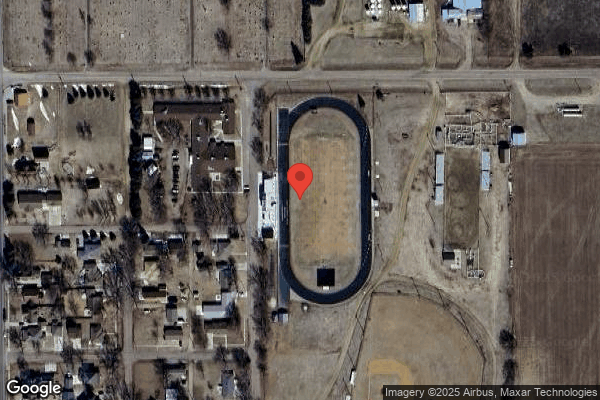
130 6TH STREET, SCOTLAND, SD 57059 (605) 583-2216
Non profit - Corporation 45 Beds GOOD SAMARITAN SOCIETY Data: November 2025
Trust Grade
75/100
#22 of 95 in SD
Last Inspection: March 2025

Within standard 12-15 month inspection cycle. Federal law requires annual inspections.

Overview

Good Samaritan Society Scotland has a Trust Grade of B, indicating it is a good option for care, though not without some concerns. It ranks #22 out of 95 nursing homes in South Dakota, placing it in the top half, and is the best facility in Bon Homme County. However, the facility's trend is worsening, moving from 1 issue in 2023 to 4 in 2025. Staffing is a concern with a 64% turnover rate, significantly higher than the state average, which may affect continuity of care. On a positive note, the facility has not incurred any fines, and while RN coverage is average, staff did fail to provide medication as ordered for two residents and neglected to create baseline care plans for new admissions, which raises potential risks for residents.

Trust Score
B
75/100
In South Dakota
#22/95
Top 23%
Safety Record
Low Risk
No red flags
Inspections
Getting Worse
1 → 4 violations
Staff Stability
⚠ Watch
64% turnover. Above average. Higher turnover means staff may not know residents' routines.
Penalties
✓ Good
No fines on record. Clean compliance history, better than most South Dakota facilities.
Skilled Nurses
✓ Good
Each resident gets 46 minutes of Registered Nurse (RN) attention daily — more than average for South Dakota. RNs are trained to catch health problems early.
Violations
✓ Good
Only 5 deficiencies on record. Cleaner than most facilities. Minor issues only.
★★★★☆
4.0
Overall Rating
★★★☆☆
3.0
Staff Levels
★★☆☆☆
2.0
Care Quality
★★★★☆
4.0
Inspection Score
Stable
2023: 1 issues
2025: 4 issues

The Good

  • Full Sprinkler Coverage · Fire safety systems throughout facility
  • No fines on record

Facility shows strength in fire safety.

The Bad

Staff Turnover: 64%

18pts above South Dakota avg (46%)

Frequent staff changes - ask about care continuity

Chain: GOOD SAMARITAN SOCIETY

Part of a multi-facility chain

Ask about local staffing decisions and management

Staff turnover is elevated (64%)

16 points above South Dakota average of 48%

The Ugly 5 deficiencies on record

Mar 2025 2 deficiencies
CONCERN (D)

Potential for Harm - no one hurt, but risky conditions existed

Pharmacy Services (Tag F0755)

Could have caused harm · This affected 1 resident

**NOTE- TERMS IN BRACKETS HAVE BEEN EDITED TO PROTECT CONFIDENTIALITY** Based on record review, interview, policy review, and job description review, the provider failed to ensure staff had administer...

Read full inspector narrative →
**NOTE- TERMS IN BRACKETS HAVE BEEN EDITED TO PROTECT CONFIDENTIALITY** Based on record review, interview, policy review, and job description review, the provider failed to ensure staff had administered 2 of 13 sampled residents (3 and 11) medications as ordered by their physicians. *Resident 3 had errors related to a diuretic medication for heart failure and an antiviral medication. *Resident 11 had errors related to two different psychotropic medications (medications that affect mental state). Findings include: 1. Review of resident 11's electronic medical record (EMR) revealed: *She had a Brief Interview For Mental Status (BIMS) assessment score of 14, indicating she was cognitively intact. *Her diagnoses included congestive heart failure and chronic respiratory failure with hypoxia (inadequate supply of oxygen to the body's tissues). *Her medications included: -Spironolactone 50 mg oral tablet, ordered on 12/18/24, 1 tablet every morning for heart failure. -Tamiflu 30 mg oral capsule, ordered on 2/7/25, 1 capsule twice a day for 12 doses for influenza. *She was hospitalized from [DATE] to 2/7/25 for influenza. *Her discharge orders included a prescription for Tamiflu, 30 mg. capsule, twice a day for 12 capsules, last taken 2/6/25 at 9:06 p.m. *The facility staff entered this order into resident 11's MAR as one capsule by mouth at bedtime only. *Resident was given one capsule per day until 2/12/25 when the error was found. *The physician was notified of the error and ordered to stop the medication on 2/13/25. *The resident had not received six total doses of Tamiflu as ordered initially on 2/7/25. 2. Review of the provider's 3/5/25 medication error report #2357 for resident 11 revealed: *The resident's spironolactone dose had been held beginning on 2/3/25 related to a physician's order. *On 2/21/25 there was an order for her to resume the spirinolactone. *The resumption of the medication was missed by the facility staff and identified as a medication error on 3/5/25. *The resident had missed 12 doses of sprinolactone from 2/22/25 to 3/5/25. 3. Review of provider's 3/7/25 medication error report #2358 for resident 11 revealed: *The facility staff had misread the resident's 2/21/25 physician order to renew the spirinolactone and believed they had missed 12 doses resulting in a medication error. *On 3/7/25 the staff identified that medication error report #2357 was not an actual medication error of missed doses, but because of the 3/5/25 error report staff had restarted the resident's spironolactone on 3/6/25. *Facility staff had restarted the spirinolactone without a physician order on 3/6/25. *On 3/7/25 the physician was contacted and clarified that the spirinolactone should had not been resumed on 2/21/25. *The 2/21/25 physician order had been to renew the holding of the spirinolactone for the resident, not to resum. 4. Interview on 3/27/25 at 10:30 a.m. with director of nursing (DON) B regarding resident 11's medication errors above revealed: *On 2/21/25 the physician had marked to renew the hold on the spirinolactone. *The facility staff misread the order as resuming the medication and completed a medication error report that the resident had missed 12 doses. *Then they restarted the medication on 3/6/25 without an order. *On 3/7/25 they clarified the order from the physician and found that the medication was to have remained on hold, not be restarted. *The staff incorrectly transcribed the Tamiflu order as one dose per day instead of two doses per day, causing the resident to miss six doses. 5. Record review of resident 3's EMR revealed: *She had a BIMS score of 3, indicating she had severe cognitive impairment. *Her diagnoses included severe vascular dementia other behavioral disturbance, bipolar disorder, and generalized anxiety order. *She had ongoing episodes of extensively calling out which had been documented to be disturbing to other residents, family members, and staff. *Her medications included: -Cymbalta (duloxetine, an antidepressant medication) for mood, related to bipolar disorder, current episode depressed, major depressive order. -Clozaril, (an antipsychotic medication that treats mental health conditions to help regulate mood.) 6. Review of the provider's 3/13/25 medication error report #2360 for resident 3 revealed: *The resident's 2/27/25 order for Cymbalta had increased her dose on 2/27/25 from 30 mg. daily to 60 mg. daily to start on 2/28/25. *On 3/13/25 a medication aide notified DON B that the blister pack of Cymbalta in the medication cart was labeled for and contained 30 mg. tablets, while the medication administration record showed the dose should have been 60 mg. *The 30 mg. doses were missing from the 3/1/25 to 3/12/25 dates of the blister pack indicating they had been administered *The blister pack with the 60 mg. tablets had been located on the counter of the medication storage room with no tablets missing. *The pharmacy had delivered the 60 mg. dose blister pack initially on 2/27/25 to start on 2/28/25 according to the physician order. *On 3/10/25 the 60 mg. dose card had been sent back to the pharmacy by staff with no doses missing or administered. *On 3/11/25 the pharmacy had returned the 60 mg. dose blister pack back to the facility as the pharmacy had not received an order to discontinue that dose. *After the 3/11/25 pharmacy delivery, the 60 mg. blister pack had been left in the medication storage room and not put in the medication cart. *The resident had missed 13 doses of the increased Cymbalta order from 2/28/25 to 3/12/25. 7. Review of the provider's 3/11/25 medication error report #2359 for resident 3 revealed: *The resident's Clozaril 12.5 mg was to start on 3/10/25 at bedtime. *The resident's MAR was signed off as having the medication given by certified medication aide (CMA) E. *The ordering physician was in the facility and pointed out that the resident could not have received the Clozaril dose as it had not been filled by the pharmacy yet. *That was a medication omission as CMA E had charted that he gave an ordered medication that was not available in the medication cart and had not been reported to the charge nurse that the medication had not available in the cart. 8. Interview with CME on 3/26/25 at 5:20 p.m. revealed: *He had been a certified nurse's aide (CNA) for about ten years and a Certified Medication Aide (CMA) aide for about five years. *He would have known if a resident had a new medication as it would have been included in the nursing report (communication between outgoing and incoming nursing and care staff at the end of shift.) *The first dose of a new medication for a resident should have been given by the nurse, not the CMA. *He had not gotten report on 3/10/25 so he was not aware that the Clozaril was a new medication. *He described that he should have used the five rights (process for medication administration) as right person right medication and all the rest of the things but I must have missed it. *He had received verbal education from the DNS about the process and following it after the 3/11/25 medication error report. 9. Interview on 3/27/25 at 10:30 a.m. with DON B revealed: *The steps for administering the correct dose of Cymbalta had not been followed from 2/28/25 to 3/12/25 resulting in a medication error for resident 3. *The resident's MAR had incorrectly reflected that the resident had been administered Clozaril on 3/10/25 and 3/11/25. -That was also a medication error. *She was doing rounds with the ordering physician on 3/11/25, who indicated that the medication could not have been given yet as it had not been provided by the pharmacy. *She had provided verbal education to CMA E about the five rights of medication administration, the administration of new medication by a nurse only, and ensuring accuracy. *CMA E had received report on 3/10/25 including information that the Clozaril for resident 3 was a new medication. *She had provided verbal education to CMA F, CMA G, CMA H, and CMA I, who had incorrectly administered the 30 mg. dose and had documented that they had administered the 60 mg. doses from 2/28/25 to 3/12/25 for resident 3. 10. Interview on 3/27/25 at 8.37 a.m. with registered nurse (RN) D revealed: *A licensed nurse should have given a new medication to the resident because a CMA was not supposed to give a first dose of a new medication. *The new medication blister pack would have been kept separate from the current medications and placed into the top drawer of the medication cart with a note on it. *That information would have been mentioned in their nursing report to the next shift. *When there was a change in the medication dose the current medication should have been pulled from the medication cart and replaced with the new medication blister pack and a CMA could give that new dose to the resident. Review of provider's undated certified long term care medication assistant job description revealed the medication assistant administers prescribed medications as delegated by a licensed nurse and within their scope of practice as defined by state regulations. Review of the provider's 12/11/19 onboarding manual draft revealed: *All new/refill medications will be delivered to the facility with a paper manifest. *The facility nurse was to match the delivered medications to the manifest. *The manifest required a nursing signature and the date of receipt of the medications. Review of the provider's revised 3/4/25 medication acquisition, receiving, dispensing, and storage policy revealed: *Licensed nursing employees are responsible for checking of all new orders of medications from the physician's orders. *Licensed nurses and medication aides (when allowed by state law) are responsible for reconciling medications received.
CONCERN (E)

Potential for Harm - no one hurt, but risky conditions existed

Deficiency F0655 (Tag F0655)

Could have caused harm · This affected multiple residents

**NOTE- TERMS IN BRACKETS HAVE BEEN EDITED TO PROTECT CONFIDENTIALITY** Based on record review, interview, policy review, and job description review, the provider failed to complete a baseline care pl...

Read full inspector narrative →
**NOTE- TERMS IN BRACKETS HAVE BEEN EDITED TO PROTECT CONFIDENTIALITY** Based on record review, interview, policy review, and job description review, the provider failed to complete a baseline care plan and provide a written summary of the baseline care plan to the resident or their representative for four of four recently admitted sampled residents (8, 133, 183, and 184) within 48 hours of their admission to the facility. Findings include: 1. Review of resident 8's electronic medical record (EMR) on 3/24/25 revealed: *He was admitted on [DATE]. *There were no progress notes pertaining to a baseline care plan. *The first progress note pertaining to care planning was titled care plan change and dated 3/11/25. -It included removing 15-minute checks that had been instituted due to a concern for self-harm. *There were no notes indicating a baseline care plan had been provided to the resident. *A progress note indicating initial care plan was entered on 3/20/25 by Minimum Data Set (MDS) Coordinator C, for Assessment Reference Date (ARD) of 3/11/25. Interview with resident 8 on 3/26/25 at 11:42 a.m. revealed: *He was not interviewed by staff about his daily routine or preferences. *He did not know what a care plan was. *He had not received a copy of any care plan. A request was made on 3/25/25 at 2:05 p.m. to Administrator A to review resident 8's baseline care plan. No baseline care plan was provided by time of survey exit on 3/27/25. There was no documentation to support a baseline care plan had been completed within 48 hours of his admission. 2. Interview on 3/27/25 at 8:58 a.m. with resident 133 revealed: *He admitted to the facility on [DATE] after he was hospitalized due to an amputation of his toes on his right foot, and he was no longer safe at his home. *He did not have a power of attorney (POA) and made his own decisions. *He had an allergy to chocolate. *He was supposed to get therapy. *The director did his admission paperwork but he could not remember her name, and he signed those papers. *He did not remember if his medical needs or cares were discussed with him. *He stated he had not received a summary or paper copy of his care plan. Review of resident 133's electronic (EMR) revealed: *He admitted to the facility on [DATE] from the hospital for inability to thrive and right toe amputation. *His admission assessment was not completed inidicated in progress and it was signed by MDS coordinator C. *His brief interview for mental status (BIMS) assessment indicated he refused to the answer the questions. *His comprehensive care plan indicated it was not completed until 3/24/25. 3. Interview on 3/25/25 at 2:28 p.m. with resident 183 and his wife in his room revealed: *He was admitted on [DATE]. *He and his wife could not recall any conversation with staff regarding his plan of care within the first two days of his admission to the facility. *He stated they had not received a summary of his baseline care plan or a list of his medications. -His wife stated his medication list would have been lengthy as he was on many medications. *His wife stated she recalled visiting with administrator A regarding admission paperwork and administrator A had mentioned he would be receiving physical and occupational therapy, but she stated no other services were discussed. Review of resident 183's EMR on 3/25/25 revealed: *He was admitted on [DATE] at 11:00 a.m. *His eight-page 3/12/25 Nursing Admit Re-Admit ([NAME]) Data Collection assessment was signed by registered nurse (RN) J on 3/12/25. -Care planning, including a focus area, goal, and interventions were indicated for: --The six skin/wound areas identified. --His limited activities of daily living (ADL) function. -The sleep pattern section indicated he was experiencing a sleep disturbance [and/]or using any pharmacological . sleep aides and noted the sleep aide supplement/medication he used. --The Care planning for sleep disturbance indicated no focus, goal, or intervention had been identified to address his sleep. *His progress notes for his first 48 hours included: -On 3/12/25 at 1:22 p.m. registered nurse (RN) J noted the Skilled services to be provided included: --Dressing changes and wound assessments. --Diabetes control. --Strengthening with physical therapy and occupational therapy. --Pain control. --Antibiotics for his wounds. -On 3/12/25 at 3:32 p.m. MDS coordinator C noted that his admission orders had been entered into his EMR. *On 3/12/25 at 3:51 p.m. administrator A documented that she had completed his admission agreement with him and his wife and identified his discharge goal as returning home. *On 3/12/25 at 4:04 p.m. RN J noted his oxygen administration orders, chronic low back pain, pain medications, blood sugar checks for his diabetes, and that he was non-weight bearing. *On 3/12/25 at 11:08 p.m. licensed practical nurse (LPN) K noted his right leg had a warming boot in place at all times and that he used a full-body mechanical lift with the assistance of two staff members. *On 3/13/25 at 2:58 p.m. activities director L documented she had completed his: -BIMS assessment, which was scored at 14 indicating he was cognitively intact. -Patient Health Questionnaire (PHQ) indicated he had no mood problems. -Activity preferences. *On 3/13/25 at 3:24 p.m. RN J noted she had received physician orders for side rails on both sides of his bed. *On 3/13/25 at 11:31 p.m. LPN K noted his health status. *There was no progress note regarding any care conference held during his first 48 hours in the facility. *His 3/25/25 care plan indicated his baseline care plan had included focus areas of: -ADL assistance with transferring, toileting, personal hygiene, and bed mobility. -Skin wounds with dressing changes. -Enhanced Barrier Precautions (EBP) related his wounds which included his surgical wound with infection. -Chronic pain/discomfort. -Preferences for independent activity pursuits. *His baseline care plan had not addressed the required areas of his dietary orders, therapy services, and social services. *There was no documentation indicating that the baseline care plan had been reviewed or provided to the resident or his representative. 4. Review of resident 184's EMR revealed: *She was admitted on [DATE] at 2:32 p.m. *Her eight-page 3/20/25 [NAME] Data Collection assessment was signed by RN J on 3/20/25. -The Reason for admission section indicated: --She had been hospitalized for a cerebrovascular accident (CVA) (stroke) which had affected her changes in mentation [cognitive abilities], increased weakness on right side, [and] urinary retention. --Her skilled care services included physical therapy strengthening, diabetes control, [and] assist with ADL's. -Care planning included one focus area, her impaired vision in her right eye. -The Care planning for indicated no focus, goal, or intervention had been identified to address her: --Increased confusion, disorientation, and forgetfulness. --Need for ADL assistance. --Urinary retention and Foley catheter. *Her progress notes for her first 48 hours included: -On 3/20/25 at 2:32 p.m. administrator A documented her arrival with family members and that the resident was not alert. -Administrator A indicated she had completed the admission agreement with the resident's daughter and noted the discharge goal of returning home. -On 3/20/25 at 4:03 p.m. RN J noted the skilled services to be provided included: --Physical therapy strengthening. --Diabetes control. --Assistance with ADL's. -On 3/20/25 at 5:48 p.m. MDS coordinator C noted that her admission orders had been entered into her EMR and the family members' concerns regarding her not eating, feeling nauseous, and ability to use the call light. -On 3/21/25 at 3:48 a.m. RN M noted she had received physician orders for physical therapy and occupational therapy services for strengthening and the resident's need to be checked on frequently, repositioned routinely, encouraged to drink, and the need for assistance with her cares. -On 3/21/25 between 1:48 p.m. and 6:32 p.m. RN J noted the following: --Resident's elevated temperature of 100.8°F (Fahrenheit) and that she had received physician orders for lab work. --Resident's Foley catheter had been removed. --Antibiotic medication order had been received to treat her UTI (Urinary Tract Infection). --Physician order for dietary supplement three times a day had been received. --Nursing interventions required for the resident's care included: --Monitor for any changes in cognition. --Complete vital signs every shift. --Monitor urine output. --Participation with therapy services. --Frequent repositioning. --Encourage food related to her poor intake and loss of appetite. --Need for one person to assist with her ADLs. *There was no progress note regarding any care conference held during her first 48 hours in the facility. *Her 3/25/25 BIMS assessment was three which indicated her cognition was severely impaired. *Her 3/25/25 care plan indicated her baseline care plan had included focus areas of: -Impaired visual function related to difficulty seeing out of right eye. -ADL assistance with transferring and bed mobility. -Infection of the (urine). -Potential for pain. *Her baseline care plan had not addressed the required areas of dietary orders, therapy services, social services, and her need for extensive to total assistance with ambulation, bathing, dressing, eating, oral care, personal hygiene, and toilet use. *There was no documentation to support the baseline care plan had been reviewed and provided to the resident or her representative. 5. Interview on 3/25/25 2:49 p.m. with RN J revealed she: *Had worked at the facility since 9/24/24. *Worked as a charge nurse on the day shift and was responsible for completing the nursing assessments which included newly admitted residents. *Stated her responsibilities were not so much for the care plan of the residents. *Stated MDS coordinator C or director of nursing (DON) B completed the residents' care plans. Interview on 3/25/25 at 4:12 p.m. with MDS coordinator C revealed: She had worked at the facility for nearly thirty years. *Completing the resident care plans was the responsibility of the interdisciplinary team (IDT) including social services, activities, dietary, and nursing staff. *The baseline care plan was her responsibility. -She stated the charge nurses did not have the time to complete resident care plans. -She used the provider's EMR care planning software to complete the baseline care plan. -Three months ago they had tried to organize the process for the baseline care plan, that fell apart with staff challenges. -She acknowledged completing the baseline care plan and its requirements were an area for improvement. -She agreed that resident baseline care plans had not been completed within 48 hours of their admission and the baseline care plans had not been given to the resident or representative as required. Interview and record review on 3/26/25 at 11:03 a.m. with MDS coordinator C regarding resident 184's baseline care plan revealed: *The electronic care plan that initially had her baseline care plan had been developed into her comprehensive care plan and included: -A focus area initiated on her admission day, 3/20/25, indicated The resident has impaired visual function R/T [related to] CVA [Cerebrovascular Accident] E/B [evidenced by] difficulty seeing out of right eye. -No goal or interventions had been identified for that focus area. -A focus area initiated on 3/22/25 indicated The resident has an ADL self-care performance deficit R/T [related to] non traumatic cerebral hemorrhage E/B [evidenced by] Alzheimer's Dementia, convulsions with two goals initiated on 3/22/25. -Three interventions regarding bed mobility were initiated on 3/21/25. -One intervention regarding transfers was initiated on 3/21/24. -A focus area initiated on 3/21/25 indicated The resident has infection of the (urine) R/T [related to] (having Foley catheter in hospital) E/B [evidenced by] (lab results) with a goal and three interventions initiated on 3/21/25 indicated. -A focus area initiated on 3/21/24 indicated The resident has P/F [potential for] pain. -No goal or interventions had been identified for that focus area. *MDS coordinator C confirmed that not all the required components of the baseline care plan were included within the required 48-hour timeline. *She confirmed the baseline care plan had not been provided to the family or representative as required. *She agreed that the resident's dietary orders, therapy services, and social services were not included in the baseline care plan within the required 48-hour timeline and should have been. *The focus area addressing the resident's dietary orders which included her nutritional problem and unplanned weight loss had been initiated on 3/25/25, five days after her admission. *The focus area addressing the resident's social services which included her psychosocial well-being deficit and discharge plan to return home had been initiated on 3/25/25. *The ADL interventions that addressed her therapy services which indicated PT [physical therapy] and OT [occupational therapy] had been initiated on 3/25/25. *She agreed they were not meeting the requirements for the baseline care plan. Interview and policy review on 3/26/25 at 1:19 p.m. with DON B regarding the baseline care plan revealed: *It was her expectation that the charge nurses completed the required nursing assessments. *Specific assessments included care planning functionality that helped develop the resident's individual care plan. *The required [NAME] Data Collection assessment which was completed on a resident's admission day included: -Section B Physical Exam with care planning features. -Section C Clinical Data with care planning features. -Further assessments have been triggered depending on how the [NAME] Data Collection was completed by the admitting nurse. *She confirmed MDS coordinator C's responsibilities included completing residents' baseline care plans. *She agreed the 12/2/24 Care Plan policy which referred to the baseline care plan was their current policy. *She stated there were different options available to document the baseline care plan was provided to the resident or representative according to the policy. Those included: -A care conference progress note could have been completed. -The baseline care plan could have been printed and the resident and/or representative could have signed that document to acknowledge they had received it. --The provider could have scanned that signed document into the resident's medical record. *She confirmed they were not meeting the requirements for the baseline care plan to be completed within 48 hours of a resident's admission and ensuring the resident or representative had received a summary. -She stated with their staffing challenges sometimes it was the decision between providing care to the resident or complying with the requirement for the baseline care plan. Interview and record review on 3/27/25 at 12:23 p.m. with administrator A regarding the residents' baseline care plan revealed: *She agreed the baseline care plan was required to be developed and completed within 48 hours of a resident's admission. *She agreed that resident 183's and resident 184's baseline care plans were missing the required dietary orders, therapy services, and social services. *She agreed the baseline care plan should have been given to the resident or representative within 48 hours of the resident's admission. -She stated If I was a family member, I'd want that information close to admit. -She stated it was the MDS coordinator's responsibility to provide the baseline care plan to the resident or representative. 6. Review of the provider's 12/2/24 Care Plan policy revealed: *Purpose: To provide guidance to the interdisciplinary team in developing the initial care plan. *Definitions: Baseline care plan - Includes instructions needed to provide effective and person-centered care of the resident that meet professional standards of quality care. *Policy: A baseline care plan will be developed upon admission according to federal and state regulations. The location must provide the resident and resident representative with a written summary of the baseline care plan. Use the PN [Progress Note] - Care Conference Note . to document that the meeting occurred with the resident and representative and any significant discussion that occurred. Review of the provider's undated job description for RN, MDS, LTC [Long Term Care] Nurse revealed: *Summary The MDS Nurse uses independent judgment in the planning, organizing, directing, and evaluation of activities of the professional and supportive nursing staff engaged in resident plan of care. Evaluates care provided to each resident and keeps care plans current . *Collaborates with the resident, family or advocate, other inter-disciplinary colleagues, including providers, to assure ongoing care of each resident to provide the best quality of life possible.
Jan 2025 2 deficiencies
CONCERN (D) 📢 Someone Reported This

A family member, employee, or ombudsman was alarmed enough to file a formal complaint

Potential for Harm - no one hurt, but risky conditions existed

Free from Abuse/Neglect (Tag F0600)

Could have caused harm · This affected 1 resident

**NOTE- TERMS IN BRACKETS HAVE BEEN EDITED TO PROTECT CONFIDENTIALITY** Based on South Dakota Department of Health (SD DOH) facility reported incident (FRI) review, electronic medical record (EMR) rev...

Read full inspector narrative →
**NOTE- TERMS IN BRACKETS HAVE BEEN EDITED TO PROTECT CONFIDENTIALITY** Based on South Dakota Department of Health (SD DOH) facility reported incident (FRI) review, electronic medical record (EMR) review, observation, interview, and policy review, the provider failed to protect the resident's right to be free from verbal abuse for one of one sampled resident (1) with cognitive impairment by one of one certified nursing assistants (CNA) (C). Findings include: 1. Review of the provider's 10/21/24 SD DOH FRI revealed: *On 10/18/24 cook D reported to registered nurse (RN) E a verbal exchange between CNA [certified nursing assistant C] and resident [1]. *RN E instructed cook D to write the information on a suggestion/concern form and place it under [the] administrator's door. *The suggestion/concern form was not found until 10/21/24 at approximately 1:30 p.m. *Cook D reported CNA C was raising his voice demanding that [resident 1] shut her mouth and drink her coffee and you can't drink your coffee when you are arguing with me. *Verbal abuse [was] substantiated. *CNA C stated, I could have handled it better, and I am guilty. *CNA C was suspended pending investigation. *Corrective action was given in the form of written reminder. *Education was provided to every staff member on the abuse/neglect policy. *The family and provider were notified. 2. Review of resident 1's EMR revealed: *She was admitted on [DATE]. *Her diagnosis included unspecified dementia, generalized anxiety disorder, rheumatoid arthritis, and cognitive communication deficit. *Her Brief Interview for Mental Status (BIMS) assessment score was 5 which indicated she had severe cognitive impairment. *Trauma assessments completed on 12/20/22 and 8/16/24 indicated a history of anxiety with difficulty breathing after childhood tonsil surgery and after her husband passed away. -There was no documentation that indicated a trauma assessment had been completed after the 10/21/24 incident. *A 10/24/24 progress note indicated a discussion with the medical director regarding the DOH-reported investigation and a plan to correct the incident. -No other progress notes were identified regarding the allegations of abuse on 10/18/24. Review of resident 1's care plan revealed: *She had impaired cognitive function due to dementia, anxiety, and short-term memory impairment. -Interventions for that included: --Monitor/document/report to health care provider any changes in cognitive function specifically changes in .difficulty expressing self. --Cue, reorientate and supervise as needed. *She had a hearing deficit and needed repeated information at times. -Interventions for that included, Speak clearly and slowly. *She had a psychosocial well-being deficit related to dementia, anxiety, voiced past trauma of not being able to breathe, and changes in her routine. -Interventions for that included: --Remove resident to a calm safe environment and allow to vent/share feelings when conflict arises. --Provide assistance/encouragement/support to identify problems that cannot be controlled. --Encourage calming breathing techniques . *Resident has a mood problem R/T [related to] dementia, anxiety .likes consistent routine. -Interventions for that included Provide encouragement/assistance support to maintain as much independence and control as possible. 3. Observations and interview on 1/14/25 between 9:26 a.m. and 12:00 p.m. with resident 1 revealed: *She ate independently in the dining room and used a four-wheeled walker for mobility. *She was pleasant with conversation but when asked about her care she would pause for long periods and then redirect the conversation. -Her answers to questions were inconsistent. -She was unable to recall an incident where staff had shouted at her. *She was observed in church and therapy that day. 4. Interview on 1/14/25 at 11:26 a.m. with activities supervisor (AS) G regarding resident 1 revealed: *Resident 1 frequently engaged in activities, liked to stay busy, attended group activities, and enjoyed playing the piano. *She confirmed that resident 1 occasionally became anxious but had not noticed any changes in her behavior recently. *AS G stated she had never witnessed resident abuse towards any resident and received education on resident abuse every year. -She stated she would go straight to the charge nurse with any concern, after she made sure the resident was safe. She would follow up to make sure a report was filed. 5. Observation and interview on 1/14/25 at 11:46 a.m. with licensed practical nurse (LPN) H and resident 1 revealed: *Resident 1 approached licensed LPN H in the hallway and asked What should I do? Her voice was very anxious. *LPN H told resident 1 it was almost time for lunch and asked if she needed to use the restroom. -Resident 1 started repeating, Please God, Please God, louder and louder as she independently approached her bathroom. As she entered her room, she repeatedly stated Go to the bathroom and then to lunch. Interview on 1/14/25 at 11:49 a.m. with LPN H regarding resident 1 revealed: *Resident 1 was frequently anxious, often thought something was wrong, and could be hard to redirect. *At times resident 1 would scream at the top of her lungs. *LPN H had never witnessed any staff speak unkindly to resident 1. *She had received training on how to deal with residents with difficult behaviors, and resident abuse at a recent all-staff meeting. *She stated if she had witnessed resident abuse, she would first ensure that the resident was safe and then she would find the registered nurse or go directly to the director of nursing. *She knew a report would need to be sent to the DOH. 6. Interview on 1/14/25 at 1:38 p.m. with cook D regarding the above incident revealed: *CNA C was getting very verbal in the dining room with resident 1. *Resident 1 had been trying to get a Styrofoam cup to take her coffee to her room. CNA C did not want her to leave with the coffee. He told her Tough ****, drink the coffee and you can't leave with it. When she approached CNA C, he left the area. *She stated that she was paraphrasing because she could not recall the exact words that had been used. *She stated she didn't do anything right away but had gone home and called the nutrition and food services supervisor (NFSS) F who told her, it was a little bit too late and to talk to the charge nurse in the morning. *She reported her concerns to RN E first thing that morning [10/19/24]. -RN E told her to write a report and slide it under administrator (Admin) A's door. *On 10/21/24 she spoke to NFSS F again about her concerns and they went down to get the report out of Admin A's office and gave it to the social worker to ensure it had been reported. *Cook D received education on reporting abuse when she was hired on 9/3/24 and again after the incident occurred. Interview on 1/14/25 at 1:56 p.m. with NFSS F about the incident that occurred between CNA C and resident 1 revealed she: *Recalled that an incident had occurred with a CNA and a resident in the dining room. *Thought cook D had texted her about the incident the evening it occurred but was not sure. -Was unable to recall any specific information about the incident. *Instructed cook D to report her concerns to the charge nurse. *Thought cook D had been at work and would have reported it to the charge nurse at that time. *Confirmed abuse concerns needed to be reported to the charge nurse and a form needed to be filled out. *Could not recall if she had been questioned about the incident or had spoken to the management team about it. *Had attended an all-staff meeting that included abuse after that incident. Interview on 1/14/25 at 2:30 p.m. with CNA C revealed: *He had been a CNA at that facility for eight years and had received online training every year about resident abuse. *Regarding the incident above, resident 1 was in the dining room trying to take a glass coffee cup out of the dining room. -No other residents were present at that time. *CNA C was frustrated, and It escalated. *He had tried to get her to stop and told her to Shut up. He said, It was a bad decision. *He walked away and told the charge nurse he had been frustrated with resident 1. *He completed his shift on 10/18/24 and was not scheduled to work again until 10/21/24. He was sent home when he went to work that day (10/21/24). -He was allowed to return to work two or three days later and received written information about verbal and mental abuse. Review of the Suggestion or Concern form completed by cook D on 10/18/24 revealed: *As I was preparing to leave for the night [CNA C] was raising his voice demanding that [resident 1] Shut her mouth and drink her coffee. [Resident 1] said something I did not hear in return [CNA C] then said, You can't drink coffee when you are arguing with me. [Resident 1] continued to try to argue. [CNA C] raised his voice again and told her to Shut your mouth and drink your coffee. She went to say something again, and he said, Shut up, I don't care. *Two additional staff were present when the incident occurred. Interview on 1/14/25 at 4:02 p.m. and again on 1/15/25 at 10:24 a.m. with Admin A revealed: *Admin A was on vacation when the above incident occurred and returned to work on 10/22/24. *CNA C had acknowledged that he should have approached it better . *The incident occurred and was observed by cook D on 10/18/24 who reported it to RN E on 10/19/24 around 6:00 a.m. *RN E had instructed cook D to complete a concern form and put it under Admin A's door. *That form was found on 10/21/24, the SD DOH was notified and CNA C was suspended pending an investigation. *CNA C had completed his shift on 10/18/24 and had not worked on 10/19/24, 10/20/24, or 10/21/24. *She confirmed that the incident reporting had not been completed timely. *Individual staff training had been initiated on 10/22/24 with a memo that each staff member was to read and sign. -Admin A expected all staff to follow the guidance in the memo. *An all-staff meeting was held on 10/25/24, that covered the topic of resident abuse and emphasized that there was a two-hour timeline for reporting to the DOH. *She confirmed cook D had reported her concerns to NFSS F. -She expected cook D to have reported those concerns to the charge nurse immediately. No matter what. There is always a charge nurse here. *She thought NFSS F should have known those concerns needed to be reported immediately. *She expected RN E to notify the DOH within two hours, by completing a report, and to notify the director of nursing services, social worker, or administrator of the allegation immediately. *The incident had been addressed at the last Quality Assurance Performance Improvement (QAPI) meeting held on 10/28/24. Review of the provider's 7/22/24 Abuse and Neglect policy revealed: *To ensure that employees are knowledgeable regarding the reporting and investigative process of abuse and neglect allegations in the location. *To ensure the location has an effective system in place that, regardless of the source, prevents mistreatment, neglect exploitation and abuse of residents . *To ensure that residents are not subjected to abuse by anyone, including, but not limited to, vocation employees . *To ensure that all identified incidents of alleged or suspected abuse neglect . are promptly reported and investigated. *The resident has the right to be free from abuse, neglect, misappropriation of resident property and exploitation. *Residents must not be subject to abuse by anyone, including, but not limited to, location employees . *Alleged or suspected violations including any mistreatment, neglect exploitation or abuse including injuries of unknown origin will be reported immediately to the administrator. In the absence of the administrator from the location, the following individuals have the administrative authority of the administrator for purposes of immediate reporting of alleged violations: the director of nursing services or the supervisor of social services. *The charged nurse or licensed nurse will be notified immediately, assess the situation to determine whether any emergency treatment or action is required and complete an initial investigation The charged nurse also will ensure that any potential for further abuse is eliminated by taking one of the following actions: a. If this is an allegation of employee to resident abuse, the employee will be removed from providing direct care to all residents. Additionally, the employee will be placed on suspension pending the results of the internal investigation. Another employee will be assigned to complete the care of the resident. *In case of absence of the administrator, follow the chain of command for notification (director of nursing services, social worker, etc.) *If there is an allegation of abuse, neglect exploitation or mistreatment . then it will be reported immediately, but not later than two hours after the allegation is made.
CONCERN (D) 📢 Someone Reported This

A family member, employee, or ombudsman was alarmed enough to file a formal complaint

Potential for Harm - no one hurt, but risky conditions existed

Report Alleged Abuse (Tag F0609)

Could have caused harm · This affected 1 resident

Based on South Dakota Department of Health (SD DOH) complaint online report, document review, interview, and policy review, the provider failed to report an incident of alleged abuse in the required t...

Read full inspector narrative →
Based on South Dakota Department of Health (SD DOH) complaint online report, document review, interview, and policy review, the provider failed to report an incident of alleged abuse in the required timeframe to the SD DOH for one of one sampled resident (1). Findings include: Based on South Dakota Department of Health (SD DOH) facility reported incident (FRI) review, interview, and policy review, the provider failed to report an incident of alleged abuse in the required timeframe to the SD DOH for one of one sampled resident (1). Findings include: 1. Review of the provider's 10/21/24 SD DOH FRI revealed: *On 10/18/24 cook D reported to registered nurse (RN) E a verbal exchange between CNA [certified nursing assistant C] and resident [1]. *RN E instructed cook D to write the information on a suggestion/concern form and place it under [the] administrator's door. *The suggestion/concern form was not found until 10/21/24 at approximately 1:30 p.m. Interview on 1/14/25 at 1:38 p.m. with cook D regarding the above incident revealed: *CNA C was getting very verbal in the dining room with resident 1. *Resident 1 had been trying to get a Styrofoam cup to take her coffee to her room. CNA C did not want her to leave with the coffee. He told her Tough ****, drink the coffee and you can't leave with it. When she approached CNA C, he left the area. *She stated that she was paraphrasing because she could not recall the exact words that had been used. *She stated she didn't do anything right away but had gone home and called the nutrition and food services supervisor (NFSS) F who told her, it was a little bit too late and to talk to the charge nurse in the morning. *She reported her concerns to RN E first thing that morning [10/19/24]. -RN E told her to write a report and slide it under administrator (Admin) A's door. *On 10/21/24 she spoke to NFSS F again about her concerns and they went down to get the report out of Admin A's office and gave it to the social worker to ensure it had been reported. *Cook D received education on reporting abuse when she was hired on 9/3/24 and again after the incident occurred. Interview on 1/14/25 at 1:56 p.m. with NFSS F about the incident that occurred between CNA C and resident 1 revealed she: *Recalled that an incident had occurred with a CNA and a resident in the dining room. *Thought cook D had texted her about the incident the evening it occurred but was not sure. -Was unable to recall any specific information about the incident. *Instructed cook D to report her concerns to the charge nurse. *Thought cook D had been at work and would have reported it to the charge nurse at that time. *Confirmed abuse concerns needed to be reported to the charge nurse and a form needed to be filled out. *Could not recall if she had been questioned about the incident or had spoken to the management team about it. *Had attended an all-staff meeting that included abuse after that incident. Interview on 1/14/25 at 4:02 p.m. and again on 1/15/25 at 10:24 a.m. with Admin A revealed: *Admin A was on vacation when the above incident occurred and returned to work on 10/22/24. *The incident occurred and was observed by cook D on 10/18/24 who reported it to RN E on 10/19/24 around 6:00 a.m. *RN E had instructed cook D to complete a concern form and put it under Admin A's door. *That form was found on 10/21/24, the SD DOH was notified and CNA C was suspended pending an investigation. *CNA C had completed his shift on 10/18/24 and had not worked on 10/19/24, 10/20/24, or 10/21/24. *She confirmed that the incident reporting had not been completed timely. *Individual staff training had been initiated on 10/22/24 with a memo that each staff member was to read and sign. -Admin A expected all staff to follow the guidance in the memo. *An all-staff meeting was held on 10/25/24, that covered the topic of resident abuse and emphasized that there was a two-hour timeline for reporting to the DOH. *She confirmed cook D had reported her concerns to NFSS F. -She expected cook D to have reported those concerns to the charge nurse immediately. -She stated. No matter what. There is always a charge nurse here. *She thought NFSS F should have known those concerns needed to be reported immediately. *She expected RN E to notify the DOH within two hours, by completing a report, and to notify the director of nursing services, social worker, or administrator of the allegation immediately. Review of the provider's 7/22/24 Abuse and Neglect policy revealed: *To ensure that employees are knowledgeable regarding the reporting and investigative process of abuse and neglect allegations in the location. *To ensure the location has an effective system in place that, regardless of the source, prevents mistreatment, neglect exploitation and abuse of residents . *To ensure that all identified incidents of alleged or suspected abuse neglect . are promptly reported and investigated. *The resident has the right to be free from abuse, neglect, misappropriation of resident property and exploitation. *Alleged or suspected violations including any mistreatment, neglect exploitation or abuse including injuries of unknown origin will be reported immediately to the administrator. In the absence of the administrator from the location, the following individuals have the administrative authority of the administrator for purposes of immediate reporting of alleged violations: the director of nursing services or the supervisor of social services. *The charged nurse or licensed nurse will be notified immediately, assess the situation to determine whether any emergency treatment or action is required and complete an initial investigation The charged nurse also will ensure that any potential for further abuse is eliminated by taking one of the following actions: a. If this is an allegation of employee to resident abuse, the employee will be removed from providing direct care to all residents. Additionally, the employee will be placed on suspension pending the results of the internal investigation. Another employee will be assigned to complete the care of the resident. *In case of absence of the administrator, follow the chain of command for notification (director of nursing services, social worker, etc.) *If there is an allegation of abuse, neglect exploitation or mistreatment . then it will be reported immediately, but not later than two hours after the allegation is made.
Dec 2023 1 deficiency
CONCERN (E)

Potential for Harm - no one hurt, but risky conditions existed

Infection Control (Tag F0880)

Could have caused harm · This affected multiple residents

**NOTE- TERMS IN BRACKETS HAVE BEEN EDITED TO PROTECT CONFIDENTIALITY** Based on observation, interview, and policy review, the provider failed to ensure: *A countertop ice machine was free of limesca...

Read full inspector narrative →
**NOTE- TERMS IN BRACKETS HAVE BEEN EDITED TO PROTECT CONFIDENTIALITY** Based on observation, interview, and policy review, the provider failed to ensure: *A countertop ice machine was free of limescale build-up. *A shower room was kept in sanitary condition, including storage, labeling, and an open package of crackers stored next to resident personal care items. *Beauty shop equipment filters were maintained in clean condition. Findings include: 1. Random observations on 12/5/23 from 3:30 p.m. to 5:00 p.m., 12/6/23 from 9:00 a.m. to 5:00 p.m., and again on 12/7/23 from 9:00 a.m. to 11:00 a.m. revealed: *A countertop ice machine located near the nurse's station that had limescale build-up on the front of the machine and on the ice spout. Interview and cleaning log review on 12/07/23 at 12:46 p.m. with maintenance director J regarding the cleaning of the ice machine revealed: *He was responsible to clean the ice machine. *He followed the manufacturer's instructions for cleaning it. -He stated the instruction included for the ice machine to have been cleaned every two months. *He documented the cleaning in an electronic maintenance tracking system. *The ice machine in the 300 hallway was cleaned on 8/31/23 and 10/31/23. *He confirmed the ice machine had a large amount of limescale build-up on it. Interview on 12/07/23 at 12:49 p.m. with administrator A regarding cleaning of the ice machine revealed she: *Was aware of the limescale build-up on the ice machine in the 300 hallway and she: -Was not certain why there was that much limescale build-up. -Thought the city water was hard water and they had no water softener. *Had checked into ordering parts to replace the areas on the ice machine that had lime build-up. -The cost of the those parts were almost as much as purchasing a new ice machine. *Had not determined if she would replace the parts or order a new ice machine. Review of the manufacturer's instructions for cleaning of the countertop ice machine revealed: *Maintenance and cleaning instruction -A. General --The times and the procedures for maintenance and cleaning are given as guides are not to be construed as absolute or invariable. Cleaning especially will vary depending upon local water and ambient conditions and the ice volume produced. Each ice machine must be maintained individually, in accordance with its particular location requirements. 2. Observation on 12/5/23 at 9:49 a.m. of the shower room on the 300-hall revealed: *There was a yellow basin, that was sitting on the counter by the sink, that contained four cream-colored combs and a yellow electric razor that had a large amount of whiskers inside of the rotating head. -There was no name on the basin, combs, or the razor. *Another yellow basin contained one fingernail clipper, two toenail clippers, one large toenail clipper, tweezers, three pairs treatment scissors, a pink rubber band with hair wrapped in it, and a bracelet. -All the clippers had what appeared to be fingernail dust and nail clippings on them. *A plastic 3-drawer bin and lying on top of it was a partially unlabeled tube of A & D ointment. *A plastic 3-drawer bin that contained the following: -In the top drawer there were new brushes still in plastic wrappers, clean face masks, and an opened unlabeled tube of A & D ointment. -In the second drawer there was a bottle of Suave lotion, a bottle of Bath and Body Works Gingham lotion, and a bottle of [NAME] lotion. --All the lotions were partially used and were not labeled with a resident's name. *A small table with wheels that had what appeared to have been a clean towel on it. -On the clean towel were three combs, three hair picks, tweezers, a toenail clipper, and a partially used unlabeled tube of A & D ointment. Interview on 12/05/23 at 10:23 a.m. with certified nursing assistant (CNA) L regarding bathing revealed: *She was unsure who the yellow electric razor belonged to. -Each male resident should have had their own razor. *Resident personal care supplies should have been labeled with each resident's name and not shared. Interview on 12/5/23 at 2:38 p.m. CNA M revealed she: *Was a temporary agency employee and it was her second-day giving baths. -Had assisted several residents with bathing that morning. *Confirmed the lotions were not labeled with any resident's names. -Was not sure who each lotion belonged to. *Was unsure who the yellow electric razor belonged to. *Was not certain if the combs were dirty or clean. Interview on 12/5/23 at 10:14 a.m. with Minimum Data Set (MDS) coordinator N revealed resident's personal care items should have the resident names on them and should not be shared with other residents. Interview on 12/6/23 at 8:29 a.m. with CNA I regarding the shower room revealed: *She was the primary bath aide. -CNA M was filling in as the secondary bath aide. -She had provided training related to bathing to CNA M on 12/4/23. *She often found crackers in the top drawer of the three-drawer small bin with the disposable razors. -She had thrown the crackers away. *She had thrown quite a few things away if no resident's name were on them. *Did not work on 12/5/23. -Confirmed she found the partially used tube and unlabeled tube of A & D ointment and had removed it. -Confirmed there was an unlabeled partially used tube of A & D ointment on top of the three-drawer bin. *Clean combs were stored in the yellow basins. *The yellow basins had not been on the countertop when she entered the shower room on 12/6/23. *She had not seen the yellow razor and was not aware of a resident who had one that was yellow. *Each resident should have their own razor, with their name or room number written on it. *Resident personal care items should not be shared. Interview on 12/7/23 at 11:35 a.m. with the infection control preventionist (ICP) K regarding the above findings revealed: *She had received a box of personal care items from CNA I on the morning of 12/7/23. -Those items were from the shower room in the 300-hall. -That box contained unlabeled resident personal care products including: --A bottle of Suave lotion, a bottle of Bath and Body Works Gingham lotion, and a bottle of [NAME] lotion, and a tube of A & D ointment. --A yellow electric razor. ---ICP K knew which resident the yellow razor belonged too and he had not had a bath since the previous week. --CNA I had stated, I know this isn't right. -Confirmed the razor should have been labeled with a resident name or room number. Review of the provider's Standard and Transmission-Based Precautions policy revealed included there were no instructions regarding shared resident personal items including lotions, combs, and razors. Review of the provider's Nail Care policy revealed: *Policy/Procedure Fingernails -Clean and return equipment. *Toenails -4. Follow same procedure for cleaning and cutting fingernails as above. *There was no procedure included in the policy regarding the cleaning of the equipment. 3. Observation and interview on 12/5/23 at 2:39 p.m. with the self-employed beautician O revealed: *There was a hooded-style stand-alone hair dryer which had a filter in the back. *The filter: -Was missing two of fifteen panels. -Had a torn area at the top of the filter -Was covered in dust. *She had used that hair dryer for a resident on that day. *She was not responsible for cleaning the beauty shop equipment that the facility provided, including the hooded hair dryer. -She was unsure of who cleaned the facility beauty shop equipment. Observation and interview on 12/7/23 at 12:10 p.m. with ICP K regarding beauty shop equipment revealed: *There was hooded-style stand-alone hair dryer which had a filter in the back. *She was not certain who cleaned the beauty shop equipment. *She agreed the filter of the stand-alone hair dryer had not been cleaned, was torn, and missing panels of the filter. Review of the provider's Barber/Beauty Shops policy revealed: *Purpose -To ensure the barber/beauty shop provides sanitary and safe services for residents. *Procedure -1. All equipment and items used on a resident will be clean and sanitized at the time of use. --b. All equipment will be sanitized between each resident use.
Understanding Severity Codes (click to expand)
Life-Threatening (Immediate Jeopardy)
J - Isolated K - Pattern L - Widespread
Actual Harm
G - Isolated H - Pattern I - Widespread
Potential for Harm
D - Isolated E - Pattern F - Widespread
No Harm (Minor)
A - Isolated B - Pattern C - Widespread

Questions to Ask on Your Visit

  • "Why is there high staff turnover? How do you retain staff?"
  • "Can I speak with families of current residents?"
  • "What's your RN coverage like on weekends and overnight?"

Our Honest Assessment

Strengths
  • • No major safety red flags. No abuse findings, life-threatening violations, or SFF status.
  • • No fines on record. Clean compliance history, better than most South Dakota facilities.
  • • Only 5 deficiencies on record. Cleaner than most facilities. Minor issues only.
Concerns
  • • 64% turnover. Above average. Higher turnover means staff may not know residents' routines.
Bottom line: Generally positive indicators. Standard due diligence and a personal visit recommended.

About This Facility

What is Good Samaritan Society Scotland's CMS Rating?

CMS assigns GOOD SAMARITAN SOCIETY SCOTLAND an overall rating of 4 out of 5 stars, which is considered above average nationally. Within South Dakota, this rating places the facility higher than 99% of the state's 100 nursing homes. This rating reflects solid performance across the metrics CMS uses to evaluate nursing home quality.

How is Good Samaritan Society Scotland Staffed?

CMS rates GOOD SAMARITAN SOCIETY SCOTLAND's staffing level at 3 out of 5 stars, which is average compared to other nursing homes. Staff turnover is 64%, which is 18 percentage points above the South Dakota average of 46%. High turnover can affect care consistency as new staff learn residents' individual needs.

What Have Inspectors Found at Good Samaritan Society Scotland?

State health inspectors documented 5 deficiencies at GOOD SAMARITAN SOCIETY SCOTLAND during 2023 to 2025. These included: 5 with potential for harm.

Who Owns and Operates Good Samaritan Society Scotland?

GOOD SAMARITAN SOCIETY SCOTLAND is owned by a non-profit organization. Non-profit facilities reinvest revenue into operations rather than distributing to shareholders. The facility is operated by GOOD SAMARITAN SOCIETY, a chain that manages multiple nursing homes. With 45 certified beds and approximately 33 residents (about 73% occupancy), it is a smaller facility located in SCOTLAND, South Dakota.

How Does Good Samaritan Society Scotland Compare to Other South Dakota Nursing Homes?

Compared to the 100 nursing homes in South Dakota, GOOD SAMARITAN SOCIETY SCOTLAND's overall rating (4 stars) is above the state average of 2.7, staff turnover (64%) is significantly higher than the state average of 46%, and health inspection rating (4 stars) is above the national benchmark.

What Should Families Ask When Visiting Good Samaritan Society Scotland?

Based on this facility's data, families visiting should ask: "How do you ensure continuity of care given staff turnover, and what is your staff retention strategy?" "Can I visit during a mealtime to observe dining assistance and food quality?" "How do you handle medical emergencies, and what is your hospital transfer rate?" "Can I speak with family members of current residents about their experience?" These questions are particularly relevant given the facility's high staff turnover rate.

Is Good Samaritan Society Scotland Safe?

Based on CMS inspection data, GOOD SAMARITAN SOCIETY SCOTLAND has a clean safety record: no substantiated abuse findings (meaning no confirmed cases of resident harm), no Immediate Jeopardy citations (the most serious violation level indicating risk of serious injury or death), and is not on the Special Focus Facility watch list (a federal program monitoring the lowest-performing 1% of nursing homes). The facility has a 4-star overall rating and ranks #1 of 100 nursing homes in South Dakota. While no facility is perfect, families should still ask about staff-to-resident ratios and recent inspection results during their visit.

Do Nurses at Good Samaritan Society Scotland Stick Around?

Staff turnover at GOOD SAMARITAN SOCIETY SCOTLAND is high. At 64%, the facility is 18 percentage points above the South Dakota average of 46%. High turnover means new staff may not know residents' individual needs, medications, or preferences. It can also be disorienting for residents, especially those with dementia who rely on familiar faces. Families should ask: What is causing the turnover? What retention programs are in place? How do you ensure care continuity during staff transitions?

Was Good Samaritan Society Scotland Ever Fined?

GOOD SAMARITAN SOCIETY SCOTLAND has no federal fines on record. CMS issues fines when nursing homes fail to meet care standards or don't correct problems found during inspections. The absence of fines suggests the facility has either maintained compliance or corrected any issues before penalties were assessed. This is a positive indicator, though families should still review recent inspection reports for the full picture.

Is Good Samaritan Society Scotland on Any Federal Watch List?

GOOD SAMARITAN SOCIETY SCOTLAND is not on any federal watch list. The most significant is the Special Focus Facility (SFF) program, which identifies the bottom 1% of nursing homes nationally based on persistent, serious quality problems. Not being on this list means the facility has avoided the pattern of deficiencies that triggers enhanced federal oversight. This is a positive indicator, though families should still review the facility's inspection history directly.