TEKAKWITHA LIVING CENTER
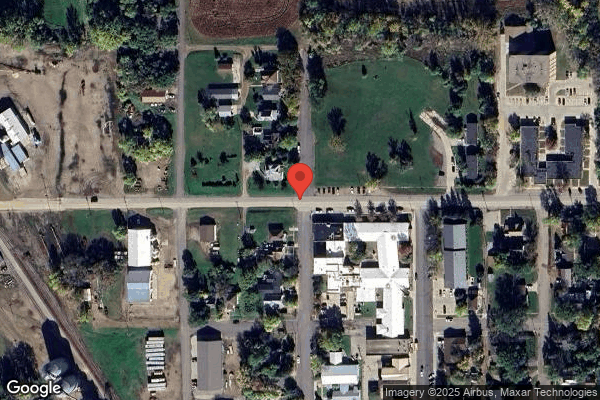
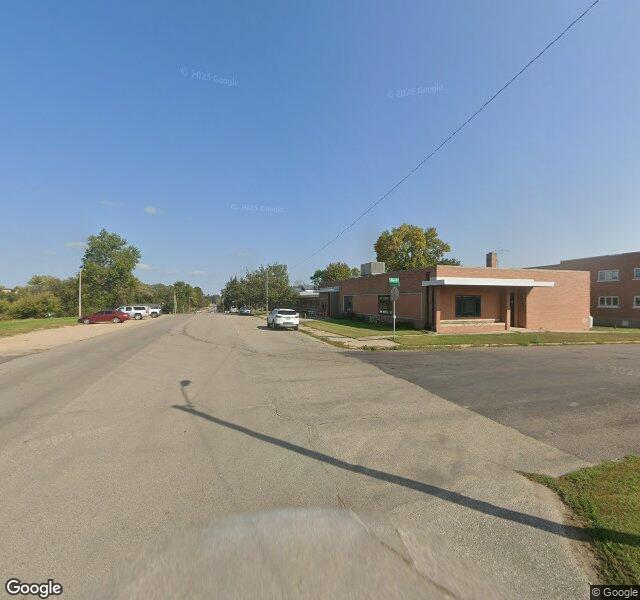
6 E CHESTNUT, SISSETON, SD 57262 (605) 698-7693
Non profit - Corporation 40 Beds Independent Data: November 2025
Trust Grade
25/100
#94 of 95 in SD
Last Inspection: July 2024

Within standard 12-15 month inspection cycle. Federal law requires annual inspections.

Overview

Tekakwitha Living Center has received a Trust Grade of F, indicating significant concerns about its quality of care. It ranks #94 out of 95 nursing homes in South Dakota, placing it in the bottom half of facilities in the state, though it is the only option in Roberts County. The facility is showing some improvement, reducing the number of issues from 10 in 2024 to 3 in 2025. Staffing is a strength, with a 0% turnover rate, which is well below the state average, suggesting that staff are committed to the residents. However, the facility has accumulated $37,079 in fines, which is concerning and indicates compliance problems. Specific incidents of concern include a resident developing pressure ulcers due to a lack of repositioning, and another resident suffering accidents involving woodworking equipment due to inadequate safety measures. Additionally, the facility lacks a qualified infection preventionist, which raises further concerns about infection control. Overall, while there are some strengths in staffing, the facility faces serious issues that families should carefully consider when researching care options.

Trust Score
F
25/100
In South Dakota
#94/95
Bottom 2%
Safety Record
Moderate
Needs review
Inspections
Getting Better
10 → 3 violations
Staff Stability
○ Average
Turnover data not reported for this facility.
Penalties
✓ Good
$37,079 in fines. Lower than most South Dakota facilities. Relatively clean record.
Skilled Nurses
○ Average
RN staffing data not reported for this facility.
Violations
⚠ Watch
22 deficiencies on record. Higher than average. Multiple issues found across inspections.
★☆☆☆☆
1.0
Overall Rating
★☆☆☆☆
1.0
Staff Levels
★★★★☆
4.0
Care Quality
★★☆☆☆
2.0
Inspection Score
Stable
2024: 10 issues
2025: 3 issues

The Good

  • 4-Star Quality Measures · Strong clinical quality outcomes
  • Full Sprinkler Coverage · Fire safety systems throughout facility
  • No fines on record

Facility shows strength in quality measures, fire safety.

The Bad

1-Star Overall Rating

Below South Dakota average (2.7)

Significant quality concerns identified by CMS

Federal Fines: $37,079

Above median ($33,413)

Moderate penalties - review what triggered them

The Ugly 22 deficiencies on record

2 actual harm
Jun 2025 3 deficiencies
CONCERN (D) 📢 Someone Reported This

A family member, employee, or ombudsman was alarmed enough to file a formal complaint

Potential for Harm - no one hurt, but risky conditions existed

Food Safety (Tag F0812)

Could have caused harm · This affected 1 resident

Based on South Dakota Department of Health (SD DOH) complaint report review, observation, interview, and policy review, the provider failed to follow food safety standards for appropriate storage and ...

Read full inspector narrative →
Based on South Dakota Department of Health (SD DOH) complaint report review, observation, interview, and policy review, the provider failed to follow food safety standards for appropriate storage and labeling of food (where and how many items), monitoring of the low-temperature dishwasher in one of one kitchen, and the one of one leaking dishwasher in the kitchen area. Findings include: 1. Review of the 4/7/25 complaint intake report revealed concerns regarding: *Diet orders not being modified correctly. *Residents not receiving full servings of food items. *Denying residents room trays as requested. *Not offering second helpings to residents. *Bedtime snacks not available for residents. 2. Observation on 6/16/25 at 2:10 p.m. in the kitchen area revealed: *Two boxes of juice sitting on the floor in a cardboard box in the storage room. *A dented soup can in a box sitting on the floor in the storage room. *The June 2025 Sanitization/record of refrigerator temperature log revealed: -No temperatures were documented on 6/6/25 for the walk-in cooler, walk-in freezer, reach in freezer, reach-in cooler and reach-in juice cooler. *In the dishwashing room there was a bucket under the sink drain which had about an inch of brown discolored liquid sitting in it. *Under a blue bucket, there was hard water white dry discoloration on the floor. *A blue bucket under the dishwasher had a yellow sludge-like liquid in it. *The June 2025 Chemical sanitizing dishwasher temperature and parts per million (PPM) logs revealed there was: -No documentation on 6/7/25 and 6/8/25. -No lunchtime documentation on 6/14/25 and 6/15/25. *The AM (morning) aides checklist posted in the kitchen dated May 2-8, 2025, revealed: -No documentation of completed tasks on 5/2/25 through 5/4/25. -Incomplete documentation on 5/5/25 and 5/6/25. -No documentation of completed tasks on 5/7/25 and 5/8/25. *The PM (evening) aides daily task list posted in the kitchen dated May 2-8, 2025, revealed there was no documentation of tasks completed on 5/8/25. *The End of AM shift checklist for June 2025 revealed there was no documentation for the 6/3/25 tasks having been completed. *The End of PM shift checklist for June 2025 revealed there was no documentation for the 6/3/25 tasks having been completed including: -Clear and wash dining room tables. -Sweep dining room floors. Observation on 6/16/25 at 2:35 p.m. of the walk-in freezer and refrigerator revealed: *Fish patties were in an open bag on top right shelf of the freezer. That bag was not labeled or dated. *Steak patties were in an open bag on the left middle shelf of the freezer. The bag was undated. *A bag of cheese omelet was tied closed and was undated. *A bag of mini corn dog was open and undated. *There was a puddle of liquid (a slipping hazard) on the floor inside the door of the walk-in refrigerator. 3. Interview on 6/17/25 at 8:55 a.m. with dietary aide (DA) D revealed: *The blue bucket was under the dishwasher because the dishwasher sometimes leaked. *She was unsure how long it has been leaking, but thought the bucket had been there since September of 2024. Phone Interview with 6/18/25 at 7:59 a.m. with dietary manager (DM) C revealed: *The dishwashing machine had been leaking for almost three years. *The dishwasher was maintained by the dishwasher supplier. *The dishwasher supplier had replaced the hoses on the machine about two months ago. *Maintenance was responsible for checking machines and would call the suppliers to have them fixed. *The drain under the sink had been leaking off and on for about three years. *She was responsible for posting the AM and PM monthly checklists for dietary staff to document the completion of those tasks. *She was responsible for monitoring and checking it daily to see if the tasks were completed. -She would educate staff if tasks were not completed or documented as having been completed. *She was responsible for posting the weekly AM and PM aides' checklists in the kitchen. -She thought she wrote the wrong dates on the current checklists that were posted in the kitchen. *The dishwashing staff were responsible for monitoring the chemical sanitizing dishwasher after each meal for temperature and PPM. -She was to be notified if the PPMs were not at the level needed to sanitize the dishware and she would then notify maintenance. Interview on 6/18/25 at 9:12 a.m. with administrator A revealed: *Maintenance staff was to be notified to check equipment problems, and if they could not fix them, they would arrange for service to be completed on the equipment by the vendor. *DM C was responsible for monitoring the food storage and cleaning schedules and posting them for staff in the kitchen. *She expected all facility policies to be followed. Interview on 6/18/25 at 9:30 a.m. with maintenance E revealed: *He had worked here for two years. *He had been notified the drain under sink in the kitchen was leaking. -He stated it had been leaking for two years and all the piping would have to be replaced. *He had not noticed the yellow sludge sitting under the dishwasher machine. -The blue bucket had been there a couple years. 4. Review of the provider's revised July 2014 Food Receiving and Storage policy revealed: *Foods shall be received and stored in a manner that complies with safe food handling practices. -6. Food in designated dry storage areas shall be kept off the floor (at least 18 inches) and clear of sprinkler heads, sewage/waste disposal pipes and vents. -8. All foods stored in the refrigerator or freezer will be covered, labeled and dated ('use by date). -11. The freezer must keep frozen foods frozen solid. Wrappers of frozen foods must stay intact until thawing. -12. Functioning of the refrigeration and food temperatures will be monitored at designated intervals throughout the day by the food and nutrition services manager or designee and documented according to state-specific requirements. Review of provider's 2013 Cleaning dishes/Dish machine Policy revealed: *All flatware, serving dishes and cookware will be washed, rinsed and sanitized after each use. Dish machines will be checked prior to meals to assure proper functioning and appropriate temperatures for cleaning and sanitization.
CONCERN (E) 📢 Someone Reported This

A family member, employee, or ombudsman was alarmed enough to file a formal complaint

Potential for Harm - no one hurt, but risky conditions existed

Resident Rights (Tag F0550)

Could have caused harm · This affected multiple residents

A. Based on South Dakota Department of Health (SD DOH) complaint report review, observation, interview, record review and policy review, the provider failed to promote the residents' right to self-det...

Read full inspector narrative →
A. Based on South Dakota Department of Health (SD DOH) complaint report review, observation, interview, record review and policy review, the provider failed to promote the residents' right to self-determination for four of four sampled residents (1, 2, 3, and 4) who ate in the east dining room and expressed they were unaware of what foods were planned to be served or what food choices were available until the meal service had started. Findings include: 1. Review of the 4/7/25 SD DOH complaint intake report revealed concerns regarding: *Residents were only given one choice for meals. *The kitchen staff refused to post a weekly/daily menu. *Dietary manager (DM) C was rude or verbally aggressive to many of the residents. *DM C was aggressive with and swore at other staff while residents were present. 2. Observation on 6/16/25 at 4:00 p.m. of menu choices available for resident meals revealed: *Menu choices were posted outside the kitchen door on the whiteboard. *Menu choices were posted outside the north dining room on the whiteboard. Observation on 6/16/25 at 4:12 p.m. in the east dining room revealed dinner menu choices were not posted on the whiteboard. Observation on 6/16/25 at 5:25 p.m. in east dining room revealed: *No meal choices were written on the whiteboard in that dining room area. *No staff asked residents what their meal choices were. *No diet cards were used when serving residents. Continued observation on 6/16/25 at 5:50 p.m. in the east dining room revealed: *Staff moved about the dining room and asked residents if they wanted anything else. *Two unidentified residents requested a chicken sandwich (the main entrée) and were given the chicken sandwich. Observation on 6/17/25 at 7:25 a.m. of north dining room revealed: *The whiteboard posted outside the door had the previous day's (6/16/25) menu listed and was dated 6/12/25. Observation on 6/17/25 at 11:00 a.m. of the menu whiteboard outside of the kitchen revealed: *Meatloaf, Au gratin potatoes, green bean casserole and diced pears were listed for the lunch meal that day. *The food substitute listed was ham. Observation on 6/17/25 at 12:25 p.m. of the east dining room revealed: *No meal choices were written on the menu whiteboard. 3. Interview on 6/16/25 at 4:05 p.m. with resident 3 revealed: *She was the resident council president. *Her 3/28/25 Brief Interview for Mental Status (BIMS) assessment score was 15 which indicated she was cognitively intact. *The menus were not posted in the east dining room for residents to know what meal was planned to be served or what the meal choices were. *Before a meal, the staff members would offer the residents two entrée choices. *Dietary would serve second helpings of food upon request. *There were drink choices at all meals. *Fresh fruit was on the menu. *There was a snack cart, and staff offered those snacks to residents before bedtime. Interview on 6/16/25 at 5:00 p.m. with resident 1 revealed: *He had resided at the facility for about six months. *His 5/1/25 BIMS assessment score was 14 which indicated he was cognitively intact. *The menu was posted by the north dining room and by the kitchen. *He ate in the east dining room. *He said he would show up to eat and that was how he would know what was being served for that meal. *He was unsure if they passed bedtime snacks. *He had snacks in his room. Interview on 6/16/25 at 5:45 p.m. with certified nursing assistant (CNA) J revealed: *There was confusion about who was supposed to ask the residents about their meal choices. *She was told by another CNA, whom she did not identify that they were not doing that anymore. *There was a meeting last week when CNA J was gone, where staff were directed that the dietary staff was to ask the residents what their meal choices were now. Interview on 6/17/25 at 9:32 a.m. with resident 4 revealed: *She had resided at the facility for about two years. *Her 4/25/25 BIMS assessment score was 14 which indicated she was cognitively intact. *She always had canned fruit, and bananas were the only fresh fruit. *Soup was never hot enough. *She had no idea what was on the menu. *She ate in the east dining room. *The staff would go around and ask the residents what they wanted just before serving the meals. *There was always a substitute item. *There had never been a menu posted in her room. *Occasionally meal choices would be posted in the east dining room, but that would remain there unchanged for days then it stays there for days. *She would have liked to know what was for meals. Interview on 6/17/25 at 4:20 p.m. with DON B revealed: *She had spoken several times with DM C to complete the meal tray cards for residents. *The meal tray cards would include the resident's name, diet, allergies and food dislikes. *She felt it was important that those cards would be available for the new staff to know those items for each resident. Interview on 6/17/25 at 4:35 p.m. with resident 2 revealed: *She had been living at the facility for two years. *Her 4/8/25 BIMS assessment score was 13 which indicated she was cognitively intact. *She ate her meals in the east dining room. *The menu was seldom posted on the east dining room whiteboard. *The menu was usually posted by the north dining room and by the kitchen door. Interview on 6/18/25 at 7:50 a.m. with DM C revealed: *She was responsible for completing the meal identification tray cards for the residents. Interview on 6/18/25 at 9:12 a.m. with administrator A revealed: *DM C was responsible for updating resident meal identification tray cards. *She was aware these were not currently being used by the dietary staff. 4. Review of provider's revised December 2016 Resident Rights Policy revealed: *Employees shall treat all residents with kindness, respect and dignity. 1. Federal and state laws guarantee certain basic rights to all residents of this facility. These rights include the residents right to: e. self-determination. B. Based on South Dakota Department of Health (SD DOH) complaint intake, interview, record review and policy review, the provider failed to protect the residents' right to an environment maintained in a respectful manner for two of four sampled residents (1 and 2) by dietary manager (DM) (C) who yelled and used foul language when the residents were present. Findings include: 1. Review of the 4/7/25 SD DOH complaint intake review revealed concerns regarding: *DM C was rude or verbally aggressive to many of the residents. *DM C was aggressive with and swore at other staff while residents were present. 2. Interview on 6/17/25 at 9:00 a.m. with dietary aide (DA) M revealed: *She had worked at the facility for many years. *DM C had yelled and used foul language towards other staff in front of residents before when tasks had not been completed by dietary staff. *She had told other co-workers about the incident of DM C yelling at others. *She did not report it to management staff. Interview on 6/17/25 at 9:45 a.m. with certified nursing assistant (CNA) N revealed: *She had observed DM C using foul language in front of residents about three weeks ago. *She heard DM C say, I am sick and tired of always pleasing everyone. *She heard DM C say. I am sick of this [profanity]. Interview on 6/17/25 at 11:35 a.m. with DA/cook O, cook K and cook L revealed: *DM C used foul language frequently, sometimes in front of residents. -Such as, I got a headache from all this [profanity]. *DM C has slammed items around in the kitchen when she was upset and residents were present outside the door. Interview on 6/17/25 at 3:55 p.m. with DA P revealed: *DM C would bang items around in the kitchen when she was upset and she would have to serve meals. *She had observed DM C in dining room areas yelling at dietary staff on several occasions. *Administration had been notified of DM C's behaviors. *DM C would berate her in front of others and blamed her when things did not go right. *DM C would use foul language under her breath in dining rooms, but she was unsure if residents heard it. Interview on 6/17/25 at 4:35 p.m. with resident 2 revealed: *She had lived at the facility for about two years. *Her 4/8/25 Brief Interview for Mental Status (BIMS) assessment score was 13 which indicated she was cognitively intact. *She had observed DM C yelling at DA M in the kitchen and DM C made DA M cry. *Resident 2 stated she heard DM C yelling whenever she walked by the kitchen door to get ice from the ice machine. Phone interview on 6/18/25 at 7:59 a.m. with DM C revealed: *There had been one or two instances where she had yelled or used foul language to her dietary staff in front of residents. *She agreed foul language was not appropriate to use at any time. *She had been reprimanded by administrator A following these instances. Interviews on 6/18/25 at 9:12 a.m. and 10:25 a.m. with administrator A revealed: *She expected staff to not use foul language in front of residents. *Foul language was not acceptable as the facility was the residents' home, and they should never have to listen to that. *She expected all facility policies to be followed. *DM C had been educated after each occurrence about how she talked to people and approaches people. *After almost every instance, she had been reprimanded for her behavior. *DM C was put on administrative leave on 6/11/25 and would possibly return to work on 6/23/25. Interview on 6/18/25 at 10:50 a.m. with resident 1 revealed: *His 5/1/25 BIMS assessment score was 14 which indicated he was cognitively intact. *He had observed DM C yelling at DA M in the east dining room approximately two weeks ago. *He had not reported that situation to anyone. *It made him feel uncomfortable. *He was not scared of DM C but felt bad for the staff member because she was crying. Interview on 6/18/25 at 11:04 a.m. with resident 2 revealed: *She had observed an incident in the east dining room when DM C was yelling at DA M, but she had not reported that situation to anyone. *She felt it was not right for DM C to do that in front of staff or residents. *She felt bad for DA M and comforted her later that day. *She was not fearful of DM C for herself. *It had made her wonder what DA M could have done to make DM C that mad. *She stated, You do not go after an employee like that in front of people. Interview on 6/18/25 at 11:11 a.m. with administrator A revealed she was unaware of an incident regarding DM C and DA M. Interview on 6/18/25 at 11:20 a.m. with business manager Q revealed: *Some staff had reported about an incident regarding DM C and DA M. to him and administrator A *He though the above incident weighed on the residents. *There were concern about resident care being impacted. *He though the residents worried how the above incident would impact them. Further interview on 6/18/25 at 11:27 a.m. with administrator A revealed: *She had spoken with residents about the situation between DM C and DA M that occurred in east dining room. *This caused them to have the dietary meeting on 6/10/25 to voice concerns. *She did not have any documentation regarding that dietary meeting or her investigation into the situation between DM C and the other staff. 3. Review of the provider's undated Certified Dietary Manager job description revealed: *The manager is responsible for overall supervision and coordination of the department, growth of facility and community resources, to provide comprehensive standards, practices and programs that meet the needs and best interests of the facility and residents. *Essential functions of the job, departmental expectations: -Ability to model effective communications between resident, family, staff and community. -Must be able to identify potentially unsafe situations and to respond appropriately. *It is the expectation that the employee complies with applicable standards of behavior and conduct, including but not limited to, standards of conduct, customer service standards, and professional code of ethics. Review of providers revised December 2016 Resident Rights Policy revealed: *Employees shall treat all residents with kindness, respect and dignity. 1. Federal and state laws guarantee certain basic rights to all residents of this facility. These rights include the residents right to: f. communication with and access to people and services, both inside and outside the facility. h. be supported by the facility in exercising his or her rights.
CONCERN (E) 📢 Someone Reported This

A family member, employee, or ombudsman was alarmed enough to file a formal complaint

Potential for Harm - no one hurt, but risky conditions existed

Safe Environment (Tag F0584)

Could have caused harm · This affected multiple residents

**NOTE- TERMS IN BRACKETS HAVE BEEN EDITED TO PROTECT CONFIDENTIALITY** Based on South Dakota Department of Health (SD DOH) complaint report review, observation, interview, and policy review, the prov...

Read full inspector narrative →
**NOTE- TERMS IN BRACKETS HAVE BEEN EDITED TO PROTECT CONFIDENTIALITY** Based on South Dakota Department of Health (SD DOH) complaint report review, observation, interview, and policy review, the provider failed to maintain a homelike environment that was clean and free of wall and floor damage, chipped paint, and ceiling leaks in several identified areas throughout the facility. Findings include: 1. Review of the 4/7/25 SD DOH complaint intake report revealed concerns regarding: *Housekeeping does not clean floors in the dining room. *Tables in dining rooms are constantly dirty. 2.Observation on 6/16/25 at 4:12 p.m. of east dining room revealed: *Food crumbs were visible on the floor in the dining room. *A pink foot soak basin was on the floor with discolored water that had dripped in it from a leak in the ceiling. *The countertop by the sink had dried dark coffee-like stain rings on it. Observation on 6/17/25 at 7:30 a.m. of the east dining room revealed: *The countertop by the coffee maker had dried coffee-like stain rings still there. *The floors had food debris under the tables. *A pink foot basin was still on the floor with discolored standing water in it. Observation on 6/17/25 at 8:10 a.m. of the carpeting in hallways and common areas revealed: *Stains were on the carpeting in the front entrance by the large television and tables. *Stains were on the carpeting in the 200 hallway that leads to the east dining room. *Stains were on the carpeting from rooms 117 to 119. *Stains were on the carpet from room [ROOM NUMBER] to the north dining room door. *Stains were on the carpet by the north wing nurses' station. *The family room floor had wood chips on it and under the couch. *The family room floor had a small blanket on the floor. *Dark stains were on the carpeting in hallways by administration offices and by the therapy office door. *There was an area of missing paint on the wall across from the ice machine. *A large pink colored stain was on the carpeting approximately two feet by two feet in size, by the east wing reception area. *Stains in carpeting were visible outside of room [ROOM NUMBER]. *The wall paint was chipped between rooms 105 and room [ROOM NUMBER], between rooms 112 and room [ROOM NUMBER], between rooms 109 and room [ROOM NUMBER], and outside of room [ROOM NUMBER]. *The flooring in the east dining room was torn between the first two tables, approximately half a foot in length. *There were areas of missing paint on the walls in the east dining room. *The walls had scraped areas outside of room [ROOM NUMBER]. *The heat register outside of room [ROOM NUMBER] had areas where the paint had chipped off. *The flooring trim was missing a piece of trim from the television area by the north nursing desk. Observation on 6/17/25 at 12:25 p.m. of the east dining room revealed: *A pink foot soak basin of collecting dripping ceiling water remained on the floor. *There were missing ceiling tiles around the leak. Observation on 6/18/25 at 7:41 a.m. of the east dining room revealed: *The pink foot basin was on the floor with standing water sitting in it. *Dark coffee-like stains were on the counter next to the sink. 3. Interview on 6/16/25 at 4:12 p.m. with dietary aide (DA) F revealed: *After supper dietary staff were to wipe off tables and sweep the floors in dining rooms. *Housekeeping staff were to wipe tables and mop the floors daily. Interview on 6/17/25 at 7:20 a.m. with housekeeper G revealed: *Housekeeping staff would wash tables twice daily after breakfast and lunch. *Housekeeping staff would sweep and mop the dining room floors after breakfast and lunch. *He was unsure who did those tasks after the evening meal. Interview on 6/17/25 at 9:50 a.m. with housekeeper H revealed: *She washed the tables in dining rooms after breakfast and lunch. *She swept and mopped the floors in dining rooms after breakfast and lunchtime. *She was unsure who swept and mopped the dining room floors after the evening meal. Interview on 6/18/25 at 9:12 a.m. with administrator A regarding the conditions of the facility observed above revealed: *Maintenance staff was to be notified to check equipment or other building problems. *If maintenance staff could not fix the problem, they would call a service vendor to fix it. *She expected all facility policies to be followed. Interview on 6/18/25 at 9:30 a.m. with maintenance staff E revealed: *He was aware of the roof leak in the east dining room, and stated they had a lot of rain over the weekend. *He planned to get tar today (6/18/25) to get the roof leak fixed. *Maintenance staff were responsible for all building repairs. 4. Review of provider's undated Safe/Clean/Comfortable Homelike Environment Policy revealed: *The resident has a right to a safe, clean, comfortable and homelike environment, including but not limited to receiving treatment and supports for daily living safely. -Housekeeping and maintenance services necessary to maintain a sanitary, orderly and comfortable interior. -Environment refers to any environment in the facility that is frequented by residents, including (but not limited to) the residents' rooms, bathrooms, hallways, dining areas, lobby, outdoor patios, therapy areas and activities areas. -A homelike environment is not achieved simply through enhancements to the physical environment. It concerns striving for person-centered care that emphasizes individualization, relationships and a psychosocial environment that welcomes each resident and makes her/him comfortable. It is the responsibility of all facility staff to create a homelike environment and promptly address any cleaning needs. Review of provider's revised 12/2009 Laundry/Housekeeping Policy standard three and 11 revealed: *There are written policies and work routines for Laundry/Housekeeping Services. -4. Reviewed and revised annually. -7. Written cleaning schedules include at least the following: a) Daily/weekly/monthly routines. b) Quarterly/seasonal/annual routines. c) Defines cleaning agents/supplies utilized. d) Includes system of documentation demonstrating successful completion. * A clean, orderly and safe environment is maintained throughout the facility. d) Tile floors -Dust mopped and wet mopped daily with hospital approved germicidal solution. -Free of dust, dirt, spills, wax build-up and evidence of smooth and shiny surfaces. e) Carpets -Vacuumed regularly. -Cleaned as spills occur and shampooed routinely or when visibly soiled. _Free of dirt, litter, and stains. -Free of permeating odors. f) Walls have no chipped paint, peeling paper or gouged plaster. *Congregate areas. a) Cleaned routinely or when visibly soiled. d) Spills are wiped up as they occur with paper towel or wet mop.
Jul 2024 8 deficiencies 2 Harm
SERIOUS (G)

Actual Harm - a resident was hurt due to facility failures

Pressure Ulcer Prevention (Tag F0686)

A resident was harmed · This affected 1 resident

Based on observation, interview, record review, and policy review, the provider failed to prevent one of one sampled resident (23) from developing facility-acquired pressure ulcers. Findings include: ...

Read full inspector narrative →
Based on observation, interview, record review, and policy review, the provider failed to prevent one of one sampled resident (23) from developing facility-acquired pressure ulcers. Findings include: 1. Interview on 7/17/24 at 8:00 a.m. with director of nursing (DON) B revealed resident 23 had on heel protectors but wasn't sure the thread in them had not caused his pressure ulcer. Observation on 7/17/24 at 10:15 a.m. of resident 23 revealed resident 23 was in bed lying on his back when licensed practical nurse (LPN) G went in to provide wound care. Interview on 7/17/24 at 10:41 a.m. with CNA H in regards to skin concerns revealed: *She stated, I think the skin issues are from the residents not being repositioned, and she had voiced her concerns to management. *Administrator A had started rounds and cares had improved. Interview on 7/17/24 at 12:45 p.m. with administrator A revealed: *She confirmed that resident 23's pressure ulcers on his sacrum and heel were avoidable, yes, they got to lay him down and get him off that area and he has boots on now. *She confirmed she had started rounds and things are better. Interview on 7/17/24 at 2:10 p.m. with LPN G in regard to resident 23's pressure ulcers revealed: *His sacral pressure ulcer was new in the last 30 days. *She stated, Yes they were preventable. *She stated she wondered if the certified nursing assistants (CNAs) knew what floating the heels meant. *They had changed out his entire bed and mattress a couple of weeks ago because his old one folded him he indicated like a V with both his head and feet elevated. *They changed his heel boots to bunny boots. *They should have changed the interventions for his skin sooner. *She thought his pressure ulcers were part of his dementia progression. *There had been some uneasiness among the CNAs playing the blame game in regards to care provided. -Administrator A had started doing rounds on the floor and followed up on complaints and things are better. *She did not work the night shift but the day CNAs did a good job but are rushed at times. Interview on 7/17/24 at 3:30 p.m. with DON B in regard to resident 23's pressure ulcers revealed: *His bed was changed to an air mattress because he would slide down in his old one. *She had placed a 'turn and reposition clock' in his room but the CNAs had taken it down and they would be written up for it but haven't been yet. *He has bunny boots now because he could feel the thread in the old ones which did not help. *His heels dug into the sheets when he moved around. *She agreed his pressure ulcers were avoidable and he should have been given an air mattress sooner. Observation on 7/18/24 10:45 a.m. of resident 23 with registered nurse (RN) F revealed he was in his bed lying on his back when RN F entered his room to provide wound care. Review of resident 23's electronic medical record (EMR) revealed his Braden scale for predicting pressure sores was scored at 13 (moderate risk) on 12/7/23 and 12 (high risk) on 7/17/24. Record review of resident 23's skin observation tool for his right heel pressure ulcer revealed: *It was discovered on 5/30/24 and measured 0.5 centimeters (cm) by 0.5 cm with no depth measurement noted. *It was staged at a two (partial thickness loss of dermis presenting as a shallow open ulcer with a red pink wound bed, without slough. May also present as an intact or open/ruptured serum-filled blister). *It worsened to measure 1.1 by 1.1 cm by 0.1 cm on 6/18/24. Record review of resident 23's skin observation tool for his sacrum pressure ulcer revealed: *It was new on 6/20/24 and measured 1.0 cm by 0.6 cm and stage two. *It was documented on 7/9/24 to have worsened to 7.0 cm by 7.3 cm and stage three (full thickness tissue loss. Subcutaneous fat may be visible but bone, tendon or muscle are not exposed. Slough may be present but does not obscure the depth of tissue loss. May include undermining and tunneling). Review of the provider's undated pressure ulcer prevention and wound care policy revealed: *General skin care guidelines 1.c. noted, Nursing assistants and staff shall follow the turning schedule as assigned by the charge nurse, observe skin integrity and report changes to charge nurse immediately. -3.a noted, The resident shall be turned and repositioned every 2 hours and as needed, unless contraindicated. *General pressure ulcer management guidelines 1. Noted, the RN/LPN shall initiate Pressure Ulcer Management Guidelines for at risk resident on admission and/or later if the resident condition warrants.
SERIOUS (G)

Actual Harm - a resident was hurt due to facility failures

Accident Prevention (Tag F0689)

A resident was harmed · This affected 1 resident

Based on interview, observation, record review, and policy review, the provider failed to implement effective precautions and interventions to ensure the safety for one of one sampled resident (10) th...

Read full inspector narrative →
Based on interview, observation, record review, and policy review, the provider failed to implement effective precautions and interventions to ensure the safety for one of one sampled resident (10) that contributed to multiple accidents involving woodworking equipment resulting in bodily injury. Specifically, the provider failed to either complete follow-up assessments, incident analysis, or review/revise/monitor interventions. Findings include: 1. Interview on 7/16/24 at 4:25 p.m. with resident 10 revealed he enjoyed woodworking and had a workshop in the facility's basement. Interview on 7/17/24 at 9:41 a.m. with activity director J regarding resident 10's woodworking interest revealed: *He used a room in the provider's basement as his workshop for his independent woodworking activity. *She stated that he carried a walkie-talkie with him while he worked in the basement workshop and garage to communicate with staff. Interview on 7/17/24 at 10:31 a.m. with director of nursing (DON) B regarding resident 10 revealed: *She stated he had been assessed by the provider's contracted therapy services for his ability to safely pursue his independent woodworking activities. *She provided the 11/9/23 Occupational Therapy (OT) Evaluation and Plan of Treatment. *She also provided an undated one-page printed paper titled Care Plan for [resident 10's name] for [NAME] Working. *When asked regarding ongoing assessments for the resident as he had a diagnosis of Alzheimer's Disease (a brain disease that gets worse over time), she agreed that ongoing assessments were necessary, but stated that since the 11/9/23 OT Evaluation, no other OT evaluation was completed. *After he had an accident in March 2024, she revealed the electric saw equipment was changed to the current equipment that had an automatic shut-off if a problem was detected. Interview on 7/18/24 at 9:54 a.m. with social service designee C regarding resident 10's woodworking revealed: *She agreed he was forgetful at times but stated he was very aware of what he was doing. *He was not doing the woodworking when he was admitted to the facility, but had started his woodworking last fall and she stated that his family was very supportive of his woodworking. *She was aware of the care plan interventions regarding his woodworking but was not sure if staff members supervised him while he used his woodworking saw. Interview on 7/18/24 at 10:21 a.m. with DON B regarding resident 10 revealed: *When asked about the care plan intervention that stated he was only to use the electric saw if supervised by a staff member, she stated -This does not happen all the time. -He was aware of the need to be supervised with the electric saw, but will use the saw unsupervised. -When the staff had a meeting and heard the electric saw in operation, a staff member went down to check on him. -He can get agitated with staff as he liked to be independent. *There was no video camera or alternative method that monitored his workshop activity when staff were not in supervising him. Interview on 7/18/24 at 10:25 a.m. with administrator A regarding resident 10's woodworking revealed: *The maintenance director's office and the provider's laundry area were also located in the basement, and maintenance and laundry staff checked with the resident during the day while they were working. *He was only to be working in the workshop between 7:00 a.m. and 8:00 p.m. *He had purchased a new electric saw in March 2024 after an incident had occurred. -The new saw had a special safety feature that shut off the saw if an error was detected. -When he was operating the saw, a staff member had to be supervising him. Observation and interview on 7/18/24 at 10:36 a.m. with resident 10 in his basement workshop revealed: *He was alone in his basement workshop. *He had a walkie-talkie on a shelf in his workshop and had his personal cell phone in the front pocket of his overalls. *When asked how often he used his electric saw, he stated, Maybe once a day. -He stated he had called the maintenance director many times to supervise him while he was operating the electric saw. -He wasn't sure where his safety gloves were that he was supposed to wear when using his electric saw. -He stated At times the staff was busy, and I don't always get someone [when operating the electric saw]. Interview on 7/18/24 at 10:55 a.m. with activity director J regarding resident 10's woodworking revealed: *She checked in with him throughout the day when she worked. *He would call me at times when he needed to cut a board on his electric saw. *She agreed with the safety interventions on his supplemental paper care plan. *She had no concerns with his woodworking. An interview on 7/18/24 at 1:36 p.m. with administrator A and DON B regarding the provider's walkie-talkies revealed that multiple staff members, including the administrator, DON, dietary manager, cooks, nurses, medication aides, certified nursing assistants, housekeepers, and maintenance director, had walkie-talkies with them while they worked. Review of resident 10's electronic medical record (EMR) revealed: *He moved into the facility on 3/27/23. *His diagnoses included age-related cognitive decline and Alzheimer's disease. *A 10/23/23 Health Status progress note at 12:01 a.m. stated At approximately 7:30 pm last evening [10/22/23] resident came to this nurse with his left pointer finger bleeding, resident stated he was working with his table saw and the piece of wood slipped and got his finger, tip of finger noted to be cut off, area cleaned, Bactroban applied and covered with pressure bandage, Dr. [last name of resident's primary physician] and family updated on the above, new orders for Bactroban and dressing daily until healed. *An 11/9/23 Occupational Therapy (OT) Evaluation and Plan of Treatment documented: -Diagnoses Age-related cognitive decline. -Current Referral Reason for Referral: The patient has been referred for a cognitive evaluation s/p [status post] a wood working injury resulting in a cut to digit. -Background Assessment: Patient Preferences: Hobbies: [NAME] working, making bird houses. -A St. Louis University Mental Status (SLUMS) exam scored at 26 out of a possible 30 indicating Mild Neurocognitive Disorder. -An Assessment Summary that stated .The patient has been performing woodworking tasks for years and resulting [sic] had an accident resulting in a hand injury. The patient was alert and oriented x 4 on this date and did assist with making a safety plan for all his woodworking tasks/tools. Per the SNF [skilled nursing facility], the facility will be placing together a policy to ensure safety during such leisure tasks. The patient is motivated to follow recommendations and continue with his loved leisure task . Review of resident 10's initial care plan for his woodworking revealed the following interventions: *OT evaluation related to woodworking safety. *Orientate and instruct [first name of resident 10] and staff that he will use his cell phone and his pager to call the staff while in the basement or garage-Relate to anything that [first name of resident 10] may need. Cell Phone Number for [first name of resident 10] [10 digit phone number] *Attempt to check on [first name of resident 10] often. *Family aware of woodworking in the basement and aware of the risks of wood working. *Ventilation in room and wears a mask for dust. *Make sure that [first name of resident 10] has non-skid shoes while doing wood working. *[first name of resident 10] is aware to make sure the power switch is off before he plugs into a power tools. *[first name of resident 10] is aware to not use a tool that is damaged. *Reminders to [first name of resident 10] to not rush given daily. *Will continue to update plan with issues as they arise. *Given to Activities and Nursing Departments on-11/1/23. Continued review of resident 10's electronic medical record (EMR) revealed: *An 11/13/23 Daily Charting progress note at 10:30 a.m. stated Skilled OT d/c [discontinued] due to evaluation only 11-9-23 with safety recommendations issued. *An 11/17/23 Skin/Wound progress note at 9:10 p.m. stated Resident came to nurse's station after working in his shop, left arm noted to be bloody, resident stated he ran into a piece of wood downstairs, large abrasion to left arm, area cleaned, Bactroban applied and covered with 4X4 Island dressing, Tx [treatment] received to monitor and cover area during the day until healed. *An 11/18/23 Skin/Wound progress note at 9:54 a.m. stated Resident to nurses station, stated that he bumped his Lt. [left] thumb on hood, 1.5 x 1cm open area where skin was off, moderate amount of bleeding due to blood thinners. Tx. [treatment] received for cleanse with betadine, apply bactroban and dressing daily until healed. *No follow-up assessment or incident analysis had been documented in the resident's EMR for the 11/17/23 incident or the 11/18/23 incident. Review of resident 10's 11/23/23 woodworking care plan revealed an intervention had been added that stated Will Wear safety gloves . Continued review of resident 10's electronic medical record (EMR) revealed: *A 3/16/24 Incident progress note at 12:00 noon stated Resident called for help from basement work room and was assisted by med [medication] aide who entered to find resident with left hand wrapped in a bloody paper towel. Med [medication] Aide brought resident upstairs to nurses station. Resident is alert and oriented and conversing and answering questions appropriately. Moderate amount of blood covering hand. Noted deep, jagged cuts to 2nd, 3rd and fourth fingers. Immediately placed 4x4's and wrapped generously with kerlix, elevated the extremity. Resident placed call to his Grandson at this time and transport to CDP [Coteau des Prairies] ER [Emergency Room] was arranged. *A 3/16/24 progress note at 2:00 p.m. stated Resident returned from CDP [Coteau des Prairies] ER [Emergency Room] at this time. The affected fingers are wrapped. Resident states 20 stitches total. Written Orders Received: Wash the laceration with peroxide and apply and antibiotic ointment twice a day. Dr. [last name of resident's primary physician] to remove stitches on 03/28/24. *No follow-up assessment or incident analysis had been documented in the resident's EMR for the 3/16/24 incident. Review of resident 10's 3/24/24 woodworking care plan revealed an intervention had been added that stated Can only saw if he is supervised with a staff member. Continued review of resident 10's electronic medical record (EMR) revealed: *A 6/19/24 Skin/Wound progress note at 12:10 a.m. stated Resident rang call light at this time to ask to see the nurse, when nurse entered room resident was sitting in his recliner with shirt off and abdomen exposed, nurse noted a large bruise to the right side of abdomen that measured 5 in [inches] X 3 in [inches] with a small gash in the middle, resident then turned and showed nurse his left side of abdomen and nurse noted large bruise with scrape running through the middle of the bruise, area measures 10 in [inches] X 5 in [inches], both sides were cleaned and antibiotic ointment was applied to open area on right abdomen and then covered with 4x4 island dressing, resident denies pain to areas when asked, he states he was using his saw in his work shop and it kicked the boards back at him and hit his abdomen a few times, when asked about how long ago this happened and resident stated around 8 pm tonight [6/18/24], resident offered a cold pack and Tylenol but interventions were refused. *No follow-up assessment, incident analysis or review/revision of current interventions was documented in the resident's EMR for the 6/18/24 incident. *A recently completed Brief Interview for Mental Status (BIMS) exam on 7/12/24 was scored at 10 out of a possible 15 indicating he was cognitively moderately impaired. Review of the provider's undated policy on Resident safety during leisure tasks revealed: *Policy Statement: Resident will be free from accidents and hazards while doing leisure tasks. *Accidents and Supervision. -[Name of provider] will ensure that the resident's environment will be free from accidents and hazards over which the facility has control to prevent avoidable accidents and will provide supervision and assistive devices to each resident. This will include identifying, evaluating, analyzing and then implementing interventions to reduce hazards and risks and then monitoring for effectiveness and then modifying interventions if necessary. A request for resident 10's incident reports related to his woodworking was made on 7/18/24 at 10:20 a.m. from administrator A and no incident reports were received by the end of the survey.
CONCERN (D)

Potential for Harm - no one hurt, but risky conditions existed

Deficiency F0625 (Tag F0625)

Could have caused harm · This affected 1 resident

Based on record review, interview, and policy review the provider failed to provide bed-hold notices to the resident and/or their representative regarding a transfer to the hospital for one of two sam...

Read full inspector narrative →
Based on record review, interview, and policy review the provider failed to provide bed-hold notices to the resident and/or their representative regarding a transfer to the hospital for one of two sampled residents (33). Findings include: 1. Review of resident 33's electronic medical record (EMR) revealed: *She fell on 7/14/2024. *The physician was called at 6:30 p.m. and updated on her incident, injuries, and vitals. *An order was received to send the resident to the emergency room (ER). *The resident's representative was called by registered nurse (RN) F and updated on the residents's accident and transfer to the ER. *On 7/14/2024 at 9:22 p.m. RN F called the ER for an update and was told the resident would be sent to a local hospital for further evaluation regarding a fractured right femoral head (hip). *Progress note on 7/16/2024 at 10:24 a.m. stated the resident would be hospitalized until further notice. Further review of the EMR revealed there was no written notification to the resident or her representative regarding the Bed Hold policy. 2. Interview on 07/18/24 at 10:26 a.m. with RN F regarding the bed hold policy revealed: *She did not notify resident 33 or their representative of the bed hold notice prior to or after the residents' transfer to the hospital. *She stated the charge nurse should have notified the resident representative of the bed hold notice and completed the form at the time of transfer to the hospital. *If the charge nurse had not done it then the facility office staff usually followed up. *She could not find a signed bed hold notice for resident 33 related to her 7/14/2024 hospital transfer. 3. Interview on 7/18/2024 at 11:15 a.m. with social service designee C revealed the nursing department took care of notifying family/power of attorney (POA) of bed hold notices regarding transfers to the hospital. 4. Interview on 7/18/2024 at 11:54 a.m. with director of nursing B revealed her expectation was for the charge nurse to get the signature for the bed hold form the day the resident left and transferred to the hospital. 5. Interview on 7/18/2024 at 12:05 p.m. with administrator A revealed: *The charge nurse should fill out the bed hold form when the resident left for the hospital or do a verbal notification with the resident's representative over the phone if the resident was unable. *She would collect the bed hold notice form once it was filled out and put it in a binder. *She confirmed that resident 33 did not have a bed hold policy form filled out for her 7/14/24 hospitalization. 6. Review of the provider's undated Bed Hold Policy and Notification revealed: *Bed Hold Policy was given on date of admission in the admission binder booklet. *It stated what hospitalization and therapeutic leave was and the general rules for holding and paying for a bed. *It had not stated when the bed hold policy notification was to be given to the resident and/or their representative.
CONCERN (D)

Potential for Harm - no one hurt, but risky conditions existed

Deficiency F0657 (Tag F0657)

Could have caused harm · This affected 1 resident

**NOTE- TERMS IN BRACKETS HAVE BEEN EDITED TO PROTECT CONFIDENTIALITY** Based on observation, interview, record review, and policy review, the provider failed to ensure resident care plans were revise...

Read full inspector narrative →
**NOTE- TERMS IN BRACKETS HAVE BEEN EDITED TO PROTECT CONFIDENTIALITY** Based on observation, interview, record review, and policy review, the provider failed to ensure resident care plans were revised to reflect the current needs of two of fifteen sampled residents as follows: *One of one sampled resident (23) who had a pressure ulcer. *One of one sampled resident (10) who had leisure interests including woodworking and driving a golf cart. Findings include. 1. Observation on 7/17/24 at 10:15 a.m. of resident 23 revealed he was in bed lying on his back when licensed practical nurse (LPN) G went in to provide wound care. Interview on 7/17/24 at 10:41 a.m. with certified nursing assistant (CNA) H regarding resident 23 skin concerns revealed: *She stated, I think the skin issues are from the residents not being repositioned and she had voiced her concerns to management. *Administrator A had started rounds and things had improved. Interview on 7/17/24 at 2:10 p.m. with licensed practical nurse (LPN) G regarding resident 23 revealed: *They had changed out his entire bed and mattress a couple of weeks ago because his old one folded him up like a V with both his head and feet elevated. *They changed his heel boots to bunny boots, (a resilient, breathable polyfiber liner that allows air circulation for increased comfort for toe and heel pressure protection), but did not know when. *They should have changed his interventions sooner. Interview on 7/17/24 at 3:30 p.m. with director of nursing (DON) B regarding resident 23 revealed: *His bed was changed to one with an air mattress because he would slide down in his old one and that should have been done sooner. -This change was not on his care plan. *He had a turn and reposition clock in room, but the (CNAs) took it down. -That was not on his care plan. *Interventions for the wound (or skin condition) on his buttocks area had changed and she thought they were improving. have changed and thinks they are improving. -There were no wound interventions noted in his care plan. *The provider had added a wound nurse who sells dressings and would give recommendations for skin interventions. -That was not noted in his care plan. Observation and interview on 7/18/24 10:45 a.m. of resident 23 with registered nurse (RN) F revealed: *The resident was in his bed lying on his back when RN F entered his room to provide wound care. *She said an air mattress had been added. -That was not on his care plan. Review of resident 23's Minimum Data Set (MDS) assessment section M for skin conditions dated 3/10/24 signed by director of nursing (DON) B on 3/21/24 revealed: *He did not have pressure ulcer/injury, or scar over bony prominence. *He was at risk of developing pressure ulcers/injuries. *He had a pressure reducing device for chair. *He had pressure reducing devices for bed. *He did not have a turning/repositioning program. *He did not have a nutrition or hydration intervention to manage skin problems. Review of resident 23's current care plan revealed the following: *He was at risk for pressure ulcers and skin breakdown due to incontinence and immobility. -That was initiated on 4/7/21. *[The resident first name] skin would be kept clean, dry and free of pressure ulcers and skin breakdown. *They would monitor for any signs and symptoms of skin breakdown and report to the primary care provider. *He had a pressure reducing mattress to bed and cushion to wheelchair to aid in the prevention of skin breakdown or pressure ulcers, initiated 4/7/21. *They would prevent shearing the resident's skin during transfers and repositioning if possible. - That was initiated on 4/7/21. *The resident was incontinent of urine and occasionally incontinent of bowel. He should have been assisted with incontinence care after each incontinence episode. -That was initiated on 4/7/21. *The resident had a heel ulcer related to immobility. -That was initiated on 5/21/24, with a revision date of 6/12/24. *The resident would have intact skin, free of redness, blisters or discoloration through the review date -That was initiated on 12/11/23 with a revision date of 12/11/23, and a target date of 6/4/24. -Apply Bag Balm Ointment to buttocks as ordered for prevention and to heal breakdown on buttocks related to incontinence, was initiated on 12/28/22. *Apply heel foam Tegaderm to right heel ulcer as ordered and change every other day until healed, was initiated on 5/31/24. *He was dependent on one staff for assistance with bathing , dressing, personal care, and locomotion with a wheelchair and was dependent on two staff for assistance with transfers and toileting. -That was initiated on 3/21/23 with revision on 6/13/24. *The resident and staff were educated as to what caused skin breakdown including: transfers/positioning requirements and good nutrition and frequent repositioning. -That was initiated on 12/11/23, with a revision on12/12/23. *The resident and family were taught the importance of changing positions for prevention of pressure ulcers. They were encouraged to make small frequent position changes due to immobility. -That was initiated on 5/21/24 with a revision date of 6/12/24. *The resident needed turned or repositioned at least every 2 hours, more often as needed or requested. -That was initiated on 12/11/23 with a revision date of 12/12/23. *He required the bed as flat as possible to reduce shear when repositioning, was initiated on 12/11/23 with revision on the same date. *He would wear bunny boots while lying in bed every evening and night for skin protection and prevention was initiated on 1/24/23. *The resident had limited physical mobility related to dementia was initiated on 9/11/23 with a revision on 6/12/24. *He would remain free of complications related to immobility, including contractures, thrombus formation, skin-breakdowns, and falls related injury throughout the next review date initiated on 9/11/23, with a target of date 6/4/24. *The resident was not able to ambulate was initiated on 9/11/23 with revision that same date. *For locomotion: the resident was totally dependent on one staff member for pushing his wheelchair short and long distances was initiated on 9/1123 and revised on 9/11/23. 2. Interview on 7/16/24 at 4:25 p.m. with resident 10 revealed he enjoyed: *Riding his golf cart around the town. *Woodworking and had a workshop in the facility's basement. Review of resident 10's electronic medical record (EMR) revealed: *He moved into the facility on 3/27/23. *His diagnoses included age-related cognitive decline and Alzheimer's disease. *An 11/9/23 Occupational Therapy (OT) Evaluation and Plan of Treatment documented: -A St. Louis University Mental Status (SLUMS) exam scored at 26 out of a possible 30 indicating Mild Neurocognitive Disorder. -An Assessment Summary that stated .The patient has been performing woodworking tasks for years and resulting had an accident resulting in a hand injury. The patient was alert and oriented x 4 on this date and did assist with making a safety plan for all his woodworking tasks/tools . The patient is motivated to follow recommendations and continue with his loved leisure task . *An undated Electric Motorized Device Skills Test - Outdoor assessment completed by an occupational therapist documented: -For Outside Safety a handwritten comment has cellphone. -He was Independent (Can complete safely without assistance) (Pass) for: --Negotiating the Outdoor Environment. --Negotiating the Street Crossing Environment. -No concerns with inclines or declines. -He was able to locate ramps and other pathways. -A handwritten comment stated Need to address pathway to reach golf cart. *Had recently completed a Brief Interview for Mental Status (BIMS) exam on 7/12/24 and had scored 10 out of a possible 15 indicating he was moderately cognitively impaired. Review of resident 10's EMR's comprehensive care plan on 7/17/24 at 11:13 a.m. revealed that: *It did not address his goals, preferences, strengths, weaknesses, or needs that were related to his leisure interests of woodworking or driving a golf cart. *It did not refer to the supplemental paper care plan for his woodworking. Review of resident 10's 11/1/23 supplemental paper care plan for his woodworking revealed: *OT evaluation related to woodworking safety. *Orientate and instruct [first name of resident 10] and staff that he will use his cell phone and his pager to call the staff while in the basement or garage-Relate to anything that [NAME] may need. Cell Phone Number for [first name of resident 10] [10 digit phone number] *Attempt to check on [first name of resident 10] often. *Family aware of woodworking in the basement and aware of the risks of wood working. *Ventilation in room and wears a mask for dust. *Make sure that [first name of resident 10] has non-skid shoes while doing wood working. *[first name of resident 10] is aware to make sure the power switch is off before he plugs into a power tools. *[first name of resident 10] is aware to not use a tool that is damaged. *Reminders to [first name of resident 10] to not rush given daily. *Will continue to update plan with issues as they arise. *Given to Activities and Nursing Departments on-11/1/23. Review of resident 10's 11/23/23 supplemental paper care plan revealed an intervention had been added: *Will Wear safety gloves and must wear a safety shield on the saw (special saw will shut off immediately.) *Given to Activities and Nursing Departments on 11-23-23. Review of resident 10's 3/24/24 supplemental paper care plan revealed two interventions had been added: *Can only saw if he is supervised with a staff member. *If you notice any concerns with [first name of resident 10]'s driving the golf cart-Let [first name of administrator A] know or the nursing staff-So we can have OT [Occupational Therapy] do an assessment on [first name of resident 10]. *Given to Activities and Nursing Departments on 3-24-24. On 7/17/24 at 2:40 p.m. DON B provided resident 10's comprehensive care plan from the resident's EMR that revealed: *His woodworking care plan was included in that comprehensive care plan. -She had added his woodworking care plan to his EMR's comprehensive care plan that day. -The resident's cell phone number had an incorrect area code. *It had not addressed his goals, preferences, strengths, weaknesses, or needs that were related to his leisure interest of driving a golf cart around town. Interview on 7/17/24 at 9:41 a.m. with activity director J regarding resident 10's leisure interests revealed: *He used one of the provider's garages in the building for parking his golf cart. *Their contracted therapy services had conducted an evaluation of his ability to safely navigate going to and from the garage and his ability to safely operate the golf cart. *He used a room in the provider's basement as his workshop for his independent woodworking activity. *She stated that he carried a walkie-talkie with him while he worked in the basement workshop and garage to communicate with staff. *When asked about his care plan and her involvement she stated that the above leisure interests were not part of his activities care plan and that she thought the nursing department had managed that aspect of his care. Interview and record review on 7/17/24 at 10:31 a.m. with director of nursing (DON) B regarding resident 10 revealed: *She stated he had been assessed by the provider's contracted therapy services for his ability to -Safely operate his golf cart. -Safely pursue his independent woodworking activities. *She provided those assessments. -An undated Electric Motorized Device (EMD) Skills Test- Outdoor. -An 11/9/23 Occupational Therapy (OT) Evaluation and Plan of Treatment. *She also provided an undated one-page printed paper titled Care Plan for [resident 10's name] for [NAME] Working. -She agreed the supplemental paper care plan for his woodworking was not part of his EMR's comprehensive care plan. Interview on 7/17/24 at 11:30 a.m. with administrator A regarding resident 10 revealed: *The one-page printed paper care plan for the resident's woodworking was a supplemental care plan and was not reflected in the comprehensive care plan in the provider's electronic health record (EHR). *His leisure interest of driving a golf cart around town was not addressed in his comprehensive care plan. Interview on 7/18/24 at 9:54 a.m. with social service designee C regarding resident 10 revealed: *She conducted the Brief Interview for Mental Status (BIMS) exam with the residents. *She agreed he was forgetful at times but was very aware of what he was doing. *He was not doing the woodworking when he admitted to the facility, but needed to find something to do and started his woodworking last fall and that his family was very supportive of his woodworking. *She was aware of his driving the golf cart around town, but stated he was aware that he should not travel to certain busy areas and highways. *She agreed that his driving the golf cart was not addressed on his care plan. *She was aware of the supplemental paper care plan regarding his woodworking, but was not aware if staff members supervised him while he used his woodworking saw. *She agreed that his comprehensive care plan in the provider's EHR had not included his independent activity of woodworking. Interview on 7/18/24 at 10:21 a.m. with DON B regarding resident 10 revealed: *His supplemental paper care plan for his woodworking was kept in her office, and the interdisciplinary team had a copy of that care plan. *His comprehensive care plan in the provider's EHR had not included his independent activity of woodworking. Refer to F689. Review of the provider's undated policy on Care Plans - Comprehensive revealed: *Policy Statement: An individualized comprehensive care plan that includes measurable objectives and timetables to meet the resident's medical, nursing, mental and psychological needs is developed for each resident. *3.g. Aid in preventing or reducing declines in the resident's functional status and/or functional levels; .i. reflect currently recognized standards of practice for problem areas and conditions. -9. The Care Planning/Interdisciplinary Team is responsible for the review and updating of care plans; .b. When the desired outcome is not met; .
CONCERN (E)

Potential for Harm - no one hurt, but risky conditions existed

Deficiency F0761 (Tag F0761)

Could have caused harm · This affected multiple residents

Based on observation, interview, and policy review, the provider failed to ensure expired medications were removed from one of one medication room, one of two medication carts, and one of two treatmen...

Read full inspector narrative →
Based on observation, interview, and policy review, the provider failed to ensure expired medications were removed from one of one medication room, one of two medication carts, and one of two treatment carts. Findings include. 1. Observation and interview on 7/18/24 at 10:00 a.m. of the provider's north hall medication room, medication cart, and treatment cart with registered nurse (RN) F revealed: *Two of seven containers of stock aspirin enteric coated 25 milligram (mg) had expired in April 2024. *Eight of eight hydrogen peroxide had expired in April 2023. *Three of three isopropyl rubbing alcohol 70 % had expired in March 2023. *Two of two tubes of oral glucose gel had expired in October 2023. *Three of three Heparin injectable syringes had expired in December 2023. *Five of five Prevnar 13 (pneumococcal vaccine) injectable had expired in September 2023. *One of one bottle of Aalcare hand sanitizer had expired in March 2024. *Thirty two of thirty six packets of white petroleum had expired in 2019. *Six of six packets of Vaseline gauze six of six had expired in June 2022. *She stated medication expiration dates would have been checked before administering to a resident and should have been removed. Interview on 7/18/24 at 3:30 p.m. with director of nursing (DON) B revealed: *She had not been able to keep up with removing expired medications from the medication rooms and carts but should have been removed and destroyed. *She confirmed the pharmacy audits were completed but their audits did not include expired medications. Review of the provider's undated storage of medications policy revealed 4. NO discontinued, outdated, or deteriorated drugs or biologics are available for use in the facility, All such drugs are destroyed. Review of the provider pharmacy 5/29/24 and 6/27/24 audits revealed that outdated medications were not part of their audit.
CONCERN (E)

Potential for Harm - no one hurt, but risky conditions existed

Food Safety (Tag F0812)

Could have caused harm · This affected multiple residents

2. Observation on 7/15/24 from 5:11 p.m. to 6:10 p.m. during the initial main kitchen tour revealed: *There was a metal shelving unit which held the following improperly stored and labeled food items:...

Read full inspector narrative →
2. Observation on 7/15/24 from 5:11 p.m. to 6:10 p.m. during the initial main kitchen tour revealed: *There was a metal shelving unit which held the following improperly stored and labeled food items: -Opened powdered sugar in the original package, closed with a twisty tie, and no use by date. -Opened bag of [NAME] Krispies, closed with a twisty tie, and no use by date. -Opened spice cake mix with no use by date. -Cinnamon rolls in metal baking pan, covered with plastic wrap, and no use by date. -Marshmallows in a plastic container with no use by date. *Outdated food items in one of two refrigerators: -Bag of chopped chicken dated 3/20/24, closed with a twisty tie. -Sausage patties and links with no use by date, closed with a twisty tie. -Coleslaw in a metal bowl covered with plastic wrap and handwritten date of 7/9. -Meatloaf in plastic container with handwritten date of 7/9 -Opened turkey breast in original package with handwritten date of 7/7. -Roast beef slices in zip lock bag with handwritten date of 6/7. -Chicken salad in metal bowl covered with plastic wrap and handwritten date of 7/3. *Uncovered food items in one of two refrigerators: -Pumpkin pie with one slice missing. -Butterscotch pudding dished into individual serving cups and placed on serving tray. -Sliced cheese on a tray. 3. Interview and observation on 7/17/2024 at 2:06 p.m. with dietary manager D in the main kitchen regarding food storage and labeling revealed: *She tossed the uncovered pie with no date on it into the trash and stated it should have been covered and thrown out by now. *She threw away outdated items in one of two refrigerators including the roast beef, chicken salad, and sausage. *She stated food items in the fridge are only good for seven days and everything should have been covered, dated, and thrown away if outdated. 4. Interview on 7/18/2024 at 12:05 p.m. with administrator A about expectations on food storage and labeling revealed: *Her expectations were that staff will throw away outdated items. *The staff should keep food items covered and and date them accordingly. 5. Review of the provider's 2013 Food Storage policy Procedure revealed: *4. Plastic containers with tight-fitting covers must be used for storing cereals, cereal products, flour, sugar, dried vegetables, and broken lots of bulk foods. All containers must be legible and accurately labeled and dated. *13. Leftover food is stored in covered containers or wrapped carefully and securely. Each item is clearly labeled and dated before being refrigerated. Leftover food is used within three days or discarded. *14. Refrigerated Food Storage: -f. All foods should be covered, labeled, and dated. All foods will be checked to assure foods (including leftovers) will be consumed by their safe use by dates, or frozen (where applicable), or discarded. Based on observation, interview, record review, and policy review, the provider failed to ensure: *Necessary food safety guidelines were followed for appropriate storage and labeling of food items in one of one main kitchen. *Proper temperature documentation was completed for three of three refrigerators and three of three freezers in the main kitchen. Findings include: 1. Observation on 7/15/24 at 5:11 p.m. during the initial tour of the main kitchen revealed: *The document posted on the walk-in refrigerator was titled sanitation/record of refrigerator temperatures. *The document had six columns labeled: -Walk-in cooler. -Walk-in Freezer. -Reach-in Freezer. -Cooks cooler. -Reach-in Juice cooler. -Unlabeled. *The documentation was missing for at least five days in July for all six columns of the temperature record. Interview on 7/16/24 at 11:52 a.m. with cook I in the kitchen revealed: *He agreed the sanitation/record for refrigerator and freezer temperatures should have been filled out daily. *Staff were educated on refrigerator and freezer documentation on a regular basis. *He confirmed he had not documented the temperatures for his last two shifts. Record review and interview on 7/17/24 at 2:18 p.m. with dietary manager D regarding the sanitation/record of refrigerator temperatures revealed: *The April, May, and June 2024 sanitation/record of refrigerator temperature logs were each missing several days of documentation for temperatures. *She had provided education to staff for temperature documentation. *Her expectation was that staff would document refrigerator and freezer temperatures daily. *She had given verbal warnings to staff that had not completed documentation. *She agreed staff were not documenting refrigerator and freezer temperatures. Review of the provider's undated refrigerator/freezer temperature monitoring policy revealed: *Temperatures of all freezers and refrigerators will be monitored daily. *4. All unit temperatures are to be recorded daily on the Record of Refrigeration Temperatures form. Records of forms will be maintained for 6 months.
CONCERN (E)

Potential for Harm - no one hurt, but risky conditions existed

Infection Control (Tag F0880)

Could have caused harm · This affected multiple residents

Based on observation, interview, record review, and policy review, the provider failed to ensure appropriate infection control measures were followed by two of two nurses licensed practical nurse (LPN...

Read full inspector narrative →
Based on observation, interview, record review, and policy review, the provider failed to ensure appropriate infection control measures were followed by two of two nurses licensed practical nurse (LPN) G and registered nurse (RN) F for pressure ulcer dressing changes. Findings include: 1. Observation and interview on 7/17/24 at 10:15 a.m. of resident 23's wound care with LPN G revealed she: *Stated he was on enhanced barrier precautions (EBP) (precautions to prevent transmission of infectious agents) due to his wounds. *Prepared for the resident's wound care at the nurses' station. *Poured Vashe wound solution into a med cup and placed a gauze in the cup without gloves and placed it on top of the treatment cart. *Opened the Mepilex sacral dressing package, placed it on its wrapper and wrote the date on it with a marker and placed it top of the treatment cart. *Pushed the wound treatment cart down the hall and into the resident's room. *Confirmed the resident did not have a dressing on his sacrum when the certified nursing assistants (CNA's) H and K removed his brief. *Cleaned bowel movement from the area. *Changed her gloves but did not wash her hands or use hand sanitizer. *Sprayed the wound with wound cleanser and changed her gloves but did not wash her hands or use hand sanitizer. *Applied the gauze that had been soaked in Vashe wound solution to the wound. *Covered the wound with the Mepilex sacral dressing. *Removed her gloves and washed her hands. *Cleaned the wound cart and hard-surfaced items used and removed the cart from the resident's room. Observation and interview on 7/18/24 at 10:45 a.m. of resident 23's heel dressing change with RN F revealed she: *Confirmed he was on EBP. *Entered his room with the wound treatment cart. *Removed the bunny boot and sock from his right foot. *Confirmed he did not have a dressing on his heel wound. *Did not change her gloves or wash her hands after she removed his boot and sock. *Sprayed the wound with dermal wound cleanser and placed a foam Tegaderm dressing on the wound. *Removed her gown and gloves, wiped down the treatment cart and items she had used prior to pulling the cart out of the room and into the hall. *Confirmed the resident was on EBP due to his wound. *Was not sure if she should have taken the wound treatment cart into the room for a resident on EBP, but that is was what she was used to doing. *Agreed she should have changed her gloves and washed her hands after removing his boot and sock before applying the new dressing to his heel wound. Interview with DON B on 7/18/24 at 3:30 p.m. related to infection control in regards to dressing changes and wound care revealed: *She was frustrated that the nurses had not performed hand hygiene appropriately during wound care. *She stated, Hand hygiene during wound care was standard care and they had been educated about this frequently. *She stated there was nothing to say but the treatment cart should not have gone into the resident's room as resident 23 was on EBP. Review of the provider's undated pressure ulcer prevention and wound care policy revealed wound care for dressing changes indicated that nurses should have used clean (meticulous handwashing, maintaining a clean environment by preparing a clean field, using clean gloves, and prevention of direct contamination of materials and supplies). Review of the providers undated enhanced barrier precautions policy revealed: *The provider would have implemented barrier precautions for the prevention of transmission of multidrug-resistant organisms. *The definitions noted Enhanced barrier precautions were an infection control intervention designed to reduce transmission or multidrug-resistant organisms (MDROs) in nursing homes. Enhanced barrier precautions involved gown and glove use during high-contact resident care activities for residents known to be colonized (germs are on the body but do not make you sick) or infected with a MDRO as well as those at increased risk of MDROs acquisition (ex: residents with wounds or indwelling medical devices). -Wound in relation to this guidance, this generally had included residents with chronic wounds, and not those with shorter -lasting wounds, such as skin breaks or skin tears covered with a Band-Aid or similar dressing. Examples of chronic wounds include but are not limited to, pressure ulcers diabetic foot ulcers, unhealed surgical wounds and chronic venous stasis ulcers. *Wound care would be any skin opening requiring a dressing would have been considered a high contact resident activity. *General considerations indicated, enhanced barrier precautions are recommended for residents with indwelling medical devices or wounds, who do not otherwise meet the criteria for contact precautions, even if they had no history of MDRO colonization. This was because devices and wounds are risk factors that would have placed these residents at high risk for carrying or acquiring a MDRO and many residents colonized with a MDRO are asymptomatic or not presently known to be colonized.
CONCERN (F)

Potential for Harm - no one hurt, but risky conditions existed

Deficiency F0882 (Tag F0882)

Could have caused harm · This affected most or all residents

Based on interview and record review, the provider failed to have a qualified infection preventionist for the facility. Findings include. 1. Interview on 7/15/24 at 6:05 p.m. with administrator A reve...

Read full inspector narrative →
Based on interview and record review, the provider failed to have a qualified infection preventionist for the facility. Findings include. 1. Interview on 7/15/24 at 6:05 p.m. with administrator A revealed: *Director of nursing (DON) B was the infection preventionist (IP). *DON B had not been trained as an IP but had been completing some of the tasks. *The provider had not had an IP for at least two years. Interview on 7/18/24 at 3:30 p.m. with DON B revealed she: *Had been acting as the facility's IP the last two years. *She had not signed off as an IP because she had no training or certification as an IP. *They had tried to get one of their registered nurses to take the program but it had not worked out for them. Record review of the providers infection control program revealed: *The provider did not have an IP. *The annual review signature form had not been signed by an IP for at least two years.
Jan 2024 2 deficiencies
CONCERN (D) 📢 Someone Reported This

A family member, employee, or ombudsman was alarmed enough to file a formal complaint

Potential for Harm - no one hurt, but risky conditions existed

Deficiency F0604 (Tag F0604)

Could have caused harm · This affected 1 resident

Based on South Dakota Department of Health (SD DOH) Complaint report review, observation, interview, medical record review, and policy review, the provider failed to ensure one of one sampled resident...

Read full inspector narrative →
Based on South Dakota Department of Health (SD DOH) Complaint report review, observation, interview, medical record review, and policy review, the provider failed to ensure one of one sampled resident (6) who had been dressed in a Onesie (one-piece close-fitting garment with an opening in the back) restraint to prevent him from removing his clothing had the following: *Approval of the use of a the Onesie restraint from resident 6's guardian. *An assessment to ensure the Onesie restraint was not used for staff convenience. *A physician's order for the use of the restraint. *Used the least restrictive restraint for the least amount of time. *Documented the restraint in the care plan. *A routine re-evaluation to ensure the Onesie was appropriate and necessary. Findings include: 1. Review of the SD DOH complaint reports received anonymously on 12/28/23 and again on 1/8/24 revealed: *The staff made resident 6 wear a Onesie. *Resident 6 did not like wearing it. *He was unable to use the bathroom independently because he could not take the Onesie off by himself. *He had exposed himself one time But he was blind so he did not know where he was. *Another complaint stated resident 6 had urinary incontinence and urinated on the floor. 2. Observation and interview on 1/10/24 at 3:00 p.m.with resident 6 revealed: *He was wearing a t-shirt and jogging pants. *The clothing was not sewn together. *Resident 6 confirmed: -He sometimes had worn the Onesies but he did not like wearing them. -It was very difficult and he could not use the toilet independently. -He had to rip them off his body and they torn so he could not wear them now. 3. Interview on 1/10/24 at 3:30 p.m. with registered nurse E regarding resident 6 and the use of Onesies revealed: *Resident 6 used to wear the Onesies frequently but resident 6 had ripped off the Onesies. *He did not have the money to purchase more. *He had cognition problems, but could speak and make himself understood. 4. Review of resident 6's medical record revealed: *He had moderate to severe cognition. *There was no physician's order for the use of the Onesies. *His care plan had no documentation regarding the use of the Onesie restraint. *There was an incontinence problem that indicated he had bowel incontinence and had bowel movements on the floor, in and out of his room. *He should have worn loose fitting and easy to remove clothing. *Staff were to assist him to the bathroom every two hours. *There were no restraint assessments located in the medical record. *The nursing progress notes had not identified the use of the Onesies restraint. *The most recent Minimum Data Set assessment on 11/29/23 had not indicated resident 6 used any restraints. 5. Interview on 1/10/24 at 4:00 p.m. with the director of nurses (DON) A regarding resident 6's use of Onesie restraints revealed: *The Onesies were purchased approximately one year ago. *Resident 6 did not like to use them because he could not get out of them without assistance from staff. *The staff were not using them as much as they had, because the resident had torn them apart trying to get them off. *The staff were supposed to assist him to the bathroom every two hours so he would not urinate or have bowel movements on the floor. *He used the Onesie restraint approximately twice a week. 6. Interview with DON A and social services designee B regarding the Onesies revealed: *They were not aware the Onesies were considered restraints. *They both were not aware that a physician's order and an initial assessment were required for the use of the Onesie. *A re-evaluation of the restraint to ensure whether the restraint was beneficial to continue its use. *The restraint had not been added to the resident's care plan. 7. Review of the provider's undated Use of Restraint policy revealed: *Restraints were to have been used only after the alternatives had been tried unsuccessfully. *Restraints were only to have been used to treat the resident's medical symptoms, and never for discipline or staff convenience. *Physical restraints were defined as any manual method, or physical or mechanical device, material or equipment attached or adjacent to the resident's body that the individual cannot remove easily, which restricted freedom of movement or restricts normal access to one's body. *If the resident could not remove the device in the same manner in which the staff had applied it and it restricted his typical ability to change position or place, that device would have been considered a restraint. *Prior to placing a resident in a restraint, a pre-restraining assessment and review to determine the need for restraints. The assessment was to have been used to determine possible underlying causes and to determine if there were less restrictive interventions that may have improved the symptoms. *Restraints were to have been only used upon a written physician's order and after obtaining consent from the resident or representative. The order was to have included the following: -The reason for the restraint. -How the restraint was to have been used. -The type of restraint and the period of time for the use of the restraint. *Guidelines were to have been implemented and documented when the resident was in restraints. *Restrained individuals should have been reviewed regularly (at least quarterly) to determine whether they were candidates for restraint reduction, less restrictive methods of restraints, or total restraint elimination. *Care plans for residents using restraints would reflect interventions that address the underlying problems that could have been causing the symptoms. -The care plan should also included the measures to reduce or eliminate the need for restraint use.
CONCERN (F) 📢 Someone Reported This

A family member, employee, or ombudsman was alarmed enough to file a formal complaint

Potential for Harm - no one hurt, but risky conditions existed

Menu Adequacy (Tag F0803)

Could have caused harm · This affected most or all residents

Based on menu review, interview, and policy review, the provider failed to ensure therapeutic diet extensions were developed and approved by one of one registered dietitian (RD) D for the second meal ...

Read full inspector narrative →
Based on menu review, interview, and policy review, the provider failed to ensure therapeutic diet extensions were developed and approved by one of one registered dietitian (RD) D for the second meal options served to residents on a therapeutic diet. Findings include: Review of the provider's Fall/Winter Menu for Week 1 that was approved by the RD D revealed that: *Wednesday's noon meal was three ounces of chicken in dressing, mashed potatoes and gravy, green beans, and fruit sauce. -The renal extension for that diet approved by RD D was boiled chicken, mashed potatoes, gravy, green beans, and drained fruit sauce. -There was no second meal option listed on the menu. *Wednesday's noon meal written on the menu board for the residents to view was beef stroganoff and peas. -That Wednesday's noon meal was not approved by RD D for Wednesday. -The substitute/alternate meal written on the menu board for residents was chicken enchilada casserole and peas. --There was no documentation to support RD D had approved that substitute/alternate meal. Interview on 1/10/24 at 11:40 a.m. with dietary manager (DM) C regarding the resident's menus and therapeutic diet extensions revealed: *She was the dietary manager and was not certified. *She had worked an average of 170 hours every two weeks, as she had been the only cook. *Two different meal options were served to residents at the noon and supper meals. -There were no therapeutic diet extensions for the second meal option. *She confirmed she was not aware of what the therapeutic diet extensions for any of the second meal options would have been. Interview via telephone conference on 1/10/24 at 4:16 p.m. with RD D regarding therapeutic diet extensions revealed: *She had developed and approved the menus. -Two different meal options, the main option, and a second meal option option, were served to residents at the noon and supper meals. -She had not developed any therapeutic diet extensions for the second meal option. *Regarding second meal options, she stated, It is left up to the cooks, they use leftovers or what is already cooked. *Her expectation was for the cooks to go through the 5-week approved menu and find the diet extensions for the second meal option as it should be somewhere in the menu. *After discussing DM C's interview from 1/10/24 at 4:16 p.m. regarding no diet extensions for the second meal option, she stated, That is not good, we will definitely figure that out. Interview and policy review on 1/10/24 at 5:14 p.m. with the DM C regarding the provider's 6/30/20 Diet Manual and Therapeutic Diets policy, and the provider's 6/5/20 Menu Standards policy revealed: *The Diet Manual and Therapeutic Diets policy included the following: -The Nutritional Services Diet Manual shall serve as an effective resource to provide education and direction for appropriate nutritional care to the patients [residents]. The manual will be located in the Dietitian's office and the Dietary Managers's office. --DM C confirmed there was no Nutritional Services Diet Manual available. *The Menus Standards policy included: -Nutritional needs of patients [residents] will be provided in accordance with the recommended dietary allowances of the US [United States] Dietary Guidelines of Americans. --DM C confirmed she was not aware of what the US Dietary Guidelines of Americans was.
Jun 2023 5 deficiencies
CONCERN (D)

Potential for Harm - no one hurt, but risky conditions existed

Quality of Care (Tag F0684)

Could have caused harm · This affected 1 resident

**NOTE- TERMS IN BRACKETS HAVE BEEN EDITED TO PROTECT CONFIDENTIALITY** Based on observation, record review, interview, and policy review, the provider failed to ensure: *One of nine residents (28) ha...

Read full inspector narrative →
**NOTE- TERMS IN BRACKETS HAVE BEEN EDITED TO PROTECT CONFIDENTIALITY** Based on observation, record review, interview, and policy review, the provider failed to ensure: *One of nine residents (28) had received a physician ordered therapeutic diet. *The failure to provide the diabetic diet resulted in an increase of her blood glucose levels and diabetic medications requirements. Findings include: 1. Observation on 5/31/23 at noon in the north kitchenette where resident 28 dined revealed dietary manager (DM) C served the following: *The entree menu items included: pork chop in cream based gravy, mashed potatoes, creamed corn, and pork gravy for the potatoes. *The substitute menu items included: chicken strips and creamed carrots. *All residents received whipped Jello for dessert and a beverage of their choice. *All residents were able to choose from all of the above items for their noon meal. Review of resident 28's blood glucose (BG) results from 1/9/23 through 5/30/23 revealed the following: *Average BG for 6:00 a.m. at January was 159, February was 153, March was 135, April was 189, and May was 193. *Average BG for 2:00 p.m. at January was 163, February was 123, March was 164, April was 247, and May was 353. *Average BG for 7:00 p.m. at January was 198, February was 189, March was 214, April was 312, and May was 366. Review of resident 28's medical record revealed: *She had been admitted on [DATE] *She had a diagnosis of type 2 diabetes mellitus without complications. *The physician admission orders related to her diabetes included: *Her BG was to have been checked three times a day at 6:00 a.m., 2:00 p.m., and 7:00 p.m. every Monday, Tuesday, and Thursday. Those BG results were to have been faxed to her physician every Friday. *Metformin 1000 milligram (mg) two times daily. Review of resident 28's physician's orders revealed the following changes to her diabetes medications included: *On 1/9/23 Ozempic 0.5 mg subcutaneous (SQ) one time a week for four weeks. -On 1/10/23 and 1/11/23 she received Ozempic. -On 1/12/23 she refused the Ozempic and then on 1/13/23 it was discontinued. -On 1/27/23 It was restarted at the same dose one time a day every 7 days on 1/27/23 and then discontinued due to the cost of the medication on 2/8/23.The Ozempic was restarted at the same dose one time a day every 7 days on 1/27/23 and discontinued due to the cost on 2/8/23. *The Metformin was changed to 500 mg 1 tablet two times a day on 4/5/23. *On 2/9/23 Glipizide 5 mg one tablet two times a day was started. Dosage changes included: -On 4/24/23 Glipizide 10 mg one tablet daily every morning and 5 mg every evening. on 4/24/23. -On 5/6/23 Glipizide 5 mg one tablet once daily. -On 5/6/23 Jardiance 25 mg one tablet every day was ordered. -On 5/27/23 Lantus insulin 10 units SQ every morning was added to her drug regimen due to her increased BG levels. Review of resident 28's 4/14/23 care plan for her diabetes revealed interventions that included: *BG checks as ordered. Report to medical doctor. *Offer a diabetic diet. Review of resident 28's 4/13/23 dietary quarterly assessment revealed her physician prescribed diet was a diabetic diet. Her BG levels and diabetic medications had not been reviewed by the RD. Interview on 5/31/23 at 2:45 p.m. with DM C regarding the menus revealed all the residents received the same food choices for all the meals. Those choices included the regular daily menu and the substitution menu. When the menu with the therapeutic diet extensions were reviewed with her, she stated she was not aware residents on different physician-ordered diets should have received foods listed for those diets. She had served the regular diet to all the residents since she had started in November 2022. She had only received on-the-job training and had just completed the Serv-Safe course with the RD and was waiting to take the examination. Interview on 6/1/23 at 3:15 p.m. with registered dietitian E revealed she: *Was not aware DM C had not been providing the residents with their physician ordered therapeutic diets. *Had assumed DM C understood how residents on different therapeutic diets received alternatives in certain food groups. *Had not realized resident 28's BG levels and diabetic medication requirements had increased. *Agreed resident 28's increased BG levels could have been a direct result of not receiving the physician ordered diabetic diet. *She stated residents who were to have received therapeutic diets could have had negative outcomes to their health status. Interview on 6/1/23 at 4:00 p.m. with director of nursing B revealed she: *Was not aware resident 28's BG levels had been increasing. *Thought she had been receiving a diabetic diet as ordered. *Agreed since resident 28 had not received a diabetic diet her BG levels were elevated and her diabetic medication requirements had increased. Reviews of the provider's 2013 Diet Orders policy revealed: *When there is a nutritional indication, the facility will provide a therapeutic diet that is individualized to meet the clinical needs and desires of the patient/resident to achieve outcomes/goals of care. *A therapeutic diet is a diet intervention ordered by a health care practitioner as part of the treatment for a disease or clinical condition manifesting an altered nutritional status, to eliminate, decrease, or increase certain substances in the diet. Review of the provider's Philosophy and Standards of Clinical care for medical nutrition therapy revealed: *The RD would provide input to ensure compliance to standards in nutrition care and compliance with food production and service. *The RD along with the interdisciplinary team would monitor and evaluate the effectiveness of nutrition interventions and revise them as necessary.
CONCERN (E)

Potential for Harm - no one hurt, but risky conditions existed

Medication Errors (Tag F0758)

Could have caused harm · This affected multiple residents

**NOTE- TERMS IN BRACKETS HAVE BEEN EDITED TO PROTECT CONFIDENTIALITY** Based on observation, interview, and record review, the provider failed to ensure non-pharmacological interventions had been att...

Read full inspector narrative →
**NOTE- TERMS IN BRACKETS HAVE BEEN EDITED TO PROTECT CONFIDENTIALITY** Based on observation, interview, and record review, the provider failed to ensure non-pharmacological interventions had been attempted prior to the initiation of a psychoactive medication (a type of medication that affects the mind, emotions, and behavior). That failure affected two of six sampled residents (4 and 8) who were reviewed for psychoactive medication use. Findings include: 1. Observation and interview on 5/30/23 at 3:30 with resident 4 revealed she was alert and interested in visiting about herself. She was very calm and stated she was happy. She talked about the recent fall she had and the bruises that were still healing. She voiced no concerns. Review of resident 4's interdisciplinary team progress notes revealed from 3/25/23 through 5/4/23 revealed: *She started to pick and scratch at the skin around her colostomy wafer on 3/25/23. On 4/2/23, 4/9/23, 4/15/23, 4/19/23, 4/22/23, 4/24/22, and 4/25/23 she had scratched and picked enough that the colostomy appliance had to be changed. During those days her skin had become increasingly red and irritated due to the stool on her skin and having to frequently change the appliance. Staff had attempted one-to-one education with her in an attempt to stop her from removing her colostomy appliance. On 4/25/23 at 9:00 a.m. staff observed she was picking at the colostomy bag. She was noted to have been teary-eyed and sniffling into a Kleenex. She told staff she was upset with her colostomy and not being able to take care of it herself. The resident stated area was feeling better than it was yesterday and she was trying not to touch it as much. There was no documentation of any interventions other than one-to-one re-education from staff on not removing her colostomy appliance. Review of resident 4's Brief Interview for Mental Status (BIMS) revealed she had a score of 8. That indicated her cognitive status was moderately impaired. Review of a 4/25/23 communication with resident 4's physician revealed MD [physician] called and alerted of resident constant picking of colostomy along with skin breaking down due to this. Noting of increased anxiety and sadness due to this. New orders: Xanax 0.25 mg [milligram] BID [two times a day]. Review of resident 4's May 2023 medication administration record revealed: *The diagnosis for the Xanax was dementia without behavioral, psychotic, and mood disturbances, also and anxiety. *On 5/6/23 the frequency of the medication was changed to once daily and the diagnosis had been changed to generalized anxiety disorder. *She also received Cymbalta 30 mg one time a day for nerve pain related to major depressive disorder. Review of a 5/4/23 skin/wound note for resident 4 revealed Resident is calmer and is not picking at wafer after starting Xanax. Review of resident 4's 3/17/22 care plan for her risk of skin breakdown related to her colostomy indicated no new interventions had been initiated. 2. Observations of resident 8 at various times from 5/30/23 through 6/1/23 revealed: *At times sat on a chair close to the front commons area. *She would talk out loud at times when staff would walk by her. Staff had not engaged her in a conversation. *She would wander in the north hall towards the dining room and would ask when the next meal was. *Her hair appeared uncombed and stringy. *She had on the same shirt and pants for all three days of the survey. *She had only watched, and not participated in, the activities held in common area. Interview with resident 8 on 5/31/23 at 10:00 a.m. in her room revealed she: *Was very happy when asked about the framed cross-stitched wall hangings. She was able to explain she had made those. *Had plastic containers on her dresser that contained jewelry. She explained it was all costume jewelry and loved wearing jewelry in the past. *Stated that she had no family and she wanted to go back to her home. *Was easily redirected from wanting to go home with questions about the food and her room. Review of resident 8's medical record revealed: *She had been admitted on [DATE] from a hospital/swing bed stay since 2/15/23. *Her BIMS upon admission was a 9 which indicated moderately impaired cognition. *Previously she had lived in her own apartment but due to her dementia she had been unable to care for herself. *Psychoactive medications prescribed on admission included the following: -Mirtazapine 15 mg one tablet daily at bedtime for cachexia (severe weight loss and malnutrition). -Risperidone 0.5 mg one tablet two times daily for dementia with anxiety. -Lorazepam 0.5 mg one tablet every evening for anxiety. -Melatonin 3 mg one tablet at bedtime as needed for insomnia. Review of resident 8's psychoactive medication changes from 3/13/23 through 5/31/23 included the following: *Risperidone 0.5 mg one tablet two times daily discontinued on 3/15/23. *Quetiapine 25 mg one tablet three times daily started on 3/15/23 and discontinued on 3/17/23. *Quetiapine 25 mg one tablet at 7:30 a.m. and 12:00 p.m. was started on 3/19/23 and discontinued on 5/5/23. *Quetiapine 50 mg one tablet at bedtime started on 3/17/23 and discontinued on 5/5/23. *Lorazepam 0.5 mg one tablet every evening for anxiety was increased to two times a day on 3/20/23. *Quetiapine 25 mg one tablet at bedtime was started on 5/6/23 and discontinued on 5/8/23. *Quetiapine 50 mg one tablet three times daily for Alzheimer's disease with late onset, anxiety, dementia with anxiety, indications for use: behaviors started on 5/9/23. *Zolpidem 5 mg one tablet at bedtime for insomnia due to medical condition started on 5/14/23. Review of resident 8's May 2023 medication administration record revealed: *As of 5/31/23 resident 8 received the following psychoactive medications of: -Mirtazapine 15 mg one tablet daily at bedtime for cachexia -Melatonin 3 mg one tablet at bedtime as needed for insomnia. -Zolpidem 5 mg one tablet at bedtime for insomnia due to medical condition. -Lorazepam 0.5 mg one tablet every evening for anxiety. -Quetiapine 50 mg one tablet three times daily for Alzheimer's disease with late onset, anxiety, dementia with anxiety, indications for use: behaviors. Review of resident 8's behavior documentation revealed: *Consistent behavior of pacing and wandering in the north hall and lobby. *Anxiety with different activities and at various times of the day and night. Her anxiety was manifested by pacing, wandering, not able to stay in one place for very long, verbal expressions of anxiety. *Her behaviors decreased during April 2023. *She had increased verbal aggressive behaviors during the night on 5/6/23, 5/8/23, 5/9/23 X 4, 5/13/23 x 2, 5/14/23, 5/15/23, and 5/28/23. *Zolpidem 5 mg one tablet at bedtime was started on 5/14/23 for insomnia. *Her melatonin 3 mg one tablet as needed at bedtime had only been given one time on 5/4/23. It had been marked ineffective. *It had been effective for her eight out of ten times in March and nine out of nine times in April. Interview on 6/1/23 at 4:00 p.m. with director of nursing B revealed: *She agreed non-pharmacological interventions had not been attempted prior to the order for Xanax for resident 4. Resident 4 received the Xanax but had not displayed the behavior of picking at her colostomy since 5/4/23. *Resident 4 had experienced three falls after she had started the Xanax. One fall two days after and the other two falls approximately two weeks after she had started the Xanax. Those last two falls were attributed to a urinary tract infection she had developed. *Resident 8 had been admitted with several medications already in place. She was not aware the psychoactive medications had been changed so frequently. *She agreed resident 8's weight, nutritional, and hydration status had improved significantly and was most likely not cachexic anymore. The mirtazapine had been ordered for cachexia. *The Ambien had been added because she had not been sleeping and had some increased behaviors at night. She was not aware the melatonin had not been attempted or what the root cause of the insomnia had been prior to the request for a sleeping medication. *The resident had not been evaluated by a psychiatrist or psychologist. *Counseling had not been sought. *There was not a behavior plan for the staff to have followed. *There was no specific psychoactive medication use policy other than the required dose reduction attempts. *She not sure if pharmacy reviewed the psychoactive medications more frequently until the required dose reduction was attempted. Review of the provider's 2007 Antipsychotic Gradual Dose Reduction (GDR) Attempts worksheet revealed a GDR would have been attempted within the first year, twice in two separate quarters, at least one month apart. After the first year would be attempted once per year.
CONCERN (F)

Potential for Harm - no one hurt, but risky conditions existed

Deficiency F0802 (Tag F0802)

Could have caused harm · This affected most or all residents

Based on observation and interview, the provider failed to ensure: *The kitchen had been maintained in a clean and sanitary manner. *Two of two dietary staff (dietary manager (DM) C and dietary aide ...

Read full inspector narrative →
Based on observation and interview, the provider failed to ensure: *The kitchen had been maintained in a clean and sanitary manner. *Two of two dietary staff (dietary manager (DM) C and dietary aide (DA) D had the appropriate training and knowledge on the correct testing of the sanitizer solution concentration in the mechanical dishwasher. *One of one DM (C) how to read and follow the menu to provide the physician ordered therapeutic diets to the residents. Findings include: 1. Observation at various times from 5/30/23 through 5/31/23 revealed the main kitchen, the north kitchenette, and east kitchenette had numerous areas including surfaces, appliances, refrigerators, and freezers that had not been maintained in a clean and sanitary manner. Refer to F812. 2. Observation and interview with DM C and DA D on 5/31/23 at 2:45 p.m. in the dish washing room revealed DA D was asked how she tested the chemical strength in the dishwasher. She placed the chlorine test strip into the outside reservoir of the dishwasher. DM C agreed with DA D that was how to have tested the chemical strength. 3. Observation on 5/31/23 at noon in the north kitchenette revealed dietary manager (DM) C served the following: *The entree menu items included: a pork chop in cream based gravy, mashed potatoes, creamed corn, and pork gravy for the mashed potatoes. *The substitute menu items included: chicken strips and creamed carrots. *All residents received whipped Jello for dessert and beverages of their choice. *Residents were able to choose from all of the above items for their noon meal. *All the residents had the same food choices available to them. Review of the provider's Spring/Summer Menu Week 1 for Wednesday revealed: *Residents on a regular/no added salt diet were to have received the following: a pork chop in cream based gravy, mashed potatoes, creamed corn, pork gravy for the mashed potatoes, and whipped Jello for dessert. *Residents that were on a diabetic features diet were to have received the following: broccoli instead of creamed corn and sugar free whipped Jello. *Residents on a renal diet were to have received white rice instead of potatoes. Interview on 5/31/23 at 2:45 p.m. with DM C regarding the menus revealed all the residents received the same food choices for all the meals that were served. Those choices included the regular daily menu and the substitution menu. When the menu with the therapeutic diet extensions were reviewed with her, she stated she was not aware residents on different physician ordered diets should have received foods listed for those diets. She had served the regular diet to all the residents since she had started in November 2022. She could not remember any education on therapeutic diets when she had started in the dietary department. Interview on 5/31/23 at 4:30 p.m. with administrator A revealed he was aware the dietary department had been struggling. He had wanted DM C to have been mentored by other dietary managers from sister providers, but due to her having to work as a cook that education had not been possible.
CONCERN (F)

Potential for Harm - no one hurt, but risky conditions existed

Menu Adequacy (Tag F0803)

Could have caused harm · This affected most or all residents

**NOTE- TERMS IN BRACKETS HAVE BEEN EDITED TO PROTECT CONFIDENTIALITY** Based on observation, interview, record review, and policy review, the provider failed to provide physician ordered therapeutic ...

Read full inspector narrative →
**NOTE- TERMS IN BRACKETS HAVE BEEN EDITED TO PROTECT CONFIDENTIALITY** Based on observation, interview, record review, and policy review, the provider failed to provide physician ordered therapeutic diets for seven of seven sampled residents (2, 14, 18, 20, 27, 28, and 37) on a diabetic diet and two of two sampled residents (5 and 241) on a renal diet. One of seven residents (28) on a diabetic diet had increased blood sugar levels and insulin requirements since admission. Findings include: 1. Observation on 5/31/23 at noon in the north kitchenette revealed dietary manager (DM) C served the following: *The entree menu items included: a pork chop in cream based gravy, mashed potatoes, creamed corn, and pork gravy for the mashed potatoes. *The substitute menu items included: chicken strips and creamed carrots. *All residents received whipped Jello for dessert and beverages of their choice. *Residents were able to choose from all of the above items for their noon meal. *All the residents had the same food choices available to them. Review of resident 28's medical record revealed upon her admission on [DATE] her physician had ordered a diabetic diet. She had not been receiving that diet since her admission and her blood glucose levels and diabetic medication requirements had increased. Refer to F684. Review of the provider's Spring/Summer Menu Week 1 for Wednesday revealed: *Residents on a regular/no added salt diet were to have received: pork chop in cream based gravy, mashed potatoes, creamed corn, pork gravy for the potatoes, and whipped Jello. *Residents on a diabetic features diet were to have received: broccoli instead of creamed corn and sugar free whipped Jello. *Residents on a renal diet were to have received white rice instead of potatoes. Interview on 5/31/23 at 2:45 p.m. with DM C regarding the menus revealed all the residents received the same food choices for all the meals. Those choices included the regular daily menu and the substitution menu. When the menu with the therapeutic diet extensions were reviewed with her, she stated she was not aware residents on different physician ordered diets should have received foods listed for those diets. She had served the regular diet to all the residents since she had started in November 2022. She could not remember any education on therapeutic diets when she had started in the dietary department. Interview on 6/1/23 at 3:15 p.m. with registered dietitian E revealed she was not aware DM C had not been providing the residents with physician ordered therapeutic diets. She had assumed DM C understood how residents on different therapeutic diets received alternates in certain food groups. She did not remember that she had provided any education on the menus.
CONCERN (F)

Potential for Harm - no one hurt, but risky conditions existed

Food Safety (Tag F0812)

Could have caused harm · This affected most or all residents

**NOTE- TERMS IN BRACKETS HAVE BEEN EDITED TO PROTECT CONFIDENTIALITY** Based on observation, interview, record review, and policy review, the provider failed to ensure the following: *Three of three ...

Read full inspector narrative →
**NOTE- TERMS IN BRACKETS HAVE BEEN EDITED TO PROTECT CONFIDENTIALITY** Based on observation, interview, record review, and policy review, the provider failed to ensure the following: *Three of three hand washing sinks had been maintained as dedicated handwashing sinks. *All of the three tier serving/transport carts were free from dried food and liquid build-up. *One of one oscillating pedestal fan placed through an empty spot meant for a garbage disposal to the right of the three compartment sink. *Food items were properly labeled and expired foods were discarded in: -Two of two commercial refrigerators in the kitchen. -Two of two food service kitchenette freezer/refrigerator units used for both the provider and resident food items. *One of one walk-in refrigerator and one of one walk-in freezer had been maintained in a sanitary manner. *Food preparation equipment had been maintained in a clean and sanitary manner that was free from burnt food particles and grease buildup in the following: -Two of two conventional ovens. -Two of two convection ovens. *Paint peeling above one of one range and flat grill had been reported to maintenance. *Unpasteurized eggs had been fully cooked for one of one observed resident (12). *One of one chest type freezer used for ice cream was free from ice build-up. *Two of two entrance door surfaces into and out of the kitchen had been kept free from a build-up of grime. *Three of three covered bulk container covers had not had food and dust particles on them. *The covered bulk sugar container had not contained unknown brown food particles. *The underside of the commercial mixer was kept clean and covered after each use to prevent contamination. *One of one mechanical dishwasher and the faucets for the two and three compartment sinks were descaled to prevent mineral buildup. *Two of two dietary staff (C and D) were aware of how to test chemical sanitizer strength for the dishwasher. *Three of three 33-gallon garbage containers had covers on them to prevent pest infestation. *A food spill was cleaned up in a manner that prevented cross contamination during one of one meal observation. *Coffee dispensers, microwaves, and toasters in two of two kitchenettes had been maintained in a sanitary manner. *The light covers in one of two kitchenettes (north) had no dead bugs in them. Findings include: 1. Observation during the initial kitchen tour on 5/30/23 from 2:25 p.m. through 3:15 p.m. revealed: *Three hand washing sinks, two in the kitchen and one in dishwashing room had either dark brown spots that rinsed off with water or had a gray scaly build-up in the bowl, that indicated it had not been deep cleaned for an indeterminate amount of time. *The faucets for the two and three compartment sinks had hard water mineral build-up. *The three-tier serving/transport carts had varying amounts of dry and wet food particles on all three tiers. During the kitchen observations the carts appeared not wiped down after use. The carts were used to transport food/beverages and clean dishes to the kitchenettes. Dirty dishes and leftover food were transported back to the kitchen on those carts. *An oscillating pedestal fan stand was placed through an unused garbage disposal opening to the right of the three-compartment sink. The fan was placed on top of a plastic bucket. *Handles and front panel of the north refrigerator had dried food particles and greasy film build-up. Inside the refrigerator had food particle build-up and crumbs on the bottom of the shelves. There were opened, undated boxes of sausage patties and sausage links. There was a opened, undated large bag of mozzarella cheese. Three opened bottles of soda were on the shelf and were labeled. *The handles and front panel of the north freezer had dried food particles and greasy film build-up. Inside had food particle build-up and crumbs on the bottom of the shelves. 2. Observation on 5/31/23 at 8:28 a.m. revealed resident 12 was eating breakfast in her room. Her eggs were undercooked with a liquid yolk. 3a. Observation on 5/31/23 from 11:45 a.m. through 12:30 p.m. during the noon meal service in the north kitchenette revealed: *While dishing a plate of food from the steam table, dietary manager (DM) C dropped it on the sneeze guard and food slid down the front of steam table to the floor. When staff proceeded to clean up the spill, the floor was cleaned first, and then the cloth was rinsed and used to clean the food spill on the steam table and sneeze guard. No sanitizing solution was used on the clean cloth prior to wiping steam table. *Microwave, toaster, and the coffee maker in kitchenette had large amounts of food particles, dried coffee, and crumbs present. *The refrigerator had a container that was labeled orange juice but had a purple liquid in it. Handles and front panel of the refrigerator had dried food particles and greasy film build-up. There was an undated half loaf of bread inside. There was a moderate amount of dried spilled liquids inside. The pull-out freezer below had frozen liquid at the bottom. There was a quart size container of ice cream dated 1/8/23 labeled with a resident's name. Ice cream showed signs of freezer burn covered with ice crystals. *Two of two fluorescent light covers had a moderate number of dead bugs. b. Observation of east kitchenette on 5/31/23 from 12:30 p.m. through 12:45 p.m. revealed: *Microwave, toaster and coffee maker in kitchenette had large amounts of food particles, dried coffee, and crumbs present. *Refrigerator was labeled for both provider and resident use. The facility staff were responsible for monitoring all food expiration dates. The refrigerator contained several small baggies of what appeared to have been white chunks of cheese with a label dated 5/9. A sign was posted on the outside of the refrigerator that stated all food items would have been removed seven days past the labeled date. 4. Observation of the kitchen on 5/31/23 from 2:45 p.m. through 3:30 p.m. revealed: *Mold/mildew was found on the rubber door seals of the walk-in freezer/refrigerator. The outer doors of both the walk-in fridge and freezer had film with grime and fingerprints. The walk-in refrigerator had a big tub under the condenser unit collecting water and was over half full. *The conventional ovens had large amounts of food particles and grease build-up accumulated on the burners and inside the ovens. The grill had several areas of grease and grime build-up along with burnt food particles. There were two moderate sized areas of paint peeling and bubbled on a soffit above the stove and flat grill. *The two convection ovens glass doors were covered in grease splatter and were brown. The bottom of the ovens had large amounts of burned food particles. *The chest type freezer for ice cream had a large amount of ice build-up. *The wood doors going into and out of the kitchen had a build-up of grime which could have been scraped off with a fingernail. *The covers of the bulk containers for sugar, flour, and potato pearls had a large amount of build-up of unknown substances. *The covered bulk sugar container had a small amount of unknown brown particles inside. *The underside of the commercial mixer had a large amount of dried batter particles, and was uncovered. *The dishwasher had a visible large build-up of hard water mineral deposits on the seams of the unit. The top of the unit was dusty/dirty/grimy. *The faucets for the two and three compartment sinks had visible large build-up of hard water mineral deposits. The sink themselves had a large amount of mineral scale build-up inside. *The three 33-gallon garbage containers had no covers on them. *The refrigerator by the juice maker contained Mighty Shakes and Magic Cups thawing that were not dated. *Dietary aide (DA) D was asked how she tested the chemical strength in the dishwasher. She placed the chlorine test strip into the outside reservoir. DM C agreed with DA D this was how to test the chemical strength. Interview on 5/31/23 at 3:30 p.m. with DM C revealed: *She had enrolled in the AA Food Service Management on-line course about three weeks prior. She had completed the Serv-Safe curriculum. Registered Dietician (RD) E would be proctoring her test this week. *The kitchen staff poured coffee and juice in the handwashing sinks, she had asked them to stop but they continued. She was not sure how to remove the mineral deposits in the sinks. She had not attempted to clean them to remove those mineral deposits. *The serving/transport carts were to have been cleaned after each use if spills occurred and a daily basis. She stated that was not being completed. *The oscillating fan by the three-compartment sink had been there prior to her starting. It was not used but she had not removed it. *The dating and labeling of food should have been put on all food items that had been newly opened or any left-overs. The process was the same for all the refrigerators and freezers. -She confirmed there were no open dates on the sausage patties and links or the cheese. -She agreed the provider/resident use refrigerator in the east kitchenette had not been monitored for labeling and outdates. -She was unaware that Mighty Shakes were only good for 14 days and the Magic Cups were only good for 5 days after thawing. -She confirmed the unclean condition of the refrigerators, freezers, and including the walk-ins interiors, exteriors, and the door seals. -Stated the evening cook would not shut the walk-in refrigerator fully the condenser would run continuously and produced an abundance of water. She had placed a large tub to collect the water under the condenser unit. She confirmed the tub was not on any type of emptying or cleaning schedule. *She was aware that the burners, grill, and both ovens were in need of a significant deep cleaning. *She was not aware of the peeling and bubbling paint areas on the soffit above the conventional stove. *She only ordered pasteurized eggs and was not aware she had two cases of unpasteurized eggs in the walk-in cooler. She would have only fully cooked eggs if she had known they were unpasteurized. She confirmed those were the eggs she had used for resident 12's breakfast. *She was not sure the last time the ice-cream freezer had been defrosted and cleaned. *She agreed both sides of the doors into the kitchen had a heavy build-up of grime. They were not included in any cleaning schedule. *She confirmed the state of the bulk flour, sugar, and potato pearl containers. The build-up of dried batter on the commercial mixer. She was not aware that it should have been kept covered when not in use. *Was not aware of how to remove the mineral deposits on the mechanical dishwasher and sink faucets. *She agreed with DA D on how she tested the chemical strength in the dishwasher. She was not aware of the correct procedure for testing the chlorine for the rinse cycle of the dishwasher. *She was not aware the large garbage cans should have been covered when not in use. *She agreed the kitchenettes were not on a cleaning schedule. *RD E had assisted her with making shift check lists for staff to complete prior to the end of their shifts. Staff initialed the tasks they had completed. *She tried to ensure the dietary aides completed all the cleaning duties required but she had been working as a cook or dietary aide most of the time it was difficult to keep up with those tasks. Interview on 5/31/23 at 4:30 p.m. administrator A revealed DM C was new to the position and had been working as a cook most of the time. That had not left her very much time to keep up with the other duties the position required. He agreed she would require more support to succeed in the position. He had wanted other dietary managers to work with her, but due to staffing it had not occurred. Interview on 6/1/23 at 2:45 p.m. with RD E revealed she had assisted DM C with some cleaning schedules that had started in May. She would be proctoring her Serv-safe test next week. She was aware the kitchen required a deep cleaning. She had conducted a general food service checklist for March, April, and May 2023. Prior to that she had been on leave from the facility. A interim RD had completed those checklists for December 2022 and January 2023. She also worked as the full-time RD at the hospital. Review of the provider's May 2023 End of AM Shift Check List revealed the following were to have been completed: sanitize the counters, clean the cooks sink, sanitize the refrigerator and freezer handles, sweep and mop the floor, clean the dish room sink and take out the garbage. Review of the provider's May 2023 End of PM Shift Check List revealed the following were to have been completed: sanitize counters, clean the cooks sink, sanitize the refrigerator and freezer handles, clean the can opener, sweep and mop the floor, lock all the refrigerators, freezers, and storage room, clean the dish room sink, clean and shut down the dishwasher, and take out the garbage. Review of the provider's 2013 Food Service policy and procedure manual revealed: *The manual they used was written by [NAME] and Associates. *All refrigerator units are kept clean and in good working condition at all times. *All foods should be labeled and dated. *All freezer units are kept clean and in good working condition at all times. *The kitchen is kept neat and orderly. *No raw eggs are to be served. They must be cooked. *All food service equipment should be cleaned, sanitized, dried, and reassembled after each use. *The food manager is responsible for providing safe foods to all individuals. *All personnel follow proper cleaning and sanitizing instructions for all kitchen equipment. Cleaning schedules are posted and followed. *Cleaning and sanitation tasks for the kitchen will be recorded. *Frequency of cleaning for each task will be defined. *Employees will be trained on the cleaning schedule and how to perform duties. *The food service staff would maintain the cleanliness and sanitation of the dining areas with a comprehensive cleaning schedule. *Food carts would have been cleaned and sanitized after each use. *The mechanical dishwasher would have been maintained to ensure proper functioning by: -Regularly cleaning and de-liming. -Thoroughly cleaning the dishwasher at least once per week.
Jan 2022 4 deficiencies
CONCERN (E)

Potential for Harm - no one hurt, but risky conditions existed

Deficiency F0625 (Tag F0625)

Could have caused harm · This affected multiple residents

Based on interview, record review, and document review, the provider failed to provide bed-hold notices at the time of transfer for two of two sampled residents (7 and 13). Findings include: 1. Review...

Read full inspector narrative →
Based on interview, record review, and document review, the provider failed to provide bed-hold notices at the time of transfer for two of two sampled residents (7 and 13). Findings include: 1. Review of the electronic medical record (EMR) for resident 7 revealed: *A health status progress note (PN) dated 10/9/21 at 1:09 a.m. to send resident to ER [emergency room] for evaluation via ambulance. *A PN dated 10/9/21 at 1:37 a.m. indicating the daughter-in-law was notified of the resident's transfer to the ER. *Neither of the above PNs reported anything about providing notice of the bed-hold policy. *A hospital transfer form dated 10/13/21 noted she returned to the facility on that date. 2. Review of the EMR for resident 13 revealed: *A PN dated 12/22/21 at 2:06 p.m., the resident left the facility to go home until 12/24 or 12/25. *A PN dated 12/25/21 at 10:56 a.m., the resident returned to the facility. *A PN dated 1/1/22 at 10:36 a.m. the resident went home until Monday with wife. *A PN dated 1/3/22 at 1:00 p.m., the resident had returned to the facility. *None of those notes indicated notification of the bed-hold policy. Interview on 1/27/22 at 9:37 a.m. with registered nurse E revealed the business office takes care of providing bed-hold notices. Interview on 1/27/22 at 10:57 a.m. with social service designee (SSD) D revealed: *The business office does not provide the bed-hold notices. *She thought the nurses sent the bed-hold notice with hospital transfer paperwork. *She visited with resident 13 about the bed-hold policy before he went out for therapeutic leave but she did not document those conversations. *She would look for a copy of the policy and procedure for the bed hold notification process. Review of the Bed Hold Policy Notification form provided by SSD D revealed: *The bed-hold policy is defined for hospital and therapeutic leaves for Medicaid and other payment sources. *The general rules include removing personal belongings from the facility within 24 hours if the resident decides to not hold the bed. *A place for the resident and/or legal representative to check I DO or I DO NOT choose to hold the bed and a place to sign and date the form. *The form did not specify the process for obtaining signatures on the bed hold form.
CONCERN (E)

Potential for Harm - no one hurt, but risky conditions existed

Food Safety (Tag F0812)

Could have caused harm · This affected multiple residents

Based on observation and interview, the provider failed to ensure two of two Manitowac water/ice machines (hallway by the kitchen and north dining room) were maintained in a clean, operable condition....

Read full inspector narrative →
Based on observation and interview, the provider failed to ensure two of two Manitowac water/ice machines (hallway by the kitchen and north dining room) were maintained in a clean, operable condition. Findings include: 1. Observation on 1/25/22 at 8:15 a.m. of the Manitowac water/ice machine in the hallway by the kitchen revealed mineral (lime) and rust build-up on the tray grate and tray of the machine. A tan rust liquid was on the the entire tray lip and dripping into the drainage tray. Observation on 1/26/22 at 8:30 a.m. of the Manitowac water/ice machine in the north dining room revealed a large amount of brown/tan rust build-up on the lower shelf of the stainless steel table below the ice machine. Interview on 1/27/22 at 9:15 a.m. with the maintenance supervisor C confirmed the above observations. Further interview revealed both machines were on the preventative maintenance schedule to be cleaned once per week. Neither of the water/ice machines had been cleaned this week due to other priorities.
CONCERN (E)

Potential for Harm - no one hurt, but risky conditions existed

Infection Control (Tag F0880)

Could have caused harm · This affected multiple residents

Based on observation, interview, and policy review, the provider failed to post information regarding the type of personal protective equipment (PPE) to be worn before entering the rooms of two of two...

Read full inspector narrative →
Based on observation, interview, and policy review, the provider failed to post information regarding the type of personal protective equipment (PPE) to be worn before entering the rooms of two of two sampled residents (13 and 30) on isolation precautions. Findings include: 1. Observation on 1/25/22 at 8:34 a.m. of resident 30's doorway revealed: *A sign instructing please check at nurses' station. *A clear plastic shower curtain placed in doorway of resident's room. Interview on 1/25/22 at 8:59 a.m. with licensed practical nurse F regarding the sign posted for resident 30 revealed: *He had recently been diagnosed with methicillin-resistant staphylococcus aureus (MRSA) in his sputum. *She did not realize there was no signage posted for PPE use. 2. Interview on 1/27/22 at 9:51 a.m. with registered nurse E regarding treatment for resident 13's right leg revealed: *He had been diagnosed with MRSA on his right leg. *His wounds on his right leg had been weeping. *He received the antibiotic Bactrim orally for the wound infection. *His right leg was wrapped to keep him from scraping the wounds. *He had been on contact precautions. *He had been reminded to stay in his room. *He had another resident visiting him in his room. *Residents should not be in his room. *We don't like to put up precaution signs because it could be demeaning, but could put up a sign to check with the nurse before entering. Interview on 1/27/22 at 10:30 a.m. with director of nursing B revealed: *She thought that type of precaution was a Health Insurance Portability and Accountability Act (HIPPA) violation. *A sign should have been posted outside of the resident's door to instruct staff and visitors proper PPE to wear. Review of the provider's undated transmission based precautions policy revealed: *For resident's on contact precautions staff would wear gloves and isolation gown before contact with the resident. *For resident's on droplet precautions staff would wear facemask within six feet of a resident. *The policy did not state to display signage for instruction of PPE to be worn with precautions. Observation and interview on 1/25/22 at 11:21 a.m. with resident 13 in his room revealed: *He was seated in a wheelchair with his feet touching the floor. *His left foot wore a shoe. *His right foot was wrapped halfway up his calf. The leg and foot appeared swollen, and there was redness visible above the top of the wrap. *He responded to the surveyor's inquiry about the leg by saying he was told I had to stay in my room. I'm quarantined. *He said there were open areas on his leg underneath the wrap but they were improving. *He also reported he had recently flicked a scab off one of the open areas when it was hanging loose. Observation after the interview revealed there was no sign regarding isolation precautions posted on resident 13's door. Observation on 1/26/22 at 10:30 a.m. revealed resident 12 was seated in a wheelchair in resident 13's room next to resident 13's left side.
MINOR (C)

Minor Issue - procedural, no safety impact

Deficiency F0575 (Tag F0575)

Minor procedural issue · This affected most or all residents

Based on observation, interview, and document review, the provider failed to post contact information for filing a complaint with the state survey agency. Findings include: Interview on 1/26/22 at 10:...

Read full inspector narrative →
Based on observation, interview, and document review, the provider failed to post contact information for filing a complaint with the state survey agency. Findings include: Interview on 1/26/22 at 10:00 a.m. with 11 residents (2, 7, 8, 10, 12, 18, 21, 33, 34, 36, and 37) in attendance for a group interview revealed they were not aware of their right to complain to the state if they had concerns about the care they received. Observation on 1/26/22 at 10:35 a.m., following the group interview, revealed posters providing contact information for the state ombudsman were posted on bulletin boards on the wall outside of the north dining room doorway and on the wall next to the east wing nurses' station. There were no signs posted with contact information for filing a complaint with the South Dakota Department of Health (SD DOH). Review of the admission packet revealed a one page insert in a South Dakota Department of Human Services brochure that included a SD DOH phone number, but it was not the current contact number for the SD DOH complaint coordinator. Interview on 1/27/22 at 10:48 a.m. with social services designee D revealed she did not know the complaint phone number on the insert was outdated and did not realize the contact information for SD DOH was not included on the ombudsman poster.
Understanding Severity Codes (click to expand)
Life-Threatening (Immediate Jeopardy)
J - Isolated K - Pattern L - Widespread
Actual Harm
G - Isolated H - Pattern I - Widespread
Potential for Harm
D - Isolated E - Pattern F - Widespread
No Harm (Minor)
A - Isolated B - Pattern C - Widespread

Questions to Ask on Your Visit

  • "Can I speak with families of current residents?"
  • "What's your RN coverage like on weekends and overnight?"

Our Honest Assessment

Strengths
  • • Licensed and certified facility. Meets minimum state requirements.
Concerns
  • • 22 deficiencies on record, including 2 serious (caused harm) violations. Ask about corrective actions taken.
  • • $37,079 in fines. Higher than 94% of South Dakota facilities, suggesting repeated compliance issues.
  • • Grade F (25/100). Below average facility with significant concerns.
Bottom line: Trust Score of 25/100 indicates significant concerns. Thoroughly evaluate alternatives.

About This Facility

What is Tekakwitha Living Center's CMS Rating?

CMS assigns TEKAKWITHA LIVING CENTER an overall rating of 1 out of 5 stars, which is considered much below average nationally. Within South Dakota, this rating places the facility higher than 0% of the state's 100 nursing homes. A rating at this level reflects concerns identified through health inspections, staffing assessments, or quality measures that families should carefully consider.

How is Tekakwitha Living Center Staffed?

CMS rates TEKAKWITHA LIVING CENTER's staffing level at 1 out of 5 stars, which is much below average compared to other nursing homes.

What Have Inspectors Found at Tekakwitha Living Center?

State health inspectors documented 22 deficiencies at TEKAKWITHA LIVING CENTER during 2022 to 2025. These included: 2 that caused actual resident harm, 19 with potential for harm, and 1 minor or isolated issues. Deficiencies causing actual harm indicate documented cases where residents experienced negative health consequences.

Who Owns and Operates Tekakwitha Living Center?

TEKAKWITHA LIVING CENTER is owned by a non-profit organization. Non-profit facilities reinvest revenue into operations rather than distributing to shareholders. The facility operates independently rather than as part of a larger chain. With 40 certified beds and approximately 36 residents (about 90% occupancy), it is a smaller facility located in SISSETON, South Dakota.

How Does Tekakwitha Living Center Compare to Other South Dakota Nursing Homes?

Compared to the 100 nursing homes in South Dakota, TEKAKWITHA LIVING CENTER's overall rating (1 stars) is below the state average of 2.7 and health inspection rating (2 stars) is below the national benchmark.

What Should Families Ask When Visiting Tekakwitha Living Center?

Based on this facility's data, families visiting should ask: "Can you walk me through typical staffing levels on day, evening, and night shifts?" "Can I visit during a mealtime to observe dining assistance and food quality?" "How do you handle medical emergencies, and what is your hospital transfer rate?" "Can I speak with family members of current residents about their experience?" These questions are particularly relevant given the below-average staffing rating.

Is Tekakwitha Living Center Safe?

Based on CMS inspection data, TEKAKWITHA LIVING CENTER has a clean safety record: no substantiated abuse findings (meaning no confirmed cases of resident harm), no Immediate Jeopardy citations (the most serious violation level indicating risk of serious injury or death), and is not on the Special Focus Facility watch list (a federal program monitoring the lowest-performing 1% of nursing homes). The facility has a 1-star overall rating and ranks #100 of 100 nursing homes in South Dakota. While no facility is perfect, families should still ask about staff-to-resident ratios and recent inspection results during their visit.

Do Nurses at Tekakwitha Living Center Stick Around?

TEKAKWITHA LIVING CENTER has not reported staff turnover data to CMS. Staff turnover matters because consistent caregivers learn residents' individual needs, medications, and preferences. When staff frequently change, this institutional knowledge is lost. Families should ask the facility directly about their staff retention rates and average employee tenure.

Was Tekakwitha Living Center Ever Fined?

TEKAKWITHA LIVING CENTER has been fined $37,079 across 3 penalty actions. The South Dakota average is $33,450. While any fine indicates a compliance issue, fines under $50,000 are relatively common and typically reflect isolated problems that were subsequently corrected. Families should ask what specific issues led to these fines and confirm they've been resolved.

Is Tekakwitha Living Center on Any Federal Watch List?

TEKAKWITHA LIVING CENTER is not on any federal watch list. The most significant is the Special Focus Facility (SFF) program, which identifies the bottom 1% of nursing homes nationally based on persistent, serious quality problems. Not being on this list means the facility has avoided the pattern of deficiencies that triggers enhanced federal oversight. This is a positive indicator, though families should still review the facility's inspection history directly.