MONUMENT HEALTH STURGIS CARE CENTER
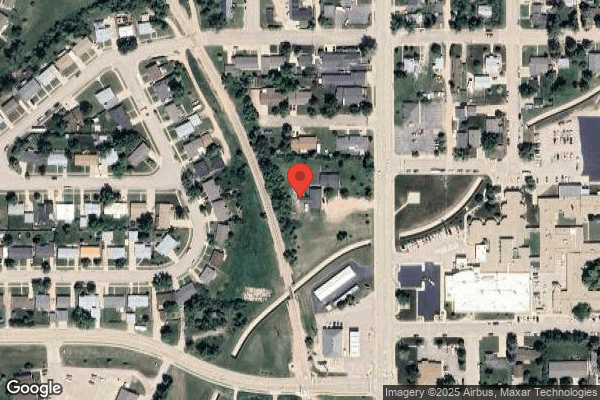
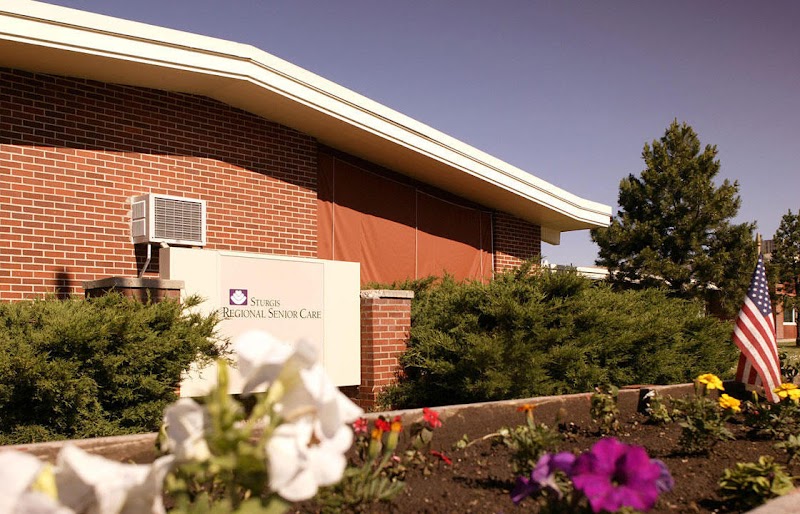
2140 JUNCTION AVENUE, STURGIS, SD 57785 (605) 720-2400
Non profit - Corporation 42 Beds Independent Data: November 2025
Trust Grade
43/100
#63 of 95 in SD
Last Inspection: October 2024

Within standard 12-15 month inspection cycle. Federal law requires annual inspections.

Overview

Monument Health Sturgis Care Center has a Trust Grade of D, indicating below average performance with some concerning issues. They rank #63 out of 95 nursing homes in South Dakota, placing them in the bottom half, but they are the only option available in Meade County. The facility is improving, having reduced serious issues from six to five over the past year. Staffing is a notable strength, rated 5 out of 5 stars with a turnover rate of 40%, which is better than the state average. However, there are some serious concerns, including a failure to investigate the cause of unexplained bruises on a resident, and the facility has had issues maintaining proper dishwasher temperatures for cleaning utensils, which could pose health risks. Although there are strengths in staffing, families should be aware of these significant weaknesses.

Trust Score
D
43/100
In South Dakota
#63/95
Bottom 34%
Safety Record
Moderate
Needs review
Inspections
Getting Better
6 → 5 violations
Staff Stability
○ Average
40% turnover. Near South Dakota's 48% average. Typical for the industry.
Penalties
○ Average
$8,018 in fines. Higher than 62% of South Dakota facilities. Some compliance issues.
Skilled Nurses
✓ Good
Each resident gets 45 minutes of Registered Nurse (RN) attention daily — more than average for South Dakota. RNs are trained to catch health problems early.
Violations
⚠ Watch
20 deficiencies on record. Higher than average. Multiple issues found across inspections.
★★☆☆☆
2.0
Overall Rating
★★★★★
5.0
Staff Levels
★☆☆☆☆
1.0
Care Quality
★★☆☆☆
2.0
Inspection Score
Stable
2024: 6 issues
2025: 5 issues

The Good

  • 5-Star Staffing Rating · Excellent nurse staffing levels
  • Full Sprinkler Coverage · Fire safety systems throughout facility
  • No fines on record
  • Staff turnover below average (40%)

    8 points below South Dakota average of 48%

Facility shows strength in staffing levels, fire safety.

The Bad

2-Star Overall Rating

Below South Dakota average (2.7)

Below average - review inspection findings carefully

Staff Turnover: 40%

Near South Dakota avg (46%)

Typical for the industry

Federal Fines: $8,018

Below median ($33,413)

Minor penalties assessed

The Ugly 20 deficiencies on record

2 actual harm
Jun 2025 2 deficiencies 1 Harm
SERIOUS (G) 📢 Someone Reported This

A family member, employee, or ombudsman was alarmed enough to file a formal complaint

Actual Harm - a resident was hurt due to facility failures

Investigate Abuse (Tag F0610)

A resident was harmed · This affected 1 resident

Based on observation, record review, interview, and policy review, the provider failed to ensure one of one cognitively impaired sampled resident's (2) bruises of unknown origin had been thoroughly in...

Read full inspector narrative →
Based on observation, record review, interview, and policy review, the provider failed to ensure one of one cognitively impaired sampled resident's (2) bruises of unknown origin had been thoroughly investigated to: *Identify their root cause. *Develop interventions to prevent or decrease the likelihood of them recurring. *Rule out potential abuse or neglect. Findings include: 1. Observations on 6/10/25 at 8:30 a.m. and again at 9:30 a.m. of resident 2 revealed: *She sat in her wheelchair at a dining room table. She was assisted by staff to eat her breakfast. *A sit-to-stand lift (a mechanical lift used to assist from a seated to a standing position) was used to transfer her from the bathroom to a recliner in her room. -Staff had provided her basic instructions like put your hands here along with physical assistance to have the resident hold the handles of the lift while she was brought to a standing position. *The resident was able to answer simple yes and no questions, but she initiated no verbal interactions. Review of resident 2's electronic medical record (EMR) revealed: *Her admission date was 4/16/24. *Her diagnoses included diabetes, dementia (a group of symptoms affecting memory, thinking, and social abilities), heart failure, and depression. *Her 4/18/25 Brief Interview for Mental Status (BIMS) assessment score was five, which indicated she had severe cognitive impairment. *She required assistance from staff to complete all her activities of daily living. Review of resident 2's 4/30/25 through 5/28/25 weekly skin assessments revealed: *On 5/7/25: Skin injuries not found on the previous week's assessment had included: fading bruise to right inner knee, fading bruise to right LFA [lower forearm] and fading bruise right upper arm. *On 5/14/25: Skin injuries not found on the previous week's assessment had included:Discoloration areas both arms-bruising above et [and] inside R/L [right and left] knee/front L thigh/upper outer L thigh . *On 5/21/25: Discoloration areas both arms-bruising above and inside R & L knee, front L thigh left hand, upper outer L thigh . *On 5/28/25: .has large dark purple bruises to LFA and RFA. -Purple-colored bruises were indicative of an injury that had occurred within the past one to two days. Those skin injuries would not have been found on the previous week's assessment. *On 6/4/25: Resident has large bruises to RFA [right forearm] and LFA [left forearm] . *The above skin assessments had: -No measurements of the resident's documented bruises. -Not defined what a discolored or faded bruise was. -Not indicated a cause or potential cause for the newly identified bruises. -Not indicated what was done to prevent additional bruises from recurring. Review of resident 2's care plan revealed: *She had the potential for pressure ulcer (injury to skin and underlying tissue from prolonged pressure) development related to incontinence, her history of a pressure ulcer that was present at the time of her admission to the facility, and a history of skin breakdown on her toes. *Her revised 5/1/25 skin interventions had included documenting weekly and as-needed skin checks completed by a nurse. -There was no indication she had a history of bruising or that she was at risk for frequent bruising. Interview on 6/10/25 at 2:05 p.m. with long term care (LTC) supervisor B regarding resident 2's bruises of unknown origin and the above weekly skin assessments revealed: *She thought resident 2 had bruised more easily because she was taking a blood thinning medication. *She had re-educated certified nurse aide (CNA) D recently for improperly transferring resident 2. *Nursing staff had not completed the above weekly skin assessments correctly. Nurses were expected to have: -Used the body outlines on the assessment to identify the places on the resident's body where there were skin injuries. -Measured each documented skin injury, described the color of the injury, and identified the known or possible cause of the skin injury and document that information in the resident's EMR. *Incidence/Variance reports were expected to have been completed by the nurse for any bruises of unknown origin that were identified during the resident's weekly skin assessments, but that had not occurred. *Completing an Incidence/Variance report would have: -Triggered an investigation to determine the root cause of resident 2's bruises. -Helped staff develop a plan for mitigating or preventing future bruises from recurring. -Identified if the bruises of unknown origin were caused by possible abuse or neglect. Incidence/Variance reports were requested from LTC supervisor B for resident 2's bruises of unknown origin documented on her 5/7/25, 5/14/25, and 5/28/25 skin assessments. LTC supervisor B stated no Incidence/Variance reports had been completed. Telephone interview on 6/10/25 at 3:50 p.m. with director of nursing (DON) A revealed she confirmed the expectations for the thorough completion of weekly resident skin assessments and the procedure for completing an Incidence/Variance report related to resident 2's bruises of unknown origin was not followed. Review of the provider's revised April 2025 Resident Incidence/Variance Reports policy revealed: *The types of variances that should be documented on that report had included bruises of unknown origin. *3. c. The nurse initiating the investigation must complete the fall/abuse investigation report and turn into the Director of Nursing or designee. *8. The environment, cause/effect/prevention of events are reviewed and assessed. Alterations to the environment and/or plan of care implemented and adjusted as needed to decrease the risk of another event.
CONCERN (D) 📢 Someone Reported This

A family member, employee, or ombudsman was alarmed enough to file a formal complaint

Potential for Harm - no one hurt, but risky conditions existed

Accident Prevention (Tag F0689)

Could have caused harm · This affected 1 resident

Based on South Dakota Department of Health (SD DOH) facility-reported incident (FRI), observation, interview, record review, and policy review, the provider failed to implement a fall prevention inter...

Read full inspector narrative →
Based on South Dakota Department of Health (SD DOH) facility-reported incident (FRI), observation, interview, record review, and policy review, the provider failed to implement a fall prevention intervention to have a call light placed within the resident's reach to reduce the risk of falling for one of one sampled resident (1) who fell. This citation is considered past non-compliance based on a review of the corrective actions the provider implemented following the incident. Findings include: 1. Review of the provider's 6/6/25 submitted SD DOH FRI initial report regarding resident 1 revealed: *On 6/6/25, he was heard by staff calling out Help me from inside his room. -The resident was found on the floor by staff. He had stood himself up from his recliner and fallen as he reached for his call light. *A physical assessment of the resident was completed by a nurse. The resident's power of attorney and a physician were notified of his fall. -He was evaluated in the attached emergency room and he returned to the nursing home later that same evening. Observation on 6/10/25 at 8:30 a.m. in resident 1's room revealed: *He was asleep in his bed. -His call light was attached to the inside of the raised quarter side rail on the exit side of his bed, and was within his reach. 2. Observation on 6/10/25 at 9:30 a.m. of certified nurse aide (CNA) D and CNA E in resident 2's room revealed they: *Transferred the resident from her bed to her recliner. -Ensured the resident's call light was within her reach before they exited the room. 3. Observation on 6/10/25 at 10:00 a.m. of CNA D and CNA E in resident 3's room revealed they: *Transferred the resident from her wheelchair to her bed. -Ensured the resident's call light was within her reach before they exited the room. 4. Observation and interview on 6/10/25 at noon with long term care (LTC) supervisor B in resident 1's room revealed: *The resident was asleep in his bed. His call light was within his reach. *His recliner sat across from the exit side of his bed. *His call light system was attached to the wall between the bed and the recliner. -The call cord split into two separate call lights. One was attached to the side rail on his bed and a second call light would be accessible to the resident when he would sit in his recliner. *The provider's investigation of resident 1's 6/6/25 fall had concluded CNA F failed to ensure the resident's call light was within his reach after he was positioned in his recliner earlier that evening. -LTC supervisor B stated that failure was identified as the root cause of resident 1's fall. *He made his needs known by using his call light and by calling out for staff assistance and not using his light. Review of CNA F's personnel file revealed: *Her hire date was 5/27/25. *She had been a CNA since 6/3/19 and her CNA certification was current. *Her orientation checklist indicated on 5/27/25 that she had been educated regarding the provider's Fall policy. *She had completed her Safety and Quality training on 5/28/25. Telephone interview on 6/10/25 at 3:35 p.m. with director of nursing (DON) A revealed: *CNA F was counseled regarding fall prevention expectations on 6/6/25 by registered nurse C after resident 1 had fallen. *A detailed corrective fall prevention action plan would be identified in the provider's SD DOH FRI final report. The provider's implemented actions to ensure the deficient practice does not recur was confirmed onsite on 6/10/25 after observations and interviews revealed the facility had followed their quality assurance process and: *Counseled CNA F regarding ensuring resident call lights were accessible for them to activate. *Random observations confirmed call lights had been positioned within the resident's reach after caregivers exited residents' rooms. *There was a plan to include the following in the provider's SD DOH FRI final report: -Re-education of all staff regarding resident safety and expected fall prevention interventions. -Implementation of audits to ensure that staff were consistently positioning all resident's call lights within their reach before exiting resident rooms. -Reporting to the Quality Assurance (QA) committee the above audit findings. Based on the above information, non-compliance at F689 occurred on 6/6/25, and based on the provider's implemented corrective actions on 6/6/25 and additional corrective action plans, for the deficient practice confirmed on 6/10/25, the non-compliance is considered past non-compliance.
Feb 2025 3 deficiencies
CONCERN (D) 📢 Someone Reported This

A family member, employee, or ombudsman was alarmed enough to file a formal complaint

Potential for Harm - no one hurt, but risky conditions existed

Report Alleged Abuse (Tag F0609)

Could have caused harm · This affected 1 resident

Based on South Dakota Department of Health (SD DOH) facility-reported incident (FRI), interview, and policy review, the provider failed to ensure one of one allegation of controlled (medication with r...

Read full inspector narrative →
Based on South Dakota Department of Health (SD DOH) facility-reported incident (FRI), interview, and policy review, the provider failed to ensure one of one allegation of controlled (medication with risk for abuse and addiction)medication diversion was reported within the required time frame. Findings include: 1. Review of the provider's 2/5/25 SD DOH FRI regarding resident 1 revealed: *On 1/31/25 two tablets of oxycodone (a controlled pain medication) were found by registered nurse (RN) B in an unoccupied room. *On 2/3/25 at approximately 3:00 p.m. RN B notified director of nursing (DON) A that resident 1's as needed medication card of oxycodone could not be located. *On 2/3/25 DON A confirmed the card of oxycodone was unable to be located and initiated an internal investigation with the provider's drug diversion team. *On 2/5/25 DON A confirmed resident 1's card of oxycodone, and that medication's controlled medication count sheet was not accounted for. * On 2/5/25 at 9:24 a.m. DON A filed a SD DOH FRI and notified law enforcement. 2. Interview on 2/19/25 at 10:28 a.m. with DON A revealed: *On 1/31/25 RN B found two tablets of oxycodone in an unoccupied room. *Who the oxycodone belonged to was unable to be determined. *On 2/3/25 at 2:30 p.m. or 3:00 p.m. RN B notified DON A that she was unable to locate resident 1's card of oxycodone. *DON A notified the consultant pharmacist and the facility's drug diversion team. *On 2/4/25 DON A had been unable to locate the card of oxycodone. *On 2/5/25 DON A notified law enforcement and completed the SD DOH FRI because she had not located Resident 1's card of oxycodone. *She was able to account for all of the residents' controlled medication cards. *She audited resident 1's past controlled medication logs and determined there were three logs that were not able to be accounted for. -A medication log for a medication card that contained 30 tablets of oxycodone that was prescribed to be administered as needed from 6/3/24. -A medication log for a medication card that contained seven tablets of oxycodone from 8/3/24. -A medication log for the medication card that contained 30 tablets of oxycodone from 1/20/25. *She audited one other resident's controlled medication logs and was unable to locate one medication log for that resident. *On 2/5/25 she initiated a new procedure to account for controlled medication cards and controlled medication logs under the recommendation of the consultant pharmacist. *On 2/10/25 she emailed the facility staff education on the new procedure related to the controlled medication cards and logs. Interview on 2/19/25 at 5:35 p.m. with DON A revealed: *She was unsure when the oxycodone went missing. *She was responsible for filing the report to the SD DOH. *She did not report the missing card of oxycodone on 2/3/25 because she was not sure it was missing. 3. Review of the provider's 2/2025 Abuse Prevention/Intervention, Investigation, Complaints, Grievances & [and] Reporting policy revealed: *It is the policy of [the provider] to develop a process to receive grievances and complaints, respond timely to filings and reporting dispositions to residents as described by South Dakota Department of Health Regulations. The following definitions are provided to assist all persons in recognizing incidents of abuse and are applicable to all residents regardless of their age, disability, or ability to comprehend. -THEFT/MISAPPROPRIATION OF RESIDENT PROPERTY is defined as the pattern or deliberate misplacement, exploration, or wrongful, temporary or permanent use of resident's belongings or money without the resident's consent. *The provider Will notify Department of Health (DoH) that an abuse investigation is being conducted within 48 hours of caregiver becoming aware of the alleged incident. *An initial written report of abuse and any witness statement(s) are provided to DoH within twenty-four (24) hours of the reporting of occurrence of such incident. *Should investigation reveal that a false report was made/filed, the investigation shall cease.
CONCERN (E) 📢 Someone Reported This

A family member, employee, or ombudsman was alarmed enough to file a formal complaint

Potential for Harm - no one hurt, but risky conditions existed

Pharmacy Services (Tag F0755)

Could have caused harm · This affected multiple residents

**NOTE- TERMS IN BRACKETS HAVE BEEN EDITED TO PROTECT CONFIDENTIALITY** Based on South Dakota Department of Health (SD DOH) facility reported incident (FRI), observation, interview, record review, and...

Read full inspector narrative →
**NOTE- TERMS IN BRACKETS HAVE BEEN EDITED TO PROTECT CONFIDENTIALITY** Based on South Dakota Department of Health (SD DOH) facility reported incident (FRI), observation, interview, record review, and policy review, the provider failed to: *Ensure prescribed pain medication was acquired and administered in a timely manner for one of one resident (1) who had pain. *Maintain records to account for controlled (medications with risk for abuse and addiction) medications according to the provider's policy. *Ensure proper documentation and destruction of medications according to the provider's policy. Findings include: 1. Review of the provider's 2/5/25 SD DOH FRI regarding resident 1 revealed: *On 1/31/25 two tablets of oxycodone (a controlled pain medication) were found by registered nurse (RN) B in an unoccupied room. *On 2/3/25 RN B notified director of nursing (DON) A that resident 1's as needed medication card of oxycodone could not be located. *On 2/5/25 DON A confirmed resident 1's card of oxycodone and that medications' controlled medication count sheet was not accounted for. *An audit of the controlled medication count sheets was completed and identified two additional controlled medication sheets, in the past year that were unable to be located. 2. Observation on 2/19/25 at 8:57 a.m. of the [NAME] hallway treatment cart revealed: *There was a book labeled controlled substance on the cart. *That book contained a form labeled Shift Audit Record and individual Controlled Drug Administration Records identified with pharmacy labels. *There were times identified beside each date on the Shift Audit Record. *The times were 0600 (6:00 a.m.) and 1800 (6:00 p.m.). *Beside each time were two columns titled Signature of Nurse Leaving Shift and Signature of Nurse Coming on Shift. *The bottom of the shift audit record indicated Signing acknowledges that you have counted the controlled medication on hand and have found that the quantity of each medication counted is in agreement with the quantity stated on the Controlled Drug Administration Record. *The current shift audit record was started on 2/12/25. *On 2/13/25 beside 0600 there was no signature in the nurse leaving shift column. *On 2/19/25 in the 1800 area a signature was present in the nurse leaving the shift column. Interview on 2/19/25 at 9:00 a.m. with licensed practical nurse (LPN) E revealed: *She was administering medications on the [NAME] hallway. *The shifts for nurses were from 6:00 a.m. to 6:00 p.m. and 6:00 p.m. to 6:00 a.m. *The shift audit record was to be signed by the oncoming nurse and the outgoing nurse. *The signatures indicated that the controlled medication counts were correct. *She stated the nurse leaving shift signature in the 2/19/25 1800 column was her signature. *She had not counted the controlled medication with the oncoming nurse prior to signing the shift audit record. 3. Observation on 2/19/25 at 9:57 a.m. of the Berry hallway treatment cart revealed: *There was a book labeled controlled substance on the cart. *The book was organized the same way as the controlled substance book on the [NAME] hallway treatment cart. *The current shift audit record was started on 2/10/25. *On 2/19/25 in the 1800 area, a signature was present in the column for the nurse leaving the shift. *There was an oxycodone medication card for resident 1, labeled for as needed use, with a received date of 2/10/25. 4. Observation on 2/19/25 at 10:05 a.m. of the Berry hallway medication cart revealed: *A card of oxycodone 5mg (milligrams) tablets for resident 1. *Each tablet was secured into a bubble with a foil backing. *The bubble numbered 25 had a punctured foil backing and the tablet was secured in the bubble with clear tape. 5. Interview on 2/19/25 at 10:05 a.m. with unlicensed medication aide (UMA) D revealed: *Controlled medications that were scheduled to be administered were stored in the medication carts in the [NAME] and Berry halls. *Controlled medications that were to be administered as needed were stored in the treatment carts in the [NAME] and Berry halls. *The nurses had the keys to open those treatment carts. *The nurses administered the as needed controlled medications. *At 8:00 a.m. that morning (2/19/25) she had mistakenly punched out resident 1's oxycodone from the card. *She had placed the oxycodone tablet back into the card and secured it in the bubble with tape. *She had not notified anyone that she had mistakenly punched out and secured the oxycodone tablet in the card with tape. 6. Observation on 2/19/25 at 10:05 a.m. of the [NAME] hallway medication cart revealed: *A controlled substance book that was organized the same as the ones on the treatment carts. *The times beside the dates on the Shift Audit Record were titled 6-2 (6:00 a.m. to 2:00 p.m.), 2-10 (2:00 p.m. to 10:00 p.m.), and 10-6 (10:00 p.m. to 6:00 a.m.). *The current shift audit record was started on 2/12/25. *On 2/13/25 beside the 6-2 time there was no signature in the nurse leaving the shift column. *On 2/19/25 in the 2-10 area, a signature was present in the nurse leaving the shift column. 7. Observation on 2/19/25 at 9:30 a.m. of the medication room revealed: *There was a Stericycle container and a lock box on the wall. *There was a [NAME] (a container for hazardous waste) on the floor. *The Medication Destruction Log was on the counter. 8. Interview on 2/19/25 at 12:50 p.m. with DON A revealed: *She had been checking the controlled medication cards since Resident 1's oxycodone card was located but she did not have a formal audit in place. *The consultant pharmacist had been to the facility on 2/12/25 and completed a random controlled medication audit with all controlled medications accounted for. 9. Interview on 2/19/25 at 3:25 p.m. with resident 1 revealed: *She had pain related to having had a back surgery and arthritis. *Her pain was controlled by the pills she was given. *Her pain was most often in her back and down her left leg. *If she had pain, she would ask for a pain pill. *She stated that she was unsure if she could receive an as needed pain medication at that time because she was told the provider was waiting for the doctor. 10. Review of resident 1's electronic medical record (EMR) revealed: *She was admitted on [DATE]. *Her 12/27/24 Brief Interview of Mental Status (BIMS) assessment score was 14, which indicated her cognition was intact. *Her diagnoses included: Chronic pain, Rheumatoid arthritis, osteoarthritis, contracture left hand, pain in left knee, depressive disorder, anxiety, and pain in her right shoulder. *Her physician orders included: -Acetaminophen 650 mg [milligrams] 3x [three times] day for chronic pain - 0000 [midnight], 0800 [8:00 a.m.], and 1600 [4:00 p.m.] - don't [do not] change times NP [nurse practitioner] would like these staggered with other scheduled pain meds. -Oxycodone HCI 5 MG 3x day for chronic pain - do not change times this is per the NP order- 0600 [6:00 a.m.] 1200 [noon], and 1800 [6:00 p.m.]. -Oxycodone HCI 5 MG every 24 hours as needed for pain related to rheumatoid arthritis. Review of resident 1's 2/19/25 care plan revealed: *There was a focus area related to pain management with a goal to not have interruption in normal activities due to pain. *Identified interventions for that goal included: -Anticipate my need for pain relief and respond immediately to any complaint of pain. -I am able to: call for assistance when in pain, reposition self, ask for medication, tell you how much pain is experienced, tell you what increases or alleviates pain. Review of resident 1's nurse progress notes revealed: *On 2/2/25 at 5:27 a.m. a late note was entered by LPN F -The effective date and time of that late note were indicated as 2/1/25 at 10:25 p.m. -The progress note indicated, Resident yelling out and crying. C/O [complaint of] back pain 10/10 [on a zero to ten pain scale]. Midnight Tylenol given now as no PRN [as needed] oxy [oxycodone] available. 11. Interview on 2/19/25 at 3:44 p.m. with DON A regarding resident 1's pain management revealed: *She had not been made aware resident 1's as needed oxycodone was not available on 2/1/25. *The nurse could have called the on-call provider in the hospital to obtain a prescription. *With the prescription, the nurse could have obtained a code to remove an emergency dose of that prescribed pain medication from the automated medication dispensing cabinet to administer to resident 1. *She was not aware resident 1's replacement as needed oxycodone medication card had not arrived until 2/10/25. 12. Review of the controlled medications shift audit records from 10/1/24 through 2/9/25 revealed: *The shift audit records were labeled as narcotic count sheets. *The times beside the dates on those audit records for the Berry and [NAME] medication carts were listed as 0600 (6:00 a.m.), 1400 (2:00 p.m.), and 2200 (10:00 p.m.). The column of incoming and outgoing staff signatures referenced a Med Aide (UMA). *The times on the audit record for the Berry and [NAME] treatment carts were listed as 0600 and 1800 (6:00 p.m.). *There were no shift audit records for the Berry medication cart from 10/10/24 through 11/13/24. *There were no signatures : -On 11/28/24 at 1400 for the incoming and outgoing UMA. -On 1/11/25 at 1400 for the outgoing UMA. -On 2/3/25 at 1400 for the incoming UMA. -On 2/8/25 at 0600 for outgoing UMA. *There were no signatures on the shift audit records for the [NAME] medication cart. -On 11/6/24 at 2200 for the incoming UMA. -On 11/7/24 at 0600 for the outgoing UMA. -On 12/1/24 at 2200 for the incoming UMA. -On 12/2/24 at 0600 for the outgoing UMA. -On 12/13/24 at 1400 for the outgoing UMA. -On 12/14/24 at 2200 for the incoming UMA. -On 12/15/24 at 0600 for the outgoing UMA. -On 12/23/24 at 0600 for the incoming UMA and 1400 for the outgoing UMA. -On 12/26/24 at 2200 for the incoming UMA. -On 1/6/25 at 2200 for the incoming UMA. -On 1/7/25 at 0600 for the outgoing UMA. -On 1/17/25 at 1400 for the incoming UMA and 2200 for the outgoing UMA. -On 1/19/25 at 0600 for the incoming UMA and 1400 for the outgoing UMA. *There were no signatures on the shift audit records for the [NAME] treatment cart on 11/17/24 at 1800 for the incoming nurse. *There were no signatures on the shift audit records for the Berry treatment cart: -On 10/8/24 at 1800 for the incoming nurse. -On 10/28/24 at 1800 for the incoming nurse. -On 12/6/24 at 0600 for the incoming nurse and 1800 for the outgoing nurse. -On 12/31/24 at 0600 for the incoming nurse and 1800 for both the incoming and outgoing nurse. -On 1/1/25 at 0600 for both the incoming and outgoing nurse. -On 1/4/25 at 1800 for the incoming nurse. -On 1/5/25 at 0600 for the outgoing nurse. 13. Interview on 2/19/25 at 5:35 p.m. with DON A revealed: * She was unable to locate the shift audit records from 10/19/24 through 11/13/24. *It was her expectation that the controlled substances be counted between each shift by the outgoing and incoming UMA and nurses. *If a single medication was refused by a resident or for some other reason was not administered after it was removed from the bubble pack two nurses were to destroy the medication by putting the medication in the Stericycle (a container used to dispose of pharmaceutical waste) and document the destruction. *A medication should not be returned and secured with tape once removed from the bubble pack. *She was aware that there were signatures that were missing on the shift audit report but was not aware that the UMAs and nurses were signing the forms prior to completing the controlled medication count between shifts. *She was not aware that resident 1's as needed oxycodone had not arrived at the facility until 2/10/25. *She had reordered the as needed oxycodone replacement card on 2/5/25. *There were three methods of disposal for medications, the mailbox, the Stericycle container, and the [NAME]. *Controlled substances were not to be disposed of in the [NAME]. *When medications were destroyed two nurses documented the destruction unless the medication was a controlled substance then two nurses were to indicate the method for destruction was the mailbox and the two nurses would then sign in the column Destroyed by 2 Individuals Name/Name and the controlled substance would later be destroyed by the DON and the pharmacist. *If there was a single dose of a controlled substance that needed to be destroyed it could be placed in the mailbox or two nurses could destroy the medication in the Stericycle. *She indicated Lyrica should not have been destroyed in the [NAME]. *The [NAME] did not prevent someone from retrieving a medication that was disposed in it. *The [NAME] did not alter the texture, taste, or consistency of the medication that was disposed in it. *Medications should not be placed in the sharps container as a method for destruction. Review of the provider's 2/24 Drug Diversion Policy revealed, All controlled substances will be counted every shift and documentation signed for oncoming and off-going nurse and/or medication aid. 14. Review of the providers Medication Destruction Log revealed: *Oxycodone (a controlled pain medication) 5mg, one tablet, was wasted in a sharps container (a puncture-resistant container used to dispose of sharp instruments and needles) on 10/18 and 11/22. *Fourteen vials of Haldol (an antipsychotic medication) were wasted in a sharps container on 2/10/25. *Lyrica (a controlled pain medication) was wasted in a [NAME] on 2/16/25 and 2/18/25. *There were no prescription numbers Review of the provider's 02/2024 Security, Destruction, Return and Logging of Medications/Drugs policy revealed: *1. A Drug Destruction Log will be completed when medications are destroyed or returned to the dispensing pharmacy. *2. A separate Drug Destruction Logs must be completed for each of the following: controlled, uncontrolled, and returned medication. *3. Each resident must have their own Drug Destruction Log for the destruction of Controlled Medications and their own Drug Destruction Log for the destruction of non-controlled and schedule V unit dose drugs. *5. For controlled medications/drugs (schedule II, III, IV), an RN and Pharmacist are responsible for witnessing the drug destruction and ensuring that the following information (5a-5i) is correctly entered on the Drug Destruction Log. a. Resident's name b. Date drug destroyed c. Prescription number d. Name of drug e. Strength of the medication f. Quantity of medication destroyed g. Method of destruction h. Reason for destruction i. Signature of witness *7. Drug Destruction Logs and Drug Return Logs serve as the documentation record for destroyed or returned medications. *8. Drug Destruction Logs are kept on file in the facility in the Drug Destruction Log binder until the resident is discharged from the facility. The Drug Destruction Log is then placed in the resident's closed clinical record.
CONCERN (E) 📢 Someone Reported This

A family member, employee, or ombudsman was alarmed enough to file a formal complaint

Potential for Harm - no one hurt, but risky conditions existed

Deficiency F0761 (Tag F0761)

Could have caused harm · This affected multiple residents

**NOTE- TERMS IN BRACKETS HAVE BEEN EDITED TO PROTECT CONFIDENTIALITY** Based on observation, interview, and policy review, the provider failed to ensure expired medications were removed from two of t...

Read full inspector narrative →
**NOTE- TERMS IN BRACKETS HAVE BEEN EDITED TO PROTECT CONFIDENTIALITY** Based on observation, interview, and policy review, the provider failed to ensure expired medications were removed from two of two medication carts and one of two treatment carts. Findings include: 1. Observation on 2/19/25 at 9:00 a.m. of the [NAME] hallway treatment cart revealed multiple medications that were past their expiration dates. Medications that were expired included: *Resident 2's card of 30 tabs of Hydrocodone/acetaminophen 5/325 (opioid pain reliever) on 12/24. *Resident 13's Novolog insulin pen had no date written on it to indicate the date it was opened. *Resident 5's CalProtect ointment (used to treat minor skin irritations) on 11/24. *Resident 8's Nystatin powder (used to treat fungal or yeast infections) on 1/6/25. *Resident 6's Nystatin powder on 2/7/25. *Resident 6's CalProtect ointment on 7/8/24. *Resident 7's Ketoconazole ointment (used to treat fungal infections) on 3/20/24. *Resident 10's Nystatin powder on 1/29/25. *Resident 14's Diclofenac gel (used to treat pain and swelling) on 12/26/24. *Resident 13's Tacrolimus ointment (used to treat eczema) on 12/10/24. *Resident 12's Nystatin powder on 10/17/24. *Resident 11's Ciclopirox topical solution (used to treat fungal infections) on 8/15/24. *Resident 9's Nitroglycerin tablets (used to treat chest pain caused by coronary artery disease) on 2/14/25. 2. Observation and interview on 2/19/25 at 9:57 a.m. of the Berry hallway medication cart with registered nurse (RN) C revealed: *Resident 3's Latanoprost eye drops (used to treat glaucoma) had no date written on it to indicate the date it was opened. *He stated checking expiration dates was not a task assigned to a specific nurse or shift, and they were to look at expiration dates before administering medications. *Medications should be dated when they are opened. *Not all medications were dated when opened. *Latanoprost was a medication with a shortened expiration date that needed to be dated when opened. 3. Observation on 2/19/25 at 10:24 a.m. of the [NAME] hallway medication cart revealed: *Resident 4's Latanoprost eye drops had no date written on it to indicate the date it was opened. -The pharmacy label indicated the refill had been issued on 12/5/24. 4. Interview on 2/19/25 at 4:15 p.m. with licensed practical nurse (LPN) E regarding the medications in the [NAME] hallway treatment cart revealed: *She confirmed resident 13's Novolog insulin pen had no date to indicate when it had been opened. *She confirmed the location of expiration dates was on the medication labels. 5. Interview on 2/19/25 at 5:39 p.m. with director of nursing (DON) A regarding expiration dates revealed she expected nurses and unlicensed medication aides to date a medication when it was opened. 6. Review of the provider's undated Abridged List of Medications with Shortened Expiration Dates revealed: *Latanoprost has a shortened expiration date of, 6 weeks (42 days) after opening or moving to room temp. [temperature]. *Novolog has a shortened expiration date of, 28 days after accessing insulin for first use. 7. Review of the provider's 2/25 Expiration of Medications policy revealed: All 'time-dated' medications have an expiration date printed on the container. If the manufacturer's date occurs before the expiration date based upon date of opening, the earlier of the two is to be followed.
Oct 2024 5 deficiencies
CONCERN (D)

Potential for Harm - no one hurt, but risky conditions existed

Deficiency F0658 (Tag F0658)

Could have caused harm · This affected 1 resident

Based on observation, interview, record review, and policy review, the provider failed to ensure one of one registered nurse (RN)(J) had prepared and administered insulin according to the physician or...

Read full inspector narrative →
Based on observation, interview, record review, and policy review, the provider failed to ensure one of one registered nurse (RN)(J) had prepared and administered insulin according to the physician order and provider policy for one of one sampled resident (25). Findings include: 1. Observation and treatment administration record (TAR) review on 10/3/24 at 9:27 a.m. of RN J, while he prepared insulin for resident 25, revealed: *Resident 25's TAR indicated she was to be given 10 units of Novolog insulin every morning after breakfast along with sliding scale (additional dose based on blood sugar level) Novolog if her blood glucose was greater than 150. -There was an order to Hold Novolog at breakfast if resident does not eat. If her glucose level is elevated, use sliding scale but do not give scheduled. -She had a continuous glucose monitor that was placed in her upper left arm and an order for self-administration of insulin. *RN J verified the resident had eaten her breakfast. *RN J cleansed the resident's insulin auto-injector port with an alcohol pad, applied the needle to the auto-injector, and dialed up 8 units of insulin for administration, not the ordered 10 units of insulin. -He had not primed the insulin needle with insulin before dialing up the incorrect dosage of 8 units of insulin. *This surveyor stopped RN J at the door of the resident's room and asked that he double-check the TAR for the correct dosage. -RN J checked the order, verified the correct dosage was 10 units and dialed up an additional 2 units of insulin into the pen and then returned to the resident's room. *He verified resident 25's blood glucose level to be 108 and informed the resident she would not receive any sliding scale insulin that morning. -He handed the insulin auto-injector to the resident and she self-injected the insulin correctly into her abdomen. *Following the administration of the insulin, RN J returned to the cart and documented the 10 units of insulin were administered. 2. Interview on 10/3/24 at 9:30 a.m. with RN J regarding the above insulin preparation and administration revealed: *He had been a licensed nurse for over 15 years, and this was his first assignment working for a temporary agency. He had been assigned to this provider for nearly three months. -He stated he had not been asked to perform an insulin administration skills audit for this provider. *He stated he was not aware auto-injector insulin pens needed to have their needles primed with insulin before dialing up the insulin dosage. -He stated, Probably a good thing to know. Didn't know that. *He verified it was not his usual practice to prime the insulin needle on auto-injector insulin pens. 3. Interview on 10/3/24 at 9:45 a.m. with director of nursing/infection preventionist (DON/IP) B regarding the above observation of RN J revealed: *RN J had been working for them as a temporary nurse since 7/8/24. *She stated she assumed travel nurses did insulin skills education with their travel agency of employment. *She had not audited her nursing staff for insulin injection skills, stating since they were licensed nurses, she would have expected them to know how to administer insulin correctly. *She had to refer to their policy to verify the correct dose of insulin that was needed to prime the auto-injector needle. -After a review of the policy, she verified the needle should have been primed with 2 units of insulin. *It was her expectation that the nursing staff would know how to prime the auto-injector needle before dialing up the insulin dose. She agreed that had not occurred. 4. Review of the temporary agency's 5/23/24 Skills Checklist on RN J revealed he had shown proficiency on a level 4 on a scale of 1-4 under the skill of insulin administration, meaning he could serve as a resource for insulin administration. The skills review had not included what items were audited under each topic of review. 5. Review of the provider's 3/2023 Injections policy revealed: *Insulin Injection -5. Prime the needle. -5. a. Turn the dose selector to select 2 units of insulin. -5. b. Hold the pen with the needle pointing up. Press the push-button all the way in. The dose selector returns to 0. A drop of insulin should appear at the needle tip. -5. c.If no insulin drop is seen at the tip of the needle, change the needle and repeat steps 5a and 5b. -5. d. Do not administer insulin unless priming drop is visualized.
CONCERN (D)

Potential for Harm - no one hurt, but risky conditions existed

ADL Care (Tag F0677)

Could have caused harm · This affected 1 resident

Based on observation, interview, record review, and policy review, the provider failed to ensure oral hygiene was provided for three sampled residents (3, 45, and 148) who were dependent on staff for ...

Read full inspector narrative →
Based on observation, interview, record review, and policy review, the provider failed to ensure oral hygiene was provided for three sampled residents (3, 45, and 148) who were dependent on staff for their care needs according to their personalized care plan and facility policy. Findings include: 1. Observation on 10/1/24 at 8:40 a.m. of resident 3 while sitting in a wheelchair in her room and interview with her visiting daughter revealed: *The resident was able to answer simple questions but was very hard of hearing and had poor vision. -Her daughter stated the resident had returned from the hospital yesterday (9/30/24) following a suspected heart attack last Thursday (9/26/24). -When asked if she had any concerns regarding her mother's care, the daughter stated, Her oral care could be better. Review of resident 3's electronic medical record (EMR) revealed: *She had a Brief Interview of Mental Status (BIMS) assessment score of 12, which indicated she was moderately cognitively impaired. *Her 7/4/24 care plan revealed she had her own teeth and required partial to moderate assistance from one staff member to provide her oral care upon rising and at HS (hour of sleep) or twice a day. *Review of the certified nurse aide (CNA) task documentation of her oral care provided in the last 30 days, from 9/2/24 through 10/2/24, revealed she had received oral care for 10 out of 52 opportunities (subtracting the four days she had been hospitalized ). -During that period, staff did not provide her oral care 42 times. 2. Observation and interview on 10/1/24 at 4:42 p.m. with resident 45 and his wife, who was his power of attorney (POA), revealed: *His wife was in his room while he rested in bed and agreed to be interviewed. *Her only concern regarding his care was the staff not providing oral care. -She stated, I always give him oral care when I come to visit, not sure the aides would do it. -Recently she had to clean dried food off his mustache that had been caked on. Review of resident 45's EMR revealed: *He was receiving hospice care and had a BIMS score of two, which indicated he had severe cognitive impairment. *His 7/8/24 care plan revealed he had his own teeth and required partial to moderate assistance from one staff member to provide his oral care upon rising and at HS. *Review of the CNA task documentation of his oral care provided in the last 30 days, from 9/2/24 through 10/2/24, revealed he had received oral care for 10 out of 60 opportunities with one refusal documented. -During that period, staff did not provide him oral care 49 times. 3. Observation on 10/1/24 at 4:08 p.m. of resident 148 while he slept in his bed revealed: *He was breathing with his mouth open, and he had a slimy phlegm build-up in the corners of his mouth, a white pasty build-up on his teeth along his red-rimmed gums, and his tongue had a yellowish-white fuzzy coating. -His right lower lip had several dark pink areas. *Resident 148 awoke during the surveyor's presence and nodded his head yes when asked if he was agreeable to the interview. -He was unable to speak and was given his word communication sheet that was sitting on his dresser. -He was unable to confirm if the CNAs provided him with oral care. Review of resident 148's EMR revealed: *He had a BIMS score of five, which indicated he had severe cognitive impairment. *His 7/16/24 care plan revealed he had his own teeth and required substantial to maximal assistance from one staff member to provide his oral care upon rising and at HS. He also had a chipped tooth on his right upper side. *Review of the CNA task documentation of his oral care provided in the last 30 days, from 9/2/24 through 10/2/24, revealed he had received oral care for 13 out of 60 opportunities. -During that period, staff did not provide him oral care 47 times. Interview on 10/3/24 with director of nursing/ infection preventionist (DON/IP) B regarding CNAs provision of oral care to dependent residents revealed: *Her expectation was for oral care to be offered or provided to all residents twice a day and documented. -She was not aware those cares were not being provided according to their care plans or policy. Review of the provider's 1/1/24 Oral Hygiene: Conscious Resident policy revealed: *Key procedural Points: -1. Provide dental care in the morning and at bedtime. Or as indicated by provider. -7. Examine the resident's mouth and gums at for any paleness of gums, broken or loose teeth, decaying teeth, mouth sores, and areas of discoloration. *Post-Procedure: Demonstrates proper technique for providing oral care. -3. Report any changes in patient condition to nurse. -4. Documents procedure in HER [electronic health record/EHR].
CONCERN (D)

Potential for Harm - no one hurt, but risky conditions existed

Incontinence Care (Tag F0690)

Could have caused harm · This affected 1 resident

**NOTE- TERMS IN BRACKETS HAVE BEEN EDITED TO PROTECT CONFIDENTIALITY** Based on observation, record review, interview, and policy review, the provider failed to ensure interventions to lessen the occ...

Read full inspector narrative →
**NOTE- TERMS IN BRACKETS HAVE BEEN EDITED TO PROTECT CONFIDENTIALITY** Based on observation, record review, interview, and policy review, the provider failed to ensure interventions to lessen the occurrence of urinary tract infections (UTI) were implemented for one of one resident (14) who had a UTI. Findings include: 1. Observation on 10/2/24 between 11:30 a.m. and 12:15 p.m. of resident 14 in the dining room revealed: *A plastic cup of ice water and another cup of juice were served to the resident with her meal. -She ate and drank independently. *Both cups remained mostly full at the end of the meal. -Staff provided no verbal cueing or encouragement to the resident to drink those fluids during the meal service. Review of resident 14's electronic medical record (EMR) revealed: *She was admitted to the facility on [DATE]. *Her diagnoses included: late onset Alzheimer's disease, hypothyroidism, depression, anxiety, and gastroesophageal reflux disorder. -A UTI diagnosis was added to her profile on 9/10/24. *Her 8/15/24 Brief Interview for Mental Status (BIMS) score was 7 which indicated her cognition was severely impaired. *Her April 2024 through September 2024 interdisciplinary progress notes revealed: -Urine analyses (UA) were ordered and the resident was started on oral antibiotics for UTIs on 8/8/24, 9/12/24, and 9/26/24. -Between April 2024 and July 2024 she had no documented UTIs. *Her 8/22/24 dietary assessment indicated her estimated daily fluid intake need was between [PHONE NUMBER] milliliters. -Between 9/4/24 and 10/2/24 her documented daily fluids consumed was less than her estimated fluid needs on 10 of those days. -A twice-daily liquid nutritional supplement (474 milliliters) was included in that fluid intake calculation. *Between 9/4/24 and 10/2/24 her daily urinary continence documentation revealed: -She was incontinent of urine 93% of the time. *Toileting assistance was documented as occurring between one and four times each day. -83% of the time there were either two or three documented times toileting assistance occurred. Interview on 9/2/24 at 4:00 p.m. with registered nurse J regarding UTI prevention interventions for resident 14 revealed certified nurse aides were expected to provide the resident with appropriate peri-care to lessen her risk for UTIs. Interview on 9/2/24 at 4:10 p.m. with certified nurse aide (CNA) O regarding UTI prevention interventions for resident 14 revealed: *Her fluid intake was documented daily but he was not aware of what her estimated daily fluid intake needs were. *CNAs were responsible for documenting on the Urinary Continence flowsheet each time the resident was assisted to use the toilet and whether or not she continent or incontinent at those times. -The resident was incontinent of bowel and bladder, not on a scheduled toileting program, and sometimes placed her hand inside of her brief after a bowel movement (BM) then smeared her BM. Interview on 10/3/24 at 8:00 a.m. with unlicensed medication aide (UMA) P regarding resident 14's fluid intake revealed: *The resident independently drank fluids. *She preferred water or juice over coffee and pop. *UMA P encouraged the resident's fluid intake by placing her nutritional supplement in a small paper cup then refilling the cup as needed. -She thought resident 14 was able to wrap her hand around the smaller-sized paper cup better than the plastic cups that were filled with water for her. -She had not tried using a cup with a handle to determine if resident 14 might handle that better than a plastic cup. Interview on 10/3/24 at 8:15 a.m. with CNA/bath aide N regarding residents' bath schedules revealed: *Resident 14 was bathed weekly on Monday. *Some residents were bathed more than one time weekly because of their preference or a medical reason. -She was not aware of any reason why resident 14 would have been bathed more than once weekly. Observation and interview on 10/3/24 at 9:20 a.m. with CNAs K and L while assisting resident 14 with toileting revealed: *The resident was transferred from her wheelchair to the sit-to-stand mechanical lift into her bathroom. *After performing hand hygiene and placing clean gloves on her hands, CNA L removed the resident's wet incontinence brief and discarded it. *The resident was lowered onto the toilet but stated I can't pee. -She was raised up from the toilet by those staff who used the lift and with those same unclean gloved hands, CNA L removed individual wipes from a container and handed them to CNA K to clean the resident's peri-area. *CNA K wiped the resident's peri-area using the wipe handed to her by CNA L. -Instead of discarding the soiled wipe after it was used, the unclean wipe was re-used to wipe the resident's peri-area again. *After a clean incontinence brief was applied and resident 14 was redressed, CNAs K and L moved her out of the bathroom with helping her perform hand hygiene. *CNA L knew she should have removed her unclean gloves, performed hand hygiene, and put on clean gloves after handling the resident's wet brief and before handing CNA L clean wipes to perform peri-care. *CNA K agreed she should have discarded each wipe after using it for peri-care rather than re-using a soiled wipe. *CNAs K and L agreed resident 14 should have been assisted with hand hygiene before she had left the bathroom. Continued observation and interview with CNA L regarding UTI prevention interventions for resident 14 revealed: *There was a lidded cup of water with a straw on the resident's nightstand. -That was placed there about 10:00 p.m. the previous night and was still full. -She had not seen the resident initiate drinking water left for her on the bedside stand. *The resident was not on a scheduled toileting program. -CNA L tried to offer and assist the resident with her toilteting after each meal. *Resident 14 was not offered water from the bedside cup by CNA L before exiting the resident's room with the resident. Interview and record review on 10/3/24 at 11:45 a.m. with director of nursing (DON)/Infection Preventionist (IP) B regarding UTI prevention interventions revealed: *Pushing fluids [encouraging residents to drink fluids throughout the day], providing proper peri-care, and changing incontinent residents in a timely manner were the primary interventions she expected staff to complete to prevent UTIs from occurring. *She agreed resident 14's daily fluid intake expectations were not consistently met based on her review of the fluid intake documentation referred to above. -The resident's daily fluid intakes were not monitored and there was no documentation to support what other alternatives had been attempted to increase her fluid intake. *The manner in which peri-care was provided by CNAs K and L put resident 14 at greater risk for UTI development. *Neither a scheduled toileting program nor a scheduled rounding program had been tried as an intervention to ensure the amount of time the resident was incontinent was as short as possible. *Increasing the frequency of the resident's bathing schedule had not been tried. *She tracked UTI frequency for all residents and reported that information to the Quality Assurance and Process Improvement (QAPI) team. Her focus was ensuring antibiotics prescribed for UTIs were appropriate based on urine cultures. Review of the June 2024 through August 2024 UTI Data Review Reports shared with the QAPI team revealed: *The State average for UTI occurrence was 3.3% of the resident population and the national average was 2.1% *The provider's average UTI occurrences were: -In June 2024, 4.8%. -In July 2024, 8.1%. -In August 2024, 12.2%. *Their goal was to be equal to or below the national average. *Their action plan to reach that goal was Continuance of monitoring residents and educating staff and families. A UTI Prevention policy was requested of DON/IP B on 10/3/24 at 11:10 a.m. An Infection Control Program policy revised on March 2020 was provided and revealed: *B. Responsibilities of the Director of Nursing in relationship to the infection control program included participation in the assessment or analysis of the success/failure of key processes within the infection prevention/control program. *D. Surveillance priorities: -1. Symptomatic Urinary Tract Infections.
CONCERN (D)

Potential for Harm - no one hurt, but risky conditions existed

Infection Control (Tag F0880)

Could have caused harm · This affected 1 resident

2. Observation on 10/1/24 at 11:12 a.m. of CNAs I and M assisting resident 11 with her toileting needs revealed: *The resident was transferred from her wheelchair to the toilet using a sit-to-stand me...

Read full inspector narrative →
2. Observation on 10/1/24 at 11:12 a.m. of CNAs I and M assisting resident 11 with her toileting needs revealed: *The resident was transferred from her wheelchair to the toilet using a sit-to-stand mechanical lift. *After performing hand hygiene and placing clean gloves on her hands, CNA I removed the resident's wet incontinence brief and discarded it. -After resident 11 used the toilet, CNA I used those same gloved hands and cleansed the resident's peri-area using disposable wipes. -Upon using the final wipe, she wiped the resident from back to front wiping her rectal area up through the urethra (opening to the bladder) and her labial folds using the same soiled wipe. -With those same unclean gloved hands, CNA I placed a clean incontinence brief on resident 11 and pulled up the resident's pants. *She then removed those contaminated gloves and washed her hands. 3. Observation and interview on 10/2/24 at approximately 1:30 p.m. of CNAs I and N while assisting resident 28 revealed: *The resident was transferred from her wheelchair to the toilet using a sit-to-stand mechanical lift. *CNAs I and N stated they were trained upon hire and annually on peri-care using the electronic Relias training system. -They stated the nurses had performed audits on their peri-care skills several times in the last two years. *After toileting the resident, she was transferred into her room using the mechanical stand lift. -CNA I washed her hands and applied clean gloves then performed the resident's peri-care using disposable wipes. -Upon performing the final wipe, she wiped the resident from back to front wiping the rectal area up through her urethra and labial folds using the same soiled wipe. -With those same contaminated gloved hands, CNA I placed a clean incontinence brief on resident 28. *CNA I then removed her gloves and without sanitizing her hands she: -Touched the resident's mechanical lift sling. -Adjusted the resident's clothing. -Applied a sweater to the resident's back and gave the resident her phone. -Combed the resident's hair. -Removed the sit-to-stand lift from the room and placed it in the hallway. *She then returned to the room and washed her hands while CNA N sanitized the mechanical stand lift. Interview on 10/3/24 at 12:30 p.m. with CNA I revealed: *She said she needed to wash her hands and apply clean gloves when entering the resident's room, when going from dirty to fresh, and when exiting the room. -She was not aware she had not removed her unclean gloves, sanitized her hands, nor applied clean gloves after providing the resident's peri-care and before she placed the clean incontinence briefs on the residents observed above. *She verbally demonstrated how she normally performed peri-care by stating she wiped up the front when using the last wipe. -She stated, I did not realize I was doing it incorrectly; I've always done it that way. Interview on 10/3/24 at 12:40 p.m. with DON/IP B regarding peri-care, hand hygiene, and glove use revealed: *It was her expectation that peri-care, hand hygiene, and glove use be performed according to facility policy, which was wiping from front to back, cleaning hands, and applying clean gloves when moving from a dirty procedure to a clean procedure. *She provided step-by-step education to staff on hand hygiene and glove use during a 4/11/24 'All Staff' meeting. *CNA I had been audited the week of 9/25/23 for peri-care and correctly demonstrated the procedure. -CNA I also completed a hand hygiene competency on 4/11/24 and correctly demonstrated hand hygiene and glove use at that time. *DON/IP B provided copies of the staff meeting, and the audits of CNA I, and all information was verified as accurate. Review of the provider's 5/2024 Pericare policy revealed: *Guidelines: -g.For the female resident, spread the labia and be sure to wash from front to back. -h. [NAME] new gloves -i. Reapply a clean disposable product. *The policy had not included hand hygiene before application of clean gloves. Review of the provider's revised April 2024 Hand Hygiene policy revealed: *A. Indications for handwashing and alcohol-based hand rub use: -14. Wash with soap and water after using a restroom. *I. Other Aspects of Hand Hygiene: -4. Change gloves during patient/resident care if moving from a contaminated body site to a clean body site and perform hand hygiene. Based on observation, interview, record review, and policy review, the provider failed to ensure infection prevention and control practices were implemented for: *Hand hygiene and glove use by three of four certified nurse aides (CNAs) (I, K, and L) during peri-care for three of three observed residents (11, 14, and 28). *Incontinence care provided by three of three CNAs (I, K, and L) for three of three observed residents (11, 14, and 28). *Hand hygiene assistance for one of one observed resident (14) with hand hygiene following bathroom use. Findings include: 1. Observation and interview on 10/3/24 at 9:20 a.m. with CNAs K and L while assisting resident 14 with toileting revealed: *The resident was transferred from her wheelchair to the sit-to-stand mechanical lift into her bathroom. *After performing hand hygiene and placing clean gloves on her hands, CNA L removed the resident's wet incontinence brief and discarded it. *The resident was lowered onto the toilet but stated I can't pee. -She was raised up from the toilet by those staff who used the lift and with those same unclean gloved hands, CNA L removed individual wipes from a container and handed them to CNA K to clean the resident's peri-area. *CNA K wiped the resident's peri-area using the wipe handed to her by CNA L. -Instead of discarding the soiled wipe after it was used, the unclean wipe was re-used to wipe the resident's peri-area again. *After a clean incontinence brief was applied and resident 14 was redressed, and assisted out of the bathroom without being assisted by either CNA K or L to perform hand hygiene. *CNA L knew she should have removed her unclean gloves, performed hand hygiene, and put on clean gloves after handling the resident's wet brief and before handing CNA L clean wipes to perform peri-care. *CNA K agreed she should have discarded each wipe after using it for peri-care rather than re-using a soiled wipe. *CNAs K and L agreed resident 14 should have been assisted with hand hygiene before she had left the bathroom.
CONCERN (F)

Potential for Harm - no one hurt, but risky conditions existed

Food Safety (Tag F0812)

Could have caused harm · This affected most or all residents

**NOTE- TERMS IN BRACKETS HAVE BEEN EDITED TO PROTECT CONFIDENTIALITY** Based on observation, interview, and policy review the provider failed to maintain appropriate temperatures for one of one high-...

Read full inspector narrative →
**NOTE- TERMS IN BRACKETS HAVE BEEN EDITED TO PROTECT CONFIDENTIALITY** Based on observation, interview, and policy review the provider failed to maintain appropriate temperatures for one of one high-temperature dishwasher utilized to clean dishes used to prepare and serve resident food items according to the manufacturer's instructions. Findings included: 1. Observation and interview on 10/1/24 at 8:10 a.m. with retail manager H in the kitchen revealed: *The wash cycle temperature of the dishwasher was supposed to be between 170 and 175 degrees Fahrenheit. *The final rinse cycle temperature of the dishwasher was supposed to be between 180 and 190 degrees Fahrenheit. *The retail manager said if the temperatures of the dishwasher were below the manufacturer's recommended minimal temperature the staff were to have maintenance service the dishwasher. *The wash temperature on The Dishmachine Temperature Record September 2024 log was recorded as follows: -19 out of 90 documented temperatures were below the manufacturer's recommended minimal temperature. -No corrective actions were written down as taken when the temperatures were below the manufacturer's recommended minimal temperature. *The final rinse temperature on The Dishmachine Temperature Record September 2024 log was recorded as follows: -36 out of 90 documented temperatures were below the manufacturer's recommended minimal temperature. - No corrective actions were written down as taken when the temperatures were below the manufacturer's recommended minimal temperature. Interview on 10/1/24 at 8:35 a.m. with kitchen director C revealed: *She had called the manufacturer's service department the past year and a half, five to six times, and had serviced the dishwasher. *The staff were to have maintenance service the dishwasher when the temperatures were below the manufacturer's recommended minimal temperature. Interview on 10/1/24 at 10:32 a.m. with kitchen manager F revealed: *She had been employed with the facility since 6/11/2019. *She usually worked in the evenings. *When the dishwasher temperature was below the manufacturer's recommended minimal temperature, she had called maintenance and they would service the dishwasher that evening and then would run the dishes back through the dishwasher at the correct temperature. Interview on 10/1/24 at 10:43 a.m. with dishwasher E revealed: *He had been employed with the facility since 8/10/21. *He worked in the mornings. *When the dishwasher temperatures were below the manufacturer's recommended minimal temperature, he had called maintenance to service the dishwasher and then would run the dishes back through the dishwasher at the correct temperature. *He confirmed some of the morning temperatures on The Dishmachine Temperature Record September log were below the manufacturer's recommended minimal temperature. -He did not call maintenance to service the dishwasher. -He agreed he should have called maintenance to service the dishwasher. Interview on 10/1/24 at 11:20 a.m. with cook/back of the house manager D revealed he: *Had been employed with the facility since 1/19/2024 *Was responsible for reviewing The Dishmachine Temperature Record log each month for the correct temperatures. *Would have notified the kitchen director when the temperatures were below the manufacturer's recommended minimal temperature. *Was unaware he was supposed to write down the corrective action that was taken. Interview on 10/2/24 at 8:59 a.m. with plant operations manager G revealed: *Maintenance had changed a fuse in the dishwasher three times in the past year when the kitchen staff requested service due to low temperatures. *Maintenance had been requested once for dishwasher service during September. Interview on 10/2/24 at 11:37 a.m. with director of nursing B revealed she: *Agreed some of the temperatures on the dishwasher log were below the manufacturer's recommended minimal temperature. *Confirmed there had been no gastrointestinal illness during September. Review of the [NAME] Instructions Mode Manual revealed: *Minimum Temperatures Using High-Temperature -Wash Tank 160*F {degrees Fahrenheit} -Final Rinse 180*F {degrees Fahrenheit} Review of the providers January 2024 Dishmachine Temperatures Policy revealed: *Single-tank, conveyor, dual-temperature machine: -Wash temperate 160*F {degrees Fahrenheit} -Final rinse temperature 180-194 *F {degrees Fahrenheit} *Supervisor/Food and Nutrition Associate as assigned -High Temperature Dishmachine-record on Dishmachine Temperature Record form: *Director -Determines if reading is due to malfunctioning temperature gauge or inappropriate temperature. -Contacts sources of repairs. -Documents action taken on back of form.
Apr 2024 1 deficiency 1 Harm
SERIOUS (G) 📢 Someone Reported This

A family member, employee, or ombudsman was alarmed enough to file a formal complaint

Actual Harm - a resident was hurt due to facility failures

Comprehensive Care Plan (Tag F0656)

A resident was harmed · This affected 1 resident

Substantial compliance was confirmed on 4/3/24 after record review revealed the facility had followed their quality assurance process; after mechanical lift education was provided to all nursing staff...

Read full inspector narrative →
Substantial compliance was confirmed on 4/3/24 after record review revealed the facility had followed their quality assurance process; after mechanical lift education was provided to all nursing staff; after multiple staff interviews revealed competence and understanding of the mechanical lift training; after resident interviews confirmed transfers with a mechanical lift were provided with the proper number of staff; and after observations of staff showed they performed proper transfers with a mechanical lift.
Nov 2023 1 deficiency
CONCERN (E) 📢 Someone Reported This

A family member, employee, or ombudsman was alarmed enough to file a formal complaint

Potential for Harm - no one hurt, but risky conditions existed

Accident Prevention (Tag F0689)

Could have caused harm · This affected multiple residents

**NOTE- TERMS IN BRACKETS HAVE BEEN EDITED TO PROTECT CONFIDENTIALITY** Based on closed record review, job description review, interview, and policy review, the provider failed to ensure fall manageme...

Read full inspector narrative →
**NOTE- TERMS IN BRACKETS HAVE BEEN EDITED TO PROTECT CONFIDENTIALITY** Based on closed record review, job description review, interview, and policy review, the provider failed to ensure fall management and documentation protocols had been followed after one of one closed record sampled resident (1) had fallen. Findings include: 1. Review of resident 1's closed record revealed she: *admitted to the nursing home on [DATE]. *Had fallen in the assisted living center (ALC) where she was residing and sustained a right hip fracture and right humerus fracture. -Was able to bear weight on her lower extremities as tolerated but was non-weight bearing to her right arm. -Had hip precautions which included no leg crossing, no bending past 90 degrees, and avoiding lower extremity rotation. *Had severe cognitive impairment including limited safety awareness and the inability to make her needs known. *Had fallen in the nursing home at 7:30 p.m. on 11/3/23. Telephone interview on 11/15/23 at 9:20 a.m. with certified nurse aide (CNA) C revealed she: *Assisted resident 1 to the bathroom in her room on the evening of 11/3/23. -Left the resident in the bathroom while she had retrieved peri-care supplies from the resident's dresser. *Observed the resident exit the bathroom, turn right towards her nightstand, and reach for candy in a bowl on top of the nightstand. -Was unable to reach the resident before she had fallen to the floor onto her right side. *Moved the resident from the floor and got her comfortable in her bed. *Notified licensed practical nurse (LPN) D of the fall. *Was aware after the resident had fallen she should have: -Ensured the environment and the resident was safe. -Not moved the resident. -Immediately notified the nurse that the resident had fallen. Telephone interview on 11/15/23 at 2:30 p.m. with LPN D regarding the fall referred to above revealed she: *Was assisting resident 1's roommate when CNA C had informed her resident 1 was in pain or something. -The pain occurred when resident 1 was rolled onto her side. *Had not previously met resident 1 but was aware she had a repaired hip fracture. *Visually assessed the resident and when she touched her observed no moaning or flinching. *Noticed resident 1's right foot was inverted in and looked like it was in an unnatural position. -Asked CNA C if the resident's foot had always looked that way and CNA C replied it had. *Asked CNA C whether or not the resident had fallen. -When CNA C said she yes she had fallen, LPN D was uncertain if CNA C had meant resident 1 had fallen prior to coming to the nursing home or that she had meant the resident had fallen that evening. -Failed to ascertain in her conversation with CNA C when the resident had fallen. *Had not contacted the on-call nurse manager or the on-call medical provider after her conversation with CNA C and her observations of resident 1's foot referred to above. -Agreed that given resident 1's recent hip fracture, CNA C's report, and her observation of the resident's foot, the resident might have re-injured her hip. *Waited until shift change the morning of 11/4/23 to report to the oncoming registered nurse (RN) E her observation referred to above regarding resident 1's foot. *Should have documented the resident assessment referred to above and initiated and/or completed the required fall and post-fall documentation. Interview on 11/15/23 at 10:00 a.m. with RN E revealed: *During the 6:00 a.m. to 6:00 p.m. shift on 11/4/23 CNA D reported that resident 1 had fallen in her room the previous evening. -CNA D had notified LPN D of that fall. *RN E completed an assessment of resident 1 while the resident sat on the edge of her bed. -That assessment was negative for any unusual findings and the resident was in no apparent pain at that time. *RN E should have completed the following: -Documented her assessment of resident 1 referred to above. -Completed the required post-fall documentation. *RN E contacted the on-call nurse manager (nurse supervisor B) on 11/4/23 and notified her of resident 1's 11/3/23 fall. --Nurse supervisor B advised RN E to wait for LPN D to arrive for her scheduled shift that same night and have her initiate and complete the fall and post-fall documentation. Interview on 11/15/23 at noon with nurse supervisor B revealed she: *Had not followed-up with LPN D until three days after the resident's fall on 11/6/23 and determined no fall or post-fall documentation had been completed. *Should have notified resident 1's family and her medical provider about resident 1's fall after she had been informed about it on 11/4/2. Review of resident 1's closed record and interview on 11/15/23 at 12:40 p.m. with director of nursing (DON) A and nurse supervisor B revealed: *They spent the morning of 11/6/23 trying to locate resident 1's 11/3/23 fall documentation and speak with CNA C and LPN D regarding that fall prior to notifying her family about what had happened. *After physical therapist F noticed resident 1 had a right leg length discrepancy around 11:00 a.m. on 11/6/23 she notified resident 1's medical provider of her findings, and an x-ray was ordered. *At 1:28 p.m. resident 1's family contacted the facility after they had received a notification from a healthcare patient portal system advising them of resident 1's x-ray results. *Around 2:08 p.m. the resident was transferred to the local emergency department for further evaluation of a displaced right hip. *DON A confirmed: -Required fall and post-fall documentation that included the Fall Scene Investigation Report (Resident Incident/Variance Report Form), a risk management report, 72-hour post-fall assessments and progress notes, and Treatment Administration Record (TAR) charting of resident 1's 11/3/23 fall was not completed. -Resident 1's family and medical provider should have been notified by LPN D of resident 1's 11/3/23 fall immediately or in a timely fashion. Review of the 6/15/23 LPN job description revealed: *Values the LPN was expected to uphold included trust. -That was achieved by Asking for help when needed and communicating in ways that others understand. Review of the provider s revised May 2021 Fall Prevention/Management/Documentation policy revealed: *Management of a fall: -3. Do not move the resident until their status has been completely evaluated. -6. If a deformity or injury is noted, call the physician for approval for transport by ambulance to the hospital. -14. Notify the attending physician of the fall . -16. Notify the resident family or POA [power of attorney] of the incident. *Documentation of a fall: -1. Complete the Resident Incident/Variance Report Form. Include investigation to rule out abuse/neglect, interview process CNA will complete initial investigation form, Primary nurse will complete initial investigation form. 3. Each shift is to assess and chart in the Interdisciplinary Progress Notes for 72 hours after any fall whether resulted in injury or no injury. 4. Place nursing order on TAR (treatment administration record) fall documentation every shift X 3 days.
Jul 2023 6 deficiencies
CONCERN (D)

Potential for Harm - no one hurt, but risky conditions existed

Deficiency F0658 (Tag F0658)

Could have caused harm · This affected 1 resident

Based on observation, record review, interview, and policy review, the provider failed to adhere to professional standards of practice for the following: *Post-dialysis care per the provider's policy ...

Read full inspector narrative →
Based on observation, record review, interview, and policy review, the provider failed to adhere to professional standards of practice for the following: *Post-dialysis care per the provider's policy for one of one sampled resident (37). *The use of a physician ordered pain assessment scale prior to the administration of narcotic pain medication for one of one sampled resident (49). Findings include: 1. Observation on 7/17/23 at 3:00 p.m. of resident 37 revealed: *She had returned from dialysis and was walking independently around the facility. -The dialysis access site on her right arm was covered and had no visible signs of bleeding. Review of resident 37's care record revealed: *A physician's order summary reviewed on 7/17/23 included an order tocheck thrill and bruit daily (a rumbling sound that was heard and a rumbling sensation that was felt at the dialysis access site). -Her July 2023 medication administration record (MAR) indicated that physician order was expected to have been completed by the nursing staff at 8:00 a.m. daily. Interview on 7/18/23 at 5:00 p.m. with licensed practical nurse (LPN) F regarding resident 37 revealed she: *Had checked the resident's thrill and bruit daily at 8:00 a.m. according to the physician's order on the MAR. -That occured prior to dialysis. *Was able to visualize the resident's access site following dialysis for any unusual bleeding, thrill, and bruit. -Confirmed that the thrill and bruit would not have been assessed without a stethoscope and physically touching the resident. Interview on 7/19/23 at 11:15 a.m. with director of nursing (DON) B regarding resident 37 revealed she: *The physician's order should also have included instructions to have checked the resident's thrill and bruit after she had returned from dialysis. -Confirmed that was best nursing practice and that was the facility's policy. Review of the 20/21 Long Term Care Nursing: Dialysis Competency that DON B had identified as the provider's Dialysis policy revealed: Post-Dialysis Care: Assess access site for bruit, thrill, exudate, signs of infection, bleeding. 2. Observation and interview on 7/18/23 at 3:00 p.m. with infection control (IC) nurse (E) and LPN (F) during wound care in resident 49's room revealed he: *Had prostate cancer that had spread to his bones and was receiving hospice services. *Had dysphasia making it difficult to have made his needs known. -Used unintelligible sounds, pointed to things, and shook his head yes and no to try to have made his needs known. Review on 7/18/23 of resident 49's physician order summary revealed: *A 4/26/23 physician's order: Morphine sulfate oral solution. Give 0.25 by mouth every 3 hrs [hours] PRN [as needed] for mild pain/dyspnea and give 0.5 ml by mouth every 3 hrs PRN for moderate pain/dyspnea. -That physician order had been noted and entered into the resident's electronic medical record by nurse supervisors C and D. Review of resident 49's treatment administration records (TAR) revealed: *May 2023 TAR: -0.25 ml of morphine had been administered one time (5/7/23) for mild pain rated as a 6. -0.5 ml of morphine had been administered five times (5/7/23, 5/8/23, 5/12/23, 5/14/23, and 5/28/23) for moderate pain rated between 4 and 8. *June 2023 TAR: -.25 ml of morphine had not been administered that month for mild pain. -0.5 ml of morphine had been administered five times (6/1/23, 6/13/23, 6/19/23, 6/22/23, and 6/26/23) for moderate pain levels rated between 3 and 7. Interview on 7/19/23 at 9:30 a.m. with LPN F regarding the numerical pain ratings for resident 49 and his May 2023 and June 2023 TARs revealed: *The physician's morphine orders had not included numerical pain scale parameters that had defined what constituted mild and moderate pain. *She completed a PAINAD (Pain Assessment in Advanced Dementia) assessment tool to determine a numerical pain value for the resident based on a pain score between 0 and 10. -A pain score between 1 and 6 was mild and a pain score over 6 was moderate pain. *She was unable to provide a copy of the PAINAD tool she referred to or any references to support the PAINAD scoring system that she had used. Review of the PAINAD assessment tool revealed: *It was an observational tool with numerical equivalents for each of five behavioral items. -Each of those items was scored between 0 to 2 for a maximum score of 10. *Scoring guidelines: -1 to 3=mild pain. -4 to 6=moderate pain. -7 to 10=severe pain. Interview on 7/20/23 at 11:30 a.m. with DON B regarding resident 49's PRN morphine order revealed: *Nursing supervisors C and D should have completed the following: -Established with the ordering physician a pain scale to have been used in conjunction with the morphine order. -Identified what score based on that scale constituted mild pain and what score based on that scale constituted moderate pain. -Entered that physician's order information on resident 49's TAR. *LPN F had not used the PAINAD assessment tool correctly. *There was no consistency between the amount of morphine that had been administered to the resident according to the pain level because there was no pain scale to reference.
CONCERN (D)

Potential for Harm - no one hurt, but risky conditions existed

Deficiency F0661 (Tag F0661)

Could have caused harm · This affected 1 resident

Based on record review, interview, and policy review, the provider failed to ensure one of one closed record sampled resident (50) had a discharge summary completed after she was discharged from the f...

Read full inspector narrative →
Based on record review, interview, and policy review, the provider failed to ensure one of one closed record sampled resident (50) had a discharge summary completed after she was discharged from the facility. Findings include: 1. Review of resident 50's closed record revealed: *Her admission date was 7/19/22 and the discharge date was 4/27/23. *A 4/27/23 progress note: Resident discharged at 1130 [11:30 a.m.] -There was no documentation where she had been discharged to, how she was transferred, if there was any resident-specific documentation that was sent with her, if there was any hand-off communication between the sending and receiving facility, and if any medications had been sent with the resident at the time of discharge. *An unsigned 4/27/23 discharge summary that had included the resident's admission date, the discharge date , the reason for discharge, and an activity narrative summary. -The remainder of that discharge summary had not been completed with the following information: a location where the resident had discharged to, nursing, therapy, social services, and dietary narrative summaries related to the resident's nursing home stay. *A completed medication destruction log that had accounted for remaining controlled medications the resident had taken during her stay at the facility. Interview on 7/20/23 at 1:00 p.m. with director of nursing B revealed: *The 4/27/23 progress note and discharge summary referred to above resident was incomplete. -She had expected documentation to have included: a description of the resident's current functional status, an interdisciplinary review of her stay at the nursing home, any records that had been sent with the resident, who had transported the resident at discharge, what belongings had been sent with the resident, any resident-specific information that was faxed to the receiving facility or that was included with the completed discharge summary and given to the admitting facility, and confirmation that handoff report occurred. Review of the revised 1/16/23 Discharge policy revealed: *G. If transfer to another facility will call and give nurse to nurse as well as fill out the transfer form and send with or fax to new facility. *H. Document in electronic record any education given as well as: -1. Time of discharge; -2. With whom they were discharged (via vehicle, etc.); -3. Resident status at time of discharge; and -4. Documentation of nurse to nurse must also be documented in electronic record.
CONCERN (D)

Potential for Harm - no one hurt, but risky conditions existed

Deficiency F0849 (Tag F0849)

Could have caused harm · This affected 1 resident

**NOTE- TERMS IN BRACKETS HAVE BEEN EDITED TO PROTECT CONFIDENTIALITY** Based on observation, interview, record review, and policy review, the provider failed to ensure collaborative communication was...

Read full inspector narrative →
**NOTE- TERMS IN BRACKETS HAVE BEEN EDITED TO PROTECT CONFIDENTIALITY** Based on observation, interview, record review, and policy review, the provider failed to ensure collaborative communication was accessible to nursing home staff by one of one hospice agency for two of two sampled residents (4 and 49) who had been receiving hospice services. Findings include: 1. Observation and interview on [DATE] at 12:30 p.m. with an unnamed certified nurse aide (CNA)who had sat next to resident 49 in the Berry dining room revealed she: *Was from the agency that provided hospice services for the resident. *Had seen the resident once weekly to provide him a little extra TLC [tender loving care]. *Had spoken with the nursing home staff about how the resident had been doing during the previous week and shared any new observations she had made during her visits. *Had documented her visits in the electronic medical record (EMR) system used by the hospice agency. -Was unsure how or if nursing home staff had access to that information. Review of the hospice agency's binder for resident 49 kept at the Berry nurses' station revealed it had included: *The resident's medication list, unsigned comfort pack orders, and a hospice referral dated [DATE]. -There were tabbed dividers labeled hospice aide (CNA), social worker, chaplain, nurse, and volunteer. -Behind those dividers were unused progress note forms for each of those disciplines. Interview on [DATE] at 4:00 p.m. with licensed practical nurse (LPN) F and infection control (IC) nurse E regarding hospice services for resident 49 revealed: *LPN F thought a hospice nurse and a hospice CNA visited the resident one to two times per week. -She relied on reports from the previous shift or direct communication from the hospice nurse or CNA on those days when she worked and hospice isited to know things about the resident's hospice care. *She was aware of the hospice binder referred to above but stated, I don't use it. *She confirmed there was no hospice related information behind the hospice tab in the resident's nursing home chart either. *IC nurse E stated the hospice agency used a different EMR system than the one the nursing home used. -LPN F had not used that EMR system and was unsure if she even had access to it. Interview on [DATE] at 1:30 p.m. with director of nursing (DON) B regarding hospice services revealed: *There was no documentation in resident 49's medical record that supported collaboration occurred between the nursing home and the hospice agency regarding that resident. *The hospice agency had used another EMR system for their hospice documentation but the nursing home nurses should have had access to that system. *The Minimum Data Set (MDS) coordinator S was the liaison between the nursing home and the hospice agency. Record review and interview on [DATE] at 2:35 p.m. with LPN Q on the [NAME] Unit revealed: *Resident 4 had expired earlier that day and had been receiving hospice services. *LPN Q thought the hospice binder usually contained only a hospice admission assessment. *She had known that the hospice provider documentation was in a different EMR than the one in the nursing home and she had no access to the hospice EMR. -Only supervisors have access. Interview on [DATE] at 4:40 p.m. with MDS coordinator S revealed: *Hospice agency documentation was either sent to her by the hospice agency or provided directly to her from hospice staff during their hospice visits. -It was filed in the resident's hospice binder. *There were six sealed manila envelopes in her office that had contained individual hospice plans of care and hospice visit documentation dated between [DATE] and [DATE]. -Those had not been filed due to not currently having a ward clerk. *She agreed she could have filed that information. Follow-up interview on [DATE] at 5:00 p.m. with DON B regarding the interview with MDS coordinator S revealed she: *Had expected the hospice documentation referred to above should have been filed upon its receipt. *Was unaware that facility nurses had no access to the hospice agency's EMR. *Agreed collaboration and communication between the nursing home and hospice agency had not been evidenced based on the findings referred to above. Review of the [DATE] revised Documentation in Nursing Home Record policy revealed: C. The hospice team, will document pertinent information after each visit with the resident. Copies of all visit notes will be placed on the nursing home chart or sent to the facility weekly.
CONCERN (E)

Potential for Harm - no one hurt, but risky conditions existed

Resident Rights (Tag F0550)

Could have caused harm · This affected multiple residents

**NOTE- TERMS IN BRACKETS HAVE BEEN EDITED TO PROTECT CONFIDENTIALITY** Based on observation, interview and policy review, the provider failed to ensure the following: *A homelike environment had been...

Read full inspector narrative →
**NOTE- TERMS IN BRACKETS HAVE BEEN EDITED TO PROTECT CONFIDENTIALITY** Based on observation, interview and policy review, the provider failed to ensure the following: *A homelike environment had been observed and staff assistance was provided in one of two dining rooms ([NAME]) during three of three observed mealtimes. *Conversations between residents and staff had occured in one of two dining rooms (Berry) during one of one observed mealtime. *Dignity had been maintained for two of four sampled residents (32 and 49) by covering the urine collection systems. Findings include: 1. Observation on 7/17/23 from 11:45 a.m. through 1:09 p.m. in the [NAME] dining room revealed: *Twenty residents were in the dining room and resident 12 was sleeping in her wheelchair. *Television (TV) was on, and country music was playing. *Certified medication aide (CMA) I was at the medication cart watching the residents and had not been passing any medications. *Four unidentified certified nursing assistants (CNAs) were serving lunch to the residents. -CNAs would place the food in front of the residents then walked away with out speaking to the residents. -Resident 12 was awakened to eat her lunch. -After the twenty residents were served in the dining room, the CNAs started delivering residen room trays, with one CNA that stayed in the dining room to assist a resident with their meal. *CMA I stayed in the dining room by the medication cart. *Two of the residents (2, 12) were not eating their meals and received no verbal or physical assistance from the CNA or CMA. -Resident 12 had fallen back asleep with a fork in her hand. -After five minutes resident 2 started to eat her meal. *Sixteen minutes later two CNAs came back from delivering room trays and assisted resident 12 with her meal. -A CNA sat next to the resident and placed some fruit on a spoon and offered it to the resident. --The resident refused the fruit. --The CNA had not offered or assisted the resident with any of the pasta and left the table after one attempt of assisting the resident with the fruit. -The resident had been attempting to use her fork to eat the pasta, but the pasta was sliding around the plate. *Eight minutes later resident 12 was sleeping again, with the fork in her hand. *CMA I had not offered the above mentioned residents any food or fluids until questioned about who should have been assisting those residents. -CMA I then asked resident 12 if she was still hungry which resident nodded her head yes. -CMA I then assisted resident 12 by holding a cup with her chocolate supplement for the resident to drink. --The resident refused to eat the pasta or the fruit that CMA I had offered her. -CMA I left three minutes later and returned with a straw for the resident to drink her juice with and then left. *Ten minutes later an unidentified CNA sat down next to resident 12 and offered her a bite of the pasta and the resident refused, the CNA put the fork down and left the table. --The unidentified CNA had not offered to reheat the resident's meal or offer any substitutes for the meal. *Resident 12 then grabbed her fork and attempted again to pick up the pasta, but the pasta fell to the floor. -Two minutes later the resident was falling back asleep holding the fork in her hand. -Two minutes after the resident fell asleep an unidentified kitchen worker came and took the residents fork out of her hand and removed her tray from the table. Observation on 7/18/23 from 8:20 a.m. to 8:45 a.m. in the [NAME] dining room revealed: *Eighteen residents were in the dining room. *TV was on, a hip-hop song was playing loudly with shirtless men and women wearing bikini's rolling around together in the sand drinking alcohol. *An unidentified CNA was assisting resident 12 with her meal. *CMA I was at the medication cart watching the residents. *Three unidentified CNAs were talking to each other at a table while one of them was sitting on a chair next to a resident. Interview on 7/18/23 at 9:10 a.m. with CMA I regarding the [NAME] dining room observation revealed: *She was in the dining room to monitor for choking, and chart supplement intakes. *She was cardiopulmonary resuscitation (CPR) certified and she was to have always remained in the dining room during meal service. *She agreed the hip-hop song was not appropriate for the residents but she could not change the TV channel as that was decided by the activities department. Interview on 7/18/23 at 9:15 a.m. with activity assistant H regarding the video on the TV revealed she: *Agreed the hip-hop video was inappropriate for the residents. *Stated, Sometimes the residents request what the younger generation listened to. *Should have asked the more alert residents what they would have liked to listen to. *Agreed some videos were not appropriate for the residents during meals. Interview on 7/18/23 at 1:10 p.m. with CNA G about the [NAME] dining room observation revealed: *She was watching the residents and would assist those residents that were not eating or drinking their supplements. -She would encourage the residents to eat their meals and to drink their supplements. -If a resident was not eating their meal or drinking their supplements then she would have had another CNA attempt to get the resident to eat. *She agreed other food items could have been offered when a resident was not eating. 2. Observation on 7/18/23 between 11:50 a.m. and 12:40 p.m. in the Berry dining room revealed: *At 11:50 a.m. nine random residents had been seated in the dining room for the noon meal. -There was one table of four residents, three tables with a single resident seated at each of them, and one table with two residents. *Meals had been plated starting at 12:10 p.m. by dietary staff Y. *Between two and five staff persons (CNA V, CNA W, CMA J, restorative aide (RA)/CMA P, and RA X) were waiting in front of the serving counter with their backs toward the residents in the dining room waiting for that first plated meal. -There was no conversation between staff and residents from the time residents had been brought to the dining room and the plating of meals started. *Staff served residents their meal trays and assisted them with any meal-related needs. -They returned to the serving counter and with their backs faced toward the residents waited behind the staff lined up in front of them for another meal tray to serve. *During the observation time referred to above the only staff and resident conversations that occurred were the following: -At 12:20 p.m. CNA V verbally prompted resident 47 to eat. -At 12:23 p.m. CMA J offered resident 26 a meal substitution. -At 12:26 p.m. An unidentified resident requested staff assistance for her tablemate to have staff open her ice cream cup. -At 12:27 p.m. CMA J offered resident 47 a Kleenex to wipe his nose. -At 12:28 p.m. RA W walked around the dining room and would briefly interact with residents at each table. -At 12:32 p.m. RA X verbally prompted an unidentified resident to eat. Interview on 7/18/23 at 12:35 p.m. with CMA J regarding the dining room meal observation revealed she: *Usually waited until residents had nearly finished their meal before she had interacted with them. -Had not wanted to interrupt them during their meal. Interview on 7/20/23 at 12:50 p.m. with director of nursing (DON) B regarding the observations made in the [NAME] and Berry dining rooms revealed: *CNAs and CMAs who passed meal trays were expected to have offered and provided the necessary assistance each resident required to have eaten their meal as independently as possible. *CNAs and CMAs were expected to interact with residents throughout each meal service and to provide needed encouragement to eat their meals and drink their fluids and/or supplements. *CNAs and CMAs should have offered a meal substitution to any resident who had not eaten or had minimally eaten their meal. *Television was a distraction and was not expected to have been turned on during the resident mealtimes. *CNA or CMA presence in the dining room during mealtimes was expected to occur at all times. Review of the January 2021 revised Assisted Dining room policy revealed: *The purpose of assisted dining is to ensure that residents receive required nourishment with as much enjoyment as possible. -C. Prepare resident at table including clothing protector/napkin if needed. -F. Resident dining experience: --1. Do not visit with coworkers while assisting resident in the dining room. Conversation should be directed to the resident. --2. Televisions should not be turned on during the meal. Music may be played at a low level. --3. Try to make the meal time as pleasant and restful as possible for the resident. 3. Observation on 7/18/23 at 11:33 a.m. and observation and interview on 7/19/23 at 9:40 a.m. with resident 32 in his room revealed: *His uncovered urine collection bag had hung towards the foot of his bed. -It had been visible to any resident or visitor walking by his room. *He stated that sometimes the urine bag was covered and placed in another bag but not consistently. Observations of resident 49 on 7/17/23 at 12:15 p.m., on 7/18/23 at 12:05 p.m. in the dining room, and on 7/18/23 at 3:00 p.m. in his room revealed he: *Required the use of a urine collection bag. -The urine collection bag was uncovered during the above observations. Interview on 7/19/23 at 9:45 a.m. with CNA V and CNA W outside resident 32's room after they had emptied his uncovered urine collection bag revealed: *The resident had his own blue bag that his urine collection bag was placed in to maintain his dignity but was only used when he was outside of his room. *There had been similar bags for other residents like resident 49 who had a urine collection bag but they were unable to find any of those bags to cover the urine collection bags in the central supply room. Interview on 7/20/23 at 10:35 a.m. with DON B revealed she expected all residents that required a urine collection bag to have had them covered inside of another bag regardless of whether the resident was in or out of their room in order have maintained their dignity. Review of the revised February 2019 Foley Catheter Care policy revealed: G. When the resident is in bed or seated, assure collecting bag is off the floor and covered for dignity and hygiene.
CONCERN (E)

Potential for Harm - no one hurt, but risky conditions existed

Infection Control (Tag F0880)

Could have caused harm · This affected multiple residents

**NOTE- TERMS IN BRACKETS HAVE BEEN EDITED TO PROTECT CONFIDENTIALITY** Based on observation, interview, record review, and policy review, the provider failed to ensure infection prevention and contro...

Read full inspector narrative →
**NOTE- TERMS IN BRACKETS HAVE BEEN EDITED TO PROTECT CONFIDENTIALITY** Based on observation, interview, record review, and policy review, the provider failed to ensure infection prevention and control practices were implemented for the following: *Proper hand hygiene and glove use during: -One of one random observations of a medication pass by one of one certified medication aide (CMA) (I) with two of two residents (9 and 19). -One of one water passes down [NAME] Hall by one of one certified nursing assistant (CNA) (T). -One of one resident's (42) personal hygiene performed by two of two CNA's (T and U). *Handling of scissors used during one of one sampled residents (49) wound care by one of one infection control (IC) nurse (E) and one of one licensed practical nurse (LPN) (F). *Ensuring one of two sampled residents (49) who had a Foley catheter had his uncovered urine collection bag kept off the floor in his room while he was in bed. Findings include: 1. Random observation on 07/17/23 at 1:10 p.m. of CMA I administering medications to residents in the [NAME] dining room revealed: *After taking a sip of a soft drink and without sanitizing her hands CMA I: -Removed resident 19's medications from the medication cart, crushed them, mixed them in pudding, and spooned them into the residents mouth. -Touched the resident's clothing, then returned to the medication cart holding the empty medication cup and dirty spoon and disposed of it in the garbage container. *Then without sanitizing her hands she: -Documented the medication administration in the medication cart computer, opened the medication cart drawer, and removed a bottle of liquid medication. -Poured the liquid medication into a clean measuring cup, and administered the oral liquid medication to resident 9. -Returned to the medication cart holding the used medication cup and disposed of it in the garbage container. -Documented in the computer and stood at the medication cart without sanitizing her hands. Interview on 7/19/23 at 11:00 a.m. of CMA I regarding hand sanitization during the above observed medication pass revealed: *She had not liked to use hand sanitizer as it irritated her skin and she would wash her hands with soap and water if they became dirty. *She was not aware she should wash her hands before and after each resident's medication administration, especially if she had touched the resident or the supplies that had come in contact with the resident's mouth. 2. Observation on 07/17/23 from 3:16 p.m. through 3:22 p.m. of CNA T during the resident water pass down [NAME] unit from rooms 62 through 69 revealed: *She had one water pass cart that carried clean, filled, water containers on the top shelf and used, emptied, water containers on the bottom shelf that were placed into a un-enclosed plastic crate. *Without sanitizing her hands she: -Entered each room and emptied the used water containers into the resident's sink then removed the water containers and placed them on the lower shelf of the cart located in the hallway. -Picked up the clean, filled water containers and took them into the room. -She went from room to room in that same manner. *She had not sanitized or washed her hands during the entire observed resident water pass down the hallway. Interview on 07/17/23 at 3:45 p.m. with CNA T regarding the above observation revealed: *She had worked as a CNA at this facility for approximately two weeks. *She had on-line hand hygiene training and had performed a hand hygiene audit at the facility. *That was how she would normally pass resident water down the hallway. *She should have washed or sanitized her hands before entering and after leaving each room. *Agreed there were multiple missed opportunities for hand sanitization during the water pass. 3. Observation on 07/17/23 at 3:26 p.m. of CNAs T and U during a Hoyer transfer and an incontinent brief change on resident 42 in her room revealed: *Both CNAs entered the room and applied gloves without sanitizing their hands. -CNA U applied two pairs of gloves to her hands. *After applying the Hoyer sling on resident 42, the battery to the Hoyer was not working so CNA T removed her gloves and without sanitizing her hands left the room with the dead battery. -She retrieved a new battery from a storage room. -On her way back to the room, she stopped to open a snack for an unidentified resident sitting in the hallway. -She re-entered the room and applied gloves without sanitizing her hands. *Once the resident was placed on the bed, both CNA's removed the resident's brief and cleansed a bowel movement off resident 42's bottom. -CNA U removed the first layer of gloves, and without sanitizing her hands and wearing the underlying pair of gloves, she placed a clean brief under the resident. *Using the same pair of soiled gloves, CNA T opened the resident's bedside table drawer, removed a skin barrier cream tube, applied the cream to the resident's cleansed buttocks, then returned the tube of barrier cream to the drawer. -She removed her gloves and without sanitizing her hands applied a clean pair of gloves to remove the Hoyer sling, adjust the resident in bed, and move the Hoyer into the hallway. *Both CNAs then removed their gloves and sanitized their hands upon leaving the room. Interview on 07/17/23 3:45 p.m. with CNAs T and U regarding the above observation revealed: *CNA T had started working at the facility approximately two weeks ago and had over ten years of CNA experience. *CNA U had started working at the facility approximately one week ago. *They both had completed the facility's hand washing and glove use training through an online course and performed a hand hygiene competency with nurse supervisor D. *They both stated hand hygiene should have been performed when entering and upon exiting a resident's room. -Neither one identified hand hygiene and changing gloves when moving from a dirty task to a clean task or after removing soiled gloves. -CNA U had not been aware that she should not have applied two pairs of gloves at the same time. *Both agreed there had been missed opportunities for proper hand hygiene and glove use. Interview on 07/20/23 at 01:27 p.m. with infection prevention (IP) nurse E regarding the above observations revealed: *Hand sanitizing should have been performed after exiting every resident room during the water pass. -She had been unaware of the facility's water pass policy. *She had not completed any CNA audits of hand sanitization during a water pass. *If a CNA had not passed a hand hygiene audit, she would do In Time education. -Meaning she would educate them at the time of the observed occurrence. *She observed 43 hand hygiene audits last month from all the various departments. *There were no current performance improvement projects (PIP's) on hand hygiene and glove use. *Her expectation for hand sanitization and glove use was it should have been performed when going from dirty to clean, after a glove change, and after leaving every room. *She had just completed peri-care competencies in March of 2023 with all staff. *New hire training on hand hygiene and glove use was online and with another CNA on the floor. *Agreed there were missed opportunities for proper hand hygiene and glove use during the above observations. -They do a hand competency upon hire and should have known how to do it (properly). Review of the provider's February 2023 Water Pitcher and Drinking Glass policy revealed: *All resident's water pitchers were to have been emptied and placed on a cart and taken to the dirty dish area in the dietary department. *Staff were to wash their hands and then place the clean, filled, water pitchers on a clean cart to pass to the resident's rooms. Review of the provider's December 2022 Hand Hygiene policy revealed: *Hand hygiene should have been performed: -Before having direct contact with residents. -After contact with the resident's intact skin. -When moving from a contaminated body site to a clean body site during resident care. -Before preparing or handling medications. -Before applying gloves and after removing gloves. *Gloves should have been changed during resident care when moving from a soiled body site to a clean body site. 4. a. Observation on 7/18/23 at 3:00 p.m. of IC nurse E and LPN F in resident 49's room revealed: *He was lying on his back in bed. *His uncovered urine collection bag hung at the foot of his bed and was touching the floor. -The bag no longer touched the floor after his bed was raised to a higher position for his wound care treatment. *IC nurse E removed a pair of scissors from the back pocket of LPN F's scrubs, laid them directly on the resident's uncleaned bedside table with other pre-packaged wound care supplies. *Without cleaning those scissors IC nurse E removed a foam wound dressing from its package and used those same scissors to cut that dressing that was applied to the resident's left heel. -She laid the scissors back down on the uncleaned bedside table and completed the dressing change. *The resident's bed was then returned to a low position causing his urine collection bag to touch the floor. Interview on 7/18/23 at 4:00 p.m. with IC nurse E and LPN F regarding the wound care observation referred to above revealed the following practices had presented an unnecessary infection control risk to resident 49: *Transporting wound care scissors inside a clothing pocket. *Failing to ensure those scissors had been cleaned prior to use. Review of the revised June 2019 Dressing Change policy revealed: A. 9. Establish a clean area for dressing supplies and necessary equipment. b. Observation and interview on 7/18/23 at 5:00 p.m. with LPN F outside of resident 49's room revealed: *He was lying in bed and his uncovered urine collection bag hung at the foot of his bed touching the floor. *LPN F stated she had not noticed the bag touching the floor at the time of his wound care earlier that day. *She knew the uncovered bag touching the floor presented an unnecessary infection control risk to the resident. Observation and interview on 7/19/23 at 10:45 a.m. with IC nurse E and LPN F outside of resident 49's room revealed: *He was lying in bed and his uncovered urine collection bag hung at the foot of his bed and was touching the floor. -His urine collection bag should have been inside a secondary bag preventing that uncovered bag from directly touching the floor. Review of the February 2019 revised Foley Catheter Care policy revealed: G. When the resident is in bed or seated, assure collection bag is off the floor and covered for dignity and hygiene. Refer to F550.
CONCERN (F)

Potential for Harm - no one hurt, but risky conditions existed

Deficiency F0726 (Tag F0726)

Could have caused harm · This affected most or all residents

**NOTE- TERMS IN BRACKETS HAVE BEEN EDITED TO PROTECT CONFIDENTIALITY** Based on observation, interview, record review, and policy review, the provider failed to ensure there was licensed nursing over...

Read full inspector narrative →
**NOTE- TERMS IN BRACKETS HAVE BEEN EDITED TO PROTECT CONFIDENTIALITY** Based on observation, interview, record review, and policy review, the provider failed to ensure there was licensed nursing oversight and supervision to ensure the following: *One of one CMA (I) had not crushed and administered a delayed seizure medication to one of one sampled resident (18) to prevent a medication error from having occurred. *One of one CMA (I) had received initial medication administration orientation. *One of one CMA (K) had not calculated a Lactulose medication dose for one of one sampled resident (32). *One of one CMA (J) had not decided whether or not it was safe for one of one sampled resident (47) to have taken his medications whole without crushing them. *One of one CMA (J) had received annual medication administration education or had completed a medication administration competency. Findings include: 1. Observation and interview on 7/19/23 at 11:00 a.m. of CMA I during the lunch medication pass in the [NAME] dining room revealed: *Resident 18 had a medication order for divalproex sodium (Depakote) DR (delayed-release) 250 milligrams (mg) one tablet by mouth three times daily. -The medication administration record (MAR) indicated it was given for a seizure disorder. *She crushed delayed-release medication and mixed it with pudding prior to administering it to the resident. -Stated, They [CMA's] told me to crush her [resident 18's] medications because she can't swallow whole pills. *Verified there were no directions listed on resident 18's MAR that her medications could or could not be crushed. -She had memorized which residents had crushed medications from the temporary CMA who had trained her. -That CMA no longer worked at the facility. *She would ask the nurse in charge if she had any questions about a resident's medication. -She had not asked the nurse about crushing resident 18's delayed-release medication. *She had close to four years of CMA experience and started working for the provider a little over a month ago. -She denied having any licensed professional observe her during the medications pass. Interview on 7/19/23 at 11:15 a.m. with licensed practical nurse (LPN) K, who was working as the nurse for [NAME] unit, regarding the above observation and interview with CMA I revealed: *The CMAs would pass all routine medications. *There was a list of residents who had their medications crushed that was located in the [NAME] medication cart's narcotic log binder. *She was not aware resident 18's medications were being crushed by the CMA. *Stated, Delayed-release tablets should not be crushed and the provider should be contacted for an alternative form of medication, such as a liquid. -She expected the CMAs to come to her with any medication questions. *She thought nurse supervisor D had assigned the CMA orientation training. *The CMA's were trained by CMA's. *She was unsure if the CMAs were given medication pass competencies at the facility. Review of the 6/28/23 [NAME] Unit list of resident names that were located in the narcotic binder revealed resident 18's medications as Crushed. It had not indicated what medications should not have been crushed. Interview on 7/19/23 at 11:20 a.m. with nurse supervisor D regarding the above medication pass observation revealed: *She had been employed by the facility as a nurse supervisor since November of 2022. *The charge nurses and the CMA's were responsible for filling out the sheet in the narcotic book for the residents that were to have crushed medications. -It is just a 'cheat sheet' for them to follow, it is not an official form. *Confirmed delayed-release medications should not have been crushed and the physician should have been contacted for an alternative if the resident was unable to have taken the medication whole. *She had not trained the new medication aides since they were already certified upon hire. -Since the medication aides are certified, they should know not to crush delayed-release medication. *She was unsure who trained the CMAs to the facility medication pass. Interview on 7/19/23 at 11:30 a.m. with nurse supervisor C and director of nursing (DON) B regarding the above observation, the medication aide training, competencies, and the crushing of delayed-release medications revealed: *Both agreed delayed- release medications should not have been crushed. *They would expect the CMAs to go to the licensed nurses with any medication questions. *DON B reviewed resident 18's MAR and confirmed there were no instructions to not crush the resident's delayed-release medication. *Confirmed the CMAs trained the new CMAs on the facility medication pass. *Nurse supervisor C stated they only complete a yearly medication pass competency with the CMAs. *Both confirmed new CMAs had no evaluation of their competency during the initial hire period. -They agreed most traveling CMAs would not have completed a year's employment during their assigned period at the facility and should have had a competency skills audit. *DON B stated the consulting pharmacist would perform random medication pass audits during her once a month visits to the facility. Phone interview on 7/19/23 at 2:32 p.m. and on 7/20/23 at 10:40 a.m. with consultant pharmacist R regarding resident 18's crushed medications, and the medication pass audits revealed: *She had been the facility's pharmacy consultant for little over a year. *Stated, Delayed-release medications probably should not be crushed. *During her monthly visits, she would ask who ever was passing medications which residents were getting their medications crushed. *Every resident in the facility had a routine physician's order to 'crush medications as appropriate' upon admittance to the facility. -She felt that practice needed to change. *She was unaware the CMAs were crushing resident 18's medications, but thought it might have started when the resident's diet changed to pureed foods in May of 2023. -Crushing a divalproex (Depakote) DR medication would have been considered a medication error. *She visited the facility once a month to complete resident medication reviews and random medication pass audits with the CMAs. -She could not recall auditing CMA I and felt that was because CMA I had been recently hired since her last visit to the facility in June. -Her audits of the CMAs were random, but she attempted to audit the newer CMAs. Further interview on 7/20/23 at 12:10 p.m. with DON B regarding CMA I revealed: *She agreed that no CMA competencies had been performed following the initial date of hire. -Nurse supervisor C and infection prevention nurse (IP) E were responsible for the CMA competency audits and there had been no competencies completed in 2023. -There was no nurse educator or staff development personnel at the facility. -There was no nursing involvement in the training of the newly hired CMAs. On 7/20/23 at 8:30 a.m. a request for all CMA medication administration training and competency audits for the past year were requested from DON B. By the end of survey, DON B stated the pharmacist's audits of newly hired CMAs had not been located. A medication aide training policy was requested on 7/20/23 from DON B. She stated there was no policy. Review of the provider's October 2022 Crushing Medications policy revealed: *Policy Statement -Medications may be crushed for individuals with physical limitations secondary to disease processes and/or pathological diversities, when deemed necessary for safety, by the physician, speech therapy or nursing services. -3. The need for crushing medications is indicated on the resident's MAR/TAR so that all personnel administering medications are aware of this need. -6. Long-acting or enteric-coated dosage forms should generally not be crushed and require a physician's specific order to do so. Review of the provider's February 2023 Adverse Consequences and Medication Errors policy revealed: *Policy Statement -The interdisciplinary team evaluates medication usage in order to prevent and detect adverse consequences and medication-related problems . -6. Examples of medications errors include: --h. Failure to follow manufacturer instructions and/or accepted professional standards (e.g., failure to shake medication that is labeled shake well, crushing a medication on the do not crush list without an order. 2. Record review and interview on 7/17/23 at 12:47 p.m. with CMA O preparing resident 32's Lactulose medication for administration revealed: *A physician's order read: Lactulose 30 mg [milligram], four times daily. 2, 3, or 4 doses to = 120 mg. -Resident 32 was to have been administered two-30 mg Lactulose doses by CMA O during the day shift that day. Observation and interview at that same time in resident 32's room revealed: *CMA O had administered 30 mg of Lactulose. *The resident stated in addition to the two doses CMA O had administered to him during the day shift he would have taken one additional double dose [60 mg] of the Lactulose during the evening shift. Interview on 7/18/23 at 3:30 p.m. with CMA K regarding resident 32's 7/17/23 evening medication pass revealed: *She had worked the 7/17/23 evening shift and had administered to the resident one-60 mg dose of Lactulose to the resident during her shift. *CMA O had reported to her at shift change on 7/17/23 that resident 32 had taken two-30 mg doses of Lactulose on his shift so she knew one additional 60 mg dose of Lactulose had equaled the daily 120 mg that was ordered. -Resident 32 had preferred to take his evening Lactulose in that manner. *She confirmed calculating the Lactulose dose was not within her scope of practice. Interview on 7/20/23 at 12:10 p.m. with DON B regarding the observation above revealed: *It had not been within CMA K's scope of practice to have calculated resident 32's Lactulose dose without first having consulted with a licensed nurse. *That Lactulose order should not have included a range of dosing frequencies. -That would have eliminated the need for a dose calculation. 3. Interview and review of resident 47's care record on 7/20/23 at 8:15 a.m. with CMA J revealed : *His physician order summary included an order: May crush medications if indicated (unless contraindicated). May give in food or drink. -Each resident's physician order summary had that same routine order. *The upper corner of the medication blister packs had instructions: Do not crush. May cause drowsiness. May cause dizziness for those medications that had been contra-indicated to crush. -Only his Flomax blister pack had those instructions on it. *All of his other medication blister packs including an extended-release Tylenol had not had those instructions. -She was aware an extended-release medication such as Tylenol should not have been crushed. *The resident's July 2023 MAR revealed there had been no instructions for any of those medications to have been crushed. *CMA J had administered all of resident 47's medications whole because she had determined he was not having any swallowing issues or other concerns that would have suggested the need to have crushed his medications. -She had used her schooling [medication aide training] to have made that decision. Interview on 7/20/23 at 12:10 p.m. with DON B regarding the observation above revealed: *It was not within CMA J's scope of practice to determine whether or not any resident should have had their medications crushed or not without first having a discussion with a licensed nurse. *Medication-crushing information on the resident's MAR and their individual blister packs had not been consistent and was confusing to interpret. 4. Interview on 7/20/23 at 8:30 a.m. with CMA J regarding CMA education revealed: *She had been a CMA at the nursing home for two years. -She had not received any medication administration education or demonstrated a medication administration competency within the past year. *She and CMA L had been responsible for providing initial medication administration orientation for newly hired CMAs on the Berry unit. Interview on 7/20/23 at 12:10 p.m. with DON B regarding CMA medication administration education revealed: *Consulting pharmacist R had completed Med Pass Observation audits for random CMAs on a monthly basis. *Only one of those audit tools had been located and it had been completed on 9/29/22 for CMA J. *That audit tool included 23 individual medication administration-related tasks but only one of those 23 tasks had been audited. -That task had been related to her medication cart and criteria for that task had been marked Not Met. -In-Service Notes at the bottom of that form: Cart was found unlocked with med aid [CMA] in room, meds [medications] were preset and not covered, names were on cups. Communication on presetting medication reviewed with med aide. Will reassess actual med pass at the October [2022] review as cart was unlocked upon review. *That audit tool had not comprehensively assessed CMA J's ability to competently administer medications to the residents. *DON B had been unable to locate documentation to support any 2022 annual CMA medication administration education had been provided. -No annual CMA medication administration education had occurred in 2023. *Infection control (IC) nurse E was expected to have completed that education. -DON B thought she had sent IC E an e-mail communication in early 2023 regarding annual CMA medication administration education expectations but had not followed-up with her to ensure it had been started. *It was not within CMA J or L's scope of practice to have provided that education to newly hired CMAs on the Berry unit. -Initial medication administration orientation was expected to have been provided by a supervising nurse. The 6/15/23 Medication Aide job description had not identified any initial or ongoing education requirements for that position or medication administration tasks that should not have been delegated. -There was no other policy that had specifically addressed initial and ongoing CMA education and training requirements.
Jun 2022 2 deficiencies
CONCERN (E)

Potential for Harm - no one hurt, but risky conditions existed

ADL Care (Tag F0677)

Could have caused harm · This affected multiple residents

The provider failed to ensure 5 of 15 sampled residents (9, 28, 34, 37, and 39) reviewed for personal hygiene had received a shower or bath in accordance with their plan of care. Findings include: 1. ...

Read full inspector narrative →
The provider failed to ensure 5 of 15 sampled residents (9, 28, 34, 37, and 39) reviewed for personal hygiene had received a shower or bath in accordance with their plan of care. Findings include: 1. Observation and interview on 6/7/22 at 10:04 a.m. with resident 28 revealed: *He was in bed. *The pillowcase he was using had numerous brown spots on it. *His fingernails were over 1/4 inch long and had a brown substance underneath them. *He had not had a bath in the last 30 days. Interview and observation on 6/8/22 at 4:48 p.m. with resident 28 regarding bathing revealed: *He kept track on his cell phone of the days he had received baths. *Since February 2022 he had received a bath on: 2/22/22, 3/7/22, 3/24/22, and 4/15/22. -He had not kept track of his baths in May 2022, but thought he had received one or two. *Everyone was supposed to get two baths per week but he had never known anyone to have received that. *The reason for not receiving a bath each week was because the provider was short staffed, and the bath aides were re-assigned to work on the floor. -There were two full-time bath aides. *Another issue was coordinating the bath aide and housekeeping, as housekeeping was to change bedding when residents had bath, and if the housekeeper was busy the bedding wasn't changed until the next bath. Review of resident 28's bathing records revealed from 5/2/22 through 6/9/22 he had received a bath on 5/16/22 and 5/30/22. 2. Observation and interview on 6/7/22 at 11:20 a.m. with resident 34 revealed he: *Was in his wheelchair in the dining room. *Had unkept hair, was unshaved, and had dirty glasses on. *Received baths once a week or every other week. Review of resident 34's bathing records revealed from 5/3/22 through 6/9/22 he had received a bath on 5/5/22, 5/13/22, and 5/26/22. 3. Observation and interview on 6/7/22 at 3:23 p.m. with resident 39 revealed she: *Was in bed and wore a shirt that had stains and cookie crumbs on it. *Had dirty glasses on and her hair was unkept and dirty. *Received a bath once a week or every other week. Review of resident 39's bathing records revealed from 5/3/22 through 6/9/22 she had received a bath on 5/25/22, 6/1/22, and 6/8/22. 4. Review of resident 9's bathing records revealed from 5/5/22 through 6/9/22 she had received a bath on 5/9/22, 5/12,22, and 5/27/22. 5. Review of resident 37's bathing records revealed from 5/3/22 through 6/9/22 she had received a bath on 5/3/22 and 5/17/22. Interview on 6/9/22 at 9:36 a.m. with director of nursing B regarding bathing revealed: *There were two bath aides. *Residents were to get one bath per week or when they requested one. *Documentation of bathing should have been in each residents' electronic medical record. -Sometimes staff would only document bathing in the bath books. *At times, the night shift would assist residents with their baths and did not always document that. *She had never received any grievances regarding bathing. *Baths for each resident were scheduled when they were admitted . -The admitting nurse was to ask the resident what their preferences were. -The day and time of that was determined by how what time and day was available according to the bathing schedule. --Baths were only scheduled between 6 a.m. and 2:30 p.m. --If the resident preferred an evening bath, they would try to accommodate that. *If not applicable was checked on charting she did not know what it meant. *She did not know if residents were offered a bed bath if they refused their bath or shower. Review of provider's undated admission agreement form revealed The Long Term Care Facility: *Agrees to furnish room, meals, .nursing care, and routine hair care. We will provide . and such personal services as may be reasonably required for health, safety and well being of the resident. Review of provider's January 2018 Bathing policy revealed: *Policy Statement: Residents are asked upon admission about bathing and bath preferences. Tub baths or showers are given at a minimum of once per week. Preferences and requests for more/less frequent bathing will be accommodated to the best of our ability. If resident requests or needs a bath more than once a week due to medical need two baths will be provided. *Guidelines: -A. If the bath aid (BA) is absent, every effort will be made to accommodate the residents bathing as scheduled for that day by the assigned CNA. It may be necessary to give a resident their bath at a different time than what has been established on the bathing schedule. In this case, an alternate day and time will be set up with the resident for them to receive their bath, for example, the next day. -B. Resident bathing will be documented in the electronic medical record. -C. Nails are to be checked with each bath for cleanliness, trimmed as needed, and documented.
CONCERN (E)

Potential for Harm - no one hurt, but risky conditions existed

Infection Control (Tag F0880)

Could have caused harm · This affected multiple residents

Based on observation, interview, record review, and policy review, the provider failed to ensure infection prevention and control practices were maintained for: *Proper glove use, hand hygiene, and di...

Read full inspector narrative →
Based on observation, interview, record review, and policy review, the provider failed to ensure infection prevention and control practices were maintained for: *Proper glove use, hand hygiene, and disposal of soiled dressing supplies by one of one registered nurse (RN) (G) during one of one observed wound care procedure. *Proper glove use during personal care and between a care transition by one of one certified nurse aide (CNA) (I) for one of one sampled resident (12). *Cleaning of a shared mechanical lift sling used by one of one sampled resident (32). *Cleaning of one of two mechanical lifts following two of two observed mechanical lift transfers (12 and 32). *Transportation of soiled resident linen by one of one CNA (J). *Oxygen (O2) cannula care for two of two sampled residents (9 and 37) who required oxygen. Findings include: 1. Observation and interview on 6/8/22 at 11:13 a.m. with RN G performing resident 32's wound care revealed she: *Removed a dressing off the left lower extremity wound and placed the soiled dressing on the bedside table. *Unfastened the resident's brief and touched the coccyx wound with the same soiled gloved hand. *Pushed the resident call light to get assistance with the same soiled gloved hand. *Removed her gloves and placed the soiled gloves on the bedside table. *Applied clean gloves without performing hand hygiene. -Throughout the wound care procedure RN G -Throughout missed: --Three opportunities for hand hygiene during glove changes. --Two opportunities for glove changes and hand hygiene when moving from dirty to clean. *Agreed soiled, used gloves and soiled dressings should have been placed in a garbage can and not on the bedside table. *Missed several opportunities for hand hygiene and glove changes during the wound care. *Had left her hand sanitizer on the medication cart in the hallway. 2. Observation and interview on 6/8/22 at 11:33 a.m. of CNA J assisting resident 32 with a mechanical lift transfer after the wound care above was completed revealed: *She brought a sit to stand lift into the room with a sling hanging over it from the hallway. -The lift and sling were used to transfer the resident into the wheelchair. *The sling was removed from behind the resident and placed on the unmade bed. *CNA J wiped off the lift with a Super Sani-Cloth disinfecting wipe and then picked up the sling off of the unmade bed and hung it over the cleaned lift. *She had been employed one week and was orientated to use the cloth slings between multiple residents. *The cloth sling was a non-cleanable surface and that using the same sling between residents had the potential to spread infections. 3. Observation and interview on 6/9/22 at 9:40 a.m. with CNA/bath aide K regarding the use of lifts and cloth slings revealed: *A lift was in the whirlpool room with a cloth sling hanging on the lift. *CNA/bath aide K reported the lifts were cleaned between each resident with Super Sani-Cloth disinfectant wipes. *She believed the slings were washed daily and were used for multiple residents. *Super Sani-Cloth disinfectant wipes were ineffective on cloth surfaces like slings. *Using the same sling for multiple residents was a common facility practice. Interview with infection control nurse C and director of nursing (DON) B on 6/9/22 at 2:25 p.m. regarding infection control revealed: *The facility trained staff on infection prevention during new employee orientation and annual training. *The infection control nurse completed monthly and random hand hygiene and infection control audits and monitoring with in time correction training with staff as needed. *Staff had completed hand washing competencies at new hire orientation and annual training. *The nurses received more specific training and competencies for wound care at new hire orientation and annually. *The expectations of infection prevention for a nurse performing wound care were to designate a clean field and to change gloves and perform hygiene when required. *The expectation for the use of lifts and slings used in between multiple residents were the lifts were cleaned between each resident. *The DON was working on getting each resident their own slings and had ordered additional slings. *Administration was aware that each resident should have had their own slings. *Infection prevention was not maintained during wound care for resident 32 by RN G by not maintaining hand hygiene and not disposing of soiled gloves and a soiled dressing properly. *A cloth sling was not a cleanable surface. 6. Observation on 6/7/22 at 11:56 a.m. of resident 37 revealed: *She was in the dining room in her wheelchair. *There was a portable O2 tank attached to the back of her wheelchair. *The O2 cannula was off of her face and laid against the spokes of the wheel on the left side of her wheelchair. Observation on 6/9/22 at 1:05 p.m. of resident 37's room revealed: *She was in her room, and her O2 was administered through a portable tank. *There was a concentrator in her room with O2 tubing and a cannula attached to it. -The tubing and cannula laid on the floor. Review of resident 37's medical record revealed: *Her 4/5/22 Brief Interview for Mental Status (BIMS) revealed a score of 4, meaning her cognition was severely impaired. *Diagnoses of heart disease, vascular dementia, seizures, Alzheimer's Disease, chronic obstructive pulmonary disease (COPD), and dependence on supplemental oxygen. *A 6/17/20 physician order for O2 at 2 liters per minutes (LPM) continuously. *Her care plan included she was at risk for breathing difficulties due to her diagnosis of COPD. -She required the use of oxygen. Observation on 6/7/22 at 11:29 p.m. of resident 9's room revealed she was not in her room and her O2 tubing and cannula laid on the arm of her recliner. Observation on 6/8/22 at 10:30 a.m. of resident 9's room revealed she was not in her room and her O2 tubing and cannula laid on a quilt on her bed. Review of resident 9's medical record revealed: *Her 5/4/22 BIMS score was a 2, meaning her cognition was severely impaired. *A 10/28/21 physician order for O2 at 2 LPM by nasal cannula. *Her care plan: included a diagnosis of anoxic brain damage. Interview on 6/9/22 at 1:21 p.m. with CNA L regarding O2 use by residents revealed: *Cannulas not in use were rolled up and put on the resident's overbed table. -They were not using a plastic bag to store the cannulas. *If a cannula was not stored in a sanitary manner, it should have been wiped off with a disinfectant wipe. Interview on 6/9/22 at 2:00 p.m. with RN H regarding O2 use by residents revealed: *Each resident had their own O2 concentrator in their room and a portable tank for use when outside of their room. -The concentrator and the portable tank had their own tubing and cannula. *Cannulas were placed over the concentrator or over the handle of the concentrator when not in use. -The above procedure was not a good infection control practice. Interview on 6/9/22 at 2:15 p.m. with DON B revealed: *Each concentrator should have had a clean plastic bag attached to it for the tubing and cannulas storage when not used. -She was not aware the plastic bags were not in place. *She was not aware staff had been using a disinfectant wipe to clean cannulas. -This was not an acceptable infection control practice since the wetness of the disinfectant wipe could have created mold in the cannula. Review of the December 2021 Medication: Standard Schedule/Administration/Wasted/Placed on Hold policy revealed: *POLICY STATEMENT: -Medications will be administered as ordered by the provider ., in a therapeutic manner according to our standard schedule and documented appropriately in our electronic medical record . *The policy did not address how the O2 equipment was to be maintained in a sanitary manner. 4. Observation on 6/7/22 at 11:15 a.m. of CNA I performing personal care with resident 12 revealed: *With gloved hands she removed his soiled brief and performed peri-care. *She placed her unclean gloved hands directly on top of a clean brief, slid that brief underneath the resident, and fastened the brief. *Without changing her unclean gloves she immediately transferred him from his bed to his wheelchair using a mechanical lift. *She removed her gloves, performed hand hygiene, and put on clean gloves. *She moved the lift to the hallway outside of his room without disinfecting it. Interview on 6/7/22 at 1:00 p.m. with CNA I regarding the observation above revealed: *She should have performed hand hygiene and applied clean gloves in between contact with unclean then clean areas. *The lift should have been disinfected after it had been used. 5. Observation and interview on 6/8/22 at 11:50 a.m. with CNA J entering the soiled utility room on the Berry unit revealed she: *Carried a bundle of unclean resident bed linen in her arms held against her upper body. *Had not known soiled linen should have been contained prior to leaving a resident's room to prevent potential cross-contamination during its transport. Interview on 6/8/22 at 3:00 p.m. and on 6/9/22 at 2:25 p.m. with infection control nurse C revealed: *Staff had been trained on infection prevention and control during new employee orientation and annually. -Ongoing competency testing, additional education, and audits related to infection prevention and control occurred for all staff. *A clean field should have been designated on which to lay clean wound supplies. *Gloves should have been changed and hand hygiene performed any time staff moved between unclean then clean areas while caring for their residents. *Gloves should have been changed and hand hygiene performed between all transitions in resident care. *Each resident should have had their own sling for use with the designated mechanical lift they used. *Shared resident equipment was disinfected between resident use, and unclean resident laundry was bagged inside a resident's room prior to removing it from that room. Review of the January 2022 Hand Hygiene policy revealed: *POLICY STATEMENT -It is the policy of Monument Health for all caregivers and providers to practice proper and appropriate hand hygiene. Decontamination of hands is accomplished using a combination of proper handwashing and use of alcohol-based hand rub (ABHR). Monument Health shall ensure that employees perform hand hygiene when indicated as recommended by the World Health Organization (My 5 moments for Hand Hygiene). *GUIDELINES -A. Indications for handwashing and alcohol-based hand rub use --8. Clean hands if moving from a contaminated body site to a clean-body site during patient/resident care. --11. Clean hands before donning gloves. --12. Clean hands after removing gloves. Review of the revised January 2022 Equipment Cleaning policy revealed: *A. All equipment must be wiped down with a Sani-Cloth or other equivalent germicidal disposable wipe in between resident use. *C. An example of equipment that requires cleaning in between resident use include but is not limited to: pulse oximeter, blood pressure machines, lifts, and suction machines. Review of the March 2021 Standard Precautions policy revealed: *1. Gloves: -b. Gloves will be changed between each patient and when going from contaminated to clean sites with the same patient. *V. Laundry: -1. All soiled linen will be bagged at the location where it was used.
Understanding Severity Codes (click to expand)
Life-Threatening (Immediate Jeopardy)
J - Isolated K - Pattern L - Widespread
Actual Harm
G - Isolated H - Pattern I - Widespread
Potential for Harm
D - Isolated E - Pattern F - Widespread
No Harm (Minor)
A - Isolated B - Pattern C - Widespread

Questions to Ask on Your Visit

  • "Can I speak with families of current residents?"
  • "What's your RN coverage like on weekends and overnight?"

Our Honest Assessment

Strengths
  • • 40% turnover. Below South Dakota's 48% average. Good staff retention means consistent care.
Concerns
  • • 20 deficiencies on record, including 2 serious (caused harm) violations. Ask about corrective actions taken.
  • • Grade D (43/100). Below average facility with significant concerns.
Bottom line: Trust Score of 43/100 indicates significant concerns. Thoroughly evaluate alternatives.

About This Facility

What is Monument Health Sturgis's CMS Rating?

CMS assigns MONUMENT HEALTH STURGIS CARE CENTER an overall rating of 2 out of 5 stars, which is considered below average nationally. Within South Dakota, this rating places the facility higher than 0% of the state's 100 nursing homes. A rating at this level reflects concerns identified through health inspections, staffing assessments, or quality measures that families should carefully consider.

How is Monument Health Sturgis Staffed?

CMS rates MONUMENT HEALTH STURGIS CARE CENTER's staffing level at 5 out of 5 stars, which is much above average compared to other nursing homes. Staff turnover is 40%, compared to the South Dakota average of 46%. This relatively stable workforce can support continuity of care.

What Have Inspectors Found at Monument Health Sturgis?

State health inspectors documented 20 deficiencies at MONUMENT HEALTH STURGIS CARE CENTER during 2022 to 2025. These included: 2 that caused actual resident harm and 18 with potential for harm. Deficiencies causing actual harm indicate documented cases where residents experienced negative health consequences.

Who Owns and Operates Monument Health Sturgis?

MONUMENT HEALTH STURGIS CARE CENTER is owned by a non-profit organization. Non-profit facilities reinvest revenue into operations rather than distributing to shareholders. The facility operates independently rather than as part of a larger chain. With 42 certified beds and approximately 42 residents (about 100% occupancy), it is a smaller facility located in STURGIS, South Dakota.

How Does Monument Health Sturgis Compare to Other South Dakota Nursing Homes?

Compared to the 100 nursing homes in South Dakota, MONUMENT HEALTH STURGIS CARE CENTER's overall rating (2 stars) is below the state average of 2.7, staff turnover (40%) is near the state average of 46%, and health inspection rating (2 stars) is below the national benchmark.

What Should Families Ask When Visiting Monument Health Sturgis?

Based on this facility's data, families visiting should ask: "Can I visit during a mealtime to observe dining assistance and food quality?" "How do you handle medical emergencies, and what is your hospital transfer rate?" "Can I speak with family members of current residents about their experience?"

Is Monument Health Sturgis Safe?

Based on CMS inspection data, MONUMENT HEALTH STURGIS CARE CENTER has a clean safety record: no substantiated abuse findings (meaning no confirmed cases of resident harm), no Immediate Jeopardy citations (the most serious violation level indicating risk of serious injury or death), and is not on the Special Focus Facility watch list (a federal program monitoring the lowest-performing 1% of nursing homes). The facility has a 2-star overall rating and ranks #100 of 100 nursing homes in South Dakota. While no facility is perfect, families should still ask about staff-to-resident ratios and recent inspection results during their visit.

Do Nurses at Monument Health Sturgis Stick Around?

MONUMENT HEALTH STURGIS CARE CENTER has a staff turnover rate of 40%, which is about average for South Dakota nursing homes (state average: 46%). Moderate turnover is common in nursing homes, but families should still ask about staff tenure and how the facility maintains care continuity when employees leave.

Was Monument Health Sturgis Ever Fined?

MONUMENT HEALTH STURGIS CARE CENTER has been fined $8,018 across 1 penalty action. This is below the South Dakota average of $33,159. While any fine indicates a compliance issue, fines under $50,000 are relatively common and typically reflect isolated problems that were subsequently corrected. Families should ask what specific issues led to these fines and confirm they've been resolved.

Is Monument Health Sturgis on Any Federal Watch List?

MONUMENT HEALTH STURGIS CARE CENTER is not on any federal watch list. The most significant is the Special Focus Facility (SFF) program, which identifies the bottom 1% of nursing homes nationally based on persistent, serious quality problems. Not being on this list means the facility has avoided the pattern of deficiencies that triggers enhanced federal oversight. This is a positive indicator, though families should still review the facility's inspection history directly.