GOOD SAMARITAN SOCIETY TYNDALL
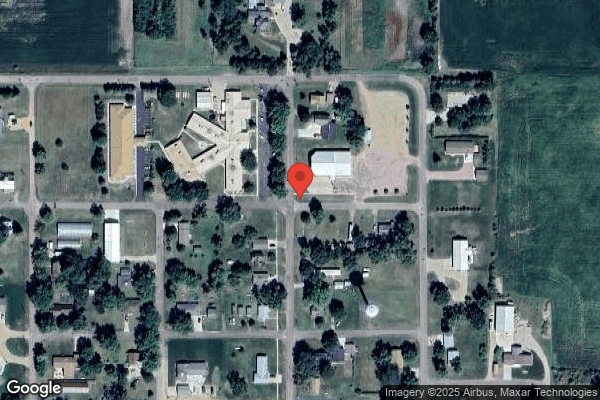
2304 LAUREL STREET, TYNDALL, SD 57066 (605) 589-3350
Non profit - Corporation 68 Beds GOOD SAMARITAN SOCIETY Data: November 2025
Trust Grade
40/100
#61 of 95 in SD
Last Inspection: January 2025

Within standard 12-15 month inspection cycle. Federal law requires annual inspections.

Overview

Good Samaritan Society Tyndall has a Trust Grade of D, which means it is below average and has some concerning issues. It ranks #61 out of 95 nursing homes in South Dakota, placing it in the bottom half of facilities in the state, and #2 out of 2 in Bon Homme County, indicating only one local alternative is better. The facility is experiencing a worsening trend, increasing from 3 issues in 2023 to 7 in 2025, which raises red flags for potential ongoing problems. While staffing is average with a rating of 3 out of 5 stars and a turnover rate of 53%, the facility reported $47,868 in fines, which is concerning as it indicates compliance issues. There is an average level of RN coverage, but inspection findings reveal serious incidents such as a resident who fell from a lift chair and sustained injuries, and two residents who fell and suffered bruises due to a lack of fall prevention interventions, highlighting significant areas for improvement alongside its average staffing.

Trust Score
D
40/100
In South Dakota
#61/95
Bottom 36%
Safety Record
High Risk
Review needed
Inspections
Getting Worse
3 → 7 violations
Staff Stability
⚠ Watch
53% turnover. Above average. Higher turnover means staff may not know residents' routines.
Penalties
○ Average
$47,868 in fines. Higher than 58% of South Dakota facilities. Some compliance issues.
Skilled Nurses
○ Average
Each resident gets 40 minutes of Registered Nurse (RN) attention daily — about average for South Dakota. RNs are the most trained staff who monitor for health changes.
Violations
○ Average
10 deficiencies on record. Average for a facility this size. Mostly minor or procedural issues.
★★☆☆☆
2.0
Overall Rating
★★★☆☆
3.0
Staff Levels
★★★☆☆
3.0
Care Quality
★★☆☆☆
2.0
Inspection Score
Stable
2023: 3 issues
2025: 7 issues

The Good

  • Full Sprinkler Coverage · Fire safety systems throughout facility
  • No fines on record

Facility shows strength in fire safety.

The Bad

2-Star Overall Rating

Below South Dakota average (2.7)

Below average - review inspection findings carefully

Staff Turnover: 53%

Near South Dakota avg (46%)

Higher turnover may affect care consistency

Federal Fines: $47,868

Above median ($33,413)

Moderate penalties - review what triggered them

Chain: GOOD SAMARITAN SOCIETY

Part of a multi-facility chain

Ask about local staffing decisions and management

The Ugly 10 deficiencies on record

3 actual harm
Jul 2025 1 deficiency 1 Harm
SERIOUS (G) 📢 Someone Reported This

A family member, employee, or ombudsman was alarmed enough to file a formal complaint

Actual Harm - a resident was hurt due to facility failures

Accident Prevention (Tag F0689)

A resident was harmed · This affected 1 resident

**NOTE- TERMS IN BRACKETS HAVE BEEN EDITED TO PROTECT CONFIDENTIALITY** Based on the South Dakota Department of Health (SD DOH) facility-reported incident (FRI), interview, record review, and policy r...

Read full inspector narrative →
**NOTE- TERMS IN BRACKETS HAVE BEEN EDITED TO PROTECT CONFIDENTIALITY** Based on the South Dakota Department of Health (SD DOH) facility-reported incident (FRI), interview, record review, and policy review, the provider failed to assess for potential accident hazards and safety related to the usage of a lift chair for one of one sampled resident (1) and was transferred to the emergency department (ED) for evaluation and treatment of injuries acquired from the fall.Findings included:1. 1. Review of the providers 7/8/25 SD DOH FRI revealed:*On 7/8/25 at 10:45 a.m., resident 1 was found lying face down on the floor in front of his lift chair.*His lift chair was raised all the way up in the air.*He had a laceration (a cut or tear in the skin) to the left side of his forehead.*A registered nurse (RN) completed neurologic assessment (evaluation of nerve function, reflexes, coordination, motor skills, sensation, and mental status) with slight delayed response, which was normal for resident 1.*Resident 1's vital signs (measurements of the body's basic functions, such as temperature, blood pressure, pulse, and respiration rate) were within normal limits (WNL).*The local ambulance was notified and resident 1 was transferred to the ED.*His family was notified of the fall.*His primary care provider (PCP) was notified of the fall.*Resident 1 returned from the ED on 7/8/25 with a diagnoses of a fall, contusion (bruise) to the face, laceration of an eyebrow that was repaired with tissue glue, and subarachnoid hemorrhage (bleeding in the space between the brain and the tissue covering the brain).*Orders: cold pack to left cheek TID (three times a day) x15 minutes until swelling resolves.Glue to left eyebrow laceration to remain in place until starts falling off on its own. 2. 2. Review of resident 1's electronic medical record revealed:*He admitted to the facility on [DATE].*His diagnoses included hypertension (high blood pressure), paranoid schizophrenia (symptoms of paranoia including delusions and hallucinations), peripheral vascular disease (narrowed blood vessels reduce blood flow to the limbs), hypoxemia (low level of oxygen), heart failure, atherosclerotic heart disease (damage or disease in the heart's major blood vessels), dysphagia (difficulty swallowing), and major depressive disorder.*His Brief Interview for Mental Status (BIMS) assessment score on 5/13/25 was 14, which indicated he was cognitively intact.*A 7/8/25 progress note: [Resident 1 was] Laying in prone position with [his] nose touching [the] floor with [a] pool of blood noted and gurgling breathing sounds noted, grabbed a towel and raised [resident 1's] head just enough to get my hand between [his] forhead [forehead] and floor so he could breathe, his eyes were open, and [he] responded to [the] 2nd [second] nurse whom rolled him onto his left side and then ambulance [was] called for emergent [emergency] transfer to nearest hospital via T.O.R.B. [telephone order read back]. [Local doctor] for evaluation. 2nd nurse checked his pupils and the O.D. [right eye] is 4mm [millimeters] and reactive, unable to open O.S. [left eye] d/t [due to] swelling around eye and left cheek bone. He did squeeze CNA's [certified nursing assistant] hands [he was] not strong but [he was] able to follow command and he did slightly move his right leg and his left leg just a little. Ambulance crew of 2 arrived and [a] cervical collar made from rolled towels were applied to neck and he was slid onto transfer board and then 4-5 people [assisted] to lift him onto the gurney. VS [vital signs] WNL @ [at] 134/66, [blood pressure] 73, [pulse] 18, [respirations] 98.2. [temperature]*A 7/9/25 progress note: FALL F/U [follow up] VS [vital signs] and Neuro's [neurological assessment] WNL, only able to check [NAME]] pupil as O.S. is swollen shut. [Resident 1 was] Able to move all extremities on command, hand grasps weak, per baseline. Purplish black and red ecchymosis pbruising] to O.S and cheek bone. C/O [complains of] 10/10 [ten out of ten]pain in my back what part lower, he just received his scheduled 650 mg [milligrams] of Tylenol. Will continue to monitor.*A 7/10/25 progress note: Fall f/up: [Resident 1] Continues to have bruising and swelling to left eye. No bleeding or drainage noted to [left] eye brow. Neuro's intact. Complains of pain, Tylenol given per MAR [medication administration record] Moves all extremities per self.*He had lift chair safety assessments completed on 2/4/2024, 7/9/25 and 7/11/25.-The 7/9/25 and 7/11/25 indicated the lift chair would be used for repositioning and would not be a restraint for resident 1.-No documentation identified that resident 1 would be safe to use the lift chair. 3. Observation and interview on 7/16/25 at 4:15 p.m. with resident 1 revealed he:*Was lying in bed, with his legs elevated on a pillow. He had a bruise above his left eye and bruising on his neck.*Was unsure how he fell out of his lift chair on 7/8/25.*Since that fall on 7/8/25, he has not used his lift chair. 4. Interview on 7/17/25 at 8:33 a.m. with CNA E regarding the 7/8/25 FRI involving resident 1 revealed:*She had found resident 1 face down on the floor and immediately called for the nurse on duty.*She put on gloves and supported his head to ensure he could breathe.*The emergency department was called promptly.*It took five staff members to roll resident 1 onto his back.*A cold compress was applied to resident 1's head while an RN assessed him and checked his vital signs.*Paramedics arrived and were assisted by staff in transferring resident 1 onto the gurney.*She reported that the facility conducted a huddle (staff meeting) the same day to discuss lift chair safety.*She stated that the appropriate height for the lift chair would depend on the individual of each resident. 5. Interview on 7/17/25 at 8:59 a.m. with CNA D revealed:*She explained that the height she raised the lift chair would depend on the individual resident's needs.*Some residents had their chairs unplugged due to safety concerns related to their cognition status and required assistance when transferring out of the chair.*some residents, families preferred that the lift chair remote be kept in the drawer behind the resident. That preference was to be documented in the resident's care plan.*She stated that if there was any uncertainty about how a resident should be assisted, CNAs could refer to the resident's mini care plan (a document that identifies the resident's care needs and interventions) for guidance. 6. Interview on 7/17/25 at 9:35 a.m. with Minimum Data Set (MDS) nurse C revealed:*She stated she completed the residents' physical device and/or restraint evaluation review form quarterly.*She was unsure how long resident 1 had had his lift chair.*She was unaware that a lift chair safety assessment was completed on 2/4/24 for resident 1.*She was aware that resident 1 had assistive grab bars on his bed, which she stated was the reason for the safety assessment.*She explained that when resident 1 physical device and restraint evaluation review form was carried forward in the computer, it was empty, and she was unaware he had a lift chair that needed to be completed at the same time as the assistive grab bars. 7. Interview on 7/17/25 at 10:53 a.m. with director of nursing (DON) B revealed:*She was unsure how long resident 1 had had his lift chair.*They were to follow the guidelines outlined in the physical device and/or restraint evaluation review form, which indicated the form should be completed upon the device's arrival, quarterly, and then after any significant change in the resident's condition.-The RN would assess the lift chair when the lift chair arrived, and then the lift chair would be assessed quarterly.*She stated that through their Quality Assurance and Performance Improvement [QAPI] process, they have identified that some of their residents have not had the physical device and/or restraint evaluation review form completed as directed. 8. Interview on 7/17/25 at 11:00 with administrator A revealed:*She was unsure how long resident 1 had had his lift chair.*She stated staff were to follow the physical device and/or restraint evaluation form as directed in their provider's restraint policy. Review of the provider's undated Physical Device and/or Restraint Evaluation and Review Form revealed:Purpose: 1. To evaluate if [a] physical device is appropriate and beneficial. 3. To conduct [a] quarterly review to ensure physical devices continue to be appropriate and beneficial.Use: 1. Required upon [a resident's]admission/re-admission if [the] resident is currently using a device and/or restraint, and quarterly thereafter. 2. Required with implementation of a new device and/or a restraint, and quarterly thereafter. Review of the provider's reviewed 10/29/24 Restraints policy revealed:Procedure: Non-Emergency Restraint Use Anytime a device, material or equipment is attached or placed adjacent to the resident's body, a determination will be made by a licensed nurse as to whether it is or could be a restraint for the individual resident and a Physical Device and/or Restraint Evaluation and Review UDA is completed by a Licensed Nurse.
Jun 2025 2 deficiencies
CONCERN (D) 📢 Someone Reported This

A family member, employee, or ombudsman was alarmed enough to file a formal complaint

Potential for Harm - no one hurt, but risky conditions existed

Deficiency F0741 (Tag F0741)

Could have caused harm · This affected 1 resident

Based on review of the South Dakota Department of Health (SD DOH) facility reported incident (FRI), interview, record review, and policy review, the provider failed to ensure suicide risks evaluation ...

Read full inspector narrative →
Based on review of the South Dakota Department of Health (SD DOH) facility reported incident (FRI), interview, record review, and policy review, the provider failed to ensure suicide risks evaluation had been completed for one of one sampled resident (1) by two of two nurses (E and G) who had documented the resident's comments of not wanting to live anymore to address his observed and expressed changes in his mental health. Findings include: 1. Review of the SD DOH FRI regarding resident 1 revealed: *On 5/9/25 licensed practical nurse (LPN) E had walked by resident 1's room and noticed blood on the floor in his room. *Resident 1 had a push pin in his hand and had cut himself in the antecubital (the area of the arm at the elbow crease) areas of both of his arms. *Administrator B had visited with the resident while LPN E notified the resident's physician. *Resident 1 was transferred to the emergency room for evaluation on 5/9/25. 2. Interview on 6/10/25 at 10:40 a.m. with certified nursing assistant (CNA) K regarding resident 1's behaviors revealed: *She had overheard resident 1 stating he had felt depressed and informed registered nurse (RN) J of the resident's voiced feelings. *It was not normal for resident 1 to have said that. 3. Interview on 6/10/25 at 11:15 a.m. with CNA L regarding resident 1's behaviors revealed: *She had assisted him and had noticed he had changed his shirt frequently that day. *CNA L informed the charge nurse of resident 1's behavior. *It was not normal for resident 1 to have changed his shirt so frequently. 4. Interview on 6/10/25 at 11:30 a.m. with environmental service M regarding resident 1's behavior revealed: *She had noticed he had become irritable and informed the charge nurse of the noticed change. *She had also noticed his bathroom had become dirtier than usual with smeared areas of bowel movement (BM). *That was not resident 1's normal behavior. 5. Interview on 6/10/25 at 12:10 p.m. with CNA N regarding resident 1's behaviors revealed: *He had participated in restorative therapy and informed her he needed to get a job. *That was not a normal comment he would have made. *She informed the charge nurse of his comment. 6. Interview on 6/10/25 at 1:35 p.m. with LPN E regarding resident 1's behaviors revealed: *She had been working the day resident 1 had injured himself. *Resident 1 had increased behaviors after his clozapine (an anti-psychotic medication used to treat schizophrenia, a serious mental health condition that affects the way a person thinks, acts, and feels, and to lower the risk of suicidal behaviors in patients with schizophrenia) had been out of his system. *While resident 1 was not taking his clozapine he had been administered olanzapine (an antipsychotic medication that can be used to treat schizophrenia). *On 5/4/25, resident 1 tried giving some of his personal belongings to LPN E. *Resident 1 had made comments to her that he was unable to get an erection and was receiving lethal injections. *He informed her that he was not feeling the same. *LPN E stated resident 1 had not voiced any suicidal ideas to her. *Resident 1 was receiving mental health services weekly. *CNAs had reported the behaviors they had observed exhibited by resident 1 to LPN E. 7. Interview on 6/10/25 at 2:00 p.m. RN G regarding resident 1's behaviors revealed: *She had provided care for him before he attempted to harm himself. *Resident 1 complained of pain, had removed his shirt and had his hands down the front of his pants. *He had at one time asked her to assess his genitals. Resident 1 had been observed masturbating. *She did not provide care for resident 1 without a chaperone. *Resident 1's clozapine had been slowly restarted, but it did not help with his behaviors. -She was unsure of when the medication was restarted. --The above behaviors were not normal for resident 1. 8. Interview on 6/10/25 at 3:12 p.m. certified medication aide (CMA) I regarding resident 1's behaviors revealed: *She had noticed that he had acted more inappropriately with staff once his clozapine medication was stopped. *Resident 1 became more paranoid and withdrawn since the medication had been stopped. 9. Record of resident 1's electronic medical record (EMR) revealed: *Resident 1 was diagnosed with: -Paranoid schizophrenia (a mental health condition where people can experience a disconnection from reality), chronic obstructive pulmonary disease (COPD) (a lung disease that causes airflow obstruction and breathing problems) diabetes type two, congestive heart failure (CHF) (a chronic condition where the heart muscle is weakened), chronic kidney disease (a condition where the kidneys are damaged and cannot filter blood effectively). *On 11/21/24 resident 1 had a clinic appointment with his cardiologist (heart doctor). *At that clinic appointment, it had been recommended to taper resident 1 off his clozapine to help reduce his cardiomyopathy (a disease when the heart does not pump effectively because it is enlarged). *Resident 1's cardiologist had spoken to resident 1's psychiatrist (a medical doctor who is specialized in mental health) regarding tapering off the clozapine. Resident 1's psychiatrist agreed to the tapering off of the medication. *On 2/25/25 at 4:07 p.m., a progress note entered by LPN E revealed resident 1 had informed her that he wants to die. *On 3/11/25 at 5:11 a.m. a progress note entered by RN G revealed resident 1 had informed a CMA I want to die; I can't take this anymore. *On 3/22/25 at 3:15 a.m., a progress note entered by RN G revealed resident 1 had informed her What am I going to do, I will have to commit suicide. *Resident 1 had weekly visits with behavioral health services. *Resident 1 had one completed suicide risk evaluation on 5/9/25. -No suicide risk evaluation was completed for resident's comments on 2/25/25, 3/11/25, and 3/22/25. *Resident 1's care plan had not been revised to include resident's comments on 2/25/25, 3/11/25, and 3/22/25. -The care plan had been revised on 5/9/25 following his self-harming incident to include the following interventions: --Listen carefully for any suicide [suicidal] statements (i.e. I'm going to kill myself, the world will be better off without me, I've had enough, I'm a burden) and observe for non-verbal indications of suicidal intent (i.e. giving away possessions) and report to charge nurse. --Remove items from residents [resident's] room that could cause harm, (i.e. sharp objects, cords, belts, neckties, etc.) 10. Further interview on 6/11/25 at 12:05 p.m. with LPN E regarding resident 1's suicidal ideation and attempt to give away personal property revealed: *She had known resident 1 was being seen by behavioral health services. *She would have assessed resident 1 for other clues, but she did not believe he was serious with his comments and actions. *She had recently received education regarding the provider's suicide precautions policy. *She had not been aware that there was a specific assessment for suicide risk, she did complete the evaluation on 5/9/25 when resident 1 injured himself. *She did not admit that she would complete a suicide risk evaluation if a similar situation were to arise after her education. 11. Further interview on 6/11/25 at 12:41 p.m. with RN G regarding her documented comments made by resident 1 revealed: *She did not recall resident 1 using the words that she had documented in the progress notes in resident 1's EMR. *She had assessed resident 1 after the comments he had made to her. She did not believe he was serious, and did not complete a suicide risk evaluation or document her assessment in the resident's EMR. *Since the education she had received, she would complete a suicide risk assessment on any resident who had made suicidal comments and follow the provider's policy. *She did not think resident 1 was incompetent when he had made his comments above. 12. Interview on 6/12/25 at 9:46 a.m. with administrator B and director of nursing (DON) A regarding resident 1's comments that had been documented revealed: *DON A agreed that a suicide risk evaluation should have been completed with each comment that was documented or any other negative statements. *Both agreed that staff should have assessed resident 1 on his perception of how he had been feeling and not the staff's perception of his expressed feelings. *Both agreed resident 1's care plan should have been revised with his first comment of wanting to die. -Nurses and the interdisciplinary team were able to update care plans. *DON A had not completed any chart audits since suicide risk education had been provided to all staff. 13. Review of staff education for behavioral health revealed: *RN G had completed her training on 10/14/24. *LPN E had completed her training on 10/31/24. 14. Review of the provider's 7/29/24 Facility Assessment revealed they had been able to care for residents with behavioral symptoms. 15. Review of the provider's April 2025 Suicide Precaution policy revealed: *Purpose: -To provide for the safety of residents at risk for suicide. -To identify/recognize possible signs of intent to commit suicide. -To increase employee awareness regarding suicide. *Possible clues and warning signs that a person might be suicidal include the following: -Talks of or threatens to hurt or kill him or herself. -Experiences drastic changes in routine or behavior. -Gives away prized possessions. *Procedure: -When the resident has verbalized suicidal ideation or intent, the social worker or registered nurse must assess the resident to determine the risk for self-harm and the ability of the center to keep the resident safe. -To assess the resident, complete the Suicide Risk Evaluation UDA. -Document any interventions in the care plan.
CONCERN (E) 📢 Someone Reported This

A family member, employee, or ombudsman was alarmed enough to file a formal complaint

Potential for Harm - no one hurt, but risky conditions existed

Pharmacy Services (Tag F0755)

Could have caused harm · This affected multiple residents

**NOTE- TERMS IN BRACKETS HAVE BEEN EDITED TO PROTECT CONFIDENTIALITY** Based on South Dakota Department of Health (SD DOH) complaint report review, interview, document review, and policy review the p...

Read full inspector narrative →
**NOTE- TERMS IN BRACKETS HAVE BEEN EDITED TO PROTECT CONFIDENTIALITY** Based on South Dakota Department of Health (SD DOH) complaint report review, interview, document review, and policy review the provider failed to ensure full investigations had been completed to rule out potential misappropriation of controlled medications (high risk for addiction, dependence, abuse, and theft) found to be missing during the controlled medication count between nursing shifts for four of six sampled residents (5, 6, 7, and 8) with physician-ordered controlled medications. Findings include: 1. A review of the 3/12/25 SD DOH complaint report involving resident 8 revealed: *Licensed practical nurse (LPN) H had gone to resident 8's room to change her Fentanyl patch and give her nasal drops. *The nasal drops were in the manufacturer's box and LPN H placed the old patch for destruction inside of the box with the bottle of nasal drops. *LPN H had placed the box with the old Fentanyl patch inside the medication (med) cart before destroying it. *The patch was missing when she went to destroy the patch an hour later. *LPN H and other staff members looked for the patch and were unable to find it. *Administrator B and the director of nursing (DON) A were contacted, an incident report was completed, and the police department was notified. *DON A educated LPN H on the importance of destroying meds immediately. *All nurses were educated on the [NAME] Policy for Transdermal Patch Application and Disposal. -When removing the patch from a resident, the nurse is to fold it in two with the medicated side together, place it in a plastic bag, and destroy it immediately. -Plastic bags were placed on all three med carts. *DON A was to complete random audits three times to ensure the policy had been followed. *No internal malice (intent to do wrong) was suspected. 2. A review of the 4/4/25 SD DOH complaint report involving resident 5 revealed: *During controlled medication count between registered nurse (RN) J and certified med aide (CMA) I found that resident 5's med card of Tramadol (a controlled pain med) 50 milligram (mg) was short one pill. -They had counted 76 pills and there should have been 77. *Both RN J and CMA I searched around the cart and in the trash. -The missing Tramadol was not found. *CMA I had been in the process of getting the resident's Tramadol pill out for administration when another resident needed assistance to prevent a fall. *When she went back to the med cart, she took out another Tramadol pill from the med card and had not realized she had already done that. -She assumed she had given the resident two Tramadol pills. -She thought being distracted by the high fall-risk resident contributed to the med error. *The nurses and CMAs were educated to double-check the med cards with the medication administration record (MAR) and the narcotic signature sheet before popping the pill out of the med card. *DON A was to: -Complete a med pass skills validation for CMA I. -Complete random audits of med passes on all the nurses and CMAs. No documentation indicated how often DON A should have completed the med pass audits. *No malice was suspected, and the provider had determined resident 5 had received two Tramadol pills. 3. A review of the 4/15/25 SD DOH complaint report regarding resident 6 revealed: *During the narcotic medication count between LPN O and RN J, they found that resident 6's narcotic med card of Tramadol 50 mg was short one pill. -They had counted 64 pills and there should have been 65. *LPN O and RN J immediately searched the med cart for the missing narcotic, but it was not found. *DON A was notified, and she talked with LPN O to try to determine what had happened. -LPN O indicated that she could have given resident 5 two doses of Tramadol during her noon med pass. *DON A: -Educated LPN O to double-check the med cards with the MAR and with the narcotic signature sheet before popping the pill out of the card. -Assessed LPN O's med pass competency skills on 4/16/25 with no identified concerns. -Was to have conducted random med pass audits once a week for two months to ensure compliance. *No malice was suspected. 4. A review of the 5/6/25 SD DOH complaint report regarding resident 7 revealed: *During the narcotic medication count between LPN H and RN G, they found that resident 7's narcotic med card counts for Tramadol 50 mg and Xanax (a controlled anxiety med) 0.25 mg had not been accurate. -The Tramadol 50 mg narcotic card had 74 pills in it and should have had 72 pills. -The Xanax 0.25 mg narcotic card had 17 pills in it and should have had 18. *LPN H was re-educated on double-checking the narcotic count book before popping the narcotic med out of the med card and after administration to the resident. *RN G stated that the med cart, and trash had been searched for the missing narcotic. *LPN H stated: -She felt like there were many distractions during the med pass that may have caused the narcotic count to have been off. -There had been distractions from residents with behaviors and from needing to assist other staff. *Nurses were to be educated on establishing clear communication boundaries with other staff members for urgent or non-urgent issues to limit distractions while passing meds. *DON A: -Had been completing random med pass audits on the nurses and CMAs. -Was to complete a skills validation for the med pass with LPN H *No malice was suspected. 5. Observation and interview on 6/10/25 at 9:20 a.m. and again on 6/11/25 at 9:17 a.m. with RN C during morning med pass revealed: *She reviewed the process of administering a narcotic med to a resident, which had included the application and destruction of a Fentanyl patch. *She stated the process had always been the same except for the narcotic med count verification sheet. -They had not been using that sheet for some time, and she was not sure why. -It had been re-implemented in April or May for the staff to use during the narcotic med counts at the change of shift. -After the narcotic med count was completed, both the nurses and CMAs should have signed off on the med count verification narcotic sheet to support that the narcotic med counts had been accurate. -The Fentanyl patches were to be placed and sealed inside a small plastic baggie, and sealed after placing inside, and then destroyed immediately with the C wing nurse. *She stated that using the small baggies was the only change in that process. They should have destroyed the patches immediately anyway. *She: -Was unsure if DON A had been completing med pass competencies. -Stated the DON had been completing multiple insulin administration audits on all of the nurses but she was unaware if the DON had been auditing anything else. *The nurses and CMAs received med pass, insulin administration, and narcotic med administration education in April or May. Observation and interview on 6/10/25 at 10:05 a.m. and again at 3:30 p.m. with LPN D revealed: *She had been assigned to work the 300 wing and one of her duties had included med administration. *She could not recall any recent education on med administration, specifically the Fentanyl patch application and destruction process, missing narcotics, and security of controlled meds. *She was not aware of any changes to the process for med administration. *The nurses' meetings were mandatory and she had rarely missed any. *They had med administration competencies completed once a year. -The only med administration competency that she was aware of was for insulin administration. *A narcotic med count for the med cart she was assigned to was then completed. *The med counts were accurate, but the narcotic verification form had only been signed-off by the night nurse. -LPN D had not signed the form with the night nurse that verified the narcotic count was completed and accurate at the change of shift. *LPN D stated: -We are supposed to sign that sheet off together after the count is done. -Not sure why I didn't. *She then signed the narcotic medication count verification form. 6. Interview on 6/10/25 at 10:35 a.m. with LPN E revealed: *She reviewed the process of administering a narcotic to a resident which had included the application and destruction of a Fentanyl patch. *She stated: -The process had always been the same, except for the narcotic medication count verification form. -That form had been implemented at least a year ago. *She confirmed the Fentanyl patches were to be placed and sealed inside a small plastic baggie, and then destroyed immediately with the C wing nurse. *She stated that using the small baggies was the only change in that process. *The only med administration competency or audit that she was aware of was for insulin administration. *They were reminded of the med administration process, signing of the narcotic medication count verification form between the two shifts, and the destruction of the Fentanyl patches in the last nurses' meeting. *Otherwise, any process changes or re-education was placed in a binder at the nurses' station for the staff to review, sign, and date. Interview on 6/10/25 at 2:00 p.m. with RN G revealed: *She confirmed the process for counting narcotics between shift change with either the nurse or CMAs. *The narcotic counting process was not new nor was the narcotic verification form. *She: -Had been involved when the narcotic count with another nurse was off in April. -Had been coming on duty for the night shift and the other nurse was going off duty and leaving the facility. *There had been two meds in the cart that looked similar. *It appeared as if the other nurse had given an extra Xanax to the resident, but they were not sure. Interview on 6/10/25 at 2:45 p.m. with LPN H revealed: *She reviewed the controlled medication reconciliation process like the other nurses had described above. *She had been involved when a Tramadol count had been short for a resident during the shift change controlled med count verification process. *She could not recall all the details of that incident. *She stated: -The nurses are responsible for med pass, treatments, and assisting residents. -The provider did not want them passing residents their meds in the dining room ,and they were required to remain in the wing. -Because of that, it was quite hectic during med pass. -You can have a lot of distractions and the residents and CNAs are asking for help. -I feel really rushed. *She had been involved with a missing Fentanyl patch. -She had placed the old patch on the outside of a box and could not find it when she went to destroy it. -She thought she might have wadded it up in her glove when she had taken it off. -She and the other nurse looked all over and were never able to find it. *She had: -Been reminded to be more mindful about her process for signing off meds, verifying meds, and destroying meds right way. -Not recalled a lot of education related to those incidents, but she had to go through a competency process. Interview on 6/10/25 at 3:12 p.m. with CMA I revealed: *She worked the afternoon shift and only passed the meds for the 200 wing until after supper. *She had been required to complete a controlled medication verification count with that nurse. -The night nurse completed a controlled medication verification count on the 100 and 300 wings for shift change. -She completed a count on all the med carts at the end of her shift with the night nurse. *To her knowledge, nothing had changed with that process, except they had to sign the controlled medication verification signature form when count was completed and they had not had to before. -They used to sign each controlled medication count sheet before that sheet was added to the narcotic binders on the med carts. *She confirmed she had given two narcotic meds to a resident in error. -The resident should have only received one. *She had: -Been interrupted during the administration process and accidentally gave the resident an extra dose. -Been educated recently on med administration. -A competency completed on med administration and her knowledge on the correct process for administering meds. Interview on 6/10/25 at 3:35 p.m. with LPN O revealed: *She had worked for the facility for two years and they had recently received education on: -Med administration and making sure they had checked the seven rights of med administration during med pass. -The verification signature form had been added back into all three med cart controlled medication count binders. -The destruction process for the old Fentanyl patch. The patches should have been placed and sealed inside a small baggie and then destroyed immediately with another nurse. *She had received her yearly med pass competency and thought that competency had been nothing new. *She had been involved with a wrong controlled med count during a shift change. -She had looked all over and never found the missing med. *She stated, I could have given her [a resident] two during the noon med pass, but I'm not sure. Interview on 6/10/25 at 4:04 p.m. with RN J revealed: *She had received education on med administration and making sure they followed the seven rights for med administration. *The only new process she had been aware of was the Fentanyl patches now had to be placed in a baggie before they were destroyed. -The destruction process had to be completed immediately. *There had been med pass competencies completed by DON A on insulin administration. *She was not aware of any additional: -Competencies for med administration. -Competencies that had been completed on the process of narcotic counts. 7. Review the nursing staff education dated 3/6/25, 4/2/25, and 4/11/25 revealed: *All the education had been typed on a plain sheet of paper. *The 3/6/25 education sheet had the transdermal patch application and removal process attached to it. *The staff were to have signed the education after they had read the document. -There was no documentation that supported when the staff had read the education. *The nursing staff had been educated on: -The policy for the removal and destruction process for a transdermal patch. -The process for administering a narcotic. -The seven rights of medication administration. *There was no documentation that indicated the staff had received education on drug diversion and misappropriation of meds. 8. Review of the med administration audits revealed: *On 5/20/25 and on 6/6/25 med administration audits had been completed. *Both audits had: -Been completed by DON A. -Been completed for med administration to make sure to check if staff had followed the seven rights of med administration. -Had no issues or concerns identified. -Not included to review the narcotic med count sheet to make sure it was double checked before and after administration. *There was no documentation on the audit forms that supported: -Who the staff was that the competency had been completed on. - Who the resident was and the time of day when the med pass was observed. *Those were the only audits the provided for the survey team to review. *There was no documentation that supported the following audits had been completed per their correction process for the above four facility reported incidents (FRI): -The 3/12/25 FRI indicated DON A was to have completed random audits three times to ensure the policy had been followed for the destruction process of Fentanyl patches. There were no audits to support the competencies had been completed. -The 4/4/25 FRI indicated DON A was to complete random med administration audits on all the nurses and CMAs. No documentation indicated how often DON A should have completed the med administration audits. -The 4/14/25 FRI indicated DON A was to have conducted random med administration audits x 1 a week for 2 months to ensure compliance. -The 5/6/25 FRI indicated DON A had been doing random med administration audits on the nurses and CMAs. *The provider had no documentation to support: -All of those audits had been completed before the initial 5/20/25 audit. -DON A had completed audits on the education provided to the staff on transdermal patch application and destruction, the verification process with the change of shift narcotic med count, and the seven rights of med administration were followed for controlled substances. -The DON had completed audits of the staff administering controlled meds to ensure no misappropriation of controlled meds had occurred. Review of the validation signature forms from 3/1/25 through 6/10/25 for all three med carts revealed: *The forms on the med cart located on the 100 wing had 14 days where two staff members had not signed between that they had completed the controlled med count together at the change of shift with no missing meds. *The forms on the med cart located on the 200 wing had 23 days where two staff members had not signed that they had completed the controlled med count together to support with no missing meds. *The forms on the med cart located on the 300 wing had 28 days where two staff members had not signed that they completed the controlled med count together with no missing meds. *The med room controlled med narcotic box count record they had completed the controlled med count together with no missing meds. Interview on 6/10/25 at 3:50 p.m. and again on 6/12/25 at 9:46 a.m. with DON A revealed: *She confirmed they were not able to locate the Fentanyl transdermal patch, the missing Xanax, and the missing Tramadol pills. *She had no documentation of her investigations into the missing meds other than what was included in the FRIs. *She had interviewed the nurses and the CMA involved directly with the missing meds, looked at what they had done, and took their word on how the meds were not accounted for. -She had no documentation that indicated there was no concern for misappropriation of those meds. *She agreed that missing meds was a form of drug diversion or misappropriation of meds but she had not thought of that when investigating the incidents. *She confirmed: -She had not followed her plan of correction for each of those submitted FRIs and had not completed those audits as stated in those reports. -She had only completed the two audits that were started late on 5/20/25. -She had not educated the staff on their drug diversion policy and should have. *She had not completed any audits of: -The application and removal of the transdermal patches, specifically Fentanyl patches to ensure the change in the destruction process had occurred. -The verification signature forms to ensure the staff were following their policy for a two-signature verification at the change of shift. -The individual residents' controlled medication sign-out sheets to support accurate med counts and reporting to her and the administrator when the count was not accurate. -The staff administering the residents their controlled medications and should have. *The pharmacy had not been included to help with the process of missing controlled substances per their policy. Review of the provider's 4/8/25 Medication: Missing/Diversion of Medications policy revealed: *Purpose: To provide guidance to nursing employees when medications are missing/diverted. *Procedure: -An investigation of the situation is performed by the investigation team. -During this investigation, there is potential for other issues or missing medications to be discovered. -The location will work closely with the pharmacy staff to prove when and what amount of medication was sent to the location or review past records related to the issue. -This is viewed as misappropriation of resident property - a type of abuse and neglect. -At the conclusion of the investigation, it may be appropriate to put a plan of correction in place to discourage this from happening again. Review of the provider's Medication: Transdermal Patch Application and Disposal policy revealed: *When removing a previously placed patch, use caution to protect skin. Fold the patch in two with the medicated sides together. Place [the] old patch in [a] plastic bag for transport to [the] medication room. *Narcotic patches should be destroyed by two licensed nurses, or a nurse and a pharmacist. *Medication destruction process for both controlled and non-controlled medications should be reviewed annually and approved by your state-licensed consultant pharmacist. Review of the provider's Medications: Controlled policy revealed: *Purpose: -To provide verification and reconciliation of all controlled medications. -To provide safe storage for all controlled medications. -To provide guidance on [the] destruction of controlled substances. *Each time the keys that secure controlled medications change from one nurse/medication aide to another, the oncoming and off-going nurse/medication aide will work together to reconcile all controlled medications, including all discontinued controlled medications and document the same. *The verification signature form was attached to the policy
Jan 2025 4 deficiencies 1 Harm
SERIOUS (G)

Actual Harm - a resident was hurt due to facility failures

Accident Prevention (Tag F0689)

A resident was harmed · This affected 1 resident

**NOTE- TERMS IN BRACKETS HAVE BEEN EDITED TO PROTECT CONFIDENTIALITY** Based on observation, interview, record review, and policy review, the provider failed to identify and implement interventions t...

Read full inspector narrative →
**NOTE- TERMS IN BRACKETS HAVE BEEN EDITED TO PROTECT CONFIDENTIALITY** Based on observation, interview, record review, and policy review, the provider failed to identify and implement interventions to prevent falls for two of two sampled residents (22 and 55) who fell and sustained injuries. Findings include: 1. Observation and interview on 1/22/25 at 9:16 a.m. with resident 55 while in the 200-hallway revealed: *She had a large bruise around her left eye. -The bruise was above her eyebrow and extended to her cheekbone. -The bruise was brown with yellowing edges. *When asked about the bruise, she could not remember. Observation on 1/22/25 at 2:09 p.m. revealed that resident 55 was resting in bed with the bed in the lowest position to the floor. There was an air mattress overlay on the bed and a fall mat on the floor next to her bed. Review of resident 55's electronic medical record (EMR) revealed: *She admitted to the facility on [DATE] for rehabilitation after surgical repair from a previous fall with fractures at the assisted living facility where she previously resided. *She was hard of hearing and wore hearing aids in both ears. *Her 12/27/24 Brief Interview for Mental Status (BIMS) assessment score was 9, which indicated she had moderate cognitive impairment. *Her 12/27/24 falls tool assessment indicated she was at medium risk for falls. No interventions were selected in the Action Plan section. *Her 12/27/24 nursing admit data collection tool indicated the following: -She was not able to ambulate independently. -Grab bars had been installed on her bed. -She had received education about the following: --Resident orientated to room and call light use. --Resident orientated to facility routines, activities, accommodations. --Therapy evaluations. --Meal times and routine. --Immunizations. --Safety and fall prevention. --Her impaired hearing was a barrier to education. --She had verbalized understanding. Review of her baseline care plan initiated on 12/27/24 in relation to falls, fall risks, and fall prevention revealed: *Educate resident not to bend over to pick up dropped items. Encourage use of grabber or to ask for assistance. *Ensure that Resident is wearing appropriate footwear when ambulating or mobilizing in wheelchair. *The Safe Resident Handling Program (SRHP) intervention for ambulation safety was initiated on 12/30/24. *SRHP - TRANSFER - Transfer Between Surfaces: non-mechanical stand aide and 1 staff assist [assistance]. *She required the assistance of one staff member for other activities like bed mobility, dressing, and personal hygiene. Incident note 12/28/24: At 0815 [8:15 a.m.], resident was found on the floor at the foot of her bed. Resident was alert. Yelling out, 'I want to go to bed.' Gripper socks were on. Call light was attached to grab bar on side of bed. w/c [wheelchair] was not within reach. No walker. When resident asked [what] happened or what she was trying to do she stated, 'I don't remember.' VS [vital signs] with neuro's taken. Laceration noted on forehead at the hairline. Moderate amount of bleeding. Total lift used to set resident in chair. Shower provided d/t [due to] bleeding on hands, hair and face. Laceration cleansed and dry telfa [Telfa, a brand of wound dressing] dressing applied. Ice offered, refused. 2cm [centimeters] superficial wound. Bruising noted across bridge of nose and on left hand. ROM [range of motion] was WNL [within normal limits]. Physician notified by fax and son contacted. Will care plan to put bed in lowest position at night with mat beside bed. *She continued to have increased pain, potentially from her multiple healing fractures, head laceration, and bruising from the fall. Interview on 1/24/25 at 10:42 a.m. with director of nursing (DON) B revealed: *After resident 55's fall, fall interventions were initiated that included having the bed in the lowest position while she was in bed and having a cushioned fall mat in place next to her bed. *The care team held a fall huddle to determine what could have contributed to the fall, and brainstormed new interventions to prevent further falls. *Surveyor requested documentation of fall prevention interventions that had been implemented for resident 55 prior to her fall. Interview on 1/24/25 at 11:11 a.m. with social worker D revealed: *If a resident had a fall, she and the care team would have filled out a fall scene huddle worksheet to determine the fall details and recreate the fall scene. *At the time of resident 55's fall on 12/28/24, she had a different bed than the one she had at the time of the survey. -Her initial bed had a grab bar attached to it. -Resident 55 had not been assessed for the safe use of a grab bar. -Someone was supposed to have switched out her bed at supper time on 12/27/24, but that had not happened. *She remembered that resident 55 may have been confused after she admitted because she was in a new facility, she was incontinent, and she most likely tried to get out of bed on her own or rolled out of bed which resulted in the fall. -At the time of resident 55's fall, the call light cord was wrapped around the grab bar. Review of the Fall Scene Huddle Worksheet completed on 12/28/24 after resident 55 fell revealed: *Resident 55 said, I don't remember when asked what she was trying to do just before the fall. *The night staff was noted to have last interacted with her and assisted her to the toilet at 5:59 a.m. on 12/28/24. *Under item #4 for Description of fall scene -Resident 55 had not been wearing her glasses. -The bed was noted to be in a high position. -She was wearing socks. -Her wheelchair was not near her bed. -In the environmental section it was noted that she was a new admit and the lighting was inadequate. -She was incontinent of urine. *Under item #6 for Prior to fall, resident seemed: and After fall, resident seemed: the following items were checked for both: -She was alert and oriented to person and place only. -She was confused and forgetful. *The staff narrative under item #7 read, Call light [was wrapped] around grab bar. She may not have been able to reach it. New [admit.] Confused. Remote under her bed, could've been trying to grab it. *Under item #10 for Resident Injuries/ROM (range of motion): -Her ROM was noted to have been within her normal limits. -She had a laceration to her head and bruising to her left hand and bridge of nose. *There was a handwritten note on the first page that read, ? Need to remove grab bar from bed. Not in [care plan] . Review of the handwritten list of fall prevention interventions that were implemented prior to the resident's fall on 12/28/24 provided by DON B on 1/24/25 at approximately 12:00 p.m. revealed: *Staff provided call light education. *They monitored the resident every hour for safety whereabouts. *Education was provided not to bend over. *They provided proper footwear education. -There was no documentation in her EMR that indicated the hourly safety checks had occurred. -There was documentation that indicated the provider had educated her about the call light, not to bend over, and proper footwear, however there was documentation that she was confused and moderately cognitively impaired at the time of admission. 2. Observation and interview on 1/22/25 at 9:06 a.m. of resident 22 while seated in her wheelchair in her room revealed: *Her right eye and cheek were bruised from the eyelid to an inch below her eye. *Her forehead was bruised from her eyebrow into her hairline. *She had what appeared to be a lump or area of swelling just below her hairline. -The lump was approximately one inch by one inch. *She said she had fallen on her head. *She thought she had fallen from her bed when reaching for something on the floor. Interview on 1/24/25 at 10:02 a.m. with clinical care leader C revealed: *Certified nursing assistants (CNAs) were trained that residents could have been left with the lift sling straps connected to lift equipment while using the toilet. -Some residents may have the lift sling straps loosened, and the lift equipment could have been left in front of them to supplement their upper body strength while they sat on the toilet. *Resident 22 had poor torso strength due to her diagnosis of multiple sclerosis. -She could be left with the straps loosened but remaining attached to the lift. -It was not documented in the resident's care plan to leave her on the toilet with the lift equipment still attached and in the bathroom with her. -Her care plan did not include that she required staff supervision was required while she used the bathroom. *She expected CNAs to know which residents could have been left alone and which were not safe to have been left alone. -The default was that residents could have been left alone in the bathroom while still attached to the lift equipment until they saw reasons that they resident should not have been left alone. *Resident 22 was not required to have been supervised while on the toilet at the time of her fall on 1/17/25. *CNAs learned of updated residents care information by: -Verbal communication between staff. -The wing binder, which included the daily nursing huddle report sheet and other relevant care notes for CNA use. -The bulletin board in the employee break room. -The resident's care plan/Kardex (a brief overview of the resident that was generated directly from care plan). However, she stated that the CNAs don't really use the Kardex. *Care plans were updated by nurses, the MDS coordinator, and herself. Interview on 1/24/25 at 10:28 a.m. with DON B revealed: *Staff were educated that residents could be left connected to the total body lift while using the bathroom. The lift sling straps were loosened to ensure the resident was not suspended. -Staff would need to know if the resident was cognitive to be left alone in the bathroom. *Information would be available on the Kardex. -Nursing staff including CNAs have access to the Kardex. Review of resident 22's EMR progress notes revealed she had a history of unhooking the lift sling straps or threatening to unhook lift straps: *A 4/4/24 social services note Res [resident] unhooked lift strap on one occasion when she was talking with her. *A 4/5/24 nursing services note removes sling from lift before staff can start to lift her. *A 5/18/24 nursing services note she was grabbing the loop and trying to take if off the hook when staff were assisting her from the toilet with the total body lift. *A 6/23/24 nursing services note would attempt to unhook self and pull on [the] sling, making sling placement difficult. This could be a safety issue if behaviors continue. *A 6/24/24 social services note trying to remove straps from lift. *A 7/15/24 nursing services note needed redirection and distraction to keep her from attempting to unhook sling. *A 7/22/24 social services note res [resident] was removing straps to lift. *A 7/23/24 nursing services note Other observations: Agitation, Delusions. Impaired decision making. Safety concerns. *An 8/25/24 note indicated the resident was put on the toilet, when they returned she had unhooked the sling from the lift and had it off. *A 9/4/24 care plan review note Resident continues to think that she can walk so she tried to stand up and fell on the floor, Cna [CNA] found her on the floor by her bed. *A 9/25/24 nursing services note Nurse notice CNA going in the room with stand aid [a lifting device for those who have difficulty rising from a seated to standing position], Nurse [went] running down the hall and stated that resident was a Hoyer lift [total body lift]. Resident tried to tell CNA to ignore her [the nurse] and do what she was going to do, nurse stated No, the CNA needs to know so she doesn't lose her license and or drop you because you do not stand. *A 10/22/24 nursing services note regarding behaviors, staff unable to safely transfer resident to toilet without the use of the lift. *A 11/3/24 nursing note she was trying to take the Hoyer sling off the Hoyer lift. Review of resident 22's 1/9/25 BIMS assessment revealed a score of 8, which indicated she had moderate cognitive impairment. Review of resident 22's EMR regarding her fall on 1/17/25 revealed: *She was found on the floor of her bathroom by a CNA. *The bar from the left side of the total body lift was removed. *The rest of the straps were not hooked to the other bar of the lift. *She had a large bump on the right side of her forehead, and she voiced discomfort. *Neurological checks were initiated. *Her physician was notified by fax on 1/17/25 at 3:29 p.m. -A response from her physician was not found. *The 1/17/25 falls tool assessment noted the following: -She was receiving more than two risk factor medications. -She appeared moderately affected by one or more of the following factors: anxiety, depression, decreased cooperation, decreased insight, or decreased judgment especially related to mobility. -Her cognition was mildly impaired. -The risk factor checklist and intervention plan noted cognitive status, poor memory, and difficulty following instructions. -She was observed using the equipment in an unsafe manner. Review of the provider's internal Fall Scene Huddle Worksheet regarding resident 22 revealed: *The incident date was 1/17/25 at 2:18 p.m. *She had an unwitnessed fall. -Under Equipment/Safety, the box under Assistive Device was checked none. -Her time last toileted was reported as 2:10 p.m. and 2:15 p.m. *She had taken the following medications in the last eight hours: antidepressant, antipsychotic, and a blood thinner. *She unhooked the straps and bar of the total body lift. *She was experiencing pain with movement. *It was also marked that she had a head injury, and abrasion, skin discoloration with bruising, and swelling. -There was a handwritten note that stated, right side hematoma. Review of resident 22's current care plan revealed: *It was noted that she had impaired cognitive function or impaired thought process relating to her diagnoses of multiple sclerosis, Alzheimer's disease, dementia, and other cognitive deficits. *Intervention for toilet use and transfers revealed: -She required two staff for toilet use. -She required the total body lift to transfer between surfaces, with the assist of two staff. *Her care plan was last revised on 1/20/24 and included that she was at risk for falls related to: Heart failure, Multiple sclerosis, Alzheimer's disease, Dementia, history of falls, poor safety awareness, and a history of removing the lift sling straps from the lift. *Her care plan did not include if staff were required to stay with her while she used the bathroom. -There was no documentation regarding need for supervision while toileting. 3. Review of the provider's 7/29/24 Fall Prevention and Management policy revealed: *Purpose -To promote resident well-being by developing and implementing a fall prevention and management program. -To identify risk factors and implement interventions before a fall occurs. -To give prompt treatment after a fall occurs. -To provide guidance for documentation. *Proactive Approach before a Fall Occurs (e.g., New Admit) Procedure -1. On admission or readmission, review the applicable documents (i.e., discharge summary from transferring agency, transfer record, history and physical, lab values, nursing admit/readmit data collection) and any additional admit information documentation for fall risk factors. -2. Complete the Falls Tool UDA [user-defined assessment] for fall screening and identifying fall risk factors. -3. Care Plan the appropriate interventions, including personalizing all '(SPECIFY)' areas. -4. Communicate fall risks and interventions to prevent a fall before it occurs per the 24-Hour Report, care plan and Kardex, daily stand-up meeting, and/or Fall Committee meetings.
CONCERN (D)

Potential for Harm - no one hurt, but risky conditions existed

Deficiency F0657 (Tag F0657)

Could have caused harm · This affected 1 resident

**NOTE- TERMS IN BRACKETS HAVE BEEN EDITED TO PROTECT CONFIDENTIALITY** Based on observation, record review, and interview, the provider failed to revise and update a care plan for one of fifteen samp...

Read full inspector narrative →
**NOTE- TERMS IN BRACKETS HAVE BEEN EDITED TO PROTECT CONFIDENTIALITY** Based on observation, record review, and interview, the provider failed to revise and update a care plan for one of fifteen sampled residents (22) to reflect her care needs for supervision while using the bathroom. Findings include: 1. Observation and interview on 1/22/25 at 9:06 a.m. of resident 22 while seated in her wheelchair in her room revealed: *Her right eye and cheek were bruised from the eyelid to an inch below her eye. *Her forehead was bruised from her eyebrow into her hairline. *She had what appeared to be a lump or area of swelling just below her hairline. -The lump was approximately one inch by one inch. *She said she had fallen on her head. *She thought she had fallen from her bed when reaching for something on the floor. *She said she was embarrassed by the bruising to her face. *Her makeup was not covering the bruising as much as she would have liked. 2. Refer to the fourth and sixth paragraphs in F689 finding 2 for information related to her history of unhooking the lift sling straps and her fall on 1/17/25. 3. Review of resident 22's current care plan revealed: *Her care plan did not include if staff were required to stay with her while she used the bathroom. *There was no documentation regarding need for supervision while toileting. *It was noted that she had impaired cognitive function or impaired thought process relating to her diagnoses of multiple sclerosis, Alzheimer's disease, dementia, and other cognitive deficits. *Intervention for toilet use and transfers revealed: -She required two staff for toilet use. -She required the total body lift to transfer between surfaces, with the assist of two staff. *Her care plan was last revised on 1/20/24 and included that she was at risk for falls related to: Heart failure, Multiple sclerosis, Alzheimer's disease, Dementia, history of falls, poor safety awareness, and a history of removing the lift sling straps from the lift. 4. Interview on 1/24/25 at 10:02 a.m. with clinical care leader C revealed that: *As a result of resident 22's fall on 1/17/25, she expected staff to supervise the resident while she was using the bathroom. *She confirmed that resident 22's care plan had not been updated to reflect that change. *When asked how nursing staff were supposed to know which residents required supervision in the bathroom, she said that there are a certain few that they [the staff] know they [the resident] will stay upright, they [the staff] know the ones [the residents] who they [the staff] can leave alone, and those [residents] who cannot. *CNAs learned of updated residents care information by: -Verbal communication between staff. -The wing binder, which included the daily nursing huddle report sheet and other relevant care notes for CNA use. -The bulletin board in the employee break room. -The resident's care plan/[NAME] (a brief overview of the resident that was generated directly from care plan). However, she stated that the CNAs don't really use the [NAME]. *Care plans were updated by nurses, the MDS coordinator, and herself. 5. Interview on 1/24/25 at 10:28 a.m. with DON B revealed: *Staff would be educated that residents can be left connected to the total body lift while toileting with the tension removed to ensure they were not suspended. -Staff would need to know if the resident was cognitive to be left alone in the bathroom. *Information would be available on the [NAME], which came directly from the care plan. -Nursing staff, including CNAs, have access to the [NAME]. 6. Review of the provider's 7/29/24 Fall Prevention and Management policy revealed: *Purpose -To promote resident well-being by developing and implementing a fall prevention and management program. -To identify risk factors and implement interventions before a fall occurs. -To give prompt treatment after a fall occurs. -To provide guidance for documentation. *Proactive Approach before a Fall Occurs (e.g., New Admit) Procedure -1. On admission or readmission, review the applicable documents (i.e., discharge summary from transferring agency, transfer record, history and physical, lab values, nursing admit/readmit data collection) and any additional admit information documentation for fall risk factors. -2. Complete the Falls Tool UDA [user-defined assessment] for fall screening and identifying fall risk factors. -3. Care Plan the appropriate interventions, including personalizing all '(SPECIFY)' areas. -4. Communicate fall risks and interventions to prevent a fall before it occurs per the 24-Hour Report, care plan and [NAME], daily stand-up meeting, and/or Fall Committee meetings.
CONCERN (D)

Potential for Harm - no one hurt, but risky conditions existed

Deficiency F0760 (Tag F0760)

Could have caused harm · This affected 1 resident

Based on observation, interview, record review, and policy review the provider failed to ensure one of one sampled diabetic resident (33) was free from a potential insulin medication error. Findings i...

Read full inspector narrative →
Based on observation, interview, record review, and policy review the provider failed to ensure one of one sampled diabetic resident (33) was free from a potential insulin medication error. Findings include: 1. Observation on 1/23/25 from 9:31 a.m. to 9:47 a.m. with registered nurse (RN) G during medication administration revealed: *RN G was preparing resident 33's insulin pen. *Resident 33 was scheduled to receive 10 units of Admelog insulin and 40 units of Tresiba insulin. *RN G primed both pens and dialed each pen to the correct ordered dose. -He then walked over to licensed practical nurse (LPN) J to verify the correct dosage. LPN J verified that each insulin pen was dialed at the correct dose. *While the surveyor walked with RN G back to resident 33's room, the surveyor heard a noise that sounded like the insulin pen was clicking as if the dose was changed. *RN G brought the insulin pens to resident 33's room and set the pens down on resident 33's bedside table. *The Tresiba insulin pen was then observed to be dialed at 32 units instead of 40 units. *RN G lifted the resident's shirt and prepared an area on her abdomen to inject the Tresiba. -Just as RN G was about to administer the incorrect insulin dose, the surveyor stopped RN G and requested that he verify the units again. -RN G was surprised that the Tresiba insulin was at 32 units rather than 40 units. -He did not know how the insulin pen was dialed back to 32 as he had verified with LPN J that the pen was dialed to correct dosage. *Had the surveyor not intervened, resident 33 would have received the wrong dose of insulin. *RN G then dialed the Tresiba insulin pen up to 40 units and administered the insulin to resident 33. *After leaving resident 33's room, RN G again indicated that he did not know how the insulin pen was dialed back to 32 units rather than 40 units. 2. Interview on 1/23/25 at 12:53 p.m. with LPN J revealed: *The facility's policy was to have two licensed nurses verify a resident's insulin dosage prior to administering the insulin. *She confirmed that she verified resident 33's Tresiba insulin pen was dialed to 40 units when RN G showed it to her. *She did not know how the insulin pen was dialed back to 32 units in the time RN G walked to resident 33's room. *She would have considered that situation a medication error if RN G would not have noticed the insulin pen was at the incorrect dosage. -Had resident 33 received 32 units of insulin rather that 40 units, her blood sugar level may have been higher than normal due to the reduced amount of insulin administered. 3. Interview on 1/23/25 at 1:13 p.m. with director of nursing (DON) B revealed: *She would have considered the above observation a medication error. *She said, The resident would have been at risk. 4. Review of resident 33's electronic medical record revealed she had a physician's order for Tresiba FlexTouch Subcutaneous Solution Pen injector 200 UNIT/ML [milliliter] (Insulin Degludec) Inject 40 [units] subcutaneously one time a day . 5. Review of the manufacturer's instructions for the Tresiba FlexTouch insulin pen revealed: * .3. Prime your pen: Turn the dose selector to 2 units, press and hold the dose button until the dose counter shows '0,' and ensure a drop of insulin appears. *4. Select your dose: Turn the dose selector to the number of units you need to inject. 6. Review of the provider's 9/5/24 Medication: Insulin Administration, Insulin Pens, Insulin Pumps policy revealed: *Insulin Pen .Procedure - .2. Verify provider order . - .11. Dial in the ordered dose on units.
CONCERN (E)

Potential for Harm - no one hurt, but risky conditions existed

Infection Control (Tag F0880)

Could have caused harm · This affected multiple residents

Based on observation, interview, record review, and policy review, the provider failed to follow infection prevention practices by not having ensured: *Shared resident lift equipment (at least six dif...

Read full inspector narrative →
Based on observation, interview, record review, and policy review, the provider failed to follow infection prevention practices by not having ensured: *Shared resident lift equipment (at least six different stand aids) was maintained in a clean and sanitary manner per the manufacturer's recommendations. *One of one registered nurse (RN) (G) used a clean utensil to open a packet of powdered nutrition supplement and performed appropriate hand hygiene during an observed medication administration. Findings include: 1. Observation on 1/22/25 at 4:52 p.m. in the 100-hallway revealed: *There was a buildup of an unidentified brown substance in the footwell of the non-motorized stand aid. The black anti-slip covering in the foot plate was loose and rolling upwards from the edges, that exposed more of an unidentified brown substance. *There were food crumbs and unidentified white flakes in the footwell of the motorized stand aid. The black anti-slip strips were torn and peeling away. Additional random observations throughout the survey from 1/21/25 through 1/24/25 revealed: *The stand aids in the 100-hallway remained in the same unclean condition. *Three non-motorized stand aids in the 200-hallway had an unidentified brownish-orange and black buildup in the border of the footwells. -The black anti-slip covering in one of those stand aids appeared to have been loose and stretched out, and exposed more buildup underneath. *One of the non-motorized stand aids in the 300-hallway had an unidentified brownish-orange and black buildup in the border of the footwells. Interview on 1/24/25 at 10:26 a.m. with activities director F revealed: *She was cleaning one of the non-motorized stand aids in the 300-hallway at the time of the interview. *To her knowledge, all shared resident lift equipment was cleaned with sanitizing wipes after each resident use. *She did not know if the resident lift equipment was deep cleaned. Interview on 1/24/25 at 10:30 a.m. with licensed practical nurse (LPN) I revealed that she did not know if the resident lift equipment was deep cleaned or how often deep cleaning was supposed to have occurred. Interview on 1/24/25 at 10:40 a.m. with director of nursing (DON) B revealed: *The shared resident lift equipment was to be cleaned after each use with sanitizing wipes. *She was not aware of the buildup of the unidentified substances in the footwells. *She did not know if the lift equipment was on a deep-cleaning schedule. Review of the 2/25/21 manufacturer's EZ Way Equipment Cleaning Guide revealed: *To keep your EZ Way equipment clean and in good condition, we recommend that you use a standard germicidal spray, Sani-Wipe, or similar product and that you follow these guidelines: -DO NOT SPRAY PRODUCT DIRECTLY ON THE MACHINE. -Spray the cleaner onto a cloth or paper towel then wipe the unit to clean it. -The germicidal spray, Sani-Wipe, or similar product can be used on the control panel and front panel graphics. If not using a wipe, make sure to spray the cleaner onto a cloth or paper towel then wipe the unit to clean it. -Be careful not to wipe off the model and serial number sticker (located on the side of the mast, on floor lifts and sit-to-stands). 2. Observation on 1/23/25 from 9:31 a.m. to 10:12 a.m. of RN G during medication administration revealed: *RN G did not perform hand hygiene prior to putting on a clean pair of gloves. He then checked resident 33's blood sugar level which involved pricking the resident's finger for a blood sample. *RN G then gathered those used supplies and went back to the medication cart. -With those gloved hands, he cleaned the glucometer, then removed those gloves and performed hand hygiene. *RN G prepared resident 33's insulin and brought the insulin pens into her room. -He set the insulin pens down onto a barrier on her overbed table. -He did not perform hand hygiene and put on a clean pair of gloves. -After he administered the resident's insulin, he removed those gloves, did not perform hand hygiene, and went back to the medication cart to prepare the rest of resident 33's medications. *While RN G was preparing resident 33's powdered nutrition supplement: -He pulled a pair of scissors out of his shirt pocket. Without cleaning or sanitizing the scissors, he cut open the pouch of powdered nutrition supplement and poured the contents into a plastic cup. *He prepared the rest of resident 33's medications and brought them to her room. -He did not perform hand hygiene and put on a pair of clean gloves. -He assisted the resident with taking her medications, including administering her eye drops. -After the resident finished taking her medications, RN G removed his gloves and discarded them into the trash. He did not perform hand hygiene. He went back to the medication cart to prepare the next resident's medications. Interview at that time with RN G about the above observations revealed: *He stated he was nervous about the survey process. *He agreed he missed several opportunities for hand hygiene throughout the medication administration observation. *He was not aware that the scissors should have been cleaned and sanitized prior to using them to open the pouch of powdered nutrition supplement. Interview on 1/23/25 at 1:13 p.m. with DON B revealed: *She expected staff to perform hand hygiene before putting gloves on, and after taking gloves off. *Staff should not use scissors to open packages of powdered nutrition supplement, medicated patches, or other packages used for medication administration. Review of the provider's 3/29/22 Hand Hygiene policy revealed: *Policy: - .All employees are responsible for maintaining adequate hand hygiene by adhering to specific infection control practices. -All employees in patient care areas .will adhere to the 4 Moments of Hand Hygiene and 2 Zones of Hand Hygiene. --1. Entering Room. --2. Before Clean Task. --3. After Bodily Fluid/Glove Removal. --4. Exiting Room. --5. Zones: Patient zone and Health-care zone. - .Gloves are a protective barrier for the HCW [healthcare worker] according to standard precautions. --1. Gloves are never to be reused or sanitized. --2. Hand hygiene should be performed after glove removal. *Procedure: HCW will use waterless alcohol-based hand sanitizer or soap and water to clean their hands: -When entering patient room. -Before preparing or administering medications. -Before donning sterile gloves. -If gloves are used to perform a clean/aseptic procedure, hand hygiene must be completed before donning gloves. -After removing gloves regardless of task completed. - .When moving from contaminated body site to a clean body site during patient care. -When entering healthcare zone (supply drawers, linen drawers or cupboards). -When exiting patient room.
Sept 2023 3 deficiencies 1 Harm
SERIOUS (G)

Actual Harm - a resident was hurt due to facility failures

Pressure Ulcer Prevention (Tag F0686)

A resident was harmed · This affected 1 resident

**NOTE- TERMS IN BRACKETS HAVE BEEN EDITED TO PROTECT CONFIDENTIALITY** 2. Observations of resident 23 in her room at the following times revealed: *On 9/26/23 at 4:16 p.m.: -She was in her bed covere...

Read full inspector narrative →
**NOTE- TERMS IN BRACKETS HAVE BEEN EDITED TO PROTECT CONFIDENTIALITY** 2. Observations of resident 23 in her room at the following times revealed: *On 9/26/23 at 4:16 p.m.: -She was in her bed covered with a blanket with her eyes closed. -She was lying half-way on her right side with her knees together and bent in a fetal position. -Her wheelchair was next to her bed with a cushion in the seat. *On 9/27/23 at 9:19 a.m.: -She had been seated in her wheelchair watching TV. -She was not able to have been interviewed. -There had been a pressure relieving pad on her bed. -Both of her feet had protective boots on that rested on the wheelchair foot pedals. -The right protective boot had a sheepskin lining. *On 9/28/23 at 9:40 a.m.: -She was in her bed with her eyes closed. -A pillow was positioned between her knees. -Her bilateral protective boots were on with her legs resting on a pillow to protect her heels. -Her wheelchair was located next to her bed with a cushion in the seat. Review of resident 23's medical record revealed: *She had been admitted on [DATE]. *She had no pressure injuries at the time of her admission. *Her Brief Interview for Mental Status (BIMS) assessment score was four which indicated she had severe cognitive impairment. *She had a history of skin integrity issues and was frequently incontinent of bowel and bladder. *Staff used a mechanical full-body lift to transfer her. *Her diagnoses included the following: -Mild intellectual disability. -Retention of urine. -Osteoarthritis. -Anemia. -Generalized anxiety disorder. -Chronic kidney disease stage 3. -Dementia -History of methicillin-resistant staphylococcus aureus (MRSA). -A pressure ulcer to her right lateral ankle that was identified on 10/10/22. -It measured 0.7 length centimeters (cm) by 1.2 cm width by 0.1 cm depth. -It currently measured 0.6 cm length by 0.7 cm width by 0.1 cm depth. -A second unstageable pressure ulcer was identified on her left heel on 5/16/23 and was healed on 7/11/23. -MRSA was found in the wound on her left heel on 5/30/23. Review of resident 23's 7/19/22, 10/19/22, 1/10/23, 4/6/23, and 6/29/23 Minimum Data Set (MDS) assessments revealed: *She had been dependent on staff to assist her with: -Toileting. -Rolling from side to side. -Lying to sitting. -Sitting to standing. *Interventions included pressure-reducing devices in her chair and her bed. *There had been no intervention for turning or repositioning. *A nutrition and hydration intervention had not been added until the 1/10/23 MDS assessment. Review of resident 23's Braden Scale for Predicting Pressure Sore Risk assessments revealed: *On 7/16/22, she scored a 16, which placed her at mild risk for developing pressure ulcers. *On 10/9/22, 1/9/23, 4/6/23, she scored a 15 which placed her at mild risk of developing pressure ulcers. *On 6/28/23, and 9/18/23, she scored a 14 which placed her at moderate risk of developing pressure ulcers. Review of resident 23's 6/29/23 revised care plan revealed: *Focus area: The resident has actual impairment to skin integrity R/T [related to] pressure EB [evidenced by] soft tissue injury to right outer ankle. Date initiated: 10/30/22. *Goal: -Resident will be free from skin injury through the review date. Date initiated: 10/30/22. Revision on 1/20/23. -Resident will have no complications R/T soft tissue injury of the right out [sic] ankle through the review date. Date initiated: 10/30/22. Revision on 1/20/23. *Interventions: -Elevate heels and ankle off bed. Date initiated: 10/30/22. -Resident needs protection for the right foot, sheepskin boot. Date initiated: 10/30/22. *Focus area: The resident has potential for/actual pressure ulcer development R/T needing extensive assistance with ADL's and being frequently incontinent, history of pressure areas to bilateral heels post COVID illness, open area to right lateral ankle. History of left heel wound. Date initiated: 2/17/20. Revision on 8/28/23. *Goal: -Resident will have intact skin, free of redness, blisters or discoloration by the review date. Date initiated: 2/17/20. Revision on: 1/20/23. *Interventions: -Inform resident/family of any new area of skin breakdown. Date initiated: 2/17/20. -Provide t-gel on chair. Cushion in wheelchair. Date initiated: 10/11/22. Revision on: 8/28/23. -Provide pressure relieving boots to bilateral lower extremities. U-pillow to float heels when in bed. Soft spacer between knees to reduce internal rotation of left leg onto right leg. Date initiated: 8/28/23. Revision on 8/28/23. -Notify nurse immediately of any new areas of skin breakdown: redness, blisters, bruises, discoloration, etc. noted during bath or daily care. Date initiated: 02/17/20. -Treatment/medication as ordered for skin issues. Treatment at wound clinic as ordered. Date initiated: 12/22/21. Revision on 9/18/23. *Her care plan had not included re-positioning. Interview on 9/28/23 at 3:22 p.m. with nutrition and food services manager C regarding resident 23 revealed: *The registered dietician followed up with her monthly. *They met to discuss any residents that had been at risk for weight concerns or skin issues. *Changes were made as needed for her nutrition. *She had usually eaten well. *Her weight had remained stable. *She had good health otherwise, so they were not sure why her skin had not healed. Interview on 9/28/23 at 2:48 p.m. with RN H regarding resident 23 revealed: *The resident had COVID on 7/1/21 and again on 4/28/23 and has had issues with her skin since then. *The wound had been facility acquired and discovered on 10/10/23 on the right lateral ankle bone. *The physician was notified for the treatment options. *She tended to place her knees together and bent over to the right side. *The nursing staff had floated her legs and had placed a cushion between her knees to prevent friction. *Bath aides watched for any new skin concerns and would notify the RN. *The RN completed weekly skin assessments but also completed a daily in-depth UDA (user defined assessment) of the wound. *The wound started to heal and then would open up again. *She had been up and down with progress since it was discovered. *The wound clinic had seen her for the first time on 11/1/22 and she was scheduled every week to two weeks for treatment. Interview on 9/28/23 at 4:35 p.m. with medication aide/CNA and administrative assistant K revealed: *She had often worked the floor to help out with open shifts. *The residents were well-known to her. *Residents that had skin issues were to have been repositioned and that would have been included in the care plan. *She confirmed an intervention for repositioning resident 23 had not been her in the care plan and should have been. *The care plan was what had driven the tasks for the CNAs. *Information flowed from the care plan into the [NAME] and that was how the tasks for residents were assigned to the CNAs for what needed to have been done for the resident's care. *There should have been interventions in place prior to the development of the pressure ulcer. Interview on 9/28/23 at 4:43 PM with CNA L regarding care for resident 23 revealed: *The CNAs checked the assigned tasks in the [NAME] for what care was to have been provided for the residents. *She wore bilateral protective boots, and the right heal was floated. *When asked if resident 23 was repositioned she stated no, but she would have to check. *She pulled up resident 23's assigned tasks and confirmed there had not been a repositioning task. *Some of the residents had been repositioned but resident 23 had not been one of those residents. Interview on 9/28/23 at 5:30 p.m. with DON B regarding resident 23 developing a pressure ulcer revealed: *Resident 23 was seen bi-weekly at a wound clinic for treatment. *She believed nursing staff repositioned resident 23 throughout the day. *She confirmed the care plan had not included an intervention for repositioning resident 23. *They had no documentation to support that repositioning resident 23 had taken place. *Her care plan should have been updated to reflect resident 23's current needs. *If an intervention had not been listed on the care plan, a task for the CNAs would not have been created in the [NAME] system. *She agreed interventions should have been in place prior in order to prevent pressure ulcers from developing in the residents. Review of the provider's revised 4/26/23 Skin Assessment Pressure Ulcer Prevention and Documentation Requirements policy revealed: *Residents who are unable to reposition themselves independently, should be repositioned as often as directed by the care plan approaches. Developing an individualized repositioning schedule is required for those residents unable to position themselves and is based on nutrition, hydration, incontinence, diagnoses, mobility and observation of the resident's skin over a period of time. The Positioning Assessment and Evaluation UDA [user defined assessment] is a required tool that is used to determine an individualized repositioning plan. *The interdisciplinary team should determine any modifications that are necessary to the resident's plan of care. Interventions should focus on physical, mental and psychosocial aspects that may be impacted. Based on observation, interview, record review, and policy review, the provider failed to ensure two of two sampled residents (23 and 42) who were identified as at risk for developing pressure ulcers indicated by the Braden Scale for Prediction Pressure Ulcer scores had interventions in place to prevent those residents acquiring a pressure ulcer. Findings include: 1. Observation on 9/25/23 at 4:00 p.m. of resident 42 revealed he was seated in his recliner with his feet elevated. -Continued observation at 4:30 p.m. revealed he was seated in his wheelchair and was alert. -Continued observation at 6:00 p.m. revealed he was seated in his wheelchair and was in the dining room. *Observation on 9/26/23 at 8:00 a.m. he was not in his room. Registered nurse (RN) H stated he was at a telemedicine appointment with his daughter. Continued observations revealed: -He returned to his room from the appointment at 10:00 a.m. and was seated in his wheelchair. -At 11:30 a.m. he was seated in his wheelchair in his room. -At 11:36 a.m. interview with RN H revealed he had a facility acquired stage II pressure ulcer to his left buttock. It looked much better than when she had last observed it two weeks ago. -At 2:40 p.m. he was seated in his wheelchair in his room. Observation of his recliner at that time revealed a flat gel filled cushion placed in the recliner. -At 4:30 p.m. he was seated in his wheelchair in his room. *On 9/27/23 at 9:00 am. he was seated in his wheelchair in the dining room. -Continued observation at 10:44 a.m. certified nursing assistant (CNA) I and RN G transferred resident 42 from his wheelchair to the toilet with the E-Z stand. Noted to have a flat gel filled cushion in his wheelchair. He was assisted to sit in his wheelchair after he used the toilet. -At 11:40 a.m. observation of RN H during the wound care treatment to his left inner buttock pressure ulcer revealed the following: *An area to his left inner buttock with red tissue in the middle and gray/white edges. *The wound was measured and had a depth of 0.2 centimeters (cm), width of 0.7 cm, and a length of 1.0 cm. -At 12:30 p.m. he was seated in his wheelchair in the dining room. *At 2:30 p.m. resident 42 was seated in his wheelchair in his room. *On 9/28/23 at 9:00 a.m., 11:30 a.m., and 2:45 p.m. resident 42 was seated in his wheelchair in his room. -At 9:00 a.m. the bed had no bedding but a flat gel-filled cushion that covered the mattress half-way from the top and bottom and approximately three-quarters from side-to-side. Interview on 9/25/23 at 4:54 p.m. with RN H revealed resident 42 had a stage III pressure sore (Full-thickness skin loss, in which fat is visible in the ulcer and granulation tissue and rolled wound edges are often present) to his left inner buttock. He had acquired it in August 2023 of this year. His wound care orders were managed by the wound care clinic at the hospital. Interview on 9/27/23 at 10:44 a.m. with CNA I revealed resident 42 was usually in either sitting in his wheelchair or recliner when she arrived for the day shift in the morning. He could not tolerate lying in bed very much. He had pain in both of his shoulders. She was not aware he was to have lay down after lunch. She had only ever put him in his recliner. Interview on 9/28/23 at 4:53 p.m. with director of nursing (DON) B revealed: *Resident 42 had a decline in April 2023 after he had gotten COVID-19. *He was more at risk to develop a pressure ulcer as he could not ambulate anymore. *His cognition had also changed and he had more resistive behaviors to lying down in bed. *She agreed his care plan stated he was to have laid down in bed after lunch each day. *He was not laid down as he would not tolerate it. He had pain in both of his shoulders and was not able to lie on his sides. Most of the time he slept in his recliner. His family had informed them he had usually slept on the couch when he lived at home. *They used the T-Gel pads as a preventative measure in wheelchairs, recliners, and in beds. These were the products they used most often. *Review of the T-Gel pads in the product catalog with DON B revealed it was to reduce shearing. She thought those pads were pressure relieving. Review of the manufacturer's website revealed the T-Gel pads the provider had been using were to reduce shearing. Review of resident 42's medical record revealed: *He was admitted on [DATE]. *He had diagnoses that included: diabetes, dementia with agitation, previous stroke, and pain in bilateral shoulders. *His Braden Scale for Predicting Pressure Sore Risk on: -9/27/22 was 17 which indicated he was at mild risk. -9/11/23 was 14 which indicated he was at moderate risk. *No new interventions had been put in place when his risk score changed. *He acquired the left buttock pressure ulcer on 8/13/23. *The pressure ulcer measured 0.2 cm depth, 1.7 cm width, and 2.0 cm length. *A gel cushion was placed on his bed and recliner at that time after the pressure ulcer had developed. *The intervention to have him lie down in bed on his side after the noon meal was initiated at that time. There were no other turning and repositioning interventions prior to the 8/13/23 identification of the stage III pressure ulcer. *He first attended the wound care clinic starting on 8/22/23. -The wound care clinic managed the type of dressing or other treatments. Review of resident 42's care plan revealed: *Focus: The resident has potential/actual pressure ulcer development R/T [related to] increased need for assistance with ADLs [activities of daily living], frequent incontinence. Revised on 9/21/23. *Goal: The resident will have intact skin free of redness, blisters, or discoloration by the review date. Revised on 8/9/23. *Interventions included Provide t gel in recliner. and t gel on bed. lay down in afternoon and lay on side. Revised on 8/13/23.
CONCERN (D)

Potential for Harm - no one hurt, but risky conditions existed

Incontinence Care (Tag F0690)

Could have caused harm · This affected 1 resident

**NOTE- TERMS IN BRACKETS HAVE BEEN EDITED TO PROTECT CONFIDENTIALITY** Based on observation, interview, record review, and policy review, the provider failed to ensure one of one sampled resident (14...

Read full inspector narrative →
**NOTE- TERMS IN BRACKETS HAVE BEEN EDITED TO PROTECT CONFIDENTIALITY** Based on observation, interview, record review, and policy review, the provider failed to ensure one of one sampled resident (14) had a diagnosis for the continued use of an indwelling urinary catheter after her wounds had healed. Findings include: t 1. Observation and interview on 9/25/23 at 3:55 p.m. with resident 14 revealed she was in her room and was seated in a wheelchair. There was a urinary catheter bag that was inside a cloth bag. It was attached to the lower side of her wheelchair. She stated she had been in the hospital for sores on her legs and a bladder infection earlier in the year. That was when they put in the Foley catheter. She had bladder infections since then and was hospitalized . She was unsure of the exact dates. Observation of resident 14 on 9/26/23 at 8:30 a.m. she was asked if the surveyor could be present during personal cares, she declined th request. Review of resident 14's hospital discharge summaries revealed: *She had been admitted to the hospital on [DATE] and discharged back to the nursing home on 2/1/23. Her hospital admission diagnoses included: -Sepsis from a urinary tract infection (UTI). -Yeast dermatitis in her lower abdominal folds, below her breasts, and behind her right knee. -Cellulitis of her right lower leg. -Her discharge instructions included: Foley (urinary catheter) indication - skin integrity compromise. Foley removal instructions - Until follow-up with (physician name) for wound evaluation. *She had been admitted on [DATE] and discharged on 6/23/23. Her admission diagnoses included: Sepsis secondary to left lower extremity cellulitis, pneumonia, and possible UTI in the setting of a chronic indwelling Foley catheter. -Her discharge summary indicated a CT [computerized tomography] scan showed no obstructive uropathy [when urine cannot drain through the urinary tract]. Her urinary incontinence will need to be addressed by her primary care physician and urology as this is a constant source of infection. Review of an infectious disease progress note for resident 14 on 5/12/23 revealed a discussion regarding asymptomatic bacteriuria frequency in elderly patients. The factors that complicate included the high-rate of indwelling catheter use. Review of resident 14's primary care provider's (PCP) nursing home recertifications revealed a diagnosis of neurogenic bladder on the 2/13/23, 4/28/23, and 9/8/23 visits. That diagnosis was not associated with her use of a urinary catheter. Review of resident 14's Wound Registered Nurse (RN) Assessment documentation revealed on 8/29/23 the last wound she had was documented as healed. That wound was to her left buttock and was a healed stage II pressure ulcer. Weekly RN assessments were discontinued on that date. Interview on 9/27/23 at 10:04 a.m. with director of nursing B revealed: *She was not aware resident 14's PCP had added the diagnosis of neurogenic bladder. *The diagnosis of neurogenic bladder was not on her nursing home's current list of diagnoses. *The catheter was used due to her skin breakdown and recurrent UTIs. *She agreed the resident had UTIs after the catheter was placed. It had not reduced her UTIs. *Her skin was presently healed. *Due to her previous incontinence, impaired skin integrity, and frequent UTIs it had not been discussed to remove her catheter. Review of the provider's 2/10/23 Catheter: Care, Insertion & Removal, Drainage Bags, Irrigation, Specimen policy revealed: *To provide short-term skin and wound protection in cases where incontinence is delaying healing. *Catheter Removal: -Indication for usage has been resolved (e.g., pressure ulcer healed). -To prevent potential complications (such as urinary tract infections and kidney stones) associated with the long-term use of indwelling catheters.
CONCERN (E)

Potential for Harm - no one hurt, but risky conditions existed

Deficiency F0692 (Tag F0692)

Could have caused harm · This affected multiple residents

**NOTE- TERMS IN BRACKETS HAVE BEEN EDITED TO PROTECT CONFIDENTIALITY** Based on observation, interview, record review, and policy review, the provider failed to ensure two of seven residents (16 and ...

Read full inspector narrative →
**NOTE- TERMS IN BRACKETS HAVE BEEN EDITED TO PROTECT CONFIDENTIALITY** Based on observation, interview, record review, and policy review, the provider failed to ensure two of seven residents (16 and 35) who were at nutritional risk received ongoing monitoring of nutrition and revisions in care as their nutritional intake, dining assistance, and revisions in care as their nutritional status changed. Findings include: 1. Observation on 9/26/23 at 12:00 p.m. of resident 16 in the dining room revealed: *She was seated at an assist table with four other residents. *Her meal was served to her at 12:11 p.m. *The meal consisted of: -A Philly steak sandwich. -Mashed potatoes. -Green beans. -A glass of cranberry juice. -A cup of cocoa. *She made no attempt to eat her meal. *At 12:24 p.m. certified nursing assistant (CNA) D came over to the table and tried to cue resident 16 to eat something. *She picked up her cup of cocoa took a drink and sat it back on the table. *CNA D then returned to the table she was assisting. *At 12:35 p.m. CNA D came back to the table and asked resident 16 to try her lunch. *She picked up part of her sandwich took a bite and sat it back on her plate. *At 12:42 p.m. CNA D went back to resident 16 table, picked up her spoon and assisted her in eating two bites of mashed potatoes. *At 12:45 p.m. CNA E came into the dining room and assisted resident 16 with her meal. *She ate two more bites of mashed potatoes and was finished eating. *The resident sat in the dining room for over 45 minutes without consistent meal assistance from staff. Interview on 9/26/23 at 12:52 p.m. with CNA D revealed: *Staff were assigned to assist tables during meals. *CNA E was called to help a resident in his room during lunch which took her away from an assist table. *She agreed it was not an ideal situation for residents needing assistance. Interview on 9/26/23 at 2:07 p.m. with CNA E revealed: *She was in the dining room to help assist residents with the noon meal. *Another staff member needed assistance helping a resident, who was an assist of two, in his room. *She stated it was a high priority to get all residents to meals. *She agreed it was an issue if assisted residents were not helped with their meals in a timely manner. Interview on 9/26/23 at 3:35 p.m. with nutrition and food services supervisor C revealed: *Resident 16 had been hospitalized at the end of July with a urinary tract infection (UTI) and received intravenous (IV) fluids. *She knew the resident was not eating well since returning from the hospital. *She was aware resident 16 was at risk for weight loss. *She was receiving supplements the contracted dietitian had recommended to address her weight loss issue. Observation on 9/27/23 at 12:00 p.m. of resident 16 in the dining room revealed: *The menu consisted of: -Barbecued chicken. -Mashed potatoes. -Mixed vegetables. -Apple cobbler. *At 12:24 p.m. she received her food. *An unidentified CNA was sitting across the table assisting another resident. *The CNA had not prompted or cued any other residents at the table. *At 12:31 p.m. CNA D came to the table and offered resident 16 her first drink of juice. That was 31 minutes after the resident came to the dining room, *CNA D picked up the spoon and assisted her with two bites of mashed potatoes. *CNA D left the table to get another resident a cup. *At 12:38 p.m. CNA D sat back down and cued resident 16 to drink her juice. *She picked up a cup of cocoa and took a drink. *She then stated she was done eating. Review of resident 16's medical record revealed: *An admission date of 9/13/22. *Her diagnosis included: chronic kidney disease, stage 3, anemia, mild cognitive impairment of unknown etiology, hypokalemia, vascular dementia, and dysphagia. *Her weights were recorded as follows: -8/4/23 was159 pounds. -8/11/23 was 147 pounds. -8/18/23 was 147 pounds. -8/25/ 23 was 146 pounds. -9/1/23 was 146 pounds. -9/8/23 was 146.3 pounds. -9/15/23 was 145 pounds. -9/22/23 was 142.8 pounds She had lost 16.2 pounds which was 10.1% of her body weight in two months which was a significant weight loss. Review of resident 16's interdisciplinary progress notes revealed she: *Had been admitted to the hospital on [DATE]. *Was diagnosed with a urinary tract infection (UTI). *Returned to the provider on 7/30/23. *Refused to eat at meals after returning from the hospital. *Would only consume cocoa and her supplement. Review of resident 16's 8/18/23 care plan revealed: *The goals were: -To not have weight loss or complications related to refusing food. -To maintain weight at 155 pounds +-10 or more. *Interventions included: -Praise any efforts made towards reaching goal. -Explain importance of prescribed diet to resident and the need for adequate nutritional intake. -Monitor for poor intake of meals/fluids/supplements, food dislikes, meal refusal. -Monitor for weight loss or gain. -Weigh weekly. -Trial ground meats, soft fruits, no raw vegetables unless processed fine as recommended by speech until the next visit. -House supplement three times a day (TID) by nursing restarted after the hospital return. -Offer cranberry juice at noon and evening meal 4 oz. -Cut up meats in the kitchen and prepare food. -Offer food highest in calories in added fats, sugars, fortified potatoes, and whole milk. Interview on 9/28/23 at 10:59 a.m. with registered dietitian (RD) F and nutrition and food services supervisor C regarding resident 16's meal intake revealed: *Resident 16 had recently been moved to an assist table. *RD F had recommended supplements as needed instead of three times a day (TID) to try to get her to consume more calories. *Initially the physician had not agreed with decreasing the supplements to as needed. *Nutrition and food services supervisor E had the charge nurse resend the order to the physician. *The provider had a card system to organize resident dining. *The CNAs pulled the cards from the rack to notify kitchen staff who they could serve. *The CNAs were responsible for ensuring the residents were supervised accordingly. *They agreed the resident should not have waited that long for staff assistance once she was served her meal. Interview on 9/28/23 at 11:22 a.m. director of nursing (DON) B regarding resident 16's meal intake revealed: *She knew she had been moved to an assist table. *RD F had recommended an increase in supplements to increase her caloric intake. *Nursing staff were encouraging her to eat snacks and cookies between meals. *Nursing staff could get called away from the dining room to help other staff with resident care. *Staff should communicate with each other to ensure assist tables were supervised if a staff member needed to leave the dining room to assist other residents. *It was her expectation that the CNAs assist the residents who need assistance in the dining room once they were served their meal. 2. Observations of resident 35 on: *9/26/23 at 12:22 p.m. received her lunch. *9/26/23 at 12:26 p.m. unidentified CNA came over from another table, stood over the resident to get her started with eating and then went back to sit down by another resident. The resident never started eating. *9/26/23 at 12:34 p.m. the unidentified CNA came over again and stood over the resident and the resident next to her and then left. Another unidentified CNA came over and stated Grandma aren't you going to eat? Assisted to reposition the resident to a more upright position in the wheelchair. The resident had not eaten or drank anything. -No staff person attempted to give her any food on her fork or spoon or a drink. *9/27/23 at 8:32 AM assisted in dining room for breakfast by an unidentified CNA there was one CNA assisting two residents. The resident had drank all of her resource drink. Review of resident 35's Bedside [NAME] report revealed on 7/14/23 she required extensive assistive of one staff person with eating. Review of resident 35's weight record revealed: *On 8/23/2023 she weighed 138.5 lbs. and on 9/26/2023 she weighed 128.7 pounds which was a 7.08 % loss in one month. *On 5/30/2023 she weighed 152.5 lbs. and on 9/26/2023 she weighed 128.7 pounds which was a 15.61 % loss in six months. Review of the provider's 4/26/23 Resident-Assisted Dining policy revealed: *Purpose -To help resident to maintain or regain independence in eating skills. -To encourage independence with dining, providing assistance as needed. 10. Encourage residents in feeding self, assisting as needed, following care plan approaches. If the specific state has an approved paid feeding assistant program, then the resident's individual care plan must state if a feeding assistant is appropriate. 11. When assisting the resident, employees are to sit next to the resident; do not stand and feed the resident. Employees can assist two residents and offer assistance if needed. 12. Do not rush. You can start with liquids by having resident try to use a straw or hold a half-filled glass and drink. With solid foods, have resident start with foods that are easy to get on spoon or fork. Note care plan approaches, which are individualized to the resident. Offer alternatives for items not consumed.
Understanding Severity Codes (click to expand)
Life-Threatening (Immediate Jeopardy)
J - Isolated K - Pattern L - Widespread
Actual Harm
G - Isolated H - Pattern I - Widespread
Potential for Harm
D - Isolated E - Pattern F - Widespread
No Harm (Minor)
A - Isolated B - Pattern C - Widespread

Questions to Ask on Your Visit

  • "Can I speak with families of current residents?"
  • "What's your RN coverage like on weekends and overnight?"

Our Honest Assessment

Strengths
  • • Licensed and certified facility. Meets minimum state requirements.
Concerns
  • • Multiple safety concerns identified: 3 harm violation(s), $47,868 in fines. Review inspection reports carefully.
  • • 10 deficiencies on record, including 3 serious (caused harm) violations. Ask about corrective actions taken.
  • • $47,868 in fines. Higher than 94% of South Dakota facilities, suggesting repeated compliance issues.
  • • Grade D (40/100). Below average facility with significant concerns.
Bottom line: Trust Score of 40/100 indicates significant concerns. Thoroughly evaluate alternatives.

About This Facility

What is Good Samaritan Society Tyndall's CMS Rating?

CMS assigns GOOD SAMARITAN SOCIETY TYNDALL an overall rating of 2 out of 5 stars, which is considered below average nationally. Within South Dakota, this rating places the facility higher than 0% of the state's 100 nursing homes. A rating at this level reflects concerns identified through health inspections, staffing assessments, or quality measures that families should carefully consider.

How is Good Samaritan Society Tyndall Staffed?

CMS rates GOOD SAMARITAN SOCIETY TYNDALL's staffing level at 3 out of 5 stars, which is average compared to other nursing homes. Staff turnover is 53%, compared to the South Dakota average of 46%.

What Have Inspectors Found at Good Samaritan Society Tyndall?

State health inspectors documented 10 deficiencies at GOOD SAMARITAN SOCIETY TYNDALL during 2023 to 2025. These included: 3 that caused actual resident harm and 7 with potential for harm. Deficiencies causing actual harm indicate documented cases where residents experienced negative health consequences.

Who Owns and Operates Good Samaritan Society Tyndall?

GOOD SAMARITAN SOCIETY TYNDALL is owned by a non-profit organization. Non-profit facilities reinvest revenue into operations rather than distributing to shareholders. The facility is operated by GOOD SAMARITAN SOCIETY, a chain that manages multiple nursing homes. With 68 certified beds and approximately 56 residents (about 82% occupancy), it is a smaller facility located in TYNDALL, South Dakota.

How Does Good Samaritan Society Tyndall Compare to Other South Dakota Nursing Homes?

Compared to the 100 nursing homes in South Dakota, GOOD SAMARITAN SOCIETY TYNDALL's overall rating (2 stars) is below the state average of 2.7, staff turnover (53%) is near the state average of 46%, and health inspection rating (2 stars) is below the national benchmark.

What Should Families Ask When Visiting Good Samaritan Society Tyndall?

Based on this facility's data, families visiting should ask: "Can I visit during a mealtime to observe dining assistance and food quality?" "How do you handle medical emergencies, and what is your hospital transfer rate?" "Can I speak with family members of current residents about their experience?"

Is Good Samaritan Society Tyndall Safe?

Based on CMS inspection data, GOOD SAMARITAN SOCIETY TYNDALL has a clean safety record: no substantiated abuse findings (meaning no confirmed cases of resident harm), no Immediate Jeopardy citations (the most serious violation level indicating risk of serious injury or death), and is not on the Special Focus Facility watch list (a federal program monitoring the lowest-performing 1% of nursing homes). The facility has a 2-star overall rating and ranks #100 of 100 nursing homes in South Dakota. While no facility is perfect, families should still ask about staff-to-resident ratios and recent inspection results during their visit.

Do Nurses at Good Samaritan Society Tyndall Stick Around?

GOOD SAMARITAN SOCIETY TYNDALL has a staff turnover rate of 53%, which is 7 percentage points above the South Dakota average of 46%. Moderate turnover is common in nursing homes, but families should still ask about staff tenure and how the facility maintains care continuity when employees leave.

Was Good Samaritan Society Tyndall Ever Fined?

GOOD SAMARITAN SOCIETY TYNDALL has been fined $47,868 across 2 penalty actions. The South Dakota average is $33,558. While any fine indicates a compliance issue, fines under $50,000 are relatively common and typically reflect isolated problems that were subsequently corrected. Families should ask what specific issues led to these fines and confirm they've been resolved.

Is Good Samaritan Society Tyndall on Any Federal Watch List?

GOOD SAMARITAN SOCIETY TYNDALL is not on any federal watch list. The most significant is the Special Focus Facility (SFF) program, which identifies the bottom 1% of nursing homes nationally based on persistent, serious quality problems. Not being on this list means the facility has avoided the pattern of deficiencies that triggers enhanced federal oversight. This is a positive indicator, though families should still review the facility's inspection history directly.