WINNER REGIONAL HEALTHCARE CENTER
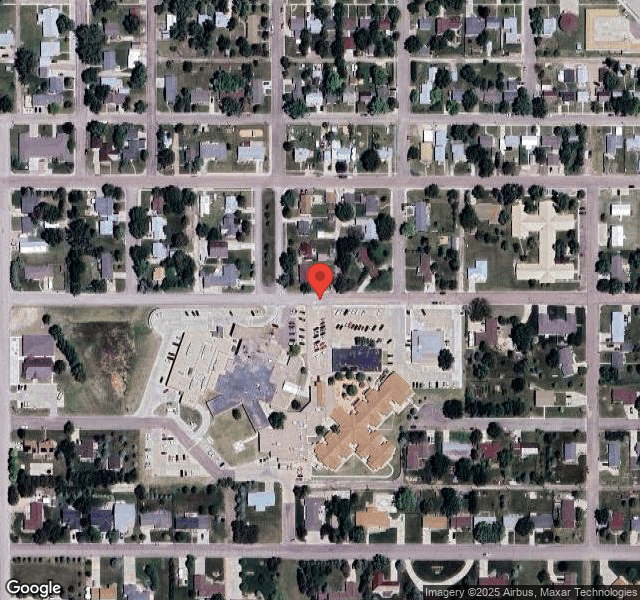
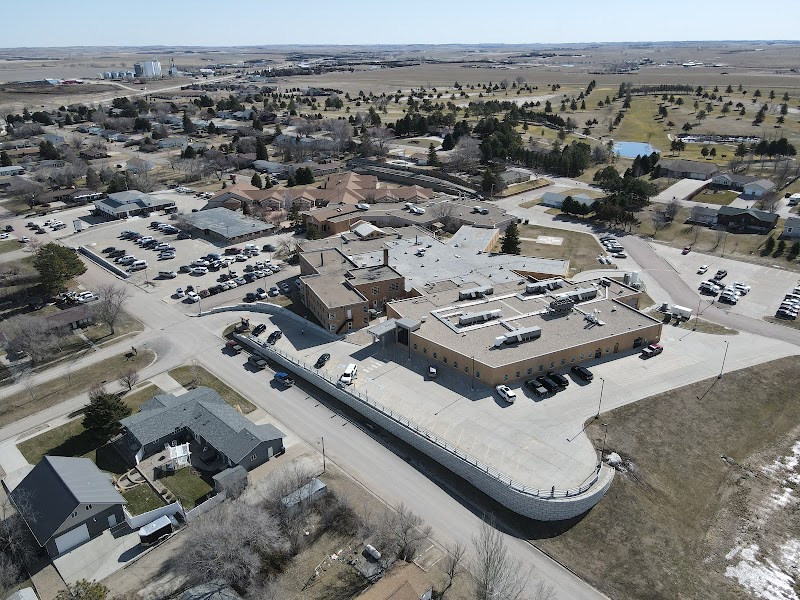
805 E 8TH ST, WINNER, SD 57580 (605) 842-7200
Non profit - Corporation 60 Beds Independent Data: November 2025
Trust Grade
38/100
#71 of 95 in SD
Last Inspection: December 2024

Within standard 12-15 month inspection cycle. Federal law requires annual inspections.

Overview

Winner Regional Healthcare Center has received a Trust Grade of F, indicating significant concerns about the facility's overall quality and safety. Ranked #71 out of 95 in South Dakota, this places them in the bottom half of nursing homes in the state, although they are the only option in Tripp County. The facility is showing signs of improvement, reducing issues from 2 in 2024 to 1 in 2025, but still has a high staff turnover rate of 77%, which is concerning compared to the state average of 49%. Staffing is a relative strength with a rating of 4 out of 5 stars, yet there is less RN coverage than 82% of South Dakota facilities, potentially impacting care quality. Specific incidents include a resident falling from a wheelchair and fracturing her arm due to improper safety measures, and ongoing concerns about staff education on abuse and neglect, indicating a need for better oversight and training. While the facility has strengths in staffing, the overall quality remains below average, with several serious concerns that families should carefully consider.

Trust Score
F
38/100
In South Dakota
#71/95
Bottom 26%
Safety Record
Moderate
Needs review
Inspections
Getting Better
2 → 1 violations
Staff Stability
⚠ Watch
77% turnover. Very high, 29 points above average. Constant new faces learning your loved one's needs.
Penalties
✓ Good
$13,039 in fines. Lower than most South Dakota facilities. Relatively clean record.
Skilled Nurses
✓ Good
Each resident gets 48 minutes of Registered Nurse (RN) attention daily — more than average for South Dakota. RNs are trained to catch health problems early.
Violations
⚠ Watch
18 deficiencies on record. Higher than average. Multiple issues found across inspections.
★★☆☆☆
2.0
Overall Rating
★★★★☆
4.0
Staff Levels
★☆☆☆☆
1.0
Care Quality
★★★☆☆
3.0
Inspection Score
Stable
2024: 2 issues
2025: 1 issues

The Good

  • 4-Star Staffing Rating · Above-average nurse staffing levels
  • Full Sprinkler Coverage · Fire safety systems throughout facility
  • No fines on record

Facility shows strength in staffing levels, fire safety.

The Bad

2-Star Overall Rating

Below South Dakota average (2.7)

Below average - review inspection findings carefully

Staff Turnover: 77%

31pts above South Dakota avg (46%)

Frequent staff changes - ask about care continuity

Federal Fines: $13,039

Below median ($33,413)

Minor penalties assessed

Staff turnover is very high (77%)

29 points above South Dakota average of 48%

The Ugly 18 deficiencies on record

1 actual harm
May 2025 1 deficiency
CONCERN (D) 📢 Someone Reported This

A family member, employee, or ombudsman was alarmed enough to file a formal complaint

Potential for Harm - no one hurt, but risky conditions existed

Deficiency F0657 (Tag F0657)

Could have caused harm · This affected 1 resident

**NOTE- TERMS IN BRACKETS HAVE BEEN EDITED TO PROTECT CONFIDENTIALITY** Based on South Dakota Department of Health (SD DOH) complaint report review, record review, and interview, the provider failed t...

Read full inspector narrative →
**NOTE- TERMS IN BRACKETS HAVE BEEN EDITED TO PROTECT CONFIDENTIALITY** Based on South Dakota Department of Health (SD DOH) complaint report review, record review, and interview, the provider failed to ensure care plans were reviewed and revised to reflect the current care needs of two of two sampled residents (1 and 2): *One of one sampled resident (1) with verbally aggressive behaviors. *One of one sampled resident (2) vulnerable to verbal aggression from her roommate. Findings include: 1. Review of the 1/28/25 SD DOH complaint report revealed a resident with dementia (1) was physically aggressive with staff. *He had an alarm placed. -The report did not identify where, why, or what type of alarm had been placed. *An anonymous staff member was afraid that the alarm would not prevent the resident from going after other residents and staff. Review of resident 1's medical record revealed: *He was admitted on [DATE]. *His 4/7/25 Brief Interview of Mental Status (BIMS) assessment score was 1, which indicated he had severe cognitive impairment. *His diagnoses included: dementia, psychotic disturbance, mood disturbance, and anxiety. *His nurse progress notes indicated: -On 3/29/25, Resident was yelling at his [roommate]. -On 5/16/25 at 12:45 p.m., resident 1, while in his room, was cussing and yelling at a staff member. His roommate asked him to please stop cussing and allow staff to help him. Resident 1 told his roommate, Shut the hell up or I will slap . -On 5/16/25 at 6:11 p.m., resident 1 was very agitated, and he cussed at his roommate. *His current care plan reviewed on 5/20/25 did not include that: -He was verbally aggressive to his roommate or to staff. -He had any aggressive behaviors, or interventions for staff to implement to address his behaviors. 2. Review of resident 2's medical record revealed: *She was admitted on [DATE]. *Her 4/7/25 BIMS assessment score was a 13, which indicated her cognition was intact. *Her diagnoses did not include any mental health diagnoses. *Her nurse progress notes indicated that on 4/14/25 her roommate had been observed to holler at her on occasion. Her family was aware and had chosen not to move her to another room. *Her current care plan, reviewed on 5/20/25, did not include that she was vulnerable to verbal aggression by her roommate or any interventions for staff to implement to address or limit that vulnerability. 3. Interview on 5/20/25 at 4:30 p.m. with director of social services (DSS) C revealed: *The facility utilized a contracted service to complete the Minimum Data Set (MDS) assessment (used to evaluate a resident's health status and to develop an individualized care plan to manage the resident's care needs) while a new MDS coordinator was being trained. *She confirmed that resident 1's care plan did not include his aggressive behaviors or interventions to address those behaviors. *She confirmed that resident 2's care plan did not include her vulnerability to verbal aggression from her roommate or any interventions to address that vulnerability. *She would absolutely expect to see those issues identified in resident 1 and resident 2's care plans. *She stated the care plans were not revised due to a lapse between me and the MDS nurse. 4. Interview on 5/21/25 at 11:33 a.m. with director of nursing (DON) B regarding care plans revealed: *She confirmed that resident 1's care plan did not reflect his aggressive behaviors. *She confirmed that resident 2's care plan did not address her vulnerability to verbal aggression from her roommate. *She stated that she and the MDS nurse shared responsibility for those care plans not having been revised to reflect residents' current care needs. *She agreed that care plans should reflect the residents' current needs and interventions to address those needs.
Dec 2024 2 deficiencies
CONCERN (D)

Potential for Harm - no one hurt, but risky conditions existed

Respiratory Care (Tag F0695)

Could have caused harm · This affected 1 resident

**NOTE- TERMS IN BRACKETS HAVE BEEN EDITED TO PROTECT CONFIDENTIALITY** Based on observation, interview, record review, and policy review, the provider failed to ensure: *One of one resident (9) recei...

Read full inspector narrative →
**NOTE- TERMS IN BRACKETS HAVE BEEN EDITED TO PROTECT CONFIDENTIALITY** Based on observation, interview, record review, and policy review, the provider failed to ensure: *One of one resident (9) receiving oxygen had appropriate exchange and maintenance of the cannula. *One of one resident (27) receiving oxygen at night had a current physician order for use and was care planned. Findings include: 1. Observation and interview on 12/17/24 at 9:57 a.m. with resident 9 in her room revealed: *She was seated in her wheelchair. *Her oxygen nasal cannula tubing connected to her oxygen concentrator was dated in black ink 9/5/24. *She stated she used her nasal cannula at nighttime. Observations on 12/18/24 and 12/19/24 revealed resident 9's oxygen nasal cannula tubing was dated 9/5/24. Interview on 12/18/24 at 9:27 a.m. with registered nurse (RN) H regarding changing resident oxygen tubing revealed: *The night shift staff were expected to change oxygen tubing weekly. *There were labels they could use on the oxygen tubing. *Staff were to document in the residents' charts who used oxygen when they had changed the oxygen tubing. Review of resident 9's electronic medical record (EMR) revealed: *She was admitted on [DATE]. *Her Brief Interview for Mental Status (BIMS) assessment score was 8, meaning she was moderately cognitively impaired. *Her diagnoses included: -Chronic diastolic congestive heart failure. -Dependence on supplemental oxygen. -Intervertebral disc degeneration. -Chronic atrial fibrillation (a heart arrhythmia that causes the upper chambers of the heart to beat irregularly and quickly). *A physician's order for 2 liters of oxygen by nasal cannula every night dated 5/9/24. *A physician's order to change oxygen and nebulizer tubing once a week on Sundays during the night shift dated 8/6/23. *The changing of her oxygen tubing once a week on Sunday night shifts had been documented as complete by staff on 12/1/24, 12/8/24, and 12/15/24. Interview on 12/19/24 at 9:01 with director of nursing (DON) B regarding resident 9's oxygen tubing revealed: *She confirmed that residents' oxygen tubing was to be changed weekly on Sunday by the night nurses. *She agreed based on the above observations of resident 9's oxygen tubing that it had not been changed since 9/5/24. *She stated they do not perform chart audits or supervise staff to ensure they are performing and documenting oxygen tubing changes correctly. 2. Observation and interview on 12/17/24 at 12:24 pm of resident 27 her room revealed: *There was an oxygen concentrator with tubing and cannula attached. -There was no visible indication of a dating mechanism for changing the tubing. *She used oxygen at night when she needed it. -She thought the oxygen flow rate was about 2 liters. -She thought they changed the tubing weekly but she wasn't sure. Review of resident 27's electronic medical record (EMR) revealed: *The Medical Administration Record (MAR) did not reference her use of oxygen. *The Treatment Administration Record (TAR) contained no tasks related to oxygen equipment maintenance or changing of equipment such as oxygen tubing or cannula. *There was no physician order for the use of oxygen. *The care plan did not indicate that resident 27 used oxygen. *There was no indication on the pocket care plan that was used each day by certified nurse aides that resident 27 used oxygen. Interview with director of nursing (DON) B on 12/19/24 at 10:13 am regarding residents' use of oxygen revealed: *Use of oxygen required a physician's order. *She would have expected that oxygen use would have been documented in transfer orders received from hospital. -Staff were to ensure that orders were entered in the resident's EMR. -Staff were to enter the associated tasks including tubing changes in the resident's TAR. -Oxygen use was to be addressed in the resident's care plan. Review of the provider's 2/2020 Cleaning of Oxygen and Nebulizer Equipment policy revealed: *Nebulizer masks, cannulas, tubing are changed weekly. *Weekly, as assigned on the duties schedule, the charge nurse or designee replaces all oxygen masks, cannulas, and tubing.
CONCERN (E)

Potential for Harm - no one hurt, but risky conditions existed

Deficiency F0700 (Tag F0700)

Could have caused harm · This affected multiple residents

**NOTE- TERMS IN BRACKETS HAVE BEEN EDITED TO PROTECT CONFIDENTIALITY** Based on observation, interview, record review, and policy review the provider failed to ensure side rail assessments were compl...

Read full inspector narrative →
**NOTE- TERMS IN BRACKETS HAVE BEEN EDITED TO PROTECT CONFIDENTIALITY** Based on observation, interview, record review, and policy review the provider failed to ensure side rail assessments were completed for safe and appropriateuse for three of seven sampled residents (1, 9, and 14) wh used them for repositioning. Findings include: 1. Observation and interview on 12/17/24 at 10:47 a.m. with resident 14 in her room revealed: *She was seated in her wheelchair. *Her bed hadside rails on the top half of each side (bilateral) of her bed. *She stated she used the side rails to move around in bed. Review of resident 14's electronic medical record (EMR) revealed: *She was admitted on [DATE]. *Her Brief Interview for Mental Status (BIMS) score was 14, meaning she was cognitively intact. *She had diganoses of: -Nondisplaced comminuted fracture of left patella (kneecap). -Parkinson's disease. -Pneumonia. *An order dated 5/8/24 for her to use side rails to bilateral sides of the bed, to aid her in self mobility and repositioning while in bed. *A 1/4 rail and side rail rationale and safety screen was completed on 5/7/24. *No other safety screens or assessments were completed for the use of the side rails. 2. Observation and interview on 12/17/24 at 9:57 a.m. with resident 9 in her room revealed: *She was seated in her wheelchair. *The top half of her bed had bilateral side rails. *She stated she used the side rails and loved them. Review of resident 9's EMR revealed: *She was admitted on [DATE]. *Her BIMS assessment score was 8, meaning she was moderately cognitively impaired. *A 1/4 rail and siderail rationale and safety screen was completed on 7/29/23. *She had a current physicians order for a side rail. *No other safety screens or assessments were completed for the use of the side rail. 3. Observation and interview on 12/17/10:22 a.m. with resident 1 in her room revealed: *She was seated in her motorized wheelchair. *The top half of her bed had a side rail on the left side of her bed. *She stated she used her side rail at night to help her turn. *She stated she had been living at the facility for seventeen years. Review of resident 1's EMR revealed: *She was admitted on [DATE]. *Her BIMS assessment score was 15, meaning she was cognitively intact. *A side rail use assessment was completed on 3/6/2019. *She had a current physicians order for a side rail. *An alarm/side rail/restraint consent for use was signed on 9/9/2022. *No other safety screens or assessments were completed for the use of a side rail. Interview on 12/19/24 at 8:16 a.m. with assistant director of nursing (ADON) C regarding side rail assessments revealed the therapy department completed the assessments for the side rails. Interview on 12/19/24 at 8:39 a.m. with physical therapist L regarding side rail assessments revealed: *The therapy department did the initial assessments. *The nursing department was responsible for completing the quarterly assessments. Interview on 12/19/24 at 9:32 a.m. with director of nursing (DON) B regarding side rail assessments revealed: *She had identified the quarterly side rail assessments were an issue. *The therapy department completed the initial assessments. *The nursing department was responsible for the quarterly assessments. *She agreed the quarterly assessments were not being completed. Review of the provider's 6/2021 side rail policy revealed: *Each resident will maintain his/her highest practical level of well-being in an environment that prohibits the use of side rail for discipline or to restrict movement and limits side rail use to circumstances in which the resident has been evaluated for transfers and safety with use of side rails to enhance mobility. *10. A side rail assessment will be completed by therapy and/or nursing when there is a desire expressed by the resident or need reported by the nursing staff. *11. Physicians orders for type and number of side rails will be obtained prior to placing the side rail on the bed. *12. A side rail assessment form will be completed quarterly and prn by the MDS coordinator or designee in conjunction with OBRA MDS's and prn for use or desired change.
Nov 2023 1 deficiency
CONCERN (E) 📢 Someone Reported This

A family member, employee, or ombudsman was alarmed enough to file a formal complaint

Potential for Harm - no one hurt, but risky conditions existed

Deficiency F0943 (Tag F0943)

Could have caused harm · This affected multiple residents

Based on review of provider's South Dakota Department of Health (SDDOH) online self-report of neglect, interviews, and policy review, the provider failed to ensure their corrective action regarding al...

Read full inspector narrative →
Based on review of provider's South Dakota Department of Health (SDDOH) online self-report of neglect, interviews, and policy review, the provider failed to ensure their corrective action regarding all staff educated on abuse and neglect in a timely manner. 1. Review of the SDDOH provider's self-report of neglect allegation intake number SD00002095 revealed the corrective action included that the provider was to educate all staff on abuse and neglect by 11/8/23. Interview on 11/20/23 at 2:04 p.m. with licensed social worker C regarding corrective action of employee education relating to abuse and neglect revealed she: *Had become aware of the allegation of neglect on 11/1/23, after returning from a vacation. -She submitted the online self-report of neglect to the SDDOH. *Had educated Administrator A and Director of nursing (DON) B on abuse, neglect, and reporting requirements on 11/1/23. *Was aware the corrective action for this self-report of neglect had included providing education to all employees by 11/8/23. *Had educated 12 of 37 employees on 11/14/23 about abuse and neglect. *Had not educated any additional employees. -She had not had time to provide the education. Interview on 11/20/23 at 1:46 p.m. with DON B regarding corrective action of employee education relating to abuse and neglect revealed she: *Was familiar with the SD DOH online reporting system. *Was aware the self-report for neglect submitted to this system on 11/1/23 included the corrective action of education to all employees on abuse and neglect by 11/8/23. *Had provided training to all nursing employees during morning huddles. -There was no documentation to support this education had occurred. *She confirmed there was no documentation to support all employees had received education on abuse and neglect by 11/8/23. Interview on 11/20/23 at 4:15 p.m. with employees D, E, F, and G regarding abuse and neglect education revealed: *Employees D, E, and F received education on abuse and neglect on 11/14/23. *Employee G had not received that education. -She was an agency employee. -Her agency had provided abuse and neglect education to her on 9/27/23, prior to her contract with the provider. -She had not received abuse and neglect education from the provider. Review of the provider's revised 12/2021 Abuse Prohibition policy revealed: *Reporting and Response. -d. The Administrator, D.O.N. [director of nursing], Social Worker or other designated person will provide a written report of the results of all abuse investigations and appropriate action taken to the state survey and certification agency . -f. The corrective actions to be implemented and monitored by Administrator, D.O.N., Social Worker or other designated person. Interview on 11/20/23 at 4:30 p.m. with administrator A regarding corrective action of employee education relating to abuse and neglect revealed: *Was aware the corrective action for this self-report of neglect had included providing education to all employees by 11/8/23. *Confirmed there was no documentation to support all staff had received that education. *Confirmed the corrective action had not been fully implemented.
Aug 2023 8 deficiencies 1 Harm
SERIOUS (G)

Actual Harm - a resident was hurt due to facility failures

Accident Prevention (Tag F0689)

A resident was harmed · This affected 1 resident

Based on observation, interview, record review, and policy review, the provider failed to ensure the safety of one of one sampled resident (18) prior to pushing the resident in her wheelchair without ...

Read full inspector narrative →
Based on observation, interview, record review, and policy review, the provider failed to ensure the safety of one of one sampled resident (18) prior to pushing the resident in her wheelchair without placing foot pedals to elevate her feet off the floor, and that resulted in the resident falling out of the wheelchair and fracturing her left arm. Findings include: 1. Observation and interview on 8/22/23 at 10:25 a.m. with resident 18 revealed: *She had a cast on her left arm. *When asked about how she got the cast, she stated that she had fallen and broke her arm. *She winced in pain when moving her arm and stated it was quite painful at times. -She indicated she had just taken some pain medication and was waiting for it to start working. -The pain was manageable with the help of her pain medication. Interview on 8/24/23 at 10:35 a.m. with licensed practical nurse R about resident 18's fractured left arm revealed: *Resident 18 usually propelled herself throughout the building in her wheelchair. *She had not witnessed the fall, but she had received a report of the incident. Interview on 8/24/23 at 10:47 a.m. with CNA N about resident 18's fall revealed she: *Was not working when the incident occurred. *Confirmed that after the fall, therapy was consulted. *Therapy recommended a certain style of foot pedals for the wheelchair resident 18 was using. Interview on 8/24/23 at 10:56 a.m. with director of nursing B about resident 18's incident revealed: *Resident 18 was usually independent with propelling herself in her wheelchair, and that was the reason she had not been assessed for the use of wheelchair foot pedals. *The fall happened on 8/12/23. *On that day, CNA S noticed that resident 18 was taking longer than usual to propel herself back to her room after the evening meal. -CNA S asked the resident if she wanted a ride back to her room. -There were no foot pedals available for the resident to rest her feet on. -Resident 18 lifted her legs up so they would not drag on the floor. -While CNA S was pushing the resident back to her room, resident 18 suddenly put her feet down. -Resident 18's feet were pulled underneath the wheelchair, and she fell face-forward out of her wheelchair to the floor. -She braced herself with her arms. *After the fall, the staff had completed the following: -Assessed her using the fall protocol. -Confirmed she was not experiencing pain. -Contacted the resident's physician and family members. -Initiated neurological checks per protocol. *Several hours after the fall, staff noted that resident 18's left hand and forearm were swollen, and she experienced pain upon movement. -At that time, she was taken to the emergency room for assessment. *X-rays confirmed she had broken her arm. *DON B confirmed that prior to the incident, they had no policy regarding safety protocols when pushing a resident in a wheelchair. *She had since created a wheelchair foot pedal policy. *She ordered new bags to have been placed on the back of all wheelchairs to store the foot pedals when not in use. *She re-educated all staff during the daily huddles about the new policy, and what procedures staff had to do prior to pushing a resident in a wheelchair. *She had not documented who had attended the daily huddles to ensure each staff member was educated. *She had not initiated any audits to ensure staff were compliant with the new policy. Interview on 8/24/23 at 12:26 p.m. with DON B and social worker H about resident 18's incident revealed: *Occupational therapists (OT) would recommend types of foot pedals for a resident's wheelchair. *They confirmed resident 18 had not been assessed by OT prior to her accident because she had propelled herself independently in her wheelchair. -The staff had not wanted to always leave the foot pedals on her wheelchair due to the risk of residents or staff tripping over them or causing damage to walls. -They had no storage bags for all the resident's foot pedals but had ordered them for all the residents who used wheelchairs. *When asked how they were monitoring for compliance that all the residents had foot pedals in place when being pushed, they stated that resident 18 was the only one they were monitoring. Review of resident 18's electronic medical record revealed: *Her care plan had not been updated to include the use of foot pedals while assisting the resident with locomotion in her wheelchair. *Her most recent Brief Interview for Mental Status score was assessed at 4, indicative of severe cognitive impairment. *A progress note from 8/12/23 read, Per CNA assigned to resident, as resident was being pushed in wheelchair from supper, legs got caught under wheelchair and resident fell forward out of her chair. Abrasion to forehead and nose. VSS [vital signs stable], resident denied pain when asked. Neuro-checks initiated. MD [medical doctor] and DON notified. Attempted to contact POA [power of attorney] [name redacted] but no answer and voicemail full. *A progress note from 8/13/23 at 3:36 a.m. read, Resident has a edematous bruise on her L [left] hand at the middle finger. *Another progress note from 8/13/23 at 11:42 a.m. read, Resident with noted swelling to left wrist. Warm to to the touch and tender when palpated. Limited ROM [range of motion]. Call placed to on call provider in ER [emergency room] and resident sent over for X-ray. *8/13/23 progress note from 2:07 p.m. read, X-ray revealed closed fracture of distal end of left radius . *There was a therapy note from 8/14/23 which read, OT put pedals on [resident 18's] w/c [wheelchair] this morning as unable to find any in her room. Pedals should always be used when pushing any resident. *Another therapy note from 8/18/23 read, OT placed a calf board on resident's w/c due to recent fall incident as she is having more difficulty keeping her feet on the pedals and putting her feet on the ground when being pushed was the cause of her fall. Will monitor response. Resident was very receptive to this change as she has not been propelling her own w/c due to the cast on her arm. Review of the provider's Department of Health Required Healthcare Facility Event Reporting revealed: *In the final report and investigation submitted, the provider indicated that the DON has educated [CNA S] and all staff regarding utilizing foot rests when transporting a resident. -Occupation Therapy added foot rests to [resident 18's] wheelchair .[Resident 18] did not usually have foot rests on her wheelchair as she self propels herself often. -[Resident 18's] care plan did not address the foot pedals. -There was a not a policy in place regarding wheelchair foot pedals prior to this incident, there is now a new policy moving forward that all residents need to have foot pedals on their wheelchair if they are pushed. Review of the provider's 8/22/23 Wheelchair Transports policy revealed: *The policy had not addressed: -The need for therapy to assess the resident for the type of foot pedal. -The use of the foot pedal storage bags. -The procedure for installing the foot pedals. -The procedure for ensuring resident safety prior to staff pushing the resident in a wheelchair. *The purpose of the policy was to provide safe transports via wheelchair. *Under the Equipment section: -1. Wheelchair -2. Footrest Pedals *Under the Procedure section: -1. When patients are being transported via wheelchair, foot pedals must be in place and utilized.
CONCERN (D)

Potential for Harm - no one hurt, but risky conditions existed

Resident Rights (Tag F0550)

Could have caused harm · This affected 1 resident

Based on observation, interview, policy review, and resident right's review, the provider failed to protect a resident's rights to privacy and a dignified existence during one of one observed resident...

Read full inspector narrative →
Based on observation, interview, policy review, and resident right's review, the provider failed to protect a resident's rights to privacy and a dignified existence during one of one observed resident care when certified nursing assistant (CNA) (T) was using her personal cell phone while one of one sampled resident (17) was using the bathroom. Findings include: 1. Observation on 8/24/23 from 9:23 a.m. to 9:32 a.m. in the special care unit (SCU) revealed: *CNA T was standing in resident 17's room. -The door to the bathroom was open, and her back was facing the bathroom. -Resident 17 was using the bathroom. *CNA T was on her personal cell phone. -Audio from videos and notification sounds from a messaging application was overheard. Interview at that time with CNA T about the above observation revealed: *She indicated that she had downloaded an application on her phone to answer and turn off call lights. -Her reason for doing that was because she had no radio or pager, and she was unsure where to have gotten one. -She stated she had used her personal cell phone to message one of her coworkers about bringing butt cream for resident 17. *She was a contracted travel CNA and had been at the facility for 13 weeks. *When asked about the call light application and if other staff used it, she stated that she was unsure if other staff members had used the same application. Interview on 8/24/23 at 9:56 a.m. with CNA P about how she communicated with staff revealed: *She was primarily the bath aide, and she answered resident call lights on occasion. *Staff used the radios to communicate with each other. -At the beginning of a shift, each staff member was to obtain a radio and a pager to use for that shift. -The equipment was in the employee charting room located behind the nurse's station. *The pagers were used to have located an activated call light. *It was the policy for staff not to have used a personal cell phone during working hours. -Staff could have used their cell phones on their breaks, or in emergent circumstances. *If she needed assistance from another staff member, they were to have used the provided radios. *She confirmed there was no cell phone application to answer or turn off call lights. Interview on 8/24/23 at 10:17 a.m. with CNA V about communication with other staff members revealed: *Staff were to use the radios to communicate with each other. *They were not allowed to use their personal cell phones during a shift, only on a break. -They could have their cell phone with them, however. *He confirmed there was no cell phone application to answer or turn off call lights. Interview on 8/24/23 at 10:18 a.m. with activities assistant L about cell phone use and the provider's radios revealed she: *Stated it was not appropriate for CNA T to have been using her personal cell phone while working with a resident. *Confirmed they recently started using new radios earlier that week. -CNA T had not known about the new radios. *Confirmed there was no cell phone application to answer or turn off call lights. Interview on 8/24/23 at 10:36 a.m. with licensed practical nurse R about communicating with other staff members revealed she: *Expected staff to use the provider's radios to communicate with each other. *Commented that it was not appropriate for CNA T to have used her cell phone to communicate with other staff members about a resident's care needs. *Confirmed there was no cell phone application to answer or turn off call lights. Interview on 8/24/23 at 10:44 a.m. with CNA N about communication with other staff members revealed: *They were allowed to carry their cell phones with them while on duty. *In dire situations, it was acceptable for a staff member to use their cell phones, but using the radios was the preferred method of communication. *She was the staffing coordinator. -She confirmed that CNA T had not been on the schedule since the new radios were implemented. *Usually there was a shift-to-shift report with updates about residents and any other pertinent information. *She was unsure if CNA T had been informed of the new radios. *She confirmed there was no cell phone application to answer or turn off call lights. Interview on 8/24/23 at 10:59 a.m. with director of nursing (DON) B about staff communication expectations revealed: *They recently started using new radios because the previous radios were outdated. *She confirmed they had enough radios for each staff member on duty. *When informed about CNA T using her cell phone while in a resident's room, she indicated that she was disappointed. -She recently had every staff member review and sign the cell phone use policy. *She confirmed that it was not appropriate for CNA T to have been using her personal cell phone to watch videos, or to communicate with other staff members about a resident's care needs via a messaging application. *She confirmed there was no cell phone application to answer or turn off call lights. Interview on 8/24/23 at 1:17 p.m. with administrator A about staff communication expectations revealed: *Cell phone use should have been limited to texting a provider or a manager. *Texting or calling from a cell phone was acceptable if the radios were not in reach of another staff member's radio. -He tried to limit a staff member's cell phone use to work-related items only. *His expectation was to not discuss a resident's identifying information over the radio. *He stated the situation with CNA T's cell phone use was inappropriate. Review of the provider's February 2020 Usage of Cell Phones and Other Personal Electronic Communication Devices policy revealed: *Under the Purpose section: -1. To clarify the appropriate usage of cell phones and other personal communication devices by Winner Regional Healthcare Center employees. -3. To prevent the loss of productivity that results from frequent interruptions. *Under the Policy section: -1. It is the policy of Winner Regional Healthcare Center that the use of cellular phones and other personal electronic communication devices including but not limited to Kindles, laptops, I-pads by employees is allowed only during designated breaks and only in the Employee Dining Room or outside the building. --Cellular phones and other personal communication devices are not to be used by employees in work areas unless authorized by the Department Manager. -2. Personal calls during working hours are strongly discouraged, regardless of phone used. --Cell phones are not to be carried on the job. --Cell phones are to be turned off, no vibration or low ring, before shift starts and as soon as breaks are over. -3. In the event of an emergency, employees may be contacted through the main switchboard. Review of the provider's undated document titled The ABCs of Resident's Rights revealed: *Every resident has the right to the following: -Dignity, privacy, and respect. Every resident has the right to be treated with consideration and respect for personal dignity, including the right to privacy in their living arrangements, personal care, medical care, communications, visits, and meetings. -Every resident has the right to exercise his or her rights without interference, coercion, discrimination, or punishment. -Guard confidentiality. Every resident has the right to confidential treatment of his or her personal and medical records.
CONCERN (D)

Potential for Harm - no one hurt, but risky conditions existed

Quality of Care (Tag F0684)

Could have caused harm · This affected 1 resident

Based on observation, interview, record review, and policy review, the provider failed to assess injuries of unknown origin for one of seventeen sampled residents (27) screened for non-pressure relate...

Read full inspector narrative →
Based on observation, interview, record review, and policy review, the provider failed to assess injuries of unknown origin for one of seventeen sampled residents (27) screened for non-pressure related skin injuries. The findings include: 1. Observation and interview on 8/22/23 at 10:17 a.m. with resident 27 revealed: *Multiple deep dark purple bruises on both of her top forearms and the back of her hands. *She thought they had developed when she hit her arms and hands. *She then motioned with her left hand and arm towards her chair armrest and the overbed table that was positioned on the left side of her chair. *She said her bruises don't hurt and denied that they were the result of staff causing the bruises. Review of resident 27's electronic medical record (EMR) revealed documentation regarding the risk for or presence of bruises on her arms or hands were not found in: *All progress notes documented between 7/24/23 and 8/22/23. *The care plan focuses or interventions, last reviewed on 8/3/23, including a focus of At risk for unintentional injuries related to a diagnosis of Parkinson's. *Three separate skin observation assessments completed by nurses on 8/10/23, 8/14/23, and 8/17/23. Further review of resident 27's EMR revealed: *Diagnoses of Parkinson's Disease and unspecified atrial fibrillation (A-fib). *A consultant pharmacist review dated 8/17/23 noted she received aspirin 81 milligrams (mg) every morning, and Based on discussions with family at time of diagnosis of A-fib, it was felt that risks > [were greater than] benefits of full anticoagulation due to her fall risk. Interview on 8/24/23 at 10:28 a.m. with director of nursing (DON) B revealed: *The presence of bruises should have been noted on the weekly skin observation assessments. *There had not been any risk management reports completed related to the bruises. *The DON had recently started doing audits of the skin observation assessments every week because they were not getting done. Review of the provider's Incident Reporting Guidelines policy, last reviewed 10.2021, revealed: *Incidents of unusual nature, suspected abuse .or an accident that causes injury to a resident shall be recorded. *The facility must have evidence that all alleged violations of abuse are thoroughly investigated . *Nurse's notes shall document the incident in sufficient details . *The following detail shall be recorded in the nurse's notes .b. Resident's physical condition identifying the presence/absence of swelling, bruises, lacerations, etc. [et cetera]. *It may be appropriate to take photographs of bruises, abrasions, and lacerations as a legal protection for the nursing facility.
CONCERN (D)

Potential for Harm - no one hurt, but risky conditions existed

Deficiency F0688 (Tag F0688)

Could have caused harm · This affected 1 resident

**NOTE- TERMS IN BRACKETS HAVE BEEN EDITED TO PROTECT CONFIDENTIALITY** Based on observation, interview, record review, and policy review, the provider failed to provide restorative nursing services f...

Read full inspector narrative →
**NOTE- TERMS IN BRACKETS HAVE BEEN EDITED TO PROTECT CONFIDENTIALITY** Based on observation, interview, record review, and policy review, the provider failed to provide restorative nursing services for two of seventeen sampled residents (24, 27) reviewed for concerns related to limited range of motion and/or decreased mobility. The findings include: 1. Observations with resident 24 revealed: *On 8/22/23 at 10:53 a.m. and at 3:09 p.m., she was on her back in bed rubbing her arms up and down under a blanket. *On 8/23/23 at 3:41 p.m., she was sitting up in a reclining wheelchair with her eyes closed and her arms and body covered with a blanket. She was not arousable when her name was spoken. A hand splint was setting on the overbed table positioned on the left side of the resident. Interview on 8/23/23 at 4:40 p.m. with certified nursing assistant (CNA) U revealed: *Resident 24 required total weight-bearing support of staff for bed mobility and transferring. *Restorative staff were responsible for putting the hand splint on resident 24. Interview and observation on 8/24/23 at 8:14 a.m. revealed: *As CNA P slowly lifted Resident 24's fingers away from the palm of her contracted left hand, she flinched and moaned several times. *The hand was clean and dry, but her nails were long and one had a broken jagged edge. *CNA P reported she had bathed resident 24 yesterday and had placed a washcloth in the palm of her hand when she was done. The washcloth was not in place, and CNA P glanced around the room to see if it was laying somewhere. *Two different styles of hand splints were on the overbed table next to the resident in the room. *CNA P reported that the restorative staff would put those splints in place after the range of motion exercises. *There had not been any restorative staff for quite some time, but resident 24's contracted hand had not gotten any worse. Interview on 8/24/23 at 10:33 a.m. with director of nursing (DON) B revealed: *A new restorative nurse was hired and would be start employment soon. *There had not been any staff assigned to the restorative nursing program during the position vacancy. *Nail care should have been done during the resident's bathing. Review of resident 24's electronic medical record (EMR) revealed: *The most recent restorative program note was dated 2/28/2022. *The Minimum Data Set (MDS) assessments on 4/28/23 and 7/25/23 revealed : -Resident 24 required extensive weight-bearing support of two persons for bed mobility and transferring. -She had a functional limitation in range of motion (ROM) of upper and lower extremities on both sides of her body. -No restorative minutes were recorded for ROM or splint/brace assistance. *The care plan, last reviewed on 8/10/23, included the focuses of: -Restorative ROM program, initiated on 3/2/22, with interventions for the restorative nursing assistant (RNA) to notify nurse if gentle ROM exercise causes [name] pain, and skills training and practice 15-30 minutes per day. -Restorative (splinting) for a hand cone to the left hand, with interventions for the RNA and CNA to encourage her to participate in Range of Motion exercises, Look for red areas when splint is removed, and trim [name] nails regularly. *There was no data found in the past 30 days since 8/23/23 for the restorative tasks of ROM and Splint/Brace Assistance (Left Hand) Wear PRN [as needed] AM [morning] and PM [afternoon]. *The bathing task was documented as completed on 8/23/23. 2. Observation and interview on 8/22/23 at 10:17 a.m. with resident 27 revealed she would have liked to walk more in the hallway, but when staff answer her call light, some staff don't come back to walk with me. Review of resident 27's EMR revealed: *The admission MDS assessment dated [DATE] coded her as: -Needing one staff person to provide weight-bearing support when walking in her room or in the corridor. -Believing she was capable of increased independence with activities of daily living. Direct care staff was coded as believing she was capable of increased independence. *The care plan, last reviewed on 8/3/23, included two focuses of physical mobility impaired related to weakness and Parkinson's Disease, but there were no interventions related to the resident's walking mobility. *There was no data found for the restorative walking task in the past 30 days since 8/23/23. *The walk in room task was documented as completed 22 out of 30 days since 8/23/23. *The walk in corridor task was documented as completed 19 out of 30 days since 8/23/23. Interview on 8/24/23 at 10:33 a.m. with DON B revealed she was looking forward to starting a walk to dine program with the new restorative nurse. 3. Review of the provider's policy, Restorative Nursing Policy, reviewed on 02.2020, revealed: *It is the policy of this facility that a resident is given the appropriate treatment and services to maintain or improve his or her abilities, as indicated by the resident's comprehensive assessment, to achieve and maintain the highest practicable outcome. *The procedures included: -General restorative nursing care is that which does not require the use of a qualified professional therapist. -Nursing personnel are trained in restorative nursing care. -Restorative nursing care is performed according to the resident's functional assessment. Such a program includes, but is not limited to: --Assisting residents with ambulation. --Assisting resident with their routine range of motion exercises.
CONCERN (E)

Potential for Harm - no one hurt, but risky conditions existed

Safe Environment (Tag F0584)

Could have caused harm · This affected multiple residents

Based on observation, interview, and policy review, the provider failed to provide a homelike experience in two of two dining rooms that had the potential to affect all residents. Findings include: 1...

Read full inspector narrative →
Based on observation, interview, and policy review, the provider failed to provide a homelike experience in two of two dining rooms that had the potential to affect all residents. Findings include: 1. Observation on 8/22/23 at 11:49 a.m. in the special care unit dining room revealed that CNA W was placing clothing protectors on the residents without asking or explaining the process to the residents. 2. Observation on 8/22/23 at 12:12 p.m. in the main dining room revealed: *All residents, except one resident, were wearing clothing protectors. *Certified nursing assistant (CNA) V walked up to the resident without a clothing protector on and asked if she wanted help putting it on. *The resident explained she would use it if she needed to but had not wanted to put it on. Observations on 8/23/23 at 11:20 a.m. revealed clothing protectors were setting on the dining room tables at each chair. Observations on 8/23/23 at 11:20 a.m. revealed clothing protectors had been placed on the dining room tables at each chair. Interview on 8/23/23 at 11:23 a.m. with dietary manager (DM) E revealed: *She started two months ago as a new employee. *Clothing protectors were routinely placed on the dining room tables before each meal. *She would have liked to change the dining room appeal, including the use of clothing protectors for the residents. *She felt the clothing protectors were not attractive. Observation on 8/23/23 at 4:30 p.m. revealed the resident's clothing protectors were positioned on the dining room tables at each chair in the main dining room. Interview on 8/23/23 at 5:30 p.m. with social worker (SW) H revealed: *She had been employed as the provider's SW for 5 years. *The clothing protectors were placed on the tables at each person's assigned seat prior to the residents arriving for the meal. *There had been an attempt to remove the use of the clothing protectors a couple of years ago, but the residents wanted them back. The provider was requested to provide a policy related to a homelike dining process. Review of the provider's policy, Open Dining Within Long Term Care, date reviewed 03.2016, revealed: *Policy: Residents will have choice related to what they are going to eat, when they are going to eat, and where and with whom they will be seated and served. *Procedure number 6: When seating a Resident in the dining room, a staff member will first sanitize hands, then take their meal order, proceed to the serving line . *There was no procedure regarding the use of the clothing protectors.
CONCERN (E)

Potential for Harm - no one hurt, but risky conditions existed

Deficiency F0655 (Tag F0655)

Could have caused harm · This affected multiple residents

**NOTE- TERMS IN BRACKETS HAVE BEEN EDITED TO PROTECT CONFIDENTIALITY** Based on record review, interview, and policy review, the provider failed to ensure: *Three of six sampled residents recently ad...

Read full inspector narrative →
**NOTE- TERMS IN BRACKETS HAVE BEEN EDITED TO PROTECT CONFIDENTIALITY** Based on record review, interview, and policy review, the provider failed to ensure: *Three of six sampled residents recently admitted (29, 86, 136) had a baseline care plan established and reviewed with the resident, their representative, or their responsible family member. *One of six sampled residents recently admitted (33) had a baseline care plan established and reviewed within 48 hours of admission with the resident, their representative, or their responsible family member. Findings include: 1. Review of resident 29's electronic medical record (EMR) revealed: *He was admitted on [DATE]. *There was a Baseline Care Plan assessment from 6/13/23. -The only section that had been completed was the Dietary / Nutritional Status. -The only staff person who had signed the assessment was the registered dietitian. Review of resident 86's EMR revealed: *She was admitted on [DATE]. *There was no Baseline Care Plan assessment completed. *There was a care plan from a previous stay in February 2022, but there was no new care plan initiated since her readmission. Review of resident 136's EMR revealed: *She was admitted on [DATE]. *There was no Baseline Care Plan assessment completed. *Her comprehensive care plan had been initiated on 8/18/23. Review of resident 33's EMR revealed: *She was admitted on [DATE]. *There was a Baseline Care Plan assessment from 7/30/23. -There were no staff, resident, or resident representative signatures to indicate who had participated in developing the care plan. Interview on 8/23/23 at 2:08 p.m. with director of nursing (DON) B about the above baseline care plans revealed: *They used an assessment form for baseline care plans. *She confirmed there was no baseline care plan completed for residents 29, 86, or 136, and the baseline care plan for resident 33 was completed late. *She understood that the baseline care plans should have been completed and reviewed with the resident and their representative within 48 hours of a resident's admission. Interview on 8/23/23 at 3:05 p.m. with social worker H about baseline care plans revealed: *She had met with the administrator and the DON within the past two weeks and identified the issue with the baseline care plans and the comprehensive care plans. *The previous Minimum Data Set (MDS) coordinator had been responsible for organizing the development of the care plans. *It had been several months since the previous MDS coordinator had left. -The current MDS coordinator worked remotely, and the responsibility for the care plans had fallen by the wayside. -The nurses were to have been participating in the development of the care plans. *Since the administrator and the DON were new to their positions within the past couple of months, she had been in fight or flight mode and care plans had not been prioritized. *When residents were admitted to the facility, they would still sit down with the resident and their families to discuss the resident's goals and needs, however, those conversations had not been documented. Review of the provider's February 2020 Care Plans: Preliminary, Comprehensive and Reviews policy revealed: *Under the POLICY section: -1. Winner Regional Health LTC [long term care] shall assure each resident has a preliminary care plan developed at admission to address immediate care needs. *Under the PROCEDURE for PRELIMINARY CARE PLAN AT ADMISSION section: -1. The interdisciplinary team reviews the attending physician's admission orders (e.g., diet, medications, treatment, etc.) and implemented a nursing care plan to meet the resident's immediate care needs. -3. Preliminary care plans are used until the comprehensive care plan has been completed and address the following areas of care for the resident: --a. Problems - Any area of difficulty or concern that prevents the resident from reaching his/her fullest potential. Problems must be stated in behavioral and/or functional terms associated with the diagnoses or symptoms. --b. Strengths - Any positive aspects of the resident's overall physical, social, emotional or spiritual functioning as it relates to the problem. --c. Short/Long-term Goals - The desired outcome for the problem. Short/Long-term goals must be resident oriented, behaviorally stated, measurable, and include a time frame. --d. Approach - The specific action(s) or intervention(s) that the staff will take to assist the resident in meeting/achieving the short/long-term goal(s). --e. Time Frame - The time limit assigned to meet each goal.
CONCERN (E)

Potential for Harm - no one hurt, but risky conditions existed

Deficiency F0657 (Tag F0657)

Could have caused harm · This affected multiple residents

**NOTE- TERMS IN BRACKETS HAVE BEEN EDITED TO PROTECT CONFIDENTIALITY** 4. Observation on 8/22/23 at 12:29 p.m. of resident 29 during lunch in the special care unit (SCU) revealed: *When he was finish...

Read full inspector narrative →
**NOTE- TERMS IN BRACKETS HAVE BEEN EDITED TO PROTECT CONFIDENTIALITY** 4. Observation on 8/22/23 at 12:29 p.m. of resident 29 during lunch in the special care unit (SCU) revealed: *When he was finished with his meal, he wheeled himself back to his room. *There was a loud alarm-like beeping noise that came from his room. *CNA W ran to his room and shut the door behind her. *The beeping then stopped. Observation on 8/22/23 at 5:14 p.m. in the SCU revealed that resident 29 had a pressure alarm affixed to his wheelchair. Interview on 8/23/23 at 9:49 a.m. in the SCU with CNA N about pressure alarms revealed: *Staff would put a pressure alarm on a resident's wheelchair, chair, or in the bed if a resident had no safety awareness or if the resident was constantly trying to get up from their wheelchairs. *They would have gotten a physician's order prior to implementing the pressure alarm. *Generally, they would discontinue the pressure alarm once a resident became less mobile. Interview on 8/23/23 at 3:11 p.m. with SW H about resident 29's pressure alarm revealed: *His physician ordered the chair alarm due to his impulsivity and dementia. *He had not had any falls since implementing the pressure alarm. *She confirmed the pressure alarm had not been documented on his care plan. Review of resident 29's EMR revealed: *He was admitted on [DATE]. *He experienced a fall on 6/20/23. *There was a signed physician's order for a chair alarm on 6/20/23. *His care plan had not been updated to include the use of a pressure alarm. Review of the provider's June 2023 Bed and Chair Alarms policy revealed: *The policy statement read, Alarms will be utilized for residents based on their individual care plans. *The purpose statement had read, Purpose: To provide guidelines for staff regarding the use of bed alarms and chair alarms. *Under the Scope section: -Patients with confusion and dementia who may get out of a chair or bed without assistance. -Patients who demonstrate a potential for falling. -Patients who have a history of falling. -Patients that have scored moderate to high fall risk should be assessed for the need for alarm. 5. Interview on 8/22/23 at 2:53 p.m. with resident 15's father about communication with the provider revealed: *Staff used to call him about once per month to provide an update about his daughter, but that had since stopped *He was unable to visit the facility due to his physical limitations. *He relied on updates and phone calls from the provider due to his daughter's inability to communicate. *No staff from the facility had spoken with him in several months. The last time he remembered someone had called him about a medication change, and he had wondered if the change in medication had taken effect yet. *The staff had previously assisted resident 15 make a video call with him, but that was a year or two ago now. Interview on 8/23/23 at 3:18 p.m. with SW H about communicating with a resident's family revealed: *The nursing department would call the family with medical updates. *Care conferences had not been prioritized in the past several months due to staffing shortages. -They had been in fight or flight mode. *It was their policy to chart conversations with a resident's family or representative in the resident's EMR. Review of resident 15's EMR revealed: *The last time resident 15's father/power of attorney was contacted about his daughter was on 3/9/23. *On that day, social worker H had called him about the excess funds in resident 15's account and asked for consent to initiate a burial trust. Review of resident 15's care plan revealed the interventions related to communication with family were as follows: *Notify family of changes to medication regime. *Provide instruction to resident and family about their rights and how to address concerns. *Discuss with resident/family concerns or feelings regarding communication difficulty. *Communicate with the resident/family/caregivers regarding residents capabilities and needs. *Discuss concerns about confusion, disease process, NH placement with resident/family/caregivers. *Educate the resident/family/caregivers regarding expectations of treatment, concerns with side effects and potential adverse effects, evaluation, maintenance. *During the facilities visitor limitations make sure resident has access to phone calls from family and visitors, can do electronic visits as desired and has one on one activities offered and supported by the activities department. 6. Review of the provider's February 2020 Care Plans: Preliminary, Comprehensive and Reviews policy revealed: *Under the Policy section: -2. Following a comprehensive resident assessment, a comprehensive care plan shall be developed for each resident that includes measurable short term and long term goals and timetables to meet the resident's ongoing medical, nursing, activity, therapy and psychosocial needs. -3. The comprehensive care plan is developed within seven (7) days of the completion of the resident assessment or within twenty-one (21) days after the resident's admission, whichever occurs first. -4. Care plans shall be reviewed at least quarterly and with any change in the resident's condition. *Under the Procedure for comprehensive care plan section: -1. An interdisciplinary team, in coordination with the resident and his/her family or representative (sponsor), develops and maintains a comprehensive care plan for each resident. -2.PointClickCare shall always have the most updated care plan for each resident. -4. Care plans are revised as changes in the resident's condition dictates and reviewed at least quarterly. -5. The comprehensive care plan is designed to: --a. Incorporate identified problem areas and associated risk factors; --d. Reflect treatment goals and objectives in measurable outcomes; and --e. Enhance the optimal functioning of the resident. -6. The resident and family are encouraged to participate in the development of his/her care plan. *Under the Procedure for Periodic Review of Care Plans section: -1. The Care Planning Committee/Team is responsible for keeping care plans on a current status and for periodic review and updating of care plans: --a. When there has been a significant change in the resident's condition; --b. When the resident is admitted to facility; --c. 90, 180, 270, 360 days thereafter; and at least quarterly. -2. A 'significant change' is a decline or improvement in a resident's status that: --c. Requires interdisciplinary review and/or revision of the care plan. -3. Resident/family/legal representative is invited by phone or in person to attend care plan meetings. -4. Clinical record reflects resident/family/legal representative participation with signature in clinical record plan or social progress note. -6. A list of residents scheduled for care plan updates is published at the beginning of each month; meetings are limited to 90 minutes in length and are held on specific days/times of the week. -7. All disciplines are encouraged to update their progress notes prior to care plan meetings. Based on interview, record review, observation, and policy review, the provider failed to: *Review and revise the care plans for 3 of 13 sampled residents (24, 27, and 29) whose care plans were reviewed. *Include the resident or the resident's representative in the care planning process for 3 of 10 sampled residents (2, 15, and 27) who were interviewed about participation in the care planning process. The findings include: 1. Interview on 8/22/23 at 11:05 a.m. with resident 2 revealed she had not been invited to a care conference nor had talked with anyone about her care plan. Review of the electronic medical record (EMR) for resident 2 revealed: *Her admission date was on 11/17/21. *The care conference summary appeared in the assessment list quarterly since 11/30/21. *The assessment list for the care conference summary dated 11/10/22 displayed the status of complete, but attendance at meeting had no checkmarks including the resident, and the only section completed was from dietary. *Each of the care conference summaries dated 2/9/23, 5/4/23, and 6/1/23 displayed the status of in progress. Interview on 8/23/23 at 5:30 p.m. with social worker (SW) H revealed due to the absences of several director positions, including activities, dietary, and nursing, care plans had not been revised as needed and care conferences with the resident and/or family had not been held for quite some time. Interview on 8/24/23 at 10:38 a.m. with director of nursing (DON) B revealed she: *Started in the DON position less than two months ago. *Had not had an opportunity to get involved with resident care planning. *Was learning how to get into the EMR to view the care plans but had not yet learned how to enter care plan information. 2. Observations with resident 24 revealed: *On 8/22/23 at 10:53 a.m. and at 3:09 p.m.: -She was on her back in bed rubbing her arms up and down under a blanket. -The position of the bed was low to floor and a thick cushioned mat was on the floor beside the bed. *On 8/23/23 at 3:41 p.m.: -She was sitting up in a reclining wheelchair with her eyes closed and her arms and body covered with blanket. -She was not arousable when her name was spoken. -A hand splint was setting on the overbed table positioned on the left side of the resident. Interview on 8/23/23 at 2:31 p.m. with DON B revealed resident 24 had not had a fall but the low bed and floor mat were implemented to prevent injury when she moved around in bed. Interview on 8/23/23 at 4:40 p.m. with certified nursing assistant (CNA) U revealed: *Resident 24 required total weight-bearing support of staff for bed mobility and transferring, and she did not move around in bed. *Restorative staff were responsible for putting the hand splint on resident 24. Review of resident 24's EMR revealed the care plan, last reviewed on 8/10/23, included the following focuses: *Initiated on 5/25/21, monitor for seizures and injury related to seizure activity and at moderate risk for falls related to confusion, deconditioning, and gait/balance problems, with no interventions related to a low bed and floor mat beside the bed. *Initiated on 3/2/22: -Restorative range of motion (ROM) program, with interventions for the restorative nursing assistant (RNA) to notify nurse if gentle ROM exercise causes [name] pain, and skills training and practice 15-30 minutes per day. -Restorative (splinting) for a hand cone to the left hand, with interventions for the RNA and CNA to encourage her to participate in Range of Motion exercises, Look for red areas when splint is removed, and trim [name] nails regularly. Refer also to F688, finding 1. Interview on 8/23/23 at 5:30 p.m. with SW H revealed she could not remember why the low bed and floor mat were put into place for resident 24. 3. Observation and interview on 8/22/23 at 10:17 a.m. with resident 27 revealed: *Multiple deep dark purple bruises on both of her front forearms and hands. *She would like to walk more in the hallway, but when staff answer her call light, some staff don't come back to walk with me. *She thought staff talked with her daughter about her care plan, but it would be nice for them to meet with her, too. Review of resident 27's EMR revealed: *The most recent progress note communication - with family was dated 3/1/23. *The 6/7/23 quarterly Minimum Data Set (MDS) assessment coded her brief interview mental status as a score of 12, which indicated no cognitive impairment. *A health status note dated 7/24/23 indicated the resident returned from the hospital to the facility with the daughter. *A nursing note dated 7/27/23 indicated the daughter was informed of an order for therapy. *Four Plan of Care notes dated 8/2/23 by social worker H stated, Care plan has been reviewed and remains appropriate. *A Care Conference Summary dated 8/2/23 was noted as In Progress. There were no checkmarks to indicate Attendance At Meeting, including the resident and family, Review of resident 27's care plan, last reviewed on 8/3/23, included: *A focus of at risk for unintentional injuries related to a diagnosis of Parkinson's, but did not address interventions related to bruises. Refer also to F684, finding 1. *Two focuses of physical mobility impaired related to weakness and Parkinson's Disease, but had not included interventions related to walking mobility. Refer also to F688, finding 2. Interview on 8/23/23 at 6:09 p.m with DON B revealed she would contact the MDS contractor when there was new or changed information about a resident from the 24-hour report so that the contractor could update the care plan.
CONCERN (E)

Potential for Harm - no one hurt, but risky conditions existed

Food Safety (Tag F0812)

Could have caused harm · This affected multiple residents

Based on observation and interview, the provider failed to prevent potential cross-contamination by improper glove use and hand hygiene when handling ready-to-eat foods by two of two employees (dietar...

Read full inspector narrative →
Based on observation and interview, the provider failed to prevent potential cross-contamination by improper glove use and hand hygiene when handling ready-to-eat foods by two of two employees (dietary manager E and dietary assistant K) during one of one meal service observation. 1. Observation on 8/23/23 from 5:13 p.m. to 5:46 p.m. of supper meal service revealed: * Dietary assistant K was serving supper. *She put on a pair of clean gloves. She wore the same pair of gloves throughout the entire supper observation. *Several times throughout the meal service, she would touch serving utensil handles, refrigerator door handles, product packing from the refrigerators, plates, cart handles, and other potentially soiled surfaces. -She also went back and forth between the kitchen and the serving area without performing hand hygiene or changing her gloves. -She would use those same potentially soiled gloves to touch slices of bread that was then served to residents. *At one point during the supper service, dietary manager (DM) E came to the serving area with gloves already donned, grabbed two slices of bread and a plate and went back to the kitchen. -With those same gloved hands, she touched a container of peanut butter, a refrigerator door handle, and a bottle of jelly. -Without changing those gloves or performing hand hygiene, she used a clean knife to prepare a peanut butter and jelly sandwich that was served to a resident. Interview on 8/23/23 at 5:46 p.m. with DM E about the above observations revealed she: *Initially thought that it was acceptable to touch ready-to-eat foods if that person was wearing gloves. *Had not thought about the potential for cross-contamination due to touching multiple objects and surfaces prior to touching the food with those same gloved hands. *Agreed that she and dietary assistant K should have used a utensil to handle the bread.
Jul 2022 6 deficiencies
CONCERN (D)

Potential for Harm - no one hurt, but risky conditions existed

Report Alleged Abuse (Tag F0609)

Could have caused harm · This affected 1 resident

Based on observation, interview, record review, and policy review, the provider failed to ensure the South Dakota Department of Health (SD DOH) had been notified of unexplained bruising for one of one...

Read full inspector narrative →
Based on observation, interview, record review, and policy review, the provider failed to ensure the South Dakota Department of Health (SD DOH) had been notified of unexplained bruising for one of one sampled resident (20). Findings include: 1. Interview on 7/20/22 at 5:11 p.m. with director of nursing B regarding bruises found on resident 20 revealed: *She did not know how the bruising occurred. *SD DOH should have been notified of the bruising at the time they were first observed and an investigation should have been completed. *It was her responsibility to notify the SD DOH. Refer to F610.
CONCERN (D)

Potential for Harm - no one hurt, but risky conditions existed

Investigate Abuse (Tag F0610)

Could have caused harm · This affected 1 resident

Based on observation, interview, record review, and policy review, the provider failed to ensure a thorough and accurately documented investigation had been conducted for one of one sampled resident (...

Read full inspector narrative →
Based on observation, interview, record review, and policy review, the provider failed to ensure a thorough and accurately documented investigation had been conducted for one of one sampled resident (20) with unexplained bruising. Findings include: 1. Observation on 7/19/22 at 9:25 a.m. of certified nursing assistant (CNA) E using a mechanical lift to assist resident 20 to the bathroom revealed she: *Used a wheelchair pushed by staff to move about the facility. *Had bruising in her left groin and on her abdomen below her navel. *Did not appear to be in pain or fearful. Interview on 7/19/22 at 9:25 a.m. with CNA E regarding resident 20's bruises revealed she: *Had thought they were from a fall she had recently. *Was working at the time of the fall but did not witness the fall. Review of resident 20's medical record revealed: *She had short and long-term memory impairment. *She had an unwitnessed fall on 7/1/22. *On: -7/5/22 she started to show signs of pain to her left hip and was leaning to the left. -7/9/22 she: --Continued to lean to the left and was noted to be more sleepy. --Had a skin assessment completed with no bruising noted. -7/11/22: --She was noted to have a large bruise on her left upper inner thigh and continued to have left hip pain and signs of a UTI. --Her physician was notified and ordered an x-ray of her left hip and obtain urine for a urinalysis (UA). ---X-ray was negative for fracture or dislocation. --Her daughter was notified of her change in condition and the new physician orders. -7/12/22 she had a skin assessment completed showing Bruising purple and yellow in stages of healing below umbilicus [navel]. Another bruise noted to left inner thigh yellow and purple in color. -7/13/22 her UA results came back showing she had a UTI and she was started on antibiotics. -7/19/22 she had a skin assessment completed showing Bruising in stages of healing to right medial thigh and below umbilicus. Interview on 7/20/22 at 3:53 p.m. registered nurse (RN) C regarding resident 20 revealed she: *Was the nurse who assessed her after her fall on 7/1/22 and only noted some redness to her lateral left side and lateral left leg. *Did not think the bruising was from the fall as both bruises showed up days later. *Had completed the skin assessment on 7/9/22 and agreed the bruises had not been present. *Had learned about the bruises in shift report, was not sure of the date. *Did not know how the bruises occurred. Interview on 7/20/22 at 4:24 p.m. with RN D regarding resident 20 revealed: *In the shift report and in morning meeting on 7/12/22 he had been told about her bruises. *Had had completed the skin assessment on 7/12/22 and had documented the bruising in his assessment. *He did not know how the bruising could have occurred. *Director of nursing (DON) B had been at the morning meeting on 7/12/22 and was aware of the bruises. Interview on 7/20/22 at 5:11 p.m. DON B regarding resident 20 and her bruises revealed: *She did know about the bruise to her left groin but not the one on her abdomen below her navel. *She had not assessed the resident's bruising. *Had shown concern about the bruising during the interview. *An investigation had not been completed regarding the bruising. *The bruises were probably not related to her fall on 7/1/22. *An investigation should have been completed when the bruising was first noted. *It was her responsibility to conduct investigations. Interview on 7/20/22 at 5:35 p.m. with interim licensed master social worker (LMSW) F regarding resident 20 revealed he: *Was filling in for the social service designee while she was out on leave. *Was not aware that resident 20 had unexplained bruising. *Would be involved if there was suspicion of abuse. *Had not been involved in investigations while working in the facility. Interview on 7/20/22 at 5:45 p.m. with administrator A revealed: *He was not aware of bruising that had been found on resident 20. *An investigation should have been completed. Review of the provider's December 2021 Abuse Investigation policy revealed: All reports of resident abuse, neglect and injuries of an unknown source shall promptly and thoroughly investigated by facility management.
CONCERN (D)

Potential for Harm - no one hurt, but risky conditions existed

Deficiency F0657 (Tag F0657)

Could have caused harm · This affected 1 resident

Based on observation, interview, and record review, the provider failed to ensure one of one sampled resident's (30) care plan was updated related to the needs of a resident who had coughing/choking s...

Read full inspector narrative →
Based on observation, interview, and record review, the provider failed to ensure one of one sampled resident's (30) care plan was updated related to the needs of a resident who had coughing/choking spells while eating. Findings include: 1. Observation and interview on 7/18/22 at 5:44 p.m. during dinner service of resident 30 revealed: *She coughed up a small amount of food. *Certified nursing assistant V stated resident 30 coughed almost every time she ate. Observation and interview on 7/18/22 at 6:09 p.m. of resident 30 in her room after the above incident revealed: *She had been assisted on to the toilet and was still coughing. *She stated she had choked on a potato chip. *Registered nurse D stated: -Her lungs were clear and her oxygen saturation was 97%. -She had an upcoming swallow study appointment. Record review of resident 30's 3/24/22 and 7/14/22 therapy notes revealed a swallow study had been completed, the results were normal, and no there were no other recommendations. Record review of resident 30's 7/15/22 care plan revealed she was: *On a regular diet. *At risk for aspiration due to having choking/coughing episodes during meals that had not been addressed. Interview on 7/20/22 at 2:40 p.m. with director of nursing B revealed she: *Was aware of resident 30's issue with coughing during meals. *Would have expected her coughing during meals to have been addressed in the care plan.
CONCERN (D)

Potential for Harm - no one hurt, but risky conditions existed

Deficiency F0658 (Tag F0658)

Could have caused harm · This affected 1 resident

Based on observation, interview, record review, and policy review, the provider failed to ensure: *Appropriate follow-up for weight variances to determine actual loss or gain for one of one sample re...

Read full inspector narrative →
Based on observation, interview, record review, and policy review, the provider failed to ensure: *Appropriate follow-up for weight variances to determine actual loss or gain for one of one sample resident (28). *Make notification to physician when the ordered size of catheter for insertion into a gastrostomy site was not available for one of one sample resident (11). *An assessment that included resident representative notification for need and intended use of a bed alarm was completed by a nurse prior to receipt of a physician order for one of one sampled resident (8). Findings include: 1. Observation on 7/19/22 at 9:55 a.m. of resident 28 in her room revealed she was in her wheelchair and had not responded when attempting to engage in conversation. Review of resident 28's electronic medical record revealed from: *6/26/22 through 7/17/22 she had a 10 and one-half pound weight loss,. *7/3/22 through 7/17/22 there was no documentation related to her weight loss. Interview on 7/20/22 at 2:40 p.m. with director of nursing (DON) B revealed: *She was unaware of resident 28's potential for weight loss related to questionable accuracy of weights. *If a resident had a weekly weight loss of 5 pounds up or down they were to be reweighed. *Notification of a weight change was to have been communicated to the nurse in charge, DON, physician, and documented in their progress notes. Review of the provider's February 2020 Weight policy revealed: *If there is a discrepancy of 5 pounds up or down, obtain an automatic reweigh. *They were to have notified the physician and the dietician. 2. Review of resident 11's medication administration record (MAR) revealed an 18 French Foley catheter could be used if a gastrostomy tube was not available. Observation and interview on 7/20/22 at 10:33 a.m. with registered nurse (RN) D in resident 11's room regarding the Foley catheter revealed: *Resident 11 was in his reclining wheelchair. *RN D pulled back his abdominal binder to assess his gastrostomy site. *A 16 French catheter was inserted in his gastrostomy site. *RN D stated an 18 French catheter was not available on 7/6/22 so a 16 French catheter was used. *RN D agreed the provider should have been called to verify if a smaller size catheter could have been used. Interview on 7/20/22 at 1:36 p.m. with DON B revealed: *If the correct catheter size was not available the provider should have been called. *The new order should have been entered in the MAR and documented in the progress notes. *They did not have a specific reference source. 3. Observation on 7/19/22 at 9:45 a.m. of resident 8's room revealed: *She was not in the room. *There was a pressure alarm device on her bed. Interview on 7/19/22 at 9:45 a.m. with certified nursing assistant (CNA) E revealed it was used at night to alert staff if she had tried to get up on her own so she does not fall. Review of resident 8's medical records revealed: *She had short and long-term memory impairment. *On 5/4/22 a physicians order was obtained for May use a bed alarm on her bed only during the night to notify staff if she is getting up unassisted at bedtime for fall prevention. *There was no documentation: -Of an assessment prior to placing the alarm on her bed to ensure it was not a restraint. -Her guardian had been notified of the alarm being placed. -If the alarm was effective. Review of resident 8's 7/5/22 care plan revealed: *She was at risk for falling related to weakness and a history of falls. *Her last fall was out of her bed on 4/16/22. *The goal is to be free from falls and injuries. *Interventions included: -To anticipate and meet her needs. -To assist her promptly as she will get up on her own. -A fall mat on the floor next to her bed. -A bed alarm at night. -Appropriate footwear when mobilizing in her wheelchair. Interview on 7/20/22 at 11:24 a.m. with director of nursing B regarding the bed alarm for resident 8 revealed: *She had implemented the bed alarm. *She had not documented an assessment. *A night CNA was telling her the resident was trying to get up multiple times during the night and thought she may fall. *Since implementing the alarm the night staff have not reported her trying to get up on her own anymore. *She did update the guardian that the alarm was put on but did not document it. *She did not know if the alarm was effective as staff did not document how it was working. Review of the provider's 4/26/22 Alarms policy revealed: *5. Review of the resident's condition will determine if the resident will benefit from the use of an alarm. 6. The charge nurse will notify the family of the use of the alarm and educated staff regarding the alarm system. 7. The use of alarms will be reviewed on a regular basis but not less than quarterly by the interdisciplinary team. This can be done by the Reduction or Behavior Committee or the Care Plan Team.
CONCERN (D)

Potential for Harm - no one hurt, but risky conditions existed

Pressure Ulcer Prevention (Tag F0686)

Could have caused harm · This affected 1 resident

Based on observation, interview, record review, and policy review, the provider failed to ensure interventions were in place to prevent the development of a pressure ulcer and weekly wound assessments...

Read full inspector narrative →
Based on observation, interview, record review, and policy review, the provider failed to ensure interventions were in place to prevent the development of a pressure ulcer and weekly wound assessments had been completed for one of one sampled resident (27) with a full-length leg brace. Findings include: 1. Observation on 7/18/22 at 5:00 p.m. of resident 27 revealed: *She was lying on her back in bed with the head of the bed raised slightly. *She had oxygen on at 2 LPM (liters per minute) via nasal cannula. *She had the appearance of sleeping, with her eyes closed and breathing was regular and unlabored. *She had a knee brace on her right leg. *There was a dressing in place over her right ankle. *She had not responded to the surveyor when her name was called. Observation on 7/19/22 at 9:00 a.m. of resident 27 revealed: *She had been lying on her back in bed with the head of her bed elevated slightly. *She had oxygen on at 2 LPM via nasal cannula. *She had the appearance of sleeping with her eyes closed and regular breathing. *She had not responded to the surveyor when her name was called. Interview and observation on 7/20/22 at 10:10 a.m. with RN (registered nurse) C as she completed a dressing change on resident 27's right inner ankle pressure ulcer revealed: *As she completed the care, RN C measured the area and indicated the pressure ulcer was 0.5 cm (centimeters) by 1 cm, the wound bed was pink and without any drainage. *She said the pressure ulcer had improved greatly from a few weeks ago. Observation on 7/20/22 at 12:00 p.m. of resident 27 revealed: *She had been in her bed with the head of her bed elevated to a sitting position. *She had oxygen on at 2 LPM via nasal cannula. *She had been eating her lunch with the assistance of an unidentified certified nursing assistant (CNA). *When the surveyor introduced herself to resident 27, her only response was, hello. -She had not responded to any questions that were asked. Review of resident 27's medical record revealed: *An admission date of 12/1/14. *Diagnoses included: hypertension, depression, primary osteoarthritis of both knees, and hip fracture [recent]. Review of resident 27's 3/18/22 annual Minimum Data Set (MDS) assessment revealed she: *Required extensive assistance of two staff persons for bed mobility, transfers, and toileting. *Required supervision and assistance of one staff person for eating. *Had a Brief Interview for Mental Status (BIMS) examination score of 12 indicating mild cognitive impairment. *Had a Braden Scale (scale used to determine pressure ulcer risk) of 14 indicating she was at moderate risk of developing pressure ulcers. Review of resident 27's 6/17/22 significant change MDS revealed: *She was totally dependent on two staff persons for bed mobility, transfers, and toileting. *She could no longer stand. *She had a Braden score of 13 indicating she was at moderate risk of developing pressure ulcers. *She had a BIMS score of 14 which had improved from the 3/18/22 MDS assessment. *She had a new hip fracture. *She had a new Stage III pressure ulcer identified. Review of resident 27's progress notes, UDA (user-defined assessment) wound, and skin assessments revealed the: *Skin observation 2 UDAs on 4/23/22, 5/4/22, and 5/11/22 had not included any notes about a pressure ulcer. *5/11/22 observation had included notes of multiple bruises to extremities in various stages of healing related to recent fracture. *5/16/22 observation included, Resident has a small breakdown on right foot caused by immobilizer brace digging into skin. Mepilex [protective dressing] is in place. -No wound measurements had been included in this assessment. *5/27/22 skin observation had included notes about the area of breakdown on her right foot. The area is now padded to protect the skin from further breakdown. -No wound measurements had been included. *6/1/22 observation had not included any description of the skin breakdown on her right foot. *6/11/22 observation had included Resident continues to have small, scabbed area to inner right ankle from contact with leg brace; covered with Mepilex. -No wound measurements had been included. *6/22/22 observation included, Present on right lower extremity are two open sores located on her ankle sustained from immobilizer. Mepilex had been placed over wounds. -No wound measurements had been included. *6/29/22 observation had included right inner ankle wounds remains open with yellow exudate present. The wound had been assessed, cleansed, and a Mepilix applied to the area. Her leg brace remains on her right leg and had been assessed for proper fitting. -No wound measurements had been included. *7/9/22 weekly wound observation tool had described a facility acquired pressure ulcer on resident 27's right medial (inner) ankle, measuring 3.8cm by 3.8cm. -This note had the date the pressure ulcer had been acquired as 5/16/22. *7/14/22 note had not included wound measurements. Review of resident 27's care plan, revised on 7/1/22, revealed: *Focus- [resident name] is at risk for developing pressure ulcers and skin breakdown as she is either in her recliner chair, w/c [wheelchair], or her bed. -Updated on 5/16/ [22], [resident name] developed a pressure area to medial right ankle from the full leg brace. -Treatment started. [did not specify what that treatment included] -She is at increased risk of skin impairments. Interventions had included: *Do a skin inspection with ADLs [activities of daily living] and notify the nurse for any skin conditions or changes. Weekly head to toe skin assessments after bath by nurse with any skin issues documented. *[Resident name] has pressure redistribution mattress on her bed and gel cushion in her w/c. *[Resident name] needs extensive help repositioning every two hours, make sure she makes significant shifts in her weight when she is up in her chair. *Knee brace on at all times, wear protective layer of clothing underneath brace to protect the skin. *Assess skin underneath the brace once a shift. Monitor for redness and impairments. *Therapy notified that brace is rubbing at ankle. *Nutritional interventions included supplements to promote wound healing. -Regular diet with regular food textures. -Finger foods as able per OT [occupational therapy] screen 3/24/21. -Started on nectar thickened liquids 7/3/22. -Mighty Shakes (high calorie, high protein drink) TID [three times a day]. [Started 6/30/22] -Juven [supplement to promote wound healing] 1 packet BID [twice a day} due to wound healing. [Started 7/7/22] Interview on 7/20/22 at 6:10 p.m. with director of nursing (DON) B revealed: *Her expectations were that appropriate interventions were in place prior to the resident developing a pressure ulcer and measurements of wounds completed weekly. *She agreed those measurements had not been completed. Review of the provider's Pressure Ulcer Policy, revised 7/16 revealed: *Purpose: -2. To identify individuals at risk for developing pressure ulcers. -3. To define interventions for prevention of pressure ulcers. -4. To define treatment, activity, pain management, infection control management, and monitoring methods used for pressure ulcers. -6. To provide education, in-service, continuous quality management and care plan guidelines for prevention and treatment of pressure ulcer to residents, staff, and family. -7. Pressure Ulcer Definition --A pressure ulcer is defined as any lesion caused by unrelieved pressure resulting in damage to underlying tissue. Pressure ulcers are usually over bony prominences and are staged to clarify the degree of tissue damage observed (agency for health care policy research, 1994). Staging Classifications: ---c. Stage III. Full thickness of skin loss involving damage or necrosis of subcutaneous tissue which may extend down to, but not including the fascia, The ulcer presents clinically as a deep crater with or without undermining of adjacent tissue. -11. All residents will be screened on admission, readmission, change of condition and quarterly with the MDS [minimum data set assessment] by using the Braden scale [numerical scale used to indicate resident's risk of skin breakdown]. --A score of 18 or less indicates a resident at risk for pressure ulcers. --a. Use the Pressure Ulcer Prevention-Braden Scale Protocol to implement the appropriate prevention devices/techniques for all risk areas. -Update or add all prevention devices to be used on the Safety and Prevention flow sheets. -b. Bed and chair bound individuals or those with impaired ability to reposition will be assessed for additional factors increasing risk for pressure ulcers. These factors include: -i. Immobility -II. Incontinence -iii. Inadequate nutritional intake -iv. Altered levels of consciousness. -12. Prevention of Pressure ulcers --a. Notify Director of Nursing, Skin Care Nurse, Dietician/Dietary Manager, Certified Nurse's Aide of risk factors identified from Braden Scale Score or Comprehensive Skin Assessment. --b. Nutritional support -i. A nutritional assessment is completed when a resident is identified at risk for skin breakdown . -The assessment will be completed by the Certified Dietary Manager [CDM] or the facility Dietician. -Documentation by the Dietary Manager is reviewed by the Dietician. -ii. The nutritional standing order will be implemented when a resident scores less than 18 on the Braden scale or when skin breakdown is present. --iii. Percentage of meal intake recorded by the nursing department will be reviewed by the CDM or [the] Dietician. Appropriate meal substitutes and meal replacements will be offered, and additional foods/beverages provided to meet nutrients needs as clinically indicated. -v. Documentation for nutritional support will include: -1. Calorie, protein, and fluid requirements -2. Assessment of skin condition -3. Assessment of laboratory values: . Serum Albumin, hemoglobin, and hematocrit . -5. Review of current dietary plan and any recommendations for appropriate changes in meal plan and/or supplementation should be provided -6. Reassess, reevaluate, and revise interventions when progress is not noted. [several weeks had gone by with no measurements or treatments documented) -13. Mobility and Activity. --a. Reposition bed-bound residents every 2 hours, every 2 hours if chair-bound. Encourage chair-bound residents to shift weight every 15 minutes if able. --b. Utilize pressure reducing mattress or pressure reducing overlays (air or gel). -14. Skin Care and Moisture --a. Observe skin daily, especially bony prominences -21. In-servicing and Education --b. Ongoing staff education regarding causal factors and interventions for pressure ulcers and when an existing pressure ulcer is present. --c. Skin care and pressure ulcer prevention/treatment training will be included in orientation of clinical staff.
CONCERN (D)

Potential for Harm - no one hurt, but risky conditions existed

Infection Control (Tag F0880)

Could have caused harm · This affected 1 resident

Based on observation, interview, and policy review, the provider failed to ensure infection procedural techniques for: *Appropriate hand hygiene and glove use during performance of personal care by ce...

Read full inspector narrative →
Based on observation, interview, and policy review, the provider failed to ensure infection procedural techniques for: *Appropriate hand hygiene and glove use during performance of personal care by certified nursing assistants (CNA) (G) and (H) for resident 27. *Appropriate hand hygiene and glove use as well as lack of placing a barrier during performance of a dressing change by registered nurse (RN) (C) for resident 27. Findings include: 1. Observation and interview on 7/19/22 at 4:20 p.m. with CNA G and CNA H while providing personal care for resident 27 revealed: *CNA G: -Removed the soiled brief, cleaned the resident with a cleansing wipe, and applied ointment to her bottom. -Removed the glove she used to apply the ointment. -Applied a clean brief with the soiled glove she left on. -Agreed she had missed an opportunity to complete hand hygiene when going from soiled to clean when performing personal care for resident 27. 2. Observation and interview on 7/20/22 at 10:10 a.m. with RN C while completing a dressing change to resident 27's right inner ankle pressure ulcer revealed: *RN C completed hand hygiene and put on gloves, then took a basket with dressing change supplies from resident 27's over bed table and placed them directly on the bed without placing a barrier down first. *RN C removed the old dressing, cleansed the area with gauze and normal saline, then took a wrapped tongue blade and measured the pressure ulcer. *With her soiled gloves. she opened the tongue blade, squeezed some Medi-Honey (product to heal wounds) on the tongue blade, applied it to the pressure ulcer, and applied a new dressing. *RN C then removed her gloves and performed hand hygiene. Interview with RN C directly after the above observation revealed she: *Had missed an opportunity to complete hand hygiene when going from a soiled task to a clean task when changing resident 27's pressure ulcer dressing. *Had not realized she had not placed a barrier for the dressing change supplies. 3. Interview on 7/20/22 at 6:15 p.m. with DON (director of nursing) B revealed, Yes, I would expect hand hygiene to be completed any time they are going from soiled to clean. We discuss that at least once a week in our 'huddles'. Agreed that a barrier should be used for wound care supplies. 4. Review of the provider's 3/30/22 Infection Control, Long-Term Care policy revealed: Policy: 1. All body [bodily] substances and contaminated equipment and supplies are to be considered potential sources of infection and handled in accordance to the Standard BSI [body substance isolation] policy. Procedure: 1. Strict adherence to all Infection Prevention and Control policies and departmental procedures is the foundation of any successful departmental Infection Control program. 2. Good personal hygiene practices will be followed (Hand Hygiene Policy). Review of the provider's 10/21 Hand Hygiene policy revealed: *Procedure: -i. Remove gloves after caring for a patient [resident]. -iv. Change gloves any time you move from a contaminated area to a clean area during the care of a patient [resident] or when preparing food or if cleaning a room.
Understanding Severity Codes (click to expand)
Life-Threatening (Immediate Jeopardy)
J - Isolated K - Pattern L - Widespread
Actual Harm
G - Isolated H - Pattern I - Widespread
Potential for Harm
D - Isolated E - Pattern F - Widespread
No Harm (Minor)
A - Isolated B - Pattern C - Widespread

Questions to Ask on Your Visit

  • "Why is there high staff turnover? How do you retain staff?"
  • "Can I speak with families of current residents?"
  • "What's your RN coverage like on weekends and overnight?"

Our Honest Assessment

Strengths
  • • Licensed and certified facility. Meets minimum state requirements.
Concerns
  • • 18 deficiencies on record, including 1 serious (caused harm) violation. Ask about corrective actions taken.
  • • $13,039 in fines. Above average for South Dakota. Some compliance problems on record.
  • • Grade F (38/100). Below average facility with significant concerns.
  • • 77% turnover. Very high, 29 points above average. Constant new faces learning your loved one's needs.
Bottom line: Trust Score of 38/100 indicates significant concerns. Thoroughly evaluate alternatives.

About This Facility

What is Winner Regional Healthcare Center's CMS Rating?

CMS assigns WINNER REGIONAL HEALTHCARE CENTER an overall rating of 2 out of 5 stars, which is considered below average nationally. Within South Dakota, this rating places the facility higher than 0% of the state's 100 nursing homes. A rating at this level reflects concerns identified through health inspections, staffing assessments, or quality measures that families should carefully consider.
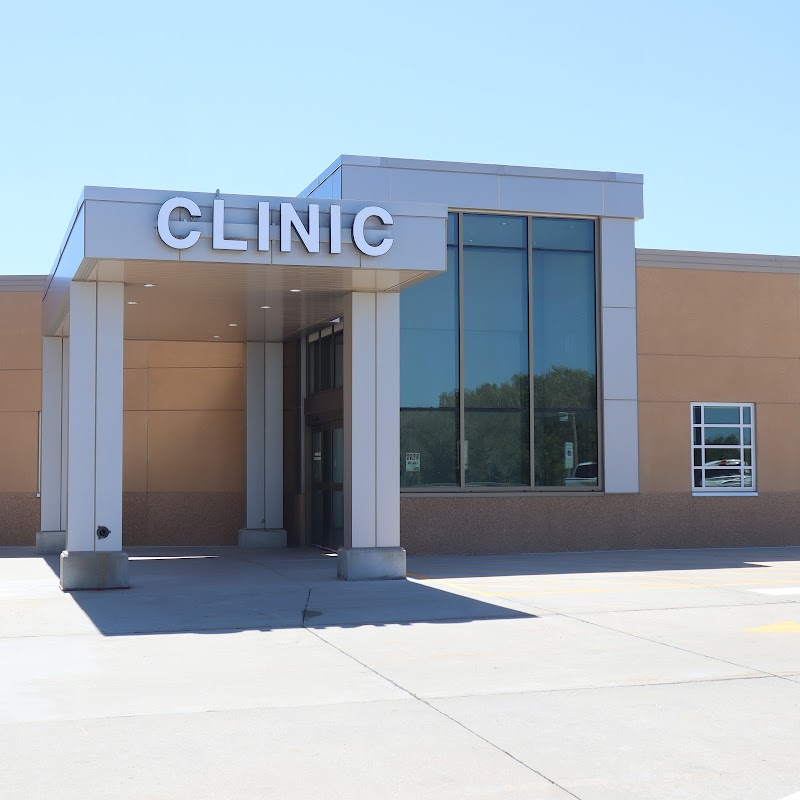
How is Winner Regional Healthcare Center Staffed?

CMS rates WINNER REGIONAL HEALTHCARE CENTER's staffing level at 4 out of 5 stars, which is above average compared to other nursing homes. Staff turnover is 77%, which is 31 percentage points above the South Dakota average of 46%. High turnover can affect care consistency as new staff learn residents' individual needs. RN turnover specifically is 70%, which is notably high. RNs provide skilled clinical oversight, so turnover in this role can affect medical care quality.

What Have Inspectors Found at Winner Regional Healthcare Center?

State health inspectors documented 18 deficiencies at WINNER REGIONAL HEALTHCARE CENTER during 2022 to 2025. These included: 1 that caused actual resident harm and 17 with potential for harm. Deficiencies causing actual harm indicate documented cases where residents experienced negative health consequences.
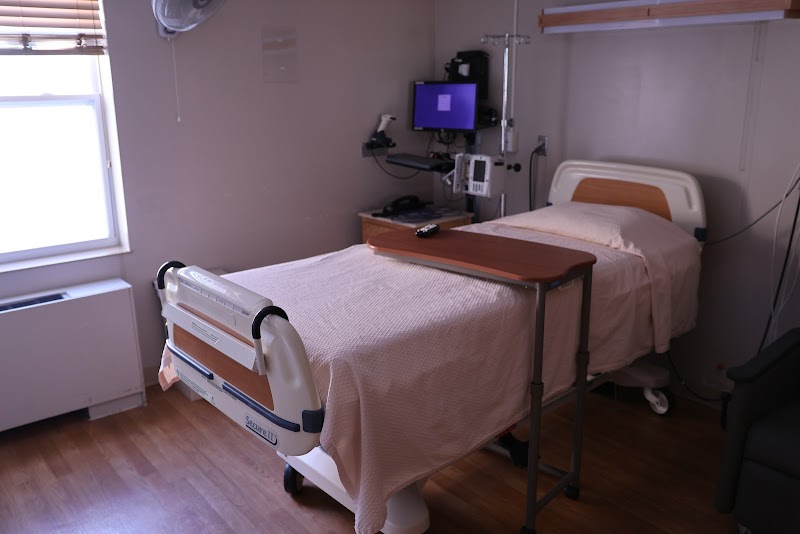
Who Owns and Operates Winner Regional Healthcare Center?

WINNER REGIONAL HEALTHCARE CENTER is owned by a non-profit organization. Non-profit facilities reinvest revenue into operations rather than distributing to shareholders. The facility operates independently rather than as part of a larger chain. With 60 certified beds and approximately 28 residents (about 47% occupancy), it is a smaller facility located in WINNER, South Dakota.
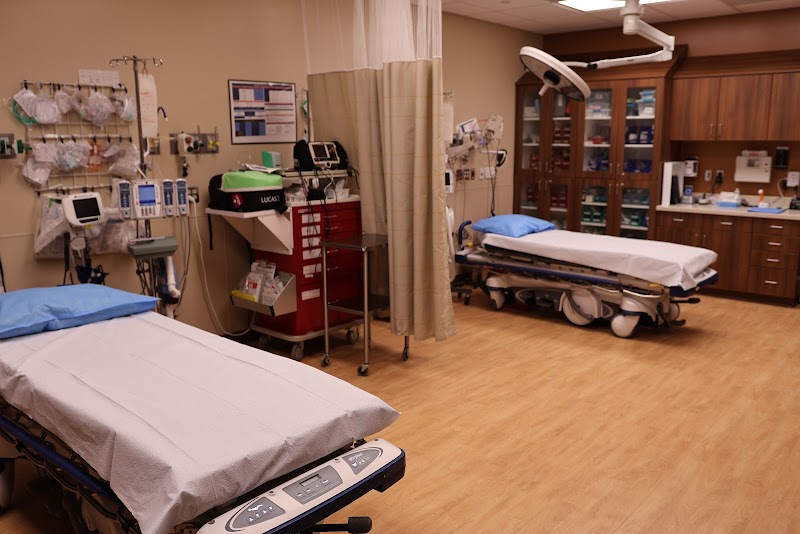
How Does Winner Regional Healthcare Center Compare to Other South Dakota Nursing Homes?

Compared to the 100 nursing homes in South Dakota, WINNER REGIONAL HEALTHCARE CENTER's overall rating (2 stars) is below the state average of 2.7, staff turnover (77%) is significantly higher than the state average of 46%, and health inspection rating (3 stars) is at the national benchmark.

What Should Families Ask When Visiting Winner Regional Healthcare Center?

Based on this facility's data, families visiting should ask: "How do you ensure continuity of care given staff turnover, and what is your staff retention strategy?" "Can I visit during a mealtime to observe dining assistance and food quality?" "How do you handle medical emergencies, and what is your hospital transfer rate?" "Can I speak with family members of current residents about their experience?" These questions are particularly relevant given the facility's high staff turnover rate.

Is Winner Regional Healthcare Center Safe?

Based on CMS inspection data, WINNER REGIONAL HEALTHCARE CENTER has a clean safety record: no substantiated abuse findings (meaning no confirmed cases of resident harm), no Immediate Jeopardy citations (the most serious violation level indicating risk of serious injury or death), and is not on the Special Focus Facility watch list (a federal program monitoring the lowest-performing 1% of nursing homes). The facility has a 2-star overall rating and ranks #100 of 100 nursing homes in South Dakota. While no facility is perfect, families should still ask about staff-to-resident ratios and recent inspection results during their visit.

Do Nurses at Winner Regional Healthcare Center Stick Around?

Staff turnover at WINNER REGIONAL HEALTHCARE CENTER is high. At 77%, the facility is 31 percentage points above the South Dakota average of 46%. Registered Nurse turnover is particularly concerning at 70%. RNs handle complex medical decisions and coordinate care — frequent RN changes can directly impact care quality. High turnover means new staff may not know residents' individual needs, medications, or preferences. It can also be disorienting for residents, especially those with dementia who rely on familiar faces. Families should ask: What is causing the turnover? What retention programs are in place? How do you ensure care continuity during staff transitions?

Was Winner Regional Healthcare Center Ever Fined?

WINNER REGIONAL HEALTHCARE CENTER has been fined $13,039 across 2 penalty actions. This is below the South Dakota average of $33,209. While any fine indicates a compliance issue, fines under $50,000 are relatively common and typically reflect isolated problems that were subsequently corrected. Families should ask what specific issues led to these fines and confirm they've been resolved.

Is Winner Regional Healthcare Center on Any Federal Watch List?

WINNER REGIONAL HEALTHCARE CENTER is not on any federal watch list. The most significant is the Special Focus Facility (SFF) program, which identifies the bottom 1% of nursing homes nationally based on persistent, serious quality problems. Not being on this list means the facility has avoided the pattern of deficiencies that triggers enhanced federal oversight. This is a positive indicator, though families should still review the facility's inspection history directly.