AVERA SISTER JAMES CARE CENTER
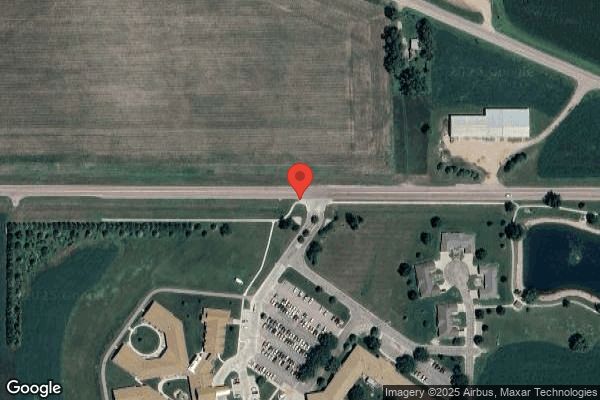
2111 WEST 11TH STREET, YANKTON, SD 57078 (605) 668-8900
Non profit - Corporation 187 Beds Independent Data: November 2025
Trust Grade
93/100
#4 of 95 in SD
Last Inspection: January 2025

Within standard 12-15 month inspection cycle. Federal law requires annual inspections.

Overview

Avera Sister James Care Center has received a Trust Grade of A, indicating it is an excellent choice for families looking for care, as it is highly recommended. It ranks #4 out of 95 facilities in South Dakota, placing it in the top half of the state, and is the best option in Yankton County. However, the facility's trend is worsening, with reported issues increasing from 1 in 2024 to 2 in 2025. Staffing is a strong point, with a 5/5 rating and a turnover rate of only 25%, which is much lower than the state average, ensuring that staff are familiar with residents. The facility has no fines, which is positive, and it offers more RN coverage than 89% of South Dakota facilities. On the downside, there are some concerning incidents, such as a failure to enforce the tobacco-free policy, with residents smoking on the property despite the rules. Additionally, some residents did not receive their scheduled baths for extended periods, indicating potential gaps in personal care. Lastly, sanitation issues were noted in the kitchen, where grease and dust build-up were observed, raising concerns about cleanliness. Overall, while Avera Sister James Care Center has many strengths, families should be aware of these weaknesses.

Trust Score
A
93/100
In South Dakota
#4/95
Top 4%
Safety Record
Low Risk
No red flags
Inspections
Getting Worse
1 → 2 violations
Staff Stability
✓ Good
25% annual turnover. Excellent stability, 23 points below South Dakota's 48% average. Staff who stay learn residents' needs.
Penalties
✓ Good
No fines on record. Clean compliance history, better than most South Dakota facilities.
Skilled Nurses
✓ Good
Each resident gets 62 minutes of Registered Nurse (RN) attention daily — more than 97% of South Dakota nursing homes. RNs are the most trained staff who catch health problems before they become serious.
Violations
○ Average
6 deficiencies on record. Average for a facility this size. Mostly minor or procedural issues.
★★★★★
5.0
Overall Rating
★★★★★
5.0
Staff Levels
★★★★★
5.0
Care Quality
★★★★★
5.0
Inspection Score
Stable
2024: 1 issues
2025: 2 issues

The Good

  • 5-Star Staffing Rating · Excellent nurse staffing levels
  • 5-Star Quality Measures · Strong clinical quality outcomes
  • Low Staff Turnover (25%) · Staff stability means consistent care
  • Full Sprinkler Coverage · Fire safety systems throughout facility
  • No fines on record
  • Staff turnover is low (25%)

    23 points below South Dakota average of 48%

Facility shows strength in staffing levels, quality measures, staff retention, fire safety.

The Bad

No Significant Concerns Identified

This facility shows no red flags. Among South Dakota's 100 nursing homes, only 1% achieve this.

The Ugly 6 deficiencies on record

Jan 2025 2 deficiencies
CONCERN (D)

Potential for Harm - no one hurt, but risky conditions existed

Deficiency F0554 (Tag F0554)

Could have caused harm · This affected 1 resident

**NOTE- TERMS IN BRACKETS HAVE BEEN EDITED TO PROTECT CONFIDENTIALITY** 2. Observation and interview on 1/6/25 at 4:39 p.m. in resident 80's room revealed: *A nebulizer machine (a medical device that ...

Read full inspector narrative →
**NOTE- TERMS IN BRACKETS HAVE BEEN EDITED TO PROTECT CONFIDENTIALITY** 2. Observation and interview on 1/6/25 at 4:39 p.m. in resident 80's room revealed: *A nebulizer machine (a medical device that delivers liquid medication that forms a fine mist for inhalation) sat on her bedside table. -She used that machine daily to administer her breathing treatments. Review of resident 80's EMR revealed: *Her diagnoses included chronic respiratory failure with hypoxia (low levels of oxygen in the body tissues). *Her physician's orders included nebulizer treatments that were scheduled three times a day and as needed every four hours. -There was no physician's order for her to have self-administered her nebulizer treatment. Observation on 1/7/25 at 2:45 p.m. outside of resident 80's room revealed: *She was self-administering a breathing treatment using her nebulizer machine. *RN E entered the resident's room, turned off the nebulizer machine, cleaned and properly stored the nebulizer equipment, and then exited the room. Interview on 1/8/24 at 9:30 a.m. with RN E regarding the observation above revealed: *It was her practice to set up the resident's nebulizer machine with the physician-ordered medication, turn the machine on, and allow the resident to self-administer her breathing treatment. *Residents who self-administered a medication were expected to have been assessed to ensure they were safely able to perform that task. -She did not know if a medication self-administration assessment was completed for resident 80. Interview and EMR review on 1/8/25 at 9:35 a.m. with RN supervisor D regarding resident 80's self-administration of her nebulizer treatment revealed: *There was no medication self-administration assessment or physician's order supporting the resident's ability to have safely self-administered her nebulizer treatments but there should have been. Review of the provider's revised September 2023 Self-Administration of Medications policy revealed: Policy: A resident may only self-administer medications after the IDT [interdisciplinary team] has determined which medications may be safely self-administered. Procedure: C. Determination of the residents' ability to self-administer medication by the IDT will be documented in the resident's medical record and on the care plan. The documentation will also include the participation of the resident and resident representative, if applicable, in the assessment and care plan process. F. A physician's order will be obtained and recorded in the chart. The order also will include which specific medications can be kept at the bedside. This order is placed on the Resident Status Board. Based on observation, interview, record review, and policy review, the provider failed to ensure: *Two of two sampled residents' (80 and 330) had been assessed to determine their ability to have safely self-administered those medications and a physician's order to self-administer those medications. *One of one sampled resident (330) who stored a self-administered medication at his bedside had a physician's order to have stored that medication at his bedside. Findings included: 1. Observation and interview on 1/7/25 at 9:32 a.m. with resident 330 revealed: *Resident 330 was seated on the edge of the bed with a face oxygen mask on. *He was on 6 liters of oxygen. *Stated he had a bloody nose that morning. -Stated his nose would often get dry from the oxygen, and would bleed. *There was a prescription nasal spray on the bedside table. *Resident 330 stated he used that nasal spray every morning for his dry nose. Review of resident 330's electronic medical records (EMR) revealed: *He was admitted to the facility on [DATE]. *His diagnoses included: acute congestive heart failure, acute respiratory failure, chronic obstructive pulmonary disease, oxygen use, and hypertension. *A request was sent to the physician for an order for the nasal spray on 11/20/24. *There was no documented assessment completed for the resident to determine his abililty to safely self-administer the nasal spray. *There was no physician's order for the resident to self-administer the nasal spray or to have it kept at his bedside. Interview on 1/8/25 at 7:54 a.m. with registered nurse (RN) supervisor C revealed: *She was unaware resident 330 was self-administering the nasal spray. *She was responsible for the completion of a medication self-administration assessment for resident 330.
CONCERN (E)

Potential for Harm - no one hurt, but risky conditions existed

Smoking Policies (Tag F0926)

Could have caused harm · This affected multiple residents

**NOTE- TERMS IN BRACKETS HAVE BEEN EDITED TO PROTECT CONFIDENTIALITY** Based on observation, interview, record review, and policy review, the provider failed to implement their tobaco free campus pol...

Read full inspector narrative →
**NOTE- TERMS IN BRACKETS HAVE BEEN EDITED TO PROTECT CONFIDENTIALITY** Based on observation, interview, record review, and policy review, the provider failed to implement their tobaco free campus policy for three of three sampled residents (66, 115, and 144) who smoked on the provider's property. Findings include: 1. Observation on 1/7/24 at 8:29 a.m. of resident 144 revealed: *She was seated in a wheelchair with a coat on. *She used the side exit door on the Chalkstone Drive neighborhood to go out to smoke. *The exit door had been propped open and a staff member stood there and monitored her while she smoked a cigarette. 2. Observation and interview on 1/7/25 at 9:56 a.m. with resident 66 in his room revealed: *He smoked and kept his smoking supplies in his room. *The staff would let him out when he wanted to go smoke. 3. Observation on 1/8/25 at 1:01 p.m. of resident 115 revealed: *She had been outside smoking on the facility property. *She discarded her cigarette in the landscaping in the facility parking lot. 4. Interview on 1/8/25 at 8:42 a.m. with registered nurse (RN) supervisor G regarding resident 66's smoking revealed: *He did not keep any supplies in his room and would ask other residents for cigarettes when he wanted to smoke. *He had a smoking assessment completed and was determined to be safe to smoke independently. *He only smoked at night. *She confirmed residents had been smoking all over, even though they were a tobacco-free campus. *Director of nursing (DON) B had been working on a notice to provide to residents who smoked informing them that smoking would not be allowed on campus. 5. Interview on 1/8/25 at 10:43 a.m. with RN supervisor F regarding residents' smoking revealed: *The facility had allowed residents who smoked to use the exit door at the end of the hallway by the fireplaces in each of their neighborhoods. *The side exit doors were unlocked and had a bucket sitting outside for cigarette butts to be extinguished in. *DON B had planned on sending out individual letters to residents who smoked informing them that there would be a ban on smoking. 6. Interview on 1/8/24 at 1:55 p.m. with DON B regarding residents smoking revealed: *Residents were originally supposed to smoke at the end of the driveway of the facility. *Since there had been a lot of noncompliance with that by residents who smoked, the facility allowed them to smoke outside of the exit door of their assigned neighborhood. *She planned on sending a notice to residents who smoked that there would be no smoking allowed on campus. *Residents had sat out in the courtyard and in front of the building to smoke. *Smoking assessments were to be completed for residents who wished to go outside and smoke. *If residents were determined unsafe to smoke independently, staff were to assist them outside and monitor them. *Residents' smoking supplies were to be kept in their locked medication drawer in their room or in the nurses station. *Residents were allowed to smoke anytime they wanted. 7. Review of resident 144's electronic medical record (EMR) revealed: *She had a Brief Interview of Mental Status (BIMS) assessment score of 15 which indicated she was cognitively intact. *She was admitted on [DATE]. *Her diagnoses included bipolar disorder, risk of malnutrition, spinal stenosis (spinal narrowing), and nicotine dependence. *On 10/13/23 her care plan indicated she smoked. *Her smoking evaluation had been completed on 10/18/24 which determined her safe to smoke independently. 8. Review of resident 66's EMR revealed: *He had a BIMS assessment score of 15 which indicated he was cognitively intact. *He was admitted on [DATE]. *His diagnoses included chronic end stage kidney disease, pulmonary vascular disease (chronic circulatory condition), and type II diabetes mellites. *On 4/5/23 his care plan indicated he smoked. *His smoking evaluation had been completed on 2/13/24 which determined him safe to smoke independently. 9. Review of resident 115's EMR revealed: *She had a BIMS assessment score of 15 which indicated she was cognitively intact. *Her diagnoses included type II diabetes mellitus, chronic kidney disease stage three, bipolar affective disorder, and schizophrenia. *She was admitted on [DATE]. *On 5/30/24 her care plan indicated she smoked. *Her smoking evaluation had been completed on 5/30/24 which determined her safe to smoke independently. 10. Review of the provider's welcome booklet dated 9/30/19 given at time of admission revealed: *Smoking is not permitted in the care center or on campus by anyone. 11. Review of the provider's Tobacco Free Campus Policy dated 6/13/23 revealed: *This policy supports a tobacco free campus to benefit the health, safety, and well-being of all who visit and work at our facilities. *This includes buildings, walkways, parking lots/ramps, and any public sidewalk or street that falls within campus boundaries. *This policy applies to employees, physicians, contractors, vendors, visitors, and patients. *Tobacco-Free signs are posted in appropriate places to inform medical staff, patients, and visitors of this policy. *Anyone who uses tobacco or smoking type products must leave the property. * .tobacco waste will not be left on the properties.
Jan 2024 1 deficiency
CONCERN (E) 📢 Someone Reported This

A family member, employee, or ombudsman was alarmed enough to file a formal complaint

Potential for Harm - no one hurt, but risky conditions existed

Deficiency F0676 (Tag F0676)

Could have caused harm · This affected multiple residents

11. Review of the 1/22/24 Dakota Neighborhood Bath Schedule sheet revealed: *Resident 4 had not received a bath in 15 days. *Resident 6 had not received a bath in 13 days. *Resident 5 had not received...

Read full inspector narrative →
11. Review of the 1/22/24 Dakota Neighborhood Bath Schedule sheet revealed: *Resident 4 had not received a bath in 15 days. *Resident 6 had not received a bath in 13 days. *Resident 5 had not received a bath in 13 days. 12. Review of resident 4's EMR revealed: *The resident received baths on the following dates: -12/21/23 -01/03/24 -01/06/24 -01/22/24 *The care plan indicated that the resident should have received a whirlpool bath weekly and as needed. 13. Review of resident 5's EMR revealed: *The resident had received baths on the following dates: -12/20/23 -01/03/24 -01/10/24 -01/22/24 14. Review of resident 6's EMR revealed: *The resident had received baths on the following dates: -12/20/23 -01/03/24 -01/10/24 (the resident had not received a bath as of the review by the surveyor on 1/24/23). 15. Interview on 1/24/24 at 11:00 a.m. with RN clinical care coordinator D revealed: *When asked about bathing frequency for residents 4, 5, and 6, she stated they should have been receiving baths weekly. *Resident 6 would refuse her baths because she preferred her baths early in the morning. That could not always be accommodated if staff came to work later in the morning to assist with baths. 16. Interview on 1/24/24 at 11:30 a.m. with director of nursing services (DNS) B and director of quality C revealed: *DNS B stated that the expectation was that residents would have received a bath/shower weekly. Some residents with dementia would have received a bed bath. Bed baths would include washing the resident's faces and peri care (cleaning the private areas) was completed with every resident at bedtime. *She stated that she would have liked to have each neighborhood be consistent with how they were tracking resident baths/showers. *The unit care coordinators for each neighborhood would collaborate daily to ensure bathing was getting completed for each resident. *When asked what the provider was doing currently to solve the issue of bathing, DNS B and director of quality C both stated that they were attempting to hire staff but finding staff was difficult. *They do not currently have a policy regarding bathing preferences and frequency. Bathing preferences and frequency were discussed during the resident's admission conference. Based on a complaint, record review, observation, and interview, the provider failed to ensure six of eight sampled residents (1, 2, 3, 4, 5, and 6) had received regular scheduled bathing. Findings include: 1. Review of the South Dakota online report received on 1/10/24 revealed: *The complainant reported that on Sunday 1/7/24, the overnight shift was short-staffed and they had a concern about the residents safety. *The complainant was concerned that the day shift had also been short-staffed and often residents were not getting their scheduled baths, stating residents are going 8 or 9 days without a bath. *The provider had been short-staffed on and off for a while. *The complainant had addressed her concerns regarding staffing and bathing with the director of nursing but stated nothing has changed. *At the time of the report, the complainant had not thought any resident had a negative outcome from being short-staffed. 2. Observation and interview on 1/23/24 at 4:00 p.m. with resident 1 revealed: *He was sitting in his electric wheelchair at the end of the hall. *His hair was matted down. *He stated he is happy with his care. *He indicated that he does not get a bath as often as he would like. *He had not gotten a bath for 15 days. *He stated that it bothered him not to get a bath regularly. *He would have preferred to have a bath at least weekly. Review of resident 1's electronic medical record (EMR) and interview with registered nurse (RN) clinical care coordinator K revealed: *He received baths on the following days: -12/10/23. -12/19/23. -01/01/24. -01/18/24. *The care plan included his personal care that he would need assistance with part of his weekly bath. 3. Observation and interview on 1/23/24 at 4:30 p.m. with resident 2 in her room revealed: *She was sitting in her recliner. *She used a walker to get around her room. *She stated it had been a couple of weeks since she had a bath and she was red under her stomach folds. Review of resident 2's EMR and interview with RN clinical care coordinator G revealed: *She received baths on the following days: -12/06/23. -12/18/23. -12/30/23. -01/11/23 no other baths were documented after this date. 4. Interview on 1/24/24 at 7:49 a.m. with resident life coordinator E revealed: *She had reviewed the staff schedule and stated that there was no bath aide scheduled today but that there would have been more staff coming in later in the morning to assist with bathing. *She stated that they had been short-staffed the last two weeks and that had contributed to the residents not receiving regular bathing. *She stated that staff do their best to ensure residents get their baths. 5. Interview on 1/24/24 at 7:55 a.m. with registered nurse (RN) clinical care coordinator G regarding resident bathing revealed: *A bath schedule was printed every morning. *They attempted to follow the bathing schedule. *A bath aide was not schedule for today. *Staff completed the resident's baths when there was no bath aide. *She had done two resident baths that morning. *The resident life coordinator would also do baths when available. 6. Interview on 1/24/24 at 8:00 a.m. with resident life coordinator H revealed: *She normally would have had a busy schedule with scheduled activities for the residents. *She was a certified nursing assistant (C.N.A.) *She would assist with resident bathing when necessary. *Tried to squeeze in baths between activities. 7. Interview on 1/24/24 at 8:10 a.m. with medication aide F revealed: *The staff used a weekly bathing schedule sheet to determine which resident would need a bath. *The bath schedule sheet had the resident's room numbers listed with some that had been highlighted with a number beside the room number. When asked what those highlighted room numbers meant and the number beside them, she stated that those were the priority showers and the number by the room number meant the number of days it had been since the resident's last bath. *When asked about the residents that had gone more than 10 days, she stated it was due to being short-staffed. *She stated that she would give every resident a bed bath when completing morning care. 8. Interview on 1/24/24 at 8:30 a.m. with RN clinical care coordinator D revealed: *Unit supervisors would discuss the resident bathing needs and schedules during the morning huddle. *The staff would identify those residents who had gone the longest without a bath and would make those residents the priority for that day. *She would attempt to schedule the most efficient staff to work as the bath aide to attempt to get more residents' baths completed during the day. *She stated that staffing had been a challenge due to the recent weather and a couple of staff that were out on medical leave. *Residents in the Dakota neighborhood received a bed bath with their morning care. *She had been utilizing a couple of part-time staff to assist with resident baths. They would call mid-morning to see if they were needed and would come in to assist with resident baths. 9. Observation and interview on 1/24/24 at 8:45 a.m. with resident 3 in his room revealed: *He was sitting in his wheelchair. *He stated that he had a shower yesterday. *He stated he had gone at least two weeks without a shower before that, the staff that were here did a good job there just was not enough of them. Review of resident 3's EMR and and interview with RN clinical care coordinator G revealed: *He had received showers on the following dates: -12/21/23. -01/04/23. -01/23/24. *His care plan revealedhe would have received bathing every Tuesday. 10. Interview on 1/24/24 at 9:00 a.m. with medication aide I regarding the bath schedule revealed: *A bath schedule was available every morning. *They had fallen behind on baths recently. *She stated they try to catch up with the baths for those resident's who had gone the longest time without bathing. 11. Interview on 1/24/24 at 9:13 a.m. with licensed practical nurse (LPN) J and RN clinical care coordinator K regarding resident bathing revealed: *They were behind on baths due to a recent snowstorm and some residents with influenza. *The bath assignments were printed and the schedule was in the whirlpool room. *If a bath had been missed the goal was to follow up with a bath the next day.
Sept 2023 2 deficiencies
CONCERN (D)

Potential for Harm - no one hurt, but risky conditions existed

Deficiency F0625 (Tag F0625)

Could have caused harm · This affected 1 resident

Based on record review, interview, and policy review, the provider failed to ensure two of two sampled residents (17 and 71) on the 200 Cabin unit had received a proper notification of bed hold notice...

Read full inspector narrative →
Based on record review, interview, and policy review, the provider failed to ensure two of two sampled residents (17 and 71) on the 200 Cabin unit had received a proper notification of bed hold notice option upon their transfer out of the facility. Findings include: 1. Review of resident 17's electronic medical record (EMR) revealed: *She had a fall on 7/4/23 and was transferred to the emergency room. *Resident 17 was hospitalized for a left hip fracture on 7/4/23 and was discharged from the hospital on 7/7/23. *Her emergency contact had been notified on 7/4/23 of the fall and the need for an emergency room evaluation. *There had not been any documentation found regarding notification of the resident's bed hold. 2. Review of resident 71's EMR revealed: *He required an emergency room evaluation on 5/30/23. *Resident 71 was hospitalized for pneumonia on 5/30/23 and was discharged from the hospital on 6/2/23. *There was no documentation in the EMR that the resident's emergency contact had been notified of the necessity for an emergency room visit or bed hold notification. 3. Interview on 9/14/23 at 12:45 p.m. with director of nursing (DON) B, registered nurse (RN) C, and social services regarding the bed hold for residents the required hospitalization revealed: *Residents who had been sent to the emergency room and required hospitalization should have received a bed hold notice. *They thought that resident 17 and or the POA had received a bed hold notice but agreed they were unable to locate on in her EMR. *They had known that resident 71 had a POA and were unsure why they had not been contacted. *They agreed that there had not been a bed hold notice given to resident 71. *Social services D stated that she would have received a notification for any resident that was on a leave of absence. *She would have followed up on the residents with a leave of absence to ensure they had a received a bed hold notice. *Social services D thought that the nurse had already contacted resident 71's POA to inform them about the bed hold. 4. Review of the provider's December 2021 Bed Hold Policy revealed: *It is the policy of this facility that residents who are transferred to the hospital are provided with written information about the State's bed hold duration and payment amount before being transferred. *Residents and their representative will be provided with bed hold and return information at admission and before a hospital transfer. *Nursing and social work staff are educated about the resident's bed hold and information is provided at the time the resident leaves the facility.
CONCERN (D)

Potential for Harm - no one hurt, but risky conditions existed

Deficiency F0658 (Tag F0658)

Could have caused harm · This affected 1 resident

Based on observation, interview, record review, and policy review, the provider failed to ensure three of ten sampled residents (68, 77 and 155) were assessed for ability the to safely self-administer...

Read full inspector narrative →
Based on observation, interview, record review, and policy review, the provider failed to ensure three of ten sampled residents (68, 77 and 155) were assessed for ability the to safely self-administer medications that had been prepared by one of one registered nurse (RN) BB and one of one licensed practical nurse (LPN) E prior to allowing those residents to self-administer medications. Findings include: 1. Observation and interview on 9/13/23 at 1:36 p.m. with RN BB preparing medication for administration for resident 68 reveled: *RN BB prepared gabapentin 300 milligrams (mg) oral capsule in a medication cup and placed it on the resident 68's bedside table. *RN BB stated that resident had a physician's order to self-administer her oral medication. *She had not stayed and observed the resident take their medication. Review of resident 68's electronic medical record (EMR) revealed: *There was no assessment completed for self-administration of that medication. *There was no physician's order to self-administer her medication. 2. Observation and interview on 9/14/23 at 7:00 a.m. with LPN E preparing oral medication and administering insulin for resident 77 revealed: *LPN E had prepared the following medications: -Magnesium Oxide 400 mg oral table. -Tamsulosin 0.4 mg oral capsule. -Aspirin 81 mg chewable tablet. -Pantoprazole 40 mg oral capsule. -Levothyroxine 75 micrograms (mcg) oral tablet. -Topiramate 50 mg oral tablet. -Furosemide 40 mg oral tablet. -Sertraline 25 mg oral tablet. *She placed all the above medication in a medication cup and placed them on the resident's bedside table. *She had not stayed in the room and observed the resident take those medications. *LPN E stated that resident 77 was cognitively intact and was able to self-administer his oral medication. Review of resident 77's EMR revealed: *He had not been assessed to safely self-administer his oral medications. *There was no physician's order for the resident to self-administer his medications. 3. Observation and interview on 9/14/23 at 7:30 a.m. with LPN E preparing oral medication and administering insulin for resident 155 revealed: *LPN E had prepared the following oral medication: -Atorvastatin 40 mg oral tablet. -Cholecalciferol 2000 units oral tablet. -Guaifenesin ER 600 mg oral tablet. -Apixaban 5 mg oral tablet. -Calcium carbonate 500 mg oral tablet. -Docusate sodium 100 mg oral capsule. -Dapagliflozin 10 mg oral tablet. -Sacubitril/valsartan 49/51 mg oral tablet. -Potassium chloride CR 20 milliequivalents (mEq) oral tablet. -Acetaminophen 500 mg two oral tablets. -Metoprolol succinate XL 100 mg oral tablet. -Tramadol 50 mg two oral tablets. -Amiodarone 200 mg oral tablet. *LPN E had handed the cup of medications to the resident to take. *She had not stayed in the room and observed the resident taking those medications. Review of resident 155's EMR revealed: *He had not been assessed to safely self-administer his oral medications. *There was no physician's order for the resident to self-administer his medications. Interview on 9/14/23 at 12:30 p.m. with DON B, RN C and social services D regarding the above observations of residents self-administering their medications revealed: *DON B stated that residents should have been assessed to ensure the resident could safely self-administer medications. *Once an assessment was completed the physician should have been contacted for an order to self-administer their medication. *They agreed that the above resident had not been assessed nor had an order to self-administer medications. Review of the provider's October 2022 Self-Administration of Medication policy revealed: *An assessment of the resident's ability to self-administer medication will be performed by the IDT every three months, based on changes in the residents' medical and decision-making status, and as needed *A physician's order will be obtained and recorded in the EMR. The order also will include which specific medication can be kept at the bedside. *The order is placed on the Resident Status Bar.
Aug 2022 1 deficiency
CONCERN (E)

Potential for Harm - no one hurt, but risky conditions existed

Food Safety (Tag F0812)

Could have caused harm · This affected multiple residents

**NOTE- TERMS IN BRACKETS HAVE BEEN EDITED TO PROTECT CONFIDENTIALITY** Based on observation, interview, and policy review, the provider failed to ensure proper sanitation practices for: *One of one o...

Read full inspector narrative →
**NOTE- TERMS IN BRACKETS HAVE BEEN EDITED TO PROTECT CONFIDENTIALITY** Based on observation, interview, and policy review, the provider failed to ensure proper sanitation practices for: *One of one oven had a large amount of grease and dust covering the top. *Natural gas lines behind one of one oven had a large amount of grease and lint covering the pipes. *Backsplash behind one of one oven had grease on it. *Range hood had a thin layer of dust and lint build up. Findings include: 1. Observation on 8/9/22 at 8:59 a.m. in the main kitchen with nutrition and food service - head cook A revealed: *Two large oven racks were on top of a [NAME] oven. *The racks and the top of the oven had a thin layer of food particles, grease, and dust built up on them. *The natural gas lines behind the stove and ovens were covered with grease and lint. *There were splatters of grease on the stainless steel backsplash behind the Vulcan steam ovens. *The range hood had lint and dust built up on the edges and the vent louvers. *A sticker on the range hood showed: -It had been cleaned by Tri-State Cleaning Service in November 2021. -The schedule included the next cleaning for November 2022. Interview and document review on 8/10/22 at 4:15 p.m. with manager-nutrition and food B regarding the kitchen cleaning list revealed he: *Shared the monthly deep cleaning list with the surveyor. *Expected the staff to follow the cleaning list. *Thought the gas lines and range hood were on the monthly kitchen cleaning list but were not listed. *Agreed the top of the oven, gas lines, and stainless steel backsplash needed to be cleaned monthly and the range hood needed to be cleaned quarterly. Review of the providers September 1985 Infection Control in Food Safety/Sanitation Program for Nutrition Services policy revealed: *Environmental Services: -Nutritional service staff will dispose of garbage from the kitchen at a minimum of daily and more often if needed . -Nutritional staff does regular cleaning of walk-in freezers and refrigerators, with quarterly deep cleaning of walk-ins with removal of carts and shelving and cleaning walls, ceilings, and floors. *Equipment: -All equipment used by Nutritional Services meets standards of your State Department of Health . -Vent hoods are cleaned quarterly per preventive maintenance schedule. A full hood cleaning is done annually. -Ovens and oven racks in the kitchen are cleaned thoroughly once a month, and/or after spills occur.
Understanding Severity Codes (click to expand)
Life-Threatening (Immediate Jeopardy)
J - Isolated K - Pattern L - Widespread
Actual Harm
G - Isolated H - Pattern I - Widespread
Potential for Harm
D - Isolated E - Pattern F - Widespread
No Harm (Minor)
A - Isolated B - Pattern C - Widespread

Questions to Ask on Your Visit

  • "Can I speak with families of current residents?"
  • "What's your RN coverage like on weekends and overnight?"

Our Honest Assessment

Strengths
  • • Grade A (93/100). Above average facility, better than most options in South Dakota.
  • • No major safety red flags. No abuse findings, life-threatening violations, or SFF status.
  • • No fines on record. Clean compliance history, better than most South Dakota facilities.
  • • 25% annual turnover. Excellent stability, 23 points below South Dakota's 48% average. Staff who stay learn residents' needs.
Concerns
  • • No significant concerns identified. This facility shows no red flags across CMS ratings, staff turnover, or federal penalties.
Bottom line: Generally positive indicators. Standard due diligence and a personal visit recommended.

About This Facility

What is Avera Sister James's CMS Rating?

CMS assigns AVERA SISTER JAMES CARE CENTER an overall rating of 5 out of 5 stars, which is considered much above average nationally. Within South Dakota, this rating places the facility higher than 99% of the state's 100 nursing homes. This rating reflects solid performance across the metrics CMS uses to evaluate nursing home quality.

How is Avera Sister James Staffed?

CMS rates AVERA SISTER JAMES CARE CENTER's staffing level at 5 out of 5 stars, which is much above average compared to other nursing homes. Staff turnover is 25%, compared to the South Dakota average of 46%. This relatively stable workforce can support continuity of care.

What Have Inspectors Found at Avera Sister James?

State health inspectors documented 6 deficiencies at AVERA SISTER JAMES CARE CENTER during 2022 to 2025. These included: 6 with potential for harm.

Who Owns and Operates Avera Sister James?

AVERA SISTER JAMES CARE CENTER is owned by a non-profit organization. Non-profit facilities reinvest revenue into operations rather than distributing to shareholders. The facility operates independently rather than as part of a larger chain. With 187 certified beds and approximately 181 residents (about 97% occupancy), it is a mid-sized facility located in YANKTON, South Dakota.

How Does Avera Sister James Compare to Other South Dakota Nursing Homes?

Compared to the 100 nursing homes in South Dakota, AVERA SISTER JAMES CARE CENTER's overall rating (5 stars) is above the state average of 2.7, staff turnover (25%) is significantly lower than the state average of 46%, and health inspection rating (5 stars) is much above the national benchmark.

What Should Families Ask When Visiting Avera Sister James?

Based on this facility's data, families visiting should ask: "Can I visit during a mealtime to observe dining assistance and food quality?" "How do you handle medical emergencies, and what is your hospital transfer rate?" "Can I speak with family members of current residents about their experience?"

Is Avera Sister James Safe?

Based on CMS inspection data, AVERA SISTER JAMES CARE CENTER has a clean safety record: no substantiated abuse findings (meaning no confirmed cases of resident harm), no Immediate Jeopardy citations (the most serious violation level indicating risk of serious injury or death), and is not on the Special Focus Facility watch list (a federal program monitoring the lowest-performing 1% of nursing homes). The facility has a 5-star overall rating and ranks #1 of 100 nursing homes in South Dakota. While no facility is perfect, families should still ask about staff-to-resident ratios and recent inspection results during their visit.

Do Nurses at Avera Sister James Stick Around?

Staff at AVERA SISTER JAMES CARE CENTER tend to stick around. With a turnover rate of 25%, the facility is 21 percentage points below the South Dakota average of 46%. Low turnover is a positive sign. It means caregivers have time to learn each resident's needs, medications, and personal preferences. Consistent staff also notice subtle changes in a resident's condition more quickly. Registered Nurse turnover is also low at 26%, meaning experienced RNs are available to handle complex medical needs.

Was Avera Sister James Ever Fined?

AVERA SISTER JAMES CARE CENTER has no federal fines on record. CMS issues fines when nursing homes fail to meet care standards or don't correct problems found during inspections. The absence of fines suggests the facility has either maintained compliance or corrected any issues before penalties were assessed. This is a positive indicator, though families should still review recent inspection reports for the full picture.

Is Avera Sister James on Any Federal Watch List?

AVERA SISTER JAMES CARE CENTER is not on any federal watch list. The most significant is the Special Focus Facility (SFF) program, which identifies the bottom 1% of nursing homes nationally based on persistent, serious quality problems. Not being on this list means the facility has avoided the pattern of deficiencies that triggers enhanced federal oversight. This is a positive indicator, though families should still review the facility's inspection history directly.