ADAMSVILLE HEALTHCARE AND REHABILITATION CENTER
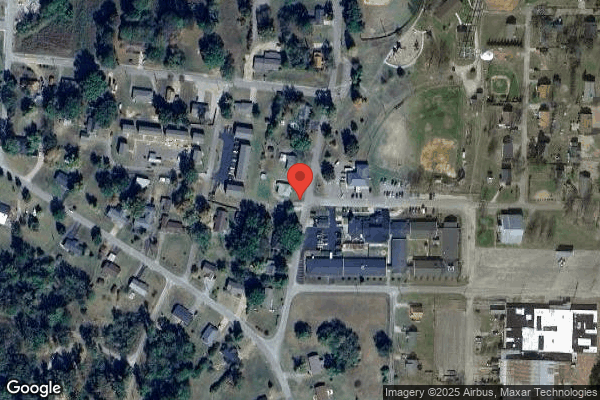
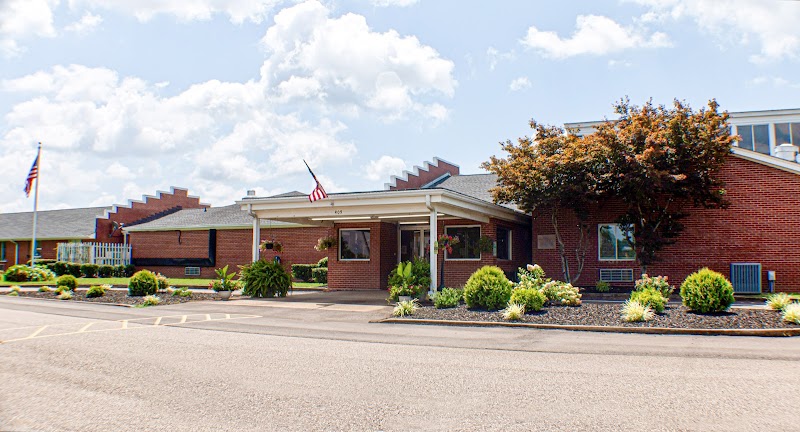
409 PARK AVENUE, ADAMSVILLE, TN 38310 (731) 632-3301
For profit - Corporation 125 Beds AHAVA HEALTHCARE Data: November 2025
Trust Grade
75/100
#51 of 298 in TN
Last Inspection: July 2025

Inspected within the last 6 months. Data reflects current conditions.

Overview

Adamsville Healthcare and Rehabilitation Center has a Trust Grade of B, which indicates it is a good choice, solid but with room for improvement. It ranks #51 out of 298 facilities in Tennessee, placing it in the top half, and #2 out of 2 in McNairy County, meaning there is only one other local option available. The facility is showing an improving trend, with issues decreasing from four in 2021 to three in 2025. However, staffing is a mixed bag; while turnover is lower than average at 42%, it has a below-average staffing rating of 2 out of 5 stars, and there is less RN coverage than 86% of other facilities in Tennessee, which may impact resident care. Notably, there have been incidents of concern, including failures to ensure privacy during resident meetings and medication errors related to insulin administration, which can pose risks to residents' health. Overall, while Adamsville Healthcare has strengths in its rankings and a good trust grade, families should weigh these against the staffing challenges and specific incidents noted in inspections.

Trust Score
B
75/100
In Tennessee
#51/298
Top 17%
Safety Record
Low Risk
No red flags
Inspections
Getting Better
4 → 3 violations
Staff Stability
○ Average
42% turnover. Near Tennessee's 48% average. Typical for the industry.
Penalties
✓ Good
No fines on record. Clean compliance history, better than most Tennessee facilities.
Skilled Nurses
⚠ Watch
Each resident gets only 23 minutes of Registered Nurse (RN) attention daily — below average for Tennessee. Fewer RN minutes means fewer trained eyes watching for problems.
Violations
⚠ Watch
17 deficiencies on record. Higher than average. Multiple issues found across inspections.
★★★★☆
4.0
Overall Rating
★★☆☆☆
2.0
Staff Levels
★★★★☆
4.0
Care Quality
★★★★☆
4.0
Inspection Score
Stable
2021: 4 issues
2025: 3 issues

The Good

  • 4-Star Quality Measures · Strong clinical quality outcomes
  • Full Sprinkler Coverage · Fire safety systems throughout facility
  • No fines on record
  • Staff turnover below average (42%)

    6 points below Tennessee average of 48%

Facility shows strength in quality measures, fire safety.

The Bad

Staff Turnover: 42%

Near Tennessee avg (46%)

Typical for the industry

Chain: AHAVA HEALTHCARE

Part of a multi-facility chain

Ask about local staffing decisions and management

The Ugly 17 deficiencies on record

Aug 2021 4 deficiencies
CONCERN (D)

Potential for Harm - no one hurt, but risky conditions existed

Deficiency F0760 (Tag F0760)

Could have caused harm · This affected 1 resident

Based on review of the Geriatric Medication Handbook, medical record review, observation, and interview, the facility failed to ensure residents were free from significant medication errors when 1 of ...

Read full inspector narrative →
Based on review of the Geriatric Medication Handbook, medical record review, observation, and interview, the facility failed to ensure residents were free from significant medication errors when 1 of 6 nurses (Licensed Practical Nurse (LPN) #1) failed provide a substantial snack or meal within 15 minutes of insulin administration for Resident #60. The failure to provide a substantial snack or meal within 15 minutes of insulin administration resulted in a significant medication error. The findings included: The GERIATRIC MEDICATION HANDBOOK, 13TH edition, provided by the American Society of Consultant Pharmacists, page 41 and 43, revealed .DIABETES: INJECTABLE MEDICATIONS .Novolog .Insulin aspart .Rapid-Acting Insulin Analog .Onset .15 min [minutes] .ADMINISTRATION/COMMENTS . 15 minutes prior to meals .NovoLog .Insulin Aspart .Rapid-Acting Insulin .ONSET .15 min .ADMINISTRATION/COMMENTS .5-10 minutes before meals . Review of the medical record, revealed Resident #60 had diagnoses of Dementia, Diabetes, Heart Failure, Major Depressive Disorder, Gastroesophageal Reflux Disease, Pain, and Kidney Failure. Review of the Physician's Order dated 8/2/2021, revealed .NovoLog .inject as per sliding scale .if .301- 350 = [equal] 6 units .subcutaneously before meals for DM [Diabetes] . Observation in the resident's room on 8/3/2021 at 11:36 AM, revealed LPN #1 administered 6 units of Novolog to Resident #60 for a blood glucose level of 330. No meal or substantial snack was offered until LPN #1 delivered a meal tray to Resident #60 at 12:00 PM, 24 minutes after receiving the insulin. The failure of the nurse to provide a meal or substantial snack within 5-10 minutes of administration of the Novolog resulted in a significant medication error. During an interview on 8/4/2021 at 10:52 AM, the Director of Nursing (DON) stated, .we do not have a policy on rapid onset insulin administration .we follow physician orders .insulin is given after checking the blood glucose . The DON would not confirm that the residents should receive a meals or snack within 15 minutes of a Rapid onset insulin.
CONCERN (D)

Potential for Harm - no one hurt, but risky conditions existed

Deficiency F0761 (Tag F0761)

Could have caused harm · This affected 1 resident

Based on observation and interview, the facility failed to ensure opened medications were properly labeled and dated, external and internal medications were not stored together, and medications were n...

Read full inspector narrative →
Based on observation and interview, the facility failed to ensure opened medications were properly labeled and dated, external and internal medications were not stored together, and medications were not stored past their expiration date in 4 of 11 medication storage areas (100/200 Hall Medication Cart, 200/500 Hall Medication Cart, 400 Hall Medication Cart, and 400 Hall Treatment Cart). The findings include: Observation of the 400 Hall Medication Cart on 8/2/2021 at 12:01 PM, revealed the following: a. 2 open undated Lidocaine vials b. 1 open Ultratuss bottle (a medication taken by mouth) in the same drawer as Theraworx Relief cream (a topical medication) Observation of the 200/500 Hall Medication Cart on 8/2/2021 at 4:53 PM, revealed the following: a. 1 open undated Semglee Insulin b. 1 open undated Humulin N Insulin vial During an interview on 8/2/2021 at 4:53, Licensed Practical Nurse (LPN) #3 confirmed when insulins are opened, the staff should record open dates on the insulin. Observation of the 100/200 Hall Medication Cart on 8/3/2021 at 4:11 PM, revealed the following: a. 1 open undated Albuterol Sulfate inhaler b. 1 open undated Breo Ellipta inhaler During an interview on 8/3/2021 at 4:11 PM, LPN #5 confirmed when inhalers are opened, the staff should record open dates on the medications. Observation of the 400 Hall Treatment Cart on 8/4/2021 at 2:01 PM, revealed the following: a. 1 hemorrhoid cream with an expiration date of 12/2020 b. 1 bucket of Micro-Kill One germicidal alcohol wipes with an expiration date 6/2021 During an interview on 8/4/2021 at 2:01 PM, LPN #6 confirmed that expired medications should not be on the cart. During an interview on 8/4/2021 at 3:10 PM, the Director of Nursing (DON) confirmed that medications should have open dates and internal and external medications should not be stored together.
CONCERN (D)

Potential for Harm - no one hurt, but risky conditions existed

Food Safety (Tag F0812)

Could have caused harm · This affected 1 resident

Based on policy review, observation, and interview, the facility failed to ensure food was distributed and served in a sanitary manner when 1 of 11 staff members (Certified Nursing Assistant (CNA) #2 ...

Read full inspector narrative →
Based on policy review, observation, and interview, the facility failed to ensure food was distributed and served in a sanitary manner when 1 of 11 staff members (Certified Nursing Assistant (CNA) #2 ) did not perform hand hygiene between serving residents and after touching contaminated surfaces, and placed dirty meal trays in a clean meal cart with other residents' meal trays. The findings include: Review of the facility's undated policy titled, Hand-hygiene technique, revealed .if hands are not visibly soiled, use an alcohol-based hand rub for .after contact with inanimate objects (e.g. medical equipment) in the immediate vicinity of the resident; and/or after removing gloves . Review of the facility's Inservice Education form dated 6/10/2021, revealed .Hand hygiene before & [and] after EVERY res [resident] room during meal tray pass .Hand hygiene (soap and water or alcohol gel) must be performed before passing ice or serving meal trays and in between each tray . Observation of the facility's 500 Hall new admission isolation hall during dining, revealed the following: a. On 8/2/2021 at 12:17 PM, CNA #2 entered Resident #74's room with a meal tray, set the tray down on the bedside table, removed the Styrofoam tray and containers from the plastic tray, picked up a dirty cup from the bedside table and placed the cup in the refrigerator, then removed the plastic tray from the room and placed it in the clean meal cart with other residents' trays. CNA #2 did not perform hand hygiene. CNA #2 then returned to the resident's room, put on gloves and assisted Resident #74 with tray set up, removed the gloves, and exited the room without performing hand hygiene. b. On 8/2/2021 at 12:23 PM, CNA #2 removed a meal tray from the cart and delivered it to Resident #330's room, set the tray down on the bedside table, removed the Styrofoam contents from the tray, then removed the plastic tray from the room and placed it in the clean meal cart with other residents' trays. CNA #2 did not perform hand hygiene. c. On 8/2/2021 at 12:28 PM, CNA #2 delivered a meal tray to Resident #326's room, set the tray on the bedside table, removed the contents from the tray, then removed the plastic tray from the room and placed it in the clean meal cart with other residents' trays. CNA #2 did not perform hand hygiene. d. On 8/2/2021 at 12:35 PM, CNA #2 delivered a meal tray to Resident #327's room, set the tray down on the bedside table, removed the contents from the tray, then removed the plastic tray from the room and placed it in the clean meal cart with other residents' trays. CNA #2 did not perform hand hygiene. CNA #2 donned a glove on her right hand, removed butter from the meal cart, and delivered the butter to Resident #327, then removed the glove from her right hand, and exited the room without performing hand hygiene. e. On 8/2/2021 at 12:40 PM, CNA #2 delivered a meal tray to Resident #328's room, set the tray down on the bedside table, removed the contents from the tray, then removed the plastic tray from the room and placed it in the clean meal cart with other residents' trays. CNA #2 did not perform hand hygiene. CNA #2 reentered Resident #328's room, donned gloves and assisted the resident with meal set up, removed the gloves and exited the room without performing perform hand hygiene. During an interview on 8/4/2021 at 12:56 PM, the Director of Nursing (DON) confirmed that staff should perform hand hygiene before and after each resident at meal pass and dirty meal trays should not be placed in the meal tray cart with other residents' trays.
CONCERN (D)

Potential for Harm - no one hurt, but risky conditions existed

Safe Environment (Tag F0921)

Could have caused harm · This affected 1 resident

Based on policy review, observation, and interview, the facility failed to provide and maintain a sanitary and comfortable environment as evidenced by strong malodorous odors on 1 of 5 halls (200 Hall...

Read full inspector narrative →
Based on policy review, observation, and interview, the facility failed to provide and maintain a sanitary and comfortable environment as evidenced by strong malodorous odors on 1 of 5 halls (200 Hall). The findings include: Review of the facility's undated policy titled, Housekeeping and Maintenance Department Responsibilities, revealed .It is important to maintain a clean, safe, and sanitary environment for our residents .Areas of the building will need to be cleaned at a moment's notice .If body fluids are found on floor, furniture .they will need to be cleaned immediately . Review of the facility's policy titled, Resident Rights, dated 12/2017, revealed .It is our belief that you as a resident have the right to expect certain standards of care and considerations while at our facility. You have the right to .Considerate and respectful care . Observation of 200 Hall on 8/2/2021 at 9:12 AM, 10:25 AM, 3:44 PM and 4:40 PM, revealed a strong malodorous odor present. Observation of 200 Hall on 8/3/2021 at 7:12 AM, 8:22 AM and 3:34 PM, revealed a strong malodorous odor present. Observation of 200 Hall on 8/4/2021 at 8:11 AM and 9:45 AM, revealed a strong malodorous odor present. The malodorous odor permeated the 200 Hall into many of the resident rooms. During an interview on 8/3/2021 at 8:30 AM, Certified Nursing Assistant (CNA) #1 was asked what the smell was on 200 Hall. CNA #1 stated, smells like urine .smells this way about every day . During an interview on 8/4/2021 at 3:50 PM, the Director of Nursing (DON) confirmed the facility's 200 Hall should not smell like urine.
Oct 2019 13 deficiencies
CONCERN (D)

Potential for Harm - no one hurt, but risky conditions existed

Resident Rights (Tag F0550)

Could have caused harm · This affected 1 resident

Based on policy review, observation, and interview, the facility failed to maintain or enhance resident dignity and respect when 5 of 23 (Certified Nursing Assistant (CNA) #1, #4, #6, #7, and #9) faci...

Read full inspector narrative →
Based on policy review, observation, and interview, the facility failed to maintain or enhance resident dignity and respect when 5 of 23 (Certified Nursing Assistant (CNA) #1, #4, #6, #7, and #9) facility staff members referred to clothing protectors as bibs, did not use courtesy titles to address residents, used a personal cell phone while assisting a resident with a meal, stood over a resident to assist with a meal, and failed to knock before entering a resident's room. The findings included: 1. The facility's Assisting with Meals policy documented, .Residents shall receive assistance with meals in a manner that meets the individual needs .not standing over residents while assisting them with meals .avoiding the use of labels .bibs . The facility's Quality of Life-Dignity policy revised August 2009 documented, .shall be treated with dignity and respect at all times .staff shall knock and request permission before entering residents' room .Staff shall speak respectfully to residents at all times .addressing the resident by his or her name of choice and not 'labeling' .demeaning practices and standards of care that compromise dignity are prohibited .promote dignity . 2. Observations in the 400 Hall Dining Room on 10/14/19 at 12:10 PM, revealed CNA #7 stated to Resident #57, .the bib is cold, isn't it . Observations in the 400 Hall Dining Room on 10/14/19 at 12:17 PM, revealed CNA #6 stated to Resident #57, .that's your food, baby . Observations in Resident #63's room on 10/15/19 at 5:15 PM, revealed CNA #4 looked at her cell phone while she assisted Resident #63 with her meal. Observations in the 200 Hall on 10/15/19 at 5:40 PM, revealed CNA #1 entered Resident #16's room to deliver his meal tray without knocking. Observations in the 200 Hall on 10/15/19 at 5:44 PM, revealed CNA #1 entered Resident #64's room to deliver his meal tray without knocking. CNA #1 then left the room, returned at 5:50 PM, and entered again without knocking. Observations in Resident #243's room on 10/16/19 at 12:40 PM, revealed CNA #9 stood to assist Resident #243 with her meal. Interview with Director of Nursing (DON) on 10/17/19 at 2:41 PM, in the Conference Room, the DON was asked should staff stand to assist a resident with a meal. The DON stated .no . The DON was asked should clothing protectors be referred to as bibs. The DON stated, .I wouldn't think so . Interview with the Director of Nursing (DON) on 10/17/19 at 3:45 PM, in the Conference Room, the DON was asked if he expected staff to knock before entering residents' rooms. The DON stated, Yes.
CONCERN (D)

Potential for Harm - no one hurt, but risky conditions existed

Deficiency F0577 (Tag F0577)

Could have caused harm · This affected 1 resident

Based on policy review, observation, and interview, the facility failed to ensure the survey results were readily accessible for all residents residing in the facility. The facility had a census of 98...

Read full inspector narrative →
Based on policy review, observation, and interview, the facility failed to ensure the survey results were readily accessible for all residents residing in the facility. The facility had a census of 98 residents. The findings include: 1. The facility's undated Resident Rights policy documented, .results of the most recent survey of the Center conducted by Federal or State surveyors and any plan of correction in effect to the Center. The Center must make the results available for examination in a place readily accessible to residents . 2. Observations in the Lobby on 10/14/19 at 9:05 AM and 10/15/19 at 11:42 AM, revealed a white binder labeled .Survey Results The results from surveys on 6/10/19, 7/2/19, and 8/30/19 were not available for the residents to review. Interview with the Administrator on 10/16/19 at 4:46 PM, in the Lobby, the Administrator was asked if the survey results were in the survey book from the surveys conducted (June, July, and Sept of 2019). The Administrator stated, .no they are not in there . The Administrator was asked if the survey results should be in the book available for residents to review. The Administrator stated, .yes .
CONCERN (D)

Potential for Harm - no one hurt, but risky conditions existed

Deficiency F0658 (Tag F0658)

Could have caused harm · This affected 1 resident

**NOTE- TERMS IN BRACKETS HAVE BEEN EDITED TO PROTECT CONFIDENTIALITY** Based on policy review, medical record review, observation, and interview, 1 of 2 nurses (Licensed Practical Nurse (LPN) # 4) fa...

Read full inspector narrative →
**NOTE- TERMS IN BRACKETS HAVE BEEN EDITED TO PROTECT CONFIDENTIALITY** Based on policy review, medical record review, observation, and interview, 1 of 2 nurses (Licensed Practical Nurse (LPN) # 4) failed to follow facility policy for administration of medications through a percutaneous endoscopic gastrostomy (PEG) tube (a tube inserted into the stomach for nutrition and medication) when medications were pushed through the enteral tube and not allowed to flow per gravity. The findings included: The facilities Administering Medications through an Enteral Tube policy revised March 2015 documented, .Administer medication by gravity flow . Medical record review revealed Resident #35 was admitted to the facility on [DATE] with diagnoses of Vascular Dementia, Contracture, Alzheimer's Disease, Convulsions, Anxiety Disorder, Dysphagia, Gastrostomy, Chronic Kidney Disease, Seizures, and Paralytic Syndrome. The Physician's Order dated 2/6/19 documented, .Thera liquid give 10 ml [milliliter] .peg .once a day .probiotic formula capsule .once daily . The Physician's Order dated 8/19/19 documented, .clonazepam 0.5 mg tablet per peg . The Physician's Order dated 8/22/19 documented, .Dilantin 125 mg [milligram]/5 ml susp [suspension] give 7 ml .PEG 2 TIMES DAILY @ [at] 6 AM & [and] 6 pm . Observations in Resident #35's room on 10/15/19 at 5:09 PM, revealed LPN #4 poured 60 ml of water into Resident #35's PEG and pushed the water through the tube with the plunger. LPN #4 then administered the medications with water and pushed each medication through the tube with the plunger. LPN #4 poured 60 mL of water into the PEG tube and pushed the water through the tube with the plunger. LPN #4 did not allow the medications to flow by gravity, in accordance with the facility's policy. Interview with the Director of Nursing (DON) on 10/17/19 at 7:15 PM, in the Conference Room, the DON was asked should medications be pushed through a PEG tube. The DON stated, .no .should be by gravity .
CONCERN (D)

Potential for Harm - no one hurt, but risky conditions existed

Quality of Care (Tag F0684)

Could have caused harm · This affected 1 resident

**NOTE- TERMS IN BRACKETS HAVE BEEN EDITED TO PROTECT CONFIDENTIALITY** Based on medical record review, observation, and interview, the facility failed to follow the physician's orders for wound care ...

Read full inspector narrative →
**NOTE- TERMS IN BRACKETS HAVE BEEN EDITED TO PROTECT CONFIDENTIALITY** Based on medical record review, observation, and interview, the facility failed to follow the physician's orders for wound care treatments for 1 of 4 (Resident #70) sampled residents reviewed for wound care. The findings include: Medical record review revealed Resident #70 was admitted to the facility on [DATE] with diagnoses of Chronic Obstructive Pulmonary Disease, Cognitive Communication Deficit, Seizures, Morbid Obesity, Bipolar Disorder, Depression, Diabetes with Diabetic Neuropathy, Anemia, Constipation, Gastro-esophageal Reflux Disease, Osteoarthritis, Cerebral Infarction, Edema, and Neuromuscular Dysfunction of the Bladder. Review of the quarterly Minimum Data Set (MDS) dated [DATE] revealed Resident #70 required staff assistance for all activities of daily living, and had Moisture Associated Skin Damage (MASD). The care plan dated 2/25/19 documented, .at risk for skin breakdown r/t [related to] decreased mobility, incontinence .Intervention .Treatments as directed . The Physician's Orders dated 10/7/19 documented, .Start Date .10/03/19 .RLE [Right Lower Extremity] AND LLE [Left Lower Extremity] EXCORIATION .CLEAN C [with] NS [Normal Saline], APPLY SSD [Silver Sulfadiazine]/NYSTATIN/TRIAMCINOLONE/ZINC TRIPLE CREAM EQUAL MIXTURE TO AFFECTED AREAS DAILY ET [and] PRN [as needed] X [times] 14 DAYS, THEN RE-EVALUATE . The Wound Assessment Report dated 10/15/19 documented, .MASD .apt [appointment] [with] .wound clinic on 10/15/19 .N.O. [new order] Cont [Continue] to apply SSD/nystatin/triamcinolone/zinc combined triple cream equal parts to affected areas daily . Observations in Resident #70's room on 10/16/19 at 10:55 AM, revealed Licensed Practical Nurse (LPN) #1 performed wound care to raised reddened areas to Resident #70's bilateral posterior upper thighs. LPN #1 wiped the wound with Aloe disposable wipes, and then applied SSD 1 percent (%) cream to the area. Interview with LPN #1 on 10/17/19 at 6:51 PM, in the 500 Hall, LPN #1 confirmed she applied SSD 1% cream to Resident #70's MASD wounds. LPN #1 was asked if the treatment was administered as ordered. LPN #1 stated, .This is what they sent from [Named Pharmacy] . Interview with the Director of Nursing (DON) on 10/17/19 at 6:54 PM, in the 500 Hall, the DON was asked if the SSD 1% cream was the treatment that was ordered. The DON stated, No.
CONCERN (D)

Potential for Harm - no one hurt, but risky conditions existed

Deficiency F0725 (Tag F0725)

Could have caused harm · This affected 1 resident

**NOTE- TERMS IN BRACKETS HAVE BEEN EDITED TO PROTECT CONFIDENTIALITY** Based on medical record review, review of the facility staffing schedules and interview, it was determined the facility failed t...

Read full inspector narrative →
**NOTE- TERMS IN BRACKETS HAVE BEEN EDITED TO PROTECT CONFIDENTIALITY** Based on medical record review, review of the facility staffing schedules and interview, it was determined the facility failed to provide sufficient staffing to attain or maintain the highest practicable physical, mental, and psychosocial well-being of each resident. The facility had a census of 98 residents. The findings include: 1. Review of the quarterly MDS dated [DATE] revealed Resident #31 had a BIMS score of 15, which indicated no cognitive impairment. Interview with Resident #31 on 10/14/19 at 3:07 PM, in Resident #31's room, Resident #31 was asked about staffing at the facility. Resident #31 stated, Not at night time especially. They say it's just 1 or 2 [staff members] at night. Resident #31 was asked if he had to wait a long time for someone to help him if he called for help. Resident #31 stated, .takes an hour or 2 and sometimes 3 or 4, takes a long time . Even sometimes in the daytime they don't come as quick as they should. 2. Review of the quarterly Minimum Data Set (MDS) dated [DATE] revealed Resident #29 had a Brief Interview for Mental Status (BIMS) score of 15, which indicated no cognitive impairment. Interview with Resident #29 on 10/14/19 at 3:58 PM, in Resident #29's room, Resident #29 was asked about staffing at the facility. Resident #29 stated, Sometimes at night it's pretty bad, especially at bedtime .have to wait at least 30 minutes before they can go to bed .sometimes at night it's way more than 30 minutes . 3. Review of the admission MDS dated [DATE] revealed Resident #143 had a BIMS score of 15, which indicated no cognitive impairment. Interview with Resident #143 on 10/15/19 at 8:09 AM, in Resident #143's room, Resident #143 was asked about staffing at the facility. Resident #143 stated, A lot of times at night we only have 1 aide for 30-something patients .they [call lights] might go off 30 minutes to an hour before they're answered. 4. During the Resident Council Group meeting, which consisted of 12 alert and oriented residents, the Resident Council Group expressed staffing concerns, which included not enough help at night or on weekends, and 1 staff member works with 30 beds/residents. 5. Review of the Certified Nursing Aide (CNA) schedule revealed there were 3 CNAs scheduled for the night shift (6:45 PM - 7:00 AM) on Sunday 10/13/19. The facility had a census of 99 residents as of midnight 10/14/19. Review of the CNA schedule revealed there was 1 CNA scheduled for 6:45 PM - 11:00 PM, and 3 CNAs scheduled for 6:45 PM - 7:00 AM for the night shift on Monday, 10/14/19. The facility had a census of 99 residents. Review of the CNA schedule revealed there were 4 CNAs scheduled for 6:45 PM - 7:00 AM for the night shift on Tuesday, 10/16/19. The facility had a census of 96. 6. Interview with CNA #2 on 10/15/19 at 8:55 PM, in the Sunroom, CNA #2 was asked if she felt the facility had enough staff for her to get all of her assignments completed. CNA #2 stated, .not enough time to complete everything .way too many residents to care for . CNA #2 was asked how many residents she was assigned tonight. CNA #2 stated, Twenty-five .responsible for 32 at most . Interview with CNA #5 on 10/15/19 at 8:18 PM, in the Secured Unit Lobby, CNA #5 was asked if she felt there was enough staff. CNA #5 stated, No. CNA #5 was asked how many residents she was assigned. CNA #5 stated, .last night .I had 27 on my own .I need to spend more time with the residents . Interview with Licensed Practical Nurse (LPN) #4 on 10/16/19 at 10:55 AM, in the 100 Hall, LPN #4 was asked if she was off after today. LPN #4 stated, No I have to work 12 hour shifts until Saturday [10/19/19] .a nurse walked out .
CONCERN (D)

Potential for Harm - no one hurt, but risky conditions existed

Deficiency F0757 (Tag F0757)

Could have caused harm · This affected 1 resident

**NOTE- TERMS IN BRACKETS HAVE BEEN EDITED TO PROTECT CONFIDENTIALITY** Based on review of the PHYSICIANS' DESK REFERENCE 69th EDITION, medical record review, observation, and interview, the facility ...

Read full inspector narrative →
**NOTE- TERMS IN BRACKETS HAVE BEEN EDITED TO PROTECT CONFIDENTIALITY** Based on review of the PHYSICIANS' DESK REFERENCE 69th EDITION, medical record review, observation, and interview, the facility failed to ensure medications administered were appropriately monitored for adverse effects for 1 of 6 (Resident #16) sampled residents reviewed for unnecessary medications. The findings include: 1. The PHYSICIANS' DESK REFERENCE 69th EDITION 2015 documented, .levothyroxine [thyroid hormone replacement medication] .INDICATIONS AND USAGE .Hypothyroidism .Pituitary TSH [Thyroid Stimulating Hormone] Suppression .PRECAUTIONS .has a narrow therapeutic index .Regardless of the indication for use, careful dosage titration is necessary to avoid the consequence of over- or under-treatment .These consequences include .effects on .cardiovascular function, bone metabolism .cognitive function, emotional state, gastrointestinal function, and on glucose and lipid metabolism .The adequacy of therapy is determined by periodic assessment of appropriate labortory tests .frequency of TSH monitoring during levothyroxine dose titration .is generally recommended at 6-8 week intervals until normalization .When the optimum replacement dose has been attained .It is recommended .a serum TSH measurement be performed at least annually . 2. Medical record review revealed Resident #16 was admitted to the facility on [DATE] with diagnoses of Chronic Obstructive Pulmonary Disease, Alzheimer's Disease, Generalized Muscle Weakness, Atrial Fibrillation, Congestive Heart Failure, Diabetes, Depression, Dementia with Behavioral Disturbance, Chronic Kidney Disease Stage 3, Gastro-esophageal Reflux Disease, Constipation, Impulse Disorder, Pain, Emphysema, Pulmonary Edema, Obesity, Insomnia, Rhabdomyolysis, Iron Deficiency Anemia, Encephalopathy, Psychosis, and Unspecified Sequelae of Other Cerebrovascular Disease. Review of the annual Minimum Data Set (MDS) dated [DATE] revealed Resident #16 had severe cognitive impairment and required supervision for all activities of daily living. A hospital discharge summary report dated 3/21/18 documented, .TSH [Thyroid Stimulating Hormone] .2/28/2018 .Result .6.44 .H [High] .Reference Range .0.45 - 5.0 .ulU/ml [micro-international units per milliliter] . The Physician's Orders dated 10/6/19 documented, .Start Date .6/30/18 .LEVOTHYROXINE 0.025 MG [milligrams] TABLET by mouth @ [at] 6am [6:00 AM] daily . The facility was unable to provide documentation that any laboratory testing for thyroid function had been done since the abnormal result was obtained 2/28/18. Observations in Resident #16's room on 10/15/19 at 5:06 PM and 8:45 PM, 10/16/19 at 10:25 AM and 12:11 PM, and on 10/17/19 at 2:32 PM and 6:39 PM, revealed Resident #16 lying in bed with his eyes closed. Interview with the Director of Nursing (DON) on 10/17/19 at 9:01 PM, in the Conference Room, the DON was asked if TSH levels should be monitored for residents taking levothyroxine. The DON confirmed these levels should be monitored.
CONCERN (D)

Potential for Harm - no one hurt, but risky conditions existed

Unnecessary Medications (Tag F0759)

Could have caused harm · This affected 1 resident

**NOTE- TERMS IN BRACKETS HAVE BEEN EDITED TO PROTECT CONFIDENTIALITY** Based on policy review, review of the JoVE Science Education Database Nursing Skills. Preparing and Administering Intramuscular ...

Read full inspector narrative →
**NOTE- TERMS IN BRACKETS HAVE BEEN EDITED TO PROTECT CONFIDENTIALITY** Based on policy review, review of the JoVE Science Education Database Nursing Skills. Preparing and Administering Intramuscular Injections, medical record review, observation, and interview, the facility failed to ensure 2 of 8 (Licensed Practical Nurse (LPN) #2 and #3) nurses administered medications with a medication error rate of less than 5 percent (%). A total of 2 errors were observed out of 29 opportunities, resulting in an error rate of 6.89%. The findings included: 1. The JoVE Science Education Database. Nursing Skills Preparing and Administering Intramuscular Injections documented, .The deltoid site [upper arm] .immunizations .maximum volume should never exceed 2 mL [milliliters] . The facilty's Administering Medications policy revised April 2019 documented, .Medications are administered in a safe and timely manner, and as prescribed .The Director of Nursing Services supervises and directs all personnel who administer medications and/or have related functions .Medications are administered in accordance with prescriber orders . 2. Medical record review revealed Resident #18 was admitted to the facility on [DATE] with diagnoses of Infection/Inflammation Reaction due to Joint Prosthesis, Peripheral Vascular Disease, Malignant Neoplasm of Prostate, Dysphagia, Anxiety, and Anemia. The Physician's Orders dated 10/15/19 documented, .Gentamycin 120 mg [milligram] IM [intramuscular] q [every] 12 hrs [hours] x [for] 14 days . Observations in Resident #18's room on 10/16/19 at 9:15 AM, revealed LPN #2 injected 3 ml of Gentamycin into Resident #18's left upper arm (deltoid site). Interview with the Director of Nursing (DON) on 10/17/19 at 8:23 PM, in the Conference Room, the DON was asked is it acceptable to give 3 ml of medication Intramuscular (IM) in the upper arm. The DON stated, .no . Failure of LPN #2 to administer an IM injection of Gentamycin of less than 2 ml into the deltoid site resulted in medication error #1. 3. Medical record review revealed Resident #34 was admitted to the facility on [DATE] with diagnoses of Diabetes, Anxiety Disorder, Dementia, and Adjustment Disorder with Depressed Mood. The Physician's Order dated 8/16/19 documented, .Humalog .152-200=3 units . Observations in Resident #34's room on 10/16/19 at 4:08 PM, revealed LPN #3 performed a blood glucose level check with a result of 153. Interview with LPN #3 on 10/16/19 at 4:10 PM, at the 400 Hall Nurses' Station, LPN # 3 stated, .doesn't get any insulin . Interview with the DON on 10/16/19 at 8:23 PM, in the Conference Room, the DON was asked how much insulin should Resident #34 receive for a blood glucose of 153. The DON stated, .3 units . The DON confirmed insulin should be administered as ordered. Interview with the Medical Director on 10/17/19 at 3:52 PM, in the Conference Room, the Medical Director was asked if he expected his medication orders to be followed. The Medical Director stated, .Yes ma'am, I expect all my orders to get carried out, they're not just suggestions . Failure of LPN #3 to administer insulin as prescribed resulted in medication error #2.
CONCERN (D)

Potential for Harm - no one hurt, but risky conditions existed

Deficiency F0760 (Tag F0760)

Could have caused harm · This affected 1 resident

**NOTE- TERMS IN BRACKETS HAVE BEEN EDITED TO PROTECT CONFIDENTIALITY** Based on review of the 2018 Boehringer Ingelheim Pharmaceuticals, Inc. manufacturer's information, policy review, medical record...

Read full inspector narrative →
**NOTE- TERMS IN BRACKETS HAVE BEEN EDITED TO PROTECT CONFIDENTIALITY** Based on review of the 2018 Boehringer Ingelheim Pharmaceuticals, Inc. manufacturer's information, policy review, medical record review, and interview, the facility failed to ensure medications were administered free from significant medication errors for 1 of 24 (Resident #70) sampled residents. The findings include: 1. The 2018 Boehringer Ingelheim Pharmaceuticals, Inc. manufacturer's information documented, .Take TRADJENTA once a day . 2. The facility's Medication and Treatment Orders policy with a revision date of 7/2016, documented, .Orders for medications must include .Dosage and frequency of administration .Orders not specifying the number of doses, or duration of medication, shall be subject to automatic stop orders . 3. Medical record review revealed Resident #70 was admitted to the facility on [DATE] with diagnoses of Chronic Obstructive Pulmonary Disease, Cognitive Communication Deficit, Seizures, Morbid Obesity, Bipolar Disorder, Depression, Diabetes with Diabetic Neuropathy, Anemia, Constipation, Gastro-esophageal Reflux Disease, Osteoarthritis, Cerebral Infarction, Edema, and Neuromuscular Dysfunction of the Bladder. The Care Plan dated 2/25/19 documented, .insulin dependent diabetic .at risk for hypo/hyperglycemia and complications of the disease .Intervention .Medications .as directed per MD [Medical Doctor] .orders . The Physician admission Orders dated 8/14/19 documented, .Tradjenta-5mg [milligrams]-take 1 tab [tablet] po [by mouth] before meals . The Telephone Physician's Orders dated 9/27/19 documented, .Order Clarification .Tradjenta 5mg po [by mouth] QD [every day] . Review of the August 2019 Medication Administration Record (MAR) revealed Tradjenta 5 mg was administered orally 3 times daily at 8:30 AM, 12:00 PM, and 5:00 PM for 17 consecutive days, from 8/15/19 through 8/31/19. Review of the September 2019 MAR revealed Tradjenta 5 mg was administered orally 3 times daily at 8:30 AM, 12:00 PM, and 5:00 PM for 26 consecutive days, from 9/2/19 through 9/27/19. The September 2019 Monthly Consultant Pharmacist Report documented, .Please note the following medication(s) are dosed above the usual geriatric dosage .Tradjenta 5mg tid [three times daily] .Recommendation .Tradjenta 5mg daily . Telephone interview with the Pharmacist on 10/17/19 at 8:52 AM, the Pharmacist was asked if there had been a problem with Resident #70's diabetic medication, Tradjenta. The Pharmacist stated, Yes .There's no way they are supposed to be given three times a day .it was supposed to be given once a day. It was some kind of mistake .She actually went without her meds a few days .It was 9/14 [9/14/19] by the time we got it straightened out . The Pharmacist confirmed Resident #70 ran out of Tradjenta before it could be refilled again because it was administered three times daily instead of once daily. Interview with Licensed Practical Nurse (LPN) #5 on 10/17/19 at 9:33 AM, at the Hall 5 Nurses' Desk, LPN #5 was asked if there had been a problem with Resident #70 getting her Tradjenta refilled. LPN #5 stated, Yes .it was scheduled for three times a day .insurance would only pay for one time a day. It was ordered .with meals, so the order was put in for 3 times a day. When she ran out, the insurance wouldn't pay for it to be refilled. LPN #5 was asked if it should have been ordered for only once a day instead of 3. LPN #5 stated, Yes. LPN #5 was asked if there was any documentation of the medication order error. LPN #5 provided a physician's telephone order dated 9/27/19 that documented, .Order Clarification .Tradjenta 5mg po QD . Interview with the Director of Nursing (DON) on 10/17/19 at 1:00 PM, in the Conference Room, the DON was asked the facility's process for transcribing orders. The DON stated, We just take the hospital orders they sent to us and write them on a physician's order sheet. The DON was asked what he expected nurses to do if they had concerns about a medication order. The DON stated, We would clarify the order. The DON confirmed physician medication orders should include how many times a day the medication was to be administered.
CONCERN (D)

Potential for Harm - no one hurt, but risky conditions existed

Deficiency F0761 (Tag F0761)

Could have caused harm · This affected 1 resident

Based on policy review, observation, and interview, the facility failed to ensure medications were properly stored when 1 of 9 (500 Lower Hall Medication Cart) medication storage areas was unlocked an...

Read full inspector narrative →
Based on policy review, observation, and interview, the facility failed to ensure medications were properly stored when 1 of 9 (500 Lower Hall Medication Cart) medication storage areas was unlocked and unattended. The findings included: The facility's Storage of Medications policy revised April 2019 documented .drugs and biologicals .are stored in locked compartments .unlocked medication carts are not left unattended . Observations in the 500 Hall on 10/15/19 at 8:16 PM, the 500 Lower Hall Medication Cart was left unlocked and unattended. Interview with the Director of Nursing (DON) on 10/17/19 at 2:41 PM, in the Conference Room, the DON was asked if medication carts are to be left unlocked. The DON stated, .no .
CONCERN (D)

Potential for Harm - no one hurt, but risky conditions existed

Food Safety (Tag F0812)

Could have caused harm · This affected 1 resident

Based on policy review, observation, and interview, the facility failed to ensure food was stored, prepared and served under sanitary conditions as evidenced by a dirty hand-washing sink in the Kitche...

Read full inspector narrative →
Based on policy review, observation, and interview, the facility failed to ensure food was stored, prepared and served under sanitary conditions as evidenced by a dirty hand-washing sink in the Kitchen, dishwashing racks stored on the floor in the Kitchen, opened, unlabeled and undated foods stored in the Kitchen and in 1 of 3 (100/200 Hall Nourishment Room) nourishment rooms, wet towel on the floor in the Kitchen, a dirty steam table in the Kitchen, raw chicken and frozen foods left sitting at room temperature in the Kitchen, and foods on the floor in the Kitchen. The facility had a census of 98 residents, with 91 of those residents receiving a meal tray from the kitchen. The findings include: 1. The facility's FOOD STORAGE policy with a revision date of 9/14/18, documented, .Food items should be stored, thawed, and prepared in accordance with good sanitary practice. Any expired or outdated food products should be discarded .Use use-by-dates on all food stored in refrigerators .Remember to cover, label and date .Chicken should be stored on ice to maintain an optimal temperature .Vegetables should be left in cartons, bags, or paper wrapping because it retards spoilage and loss of moisture .milk .should be stored .in refrigeration at 41 [degrees] F [Fahrenheit] or less .All foods should be stored .off the floor .Internal thermometers are to be in the warmest area of the refrigerator or freezer .Record temperatures from the internal thermometers .Employee food and resident food should not be stored together . 2. Observations in the Kitchen on 10/14/19 beginning at 8:45 AM, revealed the following: a. The hand-washing sink had slimy brownish dirty build-up around the faucet b. Two dish racks on the floor in the dishware washer area. The Dietary Manager (DM) confirmed they were on the floor, and picked them up. c. A milk cooler filled with milk and no thermometer inside. The DM confirmed there were no thermometers in the milk cooler. The DM stated, Milk delivery was today .thermometers may have been taken out in the empty crates . d. Milk cooler with undated, unlabeled plastic container with orange-peach colored substance. The DM stated, It looks like a pureed dessert. e. A thawing single serve container of ice cream. The DM removed the ice cream. f. A wet towel on the floor beside the ice machine. The DM removed the wet towel from the floor and stated, We have been having problems with it .waiting on a part for it. g. A portable steam table empty with stained sides and all wells with crusty black dirty substance in the bottom of the wells. The DM stated, .Thermostat went out on the steam table .using this mobile one until the part for the other one comes in .supposed to be here the 25th [10/25/19] . h. Two large shallow baking pans containing uncovered raw chicken breasts. No dietary staff member was working with the foods. The DM stated, .preparing for lunch today . i. A reach-in cooler with 5 uncovered/unlabeled containers of mandarin oranges and 2 uncovered/unlabeled containers of blueberry crumble dessert. The DM stated, It looks like blueberry crumble leftover from Saturday [10/12/19]. j. A reach-in cooler with 2 containers of parfait from the local grocery store dated 10/9. The DM removed the parfaits. k. The main milk cooler full of milk with no thermometer. 3. Observations in the Kitchen on 10/15/19 at 9:56 AM, revealed the following: a. The hand-washing sink had slimy brownish dirty build-up around the faucet b. A reach-in cooler with an opened bag containing 3 lettuce heads, with lettuce spilling out of the bag The DM removed the bag of lettuce. c. Twelve bags of frozen hushpuppies and 1 bag of frozen french fries beside the 3-compartment sink. No dietary staff member was working with the foods. The DM stated, They are making corn nuggets from those. d. An empty portable steam table with stained sides and all wells with crusty black dirty substance in the bottom of the wells. 4. Observations in the 100/200 Hall Nourishment Room on 10/15/19 at 5:35 PM, revealed the following: a. An unlabeled and undated large Styrofoam cup with a straw in it from a local restaurant half-filled with liquid in the resident refrigerator. The Regional Registered Nurse stated, I'm just going to toss it . b. A sandwich wrapped in a local restaurant paper wrapper on top of the microwave. The Regional Registered Nurse threw it in the trash. c. An uncovered/unlabeled/undated cup half full of ice and clear liquid and an unlabeled half-full bottle of water on the counter beside the microwave. The Regional Registered Nurse threw it in the trash. 5. Observations in the Kitchen on 10/16/19 at 12:00 PM, revealed the following: a. The hand-washing sink had slimy brownish dirty build-up around the faucet b. A case of crushed pineapple and a case of brown sugar on the floor. The Registered Dietician stated, .We just got a shipment. 6. During the Resident Council Group meeting, which consisted of 12 alert and oriented residents, the Resident Council Group expressed concerns the ice cream was not served cold. 7. Interview with the DM on 10/17/19 at 8:20 AM, in the Conference Room, the DM was asked how foods should be stored in the refrigerator. The DM stated, Produce needs to be stored in refrigerator usually in the box or we unpack them into or a plastic box with a lid, covered, and dated when they come in .Produce is good for 1 week .leftovers, we cool it down and store it for 3 days in the cooler in plastic bins with lids, labels, and dates. The DM was asked if any foods should be stored uncovered, unlabeled, or undated. The DM stated, No. Everything should be labeled. The DM was asked if foods should be stored in boxes on the floor. The DM stated, No .He brings it in on a dolly .until we get it unpacked and put away, it is going to be on the floor. The DM was asked if the nourishment room refrigerators were managed by the kitchen staff. The DM confirmed they did, and confirmed anything that does not belong to the residents, and anything that was not labeled and dated was not acceptable. The DM was asked how often the steam table and the hand-washing sink were cleaned or wiped down. The DM stated, As often as possible between tasks. The DM confirmed there was no set schedule for cleaning the hand-washing sink or the steam table. The DM was asked if there should always be thermometers in the refrigerators and freezers. The DM stated, Yes. The DM was asked about the 2 pans of raw chicken on the stove top. The DM stated, It was marinating in herbs .She had just filled one of the sheet pans . The DM was asked if it should have been covered. The DM stated, I would say yes.
CONCERN (D)

Potential for Harm - no one hurt, but risky conditions existed

Medical Records (Tag F0842)

Could have caused harm · This affected 1 resident

**NOTE- TERMS IN BRACKETS HAVE BEEN EDITED TO PROTECT CONFIDENTIALITY** Based on the Resident Assessment Instrument (RAI) Manual, policy review, medical record review, observation, and interview, the ...

Read full inspector narrative →
**NOTE- TERMS IN BRACKETS HAVE BEEN EDITED TO PROTECT CONFIDENTIALITY** Based on the Resident Assessment Instrument (RAI) Manual, policy review, medical record review, observation, and interview, the facility failed to ensure accurate documentation related to pressure ulcers for 1 of 4 (Resident #31) sampled residents reviewed for pressure ulcers and medication administration related to insulin and intravenous (IV) antibiotics for 2 of 6 (Resident #59 and #61) sampled residents reviewed for unnecessary medications. The findings include: 1. Review of the RAI Manual, 2016 Minimum Data Set (MDS) 3.0 Updates, revealed that when a resident who is admitted to the nursing home without a pressure ulcer develops a pressure ulcer in the nursing home, is admitted to the hospital for acute condition changes and then readmitted to the nursing home with the same pressure ulcer, that pressure ulcer is not considered present on admission but is a facility acquired pressure ulcer. Medical record review revealed Resident #31 was admitted to the facility on [DATE] and readmitted on [DATE] with diagnoses of Dysphagia, Cellulitis, Pressure Ulcer of Sacral Region Stage 4, Chronic Obstructive Pulmonary Disease, Diabetes, Hypertensive Heart Disease, Paranoid Schizophrenia, Anxiety Disorder, Dementia, Spinal Stenosis Cervical Region, and Subdural Hematoma. A weekly Wound Assessment Report dated 3/27/19 documented, .Wound Type .Pressure Ulcer .Location .Coccyx .Date Wound Identified .8/29/2017 .Present upon admission .No .Stage 4 . A weekly Wound Assessment Report dated 4/2/19 documented, .Wound Type .Pressure Ulcer .Location .Coccyx .Date wound identified .4/2/19 .Present upon admission .Yes .Assessment Occasion .Re-assessment .Resident out of the facility From Date .3/28/2019 .Thru Date .4/2/2019 . All weekly Wound Assessment Reports from 4/2/19 through 10/15/19 documented, .Date wound identified .4/2/2019 .Present upon admission .Yes . Observations in Resident #31's room on 10/16/19 at 10:08 AM, revealed wound care was performed on Resident #31's Stage 4 coccyx pressure ulcer. Interview with Licensed Practical Nurse (LPN) #1 on 10/16/19 at 3:10 PM, in the 400 Hall Dining Area, LPN #1 was asked if Resident #31 had a stage 4 coccyx pressure ulcer when he went out to the hospital on 3/28/19. LPN #1 stated, He had it when he went out .was a Stage 4 .it is the same wound .it's the only wound he's had on his bottom . Interview with the Regional Director of Clinical Services on 10/16/19 at 6:02 PM, in the Front Lobby, the Regional Director of Clinical Services was asked should Resident #31's weekly wound assessment document that his pressure ulcer was present on admission when it was a facility acquired pressure ulcer. The Regional Director of Clinical Services stated, .Coming back from the hospital, if it was a facility acquired wound, the record should always reflect that it is a facility acquired wound . 2. Review of the facility's Administering Medications policy revised April 2019 documented .medications are administered in accordance with prescriber orders, including any required time frame . Medical record review revealed Resident #59 was admitted to the facility on [DATE] with diagnoses of Influenza Virus, Dysphagia, Chronic Obstructive Pulmonary Disease, Heart Disease, Diabetes, Chronic Kidney Disease, Gastroesophageal Reflux Disease, and Benign Prostatic Hyperplasia. Review of the physician orders for the month of August and September 2019 revealed Resident #59 had scheduled accuchecks before meals and at bedtime with the following Humalog Sliding Scale Insulin: HUMALOG 100 UNIT/[per] ML [milliliters] .SLIDING SCALE .0-199=0U [units]; 200-250=2U; 251-300=4U; 301-350=6U; 351-400=8U; 401 >=10U AND RECHECK IN 30 MINUTES . Review of the Medication Administration Record (MAR) for the months of August and September 2019 revealed the following: a. 8/19/19 at 6:30 AM the blood glucose was 110 and 1 unit of insulin was documented as administered. 0 units of insulin was ordered to be administered. b. 8/19/19 at 5:30 PM the blood glucose was 127 and 1 unit of insulin was documented as administered. 0 units of insulin was ordered to be administered. c. 8/22/19 at 6:30 AM the blood glucose was 119 and 1 unit of insulin was documented as administered. 0 units of insulin was ordered to be administered. d. 8/27/19 at 6:30 AM the blood glucose was 113 and 1 unit of insulin was documented as administered. 0 units of insulin was ordered to be administered. e. 9/1/19 at 6:30 AM the blood glucose was 114 and 1 unit of insulin was documented as administered. 0 units of insulin was ordered to be administered. f. 9/5/19 at 6:30 AM the blood glucose was 118 and 1 unit of insulin was documented as administered. 0 units of insulin was ordered to be administered. g. 9/14/19 at 6:30 AM the blood glucose was 142 and 1 unit of insulin was documented as administered. 0 units of insulin was ordered to be administered. Review of the September 2019 Medication Regimen Review by the Pharmacist for Resident #59 revealed the resident .appears to have been given a dose of SSI [sliding scale insulin] (1 unit) at 6:30 on September 1st, 5th, and 14th. Blood sugars were 114, 118, and 142, respectively. Per the active order, the use of SSI starts at a blood sugar of 200 (2 units). Erroneous administration of SSI could lead to severe hypoglycemia. Please ensure that the nurses double check sliding scale instructions prior to administration . Interview with LPN #5 on 10/17/19 at 9:20 AM, in the 500 Hall, LPN #5 confirmed Resident #59's blood glucose level was never high enough to receive insulin. LPN #5 reviewed Resident #59's blood glucose record for August and September 2019 and confirmed Resident #59 did receive insulin three times each month. She also confirmed Resident #59 should never have received insulin for the blood glucose level documented. Interview with the Director of Nursing (DON) on 10/17/19 at 2:25 PM, in the Conference Room, the DON confirmed no insulin should have been administered with the blood glucose levels documented. Interview with the Medical Director on 10/17/19 at 3:44 PM, in the Conference Room, the Medical Director stated, I do not understand why this happened according to the sliding scale orders. Interview with the DON on 10/17/19 at 5:25 PM, in the Conference Room, the DON stated that both nurses responsible for the inaccurate documentation were new graduate nurses and it was a computer medication education issue. 3. Medical record review revealed Resident #61 was admitted to the facility on [DATE] with diagnoses of Non-pressure Chronic Ulcer of Skin, Chronic Kidney disease, Hypertension, Dysphagia, Cognitive Communication Deficit, Anxiety, Alcohol Dependence, Constipation, Atrial Fibrillation, Gout, Orthostatic Hypotension, Epilepsy, Gastroesophageal Reflux Disease, Insomnia, Presence of Cardiac Pacemaker, Pain, Peripheral Vascular Disease, Old Myocardial Infarction, Acquired Absence of Great Toe, and Tobacco Use. The Physician's admission Orders dated 9/6/19 documented, .TOBRAMYCIN .80mg [milligrams] / [per] 2ml [milliliters] .420mg/NS [Normal Saline] .100ml .220ml/HR [hour] .q [every] 24 [hours] .D/C [discontinue] 10-19-19 . The October 2019 Medication Administration Record (MAR) documented, .10/14/19 . TOBRAMYCIN .was not administered .Resident not available . The NURSE notes dated 10/14/19 documented, .IV [Intravenous] antibiotics given at 1015 [10:15 AM] . Observations in Resident #61's room on 10/14/19 at 10:56 AM, revealed Resident #61 sitting in a wheelchair at bedside. Tobramycin was infusing IV per pump at 220 ml/hr. Interview with the DON on 10/17/19 at 5:26 PM, in the Conference Room, the DON was asked about the documentation on the MAR that documented the IV Tobramycin was not administered, and the nurse's note documentation that it was. The DON stated, I think the problem with the documentation might be the LPNs are signing it off, and the RNs [Registered Nurses] are actually the ones giving it .
CONCERN (D)

Potential for Harm - no one hurt, but risky conditions existed

Infection Control (Tag F0880)

Could have caused harm · This affected 1 resident

**NOTE- TERMS IN BRACKETS HAVE BEEN EDITED TO PROTECT CONFIDENTIALITY** Based on policy review, medical record review, observation, and interview, the facility failed to ensure practices to prevent th...

Read full inspector narrative →
**NOTE- TERMS IN BRACKETS HAVE BEEN EDITED TO PROTECT CONFIDENTIALITY** Based on policy review, medical record review, observation, and interview, the facility failed to ensure practices to prevent the potential spread of infection were maintained when isolation precautions were not followed for 1 of 2 (Resident #49) sampled residents reviewed and facility staff failed to protect resident's personal clothing from environmental contamination. The findings include: 1. The facility's Isolation - Categories of Transmission-Based Precautions policy revised October 2018 revealed .when a resident is placed on transmission-based precautions, appropriate notification is placed on the room entrance door and on the front of the chart so that personnel and visitors are aware of the need for and the type of precaution .The signage informs the staff of the type of CDC [The Centers for Disease Control] (CDC) precaution(s), instructions for use of PPE [personal protective equipment], and/or instructions to see a nurse before entering the room . Medical record review revealed Resident #49 was admitted to the facility on [DATE] with diagnoses of Chronic Pain, Urinary Tract Infection, Major Depressive Disorder, Anxiety Disorder, Neuromuscular Dysfunction of the Bladder, Chronic Viral Hepatitis, Colostomy Status, Gastroesophageal Reflux Disease, Pressure Ulcer, and Nicotine Dependence. A Physician's Order dated 9/27/19 documented, .Pt [patient] to be in contact isolation r/t [related to] MRSA [Methicillin-Resistant Staphylococcus Aureus] in wound . Observations in the 500 Hall on 10/14/19 at 8:30 AM, revealed no isolation signs on Resident #49's door. Resident #49 had a roommate who was not in isolation. Observations in the 500 Hall on 10/14/19 at 9:00 AM, revealed Licensed Practical Nurse (LPN) #7 donned gloves to enter Resident #49's room. LPN #7 confirmed that she wore gloves only because his wounds were contained and he was not contagious. Observations on 10/15/19 in the 500 hall revealed the following: a. Certified Nursing Assistant (CNA) #3 entered Resident #49's room at 8:00 AM to deliver the breakfast tray. CNA #3 did not wear gloves or any Personal Protective Equipment (PPE) when she entered the room. b. CNA #4 entered Resident #49's room at 5:45 PM to deliver the supper tray. CNA #4 did not wear gloves or any PPE when she entered the room. Interview with CNA #3 and CNA #4 on 10/15/19 at 6:30 PM, in the 500 Hall, CNA #3 and CNA #4 stated the wounds were contained and PPE was not required. Interview with LPN #1 on 10/17/19 at 9:30 AM, LPN #1 confirmed staff should don gowns, gloves, and foot covers before entering Resident #49's room. LPN #1 was asked should Resident #49 and Resident #62 share a room. LPN #1 stated it was safe for Resident #49 and #62 to be in the same room because Resident #49 had a colostomy and a suprapubic catheter and they did not share a bathroom. LPN #1 confirmed that Resident #49's colostomy and catheter bags were emptied into the commode that Resident #62 used. 2. Review of the facility's Laundry and Linen policy revised January 2014 documented, .The purpose of this procedure is to provide a process for the safe and aseptic handling .of linen .clean linen will remain hygienically clean (free of pathogens [germs]) . Interview with Laundry Assistant #1 on 10/17/19 at 9:00 AM, in the 500 Hall, Laundry Assistant #1 revealed three of four dryers were not working on Tuesday 10/15/19 so wet laundry was taken to the community laundromat to dry the resident clothes. Laundry Assistant #1 confirmed she did not disinfect the dryers prior to placing the resident's personal clothing in the dryers.
CONCERN (E)

Potential for Harm - no one hurt, but risky conditions existed

Deficiency F0565 (Tag F0565)

Could have caused harm · This affected multiple residents

Based on observation and interview, the facility failed to provide privacy during 1 of 1 meeting with active Resident Council members. The findings include: Observations in the Sunroom on 10/15/19 at ...

Read full inspector narrative →
Based on observation and interview, the facility failed to provide privacy during 1 of 1 meeting with active Resident Council members. The findings include: Observations in the Sunroom on 10/15/19 at 10:00 AM, revealed the Resident Council Meeting location was not completely private. A bi-fold screen was used to block the entrance from hall 500 to the Sunroom but was accessible to anyone on the 500 Hall. During the meeting there were three interruptions: a. A resident on the 500 Hall folded the bi-fold screen, wheeled through the Sunroom to the 200 Hall, and exited through the double doors to the 200 Hall. b. A Certified Nursing Assistant (CNA) from the 500 Hall folded the bi-fold screen, wheeled a resident through the sunroom to the 200 Hall, and exited through the double doors to the 200 Hall. c. The Activity Director entered the room during the meeting and assisted one of the residents to leave the room. Interview with Activity Assistant #2 on 10/17/19 at 9:36 AM in the 400 Hall, Activity Assistant #2 stated, The Resident Council Meeting should never be interrupted.
Understanding Severity Codes (click to expand)
Life-Threatening (Immediate Jeopardy)
J - Isolated K - Pattern L - Widespread
Actual Harm
G - Isolated H - Pattern I - Widespread
Potential for Harm
D - Isolated E - Pattern F - Widespread
No Harm (Minor)
A - Isolated B - Pattern C - Widespread

Questions to Ask on Your Visit

  • "Can I speak with families of current residents?"
  • "What's your RN coverage like on weekends and overnight?"

Our Honest Assessment

Strengths
  • • No major safety red flags. No abuse findings, life-threatening violations, or SFF status.
  • • No fines on record. Clean compliance history, better than most Tennessee facilities.
  • • 42% turnover. Below Tennessee's 48% average. Good staff retention means consistent care.
Concerns
  • • 17 deficiencies on record. Higher than average. Multiple issues found across inspections.
Bottom line: Generally positive indicators. Standard due diligence and a personal visit recommended.

About This Facility

What is Adamsville Healthcare And Rehabilitation Center's CMS Rating?

CMS assigns ADAMSVILLE HEALTHCARE AND REHABILITATION CENTER an overall rating of 4 out of 5 stars, which is considered above average nationally. Within Tennessee, this rating places the facility higher than 99% of the state's 100 nursing homes. This rating reflects solid performance across the metrics CMS uses to evaluate nursing home quality.
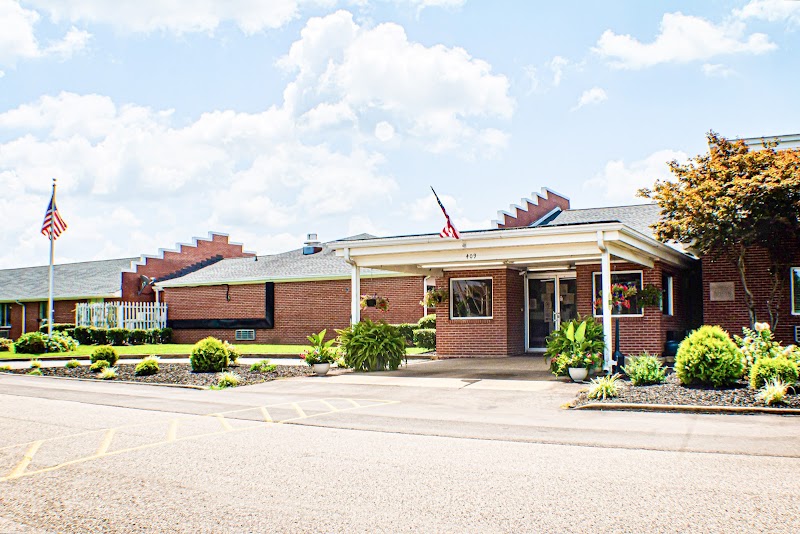
How is Adamsville Healthcare And Rehabilitation Center Staffed?

CMS rates ADAMSVILLE HEALTHCARE AND REHABILITATION CENTER's staffing level at 2 out of 5 stars, which is below average compared to other nursing homes. Staff turnover is 42%, compared to the Tennessee average of 46%. This relatively stable workforce can support continuity of care.

What Have Inspectors Found at Adamsville Healthcare And Rehabilitation Center?

State health inspectors documented 17 deficiencies at ADAMSVILLE HEALTHCARE AND REHABILITATION CENTER during 2019 to 2021. These included: 17 with potential for harm.
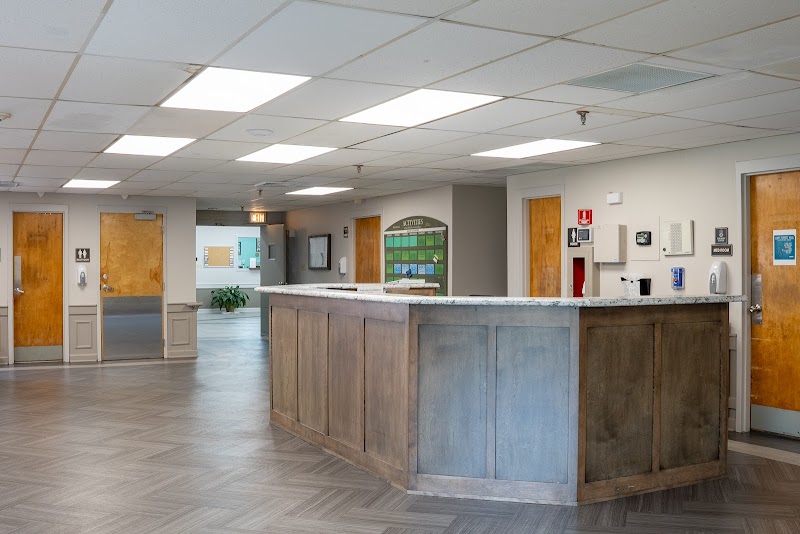
Who Owns and Operates Adamsville Healthcare And Rehabilitation Center?

ADAMSVILLE HEALTHCARE AND REHABILITATION CENTER is owned by a for-profit company. For-profit facilities operate as businesses with obligations to shareholders or private owners. The facility is operated by AHAVA HEALTHCARE, a chain that manages multiple nursing homes. With 125 certified beds and approximately 83 residents (about 66% occupancy), it is a mid-sized facility located in ADAMSVILLE, Tennessee.
How Does Adamsville Healthcare And Rehabilitation Center Compare to Other Tennessee Nursing Homes?

Compared to the 100 nursing homes in Tennessee, ADAMSVILLE HEALTHCARE AND REHABILITATION CENTER's overall rating (4 stars) is above the state average of 2.8, staff turnover (42%) is near the state average of 46%, and health inspection rating (4 stars) is above the national benchmark.

What Should Families Ask When Visiting Adamsville Healthcare And Rehabilitation Center?

Based on this facility's data, families visiting should ask: "Can you walk me through typical staffing levels on day, evening, and night shifts?" "Can I visit during a mealtime to observe dining assistance and food quality?" "How do you handle medical emergencies, and what is your hospital transfer rate?" "Can I speak with family members of current residents about their experience?" These questions are particularly relevant given the below-average staffing rating.

Is Adamsville Healthcare And Rehabilitation Center Safe?

Based on CMS inspection data, ADAMSVILLE HEALTHCARE AND REHABILITATION CENTER has a clean safety record: no substantiated abuse findings (meaning no confirmed cases of resident harm), no Immediate Jeopardy citations (the most serious violation level indicating risk of serious injury or death), and is not on the Special Focus Facility watch list (a federal program monitoring the lowest-performing 1% of nursing homes). The facility has a 4-star overall rating and ranks #1 of 100 nursing homes in Tennessee. While no facility is perfect, families should still ask about staff-to-resident ratios and recent inspection results during their visit.

Do Nurses at Adamsville Healthcare And Rehabilitation Center Stick Around?

ADAMSVILLE HEALTHCARE AND REHABILITATION CENTER has a staff turnover rate of 42%, which is about average for Tennessee nursing homes (state average: 46%). Moderate turnover is common in nursing homes, but families should still ask about staff tenure and how the facility maintains care continuity when employees leave.

Was Adamsville Healthcare And Rehabilitation Center Ever Fined?

ADAMSVILLE HEALTHCARE AND REHABILITATION CENTER has no federal fines on record. CMS issues fines when nursing homes fail to meet care standards or don't correct problems found during inspections. The absence of fines suggests the facility has either maintained compliance or corrected any issues before penalties were assessed. This is a positive indicator, though families should still review recent inspection reports for the full picture.

Is Adamsville Healthcare And Rehabilitation Center on Any Federal Watch List?

ADAMSVILLE HEALTHCARE AND REHABILITATION CENTER is not on any federal watch list. The most significant is the Special Focus Facility (SFF) program, which identifies the bottom 1% of nursing homes nationally based on persistent, serious quality problems. Not being on this list means the facility has avoided the pattern of deficiencies that triggers enhanced federal oversight. This is a positive indicator, though families should still review the facility's inspection history directly.