ELK RIVER HEALTH AND NURSING CENTER OF ARDMORE, LL
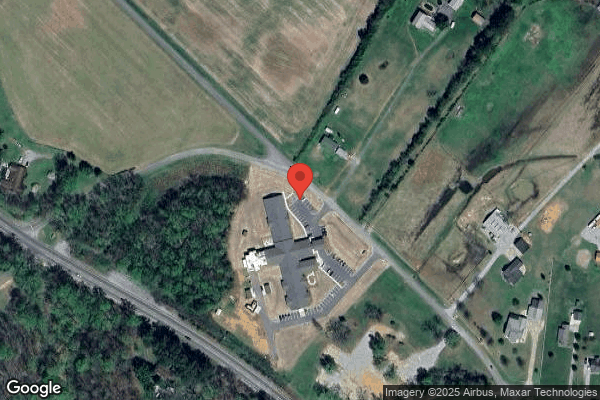
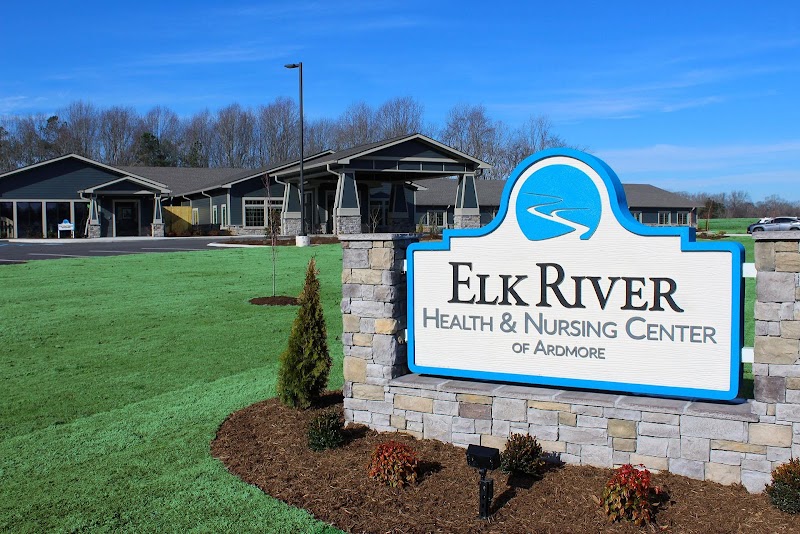
24623 UNION HILL ROAD, ARDMORE, TN 38449 (931) 427-2143
For profit - Corporation 79 Beds TWIN RIVERS HEALTH & REHABILITATION Data: November 2025
Trust Grade
70/100
#120 of 298 in TN
Last Inspection: January 2020

Over 2 years since last inspection. Current conditions may differ from available data.

Overview

Elk River Health and Nursing Center of Ardmore has a Trust Grade of B, meaning it is considered a good facility, solidly positioned in the middle range of nursing homes. It ranks #120 out of 298 facilities in Tennessee, placing it in the top half, and #2 out of 3 in Giles County, indicating that only one local option is better. The facility is improving, having reduced the number of reported issues from 2 in 2020 to just 1 in 2023, but it still has staffing concerns, with a low 1/5 star rating and a turnover rate of 54%, which is about average for the state. While there are no fines recorded, which is a positive sign, there have been specific concerns, such as a staff member serving food with contaminated gloves and not following proper sanitation practices in the kitchen, which could lead to foodborne illnesses. Overall, while there are strengths in its good trust rating and improvement trend, the facility's staffing issues and past concerns about food safety are important factors for families to consider.

Trust Score
B
70/100
In Tennessee
#120/298
Top 40%
Safety Record
Low Risk
No red flags
Inspections
Getting Better
2 → 1 violations
Staff Stability
⚠ Watch
54% turnover. Above average. Higher turnover means staff may not know residents' routines.
Penalties
✓ Good
No fines on record. Clean compliance history, better than most Tennessee facilities.
Skilled Nurses
⚠ Watch
Each resident gets only 26 minutes of Registered Nurse (RN) attention daily — below average for Tennessee. Fewer RN minutes means fewer trained eyes watching for problems.
Violations
⚠ Watch
11 deficiencies on record. Higher than average. Multiple issues found across inspections.
★★★☆☆
3.0
Overall Rating
★☆☆☆☆
1.0
Staff Levels
★★★☆☆
3.0
Care Quality
★★★★☆
4.0
Inspection Score
Stable
2020: 2 issues
2023: 1 issues

The Good

  • Full Sprinkler Coverage · Fire safety systems throughout facility
  • No fines on record

Facility shows strength in fire safety.

The Bad

3-Star Overall Rating

Near Tennessee average (2.8)

Meets federal standards, typical of most facilities

Staff Turnover: 54%

Near Tennessee avg (46%)

Higher turnover may affect care consistency

Chain: TWIN RIVERS HEALTH & REHABILITATION

Part of a multi-facility chain

Ask about local staffing decisions and management

The Ugly 11 deficiencies on record

Aug 2023 1 deficiency
CONCERN (D) 📢 Someone Reported This

A family member, employee, or ombudsman was alarmed enough to file a formal complaint

Potential for Harm - no one hurt, but risky conditions existed

Free from Abuse/Neglect (Tag F0600)

Could have caused harm · This affected 1 resident

**NOTE- TERMS IN BRACKETS HAVE BEEN EDITED TO PROTECT CONFIDENTIALITY** Based on record review, interview, and facility policy review, the facility failed to ensure one resident (Resident (R)1) of 10 ...

Read full inspector narrative →
**NOTE- TERMS IN BRACKETS HAVE BEEN EDITED TO PROTECT CONFIDENTIALITY** Based on record review, interview, and facility policy review, the facility failed to ensure one resident (Resident (R)1) of 10 residents reviewed for abuse was free from verbal abuse from a staff member. Findings include: Review of the electronic medical record (EMR) under the Face Sheet tab revealed R1 was admitted to the facility on [DATE] with diagnoses including epilepsy, traumatic brain injury, and blindness. Review of the Quarterly Minimum Data Set (MDS) located in the EMR under the MDS tab with an Assessment Reference Date (ARD) of 01/24/23 revealed R1 had a Brief Interview for Mental Status (BIMS) score of 15 out of 15 indicating no cognitive impairment. Review of the facility's Alleged Verbal Abuse Investigation dated 03/06/23 revealed an incident of verbal abuse from an employee, Certified Nursing Assistant (CNA)2 to R1 occurred on 03/06/23 around 12:25 AM. CNA2 was immediately placed at the nurses' station and away from residents. At 1:18 AM, once all parties were informed, CNA2 was asked to leave the facility by the Director of Nursing (DON)2 until an investigation was completed. The Regional Director of Clinical Services (RDCS)2 then asked CNA2 not to return to the facility and CNA2 agreed. A Reportable Event form was completed and faxed to the authorities at 2:24 AM. As a result of the investigation, the facility did substantiate the allegation of verbal abuse. Review of the ShiftKey agency Provider Profile provided by the facility revealed CNA2 was listed as Do Not Return status. In an interview on 08/30/23 at 9:52 AM, R1 stated the staff treat her well. R1 did say a few months ago she remembered she called CNA2 an expletive name as well as other expletive things. There was no mention if CNA2 called her expletive names. In a phone interview on 08/30/23 at 10:26 AM, CNA1 who was a witness to the verbal abuse from CNA2 to R1 revealed, they were yelling back and forth. CNA1 stated CNA2 said to R1, if I'm an [expletive name], then you're a an expletive name. CNA1 revealed she informed Licensed Practical Nurse (LPN) 2 of the situation. An attempt was made to contact CNA2 via phone on 08/30/23 at 12:52 PM. When called, a recording stated the phone number had call restrictions set up and the call could not be completed. Review of the Abuse Prevention Policy & Procedure revised 03/19/19 revealed, This facility shall not condone any acts of resident mistreatment, neglect, verbal, sexual, physical and/or mental abuse, corporal punishment, involuntary seclusion or misappropriation of resident property by any facility staff member, other residents, consultants, volunteers, staff of other agencies serving the resident, family members, legal guardians, friends, or other individuals. Though it cannot guarantee that such occurrences will not occur at this facility, preventative steps will be taken to reduce the potential for such occurrences.
Jan 2020 2 deficiencies
CONCERN (E)

Potential for Harm - no one hurt, but risky conditions existed

Quality of Care (Tag F0684)

Could have caused harm · This affected multiple residents

**NOTE- TERMS IN BRACKETS HAVE BEEN EDITED TO PROTECT CONFIDENTIALITY** Based on policy review, medical record review, and interview, the facility failed to ensure physician's orders were obtained for...

Read full inspector narrative →
**NOTE- TERMS IN BRACKETS HAVE BEEN EDITED TO PROTECT CONFIDENTIALITY** Based on policy review, medical record review, and interview, the facility failed to ensure physician's orders were obtained for hospice services for 2 of 2 sampled residents (Resident #10 and #43) reviewed for hospice. The findings include: 1. The facility policy titled, Hospice Program, revised July 2017 documented, .a member of the IDT [Interdisciplinary Team] with clinical assessment skills who is operating within the State scope of practice act .He or she is responsible for the following .Hospice physician and attending physician (if any) orders specific to each resident . 2. Review of the medical record, showed Resident #10 was admitted to the facility on [DATE] with diagnoses of Alzheimer's Disease, Malignant Neoplasm of the Lung, Adult Failure to Thrive, and Chronic Obstructive Pulmonary Disease. A Physician's Verbal Order dated 4/9/2019 documented, .Admit to [Named Nursing Center] with [Named Hospice] . The order was not signed by a physician. During an interview conducted on 1/23/2020 at 1:39 PM, the Director of Nursing (DON) confirmed the verbal order was not signed by a physician. Review of the admission Minimum Data Set (MDS) dated [DATE], showed Resident #10 had severe cognitive deficits, had a prognosis of less than 6 months, and received hospice care. The Physician's Order dated 8/28/2019 documented, .Do Not Resuscitate . Review of the quarterly MDS dated [DATE], showed Resident #10 received hospice services. Review of the Physician Orders from 4/9/2019 through 1/2020, showed there were no orders for hospice services. During an interview conducted on 1/23/2020 at 1:39 PM, the DON confirmed there were no hospice orders from 4/9/2019 through 1/2020 for Resident #10. 3. Review of the medical record, showed Resident #43 was admitted to the facility on [DATE] with diagnoses of Parkinson's Disease, Endocarditis, Acute Kidney Failure, and Adult Failure to Thrive. Review of the significant change MDS dated [DATE], showed Resident #43 had a prognosis of less than 6 months, and received hospice care. A General Note dated 9/11/2019 documented, .Resident was admitted to hospice on 9/10/19 [9/10/2019] . Review of the Physician Orders from 10/2019 through 1/2020, showed there were no orders for hospice services. During an interview conducted on 1/23/2020 at 1:39 PM, the DON confirmed there were no hospice orders from 10/2019 through 1/2020 for Resident #43.
CONCERN (F)

Potential for Harm - no one hurt, but risky conditions existed

Food Safety (Tag F0812)

Could have caused harm · This affected most or all residents

Based on policy review, observation, and interview, the facility failed to ensure food was served under sanitary conditions when [NAME] #1 touched food with a contaminated glove. The facility had a ce...

Read full inspector narrative →
Based on policy review, observation, and interview, the facility failed to ensure food was served under sanitary conditions when [NAME] #1 touched food with a contaminated glove. The facility had a census of 37 residents with 33 of those residents receiving a tray from the kitchen. The findings include: 1. The facility policy titled, Preventing Foodborne Illness - Food Handling, revised July 2014 documented, .Food will be stored, prepared, handled and served so that the risk of foodborne illness is minimized . Observation in the Kitchen on 1/22/2020 at 4:50 PM, showed [NAME] #1 picked up dinner plates, bowls, tongs, plate warmers, and meal tickets with her gloved hands, served the plates, and placed a slice of bread or cornbread on each plate with the same gloved hand. During an interview conducted on 1/22/2020 at 6:00 PM, [NAME] #1 stated .I should use tongs for the bread .it's cross contamination .
Feb 2019 4 deficiencies
CONCERN (D)

Potential for Harm - no one hurt, but risky conditions existed

Transfer Requirements (Tag F0622)

Could have caused harm · This affected 1 resident

**NOTE- TERMS IN BRACKETS HAVE BEEN EDITED TO PROTECT CONFIDENTIALITY** Based on policy review, medical record review and interview, the facility failed to have required discharge and transfer documen...

Read full inspector narrative →
**NOTE- TERMS IN BRACKETS HAVE BEEN EDITED TO PROTECT CONFIDENTIALITY** Based on policy review, medical record review and interview, the facility failed to have required discharge and transfer documentation for 1 of 1 (Resident #3) sampled residents reviewed for hospitalization. The findings include: 1. The facility's Transfer or Discharge, Emergency policy revised December 2016 documented, .Should it become necessary to make an emergency transfer or discharge to a hospital or other related institution, our facility will implement the following procedures .Notify the resident's Attending Physician .Notify the receiving facility that the transfer is being made .Prepare a transfer form to send with the resident . 2. Medical record review revealed Resident #3 was admitted to the facility on [DATE] with diagnoses of Diabetes, Peripheral Vascular Disease, Right and Left Above Knee Amputations, Chronic Obstructive Pulmonary Disease, Hypertension, Anemia, Anxiety, and Depression. Review of the Departmental Notes revealed the nurse failed to document the change in Resident #3's condition, his vital signs, interventions, who was notified and an order for transfer. Review of a Departmental Notes nursing note dated 2/18/19, written by the Director of Nursing (DON) documented, .2/16/19 2:30 .resident sent to [named hospital] for eval [evaluation] and treat [treatment] . This was a late entry written 2 days after the resident was transferred to the hospital. The facility was unable to provide a physician's order or a transfer form documenting the resident's transfer to the hospital. Interview with Licensed Practical Nurse (LPN) #2 on 2/26/19 at 2:32 PM, in room [ROOM NUMBER], LPN #2 was asked if she had obtained an order to send Resident #3 to the hospital on 2/16/19. LPN #2 stated, .I did not write the order . LPN #2 was asked if she sent a transfer form containing the pertinent information with Resident #3 to the hospital. LPN #2 stated, No, Ma'am. LPN #2 was asked where she documented that she called report to the receiving hospital. LPN #2 stated, I don't know that I did. LPN #2 was asked for the assessment, vital signs and interventions for Resident #2 prior to sending him to the hospital. LPN #2 stated, I couldn't find it in the computer system. Interview with the DON on 2/26/19 at 2:42 PM, in room [ROOM NUMBER], the DON was asked if the facility sends a transfer form to the hospital when a resident is transferred. The DON stated, No, Ma'am .We have never used a discharge form or transfer form. The DON was asked if an order had been written for Resident #3's transfer to the hospital. The DON stated, It was not .
CONCERN (D)

Potential for Harm - no one hurt, but risky conditions existed

Deficiency F0657 (Tag F0657)

Could have caused harm · This affected 1 resident

**NOTE- TERMS IN BRACKETS HAVE BEEN EDITED TO PROTECT CONFIDENTIALITY** Based on policy review, review of the interdisciplinary care plan meeting sign in sheets, medical record review, and interview, ...

Read full inspector narrative →
**NOTE- TERMS IN BRACKETS HAVE BEEN EDITED TO PROTECT CONFIDENTIALITY** Based on policy review, review of the interdisciplinary care plan meeting sign in sheets, medical record review, and interview, the facility failed to ensure residents were involved in developing the care plan and making decisions about his or her care and failed to include direct care staff in Interdisciplinary Care Planning for 2 of 2 (Residents #3 and 11) residents reviewed for care plans. The findings include: 1. The facility's Care Plans, Comprehensive Person-Centered policy, revised on 12/2016 documented, .The Interdisciplinary Team (IDT), in conjunction with the resident and his/her family .develops and implements a comprehensive, person-centered care plan for each resident .The IDT includes .A nurse aide who has responsibility for the resident .Each resident's comprehensive person-centered care plan will be consistent with the resident's rights to participate in the development and implementation of his or her plan of care, including the right to .participate in the planning process .The Interdisciplinary Team must review and update the care plan .At least quarterly in conjunction with the required quarterly MDS [Minimum Data Set] assessment . 2. Medical record review revealed Resident #3 was admitted to the facility on [DATE] with diagnoses of Diabetes, Peripheral Vascular Disease, Chronic Obstructive Pulmonary Disease, Right and Left Above Knee Amputations, Anxiety, and Depression. The facility was unable to provide documentation of care plan meetings following the Minimum Data Set (MDS) assessments dated 6/27/18, 11/9/18, or 2/8/19. Interview with Resident #3 on 2/25/19 at 1:54 PM in his room, Resident #3 was asked if he had been included in decisions about his care, including attending his care plan meetings. Resident #3 stated, I haven't been to one. Interview with the Social Service Director on 2/26/19 at 11:56 AM in room [ROOM NUMBER], the Social Service Director was asked if care plan meetings were conducted following the MDS assessments on 6/27/18, 11/9/18, or 2/8/19. The Social Service Director stated, No, they did not. Review of an interdisciplinary care plan meeting sign in sheet dated 9/26/18 revealed the interdisciplinary care plan meeting did not include direct care staff. Interview with the Social Service Director on 2/26/19 at 11:56 AM in room [ROOM NUMBER], the Social Service Director was asked if direct care staff such as his nurse or Certified Nursing Assistant (CNA) were included in the interdisciplinary care plan meetings. The Social Services Director stated, Very seldom . 3. Medical record review revealed Resident #11 was admitted to the facility on [DATE] with diagnoses of Atherosclerosis, Cardiac Pacemaker, Chronic Obstructive Pulmonary Disease, Hypothyroidism, Heart Failure, Sick Sinus Syndrome, Peripheral Vascular Disease, Epilepsy, Depression, and Anxiety. The facility was unable to provide documentation of care plan meetings following the MDS assessments dated 6/9/18 or 12/8/18. Review of an interdisciplinary care plan meeting sign in sheet dated 9/12/18 revealed the interdisciplinary care plan meeting did not include direct care staff. Interview with the Social Services Director on 2/26/19 at 11:58 AM in room [ROOM NUMBER], the Social Services Director was asked if interdisciplinary care plan meetings were held for Resident #11 after the 6/9/18 and 12/8/18 quarterly MDS assessments. The Social Services Director stated, There was no meeting . The Social Services Director further stated the direct care staff were not included in the 9/12/18 interdisciplinary care plan meeting. Interview with the MDS Coordinator on 2/26/19 at 1:44 PM in room [ROOM NUMBER], the MDS Coordinator confirmed that the interdisciplinary care plan meetings should be conducted after the MDS quarterly assessments. The MDS Coordinator was asked who should be included in the interdisciplinary care planning meetings. The MDS Coordinator stated, Should be attended by, first and foremost, the resident, the resident's family or responsible party, social services, someone from nursing, the MDS Coordinator, therapy. It's really good to have a CNA or someone who works with the resident on a day to day basis.
CONCERN (D)

Potential for Harm - no one hurt, but risky conditions existed

Accident Prevention (Tag F0689)

Could have caused harm · This affected 1 resident

**NOTE- TERMS IN BRACKETS HAVE BEEN EDITED TO PROTECT CONFIDENTIALITY** Based on policy review, medical record review, observation, and interview, the facility failed to ensure safe practices were mai...

Read full inspector narrative →
**NOTE- TERMS IN BRACKETS HAVE BEEN EDITED TO PROTECT CONFIDENTIALITY** Based on policy review, medical record review, observation, and interview, the facility failed to ensure safe practices were maintained when using a mechanical lift for 1 of 3 (Resident #31) residents reviewed for accident hazards. The findings include: The facility's Lifting Machine, Using a Mechanical policy revised 7/2017 documented .At least two (2) nursing assistants are needed to safely move a resident with a mechanical lift . Medical record review revealed Resident #31 was admitted to the facility on [DATE] with diagnoses of Hemiplegia, Vascular Dementia, Bipolar Disorder, Osteoarthritis, Anxiety, Depression, Epilepsy, and Psychotic Disorder. Observations in Resident #31's room on 2/25/19 at 10:51 AM, revealed Resident #31 was transferred back to bed with the use of the mechanical lift. Certified Nursing Assistant (CNA) #1 was the only staff member performing the transfer. Interview with CNA #1 on 2/26/19 at 1:57 PM in room [ROOM NUMBER], CNA #1 was asked how many people should assist with a mechanical lift transfer. CNA #1 stated, 2. CNA #1 was asked why it was necessary to have 2 staff members present for the transfer with a mechanical lift. CNA #1 stated, Safety precautions. Interview with the Director of Nursing (DON) on 2/26/19 at 4:00 PM in room [ROOM NUMBER], the DON was asked if one staff member should transfer a resident using the mechanical lift without the assistance of another staff member. The DON stated No.
CONCERN (D)

Potential for Harm - no one hurt, but risky conditions existed

Infection Control (Tag F0880)

Could have caused harm · This affected 1 resident

**NOTE- TERMS IN BRACKETS HAVE BEEN EDITED TO PROTECT CONFIDENTIALITY** Based on policy review, observation, and interview, the facility failed to ensure practices to prevent the potential spread of i...

Read full inspector narrative →
**NOTE- TERMS IN BRACKETS HAVE BEEN EDITED TO PROTECT CONFIDENTIALITY** Based on policy review, observation, and interview, the facility failed to ensure practices to prevent the potential spread of infection were followed when 1 of 3 (Licensed Practical Nurse (LPN) #2) nurses failed to perform hand hygiene between glove use during medication administration observations. The findings include: 1. The facility's Handwashing/Hand Hygiene policy documented, .2. All personnel shall follow the handwashing/hand hygiene procedures to help prevent the spread of infection to other personnel, residents, and visitors .b. Before and after direct contact with residents .c. Before preparing or handling medications .1. Perform hand hygiene before applying non-sterile gloves .3. When removing gloves .4. Perform hand hygiene . Observations in Resident #34's room on 2/26/19 at 9:04 AM revealed LPN #2 entered Resident #34's room, donned gloves, applied a medication patch to Resident #34's left lower back and removed the gloves. LPN #2 did not perform hand hygiene after she removed her gloves or before donning new gloves . LPN #2 exited the room, returned to her medication cart, removed a pulse oximeter and a wrist blood pressure cuff. LPN #2 entered Resident #9's room, applied the blood pressure cuff to Resident #9's left wrist and the pulse oximeter to his finger. LPN #2 failed to perform hand hygiene after contact with Resident #34, before and after contact with Resident #9. LPN #2 exited Resident #9's room, went to the dining room to respond to an alarm on Resident #2's percutaneous endoscopic gastrostomy pump. LPN #2 failed to perform hand hygiene between contact with Resident #34, #9, and #2. Interview with LPN #2 on 2/26/19 at 4:39 PM in room [ROOM NUMBER], LPN #2 was asked when handwashing should occur. LPN #2 stated, .when they are visibly soiled .every 2 or 3 resident's room . LPN #2 was asked if she should wash her hands after the removal of her gloves and before she entered another resident's room. LPN #2 stated, .yes, very definitely . Interview with the Director of Nursing (DON) on 2/27/19 at 9:50 AM, in the DON's office, the DON was asked when nurses should wash their hands. The DON stated, All the time, before and after contact, before and after med [medication] pass .when you go into the next room . The DON was asked what staff should do after removing their gloves. The DON stated, .wash hands . The DON was asked if the nurse should enter another resident's room after administering medication to another resident without washing their hands. The DON stated, .absolutely not .
Apr 2018 4 deficiencies
CONCERN (D)

Potential for Harm - no one hurt, but risky conditions existed

Deficiency F0578 (Tag F0578)

Could have caused harm · This affected 1 resident

**NOTE- TERMS IN BRACKETS HAVE BEEN EDITED TO PROTECT CONFIDENTIALITY** Based on policy review, medical record review and interview, the facility failed to have a signed Physicians Order for Scope of ...

Read full inspector narrative →
**NOTE- TERMS IN BRACKETS HAVE BEEN EDITED TO PROTECT CONFIDENTIALITY** Based on policy review, medical record review and interview, the facility failed to have a signed Physicians Order for Scope of Treatment (POST) form for 1 of 25 (Resident #27) sampled residents reviewed for proper documentation of scope of treatment. The findings included: 1. The facility's Advanced Directives policy documented, .The Director of Nursing Services or designee will notify the Attending Physician of advanced directives so the appropriate orders can be documented in the resident's medical record . 2. Medical record review revealed Resident #27 was admitted to the facility on [DATE] with diagnoses of Chronic Kidney Disease, Dementia, Anemia, Paroxysmal Atrial Fibrillation, Insomnia, Anxiety Disorder, Retention of Urine, Hypothyroidism, Cardiac Pacemaker, Alzheimer's Disease, Congestive Heart Failure, Encephalopathy, and Malignant Neoplasm of Prostate. The POST form on Resident #27's chart was not signed by a physician. The POST form documented, .This is a Physician Order Sheet . Interview with the Director of Nursing (DON) on 4/16/18 at 3:15 PM, in the DON office, the DON was asked would you expect the resident's Advanced Directive to be signed. The DON stated, Yes ma'am.
CONCERN (D)

Potential for Harm - no one hurt, but risky conditions existed

Accident Prevention (Tag F0689)

Could have caused harm · This affected 1 resident

**NOTE- TERMS IN BRACKETS HAVE BEEN EDITED TO PROTECT CONFIDENTIALITY** Based on policy review, medical record review, observation, and interview, the facility failed to ensure the environment was fre...

Read full inspector narrative →
**NOTE- TERMS IN BRACKETS HAVE BEEN EDITED TO PROTECT CONFIDENTIALITY** Based on policy review, medical record review, observation, and interview, the facility failed to ensure the environment was free from the accident hazards of sharps in 1 of 37 (room [ROOM NUMBER]A) resident rooms. The findings included: 1. The facility's Resident Rights/Exercise Rights policy documented, .Policy Interpretation and Implementation .k. Retain and use personal possessions to the maximum extent and space and safety permit . 2. Medical record review revealed Resident #33 (the resident residing in room [ROOM NUMBER]A) was admitted to the facility on [DATE] with diagnoses of Vascular Dementia, Diabetes, Hypertension, Osteoarthrosis, Chronic Pain, Iron Deficiency Anemia, Major Depression, Mood Disorder, and Adjustment Disorder. The care plan dated 1/20/17 and revised 3/7/18 documented, .Problem/Need .Resident establishes his own goals regarding daily life choices .Resident prefers personal toiletry items in his room within his reach. This a strength for resident. In order to accomodate [accommodate] Resident and sustain his Rights and comply with State regulations, and since Resident is cognizant to use and maintain his toiletry items, he can store and maintain such items in his room as long as he keeps his door closed when he is out of his room and keeps his stop sign visible at all times .Approaches .Encourage and assist Resident in keeping personal toiletry items in a safe place so as not to cause harm to other Residents .Encourage and assist Resident in keeping his door closed when he is not in his room and encourage him to make use of his stop sign at all times . 3. Observations in room [ROOM NUMBER]A on 4/15/18 at 11:18 AM, revealed 19 disposable razors on the counter beside the sink. The resident was not in the room and the door was not shut. Observations in room [ROOM NUMBER]A on 4/15/18 at 2:15 PM, revealed 19 disposable razors on the counter beside the sink. The resident was in the bathroom, the door was shut to his room, and there was no stop sign visible. Observations in room [ROOM NUMBER]A on 4/15/18 at 4:01 PM, revealed 19 disposable razors on the counter beside the sink. The resident was not in the room and the door was not shut. Interview with the Director of Nursing (DON) on 4/15/18 at 5:00 PM, in the DON office, she was asked if razors should be left unattended in a resident's room. The DON stated, No, they should not .
CONCERN (D)

Potential for Harm - no one hurt, but risky conditions existed

Medical Records (Tag F0842)

Could have caused harm · This affected 1 resident

**NOTE- TERMS IN BRACKETS HAVE BEEN EDITED TO PROTECT CONFIDENTIALITY** Based on policy review, medical record review, observation, and interview, the facility failed to maintain complete and accurate...

Read full inspector narrative →
**NOTE- TERMS IN BRACKETS HAVE BEEN EDITED TO PROTECT CONFIDENTIALITY** Based on policy review, medical record review, observation, and interview, the facility failed to maintain complete and accurate medical records for 1 of 25 (Resident #38) sampled residents. The findings included: 1. The facility's Administering Medications policy documented, .The individual administering the medication must initial the resident's MAR [Medication Administration Record] on the appropriate line after giving each medication . 2. Medical record review revealed Resident #38 was admitted to the facility on [DATE] with diagnoses of Chronic Obstructive Pulmonary Disease, Malaise, Hypothyroidism, Retention of Urine, Heart Failure, Sick Sinus Syndrome, Epilepsy, Peripheral Vascular Disease, Fusion of Spine, Cervical Region, Major Depressive Disorder, and Delirium. The MAR for the month of March 2018 documented, HYDROCODONE - APAP [Acetaminophen] 7.5 - 325 .TAKE 1 TABLET BY MOUTH EVERY 4 HOURS FOR PAIN . The MAR for the month of March 2018 did not document Hydrocodone APAP 7.5 -325 was administered on 3/28/18 at 12 AM and 4 AM. The CONTROLLED SUBSTANCES log documented on 3/27/18 Hydrocodone APAP 7.5 - 325 was dispensed on 3/27/18 at 11 PM (1 hour prior to the scheduled time) and on 3/28/18 at 5 AM (1 hour after the scheduled time). The MAR did not document the Hydrocodone APAP 7.5 - 325 was administered. The MAR for the month of April 2018 documented, Norco [Hydrocodone] 7.5/325 mg [milligrams] Po [per mouth] QID [four times daily] for pain . The MAR for the month of April 2018 did not document Norco 7.5/3.25 mg was administered on 4/1/18 and 4/2/18 at 12 AM and 6 AM. The CONTROLLED SUBSTANCES log documented on 3/31/18 Hydrocodone APAP 7.5 -325 was dispensed at 11 PM (1 hour prior to the scheduled time) and on 4/1/18 at 5 AM (1 hour prior to scheduled time) and on 4/1/18 at 11 PM (1 hour prior to the scheduled times) and on 4/2/18 at 6 AM. The MAR did not document Hydrocodone APAP 7.5 -325 was administered. The MAR for April 2018 documented, Norco 7.5/325mg 1 tab po Q [every] 4 Hrs [hours] . The MAR for April 2018 did not document Norco 7.5/325 mg was administered on 4/6/18 at 4 PM. The CONTROLLED SUBSTANCES log documented on 4/6/18 documented Hydrocodone APAP 7.5 - 325 was dispensed at 4 PM. The MAR did not document Hydrocodone APAP 7.5 -325 was administered. Interview with the Director of Nursing (DON) on 4/17/18 at 10:10 AM, at the nurses' station, the DON confirmed the Hydrocodone APAP was not signed as administered on 3/28/18, 4/1/18, 4/2/18, and 4/6/18. The DON was asked if the Hydrocodone was documented on the Controlled Substances log as dispensed would she expect it to be documented on the MAR as administered. The DON stated, Absolutely.
CONCERN (F)

Potential for Harm - no one hurt, but risky conditions existed

Food Safety (Tag F0812)

Could have caused harm · This affected most or all residents

Based on policy review, observation, and interview, the facility failed to ensure the food was prepared and served under sanitary conditions as evidenced by lack of hairnets, wet nesting of pans, dirt...

Read full inspector narrative →
Based on policy review, observation, and interview, the facility failed to ensure the food was prepared and served under sanitary conditions as evidenced by lack of hairnets, wet nesting of pans, dirty food preparation (prep) tables, dirty oven and stove top, and a dirty ceiling vent. The facility had a census of 49, with 47 of those residents receiving a meal tray from the kitchen. The findings included: 1. The facility's Food Preparation and Service policy documented, .Food preparation area .5. Food preparation staff will adhere to proper hygiene and sanitary practices to prevent the spread of food borne illness .Food Service/Distribution .7. Dietary staff shall wear hair restraints (hair net, hat, beard restraints .) so that hair does not contact food . 2. Observations in the kitchen on 4/15/18 at 11:00 AM, revealed a dietary cook and a dietary aide walked in the kitchen around the stove and the steam table without hair nets. Observations in the kitchen on 4/15/18 at 10:50 AM, revealed 6 long pans on the bottom of the food prep table with water dripping on the floor from wet nesting. Observations in the kitchen on 4/15/18 at 10:50 AM and 4/16/18 at 4:10 PM, revealed a tray of clean dishes and glasses stored in a dirty crate with sticky dark residue on top of the crate with the crate sitting on a dirty food prep table with scattered white residue, crumbs and rust. Observations in the kitchen on 4/15/18 at 11:00 AM, 4/16/18 at 2:30 PM, and at 4:10 PM, revealed the oven with scattered crumbs and grease and the stove top with grease splatter and dried food particles. Observations in the kitchen on 4/15/18 at 10:45 AM and 4/16/18 at 2:30 PM, revealed a dirty ceiling vent with dirt and white debris hanging from the ceiling over the food prep table. 3. Interview with the Dietary Manager on 4/16/18 at 4:14 PM, in the kitchen, the Dietary Manager was asked if it was acceptable for employees to walk in the kitchen around the stove and the steam table without a hair net. The Dietary Manager stated, No. The Dietary Manager was asked if it was acceptable to have wet nesting between stored pans. The Dietary Manager stated, No. The Dietary Manager was asked if it was acceptable to store clean dishes in a dirty crate on top of a dirty food prep table. The Dietary Manager stated, No. The Dietary Manager was asked how often were the oven and the stove top cleaned and if it was acceptable for crumbs and dried debris to be left in the oven and on the stove top. The Dietary Manager stated, .the oven and stove top should be cleaned after each meal . The Dietary Manager was asked what was in the oven and on the stove top. The Dietary Manager stated, .it doesn't look like it was cleaned after the last meal . The Dietary Manager was asked if this was acceptable. The Dietary Manager stated, No. The Dietary Manager was asked what was on the ceiling vent above the food prep table. The Dietary Manager stated, .dirt and lint . The Dietary Manager was asked if the dirty ceiling vent with white debris over the food prep table was acceptable. The Dietary Manager stated, No.
Understanding Severity Codes (click to expand)
Life-Threatening (Immediate Jeopardy)
J - Isolated K - Pattern L - Widespread
Actual Harm
G - Isolated H - Pattern I - Widespread
Potential for Harm
D - Isolated E - Pattern F - Widespread
No Harm (Minor)
A - Isolated B - Pattern C - Widespread

Questions to Ask on Your Visit

  • "Can I speak with families of current residents?"
  • "What's your RN coverage like on weekends and overnight?"

Our Honest Assessment

Strengths
  • • No major safety red flags. No abuse findings, life-threatening violations, or SFF status.
  • • No fines on record. Clean compliance history, better than most Tennessee facilities.
Concerns
  • • 11 deficiencies on record. Higher than average. Multiple issues found across inspections.
Bottom line: Mixed indicators with Trust Score of 70/100. Visit in person and ask pointed questions.

About This Facility

What is Elk River Health And Nursing Center Of Ardmore, Ll's CMS Rating?

CMS assigns ELK RIVER HEALTH AND NURSING CENTER OF ARDMORE, LL an overall rating of 3 out of 5 stars, which is considered average nationally. Within Tennessee, this rating places the facility higher than 99% of the state's 100 nursing homes. This mid-range rating indicates the facility meets federal standards but may have areas for improvement.
How is Elk River Health And Nursing Center Of Ardmore, Ll Staffed?

CMS rates ELK RIVER HEALTH AND NURSING CENTER OF ARDMORE, LL's staffing level at 1 out of 5 stars, which is much below average compared to other nursing homes. Staff turnover is 54%, compared to the Tennessee average of 46%. RN turnover specifically is 75%, which is notably high. RNs provide skilled clinical oversight, so turnover in this role can affect medical care quality.

What Have Inspectors Found at Elk River Health And Nursing Center Of Ardmore, Ll?

State health inspectors documented 11 deficiencies at ELK RIVER HEALTH AND NURSING CENTER OF ARDMORE, LL during 2018 to 2023. These included: 11 with potential for harm.
Who Owns and Operates Elk River Health And Nursing Center Of Ardmore, Ll?

ELK RIVER HEALTH AND NURSING CENTER OF ARDMORE, LL is owned by a for-profit company. For-profit facilities operate as businesses with obligations to shareholders or private owners. The facility is operated by TWIN RIVERS HEALTH & REHABILITATION, a chain that manages multiple nursing homes. With 79 certified beds and approximately 62 residents (about 78% occupancy), it is a smaller facility located in ARDMORE, Tennessee.
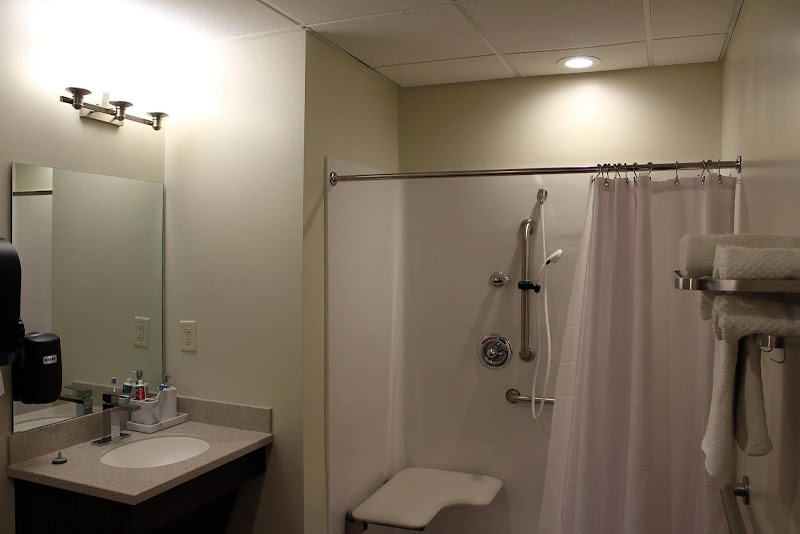
How Does Elk River Health And Nursing Center Of Ardmore, Ll Compare to Other Tennessee Nursing Homes?

Compared to the 100 nursing homes in Tennessee, ELK RIVER HEALTH AND NURSING CENTER OF ARDMORE, LL's overall rating (3 stars) is above the state average of 2.8, staff turnover (54%) is near the state average of 46%, and health inspection rating (4 stars) is above the national benchmark.

What Should Families Ask When Visiting Elk River Health And Nursing Center Of Ardmore, Ll?

Based on this facility's data, families visiting should ask: "Can you walk me through typical staffing levels on day, evening, and night shifts?" "Can I visit during a mealtime to observe dining assistance and food quality?" "How do you handle medical emergencies, and what is your hospital transfer rate?" "Can I speak with family members of current residents about their experience?" These questions are particularly relevant given the below-average staffing rating.

Is Elk River Health And Nursing Center Of Ardmore, Ll Safe?

Based on CMS inspection data, ELK RIVER HEALTH AND NURSING CENTER OF ARDMORE, LL has a clean safety record: no substantiated abuse findings (meaning no confirmed cases of resident harm), no Immediate Jeopardy citations (the most serious violation level indicating risk of serious injury or death), and is not on the Special Focus Facility watch list (a federal program monitoring the lowest-performing 1% of nursing homes). The facility has a 3-star overall rating and ranks #1 of 100 nursing homes in Tennessee. While no facility is perfect, families should still ask about staff-to-resident ratios and recent inspection results during their visit.

Do Nurses at Elk River Health And Nursing Center Of Ardmore, Ll Stick Around?

ELK RIVER HEALTH AND NURSING CENTER OF ARDMORE, LL has a staff turnover rate of 54%, which is 8 percentage points above the Tennessee average of 46%. Moderate turnover is common in nursing homes, but families should still ask about staff tenure and how the facility maintains care continuity when employees leave.

Was Elk River Health And Nursing Center Of Ardmore, Ll Ever Fined?

ELK RIVER HEALTH AND NURSING CENTER OF ARDMORE, LL has no federal fines on record. CMS issues fines when nursing homes fail to meet care standards or don't correct problems found during inspections. The absence of fines suggests the facility has either maintained compliance or corrected any issues before penalties were assessed. This is a positive indicator, though families should still review recent inspection reports for the full picture.

Is Elk River Health And Nursing Center Of Ardmore, Ll on Any Federal Watch List?

ELK RIVER HEALTH AND NURSING CENTER OF ARDMORE, LL is not on any federal watch list. The most significant is the Special Focus Facility (SFF) program, which identifies the bottom 1% of nursing homes nationally based on persistent, serious quality problems. Not being on this list means the facility has avoided the pattern of deficiencies that triggers enhanced federal oversight. This is a positive indicator, though families should still review the facility's inspection history directly.