BELLS NURSING AND REHABILITATION CENTER
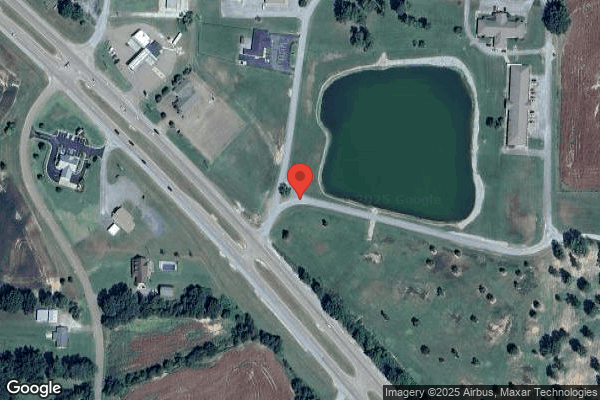

213 HERNDON DRIVE, BELLS, TN 38006 (731) 663-2335
For profit - Individual 120 Beds Independent Data: November 2025
Trust Grade
40/100
#173 of 298 in TN
Last Inspection: June 2024

Within standard 12-15 month inspection cycle. Federal law requires annual inspections.

Overview

Bells Nursing and Rehabilitation Center has a Trust Grade of D, indicating below-average quality with some significant concerns. It ranks #173 out of 298 facilities in Tennessee, placing it in the bottom half, but it is the top option among the two facilities in Crockett County. The facility is improving, having reduced issues from five in 2024 to two in 2025. Staffing is a weakness, rated at 2/5 stars with a high turnover rate of 59%, which is concerning compared to the state average of 48%. While there have been no fines recorded, there are notable incidents, including a serious failure to assess and report a resident's arm injury, resulting in a fracture, and lapses in infection control practices among staff, which could pose risks to residents' safety.

Trust Score
D
40/100
In Tennessee
#173/298
Bottom 42%
Safety Record
Moderate
Needs review
Inspections
Getting Better
5 → 2 violations
Staff Stability
⚠ Watch
59% turnover. Above average. Higher turnover means staff may not know residents' routines.
Penalties
✓ Good
No fines on record. Clean compliance history, better than most Tennessee facilities.
Skilled Nurses
⚠ Watch
Each resident gets only 24 minutes of Registered Nurse (RN) attention daily — below average for Tennessee. Fewer RN minutes means fewer trained eyes watching for problems.
Violations
⚠ Watch
21 deficiencies on record. Higher than average. Multiple issues found across inspections.
★★☆☆☆
2.0
Overall Rating
★★☆☆☆
2.0
Staff Levels
★☆☆☆☆
1.0
Care Quality
★★★☆☆
3.0
Inspection Score
Stable
2024: 5 issues
2025: 2 issues

The Good

  • Full Sprinkler Coverage · Fire safety systems throughout facility
  • No fines on record

Facility shows strength in fire safety.

The Bad

2-Star Overall Rating

Below Tennessee average (2.8)

Below average - review inspection findings carefully

Staff Turnover: 59%

13pts above Tennessee avg (46%)

Frequent staff changes - ask about care continuity

Staff turnover is elevated (59%)

11 points above Tennessee average of 48%

The Ugly 21 deficiencies on record

1 actual harm
Aug 2025 2 deficiencies 1 Harm
SERIOUS (G) 📢 Someone Reported This

A family member, employee, or ombudsman was alarmed enough to file a formal complaint

Actual Harm - a resident was hurt due to facility failures

Free from Abuse/Neglect (Tag F0600)

A resident was harmed · This affected 1 resident

**NOTE- TERMS IN BRACKETS HAVE BEEN EDITED TO PROTECT CONFIDENTIALITY** Based on policy review, medical record review, and interview, the facility failed to identify, assess, report, and contact a pro...

Read full inspector narrative →
**NOTE- TERMS IN BRACKETS HAVE BEEN EDITED TO PROTECT CONFIDENTIALITY** Based on policy review, medical record review, and interview, the facility failed to identify, assess, report, and contact a provider for an injury of unknown origin for 1 of 3 (Resident #94) sampled residents reviewed for allegations of abuse. Resident #94, a severely cognitively impaired, vulnerable resident, dependent on staff for transfers was found with her right arm lodged in the opening of the armrest of the wheelchair on 7/13/2025. Later the same day staff observed bruising from her elbow to her wrist. An x-ray obtained on 7/14/2025 revealed a fracture of the right humerus (upper arm). The facility's failure to immediately assess Resident #94's injury of unknown origin, report the injury to Management Staff, and contact a provider regarding the injury of unknown origin and change of the Resident's condition, resulted in actual Harm to Resident #94. The findings include: 1. Review of the facility policy titled, Abuse, Neglect, Exploitation or Misappropriation-Reporting and Investigating, dated 10/28/2022, revealed .All reports of resident abuse (including injuries of unknown origin), neglect, exploitation, or theft/ misappropriation of resident property are reported to local, state and federal agencies (as required by current regulations) and thoroughly investigated by facility management. Findings of all investigations are documented and reported. If resident abuse, neglect, exploitation, misappropriation of resident property or injury of unknown source is suspected, the suspicion must be reported immediately to the administrator and to other officials according to state law. The administrator or the individual making the allegation immediately reports his or her suspicion to the following persons or agencies.The state licensing /certification agency responsible for surveying/ licensing the facility.Immediately is defined as.within two hours of an allegation involving abuse or result in serious bodily injury.within 24 hours of an allegation that does not involve abuse or result in serious bodily injury.Upon receiving any allegations of abuse, neglect, exploitation, misappropriation of resident property or injury of unknown source, the administrator is responsible for determining what actions (if any) are needed for the protection of the residents.All allegations are thoroughly investigated. The administrator initiates investigations. Review of the facility policy titled, Accidents and Incidents-Investigating and Reporting, dated 7/2018, revealed .All accidents or incidents involving residents .shall be investigated and reported to the Administrator.The Nurse Supervisor/Charge Nurse and or the department director or supervisor shall promptly initiate and document investigation of the accident or incident.The following data.shall be included in the Incident Report form.nature of the injury /illness.bruise, fall.The Nurse Supervisor/Charge Nurse and or the department director or supervisor shall complete an Incident Report form and submit the original to the Director of Nursing Services.The Director of Nursing shall ensure that the Administrator receives a copy of the Incident Report for each occurrence. 2. Review of the medical record revealed Resident #94 was admitted to the facility on [DATE], with diagnoses including Aphasia, Contracture of Right Wrist and Right Hand, Cerebral Infraction, and Hemiplegia and Hemiparesis Affecting Right Dominant Side. Review of the quarterly Minimum Data Set assessment dated [DATE], revealed a brief interview for mental status could not be conducted, the resident was rarely/never understood, and cognitive skills for daily decision making were severely impaired. Resident #94 was dependent upon staff for toileting, bathing, dressing, hygiene, and transfers. Review of the Nurse's Note for Resident #94 dated 7/13/2025 at 10:56 AM, revealed .CNA [Certified Nurse Assistant] came up to the nurse station and stated Resident [#94] just almost slid out of her wheelchair but [CNA B] was able to reposition resident and wheelchair before [Resident #94] slid out completely. Review of the Nurse's Note for Resident #94 dated 7/14/2025 at 1:07 AM, revealed .Staff reported to this nurse [Licensed Practical Nurse (LPN) D] that resident's right arm was discolored/bruised from elbow to wrist. Upon assessment dark red discoloration noted on resident's forearm measuring 24 cm [centimeters] in length by 7 cm in width. Resident denies complaint of pain or discomfort concerning affected area.[Medical Director] notified. No new orders. Resident suffers from aphasia and was not able to communicate how injury may have occurred. Previous shift had already left for evening. Staff instructed to use caution when repositioning resident. The facility was unable to provide an assessment or any other documentation regarding the incident where Resident #94's arm was lodged in the wheelchair during the dayshift on 7/13/2025 or during the evening shift regarding the bruising on the resident's right arm that was found approximately 7:20 PM until 7/14/2025 at 1:07 AM. Review of the undated and signed Employee Investigation Interview Form signed by CNA B revealed, .Date/time of incident 7-13-25 [7/13/2025].[Resident #94] was sliding out of her wheelchair her bedside table was still in front of her .her stroke arm was not in normal position . Review of the undated and signed Employee Investigation Interview Form signed by CNA E revealed, .Date/time of incident 7-13-25 7:20 pm [PM].[Resident #94].in bed.came in Sunday at 7:00 PM, Check resident at 7:20 PM notice large bruise on Right arm, had not Did [done] any care at that time, notified the nurse. Review of the Nurse Practitioner (NP) Note dated 7/14/2025 at 3:25 PM, revealed .Patient [Resident #94] complaints of spontaneous ecchymoses [bruising]. This has been noted for one to two days.bruising is on her right upper arm. She slid down in chair this weekend.orders given for right humerus x-ray. Review of the Nurse's Note for Resident #94 dated 7/14/2025 at 4:56 PM, revealed .[NP] in facility on this date for visit with resident regarding follow up on bruising to right upper arm.orders as follows obtained X-ray of right humerus. Review of the Radiology Results Report for Resident #94 dated 7/15/2025 at 9:16 AM, revealed HUMERUS.Acute appearing fracture of the surgical neck as noted. Review of the Nurse's Note for Resident #94 dated 7/15/2025 at 12:58 PM, revealed .[NP] reviewed right humerus x-ray results obtained on 7/15/25 [2025]. New orders.Transfer to [named hospital] on this date for possible surgical neck fracture.Bruising remains to right upper arm related to incident of sliding down in chair over the weekend. Review of the (Named Hospital) Emergency Department (ED) Triage Notes dated 7/15/2025, revealed .Patient [Resident #94] presents.from [Named nursing home] for right arm bruising and humoral fracture. Staff advised EMS [Emergency Medical Service] that they noticed the bruising yesterday and performed an X-ray which resulted .with noted fracture. Staff advised that they are unsure how the patient sustained this injury as patient is bed bound and paralyzed on the right side-right also severely contracted at baseline. Review of the signed witness statement by CNA B dated 7/15/2025, revealed .resident [#94] was sliding out of her wheelchair. she had her contracted arm in the opening of the wheelchair by [the] armrest. with her feet on the wheels of bedside table, [her] left arm was extended cross [across] her bed rail.we got her back into the wheelchair.Brought resident out to the charge nurse and reported what happened, left resident [#94] at nurse station . During a telephone interview on 8/12/2025 at 2:18 PM, Licensed Practical Nurse (LPN) C confirmed she was told by CNA B, on 7/13/2025, at approximately 11:00 AM, that Resident #94 had slid down in the wheelchair. LPN C confirmed she failed to assess the resident, failed to complete an incident report, failed to report the incident to administration and the oncoming staff, and failed to obtain witness statements. During a telephone interview on 8/12/2025 at 2:51 PM, CNA B confirmed Resident #94 was found, during the morning on 7/13/2025, with her contracted right arm lodged in the opening under the armrest of the wheelchair. CNA B confirmed she did not write a witness statement on the day of the incident. During an interview on 8/13/2025 at 8:16 AM, the Regional Nurse Consultant confirmed she and the management staff were not notified of the bruise on Resident #94's forearm until 7/14/2025. The Regional Nurse Consultant confirmed the nurse should have reported the bruises to the Director of Nursing (DON) when it was found on 7/13/2025 at 7:20 PM, as an injury of unknown origin. The Regional Nurse Consultant confirmed an injury of unknown origin should be reported to the DON and the Administrator at the time it is discovered, and it should be reported to the state (State Survey Agency) when it is discovered. The Regional Nurse Consultant confirmed LPN C should have assessed Resident #94, documented the incident, and completed an incident report when informed the resident was found with her right arm ledged in the opening under the armrest of the wheelchair. During a telephone interview on 8/13/2025 at 9:25 AM, LPN D confirmed he failed to immediately notify the provider and the DON when the bruises were found. During a telephone interview on 8/14/2025at 12:06 PM, CNA E confirmed on 7/13/2025, at approximately 7:20 PM, she observed a purple-colored bruise on Resident #94's right forearm and upper right arm. During a telephone interview on 8/14/2025 at 3:35 PM, the NP confirmed when staff observe bruising, they should report their findings. The NP was asked do you know what caused the bruise. The NP stated .we had discussed [Resident #94] had slid down in wheelchair. The NP confirmed she was not notified until 7/14/2025 of the bruising found on 7/13/2025. The facility failed to assess Resident #94, failed to complete an incident report, and failed to report the injury to management staff and the provider when the injury was found on 7/13/2025 at approximately 7:20 PM.
CONCERN (D) 📢 Someone Reported This

A family member, employee, or ombudsman was alarmed enough to file a formal complaint

Potential for Harm - no one hurt, but risky conditions existed

Report Alleged Abuse (Tag F0609)

Could have caused harm · This affected 1 resident

**NOTE- TERMS IN BRACKETS HAVE BEEN EDITED TO PROTECT CONFIDENTIALITY** Based on policy review, medical record review, observation, and interview, the facility failed to report an injury of unknown or...

Read full inspector narrative →
**NOTE- TERMS IN BRACKETS HAVE BEEN EDITED TO PROTECT CONFIDENTIALITY** Based on policy review, medical record review, observation, and interview, the facility failed to report an injury of unknown origin and an allegation of misappropriation of resident property to the appropriate agencies for 2 of 3 (Resident #78 and #94) sampled residents reviewed for abuse. The findings include: 1. Review of the facility policy titled, Abuse, Neglect, Exploitation or Misappropriation-Reporting and Investigating, dated 10/28/2022, revealed .All reports of resident abuse (including injuries of unknown origin), neglect, exploitation, or theft/ misappropriation of resident property are reported to local, state and federal agencies (as required by current regulations) and thoroughly investigated by facility management. Findings of all investigations are documented and reported. If resident abuse, neglect, exploitation, misappropriation of resident property or injury of unknown source is suspected, the suspicion must be reported immediately to the administrator and to other officials according to state law. The administrator or the individual making the allegation immediately reports his or her suspicion to the following persons or agencies.The state licensing /certification agency responsible for surveying/ licensing the facility.Immediately is defined as.within two hours of an allegation involving abuse or result in serious bodily injury.within 24 hours of an allegation that does not involve abuse or result in serious bodily injury.Upon receiving any allegations of abuse, neglect, exploitation, misappropriation of resident property or injury of unknown source, the administrator is responsible for determining what actions (if any) are needed for the protection of the residents.All allegations are thoroughly investigated. The administrator initiates investigations. 2. Review of the medical record revealed Resident #78 was admitted to the facility on [DATE], with diagnoses including Diabetes, Hypertension, and Chronic Kidney Disease. Review of the quarterly Minimum Data Set (MDS) assessment dated [DATE], revealed a Brief Interview for Mental Status (BIMS) score of 13, which indicated Resident #78 had intact cognition. During an interview on 8/12/2025 at 7:56 AM, Resident #78 stated .I have $42.00 missing. I think my roommate may have gotten it and threw it away .and six pair of pants missing about 2-3 weeks ago. Resident #78 confirmed she reported the missing money to a Certified Nursing Assistant (CNA) and the missing clothing to laundry staff. During an interview on 8/12/2025 at 8:33 AM, CNA G was asked if Resident #78 ever told her that she had money missing. CNA G stated, She [Resident #78] told me it was a dollar out of her drawer but did not know if she misplaced it or if someone took it about 2 weeks ago. CNA G confirmed she told a floor nurse but did not tell any other staff member. During an interview on 8/12/2025 at 8:27 AM, the Administrator was informed that Resident #78 stated she had missing money and thought her roommate may have gotten it. During an interview on 8/13/2025 at 3:10 PM, the Administrator confirmed he had not reported that Resident #78 was missing $42 dollars to the State Survey Agency or any other agency. 3. Review of the medical record revealed Resident #94 was admitted to the facility on [DATE], with diagnoses including Aphasia, Contracture of Right Wrist and Right Hand, Cerebral Infraction, and Hemiplegia. Review of the quarterly MDS assessment dated [DATE], revealed an interview for mental status could not be conducted due to Resident #94 was severely impaired. Resident #94 was dependent upon staff for toileting, bathing, dressing, hygiene, and transfers. Review of the Nurse's Note dated 7/14/2025 at 1:07 AM, revealed, . Staff reported to this nurse that resident's right arm was discolored/bruised from elbow to wrist. Upon assessment dark red discoloration noted on resident's forearm measuring 24 cm [centimeters] in length by 7 cm in width. Resident denies complaint of pain or discomfort concerning affected area.[named provider] notified. No new orders. Resident suffers from aphasia and was not able to communicate how injury may have occurred. Previous shift had already left for evening. Staff instructed to use caution when repositioning resident. Review of the Radiology Results Report dated 7/15/2025 at 9:16 AM, revealed Resident #94 had a fracture to the right humerus (upper arm). Review of the [named hospital] ED [Emergency Department] Triage Notes, dated 7/15/2025 at 1:51 PM, revealed Resident #94 was admitted to the ED with bruising to the right arm and a humoral fracture as evident by an x-ray that was performed at the nursing home. The staff at the facility reported to Emergency Medical Services (EMS) that the bruising was observed on 7/14/2025 and that staff was unsure how the injury occurred because .patient [Resident #94] is bed bound and paralyzed on the right side-right also severely contracted at baseline . During an interview on 8/13/2025 at 8:16 AM, The Regional Nurse Consultant confirmed all injuries of unknown origin should be reported by staff when found. The Regional Nurse Consultant confirmed Resident #94 had an injury of unknown origin on 7/13/2025 and management staff was not made aware until 7/14/2025. During a telephone interview on 8/13/2025 at 9:25 AM, Licensed Practical Nurse (LPN) D confirmed on 7/13/2025 after shift change at 7:20 PM, he was asked to come see a bruise on the right forearm on Resident #94. LPN D described the bruise as dark red from the wrist to the elbow. LPN D confirmed he failed to immediately notify the provider and the DON. During an interview on 8/14/2025 at 3:28 PM, the Administrator confirmed allegations of abuse, injuries of unknown origin, and allegations of misappropriation of resident property, should be reported to the state.
Jun 2024 5 deficiencies
CONCERN (D)

Potential for Harm - no one hurt, but risky conditions existed

Resident Rights (Tag F0550)

Could have caused harm · This affected 1 resident

Based on policy review, observation, and interview, the facility failed to maintain or enhance residents' dignity and respect during dining when 6 of 18 staff members Certified Nursing Assistant (CNA)...

Read full inspector narrative →
Based on policy review, observation, and interview, the facility failed to maintain or enhance residents' dignity and respect during dining when 6 of 18 staff members Certified Nursing Assistant (CNA) C, CNA E, and CNA F, Hydration Aides K and Hydration Aide L, Licensed Practical Nurse (LPN) M, and Activities Tech O, failed to knock and/or announce themselves before entering a resident's room and failed to use courtesy titles when addressing residents and referring to residents. The findings include: 1. Review of the facility's policy titled, Dignity, revised 2021, revealed, Each resident shall be cared for in a manner that promotes and enhances his or her sense of well-being, level of satisfaction with life, and feelings of self-worth and self-esteem .Residents are treated with dignity and respect at all times .Staff are expected to knock and request permission before entering residents' rooms. Staff speak respectfully to residents at all times, including addressing the resident by his or her name of choice and not labeling or referring to the resident by his or her room number, diagnosis, or care needs . 2. Observation in the East Hall during dining on 6/17/24 at 11:08 AM, revealed CNA E, sanitized her hands, removed a tray from the meal cart, entered Resident #20's room, placed the tray on the over the bed table and began to set up the meal tray. CNA E failed to knock and/or announce herself before entering the resident's room. Observation in the East hall during dining on 6/17/2024 at approximately 11:15 AM, CNA E sanitized her hands, entered Resident #6's room, picked up the call light off of the floor, returned to the meal cart and removed a tray, entered Resident #6's room, placed the tray on the over the bed table and began to set up the meal tray. CNA E failed to knock and/or announce herself before entering the resident's room. 3. Observation in the East back hall during dining on 6/18/24 at 5:12 PM, revealed Hydration Aide K and Hydration Aide L removed a tray from the meal cart, entered Resident #11 and Resident #55's room and failed to knock and/or announce themselves. Observation in the East Hall during dining on 6/18/2024 at 5:20 PM, revealed Hydration Aide K, sanitized her hands, removed a tray from the meal cart, entered Resident #20's room, placed the tray on the over the bed table, set up the meal tray, exited the room and returned to the meal cart. Hydration K failed to knock and/or announce herself before entering the resident's room. 4. Observation in the East Hall during dining on 6/18/2024 at approximately 5:22 PM, revealed CNA C, removed a tray from the meal cart, entered Resident #57's room, placed the tray on the over the bed table, set up the meal tray and exited the resident's room. CNA C failed to knock and/or announce herself before entering the resident's room. 5. Observation in the East back hall during dining on 6/18/2024 at approximately 5:25 PM, revealed CNA F in a loud voice while walking down the hall stated, Who down here got to be fed . LPN A stated, [Named Resident #222 and Named Resident #175], who is feeding [Resident #5]. CNA F stated, I am feeding [Named Resident #5]. Activities Tech stated, [Named Resident #5] already been fed. 6. Observation in the East back hall during dining on 6/18/2024 at approximately 5:27 PM, revealed Activities Tech O removed a tray from the meal cart and entered Resident #222's room, placed the tray on the over the bed table, set up the meal tray and began to assist Resident #222 with her lunch meal. The Activities Tech failed to knock and/or announce herself before entering the resident's room. During an interview on 6/20/24 at 1:00 PM, the Director of Nursing (DON) confirmed that staff should knock and/or announce themselves before entering a resident's room to provide care or serve a meal. The DON confirmed that staff should address residents with courtesy titles or what is preferred and care planned, using the residents first or last name adding Mr. and Mrs. and that residents should not be referred to as feeders.
CONCERN (D)

Potential for Harm - no one hurt, but risky conditions existed

Quality of Care (Tag F0684)

Could have caused harm · This affected 1 resident

**NOTE- TERMS IN BRACKETS HAVE BEEN EDITED TO PROTECT CONFIDENTIALITY** Based on medical record review, observation, and interview the facility failed to follow physician's preventive measures order f...

Read full inspector narrative →
**NOTE- TERMS IN BRACKETS HAVE BEEN EDITED TO PROTECT CONFIDENTIALITY** Based on medical record review, observation, and interview the facility failed to follow physician's preventive measures order for wounds for 1 of 16 (Resident #43) sampled residents reviewed for physician orders. The findings include: Review of the medical record revealed Resident #43 was admitted on [DATE], with diagnoses including Alzheimer's, Diabetes, Stage 3 Pressure Ulcer of Sacral, Stage 4 Pressure Ulcer Left Lateral Leg, and Unstageable Left Heel. Review of the Care Plan dated 1/20/2024 revealed .returned from recent hospital stay with a stage II to sacrum .Implement pressure ulcer treatment per MD order .03/26/24 [3/26/2024]: Stage III to sacrum resolved as of this date .Stage III to sacrum reopened as of this date. To be treated per MD orders . Review of the quarterly Minimum Data Set (MDS) dated [DATE], revealed Resident #43 was moderately impaired for daily decision making, and had 1 stage 3 pressure ulcer and 3 deep tissue injury. Review of the Physician's Orders dated 3/28/2024, revealed .apply calmoseptine [an ointment and moisture barrier that protects and helps heal skin irritations .] to sacrum .bilateral buttocks .every shift for preventative measures . Review of the April 2024 Treatment Administration Record (TAR) revealed .apply calmoseptine [an ointment and moisture barrier that protects and helps heal skin irritations .] to sacrum .bilateral buttocks .every shift for preventative measures .Start Date 03/27/2024 . The treatment to the sacrum wound was not signed as being administered on 4/1/2024, 4/6/2024, 4/7/2024, 4/10/2024, 4/15/2024, 4/17/2024, 4/19/2024, 4/26/2024, and 4/29/2024. Review of the May 2024 Treatment Administration Record (TAR) revealed .apply calmoseptine to sacrum .bilateral buttocks .every shift for preventative measures .Start Date 03/27/2024 . The treatment to the sacrum wound was not signed as being administered on 5/13/2024, 5/14/2024, 5/15/2024, 5/20/2024, 5/21/2024, 5/22/2024, 5/24/2024, and 5/31/2024. Observation in Resident #43's room on 6/20/2024 at 7:20 AM, revealed resident dressed lying in the bed, eating a jelly and biscuit. During an interview on 6/21/2024 at 10:37 AM, the Director of Nursing (DON) was shown the TAR for April and MAY and confirmed there should not be empty blanks on the TAR and the Physician orders were not followed.
CONCERN (D)

Potential for Harm - no one hurt, but risky conditions existed

Respiratory Care (Tag F0695)

Could have caused harm · This affected 1 resident

**NOTE- TERMS IN BRACKETS HAVE BEEN EDITED TO PROTECT CONFIDENTIALITY** Based on policy review, medical record review, and interview, the facility failed to ensure the residents oxygen tubing and humi...

Read full inspector narrative →
**NOTE- TERMS IN BRACKETS HAVE BEEN EDITED TO PROTECT CONFIDENTIALITY** Based on policy review, medical record review, and interview, the facility failed to ensure the residents oxygen tubing and humidifier bottle was dated for 2 of 4 (Resident #54 and #224) reviewed for oxygen. The findings include: 1. Review of the facility's policy titled, Oxygen Administration, dated 4/2014, revealed The purpose of this procedure is to provide guidelines for safe oxygen administration .Before administering oxygen, and while the resident is receiving oxygen therapy .Oxygen tubing should be replaced weekly as well as humidifier bottles .should be labeled with a resident identifier and dated . 2. Review of the medical record revealed #54 was admitted on [DATE], with diagnoses including Parkinson's, Heart Failure, and Chronic Obstructive Pulmonary Disease Review of the annual Minimum Data Set (MDS) dated [DATE], revealed #54 had a Brief Interview for Mental Score (BIMS) score of 13, indicating the resident had intact cognition, and was not coded for oxygen. Review of the care plan dated 4/8/2024, revealed Resident #54 was care planned for oxygen use as needed. Review of the physician's order dated 6/4/2024, revealed Resident #54 had an order for oxygen at 2-3 liters per minute bi-nasal canula as needed. Observations in the resident's room on 6/17/2024 at 3:21 PM and on 6/18/2024 at 8:58 AM, 10:43 AM, and 3:34 PM, revealed Resident #54's oxygen tubing had no date on it and the humidifier bottle was dated 6/7/2024. 3. Review of the medical record revealed Resident #224 was admitted to the facility on [DATE], with diagnoses including Chronic Obstructive Pulmonary Disease, Atrial Fibrillation, and Anxiety. Review of the admission MDS dated [DATE], revealed Resident #224 had a BIMS score of 13, indicating the resident had intact cognition and had oxygen. Review of the physician order dated 6/4/2024, revealed Resident #224 had an order for oxygen bi-nasal cannula at 2 liter per minute for oxygen saturation less than 92 precent as needed. Observations in the resident's room [ROOM NUMBER]/17/2024 at 3:34 PM and 6/18/2024 at 3:17 PM and 3:32 PM, revealed Resident #224's oxygen tubing and humidifier bottle had no date on them. During an interview in the resident's room on 6/18/2024 at 3:17 PM, Resident #224 confirmed the use of oxygen as needed. Resident #224 stated, .They only put it (Oxygen) on me when they check my vitals, if the oxygen is low. They put it on me this morning . 4. During an interview on 6/18/24 at 3:26 PM, the Director of Nurses (DON) asked when the oxygen tubing and the humidifier bottle should be changed. The DON stated, .the tubing and humidifier bottle should be dated and changed every 7 days . During an observation and interview in the resident's room on 6/18/2024 at 3:32 PM, the DON confirmed Resident #224's oxygen tubing and humidifier bottle was not dated. During an interview on 6/18/2024 at 3:34 PM, the DON confirmed Resident #54's oxygen tubing was not dated and the humidifier bottle was dated 6/7/2024. The Director of Nurses confirmed Resident #54's oxygen tubing should have a date on it. The DON stated, .it is our responsibility for replacing and making sure the tubing and humidifier is changed every 7 days and dated the tubing should have a date and the humidifier bottle should have been changed by the 6/14/2024.
CONCERN (D)

Potential for Harm - no one hurt, but risky conditions existed

Safe Environment (Tag F0921)

Could have caused harm · This affected 1 resident

Based on policy review, observation, and interview, the facility failed to ensure a safe, sanitary, and comfortable environment for 4 of 60 (Resident #1, #32, #39, and #173) resident rooms observed. ...

Read full inspector narrative →
Based on policy review, observation, and interview, the facility failed to ensure a safe, sanitary, and comfortable environment for 4 of 60 (Resident #1, #32, #39, and #173) resident rooms observed. The findings include: 1. Review of the facility's policy titled, Cleaning and Disinfection of Environmental Surfaces, Resident-Care Items, Equipment and Other Items, Revised 8/2010, revealed, .Walls, blinds, and window curtains in resident areas shall be cleaned when these surfaces are visibly contaminated or soiled . Review of the facility's Housekeeping and Laundry Service Cleaning Schedule, revealed, .Shift .First .Ceiling .Vents, Light Fixtures, Cubicle Curtains/Tracks .Cleaning Schedule .Weekly . 2. Observation in Resident #32's room on 6/17/24 at 9:40 AM, 11:33 AM, at 2:46 PM, and on 6/18/2024 at 8:10 AM, revealed a dark brown stain at the bottom of the middle divider privacy curtain that separates the A bed from the B bed. 3. Observation in Resident #39's on 6/17/24 at 9:52 AM, 2:43 PM, 3:47 PM, and on 6/18/2024 at 8:49 AM, revealed dark brown stains at various places on the middle divider privacy curtain that separates the A bed from the B bed. 4. Observation in Resident #1 and Resident #173's room on 6/17/24 at 9:55 AM, 4:45 PM, revealed dark brown and gray spots stains on the divider privacy curtain that separates the A bed from the B bed and on the privacy curtain on the B side of the room near the window. During observation and interview in Resident #1 and Resident #173's room on 6/18/24 at 2:45 PM, revealed dark brown and gray stains on the divider privacy curtain that separates the A bed from the B bed. The Housekeeper was asked was asked how often privacy curtains are cleaned. The Housekeeper confirmed she has never taken them down and she was unaware of who inspects them and takes them down to clean. During observation and interview in Resident 173's room on 6/18/24 at 2:55 PM, the Housekeeping and Laundry Supervisor was shown the dark brown stains on the privacy curtain and was asked, how often are the privacy curtains inspected to ensure they are clean and are in good repair. The HK/Laundry Supervisor stated, .at least every other day I check them myself to make sure they are clean .I go around and I check them and if I find something then I go get the housekeeper to have them taken down and replaced or washed. The HK/Laundry Supervisor was asked when the last time was they were checked for cleanliness. The HK/Laundry Supervisor stated, .Friday and I take them down once a month and wash them .I am going to take them down .and wash these .
CONCERN (E)

Potential for Harm - no one hurt, but risky conditions existed

Infection Control (Tag F0880)

Could have caused harm · This affected multiple residents

**NOTE- TERMS IN BRACKETS HAVE BEEN EDITED TO PROTECT CONFIDENTIALITY** Based on policy review, medical record review, observation, and interview, the facility failed to ensure proper infection contro...

Read full inspector narrative →
**NOTE- TERMS IN BRACKETS HAVE BEEN EDITED TO PROTECT CONFIDENTIALITY** Based on policy review, medical record review, observation, and interview, the facility failed to ensure proper infection control practices were followed when 1 of 1 Licensed Practical Nurse (LPN R) failed to sanitize her stethoscope, failed to follow Enhanced Barrier Precautions during medication administration, when 2 of 2 Certified Nursing Assistants (CNA P and CNA Q) failed to follow Enhanced Barrier Precautions (EBP) during incontinence care, when the facility failed to ensure resident care items and equipment were labeled, contained and properly stored in resident shared bathrooms, and when 1 of 20 Certified Nursing Assistant (CNA E) directly touched residents food with her bare hands and failed to use proper hand hygiene after touching items in residents rooms during dining. The findings include: 1. Review of the facility's policy titled, Enhanced Barrier Precautions, dated August 2022, revealed .Enhanced barrier precautions (EBPs) are used as an infection prevention and control intervention to reduce the spread of multi-drug resistant organisms (MDROs) to residents .EBPs employ targeted gown and glove use during high contact resident care activities when contact precautions do not otherwise apply .Gloves and gown are applied prior to performing the high contact resident care activity .Examples of high contact .activities .include .device care or use .feeding tube .any skin opening requiring a dressing .indwelling medical devices . Review of the facility's policy titled, Handwashing/Hand Hygiene, revised 10/2023, revealed .All personnel are expected to adhere to hand hygiene policies and practices to help prevent the spread of infections to other personnel, residents, and visitors .Indications for Hand Hygiene .after touching the resident's environment .immediately after glove removal .Single-use disposable gloves should be used .when anticipating contact with blood or body fluids .when in contact with a resident, or equipment or environment of a resident, who is on contact precautions .The use of gloves does not replace hand washing/hand hygiene . 2. Review of the medical record revealed Resident #372 was admitted to the facility on [DATE] with diagnoses of Dysphagia and Gastrostomy Status. Resident was placed in Enhanced Barrier Precaution at that time. Review of the Physician's Orders dated 6/17/2024 revealed that Enhanced Barrier Precautions were put into place for Resident #372. Observation in the resident's room on 6/20/2024 at 1:35 PM, revealed LPN R failed to wear a gown when disconnecting Resident #372's enteral feeding tube from the PEG Percutaneous Endoscopic Gastrostomy) tube (a tube that is inserted into the stomach to allow you to receive nutrition). LPN R also failed to sanitize the stethoscope used to check placement of the PEG tube before exiting the room. During an interview on 6/20/2024 at 9:14 AM, the DON confirmed staff should wear Personal Protection Equipment (PPE) when entering a room where EBP should be used. Review of the medical record revealed Resident #26 admitted on [DATE] with diagnoses of Anxiety, Dementia, Peripheral Vascular Disease, and Pressure Ulcers. Review of the quarterly Minimum Data Set, dated [DATE] revealed Resident #26 had a BIMS score of 15, indicating intact cognition and was coded for having a pressure ulcer. Review of the facility's Order Listing Report revealed Resident #26 was on enhanced barrier precautions due to a venous ulcer dated 6/17/2024. Observation in Resident #26's room on 6/17/2024 at 3:52 PM, revealed CNA P was providing incontinent care and did not wear proper PPE (Personal Protective Equipment) for Enhanced Barrier Precautions. CNA P then removed gloves, left resident's room to get assistance, did not perform hand hygiene. CNA P and CNA Q entered Resident #26's room, put on gloves without performing hand hygiene, and performed incontinent care without the proper PPE's. During an interview on 6/20/2024 at 4:14 PM, the Director of Nursing (DON) confirmed that staff should wear correct PPE for EBP when providing incontinent care which consists of gloves and a gown. 3. Review of the medical record revealed Resident #32 was admitted to the facility into room [ROOM NUMBER] B on 4/22/2024 with diagnoses of Fracture of Sacrum, Fracture of Right Pubis, Repeated Falls, Pain, and Atrial Fibrillation. Review of the admission MDS dated [DATE] revealed Resident #32 had a BIMs of 11, which indicated the resident was moderately cognitively impaired, requires assistance from staff for toileting and personal hygiene, and incontinent of both bowel and bladder. Review of the Care Plan dated 5/10/2024 revealed, .ADL limitations .Toileting .Requires dependent assistance . Review of the medical record revealed Resident #57 was admitted to the facility on [DATE] into room [ROOM NUMBER] B with diagnoses of Osteoarthritis, Pain Left and Right Shoulders, Muscle Weakness, and Need for Assistance with Personal Care. Review of the quarterly MDS dated [DATE] revealed Resident #57 had a BIMs of 13, which indicated the resident was cognitively intact, required moderate assistance from staff for ADLs, and incontinent of both bowel and bladder. Review of the Care Plan dated 2/20/2024 revealed, .ADL limitations .Toileting .Requires dependent assistance . Review of the medical record revealed Resident #175 was admitted to the facility on [DATE] with diagnoses of Nontraumatic Intracerebral Hemorrhage, Nontraumatic Chronic Subdural Hemorrhage, Dementia, Epilepsy, Dysphagia, and Urinary Tract Infection. Review of the admission MDS dated [DATE] revealed Resident #175 had a BIMs of 4, which indicated the resident was severely cognitively impaired, moderately to dependent on staff for ADLs, incontinent of both bowel and bladder. Review of the Care Plan dated 6/18/2024 revealed, .ADL limitations .Incontinence .Infection risk r/t [related] history of Sepsis/UTI [urinary tract infection] . Observation in the shared bathroom of Resident #32, #57, #175 on 6/17/2024 at 9:40 AM, 11:33 AM, and 2:46 PM, and on 6/18/2024 at 8:10 AM, revealed 1 gray bed pan, 1 plastic urinal, 1 plastic white graduate hat dispenser on the back of the toilet, unlabeled and uncontained. 4. Observation in the shared bathroom for Rooms 205 and room [ROOM NUMBER] on 6/17/24 at 9:47 AM, at 10:47AM, and at 4:00 PM, revealed 1 pink denture cup, 1 green denture cup on top of the bathroom vanity, unlabeled and uncontained, 2 gray bedpans sitting on back of the toilet, unlabeled and uncontained, and 1 urinal on the toilet side rails, unlabeled and uncontained. During observation and interview in shared bathroom for rooms [ROOM NUMBERS] on 6/18/24 at 2:41 PM, revealed, 2 gray bed pans sitting on the back of the toilet, unlabeled and uncontained, 1 urinal sitting on the back of the toilet, unlabeled and uncontained, and 1 pink and 1 green denture cup sitting on top of the bathroom vanity, unlabeled and uncontained. LPN R confirmed that resident's bed pans and urinals should be labeled and in plastic bags and stored in the resident's drawer in the bedside table. LPN R confirmed that resident's denture cups should have the resident's names on them and should be stored in the resident's table or bedside drawer. 5. Review of the medical record revealed Resident #33 was admitted to the facility on [DATE] with diagnoses of Psychotic Disturbances, Difficulty Walking, Insomnia, Diabetes, Hemiplegia and Hemiparesis, and Overactive Bladder. Review of the quarterly MDS dated [DATE] revealed Resident #33 had a BIMs of 3, which indicated the resident was severely cognitively impaired, upper and lower extremity range of motion limitations, dependent on staff for toileting, and incontinent of both bowel and bladder. Review of the Care Plan dated 3/12/2024 revealed, .ADL limitations .Requires mobility-substantial/max assistance .does not get up to bathroom at night .Total incontinence . Review of the medical record revealed Resident #52 was admitted to the facility on [DATE] with diagnoses of Unsteadiness on Feet, Contracture Left Wrist and Hand, History of Falling, Dementia, Repeated Falls, Alzheimer's Disease, Lack of Coordination, Atrial Fibrillation, and Difficulty Walking. Review of the quarterly MDS dated [DATE] revealed Resident #52 had a BIMs of 3, which indicated the resident was severely cognitively impaired, required maximal assistance with toileting, incontinent of both bowel and bladder, and diuretic medication use. Review of the Care Plan dated 1/18/2024 revealed, .ADL limitations .requires assistance with ADLs .Requires mobility assistance with urinal. Resident does not get up to the bathroom at night .Incontinence .Offer toileting assistance with bedpan, urinal, or commode use .Infection .risk for r/t incontinence .Linezolid .twice daily .x 5 days .or Urinary Tract Infection . Observation in the shared bathroom for Resident #33 and Resident #52 on 6/17/24 at 10:01 AM, 3;15 PM, and 4:00 PM, and on 6/18/2024 at 8:19 AM, revealed 1urinal, and 1 handled graduate dispenser on the back of the toilet, unlabeled and uncontained. During observation and interview in the shared bathroom for Resident # 33 and Resident #52 6/18/24 at 3:45 PM, revealed CNA D, placing a urinal in a plastic bag and was asked how urinals and bed pans should be stored. CNA D confirmed that urinals should be stored in plastic bags with the resident's name on them. During an interview on 6/20/24 at 1:00 PM, the DON confirmed that all urinals, bedpans, and graduate dispensers should be cleaned and dried after use, placed in a plastic and stored in the bottom drawer of the resident's nightstand. The DON confirmed that they should be labeled with the resident's name if stored in a shared bathroom. 6. Observation in the East Hall during dining on 6/17/24 at 11:08 AM, revealed CNA E, sanitized her hands, removed a tray from the meal and entered Resident #20's room. CNA E placed the tray on the over the bed table, removed the bread from the plastic package with her bare hands and placed it on the resident's plate, set the meal tray up and exited the room. CNA E failed to use hand sanitizer or use hand hygiene before picking up the bread with her bare hands. Observation in the East Hall during dining on 6/17/2024 at approximately 11:10 AM, revealed CNA E knocked and entered Resident #51's room, adjusted the head of the bed with the hand-held crank, donned a pair of clean gloves, adjusted the resident in bed, removed her gloves and set up the meal tray. CNA E removed the bread from the plastic package with her bare hands and placed it on the resident's plate, picked the bread back up with her bare hands and moved to the other side of the plate, CNA E exited the room and returned to the meal cart. CNA E failed to use sanitizer or hand hygiene after touching items in the resident room and before picking up the resident's bread with her bare hands. Observation in the East Hall during dining on 6/17/2024 at approximately 11:15 AM, CNA E sanitized her hands, entered Resident #6's room, picked up the call light off the floor and exited the room, returned to the meal cart and removed a tray. CNA E failed to sanitize or use hand hygiene after touching resident items and before returning to the meal cart. CNA E re-entered Resident #6's room, placed the tray on the over the bed table, adjusted the bed with the hand-held control, adjusted the height of the over the bed table, removed the lid from the meal tray, removed the bread from the plastic package with her bare hands. CNA E failed to sanitize or use hand hygiene after touching resident items and before picking up the bread with her bare hands. During an interview on 6/20/24 at 1:00 PM, the DON confirmed that staff should not touch resident's food with their bare hands and personal care items such as urinals, bed pans, graduate dispensers, and hat dispensers should be labeled with the resident's name, covered, and stored in the bottom drawer in the resident's room but can be stored in a shared bathroom if labeled with the resident's name and covered properly.
Mar 2023 5 deficiencies
CONCERN (D)

Potential for Harm - no one hurt, but risky conditions existed

Resident Rights (Tag F0550)

Could have caused harm · This affected 1 resident

Based on policy review, observation, and interview, the facility failed to maintain or enhance resident dignity and respect when 4 of 26 (Certified Nursing Assistant (CNA) #1 and CNA #9, Licensed Prac...

Read full inspector narrative →
Based on policy review, observation, and interview, the facility failed to maintain or enhance resident dignity and respect when 4 of 26 (Certified Nursing Assistant (CNA) #1 and CNA #9, Licensed Practical Nurse (LPN) #1, and the Activities Director) staff members observed during dining failed to knock, announce or introduce themselves when entering a resident's room and failed to use courtesy titles to address residents. The findings include: 1. Review of the facility's policy titled Dignity, revised 2/2021, revealed, Each resident shall be cared for in a manner that promotes and enhances his or her sense of well-being level of satisfaction with life and feelings of self-worth and self-esteem .The facility culture supports dignity and respect for residents .Residents are treated with dignity and respect at all times .Staff are expected to knock and request permission before entering resident's rooms .Staff speak respectfully to residents at all times, including addressing the resident by his or her name of choice .not labeling . Review of the facility's .Resident Rights Policy, dated 11/2016, revealed, .Rights of residents for the protection and preservation of dignity, individuality .The resident has the right to be treated with respect and dignity . Review of the facility's policy titled, Assistance with Meals, revised 8/2009, revealed, .Residents who cannot feed themselves will be fed with attention to .comfort and dignity .Not standing over residents while assisting them with meals . 2. Observation during dining in the East Hall on 2/27/2023 beginning at 11:15 AM, revealed the following: a. CNA #1 entered Resident #63's room and stated, Hey Sugar, you want your lunch. CNA #1 failed to knock, announce herself, or ask permission to enter the room and failed to use a courtesy title when addressing the resident. b. CNA #1 removed a tray from the meal cart, entered Resident #44's room, and placed the meal tray on the over-the-bed table. CNA #1 failed to knock, announce herself, or ask permission to enter the resident's room. c. CNA #1 removed a tray from the meal cart, entered Resident #22's room, and placed the meal tray on the over-the-bed table. CNA #1 failed to knock, announce herself, or ask permission to enter the room. d. CNA #1 removed a tray from the meal cart and entered Resident #7's room. CNA #1 failed to knock, announce herself, or ask for permission to enter the room. e. LPN #1 entered Resident #52's room and stated, Well girlfriend the top's not working with me. LPN #1 failed to use a courtesy title when addressing the resident. f. LPN #1 stood while assisting Resident #38 with her meal. LPN #1 failed to be at eye level while assisting the resident. g. The Activities Director removed a tray from the meal cart, entered Resident #63's room and asked, Hey honey, are you ready to eat lunch? The Activities Director failed to use a courtesy title when addressing Resident #63. 3. Observation during dining in the 200 Hall on 2/28/2023 at 5:29 PM, revealed CNA #9 entered Resident #42's room. CNA #9 failed to knock, announce herself, or ask for permission to enter the resident's room. 4. During an interview on 3/2/2023 at 9:18 AM, the Director of Nurses (DON) confirmed staff should not stand over a resident while assisting with their meals, and staff should be at eye level.
CONCERN (D)

Potential for Harm - no one hurt, but risky conditions existed

Deficiency F0604 (Tag F0604)

Could have caused harm · This affected 1 resident

**NOTE- TERMS IN BRACKETS HAVE BEEN EDITED TO PROTECT CONFIDENTIALITY** Based on policy review, medical record review, observation, and interview, the facility failed to ensure 1 of 1 (Resident #41) w...

Read full inspector narrative →
**NOTE- TERMS IN BRACKETS HAVE BEEN EDITED TO PROTECT CONFIDENTIALITY** Based on policy review, medical record review, observation, and interview, the facility failed to ensure 1 of 1 (Resident #41) was free from the use of restraints. The findings include: Review of the facility's policy titled, Use of Restraints, dated 2008, revealed, .If the resident cannot remove the device in the same manner in which the staff applied it .that device is considered a restraint .Restrained individuals shall be reviewed regularly (at least quarterly) to determine whether they are candidates for restraint reduction, less restrictive methods of restraints, or total restraint elimination . Review of the medical record revealed Resident #41 was admitted to the facility on [DATE] with diagnoses of Alzheimer's Disease, Dementia, Heart Failure, and Depression. Review of the Care Plan revealed Resident #41 was not care planned for the use of a merri-walker (a type of adaptive equipment that is a combination of a wheelchair and a walker and has a safety belt and latch lock). Review of a Physician's Order dated 5/27/2022 revealed, .RESIDENT MAY BE UP AD LIB (as much and as often as desired) IN MERRI-WALKER DURING PERIODS OF RESTLESSNESS TO ALLOW SAFE AMBULATION AND REST PERIODS . Review of the quarterly Minimum Data Set, dated [DATE] revealed the resident was assessed with a Brief Interview for Mental Status score of 3, indicating this resident is severely cognitively impaired, with inattention and disorganized thinking and required extensive assistance with activities of daily living. Observation at the [NAME] Nurses station on 2/27/23 at 3:55 PM and 4:36 PM, and 3/1/2023 at 1:37 PM, revealed Resident #41 up ambulating in the merri-walker. Observation in the East Hall on 2/28/23 at 4:47 PM, revealed Resident #41 in the merri-walker with staff assisting the resident back to her room. Observation in the East Hall on 3/1/23 at 2:39 PM, revealed, the Assistant Director of Nursing (ADON) and the Restorative Nurse assisted Resident #41 into a resident room. Observation of the merri-walker revealed the merri-walker had a harness belt (device to lock the belt on the merri-walker into place) and a cross bar with a pull pin release. The ADON instructed Resident #41 on 2 separate occasions to remove the harness buckle with Resident #41 unable to follow the command. The Restorative Nurse asked Resident #41 to remove the harness belt, and Resident #41 was unable to follow the command. Resident #41 was speaking incoherently and rubbed her fingers over the harness buckle but was not able to open or release the buckle. During an interview on 3/1/23 at 1:17 PM, the Physical Therapist (PT) was asked if therapy attempted to use any other device for ambulation or mobility other than the merri-walker. The PT confirmed that she had not assessed the resident for any other device for mobility. During an interview on 3/1/23 at 1:22 PM, the Restorative Nurse was asked if Resident #41 could release the harness belt or the pull pin and raise the bar on command to exit the merri-walker. The Restorative Nurse stated, No, not mentally-wise .she would not be able to . The Restorative Nurse was asked if the resident could release the bar or get out of the merri-walker when commanded by staff. The Restorative Nurse confirmed Resident #41 could not release the bar or get out of the merri-walker on command. The Restorative Nurse confirmed no reduction had been attempted for the use of the merri-walker. During an interview on 3/1/23 at 1:31 PM, the Nursing Assistant (NA) confirmed Resident #41 required total care with her activities of daily living skills. The NA was asked if the resident could release the harness belt and pull pin and raise the bar if asked to on command. The NA stated, .no we have to do everything for her, she can't do that by herself . During an interview on 3/1/2023 at 5:02 PM, the Administrator was asked if the facility attempted to use any other device for mobility. The Administrator stated, .No . Review of Resident #41's medical record revealed the facility failed to assess the resident for the use of a restraint and failed to conduct restraint reductions for Resident #41.
CONCERN (D)

Potential for Harm - no one hurt, but risky conditions existed

Respiratory Care (Tag F0695)

Could have caused harm · This affected 1 resident

**NOTE- TERMS IN BRACKETS HAVE BEEN EDITED TO PROTECT CONFIDENTIALITY** Based on policy review, medical record review, observation, and interview, the facility failed to monitor oxygen administration ...

Read full inspector narrative →
**NOTE- TERMS IN BRACKETS HAVE BEEN EDITED TO PROTECT CONFIDENTIALITY** Based on policy review, medical record review, observation, and interview, the facility failed to monitor oxygen administration for 1 of 2 residents (Resident #51) reviewed for respiratory services. The findings include: Review of the facility's policy titled, Oxygen Administration, dated 10/2010, revealed, .Verify that there is a physician's order for this procedure .start the flow of oxygen at the rate prescribed by the physician . Review of the medical record revealed Resident #51 was admitted to the facility on [DATE] with diagnoses of Chronic Respiratory Failure, Chronic Obstructive Pulmonary Disease, Schizoaffective Disorder, Anxiety and Pain. Review of the Progress Notes dated 2/24/2023 revealed, .Respiratory Note: .3Lpm [3 liters per minute] BNC [by nasal cannula] . Review of the Physician's Order dated 2/28/2023, revealed, .CONTINUOUS OXYGEN AT 2 L/MIN [2 liters per minute] .NASAL CANNULA TO KEEP SATS [oxygen saturations] > [greater than] 92 % [percent] every shift for SHORTNESS OF BREATH . Review of the medical record revealed Resident #51 did not have a physician's order for oxygen until 2/28/2023. Observations in the resident's room on 2/27/2023 at 2:46 PM, and 2/28/2023 at 8:59 AM, revealed Resident #51's oxygen flowing at a rate of 4 liters per minute via the oxygen concentrator machine. During an interview on 3/1/2023 at 11:12 AM, the Director of Nursing was asked if there should be a physician's order written when oxygen was in use. The DON stated, Yes.
CONCERN (D) 📢 Someone Reported This

A family member, employee, or ombudsman was alarmed enough to file a formal complaint

Potential for Harm - no one hurt, but risky conditions existed

Deficiency F0761 (Tag F0761)

Could have caused harm · This affected 1 resident

Based on policy review, observation, and interview the facility failed to ensure medications were properly stored and secured when opened controlled medications that are subject to abuse were found ou...

Read full inspector narrative →
Based on policy review, observation, and interview the facility failed to ensure medications were properly stored and secured when opened controlled medications that are subject to abuse were found outside of separately locked, permanently affixed compartments for storage in 2 of 8 (East Hall Medication Storage Room and [NAME] Hall Medication Storage Room) medication storage areas. The findings include: 1. Review of the facility's policy titled, Storage of Medications, dated 9/2019, revealed, .The facility shall store all drugs and biologicals in a safe secure and orderly manner .Compartments (including drawers, cabinets, rooms .) containing drugs .shall be locked when not in use . 2. Observation in the East Hall Medication Storage Room on 2/28/2023 at 3:41 PM, revealed the following controlled medications that were not in separately locked, permanently affixed compartments: a. Lorazepam (a controlled medication used for the treatment of anxiety) 0.5 milligrams (mg) 94 tablets b. Alprazolam (a controlled medication used for the treatment of anxiety) 0.25 mg 30 tablets c. Hydrocodone-acetaminophen (a controlled pain medication) 5-325 mg 38 tablets During an interview in the East Hall Medication Storage Room on 2/28/2023 at 4:40 PM, Registered Nurse (RN) #1, Licensed Practical Nurse (LPN) #1 and LPN #2 confirmed that storage of controlled medications should be secured. 3. Observation in the [NAME] Hall Medication Storage Room on 2/28/2023 at 5:45 PM, revealed the following controlled medications: a. Lorazepam 0.5 mg 90 tablets b. Clonazepam (a controlled medication used for the treatment of anxiety) 0.5 mg 30 tablets c. Alprazolam 0.5 mg 30 tablets During an interview on 2/28/2023 at 5:52 PM, LPN #3 confirmed all medications should be locked and secured. 4. During an interview on 3/2/2023 at 8:46 AM, the Director of Nursing (DON) was asked how controlled medications should be stored. The DON stated, Narcotics [controlled medications] should be stored behind a double lock at all times .
CONCERN (D)

Potential for Harm - no one hurt, but risky conditions existed

Food Safety (Tag F0812)

Could have caused harm · This affected 1 resident

Based on policy review, observation, and interview, the facility failed to ensure food was served under sanitary conditions when 3 of 26 staff members (Housekeeper #1, Activities Director, and Registe...

Read full inspector narrative →
Based on policy review, observation, and interview, the facility failed to ensure food was served under sanitary conditions when 3 of 26 staff members (Housekeeper #1, Activities Director, and Registered Nurse (RN) #1) failed to perform proper hand hygiene during meal service. The findings include: Review of the facility's policy dated 3/2020, titled, Hand Hygiene Guidelines, revealed, .This facility considers hand hygiene the primary means to prevent the spread of infections .All personnel shall follow the hand washing/hand hygiene procedures to help prevent the spread of infections to other .residents .Use an alcohol-based hand rub containing at least 62% [percent] alcohol; or, alternatively, soap .and water for .Before and after direct contact with residents .After contact with objects .in the immediate vicinity of the resident .Before and after eating or handling food .Before and after assisting a resident with meals . Observation in the main Dining Room on 2/27/2023 beginning at 11:07 AM, revealed Housekeeper #1 delivered a lunch meal tray to Resident #38, moved her wheelchair, pushed the table to the resident, and repositioned the resident in her wheelchair. Housekeeper #1 then picked up Resident #38's roll with her bare hands and continued to set up her meal tray without performing hand hygiene. Housekeeper #1 proceeded to move food plates from the tray onto the table and returned Resident #38's empty tray to the tray cart. Housekeeper #1 then picked up Resident #58's food tray from the food cart without performing hand hygiene, returned to the residents' table, opened and touched Resident #58's straw, and opened and touched Resident #58's silverware with her bare hands. Housekeeper #1 moved Resident's #58's chair toward the table, and retrieved a chair for herself to sit in. Housekeeper #1 then sat down between the 2 residents and proceeded to assist them with eating. Housekeeper #1 did not perform hand hygiene prior to assisting Resident #38 and Resident #58 with their lunch meals. Observation in the resident's room on 2/27/2023 at 11:30 AM, revealed the Activities Director entered Resident #378's room, placed the meal tray on the overbed table, touched the remote to adjust the resident's bed, and continued with the tray setup. The Activities Director failed to perform hand hygiene before tray setup. Observation in the resident's room on 2/27/2023 at 11:37 AM, revealed the Activities Director entered Resident #63's room, touched the remote to elevate the bed, repositioned the resident, pushed the over-the-bed table down, removed the wrapping off the pimento cheese sandwich and the pie, unwrapped utensils out of the napkin, and removed lids from the drinks. The Activities Director failed to perform hand hygiene after she touched the remote and repositioned Resident #63. The Activities Director returned to Resident #63's bedside after she helped transfer Resident #63's roommate from a wheelchair to the bed. The Activities Director pulled her hair behind her ears, donned gloves without performing hand hygiene, pushed her hair behind her shoulders, and used her gloved hands to shred the chicken into smaller pieces. The Activities Director failed to perform hand hygiene after she touched her hair and before assisting the resident with the meal. Observation in the resident's room on 2/28/2023 at 5:34 PM, revealed RN #1 entered Resident # 26's room, touched the over-the-bed table, a chair and a remote, and then used her bare hands to get a roll from its paper bag. RN #1 failed to perform hand hygiene before tray set up and before assisting the resident with the meal. During an interview on 3/2/2023 at 9:22 AM, the Director of Nursing confirmed staff should wash their hands between each resident when passing trays, should perform hand hygiene after touching inanimate objects, and should not touch the residents' food with their bare hands.
Jan 2022 9 deficiencies
CONCERN (D)

Potential for Harm - no one hurt, but risky conditions existed

Deficiency F0561 (Tag F0561)

Could have caused harm · This affected 1 resident

**NOTE- TERMS IN BRACKETS HAVE BEEN EDITED TO PROTECT CONFIDENTIALITY** Based on policy review, medical record review, observation, and interview, the facility failed to honor a resident's preferences...

Read full inspector narrative →
**NOTE- TERMS IN BRACKETS HAVE BEEN EDITED TO PROTECT CONFIDENTIALITY** Based on policy review, medical record review, observation, and interview, the facility failed to honor a resident's preferences for bathing for 1 of 1 sampled residents (Resident #66) reviewed for choices. The findings include: Review of the facility's policy titled, Quality of Life - Dignity, revised 8/2009, revealed .Each resident shall be cared for in a manner that promotes and enhances quality of life, dignity, respect, and individuality .Residents shall be groomed as they wish to be groomed . Review of the facility's policy titled, Whirlpool Bath - Giving ., revised 3/2015, revealed .The purposes of this procedure are to promote cleanliness, provide comfort to the resident . Review of the facility's policy titled, Resident's Rights and Facility Responsibilities ., revised 11/2016, revealed .The resident has a right to a dignified existence, self-determination .A facility must treat each resident with respect and dignity and care for each resident in a manner .that promotes .his or her quality of life, recognizing each individual's individuality .Incorporate the resident's personal .preferences in developing goals of care .has the right to and the facility must promote and facilitate resident self-determination through support of resident choice .the right to make choices about aspects of his or her life in the facility that are significant to the resident . Review of the medical record, revealed Resident #66 was admitted to the facility on [DATE] with diagnoses of Alzheimer's Disease, Cerebrovascular Accident, Depression, Hypertension, Diabetes, Anxiety, and Cecum Cancer. Review of the facility's undated document titled, GET TO KNOW YOUR RESIDENT AND THEIR PREFERENCES, revealed Resident #66 preferred a whirlpool bath or shower as her bathing preference. Review of the facility's undated document titled, East Side Whirlpool List, revealed Resident #66 was scheduled for a whirlpool bath every Sunday and Thursday. Review of the facility's Completed Care Task document dated 11/2021, revealed the resident did not receive a whirlpool bath or shower on 11/7/2021, 11/11/2021, 11/14/2021, 11/18/2021, 11/21/2021, 11/25/2021, and 11/28/2021. Resident #66 did not receive a whirlpool bath or shower on her scheduled days in November. Review of the facility's Completed Care Task document dated 12/2021, revealed the resident did not receive a whirlpool bath or shower on 12/2/2021, 12/5/2021, 12/9/2021, 12/12/2021, 12/16/2021, 12/23/2021, 12/26/2021, and 12/30/2021. Resident #66 only received a whirlpool bath on 12/19/2021 in December. Review of the facility's Completed Care Task, document dated 1/2022, revealed the resident did not receive a whirlpool bath or shower on 1/2/2021, 1/6/2021, 1/9/2021, 1/13/2021, 1/16/2021, 1/20/2021, and 1/23/2021. Resident #66 only received a whirlpool bath on 1/14/2022. Review of the quarterly Minimum Data Set (MDS) dated [DATE], revealed Resident #66 had moderate cognitive impairment and required staff assistance for bathing. Review of the Care Plan dated 1/5/2022, revealed .Person Centered Care - Bathing .Prefers .whirlpool, shower . During an interview in the resident's room on 1/24/2022 at 10:03 AM, Resident #66 was asked could she make choices about whether she received baths or showers. Resident #66 stated, .we very seldom get in the whirlpool and get submerged .most of the time we use just a little tub and they fix the water for us and we go in there [pointed to the bathroom] .I don't think we get a shower .it's just a little pink tub .will rinse you off with a rag . During an interview in the resident's room on 1/26/2022 at 10:53 AM, Resident #66 was asked if she had a bath this morning. Resident #66 stated, Yes, a shower .first shower all week . During an interview on 1/26/2022 at 11:36 AM, the Staffing Coordinator confirmed she made the whirlpool list for the halls. The Staffing Coordinator stated, We do use our showers and whirlpools when requested, or if their day [on the whirlpool list]. The Staffing Coordinator confirmed that per the Completed Care Task documentation, Resident #66 did not receive a whirlpool bath or shower per her preference in November and December, and in January, up to the survey dates. During an interview on 1/26/2022 at 3:14 PM, the Assistant Director of Nursing confirmed residents should be given a shower or whirlpool bath according to their preference.
CONCERN (D)

Potential for Harm - no one hurt, but risky conditions existed

Accident Prevention (Tag F0689)

Could have caused harm · This affected 1 resident

**NOTE- TERMS IN BRACKETS HAVE BEEN EDITED TO PROTECT CONFIDENTIALITY** Based on policy review, observation, and interview, the facility failed to ensure the environment was free of accident hazards w...

Read full inspector narrative →
**NOTE- TERMS IN BRACKETS HAVE BEEN EDITED TO PROTECT CONFIDENTIALITY** Based on policy review, observation, and interview, the facility failed to ensure the environment was free of accident hazards when unsecured sharps were observed in 3 of 60 resident rooms (room [ROOM NUMBER], #314 and #316) observed for accident hazards. This could have potentially affected 10 residents who were identified as wanderers. The findings include: Review of the facility's policy titled, Sharps Disposal/Handling, revised 11/2017 revealed, .This facility shall discard contaminated sharps into designated containers .Whosoever uses contaminated sharps will discard them immediately or as soon feasible into designated containers .Hazardous Materials .must be properly stored .It shall be the department directors' responsibility to assure that proper storage procedures are maintained . Review of the facility's undated SECURE CARE TRANSMITTERS document revealed the facility identified 10 residents as wanderers. Observation in the shared bathroom between room [ROOM NUMBER] and #316 on 1/24/2022 at 9:10 AM and 2:36 PM, revealed a red basket containing 2 razors sitting on the vanity to the left of the sink. Observation in room [ROOM NUMBER] on 1/26/2022 at 11:06 AM, 2:52 PM, and 5:04 PM, revealed a pair of scissors in a plastic cup on the over bed table. During an interview on 1/26/22 at 5:17 PM, the Assistant Director of Nursing confirmed residents should not have unsecured sharps in their rooms or bathrooms and they should be stored in the storage closet behind the Nurses' Station.
CONCERN (D)

Potential for Harm - no one hurt, but risky conditions existed

Incontinence Care (Tag F0690)

Could have caused harm · This affected 1 resident

**NOTE- TERMS IN BRACKETS HAVE BEEN EDITED TO PROTECT CONFIDENTIALITY** Based on policy review, medical record review, observation, and interview, the facility failed to provide care and services to m...

Read full inspector narrative →
**NOTE- TERMS IN BRACKETS HAVE BEEN EDITED TO PROTECT CONFIDENTIALITY** Based on policy review, medical record review, observation, and interview, the facility failed to provide care and services to maintain an indwelling urinary catheter when staff failed to prevent a urinary catheter bag from touching the floor, when staff failed to perform hand hygiene during catheter care, and staff ailed to properly perform catheter care for 1 of 2 (Resident #65) sampled residents reviewed with an indwelling urinary catheter. The findings include: Review of the facility policy titled, Catheter Care, Urinary, dated 4/2013, revealed .The following equipment and supplies will be necessary when performing this procedure .wash basin .soap and water .washcloth .towel .Perform hand hygiene .Fill wash basin with of warm water .Put on gloves .Wash the resident genitalia and perineum thoroughly with facility approved cleansing agent .Gently dry the perineum .9. Put on clean gloves .10. Remove gloves and discard into designated container .Perform Hand Hygiene .Use a washcloth with warm water and soap to cleanse around the meatus .Cleanse the glans (tip of penis) .Use a clean washcloth with warm water and soap to cleanse and rinse the catheter from insertion site to approximately for inches outward .Remove gloves .Perform hand hygiene .Reposition the bed covers .Place call light within easy reach of the resident .Clean wash basin and return to designated storage area .Perform hand hygiene . Review of the medical review revealed, Resident #65 was admitted to the facility on [DATE] with diagnoses of Quadriplegia, Spinal Stenosis Cervical, Neuromuscular Dysfunction of Bladder, and Stage 4 Sacral Pressure Ulcer. The Physician's Orders dated 9/2/2020, documented .FOLEY CATHETER .FOR NEUROGENIC BLADDER . Review of the Care Plan dated 11/3/2021, revealed .Indwelling catheter .catheter care at least daily, more frequently as needed, with soap and water . The Physician's Orders dated 11/26/2021, documented .FOLEY CATHETER CARE CLEAN WITH SOAP AND WATER TWICE DAILY AND APPLY BACITRACIN OINTMENT . The admission Minimum Data Set (MDS) dated [DATE], revealed Resident #65 had an indwelling urinary catheter. Observation in Resident #65's room on 1/24/2022 at 8:20 AM, 11:42 AM, and 3:30 PM, and on 1/25/2022 at 8:49 AM, revealed Resident #65 lying in bed with an indwelling urinary catheter with a catheter drainage bag hanging on the right side of the bed and touching the floor. Observation in Resident #65 's room on 1/27/2022 at 2:52 PM, revealed Certified Nursing Assistant (CNA) #17 performed catheter care. CNA #17 performed hand hygiene, donned clean gloves, removed a wedge pillow from behind the resident, touched the bed controls, folded the blanket back, unfastened the incontinence brief, and pushed the front of the brief in between Resident #65's legs. CNA #17 then picked up and opened a package of flushable personal care wipes from the nightstand and without removing gloves or performing hand hygiene, CNA #17 began cleaning Resident #65's penis from the base of the catheter tubing back towards the glans with the flushable personal care wipes. CNA #17 then performed catheter care without removing gloves and performing hand hygiene. After performing catheter care, CNA #17 adjusted Resident 65's bed linens, bed controls, privacy curtain, and call light without removing soiled gloves and performing hand hygiene. During an interview on 1/27/2022 at 5:28 PM, the Assistant Director of Nursing confirmed staff should use soap and water for catheter care, should remove soiled gloves after providing catheter care, and perform hand hygiene after touching a resident's bed controls or linens.
CONCERN (D)

Potential for Harm - no one hurt, but risky conditions existed

Deficiency F0761 (Tag F0761)

Could have caused harm · This affected 1 resident

Based on policy review, observation, and interview, the facility failed to ensure medications were stored appropriately and securely when 2 of 5 nurses (Licensed Practical Nurse (LPN) #3 and #5) left ...

Read full inspector narrative →
Based on policy review, observation, and interview, the facility failed to ensure medications were stored appropriately and securely when 2 of 5 nurses (Licensed Practical Nurse (LPN) #3 and #5) left medications unattended and unsecured. The findings include: Review of the facility's policy titled, Storage of Medications, revised 4/2007, revealed .The facility shall store all drugs and biologicals in a safe, secure, and orderly manner .Compartments .containing drugs and biologicals shall be locked when not in use .such items shall not be left unattended if open or otherwise potentially available to others . Observation in the resident's room on 1/25/2022 at 2:08 PM, during medication administration, revealed LPN #5 left medications unattended and unsecured when she placed a medication cup containing Hydralazine (medication to treat high blood pressure) on Resident #57's over the bed table, went into the bathroom to wash her hands, partially closing the door and obstructing her view of the medication. Observation in the resident's room on 1/26/2022 at 8:44 AM, during medication administration, revealed LPN #3 left medications unattended and unsecured when she placed 1 bottle of Systane (a medication used to treat dry eyes) eye drops, 1 bottle of Deep Sea nasal spray (a medication used to treat nasal dryness), and 1 bottle of Timilol (a medication used to treat Glaucoma) eye drops on Resident #59's over the bed table, exited the room and went into the hallway to retrieve a spoon from the medication cart, leaving the medications out of sight. During an interview on 1/26/2022 at 5:25 PM, the Assistant Director of Nursing confirmed medications should not be left unattended.
CONCERN (D)

Potential for Harm - no one hurt, but risky conditions existed

Food Safety (Tag F0812)

Could have caused harm · This affected 1 resident

Based on policy review, observation, and interview, the facility failed to ensure food was served under sanitary conditions when 2 of 26 staff members (Certified Nursing Assistant (CNA) #5 and #11) to...

Read full inspector narrative →
Based on policy review, observation, and interview, the facility failed to ensure food was served under sanitary conditions when 2 of 26 staff members (Certified Nursing Assistant (CNA) #5 and #11) touched foods with their bare hands for 3 of 85 sampled residents (Resident #5, #35, and #80) observed during dining. The finding include: Review of the facility's policy titled, Handwashing/Hand Hygiene, dated 3/2020, revealed .This facility considers hand hygiene the primary means to prevent the spread of infections .All personnel shall follow the hand washing/hand hygiene procedures .Wash hands .Before and after direct contact with residents .After contact with a resident's intact skin .After contact with objects in the immediate vicinity of the residents .Before and after eating or handling food .Before and after assisting a resident with meals . Observation in the resident's room on 1/24/2022 at 11:26 AM, revealed CNA #11 fed Resident #80 with her right hand and Resident #35 with her left hand. CNA #11 picked up Resident #35's cornbread with her right barehand without performing hand hygiene, and then fed the cornbread to Resident #35. CNA #11 turned and fed Resident #80 with the same hand without performing hand hygiene. Observation in the resident's room on 1/25/2022 at 5:11 PM, revealed CNA #5 touched Resident #5's bed controls, linens, bedside table, and bedrail, and set up Resident #5's meal tray without performing hand hygiene. CNA #5 set up the meal tray, exited the room to retrieve a clothing protector, returned to Resident #5's room and placed the clothing protector over Resident #5's shirt. CNA #5 touched Resident #5's sandwich with her bare hands and failed to perform hand hygiene upon reentering the room. During an interview on 1/26/2022 at 5:17 PM, the Assistant Director of Nursing (ADON) confirmed that staff should not touch resident's food with their bare hands. The ADON confirmed that a staff member should not feed 2 different residents without sanitizing their hands.
CONCERN (D)

Potential for Harm - no one hurt, but risky conditions existed

Infection Control (Tag F0880)

Could have caused harm · This affected 1 resident

**NOTE- TERMS IN BRACKETS HAVE BEEN EDITED TO PROTECT CONFIDENTIALITY** Based on Centers for Disease Control and Prevention (CDC) guidelines, observation, and interview, the facility failed to ensure ...

Read full inspector narrative →
**NOTE- TERMS IN BRACKETS HAVE BEEN EDITED TO PROTECT CONFIDENTIALITY** Based on Centers for Disease Control and Prevention (CDC) guidelines, observation, and interview, the facility failed to ensure practices to prevent the spread of infection were maintained when 1 of 2 staff members (Certified Nursing Assistant (CNA) #12 and Hydration Aide #2) wore contaminated Personal Protective Equipment (PPE) in the hallway and failed to follow appropriate infection control practices related to ice passage. The findings include: Review of the undated Center for Disease Control guidelines titled, HOW TO SAFELY REMOVE PERSONAL PROTECTIVE EQUIPMENT (PPE), revealed .Remove all PPE before exiting the patient room . Observation on the Covid-19 Hall on 1/25/2022 at 5:20 PM, revealed CNA #12 entered room [ROOM NUMBER] and delivered a meal tray, exited the room, and failed to remove her PPE. CNA #12 then entered room [ROOM NUMBER] to deliver a meal tray. CNA #12 came out into the hall and stood for 10 minutes in the hall with the same contaminated PPE. Observation on the 300 Hall on 1/27/2022 at 8:20 AM, revealed Hydration Aide #2 passing ice to room [ROOM NUMBER], #302, #303, and #304 without removing gloves. Observation on the 300 Hall on 1/27/2022 at 8:32 PM, revealed Hydration Aide #2 rolled the ice cart to room [ROOM NUMBER], removed her gloves and applied clean gloves without performing hand hygiene. During an interview on 1/26/2022 at 5:27 PM, the Assistant Director of Nursing (ADON) confirmed PPE must be taken off in the resident's room and should not be worn in the hallway. During an interview on 1/27/2022 at 5:24 PM, the ADON confirmed while passing ice, gloves must be changed between residents and hand hygiene must be performed after taking gloves off, and before reapplying a clean pair.
CONCERN (E)

Potential for Harm - no one hurt, but risky conditions existed

Resident Rights (Tag F0550)

Could have caused harm · This affected multiple residents

**NOTE- TERMS IN BRACKETS HAVE BEEN EDITED TO PROTECT CONFIDENTIALITY** Based on policy review, medical review, observation, and interview, the facility failed to maintain or enhance residents' dignit...

Read full inspector narrative →
**NOTE- TERMS IN BRACKETS HAVE BEEN EDITED TO PROTECT CONFIDENTIALITY** Based on policy review, medical review, observation, and interview, the facility failed to maintain or enhance residents' dignity and respect when 2 of 3 sampled residents (Resident #57 and #81) were observed without a dignity bag for an indwelling urinary catheter (plastic tube inserted into the bladder to drain urine) and a resident was in the hall with their enteral feeding uncovered; 8 of 26 staff members (Housekeeper #1 and #2, Certified Nursing Assistant (CNA) #2, #3, and #6 Hydration Aide #1, Graduate Practical Nurse (GPN) #1, and Staffing Coordinator) stood over residents to assist with their meals, failed to knock or announce themselves before entering a residents' room, and failed to use courtesy titles to address residents for 13 of 85 sampled residents (Resident #3, #21,#26, #30, #31, #41, #48, #49, #50, #71, #68, #75, and #76) observed during dining. The findings include: Review of the facility's policy titled, Quality of Life - Dignity, revised 8/2009, revealed .Staff will knock and request permission before entering residents' rooms .Staff shall speak respectfully to residents at all times, including addressing the resident by his or her name of choice .Demeaning practices and standards of care that compromise dignity are prohibited . Review of the medical record, revealed Resident #57 was admitted to facility on 5/26/2021 with diagnoses of Cerebral Infarction, Flaccid Neurogenic Bladder, and Stage 4 Pressure Ulcer to Sacrum. Review of the quarterly Minimum Data Set (MDS) dated [DATE], revealed Resident #57 was moderately cognitively impaired and had an indwelling urinary catheter. Review of the Physician's Orders dated 1/2022, revealed .FOLEY CATHETER .FOR NEUROGENIC BLADDER . Observation in the 200 Hall on 1/24/2022 at 8:51 AM, 10:20 AM and 2:20 PM, 1/25/2022 at 3:20 PM and 5:25 PM, and on 1/26/2022 at 3:58 PM, revealed Resident #57's indwelling catheter was visible from the hallway and it was not contained in a dignity bag. Review of the medical record, revealed Resident #81 was admitted to the facility on [DATE] with diagnoses of Cerebral Infarction, Hemiplegia, Gastrostomy, and Neoplasm of the Large Intestine. Review of a Telephone Order dated 1/5/2022, revealed .Isosource 1.5 CAL [Calories] INFUSE PER PEG [Percutaneous Endoscopic Gastrostomy (a tube inserted into the stomach to deliver liquid food)] at 45ML/HOUR [milliliters per hour] CONTINUOUSLY VIA [BY] KANGAROO PUMP FOR NUTRITION . Observation in the 300 Hall Nurses' Station on 1/24/2022 at 2:19 PM and 3:34 PM, and on 1/25/2022 at 3:30 PM, revealed Resident #81 was sitting near the nurses' desk with her enteral feeding pump uncovered and other residents were sitting in the hallway. Dining observation in the resident's room on 1/24/2022 at 11:07 AM, revealed CNA #6 knocked and entered Resident #3's room. CNA #6 stated, Hey, Baby . while setting up meal the tray. Dining observation in the resident's room on 1/24/2022 at 11:26 AM, revealed Housekeeper #1 was standing over Resident #48 to assist with her meal. Dining observation in the resident's room on 1/24/2022 at 11:29 AM, revealed Housekeeper #2 was standing over Resident #26 to assist with her meal. Dining observation in the resident's room on 1/24/2022 at 11:31 AM, revealed GPN #1 entered Resident #71's room with her lunch tray, walked over to Resident #71's bed without knocking or announcing herself and stated, All right, Sweetie. Resident #71 stated, You might as well not open that thing up. GPN #1 stated, What thing, Baby. Dining observation in the 300 Hall on 1/24/2022 at 11:38 AM, revealed Housekeeper #1 was standing over Resident #68 to assist with her meal. Dining observation in the 300 Hall on 1/24/2022 at 11:44 AM, revealed GPN #1 was standing over Resident #49 to assist with the meal and in view of 8 other residents. Resident #49 was served a pureed diet on a divided plate. Dining observation in the 300 Hall on 1/24/2022 at 11:45 AM, revealed Housekeeper #2 standing over Resident #50 to assist with her meal. Dining observation in the 300 Hall on 1/25/2022 at 5:06 PM, revealed CNA #2 removed a lunch tray from the dining cart, entered Resident #76's room, served Resident #76 the meal tray and failed to knock or announce herself before entering Resident #76's room. Dining observation in the 300 Hall on 1/25/2022 beginning at 5:08 PM, revealed CNA #3 served meal trays to Resident #21, #30, #31, and #75 without knocking or announcing herself before entering the rooms. Dining observation in the 300 Hall on 1/25/2022 at 5:15 PM, revealed Hydration Aide #1 removed a lunch tray from the dining cart, entered Resident #68's room and served the lunch tray without knocking or announcing herself before entering the room. Dining observation in the 300 Hall on 1/25/2022 at 5:20 PM, revealed the Staffing Coordinator removed a lunch tray from the dining cart, knocked and entered Resident #41's room and stated, Alright Sweetie you ready to eat . During an interview on 1/25/2022 at 3:27 PM, the Assistant Director of Nursing (ADON) confirmed that all indwelling catheter bags should be contained in a dignity bag. During an interview on 1/26/2022 at 5:25 PM, the ADON confirmed that staff should knock and announce themselves before entering a residents' room. The ADON confirmed staff should not stand over residents to assist them with their meals. The ADON confirmed that all residents should be addressed with courtesy titles. The ADON was asked should an enteral feeding pump be covered if a resident is out in the hall. The ADON stated, I guess so .
CONCERN (E)

Potential for Harm - no one hurt, but risky conditions existed

Safe Environment (Tag F0584)

Could have caused harm · This affected multiple residents

**NOTE- TERMS IN BRACKETS HAVE BEEN EDITED TO PROTECT CONFIDENTIALITY** Based on observation and interview, the facility failed to ensure personal items were stored correctly for 8 of 31 shared bathro...

Read full inspector narrative →
**NOTE- TERMS IN BRACKETS HAVE BEEN EDITED TO PROTECT CONFIDENTIALITY** Based on observation and interview, the facility failed to ensure personal items were stored correctly for 8 of 31 shared bathrooms (Shared Bathroom [ROOM NUMBER] and #204, #205 and #207, #301 and #303, #302 and #304, #306 and #308, #314 and #316, #320 and #321, and #317 and #319} observed. The findings include: Observation in the shared resident bathroom for room [ROOM NUMBER] and #204 on 1/24/2022 at 8:04 AM and 2:35 PM, and 1/25/2021 at 7:31 AM, revealed an unlabeled denture cup on the bathroom counter. Observation in the shared resident bathroom for room [ROOM NUMBER] and #204 on 1/24/2022 at 8:53 AM, revealed 2 wash basins stacked one inside the other, and the top basin was not labeled. Observation in the shared resident bathroom for room [ROOM NUMBER] and #207 on 1/24/2022 at 8:59 AM, revealed a pink basin inside of a gray wash basin on top of the bathroom vanity unlabeled and uncovered. Observation of the resident bathroom shared by room [ROOM NUMBER] and #316 on 1/24/2022 at 9:10 AM and at 2:36 PM, revealed a red basket containing 4 unlabeled tubes of toothpaste, 2 with a cap, and 1 unlabeled tooth brush sitting on the vanity to the left of the sink and 1 unlabeled wash basin containing 1 non-skid sock, 1 unlabeled tooth brush, 1 unlabeled tube of toothpaste, 1 unlabeled bottle of deodorant, and 2 unlabeled bottles of alcohol-free mouthwash to the right side of the sink, and 2 unlabeled wash basins underneath the sink. Observation of the resident shared bathroom for Rooms #320 and #321 on 1/24/2022 at 9:27 AM and 2:33 PM, revealed an unlabeled denture brush sitting in an unlabeled clear cup on the right side of the sink. Observation of the resident bathroom shared for room [ROOM NUMBER] and #319 on 1/24/2022 at 9:30 AM, revealed an unlabeled emesis basin containing an unlabeled toothbrush and a tube of toothpaste sitting on the vanity to the right side of the sink, and an unlabeled wash basin containing 1 unlabeled tooth brush, an unlabeled denture cup bottom, a hairbrush, 1 unlabeled bottle of alcohol-free mouthwash, and 1 unlabeled tube of toothpaste on the left side of the sink. An unlabeled cup containing an unlabeled toothbrush was sitting next to the wash basin and 2 unlabeled bottles of alcohol-free mouth wash were sitting behind the faucet. Observation in the resident shared bathroom for room [ROOM NUMBER] and #303 on 1/24/2022 at 9:39 AM and 3:00 PM, and on 1/25/2022 at 9:38 PM, revealed the following: a. 5 pink wash basins stacked inside of each other on top of the bathroom vanity unlabeled and uncovered. b. 1 pink emesis basin on top of the bathroom vanity unlabeled and uncovered. c. 1 turquoise wash basin on top of the bathroom vanity unlabeled and uncovered. d. 1 blue denture cup on top of the bathroom vanity unlabeled and uncovered. e. 2 gray bed pans underneath the bathroom sink unlabeled and uncovered. Observation in the resident shared bathroom for room [ROOM NUMBER] and #304 on 1/24/2022 at 9:50 AM, revealed the following: a. 9 pink wash basins stacked inside of each other on top of the bathroom vanity unlabeled and uncovered. b. 1 yellow wash basin and 1 pink wash basin stacked inside of each other on top of the bathroom vanity unlabeled and uncovered. Observation in the shared bathroom in room [ROOM NUMBER] and room [ROOM NUMBER] on 1/24/2022 at 9:55 AM and 3:05 PM, revealed 1 gray bed pan underneath the bathroom sink unlabeled and uncovered. Observation in the shared resident bathroom for room [ROOM NUMBER] and #207 on 1/24/2022 at 9:57 AM, revealed a pink basin in the sink of the shared bathroom filled with sudsy water unlabeled and uncovered. During an interview in the resident's bathroom shared by room [ROOM NUMBER] and #316 on 1/24/2022 at 2:38 PM, CNA #17 confirmed that there was no way to determine who the personal care items belonged to and that each residents personal items should be stored in the top of their closet. Observation of the resident bathroom shared by room [ROOM NUMBER] and #319 on 1/24/2022 at 2:44 PM, revealed an unlabeled emesis basin with an unlabeled toothbrush and a tube of tooth paste remained to the right of the sink, the unlabeled cup containing a toothbrush remained on the left side of the sink and 3 unlabeled wash basins were under sink. Observation in the resident shared bathroom for room [ROOM NUMBER] and #303 on 1/25/2022 at 9:45 AM, revealed 2 gray bed pans stacked inside of each other underneath the bathroom sink unlabeled and uncovered. Observation in the shared bathroom in room [ROOM NUMBER] and room [ROOM NUMBER] on 1/25/2022 at 9:55 AM, revealed 1 pink wash basin underneath the bathroom sink unlabeled and uncovered. Observation and interview in the resident bathroom shared by room [ROOM NUMBER] and #204 on 1/25/2022 at 10:36 AM, revealed an unlabeled denture cup on top of the bathroom vanity. Certified Nursing Assistant (CNA) #16 confirmed there was an upper denture plate in the denture cup. CNA #16 confirmed she was unsure who the dentures belonged to. During an interview on 1/26/2022 at 5:20 PM, the Assistant Director of Nursing confirmed that denture cups may be stored in a residents bathroom or in the bedside drawer, but should be labeled, and other personal care items should be stored in the top of the resident's closet.
CONCERN (E)

Potential for Harm - no one hurt, but risky conditions existed

Respiratory Care (Tag F0695)

Could have caused harm · This affected multiple residents

**NOTE- TERMS IN BRACKETS HAVE BEEN EDITED TO PROTECT CONFIDENTIALITY** Based on policy review, medical record, observation, and interview, the facility failed to ensure oxygen supplies were changed a...

Read full inspector narrative →
**NOTE- TERMS IN BRACKETS HAVE BEEN EDITED TO PROTECT CONFIDENTIALITY** Based on policy review, medical record, observation, and interview, the facility failed to ensure oxygen supplies were changed and dated, humidified water bottles were replaced when empty, and oxygen was administered at the correct rate for 5 of 5 sampled residents (Resident #3, #7, #24, #57, and #79) reviewed for respiratory services. The findings include: Review of the facility's policy titled, Oxygen Administration, revised 2014, revealed .The purpose of this procedure is to provide guidelines for safe oxygen administration .Verify there is a physician's order for this procedure .start the flow of oxygen at the rate prescribed by physician .Be sure there is water in the humidifying bottle .After completing the oxygen setup .the following information may be recorded .the date and time . Review of the medical record, revealed Resident #3 was admitted to the facility on [DATE] with diagnoses of Diabetes, Alzheimer's Disease, Depression, Congestive Heart Failure, and Chronic Obstructive Pulmonary Disease. Review of the Physician's Orders dated 11/2021, revealed .OXYGEN AT TWO LITERS A MINUTE BINASAL CANNULAS .FOR COPD [Chronic Obstructive Pulmonary Disease] . Observation in the resident's room on 1/24/2022 at 8:47 AM, 10:50 AM, and 2:08 PM, and 1/25/20221 at 7:33 AM, 3:44 PM, and 4:56 PM, revealed Resident #3 was receiving 2 liters of oxygen binasal cannula (BNC) with an undated humidified water bottle and oxygen tubing. Review of the medical record, revealed Resident #7 was admitted to the facility on [DATE] with diagnoses of Parkinson's Disease, Chronic Obstructive Pulmonary Disease, Chronic Respiratory Failure and Malignant Neoplasm of Laryngeal Cartilage. Review of the [Named facility] Standing Orders for [Named Physician] dated 8/20/2019, revealed an order for oxygen at 2 liters per minute by binasal cannula (BNC) as needed. Observation in the resident's room on 1/26/2022 at 9:17 AM revealed Resident #7 was receiving 2.5 liters of oxygen BNC with undated oxygen tubing. Observation in the resident's room on 1/27/2022 at 12:51 PM, revealed Resident #7 was in bed receiving 2 liters of oxygen BNC with an undated oxygen tubing, and a humidifier bottle dated 1/19/2022. Review of the medical record, revealed Resident #24 was admitted to the facility on [DATE] with diagnoses of Osteoporosis, Dementia, Depression, Anxiety, Aphasia, Dysphagia, and Pain. Review of the Telephone Order Sign-Off dated 1/23/2022, revealed .OXYGEN APPLY AT TWO LITERS BNC . Observation in the residents room on 1/24/2022 at 8:56 AM, 10:27 AM, and 2:22 PM, revealed Resident #24 was receiving 2 liters of oxygen BNC with an undated 02 cannula connected to an undated humidifier bottle. Review of the medical record, revealed Resident #57 was admitted to facility 5/26/2021 with diagnoses of Cerebral Infarction, Encephalopathy, Flaccid Neurogenic Bladder, COVID-19, Aphasia, and Colostomy. Review of the Physician's Orders dated 8/2/2021, revealed, .OXYGEN AT 2l/MIN [liters/minute] BINASAL CANNULA AS NEEDED TO KEEP SATS EQUAL TO OR GREATER THAN 92% FOR SHORTNESS OF BREATH/CONGESTIVE HEART FAILURE Observation in the resident's room on 1/24/2022 at 8:51 AM, 10:20 AM, and 2:20 PM, and 1/25/2022 at 8:20 AM, 3:20 PM, and 5:25 PM, revealed Resident #57 was receiving 2 liters of oxygen BNC with an empty, undated humidifier water bottle and undated oxygen tubing. Review of the medical record, revealed Resident #79 was admitted to the facility on [DATE] with diagnoses of Dementia, Encephalopathy, Hypertension, and Pneumonia. Review of the Telephone Order Sign-Off dated 1/19/2022, revealed, .OXYGEN AT TWO LITERS PER MINUTE BINASAL CANNULA AS NEEDED FOR SHORTNESS OF BREATH . Review of the Medication Administration Record (MAR) dated 1/2022, revealed oxygen was not signed off as being administered. Review of the Nurse's Notes dated 1/24/2022-1/25/2022, revealed the following: 1/24/2022 at 3:40 PM, .Oxygen Saturation 99% on two liters of supplemental oxygen delivered per bi-nasal cannula . 1/25/2022 3:37 AM, .BNC 3.5L . 1/25/2022 3:20 PM, .Oxygen Saturation 95% on two liters of supplemental oxygen delivered per bi-nasal cannula . Observation in the resident's room on 1/24/2022 at 9:02 AM and on 1/25/2022 at 2:55 PM and 5:21 PM, revealed Resident #79 was receiving 3.5 liters of oxygen BNC with undated oxygen tubing. Observation and interview in the resident's room on 1/25/2022 at 5:23 PM, Licensed Practical Nurse LPN #2 confirmed Resident #79's oxygen was ordered at 2 liters but was running at 3.5 liters. Observation in the resident's room on 1/26/2022 at 9:35 AM, revealed Resident #79 was receiving 2 liters of oxygen BNC with undated oxygen tubing. During an interview on 1/25/2022 at 3:27 PM, the Assistant Director of Nursing (ADON) confirmed all humidifier bottles should be dated and changed with oxygen tubing. The ADON confirmed the humidified water should not be empty. During an interview on 1/27/2022 at 1:02 PM, the ADON confirmed oxygen tubing should be dated. During an interview on 1/27/2022 at 5:27 PM, the ADON confirmed that humidifier bottles should be changed every 7 days. The ADON confirmed that a humidifier bottle dated 1/19/2022 should not be in use on 1/27/2022.
Understanding Severity Codes (click to expand)
Life-Threatening (Immediate Jeopardy)
J - Isolated K - Pattern L - Widespread
Actual Harm
G - Isolated H - Pattern I - Widespread
Potential for Harm
D - Isolated E - Pattern F - Widespread
No Harm (Minor)
A - Isolated B - Pattern C - Widespread

Questions to Ask on Your Visit

  • "Why is there high staff turnover? How do you retain staff?"
  • "Can I speak with families of current residents?"
  • "What's your RN coverage like on weekends and overnight?"

Our Honest Assessment

Strengths
  • • No fines on record. Clean compliance history, better than most Tennessee facilities.
Concerns
  • • 21 deficiencies on record, including 1 serious (caused harm) violation. Ask about corrective actions taken.
  • • Grade D (40/100). Below average facility with significant concerns.
  • • 59% turnover. Above average. Higher turnover means staff may not know residents' routines.
Bottom line: Trust Score of 40/100 indicates significant concerns. Thoroughly evaluate alternatives.

About This Facility

What is Bells's CMS Rating?

CMS assigns BELLS NURSING AND REHABILITATION CENTER an overall rating of 2 out of 5 stars, which is considered below average nationally. Within Tennessee, this rating places the facility higher than 0% of the state's 100 nursing homes. A rating at this level reflects concerns identified through health inspections, staffing assessments, or quality measures that families should carefully consider.

How is Bells Staffed?

CMS rates BELLS NURSING AND REHABILITATION CENTER's staffing level at 2 out of 5 stars, which is below average compared to other nursing homes. Staff turnover is 59%, which is 13 percentage points above the Tennessee average of 46%. High turnover can affect care consistency as new staff learn residents' individual needs. RN turnover specifically is 75%, which is notably high. RNs provide skilled clinical oversight, so turnover in this role can affect medical care quality.

What Have Inspectors Found at Bells?

State health inspectors documented 21 deficiencies at BELLS NURSING AND REHABILITATION CENTER during 2022 to 2025. These included: 1 that caused actual resident harm and 20 with potential for harm. Deficiencies causing actual harm indicate documented cases where residents experienced negative health consequences.

Who Owns and Operates Bells?

BELLS NURSING AND REHABILITATION CENTER is owned by a for-profit company. For-profit facilities operate as businesses with obligations to shareholders or private owners. The facility operates independently rather than as part of a larger chain. With 120 certified beds and approximately 81 residents (about 68% occupancy), it is a mid-sized facility located in BELLS, Tennessee.

How Does Bells Compare to Other Tennessee Nursing Homes?

Compared to the 100 nursing homes in Tennessee, BELLS NURSING AND REHABILITATION CENTER's overall rating (2 stars) is below the state average of 2.8, staff turnover (59%) is significantly higher than the state average of 46%, and health inspection rating (3 stars) is at the national benchmark.

What Should Families Ask When Visiting Bells?

Based on this facility's data, families visiting should ask: "How do you ensure continuity of care given staff turnover, and what is your staff retention strategy?" "Can you walk me through typical staffing levels on day, evening, and night shifts?" "Can I visit during a mealtime to observe dining assistance and food quality?" "How do you handle medical emergencies, and what is your hospital transfer rate?" These questions are particularly relevant given the facility's high staff turnover rate and the below-average staffing rating.

Is Bells Safe?

Based on CMS inspection data, BELLS NURSING AND REHABILITATION CENTER has a clean safety record: no substantiated abuse findings (meaning no confirmed cases of resident harm), no Immediate Jeopardy citations (the most serious violation level indicating risk of serious injury or death), and is not on the Special Focus Facility watch list (a federal program monitoring the lowest-performing 1% of nursing homes). The facility has a 2-star overall rating and ranks #100 of 100 nursing homes in Tennessee. While no facility is perfect, families should still ask about staff-to-resident ratios and recent inspection results during their visit.

Do Nurses at Bells Stick Around?

Staff turnover at BELLS NURSING AND REHABILITATION CENTER is high. At 59%, the facility is 13 percentage points above the Tennessee average of 46%. Registered Nurse turnover is particularly concerning at 75%. RNs handle complex medical decisions and coordinate care — frequent RN changes can directly impact care quality. High turnover means new staff may not know residents' individual needs, medications, or preferences. It can also be disorienting for residents, especially those with dementia who rely on familiar faces. Families should ask: What is causing the turnover? What retention programs are in place? How do you ensure care continuity during staff transitions?

Was Bells Ever Fined?

BELLS NURSING AND REHABILITATION CENTER has no federal fines on record. CMS issues fines when nursing homes fail to meet care standards or don't correct problems found during inspections. The absence of fines suggests the facility has either maintained compliance or corrected any issues before penalties were assessed. This is a positive indicator, though families should still review recent inspection reports for the full picture.

Is Bells on Any Federal Watch List?

BELLS NURSING AND REHABILITATION CENTER is not on any federal watch list. The most significant is the Special Focus Facility (SFF) program, which identifies the bottom 1% of nursing homes nationally based on persistent, serious quality problems. Not being on this list means the facility has avoided the pattern of deficiencies that triggers enhanced federal oversight. This is a positive indicator, though families should still review the facility's inspection history directly.