AHAVA HEALTHCARE OF CLARKSVILLE
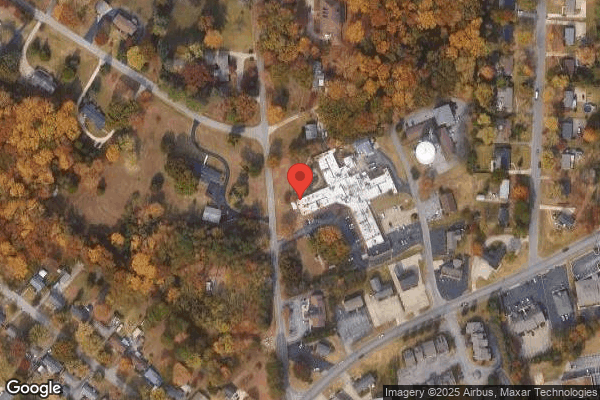
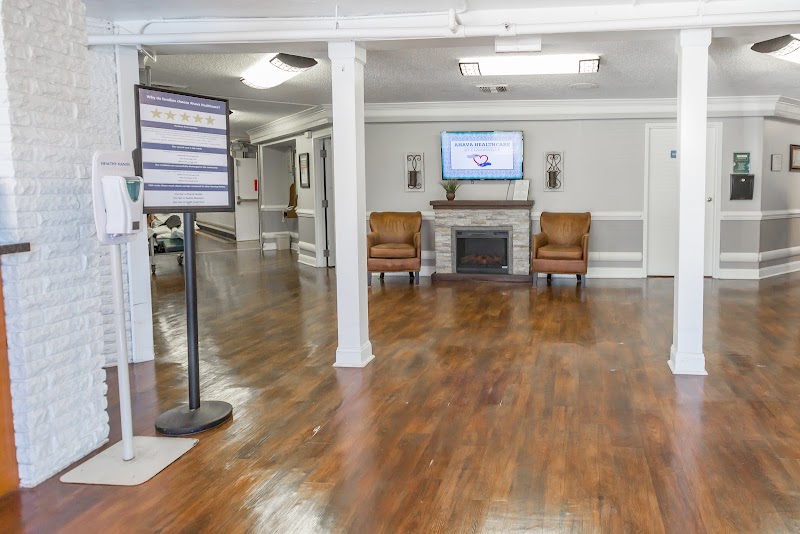
111 USSERY ROAD, CLARKSVILLE, TN 37043 (931) 647-0269
For profit - Limited Liability company 122 Beds AHAVA HEALTHCARE Data: November 2025
Trust Grade
60/100
#163 of 298 in TN
Last Inspection: March 2022

Over 2 years since last inspection. Current conditions may differ from available data.

Overview

Ahava Healthcare of Clarksville has a Trust Grade of C+, which means it's decent and slightly above average compared to other nursing homes. It ranks #163 out of 298 facilities in Tennessee, placing it in the bottom half, but it is the top-rated facility among five in Montgomery County. Unfortunately, the facility is experiencing a worsening trend in quality, with issues increasing from 2 in 2018 to 7 in 2022. Staffing is a concern, rated at 1 out of 5 stars, indicating high turnover and less RN coverage than 92% of state facilities, which can impact care quality. On the positive side, the facility has no fines on record, which is good, and the health inspection rating is average. However, there were specific incidents noted by inspectors, such as staff failing to maintain infection control practices during medication administration, which could risk spreading infections, and improper food handling practices where staff touched food with bare hands without proper hygiene, potentially compromising residents' health. These weaknesses highlight the need for improvement in both infection control and food safety measures.

Trust Score
C+
60/100
In Tennessee
#163/298
Bottom 46%
Safety Record
Low Risk
No red flags
Inspections
Getting Worse
2 → 7 violations
Staff Stability
⚠ Watch
48% turnover. Above average. Higher turnover means staff may not know residents' routines.
Penalties
✓ Good
No fines on record. Clean compliance history, better than most Tennessee facilities.
Skilled Nurses
⚠ Watch
Each resident gets only 17 minutes of Registered Nurse (RN) attention daily — below average for Tennessee. Fewer RN minutes means fewer trained eyes watching for problems.
Violations
○ Average
9 deficiencies on record. Average for a facility this size. Mostly minor or procedural issues.
★★☆☆☆
2.0
Overall Rating
★☆☆☆☆
1.0
Staff Levels
★★★☆☆
3.0
Care Quality
★★★☆☆
3.0
Inspection Score
Stable
2018: 2 issues
2022: 7 issues

The Good

  • Full Sprinkler Coverage · Fire safety systems throughout facility
  • No fines on record

Facility shows strength in fire safety.

The Bad

2-Star Overall Rating

Below Tennessee average (2.8)

Below average - review inspection findings carefully

Staff Turnover: 48%

Near Tennessee avg (46%)

Higher turnover may affect care consistency

Chain: AHAVA HEALTHCARE

Part of a multi-facility chain

Ask about local staffing decisions and management

The Ugly 9 deficiencies on record

Mar 2022 7 deficiencies
CONCERN (D)

Potential for Harm - no one hurt, but risky conditions existed

PASARR Coordination (Tag F0644)

Could have caused harm · This affected 1 resident

**NOTE- TERMS IN BRACKETS HAVE BEEN EDITED TO PROTECT CONFIDENTIALITY** Based on Pre-admission Screening and Resident Review (PASRR) User Guide for Medicaid Certified Nursing Facilities, medical recor...

Read full inspector narrative →
**NOTE- TERMS IN BRACKETS HAVE BEEN EDITED TO PROTECT CONFIDENTIALITY** Based on Pre-admission Screening and Resident Review (PASRR) User Guide for Medicaid Certified Nursing Facilities, medical record review, and interview, the facility failed to resubmit a PASRR after the resident had the addition of a new mental health diagnosis for 3 of 12 sampled residents (Resident #17, #39, and #64) reviewed for PASRR. The findings include: Review of the PASRR User Guide for Medicaid Certified Nursing Facilities, dated 12/11/2018, revealed .Resident Review--you will submit the Level I if the individual has .a significant change in status .Potential Outcomes--PASRR Level II . Review of the medical record, revealed Resident #17 was admitted to the facility on [DATE] with diagnoses of Post-Traumatic Stress Disorder, Lack of Coordination, Atrial Fibrillation, and Insomnia. Review of the Physician's Orders dated 12/15/2021, revealed .Depakote Tablet Delayed Release 250 mg [milligram] .by mouth at bedtime for Anticonvulsant .Depakote Tablet Delayed Release 500 mg .by mouth for at bedtime for Anticonvulsant .Fluoxetine HCL [hydrochloride] Tablet 60 mg Give 1 tablet .for depression .Mirtazapine Tablet 15 mg Give 1 tablet .at bedtime for depression . Review of the medical record, revealed no documentation a PASRR had been resubmitted for Resident #17 after the addition of the diagnosis of depression, and medication changes. The resident's last PASRR was dated 9/10/2020 . During an interview on 3/11/2022 at 8:52 AM, the Director of Nursing (DON) confirmed Resident #17 took Depakote for mood and had depression. The DON confirmed residents with changes in psychiatric diagnoses or medications should have an updated PASRR. Review of the medical record, revealed Resident #39 was admitted to the facility on [DATE] with diagnoses of Depression, Heart Failure, and Atrial Fibrillation. Review of the Physician's Order dated 10/8/2020, revealed .ABHR gel/[and] cream Apply to lower legs topically every 6 hours for agitation/delusions . Review of the medical record, revealed Resident #39's PASRR was dated 5/19/2017, there was no documentation that a PASRR had been resubmitted after the addition of the diagnoses of Dementia, Psychotic Disorder with Delusions, Restlessness and Agitation, and medication changes. Review of the quarterly Minimum Data Set (MDS) dated [DATE], revealed Resident #39 had a psychotic disorder Diagnosis and received antianxiety medications on 3 of the 7 days of the look back period. Review of the medical record, revealed Resident #64 was admitted to the facility on [DATE] with diagnoses of Cerebral Infarction, Extrapyramidal & Movement Disorder, Pseudobulbar Effect, Anxiety Disorder, and Vascular Dementia with Behavioral Disturbance. Review of the Pre-admission SCREENING and RESIDENT REVIEW: PASRR, dated 3/7/2013, revealed the PASRR Level I assessment documented Resident #64 did not have a diagnosis of mental illness, presenting evidence of mental illness, or a history of mental illness. Review of a Behavioral note dated 5/17/2021, revealed .Psych [psychiatric] Meds [medications] .Seroquel 25mg [milligrams] .for psychotic disorder .start date .01/03/20 [1/3/2020] .Primary Psychiatric DX [diagnosis] Code .Psychotic Disorder with hallucinations due to known physiological condition . Review of the quarterly MDS dated [DATE], revealed Resident #64 had a psychotic disorder diagnosis and received antipsychotic medications on 7 of the 7 days of the look back period. Review of the medical record, revealed no documentation a PASRR had been resubmitted for Resident #64 after the addition of the diagnosis of Psychotic Disorder with Hallucinations and psychiatric medication. During an interview on 3/10/2022 at 10:44 AM, the MDS Coordinator confirmed that residents should have an updated PASRR submitted when they have a significant change in psychiatric diagnoses and medications. The MDS Coordinator confirmed Resident #64 should have had an updated PASRR. During an interview on 3/11/2022 at 8:17 AM, with the MDS Coordinator confirmed the residents should have had an updated PASRR. The MDS Coordinator stated, .some had been missed .
CONCERN (D)

Potential for Harm - no one hurt, but risky conditions existed

Respiratory Care (Tag F0695)

Could have caused harm · This affected 1 resident

**NOTE- TERMS IN BRACKETS HAVE BEEN EDITED TO PROTECT CONFIDENTIALITY** Based on policy review, medical record review, observation, and interview, the facility failed to obtain a Physician's Order for...

Read full inspector narrative →
**NOTE- TERMS IN BRACKETS HAVE BEEN EDITED TO PROTECT CONFIDENTIALITY** Based on policy review, medical record review, observation, and interview, the facility failed to obtain a Physician's Order for oxygen therapy for 1 of 3 sampled residents (Resident #386) reviewed for respiratory services. The findings include: Review of the facility's undated policy titled, POLICY Oxygen Administration, revealed .Oxygen is administered under orders of a physician . Review of the medical record, revealed Resident #386 was admitted to the facility on [DATE] with diagnoses of Chronic Obstructive Pulmonary Disease, Pneumonia, Asthma, and Dependence on Supplemental Oxygen. Review of the medical record, revealed there was not a Physician's Order for oxygen. Review of the Baseline Care Plan dated 3/4/2022, revealed .Oxygen therapy - while a resident . Review of the Nurse's notes dated 3/4/2022, revealed .new admit .on O2 [oxygen] at 4L [liters] . Observation in the resident's room on 3/7/2022 at 4:22 PM, 3/8/2022 at 5:00 PM, 3/9/2022 at 8:24 AM and 11:05 AM, and 3/10/22 at 8:19 AM and 9:55 PM, revealed Resident #386 was receiving oxygen per bi-nasal cannula at 4 liters per minute. During an interview on 3/10/2022 at 12:07 PM, the Director of Nursing (DON) confirmed Resident #386 did not have a Physician's Order for oxygen and residents with oxygen therapy should have a Physician's Order for oxygen.
CONCERN (D)

Potential for Harm - no one hurt, but risky conditions existed

Deficiency F0761 (Tag F0761)

Could have caused harm · This affected 1 resident

Based on policy review, observation, and interview, the facility failed to ensure medications were labeled and stored appropriately when opened multidose bottles did not have an open date and medicati...

Read full inspector narrative →
Based on policy review, observation, and interview, the facility failed to ensure medications were labeled and stored appropriately when opened multidose bottles did not have an open date and medications were stored past their expiration date in 1 of 4 medication storage areas (400 Hall Medication Cart) and when unsecured medications were observed 1 of 60 resident rooms (Resident #336's room). The findings include: Review of the facility's undated policy titled, Medication Storage, revealed .It is the policy of this facility to ensure all medications housed on our premises will be stored in the pharmacy and/or medication rooms .All drugs and biologicals will be stored in locked compartments .The pharmacy and all medication rooms are routinely inspected .for discontinued, outdated .medications . Observation in the resident's room on 3/7/2022 at 10:49 and 4:53 PM, and 3/8/2022 at 12:55 PM and 7:12 PM, revealed an Albuterol Sulfate inhaler on Resident #336's bedside table. Observation of the 400 Hall Medication Cart on 3/8/2022 at 5:45 PM, revealed for following: a. 1 opened and undated multidose bottle of Lidocaine 1 percent. b. 1 bottle of Nitroglycerin 0.4 milligrams with an open date of 1/9/2022. During an interview on 3/9/2022 at 4:36 PM, the Director of Nursing (DON) confirmed medications should not be stored at the resident's bedside. During an interview on 3/10/2022 at 4:29 PM, the Consultant Pharmacist stated, .I like to replace it [nitroglycerin] every month .with nitroglycerin when it is opened and air gets to it, it starts to deteriorate .30 days is my reference . During an interview on 3/11/2022 at 11:23 AM, the DON confirmed opened medications should have an opened date and nitroglycerin should be discarded 30 days after the open date.
CONCERN (D)

Potential for Harm - no one hurt, but risky conditions existed

Medical Records (Tag F0842)

Could have caused harm · This affected 1 resident

**NOTE- TERMS IN BRACKETS HAVE BEEN EDITED TO PROTECT CONFIDENTIALITY** Based on policy review, service agreement, medical record review, and interview, the facility failed to ensure accurate medical ...

Read full inspector narrative →
**NOTE- TERMS IN BRACKETS HAVE BEEN EDITED TO PROTECT CONFIDENTIALITY** Based on policy review, service agreement, medical record review, and interview, the facility failed to ensure accurate medical records for medication orders, medication administration, diagnoses, and discontinued medications for 2 of 22 sampled residents (Resident #17 and #386) reviewed. The findings include: Review of the facility's titled, Physicians Orders, dated 12/2017, revealed .Physician orders are obtained to provide a clear direction in the care of the resident .When receiving an order .repeat the order to clarify and ensure the following necessary information is received .Dosage .Route of administration .Diagnosis for medication . Review of the .[Named Behavioral Health Services] .AGREEMENT . dated 6/5/2019, revealed .Provide Psychological and/or Psychiatric .as available to the residents of the Facility .Provide psychiatric medication management .Maintain all respective medical record documentation including assessment and progress notes in accordance with the Facility's established Medical Record Policy and in compliance with all the pertinent provisions and regulations . Review of the medical record, revealed Resident #17 was admitted to the facility on [DATE] with diagnoses of Lack of Coordination, Cervical Disc Disorder, Paroxysmal Atrial Fibrillation, and Post-Traumatic Stress Disorder. Review of the Physician's Order dated 12/15/2021, revealed: a.Depakote Tablet Delayed Release 250 mg [milligrams] .1 tablet by mouth at bedtime for Anticonvulsant . b.Depakote Tablet Delayed Release 500 mg .2 tablet by mouth at bedtime for Anticonvulsant . Review of the Physicians Visit Summary dated 1/25/2022, revealed, .Discontinued trazodone [an antidepressant] . Review of the Behavioral Health Service visit dated 2/8/2022 and 2/22/2022, revealed Resident #17 was seen for follow up and medication management. The following medications were listed: a.Depakote .Q [every] HS [hours of sleep] for mood . b.Trazodone .PO [by mouth] QHS for insomnia . During an interview with the Minimum Data Set (MDS) Coordinator on 3/11/2022 at 8:17 AM, confirmed Resident #17 did not have a diagnosis of seizures, the Depakote is used for his mood, and Licensed Practical Nurse (LPN)#1 put an order in for the anticonvulsant. The MDS Coordinator confirmed Resident #17 was not on Trazodone on 2/8/2022 and 2/22/2022. The MDS Coordinator confirmed the practitioners should review medication orders and diagnoses. During an interview with the Director of Nursing (DON) on 3/11/2022 at 8:52 AM, confirmed Resident #17 does not have a diagnoses of seizures, and he is on the Depakote for mood. The DON confirmed he should have a diagnosis for mood for the Depakote, and the Psychiatric Nurse Practitioner listed Trazodone as a current medication and when it was discontinued. Review of the medical record, revealed Resident #386 was admitted to the facility on [DATE] with diagnoses of Chronic Obstructive Pulmonary Disease, Pneumonia, and Asthma. Review of the Physician's Order dated 3/5/2022 revealed, .oxycodone HCl [hydrochloride] [a narcotic used to treat pain] Tablet 10 MG Give 10 tablet by mouth every 6 hours as needed for pain . Review of the Progress Note dated 3/5/2022, revealed .oxyCODONE HCL Tablet 10 MG .Give 10 tablets by mouth every 6 hours as needed for pain .The system has identified this order as being outside the recommended dose for this drug: oxyCODONE HCL Tablet 10 MG .Give 10 tablets by mouth every 6 hours as needed for pain . During an interview on 3/9/2022 at 8:40 AM, Registered Nurse (RN)#1 confirmed Resident #386's medications are in the Cubex (automated medication dispensing system). RN #1 stated, .we have recently had a pharmacy change and have not received his medication card from the pharmacy . RN#1 confirmed the order should have been for one tablet of Oxycodone instead of 10 tablets every 6 hours as needed for pain. During a telephone interview on 3/9/2022 at 9:39 AM, Licensed Practical Nurse (LPN) #4 was asked if she received an order for Oxycodone Tablet 10 mg to give 10 tablet. LPN #4 confirmed the order for 10 tablets was an error. LPN #4 stated, It was a typo [typographical error] . During an interview on 3/9/2022 at 9:55 AM, the DON confirmed the order for Oxycodone 10 mg to give 10 tablets every 6 hours as needed for pain was a typo. The DON confirmed the medication (1 tablet) was removed from the Cubex and was not signed out on the Medication Administration Record (MAR) on 3/7/2022 and 3/8/2022, and should have been signed out on the MAR. During an interview on 3/11/22 at 1:00 PM, LPN #5 confirmed one tablet of Oxycodone 10 mg was administered to Resident #386 on 3/7/2022 and 3/8/2022. LPN #5 stated, I remember giving the Oxycodone .I can't believe I did not sign it out or make a note 2 days in a row .
CONCERN (E)

Potential for Harm - no one hurt, but risky conditions existed

Transfer Requirements (Tag F0622)

Could have caused harm · This affected multiple residents

**NOTE- TERMS IN BRACKETS HAVE BEEN EDITED TO PROTECT CONFIDENTIALITY** Based on policy review, medical record review, and interview, the facility failed to have required discharge and transfer docume...

Read full inspector narrative →
**NOTE- TERMS IN BRACKETS HAVE BEEN EDITED TO PROTECT CONFIDENTIALITY** Based on policy review, medical record review, and interview, the facility failed to have required discharge and transfer documentation for 2 of 3 sampled residents (Resident #49 and #284) reviewed for hospitalization. The findings include: Review of facility's undated policy titled, Transfer and Discharge ., revealed .Emergency Transfers/ Discharges initiated by the facility .Obtain physician's orders .complete and send with the resident .a Transfer Form .Document assessment findings and other relative information regarding the transfer in the medical record . Review of the medical record, revealed Resident #49 was admitted to the facility on [DATE] with diagnoses of Non-STEMI (Non ST Elevated Myocardial Infarction), End Stage Renal Disease, Hemodialysis, Diabetes Mellitus, Hypertension, and Cerebral Vascular Accident. Review of a Nurses' Progress Note dated 12/18/2021, revealed .Res [resident] w/ [with] complaints of chest pain .also stating that R [right] arm had no feeling .Res .stating she felt she was having heart attack again .EMS [Emergency Management Services] called . Review of a Nurses' Progress Note dated 12/18/2021, revealed .Resident was admitted to [Named Hospital] . The facility was unable to provide a Physician's Order, a transfer order, nor documentation for Resident #49's hospital transfer on 12/18/2021. During an interview on 3/10/2022 at 5:35 PM, the Director of Nursing (DON) confirmed she was unable to provide transfer documentation related to the 12/18/2021 hospitalization. Review of the medical record, revealed Resident #284 was admitted to the facility on [DATE] with a diagnoses of Covid-19, Acute Kidney Failure, Chronic Kidney Disease Stage 3, and Benign Prostatic Hyperplasia with Lower Urinary Tract Symptoms. Review of a Nurse's Progress Note dated 1/31/2022, revealed .Resident returning at facility at this time from [Named Hospital] emergency department. Resident re-entering facility and returning to room. New orders received . The facility was unable to provide a Physician's Order, a transfer order, nor documentation for Resident #284's emergency room visit on 1/31/2022. During an interview on 3/11/2022 at 8:53 AM, the DON confirmed she was unable to provide transfer documentation related to the 1/31/2022 emergency room visit.
CONCERN (E)

Potential for Harm - no one hurt, but risky conditions existed

Food Safety (Tag F0812)

Could have caused harm · This affected multiple residents

Based on policy review, observation, and interview, the facility failed to ensure food was served under sanitary conditions when 6 of 17 staff members (Certified Nursing Assistant (CNA) #1, #2, #3 and...

Read full inspector narrative →
Based on policy review, observation, and interview, the facility failed to ensure food was served under sanitary conditions when 6 of 17 staff members (Certified Nursing Assistant (CNA) #1, #2, #3 and #4, Registered Nurse (RN) #1, and the Life Enrichment Coordinator) touched foods with their bare hands and failed to perform hand hygiene for 13 of 88 sampled residents (Resident #15, #22, #28, #38, #40, #46, #48, #58, #64, #69, #82, #84, and #337) observed during dining. The findings include: Review of the facility's policy titled, Dining Service, dated 8/23/2017, revealed .During delivery of the dining service the staff will .prevent the eating surfaces from coming in contact with staff clothing .Handle cups/glasses on the outside of the container .Handle knives, forks, and spoons by the handles .Keeping their hands away from their hair and face when handling food . Review of the facility's undated policy titled, Hand Hygiene, revealed .All staff will perform proper hand hygiene procedures to prevent the spread of infection to other personnel, residents .This applies to all staff working in all locations within the facility .The use of gloves does not replace hand hygiene. If your task requires gloves, perform hand hygiene prior to donning gloves, and immediately after removing gloves .Between resident contacts .Before applying and after removing personal protective equipment (PPE) .Before and after handling clean .linens .Before performing resident care procedures .Before and after providing care to residents in isolation .After assistance with personal .functions . Dining observation in the resident's room on 3/7/2022 at 12:37 PM, revealed CNA #1 performed hand hygiene, setup Resident #28's lunch tray, and exited the room without performing hand hygiene. CNA #1 retrieved a straw from the medication cart, returned to Resident #28's room, placed the straw in his cup, and exited the room without performing hand hygiene. CNA #1 retrieved Resident #40's lunch tray, placed it on the over bed table, raised the head of the bed, removed Resident #40's bread from the plastic bag with his bare left hand, and placed it on her plate. Dining observation in the resident's room on 3/7/2022 at 12:45 PM, revealed CNA #1 set up Resident #15's lunch tray, removed the bread from the plastic bag with his bare left hand, and placed it on her plate. CNA #1 failed to perform hand hygiene, went to Resident #46's bedside, assisted her up in the bed, raised the head of her bed, and returned to the meal cart. CNA #1 failed to perform hand hygiene when he returned to the meal cart and retrieved Resident #46's lunch tray. CNA #1 set up Resident #46's lunch tray, removed the bread the plastic bag with his bare left hand, and placed it on her plate. Dining observation in the resident's room on 3/7/2022 at 12:48 PM, revealed CNA #1 raised Resident #64's bed, lowered the head of her bed, failed to perform hand hygiene, and went to the linen cart and obtained a clothing protector. Dining observation on the 100 Isolation Hall on 3/7/2022 beginning at 1:20 PM, revealed the following: a. RN #1 donned isolation gown, shoe covers, and gloves and entered Resident #38's room to deliver the lunch tray. RN #1 doffed her PPE, exited the room, and went to the meal cart to get a cup of coffee. RN #1 donned gloves, failed to perform hand hygiene, and returned to Resident #38's room with the cup of coffee. b. CNA #3 placed Resident #69's lunch tray on her over bed table. Resident #69's daughter stated the resident was in too much pain to eat and asked CNA #3 to remove the tray. CNA #3 returned the tray to the meal cart and placed it back on the cart with the clean trays. c. RN #1 delivered Resident #337's tray, dropped multiple small items on the floor, picked up the items from the floor with her right hand and threw them in the trash while holding the tray in her left hand, placed the resident's lunch tray on the over bed table using both hands. RN #1 removed the lid from the tray, opened the resident's flatware and drinks, and gave them to the resident without performing hand hygiene after collecting the items on the floor. d. CNA #3 took Resident #82's lunch tray into the room, picked up the resident's urinal with urine inside, and hung the urinal on his trash can with her right hand while holding the resident's lunch tray with her left hand. CNA #3 placed the resident's lunch tray on the over bed table with both hands and set up the resident's lunch tray without performing hand hygiene. Dining observation in the resident's room on 3/8/2022 at 7:31 AM, revealed CNA #1 entered Resident #58's room and placed her breakfast tray on her over bed table. CNA #1 lowered the head of the resident's bed, moved the resident up in the bed, covered her with a sheet, placed a pillow under her knees, and moved the over bed table to the resident's bedside. CNA #1 failed to perform hand hygiene, removed the lid from the resident's oatmeal, emptied a sugar packet in her oatmeal, and slid his bare finger across the top of her oatmeal, leaving an indention in the oatmeal. CNA #1 did not obtain a new bowl of oatmeal for Resident #58 after his bare finger touched the oatmeal. Dining observation in the resident's room on 3/8/2022 at 7:37 AM, revealed CNA #2 failed to perform hand hygiene, retrieved Resident #48's breakfast tray from the meal cart, and set up the tray. CNA failed to perform hand hygiene, returned to the meal cart, poured the resident a cup of coffee, and delivered the coffee to the resident. Dining observation in the resident's room on 3/8/2022 at 7:45 AM, revealed CNA #2 placed Resident #22's breakfast tray on his over bed table, exited the room without performing hand hygiene, retrieved a clothing protector from the clean linen cart, and returned to the resident's room. CNA #2 raised the head of Resident #22's bed, applied the clothing protector, poured orange juice in his cup, and retrieved a straw from the hydration cart on the 100 Hall, without performing hand hygiene. Dining observation on the 100 Isolation Hall on 3/8/2022 at 8:03 AM, revealed CNA #4 donned gloves without performing hand hygiene and delivered Resident #84's breakfast tray. Dining observation on the 100 Isolation Hall on 3/8/2022 at 8:10 AM, revealed the Life Enrichment Coordinator retrieved Resident #82's tray from the meal cart, delivered it to the resident, and set up the tray without performing hand hygiene or donning gloves. During an interview on 3/11/2022 at 11:15 AM, the Administrator confirmed staff should perform hand hygiene before donning and after gloves, should not touch the residents' food with their bare hands, should always perform hand hygiene before and after each resident contact, and before removing items from the clean linen cart, medication cart, or hydration cart, after each tray is delivered, and after touching residents or their belongings. The Administrator confirmed dirty trays should not be returned to the meal cart that contained clean trays and should always sanitize their hands when they remove dirty gloves and prior to donning a clean pair of gloves.
CONCERN (F)

Potential for Harm - no one hurt, but risky conditions existed

Infection Control (Tag F0880)

Could have caused harm · This affected most or all residents

Based on the Centers for Disease Control and Prevention (CDC) guidelines, Geriatric Medication Handbook, policy review, Employee Time Punch Reports, Employee Screening Logs, observation, and interview...

Read full inspector narrative →
Based on the Centers for Disease Control and Prevention (CDC) guidelines, Geriatric Medication Handbook, policy review, Employee Time Punch Reports, Employee Screening Logs, observation, and interview, 3 of 5 nurses (Registered Nurse (RN) #2 and Licensed Practical Nurse (LPN) #1 and #2) failed to maintain infection control practices during medication administration for 4 of 7 sampled residents (Resident #43, #56, #61, and #71) and the facility failed to follow CDC infection control guidelines to ensure practices to prevent the potential spread of Covid-19 when 14 of 132 staff members (Hospitality Aide #1, #2, and #3, Certified Nursing Assistant (CNA) #2, #5, #6, #7, and #8, Occupational Therapist (OT) #1, Registered Nurse (RN) #3 and #4, Licensed Practical Nurse (LPN) #3, Life Enrichment Coordinator, and the Administrator) failed to complete screenings for prevention and detection of COVID-19 prior to work for 4 of 4 days (2/18/2022, 2/19/2022, 2/20/2022, and 2/21/2022) reviewed. This had the potential to affect the 94 residents residing in the facility. The findings include: Review of the GERIATRIC MEDICATION HANDBOOK, 10TH EDITION, revealed .EYEDROP ADMINISTRATION .If administering medication to BOTH eyes in resident with suspected or active eye infection, change gloves between eyes . Review of the facility's undated policy titled, Hand Hygiene, revealed .All staff will perform proper hand hygiene procedures to prevent the spread of infection to other personnel. Residents, and visitors .The use of gloves does not replace hand hygiene. If your task requires gloves, perform hand hygiene prior to donning gloves, and immediately after removing gloves .Between resident contacts .Before performing resident care procedures . Review of the facility's undated policy titled, Medication Administration, revealed .Medications are administered by licensed nurses .in accordance with professional standards of practice, in a manner to prevent contamination or infection .Wash hands using facility protocol and product . Observation in the resident's room on 3/9/2022 at 8:35 AM, revealed RN #2 knocked on Resident #43's door, failed to perform hand hygiene and donned a clean pair of gloves. RN #2 obtained a stethoscope, tapped his smart watch, listened to Resident #43's heart, and tapped his smart watch again. RN #2 obtained a clean 60 milliliter (ml) syringe and connected it to Resident #43's Percutaneous Endoscopic Gastrostomy (PEG) tube, and listened to Resident #43's abdomen with the stethoscope. RN #2 administered medications through Resident #43's PEG tube. RN #2 removed his gloves, did not perform hand hygiene, and returned to the medication cart. RN #2 did not remove his gloves and perform hand hygiene after touching inanimate objects and the resident or before exiting the room after the procedure. Observation in the resident's room on 3/9/2022 at 12:20 PM, revealed LPN #1 used a lancet (a small blade with a sharp point) to obtain a blood sample from Resident #71. LPN #1 placed the lancet and the blood glucose monitoring strip which contained the blood sample in the trash can in Resident #71's room. During an interview on 3/9/2022 at 12:25 PM, LPN #1 confirmed the contaminated lancet and monitoring strip should have been placed in the sharp's container and not in the regular trash in the resident's room. Observation in the resident's room on 3/9/2022 at 12:31 PM, revealed LPN #1 prepared to administer Tobramycin Eyedrops (used to treat an eye infection) to Resident #56. LPN #1 donned clean gloves, touched a wheelchair to move it, and administered the eyedrop medication to Resident #56's right eye. LPN #1 then administered the eyedrop medication to Resident #56's left eye. LPN #1 failed to remove the gloves and perform hand hygiene after touching inanimate objects in the room and before administering the eyedrop medication and failed to change gloves and perform hand hygiene between placing the eyedrop medication in each eye. Observation at the 400 Hall medication Cart on 3/10/2022 at 8:53 AM, revealed LPN #2 prepared medications for resident #61. LPN #2 locked the cart and did not perform hand hygiene. LPN #2 entered Resident #61's room and administered the oral medications. LPN #2 did not perform hand hygiene and donned clean gloves. LPN #2 then administered an inhaled medication to Resident #61. During an interview on 3/11/22 at 11:50 AM, the Director of Nursing (DON) confirmed staff should perform hand hygiene before preparing meds, before donning, and after doffing gloves. The DON confirmed staff should not touch their smart watch with gloved hands during PEG med administration and that lancets and blood glucose monitoring strips should be disposed of in the sharp's container and not the regular trash. Review of the Centers for Disease Control and Prevention (CDC) document titled, Interim Infection Prevention and Control Recommendations for Healthcare Personnel During the Coronavirus Disease 2019 (COVID-19) Pandemic, updated 9/10/2021, revealed .Establish a process to identify anyone entering the facility, regardless of their vaccination status .so that they can be properly managed .Options .include .individual screening on arrival at the facility .before entering the facility . Review of the Employee Time Punch Reports and Employee Screening Logs from 2/18/2022 to 2/21/2022, revealed the following employees worked on the following days and failed to screen for signs and symptoms of COVID-19: a. 2/18/2022 - CNA #2 and the Life Enrichment Coordinator. b. 2/19/2022 - CNA #2, #5, and #6, Hospitality Aide #1, #2, and #3, and OT #1. c. 2/20/2022 - CNA #5, Hospitality Aide #1, #2, and #3, RN #3 and #4, and LPN #3. d. 2/21/2022 - CNA #7, CNA #8, Hospitality Aide #1, #2, and #3, OT #1, and the Administrator. During an interview on 3/11/2022 at 3:59 PM, the Administrator confirmed all staff should be screened for COVID-19 upon entering the facility and prior to beginning work.
Nov 2018 2 deficiencies
CONCERN (D)

Potential for Harm - no one hurt, but risky conditions existed

Deficiency F0760 (Tag F0760)

Could have caused harm · This affected 1 resident

**NOTE- TERMS IN BRACKETS HAVE BEEN EDITED TO PROTECT CONFIDENTIALITY** Based on review of the GERIATRIC MEDICATION HANDBOOK, 13TH EDITION provided by the American Society of Consultant Pharmacists, f...

Read full inspector narrative →
**NOTE- TERMS IN BRACKETS HAVE BEEN EDITED TO PROTECT CONFIDENTIALITY** Based on review of the GERIATRIC MEDICATION HANDBOOK, 13TH EDITION provided by the American Society of Consultant Pharmacists, facility protocol review, medical record review, observation, and interview, the facility failed to ensure 1 of 5 (Registered Nurse (RN) #1) nurses administered medications free of significant medication errors. The findings included: 1. The GERIATRIC MEDICATION HANDBOOK, 13TH edition provided by the American Society of Consultant Pharmacists documented, .Diabetes: Injectable Medications .NovoLog .Rapid-Acting Insulin .ONSET .15 min [minutes] .TYPICAL ADMINISTRATION/COMMENTS .5-10 minutes before meals . 2. The facility's undated INSULIN protocol documented, .Rapid-Acting .NovoLOG .Onset .10-20 min .When given .meals should occur when Insulin is at peak effect .5-10 min before meals . 3. Medical record review revealed Resident #25 was admitted to the facility on [DATE] with diagnoses of Diabetes, Depression, Anxiety, Insomnia, Kidney Failure, Morbid Obesity, Osteoporosis, Hypertension, Hyperlipidemia, Gastro-esophageal Reflux Disease, and Atherosclerotic Heart Disease. The physician's orders dated 10/15/18 documented, .NOVOLOG .20 unit [units] subcutaneously with meals for diabetes . Observations in Resident #25's room on 10/30/18 at 5:52 PM, revealed RN #1 administered Novolog 20 units to Resident #25's abdomen. Observations in Resident #25's room on 10/30/18 at 6:32 PM, revealed Certified Nursing Assistant #1 delivered Resident #25's supper meal to her. Interview with RN #1 on 10/30/18 at 6:35 PM, at the 300/400 Nurses' Desk, RN #1 was asked how long after a Novolog injection should a resident receive a substantial meal/snack. RN #1 stated, Within 15 minutes. RN #1 was asked if Resident #25 received a substantial meal/snack within 15 minutes of her Novolog injection. RN #1 stated, No . Interview with the Director of Nursing (DON) on 10/31/18 at 4:02 PM, in the conference room, the DON was asked how long after a Novolog injection should the nurse provide a substantial snack or meal. The DON stated, 15 minutes. The failure of the nurse to provide a meal or substantial snack within 15 minutes of administration of the Novolog inuslin injection resulted in a significant medication administration error.
CONCERN (E)

Potential for Harm - no one hurt, but risky conditions existed

Infection Control (Tag F0880)

Could have caused harm · This affected multiple residents

**NOTE- TERMS IN BRACKETS HAVE BEEN EDITED TO PROTECT CONFIDENTIALITY** Based on policy review, medical record review, observation, and interview, the facility failed to ensure practices to prevent th...

Read full inspector narrative →
**NOTE- TERMS IN BRACKETS HAVE BEEN EDITED TO PROTECT CONFIDENTIALITY** Based on policy review, medical record review, observation, and interview, the facility failed to ensure practices to prevent the potential spread of infection were followed when 1 of 1 (Licensed Practical Nurse (LPN) #3) nurse failed to perform proper hand hygiene and failed to cleanse the stethoscope during tracheostomy care, and when 2 of 2 (LPN #1 and #2) nurses failed to perform proper hand hygiene during wound care. The findings included: 1. Review of the facility's undated Tracheostomy Care policy documented, .8 .pull soiled glove over dressing and discard .9. Wash hands .8. Put on sterile gloves . 2. The facility's undated Hand-hygiene technique policy documented .The use of gloves does not replace hand washing . 3. Medical record review revealed Resident #41 was admitted to the facility on [DATE] with diagnoses of Anoxic Brain Damage, Acute Respiratory Failure, Tracheostomy, Dysphagia, Anemia, Quadriplegia, Contracture, Persistent Vegetative State, Epilepsy, and Personal History of Traumatic Brain Injury. Observations of tracheostomy care in Resident #3's room on 10/31/18 beginning at 9:23 AM, revealed LPN #3 removed her dirty gloves and donned sterile gloves without performing hand hygiene. LPN #3 removed a stethoscope from around her neck, auscultated Resident #3's lung sounds and placed the stethoscope back around her neck without cleaning it. Interview with LPN #3 on 10/31/18 at 10:05 AM, on the 200 hall, LPN #3 was asked if she performed hand hygiene when she removed the dirty gloves and before she put on sterile gloves. LPN #3 stated, No. LPN #3 was asked if she cleaned the stethoscope after used on Resident #41. LPN #3 confirmed she did not. Interview with the Director of Nursing (DON) on 10/31/18 at 11:08 AM, in the conference room, the DON was asked what the nurse should do between glove changes. The DON stated, Perform hand hygiene. The DON was asked when the nurse should clean the stethoscope. The DON stated, Clean before you take it out of the room .She should have cleaned it with a sani-wipe. The DON was asked if it was acceptable for nurses to wear stethoscopes around their necks. The DON stated, No they should not wear them around their necks. 4. The facility's Clean Dressing Change policy dated 10/17 documented .PROCEDURE .9. Position resident to allow of dressing removal. 10. Remove gloves, wash hands and apply clean gloves .11. Remove dressing .12. Remove gloves, wash hands and apply clean gloves .13. Perform wound cleansing .15. Remove gloves, wash hands and apply clean gloves .16. Apply cover dressing .17. Reposition .dispose of soiled supplies, remove gloves, perform hand hygiene . 5. Observations in Resident's #45 room on 10/31/18 at 9:50 AM, revealed LPN #1 and LPN #2 positioned Resident #45 for dressing removal, then LPN #1 removed her gloves and donned another pair of gloves without performing hand hygiene. LPN #1 removed the soiled dressing, removed her gloves, and donned a new pair of gloves without performing hand hygiene. LPN #1 cleansed the wound with Normal Saline, removed her gloves, walked into the bathroom, performed hand hygiene, returned to the room, touched the bathroom door and the resident's door, threw a packet of skin prep on top of the clean barrier, and then donned a new pair of gloves. LPN #1 asked LPN #2 to take the keys that were dangling from her neck and over the wound, and put them in her pocket. LPN #2 removed her gloved right hand from Resident #45, put the keys in LPN #1's pocket, then placed the same gloved hands back on Resident #45 for positioning, without removing her gloves and performing hand hygiene. LPN #1 applied Collagen to the wound bed, removed gloves, and donned a new pair of gloves without performing hand hygiene. LPN #1 applied a cover dressing to the wound, gathered the soiled supplies, put them in a biohazard bag, and removed her gloves without performing hand hygiene. LPN #1 carried the biohazard bag with her unwashed bare hands down the hall to the Biohazard Room. LPN #1 entered the Biohazard Room, disposed of the biohazard bag, and looked around the room for soap. No soap was available. LPN #1 rinsed her hands using water, came out of the Biohazard Room. Interview with the DON on 10/31/18 at 11:15 AM, in the conference room, the DON was asked what was the proper procedure when removing gloves and donning gloves. The DON stated, When they remove their gloves they should wash hands and before donning the next pair of gloves. The DON was asked if was acceptable to wash hands without soap. The DON stated, No.
Understanding Severity Codes (click to expand)
Life-Threatening (Immediate Jeopardy)
J - Isolated K - Pattern L - Widespread
Actual Harm
G - Isolated H - Pattern I - Widespread
Potential for Harm
D - Isolated E - Pattern F - Widespread
No Harm (Minor)
A - Isolated B - Pattern C - Widespread

Questions to Ask on Your Visit

  • "Can I speak with families of current residents?"
  • "What's your RN coverage like on weekends and overnight?"

Our Honest Assessment

Strengths
  • • No major safety red flags. No abuse findings, life-threatening violations, or SFF status.
  • • No fines on record. Clean compliance history, better than most Tennessee facilities.
Concerns
  • • No major red flags. Standard due diligence and a personal visit recommended.
Bottom line: Mixed indicators with Trust Score of 60/100. Visit in person and ask pointed questions.

About This Facility

What is Ahava Healthcare Of Clarksville's CMS Rating?

CMS assigns AHAVA HEALTHCARE OF CLARKSVILLE an overall rating of 2 out of 5 stars, which is considered below average nationally. Within Tennessee, this rating places the facility higher than 0% of the state's 100 nursing homes. A rating at this level reflects concerns identified through health inspections, staffing assessments, or quality measures that families should carefully consider.
How is Ahava Healthcare Of Clarksville Staffed?

CMS rates AHAVA HEALTHCARE OF CLARKSVILLE's staffing level at 1 out of 5 stars, which is much below average compared to other nursing homes. Staff turnover is 48%, compared to the Tennessee average of 46%. RN turnover specifically is 56%, which is notably high. RNs provide skilled clinical oversight, so turnover in this role can affect medical care quality.

What Have Inspectors Found at Ahava Healthcare Of Clarksville?

State health inspectors documented 9 deficiencies at AHAVA HEALTHCARE OF CLARKSVILLE during 2018 to 2022. These included: 9 with potential for harm.
Who Owns and Operates Ahava Healthcare Of Clarksville?

AHAVA HEALTHCARE OF CLARKSVILLE is owned by a for-profit company. For-profit facilities operate as businesses with obligations to shareholders or private owners. The facility is operated by AHAVA HEALTHCARE, a chain that manages multiple nursing homes. With 122 certified beds and approximately 114 residents (about 93% occupancy), it is a mid-sized facility located in CLARKSVILLE, Tennessee.

How Does Ahava Healthcare Of Clarksville Compare to Other Tennessee Nursing Homes?

Compared to the 100 nursing homes in Tennessee, AHAVA HEALTHCARE OF CLARKSVILLE's overall rating (2 stars) is below the state average of 2.8, staff turnover (48%) is near the state average of 46%, and health inspection rating (3 stars) is at the national benchmark.

What Should Families Ask When Visiting Ahava Healthcare Of Clarksville?

Based on this facility's data, families visiting should ask: "Can you walk me through typical staffing levels on day, evening, and night shifts?" "Can I visit during a mealtime to observe dining assistance and food quality?" "How do you handle medical emergencies, and what is your hospital transfer rate?" "Can I speak with family members of current residents about their experience?" These questions are particularly relevant given the below-average staffing rating.

Is Ahava Healthcare Of Clarksville Safe?

Based on CMS inspection data, AHAVA HEALTHCARE OF CLARKSVILLE has a clean safety record: no substantiated abuse findings (meaning no confirmed cases of resident harm), no Immediate Jeopardy citations (the most serious violation level indicating risk of serious injury or death), and is not on the Special Focus Facility watch list (a federal program monitoring the lowest-performing 1% of nursing homes). The facility has a 2-star overall rating and ranks #100 of 100 nursing homes in Tennessee. While no facility is perfect, families should still ask about staff-to-resident ratios and recent inspection results during their visit.

Do Nurses at Ahava Healthcare Of Clarksville Stick Around?

AHAVA HEALTHCARE OF CLARKSVILLE has a staff turnover rate of 48%, which is about average for Tennessee nursing homes (state average: 46%). Moderate turnover is common in nursing homes, but families should still ask about staff tenure and how the facility maintains care continuity when employees leave.

Was Ahava Healthcare Of Clarksville Ever Fined?

AHAVA HEALTHCARE OF CLARKSVILLE has no federal fines on record. CMS issues fines when nursing homes fail to meet care standards or don't correct problems found during inspections. The absence of fines suggests the facility has either maintained compliance or corrected any issues before penalties were assessed. This is a positive indicator, though families should still review recent inspection reports for the full picture.

Is Ahava Healthcare Of Clarksville on Any Federal Watch List?

AHAVA HEALTHCARE OF CLARKSVILLE is not on any federal watch list. The most significant is the Special Focus Facility (SFF) program, which identifies the bottom 1% of nursing homes nationally based on persistent, serious quality problems. Not being on this list means the facility has avoided the pattern of deficiencies that triggers enhanced federal oversight. This is a positive indicator, though families should still review the facility's inspection history directly.