THE WATERS OF CLINTON, LLC
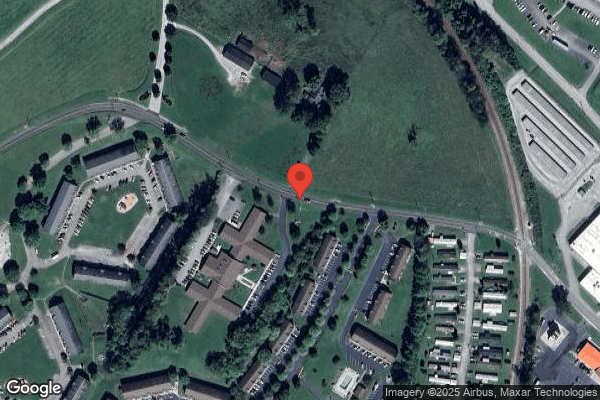
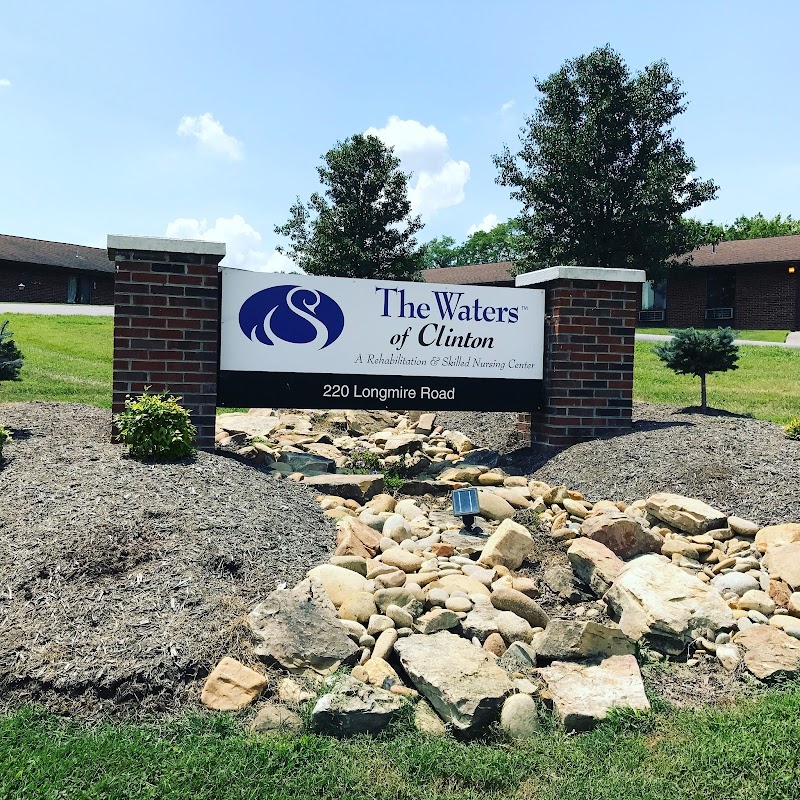
220 LONGMIRE RD, CLINTON, TN 37716 (865) 457-6925
For profit - Corporation 120 Beds INFINITY HEALTHCARE CONSULTING Data: November 2025
Trust Grade
75/100
#154 of 298 in TN
Last Inspection: April 2022

Over 2 years since last inspection. Current conditions may differ from available data.

Overview

The Waters of Clinton, LLC holds a Trust Grade of B, indicating it is a solid choice for families seeking care, though it is in the bottom half of Tennessee nursing homes, ranking #154 out of 298. In Anderson County, it ranks #3 out of 5, meaning there are only two local options that are rated better. The facility is improving, with issues decreasing from six in 2022 to just one in 2023, which is a positive trend. Staffing is a mixed bag; while the turnover rate is low at 21%, indicating staff stability, the overall staffing rating is below average at 2 out of 5 stars. Notably, the facility has not faced any fines, which is reassuring. However, there have been concerns, including instances where unvaccinated staff did not follow proper COVID-19 PPE protocols, and a failure to arrange care for a resident post-hospitalization. These issues highlight the need for attention to care coordination and infection control practices.

Trust Score
B
75/100
In Tennessee
#154/298
Bottom 49%
Safety Record
Low Risk
No red flags
Inspections
Getting Better
6 → 1 violations
Staff Stability
✓ Good
21% annual turnover. Excellent stability, 27 points below Tennessee's 48% average. Staff who stay learn residents' needs.
Penalties
✓ Good
No fines on record. Clean compliance history, better than most Tennessee facilities.
Skilled Nurses
○ Average
Each resident gets 34 minutes of Registered Nurse (RN) attention daily — about average for Tennessee. RNs are the most trained staff who monitor for health changes.
Violations
⚠ Watch
11 deficiencies on record. Higher than average. Multiple issues found across inspections.
★★★☆☆
3.0
Overall Rating
★★☆☆☆
2.0
Staff Levels
★★★★☆
4.0
Care Quality
★★★☆☆
3.0
Inspection Score
Stable
2022: 6 issues
2023: 1 issues

The Good

  • 4-Star Quality Measures · Strong clinical quality outcomes
  • Low Staff Turnover (21%) · Staff stability means consistent care
  • Full Sprinkler Coverage · Fire safety systems throughout facility
  • No fines on record
  • Staff turnover is low (21%)

    27 points below Tennessee average of 48%

Facility shows strength in quality measures, staff retention, fire safety.

The Bad

3-Star Overall Rating

Near Tennessee average (2.8)

Meets federal standards, typical of most facilities

Chain: INFINITY HEALTHCARE CONSULTING

Part of a multi-facility chain

Ask about local staffing decisions and management

The Ugly 11 deficiencies on record

Jan 2023 1 deficiency
CONCERN (D) 📢 Someone Reported This

A family member, employee, or ombudsman was alarmed enough to file a formal complaint

Potential for Harm - no one hurt, but risky conditions existed

Deficiency F0658 (Tag F0658)

Could have caused harm · This affected 1 resident

**NOTE- TERMS IN BRACKETS HAVE BEEN EDITED TO PROTECT CONFIDENTIALITY** Based on facility policy review, medical record review, and interview the facility failed to ensure staff arranged for care, ser...

Read full inspector narrative →
**NOTE- TERMS IN BRACKETS HAVE BEEN EDITED TO PROTECT CONFIDENTIALITY** Based on facility policy review, medical record review, and interview the facility failed to ensure staff arranged for care, services, and provided care for 1 resident (Resident #5) of 7 residents reviewed for quality of care. The findings include: Review of facility's policy titled, Quality Processes for Waters of Infinity Buildings undated revealed, .As a company quality resident care is of the utmost of importance We envision quality as a whole team interactive approach .Effective, coordinated communication between all team members is essential to facilitate resident care to the highest possible standards .It is the responsibility of the CEO and Director of Nursing to set the daily communication standard for the building . Review of facility's policy titled, Transportation Policy and Procedure Manual The Waters Facilities Benchmark Facilities Infinity Health Care Management, dated 4/1/2020 revealed, .Policy .The transport driver will coordinate the schedule for resident transports .The transport driver will keep a schedule of appointments and facilities will contact the transport driver to schedule appointments .If a resident's appointment is cancelled then facility must notify the transport driver immediately in order to get another appointment scheduled . Medical record review revealed Resident #5 was admitted to the facility on [DATE] and discharged on 12/16/2022 with diagnoses including Anemia, Chronic Kidney Disease Stage 3, Rheumatoid Arthritis, and Presence of Right Artificial Knee Joint. Medical record review of Resident #5's hospital's Discharge summary dated [DATE] revealed the resident had right knee pain and had a right total knee replacement and was hospitalized following the procedure. The resident was transferred to the nursing home on [DATE] for rehabilitation. Medical record review of Resident #5's Discharge Documentation dated 11/29/2022 revealed Resident #5 was discharged from the hospital and transferred to the nursing home on [DATE] with appointments for the following: -12/1/2022 at 11:00 AM lab appointment with an Advance Practical Nurse. The name of APN was documented, address, and contact telephone number of facility was documented. -12/1/2022 at 12:00 PM an appointment for an IV injection. The address of the facility and the contact telephone number was documented (The IV injection appointment was located at the same facility). -12/15/2022 at 12:30 PM, lab appointment. The facility's address and contact telephone number were documented. (The lab appointment was located at the same facility) -12/15/2022 1:00 PM, Resident #5 had an office visit scheduled with an APN. The name of the APN was documented the facility's address and contact telephone number were documented. (The APN office visit appointment was located at the same facility). -12/15/2022 at 2:00 PM, an appointment for an Intravenous (IV) injection (name of medication not listed). The address of the facility and the contact telephone number was documented (The IV injection appointment was located at the same facility). -12/29/2022 at 11:15 AM, lab appointment. The facility's address and contact telephone number were documented. (The lab appointment was located at the same facility) -12/29/2022 at 12:00 PM, an appointment for an IV injection. The address of the facility and the contact telephone number was documented (The IV injection appointment was located at the same facility). Review of Resident #5's five-day admission Minimum Data Set (MDS) dated [DATE] revealed the resident had a BIMS of 13 which indicated the resident was cognitively intact. Resident #5 required extensive assistance of 2 staff for bed mobility. The resident required limited assistance of 1 staff for transfers. Medical record review of an Administration Note dated 12/5/2022 written by Unit Clerk #1 revealed, .spoke with resident [Resident #5] about upcoming appointments, and resident has to see . Ortho[orthopedic],[Doctor's name] on 12/7/2022 at 1PM, Resident also came with 3 appointments, to [name of the facility] .Spoke with DON [Director of Nursing] about theses [these] appointments, and she was going to call the pharmacy and see if we can do the injections in house .Resident is aware of these changes .Facility will transport resident [Resident #5] to appointment . Medical record review of Resident #5's Care Plan dated 12/8/2022 revealed, . [Resident #5] has Dx [diagnosis] anemia and at risk for altered tissue perfusion . Interventions in place included to monitor labs per medical doctor order and administer medication as ordered. Review of the facility's transportation logbook dated 12/1/2022-12/16/2022 revealed no documentation of Resident #5's appointments dated 12/1/2022 and 12/15/2022 for labs, an office visit, or injections related to her treatment for Anemia and Chronic Kidney Disease. No documentation was noted the resident had been transported by the facility to her appointment on 12/1/2022 or 12/15/2022. There was no documentation noted of Resident #5's missed appointment on 12/1/2022 was rescheduled by the nursing home. Medical record review of Resident #5's physician orders dated 12/1/2022-12/16/2022 revealed no documentation of an order for Resident #5 to receive an injection of Retacrit (a medication used to treat anemia caused by Chronic Kidney Disease) from nursing staff at the facility. There was no order for Retacrit noted. Medical record review of Resident #5's medication administration record dated 12/1/2022-12/16/2022 revealed no documentation Resident #5 received an injection of Retacrit from nursing staff at the facility. During a telephone interview on 1/10/2023 at 9:20 AM, Unit Clerk #1 stated Resident #5 had 3-4 appointments at (named facility) for injections. The Unit Clerk stated he called (named facility) and was informed of the resident's appointments. The Unit Clerk revealed he informed the Assistant Director of Nursing (ADON) and the Director of Nursing (DON) of Resident #5's missed appointment (12/1/2022) and her upcoming appointment on 12/15/2022. The Unit Clerk stated, .I asked the ADON and DON if we can give the injections here .The DON said we can give the injections here at the facility [nursing home] .She [DON] called the Nurse Practitioner and at that point it was out of my hands .The resident's [Resident #5] shot fell through the cracks .I did my part I called [named facility] and told nursing .Once I told nursing it was in their hands . The Unit Clerk confirmed the facility failed to reschedule Resident #5's missed appointments on 12/1/2022 for labs, medication injection and failed to ensure the resident went to her appointments on 12/15/2022 for an APN visit, labs, and an injection. During an interview on 1/10/2023 at 10:15 AM, the DON revealed Resident #5 was transferred and admitted to the nursing home on [DATE]. The DON confirmed she was aware of Resident #5's appointments dated 12/1/2022 and 12/15/2022 which was listed on the resident's hospital discharge documentation. The DON revealed the nursing was going to administer Resident #5's injection (Retacrit). The DON stated, .The NP [Nurse Practitioner] was to call [named facility] and get an order to give the medication [at the nursing home] and lab work that needed to be done around 12/5/2022 . The DON stated, .We never got a contact back from [named facility] .No one here[staff] at the facility followed up with [named facility] .I asked the NP, and she didn't follow up with [named facility] . The DON revealed on 12/16/2022 the resident was scheduled for discharge from the nursing home. The DON stated, .On the morning of 12/15/2022 LPN [License Practical Nurse] #1 asked me if the patient [Resident #5] could get their shot [Retacrit injection] today . The DON revealed LPN #1 called (named facility) on 12/15/2022. The Nurse at (named facility) informed the LPN Resident #5 needed lab work prior to her injection. The lab work would determine the dosage of medication (Retacrit) administered to the resident. The LPN was informed by the (named facility) the nursing home could not administrator the resident's injection. The LPN was informed by the nurse at the (the named facility) the resident had an appointment to get lab work done and an injection on 12/15/2022 (the same day of the telephone call by the LPN). The DON stated .We had not set up another appointment because we were going to give her the injection that day on [12/15/2022] .On 12/15/2022 we had no order to administer the resident's injection [Retacrit] . The DON confirmed the resident did not receive any injections of Retacrit from admission on [DATE]- 12/16/2022. The DON confirmed the facility did not reschedule the resident's missed appointment on 12/1/2022. The DON confirmed the facility failed to ensure the resident went to her scheduled APN office visit, failed to facilitate the injection visit, or lab appointments from 12/1/2022-12/16/2022. During an interview on 1/10/2023 at 10:44 AM, LPN #1 revealed she admitted the resident on 12/1/2022 and had reviewed the resident's appointments and reconciled the resident's medications on 12/1/2022. The LPN revealed she was aware the resident had several appointments at the (named facility) on 12/1/2022, 12/15/2022 and 12/29/2022. The LPN stated, .I didn't know nothing about the shots [Retacrit injection] until 12/15/2022 the day before she got discharged . I was told by the DON we were suppose to have the medicine [Retacrit injection] in the building .The DON asked me to contact [named facility] . The LPN revealed she contacted the nurse at the (named facility) on 12/15/2022 (1 day prior to the resident's discharge). The LPN revealed the nurse at (named facility) informed her the nursing home could not administer Resident #5's Retacrit injection without lab work. The LPN confirmed the nursing home did not collect lab work on Resident #5 on 12/15/2022 and the resident did not receive a Retracrit injection prior to her discharge from the nursing home. The LPN stated .the 1st appointment she [Resident #5] missed was never rescheduled .The 2nd appointment was missed due to everyone's part due to oversight we missed it .We missed her scheduled appointment on 12/15/2022 . During an interview on 1/10/2023 at 11:23 AM, by telephone, Resident #5 revealed she did not receive her injection of Retacrit while hospitalized prior to admission to the nursing facility on 12/1/2022 and throughout her stay at the nursing home. Resident #5 stated, .They told me when it got there [within a few days of admission to the nursing home] .I had appointment to get my shot [Retacrit injection] and the nursing home would do the shot . The Resident revealed [named person] called the nursing home early in the morning on 12/15/2022 and reminded the facility of Resident #5's appointment and reminded the facility of the resident's injection which was scheduled for 12/15/2022. The resident confirmed she did not receive her injections, lab work, or go to her appointments related to her Anemia and Stage 3 Chronic Kidney Disease. During an interview on 1/10/2023 at 2:33 PM, the NP revealed 4 to 5 days after the resident missed her appointment on 12/1/2022 she called (named facility) and requested (named facility) fax an order for Resident #5's medication (Retacrit injection) to be administered by the nursing home. The NP stated, . [named facility] never responded .I didn't call to follow up . The NP stated, .I don't know if . [Resident #5] can skip the med [medication Retacrit] .I didn't ask nursing staff why she didn't go to her appointment .The resident did not receive any doses of Retacrit while here [at the nursing home] . The NP confirmed she expected the staff to ensure Resident #5 went to her appointments. During an interview on 1/11/2023 at 12:00 PM, the ADON confirmed she was aware Resident #5 had scheduled appointments for 12/1/2022 and 12/15/2022 for lab work, an office visit, and injections. The ADON stated, .I wanted to see if it [Retacrit medication] was something we could give here so she did not have to go out . The ADON revealed she spoke with the DON, and they involved the NP. The NP called (named facility) for an order to administer the medication. The ADON stated, .No one followed up .I would have expected someone [Licensed staff from the nursing home] to call and check [to ensure the resident received her medication] . The ADON confirmed the facility failed to ensure the facility followed standards of practice of care for Resident #5 to receive her lab work, injections, and go to her APN visit. During an interview on 1/11/2023 at 12:15 PM, the DON stated, .We should have gotten the resident another appointment when she missed her appointment on 12/1/2022 .and follow up after the fax was sent to [named facility] and when the NP didn't write orders [for the Retacrit injection] . The DON confirmed the facility failed to ensure staff followed standards practice to ensure the resident received her injections, received lab work, go to her APN office visit, and go to her appointments. During a telephone interview on 1/11/2023 at 12:47 PM, the Medical Director revealed it was his expectation residents attend their lab visits, office visits, appointments, and receive their medications. The MD stated, No harm resulted from the medication not being given .If the resident's hemoglobin above 7 it is not a serious problem. The MD stated the resident's kidney function was not affected negatively by not receiving her injections of Retacrit. During an interview on 1/11/2023 at 2:39 PM, the Administrator confirmed the facility failed to ensure staff adhered to appropriate standards of practice of care to ensure Resident #5 received her injections, had lab work done, attend office visits, attend her appointments, and missed appointment rescheduled.
Nov 2022 1 deficiency
CONCERN (D) 📢 Someone Reported This

A family member, employee, or ombudsman was alarmed enough to file a formal complaint

Potential for Harm - no one hurt, but risky conditions existed

Safe Transfer (Tag F0626)

Could have caused harm · This affected 1 resident

**NOTE- TERMS IN BRACKETS HAVE BEEN EDITED TO PROTECT CONFIDENTIALITY** Based on facility policy review, medical record review, observation, and interview, the facility failed to allow 1 resident (#1)...

Read full inspector narrative →
**NOTE- TERMS IN BRACKETS HAVE BEEN EDITED TO PROTECT CONFIDENTIALITY** Based on facility policy review, medical record review, observation, and interview, the facility failed to allow 1 resident (#1) of 4 sampled residents to return to the facility following a hospitalization of 4 residents reviewed for hospital transfers. The findings include: Review of the facility policy Discharge/Transfer of the Resident, dated 1/1/2020, showed .Transfer: to leave the facility with plans or intention to return . Medical record review showed Resident #1 was admitted to the facility on [DATE] with diagnoses including Paraplegia, Chronic Obstructive Pulmonary Disease, Type 2 Diabetes Mellitus with Diabetic Neuropathy, Parkinson's Disease, Schizoaffective Disorder, Bipolar Type, Major Depressive Disorder, Anxiety, and Impulse Disorder. Medical record review of Resident #1's Comprehensive Care Plan, dated 8/22/2022, showed .[Resident #1 sometimes have behaviors which include delusions .tried to set electrical fire ton [to] wall unit and plugs, cursed staff .tried to hit staff . Interventions included .attempt interventions before my behaviors begin .please refer to my psychologist/psychiatrist as needed . Review of a First Certification of Need for Emergency Involuntary Admission, dated 8/30/2022, and signed by the facility's Psychiatric Advanced Nurse Practitioner (ANP), showed .has threatened homicide or other violent behavior .needs treatment for acute psychosis .refuses treatment/failed treatment at current setting . Review of the hospital ED (Emergency Department) documentation dated 8/30/2022, of a Psychiatric Problem ED, Addendum, showed Resident #1 had been evaluated by the ER physician on 8/31/2022 and 9/1/2022 .cleared .for psychological abnormality. From our perspective she is cleared to be discharged back to her home at the .facility. The facility as of September 2 at 5 AM again declines to accept the patient back to her home at the rehab facility . Review of the hospital ED documentation, dated 8/31/2022, of an ER MD (Medical Doctor) follow-up note, showed Resident #1 arrived in the ER at 11:39 AM on 8/30/2022 from the facility .under commitment for evaluation of psychosis . Further review revealed .patient has been calm, pleasant and cooperative .not displayed psychosis .called and spoke with Assistant Director of Nursing [ADON] [named] at the Waters of [NAME]. She reports that patient is not welcome to return to their facility . Review of the hospital's Consultation Notes, dated 9/1/2022, from a psychiatrist, showed .patient's mental state has been essentially normal for the last 48 hours .not in need of any psychiatric hospitalization and there is no reason that she should continue to be hospitalized or held in the emergency room . Review of the Progress Notes, dated 9/3/2022 at 1932 (7:32 PM), showed .at 1245 (12:45 PM) resident return to the building .from [hospital] .no behaviors . Review of a Social Services Evaluation, dated 9/3/2022, showed .alert and oriented .independent with decision making and choices yet judgement can be poor due to her mental health history .many attempts have been made for alternate placement but have yet to find facility to accept .she has been denied by each facility due to psych and behavior issues .continue to be a long term patient . Review of a Mental Health Progress Note, dated 9/6/2022, showed .resident was sent out, due to an increase in behaviors, paranoia, and delusions. Resident denied any behavioral-related issues . Review of a Psychiatric Progress Note, dated 9/7/2022, showed .recently sent out for behaviors .she is delusional and paranoid .judgment and insight are poor .continue plan of care and monitor . Review of Resident #1's Annual Minimum Data Set, dated [DATE] showed a Brief Interview for Mental Status score of 15, indicating the resident had intact cognitive mental status, no behaviors, impairment to bilateral lower extremities, and used a wheelchair for mobility. Medications included Antipsychotics, Antianxiety, Antidepressants, and Opioids. During a telephone interview on 11/7/2022 at 10:30 AM, the hospital's Case Manager/Registered Nurse (RN) stated Resident #1 was brought to the ED for a psych (psychological) evaluation on 8/30/2022. She was cleared to return to the facility, but the facility would not take her back. She stated a hospital Administrator called the facility's Director of Nursing (DON). She stated the Administrator, DON, ADON, Social Services, or no one else at the facility would return her calls. She stated she notified the state Ombudsman on 9/1/2022. A telephone conference call, conducted on 9/2/2022, with Resident #1, the facility's Administrator, the state Ombudsman, and the Case Manager/RN was held, and Resident #1 agreed to appropriate behaviors and the facility arranged for her return to the facility. Resident #1 was returned to the facility on 9/3/2022. During an observation and interview on 11/7/2022 at 12:20 PM, Resident #1 stated in 8/2022 she went to the ED after washing her hair and .getting water everywhere . She denied the water went into the ventilation system but pointed to an electrical outlet that water seeped into, located below the ventilation system. She stated she was screaming from pain and the nurses wanted a psych evaluation. She stated she refused to go to the hospital but was transferred to the ED. She stated they refused to let her return .no one from the facility told me I couldn't come back . She stated she was in the ED from several days. She stated she was glad to be back in the facility. During an interview on 11/8/2022 at 11:30 AM, the Psychiatric ANP stated she called the hospital to ask about the plan for Resident #1. She was informed they could not find placement .the facility can meet her physical needs .the facility can meet her needs psychiatrically . During an interview on 11/10/2022 at 10:50 AM, the ADON stated she was the charge nurse for the facility from 8/28/2022 to 8/31/2022. She stated the DON was the charge nurse for the facility 9/1/2022 to 9/3/2022. She stated because the DON was new, acceptable referrals would be called to the Administrator. She stated the facility did not want Resident #1 to return to the facility until she had been evaluated by psych .it is their home .we are to take them back .corporate level was discussing what to do, if to take her back .[named Administrator] told me not to take her back at that time . During an interview on 11/10/2022 at 11:15 AM, the Administrator stated Resident #1's behaviors have not occurred since her last hospital stay. The Administrator stated she did not know if the facility had developed a care plan or service to meet Resident #1's psych needs that Resident #1 had declined, and confirmed she was seen regularly by Psych ANP and talk therapy (Licensed Clinical Social Worker). She stated the facility had not held an ethics meeting or include legal consultation to determine Resident #1's needs. She stated the facility was able to care for Resident #1 .when she's not cycling . She confirmed the facility was unable to produce documentation of discharge planning, a 30-day discharge notice, a discharge summary, discharge plan of care, or communication from 8/31/2022 to 9/3/2022 with the hospital. She stated there was a delay in Resident #1's return to the facility .yes, because of the holiday .I don't know why she wasn't brought back in time .EMS [Emergency Medical Services] .miscommunication .not sure . She stated she could not remember the date of when she spoke to the Ombudsman .my understanding was to see if she could get placement .we asked [hospital] to get her placement . She stated she wasn't aware the hospital called to return Resident #1 to the facility 8/30/2022, 8/31/2022, 9/1/2022, or 9/2/2022 but stated she should have been aware and confirmed the resident did not return until 9/3/2022. The Administrator agreed it was not the ER's function to find placement for Resident #1 when the facility was providing ongoing psych services. The Administrator stated it was her expectation the facility's policy for Transfer and Discharge be followed and a resident ready for discharge from a hospital to be transferred back to the facility in a timely manner. Refer to TN00058651
Apr 2022 5 deficiencies
CONCERN (D)

Potential for Harm - no one hurt, but risky conditions existed

Deficiency F0698 (Tag F0698)

Could have caused harm · This affected 1 resident

**NOTE- TERMS IN BRACKETS HAVE BEEN EDITED TO PROTECT CONFIDENTIALITY** Based on facility policy review, facility documentation review, and interview the facility failed to maintain ongoing written co...

Read full inspector narrative →
**NOTE- TERMS IN BRACKETS HAVE BEEN EDITED TO PROTECT CONFIDENTIALITY** Based on facility policy review, facility documentation review, and interview the facility failed to maintain ongoing written communication between the facility and the dialysis center for 1 resident (Resident #30) of 1 resident reviewed for dialysis. The findings include: Review of the facility policy titled Community Hemodialysis, undated, showed .A dialysis communication sheet will return with the resident after the dialysis session to communicate to the facility information regarding the dialysis session . Resident #30 was admitted to the facility on [DATE] with diagnoses including End Stage Renal Disease, Type 2 Diabetes Mellitus, Dependence on Renal Dialysis, Hypertension, and Anxiety Disorder. Review of the Comprehensive Care Plan initiated on 2/11/2022, showed Resident #30 was care planned for .End Stage Renal Disease .hemodialysis . Interventions included .Written communication form with review of weight and any changes in condition between dialysis provider and living center . Review of a physician's order dated 2/11/2022, showed .First Dialysis .Monday 2/14 [2/14/2022] . Review of a physician's order dated 4/4/2022, showed .Dialysis on M [Monday], W [Wednesday], F [Friday], at [named dialysis center] . Review of the Minimum Data Set 5-day assessment dated [DATE], showed Resident #30 was cognitively intact and received dialysis services. Review of Resident #30's hemodialysis communication forms showed no form was available for review for the following scheduled dialysis days: 2/18/2022, 2/25/2022, 2/28/2022, 3/2/2022, 3/4/2022, 3/7/2022, 3/9/2022, 3/11/2022, 3/16/2022, 3/18/2022, 3/23/2022, 3/25/2022, 3/30/2022, 4/1/2022, 4/4/2022, 4/6/2022, 4/8/2022, 4/13/2022, 4/15/2022, 4/18/2022, 4/20/2022, 4/22/2022, and 4/25/2022. During an interview on 4/25/2022 at 1:30 PM, Licensed Practical Nurse (LPN) #2 confirmed Resident #30's scheduled dialysis days were on Monday, Wednesday, and Friday and a communication sheet was sent to the dialysis center with the resident. LPN #1 then stated .the center will document .status while there .sometimes we get the papers back and sometimes we don't . During an interview on 4/26/2022 at 12:30 PM, the Administrator confirmed the dialysis communication forms should be coming back to the facility with the resident, and the facility had not maintained ongoing written communication with the dialysis center.
CONCERN (D)

Potential for Harm - no one hurt, but risky conditions existed

Deficiency F0744 (Tag F0744)

Could have caused harm · This affected 1 resident

**NOTE- TERMS IN BRACKETS HAVE BEEN EDITED TO PROTECT CONFIDENTIALITY** Based on facility policy review, medical record review, observation, and interview, The facility failed to develop and implement...

Read full inspector narrative →
**NOTE- TERMS IN BRACKETS HAVE BEEN EDITED TO PROTECT CONFIDENTIALITY** Based on facility policy review, medical record review, observation, and interview, The facility failed to develop and implement a behavioral health care plan for 1 resident (Resident #23) diagnosed with Dementia of 5 residents reviewed for Dementia and behavioral care plans. The findings include: Review of the facility's undated policy titled, BEHAVIOR MANAGEMENT PSYCHOTROPIC MEDICATION PROTOCOL, showed .Residents who receive antipsychotic antidepressant sedative/hypnotic or antianxiety medications .will be reviewed routinely for effectiveness and monitored for side effects of those medications .Newly admitted residents .update the Care Plan to include the problem behavior, goals and approaches .establish behavior program and complete a Behavior/Intervention Monthly flow record for those residents identified as having behaviors. Appropriate updating and/or revisions to the Care Plan will be done .by the Interdisciplinary Care team [IDT] .The committee [IDT] will .routinely review the resident as long as the resident .continues to receive antipsychotic/psychoactive medications .Established resident receiving psychotropic/psychoactive medications/behavior management program .The Committee will establish a behavior program and complete a Behavior/Intervention Monthly Flow Record for those residents identified as having behaviors . Resident #23 was admitted to the facility on [DATE] with diagnoses including Acute Respiratory Failure with Hypoxia, Dementia with Lewy Bodies, Pneumonia due to COVID-19, Acute on Chronic Congestive Heart Failure, Unspecified Dementia with Behavioral Disturbance, Major Depressive Disorder, Restlessness and Agitation, Insomnia, and was admitted under hospice services. Review of the comprehensive care plan dated 1/21/2022 showed Resident #23 had impaired communication due to impaired cognition, was at risk for increased confusion due to Dementia, and had the potential for drug related complications associated with use of psychotropic, anti-psychotic, mood stabilizer, and anti-depressant medications with interventions including monitor for side effects, and provide non-pharmaceutical interventions to decrease target behaviors, anxiety, or depression. Continued review showed the care plan did not include individualized, resident specific interventions for the resident's Dementia and related behaviors. Review of the Minimum Data Set (MDS) admission assessment dated [DATE] showed Resident #23 scored a 10 on the Brief Interview for Mental Status (BIMS) assessment which indicated the resident had moderate cognitive impairment. The MDS showed Resident #23 had not exhibited any behaviors and had received anti-psychotic and anti-depressant medications. During observations on 4/24/2022 at 10:07 AM and 12:38 PM; on 4/25/2022 at 9:40 AM and 11:52 AM; and on 4/26/2022 at 8:45 AM, showed Resident #23 lying in bed and no behaviors were exhibited. During an interview on 4/25/2022 at 4:15 PM, Licensed Practical Nurse (LPN) #6 stated Resident #23 had not exhibited any behaviors .recently .he can yell out and be resistant to care . LPN #6 further confirmed Resident #23's medical record did not contain individualized interventions for the resident's behaviors. During an interview on 4/26/2022 at 8:50 AM, Certified Nursing Assistant (CNA) #3 stated Resident #23 was .resistant to care and yelled out at times .he will push your hand away .he gets agitated and angry easy . CNA #3 stated she did not document the resident's behaviors and was not aware of any individualized, resident specific interventions for the resident's behaviors. During an interview on 4/26/2022 at 8:57 AM, CNA #1 stated the resident had .moments . of behaviors which included . striking out at staff .he slapped the hospice aide .yells out, and was resistant to care . CNA #1 further stated she did not document the resident's behaviors and was not aware of individualized interventions for the resident's behaviors. During an interview on 4/26/2022 at 3:30 PM, the Regional Nurse confirmed Resident #23 did not have a behavioral care plan with individualized interventions in place and further confirmed the facility did not follow their policy related to behavior management of the resident.
CONCERN (D)

Potential for Harm - no one hurt, but risky conditions existed

Deficiency F0757 (Tag F0757)

Could have caused harm · This affected 1 resident

**NOTE- TERMS IN BRACKETS HAVE BEEN EDITED TO PROTECT CONFIDENTIALITY** Resident #62 was admitted to the facility on [DATE] and readmitted on [DATE] with diagnoses including Dementia with Lewy Bodies,...

Read full inspector narrative →
**NOTE- TERMS IN BRACKETS HAVE BEEN EDITED TO PROTECT CONFIDENTIALITY** Resident #62 was admitted to the facility on [DATE] and readmitted on [DATE] with diagnoses including Dementia with Lewy Bodies, Type 2 Diabetes Mellitus, Hypertension, Major Depressive Disorder, Anxiety Disorder, and Adult Failure to Thrive. Review of the MDS significant change assessment dated [DATE], showed Resident #62 had severe cognitive impairment. Further review showed antipsychotics and antidepressant medications were being administered. Review of Resident #62's comprehensive care plan initiated on 3/25/2022, showed .I have potential for drug related complications associated with use of psychotropic medications related to: Anti-Depressant medication, anti psychotic medication . Further review showed interventions to include .Monitor for side effects . Review of a current Order Summary Report dated 4/26/2022 showed Resident #62 was ordered to receive the following medications: Bupropion HCL (hydrochloric acid) ER (extended release) 150 mg 2 times a day for antidepression Seroquel 25 mg 2 times a day for Lewy Body Dementia Zoloft 50 mg at bedtime for Depression Trazodone HCL 100 mg at bedtime for insomnia Review of the MARs dated 3/2022 and 4/2022, showed Resident #62 received Bupropion, Seroquel, Zoloft, and Trazodone as ordered. Further review showed no documentation of side effect monitoring for the use of antipsychotics or antidepressants. During an interview on 4/26/2022 at 12:52 PM, the Regional Nurse confirmed Resident #62 received antipsychotics and antidepressants, and side effect monitoring for these medications had not been performed in 3/2022 or 4/2022. Based on facility policy review, medical record review, observation, and interview, the facility failed to provide behavioral monitoring and failed to monitor for side effects of psychotropic and anti-depressant medications for 2 residents (Resident #23 and Resident #62) of 5 residents reviewed for behavior monitoring and psychotropic medication use. The findings include: Review of the facility's undated policy titled, BEHAVIOR MANAGEMENT PSYCHOTROPIC MEDICATION PROTOCOL, showed .Residents who receive antipsychotic antidepressant sedative/hypnotic or antianxiety medications .will be reviewed routinely for effectiveness and monitored for side effects of those medications .Newly admitted residents .update the Care Plan to include the problem behavior, goals and approaches .establish behavior program and complete a Behavior/Intervention Monthly flow record for those residents identified as having behaviors. Appropriate updating and/or revisions to the Care Plan will be done .by the Interdisciplinary Care team [IDT] .The committee [IDT] will .routinely review the resident as long as the resident .continues to receive antipsychotic/psychoactive medications .Established resident receiving psychotropic/psychoactive medications/behavior management program .The Committee will establish a behavior program and complete a Behavior/Intervention Monthly Flow Record for those residents identified as having behaviors . Resident #23 was admitted to the facility on [DATE] with diagnoses including Acute Respiratory Failure with Hypoxia, Dementia with Lewy Bodies, Pneumonia due to COVID-19, Acute on Chronic Congestive Heart Failure, Unspecified Dementia with Behavioral Disturbance, Major Depressive Disorder, Restlessness and Agitation, Insomnia, and was admitted under hospice services. Review of the comprehensive care plan dated 1/21/2022 showed Resident #23 had impaired communication due to impaired cognition, was at risk for increased confusion due to Dementia, and had the potential for drug related complications associated with use of psychotropic, anti-psychotic, mood stabilizer, and anti-depressant medications with interventions including monitor for side effects, and provide non-pharmaceutical interventions to decrease target behaviors, anxiety, or depression. Review of the Minimum Data Set (MDS) admission assessment dated [DATE] showed Resident #23 scored a 10 on the Brief Interview for Mental Status (BIMS) assessment which indicated the resident had moderate cognitive impairment. The MDS showed Resident #23 had not exhibited any behaviors, and had received anti-psychotic and anti-depressant medications. Review of the Physician's Orders dated 4/25/2022 showed Depakote Delayed Release 500 milligram (mg) at bedtime and 250 mg daily for mood stabilizer, Quetiapine Fumarate (anti-psychotic medication) 100 mg 1 tablet 2 times a day and 2 tablets at bedtime, Sertraline (anti-depressant medication) 50 mg daily, Cymbalta (anti-depressant medication) 30 mg daily, Risperdal (anti-psychotic medication) 2 mg 2 times a day, and Melatonin 5 mg every 24 hours as needed for insomnia. During observations on 4/24/2022 at 10:07 AM and 12:38 PM; on 4/25/2022 at 9:40 AM and 11:52 AM; and on 4/26/2022 at 8:45 AM, showed Resident #23 lying in bed and no behaviors were exhibited. During an interview on 4/25/2022 at 4:15 PM, Licensed Practical Nurse (LPN) #6 stated Resident #23 had not exhibited any behaviors .recently .he can yell out and be resistant to care . Continued interview and review of the medical record revealed Resident #23 did not have behavior monitoring documentation .it [documentation] should be here [Medication Administration Record] [MAR] that's where we put it [document] . LPN #6 stated behavior monitoring and the monitoring for side effects of psychoactive medications were .supposed to be documented on his [Resident #23's] MAR .and I [LPN#6] don't know why it's not . LPN #6 confirmed Resident #23's behaviors and the monitoring for psychoactive medications had not been monitored or documented on Resident #23. During an interview on 4/26/2022 at 8:50 AM, Certified Nursing Assistant (CNA) #3 stated Resident #23 was .resistant to care and yelled out at times .he will push your hand away .he gets agitated and angry easy . CNA #3 stated she provided 1 on 1 when the resident exhibited behaviors which .helped sometimes . CNA #3 stated she did not document the resident's behaviors. During an interview on 4/26/2022 at 8:57 AM, CNA #1 stated the resident had .moments . of behaviors which included . striking out at staff .he slapped the hospice aide .yells out, and was resistant to care . CNA #1 stated when Resident #23 exhibited behaviors she approached the resident calmly. CNA #1 further stated she did not document the resident's behaviors. Review of the MAR's from 2/1/2022-4/25/2022 showed no behavior monitoring or the monitoring of side effects for the anti-depressant or anti-psychotic medications had been documented for Resident #23. During an interview on 4/26/2022 at 3:30 PM, the Regional Nurse confirmed behavior monitoring, and the monitoring of side effects for psychotropic and anti-depressant medications had not been conducted or documented on Resident #23's medical record from 2/2022-4/2022. The Regional Nurse confirmed the facility did not follow their policy related to behavior management of the resident.
CONCERN (D)

Potential for Harm - no one hurt, but risky conditions existed

Infection Control (Tag F0880)

Could have caused harm · This affected 1 resident

**NOTE- TERMS IN BRACKETS HAVE BEEN EDITED TO PROTECT CONFIDENTIALITY** Based on review of the Centers for Disease Control (CDC) and Prevention guidance, review of facility policy, observations, and i...

Read full inspector narrative →
**NOTE- TERMS IN BRACKETS HAVE BEEN EDITED TO PROTECT CONFIDENTIALITY** Based on review of the Centers for Disease Control (CDC) and Prevention guidance, review of facility policy, observations, and interviews, the facility failed to ensure infection control practices were followed for 3 residents (Resident #85, Resident #340, and Resident #342) of 6 residents reviewed for transmission-based precautions and failed to ensure appropriate precautions were taken to prevent COVID-19 transmission in the facility. The findings include: Review of the CDC guidance titled, Interim Infection Prevention and Control Recommendations for Healthcare Personnel During the Coronavirus Disease 2019 (COVID-19) Pandemic, dated 2/2/2022, showed .Eye protection (i.e. [for example], goggles or a face shield that covers the front and sides of the face) . Review of the facility's undated policy titled, COVID-19 PPE [Personal Protective Equipment] Zones Guidelines, showed .PPE for all zones .YELLOW ZONE- SUSPECTED OR PRESUMED COVID-19 UNIT .Mask (N95 if adequate supply, may use surgical mask if not), gown, gloves, eye protection, hair covering, shoe covering and face shields .YELLOW ZONE - PREVENTION/READMISSION/NONSUSPECTED COVID-19 Unit .Mask (surgical mask), gown, gloves .The prevention unit will be used monitoring of symptoms based on a preventative action and unknown COVID-19 exposure or transmission that do not present with symptoms consistent with COVID-19 .All readmissions .will be placed on the yellow zone prevention unit for a specified time frame .readmission residents are required to reside on the yellow preventative zone for 14 days to monitor for symptoms due to unknown nature of exposure . Resident #85 was admitted to the facility on [DATE] and readmitted on [DATE] with diagnoses including Cerebral Infarction, Hemiplegia and Hemiparesis, Type 2 Diabetes Mellitus, Protein-Calorie Malnutrition, Viral Hepatitis, Major Depressive Disorder, Dementia, Contact with and (suspected) Exposure to COVID-19, and Chronic Kidney Disease. Review of the Order Summary Report showed an order dated 4/13/2022, that read .Yellow Zone . Review of the care plan dated 4/17/2022, showed .Preventative Isolation Precautions .at risk for developing a transmission-based infection (COVID 19) .UNIT: Yellow Zone Protocol .Transmission-Based Precautions (Contact and/or Droplet Isolation): Respiratory, until discontinued by the physician . During an interview on 4/24/2022 at 8:55 AM, Licensed Practical Nurse (LPN) #5 stated there were currently no positive COVID-19 infections in the facility. Observation on 4/24/2022 at 9:55 AM, showed Resident #85's door closed and a sign on the door that read, .YELLOW ZONE .TRANSMISSION BASED PRECAUTIONS .PPE REQUIRED: N95 MASK .FACESHIELD .Single Gown- with each encounter .GOWNS MUST BE SINGLE USE PER RESIDENT .*IF CRISIS CAPACITY- FOLLOW THIS RULE ONE GOWN PER EACH STAFF MEMBER, PER EACH RESIDENT, PER SHIFT) .GLOVES (hand hygiene donning/doffing) . Observation on 4/24/2022 at 11:39 AM, showed Licensed Practical Nurse (LPN) #2 entered Resident #85's room. LPN #2 donned an N-95 mask, gloves, and goggles and did not don a gown for the resident care interaction. During an interview on 4/24/2022 at 11:42 AM, LPN #2 stated Resident #85 was on transmission-based precautions and an N-95 mask, eye protection, gown, and gloves, were required to be worn for all interactions with the resident. LPN #2 confirmed she failed to don a gown for the resident care interaction with Resident #85. Observation on 4/24/2022 at 11:47 AM, showed LPN #2 exited Resident #85's room and doffed her gown outside the resident's room. LPN #2 walked down the hallway and discarded the gown in a garbage can in the nurses' station. During an interview on 4/24/2022 at 11:48 AM, LPN #2 confirmed she exited Resident #85's room with a gown on and discarded it in the garbage can at the nurses' station. LPN #2 stated PPE for residents on transmission-based precautions was to be discarded in the room prior to exiting. LPN #2 stated she did not discard the gown in Resident #85's room because the garbage can was full. Observation on 4/24/2022 at 12:23 PM, showed the Central Supply/Transportation Coordinator (CSTC) entered Resident #85's room and wore gown, gloves, and an N-95 mask. The CSTC failed to don eye protection. During an interview on 4/24/2022 at 12:26 PM, the CSTC confirmed he did not don eye protection prior to entering Resident #85's room and he should have donned goggles or a face shield. During an interview on 4/25/2022 at 8:35 AM, the Infection Control Nurse stated Resident #85 was hospitalized from [DATE] - 4/12/2022. Resident #85 was placed in the Yellow Zone upon return to the facility because he was not vaccinated for COVID-19. Staff were required to don gown, gloves, eye protection, and an N-95 mask prior to entering the room. PPE required for residents on transmission-based precautions were communicated to staff via signage on the door. PPE was to be discarded prior to exiting the room. The Infection Control Nurse confirmed appropriate infection control practices were not maintained when LPN #2 failed to don a gown for an interaction with Resident #85 and when LPN #2 failed to discard a gown prior to exiting Resident #85's room. Further interview confirmed appropriate infection control practices were not maintained when the CSTC failed to don eye protection prior to entering Resident #85's room. Resident #340 was admitted to the facility on [DATE] with diagnoses including Hydrocephalus, Nontraumatic Subdural Hematoma, Epilepsy, Overactive Bladder, Intellectual Disabilities, and Contact With and (SUSPECTED) Exposure to COVID-19. Review of the care plan dated 4/18/2022, showed .Preventative Isolation Precautions . at risk for developing a transmission-based infection (COVID 19) .UNIT: Yellow Zone Protocol .Transmission-Based Precautions (Contact and/or Droplet Isolation): Respiratory, until discontinued by the physician . Review of the Order Summary Report showed an order dated 4/19/2022, that read, .Yellow Zone . Observation on 4/24/2022 at 10:17 AM, showed signage on the resident's door that read, .YELLOW ZONE .Mask (N95 if available) or surgical mask if no N95, Gown, gloves, eye protection . Observation on 4/24/2022 at 11:40 AM, showed Certified Nursing Assistant (CNA) #4 entered Resident #340's room wearing a gown, mask, and gloves. CNA #4 exited the room at 11:45 AM and did not discard the PPE worn in Resident #340's room. CNA #4 walked down the hall toward the meal tray cart. LPN #5 intervened and told CNA #4 that she should have removed the PPE in the room prior to exiting Resident #340's room. CNA #4 proceeded to a small alcove and removed the PPE. During an interview on 4/24/2022 at 11:47 AM, CNA #4 stated, .I just didn't realize I had the gown on . During an interview on 4/24/2022 at 11:48 AM, LPN #5 confirmed that CNA #4 should have removed PPE prior to exiting Resident #340's room and stated .I will do more training with her . During an interview on 4/25/2022 at 8:35 AM, the Infection Control Nurse confirmed PPE was to be discarded prior to exiting the room. During an interview on 4/25/2022 at 2:39 PM, the Infection Control Nurse stated Resident #340 was placed on Yellow Zone precautions upon admission to the facility because he had not received his COVID-19 booster. Resident #342 was admitted to the facility on [DATE] with diagnoses including Acute Respiratory Failure with Hypoxia, Dysphagia, Repeated Falls, Major Depressive Disorder, and Contact with and (Suspected) Exposure to COVID-19. Observation on 4/24/2022 at 12:55 PM, showed LPN #5 donned an N-95 mask, gown, and gloves. LPN #5 entered Resident #342's room and delivered the lunch tray. The LPN wore personal eye glasses and did not don goggles or a face shield. During an interview on 4/24/2022 at 12:59 PM, LPN #5 confirmed she did not don goggles or a face shield for the resident interaction. Further interview with LPN #5 revealed .I thought glasses were sufficient to use as eye protection . and .I see on the sign it states we need googles or a face shield . During an interview on 4/25/2022 at 8:50 AM, the Infection Control Nurse stated the facility follows CDC guidance. Resident #342 was placed on Yellow Zone precautions upon admission to the facility on 4/22/2022 until they were able to confirm her COVID-19 vaccination status. The Infection Control Nurse confirmed appropriate infection control precautions were not maintained when LPN #5 failed to don goggles or a face shield for the interaction with Resident #342.
CONCERN (F)

Potential for Harm - no one hurt, but risky conditions existed

Deficiency F0888 (Tag F0888)

Could have caused harm · This affected most or all residents

Based on review of the Centers for Disease Control (CDC) guidance, review of facility policy, interview, and observation, the facility failed to ensure 6 COVID-19 unvaccinated staff of 6 unvaccinated ...

Read full inspector narrative →
Based on review of the Centers for Disease Control (CDC) guidance, review of facility policy, interview, and observation, the facility failed to ensure 6 COVID-19 unvaccinated staff of 6 unvaccinated staff observed, donned appropriate Personal Protective Equipment (PPE) to ensure precautions were taken to properly prevent COVID-19 transmission in the facility. The findings include: Review of the CDC guidance titled, Interim Infection Prevention and Control Recommendations for Healthcare Personnel During the Coronavirus Disease 2019 (COVID-19) Pandemic, dated 2/2/2022, showed .Eye protection (i.e. [for example], goggles or a face shield that covers the front and sides of the face) . Review of the facility policy titled, Mandatory COVID-19 Vaccination Policy, revised 11/5/2021, showed .Unvaccinated staff will need to wear a face shield, goggles and an N95 mask at all times . Review of the facility policy titled, COVID-19 Residents and Staff Testing, revised 3/31/2022, showed .Unvaccinated staff with exemptions .If a facility staff member has an exemption .Staff are required to wear an N95 mask at all times while in the facility and a face shield or goggles . Review of facility documentation showed 25 of 89 staff members had COVID-19 vaccination exemptions. During an interview on 4/24/2022 at 8:55 AM, Licensed Practical Nurse (LPN) #5 stated there were currently no positive COVID-19 infections in the facility. During observations on the 300 hall on 4/24/2022 at 9:40 AM and on 4/25/2022 at 10:50 AM, showed CNA #1 wore a surgical mask and no eye protection in the resident care areas. During an observation on the 300 hall on 4/24/2022 at 9:45 AM, showed LPN #1 wore a surgical mask and no eye protection in the resident care areas. During an observation and interview on 4/24/2022 at 12:00 PM, LPN #1 stated she had a religious exemption and had not been vaccinated against COVID-19. LPN #1 wore a surgical mask and no eye protection in the resident care areas. LPN #1 stated the required PPE was a surgical mask unless she provided care for a resident who was in transmission-based precautions. During an observation and interview on 4/25/2022 at 9:50 AM, CNA #2 stated she had a religious exemption and had not been vaccinated against COVID-19. CNA #2 wore a surgical mask and no eye protection in the resident care areas. CNA #2 stated she had been directed by administrative staff, due to the county's low COVID-19 transmission rate, a surgical mask was all that was required. During an observation and interview on 4/25/2022 at 2:30 PM, the Wound Care Nurse stated she had an exemption and had not been vaccinated against COVID-19. The Wound Care Nurse wore a surgical mask and no eye protection in the resident care areas. During an observation and interview on 4/25/2022 at 2:50 PM, CNA #1 stated she had an exemption and had not been vaccinated against COVID-19. CNA #1 wore an N95 mask, and no eye protection in the resident care area. CNA #1 stated until the surveyors entered the building, she had been directed by the administrative staff the required PPE was a surgical mask. CNA #1 stated on 4/25/2022 she was directed to don an N95 mask, due to being unvaccinated. CNA #1 stated she had not been instructed to wear eye protection unless she provided care in an isolation room. During an observation and interview on 4/26/2022 at 8:50 AM, CNA #3 stated she had an exemption and had not been vaccinated against COVID-19. CNA #3 wore an N95 mask and no eye protection in the resident care areas. CNA #3 stated she had used blue surgical masks .for over a month . until she was directed to don an N95 mask on 4/25/2022. CNA #3 stated she had not been instructed to wear eye protection. During interviews on 4/26/2022 at 1:48 PM, The Regional Nurse and LPN #5 confirmed the unvaccinated staff did not follow the facility's policy regarding PPE usage. During an observation and interview on 4/26/2022 at 2:00 PM, Registered Nurse (RN) #1 stated she had a religious exemption and had not been vaccinated against COVID-19. RN #1 wore an N95 mask and no eye protection in the resident care area. RN #1 stated she had been directed on 4/26/2022 that she was required to wear an N95 mask. RN #1 stated eye protection was not currently the required PPE. During an interview on 4/26/2022 at 3:30 PM, LPN #5 confirmed the unvaccinated staff had been directed on 4/25/2022 to don N95 masks. LPN #5 further confirmed she was not aware of the facility's policy which required the unvaccinated staff to wear eye protection at all times and confirmed the unvaccinated staff did not don the appropriate PPE.
Feb 2020 2 deficiencies
CONCERN (D)

Potential for Harm - no one hurt, but risky conditions existed

Comprehensive Care Plan (Tag F0656)

Could have caused harm · This affected 1 resident

**NOTE- TERMS IN BRACKETS HAVE BEEN EDITED TO PROTECT CONFIDENTIALITY** Based on medical record review and interview, the facility failed to develop a comprehensive care plan for 1 Resident (#61) of 3...

Read full inspector narrative →
**NOTE- TERMS IN BRACKETS HAVE BEEN EDITED TO PROTECT CONFIDENTIALITY** Based on medical record review and interview, the facility failed to develop a comprehensive care plan for 1 Resident (#61) of 3 residents reviewed for dialysis. The findings include: Review of medical record review showed Resident #61 was admitted on [DATE], readmitted on [DATE], with diagnoses including Peripheral Vascular Disease, End Stage Renal Disease, Diabetes and Hypertension. Review of the care plan, updated 12/23/2019, showed the resident had renal failure and the potential for complications related to hemodialysis. The care plan did not address Resident #61's type of hemodialysis access or the location of the access site. Interview Assistant Minimum Data Set (MDS) Coordinator on 2/24/2020 at 2:00 PM, stated Resident #61's care plan was to address the type of hemodialysis access and where the access site was located. The resident's care plan does not address the type of hemodialysis access or the location of the access site.
CONCERN (D)

Potential for Harm - no one hurt, but risky conditions existed

Respiratory Care (Tag F0695)

Could have caused harm · This affected 1 resident

**NOTE- TERMS IN BRACKETS HAVE BEEN EDITED TO PROTECT CONFIDENTIALITY** Based on facility policy review, record review, observation, and interview, the facility failed to change oxygen tubing and repl...

Read full inspector narrative →
**NOTE- TERMS IN BRACKETS HAVE BEEN EDITED TO PROTECT CONFIDENTIALITY** Based on facility policy review, record review, observation, and interview, the facility failed to change oxygen tubing and replace humidifier bottles for 2 residents (#60 and #72) of 8 residents reviewed for oxygen use. The findings included: Review of the facility policy titled, O2, [Oxygen] undated, showed .Tubing, humidifier bottles and filters will be changed, cleaned and maintained by the facility . Review of the medical record, showed Resident #60 was admitted to the facility on [DATE] with diagnoses including Chronic Obstructive Pulmonary Disease, Hypertension, Dementia, Bipolar Disorder, Schizoaffective Disorder, and Atherosclerotic Heart Disease. Review of the physician's order dated 4/11/2019, revealed an order for oxygen at 3 liters per minute (LPM) via nasal cannula (device to administer oxygen through the nares of the nose). Observation of the resident's room on 2/23/2020 at 10:50 AM, showed Resident #60 was wearing oxygen at 3 LPM via nasal cannula and the tubing and water bottle for humidification was dated 2/13/2020. During an interview conducted on 2/23/2020 at 10:50 AM, Licensed Practical Nurse (LPN) #2 confirmed Resident's #60's tubing and humidification bottle was dated 2/13/2020, was to be changed weekly, and had not been changed in a timely manner. Review of the medical record, showed Resident #72 was admitted to the facility on [DATE] with diagnoses including Hypertensive Heart Disease, Unspecified Atrial Fibrillation, and Adult Failure to Thrive. Review of the Physician Recapitulation Orders for February 2020, revealed an order for oxygen at 2 LPM via nasal cannula to keep oxygen saturation above 90%. Observation of the resident's room on 2/23/2020 at 9:00 AM, showed Resident #72 wearing oxygen via nasal cannula, oxygen tube dated 1/5/2020, and water bottle for humidification was empty and dated 1/5/2020. During an interview conducted on 2/23/2020 at 9:31 AM, LPN #1, who was assigned to care for Resident #72, stated oxygen tubing is supposed to be changed weekly and the residents tubing had not been changed since the 5th (1/5/2020) and .she's out of water too [humidifier bottle empty and dated 1/5/2020] . During an interview conducted on 2/25/2020 at 9:09 AM, Director of Nursing (DON) confirmed the water bottle used for humidification should have been replaced if it was empty and the oxygen tubing should have been changed.
Jan 2019 2 deficiencies
CONCERN (D)

Potential for Harm - no one hurt, but risky conditions existed

Accident Prevention (Tag F0689)

Could have caused harm · This affected 1 resident

**NOTE- TERMS IN BRACKETS HAVE BEEN EDITED TO PROTECT CONFIDENTIALITY** Based on review of facility policy, medical record review, facility records review, observation and interview, the facility fail...

Read full inspector narrative →
**NOTE- TERMS IN BRACKETS HAVE BEEN EDITED TO PROTECT CONFIDENTIALITY** Based on review of facility policy, medical record review, facility records review, observation and interview, the facility failed to investigate the root cause of 7 falls and develop interventions to address the specific cause of 7 falls for 1 resident (#3) of 4 residents reviewed for falls of 21 residents reviewed. The findings include: Review of the facility policy Accident Incident Reporting Policy, undated, revealed .PURPOSE: To ensure accidents .are identified, reported, investigated .To provide a database to study the cause of accidents .to provide assistance in implementing corrective actions to prevent reoccurrence when possible .13. A thorough investigation will be completed within 5 business days . Medical record review revealed Resident #3 was admitted to the facility on [DATE] with diagnoses including longstanding Traumatic Brain Injury, more recent Cerebral Vascular Accident and Diabetes. Medical record review of the Minimum Data Set (MDS) dated [DATE], revealed a score of 9 on the Brief Interview for Mental Status (BIMS), indicating moderate cognitive impairment. Continued review revealed Resident #3 required extensive assistance of 2 persons for transfer, ambulated in the room [ROOM NUMBER]-2 times per week with the assistance of 1 person and was able to move around facility independently with a wheel chair. Review of the facility record Incidents by Incident Type revealed Resident #3 had 11 falls from 8/3/18-12/4/18. Review of the Falls Incident Reports and concurrent review of the Manager Incident Review (identified by the Director of Nurses/DON as the fall investigation) revealed the following: 8/3/18 at 7:45 AM - .lying on bathroom floor on back .abrasion to (L) [left] middle back noted .w/c [wheelchair] in bathroom door way and wheels not locked .Intervention: Bathroom alarm applied to door . Review of the Manager Incident Review dated 8/6/18 revealed .poor safety awareness and has traumatic brain injury .door alarm on bathroom door. 8/16/18 at 10:23 AM - .sitting on buttocks in the floor of his bathroom .Scrape noted to back .New batteries placed into bathroom door alarm. Scheduled battery changes began . Review of the Manager Incident Review dated 8/17/18 revealed Why did it happen .Doesn't remember to call for assistance. Battery on alarm going dead and soft chipper sound was heard .What will decrease likelihood of reoccurrence? Schedule door alarm battery [changes]. 8/27/18 at 5:00 AM - .Heard someone yelling .entering resident's room, noted resident lying on right side on floor in front of bed .stated he was standing next to his bed to use the urinal and his knee gave out on him causing him to fall . Review of the Manager Incident Review dated 8/27/18 revealed .Stated knee 'gave on him' while using urinal .What will decrease likelihood of reoccurrence? 72 [hour] toileting. 8/31/18 at 6:10 AM - .Heard someone yelling .entered bathroom, noted resident sitting in floor .CNA (Certified Nursing Assistant) notified LPN (Licensed Practical Nurse) resident has been turning bathroom door alarm off. Intervention: Remove bathroom door alarm and apply to inside of bathroom door . Review of the Manager Incident Review dated 9/4/18 revealed .Resident removed door alarm from door. Unable to recall safety measures put into place .door alarm on inside of bathroom door. 9/5/18 at 9:45 AM - .Heard resident yell out .call light had come on .noted resident laying on (L) side with feet toward head of bed .I was trying to use urinal .' Intervention: PT (Physical Therapy) to eval (evaluate) . Review of the Manager Incident Review dated 9/6/18 revealed .Why did it happen? Res [resident] unable to recall safety precautions. He is unable to remember to use call light. He always self transfers .What will decrease likelihood of reoccurrence? Refer to PT for strengthening. 9/23/18 at 7:41 PM - .Resident .yelling from room .noted to be on floor lying on back .w/c unlocked and beside him .Resident stated trying to stand at sink to use his urinal . Review of the Manager Incident Review dated 9/24/18 revealed Why did it happen? Decreased cognition, unable to remember to push call light. Resident had pushed with foot the bedside table to the end of the bed .What will decrease the likelihood of reoccurrence? Place urinal within reach when resident is in bed. 9/26/18 at 8:50 PM - .resident was yelling from the room .lying on the floor .resident said 'I was standing and holding the sink and slipped . Review of the Manager Incident Review dated 9/27/18 revealed Why did it happen? Res has poor safety awareness, resident does not recognize physical limitations .What will decrease the likelihood of reoccurrence? Grip strips in front of sink. 10/23/18 at 9:30 PM - .Witness .Statement .'walking past resident room and noticed resident was going to sit in wheelchair and before could assist he sat in the floor and missed his chair and fell in floor' . Review of the Manager Incident Review dated 10/24/18 revealed, .Why did it happen? Res continues to stand unassisted. Frequent urination. Unable to remember to call for assistance .NP to evaluate [increase] urge in urination. 11/18/18 at 6:34 PM - .Called to resident's room per CNA .Resident stated he was going to get his water pitcher and his knees went out on him, causing him to fall, knocking water pitcher off .offer resident a lighter weight pitcher . Review of the Manager Incident Review dated 11/19/18 revealed, Why did it happen? Res stood and knees weakened causing him to fall .What will decrease likelihood of reoccurrence? Lighter weight water pitcher . 11/28/18 at 12:05 PM - .Resident noted laying in floor on back .in front of sink .Intervention: Therapy to evaluate for correct way to use urinal and if grab bars needed at sink .Other Info [information] Resident stands at sink to use urinal with balance problem noted with standing and unable to stay balanced when trying to hold urinal and to position .correctly in urinal . Review of the Manager Incident Review undated revealed .Resident states he was trying to use urinal and fell . 12/4/18 at 10:00 AM - .LPN entered resident bathroom noted resident with both hands on grab bar, knees in bent position .Noted outer bathroom door alarm with low tone and inner bathroom door alarm was off wall .When LPN asked [resident] how alarm got in floor states, 'I tore that off' . Review of the Manager Incident Review dated 12/5/18 revealed .Res has poor safety awareness, has had TBI (Traumatic Brain Injury) .Replaced alarm on top of door frame. Observation of the nursing station, directly across from Resident #3's room, on 1/9/18 at 2:02 PM revealed 2 LPN's and 4 CNA's in the immediate area of the nursing station. Observation included the sounding of Resident #3's bathroom alarm for approximately 1-2 minutes before 1 (#1) of the 4 CNA's in the immediate area responded to the bathroom alarm. Observation of the resident and the resident's room on 1/9/18 at 2:05 PM revealed CNA #1 had transferred Resident #3 from the commode in the bathroom and was wheeling him back to bed. Observation revealed 2 alarms present at the top of the bathroom door casing, 1 on the inside of the door and 1 on the casing. Observation continued and revealed the first alarm placed on the door casing was not working. Observation of the alarm, after it was turned back on, revealed a soft chirping sound. Interview with CNA #1 on 1/9/18 at 2:07 PM, in the resident's room, revealed she stated the alarm had been turned off by her as the resident was being assisted. Interview with CNA #2 on 1/9/18 at 2:10 PM at the nursing station, revealed there was a louder sound alternative for the chirping alarm placed on the resident's bathroom door casing and stated, I put the alarm on the louder sound when I am working . Interview with the Rehabilitation (Rehab) Director on 1/9/18 at 2:15 PM, in the conference room, revealed Resident #3 was treated by P.T. and O.T. (Occupational Therapy) from admission in May until 7/11/18. Continued interview confirmed the resident was treated by P.T. for a second period from 9/5/18-11/13/18. Further interview revealed the second treatment period focused on transfers and balance and the therapy department determined the resident was not safe for independent use of a hemi-walker. Further interview revealed the Rehab Director participated in the interdisciplinary meetings to address falls. Interview continued, with concurrent review of rehab screening tools provided, and confirmed the intervention of replacing the resident's water pitcher, developed on 11/19/18, did not address the circumstances of the 11/18/18 fall. Interview with the MDS Registered Nurse (RN) on 1/9/18 at 2:55 PM, in the conference room, included the question of whether providing the resident with a lighter water pitcher addressed the 11/18/18 fall, and the RN responded, It has gotten harder to come up with an intervention . Interview with the Administrator on 1/9/18 at 3:20 PM, in his office, confirmed the facility continued to have difficulty with battery checks and replacement when he arrived 3 weeks prior. Interview with the DON on 1/9/18 at 4:05 PM, in the conference room, revealed 7 of the investigations for the root cause of Resident #3's 11 falls concluded the root cause was due to the resident's cognition. Interview continued and the DON stated I will have to review them. In conclusion, 7 of the 11 falls Resident #3 had from 8/5/18-12/4/18 were not investigated for the immediate circumstances of each fall to aide in the development of an intervention to create a safer environment. Review revealed 7 intervention developed did not address the immediate circumstances of the resident's falls. In addition, the interventions related to the additional alarms, provided at the entry to the resident's bathroom, were not effective when the batteries were not functioning and when the softer alarm setting was not audible outside of the resident's room.
CONCERN (D)

Potential for Harm - no one hurt, but risky conditions existed

Deficiency F0865 (Tag F0865)

Could have caused harm · This affected 1 resident

**NOTE- TERMS IN BRACKETS HAVE BEEN EDITED TO PROTECT CONFIDENTIALITY** Based on facility policy review, Provider History Profile Review, medical record review, and interview the facility failed to pr...

Read full inspector narrative →
**NOTE- TERMS IN BRACKETS HAVE BEEN EDITED TO PROTECT CONFIDENTIALITY** Based on facility policy review, Provider History Profile Review, medical record review, and interview the facility failed to provide an effective Quality Assurance Performance Improvement Program (QAPI) to ensure care plan interventions were effective, re-evaluate the effectiveness of care plan interventions after each resident fall, and consistently identify the root cause analysis of falls. The QAPI program failed to effectively evaluate, recognize, and monitor falls to ensure the QAPI program was effective in the prevention of repeat deficiencies at F-689 and F-865 (formerly at F-323 and F-520) affecting 1 resident (#3) of 4 residents reviewed for fall of 21 residents reviewed. The findings include: Review of the facility policy, Quality Assurance Performance Improvement, with a copyright date of 2014 revealed .Our Quality Assurance and Performance Improvement Program .represent our facility's commitment to continuous quality improvement .The program ensures a systematic performance evaluation, problem analysis and implementation of improvement strategies to achieve our performance goals .The QAPI committee's oversight responsibilities shall include, but not limited to the following .Utilize facility data to identify opportunities to improve systems and care. Data may include, but is not limited to .medical record review, fall log, incident and accident reports, quality measures, survey outcomes .The QAPI Committee will review the plan annually and make the necessary revisions, Revisions shall reflect the findings, discussions, meetings, surveys, interaction with executive leadership .of the previous year . Review of the Provider History Profile dated 12/2016 revealed the facility was cited at F-323 at a Harm level during the annual Recertification survey on 12/14/16 for failure to ensure a resident was free from accidents resulting in injury. Review of the Provider History Profile dated 11/2017 revealed the facility was cited at F-323 and F-520 at an E pattern level during the annual Recertification survey on 11/13/17 for failure to complete a thorough investigation of falls, failure to provide supervision for residents to prevent falls, and failure to implement interventions to prevent falls. Medical record review revealed Resident #3 was admitted to the facility on [DATE] with diagnoses including longstanding Traumatic Brain Injury, more recent Cerebral Vascular Accident, and Diabetes. Review of the facility record Incidents by Incident Type revealed Resident #3 had 11 falls from 8/3/18-12/4/18. Medical record review revealed the facility failed to consistently identify and investigate the root cause of Resident #3's falls. Further review revealed the facility failed to create effective interventions to prevent falls. Medical record review of the facility's documentation revealed 7 of the 11 falls Resident #3 had from 8/5/18-12/4/18 were not investigated for the immediate circumstances of each fall to aid in the development of an intervention for creating a safer environment. Review revealed 7 interventions developed had not addressed the immediate circumstances of the resident's falls. In addition, the interventions related to the additional alarms, provided at the entry to the resident's bathroom, were not effective when the batteries were not functioning and when the softer alarm setting was not audible outside of the resident's room. Interview with the Administrator on 01/9/19 at 3:44 PM, in the Administrator's office, confirmed the facility had a repeat deficiency of F-323 on 12/14/16 at a harm level during an annual recertification survey. Continued interview confirmed the facility had a repeat deficiencies of F-323 and F-520 on 11/13/17 during the annual recertification survey related to falls and QAPI. Further interview confirmed the QAPI Committee failed to conduct a thorough and consistent root cause analysis on the facility's resident falls and failed to effectively evaluate, recognize, and monitor their system for managing resident's falls to prevent repeat deficiencies. Further interview confirmed the facility's QAPI program failed to adhere to and follow their policy related to falls to prevent repeat deficiencies related to falls.
Understanding Severity Codes (click to expand)
Life-Threatening (Immediate Jeopardy)
J - Isolated K - Pattern L - Widespread
Actual Harm
G - Isolated H - Pattern I - Widespread
Potential for Harm
D - Isolated E - Pattern F - Widespread
No Harm (Minor)
A - Isolated B - Pattern C - Widespread

Questions to Ask on Your Visit

  • "Can I speak with families of current residents?"
  • "What's your RN coverage like on weekends and overnight?"

Our Honest Assessment

Strengths
  • • No major safety red flags. No abuse findings, life-threatening violations, or SFF status.
  • • No fines on record. Clean compliance history, better than most Tennessee facilities.
  • • 21% annual turnover. Excellent stability, 27 points below Tennessee's 48% average. Staff who stay learn residents' needs.
Concerns
  • • 11 deficiencies on record. Higher than average. Multiple issues found across inspections.
Bottom line: Generally positive indicators. Standard due diligence and a personal visit recommended.

About This Facility

What is The Waters Of Clinton, Llc's CMS Rating?

CMS assigns THE WATERS OF CLINTON, LLC an overall rating of 3 out of 5 stars, which is considered average nationally. Within Tennessee, this rating places the facility higher than 99% of the state's 100 nursing homes. This mid-range rating indicates the facility meets federal standards but may have areas for improvement.

How is The Waters Of Clinton, Llc Staffed?

CMS rates THE WATERS OF CLINTON, LLC's staffing level at 2 out of 5 stars, which is below average compared to other nursing homes. Staff turnover is 21%, compared to the Tennessee average of 46%. This relatively stable workforce can support continuity of care.

What Have Inspectors Found at The Waters Of Clinton, Llc?

State health inspectors documented 11 deficiencies at THE WATERS OF CLINTON, LLC during 2019 to 2023. These included: 11 with potential for harm.

Who Owns and Operates The Waters Of Clinton, Llc?

THE WATERS OF CLINTON, LLC is owned by a for-profit company. For-profit facilities operate as businesses with obligations to shareholders or private owners. The facility is operated by INFINITY HEALTHCARE CONSULTING, a chain that manages multiple nursing homes. With 120 certified beds and approximately 98 residents (about 82% occupancy), it is a mid-sized facility located in CLINTON, Tennessee.

How Does The Waters Of Clinton, Llc Compare to Other Tennessee Nursing Homes?

Compared to the 100 nursing homes in Tennessee, THE WATERS OF CLINTON, LLC's overall rating (3 stars) is above the state average of 2.8, staff turnover (21%) is significantly lower than the state average of 46%, and health inspection rating (3 stars) is at the national benchmark.

What Should Families Ask When Visiting The Waters Of Clinton, Llc?

Based on this facility's data, families visiting should ask: "Can you walk me through typical staffing levels on day, evening, and night shifts?" "Can I visit during a mealtime to observe dining assistance and food quality?" "How do you handle medical emergencies, and what is your hospital transfer rate?" "Can I speak with family members of current residents about their experience?" These questions are particularly relevant given the below-average staffing rating.

Is The Waters Of Clinton, Llc Safe?

Based on CMS inspection data, THE WATERS OF CLINTON, LLC has a clean safety record: no substantiated abuse findings (meaning no confirmed cases of resident harm), no Immediate Jeopardy citations (the most serious violation level indicating risk of serious injury or death), and is not on the Special Focus Facility watch list (a federal program monitoring the lowest-performing 1% of nursing homes). The facility has a 3-star overall rating and ranks #1 of 100 nursing homes in Tennessee. While no facility is perfect, families should still ask about staff-to-resident ratios and recent inspection results during their visit.

Do Nurses at The Waters Of Clinton, Llc Stick Around?

Staff at THE WATERS OF CLINTON, LLC tend to stick around. With a turnover rate of 21%, the facility is 25 percentage points below the Tennessee average of 46%. Low turnover is a positive sign. It means caregivers have time to learn each resident's needs, medications, and personal preferences. Consistent staff also notice subtle changes in a resident's condition more quickly. Registered Nurse turnover is also low at 12%, meaning experienced RNs are available to handle complex medical needs.

Was The Waters Of Clinton, Llc Ever Fined?

THE WATERS OF CLINTON, LLC has no federal fines on record. CMS issues fines when nursing homes fail to meet care standards or don't correct problems found during inspections. The absence of fines suggests the facility has either maintained compliance or corrected any issues before penalties were assessed. This is a positive indicator, though families should still review recent inspection reports for the full picture.

Is The Waters Of Clinton, Llc on Any Federal Watch List?

THE WATERS OF CLINTON, LLC is not on any federal watch list. The most significant is the Special Focus Facility (SFF) program, which identifies the bottom 1% of nursing homes nationally based on persistent, serious quality problems. Not being on this list means the facility has avoided the pattern of deficiencies that triggers enhanced federal oversight. This is a positive indicator, though families should still review the facility's inspection history directly.