COVINGTON POST ACUTE
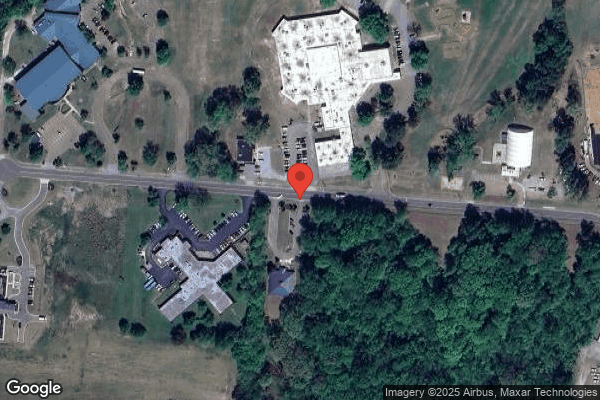
765 BERT JOHNSTON AVENUE, COVINGTON, TN 38019 (901) 475-0027
For profit - Corporation 98 Beds LINKS HEALTHCARE GROUP Data: November 2025
Trust Grade
73/100
#115 of 298 in TN
Last Inspection: November 2024

Within standard 12-15 month inspection cycle. Federal law requires annual inspections.

Overview

Covington Post Acute in Covington, Tennessee, has a Trust Grade of B, indicating it is a good choice among nursing homes. It ranks #115 out of 298 facilities in the state, placing it in the top half, and is the best option among the two facilities in Tipton County. The facility is improving, with reported issues decreasing from five in 2021 to three in 2024. Staffing is a concern, rated 2 out of 5 stars, but with a low turnover rate of 27%, which is significantly better than the state average of 48%. While there have been no fines, recent inspections revealed several issues, including staff failing to properly wear protective equipment when serving food, expired food items in the kitchen, and inadequate sanitation in resident bathrooms. Families should weigh these strengths and weaknesses when considering Covington Post Acute for their loved ones.

Trust Score
B
73/100
In Tennessee
#115/298
Top 38%
Safety Record
Low Risk
No red flags
Inspections
Getting Better
5 → 3 violations
Staff Stability
✓ Good
27% annual turnover. Excellent stability, 21 points below Tennessee's 48% average. Staff who stay learn residents' needs.
Penalties
✓ Good
No fines on record. Clean compliance history, better than most Tennessee facilities.
Skilled Nurses
○ Average
Each resident gets 34 minutes of Registered Nurse (RN) attention daily — about average for Tennessee. RNs are the most trained staff who monitor for health changes.
Violations
○ Average
8 deficiencies on record. Average for a facility this size. Mostly minor or procedural issues.
★★★☆☆
3.0
Overall Rating
★★☆☆☆
2.0
Staff Levels
★★★★☆
4.0
Care Quality
★★★☆☆
3.0
Inspection Score
Stable
2021: 5 issues
2024: 3 issues

The Good

  • 4-Star Quality Measures · Strong clinical quality outcomes
  • Low Staff Turnover (27%) · Staff stability means consistent care
  • Full Sprinkler Coverage · Fire safety systems throughout facility
  • No fines on record
  • Staff turnover is low (27%)

    21 points below Tennessee average of 48%

Facility shows strength in quality measures, staff retention, fire safety.

The Bad

3-Star Overall Rating

Near Tennessee average (2.8)

Meets federal standards, typical of most facilities

Chain: LINKS HEALTHCARE GROUP

Part of a multi-facility chain

Ask about local staffing decisions and management

The Ugly 8 deficiencies on record

Nov 2024 3 deficiencies
CONCERN (D)

Potential for Harm - no one hurt, but risky conditions existed

Infection Control (Tag F0880)

Could have caused harm · This affected 1 resident

**NOTE- TERMS IN BRACKETS HAVE BEEN EDITED TO PROTECT CONFIDENTIALITY** Based on policy review, medical record review, observation, and interview, the facility failed to ensure practices to prevent th...

Read full inspector narrative →
**NOTE- TERMS IN BRACKETS HAVE BEEN EDITED TO PROTECT CONFIDENTIALITY** Based on policy review, medical record review, observation, and interview, the facility failed to ensure practices to prevent the potential spread of infection were maintained when 1 of 1 staff (Licensed Practical Nurse (LPN #A) failed to perform hand hygiene during an incontinent care and failed to follow enhanced barrier precautions during Percutaneous Endoscopic Gastrostomy (PEG) site care for 2 of 3 (Residents #48 and #72) sampled residents. The findings include: 1. Review of the facility policy titled, Hand Hygiene, revised 3/28/2024, revealed .Staff involved in direct resident contact shall perform hand hygiene procedures to prevent the spread of infection to other personnel, residents, and visitors .Hand hygiene is indicated and shall be performed under the conditions listed in, but not limited to, the attach hand hygiene table .use clean/dry towel to turn off the faucet .After handling contaminated objects .Before and after handling clean or soiled dressings, linens .Before performing resident care procedures .After handling items potentially contaminated with blood, bodily fluids, secretions, or excretions . Review of the facility policy titled, Transmission Based Precautions, revised 4/1/2024, revealed .To provide guidance on taking appropriate precautions to prevent transmission of infectious agents .Enhanced barrier precautions (EBP) refers to an infection control intervention designed to reduce transmission of multi-resistant organisms that employs targeted gown and gloves use during high contact resident care activities .An order for enhanced barrier precautions shall be obtained for residents with any of the following .Wounds and/or indwelling medical devices even if the resident is not known to be infected .Make gowns and gloves available which may include near or outside of the resident's room .face protection may also be needed if performing activity with risk of splash or spray .PPE [Personal Protective Equipment] for enhanced barrier precautions is only necessary when performing high-contact care activities and may not need to be donned prior to entering the resident's room . 2. Review of the medical record review revealed Resident #48 was admitted to the facility on [DATE], with diagnoses including Osteomyelitis of the Vertebra, Lumbar Region, Atrial Fibrillation, Chronic Obstructive Pulmonary Disease, Heart Failure, and Sepsis. Review of the admission Minimum Data Set (MDS) dated [DATE], revealed a Brief Interview for Mental Status (BIMS) score of 6, indicating Resident #48 had severe cognitive impairment and a Stage 2 pressure ulcer. Review of the Physician's Telephone Orders dated 11/4/2024, revealed .Zinc Oxide Paste 1 Time Daily .(L) [Left] Buttock}: Clean area with Normal Saline. Apply Zinc Oxide and .Zinc Oxide Paste 1 Time Daily . [Coccyx]: Clean area with Normal Saline. Apply Zinc Oxide. Observation during wound care on 11/6/2024 beginning at 10:19 AM, revealed LPN A was at Resident #48's bedside wearing gloves preparing to perform wound care. LPN A unfastened Resident #48's brief and started to pull it down, stopped, repositioned the brief to cover Resident #48's buttocks, looked at LPN B and stated, She [Resident #48] is going to have to be changed . Registered Nurse (RN) C entered the room and was asked for a towel and brief by LPN A. RN C brought a towel and brief to the room and handed them to LPN A. LPN B stated, You might want to wet that. LPN A took the towel to the bathroom and without removing the gloves or performing hand hygiene, turned on the faucet, wet the towel, turned off the water, returned to Resident #48's bedside and began performing incontinent care. During an interview on 11/7/2024 at 10:17 AM, the Director of Nursing (DON) was asked should staff wear soiled gloves they had used while providing care to a resident to use the sink, wet linen, and then to perform incontinent care to a resident. The DON stated, Probably not .They should remove their gloves, perform hand hygiene, and put on new gloves. 3. Review of the medical record revealed Resident #72 was admitted to the facility on [DATE], with diagnoses including Cerebrovascular Accident, Seizure Disorder, Dysphagia, and Gastrostomy status. Review of the Physician's Order dated 6/5/2024, revealed .G-Tube [Gastrostomy Tube] Site Care One Time Daily .[clean] with soap and water. Monitor for signs and symptoms of infection Review of the quarterly MDS dated [DATE], revealed a BIMS score of 3, which indicated Resident #72 was severely cognitively impaired, assessed for an indwelling foley catheter and a feeding tube. Observation during peg site care on 11/06/2024 at 9:43 AM, revealed LPN A entered the Resident's room and placed barrier on the over the bed table, performed hand hygiene, donned gloves, and performed G-Tube site care without applying a gown for PPE. LPN A discarded trash in biohazard bag and exited Resident's room. During an interview on 11/6/2024 at 9:43 AM, LPN A was asked if she should have worn a gown for PPE when performing site care. LPN A stated, Yes . During an interview on 11/6/2024 at 2:09 PM, the DON confirmed that staff should wear a gown for PPE when performing Peg/G-tube site care.
CONCERN (E)

Potential for Harm - no one hurt, but risky conditions existed

Food Safety (Tag F0812)

Could have caused harm · This affected multiple residents

Based on policy review, observation, kitchen sanitation logs, and interviews, the facility failed to ensure food was stored, prepared, and served under sanitary conditions when opened, undated, and ex...

Read full inspector narrative →
Based on policy review, observation, kitchen sanitation logs, and interviews, the facility failed to ensure food was stored, prepared, and served under sanitary conditions when opened, undated, and expired food items were found, the 3 compartment sink sanitation system was not working properly, kitchen sanitation logs were incomplete, and carbon build up was observed on cookware. The facility had a census of 76, and 76 of those residents received a meal tray from the kitchen. The findings include: 1. Review of the facility policy titled, Dietary Cleaning, dated 7/25/2024, revealed .the CDM [Certified Dietary Manager] /Kitchen Supervisor is responsible for maintaining a cleaning schedule to indicate which equipment and areas to be cleaned and at what frequency .Cleaning surfaces, equipment or utensils involves the use of hot water and detergents .Sanitizing can occur by applying heat and/or chemicals for enough time to reduce bacterial count on .dishware, utensils .pots and pans .the weekly cleaning schedule shall be used to document when a cleaning assignment is completed .the CDM/Kitchen Supervisor shall audit the cleaning schedule for completeness .shall conduct sanitation/safety inspections/kitchen observations . Review of the facility policy titled, Dietary Food Storage, dated 7/25/2024, revealed .food shall be stored in accordance with professional standards for food service safety .leftover food items are stored in appropriate containers .they are covered, labeled, and dated .used within three days .opened food items in dry storage should be stored in a closed container to prevent contamination .all stored items should have an expiration date .refrigerated, ready-to-eat, potentially hazardous food .prepared and packed by a food processing plant shall be clearly marked at the time the original container is opened . Review of the facility policy titled, Dietary: Manual Ware Washing-3 Compartment Sink, dated 9/20/2024, revealed .a three-compartment sink is used to manually wash, rinse, and sanitize cookware to prevent the spread of bacteria that may lead to food borne illness .Procedure .fill with hot water .or use chemical sanitizer .detergent chlorine at 50-100 PPM [Parts Per Million] .Confirm appropriate temperature or concentration at least 30 seconds .the sanitizing sink should be monitored for the proper temperature .for proper chemical concentration if chemical sanitization is used . 2. During an observation and interview in the Kitchen at the 3 compartment sink on 11/4/2024 at 8:53 AM, revealed the Dietary [NAME] washed pans in the first compartment, rinsed them in the second compartment, and sanitized them in the third compartment. The Dietary [NAME] performed the sanitation test of the 3 compartment sink with the test strip remaining white/gray in color, indicating there was no sanitation solution in the water. The Dietary [NAME] confirmed the sanitizer in the three-compartment sink was not working, and stated, .it had not been working for about a month . The Dietary [NAME] confirmed the Dietary Supervisor and Maintenance Supervisor were aware the sanitation was not working. 3. Review of the Ware Washing/Three Compartment Sink sanitation logs dated 10/2024 and 11/2024, revealed that the sanitation of the 3 compartment sink was to be tested every Morning, Afternoon, and Evening with a chemical strip. The sanitation logs had multiple blank areas without initials for the schedules provided. The following dates staff failed to perform the sanitation test on the 3 compartment sink: a. 10/3/2024 no morning or afternoon chemical strip test completed. b. 10/4/2024, no morning or afternoon chemical strip test completed. c. 10/5/2024, no evening chemical strip completed. d. 10/28/2024, no morning or afternoon chemical strip test completed. e. 11/2/2024, no morning or afternoon chemical strip test completed. f. 11/3/2024, no morning or afternoon chemical strip test completed. g. 11/4/2024, no morning chemical strip test competed. 4. Observation in the kitchen on 11/4/2024 at 8:55 AM, revealed the following: a. 3 stock pots (2 with handles) and 1 large cooking pot on the lower shelf below the microwave was noted to have carbon buildup to the bottom and sides of the pans. b. 1 cast iron skillet on the lower rack of the three-tiered wire rack had a large amount of carbon build up on sides and bottom of the skillet. 5. Observation in the walk-in cooler on 11/4/2024 at 8:58 AM, revealed: a. 1 undated stainless-steel bowl of yellow gelatin b. 1 undated metal sheet pan containing an unfrosted cake c. 2 opened packages of expired sliced ham dated 11/3/2024 6. Observation in kitchen, in the dry storage area on 11/4/2024 at 9:02 AM, revealed 1 opened, unsecured box of dried pinto beans opened to air, dated of 10/3/2024. 7. Observation at the nurse's station in the nutritional refrigerator on 11/6/2024 at 11:09 AM, revealed 8 individual cups of orange sherbet with an expiration date of 10/16/2024. During an interview on 11/6/2024 at 4:51 PM, the Dietary Supervisor confirmed that all foods should be labeled and dated, expired food should be discarded by the expiration date, cookware should not have black carbon build up. The Dietary Supervisor confirmed that she is responsible for ensuring that the sanitization logs are completed every morning, afternoon, and evening. The Dietary Supervisor confirmed that she is responsible for maintaining the food/drinks in the nourishment refrigerator. During an interview on 11/6/2024 at 5:43 PM, the RD (Registered Dietician) confirmed that she, along with the Dietary Supervisor and Administrator, are responsible for ensuring the cleaning logs/sanitation logs are completed in a timely manner.
CONCERN (E)

Potential for Harm - no one hurt, but risky conditions existed

Safe Environment (Tag F0921)

Could have caused harm · This affected multiple residents

**NOTE- TERMS IN BRACKETS HAVE BEEN EDITED TO PROTECT CONFIDENTIALITY** Based on policy review, observation, and interview, the facility failed to ensure a safe, sanitary, and comfortable environment ...

Read full inspector narrative →
**NOTE- TERMS IN BRACKETS HAVE BEEN EDITED TO PROTECT CONFIDENTIALITY** Based on policy review, observation, and interview, the facility failed to ensure a safe, sanitary, and comfortable environment for 17 of 47 (Rooms 110, 300, 301, 302, 303, 304, 305, 308, 312, 400, 401, 402, 403, 404, 408, 409, and 411) resident shared bathrooms observed and for 1 of 1 (400 hall) ice machines observed. The findings include: 1. Review of the facility policy titled, Interim Life Safety Measures, dated 1/28/2024, revealed .To provide a safe environment for patients, visitors, and staff .The implementation of Interim Life Safety Measures shall be determined by Administration, QAPI (Quality Assurance Performance Improvement) Committee, and all staff continuously monitoring and reporting any real or potential Life Safety Code deficiencies. Monitoring shall include .Routine environmental tours .Buildings and/or structures .Updates are done routinely and as needed . Review of the facility policy titled, Dietary: Ice Storage, dated 10/25/2023, revealed .Ice shall be maintained and served to patients in a sanitary manner .Ice containers and scoops shall be kept clean and shall be stored and handled in a sanitary manner . 2. Observation on the 100 hall in the shared bathroom of room [ROOM NUMBER] on 11/4/2024 at 10:24 AM, and on 11/7/2024 at 10:13 AM, revealed areas of dark black spots coming down the wall from under the ceiling trim in various areas. 3. Observation on the 300 hall in the shared bathroom of room [ROOM NUMBER] on 11/5/2024 at 2:02 PM, and 11/7/2024 at 8:52 AM, revealed dark black spots on the ceiling and descending down the wall in various areas of the bathroom. 4. Observation on the 300 hall in the shared bathroom of room [ROOM NUMBER] on 11/5/2024 at 10:44 AM, and on 11/7/2024 at 10:07 AM, revealed dark black spots on the wall under the ceiling trim. 5. Observation on the 300 hall in the shared bathroom of room [ROOM NUMBER] on 11/5/2024 at 2:02 PM, and 11/7/2024 at 8:52 AM, revealed dark black spots on the ceiling and descending down the wall in various areas of the bathroom. 6. Observation on the 300 hall in the bathroom of room [ROOM NUMBER] on 11/4/2024 at 10:49 AM, and on 11/7/2024 at 10:05 AM, revealed dark black spots on the wall and descending down the wall in various areas of the bathroom. 7. Observation on the 300 hall in the shared bathroom of room [ROOM NUMBER] on 11/5/2024 at 2:02 PM, and 11/7/2024 at 8:52 AM, revealed dark black spots on the ceiling and descending down the wall in various areas of the bathroom, and bathroom vanity with cracked caulking down entire sink. 8. Observation on the 300 hall in the shared bathroom of room [ROOM NUMBER] on 11/4/2024 at 10:46 AM, revealed dark black spots on the ceiling and descending down the wall in various areas of the bathroom. 9. Observation on the 300 hall in the shared bathroom of room [ROOM NUMBER] on 11/5/2024 at 2:02 PM, and 11/7/2024 at 8:52 AM, revealed dark black spots on the ceiling and descending down the wall in various areas of the bathroom, and bathroom vanity with cracked caulking down entire sink. 10. Observation on the 300 hall in the shared bathroom of room [ROOM NUMBER] on 11/5/2024 at 2:02 PM, and 11/7/2024 at 8:52 AM, revealed dark black spots on the ceiling and descending down the wall in various areas of the bathroom. 11. Observation on the 400 hall in the shared bathroom of room [ROOM NUMBER] on 11/4/2024 at 9:32 AM, 12:04 PM, and 2:23 PM, and on 11/7/2024 at 12:04 PM, revealed dark black spots descending down from underneath the ceiling tile on the wall behind the toilet, extending down the wall and in the corner over the sink and vanity. 12. Observation on the 400 hall in the shared bathroom of room [ROOM NUMBER] on 11/4/2024 at 9:20 AM, 12:06 PM, and 2:21 PM, and on 11/7/2024 at 12:04 PM, revealed dark black spots on the door frame of bathroom door, and dark black spots descending down from under the ceiling tile down the wall behind the toilet. 13. Observation on the 400 hall in the shared bathroom of room [ROOM NUMBER] on 11/4/2024 at 9:37 AM, 12:08 PM, and at 2:24 PM, 11/5/2024 at 8:13 AM, and on 11/7/2024 at 12:04 PM, revealed dark black spots descending down from underneath the ceiling tile down the wall on the left side of the toilet. 14. Observation on the 400 hall in the shared bathroom of room [ROOM NUMBER] at 11/04/2024 at 9:28 AM, 12:07 PM, and 2:25 PM, 11/5/2024 at 7:52 AM, and 12:52 AM, and on 11/7/2024 at 12:04 PM, revealed dark black spots descending down from underneath the ceiling tile down the wall behind the toilet. 15. Observation on the 400 hall in the shared bathroom of room [ROOM NUMBER] at 11/4/2024 at 9:48 AM, and 2:28 PM, and on 11/5/2024 at11:53 AM, 11/6/2024 at 10:53 AM, and on 11/7/2024 at 12:04 PM, revealed dark black spots descending down from underneath the ceiling tile down the wall inside the bathroom on the left side of the bathroom entrance, and on the wall above the bathroom sink and vanity, and inside of bathroom door frame. 16. Observation on the 400 hall in the shared bathroom of room [ROOM NUMBER] at 11/04/2024 at 10:02 AM, 12:13 PM, and on 11/5/2024 at 7:59 AM, and 12:00 PM, 11/6/2024 at 7:20 AM, and 11:00 AM, and on 11/7/2024 at 12:04 PM, revealed dark brown and black discoloring on the wall and around exposed pipes underneath the sink, on the assist bar / handrail next to toilet, and around the base of exposed pipes underneath the toilet, and dark black spots descending from underneath the ceiling tiles extending down the wall in the of the bathroom corner over the sink. 17. Observation on the 400 hall in the shared bathroom of room [ROOM NUMBER] at 11/04/2024 at 9:53 AM, and 12:09 PM, and on 11/5/2024 at 12:17 PM, and on 11/6/24 at 7:17 AM, and 2:18 PM, and on 11/7/2024 at 12:04 PM, revealed dark black spots descending down from underneath the ceiling tiles down the wall behind the toilet, coming from the ceiling tile down the wall behind the toilet. 18. Observation on the 400 hall in the shared bathroom of room [ROOM NUMBER] at 11/4/2024 at 9:59 AM, 12:10 PM, 2:30 PM, and on 11/5/2024 at 7:20 AM, 12:20 PM, and on 11/7/2024 at 8:20 AM and at 12:04 PM, revealed the bathroom vanity top loose and separating from wall with cracked caulking, dark black spots descending down from underneath the ceiling tiled down the wall in the corner of the bathroom over the toilet. 19. Observation at the 400 hall ice machine on 11/4/2024 at 9:16 AM, and 10:00 AM, revealed the ice machine was unlocked, with dark black substance on the upper inside rim of the ice machine, dust particle build up on the ledge of the ice machine and the filter of ice machine, with ice scoop resting in water in the scoop holder on the wall. 20. Review of the facility document titled Work History Report, revealed, .Due Date .10/31/2024 .Ice Machines/Ice Bins .Check filters .clean coils, sanitize interior, delime as necessary .Task Completion .Marked done on time by [Named Maintenance Supervisor] .on 10/21/2024 . Observation at the 400 hall ice machine on 11/4/2024 at 12:02 PM, revealed the ice machine was unlocked with dark black substance on the upper inside rim of the ice machine, dust particles build up on the ledge of the ice machine and the filter and the ice scoop resting in water in the scoop holder on the wall. 21. During observation and interview on the 300 hall on 11/7/24 beginning at 10:05 AM, the Maintenance Supervisor was shown room [ROOM NUMBER], 301, 302, 303, 304, 308 and 312 bathrooms. The Maintenance Supervisor was asked what the black spotty areas on ceiling and walls were in the bathrooms. The Maintenance Supervisor stated, It is mildew from the ventilation fan issues we are having, I am currently working to get this fixed . The Maintenance Supervisor was asked should the caulking adhesive holding the sink be cracked and coming off on the sink. The Maintenance Supervisor stated, No. During observation and interview on 11/7/2024 at 10:13, the Maintenance Supervisor confirmed that mildew was found in room [ROOM NUMBER], #301, and #303. During observation and interview on the 300 hall on 11/7/2024 at 12:02 PM, the Maintenance Supervisor was shown room [ROOM NUMBER] and was asked what the black substance on the bathroom wall near the ceiling. The Maintenance Supervisor confirmed that the black substance was mildew. During observation and interview on the 400 hall on 11/7/2024 beginning at 12:04 PM, the Maintenance Supervisor, was shown the dark black spots descending down from the ceiling tile down the walls in resident rooms 400, 401, 402, 403, 404, 408, 409, and 411, and was asked what those dark black spots were. The Maintenance Supervisor confirmed he was unaware of the spots until 11/4/2024 when it was brought to his attention by State Agency staff and the areas were tested and it was found to be mildew. The Maintenance Supervisor was asked what caused the mildew. The Maintenance Supervisor confirmed it was caused by a malfunction fan and that the 400 hall was the hall that it was found in almost every resident shared bathroom. The Maintenance Supervisor confirmed that there should be no mildew found in any resident room or bathroom. The Maintenance Supervisor confirmed that he checks rooms on each hall randomly on a weekly basis but was unaware of mildew in the resident's bathrooms. The Maintenance Supervisor was shown the dark black substance on the inside of the ice machine, dust particles on the ledge of the ice machine, and the dust on the filter and was asked should the black substance be inside of the ice machine, should the dust be on the ledge of the ice machine and should the filter contain dust particles. The Maintenance Supervisor confirmed he is unsure of what the black substance was on the inside of the ice machine, but confirmed he checks and cleans the ice machine at least every six months. The cleaning of the ice machine consists of wiping down the outside, changing the filter and cleaning the inside of the machine.
Jul 2021 5 deficiencies
CONCERN (D)

Potential for Harm - no one hurt, but risky conditions existed

Resident Rights (Tag F0550)

Could have caused harm · This affected 1 resident

Based on policy review, observation, and interview, the facility failed to maintain or enhance resident dignity and respect when 1 of 14 staff members (Certified Nursing Assistant (CNA) #2) failed to ...

Read full inspector narrative →
Based on policy review, observation, and interview, the facility failed to maintain or enhance resident dignity and respect when 1 of 14 staff members (Certified Nursing Assistant (CNA) #2) failed to knock and/or announce herself before entering residents' rooms (Resident #5, #12, #24, #47, #53, and #265) during dining observations. The findings include: Review of the facility's policy titled, Promoting /Maintaining Resident Dignity Policy, dated 5/24/2021, revealed .It is the Practice of the facility to protect and promote resident rights and treat each resident with respect and dignity .all staff members are involved in providing care to residents to promote and maintain resident dignity and respect resident's rights . Observation on the 400 Hall on 7/12/2021 beginning at 12:19 PM, revealed CNA #2 delivered meal trays to Resident #5, #12, #24, #47, #53, and #265. CNA #2 failed to knock and/or announce herself prior to entering the residents' rooms. During an interview on 7/15/2021 at 12:09 PM, the Director of Nursing confirmed that staff should knock and announce themselves when entering a resident's room.
CONCERN (D)

Potential for Harm - no one hurt, but risky conditions existed

Deficiency F0582 (Tag F0582)

Could have caused harm · This affected 1 resident

**NOTE- TERMS IN BRACKETS HAVE BEEN EDITED TO PROTECT CONFIDENTIALITY** Based on resident trust account procedure manual, medical record review, review of resident trust funds, and interview, the faci...

Read full inspector narrative →
**NOTE- TERMS IN BRACKETS HAVE BEEN EDITED TO PROTECT CONFIDENTIALITY** Based on resident trust account procedure manual, medical record review, review of resident trust funds, and interview, the facility failed to refund the residents funds within 30 days of death or discharge for 4 of 6 sampled residents (Resident #217, #218, #219, and #220) reviewed for trust funds. The findings include: Review of the facility's manual titled, RESIDENT TRUST ACCOUNT PROCEDURES MANUAL dated 8/2018, revealed .all refunds must be made within 30 days of discharge or expiration . Review of the medical record, revealed Resident #217 was admitted on [DATE] and expired on [DATE]. Review of the trust funds revealed a check was not issued until [DATE](6 months after Resident #217 expired). Review of the medical record, revealed Resident #218 was admitted on [DATE] and expired on [DATE]. Review of the trust funds revealed a check was not issued until [DATE] (6 months after Resident #218 expired). Review of the medical record, revealed Resident #219 was admitted on [DATE] and expired on [DATE]. Review of the trust funds revealed a check was not issued until [DATE] (6 months after Resident #219 expired). Review of the medical record, revealed Resident #220 was admitted on [DATE] and expired on [DATE]. Review of the trust funds revealed a check was not issued until [DATE] (3 months after Resident #220 expired). During an interview on [DATE] at 3:04 PM, the Social Worker confirmed that the residents' refund should be refunded within 30 days of discharge or death.
CONCERN (D)

Potential for Harm - no one hurt, but risky conditions existed

Deficiency F0761 (Tag F0761)

Could have caused harm · This affected 1 resident

Amended 8/10/2021 Based on policy review, observation, and interview, the facility failed to ensure opened medications were properly labeled and dated, external and internal medications were not store...

Read full inspector narrative →
Amended 8/10/2021 Based on policy review, observation, and interview, the facility failed to ensure opened medications were properly labeled and dated, external and internal medications were not stored together, and medications were not stored past their expiration date after opened in 4 of 7 medication storage areas (100 Hall Medication Cart, 300 Hall Medication Cart, 400 Hall Medication Cart, and Medication Room). The findings include: Review of the facility's policy titled, Medication and Biological Storage, Night/Emergency Box and Backup Pharmacy dated 10/2020, revealed .All medications are stored in designated areas which are sufficient to ensure proper sanitation .the medications are to be labeled in accordance with accepted professional principles .disinfectants and drugs for external use are stored separately from internal .Whenever a seal of a multidose vial is broken it must be initialed and dated by the Nurse with an open date . Observation of the 300 Hall Medication Cart on 7/12/2021 at 10:20 AM, revealed the following: a. 1 open undated Breo Ellipta 200 mcg [micrograms]-25 mcg inhaler b. 1 open undated budesonide-formoterol HFA 160 mcg-4.5 mcg inhaler c. 1 open undated Symbicort 160 mcg-4.5 mcg inhaler d. 1 open undated Stiolto Respimat 2.5 mcg-2.5 mcg inhaler e. 1 open undated Incruse Ellipta 62.5 mcg inhaler Observation of the 300 Hall Medication Cart on 7/12/2021 at 10:25 AM, revealed one bottle of Jevity 1.5 enteral feeding lying on top of a bucket of disinfectant wipes, 2 packs of adult wash clothes, and 1 box of alcohol swabs. Observation of the 400 Hall Medication Cart on 7/12/2021 at 10:52 AM, revealed the following: a. a medication cup with a large white pill in the second drawer from the top of the medication cart b. 1 open and undated Incruse Ellipta inhaler During an interview on 7/12/2021 at 10:25 AM, the Staffing Coordinator confirmed when medications are opened, the staff should record open dates on the medications. The Staffing Coordinator confirmed that internal and external medications should be stored separately in the medication carts. Observation of the 100 Hall Medication Cart on 7/12/2021 at 11:03 AM, revealed a white pill in a medication cup in the top drawer of the medication cart. During an interview on 7/12/2021 at 11:03 AM, Registered Nurse #1 confirmed that the medication should have been wasted in the medication room. Observation in the Mediation Room on 7/12/2021 at 11:11 AM, revealed a multi dose vial of tuberculin vaccine with an open date of 6/3/2021. During an interview on 7/13/21 at 7:50 AM, the Director of Nursing (DON) confirmed internal and external medications should not be stored together in the medication cart. The DON confirmed that an open date should be recorded when a medication is opened. The DON confirmed that loose medications should not be stored in medication cups in the medication carts. The DON confirmed that a multi dose vial of tuberculin vaccine expires 30 days after it is opened.
CONCERN (E)

Potential for Harm - no one hurt, but risky conditions existed

Deficiency F0657 (Tag F0657)

Could have caused harm · This affected multiple residents

**NOTE- TERMS IN BRACKETS HAVE BEEN EDITED TO PROTECT CONFIDENTIALITY** Based on policy review, medical record review, and interview, the facility failed to ensure the mandatory personnel attended the...

Read full inspector narrative →
**NOTE- TERMS IN BRACKETS HAVE BEEN EDITED TO PROTECT CONFIDENTIALITY** Based on policy review, medical record review, and interview, the facility failed to ensure the mandatory personnel attended the interdisciplinary care plan meetings for 17 of 18 sampled residents (Resident #2, #4, #8, #14, #19, #21, #32, #38, #43, #44, #49, #53, #54, #57, #62, #164, and #167) reviewed for care plan meetings. The findings include: Review of the facility's policy titled, Care Planning-Resident Participation, dated 10/2020 revealed .This facility supports the resident's right to be informed of, and participate in, his or her care planning and treatment (implementation of care) .will notify resident and /or resident representative, in advance, of the care to be furnished and the type of caregiver or professional that will furnish care, as well as changes to the plan of care .The facility will encourage and assist the resident and /or resident representative to participate in choosing care and treatment options .The facility will honor requests for care plan meetings and acknowledge requests for revisions to the person centered plan of care . Review of medical record, revealed Resident #2 had diagnoses of Pneumonia, Heart Failure, Chronic Kidney Disease, Anxiety Disorder, Diabetes, Protein-Calorie Malnutrition, and Depression. Review of Resident #2's INTERDISCIPLINARY TEAM CARE PLAN REVIEW dated 3/26/2021, revealed the only staff member in attendance of the meeting was the Minimum Data Set (MDS) Coordinator. Review of the medical record, revealed Resident #4 was admitted to the facility on [DATE] with diagnoses of Displaced Transverse Fracture of Right Tibia, End Stage Renal Disease, Diabetes, Convulsions, Anxiety Disorder, Vitamin B12 Deficiency, and COVID-19. Review of Resident #4's INTERDISPCIPLINARY TEAM CARE PLAN REVIEW dated 1/6/2021, revealed the only staff members in attendance of the meeting were the MDS Coordinator, Dietary Services, Activities Director, and Social Worker. Review of Resident #4's INTERDISPCIPLINARY TEAM CARE PLAN REVIEW dated 4/8/2021, revealed the only staff members in attendance of the meeting were the MDS Coordinator, Dietary Services, Activities Director, Social Worker, and Rehabilitation (Rehab) Services. Review of Resident #4's INTERDISPCIPLINARY TEAM CARE PLAN REVIEW dated 7/7/2021, revealed the only staff members in attendance of the meeting were the MDS Coordinator, Dietary Services, Activities Director, Social Worker, and Rehab Services. Review of the medical record, revealed Resident #8 was admitted to the facility on [DATE] with diagnoses of Cerebrovascular Accident, Diabetes, Hypertension, Renal Failure, Contractures Left Hand, and Contracture Right Hand. Review of Resident #8's INTERDISCIPLINARY TEAM CARE PLAN REVIEW dated 10/14/2020, revealed the only staff members in attendance of the meeting were the MDS Coordinator, Activities Director, Nursing Services, Dietary Services, Social Worker, and Rehab Services. Review of the medical record, revealed Resident #14 was admitted to the facility on [DATE] with diagnoses of Hypertension, Rhinitis, Diabetes, Mononeuropathy, Atrial Fibrillation, and Gastroesophageal Reflux Disease. Review of Resident #14's INTERDISCIPLINARY TEAM CARE PLAN REVIEW dated 10/28/2020, revealed the only staff members in attendance of the meeting were the MDS Coordinator and Activities Director. Review of Resident #14's INTERDISCIPLINARY TEAM CARE PLAN REVIEW dated 1/20/2021, revealed the only staff members in attendance of the meeting were the MDS Coordinator, Dietary Services, Rehab Services, and Activities Director. Review of the medical record, revealed Resident #19 was admitted on [DATE] with diagnoses of Dementia, Anxiety Disorder, Gout, Hypertension, Parkinson's Disease, Acute Kidney Failure, and Depression. Review of Resident #19's INTERDISCIPLINARY TEAM CARE PLAN REVIEW dated 1/29/2021, revealed the only staff member in attendance of the meeting was the MDS Coordinator. Review of the medical record, revealed Resident #21 was admitted to the facility on [DATE] with diagnoses of End Stage Renal Disease, Gram-Negative Sepsis, Heart Failure, Anxiety Disorder, and Insomnia. Review of Resident #21's INTERDISCIPLINARY TEAM CARE PLAN REVIEW dated 11/25/2020, revealed the only staff members in attendance of the meeting were Nursing Services, Dietary Services, and Activities Director. Review of Resident #21's INTERDISCIPLINARY TEAM CARE PLAN REVIEW dated 5/10/2021, revealed the only staff members in attendance of the meeting were Nursing Services and Activities Director. Review of the medical record, revealed Resident #32 had diagnoses of Hypertensive Crisis, Systemic Lupus Erythematosus, Pain, Diabetes, Coronary Angioplasty Implant and Graft, Malignant Neoplasm of Breast, Heart Failure, Cardiac Pacemaker, Hypokalemia, Hematoma, and Depression. Review of Resident #32's INTERDISCIPLINARY TEAM CARE PLAN REVIEW dated 1/2/2021, revealed the only staff members in attendance of the meeting were the MDS Coordinator and Nursing Services. Review of the medical record, revealed Resident #38 was admitted to the facility on [DATE] with diagnoses of Anxiety Disorder, Polyosteoarthritis, Diabetes, Depression, Left Below the Knee Amputation, Anxiety, Alcohol Abuse, Hematuria, Hypertension, and Urinary Tract Infection. Review of Resident #38's INTERDISCIPLINARY TEAM CARE PLAN REVIEW dated 6/4/2021, revealed the only staff members in attendance of the meeting were Nursing Services and Activities Director. Review of the medical record, revealed Resident #43 was admitted to the facility on [DATE] with diagnoses of Chronic Obstructive Pulmonary Disease, COVID-19, Encephalopathy, Pneumonia, Respiratory Failure, Atrial Fibrillation, Chronic Kidney Disease, Dementia, Protein-Calorie Malnutrition, Hypertension, Pancreatitis, and Myelodysplastic Syndrome. The facility could not provide an Interdisciplinary Team care plan review form for Resident #43. During an Interview with MDS Coordinator #1 on 7/15/2021 at 8:40 AM, MDS Coordinator #1 confirmed Resident #43 did not have an Interdisciplinary Team care plan review form. Review of the medical record, revealed Resident #44 was admitted to the facility on [DATE] with the diagnoses of Depression, Human Immunodeficiency Virus (HIV) Human Herpesvirus Encephalitis, Urinary Tract Infection, Urinary Retention, Candidiasis, and Insomnia. Review of the INTERDISCIPLINARY TEAM CARE PLAN REVIEW dated 12/8/2020, revealed the only staff members in attendance of the meeting was the MDS Coordinator. Review of the medical record, revealed Resident #49 was admitted to the facility on [DATE] with diagnoses of Giant Cell Arteritis, Anemia, Diabetes, Hypertension, and Anorexia. Review of Resident #49's INTERDISPCIPLINARY TEAM CARE PLAN REVIEW dated 3/17/2021, revealed the only staff members in attendance of the meeting were the MDS Coordinator, Dietary Services, Activities Director, Social Worker, and Rehab Services. Review of Resident #49's INTERDISPCIPLINARY TEAM CARE PLAN REVIEW dated 6/16/2021, revealed the only staff members in attendance of the meeting were the MDS Coordinator, Dietary Services, Activities Director, Social Worker, and Rehab Services. Review of the medical record, revealed Resident #53 was admitted to the facility on [DATE] with diagnoses of Chronic Obstructive Pulmonary Disease, Fracture of Left Wrist and Hand, Hypothyroidism, Bradycardia, and Protein-Calorie Malnutrition. Review of Resident #53's INTERDISPCIPLINARY TEAM CARE PLAN REVIEW dated 6/28/2021, revealed the only staff member in attendance of the meeting was Nursing Services. Review of the medical record, revealed Resident #54 was admitted to the facility on [DATE] with diagnoses of Paraplegia, Stage 4 Pressure Ulcer Sacral Region, Stage 3 Pressure Right Hip, Neuromuscular Dysfunction of the Bladder, and Hypertension. Review of Resident #54's INTERDISPCIPLINARY TEAM CARE PLAN REVIEW dated 1/13/2021, revealed the only staff member in attendance of the meeting was Nursing Services. Review of Resident #54's INTERDISPCIPLINARY TEAM CARE PLAN REVIEW dated 3/31/2021, revealed the only staff members in attendance of the meeting was Nursing Services, Dietary Services, Activities Director, and Rehab Services. Review of Resident #54's INTERDISPCIPLINARY TEAM CARE PLAN REVIEW dated 5/26/2021, revealed the only staff members in attendance of the meeting were Nursing Services, Dietary Services, Activities Director, and Rehab Services. Review of the medical record, revealed Resident #57 was admitted to the facility on [DATE] with diagnoses of Pneumonia, Hyperkalemia, Dementia, History of Malignant Neoplasm of Large Intestine and Melanoma, Dysphagia, Pressure Ulcer of Sacral Region Stage 4, Severe Protein-Calorie Malnutrition, and Anxiety. Review of Resident #57's INTERDISCIPLINARY TEAM CARE PLAN REVIEW dated 8/11/2020, revealed the only staff member in attendance of the meeting was the MDS Coordinator. Review of Resident #57's INTERDISCIPLINARY TEAM CARE PLAN REVIEW dated 8/24/2020, revealed the only staff members in attendance of the meeting were the MDS Coordinator and Nursing Services. Review of Resident #57's INTERDISCIPLINARY TEAM CARE PLAN REVIEW dated 9/10/2020, revealed the only staff members in attendance of the meeting were the MDS Coordinator and Nursing Services. Review of Resident #57's INTERDISCIPLINARY TEAM CARE PLAN REVIEW dated 3/24/2021, revealed the only staff members in attendance of the meeting were the MDS Coordinator, Nursing Services, and Activities Director. Review of Resident #57's INTERDISCIPLINARY TEAM CARE PLAN REVIEW dated 6/16/2021, revealed the only staff member in attendance of the meeting was the MDS Coordinator. Review of the medical record, revealed Resident #62 was admitted to the facility on [DATE] with diagnoses of Hypertension, Neurogenic Bladder, Diabetes, Chronic Obstructive Pulmonary Disease, Atrial Fibrillation, Pressure Ulcer of the Left Heel and Pressure Ulcer of the Sacral Region. Review of Resident #62's INTERDISCIPLINARY TEAM CARE PLAN REVIEW dated 3/23/2021, revealed the only staff members in attendance of the meeting were the MDS Coordinator, Nursing Services, and Social Worker. Review of Resident #62's INTERDISCIPLINARY TEAM CARE PLAN REVIEW dated 6/16/2021, revealed the only staff members in attendance of the meeting were the MDS Coordinator, Nursing Services, and Social Worker. Review of the medical record, revealed Resident #164 was admitted to the facility on [DATE] with diagnoses of Osteomyelitis, Diabetes, Sepsis, Acute Kidney Failure, Heart Failure, and Dementia. Review of Resident #164's INTERDISCIPLINARY TEAM CARE PLAN REVIEW dated 6/25/2021, revealed the only staff members in attendance of the meeting were the MDS Coordinator and Nursing Services. Review of the medical record, revealed Resident #167 had diagnoses of COVID-19, Heart Failure, Atrial Fibrillation, Depression, Neuropathy, Benign Prostatic Hyperplasia, Diabetes, Cardiomyopathy, Chronic Kidney Disease, Pneumonia due to COVID, Pressure Ulcer of Right Buttock. Acute Respiratory Failure, and Sepsis. Review of Resident #167's INTERDISCIPLINARY TEAM CARE PLAN REVIEW dated 5/3/2021, revealed the only staff members in attendance of the meeting were Nursing Services and Activities Director. During an interview on 7/14/2021 at 1:26 PM, MDS Coordinator #1 was asked who should attend the care plan meetings. MDS Coordinator #1 confirmed that a representative from MDS, a floor nurse, the Activities Director, Therapy Services, Social Service Director, the physician, a Certified Nursing Assistant, and a family member/responsible party should attend the meetings. MDS Coordinator #1 confirmed not all disciplines were present at the meetings as they were required.
CONCERN (F)

Potential for Harm - no one hurt, but risky conditions existed

Food Safety (Tag F0812)

Could have caused harm · This affected most or all residents

Based on policy review, observation, and interview, the facility failed to ensure food was stored and distributed in a manner to prevent the spread of infection when 3 of 14 staff members (Certified N...

Read full inspector narrative →
Based on policy review, observation, and interview, the facility failed to ensure food was stored and distributed in a manner to prevent the spread of infection when 3 of 14 staff members (Certified Nursing Assistant (CNA) #1, Dietary Aide #1, and #2) failed to wear appropriate Personal Protective Equipment (PPE) and perform proper hand hygiene when delivering meal trays, and failed to perform hand hygiene in the Kitchen and Dining Room. This had the potential to affect the 64 of the 71 residents residing in the facility. The findings include: Review of the facility's policy titled, Transmission Based Precautions effective 3/2020, revealed .Contact Precautions .Healthcare personnel caring for residents on Contact Precautions wear a gown and gloves .Donning personal protective equipment .upon room entry .Droplet Precautions .Healthcare personnel wear a mask or a mask with a shield, gown and gloves . Review of the facility's policy titled, Dietary-Mechanical Dish Washing dated 10/2020, revealed .if the same person is loading and unloading the racks, hands must be washed or sanitized before touching the clean surfaces . Review of the facility's policy titled, Dietary: Handwashing Techniques dated 10/2020, revealed Frequency of Handwashing: Dietary employees shall clean their hands and exposed portions of their arms immediately before engaging in food preparation including working with exposed food, clean equipment and utensils, and unwrapped single service and single use articles and also in the following situations .After hands have touched anything unsanitary i.e., garbage, soiled utensils/equipment, dirty dishes . Dining observation on the 100 hall on 7/12/2021 at 12:38 PM, revealed a sign posted on Resident #168's entry door, STOP SPECIAL DROPLET/ CONTACT PRECAUTIONS .Everyone Must: including visitors, doctors & [and] staff .Wear eye protection (face shield or goggles) Gown and glove at door . Dining observation on the 100 Hall at 7/12/2021 at 12:38 PM, revealed CNA #1 entered Resident #168s room without wearing a face shield/googles or gloves and delivered Resident #168's meal tray. Dining observation on the 100 Hall on 7/12/2021at 12:39 PM, revealed CNA #1 entered Resident # 32's room, delivered a meal tray, performed tray set up, entered the bathroom, performed hand hygiene, and failed to turn off the faucet with a clean paper towel. dining observation on the 100 Hall on 7/12/2021 at 12:40 PM, revealed a sign posted on Resident #44's entry door, STOP CONTACT PRECAUTIONS .PROVIDERS AND STAFF MUST .Put on gloves before room entry . Dining observation on the 100 Hall on 7/12/2021 at 12:40 PM, revealed CNA #1 entered Resident #44's room, delivered a meal tray, performed tray set up, entered the bathroom, performed hand hygiene, and failed to turn off the faucet with a clean paper towel. Dining observation on the 100 Hall on 7/12/2021 at 12:51 PM, revealed CNA #1 entered Resident #164's room, delivered a meal tray, performed tray set up, entered the bathroom, performed hand hygiene, and failed to turn off the faucet with a clean paper towel. Dining observation on the 100 Hall on 7/12/2021 at 12:54 PM, revealed Resident #167's entry door had a sign posted, STOP CONTACT PRECAUTIONS .PROVIDERS AND STAFF MUST .Put on gloves before room entry . Dining observation on the 100 Hall on 7/12/2021 at 12:54 PM, revealed CNA #1 entered the Resident #167's room without wearing gloves, delivered a meal tray, performed tray set up, entered the bathroom, performed hand hygiene, and failed to turn off the faucet with a clean paper towel. Dining observation on the 100 Hall on 7/12/2021 at 12:56 PM, revealed Resident #170's entry door had a sign posted, STOP CONTACT PRECAUTIONS .PROVIDERS AND STAFF MUST .Put on gloves before room entry . Dining observation on the 100 Hall on 7/12/2021 at 12:56 PM, revealed CNA #1 entered Resident #170's room without applying gloves, placed a meal tray on the overbed table, raised the head of the bed and performed tray set up, without performing hand hygiene, CNA #1 entered the bathroom, performed hand hygiene, and failed to turn off the faucet with a clean paper towel. Dining observation on the 100 Hall on 7/12/2021 at 12:58 PM, revealed CNA #1entered Resident #172's room and placed a meal tray on the overbed table, raised the head of the bed, placed Resident #172's arm on top of the bed linens, performed tray set up without performing hand hygiene. CNA #1 entered the bathroom, performed hand hygiene, and failed to turn off the faucet with a clean paper towel. Dining observation on the 100 Hall on 7/14/2021at 8:15 AM, revealed CNA #1 entered Resident #32's room, entered the bathroom, performed hand hygiene, and failed to turn off the faucet with a clean paper towel. Dining observation on the 100 Hall on 7/14/2021 at 8:20 AM, revealed CNA #1 entered Resident #44's room, delivered a meal tray, performed tray set up, entered the bathroom, performed hand hygiene, and failed to turn off the faucet with a clean paper towel. Dining observation on the 100 Hall on 7/14/2021 at 8:25 AM, revealed CNA #1 entered Resident #164's room, delivered a meal tray, performed tray set up, then entered the bathroom, performed hand hygiene, and failed to turn off the faucet with a clean paper towel. Dining observation in Resident #165's room on 7/14/2021 at 8:25 AM, revealed CNA #1 entered the room, delivered a meal tray, moved a wheelchair, performed tray set up without performing hand hygiene, went to the bathroom and washed her hands, dried her hands with a paper towel, then turned off the faucet with the same paper towel. Dining observation on the 100 Hall on 7/14/2021 at 8:26 AM, revealed Resident #170's entry door had a sign posted, STOP CONTACT PRECAUTIONS .PROVIDERS AND STAFF MUST .Put on gloves before room entry . Dining observation on the 100 Hall on 7/14/2021 at 8:26 AM, revealed CNA #1 entered Resident #170's room without applying gloves. Observation in the Kitchen on 7/13/2021 at 9:50 AM, revealed Dietary Aide #1 placed the dirty dishes from the meal cart into the dish machine tray, sprayed the dishes off with a sprayer, placed the tray into the dish machine and then pulled the tray of clean dishes out of the clean side and touched the clean dishes with her bare hands. Dietary Aide #1 failed to wear gloves or perform hand hygiene between the dirty and clean dishes. Observation in the Kitchen on 7/13/2021 at 10:58 AM, revealed Dietary Aide #1 did not apply gloves or perform hand hygiene while preparing the lunch trays for the residents. Observation in the Dining Room on 7/13/2021 at 11:47 AM, revealed Dietary Aide #2 disposed of trash into the trash can, pulled 2 Styrofoam plates from a cabinet and placed them on the counter next to the food on steam table, without performing hand hygiene. During an interview on 07/15/2021 beginning at 2:17 PM, the Registered Dietician (RD) was asked should the dietary staff working in the dish machine room perform hand hygiene. The RD stated, .yes should perform hand hygiene between dirty and clean . The RD confirmed after dietary staff disposed of trash in the trash can, the dietary staff member should wash their hands. During an interview on 7/15/2021 at 5:00 PM, the Director of Nursing (DON) confirmed staff should wear gloves when entering Contact Isolation rooms and should wear gloves and a face shield or googles when entering Droplet/Contact Isolation rooms. The DON was asked if staff should use the same paper towel to dry hands and then turn off the faucet. The DON stated No, ma'am. The DON confirmed after any contact with wheelchairs, bed linens, remote controls, the staff should perform hand hygiene before performing tray set up.
Understanding Severity Codes (click to expand)
Life-Threatening (Immediate Jeopardy)
J - Isolated K - Pattern L - Widespread
Actual Harm
G - Isolated H - Pattern I - Widespread
Potential for Harm
D - Isolated E - Pattern F - Widespread
No Harm (Minor)
A - Isolated B - Pattern C - Widespread

Questions to Ask on Your Visit

  • "Can I speak with families of current residents?"
  • "What's your RN coverage like on weekends and overnight?"

Our Honest Assessment

Strengths
  • • No major safety red flags. No abuse findings, life-threatening violations, or SFF status.
  • • No fines on record. Clean compliance history, better than most Tennessee facilities.
  • • 27% annual turnover. Excellent stability, 21 points below Tennessee's 48% average. Staff who stay learn residents' needs.
Concerns
  • • No major red flags. Standard due diligence and a personal visit recommended.
Bottom line: Mixed indicators with Trust Score of 73/100. Visit in person and ask pointed questions.

About This Facility

What is Covington Post Acute's CMS Rating?

CMS assigns COVINGTON POST ACUTE an overall rating of 3 out of 5 stars, which is considered average nationally. Within Tennessee, this rating places the facility higher than 99% of the state's 100 nursing homes. This mid-range rating indicates the facility meets federal standards but may have areas for improvement.

How is Covington Post Acute Staffed?

CMS rates COVINGTON POST ACUTE's staffing level at 2 out of 5 stars, which is below average compared to other nursing homes. Staff turnover is 27%, compared to the Tennessee average of 46%. This relatively stable workforce can support continuity of care.

What Have Inspectors Found at Covington Post Acute?

State health inspectors documented 8 deficiencies at COVINGTON POST ACUTE during 2021 to 2024. These included: 8 with potential for harm.

Who Owns and Operates Covington Post Acute?

COVINGTON POST ACUTE is owned by a for-profit company. For-profit facilities operate as businesses with obligations to shareholders or private owners. The facility is operated by LINKS HEALTHCARE GROUP, a chain that manages multiple nursing homes. With 98 certified beds and approximately 77 residents (about 79% occupancy), it is a smaller facility located in COVINGTON, Tennessee.

How Does Covington Post Acute Compare to Other Tennessee Nursing Homes?

Compared to the 100 nursing homes in Tennessee, COVINGTON POST ACUTE's overall rating (3 stars) is above the state average of 2.8, staff turnover (27%) is significantly lower than the state average of 46%, and health inspection rating (3 stars) is at the national benchmark.

What Should Families Ask When Visiting Covington Post Acute?

Based on this facility's data, families visiting should ask: "Can you walk me through typical staffing levels on day, evening, and night shifts?" "Can I visit during a mealtime to observe dining assistance and food quality?" "How do you handle medical emergencies, and what is your hospital transfer rate?" "Can I speak with family members of current residents about their experience?" These questions are particularly relevant given the below-average staffing rating.

Is Covington Post Acute Safe?

Based on CMS inspection data, COVINGTON POST ACUTE has a clean safety record: no substantiated abuse findings (meaning no confirmed cases of resident harm), no Immediate Jeopardy citations (the most serious violation level indicating risk of serious injury or death), and is not on the Special Focus Facility watch list (a federal program monitoring the lowest-performing 1% of nursing homes). The facility has a 3-star overall rating and ranks #1 of 100 nursing homes in Tennessee. While no facility is perfect, families should still ask about staff-to-resident ratios and recent inspection results during their visit.

Do Nurses at Covington Post Acute Stick Around?

Staff at COVINGTON POST ACUTE tend to stick around. With a turnover rate of 27%, the facility is 19 percentage points below the Tennessee average of 46%. Low turnover is a positive sign. It means caregivers have time to learn each resident's needs, medications, and personal preferences. Consistent staff also notice subtle changes in a resident's condition more quickly.

Was Covington Post Acute Ever Fined?

COVINGTON POST ACUTE has no federal fines on record. CMS issues fines when nursing homes fail to meet care standards or don't correct problems found during inspections. The absence of fines suggests the facility has either maintained compliance or corrected any issues before penalties were assessed. This is a positive indicator, though families should still review recent inspection reports for the full picture.

Is Covington Post Acute on Any Federal Watch List?

COVINGTON POST ACUTE is not on any federal watch list. The most significant is the Special Focus Facility (SFF) program, which identifies the bottom 1% of nursing homes nationally based on persistent, serious quality problems. Not being on this list means the facility has avoided the pattern of deficiencies that triggers enhanced federal oversight. This is a positive indicator, though families should still review the facility's inspection history directly.