LIFE CARE CENTER OF CROSSVILLE
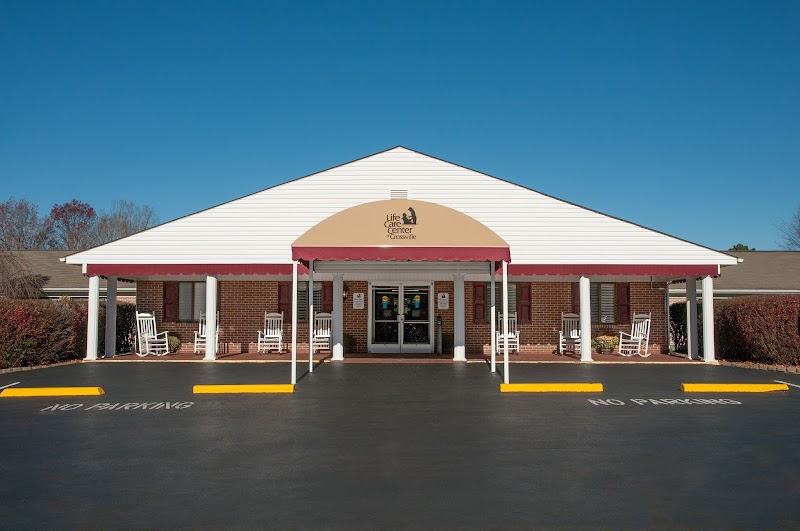
80 JUSTICE ST, CROSSVILLE, TN 38555 (931) 484-4782
For profit - Corporation 122 Beds LIFE CARE CENTERS OF AMERICA Data: November 2025
Trust Grade
58/100
#129 of 298 in TN
Last Inspection: December 2024

Within standard 12-15 month inspection cycle. Federal law requires annual inspections.

Overview

Life Care Center of Crossville has a Trust Grade of C, meaning it falls in the average range among nursing homes, indicating it's neither great nor terrible. It ranks #129 out of 298 facilities in Tennessee, placing it in the top half, and #2 out of 4 in Cumberland County, which suggests only one local facility is better. Unfortunately, the facility is worsening, with issues increasing from 1 in 2023 to 11 in 2024. Staffing is a relative strength, with a turnover rate of 34%, which is better than the state average of 48%, but the RN coverage is concerning as it is lower than 96% of Tennessee facilities. There have been serious incidents, including a resident who fell from their bed due to inadequate supervision, resulting in injury, and failures in coordinating care with hospice providers for multiple residents, indicating potential gaps in care. Additionally, expired food items were discovered in the kitchen, raising questions about food safety practices. Families should weigh these strengths and weaknesses when considering this facility for their loved ones.

Trust Score
C
58/100
In Tennessee
#129/298
Top 43%
Safety Record
Moderate
Needs review
Inspections
Getting Worse
1 → 11 violations
Staff Stability
○ Average
34% turnover. Near Tennessee's 48% average. Typical for the industry.
Penalties
✓ Good
$8,824 in fines. Lower than most Tennessee facilities. Relatively clean record.
Skilled Nurses
⚠ Watch
Each resident gets only 16 minutes of Registered Nurse (RN) attention daily — below average for Tennessee. Fewer RN minutes means fewer trained eyes watching for problems.
Violations
⚠ Watch
18 deficiencies on record. Higher than average. Multiple issues found across inspections.
★★★☆☆
3.0
Overall Rating
★★★☆☆
3.0
Staff Levels
★★★★★
5.0
Care Quality
★★☆☆☆
2.0
Inspection Score
Stable
2023: 1 issues
2024: 11 issues

The Good

  • 5-Star Quality Measures · Strong clinical quality outcomes
  • Full Sprinkler Coverage · Fire safety systems throughout facility
  • No fines on record
  • Staff turnover below average (34%)

    14 points below Tennessee average of 48%

Facility shows strength in quality measures, fire safety.

The Bad

3-Star Overall Rating

Near Tennessee average (2.8)

Meets federal standards, typical of most facilities

Staff Turnover: 34%

11pts below Tennessee avg (46%)

Typical for the industry

Federal Fines: $8,824

Below median ($33,413)

Minor penalties assessed

Chain: LIFE CARE CENTERS OF AMERICA

Part of a multi-facility chain

Ask about local staffing decisions and management

The Ugly 18 deficiencies on record

1 actual harm
Dec 2024 8 deficiencies
CONCERN (D)

Potential for Harm - no one hurt, but risky conditions existed

Resident Rights (Tag F0550)

Could have caused harm · This affected 1 resident

**NOTE- TERMS IN BRACKETS HAVE BEEN EDITED TO PROTECT CONFIDENTIALITY** Based on facility policy review, observation, and interview, the facility failed to protect the resident's right to dignity when...

Read full inspector narrative →
**NOTE- TERMS IN BRACKETS HAVE BEEN EDITED TO PROTECT CONFIDENTIALITY** Based on facility policy review, observation, and interview, the facility failed to protect the resident's right to dignity when an indwelling catheter drainage bag was left uncovered and visible to the public for 1 resident (Resident #23) of 78 residents observed for dignity. The findings include: Review of the facility's policy titled, Dignity, dated 5/6/2019, revealed .All residents will be treated with dignity and respect. Examples of treating residents with dignity and respect include .Refraining from practices demeaning to residents, such as leaving urinary catheter bags uncovered . Review of the medical record revealed Resident #23 was admitted to the facility on [DATE] with a diagnosis including Disorder of Kidney and Ureter. Review of a comprehensive care plan for Resident #23 dated 11/5/2024, revealed .resident has an Indwelling Catheter r/t [related to] obstruction . Review of an admission Minimum Data Set (MDS) assessment dated [DATE], revealed Resident #23 scored 0 on the Brief Interview for Mental Status (BIMS) assessment which indicated the resident had severe cognitive impairment. Further review revealed the resident had an indwelling urinary catheter. During an observation on 12/2/2024 at 4:07 PM, revealed Resident #23 had no privacy dignity cover present to the bedside urinary drainage bag and the uncovered drainage bag was visible to the outside of the resident's room, into the hallway. During an observation and interview on 12/2/2024 at 4:25 PM, Licensed Practical Nurse (LPN) E confirmed Resident #23 did not have a privacy dignity cover present to the urinary bedside drainage bag which resulted in the direct visibility of the urinary drainage bag from the hallway. During an interview on 12/2/2024 at 4:27 PM, the Director of Nursing confirmed all urinary bedside drainage bags were expected to be covered with a privacy dignity cover.
CONCERN (D)

Potential for Harm - no one hurt, but risky conditions existed

Deficiency F0761 (Tag F0761)

Could have caused harm · This affected 1 resident

**NOTE- TERMS IN BRACKETS HAVE BEEN EDITED TO PROTECT CONFIDENTIALITY** Based on facility policy review, observation, and interviews, the facility failed to ensure an expired medication was not availa...

Read full inspector narrative →
**NOTE- TERMS IN BRACKETS HAVE BEEN EDITED TO PROTECT CONFIDENTIALITY** Based on facility policy review, observation, and interviews, the facility failed to ensure an expired medication was not available for resident use in 1 of 4 medication carts observed for medication storage which had the potential to affect 1 resident (Resident #48) of 19 residents reviewed for insulin use. The findings include: Review of the facility's policy titled, Delivery & Storage of Medications and Supplies, revised [DATE], revealed .to be performed by licensed nurses .expiration dates will be checked . Review of the facility's policy titled, Guidance for Using Insulin Products, dated 2023, revealed .before using, insulin should be checked .storage recommendations for injectable diabetes medications .insulin lispro [Humalog] [an injectable medication used to lower blood sugar levels] .discard after .28 days . During an observation and interview on [DATE] at 8:05 AM, with Licensed Practical Nurse (LPN) A, revealed the medication cart for [NAME] hall had one injectable medication (insulin lispro) for Resident #48 stored in the top drawer and labeled as .opened [DATE] .exp [expiration date] [DATE] . LPN A confirmed the insulin lispro for Resident #48 was stored past the expiration date ([DATE]) and was available for resident use. LPN A stated this insulin cartridge dated [DATE] was the only insulin cartridge in the medication cart for Resident #48 and confirmed the resident had received the expired insulin during medication administration. Review of the medical record revealed Resident #48 was admitted to the facility on [DATE] with diagnoses including Diabetes, Morbid Obesity, and Heart Failure. Review of an admission Minimum Data Set (MDS) assessment dated [DATE], revealed Resident #48 scored a 13 on the Brief Interview for Mental Status (BIMS) assessment which indicated the resident was cognitively intact. Further review revealed the resident received insulin. Review of the comprehensive care plan for Resident #48 revised [DATE], revealed the resident had an active problem of Diabetes with interventions to check blood sugars as ordered, administer medications as ordered, and monitor for symptoms of hyperglycemia (high blood sugar) and hypoglycemia (low blood sugar). Review of an Order Summary Report for Resident #48 dated 10/2024, revealed Humalog 5 units daily and to check blood sugars before meals and at bedtime. Review of the Medication Administration Record for Resident #48 dated 11/2024, revealed Humalog insulin (5 units daily) was administered 18 of 18 days past the expiration date ([DATE]-[DATE]). Further review revealed the blood sugar checks obtained from [DATE]-[DATE] ranged from 126-345 (baseline for the resident) and did not reveal any negative outcomes. Review of the Medication Administration Record for Resident #48 dated 12/2024, revealed the expired Humalog insulin (5 units daily) was administered 3 of 3 days ([DATE]-[DATE]). Further review revealed the blood sugar checks obtained from [DATE]-[DATE] ranged from 137-210 and did not reveal any negative outcomes. During an interview on [DATE] at 9:18 AM, the Director of Nursing (DON) stated licensed nurses should check insulin expiration dates prior to administering the medication and discard the medication if the medication was past the expiration date. The DON confirmed the Humalog insulin dated [DATE] for Resident #48 should have been discarded and not used for insulin administration. During an interview on [DATE] at 8:10 AM, the Pharmacist stated insulin lispro (Humalog) should be discarded 28 days after opening. The Pharmacist further stated administering the insulin past the expiration date could result in the insulin medication having less effectiveness in controlling blood sugar levels. The Pharmacist stated the duration Resident #48 had received the expired insulin, would not have resulted in any decline or harm. During an interview on [DATE] at 4:20 PM, the Medical Director (MD) stated the Humalog for Resident #48 opened on [DATE] should have been discarded 28 days after opening ([DATE]). The MD stated there would be a minimum risk .if any . to using insulin past the expiration date and Resident #48 experienced no negative outcome from the facility's deficient practice of administering expired insulin.
CONCERN (D)

Potential for Harm - no one hurt, but risky conditions existed

Food Safety (Tag F0812)

Could have caused harm · This affected 1 resident

Based on facility policy review, observation, and interview, the facility failed to ensure the kitchen equipment was maintained in a sanitary condition and failed to ensure a dented can was discarded,...

Read full inspector narrative →
Based on facility policy review, observation, and interview, the facility failed to ensure the kitchen equipment was maintained in a sanitary condition and failed to ensure a dented can was discarded, which had the potential to affect 78 of 78 residents. The findings include: Review of the facility's policy titled, Sanitation and Maintenance, dated 4/26/2023, revealed .cleaning fixed equipment .cleaned with detergent and hot water, rinsed, air-dried, and sprayed with a sanitizing solution . During an observation of the dry storage area and interview on 12/2/2024 at 9:55 AM, with the Certified Dietary Manager (CDM), revealed one 6.88 pound can of dark red kidney beans dented on one side and was available for resident use. The CDM stated the kitchen staff checked for dented cans every week and if dented cans were observed they were to be discarded. The CDM confirmed the dented can of dark red kidney beans was missed during the weekly check and should have been discarded. During an observation of the cooking area and interview on 12/2/2024 at 10:05 AM, with the CDM, revealed the deep fryer had dried brownish-yellow food debris with a grease-like residue present to the right side (from the top perimeter to the bottom edge) of the fryer. The CDM stated the deep fryer was last used on Saturday (11/30/2024) and was cleaned after use. The CDM confirmed the deep fryer needed deep cleaned to eliminate all the grease-like, brownish-yellow food debris present to the right side of the fryer.
CONCERN (E)

Potential for Harm - no one hurt, but risky conditions existed

PASARR Coordination (Tag F0644)

Could have caused harm · This affected multiple residents

**NOTE- TERMS IN BRACKETS HAVE BEEN EDITED TO PROTECT CONFIDENTIALITY** Based on facility policy review, medical record review, and interview, the facility failed to resubmit a Pre-admission Screening...

Read full inspector narrative →
**NOTE- TERMS IN BRACKETS HAVE BEEN EDITED TO PROTECT CONFIDENTIALITY** Based on facility policy review, medical record review, and interview, the facility failed to resubmit a Pre-admission Screening and Resident Review (PASARR) (PASRR) timely after a new mental health diagnosis for 1 resident (Resident #14) of 7 residents reviewed for PASRR. The findings include: Review of the facility's policy titled, Pre-admission Screening and Resident Review (PASARR) [PASRR], revised on 10/6/2022 and reviewed on 9/26/2024, revealed .A facility must coordinate assessments with the pre-admission screening and resident review (PASARR) program .Coordination includes .Referring all level II residents and all residents with newly evident or possible serious mental disorder, intellectual disability, or a related condition for level II resident review upon a significant change in status assessment .A nursing facility must notify the state mental health authority or state intellectual disability authority .promptly after a significant change in the mental or physical condition of a resident who has mental illness or intellectual disability for resident review .Referral for Level II resident review evaluation is required for individuals previously identified by PASARR to have a mental disorder, intellectual disability, or a related condition who experience a significant change .Examples of such changes include, but are not limited to .A resident who demonstrates increased behavioral, psychiatric, or mood-related symptoms . Review of a maximus Notice of PASRR Level I Screen Outcome for Resident #14 dated 12/7/2018, revealed .PASRR Level II Onsite Evaluation Required .DIAGNOSIS .Anxiety Disorder .Depression - mild or situational .Does the individual have a diagnosis of dementia/neurocognitive disorder .Yes .MAXIMUS OUTCOME .Refer for Level II - Level I Positive .Based on the information received, due to a (suspected or confirmed) Level II diagnosis of serious mental illness an onsite Level II will be initiated . Review of the maximus PASRR Notice of Exclusion from PASRR - Primary Neurocognitive Disorder dated 12/20/2018, revealed Your Pre-admission Screening Resident Review (PASRR) is complete .Your neurocognitive disorder (dementia) is thought to be the primary condition needing care at the time of this review .After you admit to the nursing facility, your PASRR Level II evaluation remains good during your stay .If you have certain kinds of changes in your physical or mental health, you may need a new Level II evaluation. The nursing facility must submit a new Level I screening to Maximus to see if a new PASRR evaluation is needed .A Resident Review (RR) is the same screening for someone in a nursing facility. The nursing facility must do a RR when .A resident's condition changes .Summary of Findings Report .You were 'Ruled out' from further assessments through the PASRR Program .Dementia will likely be the primary focus of behavioral health treatment .diagnosis of mixed Dementia of the Vascular and Alzheimer's type .additional diagnosis of Depressive Disorder .diagnoses do not qualify as PASRR defined disabilities . Review of the medical record revealed Resident #14 was admitted to the facility on [DATE] and readmitted on [DATE] with diagnoses including Major Depressive Disorder, Primary Insomnia, Generalized Anxiety, and Dementia. Review of a quarterly Minimum Data Set (MDS) assessment dated [DATE], revealed active diagnoses included Non-Alzheimer's Dementia, Anxiety, and Depression. Review of the medical record revealed Resident #14 received a new diagnosis of Unspecified Mood [Affective] Disorder on 7/8/2022. Review of a quarterly MDS assessment dated [DATE], revealed active diagnoses included Non-Alzheimer's Dementia, Anxiety, Depression, and Unspecified Mood [Affective] Disorder. Review of the medical record revealed Resident #14 received a new diagnosis of Unspecified Psychosis on 11/7/2022. Review of a quarterly MDS assessment dated [DATE], revealed active diagnoses included Non-Alzheimer's Dementia, Anxiety, Depression, Psychotic Disorder, and Unspecified Mood [Affective] Disorder. Review of the medical record revealed Resident #14 received a new diagnosis of Schizoaffective Disorder on 1/9/2023. Review of a MAXIMUS Notice of PASRR Level I Screen Outcome for Resident #14 dated 2/5/2023, revealed .PASRR Request Has Been Cancelled .Your Level I screen has been cancelled by Maximus. The screen was cancelled because your health care professional did not complete either the Level I screening form and/or submit requested information within the required timeframe . Review of a quarterly MDS assessment dated [DATE], revealed active diagnoses included Non-Alzheimer's Dementia, Anxiety, Depression, Psychotic Disorder, Schizophrenia (Schizoaffective and Schizophreniform), and Unspecified Mood [Affective] Disorder. Review of the comprehensive care plan dated 3/30/2023, revealed Resident #14 was care planned for Major Depressive Disorder, Generalized Anxiety Disorder, Schizoaffective Disorder, Psychosis, and Mood Disorder. During an interview on 12/3/2024 at 4:20 PM, the Admissions Director and the Social Services Director stated they were responsible for PASRRs at the facility. The Admissions Director had been responsible for PASRRs for the last 10 years at the facility. Resident #14's PASRR dated 12/7/2018 included the diagnoses of Anxiety, Depression, and Dementia. The Admissions Director stated he resubmitted a PASRR for Resident #14 on 1/19/2023 because the resident had .new mental health diagnoses . The Admissions Director stated he uploaded supporting documentation into the ASCEND/Maximus system on 1/20/2024 and 1/24/2024 related to the new diagnoses. The Admissions Director stated Maximus cancelled the PASRR on 2/5/2023 and a unknown representative from Maximus called him at the facility on a unknown date stating if a resident already had a Level II PASRR resubmissions were never required. This surveyor reviewed the Maximus Notice of PASRR Level I Screen Outcome dated 2/5/2023 with the Admissions Director which stated the Level I screen had been cancelled due to the health care professional not completing the Level I screening form or requested information within the required timeframe. The Admissions Director stated he was unaware why the document stated he had nt submitted the requested information. During a telephone interview on 12/3/2024 at 3:54 PM, the Maximus Help Desk Representative stated the facility submitted a Level I PASRR on 1/19/2023. On 1/20/2023, a request was made by Maximus for the facility to complete the LOC (Level of Care) documentation related to the submission. The PASRR submission was cancelled on 2/5/2023 due to the facility's noncompliance with Maximus's request to complete the LOC (Level of Care) within 10 days. The Maximus Help Desk Representative stated a new Level I PASRR should be submitted anytime there is a new psychiatric diagnosis regardless of previous PASRR exclusion related to dementia/primary neurocognitive disorder. The diagnosis of dementia/neurocognitive disorder would likely make the resident exempt but a new Level I PASARR should be submitted anytime there is a new psychiatric diagnosis added.
CONCERN (E)

Potential for Harm - no one hurt, but risky conditions existed

Garbage Disposal (Tag F0814)

Could have caused harm · This affected multiple residents

Based on facility policy review, observation, and interview, the facility failed to ensure garbage and refuse were properly contained in 2 of 3 dumpsters (dumpsters A and B). The findings include: Rev...

Read full inspector narrative →
Based on facility policy review, observation, and interview, the facility failed to ensure garbage and refuse were properly contained in 2 of 3 dumpsters (dumpsters A and B). The findings include: Review of the facility's policy titled, Disposal of Garbage and Refuse, dated 9/8/2022, revealed .all waste is properly contained in the dumpsters .and are covered appropriately .all areas where garbage/refuse is located is kept clean . During an observation of the outside dumpster area on 12/2/2024 at 10:40 AM, with the Certified Dietary Manager (CDM), revealed 3 dumpsters for waste disposal. Further observation revealed dumpsters A and B had no drain plugs intact, which left a golf-ball sized opening to the bottom corner of the dumpsters. The missing dumpster plug from dumpster A and B resulted in the dumpsters' contents being left open to the elements and the potential exposure to pests. During an interview on 12/2/2024 at 10:55 AM, the CDM confirmed the drain plugs for dumpsters A and B were not intact and the dumpsters' contents were not contained properly.
CONCERN (E)

Potential for Harm - no one hurt, but risky conditions existed

Medical Records (Tag F0842)

Could have caused harm · This affected multiple residents

**NOTE- TERMS IN BRACKETS HAVE BEEN EDITED TO PROTECT CONFIDENTIALITY** Based on facility policy review, medical record review, and interview, the facility failed to ensure an assessment for potential...

Read full inspector narrative →
**NOTE- TERMS IN BRACKETS HAVE BEEN EDITED TO PROTECT CONFIDENTIALITY** Based on facility policy review, medical record review, and interview, the facility failed to ensure an assessment for potential contraindications to influenza vaccines were documented in the medical record for 4 residents (Resident #8, #12, #16, and #28) of 5 residents reviewed for immunizations. The findings include: Review of the facility's policy titled, Influenza Vaccine Policy for Residents, dated 9/24/2024, revealed .Medical contraindication refers to a condition or risk that precludes the administration of a treatment or intervention because of the substantial probability that harm to the individual may occur .Procedure .The resident is assessed for possible contraindications .assessment findings .are documented in the resident's medical record . Review of the medical record revealed Resident #8 was admitted to the facility on [DATE] with diagnoses including Alzheimer's Disease, Diabetes, and Dementia. Review of the medical record revealed Resident #8 consented to the administration of the Influenza vaccine on 10/8/2024 and received the vaccine on 10/18/2024. The medical record did not contain an assessment for potential contraindications. Review of the medical record revealed Resident #12 was admitted to the facility on [DATE] with diagnoses including Chronic Obstructive Pulmonary Disease, Diabetes, and Functional Quadriplegia. Review of the medical record revealed Resident #12 consented to the administration of the Influenza vaccine on 10/8/2024 and received the vaccine on 10/18/2024. The medical record did not contain an assessment for potential contraindications. Review of the medical record revealed Resident #16 was admitted to the facility on [DATE] and readmitted on [DATE] with diagnoses including Congestive Heart Failure, Chronic Obstructive Pulmonary Disease, and Chronic Kidney Disease. Review of the medical record revealed Resident #16 consented to the administration of the Influenza vaccine on 9/10/2024 and received the vaccine on 10/18/2024. The medical record did not contain an assessment for potential contraindications. Review of the medical record revealed Resident #28 was admitted to the facility on [DATE] and readmitted on [DATE] with diagnoses including Dysphagia, Diabetes, and Dementia. Review of the medical record revealed Resident #28 consented to the administration of the Influenza vaccine on 10/8/2024 and received the vaccine on 10/18/2024. The medical record did not contain an assessment for potential contraindications. During an interview on 12/4/2024 at 7:32 AM, the Director of Nursing (DON) stated residents were assessed for contraindications at the time of vaccination administration. Residents were assessed with vital signs and observed for signs and symptoms of acute illness, and the medical record was reviewed for last vaccination date and allergies. The resident was also assessed for past reaction to vaccine, immunization in past 14 days, allergy to eggs, past Guillain-Barre syndrome (a condition in which the immune system attacks the nervous system). The DON confirmed residents were screened for eligibility to receive the vaccine including possible medical contraindications but the assessment was not documented in the medical record. The DON further stated the facility's residents had not had any vaccine administration reactions. During an interview on 12/4/2024 at 10:00 AM, the Infection Preventionist (IP) stated she was responsible for obtaining consent, providing education, and administering vaccinations. The IP stated she checked the residents for eligibility and contraindications of receiving the vaccine at the time of administration. Contraindications to receiving influenza vaccine would include an allergy to anything in the vaccine, previous reaction to the vaccine, any medications that interfere with the vaccine, history of Guillain-Barre syndrome, and allergy to eggs. Residents were also assessed for acute illness including cold symptoms. The IP confirmed the assessment for eligibility and contraindications to the vaccine were not documented in the resident's medical record. The IP confirmed the assessment for possible contraindications to the influenza vaccine was to be documented in the resident's medical record according to the facility's policy. The IP stated no residents had experience any vaccine reactions.
CONCERN (E)

Potential for Harm - no one hurt, but risky conditions existed

Infection Control (Tag F0880)

Could have caused harm · This affected multiple residents

**NOTE- TERMS IN BRACKETS HAVE BEEN EDITED TO PROTECT CONFIDENTIALITY** Based on facility policy review, observation, and interview, the facility failed to offer hand hygiene assistance to residents p...

Read full inspector narrative →
**NOTE- TERMS IN BRACKETS HAVE BEEN EDITED TO PROTECT CONFIDENTIALITY** Based on facility policy review, observation, and interview, the facility failed to offer hand hygiene assistance to residents prior to meals for 3 residents (Residents #8, #23, and #16) of 3 residents observed on 2 of 4 hallways observed for meal tray distribution. The findings include: Review of the facility's policy titled, Infection Prevention and Control Program (IPCP) and Plan, revised on 6/13/2024, revealed .The facility must establish and maintain an infection prevention and control program designed to provide a safe, sanitary, and comfortable environment to help prevent the development and transmission of communicable diseases and infections .residents should be advised of the IPCP's standards, policies and procedures regarding hand hygiene before eating . Review of the facility's policy titled, Feeding a Resident, reviewed on 9/10/2024, revealed .The facility will ensure that .A resident who is unable to carry out activities of daily living receives the necessary services .Assist resident with .hand hygiene prior to meals . Review of the medical record revealed Resident #8 was admitted to the facility on [DATE] with diagnoses including Alzheimer's Disease, Type 2 Diabetes Mellitus, Dementia, Muscle Weakness, and Arthritis. Review of an annual Minimum Data Set (MDS) assessment dated [DATE], revealed Resident #8 scored a 13 on the Brief Interview for Mental Status (BIMS) assessment which indicated the resident was cognitively intact. Resident #8 required setup or clean-up assistance for eating and was dependent on staff for personal hygiene. Review of the comprehensive care plan for Resident #8 dated 10/17/2024, revealed .ADL [activities of daily living] self-care performance deficit r/t [related to] impaired mobility and dementia .EATING: The resident requires set-up/clean-up assistance .requires substantial/max assistance with personal hygiene . During an observation on 12/2/2024 at 12:16 PM, Licensed Practical Nurse (LPN) B delivered the lunch meal tray to Resident #8. LPN B set up the meal for the resident and exited the room without offering hand hygiene assistance to the resident. During an interview on 12/2/2024 at 12:18 PM, LPN B confirmed she had not offered hand hygiene assistance to the resident. Review of the medical record revealed Resident #23 was admitted to the facility on [DATE] with diagnoses including Multiple Fractures of Left Side Ribs, Displaced Fracture of Seventh Cervical Vertebra, Fracture of Left Pubis, Muscle Weakness, Adult Failure to Thrive, and Altered Mental Status. Review of an admission MDS assessment dated [DATE], revealed Resident #23 scored a 00 on the BIMS assessment which indicated the resident was severely cognitively impaired. Resident #23 was dependent on staff for eating and personal hygiene. Review of the comprehensive care plan dated 11/5/2024 for Resident #23 revealed .ADL self-care performance deficit r/t Activity Intolerance. Numerous compression fractures .EATING .requires set-up/clean-up assistance. Feeding assistance at times .PERSONAL HYGIENE .dependent on staff for personal hygiene . During an observation on 12/2/2024 at 12:22 PM, LPN C delivered the lunch meal tray to Resident #23. LPN C pulled the resident up in bed and set up the lunch tray and exited the room without offering hand hygiene assistance to the resident. During an interview on 12/2/2024 at 12:24 PM, LPN C confirmed she had not offered hand hygiene to Resident #23. LPN C confirmed hand hygiene assistance was to be offered to residents with either hand sanitizer or a wet washcloth prior to the meal. Review of the medical record revealed Resident #16 was admitted to the facility on [DATE] and readmitted on [DATE] with diagnoses including Depression, History of Falling, Muscle Spasm, and Muscle Weakness. Review of an admission MDS assessment dated [DATE], revealed Resident #16 scored a 15 on the BIMS assessment which indicated the resident was cognitively intact. Resident #16 required setup or clean-up assistance for eating and was dependent on staff for personal hygiene. Review of the comprehensive care plan for Resident #16 dated 10/8/2024, revealed .ADL self-care performance deficit r/t Activity Intolerance .PERSONAL HYGIENE .dependent on staff . During an observation on 12/2/2024 at 12:30 PM, Certified Nursing Assistant (CNA) D delivered the lunch meal to Resident #16. CNA D assisted the resident to set up the lunch tray and exited the room without offering hand hygiene assistance to the resident. During an interview on 12/2/2024 at 12:32 PM, CNA D stated .sometimes I get a rag and wash them [resident's hands] before they eat . The CNA confirmed she had not offered hand hygiene assistance to Resident #16 prior to the lunch meal. During an interview on 12/2/2024 at 12:48 PM, the Director of Nursing (DON) confirmed staff were to offer hand hygiene assistance to all residents prior to meals.
CONCERN (F)

Potential for Harm - no one hurt, but risky conditions existed

Deficiency F0849 (Tag F0849)

Could have caused harm · This affected most or all residents

**NOTE- TERMS IN BRACKETS HAVE BEEN EDITED TO PROTECT CONFIDENTIALITY** Based on facility contract review, facility policy review, medical record review, and interview, the facility failed to ensure a...

Read full inspector narrative →
**NOTE- TERMS IN BRACKETS HAVE BEEN EDITED TO PROTECT CONFIDENTIALITY** Based on facility contract review, facility policy review, medical record review, and interview, the facility failed to ensure a coordinated plan of care with the hospice provider was available in the medical record for 4 residents (Resident #6, #19, #21, and #44) of 4 residents reviewed for hospice services. The findings include: Review of the facility's hospice contract titled, Hospice Services Agreement, dated 7/19/2021, revealed .Hospice Plan of Care .written care plan .reviewed at intervals by the Interdisciplinary Group .Hospice shall furnish facility with copy of .Plan of Care . Review of the facility's policy titled, Hospice Coordination of Care, for Resident dated 9/6/2024, revealed .provides hospice .resident's written plan of care includes the most recent hospice plan of care .obtain the following information from .hospice .most recent plan of care to each resident . Review of the medical record revealed Resident #6 was admitted to the facility on [DATE] with diagnoses including Parkinson's Disease, Diabetes Mellitus, and Heart Failure. Review of a Physician's Order for Resident #6 dated 6/17/2024, revealed .Hospice Consult to evaluate and treat. Review of the comprehensive care plan dated 6/17/2024, revealed Resident #6 had a .terminal prognosis . Review of the hospice communication binder (located at the nurses' station), revealed the hospice plan of care for Resident #6 revealed .Certification date .6/19/2024 to 9/16/2024 . Continued review revealed no further documentation of a new or revised care plan after 9/16/2024 for the new certification period. Review of a quarterly Minimum Data Set (MDS) assessment dated [DATE], revealed Resident #6 scored a 3 on the Brief Interview for Mental Status (BIMS) assessment which indicated the resident had severe cognitive impairment. Further review revealed the resident received hospice services. Review of the medical record revealed Resident #19 was admitted to the facility on [DATE] with diagnoses including Chronic Obstructive Pulmonary Disease (COPD), Diabetes Mellitus, and Depression. Review of a Physician's Order for Resident #19 dated 5/4/2023, revealed .Hospice to eval and treat . Review of the comprehensive care plan dated 5/4/2023, revealed Resident #19 had a .terminal prognosis .end stage COPD .currently receiving hospice care . Review of the hospice communication binder (located at the nurses' station), revealed the hospice plan of care for Resident #19 revealed .Certification date .10/16/2023 to 12/14/2023 . Continued review revealed no documentation of a new or revised care plan after 12/14/2023. Review of a quarterly MDS assessment dated [DATE], revealed Resident #19 scored a 5 on the BIMS assessment which indicated the resident had severe cognitive impairment. Further review revealed the resident had received hospice services. Review of the medical record revealed Resident #21 was admitted to the facility on [DATE] with diagnoses including Respiratory Failure, Heart Failure, and Dementia. Review of a Physician's Order for Resident #21 dated 6/16/2023, revealed .Hospice services to eval and treat. Review of a quarterly MDS assessment dated [DATE], revealed Resident #21 scored a 4 on the BIMS assessment which indicated the resident had severe cognitive impairment. Further review revealed the resident had received hospice services. Review of a comprehensive care plan dated 10/9/2024, revealed Resident #21 had a .terminal prognosis .Hospice (initiated) 6/16/2023 . Review of the hospice communication binder (located at the nurses' station), revealed the hospice plan of care for Resident #21 revealed .Certification date .6/16/2023 to 9/12/2023 . Continued review revealed no documentation of a new or revised care plan after 9/12/2023. Review of the medical record revealed Resident #44 was admitted to the facility on [DATE] with diagnoses including Parkinson's Disease, Depression, and Dementia. Review of a Physician's Order for Resident #44 dated 7/5/2023, revealed .Hospice to eval and treat . Review of the comprehensive care plan dated 7/5/2023, revealed Resident #44 had a .terminal prognosis . Review of the hospice communication binder (located at the nurses' station), revealed the hospice plan of care for Resident #44 revealed .Certification Date .7/5/2023 to 10/2/2023 . Continued review revealed no documentation of a new or revised care plan after 10/2/2023. Review of a quarterly MDS assessment dated [DATE], revealed Resident #44 scored a 99 on the BIMS assessment which indicated the resident had severe cognitive impairment. Further review revealed the resident received hospice services. During an interview on 12/4/2024 at 10:30 AM, the Social Services Director (SSD) stated she was the hospice coordinator for the facility. The SSD stated there were hospice plan of care binders located at each nurse station for each resident that received hospice services. The SSD confirmed the hospice plan of care had not been updated for Residents #6, #19, #21, and #44. During an interview on 12/4/2024 at 2:24 PM, the Administrator confirmed Resident #6, #19, #21, and #44 hospice plan of care had not been updated in the medical record or in the communication binders located at the nurses' station.
Aug 2024 3 deficiencies 1 Harm
SERIOUS (G) 📢 Someone Reported This

A family member, employee, or ombudsman was alarmed enough to file a formal complaint

Actual Harm - a resident was hurt due to facility failures

Accident Prevention (Tag F0689)

A resident was harmed · This affected 1 resident

**NOTE- TERMS IN BRACKETS HAVE BEEN EDITED TO PROTECT CONFIDENTIALITY** Based on facility policy review, medical record review, facility investigation review, hospital record review, and interview, th...

Read full inspector narrative →
**NOTE- TERMS IN BRACKETS HAVE BEEN EDITED TO PROTECT CONFIDENTIALITY** Based on facility policy review, medical record review, facility investigation review, hospital record review, and interview, the facility failed to prevent a fall for 1 resident (Resident #8) of 5 residents reviewed for falls. The facility's failure resulted in actual HARM to Resident #8 when the resident was receiving care by facility staff and allowed to fall to the floor from the bed, resulting in injury. The findings include: Review of the facility policy titled, Area of Focus: Fall Management, reviewed 12/4/2023, revealed .To promote patient safety and reduce patient falls .the facility must ensure that .each resident receives adequate supervision .to prevent falls . Review of the medical record revealed Resident #8 was admitted to the facility on [DATE] with diagnoses including Hemiplegia and Hemiparesis following Cerebral Infarction Affecting Left Dominant Side, Diabetes, Long Term use of Anticoagulants, and Functional Quadriplegia. Review of a quarterly Minimum Data Set (MDS) assessment dated [DATE], revealed Resident #8 scored a 13 on the Brief Interview for Mental Status (BIMS) assessment which indicated the resident was cognitively intact. Continued review revealed the resident was dependent on staff for toileting, bathing, and upper and lower body dressing. Review of the comprehensive care plan dated 12/16/2023, revealed Resident #8 was dependent on staff for toileting and required 2 staff assistance with transfers. Review of a Nursing Progress Note for Resident #8 dated 4/3/2024 at 11:15 AM, revealed .Nursing staff called to room .for a resident fall. Resident was in bed being changed [provided incontinence care] by 2 CNA's [certified nursing assistants] and when rolled [to] her side towards one CNA, resident was not able to be supported and rolled out of bed onto the floor .resident on floor face down .EMS [emergency medical services] called .resident complaining of pain .resident is yelling and crying, wanting us to roll her over .complaints of neck and head hurting .also c/o [complaints of] Rt [right] arm/ shoulder and index finger hurting. Small bump and bruising noted to right forehead .EMS arrived Neck stabilized .transport to ER [emergency room] . Review of ER documentation for Resident #8 dated 4/3/2024, revealed XXX[AGE] year old .here for a fall .patient rolled out of bed at nursing home and landed on the floor .patient tells me she did hit her head but did not pass out .primary complaint of right index finger .patient notes pain to the right knee as well .Physical Exam .Right forehead purple ecchymosis [discoloration of the skin resulting from bleeding underneath] .right knee pain with palpation without effusion or swelling .x ray fingers .no acute fracture .x ray knee .no acute fractures .CT [computed tomography] scan of head and neck unremarkable . Review of the facility investigation documentation dated 4/3/2024, revealed Resident #8 stated, .[CNA A] let me fall in the floor on my face . Review of a facility Corrective Action Form for CNA A dated 4/3/2024, revealed .On 4/3/2024, associate provided unsatisfactory/ careless work while completing ADL [activities of daily living] care with a resident [Resident #8] while in bed. Associate did not provide proper body mechanics to meet the needs of the resident safety . Review of a weekly skin assessment for Resident #8 dated 4/8/2024, revealed .Face .L [left] eye purple bruising, L forehead fading yellow bruising (both from recent fall) . Review of a follow up Nursing Progress Note for Resident #8 dated 4/12/2024, revealed .on day of event [4/3/2024] resident returned from the ED [emergency department] .X-ray and CT scans were negative .small bruise to forehead above her left eye and also small reddened raised area to the middle of her forehead .on day after event, 4/4/2024, resident was switched to a bariatric bed . Review of a weekly skin assessment for Resident #8 dated 4/15/2024, revealed .Face .L eye purple bruising, forehead fading yellow bruising (both from recent fall) . Review of a Nurse Practitioner visit note for Resident #8 dated 4/16/2024, revealed .patient reports falling out of bed while being repositioned by staff with residual right upper extremity soreness/ weakness. X-ray of right upper extremity negative .patient reports working with occupational therapy to build strength . During an interview on 8/27/2024 at 1:13 PM, CNA A stated during Resident #8's fall on 4/3/2024 .I couldn't hold her [Resident #8] after CNA B pushed her [Resident #8] toward me, wasn't able to catch her leg in time and she [Resident #8] went through my legs . Continued interview revealed the facility implemented a corrective action plan including an assessment CNA A completed for competency and strength after Resident #8's fall. The CNA was given the option of being a hospitality Aide due to the results of the assessment. Further interview revealed CNA was transitioned to a Hospitality Aide following Resident #8's fall from bed on 4/3/2024. During an interview on 8/27/2024 at 6:49 PM, CNA B stated during Resident #8's fall on 4/3/2024 .[name of CNA A] was closest to the window and when I rolled her [Resident #8] toward [CNA A] she couldn't hold her and the resident [Resident #8] fell .after the fall they [facility leadership] moved her [CNA A] to Hospitality Aide . During an interview on 8/28/2024 at 8:54 AM, Resident #8 stated she remembered the fall, where she had injury/ bruising across her face, .and black under my eyes .I landed on my face . Continued interview revealed the resident stated CNA A let her fall, but she does feel safe with the facility staff for her transfer and toileting needs now. During an interview and facility documentation review on 8/28/2024 at 9:32 AM, the Administrator confirmed Resident #8 received an injury during the 4/3/2024 fall and confirmed CNA A received corrective action for not meeting the needs of resident safety during ADL care.
CONCERN (D) 📢 Someone Reported This

A family member, employee, or ombudsman was alarmed enough to file a formal complaint

Potential for Harm - no one hurt, but risky conditions existed

Free from Abuse/Neglect (Tag F0600)

Could have caused harm · This affected 1 resident

**NOTE- TERMS IN BRACKETS HAVE BEEN EDITED TO PROTECT CONFIDENTIALITY** Based on facility policy review, facility documentation review, medical record review, and interview the facility failed to ensu...

Read full inspector narrative →
**NOTE- TERMS IN BRACKETS HAVE BEEN EDITED TO PROTECT CONFIDENTIALITY** Based on facility policy review, facility documentation review, medical record review, and interview the facility failed to ensure 1 resident (Resident #9) was free from physical abuse after Resident #2 struck Resident #9 in the face, of 11 residents reviewed for abuse. The findings include: Review of the facility policy titled, Abuse Prevention, dated 10/4/2022, revealed .It is the policy of this facility to prevent and prohibit all types of abuse .Identify, correct and intervene in situations in which abuse .is more likely to occur . Review of the medical record revealed Resident #9 was admitted to the facility on [DATE] with diagnoses including Dementia with Behavioral Disturbance, Aphasia, ,Diabetes, Congestive Heart Failure, Delusional Disorder, and Major Depressive Disorder with Severe Psychotic Features. The resident was discharged from the facility on 7/31/2024. Review of quarterly minimum data set (MDS) assessment dated [DATE] revealed Resident #9 scored a 13 on the Brief Interview for Mental Status (BIMS) assessment which indicated the resident had mild cognitive impairment, required assistance of 1-2 staff members for bed mobility, transfers, toileting, and activities of daily living (ADL). Review of the medical record revealed Resident #2 was admitted to the facility on [DATE] with diagnosis including Rheumatoid Arthritis, Dementia, Cognitive Communication Deficit, and History of Falling. Review of a quarterly MDS assessment dated [DATE], revealed Resident #2 scored a 6 on the BIMS assessment which indicated the resident had severe cognitive impairment, required assistance of 1-2 staff members for bed mobility, transfers, toileting, and ADL care. Resident was frequently incontinent of bladder. Review of the facility investigation documentation of resident-to-resident contact between Resident #9 and Resident #2 dated 2/13/2024 at 4:00 PM, revealed a Certified Nursing Assistant (CNA) was notified by Resident #9 that Resident #2 had struck him in the face, Resident #2 was not present in the room at the time. Licensed Practical Nurse (LPN) C responded and assessed Resident #9 who was found to have a reddened area to his cheek which quickly faded to a normal skin tone. LPN C ensured both residents were separated and safe. LPN C conducted interviews with both residents and found during the interview with Resident #9 that both were seated in their wheelchairs beside the bed when the contact took place. Resident #9 told LPN C that he reached for the call light on the bed and was struck by Resident #2 in the face. LPN C interviewed Resident #2, where he admitted striking Resident #9. Resident #9 was moved to another hallway and Resident #2 was placed on 1:1(1 staff to 1 resident) monitoring. Review of the nurses progress note for Resident #9 dated 2/13/2024 at 4:33 PM, revealed .This nurse notified that the resident was involved in a physical altercation between himself and his roommate [Resident #2] . The progress note revealed Resident #9 reported Resident #2 had struck him in the jaw. Review of the Psychosocial Progress Note for Resident #2 dated 2/14/2024 at 2:20 PM, revealed .SSD [Social Services Director] spoke with resident in the rehab [rehabilitation] gym .Resident appeared happy .stated he was missing his wife . Nothing was voiced by the resident about the altercation. Review of the Psychiatric Progress Note for Resident #2 dated 2/21/2024 showed .I am seeing this patient today for aggressive behaviors toward other residents, Depression, Anxiety. Depakote [medication to aid with behaviors .recently increased to 250 mg [milligram] by PCP [primary care physician] due to getting into a physical altercation with resident's roommate [Resident #9] .roommate has been moved to another room .[Resident #2] is doing well . No further behaviors were reported by staff. During an observation and interview on 8/27/2024 at 10:13 AM, LPN C stated she provided care to Resident #2 routinely. LPN C stated she responded to the residents' room (Resident #2 and Resident #9) and noted Resident #2 was already out of the room. LPN C stated she interviewed each resident post incident and stated this was an isolated incident and neither resident had issues previously, neither resident experienced any residual effects as a result of the prior altercation and no injuries were noted to either resident. LPN C stated there was slight redness to Resident #9's cheek which faded within moments. During an interview on 8/28/2024 at 11:10 AM, the Director of Nursing confirmed physical contact was made when Resident #2 struck Resident #9 in the face on 2/13/2024.
CONCERN (D) 📢 Someone Reported This

A family member, employee, or ombudsman was alarmed enough to file a formal complaint

Potential for Harm - no one hurt, but risky conditions existed

Deficiency F0602 (Tag F0602)

Could have caused harm · This affected 1 resident

**NOTE- TERMS IN BRACKETS HAVE BEEN EDITED TO PROTECT CONFIDENTIALITY** Based on facility policy review, medical record review, facility investigation review, personnel file review, and interview, the...

Read full inspector narrative →
**NOTE- TERMS IN BRACKETS HAVE BEEN EDITED TO PROTECT CONFIDENTIALITY** Based on facility policy review, medical record review, facility investigation review, personnel file review, and interview, the facility failed to protect a resident's rights to be free from misappropriation and/or exploitation when money totaling $119.49 was taken from 1 resident (Resident #7) of 11 sampled residents reviewed for misappropriation. The findings include: Review of the facility policy titled, Abuse, Neglect and Exploitation, revised on 7/18/2023, revealed .It is the policy of this facility to identify abuse, neglect, and exploitation of residents and misappropriation of resident property .Misappropriation of resident property is the deliberate misplacement, exploitation .use of a resident's property or money without the resident's consent . Review of the medical record revealed Resident #7 was admitted to the facility on [DATE] with diagnoses including Metabolic Encephalopathy, Type 2 Diabetes Mellitus, Morbid Obesity, Acute and Chronic Respiratory Failure, Anxiety, and Quadriplegia. Review of an annual Minimum Data Set (MDS) assessment dated [DATE], revealed Resident #7 scored a 15 on the Brief Interview for Mental Status (BIMS) assessment which indicated the resident was cognitively intact. Review of the facility investigation documentation dated 9/5/2023, revealed Resident #7 informed the Assistant Business Office Manager (ABOM) she would not have the funds to pay her bill because someone used her debit card to purchase food at a local restaurant without the resident's permission. The ABOM instructed Resident #7 to call her bank and dispute the charges. The ABOM received a call from the resident's bank stating a police report needed to be filed to dispute the charges. The ABOM notified the facility Administrator of the alleged misappropriation. The facility started an investigation. During the facility investigation Hospitality Aide D was suspended on 9/6/2023 pending the investigation after the Hospitality Aide was identified as a possible suspect. Continued review revealed the facility substantiated the abuse and terminated Hospitality Aide D on 9/21/2023 for violation of the code of conduct. Review of a Cardholder Statement of Disputed Items dated 9/5/2023 and signed by Resident #7 on 9/6/2023 revealed the amount of $119.49 was disputed for the following reason: My Card was stolen. Review of the personnel file for Hospitality Aide D revealed the facility terminated Hospitality Aide D on 9/21/2023 for alleged violation of code of conduct. During an interview on 8/27/2024 at 9:33 AM, Resident #7 confirmed her debit card was taken by the facility Hospitality Aide without her permission with $119.49 stolen. Continued interview revealed the resident bank did reimburse her for the $119.49 after she disputed the charges. During an interview on 8/27/2024 at 9:57 AM, the Administrator confirmed the facility substantiated the allegation of misappropriation on Resident #7. The Administrator stated the $119.49 was reimbursed to Resident #7 by the resident's bank. The Administrator further confirmed the facility employed Hospitality Aide was responsible for the misappropriation of Resident #7's property.
Dec 2023 1 deficiency
CONCERN (D) 📢 Someone Reported This

A family member, employee, or ombudsman was alarmed enough to file a formal complaint

Potential for Harm - no one hurt, but risky conditions existed

Report Alleged Abuse (Tag F0609)

Could have caused harm · This affected 1 resident

Based on facility policy review, facility documentation review, and interview, the facility failed to report to the state agency an allegation of a threat which had the potential for abuse and create ...

Read full inspector narrative →
Based on facility policy review, facility documentation review, and interview, the facility failed to report to the state agency an allegation of a threat which had the potential for abuse and create and unsafe environement for 71 residents of hte facility. The findings include: Review of the facility policy titled, Incident and Reportable Event Management, reviewed 9/14/2023, showed .the facility to the best of its ability strives to provide an environment that is free from accident hazards over which the facility has control and provides supervision and assistive devices to each resident to prevent avoidable accidents .Reporting of Alleged Violations .ensure that all alleged violations involving abuse, neglect, exploitation or mistreatment, including injuries of unknown source .are reported .to the administrator of the facility and to other officials (including to the State Survey Agency and adult protective services .in accordance with State law through established procedures . Review of facility witness statements conducted on 12/18/2023 showed, on 12/18/2023 resident family member became agitated at the call light system while standing at nurse's station and stated he was going to shoot the call light system next time he comes to facility. During an interview and review of facility documentation with the Administrator on 12/21/2023 at 10:15 AM, in the Administrator office, showed the facility put measures in place after the threat of using a fire arm, including notification of the local place department and notification of the state ombudsman office. Continued interview showed the administrator denied reporting of the event to other state entities and stated, if he had threatened a person I would have reported .I didn't think it was reportable since it was not a person but a call light system.
Nov 2021 2 deficiencies
CONCERN (D)

Potential for Harm - no one hurt, but risky conditions existed

Deficiency F0657 (Tag F0657)

Could have caused harm · This affected 1 resident

**NOTE- TERMS IN BRACKETS HAVE BEEN EDITED TO PROTECT CONFIDENTIALITY** Based on medical record review and interview, the facility failed to ensure the care plan was updated for 2 residents (#54 and #...

Read full inspector narrative →
**NOTE- TERMS IN BRACKETS HAVE BEEN EDITED TO PROTECT CONFIDENTIALITY** Based on medical record review and interview, the facility failed to ensure the care plan was updated for 2 residents (#54 and #293) of 34 residents reviewed. The findings include: Review of the medical record showed Resident #54 was admitted to the facility on [DATE] with diagnoses including Hemiplegia and Hemiparesis following Cerebral Infarction, Type 2 Diabetes Mellitus, Anemia, and Hypertensive Heart Disease with Heart Failure. Review of Resident #54's weekly skin assessment dated [DATE], showed .dime sized red area on left side of left eye . Review of a physician's progress note dated 11/1/2021, showed .asked to see for lesion on L [left] side of head .PLAN .Dermatology consult . Review of Resident #54's care plan initiated on 6/25/2021, showed no update had been made to reflect the development and monitoring of the skin lesion. Review of the medical record showed Resident #293 was admitted to the facility on [DATE] and readmitted on [DATE] with diagnoses including Cerebral Infarction, Type 2 Diabetes Mellitus, Hypertrophy of Kidney, Benign Prostatic Hyperplasia, Retention of Urine, Hypertension, and Heart Disease. Review of a physician's order dated 11/11/2021, showed .Indwelling catheter [a tube inserted into the bladder to drain urine] to straight drainage .Change for leakage or obstruction . Review of Resident #293's care plan initiated on 10/9/2021, showed no update had been made to reflect the use of a urinary catheter. During an interview conducted on 11/17/2021 at 10:45 AM, the Clinical Reimbursement Specialist confirmed Resident #54's care plan had not been updated to reflect a skin lesion and Resident #293's care plan had not been updated to reflect the use of a urinary catheter.
CONCERN (D)

Potential for Harm - no one hurt, but risky conditions existed

Quality of Care (Tag F0684)

Could have caused harm · This affected 1 resident

**NOTE- TERMS IN BRACKETS HAVE BEEN EDITED TO PROTECT CONFIDENTIALITY** Based on policy review, medical records review, and interviews, the facility failed to ensure 1 resident (#78) on 1 hallway of 3...

Read full inspector narrative →
**NOTE- TERMS IN BRACKETS HAVE BEEN EDITED TO PROTECT CONFIDENTIALITY** Based on policy review, medical records review, and interviews, the facility failed to ensure 1 resident (#78) on 1 hallway of 3 hallways reviewed received medications timely. The findings include: Review of the facility policy titled, Medication Administration Times, revised 5/1/2010 showed .commence medication administration within sixty (60) minutes before the designated times of administration .should be completed by sixty (60) minutes after the designated times of administration . Resident #78 was admitted to the facility on [DATE] with diagnoses including Chronic Respiratory Failure, Muscle Weakness, Reduced Mobility, Protein-Calorie Malnutrition, Anxiety Disorder, Chronic Pain, Cellulitis of Right Lower Leg, Hypertension, and Heart Failure. Review of the Medication Administration Record (MAR) dated 11/1/2021-11/30/2021, showed .Apixaban [blood thinning medication] 5 mg [milligrams] by mouth two times a day (8:00 AM and 4:00 PM) .Alum Hydroxide-Mag Carbonate [acid reflux medication] 160-105 MG Give 2 tablets by mouth after meals (9:00 AM, 1:00 PM, and 6:00 PM) .Hydrocodone-Acetaminophen [pain medication] 10-325 MG Give 1 tablet by mouth every 4 hours (12:00 AM, 4:00 AM, 8:00 AM, 12:00 PM, 4:00 PM, and 8:00 PM) . Review of the Administration Details of the MAR dated 11/15/2021 showed Apixaban 5 mg scheduled for 8:00 AM, was administered at 12:16 PM (3 hours-16 minutes late); Alum Hydroxide-Mag Carbonate 160-105 mg scheduled for 9:00 AM, was administered at 12:15 PM (2 hours-15 minutes late); Hydrocodone-Acetaminophen 10-325 mg scheduled for 8:00 AM, was administered at 12:15 PM (3 hours-15 minutes late). During an interview on 11/16/2021 at 3:53 PM, Licensed Practical Nurse #1 (LPN #1) stated Resident #78 did not receive her 8:00 AM medications until 12:00 PM. She stated she did not notify the physician that Resident #78's medications were administered late. She stated medications .can be given an hour before and we have until 9 am to give . the medications. She stated she was unsure if she notified the Director of Nursing (DON) the medications were administered late on 11/15/2021. During an interview on 11/17/2021 at 9:39 AM, the Medical Director stated it was his expectation residents be administered medications on time. He was not made aware that medications were administered late on 11/15/2021 for Resident #78. Nurses are supposed to give medications on time, they have an hour before and an hour after. Ill effects would depend on what the medications were and how often they are given. Resident #78 had no adverse effects of receiving her medications late on 11/15/2021. During an interview on 11/17/2021 at 1:10 PM, the DON stated it was her expectation that medications be passed within the assigned timeframe, to include the parameters that medications be administered an hour before or an hour after. She was unaware LPN #1 was late with medication administration with Resident #78 on 11/15/2021. She confirmed that on 11/15/2021 at 8:00 AM medications for Resident #78 were administered at 12:15 PM and were late.
Jun 2019 4 deficiencies
CONCERN (D)

Potential for Harm - no one hurt, but risky conditions existed

Respiratory Care (Tag F0695)

Could have caused harm · This affected 1 resident

**NOTE- TERMS IN BRACKETS HAVE BEEN EDITED TO PROTECT CONFIDENTIALITY** Based on medical record review, observation, and interview, the facility failed to administer oxygen (O2) as ordered for 2 resid...

Read full inspector narrative →
**NOTE- TERMS IN BRACKETS HAVE BEEN EDITED TO PROTECT CONFIDENTIALITY** Based on medical record review, observation, and interview, the facility failed to administer oxygen (O2) as ordered for 2 residents (#65, #234) of 10 residents reviewed for O2 use of 19 residents sampled. The findings include: Medical record review revealed Resident #65 was admitted to the facility on [DATE] with diagnoses including Acute Respiratory Failure with Hypoxia, Dependence on Supplemental O2, History of Embolism, and Chronic Obstructive Pulmonary Disease (COPD). Medical record review of the 14 Day Minimum Data Set (MDS) dated [DATE] revealed the resident scored a 10 on the Brief Interview for Mental Status (BIMS) indicating the resident had moderate cognitive impairment. Continued review revealed the resident required extensive assistance of 2 staff for bed mobility, transfers, dressing, toileting, and hygiene. Further review revealed Resident #65 received supplemental O2. Medical record review of the Comprehensive Care Plan dated 6/5/19 revealed the resident had O2 therapy related to COPD with the intervention of O2 via (by) nasal cannula (bnc) at 6 liters per minute (l/m) continuous. Medical record review of the Physician's Order Summary Report dated 6/1/19 revealed O2 at 6 l/m continuously bnc. Observation of Resident #65 on 6/17/19 at 1:35 PM, in the resident's room, revealed the resident was seated in a wheelchair with O2 tubing in place. Continued observation revealed the O2 tubing was attached to a portable O2 tank affixed to the resident's wheelchair. Further observation revealed the O2 tank was empty. Observation of Resident #65 and interview with Licensed Practical Nurse (LPN) #3 on 6/17/19 at 1:37 PM, in the resident's room, confirmed the resident's O2 tank was empty. Continued observation and interview revealed LPN #3 removed the O2 tubing from the portable tank and applied the O2 tubing to the concentrator. Continued observation revealed Resident #65's O2 saturation level was 92% (percent) after the resident was placed back on the O2 concentrator. Further interview with LPN #3 confirmed Resident #65 had not received the O2 as ordered by the Physician. Observation of Resident #65 on 6/18/19 at 8:13 AM, in the resident's room, revealed the resident was lying in bed with eyes closed. Continued observation revealed the O2 concentrator at the bedside was turned on, and the O2 tubing was in the O2 cover bag attached to the concentrator. Further observation revealed the O2 was not being administered to the resident. Continued observation revealed the resident was not in acute respiratory distress. Observation of Resident #65 and interview with Registered Nurse (RN) #1 on 6/18/19 at 8:18 AM, in the resident's room, confirmed the O2 tubing was in the plastic cover bag attached to the concentrator and not on the resident. Further interview confirmed Resident #65 had not received the O2 as ordered. Interview with the Director of Nursing (DON) on 6/19/19 at 8:10 AM in the DON's office, confirmed the facility failed to administer O2 to Resident #65 as ordered by the Physician. Medical record review revealed Resident #234 was admitted to the facility on [DATE] and readmitted on [DATE] with diagnoses including Hypoxemia, Acute Bronchitis, Dependence on Supplemental Oxygen (O2), Nonspecific Abnormal Finding of Lung Field, and Shortness of Breath. Medical record review of the Physician's Order Summary Report dated 6/11/19 revealed O2 at 2 liters per minute (l/m) continuously per nasal cannula. Observation of Resident #234 on 6/17/19 at 2:00 PM, in the resident's room, revealed the resident seated in a wheelchair eating lunch. Continued observation revealed the resident had O2 tubing in place and the tubing was connected to a portable O2 tank affixed to the wheelchair. Further observation revealed the O2 tank was empty. Continued observation revealed the resident was not in respiratory distress. Observation of Resident #234 and interview with Licensed Practical Nurse (LPN) #4 on 6/17/19 at 2:05 PM, in the resident's room, confirmed the resident's oxygen tank was empty. Continued observation and interview confirmed the resident had not received the O2 as ordered by the Physician. Further observation revealed the resident's O2 saturation level was 98% after the O2 was reapplied to the resident. Observation of Resident #234 on 6/18/19 at 3:10 PM, in the resident's room, revealed the resident was lying in bed without oxygen in use. Continued observation revealed the O2 tubing was lying on top of the O2 concentrator and was not within reach of the resident. Observation of Resident #234 and interview with LPN #1 on 6/18/19 at 3:20 PM, in the resident's room, confirmed the resident's O2 tubing was not in place and Resident #234 did not receive the O2 as ordered by the Physician. Continued observation revealed the resident's O2 saturation level was 92%. Observation of Resident #234 and interview with LPN #5 on 6/19/19 at 8:00 AM, in the resident's room, revealed the resident's O2 tubing was connected to a humidifier bottle (water bottle to help moisten the air) on the O2 concentrator. Continued observation of Resident #234 and interview with LPN #5 confirmed the humidifier bottle was not connected to the O2 concentrator. Further interview confirmed the O2 tubing and the humidifier bottle were not properly connected to the concentrator and the resident was not administered the O2 as ordered by the Physician. Interview with the Director of Nursing (DON) on 6/19/19 at 8:10 AM, in the DON's office, confirmed the facility failed to administer O2 as ordered to Resident #234.
CONCERN (D)

Potential for Harm - no one hurt, but risky conditions existed

Unnecessary Medications (Tag F0759)

Could have caused harm · This affected 1 resident

**NOTE- TERMS IN BRACKETS HAVE BEEN EDITED TO PROTECT CONFIDENTIALITY** Based on facility policy review, medical record review, observation, and interview the facility failed to administer the correct...

Read full inspector narrative →
**NOTE- TERMS IN BRACKETS HAVE BEEN EDITED TO PROTECT CONFIDENTIALITY** Based on facility policy review, medical record review, observation, and interview the facility failed to administer the correct dosage and correct medication for 1 resident (#39). The facility had a total of 2 medication errors in 35 opportunities resulting in a medication error rate of 5.71% (percent). The findings include: Review of facility policy, Administration of Medications, with an effective date of 4/24/19, revealed .All medications are administered safely and appropriately per physician order . Medical record review revealed Resident #39 was admitted to the facility on [DATE] with diagnoses including Allergic Rhinitis, Dyspnea, and Constipation. Medical record review of the Physician's Order Summary Report dated 6/1/19 revealed Cetirizine Hydrochloride (HCL) (medication to treat seasonal allergies) 10 milligram (mg) by mouth one time a day. Medical record review of a Physician's Order dated 6/13/19 revealed Senna (medication to treat constipation) 8.6 mg give 2 tablets 2 times a day. Observation of medication administration with Licensed Practical Nurse (LPN) #6 on 6/18/19 at 7:40 AM, revealed LPN #6 administered Senna 8.6 mg 1 tablet; the Physician's Order was for Senna 8.6 mg 2 tablets. Continued observation revealed LPN #6 administered Loratadine (medication to treat seasonal allergies) 10 mg 1 tablet; the Physician's Order was for Cetirizine HCL 10 mg 1 tablet. Interview with LPN #6 on 6/18/19 at 9:45 AM, at the East Wing nurse's station, confirmed Resident #39 received 1 tablet of the Senna and 1 tablet of Loratadine 10 mg. Continued interview confirmed the resident was not administered the Cetirizine HCL 10 mg as ordered.we don't have any [Cetirizine] to give, we are out .I gave her the Claritin [Loratadine] in place of it so she would at least get something . Continued interview confirmed the Senna and the Cetirizine were not administered as ordered and the Loratadine was administered without a Physician's Order. Interview with the Director of Nursing (DON) on 6/19/19 at 11:25 AM, in the DON's office, confirmed the facility failed to follow the Physician's Orders for medication administration for Resident #39 and failed to follow the facility's policy regarding medication administration.
CONCERN (D)

Potential for Harm - no one hurt, but risky conditions existed

Infection Control (Tag F0880)

Could have caused harm · This affected 1 resident

**NOTE- TERMS IN BRACKETS HAVE BEEN EDITED TO PROTECT CONFIDENTIALITY** Based on facility policy review, observation, and interview, the facility failed to follow contact isolation precautions for 1 r...

Read full inspector narrative →
**NOTE- TERMS IN BRACKETS HAVE BEEN EDITED TO PROTECT CONFIDENTIALITY** Based on facility policy review, observation, and interview, the facility failed to follow contact isolation precautions for 1 resident (#46) of 1 resident reviewed for isolation precautions of 19 residents sampled. The findings include: Review of the facility policy, Transmission-based Precautions and Isolation Procedures, with an effective date of 1/30/19 revealed .Purpose .Transmission-based precautions are implemented based upon the means of transmission of an infection (contact, droplet, or airborne .in addition to standard precautions in order to prevent or control infection .Clearly identify the type of precautions and the appropriate PPE [Personal Protective Equipment] to be used .Place signage .outside the resident's room such as the door or on the wall next to the doorway identifying .precautions .instructions for use of PPE, and/or instructions to see the nurse before entering . Review of the facility policy, Clostridium (Clostridioides) Difficile (infection in the colon causing diarrhea), with an effective date of 2/27/19 revealed .Alcohol-based hand rubs do not kill spore-forming organisms therefore hand washing must be done with soap and water . Medical record review revealed Resident #46 was admitted to the facility on [DATE] with diagnoses including Acute Respiratory Failure, Type 2 Diabetes, Major Depressive Disorder, Pain, Muscle Weakness, Diarrhea Unspecified, and Enterocolitis due to Clostridium Difficile. Medical record review of the Resident #46's current Comprehensive Care Plan, revised 5/23/19, revealed .The resident has C. [Clostridium] Difficile .CONTACT ISOLATION . Medical record review of current active Physician Orders revealed .contact isolation for [Clostridium Difficile] C-Diff. every shift .order date 5/21/19 . Observation on 6/17/19 at 11:50 AM, revealed no sign outside the resident's room on the door or on the wall next to the doorway identifying precautions or instructions for use of PPE, and/or instructions to see the nurse before entering. Further observation revealed a PPE holder hanging on the resident's door with PPE (gown, gloves, masks, and shoe covers) available for use. Interview with Certified Nursing Assistant (CNA) #1 on 6/17/19 at 11:53 AM, in the A hallway, revealed the resident was on contact isolation for C-Diff. Continued interview revealed the facility does not place a sign on the resident's door regarding isolation. Interview with Licensed Practical Nurse (LPN) #1 on 6/17/19 at 11:59 AM, in the A hallway, revealed Resident #46 had a diagnosis of C-Diff, was on contact isolation precautions, and the facility does not place isolation signs on resident doors for any type of isolation. Further interview revealed if a visitor visits the resident she attempts to catch them before entering the room to let them know what PPE is needed prior to entering the resident's room. Continued interview revealed sometimes when visitors see the caddy on the door they question what it is for. Interview with LPN #1 on 6/17/19 at 12:46 PM, at the nurse's station, confirmed there was no contact isolation sign indicating isolation or see the nurse before entering the resident's room to alert visitors or staff regarding contact isolation. Observation on 6/17/19 at 1:15 PM, in the Resident #46's room, revealed a Blue Care Choices Coordinator standing at the bedside talking with the resident and no PPE had been donned (put on). Observation of LPN #2 on 6/17/19 at 1:17 PM, in the hallway at the resident's room, revealed LPN #2 entered Resident #46's room and delivered the meal tray without donning PPE. Interview with LPN #2 on 6/17/19 at 1:22 PM, in the A hallway, revealed if staff enter the resident's room and deliver a meal tray and are not touching the resident or anything soiled in the room, staff do not have to don PPE. Observation on 6/17/19 at 1:25 PM, in the hallway at Resident #46's room, revealed CNA #2 entered the resident's room to answer his call light. Further observation revealed the CNA donned gown, gloves, and mask prior to entering the room. Continued observation revealed she removed the PPE and placed it in biohazard containers in the room, exited the room, and used hand sanitizer to sanitize the hands. Observation on 6/17/19 at 1:35 PM, in the hallway at the resident's room, revealed CNA #2 re-entered Resident #46's room and the CNA donned gown, gloves, and mask prior to entering the room. Further observation revealed the CNA reached in her pocket, retrieved packets of butter and sour cream and gave them to the resident. Continued observation revealed the CNA removed the PPE and placed it in biohazard containers in the room, exited the room, and used hand sanitizer to sanitize the hands. Interview with CNA #2 on 6/17/19 at 1:50 PM, in the A hallway, revealed she was unaware that she should wash the hands with soap and water and was not aware she should not use hand sanitizer to sanitize the hands when a resident had C-Diff. Observation on 6/18/19 at 7:55 AM, in the resident's room, revealed the Minimum Data Set (MDS) LPN standing at the resident's bedside assisting with meal set up with gloved hands, and no gown in place. Observation of CNA #2 on 6/18/19 at 7:55 AM, in the resident's room, revealed the CNA assisting the resident with denture care. Further observation revealed the CNA had gloved hands and no gown in place. Interview with the MDS LPN on 6/18/19 at 8:08 AM, in the A hallway, revealed a gown had to be donned if touching anything contaminated in the room, otherwise only gloves had to be donned prior to entering Resident #46's room. Further interview revealed the resident should have a sign on his door that informs staff and visitors to see the nurse before entering the room due to contact isolation precautions. Interview with CNA #2 on 6/18/19 at 8:20 AM, in the A hallway, revealed she had been informed staff only had to wear gloves in the resident's room unless they were providing care for the resident and their clothes would likely come in contact with the resident. Interview with the Director of Nursing (DON) on 6/19/19 at 8:00 AM, in the Administrators office, confirmed staff should don gown and gloves prior to entering a contact isolation room. Further interview confirmed the facility failed to follow the contact isolation and C-Diff policy when providing care for Resident #46.
CONCERN (F)

Potential for Harm - no one hurt, but risky conditions existed

Food Safety (Tag F0812)

Could have caused harm · This affected most or all residents

Based on the facility policy review, observation, and interview the facility failed to ensure expired food items were discarded and not available for resident use in 1 of 1 dry storage room, 1 of 1 ki...

Read full inspector narrative →
Based on the facility policy review, observation, and interview the facility failed to ensure expired food items were discarded and not available for resident use in 1 of 1 dry storage room, 1 of 1 kitchen, and 1 of 2 ice cream coolers observed. The findings include: Review of the facility policy, Food Safety, with a revised date of 11/28/17 revealed a Policy Statement .'Use by Date' is noted on the label or product when applicable. The 'use by date' guide is easily accessible to all associates involved with resident food storage .Food not safe for consumption or the safety of the food is in question will be removed from storage . Observation on 6/17/19 at 9:21 AM, during tour of the kitchen with the Dietary Manager revealed the following available for resident use: 1. 1-12 count box of banana frozen treats with a use by date of 8/23/18 2. 43 mozzarella cheese sticks with a use by date of 1/8/19 3. 2-12 count boxes of banana frozen treats with a use by date of 1/24/19 4. 3-12 count boxes of banana frozen treats with a use by date of 5/2/19 5. 10-8 count packages of hamburger buns with a use by date of 5/29/19 6. 1 large package spaghetti noodles with a use by date of 5/30/19 7. 6-8 count packages of hamburger buns with a use by date of 6/10/19 8. 7-8 count packages of hotdog buns with a use by date of 6/10/19 Interview with the Dietary Manager on 6/17/19 at 9:55 AM, in the kitchen, confirmed the food items were past the use by dates and available for resident use in 1 of 1 dry storage room, 1 of 1 kitchen, and 1 of 2 ice cream coolers.
Understanding Severity Codes (click to expand)
Life-Threatening (Immediate Jeopardy)
J - Isolated K - Pattern L - Widespread
Actual Harm
G - Isolated H - Pattern I - Widespread
Potential for Harm
D - Isolated E - Pattern F - Widespread
No Harm (Minor)
A - Isolated B - Pattern C - Widespread

Questions to Ask on Your Visit

  • "Can I speak with families of current residents?"
  • "What's your RN coverage like on weekends and overnight?"

Our Honest Assessment

Strengths
  • • 34% turnover. Below Tennessee's 48% average. Good staff retention means consistent care.
Concerns
  • • 18 deficiencies on record, including 1 serious (caused harm) violation. Ask about corrective actions taken.
  • • Grade C (58/100). Below average facility with significant concerns.
Bottom line: Mixed indicators with Trust Score of 58/100. Visit in person and ask pointed questions.

About This Facility

What is Life Of Crossville's CMS Rating?

CMS assigns LIFE CARE CENTER OF CROSSVILLE an overall rating of 3 out of 5 stars, which is considered average nationally. Within Tennessee, this rating places the facility higher than 99% of the state's 100 nursing homes. This mid-range rating indicates the facility meets federal standards but may have areas for improvement.

How is Life Of Crossville Staffed?

CMS rates LIFE CARE CENTER OF CROSSVILLE's staffing level at 3 out of 5 stars, which is average compared to other nursing homes. Staff turnover is 34%, compared to the Tennessee average of 46%. This relatively stable workforce can support continuity of care.

What Have Inspectors Found at Life Of Crossville?

State health inspectors documented 18 deficiencies at LIFE CARE CENTER OF CROSSVILLE during 2019 to 2024. These included: 1 that caused actual resident harm and 17 with potential for harm. Deficiencies causing actual harm indicate documented cases where residents experienced negative health consequences.
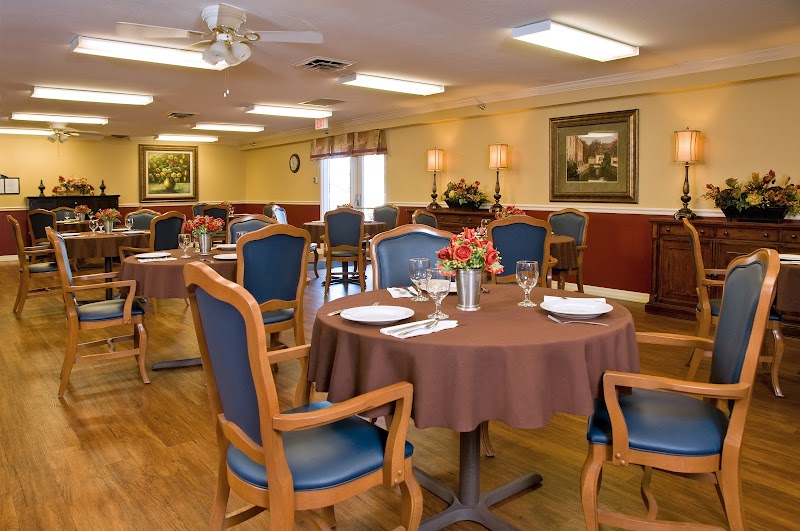
Who Owns and Operates Life Of Crossville?

LIFE CARE CENTER OF CROSSVILLE is owned by a for-profit company. For-profit facilities operate as businesses with obligations to shareholders or private owners. The facility is operated by LIFE CARE CENTERS OF AMERICA, a chain that manages multiple nursing homes. With 122 certified beds and approximately 82 residents (about 67% occupancy), it is a mid-sized facility located in CROSSVILLE, Tennessee.
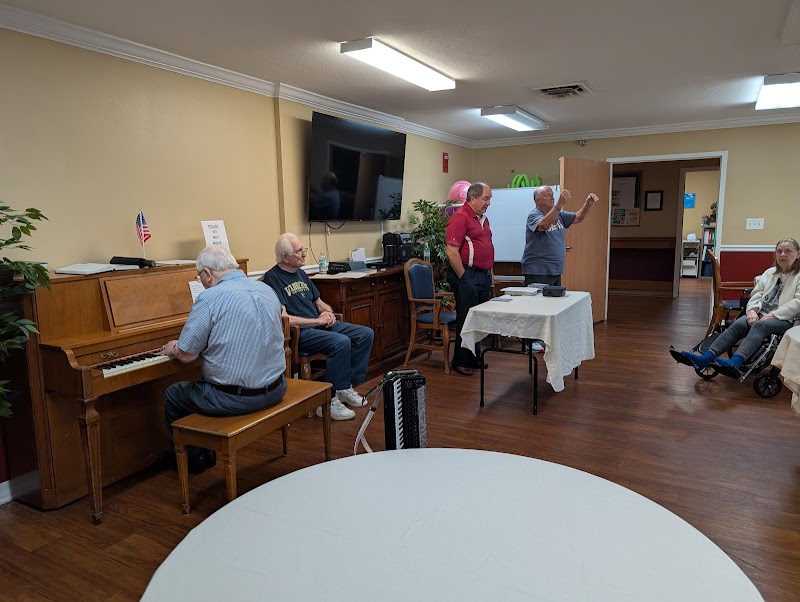
How Does Life Of Crossville Compare to Other Tennessee Nursing Homes?

Compared to the 100 nursing homes in Tennessee, LIFE CARE CENTER OF CROSSVILLE's overall rating (3 stars) is above the state average of 2.8, staff turnover (34%) is significantly lower than the state average of 46%, and health inspection rating (2 stars) is below the national benchmark.

What Should Families Ask When Visiting Life Of Crossville?

Based on this facility's data, families visiting should ask: "Can I visit during a mealtime to observe dining assistance and food quality?" "How do you handle medical emergencies, and what is your hospital transfer rate?" "Can I speak with family members of current residents about their experience?"

Is Life Of Crossville Safe?

Based on CMS inspection data, LIFE CARE CENTER OF CROSSVILLE has a clean safety record: no substantiated abuse findings (meaning no confirmed cases of resident harm), no Immediate Jeopardy citations (the most serious violation level indicating risk of serious injury or death), and is not on the Special Focus Facility watch list (a federal program monitoring the lowest-performing 1% of nursing homes). The facility has a 3-star overall rating and ranks #1 of 100 nursing homes in Tennessee. While no facility is perfect, families should still ask about staff-to-resident ratios and recent inspection results during their visit.

Do Nurses at Life Of Crossville Stick Around?

LIFE CARE CENTER OF CROSSVILLE has a staff turnover rate of 34%, which is about average for Tennessee nursing homes (state average: 46%). Moderate turnover is common in nursing homes, but families should still ask about staff tenure and how the facility maintains care continuity when employees leave.

Was Life Of Crossville Ever Fined?

LIFE CARE CENTER OF CROSSVILLE has been fined $8,824 across 1 penalty action. This is below the Tennessee average of $33,167. While any fine indicates a compliance issue, fines under $50,000 are relatively common and typically reflect isolated problems that were subsequently corrected. Families should ask what specific issues led to these fines and confirm they've been resolved.

Is Life Of Crossville on Any Federal Watch List?

LIFE CARE CENTER OF CROSSVILLE is not on any federal watch list. The most significant is the Special Focus Facility (SFF) program, which identifies the bottom 1% of nursing homes nationally based on persistent, serious quality problems. Not being on this list means the facility has avoided the pattern of deficiencies that triggers enhanced federal oversight. This is a positive indicator, though families should still review the facility's inspection history directly.