OAKWOOD COMMUNITY LIVING CENTER
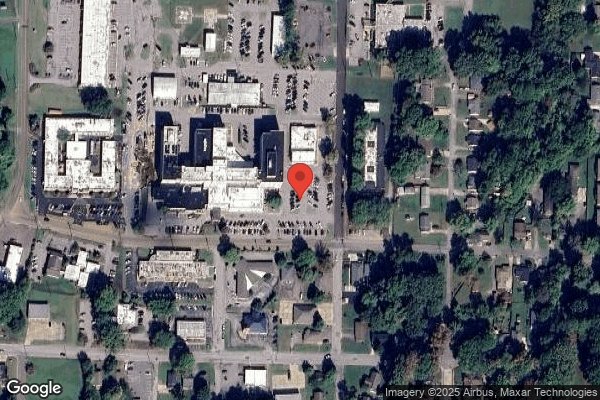

1636 WOODLAWN, DYERSBURG, TN 38024 (731) 285-6400
For profit - Limited Liability company 50 Beds COMMUNITY ELDERCARE SERVICES Data: November 2025
Trust Grade
55/100
#202 of 298 in TN
Last Inspection: June 2021

Over 2 years since last inspection. Current conditions may differ from available data.

Overview

Oakwood Community Living Center has a Trust Grade of C, which means it is average and falls in the middle of the pack for nursing homes. In Tennessee, it ranks #202 out of 298 facilities, placing it in the bottom half, but it is the best option in Dyer County, ranking #1 out of 3 facilities. The facility's trend is stable, with the number of issues remaining consistent at 5 in both 2019 and 2021. Staffing is a concern, rated 2 out of 5 stars, with a high turnover rate of 68%, significantly above the state average of 48%. On the positive side, the facility has not incurred any fines, which is encouraging, and it maintains average RN coverage, providing a level of care that can help catch issues early. However, there are several weaknesses to consider. Specific incidents noted by inspectors include a cook serving food while wearing contaminated gloves, risking food contamination for 42 residents, and staff members failing to perform proper hand hygiene during meal service, which could spread infections. Additionally, nurses did not follow infection control practices during medication administration and dressing changes, which could potentially harm residents. Overall, while Oakwood Community Living Center has some strengths, families should weigh these concerns carefully when considering care options.

Trust Score
C
55/100
In Tennessee
#202/298
Bottom 33%
Safety Record
Low Risk
No red flags
Inspections
Holding Steady
5 → 5 violations
Staff Stability
⚠ Watch
68% turnover. Above average. Higher turnover means staff may not know residents' routines.
Penalties
✓ Good
No fines on record. Clean compliance history, better than most Tennessee facilities.
Skilled Nurses
⚠ Watch
Each resident gets only 23 minutes of Registered Nurse (RN) attention daily — below average for Tennessee. Fewer RN minutes means fewer trained eyes watching for problems.
Violations
⚠ Watch
12 deficiencies on record. Higher than average. Multiple issues found across inspections.
★★☆☆☆
2.0
Overall Rating
★★☆☆☆
2.0
Staff Levels
★☆☆☆☆
1.0
Care Quality
★★★☆☆
3.0
Inspection Score
Stable
2019: 5 issues
2021: 5 issues

The Good

  • Full Sprinkler Coverage · Fire safety systems throughout facility
  • No fines on record

Facility shows strength in fire safety.

The Bad

2-Star Overall Rating

Below Tennessee average (2.8)

Below average - review inspection findings carefully

Staff Turnover: 68%

22pts above Tennessee avg (46%)

Frequent staff changes - ask about care continuity

Chain: COMMUNITY ELDERCARE SERVICES

Part of a multi-facility chain

Ask about local staffing decisions and management

Staff turnover is elevated (68%)

20 points above Tennessee average of 48%

The Ugly 12 deficiencies on record

Jun 2021 5 deficiencies
CONCERN (D)

Potential for Harm - no one hurt, but risky conditions existed

Tube Feeding (Tag F0693)

Could have caused harm · This affected 1 resident

Based on policy review, observation, and interview, the facility failed to ensure 1 of 5 nurses (Registered Nurse (RN) #1 and Licensed Practical Nurse (LPN) #3) administered medications through a Perc...

Read full inspector narrative →
Based on policy review, observation, and interview, the facility failed to ensure 1 of 5 nurses (Registered Nurse (RN) #1 and Licensed Practical Nurse (LPN) #3) administered medications through a Percutaneous Endoscopic Gastrostomy (PEG) tube by gravity. The findings include: The facility's policy titled, ENTERAL TUBE MEDICATION ADMINISTRATION, dated 8/9/2013, revealed .To safely and accurately administer oral medications through an enteral tube .Allow medication to flow down tube via gravity .Do not push medications through the tube . Observation in the resident's room on 6/22/2021 at 1:06 PM, revealed RN #1 pulled 25 milliliters (ml) of water into a syringe, used the plunger to push the water into Resident #5's PEG tube. RN #1 added 5 ml of water with the crushed medications in the medication cup, poured the medications and water into the syringe and used the plunger to push the medications and water through the PEG tube. RN #1 took a cup to the bathroom for tap water. RN #1 retrieved 30 ml of water and poured the water into the syringe and used the plunger to push the water through the PEG tube. RN #1 retrieved 20 ml of water and used the plunger to push the water through the PEG tube. Observation in the resident's room on 6/23/2021 at 7:25 AM, revealed LPN #3 poured 30 ml of water into the syringe, replaced the plunger, and pushed the water into Resident #5's PEG tube. LPN #3 poured water with the crushed medications into the syringe, replaced the plunger, and pushed the medications and water through the PEG tube. LPN #3 added more water into the cup of residual medication, replaced the plunger and pushed the water into the PEG tube. During an interview on 6/23/2021 at 2:10 PM, the Director of Nursing (DON) was asked how PEG medications should be administered. The DON stated, .by gravity .
CONCERN (D)

Potential for Harm - no one hurt, but risky conditions existed

Unnecessary Medications (Tag F0759)

Could have caused harm · This affected 1 resident

**NOTE- TERMS IN BRACKETS HAVE BEEN EDITED TO PROTECT CONFIDENTIALITY** Based on review of the Geriatric Medication Handbook, medical record review, observation, and interview, the facility failed to ...

Read full inspector narrative →
**NOTE- TERMS IN BRACKETS HAVE BEEN EDITED TO PROTECT CONFIDENTIALITY** Based on review of the Geriatric Medication Handbook, medical record review, observation, and interview, the facility failed to ensure 2 of 5 nurses (Licensed Practical Nurses (LPN #1 and #2) administered medications with a medication error rate less than 5 percent (%) for Resident #29 and Resident #11. A total of 2 medication errors were observed out of 27 opportunities, resulting in a medication error rate of 7.41%. The findings include: Review of the Geriatric Medication Handbook, tenth edition, page 41 and 43 revealed .DIABETES: INJECTABLE MEDICATIONS .Novolog .Rapid-Acting Insulin Analog .ONSET .15 min [minutes] .15 minutes .prior to meals .Humalog [Lispro] .Rapid-Acting Insulin Analog .ONSET .15 min .15 minutes prior to meals . Review of medical record, revealed Resident #11 was admitted to the facility on [DATE] with diagnosis of Diabetes, Hypotension, Urinary Retention, and Adult Failure to Thrive. Review of the Order Summary Report dated 9/30/2020, revealed .Insulin Aspart Solution [Novolog] 100 UNIT/ML inject as per sliding scale: if 0 - 150 = 0 units BS [blood sugar] <50 units use Emergency Glucagon kit and call MD; 151 - 200 = 2 units; 201 - 250 = 4 units; 251 - 300 = 6 units; 301 - 350 = 8 units; 351 - 400 = 10 units; 401 - 450 =12 units BS>450, Give 12 units and call MD, subcutaneously before meals related to TYPE 2 DIABETES MELLITUS WITHOUT COMPLICATIONS . Observation in the resident's room on 6/22/2021 at 11:42 AM, revealed LPN #2 administered 2 units of Aspart insulin subcutaneously to Resident #11. Resident #11 received a meal tray and took the first bite of food at 12:17 PM in the Assisted Dining Room, which was 35 minutes after receiving the insulin. This resulted in medication error #1. Review of medical record, revealed Resident #29 was admitted to the facility on [DATE] with diagnoses of Alzheimer's Disease, Chronic Obstructive Pulmonary Disease, Depression, Atrial Fibrillation, and Diabetes. Review of the Order Summary Report dated 2/1/2021, revealed .NovoLOG Solution 100 UNIT/ML (Insulin Aspart) Inject as per sliding scale: if 0 - 150 = 0; 150 - 200 = 2 units; 201 - 250 = 4 units; 251 - 300 = 6 units; 301 - 350 = 8 units; 351 - 400 = 10 units; GREATER THAN 400 GIVE 12 UNITS AND CALL MD [Medical Doctor] .subcutaneously before meals and at bedtime related to TYPE 2 DIABETES MELLITUS WITH DIABETIC NEUROPATHY . Observation in the resident's room on 6/22/2021 at 4:54 PM, revealed LPN #1 administered 2 units of Novolog insulin subcutaneously to Resident #29. Resident #29 received a meal tray and took the first bite of food at 5:32 PM, which was 38 minutes after receiving the insulin. This resulted in medication error #2. During an interview on 6/23/2021 at 7:45 AM, the Director of Nursing (DON) confirmed that Resident #11 and 29 should have received a substantial snack or a meal tray within 15 minutes of administrating the insulin.
CONCERN (D)

Potential for Harm - no one hurt, but risky conditions existed

Deficiency F0760 (Tag F0760)

Could have caused harm · This affected 1 resident

**NOTE- TERMS IN BRACKETS HAVE BEEN EDITED TO PROTECT CONFIDENTIALITY** Based on review of the Geriatric Medication Handbook, medical record review, observation, and interview, the facility failed to ...

Read full inspector narrative →
**NOTE- TERMS IN BRACKETS HAVE BEEN EDITED TO PROTECT CONFIDENTIALITY** Based on review of the Geriatric Medication Handbook, medical record review, observation, and interview, the facility failed to ensure a residents were free from significant medication errors when 2 of 5 nurses (Licensed Practical Nurse (LPN) #1 and #2) failed to administer insulin within the proper time frame related to meals for Resident #11 and 29. The failure to provide a substantial snack or meal within 15 minutes of insulin administration resulted in significant medication errors. Finding Include: Review of the Geriatric Medication Handbook, tenth edition, page 41 and 43 revealed .DIABETES: INJECTABLE MEDICATIONS .Novolog .Rapid-Acting Insulin Analog .ONSET .15 min [minutes] .15 minutes .prior to meals .Humalog [Lispro] .Rapid-Acting Insulin Analog .ONSET .15 min .15 minutes prior to meals . Review of medical record revealed Resident #11 was admitted to the facility on [DATE] with diagnosis of Diabetes, Hypotension, Urinary Retention, and Adult Failure to Thrive. Review of the Order Summary Report dated 9/30/2020, revealed .Insulin Aspart Solution [Novolog] 100 UNIT/ML inject as per sliding scale: if 0 - 150 = 0 units BS [blood sugar] <50 units use Emergency Glucagon kit and call MD; 151 - 200 = 2 units; 201 - 250 = 4 units; 251 - 300 = 6 units; 301 - 350 = 8 units; 351 - 400 = 10 units; 401 - 450 =12 units BS>450, Give 12 units and call MD, subcutaneously before meals related to TYPE 2 DIABETES MELLITUS WITHOUT COMPLICATIONS . Observation in the resident's room on 6/22/2021 at 11:42 AM, revealed LPN #2 administered 2 units of Aspart insulin subcutaneously to Resident #11. Resident #11 received a meal tray and took the first bite of food at 12:17 PM in the Assisted Dining Room, which was 35 minutes after receiving the insulin. This resulted in a significant medication error. Review of medical record, revealed Resident #29 was admitted to the facility on [DATE] with diagnoses of Alzheimer's Disease, Chronic Obstructive Pulmonary Disease, Depression, Atrial Fibrillation, and Diabetes. Review of the Order Summary Report dated 2/1/2021, revealed .NovoLOG Solution 100 UNIT/ML (Insulin Aspart) Inject as per sliding scale: if 0 - 150 = 0; 150 - 200 = 2 units; 201 - 250 = 4 units; 251 - 300 = 6 units; 301 - 350 = 8 units; 351 - 400 = 10 units; GREATER THAN 400 GIVE 12 UNITS AND CALL MD [Medical Doctor] .subcutaneously before meals and at bedtime related to TYPE 2 DIABETES MELLITUS WITH DIABETIC NEUROPATHY . Observation in the resident's room on 6/22/2021 at 4:54 PM, revealed LPN #1 administered 2 units of Novolog insulin subcutaneously to Resident #29. Resident #29 received a meal tray and took the first bite of food at 5:32 PM, which was 38 minutes after receiving the insulin. This resulted in a significant medication error. During an interview on 6/23/2021 at 7:45 AM, the Director of Nursing (DON) confirmed that Resident #11 and 29 should have received a substantial snack or a meal tray within 15 minutes of administrating the insulin.
CONCERN (D)

Potential for Harm - no one hurt, but risky conditions existed

Deficiency F0761 (Tag F0761)

Could have caused harm · This affected 1 resident

Based on policy review, observation, and interview, the facility failed to ensure medications were stored properly when expired medications were in 1 of 4 medication storage areas (Medication Room). T...

Read full inspector narrative →
Based on policy review, observation, and interview, the facility failed to ensure medications were stored properly when expired medications were in 1 of 4 medication storage areas (Medication Room). The findings include: Review of the facility's policy titled, Specific Procedures For All Medications, dated 11/1/2008, revealed .Check expiration date on package/container . Observation in the Medication Room on 6/22/2021 at 4:05 PM, revealed 1 box of Bisacodyl Suppositories containing 26 suppositories with an expiration date of 4/30/2021 and 1 box of Bisacodyl Suppositories containing 46 suppositories with an expiration date of 4/30/2021. During an interview on 6/22/2021 at 4:10 PM, Licensed Practical Nurse (LPN) #1 confirmed the both boxes of suppositories had expired on 4/30/2021. During an interview on 6/23/2021 at 2:17 PM, the Director of Nursing (DON) was asked how should expired medications be handled. The DON stated, .should be placed in a sharps container to be disposed of .
CONCERN (E)

Potential for Harm - no one hurt, but risky conditions existed

Food Safety (Tag F0812)

Could have caused harm · This affected multiple residents

**NOTE- TERMS IN BRACKETS HAVE BEEN EDITED TO PROTECT CONFIDENTIALITY** Based on policy review, observation, and interview, the facility failed to ensure practices to prevent the potential spread of i...

Read full inspector narrative →
**NOTE- TERMS IN BRACKETS HAVE BEEN EDITED TO PROTECT CONFIDENTIALITY** Based on policy review, observation, and interview, the facility failed to ensure practices to prevent the potential spread of infection were followed during dining when 3 of 5 staff members (Certified Nursing Assistant (CNA) #1, #2, and #3) failed to perform hand hygiene after touching contaminated objects while serving residents meals, failed to perform hand hygiene after removing gloves, failed to perform hand hygiene between serving residents, and failed to don proper Personal Protective Equipment (PPE) in isolation rooms, and when 1 of 2 dietary staff (Dietary Staff #1) observed washing dishes failed to perform hand hygiene after removing dirty gloves and donning clean gloves. The findings include: Review of the facility's policy titled, .Handwashing/Hand Hygiene revised 6/2010, revealed .This facility considers hand hygiene the primary means to prevent the spread of infections .All personnel shall follow the handwashing/hand hygiene procedures to help prevent the spread of infections to other personnel, residents, and visitors .In most situations, the preferred method of hand hygiene is with an alcohol-based hand rub. If hands are not visibly soiled, use an alcohol-based hand rub .for all the following situations .Before and after direct contact with residents .after contact with objects .in the immediate vicinity of the resident .After removing gloves . Observation in the residents' room on 6/21/2021 beginning at 12:25 PM, revealed CNA #1 knocked on the door of Resident #22, handled the bed control, placed a lunch tray on the overbed table, picked up a grabber and moved it, and touched the pillow on the bed. CNA #1 did not perform hand hygiene and then set up the lunch tray for Resident #22, opened the milk, took the top off of the tea and added sweetener, handled the silverware, sprinkled salt and pepper on the food, and moved the overbed table closer to Resident #22. CNA #1 did not perform hand hygiene, knocked on the door and entered Resident #30's room, used the television remote to change the channel, placed the lunch tray on the overbed table, obtained a cup of coffee and added the cream and sugar and stirred it with a spoon and handed it to Resident #30. Observation in the resident's room on 6/21/2021 beginning at 12:40 PM, revealed CNA #1 knocked on the door, entered Resident #8's room, touched the bed, touched the foot of the bed and the crank to adjust the bed, touched the overbed table, and placed the tray on the table. CNA #1 failed to perform hand hygiene, opened the silverware, and sprinkled salt and pepper on the food. CNA #1 then performed hand hygiene with alcohol-based hand rub, wiped her hands on her pants, and prepared a cup of coffee for Resident #8. CNA #1 failed to perform hand hygiene, adjusted the air conditioner temperature, picked a towel up off the floor, obtained a clean towel from the linen cart, and placed it on Resident #8. Review of the facility's undated policy titled, Level One Isolation-Respiratory Precautions . revealed .PPE-Mask, gloves, face shield . Review of the medical record, revealed Resident #238 was admitted to the facility on [DATE] with a Physician's Order for Level One Isolation for 14 days. Observation in the resident's room on 6/21/2021 at 12:55 PM, revealed CNA #3 did not don a shield or gloves and entered Resident #238's Level One Isolation room, stood beside the resident and asked them about their intake, cleaned up the lunch tray on the overbed table, and took the tray out of the room. Review of the medical record, revealed Resident #88 was admitted to the facility on [DATE] with a Physician's Order for Level One Isolation for 14 days. Observation in the resident's room on 6/22/2021 at 7:35 AM, revealed CNA #2 did not don a shield or gloves and entered Resident #88's Level One Isolation room to give him a cup of coffee. Observation in the resident's room on 6/22/2021 at 7:38 AM, revealed CNA #2 did not don a shield or gloves and entered Resident #88's Level One Isolation room to give him some sugar. Review of the facility's undated policy titled, .SAFE FOOD HANDLING, revealed .Illness causing bacteria can survive in many places around the kitchen, including your hands, utensils, and cutting boards .When to Wash Your Hands .When you enter the kitchen before you touch any food or equipment .between food items or between clean and dirty items . The facility's undated policy titled, .HANDWASHING PROCEDURE FOR DINING SERVICES, revealed .Gloves are not meant to be used as a replacement for handwashing. They are only effectively [effective] if proper handwashing is completed .Employees must wash their hands immediately after they remove gloves .some situations that require hand hygiene .After handling soiled equipment or utensils .In between glove changes .After removing gloves .Before putting on a fresh pair of gloves .After handling dirty dishes or trash . Observation in the Kitchen on 6/22/2021 beginning at 9:50 AM, revealed Dietary Staff #1 was wearing gloves and rinsing dirty dishes and placing them in the dishwasher. He rinsed off the dirty plates, trays, plate lids and cups and placed them in racks on the dirty side of the dishwasher. Dietary Staff #1 then lifted the handle on the dishwasher to open it, removed his gloves, did not perform hand hygiene, pulled the clean dishes out of the dishwasher, wiped his hands on a cloth and donned new gloves. He then placed a rack of dirty dishes in the dishwasher for a wash cycle and continued to rinse dirty dishes and place them in the rack on the dirty side. He removed his gloves, donned new gloves, pulled out a rack of clean plates from the dishwasher on the clean side. He stacked the plates in his hands and placed them in the plate dispenser. Dietary Staff #1 failed to perform hand hygiene after removing the dirty gloves and before donning clean gloves before stacking the clean plates. He then pulled a clean rack of bowls out of the dishwasher on the clean side, returned to the dirty side of the dishwasher, and continued to rinse dirty dishes, putting them in racks, and loading them into the dishwasher. He then opened the dishwasher and pulled out a rack of clean trays wearing the same gloves he was wearing on the dirty side of the dishwasher. He removed his gloves, did not perform hand hygiene, and donned clean gloves. He picked up the cloth he had wiped his hands on and used it to wipe down a tray cart that had been sprayed with bleach. After he wiped down the cart, he took it out into the hall, and obtained another dirty cart and brought it back into the kitchen. During an interview on 6/22/2021 at 10:05 AM, the Dietary District Manager confirmed she had been observing Dietary Staff #1 wash the dishes. She confirmed Dietary Staff #1 was not washing his hands between removing dirty gloves and donning clean gloves and stated dietary staff should always perform hand hygiene after removing gloves and between handling dirty dishes and clean dishes. During an interview on 6/22/2021 at 4:29 PM, the Administrator confirmed staff should wear a mask, gloves, and face shield when they enter Level One Isolation. The Administrator confirmed staff should sanitize their hands when they remove gloves and before they don clean gloves. She confirmed staff should perform hand hygiene between residents during dining and stated they should perform hand hygiene if they touch contaminated surfaces before serving residents during dining.
Oct 2019 5 deficiencies
CONCERN (D)

Potential for Harm - no one hurt, but risky conditions existed

Deficiency F0658 (Tag F0658)

Could have caused harm · This affected 1 resident

**NOTE- TERMS IN BRACKETS HAVE BEEN EDITED TO PROTECT CONFIDENTIALITY** Based on policy review, medical record review, observation, and interview, the facility failed to ensure 1 of 4 (Licensed Practi...

Read full inspector narrative →
**NOTE- TERMS IN BRACKETS HAVE BEEN EDITED TO PROTECT CONFIDENTIALITY** Based on policy review, medical record review, observation, and interview, the facility failed to ensure 1 of 4 (Licensed Practical Nurse (LPN) #2) nurses followed physician's orders for flushing a PEG (Percutaneous Endoscopic Gastrostomy) Tube. The findings included: The facility's MEDICATION, ADMINISTRATION THROUGH AN ENTERAL TUBE policy with a revision date 8/25/14 documented, Empty capsule contents into 30 ml [milliliters] of water Flush the tube with 15-30 ml of water prior to medication administration .flushing tube with 5 ml of water after each dose . Medical record review revealed Resident #1 was admitted to the facility on [DATE] with diagnoses of Hypertension, Cerebral Infarction, Encephalopathy, Dysphagia, Gastrostomy Status, Dementia, Seizures, and Anxiety. The October 2019 Physician's Orders documented, FLUSH PEG TUBE WITH 30ML [Milliliters] OF H2O [water] BEFORE AND AFTER MEDICATION ADMINISTRATION every shift .Order Date .04/03/2019 . The October 2019 Medication Administration Record documented, .FLUSH WITH 30ML of H2O BEFORE AND AFTER MEDICATION ADMINISTRATION . Observations in Resident #1's room on 10/15/19 at 2:23 PM, revealed LPN #2 emptied medication capsules into the medication cup, poured 15 ml water into the medication cup, administered the medication, and flushed the PEG tube with 15 ml of water. LPN #1 did not flush the PEG prior to the medication administration and did not flush with the appropriate amount after the medication administration. Interview with the Director of Nursing (DON) and the Regional Nurse Consultant on 10/16/19 at 5:15 PM, in the Administrator Office, they were asked should the nurse flush before and after administering medication via PEG tube. They both stated, Yes.
CONCERN (D)

Potential for Harm - no one hurt, but risky conditions existed

Medication Errors (Tag F0758)

Could have caused harm · This affected 1 resident

**NOTE- TERMS IN BRACKETS HAVE BEEN EDITED TO PROTECT CONFIDENTIALITY** Based on medical record review, observation, and interview, the facility failed to document behaviors for 1 of 5 (Resident #38) ...

Read full inspector narrative →
**NOTE- TERMS IN BRACKETS HAVE BEEN EDITED TO PROTECT CONFIDENTIALITY** Based on medical record review, observation, and interview, the facility failed to document behaviors for 1 of 5 (Resident #38) sampled residents reviewed receiving psychotropic medications. The findings include: 1. Medical record review revealed Resident #38 was admitted to the facility on [DATE] with diagnoses of Alzheimer's Disease, Hypertensive Chronic Kidney Disease, Atherosclerotic Heart Disease, Mood Disorder, Depression, Psychosis, and Repeated Falls. The annual Minimum Data Set (MDS) dated [DATE] documented Resident #38 had moderate cognitive deficits, no behaviors, and received antipsychotic, and antidepressant. The quarterly MDS dated [DATE] documented Resident #38 had severe cognitive deficits, no behaviors, and received antipsychotic and antidepressant medications. The Physician's Orders dated 10/7/19 documented, .Haloperidol .5 mg [milligram] .by mouth at bedtime . A Nurses' Note dated 10/7/19 documented, .Resident noted to have increased confusion and increased incontinence this night . A Nurses' Note dated 10/7/19 documented, .Med [medication] change to Haldol 2.5 mg PO [by mouth] daily with AM [morning] medications. Haldol 5mg PO @ [at] HS [hour of sleep]. Pt noted to have increased confusion and increased incontinence through out the night on 10/6/19. MD [Physician] notified. Family notified . The Physician's Orders dated 10/8/19 documented, .Haloperidol .5 mg .Give 0.5 tablet by mouth one time a day . The August, September, and October 2019 Medication Administration Records (MAR)s documented a 11 indicating the resident had no behaviors on that shift. 3. Interview with Licensed Practical Nurse (LPN) #1 on 10/15/19 at 3:56 PM, at the North Nurses Station, LPN #1 was asked what the 11 indicated on the MARS. LPN #1 stated 11 means no behavior occurred . Interview with the Director of Nursing (DON) on 10/16/19 at 12:18 PM, in room [ROOM NUMBER], the DON was asked why was Resident #38's Haldol was increased. The DON stated, I asked the same thing when I saw the order .He doesn't have any behaviors that I've seen . The DON was asked if incontinence and increased confusion was appropriate diagnoses to increase Haldol. The DON stated, .I wouldn't think you'd want to increase it, the Haldol is making him drowsier . The DON was shown the MARS and was asked if the nursing staff had documented any behaviors. The DON stated No. The DON was asked if Resident #38s behaviors should have been documented. The DON stated, If he had them .
CONCERN (D)

Potential for Harm - no one hurt, but risky conditions existed

Deficiency F0761 (Tag F0761)

Could have caused harm · This affected 1 resident

Based on policy review, observation, and interview, the facility failed to date 2 multi-dose vials of medication when opened for 1 of 4 (Medication Room) medication storage areas. The findings include...

Read full inspector narrative →
Based on policy review, observation, and interview, the facility failed to date 2 multi-dose vials of medication when opened for 1 of 4 (Medication Room) medication storage areas. The findings include: 1. The facility's Specific Procedures For All Medications policy dated 11/1/08, documented, .When opening a multi-dose container, place the date on the container . 2. Observations in the Medication Room on 10/16/19 at 5:32 PM, revealed (2)Tuberculin multi-dose vials opened and undated. Interview with Licensed Practical Nurse (LPN) #3 on 10/16/19 at 5:32 PM, in the Medication Room, LPN #3 was asked if it was appropriate to have an opened and undated medication. LPN #3 stated, They should have a date on it. Interview with the Regional Nurse Consultant (RNC) on 10/16/19 at 5:35 PM, in the Administrator office, the RNC was asked if it was appropriate to have opened and undated medication. The RNC stated, No, they should have open dates.
CONCERN (E)

Potential for Harm - no one hurt, but risky conditions existed

Infection Control (Tag F0880)

Could have caused harm · This affected multiple residents

**NOTE- TERMS IN BRACKETS HAVE BEEN EDITED TO PROTECT CONFIDENTIALITY** Based on policy review, medical record review, observation, and interview, the facility failed to ensure practices to prevent th...

Read full inspector narrative →
**NOTE- TERMS IN BRACKETS HAVE BEEN EDITED TO PROTECT CONFIDENTIALITY** Based on policy review, medical record review, observation, and interview, the facility failed to ensure practices to prevent the potential spread of infection were maintained for 2 of 3 (Resident #11 and #35) residents observed during a dressing change, and when 2 of 4 (Licensed Practical Nurse (LPN) #2 and #4) nurses failed to ensure infection control practices were maintained during medication administration. The findings include: 1. Medical record review revealed Resident #11 was admitted to the facility on [DATE] with diagnoses of Alzheimer's Disease, Dementia, Hypertension, Atherosclerotic Heart Disease, Peripheral Vascular Disease, and Diabetes. A Physician's Order dated 10/13/19 documented, .Clean blister to bottom of left foot with wound cleanser, apply medihoney, apply silver alginate and non stick Telfa pad, and wrap with Kerlix for padding . Observations in Resident #11's room on 10/15/19 at 11:10 AM, revealed LPN #1 performed a dressing change to Resident #11's left lateral foot. After LPN #1 removed the old dressing and cleaned the wound, he asked a staff member that was assisting him to cover the resident while he washed his hands and gloved. The bed linens touched the wound, re-contaminating the wound. 2. Medical record review revealed Resident #35 was admitted to the facility on [DATE] with diagnoses of Alzheimer's Disease, Dementia, and Stage 4 Pressure Ulcer on Hip. A Physician's Order dated 10/16/19 documented, .Cleanse wound to L [left] hip with wound cleanser, apply medihoney and dressing . Observations in Resident #35's room on 10/15/19 at 11:40 AM, revealed LPN #1 performed a dressing change to Resident #35's left hip. After LPN #1 removed the old dressing and cleaned the wound, he asked a staff member that was assisting him to cover the resident while he washed his hands and gloved. The bed linens touched the wound, re-contaminating the wound. Interview with Director of Nursing (DON) on 10/15/19 at 3:30 PM, at the North Nurses' Station, the DON was asked if it was appropriate to cover a resident during wound care with bed linens after a wound had been cleaned and prior to a applying a new dressing to the wound. The DON stated, .No, that would be re-contaminating the wound . 3. The facility's MEDICATIONS, INSTILLATION OF EYE DROPS policy dated 8/25/14 documented, .Should both eyes require instillation, wash and dry your hands thoroughly before and after treating each eye .Clean your equipment and return it to its designated storage area .Clean the over-bed table and return it to its proper position .wash and dry your hands thoroughly . 4. The facility's CLEANING, DISINFECTION AND STERILIZATION . policy dated 6/3/13 documented, .Respiratory therapy equipment that touches membranes .it will receive high-level disinfection .Noncritical (touches intact skin) Stethoscopes, tabletops . The facility's MEDICATIONS, NASAL INHALER SPRAY AND PUMP ADMINISTRATION policy dated 8/25/14 documented, .Rinse the pump, pray [spray], or inhaler with hot water . Observations in Resident #16's room on 10/15/19 at 8:49 AM, revealed LPN #4 entered the room and placed the inhaler and eye drops on the over bed table without cleaning the table or using a barrier. LPN #4 donned gloves, administered the eye drops in each eye and did not perform hand hygiene. LPN #4 used the same gloves, picked up the inhaler and administered the medication. LPN #4 took the medications back to the cart and placed them in the drawer with the other medications without cleaning the inhaler or bottle of eye drops. Interview with the Director of Nursing (DON) and the Regional Nurse Consultant on 10/16/19 at 5:15 PM, in the Administrator Office, they were asked should a barrier be used to place medication on a bedside during medication administration. The Regional Nurse Consultant stated, Yes. They were asked should multiuse medication items be cleaned after use. The DON stated, Yes, at lease before returning to the medication cart. Observations in Resident #1's room on 10/15/19 at 2:23 PM, revealed LPN #2 was administering Percutaneous Endoscopic Gastrostomy (PEG) medications. LPN #2's stethoscope that was around her neck and the stethoscope slipped from her neck to the floor. LPN #2 picked up the stethoscope from the floor, placed the earpieces in her ears, auscultated Resident #1's abdomen with the stethoscope, and did not clean the stethoscope. LPN #3 placed the syringe into the bag and hung the bag on the pole without rinsing the syringe after administering the PEG medications. Interview with the Director of Nursing (DON) and the Regional Nurse Consultant on 10/16/19 at 5:15 PM, in the Administrator Office, they were asked should a stethoscope be used after it was dropped on the floor to check PEG placement. The Regional Nurse Consultant stated, No ma'am . The DON was asked should the syringe be rinsed after administration of PEG medication. The DON stated, Yes, it should be rinsed.
CONCERN (F)

Potential for Harm - no one hurt, but risky conditions existed

Food Safety (Tag F0812)

Could have caused harm · This affected most or all residents

Based on policy review, observation, and interview, the facility failed to ensure food was served under sanitary conditions when a cook served food with contaminated gloves. The facility's failure had...

Read full inspector narrative →
Based on policy review, observation, and interview, the facility failed to ensure food was served under sanitary conditions when a cook served food with contaminated gloves. The facility's failure had the potential to affect 42 of the 43 residents receiving a meal tray from the kitchen. The findings include: 1. The facility's Meal Distribution policy revised 9/2017 documented, .Proper handling techniques to prevent contamination and temperature maintenance controls will be used for point-of-service dining . 2. Observations in the Kitchen on 10/15/19 beginning at 12:15 PM, revealed [NAME] #1 washed her hands, applied gloves, pulled the meal trays toward her, removed the lids to the steam table, served the dinner plates, dessert bowls, and touched the tongs. [NAME] #1 untwisted the tie on the bread sacks and pulled the rolls from the sack and placed the rolls on the resident's plates with her contaminated gloved hand. [NAME] #1 reached into the pan of green beans with her contaminated gloved hand and pulled green bean steams out, and then moved a sausage to the side of a dinner plate with her contaminated gloved hand. 3. Interview with the Certified Dietary Manager (CDM) on 10/15/19 at 12:35 PM, in the Kitchen, the CDM was asked if it was appropriate to touch the resident's food with her contaminated gloves. The CDM stated, No.
Nov 2018 2 deficiencies
CONCERN (D)

Potential for Harm - no one hurt, but risky conditions existed

Unnecessary Medications (Tag F0759)

Could have caused harm · This affected 1 resident

**NOTE- TERMS IN BRACKETS HAVE BEEN EDITED TO PROTECT CONFIDENTIALITY** Based on policy review, medical record review, observation, and interview, the facility failed to ensure 1 of 3 (Licensed Practi...

Read full inspector narrative →
**NOTE- TERMS IN BRACKETS HAVE BEEN EDITED TO PROTECT CONFIDENTIALITY** Based on policy review, medical record review, observation, and interview, the facility failed to ensure 1 of 3 (Licensed Practical Nurse (LPN) #1) nurses administered medications with a medication error rate of less than 5 percent (%). A total of 4 errors were observed out of 29 opportunities, resulting in a medication error rate of 13.79%. The findings include: The facility's MEDICATIONS, ADMINISTRATION THROUGH AN ENTERAL TUBE policy, dated August 25, 2014 documented, .Administer medication separately, flushing tube with 5 ml [milliliters] of water after each dose . Medical record review revealed Resident #27 was admitted on [DATE] with diagnoses of Alzheimer's Disease, Dementia, and Gastrostomy Status. The physician's orders dated 11/1/18-11/30/18 documented, .Crush each med [medication] and give individually flushing with 5ml H2O [water] before and after each med .Aspirin Tablet Give 81 mg [milligrams] via [by way of] PEG [Percutaneous Endoscopic Gastrostomy]-Tube [a tube placed through the abdominal wall and into the stomach, which allows nutrition, fluids and/or medications to be administered] .FLUoxetine HCL [Hydrochloride] Capsule 10 MG .via PEG tube .Memantine HCL Tablet 5 MG Give via PEG Tube .PredniSONE Tablet 5 MG .via PEG Tube . Observations in the North hallway on 11/27/18 at 8:39 AM revealed LPN #1 prepared to administer Resident #27's medications. LPN #1 crushed an Aspirin, a Memantine, and a Prednisone together, emptied the medications into a cup of water, then opened the Fluoxetine capsule and emptied it into the cup with the other medications. LPN #1 then administered the combined medications to Resident #27 via PEG tube. Interview with the Director of Nursing (DON) on 11/28/18 at 9:15 AM in the DON office, the DON was asked if medications administered via PEG tube should be crushed, combined and administered together. The DON stated, No.
CONCERN (D)

Potential for Harm - no one hurt, but risky conditions existed

Infection Control (Tag F0880)

Could have caused harm · This affected 1 resident

Based on the manufacturer's Professional Blood Glucose Monitoring System User's Guide, FACILITY policy review, observation, and interview, the facility failed to ensure practices to prevent the potent...

Read full inspector narrative →
Based on the manufacturer's Professional Blood Glucose Monitoring System User's Guide, FACILITY policy review, observation, and interview, the facility failed to ensure practices to prevent the potential spread of infection when 1 of 3 (Licensed Practical Nurse (LPN) #1) nurses failed to perform hand hygiene during medication administration and following glove use, and when 1 of 3 (Registered Nurse (RN #1) nurses failed to use manufacture approved disinfectant when cleaning a glucose monitoring machine. The findings include: 1. The facility's MEDICATIONS, INSTILLATION OF EYE DROPS policy dated August 25, 2014, documented, .Should both eyes require instillation, wash and dry your hands thoroughly before treating each eye .Put on gloves . The facility's HAND HYGIENE policy dated October 27, 2017 and GLOVE USE policy dated June 6, 2013, documented, .Perform hand hygiene after removing gloves . The facility's MEDICATIONS, ADMINISTRATION THROUGH AN ENTERAL TUBE policy dated August 25, 2014, documented, .Wash hands and wear gloves .Perform hand hygiene . 2. Observations in Resident #14's room on 11/27/18 at 8:21 AM, revealed LPN #1 administered an eye drop with ungloved hands into Resident #14's left eye, then without performing hand hygiene, LPN #1 administered an eye drop with ungloved hands into Resident #14's right eye. 3. Observations in Resident #27's room on 11/27/18 at 8:39 AM, revealed LPN #1 donned gloves, removed the enteral syringe from the plastic bag, placed the syringe on the bed without a barrier, with the tip of the syringe touching the bedding. Then LPN #1 picked up the syringe, placed the syringe into the Percutaneous Endoscopic Gastrostomy(PEG, a tube placed through the abdominal wall and into the stomach, which allows nutrition, fluids and/or medications to be administered) opening and checked tube placement. After the medication administration by PEG was completed, LPN #1 removed her gloves and exited the room, and failed to perform hand hygiene. LPN #1 then entered a different room, donned gloves, and stated, I've got to take her to the bathroom. Interview with the Director of Nursing (DON) on 11/28/18 at 9:15 AM in the DON office, the DON was asked if staff should perform hand hygiene and wear gloves when administering eye drops to a resident and perform hand hygiene after glove use. The DON stated, Yes. The DON was asked if an enteral syringe should be used after being placed on a bed, without a barrier with the tip of the syringe touching the bedding. The DON stated, No. 4. The manufacturer's Professional Blood Glucose Monitoring System User's Guide documented, .DO NOT use .household cleaners on the meter . 5. Observations in Resident #21's room on 11/27/18 at 11:56 AM revealed RN #1 completed the blood glucose monitoring procedure on Resident #21, returned to the South medication cart and cleaned the glucose monitor with a Clorox (a household cleaner) disinfecting wipe. Interview with the DON on 11/27/18 at 4:20 PM in the DON office, the DON was asked if the staff should use a household cleaning wipe to clean the glucometer machine. The DON stated No.
Understanding Severity Codes (click to expand)
Life-Threatening (Immediate Jeopardy)
J - Isolated K - Pattern L - Widespread
Actual Harm
G - Isolated H - Pattern I - Widespread
Potential for Harm
D - Isolated E - Pattern F - Widespread
No Harm (Minor)
A - Isolated B - Pattern C - Widespread

Questions to Ask on Your Visit

  • "Why is there high staff turnover? How do you retain staff?"
  • "Can I speak with families of current residents?"
  • "What's your RN coverage like on weekends and overnight?"

Our Honest Assessment

Strengths
  • • No major safety red flags. No abuse findings, life-threatening violations, or SFF status.
  • • No fines on record. Clean compliance history, better than most Tennessee facilities.
Concerns
  • • 12 deficiencies on record. Higher than average. Multiple issues found across inspections.
  • • Grade C (55/100). Below average facility with significant concerns.
  • • 68% turnover. Above average. Higher turnover means staff may not know residents' routines.
Bottom line: Mixed indicators with Trust Score of 55/100. Visit in person and ask pointed questions.

About This Facility

What is Oakwood Community Living Center's CMS Rating?

CMS assigns OAKWOOD COMMUNITY LIVING CENTER an overall rating of 2 out of 5 stars, which is considered below average nationally. Within Tennessee, this rating places the facility higher than 0% of the state's 100 nursing homes. A rating at this level reflects concerns identified through health inspections, staffing assessments, or quality measures that families should carefully consider.

How is Oakwood Community Living Center Staffed?

CMS rates OAKWOOD COMMUNITY LIVING CENTER's staffing level at 2 out of 5 stars, which is below average compared to other nursing homes. Staff turnover is 68%, which is 22 percentage points above the Tennessee average of 46%. High turnover can affect care consistency as new staff learn residents' individual needs.

What Have Inspectors Found at Oakwood Community Living Center?

State health inspectors documented 12 deficiencies at OAKWOOD COMMUNITY LIVING CENTER during 2018 to 2021. These included: 12 with potential for harm.

Who Owns and Operates Oakwood Community Living Center?

OAKWOOD COMMUNITY LIVING CENTER is owned by a for-profit company. For-profit facilities operate as businesses with obligations to shareholders or private owners. The facility is operated by COMMUNITY ELDERCARE SERVICES, a chain that manages multiple nursing homes. With 50 certified beds and approximately 40 residents (about 80% occupancy), it is a smaller facility located in DYERSBURG, Tennessee.

How Does Oakwood Community Living Center Compare to Other Tennessee Nursing Homes?

Compared to the 100 nursing homes in Tennessee, OAKWOOD COMMUNITY LIVING CENTER's overall rating (2 stars) is below the state average of 2.8, staff turnover (68%) is significantly higher than the state average of 46%, and health inspection rating (3 stars) is at the national benchmark.

What Should Families Ask When Visiting Oakwood Community Living Center?

Based on this facility's data, families visiting should ask: "How do you ensure continuity of care given staff turnover, and what is your staff retention strategy?" "Can you walk me through typical staffing levels on day, evening, and night shifts?" "Can I visit during a mealtime to observe dining assistance and food quality?" "How do you handle medical emergencies, and what is your hospital transfer rate?" These questions are particularly relevant given the facility's high staff turnover rate and the below-average staffing rating.

Is Oakwood Community Living Center Safe?

Based on CMS inspection data, OAKWOOD COMMUNITY LIVING CENTER has a clean safety record: no substantiated abuse findings (meaning no confirmed cases of resident harm), no Immediate Jeopardy citations (the most serious violation level indicating risk of serious injury or death), and is not on the Special Focus Facility watch list (a federal program monitoring the lowest-performing 1% of nursing homes). The facility has a 2-star overall rating and ranks #100 of 100 nursing homes in Tennessee. While no facility is perfect, families should still ask about staff-to-resident ratios and recent inspection results during their visit.

Do Nurses at Oakwood Community Living Center Stick Around?

Staff turnover at OAKWOOD COMMUNITY LIVING CENTER is high. At 68%, the facility is 22 percentage points above the Tennessee average of 46%. High turnover means new staff may not know residents' individual needs, medications, or preferences. It can also be disorienting for residents, especially those with dementia who rely on familiar faces. Families should ask: What is causing the turnover? What retention programs are in place? How do you ensure care continuity during staff transitions?

Was Oakwood Community Living Center Ever Fined?

OAKWOOD COMMUNITY LIVING CENTER has no federal fines on record. CMS issues fines when nursing homes fail to meet care standards or don't correct problems found during inspections. The absence of fines suggests the facility has either maintained compliance or corrected any issues before penalties were assessed. This is a positive indicator, though families should still review recent inspection reports for the full picture.

Is Oakwood Community Living Center on Any Federal Watch List?

OAKWOOD COMMUNITY LIVING CENTER is not on any federal watch list. The most significant is the Special Focus Facility (SFF) program, which identifies the bottom 1% of nursing homes nationally based on persistent, serious quality problems. Not being on this list means the facility has avoided the pattern of deficiencies that triggers enhanced federal oversight. This is a positive indicator, though families should still review the facility's inspection history directly.