ERWIN HEALTH CARE CENTER
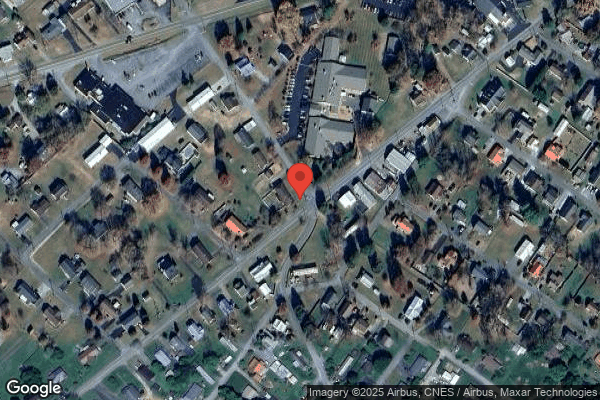
100 STALLING LANE, ERWIN, TN 37650 (423) 743-4131
For profit - Individual 125 Beds Independent Data: November 2025 2 Immediate Jeopardy citations
Trust Grade
14/100
#243 of 298 in TN
Last Inspection: March 2025

Within standard 12-15 month inspection cycle. Federal law requires annual inspections.

Overview

Erwin Health Care Center has a Trust Grade of F, indicating significant concerns and a poor overall quality of care. The facility ranks #243 out of 298 in Tennessee, placing it in the bottom half of all nursing homes in the state and #3 out of 3 in Unicoi County, meaning there are no better local options available. The trend is worsening, with the number of reported issues doubling from 2 in 2024 to 4 in 2025, raising red flags about ongoing care problems. Staffing is a relative strength, with a 3/5 rating and a turnover rate of 0%, much lower than the state average, suggesting that staff remain long-term and likely know the residents well. However, the facility has received fines totaling $10,024, indicating average compliance issues, and there are serious concerns, such as the use of inappropriate restraint methods for residents and failure to maintain cleanliness in the dietary area, which could impact the health and safety of the residents.

Trust Score
F
14/100
In Tennessee
#243/298
Bottom 19%
Safety Record
High Risk
Review needed
Inspections
Getting Worse
2 → 4 violations
Staff Stability
○ Average
Turnover data not reported for this facility.
Penalties
✓ Good
$10,024 in fines. Lower than most Tennessee facilities. Relatively clean record.
Skilled Nurses
✓ Good
Each resident gets 56 minutes of Registered Nurse (RN) attention daily — more than average for Tennessee. RNs are trained to catch health problems early.
Violations
⚠ Watch
22 deficiencies on record. Higher than average. Multiple issues found across inspections.
★☆☆☆☆
1.0
Overall Rating
★★★☆☆
3.0
Staff Levels
★☆☆☆☆
1.0
Care Quality
★★☆☆☆
2.0
Inspection Score
Stable
2024: 2 issues
2025: 4 issues

The Good

  • Full Sprinkler Coverage · Fire safety systems throughout facility
  • No fines on record

Facility shows strength in fire safety.

The Bad

1-Star Overall Rating

Below Tennessee average (2.8)

Significant quality concerns identified by CMS

Federal Fines: $10,024

Below median ($33,413)

Minor penalties assessed

The Ugly 22 deficiencies on record

2 life-threatening
Mar 2025 4 deficiencies
CONCERN (D)

Potential for Harm - no one hurt, but risky conditions existed

Resident Rights (Tag F0550)

Could have caused harm · This affected 1 resident

**NOTE- TERMS IN BRACKETS HAVE BEEN EDITED TO PROTECT CONFIDENTIALITY** Based on medical record review, observations, and interviews the facility failed to ensure 1 resident (Resident #322) of 9 resid...

Read full inspector narrative →
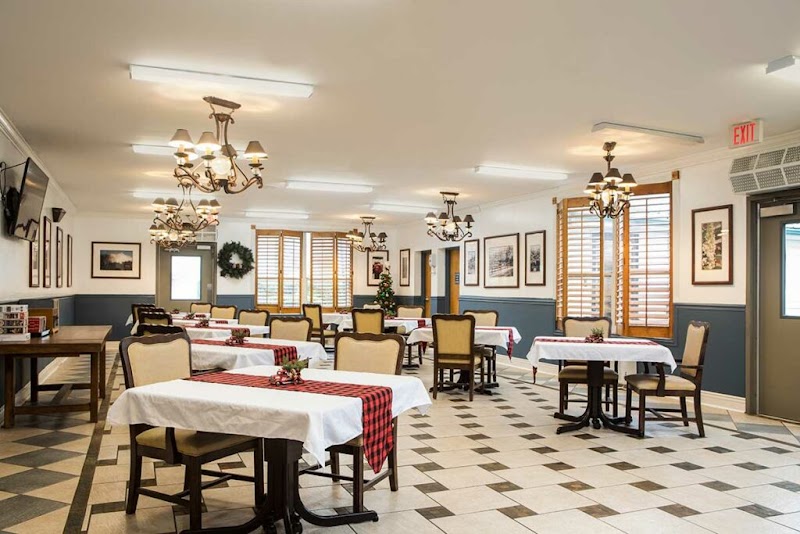
**NOTE- TERMS IN BRACKETS HAVE BEEN EDITED TO PROTECT CONFIDENTIALITY** Based on medical record review, observations, and interviews the facility failed to ensure 1 resident (Resident #322) of 9 residents were treated with dignity during the lunch meal service when residents at the same table were not served the meal at the same time. The findings include: Review of the medical record revealed Resident #322 was admitted to the facility on [DATE] with diagnoses including Parkinson's Disease, Dementia, and Psychotic Disorder. Review of the comprehensive care plan for Resident #322 dated 2/28/2025, revealed .Self-Care Deficit .Feeding .Provide assistance with ADLs [activities of daily living] . Review of a quarterly Minimum Data Set (MDS) assessment dated [DATE], revealed Resident #322 scored a 4 on the Brief Interview for Mental Status (BIMS) assessment which indicated severe cognitive impairment. Further review revealed the resident was dependent upon staff assistance with eating. Review of the medical record revealed Resident #53 was admitted to the facility on [DATE] with diagnoses including Dementia, Cognitive Communication Deficit, and Need for Assistance with Personal Care. Review of a quarterly MDS assessment dated [DATE], revealed Resident #53 scored a 1 on the BIMS assessment which indicated severe cognitive impairment. Further review revealed the resident required substantial/ maximal assistance from staff with eating. Review of the comprehensive care plan for Resident #53 dated 1/9/2025, revealed .ADL self-care performance deficit r/t [related to] Dementia .requires partial/mod [moderate] assist [assistance] from staff . During a dining observation on 3/17/2025 at 12:31 PM, in the secure dining room, revealed 9 residents seated in the dining room for the lunch meal. Further observation revealed Resident #322 was seated at the dining room table with Resident #53 when Certified Nursing Assistant (CNA) A placed the meal tray in front of Resident #53 at 12:33 PM and Resident #53 began eating his meal (feeding himself without difficulty after the meal tray was setup by staff). During an interview on 3/17/2025 at 12:36 PM, CNA A stated meal trays wee dispersed to the residents in no specific order and Resident #322 would get her meal tray .when he got to her tray on the cart .[he] was working his way down [all the meal trays] . During an observation on 3/17/2025 at 12:42 PM, revealed CNA B entered the dining room to assist with meal service and placed Resident #322's meal tray in front of her (9 minutes after Resident #53 received his meal tray) and the resident began eating her meal (feeding herself without difficulty after the meal tray was setup by staff). During an interview on 3/17/2025 at 12:43 PM, Licensed Practical Nurse (LPN) C confirmed Resident #322's meal tray was not delivered timely and Resident #322 was not served the lunch meal until 12:42 PM. LPN C stated .[he] realized residents not being served their meals at the same time was a dignity concern . During an interview on 3/19/2025 at 8:35 AM, the Director of Nursing (DON) confirmed it was the facility's expectation for residents seated at the same table to be served at the same time to promote dignity with dining.
CONCERN (D)

Potential for Harm - no one hurt, but risky conditions existed

Comprehensive Care Plan (Tag F0656)

Could have caused harm · This affected 1 resident

**NOTE- TERMS IN BRACKETS HAVE BEEN EDITED TO PROTECT CONFIDENTIALITY** Based on facility policy review, medical record review, observation, and interview, the facility failed to implement a person-ce...

Read full inspector narrative →
**NOTE- TERMS IN BRACKETS HAVE BEEN EDITED TO PROTECT CONFIDENTIALITY** Based on facility policy review, medical record review, observation, and interview, the facility failed to implement a person-centered care plan related to vision impairment for 1 resident (Resident #68) of 19 residents reviewed for care plans. The findings include: Review of the facility's policy titled, Comprehensive Care Plan Procedures, dated 2/2/2024, revealed .It is the policy of this facility to develop and implement a comprehensive person-centered care plan .for each resident .to meet a resident's medical .nursing .needs and all services that are identified in the residents' comprehensive assessment . Review of the medical record revealed Resident #68 was admitted to the facility on [DATE] with diagnoses including Dementia, Glaucoma, and Need for Personal Care. Review of a quarterly Minimum Data Set (MDS) assessment dated [DATE], revealed Resident #68 scored a 5 on the Brief Interview for Mental Status (BIMS) assessment which indicated severe cognitive impairment. Further review revealed the resident had vision impairment and required supervision or touching assistance with eating, personal hygiene, and mobility. Review of the comprehensive care plan for Resident #68 revised 1/22/2025, revealed the resident's problem of vision impairment was not developed on the care plan. During an interview on 3/18/2025 at 8:21 AM, Certified Nursing Assistant (CNA) D stated Resident #68 required assistance with opening food items during meal service, toileting, and personal hygiene due to his vision impairment. During an interview on 3/18/2025 at 8:24 AM, CNA E stated Resident #68 had vision impairment and required assistance with meals and activities of daily living. During an interview on 3/19/2025 at 1:52 PM, the Licensed Practical Nurse (LPN) MDS Coordinator confirmed Resident #68 had vision impairment and the resident's vision impairment was not developed on the care plan.
CONCERN (D)

Potential for Harm - no one hurt, but risky conditions existed

Garbage Disposal (Tag F0814)

Could have caused harm · This affected 1 resident

Based on facility policy review, observations, and interviews, the facility failed to ensure garbage and refuse were properly contained in 1 of 2 dumpsters (dumpster A) and failed to ensure the outsid...

Read full inspector narrative →
Based on facility policy review, observations, and interviews, the facility failed to ensure garbage and refuse were properly contained in 1 of 2 dumpsters (dumpster A) and failed to ensure the outside dumpster area was maintained in a sanitary and orderly condition. The findings include: Review of the facility's policy titled, Disposal of Garbage and Refuse, dated 12/20/2024, revealed .refuse containers and dumpsters kept outside the facility shall .have tightly fitting lids, doors, or covers .surrounding area shall be kept clean so that accumulation of debris .are minimized .garbage should not accumulate or be left outside the dumpster . During an observation of the outside dumpster area and interview on 3/17/2025 at 12:15 PM, with the Certified Dietary Manager (CDM), revealed 2 dumpsters for waste disposal. Further observation revealed dumpster A's front right sliding door was propped open which exposed the dumpster's contents to potential pests and the elements. Continued observation of the area behind dumpster A revealed 1 broken wooden chair, 9 broken wooden pallets (wet and rotted), 1 broken shower chair, 1 basketball goal, 13 five-gallon buckets (empty), 6 cardboard boxes (wet and disintegrating), and 4 broken wheelchairs. The CDM confirmed dumpster A's contents were not properly contained and the area behind dumpster A was not maintained in a sanitary or orderly condition. During an interview on 3/17/2025 at 12:22 PM, the Maintenance Director (MD), stated the items stored behind dumpster A was considered .garbage . and needed to be .hauled off . to the landfill. The MD stated the reason the discarded items was stored behind dumpster A and not removed from the facility grounds was .he had been busy with other things .and had a lot going on . The MD confirmed the outside dumpster area was not maintained in a sanitary or orderly condition.
CONCERN (D)

Potential for Harm - no one hurt, but risky conditions existed

Infection Control (Tag F0880)

Could have caused harm · This affected 1 resident

**NOTE- TERMS IN BRACKETS HAVE BEEN EDITED TO PROTECT CONFIDENTIALITY** Based on facility policy review, observation, and interview, the facility failed to offer hand hygiene assistance prior to meals...

Read full inspector narrative →
**NOTE- TERMS IN BRACKETS HAVE BEEN EDITED TO PROTECT CONFIDENTIALITY** Based on facility policy review, observation, and interview, the facility failed to offer hand hygiene assistance prior to meals for 2 residents (Residents #53 and #25) of 9 residents observed in the secure unit dining room. The findings include: Review of the facility's policy titled, Meal Supervision and Assistance, dated 12/20/2024, revealed .Be sure the resident's hands are washed before and after he or she has started .finished the meal . Review of the medical record revealed Resident #53 was admitted to the facility on [DATE] with diagnoses including Dementia, Cognitive Communication Deficit, and Need for Assistance with Personal Care. Review of a quarterly Minimum Data Set (MDS) assessment dated [DATE], revealed Resident #53 scored a 1 on the Brief Interview for Mental Status (BIMS) assessment which indicated severe cognitive impairment. Further review revealed the resident required substantial/ maximal assistance with personal hygiene. Review of the comprehensive care plan for Resident #53 revised 1/9/2025, revealed .ADL [activities of daily living] self-care performance deficit r/t [related to] Dementia .requires partial/mod [moderate] assist from [the] staff to maximize independence . Review of the medical record revealed Resident #25 was admitted to the facility on [DATE] with diagnoses including Dementia, Cognitive Communication Deficit, and Muscle Weakness. Review of a quarterly MDS assessment dated [DATE], revealed Resident #25 scored a 6 on the BIMS assessment which indicated severe cognitive impairment. Further review revealed the resident was dependent upon staff assistance for personal hygiene. Review of the comprehensive care plan for Resident #25 revised 12/21/2024, revealed .Self-Care Deficit .Dressing .Feeding .Provide assistance with ADLs . During an observation on 3/17/2025 at 12:33 PM, in the secure unit dining room, revealed Certified Nursing Assistant (CNA) A placed the meal tray in front of Resident #53 and setup the meal tray for the resident to eat. CNA A failed to assist Resident #53 with hand hygiene before the meal tray was delivered and before the resident began eating the meal. During an observation on 3/17/2025 at 12:37 PM, revealed CNA A placed the lunch meal tray in front of Resident #25 and setup the meal tray for the resident to eat. CNA A failed to assist Resident #25 with hand hygiene before the meal tray was delivered and before the resident began eating the meal. During an interview on 3/17/2025 at 12:42 PM, Licensed Practical Nurse (LPN) C confirmed hand hygiene assistance was not provided to Resident #25 and Resident #53 before the lunch meal was served and before the residents began eating their meal. During an interview on 3/19/2025 at 8:35 AM, the Director of Nursing (DON) confirmed it was the facility's expectation for the staff to offer hand hygiene assistance to all residents prior to meal service.
May 2024 2 deficiencies 2 IJ (2 affecting multiple)
CRITICAL (K) 📢 Someone Reported This

A family member, employee, or ombudsman was alarmed enough to file a formal complaint

Immediate Jeopardy (IJ) - the most serious Medicare violation

Deficiency F0604 (Tag F0604)

Someone could have died · This affected multiple residents

**NOTE- TERMS IN BRACKETS HAVE BEEN EDITED TO PROTECT CONFIDENTIALITY** Based on facility policy review, review of facility documentation, medical record review, observation, and interview, the facili...

Read full inspector narrative →
**NOTE- TERMS IN BRACKETS HAVE BEEN EDITED TO PROTECT CONFIDENTIALITY** Based on facility policy review, review of facility documentation, medical record review, observation, and interview, the facility failed to recognize and use the least restrictive interventions or restraint device for the least amount of time and failed to attempt a reduction to a least restrictive device or eliminate the restraint devices during the 30-day assessments. The facility's failure to recognize and use the least restrictive interventions or restraint device for the least amount of time and failure to attempt a reduction to a least restrictive device or eliminate the restraint devices during the 30-day assessments resulted in 4 residents of 29 residents (Residents #9, #13, #18, and #21) being placed in restraints that were not the least restrictive for an extended amount of time. The findings include: Review of the facility's undated policy titled, POLICY AND PROCEDURE FOR RESTRAINTS AND SAFETY DEVICES, showed .Facility will use the least restrictive safety device or restraint to ensure safety of the resident .Interdisciplinary team will meet once a week to .Decrease safety devices and restraints if no incident in last 30 days .will ensure that the least restrictive safety device or restraint is used for the least amount of time to ensure resident safety . Review of the medical record showed Resident #13 was admitted to the facility on [DATE] with diagnoses including Dementia, Bipolar Disorder, and Anxiety Disorder. Resident #13 was discharged to another facility on [DATE]. Review of the comprehensive Minimum Data Set (MDS) assessment dated [DATE], showed Resident #13's Brief Interview of Mental Status (BIMS) score was 0, indicating the resident had severe cognitive impairment and the resident required assistance of one or more persons with activities of daily living (ADL's). Review of a physician's order for Resident #13 dated [DATE] (2 days after admission), showed .BED IN LOWEST POSITION WITH VEST RESTRAINT [vest with tie-ends for bed or chair application/most restrictive device] .for 30 days . Review of the initial restraint review form for Resident #13 dated [DATE], showed .Type of device: BED IN LOWEST POSITION WITH VEST RESTRAINT. CHECK Q [every] 30 MINUTES, AND RELEASE Q2 HOURS FOR TOILETING AND EXERCISE PERIODS .NEW ORDER FOR RESTRAINT .RESIDENT HAS HAD CONFUSION AND RECENT DIAGNOSIS OF PNA [Pneumonia] AND STARTED ABX [antibiotic] RESIDENT HAS HAD MULTIPLE ATTEMPTS OUT OF BED UNSAFELY AND IS WAKING UP ROOMMATE RESIDENT IS STANDING OVER ROOMMATE AND IS TRYING TO CLIMB INTO THEIR BED .POOR TRUNK CONTROL .UNSTEADY GAIT AND BALANCE, RESIDENT LEANS TO RIGHT SIDE WHILE AMBULATING AND KEEPS HEAD IN DOWNWARD POSITION .IMPULSIVENESS AND DECREASED SAFETY AWARENESS DUE TO SENIL [senile] DEGENERATION OF BRAIN, DEMENTIA .RESIDENT NOT AWARE OF SURROUNDINGS, OTHER RESIDENTS, OR SITUATIONS, ALERT TO SELF ONLY .GENERALIZED WEAKNESS NOTED TO BILATERAL LOWER EXTREMITIES .REEVALUATE IN 30 DAYS OR PRN [as needed] . Documentation on the initial restraint review showed the Director of Nursing (DON), Quality Assurance (QA) Registered Nurse (RN), and the Director of Rehabilitation (DOR) attended the meeting. Review of the final 30 day restraint review form for Resident #13 dated [DATE], [26 weeks after the initial restraint] showed .Type of device: SR [self release] BELT IN CHAIR VEST IN BED .attempts made at reduction UNSUCCESSFUL [no attempts listed on form, see progress note below] alternatives attempted .Frequent repositioning Offered fluids/snacks Diversional activities Ambulation Toileting .Team recommendations; OOB [out of bed] IN ROCK-N- GO [rocking wheelchair] W [with]/SR BELT, OBSERVE Q 30 MINUTES RELEASE Q 2 HOURS FOR TOILETING AND EXERCISE PERIODS .BED IN LOWEST POSITION W/VEST RESTRAINT, OBSERVE Q 30 MINUTES, RELEASE Q 2 HOUR FOR TOILETING AND EXERCISE PERIODS . Review of a progress note for Resident #13 dated [DATE], showed .RESIDENT OBSERVED UNSAFELY EXITING ROCK-N-GO CHAIR UNABLE TO REDIRECT RESIDENT DESPITE MULTIPLE ATTEMPTS LAID RESIDENT IN BED FOR REST PERIOD WITH NO SUCCESS NEW ORDERS RECEIVED AND NOTED FOR OOB IN ROCK N GO W/SR BELT OBSERVE Q 30 MINUTES RELEASE Q2 HOUR .BED IN LOWEST POSITION W/VEST RESTRAINT OBSERVE Q 30 MINUTES RELEASE Q2 HOUR . Review of a Restraints MEETING MINUTES form dated [DATE], showed .[Resident #13] cognition continues to decline .noted with less physical activity .resident has shown no signs of attempting to self transfer since last assessment Resident is sleeping throughout the night with no attempts to exit the bed .attempt restraint reduction at this time .MD [Medical Director] notified and agrees . Review of a physician's order for Resident #13 showed the resident's restraints were discontinued on [DATE] with no new orders for restraints noted showing Resident #13 went from the most restrictive restraint device to no restraints used. (The vest restraint was continued on Resident #13 from [DATE] (2 days after the resident's admission) through [DATE] without a reduction in the restraint). Review of the medical record showed Resident #21 was admitted to the facility on [DATE] with diagnoses including Alzheimer's Disease, Dementia, and Abnormalities of Gait. Review of the comprehensive Minimum Data Set (MDS) assessment dated [DATE] showed Resident #21's Brief Interview of Mental Status (BIMS) score was 6, indicating the resident had severe cognitive impairment and the resident required assistance of one or more persons with ADL's. Review of a physician's order for Resident #21 dated [DATE], showed .OOB in lowrider [wheelchair that sits low] with pelvic restraint [restraint for chair use/most restrictive chair restraint] .bed in lowest position with vest restraint . Review of the initial restraint review form for Resident #21 dated [DATE], showed .OOB in low rider [wheelchair that sits low] with pelvic restraint bed in lowest position with vest restraint .new restraint .comments .Resident continues to slide down in chair despite dycem [nonslip material] being placed in chair, resident leans over right side over chair multiple attempts made to reposition in chair to remain in upright position .at night resident unsafely ambulates in room pulling covers off roommate and attempting to climb into roommates bed stating this is her house .Team recommendations: OOB in lowrider with pelvic restraint, bed in lowest position with vest restraint .dycem in chair between cushion and chair .resident has poor trunk control slides to edge of chair .dementia with agitation and behavioral disturbance anxiety disorder .generalized muscle weakness . Documentation of the initial restraint review showed the meeting was attended by the DON, ADON, QA RN, and the DOR. Review of the most recent 30 day restraint review form for Resident #21 dated [DATE] [12 weeks after initial restraint], showed .Type of device OOB in lowrider with self releasing clip belt .attempts made at reduction .self release clip belt was discontinued however was unsuccessful resident noted sliding down in chair due to no trunk control or upper body strength Resident thinks she can still self transfer however she has no strength or safety awareness .Team recommendations OOB in low rider with self releasing clip belt observe q [every] 30 minutes release q2 hours .resident has poor trunk control slides to edge of chair difficulty in walking unsteadiness on feet lack of coordination unable to ambulate safely .dementia with agitation and behavioral disturbance, .generalized muscle weakness receives hospice services . Review of this meeting showed it was attended by the DON, QA RN, and the DOR. During an observation on [DATE] at 8:00 AM, in the Resident 21's room, showed Resident #21 seated in a lowrider with SR belt in place. Resident #21was unable to remove the belt upon request. Review of the medical record showed Resident #18 was admitted to the facility on [DATE] with diagnoses including Dementia, Abnormalities of Gait, and Dissociative Fugue [temporary state of memory loss]. Review of the quarterly MDS assessment dated [DATE], showed Resident #18's BIMS score was 0 indicating the resident had severe cognitive impairment and required assistance of one or more persons with ADL's. Review of a physician's order for Resident #18 dated [DATE], showed .OOB in lowrider with self releasing clip belt . Review of the initial restraint review form for Resident #18 dated [DATE], showed .Type of device; lowrider with self releasing clip belt .new order; Resident continues with fast shuffle downward gaze .attempts made for reduction .Multiple attempts made for rest periods with resident however they were unsuccessful resident is tiring self out and is starting to stumble into things and due to downward gaze is running into other residents Resident in floor under tables and beds .Spoke with residents sister states that resident worked in a factory on an assembly line for over 20 years and that she walked/jogged 5 miles everyday, she was very active and always tried to fix things .Team recommendations: lowrider with self releasing clip belt observe q 30 minutes release q2 hours for toileting and exercise periods for decreased safety awareness . Review of the meeting documentation showed it was attended by the DON, ADON, QA RN, and the DOR. Review of a physician's order for Resident #18 dated [DATE] showed .OOB in lowrider with self release clip belt .bed in lowest position with vest restraint . Review of the last 30 day restraint review form for Resident #18 dated [DATE] [32 weeks after initial restraint], showed .Type of device: OOB in lowrider with self releasing clip belt, vest in bed .attempts made at reduction .SR belt and vest restraint was d/c'd [discontinued] however resident noted walking in hallway unsafely running into other residents and wall due to downward gaze and unawareness of surroundings Resident wanting to crawl in floor at night resident continues to remove covers off room mate and crawling in floor under bed .Team recommendations OOB in lowrider with self releasing belt, bed in lowest position with vest restraint .resident has stooped posture with shuffle fast paced gait with downward gaze abnormalities of gait and mobility .Dementia with behavioral disturbance wandering restlessness with agitation no safety awareness . Documentation of the meeting showed it was attended by the DON, QA RN, and the DOR. During an observation on [DATE] at 8:30 AM, in the Resident #18's room, showed Resident #18 seated in a lowrider with a SR [self-release] belt in place. The resident was unable to remove the belt upon request. During an observation on [DATE] at 1:35 PM, of Resident #18 in the resident's room, showed Resident #18 lying in bed with a shirt like vest restraint with fabric ties over the abdomen on the bottom of the vest and tied to both sides of the moveable part of the bed frame towards the head of the bed, with the resident resting with her eyes closed. Review of the medical record showed Resident #9 was admitted to the facility on [DATE] with diagnoses including Metabolic Encephalopathy, Dementia, and Muscle Weakness The review showed Resident #9 expired at the facility on [DATE]. Review of the comprehensive MDS assessment dated [DATE], showed Resident #9's BIMS score was 9 indicating the resident was moderately cognitively impaired and the resident required assistance of one or more persons with ADL's. Review of facility documentation for Resident #9 showed XXX[DATE] .Time 00:40 AM [12:40 AM] .Resident found laying on bed frame of other bed in room .INTERVENTION (To Prevent Reoccurrence) Sent to ER [emergency room], OOB in lowrider with pelvic bed in lowest position with vest, observe Q 30 minutes release Q 2 hours . Review of a physician's order for Resident #9 dated [DATE], showed .OOB in lowrider with pelvic restraint .bed in lowest position with vest restraint .Start date; [DATE] D/C [discontinue] date [DATE] . Review of the initial restraint review form for Resident #9 dated [DATE], showed .Type of device: OOB in lowrider with pelvic, bed in lowest position with vests .NEW RESTRAINT ORDER .Resident with continued delusions and hallucinations, ambulating with shuffled downward gaze bumping into walls and other residents with mumbled speech. Constant redirection provided by staff .poor truck control .fast stopping shuffled downward gaze gait, abnormalities of gait .delusional disorder, hallucination, dementia .BIMS 10 . Documentation showed the DON, ADON, RN QA Nurse, and the DOR attended the meeting. Review of the last restraint review form for Resident #9 dated [DATE] [4 weeks after initial restraint], showed .pelvic in low rider, vest in bed .attempts made at reduction .reduced to clip belt but was unsuccessful resident was noted multiple times ambulating unsafely due to downward gaze walking into other residents, resident continues with hallucinations, delusions and mumbled speech .Vest was removed while in bed was unsuccessful Resident noted walking into walls, attempting to climb onto heating unit in room and climbing into room mates bed .Team recommendations pelvic in lowrider, vest in bed observe q30 minutes release q2 hours . The review showed the DON, ADON, RN QA Nurse, and the DOR attended the meeting. During an interview on [DATE] at 2:15 PM, the ADON stated .for [Resident #18] she's got the vest in bed at night time because she will be all over other residents .she will climb in the bed with them and pull off their cover .she has the SR belt during the day but she can't release it .she has it to make sure that she is not getting up, when she walks she looks straight down and she runs into things .with [Resident #21] .she might fiddle with it [SR belt] and release it .she doesn't release it on command . During an interview on [DATE] at 9:30 AM, the DOR stated .what we [the facility] have available to use are the self-release belts, the soft belts [padded belt that goes around the waist and attaches to a chair] the vest restraint, pelvic restraint, the table top [table top that attaches to chair] we don't have any chair or bed alarms we don't have lap buddies [soft table top], we don't have any of the Velcro belts .usually the vest restraint is something that is used in bed and that's two different surfaces that's why we use the self-release belt and the vest restraint . During an interview on [DATE] at 2:00 PM, the DON stated .his [Resident #13's] family wanted him at a facility closer to home but nobody [no other facility] would take him with the restraint so it was d/c'd [discontinued] on [DATE] [[DATE]] and it went pretty good he done really well .he was on hospice and he had a steady decline he was sleeping more and he was less active .the bed alarm is less restrictive than the vest but when it goes off it scares them [residents] .we could order them but we just haven't .I can't think of another device we could use in the bed I don't know what else we could have done .[Resident #9] had a fall we did the pelvic and the vest to keep her from falling .She Resident #18] will go over and pull the covers off of her roommate .with the vest it just keeps her from getting out of bed it doesn't allow her to physically stand from the bed .no we haven't put her in a private room .[given name for Resident #21] just has the SR belt she doesn't have anything in bed .it is on because she thinks she can get up and walk but she can't .no we haven't increased supervision or tried one on one [one on one supervision] .We continued to use the restraints for their safety[referring to Residents #13, #9, #18, and #21] . confirming the facility failed to recognize and use the least restrictive interventions or restraint device for the least amount of time. The facility's corrective actions were validated onsite by the surveyor on [DATE]. The corrective action plan included a Root Cause Analysis (RCA) and was completed by the Administrator and Director of Nursing on [DATE]. Review of the RCA showed: Facility staff did not ensure that they were up to date with regulations under the Requirements of Participation. Administration process in facility failed to identify deficient practice timely. Facility failed to follow restraint policy by not using least restrictive restraint device first. Review of the corrective action plan showed: Immediate action(s) taken for the resident(s) found to have been affected include: 1) Resident #18 - Interdisciplinary team which consisted of Director of Nursing (DON), Assistant Director of Nursing (ADON), Quality Assurance Nurse, and Therapy Department Manager [Director of Rehabilitation] completed assessment for safe restraint reduction completed on [DATE]. Restraint was discontinued in the chair and bed as of [DATE] at 1800 (6:00 PM). New order for out of bed in lowrider with dycem. Family and staff made aware of new orders. Resident was moved into private room. Care Plan updated to reflect changes Medical Director (MD) approved [DATE]. Resident was reviewed with the State Quality Manager from Alliant Health (QIO) on [DATE] at 1400 (2:00 PM) via conference call. 2) Resident #21 - Interdisciplinary team which consisted of DON, ADON, QA Nurse, and Therapy Department Manager completed assessment for safe restraint reduction completed on [DATE] restraint was discontinued in chair as of [DATE] at 1800 (6:00 PM). New order for out of bed in rock-n-go with dycem. Family and staff made aware of new order. Care plan updated to reflect changes MD approved [DATE]. Therapy screen requested for chair evaluation on [DATE], new order to discontinue out of bed in rock-n-go chair with dycem, and new order given for out of bed in low rider with dycem. Family and staff made aware of new orders. Care plan to reflect changes. Resident was reviewed with the State Quality Manager from Alliant Health (QIO) on [DATE] at 1400 (2:00 PM) via conference call. 3) Resident #13: discharged from facility [DATE]. 4) Resident #9: discharged from facility [DATE]. 5) A new policy established Restraint Free Environment for the facility and education of the new policy was implemented [DATE]. 6) The date of assured compliance was [DATE]. Identification of other residents having the potential to be affected was accomplished by: The facility has determined 86 out of 86 residents have the potential to be affected. All rooms were evaluated to ensure no restraints were being used. Restraints (self-releasing clip belts, soft lap belts, pelvic restraints and table tops) that are kept in clean linen room were removed and placed in the DON office by DON, ADON, QA Nurse, and Maintenance Director on [DATE] at 1900 (7:00 PM). Self-releasing clip belts, soft lap belts, pelvic restraints, vest restraints and table tops will be kept in the DON's office. Education was given on the new policy Restraint Free Environment at 1800 (6:00 PM) on [DATE] with the current clinical staff on shift (RN, LPN, CNA) and will be completed with all other remaining clinical staff (RN, LPN, CNA), providers (MD [Medical Director], DO [Doctor of Osteopathy and NPs [Nurse Practitioner]) and therapy department managers (PT [Physical Therapy], OT [Occupational Therapy], ST [Speech Therapy]) before next scheduled shift. Education was 100% completed by 22:30 [10:30 PM] on [DATE] Future employees will be educated as part of new hire orientation on restraint free environment and will reoccur quarterly. Review of facility's inservice sign-in sheets dated [DATE], for the Restraint Free Environment showed Education provided via phone dated [DATE], compared to the facility's list of clinical staff and list of (medical) providers and therapy managers and interviews with 2 night shift (6:00 PM - 6:00 AM) RNs, 2 night shift CNAs, 2 day shift LPNs (6:00 AM, 6:00 PM), 1 day shift RN, 3 day shift CNAs, 1 Occupational Therapist (OT), 1 Physical Therapist (PT), and 1 NP showed 100% of clinical staff and providers were educated on the new policy by the DON, ADON, and QA RN. A copy of the Restraint Free Environment policy were sent via mail to the residents' families on [DATE]. Education on all aspects of the requirements for restraint use was provided by the Clinical Consultant to all clinical management team members (Administrator, DON, ADON, MDS Coordinators, QA Nurse, Wound Care Nurse, and Therapy Manager) and was 100% completed by [DATE] at 17:30 (5:30 PM). The Clinical Consultant is available to facility clinical administration (Administrator, DON, ADON, MDS Coordinators, QA Nurse, Wound Care Nurse, and Therapy Manager) 24 hours a day, 7 days a week beginning on [DATE]. Review of Interdisciplinary Team (IDT) restraint reduction meeting minutes dated [DATE], showed the DON, ADON, QA Nurse, and Therapy Department Manager reviewed Resident #18 for restraint reduction and agreed with discontinuation of the restraint in the bed and in the chair with new orders as below. Review of a physician's order dated [DATE], for Resident #18 showed orders for self-release clip belt while out of bed and vest restraint while in bed were discontinued with the resident's new order as follows .OOB [out of bed] IN LOWRIDER WITH DYCEM every shift. Review of a progress note dated [DATE], for Resident #18 showed the resident's family was informed and agreeable to the above new orders. Review of Resident 18's care plan showed it was updated to reflect the changes that addressed restraints on [DATE]. Observation on [DATE] at 10:30 AM, showed the resident on the 100 hall near the nurses station in a low rider with dycem on the seat of the lowrider continued observation showed the resident was moved to a room with no other resident. Interview with the DON on [DATE] at 10:50 AM, confirmed Resident #18 was moved to a private room. Review of IDT restraint reduction meeting minutes for Resident #21 dated [DATE], showed the DON, ADON, QA Nurse, and Therapy Department Manager reviewed Resident #21 for restraint reduction and agreed to discontinuation of self-release belt in low rider and attempt reduction with resident placed in rock-n-go chair with dycem in seat due to noticeable reduction in attempts to get out of chair or transfer independently. Review of a Therapy Screen and Rehab Services Approval form dated [DATE] for Resident #21 showed the resident was screened by therapy with recommendation for lowrider. Review of physician's order dated [DATE] for Resident #21 showed self-release clip belt while out of bed was discontinued. Review of a physician's order dated [DATE] for Resident #21 showed .OOB IN LOWRIDER WITH DYCEM IN SEAT . Review of a Therapy Screen and Rehab Services Approval form dated [DATE], for Resident #21 showed .assessment .low rider with propulsion wheels to increase self-propulsion and mobility .to achieve optimal positioning . Review of a physician's order dated [DATE] for Resident #21 showed .OOB in lowrider with dycem in seat . Review of a progress note dated [DATE], for Resident #21 showed family was aware of the discontinued clip belt and the new order for the lowrider chair. Review of Resident 21's care plan showed the care plan was updated to reflect the changes made after the therapy screening on [DATE]. Observation on [DATE] at 11:15 AM, in Resident 21's room, showed the resident up in a lowrider with dycem in the seat of the chair. During a phone interview on [DATE], at 2:00 PM, with the State Quality Manager, she verified Residents #18 and #21 were reviewed with her on [DATE]. Observation on [DATE] at 12:30 PM, in the DON's office showed 2 self-release clip belts, 2 soft lap belts, 2 pelvic restraints, and 2 vest restraints, in a drawer and 1 tabletop restraint beside a filing cabinet secured in the DON's office. Interviews on [DATE]-[DATE], at various times, with 2 night shift (6:00 PM - 6:00 AM) Registered Nurses (RN), 2 night shift Certified Nurse Assistants (CNA), 2 day shift Licensed Practical Nurses (LPN) (6:00 AM, 6:00 PM), 1 day shift RN, 3 day shift CNAs, 1 Occupational Therapist (OT), 1 Physical Therapist (PT), and 1 Nurse Practitioner showed 100% of clinical staff and providers were educated on the new policy by the DON, ADON, and QA RN. Review of the facility's census roster dated [DATE], showed all residents were checked off as having .responsible party notification of new policy letters sent. During an interview on [DATE] at 1:00 PM, the Social Services Director confirmed all residents' responsible parties were sent letters of the new policy. Review of facility's STATEMENT OF INSERVICE TRAINING FOR EMPLOYEES showed 100% of administrative staff were educated on all aspects of the requirements for restraint use by the Clinical Consultant via conference call on [DATE] at 17:30 (5:30 PM). Review of a letter of engagement . dated [DATE], showed an ongoing contractual agreement for clinical consulting services to be provided to the facility through [DATE], or until terminated.
CRITICAL (K) 📢 Someone Reported This

A family member, employee, or ombudsman was alarmed enough to file a formal complaint

Immediate Jeopardy (IJ) - the most serious Medicare violation

Administration (Tag F0835)

Someone could have died · This affected multiple residents

**NOTE- TERMS IN BRACKETS HAVE BEEN EDITED TO PROTECT CONFIDENTIALITY** Based on facility policy review, review of facility documentation, medical record review, observation, and interview, the facili...

Read full inspector narrative →
**NOTE- TERMS IN BRACKETS HAVE BEEN EDITED TO PROTECT CONFIDENTIALITY** Based on facility policy review, review of facility documentation, medical record review, observation, and interview, the facility failed to recognize and use the least restrictive interventions or restraint device for the least amount of time and failed to attempt a reduction to a least restrictive device or eliminate the restraint devices during the 30-day assessments. The facility's failure to recognize and use the least restrictive interventions or restraint device for the least amount of time and failure to attempt a reduction to a least restrictive device or eliminate the restraint devices during the 30-day assessments resulted in 4 of 29 sampled residents (Resident #9, #13, #18, and #21) being placed in restraints that were not the least restrictive for an extended amount of time. The findings include: Review of the facility's undated policy titled, POLICY AND PROCEDURE FOR RESTRAINTS AND SAFETY DEVICES showed .Facility will use the least restrictive safety device or restraint to ensure safety of the resident .Interdisciplinary team will meet once a week to .Decrease safety devices and restraints if no incident in last 30 days .will ensure that the least restrictive safety device or restraint is used for the least amount of time to ensure resident safety . Review of the medical record showed Resident #13 was admitted to the facility on [DATE] with diagnoses including Dementia, Bipolar Disorder, and Anxiety Disorder. Resident #13 was discharged to another facility on [DATE]. Review of the comprehensive Minimum Data Set (MDS) assessment dated [DATE] showed Resident #13's Brief Interview of Mental Status (BIMS) score was 0 indicating the resident had severe cognitive impairment and the resident required assistance of one or more persons with activities of daily living (ADL's). Review of a physician's order for Resident #13 dated [DATE] showed .BED IN LOWEST POSITION WITH VEST RESTRAINT .for 30 days . Review of the initial restraint review form for Resident #13 dated [DATE] (2 days after admission), showed .Type of device: BED IN LOWEST POSITION WITH VEST RESTRAINT [vest with tie-ends for bed or chair application/most restrictive device] .RESIDENT HAS HAD CONFUSION AND RECENT DIAGNOSIS OF PNA [Pneumonia] AND STARTED ABX [antibiotic] RESIDENT HAS HAD MULTIPLE ATTEMPTS OUT OF BED UNSAFELY AND IS WAKING UP ROOMMATE RESIDENT IS STANDING OVER ROOMMATE AND IS TRYING TO CLIMB INTO THEIR BED .POOR TRUNK CONTROL .UNSTEADY GAIT AND BALANCE, RESIDENT LEANS TO RIGHT SIDE WHILE AMBULATING AND KEEPS HEAD IN DOWNWARD POSITION .IMPULSIVENESS AND DECREASED SAFETY AWARENESS DUE TO SENIL DEGENERATION OF BRAIN, DEMENTIA .NOT AWARE OF SURROUNDINGS, OTHER RESIDENTS, OR SITUATIONS, ALERT TO SELF ONLY .GENERALIZED WEAKNESS NOTED TO BILATERAL LOWER EXTREMITIES .REEVALUATE IN 30 DAYS OR PRN [as needed] . Documentation on the initial restraint review showed the Director of Nursing (DON), Quality Assurance (QA) Registered Nurse (RN), and the Director of Rehabilitation (DOR) attended the meeting. Review of the final 30 day restraint review form for Resident #13 dated [DATE] [26 weeks after initial restraint], showed .Type of device: SR [self release] BELT IN CHAIR VEST IN BED .attempts made at reduction UNSUCCESSFUL [no attempts listed on form see progress note below] .Team recommendations; OOB [out of bed] IN ROCK-N- GO [rocking wheelchair] W [with]/SR BELT .BED IN LOWEST POSITION W/VEST RESTRAINT . Review of a Restraints MEETING MINUTES form dated [DATE], showed .[Resident #13] cognition continues to decline .noted with less physical activity .resident has shown no signs of attempting to self transfer since last assessment Resident is sleeping throughout the night with no attempts to exit the bed .attempt restraint reduction at this time .[Medical Director] MD notified and agrees . Review of a physician's order for Resident #13 showed the residents restraints were discontinued on [DATE] with no new orders for restraints noted showing Resident #1 went from the most restrictive restraint device to no restraints in use. Review of the medical record showed Resident #21 was admitted to the facility on [DATE] with diagnoses including Alzheimer's Disease, Dementia, and Abnormalities of Gait. Review of the comprehensive Minimum Data Set (MDS) assessment dated [DATE] showed Resident #21's Brief Interview of Mental Status (BIMS) score was 6, indicating severe cognitive impairment and the resident required assistance of one or more persons for ADL's. Review of a physician's order for Resident #21 dated [DATE], showed .OOB in lowrider with pelvic restraint [restraint for chair use/most restrictive chair restraint] .bed in lowest position with vest restraint . Review of the initial restraint review form for Resident #21 dated [DATE], showed .OOB in low rider [wheelchair that sits low] with pelvic restraint bed in lowest position with vest restraint .new restraint .comments .Resident continues to slide down in chair despite dycem [nonslip material] being placed in chair, resident leans over right side over chair multiple attempts made to reposition in chair to remain in upright position .at night resident unsafely ambulates in room pulling covers off roommate and attempting to climb into roommates bed stating this is her house .alternatives attempted Team recommendations: OOB in lowrider with pelvic restraint, bed in lowest position with vest restraint .dycem in chair between cushion and chair .resident has poor trunk control slides to edge of chair .dementia with agitation and behavioral disturbance anxiety disorder .diffuse traumatic brain injury .generalized muscle weakness . the meeting's signatures showed it was attended by the DON, ADON, QA RN, and the DOR. Review of the most recent 30 day restraint review form for Resident #21 dated [DATE] [12 weeks after initial restraint], showed .Type of device OOB in lowrider with self releasing clip belt .attempts made at reduction .self release clip belt was discontinued however was unsuccessful resident noted sliding down in chair due to no trunk control or upper body strength Resident thinks she can still self transfer however she has no strength or safety awareness .Team recommendations OOB in low rider with self releasing clip belt .dementia with agitation and behavioral disturbance, .psychotic disorder, .diffuse traumatic brain injury .generalized muscle weakness receives hospice services . Documentation showed the meeting was attended by the DON, QA RN, and the DOR. During an observation on [DATE] at 8:00 AM, in Resident #21's room, showed Resident #21 seated in a lowrider with SR belt on and the resident was unable to remove the belt. Review of the medical record showed Resident #18 was admitted to the facility on [DATE] with diagnoses including Dementia, Abnormalities of Gait, and Dissociative Fugue [temporary state of memory loss]. Review of the quarterly MDS assessment dated [DATE] showed Resident #18's BIMS score was 0 indicating the resident had severe cognitive impairment and the resident required assistance of one or more persons with ADL's. Review of a physician's order for Resident #18 dated [DATE] showed .OOB in lowrider with self releasing clip belt . Review of the initial restraint review form for Resident #18 dated [DATE] showed .Type of device; lowrider with self releasing clip belt .new order .Team recommendations: lowrider with self releasing clip belt observe q 30 minutes release q2 hours for toileting and exercise periods for decreased safety awareness . Documentation of the initial restraint review meeting showed it was attended by the DON, ADON, QA RN, and the DOR. Review of the most recent 30 day restraint review form for Resident #18 dated [DATE] [32 weeks after initial restraint], showed .Type of device .Team recommendations OOB in lowrider with self releasing belt, bed in lowest position with vest restraint .no safety awareness . The signatures showed the meeting was attended by the DON, QA RN, and the DOR. During an observation on [DATE], at 8:30 AM, in the resident's room, showed Resident #18 seated in a lowrider with a SR belt on the resident and the resident was unable to remove the belt. During an observation on [DATE] at 1:35 PM, of Resident #18, in the resident's room, showed the resident in bed with a shirt like vest restraint with fabric ties over the abdomen on the bottom of the vest and tied to both sides of the moveable part of the bed frame at the head of the bed the resident was resting with her eyes closed. Review of the medical record showed Resident #9 was admitted to the facility on [DATE] with diagnoses including Metabolic Encephalopathy, Dementia, and Muscle Weakness, Review showed Resident #9 expired at the facility on [DATE]. Review of the comprehensive MDS assessment dated [DATE] showed Resident #9's BIMS score was 9 indicating the resident was moderately cognitively impaired. The resident required assistance of one or more persons with ADL's. Review of a facility document for Resident #9 showed XXX[DATE] .Time 00:40 AM [12:40 AM] .Resident found laying on bed frame of other bed in room .INTERVENTION (To Prevent Reoccurrence) Sent to ER, OOB in lowrider with pelvic bed in lowest position with vest, observe Q 30 minutes release Q 2 hours . Review of a physician's order for Resident #9 dated [DATE] showed .OOB in lowrider with pelvic restraint .bed in lowest position with vest restraint .Start date; [DATE] D/C [discontinue] date [DATE] . Review of the initial restraint review form for Resident #9 dated [DATE] showed .Type of device: OOB in lowrider with pelvic, bed in lowest position with vest . NEW RESTRAINT ORDER . Review of the documentation showed the DON, ADON, RN QA Nurse, and the DOR attended the meeting. Review of the next restraint review form for Resident #9 dated [DATE] [4 weeks after initial restraint], showed .pelvic in low rider, vest in bed .attempts made at reduction .reduced to clip belt but was unsuccessful resident was noted multiple times ambulating unsafely due to downward gaze walking into other residents, resident continues with hallucinations, delusions and mumbled speech .Vest was removed while in bed was unsuccessful Resident noted walking into walls, attempting to climb onto heating unit in room and climbing into room mates bed .Team recommendations pelvic in lowrider, vest in bed .CONTINUE CURRENT POC AND REVIEW IN 30 DAYS AND PRN . The documentation showed the DON, ADON, RN QA Nurse, and the DOR attended the meeting. During an interview on [DATE] at 2:15 PM, the ADON stated .for [Resident #18] she's got the vest in bed at night time because she will be all over other residents she will climb in the bed with them and pull off their cover .she has the SR belt during the day but she can't release it she has it to make sure that she is not getting up when she walks she looks straight down and she runs into things .with [Resident #21] .she might fiddle with it [SR belt] and release it she doesn't release it on command . During an interview on [DATE] at 9:30 AM, the DOR stated .what we have available to use are the self-release belts, the soft belts [padded belt that goes around the waist and attaches to a chair] the vest restraint, pelvic restraint, the table top [table top that attaches to chair] we don't have any chair or bed alarms we don't have lap buddies [soft table top], we don't have any of the Velcro belts .usually the vest restraint is something that is used in bed and that's two different surfaces that's why we use the self-release belt and the vest restraint . During an interview on [DATE] at 2:00 PM, the DON stated .his [Resident #13's] family wanted him at a facility closer to home but nobody would take him with the restraint, so it was d/c'd on [DATE] [[DATE]] and it went pretty good he done really well .he was on hospice and he had a steady decline he was sleeping more and he was less active .the bed alarm is less restrictive than the vest but when it goes off it scares them [residents] .we could order them but we just haven't .I can't think of another device we could use in the bed I don't know what else we could have done .[Resident #9] had a fall we did the pelvic and the vest to keep her from falling .[Resident #18] She will go over and pull the covers off of her roommate .with the vest it just keeps her from getting out of bed it doesn't allow her to physically stand from the bed .no we haven't put her in a private room .[NAME] #21 just has the SR belt she doesn't have anything in bed .it is on because she thinks she can get up and walk but she can't .no we haven't increased supervision or tried one on one [one on one supervision] we continued to use the restraints for their safety [Residents #13, #9, #18, and #21] . confirming the facility's administration failed to recognize and use the least restrictive interventions or restraint device for the least amount of time. The facility's corrective actions were validated onsite by the surveyor on [DATE]. The corrective action plan included a Root Cause Analysis (RCA) and was completed by the Administrator and Director of Nursing on [DATE]. Review of the RCA showed: Facility staff did not ensure that they were up to date with regulations under the Requirements of Participation. Administration process in facility failed to identify deficient practice timely. Facility failed to follow restraint policy by not using least restrictive restraint device first. Review of the corrective action plan showed: Immediate action(s) taken for the resident(s) found to have been affected include: 1) Resident #18 - Interdisciplinary team which consisted of Director of Nursing (DON), Assistant Director of Nursing (ADON), Quality Assurance Nurse, and Therapy Department Manager [Director of Rehabilitation] completed assessment for safe restraint reduction completed on [DATE]. Restraint was discontinued in the chair and bed as of [DATE] at 1800 (6:00 PM). New order for out of bed in lowrider with dycem. Family and staff made aware of new orders. Resident was moved into private room. Care Plan updated to reflect changes Medical Director (MD) approved [DATE]. Resident was reviewed with the State Quality Manager from Alliant Health (QIO) on [DATE] at 1400 (2:00 PM) via conference call. 2) Resident #21 - Interdisciplinary team which consisted of DON, ADON, QA Nurse, and Therapy Department Manager completed assessment for safe restraint reduction completed on [DATE] restraint was discontinued in chair as of [DATE] at 1800 (6:00 PM). New order for out of bed in rock-n-go with dycem. Family and staff made aware of new order. Care plan updated to reflect changes MD approved [DATE]. Therapy screen requested for chair evaluation on [DATE], new order to discontinue out of bed in rock-n-go chair with dycem, and new order given for out of bed in low rider with dycem. Family and staff made aware of new orders. Care plan to reflect changes. Resident was reviewed with the State Quality Manager from Alliant Health (QIO) on [DATE] at 1400 (2:00 PM) via conference call. 3) Resident #13: discharged from facility [DATE]. 4) Resident #9: discharged from facility [DATE]. 5) A new policy established Restraint Free Environment for the facility and education of the new policy was implemented [DATE]. 6) The date of assured compliance was [DATE]. Identification of other residents having the potential to be affected was accomplished by: The facility has determined 86 out of 86 residents have the potential to be affected. All rooms were evaluated to ensure no restraints were being used. Restraints (self-releasing clip belts, soft lap belts, pelvic restraints and table tops) that are kept in clean linen room were removed and placed in the DON office by DON, ADON, QA Nurse, and Maintenance Director on [DATE] at 1900 (7:00 PM). Self-releasing clip belts, soft lap belts, pelvic restraints, vest restraints and table tops will be kept in the DON's office. Education was given on the new policy Restraint Free Environment at 1800 (6:00 PM) on [DATE] with the current clinical staff on shift (RN, LPN, CNA) and will be completed with all other remaining clinical staff (RN, LPN, CNA), providers (MD [Medical Director], DO [Doctor of Osteopathy and NPs [Nurse Practitioner]) and therapy department managers (PT [Physical Therapy], OT [Occupational Therapy], ST [Speech Therapy]) before next scheduled shift. Education was 100% completed by 22:30 [10:30 PM] on [DATE] Future employees will be educated as part of new hire orientation on restraint free environment and will reoccur quarterly. Review of facility's inservice sign-in sheets dated [DATE], for the Restraint Free Environment showed Education provided via phone dated [DATE], compared to the facility's list of clinical staff and list of (medical) providers and therapy managers and interviews with 2 night shift (6:00 PM - 6:00 AM) RNs, 2 night shift CNAs, 2 day shift LPNs (6:00 AM, 6:00 PM), 1 day shift RN, 3 day shift CNAs, 1 Occupational Therapist (OT), 1 Physical Therapist (PT), and 1 NP showed 100% of clinical staff and providers were educated on the new policy by the DON, ADON, and QA RN. A copy of the Restraint Free Environment policy were sent via mail to the residents' families on [DATE]. Education on all aspects of the requirements for restraint use was provided by the Clinical Consultant to all clinical management team members (Administrator, DON, ADON, MDS Coordinators, QA Nurse, Wound Care Nurse, and Therapy Manager) and was 100% completed by [DATE] at 17:30 (5:30 PM). The Clinical Consultant is available to facility clinical administration (Administrator, DON, ADON, MDS Coordinators, QA Nurse, Wound Care Nurse, and Therapy Manager) 24 hours a day, 7 days a week beginning on [DATE]. Review of Interdisciplinary Team (IDT) restraint reduction meeting minutes dated [DATE], showed the DON, ADON, QA Nurse, and Therapy Department Manager reviewed Resident #18 for restraint reduction and agreed with discontinuation of the restraint in the bed and in the chair with new orders as below. Review of a physician's order dated [DATE], for Resident #18 showed orders for self-release clip belt while out of bed and vest restraint while in bed were discontinued with the resident's new order as follows .OOB [out of bed] IN LOWRIDER WITH DYCEM every shift. Review of a progress note dated [DATE], for Resident #18 showed the resident's family was informed and agreeable to the above new orders. Review of Resident 18's care plan showed it was updated to reflect the changes that addressed restraints on [DATE]. During an interview on [DATE] at 10:50 AM, the DON confirmed Resident #18 was moved to a private room. Review of IDT restraint reduction meeting minutes for Resident #21 dated [DATE], showed the DON, ADON, QA Nurse, and Therapy Department Manager reviewed Resident #21 for restraint reduction and agreed to discontinuation of self-release belt in low rider and attempt reduction with resident placed in rock-n-go chair with dycem in seat due to noticeable reduction in attempts to get out of chair or transfer independently. Review of a Therapy Screen and Rehab Services Approval form dated [DATE] for Resident #21 showed the resident was screened by therapy with recommendation for lowrider. Review of physician's order dated [DATE] for Resident #21 showed self-release clip belt while out of bed was discontinued. Review of a physician's order dated [DATE] for Resident #21 showed .OOB IN LOWRIDER WITH DYCEM IN SEAT . Review of a Therapy Screen and Rehab Services Approval form dated [DATE], for Resident #21 showed .assessment .low rider with propulsion wheels to increase self-propulsion and mobility .to achieve optimal positioning . Review of a physician's order dated [DATE] for Resident #21 showed .OOB in lowrider with dycem in seat . Review of a progress note dated [DATE], for Resident #21 showed family was aware of the discontinued clip belt and the new order for the lowrider chair. Review of Resident 21's care plan showed the care plan was updated to reflect the changes made after the therapy screening on [DATE]. Observation on [DATE] at 11:15 AM, in Resident 21's room, showed the resident up in a lowrider with dycem in the seat of the chair. During a phone interview on [DATE], at 2:00 PM, with the State Quality Manager, she verified Residents #18 and #21 were reviewed with her on [DATE]. Observation on [DATE] at 12:30 PM, in the DON's office showed 2 self-release clip belts, 2 soft lap belts, 2 pelvic restraints, and 2 vest restraints, in a drawer and 1 tabletop restraint beside a filing cabinet secured in the DON's office. Interviews on [DATE]-[DATE], at various times, with 2 night shift (6:00 PM - 6:00 AM) Registered Nurses (RN), 2 night shift Certified Nurse Assistants (CNA), 2 day shift Licensed Practical Nurses (LPN) (6:00 AM, 6:00 PM), 1 day shift RN, 3 day shift CNAs, 1 Occupational Therapist (OT), 1 Physical Therapist (PT), and 1 Nurse Practitioner showed 100% of clinical staff and providers were educated on the new policy by the DON, ADON, and QA RN. Review of the facility's census roster dated [DATE], showed all residents were checked off as having .responsible party notification of new policy letters sent. During an interview on [DATE] at 1:00 PM, the Social Services Director confirmed all residents' responsible parties were sent letters of the new policy. Review of facility's STATEMENT OF INSERVICE TRAINING FOR EMPLOYEES showed 100% of administrative staff were educated on all aspects of the requirements for restraint use by the Clinical Consultant via conference call on [DATE] at 17:30 (5:30 PM). Review of a letter of engagement . dated [DATE], showed an ongoing contractual agreement for clinical consulting services to be provided to the facility through [DATE], or until terminated.
Jan 2022 6 deficiencies
CONCERN (D)

Potential for Harm - no one hurt, but risky conditions existed

Deficiency F0637 (Tag F0637)

Could have caused harm · This affected 1 resident

**NOTE- TERMS IN BRACKETS HAVE BEEN EDITED TO PROTECT CONFIDENTIALITY** Based on review of The Centers for Medicare and Medicaid Services (CMS) Resident Assessment Instrument (RAI) Version 3.0 Manual,...

Read full inspector narrative →
**NOTE- TERMS IN BRACKETS HAVE BEEN EDITED TO PROTECT CONFIDENTIALITY** Based on review of The Centers for Medicare and Medicaid Services (CMS) Resident Assessment Instrument (RAI) Version 3.0 Manual, medical record review, and interview, the facility failed to complete a significant change assessment for 1 resident (Resident #17) of 18 residents reviewed for assessments. The findings include: Review of CMS's RAI Version 3.0 Manual Chapter 2 dated 10/2019 revealed .Guidelines to Assist in Deciding If a Change Is Significant or Not .Any decline in an ADL [Activity of Daily Living] physical functioning area where a resident is newly coded as Extensive assistance .since last assessment .Resident begins to use a restraint of any type when it was not used before . Resident #17 was admitted to the facility on [DATE] with diagnoses including Hypertension, Hip Replacement, and Alzheimer's Disease. Record review of the Minimum Data Set (MDS) quarterly assessment dated [DATE] revealed Resident #17 had severe cognitive impairment, required supervision with set up help for bed mobility, walking in the room, and eating, and limited assistance of 1 for transfers, toilet use, walking in the corridor, dressing, and personal hygiene. There was no documentation of use of a restraint. Record review of the MDS quarterly assessment dated [DATE] revealed Resident #17 had severe cognitive impairment, required extensive assistance of 1 for bed mobility, walking in the room, transfers, walking in the corridor, dressing, toilet use, and personal hygiene, and limited assistance of 1 for eating. The MDS documentation indicated a trunk restraint was utilized. Record review revealed no documentation a significant change of status MDS assessment had been completed after Resident #17's decline in bed mobility, walking in room, transfers, walking in corridor, dressing, toilet use, personal hygiene, eating, and implementation of a restraint device. During an interview on 1/20/2022 at 11:30 AM, the MDS Coordinator confirmed Resident #17 should have had an MDS significant change assessment completed within 14 days of a decline in multiple activities of daily living (ADLs) and the use of a restraint. During an interview on 1/20/2022 at 1:25 PM, the Director of Nursing confirmed the resident should have had an MDS significant change assessment completed within 14 days of the change in ADL care needs documented on the MDS quarterly assessment dated [DATE].
CONCERN (D)

Potential for Harm - no one hurt, but risky conditions existed

Comprehensive Care Plan (Tag F0656)

Could have caused harm · This affected 1 resident

**NOTE- TERMS IN BRACKETS HAVE BEEN EDITED TO PROTECT CONFIDENTIALITY** Based on facility policy review, medical record review, review of facility documents, observation, and interviews, the facility ...

Read full inspector narrative →
**NOTE- TERMS IN BRACKETS HAVE BEEN EDITED TO PROTECT CONFIDENTIALITY** Based on facility policy review, medical record review, review of facility documents, observation, and interviews, the facility failed to provide a comprehensive care plan to address a potential environmental hazard and failed to address the injury sustained from the environmental hazard for 1 resident (#80) of 18 residents reviewed. The facility's failure resulted in harm for Resident #80 who had entrapment of his left arm that resulted in soft tissue injuries. The findings include: Review of the facility policy MDS [Minimum Data Set] and Care Plan dated 5/2021, showed .A comprehensive, person-centered care plan includes objectives to meet the resident's physical, psychosocial, and functional needs is developed and implemented for each resident . Medical record review revealed Resident #80 was admitted to the facility on [DATE], with diagnoses including Unspecified Dementia with Behavioral Disturbance, Psychotic Disorder with Hallucinations due to Parkinson's Disease, Tremor, Atherosclerotic Heart Disease, Diabetes, Recurrent Major Depressive Disorder, Generalized Anxiety Disorder, and History of Malignant Neoplasm of the Esophagus. Review of the Significant Change MDS assessment dated [DATE], showed Resident #80 had a Brief Interview for Mental Status (BIMS) score of 5, indicating severe cognitive impairment. Further review showed long and short-term memory problems, severely impaired decision-making skills, inattention, disorganized thinking, trouble concentrating, intermittent hallucinations and delusions. The resident required extensive assistance of 2 for bed mobility. Review of Resident #80's comprehensive Plan of Care (POC), with effective dates ranging from 8/9/21 through 1/3/2022, showed no documentation Resident #80's bed was to be placed against the wall. Review of a facility reporting document dated 12/16/2021 at 9:10 AM, showed Resident #80 had an injury that resulted in bruising and swelling to his left arm from the elbow to the armpit. Review of Resident #80's POC showed no documentation of interventions implemented after the incident dated 12/16/2021 and no documentation of the injured left arm on 12/16/2021. Observation of Resident #80 on 1/19/2022 at 3:30 PM, showed him sitting in the doorway of his room. He was calm with no signs of pain or distress. Observation of his room showed his bed positioned with one side against the wall. During an interview on 1/20/22 at 12:35 PM, the Quality Assurance RN confirmed on 12/16/2021 at 9:10 AM, the incident for Resident #80 involved his left arm being caught. The Quality Assurance RN confirmed there was no investigation for the incident. During an interview with Charge Nurse #1 and the DON on 1/20/2022 at 1:25 PM, confirmed on the morning of 12/16/2021, Charge Nurse #1 had received a report from the night shift that Resident #80 .tossed and turned during the night .and was even found with his arms off of the bed .I guess that included the one [left arm] against the wall .about 9:00 [AM] I went in there with the Certified Nurse Aide [CNA] to get him [Resident #80] up and I saw the left arm caught between the wall and the bed .He helped us move the arm .said it was sore .I could see it was swollen, especially at the elbow .when he lifted his arms to change his shirt, I saw the discoloration from his elbow clear up through his axilla .I guess his bed had been up against the wall since his admission . Interview confirmed the care plan was not revised with any interventions to address this incident, Resident #80 was not care planned for the environmental hazard of having his bed against the wall, and Resident #80's bed remained positioned against the wall, which continued to be an entrapment hazard for the resident.
CONCERN (D)

Potential for Harm - no one hurt, but risky conditions existed

Deficiency F0657 (Tag F0657)

Could have caused harm · This affected 1 resident

**NOTE- TERMS IN BRACKETS HAVE BEEN EDITED TO PROTECT CONFIDENTIALITY** Based on facility policy review, medical record review, and interview, the facility failed to update a comprehensive care plan t...

Read full inspector narrative →
**NOTE- TERMS IN BRACKETS HAVE BEEN EDITED TO PROTECT CONFIDENTIALITY** Based on facility policy review, medical record review, and interview, the facility failed to update a comprehensive care plan to reflect changes in care needs due to a decrease in Activities of Daily Living (ADL) function for 1 resident (#17) of 18 residents reviewed for care plans. The findings include: Review of the facility's policy titled, MDS [Minimum Data Set] and Care Plan (Person Centered Care Plan) . dated 5/2021, revealed .The care plan interventions are derived from a thorough analysis of the information gathered as part of the comprehensive assessment .care plans should be person centered, and unique for the residents' specific needs Quarterly care plans are updated during the MDS lookback period and up to seven days following the ARD [Assessment Reference Date] date . Resident #17 was admitted to the facility on [DATE] with diagnoses including Hypertension, Hip Replacement, and Alzheimer's Disease. Record review of the MDS quarterly assessment dated [DATE] revealed Resident #17 had severe cognitive impairment, required supervision with set up help for bed mobility, walking in the room, and eating, and limited assistance of 1 for transfers, toilet use, walking in the corridor, dressing, and personal hygiene. Record review of Resident #17's comprehensive care plan dated 8/16/2021 showed .resident required supervision from staff with bed mobility, limited with transfers, and supervision with locomotion .and ambulates at lib [when resident chooses] . Record review of the MDS quarterly assessment dated [DATE] revealed Resident #17 had severe cognitive impairment, required extensive assist of 1 for bed mobility, walking in the room, transfers, walking in the corridor, dressing, toilet use, and personal hygiene, and limited assistance of 1 for eating. Review of the resident's care plan revealed there were no changes documented on the care plan to reflect the changes in Resident #17's activities of daily living (ADL) care needs between the quarterly assessment dated [DATE] and the quarterly assessment dated [DATE]. During an interview on 1/20/2022 at 1:25 PM, the Director of Nursing confirmed the ADL changes documented on the MDS quarterly assessment dated [DATE] had not been updated on the comprehensive care plan to reflect the changes in the level of ADL assistance needed for Resident #17's care.
CONCERN (D)

Potential for Harm - no one hurt, but risky conditions existed

Accident Prevention (Tag F0689)

Could have caused harm · This affected 1 resident

**NOTE- TERMS IN BRACKETS HAVE BEEN EDITED TO PROTECT CONFIDENTIALITY** Based on facility policy review, medical record review, review of facility documents, observation, and interviews, the facility ...

Read full inspector narrative →
**NOTE- TERMS IN BRACKETS HAVE BEEN EDITED TO PROTECT CONFIDENTIALITY** Based on facility policy review, medical record review, review of facility documents, observation, and interviews, the facility failed to provide an environment free from potential accident hazards, failed to investigate an incident that led to injury, and failed to implement interventions to prevent further avoidable accidents for 1 resident (#80) of 7 residents reviewed for accidents. The findings include: Review of the facility policy Investigating Incidents dated 5/2021, showed .The staff with the input of the attending physician will implement interventions to reduce the specific risk factors . Medical record review revealed Resident #80 was admitted to the facility on [DATE], with diagnoses including Unspecified Dementia with Behavioral Disturbance, Psychotic Disorder with Hallucinations due to Parkinson's Disease, Tremor, Atherosclerotic Heart Disease, Diabetes, Recurrent Major Depressive Disorder, Generalized Anxiety Disorder, and History of Malignant Neoplasm of the Esophagus. Review of the Minimum Data Set Significant Change assessment dated [DATE], showed Resident #80 had a Brief Interview for Mental Status (BIMS) score of 5, indicating severe cognitive impairment. Further review showed long and short-term memory problems, severely impaired decision-making skills, inattention, disorganized thinking, trouble concentrating, intermittent hallucinations, and delusions. The resident required extensive assistance of 2 for bed mobility. Review of Resident #80's comprehensive Plan of Care (POC), with effective dates ranging from 8/9/2021 through 1/3/2022, did not show that Resident #80's bed was to be placed up against the wall. Review of a facility reporting document dated 12/16/2021 at 9:10 AM, showed Other was marked for the type of incident and recorded, .edema & [and] discoloration to L [left] posterior forearm, axilla [under arm], and elbow c [with] c/o [complaint of] pain .Notified: [physician] .0920 am . Review of the physician orders showed an order dated 12/16/2021, .X-ray of left shoulder/humerus [upper arm bone]/forearm/elbow . Review of the x-ray results on 12/16/2021 showed, .No radiographic evidence for left forearm fracture or dislocation .no radiographic evidence for left humerus fracture or dislocation . Review of the Medication Record dated 12/1/2021-12/31/2021, showed an order for Acetaminophen 650 mg (milligrams) oral as needed every 6 hours for pain ordered on 8/3/2021. Further review showed the pain medication had been administered 1 time at 1:00 PM on 12/18/2021. Review of Resident #80's Interdisciplinary Progress Notes from 12/16/2021-1/20/2022, revealed no mention of the incident on 12/16/2021. The nurses caring for the resident during this same time period did not record the resident having any complaints of pain. On 12/24/2021 at 10:57 PM, the Registered Nurse (RN) recorded, .Resident denies pain at this time. No signs of distress noted . The same RN's entry on 12/31/2021 at 10:41 PM, recorded, .Resident is unable to voice needs/wants .denies pain at this time. No signs of distress noted . Review of Resident #80's POC showed no documentation of interventions implemented after the incident dated 12/16/2021. Observation of Resident #80 on 1/18/2021 at 1:30 PM, showed he returned to the dining room after lunch, peddling his low rider wheelchair, and requested a cup of coffee. He did not display any distress or signs of pain. Observation of Resident #80 on 1/19/2022 showed him sitting in the doorway of his room. Observation showed him to be calm with no signs of pain or distress. Observation of his room showed his bed was positioned with one side against the wall. During an interview on 1/20/22 at 12:35 PM, the Quality Assurance RN confirmed on 12/16/2021 at 9:10 AM, the incident for Resident #80 involved his left arm being caught. The Quality Assurance RN confirmed there was no investigation for the incident. During an interview with the Director of Nursing (DON) on 1/20/2022 at 1:05 PM, she stated the facility .knew what happened .didn't have total recall of the incident . The DON confirmed the facility's policy Investigating Incidents did not include requirements for the facility to obtain written statements and follow up interviews of staff assigned to the resident(s) involved in an incident and did not require an analysis to identify the root cause and factors that may have contributed to the incident. During an interview with Charge Nurse #1 and the DON on 1/20/2022 at 1:25 PM, the Charge Nurse confirmed she didn't provide the required Description of the Incident when she filed the incident report. She confirmed she wasn't asked to give a written statement, wasn't interviewed, and didn't participate in an investigation of the incident. On the morning of 12/16/2021, she had received a report from the night shift that Resident #80 .tossed and turned during the night .and was even found with his arms off of the bed .I guess that included the one [left arm] against the wall .about 9:00 [AM] I went in there with the Certified Nurse Aide [CNA] to get him [Resident #80] up and I saw the left arm caught between the wall and the bed .He helped us move the arm .said it was sore .I could see it was swollen, especially at the elbow .when he lifted his arms to change his shirt, I saw the discoloration from his elbow clear up through his axilla .I guess his bed had been up against the wall since his admission .I contacted the doctor and then the family . Interview confirmed there were not any interventions developed to address this incident and Resident #80's bed remained up against the wall on his left side. During an interview with Resident #80's attending physician on 1/20/2022 at 3:15 PM, he stated he recalled the incident, was not sure of the details, and had found in his personal notes the order for the x-rays. He stated the injury had resolved nicely and he had not received any reports about pain with the injury. He stated the resident had periods of marked agitation. Interview confirmed the physician had no recall of being asked for input to develop interventions to address the accident for Resident #80.
CONCERN (F)

Potential for Harm - no one hurt, but risky conditions existed

Food Safety (Tag F0812)

Could have caused harm · This affected most or all residents

Based on review of facility policy, observation, and interview, the facility failed to maintain a clean environment in the dietary department with the potential to affect 81 of 81 residents in the fac...

Read full inspector narrative →
Based on review of facility policy, observation, and interview, the facility failed to maintain a clean environment in the dietary department with the potential to affect 81 of 81 residents in the facility. The findings include: Review of the facility policy titled, Cleaning and Sanitization in Dietary, dated 5/2021 showed The food service area shall be maintained in a clean and sanitary manner .All equipment, food contact surfaces .shall be washed to remove or completely loosen soils by using the manual or mechanical means necessary and sanitized .Manual washing and sanitizing will employ a three-step process .Scrape food particles and wash using hot water and detergent .Rinse with hot water to remove soap residue .Sanitize with hot water or chemical sanitizing solution . Review of facility log titled Cleaning Deep Fryer showed the last entry documented for cleaning of the deep fryer was 1/11/2022. During the initial kitchen observation and interview on 1/18/2022 at 10:50 AM, with the Certified Dietary Manager (CDM), the deep fryer had brown food debris present in the oil and a copious amount of brown food debris along the right side of the deep fryer and on the left side of the adjacent stove. The Dietary Supervisor stated the deep fryer was used the day before and should have been cleaned. During an interview on 1/18/2022 at 11:00 AM, the CDM stated she was responsible for oversight of the kitchen. The CDM confirmed the deep fryer was used the day before and should be cleaned after each use.
CONCERN (F)

Potential for Harm - no one hurt, but risky conditions existed

QAPI Program (Tag F0867)

Could have caused harm · This affected most or all residents

**NOTE- TERMS IN BRACKETS HAVE BEEN EDITED TO PROTECT CONFIDENTIALITY** Based on review of facility policy, review of Quality Assurance Performance Improvement (QAPI) Plan of Correction, medical recor...

Read full inspector narrative →
**NOTE- TERMS IN BRACKETS HAVE BEEN EDITED TO PROTECT CONFIDENTIALITY** Based on review of facility policy, review of Quality Assurance Performance Improvement (QAPI) Plan of Correction, medical record review, review of facility documentation, and interview, the facility failed to ensure the Quality Improvement Committee identified issues and implemented corrective action plans with monitoring to ensure care plans were continuously updated and current to meet the resident's needs and to ensure equipment in the kitchen was sanitary for use to prepare resident meals. The facility's failure had the potential to effect 81 of 81 residents in the facility. The findings include: Review of facility's policy titled, MDS [Minimum Data Set] and Care Plan (Person Centered Care Plan) dated 5/2021, revealed .The care plan interventions are derived from a thorough analysis of the information gathered as part of the comprehensive assessment .care plans should be person centered, and unique for the residents' specific needs Quarterly care plans are updated during the MDS lookback period and up to seven days following the ARD [Assessment Reference Date] date . Review of the facility policy titled, Cleaning and Sanitization in Dietary, dated 5/2021 showed The food service area shall be maintained in a clean and sanitary manner .All equipment, food contact surfaces .shall be washed to remove or completely loosen soils by using the manual or mechanical means necessary and sanitized .Manual washing and sanitizing will employ a three-step process .Scrape food particles and wash using hot water and detergent .Rinse with hot water to remove soap residue .Sanitize with hot water or chemical sanitizing solution . Review of the QAPI Plan of Correction dated 7/14/2019 revealed .Audits will be completed once a month by the Quality Assurance nurse .on status of residents have an accurate care plan .The audit will be reviewed by the Quality Assurance and Performance Improvement Committee on a monthly basis. When areas of focus and trends are identified action plans will be developed and follow-up will be completed .Policies and procedures relating to the cleaning of the dietary department were reviewed and revised on 5/31/2019 by the dietary supervisor. In-services for dietary staff were completed on 5/31/2019 .This in-service was about reviewing the policy and procedure for cleanliness .Audits will be completed every month thereafter. The audits will be reviewed by the Quality Assurance and Performance Improvement Committee on a monthly basis. When areas of focus and trends are identified action plans will be developed and follow-up will be completed . Review of Resident #80's comprehensive Plan of Care (POC), with effective dates ranging from 8/9/21 through 1/3/2022, showed no documentation Resident #80's bed was to be placed against the wall. Review of a facility reporting document dated 12/16/2021 at 9:10 AM, showed Resident #80 had an injury that resulted in bruising and swelling to his left arm from the elbow to the armpit. Review of Resident #80's Plan of Care showed no documentation of interventions implemented after the incident dated 12/16/2021 and no documentation of the injured left arm on 12/16/2021. During an interview with Charge Nurse #1 and the DON on 1/20/2022 at 1:25 PM, confirmed the care plan was not revised with any interventions to address this incident, Resident #80 was not care planned for the environmental hazard of having his bed against the wall, and Resident #80's bed remained positioned against the wall, which continued to be an entrapment hazard for the resident. Record review of the MDS quarterly assessment dated [DATE] revealed Resident #17 required supervision with set up help for bed mobility, walking in the room, and eating, and limited assistance of 1 for transfers, toilet use, walking in the corridor, dressing, and personal hygiene. Record review of the MDS quarterly assessment dated [DATE] revealed Resident #17 had required extensive assist of 1 for bed mobility, walking in the room, transfers, walking in the corridor, dressing, toilet use, and personal hygiene, and limited assistance of 1 for eating. Review of Resident #17's care plan revealed there were no changes documented on the care plan to reflect a change in Resident #17's activities of daily living (ADL) care needs between the quarterly assessment dated [DATE] and the quarterly assessment dated [DATE]. During an interview on 1/20/2022 at 1:25 PM, the Director of Nursing confirmed Activities of Daily Living (ADL) changes should have been updated on the comprehensive care plan to reflect changes in level of ADL assistance needed for Resident #17's care. During the initial kitchen observation and interview on 1/18/2022 at 10:50 AM, with the Certified Dietary Manager (CDM), the deep fryer had brown food debris present in the oil and a copious amount of brown food debris along the right side of the deep fryer and on the left side of the adjacent stove. The Dietary Supervisor stated the deep fryer was used the day before and should have been cleaned. During an interview on 1/18/2022 at 11:00 AM, the Certified Dietary Manager (CDM) stated she was responsible to over-see the kitchen. The CDM confirmed the deep fryer was used the day before and was dirty.
May 2019 10 deficiencies
CONCERN (D)

Potential for Harm - no one hurt, but risky conditions existed

Deficiency F0604 (Tag F0604)

Could have caused harm · This affected 1 resident

**NOTE- TERMS IN BRACKETS HAVE BEEN EDITED TO PROTECT CONFIDENTIALITY** Based on facility policy review, medical record review, observation, and interview, the facility failed to asses for use of a ph...

Read full inspector narrative →
**NOTE- TERMS IN BRACKETS HAVE BEEN EDITED TO PROTECT CONFIDENTIALITY** Based on facility policy review, medical record review, observation, and interview, the facility failed to asses for use of a physical restraint and obtain a Physician's Order for a physical restraint prior to use for 1 resident (#45) of 4 residents reviewed for restraints of 22 sampled residents. The findings include: Review of the facility policy, Physical and Chemical Restraint, revised 9/2018 revealed .Prior to the use of a restraint other interventions may be used .the team will write orders with the doctors approval for devices or restraints as needed . Medical record review revealed Resident #45 was admitted to the facility on [DATE] with diagnoses including Encephalopathy, Localized Edema, History of Falls, Dementia with Behavioral Disturbance, Major Depressive Disorder, Psychotic Disorder with Delusions, Anxiety Disorder, and Alzheimer's Disease. Medical record review of the Physician Recapitulation Orders dated 5/28/19 revealed an order had not been obtained for a table top restraint to be used with the geri-chair (geri-chair is a reclining padded mobile chair with the table top connected across the geri-chair which prevents the resident from rising from a seated position) Medical record review revealed no documentation a Restraint Review (assessment) had been completed. Observations of Resident #45 on 5/28/19 at 12:05 PM, 2:45 PM, and on 5/29/19 at 8:36 AM, 10:30 AM, and 2:30 PM, in the resident's room, revealed the resident sitting in a geri-chair with a table top restraint in place. Interview with Nursing Aide (NA) #1 on 5/29/19 at 2:30 PM, in the resident's room, revealed Resident #45 utilized the geri-chair with a table top restraint daily. Continued interview revealed .if he didn't have it, he would fall . Further interview revealed the table top prevented the resident from rising out of the geri-chair. Continued interview revealed NA #1 was not aware of the duration of time the table top restraint had been in use. Interview with Certified Nursing Assistant (CNA) #2 on 5/29/19 at 2:30 PM, in the resident's room, revealed Resident #45 utilized the table top to prevent the resident .from getting up .and keeping him from falling .he tries to stand . Continued interview revealed CNA #2 was not aware of the duration of time the table top restraint had been in use .he's had it for a while . Interview with Registered Nurse (RN) #1 on 5/29/19 at 2:35 PM, in the hall outside room [ROOM NUMBER], revealed the geri-chair with the table top was considered a restraint. Continued interview revealed there was not a Physician's Order for the table top restraint on the geri-chair. Interview with Licensed Practical Nurse (LPN) #1 on 5/29/19 at 2:38 PM, in the medical records office, revealed Resident #45 was .not on our restraint list . Continued interview revealed the resident did not have a Physician's Order for the table top restraint. Interview with the Director of Nursing (DON) on 5/29/19 at 2:50 PM, in the DON's office, confirmed the geri-chair table top was considered a restraint. Continued interview confirmed there was not a Physician's Order or a restraint assessment obtained for the table top prior to use for Resident #45.
CONCERN (D)

Potential for Harm - no one hurt, but risky conditions existed

Comprehensive Assessments (Tag F0636)

Could have caused harm · This affected 1 resident

**NOTE- TERMS IN BRACKETS HAVE BEEN EDITED TO PROTECT CONFIDENTIALITY** Based on medical record review and interview, the facility failed to complete a quarterly Minimum Data Set (MDS) assessment time...

Read full inspector narrative →
**NOTE- TERMS IN BRACKETS HAVE BEEN EDITED TO PROTECT CONFIDENTIALITY** Based on medical record review and interview, the facility failed to complete a quarterly Minimum Data Set (MDS) assessment timely for 1 Resident (#83) of 22 sampled residents. The findings include: Medical record review revealed Resident #83 admitted to the facility on [DATE] with diagnoses including, Type II Diabetes, Diabetic Neuropathy, Osteoarthritis, Nutritional Deficiency Episodes, Dementia with Behavioral Disturbance, and Psychotic Disorder. Interview with the MDS Coordinator on 5/30/19 at 1:30 PM, in the conference room, confirmed the MDS Coordinator signed and completed the quarterly MDS assessment on 5/7/19. Continued interview with the MDS Coordinator confirmed the quarterly MDS assessment was completed on 5/7/19 two days prior to the assessment reference date (ARD) date of 5/9/19. Interview with the Assistant Director of Nursing on 5/30/19 at 2:00 PM, in the Director of Nursing office, confirmed .MDS Coordinator should not have signed off on an assessment with an ARD date of 5/9/19 on 5/7/19 .
CONCERN (D)

Potential for Harm - no one hurt, but risky conditions existed

Assessment Accuracy (Tag F0641)

Could have caused harm · This affected 1 resident

**NOTE- TERMS IN BRACKETS HAVE BEEN EDITED TO PROTECT CONFIDENTIALITY** Based on medical record review, observation, and interview, the facility failed to accurately complete a quarterly Minimum Data ...

Read full inspector narrative →
**NOTE- TERMS IN BRACKETS HAVE BEEN EDITED TO PROTECT CONFIDENTIALITY** Based on medical record review, observation, and interview, the facility failed to accurately complete a quarterly Minimum Data Set (MDS) assessment for the use of a physical restraint for 1 resident (#45) of 22 residents reviewed for comprehensive and quarterly assessments of 22 sampled residents. The findings include: Medical record review revealed the Resident #45 was readmitted to the facility on [DATE] with diagnoses including History of Falls, Dementia with Behavioral Disturbance, Psychotic Disorder with Delusions, Anxiety Disorder, and Alzheimer's Disease. Medical record review of the quarterly MDS dated [DATE] revealed the resident scored a 99 on the Brief Interview for Mental Status (BIMS) indicating the resident was unable to complete the BIMS due severe cognitive deficit. Continued review revealed the resident had not been assessed for the use of a restraint. Observations of Resident #45 on 5/28/19 at 12:05 PM, 2:45 PM, and on 5/29/19 at 8:36 AM, 10:30 AM, and 2:30 PM, in the resident's room, revealed the resident sitting in a geri-chair with a table top restraint (geri-chair is a reclining padded mobile chair with the table top connected across the geri-chair which prevents the resident from rising from a seated position) in place. Interview with the MDS Coordinator on 5/29/19 at 2:52 PM, in the MDS office, confirmed the table top restraint was not present on the quarterly MDS assessment dated [DATE]. Continued interview revealed the date the table top restraint was initiated was not known. Interview with the Director of Nursing (DON) on 5/29/19 at 2:50 PM, in the DON's office confirmed the MDS dated [DATE] was not accurate to reflect the geri-chair table top restraint.
CONCERN (D)

Potential for Harm - no one hurt, but risky conditions existed

Comprehensive Care Plan (Tag F0656)

Could have caused harm · This affected 1 resident

**NOTE- TERMS IN BRACKETS HAVE BEEN EDITED TO PROTECT CONFIDENTIALITY** Based on medical record review, observation, and interview, the facility failed to develop and implement a Comprehensive Care Pl...

Read full inspector narrative →
**NOTE- TERMS IN BRACKETS HAVE BEEN EDITED TO PROTECT CONFIDENTIALITY** Based on medical record review, observation, and interview, the facility failed to develop and implement a Comprehensive Care Plan for the use of a physical restraint for 1 resident (#45) of 4 residents reviewed for restraint care plans of 22 sampled residents. The findings include: Medical record review revealed Resident #45 was readmitted to the facility on [DATE] with diagnoses including History of Falls, Dementia with Behavioral Disturbance, Psychotic Disorder with Delusions, Anxiety Disorder, and Alzheimer's Disease. Medical record review of the quarterly Minimum Data Set (MDS) dated [DATE] revealed the resident scored a 99 on the Brief Interview for Mental Status (BIMS) indicating the resident had a severe cognitive deficit. Continued review revealed Resident #45 required extensive assistance of 2 staff for bed mobility, transfers, dressing, toileting, and hygiene. Medical record review of the Comprehensive Care Plan dated 4/8/19 revealed no documentation for the table top restraint. Interview with the MDS Coordinator on 5/29/19 at 2:52 PM, in the MDS office, revealed a care plan for the table top restraint was not developed or implemented for Resident #45.
CONCERN (D)

Potential for Harm - no one hurt, but risky conditions existed

Deficiency F0657 (Tag F0657)

Could have caused harm · This affected 1 resident

**NOTE- TERMS IN BRACKETS HAVE BEEN EDITED TO PROTECT CONFIDENTIALITY** Based on medical record review, observation, and interview, the facility failed to revise the care plan in a timely manner for a...

Read full inspector narrative →
**NOTE- TERMS IN BRACKETS HAVE BEEN EDITED TO PROTECT CONFIDENTIALITY** Based on medical record review, observation, and interview, the facility failed to revise the care plan in a timely manner for a nothing by mouth (NPO) Physician's Order regarding enteral feeding (artificial nutrition through a tube inserted into the abdomen) for 1 resident (#87) of 1 resident reviewed for NPO status and enteral feedings of 22 sampled residents. The findings include: Medical record review revealed Resident #87 was admitted to the facility on [DATE] and readmitted on [DATE] with diagnoses including Dysphagia, Chronic Obstructive Pulmonary Disease (COPD), Congestive Heart Failure (CHF), and Gastroesophageal Reflux Disease (GERD). Medical record review of the Comprehensive Care Plan dated 5/8/19 revealed the resident was on enteral feeding and was NPO. Continued review revealed the resident was at risk for choking and aspiration due to Dysphagia with the intervention of NPO .TUBE FEEDINGS ONLY . Further review revealed the interventions of .Monitor tolerance to diet texture and ability to swallow during meals .Allow extra time to eat as needed .Monitor meal consumptions and offer substitutes if resident consumes less than 50% [percent] . Continued review revealed the resident had a potential for impaired nutritional status and weight loss due to resident consuming less than 75% of food offered with the interventions of NPO, tube feeding, and .DISCUSS FOOD PREFERENCES WITH RESIDENT/FAMILY .Between meal snacks .Adhere to food preferences . Continued review revealed the resident was at risk for dehydration related to diuretic therapy and the intervention was .ENCOURAGE FLUIDS BETWEEN MEALS . Further review revealed the resident was at risk for complications and discomfort related to GERD with the interventions of .Encourage resident to remain upright for at least 1 hour following meals .Encourage resident not to eat irritants such as chocolate, caffeine, acidic or spicy foods, fried and high fat foods, drinking alcohol . Medical record review of the Physician's Recapitulation Orders dated 5/6/19 revealed .NPO-ENTERAL FEEDING ONLY . Observation of Resident #87 on 5/28/19 at 11:55 AM, and 3:40 PM, in the resident's room, revealed the resident lying in bed with the head of the bed (HOB) elevated 30 degrees. Continued observation revealed the resident was on enteral feeding. Interview with the Care Plan Coordinator on 5/30/19 at 8:15 AM, in the conference room, confirmed the care plan was not revised to reflect the interventions for the resident's NPO status. Continued interview revealed the care plan which included PO (by mouth) interventions were autopopulated by the system. Further interview revealed the Care Plan Coordinator failed to remove the PO interventions and failed to revise the resident centered comprehensive care plan.
CONCERN (D)

Potential for Harm - no one hurt, but risky conditions existed

Tube Feeding (Tag F0693)

Could have caused harm · This affected 1 resident

**NOTE- TERMS IN BRACKETS HAVE BEEN EDITED TO PROTECT CONFIDENTIALITY** Based on facility policy review, medical record review, observation, and interview, the facility failed to administer an enteral...

Read full inspector narrative →
**NOTE- TERMS IN BRACKETS HAVE BEEN EDITED TO PROTECT CONFIDENTIALITY** Based on facility policy review, medical record review, observation, and interview, the facility failed to administer an enteral feeding (artificial nutrition provided by tube inserted into the abdomen) at the correct rate as ordered by the Physician for 1 resident (#87) of 1 resident reviewed for enteral feedings of 22 sampled residents. The findings include: Review of the facility policy Enteral Nutrition revised 9/2018 revealed .Enteral nutrition will be ordered by the Physician . Medical record review revealed Resident #87 was admitted to the facility on [DATE] and readmitted on [DATE] with diagnoses including Dysphagia, Chronic Obstructive Pulmonary Disease (COPD), and Congestive Heart Failure (CHF). Medical record review of the Comprehensive Care Plan dated 5/8/19 revealed the resident required total assistance of 2 staff for all activities of daily living (ADL). Continued review revealed the resident was on enteral feeding and had a nothing by mouth (NPO) Physician's Order. Further review revealed a feeding tube with continuous feeding at 50 milliliter/hour (ml/hr) and automatic (auto) water flush of 55 ml/hr. Medical record review of the Physician's Recapitulation Orders dated 5/1/19 - 5/31/19 revealed tube feeding .50ML/HR [milliliters per hour] WITH AUTO FLUSH OF 55ML/HR . Observation of Resident #87 on 5/28/19 at 11:55 AM, and 3:40 PM, in the resident's room, revealed the resident lying in bed with the head of the bed (HOB) elevated 30 degrees. Continued observation revealed the resident had an enteral feeding (tube feeding) and was infusing at 55 ml/hr with an auto water flush at 60 ml/hr. Observation of Resident #87 and interview with Registered Nurse (RN) #2 on 5/28/19 at 3:40 PM, in the resident's room, confirmed the enteral feeding pump was set to deliver the feeding at 55 ml/hr and auto water flush at 60 ml/hr. Continued interview confirmed the Physician's Order for the enteral feeding was 50 ml/hr and auto water flush at 55 ml/hr. Further interview confirmed the rate of the enteral feeding administered was not administered at the correct rate. Interview with the Director of Nursing on 5/28/19 at 3:55 PM, in the DON's office, confirmed the facility failed to follow the Physician's Order for the enteral feeding rate for Resident #87.
CONCERN (D)

Potential for Harm - no one hurt, but risky conditions existed

Respiratory Care (Tag F0695)

Could have caused harm · This affected 1 resident

**NOTE- TERMS IN BRACKETS HAVE BEEN EDITED TO PROTECT CONFIDENTIALITY** Based on facility policy review, medical record review, observation, and interview, the facility failed to administer oxygen as ...

Read full inspector narrative →
**NOTE- TERMS IN BRACKETS HAVE BEEN EDITED TO PROTECT CONFIDENTIALITY** Based on facility policy review, medical record review, observation, and interview, the facility failed to administer oxygen as ordered by the Physician for 1 resident (#87) of 4 resident's reviewed for oxygen therapy of 22 sampled residents. The findings include: Review of the facility's Oxygen policy revised 12/2018 revealed .There must be a physicians order for oxygen use . Medical record review revealed Resident #87 was admitted to the facility on [DATE] and readmitted on [DATE] with diagnoses including Dysphagia, Chronic Obstructive Pulmonary Disease (COPD), Congestive Heart Failure (CHF), and Generalized Anxiety Disorder. Medical record review of the quarterly Minimum Data Set (MDS) dated [DATE] revealed the resident scored an 11 on the Brief Interview for Mental Status (BIMS) indicating the resident had moderate cognitive impairment. Continued review revealed the resident received oxygen therapy. Medical record review of the Physician's Recapitulation Orders dated 5/1/19 - 5/31/19 revealed oxygen (O2) at 2 liters/minute (l/m) by nasal canula as needed. Observation of Resident #87 on 5/28/19 at 11:55 AM, 3:40 PM, and on 5/29/19 at 8:41 AM, and 12:33 PM, in the resident's room, revealed the resident lying in bed and had oxygen in use. Continued observation revealed the resident's O2 flow meter was set at 3 l/m bnc. Observation of Resident #87 and interview with Registered Nurse (RN) #2 on 5/29/19 at 9:10 AM, in the resident's room, revealed the resident was lying in bed with oxygen in use at 3 l/m bnc. Continued observation and interview with RN confirmed the O2 flow rate was set at 3 l/m bnc. Further interview revealed the physician's order was for O2 at 2 l/m bnc as needed. Continued interview confirmed the O2 was not being administered as ordered. Interview with the Director of Nursing (DON) on 5/20/19 at 9:27 AM, in the DON's office, confirmed the O2 was not administered as ordered by the Physician for Resident #87.
CONCERN (D)

Potential for Harm - no one hurt, but risky conditions existed

Drug Regimen Review (Tag F0756)

Could have caused harm · This affected 1 resident

**NOTE- TERMS IN BRACKETS HAVE BEEN EDITED TO PROTECT CONFIDENTIALITY** Based on medical record review and interview, the facility failed to follow Pharmacy recommendations for 1 resident (#2) of 5 re...

Read full inspector narrative →
**NOTE- TERMS IN BRACKETS HAVE BEEN EDITED TO PROTECT CONFIDENTIALITY** Based on medical record review and interview, the facility failed to follow Pharmacy recommendations for 1 resident (#2) of 5 residents reviewed for unnecessary medications of a total of 22 sampled residents. The findings include: Medical record review revealed Resident #2 was admitted to the facility on [DATE] with diagnoses including Chronic Kidney Disease, Gastro- Esophageal Reflux Disease, and Chronic Obstructive Pulmonary Disease. Medical record review of a pharmacy Drug Regimen Review dated 4/29/19 revealed .Resident takes Prilosec (medication for heartburn) 20 mg (milligrams) since December 2018 and Claritin (medication for allergies) 10 mg since December 2018 .Recommend to assess need of continued scheduled use . Continued medical record review revealed the Physician signed and declined the pharmacy recommendation and failed to add rationale. Interview with the Director of Nursing (DON) and review of the pharmacy Drug Regimen Review dated 4/29/19, on 5/30/19 at 1:25 PM, in the DON office, confirmed the Physician signed the Drug Regimen Review on 5/2/19 declined the pharmacy recommendation and failed to document the rationale of the declination.
CONCERN (E)

Potential for Harm - no one hurt, but risky conditions existed

Infection Control (Tag F0880)

Could have caused harm · This affected multiple residents

**NOTE- TERMS IN BRACKETS HAVE BEEN EDITED TO PROTECT CONFIDENTIALITY** Medical record review revealed Resident #63 admitted to facility on 1/25/19 with diagnoses including Depression, Unspecified Dem...

Read full inspector narrative →
**NOTE- TERMS IN BRACKETS HAVE BEEN EDITED TO PROTECT CONFIDENTIALITY** Medical record review revealed Resident #63 admitted to facility on 1/25/19 with diagnoses including Depression, Unspecified Dementia with Behavioral Disturbance, Hypertension, Hypothyroidism, Paranoid Schizophrenia, Type II Diabetes, Urinary Tract Infection with Escherichia Coli, and Parkinson's Disease. Medical record review of the Physician Orders dated 5/28/19 revealed .Continue with contact precautions for resident -24hrs every day . Observation on 5/28/19 at 12:37 PM, revealed CNA #1 entered Resident #63's room with transmission based precautions (contact precautions used to prevent the spread of infections) posted on door. Continued observation revealed CNA #1 delivered Resident #63's disposable food tray, assisted the resident to reposition in chair, and proceeded to assist the resident with the lunch meal without donning of gloves or gown. Interview with CNA #1 on 5/28/19 at 12:40 PM, on the skilled hallway, confirmed CNA #1 failed to follow the facility's infection control policy for contact isolation, which included donning of gloves and gown upon entering the contact isolation room. Interview with RN #3 on 5/28/19 at 12:42 PM, on the skilled hallway, confirmed CNA #1 failed to don gloves and gown upon entering the contact isolation room. Based on facility policy review, medical record review, observation, and interview the facility failed to maintain infection control practices during dining observation in 2 of 3 dining rooms and 1 of 4 halls observed, failed to follow contact isolation precautions for 1 resident (#63) of 1 resident observed for contact isolation, and failed to maintain infection control practices during 1 of 3 medication administration observations. The findings include: Review of the facility policy, Dining Room Audits, revised 1/2019 revealed .Frequent Sanitation of hands by hand sanitizer is recommended, if a staff member touches a resident or their belongings . Review of the facility policy, Contact Precautions, updated 12/2019 revealed .It is the intent of this facility to use contact precautions .for residents known or suspected to have serious illness easily transmitted by direct resident contact or by contact with items in the residents environment .Hand Hygiene should be completed prior to donning gloves. Gloves should be worn while providing care for the resident . Review of the facility policy, Administering Medications, updated 12/2018 revealed .Staff shall follow established facility infection control procedures .for the administration of medications . Observation on 5/28/19 at 12:05 PM, in the main dining room, revealed Certified Nurse Assistant (CNA) #2 delivering trays in the main dining room. Further observation revealed CNA #2 delivered a lunch tray to Resident #29, touched the chair the resident was seated in and set up the tray. Continued observation revealed the CNA failed to wash or sanitize the hands. Further observation revealed CNA #2 delivered a lunch tray to Resident #50, positioned the resident's chair up to the dining room table, retrieved a dining room chair, positioned the chair and sat down to assist the resident with her lunch meal. Continued observation revealed CNA #2 failed to wash or sanitize the hands after touching Resident #29's chair and after she retrieved a dining room chair prior to assisting the resident with the lunch meal. Interview with CNA #2 on 5/28/19 at 12:15 PM, in the main dining room, confirmed the facility's policy was to wash or sanitize the hands after delivering each resident's tray and after touching objects such as chairs prior to assisting residents with a meal. Further interview confirmed she failed to follow the facility's policy to maintain infection control during dining observation. Interview with Registered Nurse (RN) #1 on 5/28/19 at 12:18 PM, in the main dining room, confirmed CNA #2 failed to follow the facility's policy to maintain infection control during dining observation. Observation of CNA #1 on 5/28/19 at 12:34 PM, on the skilled hall, revealed CNA #1 entered room [ROOM NUMBER] with a meal tray. Continued observation revealed the meal tray was served/set up and CNA #1 exited the room without washing or sanitizing the hands. Further observation revealed CNA #1 entered room [ROOM NUMBER], and served /set up the meal tray, removed a sandwich from the bag with the bare hands, proceeded to take the sandwich apart, and removed the cheese per the resident's request using the bare hands. Continued observation revealed CNA #1 exited the room without washing or sanitizing the hands. Interview with CNA #1 on 5/28/19 at 12:36 PM, on the skilled hall, confirmed CNA #1 failed to wash or sanitize the hands prior to delivering the meal trays and handling the resident's food with the bare hands. Interview with the Director of Nursing (DON) on 5/30/19 at 2:00 PM, in DON's office, confirmed the facility failed to follow the facility's policy to maintain infection control during the provision of meal services. Observation on 5/28/19 at 12:57 PM, in the Magnolia dining room, revealed Licensed Practical Nurse (LPN) #3 delivered a lunch tray to Resident #7. Further observation revealed LPN #3 retrieved a dining room chair, positioned the chair and sat down to assist Resident #7 with her lunch meal without washing or sanitizing the hands. Continued observation revealed LPN #3 got up to reposition Resident #7 in her chair and continued to assist the resident with her lunch meal without washing or sanitizing the hands. Interview with the Director of Nursing (DON) on 5/28/19 at 1:00 PM, in the Magnolia dining room, confirmed LPN #3 failed to follow the facility's policy for infection control during meal service. Observation of the medication administration on 5/30/19 at 7:35 AM, on the Magnolia Hallway, revealed LPN #2 prepared medications for Resident #14 at the medication cart. Further observation revealed LPN #2 dropped a pill on top of the medication cart, picked the medication up with the bare hand and placed the pill in a small plastic medication cup with other medications which had been prepared for Resident #14. Continued observation revealed LPN #2 administered all medications to the resident including the pill that had been picked up with LPN #2's bare hand. Interview with LPN #2 on 5/30/19 at 7:55 AM, in the Magnolia hallway, confirmed she dropped a pill on top of the medication cart and picked the pill up with the bare hands and placed the pill in a small medication cup with other medications which had been prepared for Resident #14. Continued interview confirmed LPN #2 administered the medications to the resident and failed to follow the facility's policy for infection control practices during medication administration. Interview with the DON on 5/30/19 at 10:10 AM, in the DON's office, confirmed LPN #2 failed to follow infection control practices during medication administration.
CONCERN (F)

Potential for Harm - no one hurt, but risky conditions existed

Food Safety (Tag F0812)

Could have caused harm · This affected most or all residents

Based on facility policy review, observation, and interview, the facility failed to ensure dishes, and food service equipment were clean and sanitary in 1 of 1 kitchen, affecting 102 of 103 residents....

Read full inspector narrative →
Based on facility policy review, observation, and interview, the facility failed to ensure dishes, and food service equipment were clean and sanitary in 1 of 1 kitchen, affecting 102 of 103 residents. The findings include: Review of the facility policy, Dietary Services, revised 9/2018 revealed .Staff will safely and effectively .maintain sanitation . Review of the facility policy, Sanitization, revised 12/2018 revealed .All utensils, counters, shelves and equipment shall be kept clean .Kitchen .surfaces not in contact with food shall be cleaned on a regular schedule and frequently enough to prevent accumulation of grime . Review of the facility policy Ice Machine and Ice Storage revised 12/31/18 revealed .Ice machines containers will be used and maintained to assure a safe and sanitary supply of ice . Observation of the kitchen with the Certified Dietary Manager (CDM) on 5/28/19 at 10:55 AM, in the kitchen, revealed 5 serving bowls with dried food debris on the serving line and available for resident use, 1 meat slicer with the last used date unknown, uncovered with dried food debris and food crumbs, 1 can opener which was used daily had a build up of dried food debris. Continued observation revealed the top, and the side of the dishwasher had a large amount of dried food debris, a tray beneath the dishwasher contained a large amount of food particles and water. Further observation revealed the dishwasher was in use at the time of the observation. Continued observation revealed the ice machine (used daily) had a pink residue inside of the ice machine. Further observation revealed a rolling cart used for food supplies and water used daily during cooking revealed the cart was being used during the meal preparation and was dirty with a build up of dried debris on the surface of the upper and lower tiers of the cart and on the handle. Interview with the CDM on 5/28/19 at 10:55 AM, in the kitchen, confirmed the facility failed to ensure the food service equipment and dishes were maintained in a clean and sanitary manner.
Understanding Severity Codes (click to expand)
Life-Threatening (Immediate Jeopardy)
J - Isolated K - Pattern L - Widespread
Actual Harm
G - Isolated H - Pattern I - Widespread
Potential for Harm
D - Isolated E - Pattern F - Widespread
No Harm (Minor)
A - Isolated B - Pattern C - Widespread

Questions to Ask on Your Visit

  • "What changes have you made since the serious inspection findings?"
  • "Can I speak with families of current residents?"
  • "What's your RN coverage like on weekends and overnight?"

Our Honest Assessment

Strengths
  • • Licensed and certified facility. Meets minimum state requirements.
Concerns
  • • Multiple safety concerns identified: 2 life-threatening violation(s). Review inspection reports carefully.
  • • 22 deficiencies on record, including 2 critical (life-threatening) violations. These warrant careful review before choosing this facility.
  • • $10,024 in fines. Above average for Tennessee. Some compliance problems on record.
  • • Grade F (14/100). Below average facility with significant concerns.
Bottom line: Trust Score of 14/100 indicates significant concerns. Thoroughly evaluate alternatives.

About This Facility

What is Erwin Health's CMS Rating?

CMS assigns ERWIN HEALTH CARE CENTER an overall rating of 1 out of 5 stars, which is considered much below average nationally. Within Tennessee, this rating places the facility higher than 0% of the state's 100 nursing homes. A rating at this level reflects concerns identified through health inspections, staffing assessments, or quality measures that families should carefully consider.
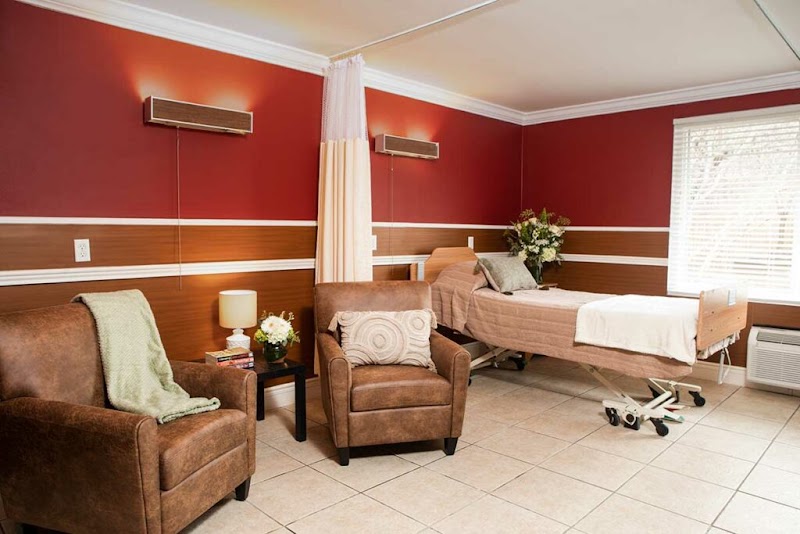
How is Erwin Health Staffed?

CMS rates ERWIN HEALTH CARE CENTER's staffing level at 3 out of 5 stars, which is average compared to other nursing homes.

What Have Inspectors Found at Erwin Health?

State health inspectors documented 22 deficiencies at ERWIN HEALTH CARE CENTER during 2019 to 2025. These included: 2 Immediate Jeopardy (the most serious level, indicating potential for serious harm or death) and 20 with potential for harm. Immediate Jeopardy findings are rare and represent the most serious regulatory concerns. They require immediate corrective action.

Who Owns and Operates Erwin Health?

ERWIN HEALTH CARE CENTER is owned by a for-profit company. For-profit facilities operate as businesses with obligations to shareholders or private owners. The facility operates independently rather than as part of a larger chain. With 125 certified beds and approximately 72 residents (about 58% occupancy), it is a mid-sized facility located in ERWIN, Tennessee.
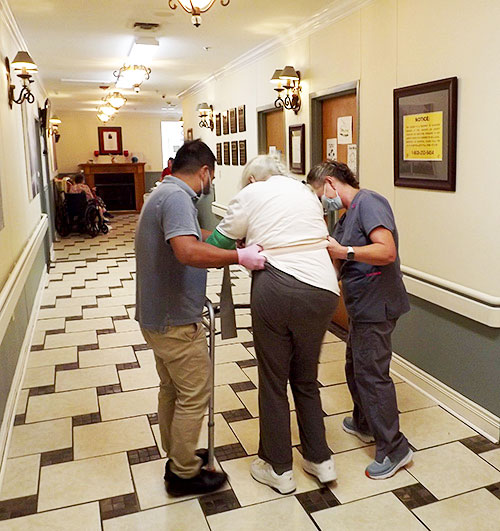
How Does Erwin Health Compare to Other Tennessee Nursing Homes?

Compared to the 100 nursing homes in Tennessee, ERWIN HEALTH CARE CENTER's overall rating (1 stars) is below the state average of 2.8 and health inspection rating (2 stars) is below the national benchmark.

What Should Families Ask When Visiting Erwin Health?

Based on this facility's data, families visiting should ask: "What changes have been made since the serious inspection findings, and how are you preventing similar issues?" "Can I visit during a mealtime to observe dining assistance and food quality?" "How do you handle medical emergencies, and what is your hospital transfer rate?" "Can I speak with family members of current residents about their experience?" These questions are particularly relevant given the facility's Immediate Jeopardy citations.

Is Erwin Health Safe?

Based on CMS inspection data, ERWIN HEALTH CARE CENTER has documented safety concerns. Inspectors have issued 2 Immediate Jeopardy citations (the most serious violation level indicating risk of serious injury or death). The facility has a 1-star overall rating and ranks #100 of 100 nursing homes in Tennessee. Families considering this facility should ask detailed questions about what corrective actions have been taken since these incidents.

Do Nurses at Erwin Health Stick Around?

ERWIN HEALTH CARE CENTER has not reported staff turnover data to CMS. Staff turnover matters because consistent caregivers learn residents' individual needs, medications, and preferences. When staff frequently change, this institutional knowledge is lost. Families should ask the facility directly about their staff retention rates and average employee tenure.

Was Erwin Health Ever Fined?

ERWIN HEALTH CARE CENTER has been fined $10,024 across 2 penalty actions. This is below the Tennessee average of $33,179. While any fine indicates a compliance issue, fines under $50,000 are relatively common and typically reflect isolated problems that were subsequently corrected. Families should ask what specific issues led to these fines and confirm they've been resolved.

Is Erwin Health on Any Federal Watch List?

ERWIN HEALTH CARE CENTER is not on any federal watch list. The most significant is the Special Focus Facility (SFF) program, which identifies the bottom 1% of nursing homes nationally based on persistent, serious quality problems. Not being on this list means the facility has avoided the pattern of deficiencies that triggers enhanced federal oversight. This is a positive indicator, though families should still review the facility's inspection history directly.