ELK RIVER HEALTH & REHABILITATION OF FAYETTEVILLE
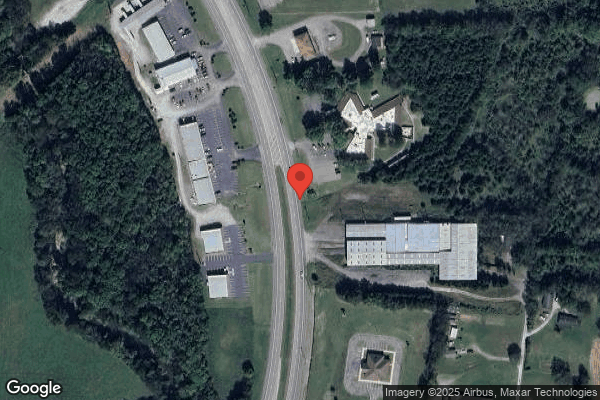

4081 THORNTON TAYLOR PARKWAY, FAYETTEVILLE, TN 37334 (931) 433-9973
Non profit - Corporation 79 Beds TWIN RIVERS HEALTH & REHABILITATION Data: November 2025
Trust Grade
80/100
#60 of 298 in TN
Last Inspection: July 2024

Within standard 12-15 month inspection cycle. Federal law requires annual inspections.

Overview

Elk River Health & Rehabilitation of Fayetteville has a Trust Grade of B+, indicating it is above average and recommended for families seeking care. It ranks #60 out of 298 facilities in Tennessee, placing it in the top half, and is the best option among the two nursing homes in Lincoln County. The facility's performance is improving, with a decrease in issues from four in 2022 to two in 2024. Staffing received a below-average rating of 2 out of 5 stars, with a turnover rate of 54%, which is around the state average. There have been no fines recorded, which is a positive sign, but the facility has less RN coverage than 77% of Tennessee facilities, meaning residents may not get as much oversight from registered nurses. Some specific incidents noted by inspectors include failures in food safety practices, such as not properly cleaning the ice machine and not storing milk at the correct temperature, which could lead to foodborne illness. Additionally, the facility did not ensure that food was handled in a sanitary manner during observations, raising concerns about the hygiene of meal preparation. There was also a failure to maintain a complete medical record for a resident related to the administration of controlled substances, which is critical for ensuring proper medication management. While there are strengths in the facility, particularly in its overall recommendation and lack of fines, these weaknesses in food safety and record-keeping should be taken seriously by families considering this home.

Trust Score
B+
80/100
In Tennessee
#60/298
Top 20%
Safety Record
Low Risk
No red flags
Inspections
Getting Better
4 → 2 violations
Staff Stability
⚠ Watch
54% turnover. Above average. Higher turnover means staff may not know residents' routines.
Penalties
✓ Good
No fines on record. Clean compliance history, better than most Tennessee facilities.
Skilled Nurses
⚠ Watch
Each resident gets only 24 minutes of Registered Nurse (RN) attention daily — below average for Tennessee. Fewer RN minutes means fewer trained eyes watching for problems.
Violations
○ Average
10 deficiencies on record. Average for a facility this size. Mostly minor or procedural issues.
★★★★☆
4.0
Overall Rating
★★☆☆☆
2.0
Staff Levels
★★☆☆☆
2.0
Care Quality
★★★★☆
4.0
Inspection Score
Stable
2022: 4 issues
2024: 2 issues

The Good

  • Full Sprinkler Coverage · Fire safety systems throughout facility
  • No fines on record

Facility shows strength in fire safety.

The Bad

Staff Turnover: 54%

Near Tennessee avg (46%)

Higher turnover may affect care consistency

Chain: TWIN RIVERS HEALTH & REHABILITATION

Part of a multi-facility chain

Ask about local staffing decisions and management

The Ugly 10 deficiencies on record

Jul 2024 2 deficiencies
CONCERN (D) 📢 Someone Reported This

A family member, employee, or ombudsman was alarmed enough to file a formal complaint

Potential for Harm - no one hurt, but risky conditions existed

Medical Records (Tag F0842)

Could have caused harm · This affected 1 resident

**NOTE- TERMS IN BRACKETS HAVE BEEN EDITED TO PROTECT CONFIDENTIALITY** Based on facility policy review, medical record review, observation and interview, the facility failed to maintain a complete an...

Read full inspector narrative →
**NOTE- TERMS IN BRACKETS HAVE BEEN EDITED TO PROTECT CONFIDENTIALITY** Based on facility policy review, medical record review, observation and interview, the facility failed to maintain a complete and accurate medical record for 1 (Resident #9) of 4 residents reviewed for administration of controlled drugs. The findings include: Review of the facility policy titled, Controlled Substances, dated 4/2019 revealed, .Controlled substances are reconciled upon .administration .The nurse administering the medication is responsible for recording .Name, strength and dose of the medication .Time of administration .Method of administration .Quantity of the medication remaining .and Signature of nurse administering medication . Review of the medical record revealed Resident #9 was admitted to the facility on [DATE] with diagnosis which included Morbid Obesity and Muscle Weakness. Review of the Medication Administration Record (MAR) dated July 2024 revealed an order for Gabapentin 300 mg (milligram) capsule one capsule by mouth three times a day for pain at 7:00 AM, 1:00 PM, and 7:00 PM. Continued review of the MAR revealed an order for Percocet 5-325 mg tablet one tablet by mouth every 6 hours as needed for pain. During an observation of medication administration on 7/9/2024 at 8:30 AM, a random narcotic drug count was performed with Licensed Practical Nurse (LPN) G. The narcotic count on 7/9/2024 at 8:32 AM, revealed Resident #9 had 1 Gabapentin 300 mg capsule and 1 Percocet 5-325 mg tablet not accounted for on the narcotic count sheet. LPN G stated, Oh, I was going to sign those out, but I forgot. I gave them at 7:00 AM. LPN G was asked when a controlled drug should be signed out of the narcotic count book. LPN G stated, I should have signed it out as soon as I pulled it out to give. Review of the MAR revealed Gabapentin 300 mg and Percocet 5-325 mg tablet had been administered as given at 7:00 AM prior to this narcotic count. During a telephone interview on 7/9/2024 at 2:22 PM, the Pharmacist stated, The nurse should have signed out the narcotic as she gave the medications.
CONCERN (F)

Potential for Harm - no one hurt, but risky conditions existed

Food Safety (Tag F0812)

Could have caused harm · This affected most or all residents

Based on facility policy review, temperature log review, facility documentation review, observation, and interview, the facility failed to minimize the potential for foodborne illness transmission by ...

Read full inspector narrative →
Based on facility policy review, temperature log review, facility documentation review, observation, and interview, the facility failed to minimize the potential for foodborne illness transmission by not properly cleaning and sanitizing the inner components of the ice machine for residents in the facility. The facility failed to store milk at the appropriate temperature at or below 41 degrees Fahrenheit (F) for residents who consume milk. The findings include: Review of the undated facility policy titled, Food Receiving and Storage, revealed, .Foods shall be received and stored in a manner that complies with safe food handling practices .Refrigerated foods must be stored below 41 [degrees] F unless otherwise specified by law .Functioning of the refrigeration and food temperatures will be monitored at designated intervals throughout the day by the food and nutrition services manager or designee and documented according to state-specific requirements . Review of the facility policy titled FOOD STORAGE, dated 12/20/2019, revealed, .Improper storage of Time/Temperature Controlled for Safety (TCS) foods can affect you or even worse, get a resident sick .These foods must be maintained at the proper temperature, typically 41 [degrees] F of [or] below . Review of the TELS [maintenance tracking system] report dated 6/7/2024 revealed, .Ice Machine: Check filters (if present), clean coils, sanitize interior, delime [to free from lime] as necessary. Marked done on time by [Named Maintenance Director] .Check water filter (if present) .Clean Coils .Re-install panel cover and return unit to service .Sanitize Interior 1. Sanitize interior of machine per manufacturer's instructions. 2. Clean out and sanitize the ice bin .Clean Exterior .Date service tag when service is completed . Observation and interview on 7/8/2024 at 10:18 AM revealed the Dietary Manager (DM) conducted a temperature check on a carton of milk in the cooler. The milk temperature was 45 degrees F. The DM confirmed that the milk's temperature should be at or below 41 degrees F. Observation and interview on 7/8/2024 at 10:41 AM with the DM revealed the ice machine on the 200 Hall had yellow stains on the inside cover panel with dark specks on the bottom of the panel dripping into the ice. The DM was asked who is responsible for cleaning and providing maintenance to the ice machine and were there any other ice machines in the building. The DM stated that maintenance is responsible for cleaning and providing maintenance to the ice machine and that the 200 Hall ice machine is the only ice machine in the building. Observation and interview on 7/8/2024 at 11:40 AM revealed, the Regional Clinical Director of Nurses stated that the yellow stains with dark specks should not be in the ice machine. During an interview on 7/10/2024 at 8:03 AM revealed, the Maintenance Director stated that he is responsible for cleaning and checking the ice machine every 3 months. He stated he typically depends on the facility's staff to let him know in between times if anything is wrong with the ice machine. The Maintenance Director stated that no one had notified him about the ice machine needing to be cleaned before Monday [7/8/2024] of the state survey. The Maintenance Director stated he uses TELS to track the servicing for the ice machine and that the last service was done at the beginning of June 2024. During an interview on 7/10/2024 at 7:26 PM, the Administrator stated that she expects her staff to notify the Maintenance Director when the ice machine needs to be cleaned or if there are any mechanical issues.
Apr 2022 4 deficiencies
CONCERN (D)

Potential for Harm - no one hurt, but risky conditions existed

Resident Rights (Tag F0550)

Could have caused harm · This affected 1 resident

**NOTE- TERMS IN BRACKETS HAVE BEEN EDITED TO PROTECT CONFIDENTIALITY** Based on facility policy review, medical record review, observation, and interview, the facility failed to ensure 2 of 7 sampled...

Read full inspector narrative →
**NOTE- TERMS IN BRACKETS HAVE BEEN EDITED TO PROTECT CONFIDENTIALITY** Based on facility policy review, medical record review, observation, and interview, the facility failed to ensure 2 of 7 sampled residents (Resident #13 and Resident #22) were treated in a dignified manner during the lunch meal on 4/18/2022. The findings include: Review of the facility's policy titled, Resident Rights, revised 12/2016, revealed, .Federal and state law guarantee certain basic rights to all residents of this facility. These rights include the resident's right to: a. a dignified existence .b. be treated with respect, kindness, and dignified . Review of the medical record revealed Resident #13 was admitted to the facility on [DATE] with readmission on [DATE] with diagnoses which included Hypertension, Anxiety Disorder, Chronic Obstructive Pulmonary Disease (COPD), and Dysphagia. Review of the 5-Day Minimum Data Set (MDS) assessment dated [DATE], revealed Resident #13 required extensive assistance with 1 person assist with eating. Review of the medical record revealed Resident #22 was admitted to the facility on [DATE] with readmission on [DATE] with diagnoses which included Dysphagia, Bipolar Disorder, Major Depressive Disorder, Anxiety, and Peripheral Vascular Disease. Review of the Annual MDS assessment dated [DATE], revealed Resident #22 required supervision with 1 person assist with eating. Observation in the dining room on 4/18/2022 during the mid-day meal at 12:33 PM to 12:51 PM, revealed Resident #13 was seated at table 3 with 1 other resident. Resident #13 was not served a meal tray until 9 minutes after the other resident. Continued observation revealed a resident seated at table 4 was served a meal tray prior to Resident #13 receiving her tray. Continued observation revealed Resident #22 was seated at table 2 with another resident. Continued observation revealed Resident #22 was served her meal tray 6 minutes after the other resident was served. Continued observation revealed a resident seated at table 3 was served a meal tray prior to Resident #22 receiving her meal tray. During an interview on 4/18/2022 at 12:51 PM, Licensed Practical Nurse (LPN) #1 confirmed Resident #13 and Resident #22 did not receive their meal trays at the same time as the residents sitting at the tables with them. During an interview on 4/19/2022 at 1:23 PM, the Director of Nursing stated the dining process was for the staff to pass out the trays to all the residents sitting at the same table at the same time. She stated, I expect them to be served per table. Each table should be served together.
CONCERN (D)

Potential for Harm - no one hurt, but risky conditions existed

Comprehensive Care Plan (Tag F0656)

Could have caused harm · This affected 1 resident

**NOTE- TERMS IN BRACKETS HAVE BEEN EDITED TO PROTECT CONFIDENTIALITY** Based on facility policy review, medical record review, observation and interview, the facility failed to develop and implement ...

Read full inspector narrative →
**NOTE- TERMS IN BRACKETS HAVE BEEN EDITED TO PROTECT CONFIDENTIALITY** Based on facility policy review, medical record review, observation and interview, the facility failed to develop and implement a person-centered care plan for 1 of 25 sampled residents (Resident #7) for care plan development and implementation. The findings include: Review of the facility's policy titled, Care Plans, Comprehensive Person-Centered, dated 12/2016, revealed, .A comprehensive, person-centered care plan that includes .the resident's physical, psychosocial, and functional needs is developed and implemented for each resident .The Interdisciplinary Team (IDT), in conjunction with the resident and his/her family or legal representative, develops and implements a comprehensive, person-centered care plan for each resident .Reflect treatment goals .Aid in preventing or reducing decline in resident's functional status .Enhance the optimal functioning by focusing on a rehabilitative program .Reflect current problem areas and conditions . Review of the medical record revealed Resident #7 was admitted to the facility on [DATE] with diagnoses which included Unspecified Osteoarthritis, Contracture Right Knee, and Contracture Left Knee. Review of the Significant Change in Status (SCIS) Minimum Data Set (MDS) assessment dated [DATE], revealed Resident #7 required extensive to total assistance with activities of daily living (ADLS), receiving Occupational Therapy (OT) services. Review of the Quarterly Note for MDS dated [DATE] revealed Resident #7 had contractures of the right and left knees upon admission. Review of the Care Plan for Resident #7 dated 2/7/2022 revealed, Resident #7 had no identified contractures or interventions such as hip/knee orthosis (orthotic therapy for positioning or progressive extension stretch therapy to reverse adduction contracture) on her care plan. Observation in the activity/dining room area on 4/18/2022 at 10:58, Resident #7 was in a tilt-in-space positioning chair with a wedge cushion under both legs/knees and with hip/knee abduction orthosis prevention in place. Observation in activity/dining area on 4/19/2022 at 8:23 AM Resident #7 was in a tilt-in-space positioning chair with abduction orthosis in place and pillow under both legs and knees with eyes closed. During an interview on 4/19/2022 at 12:35 PM, the MDS Nurse confirmed Resident #7 had no interventions on her care plan for the contracture or use of orthosis. Continued interview, the MDS Nurse verified Resident #7 did had a SCIS assessment completed on 2/7/2022 and did not have limited range of motion indicated on the assessment.
CONCERN (D)

Potential for Harm - no one hurt, but risky conditions existed

Infection Control (Tag F0880)

Could have caused harm · This affected 1 resident

**NOTE- TERMS IN BRACKETS HAVE BEEN EDITED TO PROTECT CONFIDENTIALITY** Based on facility policy review, medical record review, observation, and interview, the facility failed to ensure proper infecti...

Read full inspector narrative →
**NOTE- TERMS IN BRACKETS HAVE BEEN EDITED TO PROTECT CONFIDENTIALITY** Based on facility policy review, medical record review, observation, and interview, the facility failed to ensure proper infection control procedures when performing wound care for 1 of 2 sampled residents (Resident #5) observed for wound care. The findings include: Review of the facility's policy titled, Infection Prevention and Control Program, revised 10/2018, revealed, .An infection prevention and control program (IPCP) is established and maintained to provide a safe, sanitary and comfortable environment and to help prevent the development and transmission of communicable diseases and infections . Review of the facility's policy titled, Wound Care, revised October 2010 revealed, .The purpose of this procedure is to provide guidelines for the care of wounds to promote healing .Put on exam glove. Loosen tape and remove dressing .Pull glove over dressing and discard into appropriate receptacle. Wash and dry your hands thoroughly .Put on gloves . Review of the medical record revealed Resident #5 was admitted to the facility on [DATE] with diagnoses of Cellulitis of Left Lower Limb, Venous Insufficiency, and Hypertension. Review of the Quarterly Minimum Data Set (MDS) assessment dated [DATE] revealed Resident #5 had a Brief Interview for Mental Status (BIMS) score of 10, which indicated moderate cognitive impairment. Review of the Physician Orders for Resident #5 revealed, .CLEANSE STAGE 4 PRESSURE INJURY TO RIGHT BUTTOCK WITH NS [Normal Saline], PAT DRY, APPLY COLLAGEN POWDER TO TUNNELING COVER WITH BORDER GAUZE CHANGE MWF [Monday, Wednesday, Friday] (PRN) [as needed] IF SOILED OR DISLODGED . Review of the TAR (Treatment Administration Record) for Resident #5 dated April 2022, revealed documentation the treatment to the Stage 4 pressure injury to the right buttock was performed as ordered. Review of the Care Plan for Resident #5 dated 2/21/2022, revealed, .I have a pressure ulcer on my right buttocks. Stage 4 .Treatment as directed by MD [Medical Doctor]/NP [Nurse Practitioner] . Observation in Resident #5's room on 4/19/2022 at 11:08 AM, revealed the Treatment Nurse cleansed the pressure injury on the right buttock with Normal Saline and a 4 x 4 gauze. She then continued performing the prescribed treatment without sanitizing her hands or donning clean gloves. During an interview on 4/19/2022 at 11:18 AM, the Treatment Nurse confirmed she should have sanitized her hands and donned clean gloves after cleaning Resident #5's wound. During an interview on 4/19/2022 at 11:20 AM, the Director of Nursing confirmed the Treatment Nurse should have sanitized her hands and donned clean gloves after cleaning Resident #5's wound and before applying a clean dressing.
CONCERN (F)

Potential for Harm - no one hurt, but risky conditions existed

Food Safety (Tag F0812)

Could have caused harm · This affected most or all residents

Based on facility policy review, observations, and interviews, the facility failed to ensure food was handled in a sanitary manner in the kitchen on 4 of 4 observations, having the potential to affect...

Read full inspector narrative →
Based on facility policy review, observations, and interviews, the facility failed to ensure food was handled in a sanitary manner in the kitchen on 4 of 4 observations, having the potential to affect all residents. The findings include: Review of the facility's policy titled, Food Preparation and Service, revised 4/2019, revealed, .Food and nutrition services employees prepare and serve food in a manner that complies with safe food handling practices .Food preparation staff adhere to proper hygiene and sanitary practices to prevent the spread of infection .Food and nutrition services staff wash their hands before serving food to residents .Gloves are worn when handling food directly and changed between tasks . Review of the facility's policy titled, Infection Prevention and Control Program, revised 10/2018, revealed, .An infection prevention and control program (IPCP) is established and maintained to provide a safe, sanitary and comfortable environment and to help prevent the development and transmission of communicable diseases and infections . Observations and interviews in the kitchen on 4/18/2022 at 12:07 PM, 12:09 PM and 12:10 PM, the cook was plating food on the tray line and she touched the black eyes peas with her gloved fingers to keep them from rolling off of the plate, then picked up a piece of cornbread and placed it on the plate. The [NAME] and Dietary Manager confirmed she should use tongs or other utensils and should not touch the food with gloved hands. Observation and interview in the kitchen on 4/18/2022 at 12:13 PM, in the presence of the Dietary Manager, the Dietary Aide picked up a slice of bread with her gloved hands, spread mayonnaise on the bread, then placed the bread on the bare stainless steel prep table. The Dietary Manager confirmed the Dietary Aide should not have touched the bread with her gloved hands, and should have placed the bread on a tray or plate, not the prep table.
Jun 2019 4 deficiencies
CONCERN (D)

Potential for Harm - no one hurt, but risky conditions existed

Resident Rights (Tag F0550)

Could have caused harm · This affected 1 resident

**NOTE- TERMS IN BRACKETS HAVE BEEN EDITED TO PROTECT CONFIDENTIALITY** Based on policy review, medical record review, observation, and interview, the facility failed to promote care that maintained r...

Read full inspector narrative →
**NOTE- TERMS IN BRACKETS HAVE BEEN EDITED TO PROTECT CONFIDENTIALITY** Based on policy review, medical record review, observation, and interview, the facility failed to promote care that maintained residents' dignity, respect, and quality of care when staff failed to provide a dignity bag for 1 of 2 (Resident #41} sampled residents reviewed with catheters. The findings include: The facility's Quality of Life-Dignity policy revised August 2009 documented, .Demeaning practices and standards of care that compromise dignity are prohibited. Staff shall promote dignity and assist residents as needed by .Helping the resident to keep urinary catheter bags covered . Medical record review revealed Resident #41 was admitted to the facility on [DATE] with diagnoses of Alzheimer's Disease, Dementia, Hypertension, Diabetes Mellitus, Osteoarthritis, Schizoaffective Disorder, and Anxiety. The Physician's orders dated 6/6/19 documented, .FOLEY CATH [catheter] .W [with] / CATH CARE .EACH SHIFT . Observations in Resident #41's room on 6/24/19 at 3:59 PM, 6/25/19 at 7:40 AM, and 1:06 PM, revealed Resident #41 was observed lying in the bed with an indwelling urinary catheter draining yellow urine into a bed side drainage bag with a plastic leaf that did not cover the bedside drainage bag and was visible to others from the resident's door. Interview with Licensed Practical Nurse (LPN) #1 on 6/25/19 at 1:10 PM, at the Memory Care Nursing Station, LPN #1 was asked if it was appropriate for Resident #41's drainage bag to be uncovered. LPN #1 stated, .No . Interview with the Director of Nursing (DON) on 6/25/19 at 3:15 PM, at the Nurses' Station, the DON was asked if it was appropriate for an indwelling catheter bag to be uncovered. The DON stated, No.
CONCERN (D)

Potential for Harm - no one hurt, but risky conditions existed

Deficiency F0659 (Tag F0659)

Could have caused harm · This affected 1 resident

**NOTE- TERMS IN BRACKETS HAVE BEEN EDITED TO PROTECT CONFIDENTIALITY** Based on policy review, medical record review, and interview, the facility failed to follow the interventions for falls accordan...

Read full inspector narrative →
**NOTE- TERMS IN BRACKETS HAVE BEEN EDITED TO PROTECT CONFIDENTIALITY** Based on policy review, medical record review, and interview, the facility failed to follow the interventions for falls accordance with the plan of care for 2 of 15 (Resident #13 and #41) sampled residents reviewed. The findings include: 1. The facility's Care Planning-Interdisciplinary Team policy revised September 2013 documented, .Identifying problem areas and their causes, and developing intervention that are targeted and meaningful to the resident, are the endpoint of an interdisciplinary process . 2. Medical record review revealed Resident #13 was admitted to the facility on [DATE] with diagnoses of Alzheimer's Disease, Diabetes, Hypertension, Dementia, History of Falls, Obesity, Major Depression, and Chronic Kidney Disease. The Care Plan dated 6/16/19 documented, .Fall mats beside bed at all time . Observations in Resident #13's room on 6/24/19 at 4:37 PM and 6/25/19 at 8:24 AM, revealed Resident #13 was in her bed with a stuffed animal and was pleasantly confused. There were no fall mats on the floor beside her bed. Interview with the Director of Nursing (DON) on 6/25/19 at 3:20 PM, in the Conference Room, the DON was asked should Resident #13 have fall mats in place. The DON confirmed the fall mat should be in place. 3. Medical record review revealed Resident #41 was admitted to the facility on [DATE] with diagnoses of Alzheimer's Disease, Diabetes, Hypertension, Dementia, Anxiety Disorder, and Repeated Falls. The Care Plan dated 4/5/18 and updated 6/20/19 documented, .Keep protective helmet on head at all times .Observe frequently to ensure it is in place and resident hasn't removed and hid it .Fall mats on sides of bed on Floor . Observations in the Locked Unit Dining Room on 6/24/19 at 11:41 AM, revealed Resident #41 was seated with her legs over the side of her wheelchair. She was not wearing a helmet. Observations in Resident #41's room on 6/24/19 at 3:59 PM and 6/25/19 at 7:40 AM, revealed Resident #41 in her bed asleep. There were no fall mats on the floor beside her bed. Interview with Licensed Practical Nurse (LPN) #1 on 6/25/19 at 1:10 PM, at the Nurses' Station, LPN #1 was asked should Resident #41 have had her helmet and fall mats in place. LPN #1 stated, Yes.
CONCERN (D)

Potential for Harm - no one hurt, but risky conditions existed

Deficiency F0692 (Tag F0692)

Could have caused harm · This affected 1 resident

**NOTE- TERMS IN BRACKETS HAVE BEEN EDITED TO PROTECT CONFIDENTIALITY** Based on policy review, medical record review, observation, and interview, the facility failed to follow physician diet orders a...

Read full inspector narrative →
**NOTE- TERMS IN BRACKETS HAVE BEEN EDITED TO PROTECT CONFIDENTIALITY** Based on policy review, medical record review, observation, and interview, the facility failed to follow physician diet orders and the care plan for supplements for 1 of 4 (Resident #36) sampled residents reviewed for weight loss. The findings include: 1. The facility's Weight Assessment and Intervention policy revised September 2008 documented, .The multidisciplinary team will strive to prevent, monitor, and intervene for undesirable weight loss for our residents . The facility's Care Plans, Comprehensive Person-Centered policy revised December 2016 documented, .Assessments of residents are ongoing and care plans are revised as information about the residents and the residents' conditions change . 2. Medical record review revealed Resident #36 was admitted to the facility on [DATE] with diagnoses of Alzheimer's Dementia, Dysphagia, Anemia, and Hypertension. The Care Plan dated 3/29/16 and reviewed 6/12/19 documented, .Assist/feed resident meals as she will allow .Offer to substitute if resident refuses. Document and report any refusals .Observe and document meal intake per facility protocol .Offer finger foods .Supplements as ordered and document per facility protocol .Follow RD [Registered Dietician]/Dietary suggestions .Ice cream with all meals . The Physician's Orders dated 4/13/17 documented, .Shakes tid [three times daily] w [with] /meals (wt [weight] loss) . The Physician's Orders dated 12/7/16 documented, .Ice cream w/all meals . The CNA [Certified Nursing Assistance] -ADL [Activities of Daily Living] Tracking Form dated 5/2019 failed to document meal intake on 5/3/19 and 5/9/19. The CNA-ADL Tracking Form dated 5/2019 failed to document snacks were offered on 5/3/19, 5/9/19, 5/17/19, and 5/26/19. The CNA-ADL Tracking Form dated 5/2019 failed to document dietary substitutes were offered on 5/1/19, 5/3/19, 5/5/19, 5/10/19, 5/11/19, 5/12/19, 5/17/19, and 5/28-5/31/19. The ADL Flow Record dated June 2019 documented on 6/24/19 Resident #36 received oversight, encouragement or cueing with setup help only and consumed 25% of her lunch meal. The ADL Flow Record dated June 2019 documented on 6/24/19 Resident #36 received Extensive assistance and One person physical assistance and consumed 25% of her dinner meal. 3. The breakfast, lunch, and dinner meal tickets dated 4/21/19 documented chocolate ice cream. The meal tickets did not reflect Resident #36 had a shake with all meals per the physician orders. The breakfast and lunch meal ticket dated 6/20/19 did not reflect Resident #36 had a shake or ice cream with all meals. 4. Observations in Resident #36's room on 6/24/19 at 12:42 PM, revealed Resident #36 was served a lunch meal of meat loaf, green beans, mashed potatoes, (2) rolls, and chocolate milk. Resident #36 was observed groping with her hands for her lunch tray. No straws were provided for her tea or milk. Resident #36 drank the milk out of the carton. Resident #36 was not cued, encouraged or assisted. A shake and ice cream was not on her lunch tray and alternatives were not offered. At 1:06 PM, Resident #36 had consumed 100% of the chocolate milk but did not eat her meal. Observations in Resident #36's room on 6/25/19 at 12:32 PM, revealed Resident #36 was served a lunch tray with a glass of chocolate milk, glass of tea, mashed potatoes, macaroni and cheese, chopped chicken, a roll, pudding, and mixed vegetables. Resident #36 groped for her utensils and felt for the food. She picked up her glass of tea and took a sip and then set the tea glass in her pudding. While trying to put a straw in her tea glass, she spilt tea on the over-bed table and bed linens. She picked up a comb and straw and placed the straw and comb back down on the table and dipped her fingers in the pudding. She groped for the plate and quit several times. This surveyor asked if she wanted her chocolate milk and Resident #36 replied, yes, but I can't find it. Resident #36 drank all of her chocolate milk and fumbled the empty glass back to the over-bed table upside down. Ice cream was not on her tray. Resident #36 was not cued, encouraged or assisted and an alternative was not offered. 5. Telephone interview with the Registered Dietician (RD) on 6/25/19 at 2:12 PM, the RD was asked how would the kitchen staff know what her recommendations were or about changes in a resident's diet. The RD stated, .I talk with the food manager myself or pass the word to the nurses .it's up to the facility to make sure the staff contacts the physician . The RD was asked how did she know the resident was getting her recommendations. The RD stated, It [recommendations] should be on the meal tickets . The RD was asked if Resident #36 should have ice cream and shakes on her meal ticket. The RD stated, Yes. The RD was asked where the supplement intake was charted. The RD stated, .should be charted on the MAR Medication Administration Record] .ice cream is charted as part of her meal intake, same with the shakes . Interview with the Dietary Manager on 6/25/19 at 2:41 PM, in the Independent Dining Room, the Dietary Manager was asked if she visits Resident #36. The Dietary Manager stated, at least every week . The Dietary Manager was asked how her kitchen staff knew what each resident in the facility should be served. The Dietary Manager stated, They go by the meal tickets. The Dietary Manager was asked if Resident #36 should be receiving shakes and ice cream with every meal per the physician's orders. The Dietary Manager stated, Yes. The Dietary Manager was shown Resident #36's meal tickets and was asked if the ice cream and shakes were on the meal tickets. The Dietary Manager stated, No, we started using a new system last week but my staff knows this resident is supposed to be getting shakes and ice cream. Interview with the Director of Nursing (DON) and the MDS Coordinator on 6/26/19 at 3:52 PM, the DON was asked where were the recommended supplements should be charted. The DON stated, .If the supplements are provided with the meals, they are charted as a percentage with the meals . The DON was asked how would she know how much of the supplements are being consumed. The DON stated, .There is no way to break that down . The DON was asked how would she know the supplements are effective if they are not charted separately from the meal. The DON stated, .If the weights are stable and if they are gaining . The DON was asked if she expected the staff to offer assistance during meals. The DON stated, Yes . The DON was asked if she expected staff to offer an alternative. The DON stated, Yes. The DON was asked if the physician orders shakes and ice cream with every meal, should there be shakes and ice cream on the meal trays. The DON stated, Yes. The DON and MDS Coordinator were shown the ADL Flow sheets for 6/24/19 lunch and asked if the documentation that Resident #36 received supervision, encouragement or cueing and set up only, and if the resident only drank her chocolate milk, would 25% meal consumption be accurate. The DON stated, No. The DON and MDS Coordinator were shown the ADL Flow sheet for 6/24/19 dinner and 6/25/19 lunch, and asked if the resident only drank her chocolate milk, would 25% meal consumption be accurate. The DON stated, No. The DON and the MDS Coordinator were shown the CNA-ADL Tracking Form dated May 2019 and was asked if the documentation was complete. The MDS Coordinator stated, .it's [documentation] kinda sparse .
CONCERN (D)

Potential for Harm - no one hurt, but risky conditions existed

Infection Control (Tag F0880)

Could have caused harm · This affected 1 resident

**NOTE- TERMS IN BRACKETS HAVE BEEN EDITED TO PROTECT CONFIDENTIALITY** Based on policy review, medical record review, observation, and interview, the facility failed to provide care and services to m...

Read full inspector narrative →
**NOTE- TERMS IN BRACKETS HAVE BEEN EDITED TO PROTECT CONFIDENTIALITY** Based on policy review, medical record review, observation, and interview, the facility failed to provide care and services to maintain an indwelling urinary catheter when nursing staff failed to prevent the catheter tubing from touching the floor for 1 of 3 (Resident #41) sampled residents reviewed with catheters. The findings include: The facility's Catheter Care, Urinary policy revised September 2014 documented, .Be sure the catheter tubing and drainage bag are kept off the floor . Medical record review revealed Resident #41 was admitted to the facility on [DATE] with diagnoses of Alzheimer's Disease, Dementia, Hypertension, Diabetes Mellitus, Osteoarthritis, Schizoaffective Disorder, and Anxiety. The Physician's Orders dated 6/6/19 documented, .FOLEY CATH [catheter] .W [symbol for with] / CATH CARE .EACH SHIFT . Observations in the Locked Unit Dining Room on 6/24/19 at 11:41 AM, revealed Resident #41 was seated with her legs over the side of her wheelchair, her indwelling catheter was draining into a bedside drainage bag, and the bottom of the bag was touching the floor. Observations in Resident #41's room on 6/24/19 at 3:59 PM, 6/25/19 at 7:40 AM, and 1:06 PM, revealed Resident #41 was in the bed asleep on her left side. Her indwelling catheter was draining into a bedside drainage bag, and the bottom of the bag was touching the floor. Interview with Licensed Practical Nurse (LPN) #1 on 6/25/19 at 1:10 PM, in the Memory Care Nurses' Station, LPN #1 was asked if it was appropriate for Resident #41's drainage bag to be on the floor. LPN #1 stated, .No . Interview with the Director of Nursing (DON) on 6/25/19 at 3:15 PM, at the Nurses' Station, the DON was asked if it was appropriate for an indwelling catheter bag to be on the floor. The DON stated, No.
Understanding Severity Codes (click to expand)
Life-Threatening (Immediate Jeopardy)
J - Isolated K - Pattern L - Widespread
Actual Harm
G - Isolated H - Pattern I - Widespread
Potential for Harm
D - Isolated E - Pattern F - Widespread
No Harm (Minor)
A - Isolated B - Pattern C - Widespread

Questions to Ask on Your Visit

  • "Can I speak with families of current residents?"
  • "What's your RN coverage like on weekends and overnight?"

Our Honest Assessment

Strengths
  • • Grade B+ (80/100). Above average facility, better than most options in Tennessee.
  • • No major safety red flags. No abuse findings, life-threatening violations, or SFF status.
  • • No fines on record. Clean compliance history, better than most Tennessee facilities.
Concerns
  • • No significant concerns identified. This facility shows no red flags across CMS ratings, staff turnover, or federal penalties.
Bottom line: Generally positive indicators. Standard due diligence and a personal visit recommended.

About This Facility

What is Elk River Health & Rehabilitation Of Fayetteville's CMS Rating?

CMS assigns ELK RIVER HEALTH & REHABILITATION OF FAYETTEVILLE an overall rating of 4 out of 5 stars, which is considered above average nationally. Within Tennessee, this rating places the facility higher than 99% of the state's 100 nursing homes. This rating reflects solid performance across the metrics CMS uses to evaluate nursing home quality.
How is Elk River Health & Rehabilitation Of Fayetteville Staffed?

CMS rates ELK RIVER HEALTH & REHABILITATION OF FAYETTEVILLE's staffing level at 2 out of 5 stars, which is below average compared to other nursing homes. Staff turnover is 54%, compared to the Tennessee average of 46%. RN turnover specifically is 86%, which is notably high. RNs provide skilled clinical oversight, so turnover in this role can affect medical care quality.

What Have Inspectors Found at Elk River Health & Rehabilitation Of Fayetteville?

State health inspectors documented 10 deficiencies at ELK RIVER HEALTH & REHABILITATION OF FAYETTEVILLE during 2019 to 2024. These included: 10 with potential for harm.

Who Owns and Operates Elk River Health & Rehabilitation Of Fayetteville?

ELK RIVER HEALTH & REHABILITATION OF FAYETTEVILLE is owned by a non-profit organization. Non-profit facilities reinvest revenue into operations rather than distributing to shareholders. The facility is operated by TWIN RIVERS HEALTH & REHABILITATION, a chain that manages multiple nursing homes. With 79 certified beds and approximately 50 residents (about 63% occupancy), it is a smaller facility located in FAYETTEVILLE, Tennessee.
How Does Elk River Health & Rehabilitation Of Fayetteville Compare to Other Tennessee Nursing Homes?

Compared to the 100 nursing homes in Tennessee, ELK RIVER HEALTH & REHABILITATION OF FAYETTEVILLE's overall rating (4 stars) is above the state average of 2.8, staff turnover (54%) is near the state average of 46%, and health inspection rating (4 stars) is above the national benchmark.

What Should Families Ask When Visiting Elk River Health & Rehabilitation Of Fayetteville?

Based on this facility's data, families visiting should ask: "Can you walk me through typical staffing levels on day, evening, and night shifts?" "Can I visit during a mealtime to observe dining assistance and food quality?" "How do you handle medical emergencies, and what is your hospital transfer rate?" "Can I speak with family members of current residents about their experience?" These questions are particularly relevant given the below-average staffing rating.

Is Elk River Health & Rehabilitation Of Fayetteville Safe?

Based on CMS inspection data, ELK RIVER HEALTH & REHABILITATION OF FAYETTEVILLE has a clean safety record: no substantiated abuse findings (meaning no confirmed cases of resident harm), no Immediate Jeopardy citations (the most serious violation level indicating risk of serious injury or death), and is not on the Special Focus Facility watch list (a federal program monitoring the lowest-performing 1% of nursing homes). The facility has a 4-star overall rating and ranks #1 of 100 nursing homes in Tennessee. While no facility is perfect, families should still ask about staff-to-resident ratios and recent inspection results during their visit.

Do Nurses at Elk River Health & Rehabilitation Of Fayetteville Stick Around?

ELK RIVER HEALTH & REHABILITATION OF FAYETTEVILLE has a staff turnover rate of 54%, which is 8 percentage points above the Tennessee average of 46%. Moderate turnover is common in nursing homes, but families should still ask about staff tenure and how the facility maintains care continuity when employees leave.

Was Elk River Health & Rehabilitation Of Fayetteville Ever Fined?

ELK RIVER HEALTH & REHABILITATION OF FAYETTEVILLE has no federal fines on record. CMS issues fines when nursing homes fail to meet care standards or don't correct problems found during inspections. The absence of fines suggests the facility has either maintained compliance or corrected any issues before penalties were assessed. This is a positive indicator, though families should still review recent inspection reports for the full picture.

Is Elk River Health & Rehabilitation Of Fayetteville on Any Federal Watch List?

ELK RIVER HEALTH & REHABILITATION OF FAYETTEVILLE is not on any federal watch list. The most significant is the Special Focus Facility (SFF) program, which identifies the bottom 1% of nursing homes nationally based on persistent, serious quality problems. Not being on this list means the facility has avoided the pattern of deficiencies that triggers enhanced federal oversight. This is a positive indicator, though families should still review the facility's inspection history directly.