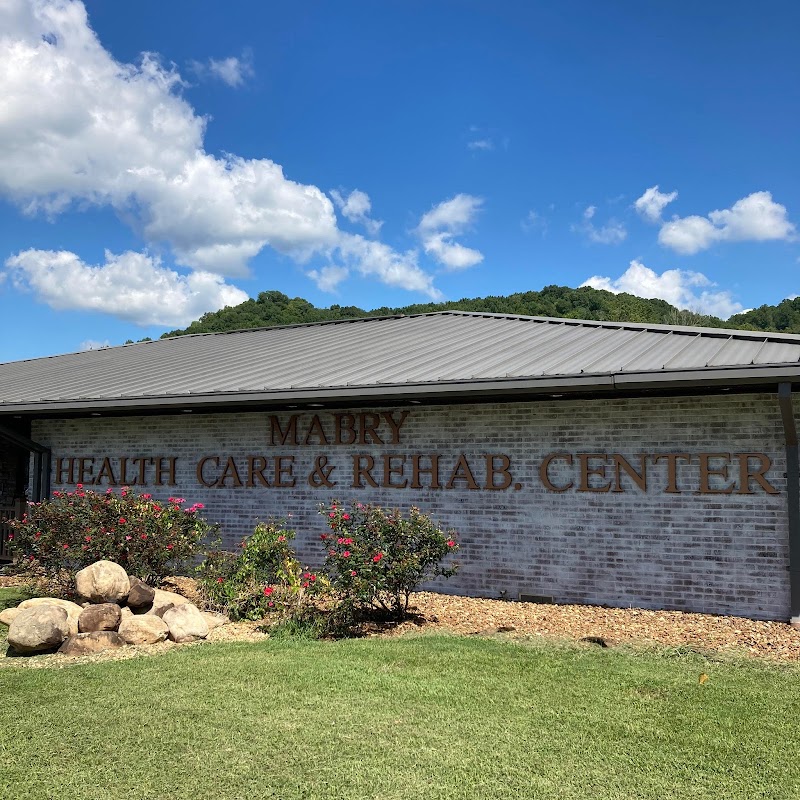
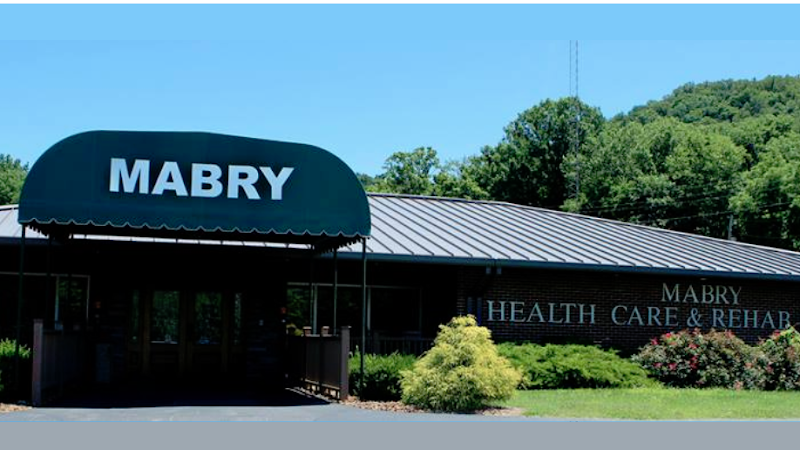
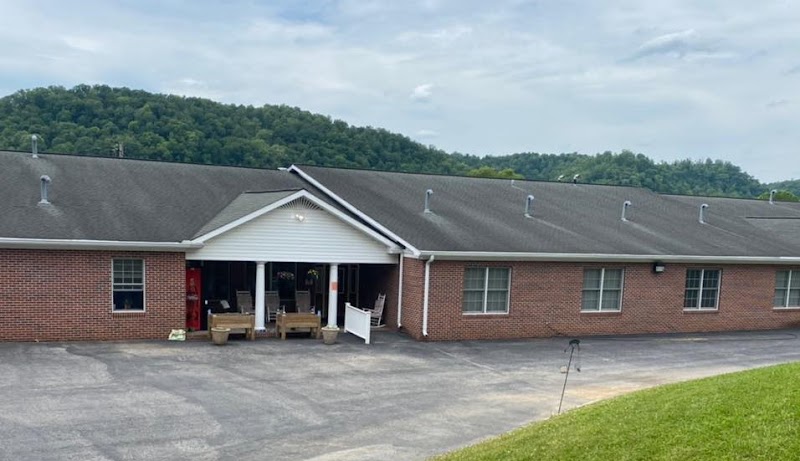
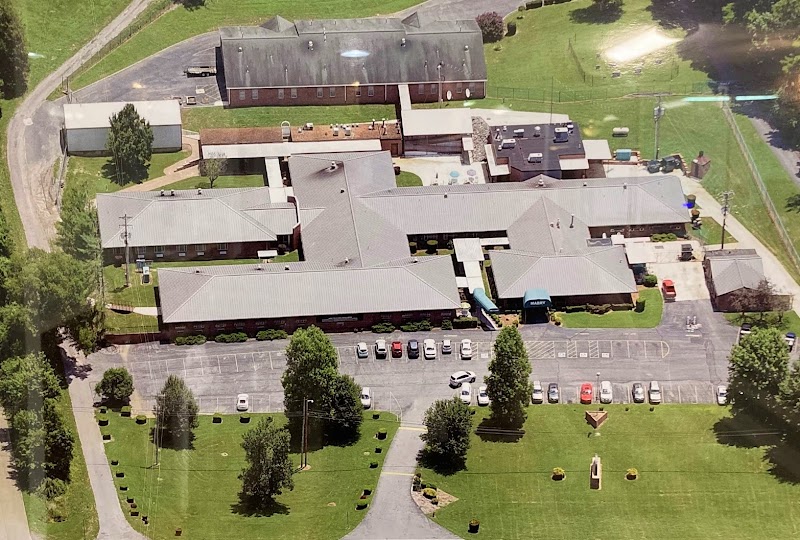

MABRY HEALTH CARE

1340 N GRUNDY QUARLES HWY, GAINESBORO, TN 38562 (931) 268-0291
For profit - Limited Liability company 80 Beds Independent Data: November 2025
Trust Grade
70/100
#136 of 298 in TN
Last Inspection: February 2025

Within standard 12-15 month inspection cycle. Federal law requires annual inspections.

Overview

Mabry Health Care in Gainesboro, Tennessee, has a Trust Grade of B, indicating it is a good option for families, but not the top choice. It ranks #136 out of 298 facilities in the state, placing it in the top half, and is the only nursing home in Jackson County. However, the facility's trend is worsening, with issues increasing from 1 in 2023 to 3 in 2025. Staffing is a concern, with a low rating of 1/5 stars and a turnover rate of 49%, which is around the state average, suggesting that many staff do not stay long. On a positive note, the facility has not incurred any fines, which is a good sign of compliance. However, there are some significant incidents to be aware of: for instance, the facility failed to report elevated blood glucose levels for two residents who need insulin, which is critical for managing their diabetes. Additionally, they did not ensure proper labeling of tube feeding formula for a resident, which could lead to serious health risks. Overall, while the facility has strengths, families should consider these weaknesses and recent issues when making their decision.

Trust Score
B
70/100
In Tennessee
#136/298
Top 45%
Safety Record
Low Risk
No red flags
Inspections
Getting Worse
1 → 3 violations
Staff Stability
⚠ Watch
49% turnover. Above average. Higher turnover means staff may not know residents' routines.
Penalties
✓ Good
No fines on record. Clean compliance history, better than most Tennessee facilities.
Skilled Nurses
⚠ Watch
Each resident gets only 23 minutes of Registered Nurse (RN) attention daily — below average for Tennessee. Fewer RN minutes means fewer trained eyes watching for problems.
Violations
○ Average
7 deficiencies on record. Average for a facility this size. Mostly minor or procedural issues.
★★★☆☆
3.0
Overall Rating
★☆☆☆☆
1.0
Staff Levels
★★★★☆
4.0
Care Quality
★★★★☆
4.0
Inspection Score
Stable
2023: 1 issues
2025: 3 issues

The Good

  • 4-Star Quality Measures · Strong clinical quality outcomes
  • Full Sprinkler Coverage · Fire safety systems throughout facility
  • No fines on record

Facility shows strength in quality measures, fire safety.

The Bad

3-Star Overall Rating

Near Tennessee average (2.8)

Meets federal standards, typical of most facilities

Staff Turnover: 49%

Near Tennessee avg (46%)

Higher turnover may affect care consistency

The Ugly 7 deficiencies on record

Feb 2025 3 deficiencies
CONCERN (D)

Potential for Harm - no one hurt, but risky conditions existed

Tube Feeding (Tag F0693)

Could have caused harm · This affected 1 resident

**NOTE- TERMS IN BRACKETS HAVE BEEN EDITED TO PROTECT CONFIDENTIALITY** Based on facility policy review, medical record review, observations, and interviews, the facility failed to ensure tube feeding...

Read full inspector narrative →
**NOTE- TERMS IN BRACKETS HAVE BEEN EDITED TO PROTECT CONFIDENTIALITY** Based on facility policy review, medical record review, observations, and interviews, the facility failed to ensure tube feeding formula was appropriately labeled for 1 resident (Resident #41) of 1 resident reviewed for tube feeding management. The findings include: Review of the facility's undated policy titled, GUIDELINES FOR ENTERAL FEEDING [a tube surgically inserted in the stomach to provide nutrition, hydration, and medication] [gasrtric tube] : ADULT, revealed .hanging and maintaining and managing and administering Tube/Feedings and Enteral Nutrition .OPEN .ENTERNAL FEEDING SYSTEM .or use of formula from cans or bottles which is poured into a feeding tube bag .Enteral Feeding Formula .instructions .to be followed . Review of the medical record revealed Resident #41 was admitted to the facility on [DATE] with diagnoses including Traumatic Brain Injury, Seizures, Stroke, and Dysphagia (difficulty swallowing). Review of a 5-day admission Minimum Data Set (MDS) assessment dated [DATE], revealed Resident #41 was rarely understood. Further review revealed the resident received artificial nutrition through a gastric tube (a tube surgically inserted in the stomach to provide nutrition). Review of a Physicians Order for Resident #41 dated 1/25/2025, revealed .[name brand formula] .65 ML/HR [milliliters per hour] . During an observation on 2/3/2025 at 10:30 AM, revealed Resident #41 had enteral feeding infusing. Further observation revealed the feeding bag was not labeled to include the name of the formula infusing. During an observation and interview on 2/3/2025 at 10:35 AM, with Licensed Practical Nurse (LPN) D revealed Resident #41 had enteral feeding infusing. Further observation revealed the feeding bag was not labeled to include the name of the formula infusing. LPN D stated the enteral feeding bag should be labeled with the type of formula to be infused. During an observation on 2/4/2025 at 9:14 AM, revealed Resident #41 revealed Resident #41 had enteral feeding infusing. Further observation revealed the feeding bag was not labeled to include the type formula infusing. During an observation and interview on 2/4/2025 at 9:15 AM, with the Director of Nursing (DON) revealed Resident #41 had enteral feeding infusing and the feeding bag was not labeled with the type of the formula infusing. The DON confirmed the facility failed to label Resident #41's feeding bag to with the formula infusing.
CONCERN (D)

Potential for Harm - no one hurt, but risky conditions existed

Deficiency F0761 (Tag F0761)

Could have caused harm · This affected 1 resident

Based on facility policy review, observation, and interviews, the facility failed to ensure an expiration date was visible on an over the counter house stock medication bottle for 1 of 2 medication ca...

Read full inspector narrative →
Based on facility policy review, observation, and interviews, the facility failed to ensure an expiration date was visible on an over the counter house stock medication bottle for 1 of 2 medication carts reviewed for medication storage. The findings include: Review of the facility's policy titled, Floor Stock Medications, dated 3/2023, revealed .floor stock medications are labeled .with expiration date .clearly exposed . During an observation on 2/4/2025 at 7:50 AM, on the C Hall medication cart, revealed one bottle of Ferrous Sulfate (iron supplement) had no expiration date visible on the bottle. Further observation revealed the bottle was opened on 1/14/2025 and was available for immediate resident use. During an interview on 2/4/2025 at 7:52 AM, Licensed Practical Nurse (LPN) A confirmed the house stock bottle of Ferrous Sulfate had no expiration date present on the bottle and the expiration date could not be verified. During an interview on 2/4/2025 at 8:43 AM, the Director of Nursing confirmed medications stored in the medication carts should have expiration dates present and listed on the bottle to ensure medications are used within their expiration date.
CONCERN (D)

Potential for Harm - no one hurt, but risky conditions existed

Garbage Disposal (Tag F0814)

Could have caused harm · This affected 1 resident

Based on facility policy review, observation, and interview, the facility failed to ensure garbage and refuse were properly contained in 1 of 1 garbage dumpster. The findings include: Review of the f...

Read full inspector narrative →
Based on facility policy review, observation, and interview, the facility failed to ensure garbage and refuse were properly contained in 1 of 1 garbage dumpster. The findings include: Review of the facility's undated policy titled, .Drain Plugs in Waste Receptacles, revealed .all receptacles and waste handling units for refuse .must have drain plugs securely in place at all times, unless being actively cleaned or maintained in order to prevent leaks, environmental contamination, and health hazards . During an observation of the outside dumpster area on 2/4/2025 at 2:30 PM, with Dietary [NAME] B, revealed 1 dumpster for waste disposal. Further observation revealed the dumpster had no drain plug intact resulting in the dumpsters contents being left open to the elements and the potential exposure to pests. During an interview on 2/4/2025 at 2:37 PM, Dietary [NAME] B confirmed the drain plug for the dumpster was not intact and the dumpsters contents were not contained properly.
Sept 2023 1 deficiency
CONCERN (E) 📢 Someone Reported This

A family member, employee, or ombudsman was alarmed enough to file a formal complaint

Potential for Harm - no one hurt, but risky conditions existed

Deficiency F0658 (Tag F0658)

Could have caused harm · This affected multiple residents

Based on interview, record review, and facility policy review, the facility failed to report elevated fingerstick blood glucose (sugar) test results to the physician in accordance with professional st...

Read full inspector narrative →
Based on interview, record review, and facility policy review, the facility failed to report elevated fingerstick blood glucose (sugar) test results to the physician in accordance with professional standards and facility policy for 2 (Resident #11 and Resident #12) of 3 residents reviewed who were receiving insulin for diabetes mellitus. Findings included: A review of an undated facility policy titled, Blood Glucose Monitoring, indicated, Blood sugars found to be below 70 or above 400 will be reported immediately to the physician and the resident's representative. Any orders received from the physician will be implemented. 1. A review of Resident #11's Resident Face Sheet revealed the facility admitted the resident on 01/04/2022 and most recently readmitted the resident on 07/10/2023 with diagnoses that included Type 2 Diabetes mellitus and Dementia. A review of a quarterly Minimum Data Set (MDS), with an Assessment Reference Date (ARD) of 07/15/2023, revealed Resident #11 scored 7 on the Brief Interview for Mental Status (BIMS), which indicated the resident was severely cognitively impaired. The MDS indicated Resident #11 had signs and symptoms of delirium including an altered level of consciousness that fluctuated (comes and goes and changes in severity). According to the MDS, the resident received insulin daily during the seven-day review period. A review of Resident #11's Care Plan problem statement, with a start date of 07/12/2023, indicated the resident was at risk for potential signs and symptoms of hypoglycemia or hyperglycemia related to Diabetes mellitus. Approaches: direct staff to assess the resident's blood sugar by accucheck [Accu-Chek fingerstick blood glucose meter] and to notify the physician if the results were abnormal. A review of current physician's orders for Resident #11 indicated the resident had a physician's order, dated 01/04/2022, for Glipizide 10 milligrams (mg), once daily, and a physician's order, dated 07/23/2023, for Levemir (insulin detemir; a long-acting insulin), 15 units subcutaneously, at bedtime. The resident also had a physician's order, dated 06/12/2022, for insulin Lispro (a fast-acting insulin) based on a sliding scale. The sliding scale indicated that for a blood sugar of 151 to 200 mg/dL (milligrams per deciliter), staff were to administer 4 units of insulin; 201 to 250 mg/dL, 6 units of insulin; 251 to 300 mg/dL, 8 units of insulin; 301 to 350 mg/dL, 10 units of insulin; 351 to 400 mg/dL, 12 units of insulin; and if the blood sugar was greater than 400 md/dL, 20 units of insulin were to be administered. The physician's order indicated that Accu-Check blood sugar testing was to be completed before meals and at bedtime (6:30 AM, 10:30 AM, 4:30 PM, and 8:00 PM). A review of Resident #11's Medications Administration History records from March 2023 through August 2023 revealed the resident's blood sugar was greater than 400 mg/dL when obtained before meals and/or at bedtimes on the following dates: - March 2023: 03/02/2023, 03/03/2023, 03/07/2023, 03/10/2023, 03/15/2023, 03/16/2023, 03/21/2023, 03/22/2023, and 03/30/2023. The resident's blood sugar exceeded 500 mg/dL on 03/18/2023. - April 2023: 04/01/2023, 04/03/2023, 04/04/2023, 04/05/2023, 04/10/2023, 04/13/2023, 04/15/2023, 04/16/2023, 04/20/2023, 04/22/2023, 04/25/2023, 04/25/2023, 04/29/2023, and 04/30/2023. The resident's blood sugar exceeded 500 mg/dL on 04/06/2023, 04/17/2023, 04/19/2023 and 04/25/2023. - May 2023: 05/02/2023, 05/05/2023, 05/08/2023, 05/11/2023, 05/14/2023, 05/15/2023, 05/16/2023, 05/18/2023, 05/23/2023, 05/24/2023, 05/25/2023, 05/26/2023, 05/27/2023, 05/28/2023 and 05/31/2023. On the following days the resident's blood sugar exceeded 500 mg/dL: 05/01/2023, 05/06/2023, 05/07/2023, 05/12/2023, 05/13/2023, 05/14/2023, 05/20/2023, and 05/22/2023. - June 2023: 06/01/2023, 06/02/2023, 06/06/2023, 06/07/2023, 06/08/2023, 06/10/2023, 06/12/2023, 06/14/2023, 06/17/2023, 06/18/2023, and 06/19/2023. On 6/17/2023 the resident's blood sugar before the evening meal (4:30 PM) was 500 mg/dL and at bedtime (8:00 PM) the blood sugar was High. - July 2023: 07/03/2023, 07/05/2023, and 07/15/2023. The resident's blood sugar exceeded 500 mg/dL on 07/01/2023. - August 2023: 08/06/2023, 08/11/2023, 08/12/2023, 08/26/2023, 08/29/2023, 08/30/2023, and 08/31/2023. A review of progress notes and medication administration records from March 2023 through August 2023, indicated the resident's physician was not notified of blood sugar levels greater than 400 mg/dL. A telephone interview was held with Licensed Practical Nurse (LPN) #5, who no longer worked at the facility, on 09/01/2023 at 9:37 AM. LPN #5 indicated that when he was employed at the facility, he provided care that included blood sugar testing and insulin administration for Resident #11. LPN #5 stated blood sugar test results were reported to a resident's physician according to the parameters set by the physician and added that in the absence of parameters, he would report a blood sugar greater than 400 mg/dL unless that was a normal blood sugar for the resident. LPN #5 stated communication with a physician regarding high blood sugars was documented in the progress notes or on the back of the medication administration record. LPN #5 stated Resident #11's physician had not set any parameters for notification related to high blood sugar. LPN #5 stated he had not reported Resident #11's blood sugar test results that exceeded 400 mg/dL because the resident's physician had not set parameters, and since there were no parameters, he was not required to report the blood sugars. LPN #8 was interviewed on 09/01/2023 at 10:37 AM. LPN #8 stated that when she completed blood sugars testing, if the blood sugar was greater than 400 mg/dL she called the physician. The LPN stated if the resident had no parameters set, she would use her nursing judgement and still call the physician. A telephone interview was held with the Medical Doctor (MD) on 09/01/2023 at 11:07 AM. The MD stated he expected to be notified of any blood sugar that was greater than 400 mg/dL, whether there was an order or not. The MD stated he was unsure if he had been called regarding Resident #11's blood sugar test results, since he did not have the resident's chart available. The MD stated he had just assumed care of Resident #11 and his focus was on trying to maintain the resident's mentation that was affected by the resident's ammonia level and added he had not really had time to assess the resident's blood sugar. The MD stated Resident #11 had not been hospitalized due to hyperglycemia. The Director of Nursing (DON) was interviewed on 09/01/2023 at 12:34 PM and stated she expected documentation of staff conversations with the physicians to be in the progress notes. The DON reviewed the blood sugar values for Resident #11 and stated she expected the nurses to report any blood sugars greater than 400 mg/dL. The DON stated she was unaware the resident's elevated blood sugars were not being reported to the physician. 2. A review of the Resident Face Sheet indicated the facility admitted Resident #12 on 10/06/2021 with diagnoses that included Type 2 diabetes mellitus with hyperglycemia. A review of an annual Minimum Data Set (MDS), with an Assessment Reference Date (ARD) of 08/12/2023, indicated Resident #12 scored 15 on the Brief Interview for Mental Status (BIMS), which indicated the resident was cognitively intact. The MDS indicated Resident #12 was independent with locomotion on and off the unit and eating, required supervision for bed mobility, transfers, dressing, and toilet use, and required limited assistance from staff for personal hygiene. The MDS indicated Resident #12 received insulin daily during the seven-day review period. A review of Resident #12's Care Plan problem statement, with a start date of 07/12/2023, indicated the resident was at risk of complications related to diabetes. Approaches directed staff to observe for signs of hyperglycemia or hypoglycemia and to notify the physician of abnormal blood sugar results. A review of current physician's orders indicated Resident #12 had a physician's order, dated 02/04/2022, for glyburide 1.25 milligrams (mgs), daily, and a physician's order, dated 08/23/2023, for Lantus insulin glargine (a long-acting insulin) 15 units, subcutaneously, twice a day. The physician's order indicated that Accu-Chek blood sugar testing was to be completed before meals and at bedtime (6:30 AM, 10:30 AM, 4:30 PM, and 8:00 PM). A review of Resident #11's Medications Administration History records from March 2023 through August 2023 revealed the resident's blood sugar was greater than 400 mg/dL when obtained before meals and/or at bedtimes on the following dates: - March 2023: 03/19/2023. - April 2023: 04/01/2023. On 04/10/2023 the resident's blood sugar exceeded 500 mg/dL. - May 2023: 05/31/2023. On 05/04/2023 the resident's blood sugar exceeded 500 mg/dL before the evening meal at 4:30 PM and before bedtime at 8:00 PM. - June 2023: 06/21/2023 and 06/28/2023. - July 2023: 07/03/2023, 07/05/2023, 07/09/2023, 07/11/2023, 07/13/2023, 07/14/2023, 07/17/2023, 07/22/2023, 07/27/2023 and 07/28/2023. On 07/09/2023 the resident's blood sugar exceeded 500 mg/dL. - August 2023: 08/01/2023, 08/02/2023, 08/03/202, 08/04/2023, 08/06/2023, 08/07/2023, 08/08/2023, 08/15/2023, 08/16/2023, 08/18/2023, 08/20/2023, 08/21/2023, 08/26/2023, and 08/30/2023. A review of progress notes and medication administration records from March 2023 through August 2023, indicated the resident's physician was not notified of blood sugar levels greater than 400 mg/dL. A telephone interview was held on 09/01/2023 at 9:37 AM with Licensed Practical Nurse (LPN) #5, who no longer worked at the facility. LPN #5 indicated that when he was employed at the facility, he provided care that included blood sugar testing and insulin administration for Resident #12. LPN #5 stated blood sugar test results were reported to a resident's physician according to the parameters set by the physician and added that in the absence of parameters, he would report a blood sugar greater than 400 mg/dL unless that was a normal blood sugar for the resident. LPN #5 stated communication with a physician regarding high blood sugars was documented in the progress notes or on the back of the medication administration record. LPN #5 stated it was not unusual for Resident #12's blood sugar to be high, and the Medical Doctor (MD) knew this and had not wanted to be notified. LPN #5 stated he had not reported the elevated blood sugars since Resident #12's orders did not include parameters for reporting. LPN #5 said without the parameters there was no indication that elevated blood sugars needed to be reported. LPN #8 was interviewed on 09/01/2023 at 10:37 AM. LPN #8 stated that when she completed blood sugars testing, if the blood sugar was greater than 400 mg/dL she called the physician. The LPN stated if the resident had no parameters set, she would use her nursing judgement and still call the physician. A telephone interview was held with the MD on 09/01/2023 at 11:07 AM. The MD stated he expected to be notified of any blood sugar that was greater than 400 mg/dL whether there was an order or not. The MD stated he was unsure if he had been called regarding Resident #12's blood sugar test results, since he did not have Resident #12's chart available. The MD added that Resident #12's blood sugar had been difficult to control, and he had adjusted the resident's insulin. The MD stated Resident #12 had not been hospitalized due to high blood sugar levels. The DON was interviewed on 09/01/2023 at 12:34 PM and stated she expected the nurses to report any blood sugar result greater than 400 mg/dL and document the notification in the progress notes. The DON stated she was unaware the resident's elevated blood sugars were not being reported to the physician.
Mar 2020 1 deficiency
CONCERN (D)

Potential for Harm - no one hurt, but risky conditions existed

Medication Errors (Tag F0758)

Could have caused harm · This affected 1 resident

**NOTE- TERMS IN BRACKETS HAVE BEEN EDITED TO PROTECT CONFIDENTIALITY** Based on review of facility policy, medical record review, and interview, the facility failed to provide a stop date for an anti...

Read full inspector narrative →
**NOTE- TERMS IN BRACKETS HAVE BEEN EDITED TO PROTECT CONFIDENTIALITY** Based on review of facility policy, medical record review, and interview, the facility failed to provide a stop date for an antidepressant for 1 resident (#30) of 5 residents reviewed for unnecessary medications. The findings include: Review of the facility policy titled, Medication Utilization and Prescribing-Clinical Protocol, dated December 2018, showed .Psychotropic medications that are ordered PRN [as needed] will have a 14 day stop date and reevaluated by PCP [primary care physician] or MD [medical doctor] . Resident # 30 was admitted to the facility on [DATE] with diagnoses including Chronic Obstructive Pulmonary Disease, Hypertension, Diabetes, Major Depressive Disorder and Anxiety Disorder. Review of a faxed physician's order dated 3/2/2020 showed Trazodone (an antidepressant used to treat anxiety) 50 milligrams (mg) every 6 hours as needed (PRN) for anxiety. Medical record review of the Medication Administration Record for March 2020 showed Resident #30 received Trazodone 50 mg on 3/2/2020 at 11:45 PM, and on 3/4/2020 at 1:16 PM and 7:16 PM. Interview with the Director of Nursing (DON) on 3/18/2020 at 8:30 AM, confirmed the Trazodone order did not have a stop date. The DON stated PRN psychotropic medications were to have a 14 day stop date.
Mar 2019 2 deficiencies
CONCERN (D)

Potential for Harm - no one hurt, but risky conditions existed

Infection Control (Tag F0880)

Could have caused harm · This affected 1 resident

**NOTE- TERMS IN BRACKETS HAVE BEEN EDITED TO PROTECT CONFIDENTIALITY** Based on review of facility policy, observation, and interview, the facility failed to follow infection control practices for ur...

Read full inspector narrative →
**NOTE- TERMS IN BRACKETS HAVE BEEN EDITED TO PROTECT CONFIDENTIALITY** Based on review of facility policy, observation, and interview, the facility failed to follow infection control practices for urinary catheter care for 1 resident (#4) of 7 residents reviewed with an indwelling urinary catheter of 48 residents residing in the facility. The findings include: Review of facility policy Insertion of Urinary Catheter, undated, revealed .3. Foley [urinary catheter] drainage bag and/or tubing is not allowed to touch the floor at any time . Medical record review revealed Resident #4 was admitted to the facility on [DATE] with diagnoses including Retention of Urine, Chronic Obstructive Pulmonary Disease, and Irritable Bowel Syndrome. Medical record review of Resident 4's quarterly Minimum Data Set (MDS) dated [DATE] revealed the resident had a Brief Interview for Mental Status (BIMS) score of 6 (severe cognitive impairment). Further review revealed the resident had an indwelling urinary catheter. Observation of Resident #4 on 3/3/19 at 2:03 PM, in the resident's room, revealed the resident was sitting in her wheelchair and the urinary catheter tubing was touching the floor. Observation of Resident #4 on 3/4/19 at 5:17 PM, in the resident's room, revealed the resident was sitting in her wheelchair and the urinary catheter tubing was touching the floor. Interview with Licensed Practical Nurse #2 on 3/4/19 at 5:18 PM, in the resident's room, confirmed .It's [Resident #4's urinary catheter tubing] on the floor . Interview with Director of Nursing on 3/05/19 at 10:14 AM, in the conference room, confirmed the facility failed to ensure Resident #4's urinary catheter tubing was not touching the floor and the facility failed to follow facility policy.
CONCERN (F)

Potential for Harm - no one hurt, but risky conditions existed

Antibiotic Stewardship (Tag F0881)

Could have caused harm · This affected most or all residents

Based on facility policy review and interview, the facility failed to implement an Antibiotic Stewardship program for 48 residents of 48 residents residing in the facility. The findings include: Revie...

Read full inspector narrative →
Based on facility policy review and interview, the facility failed to implement an Antibiotic Stewardship program for 48 residents of 48 residents residing in the facility. The findings include: Review of facility policy Antibiotic Stewardship Policy and Procedures, undated, revealed .Objective .To collect, document, and analyze antibiotic usage and outcome data .This data will be used to guide decisions for improvement of individual resident antibiotic use . Interview with the facility's Infection Preventionist (IP) on 3/5/19 at 10:02 AM, in the IP's office, confirmed the facility had not implemented an antibiotic stewardship program. Interview with the Director of Nursing on 3/5/19 at 10:36 AM, in the Administrator's office, confirmed the facility failed to implement an antibiotic stewardship program.
Understanding Severity Codes (click to expand)
Life-Threatening (Immediate Jeopardy)
J - Isolated K - Pattern L - Widespread
Actual Harm
G - Isolated H - Pattern I - Widespread
Potential for Harm
D - Isolated E - Pattern F - Widespread
No Harm (Minor)
A - Isolated B - Pattern C - Widespread

Questions to Ask on Your Visit

  • "Can I speak with families of current residents?"
  • "What's your RN coverage like on weekends and overnight?"

Our Honest Assessment

Strengths
  • • No major safety red flags. No abuse findings, life-threatening violations, or SFF status.
  • • No fines on record. Clean compliance history, better than most Tennessee facilities.
Concerns
  • • No major red flags. Standard due diligence and a personal visit recommended.
Bottom line: Mixed indicators with Trust Score of 70/100. Visit in person and ask pointed questions.

About This Facility

What is Mabry Health Care's CMS Rating?

CMS assigns MABRY HEALTH CARE an overall rating of 3 out of 5 stars, which is considered average nationally. Within Tennessee, this rating places the facility higher than 99% of the state's 100 nursing homes. This mid-range rating indicates the facility meets federal standards but may have areas for improvement.

How is Mabry Health Care Staffed?

CMS rates MABRY HEALTH CARE's staffing level at 1 out of 5 stars, which is much below average compared to other nursing homes. Staff turnover is 49%, compared to the Tennessee average of 46%.

What Have Inspectors Found at Mabry Health Care?

State health inspectors documented 7 deficiencies at MABRY HEALTH CARE during 2019 to 2025. These included: 7 with potential for harm.

Who Owns and Operates Mabry Health Care?

MABRY HEALTH CARE is owned by a for-profit company. For-profit facilities operate as businesses with obligations to shareholders or private owners. The facility operates independently rather than as part of a larger chain. With 80 certified beds and approximately 55 residents (about 69% occupancy), it is a smaller facility located in GAINESBORO, Tennessee.

How Does Mabry Health Care Compare to Other Tennessee Nursing Homes?

Compared to the 100 nursing homes in Tennessee, MABRY HEALTH CARE's overall rating (3 stars) is above the state average of 2.8, staff turnover (49%) is near the state average of 46%, and health inspection rating (4 stars) is above the national benchmark.

What Should Families Ask When Visiting Mabry Health Care?

Based on this facility's data, families visiting should ask: "Can you walk me through typical staffing levels on day, evening, and night shifts?" "Can I visit during a mealtime to observe dining assistance and food quality?" "How do you handle medical emergencies, and what is your hospital transfer rate?" "Can I speak with family members of current residents about their experience?" These questions are particularly relevant given the below-average staffing rating.

Is Mabry Health Care Safe?

Based on CMS inspection data, MABRY HEALTH CARE has a clean safety record: no substantiated abuse findings (meaning no confirmed cases of resident harm), no Immediate Jeopardy citations (the most serious violation level indicating risk of serious injury or death), and is not on the Special Focus Facility watch list (a federal program monitoring the lowest-performing 1% of nursing homes). The facility has a 3-star overall rating and ranks #1 of 100 nursing homes in Tennessee. While no facility is perfect, families should still ask about staff-to-resident ratios and recent inspection results during their visit.

Do Nurses at Mabry Health Care Stick Around?

MABRY HEALTH CARE has a staff turnover rate of 49%, which is about average for Tennessee nursing homes (state average: 46%). Moderate turnover is common in nursing homes, but families should still ask about staff tenure and how the facility maintains care continuity when employees leave.

Was Mabry Health Care Ever Fined?

MABRY HEALTH CARE has no federal fines on record. CMS issues fines when nursing homes fail to meet care standards or don't correct problems found during inspections. The absence of fines suggests the facility has either maintained compliance or corrected any issues before penalties were assessed. This is a positive indicator, though families should still review recent inspection reports for the full picture.

Is Mabry Health Care on Any Federal Watch List?

MABRY HEALTH CARE is not on any federal watch list. The most significant is the Special Focus Facility (SFF) program, which identifies the bottom 1% of nursing homes nationally based on persistent, serious quality problems. Not being on this list means the facility has avoided the pattern of deficiencies that triggers enhanced federal oversight. This is a positive indicator, though families should still review the facility's inspection history directly.