HARTSVILLE CONVALESCENT CENTER
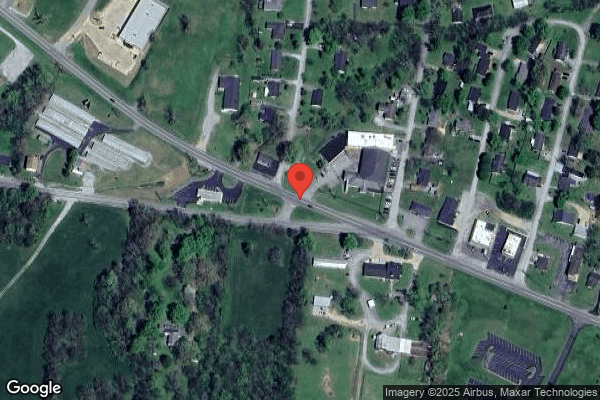
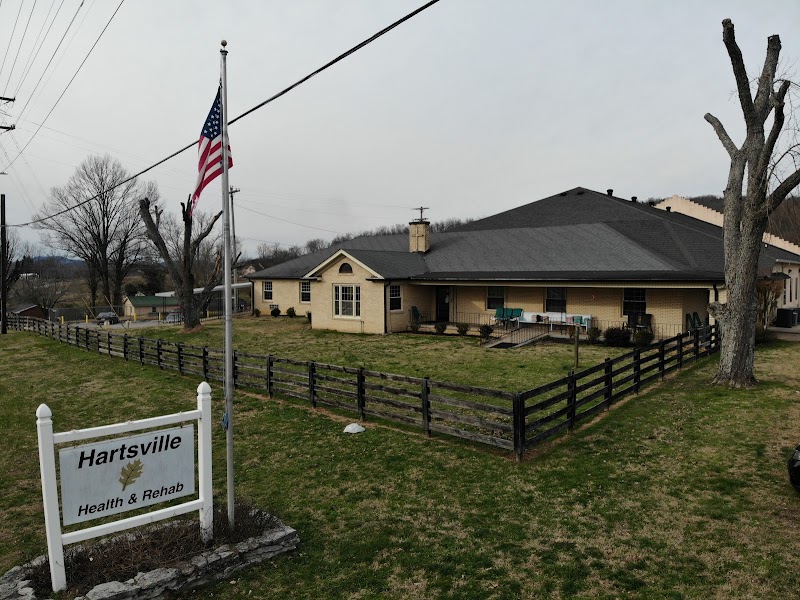
649 MCMURRY BLVD, HARTSVILLE, TN 37074 (615) 374-9144
For profit - Corporation 95 Beds Independent Data: November 2025 1 Immediate Jeopardy citation
Trust Grade
26/100
#252 of 298 in TN
Last Inspection: July 2024

Within standard 12-15 month inspection cycle. Federal law requires annual inspections.

Overview

Hartsville Convalescent Center has received a Trust Grade of F, indicating significant concerns about the facility's care and operations. It ranks #252 out of 298 nursing homes in Tennessee, placing it in the bottom half, and #1 out of 1 in Trousdale County, meaning there are no better local options. While the facility is showing signs of improvement, reducing issues from 7 in 2024 to 1 in 2025, it still has a poor overall rating of 1 out of 5 stars for both staffing and health inspections. Staffing turnover is impressively low at 0%, but the facility has concerningly less RN coverage than 98% of Tennessee facilities, which may affect the quality of care. Specific incidents of concern include a resident who wandered off after their safety measures were removed and ongoing issues with food safety, such as expired and improperly stored food, which could pose health risks.

Trust Score
F
26/100
In Tennessee
#252/298
Bottom 16%
Safety Record
High Risk
Review needed
Inspections
Getting Better
7 → 1 violations
Staff Stability
○ Average
Turnover data not reported for this facility.
Penalties
✓ Good
$8,515 in fines. Lower than most Tennessee facilities. Relatively clean record.
Skilled Nurses
⚠ Watch
Each resident gets only 13 minutes of Registered Nurse (RN) attention daily — below average for Tennessee. Fewer RN minutes means fewer trained eyes watching for problems.
Violations
⚠ Watch
27 deficiencies on record. Higher than average. Multiple issues found across inspections.
★☆☆☆☆
1.0
Overall Rating
★☆☆☆☆
1.0
Staff Levels
★★★★☆
4.0
Care Quality
★☆☆☆☆
1.0
Inspection Score
Stable
2024: 7 issues
2025: 1 issues

The Good

  • 4-Star Quality Measures · Strong clinical quality outcomes
  • Full Sprinkler Coverage · Fire safety systems throughout facility
  • No fines on record

Facility shows strength in quality measures, fire safety.

The Bad

1-Star Overall Rating

Below Tennessee average (2.8)

Significant quality concerns identified by CMS

Federal Fines: $8,515

Below median ($33,413)

Minor penalties assessed

The Ugly 27 deficiencies on record

1 life-threatening
Aug 2025 1 deficiency 1 IJ
CRITICAL (J) 📢 Someone Reported This

A family member, employee, or ombudsman was alarmed enough to file a formal complaint

Immediate Jeopardy (IJ) - the most serious Medicare violation

Accident Prevention (Tag F0689)

Someone could have died · This affected 1 resident

**NOTE- TERMS IN BRACKETS HAVE BEEN EDITED TO PROTECT CONFIDENTIALITY** Based on facility policy review, facility investigation review, medical record review, observation, and interview, the facility ...

Read full inspector narrative →
**NOTE- TERMS IN BRACKETS HAVE BEEN EDITED TO PROTECT CONFIDENTIALITY** Based on facility policy review, facility investigation review, medical record review, observation, and interview, the facility failed to provide adequate supervision to prevent 1 of 6 (Resident #1) residents reviewed for wandering behaviors from exiting the building without staff supervision. Resident #1 was a vulnerable, cognitively impaired Resident with a history of wandering behaviors and wore a wander guard on his person and on his wheelchair. On 10/28/2024, an order was written to discontinue the wander guard from Resident #1's wheelchair. The facility discontinued Resident #1's wander guard from his wheelchair and from his person. Resident #1 eloped from the facility on 11/27/2024, 29 days after the wander guard was discontinued from his wheelchair and his person. The facility's failure to ensure a safe, secure environment resulted in Immediate Jeopardy (IJ) when Resident #1, eloped from the facility on 11/27/2024, and was found approximately 0.3 miles from the facility at a discount retail store. Immediate Jeopardy (a situation in which the provider's noncompliance with one or more requirements of participation has caused, or is likely to cause, serious injury, harm, impairment, or death to a resident) was identified related to the facility's failure to provide adequate supervision of a vulnerable, cognitively impaired resident to prevent an incident of elopement. The Owner, Administrator, Registered Nurse (RN) Consultant, and Director of Nursing (DON) were notified of Immediate Jeopardy on 8/8/2025 at 6:37 PM, in the Conference Room. The facility was cited F689 at a scope and severity of J which is substandard quality of care. The IJ began on 11/27/2024 through 12/5/2024. The IJ was removed on 12/6/2024. The corrective action plan for the IJ was validated onsite by surveyor on 8/11/2025. The facility was cited past noncompliance (PNC) for F-689 and is not required to submit a Plan of Correction. The finding include: 1. Review of the facility policy titled, Elopement and Wandering Residents, dated 4/16/2021, revealed .The facility ensures that residents who exhibit wandering behaviors and/or are at risk for elopement receive adequate supervision to prevent accidents, and receive care in accordance with their person-centered plan of care addressing the unique factors contributing to wandering or elopement risk.'Wandering' is random or repetitive locomotion that may be goal-directed.'Elopement' occurs when a resident leaves the premises or a safe area without authorization.The facility is equipped with door locks/alarms to help avoid elopements.Staff are to be vigilant in responding to alarms in a timely manner.The facility shall establish and utilize a systemic approach to monitoring and managing residents.Residents will be assessed for risk of elopement and unsafe wandering upon admission and throughout their stay by the interdisciplinary care plan team [IDT].when repeated elopement attempts occur, after the facility has exhausted possible care.Any staff members becoming aware of a missing resident will alert personnel using facility approved protocol. Review of the facility policy titled, Wandering Residents dated 12/6/2024, revealed Every effort will be made to prevent wandering episodes while maintaining the least restrictive environment for residents who are at risk for elopement .All residents at risk for harm because of wandering (elopement) will be assessed by the inter disciplinary care planning team .current MDS [ Minimum Data Set] .will be reviewed .The resident's care plan will be modified .All residents at risk for harm because of wandering (elopement) will be placed on first floor with [Named] security ankle monitor placement. Once a wander guard has been placed on a resident, any removable must be approved by the QAPI [Quality Assurance and Performance Improvement] committee.Any resident with a wander guard must be accompanied by sitter, nurse, activity staff or family member to go to 2nd floor. Review of undated facility policy titled, Missing Resident Policy and Procedure, revealed .It is the policy of this facility, that all residents will remain safely contained within the confinement of the building and its perimeter.if a resident is unable to be found, and is suspected to be missing, the nurse in charge of that resident will announce over the intercom: CODE PURPLE. 2. Review of the medical record revealed Resident #1 was admitted to the facility on [DATE], with diagnoses including dementia, Major Depressive Disorder and Diabetes. Review of Physician's Telephone Orders dated 7/15/2024, revealed an order Per Recommendation of facility Psych [Psychiatric] services may discontinue Wanderguard [Wander Guard]. Review of Physician's Telephone Orders dated 8/12/2024, revealed Nurse Practitioner (NP) I had given an order .Wanderguard to wheelchair .check placement & functionality q [every] Monday . Review of the Intermediate Care Facility (ICF) Behavior Progress Note dated 8/12/2024, revealed Resident #1 attempted to exit the facility door and a wander guard was applied to his wheelchair. Review of Care Plan dated 8/16/2024, revealed .8/13/2024 Behavioral Symptoms.Wander Guard applied for wandering and exit seeking behavior.Re-applied to resident's WC [wheelchair], not his person. He is allowed sitting time on front porch when staff is present. He should re-enter the facility when staff comes inside. Review of the Resident Progress Notes dated 8/26/2024, reviewed NP I documented .Wander guard in place . Review of September 2024 Medication Administration Record (MAR) revealed an order to check Resident #1's Wander Guard every week on Monday for Function and Placement. Review of Psychiatric Periodic Evaluation for Resident #1 dated 10/15/2024, revealed NP R documented, .continue to monitor for wandering and any increase of anxiety. Review of the Annual MDS assessment dated [DATE], revealed a Brief Interview for Mental Status score of 7, which indicated Resident #1 had severe cognitive impairment. Review of the Physician's Order for Resident #1 dated 10/28/2024, revealed NP I had given a verbal order to .DC Wanderguard [wander guard], to wheelchair-no longer indicated. Review of the Resident Progress Notes dated 10/28/2024, revealed the MDS Coordinator documented .Wander Guard DC'd [discontinued] . The wander guard was DC'd from the Care Plan on 10/28/2024. Review of the October 2024 MAR for Resident #1 revealed the wander guard was discontinued to his wheelchair on 10/28/2024. The wander guard was signed out on the MAR as checked on 10/30/2024. Review of the Resident Progress Notes dated 10/30/2024, revealed NP I documented Resident #1 was .Intrusive and impulsive with behaviors . Review of Resident Progress Notes dated 10/30/2024, revealed the MDS Coordinator documented .Wander Guard back in place at time of ARD [Assessment Reference Date] . Review of the Progress Notes dated 10/31/2024, revealed a previous note from Psych NP R dated 10/30/2024, had been edited to reflect Resident #1 was .Intrusive and impulsive with behaviors.Wander Guard . Review of November 2024 Medication Record revealed an order to check wander guard every week on Mondays for function and placement and Wander Guard to wheelchair. A line was drawn through the order on the MAR and .DC'd 10/28/2024 . was documented. Review of the Psychiatric Periodic Evaluation for Resident #1 dated 11/12/2024, revealed NP R documented recommendations to monitor due to Resident #1 being a risk of elopement. An addendum was added by NP R noting she was unaware that Resident #1's wander guard had been removed by another provider (NP I) on 10/28/2024. The addendum was added on 12/16/2024, and electronically signed by NP R. Review of the facility investigation dated 11/27/2024, revealed the Sherriff's Department received a call at 3:48 PM from a community member. The community member then went to the facility to notify staff that a suspected Resident (Resident #1) had left the building and was walking on the narrow shoulder of the road toward the discount retail store. Certified Nurse Assistant (CNA) M notified the Nursing Supervisor then went to search for Resident #1 while the supervisor initiated the protocol for a missing resident. On 11/27/2025 at 3:54 PM, law enforcement arrived at the discount retail store, which was approximately 0.3 miles from the facility, and returned Resident #1 to the facility at 3:58 PM. Review of the (Named) Sheriff Department Call for Service Card dated 11/27/2024 at 3:48 PM, revealed a deputy was dispatched to the scene at 3:53 PM. Resident #1 was returned to the facility by Deputy #1 at 3:58 PM. During a telephone interview on 8/7/2025 at 1:10 PM, the Psychologist stated Resident #1 had historically experienced fixed thoughts of going home which caused the Psychologist to think Resident #1 was an elopement risk. During an interview on 8/7/2025 at 3:00 PM, NP I was asked what the criteria was for removal of an ankle monitor. NP I stated, .If the resident was wandering or exit seeking, the Wander guard will remain in place .If the resident has been deemed immobile then we would remove the ankle monitor .If the ankle monitor is removed after having been placed for psychiatric reasons, there usually would be a discussion amongst the IDT [inter disciplinary team] to see whether it [removal of wander guard] was a good idea .I recall writing an order to remove the monitor from the wheelchair and did not recall writing an order to remove the monitor from [Resident #1's] person . During an interview on 8/7/2025 at 4:00 PM, the MDS Coordinator stated the former DON instructed her to sign off on the order to remove the ankle monitor and to take it off of the Care plan and she did so. The MDS coordinator did not physically take the wander guard off Resident #1 and did not know who removed the wander guard. During a phone interview on 8/11/2025 at 4:15 PM, NP R stated, .I was in the building the day he [Resident #1] eloped. I passed by him upstairs and did not think anything about it.The Director of Nursing would allow him upstairs to do things [activities and porch time].I observed [Named Resident #1] being brought downstairs by nursing.I asked where [Named Resident #1's] ankle monitor was .when I interviewed the resident.he spoke about his wife dying and stated he wanted to go home.He [Resident #1] said that he was going to check on his wife and that he was going to his old house. During an interview on 8/11/2025 at 5:00 PM, the DON verified the facility implemented a policy revision related to the wander guard which stated if there was a reason to discontinue a wander guard, it would be brought before the QAPI meeting to collaboratively decide whether the wander guard monitor needed to be removed. The Plan of Correction was validated by the surveyor through policy review, medical record review, door checks, in-service review, audit review of Door & Gate Keypad Logs, Maintenance Check on Exit Door log review, Elopement Drill review, observations of residents with wander guards, and interviews on all shifts. Removal Plan of Correction: Resident #1 - (Named Resident #1) 1) What corrective action(s) will be accomplished for those residents found to have been affected by the deficient practice. Resident #1 was returned to the facility at approximately 4:02 pm by the police (TAB# 2). On 11/27/2024 a physical assessment was completed by charge nurse including head to toe skin assessment and pain assessment (TAB# 5). (Named Resident #1) attire and footwear noted on 11/27/2024by licensed nurse to be appropriate for weather- Temperature was 61 degrees, and resident was wearing two shirts, two pair of pants, and two pair of socks and shoes (TAB# 9-MDS Statement). On 11/27/24 MD and resident representative notified by the Director of Nursing (TAB# 9). On 11/2712024 4:05 (Named Resident #1) returned to his room on the 1st floor with wander guard placed on Lt. (left) ankle and was placed on every 1 hour checks 11/27/24 and continued until 12/16/23 (TAB# 17 & 18). On 11/27/2024 4:30 PM Psych evaluation completed by Psych NP (TAB# 4). Psychosocial follow-up completed post event to evaluate for psychosocial distress by Psych NP, Medical NP, on 12/2/2024, Director of Nursing on 11/28/2024. (TAB#4 & 9). NP visit completed on12/5/24 (TAB# 4). Resident #1's Care Plan reviewed and updated by members of the Clinical Leadership Team on 11/28/2024 as indicated (TAB# 6). 2) How you will identify other residents having the potential to be affected by the same deficient practice and what corrective action will be taken. Headcount completed of all residents on 11/27/2024 by clinical staff & Nursing Supervisor post event (TAB# 15). Front Door assessed by Maintenance Director 11/28/2024 post event- door assessed to be functioning properly (TAB# 9). Beginning 11/28/2024 and completed on 11/29/2024, all residents who were assessed for elopement their Care Plans were updated as indicated by the MOS Coordinator (TAB# 6). Elopement Risk Binder reviewed by Nursing Supervisor on 11/27/2024, to ensure any resident(s) at high risk for elopement was in book (TAB #11). Clinical Team, the Director of Nursing, Nursing Supervisor, MDS Nurse and the Healthcare Consultant, reviewed the following policies for needed changes on 12/2/2024-1) Elopement & Wandering Residents, 2) Protocol-Wandering Resident Management Elopement Prevention, 3) Determining resident Placement on admission for Safety and Appropriate Care, and 5) Wandering Residents. Changes were made in the policy Wandering Resident -1) Once wander guard is applied can only be removed when the request for removeable is approved by QAPI Committee and 2) Any resident with a wander guard must be accompanied by sitter, nurse, activity staff or family member to go to 2nd floor (TAB#20). All residents considered to be high risk for elopement, either from elopement assessment, prior relevant history and/or current behaviors will be placed on 1st floor, unless contraindicated as stated in PoUcy- (Policy) Determining Resident Placement on admission for Safety and Appropriate Care (Tab# 20). Maglock system functionality is checked on all doors monthly by the Maintenance Director and was checked on front door 11/29/24 and verified by the Administrator on 11/29/2024 (TAB# 9). On12/2/2024 the Maintenance Director changed the front door code. A sign was placed on the front door by the Administrator on 12/2/2024 concerning the change in visiting times and process for entering and exiting the front door. A memo was sent to family members and Residents on this change (Tab# 13). On 11/27/24 the Charge nurses and Nursing Supervisor conducted Elopement Risk Assessments on residents with a wander guard bracelet and all the other residents to ensure all residents have been properly placed within the facility (TAB #12). 3) What measures will be put into place or what systematic changes you will make to ensure that the deficient practice does not recur. Beginning 11/27/24 and ending12/5/24 the Nursing Supervisor and/or Administrator conducted multiple mandatory in-service with all nurses(RN,LPN, CNAs) including Agency staff and facility employee concerning resident safety i.e. elopement assessment, prevention, identifying exit seeking behavior, monitoring of residents at high risk, what to do if a resident is displaying exit seeking behavior and what to do if an elopement occurs, Abuse, and review of the policies-Elopement & Wandering Residents, 2) Protocol­ Wandering Resident Management Elopement Prevention, 3) Wandering Residents. These in-services were either in-person, in a classroom setting or 1:1 either in person or by telephone. Any staff missing in-services will not work until they receive training. Any staff who fail to comply with the points of the in-services will be further educated and/or progressively discipline will begin as indicated (Tab# 14). After initial orientation121212024, agency staff will receive elopement education via the agency orientation and tracked daily Monday-Friday in morning meeting by the Administrator. (Stand-up Minute Book). New hires will continue to receive elopement education during new hire orientation. The Administrator will track this education (Stand-up Minute Book). Residents with new, continued, worsening wandering/exit seeking behavior will be reviewed daily in clinical meeting by the IDT, Monday - Friday x4 weeks. On the weekends, this review will be done daily by the clinical leader on call on weekends. This review will include adding care planned interventions if indicated to decrease the risk of elopement (TAB IDT Clinical Meetings Book). Beginning 11/28/24 the DON &/or Nursing Supervisor will monitor the visits of the assessments are conducted by the Psych NP for Resident #1 to ensure treatment and care is provided post elopement (Tab # 4). Elopement drills were conducted by Administrator and Nursing Supervisor monthly for 3 months beginning 12/2/2024 as verified by written reports. (TAB# 16). The Director of Nursing changed the monitoring of Wander guard bracelets from weekly to every shift on the Resident's Medication Administration Record beginning 12/2/24 (Tab# 19). Beginning 12/2/24 the Administrator will monitor the compliance of entering and exit of the front door changes during the Morning Stand-up meeting. Any non-compliance or violation of the front door signage or changes will be addressed immediately and document each violation on an investigation form (See Stand-up Meeting minutes). Beginning 12/2/24 the Nursing Supervisor will review the education delivered to all staff and confirm all staff have been educated, including Agency staff. The results of the review will be presented to the full Quality Committee to determine if the issue has been resolved or if the initiative should continue. A one hundred percent of all education sign-in sheets will be reviewed by nursing supervisor &/or DON to ensure that all staff have been properly educated related to the Elopement and Wandering Resident policies and Interventions communicated. The results of the review will be presented to the full Quality Committee to determine if the issue has been resolved or if the initiative should continue. 4) How the corrective action(s) will be monitored to ensure the deficient practice will not recur, i.e., what quality assurance program will be put into place. Ad Hoc QAPI meetings were held weekly times 2 weeks beginning 12/3/24 to review the action plan and needed changes and the monthly QAPI meeting was conducted the last week of December. At the OAPI meetings the results of all monitoring by the DON, nursing managers, and Administrator will be reviewed, however any concerns identified will be addressed as discovered, including any needed education and/or progressive discipline. At the December meeting the DON, Nursing Managers, and Administrator will report monitoring outcomes of in-services, care plans, IDT meetings, and Stand-up meetings, at the monthly OAPI Committee meetings. The Administrator will report to the Owner the monitoring outcomes on a monthly basis.
Jul 2024 7 deficiencies
CONCERN (D)

Potential for Harm - no one hurt, but risky conditions existed

Deficiency F0625 (Tag F0625)

Could have caused harm · This affected 1 resident

**NOTE- TERMS IN BRACKETS HAVE BEEN EDITED TO PROTECT CONFIDENTIALITY** Based on facility policy review, hospital record review, medical record review and interview, the facility failed to provide the...

Read full inspector narrative →
**NOTE- TERMS IN BRACKETS HAVE BEEN EDITED TO PROTECT CONFIDENTIALITY** Based on facility policy review, hospital record review, medical record review and interview, the facility failed to provide the resident with a notice of the bed hold policy for 5 (Resident #4, Resident #31, Resident #41, Resident #46 and Resident #155) of 5 residents reviewed. The findings included: Review of the undated policy titled Bed Hold Policy revealed When a resident goes to the hospital from Skilled Nursing Facility (SNF) or Intermediate Care Facility (ICF), Medicaid/Medicare will not pay to hold the bed in the nursing home. If a resident or resident's representative (RR) wants to hold their bed as Private Pay while they are in the hospital, the Business Office must be notified immediately to decide. The charges for the bed hold will begin the day the resident is transferred to the hospital. If a resident .or their RR, does not make the arrangements as described above, they will be discharged , and all items will be boxed and placed in storage for a limited time .To ensure that the resident and/or resident's representative is knowledgeable of the facility's bed hold policy and that their wishes are addressed, the facility will provide this policy upon admission and any transfer to the hospital . Review of the medical record revealed Resident #4 was admitted to the facility with diagnoses which included Dementia with mood disturbance, Chronic Systolic Heart Failure and Schizoaffective Disorder. Review of the Annual Minimum Data Set (MDS) dated [DATE], revealed Resident #4 had a Brief Interview for Mental Status (BIMS) score of 2, which indicated a severe cognitive impairment. Review of the Hospital medical record revealed Resident #4 was hospitalized on [DATE] for Forehead Scalp Laceration, Acute Kidney Injury, and Hyperglycemia. Review of the medical record revealed Resident #31 was admitted to the facility on [DATE] with diagnoses which included Type 2 Diabetes Mellitus without complications, Obstructive Sleep Apnea, and Heart Failure. Review of the Annual MDS dated [DATE] for Resident #31 had a BIMS score of 9, which indicated moderate cognitive impairment. Review of the Resident face sheet for Resident #31 revealed he was hospitalized from [DATE] through 10/2/2023. Review of the medical record revealed Resident #41 was admitted to the facility on [DATE] with readmission on [DATE] with diagnoses which included Acute on Chronic Systolic Heart Failure, Pleural Effusion and Chronic respiratory failure with hypoxia. Review of the admission MDS dated [DATE] revealed Resident #41 had BIMS score of 13, which indicated no cognitive impairment. Review of the hospital record dated 6/5/2024 revealed Resident #41 was admitted to the hospital related to Respiratory Distress; Rib Fracture; and possible Pneumonia from 6/5/2024 to 6/13/2024. Review of hospital medical record revealed Resident #41 was admitted on [DATE] for altered mental status with behavioral issues. Resident #41 was admitted with hypoglycemia and large right pleural effusion. Review of the medical record revealed Resident #46 was admitted to the facility on [DATE] and readmitted on [DATE] with diagnoses which included Acute Kidney Failure, Acute on Chronic Systolic (Congestive) Heart Failure and Myasthenia Gravis without exacerbation. Review of the admission MDS dated [DATE] revealed Resident #46 had a BIMS score of 15, which indicated no cognitive impairment Review of the face sheet revealed Resident #46 was admitted to the hospital from [DATE] through 5/14/2024. Review of the medical record revealed Resident #155 was admitted to the facility on [DATE] and re-admitted on [DATE] with diagnoses which included Chronic Obstructive Pulmonary Disease (COPD), Type 2 Diabetes Mellitus, Heart Failure, and Chronic Kidney Disease (CKD), unspecified Stage 3. Review of the Quarterly MDS dated [DATE], revealed Resident #155 had a BIMS score of 15, which indicated no cognitive impairment. Review of the face sheet revealed Resident #155 was admitted to the hospital from [DATE] through 7/8/2024. Review of the medical records for Resident #4, Resident #31, Resident #41, Resident #46, and Resident #155, revealed no bed hold policies were signed at the time of transfer from the skilled nursing facility. During an interview on 7/18/2024 at 3:13PM the Director of Nursing stated, .We just discuss the bed hold policy on admission. I don't think we have any .documentation .
CONCERN (D)

Potential for Harm - no one hurt, but risky conditions existed

PASARR Coordination (Tag F0644)

Could have caused harm · This affected 1 resident

**NOTE- TERMS IN BRACKETS HAVE BEEN EDITED TO PROTECT CONFIDENTIALITY** Based on facility policy review, medical record review, and interview, the facility failed to ensure a new Pre-admission Screeni...

Read full inspector narrative →
**NOTE- TERMS IN BRACKETS HAVE BEEN EDITED TO PROTECT CONFIDENTIALITY** Based on facility policy review, medical record review, and interview, the facility failed to ensure a new Pre-admission Screening and Resident Review (PASARR) screen was completed after an identified mental health diagnosis for 2 of 5 sampled residents (Resident #41 and Resident #47) reviewed. The findings include: Review of the facility policy titled, Resident Assessment-Coordination with PASARR Program, dated 6/2024 revealed, .This facility coordinates assessments with the preadmission screening and resident review (PASARR) program under Medicaid to ensure that individuals with a mental disorder .or a related condition receives care and services in the most integrated setting appropriate to their needs .PASARR Level I - initial pre-screening that is completed prior to admission .Negative Level I Screen - permits admission to proceed and ends that PASARR process unless a possible serious mental disorder .arises later .Positive Level I Screen - necessitates a PASARR Level II evaluation prior to admission .PASARR Level II - a comprehensive evaluation by the appropriate state-designated authority (cannot be completed by the facility) that determines whether the individual has MD [Mental Disorder] .or related condition, determines the appropriate setting for the individual, and recommends any specialized services and/or rehabilitative services the individual needs .Any resident who exhibits a newly evident or possible serious mental disorder .or a related condition will be referred promptly to the state mental health .authority for a level II resident review .Examples include .A resident who exhibits behavioral, psychiatric, or mood related symptoms suggesting the presence of a mental disorder .A resident transferred, admitted , or readmitted to the facility following an inpatient psychiatric stay or equally intensive treatment . Review of the PASARR dated 6/12/2024 for Resident #41 revealed, .Symptoms/Behaviors .There are no known mental health behaviors which affect interpersonal interactions .There are no known mental health symptoms affecting the individual's ability to think through or complete tasks which he/she should be physically capable of completing .Mental Health Symptoms .None or No Symptoms experienced .Outcome .Level I Outcome: No Level II Condition-Level I Negative . Review of the medical record revealed Resident #41 was admitted to the facility on [DATE] and readmitted on [DATE] with diagnoses which included Altered Mental Status and behavioral issues. Review of the admission Minimum Data Set (MDS) dated [DATE] revealed a Brief Interview for Mental Status (BIMS) score of 3 which indicated severe cognitive impairment. Continued review revealed Resident #41 experienced delusions, physical and verbal behaviors directed toward others for 1-3 days during the assessment reference period. Further review revealed Resident #41 received antipsychotics over the last 7 days. Review of the Daily Skilled Nurse's Note for Resident #41 dated 7/1/2024 revealed, .RSD [resident] .in chair /c [with] times of Anxiety .This nurse administered Haldol [antipsychotic medication given to treat certain types of mental disorders] 2 mg [milligram] IM [Intramuscular] shot per NP [Nurse Practitioner] D/T [due to] [increase] agitation & anxiety . Review of the Physician Orders dated 7/1/2024 revealed, .One time dose of Haldol 2 mg [milligram] IM [intramuscular] .Anxiety/Agitation . Review of the Nurse's Notes for Resident #41 dated 7/2/2024 revealed, .Rsd noted to have increased anxiety .Psych NP [Nurse Practitioner] in for visit, family at bedside order received to send Rsd to ER [Emergency Room] for eval . Review of the History and Physical for Resident #41 dated 7/2/2024 revealed, .Patient .present [to] emergency room secondary to altered mental status with acting out .family states that yesterday he was able to recognize them and today when she [family member] went to see him he was just very confused in talking out of his head .Was also very agitated .Patient is currently at skilled nursing facility .Patient not able to give any information .per family [he] had not slept in his last 3 days .admitted to the hospital for altered mental status with behavioral issues . Review of the readmission orders for Resident #41 dated 7/8/2024, revealed resident was placed on Seroquel [antipsychotic medication given to regulate mood and behaviors] upon readmission. No PASSAR was updated prior to readmission to reflect the increase behaviors, anxiety, altered mental status, or the use of an antipsychotic. During an interview on 7/16/2024 at 8:36 AM, Resident #41 stated, .I was in [Named Hospital #1] in a special ward . During an interview on 7/18/2024 at 11:50 AM, House Supervisor stated, .a PASARR should be updated if a new psych [psychiatric] diagnosis was given . The House Supervisor was asked when Resident #41 was placed on a prn Antipsychotic and discharged to the hospital due to behaviors was a new PASARR completed? The House Supervisor stated, .I don't have a new PASARR on [Named Resident #41] .It needs to be updated . Review of the medical record revealed Resident #47 was admitted to the facility on [DATE] with diagnoses which included Acquired absence of left leg above knee, Chronic Obstructive Pulmonary Disease, and Peripheral Vascular Disease. Review of the Quarterly MDS dated [DATE] revealed a BIMS score of 15 which indicated no cognitive impairment. Continued review revealed Resident #47 received an antianxiety medication over the last 7 days. Review of the PASARR for Resident #47 dated 3/20/2024 revealed .No mental health diagnosis is known or suspected .Mental Health Symptoms .None or No symptoms experienced .PSYCHOTROPIC MEDICATIONS 1. Has the individual been prescribed psychoactive (mental health) medications now or within the past 6 months .No . Level I Outcome .No Level II Condition-Level I Negative . Review of the admission orders dated 3/22/2024 revealed, .ALPRAZOLAM [Antianxiety medication given for Anxiety] .0.25 MG ORAL TWICE DAILY AS NEEDED INDICATION: anxiety . Review of the March 2024 Medication Administration Record (MAR) for Resident #47 revealed Alprazolam 0.25 mg tablet was administered on 3/24/2024, 3/27/2024, 3/28/2024, 3/29/2024, 3/30/2024, and 3/31/2024. Review of the PASARR for Resident #47 dated 4/18/2024 revealed, .No mental health diagnosis is known or suspected .Mental Health Symptoms .None or No Symptoms experienced .PSYCHOTROPIC MEDICATIONS 1. Has the individual been prescribed psychoactive (mental health) medications now or within the past 6 months .No . Level I Outcome .No Level II Condition-Level I Negative . The PASARR for Resident #47 dated 3/20/2024 and 4/18/2024 did not reflect the diagnosis of Anxiety or the use of a psychotropic (Alprazolam) medication. Review of the 4/2024 MAR for Resident #47 revealed Alprazolam 0.25 mg a tablet was administered on 4/4/2024, 4/5/2024, and 4/6/2024. Review of the 5/2024 MAR for Resident #47 revealed Alprazolam 0.25 mg tablet was administered on 5/4/2024 and 5/5/2024. During an interview on 7/18/2024 at 11:52 AM, the House Supervisor was asked about Resident #47's PASARR determination and the use of Alprazolam for Anxiety. The House Supervisor stated, .the Anxiety should be reflected on the form .
CONCERN (D)

Potential for Harm - no one hurt, but risky conditions existed

Comprehensive Care Plan (Tag F0656)

Could have caused harm · This affected 1 resident

**NOTE- TERMS IN BRACKETS HAVE BEEN EDITED TO PROTECT CONFIDENTIALITY** Based on facility policy review, facility fall investigation review, medical record review, and interview the facility failed to...

Read full inspector narrative →
**NOTE- TERMS IN BRACKETS HAVE BEEN EDITED TO PROTECT CONFIDENTIALITY** Based on facility policy review, facility fall investigation review, medical record review, and interview the facility failed to implement a comprehensive person-centered care plan intervention for 1 of 8 (Resident #39) sampled residents reviewed for falls. The findings include: Review of the facility policy titled, FALL PREVENTION AND MANAGEMENT, dated 10/2023 revealed, .A Fall Prevention and Management Program is used to provide a safe environment for residents. This program is designed to identify residents at risk of falls; define interventions for the prevention of falls and/or decrease the likelihood of injury .Nursing Management is responsible for updating care plan related to fall risk, interventions and/or injury related to falls .Review and update causative factors, interventions, and care plan .Pattern of falls, when identified, should be thoroughly evaluated for underlying causes so that a proactive approach and interventions can be implemented to decrease likelihood of further falls . Review of the facility policy titled, Care Plans, Comprehensive Person-Centered, dated 12/2016 revealed, .The comprehensive, person-centered care plan will .Include measurable objectives and timeframes .Describe the services that are to be furnished to attain or maintain the resident's highest practicable physical, mental, and psychosocial well-being .Incorporate identified problem areas .Incorporate risk factors associated with identified problems .reflect treatment goals, timetables and objectives in measurable outcomes .Aid in preventing or reducing decline in the resident's functional status and/or functional levels .Identifying problem areas and their causes, and developing interventions that are targeted and meaningful .Care plan interventions are chosen only after careful data gathering, proper sequencing of events, careful consideration of the relationship between the resident's problem areas and their causes, and relevant clinical decision making . Review of the medical record revealed Resident #39 admitted to the facility on [DATE] with diagnoses which included Dementia, acquired absence of left upper limb related to machinery injury, and Chronic Ischemic Heart disease. Review of the admission Minimum Data Set (MDS) dated [DATE] revealed Resident #39 had a Brief Interview for Mental Status (BIMS) score of 3 which indicated severe cognitive impairment. Continued review revealed Resident #39 had upper extremity impairment on one side and mobility device was a wheelchair. Further review revealed Resident #39 had a fall in the last month and in the last 2-6 months. Review of the Incident/Accident Report for Resident #39 dated 6/17/2024 at 5:00 PM, revealed .RSD [resident] took off down ramp in his w/c [wheelchair] independently and flipped his w/c to the L [left] side Corrective/Preventative measures taken to reduce risk of reoccurrence of recent fall .Resident unable to use ramp by self; take him to DRoom [dining room] for meals, Return to common area after meals . Further review revealed an Activities of Daily Living (ADL) assessment dated [DATE] with comments, .6/17/24 [2024] Educated CNA [certified nursing assistant] that resident needs assist to manage ramp and should not be on ramp without staff . Review of the undated Certified Nursing Technician (CNT) Point of Care Documentation (how CNTs are to provide care to residents) revealed Resident #39 required staff assistance to navigate the ramp in the facility. Review of the Incident Scene Statement dated 6/17/2024 for Resident #39 revealed, .Rsd [resident] did not state what they were doing They just started down the ramp and the chair got away from them . Review of the comprehensive care plan for Resident #39 revealed .Problem Start Date: 06/17/2024 .Falls .at risk for falling R/T [related to] advanced dementia, poor safety awareness, terminal status and LUE [left upper extremity] amputation status .Approach Start Date .6/18/2024 .Staff education on resident use of ramp in main area. Resident is unable to manage ramp up or down to main DR [dining room] level without staff assistance . Review of the Incident/Accident Report for Resident #39 dated 6/22/2024 at 9:45 AM, revealed, .Resident observed coming in w/c down ramp at upstairs nurses [nurse's] station; saw him fall forward out of w/c; L side of forehead /c [with] abrasion . Review of the June 2024 Medication Administration Record (MAR) revealed on 6/22/2024 at 10:15 AM Tylenol 325 mg (milligram) 2 tablets were given my mouth for forehead. The MAR revealed Resident #39 experienced pain with the fall. Review of the comprehensive care plan for Resident #39 revealed .Problem .Falls .Approach Start Date .6/22/2024 fall with .skin abrasion to forehead: Resident to not be on upper ramp level unless in DR [dining room] for meals. Staff is to escort resident up ramp to DR [dining room] and then down ramp to common area after meal. Sign placed at nursing station to alert staff . Review of the Rehabilitation Screen dated 6/24/2024 revealed, .Fall date 6/22/24 [2024] @ [at] 9:45 a.m. [AM] Findings: Pt. [patient] unable to recall what caused incident. Nursing reports pt self propelled WC [wheelchair] down ramp before nursing could reach him and fell out of chair hitting his head . Observation of the dining room on the 2nd floor on 7/15/2024 at 1:00 PM, revealed a ramp leaving the dining room going down in front of the nurse's station leading into the common area on the 2nd floor. Observation in common area on the 2nd floor on 7/15/2024 at 1:10 PM, revealed Resident #39 sitting in his wheelchair watching television. During a telephone interview on 7/16/2024 at 12:04 PM, Family Member (FM) B stated, . [Named Resident #39] had two falls down the ramp. I finally had to ask the facility if he could eat in the big open common area instead of the dining room. It wasn't safe for him to go down that ramp . During an interview on 7/17/2024 at 11:00 AM the Director of Nursing (DON) was asked why the staff was not assisting Resident #39 down the ramp when he had the second fall on 6/22/2024. The DON stated, .the Certified Nursing Assistant [CNA] was agency she didn't know he needed assistance down the ramp . The DON was asked should the agency staff be aware of the care plan interventions to prevent falls for a resident. The DON stated, .well it was on the care plan, the agency staff could have reviewed the care plan . During a telephone interview on 7/17/2024 at 11:30 AM, Registered Nurse (RN) C stated, .I work PRN [as needed]. I was there when [Named Resident #39] fell down the ramp on 6/22/2024. The CNA and I wasn't made aware that he needed assistance going down the ramp. I found that out after his fall .I got a report from a nurse that day, but nothing was mentioned about his previous fall down the ramp and needing assistance when going down the ramp .
CONCERN (D)

Potential for Harm - no one hurt, but risky conditions existed

Accident Prevention (Tag F0689)

Could have caused harm · This affected 1 resident

**NOTE- TERMS IN BRACKETS HAVE BEEN EDITED TO PROTECT CONFIDENTIALITY** Based on facility policy review, facility fall investigation review, medical record review, observation, and interview, the faci...

Read full inspector narrative →
**NOTE- TERMS IN BRACKETS HAVE BEEN EDITED TO PROTECT CONFIDENTIALITY** Based on facility policy review, facility fall investigation review, medical record review, observation, and interview, the facility failed to provide adequate supervision to prevent an accident for 1 of 8 (Resident #39) sampled residents reviewed for accidents. The findings include: Review of the facility policy titled, FALL PREVENTION AND MANAGEMENT, dated 10/2023 revealed, .A Fall Prevention and Management Program is used to provide a safe environment for residents. This program is designed to identify residents at risk of falls; define interventions for the prevention of falls and/or decrease the likelihood of injury .Nursing Management is responsible for updating care plan related to fall risk, interventions and/or injury related to falls .Review and update causative factors, interventions, and care plan .Pattern of falls, when identified, should be thoroughly evaluated for underlying causes so that a proactive approach and interventions can be implemented to decrease likelihood of further falls . Review of the medical record revealed Resident #39 admitted to the facility on [DATE] with diagnoses which included Dementia, acquired absence of left upper limb related to machinery injury, and Chronic Ischemic Heart Disease. Review of the Incident/Accident Report for Resident #39 dated 6/17/2024 at 5:00 PM, revealed .RSD [resident] took off down ramp in his w/c [wheelchair] independently and flipped his w/c to the L [left] side Corrective/Preventative measures taken to reduce risk of reoccurrence of recent fall .Resident unable to use ramp by self; take him to DRoom [dining room] for meals, Return to common area after meals . Further review revealed an Activities of Daily Living (ADL) assessment dated [DATE] with comments, .6/17/24 [2024] Educated CNA [certified nursing assistant] that resident needs assist to manage ramp and should not be on ramp without staff . Review of the undated Point of Care (document that provides information on how to care for the resident for Certified Nursing Technicians - CNT) for Resident #39 revealed, .no ramp navigation /s [without] staff . Review of the Incident Scene Statement dated 6/17/2024 for Resident #39 revealed, .Rsd [resident] did not state what they were doing They just started down the ramp and the chair got away from them . Review of the comprehensive care plan for Resident #39 revealed .Problem Start Date: 06/17/2024 .Falls .at risk for falling R/T [related to] advanced dementia, poor safety awareness, terminal status and LUE [left upper extremity] amputation status .Approach Start Date .6/18/2024 .Staff education on resident use of ramp in main area. Resident is unable to manage ramp up or down to main DR [dining room] level without staff assistance . Review of the Rehabilitation Screen for Resident #39 dated 6/18/2024, revealed .Findings .nursing reports that [Named Resident #39] went down WC [wheelchair] flipped @ [at] bottom of ramp. Fall was witnessed and [Named Resident #39] did not hit his head . Review of the Incident/Accident Report for Resident #39 dated 6/22/2024 at 9:45 AM, revealed .Resident observed coming in w/c down ramp at upstairs nurses [nurse's] station; saw him fall forward out of w/c; L side of forehead /c [with] abrasion . Review of the POST FALLS NURSING assessment dated [DATE], revealed .Resident observed coming in w/c down ramp @ [at] upstairs nurses [nurse's] station; saw him fall forward out of w/c; L side of forehead /c abrasion . Review of the POST-FALL DOCUMENTATION dated 6/22/2024, for Resident #39 revealed .RSD .in dining area in his w/c .has abrasion to (Lt) [left] forehead . Review of the Medication Administration Record (MAR) dated June 2024 revealed on 6/22/2024 at 10:15 AM, Tylenol 325 mg (milligram) 2 tablets were given by mouth for forehead. Review of the June MAR revealed Resident #39 experienced pain with the fall on 6/22/2024 and received pain medication. Review of the comprehensive care plan for Resident #39 revealed .Problem .Falls .Approach Start Date .6/22/2024 fall with .skin abrasion to forehead: Resident to not be on upper ramp level unless in DR for meals. Staff is to escort resident up ramp to DR and then down ramp to common area after meal. Sign placed at nursing station to alert staff . The comprehensive care plan reflected Resident #39 needed continued assistance with going up and down the ramp. Review of the Rehabilitation Screen dated 6/24/2024, revealed .Fall date 6/22/24 [2024] @ 9:45 a.m. Findings: Pt. [patient] unable to recall what caused incident. Nursing reports pt self propelled WC [wheelchair] down ramp before nursing could reach him and fell out of chair hitting his head . Review of the admission Minimum Data Set (MDS) dated [DATE] revealed Resident #39 had a Brief Interview for Mental Status (BIMS) score of 3, which indicated severe cognitive impairment. Continued review revealed Resident #39 had upper extremity impairment on one side and mobility device was a wheelchair. Further review revealed Resident #39 had a fall in the last month and in the last 2-6 months. Observation of the dining room on the 2nd floor on 7/15/2024 at 1:00 PM, revealed a ramp leaving the dining room going down in front of the nurse's station leading into the common area (large open area with couch, television, and dining area for residents to sit). Observation in the common area on the 2nd floor on 7/15/2024 at 1:10 PM, revealed Resident #39 sitting in his wheelchair watching television. During a telephone interview on 7/16/2024 at 12:04 PM, Family Member (FM) B stated, .[Named Resident #39] had two falls down the ramp. I finally had to ask the facility if he could eat in the big open common area instead of the dining room. It wasn't safe for him to go down that ramp . During an interview on 7/17/2024 at 11:00 AM, the Director of Nursing (DON) was asked what was put in place to prevent [Named Resident #39] from having another accident on the ramp after the first fall on 6/17/2024. The DON stated, .The staff should assist him when he uses the ramp .the Certified Nursing Assistant [CNA] was agency [an employee from a working staff agency] she didn't know he needed assistance down the ramp .I done [did] some education with the staff . The DON was asked should the agency staff be aware of the care plan interventions to prevent falls for a resident. The DON stated, .well it was on the care plan, the agency staff could have reviewed the care plan . During a telephone interview on 7/17/2024 at 11:30 AM, Registered Nurse (RN) C stated, .I work PRN [as needed]. I was there when [Named Resident #39] fell down the ramp on 6/22/2024. The CNA and I wasn't made aware that he needed assistance going down the ramp. I found that out after his fall .I got a report from a nurse that day, but nothing was mentioned about his previous fall down the ramp and needing assistance when going down the ramp .
CONCERN (D)

Potential for Harm - no one hurt, but risky conditions existed

Medication Errors (Tag F0758)

Could have caused harm · This affected 1 resident

**NOTE- TERMS IN BRACKETS HAVE BEEN EDITED TO PROTECT CONFIDENTIALITY** Based on facility policy review, medical record review, and interviews the facility failed to provide evaluation and rational fo...

Read full inspector narrative →
**NOTE- TERMS IN BRACKETS HAVE BEEN EDITED TO PROTECT CONFIDENTIALITY** Based on facility policy review, medical record review, and interviews the facility failed to provide evaluation and rational for continued use of a PRN (as needed) anti-anxiety medication for 1 resident (Resident #47) of 5 residents reviewed for unnecessary medications. The findings include: Review of the facility policy titled, Psychotropic Medication Use, dated 12/2023 revealed, .Residents of the facility who are prescribed a psychotropic medication will be monitored. The resident ' s need for the psychotropic medication will be monitored .Both the medical staff and nursing shall evaluate the effectiveness of PRN orders for psychotropic drugs to manage behavior . Review of the medical record revealed Resident #47 was admitted to the facility on [DATE] with diagnoses which included Acquired absence of left leg above knee, Chronic Obstructive Pulmonary Disease, and Peripheral Vascular Disease. Review of the Quarterly Minimum Data Set (MDS) dated [DATE] revealed a Brief Interview of Mental Status (BIMS) score of 15 which indicated no cognitive impairment. Continued review revealed Resident #47 received an antianxiety over the last 7 days. Review of the admission orders dated 3/22/2024 revealed an order for Alprazolam (psychotropic medication given for anxiety) 0.25 mg (milligram) orally twice daily as needed for anxiety with no stop date. Review of a Pharmacy recommendation dated 3/22/2024 revealed, .PRN Alprazolam-If continued beyond 14 days, complete CMS [Centers for Medicare & Medicaid Services] required review. Please add a stop date to the order . Review of the Medication Administration Record (MAR) for Resident #47 dated 3/2024 revealed Alprazolam 0.25 mg tablet was administered on 3/24/2024, 3/27/2024, 3/28/2024, 3/29/2024, 3/30/2024, and 3/31/2024. Review of the MAR for Resident #47 dated 4/2024 revealed Alprazolam 0.25 mg tablet was administered on 4/4/2024, 4/5/2024, and 4/6/2024. Review of the physician orders dated 4/7/2024 revealed a clarification order for Alprazolam 0.25 mg tablet by mouth twice daily PRN for anxiety x [times] 30 days, then re-eval [re-evaluation]. Review of the MAR for Resident #47 dated 5/2024 revealed Alprazolam 0.25 mg tablet was administered on 5/4/2024 and 5/5/2024. Review of the physician orders dated 5/13/2024 revealed an order to continue Alprazolam 0.25 mg tablet by mouth twice daily as needed x [times] 30 days for anxiety. Review of the Medical Director and Nurse Practitioner (NP) notes from 3/24/2024 to 5/21/2024 revealed no documentation related to the continued need for the use of PRN antianxiety. During an interview on 7/17/2024 at 10:45 AM, the Director of Nursing (DON) stated, .I do know [Resident #47] was on an antianxiety. I am not sure why it doesn ' t have a stop date . During a telephone interview on 7/17/2024 at 4:46 PM, the Pharmacist stated, .I did make the recommendation to add a stop date to the order for the Alprazolam .prn psychotropics should only be given for 14 days and then the MD or NP would need to reevaluate and note the need to continue the medication . During a telephone interview on 7/18/2024 at 10:00 AM, the NP stated, .anyone placed on a prn psychotropic should have a 14 day stop date and then the patient should be reevaluated for the continued need for the medication .
CONCERN (D)

Potential for Harm - no one hurt, but risky conditions existed

Infection Control (Tag F0880)

Could have caused harm · This affected 1 resident

**NOTE- TERMS IN BRACKETS HAVE BEEN EDITED TO PROTECT CONFIDENTIALITY** Based on facility policy review, medical record review, observation, and interview, the facility failed to provide a safe, sanit...

Read full inspector narrative →
**NOTE- TERMS IN BRACKETS HAVE BEEN EDITED TO PROTECT CONFIDENTIALITY** Based on facility policy review, medical record review, observation, and interview, the facility failed to provide a safe, sanitary, and comfortable environment and to help prevent the development and transmission of communicable diseases and infections for 2 of 53 rooms observed. The facility failed to provide clean equipment for 1 of 53 (Resident #155) sampled residents reviewed. The findings include: Review of the facility policy titled, Disinfection of Bedpans and Urinals, dated 1/16/2024, revealed .Bedpans and urinals are handled in a manner to prevent the spread of infection through personal equipment .Bedpans and urinals are for single resident use only. [NAME] with the resident's name and discard upon discharge .Store bedpans and urinals in the resident's bedside cabinet or drawer after placing in a plastic bag or as per facility policy . Review of the facility's policy titled, Guidelines for the Administering and Storage of Oxygen, revised 10/2023, revealed .Oxygen is administered for adults through an oxygen mask or nasal prongs and tubing .The tubing should be kept off the floor .Long periods of non-use O2 [oxygen] tubing will be kept in plastic bag . Observation in a shared bathroom for room [ROOM NUMBER] and 231 on 7/15/2024 at 11:15 AM, revealed an uncovered bedpan sitting in the floor with no name on it. During an interview on 7/15/2024 at 11:30 AM, Licensed Practical Nurse (LPN) G confirmed there was an uncovered bedpan in the bathroom floor between room [ROOM NUMBER] and 231 with no name on it. LPN G stated the bedpan should have been in a bag with the resident's name and room number on it. During an interview on 7/15/2024 at 11:45 AM, the House Supervisor confirmed the uncovered bedpan sitting in the floor in the shared bathroom between room [ROOM NUMBER] and 231 should have been in a bag with the name and room number on it. The House Supervisor stated she did not know why the bedpan was in the floor uncovered, but it would be an infection control issue. Observation in a shared bathroom for room [ROOM NUMBER] and 110 on 7/11/2024 at 11:50 AM, revealed a urine hat [collection device which aids in measuring or collecting urine for a specimen] sitting unbagged on the back of the commode with the initials GM. Review of the resident census revealed no residents with the initials GM in room [ROOM NUMBER] or 110. During observation and interview in the shared bathroom for room [ROOM NUMBER] and 110 on 7/11/2024 at 11:52 AM, the House Supervisor stated, .I don't know who that belongs to [referring to the urine hat], it should be in a bag . ____________________________________________________________________________________ Review of the medical record revealed Resident #155 was admitted to the facility on [DATE] and re-admitted on [DATE] with diagnoses which included Chronic Obstructive Pulmonary Disease (COPD), Type 2 Diabetes Mellitus, Heart Failure, and Chronic Kidney Disease (CKD), unspecified Stage 3. Review of the Care Plan for Resident #155 dated 4/9/2024, revealed a plan and interventions for .POTENTIAL FOR COMPLICATIONS FROM CARDIO-PULMNARY ISSUES: DIASTOLIC CHF [Congestive Heart Failure] AND COPD .ADMINISTOR OXYGEN [O2] PER ORDERS O2 2L [Liters] PNC [per nasal canula - a thin tube to administer oxygen] . Review of admission Physican Orders for Resident #155 dated 7/8/2024, revealed, .OXYGEN AT 2 L/MIN [liters per minute] PER NC [nasal cannula] OR MASK .PRN [as needed] .CHANGE O2 TUBING PRN FOR LEAKAGE/SOILING. PLACE IN BAG WHEN NOT IN USE .DUONEB [combination of medications Ipratropium bromide/albuterol for inhalation therapy] inh [inhalation] 3 ML [milliliter] inhale 3 ML QID [four times a day] PRN . Review of the Quarterly Minimum Data Set (MDS) assessment dated [DATE], revealed Resident #155 had a Brief Interview for Mental Status (BIMS) score of 15 which indicated no cognitive impairment. Observation in Resident #155's Room on 7/16/2024 at 8:47 AM, revealed oxygen tubing with nasal cannula lying on the floor next to Resident #155's bed connected to the Oxygen concentrator. During an interview in Resident #155's Room on 7/16/2024 at 8:48 AM, Certified Nursing Assistant (CNA) I confirmed that the oxygen tubing with nasal cannula for Resident #155 was lying on the floor connected to the Oxygen concentrator next to the bed. CNA I stated the Oxygen tubing with nasal cannula should have been placed in the bag connected to the Oxygen concentrator when not in use. During an interview in Resident #155's Room on 7/16/2024 at 8:51 AM, LPN J confirmed Resident #155's Oxygen tubing with nasal cannula was on the floor in front of the Oxygen concentrator next to the bed. LPN J stated Resident #155 was on 2 liters Oxygen PRN and wears it mostly at night. LPN J confirmed the O2 tubing should be kept in the plastic bag on the side of the Oxygen concentrator when not in use. LPN J was asked what risk does Oxygen tubing with nasal cannula on the floor pose to Resident #155. LPN J stated, It is a risk for germs and infection if the Oxygen tubing is on the floor.
CONCERN (F)

Potential for Harm - no one hurt, but risky conditions existed

Food Safety (Tag F0812)

Could have caused harm · This affected most or all residents

**NOTE- TERMS IN BRACKETS HAVE BEEN EDITED TO PROTECT CONFIDENTIALITY** Based on facility policy review, medical record review, observation, and interview, the facility failed to ensure food was store...

Read full inspector narrative →
**NOTE- TERMS IN BRACKETS HAVE BEEN EDITED TO PROTECT CONFIDENTIALITY** Based on facility policy review, medical record review, observation, and interview, the facility failed to ensure food was stored, prepared, and served under sanitary conditions as evidenced by unlabeled and undated food items, failed to maintain 1 of 2 coolers in proper working order to prevent potential cross-contamination to stored food, and failed to keep a temperature log and a thermometer for all personal refrigerators for 4 of 4 (Resident #2, #3, #11, and #42) sampled residents reviewed. The facility had a census of 53. The findings include: Review of the facility policy titled, Food Receiving and Storage, dated 10/2017 revealed, .All foods stored in refrigerator or freezer will be covered, labeled and dated (use by date) .Functioning of the refrigeration and food temperatures will be monitored at designated intervals throughout the day by the food and nutrition services manager or designee and documented according to state-specific requirements . Review of the facility policy titled, Maintenance Service, dated 8/2008 revealed, .Maintenance service shall be provided to all areas of the building, grounds, and equipment .The Maintenance Department is responsible for maintaining the .equipment in a safe and operable manner at all times . Review of the facility policy titled, Resident Refrigerators, dated 1/16/2024, revealed .it is the policy of the facility to ensure safe and sanitary use of any resident-owned refrigerators .Policy Explanation and Compliance Guidelines .1. b. The refrigerator maintains proper temperatures .2. Nursing staff or designee shall record refrigerator temperatures daily on a temperature log maintained in the Director of Nursing office .a. A thermometer shall remain in the refrigerator .b. Temperatures will be at or below 41-degree F [Fahrenheit] .3. Housekeeping staff shall clean the refrigerator weekly and discard any foods that are out of compliance .4. b. Leftovers shall be dated upon receipt and discarded within three days . Observation in the Kitchen on 7/15/2024 at 11:15 AM, revealed a bag of 15 [NAME] unlabeled and undated in the reach in cooler. Continued observation revealed clear liquid in a plastic container with drops of condensation falling into the container from the top of the cooler. During an interview on 7/15/2024 at 11:17 AM, the Interim Dietary Manager stated, .the [NAME] should be labeled and dated .I was not notified the cooler was dripping. I will let the maintenance man know about the cooler . Review of the medical record revealed Resident #2 was readmitted to the facility on [DATE] with diagnoses which included Paraplegia [the inability to voluntarily move the lower parts of the body], Arthropathy, and Muscle Weakness. Review of the Quarterly Minimum Data Set (MDS) assessment dated [DATE] for Resident #2 revealed, a Brief Interview of Mental Status (BIMS) score of 11 which indicated moderate cognitive impairment. Review of the refrigerator temperature log for Resident #2, revealed no temperatures documented since 1/2/2024. No further temperature logs were provided for Resident #2's refrigerator. Observation of Resident #2's room on 7/16/2024 at 11:25 AM, revealed a personal refrigerator with no temperature log present. Review of the medical record revealed Resident #3 was admitted to the facility on [DATE] with diagnoses which included Diverticulosis of large intestine without perforation or abscess with bleeding, Unspecified Intellectual disabilities, and Essential (Primary) Hypertension. Review of the Annual MDS assessment dated [DATE] for Resident #3 revealed, a BIMS score of 12 which indicated moderate cognitive impairment. Review of the refrigerator temperature log for Resident #3, revealed no temperatures documented since 1/4/2024. Observation of Resident #3's room on 7/16/2024 at 11:20 AM, revealed a personal refrigerator with no temperature log, no thermometer present, and two undated foam containers with food in it. Review of the medical record revealed Resident #11 was admitted to the facility on [DATE] with diagnoses which included Type 2 Diabetes Mellitus, Coronary Artery Disease (CAD), and Congestive Heart Failure (CHF). Review of the Significant Change MDS assessment dated [DATE] for Resident #11 revealed, a BIMS score of 14 which indicated no cognitive impairment. Review of the refrigerator temperature log for Resident #11, revealed no temperatures documented since 1/1/2024. No further temperature logs were provided for Resident #11's refrigerator. Observation of Resident #11's room on 7/16/2024 at 11:15 AM, revealed a personal refrigerator in the room with no temperature log present. During an interview on 7/16/2024 at 1:45 PM, Licensed Practical Nurse (LPN) K confirmed Resident #11's personal refrigerator had no temperature log present, Resident #3's personal refrigerator had no temperature log present nor a thermometer, and Resident #2's personal refrigerator had no temperature log present. When asked where the temperature logs were located, LPN K stated, In a book at the nurse's station. When asked to see the logbook for temperatures, LPN K provided the surveyor with a copy of the temperature logs in the logbook. Continued interview revealed when asked if a residents' personal refrigerator should have a temperature log, LPN K replied, The DON would have that information. During an interview on 7/16/2024 at 2:30 PM, the House Supervisor was asked if a personal refrigerator should have a temperature log and a thermometer present. The House Supervisor replied, Yes. All resident refrigerators should have temperature logs present and a thermometer on the inside. Review of the medical record revealed Resident #42 was admitted to the facility on [DATE] with diagnoses which included Unspecified Dementia, Essential (Primary) Hypertension, and Disease of Pericardium. Review of the Annual MDS assessment dated [DATE] for Resident #42 revealed, a BIMS score of 15 which indicated no cognitive impairment. Observation of Resident #42's room on 7/16/2024 at 4:15 PM, revealed a personal refrigerator with no temperature log present.
Jan 2020 7 deficiencies
CONCERN (D)

Potential for Harm - no one hurt, but risky conditions existed

Resident Rights (Tag F0550)

Could have caused harm · This affected 1 resident

**NOTE- TERMS IN BRACKETS HAVE BEEN EDITED TO PROTECT CONFIDENTIALITY** Based on facility policy review, medical record review, observation and interview, the facility failed to treat 1 (#229) of 1 re...

Read full inspector narrative →
**NOTE- TERMS IN BRACKETS HAVE BEEN EDITED TO PROTECT CONFIDENTIALITY** Based on facility policy review, medical record review, observation and interview, the facility failed to treat 1 (#229) of 1 resident who required a urinary catheter with dignity related to not covering the resident's catheter drainage bag. The findings include: Review of the facility policy, Resident Rights Policy dated 12/2019, revealed .The resident has the right to a dignified existence, self- determination, and communication with access to persons and services inside and outside the facility . Medical record review revealed Resident #229 was admitted to the facility on [DATE] with diagnoses which included Benign Prostatic Hyperplasia with lower Urinary tract symptoms and Retention of Urine. Medical record review of the 5 day Minimum Data Set (MDS) dated [DATE] revealed Resident #229 had a Brief Interview for Mental Status (BIMS) score of 6 which indicated severe cognitive impairment. Continued review revealed Resident #229 required an indwelling catheter. Medical record review of Resident #229's physician orders dated 1/1/2020, revealed .Catheter care every shift . Medical record review of Resident #229's care plan dated 1/29/2019, revealed .admitted with indwelling catheter for bladder elimination due to urinary retention .Keep catheter bag covered and tubing secured to prevent pulling and urethral trauma . Observation on 1/13/2020 at 12:09 PM revealed Resident #229 sitting in the dining room with his urinary catheter uncovered, in view and attached to his wheelchair. Observation on 1/13/2020 at 5:44 PM in the day area revealed Resident #229 seated in his wheelchair with his catheter bag in view and uncovered. Observation and interview with Certified Nurse Aide (CNA) #4 on 1/13/2020 at 12:34 PM in the dining room revealed Resident #229 without a dignity bag covering his catheter bag. Continued interview CNA #4 stated .I know it's [catheter drainage bag] supposed to have a cover . Interview with Licensed Practical Nurse (LPN) #1 on 1/13/2020 at 6:00 PM in day area confirmed Resident #229 did not have a dignity bag covering his catheter drainage bag. Interview with the Director of Nursing (DON) on 1/15/2020 at 5:19 PM in the conference room confirmed the facility was responsible for covering catheter drainage bags. Interview with the Administrator on 1/15/2020 at 6:04 PM in the conference room confirmed there are bag covers in the room to promote dignity and would be the appropriate way to do it.
CONCERN (D)

Potential for Harm - no one hurt, but risky conditions existed

Comprehensive Assessments (Tag F0636)

Could have caused harm · This affected 1 resident

**NOTE- TERMS IN BRACKETS HAVE BEEN EDITED TO PROTECT CONFIDENTIALITY** Based on medical record review, facility documentation review and interview, the facility failed to complete an Annual Minimum D...

Read full inspector narrative →
**NOTE- TERMS IN BRACKETS HAVE BEEN EDITED TO PROTECT CONFIDENTIALITY** Based on medical record review, facility documentation review and interview, the facility failed to complete an Annual Minimum Data Set (MDS) assessment for 1 (#125) of 40 resident assessments reviewed. The findings include: Medical record review revealed Resident #125 was admitted to the facility on [DATE] with diagnoses which included Type 2 Diabetes, Dementia With Behavioral Disturbances, Chronic Kidney Disease, and Peripheral Vascular Disease. Facility document review revealed Resident #125's Annual MDS assessment was due on 12/15/2019 and was not completed. Medical record review revealed no Annual MDS assessment completed for Resident #125 on 12/15/2019. Interview with the MDS Coordinator on 1/14/2020 at 4:45 PM in the MDS office confirmed no Annual MDS assessment had been completed for Resident #125.
CONCERN (D)

Potential for Harm - no one hurt, but risky conditions existed

Comprehensive Care Plan (Tag F0656)

Could have caused harm · This affected 1 resident

**NOTE- TERMS IN BRACKETS HAVE BEEN EDITED TO PROTECT CONFIDENTIALITY** Based on medical record review and interviews, the facility failed to develop a comprehensive care plan for 1 ( #274)of 40 resid...

Read full inspector narrative →
**NOTE- TERMS IN BRACKETS HAVE BEEN EDITED TO PROTECT CONFIDENTIALITY** Based on medical record review and interviews, the facility failed to develop a comprehensive care plan for 1 ( #274)of 40 residents reviewed. The findings include: Medical record review revealed Resident #274 was admitted to the facility on [DATE] with diagnoses which included Dementia without Behavioral Disturbances, Osteoarthritis and Diverticulosis of Large Intestine. Medical record review of the 5 day Minimum Data Set (MDS) dated [DATE] revealed Resident #274 had a Brief Interview for Mental Status (BIMS) score of 4 which indicated severe cognitive impairment. Medical record review revealed no comprehensive care plan was developed for Resident #274. Interview with the Assistant Director of Nursing (ADON) on 1/15/2020 at 1:35 PM in the conference room revealed the floor nurses were responsible for completion of the interim care plan and the the MDS coordinator was responsible for completion of the comprehensive care plans. Interview with the MDS Coordinator on 1/15/2020 at 1:52 PM in the MDS office confirmed Resident #274 did not have a comprehensive care plan completed. Interview with the Director of Nursing (DON) on 1/15/2020 at 5:19 PM in the conference room confirmed the care plans should be done quarterly. [named Resident #274] should have had a comprehensive care plan.
CONCERN (D)

Potential for Harm - no one hurt, but risky conditions existed

Deficiency F0727 (Tag F0727)

Could have caused harm · This affected 1 resident

Based on facility policy review, facility documentation review and interview, the facility failed to have 8 hours of Registered Nurse (RN) coverage on 11/10/2019 for 1 of 73 days reviewed. The finding...

Read full inspector narrative →
Based on facility policy review, facility documentation review and interview, the facility failed to have 8 hours of Registered Nurse (RN) coverage on 11/10/2019 for 1 of 73 days reviewed. The findings include: Review of the undated facility policy, RN Coverage revealed .This centers recognizes CMS [Centers for Medicare Services] requiring RNs 7 days a week and has stringently attempted to maintain that standard . Facility documentation review of the daily staffing census dated 11/10/2019 revealed the RN worked 4 regular hours. Facility documentation review of the nursing staff time punches dated 11/10/2019 revealed the RN worked 6 regular hours. Interview with the Assistant Director of Nursing (ADON) also known as the scheduler on 1/15/2020 at 1:35 PM in the conference room confirmed the facility had RN coverage for 6 hours on 11/10/2019. Interview with the Administrator on 1/15/2020 at 6:04 PM in the conference room confirmed there were not any RN's to cover the 8 hours on November 10th.
CONCERN (D)

Potential for Harm - no one hurt, but risky conditions existed

Infection Control (Tag F0880)

Could have caused harm · This affected 1 resident

**NOTE- TERMS IN BRACKETS HAVE BEEN EDITED TO PROTECT CONFIDENTIALITY** Based on facility policy review, medical record review, observation and interview, the facility failed to provide a sanitary env...

Read full inspector narrative →
**NOTE- TERMS IN BRACKETS HAVE BEEN EDITED TO PROTECT CONFIDENTIALITY** Based on facility policy review, medical record review, observation and interview, the facility failed to provide a sanitary environment to help prevent the development and transmission of infection for 4 (#10, #18, #230 and #275) of 6 residents during the noon meal on 1/13/2020. The findings include: Facility policy review, Infection Control Policy, undated, revealed .the facility has established and maintains an infection control program designed to provide a safe, sanitary, and comfortable environment. The infection control program is designed to help prevent development and transmission of disease and infection . Medical record review revealed Resident #10 was admitted to the facility on [DATE] with diagnoses which included Type 2 Diabetes Mellitus with Diabetic Chronic Kidney Disease, Chronic Obstructive Pulmonary Disease, Chronic Diastolic Heart Failure, Acute and Chronic Respiratory Failure with Hypoxia and History of Pneumonia. Medical record review of Resident #10's Quarterly Minimum Data Set (MDS) assessment dated [DATE] revealed the resident was independent with meal set up. Medical record review revealed Resident #18 was admitted to the facility on [DATE] with diagnoses which included Type 2 Diabetes Mellitus, Chronic Systolic Health Failure, Chronic Obstructive Pulmonary Disease, Rheumatoid Arthritis and Iron Deficiency Anemia. Medical record review of Resident #18's Quarterly MDS assessment dated [DATE] revealed the resident was independent with meal set up. Medical record review revealed Resident #230 was admitted to the facility on [DATE] with diagnoses which included Personal history of Urinary Infections, Epilepsy, Down Syndrome and Severe Intellectual Disabilities. Medical record review of Resident #230's Annual MDS assessment dated [DATE] revealed the resident required extensive assistance of one person with meals. Medical record review revealed Resident #275 was admitted on [DATE] with diagnoses which included Traumatic Hemorrhage of Cerebrum, Traumatic Subdural Hemorrhage, Peripheral Vascular Disease and Presence of Vascular Implants and Graft-IVC (Inferior Vena Cava) Filter. Medical record review of Resident #275's admission MDS dated [DATE] revealed the resident was independent with meal set up. Observation on 1/13/2020 at 12:43 PM revealed Certified Nurse Assistant (CNA) #1 removed a meal tray from the ABCD meal cart, took it into Resident #275's room and sat it on the over bed table. Further observation revealed CNA #1 removed the lid from the tray and then she stated this is not your tray. Further observation revealed CNA #1 brought the meal tray out of Resident #275's room and placed it into the ABCD meal cart. Further observation of the ABCD meal cart revealed 3 other resident trays on the cart. Observation on 1/13/2020 at 12:45 PM revealed CNA #1 pushed the ABCD meal cart to D hall and took out the meal tray she had previously taken into Resident #275's room; took it into Resident #10's room, placed it on the over bed table and set the tray up for the resident to eat. Further observation revealed CNA #1 delivered the other two meal trays on the ABCD meal cart to Resident #18 and Resident #230. Interview with CNA #1 on 1/13/2020 at 1:59 PM in the main dining room confirmed she took the wrong tray into Resident #275's room; sat the tray on the over bed table then brought the tray out of the resident's room and placed it on the meal cart. Continued interview revealed she then delivered the tray to Resident #10 and sat it up. Further interview revealed there were 2 other meal trays on the meal cart and she delivered them to the Resident #18 and #230. Further interview confirmed she was to take the tray back to the dietary department and ask for a new tray for both residents to prevent cross contamination. Interview with Registered Nurse (RN) #2 on 1/14/2020 at 10:25 AM in the common area confirmed staff were not to put a dirty tray back on the meal cart with clean trays. Further interview confirmed when staff take the wrong tray into a residents room they were to get new trays for the residents from the dietary department.
CONCERN (E)

Potential for Harm - no one hurt, but risky conditions existed

Deficiency F0638 (Tag F0638)

Could have caused harm · This affected multiple residents

**NOTE- TERMS IN BRACKETS HAVE BEEN EDITED TO PROTECT CONFIDENTIALITY** wBased on medical record review, facility documentation review and interview, the facility failed to complete a Quarterly (once ...

Read full inspector narrative →
**NOTE- TERMS IN BRACKETS HAVE BEEN EDITED TO PROTECT CONFIDENTIALITY** wBased on medical record review, facility documentation review and interview, the facility failed to complete a Quarterly (once every 3 months) Minimum Data Set (MDS) assessment for 20 (#2, #5, #7, #9, #11, #12, #13, #14, #17, #20, #21, #74, #76, #124, #126, #224, #225, #230, #231 and #276) of 40 resident Quarterly assessments reviewed. The findings include: Medical record review revealed Resident #2 was admitted to the facility on [DATE] with diagnoses which included Type 2 Diabetes, Vascular Dementia With Behavioral Disturbances, Chronic Kidney Disease and Anxiety Disorder. Facility document review revealed Resident #2's Quarterly MDS assessment was due on 11/7/2019 and was not completed. Medical record review revealed no Quarterly MDS assessment was completed for Resident #2 on 11/7/2019. Medical record review revealed Resident #5 was admitted to the facility on [DATE] with diagnoses which included Heart Failure, Chronic Kidney Disease and Hypertension. Facility document review revealed Resident #5's Quarterly MDS assessment was due on 12/23/2019 and was not completed. Medical record review revealed no Quarterly MDS assessment was completed for Resident #5 on 12/23/2019. Medical record review revealed Resident #7 was admitted to the facility on [DATE] with diagnoses which included Chronic Obstructive Pulmonary Disease, Type 2 Diabetes, Chronic Kidney Disease and Major Depressive Disorder. Facility document review revealed Resident #7's Quarterly MDS assessment was due on 12/3/2019 and was not completed. Medical record review revealed no Quarterly MDS assessment was completed for Resident #7 on 12/3/2019. Medical record review revealed Resident #9 was admitted to the facility on [DATE] with diagnoses which included Type 2 Diabetes, Vascular Dementia With Behavioral Disturbances, Chronic Kidney Disease and Mood Disorder. Facility document review revealed Resident #9's Quarterly MDS assessment was due on 11/12/2019 and was not completed. Medical record review revealed no Quarterly MDS assessment was completed for Resident #9 on 11/12/2019. Medical record review revealed Resident #11 was admitted to the facility on [DATE] with diagnoses which included Alzheimer's Disease and Dementia Without Behavioral Disturbances. Facility document review revealed Resident #11's Quarterly MDS assessment was due on 12/27/2019 and was not completed. Medical record review revealed no Quarterly MDS assessment was completed for Resident #11 on 12/27/2019. Medical record review revealed Resident #12 was admitted to the facility on [DATE] with diagnoses which included Type 2 Diabetes, Chronic Obstructive Pulmonary Disease and Schizoaffective Disorder. Facility document review revealed Resident #12's Quarterly MDS assessment was due on 12/15/2019 and was not completed. Medical record review revealed no Quarterly MDS assessment was completed for Resident #12 on 12/15/2019. Medical record review revealed Resident #13 was admitted to the facility on [DATE] with diagnoses which included Type 2 Diabetes, Chronic Kidney Disease and Chronic Obstructive Pulmonary Disease. Facility document review revealed Resident #13's Quarterly MDS assessment was due on 12/21/2019 and was not completed. Medical record review revealed no Quarterly MDS assessment was completed for Resident #13 on 12/21/2019. Medical record review revealed Resident #14 was admitted to the facility on [DATE] with diagnoses which included Dementia, Peripheral Vascular Disease and Mood Disorder. Facility document review revealed Resident #14's Quarterly MDS assessment was due on 11/28/2019 and was not completed. Medical record review revealed no Quarterly MDS assessment was completed for Resident #14 on 11/28/2019. Medical record review revealed Resident #17 was admitted to the facility on [DATE] with diagnoses which included Alzheimer's Disease, Dementia With Behavioral Disturbances and Anxiety Disorder. Facility document review revealed Resident #17's Quarterly MDS assessment was due on 12/3/2019 and was not completed. Medical record review revealed no Quarterly MDS assessment was completed for Resident #17 on 12/3/2019. Medical record review revealed Resident #20 was admitted to the facility on [DATE] with diagnoses which included Type 2 Diabetes, Dementia With Behavioral Disturbances and Anxiety Disorder. Facility document review revealed Resident #20's Quarterly MDS assessment was due on 11/10/2019 and was not completed. Medical record review revealed no Quarterly MDS assessment was completed for Resident #20 on 11/10/2019. Medical record review revealed Resident #21 was admitted to the facility on [DATE] with diagnoses which included Chronic Obstructive Pulmonary Disease, Type 2 Diabetes and Peripheral Vascular Disease. Facility document review revealed Resident #21's Quarterly MDS assessment was due on 12/3/2019 and was not completed. Medical record review revealed no Quarterly MDS assessment was completed for Resident #21 on 12/3/2019. Medical record review revealed Resident #74 was admitted to the facility on [DATE] with diagnoses which included Vascular Dementia With Behavioral Disturbances, Dysphagia and Chronic Kidney Disease. Facility document review revealed Resident #74's Quarterly MDS assessment was due on 12/10/2019 and was not completed. Medical record review revealed no Quarterly MDS assessment was completed for Resident #74 on 12/10/2019. Medical record review revealed Resident #76 was admitted to the facility on [DATE] with diagnoses which included Type 2 Diabetes, Vascular Dementia With Behavioral Disturbances, Chronic Kidney Disease and Schizoaffective Disorder. Facility document review revealed Resident #76's Quarterly MDS assessment was due on 11/14/2019 and was not completed. Medical record review revealed no Quarterly MDS assessment was completed for Resident #76 on 11/14/2019. Medical record review revealed Resident #124 was admitted to the facility on [DATE] with diagnoses which included Chronic Obstructive Pulmonary Disease, Generalized Anxiety Disorder and Vascular Dementia With Behavioral Disturbances. Facility document review revealed Resident #124's Quarterly MDS assessment was due on 12/3/2019 and was not completed. Medical record review revealed no Quarterly MDS assessment was completed for Resident #124 on 12/3/2019. Medical record review revealed Resident #126 was admitted to the facility on [DATE] with diagnoses which included Vascular Dementia With Behavioral Disturbances, Peripheral Vascular Disease and Anxiety Disorder. Facility document review revealed Resident #126's Quarterly MDS assessment was due on 12/3/2019 and was not completed. Medical record review revealed no Quarterly MDS assessment was completed for Resident #126 on 12/3/2019. Medical record review revealed Resident #224 was admitted to the facility on [DATE] with diagnoses which included Alzheimer's Disease, Dementia With Behavioral Disturbances and Chronic Kidney Disease. Facility document review revealed Resident #224's Quarterly MDS assessment was due on 11/25/2019 and was not completed. Medical record review revealed no Quarterly MDS assessment was completed for Resident #224 on 11/25/2019. Medical record review revealed Resident #225 was admitted to the facility on [DATE] with diagnoses which included Parkinson's Disease, Dementia With Behavioral Disturbances and Anxiety Disorder. Facility document review revealed Resident #225's Quarterly MDS assessment was due on 11/25/2019 and was not completed. Medical record review revealed no Quarterly MDS assessment was completed for Resident #225 on 11/25/2019. Medical record review revealed Resident #230 was admitted to the facility on [DATE] with diagnoses which included Major Depressive Disorder, Anxiety Disorders and Obsessive Compulsive Disorder. Facility document review revealed Resident #230's Quarterly MDS assessment was due on 11/7/2019 and was not completed. Medical record review revealed no Quarterly MDS assessment was completed for Resident #230 on 11/7/2019. Medical record review revealed Resident #231 was admitted to the facility on [DATE] with diagnoses which included Type 2 Diabetes, Vascular Dementia With Behavioral Disturbances and Major Depressive Disorder. Facility document review revealed Resident #231's Quarterly MDS assessment was due on 12/14/2019 and was not completed. Medical record review revealed no Quarterly MDS assessment was completed for Resident #231 on 12/14/2019. Medical record review revealed Resident #276 was admitted to the facility on [DATE] with diagnoses which included Type 2 Diabetes, Alzheimer's Disease and Chronic Kidney Disease. Facility document review revealed Resident #276's Quarterly MDS assessment was due on 12/24/2019 and was not completed. Medical record review revealed no Quarterly MDS assessment was completed for Resident #276 on 12/24/2019. Interview with the MDS Coordinator on 1/14/2020 at 4:45 PM in the MDS office confirmed no Quarterly MDS assessments had been completed for Residents #2, #5, #7, #9, #11, #12, #13, #14, #17, #20, #21, #74, #76, #124, #126, #224, #225, #230, #231 and #276.
CONCERN (F)

Potential for Harm - no one hurt, but risky conditions existed

Food Safety (Tag F0812)

Could have caused harm · This affected most or all residents

Based on facility documentation review, observation and interview, the facility failed to store food in a safe and sanitary manner as evidenced by unlabeled, undated and expired food in the walk-in re...

Read full inspector narrative →
Based on facility documentation review, observation and interview, the facility failed to store food in a safe and sanitary manner as evidenced by unlabeled, undated and expired food in the walk-in refrigerator, walk-in freezer and the kitchen dry bin. The Findings include: Facility document review, Untitled, Dated 1/2020, revealed .all food items are monitored for expiration dates and discarded when they expire . Observation and interview on 1/13/2020 at 9:00 AM with the Dietary Manager in the freezer confirmed 4 large bags of creamed corn expired 8/28/18, ½ bag of zucchini unlabeled and undated; 4 bags (2 lb) fried green tomatoes undated; 1 bag french style bread unlabeled and undated and 1 partially used bag of garlic knots unlabeled and undated. Continued interview in the Walk-In Refrigerator confirmed 1 container of chicken salad (5 lb) opened and undated. Observation and interview on 1/14/2020 at 4:45 PM in the kitchen with the Dietary Manager confirmed the following in the dry storage bin: 1 partially used bag of cornmeal expired on 10/25/19; 8 bags of cornmeal (5lb) expired on 10/25/19 and 1 bag of flour (5lb) expired on 8/11/19.
Dec 2018 12 deficiencies
CONCERN (D)

Potential for Harm - no one hurt, but risky conditions existed

Resident Rights (Tag F0550)

Could have caused harm · This affected 1 resident

**NOTE- TERMS IN BRACKETS HAVE BEEN EDITED TO PROTECT CONFIDENTIALITY** Based on medical record review, observation and interview, the facility failed to provide dignity for 1 of 18 residents (#30) be...

Read full inspector narrative →
**NOTE- TERMS IN BRACKETS HAVE BEEN EDITED TO PROTECT CONFIDENTIALITY** Based on medical record review, observation and interview, the facility failed to provide dignity for 1 of 18 residents (#30) being served a meal tray during the noon meal. The findings include: Medical record review revealed Resident #30 was admitted to the facility on [DATE] with diagnoses including Vascular Dementia with Behavioral Disturbances, and Memory Deficit following Cerebrovascular Disease. Medical record review of the admission Minimum Data Set, dated [DATE] revealed Resident #30 required extensive assist with one person physical assist with eating. Observation on 12/10/18 at 12:19 PM in the main dining room revealed Resident #30 sitting at a table with Resident #34. Further observation revealed Resident #34 received a meal tray at 12:19 PM and Resident #30 received a meal tray at 12:28 PM after 14 other residents in the dining room were served their meal trays. Interview with Certified Nursing Technician #1 on 12/10/18 at 12:30 PM in the main dining room revealed Resident #30 sits at the table with Resident #34 and is served a meal tray last due to needing assistance with eating. Interview with the Director of Nursing on 12/11/18 at 2:55 PM in her office confirmed staff were to serve all residents at the same table before serving residents at another table.
CONCERN (D)

Potential for Harm - no one hurt, but risky conditions existed

Deficiency F0658 (Tag F0658)

Could have caused harm · This affected 1 resident

**NOTE- TERMS IN BRACKETS HAVE BEEN EDITED TO PROTECT CONFIDENTIALITY** Based on medical record review and interview, the facility failed to follow the physician's order for a nebulizer treatment for ...

Read full inspector narrative →
**NOTE- TERMS IN BRACKETS HAVE BEEN EDITED TO PROTECT CONFIDENTIALITY** Based on medical record review and interview, the facility failed to follow the physician's order for a nebulizer treatment for 1 (#47) of 7 residents receiving respiratory therapy. The findings include: Medical record review revealed Resident #47 was admitted to the facility on [DATE], was discharged to the hospital on [DATE], and readmitted to the facility on [DATE] with diagnoses included Chronic Respiratory Failure with Hypercapnia, and Cardiovascular Disease. Medical record review of a Physician Order dated 10/26/18 revealed Duoneb inhaler (respiratory treatment) 3 ml (milliliters) q 6 hr (every 6 hours). Further review of a Telephone Physician Order dated 11/27/18 revealed Ipratropium-Albuterol (Duoneb) inhalation 0.5-3mg (milligrams) (2.5mg base)/3ml, 1 vial, q 4 hr PRN (as needed). Medical record review of the December 2018 recapitulation Physician Order, not signed by the physician, revealed the Duoneb 0.5-3milligram (mg)/3 Ampul-Neb 1 unit dose nebulizer Tx (3ml) every 6 hours with the notation of Discontinued. Further review of the December recapitulation orders revealed the Duoneb PRN (as needed) was not on the orders. Medical record review of the Medication Administration Record (MAR) for 11/2018 and 12/2018 revealed the Duoneb every 6 hours was discontinued on 11/27/18. Interview with the Director of Nursing (DON) on 12/12/18 at 11:10 AM in her office after review of the physician orders, confirmed the Duoneb was ordered every 6 hr on 10/26/18, an order for PRN Duoneb as added on 11/27/18, and there was no order to discontinue (d/c) the Duoneb every 6 hours. Further interview confirmed the facility d/c'd the every 6 hour Duoneb without a doctor's order. Further interview confirmed the December 2018 recapitulation orders had the every 6 hour Duoneb d/c and failed to include the PRN Duoneb. Further interview confirmed the facility failed to follow the Physician's Order.
CONCERN (D)

Potential for Harm - no one hurt, but risky conditions existed

Deficiency F0711 (Tag F0711)

Could have caused harm · This affected 1 resident

**NOTE- TERMS IN BRACKETS HAVE BEEN EDITED TO PROTECT CONFIDENTIALITY** Based on medical record review and interview, the facility failed to have physician orders signed in a timely manner for 7 resid...

Read full inspector narrative →
**NOTE- TERMS IN BRACKETS HAVE BEEN EDITED TO PROTECT CONFIDENTIALITY** Based on medical record review and interview, the facility failed to have physician orders signed in a timely manner for 7 residents (#5, #20, #21, #39, #43, #1, and #2) of 51 records reviewed. The findings included: Medical record review revealed Resident #5 was readmitted , after a hospitalization, to the facility on 1/2/19 with diagnoses which included Dementia with Behavioral Disturbance, Psychotic Disorder with Hallucinations, Mood Disorder with Depressive features, Alzheimer's Disease, and Insomnia. Medical record review of the Physician Telephone Orders for Resident #5 revealed the following orders were not signed by physician services: On 1/21/19 - 1) Ativan (antianxiety medication) 1 mg (milligram) SL (sublingually) every (Q) hrs (hours) as needed (PRN) for agitation. 2) Morphine (pain medication) 4 mg SL Q 6 hours (hrs) PRN for pain. 3) Atropine 1% (percent) gtts (drops) give 4 gtts SL Q 15 minutes PRN for secretions. On 1/29/19 - DC (Discontinue) PPD (tuberculin test) lab ordered. On 1/29/19 - .DC daily weight .DC Calcium .tablet BID [twice daily] . On 1/30/19 - 1) Clarification: Lorazepam (antianxiety medication/Ativan) 2 mg/1 ml (milliliters) vial inject 1 mg/0.5 ml IM (intramuscular) Q 4 hrs PRN for agitation. 2) DC Lorazepam 1 mg SL Q 4 hrs. On 1/31/19 - Upgrade liquids to regular texture. Medical record review revealed Resident #20 was admitted to the facility on [DATE] with diagnoses which included Generalized Anxiety Disorder, Pseudobulbar Affect, Schizoaffective Disorder, Bipolar Disorder, and Dementia without Behavior Disturbance. Medical record review of the Physician Telephone Orders for Resident #20 revealed the following orders were not signed by physician services: On 1/23/19 - 1) .Milkshake .with lunch .2) Wkly [weekly] wgts [weights] x [times] 4 wks [weeks] . Medical record review revealed Resident #21 was readmitted to the facility on [DATE] with diagnoses which included Bipolar Disorder, Paranoid Schizophrenia, Anxiety Disorder, and Dementia with Behavioral Disorder. Medical record review of the Physician Telephone Orders for Resident #21 revealed the following orders were not signed by physician services: On 1/22/19 - .PT [Physical Therapy] continue Plan of Care . On 1/22/19 - .Give 4 oz [ounces] of med pass [nutritional supplement] po [by mouth] TID (three times daily) . Medical record review revealed Resident #39 was readmitted to the facility on [DATE] with diagnoses which included Flaccid Hemiplegia affecting the right dominant side, Bilateral Cataracts, and Cerebrovascular Disease. Medical record review of the Physician Telephone Orders for Resident #39 revealed the following order was not signed by physician services: On 1/23/19 - 1) .HS [nutritional supplement] 4 oz po Q @ [at] HS [bedtime] . Medical record review revealed Resident #43 was admitted to the facility on [DATE] with diagnoses which included Major Depressive Disorder. Medical record review of the Physician Telephone Orders for Resident #43 revealed the following orders were not signed by physician services: An undated order revealed 1) Zinc 220 mg po Q day x 2 weeks. 2) Double meats @ lunch. On 1/30/19 - .Cleanse area to bottom of L [left] foot down from Great Toe w/ [with] NS [Normal Saline] Apply Betadine wet to dry + [and] wrap w/ Kerlix [gauze wrapping] Qd [once daily] + PRN . Medical record review of the February 2019 Recapitulation Physician Orders, signed by the Nurse Practitioner on 2/4/19, revealed the Zinc supplement and the double portion of meats at lunch was initiated on 1/23/19. Medical record review revealed Resident #1 was admitted to the facility on [DATE] with diagnoses which included Parkinson's Disease and History of Falling. Medical record review of the Physician Telephone Orders for New Admit Resident #1 revealed the following order was not signed by physician services: On 1/25/19 - Continue Occupational Therapy 5 x week x 4 weeks. Medical record review revealed Resident #2 was admitted to the facility on [DATE] with diagnoses which included Gastro-Esophageal Reflux Disease Medical record review of the Physician Telephone Orders for Resident #2 revealed the following order was not signed by physician services: On 1/23/19 - Zofran PRN for nausea and vomiting. Interview with the Director of Nursing (DON) on 2/4/19 at 5:20 PM in her office when asked the frequency of the physician services visits, the DON stated the Medical Director .was here 3 times last week alone .I told him he was to come weekly to sign all orders . Interview with the DON and the Administrator on 2/5/19 at 2:10 PM in the conference room when asked regarding the frequency of the physician service visits the DON stated she .knows the Medical Director came on 1/17/19, 1/21/19, and 1/30/19 for sure and last week came 3 times .The Nurse Practitioner comes weekly too .expect them to sign any orders when they come in . Further interview confirmed the Medical Director was in the facility on 2/4/19 to sign orders. When asked how the facility monitored the physician service to ensure the orders were signed the DON stated .I knew he [Medical Director] didn't sign everything on 1/17/19 but he was coming back and we flagged where he needed to sign . Further interview revealed the Medical Director was .told to stay caught up with signing orders and he said he knew he was coming on 1/30/19 to sign orders . When asked how the facility monitored the physician orders for timely signatures the Administrator stated .we may need to consider a nurse making rounds with them as they see the residents to make sure they sign everything . Telephone interview with the Medical Director on 2/6/19 at 10:00 AM when asked what the facility had informed him to do regarding timely signing of the physician orders the Medical Director stated .I signed the orders but didn't date some of them. When I come to visit I sign orders of all residents I saw . When the surveyor stated it was observed several orders where not signed or dated the Medical Director repeated he had .signed his orders just hadn't dated some . When the Medical Director was asked how the facility made him aware of orders to be signed the Medical Director stated .they let me know of any unsigned pending orders .I go to the facility when they call me .
CONCERN (D)

Potential for Harm - no one hurt, but risky conditions existed

Deficiency F0712 (Tag F0712)

Could have caused harm · This affected 1 resident

**NOTE- TERMS IN BRACKETS HAVE BEEN EDITED TO PROTECT CONFIDENTIALITY** Based on facility policy review, medical record review, and interview, the facility failed to ensure physician orders were signe...

Read full inspector narrative →
**NOTE- TERMS IN BRACKETS HAVE BEEN EDITED TO PROTECT CONFIDENTIALITY** Based on facility policy review, medical record review, and interview, the facility failed to ensure physician orders were signed since 10/2/18 for 2 (#47, #10) of 37 residents reviewed. The findings include: Review of an undated facility Physician Services Policy, revealed .Frequency of physician visits - Each res [resident] shall be seen by a physician at least once every 30 days for the first 90 days after admission. Physician visits must be at least once every 60 days thereafter. A physician visit is considered timely if it occurs no later than 10 days after the date the visit was required .All required physician visits will be made personally by the physician unless this task has been delegated to a duly authorized individual under Federal and State regulations. After the initial visit, at the option of the physician, visits may alternate between the physician and a physician assistant, nurse practitioner and or clinical nurse specialist . Medical record review revealed Resident #47 was admitted to the facility on [DATE], was discharged to the hospital on [DATE], and readmitted to the facility on [DATE] with diagnoses included Chronic Respiratory Failure with Hypercapnia, and Cardiovascular Disease. Medical record review of the Physician's Telephone Orders from 10/2/18 to the present, and the recapitulation Physician Orders dated 11/2018 and 12/2018 had not been signed by a member of physician services. Interview with the Director of Nursing on 12/12/18 at 11:10 AM in her office, after reviewing the physician orders, confirmed the .physician had not signed an order since 10/2/18 and was to sign orders every visit which was monthly . Medical record review revealed Resident #10 was admitted to the facility on [DATE] with diagnoses included Dementia without Behavioral Disturbances. Medical record review for Resident #10 revealed Physician's Orders for October 2018 and November 2018 were not signed by the physician. Interview with the Director of Nursing on 12/12/18 at 5:15 PM in her office confirmed Physician's Orders had not been signed since October 2018. Further interview revealed the physicians are to sign orders monthly. She confirmed, .the nurses are supposed to remind the physicians to sign orders and I'm ultimately responsible to ensure the orders are signed .
CONCERN (D)

Potential for Harm - no one hurt, but risky conditions existed

Room Equipment (Tag F0908)

Could have caused harm · This affected 1 resident

Based on facility policy review, observation and interview, the faciliy failed to properly secure and store 2 of 3 oxygen tanks at the 200 Hall nurses station. The findings include: Review of an undat...

Read full inspector narrative →
Based on facility policy review, observation and interview, the faciliy failed to properly secure and store 2 of 3 oxygen tanks at the 200 Hall nurses station. The findings include: Review of an undated facility policy, Oxygen Storage, revealed, .Cylinders for this center are stored in the basement and must be secured in racks or by chains . Observation on 12/10/18 at 10:00 AM, 12:15 PM, 1:00 PM and 2:50 PM, revealed two unsecured oxygen tanks sitting on the floor behind the nurses desk on 200 Hall. Interview with Registered Nurse #2 on 12/10/18 at 2:50 PM at the 200 Hall nurses station revealed .oxygen tanks are kept at the nurses desk in case a resident needs it, when the tank gets empty they just sit there until someone comes to pick it up and takes it to storage. Interview with the Director of Nursing on 12/10/18 at 2:58 PM in her office stated.the portable oxygen tanks are kept at the nurses station for the residents . When asked how the oxygen tanks were stored when not in use she stated, .They are stored downstairs in the storage room .
CONCERN (E)

Potential for Harm - no one hurt, but risky conditions existed

Deficiency F0804 (Tag F0804)

Could have caused harm · This affected multiple residents

Based on observation and interview, the facility dietary department failed to serve cold food, for resident meals, at or less than 41 degrees Fahrenheit (F) in 1 of 2 meals observed. The findings incl...

Read full inspector narrative →
Based on observation and interview, the facility dietary department failed to serve cold food, for resident meals, at or less than 41 degrees Fahrenheit (F) in 1 of 2 meals observed. The findings include: Observation on 12/10/18 at 12:08 PM in the dietary department revealed the resident mid-day meal trayline was in operation and the residents in the dining room had been served the mid-day meal. Observation revealed the dietary cook obtaining the food temperatures on the trayline. Further observation revealed the cottage cheese on the peaches was 52.5 degrees F and the milk stored on a thin layer of ice in a plastic container was 42.9 degrees F. Further observation revealed the trayline resumed operation and the cottage cheese with peaches and milk were placed on the residents' trays and the trays for the 200 hall were placed into the meal delivery cart. Interview with the Dietary Manager on 12/10/18 at the time of the observation confirmed the cottage cheese with the peaches and milk were placed in the meal delivery cart for the 200 hall and the food temperatures were not served at a safe temperature at or below 41 degrees F.
CONCERN (E)

Potential for Harm - no one hurt, but risky conditions existed

Infection Control (Tag F0880)

Could have caused harm · This affected multiple residents

**NOTE- TERMS IN BRACKETS HAVE BEEN EDITED TO PROTECT CONFIDENTIALITY** Based on facility policy review, medical record review, observation and interview, the facility failed to maintain infection con...

Read full inspector narrative →
**NOTE- TERMS IN BRACKETS HAVE BEEN EDITED TO PROTECT CONFIDENTIALITY** Based on facility policy review, medical record review, observation and interview, the facility failed to maintain infection control due to staff failing to use Personal Protective Equipment while administering an injection for 1 resident (#11) of 9 residents reviewed. The facility failed to date and maintain oxygen/nebulizer equipment in a sanitary manner for 5 residents (#30, #35, #43, #47, #48) of 7 residents receiving respiratory treatment. The findings include: Review of an undated facility policy, Infection Prevention Standards, revealed .Gloves are to be worn and changed between patients . Review of an undated facility policy, Oxygen Administration, revealed .At regular intervals, check and clean oxygen equipment, masks, tubing and cannula . Observation on 12/10/18 at 12:24 PM at the 200 Hall nurses station revealed Registered Nurse (RN) #2 administered an insulin injection without wearing gloves. Interview with RN #2 on 12/10/18 at 12:25 PM at the 200 Hall nurses station revealed gloves were to be worn when giving an injection. RN #2 confirmed, .I knew I was to wear gloves when I gave him the insulin, and I have some in my medicine cart, but he was so antsy to get to the dining room I didn't take the time to get them out and put them on . Interview with the Director of Nursing on 12/12/18 at 8:30 AM in her office stated, .The nurses are to wear gloves when giving any injection . Medical record review revealed Resident #30 was admitted to the facility on [DATE], discharged to the hospital on [DATE], and readmitted to the facility with diagnoses include Diastolic Congestive Heart Failure and Pneumonia. Medical record review of the admission Physicians Orders dated 10/22/18 revealed .Duoneb INH [respiratory medication treatment by inhalation] 3 ml [milliliters] by inhalation q 6 hr [every 6 hours] PRN [as needed] SOB/Wheezing [Shortness of Breath] . Medical record review of the November 2018 recapitulation Physician Orders, signed but undated by the physician service, revealed .Ipratropium-Albuterol [Duoneb] 0.5-3 mg [milligrams]/3 Ampul-Neb [Nebulizer] Inhale 1 - vial via nebulizer every 6 hours as needed . initiated .10/22/18, and .Clean mask after each use per facility protocol . initiated .10/22/18 . Medical record review of the admission Physicians Orders dated 11/6/18 revealed the diagnosis of Pneumonia and .O2 [Oxygen] at 2 LPM [Liters Per Minute] via NC [Nasal Cannula] PRN .Change O2 tubing and bottle weekly on Saturday 11 [PM] -7 [AM] shift . Medical record review of the December 2018 recapitulation Physician Orders, signed but undated by the physician service, revealed no orders for oxygen as prescribed on 11/6/18. Further review revealed .Ipratropium-Albuterol 0.5-3 mg/3 Ampul-Neb Inhale 1 vial via nebulizer every 6 hours as needed SOB/Wheezing . initiated on 10/22/18; .Clean mask after each use per facility protocol . initiated 11/6/18; .Ipratropium-Albuterol 0.5-3 mg/3 1 unit dose nebulizer tx (3 ml) every 6 hours . initiated 11/8/18; and .clean mask after each use per facility protocol . initiated 11/8/18. Medical record review of the November 2018 Medication Administration Record (MAR) revealed the nebulizer treatments were administered from 11/6/18 to 11/30/18. Further review revealed the oxygen at 2 LPM via NC PRN was not on the MAR or the Treatment Administration Record (TAR) for November 2018. Medical record review of the December 2018 TAR revealed no administration of oxygen; the oxygen tubing and water canister were changed on 12/8/18; and the nebulizer tubing was changed on 12/8/18. Medical record review of the December 2018 MAR revealed the Duoneb given q 6 hrs was administered, unless refused, as ordered; no documentation of the mask cleaning for the q 6 hr treatment was documented; and there were no administrations of the PRN Duoneb. Observation on 12/10/18 at 9:45 AM revealed Resident #30 was not in his room, and an oxygen concentrator was present with the water canister dated 11/10/18 and the tubing was dated 11/24/18. Continued observation revealed the nebulizer tubing was dated 11/24/18. Further observation on 12/11/18 at 7:30 AM revealed the resident in the room and the oxygen concentrator water canister and tubing, as well as the nebulizer tubing dates were the same as the prior observation. Interview with Licensed Practical Nurse (LPN) #2 on 12/11/18 at 4:30 PM at the 200 nursing station revealed Resident #30 had the oxygen ordered on 11/6/18 with a change in tubing every Saturday on the 11-7 shift. Review of the December 2018 TAR revealed the tubing was changed on 12/8/18. Further interview in the resident's room confirmed the water canister was dated 11/10/18 and the tubing was dated 11/24/18 not the 12/8/18 as indicated in the TAR. Interview with the Assistant Director of Nursing (ADON) on 12/11/18 at 4:35 PM in the ADON office when asked if Resident #30 had oxygen orders when he was readmitted the ADON confirmed he did .at 2 LPM and the tubing and water canister were to be changed weekly on Saturday on the 11-7 shift . When asked if the oxygen had been discontinued the ADON stated No. When asked if the December 2018 physician recapitulation orders included Oxygen confirmed .they did not . When asked where the oxygen administration, the tubing, and the water canister change were to be documented the ADON stated .in the TAR . When asked if the resident was receiving nebulizer treatments the ADON confirmed .every 6 hours and another for as needed . When asked if the nebulizer tubing and mask were to be changed the ADON confirmed .every week on Saturday on the 11-7 shift . Further interview confirmed there was no oxygen administration, tubing change, or water canister change documented in the November 2018 TAR. Further interview confirmed the November TAR had no documentation of the nebulizer tubing or mask changes. Further interview in Resident #30's room confirmed the oxygen water canister was dated 11/10/18 and the tubing was dated 11/24/18. Further interview confirmed the nebulizer mask was dated 11/24/18. When asked if she would consider an oxygen water canister dated 11/10/18 acceptable for a resident with a compromised respiratory system the ADON stated .absolutely not . Observation on 12/12/18 at 1:17 PM in Resident #30's room revealed the oxygen concentrator water canister and tubing were not dated. Medical record review revealed Resident #35 was readmitted to the facility on [DATE] with diagnoses included Chronic Diastolic Congestive Heart Failure and Chronic Obstructive Pulmonary Disease. Medical record review of the November and December 2018 recapitulation Physician's Orders revealed the following orders were initiated on 8/27/18 .Change nebulizer tubing every week on Saturday on 11-7 shift, if used .Ipratropium-Albuterol [Duoneb] 0.5-3mg/3 ampul-neb inhale 1 vial via nebulizer four times daily, Clean mask after each use per facility protocol .Ipratropium-Albuterol 0.5-3 mg/3 ampul-neb inhale 1 vial as needed, Clean mask after each use per facility protocol . Observation on 12/10/18 at 10:24 AM revealed Resident #35 in his room and the nebulizer mask was not bagged. Further observation on 12/10/18 at 3:42 PM, 12/11/18 at 4:54 PM, and 12/12/18 at 11:55 AM revealed the nebulizer mask was not bagged and was stored in contact with the overbed table top. Interview with the ADON on 12/11/18 at 4:54 PM in Resident #35's room confirmed the nebulizer mask was stored in contact with the overbed table and not bagged. Medical record review revealed Resident #43 was admitted to the facility on [DATE] and readmitted to the facility on [DATE] with diagnoses include Pneumonia, Malignant Neoplasm of Bronchus and Lung, and Chronic Obstructive Pulmonary Disease. Medical record review of a Physician's Telephone Order dated 11/17/18 revealed .Duoneb Tx [treatment] inhalation q 6 hr prn .Clean mask after each use per facility protocol . Medical record review of the November 2018 MAR revealed the Duoneb was administered on 11/17/18 and 11/23/18. Observation on 12/10/18 at 10:05 AM revealed Resident #43 was in the room in bed, and the nebulizer was stored on the bedside table with the mask in contact with the nebulizer. Further observation revealed the nebulizer mask and tubing were not bagged or dated. Observation on 12/11/18 at 7:49 AM revealed the nebulizer was stored on the overbed table with the mask not bagged or dated. Interview with the ADON on 12/11/18 at 4:52 PM in Resident #43's room confirmed the nebulizer mask was on the bedside table not bagged or dated. Medical record review revealed Resident #47 was admitted to the facility on [DATE], discharged to the hospital on [DATE], and readmitted to the facility on [DATE] with diagnoses included Chronic Respiratory Failure, Palliative Care, Pneumonitis, and Cerebrovascular Disease. Medical record review of Resident #47's Physician's Telephone Order dated 10/26/18 and the unsigned 11/2018 recapitulation Physician's Orders revealed .02 at 2 liters/minute via nasal cannula prn .Duoneb inhalation 3 ml q 6 hr . Further review of the Physician's Telephone Orders dated 11/27/18 revealed .Ipratropium-Albuterol [Duoneb] inhalation 0.5-3mg (2.5mg base)/3ml, 1 vial, q 4 PRN . Medical record review of the November 2018 MAR revealed no PRN O2 was administered and the every 6 hour Duoneb was administered as ordered until 11/27/18 with the notation DC (discontinued) although there was not an order to DC. Further review of the December 2018 MAR revealed no PRN Duoneb was administered, no PRN O2 was administered, and the every 6 hour Duoneb had been marked DC. Observation on 12/10/18 at 9:40 AM, 12/10/18 at 2:56 PM, and on 12/11/18 at 7:20 AM, revealed Resident #47 in the room in bed with an oxygen concentrator present. Further observation revealed the oxygen tubing and water canister were not dated. Further observation revealed the nebulizer was stored on the geri-chair seat or the dresser with the tubing and mask in direct contact of the seat or dresser. Further observation revealed the nebulizer tubing and mask were not dated or bagged. Interview with the ADON on 12/11/18 at 4:50 PM in Resident #47's room confirmed the .nebulizer mask was not bagged or dated yesterday so I had the staff change it . Further interview confirmed the nebulizer mask was not dated currently. Further interview confirmed the oxygen tubing and water canister were not dated. Medical record review revealed Resident #48 was admitted to the facility on [DATE] with diagnoses included Chronic Obstructive Pulmonary Disease, Acute Respiratory Failure with Hypoxia, Acute and Chronic Respiratory Failure with Hypercapnia, Chronic Pulmonary Edema, and Personal History of Pneumonia. Medical record review of the physician's orders dated 9/30/18 revealed .Change O2 tubing and bottle every week on Saturday on 11-7 shift if used . Medical record review of the physician's orders dated 10/12/18 revealed .O2 at 3 LPM via nasal cannula continuously or as needed . Observation and interview with the ADON on 12/11/18 at 4:59 PM in Resident #48's room confirmed the nasal cannula tubing was not dated.
CONCERN (F)

Potential for Harm - no one hurt, but risky conditions existed

Deficiency F0727 (Tag F0727)

Could have caused harm · This affected most or all residents

Based on facility policy review, facility documentation review and interview the facility failed to ensure a Registered Nurse (RN) was present in the facility at least 8 hours a day 7 days a week for ...

Read full inspector narrative →
Based on facility policy review, facility documentation review and interview the facility failed to ensure a Registered Nurse (RN) was present in the facility at least 8 hours a day 7 days a week for 38 days from 12-1-17 through 12-10-18 (374 days). The findings include: Review of an undated facility policy, RN (Registered Nurse) Coverage, revealed .This center recognizes CMS (Centers for Medicare and Medicaid Services) requiring RNs 7 days a week . Review of the daily staffing schedules from 12-1-17 through 12-10-18 revealed the facility did not have RN coverage for 38 days of 374 days with 32 of these as weekend days (12-1-17, 12-2-17,12-10-17, 12-16-17, 12-17-17, 12-22-17, 12-29-17, 1-13-18, 1-14-18, 3-11-18, 3-24-18, 4-7-18, 4-21-18, 4-22-18, 5-5-18, 5-6-18, 5-19-18, 5-20-18, 6-2-18, 6-3-18, 6-17-18, 6-30-18, 7-1-18, 7-14-18, 7-15-18, 8-26-18, 9-8-18, 9-9-18, 9-22-18, 9-23-18, 10-2-18, 10-6-18, 10-7-18, 11-4-18, 11-17-18, 11-18-18, 12-1-18, and 12-2-18). Interview with the Staffing Coordinator/Assistant Director of Nursing on 12/12/18 at 8:46 AM in her office confirmed she was responsible for scheduling RN coverage. Further interview confirmed she was aware the facility was required to have RN coverage 8 hours a day 7 days a week. Continued interview confirmed she was aware the facility did not have RN coverage for 38 days including 32 of these as weekend days since December 2017. Interview with the Director of Nursing on 12/12/18 at 10:16 AM in her office confirmed she was aware the facility did not have RN coverage 38 days from 12/1/17 - 12/10/18 with 32 of these occurring on weekends.
CONCERN (F)

Potential for Harm - no one hurt, but risky conditions existed

Medication Errors (Tag F0758)

Could have caused harm · This affected most or all residents

**NOTE- TERMS IN BRACKETS HAVE BEEN EDITED TO PROTECT CONFIDENTIALITY** Based on facility policy review, medical record review, and interview, the facility failed to have a stop date for 5 residents (...

Read full inspector narrative →
**NOTE- TERMS IN BRACKETS HAVE BEEN EDITED TO PROTECT CONFIDENTIALITY** Based on facility policy review, medical record review, and interview, the facility failed to have a stop date for 5 residents (#9, #26, #29, #30, and #47) after 14 days for PRN (as needed) antipsychotic and psychotropic medications and failed to monitor side effects and behaviors for 30 residents (#1, #2, #3, #4, #5, #8, #9, #12, #13, #14, #17, #18, #20, #21, #23, #26, #29, #30, #31, #34, #35, #36, #37, #38, #40, #41, #43, #47, #48, #49) of 33 residents reviewed. The findings include: Review of the facility policy dated 12/7/18, Psychotropic Medication Use, revealed .PRN [as needed] orders for psychotropic drugs should be limited to 14 days. If the attending physician or prescribing practitioner believes that it is appropriate for the PRN order to be extended beyond 14 days, he or she should document their rationale in the resident's medical record and indicate the duration for the PRN order .PRN orders for antipsychotic drugs should be limited to 14 days and should not be renewed unless the attending physician or prescribing practitioner evaluates the resident for the appropriateness of that medication .the facility should not extend PRN antipsychotic orders beyond 14 days .All medications used to treat behaviors should be monitored for Harm or adverse consequences . Resident #9 was admitted to the facility on [DATE] with diagnoses included Dementia with Lewy Bodies, Psychotic Disorder with Hallucinations, Mood Disorder and Anxiety Disorder. Medical record review of the Physician's Orders dated 11/13/18 revealed .Alprazolam [Xanax} 0.25 mg [milligram] [anti-anxiety medication] 1 tab by mouth daily as needed . Further review revealed no stop date, clinical explanation or rationale for continued use. Medical record review of the Physician Orders dated 12/1/18 revealed .Haldol [Haloperidol] [antipsychotic] 5 mg/ml [milliter] IM [intramuscular] qd [every day] for severe psychosis . Further review revealed no stop date or clinical explanation ore rationale for continued use. Medical record review of the medication record dated 11/2018 revealed Haldol 5 mg/ml IM daily PRN for severe psychosis and Alprazolam 0.25 mg by mouth daily for anxiety were administered. Resident #26 was admitted to the facility on [DATE] with diagnoses included Major Depressive Disorder, Mood Disorder, Dementia with Behavioral Disturbance, Generalized Anxiety Disorder, and Alzheimer's Disease. Medical record review of the Physician's Orders for Resident #26 for December 2018 revealed .Lorazepam [Ativan] 0.5 mg tablet, 0.5 tab (0.25 mg) [anti-anxiety] by mouth every day as needed . Further review revealed no stop date, clinical explanation or rationale for continued use. Resident #29 was admitted to the facility on [DATE] with diagnoses included Anxiety Disorder and Adjustment Disorder. Medical record review of the Physician's Orders dated 11/8/18 revealed .Lorazepam 0.5 mg Tablet 1 tab by mouth Twice Daily As Needed . Further review revealed no stop date, clinical explanation or rationale for continued use. Resident #30 was admitted to the facility on [DATE] with diagnoses included Vascular Dementia with Behavioral Disturbance, and Panic Disorder (episodic paroxysmal anxiety). Medical record review of the Physician's Orders for Resident #30 for December 2018 revealed .Lorazepam 0.5 mg tablet, 1 tab by mouth every 6 hours as needed for Anxiety . Further review revealed no stop date, clinical explanation or rationale for continued use. Resident #47 was admitted to the facility on [DATE] with diagnoses included Vascular Dementia with Behavioral Disturbance, Psychotic Disorder with Delusions, and Generalized Anxiety Disorder. Medical record review of the Physician's Orders dated December 2018 revealed .Haloperidol [antipsychotic medication] concentrate 2 mg/ml, 0.5 ml by mouth every 3 hours as needed for agitation .Lorazepam 0.5 mg tablet, 1 tab by mouth every 3 hours as needed for anxiety . Further review revealed no stop date, clinical observation or rationale for continued use. Resident #1 was admitted to the facility on [DATE] with diagnoses included Unspecified Dementia with Behavioral Disturbance, Unspecified Psychosis not due to Substance known Physiological condition, Major Depressive Disorder, recurrent, and Anxiety Disorder, unspecified. Medical record review of the Physician's Orders dated December 2018 revealed .Risperidone [Risperdal] [anti-psychotic medication] 0.25 tablet, 3 tabs by mouth every day for mood disorder .Benztropine Mesylate [Cogentin] [anticholinergic] 2 mg, one tablet by mouth every evening .Escitalopram oxalate [Lexapro] [antidepressant] 10 mg, one tab by mouth every evening .Lorazepam 0.5 mg tab, one tab by mouth at bedtime for anxiety .Risperidone 2 mg, one tab at bedtime (take with Risperidone 0.5 mg to = 2.5 mg total) .Risperidone 0.5 mg tab, one tab by mouth (take with Risperidone 2 mg to = 2.5 mg total) .Trazodone 100 mg, take one tab by mouth at bedtime for sleep . Medical record review for Resident #1 revealed no side effect, behavior monitoring, clinical explanation, or rationale for continued use. Resident #2 was admitted to the facility on [DATE] with diagnoses included Alzheimer's Disease without Behaviors, Unspecified Dementia without Behaviors, Anxiety Disorder, unspecified, and Delirium due to known physiological conditions. Medical record review of the Physician's Orders dated December 2018 revealed .Mirtazapine [Remeron] 7.5 mg, one tab by mouth at bedtime [anti-depressant given at bedtime for sleep] . Medical record review for Resident #2 revealed no side effect, clear clinical explanation or medical reationale for continued use. Resident #3 was admitted to the facility on [DATE] with diagnoses included Vascular Disturbance, Psychotic Disorder with Hallucinations, Major Depressive Disorder, and Anxiety Disorder. Medical record review of the Physician's Orders dated December 2018 revealed .Zoloft [sertaline] [anti-depressant] 150 mg by mouth every morning .Alprazolam 0.5 mg one tablet by mouth twice daily .Remeron 7.5 mg one tablet by mouth at bedtime .Seroquel [Quetiapine] [anti-psychotic] by mouth at bedtime . Medical record review for Resident #3 revealed no side effect, clinical justification or appropriateness of psychotic or anti-psychotic medications. Resident #4 was admitted to the facility on [DATE] with diagnoses included Dementia with Behavioral Disturbance, Anxiety Disorder, Major Depressive Disorder, Mood Disorder, Insomnia, Depression, and Alzheimer's Disease. Medical record review of the Physician's Orders dated December 2018 revealed .Zoloft 50 mg one tablet by mouth every morning .Clonazepam [Klonopin] 0.5 mg one tablet by mouth at bedtime .Depakote Sprinkles [Valproic Acid] 250 mg daily in evening . Medical record review for Resident #4 revealed no side effect or behavior monitoring for psychotropic medications, clinical justification or rationale for continued use. Resident #5 was admitted to the facility on [DATE] with diagnoses included Dementia with other diseases classified elsewhere with Behavioral Disturbance, Psychotic Disorder with Hallucinations due to known psychological condition, Mood Disorder due to known physiological condition with depressive features, Alzheimer's Disease unspecified, and Insomnia unspecified. Medical record review of the Physician's Orders dated December 2018 revealed .Divalproex Sod [Sodium] 125 mg, 2 capsules by mouth twice daily (Dementia with behaviors) .Quetiapine tab by mouth twice a day .Mirtazapine 7.5 mg, one tab by mouth at bedtime . Medical record review for Resident #5 revealed no monitoring for side effects, clinical explanation or rationale for continued use. Resident #8 was admitted to the facility on [DATE] with diagnoses included Visual Hallucinations, Delusional Disorder, Major Depressive Disorder, and Delirium. Medical record review of the Physician's Orders dated December 2018 revealed .Seroquel 25 mg tablet by mouth daily .Trazodone 50 mg by mouth at bedtime Insomnia . Medical record review for Resident #8 revealed no side effect, clinical explanation or rationale for continued use. Resident #9 was admitted to the facility on [DATE] with diagnoses included Dementia with Lewy Bodies, Psychotic Disorder with Hallucinations, Mood Disorder and Anxiety Disorder. Medical record review of the Physician's Orders dated 11/13/18 revealed Alprazolam 0.25 mg 1 tab by mouth daily as needed . Medical record review for Resident #9 revealed no side effects, behavior monitoring for psychotropic medications, clinical explanation or rationale for continued use. Resident #12 was admitted to the facility on [DATE] with diagnoses included Major Depressive Disorder and Anxiety Disorder. Medical record review of the Physician's Orders dated December 2018 revealed .Sertraline 100 mg, one tab by mouth at bedtime (depression) .Trazodone 50 mg, one tab by mouth at bedtime (insomnia) . Medical record review for Resident #12 revealed no side effect or behavior monitoring for psychotropic medications, clinical explanation or rationale for continued use. Resident #13 was admitted to the facility on [DATE] with diagnoses included Vascular Dementia with Behavioral Disturbance, Major Depressive Disorder, Generalized Anxiety Disorder, Alzheimer's Disease, and Primary Insomnia. Medical Record review of the Physician's Orders for Resident #13 for December 2018 revealed .Buspirone [Vanspar] [amti-anxiety medication] 7.5 mg tablet, 1 tab by mouth twice daily for Depression/Anxiety .Paroxetine [Paxil] 40 mg tablet, 1 tab by mouth at bedtime [Anti-depressant] .Trazodone 100 mg tablet, 1 tab by mouth at bedtime for Insomnia . Medical record review for Resident #13 revealed no side effect or behavior monitoring for psychotropic medications, clinical explanation or rationale for continued use. Resident #14 was admitted to the facility on [DATE] with diagnoses included Dementia with Behavior Disturbances and unspecified Psychosis not due to substance or known physiological condition. Medical record review of the Physician's Orders dated December 2018 revealed .Olanzapine [Zyprexia] [antipsychotic medication] 5 mg tablet, one tab by mouth or per tube daily at 6 pm [psychosis] .Lorazepam 0.5 mg tablet, one tab by mouth at bedtime . Medical record review for Resident #14 revealed no side effect or behavior monitoring for psychotropic medications, clinical explanation or rationale for continued use. Resident #17 was admitted to the facility on [DATE] with diagnoses included Vascular Dementia with Behavioral Disturbance, and Anxiety Disorder. Medical record review of the Physician's Orders dated December 2018 revealed .Depakote Sprinkles 125 mg 2 caps by mouth twice daily for behaviors .Remeron 15 mg by mouth at bedtime for depression . Medical record review for Resident #17 revealed no side effect, behavior monitoring for psychotropic medications, clinical explanation or rationale for continued use. Resident #18 was admitted to the facility on [DATE] with diagnoses included Alzheimer's Disease, Dementia, Mood Disorder,and Anxiety Disorder. Medical record review of Resident #18 Physician's Orders dated December 2018 revealed .Ativan 0.5 mg by mouth at bedtime for anxiety .Zoloft 50 mg by mouth at bedtime for depression . Medical record review for Resident #18 revealed no side effect or behavior monitoring for psychotropic medications, clinical explanation or rationale for continued use. Resident #20 was admitted to the facility on [DATE] with diagnoses included Generalized Anxiety Disorder, Pseudobulbar Affect, Schizoaffective Disorder, Bipolar Disorder, Dementia without Behavior Disturbance. Medical record review of the Physician's Orders dated December 2018 revealed .Nuedexta [anti-psychotic medication] 20 mg-10 mg capsule, one cap by mouth every 12 hours .Quetiapine 50 mg tablet, one tab by mouth at bedtime .Trazodone 50 mg tablet, one tab by mouth at bedtime .Fetzima [anti-depressant medication] 40 mg cap 24 H, take one cap by mouth every day . Medical record review for Resident #20 revealed no side effect or behavior monitoring for psychotropic medications, clinical explanation or rationale for continued use. Resident #21 was admitted to the facility on [DATE] with diagnoses included Bipolar Disorder, Paranoid Schizophrenia, Anxiety Disorder, and Dementia with Behavioral Disorder. Medical record review of Physician's Orders dated December 2018 revealed .Remeron [anti-depressant] 15 mg by mouth at bedtime . Medical record review for Resident #21 revealed no side effect or behavior monitoring for psychotropic medications, clinical explanation or rationale for continued use. Resident #23 was admitted to the facility on [DATE] with diagnoses included Insomnia, Vascular Dementia with Behavioral Disturbance, and Generalized Anxiety Disorder. Medical record review of the Physician's Orders dated December 2018 revealed .Cymbalta [anti-depressant medication] 60 mg one capsule at bedtime .Remeron 7.5 mg one tablet at bedtime .[duplicate anti-depressant medication] Medical record review for Resident #23 revealed no side effect or behavior monitoring for psychotropic medications, clinical explanation, or rationale for continued use. Resident #26 was admitted to the facility on [DATE] with diagnoses included Major Depressive Disorder, Mood Disorder, Dementia with Behavioral Disturbance, Generalized Anxiety Disorder, and Alzheimer's Disease. Medical record review of the Physician's Orders for Resident #26 for December 2018 revealed .Divalproex 125 mg cap sprinkles 4 caps (500 mg) by mouth twice daily, Dx: Behaviors .Lorazepam 0.5 mg tablet, 1 tab by mouth every day nightly at 8 pm .Mirtazapine 15 mg tablet, 1 tab by mouth at bedtime for Depression/Decreased Appetite .Lorazepam 0.5 mg tablet 0.5 tab (0.25 mg) by mouth every day as needed . Medical record review for Resident #26 revealed no side effect or behavior monitoring for psychotropic medications, clinical explanation or rationale for continued use. Resident #29 was admitted to the facility on [DATE] with diagnoses included Anxiety Disorder and Adjustment Disorder. Medical record review of Physician's Orders dated December 2018 revealed .Ativan 0.5 mg one tablet by mouth twice daily as needed for agitation . Medical record review for Resident #29 revealed no side effect or behavior monitoring for psychotropic medications, clinical explanation or rationale for continued use. Resident #30 was admitted to the facility on [DATE] with diagnoses included Vascular Dementia with Behavioral Disturbance, and Panic Disorder (episodic paroxysmal anxiety). Medical record review of the Physician's Orders for Resident #30 for December 2018 revealed .Mirtazapine 7.5 mg tablet, 1 tab by mouth at bedtime for appetite .Quetiapine 200 mg tablet, 1 tab by mouth twice a day, Dementia/Behaviors .Lorazepam 0.5 mg tablet, 1 tab by mouth every 6 hours as needed for Anxiety . Medical record review for Resident #30 revealed no side effect or behavior monitoring for psychotropic medications, or rationale for continued use Resident #31 was admitted to the facility on [DATE] with diagnoses included Anxiety Disorder and Insomnia. Medical record review of the Physician's Orders for Resident #31 for December 2018 revealed .Trazodone 50 mg tablet, 1 tab by mouth at bedtime . Medical record review for Resident #31 revealed no side effect or behavior monitoring for psychotropic medication, clinical explanation or rationale for continued use. Resident #34 was admitted to the facility on [DATE] with diagnoses included Depressive episodes. Medical record review of the Physician's Orders dated December 2018 revealed .Zoloft 50 mg, one tablet every day at bedtime . Medical record review for Resident #34 revealed no side effect or behavior monitoring for pyschotropic medications, clinical explanation or rationale for continued use. Resident #35 was admitted to the facility on [DATE] with diagnoses included Anxiety Disorder, and Major Depressive Disorder. Medical record review of the Physician's Orders for Resident #35 for December 2018 revealed .Trazodone 50 mg tablet, 1 tab by mouth at bedtime for insomnia . Medical record review for Resident #35 revealed no side effect or behavior monitoring for psychotropic medications, clinical explanation, or rationale for continued use. Resident #36 was admitted to the facility on [DATE] with diagnoses included Major Depressive Disorder and Anxiety Disorder. Medical record review of the Physician's Order dated December 2018 revealed .Sertraline [anti-depressant medication]100 mg tablet, one tab by mouth every day (depression) .Trazodone 50 mg tablet, give 0.5 tab (25 mg) by mouth at bedtime[duplicate anti-depressant medication] . Medical record review for Resident #36 revealed no side effect or behavior monitoring for psychotropic medications, clinical explanation or rationale for continued use. Resident #37 was admitted to the facility on [DATE] with diagnoses included Vascular Dementia with Behavioral Disturbance and Post-Traumatic Stress Disorder. Medical record review of Resident #37 Physician's Orders dated December 2018 revealed .Remeron 15 mg by mouth at bedtime . Medical record review for Resident #37 revealed no side effect or behavior monitoring for psychotropic medications, clinical explanation or rationale for continued use. Resident #38 was admitted to the facility on [DATE] with diagnoses included Vascular Dementia with Behavioral Disturbance, Schizophrenia, Drug Induced Movement Disorder, and Psychotic Disorder with Hallucinations. Medical record review of the Physician's Orders for Resident #38 for December 2018 revealed .Benztropine Mesylate 2 mg tablet unit-dose 1 tab by mouth twice daily [Extrpyramidal Disorders] .Fluphenazine [anti-psychotic medication] 2.5 mg tablet, 1 tab by mouth twice daily .Divalproex Sodium 500 mg tablet unit-dose 1 tab by mouth at bedtime with 375 mg to equal 875 mg dose [Mood] .Divalproex Sodium 125 mg tablet unit-dose 3 tabs by mouth at bedtime with 500 mg to equal 875 mg dose . Medical record review for Resident #38 revealed no side effect or behavior monitoring for psychotropic medications, clinical explanation or rationale for continued use. Resident #40 was admitted to the facility on [DATE] with diagnoses included Anxiety Disorders, Epilepsy, Major Depressive Disorder, and Obsessive Compulsive Disorder. Medical record review of the Physician's Orders dated December 2018 revealed .Lexapro 10 mg one tablet by mouth at bedtime .Zyprexa [anti-psychotic medication] 5 mg one tablet by mouth at bedtime . Medical record review for Resident #40 revealed no side effect or behavior monitoring for psychotropic medications, clinical explanation or rationale for continued use. Resident #41 was admitted to the facility on [DATE] with diagnoses included Depression. Medical record review of the Physician's Orders dated December 2018 revealed .Escitalopram Oxalate 10 mg tablet 1 tab by mouth every day . Medical record review for Resident #41 revealed no side effect or behavior monitoring for psychotropic or antipsychotic medications. Resident #43 was admitted to the facility on [DATE] with diagnoses included Major Depressive Disorder. Medical record review of the Physician's Orders dated December 2018 revealed .Effexor [anti-depressant medication]150 mg one capsule daily . Medical record review for Resident #43 revealed no side effect or behavior monitoring for psychotropic medications, clinical explanation or rationale for continued use. Resident #47 was admitted to the facility on [DATE] with diagnoses included Vascular Dementia with Behavioral Disturbance, Psychotic Disorder with Delusions, and Generalized Anxiety Disorder. Medical record review of the Physician's Orders dated December 2018 revealed .Sertraline 25 mg tablet, 1 tab by mouth every morning .Haloperidol 0.5 mg tablet, 1 tab by mouth three times daily for Delusions .Haloperidol concentrate 2 mg/ml, 0.5ml by mouth every 3 hours as needed for agitation .Lorazepam 0.5 mg tablet, 1 tab by mouth every 3 hours as needed for anxiety . Medical record review for Resident #47 revealed no side effect or behavior monitoring for psychotropic medications, clinical explanation or rationale for continued use. Resident #48 was admitted to the facility on [DATE] with diagnoses included Altered Mental Status, Vascular Dementia, and Major Depressive Disorder. Medical record review of the Physician's Orders dated December 2018 revealed .Zoloft 2 tablets (200 mg) by mouth every day anxiety .Xanax 0.5 mg by mouth 1 tablet by mouth twice daily .Trazadone 150 mg by mouth at bedtime for Insomnia . Medical record review for Resident #48 revealed no side effect or behavior monitoring for psychotropic medications, clinical explanation or rationale for continued use. Resident #49 was admitted to the facility on [DATE] with diagnoses included Anxiety Disorder and Paranoid Schizophrenia. Medical record review of the Physician's Orders dated December 2018 revealed .Escitalopram 10 mg tablet, 1 tab by mouth every day .Olanzapine 5 mg tablet, 1 tab by mouth every morning .Lorazepam 0.5 mg tablet, 1 tab by mouth three times daily for Anxiety .Olanzapine 7.5 mg tablet, 1 tab by mouth at bedtime (Schizophrenia) . Medical record review for Resident #49 revealed no side effect or behavior monitoring for psychotropic medications, clinical explanation, or rational for continued use. Interview with the Director of Nursing on 12/11/18 at 5:40 PM in her office confirmed there were no antipsychotic or psychotropic monitoring for side effects or behaviors and the nurses are to do the monitoring. She states, I thought the monitoring of side effects of psychotropic and antipsychotic meds were on the behavior monitoring sheet. Telephone interview with the Nurse Practitioner (NP) on 12/12/18 at 2:21 PM confirmed the NP stated .typically there is a stop date . Further interview confirmed the NP stated .I have not rewritten the order after 14 days, if that has to happen the attending will have to do that every 14 days . Further interview revealed the NP expected to be notified of any changes in mental status.
CONCERN (F)

Potential for Harm - no one hurt, but risky conditions existed

Deficiency F0802 (Tag F0802)

Could have caused harm · This affected most or all residents

Based on observation and interview, the facility dietary department failed to dispose of expired food; failed to serve cold food at or less than 41 degrees Fahrenheit (F); failed to maintain equipment...

Read full inspector narrative →
Based on observation and interview, the facility dietary department failed to dispose of expired food; failed to serve cold food at or less than 41 degrees Fahrenheit (F); failed to maintain equipment and serving utensil in a sanitary manner; and failed to operate the dish machine per manufacturer's recommendation, revealed the dietary department staff did not show competency and skill set to safely carry out the functions of the dietary department in 3 of 6 observations. The findings include: Interview with the Dietary Manager on 12/10/18 at 8:50 AM in the dietary department revealed the Dietary Manager was hired on 9/24/18 and was not a Certified Dietary Manager (CDM) but was enrolled in the correspondence course to become a CDM. Observation and interview on 12/10/18 at 8:50 AM, with the Dietary Manager present, in the dietary department walk-in refrigerator revealed a 5 pound commercial container of egg salad with the expiration date of 11/17/18 and was available for use. Observation on 12/10/18 at 12:08 PM in the dietary department revealed the resident mid-day meal trayline was in operation and the residents in the dining room had been served the mid-day meal. Observation revealed the dietary cook obtained the cold food temperatures of the cottage cheese on the peaches at 52.5 degrees F and the milk was 42.9 degrees F. Further observation revealed the trayline resumed operation and the cottage cheese with peaches and milk were placed on the residents trays and the trays for the 200 hall were placed into the meal delivery cart. Observation and interview on 12/10/18 at 12:30 PM, with the Dietary Manager present, in the dietary department revealed 2 pieces of equipment on a production counter covered with plastic. Interview with the Dietary Manager revealed the plastic covered equipment was considered clean and ready to use. Further observation of the uncovered slicer revealed dried debris on the blade of the slicer and the uncovered mixer revealed dried debris on the underside of the beater arm and in the mixing bowl. Further observation of the toaster revealed both crumb trays were full of crumbs. Interview with the Dietary Manager revealed the staff had been looking for the crumb trays but didn't know where they were located. Further observation of a plastic container revealed multiple service utensils with dried debris and an accumulation of dried debris in the storage container. Further observation revealed the convection oven interior, 4 racks, and the interior of the doors, had an accumulation of dried debris. Observation and interview on 12/11/18 at 8:40 AM, with the Dietary Manager present, in the dietary department dishroom revealed the dish machine was in operation. Review of the dish machine posted manufacturer's recommendation revealed the wash and rinse temperature at a minimum was 120 degrees Fahrenheit (F) and 50 parts per million (ppm) Chlorine sanitizer. Observation of 4 operations of the dish machine revealed the wash temperatures were 124 degrees F and the rinse temperatures were 136 degrees F. Further observation revealed the sanitizer test strip did not react to the sanitizer indicating no sanitizer was dispensed into the dish machine. Interview with the dietary staff member operating the dish machine revealed the dish machine was to wash and rinse at 140 degrees and the sanitizer was to be at 300 ppm. Review of the dish machine operation log revealed the recorded wash temperature was 130 degrees F, rinse temperature was 100 degrees F, and the ppm were not documented 3 times daily since October 2018. Interview with the Dietary Manager confirmed the dietary staff failed to accurately document the wash, rinse and ppm for the sanitizer. Interviews with the Dietary Manager during the various observations on 12/10/18 and 12/11/18 regarding the expired egg salad, equipment and utensil sanitation, the dish machine operation and sanitizer level, the lack of dietary staff knowledge regarding what the dish machine recommendations were, and the service of the cold food exceeding 41 degrees F, confirmed the dietary staff had not competently carried out the dietary functions. Interview with the Administrator on 12/12/18 at 4:00 PM in her office revealed the facility had not enrolled the Dietary Manager in the CDM correspondence course as yet.
CONCERN (F)

Potential for Harm - no one hurt, but risky conditions existed

Food Safety (Tag F0812)

Could have caused harm · This affected most or all residents

Based on observation, review of the dish machine manufacturer's recommendation, review of the dish machine operation log, and interview, the facility dietary department failed to dispose of expired fo...

Read full inspector narrative →
Based on observation, review of the dish machine manufacturer's recommendation, review of the dish machine operation log, and interview, the facility dietary department failed to dispose of expired food; failed to maintain equipment in a sanitary manner; failed to store serving utensils in a sanitary manner; and failed to operate the dish machine according to the manufacturers recommendation for 3 of 6 dietary department observations. The findings include: Observation and interview on 12/10/18 at 8:50 AM, with the Dietary Manager present, in the dietary department walk-in refrigerator revealed a 5 pound commercial container of egg salad with the expiration date of 11/17/18 was available for service. Interview with the Dietary Manager confirmed the egg salad was past the expiration date and needed to be removed and disposed of on 11/18/18. Observation and interview on 12/10/18 at 12:30 PM, with the Dietary Manager present, in the dietary department revealed 2 pieces of equipment on a production counter covered with plastic. Interview with the Dietary Manager revealed the plastic covered equipment was considered clean and ready to use. Further observation of the uncovered slicer revealed dried debris on the blade of the slicer. Further observation of the uncovered mixer revealed dried debris on the underside of the beater arm and in the mixing bowl. Further observation of the toaster revealed both crumb trays were full of crumbs. Interview with the Dietary Manager revealed the staff had been looking for the crumb trays but didn't know where they were located. Further observation of a plastic container containing multiple service utensils, including scoops, revealed dried debris inside the scoop bowl and various dried debris in the storage container. Further observation revealed the convection oven interior, 4 racks, and the interior of the doors, had an accumulation of dried debris. Interview with the Dietary Manager confirmed the dietary department failed to maintain the equipment and serving utensils in a sanitary manner. Observation and interview on 12/11/18 at 8:40 AM, with the Dietary Manager present, in the dietary department dishroom revealed the dish machine was in operation. Review of the dish machine posted manufacturer's recommendation revealed the wash and rinse temperature at a minimum was 120 degrees Fahrenheit (F) and 50 parts per million (ppm) Chlorine sanitizer. Further observation revealed the sanitizer test strip did not react to the sanitizer indicating no sanitizer was dispensed into the dish machine. Interview with the Dietary manager confirmed the dish machine was not dispensing the sanitizer chemical.
MINOR (C)

Minor Issue - procedural, no safety impact

Staffing Information (Tag F0732)

Minor procedural issue · This affected most or all residents

Based on policy review, observation and interview, the facility failed to post the total number of licensed and unlicensed nursing staff directly responsible for resident care each shift for 3 of 3 da...

Read full inspector narrative →
Based on policy review, observation and interview, the facility failed to post the total number of licensed and unlicensed nursing staff directly responsible for resident care each shift for 3 of 3 days during the survey. The findings include: Review of an undated facility policy, Posting Daily Nurse Staffing, revealed .This center will post daily nurse staffing per CMS (Centers for Medicare and Medicaid Services) and the State of Tennessee requirements . Observation on 12/10/18, 12/11/18 and 12/12/18 of the posted daily staffing sheets posted in front of the Director of Nurse's (DON) office revealed no posting of the total number of staff responsible for resident care. Interview with the DON on 12/12/18 at 7:33 AM in her office confirmed she did not post the number of staff on the daily posting sheet. She stated I don't post the numbers, just the staff.
Understanding Severity Codes (click to expand)
Life-Threatening (Immediate Jeopardy)
J - Isolated K - Pattern L - Widespread
Actual Harm
G - Isolated H - Pattern I - Widespread
Potential for Harm
D - Isolated E - Pattern F - Widespread
No Harm (Minor)
A - Isolated B - Pattern C - Widespread

Questions to Ask on Your Visit

  • "What changes have you made since the serious inspection findings?"
  • "Can I speak with families of current residents?"
  • "What's your RN coverage like on weekends and overnight?"

Our Honest Assessment

Strengths
  • • Licensed and certified facility. Meets minimum state requirements.
Concerns
  • • Multiple safety concerns identified: 1 life-threatening violation(s). Review inspection reports carefully.
  • • 27 deficiencies on record, including 1 critical (life-threatening) violation. These warrant careful review before choosing this facility.
  • • Grade F (26/100). Below average facility with significant concerns.
Bottom line: Trust Score of 26/100 indicates significant concerns. Thoroughly evaluate alternatives.

About This Facility

What is Hartsville Convalescent Center's CMS Rating?

CMS assigns HARTSVILLE CONVALESCENT CENTER an overall rating of 1 out of 5 stars, which is considered much below average nationally. Within Tennessee, this rating places the facility higher than 0% of the state's 100 nursing homes. A rating at this level reflects concerns identified through health inspections, staffing assessments, or quality measures that families should carefully consider.

How is Hartsville Convalescent Center Staffed?

CMS rates HARTSVILLE CONVALESCENT CENTER's staffing level at 1 out of 5 stars, which is much below average compared to other nursing homes.

What Have Inspectors Found at Hartsville Convalescent Center?

State health inspectors documented 27 deficiencies at HARTSVILLE CONVALESCENT CENTER during 2018 to 2025. These included: 1 Immediate Jeopardy (the most serious level, indicating potential for serious harm or death), 25 with potential for harm, and 1 minor or isolated issues. Immediate Jeopardy findings are rare and represent the most serious regulatory concerns. They require immediate corrective action.

Who Owns and Operates Hartsville Convalescent Center?

HARTSVILLE CONVALESCENT CENTER is owned by a for-profit company. For-profit facilities operate as businesses with obligations to shareholders or private owners. The facility operates independently rather than as part of a larger chain. With 95 certified beds and approximately 56 residents (about 59% occupancy), it is a smaller facility located in HARTSVILLE, Tennessee.

How Does Hartsville Convalescent Center Compare to Other Tennessee Nursing Homes?

Compared to the 100 nursing homes in Tennessee, HARTSVILLE CONVALESCENT CENTER's overall rating (1 stars) is below the state average of 2.8 and health inspection rating (1 stars) is much below the national benchmark.

What Should Families Ask When Visiting Hartsville Convalescent Center?

Based on this facility's data, families visiting should ask: "What changes have been made since the serious inspection findings, and how are you preventing similar issues?" "Can you walk me through typical staffing levels on day, evening, and night shifts?" "Can I visit during a mealtime to observe dining assistance and food quality?" "How do you handle medical emergencies, and what is your hospital transfer rate?" These questions are particularly relevant given the facility's Immediate Jeopardy citations and the below-average staffing rating.

Is Hartsville Convalescent Center Safe?

Based on CMS inspection data, HARTSVILLE CONVALESCENT CENTER has documented safety concerns. Inspectors have issued 1 Immediate Jeopardy citation (the most serious violation level indicating risk of serious injury or death). The facility has a 1-star overall rating and ranks #100 of 100 nursing homes in Tennessee. Families considering this facility should ask detailed questions about what corrective actions have been taken since these incidents.

Do Nurses at Hartsville Convalescent Center Stick Around?

HARTSVILLE CONVALESCENT CENTER has not reported staff turnover data to CMS. Staff turnover matters because consistent caregivers learn residents' individual needs, medications, and preferences. When staff frequently change, this institutional knowledge is lost. Families should ask the facility directly about their staff retention rates and average employee tenure.

Was Hartsville Convalescent Center Ever Fined?

HARTSVILLE CONVALESCENT CENTER has been fined $8,515 across 1 penalty action. This is below the Tennessee average of $33,164. While any fine indicates a compliance issue, fines under $50,000 are relatively common and typically reflect isolated problems that were subsequently corrected. Families should ask what specific issues led to these fines and confirm they've been resolved.

Is Hartsville Convalescent Center on Any Federal Watch List?

HARTSVILLE CONVALESCENT CENTER is not on any federal watch list. The most significant is the Special Focus Facility (SFF) program, which identifies the bottom 1% of nursing homes nationally based on persistent, serious quality problems. Not being on this list means the facility has avoided the pattern of deficiencies that triggers enhanced federal oversight. This is a positive indicator, though families should still review the facility's inspection history directly.