W D BILL MANNING TENNESSEE STATE VETERANS HOME
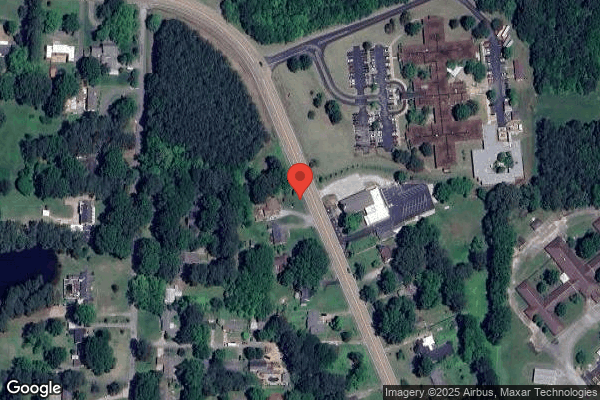
2865 MAIN STREET, HUMBOLDT, TN 38343 (731) 784-8405
Government - State 140 Beds TENNESSEE STATE VETERANS' HOME Data: November 2025
Trust Grade
83/100
#103 of 298 in TN
Last Inspection: October 2023

Over 2 years since last inspection. Current conditions may differ from available data.

Overview

W D Bill Manning Tennessee State Veterans Home in Humboldt, Tennessee has a Trust Grade of B+, indicating it is above average and recommended for families considering care options. It ranks #103 out of 298 facilities in Tennessee, placing it in the top half, and #3 out of 6 in Gibson County, meaning only two local options are superior. The facility is improving, with issues decreasing from five in 2021 to two in 2023. Staffing is a strength, receiving 4 out of 5 stars with a low turnover rate of 26%, which is well below the state average of 48%. However, there is concerning RN coverage, as it is less than 86% of state facilities, which may impact the quality of care. Recent inspections revealed several concerns, including a failure to properly screen staff for COVID-19, which could have endangered residents. Additionally, unsecured sharps were found in multiple resident rooms, posing a safety risk. Finally, care plans for some residents were not revised as required, indicating potential gaps in personalized care. Overall, while the facility has notable strengths in staffing and is improving, families should be aware of these specific weaknesses.

Trust Score
B+
83/100
In Tennessee
#103/298
Top 34%
Safety Record
Low Risk
No red flags
Inspections
Getting Better
5 → 2 violations
Staff Stability
✓ Good
26% annual turnover. Excellent stability, 22 points below Tennessee's 48% average. Staff who stay learn residents' needs.
Penalties
✓ Good
No fines on record. Clean compliance history, better than most Tennessee facilities.
Skilled Nurses
⚠ Watch
Each resident gets only 26 minutes of Registered Nurse (RN) attention daily — below average for Tennessee. Fewer RN minutes means fewer trained eyes watching for problems.
Violations
○ Average
7 deficiencies on record. Average for a facility this size. Mostly minor or procedural issues.
★★★★☆
4.0
Overall Rating
★★★★☆
4.0
Staff Levels
★★☆☆☆
2.0
Care Quality
★★★★☆
4.0
Inspection Score
Stable
2021: 5 issues
2023: 2 issues

The Good

  • 4-Star Staffing Rating · Above-average nurse staffing levels
  • Low Staff Turnover (26%) · Staff stability means consistent care
  • Full Sprinkler Coverage · Fire safety systems throughout facility
  • No fines on record
  • Staff turnover is low (26%)

    22 points below Tennessee average of 48%

Facility shows strength in staffing levels, staff retention, fire safety.

The Bad

Chain: TENNESSEE STATE VETERANS' HOME

Part of a multi-facility chain

Ask about local staffing decisions and management

The Ugly 7 deficiencies on record

Oct 2023 2 deficiencies
CONCERN (D)

Potential for Harm - no one hurt, but risky conditions existed

Comprehensive Care Plan (Tag F0656)

Could have caused harm · This affected 1 resident

**NOTE- TERMS IN BRACKETS HAVE BEEN EDITED TO PROTECT CONFIDENTIALITY** Based on policy review, medical record review, observation, and interview, the facility failed to revise care plans for 2 of 24 ...

Read full inspector narrative →
**NOTE- TERMS IN BRACKETS HAVE BEEN EDITED TO PROTECT CONFIDENTIALITY** Based on policy review, medical record review, observation, and interview, the facility failed to revise care plans for 2 of 24 (Resident #16, and #91) sampled residents reviewed for care planning. The findings include: 1. Review of the facility's policy titled .Clinical Comprehensive Care Plan Policy, dated 3/1/16 (2016), revealed .information gathered from the Minimum Data Set [MDS], family and Resident interview/assessments to develop, review and revise the Resident's Comprehensive Plan of Care. The Comprehensive Plan of Care will be individualized and include measurable objectives and timetables to meet the Resident's medical, nursing, mental and psychological needs .develops and maintains a comprehensive plan of care for each Resident that identifies the Resident's unique problems/weaknesses, strengths, preferences, goals and interventions for Resident's to attain the highest level of functioning . 2. Review of the medical record revealed Resident #16 was admitted to the facility on [DATE], with diagnoses of Atrial Fibrillation, Respiratory Failure, Pneumonia, and Post-Traumatic Stress Syndrome. Review of the significant change Minimum Data Set (MDS) dated [DATE], revealed Resident #16 had a Brief Interview for Mental Status (BIMS) score of 12, which indicated he had moderate cognitive impairment and was coded for oxygen. Review of the Physician's order dated 10/3/2023 revealed .O2 [oxygen] at 2L [Liters] via NC [nasal cannula] to keep sats [saturation] =/> [equal to or greater than] than 92% [percentage] May titrate up to 5L . Review of the Care Plan dated 10/10/2023 revealed Resident #16 did not have a care plan to address the oxygen. Observations in the Resident's room on 10/16/2023 at 9:31 AM, and 10/18/2023 at 3:18 PM, revealed Resident #16 had oxygen binasal cannula (medical device to provide supplemental oxygen therapy) in place. 3. Review of medical record revealed Resident # 91 was admitted to the facility on [DATE], with diagnoses of Dementia, Post-Traumatic Stress Disorder, Depression, Diabetes, and Psychosis. Review of the quarterly MDS dated [DATE], revealed Resident #91 had a BIMS score of 14, which indicated he was cognitively intact. Review of the Physician's Orders dated 6/19/2023, revealed .Apixaban [used to treat and prevent blood clots] Oral Tablet 5 MG [milligrams] .Give 1 tablet by mouth two times a day . Review of the Care Plan with a revision date of 8/7/2023, revealed Resident #91 did not have a care plan to address the anticoagulant medication. During an interview on 10/19/23 at 11:44 AM, the Director of Nursing (DON) was asked should oxygen be on Resident #16's care plan. The DON stated Yes. The DON was asked should anticoagulant medications be on Resident #91's care plan. The DON stated, Yes ma'am.
CONCERN (D)

Potential for Harm - no one hurt, but risky conditions existed

Infection Control (Tag F0880)

Could have caused harm · This affected 1 resident

Based on policy review, observation, and interview, the facility failed to ensure proper infection control practices when 1 of 14 staff members (Certified Nursing Assistants (CNA) #7) handled the resi...

Read full inspector narrative →
Based on policy review, observation, and interview, the facility failed to ensure proper infection control practices when 1 of 14 staff members (Certified Nursing Assistants (CNA) #7) handled the residents food with bare hands, when 1 of 14 staff members (CNA #2) placed a dirty tray back on the tray cart with clean trays, and when 1 of 14 staff members (CNA #5) failed to perform hand hygiene during dining observation. The findings include: 1. Review of the facility's policy titled .Handwashing/Hand Hygiene, dated 4/4/2018 revealed .Hand washing/hand hygiene is regarded by this organization as the single most important means of preventing the spread of infections. Most germs that cause serious infections in healthcare are spread by people's actions. Hand hygiene is a great way to prevent infections .All personnel shall follow the organization's handwashing/hand hygiene procedures to prevent the spread of infection and disease to other personnel, residents and visitors .After handling items potentially contaminated .Before and after handling food .Before and after direct resident contact .Before and after assisting a resident with meals .After handling soiled or used linens . 2. Observation in a resident's room on 10/16/2023 at 11:57 AM, revealed CNA #7 opened a wrapped sandwich, removed the sandwich from the wrapper and placed the sandwich on the tray with their bare hands. Observation on 10/16/2023 at 12:14 PM, revealed CNA #2 removed a dirty meal tray from a resident's room and placed it back on the cart with 3 clean unserved meal trays. During an interview on 10/16/2023 at 12:15 PM, CNA #2 was asked should she have placed a dirty tray back on the clean dining cart. CNA #2 stated, No .I didn't know what to do .he refused the rest of it . 3. Observation in a resident's room on 10/18/2023 at 5:15 PM, revealed CNA #5 picked up a pillow from the floor, placed it on the resident's bed, opened drawers looking for an item, and touched the privacy curtain. CNA #5 failed to wash her hands and preceded to open the straw, placed the opened straw in a glass, and then laid the opened straw on the meal tray. CNA #5 poured water into the glass, picked up the opened straw and gave the resident a drink. CNA #5 failed to perform hand hygiene after handling contaminated items in the environment before assisting with the tray setup. During an interview on 10/19/2023 at 12:17 PM, the Director of Nursing (DON) was asked should staff handled items in environment and then setup the meal trays without performing hand hygiene. The DON stated, .No, they should perform hand hygiene . The DON was asked should a tray that has been carried into a resident's room be brought back out and placed back on the clean dining cart with clean trays. The DON stated, .No, the tray should not be placed back on the clean dining cart with clean trays . The DON was asked should the staff member handle the resident's food with their bare hands. The DON stated, .No, they should not .
Nov 2021 5 deficiencies
CONCERN (D)

Potential for Harm - no one hurt, but risky conditions existed

Deficiency F0554 (Tag F0554)

Could have caused harm · This affected 1 resident

**NOTE- TERMS IN BRACKETS HAVE BEEN EDITED TO PROTECT CONFIDENTIALITY** Based on policy review, medical record review, observation, and interview, the facility failed to assess 1 of 6 sampled resident...

Read full inspector narrative →
**NOTE- TERMS IN BRACKETS HAVE BEEN EDITED TO PROTECT CONFIDENTIALITY** Based on policy review, medical record review, observation, and interview, the facility failed to assess 1 of 6 sampled residents (Resident #85) for self-administration of medications. The findings include: Review of the facility's policy titled, Self-Administration of Drugs, dated 2/20/2003, revealed .Residents who wish to self-administer medications will be evaluated by the attending Physician and the Interdisciplinary Team (IDT) for safety .Document the assessment findings in the residents medical record .Residents who are deemed safe to self-administer medications will be provided with a locked box to keep medications secure . Review of the medical record, revealed Resident #85 was admitted to the facility on [DATE] with diagnoses of Chronic Obstructive Pulmonary Disease, Atrial Fibrillation, Congestive Heart Failure, Hypertension, and Oxygen Dependence. Review of the quarterly Minimum Data Set (MDS) dated [DATE], revealed Resident #85 had a Brief Interview for Mental Status (BIMS) of 14, which indicated he was cognitively intact. Observation in the resident's room on 11/16/2021 at 8:38 AM, revealed Resident #85 had an unidentified nebulizer treatment in progress and there were no staff present in the room. At 8:41 AM, Licensed Practical Nurse (LPN) #6 entered the room and removed the nebulizer treatment. The facility was unable to provide a self-administration assessment for nebulizer treatments for Resident #85. During an interview on 11/17/2021 at 8:26 AM, the Director of Nursing (DON) confirmed the nurse should stay with the resident during the nebulizer treatment unless the resident has had a self-administration assessment.
CONCERN (D)

Potential for Harm - no one hurt, but risky conditions existed

Quality of Care (Tag F0684)

Could have caused harm · This affected 1 resident

**NOTE- TERMS IN BRACKETS HAVE BEEN EDITED TO PROTECT CONFIDENTIALITY** Based on medical record review and interview, the facility failed to ensure 1 of 5 nurses (Licensed Practical Nurse (LPN #6) adm...

Read full inspector narrative →
**NOTE- TERMS IN BRACKETS HAVE BEEN EDITED TO PROTECT CONFIDENTIALITY** Based on medical record review and interview, the facility failed to ensure 1 of 5 nurses (Licensed Practical Nurse (LPN #6) administered medications according to Physician's Orders for 1 of 6 sampled residents (Resident #85) reviewed for medication administration. The findings include: Review of the medical record, showed Resident #85 was admitted to the facility on [DATE] with diagnoses of Chronic Obstructive Pulmonary Disease, Atrial Fibrillation, Congestive Heart Failure, Hypertension, and Oxygen Dependence. Review of the quarterly Minimum Data Set (MDS) dated [DATE], revealed Resident #85 was cognitively intact. Review of the Care Plan with a revision date of 10/18/2021, revealed .at risk for respiratory distress .Give meds [medications] as ordered and observe effectiveness . Review of the Physician's Orders dated 10/27/2021, revealed there was no active Physician's Order for a nebulizer treatment. Observation in the resident's room on 11/16/2021 beginning at 8:38 AM, revealed Resident #85 had a nebulizer treatment in progress. During an interview on 11/17/2021 at 7:37 PM, the Director of Nursing (DON) confirmed all medication orders should be entered in the computer. The DON confirmed medications should not be administered without a Physician's Order. The DON was asked if there was a Physician's Order for the nebulizer treatment. The DON stated, He [Resident #85] went out to the hospital and it was a prn [as needed] order, the order fell off when he came back .he's always had breathing treatments .a lot of this is they [staff] know their patients and they [staff] know the fact that they've had an order . The DON confirmed that there was not a Physician's Order for the breathing treatment.
CONCERN (D)

Potential for Harm - no one hurt, but risky conditions existed

Deficiency F0761 (Tag F0761)

Could have caused harm · This affected 1 resident

Based on policy review, observation, and interview, the facility failed to ensure medications were labeled and stored appropriately when unsecured medications were observed in 1 of 68 resident rooms (...

Read full inspector narrative →
Based on policy review, observation, and interview, the facility failed to ensure medications were labeled and stored appropriately when unsecured medications were observed in 1 of 68 resident rooms (Resident #29's room) which could have potentially affected the 3 identified wandering residents (Resident #8, #74, and #94) in the facility. The findings include: Review of the facility's policy titled, Storage and Expiration of Medications, Biologicals ., dated 12/1/2007, revealed .Facility should ensure that all medications and biologicals .are securely stored in a locked cabinet/cart or locked medication room that is inaccessible by residents and visitors . Observation in the resident's room on 11/16/2021 at 7:33 AM, revealed the following medications on Resident #29's over bed table: a. 2 boxes of 2.1-ounce tubes of Capsaicin Cream 0.025 percent (%). b. 1 box of Fluticasone/Salmeterol inhaler. The facility identified 3 wanderers (Resident #8, #78, and #94) who could have potentially been affected by unsecured medications left unattended in the resident's room. During an interview on 11/17/2021 at 8:26 AM, the Director of Nursing (DON) confirmed medications should not be left at the bedside unattended.
CONCERN (E)

Potential for Harm - no one hurt, but risky conditions existed

Accident Prevention (Tag F0689)

Could have caused harm · This affected multiple residents

**NOTE- TERMS IN BRACKETS HAVE BEEN EDITED TO PROTECT CONFIDENTIALITY** Based on policy review, observation, and interview, the facility failed to ensure the environment was free of accident hazards w...

Read full inspector narrative →
**NOTE- TERMS IN BRACKETS HAVE BEEN EDITED TO PROTECT CONFIDENTIALITY** Based on policy review, observation, and interview, the facility failed to ensure the environment was free of accident hazards when unsecured sharps were observed in 4 of 68 resident rooms (room [ROOM NUMBER], #16, #15, and #19) for 6 of 103 sampled residents (Resident #4, #11, #42, #68, #98, and #106) observed for accident hazards. The findings include: Review of the facility's policy titled, .Accident Policy, dated 5/30/2018, revealed .The [Named Long Term Care Facility] will strive to ensure that Residents environment remains as free of accident hazards as possible .Accident refers to any unexpected or unintentional incident, which may result in injury or illness to a Resident .Avoidable accident means that an accident occurred because a facility failed to identify environmental hazards, identify a Resident's individual risk for accidents .implement interventions . Review of the medical record, revealed Resident #42 was admitted to the facility on [DATE] with diagnoses of Chronic Obstructive Pulmonary Disease, Stage 3 Chronic Kidney Disease, Depression, Anxiety, Dysphagia, Hypertension, and Heart Failure. Review of the quarterly Minimum Data Set (MDS) dated [DATE], revealed Resident #42 was cognitively intact. Review of the medical record, revealed Resident #98 was admitted to the facility on [DATE] with diagnoses of Intracranial Injury, Anxiety, Vascular Dementia, Depression, Aphasia, Hypertension, Cerebral Vascular Accident, and Hemiplegia. Review of the admission MDS dated [DATE], revealed Resident #98 had severe cognitive impairment. Observation in Resident #42 and #98's shared bathroom (room [ROOM NUMBER]) on 11/15/2021 at 9:39 AM and 3:19 PM, revealed 6 disposable razors in a cup. Observation in Resident #42 and #98's shared bathroom (room [ROOM NUMBER]) on 11/16/2021 at 8:05 AM and 3:27 PM, revealed 5 disposable razors in a cup. Review of the medical record, revealed Resident #11 was admitted to the facility on [DATE] with diagnoses of Diabetes Mellitus, Anemia, Neuropathy, Hypertension, Heart Disease, and Dysphagia. Review of the admission MDS dated [DATE], revealed Resident #11 had severe cognitive impairment. Observation in Resident #11's bathroom (room [ROOM NUMBER]) on 11/15/2021 at 10:07 AM and 3:23 PM, and on 11/16/2021 at 8:53 AM and 4:26 PM, revealed a wash basin containing an opened package with 8 disposable razors and 9 loose disposable razors on the sink counter. Review of the medical record, revealed Resident #4 was admitted to the facility on [DATE] with diagnoses of Cerebral Vascular Accident, Hemiplegia, Hemiparesis, Anxiety, Depression, Aphasia, and Amnesia. Review of the quarterly MDS dated [DATE], revealed Resident #4 had moderately impaired cognition. Review of the medical record, revealed Resident #106 was admitted to the facility on [DATE] with diagnoses of Polyosteoarthritis, Depression, Heart Failure, and Chronic Kidney disease. Review of the quarterly MDS dated [DATE], revealed Resident #106 was cognitively intact. Observation in Resident #4 and Resident #106's shared bathroom (room [ROOM NUMBER]) on 11/15/2021 at 10:17 AM, revealed a gray wash basin containing 2 razors on the right side of the sink. Observation in Resident #4 and Resident #106's shared bathroom (room [ROOM NUMBER]) on 11/15/2021 at 11:18 AM and 3:25 PM, and on 11/16/2021 at 1:15 PM, revealed a gray wash basin containing 1 razor and 4 replaceable razor cartridges on the left side of the sink. Review of the medical record, revealed Resident #68 was admitted to the facility on [DATE] with diagnoses of Diabetes, Hypertension, Cirrhosis of the Liver, Cerebral Vascular Accident, Hemiplegia, and Hemiparesis. Review of the quarterly MDS dated [DATE], revealed Resident #68 was cognitively intact. Observation in Resident #68's bathroom (room [ROOM NUMBER]) on 11/15/2021 at 11:27 AM and 3:26 PM, and on 11/16/2021 at 9:33 AM and 4:30 PM, revealed a gray wash basin with 3 disposable razors on the sink counter. During an interview on 11/17/2021 at 8:29 AM, the Director of Nursing (DON) confirmed razors should not be left in residents' bathrooms.
CONCERN (F)

Potential for Harm - no one hurt, but risky conditions existed

Infection Control (Tag F0880)

Could have caused harm · This affected most or all residents

Based on the Centers for Disease Control and Prevention (CDC) guidelines, policy review, Time and Attendance Reports, staff screening logs, and interview, the facility failed to properly prevent and/o...

Read full inspector narrative →
Based on the Centers for Disease Control and Prevention (CDC) guidelines, policy review, Time and Attendance Reports, staff screening logs, and interview, the facility failed to properly prevent and/or contain COVID-19 when 53 of 173 staff members (Environmental Services Staff #1, #2, #3, #4, #5, #6, #7, #8, #9, #10, #11, #12, and #13, Registered Nurse (RN) #1, #2, #3, and #4, Licensed Practical Nurse (LPN) #1, #2, #3, #4, #5, #6, #7, and #8, Certified Nursing Assistant (CNA) #1, #2, #3, #4, #5, #6, #7, #8, #10, #11, #12, #13, #14, #15, #16, #17, #18, #19, #20, #21, #22, #23, #24, #25, #26, #27, #28, and #29) failed to complete screenings prior to working on 13 of 13 days (10/29/2021, 10/30/2021, 10/31/2021, 11/1/2021, 11/2/2021, 11/3/2021, 11/4/2021,11/5/2021, 11/6/2021, 11/7/2021, 11/8/2021, 11/9/2021, and 11/10/2021) reviewed. This could have potentially affected the 103 residents residing in the facility. The findings include: Review of the Centers for Disease Control and Prevention (CDC) document titled, Interim Infection Prevention and Control Recommendations for Healthcare Personnel During the Coronavirus Disease 2019 (COVID-19) Pandemic, updated 9/10/2021, revealed .Establish a process to identify anyone entering the facility, regardless of their vaccination status .so that they can be properly managed .Options could include .individual screening on arrival at the facility .before entering the facility. Review of the facility's policy titled, Occupational Health- COVID-19, dated 3/6/2020, revealed .Employees will be screened prior to starting a shift by having their temp [temperature] taken, as well as being screened for recent travel, signs or symptoms or exposure . Review of the Employee Screening Logs and Time and Attendance Reports from 10/29/2021 - 11/10/2021, revealed the following employees worked on the following days and failed to screen for signs and symptoms of COVID-19: a. 10/29/2021 - Environmental Services Staff #4, #5, and #6; CNA #1, #2, and #3; RN #4. b. 10/30/2021 - Environmental Services Staff #1, #2, and #3; CNA #4 and #5. c. 10/31/2021 - CNA #1, #6, #7, and #8. d. 11/1/2021 - Environmental Services Staff #1 and #5; RN #4. e. 11/2/2021 - Environmental Services Staff #12 and CNA #10. f. 11/3/2021 - Environmental Services Staff #3, #10, and #12; CNA #11 and #29; LPN #1, #2, #3 and #4. g. 11/4/2021 - Environmental Services Staff #10 and #13; CNA 1, #4, #11 #12, #13, #14, and #15; RN #2. h. 11/5/2021 - Environmental Services Staff #3, #4, #5, #9, and #10; CNA #13, #12, and #16; LPN #5, #6, #7; RN #4. i. 11/6/2021 - Environmental Services Staff #11; CNA #16, #17, #18, and #19. j. 11/7/2021 - Environmental Services Staff #3, #4, #5, #6, and #7; CNA #18, #21, and #22. k. 11/8/2021 - Environmental Services Staff #3, #4, #5, #6, and #7; CNA #10, #16, #24, and #23; LPN #8; RN #1. l. 11/9/2021 - Environmental Services Staff #8 and #10; CNA #25, #26, and #27; RN #2, #3, and #4. m. 11/10/2021 - Environmental Services Staff #1, #2, #3, and #10; CNA #12, #20, and #28. During an interview on 11/17/2021 at 8:52 PM, the Director of Nursing (DON) stated, .the staff is supposed to stop and get screened in each day .they get temp [temperature] taken .screen for signs and symptoms of respiratory illness or exposure to COVID 19 .it's done by the nursing department .if no one is there to screen .we are called to front by Receptionist .all staff members should be screened before entering the building .
Understanding Severity Codes (click to expand)
Life-Threatening (Immediate Jeopardy)
J - Isolated K - Pattern L - Widespread
Actual Harm
G - Isolated H - Pattern I - Widespread
Potential for Harm
D - Isolated E - Pattern F - Widespread
No Harm (Minor)
A - Isolated B - Pattern C - Widespread

Questions to Ask on Your Visit

  • "Can I speak with families of current residents?"
  • "What's your RN coverage like on weekends and overnight?"

Our Honest Assessment

Strengths
  • • Grade B+ (83/100). Above average facility, better than most options in Tennessee.
  • • No major safety red flags. No abuse findings, life-threatening violations, or SFF status.
  • • No fines on record. Clean compliance history, better than most Tennessee facilities.
  • • 26% annual turnover. Excellent stability, 22 points below Tennessee's 48% average. Staff who stay learn residents' needs.
Concerns
  • • No significant concerns identified. This facility shows no red flags across CMS ratings, staff turnover, or federal penalties.
Bottom line: Generally positive indicators. Standard due diligence and a personal visit recommended.

About This Facility

What is W D Bill Manning Tennessee State Veterans Home's CMS Rating?

CMS assigns W D BILL MANNING TENNESSEE STATE VETERANS HOME an overall rating of 4 out of 5 stars, which is considered above average nationally. Within Tennessee, this rating places the facility higher than 99% of the state's 100 nursing homes. This rating reflects solid performance across the metrics CMS uses to evaluate nursing home quality.

How is W D Bill Manning Tennessee State Veterans Home Staffed?

CMS rates W D BILL MANNING TENNESSEE STATE VETERANS HOME's staffing level at 4 out of 5 stars, which is above average compared to other nursing homes. Staff turnover is 26%, compared to the Tennessee average of 46%. This relatively stable workforce can support continuity of care.

What Have Inspectors Found at W D Bill Manning Tennessee State Veterans Home?

State health inspectors documented 7 deficiencies at W D BILL MANNING TENNESSEE STATE VETERANS HOME during 2021 to 2023. These included: 7 with potential for harm.

Who Owns and Operates W D Bill Manning Tennessee State Veterans Home?

W D BILL MANNING TENNESSEE STATE VETERANS HOME is owned by a government entity. Government-operated facilities are typically run by state, county, or municipal agencies. The facility is operated by TENNESSEE STATE VETERANS' HOME, a chain that manages multiple nursing homes. With 140 certified beds and approximately 129 residents (about 92% occupancy), it is a mid-sized facility located in HUMBOLDT, Tennessee.

How Does W D Bill Manning Tennessee State Veterans Home Compare to Other Tennessee Nursing Homes?

Compared to the 100 nursing homes in Tennessee, W D BILL MANNING TENNESSEE STATE VETERANS HOME's overall rating (4 stars) is above the state average of 2.8, staff turnover (26%) is significantly lower than the state average of 46%, and health inspection rating (4 stars) is above the national benchmark.

What Should Families Ask When Visiting W D Bill Manning Tennessee State Veterans Home?

Based on this facility's data, families visiting should ask: "Can I visit during a mealtime to observe dining assistance and food quality?" "How do you handle medical emergencies, and what is your hospital transfer rate?" "Can I speak with family members of current residents about their experience?"

Is W D Bill Manning Tennessee State Veterans Home Safe?

Based on CMS inspection data, W D BILL MANNING TENNESSEE STATE VETERANS HOME has a clean safety record: no substantiated abuse findings (meaning no confirmed cases of resident harm), no Immediate Jeopardy citations (the most serious violation level indicating risk of serious injury or death), and is not on the Special Focus Facility watch list (a federal program monitoring the lowest-performing 1% of nursing homes). The facility has a 4-star overall rating and ranks #1 of 100 nursing homes in Tennessee. While no facility is perfect, families should still ask about staff-to-resident ratios and recent inspection results during their visit.

Do Nurses at W D Bill Manning Tennessee State Veterans Home Stick Around?

Staff at W D BILL MANNING TENNESSEE STATE VETERANS HOME tend to stick around. With a turnover rate of 26%, the facility is 20 percentage points below the Tennessee average of 46%. Low turnover is a positive sign. It means caregivers have time to learn each resident's needs, medications, and personal preferences. Consistent staff also notice subtle changes in a resident's condition more quickly. Registered Nurse turnover is also low at 15%, meaning experienced RNs are available to handle complex medical needs.

Was W D Bill Manning Tennessee State Veterans Home Ever Fined?

W D BILL MANNING TENNESSEE STATE VETERANS HOME has no federal fines on record. CMS issues fines when nursing homes fail to meet care standards or don't correct problems found during inspections. The absence of fines suggests the facility has either maintained compliance or corrected any issues before penalties were assessed. This is a positive indicator, though families should still review recent inspection reports for the full picture.

Is W D Bill Manning Tennessee State Veterans Home on Any Federal Watch List?

W D BILL MANNING TENNESSEE STATE VETERANS HOME is not on any federal watch list. The most significant is the Special Focus Facility (SFF) program, which identifies the bottom 1% of nursing homes nationally based on persistent, serious quality problems. Not being on this list means the facility has avoided the pattern of deficiencies that triggers enhanced federal oversight. This is a positive indicator, though families should still review the facility's inspection history directly.