SENATOR BEN ATCHLEY STATE VETERANS' HOME
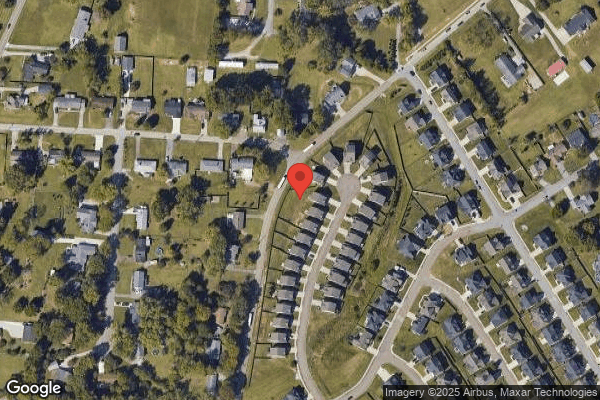
ONE VETERANS WAY, KNOXVILLE, TN 37931 (865) 862-8100
Government - State 140 Beds TENNESSEE STATE VETERANS' HOME Data: November 2025
Trust Grade
90/100
#37 of 298 in TN
Last Inspection: February 2024

Within standard 12-15 month inspection cycle. Federal law requires annual inspections.

Overview

Senator Ben Atchley State Veterans' Home in Knoxville, Tennessee, has a Trust Grade of A, indicating it is an excellent facility that is highly recommended. Ranking #37 out of 298 facilities in Tennessee places it in the top half, and #3 out of 13 in Knox County means only two local options are better. The facility is improving, with a decrease in reported issues from two in 2024 to one in 2025. Staffing is a strength, earning a 5-star rating with a turnover rate of 40%, which is below the state average, suggesting that staff are experienced and familiar with the residents. Notably, the facility has not incurred any fines, which is a positive sign of compliance. However, there are areas of concern, including incidents of resident-to-resident sexual abuse that occurred despite the facility’s policies. Additionally, there was a failure to refer a resident diagnosed with a serious mental disorder for further evaluation, which highlights a gap in care. Lastly, while the RN coverage is average, having more registered nurses would better support residents' needs. Overall, while the facility has many strengths, families should be aware of the serious incidents and ensure proper oversight.

Trust Score
A
90/100
In Tennessee
#37/298
Top 12%
Safety Record
Low Risk
No red flags
Inspections
Getting Better
2 → 1 violations
Staff Stability
○ Average
40% turnover. Near Tennessee's 48% average. Typical for the industry.
Penalties
✓ Good
No fines on record. Clean compliance history, better than most Tennessee facilities.
Skilled Nurses
✓ Good
Each resident gets 46 minutes of Registered Nurse (RN) attention daily — more than average for Tennessee. RNs are trained to catch health problems early.
Violations
✓ Good
Only 5 deficiencies on record. Cleaner than most facilities. Minor issues only.
★★★★★
5.0
Overall Rating
★★★★★
5.0
Staff Levels
★★☆☆☆
2.0
Care Quality
★★★★☆
4.0
Inspection Score
Stable
2024: 2 issues
2025: 1 issues

The Good

  • 5-Star Staffing Rating · Excellent nurse staffing levels
  • Full Sprinkler Coverage · Fire safety systems throughout facility
  • No fines on record
  • Staff turnover below average (40%)

    8 points below Tennessee average of 48%

Facility shows strength in staffing levels, fire safety.

The Bad

Staff Turnover: 40%

Near Tennessee avg (46%)

Typical for the industry

Chain: TENNESSEE STATE VETERANS' HOME

Part of a multi-facility chain

Ask about local staffing decisions and management

The Ugly 5 deficiencies on record

Jan 2025 1 deficiency
CONCERN (D) 📢 Someone Reported This

A family member, employee, or ombudsman was alarmed enough to file a formal complaint

Potential for Harm - no one hurt, but risky conditions existed

Free from Abuse/Neglect (Tag F0600)

Could have caused harm · This affected 1 resident

**NOTE- TERMS IN BRACKETS HAVE BEEN EDITED TO PROTECT CONFIDENTIALITY** Based on facility policy review, medical record review, observations and interviews, the facility failed to prevent resident to ...

Read full inspector narrative →
**NOTE- TERMS IN BRACKETS HAVE BEEN EDITED TO PROTECT CONFIDENTIALITY** Based on facility policy review, medical record review, observations and interviews, the facility failed to prevent resident to resident sexual abuse for 2 residents (Residents #1 and #2) of five residents reviewed for abuse when Resident #1 was observed with a hand inside Resident #2's brief on [DATE]. The facility was cited at F-600 at a Scope and Severity of D and was cited as past non-compliance. Noncompliance began on [DATE], was corrected and ended on [DATE]. The facility is not required to submit a Plan of Correction. The findings include: Review of the facility policy titled, Abuse and Neglect of Resident and Misappropriation of Resident's Property, dated [DATE], revealed .Sexual Abuse includes but is not limited to sexual harassment, sexual coercion or assault . Medical record review revealed Resident #1 was admitted to the facility [DATE] with diagnoses including Displaced Left Femur Fracture, Adjustment Disorder with Anxiety and Depressed Mood, Urinary Tract Infection, Unspecified Altered Mental Status, Insomnia, Chronic Kidney Disease, Multiple Rib Fractures, History of Falls, and Unspecified Dementia with Psychosis. Review of the quarterly Minimum Data Set (MDS) assessment dated [DATE], revealed Resident #1 scored a 10 on the Brief Interview of Mental Status (BIMS) assessment which indicated moderate cognitive impairment. Continued review revealed Resident #1 had a history of wandering 1 to 3 days weekly which had improved since the last quarterly MDS assessment. Resident #1 utilized a wheelchair for ambulation and required assistance of 1 or 2 persons for activities of daily living (ADLs). Review of a repeat BIMS assessment dated [DATE], revealed Resident #1 scored an 8 on the assessment which indicated moderate cognitive impairment. Review of the care plan for Resident #1 revised [DATE], revealed the resident was considered at risk for bouts of confusion, wandering and anxiety with interventions in place on admission. Continued review revealed .touched female resident [Resident #2], 1:1 [one to one] observation, staff monitor proximity to others .BIMS 8/15 [8 out of 15 which indicated moderate cognitive impairment] . Medical record review revealed Resident #2 was admitted to the facility on [DATE] with diagnoses including Alzheimer's Disease, Anxiety Disorder, Dementia with Behaviors, and Hypertension. Review of the admission MDS assessment dated [DATE], revealed Resident #2 scored a 3 on the BIMS assessment which indicated severe cognitive impairment. Resident #2 had no history of behaviors, symptoms of depression, or signs of psychosis and required assistance of 1 or 2 persons for ADLs. Review of the care plan for Resident #2 dated [DATE], revealed the resident was considered at risk for wandering or bouts of confusion with interventions in place. The care plan was revised on [DATE] and revealed .residents [Resident #1 and Resident #2] had an intimate encounter .staff to provide supportive measures, staff to monitor resident's proximity to others .has code alert [a device to worn which uses radio frequency signals to lock doors in the event of attempted exit] .staff to orient to surroundings .NP [Nurse Practitioner] signed psych [psychiatric] rec [record] .no recommendations at this time . Review of the facility investigation dated [DATE], revealed at approximately 6:45 PM, Certified Nurse Aides (CNAs A and B) found Resident #1 in Resident #2's room. Resident #2 was in the bed in the supine position, with sheets pulled down, legs bent at the knee, her clothing pulled up, and her brief loosened on the right side. Resident #1 was observed seated beside the bed in a wheelchair with the right hand inside the front of Resident #2's loosened brief. As staff approached and entered the room, the female resident (Resident #2) stated . here they [staff] come . to the male resident (Resident #1) and Resident #1 withdrew his hand from Resident #2's brief. Resident #2 laughed and pulled the sheets back up covering herself. The residents were immediately separated without incident. CNA B asked Resident #2 if she was ok and Resident #2 responded, .we are fine . and laughed. Resident #1 and Resident #2 did not exhibit any mental or physical distress at the time. Review of a Psychiatric Evaluation for Resident #1 dated [DATE] revealed .Have been asked by facility staff to evaluation this patient for management of his psychiatric conditions .following an incident .wherein this resident was engaged in sexual behaviors with another resident .patient was found in female .room facility staff saw female resident laying supine on the bed with her legs spread, the covers pulled down and her pants partially removed. One side of her brief had been opened and [Resident #1] hand was noted to be inside the .brief .When staff entered the room [Resident #1] stated, ' .here they come .' At that time the female resident attempted to pull the sheets over herself .Facility staff state .both seemed to be enjoying themselves .No evidence of physical aggression, distress or nonconsensual activity was noted .[Resident #1] is alert makes good eye contact .affect is appropriate .patient is unable to recall/volunteer the events described above .when the scenario is described to him, patient states he ' .faintly .' recalls this situation .He does not remember which resident he was involved with in the above situation .Patient [Resident #1] was recently in romantic relationship with another resident who became his girlfriend. Unfortunately the girlfriend recently passed away .[Resident #2] .was residing in the room of his deceased girlfriend .Patient would frequently enter that room to visit his girlfriend to visit with her .Overall the patient has very poor recall and is unable to provide meaningful context or further details regarding the situation .it is felt possible that he was confused and thought he was with his previous girlfriend .Some of his responses to questions are inappropriate and disorganized .When asked if he would ever touch another person in a sexual manner without their consent he replies .I would never do that . While the patient has been involved in a romantic relationship previously, he had not exhibited sexually inappropriate behavior or any sexual disinhibition toward facility staff or other residents . There was no indication the situation above occurred in a non-consensual manner based on the disposition of each resident when they were found by staff and the lack of any behavior or expressions that would indicate any distress on behalf of either party . Review of a telemedicine Psychiatric Evaluation Note dated [DATE] for Resident #2 revealed, .I have been consulted to evaluate this patient for the management of her psychiatric conditions .following an incident where .this patient was involved in a sexual encounter with another resident .facility staff saw [Resident #2] laying supine on the bed with her legs spread, the covers pulled down, her pants partially removed .One side of her brief had been opened and the male resident's hand was inside the brief .The patient is alert, makes good eye contact, speaks clearly and discernably .She appears cheerful, jovial and makes small jokes throughout the interview .Affect is appropriate .She is an unreliable source of historical information .she denies any acute distress, anxiety, or other complaints .is unable to provide simple social information such as her age or whether she has been married in the past .She is oriented only to person .Currently tells me she is traveling with her father .She states ' .I did not even know I was at a nursing home .' .When questioned about the events above and whether or not she was recently involved in a sexual encounter, the patient states ' .no, I wish I had been though .' .Patient has a good laugh about this .Patient is unable to recall any of the events above .She is noted to have very poor recall .was asked how she would respond if ever someone attempted to touch her in a sexual manner without her consent .She replies ' . I would probably slap the shit out of them .' in report from family members .patient is described as a very social person who is flirtatious and enjoys male attention . During interview on [DATE] at 1:15 PM, Licensed Practical Nurse (LPN) A stated she was the nurse on duty at the time of the incident on [DATE] between Resident #1 and Resident #2. LPN A stated the incident occurred a few minutes prior to the evening shift change around 7:00 PM on [DATE]. LPN A stated CNAs B and C found the residents in Resident #2's room and Resident #1 had his hand in Resident #2's brief. LPN A stated the residents were separated without incident. LPN A stated when she interviewed the CNAs who found the residents, they reported Resident #2 was heard giggling as they approached the room and stated .here they come or they're coming . as staff entered the room and it appeared to them the residents were involved in a consensual act. LPN A stated Resident #2 was a new admission and was noted to be very sociable and at times flirtatious with males, but to that point had not exhibited any negative behaviors. LPN A stated Resident #2 occupied the bed previously occupied by a female resident who had passed away a few days prior, with whom Resident #1 had a consensual relationship for over 4 months with consent of both responsible parties. LPN A stated she believed Resident #1 in his confused state may have mistaken Resident #2 for the deceased resident. LPN A reported both residents had no recall of the incident a few hours afterwards and at that point still had no recall of it. During interview on [DATE] at 1:30 PM Resident #2 was pleasantly confused but cooperative. Resident #2 had a bright affect and was neatly groomed and showed no signs of neglect. Resident #2 had no recall of the incident. Resident #2 stated she felt safe in the facility. Resident #2 was asked if anyone touched her against her will in a private area and stated .if anybody did that and I didn't want it, I'd knock the shit right out of them . then began to laugh. Resident #2 stated she .liked it here [at the facility] . Resident #2 smiled throughout the interview and showed no signs of psychological distress. During interview with Resident #1 on [DATE] at 1:45 PM, Resident #1 reported he .was just passing through . Resident #1 had no recall of the incident, stated he was widower and did not recall his prior relationship with another resident, (the previous occupant of Resident #2's bed where she was located at the time of incident and with whom Resident #1 had intimate relations). Resident #1 stated he would never touch anyone without consent. Resident #1 denied any complaints or concerns, stated he felt safe in the facility, and hoped to go home in a few days. Resident #1 showed no signs of anxiety or other psychological distress and was clean, neatly groomed and appeared free of signs of neglect. During interview on [DATE] at 2:50 PM, CNA B stated she entered Resident #2's room with CNA C behind her on the evening of [DATE] and observed Resident #1 with his hand inside Resident #2's brief as reported in the facility investigation. CNA B stated both residents pulled the sheets up to cover Resident #2's groin as she entered the room and Resident #1 withdrew his hand from her brief. CNA B stated Resident #2 did not appear uncomfortable or in any distress and appeared to be engaged in a consensual act and was smiling and giggling as she pulled the bed sheet up to cover herself. CNA B reported the residents held hands briefly before she separated them while CNA C went to get LPN A. CNA B stated she remained in the room with the residents separated until evaluated by LPN A. CNA B stated she remained with Resident #1 and provided 1 to 1 supervision as directed by LPN A and noted Resident #1 did not exhibit any further behaviors. During interview on [DATE] at 3:05 PM, CNA C stated she entered the room behind CNA B and did not see Resident #1's hands clearly. CNA C confirmed she did see both residents as they pulled up the bed sheet and Resident #2 was laughing as she did so. CNA C stated she heard Resident #2 state .here they come . as the CNAs initially entered the room. CNA C stated it appeared Resident #2 had no distress during the occurrence. CNA C reported Resident #2 laughed at her when she asked Resident #2 if she was okay. CNA C reported Resident #2 stated .I am fine . as she laughed. CNA C reported Resident #1 was very confused at baseline and noted Resident #1's former paramour previously occupied the bed where Resident #2 was situated at the time of the incident. CNA C reported Resident #1's former paramour had died a few days earlier and she and Resident #2 looked very similar in terms of physical appearance and stated she thought it possible that Resident #1 may have mistaken Resident #2 for her. During interview on [DATE] at 3:15 PM, the Director of Nursing (DON) reported the facility investigation concluded the act between the residents was likely consensual. The DON acknowledged both residents involved in the incident were cognitively impaired and had no recall of the incident hours afterwards. The DON acknowledged the act was willful. The DON was unable to confirm or deny if the act was consensual based solely on the BIMS scores. The facility implemented multiple interventions in response to the incident which were validated onsite by the surveyor on [DATE] which are outlined as follows: On [DATE] at the time of the incident, Residents #1 and #2 were immediately separated. Resident #1 was placed on 1 to 1 supervision for monitoring as the incident was reported to Administration and an investigation was launched. Ad Hoc Quality Assurance (QA) of the incident by the DON and Administrator was performed as the investigation was initiated. On [DATE] the facility reported the incident to all authorities within 2 hours of occurrence as required by state and federal law. On [DATE] Care Plans for both residents were updated with orders to monitor proximity of both residents. On [DATE] the facility assessed all residents on the unit to ensure no impacts of the incident on others with no negative findings. No other residents were touched by Resident #1. On [DATE] Resident #2 was relocated to a different bed in a different room with family consent to move her from the bed previously occupied by Resident #1's paramour was recently deceased . On [DATE] the Psychiatric Provider performed an initial telehealth assessment of both residents with no new orders for Resident #2 and ordered Resident #1 maintained on 1 to 1 supervision until onsite evaluation could be performed the following day. On [DATE] the mental health provider and medical staff evaluated both residents in person. Neither resident recalled the incident. Neither resident exhibited negative impacts to physical or psychosocial health as a result of the incident. The mental health clinician determined there was no evidence of coercion or opposition to the acts reported as observed by staff by either resident and it was likely the acts were consensual. 1 to 1 supervision for Resident #1 was discontinued. Acute mental health referral for Resident #1 was ruled out by the mental health provider as medically unnecessary at that time as there was no evidence Resident #1 presented an imminent danger to self or others and was not in an acute psychiatric crisis. The mental health clinician recommended continued monitoring, redirection, and proximity management of both residents to prevent recurrences. The facility held additional QA of the incident with the Interdisciplinary team (IDT) and reviewed medication changes ordered for Resident #1 which included gradual dose reduction of antidepressant medications and increase in antipsychotic medication (Seroquel increased from 50mg once daily to 75mg administered in divided doses, 25mg in the morning and 50 mg at night). Staff education related to the facility abuse policy which had begun on the unit occupied by both residents, (D Wing) was expanded to include all facility staff. On [DATE] the mental health provider completed follow up assessments of both residents with no new negative findings. The mental health provider assessment was reviewed by administration and members of the IDT. Between [DATE] and [DATE] the facility performed re-education of all staff members on every unit to include non-clinical staff related to the facility abuse policies, definitions of abuse and abuse types and abuse reporting requirements. By [DATE] all staff currently scheduled or actively working were re-educated with 6 additional personnel to be educated identified. On [DATE] the mental health provider performed follow up visits with both residents which showed no evidence of changes in condition or needs for further interventions for either resident. The facility IDT team reviewed the findings during ongoing QA follow up of the incident. On [DATE] with consent of his family, the facility social worker documented that arrangements to transfer Resident #1 to a private room (401D) on the far end of the opposite wing from Resident #2 were arranged with the transfer date set for [DATE] when the room would become available. On [DATE] the facility completed education of all current active staff members and provided communications to 4 remaining employees scheduled to work that evening, education was required prior to taking assignments for their next scheduled shift. The surveyor validated facility interventions as follows: On [DATE] during the onsite investigation the surveyor conducted interviews with all personnel involved in the incident, the alleged victim and perpetrator and verified the incident occurred as reported to the SA. No evidence of psychosocial or physical harm to either resident was observed. Neither resident recalled the incident in interviews. On [DATE] the surveyor corroborated Resident #2's prior behavioral history with the responsible party and reported information contained in the FRI relevant to their feelings the act between their loved one and Resident #1 was likely due to confusion but was also likely consensual as reported. On [DATE] the surveyor reviewed care plans and observed both residents on the memory care wing. All interventions added to the care plan were in place and neither resident exhibited problematic behaviors. On [DATE] confirmed Resident #2 was relocated to a different bed on [DATE] as reported. On [DATE] the surveyor reviewed educational materials used to retrain staff, the facility abuse policy, and staff logs which documented staff member education was completed as reported. The surveyor interviewed 3 additional staff members in addition to those involved in the incident and verified all staff were knowledgeable of the facility abuse policy, definitions of abuse, reporting requirements, and the concept of capacity to consent with no negative findings. On [DATE] the surveyor interviewed 3 family representatives with attention to concerns for abuse or neglect, resident rights, resident protection, notification of changes in condition, administration, staffing, nursing services, access to clinical services, or unresolved grievances with no concerns identified. Resident interviews with 2 additional surveyed residents (Residents #4 and #5) showed no concerns. On [DATE] the surveyor reviewed updated staff re-education logs provided to the State Agency electronically, which showed all staff currently active at the facility had been re-educated as reported which included the remaining employees from the [DATE] employee education log. The facility also made communications to those who worked for contract agencies that were not scheduled, employed on an as needed (PRN) basis or were off work on vacation or on FMLA, which advised training would be necessary before resumption of duties had been sent per report of the facility leadership. The surveyor verified the incident had been forwarded to the facility Quality Assurance Committee for additional follow up review in February 2025 and the facility QA committee would make additional recommendations relevant to the incident if any were identified at that time. The facility was cited F-600 as past non-compliance and surveyor verified and validated the corrective actions on site on [DATE] and [DATE]. The facility is not required to submit a Plan of Correction.
Feb 2024 2 deficiencies
CONCERN (D)

Potential for Harm - no one hurt, but risky conditions existed

Assessment Accuracy (Tag F0641)

Could have caused harm · This affected 1 resident

**NOTE- TERMS IN BRACKETS HAVE BEEN EDITED TO PROTECT CONFIDENTIALITY** Resident #73 was admitted to the facility on [DATE] and readmitted on [DATE] with diagnoses including Moderate Protein-Calorie M...

Read full inspector narrative →
**NOTE- TERMS IN BRACKETS HAVE BEEN EDITED TO PROTECT CONFIDENTIALITY** Resident #73 was admitted to the facility on [DATE] and readmitted on [DATE] with diagnoses including Moderate Protein-Calorie Malnutrition, Vascular Dementia, Dysphagia (difficulty with swallowing), Hypertension, and Diabetes Mellitus. Review of a significant change MDS assessment dated [DATE], showed Resident #73 was dependent with eating and received tube feeding. Review of the comprehensive care plan dated 6/16/2023, showed Resident #73 .NPO [nothing by mouth] .Gtube [tube feeding] .for malnutrition .To maintain adequate nutrition and maintain stable wt [weight] .Tube feeding per order .NPO and dependent with tube feeding . Review of a physician's order dated 12/16/2023, showed .Enteral Feed [tube feeding] .NPO . During an observation on 2/12/2024 at 10:30 AM, showed Resident #73 lying in bed with tube feeding infusing. During an observation on 2/13/2024 at 9:30 AM, showed Resident #73 lying in bed with tube feeding infusing. During an observation on 2/14/2024 at 10:03 AM, showed Resident #73 lying in bed with tube feeding infusing. During an interview on 2/14/2024 at 10:25 AM, LPN #2 stated Resident #73 was NPO. During an interview on 2/14/2024 at 11:00 AM, CNA #2 stated Resident #73 was NPO. During an interview on 2/14/2024 at 5:30 PM, the MDS Coordinator confirmed Resident #73 was NPO, received tube feeding, and the significant change MDS assessment dated [DATE] was inaccurate. Resident #32 was admitted to the facility on [DATE] with diagnoses including: Alzheimer's Disease, Dementia, Type 2 Diabetes Mellitus, and Major Depressive Disorder. Review of the significant change Minimum Data Set (MDS) assessment dated [DATE] showed .Section H .Urinary Catheter . Review of Resident #32's Comprehensive Care Plan showed Resident #32 was incontinent of bladder. No urinary catheter was documented. Review of the electronic Physician's Orders to include discontinued orders showed no order set for an indwelling catheter or order set for the care of an indwelling catheter had been documented. During an observation on 2/13/2024 at 11:55 AM, Resident #32 was sitting up in a wheelchair, in the dayroom with no indwelling urinary catheter in place. During an interview on 2/13/2024 at 8:05 AM, Licensed Practical Nurse (LPN) #1 stated Resident #32 has never had an indwelling urinary catheter to his knowledge. During an observation on 2/14/2024 at 1:25 PM, Resident #32 was sitting up in his wheelchair, in the dayroom with no indwelling urinary catheter in place. During an interview on 2/14/2024 at 2:35 PM, Certified Nursing Assistant (CNA) #1 stated Resident #32 has never had an indwelling urinary catheter to her knowledge. During an interview on 2/14/2024 at 3:26 PM, the Director of Nursing (DON) confirmed the MDS completed on 1/15/2024 which indicated Resident #32 had an indwelling urinary catheter was inaccurate. Based on review of the Resident Assessment Instrument Manual 3.0 (RAI), medical record reviews, and interviews, the facility failed to accurately complete Minimum Data Set (MDS) assessments for 3 residents (Resident #132, #32, and #73) of 27 residents reviewed for MDS assessments. The findings include: Review of the Centers for Medicare and Medicaid Services Long Term Care Facility Resident Assessment Instrument (RAI) 3.0 User's Manual Version 1.18.11 dated 10/2023, showed .Review the medical record including the discharge plan and discharge orders for documentation of discharge location .The following is guidance .in which a resident receives tube feeding .If the resident does not eat or drink by mouth and relies solely on nutrition and liquids through tube feedings .code GG0130A as 88 .It is important to know what appliances [indwelling urinary catheter] are in use . Resident #132 was admitted to the facility on [DATE] with diagnoses including Malignant Neoplasm of Prostate, Malignant Neoplasm of Bone, Type 2 Diabetes, Chronic Pain Syndrome, and Dementia. Review of a discharge Minimum Data Set (MDS) assessment dated [DATE], showed Resident #132 had a planned discharge with a return not anticipated. Further review showed the resident was discharged on 12/12/2023 to an acute care hospital. Review of a nursing progress note dated 12/12/2023, .Resident discharged .this morning to go home on hospice . During an interview on 2/14/2024 at 5:25 PM, the MDS Coordinator confirmed Resident #132's discharge MDS assessment dated [DATE], was inaccurate.
CONCERN (D)

Potential for Harm - no one hurt, but risky conditions existed

PASARR Coordination (Tag F0644)

Could have caused harm · This affected 1 resident

**NOTE- TERMS IN BRACKETS HAVE BEEN EDITED TO PROTECT CONFIDENTIALITY** Based on medical record review and interview, the facility failed to refer 1 resident (Resident #94) after the resident was diag...

Read full inspector narrative →
**NOTE- TERMS IN BRACKETS HAVE BEEN EDITED TO PROTECT CONFIDENTIALITY** Based on medical record review and interview, the facility failed to refer 1 resident (Resident #94) after the resident was diagnosed with a serious mental disorder, to the state-designated authority for a Level II Pre-admission Screening and Resident Review (PASRR) evaluation and determination of 7 residents reviewed for PASRR. The findings include: Resident #94 was admitted to the facility on [DATE] with diagnoses including Depression, Altered Mental Status, and Diffuse Traumatic Brain Injury. Review of the medical record showed Resident #93 received a diagnosis of Post Traumatic Stress Disorder (PTSD) on 7/30/2021. Review of a Notice of PASRR Level I Screen Outcome dated 11/21/2022, showed .DIAGNOSIS Major Depression .Depression . Further review showed PTSD was not identified. During an interview on 2/14/2023 at 5:44 PM, The Director of Clinical Services confirmed Resident #94 was diagnosed with PTSD on 7/30/2021 and the facility failed to refer the resident for a level 2 PASRR evaluation.
Apr 2019 2 deficiencies
CONCERN (D)

Potential for Harm - no one hurt, but risky conditions existed

Accident Prevention (Tag F0689)

Could have caused harm · This affected 1 resident

**NOTE- TERMS IN BRACKETS HAVE BEEN EDITED TO PROTECT CONFIDENTIALITY** Based on review of facility documentation, medical record review, observations, and interview the facility failed to complete an...

Read full inspector narrative →
**NOTE- TERMS IN BRACKETS HAVE BEEN EDITED TO PROTECT CONFIDENTIALITY** Based on review of facility documentation, medical record review, observations, and interview the facility failed to complete an accurate falls risk assessment for 1 resident (#103) of 6 residents reviewed for accidents of 37 sampled residents. The findings include: Medical record review revealed Resident #103 was admitted to the facility on [DATE] and readmitted on [DATE] with diagnoses including Diabetes, Hypertension, History of Falls, Depression and Dementia. Review of the Minimum Data Set, dated [DATE] revealed a Brief Interview for Mental Status score of 15 indicating the resident was cognitively intact, was continent of bowel and bladder, required limited assistance of 1 for mobility, tranfers, dressing and toileting and sustained a fall with injury. Medical record review of the falls risk assessments revealed the following: 4/18/18 - Falls risk score of 12 indicated the resident was a high risk for falls; 8/30/18 - Falls risk score of 18 indicated the resident was a high risk of falls; 12/7/18 - Falls risk score of 14 indicated the resident was a high risk for falls; 1/23/19 - Falls risk score of 6 indicated the resident was not at risk for falls; 3/18/19 - Falls risk score of 4 indicated the resident was not at risk for falls; Medical record review of facility documentation dated 1/23/19, revealed Resident #103 was observed on floor in shower in his bathroom with a laceration to the left side of his head. Continued review revealed the resident complained of left side rib pain, and the resident was sent to the hospital for evaluation. Interview with Licensed Practical Nurse (LPN) #2 on 4/24/19 at 4:34 PM, at the 200 nurse's station, revealed the nurse was responsible to complete a falls investigation and falls risk assessment after a fall. Continued interview confirmed LPN #2 had failed to include the fall on the 1/23/19 falls risk assessment. Interview with the Director of Nursing (DON) on 4/24/19 at 4:51 PM, in the DON's office confirmed the falls risk assessment dated [DATE] for Resident #103 was an inaccurate falls risk assessment.
MINOR (C)

Minor Issue - procedural, no safety impact

Deficiency F0657 (Tag F0657)

Minor procedural issue · This affected most or all residents

**NOTE- TERMS IN BRACKETS HAVE BEEN EDITED TO PROTECT CONFIDENTIALITY** Based on facility policy review, medical record review, observation, and interview, the facility failed to provide documentation...

Read full inspector narrative →
**NOTE- TERMS IN BRACKETS HAVE BEEN EDITED TO PROTECT CONFIDENTIALITY** Based on facility policy review, medical record review, observation, and interview, the facility failed to provide documentation of Certified Nurse Aide (CNA) participation in the Care Plan process for 20 residents (#7, #8, #18, #24, #31, #45, #48, #50, #55, #69, #83, #95, #104, #108, #110, #111, #112, #115, #118, and #121) of 37 residents reviewed. The findings include: Review of the facility policy Clinical Comprehensive Care Plans Policy, dated 3/1/16 revealed .utilize information gathered .to develop, review and revise the Resident's Comprehensive Plan of Care .the Care Planning/Interdisciplinary Team .develops and maintains a comprehensive plan of care .that identifies the Resident's unique problems/weaknesses, strengths, preferences, goals and interventions .include, but not limited to .Nursing Assistants . Medical record review revealed Resident #7 was admitted to the facility on [DATE] and readmitted on [DATE] for diagnoses including Unspecified Dementia without Behavioral Disturbance, Pressure Ulcer of Right Heel, Unstageable, Atherosclerotic Heart Disease, Type 2 Diabetes Mellitus, and Psychotic Disorder with Delusions. Medical record review of the Care Plan Meeting dated 10/31/18 and 1/9/19 revealed no documentation of CNA participation for Resident #7. Medical record review revealed Resident #8 was admitted to the facility on [DATE] with diagnoses including Parkinson's Disease, Encephalopathy, and Peripheral Vascular Disease. Medical record review of the Care Plan Meeting dated 3/6/19 revealed no documentation of CNA participation for Resident #8. Medical record review revealed Resident #18 was admitted to the facility on [DATE] with diagnoses including Dementia, Adult Failure to Thrive, and Hypertension. Medical record review of the Care Plan Meeting dated 4/24/19 revealed no documentation of CNA participation for Resident #18. Medical record review revealed Resident #24 was admitted to the facility on [DATE] with diagnoses including Vascular Dementia with Behavioral Disturbance, Personality Disorder, Diabetes, Depression, Anxiety, and Chronic Pain Syndrome. Medical record review of the Care Plan Meeting dated 11/8/18 and 2/11/19 revealed no documentation of CNA participation for Resident #24. Medical record review revealed Resident #31 was admitted on [DATE] with diagnoses of Fracture of Neck of Femur, Unsteadiness on Feet, Metabolic Encephalopathy, Mild Cognitive Impairment, Acute Pulmonary Edema, Dysphasia, Vascular Dementia with Behavioral Disturbance, and Anxiety Disorder. Medical record review of the Care Plan meeting on 1/22/19 revealed no documentation of CNA participation for Resident #31. Medical record review revealed Resident #45 was admitted to the facility on [DATE] with diagnoses including Dementia with Lewy Bodies, Diabetes, and Parkinson's Disease. Medical record review of the Care Plan Meeting dated 11/23/18 and 2/25/19 revealed no documentation of CNA participation for Resident #45. Medical record review revealed Resident #48 was admitted [DATE] with diagnoses of Amyotrophic Lateral Sclerosis, Major Depressive Disorder, Sleep Disorder, and Adult Failure to Thrive. Medical record review of the Care Plan meeting on 2/26/19 revealed no documentation of CNA participation for Resident #48. Medical record review revealed Resident #50 was admitted to the facility on [DATE] with diagnoses including Panic Disorder, Cerebrovascular Disease, and Hypertension. Medical record review of the Care Plan Meeting dated 2/24/19 revealed no documentation of CNA participation for Resident #50. Medical record review revealed Resident #55 was admitted to the facility on [DATE] with diagnoses including Anemia, Type 2 Diabetes Mellitus, Post-Traumatic Stress Disorder, and Cerebral Infarction due to Thrombosis. Medical record review of the Care Plan Meeting dated 4/17/19 revealed no documentation of CNA participation for Resident #55. Medical record review revealed Resident #69 was admitted to the facility on [DATE] with diagnoses including Parkinson's Disease, Encephalopathy, and Peripheral Vascular Disease. Medical record review of the Care Plan Meeting dated 3/6/19 revealed no documentation of CNA participation for Resident #69. Medical record review revealed Resident #83 was admitted to the facility on [DATE] with diagnoses including Paranoid Schizophrenia, Anemia, Type 2 Diabetes Mellitus, and Anxiety Disorder. Medical record review of the Care Plan Meeting dated 1/3/19 and 3/21/19 revealed no documentation of CNA participation for Resident #83. Medical record review revealed Resident #95 was admitted on [DATE] with diagnoses of Non-Traumatic Subdural Hemorrhage, Cerebral Infarction without Residual Effects, Major Depressive Disorder, Epilepsy, Major Depressive Disorder, and Anxiety Disorder. Medical record review of the Care Plan meeting dated 4/2/19 revealed no documentation of CNA participation for Resident #95. Medical record review revealed Resident #104 was admitted to the facility on [DATE] with diagnoses including Alzheimer's Disease, Unspecified Fracture of Left Femur, Type 2 Diabetes Mellitus, and Recurrent Depressive Disorder. Medical record review of the Care Plan Meeting dated 3/6/19 revealed no documentation of CNA participation for Resident #104. Medical record review revealed Resident #108 was admitted to the facility on [DATE] with diagnoses including Atrial Fibrillation, Sepsis, Cerebral Infarction, and Pleural Effusion. Medical record review of the Care Plan Meeting dated 3/29/19 revealed no documentation of CNA participation for Resident #108. Medical record review revealed Resident #110 was admitted to the facility on [DATE] with diagnoses including Dementia, Diabetes, and Adult Failure to Thrive. Medical record review of the Care Plan Meeting dated 10/3/18 and 12/10/18 revealed no documentation of CNA participation for Resident #110. Medical record review revealed Resident #111 was admitted on [DATE] with diagnoses of Acute and Chronic Respiratory Failure with Hypoxia, Chronic Pain Syndrome, Encephalopathy, End Stage Renal Disease, Bipolar Disorder, Vascular Dementia with Behavioral Disturbance, Adult Failure to Thrive, and Anxiety Disorder. Medical record review of the Care Plan meeting dated 3/22/19 revealed no documentation of CNA participation for Resident #111. Medical record review revealed Resident #112 was admitted to the facility on [DATE] for diagnoses including Nondisplaced Intertrochanteric Fracture of Right Femur, Recurrent Depressive Disorders, and Obstructive and Reflux Uropathy. Medical record review of the Care Plan Meeting dated 3/11/19 revealed no documentation of CNA participation for Resident #112. Medical record review revealed Resident #115 was admitted to the facility on [DATE] with diagnoses including Ventricular Tachycardia, Type 2 Diabetes Mellitus, Unspecified Dementia without Behavioral Disturbance, and Hypertension. Medical record review of the Care Plan Meeting dated 3/22/19 revealed no documentation of CNA participation for Resident #115. Medical record review revealed Resident #118 was admitted to the facility on [DATE] with diagnoses including Acute Ischemic Heart Disease, Unspecified Dementia without Behavioral Disturbance, Parkinson's Disease, and Atrial Fibrillation. Medical record review of the Care Plan Meeting dated 12/12/18 and 1/9/19 revealed no documentation of CNA participation for Resident #118. Medical record review revealed Resident #121 was admitted to the facility on [DATE] with diagnoses including Alzheimer's Disease, Encephalopathy, Hypotension, and Schizophrenia. Medical record review of the Care Plan Meeting dated 4/3/19 revealed no documentation of CNA participation for Resident #121. Interview with the Director of Nursing, the Minimum Data Set (MDS) Coordinator, MDS Coordinator Registered Nurse #1 and MDS Licensed Practical Nurse #1 on 4/24/19 at 12:55 PM, in the D Wing MDS office, confirmed the facility failed to provide documentation of CNA participation in the Care Plan process for 20 residents (#7, #8, #18, #24, #31, #45, #48, #50, #55, #69, #83, #95, #104, #108, #110, #111, #112, #115, #118, and #121) residents.
Understanding Severity Codes (click to expand)
Life-Threatening (Immediate Jeopardy)
J - Isolated K - Pattern L - Widespread
Actual Harm
G - Isolated H - Pattern I - Widespread
Potential for Harm
D - Isolated E - Pattern F - Widespread
No Harm (Minor)
A - Isolated B - Pattern C - Widespread

Questions to Ask on Your Visit

  • "Can I speak with families of current residents?"
  • "What's your RN coverage like on weekends and overnight?"

Our Honest Assessment

Strengths
  • • Grade A (90/100). Above average facility, better than most options in Tennessee.
  • • No major safety red flags. No abuse findings, life-threatening violations, or SFF status.
  • • No fines on record. Clean compliance history, better than most Tennessee facilities.
  • • Only 5 deficiencies on record. Cleaner than most facilities. Minor issues only.
Concerns
  • • No significant concerns identified. This facility shows no red flags across CMS ratings, staff turnover, or federal penalties.
Bottom line: Generally positive indicators. Standard due diligence and a personal visit recommended.

About This Facility

What is Senator Ben Atchley State Veterans' Home's CMS Rating?

CMS assigns SENATOR BEN ATCHLEY STATE VETERANS' HOME an overall rating of 5 out of 5 stars, which is considered much above average nationally. Within Tennessee, this rating places the facility higher than 99% of the state's 100 nursing homes. This rating reflects solid performance across the metrics CMS uses to evaluate nursing home quality.

How is Senator Ben Atchley State Veterans' Home Staffed?

CMS rates SENATOR BEN ATCHLEY STATE VETERANS' HOME's staffing level at 5 out of 5 stars, which is much above average compared to other nursing homes. Staff turnover is 40%, compared to the Tennessee average of 46%. This relatively stable workforce can support continuity of care.

What Have Inspectors Found at Senator Ben Atchley State Veterans' Home?

State health inspectors documented 5 deficiencies at SENATOR BEN ATCHLEY STATE VETERANS' HOME during 2019 to 2025. These included: 4 with potential for harm and 1 minor or isolated issues.

Who Owns and Operates Senator Ben Atchley State Veterans' Home?

SENATOR BEN ATCHLEY STATE VETERANS' HOME is owned by a government entity. Government-operated facilities are typically run by state, county, or municipal agencies. The facility is operated by TENNESSEE STATE VETERANS' HOME, a chain that manages multiple nursing homes. With 140 certified beds and approximately 128 residents (about 91% occupancy), it is a mid-sized facility located in KNOXVILLE, Tennessee.

How Does Senator Ben Atchley State Veterans' Home Compare to Other Tennessee Nursing Homes?

Compared to the 100 nursing homes in Tennessee, SENATOR BEN ATCHLEY STATE VETERANS' HOME's overall rating (5 stars) is above the state average of 2.9, staff turnover (40%) is near the state average of 46%, and health inspection rating (4 stars) is above the national benchmark.

What Should Families Ask When Visiting Senator Ben Atchley State Veterans' Home?

Based on this facility's data, families visiting should ask: "Can I visit during a mealtime to observe dining assistance and food quality?" "How do you handle medical emergencies, and what is your hospital transfer rate?" "Can I speak with family members of current residents about their experience?"

Is Senator Ben Atchley State Veterans' Home Safe?

Based on CMS inspection data, SENATOR BEN ATCHLEY STATE VETERANS' HOME has a clean safety record: no substantiated abuse findings (meaning no confirmed cases of resident harm), no Immediate Jeopardy citations (the most serious violation level indicating risk of serious injury or death), and is not on the Special Focus Facility watch list (a federal program monitoring the lowest-performing 1% of nursing homes). The facility has a 5-star overall rating and ranks #1 of 100 nursing homes in Tennessee. While no facility is perfect, families should still ask about staff-to-resident ratios and recent inspection results during their visit.

Do Nurses at Senator Ben Atchley State Veterans' Home Stick Around?

SENATOR BEN ATCHLEY STATE VETERANS' HOME has a staff turnover rate of 40%, which is about average for Tennessee nursing homes (state average: 46%). Moderate turnover is common in nursing homes, but families should still ask about staff tenure and how the facility maintains care continuity when employees leave.

Was Senator Ben Atchley State Veterans' Home Ever Fined?

SENATOR BEN ATCHLEY STATE VETERANS' HOME has no federal fines on record. CMS issues fines when nursing homes fail to meet care standards or don't correct problems found during inspections. The absence of fines suggests the facility has either maintained compliance or corrected any issues before penalties were assessed. This is a positive indicator, though families should still review recent inspection reports for the full picture.

Is Senator Ben Atchley State Veterans' Home on Any Federal Watch List?

SENATOR BEN ATCHLEY STATE VETERANS' HOME is not on any federal watch list. The most significant is the Special Focus Facility (SFF) program, which identifies the bottom 1% of nursing homes nationally based on persistent, serious quality problems. Not being on this list means the facility has avoided the pattern of deficiencies that triggers enhanced federal oversight. This is a positive indicator, though families should still review the facility's inspection history directly.